


Abstract
Mining activities can generate effluent contamination with potentially toxic elements such as iron (Fe) and manganese (Mn), posing environmental and technological challenges, particularly during mine closure and the decommissioning of mining structures. Constructed wetlands have been proposed as a nature-based, passive, and low-cost alternative for treating mining effluents; however, the mechanisms, controlling factors, and performance patterns governing Fe and Mn removal remain insufficiently synthesized across different wetland configurations and effluent types. This study performs a systematic review combined with a meta-analysis to synthesize Fe and Mn removal mechanisms, quantify removal performance, and identify the operational, hydraulic, physicochemical, and biological factors influencing system performance. A total of 55 primary studies were analyzed, comprising 155 observations for Fe and 96 for Mn. The results indicate that Fe removal is generally high (median ln(RR)ln(RR) = −1.89), whereas Mn removal is more variable and less efficient (median ln(RR)ln(RR) = −0.59), highlighting the greater complexity of Mn removal processes. Fe removal was mainly associated with hydraulic retention time and pH, while Mn removal was more strongly influenced by redox conditions and the type of support material, particularly mineral substrates. Overall, wetland performance is governed by the interaction among hydraulic retention time, pH buffering, redox conditions, support media reactivity, vegetation-mediated rhizosphere processes, and influent geochemistry. A significant research gap remains regarding neutral mine drainage (NMD), since this effluent category was not explicitly reported in the primary studies and could not be robustly isolated as an independent subgroup, especially in relation to Mn removal efficiency.
1. Introduction
Mining is essential for socioeconomic development; however, it also generates considerable environmental impacts, including the production of various types of effluents that are often contaminated with potentially toxic elements such as iron (Fe) and manganese (Mn) [1,2]. One common example is acid mine drainage (AMD), which is characterized by low pH (<4.5) and results from the oxidation of sulfide minerals, a process that mobilizes high concentrations of metals [3].
In contrast, neutral mine drainage (NMD) refers to waters influenced by mining activities with pH ranging from neutral to slightly alkaline (6–9), in which the pH remains within the circumneutral range due to the neutralization capacity of the medium and/or low acidity generation. This condition may be associated with the presence of minerals with neutralizing potential (carbonates and/or silicates), low contents of reactive sulfide, and neutralization along the flow path through mixing with groundwater and biogeochemical processes. Despite its near-neutral pH, NMD can transport considerable concentrations of metals and is therefore considered a potentially problematic type of mining-influenced water. Under these conditions, Mn tends to be particularly persistent and mobile, occurring predominantly in the dissolved fraction, even when pH is near neutral. Therefore, NMD does not necessarily represent an easily treatable effluent, especially for Mn, because efficient removal also depends on oxidizing conditions, suitable substrates, and biological oxidation processes [4,5].
Although mining-influenced waters may contain several toxic and environmentally relevant elements, including Cd, As, Cu, Zn, Pb, and Ni [6], Fe and Mn were prioritized in this review because of their high recurrence, operational relevance, and contrasting removal behavior in constructed wetlands. The focus on Fe and Mn does not imply that other potentially toxic elements are less important; rather, it reflects the availability of sufficient quantitative data for meta-analysis and the specific technological challenges associated with these two elements. Fe, often present at high concentrations, tends to oxidize and precipitate as hydroxides, generating solid loads and deposits that contribute to bed siltation, habitat alteration, and impacts on aquatic ecosystems [7,8]. Mn, in contrast, most often remains in dissolved form and is widely recognized as one of the most persistent and difficult elements to remove under near-neutral conditions, making its presence particularly critical in NMD, where removal by chemical precipitation is less favored [9,10]. In addition, Fe and Mn are mechanistically linked, since the persistence of Fe2+ may inhibit stable Mn retention by reducing manganese oxides and releasing Mn2+ back into solution. Therefore, evaluating Fe and Mn together provides insight into two contrasting but interconnected removal pathways: relatively rapid Fe oxidation and precipitation versus slower, pH- and redox-sensitive Mn transformation and retention.
Consequently, when released into water bodies without adequate treatment, Fe and Mn can degrade water quality, affect aquatic biota, and compromise potability and other water uses. At high concentrations, these elements also affect organoleptic characteristics (color, taste, and odor) and may form deposits and incrustations that cause obstructions and operational limitations in water supply systems and industrial processes. In the case of Mn, additional concern arises from potential adverse health effects, as the technical literature reports evidence of neurological effects associated with the prolonged ingestion of water containing high Mn concentrations [11].
The treatment of these waters is challenging because, in addition to often presenting high flow rates or large volumes and temporal variability associated with operational changes and rainfall events, they require solutions capable of maintaining stable performance over extended periods. This aspect is particularly relevant in post-closure scenarios and in decommissioned mining structures, where the continuity of maintenance and financial resources tends to be limited, making the use of technologies with high operational demands less viable [12,13]. In this context, passive treatment technologies have gained prominence for offering more sustainable alternatives and generally lower operating costs when compared to conventional methods, such as active chemical neutralization [14]. Among these technologies, constructed wetland systems stands out, because they are designed to reproduce natural water purification processes by integrating physical (filtration, sedimentation), chemical (adsorption, precipitation, ion exchange), and biological (microbial activity and phytoremediation) mechanisms [15,16].
However, the applicability of constructed wetlands depends strongly on influent chemistry, particularly pH, acidity, metal load, alkalinity, and redox conditions. Under strongly acidic AMD conditions, constructed wetlands may not be suitable as stand-alone primary treatment systems because low pH can inhibit microbial activity, limit macrophyte establishment, reduce Mn oxidation, and increase metal mobility. High acidity has been shown to impair both abiotic and biotic treatment pathways in constructed wetlands, with lower treatment performance under extremely acidic conditions, while preneutralization may be required to improve system stability and removal efficiency [17]. Therefore, for highly acidic AMD, active treatment methods, such as chemical neutralization, may be necessary as a primary treatment step to rapidly increase pH, reduce acidity, and decrease acute metal loads. Constructed wetlands are better positioned as secondary or polishing units after acidity control, or as primary passive systems when the influent already presents moderately acidic to circumneutral conditions, sufficient alkalinity, or contaminant loads compatible with passive biogeochemical processes. When applied directly to highly acidic AMD, their performance depends on design strategies such as vertical-flow configurations and neutralizing substrates, including limestone-based materials, which can increase pH and enhance metal and metalloid removal [18]. This distinction is particularly important for Fe and Mn, since Fe precipitation is favored after pH neutralization and oxidation, whereas Mn removal requires more stable circumneutral pH, oxidizing redox conditions, reactive substrates, and Mn-oxidizing microbial communities.
Metal removal in these systems results from the combined action of oxidation–reduction reactions, hydrolysis, precipitation, adsorption, ion exchange, sedimentation, filtration, microbial metabolism, and rhizosphere-mediated transformations. For Fe, the main mechanism involves the oxidation of ferrous ions (Fe2+) to ferric ions (Fe3+), followed by hydrolysis and precipitation as oxides and hydroxides (Fe(OH)3, FeOOH), which are subsequently retained through sedimentation and filtration [19,20]. Microbiological processes, such as oxidation mediated by iron-oxidizing bacteria (FeOB), also play an important role. In the case of Mn, whose removal is recognized as more challenging, the chemical oxidation of the manganese ion (Mn2+) under neutral pH conditions occurs slowly. Therefore, biologically mediated oxidation and adsorption onto substrate surfaces, plant roots, and previously formed oxides play a central role in sustaining Mn removal and retention throughout the system [10,21]. In addition, the simultaneous presence of Fe and Mn can trigger competitive interactions and redox reactions, such as the reduction of manganese oxides and oxyhydroxides, including MnO2, Mn2O3, and MnOOH by Fe2+, which releases Mn2+ back into solution [10,22]. In other words, the coexistence of Fe and Mn creates a competitive and dynamic reactive regime in which Mn removal may be limited or even reversed if Fe2+ is available. This behavior highlights that the challenge of treatment begins with the proper characterization of the effluent and the prevailing redox conditions, as these factors determine which mechanisms are viable in each system.
The performance of constructed wetlands in removing Fe and Mn also depends on several design and operational factors, among which the hydraulic configuration plays a key role. In surface flow systems (FWS), water flows over an impermeable bed, forming a surface water layer; although effective for removing solids, these systems may experience losses due to evaporation [15,16]. In horizontal subsurface flow systems (HSSF), water flows through a saturated porous medium, promoting greater solid–liquid contact and increasing the efficiency of organic matter and metal removal while minimizing odors and mosquito proliferation. However, saturation can promote anoxic conditions that are unfavorable to the chemical oxidation of some metals [15,16,23]. Vertical subsurface flow systems (VSSF), in turn, operate through intermittent percolation over an unsaturated bed, promoting greater oxygen transfer and aerobic conditions that favor Fe oxidation and processes such as nitrification, although they may be more susceptible to clogging [15,16]. Thus, the hydraulic configuration defines different oxygenation regimes, hydraulic retention time (HRT), and contact conditions, directly influencing the processes of oxidation, precipitation, and metal retention.
Despite the growing number of studies evaluating the effectiveness of constructed wetlands for the treatment of mining effluents containing Fe and Mn, reported results remain highly variable. This heterogeneity arises from differences in experimental conditions (batch, pilot, or full-scale tests), system configurations, effluent characteristics (AMD, NMD, other mining waters, and initial concentrations), and monitored parameters. These factors make it difficult to identify transferable design criteria, because removal efficiency depends on how hydraulic retention time, pH, redox conditions, substrate reactivity, vegetation, and influent composition interact within each system.
Thus, the review deliberately focuses on Fe and Mn as two recurrent and operationally relevant elements whose removal mechanisms represent distinct challenges in passive treatment systems. Given this scenario, a systematic review coupled with a meta-analysis was conducted with the following objectives: (i) to quantify and compare, in a standardized manner, the overall efficiency of constructed wetlands in removing Fe and Mn from mining effluents; (ii) to identify and statistically evaluate the influence of different factors, including design variables (hydraulic configuration, substrate type, and plant species) and operational variables (effluent type, experimental scale, pH, and HRT), on system performance; and (iii) to map temporal trends, geographic distributions, and gaps in current scientific knowledge on the subject.
2. Materials and Methods
2.1. Search Strategy
This systematic review was conducted based on the ProKnow-C (Knowledge Development Process–Constructivist) methodology proposed by Ensslin et al. [24], which provides a structured and consolidated process for selecting and organizing bibliographic portfolios [25,26]. The bibliographic research was performed in four scientific databases: Web of Science, Scopus, SpringerLink, and Wiley, without restrictions regarding language or initial publication date.
The search terms were applied to the title, abstract, and keyword fields and the search string was defined as (“Constructed Wetland” OR “Artificial Wetland”) AND (“Mining” OR “Mine” OR “Mine Spoil”) AND (“Effluent*” OR “Wastewater*”). The names of specific elements (Fe and Mn) were not included in the search string to avoid excluding relevant studies that reported these elements only in the full text results. This strategy aimed to broaden the scope of the search and ensure greater thematic representativeness.
The search identified 697 articles. All references were exported in RIS format to the Rayyan software (Rayyan Systems Inc., Cambridge, MA, USA; https://www.rayyan.ai/) [27], which was used for screening and the initial study management. Duplicate records and review articles were removed. After title screening, 78 studies identified as potentially relevant for abstract evaluation.
2.2. Inclusion and Exclusion Criteria
The 78 studies selected after title screening were evaluated according to the criteria established. This stage aimed to refine the portfolio based on scientific recognition, timeliness, thematic relevance, and data availability, ensuring the consistency and representativeness of the final dataset.
Scientific recognition was evaluated using citation counts obtained from Google Scholar and following the Pareto principle [28]. This procedure allowed the inclusion of both consolidated studies and recent contributions relevant to the field studied.
The following inclusion criteria were applied: (i) presence of quantitative data referring to the concentration or percentage removal of iron (Fe) or manganese (Mn) in influents and effluents from constructed wetlands; (ii) type of study: only experimental studies conducted at batch, pilot, or full scale were included; (iii) thematic adherence: only studies addressing mining effluents or synthetic matrices representative of this type of effluent were included; and (iv) availability of sufficient numerical or graphical data to calculate removal efficiency or convert results to the response ratio (ln(RR)).
Studies were excluded when they did not provide complete quantitative data, addressed contaminants outside the scope of this review, or did not evaluate constructed wetlands. After applying these criteria, the final dataset comprised 55 primary studies used for data extraction and analysis.
2.3. Data Extraction
Data extraction was performed through full-text analysis of the selected studies using a structured spreadsheet to ensure consistency among studies conducted under different experimental conditions. The extracted information included bibliographic data, country of origin, effluent type, elements analyzed, whether the studies were conducted in the Northern or Southern Hemisphere based on the latitude of the country where the wetland system was implemented, experimental scale (batch, pilot, or full scale), wetland area, hydraulic configuration (free water surface—FWS, horizontal subsurface flow—HSSF, or vertical subsurface flow—VSSF), support material, vegetation, water depth, and hydraulic retention time (HRT), flow rate, influent and effluent pH, influent and effluent concentrations of Fe and Mn, and removal percentages.
Effluent type was classified according to the terminology and description provided in the original studies. The main categories identified were AMD, mining water, synthetic wastewater, mixed wastewater, surface runoff, and other mining-related effluents. Although NMD was considered conceptually relevant to the scope of this review, no primary study explicitly classified the investigated effluent as NMD or circumneutral mine drainage.
Support materials were categorized into mineral materials, organic materials, mixed materials, and no-support systems. Mineral materials included sand, gravel, crushed stone, limestone, metallurgical slag, and natural or modified zeolites. Organic materials included peat, organic compost, sawdust, and plant residues, while mixed materials combined mineral and organic substrates.
Plant species were initially identified based on the macrophyte species reported in each primary study. To strengthen the mechanistic interpretation of vegetation effects, these species were subsequently reorganized into vegetation functional-proxy groups based on dominant plant identity and expected root-related functional characteristics. The groups considered were mixed macrophyte systems, other macrophytes, Phragmites-dominated systems, Typha-dominated systems, and unvegetated systems. Mixed macrophyte systems included treatments with two or more macrophyte species, representing combinations of different root architectures and rhizospheric microenvironments. Other macrophytes included vegetated systems dominated by species other than Phragmites spp. or Typha spp. Phragmites-dominated and Typha-dominated systems included treatments in which these genera were reported as the main or only vegetation. Unvegetated systems included controls or systems explicitly reported as having no vegetation.
This functional-proxy classification was adopted because most primary studies did not provide quantitative measurements of root traits, such as root density, rooting depth, radial oxygen loss, or aerenchyma development. Therefore, species identity was used as a proxy for root functional characteristics, particularly rhizosphere oxygenation potential, biomass production, rhizome development, and root architectural complexity. This approach allowed a more mechanistic comparative evaluation of vegetation effects on Fe and Mn removal efficiency while acknowledging that the classification does not represent a direct trait-based meta-analysis.
When concentration values were available only in graphical form, numerical data were extracted using graph-digitizing software Graph Grabber (version 2.0.2; Quintessa Ltd., Henley-on-Thames, United Kingdom). These data were subsequently used to calculate the response ratio (ln(RR)) [29].
2.4. Organization and Preparation of Data for Analysis
After extraction, the compiled dataset was checked for consistency, including a verification to identify and correct possible typing errors, inconsistencies in units of measurement (with all concentrations converted to mg·L−1), and missing data. For studies that reported only percentage removal rates without nominal influent and effluent concentrations, Equation (2) (described in Section 2.5) was applied to calculate the ln(RR)ln(RR) directly.
Categorical variables, including wetland type, support material, plant species, effluent type, and experimental scale, were coded to facilitate statistical analysis. Continuous variables such as concentration, pH, hydraulic retention time (HRT), and flow rate were organized into separate columns.
When numerical values were presented only in graphical form, the data were extracted using Graph Grabber software (version 2.0.2; Quintessa Ltd., Henley-on-Thames, United Kingdom). The final dataset was structured so that each row represented an individual observation, totaling 155 observations for Fe and 96 for Mn. This database served as the input for the subsequent statistical and meta-analyses performed in GraphPad Prism (version 8.0.1; GraphPad Software, Boston, MA, USA).
2.5. Statistical Analysis and Meta-Analysis
The data extracted from the selected studies were organized in a structured spreadsheet in Microsoft Excel (Microsoft Corporation, Redmond, WA, USA; Supplementary Material). The response ratio (ln(RR)) was adopted as the effect size metric because of its favorable statistical properties, including variance stabilization and straightforward interpretation. The metric was calculated as Equation (1):
where Ce and Ci represent, respectively, the concentrations of Fe or Mn in the effluent and influent (mg·L−1). For studies reporting only removal percentages, ln(RR)ln(RR) was calculated as Equation (2):
ln(RR) = ln(Ce/Ci),
ln(RR) = ln(1 − (Removal Rate)/100)
The choice of ln(RR)ln(RR) is widely supported in the literature due to its ability to standardize results, reduce asymmetry, and facilitate interpretation, since negative values indicate effective removal, values close to zero suggest no effect, and positive values represent an increase in concentration after treatment [30,31].
All statistical analyses were conducted using GraphPad Prism (version 8.0.1; GraphPad Software, Boston, MA, USA). The distribution of continuous variables was evaluated using the Shapiro–Wilk test for normality. Because most variables did not follow normal distributions, non-parametric statistical methods were applied.
Descriptive statistics included measures of central tendency, dispersion, percentiles, and distribution shape. Differences among groups were evaluated using the Kruskal–Wallis test, followed by Dunn’s post hoc test when significant differences were detected. Group comparisons included wetland type, support material category, effluent type, experimental scale, and macrophyte family.
Spearman’s rank correlation coefficient was used to evaluate relationships between operational variables, including influent and effluent pH, hydraulic retention time, flow rate, and ln(RR)ln(RR) values for Fe and Mn.
Graphical representations including forest plots, boxplots, scatter plots, and correlation matrices were generated to facilitate the interpretation of trends and patterns observed in the dataset.
Heterogeneity among studies was assessed using the I2 statistic derived from Cochran’s Q [32,33]. The I2 expresses the proportion of total variability that is attributed to true heterogeneity among studies, rather than sampling error. The index was obtained according to Equation (3):
where Q corresponds to Cochran’s heterogeneity statistic and df corresponds to the degrees of freedom (number of studies minus 1). When Q < df, the I2 value was set to zero because negative values do not have practical interpretation and only reflect sampling variability.
I2 = [(Q − df)/Q] × 100
3. Results and Discussion
3.1. General Characteristics of the Studies Analyzed
The systematic literature selection process resulted in a final portfolio of 55 scientific articles, of which 45 effectively composed the analyzed dataset after the exclusion of 10 studies that did not report concentration or removal values for the elements of interest (Fe and Mn) or that addressed contaminants outside the scope of this review. This structured database enabled a robust comparative analysis of the performance of constructed wetlands under different mining contexts, contributing to the identification of trends, best practices, and knowledge gaps.
The geographic analysis of the studies revealed a strong concentration of publications in the Northern Hemisphere, representing approximately 78% of the total analyzed. Research activity is particularly concentrated in regions with a long history of mining operations, such as the United States, the United Kingdom, and Japan [34]. The United States leads in the number of publications (10 studies), reflecting decades of investment in passive treatment technologies for AMD. The United Kingdom, with nine studies, stands out for its pioneering contributions involving pilot-scale and full-scale systems, while India (six studies) has emerged more recently as an active research hub in this field.
Despite the predominance of studies conducted in the Northern Hemisphere, a substantial portion of global mining activity occurs in the Southern Hemisphere, particularly in countries in South America, Africa, and Oceania. Regions such as Brazil, Chile, Peru, South Africa, and Australia account for a major share of the production and/or reserves of strategic minerals such as iron, copper, and gold, playing a central role in the global mining sector [35,36]. Nevertheless, as evidenced by the geographic distribution of the reviewed studies, the application and evaluation of constructed wetlands for the treatment of these effluents remain relatively underexplored in the scientific literature from the Southern Hemisphere.
Only seven studies were conducted in the Southern Hemisphere during the entire period analyzed, highlighting a clear geographic gap in the scientific literature. Among these, the study by Maine et al. [37] in Argentina reported iron (Fe) removal efficiencies of up to 91%, while Bavandpour et al. [38] in Australia achieved manganese (Mn) removal efficiencies of up to 94%. Although the limited number of studies prevents robust statistical comparisons, the influence of geoclimatic conditions should be considered. Systems located in the Southern Hemisphere may exhibit different seasonal dynamics due to the inversion of climatic cycles, which can directly affect microbial activity and plant growth and consequently influence removal processes [39,40].
The low representation of studies conducted in the Southern Hemisphere highlights the need for further research in these regions. Constructed wetland systems depend strongly on the interaction between microorganisms, vegetation, and substrate, since removal mechanisms involve biogeochemical processes such as microbial transformation, biomineralization, plant uptake, and rhizospheric reactions [41]. Climatic factors such as temperature, precipitation, hydrological regime, and seasonality may influence microbial activity, macrophyte growth, and overall treatment efficiency, potentially producing seasonal variations in system performance [42]. In the case of mining effluents, this dependence becomes particularly relevant because the removal of metals such as manganese may require specific biogeochemical conditions associated with microbial communities, rhizospheric processes, and hydrological dynamics within the system [43]. Expanding research efforts in tropical and subtropical regions is therefore important for evaluating the applicability and performance of these technologies under climatic conditions that differ from those most represented in the literature.
However, the low number of studies from the Southern Hemisphere may also reflect environmental and operational constraints that limit the applicability of constructed wetlands in some mining regions. Several important mining areas in the Southern Hemisphere, including parts of Australia, northern Chile, Peru, Namibia, and South Africa, are located in arid or semi-arid regions where water availability is limited and mining waters may present high salinity or even include seawater in some operations [44,45]. These conditions can restrict macrophyte establishment, reduce microbial activity, impose osmotic stress on wetland biota, and compromise the performance of biological and rhizosphere-mediated treatment processes [46]. Therefore, the limited number of studies from these regions should be interpreted not only as a research gap, but also as an indication that constructed wetland applicability may be constrained by local water scarcity, salinity, and climatic conditions. Expanding research efforts in tropical, subtropical, arid, and semi-arid mining regions is therefore important for evaluating the applicability, limitations, and performance of constructed wetlands under climatic and hydrochemical conditions that differ from those most represented in the literature.
The distribution of publications across scientific journals reveals a concentration of studies in outlets focused on environmental engineering, environmental chemistry, and mining-related research. Journals such as Ecological Engineering (six articles), Chemical Engineering Journal (four articles), Journal of Water Process Engineering (three articles), and Mine Water and the Environment (three articles) are particularly prominent, reflecting their strong alignment with the treatment of mining effluents and environmental engineering applications in the mining sector. The presence of journals such as Science of the Total Environment and Journal of Environmental Management (two articles each) further indicates the integration of this topic into the broader field of environmental sustainability.
The temporal distribution of publications is presented descriptively in Figure 1. The earliest study directly related to the topic dates from 1992. During the 1990s, five publications were identified, marking the initial phase of research in this field. The number more than doubled in the following decade, reaching 11 publications and indicating growing academic interest. During the 2010s, research activity became more consolidated with 13 publications, while between 2020 and 2025, although the period is still incomplete, 16 publications had already been identified. This descriptive pattern suggests continued growth in scientific output, but no formal temporal regression was retained because the small number of aggregated time points limits the robustness and interpretability of fitted trend models.
Figure 1.
Descriptive temporal distribution of scientific publications on constructed wetlands applied to the treatment of mining effluents focusing on Fe and Mn removal (1990–2025).
The expansion of research in this area reflects the increasing global concern regarding the environmental impacts associated with mining activities and the growing search for sustainable treatment solutions, in alignment with the United Nations Sustainable Development Goals (SDGs), particularly SDG 6, which addresses clean water and sanitation.
Overall, research on constructed wetlands applied to the treatment of mining effluents with emphasis on Fe and Mn removal represents a dynamic and expanding global field, with scientific production consolidated in high-impact journals. The following sections explore in greater detail the removal efficiencies reported in the literature, the key operational factors influencing system performance, and the main trends identified through the present meta-analysis.
3.2. Overall Iron and Manganese Removal Efficiency
The meta-analysis conducted for Fe, based on 155 ln(RR) observations, demonstrated that constructed wetlands exhibit high efficiency in removing this element when applied to mining effluents. The mean effect size, expressed as ln(RR), was −1.89, with a 95% confidence interval ranging from −2.67 to −2.01, indicating a statistically significant and consistent reduction in Fe concentrations (Table 1).
Table 1.
Descriptive statistics of Fe and Mn removal.
To interpret heterogeneity among studies, the classification proposed by Altman et al. [32] was adopted, according to which I2 values between 0 and 40% indicate low heterogeneity, 30–60% moderate heterogeneity, 50–90% substantial heterogeneity, and 75–100% considerable heterogeneity. As recommended in the methodological literature, negative I2 values were adjusted to zero because they represent fluctuations attributable only to sampling error.
For Mn, whose analysis was based on 96 ln(RR) observations, lower removal performance was observed. The median effect size was −0.59, with a 95% confidence interval between −0.82 and −0.28, still statistically significant but indicating a more modest and variable performance compared with Fe (Table 1).
The forest plot analysis (Figure 2a,b) revealed considerable heterogeneity among studies for Fe (I2 = 93%), whereas Mn exhibited moderate heterogeneity (I2 = 35%). Studies were ordered chronologically by publication year to allow visual assessment of potential temporal patterns in reported removal efficiency. The ln(RR) values for Fe showed wide variability, ranging from very high removal efficiencies, such as ln(RR) = −6.91 reported by Singh and Chakraborty [47] and Sheridan et al. [48], to cases of net mobilization, with positive ln(RR) values, as observed by Nguyen et al. [49] and Wieder [50].
Figure 2.
Forest plot of the meta-analysis showing ln(RR) values for the removal of (a) Fe and (b) Mn considering studies with different system typologies (FWS, HSSF, and VSSF) applied to the treatment of various mining effluents, including acid mine drainage (AMD), mining water, synthetic effluents, and mixtures representative of these matrices. The vertical line represents the null effect (ln(RR) = 0). Points indicate the effect of each study and horizontal bars represent the 95% confidence intervals [23,37,38,47,48,49,50,51,52,53,54,55,56,57,58,59,60,61,62,63,64,65,66,67,68,69,70,71,72,73,74,75,76,77,78,79,80,81,82].
A similar pattern was observed for Mn, with ln(RR) values ranging from −7.21 to +0.57, reflecting conditions from high removal efficiency to clear cases of remobilization, as described by Machemer et al. [51] and Wieder [52], respectively. This wide dispersion highlights the complexity inherent to the operation of these systems and reinforces the need for further studies aimed at understanding the factors controlling the performance of constructed wetlands in the treatment of mining effluents.
The chronological ordering did not indicate a consistent increase in Fe or Mn removal efficiency over time. Instead, high and low removal efficiencies were distributed across different publication periods, suggesting that performance is more strongly controlled by system configuration, effluent chemistry, support media, experimental scale, HRT, pH, and redox conditions than by publication year alone. However, this pattern may also have additional explanations, particularly for Mn removal. First, many systems may not have been specifically optimized for Mn removal, resulting in variable efficiencies when operational conditions were primarily designed to improve other treatment targets. Second, treatment strategies depend strongly on site-specific experimental conditions, making results obtained by different research groups difficult to compare directly, even when improvements occur within individual systems over time. Third, Mn removal is highly sensitive to fluctuating pH, redox conditions, oxygen availability, and microbial activity, which may limit consistent improvements across studies [10,21,23]. Therefore, the absence of a clear temporal improvement should not be interpreted as a lack of technological progress, but rather as evidence of the strong dependence of Fe and especially Mn removal on system-specific design and biogeochemical conditions.
From a practical perspective, the wide dispersion of ln(RR) values and the high heterogeneity observed, especially for Fe, indicate that constructed wetland performance cannot be generalized solely from overall removal averages. Instead, design decisions should consider the geochemical characteristics of the influent, hydraulic configuration, support media, HRT, pH buffering capacity, redox conditions, and the potential for metal remobilization. For Fe, the generally more negative ln(RR) values indicate that high removal can be achieved when oxidation, precipitation, and sedimentation are supported by sufficient retention time and adequate pH. For Mn, the smaller median effect size and the occurrence of positive ln(RR) values indicate that removal is less predictable and requires more stringent control of pH–redox conditions, mineral surfaces, and microbial oxidation pathways. Therefore, the meta-analysis results should be interpreted not only as evidence of treatment potential, but also as guidance for selecting design conditions that minimize instability and remobilization risks. This heterogeneity also reflects important methodological limitations of the available literature, including differences in experimental scale, influent composition, monitoring duration, reporting format, and the lack of standardized operational descriptors, which restrict direct comparability among studies. Negative ln(RR) values indicate effective removal, whereas positive values indicate net metal mobilization during treatment. Such mobilization reflects the reversible nature of metal retention in constructed wetlands and is mainly associated with redox fluctuations, acidification, ionic competition, excessive organic matter accumulation, and the destabilization of previously precipitated or adsorbed phases [1,16,83]. These processes help explain the high variability observed among studies and indicate that removal efficiency should be interpreted not only as initial metal attenuation, but also as the stability of retained Fe and Mn under changing operational and environmental conditions.
The contrasting behavior of Fe and Mn is mainly controlled by their different oxidation kinetics and redox sensitivity. Fe removal occurs predominantly through the oxidation of Fe2+ to Fe3+, followed by hydrolysis, precipitation as Fe oxides or oxyhydroxides, and retention by sedimentation, filtration, and adsorption onto support media [7,8,19]. These processes are strongly favored by sufficient hydraulic retention time, oxygen availability, and less acidic pH conditions. In contrast, Mn removal is slower and more dependent on the establishment of suitable biogeochemical conditions, because Mn2+ remains stable over a wider pH and redox range and its oxidation generally requires more oxidizing conditions, reactive surfaces, and/or Mn-oxidizing microorganisms [10,23,84]. Under reducing and sulfate-rich conditions, Fe2+ may also be preferentially immobilized as iron sulfide phases, particularly pyrite (FeS2) under natural or long-term sulfidic conditions, whereas Mn tends to remain more mobile because manganese sulfide formation is less favorable and Mn2+ has lower affinity for many adsorption sites [10,23].
Fe and Mn removal are also mechanistically interconnected. When Fe2+ persists in solution, it can reduce previously formed Mn oxides, releasing Mn2+ back into solution according to Equation (4). This reaction creates a competitive redox regime in which Mn retention may be delayed or reversed until most Fe2+ has been oxidized and precipitated [10,85]. Therefore, efficient simultaneous Fe and Mn removal generally requires a sequential treatment environment: an initial zone favoring Fe oxidation and precipitation, followed by more stable oxidizing and biologically active conditions for Mn oxidation and retention:
MnO2 + 2Fe2+ + 2H2O → 2FeOOH + Mn2+ + 2H+
In addition to Mn(II) and Mn(IV), Mn(III) should be considered as an important intermediate oxidation state in Mn transformation pathways. During Mn(II) oxidation, Mn(III) can be formed as a transient or ligand-stabilized species and may either be further oxidized to Mn(IV) oxides or disproportionate into Mn(II) and Mn(IV) species. This behavior is relevant for constructed wetlands because metastable Mn(III) oxides or hydroxides may act as intermediate retention phases, but they can also contribute to Mn remobilization when pH, redox potential, oxygen availability, or organic ligand concentrations fluctuate. Therefore, some cases of low or negative Mn removal may reflect not only incomplete Mn(II) oxidation, but also the instability of intermediate Mn(III)-bearing phases under variable treatment conditions [86,87].
Under NMD or circumneutral mining-influenced conditions, the absence of strong acidity may reduce one of the major constraints to Mn removal; however, near-neutral pH alone does not guarantee efficient Mn retention. Mn may remain highly persistent and mobile under circumneutral conditions unless sufficiently oxidizing conditions, suitable reactive substrates, and Mn-oxidizing microbial communities are established [10,19,21,23]. Thus, NMD should be interpreted as a less acidic but still challenging treatment scenario, especially for Mn. Overall, these mechanisms indicate that Fe removal is mainly controlled by time-dependent oxidation and precipitation, whereas Mn removal depends more strongly on pH–redox regulation, mineral surfaces, microbial mediation, and the prior attenuation of Fe2+.
3.3. Influence of Hydraulic Configuration and Experimental Scale
Hydraulic configuration and experimental scale are two closely related aspects that influence both the performance and the interpretation of constructed wetland systems. While hydraulic configuration controls oxygen transfer, flow regime, contact conditions, and redox zonation within the wetland bed, experimental scale affects the degree of operational control, hydraulic stability, and transferability of the observed removal efficiencies. Therefore, these two factors were analyzed together to improve the interpretation of Fe and Mn removal patterns.
The hydraulic configuration of constructed wetlands exerted distinct influences on the removal efficiency of Fe and Mn, reflecting the different physical, chemical, and biological mechanisms associated with each element. For Fe, the subgroup analysis based on hydraulic configuration did not indicate statistically significant differences in removal efficiency, expressed as ln(RR) (H = 4.36; p = 0.11). Nevertheless, the descriptive analysis revealed relevant trends, with vertical subsurface flow systems (VSSF) presenting the lowest median ln(RR) Fe (−3.58), followed by horizontal subsurface flow systems (HSSF) (−1.85) and free water surface systems (FWS) (−1.29).
For Mn, statistically significant differences were observed among configurations (p < 0.05), with HSSF and VSSF systems exhibiting distinct removal efficiencies, while FWS systems occupied an intermediate position (Figure 3).
Figure 3.
Comparison of Fe and Mn removal efficiency according to constructed wetland hydraulic configuration (FWS, HSSF, VSSF). (a) ln(RR) for Fe; (b) ln(RR) for Mn. The horizontal line inside each box represents the median, the box limits represent the quartiles, and the points represent outliers. Different letters above the boxes indicate statistically significant differences among groups (p < 0.05). Sample size (n): Fe—FWS = 32, HSSF = 57, VSSF = 42; Mn—FWS = 16, HSSF = 37, VSSF = 28.
The observed differences in performance can be explained by the intrinsic operational characteristics of each configuration. In the case of Fe (Figure 3a), although the differences were not statistically significant, the lower median observed in VSSF systems suggests a tendency toward higher efficiency in these systems. Vertical percolation enhances physical filtration of suspended particles and promotes more stable aerobic conditions, favoring the oxidation of Fe2+ and the subsequent formation of insoluble ferric hydroxides [88].
In contrast, FWS and HSSF systems present specific limitations. In FWS systems, removal relies primarily on passive oxidation at the air–water interface [84] followed by sedimentation [89], and the system may be susceptible to Fe remobilization under anaerobic conditions at the bottom of the bed [8]. In HSSF systems, the permanently saturated substrate creates predominantly anoxic conditions that inhibit the oxidation of Fe2+, maintaining the element in its soluble form and hindering its removal [90].
The absence of statistically significant differences among Fe subgroups may be related to the high heterogeneity among studies. This finding reinforces that system performance is not determined exclusively by hydraulic configuration but rather by the interaction among substrate characteristics, vegetation, hydrological conditions, and the geochemical properties of the effluent [91], as well as by potential compensatory effects among the physical, chemical, and biological removal mechanisms operating within each configuration.
For Mn (Figure 3b), the effect of hydraulic configuration was more pronounced. The intermediate position of FWS systems can be attributed to the oxidizing conditions at the air–water interface in these units, although these conditions are often limited by pH. Efficient Mn removal requires an oxidizing environment for the formation of MnO2, and this process is strongly pH-dependent [23]. In FWS systems, despite the greater oxygen availability at the air–water interface, pH values do not always reach levels sufficient to promote efficient chemical oxidation of Mn2+. Under such conditions, Mn transformation occurs mainly through biogeochemical pathways mediated by manganese-oxidizing microorganisms (MnOB), which can catalyze Mn oxidation even under slightly acidic to neutral pH conditions [92,93].
The statistically significant difference between HSSF and VSSF systems for Mn can be explained by the distinct hydraulic regimes and redox potentials established in each configuration. VSSF systems generally provide greater dissolved oxygen transfer and promote the formation of stratified redox zones, favoring the sequential oxidation of Fe and Mn. Furthermore, when filled with alkaline materials, these systems can increase pH, a condition essential for Mn oxidation and precipitation [38,94]. According to Sikora et al. [94], the high surface area of the support media also favors the development of microbial biofilms capable of accelerating Mn2+ oxidation. Efficient Mn removal further depends on adequate oxygen availability and strongly oxidizing conditions, often associated with high redox potentials within the system [94].
In contrast, HSSF systems tend to exhibit reducing conditions throughout most of the bed. Sobolewski et al. [23] demonstrated that although localized aerobic zones may occur, most of the system presents low redox potential values that are unfavorable for Mn oxidation. Sikora et al. [94] also showed that efficient Mn removal requires elevated pH and high redox potential values, characteristics typically associated with aerobic environments that are difficult to achieve in HSSF systems due to limited oxygen transfer. Additional studies similarly report consistently low redox potentials in this configuration, which inhibit Mn2+ oxidation [95].
Overall, hydraulic configuration influenced Fe and Mn through different mechanisms. Fe removal was less dependent on configuration alone, probably because oxidation, precipitation, sedimentation, and adsorption can occur across different wetland types when sufficient oxygenation and retention conditions are achieved. In contrast, Mn removal was more sensitive to the redox environment created by each configuration, with VSSF systems favoring oxygen transfer and redox stratification. These results suggest that hybrid configurations may be particularly useful for mining effluents containing both Fe and Mn, by combining an initial stage with sufficient HRT and pH buffering for Fe oxidation and precipitation, followed by a more oxygenated stage with reactive surfaces and biofilm development for Mn oxidation and retention.
In addition to hydraulic configuration, experimental scale also affected the interpretation of Fe and Mn removal efficiency. Scale influences the degree of control over pH, temperature, flow distribution, substrate homogeneity, and contact time, as well as the exposure of the system to operational variability. Therefore, scale should be interpreted not only as a design characteristic, but also as a source of methodological heterogeneity among studies.
For Fe, the ln(RR) analysis revealed statistically significant differences among laboratory, pilot, and full-scale systems (p < 0.05). The removal performance observed at the laboratory scale was significantly higher than that observed at both pilot scale (p < 0.05) and full scale (p < 0.05), whereas no statistically significant difference was observed between pilot-scale and full-scale systems (Figure 4a). For Mn (Figure 4b), no statistically significant differences were observed among the three experimental scales (p > 0.05), with median ln(RR)Mn values of −0.74 (batch), −0.78 (pilot), and −0.19 (full-scale).
Figure 4.
Comparison of ln(RR) for iron (Fe) and manganese (Mn) according to experimental scale in constructed wetlands. (a) ln(RR) for Fe; (b) ln(RR) for Mn. The horizontal line inside each box represents the median, the box limits represent the quartiles, and the points represent outliers. Different letters above the boxes indicate statistically significant differences among groups (p < 0.05). Sample size (n): Fe—batch = 88, pilot = 13, full scale = 49; Mn—batch = 53, pilot = 14, full scale = 24.
The superior performance observed at the batch scale for Fe can be primarily attributed to the highly controlled conditions typical of this type of scale experiment, including stable temperature, adjusted pH, homogeneous filter media, and uniform hydraulic distribution. These conditions maximize oxidation, precipitation, and adsorption processes while minimizing metal remobilization. In contrast, pilot-scale systems are frequently affected by operational limitations such as flow instability and hydraulic short-circuiting, which may significantly compromise removal efficiency [19,96,97,98].
The performance observed at full scale, although lower than that observed at batch scale, may be partially explained by the phenomenon of ecological maturation. As systems operate over time, vegetation development, microbial community stabilization, and the establishment of more stable redox conditions within the substrate promote biogeochemical processes that enhance metal removal [99,100,101].
For Mn, the absence of statistically significant differences among experimental scales suggests that the fundamental processes responsible for its removal may be less directly controlled by scale than those involved in Fe removal. This behavior contrasts with that observed for Fe and may be attributed to the more complex dynamics governing Mn removal in constructed wetlands. Unlike Fe, whose removal is predominantly controlled by abiotic oxidation and precipitation processes that are sensitive to hydraulic conditions [20], Mn removal depends on a combination of factors including redox conditions, pH, biological oxidation, chemical precipitation under alkaline conditions, and specialized microbial activity [102].
However, the relatively uniform Mn removal performance across scales should be interpreted than indicating true scale independence, this result may reflect the fact that Mn removal is controlled by site-specific biogeochemical conditions that are not consistently reported across studies. Differences in monitoring duration, influent composition, hydraulic loading, microbial establishment, and redox conditions may still limit direct comparability among scales.
Taken together, the results indicate that hydraulic configuration and experimental scale influence Fe and Mn removal in complementary ways. Hydraulic configuration determines the internal oxygenation and redox structure of the system, which is particularly important for Mn, whereas experimental scale affects the degree of operational control and the transferability of observed removal efficiencies. Therefore, scale-up should be approached cautiously, and future studies should report standardized operational, hydraulic, and geochemical parameters to improve comparability between experimental and field systems.
3.4. Influence of Vegetation and Support Media
Vegetation and support media are two structural components that influence Fe and Mn removal through complementary mechanisms. Vegetation mainly affects rhizosphere oxygenation, root–substrate interactions, sediment stabilization, and microbial habitat formation, whereas support media regulate surface availability, adsorption capacity, alkalinity generation, and redox stability. Therefore, these two factors were analyzed together to better understand how biological and physicochemical components interact in constructed wetlands treating mining effluents.
The influence of plant species on Fe and Mn removal exhibited distinct patterns, reflecting the different dominant removal mechanisms associated with each metal.
For Fe, the analysis according to vegetation taxonomic groups revealed statistically significant overall differences for ln(RR)Fe. The Kruskal–Wallis test indicated significant differences among groups (H =10.43; p = 0.03). The descriptive analysis revealed differences in median performance, in which systems dominated by Phragmites spp. presented the highest median efficiency, with the lowest median ln(RR)Fe value (−4.020), followed by mixed macrophyte systems (−2.517), other macrophytes (−1.609), Typha-dominated systems (−1.514), and unvegetated systems (−1.406). Since more negative ln(RR) values indicate higher removal efficiency, this pattern suggests that systems dominated by macrophytes with greater rhizosphere oxygenation potential may enhance Fe removal. However, Dunn’s post hoc test did not identify significant pairwise differences after adjustment for multiple comparisons. Therefore, the result should be interpreted as a significant overall vegetation-related pattern rather than as strong evidence of superiority of any individual functional group (Figure 5a). In contrast, for Mn, no statistically significant differences were observed among the evaluated vegetation taxonomic groups (p > 0.05), as shown in Figure 5b.
Figure 5.
Comparison of ln(RR) for iron (Fe) and manganese (Mn) according to vegetation taxonomic-proxy groups in constructed wetlands. (a) ln(RR) for Fe; (b) ln(RR) for Mn. The horizontal line within each box represents the median, the box limits represent the quartiles, and the points represent outliers. Sample size (n): Fe—mixed macrophyte systems = 20, other macrophytes = 21, Phragmites-dominated systems = 14, Typha-dominated systems = 59, and unvegetated systems = 8; Mn—mixed macrophyte systems = 10, other macrophytes = 7, Phragmites-dominated systems = 2, Typha-dominated systems = 54, and unvegetated systems = 7.
The better performance associated with the Phragmites-dominated group can be attributed to its specific morphophysiological characteristics. This species exhibits an extensive root system and a high capacity for oxygen transport to the rhizosphere through a well-developed aerenchyma structure [103,104,105]. Comparative studies indicate that Phragmites spp. has a greater rhizosphere oxygenation capacity compared with other common macrophytes, such as Typha spp. [106]. This characteristic is particularly relevant for Fe removal, since the oxidation of Fe2+ to Fe3+ constitutes a key step for the subsequent precipitation and removal of the metal [20]. Thus, the lower median ln(RR)Fe observed in Phragmites-dominated systems is mechanistically consistent with the role of root-mediated oxygen transfer in creating oxidizing microzones around the rhizosphere, which can favour Fe oxidation and precipitation as Fe oxyhydroxides.
The intermediate performance observed for mixed macrophyte systems, Typha-dominated systems, and other macrophytes may be related to differences in root architecture and oxygenation efficiency. Although Typha also possesses well-developed aerenchyma, studies suggest that its radial oxygen loss is lower than that of Phragmites spp. [106]. Nevertheless, its high biomass production and extensive rhizome development contribute to substrate stabilization and expansion of the rhizospheric contact zone, favoring contaminant immobilization processes [103]. Mixed macrophyte systems may also contribute to Fe removal by increasing root architectural heterogeneity and expanding the range of rhizospheric microenvironments within the wetland bed. In contrast, the group classified as “other macrophytes” exhibited high variability, reflecting the wide physiological diversity of the macrophytes included in this category.
In general, the role of macrophytes extends beyond the direct uptake of metals, acting in an integrated manner with the physicochemical and microbiological processes occurring within the system [107]. Metal removal mechanisms are predominantly abiotic, such as adsorption and precipitation, whereas plants play structural and functional roles within the wetland ecosystem. The root system enhances sedimentation and reduces particle resuspension [108], while oxygen release into the rhizosphere creates oxidizing microenvironments that may favor Fe2+ oxidation and precipitation as Fe oxyhydroxides and, under suitable pH and microbial conditions, contribute to Mn oxidation and retention [10,19,21]. In addition, root exudates support specialized microbial communities capable of immobilizing contaminants [109,110,111]. The significant overall effect observed for Fe therefore reinforces the importance of vegetation-mediated rhizosphere processes, especially oxygen transport, root–substrate interactions, and the formation of localized redox gradients.
For Mn, the absence of significant differences among systems with different plant species can be explained by ecological and biogeochemical factors. Recent studies indicate that although vegetation influences ecosystem structure and functioning, abiotic variables such as substrate properties, hydraulic regime, and climatic conditions play a dominant role in regulating biogeochemical processes, including the cycling and immobilization of this element [112,113]. In the specific case of Mn, its dynamics are strongly controlled by the redox potential established within the substrate, which is directly influenced by the degree of saturation and oxygen availability. Under anoxic conditions, insoluble Mn4+ can be reduced to Mn2+, a soluble and highly mobile form, thereby hindering its retention [114].
Although species such as Phragmites spp. and Typha spp. contribute to rhizosphere oxygenation [103,104], these differences may not be sufficient to significantly alter Mn dynamics. In the present functional-proxy analysis, Phragmites-dominated systems showed the lowest median ln(RR)Mn value (−2.405); however, this group included only two observations, preventing robust interpretation. Therefore, this apparent trend should be considered descriptive rather than conclusive. The absence of clear statistical significance may also be attributed to the high heterogeneity among studies included in the meta-analysis, which encompasses different operational conditions, effluent types, and stages of plant development. Moreover, complex interactions among plant species, substrate characteristics, and hydraulic regime tend to influence overall system performance, potentially masking isolated effects when analyzed independently [115]. Nevertheless, the analysis allows the identification of general behavioral trends and provides insight into the relative role of macrophytes in system performance under different experimental conditions.
Overall, the taxonomic-proxy analysis indicates that vegetation functional groups exert a significant overall influence on Fe removal, with Phragmites-dominated and mixed macrophyte systems showing the most negative median ln(RR)Fe values. This finding supports the mechanistic role of rhizosphere oxygenation and root architectural complexity in promoting Fe oxidation and retention. However, no significant effect of vegetation functional group was observed for Mn removal efficiency. These results indicate that the influence of vegetation is mediated by specific abiotic and microbiological controls, including rhizosphere oxygen release, root–substrate contact, redox microgradients, biofilm development, substrate type, hydraulic regime, and influent geochemistry. Future studies should report standardized root functional traits, including root density, rooting depth, radial oxygen loss, aerenchyma development, and rhizosphere redox profiles, to allow direct trait-based meta-analyses.
In addition to vegetation, support media represent a central structural component controlling Fe and Mn removal in constructed wetlands. While plants influence localized rhizosphere conditions, support materials provide the main reactive surfaces for adsorption, precipitation, ion exchange, pH buffering, and microbial colonization. Therefore, the interaction between vegetation and substrate is particularly important for determining the stability and efficiency of metal retention.
The nature of the support media exerted a distinct and statistically significant influence on the removal efficiency of Fe and Mn, highlighting the central role of the physical and chemical properties of these materials and their interaction mechanisms with metals.
For Fe, the ln(RR) analysis confirmed statistically significant differences among the support media groups (p < 0.05), with specific differences observed between the “Mineral–Mixed” and “Mineral–FWS” groups. Mineral-based materials showed the best overall performance, presenting the lowest median ln(RR) value (−4.06), followed by organic materials (−1.90), mixed materials (−1.87), and finally systems without support media—characteristic of free water surface (FWS) wetlands—which exhibited the lowest removal efficiency (−1.29), as shown in Figure 6a.
Figure 6.
Comparison of ln(RR) for iron (Fe) and manganese (Mn) according to support media type in constructed wetlands. (a) ln(RR) for Fe; (b) ln(RR) for Mn. The horizontal line inside each box represents the median, the box limits represent the quartiles, and the points represent outliers. Different letters above the boxes indicate statistically significant differences among groups (p < 0.05). Sample size (n): Fe—mineral = 43, mixed = 50, organic = 11, no support media = 32; Mn—mineral = 22, mixed = 76, organic = 9, no support media = 16.
The ln(RR)Mn analysis (Figure 6b) also revealed statistically significant differences, specifically between treatments using mineral-based media and those composed exclusively of organic materials (p < 0.05), with the latter showing significantly lower removal efficiency. Mineral materials again demonstrated the highest effectiveness, with a median ln(RR) of −0.76, followed by mixed materials (−0.63), systems without support media (−0.39), and finally organic materials, with ln(RR) values close to zero (−0.083), indicating almost negligible removal.
The superior performance of mineral media in the removal of both metals is widely supported in the literature and is attributed to their favorable physicochemical properties, including high specific surface area, substantial ion exchange capacity, and particularly alkalizing properties that promote the precipitation of metal hydroxides [116,117]. These materials act through multiple synergistic mechanisms. Zeolites, for example, not only adsorb metal ions but also possess a porous structure that favors oxidation, precipitation, and retention of insoluble compounds, while the precipitates formed may themselves act as new active adsorption sites [118,119]. Similarly, blast furnace slags significantly increase effluent pH, creating conditions favorable for efficient and stable metal precipitation [48,120,121]. However, mineral retention processes are sensitive to the redox conditions of the system. Under anoxic environments, Mn remobilization may occur. Therefore, mineThe revision was checked and confirmed as correct.ral substrates with high surface area, when combined with adequate control of pH and redox potential, represent an effective and stable strategy for the sustainable removal of Mn in constructed wetlands [119].
In contrast, the lower efficiency observed for organic and mixed media, particularly for Fe removal, may be explained by the mechanisms of biosorption. The effectiveness of these materials depends on the density and accessibility of functional groups present in their structures, which vary widely among different types of biomasses. Factors such as pH, initial contaminant concentration, and contact time strongly influence biosorption efficiency and are difficult to control under wetland operating conditions [122]. For Mn, the lower performance of organic media is directly associated with the reducing environment generated by organic matter decomposition, which consumes oxygen and lowers redox potential, favoring the reduction of insoluble Mn4+ to soluble Mn2+ and promoting its remobilization [123]. In addition, organic substrates may interact with higher Mn oxidation states, especially under locally acidic or redox-variable microenvironments. Under these conditions, Mn(III)- or Mn(IV)-bearing phases may participate in oxidative reactions with organic matter, contributing to the destabilization of Mn retention phases and favoring the regeneration of more soluble Mn species. This mechanism helps explain why organic media may be less effective for Mn retention than mineral substrates, particularly when pH and redox conditions are not stable [124,125]. This behavior explains the statistical difference observed between organic and mineral media.
Overall, support media influenced removal by controlling surface availability, alkalinity generation, adsorption capacity, and redox stability. Mineral media were more effective because they provide reactive surfaces for adsorption and precipitation, while also contributing to pH buffering in some systems. This effect is especially important for Mn, whose retention requires both suitable oxidation conditions and stable mineral surfaces. In contrast, organic media may enhance reducing conditions through organic matter decomposition, increasing the risk of Mn remobilization. Therefore, substrate selection should be interpreted not only as a material choice, but as a mechanism for controlling pH, redox conditions, and the long-term stability of retained metals.
Taken together, vegetation and support media affect Fe and Mn removal through interconnected but distinct pathways. Vegetation mainly contributes by modifying rhizosphere conditions and supporting microbial communities, with clearer effects on Fe removal than on Mn. Support media, in turn, exert stronger control over pH buffering, adsorption, precipitation, and redox stability, making substrate selection particularly important for Mn retention. Thus, efficient constructed wetland design should consider the combined effect of vegetation and media rather than treating these components independently.
3.5. Influence of Effluent Type
The type of treated effluent exerted a differentiated influence on the removal efficiency of Fe and Mn, revealing distinct levels of sensitivity to the complexity of the aqueous matrix.
For Fe, the ln(RR) analysis demonstrated significant variation according to effluent type. A decreasing gradient of removal efficiency was observed, in which synthetic effluents presented the lowest median ln(RR) (−3.36), followed by acid mine drainage (AMD) (−0.87), mining water (−0.94), and surface runoff (0.03). Synthetic effluents differed statistically from all real effluents (p < 0.05), as shown in Figure 7a. In contrast, for Mn, no statistically significant differences were observed among the different effluent types for ln(RR)Mn (p > 0.05). The removal efficiency of this element showed high variability across effluent types, with no statistical distinction between real matrices (mining water and AMD) and synthetic effluents (Figure 7b).
Figure 7.
Comparison of ln(RR) for iron (Fe) and manganese (Mn) according to effluent type in constructed wetlands. (a) ln(RR) for Fe; (b) ln(RR) for Mn. The horizontal line inside each box represents the median, the box limits represent the quartiles, and the points represent outliers. Different letters above the boxes indicate statistically significant differences among groups (p < 0.05). Sample size (n): Fe—mining water = 14, acid mine drainage = 40, surface runoff = 4, synthetic effluent = 80; Mn—mining water = 13, acid mine drainage = 22, synthetic effluent = 51.
The superior Fe removal performance observed in synthetic effluents was expected, since these systems typically present a controlled chemical composition and are free of complex interfering substances, allowing for the removal mechanisms to operate under near-optimal conditions [126]. This finding highlights an important limitation in the direct extrapolation of results obtained with synthetic matrices to real field conditions. This limitation is particularly relevant for meta-analytical interpretation because synthetic effluents often do not reproduce key geochemical features of real mining waters, including competing ions, variable acidity/alkalinity, suspended solids, sulfate, organic matter, and fluctuating Fe/Mn ratios.
Among the real effluents, a tendency toward higher removal efficiency was observed for AMD. This behavior may be attributed to its well-known characteristics of high acidity and the common practice of prior neutralization, which increases pH and promotes the precipitation of metal ions as hydroxides [1]. However, statistical comparisons among AMD, mining water, and surface runoff did not indicate significant differences, suggesting that despite compositional differences, these natural matrices impose similar challenges for Fe removal under the evaluated conditions.
For Mn, the absence of significant differences among effluent types indicates that removal success is less associated with water origin and more dependent on the control of physicochemical and microbiological conditions within the treatment system. The high variability observed across all groups reinforces that Mn removal is highly sensitive to specific operational parameters, which tend to exert stronger influence than the composition of the aqueous matrix itself.
The literature indicates that efficient Mn removal strongly depends on oxidizing conditions and sufficiently high pH to promote the formation of insoluble oxides and hydroxides, while fluctuations in these parameters can easily lead to metal redissolution and remobilization [10,21,85]. In addition, MnOB plays a key role under aerobic conditions, whereas immobilization via sulfide formation in reducing environments generally exhibits slower kinetics for Mn compared with other metals [23].
From a treatment perspective, AMD and NMD represent distinct geochemical scenarios. AMD is generally characterized by low pH, high acidity, elevated concentrations of dissolved metals, and conditions that often require active or passive neutralization before efficient metal precipitation and biological activity can be sustained [17]. In contrast, NMD or circumneutral mining-influenced waters present lower acidity and higher buffering capacity, which may reduce some constraints associated with Fe precipitation [127]. However, Mn removal remains challenging under NMD conditions because Mn2+ can persist in dissolved form unless sufficiently oxidizing conditions, reactive surfaces, and Mn-oxidizing microbial communities are established [43]. Therefore, the suitability of constructed wetlands depends not only on whether the effluent is classified as AMD or NMD, but also on its acidity, alkalinity, Fe/Mn ratio, redox state, and capacity to sustain microbial and mineral-mediated removal pathways [17,43].
It is important to note that NMD could not be evaluated as an independent subgroup in this meta-analysis. Although some mining-water observations presented circumneutral influent pH values, none of the primary studies explicitly classified these waters as NMD or circumneutral mine drainage. Moreover, the available information was insufficient to distinguish true NMD from generic mining water or treated/modified effluents based only on pH. This limitation reinforces one of the main research gaps identified in this review: the scarcity of studies explicitly addressing Fe and Mn removal from NMD in constructed wetlands. Future studies should clearly report the geochemical classification of mining-influenced waters, including pH, alkalinity, acidity, sulfate, Fe and Mn speciation, and drainage origin, to enable more robust subgroup analyses.
Overall, effluent type influenced Fe and Mn removal in different ways. Fe removal was more sensitive to matrix complexity, with higher performance in synthetic effluents and lower, more variable performance in real mining waters. Mn removal, however, remained variable across all effluent types, indicating that water origin alone does not explain its behavior. Instead, Mn removal depends more directly on the pH, redox state, reactive surfaces, microbial activity, and Fe2+ availability established within the treatment system.
3.6. Correlations Between Operational Parameters and Removal Efficiency
Spearman correlation analysis was conducted to identify which operational parameters exert the greatest influence on the efficiency of constructed wetlands in removing Fe and Mn. The results, summarized in Figure 8, reveal distinct patterns of interdependence among the analyzed variables.
Figure 8.
Spearman correlation matrices between operational parameters and removal efficiency in constructed wetlands. (a) Correlation matrix for iron (ln(RR)Fe). (b) Correlation matrix for manganese (ln(RR)Mn). The grayscale scale represents the intensity and direction of the correlations among the analyzed variables.
For Fe (Figure 8a), HRT emerged as the parameter most strongly associated with system performance, exhibiting a negative and highly significant correlation with ln(RR)Fe (ρ = −0.449; p < 0.001). Considering that more negative ln(RR) values indicate higher removal efficiency, this result demonstrates that longer HRTs directly favor Fe removal. This finding corroborates the consensus in the literature that the oxidation and precipitation of iron hydroxides are time-dependent processes [2]. Accordingly, several studies report that HRTs between three and seven days are typically required to ensure complete oxidation and effective sedimentation of Fe [1].
Flow rate also showed a significant correlation with removal efficiency (ρ = 0.333; p = 0.007), suggesting that higher flow rates were associated with lower removal efficiencies within the analyzed dataset. This behavior may be related to the negative correlation observed between flow rate and HRT (ρ = −0.392; p = 0.026), indicating that systems operating with higher flow rates tended to present shorter HRT. However, this relationship is not strictly deterministic, since HRT also depends on system volume, which can compensate for increased flow rates in wetlands with larger areas or depths. This effect may be particularly pronounced in full-scale systems, where peak flows, often associated with rainfall events, can generate hydraulic short-circuiting, reducing treatment efficiency and promoting the transport of previously stabilized precipitates [53].
Another important parameter was effluent pH (pHe), which exhibited a significant negative correlation with ln(RR)Fe (ρ = −0.287; p = 0.002). Less acidic effluent conditions favored Fe removal, a result consistent with the well-established relationship between Fe oxidation kinetics and pH, since the oxidation rate of Fe2+ to Fe3+ increases exponentially with increasing pH [23]. In contrast, influent pH (pHi) did not show a significant correlation with removal efficiency (ρ = −0.015; p = 0.874), indicating that treatment efficiency depends more strongly on the chemical conditions generated within the wetland system than on the initial characteristics of the untreated water.
This pattern is supported by the well-documented ability of constructed wetlands to actively regulate effluent pH. Several studies report substantial increases in pH during treatment, demonstrating the capacity of these systems to neutralize acidity [128]. Consequently, effluent pH emerges as a more sensitive and robust indicator of overall treatment performance than influent pH [85]. This behavior reflects the fundamental operating principle of constructed wetlands: their performance depends on the intrinsic capacity of the system to modify environmental conditions throughout the treatment process. Such regulation results from the combined action of substrate materials, vegetation, and microbial processes that drive key biogeochemical transformations, including Fe removal [129].
The Spearman correlation matrix for Mn (Figure 8b) revealed a distinct pattern. Removal efficiency (ln(RR)Mn) showed moderate negative correlations with both influent pH (ρ = −0.376; p = 0.001) and effluent pH (ρ = −0.371; p = 0.001). This result contrasts with the dynamics commonly observed for other metals, such as Fe, and provides important insights into the dominant mechanisms controlling Mn removal in constructed wetlands.
The interpretation of this negative correlation should not be reduced to a simple causal relationship. Considering the wide pH range reported in the analyzed studies (influent: 2.0–7.5; effluent: 2.1–8.1), it is unlikely that extremely acidic conditions (pH < 4.0) favor Mn removal, as the literature indicates that optimal Mn oxidation typically occurs within a pH range of approximately 6.0–7.5 [130,131]. Therefore, the observed correlation suggests that increases in pH toward more alkaline conditions, particularly above pH 7.5, are consistently associated with reduced Mn removal efficiency, indicating the presence of pH-sensitive mechanisms that may become inhibited under alkaline conditions.
Biological oxidation mediated by MnOB constitutes one of the primary removal mechanisms in passive treatment systems. These microbial communities exhibit optimal activity within slightly acidic to neutral pH ranges (6.0–7.5) and are strongly inhibited at pH values below approximately 5.5 [130,131,132]. Therefore, the negative correlation between pH and removal efficiency suggests that lower pH values within the operational range may favor MnOB proliferation and activity, whereas pH values approaching or exceeding 7.5 may reduce biological oxidation rates [133].
In addition to biological processes, physicochemical mechanisms also influence Mn removal and help explain the observed trend. In subsurface wetlands, Mn2+ ions may be retained through adsorption onto negatively charged sites present in mineral or organic substrates and on plant root surfaces. Adsorption tends to be more effective under moderately acidic to neutral conditions (pH 5.0–7.0), where competition with H+ ions is reduced [20]. As pH increases into the alkaline range, the formation of metal hydroxides such as Fe(OH)3 may coat and block active adsorption sites, reducing cation exchange capacity and consequently limiting Mn2+ retention [134]. Thus, moderately lower pH values not only favor biological processes but may also enhance adsorption mechanisms, reinforcing the negative correlation observed.
Another notable result from the correlation matrix is the strong negative relationship between flow rate and HRT (ρ = −0.721; p < 0.001), confirming the expected hydraulic relationship in treatment systems. However, the most relevant finding for understanding Mn dynamics is the absence of significant correlations between removal efficiency and both hydraulic parameters (flow rate: ρ = 0.203; p = 0.250; HRT: ρ = 0.030; p = 0.818). This lack of correlation suggests that, within the evaluated dataset, hydraulic parameters were not the primary determinants of Mn removal.
Overall, the correlation analysis indicates that Fe and Mn removal are controlled by different operational and biogeochemical drivers. While Fe removal is strongly influenced by kinetic processes governed by HRT, Mn removal appears to be primarily controlled by biogeochemical conditions, particularly pH. This parameter regulates both microbial oxidation rates and the availability of physicochemical adsorption sites. The absence of correlations with flow rate and HRT further suggests that, within typical operational ranges, Mn removal is not primarily limited by hydraulic factors but rather by the establishment of favorable environmental conditions for its transformation and retention.
These findings have direct practical implications for wetland design and operation. From an engineering perspective, Fe removal should prioritize sufficient hydraulic retention time and pH buffering, since Fe oxidation and precipitation are time-dependent and strongly favored under less acidic conditions. Based on the reviewed literature and the correlation results obtained in this study, HRT values of approximately 3–7 days can be considered an indicative operational range commonly associated with effective Fe oxidation and sedimentation. For Mn, no significant correlation with HRT was observed, indicating that HRT alone is not a reliable design criterion for Mn removal. Instead, Mn removal should prioritize the establishment of suitable biogeochemical conditions, particularly circumneutral pH, oxidizing redox conditions, reactive mineral substrates, and Mn-oxidizing microbial communities. The reviewed studies indicate that biological Mn oxidation is generally favored under slightly acidic to neutral conditions, approximately pH 6.0–7.5, whereas very acidic conditions inhibit Mn oxidation and excessively alkaline conditions may reduce biological oxidation or limit adsorption sites. Therefore, engineering strategies for simultaneous Fe and Mn removal should consider sequential or hybrid wetland configurations, in which Fe is first oxidized and precipitated under adequate HRT, followed by more oxidizing and biologically active zones designed to promote Mn oxidation and retention. An engineering-oriented summary of the main operational parameters and their implications for Fe and Mn removal is presented in Table 2.
Table 2.
Engineering-oriented summary of key operational parameters for Fe and Mn removal in constructed wetlands treating mining effluents.
3.7. Future Research Directions and Perspectives
The results of this review highlight several research directions that should be prioritized to improve the design, predictability, and long-term reliability of constructed wetlands treating mining effluents containing Fe and Mn. First, future studies should explicitly investigate Fe and Mn removal from neutral mine drainage (NMD) and circumneutral mining-influenced waters. In the dataset analysed here, no primary study explicitly classified the investigated effluent as NMD, which prevented an independent subgroup meta-analysis for this effluent type. This represents an important research gap, particularly because Mn may remain persistent and mobile under circumneutral conditions.
Future NMD-focused studies should provide complete geochemical characterization of the influent and effluent, including pH, acidity, alkalinity, sulphate, Fe and Mn speciation, redox potential, dissolved oxygen, suspended solids, competing ions, and especially Fe/Mn ratios. This information is essential to distinguish true NMD from generic mining water, pretreated AMD, or other mining-related effluents, and to support more robust subgroup analyses. The Fe/Mn ratio should be treated as a key design variable because it may directly affect the sequence and stability of metal removal. In Fe-dominated effluents, Fe2+ oxidation, hydrolysis, and precipitation as Fe oxyhydroxides are expected to dominate the initial treatment stages, potentially consuming oxygen and alkalinity, occupying reactive surfaces, and delaying Mn oxidation and retention. Conversely, Mn-dominated effluents remain poorly understood. Although lower Fe2+ availability may reduce the reduction of Mn oxides, Mn removal may still be constrained by slow oxidation kinetics, pH–redox conditions, limited reactive mineral surfaces, and the need for established Mn-oxidizing microbial communities. Therefore, future studies should compare Fe-dominated, Mn-dominated, and balanced Fe–Mn matrices to determine how these conditions affect sequential treatment performance and the need for hybrid wetland configurations.
Second, greater attention should be given to long-term monitoring and field-scale validation. Most available studies report short-term performance or controlled experimental conditions, which limits the assessment of substrate saturation, clogging, seasonal variability, vegetation development, microbial succession, and the remobilization of retained metals. Long-term datasets are particularly important for Mn, whose removal depends on stable oxidizing conditions, reactive mineral surfaces, and Mn-oxidizing microbial communities.
Third, future research should move beyond taxonomic descriptions of vegetation and include standardized measurements of root and rhizosphere traits, such as root density, rooting depth, radial oxygen loss, aerenchyma development, biofilm formation, and rhizosphere redox profiles. These variables would allow a more direct evaluation of plant functional effects on Fe oxidation, Mn transformation, and metal retention stability.
Fourth, emerging research should explore hybrid and sequential wetland configurations designed to separate Fe and Mn removal into complementary treatment zones. Systems combining an initial stage optimized for Fe oxidation and precipitation with a subsequent more oxygenated and biologically active polishing stage may improve Mn oxidation and reduce remobilization risks. The coupling of constructed wetlands with reactive or advanced materials, such as limestone, zeolites, slags, biochar, modified minerals, or engineered substrates, also represents a promising strategy to improve pH buffering, adsorption capacity, electron transfer, and reactive surface availability.
Fifth, future studies should report the mineralogical origin of the treated drainage, including the main ore minerals, associated gangue minerals, and co-occurring elements. The mineralogical composition of the mined material can strongly influence effluent chemistry, including acidity generation, sulphate release, Fe/Mn ratios, and the presence of associated contaminants such as As, Cd, Pb, Cu, Zn, and Ni. Therefore, low Fe or Mn retention should not be interpreted only as poor wetland performance, because treatment systems may be influenced by competing ions, co-precipitation reactions, adsorption-site competition, microbial inhibition, or operational strategies optimized for contaminants other than Fe and Mn. This reinforces the need to evaluate constructed wetlands from a multi-contaminant perspective rather than considering Fe and Mn removal in isolation.
Finally, future research should expand the geographic coverage of constructed wetland studies for mining effluents, particularly in the Southern Hemisphere and in tropical, subtropical, arid, and semi-arid mining regions. The dataset analysed in this review was strongly concentrated in the Northern Hemisphere, while regions with intense mining activity in South America, Africa, and Oceania remain underrepresented. This geographic imbalance limits the transferability of current design criteria to warmer and seasonally distinct climates, where temperature, rainfall regime, evapotranspiration, water availability, salinity, macrophyte growth, microbial activity, and hydrological variability may differ substantially from the conditions most represented in the literature. Studies conducted under these climatic and hydrochemical conditions are therefore necessary to evaluate long-term performance, seasonal stability, metal retention, and the behaviour of Fe and Mn removal mechanisms under conditions more representative of major mining regions in the Southern Hemisphere.
4. Conclusions
This systematic review and meta-analysis showed that constructed wetlands are effective passive systems for the treatment of mining effluents, focusing on iron (Fe) and manganese (Mn). Constructed wetlands showed consistently higher performance for Fe than for Mn. This disparity reflects distinct removal mechanisms: Fe removal is mainly governed by Fe2+ oxidation, hydrolysis, precipitation as Fe oxyhydroxides, and physical retention by sedimentation, filtration, and adsorption. Mn removal, however, depends more strongly on pH–redox regulation, reactive mineral surfaces, Mn-oxidizing microbial communities, and the prior attenuation of Fe2+, since Fe2+ can reduce Mn oxides and release Mn2+ back into solution.
The subgroup analyses showed that the factors controlling Fe and Mn removal differ substantially. Fe removal was less dependent on hydraulic configuration alone, suggesting that Fe oxidation and precipitation can occur in different wetland types when sufficient oxygenation, pH buffering, and retention time are achieved. In contrast, Mn removal was more sensitive to hydraulic configuration, with vertical subsurface flow systems favoring oxygen transfer and redox stratification. Vegetation functional-proxy groups influenced Fe removal, while no significant vegetation effect was observed for Mn, indicating that plant-mediated oxygen release alone is insufficient to control Mn retention.
Support media emerged as a critical design parameter. Mineral substrates such as gravel, zeolites, and slags showed superior performance for the removal of both metals due to their alkalizing properties, high surface area, and ion exchange capacity. In contrast, organic materials showed lower efficiency, particularly for Mn, as organic matter decomposition may create reducing environments that promote metal solubilization. Therefore, substrate selection should be treated as a mechanism for controlling pH, redox stability, reactive surface availability, and long-term metal retention.
Overall, this study provides a quantitative synthesis that can support the design and optimization of constructed wetlands for Fe retention and serve as a starting point for targeted investigations on Mn removal from mining effluents. Optimizing system performance requires an integrated approach that considers hydraulic configuration, support media, vegetation, operational parameters, effluent composition and local environmental conditions. Thus, constructed wetlands should be designed according to the specific geochemical characteristics of the influent, especially when simultaneous Fe and Mn removal is required.
Supplementary Materials
The following supporting information can be downloaded at https://www.mdpi.com/article/10.3390/limnolrev26020021/s1. Table S1: Database extracted from the studies included in the meta-analysis of Fe and Mn removal in constructed wetlands.
Author Contributions
Conceptualization, I.d.S.P.R. and A.d.F.S.; methodology, I.d.S.P.R.; formal analysis, I.d.S.P.R.; investigation, I.d.S.P.R.; data curation, I.d.S.P.R.; writing—original draft preparation, I.d.S.P.R.; writing—review and editing, T.D.d.S., M.A.d.S.A.M. and A.d.F.S.; visualization, I.d.S.P.R.; supervision, T.D.d.S., M.A.d.S.A.M. and A.d.F.S.; project administration, A.d.F.S. All authors have read and agreed to the published version of the manuscript.
Funding
This study was financed in part by the Coordination for the Improvement of Higher Education Personnel—Brazil (CAPES)—Finance Code 001; the Redes Estruturantes project for Scientific Research or Technological Development, grant number RED-00068-23; and Vale S.A.; EMBRAPII (Brazilian Agency for Industrial Research and Innovation).
Data Availability Statement
The data supporting the findings of this study are available in the Supplementary Material (Table S1).
Acknowledgments
The authors acknowledge the Environmental Sanitation Laboratory (Laboratório de Saneamento Ambiental) of the Federal University of Ouro Preto (UFOP) for institutional and technical support. The authors also acknowledge Vale S.A. and EMBRAPII (Brazilian Agency for Industrial Research and Innovation) for institutional and financial support. This study was also supported by the Redes Estruturantes Project for Scientific Research or Technological Development, grant number RED-00068-23. The first author also acknowledges the Coordination for the Improvement of Higher Education Personnel—Brazil (CAPES) for the graduate scholarship. During the preparation of this manuscript, the authors used ChatGPT (OpenAI, GPT-5.3) for language revision and text editing. The authors have reviewed and edited the output and take full responsibility for the content of this publication.
Conflicts of Interest
The authors declare no conflicts of interest. The funders had no role in the design of the study; in the collection, analyses, or interpretation of data; in the writing of the manuscript; or in the decision to publish the results.
Abbreviations
The following abbreviations are used in this manuscript:
| AMD | Acid Mine Drainage |
| Eh | Redox Potential |
| Fe | Iron |
| FWS | Free Water Surface |
| HRT | Hydraulic Retention Time |
| HSSF | Horizontal Subsurface Flow |
| ln(RR) | Response Ratio |
| Mn | Manganese |
| MnOB | Manganese-Oxidizing Bacteria |
| NMD | Neutral Mine Drainage |
| VSSF | Vertical Subsurface Flow |
References
- Johnson, D.B.; Hallberg, K.B. Acid mine drainage remediation options: A review. Sci. Total Environ. 2005, 338, 3–14. [Google Scholar] [CrossRef] [Scilit]
- Skousen, J.G.; Ziemkiewicz, P.F.; McDonald, L.M. Acid mine drainage formation, control and treatment: Approaches and strategies. Extr. Ind. Soc. 2019, 6, 241–249. [Google Scholar] [CrossRef] [Scilit]
- Lottermoser, B. Mine Wastes; Springer: Berlin/Heidelberg, Germany, 2010. [Google Scholar] [CrossRef] [Scilit]
- Jarvis, A.P.; Gandy, C.J.; Webb, J.A. Controls on the generation and geochemistry of neutral mine drainage: Evidence from Force Crag Mine, Cumbria, UK. Minerals 2023, 13, 592. [Google Scholar] [CrossRef] [Scilit]
- Moore, T.J.; Riese, A.C.; Lewis-Russ, A.; Jonas, J.P.; Johnson, B.S. Passive treatment of circumneutral mine drainage from the St. Louis Mine Tunnel, Rico, CO: Part 1—Case study: Characteristics of the mine drainage. Mine Water Environ. 2022, 41, 851–870. [Google Scholar] [CrossRef] [Scilit]
- Anekwe, I.M.S.; Isa, Y.M. Bioremediation of acid mine drainage—Review. Alex. Eng. J. 2023, 65, 1047–1075. [Google Scholar] [CrossRef] [Scilit]
- Khatri, N.; Tyagi, S.; Rawtani, D. Recent strategies for the removal of iron from water: A review. J. Water Process Eng. 2017, 19, 291–304. [Google Scholar] [CrossRef] [Scilit]
- Hedin, R.S. Iron removal by a passive system treating alkaline coal mine drainage. Mine Water Environ. 2008, 27, 200–209. [Google Scholar] [CrossRef] [Scilit]
- Milatovic, D.; Gupta, R.C.; Yin, Z.; Zaja-Milatovic, S.; Brockett, M.M.; Aschner, M. Manganese. In Reproductive and Developmental Toxicology; Elsevier: Amsterdam, The Netherlands, 2022; pp. 587–602. [Google Scholar] [CrossRef] [Scilit]
- Sobolewski, A. A review of processes responsible for metal removal in wetlands treating contaminated mine drainage. Int. J. Phytoremediat. 1999, 1, 19–51. [Google Scholar] [CrossRef] [Scilit]
- World Health Organization. Guidelines for Drinking-Water Quality: Fourth Edition Incorporating the First and Second Addenda; World Health Organization: Geneva, Switzerland, 2022; Available online: https://www.who.int/publications/i/item/9789240045064 (accessed on 9 March 2026).
- United States Environmental Protection Agency. Reference Guide to Treatment Technologies for Mining-Influenced Water; U.S. EPA: Washington, DC, USA, 2014. Available online: https://19january2021snapshot.epa.gov/remedytech/reference-guide-treatment-technologies-mining-influenced-water_.html (accessed on 9 March 2026).
- Trumm, D. Selection of active and passive treatment systems for AMD—Flow charts for New Zealand conditions. N. Z. J. Geol. Geophys. 2010, 53, 195–210. [Google Scholar] [CrossRef] [Scilit]
- Turingan, C.O.A.; Cordero, K.S.; Santos, A.L.; Tan, G.S.L.; Tabelin, C.B.; Alorro, R.D.; Orbecido, A.H. Acid mine drainage treatment using a process train with laterite mine waste, concrete waste, and limestone as treatment media. Water 2022, 14, 1070. [Google Scholar] [CrossRef] [Scilit]
- Stefanakis, A.; Akratos, C.S.; Tsihrintzis, V.A. Constructed wetlands classification. In Vertical Flow Constructed Wetlands; Elsevier: Amsterdam, The Netherlands, 2014; pp. 17–25. [Google Scholar] [CrossRef] [Scilit]
- Kadlec, R.H.; Wallace, S.D. Treatment Wetlands, 2nd ed.; CRC Press: Boca Raton, FL, USA, 2009. [Google Scholar]
- Cun, D.; Deng, S.; Li, X.; Yang, F.; Chang, J.; Duan, P.; Duan, C. High acidity notably influences acid mine drainage treatment performance in constructed wetlands packed with composite organic substrates by affecting both abiotic and biotic routes. Chem. Eng. J. 2024, 496, 153836. [Google Scholar] [CrossRef] [Scilit]
- Naghoum, I.; Edahbi, M.; Melián, J.A.H.; Doña Rodriguez, J.M.; Durães, N.; Pascual, B.A.; Salmoun, F. Passive treatment of acid mine drainage effluents using constructed wetlands: Case of an abandoned iron mine, Morocco. Water 2025, 17, 687. [Google Scholar] [CrossRef] [Scilit]
- Wu, S.; Vymazal, J.; Brix, H. Critical review: Biogeochemical networking of iron, is it important in constructed wetlands for wastewater treatment? Environ. Sci. Technol. 2019, 53, 7930–7944. [Google Scholar] [CrossRef] [Scilit]
- Hua, T.; Haynes, R.J. Constructed wetlands: Fundamental processes and mechanisms for heavy metal removal from wastewater streams. Int. J. Environ. Eng. 2016, 8, 148–178. [Google Scholar] [CrossRef] [Scilit]
- Brant, D.L.; Ziemkiewicz, P.F. Passive removal of manganese from acid mine drainage. J. Am. Soc. Min. Reclam. 1997, 1997, 741–744. [Google Scholar] [CrossRef] [Scilit]
- Chiswell, B.; Huang, S.-H.D. Manganese removal. In Interface Science and Technology; Newcombe, G., Dixon, D., Eds.; Elsevier: Amsterdam, The Netherlands, 2006; Volume 10, pp. 179–192. [Google Scholar] [CrossRef] [Scilit]
- Sobolewski, A.B.; Riese, A.C.; Moore, T.J.; Brown, A.R. Passive treatment of circumneutral mine drainage from the St. Louis Mine Tunnel, Rico CO: Part 3—Horizontal wetlands treatment train pilot study. Mine Water Environ. 2022, 41, 886–905. [Google Scholar] [CrossRef] [Scilit]
- Ensslin, L.; Ensslin, S.R.; Lacerda, R.O.; Tasca, J.E. ProKnow-C, Knowledge Development Process—Constructivist: Technical process with patent registration pending at INPI, Brazil. Mod. Econ. 2010, 5, 2014. [Google Scholar]
- Rebello, T.A.; Roque, R.P.; Gonçalves, R.F.; Calmon, J.L.; Queiroz, L.M. Life cycle assessment of urban wastewater treatment plants: A critical analysis and guideline proposal. Water Sci. Technol. 2021, 83, 501–514. [Google Scholar] [CrossRef] [Scilit] [PubMed]
- Costa, E.P.; Starling, M.C.V.M.; Amorim, C.C. Simultaneous removal of emerging contaminants and disinfection for municipal wastewater treatment plant effluent quality improvement: A systemic analysis of the literature. Environ. Sci. Pollut. Res. 2021, 28, 24092–24111. [Google Scholar] [CrossRef] [Scilit]
- Ouzzani, M.; Hammady, H.; Fedorowicz, Z.; Elmagarmid, A. Rayyan—A web and mobile app for systematic reviews. Syst. Rev. 2016, 5, 210. [Google Scholar] [CrossRef] [Scilit] [PubMed]
- Pareto, V. Cours d’Économie Politique, Volumes I and II; F. Rouge: Lausanne, Switzerland, 1897. [Google Scholar]
- Lajeunesse, M.J. On the meta-analysis of response ratios for studies with correlated and multi-group designs. Ecology 2011, 92, 2049–2055. [Google Scholar] [CrossRef] [Scilit]
- Hedges, L.V.; Gurevitch, J.; Curtis, P.S. The meta-analysis of response ratios in experimental ecology. Ecology 1999, 80, 1150–1156. [Google Scholar] [CrossRef]
- Lajeunesse, M.J. Bias and correction for the log response ratio in ecological meta-analysis. Ecology 2015, 96, 2056–2063. [Google Scholar] [CrossRef] [Scilit]
- Altman, D.; Ashby, D.; Birks, J.; Borenstein, M.; Campbell, M.; Deeks, J.; Egger, M.; Higgins, J.; Lau, J.; McKenzie, J.E.; et al. Analysing data and undertaking meta-analyses. In Cochrane Handbook for Systematic Reviews of Interventions; Deeks, J.J., Higgins, J.P., Altman, D.G., McKenzie, J.E., Veroniki, A.A., Eds.; Cochrane Statistical Methods Group: London, UK, 2024; Available online: https://www.cochrane.org/authors/handbooks-and-manuals/handbook/current/chapter-10 (accessed on 7 December 2025).
- Higgins, J.P.T.; Thompson, S.G.; Deeks, J.J.; Altman, D.G. Measuring inconsistency in meta-analyses. BMJ 2003, 327, 557–560. [Google Scholar] [CrossRef] [Scilit]
- United States Geological Survey. Mineral Commodity Summaries 1996; U.S. Geological Survey: Reston, VA, USA, 1996. Available online: https://pubs.usgs.gov/publication/mineral1996 (accessed on 9 March 2026).
- Agência Nacional de Mineração. Sumário Mineral 2025: Ano-Base 2024; Agência Nacional de Mineração: Brasília, Brazil, 2025. Available online: https://www.gov.br/anm/pt-br/assuntos/economia-mineral/publicacoes/sumario-mineral/sumario-mineral-brasileiro-2024 (accessed on 9 March 2026).
- United States Geological Survey. Mineral Commodity Summaries 2025; U.S. Geological Survey: Reston, VA, USA, 2025. [CrossRef] [Scilit]
- Maine, M.A.; Hadad, H.R.; Sánchez, G.C.; Mufarrege, M.M.; Di Luca, G.A.; Caffaratti, S.E.; Pedro, M.C. Sustainability of a constructed wetland faced with a depredation event. J. Environ. Manag. 2013, 128, 1–6. [Google Scholar] [CrossRef] [Scilit] [PubMed]
- Bavandpour, F.; Zou, Y.; He, Y.; Saeed, T.; Sun, Y.; Sun, G. Removal of dissolved metals in wetland columns filled with shell grits and plant biomass. Chem. Eng. J. 2018, 331, 234–241. [Google Scholar] [CrossRef] [Scilit]
- Yuan, J.; Wang, B.; Hou, Z.; Peng, J.; Li, D.; Chu, Z. Response of nitrogen removal performance and microbial distribution to seasonal shock nutrients load in a lakeshore multicell constructed wetland. Processes 2023, 11, 2781. [Google Scholar] [CrossRef] [Scilit]
- Baddar, Z.E.; Bier, R.; Spencer, B.; Xu, X. Microbial community changes across time and space in a constructed wetland. ACS Environ. Au 2024, 4, 307–316. [Google Scholar] [CrossRef] [Scilit]
- Kumari, A.; Raj, S.; Singh, S.K.; Verma, K.K.; Mishra, P.K. Ecological functions of microbes in constructed wetlands for natural water purification. Water 2025, 17, 2947. [Google Scholar] [CrossRef] [Scilit]
- Van Thanh, N.; Anh, B.T.K.; Phuong, N.M.; Ha, N.T.H.; Hang, N.T.A.; Mai, N.T.; Binh, N.T.; Cong, L.T.N.; Thuy, P.T.; Toan, V.N. Insights of a medium-scale hybrid constructed wetland system operation for swine wastewater in Northern Vietnam: Influence of tropical monsoon climate and operational duration. Ecol. Eng. 2025, 221, 107772. [Google Scholar] [CrossRef] [Scilit]
- Lafont, C.; Vaxelaire, S.; Gelabert, A.; Joulian, C.; Thouin, H.; Duré, F.; Charron, M.; Gorny, J.; Vantelon, D.; Battaglia-Brunet, F.; et al. Manganese removal in a full-scale constructed wetland for passive mine water treatment: Environmental factors and microbial communities. Water Res. 2026, 295, 125539. [Google Scholar] [CrossRef] [Scilit]
- Toro, N.; Gálvez, E.; Robles, P.; Castillo, J.; Villca, G.; Salinas-Rodríguez, E. Use of alternative water resources in copper leaching processes in Chilean mining industry—A review. Metals 2022, 12, 445. [Google Scholar] [CrossRef] [Scilit]
- Herrera-León, S.; Cruz, C.; Kraslawski, A.; Cisternas, L.A. Current situation and major challenges of desalination in Chile. Desalin. Water Treat. 2019, 171, 93–104. [Google Scholar] [CrossRef] [Scilit]
- Liang, Y.; Zhu, H.; Bañuelos, G.; Yan, B.; Zhou, Q.; Yu, X.; Cheng, X. Constructed wetlands for saline wastewater treatment: A review. Ecol. Eng. 2017, 98, 275–285. [Google Scholar] [CrossRef] [Scilit]
- Singh, S.; Chakraborty, S. Biochemical treatment of coal mine drainage in constructed wetlands: Influence of electron donor, biotic–abiotic pathways and microbial diversity. Chem. Eng. J. 2022, 440, 135986. [Google Scholar] [CrossRef] [Scilit]
- Sheridan, C.; Harding, K.; Koller, E.; De Pretto, A. A comparison of charcoal- and slag-based constructed wetlands for acid mine drainage remediation. Water SA 2013, 39, 369–374. [Google Scholar] [CrossRef] [Scilit]
- Nguyen, T.T.; Soda, S.; Kanayama, A.; Hamai, T. Effects of cattails and hydraulic loading on heavy metal removal from closed mine drainage by pilot-scale constructed wetlands. Water 2021, 13, 1937. [Google Scholar] [CrossRef] [Scilit]
- Wieder, R.K. Diel changes in iron(III)/iron(II) in effluent from constructed acid drainage treatment wetlands. J. Environ. Qual. 1994, 23, 730–738. [Google Scholar] [CrossRef] [Scilit]
- Machemer, S.D.; Reynolds, J.S.; Laudon, L.S.; Wildeman, T.R. Balance of S in a constructed wetland built to treat acid mine drainage, Idaho Springs, Colorado, U.S.A. Appl. Geochem. 1993, 8, 587–603. [Google Scholar]
- Wieder, R.K. Ion input/output budgets for five wetlands constructed for acid coal mine drainage treatment. Water Air Soil Pollut. 1993, 71, 231–270. [Google Scholar] [CrossRef] [Scilit]
- Kruse, N.A.S.; Gozzard, E.; Jarvis, A.P. Determination of hydraulic residence times in several UK mine water treatment systems and their relationship to iron removal. Mine Water Environ. 2009, 28, 115–123. [Google Scholar] [CrossRef] [Scilit]
- Barton, C.D.; Karathanasis, A.D. Renovation of a Failed Constructed Wetland Treating Acid Mine Drainage. Environ. Geol. 1999, 39, 39–50. [Google Scholar] [CrossRef] [Scilit]
- Jarvis, A.P.; Younger, P.L. Design, Construction and Performance of a Full-Scale Compost Wetland for Mine-Spoil Drainage Treatment at Quaking Houses. Water Environ. J. 1999, 13, 313–318. [Google Scholar] [CrossRef] [Scilit]
- Mays, P.A.; Edwards, G.S. Comparison of Heavy Metal Accumulation in a Natural Wetland and Constructed Wetlands Receiving Acid Mine Drainage. Ecol. Eng. 2001, 16, 487–500. [Google Scholar] [CrossRef] [Scilit]
- Ye, Z.H.; Whiting, S.N.; Qian, J.H.; Lytle, C.M.; Lin, Z.Q.; Terry, N. Trace Element Removal from Coal Ash Leachate by a 10-Year-Old Constructed Wetland. J. Environ. Qual. 2001, 30, 1710–1719. [Google Scholar] [CrossRef] [Scilit] [PubMed]
- Collins, B.; McArthur, J.V.; Sharitz, R.R. Plant Effects on Microbial Assemblages and Remediation of Acidic Coal Pile Runoff in Mesocosm Treatment Wetlands. Ecol. Eng. 2004, 23, 107–115. [Google Scholar] [CrossRef] [Scilit]
- Hall, G.H.; Puhlmann, T. Spatial Distribution of Iron Oxidation in the Aerobic Cells of the Wheal Jane Pilot Passive Treatment Plant. Sci. Total Environ. 2005, 338, 73–80. [Google Scholar] [CrossRef] [Scilit]
- Johnson, K.L.; Younger, P.L. The Co-Treatment of Sewage and Mine Waters in Aerobic Wetlands. Geoenvironmental Eng. 2006, 85, 53–61. [Google Scholar] [CrossRef] [Scilit]
- Marín, J.C.; López, A.; Behling, E.; Colina, G.; Fernández, N. Behavior of metals (Pb, Zn, Fe, Al AND Ni) during coal mine drainages treatment in constructed wetlands. Rev. Técnica Fac. Ing. Univ. Zulia 2006, 29, 100–110. [Google Scholar]
- Morrison, M.I.; Aplin, A.C. Redox Geochemistry in Organic-Rich Sediments of a Constructed Wetland Treating Colliery Spoil Leachate. Appl. Geochem. 2009, 24, 44–51. [Google Scholar] [CrossRef] [Scilit]
- Nyquist, J.; Greger, M. A Field Study of Constructed Wetlands for Preventing and Treating Acid Mine Drainage. Ecol. Eng. 2009, 35, 630–642. [Google Scholar] [CrossRef] [Scilit]
- White, R.A.; Freeman, C.; Kang, H. Plant-Derived Phenolic Compounds Impair the Remediation of Acid Mine Drainage Using Treatment Wetlands. Ecol. Eng. 2011, 37, 172–175. [Google Scholar] [CrossRef] [Scilit]
- Allende, K.L.; Fletcher, T.D.; Sun, G. The Effect of Substrate Media on the Removal of Arsenic, Boron and Iron from an Acidic Wastewater in Planted Column Reactors. Chem. Eng. J. 2012, 179, 119–130. [Google Scholar] [CrossRef] [Scilit]
- Soda, S.; Hamada, T.; Yamaoka, Y.; Ike, M.; Nakazato, H.; Saeki, Y.; Kasamatsu, T.; Sakurai, Y. Constructed Wetlands for Advanced Treatment of Wastewater with a Complex Matrix from a Metal-Processing Plant: Bioconcentration and Translocation Factors of Various Metals in Acorus Gramineus and Cyperus Alternifolius. Ecol. Eng. 2012, 39, 63–70. [Google Scholar] [CrossRef] [Scilit]
- Lizama-Allende, K.; McCarthy, D.T.; Fletcher, T.D. The Influence of Media Type on Removal of Arsenic, Iron and Boron from Acidic Wastewater in Horizontal Flow Wetland Microcosms Planted with Phragmites Australis. Chem. Eng. J. 2014, 246, 217–228. [Google Scholar] [CrossRef] [Scilit]
- Younger, P.L.; Henderson, R. Synergistic Wetland Treatment of Sewage and Mine Water: Pollutant Removal Performance of the First Full-Scale System. Water Res. 2014, 55, 74–82. [Google Scholar] [CrossRef] [Scilit]
- Richter, J.; Wiessner, A.; Zehnsdorf, A.; Muller, J.A.; Kuschk, P. Injection of Hydrogen Gas Stimulates Acid Mine Drainage Treatment in Laboratory-Scale Hydroponic Root Mats. Engeneering Life Sci. 2016, 16, 769–776. [Google Scholar] [CrossRef] [Scilit]
- Kiiskila, J.D.; Sarkar, D.; Feuerstein, K.A.; Datta, R. A Preliminary Study to Design a Floating Treatment Wetland for Remediating Acid Mine Drainage-Impacted Water Using Vetiver Grass (Chrysopogon zizanioides). Environ. Sci. Pollut. Res. 2017, 24, 27985–27993. [Google Scholar] [CrossRef] [Scilit]
- Hedin, R.S. Long-Term Performance and Costs for the Anna S Mine Passive Treatment Systems. Mine Water Environ. 2020, 39, 345–355. [Google Scholar] [CrossRef] [Scilit]
- Chen, J.; Li, X.; Jia, W.; Shen, S.; Deng, S.; Ji, B.; Chang, J. Promotion of Bioremediation Performance in Constructed Wetland Microcosms for Acid Mine Drainage Treatment by Using Organic Substrates and Supplementing Domestic Wastewater and Plant Litter Broth. J. Hazard. Mater. 2021, 404, 124125. [Google Scholar] [CrossRef] [Scilit]
- Lizama-Allende, K.; Ayala, J.; Jaque, I.; Echeverría, P. The Removal of Arsenic and Metals from Highly Acidic Water in Horizontal Subsurface Flow Constructed Wetlands with Alternative Supporting Media. J. Hazard. Mater. 2021, 408, 124832. [Google Scholar] [CrossRef] [Scilit]
- Chang, J.; Deng, S.; Li, X.; Li, Y.; Chen, J.; Duan, C. Effective Treatment of Acid Mine Drainage by Constructed Wetland Column: Coupling Walnut Shell and Its Biochar Product as the Substrates. J. Water Process Eng. 2022, 49, 103116. [Google Scholar] [CrossRef] [Scilit]
- Fu, G.; Zhou, S.; Zhao, Y.; Li, Z.; Xu, Y.; Guo, Z. Removal Efficiency of Heavy Metals Such as Lead and Cadmium by Different Substrates in Constructed Wetlands. Processes 2022, 10, 2502. [Google Scholar] [CrossRef] [Scilit]
- Nguyen, T.T.; Huang, H.; Nguyen, T.A.H.; Soda, S. Recycling Clamshell as Substrate in Lab-Scale Constructed Wetlands for Heavy Metal Removal from Simulated Acid Mine Drainage. Process Saf. Environ. Prot. 2022, 165, 950–958. [Google Scholar] [CrossRef] [Scilit]
- Nguyen, T.T.; Soda, S.; Horiuchi, K. Removal of Heavy Metals from Acid Mine Drainage with Lab-Scale Constructed Wetlands Filled with Oyster Shells. Water 2022, 14, 3325. [Google Scholar] [CrossRef] [Scilit]
- Singh, S.; Chakraborty, S. Impact of Seasonal Variation on the Treatment Response of Constructed Wetlands Receiving Acid Mine Drainage in a Subtropical Region. J. Water Process Eng. 2022, 49, 103182. [Google Scholar] [CrossRef] [Scilit]
- Romero, M.; Flores, M.; Bravo-Thais, S.; Guzman, M. Schoenoplectus californicus as Potential Remover of Metal Elements from Mine Effluents: A Laboratory Assessment. Clean 2023, 51, 2200029. [Google Scholar] [CrossRef] [Scilit]
- Lesley, B.; Daniel, H.; Paul, Y. Iron and Manganese Removal in Wetland Treatment Systems: Rates, Processes and Implications for Management. Sci. Total Environ. 2008, 394, 1–8. [Google Scholar] [CrossRef] [Scilit] [PubMed]
- Nguyen, H.T.H.; Nguyen, B.Q.; Duong, T.T.; Bui, A.T.K.; Nguyen, H.T.A.; Cao, H.T.; Mai, N.T.; Nguyen, K.M.; Pham, T.T.; Kim, K.W. Pilot-Scale Removal of Arsenic and Heavy Metals from Mining Wastewater Using Adsorption Combined with Constructed Wetland. Minerals 2019, 9, 379. [Google Scholar] [CrossRef] [Scilit]
- Singh, S.; Chakraborty, S. Performance of Organic Substrate Amended Constructed Wetland Treating Acid Mine Drainage (AMD) of North-Eastern India. J. Hazard. Mater. 2020, 397, 122719. [Google Scholar] [CrossRef] [Scilit]
- Sheoran, A.S.; Sheoran, V. Heavy metal removal mechanism of acid mine drainage in wetlands: A critical review. Miner. Eng. 2006, 19, 105–116. [Google Scholar] [CrossRef] [Scilit]
- Athay, D.; Nairn, R.W.; Strevett, K.A. Biotic and abiotic iron oxidation kinetics in net alkaline mine drainage. J. Am. Soc. Min. Reclam. 2001, 2001, 524–529. [Google Scholar] [CrossRef]
- Ribeiro, T.H.; De Souza, J.B. Controle da drenagem ácida de mina de carvão por meio de wetlands construídos. Rev. AIDIS Ing. Cienc. Ambient. Investig. Desarro. Práct. 2022, 15, 831. [Google Scholar] [CrossRef] [Scilit]
- Wang, X.; Jones, M.R.; Pan, Z.; Lu, X.; Deng, Y.; Zhu, M.; Wang, Z. Trivalent manganese in dissolved forms: Occurrence, speciation, reactivity and environmental geochemical impact. Water Res. 2024, 263, 122198. [Google Scholar] [CrossRef] [Scilit]
- Zhang, T.; Liu, L.; Tan, W.; Suib, S.L.; Qiu, G. Formation and transformation of manganese(III) intermediates in the photochemical generation of manganese(IV) oxide minerals. Chemosphere 2021, 262, 128082. [Google Scholar] [CrossRef] [Scilit]
- Girón, J.M.; Marín-Rivera, J.V.; Quintero-Angel, M. Effectiveness of vertical subsurface wetlands for iron and manganese removal from wastewater in drinking water treatment plants. Univ. Sci. 2019, 24, 135–163. [Google Scholar] [CrossRef] [Scilit]
- Opitz, J.; Bauer, M.; Alte, M.; Schmidtmann, J.; Peiffer, S. Sedimentation kinetics of hydrous ferric oxides in ferruginous, circumneutral mine water. Environ. Sci. Technol. 2022, 56, 6360–6368. [Google Scholar] [CrossRef] [Scilit]
- Søgaard, E.G.; Ankrah, D.A. Advanced iron oxidation at drinking water treatment plants. In Chemistry of Advanced Environmental Purification Processes of Water; Elsevier: Amsterdam, The Netherlands, 2014; pp. 249–283. [Google Scholar] [CrossRef] [Scilit]
- Zhang, Z.; Zhao, Y.; Wei, T.; Bai, X.; Chen, Z.; Lei, X.; Liu, Y. Constructed wetlands for metallic wastewater treatment: An updated global profile. J. Water Process Eng. 2024, 65, 105852. [Google Scholar] [CrossRef] [Scilit]
- Hoyland, V.W.; Knocke, W.R.; Falkinham, J.O.; Pruden, A.; Singh, G. Effect of drinking water treatment process parameters on biological removal of manganese from surface water. Water Res. 2014, 66, 31–39. [Google Scholar] [CrossRef] [Scilit] [PubMed]
- Bohu, T.; Akob, D.M.; Abratis, M.; Lazar, C.S.; Küsel, K. Biological low-pH Mn(II) oxidation in a manganese deposit influenced by metal-rich groundwater. Appl. Environ. Microbiol. 2016, 82, 3009–3021. [Google Scholar] [CrossRef] [Scilit]
- Sikora, F.J.; Behrends, L.L.; Brodie, G.A.; Taylor, H.N. Design criteria and required chemistry for removing manganese in acid mine drainage using subsurface flow wetlands. Water Environ. Res. 2000, 72, 536–544. [Google Scholar] [CrossRef] [Scilit]
- Pezeshki, S.; DeLaune, R. Effects of soil oxidation-reduction conditions on internal oxygen transport, root aeration, and growth of wetland plants. In Proceedings of a Conference on Sustainability of Wetlands and Water Resources: How Well Can Riverine Wetlands Continue to Support Society into the 21st Century? Holland, M.M., Warren, M.L., Stanturf, J.A., Eds.; U.S. Department of Agriculture, Forest Service, Southern Research Station: Asheville, NC, USA, 2002; pp. 139–145. [Google Scholar]
- Song, Y.; Fitch, M.; Burken, J.; Ross, C.; Feeler, A. Lead and zinc removal by lab-scale constructed wetlands. In Environmental and Pipeline Engineering 2000; American Society of Civil Engineers: Reston, VA, USA, 2000; pp. 1–8. [Google Scholar] [CrossRef] [Scilit]
- Bartak, R.; Macheleidt, W.; Ahrns, J.; Grischek, T. Hydraulische Optimierung des Reaktionsraumes um einen Infiltrationsbrunnen zur unterirdischen Enteisenung. Grundwasser 2017, 22, 267–275. [Google Scholar] [CrossRef] [Scilit]
- Jousse, F.; Höhener, P.; Cohen, G.; Atteia, O. Comparing the efficiency of oxidation, sparging, surfactant flushing, and thermal treatment at different scales (batch, column, metric pilot). In Remediation of Contaminated Groundwater; Springer: Cham, Switzerland, 2020; pp. 211–238. [Google Scholar] [CrossRef] [Scilit]
- Granata, T.C.; Martin, J.F. Wetlands: Sedimentation and ecological engineering. In Managing Water Resources and Hydrological Systems; CRC Press: Boca Raton, FL, USA, 2020; pp. 617–620. [Google Scholar] [CrossRef] [Scilit]
- Bledsoe, R.B.; Finlay, C.G.; Peralta, A.L. Wetland soil history shapes microbial community composition, while hydrologic disturbance alters greenhouse gas fluxes. bioRxiv 2020. [Google Scholar] [CrossRef] [Scilit]
- Mobilian, C.; Craft, C.B. Wetland soils: Physical and chemical properties and biogeochemical processes. In Encyclopedia of Inland Waters; Elsevier: Amsterdam, The Netherlands, 2022; pp. 157–168. [Google Scholar] [CrossRef] [Scilit]
- Wang, H.; Zhang, M.; Xue, J.; Lv, Q.; Yang, J.; Han, X. Performance and microbial response in a multi-stage constructed wetland microcosm co-treating acid mine drainage and domestic wastewater. J. Environ. Chem. Eng. 2021, 9, 106786. [Google Scholar] [CrossRef] [Scilit]
- Vymazal, J. Constructed wetlands for wastewater treatment: Five decades of experience. Environ. Sci. Technol. 2011, 45, 61–69. [Google Scholar] [CrossRef] [Scilit] [PubMed]
- Brix, H. Do macrophytes play a role in constructed treatment wetlands? Water Sci. Technol. 1997, 35, 11–17. [Google Scholar] [CrossRef] [Scilit]
- Nakamura, M.; Nakamura, T.; Noguchi, K. Morphological and metabolic adjustments for enhanced oxygen transport in Phragmites australis under anaerobic stress. Physiol. Plant. 2025, 177, e70236. [Google Scholar] [CrossRef] [Scilit]
- Dong, C.; Huang, Y.H.; Wang, S.C.; Huang, Y.J.; Tao, L.; Xu, Y.X. Plants of constructed wetland wastewater treatment systems: A comparison of the oxygen release from roots of Typha and Phragmite. Appl. Mech. Mater. 2014, 641–642, 371–375. [Google Scholar] [CrossRef] [Scilit]
- Marchand, L.; Mench, M.; Jacob, D.L.; Otte, M.L. Metal and metalloid removal in constructed wetlands, with emphasis on the importance of plants and standardized measurements: A review. Environ. Pollut. 2010, 158, 3447–3461. [Google Scholar] [CrossRef] [Scilit]
- Rolland, D.C.; Haury, J.; Marmonier, P.; Lagadeuc, Y. Effect of macrophytes on flow conditions and deposition of suspended particles in small streams: An experimental study using artificial vegetation. Rev. Sci. Eau 2015, 28, 231–245. [Google Scholar] [CrossRef] [Scilit]
- Wu, F.Y.; Chung, A.K.C.; Tam, N.F.Y.; Wong, M.H. Root exudates of wetland plants influenced by nutrient status and types of plant cultivation. Int. J. Phytoremediation 2012, 14, 543–553. [Google Scholar] [CrossRef] [Scilit]
- Jayaprada, N.V.T.; Wewalwela, J.J.; Galahitigama, G.A.H.; Pandipperuma, P.A.N.P. Microbial interactions with aquatic plants. In Current Status of Fresh Water Microbiology; Springer Nature: Singapore, 2023; pp. 135–160. [Google Scholar] [CrossRef] [Scilit]
- Shahid, M.J.; AL-surhanee, A.A.; Kouadri, F.; Ali, S.; Nawaz, N.; Afzal, M.; Rizwan, M.; Ali, B.; Soliman, M.H. Role of microorganisms in the remediation of wastewater in floating treatment wetlands: A review. Sustainability 2020, 12, 5559. [Google Scholar] [CrossRef] [Scilit]
- Meng, J.; Wang, G.; Wang, M.; Zhao, M.; Yuan, Y.; Hu, N.; Chen, Q.; Zhang, T.; Liu, B.; Xue, Z.; et al. Abiotic and biotic factors jointly affect aboveground biomass in sedge wetlands of China. J. Plant Ecol. 2025, 19, rtaf137. [Google Scholar] [CrossRef] [Scilit]
- Wang, G.; Hu, N.; Hautier, Y.; Middleton, B.; Wang, M.; Zhao, M.; Meng, J.; Ma, Z.; Liu, B.; Liu, Y.; et al. Biotic and abiotic drivers of ecosystem temporal stability in herbaceous wetlands in China. Glob. Chang. Biol. 2025, 31, e70056. [Google Scholar] [CrossRef] [Scilit]
- Calvert, S.E.; Pedersen, T.F. Sedimentary geochemistry of manganese; Implications for the environment of formation of manganiferous black shales. Econ. Geol. 1996, 91, 36–47. [Google Scholar] [CrossRef] [Scilit]
- Vymazal, J. Emergent plants used in free water surface constructed wetlands: A review. Ecol. Eng. 2013, 61, 582–592. [Google Scholar] [CrossRef] [Scilit]
- Mashale, K.; Mogashane, T.M.; Madzivha, P.; Motlatle, M.A.; Mokoena, L.; Tshilongo, J. Iron oxide and hydroxides for the removal of heavy metals from wastewater. In Iron Ores and Iron Oxide Materials; IntechOpen: London, UK, 2025. [Google Scholar] [CrossRef] [Scilit]
- Wang, Y.; Sikora, S.; Kim, H.; Bonzongo, J.-C.; Rhue, D.; Townsend, T.G. Evaluation of mineral substrates for in situ iron removal from groundwater. Environ. Earth Sci. 2013, 69, 2247–2255. [Google Scholar] [CrossRef] [Scilit]
- Lizama-Allende, K.; Ayala, J.; Morales, J. Arsenic and iron removal in horizontal subsurface flow constructed wetlands with alternative supporting media: Key mechanisms. J. Water Process Eng. 2025, 77, 108354. [Google Scholar] [CrossRef] [Scilit]
- Huang, J.-H.; Paul, S.; Mayer, S.; Moradpour, E.; Hasselbach, R.; Gieré, R.; Alewell, C. Metal biogeochemistry in constructed wetlands based on fluviatile sand and zeolite- and clinopyroxene-dominated lava sand. Sci. Rep. 2017, 7, 2981. [Google Scholar] [CrossRef] [Scilit]
- Bowden, L.I.; Johnson, K.L.; Jarvis, A.P.; Robinson, H.; Ghazireh, N.; Younger, P.L. The use of basic oxygen steel furnace slag (BOS) as a high surface area media for the removal of iron from circum neutral mine water. J. Am. Soc. Min. Reclam. 2006, 2006, 234–246. [Google Scholar] [CrossRef] [Scilit]
- Valente, T.M.; Antunes, M.; Sequeira Braga, A.; Prudêncio, M.I.; Marques, R.; Pamplona, J. Mineralogical attenuation for metallic remediation in a passive system for mine water treatment. Environ. Earth Sci. 2012, 66, 39–54. [Google Scholar] [CrossRef] [Scilit]
- Volesky, B. Biosorption and me. Water Res. 2007, 41, 4017–4029. [Google Scholar] [CrossRef] [Scilit]
- Gadd, G.M. Metals, minerals and microbes: Geomicrobiology and bioremediation. Microbiology 2010, 156, 609–643. [Google Scholar] [CrossRef] [Scilit]
- Remucal, C.K.; Ginder-Vogel, M. A critical review of the reactivity of manganese oxides with organic contaminants. Environ. Sci. Process. Impacts 2014, 16, 1247. [Google Scholar] [CrossRef] [Scilit] [PubMed]
- Zeng, L.; Liu, X.; Ma, J.; Yang, J.; Yang, J.; Zhou, Y. Current progress on manganese in constructed wetlands: Bibliometrics, effects on wastewater treatment, and plant uptake. Environ. Res. 2024, 249, 118382. [Google Scholar] [CrossRef] [Scilit] [PubMed]
- Fu, F.; Wang, Q. Removal of heavy metal ions from wastewaters: A review. J. Environ. Manag. 2011, 92, 407–418. [Google Scholar] [CrossRef] [Scilit]
- Dean, D.M.; Fricke, J.R.; Riese, A.C.; Moore, T.J.; Brown, A.R. Passive treatment of circumneutral mine drainage from the St. Louis Mine Tunnel, Rico CO: Part 2—Vertical biotreatment train pilot study. Mine Water Environ. 2022, 41, 871–885. [Google Scholar] [CrossRef] [Scilit]
- León, V.; Aguirre, K.; Gonzales, A.; Herrera, N.; León, A.; Osorio, D.; Quijano, A.; Palacios, E. Acid mine drainage remediation with small scale constructed wetlands in Ancash Highlands—Perú. In Proceedings of the International Conference on Nanotechnology: Fundamentals and Applications, Prague, Czech Republic, 3–5 August 2022. [Google Scholar] [CrossRef] [Scilit]
- Siwi, S.A.; Asrifah, R.D.; Wicaksono, A.P.; Utami, A.; Muryani, E. Pengaruh constructed wetland dengan penambahan bahan organik (kompos dan tandan kosong kelapa sawit) terhadap nilai pH, besi (Fe), dan mangan (Mn) pada air asam tambang batubara. Pros. Semin. Nas. Tek. Lingkung. Kebumian SATU BUMI 2024, 5, 206–215. [Google Scholar] [CrossRef] [Scilit]
- Sasaki, K.; Tachibana, H.; Ogawa, Y.; Konno, H. Optimum pH for oxidation of Mn(II) ions in model and actual manganese drainages by a Mn-oxidizing fungus, Phoma sp.; Strain KY-1. Mater. Trans. 2008, 49, 845–849. [Google Scholar] [CrossRef] [Scilit]
- Crafton, E.; Pritchard, C.; Guo, L.; Senko, J.M.; Cutright, T.J. Dynamics of Mn removal in an acid mine drainage treatment system over 13 years after installation. Environ. Earth Sci. 2019, 78, 10. [Google Scholar] [CrossRef] [Scilit]
- Mao, Q.; Wei, D.; Yan, B.; Luo, S.; Seviour, T.W.; Wei, Z.; Xie, X.; Luo, L. Removal of manganese in acidic solutions utilizing Achromobacter sp. strain QBM-4 isolated from mine drainage. Process Saf. Environ. Prot. 2022, 165, 920–928. [Google Scholar] [CrossRef] [Scilit]
- Sujith, P.P.; Bharathi, P.A.L. Manganese oxidation by bacteria: Biogeochemical aspects. In Microbial Metal and Metalloid Metabolism; Springer: Berlin/Heidelberg, Germany, 2011; pp. 49–76. [Google Scholar] [CrossRef] [Scilit]
- Kularatne, R.K.A.; Kasturiarachchi, J.C.; Manatunge, J.M.A.; Wijeyekoon, S.L.J. Mechanisms of manganese removal from wastewaters in constructed wetlands comprising water hyacinth (Eichhornia crassipes (Mart.) Solms) grown under different nutrient conditions. Water Environ. Res. 2009, 81, 165–172. [Google Scholar] [CrossRef] [Scilit] [PubMed]
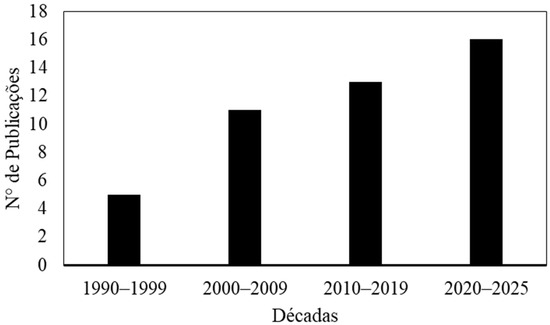
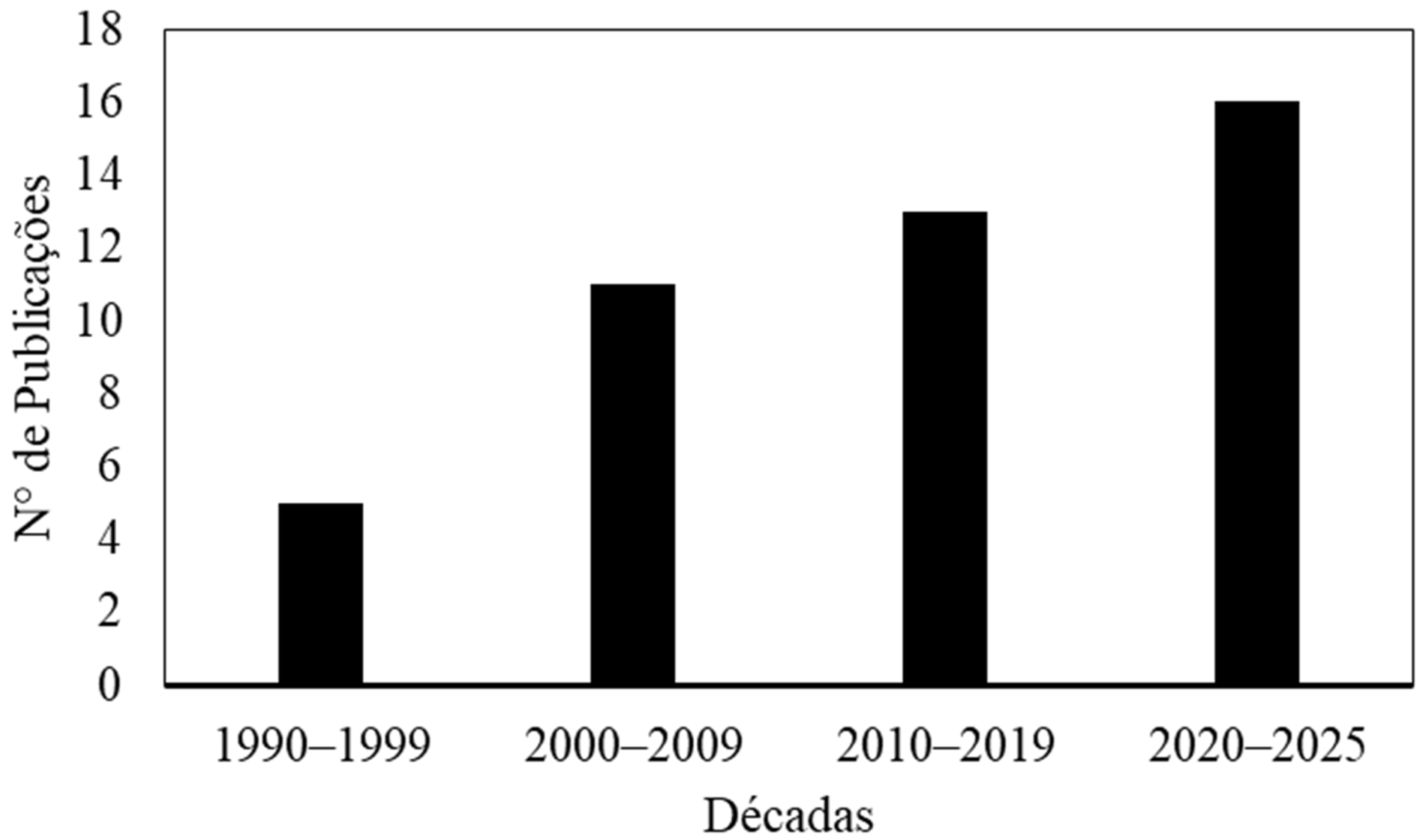
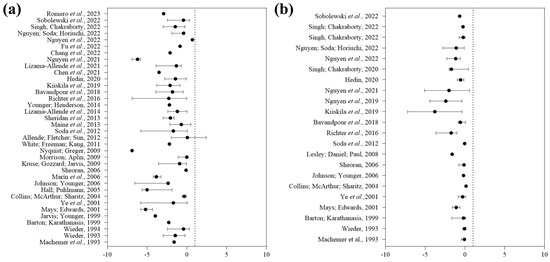
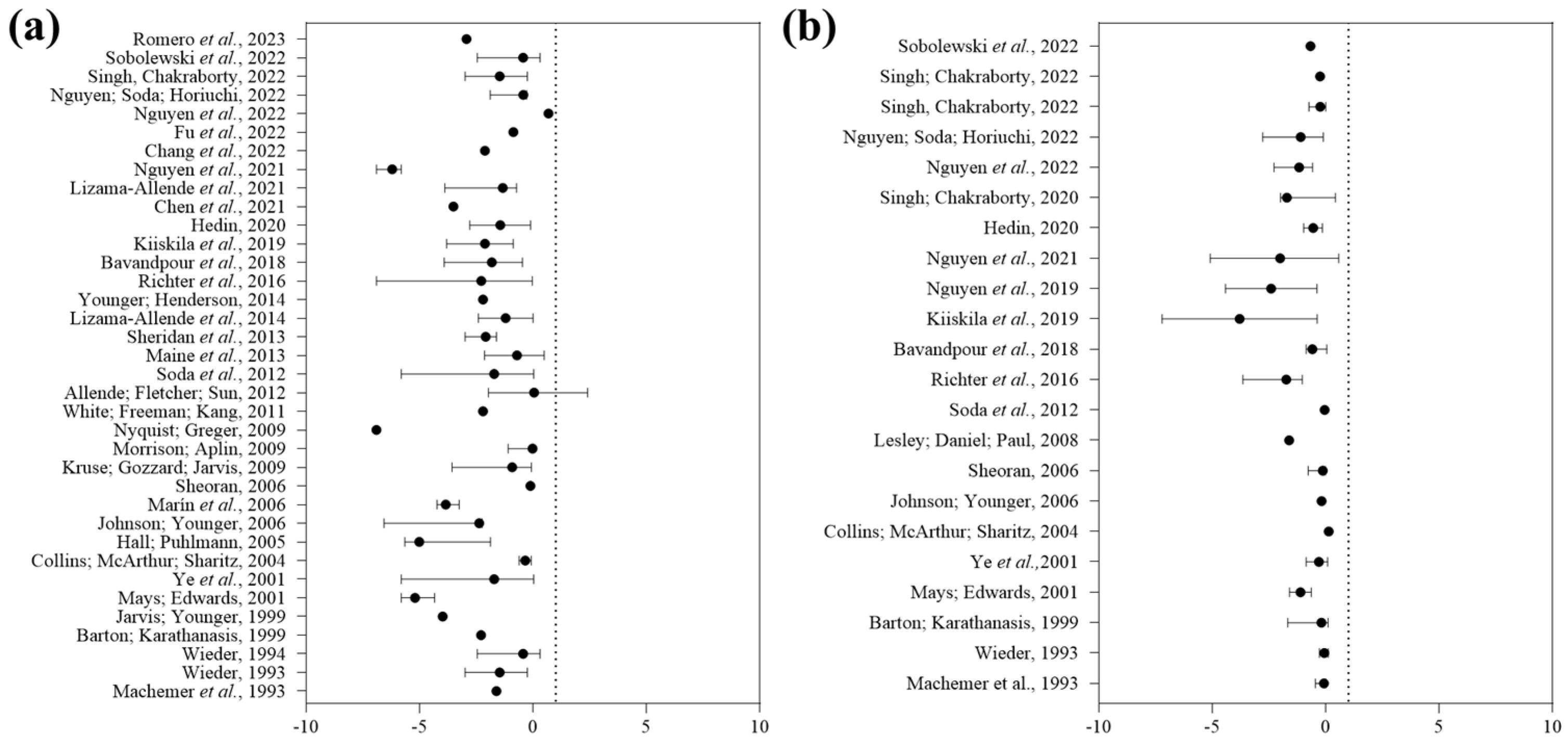
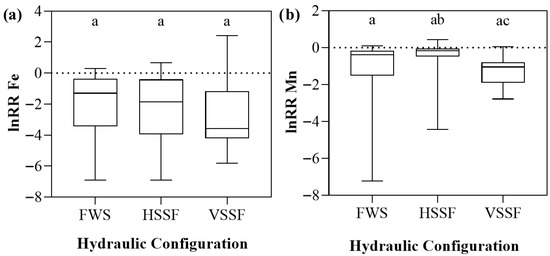
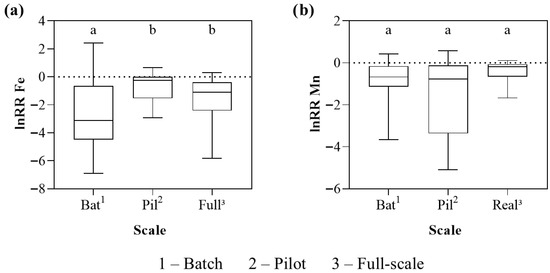
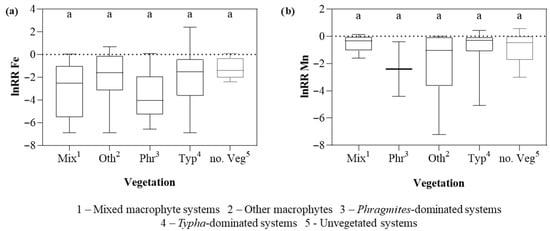
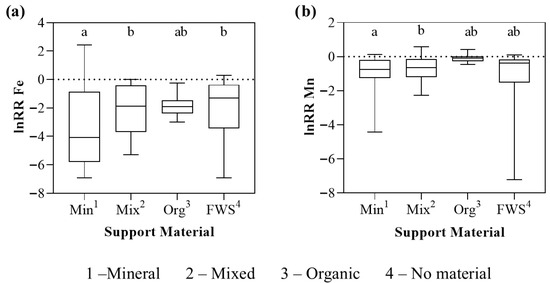
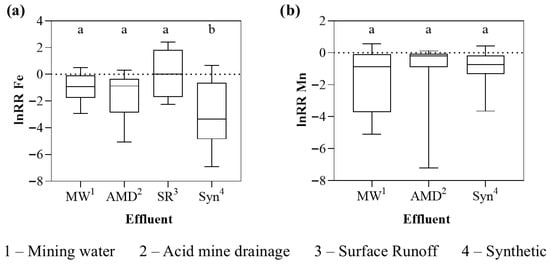
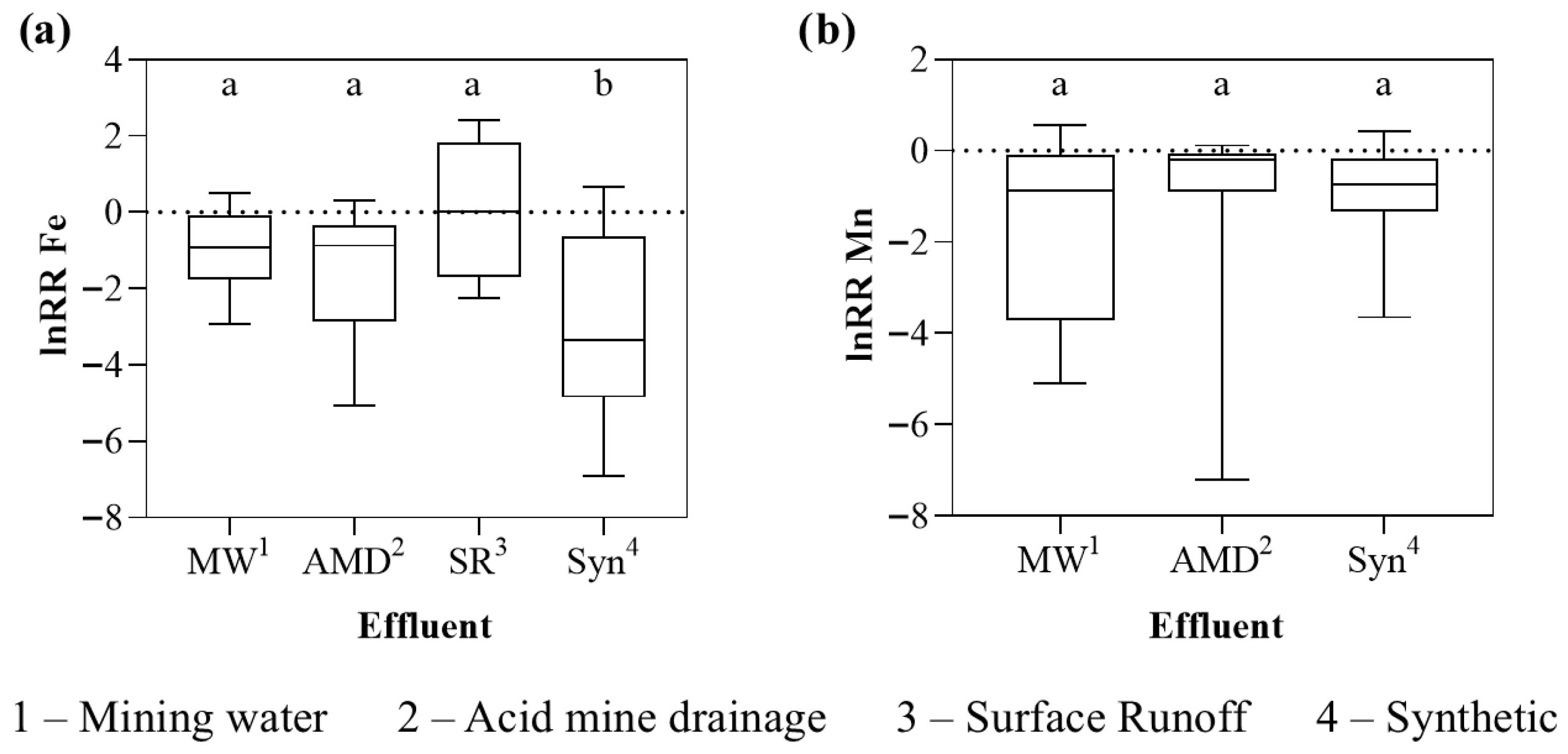
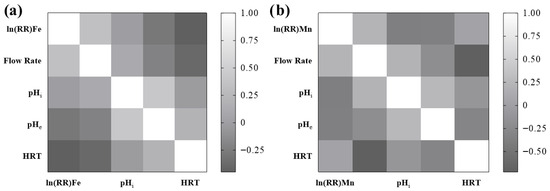
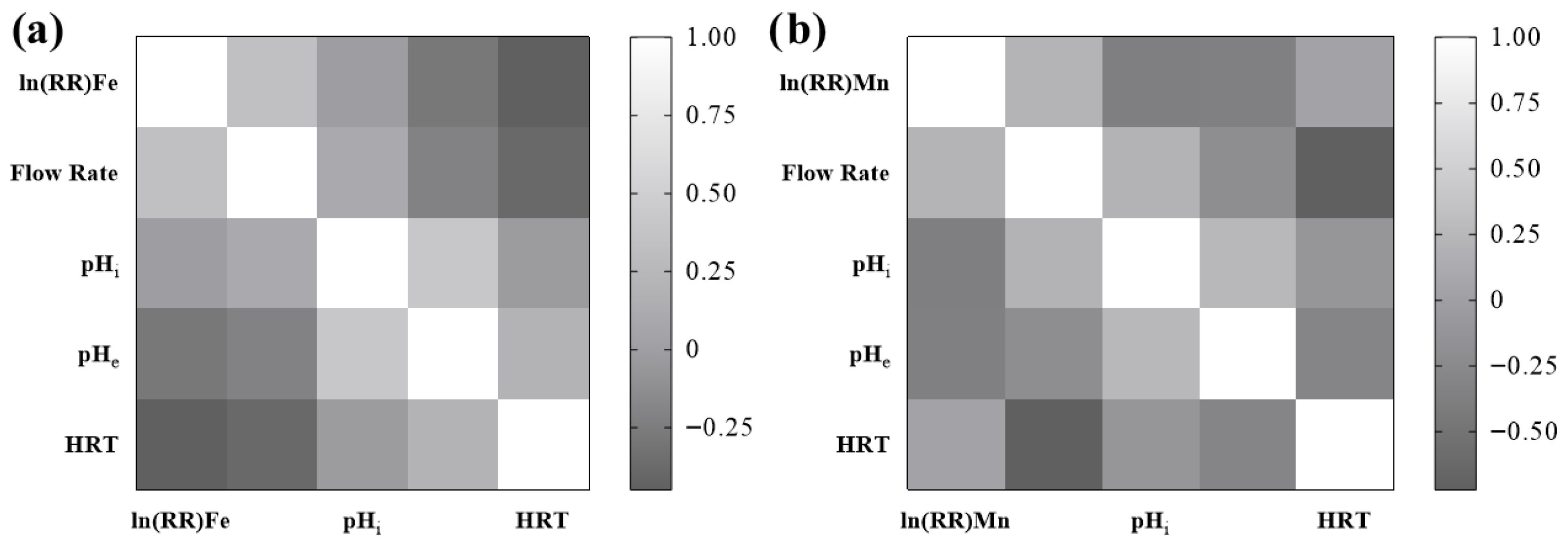

Disclaimer/Publisher’s Note: The statements, opinions and data contained in all publications are solely those of the individual author(s) and contributor(s) and not of MDPI and/or the editor(s). MDPI and/or the editor(s) disclaim responsibility for any injury to people or property resulting from any ideas, methods, instructions or products referred to in the content. |
© 2026 by the authors. Licensee MDPI, Basel, Switzerland. This article is an open access article distributed under the terms and conditions of the Creative Commons Attribution (CC BY) license.