


Abstract
Garlic (Allium sativum L.) owes its pungency, odour and most of its attributed bioactivity to a single reaction system: the conversion of the odourless precursor alliin into the thiosulfinate allicin when tissue is disrupted. Because allicin is absent from the intact clove, unstable in aqueous and thiol-containing media, and undetectable in plasma after consumption, the composition of any garlic preparation is governed by its processing history, and the electrophilicity of the thiosulfinate group determines which products survive. The review is organised around the alliin–alliinase–allicin system, not the plant itself. A measured allicin value is defined by the method that produced it. Extraction strategy, quantification platform, validation and reporting basis set the result as much as the sample does. Measured allicin must be distinguished from allicin potential. Assessed against the requirement of chemical definition, the reported biological, agricultural, food-preservation and nanomaterial applications rest on largely preclinical evidence, and often on materials never chemically characterised. The principal obstacle to comparability is the absence of a harmonised reference procedure for allicin quantification, not a shortage of biological observations. This review identifies the analytical and processing advances required to convert garlic from a raw commodity into reproducible, standardised ingredients.
Keywords:
allicin; diallyl thiosulfinate; alliin; organosulfur compounds; extraction; separation; HPLC; LC-MS/MS 1. Introduction
Garlic (Allium sativum L.) is among the most widely cultivated and consumed Allium crops, used both as a culinary ingredient and as a traditional remedy. Its commercial and pharmacological interest rests on a chemically diverse set of constituents, but what distinguishes garlic from other vegetables is a single, well-defined reaction system [1,2,3]. In that system, the odourless precursor S-allyl-L-cysteine sulfoxide (alliin) is converted into the reactive thiosulfinate allicin when the tissue is damaged. Allicin is therefore not a constituent of the intact clove, which is created by tissue disruption. It is this reaction instead of the plant that accounts for the pungency, the odour and most of the biological activities attributed to garlic.
The chemistry of that reaction defines the analytical problem addressed in this review. Allicin carries an electrophilic thiosulfinate group, and the molecule reacts readily with thiols and decomposes rapidly in aqueous and thiol-containing media [4,5]. A value reported as the allicin content of a preparation is consequently a property of the method that produced it. Two quantities must therefore be both considered. The free allicin actually present when the measurement is made, and the allicin potential that the same material can yield if its alliin is converted exhaustively by active alliinase. Thus, the compound that defines the chemistry of garlic is the least suitable for a stable marker, and this tension runs through the entire analytical and pharmacological literature.
Advanced separation and detection platforms have changed this situation. Validated multi-analyte procedures based on liquid chromatography–tandem mass spectrometry (LC-MS/MS) and ultra-performance liquid chromatography (UPLC) can now determine alliin, allicin and its principal transformation products within the same sample. Precursors and degradation markers are therefore quantified together rather than inferred from one another [6,7,8,9,10,11]. Drying, ageing and black-garlic technologies have been characterised chemically, not anecdotally, making it possible to relate a defined process to a defined composition [12,13,14,15].
Comprehensive reviews of garlic chemistry and pharmacology already exist [1,2,3,16,17], and they remain valuable. Their organisation, however, is typically by constituent class or by disease endpoint, with chemical identity, analytical method and biological claim treated in separate parts of the text. Many effects reported as “allicin activity” are in fact attributable to its degradation products or to other organosulfur species. The relevant question is no longer whether garlic is active, but which compound, in which preparation, is responsible. This review adopts a different arrangement: it organises garlic bioactivity in relation to separation chemistry and chemical composition, and treats separation and quantification as the hinge upon which the interpretation of every subsequent claim depends. The question it poses is more often assumed than examined. Can the biological and technical value attributed to garlic in fact be attributed to allicin, and under what conditions of chemical definition and measurement does that attribution hold? This review covers the organosulfur compounds of garlic (their formation, transformation, extraction, separation and quantitative determination) together with those applications for which a chemically defined preparation has been used. Studies from a wide range of groups are included throughout, selected for their relevance to allicin chemistry and measurement. Following this introduction, Section 2 defines the chemistry of garlic organosulfur compounds, their occurrence, formation, degradation and processing-induced variation. Section 3 addresses extraction, separation and the quantitative determination of allicin and related species. Section 4 and Section 5 cover the biological and agricultural applications. Section 6 covers the stabilisation and application of allicin in foods and materials, and Section 7 draws the analytical and biological arguments together and identifies the resulting priorities.
2. Organosulfur Compounds of Garlic: Composition, Formation and Transformation
2.1. Organosulfur Classes and Their Analytical Significance
Garlic contains carbohydrates, proteins, dietary fibre, vitamins, minerals and a chemically diverse set of secondary metabolites [1,3,18]. Of these, the organosulfur fraction is the one that determines the characteristic chemistry, pungency and odour of the plant and that accounts for most of its reported biological activity. The remaining constituents matter analytically only because they are measured alongside sulfur compounds and can interfere with their determination. The organosulfur constituents fall into five operationally distinct groups, whose analytical significance is summarised in Table 1:
S-alk(en)yl cysteine sulfoxides, of which S-allyl-L-cysteine sulfoxide (alliin) predominates, with the S-methyl, S-ethyl and S-propyl analogues present at lower concentrations. These are the odourless, water-soluble precursors of the reactive chemistry [1,2].
γ-Glutamyl peptides, principally γ-glutamyl-S-allyl-L-cysteine, which act as storage and transport forms of the allyl moiety and are hydrolysed to alliin during storage and germination [3].
Thiosulfinates, of which allicin (diallyl thiosulfinate) is the best characterised. Thiosulfinates are transient and are not present in intact tissue [2].
Oil-soluble sulfides, including diallyl sulfide (DAS), diallyl disulfide (DADS), diallyl trisulfide (DATS) and the corresponding allyl methyl and dimethyl series, which are generated on decomposition or on distillation of the thiosulfinates [2,19].
Water-soluble S-alk(en)yl cysteines, principally S-allyl cysteine (SAC) and S-allylmercaptocysteine (SAMC), which accumulate in aged and thermally processed preparations and are the analytical markers of those routes [13].
The relative abundance of all five groups varies substantially with cultivar, geographic origin, agronomic practice, maturity at harvest, and postharvest handling, so that the same crop species can yield preparations of a markedly different composition [2,20,21]. This variability is the reason why each group must be treated as a marker of a specific process, not as a general indicator. Thiosulfinates indicate recent tissue disruption and alliin indicates a heat-treated dry powder in which alliinase has been inactivated. Oil-soluble sulfides indicate distillation, and SAC indicates prolonged ageing or thermal processing. The non-sulfur fraction (phenolic acids, flavonoids, steroidal saponins, fructans, polysaccharides and proteins) lies outside the analytical scope of this review, but it matters analytically [22,23,24]. These constituents are therefore referred to here only where they affect the analysis or interpretation of sulfur compounds.
Table 1.
Major organosulfur classes of garlic and their analytical significance.
2.2. Formation, Yield Determinants and Degradation of Allicin
In intact cloves, alliin and the C–S lyase alliinase (EC 4.4.1.4) are physically separated in different cellular compartments. Cutting, crushing or homogenisation disrupts this compartmentation and allows alliinase to cleave alliin, releasing allylsulfenic acid, ammonia and pyruvate. Two molecules of allylsulfenic acid then condense spontaneously to allicin, the compound first isolated and structurally characterised by Cavallito and co-workers in 1944 [26,27]. Because the reaction is strictly compartmentation-dependent, allicin is not a constituent of the intact clove but a product of processing. Any value assigned to the allicin content of garlic therefore refers to a preparation, not to the plant itself.
The allicin yield obtained from a given mass of tissue is governed by several interacting variables, not by total sulfur content alone. A chromosome-level assembly of the A. sativum genome has identified the γ-glutamyl-S-allyl-cysteine and sulfoxide-synthase genes that govern alliin accumulation, providing a molecular explanation for why cultivars differ in allicin potential [28]. Cultivar is indeed a major determinant: allicin content differs significantly among A. sativum cultivars grown and harvested under comparable conditions [20,21], and it also declines during storage as a function of physiological state [29,30]. Beyond the raw material, the yield depends on the degree and mode of tissue disruption, the duration of the enzymatic reaction, water activity, pH, and temperature, since alliinase is strongly inhibited under acidic conditions and is inactivated by heat. Lawson and Hughes showed that the thiosulfinate profile formed from a single homogenate is kinetically controlled and quantitatively method-dependent, so that nominally identical raw materials can differ several-fold in allicin formation [25]. The practical consequence is that a study reporting “garlic extract” without specifying cultivar, disruption protocol and reaction conditions cannot be compared quantitatively with any other study.
The reactivity of allicin follows directly from its thiosulfinate group. In R–S(=O)–S–R′, the sulfenyl sulfur is electrophilic, so allicin undergoes rapid thiol–disulfide exchange with accessible sulfhydryl groups. This reaction is the origin of its antimicrobial activity and of its instability in any thiol-containing medium [2]. In the absence of thiols, the fate of allicin is determined by the medium rather than by an intrinsic decomposition route. In water and in aqueous alcohol the thiosulfinate undergoes elimination and rearrangement to give ajoene and the vinyldithiins. In non-polar solvents and on heating, disulfide and trisulfide formation predominates, giving DADS and DATS, which on further thermal exposure—particularly under distillation conditions—yield DAS and higher polysulfides [19,31]. The rate at which these processes occur is strongly temperature-dependent. Freeman and Kodera showed that allicin decays more than an order of magnitude faster in blood and simulated physiological fluids than in organic solvents [4]. Fujisawa et al. determined chemical half-lives of approximately one year at 4 °C, 32 days at 15 °C, and only about one day at 37 °C [32]. In aqueous extracts, pH, concentration and light exposure further modulate retention, with decomposition accelerating under alkaline and illuminated conditions [33]. The product distribution is not a fixed property of allicin but a function of solvent polarity, temperature, pH, oxygen availability, matrix composition and storage time, which is why chemically identical starting materials can give chemically different products (Figure 1).
Figure 1.
Formation and degradation network of allicin. Compartmentation control in the intact clove and the alliinase-mediated generation of allicin on tissue disruption are shown on the (left); the four medium-dependent degradation routes leading to ajoene and the vinyldithiins, the diallyl sulfide series, allylmercapto adducts, and SAC/SAMC on prolonged ageing are shown on the (right).
2.3. Analytical Characterisation and Content Determination
Any quantitative statement about the allicin content of a preparation is defined by the method that produced it. First, the recovery of allicin and other thiosulfinates depends on solvent, extraction time, temperature and the extent to which alliinase was inactivated before extraction, so that reported concentrations are method-defined, not absolute. Second, the reporting basis is inconsistent across the literature, with values expressed on a fresh-weight, dry-weight, extract-mass or nominal-yield basis that cannot be interconverted without complete compositional data. Third, the quantity of allicin actually present in a product must be distinguished from the allicin potential obtainable by exhaustive enzymatic conversion [34]. Lawson and Wang showed that many commercial garlic supplements release only a small fraction of their nominal allicin potential, mainly because alliinase is inactivated during manufacture [5]. A full treatment of extraction protocols, chromatographic and mass-spectrometric determination, sulfur-specific detection, and validation and reporting practice is given in Section 3.
2.4. Processing-Induced Changes in Composition
Processing converts garlic into a family of chemically distinct materials. Fresh and properly disrupted cloves generate the highest allicin concentrations, with the yield set by alliin and alliinase activity [2,25]. Garlic powder produced from intact dried cloves retains alliin but has lost or partly lost alliinase activity, so that its allicin release on reconstitution is variable and often well below the theoretical maximum [5]. The drying technology itself is a controlling variable, with different drying methods giving measurably different allicin contents in single-clove garlic [15] and corresponding differences in thiosulfinate content and antibacterial performance of the dried material [14,35,36,37]. Garlic oil produced by steam distillation contains essentially no allicin, being enriched instead in DADS, DATS and the related sulfide series formed by the thermal decomposition of the thiosulfinates [2,19,38]. Aged garlic extract contains negligible allicin and is characterised by SAC as its principal sulfur marker, with SAMC at much lower concentration, so that SAC has become the analytical marker of choice for aged preparations [13]. Black garlic, obtained by the prolonged thermal processing of whole bulbs at elevated temperature and humidity, shows a profile modified both by enzymatic conversion and by Maillard chemistry, with SAC accumulation and the appearance of melanoidin-associated products [12,13]. Table 2 summarises how the organosulfur profile differs across these product classes, using the high-performance liquid chromatography (HPLC) quantification of commercial preparations by Lawson et al. as the common basis [19,39]. The relative contents given in its final column refer to the combined thiosulfinate and sulfide fraction, expressed against fresh clove homogenate (100%). No single molecular basis exists for normalising them. These figures support comparison between product classes only and are not intended for quantitative cross-study use.
Table 2.
Organosulfur profile of commercial garlic preparations, expressed relative to fresh clove homogenate.
Two consequences follow for study design and for product standardisation. First, the allicin content of a preparation is determined primarily by the thermal and mechanical history of the tissue, not by the sulfur content of the starting material. Second, because SAC and allicin are mutually exclusive markers of different processing routes, a study that reports only one of them cannot be compared with a study that reports only the other. A consolidated quantitative comparison of allicin and total thiosulfinate content across product classes, expressed on a common basis, therefore remains a real gap. It is the immediate reason why allicin-based products cannot yet be regulated or compared in the way that other phytochemical markers can [5,14].
3. Extraction, Separation and Quantitative Determination of Garlic Organosulfur Compounds
3.1. Extraction Methods
3.1.1. Conventional Solid–Liquid and Soxhlet Extraction
Extraction must be selected according to the target chemical class, not total extract yield. Water and aqueous alcohols favour polar constituents such as alliin, SAC, phenolics, fructans and polysaccharides, whereas less polar solvents enrich oil-soluble sulfides and their transformation products [40]. Maceration, percolation, reflux and Soxhlet extraction are operationally simple and accessible, but they generally require longer extraction times and larger solvent volumes than assisted or pressurised techniques. Prolonged heating can convert thermolabile thiosulfinates, so that a high gravimetric yield should not be interpreted as high recovery of the intended bioactive compounds [40].
For garlic polysaccharides and fructans, hot-water extraction followed by deproteinisation, concentration and ethanol precipitation remains the standard route, and fractionation by ion-exchange or size-exclusion chromatography resolves materials of different molecular weight and charge [22,23]. More recently, ultrasound-assisted extraction with refractive-index HPLC detection has been optimised specifically for the quantification of garlic fructooligosaccharides, illustrating that carbohydrate analytes require their own extraction and detection strategy rather than being co-measured with sulfur compounds [41].
3.1.2. Ultrasound- and Microwave-Assisted Extraction
Ultrasound-assisted extraction (UAE) enhances solvent penetration and matrix disruption through acoustic cavitation. Relative to passive maceration, it shortens extraction and reduces solvent consumption while operating at moderate bulk temperature; in garlic, the solvent composition, temperature, treatment time and acoustic power jointly determine phenolic recovery [42,43]. However, excessive sonication may raise the local temperature, promote oxidation or alter enzyme activity.
Microwave-assisted extraction (MAE) uses dipolar rotation and ionic conduction to heat the solvent–matrix system rapidly. A validated aqueous MAE procedure for aged garlic recovered SAC, cycloalliin, carbohydrates, amino acids and phenolic constituents more efficiently than the solid–liquid and ultrasound conditions compared in the same study [13]. MAE offers short extraction cycles and efficient heating, but its suitability depends on the dielectric properties of the solvent and on the stability of the target. Non-uniform heating and excessive temperature–time exposure can transform labile sulfur compounds, so MAE conditions optimised for aged garlic must not be transferred uncritically to fresh garlic or to allicin-rich materials.
3.1.3. Pressurised-Liquid, Subcritical-Water and Supercritical-Fluid Extraction
Pressurised-liquid extraction (PLE) accelerates mass transfer by maintaining the solvent in the liquid state at elevated temperature and pressure. Subcritical-water extraction (SWE) is a related approach in which the dielectric constant and transport properties of water are modified by temperature while pressure prevents boiling. Both PLE with aqueous ethanol and SWE have been applied to garlic for phenolics and allicin. Their principal advantages are short cycles and a lower organic-solvent demand [44]. The fundamental limitation is that a higher extraction temperature can cause the simultaneous release and transformation of constituents, so that optimisation must consider the target concentration and chemical profile, not merely the total yield.
Supercritical carbon dioxide extraction is particularly suited to relatively non-polar and volatile sulfur constituents, because solvent power can be tuned by pressure, temperature and co-solvent addition and because carbon dioxide leaves little solvent residue after depressurisation. Studies on garlic flakes have demonstrated that the supercritical-fluid extraction (SFE)–HPLC method could achieve high allicin recovery under optimised conditions [45,46]. Subcritical CO2 extraction has since been applied to garlic matrices and the resulting preparations characterised by gas chromatography–mass spectrometry (GC-MS) and evaluated for antimicrobial activity, extending the accessible range of operating parameters [47]. The technique nevertheless requires costly high-pressure equipment, and neat carbon dioxide has limited capacity for highly polar compounds, so co-solvent selection and depressurisation losses must be controlled.
3.1.4. Distillation and Headspace-Based Isolation of Volatile Sulfur Compounds
Hydrodistillation, steam distillation and simultaneous distillation–solvent extraction (SDE) are widely used to isolate garlic essential oil and volatile sulfides. They are practical for preparative oil recovery, but heating converts native thiosulfinates and changes the relative abundance of DAS, DADS, DATS and minor volatiles. Comparative work has shown that the extraction mode itself strongly affects the observed volatile profile, and that headspace solid-phase microextraction (HS-SPME) reduces handling and apparent thermal degradation relative to distillation-based sampling [48]. HS-SPME is especially useful for analytical profiling, although fibre selectivity, equilibration conditions and competition among analytes limit the direct conversion of peak-area percentages into absolute concentrations.
3.1.5. Method Selection and Sample-Stability Control
The extraction objective must first specify whether the analyte is an intact precursor, an enzymatically generated thiosulfinate, a stable aged-garlic constituent, a volatile sulfide, a phenolic, or a polysaccharide. For alliin measurement, alliinase should be rapidly inactivated or physically excluded to prevent conversion during preparation. For the determination of potential allicin yield, controlled tissue disruption and standardised enzymatic conversion are required. For volatile profiling, closed-vial handling and minimal thermal process are preferable. Reviews of garlic and other Allium matrices consistently identify temperature, pH, oxygen exposure, particle size, solvent composition, extraction time and storage as major sources of method-dependent variation [49,50], and these variables should be documented together with recovery and stability data.
Where “green” extraction is claimed, it should be assessed against a full-process metric, not solvent reduction alone. Energy demand, target stability, co-solvent use and downstream purification must be reported together. Otherwise, an ostensibly greener method may simply displace the environmental burden or destroy the analyte [49,50]. Table 3 compares the principal extraction strategies on this basis.
Table 3.
Comparison of extraction strategies for garlic organosulfur compounds.
3.2. Qualitative and Quantitative Analytical Methods
3.2.1. Spectrophotometric and Other Rapid Screening Assays
Colorimetric assays for total phenolics, antioxidant capacity, pyruvate and total thiosulfinates are useful for screening large sample sets because they are inexpensive and require simple instrumentation. Chromogenic thiol reagents can estimate total thiosulfinates, and enzymatic pyruvate formation has been used as an indirect measure of alliinase-dependent pungency. The classical spectrophotometric determination of allicin and total garlic thiosulfinates using a thiol reagent remains the reference method for this approach [51]. Its central limitation is low molecular specificity: reducing substances, matrix colour, reagent kinetics and structurally related sulfur compounds all contribute to the same signal. Such assays should therefore be reported as operational indices and must not be equated with compound-specific allicin or alliin content without chromatographic confirmation [49,50].
3.2.2. HPLC with UV or Diode-Array Detection
HPLC can determine alliin and allicin by external calibration and can monitor selected allicin-transformation products [52]. Highly polar cysteine sulfoxides may require derivatisation, ion-pair chromatography or specialised stationary phases. An ion-pair method coupled with ultraviolet (UV) and mass-spectrometric detection enabled the simultaneous analysis of alliin, deoxyalliin, allicin and peptide precursors [53]. The foundational reversed-phase procedures for garlic were established in the early 1990s [19]. Comparative profiling across Allium species subsequently showed that the allyl-to-methyl thiosulfinate ratio is characteristic of garlic and can be used to verify raw-material identity [54]. Later work refined the separation by post-column photochemical derivatisation, improving the selectivity and detectability of the thiosulfinates without requiring a native chromophore [55]. The limitations include weak or non-specific chromophores for some sulfur compounds, co-elution in complex matrices, and error introduced by analyte conversion during sample preparation. The identity and purity of the calibration material are especially critical for allicin because it is unstable and is not as readily available as stable precursor standards.
3.2.3. LC-MS/MS and High-Resolution Mass Spectrometry
LC-MS/MS provides greater selectivity and sensitivity than optical detection. A selected reaction monitoring (SRM) method simultaneously quantified alliin, SAC, γ-glutamyl-S-allyl-L-cysteine and allicin in garlic products [6], while UPLC-electrospray ionisation-MS/MS was used to quantify eleven organosulfur compounds and to follow compositional change during fermentation [7]. Targeted LC-MS/MS is well suited to routine multi-analyte quantification where reference standards and validated transitions are available. High-resolution mass spectrometry supports the non-targeted profiling, formula assignment and comparison of cultivars or processed products, but tentative identification based on accurate mass alone is insufficient for structural confirmation. Matrix effects, in-source fragmentation, isomeric compounds and differential ionisation require evaluation through internal standards, recovery experiments, dilution or matrix-matched calibration and, where possible, comparison with authentic standards.
3.2.4. GC-MS and GC-FID
GC-MS and gas chromatography-flame ionisation detection (GC-FID) are appropriate for volatile, thermally amenable sulfides and essential-oil constituents. HS-SPME-GC-MS minimises solvent use and preserves a volatile fingerprint better than high-temperature distillation, whereas GC-FID provides reproducible quantification once response factors and calibration standards are established [48,49,50]. Identification should combine mass spectra with retention indices and, for key markers, authentic standards. Direct GC analysis is less suitable for unstable allicin and other reactive thiosulfinates, because injection and column temperatures generate artefacts. Extraction and instrumental conditions must be regarded as part of the measured profile.
3.2.5. Sulfur-Specific Detection and Multi-Platform Profiling
Because no single platform resolves the whole organosulfur profile, the most defensible characterisations are multi-platform. A validated protocol combining UAE and dispersive liquid–liquid microextraction with hydrophilic-interaction and reversed-phase HPLC with diode-array detection (DAD) quantified flavonols, organosulfur compounds and inulin-type fructans across several garlic products [8]. A post-column HPLC method using a sulfur-selective reagent was developed to survey multiple hydrophilic sulfur compounds in aged garlic extract, with LC-MS and nuclear magnetic resonance subsequently used for structural identification [9]. Reversed-phase HPLC-UV has been validated for the water-soluble and oil-soluble organosulfur compounds of the garlic matrix in a single chromatographic run [10]. Comparative LC-MS and flow-injection electrospray ionisation mass spectrometry (FIA-(ESI)MS) procedures have been validated for SAC in aged-garlic supplements. The simpler flow-injection format performed comparably to full chromatographic separation [11]. Such sulfur-specific and platform-complementary approaches improve class selectivity without requiring strong native chromophores, but their results remain conditional on the extraction step that precedes them.
3.2.6. Validation, Reporting and Comparability
A publication-quality method should define the garlic cultivar and product type, pre-treatment and storage, extraction basis, calibration strategy, selectivity, linear range, limit of detection, limit of quantification, precision, accuracy or recovery, analyte stability and matrix effects [49,50]. Results should state explicitly whether concentrations are expressed on a fresh-weight, dry-weight, extract-mass or product basis, and measured allicin should be distinguished from the potential allicin yield obtainable after the enzymatic conversion of alliin [5]. Table 4 compares the principal quantitative platforms against these criteria. Because garlic preparations differ chemically and because no harmonised reference procedure yet exists, a validated multi-marker panel is generally more informative than a single total-content assay [6,8,10,11,50].
Table 4.
Comparison of quantitative platforms for garlic organosulfur compounds.
4. Biological Activities of Allicin and Its Transformation Products
4.1. A Unifying Mechanistic Framework
The biological activities summarised in this section are heterogeneous in their endpoints (antibacterial, antifungal, antiviral, anti-inflammatory, metabolic and anticancer), but they are not mechanistically unrelated. Nearly all of them can be traced to a single chemical property of allicin: the electrophilicity of its thiosulfinate group.
Allicin (diallyl thiosulfinate, R–S(=O)–S–R′) is not a receptor ligand. The S–S bond of the thiosulfinate group is strongly polarised, rendering the outer sulfur electrophilic and the molecule highly reactive towards nucleophiles, of which thiols are by far the most important in biological systems [2,56]. In aqueous solution at physiological pH, allicin reacts rapidly with reduced thiols (RSH) and still faster with their deprotonated thiolate forms (RS−), transferring an allylthio group to the nucleophile and forming a mixed disulfide (an S-allylmercapto adduct). Allylsulfenic acid is released and condenses further [2,57]. From this, three consequences can be stated as follows, and together they account for most of the observations reviewed below.
(i) The primary molecular event is covalent cysteine modification, not a stereospecific interaction. Because essentially every cell depends on thiol-based redox buffering and on enzymes bearing active-site cysteines, allicin attacks an unusually broad spectrum of organisms without requiring a common molecular target. Classic work established that allicin inhibits the growth of both Gram-positive and Gram-negative bacteria by interfering with thiol-dependent enzymes and, at higher concentrations, with nucleic acid and protein synthesis [57,58]. More recent proteome-level analysis has shown that allicin treatment of bacteria produces the widespread S-allylmercapto modification of protein cysteines, depletes the low-molecular-mass thiol pool and triggers a characteristic thiol-stress response [59]. The mechanistic prediction that follows, that activity should be abolished if the thiol targets are supplied exogenously, has been confirmed experimentally: the antibacterial effect of allicin is cancelled by cysteine, N-acetylcysteine and other sulfhydryl compounds in a concentration-dependent manner [60].
(ii) Activity is consumed by the matrix in which it is measured. Since reduced thiols and other nucleophiles are abundant in cells, in blood, and in many food matrices, allicin is quenched by its own targets and by competing reactants. This is why allicin is difficult to detect intact in plasma, and why in vitro potency rarely translates into in vivo efficacy. It is also why the biological effects observed after garlic consumption are more plausibly attributed to allicin’s transformation products than to allicin itself [2,61]. Consistent with this, allicin bioavailability and bioequivalence have been assessed through the recovery of its allyl methyl sulfide (AMS) metabolite in breath, not by direct measurement of the parent compound [62].
(iii) The chemistry defines the structure–activity relationship. Systematic comparison of synthetic thiosulfinate analogues has shown that antibacterial and antifungal potency depends markedly on the alk(en)yl substituents and on the thiosulfinate group itself, so “allicin-like activity” is not a transferable property [63]. This matters for the interpretation of the many studies that use garlic preparations of undefined composition.
4.2. Antibacterial and Antibiofilm Activity
Allicin is the antibacterial principle first isolated from garlic in 1944 [26,27], and antibacterial activity remains the best-characterised of its biological properties. Bacteriostatic concentrations of allicin inhibit the growth of Salmonella typhimurium through interference with thiol-dependent enzymes and with RNA synthesis, not by a single lethal lesion [58]. Contributions of individual sulfur species have been reviewed in detail, with allicin placed at the centre of the antibacterial response and the oil-soluble sulfides (DADS, DATS) identified as a distinct and additional contribution [57,64,65].
At the molecular level, the thiol-stress mechanism described in Section 4.1 has been defined with considerable precision. Allicin modifies protein cysteines as S-allylmercapto adducts, and the extent of modification correlates with the loss of viability, while the modification can be reversed by reducing agents [59]. A practical consequence is that the effective concentration of allicin in any given assay depends on the thiol content of the medium, so that minimum inhibitory concentrations reported in different media are not directly comparable [60]. Studies of allicin-containing extracts against the Burkholderia cepacia complex have made the same point from the opposite direction. Activity was retained only when the extract contained measurable allicin. This shows that the antibacterial claim is inseparable from the chemical characterisation of the material [66].
Beyond planktonic growth, allicin interferes with biofilm formation and with quorum-sensing-controlled virulence. Subinhibitory concentrations of allicin modify biofilm formation by Staphylococcus epidermidis [67]. Allicin also inhibits biofilm formation by Pseudomonas aeruginosa and reduces the production of quorum-sensing-controlled virulence factors [68]. It inhibits Candida albicans biofilm formation while suppressing expression of the adhesin gene hyphal wall protein 1 (HWP1) in a manner comparable to fluconazole in the same assay [69]. A study on denture stomatitis extended this to dual-species biofilms of C. albicans and Staphylococcus aureus, reporting both antimicrobial and antibiofilm effects [70].
Two limitations should be stated explicitly. First, almost all of this evidence is in vitro. The number of well-controlled in vivo studies in which the allicin dose is known remains small. Second, the studies that do report in vivo antibacterial effects frequently use garlic preparations or essential oils, not defined allicin, so the observed effect cannot be attributed to allicin with confidence (see Section 4.8).
4.3. Antifungal Activity
The antifungal activity of allicin follows the same thiol-dependent logic, but its consequences are more visible because fungal cells present a membrane interface at which a lipophilic electrophile can act before reaching intracellular thiol pools. Allicin inhibits Cryptococcus neoformans both in vitro and in vivo, principally through the disruption of membrane permeability and function [71], and is active against the emerging opportunistic pathogen Trichosporon asahii in vitro with protective effects in vivo [72]. Antifungal potency is shared by synthetic thiosulfinate analogues, and the analogue series confirms that it is a property of the thiosulfinate group and its substituents, not of the allyl moiety alone [63]. A review of allicin’s antifungal and antibacterial activities summarises this body of work [73].
For pathogenic fungi the clinically relevant question is whether allicin adds anything to existing antifungals. The biofilm and HWP1 results summarised in Section 4.2 are the most encouraging part of the answer. Since azole resistance is frequently associated with biofilm formation and with altered membrane composition, a thiol-reactive agent that acts independently of the ergosterol pathway is mechanistically complementary. Combination studies would be more informative than further single-agent minimum inhibitory concentration (MIC) determinations.
4.4. Antiviral Activity
The antiviral evidence base is smaller and must be read with care. In an early systematic screen, fresh garlic extract, its polar fraction, and individual garlic compounds, including diallyl thiosulfinate (allicin) itself, were tested in direct pre-infection incubation assays. All showed virucidal activity, that is, inactivation of the virus particle, not inhibition of intracellular replication [74]. This distinction matters, because virucidal activity in a pre-incubation assay does not imply therapeutic efficacy. More recently, allicin was reported to exert antiviral and immunomodulatory effects at biocompatible concentrations in cell cultures infected with severe acute respiratory syndrome coronavirus 2 (SARS-CoV-2). The dominant effect was a reorganisation of the host-cell proteome, not a direct inhibition of a viral enzyme [75]. For influenza, the reported activity is attributable to a transformation product, not to allicin: DATS showed antiviral activity against H9N2 avian influenza virus both in vitro and in vivo [76].
4.5. Anti-Inflammatory and Immunomodulatory Activity
Allicin’s transformation products are the principal actors in this area, and the literature is correspondingly richer for DADS and SAC than for allicin itself. DADS modulated the gut microbiota and its metabolites, protected the intestinal barrier and alleviated intestinal Candida albicans infection in a murine model [77]. The same compound also reduced inflammatory signalling through suppression of endoplasmic reticulum (ER) stress in hypercholesterolaemic mice [78]. SAC, a stable water-soluble product of allicin degradation and the characteristic marker of aged garlic preparations, protected neonatal asthmatic rats through anti-inflammatory and cytoprotective responses [79]. Dimethyl trisulfide, a volatile organosulfur compound of garlic rather than a direct allicin product, modulated inflammatory responses in a serum-transfer arthritis model through the transient receptor potential ankyrin 1 (TRPA1) ion channel [80]. This finding identifies a defined, non-thiol mechanism by which garlic volatiles can act on inflammation, but it should not be read as an allicin mechanism.
Where pure allicin has been tested directly, the mechanism most consistently reported is the attenuation of the toll-like receptor 4 (TLR4)/myeloid differentiation primary response 88 (MyD88)/nuclear factor kappa-B (NF-κB) axis. In acrylamide-challenged rats, dietary allicin ameliorated intestinal barrier damage through microbiota-dependent modulation of short-chain fatty acids (SCFA) and the TLR4/MyD88/NF-κB cascade [81]. This is a useful result for the purposes of this review because it is one of the few studies in which allicin is the administered agent and in which the composition of the administered material is defined.
4.6. Metabolic and Cardiovascular Effects
Two mechanistically distinct threads run through this literature. The first is hydrogen sulfide signalling. Garlic-derived organosulfur compounds, principally the polysulfides, are metabolised by thiols and by glutathione to release hydrogen sulfide (H2S), and H2S has been shown to mediate the vasodilatory effect of garlic in aortic ring preparations [82]. Allicin itself is a thiosulfinate rather than a polysulfide, but it is the precursor from which the polysulfides are generated, and this mechanism therefore provides a chemically coherent explanation for garlic’s well-documented effects on vascular tone. It also implies a prediction that the cardiovascular activity of garlic preparations should correlate with their polysulfide-generating capacity, not with their allicin content.
The second thread concerns lipid metabolism and gut-microbiota-dependent pathways. Allicin in raw garlic altered the gut microbiota and reduced trimethylamine N-oxide (TMAO) production in a mouse model of atherosclerosis, linking a microbially derived metabolite to vascular risk [83]. Purified allicin improved metabolism in high-fat-diet-induced obese mice by remodelling the gut microbiota [84], and allicin-induced host–microbe interactions have been shown to improve energy homeostasis [85]. Together these studies indicate that a substantial part of the metabolic effect of allicin is indirect, mediated through the gut ecosystem, not through direct action on host cells.
Direct myocardial effects have also been reported at the cellular level: allicin attenuated myocardial apoptosis, inflammation, and mitochondrial injury in an in vitro hypoxia–reoxygenation model [86]. In animal models, allicin has been reported to reduce myocardial tumour necrosis factor-α expression and to mitigate chemotherapy-induced cardiac oxidative damage, although the studies surveyed used garlic-derived material, not defined allicin, and reported no left-ventricular functional data [87]. For the transformation products, DADS alleviated diet-induced hypercholesterolaemia by suppressing endoplasmic-reticulum stress in apolipoprotein E-deficient mice [78]. A separate study reported that DADS enhanced the cardioprotective effect of carvedilol against isoprenaline-induced myocardial injury [88]. DATS improved the survival of multiterritory perforator skin flaps by promoting angiogenesis and autophagy while reducing apoptosis and oxidative stress [89].
4.7. Anticancer Activity
The anticancer literature on garlic organosulfur compounds is by far the largest of the applied areas covered in this review, and the one where the distinction between allicin and its transformation products matters most. Systematic reviews of the anticancer potential of garlic and its constituents [90] and of allicin’s relationship to the hallmarks of cancer [91] both conclude that activity is distributed across several sulfur species, with DADS and DATS better represented than allicin itself in mechanistic and formulation studies.
For the polysulfide derivatives, the evidence is substantial and internally consistent. DADS and DATS have been formulated in various nanocarriers, with the explicit aim of protecting the reactive sulfur group from oxidation and of controlling release. Hyaluronic-acid-derived oil-core nanocapsules limited sulfur oxidation and reduced the membrane-disruptive effect of DADS on erythrocytes while retaining anticancer activity [92]. Folic-acid-functionalised DATS solid lipid nanoparticles enhanced receptor-mediated uptake by triple-negative breast cancer cells [93]. A third approach used nanoliposomes co-loading cisplatin and DADS, which showed marked cytotoxicity against breast and lung cancer cell lines, pointing to a combination nanotherapy approach [94]. Chemopreventive and chemosensitising effects of a lipid-based DATS formulation have been demonstrated in a colorectal cancer model [95], and DAS exerted preventive effects in a benzo[a]pyrene-induced lung carcinogenesis model by downregulating fatty acid synthase (FASN) [96]. Mechanistically, DADS suppressed the radiation-induced migration and invasion of non-small-cell lung cancer cells through suppression of nuclear factor erythroid 2-related factor 2 (Nrf2) signalling, a finding of practical interest because it addresses metastatic risk after radiotherapy, not primary tumour growth [97].
For allicin itself, the direct evidence is narrower. Diallyl thiosulfinate enhanced the activity of dexamethasone against side-population cells in multiple myeloma by increasing microRNA-127-3p (miR-127-3p) expression and suppressing phosphoinositide 3-kinase (PI3K)/protein kinase B (AKT) signalling [98]. Allicin inhibited the proliferation of human cytomegalovirus-infected glioblastoma cells by decreasing interleukin-6 (IL-6) and interferon-β (IFN-β) expression [99], and induced ferroptosis in human nasopharyngeal carcinoma cell lines [100].
Two further lines of work that are often cited in support of garlic’s anticancer activity do not, however, concern the sulfur chemistry of allicin. Studies of garlic-derived small extracellular vesicles, which inhibit cancer cell proliferation and induce caspase-mediated apoptosis, concern a vesicular fraction of garlic, not its sulfur chemistry [101]. Likewise, the inhibition of breast cancer cell growth by aged black garlic extract reflects the composition of a processed material in which allicin is essentially absent [102]. Such preparations are interesting because allicin has been converted, and they belong with the discussion of processing-induced transformation, not with allicin bioactivity.
4.8. The Attribution Problem: Activities Ascribed to Allicin Without Chemical Definition
A large part of the original evidence base ascribes biological activity to “garlic” or “garlic extract” without showing that allicin, or any sulfur compound, is present at an effective concentration. Dietary garlic powder attenuated lipopolysaccharide-induced inflammation and oxidative stress in broilers [103], and dietary plant extracts including garlic improved immune responses and growth performance in pigs experimentally infected with porcine reproductive and respiratory syndrome virus [104]. In both studies the sulfur contribution was not resolved. A medicated emulgel combining lyophilised royal jelly with garlic extract promoted wound healing in a murine methicillin-resistant Staphylococcus aureus infection model [105]. Garlic extract was one component among several. The study was designed to evaluate the formulation, not the sulfur chemistry. Similarly, garlic essential oil showed immunomodulatory and disease-attenuating effects in a preclinical model of acute campylobacteriosis [106]. Garlic oil sulfides altered the glycerophospholipid distribution of Mycobacterium tuberculosis in a dose-dependent manner [107]. In both cases the test material was a mixture whose sulfur speciation was not fixed.
The problem is particularly acute for anti-glycation claims. Glycation-related studies report that garlic extract inhibits advanced glycation end-product formation in vitro by more than 50% [108], that garlic preparations attenuate glycation and oxidative damage [109], and that garlic decreases the expression of the receptor for advanced glycation end products (RAGEs) in experimental diabetes [110]. No study, however, has shown that allicin, at a defined concentration, modifies glycation chemistry or RAGE expression.
Garlic preparations are chemically legitimate materials, and several of the studies above are well executed. The difficulty is that their results cannot be transferred to allicin where the sulfur composition is undefined. Other studies in this area do concern chemically defined compounds. Allicin induced a browning phenotype in human Simpson–Golabi–Behmel syndrome adipocytes, promoting energy dissipation by thermogenesis [111]. SAC produced an antidepressant-like effect in mice, with reduced hippocampal lipid peroxidation and increased manganese superoxide dismutase activity [112]. Both are chemically specified and therefore admissible: the first for allicin itself, the second for a stable allicin-derived product.
4.9. Safety and Tolerability
Because allicin is a reactive electrophile, its safety profile is not simply that of garlic as a food. Allicin is responsible for the pungency of crushed garlic, and this is a defined pharmacological effect. Allicin activates the TRPA1 ion channel on sensory neurons, causing acute pain and neuropeptide release [113]. The same mechanism explains the burning sensation and gastric irritation reported after the consumption of raw garlic, and it is the most plausible explanation for the dose-limiting gastrointestinal effects that appear in intervention studies.
The safety of garlic products has been reviewed systematically [114]. The principal adverse effects are gastrointestinal irritation and odour, and the clinically important interactions concern antiplatelet and anticoagulant drugs and effects on the pharmacokinetics of some drugs. Intake levels and the dose ranges used in human studies have been summarised in the standard reference work on garlic constituents [115]. There is no established tolerable upper intake level for allicin as such, because almost all human data concern garlic powder, aged garlic extract or garlic oil, not defined allicin. The safety of allicin has, in effect, been inferred from materials that contain little of it. Because the mechanism is thiol reactivity, the most plausible interaction risk is with thiol-dependent drugs and with reducing agents, including N-acetylcysteine, not with the coagulation pathway alone.
4.10. Summary of the Evidence Base
Table 5 summarises the activities discussed in this section together with the chemical definition of the test material upon which each rests. Two patterns emerge. Antibacterial, antibiofilm and antifungal activities rest on evidence obtained with pure or analytically defined allicin, and the metabolic and gut-microbiota findings likewise rest on animals dosed with allicin itself. In contrast, the anti-inflammatory, cardiovascular and anticancer areas are dominated by the transformation products (DADS, DATS and SAC) with allicin’s own contribution established in only a small number of mechanistically specific studies. The anti-glycation activity has no allicin-specific evidence at all: the supporting studies used garlic preparations of undefined composition.
Table 5.
Biological activities attributed to allicin and its transformation products: proposed mechanisms and level of chemical definition of the test material.
5. Agricultural and Veterinary Applications
5.1. Allicin as a Plant Defence Molecule
Allicin is not only a bioactive constituent of a food plant, but the defence molecule of that plant. Allicin is produced by garlic on tissue damage specifically to repel or inhibit microbial and invertebrate attackers, and this biological role has been the explicit basis for the proposal to develop allicin as a crop-protectant active ingredient [116]. That means that agricultural uses are not merely extrapolations of pharmaceutical findings but applications of the molecule’s native function.
The most directly relevant evidence concerns plant pathogenic bacteria. An ethanolic garlic tincture inhibited Streptomyces scabies by more than 75%, supporting its potential as a biocontrol treatment [117]. Because S. scabies is a soil-borne actinomycete and because allicin is a thiol-reactive agent, the practical constraint in this application is not intrinsic activity but persistence in soil, where thiols, organic matter and microbial activity all consume the electrophile. Studies of allicin against plant pathogens have repeatedly identified stability and delivery, rather than potency, as the limiting factors [116].
Against insects and weeds the evidence is weaker and the chemical attribution is correspondingly less secure. Garlic-extract sprays showed insecticidal activity against the mango scale Aulacaspis tubercularis in field experiments [118]. Garlic essential oil inhibited the growth of barnyard grass (Echinochloa crusgalli) by up to 88.34% while exerting substantially weaker effects on rice-seed germination, suggesting selective herbicidal potential [119]. Neither study established allicin as the active species. Garlic essential oil obtained by distillation contains essentially no allicin and consists of the sulfides formed during thermal processing. The allelopathic effect reported for garlic oil [119] is more plausibly attributable to DADS, DATS and related volatiles than to allicin.
5.2. Veterinary and Animal Nutrition Applications: Rumen Fermentation and Performance
The veterinary literature is dominated by a single question (whether garlic-derived organosulfur compounds can reduce enteric methane production without impairing rumen function) and, unusually for this field, the key experiment was designed to distinguish among the candidate compounds. Garlic oil and four of its individual constituents were incubated at a range of concentrations (3–3000 mg/L) with diluted ruminal fluid. The four compounds were diallyl sulfide, diallyl disulfide, allyl mercaptan and allicin itself, and their effects on fermentation were compared [120]. This is, to our knowledge, the only rumen experiment in which allicin was supplied as a defined compound rather than as a component of an undefined oil. In that respect it remains methodologically the strongest evidence in the applied section of this review, but its outcome does not support the attribution of rumen activity to allicin. Allicin left the volatile fatty acid proportions unchanged, and it was not among the compounds tested for methane inhibition. The reductions in methane production and the shift toward propionate were obtained with garlic oil, diallyl disulfide and allyl mercaptan. The activity observed in this system is therefore attributable to diallyl disulfide and allyl mercaptan rather than to allicin.
Two independent studies of Mootral, a commercial additive composed of garlic and citrus extracts, reported that it altered the rumen microbial community, increased propionate production and markedly reduced the abundance of methanogenic archaea and altered their community composition. The bacterial community remained comparatively stable [121,122]. These are consistent and well-replicated findings, and they support the concept of dietary modulation as a means of reducing enteric methane emissions. But because the additive is a blend and its sulfur content is not specified, the studies do not establish that allicin, or indeed any sulfur compound, is the active principle.
Garlic powder has also been evaluated in monogastric production. Dietary garlic powder attenuated lipopolysaccharide-induced body-weight loss, inflammation, and oxidative stress in broilers, in part by supporting immune and intestinal barrier function [103], and has been proposed as a natural alternative to antibiotic growth promoters. As noted in Section 4.8, the preparation is chemically heterogeneous and the contribution of the sulfur fraction is unresolved, so the finding is relevant to garlic as a feed ingredient but not to allicin as a defined additive.
6. Stabilisation and Application of Allicin in Foods and Materials
6.1. The Stabilisation Problem: Where Allicin Is Lost and Why Formulation Is Required
The applications reviewed in this section share a single constraint. Allicin is a reactive electrophile whose half-life in aqueous and biological media is measured in hours to days at ambient temperature [32,33]. Every application must answer the same question: how to keep the molecule chemically intact until its reactivity is wanted.
The loss of allicin in real food systems has been documented for decades. In garlic juice, allicin fell to undetectable concentrations within 144 h at 40 °C, and the products of its disappearance were identified as the vinyldithiins [123]. In aqueous extracts the rate of loss depends on pH, concentration, and light exposure, with alkaline conditions and illumination accelerating decomposition [33], and the chemical half-life of purified allicin is approximately one day at 37 °C [32]. No food or material can deliver allicin over a shelf life of weeks to months without a delivery system. The design objectives are consistent across carriers. A carrier must isolate the thiosulfinate group from water, oxygen, light and competing thiols; mask the odour that limits consumer acceptance; and release the active compound at a controlled rate [124,125]. The carrier classes used for this purpose are compared in Table 6.
6.2. Encapsulation and Delivery Systems
Cyclodextrin inclusion is the simplest approach and the one closest to commercial practice. Allicin forms inclusion complexes with α-, β- and γ-cyclodextrin, and complexation with α-cyclodextrin suppressed the odour of allicin substantially while preserving its chemical identity in olfactory and taste tests [125]. The earlier microencapsulation of allicin in a β-cyclodextrin/porous-starch matrix followed the same logic [126]. Inclusion is attractive because the host is a food-grade material and the process is aqueous, but its limitation is a low mass ratio of active compound to carrier, which caps the deliverable dose.
Emulsion-based systems offer higher loading. Allicin has been encapsulated in emulsion gels constructed from soybean protein isolate and gum arabic by ultrasound treatment and transglutaminase cross-linking, with the gel network improving retention relative to the free compound [127]. A high internal phase emulsion (HIPE) stabilised by a fibre complex releases its cargo in response to temperature [128]. Lipid-based carriers have been characterised. The physicochemical properties and release behaviour of an allicin nanoliposome have been reported [129]. The stability of a microencapsulated garlic essential oil depended on the vegetable-oil carrier used [130]. That preparation stabilises sulfides, not allicin. Protein–polysaccharide complexes and covalent conjugates work on the same principle. Whey protein isolate (WPI)/chitosan complexes formed by complex coacervation protect allicin against degradation [131]. Allicin–whey protein isolate conjugates prepared by ultrasound-assisted binding showed improved stability, solubility and emulsifying behaviour [132].
Two qualifications apply to this literature. First, its evidence is almost entirely physicochemical: loading, retention, release kinetics and sensory masking are well documented, but the number of studies that show improved biological efficacy in vivo as a consequence of encapsulation remains small. Second, carriers differ in whether they protect allicin by physical sequestration or by chemical interaction with the thiosulfinate group, and this distinction determines whether the encapsulated compound is released as allicin or as a derivative, yet studies rarely report which. The most recent work has begun to move beyond passive protection in two directions. One is toward carriers that generate allicin in situ at the target site, for example, spray-dried formulations for pulmonary delivery in which allicin is synthesised from its precursors inside the carrier [133]. The other is toward the targeted delivery of the intact molecule, illustrated by biomimetic nanoparticles that deliver allicin to ischaemic myocardium and inhibit ferroptosis [134]. These are the directions in which the field is moving, and both are responses to the same underlying instability.
6.3. Food Preservation and Active Packaging
Allicin is an attractive antimicrobial for food preservation because it is food-derived and because it acts by a mechanism (thiol modification) that is not shared by the antibiotics used in agriculture and is therefore unlikely to encounter pre-existing resistance. Allicin has been loaded into electrospun poly(vinyl pyrrolidone) (PVP)/poly(vinyl butyral) (PVB) nanofibrous films whose water-absorbing and water-stable character was designed for meat contact [135]. Allicin–zein composite nanoparticle/gelatin films were applied to cold fresh beef and improved quality retention during storage [136]. Allicin has likewise been incorporated into chitosan/poly(vinyl alcohol) (PVA)/graphene oxide nanofibrous membranes, where inclusion gave both antimicrobial activity and pH-responsive sustained release [137], and into cross-linked pea protein isolate/pullulan electrospun films proposed as active packaging [138]. It has also been incorporated into sericin composite films alongside rosmarinic acid [139]. Nanocellulose conjugated with allicin and lysozyme has also been reported as an antimicrobial material [140]. Taken together, this is a coherent and mechanistically well-founded body of work, and it is one of the few application areas in this review in which the material tested is allicin itself rather than an undefined garlic preparation.
6.4. Materials Science and Green Synthesis: Garlic Extract as a Synthesis Reagent
Garlic preparations have been used to reduce silver nitrate to silver nanoparticles for a diabetic reproductive-damage model [141], to modify gold nanoclusters for lead-ion detection [142], and to reduce nickel oxide as an alternative bactericide and catalyst [143]. They have also been used to fabricate selenium–iron bimetallic nanocomposites [144] and to produce the silver nanocrystals in a chitosan/silver/graphene oxide wound-dressing composite [145]. Garlic essential oil has been combined with a manganese-ferrite/silver nanocomposite to limit the amount of silver required [146].
In every one of these studies the garlic material functions as a reagent, and a reducing and a capping agent, and the functional product is the nanoparticle. The garlic is not the object of study, its allicin content is not measured, and the activity that is claimed (antimicrobial, catalytic, reproductive) is attributed to the nanomaterial. Several of these syntheses in fact begin from dried garlic powder or a heated aqueous extract, in which alliinase is inactivated and no allicin forms. In the remainder, the extract is used at ambient temperature over a synthesis period comparable to the half-life of allicin in water. The mechanistic attribution usually offered, that garlic sulfur compounds act as reducing agents, is a generic statement that these papers do not test.
This matters for the interpretation of the wider literature, because the reduction of metal ions by garlic extract is a well-replicated phenomenon [147,148]. Comparative work across many plant extracts shows that reducing capacity is a general property of plant matrices and not specific to garlic [149]. The reductants in such extracts are conventionally assigned to polyphenols, sugars and thiol-containing compounds. Allicin, by contrast, is an electrophile whose characteristic reaction is with thiols. Whether allicin itself contributes to this reduction has not been established.
Table 6 summarises the stabilisation and delivery strategies, and Table 7 records the chemical definition of the test material for each application category. Two of the three categories in this section rest on defined allicin, and the third does not.
Table 6.
Stabilisation and delivery strategies for allicin.
Table 7.
Chemical definition of the test material in the application areas of Section 6.
7. Conclusions and Perspectives
7.1. The Chemistry That Governs Every Application
This review set out to test a proposition that is frequently assumed rather than examined: that the biological and technical value of garlic can be attributed to allicin. Section 2 and Section 3 supply an unambiguous first part of the answer. Allicin is not a storage constituent of the clove but the product of tissue disruption, formed when alliin and the C–S lyase alliinase are brought into contact [1,25,26,27]. Its yield from a given mass of tissue is governed by cultivar, physiological state at harvest, the mode of disruption, and the reaction conditions. Every reported allicin value is defined by the method that produced it, not an intrinsic property of the material [5,20,21,29]. Once formed, the molecule has no single decomposition route: elimination and rearrangement in aqueous and alcoholic media give ajoene and the vinyldithiins. Thermal and non-polar conditions favour the diallyl disulfide and trisulfide series, and any available thiol converts the thiosulfinate into an allylmercapto adduct [2,4,19,31]. The temperature dependence of this decay is steep, with chemical half-lives of approximately one year at 4 °C, 32 days at 15 °C and only about one day at 37 °C [32]; pH, concentration and illumination modify it further [33]. Allicin’s activity and allicin’s instability are therefore not two separate subjects but one, and Figure 1 makes that unity visible, while Table 1 maps the classes through which it operates.
The same structural feature explains what allicin does. Its thiosulfinate group is electrophilic, and its characteristic reaction is with accessible thiols (Figure 2), a reaction fast enough to inhibit thiol-dependent enzymes and to deplete the low-molecular-mass thiol pool [2,58,59]. That single property accounts for the antibacterial and antifungal activities, for the observation that exogenous thiols abolish them [60], and equally for the short lifetime of the molecule in blood and in simulated physiological fluids [4]. It also predicts the limiting condition of almost every application reviewed here. An electrophile cannot easily be delivered to a target that is itself rich in thiols. This constraint is reflected in the large share of the applied literature devoted to encapsulation, inclusion and carrier design (Section 6.1 and Section 6.2).
Figure 2.
A unified mechanistic framework for the biological activities of allicin: thiol reactivity as the common denominator. Electrophilic attack of the thiosulfinate group on –SH/S− branches into active-site cysteine modification, glutathione pool depletion and protein thiol modification, converging on enzyme inactivation, redox imbalance and altered signalling, and ending in antibacterial, antifungal, anti-inflammatory, anticancer and cardiovascular effects.
7.2. What the Evidence Does and Does Not Support
The second part of the answer is less comfortable. When the references of the application sections are graded according to whether the material tested was chemically defined (Table 5 and Table 7), only a minority provide evidence attributable to allicin itself. A large proportion concern garlic preparations whose sulfur composition was never determined. Antibacterial, antibiofilm and antifungal activities rest on pure or analytically defined allicin. Anti-inflammatory, metabolic and anticancer effects rest predominantly on diallyl disulfide, diallyl trisulfide and S-allyl cysteine, with allicin represented by a small number of mechanistically specific studies. The anti-glycation literature contains no allicin-specific evidence at all [109,110]. The nanomaterial studies use garlic extract as a reducing and capping reagent, so that what they report belongs to the chemistry of the extract, not to allicin [141,142,143,144,145,146,147,148,149]. What needs to be clarified is that the absence of direct evidence for allicin is not evidence of inactivity. The scarcity of defined-compound studies is practical, not conceptual, in origin.
7.3. Analytical Standardisation
It follows from the argument above that the principal obstacle to progress in this field is not a shortage of biological observations but the absence of a shared analytical basis. Allicin concentrations are expressed on fresh weight, dry weight, extract mass or nominal yield in different papers, and these cannot be interconverted without a complete compositional analysis of the material. Thiosulfinates lack a strong chromophore, so that HPLC-UV operates near its sensitivity limit, while unambiguous identification and quantification require tandem mass spectrometry or sulfur-specific detection [6,9,53]. Alliin must be extracted after enzyme inactivation, whereas allicin must be generated by controlled enzymatic conversion and then recovered rapidly at low temperature. Table 8 quantifies this penalty: the fraction of the labelled allicin potential that is actually delivered varies by more than an order of magnitude between preparation types [5,62].
Table 8.
Relative bioavailability of allicin from different garlic preparations.
7.4. Concluding Remarks
Garlic is produced and consumed on every inhabited continent, and the literature reviewed here reflects that distribution rather than the output of any single country or group. The industrial question that motivates this review—how to convert a low-cost agricultural commodity into a standardised, evidence-backed product—is therefore not a national problem but the common problem of every producing region.
That industrial question and the scientific question are, on the argument of this review, the same question. Allicin is not the generic “active principle” of garlic but a chemically explicit, mechanistically well-understood molecule whose single dominant limitation, instability, is itself a tractable engineering problem. The evidence assembled here supports antibacterial, antibiofilm and antifungal uses of defined allicin. A smaller, largely derivatised evidence base supports metabolic, cardiovascular and anticancer effects. An emerging set of stabilisation technologies addresses the stability constraint directly.
The practices that make a result usable can be stated compactly. A measurement is comparable only when the material and the method that produced it are both defined. The cultivar and product type, the pre-treatment and storage history, the extraction basis, the calibration strategy and the reporting basis should therefore be stated together with the value. Measured allicin should be reported as such and distinguished from the allicin potential of the same material, and a colorimetric thiol or pyruvate index should be presented as an operational index not as a compound-specific allicin value. Where an activity is ascribed to allicin, the test material must be chemically defined. Four errors would make a result non-comparable. They are an undefined “garlic extract” used as the test material, concentrations quoted without a stated basis, inhibitory concentrations compared across media of different thiol content, and a distillate reported as a measure of allicin. Each is easily avoided, and each is by itself sufficient to keep a result out of the comparable evidence base.
In the future, several targets could be identified. First of all, a harmonised reference procedure for allicin quantification should be agreed, so that values reported for different preparations become comparable and the attribution of activity can be confirmed rather than assumed. Secondly, studies of allicin-containing products should report the chemical definition, which would resolve the attribution problem case by case. Thirdly, stabilisation and delivery strategies should be judged by biological performance in vivo and not only by physicochemical retention.
Author Contributions
Conceptualization, L.L. (Liping Liao), X.Z. and L.L. (Liangliang Liu); methodology, Y.L. and Q.L.; investigation, L.L. (Liping Liao), X.Z., Q.L. and C.L.; writing—original draft preparation, L.L. (Liping Liao), X.Z. and Y.L.; writing—review and editing, L.L. (Liangliang Liu), C.L. and S.H.; project administration, C.L. and S.H. All authors have read and agreed to the published version of the manuscript.
Funding
This research received no external funding.
Data Availability Statement
No new data were created or analysed in this review. Data sharing is not applicable to this article.
Acknowledgments
This work was supported by the Yuelushan Laboratory Breeding Special Project (YLS-2025-ZY04060) and the Chinese Agricultural Science and Technology Innovation Project (No. ASTIP-IBFC05).
Conflicts of Interest
The authors declare no conflicts of interest.
Abbreviations
The following abbreviations are used in this manuscript: ABB, allicin bioavailability/bioequivalence; AKT, protein kinase B; AMS, allyl methyl sulfide; DAD, diode-array detection; DADS, diallyl disulfide; DAS, diallyl sulfide; DATS, diallyl trisulfide; ER, endoplasmic reticulum; FASN, fatty acid synthase; FIA-(ESI)MS, flow-injection electrospray ionisation mass spectrometry; FID, flame ionisation detection; GC, gas chromatography; GC-FID, gas chromatography-flame ionisation detection; GC-MS, gas chromatography-mass spectrometry; HIPE, high internal phase emulsion; HPLC, high-performance liquid chromatography; H2S, hydrogen sulfide; HS-SPME, headspace solid-phase microextraction; HWP1, hyphal wall protein 1; IFN-β, interferon-β; IL-6, interleukin-6; LC-MS/MS, liquid chromatography-tandem mass spectrometry; MAE, microwave-assisted extraction; MIC, minimum inhibitory concentration; miR-127-3p, microRNA-127-3p; MyD88, myeloid differentiation primary response 88; NF-κB, nuclear factor kappa-B; Nrf2, nuclear factor erythroid 2-related factor 2; PI3K, phosphoinositide 3-kinase; PLE, pressurised-liquid extraction; PVA, poly(vinyl alcohol); PVB, poly(vinyl butyral); PVP, poly(vinyl pyrrolidone); RAGE, receptor for advanced glycation end products; ROS, reactive oxygen species; RSH, reduced thiols; SAC, S-allyl cysteine; SAMC, S-allylmercaptocysteine; SARS-CoV-2, severe acute respiratory syndrome coronavirus 2; SCFA, short-chain fatty acids; SDE, simultaneous distillation-solvent extraction; SFE, supercritical-fluid extraction; SRM, selected reaction monitoring; SWE, subcritical-water extraction; TLR4, toll-like receptor 4; TMAO, trimethylamine N-oxide; TRPA1, transient receptor potential ankyrin 1; UAE, ultrasound-assisted extraction; UHPLC, ultra-high-performance liquid chromatography; UPLC, ultra-performance liquid chromatography; UV, ultraviolet; WPI, whey protein isolate.
References
- Amagase, H. Clarifying the real bioactive constituents of garlic. J. Nutr. 2006, 136, 716S–725S. [Google Scholar] [CrossRef] [Scilit] [PubMed]
- Borlinghaus, J.; Albrecht, F.; Gruhlke, M.; Nwachukwu, I.; Slusarenko, A. Allicin: Chemistry and biological properties. Molecules 2014, 19, 12591–12618. [Google Scholar] [CrossRef] [Scilit] [PubMed]
- Shang, A.; Cao, S.; Xu, X.; Gan, R.; Tang, G.; Corke, H.; Mavumengwana, V.; Li, H. Bioactive compounds and biological functions of garlic (Allium sativum L.). Foods 2019, 8, 246. [Google Scholar] [CrossRef] [Scilit] [PubMed]
- Freeman, F.; Kodera, Y. Garlic chemistry: Stability of S-(2-Propenyl)-2-Propene-1-sulfinothioate (allicin) in blood, solvents, and simulated physiological fluids. J. Agric. Food Chem. 1995, 43, 2332–2338. [Google Scholar] [CrossRef] [Scilit]
- Lawson, L.D.; Wang, Z.J. Low allicin release from garlic supplements: A major problem due to the sensitivities of alliinase activity. J. Agric. Food Chem. 2001, 49, 2592–2599. [Google Scholar] [CrossRef] [Scilit] [PubMed]
- Zhu, Q.; Kakino, K.; Nogami, C.; Ohnuki, K.; Shimizu, K. An LC-MS/MS-SRM method for simultaneous quantification of four representative organosulfur compounds in garlic products. Food Anal. Methods 2016, 9, 3378–3384. [Google Scholar] [CrossRef] [Scilit]
- Kim, S.; Park, S.; Lee, S.; Lee, S.; Ko, S.; Yoo, M. UPLC/ESI-MS/MS analysis of compositional changes for organosulfur compounds in garlic (Allium sativum L.) during fermentation. Food Chem. 2016, 211, 555–559. [Google Scholar] [CrossRef] [Scilit] [PubMed]
- Ramirez, D.A.; Altamirano, J.C.; Camargo, A.B. Multi-phytochemical determination of polar and non-polar garlic bioactive compounds in different food and nutraceutical preparations. Food Chem. 2021, 337, 127648. [Google Scholar] [CrossRef] [Scilit] [PubMed]
- Matsutomo, T.; Kodera, Y. Development of an analytic method for sulfur compounds in aged garlic extract with the use of a postcolumn high performance liquid chromatography method with sulfur-specific detection. J. Nutr. 2016, 146, 450S–455S. [Google Scholar] [CrossRef] [Scilit] [PubMed]
- Polat Korkunç, Ü.; Tuğba Zaman, B.; Bakirdere, S.; Karakuş, E. Sensitive and accurate determination of oil-soluble and water-soluble organosulfur compounds in garlic matrix using reversed phase-high performance liquid chromatography. Turk. J. Chem. 2024, 48, 281–288. [Google Scholar] [CrossRef] [Scilit] [PubMed]
- Jiménez-Amezcua, I.; Díez-Municio, M.; Ruiz-Matute, A.I.; Soria, A.C. A comparative study of LC-MS and FIA-(ESI)MS for quantitation of S-allyl-L-cysteine in aged garlic supplements. Foods 2024, 13, 2645. [Google Scholar] [CrossRef] [Scilit] [PubMed]
- Ahmed, T.; Wang, C. Black garlic and its bioactive compounds on human health diseases: A review. Molecules 2021, 26, 5028. [Google Scholar] [CrossRef] [Scilit] [PubMed]
- Jiménez-Amezcua, I.; González-Prada, A.; Díez-Municio, M.; Soria, A.C.; Ruiz-Matute, A.I.; Sanz, M.L. Simultaneous microwave-assisted extraction of bioactive compounds from aged garlic. J. Chromatogr. A 2023, 1704, 464128. [Google Scholar] [CrossRef] [Scilit] [PubMed]
- Thakur, P.; Dhiman, A.; Kumar, S.; Suhag, R. Garlic (Allium sativum L.): A review on bio-functionality, allicin’s potency and drying methodologies. S. Afr. J. Bot. 2024, 171, 129–146. [Google Scholar] [CrossRef] [Scilit]
- Xie, Y.; Geng, J.; Han, J.; Wang, Z.; Zhao, Y.; Yang, H.; Li, P. Effect of drying technology on the physical, rehydration, flavor, and allicin content of single-clove garlic. Ind. Crops Prod. 2024, 222, 120020. [Google Scholar] [CrossRef] [Scilit]
- El-Saadony, M.T.; Saad, A.M.; Korma, S.A.; Salem, H.M.; Abd El-Mageed, T.A.; Alkafaas, S.S.; Elsalahaty, M.I.; Elkafas, S.S.; Mosa, W.F.A.; Ahmed, A.E.; et al. Garlic bioactive substances and their therapeutic applications for improving human health: A comprehensive review. Front. Immunol. 2024, 15, 1277074. [Google Scholar] [CrossRef] [Scilit] [PubMed]
- Iwar, K.; Ochar, K.; Seo, Y.A.; Ha, B.; Kim, S. Alliums as potential antioxidants and anticancer agents. Int. J. Mol. Sci. 2024, 25, 8079. [Google Scholar] [CrossRef] [Scilit] [PubMed]
- Tudu, C.K.; Dutta, T.; Ghorai, M.; Biswas, P.; Samanta, D.; Oleksak, P.; Jha, N.K.; Kumar, M.; Radha; Proćków, J.; et al. Traditional uses, phytochemistry, pharmacology and toxicology of garlic (Allium sativum), a storehouse of diverse phytochemicals: A review of research from the last decade focusing on health and nutritional implications. Front. Nutr. 2022, 9, 949554. [Google Scholar] [CrossRef] [Scilit] [PubMed]
- Lawson, L.; Wood, S.; Hughes, B. HPLC analysis of allicin and other thiosulfinates in garlic clove homogenates. Planta Med. 1991, 57, 263–270. [Google Scholar] [CrossRef] [Scilit] [PubMed]
- Hayat, S.; Cheng, Z.; Ahmad, H.; Ali, M.; Chen, X.; Wang, M. Garlic, from remedy to stimulant: Evaluation of antifungal potential reveals diversity in phytoalexin allicin content among garlic cultivars; allicin containing aqueous garlic extracts trigger antioxidants in cucumber. Front. Plant Sci. 2016, 7, 1235. [Google Scholar] [CrossRef] [Scilit] [PubMed]
- Camargo, A.; Masuelli, R.W.; Burba, J.L. Characterization of Argentine garlic cultivars for their allicin content. Acta Hortic. 2005, 688, 309–312. [Google Scholar] [CrossRef] [Scilit]
- Qiu, Z.; Qiao, Y.; Zhang, B.; Sun-Waterhouse, D.; Zheng, Z. Bioactive polysaccharides and oligosaccharides from garlic (Allium sativum L.): Production, physicochemical and biological properties, and structure–function relationships. Compr. Rev. Food Sci. Food Saf. 2022, 21, 3033–3095. [Google Scholar] [CrossRef] [Scilit]
- Yan, J.; Wang, C.; Yu, Y.; Wu, L.; Chen, T.; Wang, Z. Physicochemical characteristics and in vitro biological activities of polysaccharides derived from raw garlic (Allium sativum L.) bulbs via three-phase partitioning combined with gradient ethanol precipitation method. Food Chem. 2021, 339, 128081. [Google Scholar] [CrossRef] [Scilit] [PubMed]
- Kulikova, O.G.; Mal’tsev, D.I.; Kartashov, M.I.; Il’ina, A.P.; Yamskova, V.P.; Yamskov, I.A. Proteins from garlic Allium sativum L. which are active against fungal pathogens of barley, wheat and rice, and can stimulate seeds in garlic. Agri. Biol. 2016, 51, 705–713. [Google Scholar] [CrossRef] [Scilit]
- Lawson, L.; Hughes, B. Characterization of the formation of allicin and other thiosulfinates from garlic. Planta Med. 1992, 58, 345–350. [Google Scholar] [CrossRef] [Scilit] [PubMed]
- Cavallito, C.J.; Bailey, J.H. Allicin, the antibacterial principle of Allium sativum. I. Isolation, physical properties and antibacterial action. J. Am. Chem. Soc. 1944, 66, 1950–1951. [Google Scholar] [CrossRef] [Scilit]
- Cavallito, C.J.; Buck, J.S.; Suter, C.M. Allicin, the antibacterial principle of Allium sativum. II. Determination of the chemical structure. J. Am. Chem. Soc. 1944, 66, 1952–1954. [Google Scholar] [CrossRef] [Scilit]
- Sun, X.; Zhu, S.; Li, N.; Cheng, Y.; Zhao, J.; Qiao, X.; Lu, L.; Liu, S.; Wang, Y.; Liu, C.; et al. A chromosome-level genome assembly of garlic (Allium sativum) provides insights into genome evolution and allicin biosynthesis. Mol. Plant 2020, 13, 1328–1339. [Google Scholar] [CrossRef] [Scilit] [PubMed]
- González, R.E.; Burba, J.L.; Camargo, A.B. A physiological indicator to estimate allicin content in garlic during storage. J. Food Biochem. 2012, 37, 449–455. [Google Scholar] [CrossRef] [Scilit]
- Prati, P.; Henrique, C.M.; Souza, A.S.D.; Silva, V.S.N.D.; Pacheco, M.T.B. Evaluation of allicin stability in processed garlic of different cultivars. Food Sci. Technol. 2014, 34, 623–628. [Google Scholar] [CrossRef] [Scilit]
- Block, E.; Ahmad, S.; Catalfamo, J.L.; Jain, M.K.; Apitz-Castro, R. The chemistry of alkyl thiosulfinate esters. 9. Antithrombotic organosulfur compounds from garlic: Structural, mechanistic, and synthetic studies. J. Am. Chem. Soc. 1986, 108, 7045–7055. [Google Scholar] [CrossRef] [Scilit]
- Fujisawa, H.; Suma, K.; Origuchi, K.; Kumagai, H.; Seki, T.; Ariga, T. Biological and chemical stability of garlic-derived allicin. J. Agric. Food Chem. 2008, 56, 4229–4235. [Google Scholar] [CrossRef] [Scilit] [PubMed]
- Wang, H.; Li, X.; Liu, X.; Shen, D.; Qiu, Y.; Zhang, X.; Song, J. Influence of pH, concentration and light on stability of allicin in garlic (Allium sativum L.) aqueous extract as measured by UPLC. J. Sci. Food Agric. 2014, 95, 1838–1844. [Google Scholar] [CrossRef] [Scilit] [PubMed]
- Subramanian, M.S.; Nandagopal MS, G.; Amin Nordin, S.; Thilakavathy, K.; Joseph, N. Prevailing knowledge on the bioavailability and biological activities of sulphur compounds from alliums: A potential drug candidate. Molecules 2020, 25, 4111. [Google Scholar] [CrossRef] [Scilit] [PubMed]
- Lu, J.; Li, N.; Li, S.; Liu, W.; Li, M.; Zhang, M.; Chen, H. Biochemical composition, antioxidant activity and antiproliferative effects of different processed garlic products. Molecules 2023, 28, 804. [Google Scholar] [CrossRef] [Scilit] [PubMed]
- Sunanta, P.; Kontogiorgos, V.; Pankasemsuk, T.; Jantanasakulwong, K.; Rachtanapun, P.; Seesuriyachan, P.; Sommano, S.R. The nutritional value, bioactive availability and functional properties of garlic and its related products during processing. Front. Nutr. 2023, 10, 1142784. [Google Scholar] [CrossRef] [Scilit] [PubMed]
- Wawrzyniak, J.; Drożdżyńska, A. Impact of dried garlic on the kinetics of bacterial growth in connection with thiosulfinate and total phenolic content. Appl. Sci. 2024, 14, 6756. [Google Scholar] [CrossRef] [Scilit]
- Verma, T.; Aggarwal, A.; Dey, P.; Chauhan, A.K.; Rashid, S.; Chen, K.; Sharma, R. Medicinal and therapeutic properties of garlic, garlic essential oil, and garlic-based snack food: An updated review. Front. Nutr. 2023, 10, 1120377. [Google Scholar] [CrossRef] [Scilit] [PubMed]
- Lawson, L.; Wang, Z.; Hughes, B. Identification and HPLC quantitation of the sulfides and Dialk(en)yl thiosulfinates in commercial garlic products. Planta Med. 1991, 57, 363–370. [Google Scholar] [CrossRef] [Scilit] [PubMed]
- Bar, M.; Binduga, U.E.; Szychowski, K.A. Methods of isolation of active substances from garlic (Allium sativum L.) and its impact on the composition and biological properties of garlic extracts. Antioxidants 2022, 11, 1345. [Google Scholar] [CrossRef] [Scilit] [PubMed]
- Rahim, M.A.; Yasmin, A.; Imran, M.; Nisa, M.U.; Khalid, W.; Esatbeyoglu, T.; Korma, S.A. Optimization of the ultrasound operating conditions for extraction and quantification of fructooligosaccharides from garlic (Allium sativum L.) via high-performance liquid chromatography with refractive index detector. Molecules 2022, 27, 6388. [Google Scholar] [CrossRef] [Scilit] [PubMed]
- Ahmad, R.; Ahmad, N.; Riaz, M.; Al-tarouti, M.; Aloufi, F.; AlDarwish, A.; Alalaq, B.; Alhanfoush, B.; Khan, Z. Optimization of extraction and quantification technique for phenolics content of garlic (Allium sativum): An application for comparative phytochemical evaluation based on cultivar origin. Biomed. Chromatogr. 2020, 34, e4942. [Google Scholar] [CrossRef] [Scilit] [PubMed]
- Ciric, A.; Krajnc, B.; Heath, D.; Ogrinc, N. Response surface methodology and artificial neural network approach for the optimization of ultrasound-assisted extraction of polyphenols from garlic. Food Chem. Toxicol. 2020, 135, 110976. [Google Scholar] [CrossRef] [Scilit] [PubMed]
- Krstić, M.; Teslić, N.; Bošković, P.; Obradović, D.; Zeković, Z.; Milić, A.; Pavlić, B. Isolation of garlic bioactives by pressurized liquid and subcritical water extraction. Molecules 2023, 28, 369. [Google Scholar] [CrossRef] [Scilit] [PubMed]
- del Valle, J.M.; Glatzel, V.; Martínez, J.L. Supercritical CO2 extraction of allicin from garlic flakes: Screening and kinetic studies. Food Res. Int. 2012, 45, 216–224. [Google Scholar] [CrossRef] [Scilit]
- Rybak, M.E.; Calvey, E.M.; Harnly, J.M. Quantitative determination of allicin in garlic: Supercritical fluid extraction and standard addition of alliin. J. Agric. Food Chem. 2004, 52, 682–687. [Google Scholar] [CrossRef] [Scilit] [PubMed]
- Bazaraliyeva, A. GC-MS based characterization, antimicrobial activity of garlic CO2 subcritical extract (Allium sativum). Farmacia 2024, 72, 1182–1190. [Google Scholar] [CrossRef] [Scilit]
- Lee, S.; Kim, N.; Lee, D. Comparative study of extraction techniques for determination of garlic flavor components by gas chromatography-mass spectrometry. Anal. Bioanal. Chem. 2003, 377, 749–756. [Google Scholar] [CrossRef] [Scilit] [PubMed]
- Weng, R.; Sheng, X.; Liu, P.; Zhang, J.; Qiu, J.; Qian, Y. Analytical methods of the organic sulfur compounds in garlic. Sci. Agric. Sin. 2019, 52, 3199–3206. [Google Scholar] [CrossRef] [Scilit]
- Ramirez, D.A.; Locatelli, D.A.; González, R.E.; Cavagnaro, P.F.; Camargo, A.B. Analytical methods for bioactive sulfur compounds in Allium: An integrated review and future directions. J. Food Compos. Anal. 2017, 61, 4–19. [Google Scholar] [CrossRef] [Scilit]
- Han, J.; Lawson, L.; Han, G.; Han, P. Spectrophotometric method for quantitative determination of allicin and total garlic thiosulfinates. Anal. Biochem. 1995, 225, 157–160. [Google Scholar] [CrossRef] [Scilit] [PubMed]
- Iberl, B.; Winkler, G.; Müller, B.; Knobloch, K. Quantitative determination of allicin and alliin from garlic by HPLC*. Planta Med. 1990, 56, 320–326. [Google Scholar] [CrossRef] [Scilit] [PubMed]
- Arnault, I.; Christidès, J.P.; Mandon, N.; Haffner, T.; Kahane, R.; Auger, J. High-performance ion-pair chromatography method for simultaneous analysis of alliin, deoxyalliin, allicin and dipeptide precursors in garlic products using multiple mass spectrometry and UV detection. J. Chromatogr. A 2003, 991, 69–75. [Google Scholar] [CrossRef] [Scilit] [PubMed]
- Block, E.; Naganathan, S.; Putman, D.; Zhao, S.H. Allium chemistry: HPLC analysis of thiosulfinates from onion, garlic, wild garlic (ramsoms), leek, scallion, shallot, elephant (great-headed) garlic, chive, and Chinese chive. Uniquely high allyl to methyl ratios in some garlic samples. J. Agric. Food Chem. 1992, 40, 2418–2430. [Google Scholar] [CrossRef] [Scilit]
- Bocchini, P.; Andalò, C.; Pozzi, R.; Galletti, G.C.; Antonelli, A. Determination of diallyl thiosulfinate (allicin) in garlic (Allium sativum L.) by high-performance liquid chromatography with a post-column photochemical reactor. Anal. Chim. Acta 2001, 441, 37–43. [Google Scholar] [CrossRef] [Scilit]
- Block, E. The organosulfur chemistry of the genus Allium—Implications for the organic chemistry of sulfur. Angew. Chem. Int. Ed. Engl. 1992, 31, 1135–1178. [Google Scholar] [CrossRef] [Scilit]
- Ankri, S.; Mirelman, D. Antimicrobial properties of allicin from garlic. Microbes Infect. 1999, 1, 125–129. [Google Scholar] [CrossRef] [Scilit] [PubMed]
- Feldberg, R.S.; Chang, S.C.; Kotik, A.N.; Nadler, M.; Neuwirth, Z.; Sundstrom, D.C.; Thompson, N.H. In vitro mechanism of inhibition of bacterial cell growth by allicin. Antimicrob. Agents Chemother. 1988, 32, 1763–1768. [Google Scholar] [CrossRef] [Scilit] [PubMed]
- Müller, A.; Eller, J.; Albrecht, F.; Prochnow, P.; Kuhlmann, K.; Bandow, J.E.; Slusarenko, A.J.; Leichert, L.I.O. Allicin induces thiol stress in bacteria through S-allylmercapto modification of protein cysteines. J. Biol. Chem. 2016, 291, 11477–11490. [Google Scholar] [CrossRef] [Scilit] [PubMed]
- Fujisawa, H.; Watanabe, K.; Suma, K.; Origuchi, K.; Matsufuji, H.; Seki, T.; Ariga, T. Antibacterial potential of garlic-derived allicin and its cancellation by sulfhydryl compounds. Biosci. Biotechnol. Biochem. 2009, 73, 1948–1955. [Google Scholar] [CrossRef] [Scilit] [PubMed]
- Salehi, B.; Zucca, P.; Orhan, I.E.; Azzini, E.; Adetunji, C.O.; Mohammed, S.A.; Banerjee, S.K.; Sharopov, F.; Rigano, D.; Sharifi-Rad, J.; et al. Allicin and health: A comprehensive review. Trends Food Sci. Technol. 2019, 86, 502–516. [Google Scholar] [CrossRef] [Scilit]
- Lawson, L.D.; Hunsaker, S.M. Allicin bioavailability and bioequivalence from garlic supplements and garlic foods. Nutrients 2018, 10, 812. [Google Scholar] [CrossRef] [Scilit] [PubMed]
- Leontiev, R.; Hohaus, N.; Jacob, C.; Gruhlke, M.C.H.; Slusarenko, A.J. A comparison of the antibacterial and antifungal activities of thiosulfinate analogues of allicin. Sci. Rep. 2018, 8, 6763. [Google Scholar] [CrossRef] [Scilit] [PubMed]
- Bhatwalkar, S.B.; Mondal, R.; Krishna, S.B.N.; Adam, J.K.; Govender, P.; Anupam, R. Antibacterial properties of organosulfur compounds of garlic (Allium sativum). Front. Microbiol. 2021, 12, 613077. [Google Scholar] [CrossRef] [Scilit] [PubMed]
- El-Saber Batiha, G.; Magdy Beshbishy, A.; Wasef, L.G.; Elewa, Y.H.A.; Al-Sagan, A.A.; Abd El-Hack, M.E.; Taha, A.E.; Abd-Elhakim, Y.M.; Prasad Devkota, H. Chemical constituents and pharmacological activities of garlic (Allium sativum L.): A review. Nutrients 2020, 12, 872. [Google Scholar] [CrossRef] [Scilit] [PubMed]
- Wallock-Richards, D.; Doherty, C.J.; Doherty, L.; Clarke, D.J.; Place, M.; Govan, J.R.W.; Campopiano, D.J. Garlic revisited: Antimicrobial activity of allicin-containing garlic extracts against Burkholderia cepacia complex. PLoS ONE 2014, 9, e112726. [Google Scholar] [CrossRef] [Scilit] [PubMed]
- Perez-Giraldo, C.; Cruz-Villalon, G.; Sanchez-Silos, R.; Martinez-Rubio, R.; Blanco, M.T.; Gomez-Garcia, A.C. In vitro activity of allicin against Staphylococcus epidermidis and influence of subinhibitory concentrations on biofilm formation. J. Appl. Microbiol. 2003, 95, 709–711. [Google Scholar] [CrossRef] [Scilit] [PubMed]
- Lihua, L.; Jianhui, W.; Jialin, Y.; Yayin, L.; Guanxin, L. Effects of allicin on the formation of Pseudomonas aeruginosa biofilm and the production of quorum-sensing controlled virulence factors. Pol. J. Microbiol. 2013, 62, 243–251. [Google Scholar] [CrossRef] [Scilit]
- Khodavandi, A.; Harmal, N.S.; Alizadeh, F.; Scully, O.J.; Sidik, S.M.; Othman, F.; Sekawi, Z.; Ng, K.P.; Chong, P.P. Comparison between allicin and fluconazole in Candida albicans biofilm inhibition and in suppression of HWP1 gene expression. Phytomedicine 2011, 19, 56–63. [Google Scholar] [CrossRef] [Scilit] [PubMed]
- Zainal, M.; Mohamad Zain, N.; Mohd Amin, I.; Ahmad, V.N. The antimicrobial and antibiofilm properties of allicin against Candida albicans and Staphylococcus aureus—A therapeutic potential for denture stomatitis. Saudi Dent. J. 2021, 33, 105–111. [Google Scholar] [CrossRef] [Scilit] [PubMed]
- Li, Z.; Li, Z.; Yang, J.; Lu, C.; Li, Y.; Luo, Y.; Cong, F.; Shi, R.; Wang, Z.; Chen, H.; et al. Allicin shows antifungal efficacy against Cryptococcus neoformans by blocking the fungal cell membrane. Front. Microbiol. 2022, 13, 1012516. [Google Scholar] [CrossRef] [Scilit] [PubMed]
- Yang, X.; Bai, S.; Wu, J.; Fan, Y.; Zou, Y.; Xia, Z.; Ao, J.; Chen, T.; Zhang, M.; Yang, R. Antifungal activity and potential action mechanism of allicin against Trichosporon asahii. Microbiol. Spectr. 2023, 11, e00907–e00923. [Google Scholar] [CrossRef] [Scilit] [PubMed]
- Marchese, A.; Barbieri, R.; Sanches-Silva, A.; Daglia, M.; Nabavi, S.F.; Jafari, N.J.; Izadi, M.; Ajami, M.; Nabavi, S.M. Antifungal and antibacterial activities of allicin: A review. Trends Food Sci. Technol. 2016, 52, 49–56. [Google Scholar] [CrossRef] [Scilit]
- Weber, N.; Andersen, D.; North, J.; Murray, B.; Lawson, L.; Hughes, B. In vitro virucidal effects of Allium sativum (garlic) extract and compounds. Planta Med. 1992, 58, 417–423. [Google Scholar] [CrossRef] [Scilit] [PubMed]
- Mösbauer, K.; Fritsch, V.N.; Adrian, L.; Bernhardt, J.; Gruhlke, M.C.H.; Slusarenko, A.J.; Niemeyer, D.; Antelmann, H. The effect of allicin on the proteome of SARS-CoV-2 infected calu-3 cells. Front. Microbiol. 2021, 12, 746795. [Google Scholar] [CrossRef] [Scilit] [PubMed]
- Ming, L.; Li, Z.; Li, X.; Tang, L.; He, G. Antiviral activity of diallyl trisulfide against H9N2 avian influenza virus infection in vitro and in vivo. Virol. J. 2021, 18, 171. [Google Scholar] [CrossRef] [Scilit] [PubMed]
- Hu, W.; Huang, L.; Zhou, Z.; Yin, L.; Tang, J. Diallyl disulfide (DADS) ameliorates intestinal Candida albicans infection by modulating the gut microbiota and metabolites and providing intestinal protection in mice. Front. Cell. Infect. Microbiol. 2022, 11, 743454. [Google Scholar] [CrossRef] [Scilit] [PubMed]
- Kim, H.J.; Kim, M. Diallyl disulfide alleviates hypercholesterolemia induced by a western diet by suppressing endoplasmic reticulum stress in apolipoprotein E-deficient mice. BMC Complement. Med. Ther. 2023, 23, 141. [Google Scholar] [CrossRef] [Scilit] [PubMed]
- Jiang, L.; Li, Y.; Wang, F.; Zhang, X.; Zhao, R. Protective effect of S-allyl cysteine against neonatal asthmatic rats. Dose-Response 2020, 18, 1559325820982189. [Google Scholar] [CrossRef] [Scilit] [PubMed]
- Bátai, I.Z.; Dombi, Á.; Borbély, É.; Fehér, Á.; Papp, F.; Varga, Z.; Mócsai, A.; Helyes, Z.; Pintér, E.; Pozsgai, G. Investigation of the role of the TRPA1 ion channel in conveying the effect of dimethyl trisulfide on vascular and histological changes in serum-transfer arthritis. Pharmaceuticals 2022, 15, 671. [Google Scholar] [CrossRef] [Scilit] [PubMed]
- Yuan, Y.; Lu, L.; Bo, N.; Chaoyue, Y.; Haiyang, Y. Allicin ameliorates intestinal barrier damage via microbiota-regulated short-chain fatty acids-TLR4/MyD88/NF-κB cascade response in acrylamide-induced rats. J. Agric. Food Chem. 2021, 69, 12837–12852. [Google Scholar] [CrossRef] [Scilit] [PubMed]
- Benavides, G.A.; Squadrito, G.L.; Mills, R.W.; Patel, H.D.; Isbell, T.S.; Patel, R.P.; Darley-Usmar, V.M.; Doeller, J.E.; Kraus, D.W. Hydrogen sulfide mediates the vasoactivity of garlic. Proc. Natl. Acad. Sci. USA 2007, 104, 17977–17982. [Google Scholar] [CrossRef] [Scilit] [PubMed]
- Panyod, S.; Wu, W.; Chen, P.; Chong, K.; Yang, Y.; Chuang, H.; Chen, C.; Chen, R.; Liu, P.; Chung, C.; et al. Atherosclerosis amelioration by allicin in raw garlic through gut microbiota and trimethylamine-N-oxide modulation. npj Biofilms Microbiomes 2022, 8, 4. [Google Scholar] [CrossRef] [Scilit] [PubMed]
- Shi, X.; Zhou, X.; Chu, X.; Wang, J.; Xie, B.; Ge, J.; Guo, Y.; Li, X.; Yang, G. Allicin improves metabolism in high-fat diet-induced obese mice by modulating the gut microbiota. Nutrients 2019, 11, 2909. [Google Scholar] [CrossRef] [Scilit] [PubMed]
- Zhang, C.; He, X.; Sheng, Y.; Yang, C.; Xu, J.; Zheng, S.; Liu, J.; Xu, W.; Luo, Y.; Huang, K. Allicin-induced host-gut microbe interactions improves energy homeostasis. FASEB J. 2020, 34, 10682–10698. [Google Scholar] [CrossRef] [Scilit] [PubMed]
- Deng, X.; Yang, P.; Gao, T.; Liu, M.; Li, X. Allicin attenuates myocardial apoptosis, inflammation and mitochondrial injury during hypoxia-reoxygenation: An in vitro study. BMC Cardiovasc. Disord. 2021, 21, 200. [Google Scholar] [CrossRef] [Scilit] [PubMed]
- Zhang, X.; Yang, K.; Li, Y.; Zhao, Y.; Jiang, K.; Wang, Q.; Liu, X. Can dietary nutrients prevent cancer chemotherapy-induced cardiotoxicity? An evidence mapping of human studies and animal models. Front. Cardiovasc. Med. 2022, 9, 921609. [Google Scholar] [CrossRef] [Scilit] [PubMed]
- Asdaq, S.M.B.; Challa, O.; Alamri, A.S.; Alsanie, W.F.; Alhomrani, M.; Asad, M. The potential benefits of using garlic oil and its active constituent, dially disulphide, in combination with carvedilol in ameliorating isoprenaline-induced cardiac damage in rats. Front. Pharmacol. 2021, 12, 739758. [Google Scholar] [CrossRef] [Scilit] [PubMed]
- Dong, C.; Chen, Z.; Zhu, L.; Bsoul, N.; Wu, H.; Jiang, J.; Chen, X.; Lai, Y.; Yu, G.; Gu, Y.; et al. Diallyl trisulfide enhances the survival of multiterritory perforator skin flaps. Front. Pharmacol. 2022, 13, 809034. [Google Scholar] [CrossRef] [Scilit] [PubMed]
- De Greef, D.; Barton, E.M.; Sandberg, E.N.; Croley, C.R.; Pumarol, J.; Wong, T.L.; Das, N.; Bishayee, A. Anticancer potential of garlic and its bioactive constituents: A systematic and comprehensive review. Semin. Cancer Biol. 2021, 73, 219–264. [Google Scholar] [CrossRef] [Scilit] [PubMed]
- Talib, W.H.; Baban, M.M.; Azzam, A.O.; Issa, J.J.; Ali, A.Y.; AlSuwais, A.K.; Allala, S.; AL Kury, L.T. Allicin and cancer hallmarks. Molecules 2024, 29, 1320. [Google Scholar] [CrossRef] [Scilit] [PubMed]
- Janik-Hazuka, M.; Kamiński, K.; Kaczor-Kamińska, M.; Szafraniec-Szczęsny, J.; Kmak, A.; Kassassir, H.; Watała, C.; Wróbel, M.; Zapotoczny, S. Hyaluronic acid-based nanocapsules as efficient delivery systems of garlic oil active components with anticancer activity. Nanomaterials 2021, 11, 1354. [Google Scholar] [CrossRef] [Scilit] [PubMed]
- De, A.; Roychowdhury, P.; Bhuyan, N.R.; Ko, Y.T.; Singh, S.K.; Dua, K.; Kuppusamy, G. Folic acid functionalized diallyl trisulfide–solid lipid nanoparticles for targeting triple negative breast cancer. Molecules 2023, 28, 1393. [Google Scholar] [CrossRef] [Scilit] [PubMed]
- Gunasekaran, K.; Vasamsetti, B.M.K.; Thangavelu, P.; Natesan, K.; Mujyambere, B.; Sundaram, V.; Jayaraj, R.; Kim, Y.; Samiappan, S.; Choi, J. Cytotoxic effects of nanoliposomal cisplatin and diallyl disulfide on breast cancer and lung cancer cell lines. Biomedicines 2023, 11, 1021. [Google Scholar] [CrossRef] [Scilit] [PubMed]
- Alrumaihi, F.; Khan, M.A.; Babiker, A.Y.; Alsaweed, M.; Azam, F.; Allemailem, K.S.; Almatroudi, A.A.; Ahamad, S.R.; Alsugoor, M.H.; Alharbi, K.N.; et al. Lipid-based nanoparticle formulation of diallyl trisulfide chemosensitizes the growth inhibitory activity of doxorubicin in colorectal cancer model: A novel in vitro, in vivo and in silico analysis. Molecules 2022, 27, 2192. [Google Scholar] [CrossRef] [Scilit] [PubMed]
- Khan, A.; Alhumaydhi, F.A.; Alwashmi, A.S.; Allemailem, K.S.; Alsahli, M.A.; Alrumaihi, F.A.; Almatroudi, A.; Mobark, M.A.; Mousa, A.; Khan, M.A. Diallyl sulfide-mediated modulation of the fatty acid synthase (FASN) leads to cancer cell death in BaP-induced lung carcinogenesis in Swiss mice. J. Inflamm. Res. 2020, 13, 1075–1087. [Google Scholar] [CrossRef] [Scilit] [PubMed]
- Xu, S.; Huang, H.; Tang, D.; Xing, M.; Zhao, Q.; Li, J.; Si, J.; Gan, L.; Mao, A.; Zhang, H. Diallyl disulfide attenuates ionizing radiation-induced migration and invasion by suppressing Nrf2 signaling in non–small-cell lung cancer. Dose-Response 2021, 19, 155932582110331. [Google Scholar] [CrossRef] [Scilit] [PubMed]
- He, W.; Fu, Y.; Zheng, Y.; Wang, X.; Liu, B.; Zeng, J. Diallyl thiosulfinate enhanced the anti-cancer activity of dexamethasone in the side population cells of multiple myeloma by promoting miR-127-3p and deactivating the PI3K/AKT signaling pathway. BMC Cancer 2021, 21, 125. [Google Scholar] [CrossRef] [Scilit] [PubMed]
- Yang, Z.; Du, J.; Zhu, J.; Rong, Y.; Chen, S.; Yu, L.; Deng, X.; Zhang, X.; Sheng, H.; Yang, L.; et al. Allicin inhibits proliferation by decreasing IL-6 and IFN-β in HCMV-infected glioma cells. Cancer Manag. Res. 2020, 12, 7305–7317. [Google Scholar] [CrossRef] [Scilit] [PubMed]
- Li, X.; Luo, J.; Liao, X.; Zhang, S.; Yang, L.; Wu, T.; Wang, L.; Xu, Q.; He, B.; Guo, Z. Allicin inhibits the growth of HONE-1 and HNE1 human nasopharyngeal carcinoma cells by inducing ferroptosis. Neoplasma 2024, 71, 243–254. [Google Scholar] [CrossRef] [Scilit] [PubMed]
- Özkan, İ.; Koçak, P.; Yıldırım, M.; Ünsal, N.; Yılmaz, H.; Telci, D.; Şahin, F. Garlic (Allium sativum)-derived SEVs inhibit cancer cell proliferation and induce caspase mediated apoptosis. Sci. Rep. 2021, 11, 14773. [Google Scholar] [CrossRef] [Scilit] [PubMed]
- Yang, Q.; Li, F.; Jia, G.; Liu, R. Aged black garlic extract inhibits the growth of estrogen receptor-positive breast cancer cells by downregulating MCL-1 expression through the ROS-JNK pathway. PLoS ONE 2023, 18, e0286454. [Google Scholar] [CrossRef] [Scilit] [PubMed]
- Zhang, R.; Liu, J.; Liu, Y.; Wu, Y.; Xu, Y.; Feng, J. Dietary garlic powder alleviates lipopolysaccharide-induced inflammatory response and oxidative stress through regulating the immunity and intestinal barrier function in broilers. Animals 2022, 12, 2281. [Google Scholar] [CrossRef] [Scilit] [PubMed]
- Kim, K.; Ji, P.; Song, M.; Che, T.M.; Bravo, D.; Pettigrew, J.E.; Liu, Y. Dietary plant extracts modulate gene expression profiles in alveolar macrophages of pigs experimentally infected with porcine reproductive and respiratory syndrome virus. J. Anim. Sci. Biotechnol. 2020, 11, 74. [Google Scholar] [CrossRef] [Scilit] [PubMed]
- El-Gayar, M.H.; Ishak, R.A.H.; Esmat, A.; Aboulwafa, M.M.; Aboshanab, K.M. Evaluation of lyophilized royal jelly and garlic extract emulgels using a murine model infected with methicillin-resistant Staphylococcus aureus. AMB Express 2022, 12, 37. [Google Scholar] [CrossRef] [Scilit] [PubMed]
- Heimesaat, M.M.; Mousavi, S.; Weschka, D.; Bereswill, S. Garlic essential oil as promising option for the treatment of acute campylobacteriosis—Results from a preclinical placebo-controlled intervention study. Microorganisms 2021, 9, 1140. [Google Scholar] [CrossRef] [Scilit] [PubMed]
- Sawicki, R.; Widelski, J.; Truszkiewicz, W.; Kawka, S.; Kai, G.; Sieniawska, E. Sulphides from garlic essential oil dose-dependently change the distribution of glycerophospholipids and induce N6-tuberculosinyladenosine formation in mycobacterial cells. Sci. Rep. 2023, 13, 20351. [Google Scholar] [CrossRef] [Scilit] [PubMed]
- Khan, M.W.A.; Al Otaibi, A.; Sherwani, S.; Khan, W.A.; Alshammari, E.M.; Al-Zahrani, S.A.; Saleem, M.; Khan, S.N.; Alouffi, S. Glycation and oxidative stress increase autoantibodies in the elderly. Molecules 2020, 25, 3675. [Google Scholar] [CrossRef] [Scilit] [PubMed]
- Khan, M.W.A.; Otaibi, A.A.; Alsukaibi, A.K.D.; Alshammari, E.M.; Al-Zahrani, S.A.; Sherwani, S.; Khan, W.A.; Saha, R.; Verma, S.R.; Ahmed, N. Biophysical, biochemical, and molecular docking investigations of anti-glycating, antioxidant, and protein structural stability potential of garlic. Molecules 2022, 27, 1868. [Google Scholar] [CrossRef] [Scilit] [PubMed]
- Al-Qattan, K.K.; Mansour, M.H.; Thomson, M.; Ali, M. Garlic decreases liver and kidney receptor for advanced glycation end products expression in experimental diabetes. Pathophysiology 2016, 23, 135–145. [Google Scholar] [CrossRef] [Scilit] [PubMed]
- Ali, U.; Wabitsch, M.; Tews, D.; Colitti, M. Effects of allicin on human Simpson-Golabi-Behmel syndrome cells in mediating browning phenotype. Front. Endocrinol. 2023, 14, 1141303. [Google Scholar] [CrossRef] [Scilit] [PubMed]
- Ruiz-Sánchez, E.; Pedraza-Chaverri, J.; Medina-Campos, O.N.; Maldonado, P.D.; Rojas, P. S-allyl cysteine, a garlic compound, produces an antidepressant-like effect and exhibits antioxidant properties in mice. Brain Sci. 2020, 10, 592. [Google Scholar] [CrossRef] [Scilit] [PubMed]
- Bautista, D.M.; Movahed, P.; Hinman, A.; Axelsson, H.E.; Sterner, O.; Högestätt, E.D.; Julius, D.; Jordt, S.; Zygmunt, P.M. Pungent products from garlic activate the sensory ion channel TRPA1. Proc. Natl. Acad. Sci. USA 2005, 102, 12248–12252. [Google Scholar] [CrossRef] [Scilit] [PubMed]
- Borrelli, F.; Capasso, R.; Izzo, A.A. Garlic (Allium sativum L.): Adverse effects and drug interactions in humans. Mol. Nutr. Food Res. 2007, 51, 1386–1397. [Google Scholar] [CrossRef] [Scilit] [PubMed]
- Amagase, H.; Petesch, B.L.; Matsuura, H.; Kasuga, S.; Itakura, Y. Intake of garlic and its bioactive components. J. Nutr. 2001, 131, 955S–962S. [Google Scholar] [CrossRef] [Scilit] [PubMed]
- Slusarenko, A.J.; Patel, A.; Portz, D. Control of plant diseases by natural products: Allicin from garlic as a case study. Eur. J. Plant Pathol. 2008, 121, 313–322. [Google Scholar] [CrossRef] [Scilit]
- Gutierrez, J.; Bakke, A.; Vatta, M.; Merrill, A.R. Plant natural products as antimicrobials for control of Streptomyces scabies: A causative agent of the common scab disease. Front. Microbiol. 2022, 12, 833233. [Google Scholar] [CrossRef] [Scilit] [PubMed]
- Siam, A.; Othman, E. Field evaluation of botanicals extracts for suppressing the mango scale insect, Aulacaspis tubercularis (Newstead) (Hemiptera: Diaspididae). Egypt. J. Biol. Pest Control 2020, 30, 22. [Google Scholar] [CrossRef] [Scilit]
- Bai, H.; Ni, X.; Han, J.; Luo, D.; Hu, Y.; Jin, C.; Li, Z. Phytochemical profiling and allelopathic effect of garlic essential oil on barnyard grass (Echinochloa crusgalli L.). PLoS ONE 2023, 18, e0272842. [Google Scholar] [CrossRef] [Scilit] [PubMed]
- Busquet, M.; Calsamiglia, S.; Ferret, A.; Carro, M.D.; Kamel, C. Effect of garlic oil and four of its compounds on rumen microbial fermentation. J. Dairy Sci. 2005, 88, 4393–4404. [Google Scholar] [CrossRef] [Scilit] [PubMed]
- Brede, J.; Peukert, M.; Egert, B.; Breves, G.; Brede, M. Long-term mootral application impacts methane production and the microbial community in the rumen simulation technique system. Front. Microbiol. 2021, 12, 691502. [Google Scholar] [CrossRef] [Scilit] [PubMed]
- Ahmed, E.; Yano, R.; Fujimori, M.; Kand, D.; Hanada, M.; Nishida, T.; Fukuma, N. Impacts of mootral on methane production, rumen fermentation, and microbial community in an in vitro study. Front. Vet. Sci. 2021, 7, 623817. [Google Scholar] [CrossRef] [Scilit] [PubMed]
- Yu, T.; Wu, C. Stability of allicin in garlic juice. J. Food Sci. 1989, 54, 977–981. [Google Scholar] [CrossRef] [Scilit]
- Deng, Y.; Ho, C.; Lan, Y.; Xiao, J.; Lu, M. Bioavailability, health benefits, and delivery systems of allicin: A review. J. Agric. Food Chem. 2023, 71, 19207–19220. [Google Scholar] [CrossRef] [Scilit] [PubMed]
- Zhou, Y.; Feng, J.; Peng, H.; Guo, T.; Xiao, J.; Zhu, W.; Qian, W.; Zhang, J.; Wu, L. Allicin inclusions with α-cyclodextrin effectively masking its odor: Preparation, characterization, and olfactory and gustatory evaluation. J. Food Sci. 2021, 86, 4026–4036. [Google Scholar] [CrossRef] [Scilit] [PubMed]
- Wang, Y.; Shao, J.; Wang, Z.; Lu, Z. Study of allicin microcapsules in β-cyclodextrin and porous starch mixture. Food Res. Int. 2012, 49, 641–647. [Google Scholar] [CrossRef] [Scilit]
- Ma, C.; Li, S.; Yin, Y.; Xu, W.; Xue, T.; Wang, Y.; Liu, X.; Liu, F. Preparation, characterization, formation mechanism and stability of allicin-loaded emulsion gel. LWT 2022, 161, 113389. [Google Scholar] [CrossRef] [Scilit]
- Zhu, Y.; Peng, S.; Peng, S.; Chen, X.; Zou, L.; Liang, R.; Ruan, R.; Dai, L.; Liu, W. Fiber complex-stabilized high-internal-phase emulsion for allicin encapsulation: Microstructure, stability, and thermal-responsive properties. J. Sci. Food Agric. 2024, 105, 1116–1125. [Google Scholar] [CrossRef] [Scilit] [PubMed]
- Lu, Q.; Lu, P.; Piao, J.; Xu, X.; Chen, J.; Zhu, L.; Jiang, J. Preparation and physicochemical characteristics of an allicin nanoliposome and its release behavior. LWT-Food Sci. Technol. 2014, 57, 686–695. [Google Scholar] [CrossRef] [Scilit]
- Zhao, Y.; Liu, R.; Qi, C.; Li, W.; Rifky, M.; Zhang, M.; Xiao, P.; Wu, T.; Sui, W. Mixing oil-based microencapsulation of garlic essential oil: Impact of incorporating three commercial vegetable oils on the stability of emulsions. Foods 2021, 10, 1637. [Google Scholar] [CrossRef] [Scilit] [PubMed]
- Ding, S.; Zhao, J.; Jiang, Z.; Mu, J.; Huang, L.; Dai, C. Fabrication of whey protein isolate/chitosan complexes and its protective effect on allicin. J. Appl. Polym. Sci. 2022, 140, e53576. [Google Scholar] [CrossRef] [Scilit]
- Jiang, H.; Xing, Z.; Wang, Y.; Zhang, Z.; Kumah Mintah, B.; Dabbour, M.; Li, Y.; He, R.; Huang, L.; Ma, H. Preparation of allicin-whey protein isolate conjugates: Allicin extraction by water, conjugates’ ultrasound-assisted binding and its stability, solubility and emulsibility analysis. Ultrason. Sonochem. 2020, 63, 104981. [Google Scholar] [CrossRef] [Scilit] [PubMed]
- Mašková, L.; Kalina, M.; Slonková, K.; Mugrauer, L.; Klimša, V.; Reiserová, A.; Slaninová, K.; Lizoňová, D.; Tokárová, V.; Kašpar, O. Inhalable spray-dried carriers for deep lung delivery and in situ synthesis of allicin. ACS Omega 2026, 11, 48144–48156. [Google Scholar] [CrossRef] [Scilit] [PubMed]
- Li, M.; Wu, J.; Yang, T.; Zhao, Y.; Ren, P.; Chang, L.; Shi, P.; Yang, J.; Liu, Y.; Li, X.; et al. Engineered biomimetic nanoparticles-mediated targeting delivery of allicin against myocardial ischemia-reperfusion injury by inhibiting ferroptosis. Int. J. Nanomed. 2024, 19, 11275–11292. [Google Scholar] [CrossRef] [Scilit] [PubMed]
- Song, Y.; Zhang, H.; Huang, H.; Zhang, Y.; Wang, H.; Li, Y.; Wang, C. Allicin-loaded electrospun PVP/PVB nanofibrous films with superior water absorption and water stability for antimicrobial food packaging. ACS Food Sci. Technol. 2022, 2, 941–950. [Google Scholar] [CrossRef] [Scilit]
- Hu, L.; Zhao, P.; Wei, Y.; Guo, X.; Deng, X.; Zhang, J. Properties of allicin–zein composite nanoparticle gelatin film and their effects on the quality of cold, fresh beef during storage. Foods 2023, 12, 3713. [Google Scholar] [CrossRef] [Scilit] [PubMed]
- Liu, Y.; Song, R.; Zhang, X.; Zhang, D. Enhanced antimicrobial activity and pH-responsive sustained release of chitosan/poly (vinyl alcohol)/graphene oxide nanofibrous membrane loading with allicin. Int. J. Biol. Macromol. 2020, 161, 1405–1413. [Google Scholar] [CrossRef] [Scilit] [PubMed]
- Jia, X.; Li, X.; Zhao, J.; Kong, B.; Wang, H.; Liu, Q.; Wang, H. Fabrication and characterization of crosslinked pea protein isolated/pullulan/allicin electrospun nanofiber films as potential active packaging material. Food Packag. Shelf Life 2022, 33, 100873. [Google Scholar] [CrossRef] [Scilit]
- Xia, B.; Hou, M.; Qu, R.; Wang, Y.; Li, T.; Chen, M.; Wang, S.; Dong, W. Preparation of a sericin composite film loaded with rosmarinic acid-allicin antibacterial nanoparticles for active food packaging application. ACS Agric. Sci. Technol. 2025, 5, 640–648. [Google Scholar] [CrossRef] [Scilit]
- Jebali, A.; Hekmatimoghaddam, S.; Behzadi, A.; Rezapor, I.; Mohammadi, B.H.; Jasemizad, T.; Yasini, S.A.; Javadzadeh, M.; Amiri, A.; Soltani, M.; et al. Antimicrobial activity of nanocellulose conjugated with allicin and lysozyme. Cellulose 2013, 20, 2897–2907. [Google Scholar] [CrossRef] [Scilit]
- Ali, I.A.M.; Ahmed, A.B.; Al-Ahmed, H.I. Green synthesis and characterization of silver nanoparticles for reducing the damage to sperm parameters in diabetic compared to metformin. Sci. Rep. 2023, 13, 2256. [Google Scholar] [CrossRef] [Scilit] [PubMed]
- Ryavanaki, L.; Tsai, H.; Fuh, C.B. Microwave synthesis of gold nanoclusters with garlic extract modifications for the simple and sensitive detection of lead ions. Nanomaterials 2020, 10, 94. [Google Scholar] [CrossRef] [Scilit] [PubMed]
- Haider, A.; Ijaz, M.; Ali, S.; Haider, J.; Imran, M.; Majeed, H.; Shahzadi, I.; Ali, M.M.; Khan, J.A.; Ikram, M. Green synthesized phytochemically (Zingiber officinale and Allium sativum) reduced nickel oxide nanoparticles confirmed bactericidal and catalytic potential. Nanoscale Res. Lett. 2020, 15, 50. [Google Scholar] [CrossRef] [Scilit] [PubMed]
- Sultana, T.; Malik, K.; Raja, N.I.; Sohail; Hameed, A.; Ali, A.; Mashwani, Z.; Baloch, M.Y.J.; Alrefaei, A.F. Phytofabrication, characterization, and evaluation of novel bioinspired selenium–iron (Se–Fe) nanocomposites using Allium sativum extract for bio-potential applications. Green Process. Synth. 2023, 12, 20230049. [Google Scholar] [CrossRef] [Scilit]
- Estévez-Martínez, Y.; Vázquez Mora, R.; Méndez Ramírez, Y.I.; Chavira-Martínez, E.; Huirache-Acuña, R.; Díaz-de-León-Hernández, J.N.; Villarreal-Gómez, L.J. Antibacterial nanocomposite of chitosan/silver nanocrystals/graphene oxide (ChAgG) development for its potential use in bioactive wound dressings. Sci. Rep. 2023, 13, 10234. [Google Scholar] [CrossRef] [Scilit] [PubMed]
- Parada, J.; Díaz, M.; Hermosilla, E.; Vera, J.; Tortella, G.; Seabra, A.B.; Quiroz, A.; Hormazábal, E.; Rubilar, O. Synthesis and antibacterial activity of manganese-ferrite/silver nanocomposite combined with two essential oils. Nanomaterials 2022, 12, 2137. [Google Scholar] [CrossRef] [Scilit] [PubMed]
- Von White, G.; Kerscher, P.; Brown, R.M.; Morella, J.D.; McAllister, W.; Dean, D.; Kitchens, C.L. Green synthesis of robust, biocompatible silver nanoparticles using garlic extract. J. Nanomater. 2012, 2012, 730746. [Google Scholar] [CrossRef] [Scilit] [PubMed]
- Rastogi, L.; Arunachalam, J. Sunlight based irradiation strategy for rapid green synthesis of highly stable silver nanoparticles using aqueous garlic (Allium sativum) extract and their antibacterial potential. Mater. Chem. Phys. 2011, 129, 558–563. [Google Scholar] [CrossRef] [Scilit]
- Wasilewska, A.; Klekotka, U.; Zambrzycka, M.; Zambrowski, G.; Święcicka, I.; Kalska-Szostko, B. Physico-chemical properties and antimicrobial activity of silver nanoparticles fabricated by green synthesis. Food Chem. 2023, 400, 133960. [Google Scholar] [CrossRef] [Scilit] [PubMed]
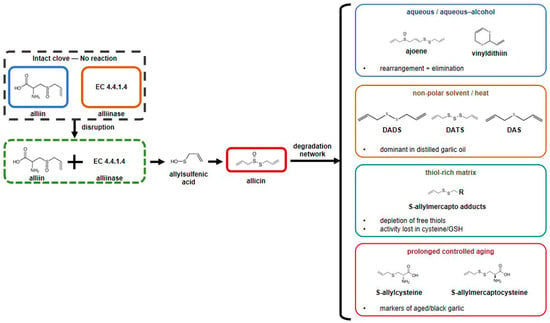
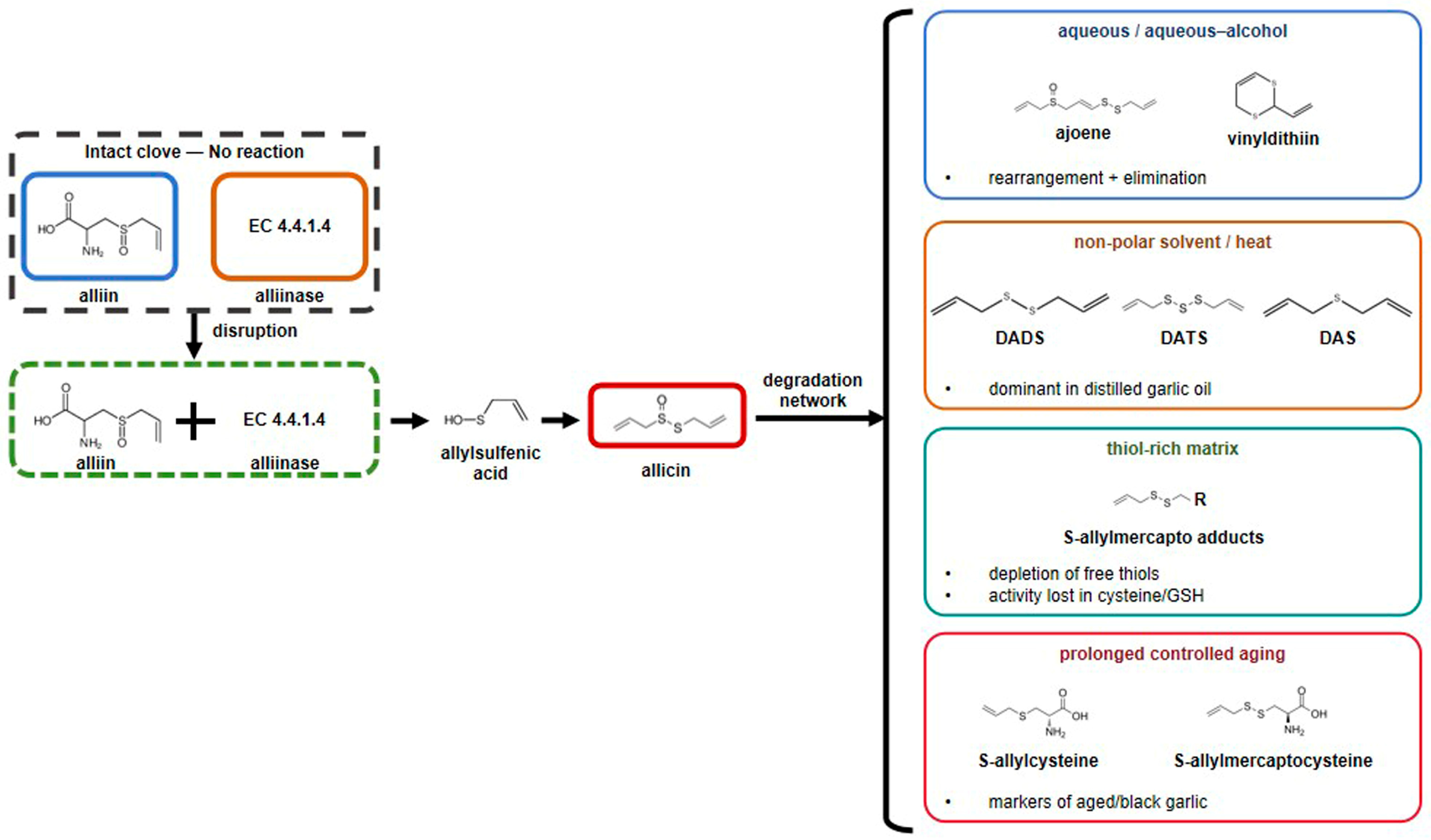
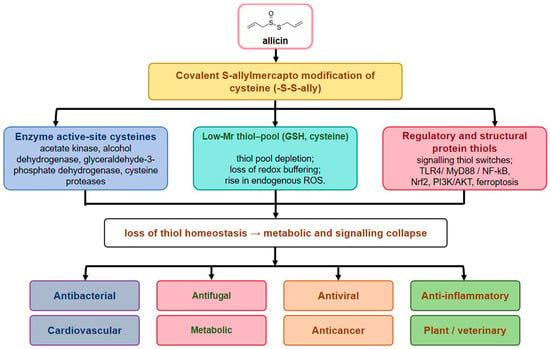
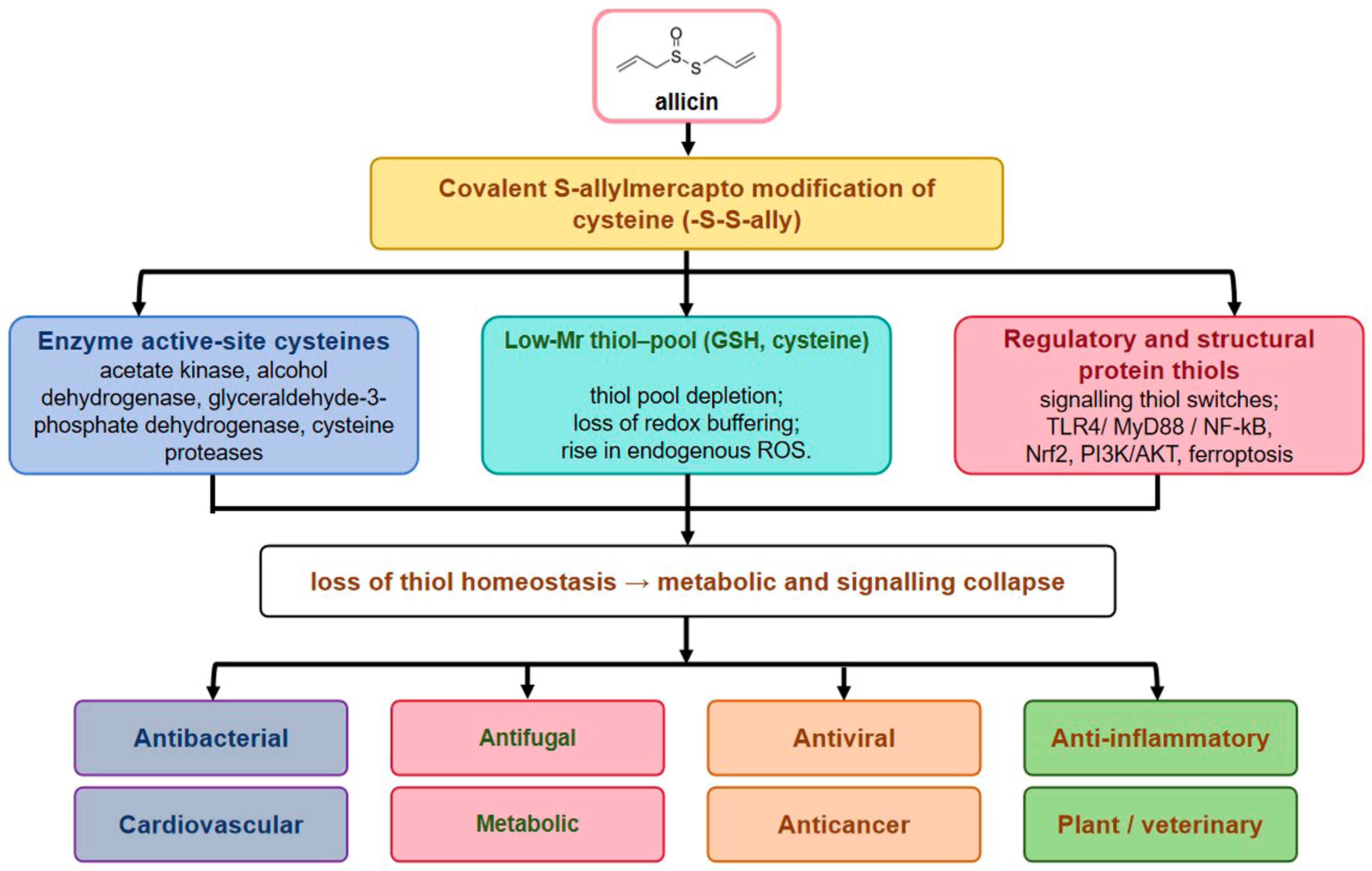

Disclaimer/Publisher’s Note: The statements, opinions and data contained in all publications are solely those of the individual author(s) and contributor(s) and not of MDPI and/or the editor(s). MDPI and/or the editor(s) disclaim responsibility for any injury to people or property resulting from any ideas, methods, instructions or products referred to in the content. |
© 2026 by the authors. Licensee MDPI, Basel, Switzerland. This article is an open access article distributed under the terms and conditions of the Creative Commons Attribution (CC BY) license.