


Summary
Over the past two decades the remarkable development of molecular genetics has led to the identification of an increasing number of diseaseassociated genes in the field of neurology. The application of genetics is now an essential part of the diagnostic processes in paediatric and adult neurology. As diagnosis, follow-up and genetic counselling should be offered to all patients and their families, the need for a multidisciplinary approach to optimise these services has become essential.
A multidisciplinary neurogenetic clinic, composed of different specialists, offers, in addition to comprehensive neurological investigations, proper management in genetic diagnosis, genetic counselling, risks’ discussion, family screening, prenatal and preimplantation diagnosis and presymptomatic testing. Genetic analysis to confirm the diagnosis can be routinely available for many diseases but genetic testing should always be preceded by careful counselling, especially for prenatal and presymptomatic diagnosis. Some genetic tests for rarer disorders may, however, be available only on a research basis. The patient and his or her family may therefore benefit from participating in international research networks. Nevertheless, genetic counselling should be offered even when genetic analysis is not currently available and genetic risks can sometimes be evaluated on the basis of pedigree analysis.
Genetic investigations in this multidisciplinary effort have also paved the way for a better understanding of the pathophysiology of well-known disorders, for better nosology and novel treatment opportunities.Thus, patients with a proven genetic disorder and their relatives as well as patients presenting with common neurological disorders associated with unusual features such as early onset and/or similar familial history should be referred to specialised neurogenetic teams. Such teams represent a powerful way to improve research and patient management in the field of neurology.
Glossary
Clinical heterogeneity: Different phenotype produced by the same mutation.
Expressivity: The same mutation can lead to different levels of disease severity.
Fluorescence in situ hybridisation (FISH): A technique used to identify the presence of specific chromosomes or chromosomal regions through hybridisation (attachment) of fluorescently labelled DNA probes to denatured chromosomal DNA. Examination under fluorescent light detects the presence of the hybridised fluorescent signal (and hence presence of the chromosome material) or absence of the hybridised fluorescent signal (and hence absence of the chromosome material).
Genetic heterogeneity: The production of identical or similar phenotypes by different genetic mechanisms.
Mendelian inheritance: The manner in which genes and traits are passed from parents to their children.The four modes of Mendelian inheritance are autosomal dominant, autosomal recessive, X-linked dominant and X-linked recessive.
Non-Mendelian inheritance mode: This is the passing on of a trait in another mode than Mendelian form (e.g. mitochondrial inheritance).
Penetrance: The proportion of individuals with a mutation causing a particular disorder who exhibit clinical symptoms of that disorder;a condition (most commonly inherited in an autosomal dominant manner) is said to have complete penetrance if clinical symptoms are present in all individuals who have the disease-causing mutation, and to have reduced or incomplete penetrance if clinical symptoms are not always present in individuals who have the disease-causing mutation.
Phenocopy: A clinical presentation that mimics the phenotype of a given mutation.
Polymerase chain reaction (PCR):A procedure that produces millions of copies of a short segment of DNA through repeated cycles of denaturation, annealing and DNA synthesis.
Introduction
It is now common knowledge that a high proportion of neurological disorders, of both childhood and adulthood, are genetically determined. For a growing number of these diseases underlying genes have been identified, allowing for genetic testing, and more are constantly coming out of the pipeline. The underlying genetic complexity of these disorders can greatly vary with early onset diseases being mostly monogenic, i.e. determined by variations in a single gene or locus, and relatively rare, whereas the more frequent late-onset diseases often involve multiple genetic and non-genetic factors. Dürr et al. (2005) estimate that as much as one per cent of the adult population might be concerned by these late-onset diseases, most of which are neurodegenerative [1].
Proper diagnosis, follow-up and counselling services should be offered to all patients and their families. The optimal way to achieve this, as has been recognised for some time, is through a multidisciplinary approach. For example, physical and occupational therapy, orthopaedics, pulmonary support and psychiatry have greatly contributed to neuromuscular-disease patients’ care. Similarly, whenever a genetic basis is proven or suspected,the neurologist should ensure that the patient and family members with questions about their status and disease evolution or inheritance are given access to proper genetic and psychological counselling.
The current paper aims to present the different aspects, the role and the importance of genetic counselling, its practical implications and to state the general circumstances for a referral for a neurogenetic assessment. Yet, as neurogenetics includes many (genetically and clinically) heterogeneous neuromuscular or neurodegenerative disorders this paper will not be exhaustive.
The field of neurogenetics: from disease to gene … and from gene to diseases
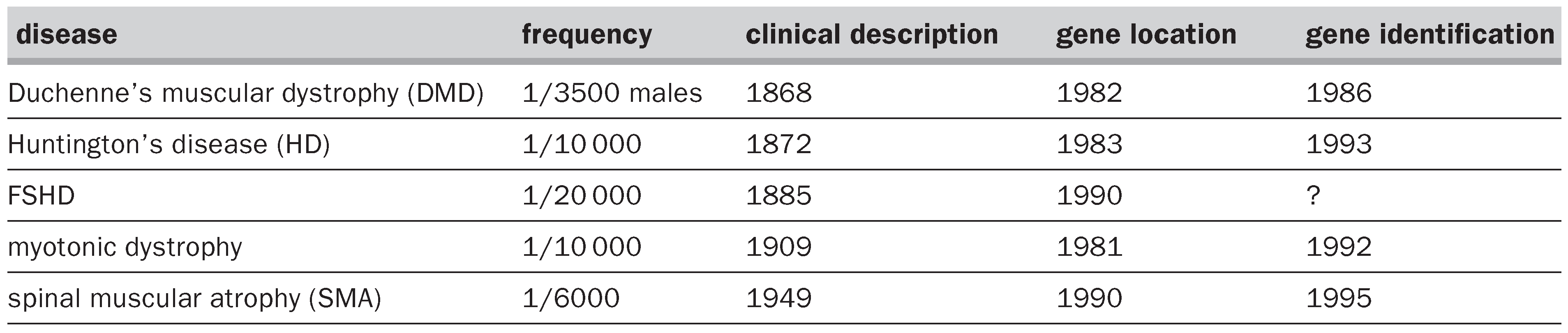
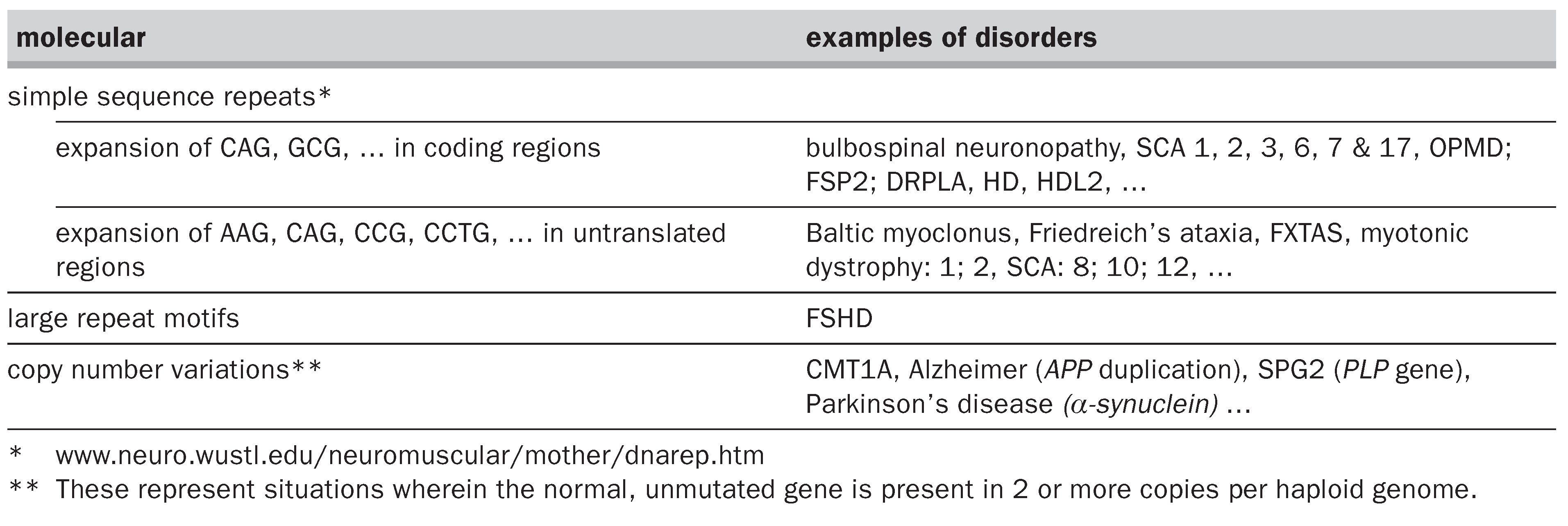
If many neurological diseases have been well described for decades, associated with the notion of familial occurrence and inheritability, the underlying causative genes and mutations have been identified only during the past two decades (table 1). This gene hunt contributed greatly to the field of human genetics [2], revealing new and unexpected pathogenic mutational processes such as triplet expansion or gene copy number variation (table 2). Since its identification in 1991 gene-specific repeat instability is now known to be the mutational cause of at least 40 distinct neurological, neurodegenerative and neuromuscular diseases [3]. Similarly, phenotypes due to gene duplications (gain of dosage-sensitive genes) are increasingly being identified [2,4].
Table 1.
Most frequent neurological monogenic diseases, time of their first clinical descriptions and year of the causative gene localisation and identification are presented. Note that even though a molecular diagnosis for facioscapulohumeral dystrophy (FSHD) has been available for 16 years, no gene has been identified yet.
Table 2.
Examples of neurological disorders due to copy number variations.
Mendelian form of common neurological disorders
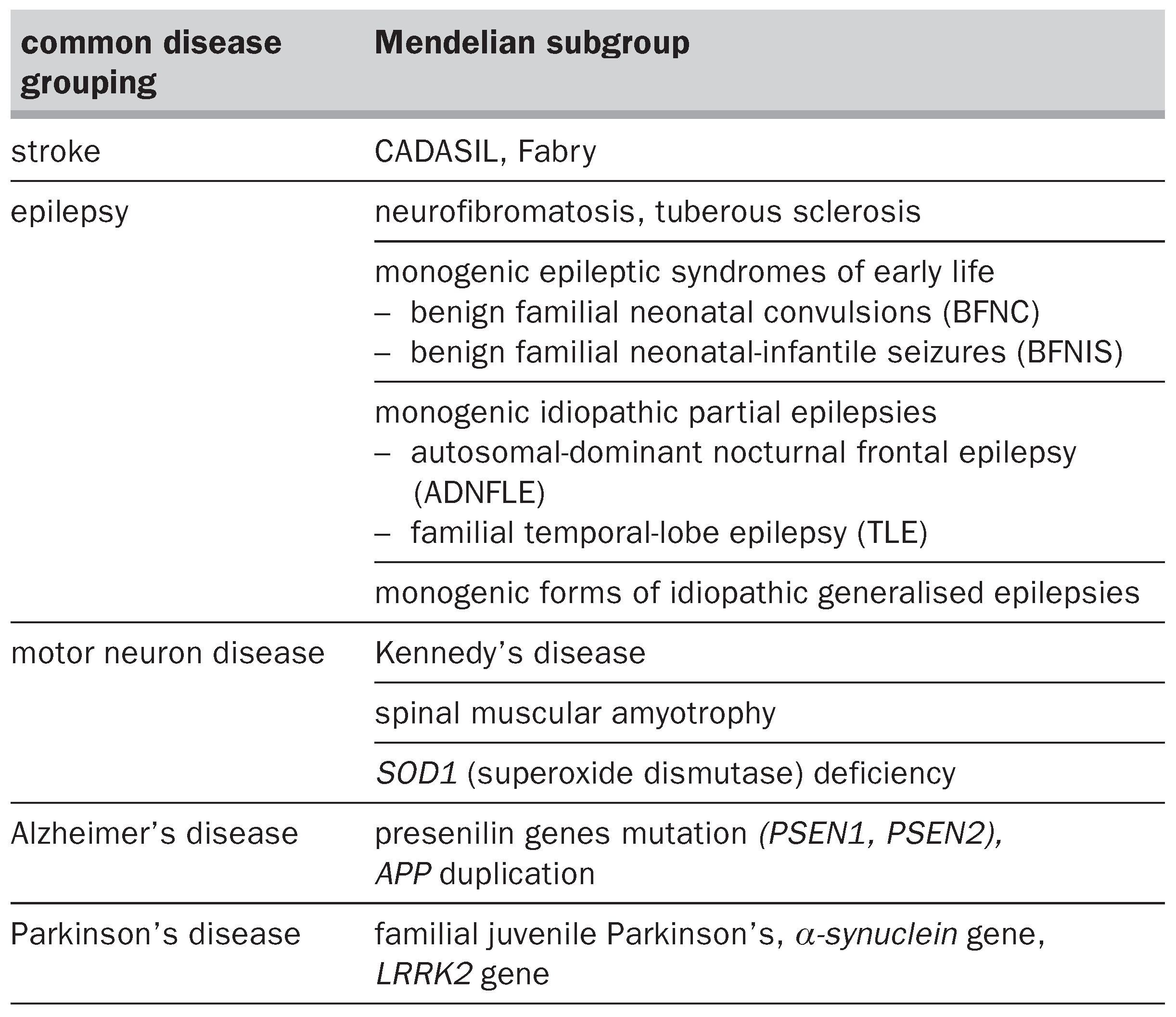
Many common neurological disorders include a small percentage of familial cases in which Mendelian inheritance has been demonstrated and causative genes identified (Table 3). For example, major advances have recently been made in our understanding of the genetic bases of monogenic inherited epilepsies [5]. Progress has been spectacular with respect to several idiopathic epilepsies caused by mutations in genes encoding subunits of ion channels or neurotransmitter receptors.Although these findings concern only a few families and sporadic cases, their potential importance is great because they have helped to elucidate the underlying mechanisms of a wide range of common epileptic disorders. Functional studies of these mutations, while leading to further progress in the neurobiology of the epilepsies, will help to refine genotype-phenotype relations and increase our understanding of their pathophysiology as well as of their responses to antiepileptic drugs.
Table 3.
Examples of Mendelian subsets in common neurological disorders.
Genetic heterogeneity
One of the outcomes of the recent genetic breakthroughs is the identification of an increasing number of genes associated with identical clinical entities; Huntington’s disease (HD, MIM 143100) or myotonic dystrophy (MIM 160900), for which genetic heterogeneity have been shown, represent good examples of such unexpected complexity. Soon after the gene identification, Andrew et al. (1994) found that 30 of 1,022 persons (2.9%) diagnosed as having Huntington’s disease did not have an expanded CAG repeat in the disease range in the HD gene. In at least 4 cases family studies of these phenocopies excluded 4p16.3 as the region responsible for the phenotype [6]. Up to now, several Huntington-like neurodegenerative disorders (HLD) have been described: HLD1 (MIM 603218), a familial prion disease caused by 8 extra octapeptide repeats in the PRNP gene; HLD2 (MIM 606438) caused by an expanded CAG/CTG repeat in the junctophilin-3 (JPH3) gene [7] – implicated in about 30% of HD cases in South Africa [8] – and HLD3 (MIM 604802), which follows a recessive mode of inheritance [9]. Steinert’s muscular dystrophy’s (DM1 – dystrophia myotonica 1 – MIM 160900) gene identification in 1992 led to the identification of several families in which the CTG expansion in the DMPK gene was absent.This criterion was used to define PROMM (proximal myotonic myopathy, MIM 602668) or DM2. Liquori et al. (2001) reported that DM2 is caused by a CCTG expansion located in intron 1 of the ZNF9 gene [10].
Clinical heterogeneity
Conversely, mutations in a unique gene are susceptible to give rise to different phenotypes: a striking example is constituted by the lamin A/C gene (LMNA) in which mutations can lead to various phenotypes, including several muscular dystrophies (autosomal dominant and recessive Emery- Dreifuss muscular dystrophy, dilated cardiomyopathy with conduction defect 1, autosomal dominant Limb girdle muscular dystrophy type 1B), neuropathies (Charcot-Marie-Tooth [CMT] disorder type 2B1), several partial lipodystrophy syndromes with or without developmental abnormalities and premature ageing [11].
Neurological disease classification
Genetic data became an essential tool for nosology. For example, the hereditary spastic paraplegias (HSPs) comprise a large group of genetically heterogeneous inherited neurological disorders in which the predominant symptom is lower extremity spastic weakness. Hereditary spastic paraplegia is classified according to the mode of inheritance (autosomal dominant, autosomal recessive and X-linked hereditary spastic paraplegia), the HSP locus when known (designated SPG loci 1 to 30 in order of their discovery) and whether the spastic paraplegia syndrome occurs alone (“uncomplicated HSP”) or is accompanied by additional neurological or systemic abnormalities (“complicated HSP”) [12]. In the past ten years causative genes or loci for autosomal dominant cerebellar ataxias increased from five to more than twenty [13].The same observation can be made for CMT hereditary neuropathies for which more than twenty genes or loci have now been identified [14,15].
Taking together all the preceding elements, it is clear that genetics contributes to a better classification and understanding of neurological disorders: it allows to split lumped sets of similar clinical entities into individual diseases, to specify the mechanisms involved in each specific disorder, to reveal specific clinical features, which may be of great importance for a proper differential neurological diagnosis, and – last but not least – it gives the opportunity to evaluate new therapies [16,17].
Genetic counselling in neurogenetics: who, when and why to refer?
A multidisciplinary neurogenetic clinic is composed of neurologists, neuropaediatricians, geneticists, psychiatrists and counsellors. Close interactions between these specialists allow proper management of genetic diagnosis and counselling, prenatal and preimplantation diagnosis, presymptomatic testing, treatment as well as research.
Genetic diagnosis and risks
Genetics is now an essential part of the diagnostic process in neurological practice. In paediatric neurology a high proportion of disorders referred prove to have a primary genetic basis (developmental, neurodegenerative and neuromuscular disorders). In adult neurology the proportion of primary genetic disorders is smaller but still important, particularly for movement,neuromuscular and neurodegenerative disorders.The remarkable development of molecular genetics has led to the identification of an increasing number of diseaseassociated genes. This rapid expansion has made diagnostic procedures increasingly difficult, yet at the same time has often allowed for finer nosological distinctions between very similar clinical entities. Careful analysis of family history and clinical presentation is thus essential for orientation of genetic testing for these genetically heterogeneous disorders.
A gene test can quickly lead to an unambiguous diagnosis. In many cases, unfortunately, it has still no direct impact on treatment, but it does nevertheless provide the significant benefit to put an end to a patient’s quest to give a name to his or her suffering. It subsequently allows an informed discussion of the prognosis, potential complications, available treatments or patient management and, last but not least, it facilitates discussions of genetic risk to other family members. When a neurogenetic disorder is evoked but a routine molecular analysis is not yet available, a specialised evaluation through a multidisciplinary team may allow to include a patient in research protocols conducted by large international networks for complex genetic analysis. In these cases results may, however, take a long time to appear, yet there are no better or faster alternatives. It must be kept in mind that most of the genetic tests routinely performed today were unavailable ten to fifteen years ago. It is equally important to remark that effective genetic counselling can be provided even if molecular diagnosis is unavailable. At last, patients must be informed that neurogenetics is quickly evolving and it may be necessary to propose regular multidisciplinary consultations.
Genetic counselling
Genetic counselling is defined by the American Society of Human Genetics (1975) as “a communication process which deals with human problems associated with the occurrence, or the risk of occurrence, of a genetic disorder in a family.
This process involves an attempt by one or more appropriately trained persons to help the individual or family to:
- -
- comprehend the medical facts, including the diagnosis, probable course of the disorder, and the available management;
- -
- appreciate the way heredity contributes to the disorder, and the risk of recurrence in specified relatives;
- -
- understand the alternatives for dealing with the risk of recurrence;
- -
- choose the course of action which seems to themappropriate in view of their risk, their family goals and their ethical and religious standards, and to act in accordance with that decision;
- -
- make the best possible adjustment to the disorder in an affected family member and/or the risk of recurrence of that disorder” [18].
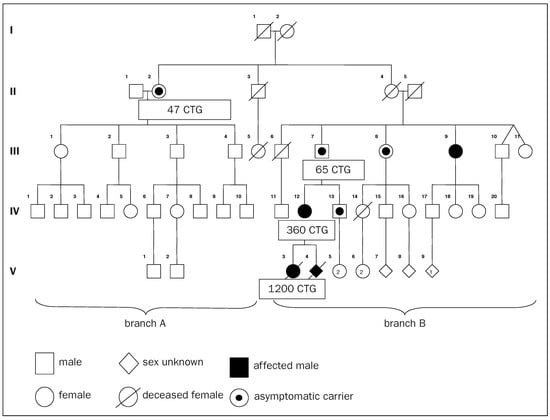
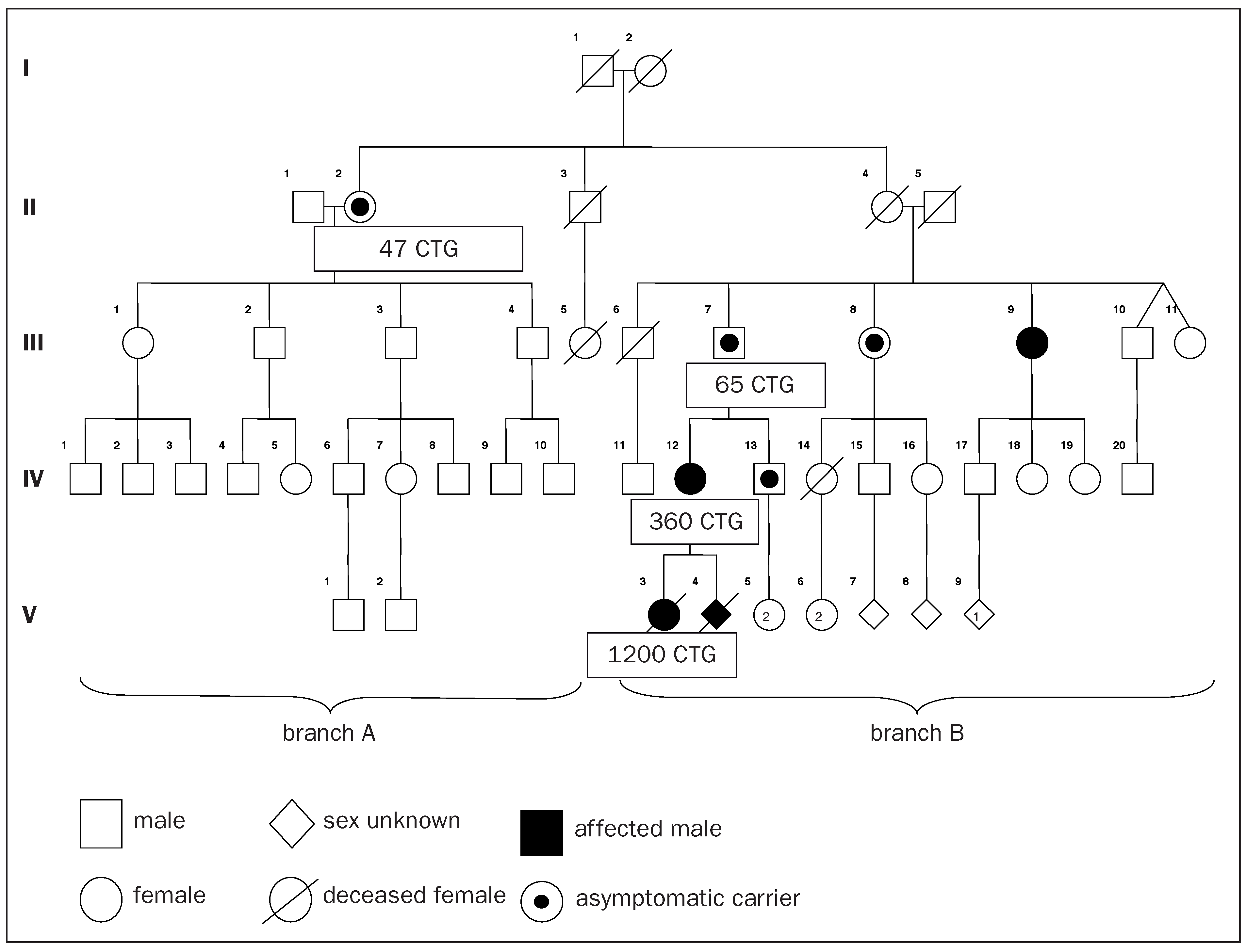
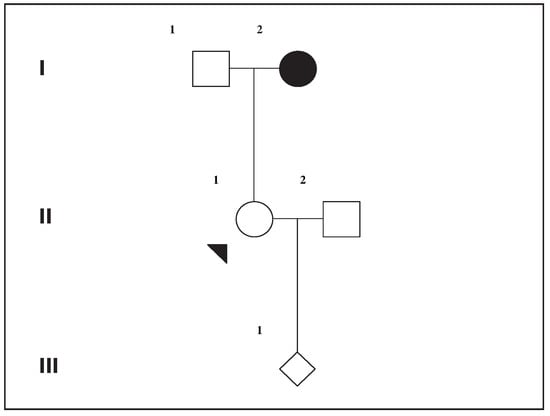
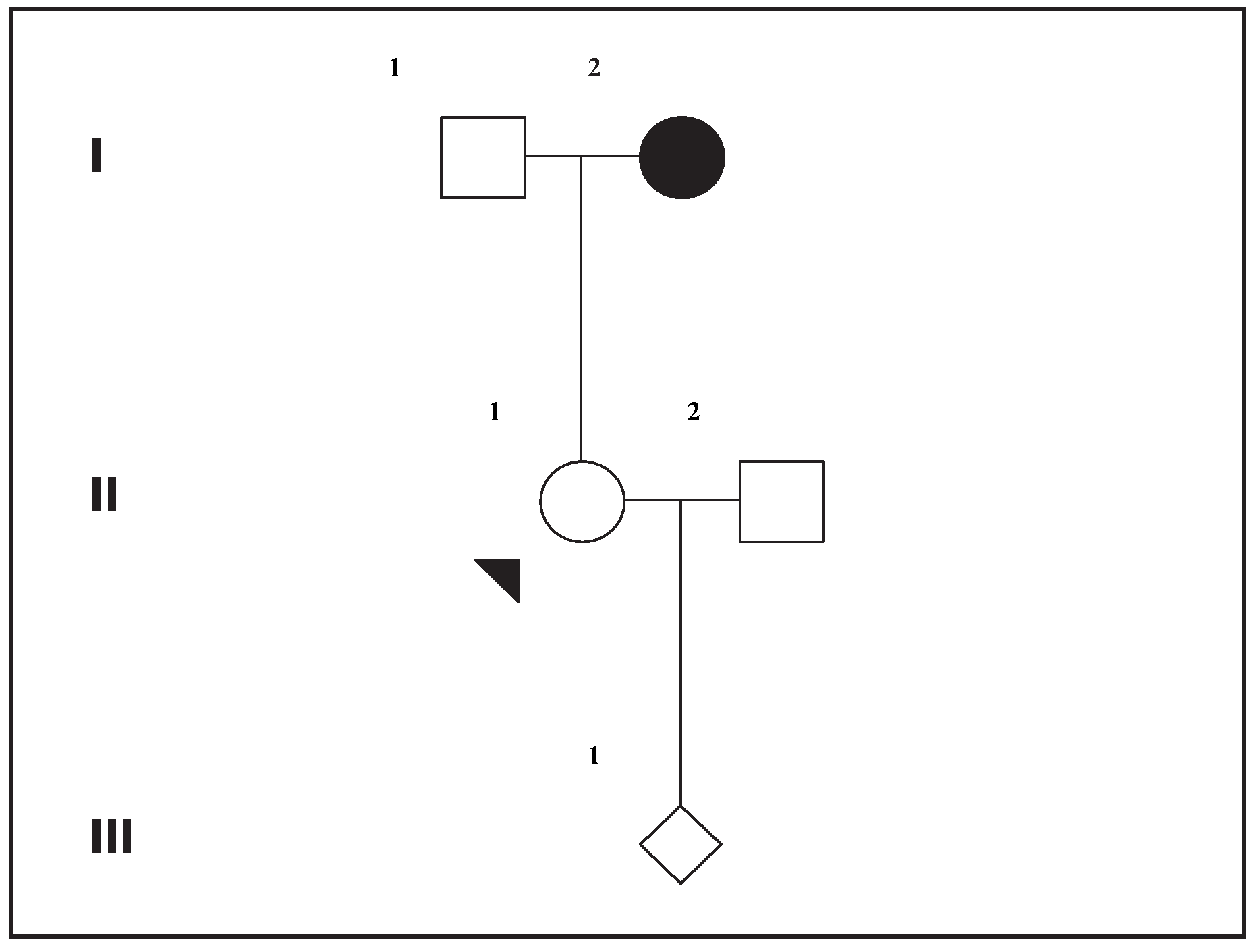
Genetic counselling occurs after a diagnosis is made or strongly suspected. For single-gene disorders (i.e. disorders due to sequence alterations within a single gene) genetic risks for relatives of an affected individual will be high and family concern may generate referral directly among relatives (healthy or affected). Genetic referral is clearly indicated unless the treating clinician has both the time and experience required for effective genetic counselling. Family trees need to be reconstructed, and families can often be large, requiring extensive genetic screening (fig. 1). Understanding the multiple facets of an inherited disease may necessitate lengthy discussions with the patients or consulting family members. Inheritance patterns may make it far from obvious which family members are at risk. Risk estimates may be affected by age-related penetrance, genetic heterogeneity (fig. 2) and non-Mendelian inheritance mode (e.g. mitochondrial), all of which are issues with which geneticists are familiar. Genetic clinics are structured to allow the considerable time needed to listen and resolve the concerns of those attending such consultations as well as to transmit often complex information. These consultations are thus frequently fairly time consuming. Time constraints associated with private practice may be incompatible with this specific type of counselling.
Figure 1.
The importance of family screening in Steinert’s disease.
In the present family the diagnosis of DM1 (Steinert’s myotonic dystrophy) was brought to attention through case V-3 who presented with a congenital DM characterised by hypotonia, generalised weakness at birth, respiratory insufficiency and early death. Subsequently, the mother IV-12 was diagnosed with a classic form of DM1 (muscle weakness, myotonia, cataract and cardiac conduction abnormalities). As the recurrence risk for this couple was of 50%, prenatal diagnosis was performed and the foetus V-4 was found to be a carrier of a very large expansion (>1000 CTG repeats) suggestive of a severe congenital form of DM. Subsequently, the pregnancy was terminated.
These events triggered family screening and many relatives, III-7, III-8, III-9, were found to be paucisymptomatic carriers (CTG repeats between 50 and 100).
In order to determine if mutation was present in branch A, testing was proposed to a distant and asymptomatic relative II-2, aged 90. She was found to be a carrier of a premutation allele (CTG repeat between 35 and 50). Individuals with CTG expansions in the premutation range have not been reported to have symptoms, but premutation alleles are unstable and therefore children are at increased risk of inheriting a larger repeat size associated with symptoms.
This intergenerational instability of CTG expansion underlies the classical phenomenon of anticipation seen in this pedigree where increasing disease severity and decreasing age of onset occur in successive generations (severe cases in generation V, asymptomatic cases in generation II). As DMPK alleles of CTG length greater than 35 repeats are unstable and may expand in length during meiosis, at-risk offspring may inherit repeat lengths considerably longer than those present in the transmitting parent.
Molecular results of II-2 stresses the importance of broad family screening. Individuals of branch A are now at risk of developing and/or transmitting the DM mutation.Therefore, testing should be proposed to all individuals of generation III.
Figure 2.
The importance of genetic testing in myotonic distrophy.
Individual II-2 was seen in the clinic for genetic counselling regarding family history of myotonic dystrophy. II-1 is pregnant (13 weeks of gestation) and otherwise healthy. Her mother I-2 has been diagnosed with myotonic dystrophy, however, recent genetic testing of DMPK showed two normal alleles excluding the diagnosis of DM1.We therefore sent DNA for molecular analysis of ZNF9 (DM2 or PROMM). The time frame for obtaining results is undetermined. Given the absence of congenital or paediatric form of DM2, prenatal testing has not been reported yet.
The majority of patients with myotonic dystrophy have either DM1 or DM2; however, there is evidence for the involvement of additional genes. Given the absence of a clear and unambiguous diagnosis in this case, prenatal testing is unfortunately not yet available.
The duty to inform
Genetic conditions are often multigenerational family health problems.A diagnosis in one family member can have many implications for his or her relatives. A genetic consultation or test may also elicit information on the health status of other relatives. Just as there are ethical responsibilities for the doctor concerning privacy and confidentiality of the individual, so there are obligations to prevent harm or avoid seriously jeopardising the health of others (the duty of care). Patients have also responsibilities and obligations. They need to appreciate the shared nature of genetic information within families (i.e. family members are at increased risk to manifest the same disease) and should consider what the information on their own status may mean for their relatives. Geographic distance or discord in families may lead to difficulties in revealing genetic test results that may be important for other family members. Counselling before testing is essential to discuss all these aspects. It is to notice that family members may frequently be referred to a neurogenetic consultation by the referring patient him-/herself or by another neurogenetic team when the index case lives far from his/her family. Referral can also sometimes be made directly by a blood relative who is seeking medical information via the internet. This underlies the interest for the neurogenetic teams to be referenced in specialised electronic databases dedicated to rare diseases like ORPHANET in Europe (www.orpha.net/).
In Switzerland art. 19 of the Federal Law on Human Genetic Analysis (October 2004) states that physicians cannot inform relatives about a genetic test without the patient’s agreement [19]. The patient’s confidentiality can exceptionally be breached (art. 321 Code Pénal Suisse) if there is a danger for the relatives; in this case the physician has to obtain the written approbation of the superior authority [20] (e.g. the well-known situation of an individual diagnosed with a genetic disorder who refuses to inform a relative who is pregnant and at risk of transmitting a severe congenital condition).
Prenatal and preimplantation diagnosis
Reproductive planning is often a major concern for patients diagnosed with genetic disorders and in all circumstances the patients should be referred to a geneticist for a detailed discussion of reproductive risks and options before pregnancy. Geneticist and genetic counsellors are trained to be “non-directive” in all situations; thus during counselling they present an increasingly wide array of reproductive options to patients without suggesting that one or another option is either “correct” or “the best one”.
Prenatal diagnosis (PND) is the diagnosis of disease or condition in a foetus or embryo before birth. If the precise genetic anomaly is known, it can be searched for in the foetus by choriocentesis or amniocentesis at 11 or 16 weeks of gestation respectively. Having identified that a foetus is abnormal, allows parents and physicians to anticipate any health needs or treatment if these are available, or to discuss the termination of the pregnancy in the case of a severe disease affecting the child.The Swiss law (art. 119 Code Pénal Suisse) does not punish the abortion after twelve weeks of gestation, provided that the doctor believes that the “physical integrity” of the woman will be threatened or that she will face “profound distress” should the pregnancy be allowed to continue to term [21].The danger to the woman must be shown to increase as pregnancy advances. The limit for a therapeutic abortion is not defined by the law but a consensus permits it until 24 weeks of gestation. In fact the law is voluntarily flexible and there are no criteria to determine in which situation PND should be offered (but it must be considered for all situations). PND is usually offered for foetuses at high risk of developing severe diseases with childhood onset and no satisfying treatment available. PND is controversial for adult-onset diseases, with variable clinical expressivity, for which adequate treatment may become available when these foetuses will have grown into adults. For example, PND is commonly practiced for foetuses at risk for Duchenne’s muscular dystrophy (DMD), myotonic dystrophy or spinal muscular atrophy (SMA). It is discussed and subject to debate for diseases such as Huntington’s disease, CMT, neurofibromatosis or familial spastic paraplegias.
Preimplantation genetic diagnosis (PGD) is a very early form of PND that consists of testing one cell removed from early embryos conceived by in vitro fertilisation and transferring to the mother’s uterus only those embryos determined not to have inherited the genetic anomaly. Its main advantage is avoiding selective pregnancy termination.
PGD combines recent advances in genetics and reproductive medicine. The process starts with a basic IVF (in vitro fertilisation).When the embryo is at the 6- to 10-cell stage (day 3), 1–2 cells are removed and tested using either polymerase chain reaction (PCR) or fluorescence in situ hybridisation (FISH) techniques, depending on which disease is suspected.The unaffected embryos are then transferred into the mother’s uterus. Usually, 2–4 embryos are transferred.
PGD is available for three broad categories including:
- -
- single-gene disorders for which testing is available: e.g. cystic fibrosis, SMA, HD or DM1;
- -
- chromosomal abnormalities, including translocations;
- -
- serious sex-linked conditions where it is not yet possible to test for the specific genetic mutation (either because the aetiologic mutation is not known or because of technical limitations) such as DMD or X-linked mental retardation.
PGD seems to be the appropriate answer for late-onset and/or phenotypically variable disorders for which prenatal testing is controversial (or less accepted); however, there are serious limitations and the procedure is complex. Currently, the clinical pregnancy rate per embryo transfer procedure is only about 22% [22].
PGD is authorised under specific conditions and realised in several European countries such as France, Spain, Belgium and the United Kingdom. It is forbidden in Switzerland since 2001 by the law “sur la procréation médicalement assistée” [23] but the situation may soon change. The 13th of December 2005, the Conseil des Etats accepted to reconsider authorising PGD. The Conseil Fédéral should now prepare a project in order to lift the prohibition of PGD, and genetic centres are already preparing themselves to offer this service to the patients afflicted with or transmitting severe genetics diseases.
Presymptomatic genetic testing
Presymptomatic testing implies the determination of a person’s genetic predisposition for a specific disease before any symptom for that particular disease is manifest. It thus provides information about an individual’s future [24]. Presymptomatic testing can be and is performed for an increasing number of neurodegenerative disorders. In some situations early determination of an individual’s risk for a neurodegenerative disease provides grounds for specific surveillance, adequate followup and identification of other at-risk relatives. However, in the field of neurogenetics genetic breakthroughs currently out-run the ability to provide effective treatment or even management for most of these conditions [25].When a genetic test holds little or no clinical benefit, one ought to carefully explore, before suggesting such a test, what other advantages could emerge from it. In fact, clarifying a genetic status may hold benefits in terms of self-knowledge and life planning [26]. Receiving the news that one will develop a serious disease is a life-changing event and therefore specific protocols have been established in order to support individuals seeking presymptomatic testing (cf. in this issue the article: Implications of predictive testing in neurodegenerative disorders).
Protocols that have been inspired by the management of Huntington’s disease are commonly used in most of the centres that offer presymptomatic testing. Presymptomatic protocols in situations where prevention and/or treatment are available like hereditary cancers differ in several points from those for untreatable disorders. The most important difference concerns presymptomatic testing in children. It is important to stress that such tests can be performed on children when actions to prevent the disease are available and when the treatment needs to begin in childhood [27]. For an adult-onset condition the option to be tested should be left to the children’s own discretion once they are able to make an informed decision, usually after the age of 18 [28].
Treatment and research
With the sequencing of the human genome and the concomitant understanding of genotype-phenotype relationships increasing attention has been paid to applying this knowledge to the development of new treatments for these inherited diseases. Strategies such as metabolic manipulation and protein augmentation have been remarkably successful in treating genetic diseases. In the example of Fabry’s disease, a multisystemic disorder resulting from deficient activity of the enzyme α-galactosidase and progressive lysosomal deposition of globotriaosylceramide (GL-3) in cells throughout the body, enzyme replacement therapy (ERT) should be initiated as early as possible [29]. In the case of Huntington’s disease cell therapy shows promising perspectives: trials of foetal neuronal transplants have shown to provide several years of stability in HD patients but not a permanent cure for the disease [30]. In general, the real therapeutic breakthroughs for hereditary disorders will depend on the development of “genetic medicine The latter includes among others therapies centred on transferring genetic material to correct or compensate for an abnormal phenotype associated with a particular genotype or, possibly more importantly, those based on a thorough understanding of the pathophysiology and allowing to bypass the primary deficit. Despite their efficacy in treating experimental models, applying these therapeutic strategies successfully in the clinic remains a gigantic challenge. Very few accepted treatments are currently available for inherited disorders. However, this situation is likely to progressively improve considering the large number of clinical trials undertaken worldwide.
While for the patient and doctor faced with the reality of a genetic disease today, for most of which treatments are not yet available, the benefits stemming from the growth of conventional treatments and the impact of symptomatic management on quality of life and life expectancy of patients should not be ignored [31]. Moreover, understanding and properly addressing the mechanism of a genetic disease is today tactically more useful to circumvent the problem than replacing of the mutant gene.An example is idebenone, effective at controlling cardiac hypertrophy in patients with Friedreich’s ataxia by protecting the iron sulphur centres of the respiratory chain against oxidative stress caused by the absence of frataxin [32,33].
All patients have the right to a diagnosis and a doctor should never be satisfied with an unproven and unclear diagnosis. Undiagnosed patients should be included in cohorts and benefit from ongoing efforts conducted by large networks such as SPATAX (standing for spastic paraplegia and cerebellar ataxia; www.orpha.net/nestasso/ SPATAX/SPATAX2.html).These international networks work on genetic aspects of specific disorders, serve as reference centres for these diseases and can include new patients in their research protocols.
Conclusion
Neurogenetic teams have emerged driven by knowledge gained at the molecular, cellular and physiological levels. In the clinic a practical application is DNA testing, which includes many scenarios like diagnostic DNA testing, PND and PGD and predictive DNA testing. Multidisciplinary approaches are essential to ensure optimal care of the patients and their families. It is thus essential to refer all patients in whom neurological symptomatology evokes a genetic basis to a neurogenetic team, including patients presenting with common neurological disorders associated with unusual features like early age at onset and/or relatives presenting similar previous clinical history. If the neurological diagnosis can sometimes be easily established, personal and familial implications have to be carefully explained to the patient prior to genetic testing. Genetic counselling has to be offered even when genetic analysis is not currently available to confirm the diagnosis. Genetic risks can be evaluated on the basis of genealogical tree and familial disease distribution. Moreover, genetic analysis could sometimes be available in distant research laboratories and the patient and her or his family could benefit from participating in research networks through a multidisciplinary neurogenetic team. Such teams represent a powerful way to improve research and patient management in the field of neurology.
References
- Dürr, A.; Gargiulo, M.; Feingold, J. Les tests présymptomatiques en neurogénétique. Med. Sci. 2005, 21, 934–939. [Google Scholar] [CrossRef] [Scilit]
- Antonarakis, S.E.; Beckmann, J.S. Mendelian disorders deserve more attention. Nat. Rev. Genet. 2006, 7, 277–282. [Google Scholar] [CrossRef] [Scilit] [PubMed]
- Pearson, C.E.; Nichol Edamura, K.; Cleary, J.D. Repeat instability: Mechanisms of dynamic mutations. Nat. Rev. Genet. 2005, 6, 729–742. [Google Scholar] [CrossRef] [Scilit] [PubMed]
- Stankiewicz, P.; Lupski, J.R. Genome architecture, rearrangements and genomic disorders. Trends Genet. 2002, 18, 74–82. [Google Scholar] [CrossRef] [Scilit]
- Gourfinkel-An, I.; Baulac, S.; Nabbout, R.; Ruberg, M.; Baulac, M.; Brice, A.; et al. Monogenic idiopathic epilepsies. Lancet Neurol. 2004, 3, 209–218. [Google Scholar] [CrossRef] [Scilit] [PubMed]
- Andrew, S.E.; Goldberg, Y.P.; Kremer, B.; Squitieri, F.; Theilmann, J.; Zeisler, J.; et al. Huntington’s disease without CAG expansion: Phenocopies or errors in assignment? Am. J. Hum. Genet. 1994, 54, 852–863. [Google Scholar]
- Holmes, S.E.; O’Hearn, E.; Rosenblatt, A.; Callahan, C.; Hwang, H.S.; Ingersoll-Ashworth, R.G.; et al. A repeat expansion in the gene encoding junctophilin-3 is associated with Huntington’s disease-like 2. Nat. Genet. 2001, 29, 377–378. [Google Scholar] [CrossRef] [Scilit]
- Margolis, R.L.; Rudnicki, D.D.; Holmes, S.E. Huntington’s disease like-2: Review and update. Acta Neurol. Taiwan 2005, 14, 1–8. [Google Scholar]
- Margolis, R.L.; O’Hearn, E.; Rosenblatt, A.; Willour, V.; Holmes, S.E.; Franz, M.L.; et al. A disorder similar to Huntington’s disease is associated with a novel CAG repeat expansion. Ann. Neurol. 2001, 50, 373–380. [Google Scholar] [CrossRef] [Scilit]
- Liquori, C.L.; Ricker, K.; Moseley, M.L.; Jacobsen, J.F.; Kress, W.; Naylor, S.L.; et al. Myotonic dystrophy type 2 caused by a CCTG expansion in intron 1 of ZNF9. Science 2001, 293, 864–867. [Google Scholar] [CrossRef] [Scilit]
- Benedetti, S.; Merlini, L. Laminopathies: From the heart of the cell to the clinics. Curr. Opin. Neurol. 2004, 17, 553–560. [Google Scholar] [CrossRef] [Scilit]
- Fink, J.K. Hereditary spastic paraplegia. Curr. Neurol. Neurosci. Rep. 2006, 6, 65–76. [Google Scholar] [CrossRef] [Scilit]
- Duenas, A.M.; Goold, R.; Giunti, P. Molecular pathogenesis of spinocerebellar ataxias. Brain 2006, 129, 1357–1370. [Google Scholar] [CrossRef] [Scilit]
- Murakami, T.; Garcia, C.A.; Reiter, L.T.; Lupski, J.R. Charcot- Marie-Tooth disease and related inherited neuropathies. Medicine 1996, 75, 233–250. [Google Scholar] [CrossRef] [Scilit]
- Shy, M.E. Charcot-Marie-Tooth disease: An update. Curr. Opin. Neurol. 2004, 17, 579–585. [Google Scholar] [CrossRef] [Scilit] [PubMed]
- Rosenfeld, J.; Swash, M. What’s in a name? Lumping or splitting ALS, PLS, PMA, and the other motor neuron diseases. Neurology 2006, 66, 624–625. [Google Scholar] [CrossRef] [Scilit] [PubMed]
- Schwartzman, R.J. Differential Diagnosis in Neurology. In Biomedical and Health Research; IOS Press: Amsterdam, 2006; Volume 67. [Google Scholar]
- Ad Hoc Committee on Genetic Counseling American Society for Human Genetics. Genetic Counseling. Am. J. Hum. Genet. 1975, 27, 240–242. [Google Scholar]
- Loi fédérale sur l’analyse génétique humaine (LAGH) du 8 octobre 2004. Art. 19.
- Code Pénal Suisse. Art. 321.
- Code Pénal Suisse (interruption de grossesse). Modification du 23 mars 2001. Art. 119.
- ESHRE Preimplantation Genetic Diagnosis Consortium: Data collection III (may 2001). Hum. Reprod. 2002, 17, 233–246. [CrossRef] [Scilit]
- Loi fédérale du 18 décembre 1998 sur la procréation médicalement assistée (LPMA).
- Evans, J.P.; Skrzynia, C.; Burke, W. The complexities of predictive genetic testing. Br. Med. J. 2001, 322, 1052–1056. [Google Scholar] [CrossRef] [Scilit]
- Burson, C.M.; Markey, K.R. Genetic counseling issues in predictive testing for familial adult-onset neurologic diseases. Semin. Pediatr. Neurol. 2001, 8, 177–186. [Google Scholar] [CrossRef] [Scilit] [PubMed]
- Ball, D.; Tyler, A.; Harper, P. Predictive testing of adults and children. Lessons from Huntington’s disease. In Genetic Counselling: Practice and Principles; Clarke, A, Ed.; Routledge: London, 1994; Volume Chapter 3, pp. 63–94. [Google Scholar]
- Working Party of the Clinical Genetics Society (UK). The genetic testing of children. J. Med. Genet. 1994, 31, 785–797. [Google Scholar]
- Hogben, S.; Boddington, P. Policy recommendations for carrier testing and predictive testing in childhood: A distinction that makes a real difference. J. Genet. Couns. 2005, 14, 271–281. [Google Scholar] [CrossRef]
- Breunig, F.; Weidemann, F.; Strotmann, J.; Knoll, A.; Wanner, C. Clinical benefit of enzyme replacement therapy in Fabry disease. Kidney Int. 2006, 69, 1216–1221. [Google Scholar] [CrossRef] [Scilit] [PubMed]
- Bachoud-Levi, A.C.; Gaura, V.; Brugieres, P.; Lefaucheur, J.P.; Boisse, M.F.; Maison, P.; et al. Effect of fetal neural trans- plants in patients with Huntington’s disease 6 years after surgery: A long-term follow-up study. Lancet Neurol. 2006, 5, 303–309. [Google Scholar] [CrossRef] [Scilit]
- Munnich, A. Advances in genetics: What are the benefits for patients? J. Med. Genet. 2006, 43, 555–556. [Google Scholar] [CrossRef] [Scilit]
- Rustin, P.; von Kleist-Retzow, J.C.; Chantrel-Groussard, K.; Sidi, D.; Munnich, A.; Rötig, A. Effect of idebenone on cardiomyopathy in Friedreich’s ataxia: A preliminary study. Lancet 1999, 354, 477–479. [Google Scholar] [CrossRef] [Scilit] [PubMed]
- Hausse, A.O.; Aggoun, Y.; Bonnet, D.; Sidi, D.; Munnich, A.; Rötig, A.; et al. Idebenone and reduced cardiac hyper- trophy in Friedreich’s ataxia. Heart 2002, 87, 346–349. [Google Scholar] [CrossRef] [Scilit] [PubMed]

This is an open-access article distributed under the terms of the Creative Commons Attribution Non-Commercial No Derivatives (CC BY-NC-ND) 4.0 License.