


Abstract
Functional nanocomposites have emerged as a transformative class of materials for advanced energy and electronic applications due to their ability to integrate multiple functionalities within engineered nanoscale architectures. This review provides a comprehensive analysis of the fundamental principles governing nanocomposite behavior, including classification frameworks, commonly employed nanofillers, and critical structure–property relationships. Emphasis is placed on interfacial interactions, dispersion quality, percolation phenomena, and anisotropic effects that dictate electrical, thermal, mechanical, and electrochemical performance. State-of-the-art synthesis and fabrication strategies—ranging from solution-based and melt-processing techniques to vapor-phase deposition and additive manufacturing—are systematically examined in relation to microstructural control and scalability. The multifunctional properties of nanocomposites are critically evaluated, highlighting their relevance in energy storage systems, energy conversion technologies, flexible electronics, sensors, and electromagnetic interference shielding. Key challenges, including nanofiller agglomeration, interfacial compatibility, long-term stability, cost, and sustainability considerations, are discussed alongside emerging solutions. Finally, future perspectives focusing on next-generation nanofillers, AI-assisted materials design, and sustainable manufacturing pathways are outlined, providing a roadmap for the rational development and industrial translation of high-performance multifunctional nanocomposites. The scope of this review is deliberately focused on materials-level structure–process–property relationships in functional nanocomposites, rather than on detailed device-level electronic design or application-specific electromechanical implementations.
1. Introduction
The rapid evolution of advanced technologies in energy systems and electronic devices has intensified the demand for materials that simultaneously exhibit high performance, multifunctionality, and structural adaptability. Conventional monolithic materials often fail to meet these increasingly stringent requirements due to intrinsic trade-offs between electrical, thermal, mechanical, and electrochemical properties. In this context, functional nanocomposites have emerged as a transformative class of materials capable of overcoming such limitations through nanoscale structural engineering [1,2,3,4].
These intrinsic trade-offs become particularly restrictive in several frontier technologies. For example, next-generation 6G communication hardware requires materials that simultaneously provide high electrical conductivity for ultra-fast signal processing, excellent thermal conductivity to dissipate intense heat loads generated at multi-gigahertz operating frequencies, and sufficient mechanical compliance for flexible or conformal device architectures. Conventional monolithic metals or ceramics cannot satisfy this combination, as materials with high electrical performance typically exhibit poor thermal–mechanical balance. Likewise, in all-solid-state batteries, monolithic electrolytes or electrode materials struggle to combine high ionic conductivity with mechanical robustness and interfacial stability; brittle ceramic electrolytes suppress dendrites but lack flexibility, whereas polymer electrolytes are mechanically compliant but suffer from low ionic conductivity. Functional nanocomposites overcome these limitations by integrating complementary nanoscale phases—enabling decoupled pathways for electronic, ionic, and thermal transport while preserving mechanical integrity—which is essential for meeting the performance demands of these advanced technologies [2,3].
Functional nanocomposites consist of a continuous matrix—polymeric, ceramic, or metallic—reinforced with nanoscale fillers such as carbon nanotubes, graphene derivatives, MXenes, metal nanoparticles, metal oxides, or other two-dimensional materials. The incorporation of nanofillers introduces unique interfacial phenomena, high specific surface area effects, and tunable percolation networks that fundamentally alter the composite’s macroscopic behavior. Unlike conventional composites, where reinforcement primarily enhances mechanical strength, nanocomposites enable the coupling of multiple functionalities including electrical conductivity, thermal transport enhancement, electromagnetic shielding, catalytic activity, energy storage capability, and sensing response [5,6].
The performance of functional nanocomposites is governed not only by the intrinsic properties of the constituents but also—critically—by their structure–property relationships [7]. Parameters such as filler dispersion quality, interfacial compatibility, aspect ratio, alignment, agglomeration state, and network connectivity dictate charge transport pathways, phonon scattering mechanisms, mechanical load transfer efficiency, and electrochemical kinetics. Consequently, the synthesis strategy plays a decisive role in defining final performance. Solution-based approaches, melt processing, vapor-phase deposition techniques, and additive manufacturing routes each offer distinct advantages and constraints in controlling microstructure and interface formation [8].
In energy applications, nanocomposites are enabling next-generation electrodes for batteries and supercapacitors, thermoelectric materials with enhanced figure-of-merit, photocatalytic systems for solar energy conversion, and advanced components for fuel cells [9]. In electronics, they contribute to flexible conductive films, dielectric layers with tailored permittivity, electromagnetic interference (EMI) shielding materials, stretchable sensors, and wearable devices [10]. The integration of mechanical robustness with functional performance is particularly relevant for emerging flexible and printed electronics, where structural integrity and electrical reliability must coexist [11].
Despite significant progress, several critical challenges persist. Achieving homogeneous nanofiller dispersion at high loading fractions remains difficult due to strong van der Waals interactions and agglomeration tendencies [12]. Interfacial engineering is often inadequate to ensure optimal load transfer or charge transport. Moreover, scalable manufacturing, long-term stability, environmental sustainability, and the standardization of characterization methods continue to limit industrial translation [13]. Addressing these challenges requires a comprehensive understanding of synthesis methodologies, interfacial physics, and multifunctional performance metrics [14].
In parallel with performance demands, the field of nanocomposites is increasingly shaped by sustainability requirements that extend across the entire materials life cycle. As advanced energy and electronic technologies proliferate, the cumulative environmental burden associated with nanofiller extraction, solvent-intensive processing, energy consumption during fabrication, and end-of-life waste has become a strategic concern for modern materials science. Consequently, green synthesis routes—such as solvent-free processing, low-temperature fabrication, and the incorporation of bio-derived matrices—as well as rigorous life cycle analysis (LCA) frameworks are no longer optional considerations but essential design criteria for future materials development. Establishing this sustainability perspective from the outset underscores the need to evaluate nanocomposites not only in terms of multifunctional performance, but also in terms of ecological impact, resource efficiency, and long-term viability.
This review provides a systematic and integrative overview of functional nanocomposites for energy and electronic applications. It examines classification frameworks, commonly employed nanofillers, and fundamental structure–property relationships, followed by a detailed analysis of synthesis and fabrication strategies. Multifunctional properties—including electrical, thermal, mechanical, and electrochemical behaviors—are critically assessed in relation to microstructural features. Emerging applications are discussed alongside current limitations, scalability considerations, and future research directions, including AI-assisted materials design and sustainable composite development. Figure 1 provides a conceptual overview of the interconnected themes that define the field of functional nanocomposites for energy and electronic technologies. The figure highlights the four foundational pillars discussed throughout the manuscript—fundamental principles, synthesis and fabrication strategies, multifunctional properties, and emerging applications—and emphasizes the central role of structure–process–property relationships.
Figure 1.
Conceptual overview of the main thematic axes addressed in this review. The framework illustrates the interrelation between the fundamental principles of functional nanocomposites, synthesis and fabrication methods, multifunctional properties, and emerging applications in energy and electronic systems, highlighting the central role of structure–process–property relationships.
Given the rapidly expanding number of nanocomposite reviews in the literature, the present work distinguishes itself through two complementary perspectives that remain underrepresented in existing surveys. First, the review provides an integrated discussion of how emerging AI- and machine-learning-assisted methodologies are reshaping the design, optimization, and predictive modeling of functional nanocomposites—bridging materials chemistry, process engineering, and data-driven structure–property exploration. Second, the manuscript places strong emphasis on sustainability-oriented approaches, including bio-derived matrices, low-impact processing routes, recyclability considerations, and life cycle perspectives that are becoming essential for the industrial translation of next-generation multifunctional materials. By combining these forward-looking themes with a comprehensive analysis of synthesis strategies, interfacial phenomena, and multifunctional performance, this review aims to provide a distinct and timely contribution to the field.
2. Fundamentals of Functional Nanocomposites
Functional nanocomposites derive their exceptional properties from the delicate and often highly synergistic interactions that occur between a continuous matrix phase and nanoscale fillers whose dimensions typically lie between 1 and 100 nanometers [15]. Unlike traditional composites—where reinforcement is employed primarily to increase mechanical strength—nanocomposites operate within a far more intricate landscape [16].
Their behavior is governed by interfacial physics, quantum-scale effects, and percolative transport phenomena, all of which work collectively to impart multifunctionality to the material [17]. The type of matrix, the intrinsic characteristics of the nanofiller, and the organization of the microstructure together dictate the macroscopic response, offering a rich platform for tailoring electrical, thermal, mechanical, and chemical performance beyond what either component could achieve alone [18]. Figure 2 illustrates the relationship between nanoscale architectures and the resulting material properties. By visualizing representative nanostructures such as nanoparticles, nanotubes, and nanoplatelets, the figure highlights how variations in morphology, dimensionality, and surface characteristics ultimately regulate key physical and chemical responses.
Figure 2.
Nanometer-scale architecture properties.
2.1. Classification of Nanocomposites
2.1.1. Polymer Matrix Nanocomposites (PMNCs)
Polymer matrix nanocomposites represent the most extensively explored class, a prominence due to the inherent processability, low density, and chemical versatility of polymeric materials [19,20,21]. Whether based on thermoplastics such as polyethylene, polypropylene, or polyimide, or on thermosetting systems like epoxy resins, these matrices acquire unprecedented properties when reinforced with carbon nanomaterials, metal oxides, or emerging two-dimensional fillers [20]. The inclusion of such nanofillers dramatically alters the electrical and thermal behavior of the polymer, enabling the formation of percolative networks that facilitate electron and phonon transport while simultaneously enhancing mechanical stiffness and modulating barrier properties through extended and tortuous diffusion pathways [19]. Yet the very characteristics that render polymer nanocomposites so responsive—particularly their sensitivity to filler dispersion—also introduce challenges [22]. Achieving uniform distribution and strong interfacial bonding remains difficult, and even minor agglomeration can undermine the substantial benefits that arise from nanoscale reinforcement [23].
Understanding how synthesis conditions shape the internal architecture of nanocomposites is essential for explaining their macroscopic behavior. Figure 3 provides a conceptual representation of microstructural evolution during processing, emphasizing how dispersion quality, percolation network formation, crystallinity, and porosity emerge as direct consequences of temperature, shear, chemical environment, and processing time. This visualization underscores one of the central messages of the review: that microstructure is not merely an intrinsic material property, but a controllable outcome governed by processing pathways.
Figure 3.
Schematic representation of microstructural evolution during synthesis, illustrating how processing conditions influence nanofiller dispersion, percolation network formation, crystallinity, and porosity. These microstructural features collectively determine the electrical, thermal, mechanical, and electrochemical performance of functional nanocomposites.
2.1.2. Ceramic Matrix Nanocomposites (CMNCs)
Ceramic matrix nanocomposites incorporate nanoscale reinforcements into inherently brittle ceramic hosts such as alumina, zirconia, silicon carbide, or silicon nitride [24,25,26]. The purpose of this union is not only to impart improved fracture toughness and wear resistance, but also to enhance high-temperature stability and introduce functionalities ranging from ionic conductivity to photocatalytic activity [24]. Nanofillers can significantly influence sintering behavior, suppressing grain growth and refining the microstructure while enabling mechanisms such as crack deflection and crack bridging that considerably bolster structural resilience [25]. These materials are indispensable in demanding environments, including solid oxide fuel cells, thermal barrier coatings, and dielectric components. Their fabrication, however, is complicated by the high processing temperatures required, which risk nanoparticle coarsening and hinder efforts to maintain a homogeneously dispersed nanofiller phase [26].
2.1.3. Metal Matrix Nanocomposites (MMNCs)
Metal matrix nanocomposites unite ductile metallic matrices—such as aluminum, copper, magnesium, or nickel—with ceramic or carbon-based nanofillers to produce materials with exceptional structural and thermal attributes [27,28,29]. The reinforcement mechanisms at play include Orowan strengthening, enhanced load transfer, and the creation of thermally conductive networks capable of efficiently dissipating heat [28]. These materials find particular relevance in aerospace structures, electronic packaging, and thermal management systems, where stability, strength, and conductive pathways must coexist [29]. At the same time, interfacial chemistry plays a decisive role: interactions between metal matrices and carbon nanofillers may give rise to interfacial carbides, which can either improve bonding or degrade electrical performance depending on the system. Thus, the interface becomes a powerful determinant of both mechanical and transport behavior.
2.1.4. Hybrid and Hierarchical Nanocomposites
Hybrid nanocomposites integrate multiple types of nanofillers within a single matrix, exploiting the synergistic interplay between their geometries and functions [30,31,32]. Combinations such as one-dimensional carbon nanotubes with two-dimensional graphene or MXenes yield networks with lower percolation thresholds and enhanced connectivity [31]. In hierarchical nanocomposites, structuring occurs across multiple length scales, interweaving nanoscale fillers with micro-scale reinforcements and deliberately engineered porosity or compositional gradients [32]. This multiscale design allows for the simultaneous optimization of stiffness, conductivity, and electrochemical response, making such systems ideally suited for multifunctional energy devices, structural electronics, and next-generation flexible technologies.
2.1.5. Carbon–Carbon Nanocomposites (CCNCs)
Carbon–carbon nanocomposites represent an emerging class of high-performance materials composed exclusively of carbon-based matrices reinforced with nanoscale carbon architectures such as carbon nanotubes, graphene, carbon nanofibers, and amorphous carbon domains. Their fully carbonaceous nature enables exceptional thermal stability, lightweight structural performance, and high electrical and thermal conductivities. These properties make CCNCs attractive for aerospace structures, thermal protection systems, next-generation electronics, and energy devices where metallic components are undesirable. Synergistic interactions between graphitic matrices and nanocarbon reinforcements can produce mechanically robust percolation networks with superior damage tolerance, high temperature resistance, and excellent oxidation control when properly engineered. Ongoing innovations in templating, pyrolysis, and hybrid carbon architectures are accelerating the development of CCNCs as a distinct family of multifunctional materials in advanced technologies.
2.1.6. Bio-Based and Bio-Nanocomposites
Bio-nanocomposites constitute a rapidly expanding category motivated by sustainability, biodegradability, and circular-economy goals. These systems utilize bio-derived or biodegradable matrices such as cellulose, chitosan, starch, polylactic acid (PLA), or other polysaccharides, combined with nanofillers that may also originate from natural sources (e.g., nanocellulose, lignin-based carbons, chitin nanofibers) or from conventional nanomaterials. Due to their low environmental footprint, inherent biocompatibility, and tunable mechanical and barrier properties, bio-nanocomposites are increasingly investigated for flexible electronics, packaging, sensors, filtration membranes, and green energy devices. Their performance is often governed by the hierarchical structuring of natural fibers and by strong hydrogen-bond-mediated interfacial interactions, which enable high stiffness-to-weight ratios and improved chemical functionality. As sustainability becomes a strategic imperative for materials science, bio-nanocomposites have emerged as an essential complementary class within the broader nanocomposite landscape.
2.2. Common Nanofillers
The choice of nanofiller plays a pivotal role in determining the behavior of a nanocomposite, influencing transport processes, interfacial dynamics, and the emergence of multifunctional capabilities [33,34,35,36].
Carbon nanotubes and graphene-based materials remain central to the field due to their extraordinary electrical conductivity, tensile strength, and ability to establish extended, high-aspect-ratio networks that dramatically reduce the percolation thresholds [34]. Graphene oxide introduces oxygenated functional groups that facilitate dispersion in polar matrices, while reduced graphene oxide offers an intermediate balance between structural compatibility and electrical performance [35]. MXenes, a versatile family of two-dimensional carbides and nitrides, provide metallic conductivity, hydrophilic surfaces, and tunable functional groups, making them highly attractive for energy storage, EMI shielding, and flexible electronics—though their susceptibility to oxidation poses ongoing challenges [36].
Metal nanoparticles such as silver, gold, copper, or nickel impart catalytic activity, plasmonic behavior, or enhanced electrical conductivity, though their high surface energy necessitates careful stabilization to prevent sintering [37]. Metal oxide nanostructures, including titanium dioxide, zinc oxide, magnetite, and tin dioxide, introduce semiconducting, photocatalytic, magnetic, or sensing functionalities, with performance strongly dependent on particle size, defect structure, and interfacial compatibility [38]. Two-dimensional layered materials such as hexagonal boron nitride or molybdenum disulfide further diversify the functional landscape by offering exceptional thermal conductivity or tunable semiconducting behavior, respectively.
2.3. Structure–Property Relationships
The remarkable versatility of functional nanocomposites emerges fundamentally from the way nanoscale architecture governs macroscopic performance. Among the most critical factors is the matrix–filler interface, which regulates load transfer, charge mobility, phonon transport, and interfacial polarization [39]. The nature of the interactions—ranging from covalent bonding and hydrogen bonding to π–π stacking and van der Waals forces—determines interfacial resistance, network connectivity, and overall system efficiency [40].
Equally important is the degree of particle dispersion: while uniform distribution maximizes effective surface area and promotes functional network formation, the strong interparticle attractions common among nanomaterials frequently lead to agglomeration. Such aggregation reduces the aspect ratio, elevates the percolation threshold, and introduces localized mechanical stress concentrations. Although techniques such as surfactant stabilization, shear mixing, ultrasonication, and in situ polymerization can mitigate agglomeration, maintaining stable, homogeneous dispersion remains a central challenge [40,41,42].
Transport behavior within nanocomposites often adheres to percolation theory, with conductivity evolving sharply once a critical filler concentration is reached. High-aspect-ratio materials such as CNTs, graphene, and MXenes can dramatically reduce this threshold. Thermal percolation, in contrast, is more complex, governed not only by filler connectivity but also by the magnitude of interfacial thermal resistance and the degree of phonon scattering. Orientation and alignment further shape the anisotropic properties, enabling enhanced in-plane conductivity, directional stiffness, and controlled thermal pathways. Techniques such as magnetic or electric field alignment, shear-induced orientation, or additive manufacturing make such anisotropy accessible and advantageous for applications in thermal management and flexible electronics [43].
2.4. Connectivity, Percolation, and Hierarchical Nanofiller Architectures
The multifunctional performance of nanocomposites is critically governed by the formation, continuity, and robustness of filler connectivity networks within the host matrix. Beyond simple filler loading effects, macroscopic properties such as electrical conductivity, thermal transport, mechanical reinforcement, and electromechanical response depend sensitively on network topology, percolation behavior, and the hierarchical organization of nano-scale building blocks [44].
From a theoretical perspective, connectivity in nanocomposites is commonly described using percolation models, in which a critical filler concentration defines the transition from isolated inclusions to a continuous, system-spanning network. Electrical percolation is the most extensively studied case, characterized by abrupt increases in conductivity once conductive fillers such as carbon nanotubes, graphene derivatives, or MXenes establish interconnected pathways. Thermal and mechanical percolation, however, often exhibit more complex behavior, as they depend not only on filler connectivity but also on interfacial resistance, phonon scattering, load-transfer efficiency, and matrix–filler adhesion. As a result, percolation thresholds may differ substantially across electrical, thermal, and mechanical domains within the same composite system [44].
Network formation is strongly influenced by the filler geometry, aspect ratio, orientation, and spatial distribution. High-aspect-ratio fillers enable percolation at low volume fractions, while aligned or anisotropically distributed networks—induced by shear flow, external fields, or additive manufacturing—can generate directional transport pathways with tailored anisotropy. Such connectivity schemes are particularly relevant for applications in thermal management, flexible electronics, and strain-sensing materials, where direction-dependent properties are advantageous [45].
The complexity of connectivity increases further when nanofillers themselves exhibit hierarchical or multi-phase architectures. Core–shell nanoparticles, decorated two-dimensional materials, and “nano-on-nano” systems introduce multiple levels of structural organization within a single filler entity. In these systems, the core may provide mechanical stiffness or electrical conductivity, while the shell or secondary nanophase governs interfacial chemistry, catalytic activity, or dielectric response. Decorated graphene or MXene sheets, for example, combine long-range conductive frameworks with localized functional sites provided by metallic or oxide nanoparticles, enabling the simultaneous optimization of charge transport, interfacial polarization, and electrochemical activity [45].
Hierarchical nanocomposites exploit this multiscale organization to decouple traditionally competing properties. At the nanoscale, local filler–filler contacts and interphases regulate tunneling, phonon transmission, and stress transfer, while at the microscale, network connectivity and filler clustering control global transport pathways and mechanical integrity. Processing strategies—including layer-by-layer assembly, self-assembly, controlled agglomeration, and bio-inspired templating—play a decisive role in stabilizing such hierarchical architectures and preventing their collapse during consolidation or service.
Despite their promise, hierarchical filler systems introduce additional challenges. Achieving reproducible connectivity across multiple length scales requires precise control over dispersion, interface chemistry, and processing history. Moreover, classical percolation models often require modification to account for multilevel connectivity, heterogeneous interphases, and coupled transport mechanisms. Addressing these challenges is essential for translating hierarchical nanocomposite concepts into scalable, multifunctional materials with predictable performance.
2.5. Quantitative Models for Connectivity, Transport, and Interfaces
To complement the qualitative discussion of structure–property relationships, several analytical models are commonly employed to rationalize transport and mechanical behavior in functional nanocomposites. Although idealized, these models provide quantitative frameworks that enable comparison across material systems.
Percolation theory describes the abrupt onset of long-range connectivity once a critical filler volume fraction is exceeded. Electrical conductivity is often expressed as:
as:
where is a scaling constant and is the critical exponent, typically ranging from 1.3 to 3 depending on dimensionality and network topology. High-aspect-ratio fillers such as CNTs, graphene, and MXenes reduce , enabling percolation at low loadings.
For thermal and dielectric properties, effective medium theories are frequently used. The Maxwell–Garnett model estimates the effective conductivity .
where and are the filler and matrix conductivities, respectively. The Bruggeman formulation extends this approach to higher filler fractions but assumes homogeneous dispersion and perfect interfacial contact—conditions seldom met in real nanocomposites.
At nanoscale interfaces, interfacial thermal resistance (Kapitza resistance, ) becomes a dominant limiting factor:
where is the temperature drop across the interface and is the heat flux. Even highly conductive fillers may yield modest gains in composite thermal conductivity when is large, underscoring the importance of interfacial engineering.
These models collectively highlight why experimental performance often deviates from theoretical maxima: real systems exhibit agglomeration, interphase regions, anisotropy, and multiphase connectivity that require careful interpretation beyond simplified analytical expressions.
3. Synthesis and Fabrication Methods
The route by which a nanocomposite is synthesized exerts a profound influence on its ultimate structure and performance. Filler dispersion, interfacial bonding, microstructural uniformity, percolation behavior, crystallinity, porosity, grain evolution, and defect distribution all emerge not as incidental by-products of manufacturing, but as direct consequences of the chosen processing methodology. In this sense, synthesis is not merely a preliminary step preceding application; it is a structural design strategy in its own right—one that governs how nanoscale interactions translate into macroscale multifunctionality. Across the expanding landscape of nanocomposite engineering, fabrication approaches can be broadly grouped into solution-based methods, melt and solid-state techniques, vapor-phase deposition routes, and progressively more sophisticated additive manufacturing frameworks [46,47,48].
A diverse range of synthesis and fabrication strategies enables precise control over filler distribution, matrix architecture, and interfacial characteristics. Figure 4 summarizes the principal methodological families used in nanocomposite manufacturing, spanning solution-based techniques, melt and solid-state processing, vapor-phase deposition, and additive manufacturing approaches. By grouping these methods within a unified framework, the figure highlights how each processing route offers distinct advantages in scalability, microstructural control, and compatibility with different classes of nanofillers.
Figure 4.
Overview of the main synthesis and fabrication methods for functional nanocomposites, including solution-based routes, melt and solid-state processing, vapor-phase deposition, and additive manufacturing. Each technique provides unique capabilities for controlling dispersion, interfacial bonding, and microstructural organization.
3.1. Solution-Based Techniques
Solution processing provides an unparalleled degree of control over dispersion and interfacial chemistry, making it particularly advantageous for polymeric and hybrid systems in which homogeneous mixing and surface compatibility are essential. Among the most established routes is sol–gel synthesis, in which the hydrolysis and condensation of molecular precursors—often metal alkoxides—yield inorganic networks at comparatively low temperatures. This molecular-level mixing facilitates uniform nanoparticle distribution, enables tunable porosity, and produces microstructures whose connectivity and gelation kinetics can be tailored through adjustments in pH, solvent polarity, precursor concentration, or aging time. Such versatility has made sol–gel processing a foundational method for embedding titanium dioxide, zinc oxide, and similar metal oxides into hybrid matrices for photocatalytic, dielectric, and optoelectronic applications [48,49,50].
Hydrothermal and solvothermal synthesis offer a complementary pathway, relying on elevated temperatures and pressures within sealed environments to crystallize nanostructures of precisely controlled morphology. These methods can generate nanorods, nanosheets, or nanospheres with high crystallinity at moderate temperatures, rendering them ideal for oxide nanostructures such as magnetite or tin dioxide. The opportunity to adjust surface chemistry even during growth allows for improved compatibility with host matrices and reduced agglomeration in the final composite. Meanwhile, in situ polymerization embeds the nanofiller directly within a polymerizing medium, allowing monomers to assemble around dispersed nanostructures. Strong interfacial interactions—often covalent in nature—promote uniform encapsulation and reduce the risk of aggregation, a feature particularly useful for integrating graphene oxide or carbon nanotubes into thermoset systems. Finally, colloidal approaches and self-assembly techniques harness electrostatic or steric stabilization to maintain well-dispersed nanoparticles in suspension. Through controlled evaporation, templating, or layer-by-layer deposition, ordered lamellar architectures can emerge naturally, an approach especially promising for two-dimensional materials such as MXenes, which benefit from the precise tuning of interlayer spacing and orientation [50,51,52].
3.2. Melt and Solid-State Processing
For applications requiring structural robustness or industrial scalability, melt and solid-state processing techniques are indispensable. Melt blending remains the most prevalent route for thermoplastic nanocomposites, enabling mechanical incorporation of fillers into polymer melts through extrusion or internal mixing. Its solvent-free nature and compatibility with commercial processing lines make it attractive for large-scale production; however, the high viscosities involved complicate uniform filler dispersion, and the accompanying shear forces can fracture delicate high-aspect-ratio nanostructures. Solid-state techniques such as hot pressing help consolidate powders or layered precursors through the simultaneous application of heat and pressure, granting control over densification, porosity, and interfacial contact. However, prolonged exposure to elevated temperatures risks grain coarsening and the degradation of nanoscale features [53,54,55].
Spark plasma sintering offers a more refined alternative. By applying pulsed direct current in conjunction with uniaxial pressure, SPS achieves rapid densification while suppressing grain growth, thereby preserving the integrity of nanoscale reinforcements in ceramic and metal matrix composites. Powder metallurgy provides another widely adopted pathway for forming metal matrix nanocomposites, requiring meticulous control over powder mixing, nanoparticle clustering, and interfacial reactions during sintering. While mechanical alloying can enhance filler dispersion, it may simultaneously introduce defects that require subsequent mitigation [54,55,56].
3.3. Vapor-Phase and Chemical Deposition Methods
Vapor-phase techniques allow for precision unavailable through bulk methods, enabling conformal coatings and high-purity nanostructured layers with exceptional control over thickness, crystallinity, and morphology. Chemical vapor deposition and physical vapor deposition are mainstays of thin-film fabrication, with CVD producing high-quality graphene layers and PVD enabling metallic or ceramic coatings for advanced electronic and protective applications. Although these methods excel in precision, their scalability and cost often limit their deployment in bulk composite manufacturing [57,58,59].
Atomic layer deposition extends this paradigm of control even further. By relying on self-limiting surface reactions, ALD achieves atomic-scale thickness precision and uniform coverage over porous or complex geometries. Such capabilities are invaluable for stabilizing nanofillers, tailoring interfaces, and improving chemical resilience, whether through ultrathin oxide coatings on carbon frameworks or modifications to metal nanoparticles. Electrodeposition, meanwhile, offers an electrochemical route to hybrid nanostructures, integrating nanoparticles into metallic matrices through controlled reduction processes. The resulting films, including metal–graphene and metal–MXene hybrids, exhibit finely tuned thickness, strong filler integration, and enhanced corrosion resistance [58,59,60].
Despite their precision and versatility, vapor-phase methods such as CVD and ALD face significant challenges when transitioning from laboratory-scale demonstrations to industrial-scale manufacturing. A major limitation is the strict requirement for high-purity gas precursors and ultra-clean reaction environments, as even trace contaminants (ppm–ppb levels) can dramatically affect the nucleation behavior, defect density, and interface quality. In CVD, for example, precursor purity directly governs film uniformity and grain boundary chemistry, while deviations in gas-phase composition can result in uncontrolled particle formation or parasitic reactions. ALD imposes even more stringent purity constraints due to its self-limiting surface chemistry, which necessitates highly reactive, moisture-free precursors and precise pulsed-delivery control. From an equipment standpoint, both techniques require high-vacuum or controlled-atmosphere reactors, complex precursor delivery lines, heated manifolds, and precise temperature-stabilization systems—all of which increase capital expense and operational complexity. Scaling to large-area substrates or continuous roll-to-roll systems further amplifies these challenges, as maintaining uniform precursor distribution, temperature homogeneity, and deposition rates becomes increasingly difficult. These technical and economic barriers currently limit the widespread industrial adoption of CVD and ALD for bulk nanocomposite production, despite their exceptional capability for nanoscale interface engineering.
3.4. Additive Manufacturing and Advanced Fabrication
Additive manufacturing is redefining the architectural design freedom available to nanocomposite engineers. Through techniques such as fused filament fabrication, stereolithography, and selective laser sintering, it is possible to fabricate complex geometries incorporating conductive or structural nanofillers. The key challenge in this domain lies in balancing filler loading with rheological constraints, as increasing nanoparticle concentration can compromise flow behavior and printability. Direct ink writing provides an alternative, using shear-thinning inks to build architectures layer by layer while inducing filler alignment through shear forces. This orientation can be leveraged to produce anisotropic mechanical or electrical properties, opening new possibilities for engineered multifunctionality [61,62].
The rheological challenges induced by nanofiller addition are quantitatively significant and impose strict processing limits in 3D-printing workflows. As nanofiller concentration increases, viscosity typically rises exponentially rather than linearly due to the formation of interconnected micro- and nanoscale clusters within the ink or melt. For example, increasing CNT or graphene loading from 0.5 wt.% to 3 wt.% can raise the zero-shear viscosity by more than an order of magnitude, often exceeding the printable window of extrusion-based techniques. Such viscosities hinder flow through fine nozzles (≤200–400 μm), increasing shear stresses and resulting in partial clogging, pressure spikes, or discontinuous filament deposition. In direct-ink-writing (DIW), excessive yield stress (>500–800 Pa) prevents proper filament spreading and layer fusion, while in fused-filament fabrication (FFF), elevated melt viscosities reduce extrudability and may cause intermittent voids or insufficient interlayer welding. Nanofillers may also induce shear-thinning plateaus or shear-jamming transitions, depending on their aspect ratio and degree of agglomeration, further complicating printability. Controlling dispersion, optimizing surface functionalization, and tailoring filler loading are therefore essential to maintain a rheology compatible with nozzle flow requirements, interlayer bonding, and geometrical fidelity in additively manufactured nanocomposites.
However, additive manufacturing also presents its own difficulties. High filler loadings can destabilize ink rheology, clog nozzles, weaken interlayer bonding, and generate non-uniform filler distributions. Careful optimization of interfacial adhesion, curing behavior, and flow dynamics is essential to achieve structural integrity and reliable functional pathways.
3.5. Factors Influencing Synthesis Outcomes
The ultimate performance of a functional nanocomposite hinges on its microstructural control. Dispersion strategies—ranging from ultrasonication and high-shear mixing to ball milling, surfactant stabilization, and surface grafting—are indispensable for overcoming agglomeration, yet preventing re-aggregation after processing remains a persistent challenge. Surface functionalization improves the compatibility between fillers and matrices by adjusting the surface energy and chemical affinity, with techniques such as silanization, polymer grafting, plasma treatment, or oxidative modification providing the means to reduce interfacial resistance and enhance load transfer [63,64,65].
Beyond dispersion and interfacial chemistry, key structural parameters—including filler aspect ratio, interparticle spacing, porosity distribution, and interfacial thickness—govern the percolation thresholds, phonon transport pathways, and electrochemical kinetics. Mastery over these nanoscale features enables the translation of composite design principles into measurable macroscopic performance, affirming synthesis as the foundational determinant of multifunctionality in advanced nanostructured materials. Because functional performance ultimately emerges from nanoscale architecture, it is critical to recognize how processing choices influence microstructural features. Figure 5 captures this relationship by linking processing variables to changes in dispersion, network formation, crystallinity, and porosity [64,65,66].
Figure 5.
Conceptual illustration of how processing controls microstructural properties in nanocomposites. Changes in dispersion, percolation pathways, crystallinity, and porosity directly affect the multifunctional behavior of the final material.
3.6. Quantitative Influence of Processing Parameters on Microstructure
The relationship between processing parameters and the resulting microstructure is not only qualitative but can be expressed quantitatively for several key synthesis routes. In solution-based techniques, for example, the rate of hydrolysis and condensation in sol–gel processing is strongly dependent on pH: decreasing the pH from 7 to 2 can reduce the particle size from approximately 80–100 nm down to 20–40 nm due to accelerated nucleation and suppressed growth kinetics. Similarly, in shear-dominated dispersion processes, the applied shear rate controls exfoliation and de-agglomeration efficiency. High-shear mixing at ~103 s−1 typically reduces graphene or CNT aggregate sizes by 50–70% compared to low-shear mixing below 102 s−1, directly improving percolation uniformity.
Temperature gradients also play a critical role in determining grain size and crystallinity. In melt-processing, increasing the cooling rate from 1 °C/min to 20 °C/min can decrease polymer spherulite sizes from >50 μm to below 10 μm, thereby enhancing mechanical uniformity and reducing crack-initiation sites. In hydrothermal synthesis, elevating the reaction temperature from 120 °C to 180 °C can increase the oxide nanorod aspect ratio by factors of 2–3 due to enhanced diffusion and directional growth kinetics. Residence time in solvothermal or CVD systems frequently shows exponential effects on morphology: extending the residence time from 30 to 90 min often doubles the grain size or layer thickness while simultaneously improving crystallinity.
These quantitative correlations highlight that microstructure in nanocomposites is not an intrinsic property but a controllable function of synthesis conditions. Precise control of pH, shear rate, temperature, and residence time enables the deliberate modulation of grain size, dispersion quality, porosity, interfacial thickness, and anisotropy, ultimately dictating the multifunctional performance of the final material.
4. Multifunctional Properties of Nanocomposites
Functional nanocomposites derive their technological significance from their ability to enhance multiple physical and chemical properties simultaneously within a single, unified material platform. Unlike conventional composites—where reinforcement typically serves to bolster mechanical integrity—nanocomposites operate within a realm defined by nanoscale phenomena, including interfacial polarization, phonon scattering, percolative network formation, and quantum confinement. These effects permit a level of coupled electrical, thermal, mechanical, and electrochemical functionality that far exceeds the sum of the individual components. The interplay among filler morphology, loading fraction, dispersion state, interfacial chemistry, and spatial organization ultimately dictates the macroscopic behavior of these materials, enabling designers to tailor functionalities with unprecedented accuracy [67,68,69].
Multifunctionality in nanocomposites arises from the interplay between structure, microstructure, and intrinsic filler properties. Figure 6 visualizes this hierarchical relationship, linking nanofiller morphology and arrangement to the electrical, thermal, mechanical, and electrochemical characteristics that form the basis of advanced devices. This integrative perspective clarifies why nanocomposites are uniquely positioned to meet the demands of emerging technologies requiring simultaneous performance across multiple domains.
Figure 6.
Relationship between nanoscale structure, material properties, and functional performance in nanocomposites. Nanofiller geometry and distribution govern transport phenomena and mechanical behavior, enabling diverse applications across energy and electronic technologies.
4.1. Electrical Properties
The electrical performance of nanocomposites emerges from complex and mutually reinforcing charge-transport mechanisms. In systems enriched with conductive fillers such as carbon nanotubes, graphene, metallic nanoparticles, or MXenes, electrons travel through interconnected networks that arise once the filler concentration surpasses a critical percolation threshold. Prior to this transition, conduction is dominated by tunneling events, in which electrons hop between closely spaced fillers separated by ultrathin insulating barriers. At higher loadings, the formation of continuous conductive pathways dramatically enhances conductivity, particularly when supported by strong interfacial interactions that facilitate charge transfer across the matrix–filler boundary [70,71,72].
Beyond bulk conductivity, nanocomposites can also be engineered to exhibit finely tuned dielectric behavior. By modulating filler type and distribution, designers can manipulate interfacial polarization phenomena such as the Maxwell–Wagner–Sillars effect or harness dipolar contributions arising from functional groups. These mechanisms create a microcapacitor-like network within the material, enabling the precise adjustment of permittivity for applications in embedded capacitors, flexible electronics, and electrostatic energy storage. However, improvements in dielectric constant are often accompanied by increased dielectric losses, making the optimization of composition and dispersion critical to achieving balanced performance [71,72,73].
The complex transport regimes near percolation further illustrate the sensitivity of electrical behavior to nanoscale architecture. Fully connected networks support metallic-like conduction, while partially connected systems exhibit tunneling-dominated or hopping-dominated transport. Control over interparticle spacing, filler alignment, and orientation provides a powerful means of tailoring anisotropy, enabling designers to minimize energy dissipation while enhancing directional conductivity for advanced device architectures.
4.2. Thermal Properties
Thermal transport in nanocomposites is governed predominantly by phonon dynamics, making it substantially more intricate than its electrical counterpart. Although effective medium approximations such as the Maxwell–Garnett and Bruggeman models provide useful starting points, real systems often deviate significantly from these predictions due to interfacial thermal resistance, localized phonon scattering, and the formation of thermally conductive networks. High-thermal-conductivity fillers such as graphene and hexagonal boron nitride enable dramatic improvements in thermal performance, especially when well-aligned within the matrix. Their ability to establish continuous in-plane heat pathways is particularly valuable in electronic packaging, where thermal dissipation must be achieved without compromising electrical insulation [74,75].
The efficiency of heat conduction depends not only on the intrinsic conductivity of the fillers but also on the quality of phonon transmission at matrix–filler interfaces and the connectivity of the thermal network. In many polymer-based composites, the interface becomes the dominant source of thermal resistance, overshadowing the conductive potential of even the most thermally robust nanomaterials. Surface functionalization or conformal coatings, such as ultrathin oxide layers, can reduce interfacial resistance and enhance phonon coupling, thereby unlocking the full thermal capabilities of the filler network [75,76,77].
Nanocomposites also play an essential role in thermal management technologies, acting as thermal interface materials, electrically insulating but thermally conductive substrates, and high-performance heat spreaders. Their ability to combine structural stability with directional heat transport offers critical advantages in high-power electronic systems, where overheating remains a primary barrier to device longevity and reliability.
4.3. Mechanical Properties
The mechanical behavior of nanocomposites is shaped by a multiplicity of reinforcement mechanisms operating concurrently across length scales. Load transfer from a ductile or viscoelastic matrix to stiff nanofillers enhances stiffness and strength, while crack bridging, crack deflection, and nanoscale constraint mechanisms help dissipate energy and improve toughness. In metal matrix nanocomposites, additional hardening contributions arise from Orowan strengthening, in which dislocations are forced to circumvent rigid nanoscale obstacles [78,79,80].
The geometry and orientation of fillers exert significant influence on mechanical performance. High-aspect-ratio nanostructures such as nanotubes or platelets facilitate efficient stress transfer at low loading fractions, while alignment—achieved through shear flow, magnetic fields, or extrusion—induces anisotropic mechanical properties that can be tailored to application-specific requirements. However, mechanical reinforcement is highly sensitive to dispersion quality: agglomerates act as stress concentrators, weaken the matrix–filler interface, and reduce fracture toughness. Ensuring uniform distribution and robust interfacial bonding is therefore essential for achieving reliable and reproducible mechanical improvements, particularly in load-bearing or structurally integrated functional devices [78,79,80].
4.4. Electrochemical Properties
Electrochemical behavior represents one of the most technologically impactful aspects of functional nanocomposites, especially for energy storage and conversion devices. Charge storage can occur through electrical double-layer capacitance, pseudocapacitive redox reactions, or faradaic intercalation, each favored by specific combinations of fillers and matrix structures. Carbon-based materials enhance electronic conductivity and increase accessible surface area, while transition metal oxides such as tin dioxide or titanium dioxide contribute redox activity and structural robustness [81,82,83].
Nanocomposites also demonstrate remarkable electrocatalytic performance when engineered with transition metal oxides, dichalcogenides such as molybdenum disulfide, or MXenes. These systems catalyze reactions central to hydrogen evolution, oxygen reduction, oxygen evolution, and carbon dioxide conversion, benefiting from the synergistic coupling between conductive supports and catalytically active nanoparticles. The interplay of electronic and ionic transport pathways is similarly crucial: efficient electrochemical systems require rapid electronic conduction, readily accessible ion diffusion channels, and minimized interfacial charge transfer resistance. Balancing these mechanisms is key to achieving high power density, fast kinetics, and long cycle life in energy storage devices [82,83,84].
4.5. Additional Functionalities
Beyond their electrical, thermal, mechanical, and electrochemical attributes, nanocomposites offer a broad spectrum of additional functionalities that extend their relevance into sensing, optics, and magnetics. Magnetic nanoparticles introduce magnetoresponsive behavior suitable for actuators or data storage, while plasmonic metals enable optical tunability and surface-enhanced Raman scattering for sensing applications. Piezoresistive composites translate mechanical deformation into electrical signals, enabling flexible strain, pressure, and tactile sensors. Gas and biosensing capabilities emerge when nanofillers modulate charge transport in response to adsorbed chemical species or biomolecules [85,86].
Perhaps most compelling is the emergence of nanocomposites as inherently multifunctional materials that simultaneously combine structural reinforcement with electrical conductivity, thermal transport, or energy storage capacity. Structural supercapacitors, load-bearing conductive elements, and EMI-shielding components with mechanical robustness exemplify this convergence. Achieving true multifunctionality, however, requires navigating intrinsic trade-offs—for example, increasing the filler content may improve conductivity but degrade toughness or processability. Successful design strategies therefore hinge on the careful tuning of composition, architecture, and interfacial engineering to balance competing performance metrics.
Although electrical, thermal, and mechanical properties were discussed separately above, these behaviors are often strongly coupled—sometimes synergistically and other times antagonistically—depending on the type, geometry, and dispersion state of the nanofiller. For example, carbon-based fillers such as CNTs and graphene are frequently incorporated to enhance electrical conductivity by forming extended percolation networks; however, their high intrinsic stiffness and tendency to create rigid interphase regions can reduce fracture toughness by limiting polymer chain mobility or by acting as stress concentrators when agglomeration occurs. Conversely, when well-dispersed, the same fillers can increase fracture resistance through crack bridging or pull-out mechanisms. Similar trade-offs arise in thermal–mechanical interactions: carbon fillers substantially increase thermal conductivity but also reduce the coefficient of thermal expansion (CTE), which may improve dimensional stability but simultaneously create thermal-mismatch stresses at the interfaces. In some systems, enhancing electrical pathways through higher filler loading can also increase brittleness and reduce elongation-at-break, whereas in others, hybridization with softer nanostructures or functionalization can mitigate these effects. These examples underscore that multifunctional performance emerges not from independent property improvements but from the balance—and often competition—among structural, thermal, and electronic responses dictated by nanoscale architecture.
5. Emerging Applications
The convergence of nanoscale engineering, multifunctionality, and scalable fabrication has positioned functional nanocomposites as enabling materials across energy, electronics, sensing, and electromagnetic protection technologies. Their performance advantages arise from synergistic coupling between conductive networks, mechanical reinforcement, interfacial engineering, and hierarchical porosity. This section discusses key emerging application domains and the underlying material design principles [87,88,89,90].
The application landscape of functional nanocomposites continues to expand as advances in synthesis and microstructural control unlock new capabilities. Figure 7 highlights key emerging application areas—including energy storage, energy conversion, flexible electronics, sensing, and electromagnetic protection—reflecting the broad technological relevance of multifunctional nanocomposites.
Figure 7.
Representative emerging applications of functional nanocomposites, spanning energy storage, energy conversion, flexible and wearable electronics, sensing platforms, and electromagnetic interference shielding. These technologies capitalize on the synergistic coupling of electrical, thermal, mechanical, and electrochemical properties.
5.1. Energy Storage Systems
Nanocomposites have emerged as indispensable enablers of next-generation electrochemical energy storage, offering a unique ability to simultaneously enhance electrical conductivity, mechanical robustness, and long-term electrochemical stability. Their multifunctional character allows for the integration of tailored architectures, engineered interfaces, and synergistic transport pathways that transcend the limitations of monolithic electrode materials [88,89].
In lithium-ion batteries, nanocomposites permeate nearly every component of the device—from electrodes and current collectors to separators and solid electrolytes. Carbon-based conductive frameworks constructed from graphene and carbon nanotubes create highly interconnected electron pathways while mitigating the mechanical degradation that typically accompanies lithiation and delithiation. The incorporation of transition metal oxides, such as tin dioxide embedded within carbon matrices, further stabilizes electrode structures by buffering the substantial volume fluctuations associated with repeated cycling. Architectures inspired by yolk–shell geometries, along with porous conductive scaffolds and surface-engineered nanoparticles, have proven particularly effective in promoting stable solid electrolyte interphases, improving the rate capability, and preventing electrode pulverization. Through such carefully orchestrated design principles, nanocomposite electrodes consistently demonstrate superior cycling stability, mechanical resilience, and power performance compared to their monolithic counterparts [90,91].
Beyond lithium, the transition to sodium-ion and multivalent batteries introduces new demands on host structures, which must accommodate larger charge carriers or ions bearing higher valence states. Here, two-dimensional materials such as MXenes and layered metal oxides play a pivotal role in facilitating ion intercalation while preserving electronic continuity. Their incorporation into composite frameworks shortens ion diffusion lengths, enhances electrolyte accessibility, and helps mitigate structural degradation during repeated charge–discharge cycles. Nanostructuring at multiple length scales further contributes to surface-controlled storage kinetics and reinforces mechanical stability against the stresses imposed by expansive volumetric transitions, positioning these materials as promising candidates for beyond-lithium storage technologies [91,92,93].
In supercapacitors, the advantages of nanocomposites manifest through the seamless combination of electric double-layer capacitance with pseudocapacitive behavior. High-surface-area carbons coupled with electroactive metal oxides or MXenes facilitate rapid electron transport and provide abundant sites for reversible redox reactions. The resulting hybrid structures exhibit low internal resistance and support exceptionally fast charge–discharge processes. Hierarchically porous networks ensure efficient ion diffusion, while the intrinsic flexibility of many nanocomposite designs enables their integration into wearable and structurally embedded energy-storage platforms [93,94,95].
Solid-state electrolytes and separators represent yet another domain in which nanocomposites deliver transformative improvements. By embedding ceramic fillers within polymer matrices, these systems achieve enhanced ionic conductivity, improved dimensional stability, and resistance to thermal and mechanical stress. Ceramic nanofillers such as titanium dioxide or oxide nanowires contribute to the formation of ion-conductive interphases and suppress the growth of lithium dendrites while simultaneously reducing polymer crystallinity to create interconnected pathways for ion migration. These attributes are essential for advancing the safety, reliability, and energy density of all-solid-state batteries, a technology widely regarded as central to the future of high-performance electrochemical storage [96,97,98].
Collectively, these developments underscore the pivotal role of nanocomposite engineering in shaping the next generation of energy storage systems. By meticulously tuning the structure at the nanoscale and orchestrating synergistic interactions among diverse material phases, nanocomposites offer a pathway toward electrochemical devices that combine high capacity, fast kinetics, mechanical durability, and long-term reliability—qualities that remain indispensable in meeting the world’s escalating energy demands.
5.2. Energy Conversion Technologies
Functional nanocomposites have become indispensable in modern energy conversion technologies, where their finely engineered architectures support efficient energy harvesting and catalytic transformation across a range of devices. Their ability to modulate charge transport, tailor interfacial chemistry, and stabilize reactive species allows them to bridge the gap between fundamental materials science and practical energy applications [99,100,101].
In the domain of photocatalysis and solar energy harvesting, nanocomposites composed of semiconducting oxides such as titanium dioxide intimately coupled with graphene or MXene frameworks exemplify the advantages of hybrid materials design. The synergy between these components enhances charge separation efficiency by promoting directional electron transport and suppressing electron–hole recombination, two phenomena that have long constrained the performance of conventional photocatalysts. Through deliberate manipulation of heterojunctions, careful bandgap tuning, and the creation of large, accessible surface areas, these nanostructured composites generate active sites with improved catalytic potency. Such design principles have enabled significant progress in solar-driven water splitting, the photodegradation of environmental pollutants, and the development of high-efficiency dye-sensitized solar systems, where the interplay of light absorption, charge mobility, and surface reactivity governs the overall device performance [98,99,102].
Thermoelectric energy conversion represents another frontier in which nanocomposites play a transformative role. Improving the thermoelectric figure of merit requires the simultaneous enhancement of electrical conductivity and the Seebeck coefficient, paired with a reduction in thermal conductivity—an interplay of properties that is notoriously difficult to optimize. Nanocomposite architectures offer a pathway through this challenge by embedding low-dimensional fillers that scatter phonons while leaving charge carrier pathways relatively unobstructed. Interfaces within these materials can be engineered to function as selective energy filters, tuning carrier concentration and mobility with unprecedented precision. Graphene, carbon nanotubes, and layered dichalcogenides such as molybdenum disulfide are frequently incorporated to introduce decoupled electron–phonon transport channels, demonstrating how nanostructuring at multiple length scales can elevate thermoelectric performance beyond the limits of traditional bulk materials [103,104,105].
Fuel cell technologies similarly benefit from the multifunctional nature of nanocomposite materials. Within these systems, nanocomposites serve as catalyst supports, proton exchange membranes, and bipolar plates, each requiring its own delicate balance of conductivity, durability, and chemical resilience. Carbon-based nanofillers enhance electrical pathways and improve catalyst dispersion, allowing for more effective utilization of catalytic surfaces and improved reaction kinetics. At the same time, oxide nanoparticles contribute mechanical stability, chemical robustness, and improved resistance to degradation in the harsh electrochemical environments typical of fuel cell operation. Composite membranes derived from these hybrid systems leverage the strengths of both organic and inorganic components, achieving high proton conductivity while minimizing fuel crossover and maintaining structural integrity under thermal and mechanical stress [106,107].
Taken together, these advancements illustrate the profound impact of nanocomposite engineering in reshaping the design of energy conversion systems. By integrating materials with complementary electronic, thermal, and catalytic properties into cohesive architectures, researchers are constructing platforms capable of addressing the multifaceted challenges of sustainable energy technologies. As the field continues to evolve, the rational design of nanocomposites—guided by fundamental insights into charge, heat, and mass transport—will remain central to achieving higher efficiencies and unlocking new possibilities in renewable energy conversion.
5.3. Flexible, Wearable, and Printed Electronics
The convergence of mechanically compliant polymer matrices with highly conductive nanofillers has opened the way to a new generation of flexible, wearable, and printed electronic technologies. Within this domain, conductive inks and films occupy a central role. Formulations incorporating graphene, carbon nanotubes, silver nanoparticles, or MXene flakes enable the fabrication of printed conductive traces through low-cost and scalable manufacturing routes. Their performance critically depends on maintaining a well-controlled rheology, achieving a stable dispersion of nanofillers, and operating at low sintering temperatures compatible with polymeric and flexible substrates. When properly engineered, the resulting films exhibit tunable sheet resistance and optical transparency, making them excellent candidates for transparent electrodes, bendable interconnects, and large-area flexible circuits [108,109,110].
Beyond films and inks, stretchable and deformable devices represent a rapidly expanding frontier. Elastomer-based nanocomposites retain electrical conductivity even under substantial mechanical strain by exploiting percolative conductive networks that deform without fracturing. Various structural motifs—including wavy or serpentine conductive pathways, nanofillers capable of bridging microcracks, and polymer matrices endowed with intrinsic or extrinsic self-healing capability—contribute to maintaining electrical continuity under repeated deformation. Such materials are indispensable for wearable sensing platforms, soft robotic components, and biomedical devices that must conform intimately to dynamic surfaces [109,110,111].
Electronic textiles, or e-textiles, further extend the multifunctionality of nanocomposites by enabling the seamless integration of electronic capabilities into fibers, yarns, and fabrics. When conductive nanocomposites are incorporated as coatings or embedded within textile fibers, the resulting materials can sense mechanical stimuli, generate heat, or store energy while retaining essential textile attributes such as washability, mechanical durability, and breathability. Carbon-based and MXene-based coatings, in particular, offer high electrical conductivity without compromising flexibility, making them promising for next-generation smart garments and human–machine interfacing systems.
5.4. Sensors and Actuators
Nanocomposites have emerged as highly sensitive platforms for sensing and actuation due to their unique ability to transduce mechanical, chemical, and biological stimuli into measurable electrical signals. Their responsiveness is fundamentally linked to the modulation of conductive networks or interfacial processes under external perturbations [112,113,114,115].
In strain, pressure, gas, and biosensing applications, piezoresistive nanocomposites operate through reversible variations in the interparticle distance induced by mechanical deformation, which in turn alter electrical resistance. Gas sensors frequently rely on semiconducting oxides—such as zinc oxide or tin dioxide—whose charge transport characteristics are modified by the adsorption of target molecules on their active surfaces. Biosensors enhance selectivity and signal amplification by incorporating functionalized nanofillers capable of binding specific analytes and facilitating rapid electrochemical transduction [113,114].
Actuation mechanisms in nanocomposites often depend on piezoresistive or piezoelectric responses. In the former, deformation of a conductive network modulates electrical output, whereas in the latter, ceramic nanofillers embedded within polymer matrices convert mechanical stress into electric polarization. These principles underpin a wide range of technologies including structural health-monitoring systems, devices for human-motion detection, and tactile sensing interfaces crucial for robotics and prosthetics. The versatility and responsiveness of nanocomposites thus position them as foundational components in the evolution toward intelligent, adaptive, and multifunctional electronic systems [115].
5.5. Electromagnetic Interference (EMI) Shielding and Antistatic Applications
As electronic systems become increasingly compact, interconnected, and powerful, the density of electromagnetic activity within modern devices continues to rise. This escalation has made effective electromagnetic interference (EMI) shielding not merely a desirable feature but a fundamental requirement for ensuring device reliability, operational stability, and user safety. In environments where multiple components emit, receive, and process signals simultaneously, even small perturbations in the electromagnetic landscape can compromise performance or induce malfunction, underscoring the need for materials capable of regulating and attenuating unwanted electromagnetic radiation [116,117,118].
The mechanisms underlying EMI attenuation are intrinsically linked to the interplay of reflection, absorption, and internal scattering processes. Conductive surfaces act as efficient reflectors, redirecting incident electromagnetic waves and preventing their penetration into sensitive regions of a device. Simultaneously, materials endowed with tailored dielectric or magnetic properties can absorb and dissipate electromagnetic energy through polarization or magnetization losses, transforming harmful radiation into benign thermal energy. Within complex composite architectures, additional attenuation arises from multiple internal reflections, where repeated scattering at interfaces further diminishes the transmitted electromagnetic intensity. Achieving optimal shielding therefore demands a precise balance of conductivity, permittivity, and magnetic permeability—properties that must be engineered cohesively rather than in isolation [117,118,119].
Nanocomposites based on carbonaceous and MXene fillers have emerged as exceptional candidates for such multifunctional shielding systems. Graphene, carbon nanotubes, and related carbon frameworks readily form interconnected conductive networks capable of delivering high shielding effectiveness even at minimal material thickness. Their high aspect ratios and intrinsic conductivity allow them to establish efficient pathways for electron mobility, enabling strong reflective and absorptive interactions with incident electromagnetic waves. MXene-based films extend these capabilities further. Their layered architectures not only offer metallic-level conductivity but also promote strong electromagnetic attenuation through a combination of charge transport, structural anisotropy, and interlayer polarization phenomena. These distinctive characteristics allow MXenes to achieve remarkable shielding performance while maintaining low density and mechanical flexibility [116,120].
Such attributes make carbon- and MXene-based nanocomposites ideally suited to a wide range of technologically demanding applications. In aerospace systems, where weight constraints are paramount and operational reliability is non-negotiable, lightweight nanocomposite shields provide robust protection without compromising structural efficiency. In wearable electronics, the mechanical compliance of these materials enables seamless integration into textiles and flexible substrates, ensuring user comfort while safeguarding sensitive circuits. Even in the domain of antistatic packaging, where the accumulation of electrostatic charge can jeopardize the integrity of high-value microelectronic components, nanocomposite films offer a controlled dissipation pathway that prevents sudden discharge events.
Taken together, these advances highlight the transformative potential of nanocomposite engineering in the design of next-generation EMI shielding and antistatic systems. By harmonizing electrical, mechanical, and structural properties within finely tuned architectures, functional nanocomposites continue to redefine how electromagnetic environments are managed across diverse technological landscapes.
6. Challenges and Limitations
Despite substantial advances in synthesis, characterization, and application development, functional nanocomposites face persistent scientific and technological challenges that limit reproducibility, scalability, and industrial adoption. Ensuring the long-term viability of functional nanocomposites requires not only advances in material design but also a holistic understanding of sustainability across the entire processing chain [121,122]. Figure 8 summarizes the key environmental and health considerations associated with nanocomposite manufacturing, emphasizing how raw material selection, energy consumption, emissions, waste generation, and end-of-life behavior converge to shape the overall ecological footprint of these materials. By integrating these factors into a unified framework, the figure highlights the need for responsible process design and the development of greener synthesis routes that align high-performance functionality with sustainable technological progress.
Figure 8.
Overview of sustainability considerations in the manufacture of functional nanocomposites, including resource utilization, environmental impact, potential toxicity, and end-of-life challenges. The figure emphasizes the importance of environmentally responsible processing routes to ensure the safe and sustainable deployment of advanced nanocomposite technologies.
6.1. Nanofiller Agglomeration and Dispersion Difficulties
Among the most persistent challenges in the development of high-performance nanocomposites is the tendency of nanofillers to agglomerate during processing. Due to their exceptionally high specific surface area and the strong van der Waals forces that arise at the nanoscale, these materials naturally gravitate toward one another, forming clusters that resist uniform dispersion within the host matrix. This issue becomes particularly acute in the case of high-aspect-ratio fillers such as carbon nanotubes, graphene derivatives, and MXenes, whose extended geometries and abundant surface sites magnify interparticle attraction. As a consequence, what should function as an interconnected, finely distributed reinforcing phase often coalesces into dense aggregates that undermine the intended multifunctional design [123,124,125].
The presence of such agglomerates has far-reaching implications for composite performance. By disrupting the continuity of the filler network, they effectively raise the percolation threshold, requiring higher loading levels to achieve meaningful enhancements in electrical or thermal conductivity. At the same time, aggregation reduces the available effective surface area, diminishing the extent of interfacial contact through which mechanical load transfer or charge transport occurs. These densely packed regions also serve as local stress concentrators, compromising mechanical integrity while simultaneously producing non-uniform electrical and thermal pathways that limit functional reliability and consistency across the material [125,126,127].
To mitigate these effects, researchers rely on a range of dispersion strategies—from ultrasonication and high-shear mixing to the use of surfactants, polymeric dispersants, and chemical surface functionalization. Although such techniques can temporarily overcome interparticle attractions and promote a more homogeneous distribution, they often introduce their own complications. Excessive mechanical energy may fracture delicate nanostructures, while chemical modifications can disrupt intrinsic electronic properties or create interfacial defects that hinder transport phenomena. Balancing the benefits of improved dispersion with the potential loss of structural or functional integrity thus remains an intricate and delicate endeavor [126,127].
An important but often overlooked consequence of aggressive dispersion strategies—such as prolonged ultrasonication, high-shear mixing, or three-roll milling—is the permanent structural damage inflicted on high-aspect-ratio nanofillers. For carbon nanotubes (CNTs), for example, elevated shear stresses can induce scission events that shorten the tubes and significantly reduce their aspect ratio, transforming them from efficient one-dimensional conductive pathways into shorter, less effective fillers. Experimental studies typically report 20–60% reductions in CNT aspect ratio after high-shear processing, accompanied by increases in defect density and the formation of kinked or folded morphologies. This structural degradation has a direct quantitative impact on composite transport properties: since the percolation threshold scales approximately with the inverse of aspect ratio, a reduction from ~1000 to ~300 can increase the percolation threshold by a factor of three and decrease electrical conductivity by one to two orders of magnitude at identical filler loading. Similar effects are observed for graphene nanoplatelets, where mechanical forces can fragment large flakes into smaller fragments with diminished lateral size and lower intrinsic conductivity. Thus, while high-shear methods may temporarily improve dispersion quality, they may simultaneously degrade the very nanoscale features responsible for high performance, highlighting a fundamental trade-off between dispersion homogeneity and the preservation of nanofiller structure.
At an industrial scale, these challenges become even more pronounced. Uniform dispersion must be achieved not only reliably but also reproducibly across large volumes of material, often under processing conditions that impose constraints on viscosity, shear, temperature, and residence time. Achieving high filler loadings—frequently necessary for applications demanding strong conductive or structural enhancement—further exacerbates agglomeration tendencies. As a result, controlling dispersion at scale stands as one of the most significant and unresolved bottlenecks in the commercialization of multifunctional nanocomposites. Overcoming this limitation will require continued innovation in both formulation chemistry and processing engineering, supported by a deeper understanding of nanoscale interactions and their macroscopic consequences.
6.2. Interfacial Compatibility Issues
The interface between nanofillers and their host matrices occupies a central role in defining the performance of functional nanocomposites, acting as the conduit through which mechanical loads are transferred, charge carriers migrate, phonons propagate, and electrochemical reactions unfold. Yet, despite its critical importance, this interfacial region is often the source of profound limitations. Mismatches in surface energy, disparities in chemical functionality, and differences in thermal expansion coefficients can all weaken the interfacial bond, preventing the formation of the continuous, low-resistance pathways that high-performance composites require. Rather than serving as an efficient bridge between distinct phases, the interface may become a barrier—one that impedes electrical conductivity, restricts thermal transport, and diminishes mechanical resilience [126,128].
When interfacial compatibility is insufficient, several detrimental phenomena emerge. Elevated electrical resistance restricts the flow of charge across adjacent phases, fragmenting conductive networks that are essential for applications in sensing, energy storage, or electromagnetic shielding. Similarly, the presence of interfacial thermal resistance—often manifesting as Kapitza resistance—hinders heat dissipation, a limitation that becomes especially problematic in flexible electronics, power modules, and other applications where thermal management governs device reliability. Under mechanical loading, weak bonding at the interface can precipitate debonding or micro-crack formation, undermining the composite’s structural integrity and accelerating its degradation. Even ionic transport, a cornerstone of electrochemical performance, can be severely restricted when poor interfacial coupling obstructs ion migration pathways or introduces tortuous and energetically unfavorable diffusion routes [125,129].
To address these challenges, a broad range of interfacial engineering strategies has been developed. Surface functionalization—whether through silanization, polymer grafting, plasma treatments, or the introduction of tailored chemical moieties—can significantly enhance compatibility by promoting stronger chemical or physical interactions between the filler and matrix. These modifications can improve dispersion, strengthen adhesion, and create more continuous interfaces that facilitate transport processes. However, such interventions also carry inherent risks. Excessive or improperly designed functionalization may compromise the intrinsic conductivity of carbon-based fillers, alter electronic band structures, or introduce defect states that disrupt the very transport mechanisms the composite seeks to enhance. The interface, therefore, must be engineered with careful moderation: strong enough to ensure robust coupling, yet unobtrusive enough to preserve the advantageous properties of the nanoscale constituents [130].
Achieving this delicate balance remains one of the defining challenges in the advancement of functional nanocomposites. As materials increasingly integrate multiple roles—serving simultaneously as conductors, structural reinforcements, thermal pathways, or electrochemical hosts—the demands placed on interfacial performance will continue to grow. Resolving interfacial incompatibilities in a manner that preserves, rather than diminishes, nanoscale functionality will be essential for unlocking the next generation of high-performance, multifunctional composite systems.
6.3. Scalability and Manufacturing Cost
Translating advances in nanocomposite synthesis from the laboratory to industrial-scale production remains one of the most enduring barriers to widespread technological adoption. Many of the fabrication routes that enable exquisite control over nanoscale architecture—such as chemical vapor deposition, atomic layer deposition, or precisely regulated hydrothermal synthesis—were never designed with mass manufacturing constraints in mind. Their intrinsic dependence on specialized equipment, high-purity reactants, and tightly controlled reaction environments makes them both costly and difficult to scale without compromising material quality. As a result, techniques that yield exceptional performance on the benchtop often prove economically prohibitive when confronted with the realities of large-volume production [131,132,133].
The economic challenges are further compounded by the high cost of advanced precursors, particularly two-dimensional materials and noble metals, whose synthesis and purification demand energy-intensive procedures and stringent processing conditions. These costs are amplified by the significant energy footprint associated with many nanoscale fabrication steps, creating a double burden of financial and environmental expense. Moreover, the inherent sensitivity of these synthesis routes frequently leads to batch-to-batch variability, an issue that complicates quality assurance and undermines confidence in the long-term reliability of the final product. Limited throughput—another characteristic of such specialized processes—further restricts their industrial relevance, preventing manufacturers from achieving economies of scale that could offset the initial investment costs [132].
Overcoming these hurdles requires the development of manufacturing strategies that prioritize reproducibility, continuity, and compatibility with existing industrial infrastructure. Processes must not only deliver consistent microstructural and functional characteristics across large production volumes, but also integrate seamlessly into established fabrication lines without imposing excessive operational or capital demands. Continuous-flow synthesis, roll-to-roll processing, scalable melt-mixing routes, and modular additive manufacturing platforms represent promising candidates for bridging this divide, offering pathways to harmonize nanoscale control with industrial practicality [133].
Yet, even as these innovations advance, the central tension between cost and performance remains unresolved. In markets such as energy storage and electronics—where competitive pressures are intense and materials cost directly influences device viability—this trade-off becomes especially decisive. High-performance nanocomposites must therefore demonstrate not only technological superiority but also compelling economic justification. Achieving this balance will require a coordinated effort across materials science, chemical engineering, and industrial manufacturing, coupled with a strategic rethinking of how nanocomposite architectures can be optimized for both function and scalability. Only through such integrated approaches can the promise of nanoscale engineering be fully realized in commercial technologies.
6.4. Long-Term Stability, Degradation, and Reliability
Ensuring long-term stability remains one of the most pressing challenges in the practical deployment of functional nanocomposites, as these materials are routinely exposed to demanding operational environments that can trigger both structural deterioration and functional decline. Thermal cycling, fluctuations in ambient humidity, sustained electrochemical cycling, and repeated mechanical loading each impose their own forms of stress, progressively altering the delicate balance of interactions that underpin composite performance. Over time, these external stimuli can erode the structural coherence of the material or disrupt the transport pathways essential to its multifunctional behavior [134,135].
A variety of degradation mechanisms contribute to this gradual loss of performance. Conductive fillers—particularly MXenes—are susceptible to oxidation, a process that diminishes their electrical integrity and accelerates microstructural decay. Weaknesses at the filler–matrix interface may give rise to interfacial delamination, impairing load transfer, fragmenting conductive networks, and initiating mechanical failure. Polymer matrices themselves are not immune to aging: prolonged exposure to thermal or environmental stress can lead to embrittlement, reduced flexibility, and the formation of micro-cracks that further compromise composite stability. In electrochemical environments, corrosive interactions with electrolytes may alter surface chemistry, degrade filler activity, or induce the formation of insulating by-products that hinder charge and ion transport [135].
These issues are especially pronounced in energy storage systems, where the repeated insertion and extraction of ions induce recurring volumetric changes within electrode architectures. Such dynamic expansion and contraction exert considerable mechanical stress on both the active materials and the surrounding matrix, often leading to fracture, pulverization, or irreversible detachment of filler networks. As cycles accumulate, these microstructural disruptions propagate, ultimately limiting the lifespan, safety, and reliability of the device.
Despite the critical importance of these degradation phenomena, efforts to systematically evaluate long-term reliability remain fragmented. Existing aging studies and accelerated stress protocols vary widely in methodology, environmental conditions, and performance metrics, making it difficult to directly compare results across systems or establish universal design criteria. The field therefore faces an urgent need for standardized testing frameworks that can meaningfully capture the complex interplay between the mechanical, thermal, chemical, and electrochemical degradation pathways. Only through such rigorously harmonized approaches will it be possible to develop predictive models of service life and to design nanocomposites that retain their multifunctionality over extended operational timescales.
6.5. Standardization of Characterization Techniques
A persistent obstacle in the advancement of functional nanocomposites is the lack of consistent characterization practices, which complicates meaningful comparison across studies and ultimately slows the maturation of the field. Despite the rapid expansion of innovative materials and fabrication strategies, the methodologies used to assess their performance remain fragmented. This inconsistency becomes particularly problematic when researchers attempt to correlate structure–property relationships or benchmark one system against another, only to find that the underlying measurements were obtained through incompatible protocols [136,137,138].
Nowhere is this fragmentation more evident than in the assessment of electrical properties. Variations in measurement approaches—such as the choice between two-point and four-point probe configurations—can yield markedly different conductivity values, obscuring genuine trends and inflating perceived discrepancies between materials. Similar ambiguities arise in reporting filler content, where some studies employ weight fraction while others rely on volume fraction, making direct comparison nearly impossible without extensive recalculation or supplementary data. Thermal characterization suffers from comparable inconsistencies: divergent techniques, experimental setups, and calibration procedures frequently produce values that reflect the measurement method as much as the intrinsic thermal properties of the composite itself. Even the determination of percolation thresholds, a cornerstone of understanding conductive behavior in nanocomposites, has lacked uniform criteria, resulting in thresholds that may differ not only because of true material differences but also because of how the measurement was defined [137].
These inconsistencies collectively hinder reproducibility and cloud the interpretation of emergent trends, creating a patchwork of results that resist integration into coherent design principles. Without standardized testing frameworks, the field risks slowing its progression, as researchers must continually recalibrate expectations and reinterpret data to account for methodological discrepancies. The need for unified characterization protocols has therefore become increasingly urgent. Establishing common standards for electrical, thermal, mechanical, and electrochemical testing would not only facilitate accurate cross-comparison, but also enable the development of predictive models grounded in reliable and universally interpretable data [138].
As nanocomposites continue to evolve into materials of growing complexity and multifunctionality, the establishment of rigorous, harmonized characterization guidelines will be essential. Only through such standardization can the community ensure that reported advances reflect true material innovation rather than methodological variance, thereby enabling the field to move forward with clarity, coherence, and scientific rigor.
To help address these inconsistencies and to support reproducible cross-study comparisons, a standardized reporting framework is essential. As a guideline for future publications, a minimum “reporting checklist” should accompany all conductivity and percolation-related measurements. This checklist should include: (i) clear identification of the measurement configuration (two-point, four-point probe, van der Pauw, or impedance spectroscopy), (ii) complete description of the electrode geometry, contact conditions, probe spacing, and applied current/voltage, (iii) explicit reporting of filler content in both weight fraction (wt.%) and volume fraction (vol.%), together with density values used for conversion, (iv) details of sample geometry, thickness, and orientation relative to any alignment fields, (v) processing parameters that impact dispersion state such as sonication energy, mixing time, shear rate, or milling conditions, and (vi) environmental conditions during testing, including temperature, humidity, and frequency (if AC methods are used). Adoption of such standardized reporting practices will significantly reduce the ambiguity in percolation analysis and enable a more rigorous comparison of transport properties across different studies and material systems.
6.6. Environmental and Health Considerations
As the development of functional nanocomposites accelerates, growing attention is being directed toward the environmental and health implications associated with their life cycle. The very characteristics that make nanomaterials technologically compelling—their high surface area, reactivity, and capacity for intimate integration with surrounding media—also raise concerns regarding their behavior once released into natural or biological systems. During processing, use, or disposal, nanoscale fillers may become airborne or enter aqueous environments, where their small size and persistence can facilitate unintended dispersion. Such release pathways underscore the importance of carefully evaluating potential toxicity, particularly in relation to bioaccumulation or long-term ecological exposure [139,140,141].
Certain classes of nanomaterials, including carbon nanotubes and metal-based nanoparticles, pose inhalation hazards when present as aerosols, prompting comparisons to established occupational risks associated with fibrous particulates or heavy metals. The health implications of chronic exposure remain incompletely understood, as nanoscale phenomena challenge traditional toxicological frameworks. A similar complexity arises in end-of-life management. Many nanocomposites incorporate heterogeneous combinations of polymers, ceramics, metals, and carbonaceous phases, making them difficult to disassemble or recycle. The persistence of these hybrid structures raises questions about their accumulation in waste streams and the ecological consequences of their degradation products [140].
Addressing these issues requires a comprehensive commitment to sustainable design principles across the entire life cycle of nanocomposite materials. Life cycle assessment methods, once peripheral, are becoming central tools for evaluating not only production-related emissions and energy demands but also environmental burdens associated with long-term use and disposal. Regulatory frameworks are also evolving in response to the need for clearer guidelines on nanomaterial handling, workplace protection, environmental monitoring, and product certification. As large-scale deployment becomes more feasible, adherence to these regulations will serve as a critical checkpoint for ensuring safe commercialization [141].
Looking forward, the design of eco-friendly matrices and the reduction or replacement of hazardous fillers will be essential to aligning technological progress with environmental stewardship. Future research must prioritize renewable or biodegradable components that minimize ecological footprint without sacrificing performance. Equally important will be the development of nanoscale architectures that retain their functionality while mitigating risks associated with dispersibility or toxicity. In this emerging paradigm, environmental and health considerations are not constraints to be managed but fundamental design parameters that shape the evolution of responsible, sustainable nanocomposite technologies.
7. Future Perspectives
Overcoming current limitations requires interdisciplinary innovation across materials chemistry, process engineering, computational modeling, and systems integration. Looking ahead, the future evolution of functional nanocomposites will depend on the convergence of innovative material architectures, advanced processing technologies, and intelligent design strategies. Figure 9 presents a forward-looking perspective of the most promising research directions shaping the next generation of multifunctional systems. These include the development of emerging nanofillers, AI-driven materials discovery, sustainable processing routes, industrial scale-up, and the integration of nanocomposites into adaptive smart systems. Together, these themes outline a comprehensive roadmap for translating nanoscale engineering into transformative technological solutions.
Figure 9.
Conceptual roadmap highlighting key future directions in functional nanocomposite research, including next-generation nanofillers, AI/ML-assisted composite design, sustainable and low-impact processing, scalable manufacturing strategies, and integration into multifunctional smart systems.
7.1. Next-Generation Nanofillers
The development of next-generation nanocomposites is increasingly shaped by the emergence of advanced nanofillers whose structural complexity and tunable physicochemical characteristics transcend the capabilities of conventional reinforcement materials. Among the most promising of these are two-dimensional heterostructures formed by the deliberate stacking of layered materials with complementary electronic, optical, or catalytic properties. Through precise control of their interlayer arrangement, such heterostructures offer unprecedented opportunities for tailoring charge transport pathways, engineering band alignment, and modulating interfacial phenomena. This level of architectural refinement enables the creation of materials in which electrons, phonons, and excitons can be guided with extraordinary precision, ultimately enhancing functionalities that range from electrical conductivity to catalytic reactivity [142].
Equally transformative is the incorporation of quantum dots, whose size-dependent optical and electronic behavior renders them uniquely suited for applications requiring tunable bandgaps or highly efficient photoinduced charge separation. Their integration into nanocomposite matrices introduces new degrees of freedom for controlling optoelectronic responses, allowing designers to fine-tune absorption spectra, exciton generation, and interfacial charge transfer dynamics. In parallel, a new class of hybrid nanofillers is emerging, consisting of architectures that combine conductive and catalytic components within a single nanoscale entity. These hybrids serve as multifunctional nodes capable of simultaneously facilitating electron transport, enabling redox activity, and strengthening the mechanical framework of the host matrix [143].
The convergence of these advances points toward a future in which nanocomposite performance is dictated not by the intrinsic properties of isolated fillers, but by the rational design of hierarchical architectures at the atomic and nanoscale levels. Stacked or hybridized two-dimensional systems exemplify this shift, as their controlled interlayer coupling fosters efficient charge separation and suppresses interfacial resistance—two factors that remain central to achieving high fidelity in energy storage, sensing, and electronic applications. As the field continues to evolve, it is increasingly evident that the next generation of multifunctional composites will emerge not from incremental modifications of existing paradigms, but from a deep understanding of how distinct nanoscale building blocks can be combined, orchestrated, and engineered into coherent, synergistic material systems [144].
7.2. AI/ML-Assisted Composite Design
The integration of artificial intelligence and machine learning into the field of functional nanocomposites is transforming the way materials are conceptualized, designed, and optimized. Rather than relying solely on traditional trial-and-error experimentation, researchers are now increasingly turning to computational frameworks capable of revealing subtle structure–property relationships and guiding the rational selection of constituent phases. In this emerging paradigm, algorithms learn from vast experimental and simulated datasets, discerning patterns that would remain inaccessible through conventional analytical approaches. Such tools enable the rapid exploration of complex compositional spaces, identifying promising filler combinations and predicting how nanoscale arrangements influence macroscopic behavior, from percolation phenomena to mechanical reinforcement and multifunctional coupling [145].
Beyond accelerating discovery, AI-driven models are beginning to play a crucial role in refining processing strategies. By correlating synthesis parameters—including temperature profiles, mixing energies, dispersion routes, and curing conditions—with resulting microstructural features, machine-learning systems can recommend optimized processing windows that maximize performance while minimizing defects. This capability becomes particularly important in multifunctional systems, where slight variations in interface quality, filler orientation, or network connectivity can profoundly affect the electrical, thermal, or mechanical behavior. Through continuous learning and iterative refinement, AI algorithms help navigate these sensitivities, guiding the development of robust and scalable fabrication methodologies.
Beyond accelerating discovery, AI frameworks have demonstrated substantial capability in multivariate optimization, where multiple conflicting properties—such as toughness, electrical conductivity, thermal stability, and processability—must be improved simultaneously. Traditional design approaches struggle in such high-dimensional spaces, but active-learning workflows and evolutionary algorithms have produced promising successes. For instance, active-learning models have been used to identify optimal CNT/graphene hybrid ratios that maximize both electrical conductivity and tensile toughness, reducing the required number of physical experiments by more than 80%. Genetic algorithms have similarly been employed to optimize polymer–nanofiller systems by iteratively predicting filler surface functionalization strategies that balance dispersion quality, interfacial bonding strength, and charge-transport efficiency. These AI-driven strategies operate by continuously refining surrogate models based on experimental feedback, enabling rapid convergence toward material compositions and processing conditions that yield simultaneous improvements in properties previously considered antagonistic. By capturing nonlinear correlations and trade-offs, AI-enabled multivariate optimization is emerging as a powerful complement to physics-based modeling for the design of multifunctional nanocomposites.
Equally significant is the potential of data-driven approaches to support sustainability-oriented materials design. By integrating environmental metrics with performance criteria, machine-learning frameworks can identify low-impact alternatives to widely used fillers or matrices, propose greener synthesis routes, and evaluate the feasibility of bio-derived or recycled components. Such capabilities align computational efficiency with ecological responsibility, positioning AI not merely as a tool for optimization but as a driver of more sustainable materials innovation.
The full realization of this vision will depend on the synergy between high-throughput experimentation and advanced computational modeling. Automated platforms capable of rapidly generating, characterizing, and cataloguing thousands of samples provide the rich datasets required to train increasingly sophisticated predictive models. In parallel, simulations at the molecular, mesoscopic, and continuum scales supply complementary insights, enabling AI systems to interpolate across unexplored regions of the design space. By merging these capabilities, development cycles can be dramatically shortened, allowing new nanocomposite architectures to progress from conceptualization to practical validation with unprecedented speed.
7.3. Sustainable and Biodegradable Nanocomposite Systems
The growing urgency of global environmental challenges has placed sustainability at the forefront of materials research, prompting a decisive shift toward nanocomposite systems that minimize ecological impact while preserving high performance. In this context, future developments must increasingly prioritize matrices derived from environmentally benign, renewable resources and rely on fillers that originate from abundant, naturally occurring nanostructures. Bio-based polymers such as cellulose derivatives and polylactic acid offer not only a reduced carbon footprint but also an intrinsic compatibility with biodegradable pathways, positioning them as compelling candidates for next-generation functional composites. Likewise, natural nanofillers—including nanocellulose, lignin-derived carbon materials, and other bio-origin nanostructures—provide an appealing combination of mechanical robustness, chemical versatility, and environmental neutrality [146].
Achieving meaningful sustainability, however, requires more than the substitution of synthetic components with biological counterparts. It demands the transformation of the entire synthesis paradigm toward low-energy, resource-efficient processing routes that reduce the thermal, chemical, and environmental burdens at every stage of the material life cycle. Such routes must be designed to operate with minimal solvent use, reduced reaction temperatures, and limited post-processing demands, ensuring that the environmental cost of fabrication does not outweigh the ecological benefits of the final material.
As sustainability metrics become increasingly central to decision-making in the energy and electronics sectors, materials will be evaluated not only for their performance but also for their life cycle impact, biodegradability, recyclability, and alignment with circular-economy principles. In this evolving landscape, the value of a nanocomposite will depend as much on how it is produced, used, and ultimately reintegrated into the environment as on the functionalities it enables.
The successful translation of these concepts into industrially viable technologies will rely heavily on strong partnerships between academia and industry. Researchers bring the scientific insight necessary to engineer sustainable materials at the molecular and nanoscale levels, while industrial collaborators provide the expertise required to scale these innovations, validate their long-term performance, and ensure compliance with regulatory frameworks. Through such collaborations, proof-of-concept advances can be transformed into certified, market-ready materials that contribute meaningfully to a more sustainable technological future.
7.4. Industrial Scaling and Commercialization Prospects
The transition from laboratory-scale innovation to large-scale commercial deployment represents one of the most formidable challenges in the development of functional nanocomposites. Real progress in this direction requires not only the refinement of materials and processes, but also the establishment of robust, reproducible, and economically viable manufacturing pathways. Central to this endeavor is the consolidation of process standardization frameworks that ensure consistency across batches, enabling predictable performance regardless of production scale. These frameworks must be complemented by rigorous quality-control methodologies capable of monitoring subtle variations in microstructure, dispersion state, interfacial integrity, and functional response—parameters that often govern the ultimate reliability of nanocomposite-based components [147].
Equally essential is the pursuit of sustainable cost-reduction strategies. As long as high-performance nanofillers, specialized processing conditions, or limited-throughput techniques dominate fabrication, industrial uptake will remain constrained. Reducing production costs requires a multi-faceted approach that spans from raw material sourcing and precursor optimization to energy-efficient synthesis routes and integrated process intensification. Such optimizations must be accompanied by comprehensive long-term reliability assessments, since commercial systems demand materials capable of withstanding millions of operational cycles, fluctuating environmental conditions, and continuous mechanical or electrochemical stresses without degradation.
Among the most significant challenges in scaling nanocomposite manufacturing is the harmonization of nanoscale precision—typical of ALD and CVD—with the throughput and process tolerances of industrial roll-to-roll (R2R) and large-scale additive manufacturing systems. ALD and CVD rely on controlled precursor dosing, uniform reactant distribution, and strict temperature stability to achieve angstrom- and nanometer-level thickness control. In contrast, R2R systems prioritize continuous operation, high web speeds, and mechanical robustness, often accepting millimeter-scale web alignment deviations, variable substrate tension, and larger thermal gradients. These mismatched requirements create engineering barriers: maintaining precursor saturation and diffusion uniformity over rapidly moving substrates is difficult, and variations in line speed can lead to non-uniform nucleation, incomplete surface reactions, or thickness drift across the web. Furthermore, gases or precursors optimized for static ALD/CVD reactors often exhibit poor residence-time compatibility with fast-moving R2R environments, requiring the redesign of gas-delivery manifolds and reactor geometries to prevent incomplete reactions or parasitic deposition. Similar challenges arise for large-scale AM, where integrating nanoscale coatings onto macroscale printed structures requires synchronization between the deposition kinetics and layer-by-layer fabrication. Together, these constraints underscore the need for hybrid reactor designs, adaptive precursor-delivery systems, and real-time process monitoring to reconcile nanometer-precision deposition with the speed, variability, and economic pressures of industrial-scale continuous manufacturing.
Emerging fabrication technologies offer promising avenues for the industrial realization of functional nanocomposites. Additive manufacturing provides unprecedented freedom in architectural design while enabling the controlled placement and orientation of nanofillers within three-dimensional structures. Likewise, roll-to-roll processing stands out as a scalable solution for producing conductive films, protective layers, and multifunctional coatings with high throughput and minimal waste, opening pathways toward the economical manufacturing of flexible electronics, sensors, and energy storage interfaces.
Ultimately, the successful commercialization of these advanced materials will depend on strong, sustained collaborations between academia and industry. Academic research continues to drive fundamental understanding and conceptual breakthroughs, while industrial partners contribute the expertise necessary to translate these insights into manufacturable, certifiable, and market-ready technologies. This cooperative model ensures that the journey from proof-of-concept demonstrations to fully validated products proceeds efficiently, aligning scientific innovation with practical constraints and societal needs.
7.5. Integration into Multifunctional Smart Systems
The long-term promise of functional nanocomposites extends far beyond the enhancement of isolated properties and moves toward their seamless incorporation into complex, adaptive systems capable of responding intelligently to their environment. In this envisioned landscape, materials no longer serve single, static roles; instead, they become active participants in multifunctional architectures that unite sensing, actuation, energy management, and structural robustness within a single coherent platform. Within such systems, nanocomposites evolve into structural batteries that simultaneously bear mechanical loads while storing and releasing electrical energy; they become self-powered sensors that convert ambient stimuli into actionable signals without any external power source; they enable smart packaging materials capable of shielding sensitive components from electromagnetic interference while continuously monitoring their surroundings; and they support adaptive thermal management devices that autonomously modulate heat flow in response to fluctuating operating conditions [147].
Realizing this degree of functional integration requires far more than incremental improvements in constituent materials. It demands the deliberate orchestration of hierarchical structure—from atomic-scale interactions at filler–matrix interfaces to macroscopic architectures optimized for coupled mechanical, electrical, and thermal performance. Such systems rely on finely tuned interdependencies, where a change in local strain might alter electrical pathways, where temperature gradients influence ionic mobility, and where structural deformation can be harnessed for energy harvesting or sensing. Achieving this delicate balance necessitates a deep understanding of cross-property coupling and the development of sophisticated fabrication strategies that can encode these couplings directly into the material’s internal organization.
As multifunctional smart systems grow increasingly complex, the role of functional nanocomposites will be defined not only by their intrinsic performance but also by their ability to interact synergistically within integrated technological ecosystems. The future of the field therefore lies in transcending traditional material boundaries to create cohesive, multifunctional platforms in which sensing, protective, mechanical, and energy-related functions coexist and reinforce one another in real-time. In this paradigm, nanocomposites cease to be passive components and instead emerge as active substrates for intelligent, adaptive, and resilient technological systems.
8. Conclusions
Functional nanocomposites have emerged as a highly versatile materials platform capable of addressing the increasing performance demands of modern energy and electronic technologies. Throughout this review, it has been demonstrated that their exceptional behavior arises from the deliberate integration of nanoscale fillers within polymeric, ceramic, or metallic matrices, enabling the coupling of electrical, thermal, mechanical, and electrochemical functionalities within a single engineered architecture.
A central conclusion of this work is that the performance of nanocomposites is fundamentally governed by structure–property relationships. Parameters such as nanofiller morphology, aspect ratio, dispersion state, interfacial chemistry, percolation threshold, and hierarchical organization critically determine macroscopic behavior. The synthesis and fabrication route—whether solution-based, melt-processed, vapor-deposited, or additively manufactured—plays a decisive role in controlling these microstructural features. Consequently, processing should be understood not merely as a fabrication step but as a structural design strategy.
In electrical and thermal applications, the formation of controlled percolative networks and the mitigation of interfacial resistances remain essential for optimizing transport properties. In mechanical systems, efficient load transfer and crack-arrest mechanisms depend strongly on interfacial integrity and filler alignment. For electrochemical energy storage and conversion technologies, the simultaneous optimization of electronic conductivity, ionic diffusion pathways, and structural stability under cycling conditions is particularly critical.
Despite the significant advances reported in recent years, several limitations persist. Nanofiller agglomeration, insufficient interfacial compatibility, high manufacturing costs, and limited long-term reliability continue to hinder large-scale industrial implementation. Moreover, the lack of standardized characterization methodologies complicates the cross-comparison of reported performance metrics. Environmental and health considerations associated with nanoparticle production and disposal further emphasize the need for sustainable material design.
Looking forward, progress in functional nanocomposites will depend on three major directions: (i) advanced interfacial engineering and hierarchical structural control, (ii) integration of data-driven approaches such as AI/ML-assisted composite optimization, and (iii) development of sustainable, scalable processing routes compatible with industrial production. The emergence of next-generation nanofillers—including engineered 2D heterostructures and multifunctional hybrid systems—offers new opportunities to decouple traditionally conflicting properties and enable true multifunctional integration.
Ultimately, the future impact of functional nanocomposites will be defined by their successful incorporation into multifunctional smart systems, where structural integrity, sensing capability, energy storage, and electromagnetic management coexist within a unified material framework. Achieving this vision requires interdisciplinary collaboration between materials scientists, process engineers, computational modelers, and industry stakeholders.
Funding
This research received no external funding.
Data Availability Statement
No new data were created or analyzed in this study.
Conflicts of Interest
The author declares no conflicts of interest.
References
- Sun, N.; Shah, S.S.A.; Lin, Z.; Zheng, Y.Z.; Jiao, L.; Jiang, H.L. MOF-based electrocatalysts: An overview from the perspective of structural design. Chem. Rev. 2025, 125, 2703–2792. [Google Scholar] [CrossRef] [Scilit]
- Mubasshira; Rahman, M.M.; Uddin, M.N.; Rhaman, M.; Roy, S.; Sarker, M.S. Next-Generation Smart Carbon–Polymer Nanocomposites: Advances in Sensing and Actuation Technologies. Processes 2025, 13, 2991. [Google Scholar] [CrossRef] [Scilit]
- Bilisik, K.; Akter, M. Graphene nanoplatelets/epoxy nanocomposites: A review on functionalization, characterization techniques, properties, and applications. J. Reinf. Plast. Compos. 2022, 41, 99–129. [Google Scholar] [CrossRef] [Scilit]
- Siwal, S.S.; Zhang, Q.; Devi, N.; Thakur, V.K. Carbon-Based Polymer Nanocomposite for High-Performance Energy Storage Applications. Polymers 2020, 12, 505. [Google Scholar] [CrossRef] [Scilit]
- Mishra, K.; Devi, N.; Siwal, S.S.; Zhang, Q.; Alsanie, W.F.; Scarpa, F.; Thakur, V.K. Ionic liquid-based polymer nanocomposites for sensors, energy, biomedicine, and environmental applications: Roadmap to the future. Adv. Sci. 2022, 9, 2202187. [Google Scholar] [CrossRef] [Scilit] [PubMed]
- Wang, C.T.; Chen, J.; Xu, J.; Wei, F.; Yam, C.Y.; Wong, K.M.C.; Sit, P.H.-L.; Teoh, W.Y. Selective visible light reduction of carbon dioxide over iridium (III)-terpyridine photocatalysts. Mater. Today Chem. 2021, 22, 100563. [Google Scholar] [CrossRef] [Scilit]
- Cho, Y.; Choi, Y.; Jang, Y.; Seong, H. Nanomaterial-enhanced biosensing: Mechanisms and emerging applications. Adv. Healthc. Mater. 2025, 14, 2500189. [Google Scholar] [CrossRef] [Scilit] [PubMed]
- Jiang, Y.; Harberts, J.; Assadi, A.; Chen, Y.; Spatz, J.P.; Duan, W.; Nisbet, D.R.; Voelcker, N.H.; Elnathan, R. The Roles of Micro-and Nanoscale Materials in Cell-Engineering Systems. Adv. Mater. 2024, 36, 2410908. [Google Scholar] [CrossRef] [Scilit]
- Tang, S.; Xing, Y.; Wang, Y.; Wei, G. Recent advances in graphitic carbon nitride-based nanocomposites for energy storage and conversion applications. Nanotechnology 2025, 36, 122002. [Google Scholar] [CrossRef] [Scilit]
- Ikram, R.; Mohamed Jan, B.; Nagy, P.B.; Szabo, T. Recycling waste sources into nanocomposites of graphene materials: Overview from an energy-focused perspective. Nanotechnol. Rev. 2023, 12, 20220512. [Google Scholar] [CrossRef] [Scilit]
- Goyal, D.; Dang, R.K.; Goyal, T.; Saxena, K.K.; Mohammed, K.A.; Dixit, S. Graphene: A Path-Breaking Discovery for Energy Storage and Sustainability. Materials 2022, 15, 6241. [Google Scholar] [CrossRef] [Scilit] [PubMed]
- Hu, J. Synergistic effect of pollution reduction and carbon emission mitigation in the digital economy. J. Environ. Manag. 2023, 337, 117755. [Google Scholar] [CrossRef] [Scilit] [PubMed]
- Abdelazeez, A.A.A.; Rabia, M.; Hasan, F.; Mahanta, V.; Adly, E.R. Polymer nanocomposites: Catalysts for sustainable hydrogen production from challenging water sources. Adv. Energy Sustain. Res. 2024, 5, 2400077. [Google Scholar] [CrossRef] [Scilit]
- Barbaros, I.; Yang, Y.; Safaei, B.; Yang, Z.; Qin, Z.; Asmael, M. State-of-the-art review of fabrication, application, and mechanical properties of functionally graded porous nanocomposite materials. Nanotechnol. Rev. 2022, 11, 321–371. [Google Scholar] [CrossRef] [Scilit]
- Asih, G.I.N.; Rafryanto, A.F.; Hartati, S.; Jiang, X.; Anggraini, A.; Yudhowijoyo, A.; Jiang, J. Recent advances of polymer nanocomposites in emerging applications. Compos. Funct. Mater. 2025, 1, 20250105. [Google Scholar] [CrossRef] [Scilit]
- Saha, R.; Munshi, M.H.; Akter, M.; Shikder, A.A.R.; Islam, T. Synthesis techniques, fundamental properties, and emerging applications of nanocomposites: A comprehensive review. SPE Polym. 2025, 6, e70004. [Google Scholar] [CrossRef] [Scilit]
- Li, A.; Nicolas, J.; Mura, S. Unlocking the potential of hybrid nanocomposite hydrogels: Design, mechanical properties and biomedical performances. Adv. Funct. Mater. 2025, 35, 2409670. [Google Scholar] [CrossRef] [Scilit]
- Yang, M.; Li, W.; Zhao, Z.; He, Y.; Zhang, X.; Ma, Y.; Dong, P.; Zheng, S. Micromechanical modeling for the temperature-dependent yield strength of polymer-matrix nanocomposites. Compos. Sci. Technol. 2022, 220, 109265. [Google Scholar] [CrossRef] [Scilit]
- Mohammadnezhad, G.; Keikavousi Behbahan, A. Polymer matrix nanocomposites for heavy metal adsorption: A review. J. Iran. Chem. Soc. 2020, 17, 1259–1281. [Google Scholar] [CrossRef] [Scilit]
- Sahu, S.K.; Boggarapu, V.; Sreekanth, P.R. Improvements in the mechanical and thermal characteristics of polymer matrix composites reinforced with various nanofillers: A brief review. Mater. Today Proc. 2024, 113, 1–8. [Google Scholar] [CrossRef] [Scilit]
- Hosseini, M.; Rezaei Ashtiani, H.; Ghanbari, D. Production of polymer matrix nanocomposites (PMNC) using various magnetic nanoparticles and investigations of mechanical and physical properties. Trans. Indian Inst. Met. 2023, 76, 859–869. [Google Scholar] [CrossRef] [Scilit]
- Patterson, A.; Song, H.; Xu, K.; Kang, J.; Boctor, E.M.; Spicer, J.B. Performance Limits of a Polymer Matrix Nanocomposite as a Photoacoustic Transmitter for Retinal Stimulation. In 2024 IEEE Nanotechnology Materials and Devices Conference (NMDC); IEEE: New York, NY, USA, 2024; pp. 234–237. [Google Scholar]
- Sharma, N.; Saxena, T.; Alam, S.N.; Ray, B.C.; Biswas, K.; Jha, S.K. Ceramic-based nanocomposites: A perspective from carbonaceous nanofillers. Mater. Today Commun. 2022, 31, 103764. [Google Scholar] [CrossRef] [Scilit]
- Pandey, R.; Singh, P. Nanocomposite Ceramics for Energy Harvesting. In Nanomaterials: Advances and Applications; Springer Nature: Singapore, 2023; pp. 241–266. [Google Scholar]
- Nicolalde, J.F.; Martinez-Gómez, J.; Guerrero, V.H.; Chico-Proano, A. Experimental performance of avocado seed oil as a bio-based phase change material for refrigeration applications. Int. J. Refrig. 2024, 168, 632–647. [Google Scholar] [CrossRef] [Scilit]
- Cao, C.; Killips, A.; Li, X. Advances in the science and engineering of metal matrix nanocomposites: A review. Adv. Eng. Mater. 2024, 26, 2400217. [Google Scholar] [CrossRef] [Scilit]
- Yoo, S.C.; Lee, D.; Ryu, S.W.; Kang, B.; Ryu, H.J.; Hong, S.H. Recent progress in low-dimensional nanomaterials filled multifunctional metal matrix nanocomposites. Prog. Mater. Sci. 2023, 132, 101034. [Google Scholar] [CrossRef] [Scilit]
- Saini, H.; Khatri, M.S. A topical review on electrodeposited metal matrix nanocomposite coatings. J. Electron. Mater. 2025, 54, 6069–6095. [Google Scholar] [CrossRef] [Scilit]
- Aguiar, R.; Sansone, N.D.; Anstey, A.; Cheung, N.; Razzaz, Z.; Leroux, M.; Lee, P.C. Designing the microstructural architecture of bioinspired hierarchical hybrid nanocomposites. Adv. Compos. Hybrid Mater. 2024, 7, 49. [Google Scholar] [CrossRef] [Scilit]
- Mu, Z.; Qian, J.; Ge, G.; Wang, S.; Bai, H.; Li, G.; Shen, B.; Zhai, J. Ultralow nano-hierarchical filler loadings enhance the energy storage performance of PEI-based nanocomposites. Chem. Eng. J. 2025, 507, 160211. [Google Scholar] [CrossRef] [Scilit]
- Zhao, P.; Liu, Q.; Yang, X.; Zhu, J.; Yang, S.; Chen, L.; Zhang, Q. High-performance flexible asymmetric supercapacitor based on hierarchical MnO2/PPy nanocomposites covered MnOOH nanowire arrays cathode and 3D network-like Fe2O3/PPy hybrid nanosheets anode. J. Colloid Interface Sci. 2024, 662, 322–332. [Google Scholar] [CrossRef] [Scilit] [PubMed]
- Yadav, V.; Pal, D.; Poonia, A.K. Nanofillers as a potential key for shaping the future of the industries. Hybrid Adv. 2024, 7, 100340. [Google Scholar] [CrossRef] [Scilit]
- Krishna, R.H.; Chandraprabha, M.N.; Samrat, K.; Murthy, T.K.; Manjunatha, C.; Kumar, S.G. Carbon nanotubes and graphene-based materials for adsorptive removal of metal ions–A review on surface functionalization and related adsorption mechanism. Appl. Surf. Sci. Adv. 2023, 16, 100431. [Google Scholar] [CrossRef] [Scilit]
- Mehta, J.; Das, P.P.; Mehta, S.; Chaudhary, V.; Gupta, S.; Gupta, N.; Rinawa, M.L.; Gupta, P. Effect of nanofillers and nanotoxicity on the performance of composites: Influencing factors, future scope, challenges and applications. Polym. Compos. 2022, 43, 3335–3349. [Google Scholar] [CrossRef] [Scilit]
- Malik, A.Q.; Jabeen, T.; Yousaf, S.; Azam, M.; Kumar, D.; Mubarak, N.M.; AlMohamadi, H.; Hosseini-Bandegharaei, A. Harnessing the versatility of MXenes: Catalysts and electrodes for next-generation energy storage technologies. Int. J. Hydrogen Energy 2024, 91, 1376–1393. [Google Scholar] [CrossRef] [Scilit]
- Bikiaris, D.N. Nanocomposites with Different Types of Nanofillers and Advanced Properties for Several Applications. Appl. Nano 2022, 3, 160–162. [Google Scholar] [CrossRef] [Scilit]
- Kumari, S.; Chouhan, A.; Konathala, L.S.K.; Sharma, O.P.; Ray, S.S.; Ray, A.; Khatri, O.P. Chemically functionalized 2D/2D hexagonal boron Nitride/Molybdenum disulfide heterostructure for enhancement of lubrication properties. Appl. Surf. Sci. 2022, 579, 152157. [Google Scholar] [CrossRef] [Scilit]
- Bhanushali, H.; Amrutkar, S.; Mestry, S.; Mhaske, S.T. Shape memory polymer nanocomposite: A review on structure–property relationship. Polym. Bull. 2022, 79, 3437–3493. [Google Scholar] [CrossRef] [Scilit]
- Guler, S.H.; Guler, O.; Dikici, B. Structure–property relationships in polymer nanocomposites. In Handbook of Carbon Nanotubes; Springer International Publishing: Cham, Switzerland, 2022; pp. 659–685. [Google Scholar]
- Rytöluoto, I.; Niittymäki, M.; Seri, P.; Naderiallaf, H.; Lahti, K.; Saarimäki, E.; Flyktman, T.; Paajanen, M. Biaxially oriented silica–polypropylene nanocomposites for HVDC film capacitors: Morphology-dielectric property relationships, and critical evaluation of the current progress and limitations. J. Mater. Chem. A 2022, 10, 3025–3043. [Google Scholar] [CrossRef] [Scilit]
- Patti, A.; Acierno, D. Structure-property relationships of waterborne polyurethane (WPU) in aqueous formulations. J. Vinyl Addit. Technol. 2023, 29, 589–606. [Google Scholar] [CrossRef] [Scilit]
- Maji, P.; Naskar, K. Styrenic block copolymer-based thermoplastic elastomers in smart applications: Advances in synthesis, microstructure, and structure–property relationships—A review. J. Appl. Polym. Sci. 2022, 139, e52942. [Google Scholar] [CrossRef] [Scilit]
- Costa, N.L.; Hiranobe, C.T.; Cardim, H.P.; Dognani, G.; Sanchez, J.C.; Carvalho, J.A.J.; Torres, G.B.; Paim, L.L.; Pinto, L.F.; Silva, M.J.; et al. A review of EPDM (ethylene propylene diene monomer) rubber-based nanocomposites: Properties and progress. Polymers 2024, 16, 1720. [Google Scholar] [CrossRef] [Scilit]
- Han, P.; Liang, S.; Zou, H.; Wang, X. Structure, principle and performance of flexible conductive polymer strain sensors: A review. J. Mater. Sci. Mater. Electron. 2024, 35, 775. [Google Scholar] [CrossRef] [Scilit]
- Kamal, A.; Ashmawy, M.S.S.; Algazzar, A.M.; Elsheikh, A.H. Fabrication techniques of polymeric nanocomposites: A comprehensive review. Proc. Inst. Mech. Eng. Part C J. Mech. Eng. Sci. 2022, 236, 4843–4861. [Google Scholar] [CrossRef] [Scilit]
- Chen, D.; Gao, K.; Yang, J.; Zhang, L. Functionally graded porous structures: Analyses, performances, and applications—A review. Thin-Walled Struct. 2023, 191, 111046. [Google Scholar]
- Salabat, A.; Mirhoseini, F. Polymer-based nanocomposites fabricated by microemulsion method. Polym. Compos. 2022, 43, 1282–1294. [Google Scholar] [CrossRef] [Scilit]
- Amdeha, E. Biochar-based nanocomposites for industrial wastewater treatment via adsorption and photocatalytic degradation and the parameters affecting these processes. Biomass Convers. Biorefinery 2024, 14, 23293–23318. [Google Scholar] [CrossRef] [Scilit]
- Nandihalli, N.; Gregory, D.H.; Mori, T. Energy-saving pathways for thermoelectric nanomaterial synthesis: Hydrothermal/solvothermal, microwave-assisted, solution-based, and powder processing. Adv. Sci. 2022, 9, 2106052. [Google Scholar] [CrossRef] [Scilit] [PubMed]
- Asghar, F.; Shakoor, B.; Fatima, S.; Munir, S.; Razzaq, H.; Naheed, S.; Butler, I.S. Fabrication and prospective applications of graphene oxide-modified nanocomposites for wastewater remediation. RSC Adv. 2022, 12, 11750–11768. [Google Scholar] [CrossRef] [Scilit]
- Khapate, S.R.; Siddiqui, T.A.; Mane, R.S. Solvothermal technique for the synthesis of metal oxide nanostructures. In Solution Methods for Metal Oxide Nanostructures; Elsevier: Amsterdam, The Netherlands, 2023; pp. 95–108. [Google Scholar]
- Lebedev, O.V.; Tikunova, E.P.; Kurkin, T.S.; Golubev, E.K.; Ozerin, A.N. Nanocomposites based on disentangled ultra-high molecular weight polyethylene: Aspects and specifics of solid-state processing. Polymers 2024, 16, 3423. [Google Scholar] [CrossRef] [Scilit]
- Albdiry, M. Effect of melt blending processing on mechanical properties of polymer nanocomposites: A review. Polym. Bull. 2024, 81, 5793–5821. [Google Scholar] [CrossRef] [Scilit]
- Liu, H.; Guo, Z.; Yuan, X.; Zhu, Z.; Gao, Q.; Zhang, X. Thermoelectric properties of SiC nanocomposite Mg2Si0.4Sn0.6 with Sb doping prepared by vacuum induction levitation melting and spark plasma sintering. Vacuum 2023, 213, 112135. [Google Scholar] [CrossRef] [Scilit]
- Nartu, M.S.K.K.Y.; Banerjee, S.; Chesetti, A.; Rodriguez, J.; Yadav, S.; Scharf, T.; Banerjee, R. Solid-state reaction mediated microstructural evolution in a spark plasma sintered in situ Ti–B4C composite. Mater. Sci. Eng. A 2023, 885, 145601. [Google Scholar] [CrossRef] [Scilit]
- Parakatawella, S.; Samaraweera, A.P.G.M.V.; Gunathilaka, T.M. Vapor-Phase Production of Nanomaterials. In Industrial Scale Production of Nanoparticles; Springer Nature: Singapore, 2025; pp. 87–113. [Google Scholar]
- Sabzi, M.; Mousavi Anijdan, S.H.; Shamsodin, M.; Farzam, M.; Hojjati-Najafabadi, A.; Feng, P.; Park, N.; Lee, U. A review on sustainable manufacturing of ceramic-based thin films by chemical vapor deposition (CVD): Reactions kinetics and the deposition mechanisms. Coatings 2023, 13, 188. [Google Scholar] [CrossRef] [Scilit]
- Atofarati, E.O.; Oviroh, P.O.; Folorunso, O.; Jen, T.C. Emerging applications and trends in atomic layer deposition nano-coatings. J. Coat. Technol. Res. 2026, 23, 229–254. [Google Scholar]
- Ansari, M.Z.; Hussain, I.; Mohapatra, D.; Ansari, S.A.; Rahighi, R.; Nandi, D.K.; Song, W.; Kim, S.H. Atomic layer deposition—A versatile toolbox for designing/engineering electrodes for advanced supercapacitors. Adv. Sci. 2024, 11, 2303055. [Google Scholar] [CrossRef] [Scilit] [PubMed]
- Zhang, L.; Huang, X.; Liu, L.; Nasar, N.K.A.; Gu, X.; Davis, T.P.; Zheng, X.; Wang, L.; Qiao, R. Fabrication of Organic/Inorganic nanocomposites: From traditional synthesis to additive manufacturing. Adv. Mater. 2025, 37, 2505504. [Google Scholar] [CrossRef] [Scilit]
- Colorado, H.A.; Gutierrez-Velasquez, E.I.; Gil, L.D.; de Camargo, I.L. Exploring the advantages and applications of nanocomposites produced via vat photopolymerization in additive manufacturing: A review. Adv. Compos. Hybrid Mater. 2024, 7, 1. [Google Scholar] [CrossRef] [Scilit]
- Sharma, R.; Singh, P.; Mishra, V.K.; Dwivedi, N.; Singhal, N. Critical factors affecting the synthesis of bionanomaterials and biocomposites. In Bionanotechnology Towards Sustainable Management of Environmental Pollution; CRC Press: Boca Raton, FL, USA, 2022; pp. 167–182. [Google Scholar]
- Abdelmoneim, H.M.; Taha, T.H.; Alhudhaibi, A.M.; Afifi, F.M.; Faqihi, A.A.; Alsalamah, S.A.; Bendif, H. Green synthesis of silver nanoparticles and polymeric nanofiber composites: Fabrications, mechanisms, and applications. Polymers 2025, 17, 2327. [Google Scholar] [CrossRef] [Scilit]
- Nivetha, P.; Siranjeevi, R.; Susmitha, R.; Shabnum, S.S.; Raj, C.K.; Benazir, K.; Saravanan, A.; Vickram, A.S. A comprehensive review on advances in synthesis and characterization of nanocomposite: Current status and emerging applications. Environ. Qual. Manag. 2025, 35, e70108. [Google Scholar] [CrossRef] [Scilit]
- Rezayeenik, M.; Mousavi-Kamazani, M.; Zinatloo-Ajabshir, S. CeVO4/rGO nanocomposite: Facile hydrothermal synthesis, characterization, and electrochemical hydrogen storage. Appl. Phys. A 2023, 129, 47. [Google Scholar] [CrossRef] [Scilit]
- Liu, L.; Chang, D.; Gao, C. A review of multifunctional nanocomposite fibers: Design, preparation and applications. Adv. Fiber Mater. 2024, 6, 68–105. [Google Scholar]
- Navidfar, A.; Trabzon, L. Recent advances in the multifunctional properties and applications of carbon nanotube/graphene hybrid polymer nanocomposites. Polym. Compos. 2026, 47, 29–51. [Google Scholar] [CrossRef] [Scilit]
- Pathak, R.; Punetha, V.D.; Bhatt, S.; Punetha, M. Multifunctional role of carbon dot-based polymer nanocomposites in biomedical applications: A review. J. Mater. Sci. 2023, 58, 6419–6443. [Google Scholar] [CrossRef] [Scilit]
- Amarnath, M.; Mohite, S.; Sadalkar, O.; Palaskar, S. Nanocomposites: From Design to Multifunctionality in Modern Applications. In Next-Generation Nanomaterials for Sustainable Engineering; Springer Nature: Cham, Switzerland, 2026; pp. 121–143. [Google Scholar]
- Lopes, T.J.; Azevedo, A.M.D.; Monteiro, S.N.; Araujo-Moreira, F.M. Electrical properties of composite materials: A comprehensive review. J. Compos. Sci. 2025, 9, 438. [Google Scholar] [CrossRef] [Scilit]
- Mohammed, M.I.; Khafagy, R.M.; Hussien, M.S.; Sakr, G.B.; Ibrahim, M.A.; Yahia, I.S.; Zahran, H.Y. Enhancing the structural, optical, electrical, properties and photocatalytic applications of ZnO/PMMA nanocomposite membranes: Towards multifunctional membranes. J. Mater. Sci. Mater. Electron. 2022, 33, 1977–2002. [Google Scholar] [CrossRef] [Scilit]
- Samet, M.; Kallel, A.; Serghei, A. Maxwell-Wagner-Sillars interfacial polarization in dielectric spectra of composite materials: Scaling laws and applications. J. Compos. Mater. 2022, 56, 3197–3217. [Google Scholar] [CrossRef] [Scilit]
- Khan, Z.I.; Habib, U.; Mohamad, Z.B.; Rahmat, A.R.B.; Abdullah, N.A.S.B. Mechanical and thermal properties of sepiolite strengthened thermoplastic polymer nanocomposites: A comprehensive review. Alex. Eng. J. 2022, 61, 975–990. [Google Scholar] [CrossRef] [Scilit]
- Yesaswi, C.S.; Satya, S.K.; Sahu, S.K.; Badgayan, N.D.; Murthy, P.S.R.; Kumar, V.R.; Sreekanth, P.R. Thermal properties of polymer nanocomposites. In Advanced Polymer Nanocomposites; Woodhead Publishing: Cambridge, UK, 2022; pp. 99–143. [Google Scholar]
- Dávila, P.; Bourouis, M.; Nicolalde, J.F.; Martínez-Gómez, J. Modelling and analysis of a compression/resorption heat pump system with a zeotropic mixture of acetone/CO2. Appl. Therm. Eng. 2023, 227, 120388. [Google Scholar] [CrossRef] [Scilit]
- Rocha, M.C.G.; Ramos, V.D.; Alvarez Acevedo, N.I.; da Costa, H.M.; Jiménez, Y.; da Silva, A.L.N. Mechanical and thermal properties of carbon fibers and graphene nanoplatelets reinforced polypropylene hybrid nanocomposites. J. Thermoplast. Compos. Mater. 2025, 39, 08927057251368877. [Google Scholar] [CrossRef] [Scilit]
- Rahman, M.M.; Khan, K.H.; Parvez, M.M.H.; Irizarry, N.; Uddin, M.N. Polymer nanocomposites with optimized nanoparticle dispersion and enhanced functionalities for industrial applications. Processes 2025, 13, 994. [Google Scholar] [CrossRef] [Scilit]
- Godoy-Vaca, L.; Vallejo-Coral, E.C.; Martínez-Gómez, J.; Orozco, M.; Villacreses, G. Predicted medium vote thermal comfort analysis applying energy simulations with phase change materials for very hot-humid climates in social housing in Ecuador. Sustainability 2021, 13, 1257. [Google Scholar] [CrossRef] [Scilit]
- Champa-Bujaico, E.; Díez-Pascual, A.M.; Redondo, A.L.; Garcia-Diaz, P. Optimization of mechanical properties of multiscale hybrid polymer nanocomposites: A combination of experimental and machine learning techniques. Compos. Part B Eng. 2024, 269, 111099. [Google Scholar] [CrossRef] [Scilit]
- Okafor, O.B.; Popoola, A.P.I.; Popoola, O.M.; Uyor, U.O.; Ogbonna, V.E. Review of advances in improving thermal, mechanical and electrochemical properties of polyaniline composite for supercapacitor application. Polym. Bull. 2024, 81, 189–246. [Google Scholar] [CrossRef] [Scilit]
- Shaeri, M.A.; Bagheri Mohagheghi, M.M. Synthesis and Electrochemical Properties of Layered Birnessite MnO2/Activated Carbon Nanocomposite. J. Electron. Mater. 2022, 51, 2412–2432. [Google Scholar] [CrossRef] [Scilit]
- Majeed, A.H.; Mohammed, L.A.; Hammoodi, O.G.; Sehgal, S.; Alheety, M.A.; Saxena, K.K.; Dadoosh, S.A.; Mohammed, I.K.; Jasim, M.M.; Salmaan, N.U. A review on polyaniline: Synthesis, properties, nanocomposites, and electrochemical applications. Int. J. Polym. Sci. 2022, 2022, 9047554. [Google Scholar] [CrossRef] [Scilit]
- Reddy, P.H.; Amalraj, J.; Ranganatha, S.; Patil, S.S.; Chandrasekaran, S. A review on effect of conducting polymers on carbon-based electrode materials for electrochemical supercapacitors. Synth. Met. 2023, 298, 117447. [Google Scholar] [CrossRef] [Scilit]
- Nepal, D.; Kang, S.; Adstedt, K.M.; Kanhaiya, K.; Bockstaller, M.R.; Brinson, L.C.; Buehler, M.J.; Coveney, P.V.; Dayal, K.; Heinz, H.; et al. Hierarchically structured bioinspired nanocomposites. Nat. Mater. 2023, 22, 18–35. [Google Scholar] [CrossRef] [Scilit]
- Monteiro, B.; Simões, S. Recent Advances in Hybrid Nanocomposites for Aerospace Applications. Metals 2024, 14, 1283. [Google Scholar] [CrossRef] [Scilit]
- Mannafi, A.S.M.; Habib, K.; Ali, S.A.; Younas, M.; Bakthavatchalam, B.; Saha, B.B. MXene-based materials for electromagnetic interference shielding: Fundamentals, mechanisms, and emerging applications. Results Eng. 2025, 27, 107027. [Google Scholar] [CrossRef] [Scilit]
- Das, P.; Ganguly, S.; Rosenkranz, A.; Wang, B.; Yu, J.; Srinivasan, S.; Rajabzadeh, A.R. MXene/0D nanocomposite architectures: Design, properties and emerging applications. Mater. Today Nano 2023, 24, 100428. [Google Scholar] [CrossRef] [Scilit]
- Bera, S.; Singh, M.; Thantirige, R.; Tiwary, S.K.; Shook, B.T.; Nieves, E.; Raghavan, D.; Karim, A.; Pradhan, N.R. 2D-nanofiller-based polymer nanocomposites for capacitive energy storage applications. Small Sci. 2023, 3, 2300016. [Google Scholar] [CrossRef] [Scilit] [PubMed]
- Joy, J.; Krishnamoorthy, A.; Tanna, A.; Kamathe, V.; Nagar, R.; Srinivasan, S. Recent developments on the synthesis of nanocomposite materials via ball milling approach for energy storage applications. Appl. Sci. 2022, 12, 9312. [Google Scholar] [CrossRef] [Scilit]
- Idumah, C.I. Phosphorene polymeric nanocomposites for electrochemical energy storage applications. J. Energy Storage 2023, 69, 107940. [Google Scholar] [CrossRef] [Scilit]
- Faheem, F.; Arsalan, M.; Khan, M.E. Recent developments of nanocomposites in energy-related applications. In Nanocomposites-Advanced Materials for Energy and Environmental Aspects; Woodhead Publishing: Cambridge, UK, 2023; pp. 111–127. [Google Scholar] [CrossRef] [Scilit]
- Chrisma, R.B.; Jafri, R.I.; Anila, E.I. A review on the electrochemical behavior of graphene–transition metal oxide nanocomposites for energy storage applications. J. Mater. Sci. 2023, 58, 6124–6150. [Google Scholar] [CrossRef] [Scilit]
- Das, H.T.; Dutta, S.; Das, N.; Das, P.; Mondal, A.; Imran, M. Recent trend of CeO2-based nanocomposites electrode in supercapacitor: A review on energy storage applications. J. Energy Storage 2022, 50, 104643. [Google Scholar] [CrossRef] [Scilit]
- Kowsuki, K.; Nirmala, R.; Ra, Y.H.; Navamathavan, R. Recent advances in cerium oxide-based nanocomposites in synthesis, characterization, and energy storage applications: A comprehensive review. Results Chem. 2023, 5, 100877. [Google Scholar] [CrossRef] [Scilit]
- Jose, T.; Abraham, J.; Nimitha, K.C.; Kadam, S.A.; Harikrishnan, S.J.; Ma, Y.R.; George, S.C.; Thomas, S. Elastomeric polymer blend nanocomposites for energy storage applications. In Polymer Blend Nanocomposites for Energy Storage Applications; Elsevier: Amsterdam, The Netherlands, 2023; pp. 91–107. [Google Scholar]
- Vijaya, B.; Usha Rani, M. A free-standing CaO infused PVdF-HFP/PMMA polymer-nanocomposite as solid-state electrolytes for energy storage applications. Ionics 2024, 30, 6061–6071. [Google Scholar]
- Barbosa, J.; Gonçalves, R.; Costa, C.M.; Lanceros-Mendez, S. Nanocomposites for Energy Storage Applications. In Advances in Nanocomposite Materials for Environmental and Energy Harvesting Applications; Springer International Publishing: Cham, Switzerland, 2022; pp. 533–565. [Google Scholar]
- Darabi, R.; Anjana, P.M.; Aminabhavi, T.M.; Fu, L.; Karimi-Maleh, H. Covalent Organic Frameworks-integrated Metal-Oxide-N-doped Catalysts: A Synergistic Approach to High Energy and Power Density. J. Nanostruct. Chem. 2026, 16, 172–187. [Google Scholar] [CrossRef]
- Kausar, A.; Ahmad, I.; Zhao, T.; Aldaghri, O.; Ibnaouf, K.H.; Eisa, M.H. Graphene nanocomposites as innovative materials for energy storage and conversion—Design and headways. Int. J. Mol. Sci. 2023, 24, 11593. [Google Scholar] [CrossRef] [Scilit] [PubMed]
- Nizam, A.; Ansari, A.; Farooqi, H. Integrating nanotechnology and phytomedicine boon to cancer therapeutics: Nano-engineered phytomedicine in lung cancer. Nano-Struct. Nano-Objects 2025, 44, 101564. [Google Scholar] [CrossRef] [Scilit]
- Mandal, T.N.; Jana, A. Nanofillers in Semiconductor Energy Industry. In Handbook of Nanofillers; Springer Nature: Singapore, 2025; pp. 2569–2589. [Google Scholar]
- Debnath, A.; Das, J.; Deb, K.; Bhowmik, K.L.; Saha, B. Camphor sulfonic acid incorporation in SnO2/polyaniline nanocomposites for improved thermoelectric energy conversion. Sustain. Energy Fuels 2022, 6, 1332–1344. [Google Scholar] [CrossRef] [Scilit]
- Rathi, V.; Brajpuriya, R.; Gupta, R.; Parmar, K.P.S.; Kumar, A. Graphene-derived composites: A new frontier in thermoelectric energy conversion. Energy Adv. 2024, 3, 389–412. [Google Scholar] [CrossRef] [Scilit]
- Li, Z.; Chen, K.; Dong, W.; Tang, J.; Shah, S.P.; Li, W. Emerging thermoelectric cementitious nanocomposites: Mechanisms, design and performance. Adv. Nanocomposites 2025, 2, 227–250. [Google Scholar] [CrossRef] [Scilit]
- Chen, T.W.; Kalimuthu, P.; Veerakumar, P.; Lin, K.C.; Chen, S.M.; Ramachandran, R.; Mariyappan, V.; Chitra, S. Recent developments in carbon-based nanocomposites for fuel cell applications: A review. Molecules 2022, 27, 761. [Google Scholar] [CrossRef] [Scilit] [PubMed]
- Kausar, A.; Ahmad, I.; Zhao, T.; Maaza, M.; Bocchetta, P. Green nanocomposite electrodes/electrolytes for microbial fuel cells—Cutting-edge technology. J. Compos. Sci. 2023, 7, 166. [Google Scholar] [CrossRef] [Scilit]
- Jaiswal, A.K.; Kumar, V.; Jansson, E.; Huttunen, O.H.; Yamamoto, A.; Vikman, M.; Khakalo, A.; Hiltunen, J.; Behfar, M.H. Biodegradable cellulose nanocomposite substrate for recyclable flexible printed electronics. Adv. Electron. Mater. 2023, 9, 2201094. [Google Scholar] [CrossRef] [Scilit]
- Guerron, G.; Nicolalde, J.F.; Martínez-Gómez, J.; Dávila, P. Implementation of a waste heat recovery prototype facility based on the Rankine cycle with a twin-screw expander. Appl. Therm. Eng. 2024, 257, 124233. [Google Scholar] [CrossRef] [Scilit]
- Parupelli, S.K.; Desai, S. The 3D printing of nanocomposites for wearable biosensors: Recent advances, challenges, and prospects. Bioengineering 2023, 11, 32. [Google Scholar] [CrossRef] [Scilit]
- Al-Gburi, A.J.A.; Radi, N.H.M.; Saeidi, T.; Mohammed, N.J.; Zakaria, Z.; Das, G.S.; Buragohain, A.; Ismail, M.M. Superconductive and flexible antenna based on a tri-nanocomposite of graphene nanoplatelets, silver, and copper for wearable electronic devices. J. Sci. Adv. Mater. Devices 2024, 9, 100773. [Google Scholar] [CrossRef] [Scilit]
- Ramesh, M.; Rajeshkumar, L.; Balaji, D.; Bhuvaneswari, V. Sustainable and renewable nano-biocomposites for sensors and actuators: A review on preparation and performance. Curr. Anal. Chem. 2023, 19, 38–69. [Google Scholar] [CrossRef] [Scilit]
- Kausar, A.; Ahmad, I.; Zhao, T.; Aldaghri, O.; Ibnaouf, K.H.; Eisa, M.H. Multifunctional polymeric nanocomposites for sensing applications—Design, features, and technical advancements. Crystals 2023, 13, 1144. [Google Scholar] [CrossRef] [Scilit]
- Martins, P.; Caparros, C.; Gonçalves, R.; Martins, P.M.; Benelmekki, M.; Botelho, G.; Lanceros-Mendez, S. Role of nanoparticle surface charge on the nucleation of the electroactive β-poly (vinylidene fluoride) nanocomposites for sensor and actuator applications. J. Phys. Chem. C 2012, 116, 15790–15794. [Google Scholar] [CrossRef] [Scilit]
- Rivero, R.E.; Molina, M.A.; Rivarola, C.R.; Barbero, C.A. Pressure and microwave sensors/actuators based on smart hydrogel/conductive polymer nanocomposite. Sens. Actuators B Chem. 2014, 190, 270–278. [Google Scholar] [CrossRef] [Scilit]
- Zahid, M.; Anum, R.; Siddique, S.; Shakir, H.F.; Rehan, Z.A. Polyaniline-based nanocomposites for electromagnetic interference shielding applications: A review. J. Thermoplast. Compos. Mater. 2023, 36, 1717–1761. [Google Scholar] [CrossRef] [Scilit]
- Kim, J.K.; Kang, S.S.; Kim, H.G.; Kwac, L.K. Mechanical properties and electromagnetic interference shielding of carbon composites with polycarbonate and acrylonitrile butadiene styrene resins. Polymers 2023, 15, 863. [Google Scholar] [CrossRef] [Scilit]
- Ismail, I.; Azis, R.A.S. A review of magnetic nanocomposites for EMI shielding: Synthesis, properties, and mechanisms. J. Mater. Sci. 2024, 59, 5293–5329. [Google Scholar] [CrossRef] [Scilit]
- Hareesh, M.S.; Joseph, P.; George, S. Electromagnetic interference shielding: A comprehensive review of materials, mechanisms, and applications. Nanoscale Adv. 2025, 7, 4510–4534. [Google Scholar] [CrossRef] [Scilit]
- DJ, B.G.; Wessley, G.J.J. A study on EMI shielding in aircraft: Introduction, methods and significance of using electrospun nanocomposites. J. Space Saf. Eng. 2024, 11, 150–160. [Google Scholar] [CrossRef] [Scilit]
- Sura, A.; Singh, A.; Singh, A.; Sehrawat, V.; Narwal, S.; Dahiya, B.; Phor, L.; Nain, S. Challenges and Limitations in the Application of Carbon-Based Nanocomposites. In Carbon-Based Nanocomposites for Sustainable Applications, Volume I: Fundamentals and Material Innovations; Springer Nature: Cham, Switzerland, 2025; pp. 311–337. [Google Scholar]
- Omanović-Mikličanin, E.; Badnjević, A.; Kazlagić, A.; Hajlovac, M. Nanocomposites: A brief review. Health Technol. 2020, 10, 51–59. [Google Scholar] [CrossRef] [Scilit]
- Zeinedini, A.; Shokrieh, M.M. Agglomeration phenomenon in graphene/polymer nanocomposites: Reasons, roles, and remedies. Appl. Phys. Rev. 2024, 11, 041301. [Google Scholar] [CrossRef] [Scilit]
- Njuguna, J.; Ansari, F.; Sachse, S.; Rodriguez, V.M.; Siqqique, S.; Zhu, H. Nanomaterials, nanofillers, and nanocomposites: Types and properties. In Health and Environmental Safety of Nanomaterials; Woodhead Publishing: Cambridge, UK, 2021; pp. 3–37. [Google Scholar]
- de Oliveira, A.D.; Beatrice, C.A.G. Polymer nanocomposites with different types of nanofiller. In Nanocomposites-Recent Evolutions; IntechOpen: London, UK, 2018. [Google Scholar]
- Luna, C.B.B.; do Nascimento, E.P.; Siqueira, D.D.; Soares, B.G.; Agrawal, P.; de Mélo, T.J.A.; Araújo, E.M. Tailoring nylon 6/acrylonitrile-butadiene-styrene nanocomposites for application against electromagnetic interference: Evaluation of the mechanical, thermal and electrical behavior, and the electromagnetic shielding efficiency. Int. J. Mol. Sci. 2022, 23, 9020. [Google Scholar] [CrossRef] [Scilit]
- Zeinedini, A.; Akhavan-Safar, A.; da Silva, L.F. The role of agglomeration in the physical properties of CNTs/polymer nanocomposites: A literature review. Proc. Inst. Mech. Eng. Part L J. Mater. Des. Appl. 2026, 240, 193–231. [Google Scholar] [CrossRef] [Scilit]
- Zhang, X.; Li, B.W.; Dong, L.; Liu, H.; Chen, W.; Shen, Y.; Nan, C.W. Superior energy storage performances of polymer nanocomposites via modification of filler/polymer interfaces. Adv. Mater. Interfaces 2018, 5, 1800096. [Google Scholar] [CrossRef] [Scilit]
- Ifijen, I.H.; Maliki, M.; Anegbe, B. Synthesis, photocatalytic degradation and antibacterial properties of selenium or silver doped zinc oxide nanoparticles: A detailed review. OpenNano 2022, 8, 100082. [Google Scholar] [CrossRef] [Scilit]
- Musa, A.A.; Bello, A.; Adams, S.M.; Onwualu, A.P.; Anye, V.C.; Bello, K.A.; Obianyo, I.I. Nano-enhanced polymer composite materials: A review of current advancements and challenges. Polymers 2025, 17, 893. [Google Scholar] [CrossRef] [Scilit]
- Awogbemi, O.; Desai, D.A. Review on the comparative study of functionalized carbon nanotubes and graphene nanosheets-reinforced polymer nanocomposites for future applications. In Polymer Nanocomposites; Woodhead Publishing: Cambridge, UK, 2026; pp. 413–441. [Google Scholar]
- Ansari, F.; Berglund, L.A. Toward semistructural cellulose nanocomposites: The need for scalable processing and interface tailoring. Biomacromolecules 2018, 19, 2341–2350. [Google Scholar] [CrossRef] [Scilit] [PubMed]
- Al Harby, N.F.; El-Batouti, M.; Elewa, M.M. Prospects of Polymeric Nanocomposite Membranes for Water Purification and Scalability and their Health and Environmental Impacts: A Review. Nanomaterials 2022, 12, 3637. [Google Scholar] [CrossRef] [Scilit]
- Pastukhov, L.V.; Mercx, F.P.; Peijs, T.; Govaert, L.E. Long-term performance and durability of polycarbonate/carbon nanotube nanocomposites. Nanocomposites 2018, 4, 223–237. [Google Scholar] [CrossRef] [Scilit]
- Glaskova-Kuzmina, T.; Starkova, O.; Gaidukovs, S.; Platnieks, O.; Gaidukova, G. Durability of Biodegradable Polymer Nanocomposites. Polymers 2021, 13, 3375. [Google Scholar] [CrossRef] [Scilit] [PubMed]
- Abram, S.L.; Tavernaro, I.; Johnston, L.J.; Zou, S.; Resch-Genger, U. Nanoscale reference and test materials for the validation of characterization methods for engineered nanomaterials—Current state, limitations, and needs. Anal. Bioanal. Chem. 2025, 417, 2405–2425. [Google Scholar] [CrossRef] [Scilit] [PubMed]
- Radnik, J.; Hodoroaba, V.-D.; Jungnickel, H.; Tentschert, J.; Luch, A.; Sogne, V.; Meier, F.; Burr, L.; Schmid, D.; Schlager, C.; et al. Automation and Standardization—A Coupled Approach towards Reproducible Sample Preparation Protocols for Nanomaterial Analysis. Molecules 2022, 27, 985. [Google Scholar] [CrossRef] [Scilit]
- Alves, T.; Mota, W.S.; Barros, C.; Almeida, D.; Komatsu, D.; Zielinska, A.; Cardoso, J.C.; Severino, P.; Souto, E.B.; Chaud, M.V. Review of scientific literature and standard guidelines for the characterization of graphene-based materials. J. Mater. Sci. 2024, 59, 14948–14980. [Google Scholar] [CrossRef] [Scilit]
- Reyes-Cueva, E.; Nicolalde, J.F.; Martínez-Gómez, J. Characterization of Unripe and Mature Avocado Seed Oil in Different Proportions as Phase Change Materials and Simulation of Their Cooling Storage. Molecules 2021, 26, 107. [Google Scholar] [CrossRef] [Scilit] [PubMed]
- Riaz, F.; Rasul, I.; Azeem, F.; Zubair, M.; Nadeem, H.; Imran, M.; Muzammil, A.; Afzal, M.; Siddique, M.H. Environmental impact, health implications, and life cycle assessment of bionanocomposites. In Advances in Bionanocomposites; Elsevier: Amsterdam, The Netherlands, 2024; pp. 387–406. [Google Scholar]
- Chaudhari, P.M.; Mohite, M.T.; Patil, B.A.; Kothawade, S.N. Environmental and Safety Considerations of Polymer Nanocomposites. In Polymer Nanocomposites: Advances in Design, Synthesis, and Applications; Springer Nature: Cham, Switzerland, 2026; pp. 551–580. [Google Scholar]
- Li, M.; Mao, A.; Guan, Q.; Saiz, E. Nature-inspired adhesive systems. Chem. Soc. Rev. 2024, 53, 8240–8305. [Google Scholar] [CrossRef] [Scilit]
- Li, X.; Gong, J.P. Design principles for strong and tough hydrogels. Nat. Rev. Mater. 2024, 9, 380–398. [Google Scholar] [CrossRef] [Scilit]
- Tripathy, S.; Rodrigues, J.; Shimpi, N.G. Fabrication of nanofillers: The future research. In Handbook of Nanofillers; Springer Nature: Singapore, 2025; pp. 1–29. [Google Scholar]
- Kennedy, S.M.; Amudhan, K.; Padmapriya, K.; Rb, J.R. Artificial intelligence and machine learning-driven design of self-healing biomedical composites. Expert Rev. Med. Devices 2025, 22, 787–805. [Google Scholar] [CrossRef] [Scilit]
- Hong, T.; Guan, J.; Zhou, W.; Tan, S.; Cai, Z. Sustainable methods for the synthesis of chiral nanomaterials. Cell Rep. Phys. Sci. 2025, 6, 102785. [Google Scholar] [CrossRef] [Scilit]
- Masroor, S. Commercialization and economic issues of nanocomposites. In Nanocomposites-Advanced Materials for Energy and Environmental Aspects; Woodhead Publishing: Cambridge, UK, 2023; pp. 615–624. [Google Scholar]
- Mathur, V.; Dsouza, V.; Srinivasan, V.; Vasanthan, K.S. Volumetric additive manufacturing for cell printing: Bridging industry adaptation and regulatory frontiers. ACS Biomater. Sci. Eng. 2025, 11, 156–181. [Google Scholar] [CrossRef] [Scilit]
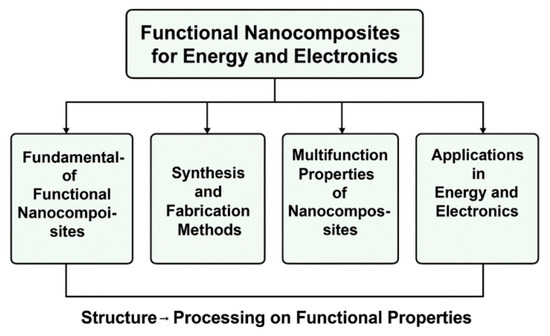
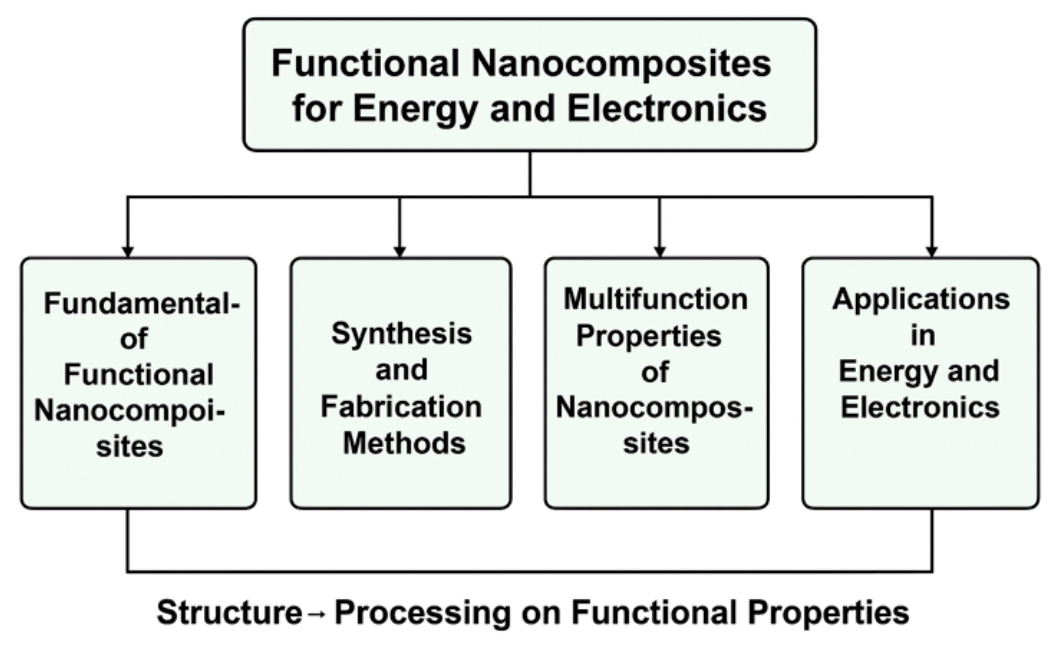
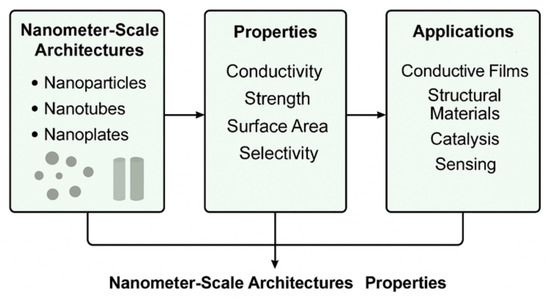
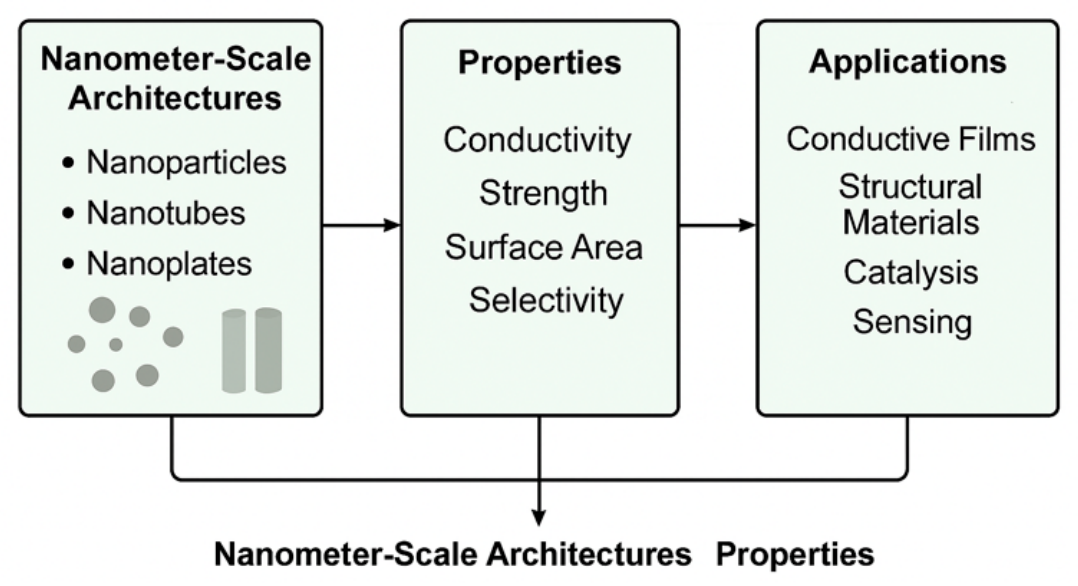
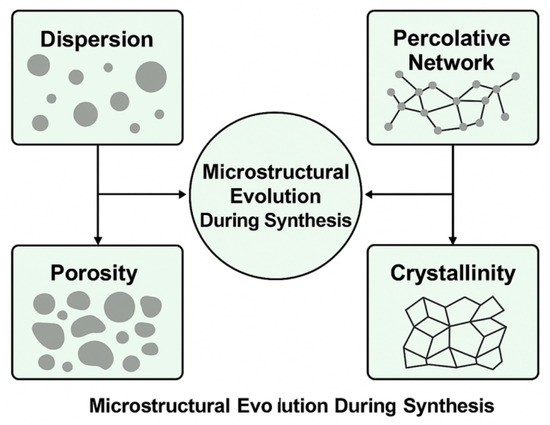
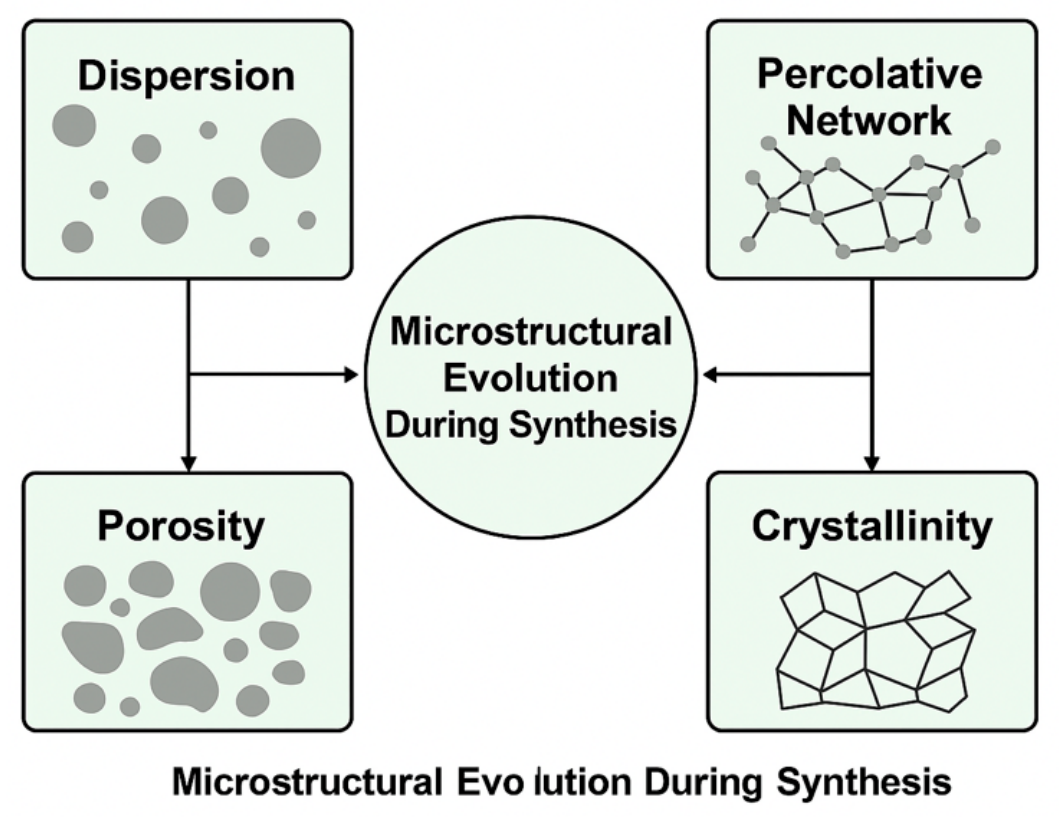
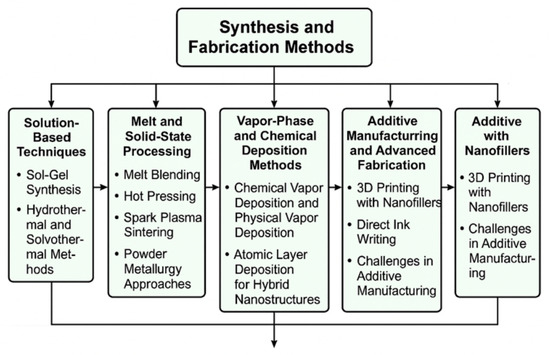
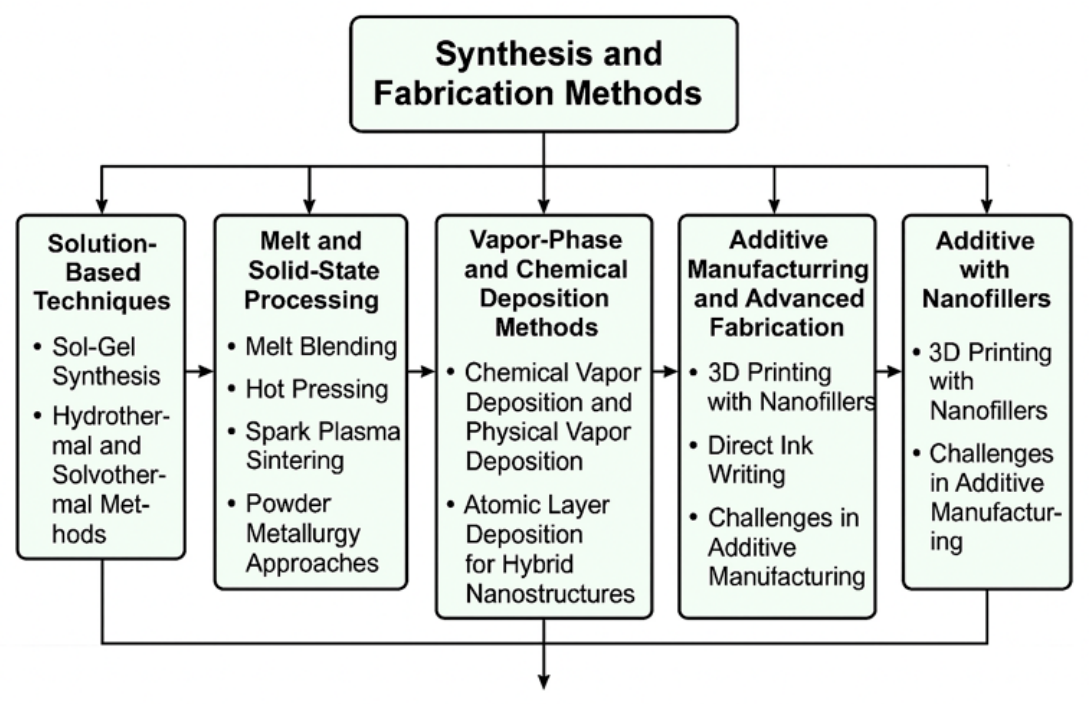
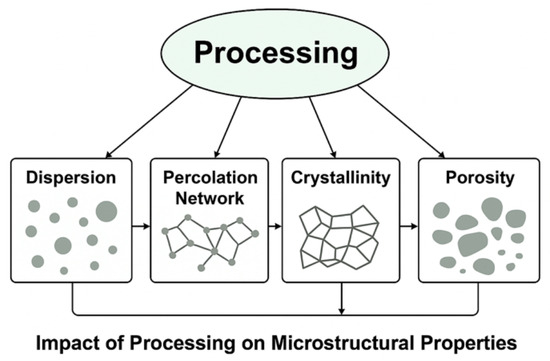
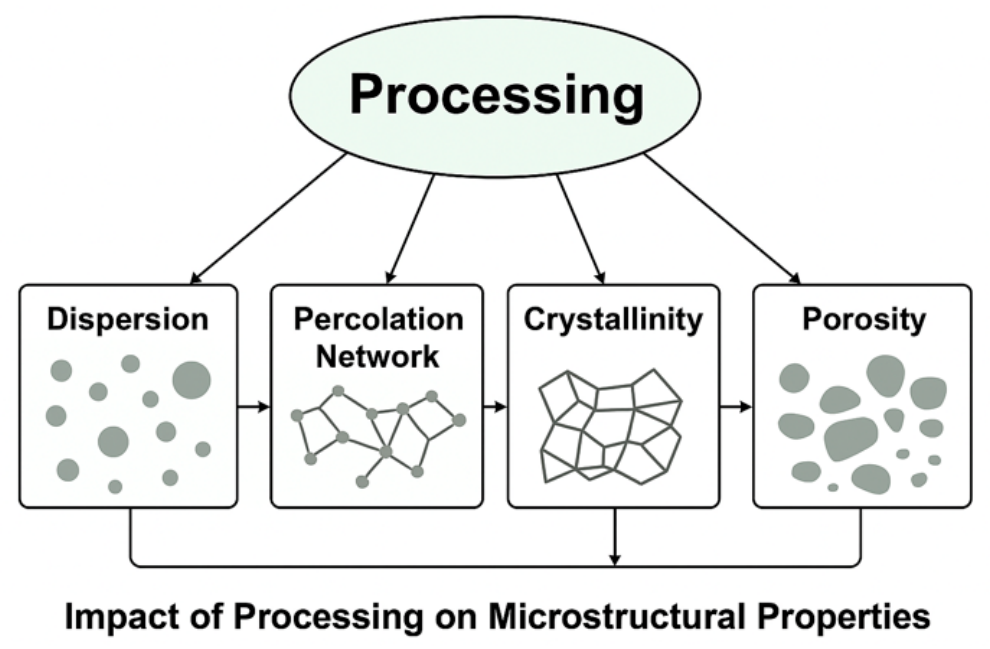
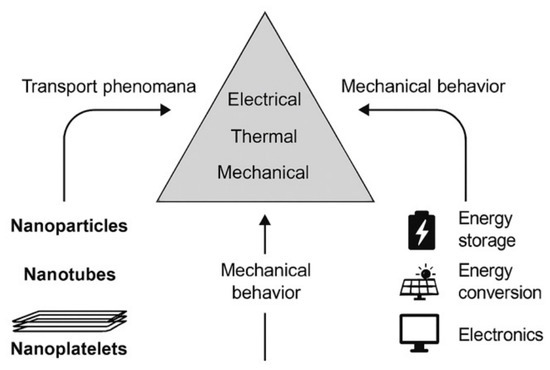
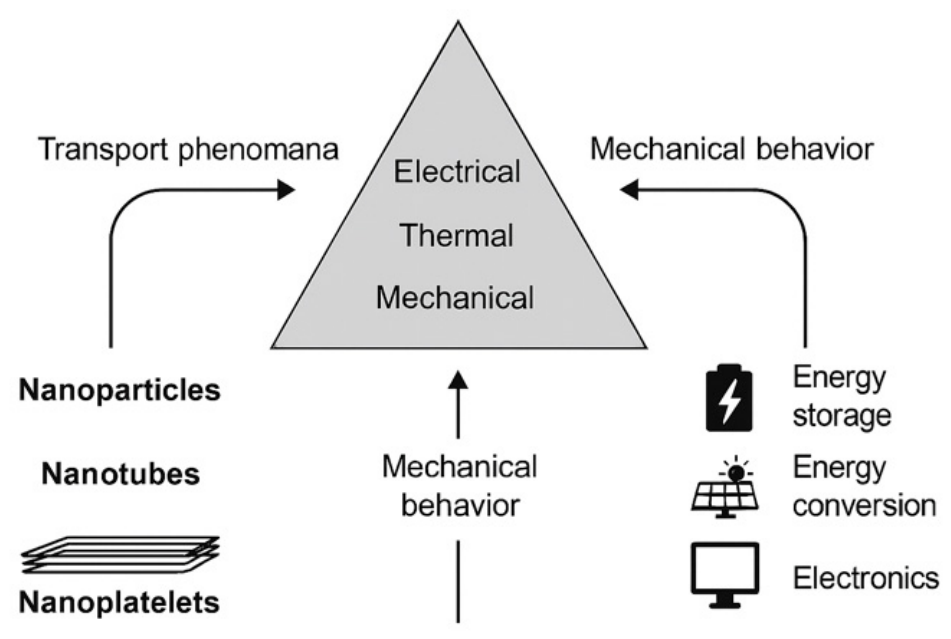
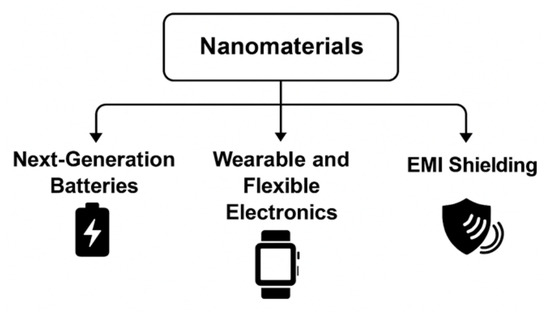
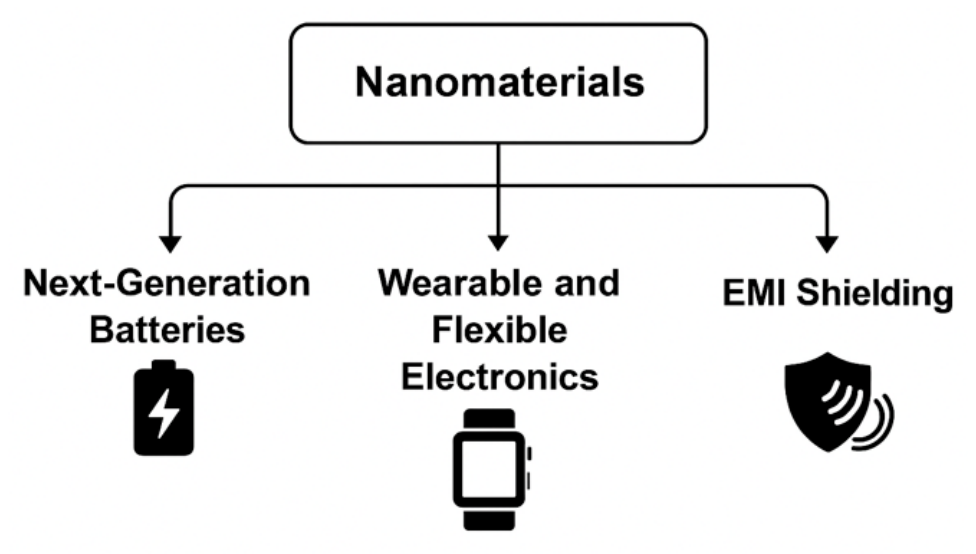
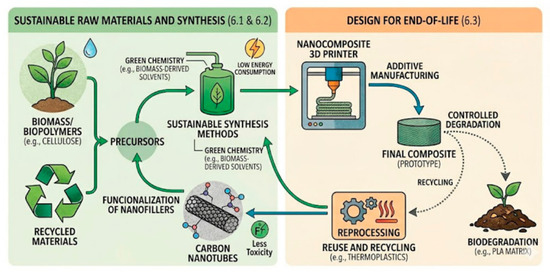
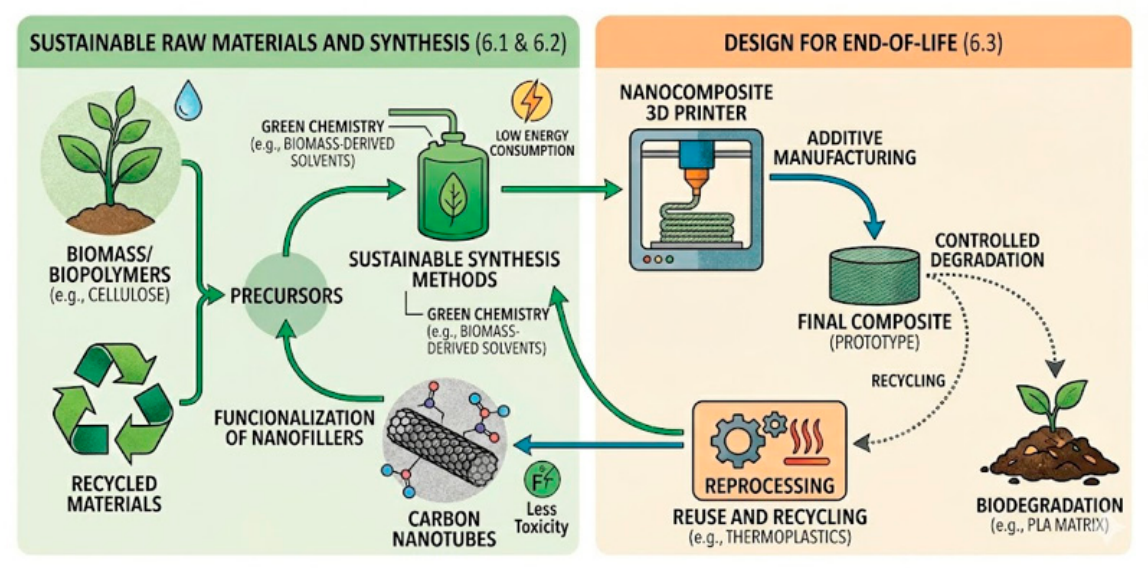
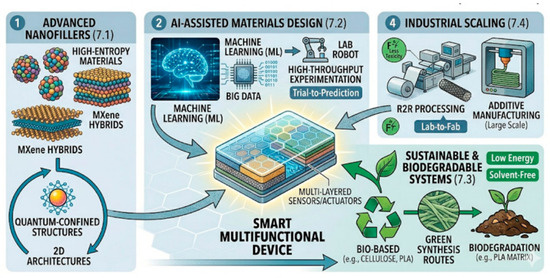
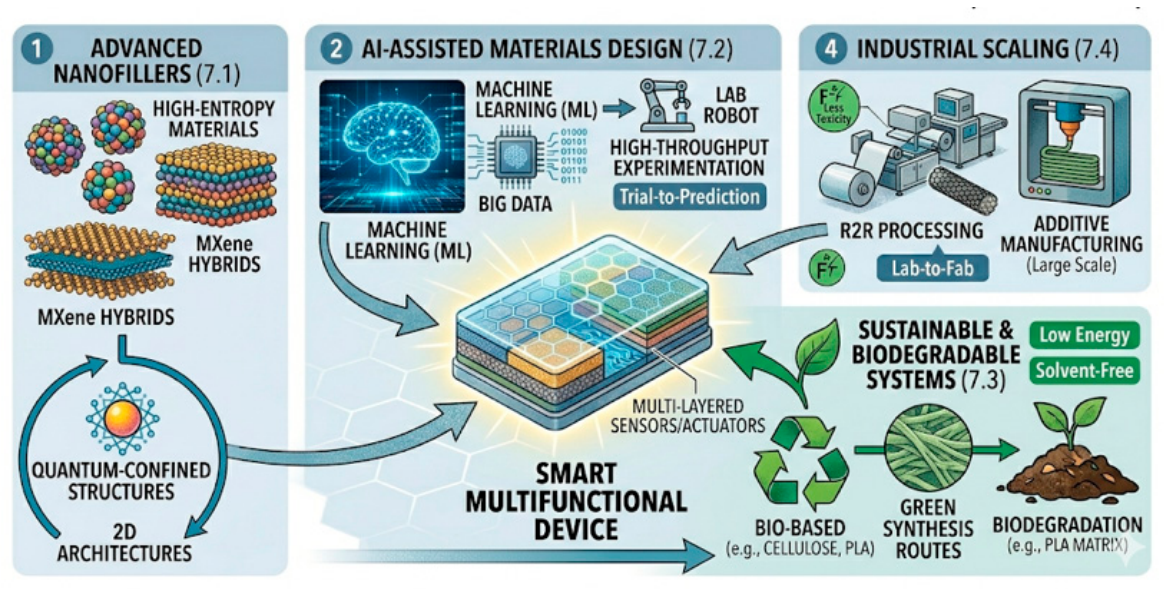
Disclaimer/Publisher’s Note: The statements, opinions and data contained in all publications are solely those of the individual author(s) and contributor(s) and not of MDPI and/or the editor(s). MDPI and/or the editor(s) disclaim responsibility for any injury to people or property resulting from any ideas, methods, instructions or products referred to in the content. |
© 2026 by the author. Licensee MDPI, Basel, Switzerland. This article is an open access article distributed under the terms and conditions of the Creative Commons Attribution (CC BY) license.