


Abstract
N-nitrosamine compounds, a disinfection byproduct of chlorination and chloramination in water and wastewater treatment processes, are classified as a probable human carcinogen. The current review focuses on analysing the feasibility of membrane technology while examining the challenges and opportunities in the elimination of N-nitrosamine compounds, particularly NDMA, from wastewater. To systematically attain this goal, this paper uses a systematic literature review that screens and critically assesses peer-reviewed experimental and numerical published papers on N-nitrosamine removal, occasioning in 37 high-quality papers for synthesis. In this regard, a detailed analysis of experimental and numerical studies elaborates that conventional RO membranes often introduce a specific low removal of NDMA from wastewater due to their low molecular weight and neutral charge, which addresses a critical issue. The critical analysis of the experimental and numerical studies depicts that the membrane type, structural properties, and chemical interaction have a key role in the removal of NDMA. To systematically improve the NDMA removal, a wide set of investigations have explored innovative treatment methods, including Nano pore plugging and hydrophilic coatings. This demonstrates potential for improving NDMA removal, albeit at the penalty of reduced water permeability. Additionally, the heat treatment of membranes has attained a notable improvement, ensuing in NDMA rejection of up to 92%. A multi-stage RO configuration model has depicted a maximum NDMA rejection of 93.1%. The future research should focus on investigating possible improvement of NDMA removal from wastewater such as Nano pore plugging and hydrophilic coatings, besides optimising RO configurations and membrane designs with a deeper understanding of membrane fouling.
1. Introduction
N-nitrosamine compounds (Table 1), a class of organic compounds categorised by the existence of a nitroso group (–N=O) attached to an amine, have emerged as major pollutants in drinking water and wastewater systems [1]. These compounds are commonly formed via a set of complicated chemical reactions involving amines during the chlorination, chloramination, and ozonation steps of the industrial and agricultural wastewater treatment. These are specifically common methods to control disinfection byproducts and guarantee microbiological safety in drinking water [2,3]. The interaction between chlorine or chloramine and precursor amines can cause nitrosation reactions, which result in the formation of N-nitrosamines [4,5]. In this regard, dimethylamine and diethanolamine are distinguished precursors that can produce NDMA under chlorination conditions as ascertained by a number of studies [6,7]. Among the N-nitrosamine compounds, N-nitrosodimethylamine (NDMA) is categorised as a possible human carcinogen with a serious implication for public health at Nano grams per litre (ng/L). Thus, international health organisations set stringent limits on the concentration of NDMA in drinking water due to its potential carcinogenic effects. For example, the cancer risk level of NDMA of 0.7 ng/L is specifically determined by the Integrated Risk Information System (IRIS) of the United States Environmental Protection Agency [8,9], highlighting the need for stringent monitoring and regulation. Also, the governments of Ontario, Canada and California, USA have established tolerable limits of NDMA in drinking water of 9 ng/L and 10 ng/L, 3 ng/L respectively [10,11]. However, stringent guidelines of NDMA of 100 ng/L and 40 ng/L were issued by the World Health Organization (WHO) and Health Canada for drinking water, respectively [12,13,14]. In April 2010, the Ministry of Health, Labor and Welfare in Japan adopted the WHO’s guideline limit of NDMA to set drinking water quality standards. This also agrees with German regulations for carcinogenic substances that set the of NDMA at 100 ng/L [15]. Thus, there is an urgent need to continually detect NDMA in different water supplies, including drinking water, treated and untreated secondary effluents, and raw wastewater, besides the necessity of defining a robust regulatory framework to manage and mitigate exposure risks and evaluate the possible treatment methods. Indeed, the concentration of NDMA can notably vary depending on the source of water and employed treatment methods. Possibly, the secondary effluents, particularly those containing amine-based products, can significantly contribute to the existence of NDMA. For example, Chen et al. [16] ascertained that an elevated level of NDMA can exist in areas utilising post-combustion CO2 capture process as a result of using the amines. Also, the pH, temperature, and the existence of organic matter are considerable factors that can meaningfully affect the extent of NDMA formation, complicating efforts to reduce their occurrence [17].
Table 1.
N-nitrosamine compounds and their molecular weights.
To adhere to an acceptable level of NDMA in drinking water, advanced treatment technologies are required besides utilising rigorous monitoring protocols for detecting NDMA efficiently. In this aspect, several physical, chemical, and biological treatment methods and advanced oxidation processes such as ozonation and UV photolysis were employed to address the challenge of removing N-nitrosamines from water that have shown promise in breaking down the N-nitrosamine compounds [18,19]. Despite the effectiveness of these practices, there is still a need to introduce an energy-intensive and costly treatment method. Interestingly, the membrane technology has emerged as an efficient removal method for a wide set of organic compounds including N-nitrosamine compounds from drinking water and wastewater [20].
In a critical review, Fujioka et al. [21] evaluated the existence and removal of N-nitrosamines, specifically N-nitrosodimethylamine (NDMA), by the RO membrane in the context of indirect potable water reuse. This included the associated experimental studies up until 2012 using laboratory, pilot, and full-scale RO systems. The impacts of a number of parameters including the water temperature, ionic strength, feed solution pH, and water flux on the removal of NDMA by the RO membrane were addressed. This in turn provided insights and proper inlet parameters to assure an acceptable efficiency of RO membrane in eliminating N-nitrosamines. Indeed, this would enable the optimisation of the water reclamation processes utilising RO membranes and guarantee safe indirect potable water reuse. The review elucidated variable NDMA removal of RO membranes with a maximum of 86%. Also, it was found that the seasonal temperature change is the key factor that meaningfully affects the NDMA removal. However, the mutual influences of water temperature, feed solution pH, ionic strength, and water flux can clearly signify variable NDMA removal in full-scale RO systems. The effects of membrane fouling and chemical cleaning aspects on N-nitrosamine rejection using RO membranes were also assigned as important topics that should be analysed in the future.
In 2019, another critical review in the specific removal of NDMA from water for potable reuse using RO membranes was conducted by Fujioka [22]. Fujioka [22] revised the conducted studies to appraise and improve the efficacy of the RO membrane process in removing NDMA from wastewater intended for potable reuse. The review covered different types of RO membranes and their capacities of NDMA removal across different operating conditions. It was ascertained that the conventional RO membranes have low NDMA removal efficiency due to the uncharged nature and very small molecular size of NDMA. Thus, the review underscored the requirement for improved monitoring technologies and analytical techniques, as well as the importance of developing new RO membranes to attain a higher NDMA removal and assure safe drinking water. In this aspect, Fujioka [22] elucidated the importance of integrating advanced oxidation processes (AOPs) into new RO membranes to improve the selectivity of NDMA.
Referring to the existing studies published in the open literature, the N-nitrosamine compounds are of increasing issue in the context of water quality, particularly concerning indirect potable water reuse. The unavoidable potential carcinogenicity and their persistence in wastewater require efficient removal strategies. Although several published studies investigated the elimination of N-nitrosamine compounds and particularly NDMA using membrane technology, a detailed review that synthesises all relevant laboratory, pilot, and full-scale studies up to 2024 is lacking. This gap in the open literature signifies the pressing need for a systematic review that organises the actual efficiency of membrane technology while providing a holistic perception of the challenges and possible improvements in this sector. The current review would therefore highlight the actual influence of specific parameters on N-nitrosamine elimination such as different membrane materials, operational conditions, and variable water quality. As a result, the current review focuses on investigating the feasibility of membrane technology for the removal of N-nitrosamine compounds from water via both experimental and simulation practices. Furthermore, a base for innovation can be delivered in this review by summarising the latest advancements in membrane materials, configurations, and operational strategies. In turn, this review can inspire scholars to develop more effective and cost-effective solutions for N-nitrosamine removal from water.
2. Review Method
The review method used in the present paper is categorised by synthesising the findings of relevant experimental and numerical published studies of the removal of N-nitrosamine compounds from water. Referring to this goal, the scientific databases of Scopus, Web of Science, ScienceDirect, and Google Scholar were searched to identify and locate the relevant papers of peer-reviewed journals and conference papers. In this regard, a number of keywords including membrane technology, water treatment, N-nitrosamine compounds and experimental and simulation were used to select the correct studies. The selected studies were classified into two key groups: experimental and numerical simulation studies of N-nitrosamine compounds. Indeed, the groups were assessed to determine the membrane technology, process design and configuration, operating conditions, methodology, targeted compounds and most important findings. However, it should be noted that the utilised strategy of collecting papers was designed to exclude those studies that were published in non-English language or did not elucidate performance indicators. On top of this, the synthesised data were utilised to signify the technological trend in addition to highlighting optimal design approaches and identifying existing limitations, thus allowing a detailed assessment of the state of the art of N-nitrosamine removal from water.
The systematic review conducted in this paper started with collecting 59 studies that reduced to 57 studies after excluding duplicate ones. The screening stage of this methodology has assessed the main title and abstract, which excluded 18 papers as they discussed other treatment technologies such as adsorption and thermal desorption. The remaining 39 studies were entered to the eligibility stage of review method and categorised into experimental and simulation studies. This step has reduced the number of selected papers to 37 after excluding 2 papers of deficient data, or deficient performance indicators. Accordingly, the initial 57 papers were reduced to 37 high-quality papers that entered the critical evaluation.
3. State-of-the-Art of N-Nitrosamine Compounds Removal from Water Using Membrane Technology
This section provides a comprehensive review of the associated experimental and simulation-based model studies that focused on the rejection of N-nitrosamine compounds from water using membrane technologies while outlining the process design and highlighting the actual performance.
3.1. Experimental Based Research
Steinle-Darling et al. [23] conducted experimental work to assess the feasibility of three different membranes to remove seven N-nitrosamines, including NDMA using a bench-scale RO process (Figure 1) while using variable operating conditions. Specifically, the aim was to study the impacts of membrane characteristics, water chemistry, and fouling influence on the removal performance of these potentially toxic pollutants. Thus, three flat-sheet cells of commercial brackish-water membranes including ESPA3, LFC3, and BW30 were tested. Also, variable operating conditions were tested, including ionic strength and pH. Also, the effect of membrane coating with polyether–polyamide block copolymer (PEBAX 1657), and artificial fouling with alginate on N-nitrosamines’ removal, was addressed. To quantify the removal of nitrosamines in different ionic strength, a set of experiments was conducted using distilled water and different solutions of various concentrations of NaCl. Steinle-Darling et al. [23] elucidated that an increase in molecular mass of nitrosamine can improve the removal rate. Accordingly, the NDMA presented a poor rejection of 54 to 70% based on the utilised membrane type (Figure 2) as a result of its low molecular weight of less than 80 Da. The practice of membrane hydrophilic coating with PEBAX deduced an improvement of NDMA rejection using LFC3 and BW30 membranes compared to a reduced NDMA removal with the ESPA3 membrane. Furthermore, the coating method expressively decreased the water flux of the used membranes of ESPA3, LFC3 and BW30 by 84.6%, 60.6% and 72.4%, respectively. Also, the utilisation of alginate artificial fouling indicated a decrease in NDMA rejection of 18%. Referring to the experimental results, an increase in NaCl salt concentration (ionic strength) from 10 mM to 100 mM introduced a reduction by 15% in NDMA rejection. Finally, a notable decrease in NDMA removal was noticed due to an increase in pH particularly at high salt concentration of NaCl.
Figure 1.
A schematic diagram of a bench-scale RO process of flat-sheet membrane cells [23] (Copyright permission: 6245551117252).
Figure 2.
Influence of molecular weight of nitrosamine on the removal efficiency of different RO membranes [23] (IDL: Instrumental detection limit. Also, for those compounds with rejections above IDL, comments in brackets explain whether a trace (“trace”) of contaminant, or none at all (“n.d.”) were detected. * Trace detected only for ESPA3 membrane) (Copyright permission: 6245551117252).
A bench-scale cross-flow filtration system of three NF (NE70 and NE90 from Saehan Industries Inc. and NF90 from FilmTec. Nanomembranes) and four polyamide thin-film composite brackish water RO (BWRO) membranes was constructed by Miyashita et al. [24] for the elimination of NDMA, NMEA, NPYR, NDEA, NDPA, and NDBA, from wastewater. The experimental data indicated that the membrane type and molecular weight are the most essential parameters affecting the rejection of N-nitrosamine compounds. Rejection percentages for nitrosamines by NF membranes ranged between 9% and 75%, while for BWRO membranes, the range was 54% to 97%. The relatively low rejection of nitrosamines by NF membranes is attributed to an operative diffusion property of nitrosamine compounds via the BWRO membrane. Also, it has been ascertained that the feed concentration of DMA has no considerable effect on its removal efficiency. Statistically, the NDMA removal increased from 60 to 65% after increasing NDMA feed concentration from 0.4 to 900 ppb.
Fujioka et al. [25] utilised a bench-scale cross flow membrane filtration unit of one NF (NF90) membrane manufactured by FilmTec and two RO membranes (Thin Composite Polyamide (TFC) Hydranautics SWC5 and TFC-HR) for evaluating the influence of feed characteristics (feed concentration, pH, ionic strength and feed temperature) on the elimination of eight N-nitrosamine compounds from synthesised wastewater. Figure 3 shows the schematic diagram of the filtration system. The solvent and solute fluxes were estimated based on the irreversible thermodynamics model formerly established by Kedem and Katchalsky [26]. The findings of this research indicated that an increase in feed concentration from 250 to 1500 ng/L has not a considerable influence on the elimination of N-nitrosamine compounds using RO membranes. Moreover, the removal of low molecular weight N-nitrosamine compounds (NDMA and NMEA) is dependent on the pH feed solution through RO membranes. A decrease in pH from 9 to 3.5 led to a decrease in NDMA and NMEA removals from 52% to 24% and from 80% to 62%, respectively, due to a decrease in speciation of both amine and carboxylic functional groups of RO membranes. Furthermore, it has been ascertained that a decrease in pH can increase the pore size of the RO membrane due to a change in polymer matrix. An increase in ionic feed solution from 26 to 260 mM causes a reduction in NDMA removal from 52% to 34% using RO membranes. However, the removal of NPYR decreased from 90% to 83% for the same increase in ionic strength. Increasing ionic strength can increase the porosity of the RO membrane, which results in a reduction in the removal efficiency. Finally, an increase in feed temperature caused an increase in pore size of the RO membrane and a reduction in N-nitrosamine compounds’ removal from wastewater. Statistically, an increase in water temperature from 20 °C to 30 °C caused a reduction in NDMA, NMEA and NPYR removals from 49% to 24%, 81% to 62%, and 90% to 74%, respectively (Figure 4).
Figure 3.
A representation of filtration system for the removal of N-nitrosamine compounds from wastewater [25].
Figure 4.
Effect of water temperature on the removal of N-nitrosamine compounds [25].
The feasibility of biodegradation for the elimination of eight N-nitrosamine compounds from synthetic wastewater during membrane bioreactor treatment was examined by Wijekoon et al. [27]. The elimination efficiencies ranged from 24% to 94%, with NDMA showing the highest removal efficiency at 94% and NMOR showing the lowest at 24% (Figure 5). Furthermore, the removals of other N-nitrosamine compounds were NDEA (88%), NMEA (87%), NDBA (76%), NPIP (65%), NPYR (58%), and NDPA (51%). Referring to these results, it has been concluded that the elimination efficiencies of N-nitrosamines are quite dependent on the molecular weight of these compounds. N-nitrosamines with strong electron-donating functional groups are more readily biodegradable, while those with weak electron donating groups like morpholine are more persistent to biodegradation. In this regard, NDMA and NDEA have the highest removal due to their acyclic alkyl amines (two methyl functional groups) which explain their stronger electron-donating capacity than that of aliphatic counterparts (alicyclic alkyl amines) of other N-nitrosamine compounds. Indeed, the morpholine functional group of NMOR considerably decreases its electron donating capacity.
Figure 5.
Feed and permeate concentrations of N-nitrosamine compounds throughout the membrane bioreactor treatment [27] (Copyright permission: 502061479).
Fujioka et al. [28] appraised the performance of different Nano filtration (NF) and RO membranes for the elimination of eight different N-nitrosamine compounds under controlled conditions while concentrating on using low-pressure reverse osmosis (LPRO) membranes used in water reclamation implications. In this regard, eight NF and RO membranes were nominated to conduct the experimental work. Specifically, these include one NF, one seawater RO, and six LPRO membranes. Also, the permeate flux and water temperature of inlet conditions were varied and their influences on the removal of N-nitrosamine compounds were systematically tested. Fujioka et al. [28] elucidated that the removal of NDMA and NMEA can be changed based on the utilised membrane. Statistically, the NDMA removal varied between 8% and 82%, while NMEA removal varied between 23% and 94 indicated in Figure 6, and an obvious inverse correlation was noticed between water membrane permeability and N-nitrosamine removal rate with a moderate correlation factor of R2 = 0.61. This provides an indication of using lower water permeability membrane to introduce a higher removal rate of N-nitrosamine. Thus, it can be said that the selection of membrane type is essential in water treatment to guarantee the highest N-nitrosamine removal. Figure 6 shows that the SWC5 and ESPAB membranes demonstrated exceptional high removal rates for NDMA of 82% and 71%, respectively. On the other hand, composite polyamide ESPA1 and NF90 depict the lowest NDMA removal rates despite their high permeability features, which suggests that permeability alone does not dictate the rejection efficiency for NDMA. Also, the distinction between SWRO and the NF membrane and LPRO is notable. The consequence of this research can be identified by the importance of optimising the membrane design to accommodate a balance between water permeability and N-nitrosamines rejection efficiency.
Figure 6.
Effect of water permeability constant on NDMA removal for different membranes [28] (Copyright permission: 6245561350975).
The rejections of NDMA and N-nitrosomorpholine (NMOR) using three full-scale RO water recycling plants (A, B, and C) (Figure 7) were studied by Fujioka et al. [29]. The studied plants contain secondary treated effluent underwent microfiltration (MF) or ultrafiltration (UF) processes prior to RO process. To quantify the removal of NDMA and NMOR in each associated process, the water samples were collected from different stages throughout the plants. In this regard, the results indicated that NDMA was detected with a concentration range between 7 and 32 ng/L at the feed line of the RO process with rejection rate ranges between 4% and 47% among the three tested plants (Figure 8). Also, one wastewater plant showed a high NMOR concentration range between 177 ng/L and 475 ng/L in the feed line of RO process, with an overall NMOR rejection range between 81% and 84, Figure 8 assures the importance of assessing different plants and the laboratory scale of the RO process under similar conditions, which can provide a basis for perceiving the discrepancies between laboratory- and full-scale studies. Also, the effect of operational temperature on the removal rate was addressed. Fujioka et al. [29] elaborated that a higher water temperature can negatively affect the removal rate.
Figure 7.
Schematic representations of three wastewater treatment plants and process flow drawing of RO process [29] (Copyright permission: 6245570123378).
Figure 8.
Representation of N-nitrosamines’ removal rates of different wastewater treatment plants compared to a laboratory scale of RO process [29]. Bar with asterisk (*) indicates that the rejection was calculated based on the detection limit of N-nitrosamine in the permeate (n.a.: data not available, and n.d.: not detectable in the feed). (Copyright permission: 6245570384596).
A comprehensive study was directed by Tu et al. [30] to investigate whether boron can be used as a surrogate to remove (NDMA) by TFC-HR (spiral wound RO membrane) in potable water reuse implications. This research was based on the observation that both NDMA and boron have similar features of molecular dimensions. The experimental setup involved an NF/RO filtration system. In this regard, six low-pressure and high-pressure RO of different permeability factors were selected with different operational conditions. The operational conditions of 5 to 60 L/m2 h of permeate fluxes and 10 °C to 40 °C of water temperatures were applied in the filtration procedure. The experiments were carried out with specific feed solutions of NDMA and boron. Figure 9 indicates various NDMA removal rates for the utilised membranes in association to boron removal rate. In this regard, SWC5 depicts the greatest NDMA rejection, closely associated with significant boron rejection. Seemingly, the chemical interaction between SWC5 and NDMA is at its maximum compared to other membranes, leading to enhanced adsorption and subsequent rejection. The experimental results indicated a strong linear correlation between the removal of boron and NDMA of (R2 = 0.95) for different RO membranes (Figure 9) and (R2 = 0.9) for different permeate fluxes while considering a fixed inlet condition (Figure 10). The rejection rates of boron and NDMA are positively correlated to permeate flux compared to water temperature. Overall, the research of Tu et al. [30] ascertained the feasibility of boron as a surrogate which can offer a useful method to monitor NDMA removal in the RO water treatment process.
Figure 9.
The consistency between NDMA removal and boron as a surrogate using different RO membranes at pH 8, 250 ng/L NDMA, 5.75 mg/L, 20 °C, 20 L/m2 h, and 42 cm/s [30] (Copyright permission: 6245571011443).
Figure 10.
The consistency between NDMA removal and boron as a surrogate using different permeate fluxes of TFC-HR membrane at pH 8, 250 ng/L NDMA, 5.75 mg/L, 20 °C, and 42 cm/s [30] (Copyright permission: 6245571011443).
The contribution of membrane fouling on the elimination of N-nitrosamine compounds from tertiary-treated effluent using NF and RO processes was considered by Fujioka et al. [31]. A laboratory-scale cross-flow NF/RO system was utilised to assess the rejection rates of N-nitrosamines and the permeate flux before and after fouling treatment. In this regard, three different membranes of NF90, ESPA2 from Hydranautics, and ESPAB, and different foulants of sodium alginate, humic acid, bovine serum albumin, and colloidal silica, were utilised. The key results of this research indicated an upsurge of N-nitrosamine removal when the membranes were fouled with tertiary effluent. In this practice, the NDMA removal of the ESPA2 membrane was raised from 34% to 73% after fouling. This was attributed to an upsurge in the hydrophobicity of the membrane that raises the membrane rejection due to fouling layers (Figure 11). In this regard, the measurement of the contact angle before and after fouling provided visions into the hydrophobicity of the membrane surfaces. The results indicate a noteworthy increase in contact angle after fouling practice, which anticipates that fouling can change the surface properties of membranes and improve the removal rate. Referring to these results, it is important to understand the relationship between the molecular structures and molecular weights of various N-nitrosamines and their influence on the membrane rejection.
Figure 11.
Impact of fouling utilising tertiary effluent on the removal of N-nitrosamine compounds by (a) ESPAB, (b) ESPA2 and (c) NF90 membranes (cross flow velocity of 40.2 cm/s, permeate flux of 20 L/m2 h, and water temperature of 20 °C [31] (Copyright permission: 6245571393254).
Using the same laboratory-scale cross-flow RO filtration unit as Fujioka et al. [25], Fujioka et al. [32] focused on studying the transport of uncharged small solutes, particularly boric acid and eight N-nitrosamine compounds at a controlled pH and ionic strength, via RO membranes by analysing the free-volume hole-radii structure within the active skin layer of these membranes. Three RO membranes were tested in this research including Hydranautics SWC5 (seawater RO), ESPAB, and ESPA2 (low-pressure RO membranes, Hydranautics), evaluating their rejection capabilities for the selected pollutants. The quantification of the free-volume characteristics in the nanoscale range was conducted using PALS analysis of a slow positron beam. The outcomes indicated that the SWC5 membrane has the lowest mean free-volume hole-radius of 0.259 nm, which results in the greatest removal of N-nitrosamines and boric acid of 79% and 81%, respectively (Figure 12). Figure 12 depicts the importance of the relationship between membrane structure, solute molecular volume and rejection efficiency. Furthermore, an increase in molecular weight serves the removal rate in addition to the influence of membrane thickness and free-volume distribution. Further findings were ascertained in this research which presented the effect of hydraulic permeability of the membrane. In this aspect, a reverse relationship was observed between the removal rate and membrane water permeability as illustrated in Figure 13. Indeed, an increase in membrane water permeability can lead to a reduction in pollutant rejection. The significance of this research can be stated as it elucidates the removal rates of uncharged solutes via measuring the free-volume hole-radii structure within the active skin layer of these membranes. Indeed, this would open the scope of analysing the concepts of charge in the context of molecular size, emphasising the role of membrane structure in the removal of low molecular weight pollutants.
Figure 12.
Effect of molecular volume (nm3/molecule) on the removal rate of boric acid and eight N-nitrosamine compounds for different RO membranes at fixed cross-flow velocity of 40.2 cm/s, permeate flux of 20 L/m2 h, pH of 8.0, and water temperature of 20.0 °C [32] (Copyright permission: 6245580287149).
Figure 13.
Impact of membrane water permeability on the elimination of pollutants [32] (Copyright permission: 6245580287149).
Fujioka et al. [33] focused on evaluating the act of ozone treatment for eliminating eight N-nitrosamine compounds from RO concentrate in water recycling implications. Specifically, the effects of molecular weight or alkyl chain length of N-nitrosamines, ozone dosage and ozone contact time on the removal of N-nitrosamine compounds were assessed. The ozone dosages of 15, 30, and 45 ppm that associated with contact ozone times of 6, 12, and 19 min, respectively, were used. Experimentally, the research indicated the effectiveness of ozonation in removing N-nitrosamines as a consequence of increasing their molecular weight. In other words, there is a proportional relationship between the number of aliphatic carbon atoms in the chemical structure of N-nitrosamine compounds and their removal efficiency. Among the N-nitrosamines, NDBA of the highest molecular weight of 158.14 has attained the highest removal of 79%. Also, the removal efficiency of the low molecular weight N-nitrosamines including the NDMA, NMEA, and NDEA was lower than 23%. However, there is a possibility of increasing the concentration of low molecular weight NDMA, NMEA, NPYR and NDEA above their initial concentrations as a result to increasing ozone dosage from 15 to 30 ppm with N-nitrosamines transformation during ozonation treatment. Afterwards, an increase in ozone dosage to 45 ppm has resulted in a decrease in low molecular weight N-nitrosamine compounds. Thus, it is quite important to balance between N-nitrosamine formation and transformation during ozonation. It was concluded that there is a potential upsurge in concentrations of specific N-nitrosamines at higher ozone dosages.
Using two LPRO membranes and six different chemical cleaning agents, Fujioka et al. [34] examined the influence of caustic chemical cleaning and acidic chemical cleaning agents (NaOH, HCl, CA, MC3, MC11, PC98) of flat-sheet RO membranes in a laboratory-scale cross-flow filtration system (Figure 14) on the elimination of N-nitrosamines, highlighting the trade-off between increased membrane permeability and decreased removal of N-nitrosamine compounds, with a reversible effect observed through a sequential cleaning method. Specifically, the influence was appraised by inspecting membrane permeability, surface charge, and separation performances. The statistical results indicated the existence of a correlation between membrane permeability and the elimination of low molecular weight N-nitrosamines (NDMA and NMEA) by the TFC-HR and ESPA2 composite polyamide membranes. It was ascertained that the caustic chemical cleaning can significantly increase the membrane permeability. Specifically, the influence of chemical cleaning on N-nitrosamine removal was more significant for low molecular weight N-nitrosamine compounds compared to high molecular weight ones. In other words, the chemical cleaning can decrease the rejection of NDMA and NMEA by RO membranes. However, caustic followed by acidic chemicals was shown to lessen the effect of caustic chemical cleaning on N-nitrosamine removal and membrane permeability.
Figure 14.
A representation of the pilot-scale RO system [34] (Copyright permission: 6245580623008).
Using the experimental setup of pilot-scale RO process developed by Fujioka et al. [35], Fujioka et al. [36] conducted a specific study to evaluate the elimination of seven N-nitrosamines and boron. The boron acts as a surrogate for NDMA removal. In this regard, the effects of the key parameters of permeate flux, feed pH, and feed temperature on the removal rate were evaluated. The obtained results showed that the removal rate of N-nitrosamines vary between 31% and 94% at fixed operational conditions of 20 L/m2 h of permeate flux, 20 °C of temperature, and 8.0 of feed pH (Figure 15). A higher permeate flux led to an increase in the removal rate (Figure 16) compared to water temperature. In this regard, the boron and NDMA showed the lowest removal rates of 41% and 40%, respectively, compared to other N-nitrosamines compounds. Due to a robust correlation of (R2 = 0.86) between NDMA and boron, the boron can be successfully used as surrogate for NDMA removal from wastewater. Also, it has been noticed that the change in pH has an insignificant effect on the removal of N-nitrosamines compounds. However, the elimination of NDMA and boron have increased from 29% to 38% and 27% to 32% due to increasing pH from 5 to 9.5, and 5 to 8, respectively (Figure 17).
Figure 15.
Effect of permeate flux on the elimination of N-nitrosamines and boron [36] (Copyright permission: 6245581023507).
Figure 16.
Impact of feed temperature on the elimination of N-nitrosamine compounds and boron [36] (Copyright permission: 6245581023507).
Figure 17.
Impact of pH on the elimination of N-nitrosamine compounds and boron [36] (Copyright permission: 6245581023507).
Fujioka et al. [37] investigated the act of different Nano filtration (NF) membranes including the tubular ceramic (IKTS, Germany, with a molecular weight cut-off (MWCO) of 200 Da) and two flat-sheet polymeric (polyamide-based) NF membranes of NF90 (200 Da) and NF270 (400 Da) of Dow/FilmTec, USA, for the elimination of 41 trace organic chemicals (TrOCs). The associated compounds include the charged and neutral ones. The neutral seven hydrophilic of N-nitrosamine compounds were considered (NDMA, NMEA, NPYR, NDEA, NPIR, NMOR, NDPA). Also, some other neutral hydrophobic compounds were considered including N-nitrosodi-N-butylamine (NDBA) and others. Some other charged compounds were also considered such as Ibuprofen and Naproxen. The experimental setup consisted of a laboratory-scale cross-flow NF filtration unit. Fujioka et al. [37] focused on the relationship between the removal rate of the pollutants and the physicochemical properties including the molecular weight, neutral and charged organic compounds, and hydrophilic and hydrophobic characteristics. Using a fixed permeate flux, the obtained results indicated that the ceramic NF membrane has the highest removal rates of harmful trace organic chemicals including the N-nitrosamine compounds compared to polyamide membranes (Figure 18). Specifically, the removal of low molecular weight neutral NDMA using the ceramic membrane is greater than the NF90 polymeric membranes by 20%, and 4% than that of NF270 polymeric membrane. In other words, the ceramic membrane has a higher ability to remove low molecular weight N-nitrosamine compounds. Indeed, an increase in molecular weight would serve the removal of pollutants, which demonstrates the dominance of size-exclusion mechanism for the removal of N-nitrosamine compounds. However, the obtained results indicated that the ceramic membrane has low dependency on hydrophobic interactions for the removal compared to polymeric membranes. Furthermore, the experimental results indicated that the charge of TrOCs has a contribution to the removal of positively and negatively charged compounds using the ceramic and polymeric membranes (Figure 19). In this aspect, the ceramic membrane displayed a potential in the elimination of charged organic compounds. Thus, the electrostatic interaction plays a role in the elimination of organic compounds.
Figure 18.
Removal rates of different neutral trace organic chemicals including N-nitrosamine compounds using ceramic, NF270 and NF90 membranes at 20 L/m2 h of permeate flux, pH 8, and 20 °C of temperature (The molecular weight (Da) is depicted in the parentheses) [37] (Copyright permission: 6245581380643).
Figure 19.
Removal of negatively and positively charged TrOCs using ceramic and polymeric membranes [37] (Copyright permission: 6245581380643).
To understand the importance of testing different membrane materials in the removal of harmful pollutants, the elimination of a set of TrOCs using a bench-scale filtration unit (Figure 20) of a cellulose triacetate material hollow fibre flat-sheet RO membrane module (HKC3023V) made by Toyobo Co., Ltd., was conducted by Fujioka et al. [38]. The results of this research would therefore ascertain the implication of cellulose triacetate membranes (chlorine-resistant membrane) in wastewater reclamation plants compared to polyamide membranes. Triacetate membrane allows the use of chlorine in the feed water to control biofouling without conceding the membrane’s integrity. In this research, 41 different TrOCs, including neutral hydrophilic, neutral hydrophobic, negatively and positively charged, were selected. The results introduced a range between 25% to 95% for the removal of neutral hydrophilic TrOCs by cellulose triacetate membrane. This indicates a strong effect of hydrophobicity on the removal of neutral hydrophilic TrOCs, where the removal rate increases with increasing molecular weight. In this aspect, the charged pollutants of hydrophilic TrOCs have obtained a high removal rate of more than 90% (Figure 21). Indeed, Figure 21 indicates the greatest removal rate as a consequence of increasing molecular weight. The same behavior of high removal rate is ascertained for the hydrophobic compounds of 236 g/mol of molecular weight. However, diuron (MW 233 g/mol) has exhibited low removal of 39% as an exceptional case. This would suggest that molecular structure and hydrophobicity can play a significant role in the removal rate. Finally, Fujioka et al. [38] compared the removal rate of a cellulose triacetate membrane and polyamide membrane for the removal of TrOCs. The outcomes indicated that the elimination of TrOCs using cellulose triacetate RO membrane was lower than the polyamide RO membrane by 25% to 78%. Also, the elimination rate of N-nitrosamine by the cellulose triacetate RO membrane is apparently impacted by their molecular size and hydrophobicity, compared to the polyamide RO membrane which is only correlated with molecular size.
Figure 20.
A representation of a laboratory bench-scale filtration unit of cross-flow RO process [38] (Copyright permission: 6245590156186).
Figure 21.
Removal rate of hydrophilic and hydrophobic TrOCs (molecular weight) at fixed inlet conditions of 1.05 MPa, 3.1 L/m2 h, pH 8.0, and 20 °C. The molecular weight (g/mol) is depicted in the parentheses. Values reported here are the average and ranges of duplicate samples. [38] (Copyright permission: 6245590156186).
Ersan et al. [39] deliberated the feasibility of Nano filtration (NF) membranes in the removal of NDMA, halonitromethane (HNM), and trihalomethane (THM) precursors from various source waters of surface water, wastewater-impacted surface water, and municipal and industrial wastewater treatment plants. The experiments were achieved using a pilot-scale cross-flow filtration system using TS80, NF270, and ESNA 1-LF2 NF membranes. The treatment used variable pH between 6 to 9, ionic strength between 0.005 to 0.05 M, and calcium ion concentration between 6 and 60 mg/L, while assessing the removal of the selected pollutants. The results indicated the ranges of 57–83% for NDMA rejection, 48–87% for HNM rejection, and 72–97% for THM rejection. The greater removal rate for THM signifies their larger molecular size and possibly greater reactivity compared to NDMA. This is an indication of an efficient removal of THM compared to NDMA and HNM. Figure 22 depicts variable and significant removal rates among different source waters. Indeed, the municipal wastewater effluents show the greatest NDMA and HNM removal in a comparison to non-impacted surface water. Also, Figure 23 depicts that a growth in calcium concentration can enhance the elimination of NDMA in municipal wastewater effluent, while pH adjustments affected NDMA removal differently across water sources.
Figure 22.
Removal of NDMA, HMN, and THM using TS80 Nano filtration membrane for SW: surface water; ISW: impacted surface water; WWTP-1: Municipal Wastewater Treatment Plant-1; WWTP-2: Municipal Wastewater Treatment Plant-2; IWWTP: Industrial Wastewater Treatment Plant [39] (Copyright permission: 6245590615652).
Figure 23.
Effect of calcium concentration on the elimination of NDMA, HNM, and THM utilising TS80 NF membrane with (A) municipal wastewater effluent (WWTP-1) and (B) industrial wastewater effluent (IWWTP). IS denotes the ionic strength [39] (Copyright permission: 6245590615652).
Uzun et al. [40] assessed the efficiency of different treatment processes for the removal of NDMA under variable inlet conditions at nine water drinking water treatment plants. These treatments include alum clarification, powdered activated carbon addition, oxidants (chlorine and chlorine dioxide), RO, and microfiltration. Specifically, RO was particularly effective with an average NDMA reduction of 81% compared to 7% for the NF membrane.
Fujioka et al. [41] utilised a bench-scale of a LPRO membrane sheet (ESPA2 composite polyamide) system with a cross-flow configuration for the elimination of NDMA, NMEA, NPYR, and NMOR from secondary wastewater effluents (depicted in Figure 20). The researchers investigated the impact of adding foulants (i.e., sodium alginate, BSA, humic acid and two fulvic acids) on the removal of N-nitrosamine compounds. For NDMA (low molecular weight), it has been noted that membrane fouling caused by the secondary wastewater effluent led to a distinguished reduction in the removal of NDMA through an RO membrane. Statistically, the NDMA rejection from secondary effluents was decreased from 76% to 63–70% after the addition of foulants to wastewater. This elucidated different impacts of different types of foulants on the removal of NDMA. However, this is not valid for the permeation of NMEA, NPYR, and NMOR. Specifically, the membrane fouling can be affected by particular small organic fractions, such as humic and fulvic acid-like organics, polysaccharides, proteins, in the secondary wastewater effluent significantly that impact the permeation of N-nitrosamine compounds by RO membranes.
Using heat-treated RO membranes, Fujioka et al. [42] focused on the possible achievement of more than 90% elimination of NDMA from wastewater. Three commercial brackish water RO thin-film composite polyamide membranes of ESPA2, ESPAB and HYDRA were tested in addition to one prototype circular flat-sheet membrane by Hydranautics/Nitto (Osaka, Japan). The heat treatment was conducted using a stainless-steel heat exchanging coil connected to a temperature control unit. Throughout the heat treatment, the RO membranes were settled at 80 ± 1 °C for 4 h. Using 1000 ng/L of NDMA concentration in a water recycling RO system, the experiments indicated that the heat treatment resulted in a great NDMA elimination of 92% for the prototype membrane in comparison to 84% of the untreated membranes. In other words, the prototype membrane showed highly stable separation performance and lower fouling propensity of the membranes under variable conditions compared to the commercial RO membranes (untreated membranes). Also, it has been ascertained that the NDMA removals of HYDRA, ESPAB and ESPA2 are increased from (74% to 88%), (62% to 79%), and (53% to 62%), respectively (Figure 24). Figure 25 shows that the heat-treatment of prototype membrane can achieve a significant increase in NDMA rejection rate of 92%. Accordingly, this ensures an enhancement of the separation performance via heat-treated membranes towards the introduction of a high-rejection membrane against NDMA. However, the improvement of the NDMA removal rate has a penalty of reducing the water permeability. Specifically, the heat treatment has diminished the water permeability of the ESPA2, ESPAB, HYDRA and prototype RO membranes by 21%, 33%, 35% and 31%, respectively.
Figure 24.
NDMA removal using different types of heat-treated and untreated RO membranes at 20 L/m2 h of permeate flux [42] (Copyright permission: 6245591096284).
Figure 25.
Removal rate of N-nitrosamine compounds at different water temperatures for (a) untreated RO membrane and (b) heat-treated RO membrane at 20 L/m2 h of permeate flux [42] (Copyright permission: 6245591096284).
The secret behind the low rejection rate of NDMA (uncharged, carcinogenic organic compound) from wastewater using the RO process was the main focus of Fujioka et al. [43]. Specifically, this research focused on the influence of molecular size and nitrogen atoms in their molecular structure. Figure 20 depicts a representation of the pilot scale cross-flow RO system of low-pressure membranes including ESPA2-LD-4040 and LFC3-LD-4040 and working in a recirculation mode. The RO membranes were coated with poly(vinyl alcohol) to inspect the effect of nitrogen content in the membrane polymeric matrix on the removal of N-nitrosamine compounds. The research concerned the elimination of eight N-nitrosamines including NDMA, NMEA, NPYR and NMOR. To signify the influence of N atoms, other compounds of dimethylformamide (DMF) and isobutyraldehyde (IBAL), which have one and zero nitrogen atoms, respectively, were considered compared to two nitrogen atoms for NDMA. The researchers found that the molecular weight has no considerable effect on the elimination of N-nitrosamine compounds. Precisely, this has been approved due to having a considerable variation of removal efficiency from 30% to 88% for those N-nitrosamine compounds of close molecular weights of 72 to 74 g/mol (NDMA, DMF, and IBAL) throughout the ESPA2 RO membrane. Accordingly, the variability of the removal efficiency was attributed to size exclusion, which plays a significant role in the elimination of N-nitrosamine compounds. Furthermore, it was ascertained that the N-nitrosamine compound of more nitrogen atoms has lower rejection rate. These results are demonstrated in Figure 26 for the tested RO membranes ESPA2 and LFC3. Specifically, NDMA has the lower removal efficiency of 30%.
Figure 26.
Influence of molecular weight and number of nitrogen atoms on the removal of N-nitrosamines [43] (Copyright permission: 6245600261068).
Different integration systems of pilot-scale membrane systems were introduced by Takeuchi et al. [44] for the removal of eight N-nitrosamine compounds from wastewater. Specifically, the researchers developed three hybrid systems of (a) microfiltration (MF) + Nano filtration (NF) + RO membranes, (b) sand filtration + three-stage RO membranes, and (c) ultrafiltration (UF) + NF and UF + RO membranes (Figure 27). The researchers intended to explore the existence and fate of N-nitrosamines and their formation potentials in different membrane processes, assess the impact of operating conditions on N-nitrosamine removal variability, and evaluate the consequence of membrane fouling on N-nitrosamine elimination by conducting chemical cleaning of the RO membrane element. The findings indicated that the removal of NDMA by the RO process varies due to membrane fouling. For plant A and due to molecular size, the RO membrane process exhibited low NDMA elimination of less than 19% and 81% for NMOR. However, NF exhibited NDMA removal between 19–41%. The MF in plant A has got less than 8% and 20% for the removal of NDMA, and NMOR, respectively. For plant B, limited removal of NDMA, NMOR, and NDBA was assured. NDMA was rejected between 49% to 88% in the three RO stages, as was between 59% and 97% for NMOR and greater than 97% for NDBA. In this regard, increasing the membrane fouling from the first stage to the third stage can contribute to the increase of NDMA removal compared to plant A. For plant C, the UF process had the lowest impact on the removal of NDMA and NMOR. The NF has less than 32% for NDMA, and 70% for NMOR. The RO removed 67% to 96% of NDMA and more than 99% of NMOR. Accordingly, it can be said that the variable removal efficiencies of the tested membrane processes (MF, NF, RO) can be attributed to the differences in the size distributions of precursors of the eight N-nitrosamines.
Figure 27.
Three plants (A–C) of membrane technologies developed for the elimination of NDMA [44].
Xu et al. [45] used two commercial thin-film composite Forward Osmosis (FO) membranes (effective area of 140 cm2 and 2 mm channel height on each side) including Aquaporin (A/S, Lyngby, Denmark) and CTA (Fluid Technology Solutions, Albany, OR, USA) in a bench-scale cross-flow system to systematically explore the rejection of sixteen neutral trace organic compounds of disinfection byproducts (DBPs), including NDMA. The results demonstrated that the Aquaporin membrane has the greatest removal rates for all DBPs compared to the CTA membrane. Specifically, the removal of NDMA by CTA membrane and Aquaporin membrane is 4% and 31%, respectively. Also, the removal of haloacetonitriles (HANs) is 4–36%, and 48–76%, respectively. (Figure 28). The results were interpreted by the mechanism of size exclusion and membrane interactions, which have a key role in DBP rejection. The main contribution of this paper is that it delivers visions towards the investigation of DBP removal in the FO process, which is a promising technology for wastewater recycling.
Figure 28.
Removal rate of N-nitrosamine compounds, trihalomethanes (THMs), and haloacetonitriles (HANs) using Aquaporin and CTA membranes at 21 °C and pH 6.5–7.5. Nitrosamine and halogenated feed concentrations are 10 μg/L, and 20 μg/L, respectively. Permeate flux of Aquaporin and CTA membranes are 8.1 L/m2 h and 6.0 L/m2 h, respectively [45] (Copyright permission: 6245600886030).
For the removal of eight N-nitrosamine compounds including a reference solute NDMA and seven volatile organic compounds using RO process, Takeuchi et al. [46] used a laboratory-scale RO system that contains ESPA2, Hydranautics/Nitto (thin-film composite polyamide RO membrane), with an effective membrane area of 60 cm2. The experimental results were conducted using a set of permeate fluxes from 2.6 to 20 L/m2 h at a fixed 0.21 m/s of cross-flow velocity while specifying the removal of the associated pollutants. The experimental data showed that the removal of NDMA is 56%, 84% for NMEA, 89% for NPYR and greater than 96% for the rest of N-nitrosamine compounds of NDEA, NPIP, NMOR, NDPA and NDBA. Furthermore, the removal of seven volatile organic compounds ranged between 54% for chloroform to 91% for bromoform (Figure 29). Figure 29 shows that larger solutes generally experienced a higher removal rate with the exception of NPYR. It was also noticed that an increase in permeate flux causes an increase in N-nitrosamine compounds, which deduces the relationship between solute diffusion and convective transport (Figure 30). In this regard, the free-volume hole radius was estimated to be 0.348 nm, which enables us to accurately predict the solute rejections.
Figure 29.
Experimentally obtained real rejection of N-nitrosamines and volatile organic compounds (VOCs) (*) by the ESPA2 membrane against their molecular radius (0.21 m/s of cross flow velocity, permeate flux = 2.6–20 L/m2 h, 20 °C of temperature and 7 of pH [46].
Figure 30.
Removal of N-nitrosamine compounds by the ESPA2 membrane against permeate flux at 20 °C of temperature, and pH 7 [46].
Fujioka et al. [47] appraised the efficiency of a pilot-scale cross-flow RO system RO process equipped with 4-inch HYDRApro 501 RO membrane for the elimination of 24 low molecular weight trace organic chemicals (TOrCs), NDMA and other N-nitrosamine compounds. The RO system was worked at various permeate fluxes of 5 to 20 L/m2 h and water temperature ranges between 13 to 34 °C to explore the removal of the associated pollutants. The experiments indicated that the removal of NDMA varies between 75% to 87% across different water temperatures. The results also demonstrated high Pearson correlation coefficients for the relationships between the NDMA removal and the removal of associated TOrCs. This in turn has supported the hypothesis of using NDMA as a surrogate for the removal of TOrCs. Furthermore, this research demonstrated the capacity of using high-rejection membranes for ensuring public safety in potable water applications compared to low-pressure membrane.
To improve the elimination of NDMA from wastewater, Croll et al. [48] adapted a new strategy of membrane surface modification with biocidal nanomaterials. The researchers used a coating method on the commercial polyamide RO membrane (SW30HR) with graphene oxide (GO) nanosheets. For a feed concentration of 890 μg/L of NDMA, the experimental results indicated the possibility of reducing the NDMA permeability constant by 31%, which deduces an enhancement of NDMA removal by 6.2% from 76.5% to 82.7%. However, the overall water permeability was decreased by 13% due to the surface modification by GO. The enhancement of NDMA removal is due to steric exclusion from the GO Nano-sheet coating, without altering membrane interface characteristics. In this regard, the detected reduction in water permeability is because of the extra hydraulic resistance resulting from the GO layer, which causes the well-known tradeoff between membrane separation performance and water permeability. Overall, the GO functionalisation was assured as a hopeful approach for developing highly selective membranes for wastewater reclamation.
Fujioka et al. [49] systematically studied the contribution of heat modification on the NDMA rejection using three polyamide RO membranes including the ESPA2, ESPAB, and LFC3. The experiments were conducted using a range of feed water temperature between 70 °C to 100 °C for 1 to 4 h, while adjusting the pH of the feed between 2 and 10. The obtained results indicated that the NDMA rejection can be increased from 36% to 80% when the water temperature is increased from 70 to 100 °C (Figure 31) for the tested membranes at the longest heat treatment time. This is associated with a decrease in water permeability of the tested membranes (Figure 32). Accordingly, it can be stated that there is a positive correlation between water temperature and NDMA rejection. Also, it was noticed that the reduction in pH can improve NDMA rejection. Thus, the outcomes showed that heat treatment under acidic conditions can improve NDMA elimination, obtaining pH 4 as the optimal value (Figure 32). However, pH should not reach 2 (extreme acidic conditions) as it would passively affect NDMA rejection. The importance of this research is that it has elaborated a good insight into optimising heat treatment conditions for improved performance of RO membranes, which is crucial for assuring the safety of recycled water in potable reuse applications.
Figure 31.
Impact of water temperature on water permeability constant of three RO membranes and associated NDMA rejection [49] (Copyright permission: 6245610447676).
Figure 32.
Effect of pH on water permeability constant of three RO membranes and associated NDMA rejection [49] (Copyright permission: 6245610447676).
The influence of membrane fouling on the elimination of NDMA using a cross-flow RO membrane system was conducted by Fujioka et al. [50]. Specifically, the researchers intended to understand the mechanism behind variable NDMA rejection rates caused by various foulants. Two LPRO membranes of ESPA2 and BW30 were used besides the application of pre-treatment using ultrafiltration (UF) and Nano filtration (NF) membranes. The NDMA removal was tested in this regard under fixed permeate flux (80 L/m2 h for ESPA2 and 60 L/m2 h for BW30), transmembrane pressure and feed flow rate. Figure 33 depicts the clear progress of fouling due to a significant progress of trans-membrane pressure (TMP) with time using the BW30 RO membrane without any pre-treatment compared to using UF and NF membranes. The same trend can be observed for the ESPA2 membrane with a decrease in the membrane fouling rate with smaller pore sizes. This can be seen in the higher fouling rate of the UF membrane (MWCO = 1 kDa) of higher TMP compared to the NF (MWCO = 300 Da) membrane. Figure 34 shows that the NDMA elimination can be improved with membrane fouling for both the utilised membranes (ESPA2 and BW30). Furthermore, there is a clear contribution of foulants, especially tryptophan and tryptophan substances, on upgrading the NDMA removal as they form a dense cake layer on the membrane surface. Accordingly, the fouling mechanism, which typically shows a negative role in water desalination, can represent a positive role in the rejection of NDMA. Figure 34 also shows how the elimination efficiency can be affected by the pre-treatment (UF and NF membranes). Indeed, different foulants can be connected to different pre-treatment methods, which emphasises the significance of selecting a suitable pre-treatment option. The significance of the research of Fujioka et al. [50] can be highlighted as it represents the first attempt to particularly understand fouling mechanisms for the elimination of NDMA by the RO process, which provides evidence that fouling can create a barrier for specific pollutants.
Figure 33.
Effect of normalised trans membrane pressure against operational time [50] (Copyright permission: 6245610930511).
Figure 34.
NDMA rejection for different pre-treatments of UF and NF membranes against normalised trans membrane pressure for BW30 and ESPA2 RO membranes [50] (Copyright permission: 6245610930511).
To enhance the removal of NDMA and other small molecular weights pollutants, Fujioka et al. [51] made a modification on the RO membrane via a plugging technique. In this aspect, different molecular plugging agents (linear-chain amines, amides, and epoxides) were applied to improve NDMA removal while testing the feasibility of the underlying mechanism of plugging the nanopores in the membrane. The experiments used a bench-scale RO treatment unit of ESPA2, a commercial polyamide low-pressure membrane under controlled conditions of 15 L/m2 h of permeate flux and 20 °C of water temperature, while testing the effects of plugging on NDMA removal and water permeability. The results indicated that the RO membrane with dodecylamine (C12H27N) can achieve an NDMA removal rate of up to 80% in a comparison to 42% of the original membrane. Specifically, the dodecylamine has got the most efficient for improving NDMA rejection compared to amides and epoxides (Figure 35 and Figure 36). Specifically, Figure 35 and Figure 36 show the relationship between water permeability and NDMA removal for different plugging agents. The improvement of NDMA rejection can be attributed to the electrostatic interactions between the negatively charged membrane surface and positively charged amines. However, the improvement of NDMA rejection has a penalty of reduced water permeability. This signifies the trade-off inherent in adjusting RO membranes to enhance rejection performance. The significance of this research can be highlighted via the use of an innovative plugging technique to improve the removal of low molecular contaminants using a RO system.
Figure 35.
Water permeability and NDMA rejection against Amine using ESPAB RO membrane with a fixed 15 L/m2 h of permeate flux. Dodecylamine (C12H27N) modifications highlighted with an asterisk (*) were carried out at 0.75 mM; other modifications were carried out at 2.0 mM. The symbols and error bars represent averages and ranges, respectively of duplicated separation results [51] (Copyright permission: 6245611347595).
Figure 36.
Water permeability and NDMA rejection against amide and epoxy using ESPAB RO membrane with a fixed 15 L/m2 h of permeate flux [51] (Copyright permission: 6245611347595).
A set of treatment experiments of effluents of different water sources of municipal wastewater treatment plants (WWTP-A and WWTP-B) and surface water (SW-A and SW-B) was conducted by Ersan and Ersan [52] to examine the performance of a composite polyamide CPA2 (Hydranautics) RO membrane of 140 cm2 towards the elimination of NDMA, trihalomethane (THM), and halonitromethane (HNM) precursors. The treatment was achieved using 34.023 of feed pressure, at 25 °C. The associated results assured the capacity of removal rates of (78–91%) for NDMA, (81–97%) for THM and (63–78%) for HNM precursors (Figure 37). In this aspect, the lower removal of HNM is the result of the smaller size of HNM compared to NDMA and THM. Specifically, the results demonstrated the size exclusion and molecular size criterion as the key mechanism for rejection.
Figure 37.
Removal of (A) NDMA, (B) THM, and (C) HNM of wastewater treatment plants and surface water sources [52].
Morović et al. [53] investigated the influence of polymer chain rearrangements in the polyamide (PA) structure of RO membranes on water permeability and the removal rate of three compounds of N-nitrosamines of NDEA, NDPA, and NDBA. In other words, the enhancement of water permeability and maintaining or enhancing the removal rate of organic pollutants were the main targets of this research. In this regard, three RO membranes were tested including the BW30LE, ACM1, and UTC73AC. The membrane’s enhancement was made via exposure to n-PrOH with a complete comparison of N-nitrosamines removal rates before and after exposure to n-PrOH. In this aspect, the analysis of pore size was used to understand changes in the membrane structure. The experimental results indicated a significant increase of 98% in the water permeability of UTC73AC membrane after the treatment with n-PrOH. This is in a contrast with a decrease of 38.7% ascertained for the BW30LE membrane (Figure 38). Table 2 depicts a slight decrease of NDEA rejection using the UTC73AC membrane after the treatment with n-PrOH from 88.9% to 85.9%. However, the treatment with n-PrOH causes an increase in NDEA rejection using the BW30LE membrane from 75.5% to 86.4%. Also, it can be noted that the treatment with n-PrOH has led to changes in pore size distribution, which affects both permeability and rejection rates that would directly affect filtration capabilities. The significance of this research can be outlined by analysing the possibility of improving the performance of polyamide-TFC membranes through solvent treatment, and therefore this research would contribute to the development of more efficient water purification technologies.
Figure 38.
Effect of treatment with n-PrOH solvent on water permeability of three commercial membranes [53].
Table 2.
A comparison of removal of N-nitrosamines of three different membranes and modified three membranes with n-PrOH and their pore sizes (Adapted from [53]).
A summary of the conducted model-based studies of N-nitrosamine compounds elimination from water using membrane technology is depicted in Table 3.
Table 3.
A summary of the conducted experimental studies of N-nitrosamine compounds elimination from water using membrane technology.
3.2. Model Based Research
Referring to forecasting of NDMA removal from water, the modelling techniques used were designed to combine (A) hydrodynamics/transport in the boundary layer through film theory to signify the concentration polarisation, (B) solution–diffusion mechanism for the RO membrane or steric exclusion/pore-diffusion contexts particular for NF, and (C) membrane compaction and fouling resistance. In this regard, process modelling was developed based on applying mass balance to estimate NDMA concentration on the permeate side and then generate a rejection rate from the feed and permeate concentrations. The robustness of the developed model can be recognised via validating the predicted rejection rates against experimental values across various pressures, water fluxes, water recoveries, temperatures, and feed flowrates conditions.
A comprehensive model was established by Fujioka et al. [35] based on irreversible thermodynamic concepts and hydrodynamic calculations to predict essential performance indicators including the removal rate of a set of N-nitrosamine compound and permeate flux utilising spiral wound RO membrane systems under different operational conditions. The RP system includes three 4-inch glass-fibre pressure vessels, where each pressure vessel holds one RO membrane element of 4 in × 40 in. Afterwards, a set of experiments was conducted and the associated results were used to validate the model developed. The comparison made between the model predictions against the experimental data assured an accepted accuracy as illustrated in Figure 39. Then, the model developed enables us to understand how inlet conditions can affect the rejection of trace organic chemicals in water treatment processes. This in turn ascertained an upsurge in NDMA removal from 31% to 54% as a response to increasing permeate flux from 10 to 30 L/m2 h (Figure 39).
Figure 39.
Effect of permeate flux on removal of N-nitrosamine compounds at 20 °C [35] (Copyright permission: 6245910300027).
Al-Obaidi et al. [54] presented the spiral wound RO process for the elimination of eight N-nitrosamines from wastewater. The researchers proposed a conventional RO system of three membrane elements in a series with the existence of a feed tank with boiler, a high-pressure pump, an energy recovery device and booster pump, recycling the high concentration stream from the third module to the first module (Figure 40). Via a simulation study, the researchers evaluated the effect of inlet conditions such as pump pressure, feed flow rate, and water temperature on N-nitrosamine rejection and energy consumption of the RO process. To conduct this aim, a one-dimensional detailed model was adjusted to specify the elimination of N-nitrosamines from wastewater while including specific mass transfer coefficient relationship, water-temperature-dependent water and solute permeability relationships and energy relationships. The comparison of predicted values of rejections of eight N-nitrosamines against experimental results at three various overall permeate fluxes delivered a high accuracy of the model developed, with an of R2 of 99.2%. The simulation indicated that the operating conditions are significantly influenced by the elimination of N-nitrosamine compounds and the energy consumption of the RO system. Afterwards, two optimisation cases were developed to optimise the operating conditions and attain the maximum elimination of NDMA and minimum energy consumption of the RO unit. The optimisation findings obviously showed that removal of a number of the N-nitrosamines from wastewater can be enhanced by up to 27% and energy consumption can be reduced by up to 70%. Precisely, NDMA rejection was enhanced from 62.7% to 80%. Moreover, the energy consumption was diminished from 4.48 to 1.1 kWh/m3 using the optimal inlet conditions of the RO process.
Figure 40.
A schematic diagram of a conventional series configuration of three membrane modules of RO process [54] (Copyright permission: 6245910653822).
The feasibility of removing NDMA from synthesised wastewater was assessed by Al-Obaidi et al. [55] using a full-scale treatment plant series of seven RO modules (Figure 41). A validated one-dimensional mathematical model based on the solution-diffusion principle model was utilised to carry out the simulation. The model was validated using experimental data and demonstrated a good consistency. The simulation investigated the total removal and water recovery of the RO system while utilising various sets of inlet conditions of pump pressure, flow rate, and NDMA concentration. Referring to the simulation results, the maximum NDMA removal can be conducted at the greatest feed flow rate irrespective of the pump pressure. Also, the series layout of seven elements can achieve a maximum of 55.1% NDMA elimination at the inlet conditions of 18 atm and 370 × 10−6 ppm of pump pressure and NDMA concentration, respectively. However, it was concluded that the NDMA removal can be clearly improved as a result of increasing pump pressure particularly at low feed flow rates in comparison to a small reduction of NDMA removal at high feed flow rates as illustrated in Figure 42. In other words, this study highlighted the importance of pump pressure and feed flow rate of the RO process in influencing NDMA removal from wastewater.
Figure 41.
A representation of a full-scale series of seven membrane modules of RO system for the elimination of NDMA from wastewater [55].
Figure 42.
Variation of NDMA removal against variable feed pressure and flow rate [55].
Due to the deficiency of the retentate reprocessing design of the RO process for excellent removal of NDMA, Al-Obaidi et al. [56] developed and examined the efficiency of different designs of multi-stage multi-pass RO processes for the elimination of NDMA from synthesised wastewater using a simulation-based model. The projected configurations of the RO process included the retentate, permeate and coupling retentate–permeate reprocessing designs of six pressure vessels. Each pressure vessel holds three membrane modules (BW30-400, Spiral wound, Polyamide Thin-Film Composite) in a series (Figure 43, Figure 44 and Figure 45). Specifically, the model developed presumes the validity of the solution diffusion model with unimportant effects of membrane fouling as a result of having very-low feed concentration of NDMA in the synthesised wastewater. The model accuracy was justified by comparing the model predictions of performance metrics of three elements of the spiral wound RO process in a series configuration against experimental data obtained by Fujioka et al. [35]. Afterwards, the simulation was carried out for the proposed configurations using a unique set of inlet conditions of (1000 ng/L), 13 atm, 8.9 × 10⁻³ m3/s, 25.3 °C of inlet NDMA concentration, pressure, flow rate and temperature, respectively. The simulation results ascertained the NDMA rejection, water recovery and specific energy consumption of each proposed configuration as listed in Table 4. The permeate reprocessing design and coupling retentate–permeate reprocessing design of the RO process (configurations I, J, K, and L) have introduced competitive performance indicators compared to retentate reprocessing designs of the RO process (configurations A, B, C, D, E, F, G, H). The maximum removal of NDMA was obtained using configuration I of permeate reprocessing design of the RO process with a penalty of a high energy consumption in a comparison to other tested configurations. To resolve this concern regarding the permeate reprocessing design, Al-Obaidi et al. [56] established a predictive configuration of a permeate reprocessing multi-pass RO process. The adapted multi-stage configuration contains twelve pressure vessels, two pumps and three energy recovery devices (Figure 46). Specifically, stages S1, S2, S5 and S6 have three membrane elements connected in series for each pressure vessel, while stages S3 and S4 contain one element for each pressure vessel. Using the same operating conditions listed above, the simulation outcomes indicated a significant growth in NDMA to 87.13% at 11.17% and 3.19 of water recovery and specific energy consumption, respectively. Further improvement was made for the predictive configuration by optimising the process inlet conditions. Consequently, the NDMA rejection was increased to 92.487% at 40% and 2.664 kWh/m3 of water recovery and specific energy consumption, respectively.
Figure 43.
Schematic diagrams of multi-stage multi-pass retentate reprocessing design of RO process for the elimination of NDMA [56] (Copyright permission: 6245911205859).
Figure 44.
Schematic diagrams of multi-stage multi-pass permeate reprocessing design of RO process for the elimination of NDMA [56] (Copyright permission: 6245911205859).
Figure 45.
A schematic diagram of multi-stage multi-pass coupling retentate and permeate reprocessing design of RO process for the elimination of NDMA [56] (Copyright permission: 6245911205859).
Table 4.
Obtained performance indicators of retentate and permeate reprocessing designs of multi-stage multi-pass RO process for the elimination of NDMA [56].
Figure 46.
A representation of predictive multi-stage multi-pass RO process for the elimination of NDMA [56] (Copyright permission: 6245911205859).
For the first time and using a mathematical model validated against experimental data and process optimisation, Al-Obaidi et al. [57] examined the feasibility of different arrangements of the multi-stage RO process with permeate reprocessing design that contains six pressure vessels and an energy recovery device (Figure 47). Each pressure vessel holds three elements of spiral wound RO membrane type BW30-400 of an effective membrane area of 37.2 m2 connected in series. The researchers used the Species Conserving Genetic Algorithm (SCGA) for conducting a multi-objective optimisation for the wastewater treatment RO process. The optimisation problem was verified to simultaneously find the extreme NDMA rejection and lowest specific energy consumption. The research concluded that the proposed configuration of permeate reprocessing and recycling in a multi-stage RO process offers advantages in terms of efficient removal of NDMA from wastewater, with improvements in recovery rate and energy consumption. For inlet concentration of 1000 ng/L of NDMA, configuration C (Figure 47) was selected as the best configuration of the RO process based on NDMA rejection, recovery rate, product concentration, and specific energy consumption of 90.21%, 50.15%, 97.9 ng/L, and 1.96 kWh/m3. Furthermore, Al-Obaidi et al. [57] upgraded the best selected configuration of permeate reprocessing by adding the recycling option of produced water into the feed stream (Figure 48). In this regard, the analysis indicated that increasing the permeate recycling ratio would decrease both the NDMA permeate concentration and the recovery rate (Figure 49 and Figure 50). This in turn indicated the successfulness of enhancing the performance indicators due to adding the recycling option. Lastly, polynomial and linear equations were derived from the analyses that can aid in decision-making for process optimisation. The developed equations determined the required permeate recycling rate to estimate the corresponding performance metrics of NDMA removal and specific energy consumption. Accordingly, it was found that the NDMA rejection can be increased to 93.1%, at a recovery rate of 24.7%, NDMA permeate concentration of 6.91 × 10⁻⁸ kg/m3, and specific energy consumption of 5.655 kWh/m3 using the highest permeate recycle of 50%.
Figure 47.
Schematic diagrams of five arrangements of multi-stage RO with permeate reprocessing design and energy recovery device (ERD) [57] (Copyright permission: 6245911508364).
Figure 48.
A representation of multi-stage RO with permeate reprocessing design, ERD and recycling option [57] (Copyright permission: 6245911508364).
Figure 49.
Influence of different recycled ratio on product concentration (Cp) and recovery rate (Rec) [57] (Copyright permission: 6245911508364).
Figure 50.
Influence of different recycled ratio on NDMA rejection (Rej) and specific energy consumption (EC) [57] (Copyright permission: 6245911508364).
A one-dimensional model based on the perceptions of the solution-diffusion model was established by Al-Obaidi et al. [58] to characterise the removal of NDMA, NMEA, and NDEA from wastewater using three low-pressure RO membranes of ESPA2, TFC-HR, and 70LW (TML). The model was validated against the experiential data of Fujioka [59] and indicated an agreement. Using a simulation-based model, the impacts of feed concentration, water temperature, flowrate and pressure on the removal efficiency of selected N-nitrosamine compounds were investigated. In turn, this elucidated inconsiderable effects of feed concentration and flowrate. However, an increase in pump pressure from 6 to 10 atm at fixed inlet conditions caused an increase of NDMA removal from 47.8% to 61.4% (an increase of 28.4%). Also, an increase in feed temperature from 10 °C to 40 °C caused a decrease of NDMA removal from 60.6% to 14.2% (a decrease by 76.5%).
Takeuchi et al. [46] developed a steric pore-flow model to forecast the removal of eight N-nitrosamine compounds and seven volatile organic compounds using the RO process while utilising the RO membrane’s free-volume hole-size based on the water permeability and the rejection of a reference solute NDMA. To conduct this aim, Takeuchi et al. [46] used a laboratory-scale RO system that contains ESPA2, Hydranautics/Nitto (thin-film composite polyamide RO membrane), with an effective membrane area of 60 cm2. The experimental results were conducted using a set of permeate fluxes from 2.6 to 20 L/m2 h at a fixed 0.21 m/s cross-flow velocity while specifying the removal of the associated pollutants. The model developed was validated against experimental removal rates of N-nitrosamine compounds, which elucidated the accuracy of the free-volume hole-radius model (Figure 51). Figure 51 introduces a strong correlation of R2 = 0.97.
Figure 51.
Presentation of correlation between experimental data and predicted ones for the elimination of N-nitrosamine compounds [46].
To study the feasibility of a predefined multi-stage direct pass operation of the spiral wound RO system (Figure 52) concerning the elimination of multicomponent pollutants from wastewater, Al-Obaidi [60] developed a mathematical model to forecast the simultaneous elimination of a set of organic and inorganic compounds. The compounds under consideration are Cyanide, Aniline, Ammonium, Phenol, Chlorophenol, Dimethylphenol, N-nitrosodimethylamine-D6 (NDMA), Sulphate and NaCl. The model developed was then used to carry out a simulation study to simulate the performance of the RO process under different inlet conditions. In this regard, a set of different pump pressure, feed flowrate, temperature and compound concentration was applied. The obtained simulation results at a fixed set (500 ppm of each pollutant, 1000 ppm of NaCl, 20 atm of pressure, 777.6 m3/day of feed flowrate, and 25 °C of temperature) indicated a high percentage of removal for the most pollutants, particularly organic pollutants, except NDMA. Statistically, the NDMA removal was indicated to be below 50% compared to Cyanide and Aniline with removal rate ranges between 56% and 70%. Moreover, Chlorophenol, Dimethylphenol, and other organic compounds registered high removal rate between 89% and 99%. Also, it has been ascertained that a growth in pump pressure has a positive contribution to the removal rate. The feed concentration has an insignificant effect on the removal rates of certain pollutants, while temperature variations significantly impacted the removal rate and water recovery. Afterwards, an optimisation study was conducted to determine the favorable inlet conditions to ensure a maximum removal rate of the utilised compounds at a minimum specific energy consumption. The optimisation generated the optimum feed pressure and flowrate at different feed concentrations and a fixed temperature of 25 °C. For instance, the removal of NDMA was increased from 50% to 66.78% at 500 ppm feed concentration, while constraining the specific energy consumption at 3 kWh/m3.
Figure 52.
A schematic diagram of series configuration proposed by Al-Obaidi [60] (Copyright permission: 6245921249629).
More recently, Al-Obaidi et al. [61] appraised the performance of different configurations of the RO process including the parallel, series, and tapered designs of tapered retentate–retentate configuration, and tapered retentate–permeate configuration (Figure 53) for the rejection of NMEA from wastewater. In turn, the main aim was to signify the optimal design that can attain the maximum NMEA removal efficiency. To conduct this objective, Al-Obaidi et al. [61] introduced a comprehensive mathematical validated model, which was used to carry out simulation study. The effects of a fixed set of inlet parameters of 250 × 10−6 ppm NMEA concentration, 10 atm, and 20 °C was used to assess the performance metrics of rejection, product concentration, water productivity, and specific energy consumption. The simulation outcomes indicated that the maximum NMEA removal rate of 98.79% and the lowermost product concentration of 3 × 10⁻⁹ ppm can be achieved using the tapered retentate–permeate configuration. This is in a comparison to the maximum NMEA removal rate of 87.2% obtained by Fujioka et al. [33]. The maximum water productivity of 33.220 m3/day and the lowest specific energy consumption (2.223 kWh/m3) were achieved using the parallel configuration, with a good removal rate of 89.13%.
Figure 53.
Representations of the proposed RO arrangements for the elimination of NMEA [61] (A) Series, (B) Parallel, (C) Tapered, (D) Tapered with an energy recovery device (ERD) (Copyright permission: 6245930236604).
A summary of the conducted model-based studies of N-nitrosamine compounds elimination from water using membrane technology is depicted in Table 5. Furthermore, Table 6 introduces a summary of the optimisation-based model-developed studies.
Table 5.
A summary of the model-based studies of N-nitrosamine compounds elimination from water using membrane technology.
Table 6.
A summary of the conducted optimisation-based model developed of N-nitrosamine compounds elimination from water using membrane technology.
4. Critical Analysis of N-Nitrosamine Compounds Removal from Water Using Membrane Technology and Enhancement Opportunities
Among the detected N-nitrosamine compounds in drinking water, NDMA has taken a particular focus on the associated studies as a result of its high probability of being found in drinking water and a wide set of wastewaters. Membrane technology, including RO and NF, has been extensively used for the elimination of the N-nitrosamines from water with variable degrees of success. The removal rates of N-nitrosamines from wastewater utilising membrane technology have exhibited substantial variability based on the type of membrane, inlet conditions, and pretreatment methods used. This section specifically focuses on making a critical analysis for the associated studies (Section 3.1 and Section 3.2) to evaluate the elimination of NDMA and other N-nitrosamines using different membrane technologies and different employed methodologies, as well as identifying potential enhancements to upgrade the removal efficiencies of N-nitrosamine compounds, particularly for NDMA. In this regard, the following demonstrate the most important findings of this analysis:
- A number of revised studies can ascertain that the use of conventional RO membranes (without proper treatment) has introduced low removal rates of particularly NDMA from water. This behavior can be attributed to its low molecular weight compared to other N-nitrosamine compounds with its uncharged (neutral) characteristics.
- Using different types of membrane technology has deduced a discrepancy of NDMA removal from wastewater. Specifically, the NF membranes and brackish water RO membranes have obtained 9% to 75%, and 54% to 97%, of N-nitrosamines removal, respectively.
- Poor rejection rates were ascertained for the removal of NDMA using RO process membranes. This can be explained by the relatively uncharged, small, and highly soluble NDMA molecules, which prevent its exclusion on the membrane wall. Also, NDMA can be easily diffused through the membrane pores with limited resistance, and its removal capacity can be further decreased by membrane features and operating conditions of inlet pressure and feed water chemistry.
- The revised studies have provided a clear insight of the effect of permeate flow rate on both NDMA removal and water permeability in RO membrane systems. It has been stated that a higher permeate flow characteristically means greater applied flux and regularly greater membrane shear/compaction dynamics. This action decreases concentration polarisation and thus supports efficient removal of NDMA rejection. However, it may also raise flux-driven mass transfer and fouling risk, which in turn can decrease effective water permeability over prolonged operational time. On the contrary, lower permeate flow can lessen flux stress and can preserve permeability, but it can aid a thicker concentration boundary layer, which in turn introduces lower NDMA rejection as more NDMA solutes can pass into the permeate side as a result of higher bulk concentration and transport. On top of this, this approach can be widely affected by the feed composition, membrane type, spacer design, and how quickly polarisation/fouling are established during operation.
- There is a considerable effect of the RO membrane type on the NDMA removal rate. In this regard, the thin-film composite polyamide SWC5 membrane attained the greatest NDMA removal rate of 82%, while other membranes like composite polyamide ESPA1 and NF90 showed much lower removal rates regardless of their greater permeability. This is a good indication that membrane permeability does not solely control removal rate efficiency. The structural characteristics of membranes, such as free-volume hole-radius, have a vital role in shaping removal efficiency. For example, the lowest mean free-volume hole-radius of 0.259 nm of the SWC5 membrane has contributed to its greatest removal rate. Furthermore, the NDMA removal rate is controlled by the molecular weight of solutes, membrane thickness and free-volume distribution, which all positively affect removal rate. Tu et al. [30] confirmed that there is a considerable chemical interaction between NDMA and the SWC5 membrane, which improves adsorption and the subsequent removal rate of NDMA. This interaction is crucial for attaining high rejection value.
- There is an agreement that the size exclusion (or called as steric hindrance) is the prevalence mechanism in the elimination of N-nitrosamines from wastewater. This mechanism interprets the relationship between the pore size within an active skin layer (free-volume hole-size in membrane polymer chains) and the molecular size. Thus, the elimination of N-nitrosamines is related to the order of their molecular size, and therefore NDMA has exhibited the lowest rejection due to its lowest molecular size.
- It has been ascertained that a membrane with larger pores can pass a greater water permeation but may also allow smaller organic molecules like NDMA to pass through. This would lead to a lower rejection rate of NDMA. This also can signify the trade-off between NDMA selectivity and water permeability.
- A number of investigations assured that the hydrophilic nature of a membrane can affect its efficiency in removing NDMA. In this regard, the highly hydrophilic membranes tend have better interactions with water and can therefore improve NDMA rejection via mechanisms such as steric hindrance or electrostatic repulsion.
- The fouling can cause a significant reduction in NDMA rejection rate. The accumulation of foulants makes a barrier that changes the effective pore structure and membrane properties, which impacts the transport of NDMA and leads to decreased removal efficiency. For example, alginate fouling has resulted in a reduction of 18% in NDMA rejection, while fouling from the secondary effluent led to a decrease from 76% to 63–70%. However, different responses against fouling were exhibited by different membranes. In this regard, the ESPA2 membrane represented an increase in NDMA rejection after fouling as a response to improved hydrophobicity. This behavior is in comparison to other membranes of reduced performance. Utilising high levels of ionic strength and pH related to a reduced NDMA rejection as a result of motivating fouling effects.
- A modification of RO membrane towards NDMA rejection was achieved using nano pores plugging treatment of various molecular plugging agents, such as linear-chain amines (notably dodecylamine), amides, and epoxides. Up to 80% of the NDMA removal rate was concluded using the plugging agent of dodecylamine compared to its original removal rate of 42%. This enhancement was attributed to the electrostatic interactions between the positively charged amines and negatively charged surface of the membrane. However, it should be distinguished that the water permeability has been reduced, a penalty for enhancing the NDMA removal. This trade-off signifies the inherent challenge in optimising RO membranes: improving NDMA rejection can compromise the flow rate of permeate water.
- The feasibility of hydrophilic coating treatment of the RO membrane was tested by a number of researchers. In this regard, using the polyether–polyamide block copolymer (PEBAX 1657) and graphene oxide (GO) Nano sheets indicated an enhancement of NDMA rejection for RO membranes. For example, the NDMA removal rate was increased from 76.5% to 82.7%, which reflects a 6.2% improvement in removal efficiency. However, a reduction of water flux was concluded due to the additional hydraulic resistance introduced by the coating layer of 84.6% for ESPA3, 60.6% for LFC3, and 72.4% for BW30, which demonstrates a trade-off between improved NDMA removal rate and decreased water permeability. Despite the improvement of NDMA rejection made by hydrophilic coatings, there is a possibility of gradually losing effectiveness of the membrane’s transport resistance over time. This is due to leaching of coating due to aging with the presence of chemical effects from real wastewater and cleaning cycles. Indeed, the long-term reliability of nano-pore plugging can be questioned as it would drive sustained flux decline and probable structural damage during operation and cleaning. Thus, the key long-term consequence is a prevalent trade-off between improved NDMA rejection and decreased water permeability.
- The heat treatment of the RO membrane led to a notable increase in the NDMA removal rate, which was 92% compared to 84% for untreated membranes [42]. The heat-treated membrane showed a stable performance and a lower propensity for fouling compared to the untreated commercial RO membranes. However, the heat treatment decreased the water permeability as a penalty. Statistically, the reductions of ESPA2: 21%, ESPAB: 33%, HYDRA: 35%, Prototype: 31% were ascertained. This highlights the trade-off between improved NDMA removal rate and diminished water flow rates. Accordingly, it can be said that heat treatment can enhance NDMA rejection but may shorten membrane lifetime as it frequently decreases water permeability, forcing higher pressure/energy and accelerating compaction. Furthermore, heat treatment can also change or densify the selective layer, which might make the membrane more sensitive to cleaning chemicals and pressure/chemical stress over prolonged operational time.
- Based on the experimental findings of Takeuchi et al. [46], it can be stated that a quantitative relationship can be recognized through a free-volume (pore/hole) size comparison between the membrane and each N-nitrosamine solute. These elucidated the ESPA2 membrane’s free-volume hole radius to be 0.348 nm, and the measured NDMA removal (only 56%) against much higher rejection for other N-nitrosamines (e.g., NMEA 84%, NPYR 89%, and >96% for respectively NDEA/NPIP/NMOR/NDPA/NDBA). This can be attributed to the smaller solutes of NDMA that would effectively interact with the membrane’s free-volume, and therefore cause a lower removal if compared to larger N-nitrosamines that experience higher removal rates and higher steric exclusion.
- Referring to the deficiency of FO for the removal of NDMA, it can be stated that as the driving force and transport mechanism, FO is driven by osmotic pressure difference, and solute transport through the active layer follows solution-diffusion and/or convection across the membrane. Small neutral organics (NDMA) can partition into and diffuse through the active layer, especially if the membrane material has affinity for them. Without specific interactions that exclude NDMA, FO would not reliably retain it.
- The removal of NDMA in membrane technologies is directed by several chief parameters, predominantly membrane features (pore size/free-volume, permeability coefficient, and surface chemistry), operating conditions, and solution chemistry. Following the outcomes of the experimental and modelling investigations, it can be stated that the most dominant parameters include the water temperature, pH, ionic strength, applied pressure (or permeate flux), and membrane fouling/modification. In this aspect, the experimental studies ascertained that a higher applied pressure can enhance NDMA rejection as a result of decreased solute diffusion, while increased ionic strength and lower pH can be apt to decrease NDMA rejection. Surface modification such as coatings or pore plugging and membrane fouling can enhance NDMA rejection by efficiently decreasing pore size. Concerning water temperature, common practices of the RO process elucidated a decrease in NDMA rejection with increasing water temperature due to an increase in solute diffusivity and membrane free-volume. However, an exception was noticed in the heat-treated membrane where structural changes can enhance NDMA rejection despite deploying higher water temperatures.
- This revised studies elucidated an inconsistent effect of membrane fouling on N-nitrosamine compound rejection, particularly NDMA, as a result of variations in structure, foulant type, and their interaction with the membrane surface. Some reported results concluded that fouling can form a dense and compact layer that effectually acts as an additional selective barrier, which decreases membrane pore size and increases hydrophobicity, thus improving NDMA rejection such as those reported results of Fujioka et al. [31] (NDMA rejection increases from 34% to 73%). On the other hand, some other investigations reported a drop in NDMA rejection as a result of having a specific foulant (like sodium alginate), which increases membrane permeability, disorders the selective layer, and then facilitates the passage of NDMA into the permeate side, i.e., decreasing rejection rate as stated by the obtained results of Fujioka et al. [41] (a decrease from 76% to 63–70%).
- A specific simulation research-based model was developed by the team of Al-Obaidi et al., who investigated the feasibility of different layouts of multi-stage RO system with permeate reprocessing and energy recovery devices. The key results introduced a superior NDMA removal rate of 93.1%.
Referring to the critical analysis of the associated studies made for the elimination of N-nitrosamines from water, a set of enhancement opportunities (future directions) are suggested in the following:
- It is important to investigate the potential of using innovative plugging techniques as a viable strategy to enhance the elimination of low-molecular N-nitrosamine compounds and particularly NDMA in RO systems. A careful selection of plugging agents can introduce a competitive performance.
- Investigating the effectiveness of new hydrophilic and functionalised coatings can enhance NDMA removal rate while minimising the trade-off with water permeability.
- Conducting comparative investigations on the performance of various membrane types of NF and RO of high selectivity of low molecular weight compounds under different inlet conditions is inevitable.
- Exploring the efficiency of heat treatment on a wider range of commercial RO membranes is imperative, particularly for the elimination of NDMA from wastewater.
- Despite boron being certified as a capable surrogate for NDMA removal as a result to the strong correlation (R2 = 0.86) obtained by Fujioka et al. [36], further examination is required to testify the standardisation of boron-based monitoring in full-scale systems. Particularly, the scientists should take into account the significance of developing vigorous calibration protocols, correction factors, and validation across different water and operating conditions, assuring that boron can be dependably utilised as a surrogate for NDMA removal in actual plant applications rather than only under controlled experimental conditions.
- The impacts of different foulants on the elimination of NDMA from wastewater should be extensively studied.
- The reviewed studies indicated that advanced RO modifications such as nano pore plugging, hydrophilic surface coatings, and heat treatment can enhance N-nitrosamine compounds rejection and particularly NDMA in the short term. However, the prolonged operation in the presence of these modifications should be evaluated. This would consider the assessment of durability of the modified layer, and effects of fouling/aging. Furthermore, it is essential to quantify the cost–benefit trade-offs in a comparison to conventional RO system. Specifically, this should judge the operational cost of NDMA rejection and associated costs of chemicals, scheduled maintenance and energy requirements.
5. Conclusions
The current review highlighted the challenges and opportunities in eliminating N-nitrosamine compounds, especially NDMA, from wastewater using membrane technologies such as RO and NF. The review covered a wide set of associated studies utilising experimental and numerical research while examining different treatment methods. The results indicated that the conventional RO membranes often display low NDMA removal rates as a result of their low molecular weight and neutral characteristics. More importantly, the analysed studies introduced the fact that the variable removal rate of N-nitrosamine compounds and NDMA can be attributed to the membrane type and structural properties, with smaller pore sizes correlating with higher rejection rates. Interestingly, the utilisation of innovative treatments of nanopore plugging and hydrophilic coatings showed promise for improving NDMA removal, even though they reduce water permeability. The heat treatment methodology of membranes has also entailed an upgraded NDMA removal of 92%. Furthermore, the simulation of multi-stage RO configurations-based model developed approved the maximum removal of 93.1% of NDMA removal. Future investigations should emphasise optimising membrane designs, exploring advanced materials, and perceiving fouling dynamics to enhance NDMA removal rates in wastewater treatment systems.
Author Contributions
Conceptualisation, M.A.A.-O.; Methodology, M.A.A.-O.; Formal analysis, M.A.A.-O.; investigation, M.A.A.-O. and I.M.M.; Resources, M.A.A.-O. and I.M.M.; Writing—original draft preparation, M.A.A.-O.; Writing—review and editing, M.A.A.-O. and I.M.M.; Visualisation, M.A.A.-O. and I.M.M.; Supervision, M.A.A.-O. and I.M.M.; Project administration, M.A.A.-O. and I.M.M. All authors have read and agreed to the published version of the manuscript.
Funding
This research received no external funding.
Data Availability Statement
The original contributions presented in this study are included in the article. Further inquiries can be directed to the corresponding author.
Conflicts of Interest
The authors declare no conflict of interest.
References
- Pal, D. A Review on N-nitrosamine Impurity. Curr. Pharm. Anal. 2024, 20, 2–11. [Google Scholar] [CrossRef] [Scilit]
- Van Huy, N.; Murakami, M.; Sakai, H.; Oguma, K.; Kosaka, K.; Asami, M.; Takizawa, S. Occurrence and formation potential of N-nitrosodimethylamine in ground water and river water in Tokyo. Water Res. 2011, 45, 3369–3377. [Google Scholar] [CrossRef] [Scilit]
- Jasemizad, T.; Sun, P.; Padhye, L.P. Aqueous N-nitrosamines: Precursors, occurrence, oxidation processes, and role of inorganic ions. Crit. Rev. Environ. Sci. Technol. 2022, 52, 3604–3650. [Google Scholar] [CrossRef] [Scilit]
- Le Roux, J.; Gallard, H.; Croué, J.P. Chloramination of nitrogenous contaminants (pharmaceuticals and pesticides): NDMA and halogenated DBPs formation. Water Res. 2011, 45, 3164–3174. [Google Scholar] [CrossRef] [Scilit]
- Meadows, M.; Pradhanang, S.M.; Boving, T.B.; Hadjeres, H. Nitrosamines: A review of formation pathways, precursors, control, and occurrence in drinking water. MATEC Web Conf. 2019, 280, 05003. [Google Scholar] [CrossRef] [Scilit]
- Li, A.; Chen, Z.L.; Yang, L. Formation, detection and removal of NDMA in water treatment process. Adv. Mater. Res. 2010, 113, 1402–1406. [Google Scholar] [CrossRef] [Scilit]
- Pham, H.T.; Wahman, D.G.; Fairey, J.L. Updated reaction pathway for dichloramine decomposition: Formation of reactive nitrogen species and N-nitrosodimethylamine. Environ. Sci. Technol. 2021, 55, 1740–1749. [Google Scholar] [CrossRef] [Scilit]
- USEPA. United States Environmental Protection Agency, Fact Sheet: Emerging Contaminant–N-Nitroso-dimethylamine (NDMA). 2008. Available online: https://nepis.epa.gov/Exe/ZyNET.exe/P1000L3O.TXT?ZyActionD=ZyDocument&Client=EPA&Index=2006+Thru+2010&Docs=&Query=&Time=&EndTime=&SearchMethod=1&TocRestrict=n&Toc=&TocEntry=&QField=&QFieldYear=&QFieldMonth=&QFieldDay=&IntQFieldOp=0&ExtQFieldOp=0&XmlQuery=&File=D%3A%5Czyfiles%5CIndex%20Data%5C06thru10%5CTxt%5C00000002%5CP1000L3O.txt&User=ANONYMOUS&Password=anonymous&SortMethod=h%7C-&MaximumDocuments=1&FuzzyDegree=0&ImageQuality=r75g8/r75g8/x150y150g16/i425&Display=hpfr&DefSeekPage=x&SearchBack=ZyActionL&Back=ZyActionS&BackDesc=Results%20page&MaximumPages=1&ZyEntry=1&SeekPage=x&ZyPURL (accessed on 25 February 2026).
- USEPA. United States Environmental Protection Agency IRIS Database; United States Environmental Protection Agency: Washington, DC, USA, 2009.
- Schäfer, A.I.; Mitch, W.; Walewijk, S.; Munoz, A.; Teuten, E.; Reinhard, M. Micropollutants in water recycling: A case study of N-nitrosodimethylamine (NDMA) exposure from water versus food. Sustain. Sci. Eng. 2010, 2, 203–228. [Google Scholar]
- White, B. Techniques for quantification of New Zealand’s newly regulated carcinogen, N-nitrosodimethylamine (NDMA). Australas. J. Water Resour. 2025, 29, 100–109. [Google Scholar] [CrossRef] [Scilit]
- Health Canada. N-Nitrosodimethylamine (NDMA) in Drinking Water Document for Public Comment. 2010. Available online: https://canadacommons.ca/artifacts/36387702/n-nitrosodimethylamine-ndma-in-drinking-water/37287120/ (accessed on 25 February 2026).
- WHO. N-Nitrosodimethylamine in Drinking-water Background Document for Development of WHO Guidelines for Drinking-water Quality. 2008. Available online: https://cdn.who.int/media/docs/default-source/wash-documents/wash-chemicals/ndma-2add-feb2008.pdf?sfvrsn=122aa3d3_4 (accessed on 25 February 2026).
- Newcombe, G.; Culbert, J.; Morran, J. Guidance Manual for the Minimisation of NDMA and Other Nitrosamines in Drinking and Recycled Water; IWA Publishing: London, UK, 2014; 27p. [Google Scholar]
- des Umweltbundesamtes, E. Bewertung der Anwesenheitteil-oder nicht bewertbarer Stoffe im Trinkwasser aus gesundheitlicher Sicht. Bundesgesundheitsbl-Gesundheitsforsch-Gesundheitsschutz 2003, 46, S249–S251. [Google Scholar]
- Chen, X.; Huang, G.; An, C.; Yao, Y.; Zhao, S. Emerging N-nitrosamines and N-nitramines from amine-based post-combustion CO2 capture–a review. Chem. Eng. J. 2018, 335, 921–935. [Google Scholar] [CrossRef] [Scilit]
- Tan, S.; Jiang, S.; Li, X.; Yuan, Q. Factors affecting N-nitrosodimethylamine formation from poly (diallyldimethyl-ammonium chloride) degradation during chloramination. R. Soc. Open Sci. 2018, 5, 180025. [Google Scholar] [CrossRef] [Scilit]
- Li, D.; Stanford, B.; Dickenson, E.; Khunjar, W.O.; Homme, C.L.; Rosenfeldt, E.J.; Sharp, J.O. Effect of advanced oxidation on N-nitrosodimethylamine (NDMA) formation and microbial ecology during pilot-scale biological activated carbon filtration. Water Res. 2017, 113, 160–170. [Google Scholar] [CrossRef] [Scilit]
- Zha, X.; Wang, S.; Zhang, D. Reductive Degradation of N-Nitrosodimethylamine via UV/Sulfite Advanced Reduction Process: Efficiency, Influencing Factors and Mechanism. Water 2023, 15, 3670. [Google Scholar] [CrossRef] [Scilit]
- Al-Obaidi, M.; Kara-Zaitri, C.; Mujtaba, I.M. Wastewater Treatment by Reverse Osmosis Process; CRC Press: Boca Raton, FL, USA, 2020. [Google Scholar]
- Fujioka, T.; Khan, S.J.; Poussade, Y.; Drewes, J.E.; Nghiem, L.D. N-nitrosamine removal by reverse osmosis for indirect potable water reuse–A critical review based on observations from laboratory-, pilot-and full-scale studies. Sep. Purif. Technol. 2012, 98, 503–515. [Google Scholar] [CrossRef] [Scilit]
- Fujioka, T. Removal of N-nitrosodimethylamine for potable reuse: Reverse osmosis treatment and monitoring technologies. In Water and Wastewater Treatment Technologies; Springer: Singapore, 2019; pp. 167–185. [Google Scholar]
- Steinle-Darling, E.; Zedda, M.; Plumlee, M.H.; Ridgway, H.F.; Reinhard, M. Evaluating the impacts of membrane type, coating, fouling, chemical properties and water chemistry on reverse osmosis rejection of seven nitrosoalklyamines, including NDMA. Water Res. 2007, 41, 3959–3967. [Google Scholar] [CrossRef] [Scilit] [PubMed]
- Miyashita, Y.; Park, S.H.; Hyung, H.; Huang, C.H.; Kim, J.H. Removal of N-nitrosamines and their precursors by nanofiltration and reverse osmosis membranes. J. Environ. Eng. 2009, 135, 788–795. [Google Scholar] [CrossRef] [Scilit]
- Fujioka, T.; Nghiem, L.D.; Khan, S.; McDonald, J.; Poussade, Y.; Drewes, J. Effects of feed solution characteristics and membrane fouling on N-nitrosamine rejection by reverse osmosis membranes. Procedia Eng. 2012, 44, 1993–1995. [Google Scholar] [CrossRef] [Scilit]
- Kedem, O.; Katchalsky, A. Permeability of composite membranes. Part 1—Electric current, volume flow and flow of solute through membranes. Trans. Faraday Soc. 1963, 59, 1918–1930. [Google Scholar] [CrossRef] [Scilit]
- Wijekoon, K.C.; Fujioka, T.; McDonald, J.A.; Khan, S.J.; Hai, F.I.; Price, W.E.; Nghiem, L.D. Removal of N-nitrosamines by an aerobic membrane bioreactor. Bioresour. Technol. 2013, 141, 41–45. [Google Scholar] [CrossRef] [Scilit]
- Fujioka, T.; Khan, S.J.; McDonald, J.A.; Roux, A.; Poussade, Y.; Drewes, J.E.; Nghiem, L.D. N-nitrosamine rejection by nanofiltration and reverse osmosis membranes: The importance of membrane characteristics. Desalination 2013, 316, 67–75. [Google Scholar] [CrossRef] [Scilit]
- Fujioka, T.; Khan, S.J.; McDonald, J.A.; Roux, A.; Poussade, Y.; Drewes, J.E.; Nghiem, L.D. N-nitrosamine rejection by reverse osmosis membranes: A full-scale study. Water Res. 2013, 47, 6141–6148. [Google Scholar] [CrossRef] [Scilit] [PubMed]
- Tu, K.L.; Fujioka, T.; Khan, S.J.; Poussade, Y.; Roux, A.; Drewes, J.E.; Chivas, A.R.; Nghiem, L.D. Boron as a surrogate for N-nitrosodimethylamine rejection by reverse osmosis membranes in potable water reuse applications. Environ. Sci. Technol. 2013, 47, 6425–6430. [Google Scholar] [CrossRef] [Scilit]
- Fujioka, T.; Khan, S.J.; McDonald, J.A.; Henderson, R.K.; Poussade, Y.; Drewes, J.E.; Nghiem, L.D. Effects of membrane fouling on N-nitrosamine rejection by nanofiltration and reverse osmosis membranes. J. Membr. Sci. 2013, 427, 311–319. [Google Scholar] [CrossRef] [Scilit]
- Fujioka, T.; Oshima, N.; Suzuki, R.; Khan, S.J.; Roux, A.; Poussade, Y.; Drewes, J.E.; Nghiem, L.D. Rejection of small and uncharged chemicals of emerging concern by reverse osmosis membranes: The role of free volume space within the active skin layer. Sep. Purif. Technol. 2013, 116, 426–432. [Google Scholar] [CrossRef] [Scilit]
- Fujioka, T.; Khan, S.J.; McDonald, J.A.; Nghiem, L.D. Ozonation of N-nitrosamines in the reverse osmosis concentrate from water recycling applications. Ozone Sci. Eng. 2014, 36, 174–180. [Google Scholar] [CrossRef] [Scilit]
- Fujioka, T.; Khan, S.J.; McDonald, J.A.; Roux, A.; Poussade, Y.; Drewes, J.E.; Nghiem, L.D. N-nitrosamine rejection by reverse osmosis: Effects of membrane exposure to chemical cleaning reagents. Desalination 2014, 343, 60–66. [Google Scholar] [CrossRef] [Scilit]
- Fujioka, T.; Khan, S.J.; McDonald, J.A.; Roux, A.; Poussade, Y.; Drewes, J.E.; Nghiem, L.D. Modelling the rejection of N-nitrosamines by a spiral-wound reverse osmosis system: Mathematical model development and validation. J. Membr. Sci. 2014, 454, 212–219. [Google Scholar] [CrossRef] [Scilit]
- Fujioka, T.; Tu, K.L.; Khan, S.J.; McDonald, J.A.; Roux, A.; Poussade, Y.; Drewes, J.E.; Nghiem, L.D. Rejection of small solutes by reverse osmosis membranes for water reuse applications: A pilot-scale study. Desalination 2014, 350, 28–34. [Google Scholar] [CrossRef] [Scilit]
- Fujioka, T.; Khan, S.J.; McDonald, J.A.; Nghiem, L.D. Nanofiltration of trace organic chemicals: A comparison between ceramic and polymeric membranes. Sep. Purif. Technol. 2014, 136, 258–264. [Google Scholar] [CrossRef] [Scilit]
- Fujioka, T.; Khan, S.J.; McDonald, J.A.; Nghiem, L.D. Rejection of trace organic chemicals by a hollow fibre cellulose triacetate reverse osmosis membrane. Desalination 2015, 368, 69–75. [Google Scholar] [CrossRef] [Scilit]
- Ersan, M.S.; Ladner, D.A.; Karanfil, T. The control of N-Nitrosodimethylamine, halonitromethane, and trihalomethane precursors by nanofiltration. Water Res. 2016, 105, 274–281. [Google Scholar] [CrossRef] [Scilit]
- Uzun, H.; Kim, D.; Karanfil, T. The removal of N-nitrosodimethylamine formation potential in drinking water treatment plants. J.-Am. Water Work. Assoc. 2017, 109, 15–28. [Google Scholar] [CrossRef] [Scilit]
- Fujioka, T.; Kodamatani, H.; Aizawa, H.; Gray, S.; Ishida, K.P.; Nghiem, L.D. Role of membrane fouling substances on the rejection of N-nitrosamines by reverse osmosis. Water Res. 2017, 118, 187–195. [Google Scholar] [CrossRef] [Scilit]
- Fujioka, T.; Ishida, K.P.; Shintani, T.; Kodamatani, H. High rejection reverse osmosis membrane for removal of N-nitrosamines and their precursors. Water Res. 2018, 131, 45–51. [Google Scholar] [CrossRef] [Scilit]
- Fujioka, T.; Kodamatani, H.; Nghiem, L.D.; Shintani, T. Transport of N-nitrosamines through a reverse osmosis membrane: Role of molecular size and nitrogen atoms. Environ. Sci. Technol. Lett. 2018, 6, 44–48. [Google Scholar] [CrossRef] [Scilit]
- Takeuchi, H.; Yamashita, N.; Nakada, N.; Tanaka, H. Removal characteristics of N-nitrosamines and their precursors by pilot-scale integrated membrane systems for water reuse. Int. J. Environ. Res. Public Health 2018, 15, 1960. [Google Scholar] [CrossRef] [Scilit] [PubMed]
- Xu, J.; Tran, T.N.; Lin, H.; Dai, N. Removal of disinfection byproducts in forward osmosis for wastewater recycling. J. Membr. Sci. 2018, 564, 352–360. [Google Scholar] [CrossRef] [Scilit]
- Takeuchi, H.; Tanaka, H.; Nghiem, L.D.; Fujioka, T. Emerging investigators series: A steric pore-flow model to predict the transport of small and uncharged solutes through a reverse osmosis membrane. Environ. Sci. Water Res. Technol. 2018, 4, 493–504. [Google Scholar] [CrossRef] [Scilit]
- Fujioka, T.; Takeuchi, H.; Tanaka, H.; Kodamatani, H. A surrogate-based approach for trace organic chemical removal by a high-rejection reverse osmosis membrane. Sci. Total Environ. 2019, 696, 134002. [Google Scholar] [CrossRef] [Scilit] [PubMed]
- Croll, H.; Soroush, A.; Pillsbury, M.E.; Castrillón, S.R.V. Graphene oxide surface modification of polyamide reverse osmosis membranes for improved N-nitrosodimethylamine (NDMA) removal. Sep. Purif. Technol. 2019, 210, 973–980. [Google Scholar] [CrossRef] [Scilit]
- Fujioka, T.; Osako, M.; Oda, K.; Shintani, T.; Kodamatani, H. Impact of heat modification conditions on the removal of N-nitrosodimethylamine by polyamide reverse osmosis membranes. Sep. Purif. Technol. 2020, 247, 116921. [Google Scholar] [CrossRef] [Scilit]
- Fujioka, T.; Aizawa, H.; Kodamatani, H. Fouling substances causing variable rejection of a small and uncharged trace organic chemical by reverse osmosis membranes. Environ. Technol. Innov. 2020, 17, 100576. [Google Scholar] [CrossRef] [Scilit]
- Fujioka, T.; Osako, M.; Tanabe, S.; Kodamatani, H.; Shintani, T. Plugging nonporous polyamide membranes for enhanced rejection of small contaminants during advanced wastewater treatment. Sep. Purif. Technol. 2020, 253, 117490. [Google Scholar] [CrossRef] [Scilit]
- Ersan, M.; Ersan, G. The Removal of N-nitrosodimethylamine, Trihalomethane, and Halonitromethane Precursors by RO Membrane from Water Sources. J. Int. Environ. Appl. Sci. 2023, 18, 1–9. [Google Scholar]
- Morović, S.; Vezjak Fluksi, A.; Babić, S.; Košutić, K. Impact of Polymer Chain Rearrangements in the PA Structure of RO Membranes on Water Permeability and N-Nitrosamine Rejection. Molecules 2023, 28, 6124. [Google Scholar] [CrossRef] [Scilit]
- Al-Obaidi, M.A.; Kara-Zaïtri, C.; Mujtaba, I.M. Simulation and optimisation of spiral-wound reverse osmosis process for the removal of N-nitrosamine from wastewater. Chem. Eng. Res. Des. 2018, 133, 168–182. [Google Scholar] [CrossRef] [Scilit]
- Al-Obaidi, M.A.; Kara-Zaïtri, C.; Mujtaba, I.M. Simulation of full-scale reverse osmosis filtration system for the removal of N-nitrosodimethylamine from wastewater. Asia-Pac. J. Chem. Eng. 2018, 13, e2167. [Google Scholar] [CrossRef] [Scilit]
- Al-Obaidi, M.A.; Kara-Zaïtri, C.; Mujtaba, I.M. Performance evaluation of multi-stage and multi-pass reverse osmosis networks for the removal of N-nitrosodimethylamine-D6 (NDMA) from wastewater using model-based techniques. J. Environ. Chem. Eng. 2018, 6, 4797–4808. [Google Scholar] [CrossRef] [Scilit]
- Al-Obaidi, M.A.; Li, J.P.; Alsadaie, S.; Kara-Zaïtri, C.; Mujtaba, I.M. Modelling and optimisation of a multistage reverse osmosis processes with permeate reprocessing and recycling for the removal of N-nitrosodimethylamine from wastewater using species conserving genetic algorithms. Chem. Eng. J. 2018, 350, 824–834. [Google Scholar] [CrossRef] [Scilit]
- Al-Obaidi, M.A.; Kara-Zaïtri, C.; Mujtaba, I.M. Modeling the Performance of Low Pressure Reverse Osmosis Membrane System for N-nitrosamine Rejection. Comput. Aided Chem. Eng. 2018, 43, 19–24. [Google Scholar]
- Fujioka, T. Assessment and Optimisation of N-Nitrosamine Rejection by Reverse Osmosis for Planned Potable Water Recycling Applications. Ph.D. Thesis, University of Wollongong, Wollongong, Australia, 2014. [Google Scholar]
- Al-Obaidi, M.A. Towards improved removal of multicomponent from wastewater using a predefined multistage direct pass of reverse osmosis. Korean J. Chem. Eng. 2023, 40, 1731–1745. [Google Scholar] [CrossRef] [Scilit]
- Al-Obaidi, M.; Alsarayreh, A.; Mujtaba, I.M. Performance evaluation of several reverse osmosis process configurations for the removal of N-nitrosomethylethylamine (NMEA) from wastewater. Comput. Aided Chem. Eng. 2024, 53, 121–126. [Google Scholar]
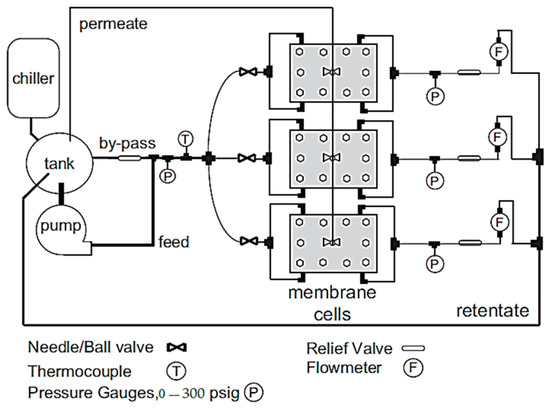
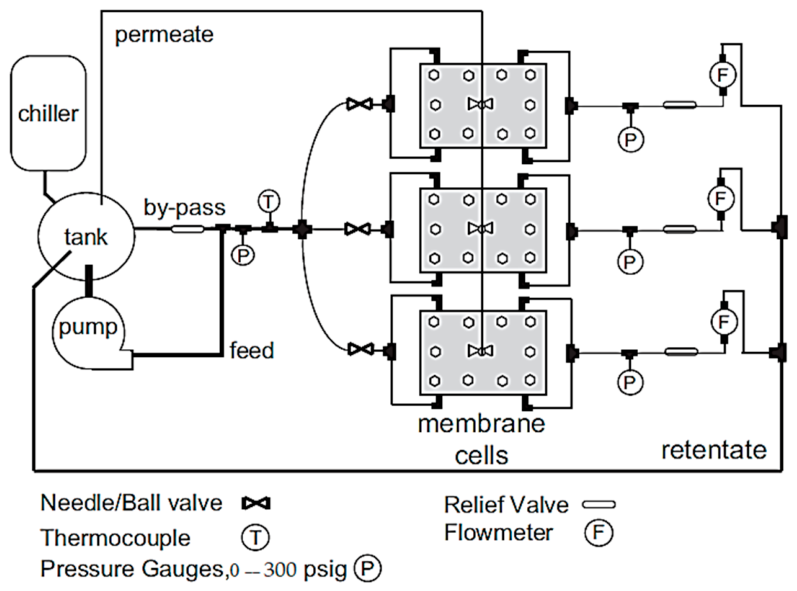
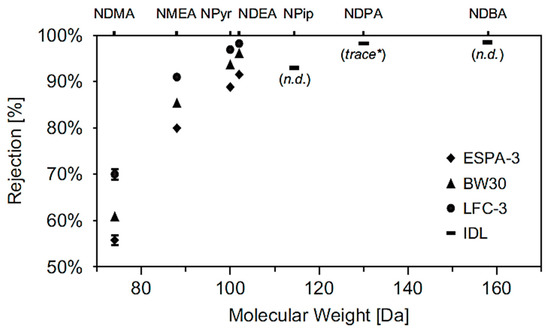
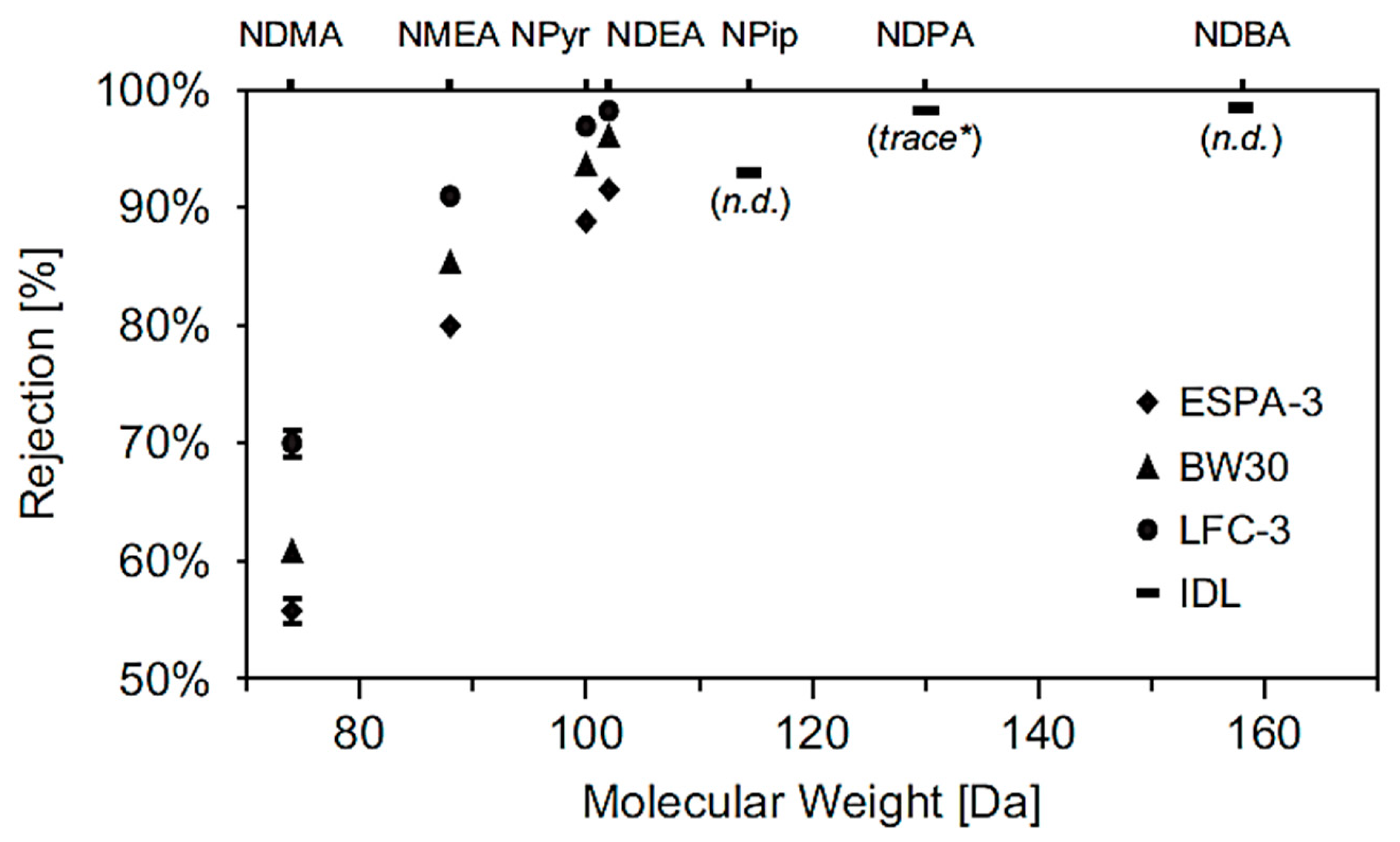
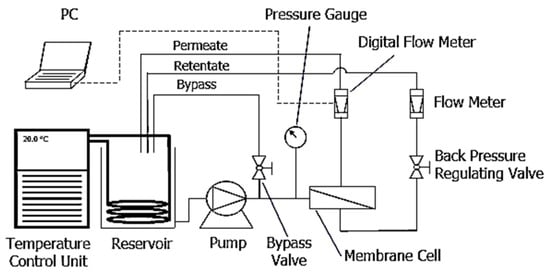
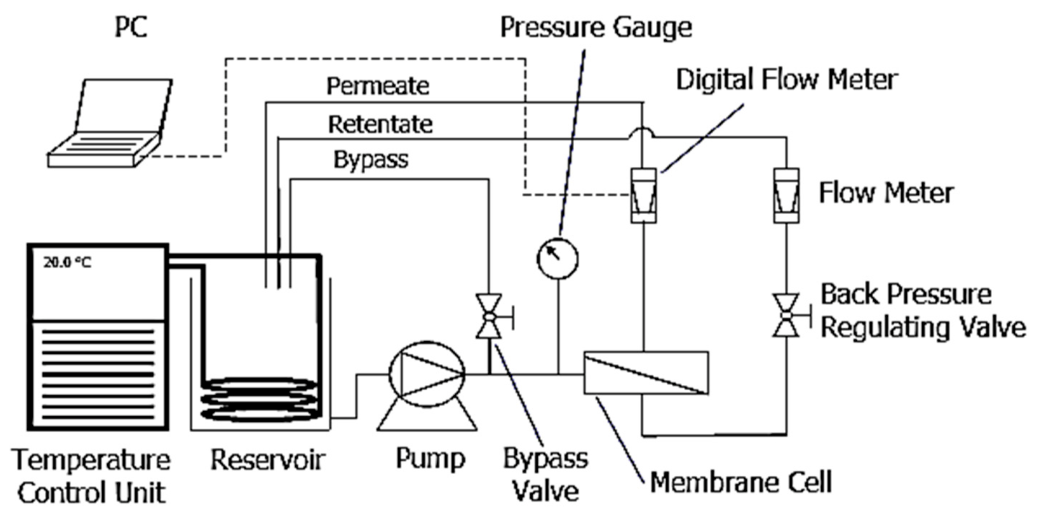
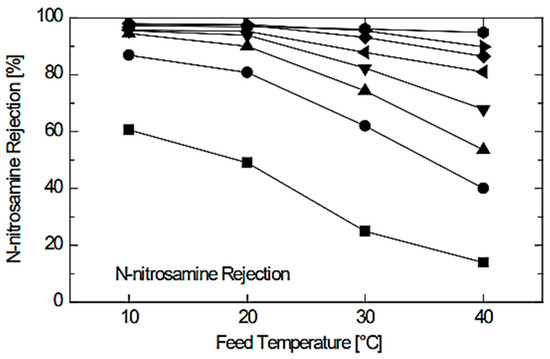
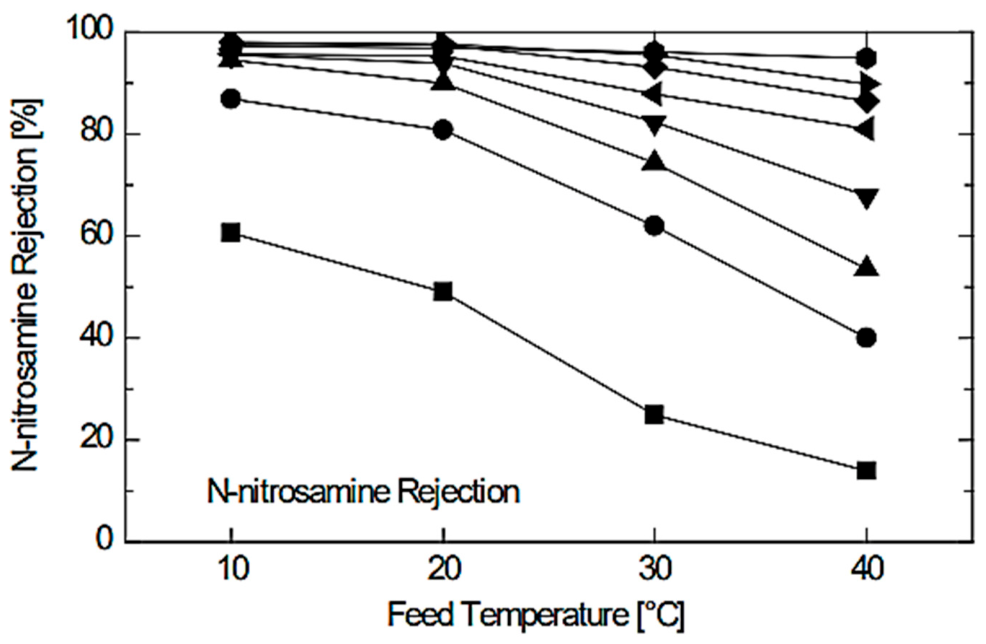
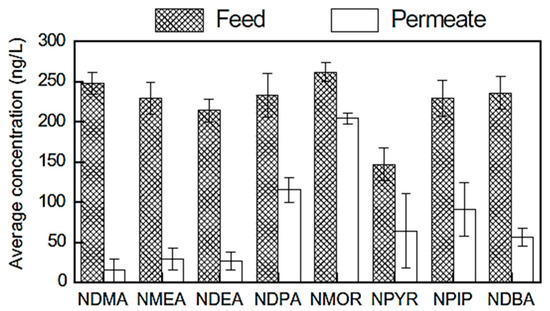
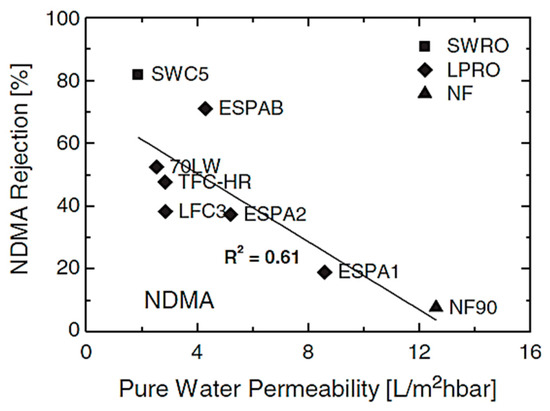
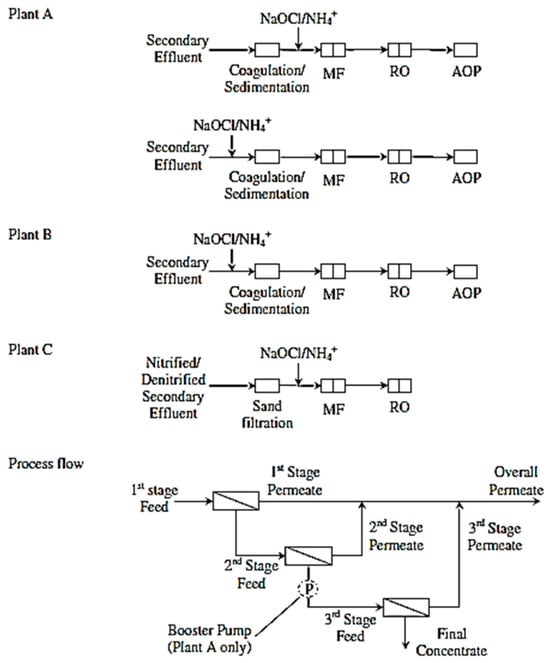
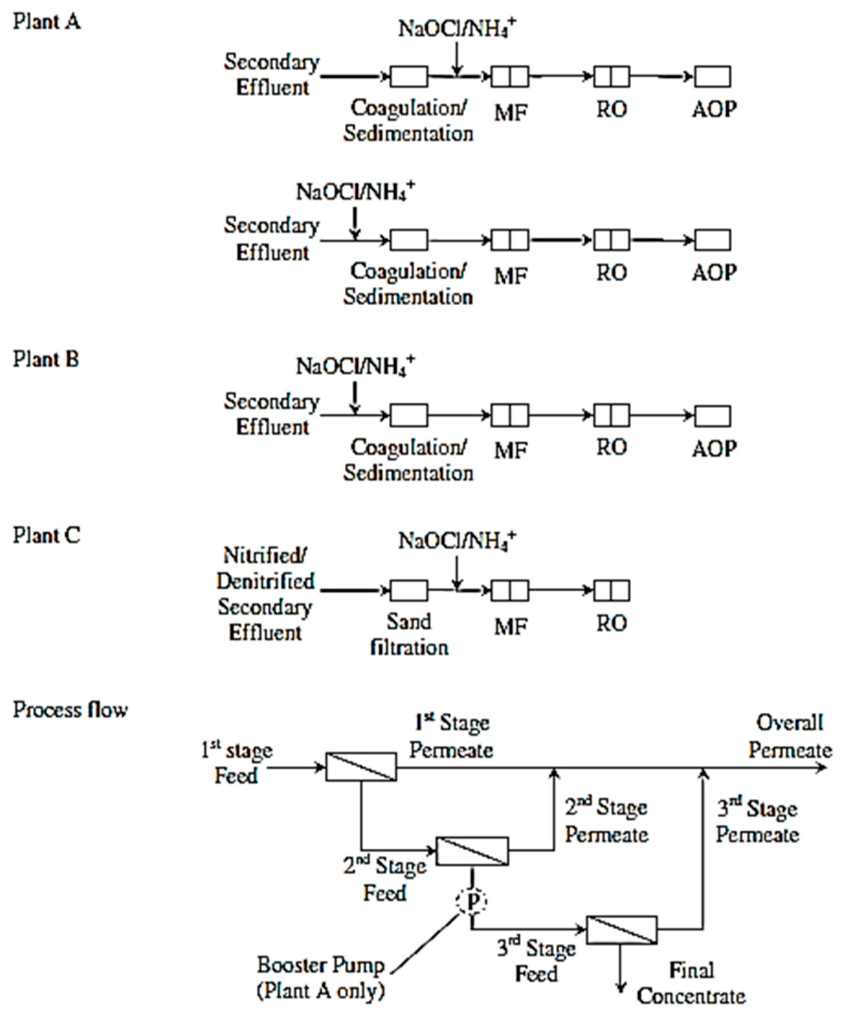
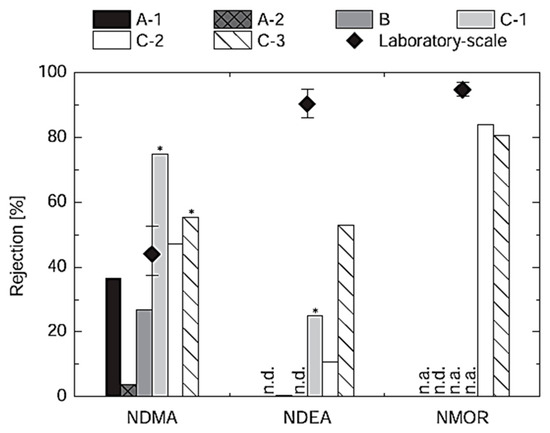
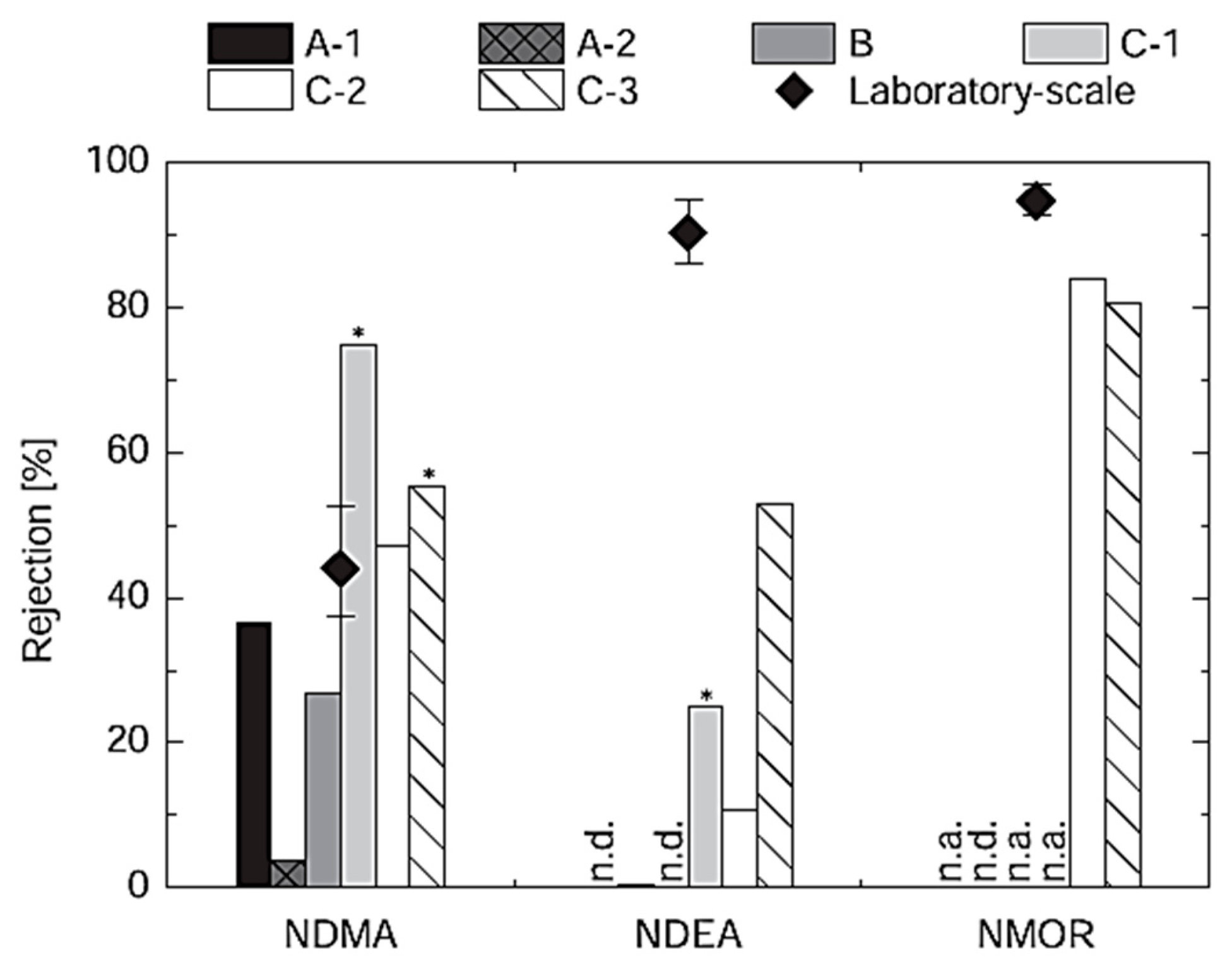
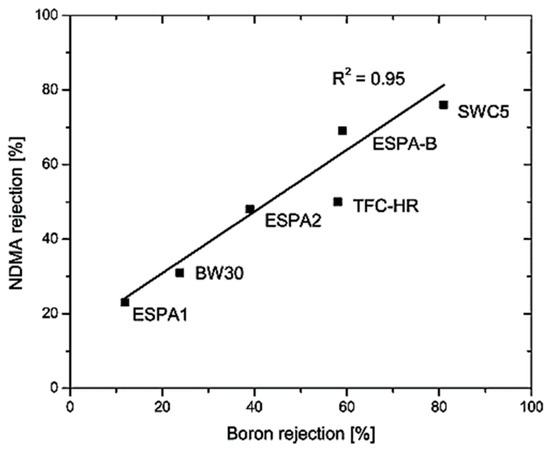
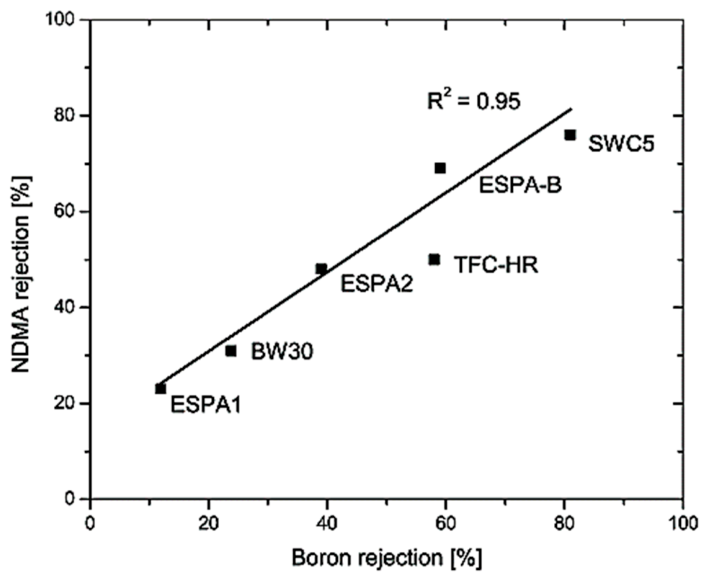
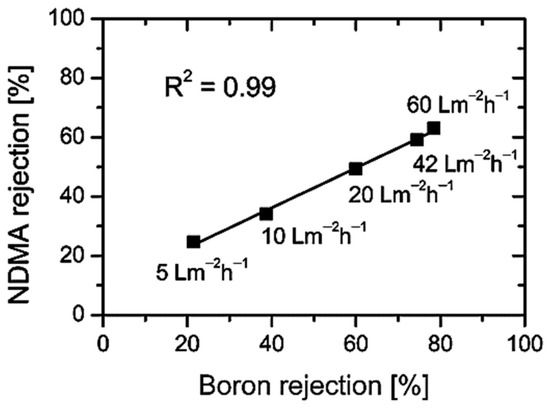
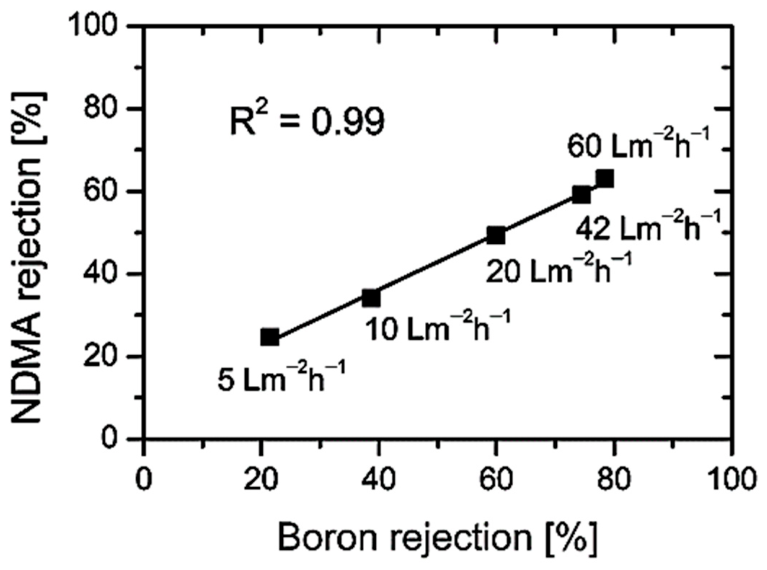
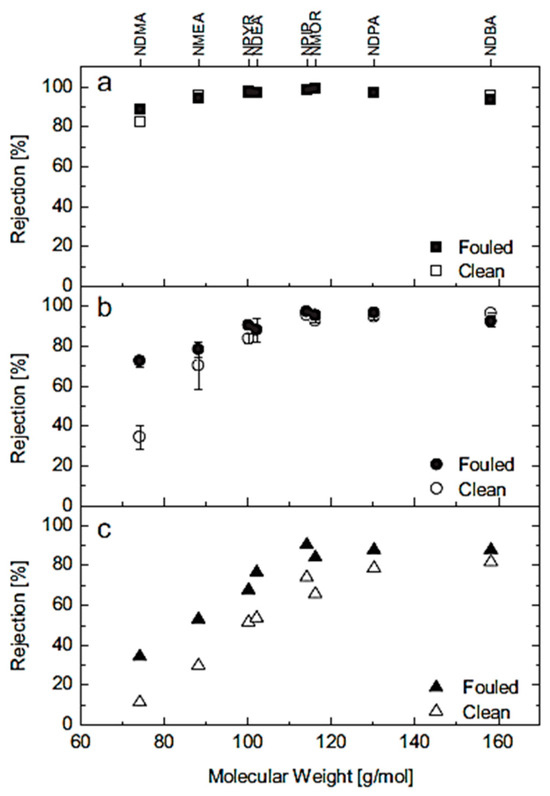
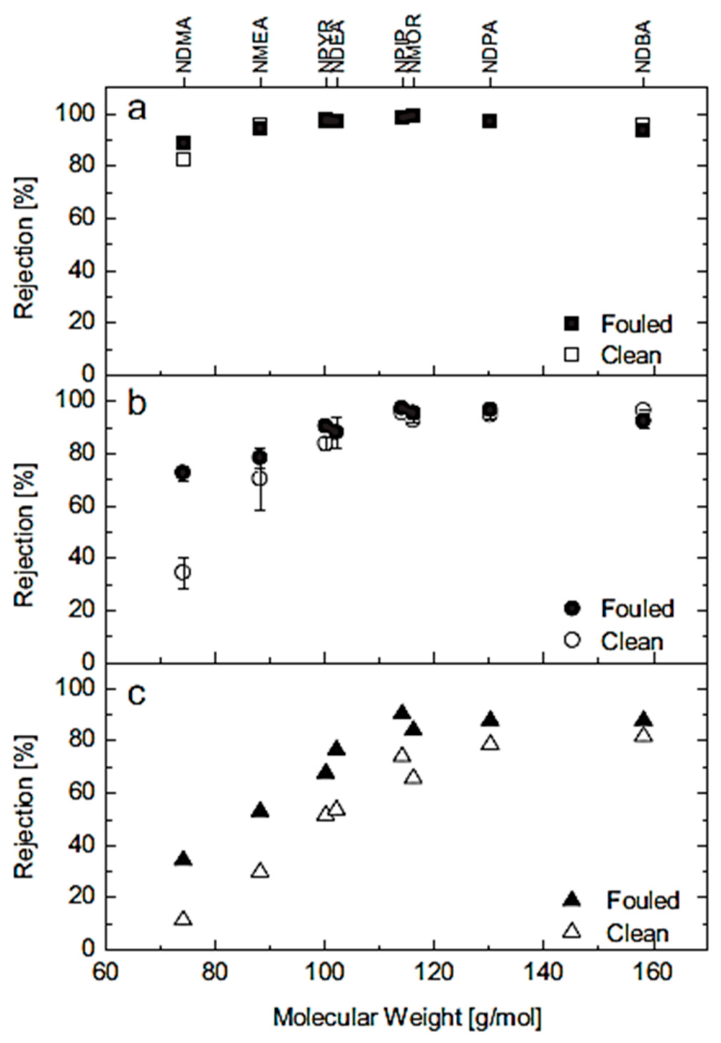
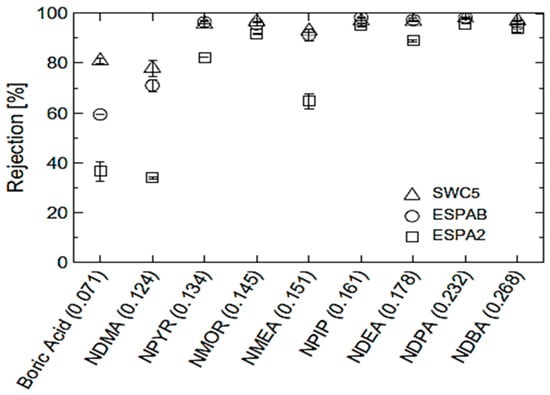
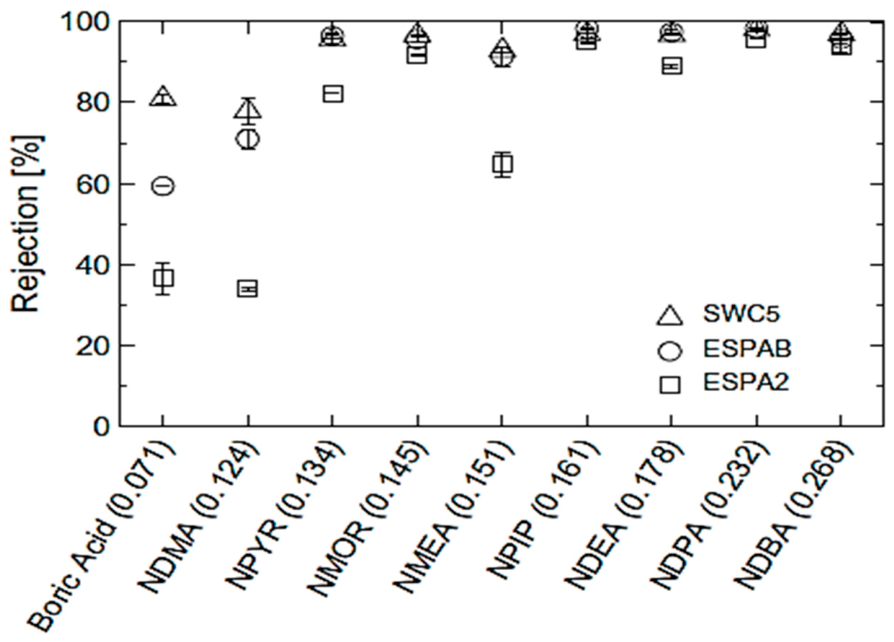
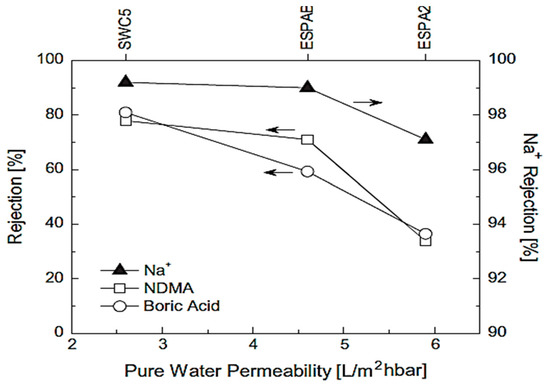
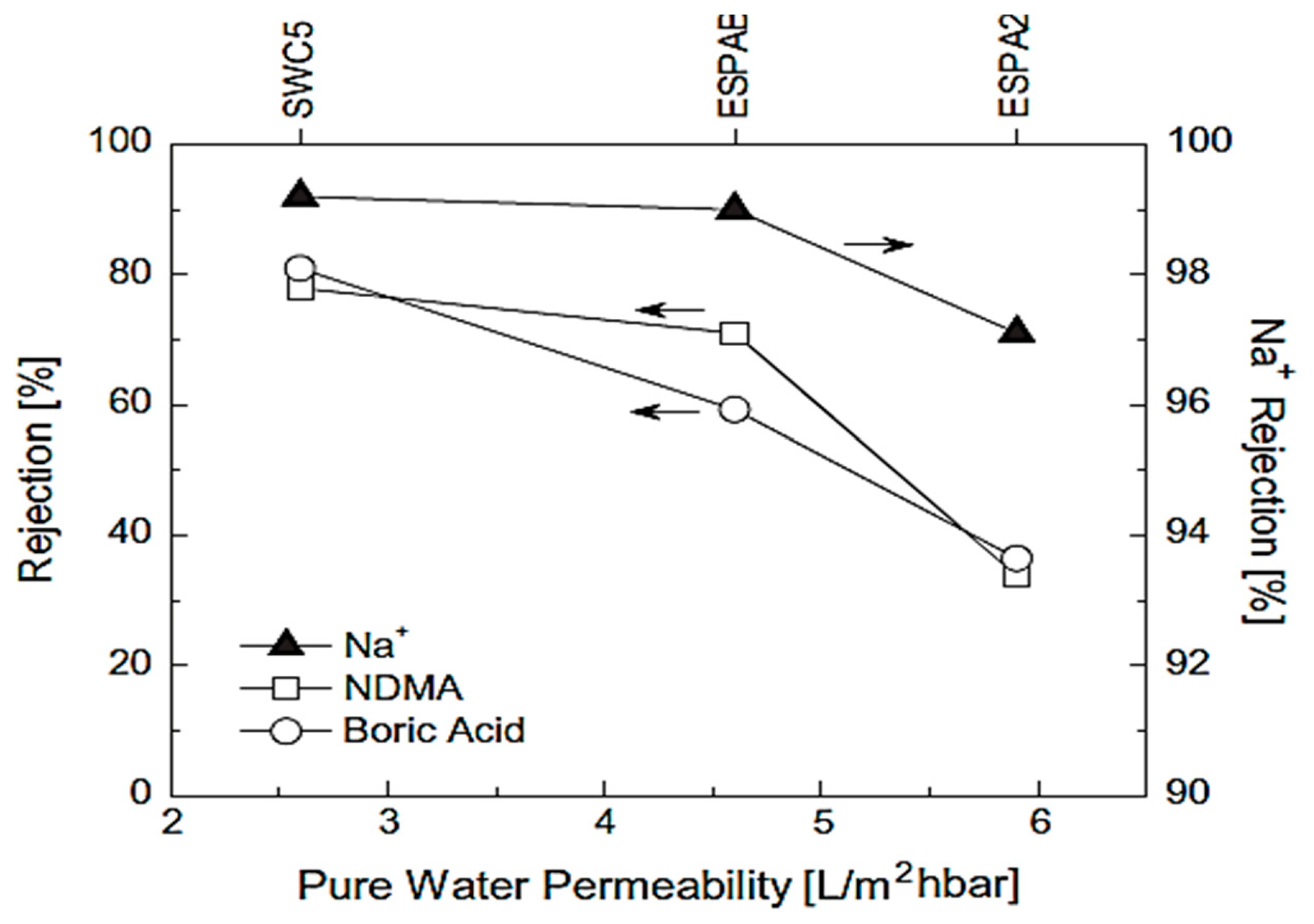
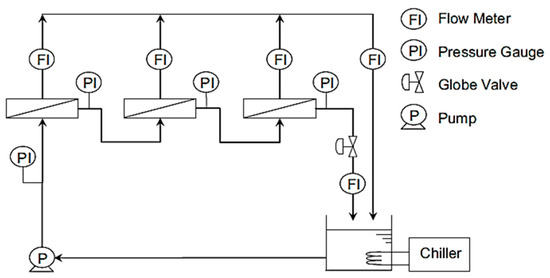
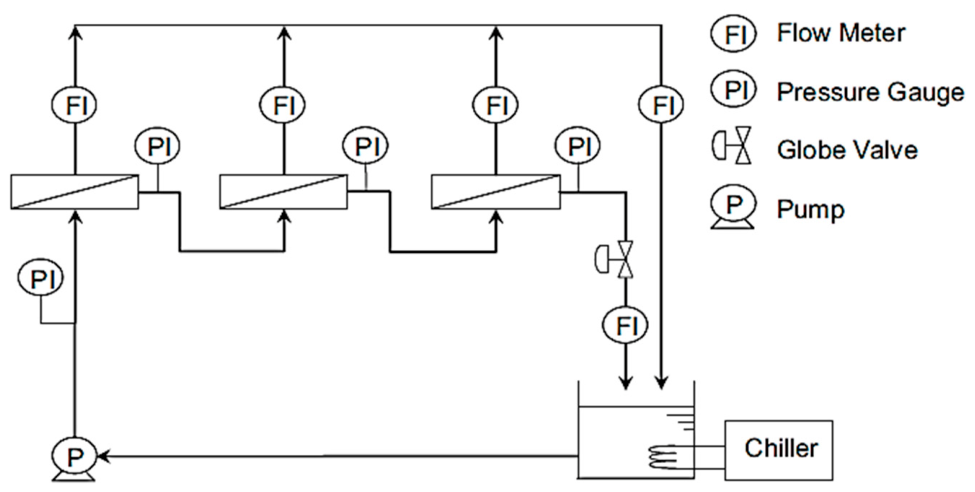
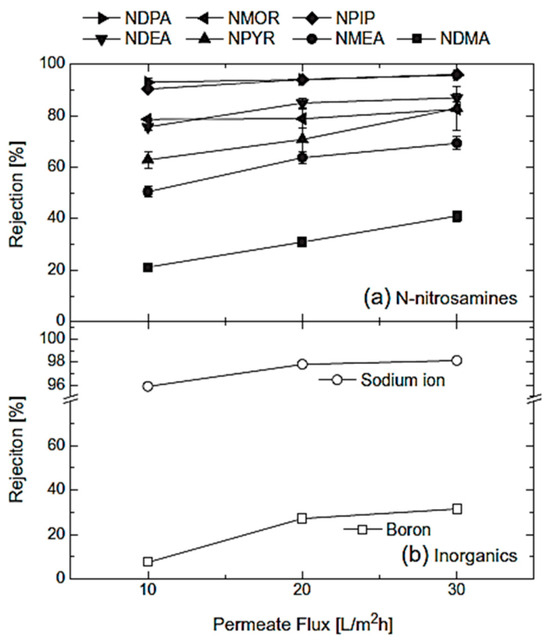
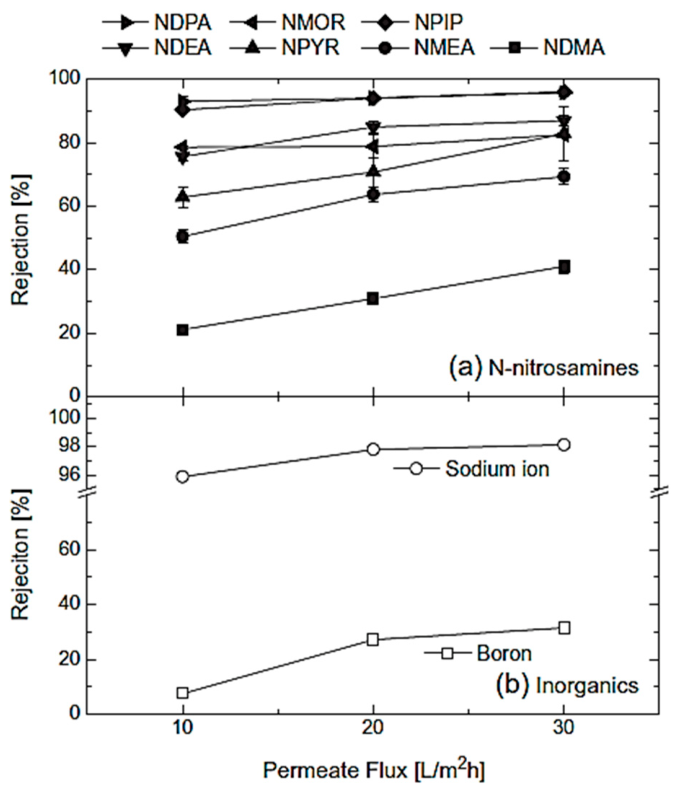
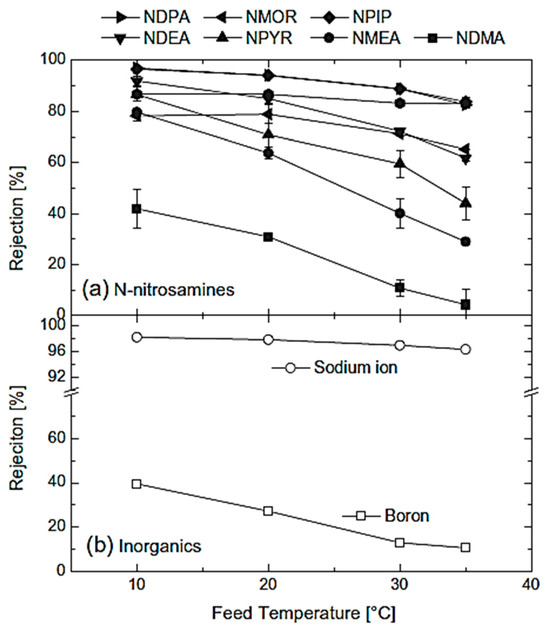
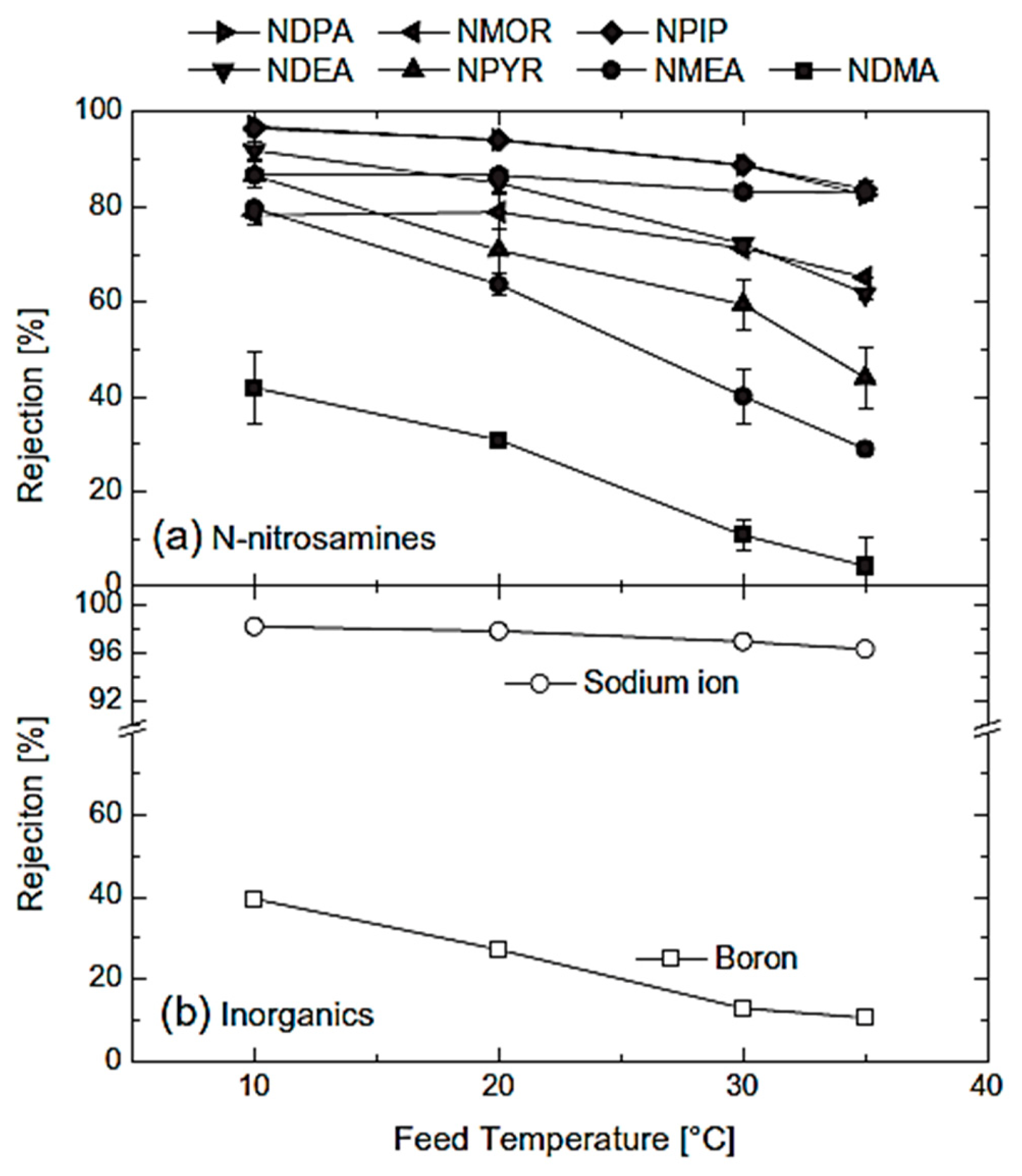
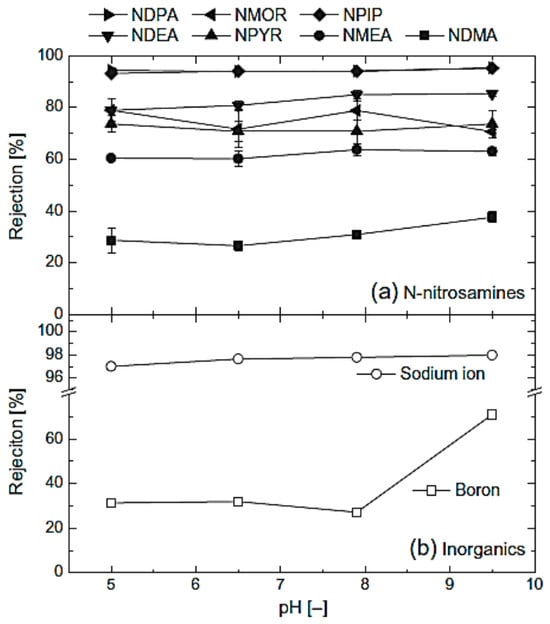
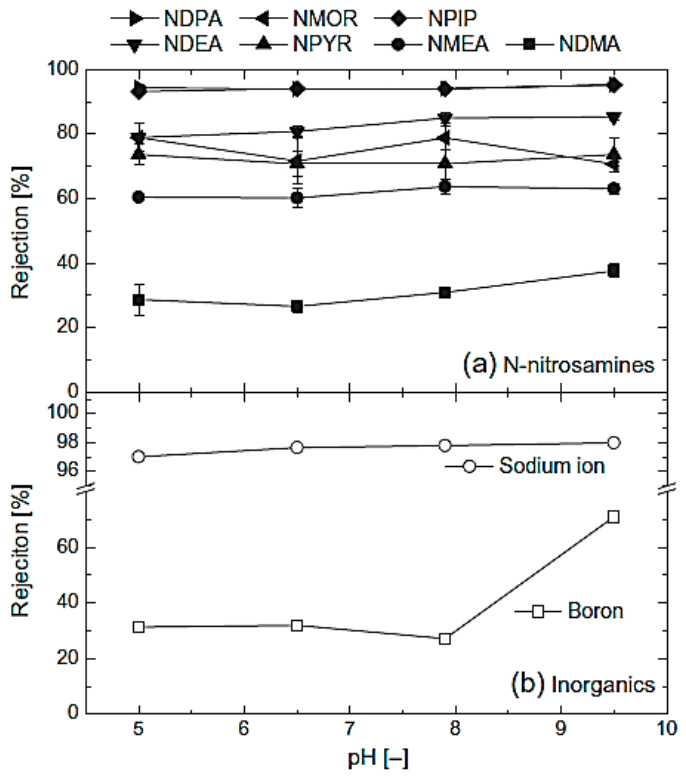
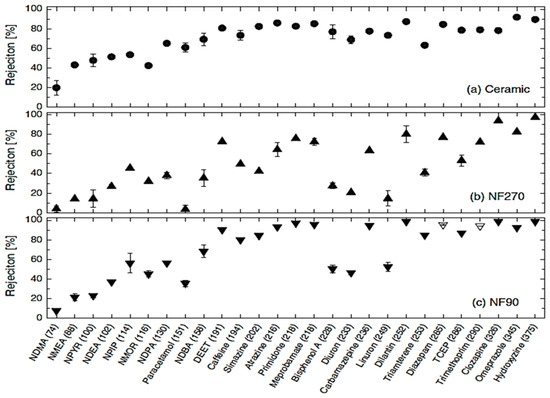
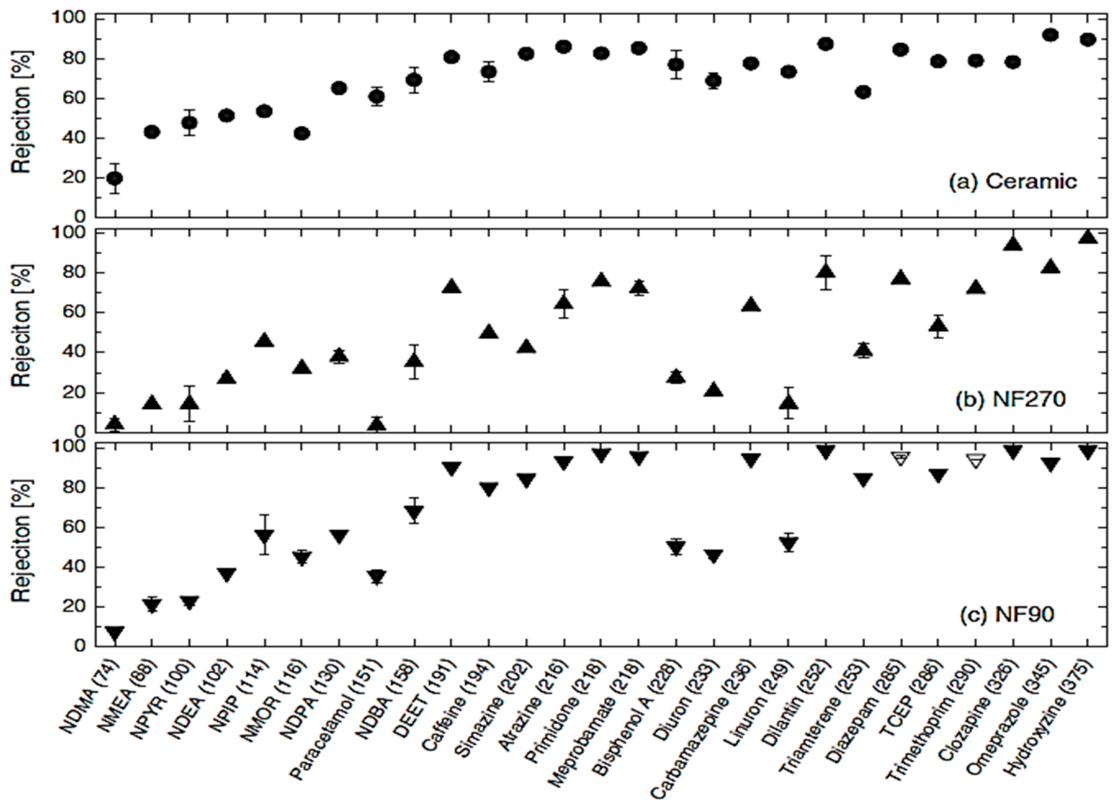
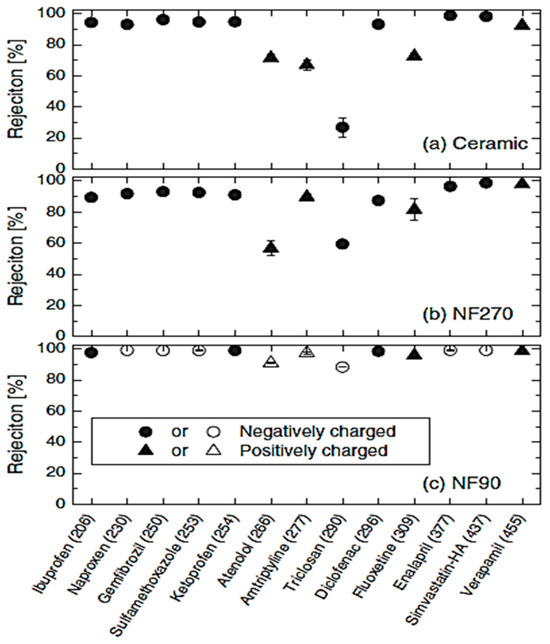
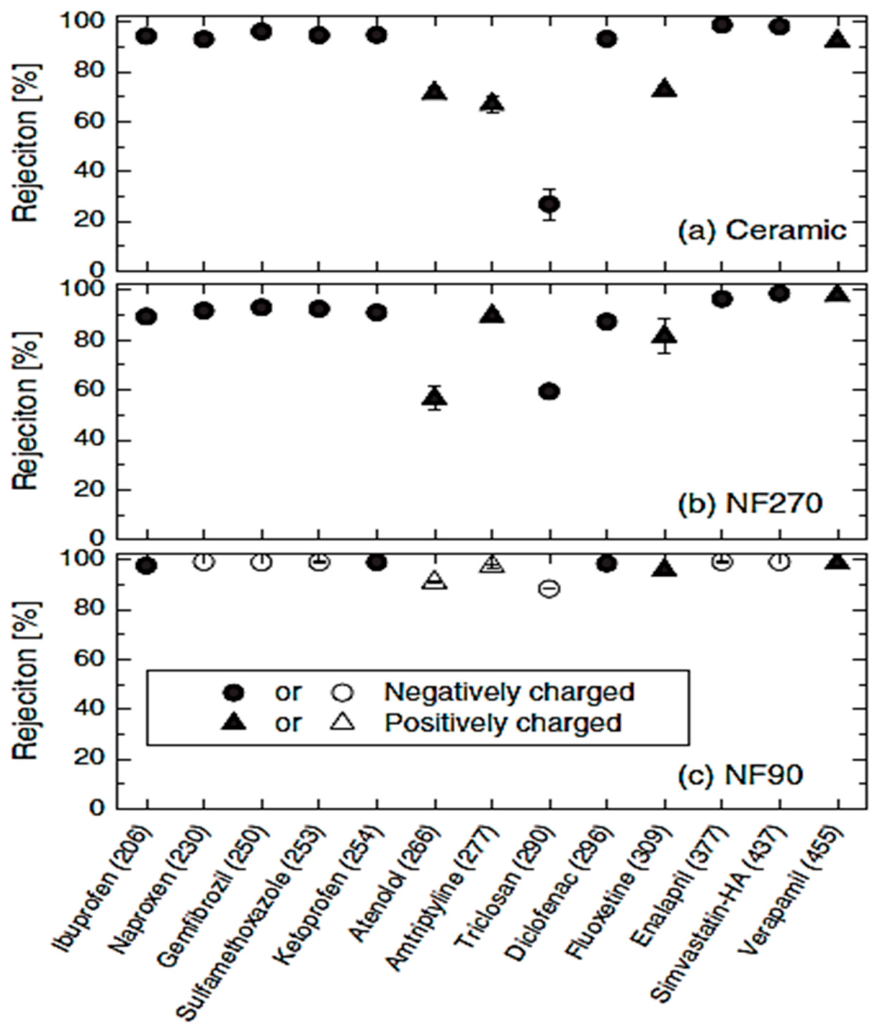
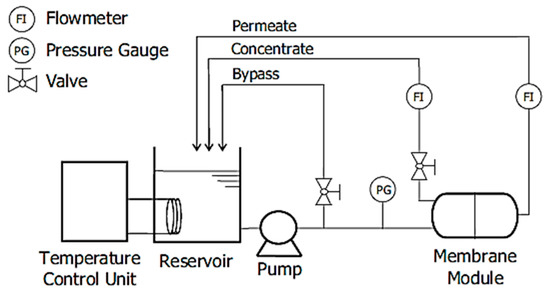
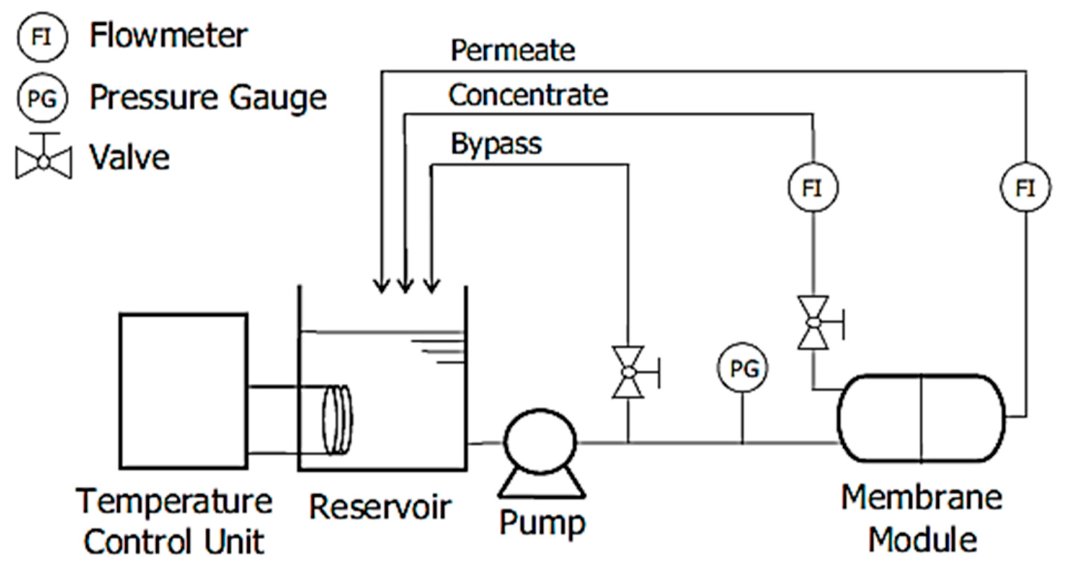
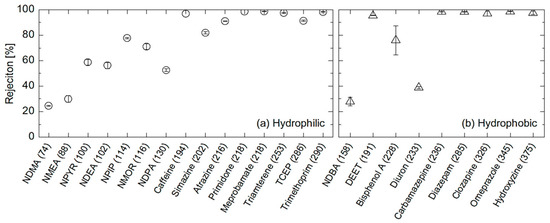
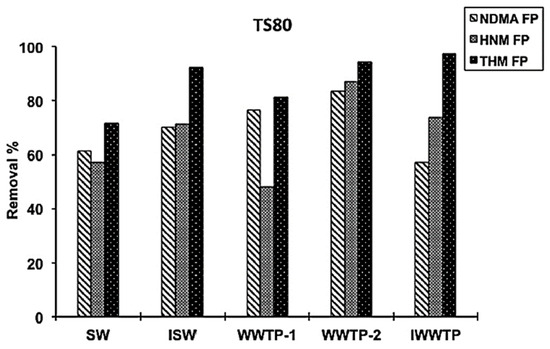
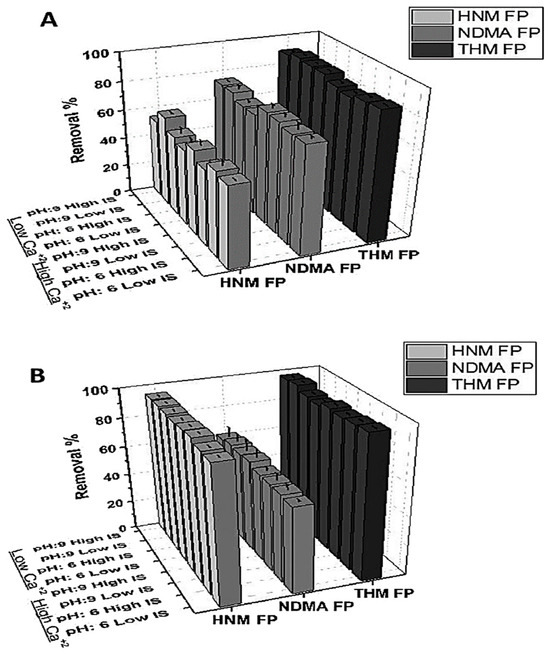
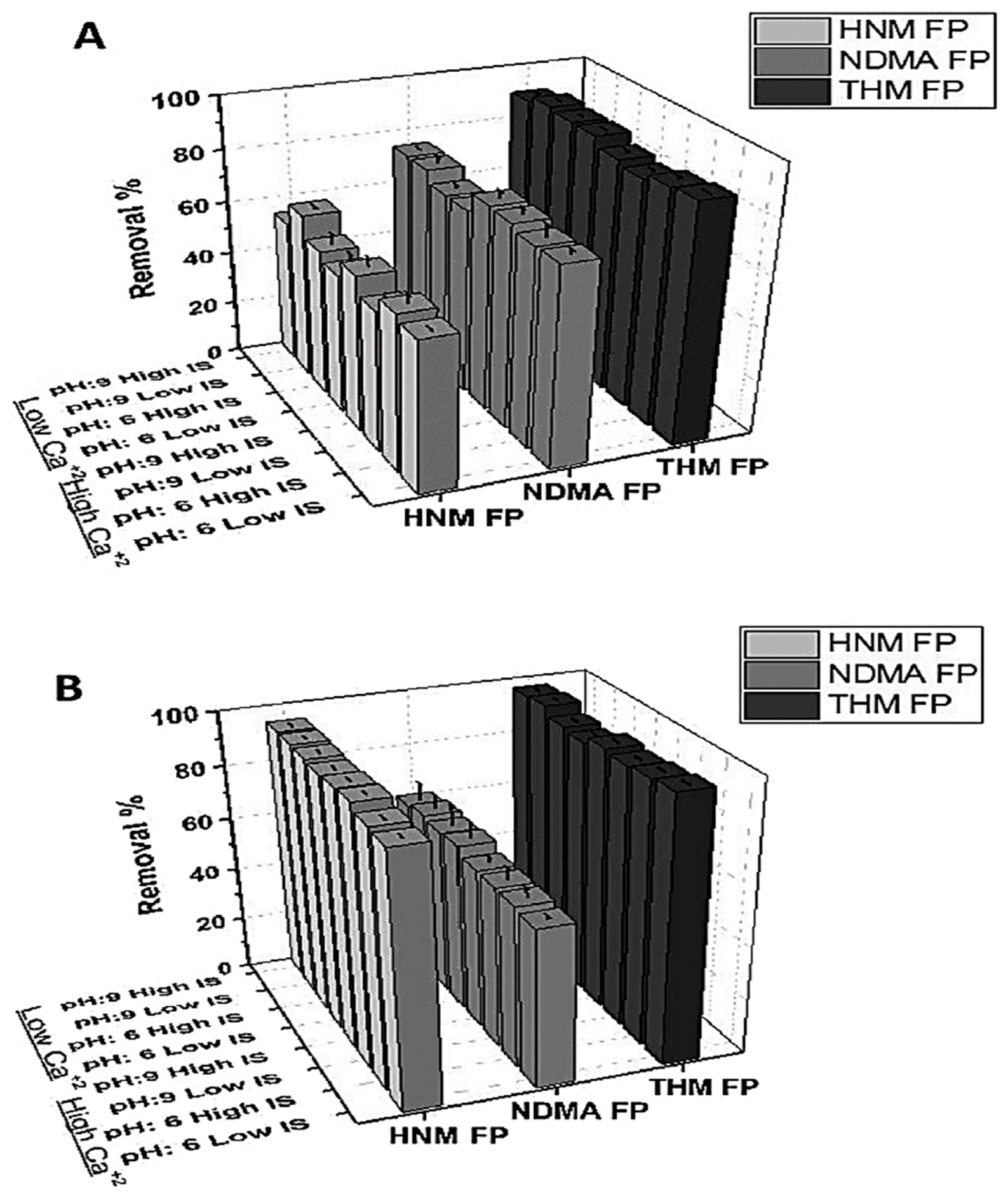
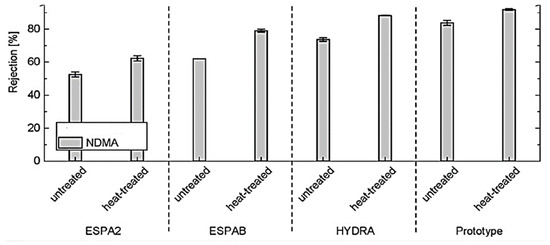
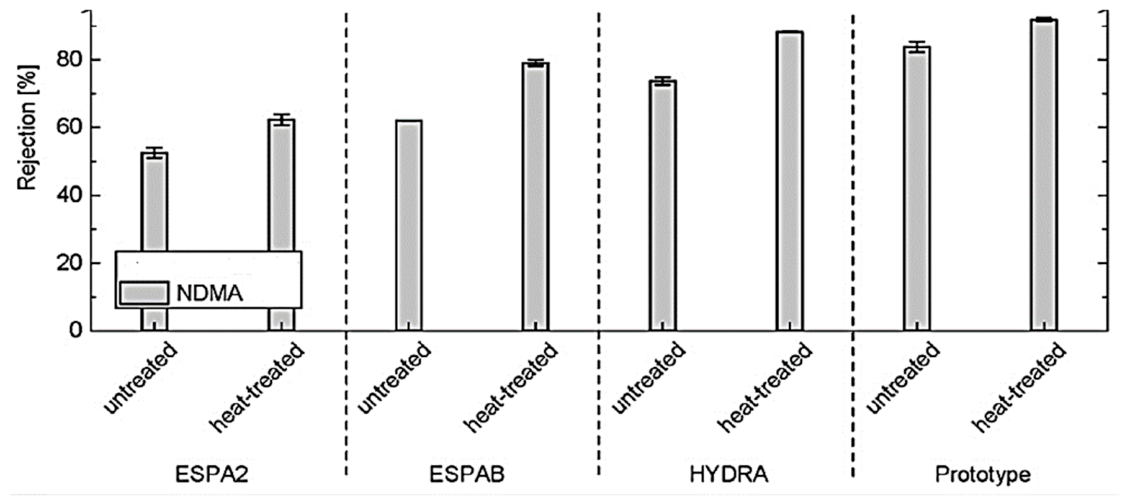
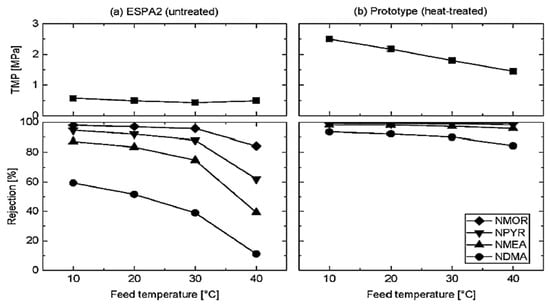
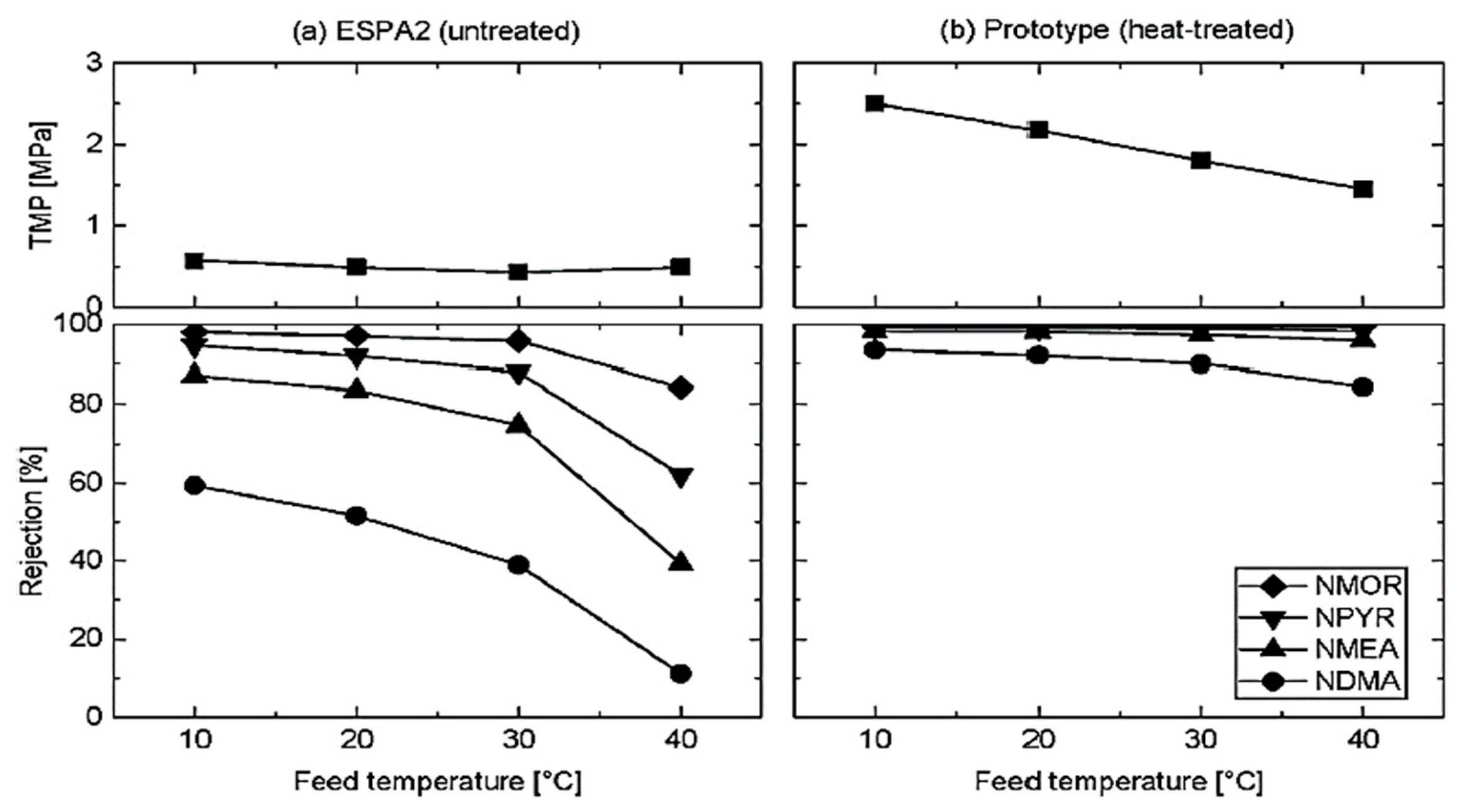
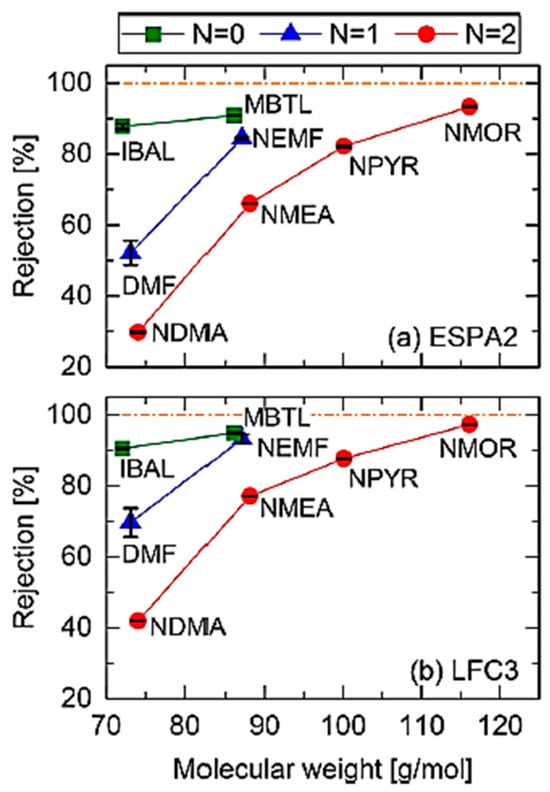
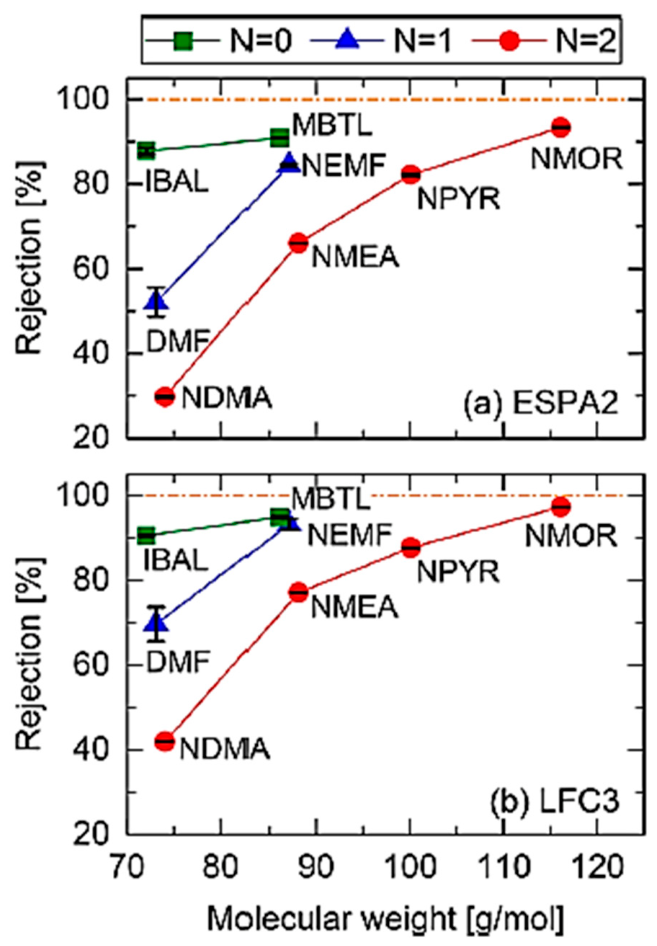
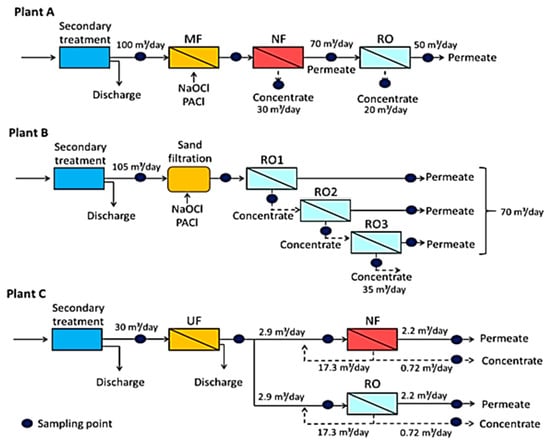
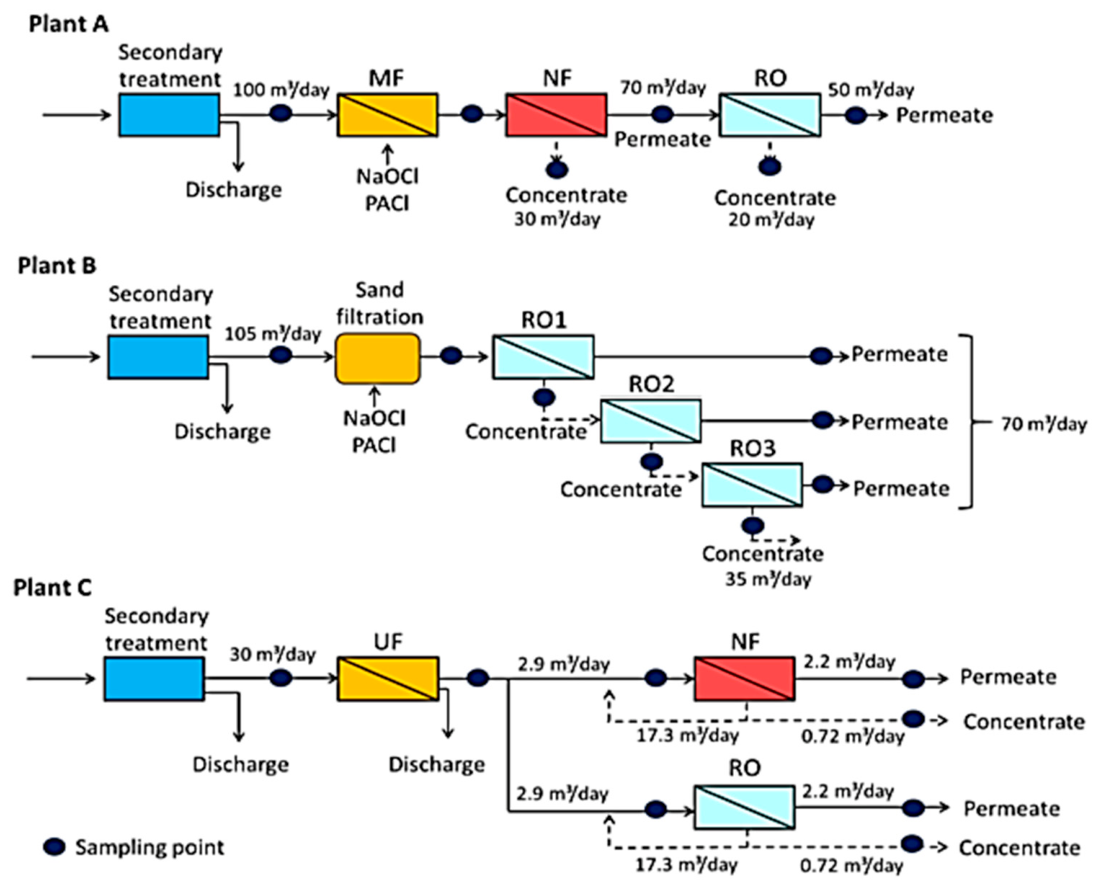
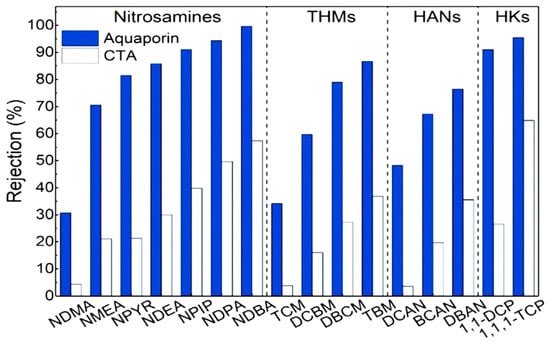
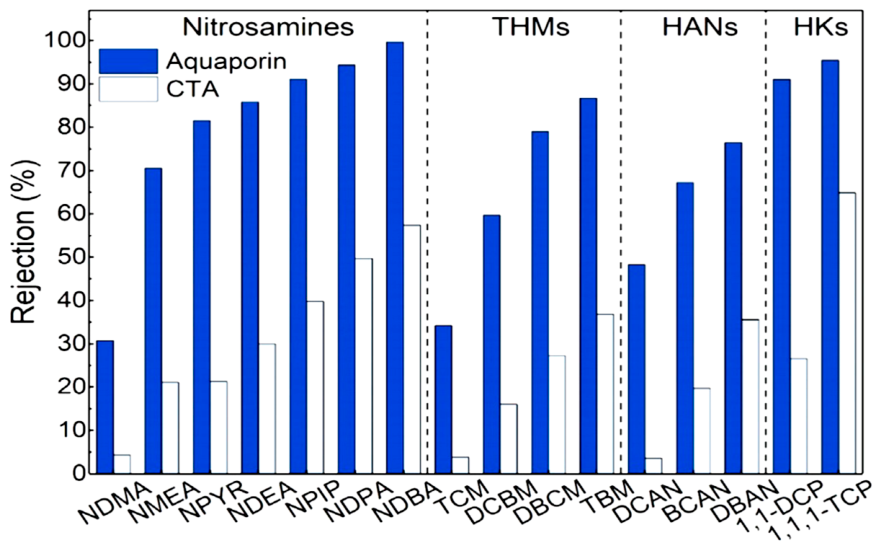
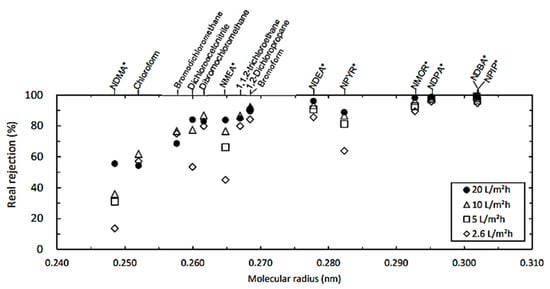
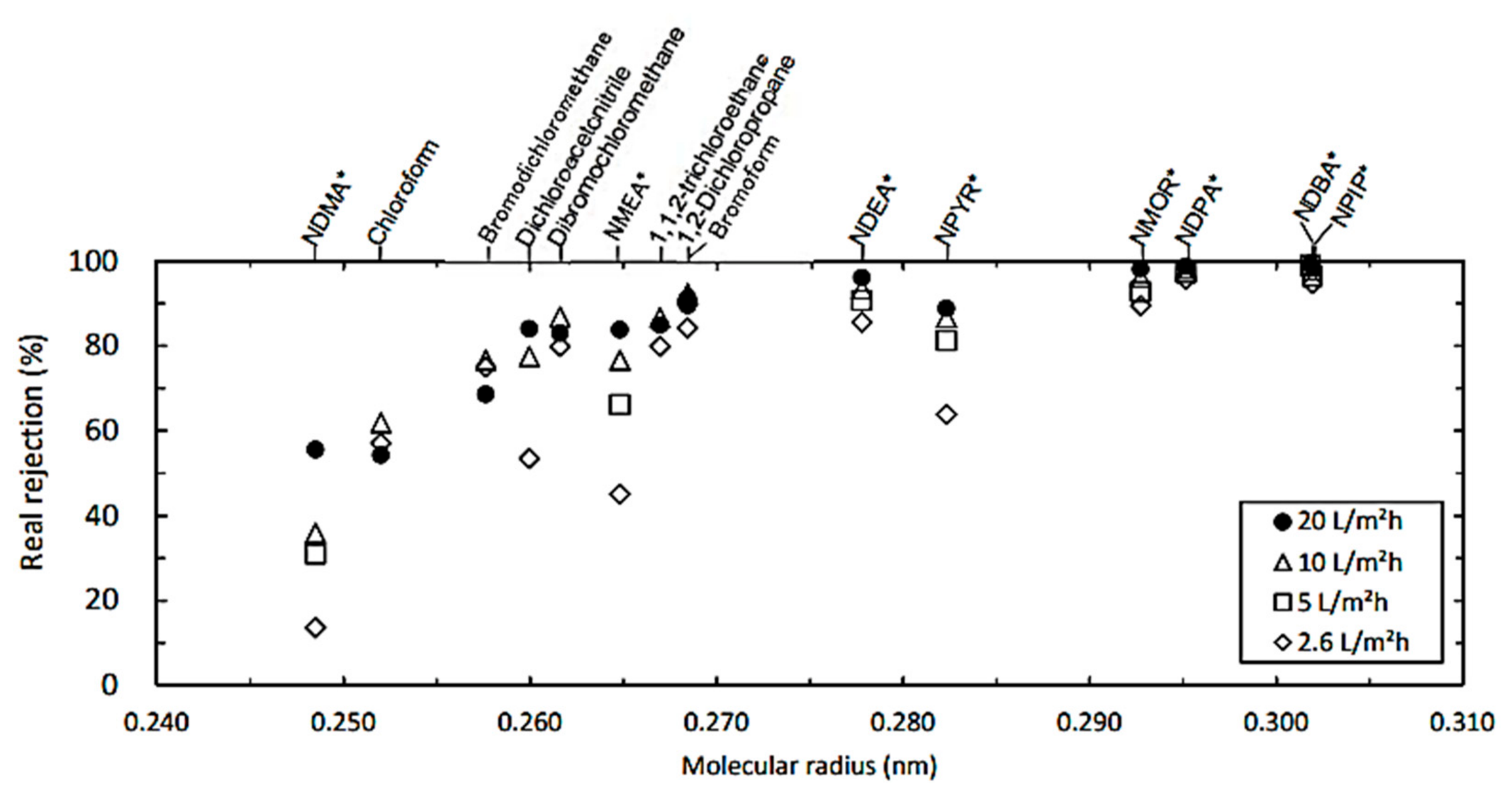
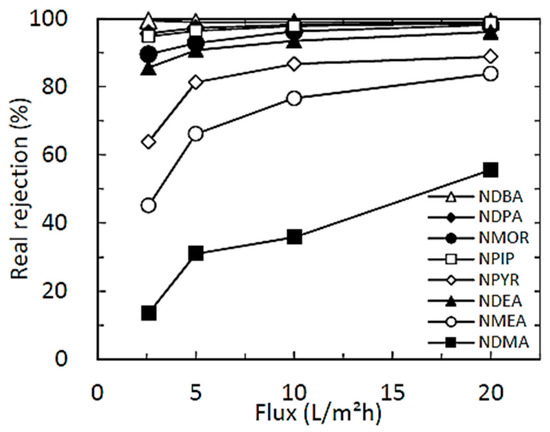
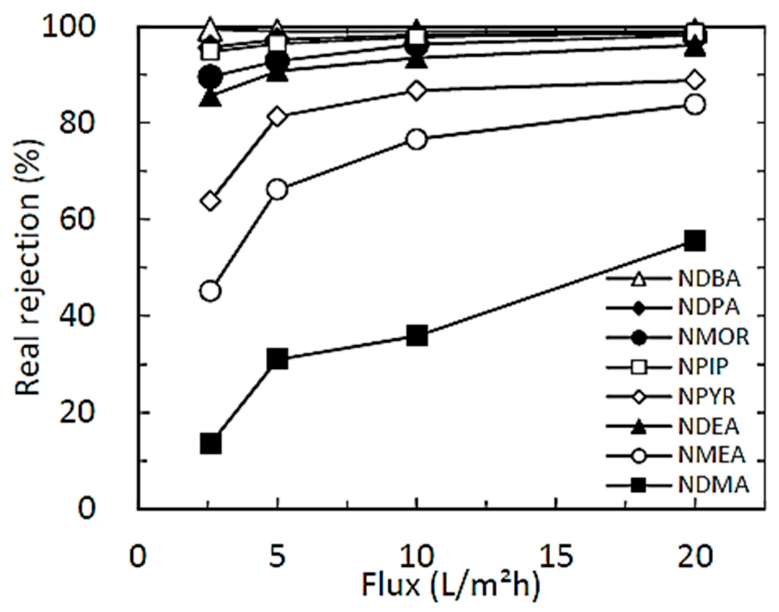
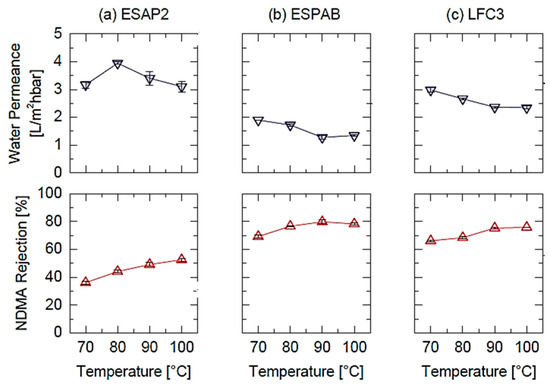
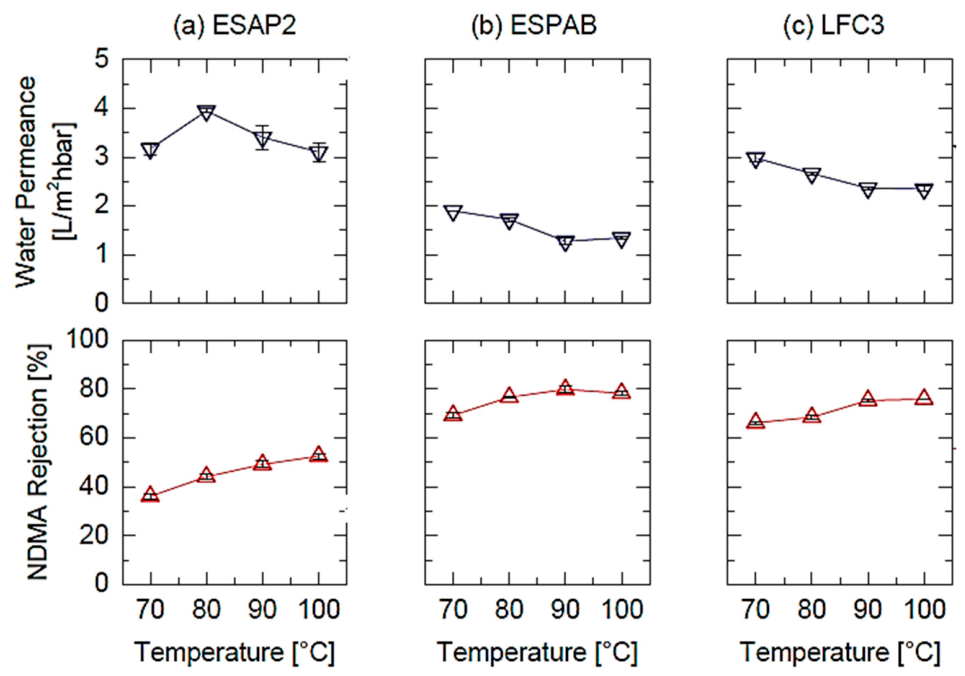
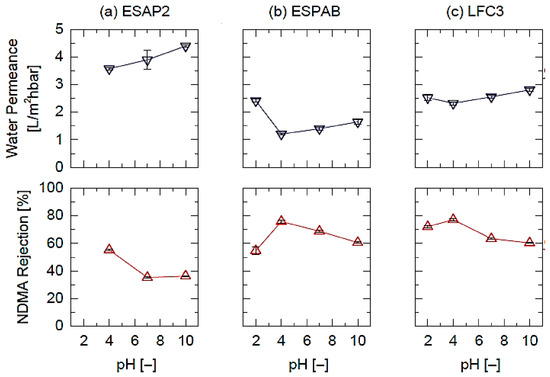
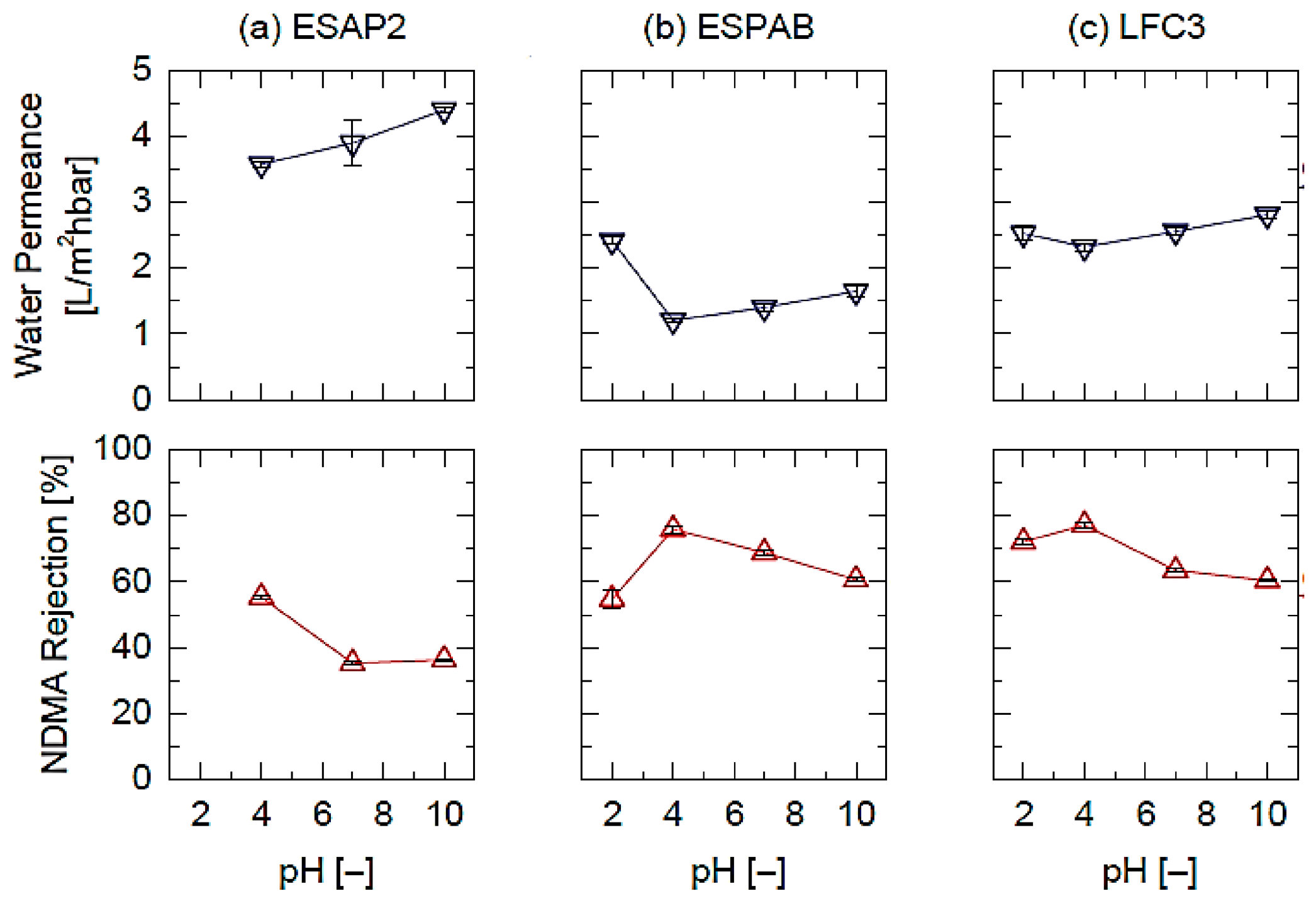
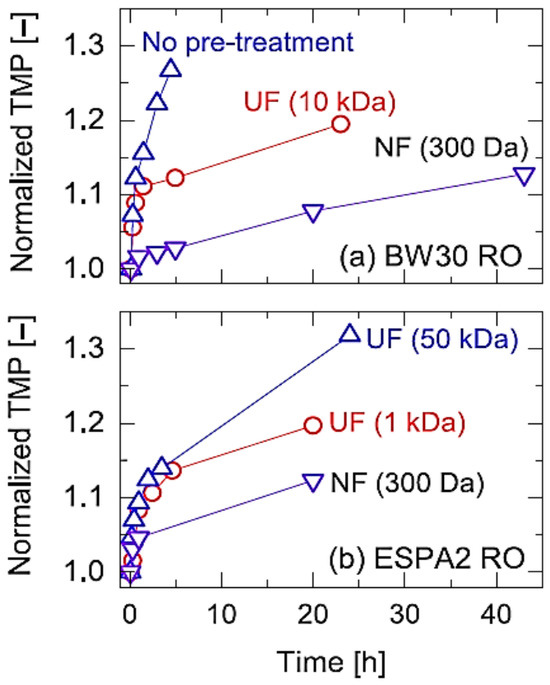
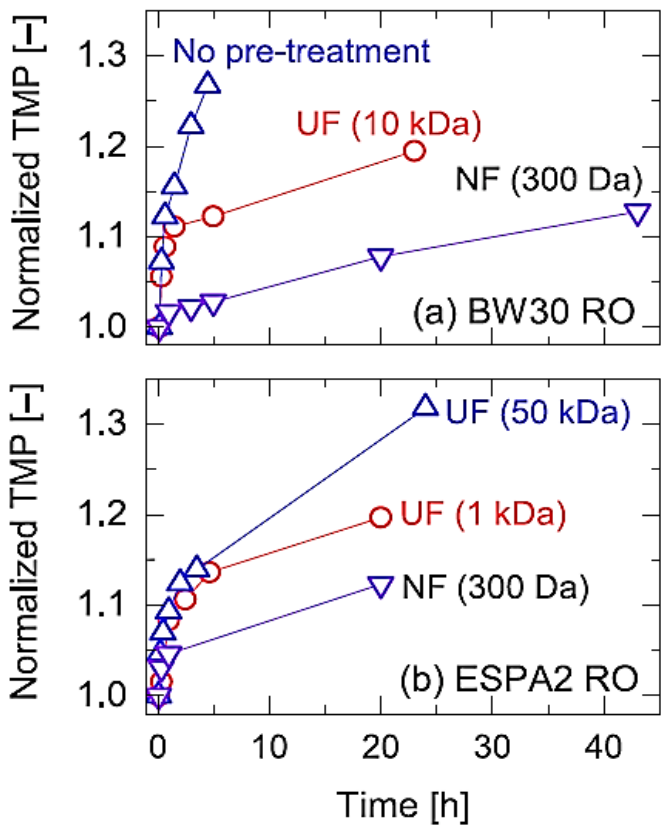
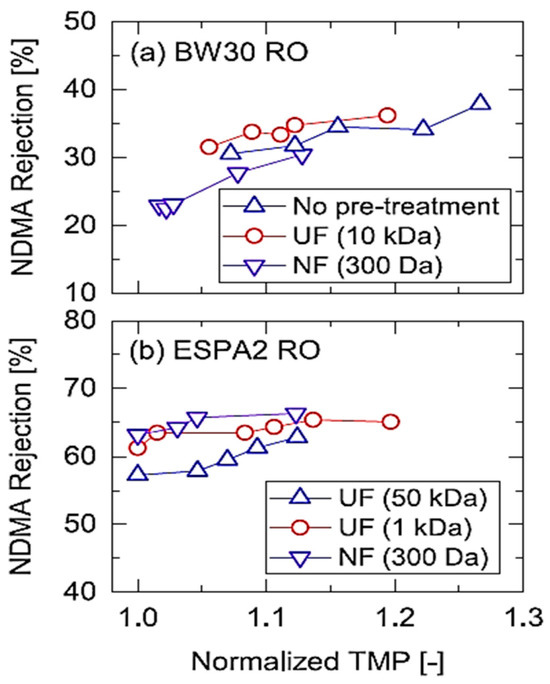
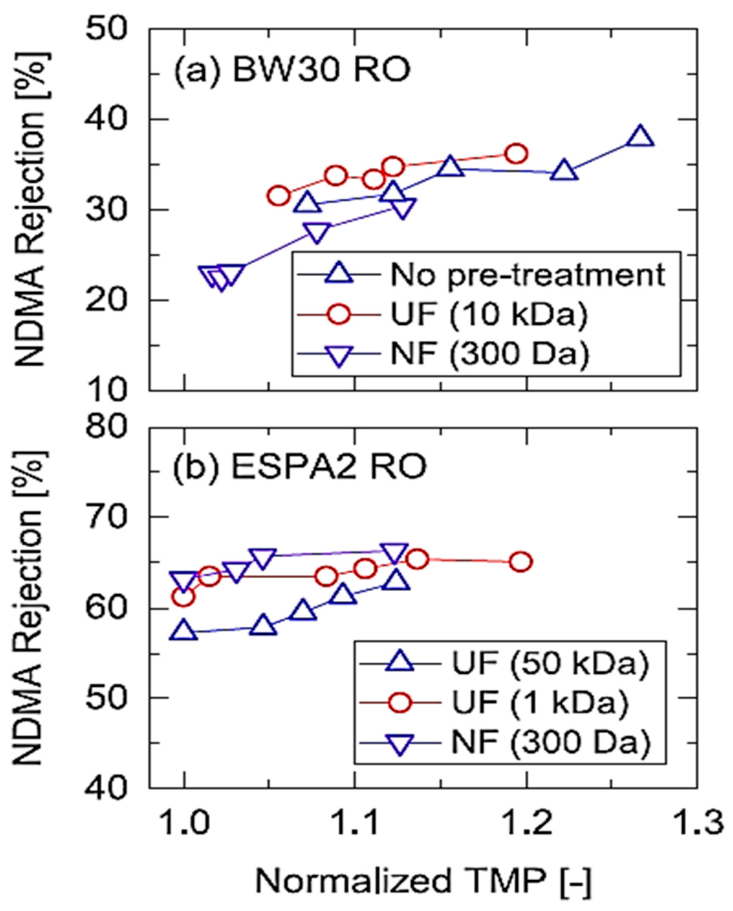
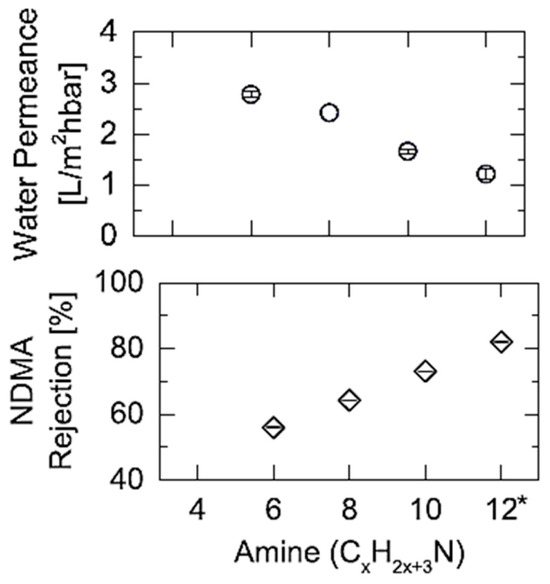
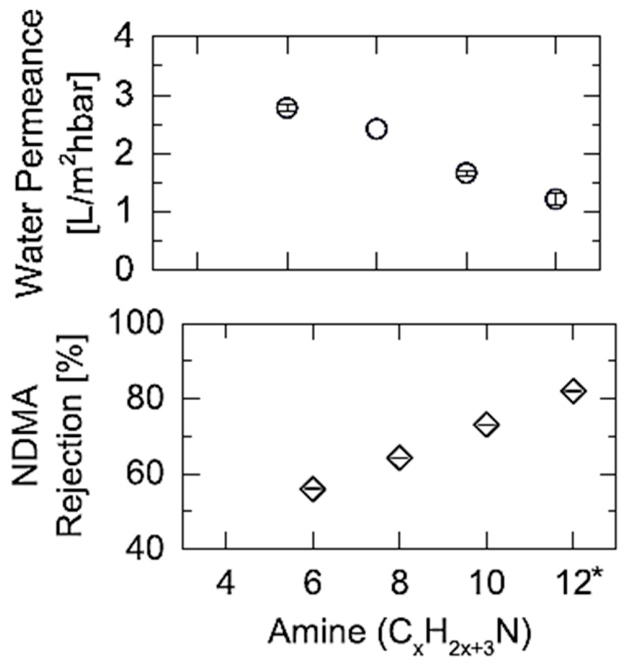
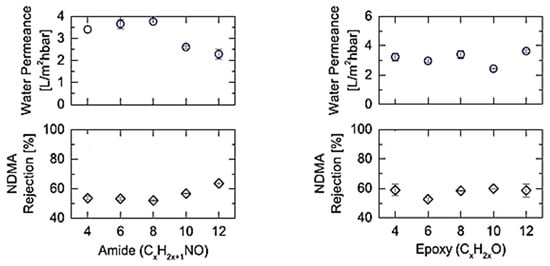
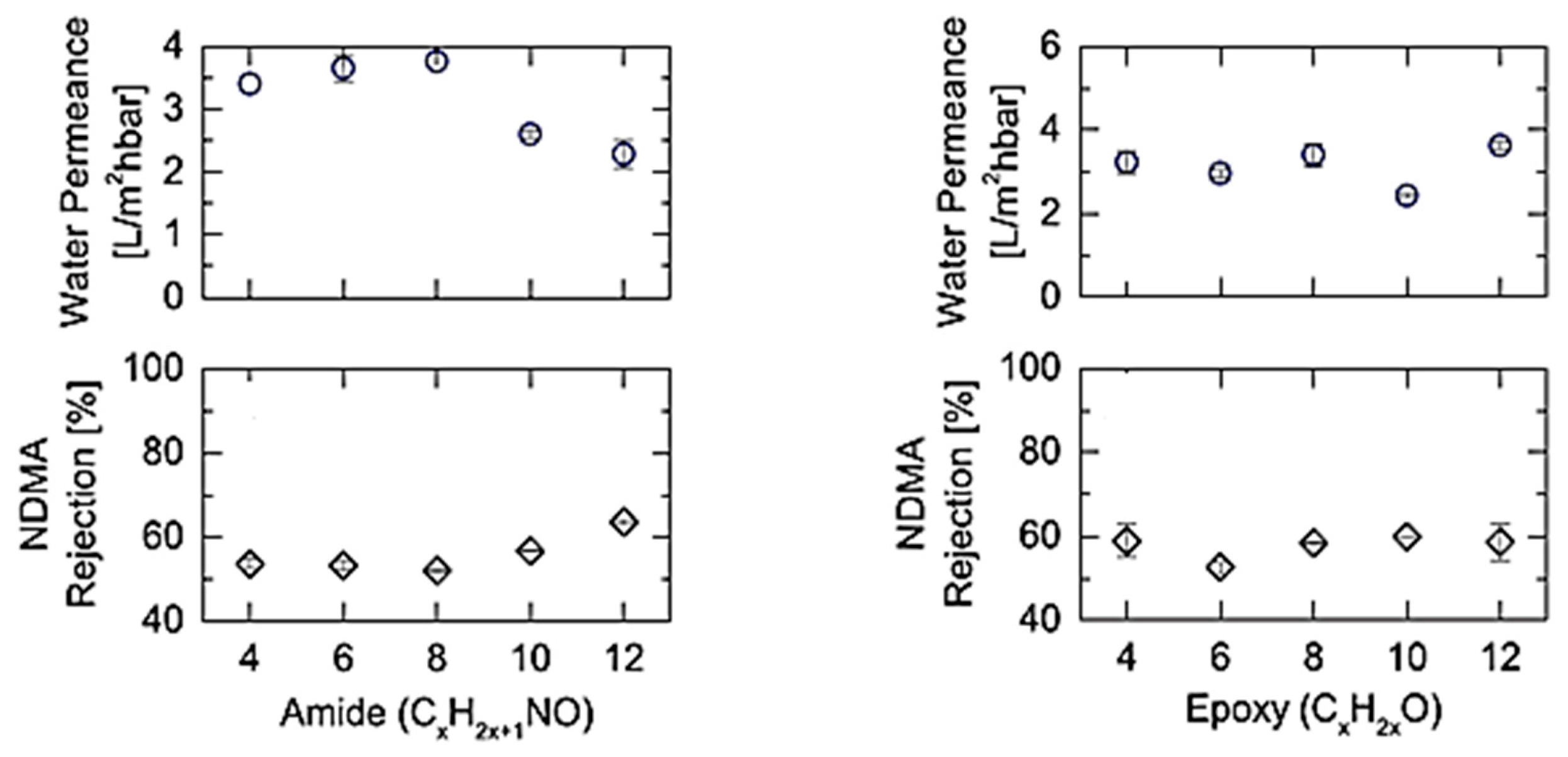
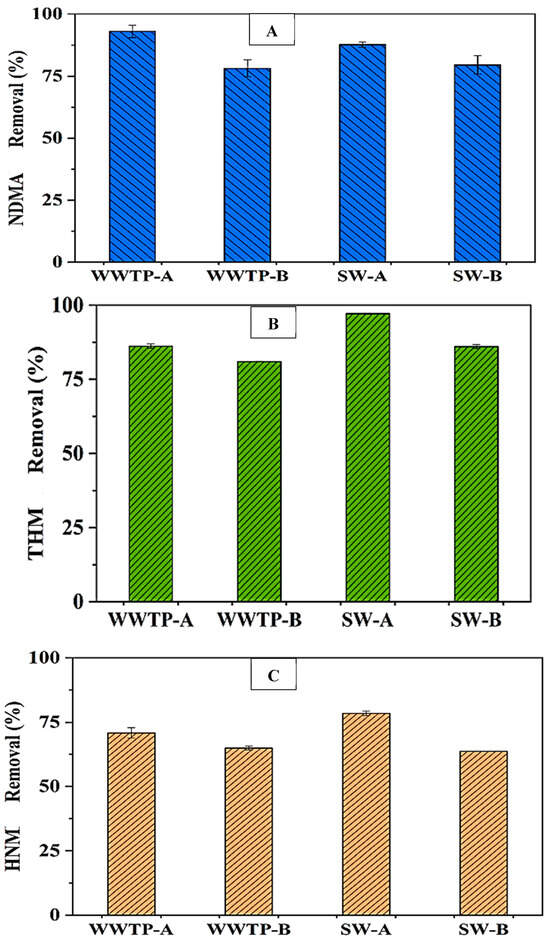
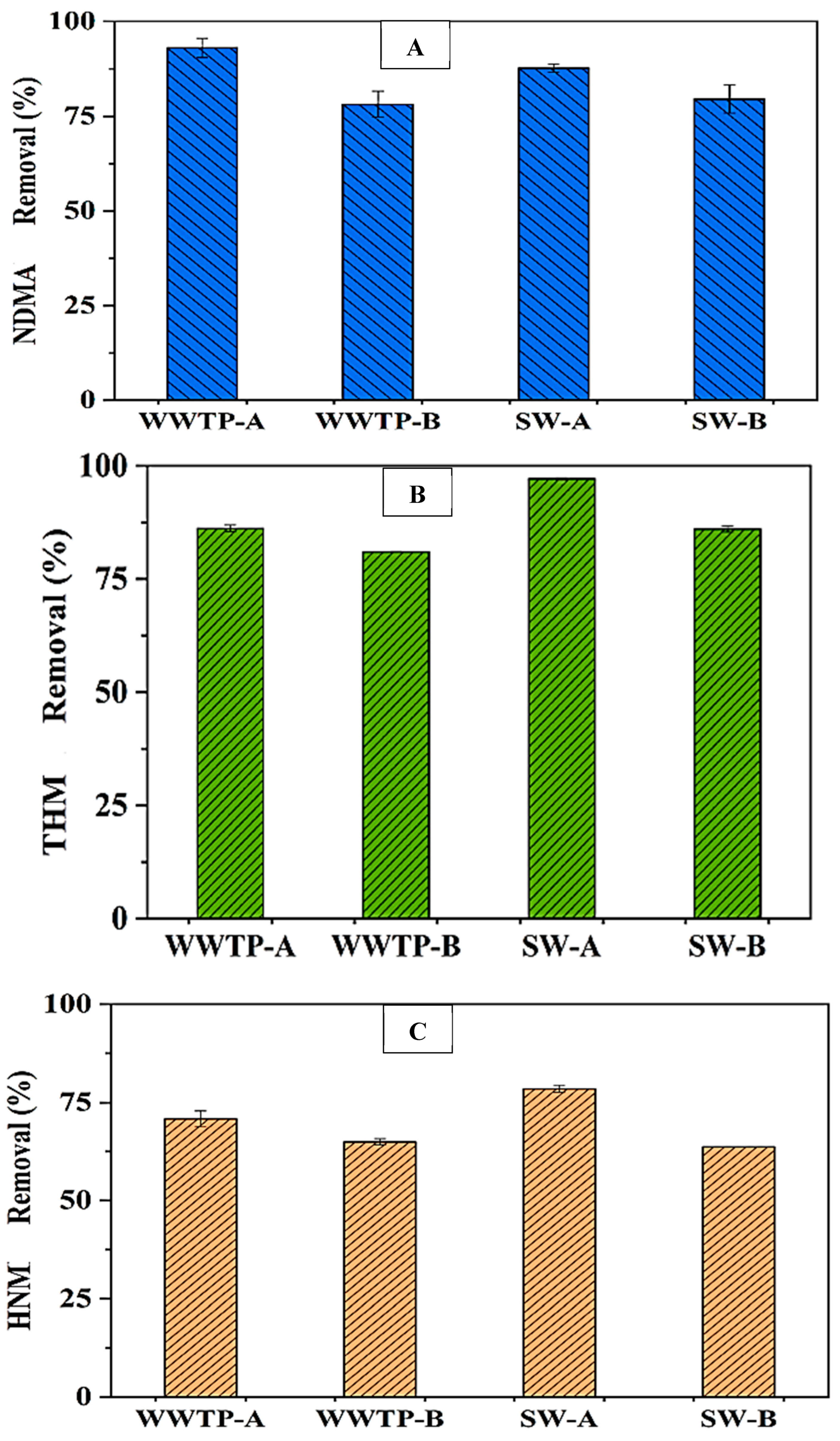
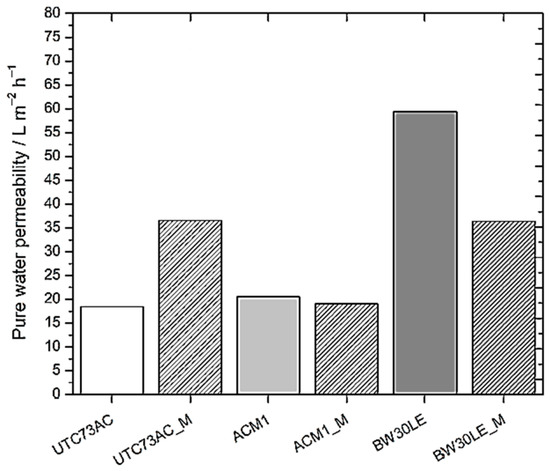
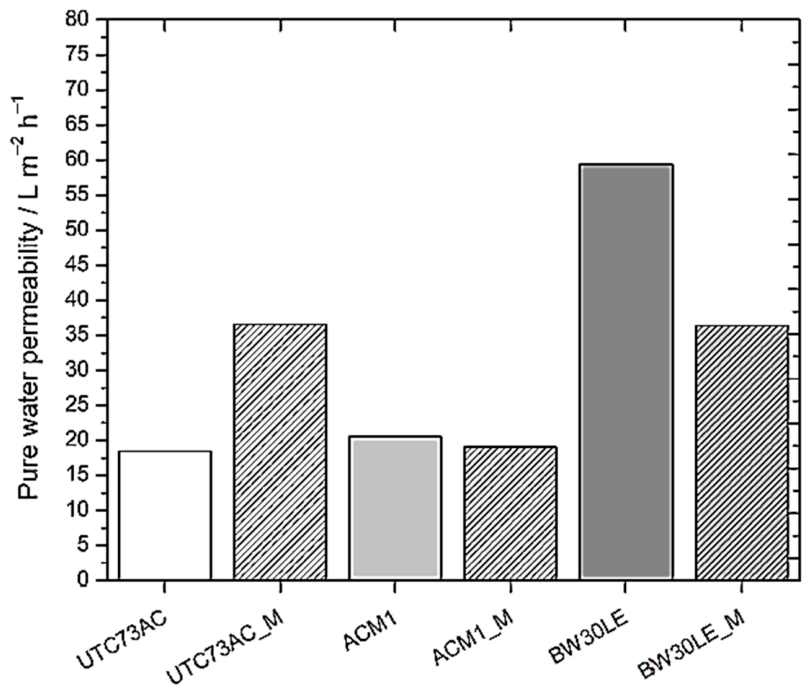
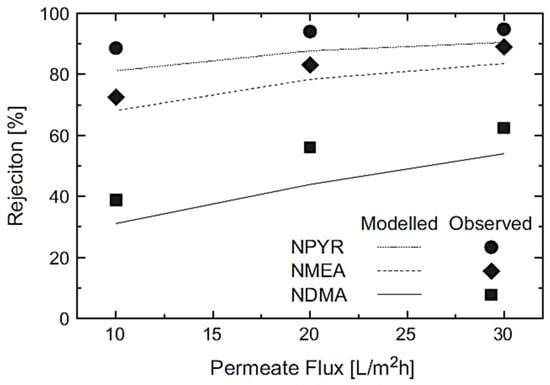
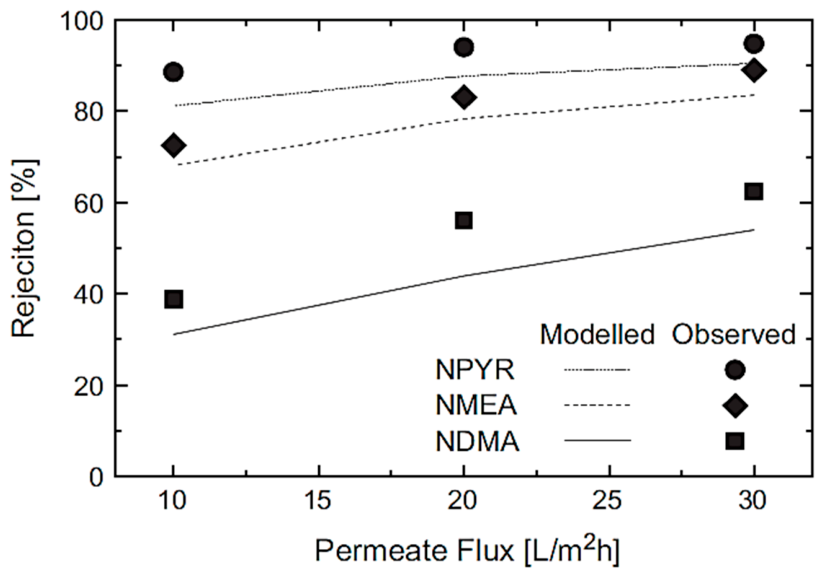
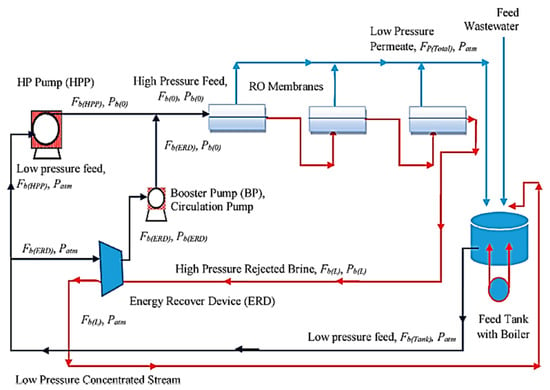
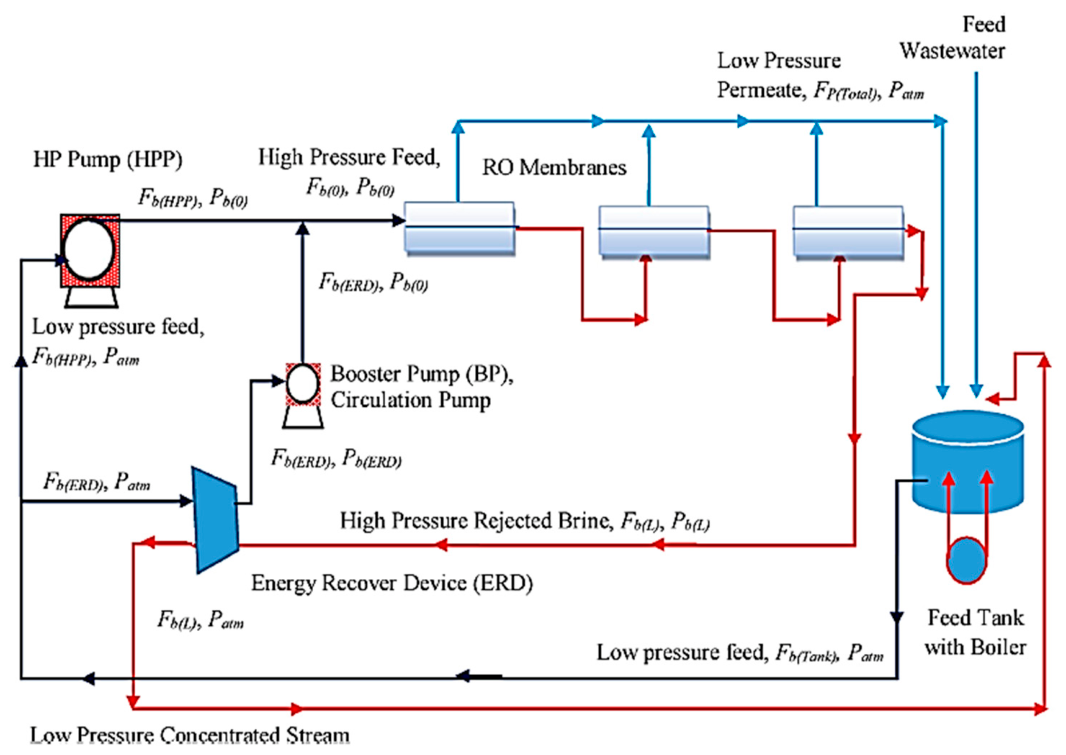
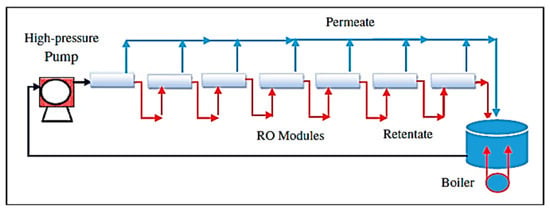
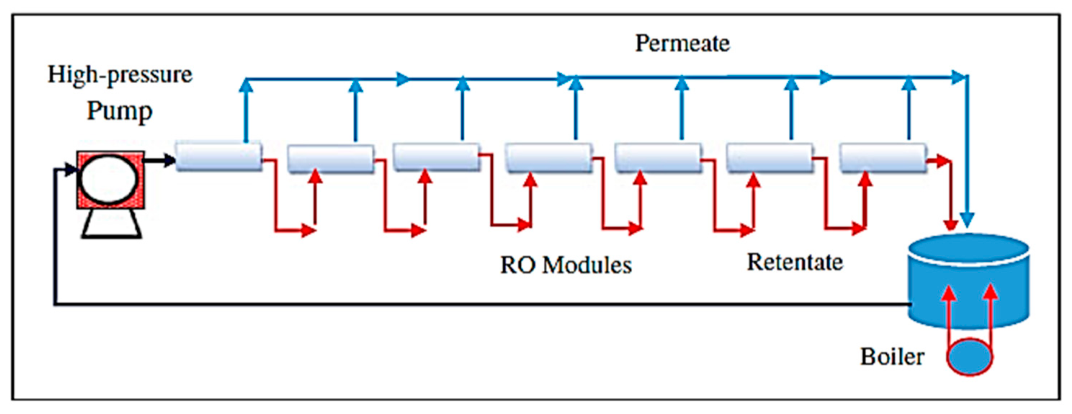
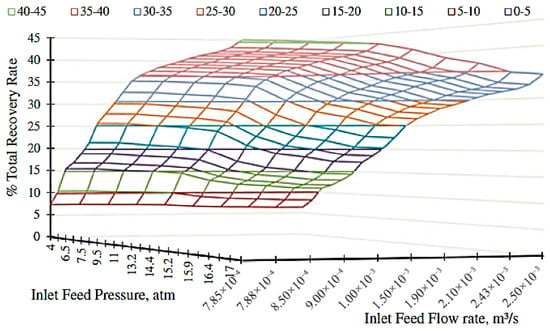
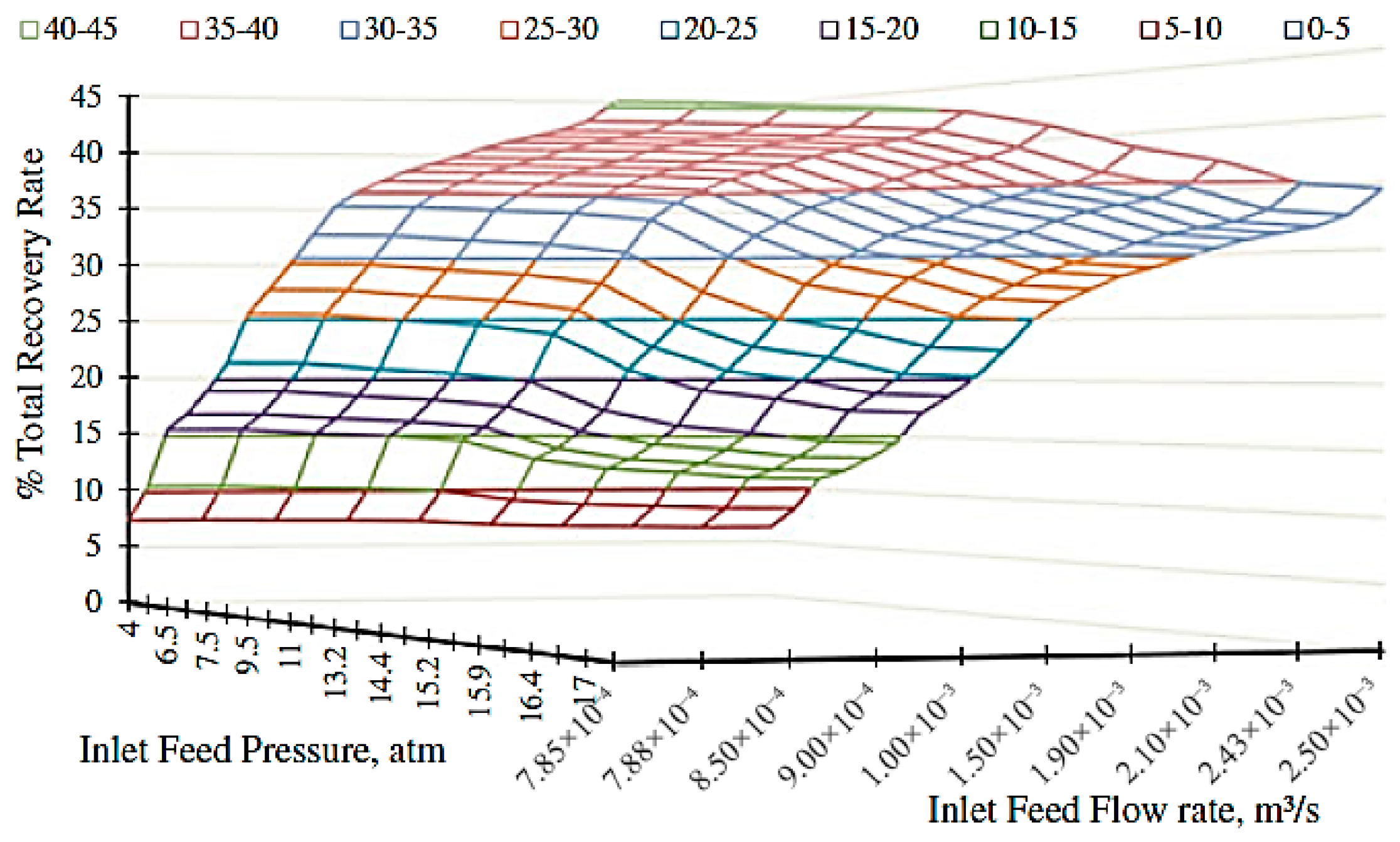
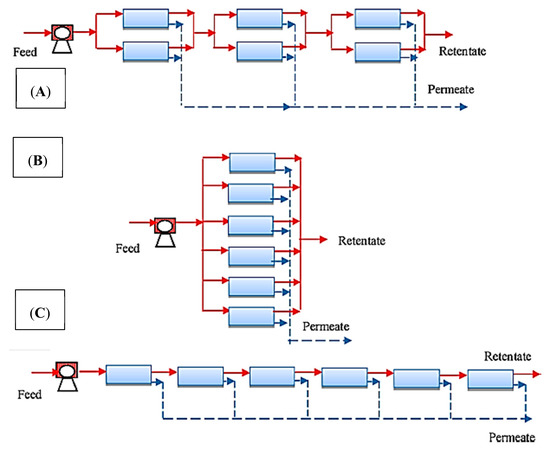
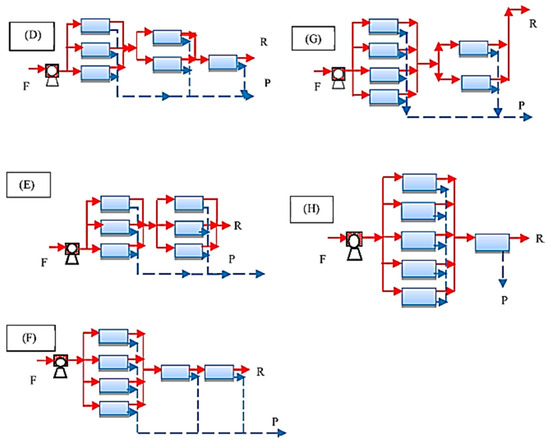
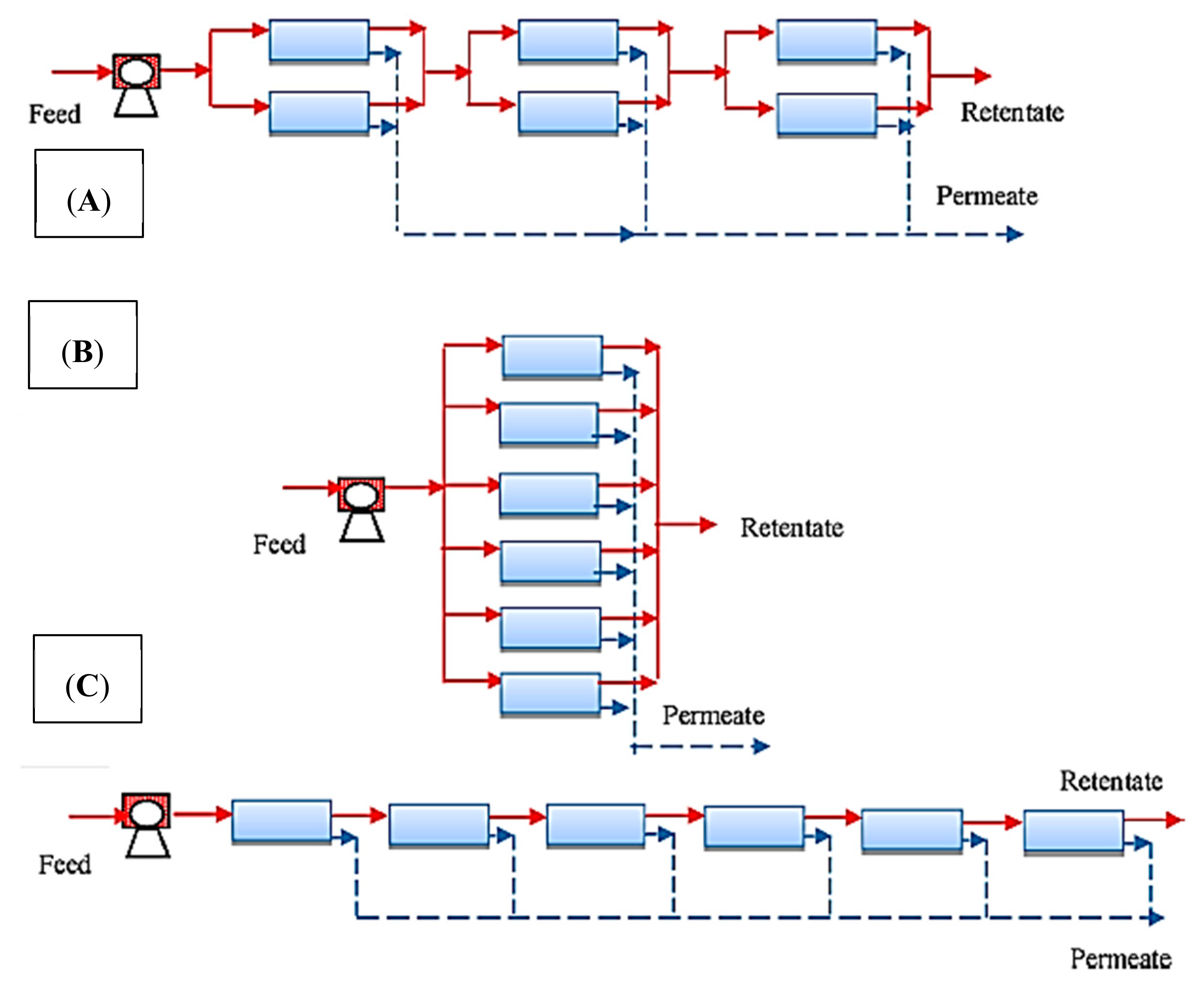
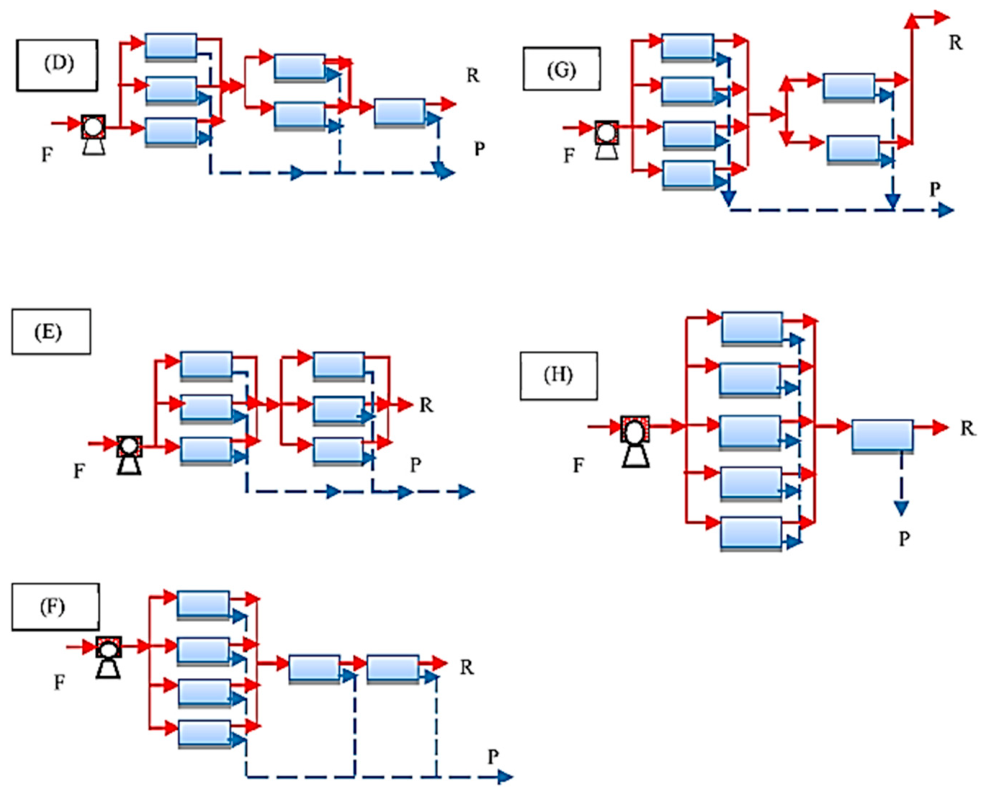
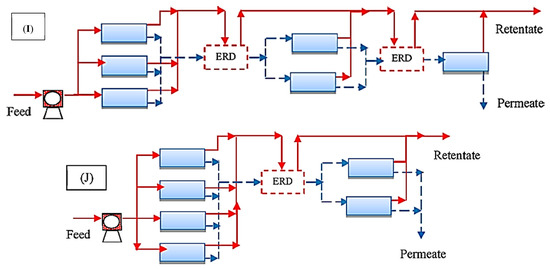
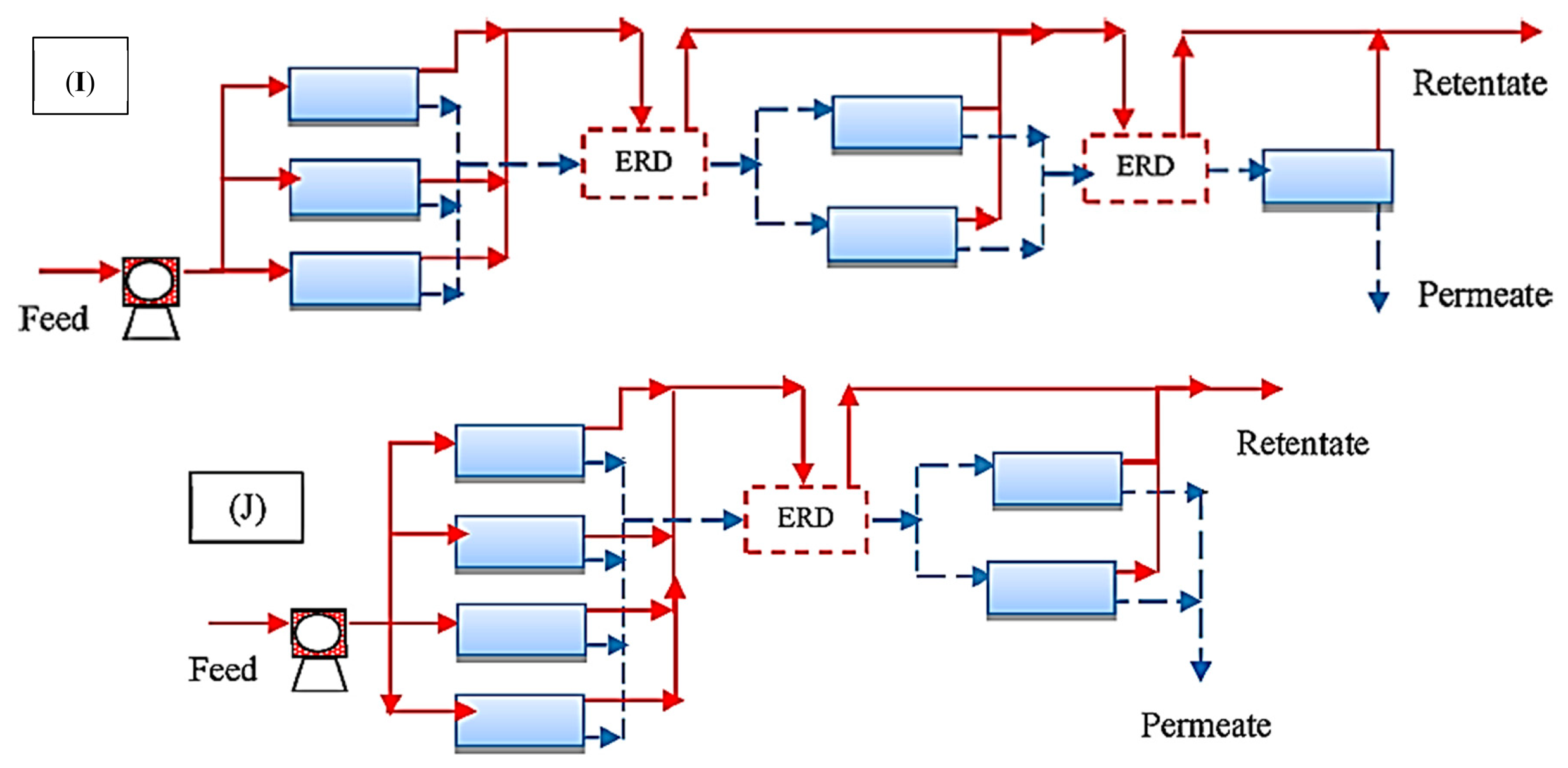
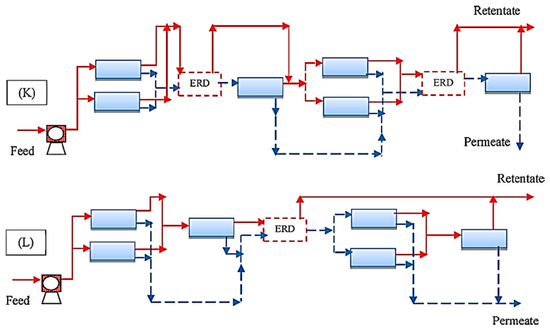
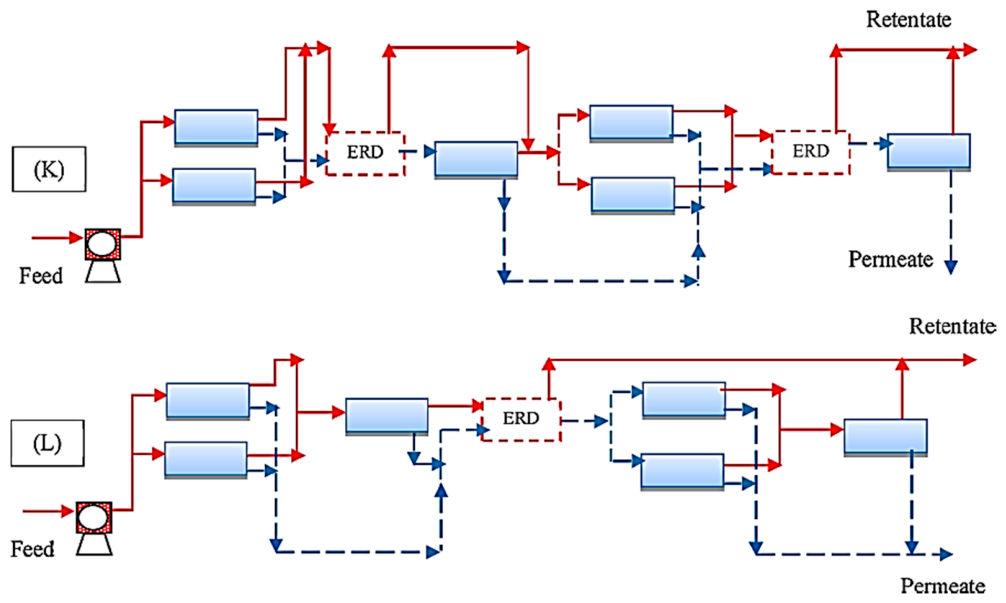
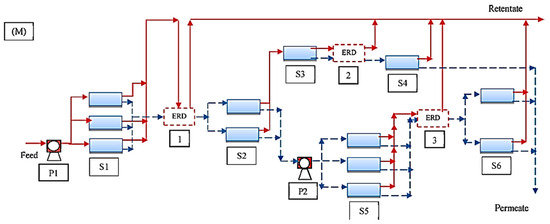
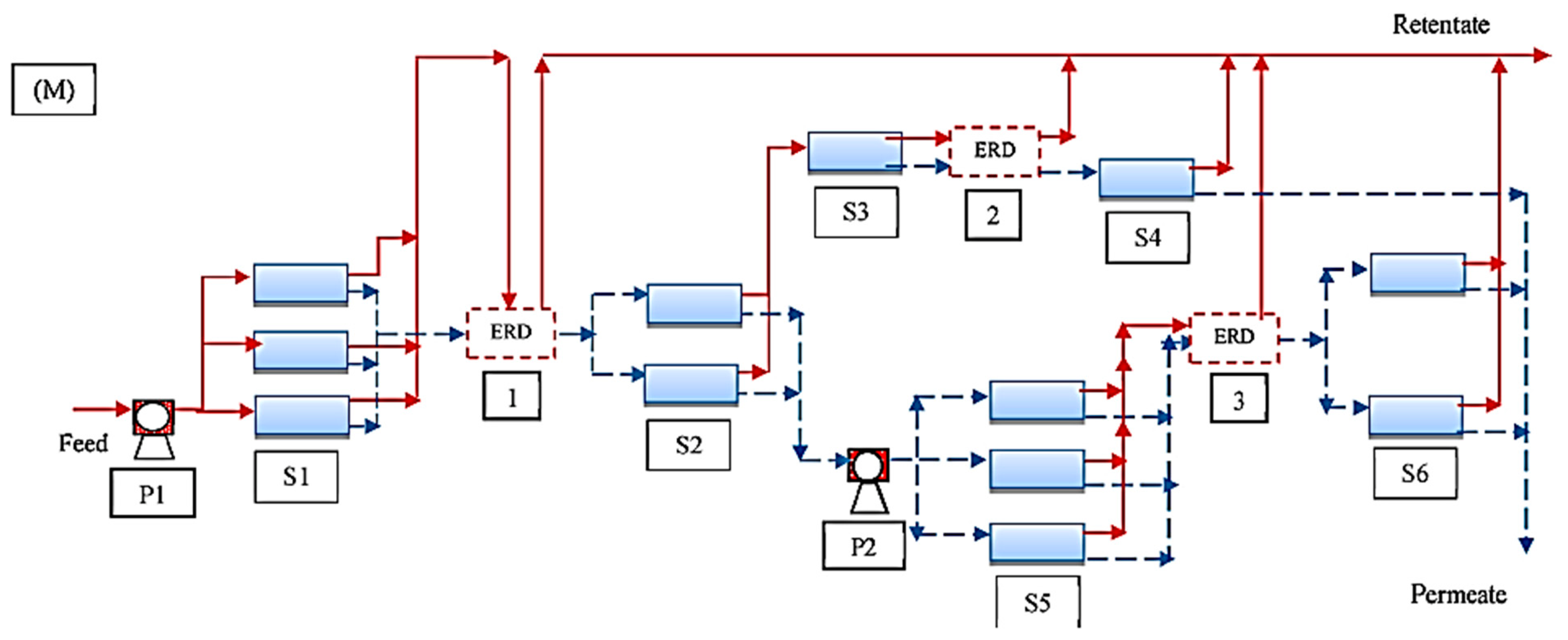
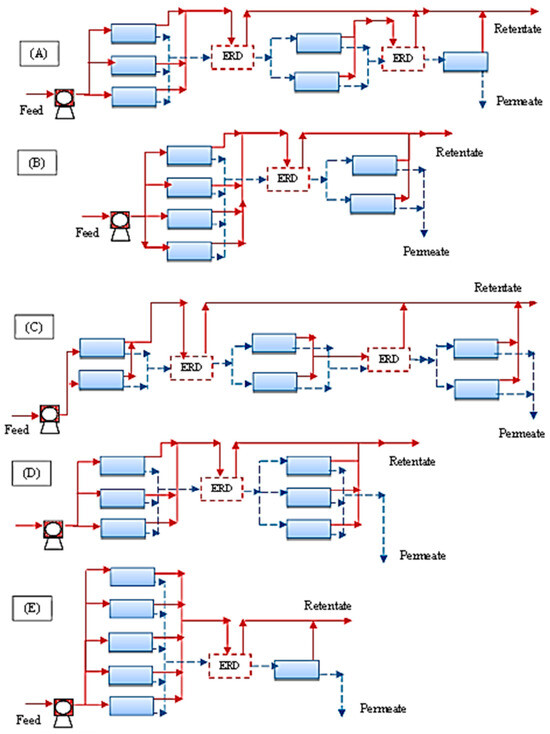
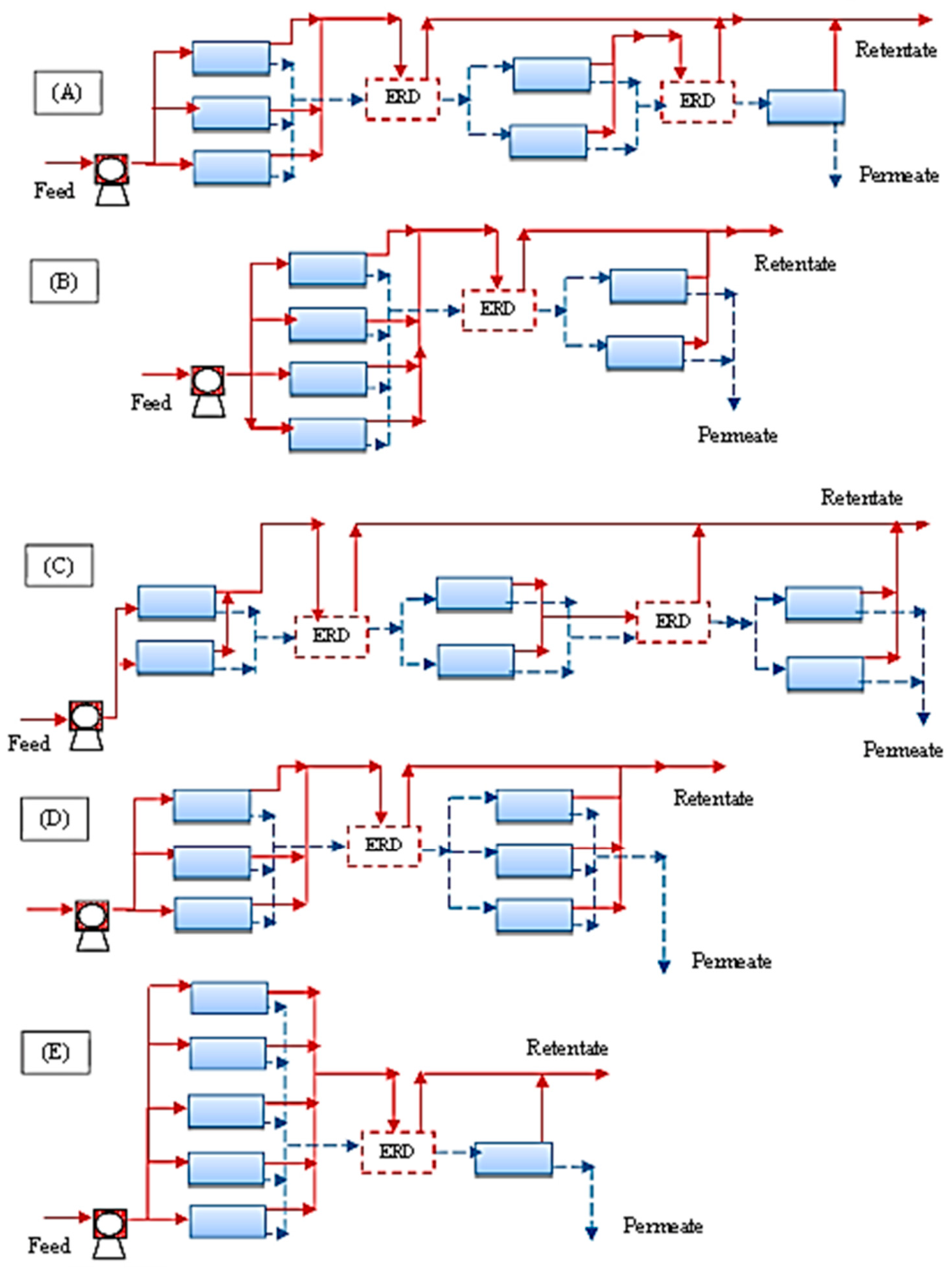
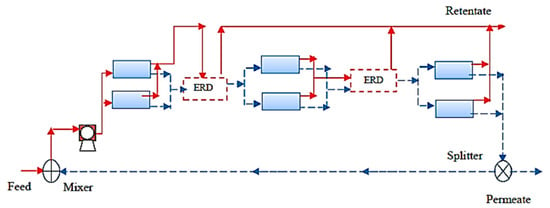
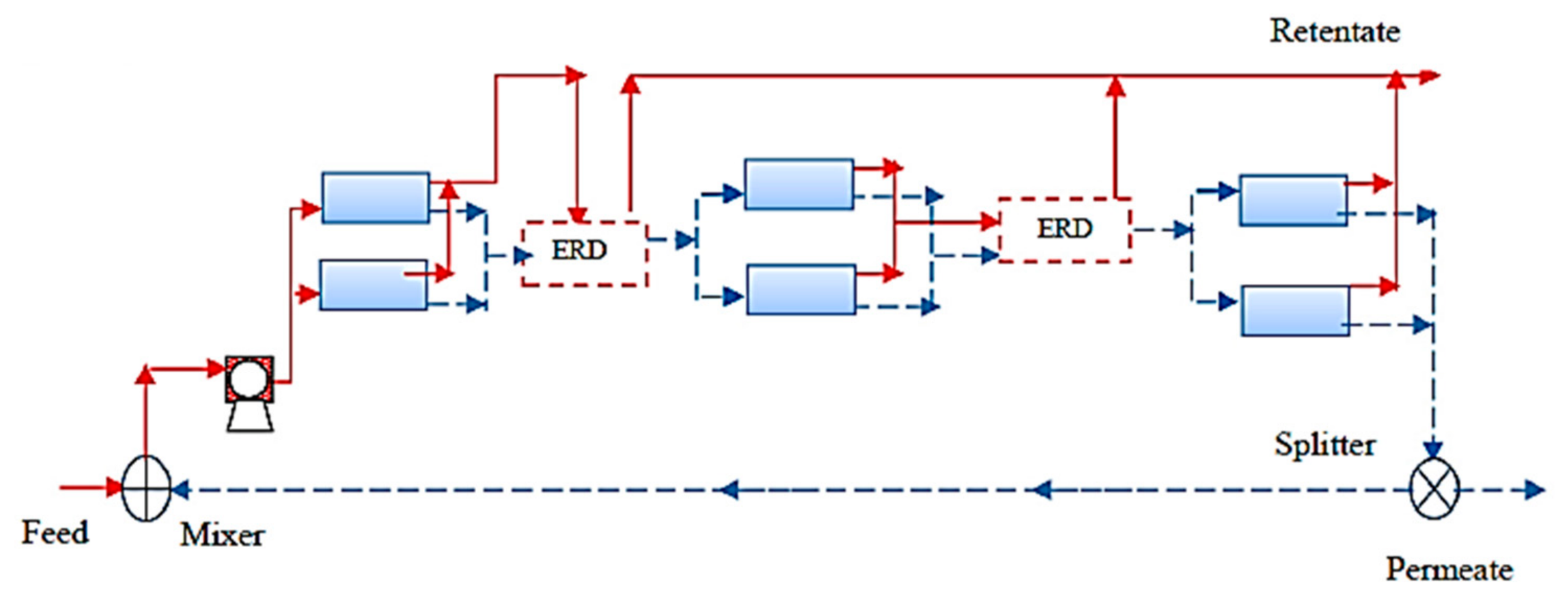
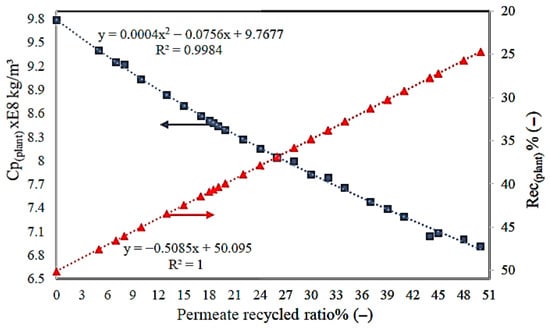
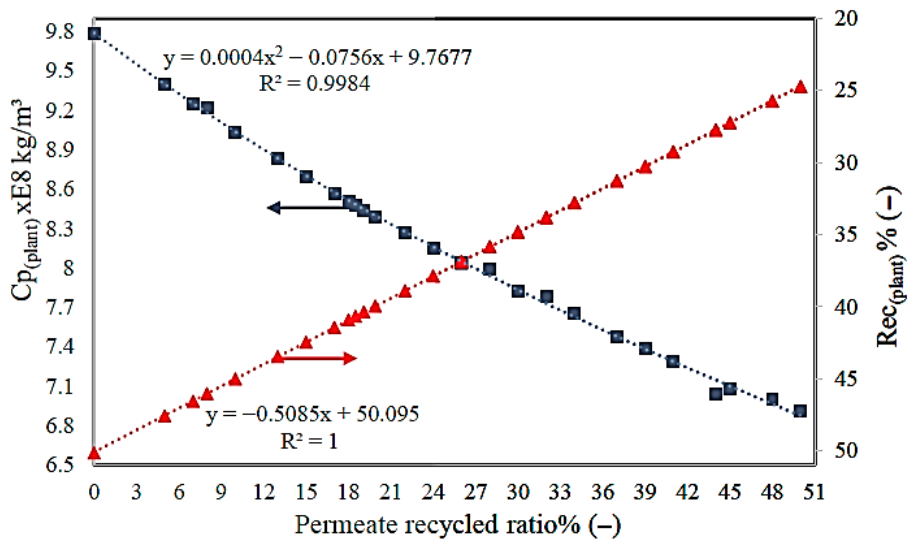
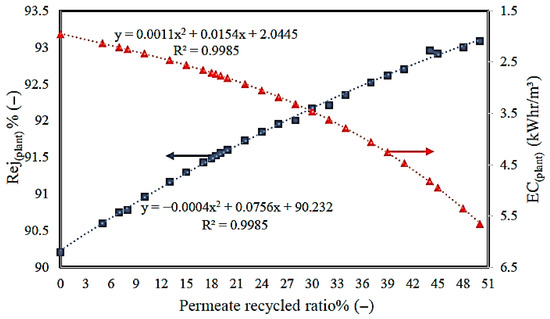
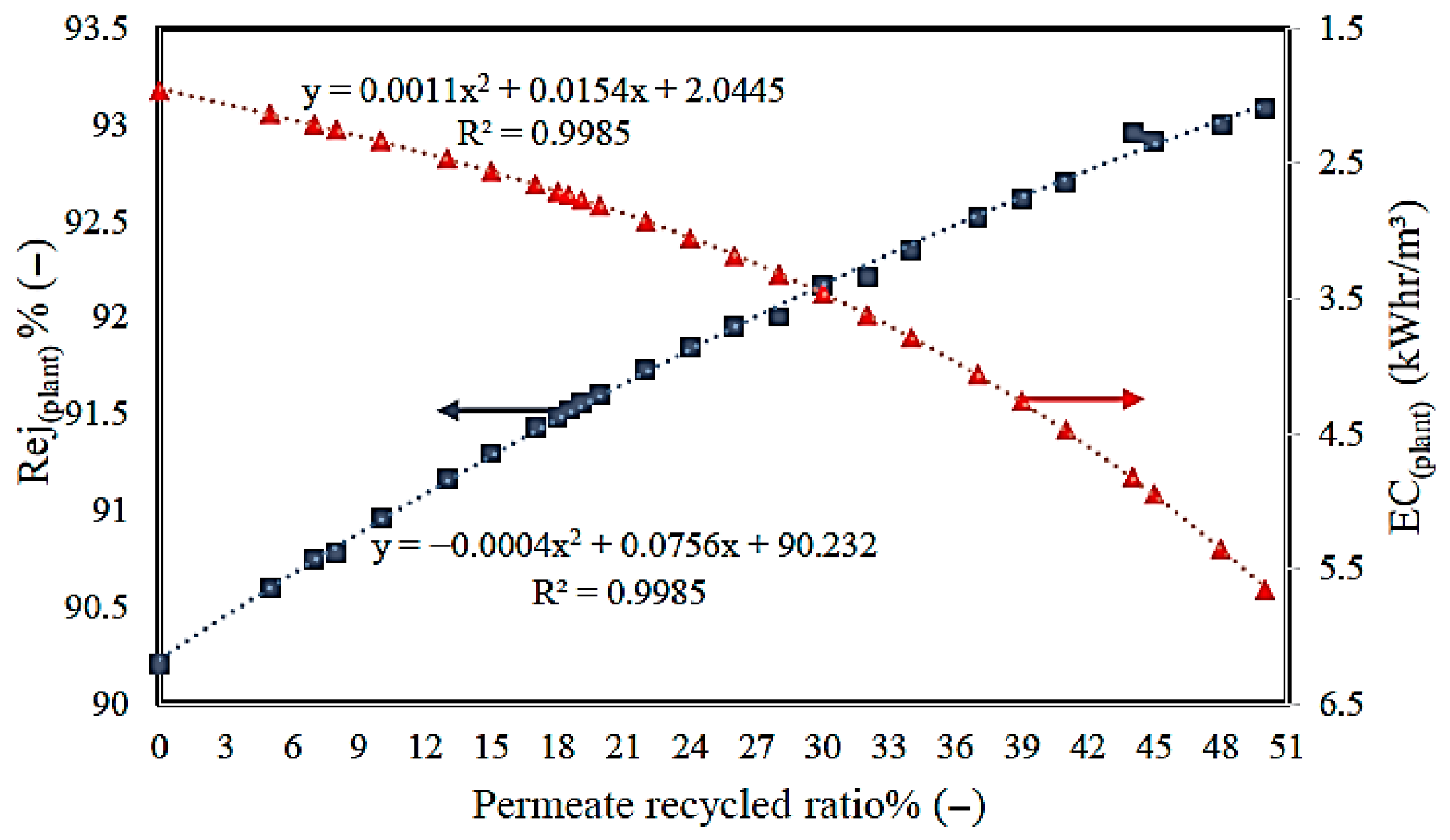
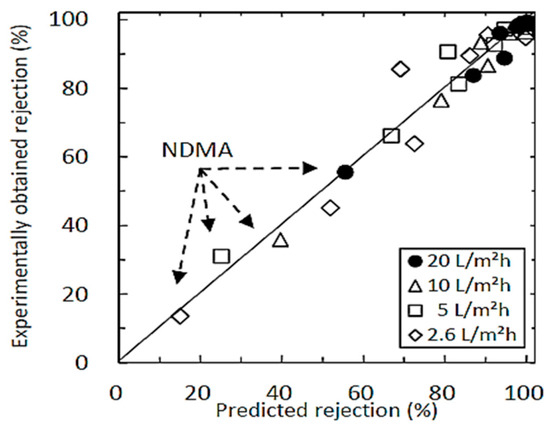
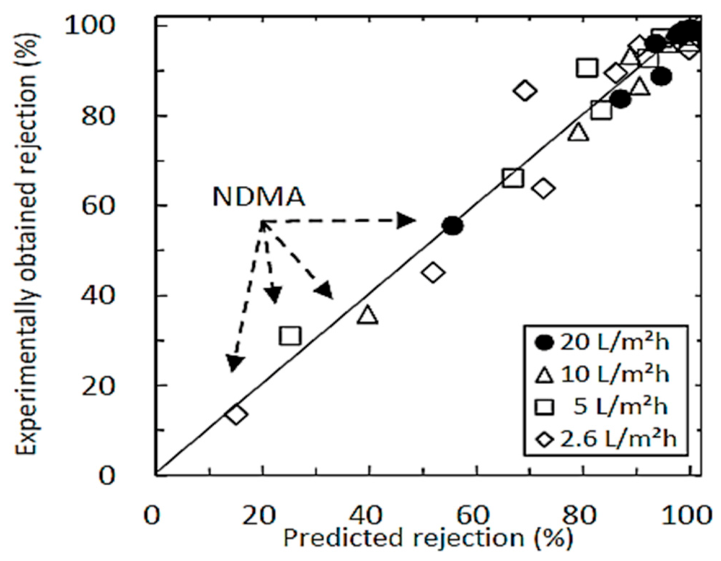
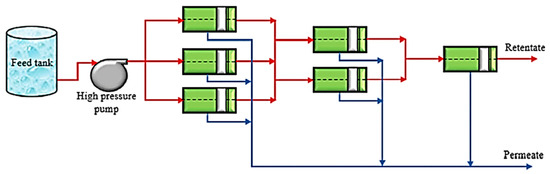
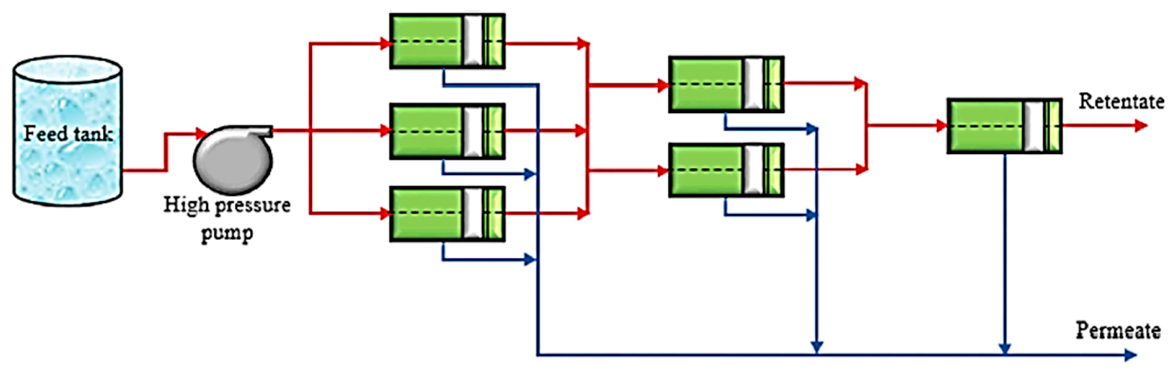
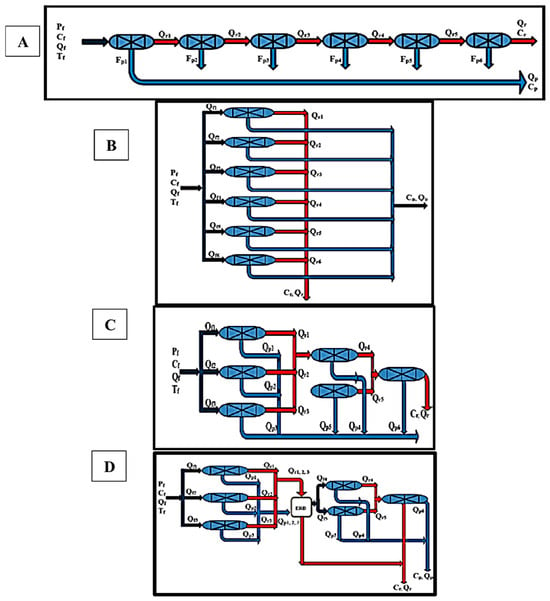
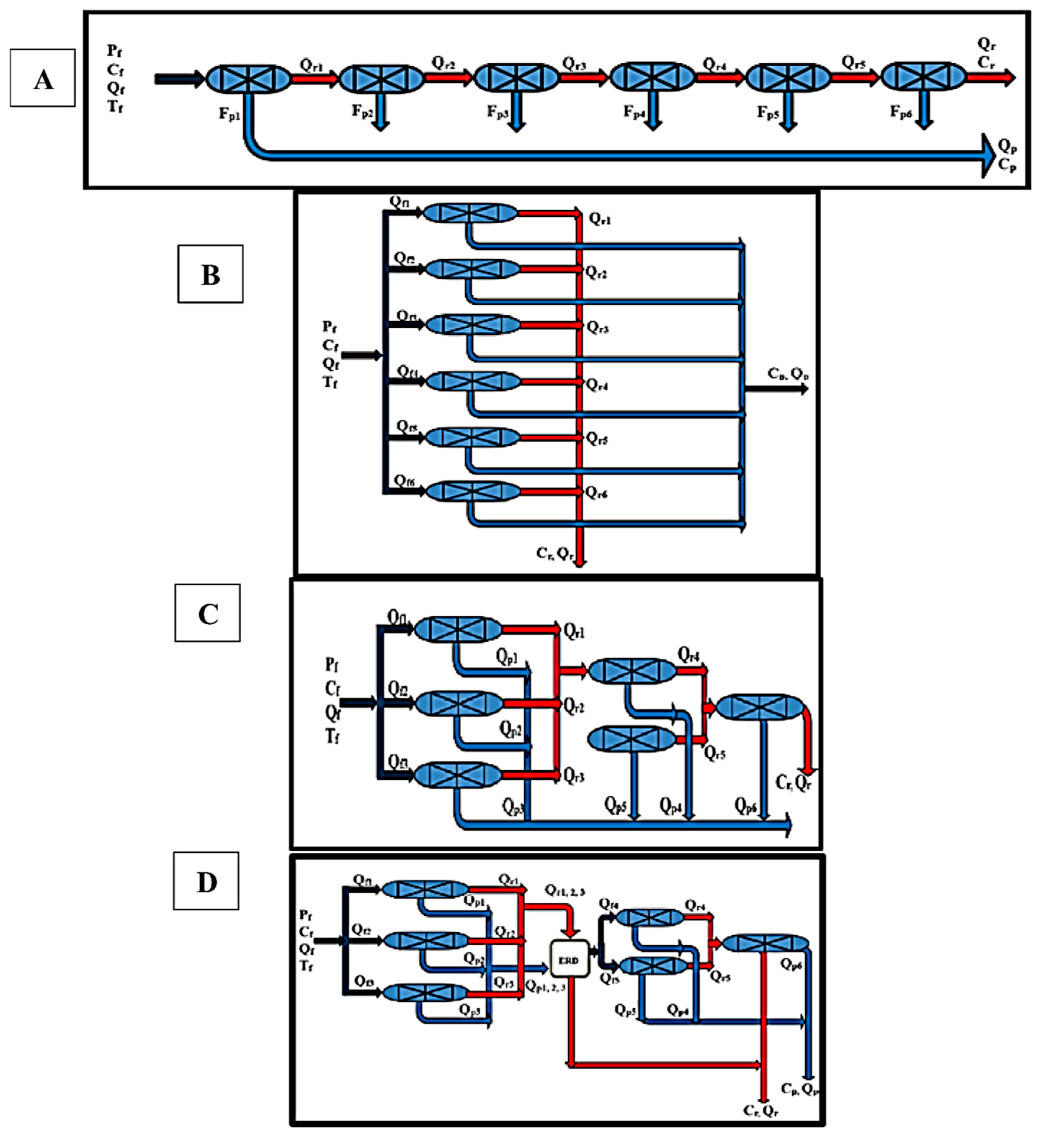

Disclaimer/Publisher’s Note: The statements, opinions and data contained in all publications are solely those of the individual author(s) and contributor(s) and not of MDPI and/or the editor(s). MDPI and/or the editor(s) disclaim responsibility for any injury to people or property resulting from any ideas, methods, instructions or products referred to in the content. |
© 2026 by the authors. Licensee MDPI, Basel, Switzerland. This article is an open access article distributed under the terms and conditions of the Creative Commons Attribution (CC BY) license.