Article

Study on a Polymer Gel System for Deep Profile Control in High-Temperature and High-Salinity Reservoirs

Daqing Petrochemical Research Center, Petrochemical Research Institute of PetroChina, Daqing 163714, China
*
Author to whom correspondence should be addressed.
Processes 2026, 14(9), 1396; https://doi.org/10.3390/pr14091396
Submission received: 17 December 2025 / Revised: 16 March 2026 / Accepted: 29 March 2026 / Published: 27 April 2026
(This article belongs to the Special Issue Advances in Reservoir Simulation and Multiphase Flow in Porous Media)

Abstract

Polymer gel profile control technology can effectively modify water flow channels in water-flooded oil reservoirs and enhance oil recovery. However, most polymer gel systems exhibit poor performance, such as low strength, not suitable for high-temperature and high-salinity reservoir conditions, leading to ineffective water shutoff. To address this challenge in complex formations of high-temperature, high-salinity fractured reservoirs, a temperature- and salt-tolerant polymer gel system with delayed crosslinking was developed based on the concept of slow hydrogen-bond crosslinking. Laboratory evaluations demonstrated that a gel system formulated with 0.4 wt% HPAM and 0.2 wt% PEI (HPAM/PEI) achieved a gel strength grade of G index. Even at 100 °C or a salinity of 200,000 ppm, the HPAM/PEI system maintained a gel strength grade of F, indicating excellent temperature resistance and shear stability. The slow hydrogen-bond crosslinking mechanism endowed the system with delayed gelation characteristics. Sandpack and core flooding experiments confirmed that the HPAM/PEI system could form high-strength gels in situ with low polymer retention. After treatment, the permeability of the core was reduced by over 99%, and the effective blocking duration exceeded 12 months. This study provides a theoretical foundation for applying the HPAM/PEI gel system in deep profile control and water shutoff in high-temperature and high-salinity reservoirs.

1. Introduction

Excessive water production is a major challenge in mature oilfields, leading to significant residual oil in unswept zones, reduced recovery efficiency, and increased operational costs related to artificial lift, oil–water separation, and produced water treatment [1]. Among various mechanical and chemical water control methods, polymer gel systems are widely used owing to their relatively low cost, operational simplicity, and ability to penetrate deep into reservoir matrices [2,3]. Extensive research has been conducted on Cr(III)/partially hydrolyzed polyacrylamide (HPAM) crosslinked systems, which have been successfully applied for near-wellbore water shutoff and deep profile control. However, at higher temperatures (>80 °C), these systems suffer from reduced stability and short gelation times due to accelerated hydrolysis of polyacrylamide and weakening of ionic bonds between acrylate groups and Cr(III) [4,5]. As alternatives, polymers with enhanced thermal stability—such as copolymers of acrylamide and acrylamido-tert-butyl sulfonate(P(AM-ATBS)) or poly (acrylamide-co-tert-butyl acrylate) (PAtBA)—have been explored Additionally, organic crosslinkers like phenol–formaldehyde, hexamethylenetetramine (HMTA), and Polyethyleneimine (PEI) have been employed due to their ability to form thermally stable covalent bonds with amide groups in HPAM [6].
High salinity presents another significant challenge. Incompatibility between the polymer gel and formation/injection water can cause polymer precipitation, reduced gel strength, or severe syneresis. Strategies to improve salt tolerance include incorporating salt-resistant functional groups (e.g., ATBS or N-vinylpyrrolidone, NVP) into the polymer skeleton, modifying polymer chain architecture to form more stable 3D networks, and using crosslinkers (such as PEI) that are less sensitive to ionic strength [7,8]. Deep profile control aims to divert injection fluids away from high-permeability zones toward unswept oil-bearing regions, thereby improving sweep efficiency [9]. An ideal deep-profile gel system should exhibit low pre-gel viscosity to minimize injection pressure and enhance selectivity toward high-permeability channels [10], along with a controllable and sufficiently long gelation time to ensure proper plug at the target depth. Furthermore, it should demonstrate low retention and minimal chromatographic separation of the polymer and crosslinker components in order to reduce chemical consumption and associated costs [11,12].
Achieving all these properties simultaneously under high-temperature and high-salinity conditions—especially in the presence of divalent ions and variable pH—is extremely challenging [13]. Recently, we developed an HPAM/PEI polymer gel system with tunable gelation time. This study optimized the HPAM and PEI concentrations to maximize thermal stability and salinity tolerance. The optimized formulation was evaluated using sand-packed models and core flooding experiments to assess plugging efficiency, long-term stability, injectivity, and polymer retention. This study is novel in three ways: improved gel performance under high-temperature, high-salinity conditions; controllable delayed gelation; and relatively low polymer retention in porous media.

2. Methodology

2.1. Materials

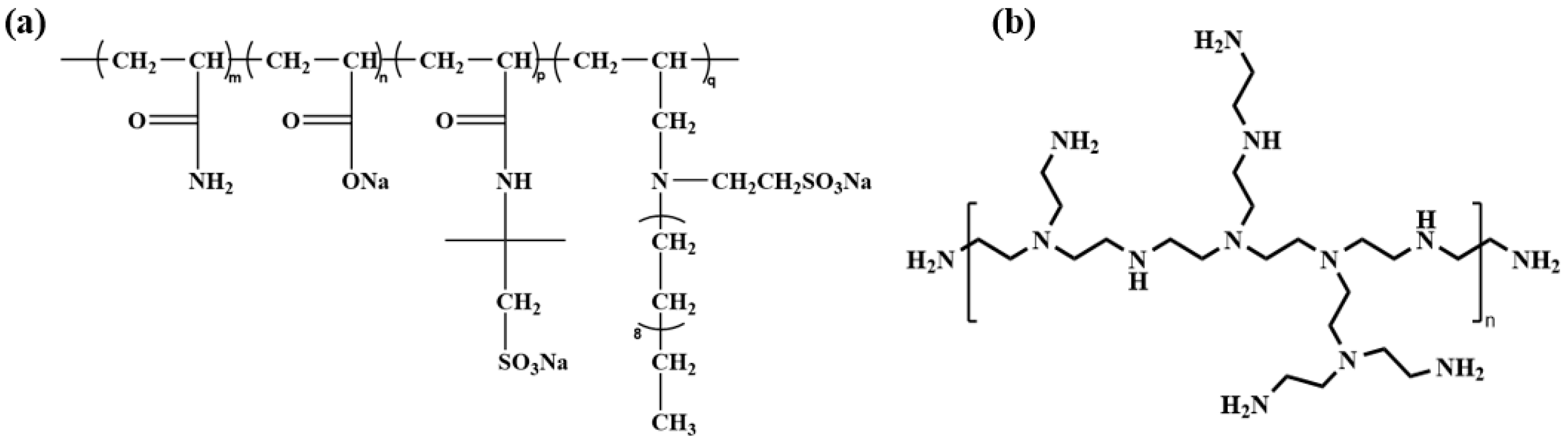
The materials used in this study were obtained as follows. Partially hydrolyzed polyacrylamide (HPAM) was synthesized in-house (see US Patent No. 12,049,588 B2 for synthesis and structural characterization details). as illustrated in Figure 1. Polyethyleneimine (PEI, crosslinker), sodium chloride (NaCl), magnesium chloride hexahydrate (MgCl2·6H2O), calcium chloride dihydrate (CaCl2·2H2O), thiourea, and the surfactant Triton X-100 were purchased from Aladdin Biochemical Technology Co., Ltd. (Shanghai, China). Silica sand and calcium carbonate particles were supplied by Shijiazhuang Hualang Mineral Products Trading Co., Ltd. (Shijiazhuang, China).

2.2. Gelant Preparation

Deionized water was placed in a beaker, and a few drops of Triton X-100 were added to aid polymer dissolution and improve the dispersion of HPAM in solution, thereby preventing polymer agglomeration during gel preparation. HPAM was slowly added under high-shear stirring for at least 30 min. A 10% aqueous PEI solution was then added, followed by thiourea to maintain an oxygen-free environment. The mixture was purged with nitrogen for 1–2 min and placed in a 90 °C oven for 2 h to observe gelation.
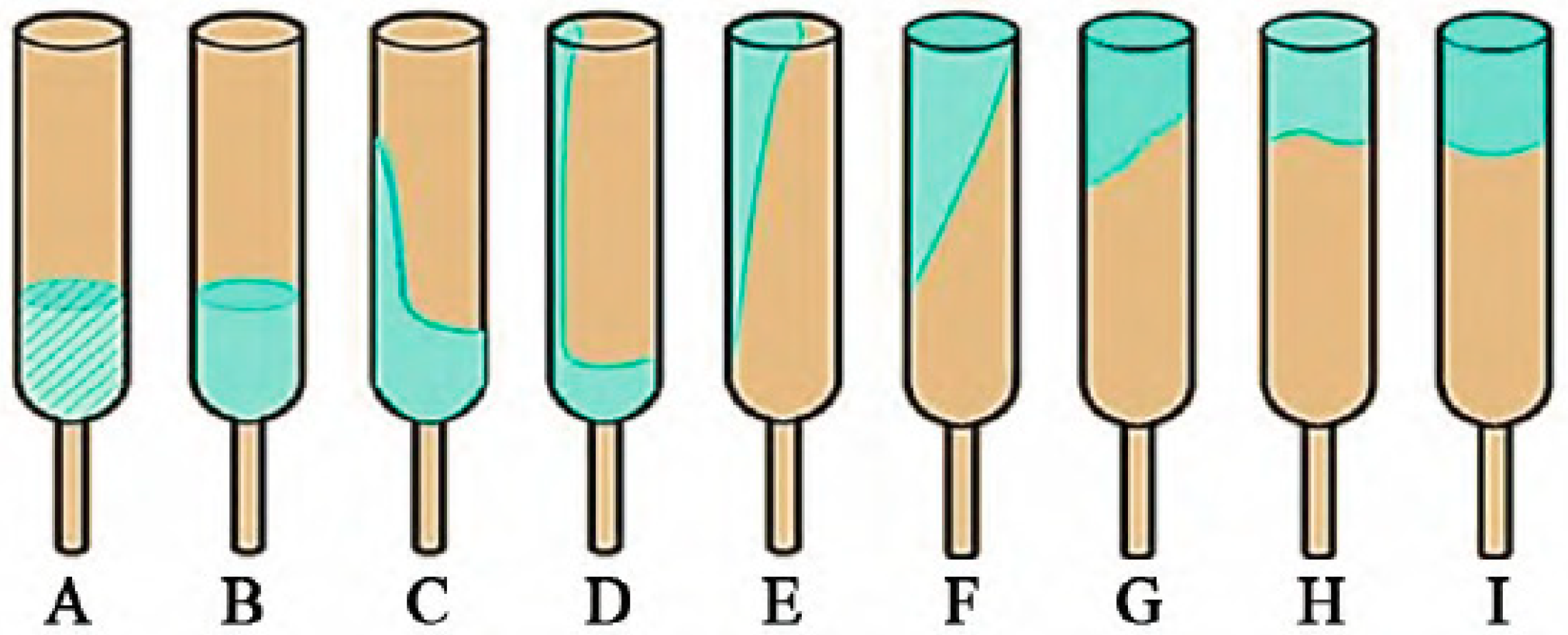
Gel strength was evaluated using the bottle-test method and classified according to the Sydansk visual gel strength code [14] (Table 1, Figure 2).

2.3. Delayed Gelation Test

Twelve vials of the selected gel formulation were aged at 90–95 °C. One vial was removed at predetermined intervals, and gelation was recorded. Gelation time was defined as the time required to reach Sydansk grade D.

2.4. Sand-Pack Flooding Test

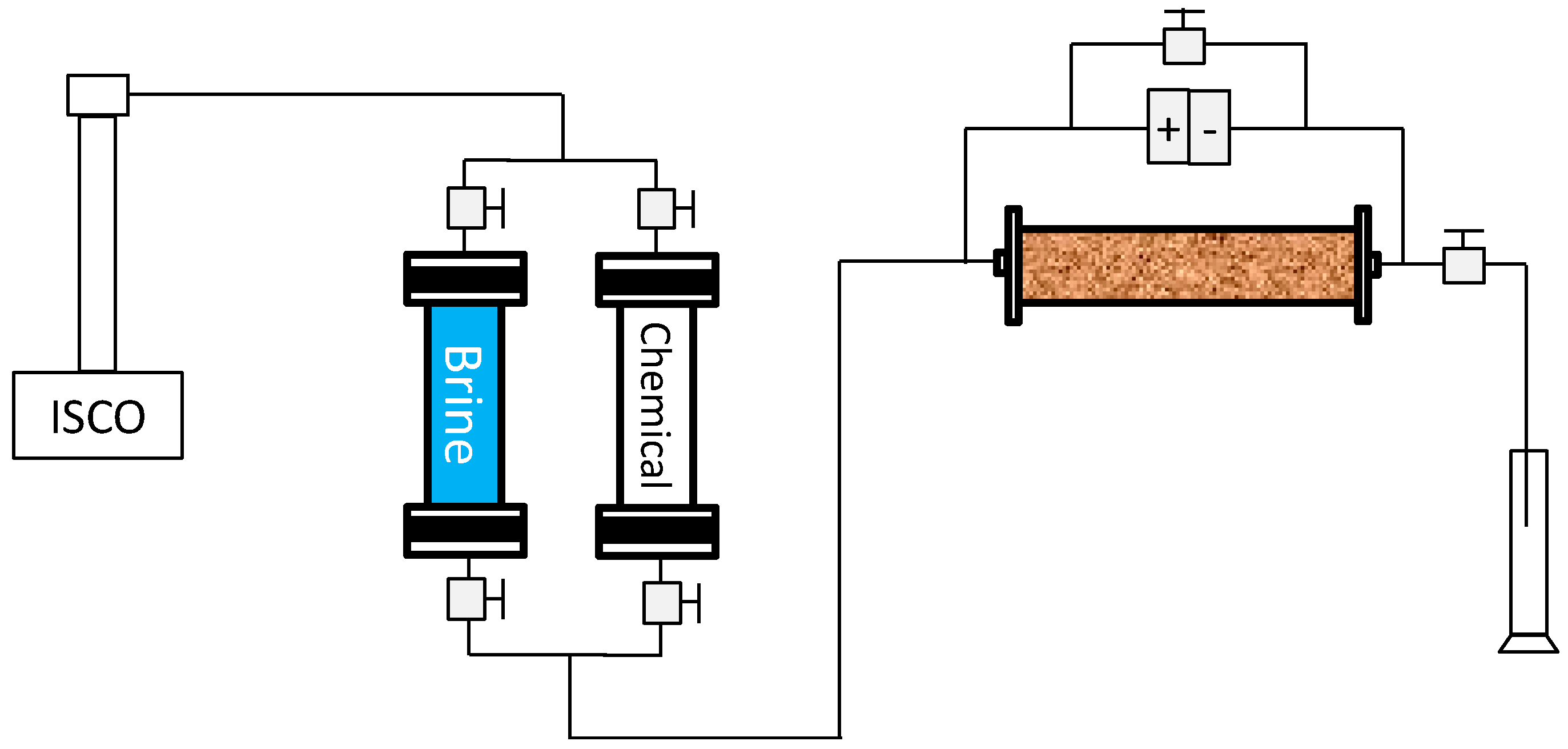
To optimize the gelant system performance on reducig permeability in highly porous environments, high-permeability sandpack models were evaluated using the gelant. The experimental setup is illustrated in Figure 3, which consists of two working fluids: one for injecting brine and the other for injecting the gel system. An ISCO pump was employed to displace the aqueous solutions into the sandpack model using mineral oil as the flooding fluid. The sandpack model was constructed using a glass sandpack tube with a length of 30.5 cm and an inner diameter slightly larger than 2.5 cm. 100-mesh sand grains were slowly packed into the tube while gently tapping the wall to prevent the formation of air pockets. After packing, the sandpack was vacuum-saturated with brine prior to injection to remove trapped air. The system was then pressurized to 0.4 MPa with brine several times to further eliminate any residual air.
The absolute brine permeability of the sandpack was determined by injecting brine at three sequentially decreasing flow rates (10, 6, and 3 mL/min). The resulting sandpack had a porosity of 32.5% and a permeability of 9.6 D. Before injection, the optimal gel system was purged with nitrogen. A volume equivalent to 2 pore volumes (2 PV) of the gelant solution was injected into the sandpack at a velocity of 3.53 × 10⁻⁵ m/s. This was followed by the injection of 10 mL of brine as a buffer from both ends of the sandpack to prevent blockage of the end lines during gelation. The sandpack was then placed in an oven set at 90 °C for curing. At regular intervals, the sandpack was removed from the oven, and its brine permeability was measured at room temperature. After each measurement, the sandpack was returned to the oven to continue the curing process.

2.5. Core Flooding Test

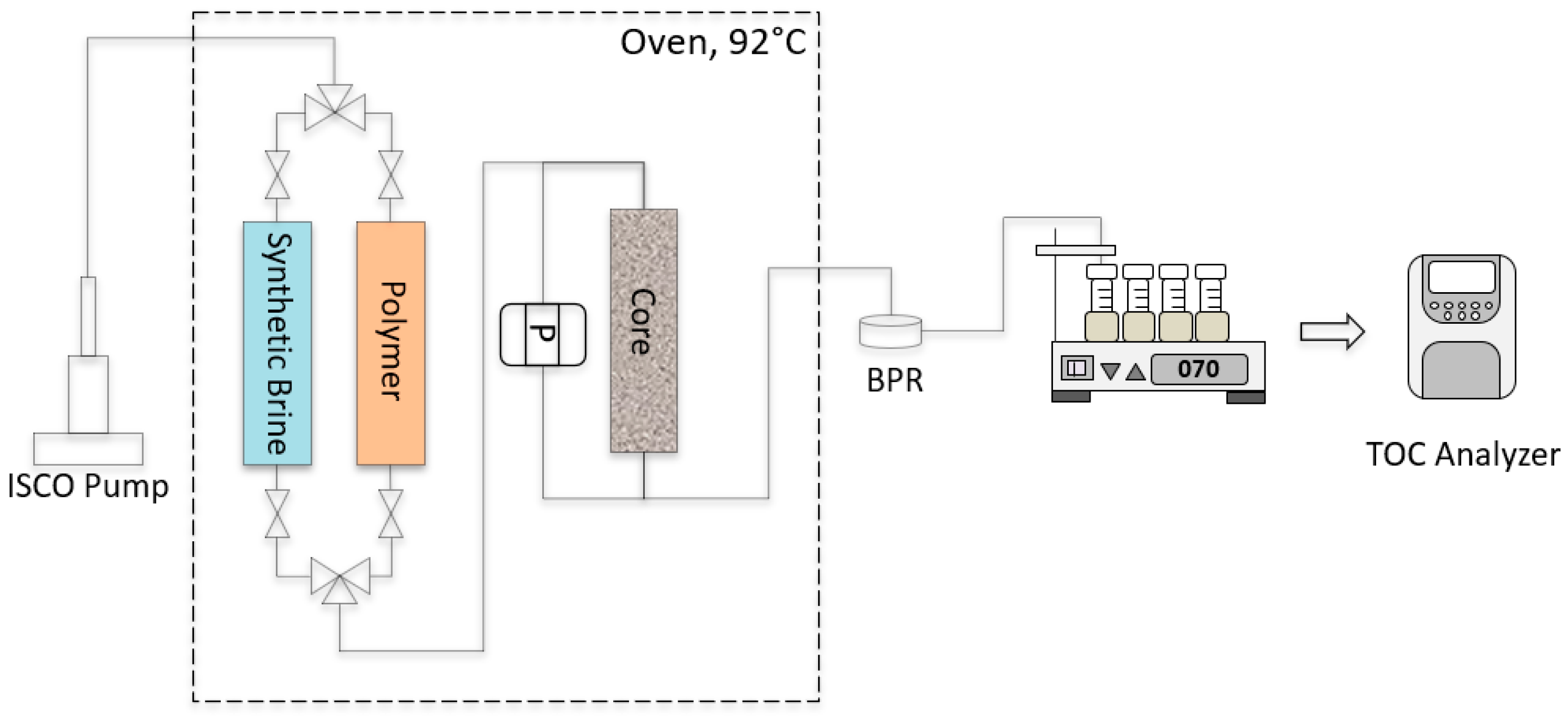
The effectiveness of the conformance control polymer gel in reducing aqueous phase permeability was assessed through core flooding experiments, with a schematic of the setup shown in Figure 4. The floods were conducted inside an oven maintained at 92 °C. A mechanical pressure regulator was employed to maintain a constant basic pressure of 0.58 MPa throughout the experiments. Bentheimer sandstone cores, with a length of 30.5 cm and a diameter of 3.9 cm, were used for the flooding tests. The initial brine permeability of the cores ranged from 1 to 2 D. Each core was first fully saturated with injection brine. Based on the bulk gelation profile, the gelant solution for the core floods was formulated with the HPAM at a concentration of 2500 mg/L and the crosslinker PEI at 1000 mg/L, prepared in brine with a total salinity of 50,000 mg/L. This gelant was injected into the core at a velocity of 1.411 × 10⁻⁵ m/s for a total volume of 2 to 4 PV. The core was then shut-in and aged at 92 °C for 3 to 7 days to allow for in situ gel formation and the development of a plug. The plugging efficiency was evaluated by measuring the reduction in permeability after gel formation.
For the polymer retention analysis, following the injection of 2 PV of the polymer solution (without crosslinker) at 1.411 × 10⁻⁵ m/s, an extensive brine flood of 10 PV was performed at the same injection velocity. All injection steps were conducted at 92 °C. Effluent samples were collected during the injections. The concentration of polymer in the effluent was determined by analyzing the total organic carbon (TOC) content using a Shimadzu TOC-L series analyzer. Polymer retention was subsequently calculated as the mass difference between the injected polymer and the collected polymer in the effluent.

3. Results and Discussion

3.1. Optimization of HPAM/PEI Gel Strength

An appropriate gelation time is crucial for ensuring successful field operations. Excessively rapid gelation can cause premature gel setting in near wellbore tubulars, leading to localized pressure surges and increased operational risks. Conversely, overly delayed gelation may allow the gelant to migrate away from the target zone before setting, compromising treatment effectiveness. Therefore, designing a gel system with an optimal gelation time to specific well conditions is essential prior to treatment. Gels of varying strengths were formulated using different concentrations of polymer (0.2 wt%, 0.3 wt%, 0.4 wt%, and 0.5 wt%) and crosslinker (0.05 wt%, 0.1 wt%, and 0.2 wt%). The optimal formulation was selected based on a comprehensive evaluation of both gelation time and final gel strength. Gel strength was monitored using the Sydansk Gel Strength Code (GSC), a visual code method that assesses viscosity-related changes in gel materials. The gelation time was defined as the point when the gel reached a strength code of D or higher.
As shown in Table 2, increasing the polymer concentration resulted in gels with progressively higher strength and shorter gelation times. This is primarily because a higher polymer concentration increases the availability of amide groups in the solution, thereby raising the probability of polycondensation reactions with the crosslinker and accelerating the reaction rate. Similarly, increasing the crosslinker concentration also enhanced gel strength and shortened the gelation time. This effect is attributed to the increased concentration of amine groups from the crosslinker, which boosts the reaction rate and promotes the formation of a more robust gel network.
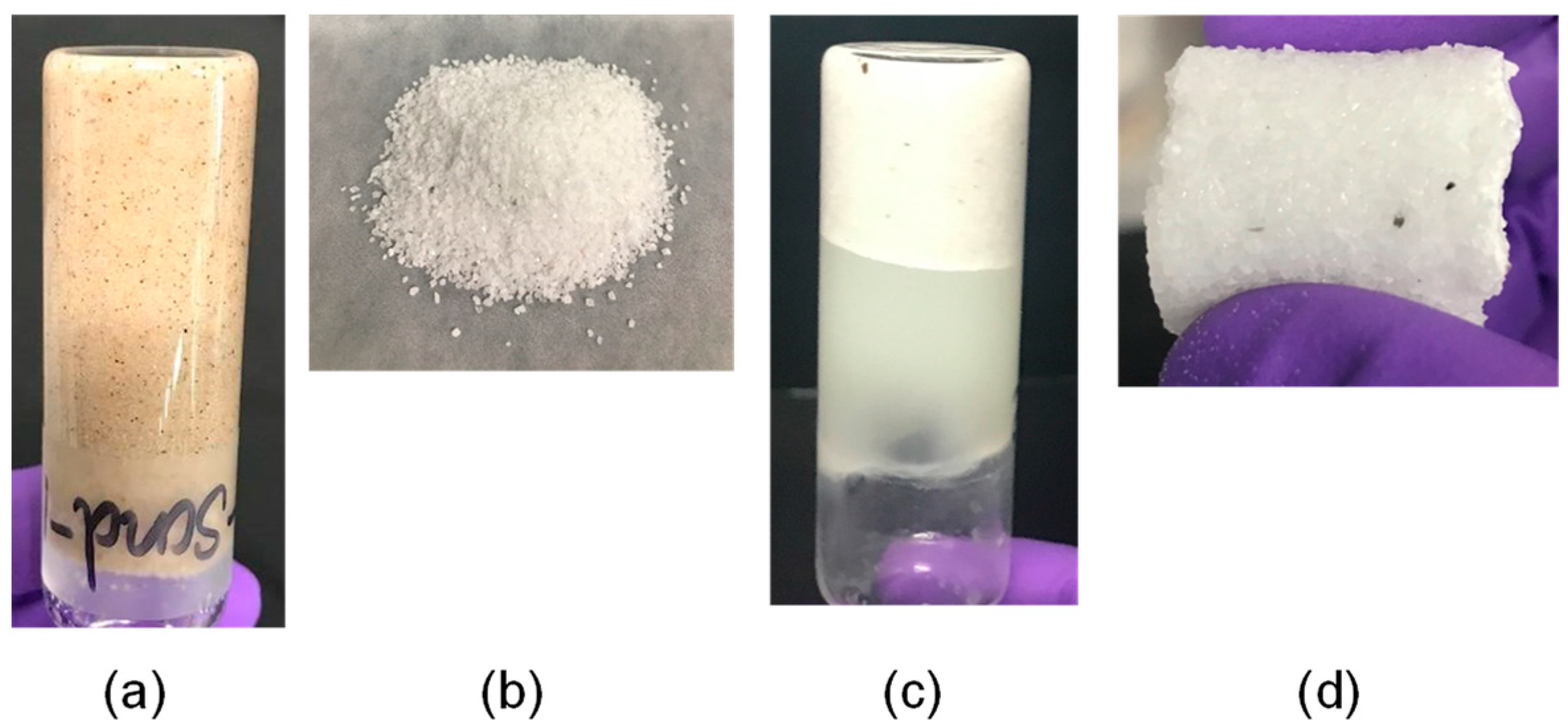
To further investigate the gelling behavior within porous reservoir, 100-mesh calcium carbonate particles were introduced into the gel system to simulate particulate-filled spaces. As shown in Figure 5, the solid particles remained fully suspended within the gel matrix. Examination of the cured gel containing particles revealed that the gel effectively bonded the particles together. Based on these results, the formulation with an HPAM concentration of 0.4 wt% and a PEI concentration of 0.2 wt% produced an HPAM/PEI gel with a strength code of G and a relatively short gelation time. Consequently, the HPAM/PEI system was selected for subsequent investigation.

3.2. Thermal and Salinity Tolerance

In general, the HPAM/PEI gel system exhibits high strength when formulated in fresh water. While a certain concentration of metal ions (e.g., Na+, Mg2+, Ca2+) can enhance the stability of the system, the high salinity typically found in reservoir formations often compresses the HPAM skeletons, leading to weakened gel strength and consequently, reduced effectiveness in water shut-off applications. Therefore, investigating the salt tolerance of the HPAM/PEI system is necessary.
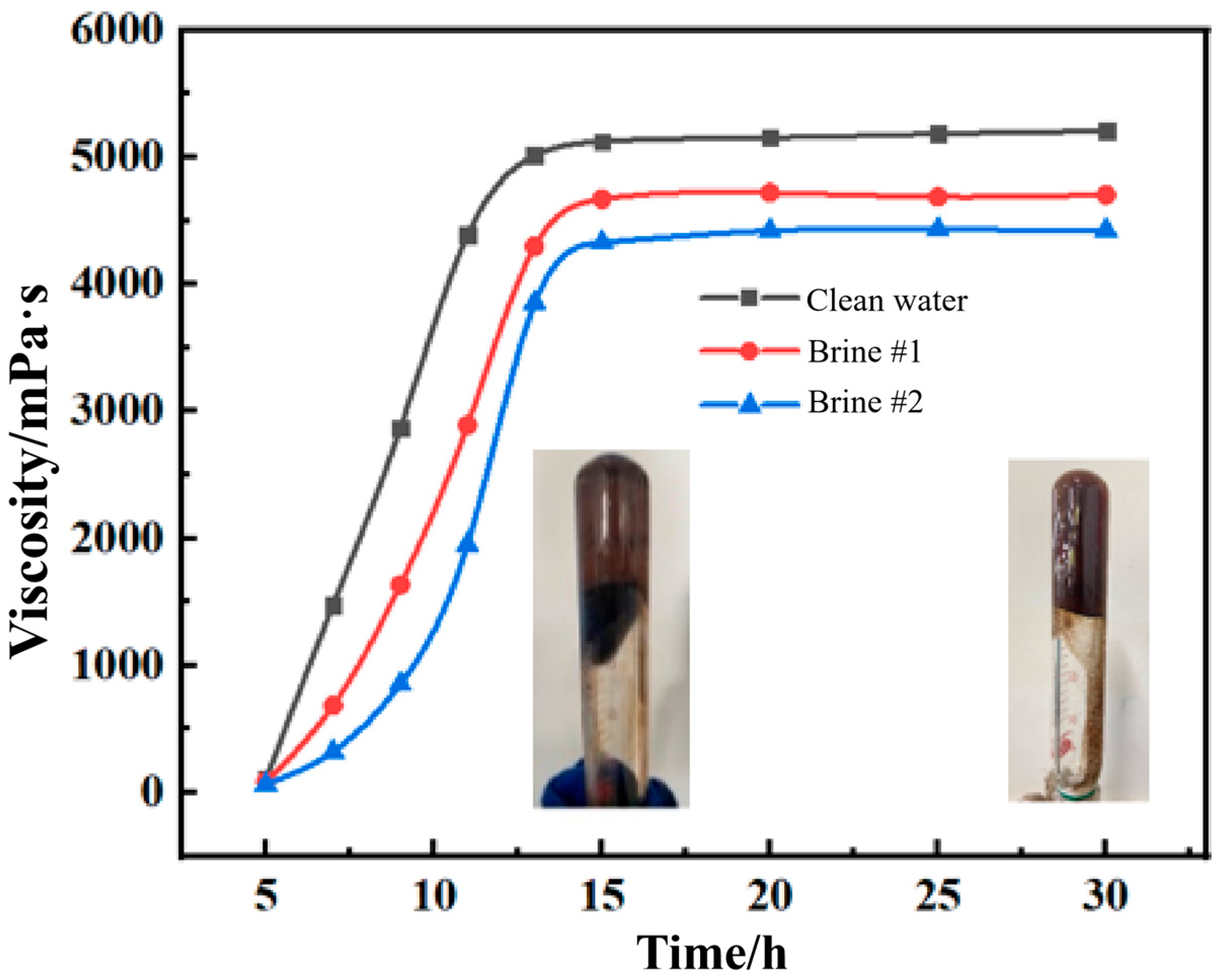
Gel systems were prepared using brines with different salinities (clean water TDS = 100 mg/L c.a., Brine #1 TDS = 50,000 mg/L, and Brine #2 TDS = 200,000 mg/L; compositions detailed in Table 3) to examine the viscosity evolution of the HPAM/PEI system over time. As shown in Figure 6, the viscosity of the HPAM/PEI systems in all brines increased initially and then stabilized with prolonged gelation time. Although gels formed successfully in all conditions, the final viscosity followed the order: gelant prepared with fresh water > gelant prepared with Brine #1 TDS = 50 k > gelant prepared with Brine #2 TDS = 200 k. This trend is attributed to the high concentrations of Na+, Ca2+, and Mg2+ in the saline brines, which compress the electrical double layer surrounding the HPAM chains. This compression causes the polymer chains to contract, thereby restricting the availability of crosslinking sites and ultimately resulting in a gel with lower viscosity. Notably, as shown in the inset of Figure 6, the gel prepared with Brine #2 TDS = 200 k still achieved a strength code of F.
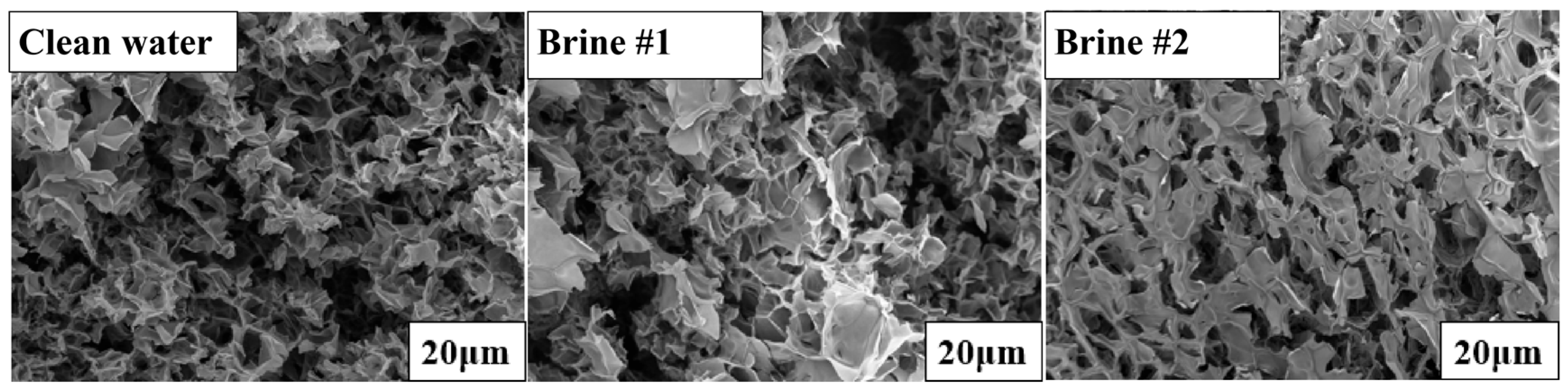
To further elucidate the salt tolerance, the microstructure of HPAM/PEI gels formed in the different brines was characterized. The SEM images in Figure 7 reveal that all systems formed a dendritic network structure, confirming successful gelation in various aqueous environments. Importantly, the network density of the gel prepared with Brine #2 TDS = 200 k showed only a minor reduction compared to that of the fresh-water gel. This observation indicates that the gel network constructed by HPAM and PEI possesses good salt tolerance.
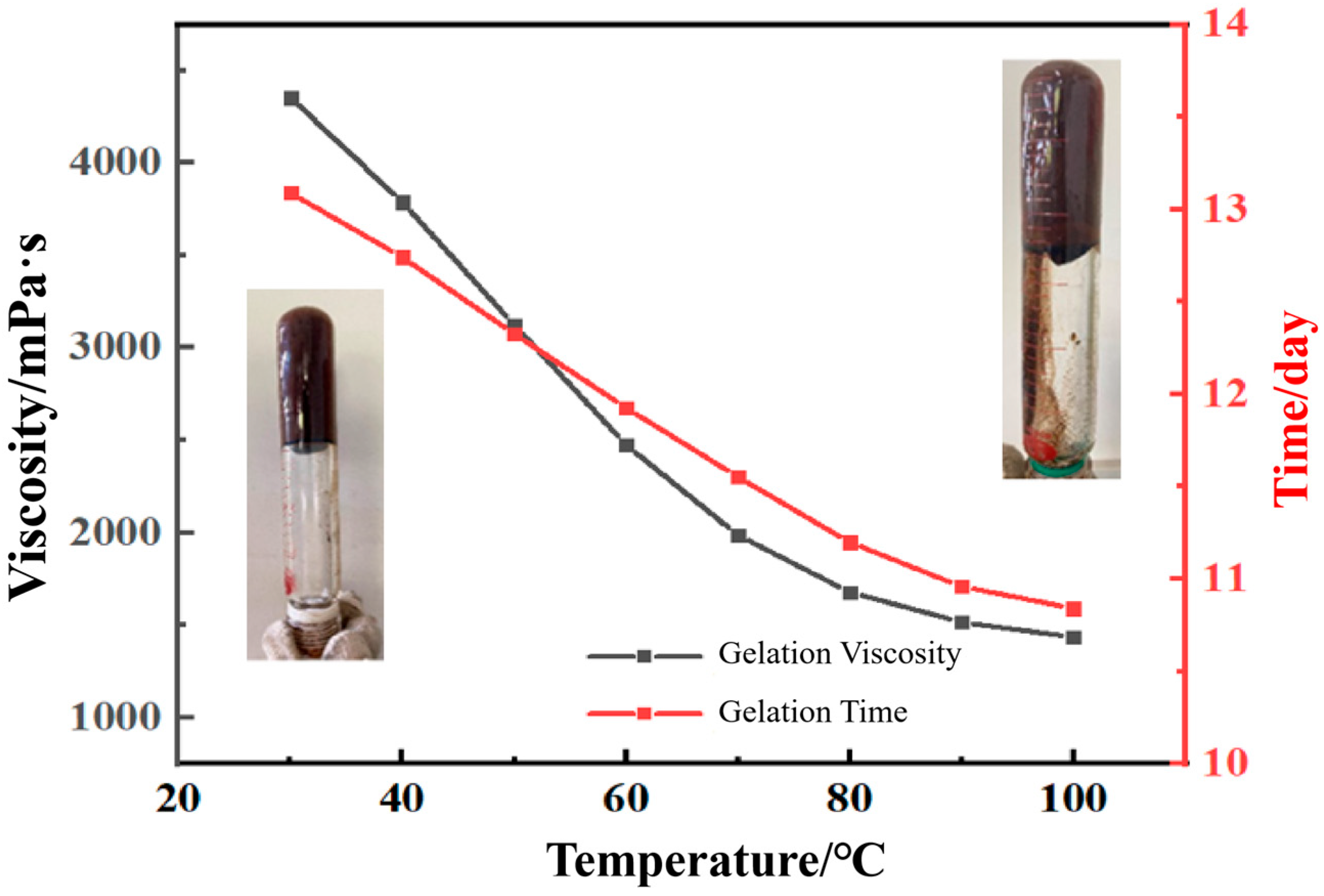
Temperature significantly influences both the gelation time and the final viscosity of weak gel systems, making it a critical parameter for evaluating their stability. Using the preparation method described above, gelant systems were placed in ovens set at different temperatures. At regular intervals, samples were retrieved to observe the gelation state and measure viscosity changes. The results, presented in Figure 8, show that the gelation time of the HPAM/PEI system gradually decreased with increasing temperature. This is primarily because higher temperatures intensify molecular motion, which accelerates the crosslinking reaction and thus shortens the gelation process. Consequently, the post-gelation viscosity of the system decreased as the reaction temperature rose. When the temperature increased from 30 °C to 100 °C, the viscosity dropped from approximately 4436 mPa·s to around 1324 mPa·s. This reduction is mainly attributed to the partial thermal degradation of the HPAM molecular chains at elevated temperatures. Notably, as seen in the inset of Figure 8, the gel prepared at 100 °C still achieved a strength code of F.
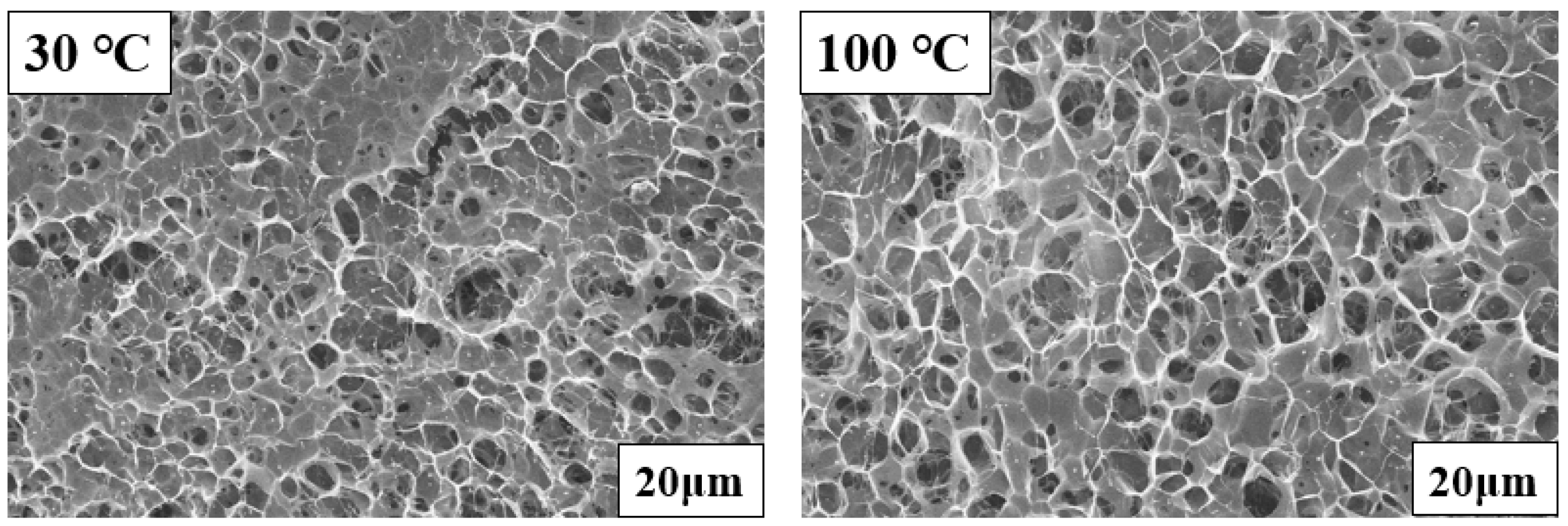
To further investigate the thermal tolerance of the HPAM/PEI system, the microstructures of gels formed at different temperatures were examined using SEM. As shown in Figure 9, dense network structures formed at both 30 °C and 100 °C, confirming successful gelation across this temperature range. Compared to the structure formed at 30 °C, the network of the gel formed at 100 °C was slightly less dense, yet it still corresponded to a gel strength code of G. These results demonstrate that the HPAM/PEI gel system possesses good thermal stability.

3.3. Viscosity Evolution and Gelation Mechanism

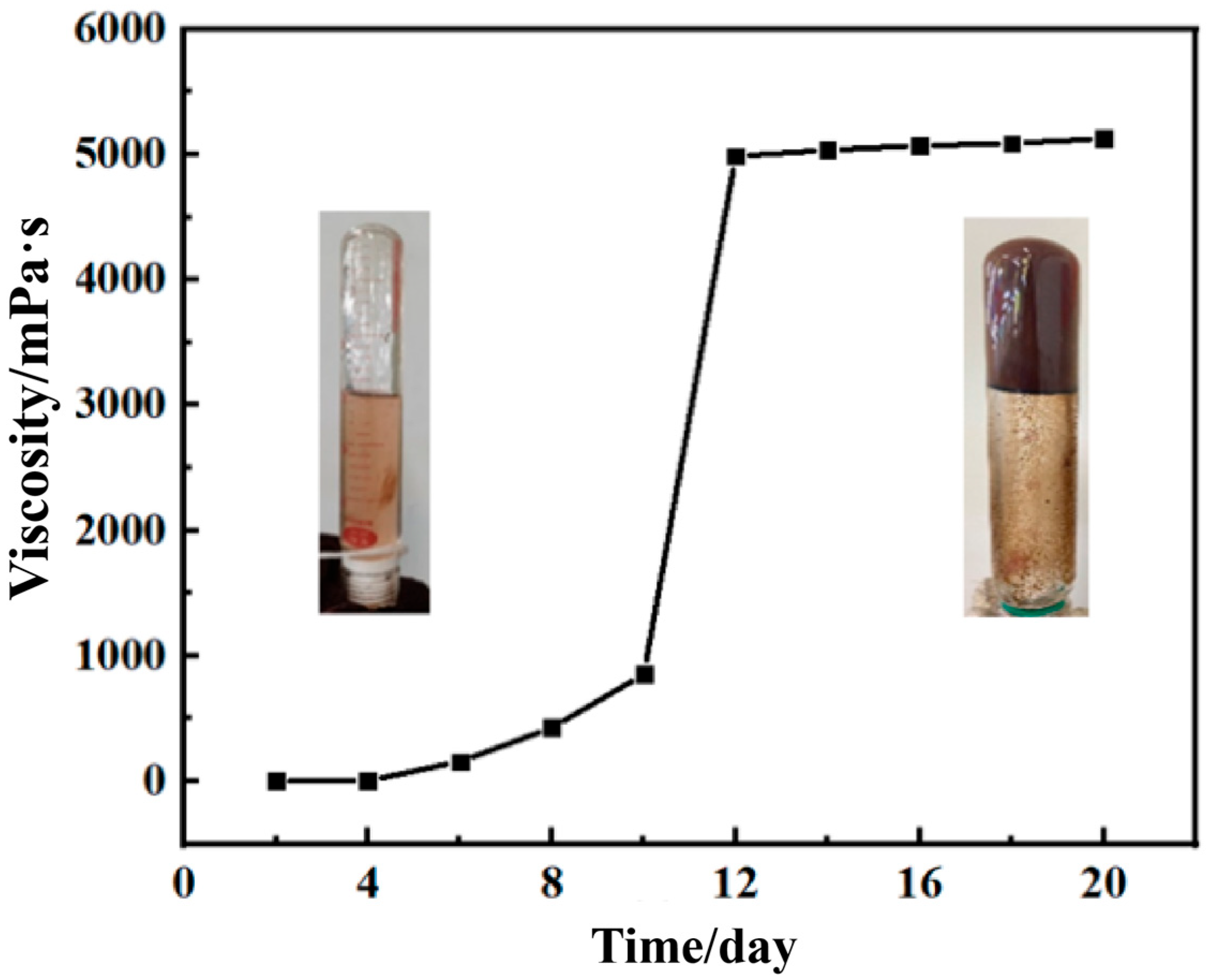
Based on the flow theory of polymer gel conformance control agents in heterogeneous reservoirs, the initial viscosity of the gelant is a key parameter for predicting whether it can reach the high-permeability zones. Therefore, it is essential to investigate the delayed gelation behavior of the HPAM/PEI system. The delayed gelation was evaluated by monitoring the viscosity of the HPAM/PEI system over time, as shown in Figure 10.
The viscosity of the HPAM/PEI system remained nearly constant initially and then increased rapidly. During the first 10 days, the system maintained a low viscosity with a Gel Strength Code of B. After 10 days, the viscosity increased sharply to approximately 5000 mPa·s, and the Gel Strength Code reached G, indicating excellent plugging capability. These results demonstrate the delayed gelation characteristic of the HPAM/PEI system.
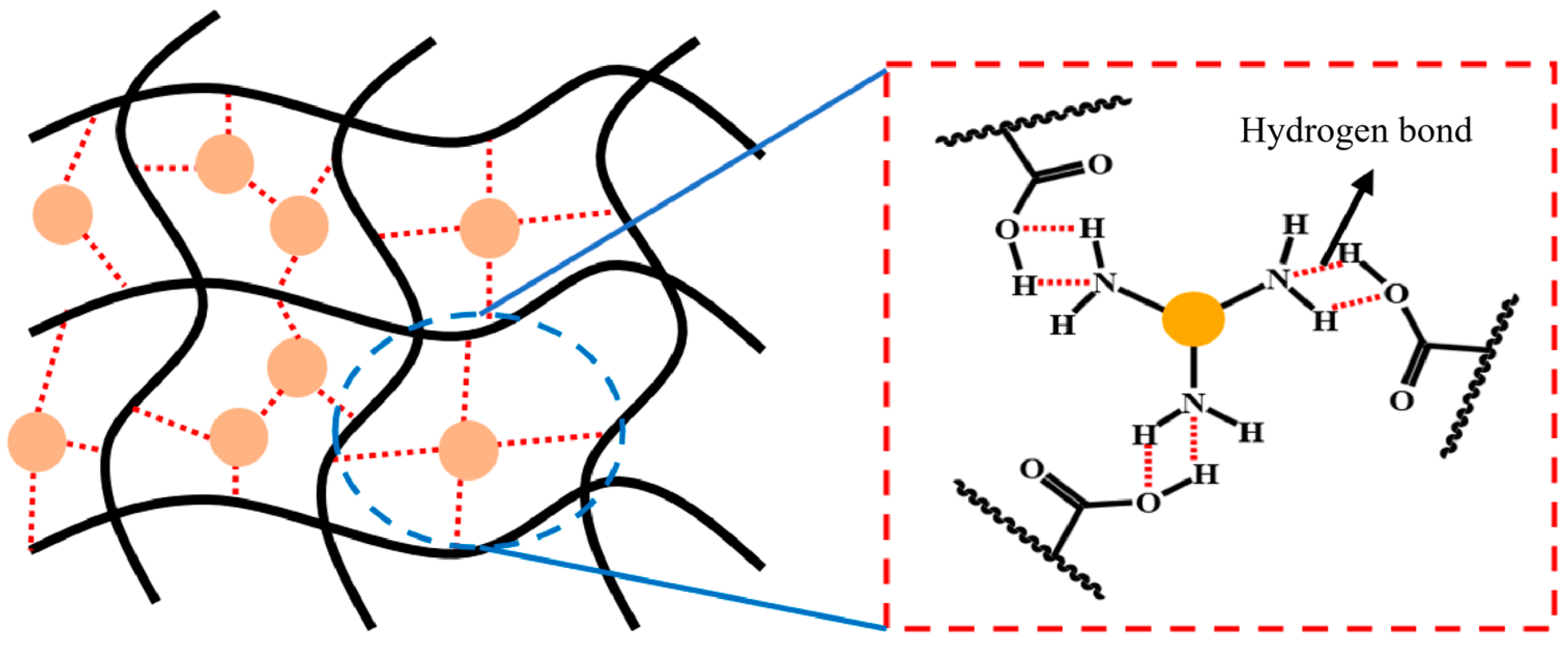
This behavior can be attributed a two-stage interaction mechanism between HPAM and PEI. In the initial stage, PEI primarily acts to confine the HPAM chains, forming hydrogen bonds with only a small number of carboxyl groups (-COOH). This interaction causes the HPAM molecular chains to coil, resulting in low system viscosity [15]. As more carboxylate groups on HPAM engage in covalent crosslinking with PEI over time, larger aggregates develop within the HPAM/PEI system (Figure 11). This structural development leads to the observed increase in viscosity and gel strength.

3.4. Sandpack Flooding Test

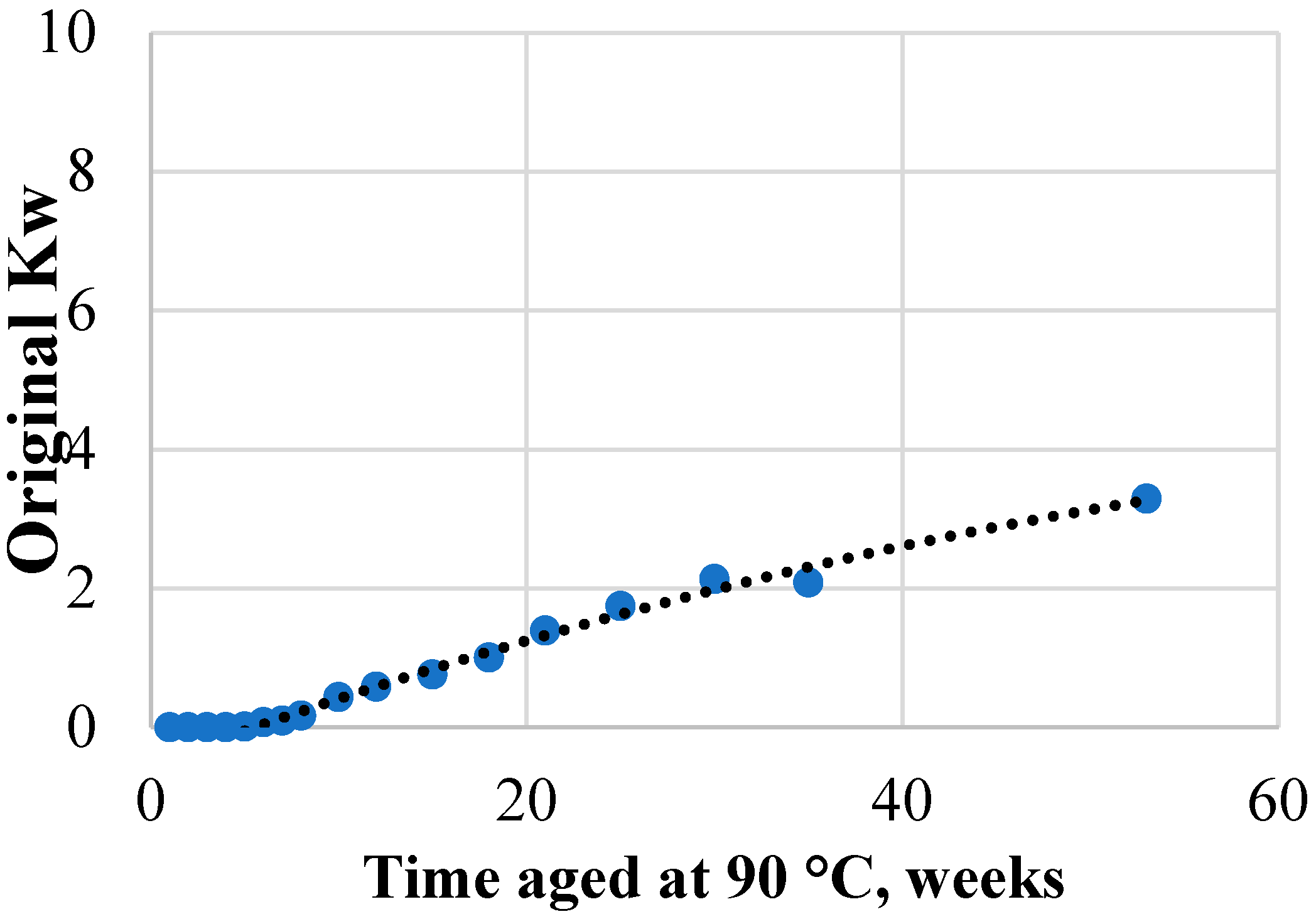
A sandpack flooding test was conducted to evaluate the plugging efficiency of the HPAM/PEI system, which was prepared using Brine #1. After injecting the gelant into the sandpack, the system was aged at 90 °C. The permeability was measured weekly for the first two months, and the measurement interval was gradually extended thereafter. The permeability measured at each time point was calculated as a percentage of the initial brine permeability of the sandpack. The variation in this percentage over the aging time is plotted in Figure 12.
During the first four weeks, no brine flow was observed under a constant differential pressure of 0.345 MPa. The brine permeability then showed a gradual increasing trend, rising from 0.01% in the fifth week to 3.3% after one year of gel injection. These results indicate that the HPAM/PEI system maintains good stability under high-temperature and high-salinity conditions.

3.5. Delayed Gelation of the HPAM/PEI System

A conformance control treatment was performed by injecting the gelant into a Bentheimer sandstone core with an initial brine permeability of 1.37 D and a porosity of 22.9%. At 25 °C, 3 pore volumes (PV) of the HPAM/PEI gelant were injected at a rate of 80 mL/min. Following injection, the core was shut in and aged at 90 °C.
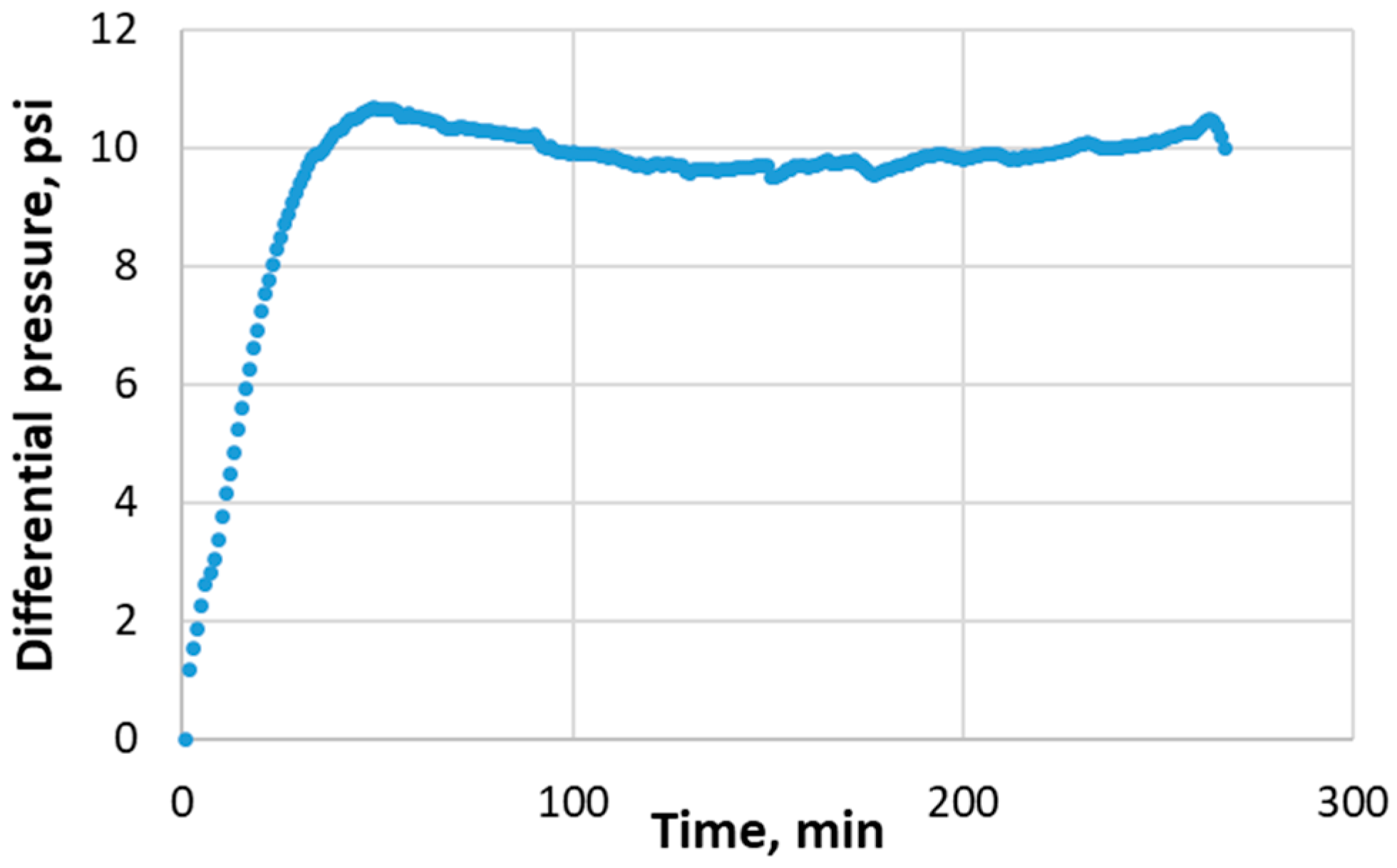
After one week of aging, simulated brine was injected into the core at a rate of 0.02 mL/min to measure the pressure drop, as shown in Figure 13. The stabilized average differential pressure was calculated to be 0.068 MPa. Based on this pressure drop, the spot permeability was determined to be 0.4 mD. Compared to the initial permeability, this represents a drastic reduction, with a permeability reduction rate exceeding 99.9%. After two weeks of aging, the spot permeability increased to 2.17 mD, yet the permeability reduction rate remained above 99%.
This effective plugging is attributed to the following mechanism. The injected HPAM and PEI propagate into the pore throats of the core. Under the 90 °C environment, they rapidly form a complex, interpenetrating multi-level network structure. This structure immobilizes water within the gel, creating a high-strength viscoelastic body that fills the pore spaces and micro-fractures. During subsequent water injection, the gel lodged within these channels significantly increases the flow resistance for the water phase, leading to a substantial decrease in aqueous permeability and achieving the goal of water zone isolation.

3.6. Retention of HPAM/PEI Components

However, the effectiveness of the HPAM/PEI system depends not only on its plugging ability but also on its retention behavior within the sandstone core. First, the HPAM/PEI system was filtered through a 5 µm filter paper. Subsequently, the final concentration of the filtrate was determined to be 1713.7 mg/L via TOC analysis. This filtered polymer solution (2 PV) was then injected into a Bentheimer sandstone outcrop core with a permeability of 1.37 D, a porosity of 22.9%, and a dry mass of 709.8 g.
Following polymer injection, an extensive brine flood was conducted, injecting a total volume of 10 PV. The polymer concentrations in the effluent are listed in Table 3. Calculations based on these data indicate an HPAM retention of 193 µg/g of rock, which is within the typical range observed for polymer flooding (Table 4). However, it is noteworthy that significant amounts of HPAM were still detected in the effluent even after 10 PV of brine flooding, suggesting that the actual retention within the core may be lower than the calculated value.

4. Conclusions

A polymer gel system was developed and comprehensively evaluated to address the challenges of excessive water production in high-temperature, high-salinity reservoirs. The following conclusions were drawn from the experimental study:
To address the complex downhole conditions in high-temperature, high-salinity reservoirs, a delayed-gelation polymer gel with thermal and salt tolerance was developed based on HPAM and PEI. The gel system formulated with 0.4 wt% HPAM and 0.2 wt% PEI achieved a gel with Gel Strength Code of G.
Viscosity measurements and visual gel strength tests revealed that the HPAM/PEI system maintained high viscosities of 4120 mPa·s at 100 °C and 1490 mPa·s at a salinity of 200,000 ppm, with both conditions corresponding to a Gel Strength Code of F. These results demonstrate the system’s excellent thermal and salt tolerance.
Sandpack and core flooding experiments confirmed that the gel can be formed in situ, providing effective and stable plugging over extended periods. The HPAM/PEI gel system shows strong potential for both near-wellbore water shut-off and deep conformance control in high-temperature, high-salinity reservoirs experiencing excessive water production. Further gelant systems for even higher temperature (>100 °C) and higher salinity (>250,000 mg/L) reservoirs are still under development and will be reported once we have solid experimental results.

Author Contributions

Conceptualization, D.W.; methodology, H.G.; investigation, C.X.; writing—review and editing, D.W., H.G. and C.X. All authors have read and agreed to the published version of the manuscript.

Funding

The authors thanks CNPC for the financial support of fund 2021DQ0412.

Data Availability Statement

The original contributions presented in this study are included in the article. Further inquiries can be directed to the corresponding author.

Conflicts of Interest

The authors declare no conflicts of interest.

Nomenclature

HPAMHydrolyzed polyacrylamide
PEIPolyethyleneimine
PHPAPartially hydrolyzed polyacrylamide
PVPore volume
TDSTotal dissolved substances
TOCTotal organic carbon
GSCGel Strength Code
SEMScanning electron microscope

References

  1. Fang, L.; Fu, M.L.; Li, X.D.; Wei, J.Y.; Chen, L.F. Study and performance evaluation of a gel system for high-temperature and high-salinity reservoirs. Petrochem. Technol. 2024, 53, 68–76. [Google Scholar]
  2. Lu, M.; Zhang, D.L.; Li, J.; Huang, Q.; Zu, Y.; Guo, H.; Zhou, N.; Niu, F.; Mohanty, K. A Novel Polymer Gel System for In-Depth Water Conformance in High Temperature and High Salinity Reservoirs. In SPE Improved Oil Recovery Conference; SPE: Bellingham, WA, USA, 2024. [Google Scholar] [CrossRef] [Scilit]
  3. Dong, M.T.; Zhang, K.W.; Liu, G.; Liao, R.; Li, Z.; Cheng, L. Preparation and performance evaluation of a temperature-resistant and salt-tolerant polymer microsphere gel system. Oilfield Chem. 2019, 36, 405–410. [Google Scholar]
  4. Liu, G.B.; Sun, M.Z. Development and performance evaluation of a high-temperature resistant gel system. Oilfield Chem. 2019, 36, 620–635. [Google Scholar]
  5. Zhao, D.Y.; Du, H.L.; Zhao, Y.Q.; Zhang, C.; Gao, N.; Li, S.; Lei, X. A temperature-resistant and salt-tolerant weak gel profile control system compatible with re-injected water. Oilfield Chem. 2022, 39, 276–280. [Google Scholar]
  6. Zhi, J.Q.; Liu, Y.K.; Chen, J.F.; Bo, L.; Qu, G.; Jiang, N.; He, W. Preparation and Performance Evaluation of a Temperature and Salt Resistant Hydrophobic Associative Weak Polymer Gel System. Molecules 2023, 28, 3125. [Google Scholar] [CrossRef] [Scilit] [PubMed]
  7. Song, T.; Feng, Q.; Schuman, T.; Cao, J.; Bai, B. A Novel Branched Polymer Gel System with Delayed Gelation Property for Conformance Control. SPE J. 2022, 27, 105–115. [Google Scholar] [CrossRef] [Scilit]
  8. Sun, X.; Bai, B.; Alhuraishawy, A.K.; Zhu, D. Understanding the Plugging Performance of HPAM-Cr (III) Polymer Gel for CO2 Conformance Control. SPE J. 2021, 26, 3109–3118. [Google Scholar] [CrossRef] [Scilit]
  9. Zuo, J.Q.; Guan, C.H.; Zhu, D.; Hu, X.; Ruan, Y.; Chen, L. Study on a temperature-resistant and salt-tolerant suspended barrier gel plugging agent. Contemp. Chem. Ind. 2019, 48, 449–452. [Google Scholar]
  10. Qiao, H.B.; Qiao, B.L.; Zhang, X.H. Laboratory study on improving the temperature and salt tolerance of phenolic resin/polymer flowing gel. Oilfield Chem. 2003, 20, 154–156. [Google Scholar]
  11. Liu, Y.Y.; Jiao, B.L.; Chen, D.; Du, J.; Guo, J. Preparation and temperature/salt resistance of a temporary plugging agent based on novolac resin crosslinked P(AM-co-AMPS). Oilfield Chem. 2018, 35, 426–431. [Google Scholar]
  12. Xu, B.; Zhang, H.M.; Bian, H. Delayed Crosslinking Amphiphilic Polymer Gel System with Adjustable Gelation Time Based on Competitive Inclusion Method. Polymers 2019, 11, 381. [Google Scholar] [CrossRef] [Scilit] [PubMed]
  13. Wu, Y.N.; Zhang, H.Q.; Zhang, H.; Huang, Y.; Zhao, M.; Dai, C. Development of Novel Delayed Swelling Polymer Gel Particles with Salt Resistance for Enhanced In-Depth Permeability Control. SPE J. 2024, 29, 2060–2075. [Google Scholar] [CrossRef] [Scilit]
  14. Brattekås, B.; Haugen, Å.; Graue, A.; Seright, R.S. Gel Dehydration by Spontaneous Imbibition of Brine From Aged Polymer Gel. SPE J. 2014, 14, 122–134. [Google Scholar] [CrossRef] [Scilit]
  15. Liao, Y.M.; Fu, M.L.; Yang, S.L. Research and application of a temperature-resistant and salt-tolerant gel water shutoff and profile control system. Spec. Oil Gas Reserv. 2019, 26, 158–162. [Google Scholar]
Figure 1. Chemical structural of (a) the polymer (HPAM) and (b) the crosslinker (PEI).
Processes 14 01396 g001
Figure 2. Strength evaluation using the Syndansk visual code method.
Processes 14 01396 g002
Figure 3. Strength evaluation using the Syndansk visual code method.
Processes 14 01396 g003
Figure 4. Schematic diagram of the core flooding experimental system.
Processes 14 01396 g004
Figure 5. (a) Gelation phenomenon after addition of 100-mesh silica sand; (b) Calcium carbonate particles before addition; (c) Gelation phenomenon after addition of calcium carbonate particles; (d) Dispersed calcium carbonate particles bonded together by the gel.
Processes 14 01396 g005
Figure 6. Viscosity variation in gel systems prepared with water of different salinities over time.
Processes 14 01396 g006
Figure 7. SEM images of gel systems prepared with water of different salinities.
Processes 14 01396 g007
Figure 8. Variation in gelation time and post-gelation viscosity of the HPAM/PEI system at different temperatures.
Processes 14 01396 g008
Figure 9. SEM images of the HPAM/PEI system after gelation at different temperatures.
Processes 14 01396 g009
Figure 10. Relationship between viscosity and time for the HPAM/PEI system.
Processes 14 01396 g010
Figure 11. Schematic diagram of crosslinking between HPAM and PEI.
Processes 14 01396 g011
Figure 12. Permeability reduction in the HPAM/PEI system during incubation at 90 °C.
Processes 14 01396 g012
Figure 13. Variation in brine injection pressure difference with time after high-temperature incubation.
Processes 14 01396 g013
Table 1. Strength evaluation criteria based on the visual code method.
Strength GradePhenomenological Description
ANo detectable gel formation: The sample viscosity is equivalent to that of a polymer solution with the same concentration but without crosslinker, though occasionally, some disconnected, highly viscous gel lumps may appear in the sample.
BHighly flowing gel: The gel viscosity is slightly higher than that of the same-concentration polymer solution without crosslinker.
CFlowing gel: When the sample bottle is inverted, most of the gel flows to the cap.
DModerately flowing gel: When the sample bottle is vertically inverted, only a small portion (about 10–15%) of the gel does not easily flow to the cap (often described as a long-tongued gel).
EBarely flowing gel: When the sample bottle is vertically inverted, the gel flows very slowly to the cap, or a significant portion (>15%) does not flow to the cap.
FHighly deformable non-flowing gel: When the sample bottle is vertically inverted, the gel does not flow to the cap.
GModerately deformable non-flowing gel: When the sample bottle is vertically inverted, the gel deforms downward to about the midpoint of the bottle.
HSlightly deformable non-flowing gel: When the sample bottle is vertically inverted, only the surface of the gel deforms slightly.
IRigid gel: When the sample bottle is vertically inverted, no deformation is observed on the gel surface.
Table 2. Optimization of the polymer gel system.
NumberPolymer (HPAM) Concentration/wt%Crosslinker (PEI) Concentration/wt%Gel StrengthCodeCode Gelation Time/day
10.20.05A32
20.20.1B24
30.20.2C18
40.30.05B27
50.30.1C23
60.30.2D15
70.40.05C25
80.40.1E20
90.40.2G12
100.50.05D24
110.50.1E18
120.50.2G10
Table 3. Preparation of different brine solutions.
Chemical NameChemical FormulaMass in 1.0 L Solution (g)
Brine #1Brine #2
Sodium ChlorideNaCl43.89186.15
Magnesium Chloride HexahydrateMgCl2•6H2O4.180
Calcium Chloride DihydrateCaCl2•2H2O5.5018.34
Table 4. Summary of effluent analysis from polymer flooding and water flooding (PF = Polymer Flooding, WF = Water Flooding).
Polymer (mg/L) Effluent Mass (g) Polymer Mass (µg)
PF 262.1 165.2 43,290
WF1 380.5 165.4 62,938
WF2 74.7 165.5 123,560
WF3 72.2 167.9 12,117
WF4 71.9 167.5 12,041
WF5 72.6 167.8 12,192
Total Collected 154,939
Total Injected 1713.7 70.4 291,965
Disclaimer/Publisher’s Note: The statements, opinions and data contained in all publications are solely those of the individual author(s) and contributor(s) and not of MDPI and/or the editor(s). MDPI and/or the editor(s) disclaim responsibility for any injury to people or property resulting from any ideas, methods, instructions or products referred to in the content.