


Abstract
Excessive sodium intake is a public health concern, although sodium chloride is technologically essential in comminuted meat systems due to its role in protein solubilization, water binding, and gel formation. This study evaluated the extent to which progressive sodium reduction combined with nutritional yeast supplementation preserves physicochemical stability, structural integrity, and sensory quality in cooked sausages. Four formulations were produced: a referent and three reduced-salt (NaCl) treatments (−15%, −25%, −35%) containing 2% nutritional yeast (1% in the referent). Water activity increased significantly with salt reduction (0.969–0.977; p < 0.05), accompanied by higher lightness (CIE L*) and yellowness (CIE b*), whereas instrumental redness (CIE a*) remained stable. Proximate composition was unaffected except for the expected decrease in ash and salt content (p < 0.05), while free glutamic acid increased significantly in reduced-salt treatments (0.67 vs. 0.87–0.91 g/kg; p < 0.05). Instrumental texture parameters indicated preserved cutting resistance, although repeated compression revealed reduced structural resilience at the 35% reduction level. Sensory evaluation showed that reductions up to 25% maintained overall typicality and balance, whereas 35% reduction decreased saltiness, slice coherence, aroma harmony, and texture typicality (p < 0.05). Principal component analysis confirmed a multivariate shift from a salt-stabilized structural domain to a softer, yeast-associated sensory domain at the highest reduction level. Moderate sodium reduction combined with nutritional yeast is therefore technologically and sensorially feasible in this product category.
1. Introduction
Excessive sodium intake remains a major global public health concern due to its well-established association with hypertension and cardiovascular diseases [1,2]. Current dietary patterns indicate that most sodium is derived from industrially processed foods rather than discretionary salt use [2,3], thereby placing reformulation responsibility on food manufacturers [4]. The public health relevance of sodium reduction is further supported by current intake data. According to the World Health Organization [5], the global mean adult salt intake is approximately 10.78 g/day, which is more than double the recommended maximum of 5 g/day. In Croatia, Marinović Glavić et al. [6] reported an average adult salt intake of 8.6 g/day based on 24 h urinary collection, confirming that national intake also remains above recommended levels. Most cooked sausages contain between 14 and 18 g of salt per kilogram of total weight [7], corresponding to about 0.7–0.9 g of salt per 50 g serving. This composition makes such products a relevant technological and nutritional target for sodium reduction strategies.
Within this context, meat products represent a particularly challenging category because sodium chloride (NaCl) performs multiple technological functions that extend beyond taste perception. This is markedly evident in comminuted meat systems, where salt is essential for myofibrillar protein solubilization, water-holding capacity, emulsion stability, and texture development [7,8,9]. Reducing NaCl content in such systems frequently results in deterioration of both physicochemical and sensory properties. Lower ionic strength weakens protein extraction and gel network formation, leading to increased cooking losses, softer texture, and diminished structural integrity [7,9]. These structural changes are typically accompanied by reduced saltiness perception and lower overall acceptability, particularly in sausage-type products [3,10,11]. In addition, saltiness perception under reduced-sodium conditions is influenced by aroma–taste interactions, further complicating reformulation strategies [12,13]. Together, these challenges highlight that sodium reduction in comminuted meat systems cannot be effectively achieved by removing salt alone.
Partial replacement of NaCl with potassium chloride (KCl) has been widely explored as a technological solution to sodium reduction. Although KCl can preserve certain functional properties, its application is frequently limited by bitterness and metallic off-flavors that negatively affect sensory acceptance [14,15]. Consequently, salt substitution alone is rarely sufficient to achieve meaningful sodium reduction without compromising consumer acceptance, highlighting the need for complementary sensory-based approaches.
In this context, umami taste has emerged as an effective sensory strategy to enhance perceived saltiness in sodium-reduced formulations. The perception of umami is primarily mediated by glutamate and specific taste receptor pathways, whose biochemical basis and physiological relevance have been extensively described in the literature [16,17]. Beyond its basic taste function, umami contributes to flavor enhancement through synergistic interactions that increase perceived intensity and mouthfulness, thereby influencing overall palatability [18]. In meat systems, glutamate-driven umami is considered technologically relevant because it reinforces savory character and supports sensory balance under reduced-sodium conditions [19]. Accordingly, recent reviews consistently identify umami-based strategies as one of the most promising approaches for sodium reduction in meat products [20,21].
Many technological applications of umami-based sodium reduction in meat products have focused on yeast extract as a concentrated flavor enhancer. Yeast extract is typically obtained through controlled autolysis, a process that releases and concentrates free amino acids and nucleotides responsible for pronounced umami intensity [22,23]. Owing to this composition, yeast extract has been shown to improve sensory acceptance in reduced-sodium meat systems, including fermented and cooked products [15,24,25]. In addition to enhancing savory perception, it can also mitigate bitterness associated with potassium chloride substitution, thereby supporting more balanced sensory profiles under salt-reduced conditions [15].
In contrast, nutritional yeast represents a whole-cell, thermally inactivated biomass most commonly derived from Saccharomyces cerevisiae, as described by Methven [26]. Unlike yeast extract, nutritional yeast retains cell wall components and dietary fiber, resulting in a composition characterized by approximately 50% protein and more than 20% dietary fiber, with a Protein Digestibility Corrected Amino Acid Score (PDCAAS) of 1 [26,27]. Although its free glutamate concentration is lower than that of yeast extract, nutritional yeast contains significant levels of glutamic and aspartic acids, which contribute to umami perception, as reported by Becker Onofre et al. [28]. In addition to flavor contribution, its fiber-rich matrix may enhance water-holding capacity and emulsion stability, potentially supporting texture preservation in reduced-sodium formulations [26].
Despite extensive evidence for yeast extract in sodium reduction, the functional potential of nutritional yeast in cooked sausages remains insufficiently explored. Cooked sausages, as defined by Feiner [7], rely heavily on salt-driven protein functionality and immediate post-processing sensory balance. Because reduced salt levels directly affect protein extraction and gel formation [9], integrating nutritional yeast as both a flavor-active and structurally contributive ingredient may offer a dual technological advantage. Therefore, the aim of this study was to evaluate whether progressive sodium reduction combined with nutritional yeast addition can preserve physicochemical properties, textural performance, and sensory quality in cooked sausages. The experimental design applied in this study incorporated two simultaneous formulation adjustments: progressive sodium chloride reduction and an increased level of nutritional yeast in the reduced-salt treatments. Accordingly, the observed responses represent the combined effects of these two factors rather than the isolated contribution of yeast addition alone.
2. Materials and Methods
2.1. Sausage Production and Treatments
Cooked sausages were produced from pork meat and fatty tissue, water, salts, functional ingredients, and selected seasonings, with formulations varying according to treatment, as shown in Table 1. Boneless pork was sourced from a commercial supplier, stored at 2.5 °C under chilled conditions, and processed within 24 h of delivery. Production began with trimming and cutting the meat into smaller pieces, followed by mincing through an 8 mm plate using an electrical mincing machine (TC-22 Elegant, Tre Spade, Facem, Forno Canavese, Italy). Ingredients and water were weighed according to the formulations and mixed in a 70 L horizontal meat mixer (VI-JA, Petrovče, Slovenia), filled into fibrous casings (FASER BAK 55 mm, Croma-Varaždin, Varaždin, Croatia) using a 25 L hydraulic filler (VI-JA, Petrovče, Slovenia), and cooked in a convection oven (Cheftop Mind. Maps ONE XEVC-0511, UNOX, Cadoneghe, Italy) at 76 °C and relative humidity 80% until the internal temperature reached 70 °C. It was then held for 10 min, cooled in ice water to 15 °C, and stored at 2 °C until analysis.
Table 1.
Sausage formulations of referent and experimental treatments.
Two independent batches of each treatment were prepared. Four treatments were produced: a referent treatment (REF) and three experimental treatments with reduced sodium chloride (NaCl) content by 15% (RED-15), 25% (RED-25), and 35% (RED-35). Total salt content was defined as the sum of added NaCl and commercial curing salt (containing 99.41% NaCl) incorporated in a 1:1 ratio. The targeted salt reductions were achieved exclusively by reducing the NaCl fraction, while the amount of curing salt was kept constant across treatments. This ensured identical nitrite input in all formulations and, consequently, comparable effects on cured color development, microbiological safety, and antioxidant protection [7]. In reduced-NaCl treatments, nutritional yeast was increased to 2% to support flavor intensity under NaCl reduction. Nutritional yeast was also included in the referent formulation at a baseline functional level (1%) to avoid a binary comparison between yeast-free and yeast-containing products that could cause a disproportionate sensory shift and confound treatment interpretation. Because the level of nutritional yeast differed between the referent and reduced-salt treatments (1% vs. 2%), the experimental design does not represent a factorial separation of salt reduction and yeast addition. Therefore, the results should be interpreted as the combined effect of sodium reduction and increased nutritional yeast inclusion. Also, to maintain a constant total formulation while increasing nutritional yeast to 2% in reduced-salt treatments, the proportion of pork shoulder was slightly adjusted, whereas all other ingredients remained unchanged.
2.2. Physical Analysis
Water activity (aw) was measured using a HygroPalm HP23-AW-A analyzer and an HC2-AW probe (Rotronic AG, Bassersdorf, Switzerland) after 120 min of equilibration at room temperature. Color (CIE L*, a*, b*) was measured using a Minolta Chroma Meter CR-410 (Konica Minolta, Tokyo, Japan) with D65 illuminant and 50 mm aperture. Measurements were taken immediately after slicing to minimize surface oxidation effects. For each batch, four sausage samples per treatment were analyzed, resulting in a total of eight measurements per treatment across the two production batches (n = 8). The measurement geometry corresponded to the standard configuration of the instrument (SCI mode), allowing for integration of reflected light from the sample surface. The large aperture diameter allowed nearly the entire sausage cross-section to be included in each measurement, thereby reducing the influence of local structural heterogeneity. Total color difference ΔE*ab was calculated as the Euclidean distance between samples in the CIE L*a*b* color space using the CIE76 formula [29].
2.3. Basic Chemical Composition
Sample preparation followed ISO 3100–1:1991 [30]. Water content was determined gravimetrically [31] in a drying oven (UF75 Plus, Memmert, Schwabach, Germany). Ash was determined after incineration at 550 °C [32] (LV9/11/P320, Nabertherm, Lilienthal, Germany). Protein was determined through the Kjeldahl method [33] using a digestion block (Unit 8 Basic, Foss, Hilleroed, Denmark) and a distillation unit (VAPODEST 50 s, Gerhardt, Königswinter, Germany). Fat was determined through Soxhlet extraction [34] using an automated Soxtherm 2000 (Gerhardt, Königswinter, Germany). All analyses were performed in triplicate. Carbohydrate content was calculated through subtraction of fat, protein, and ash content from the dry matter content. Results were expressed in g/100 g. Quality control was performed using the reference material TET003RM (Fapas, Sand Hutton, York, UK).
2.4. NaCl Determination
After acid digestion of approximately 0.2 g of the sample with 7 mL of 60% nitric acid and 1 mL of 30% hydrogen peroxide in a microwave oven (Ethos Easy, Milestone, Italy), the sausage samples were transferred to a 50 mL volumetric flask, filled to the mark with water, and further diluted depending on the salt content. Sodium chloride was determined using flame atomic absorption spectroscopy (AAS) (AA 24FS, SPS Autosampler, Agilent Technologies, Santa Clara, CA, USA). All analyses were performed in triplicate.
2.5. Glutamic Acid Determination
Glutamic acid was determined according to the manufacturer’s instructions (Enzytec™ Liquid L-Glutamic Acid, R-Biopharm, Darmstadt, Germany). The principle of the method is oxidative deamination of glutamic acid in the presence of NAD+ (nicotinamide adenine dinucleotide) to 2-oxoglutarate through the action of the enzyme glutamate dehydrogenase. Then, 10 g of sausage sample was extracted with 20 mL of water and incubated for 15 min in a water bath at 70 °C. One drop of concentrated sulfuric acid was added, and the warm suspension was transferred to a 100 mL volumetric flask and cooled to room temperature. After cooling, the solution was made up to volume with water and filtered, and the filtrate was used for spectrometric determination (HACH DR 6000, Hach Lange, Loveland, CO, USA) at 340 nm. All analyses were performed in triplicate.
2.6. Texture Analysis
Texture measurements were performed using a TA Plus texture analyzer (TA Plus, Lloyd Instruments, Fareham, UK) equipped with a 500 N load cell. The test conditions and experimental data were defined and analyzed using the Nexygen Plus 3 software package. Two complementary mechanical tests were conducted: a cutting test (shear test) and texture profile analysis (TPA).
The cutting test was performed on transverse cross-sections of the sausages using a rectangular metal frame equipped with a tensioned stainless-steel wire positioned at its lower edge. The test conditions were defined as follows: preload 0.01 N, extension rate 100 mm/min, and extension limit 50 mm. During the test, the software automatically calculated two parameters: work of cutting (defined as the total work done during the test) and maximum load (defined as the peak force reached during the test).
For TPA, cylindrical samples were prepared by using a sterile cork-borer. Prior to sampling, the cork borer was lubricated with paraffin oil to make it easier to cut out samples. The sausage cores were cut using a stretched-wire cutting device into cylindrical samples (diameter = 17 mm; height = 25 mm). These samples were wrapped in a plastic film, stored at 4 °C, and analyzed within the next 24 h. Samples were subjected to two compression–decompression cycles under a flat aluminium plate (70% strain, 50 mm/min crosshead speed, 5 s hold between cycles), and the following parameters were calculated: hardness 1 (as the peak force during the first compression cycle), adhesiveness (as the work done during the period between the end of the first compression cycle and the beginning of the second cycle), hardness 2 (as the peak force during the second compression cycle), cohesiveness (calculated as the ratio of the area under the second compression curve to that of the first compression curve), and springiness (defined as the distance recovered by the sample between the end of the first compression and the beginning of the second compression).
2.7. Sensory Analysis
Sensory analysis was performed in the Sensory Laboratory of the University of Zagreb’s Faculty of Agriculture, equipped according to ISO 8589:2007 [35] (room conditions: relative humidity 50–55%, temperature 20–22 °C, illumination 4000 K and 500 lux at working table level). All evaluations were conducted with Compusense software Version 25.0.21 (Compusense Inc., Guelph, ON, Canada) using digital ballots. Prior to the sensory analysis experiment, the study was approved by the Ethics Committee of the University of Zagreb’s Faculty of Agriculture on Sensory Analysis of Agri-food Products (Approval No. 114-01/25-05/01). Assessors signed informed consent prior to participation. All sensory evaluations were conducted under blind and randomized conditions. Samples were coded with three-digit random numbers and served in randomized order to avoid positional or expectation bias.
A modified quantitative descriptive analysis (QDA) was performed according to Meilgaard et al. [36]. For that purpose, nine trained assessors (four men, five women; age 35–52) with prior experience in meat product evaluation were prepared according to ISO 8586:2023 [37] and further trained according to Meilgaard et al. [36]. The panel training program was designed to ensure that assessors achieved a high level of sensitivity, discrimination ability, and reproducibility in descriptive sensory evaluation. The overall training process comprised approximately 24 h, conducted in two phases. In the first phase (terminology development, 8 h), assessors collectively identified and defined relevant appearance, odor, flavor, and texture attributes using consensus vocabulary through structured discussions using commercial reference products that represented the expected sensory range. This phase focused on establishing precise attribute definitions, reference standards, and evaluation procedures. The second phase (quantitative calibration and training, 16 h) was devoted to familiarizing assessors with the scaling method and refining their scoring consistency. Using structured 0–9 intensity scales anchored with defined reference points, panelists practiced evaluating known intensity levels across selected attributes. Progressive calibration sessions, involving both wide and subtle product differences, were held to train discrimination and repeatability skills. Each session concluded with group feedback and discussion to reinforce the use of terminology and scaling alignment.
Panel performance was monitored through repeatability (measure of intra-assessor variation between replicates as absolute differences between repeated samples), accuracy (measure of assessor’s performance against the panel median), and precision (measure of assessor’s ability to discriminate among samples). In total, five samples were evaluated in one session (one per treatment plus one replicate), and two sessions took place following a balanced block design. Attribute intensity was rated on a 0–9 categorical intensity scale. Samples were served at room temperature in sensory booths on white ceramic plates. For temperature stabilization, sausages were held at room temperature for 30 min before slicing. A 5 min break was provided between samples, and 30 min were allowed between sessions. Assessors used water, bread, and green apples as palate cleansers.
2.8. Statistical Analysis
All results are expressed as mean ± SD. For each batch, four sausage samples per treatment were analyzed for water activity, color measurements, and texture analysis (n = 8 across two batches), and three sausage samples per treatment were analyzed for basic chemical composition (n = 6). Data from both batches were statistically evaluated together. For sensory data, replication followed a panel design, with the number of assessors or repetitions indicated in the respective section. Statistical analyses were performed in SAS Studio Release 3.82 [38]. Prior to applying parametric tests, data were examined for normality (Shapiro–Wilk test) and homogeneity of variance (Levene’s test), confirming that the assumptions for ANOVA were met. Descriptive statistics were obtained with PROC MEANS. Color, aw, and texture traits were analyzed using PROC GLM with Tukey’s post hoc test (p = 0.05). Sensory data were analyzed with PROC MIXED (treatment fixed; assessor random) and Tukey’s post hoc test (p = 0.05). The PROC FACTOR procedure was used to perform a principal component analysis (PCA). The correlation matrix was selected to account for differing measurement units and to normalize variance across variables. Following extraction, Varimax rotation was applied to the principal components to enhance interpretability by maximizing the loading variance and promoting the formation of thematically distinct factor structures. PCA was performed using treatment means in order to visualize the overall relationships among treatments and measured variables. Given the limited number of observations relative to the number of variables, the PCA results should be interpreted primarily as an exploratory descriptive tool rather than as a strictly inferential statistical analysis. Heatmap calculations were performed in Microsoft Excel (Microsoft Corporation, Redmond, WA, USA) as percentage differences from the referent treatment. Data visualization was conducted using Python (Python Software Foundation, Wilmington, DE, USA, version 3.14.3) on custom scripts developed by the authors with the assistance of ChatGPT (OpenAI, San Francisco, CA, USA; version 5.2). PCA loading and score plots were prepared in Microsoft Excel (Microsoft Corporation, Redmond, WA, USA).
3. Results
3.1. Water Activity and Color Traits
NaCl reduction significantly influenced the physicochemical state of cooked sausages containing nutritional yeast, primarily through changes in water distribution and color characteristics, as shown in Table 2. Water activity increased progressively as NaCl content decreased, rising from 0.969 in REF to 0.977 in the RED-35 formulation (p < 0.05), while RED-15 and RED-25 showed intermediate, non-significant differences. These results indicate a gradual reduction in water immobilization capacity with decreasing ionic strength, with a clear threshold effect observed at the highest NaCl reduction level.
Table 2.
Water activity (aw), color parameters (CIE L*, a*, b*), and total color difference (CIE ∆E*ab) in sausages from referent and experimental treatments. Values are mean ± SD (n = 8).
Instrumental color analysis showed that the redness (CIE a*) remained stable across all treatments, with values ranging from 13.30 to 13.65 (p > 0.05), demonstrating that cured color development and stability were not impaired by NaCl reduction or nutritional yeast addition. In contrast, lightness (CIE L*) increased significantly with NaCl reduction (p < 0.05), from 58.84 in REF to 60.53 in RED-35. A similar trend was observed for yellowness (CIE b*), which increased from 6.95 in REF to 7.71 in RED-35 (p < 0.05). Hue angle (CIE H*) decreased significantly from 62.67 to 59.87 (p < 0.05) with increasing NaCl reduction, indicating a systematic shift in color tone, while chroma (CIE C*) remained unchanged across treatments (p > 0.05). Overall color differences (CIE ∆E*ab) relative to the REF remained lower than 1.80, indicating minimal color change. These results indicate that NaCl reduction primarily affects water-related properties and color tone while preserving overall color intensity and cured color stability.
3.2. Basic Chemical Composition and Glutamic Acid Content
The chemical composition (Table 3) of cooked sausages was mainly unaffected by NaCl reduction and nutritional yeast addition. Water content ranged from 61.02 to 62.77 g/100 g, fat content from 13.03 to 13.83 g/100 g, protein content from 18.10 to 18.62 g/100 g, and carbohydrate content from 1.53 to 1.77 g/100 g, with no statistically significant differences among treatments (p > 0.05).
Table 3.
Basic chemical composition and glutamic acid content of sausages from referent and experimental treatments. Values are mean ± SD (n = 6).
In contrast, ash content decreased significantly with salt reduction (p < 0.05), from 2.87 g/100 g in REF to 2.27 g/100 g in RED-35, reflecting the reduced mineral contribution of NaCl. Measured NaCl content followed the intended formulation design, decreasing progressively from 1.85 g/100 g in REF to 1.31 g/100 g in RED-35 (p < 0.05).
Free glutamic acid content increased significantly in all reduced-NaCl treatments compared with the REF (p < 0.05), rising from 0.67 g/kg in REF to values between 0.87 and 0.91 g/kg in nutritional-yeast-containing formulations. No significant differences were observed between RED-15, RED-25, and RED-35 (p > 0.05). This confirms that nutritional yeast addition consistently enhanced the pool of free umami-active compounds, independent of the degree of NaCl reduction.
3.3. Texture Properties
Textural parameters of sausages from the referent and reduced-NaCl treatments are presented in Table 4. Cutting-related parameters, including load at maximum load and work of cutting, did not differ significantly among treatments (p > 0.05). Load at maximum load ranged from 24.90 N (REF) to 29.04 N (RED-15), while work of cutting varied between 787.70 Nmm (REF) and 904.94 Nmm (RED-15). These results indicate that NaCl reduction combined with yeast supplementation did not significantly affect the resistance of sausages to blade penetration.
Table 4.
Textural traits of sausages from referent and experimental treatments. Values are mean ± SD (n = 8).
Hardness 1 showed a decreasing numerical trend with increasing NaCl reduction, from 21.47 N in REF to 17.98 N in RED-35; however, differences were not statistically significant (p > 0.05), indicating comparable initial compression resistance across treatments.
In contrast, significant differences were observed for adhesiveness and hardness 2 (p < 0.05). Adhesiveness values differed among treatments, with REF (−0.015 Nmm) showing significantly higher absolute adhesiveness compared with RED-15 (−0.006 Nmm), while RED-25 (−0.008 Nmm) and RED-35 (−0.010 Nmm) did not differ significantly from either group. This suggests a reduction in stickiness following NaCl reduction, particularly at moderate reduction levels.
Hardness 2, representing resistance during the second compression cycle, showed significant variation among treatments. REF (17.65 N) and RED-25 (16.21 N) did not differ significantly from each other and exhibited the highest values. RED-15 showed a significantly lower hardness 2 value (11.39 N; p < 0.05) compared to REF and RED-25, while RED-35 (14.45 N) displayed intermediate behavior, not differing significantly from either REF/RED-25 or RED-15. These results indicate that moderate salt reduction (RED-15) was associated with reduced structural resistance upon repeated compression, whereas higher reductions did not produce a linear decline in this parameter.
Cohesiveness (0.16–0.23) and springiness (1.33–1.60 mm) did not differ significantly among treatments (p > 0.05), suggesting that the internal structural integrity and elastic recovery of the sausage matrix were largely preserved despite salt reduction.
3.4. Sensory Profile
Sensory evaluation revealed clear differences among treatments, particularly at the highest salt reduction level, as shown in Table 5. The slice red color intensity decreased significantly in RED-35 (5.00) compared with REF (5.83; p < 0.05), while no significant differences were observed for slice brown color intensity (p > 0.05). Slice coherence was significantly lower in RED-35 (4.92) than in REF (6.25; p < 0.05), indicating reduced perceived structural integrity.
Table 5.
Quantitative descriptive analysis (QDA) of sausages from referent and experimental treatments. Values are mean ± SD (n = 9).
Texture-related sensory attributes showed pronounced changes with NaCl reduction. Tenderness increased from 6.58 in the REF to 7.50 in RED-35 (p < 0.05), crumbliness increased from 6.92 to 7.83 (p < 0.05), and juiciness increased from 6.83 to 7.42 (p < 0.05). These changes were accompanied by a significant decrease in overall texture typicality, from 8.12 in the REF to 7.38 in RED-35 (p < 0.05).
Perceived saltiness decreased progressively with NaCl reduction, with a statistically significant difference observed between REF (5.08) and RED-35 (4.00; p < 0.05). Taste typicality was significantly lower in RED-35 (7.67) than in REF (8.33; p < 0.05), whereas no significant differences were detected between REF, RED-15, and RED-25 (p > 0.05). Yeast aroma intensity increased markedly with NaCl reduction, from 1.33 in REF to 3.67 in RED-35 (p < 0.05), and this increase was accompanied by a significant decrease in aroma harmony, from 8.25 to 7.25 (p < 0.05).
Figure 1 presents the sensory differences of experimental treatments (RED) relative to the referent treatment (REF), expressed as percentage differences in mean QDA scores. Positive values indicate higher and negative values lower attribute intensity compared with REF.
Figure 1.
Heatmap showing differences in mean QDA scores of experimental treatments (RED) of cooked sausages relative to the referent sample (REF) expressed in percentage. REF: referent treatment supplemented with 1% nutritional yeast; RED-15: treatment with 15% reduced NaCl content supplemented with 2% nutritional yeast; RED-25: treatment with 25% reduced NaCl content supplemented with 2% nutritional yeast; RED-35: treatment with 35% reduced NaCl content supplemented with 2% nutritional yeast. Positive values (yellow) indicate higher intensity compared with REF; negative values (brown) indicate lower intensity. Color scale is centered at zero (white).
With increasing NaCl reduction, slice red color intensity progressively decreased (up to −9.2%), whereas slice brown color intensity increased, reaching about +5.6% in RED-35. Slice coherence showed the most pronounced negative deviation among appearance attributes, particularly in RED-35 (−14.8%), indicating reduced structural integrity. Odor attributes were notably influenced by nutritional yeast addition. Yeast odor increased progressively (up to +13%), while yeast aroma exhibited the largest positive deviations across all attributes, being +26% at the highest reduction level. In contrast, off-odors remained close to the referent (<3.7%), and odor typicality showed only minor relative changes.
Texture-related attributes displayed systematic positive deviations with NaCl reduction. Tenderness, crumbliness, and juiciness increased moderately (up to +10.2%), whereas texture typicality decreased progressively (up to −8.2% in RED-35), indicating a gradual shift away from the referent sensory profile. Taste attributes reflected the reduced sodium content. Perceived saltiness declined consistently (up to −12%), accompanied by a moderate decrease in taste typicality (−4.6 to −7.3% in RED-35). Sweetness and sourness showed small positive percentage deviations, being highest in the RED-35 treatment, while umami remained close to the referent level or slightly decreased at the highest NaCl reduction (−4.6%). Aroma harmony decreased with increasing NaCl reduction (up to −11.1% in RED-35), whereas aroma persistence and off-flavors showed only minor percentage deviations from the referent treatment.
These results indicate that moderate NaCl reduction with additional nutritional yeast content did not compromise overall sensory profile, whereas extensive NaCl reduction led to a perceptible shift in visual and texture attributes, taste balance, and product typicality.
3.5. Principal Component Analysis
The first two principal components (Figure 2) explained 81.86% of the total variability, with Principal Component 1 (PC1) accounting for 58.46% and Principal Component 2 (PC2) for 23.40%.
Figure 2.
Loading plot of physicochemical and sensory variables in the PCA space defined by first two principal components (PC1 and PC2).
PC1 separated variables related to salt perception, structural attributes, and typicality from those associated with yeast-related sensory characteristics and softer texture parameters. On the positive side of PC1, salty perception, umami, springiness, hardness 1, aroma harmony, and taste and texture typicality were grouped together. Ash and salt content were positioned in the same region, along with CIE H*. On the negative side of PC1, yeast aroma, yeast odor, sweetness, crumbliness, tenderness, juiciness, CIE b*, and aw were located there.
PC2 primarily differentiated variables associated with aroma persistence, slice appearance typicality, and cohesiveness, which exhibited positive loadings. In contrast, odor typicality, spice odor, and hardness 2 were positioned on the negative side of PC2.
Figure 3 presents the PCA score plot illustrating the distribution and trajectory of treatments across the multivariate space. PC1, representing the horizontal gradient, separated the structural–salt–typicality domain from yeast-related and softness-associated characteristics. PC2, representing the vertical gradient, described an independent differentiation primarily associated with appearance typicality and aroma persistence, in contrast to odor typicality and spice odor defining the lower region of PC2. Within this multivariate framework, the positioning of treatments revealed a directional progression from REF to RED-15, RED-25, and RED-35 along the two principal components.
Figure 3.
Score plot and trajectory of treatments in the PCA space defined by the first two principal components (PC1 and PC2). REF: referent treatment supplemented with 1% nutritional yeast; RED-15: treatment with 15% reduced NaCl content supplemented with 2% nutritional yeast; RED-25: treatment with 25% reduced NaCl content supplemented with 2% nutritional yeast; RED-35: treatment with 35% reduced NaCl content supplemented with 2% nutritional yeast.
REF was positioned in the positive region of PC1 and the negative region of PC2, being positioned toward the structural–salt–typicality domain, indicating alignment with attributes related to texture firmness, salt perception, and product typicality. RED-15 shifted away from this structural–salt domain and toward the region characterized by appearance typicality and aroma persistence, which defined the upper extent of PC2. This indicates a relative repositioning from the structural dimension toward the appearance–persistence gradient. RED-25 occupied an intermediate location. It remained associated with the appearance–persistence domain of PC2 but was closer to the center of PC1, reflecting a reduced association with the structural–salt–typicality attributes compared with REF. RED-35 was positioned toward the yeast–softness domain of PC1 and within the lower region of PC2, which was defined by odor-related attributes. This placement indicates spatial separation from REF along both principal gradients. Overall, the sequence REF –> RED-15 –> RED-25 –> RED-35 demonstrates a progressive redistribution across the PCA space from the structural–salt–typicality domain toward the yeast–softness and odor-related domains, with an intermediate shift toward the appearance–persistence dimension.
4. Discussion
4.1. Water Activity and Color Traits
The present results demonstrate that the applied reformulation strategy combined progressive salt reduction together with increased nutritional yeast addition. Because both modifications were implemented simultaneously, the individual contribution of each factor cannot be fully separated, and the observed responses should therefore be interpreted as their integrated effect. Within the physicochemical domain, this combined strategy influenced water distribution and color tone in cooked sausages while preserving instrumental redness and overall cured color intensity. The observed increase in water activity from 0.969 (REF) to 0.977 (RED-35) suggests that lowering NaCl may reduce ionic strength and weaken myofibrillar protein solubilization, thereby decreasing the matrix’s water immobilization capacity. This corresponds with Desmond [8] and Feiner [7], who describe NaCl as a key regulator of protein extraction and swelling in comminuted systems, while Wang et al. [9] demonstrate that ionic strength governs gel network formation and water distribution. As salt concentration declines, reduced electrostatic repulsion and protein swelling limit protein–water interactions, increasing the fraction of thermodynamically available water [39]. When NaCl approaches or falls below the critical threshold of approximately 0.3 M, these structural effects become more pronounced, explaining the progressive rise in aw observed here. The marked aw increase at 35% reduction suggests that the structural buffering capacity of the protein–phosphate system was approached, consistent with reports of incomplete ionic compensation in reduced-sodium emulsified meats [3,40]. From a product safety perspective, the observed water activity values (0.969–0.977) remain within the typical range reported for cooked emulsified meat products, which generally exhibit aw values above 0.96. At this level of water availability, most pathogenic and spoilage microorganisms are not inhibited by aw alone, and microbial stability therefore depends on the combined effects of multiple preservation hurdles, including heat treatment, curing agents, refrigeration, and packaging conditions. In cured meat systems, nitrite plays an important complementary role by inhibiting the growth of certain pathogens, particularly Clostridium botulinum, and by contributing to the overall preservation system, together with sodium chloride and low storage temperature [3,7,8,9]. However, the increase in water activity to 0.977 observed in the RED-35 treatment may weaken the microbial hurdle effect normally provided by sodium chloride in cooked sausage systems. Although microbiological challenge testing was outside of the scope of the present study, elevated aw in reduced-salt formulations may therefore increase susceptibility to microbial growth and potentially influence shelf-life stability if other preservation factors are not adequately controlled.
However, the observed increase in water activity should be interpreted with caution. Water activity does not represent a direct measure of water-holding capacity in heat-set meat gels, as aw reflects the thermodynamic availability of water [7] rather than its physical retention within the protein matrix. Technological water retention is more directly evaluated through cooking loss measurements, which were not determined in the present study. Therefore, the interpretation of protein–water interactions is based on indirect evidence from water activity and texture-related behavior.
The inclusion of nutritional yeast at 2% in reduced-salt treatments likely contributed to partial structural compensation. Nutritional yeast contains substantial levels of dietary fiber and β-glucans, which can function as hydrocolloid-like binders [41], enhancing water-holding capacity and stabilizing emulsified systems [27]. However, it is important to distinguish between water-holding capacity and water activity: while fiber-rich matrices improve physical water retention within the gel network, aw is primarily governed by solute concentration and ionic strength [7,9]. Consequently, improved structural water retention does not necessarily translate into a measurable decrease in water activity. Results of this study therefore indicate that yeast addition did not directly counteract the thermodynamic increase in aw caused by salt reduction. It should also be noted that reduced-salt formulations contained a higher yeast level (2%) than the referent treatment (1%), which may have amplified these compensatory structural effects.
From a color stability perspective, the absence of significant differences in instrumental redness (CIE a*) across treatments indicates that progressive salt reduction did not impair cured pigment formation in the cooked sausages. In heat-treated comminuted systems, redness is primarily determined by the formation and thermal stability of nitrosomyoglobin-derived pigments, which depend on nitrite availability and reducing conditions rather than directly on NaCl concentration [7]. Although NaCl facilitates myofibrillar protein extraction and indirectly influences matrix structure, its role in cured pigment formation is secondary [8]. Similar findings have been reported in reduced-sodium emulsified meat systems, where moderate NaCl reduction did not significantly affect CIE a* values when curing systems were properly optimized [9,13,40]. The stable CIE a* values observed here therefore confirm that nitric oxide–heme complex formation and thermal pigment fixation remained intact despite decreasing ionic strength.
In contrast, significant increases in lightness (CIE L*) and yellowness (CIE b*) were detected across reduced-salt formulations, reflecting the combined effects of decreased NaCl levels and the greater inclusion of nutritional yeast. Paler color in salt-reduced comminuted meats was previously reported by Tobin et al. [42], and this is commonly associated with modifications in gel microstructure and water distribution. Reduced ionic strength limits myofibrillar protein solubilization and can alter the density and continuity of the protein network, leading to increased light scattering and higher reflectance [3,8,9].
The rise in CIE b* values may be attributed to both structural optical effects and the intrinsic color contribution of nutritional yeast. Yeast-derived ingredients contain naturally pigmented cell wall components, including mannoproteins and β-glucans [41], as well as thermally generated compounds that can impart slight yellow tones to emulsified matrices [27,43]. Studies on emulsified sausages formulated with yeast proteins or yeast mannoproteins have reported similar increases in yellowness and minor shifts in hue without compromising redness [43]. Such changes are typically linked to compositional effects rather than oxidative browning. It should be noted that the relatively small numerical differences observed among CIE b* values also reflect the low variability of color measurements. Color was measured using a 50 mm aperture, which covered nearly the entire cross-section of the sausage slice during each measurement. This large measurement area reduces the influence of local structural heterogeneity and results in more uniform color readings across samples.
Importantly, the greatest total color difference observed was CIE ΔE*ab = 1.80, which is below the commonly cited Just Noticeable Difference (JND) threshold of approximately 2.3 for CIE76 color space under controlled viewing conditions [44]. This indicates that instrumental color differences between referent and experimental sausages remained below the level typically considered perceptible to the human eye. Although ΔE*ab values remained below commonly cited perceptibility thresholds, recent methodological analyses [45] emphasize that JND values should be interpreted cautiously in complex food matrices, as perceptibility depends on viewing conditions, surface characteristics, and the color difference formula applied. In the present study, the stability of chroma (CIE C*) and the modest reduction in hue angle (CIE H*) further support that color modifications were subtle and primarily optical rather than indicative of pigment degradation.
4.2. Basic Chemical Composition and Glutamic Acid Content
Proximate composition remained stable across treatments, indicating that sodium reduction primarily altered mineral content rather than the overall macronutrient profile of the sausages. Water, protein, fat, and calculated carbohydrate contents did not differ significantly, confirming that the reformulation strategy did not dilute or unintentionally modify the basic nutritional structure of the product. Desmond [8] and Feiner [7] note that moderate NaCl reduction does not inherently affect proximate composition when formulation ratios are maintained, which is consistent with the present findings. However, it should also be acknowledged that pork shoulder proportion was slightly adjusted across formulations to accommodate the increased nutritional yeast addition in the reduced-salt treatments, resulting in minor variation in protein input between treatments. Although proximate composition remained statistically unchanged, this formulation adjustment should be considered when interpreting treatment-related differences. As expected, ash content decreased proportionally with sodium reduction, reflecting the lower mineral contribution of NaCl. As Horita et al. [14] and Inguglia et al. [3] demonstrate, NaCl represents a major contributor to the ash fraction in emulsified sausages; therefore, its reduction directly translates into lower total mineral content. The measured salt gradient across treatments confirms accurate implementation of the sodium reduction strategy.
A significant increase in free glutamic acid was observed in reduced-salt treatments, which contained 2% nutritional yeast compared with 1% in the referent formulation. The consistent glutamate levels among salt-reduced treatments confirm that the increase was formulation-driven and directly related to yeast inclusion rather than influenced by salt concentration. Similar reports were given by Ma et al. [26] and Methven [26], who describe yeast biomass as a rich source of glutamic acid and other flavor-active amino acids, while Tomé [22] explains that processing conditions facilitate intracellular amino acid release. Although glutamate primarily contributes to flavor perception [16,17,19], its enrichment here represents a targeted compositional adjustment rather than a structural modification of the meat matrix. Importantly, yeast inclusion at 2% did not significantly alter the macronutrient balance of the product, confirming that sodium reduction was achieved without compromising nutritional stability.
4.3. Texture Properties
Salt reduction selectively influenced textural properties of cooked sausages, primarily affecting parameters related to structural resilience rather than overall mechanical integrity. Cutting-related parameters (maximum load and work of cutting) remained unchanged, indicating preserved macroscopic resistance of the heat-induced protein–fat matrix. Despite the observed increase in water activity with decreasing NaCl (Section 4.1), matrix continuity at the shear scale was maintained, suggesting that the protein–phosphate system retained sufficient functionality for structural cohesion [7,8].
A decrease in hardness 1 with salt reduction may be explained by reduced ionic strength, which limits myofibrillar protein solubilization and gel network density [9]. However, the absence of statistical differences indicates that salt levels did not fall below the functional threshold required for primary gel formation. Stable moisture and protein contents (Table 3) confirm that structural changes were driven by ionic modifications rather than compositional dilution. However, given the limited number of instrumental replicates (n = 8), the statistical power to detect moderate differences may have been limited, and the possibility of a Type II error cannot be excluded. On the other hand, adhesiveness decreased significantly under moderate salt reduction, supporting reduced surface availability of salt-soluble proteins. As NaCl enhances myosin extraction and surface binding [8], its reduction lowers stickiness. Although nutritional yeast contributes fiber and intracellular solids [26], it appears that these components cannot replace the functional role of salt-soluble myofibrillar proteins in interfacial binding.
Hardness 2 was the most sensitive parameter, indicating altered structural resilience after initial deformation. The reduced value at 15% salt reduction suggests weaker post-compression stability of the protein matrix compared with the referent treatment. However, the non-monotonic pattern observed at higher reduction levels indicates that this parameter should be interpreted cautiously, as it may reflect measurement variability or batch-related differences rather than a specific structural adaptation mechanism. Nevertheless, the overall physicochemical context suggests that ionic strength remains an important factor influencing structural behavior. The observed increase in water activity together with the decrease in ash content is consistent with the expected reduction in ionic strength within the system. Although additional yeast solids, including protein fractions and glutamic acid, may contribute to the matrix as inert fillers within the gel network [26,27], their presence is unlikely to fully compensate for the functional role of NaCl in promoting myofibrillar protein extraction and gel stability. Cohesiveness and springiness were unaffected, indicating preserved proportional integrity and elastic recovery of the protein network. This stability aligns with PCA positioning, where hardness 1 and springiness clustered with salt and ash content within the structural–typicality domain. Instrumental texture results were in agreement with sensory outcomes, where the pronounced tenderness, crumbliness, and juiciness at the highest salt reduction level suggest diminished protein network strength and increased mobility of unbound water [8,9]. Thus, extensive reduction (35%) resulted in a perceptible shift in structural behavior, whereas reductions up to 25% were technologically accommodated without major instrumental deterioration. Overall, it can be noted that textural changes were primarily governed by ionic strength reduction rather than by macronutrient alterations, and nutritional yeast only partially compensated for the structural functionality of NaCl.
4.4. Sensory Profile
Quantitative descriptive analysis (QDA) showed that sensory changes depended strongly on the extent of salt reduction. Consistent with the deviation pattern visualized in the heatmap (Figure 1), moderate reductions caused only limited departures from the referent profile, whereas the highest reduction produced a coordinated shift across appearance-, texture-, and flavor-balance-related descriptors (Table 5).
Appearance attributes were comparatively unchanged under moderate salt reduction, but clear differences emerged at the highest reduction level (RED-35). The progressive decrease of red slice color intensity with higher salt reduction culminated in a significant difference (p < 0.05) at the highest salt reduction level (RED-35). This suggests that NaCl affected the physicochemical environment that supports color expression in cooked comminuted matrices and nutritional yeast addition (2% in RED treatments vs. 1% in REF) did not slow down or prevent this change. It is known that salt increases ionic strength and promotes solubilization of myofibrillar proteins, enabling the formation of a more continuous gel network [7,8,9,46]. Under reduced ionic strength conditions, myofibrillar protein solubilization is weaker, leading to increased light scattering and higher reflectance [3,8,9], thereby reducing perceived redness. This interpretation is consistent with the established mechanisms of myofibrillar protein gelation and salt-driven functionality in muscle foods [47]. Notably, broader reduced-salt evidence across different meat products indicates that sensory and physicochemical quality traits may change differently with sodium reduction, with appearance-related effects depending on product type and reduction magnitude [11]. Within this research, slice brown color intensity remained unaffected, indicating that reformulation did not introduce browning-related visual cues but selectively affected redness and structural appearance.
This result is not fully aligned with the instrumental color measurement presented in Table 2, where significant differences were established for lightness (CIE L*) and yellowness (CIE b*) but not for redness (CIE a*), suggesting that instrumental and sensory measurements capture different dimensions of color expression. In comminuted systems, salt-driven myofibrillar protein extraction and gel formation modify the microstructural continuity of the matrix and, consequently, its optical behavior [8,46,47]. Therefore, a stable instrumental CIE a* value can coincide with reduced perceived redness when increased light scattering and reflectance shifts the overall visual impression of the slice [3,8,9]. This distinction between objective color coordinates and integrated sensory appearance has also been observed previously, where salt reduction affected sensory appearance despite limited changes in selected instrumental parameters and vice versa [11,48]. Even though yeast contains pigments that can influence yellow tones (CIE b*), Grasso et al. [49] observed in hybrid meat products that yeast addition increased yellowness but could not replace the natural meat color. Moreover, studies on yeast extract in cooked sausages indicate minimal impact on color perception at standard inclusion levels [15,25], supporting the conclusion that the observed appearance changes were primarily salt-driven. As concluded by Tadioto et al. [50], nutritional yeast’s effect on appearance attributes is limited to physical biomass presence and potential antioxidant protection.
Slice coherence decreased significantly at the highest reduction level compared to the referent treatment and showed one of the largest negative deviations on the heatmap (Figure 1), indicating reduced perceived structural integrity of the slice. This is consistent with the structural role of NaCl in comminuted cooked meat systems, where reduced salt can limit protein extraction and weaken inter-particle binding during thermal gelation [47,51]. In dry-cured Catalão sausage, Elias et al. [52] observed that salt reduction affected structural properties and cohesiveness, indirectly influencing appearance. Although the technological processes differ (fermented/dried vs. heat-treated), both studies support the interpretation that salt-dependent matrix stability changes visual appearance. Regarding nutritional yeast addition, it appears that the weakened protein matrix becomes the dominant factor, which yeast’s biomass, potentially acting as a filler [27,43], is unlikely to fully offset, especially at the low inclusion level applied (2%).
Odor-related descriptors showed limited treatment differentiation: core heat-treated meat and spice odors remained stable, while off-odor scores were consistently low, indicating that reformulation did not introduce sensory defects (Table 5). Instead, the odor profile changed primarily through a shift in balance and typicality rather than through the emergence of new negative notes, which is consistent with reports that sodium reduction can modify mixture interactions without necessarily changing odor identity [53,54]. This is in agreement with the broader low-sodium meat product literature, where the key challenge is maintaining sensory balance under reformulation [51,55].
Due to nutritional yeast increase in experimental treatments, the clearest odor-related effect was the increase in yeast odor, but only at the highest salt (RED-35) reduction treatment (Table 5). This pattern is aligned with the higher inclusion level of yeast-derived ingredients in reduced-salt formulations and studies where yeast extract was used to support salt reduction. Campagnol et al. [24] reported that yeast extract can enhance savory character and overall flavor intensity in reduced-sodium fermented sausages, which is consistent with the present results (Table 5), showing a stronger yeast-related sensory signature as sodium levels declined. Şen Yılmaz [56] similarly showed that yeast extract supports sensory balance as a masking agent in sodium-reduced marinated shrimp. In the present study, the absence of increased off-odor scores together with higher yeast odor intensity suggests a profile shift driven by the increased prominence of yeast-derived savory notes rather than defect formation. Supporting process evidence from yeast-extract-based salt reduction investigated in Maillard model systems combining sensory evaluation with volatile profiling indicates that yeast-derived savory notes can become more prominent as sodium decreases [57]. Taken together, these findings suggest that yeast addition, together with reduced salt perception, likely contributed to the increased prominence of yeast-related odor notes, while the core cooked meat and spice odor identity remained stable.
Texture-related sensory attributes showed the clearest treatment separation at the highest salt reduction level. Compared with the referent product, RED-35 exhibited significantly higher tenderness, crumbliness, and juiciness (p < 0.05), together with a significant decrease in texture typicality, and these changes coincided with the visually reduced slice coherence. This pattern indicates that extensive NaCl reduction altered the functional structure of the heat-set matrix, whereas moderate reductions did not produce the same magnitude of sensory deviation. The sensory profile of the RED-35 profile is consistent with reduced ionic strength limiting the solubilization of salt-soluble myofibrillar proteins (largely myosin) and decreasing the amount of functional protein available to form a strong gel network in comminuted cooked systems [47]. In line with this, Ruusunen et al. [46] demonstrated in ground meat patties that lowering NaCl reduces protein extraction and water-binding capacity, leading to texture changes. The direction of change, however, can differ across cooked sausage types, as reported by Jůzl et al. [11], likely due to variations in formulation and processing conditions. In the present study, extensive salt reduction was expressed as increased tenderness, as previously found by Tobin et al. [42]. When ionic strength falls below optimal levels, the resulting heat-set protein network may become less elastic and less cohesive, and this structural weakening can be perceived as tenderness rather than hardness during mastication. This interpretation is consistent with reviews emphasizing NaCl’s irreplaceable structural role and the risk of softer, less cohesive textures once reduction exceeds a functional threshold [40,51,55]. Moreover, evidence from fermented sausages cannot be directly transferred to the present product type because salt reduction in fermented systems may increase hardness through altered drying and proteolysis dynamics [52], while the absence of fermentation here supports gel formation as the dominant driver of texture change.
Within this research, agreement between instrumental texture measurements (Table 4) and sensory perception (Table 5) was not observed. This discrepancy likely reflects the different physical principles underlying these evaluation approaches. Texture profile analysis quantifies bulk mechanical resistance under controlled compression conditions, whereas oral perception integrates fracture behavior, saliva interaction, structural breakdown during mastication, and dynamic moisture release. Consequently, moderate structural weakening of the protein network may remain instrumentally subtle while still being perceived sensorially as increased tenderness or crumbliness. Similar divergence between instrumental and sensory texture evaluation has been reported previously by Meullenet et al. [58], highlighting that instrumental compression tests capture only part of the complex mechanical and lubrication processes involved in oral texture perception. The combination of increased juiciness with reduced coherence and increased crumbliness can be designated as technologically plausible. Sensory juiciness can increase when a softer, less cohesive network contains a higher fraction of loosely immobilized water that is more readily released during chewing. Bernthal et al. [59] experimentally supported the linkage between NaCl level, protein extractability, and water behavior in comminuted matrices. Consistently, the observed pattern reflects reduced protein network integrity and altered water distribution under extensive salt reduction, where weakened protein–water interactions leave a greater fraction of thermodynamically available water [3,8,9], manifested as increased water activity (Table 2). This relationship between salt level, protein extractability, and water behavior in comminuted matrices is supported by ground meat evidence [59].
Nutritional yeast likely influenced texture indirectly rather than structurally, which aligns with the limited significant effect in instrumental texture analysis. Studies on reduced-sodium fermented sausages indicate that yeast extract supports sensory acceptance primarily via flavor enhancement rather than structural reinforcement [24], and Mohammadzadeh et al. [15] similarly showed improved sensory balance without replacing NaCl’s technological function in emulsion-type chicken sausages. In the present case, enhanced savory perception may have contributed to perceived juiciness through salivary stimulation [60]. However, yeast addition did not restore slice coherence or texture typicality at 35% reduction, confirming that NaCl’s structuring role remains essential.
As expected, perceived saltiness decreased progressively with salt reduction, but a statistically significant drop was detected only at the highest reduction level (RED-35; Table 5). In parallel, taste typicality remained comparable to the referent at 15% and 25% reduction (p > 0.05) but decreased significantly at RED-35 (p < 0.05), indicating that moderate reduction was sensorially tolerated whereas extensive reduction disrupted the taste balance. This pattern was accompanied by small positive tendencies in sweetness and sourness (non-significant p > 0.05) and comparatively stable umami intensity across treatments, suggesting partial compensation by the yeast-enriched formulation (Table 5). These findings match the established role of sodium as the primary driver of salty taste and overall taste integration, where sodium reduction can unmask secondary tastes and alter mixture balance [53]. They also align with observations in model cheese and chicken sausage systems, where saltiness perception showed a strong positive relationship with NaCl concentration [61].
The compositional profile supports the stability of umami perception, as reduced-salt treatments exhibited higher levels of free glutamic acid (Table 3), consistent with the flavor-modulating capacity of nutritional yeast through glutamate- and nucleotide-mediated umami mechanisms [16,17,18]. In reduced-sodium fermented sausages, yeast extract has been reported to restore flavor intensity and improve overall acceptance of fermented sausages [24] and to mask undesirable notes in salt-replaced emulsified sausages [15]. In the present system, however, the significant decline in saltiness and taste typicality at RED-35 indicates that yeast-supported savory perception was insufficient once sodium reduction exceeded a product-specific sensory threshold. Overall, the data show a clear “tolerated moderate reduction, penalised extensive reduction” response, consistent with broader consumer and sensory evidence on salt reduction [54] and low-sodium meat product reviews emphasizing NaCl’s central role in maintaining balanced flavor profiles [51].
Similarly to the odor profile, the aroma profile of experimental sausages did not change significantly (p > 0.05) compared to the referent treatment for spice aroma, aroma persistence, and off-odors. Yeast aroma increased strongly in reduced-salt treatments and represented one of the largest positive deviations in Figure 1. This indicates that sensory divergence was not defect-driven but reflected a shift in the relative prominence of yeast-derived notes. Aroma enhancement through yeast addition results primarily from thermal generation of volatile compounds derived from amino acids and peptides present in autolyzed yeast [22]. Tao et al. [23] found that the formation of heterocyclic compounds contributes to roasted and meaty aroma notes during heat treatment. These reactions enrich the aromatic complexity of sausages, intensifying brothy and cooked-meat nuances. However, as saltiness decreases, masking effects diminish, increasing the relative prominence of yeast-related notes. Consistent with this, aroma harmony decreased significantly at the highest reduction level (RED-35), indicating loss of integration when yeast’s character became disproportionately salient. The present findings suggest that the reduced aroma harmony in RED-35 reflects a shift in aromatic dominance rather than the development of defects. Unlike certain salt replacers that induce bitterness or metallic off-notes in cooked ham and turkey products [62], nutritional yeast did not generate negative sensory attributes, confirming its suitability as a flavor-modulating ingredient under moderate sodium reduction.
Taken together, the aroma results align with the broader pattern observed across sensory and instrumental domains. Starting from the present results, it is evident that in a cooked heat-treated sausage, sodium reduction beyond approximately 25% leads to structural weakening of the protein gel, reduced slice coherence, decreased saltiness, altered textural perception, and reduced aroma harmony. These changes are linked to insufficient ionic strength for optimal protein extraction and flavor integration [8,46]. A comparison with other sausage types confirms that while fermented products exhibit additional microbiological and ripening-related sensitivities to salt reduction [52,63], cooked comminuted systems are primarily affected at the structural and flavor-release level. Nutritional yeast functioned as a flavor enhancer and partial sensory stabilizer, particularly through umami-driven compensation and increased savory aroma intensity [22,23]. However, it did not preserve or restore structural integrity or fully compensate for the loss of saltiness at the highest reduction level. Therefore, in this product category, moderate sodium reduction appears technologically and sensorially feasible, whereas extensive reduction leads to measurable deviation from typical sensory identity.
4.5. Principal Component Analysis
The PCA should be interpreted as a structural synthesis of the previously discussed physicochemical, compositional, textural, and sensory findings. Rather than describing isolated variable groupings, the multivariate configuration illustrates how the measured variables collectively respond to sodium reduction and nutritional yeast addition. Because the PCA was performed on treatment means, the analysis should be interpreted primarily as an exploratory multivariate visualization that complements the univariate results rather than as a basis for inferential statistical conclusions.
The first principal component appears to capture multivariate patterns associated with decreasing ionic strength together with compositional changes introduced by increased nutritional yeast inclusion. In earlier sections, salt reduction was shown to increase water activity, indicating weaker protein–water interactions and reduced water immobilization [8,9]. In parallel, texture analysis demonstrated numerical reductions in hardness parameters and lower adhesiveness, consistent with diminished extraction of salt-soluble myofibrillar proteins [7]. The positioning of salt and ash content alongside firmness-related parameters and sensory typicality therefore reflects a coherent structural mechanism: NaCl governs protein solubilization, gel network density, and mechanical resistance in comminuted cooked systems [7,8].
Conversely, the grouping of water activity, yellowness (CIE b*), tenderness, crumbliness, juiciness, and yeast-related sensory attributes represents the structural–sensory expression of reduced ionic strength, as explained earlier. The PCA suggests that the increase in aw, the shift in color tone, and the softer sensory texture may represent related manifestations of the same physicochemical adjustment.
The role of nutritional yeast becomes evident when considering compositional and sensory data together. Reduced-salt treatments contained higher levels of free glutamic acid, reflecting yeast inclusion. Glutamate is recognized for its contribution to umami perception and flavor enhancement [16,17], and this is consistent with the maintained umami intensity despite reduced salt perception. However, PCA positioning indicates that yeast-driven flavor enhancement operates within, rather than against, the structural reorganization caused by salt reduction. Although yeast biomass introduces additional solids and fiber fractions [26,27], these components do not replicate wholesome functional role of NaCl in promoting myofibrillar protein extraction and gel formation [7]. Thus, yeast supplementation primarily modulates sensory balance, while ionic strength remains the dominant determinant of structural behavior.
The trajectory of treatments across the PCA space illustrates a gradual shift in the multivariate configuration of the system. Up to 25% salt reduction, treatments remain closely aligned with the structural–typicality domain, consistent with the limited instrumental and sensory deviations observed. At 35% reduction, a more pronounced displacement toward the water–yeast domain occurs, corresponding to increased aw, reduced slice coherence, greater perceived tenderness and crumbliness, and lower texture typicality. This shift suggests that the functional threshold at which reduced ionic strength begins to dominate matrix behavior lies between 25% and 35% sodium reduction.
Overall, the PCA provides an integrative multivariate overview of the relationships among physicochemical, compositional, and sensory variables: sodium reduction modifies protein functionality and water distribution [8,9], which in turn affects mechanical resistance and sensory perception, while nutritional yeast compensates primarily at the flavor level through glutamate-driven enhancement [26,27]. The multivariate redistribution observed across treatments therefore reflects a progressive shift from an ionic-strength-stabilized protein network toward a structurally softened, water-influenced matrix in which yeast-derived sensory attributes become more prominent.
5. Conclusions
Progressive sodium reduction in cooked sausages primarily affected ionic-strength-dependent structural mechanisms rather than overall product integrity. Up to 25% salt reduction maintained physicochemical stability, instrumental texture, and sensory typicality, indicating that the protein–phosphate system retained sufficient functionality for gel network formation and water immobilization.
At 35% reduction, increased water activity, reduced structural resilience, and shifts in sensory texture indicated that a functional threshold had been reached beyond which weakened protein–water interactions became predominant. Nutritional yeast effectively increased free glutamic acid and supported flavor balance, but it did not fully compensate for the structural role of NaCl in protein extraction and gel stability.
Overall, the results suggest that moderate sodium reduction combined with nutritional yeast supplementation is technologically feasible in cooked sausages, whereas more extensive reduction leads to coordinated structural and sensory redistribution within the product matrix. Because the reduced-salt treatments simultaneously involved increased nutritional yeast inclusion, the observed responses reflect the integrated effect of sodium reduction and yeast supplementation rather than the isolated contribution of either factor. Accordingly, these findings should be interpreted as an integrated sodium-reduction and flavor-support approach, reflecting realistic industrial reformulation scenarios rather than isolated sodium removal.
Author Contributions
Conceptualization, I.K. and I.D.; methodology, I.K., J.P., N.K. and A.R.; software, I.K. and M.R.; validation, I.K., J.P., A.R. and I.V.; formal analysis, I.D., N.K., A.R., D.B.L. and I.V.; investigation, I.K. and I.D.; resources, I.K. and J.P.; data curation, I.D., M.R. and I.V.; writing—original draft preparation, I.K. and I.D.; writing—review and editing, J.P., A.R., D.B.L. and I.V.; visualization, I.K. and M.R.; supervision, J.P., A.R. and I.V.; funding acquisition, I.K. and J.P. All authors have read and agreed to the published version of the manuscript.
Funding
This research was funded by the “Food Safety and Quality Centre” (KK.01.1.1.02.0004) project funded by the European Regional Development Fund, by the University of Zagreb’s Faculty of Agriculture through the funds allocated by the Ministry of Science and Education of the Republic of Croatia, and by the “miCROgame” project funded by the Croatian Science Foundation (UIP-2013-11-6640).
Data Availability Statement
The original contributions presented in this study are included in the article. Further inquiries can be directed to the corresponding authors.
Acknowledgments
The authors gratefully acknowledge the trained sensory panelists for their valuable participation in the sensory evaluation (Mateja Pećina, Dalibor Bedeković, Goran Kiš, Iva Dolenčić Špehar, Nataša Hulak, Milna Tudor Kalit). During the preparation of this manuscript, the authors used ChatGPT (OpenAI, San Francisco, CA, USA; version 5.2) for the purposes of producing custom scripts developed for data visualization. The authors have reviewed and edited the output and take full responsibility for the content of this publication.
Conflicts of Interest
The authors declare no conflict of interest.
Abbreviations
The following abbreviations are used in this manuscript:
| aw | Water activity |
| ΔE*ab | Total color difference |
| QDA | Quantitative descriptive analysis |
| PCA | Principal component analysis |
References
- He, F.J.; Tan, M.; Ma, Y.; MacGregor, G.A. Salt reduction to prevent hypertension and cardiovascular disease: JACC state-of-the-art review. J. Am. Coll. Cardiol. 2019, 75, 632–647. [Google Scholar] [CrossRef] [Scilit]
- Santos, J.A.; Tekle, D.; Rosewarne, E.; Flexner, N.; Cobb, L.; Al-Jawaldeh, A.; Kim, W.J.; Breda, J.; Whiting, S.; Campbell, N.; et al. A systematic review of salt reduction initiatives around the world: A midterm evaluation of progress towards the 2025 global non-communicable diseases salt reduction target. Adv. Nutr. 2021, 12, 1768–1780. [Google Scholar] [CrossRef] [Scilit] [PubMed]
- Inguglia, E.S.; Zhang, Z.; Tiwari, B.K.; Kerry, J.P.; Burgess, C.M. Salt reduction strategies in processed meat products—A review. Trends Food Sci. Technol. 2017, 59, 70–78. [Google Scholar] [CrossRef] [Scilit]
- Jachimowicz-Rogowska, K.; Winiarska-Mieczan, A. Initiatives to reduce the content of sodium in food products and meals and improve the population’s health. Nutrients 2023, 15, 2393. [Google Scholar] [CrossRef] [Scilit]
- World Health Organization. Sodium Reduction. Available online: https://www.who.int/news-room/fact-sheets/detail/sodium-reduction (accessed on 7 March 2026).
- Marinović Glavić, M.; Bilajac, L.; Bolješić, M.; Bubaš, M.; Capak, K.; Jelaković, B.; Reiner, Ž.; Dika, Ž.; Premužić, V.; Erceg, M.; et al. Assessment of Salt, Potassium, and Iodine Intake in the Croatian Adult Population Using 24 h Urinary Collection: The EH-UH 2 Study. Nutrients 2024, 16, 2599. [Google Scholar] [CrossRef] [Scilit] [PubMed]
- Feiner, G. Meat Products Handbook; Woodhead Publishing: Cambridge, UK, 2006. [Google Scholar] [CrossRef] [Scilit]
- Desmond, E. Reducing salt: A challenge for the meat industry. Meat Sci. 2006, 74, 188–196. [Google Scholar] [CrossRef] [Scilit]
- Wang, X.; Zhang, Y.; Xie, Y.; Zhang, H.; Sun, J. Role of sodium chloride in meat processing and its reduction strategies—A review. Meat Sci. 2023, 205, 109296. [Google Scholar] [CrossRef] [Scilit]
- Araya-Quesada, Y.; Araya-Morice, A.; Araya-Vargas, S.; Redondo-Solano, M.; Madrigal-Arias, E.; Cubero-Castillo, E. Reduction of sodium additives in cooked sausages: Effect on physicochemical, sensory and microbiological characteristics. J. Food Sci. Technol. 2020, 57, 3051–3059. [Google Scholar] [CrossRef] [Scilit]
- Jůzl, M.; Kameník, J.; Saláková, A.; Macharáčková, B.; Ježek, F.; Janík Piechowiczová, M.; Slováček, J. The effect of salt reduction on sensory, physicochemical, and microbial quality in selected meat products. Foods 2025, 14, 3150. [Google Scholar] [CrossRef] [Scilit]
- Dermiki, M.; Mounayar, R.; Suwankanit, C.; Scott, J.; Kennedy, O.B.; Mottram, D.S.; Gosney, M.; Blumenthal, H.; Methven, L. Maximising umami taste in meat using natural ingredients: Effects on chemistry, sensory perception and hedonic liking in young and old consumers. J. Sci. Food Agric. 2013, 93, 3312–3321. [Google Scholar] [CrossRef] [Scilit] [PubMed]
- Li, J.; Zhong, F.; Spence, C.; Xia, Y. Synergistic effect of combining umami substances enhances perceived saltiness. Food Res. Int. 2024, 189, 114516. [Google Scholar] [CrossRef] [Scilit]
- Horita, C.N.; Morgano, M.A.; Celeghini, R.M.S.; Pollonio, M.A.R. Physico-chemical and sensory properties of reduced-fat mortadella prepared with blends of calcium, magnesium and potassium chloride as partial substitutes for sodium chloride. Meat Sci. 2011, 89, 426–433. [Google Scholar] [CrossRef] [Scilit]
- Mohammadzadeh, N.; Berizi, E.; Shekarforoush, S.S. Influence of limited replacement of NaCl with KCl and yeast extract on microbiological, chemical, sensory, and textural properties of emulsion-type chicken sausages. Food Sci. Nutr. 2021, 9, 2308–2315. [Google Scholar] [CrossRef] [Scilit]
- Jinap, S.; Hajeb, P. Glutamate. Its applications in food and contribution to health. Appetite 2010, 55, 1–10. [Google Scholar] [CrossRef] [Scilit]
- Kurihara, K. Glutamate: From discovery as a food flavor to role as a basic taste (umami). Am. J. Clin. Nutr. 2009, 90, 719S–722S. [Google Scholar] [CrossRef] [Scilit]
- Yamamoto, T.; Inui-Yamamoto, C. The flavor-enhancing action of glutamate and its mechanism involving the notion of kokumi. NPJ Sci. Food 2023, 7, 3. [Google Scholar] [CrossRef] [Scilit] [PubMed]
- Kos, I.; Bendelja Ljoljić, D.; Vrdoljak, I.; Glavaš, V.; Kovačević, N.; Pleadin, J.; Vnučec, I. Glutamate in meat processing—Origin, function and novel application. J. Cent. Eur. Agric. 2023, 24, 624–633. [Google Scholar] [CrossRef] [Scilit]
- Hossain, M.J.; Alam, A.N.; Lee, E.Y.; Hwang, Y.H.; Joo, S.T. Umami characteristics and taste improvement mechanism of meat. Food Sci. Anim. Resour. 2024, 44, 515–532. [Google Scholar] [CrossRef] [Scilit] [PubMed]
- Ma, F.; Li, F.; Zhang, Y.; Zhang, Q.; Li, X.; Cao, Q.; Ma, H.; Xie, D.; Zhang, B.; Yu, J.; et al. Effects of umami substances as taste enhancers on salt reduction in meat products: A review. Food Res. Int. 2024, 185, 114248. [Google Scholar] [CrossRef] [Scilit]
- Tomé, D. Yeast extracts: Nutritional and flavoring food ingredients. ACS Food Sci. Technol. 2021, 1, 487–494. [Google Scholar] [CrossRef] [Scilit]
- Tao, Z.; Yuan, H.; Liu, M.; Liu, Q.; Zhang, S.; Liu, H.; Jiang, Y.; Huang, D.; Wang, T. Yeast extract: Characteristics, production, applications and future perspectives. J. Microbiol. Biotechnol. 2023, 33, 151–166. [Google Scholar] [CrossRef] [Scilit]
- Campagnol, P.C.; dos Santos, B.A.; Wagner, R.; Terra, N.N.; Pollonio, M.A. The effect of yeast extract addition on quality of fermented sausages at low NaCl content. Meat Sci. 2011, 87, 290–298. [Google Scholar] [CrossRef] [Scilit]
- Delgado-Pando, G.; Allen, P.; Kerry, J.P.; O’Sullivan, M.G.; Hamill, R.M. Optimising the acceptability of reduced-salt ham with flavourings using a mixture design. Meat Sci. 2019, 156, 1–10. [Google Scholar] [CrossRef] [Scilit]
- Methven, L. Natural food and beverage flavour enhancers. In Natural Food Additives, Ingredients and Flavourings; Baines, D., Seal, R., Eds.; Woodhead Publishing: Cambridge, UK, 2012; pp. 76–99. [Google Scholar] [CrossRef] [Scilit]
- Ma, J.; Sun, Y.; Meng, D.; Zhou, Z.; Zhang, Y.; Yang, R. Yeast proteins: The novel and sustainable alternative protein in food applications. Trends Food Sci. Technol. 2023, 135, 190–201. [Google Scholar] [CrossRef] [Scilit]
- Becker Onofre, S.; Bertoldo, I.; Abatti, D.; Refosco, D. Chemical Composition of the Biomass of Saccharomyces cerevisiae—(Meyen ex E. C. Hansen, 1883) Yeast obtained from the Beer Manufacturing Process. Int. J. Environ. Agric. Biotechnol. 2017, 2, 558–562. [Google Scholar] [CrossRef] [Scilit]
- Choudhury, A.K.R. Colour-Difference Assessment. In Principles of Color Appearance and Measurement; Visual Meas-urement of Colour, Colour Comparison and Management; Choudhury, A.K.R., Ed.; Woodhead Publishing: Cambridge, UK, 2015; Volume 2, pp. 55–116. [Google Scholar] [CrossRef] [Scilit]
- ISO 3100-1; Meat and Meat Products—Sampling and Preparation of Test Samples—Part 1: Sampling. International Organization for Standardization: Geneva, Switzerland, 1991.
- ISO 1442; Meat and Meat Products—Determination of Moisture Content. International Organization for Standardization: Geneva, Switzerland, 1997.
- ISO 936; Meat and Meat Products—Determination of Total Ash. International Organization for Standardization: Geneva, Switzerland, 1998.
- ISO 937; Meat and Meat Products—Determination of Nitrogen Content. International Organization for Standardization: Geneva, Switzerland, 1978.
- ISO 1443; Meat and Meat Products—Determination of Total Fat Content. International Organization for Standardization: Geneva, Switzerland, 1973.
- ISO 8589; Sensory Analysis—General Guidance for the Design of Test Rooms. International Organization for Standardization: Geneva, Switzerland, 2007.
- Meilgaard, M.C.; Civille, G.V.; Carr, B.T. Sensory Evaluation Techniques, 5th ed.; CRC Press, Taylor & Francis Group: Boca Raton, FL, USA, 2016. [Google Scholar] [CrossRef] [Scilit]
- ISO 8586; Sensory Analysis—Selection and Training of Sensory Assessors. International Organization for Standardization: Geneva, Switzerland, 2023.
- SAS Institute Inc. SAS Software, Release 3.82 (Enterprise Edition); SAS Institute Inc.: Cary, NC, USA, 2013. [Google Scholar]
- Chen, X.; Tume, R.K.; Xu, X.; Zhou, G. Solubilization of myofibrillar proteins in water or low ionic strength media: Classical techniques, basic principles, and novel functionalities. Crit. Rev. Food Sci. Nutr. 2017, 57, 3260–3280. [Google Scholar] [CrossRef] [Scilit] [PubMed]
- Kim, T.-K.; Yong, H.-I.; Jung, S.; Kim, H.-W.; Choi, Y.-S. Technologies for the production of meat products with a low sodium chloride content and improved quality characteristics—A review. Foods 2021, 10, 957. [Google Scholar] [CrossRef] [Scilit] [PubMed]
- Neto, R.O.; Silva, E.K. Yeast-Derived Hydrocolloids: Extraction Strategies, Functional Properties and Food Applications of Mannoproteins and β-Glucans—A Review. Food Hydrocoll. 2026, 171, 111764. [Google Scholar] [CrossRef] [Scilit]
- Tobin, B.D.; O’Sullivan, M.G.; Hamill, R.M.; Kerry, J.P. The impact of salt and fat level variation on the physicochemical properties and sensory quality of pork breakfast sausages. Meat Sci. 2013, 93, 145–152. [Google Scholar] [CrossRef] [Scilit]
- Guo, R.; Xiong, J.; Li, P.; Ma, C.; Zhao, X.; Cai, W.; Kong, Y.; Huang, Q. Emulsified sausages with yeast protein as an animal fat replacer: Effects on nutritional composition, spatial structure, gel performance, and sensory quality. Meat Sci. 2024, 210, 109433. [Google Scholar] [CrossRef] [Scilit]
- Sharma, G. Color fundamentals for digital imaging. In Digital Color Imaging Handbook; Sharma, G., Bala, R., Eds.; CRC Press: Boca Raton, FL, USA, 2003. [Google Scholar] [CrossRef] [Scilit]
- De Flaviis, R.; Sacchetti, G. A 50-Year theoretical gap on color difference in food science: Critical insights and new perspectives. J. Food Sci. 2025, 90, e70317. [Google Scholar] [CrossRef] [Scilit]
- Ruusunen, M.; Vainionpää, J.; Lyly, M.; Lähteenmäki, L.; Niemistö, M.; Ahvenainen, R.; Puolanne, E. Reducing the sodium content in meat products: The effect of the formulation in low-sodium ground meat patties. Meat Sci. 2005, 69, 53–60. [Google Scholar] [CrossRef] [Scilit]
- Sun, X.D.; Holley, R.A. Factors influencing gel formation by myofibrillar proteins in muscle foods. Compr. Rev. Food Sci. Food Saf. 2011, 10, 33–51. [Google Scholar] [CrossRef] [Scilit]
- Aaslyng, M.D.; Vestergaard, C.; Koch, A.G. The effect of salt reduction on sensory quality and microbial growth in hot dog sausages, bacon, ham and salami. Meat Sci. 2014, 96, 47–55. [Google Scholar] [CrossRef] [Scilit] [PubMed]
- Grasso, S.; Smith, G.; Bowers, S.; Ajayi, O.M.; Swainson, M. Effect of texturised soy protein and yeast on the instrumental and sensory quality of hybrid beef meatballs. J. Food Sci. Technol. 2019, 56, 3126–3135. [Google Scholar] [CrossRef] [Scilit] [PubMed]
- Tadioto, V.; Giehl, A.; Cadamuro, R.D.; Guterres, I.Z.; dos Santos, A.A.; Bressan, S.K.; Werlang, L.; Stambuk, B.U.; Fongaro, G.; Silva, I.T.; et al. Bioactive compounds from and against yeasts in the One Health context: A comprehensive review. Fermentation 2023, 9, 363. [Google Scholar] [CrossRef] [Scilit]
- Verma, A.K.; Banerjee, R. Low-sodium meat products: Retaining salty taste for sweet health. Crit. Rev. Food Sci. Nutr. 2012, 52, 72–84. [Google Scholar] [CrossRef] [Scilit] [PubMed]
- Elias, M.; Laranjo, M.; Potes, M.E.; Agulheiro-Santos, A.C.; Fernandes, M.J.; Garcia, R.; Fraqueza, M.J. Impact of a 25% salt reduction on the microbial load, texture, and sensory attributes of a traditional dry-cured sausage. Foods 2020, 9, 554. [Google Scholar] [CrossRef] [Scilit]
- Liem, D.G.; Miremadi, F.; Keast, R.S.J. Reducing sodium in foods: The effect on flavor. Nutrients 2011, 3, 694–711. [Google Scholar] [CrossRef] [Scilit]
- Hoppu, U.; Hopia, A.; Pohjanheimo, T.; Rotola-Pukkila, M.; Mäkinen, S.; Pihlanto, A.; Sandell, M. Effect of salt reduction on consumer acceptance and sensory quality of food. Foods 2017, 6, 103. [Google Scholar] [CrossRef] [Scilit]
- Aprilia, G.H.S.; Kim, H.S. Development of strategies to manufacture low-salt meat products—A review. J. Anim. Sci. Technol. 2022, 64, 218–234. [Google Scholar] [CrossRef] [Scilit]
- Şen Yılmaz, E.B. Utilization of yeast extract as a flavor enhancer and masking agent in sodium-reduced marinated shrimp. Molecules 2024, 29, 182. [Google Scholar] [CrossRef] [Scilit] [PubMed]
- Shan, Y.; Pu, D.; Cao, B.; Shi, Y.; Li, P.; Xiong, J.; Li, K.; Sun, B.; Zhang, Y. Elucidating salt-reduction mechanisms of aroma-active compounds from yeast extracts through sensomics approaches and electroencephalography. Food Chem. X 2024, 22, 101339. [Google Scholar] [CrossRef] [Scilit] [PubMed]
- Meullenet, J.F.; Lyon, B.G.; Carpenter, J.A.; Lyon, C.E. Relationship between sensory and instrumental texture profile attributes. J. Sens. Stud. 1998, 13, 77–93. [Google Scholar] [CrossRef] [Scilit]
- Bernthal, P.H.; Booren, A.M.; Gray, J.I. Effect of sodium chloride concentration on pH, water-holding capacity and extractable protein of prerigor and postrigor ground beef. Meat Sci. 1989, 25, 143–154. [Google Scholar] [CrossRef] [Scilit]
- Zanfirescu, A.; Ungurianu, A.; Tsatsakis, A.M.; Nițulescu, G.M.; Kouretas, D.; Veskoukis, A.; Tsoukalas, D.; Engin, A.B.; Aschner, M.; Margină, D. A review of the alleged health hazards of monosodium glutamate. Compr. Rev. Food Sci. Food Saf. 2019, 18, 1111–1134. [Google Scholar] [CrossRef] [Scilit]
- Chabanet, C.; Tárrega, A.; Septier, C.; Siret, F.; Salles, C. Fat and salt contents affect the in-mouth temporal sodium release and saltiness perception of chicken sausages. Meat Sci. 2013, 94, 253–261. [Google Scholar] [CrossRef] [Scilit]
- Gaudette, N.J.; Pietrasik, Z. The sensory impact of salt replacers and flavor enhancer in reduced sodium processed meats is matrix dependent. J. Sens. Stud. 2017, 32, e12247. [Google Scholar] [CrossRef] [Scilit]
- Corral, S.; Salvador, A.; Flores, M. Salt reduction in slow fermented sausages affects the generation of aroma compounds. Meat Sci. 2013, 93, 776–785. [Google Scholar] [CrossRef] [Scilit]
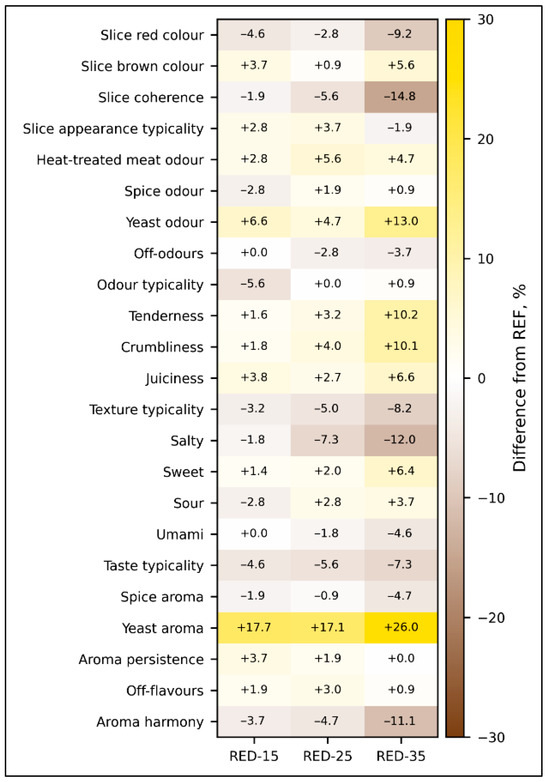
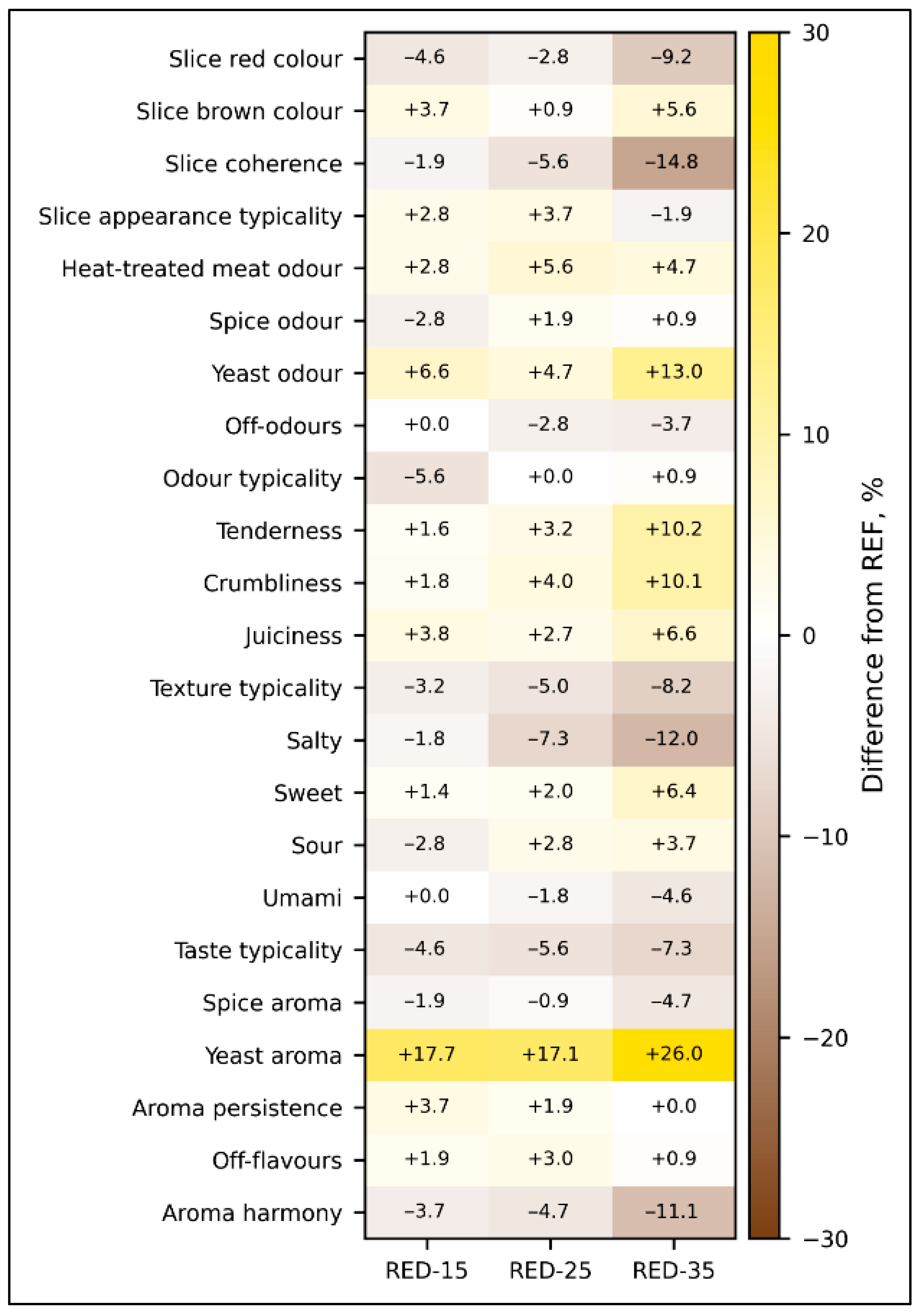
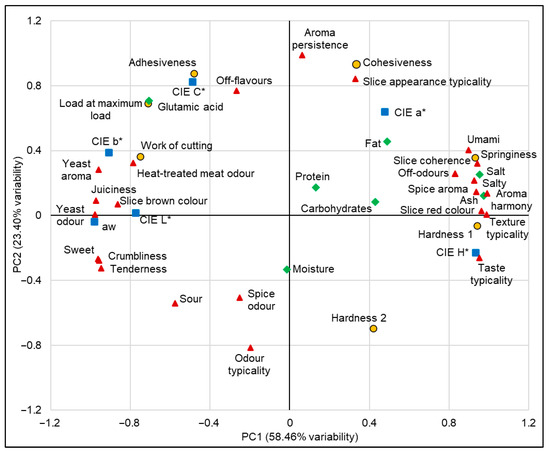
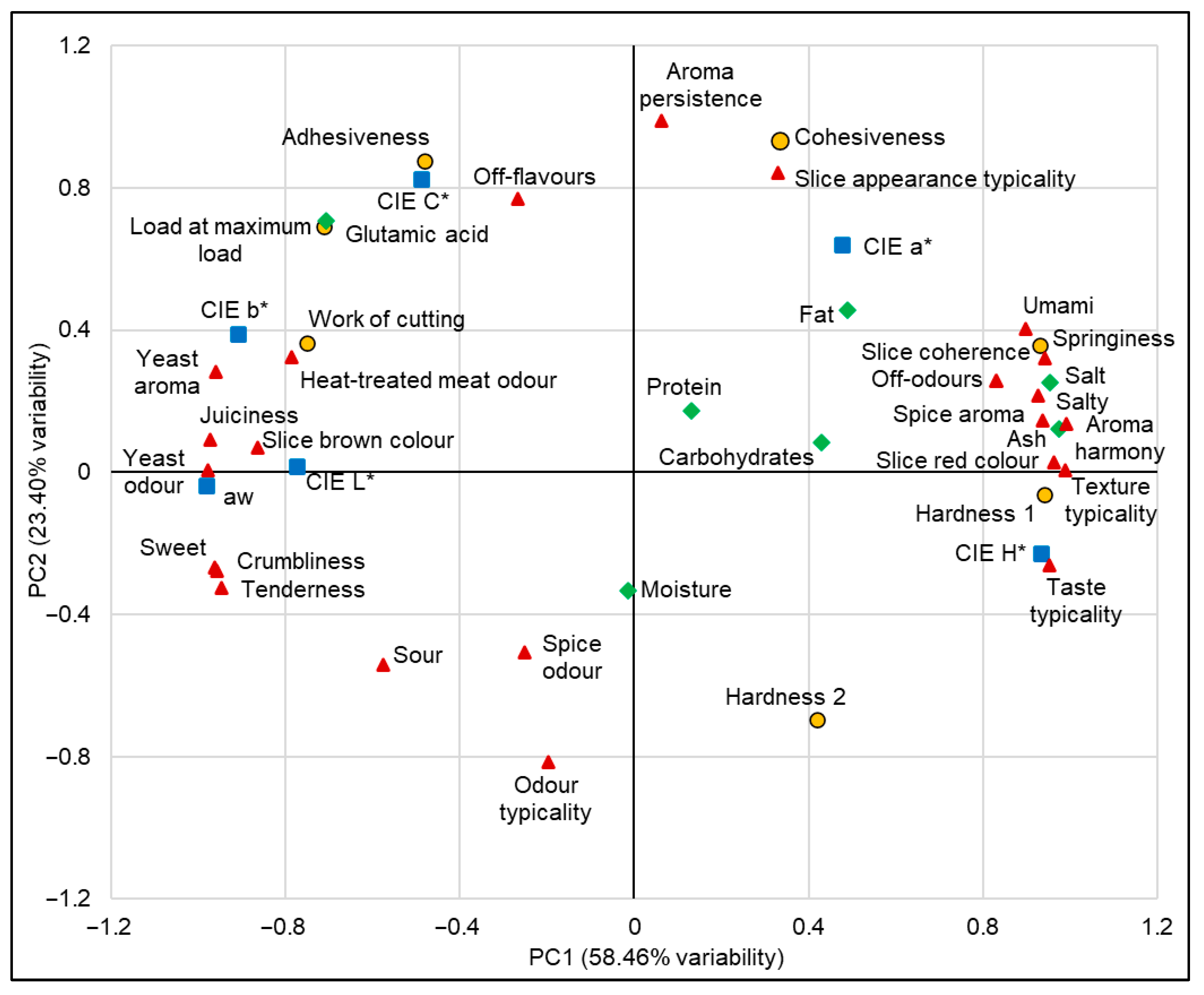
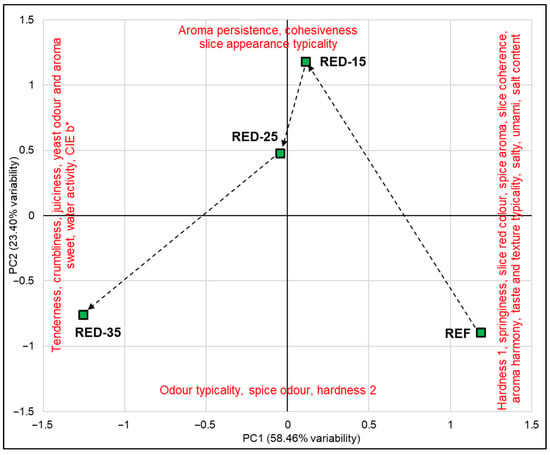

Disclaimer/Publisher’s Note: The statements, opinions and data contained in all publications are solely those of the individual author(s) and contributor(s) and not of MDPI and/or the editor(s). MDPI and/or the editor(s) disclaim responsibility for any injury to people or property resulting from any ideas, methods, instructions or products referred to in the content. |
© 2026 by the authors. Licensee MDPI, Basel, Switzerland. This article is an open access article distributed under the terms and conditions of the Creative Commons Attribution (CC BY) license.