


Abstract
Given the increasing hepatotoxicity risk associated with pyrrolizidine alkaloids (PAs) in Emilia sonchifolia (L.) DC., this study aimed to systematically characterize its PA components and identify the material basis responsible for liver injury. Using solid-phase extraction (SPE) enrichment coupled with ultra-high-performance liquid chromatography–quadrupole/orbitrap high-resolution mass spectrometry (UHPLC-HRMS), efficient annotation of PAs was achieved through building-block-based molecular network (BBMN) cluster analysis. A total of 76 PAs were identified (66 otonecine-type and 10 retronecine-type PAs), including 35 known compounds (e.g., senkirkine and petasitenine) and 41 potentially novel compounds. Semi-quantitative analysis revealed that senkirkine accounted for 86% of the total PAs. As an otonecine-type diester alkaloid, it serves as the core toxic substance triggering hepatic sinusoidal obstruction syndrome (HSOS). Network toxicology analysis identified 52 intersecting targets between senkirkine and hepatotoxicity. A protein–protein interaction (PPI) network was constructed, revealing 44 connected nodes with MAPK1, AKT1, and PIK3CA as key hub targets. Enrichment analysis indicated that these targets are primarily involved in the PI3K-Akt signaling pathway and focal adhesion. Molecular docking further validated that senkirkine exhibits strong binding affinities with these core targets, with binding energies ranging from −26.33 to −51.50 kcal/mol, stabilized by robust hydrogen-bonding networks. Consequently, senkirkine was identified as the critical safety indicator for quality control, and processing techniques were applied to reduce its content, balancing efficacy and toxicity risks.
1. Introduction
The dried whole plant of Emilia sonchifolia (L.) DC. is widely used as a traditional medicine [1]. Studies report that it possesses pharmacological activities, including anti-inflammatory, analgesic, antitumor, antibacterial, and antioxidant [1,2,3]. The herb contains chemical components such as flavonoids, alkaloids, phenolic acids, volatile oils, and terpenoids [4]. Notably, some studies have identified the presence of pyrrolizidine alkaloids (PAs), which exhibit cytotoxicity, hepatotoxicity, genotoxicity, pneumotoxicity, and carcinogenic effects [5,6,7]. PAs cause severe hepatotoxicity, genotoxicity, and even cancer, leading to hepatic sinusoidal obstruction syndrome (HSOS) [8,9]. Long-term clinical use of herbs containing these alkaloids may result in secondary damage [10]. Recent reports globally have documented incidents of human and livestock poisoning due to accidental ingestion of PA-containing herbs or contaminated agricultural products, causing irreversible liver damage. Therefore, systematic research on PAs in E. sonchifolia is urgently needed to clarify the material basis of its hepatotoxicity [11].
Modern analysis of chemical components in traditional Chinese medicine has developed an integrated research system centered on ultra-performance liquid chromatography coupled with high-resolution mass spectrometry (UPLC-HRMS) technology and global natural products social molecular networking (GNPS) [12,13,14,15]. Using UPLC-HRMS, efficient separation and accurate identification of hundreds of components in complex systems have been achieved. Feature-based molecular networking (FBMN) primarily groups compounds by comparing their mass spectra for similarity [13,16]. While this approach effectively clusters structurally analogous molecules, it often struggles to move beyond the “circle” of known compounds. In contrast, the building-block-based molecular network (BBMN) takes a different path by focusing on the fundamental “building blocks” involved in a compound’s biosynthesis. By identifying characteristic fragment ions or neutral losses in MS/MS spectra, BBMN can connect molecules that share the same biosynthetic building blocks—even if their final molecular scaffolds appear quite different [17,18]. The hepatotoxicity of PAs is closely linked to their chemical structure. Unsaturated PAs, such as the otonecine- and retronecine-type alkaloids identified in this study, contain a C1-C2 double bond that allows them to be metabolically activated by hepatic CYP450 enzymes into reactive pyrroles. These toxic metabolites form adducts with cellular macromolecules, leading to liver injuries like sinusoidal obstruction syndrome. Conversely, saturated PAs lack this double bond and cannot form such toxic intermediates, rendering them significantly less hazardous. This study primarily identified otonecine-type and retronecine-type PAs in E. sonchifolia [19].
Despite previous reports on the presence of PAs in E. sonchifolia, a systematic and comprehensive profiling of its PA chemical space remains lacking. Most studies have focused on a limited number of known compounds, leaving many potentially toxic analogs unidentified. Furthermore, the mechanistic link between its complex alkaloid profile and specific hepatotoxic outcomes, such as hepatic sinusoidal obstruction syndrome (HSOS), has not been fully elucidated through integrated computational and analytical approaches. Therefore, to transition from “chemical profiling” to “mechanistic elucidation,” this study introduces network toxicology to investigate the systemic toxicity of E. sonchifolia. By constructing a “constituent–target–pathway” interactome, network toxicology allows for the identification of hub targets and core signaling pathways—such as the PI3K-Akt and MAPK cascades—that are synergistically modulated by PAs. Furthermore, molecular docking was employed to provide structural biology validation. By simulating the binding interactions between the predominant toxic marker, senkirkine, and its potential receptors, we calculated the minimum binding energies and characterized the hydrogen-bonding networks. This thermodynamic evidence offers a profound understanding of the toxin-target stability. Consequently, this study employed solid-phase extraction (SPE) combined with UPLC-Q-Orbitrap methodology, BBMN-based data filtering, network pharmacology, and molecular docking to identify PAs in E. sonchifolia. This comprehensive approach reveals the material basis and molecular mechanisms underlying the herb’s hepatotoxicity, guiding subsequent processing strategies to reduce toxicity and enhance efficacy.
2. Materials and Methods
2.1. Reagents and Chemicals
The following were used in this study: UPLC–Q-Exactive–Orbitrap-HRMS, Dionex Ultimate 3000 UHPLC system, from Thermo Fisher Scientific, (Waltham, MA, USA), the software was Xcalibur 4.3 (Waltham, MA, USA; AE224C electronic balance from Shanghai Shunyu Hengping Scientific Instrument Co., Ltd. (Shanghai, China); TGL-16 benchtop high-speed refrigerated centrifuge from Hangzhou Deju Instrument Equipment Co., Ltd. (Hangzhou, China); KQ-250B ultrasonic cleaner from Kunshan Ultrasonic Instrument Co., Ltd. (Kunshan, China); methanol, acetonitrile, and formic acid (all MS grade) from Thermo Fisher Scientific, Waltham, MA, USA; distilled water from Watsons Guangzhou Food and Beverage Co., Ltd. (Guangzhou, China); petasitenine (98%), senkirkine (98%), and neosenkirkine (98%) from Wuhan Tianzhi Biotechnology Co., Ltd. (Wuhan, China); and senecionine (98%), squalidine (95%), and seneciphylline (98%) from Shaanxi Tianduoli Biotechnology Co., Ltd., (Xi’an, China). The whole herb of E. sonchifolia was purchased from Hebei Jiaheng Lengbei Pharmaceutical Co., Ltd. (Hengshui, China). The plant materials were harvested in autumn and subsequently dried in the shade at room temperature. The species was authenticated by Professor Feng Li (Liaoning University of Traditional Chinese Medicine).
2.2. Preparation of the Sample
The sample (20 g) was weighed and ground. Then, 70% ethanol was added at a solid-to-liquid ratio of 1:10, and the mixture was refluxed for 2 h. The extract was concentrated and dried to obtain a powder. An aliquot of this powder (0.1 g) was precisely weighed into a stoppered conical flask, dissolved in 20 mL of 0.05 mol/L sulfuric acid, and sonicated for 5 min to ensure complete dissolution. After filtration, 10 mL of the filtrate was subjected to SPE-PCX solid-phase extraction. The cartridge was activated with 5 mL of methanol and equilibrated with 5 mL of 0.05 mol/L sulfuric acid. The filtrate (10 mL) was loaded, rinsed with 10 mL of methanol to remove impurities, and eluted with 10 mL of 8% ammonia–methanol solution. The eluate was collected, concentrated to approximately 1 mL, filtered through a 0.22 μm membrane, and used for UPLC-HRMS analysis.
2.3. Chromatographic and Mass Spectrometric Analysis
The chromatographic conditions were set as follows: column: Waters ACQUITY UPLC HSS T3 (100 mm × 2.1 mm, 1.8 μm, Waters Corporation, Wexford, Ireland); flow rate: 0.25 mL/min; column temperature: 35 °C; injection volume: 2 μL; gradient elution with mobile phase A (acetonitrile) and B (0.1% formic acid in water) as follows: 0–3 min, 5% A; 3–10 min, 5–15% A; 10–45 min, 15–50% A; 45–50 min, 50–75% A; 50–60 min, 75–100% A.
The mass spectrometry data were acquired using an electrospray ionization (ESI) source in both positive and negative ion modes with the following parameters: spray voltage at (+)3.0 kV for positive mode and (−)2.5 kV for negative mode, ion source temperature at 320 °C, capillary temperature at 350 °C, sheath gas (N2) flow rate at 40 arb, and auxiliary gas (N2) flow rate at 10 arb. Full MS-dd-MS2 scanning was applied within the m/z range of 100–1500, with MS1 and MS2 resolutions set at 70,000 FWHM and 17,500 FWHM, respectively. Stepped collision energies of 20, 40, and 60 were used.
2.4. Data Processing and Analysis
The data formats were converted, and characteristic peak extraction was performed. The data were filtered using diagnostic ions to identify potential pyrrolizidine alkaloids. Subsequently, molecular networking was constructed via the GNPS platform using the following parameters: precursor ion mass tolerance: 0.02; fragment ion mass tolerance: 0.02; min pairs cos: 0.7; minimum matched fragment ions: 5; maximum shift between precursors: 700; network TopK: 15; maximum connected component size (Beta): 100. https://gnps.ucsd.edu/ProteoSAFe/static/gnps-splash.jsp?redirect=auth (accessed on 1 December 2025)
2.5. Identification of Potential Targets for Senkirkine
The chemical structure of senkirkine was retrieved from the PubChem database (https://pubchem.ncbi.nlm.nih.gov/) (accessed on 21 December 2025). The Canonical SMILES string of the compound was then imported into the SwissTargetPrediction database (http://swisstargetprediction.ch/) (accessed on 21 December 2025) for target prediction. Additionally, potential macromolecular targets of the compound were collected from the GeneCards (https://www.genecards.org/) (accessed on 21 December 2025), ChEMBL (https://www.ebi.ac.uk/chembl/) (accessed on 21 December 2025), and STITCH (http://stitch.embl.de/) databases (accessed on 22 December 2025).
2.6. Screening of Hepatotoxicity-Related Targets
Hepatotoxicity-related gene targets were identified by searching the GeneCards, PharmGKB (https://www.pharmgkb.org/ (accessed on 4 February 2026)), and OMIM (https://www.omim.org/ (accessed on 4 February 2026)) databases. The search terms utilized were “Hepatotoxicity”, “Hepatic Veno-Occlusive Disease”, “Hepatic Sinusoidal Obstruction Syndrome”, and “Liver injury”. The species was restricted to “Homo sapiens” to obtain relevant hepatotoxicity targets for subsequent analysis.
2.7. Identification of Overlapping Targets
The predicted targets of senkirkine were mapped against the hepatotoxicity-related targets using the Venny 2.1.0 online tool to extract the common targets. These intersecting targets were identified as the potential molecular targets for senkirkine-induced liver injury.
2.8. Construction of Protein–Protein Interaction (PPI) Network
Based on the intersection of senkirkine targets and hepatotoxicity genes, a PPI network was constructed using the STRING database (https://string-db.org/ (accessed on 4 February 2026)). The network files and attribute files were generated and imported into Cytoscape 3.10.3 for network assembly. The MCODE and cytoNCA plugins were employed to analyze the target network and perform visualization. Key hub genes and critical interaction targets were identified based on topological parameters and network interrelationships.
2.9. GO Function and KEGG Pathway Enrichment Analysis
To elucidate the biological roles of senkirkine’s potential targets, GO functional enrichment and KEGG pathway analyses were performed using the STRING database. The enrichment results were subsequently visualized using the database’s built-in functions.
2.10. Molecular Docking
Discovery Studio (version 4.5) was utilized for semi-flexible docking and binding affinity prediction between senkirkine and key targets. The minimum binding energy and specific binding sites were determined and visualized. Detailed interactions, including hydrogen bonds, van der Waals forces, and ionic bonds, were analyzed to characterize the binding of senkirkine within the active site pockets of the target proteins.
3. Results and Discussion
3.1. Analytical Strategy for PAs in E. sonchifolia
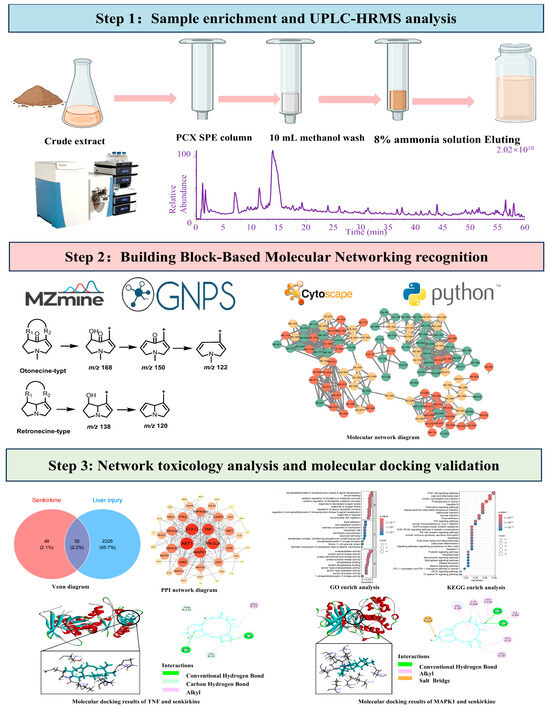
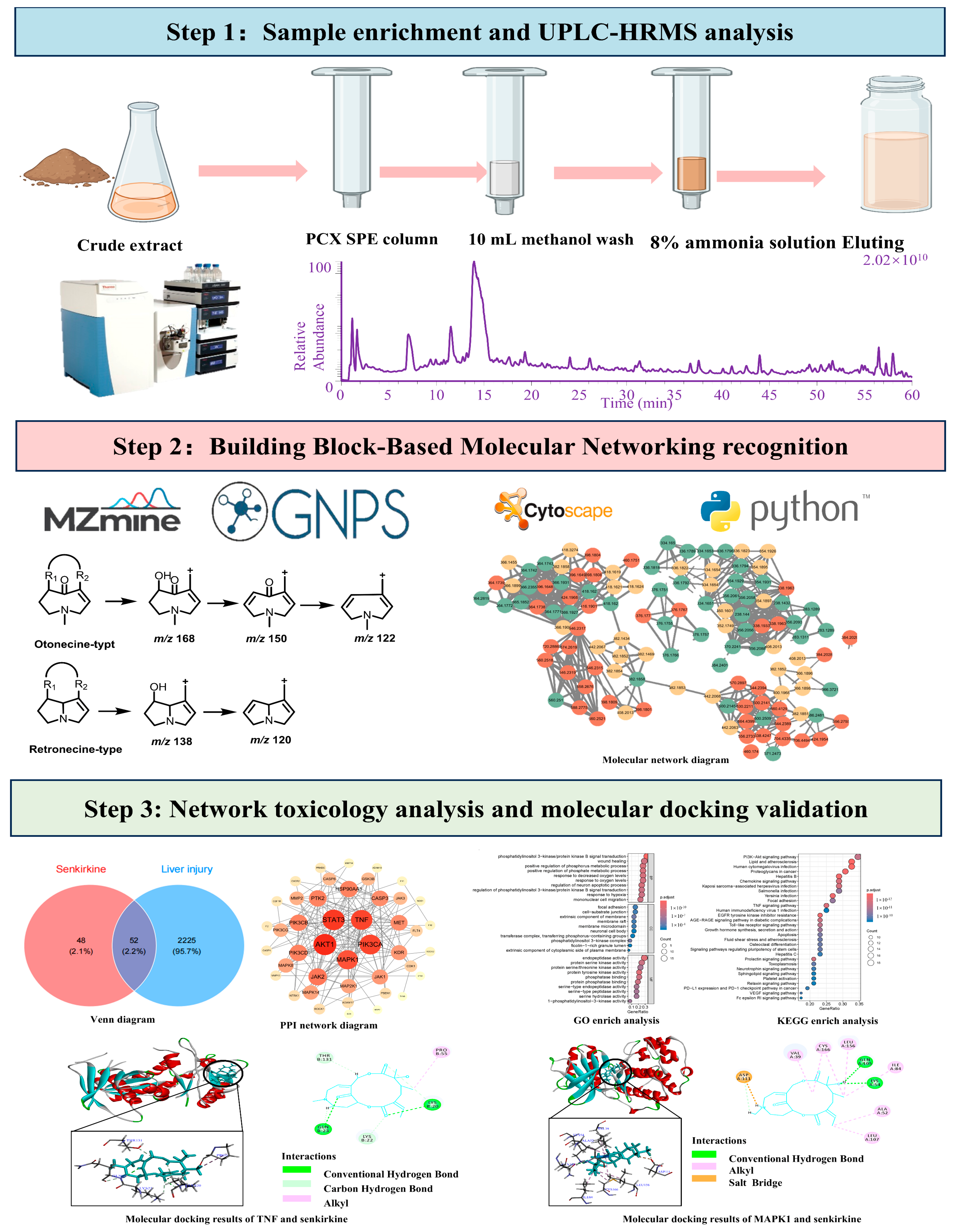
An integrated three-step strategy (Figure 1) combining BBMN-based PA profiling with network toxicology was employed to systematically evaluate the hepatotoxic basis of E. sonchifolia:
Figure 1.
Analytical strategy for PAs in E. sonchifolia.
Step 1: Sample enrichment and UPLC-HRMS analysis
E. sonchifolia herb was reflux-extracted with 70% ethanol. The extract was enriched using a PCX-SPE cartridge, dissolved and loaded under acidic conditions to retain target alkaloids, and eluted under basic conditions. The eluate was collected and concentrated to obtain a crude extract of PAs. The enriched crude PAs extract was analyzed by UPLC-Q-Orbitrap. UPLC achieved efficient separation of complex components, while the Orbitrap high-resolution mass spectrometer performed MS1 and MS2 scanning to obtain accurate molecular weights and fragment ion information, enabling rapid, high-throughput characterization of natural products.
Step 2: Building-block-based molecular network recognition
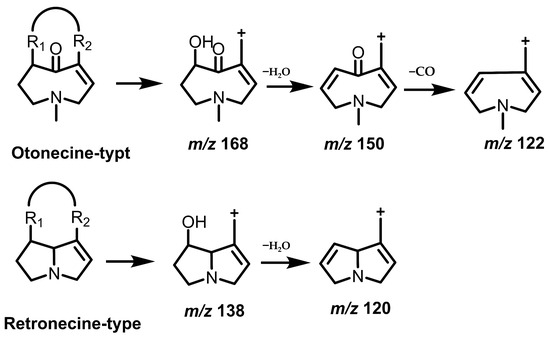
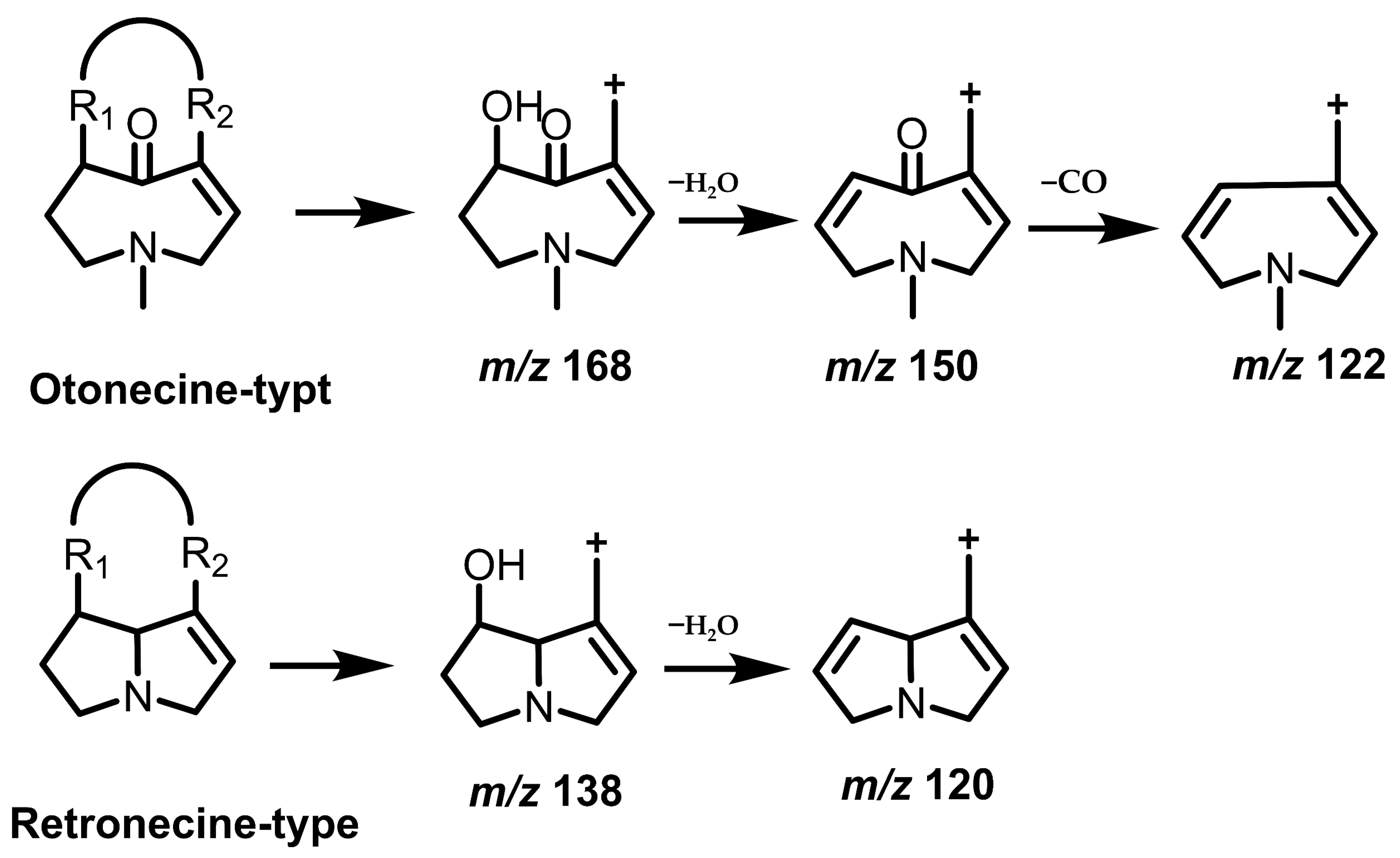
PAs in E. sonchifolia are primarily of the otonecine and retronecine types. Based on their biosynthetic pathways, otonecine-type compounds generate characteristic fragment ions at m/z 168.1019 ± 0.01 Da, 150.0913 ± 0.01 Da, and 122.0964 ± 0.01 Da in ESI+ mode, while retronecine-type compounds primarily yield characteristic fragments at m/z 138.0913 ± 0.01 Da and 120.0808 ± 0.01 Da. The raw mass spectrometric data were converted, and MZmine 4.1 ((open-source software, developed by the Institute of Organic Chemistry and Biochemistry of the Czech Academy of Sciences, Prague, Czech Republic)) was used for feature extraction and selection, followed by data filtering using the aforementioned building block information (Supplementary Materials). The filtered data were imported into the GNPS platform for FBMN analysis.
Step 3: Network toxicology analysis and molecular docking validation
Building upon the identification of senkirkine as the predominant toxic constituent, a multi-dimensional “constituent–target–pathway” interactome was constructed using network toxicology strategies. Core hub targets (e.g., MAPK1, AKT1, and PIK3CA) were screened through protein–protein interaction (PPI) networks, and key signaling cascades involved in liver injury (e.g., the PI3K-Akt signaling pathway) were elucidated via Gene Ontology (GO) and Kyoto Encyclopedia of Genes and Genomes (KEGG) enrichment analyses. Finally, molecular docking simulations were performed to characterize the binding modes between senkirkine and these core targets at the atomic level. By evaluating binding affinities and hydrogen-bonding networks, the spontaneity and stability of the toxin-target interactions were validated. This integrated approach systematically revealed the toxicological mechanisms of E. sonchifolia from the “molecule–target–pathway” perspective.
3.2. Specific Enrichment of PAs and Discovery of Trace-Level Analogs
The extraction and purification process was strategically designed to maximize the detection sensitivity of PAs. The 70% ethanol reflux extract of E. sonchifolia was subjected to a targeted enrichment using polymer-based strong cation exchange (PCX) SPE cartridges. This step functioned as a critical chemical filter: by loading the sample under acidic conditions, the PAs were selectively protonated and retained via strong ionic interactions, while high-abundance interfering matrices—including organic acids, flavonoids, and other non-alkaloidal polyphenols—were effectively removed during the washing phase.
By eliminating these dominant co-extracts, we significantly mitigated ion suppression effects and enhanced the signal-to-noise ratio for alkaloidal features in the subsequent UPLC-Q-Orbitrap analysis. This specialized pre-processing was essential for “unmasking” low-abundance PAs and potentially novel analogs that are typically suppressed by the plant matrix. Consequently, this high-selectivity enrichment provided the high-quality MS1 and MS2 data required for the discovery of 41 potentially new PAs within the molecular network, ensuring the depth and accuracy of the chemical profiling.
3.3. Identification of Chemical Constituents
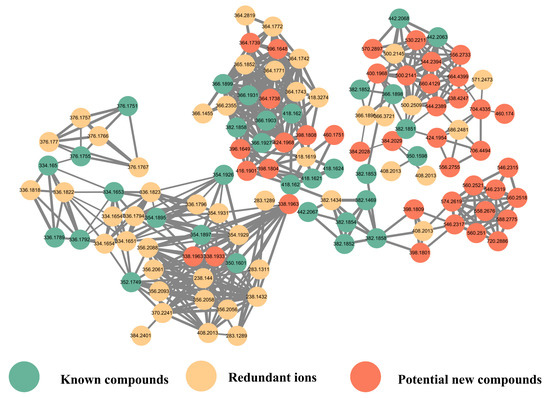
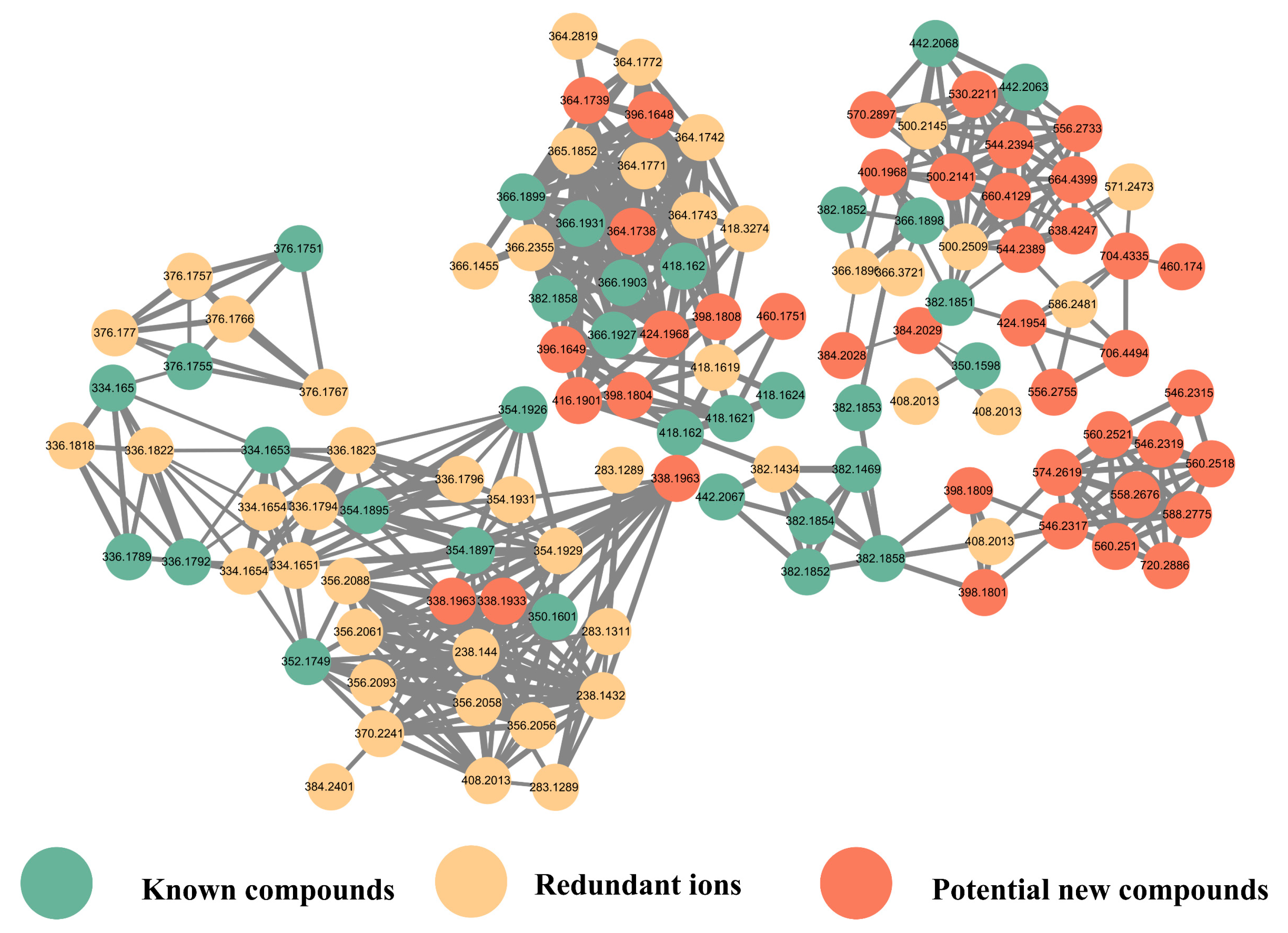
This study employed BBMN on the GNPS platform to perform cluster analysis of PAs in E. sonchifolia. A total of 120 nodes were clustered in GNPS, among which 47 were identified as redundant ions, 32 as known compounds, and 41 as potentially novel compounds. The corresponding BBMN diagram is shown in Figure 2. Subsequent analysis of these clustered nodes led to the identification of 76 compounds in E. sonchifolia, including 66 otonecine-type and 10 retronecine-type compounds, as summarized in Table 1. The mass spectrometry fragmentation patterns of these compounds are illustrated in Figure 3.
Figure 2.
The BBMN diagram of PAs in E. sonchifolia.
Table 1.
Pyrrolizidine alkaloids (PAs) in E. sonchifolia.
Figure 3.
Fragmentation pattern of the otonecine-type and retronecine-type PAs.
3.3.1. Otonecine-Type PAs
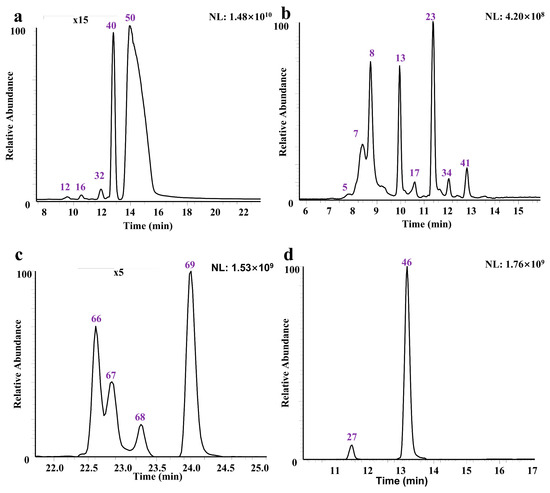
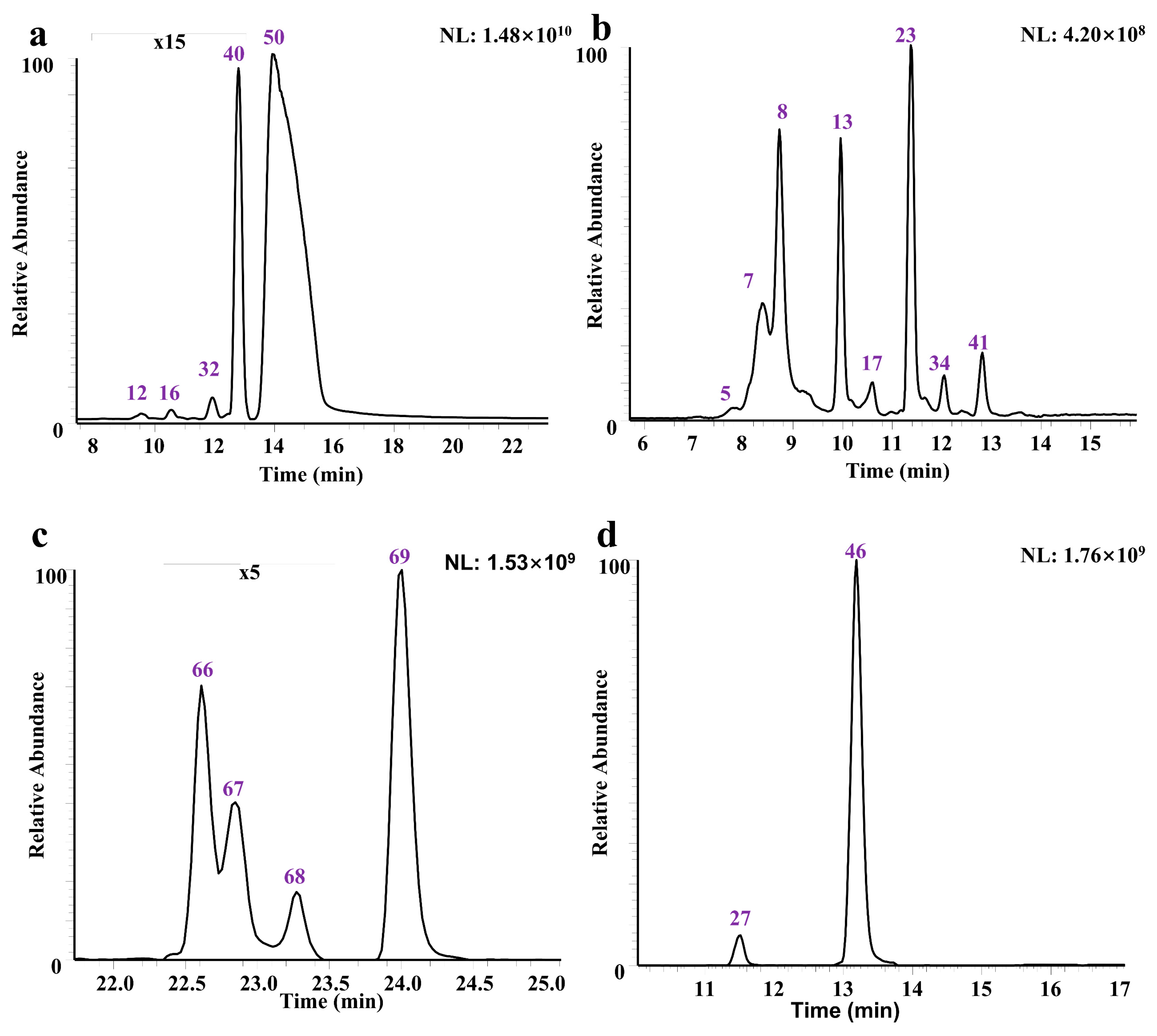
Compounds 12 (tR = 9.49 min), 16 (tR = 10.58 min), 32 (tR = 11.93 min), 40 (tR = 12.82 min), and 50 (tR = 14.00 min) exhibited a protonated molecular ion [M+H]+ at m/z 366 in ESI+ mode (Figure 4a). Their MS/MS spectra showed characteristic fragment ions at m/z 348, 168, 150, and 122. The ion at m/z 348 resulted from the neutral loss of H2O (18 Da) from [M+H]+, while m/z 168, 150, and 122 are indicative of otonecine-type pyrrolizidine alkaloids. Comparison with a reference standard confirmed compounds 40 and 50 as senkirkine and neosenkirkine, respectively. Based on identical molecular and fragment ions, compounds 12, 16, and 32 were tentatively identified as isomers of senkirkine and neosenkirkine.
Figure 4.
Extracted ion chromatogram (EIC) of otonecine-type compounds in E. sonchifolia. (a) EIC of compounds 12, 16, 32, 40, and 50; (b) EIC of compounds 5, 7, 8, 13, 17, 23, 34, and 41; (c) EIC of compounds 66, 67, 68, and 69; (d) EIC of compounds 27 and 46.
Compounds 5 (tR = 7.85 min), 7 (tR = 8.40 min), 8 (tR = 8.72 min), 13 (tR = 9.96 min), 17 (tR = 10.58 min), 23 (tR = 11.37 min), 34 (tR = 12.05 min), and 41 (tR = 12.82 min) showed [M+H]+ at m/z 382 (Figure 4b), with fragments at m/z 364, 168, 150, and 122. The ion m/z 364 arose from loss of H2O (18 Da), and m/z 168, 150, and 122 confirmed the otonecine-type structure. Compound 23 was identified as petasitenine by standard comparison. Since petasitenine and otosenine have been reported in Emilia sonchifolia, compounds 5, 7, 8, 13, 17, 34, and 41 were proposed as isomers of petasitenine or otosenine.
Compounds 66 (tR = 22.59 min), 67 (tR = 22.85 min), 68 (tR = 23.27 min), and 69 (tR = 24.00 min) yielded [M+H]+ at m/z 408 (Figure 4c) and fragments at m/z 366, 348, 168, 150, and 122. Ion’s m/z 366 and m/z 348 were formed by neutral loss of an acetyl group (C2H2O, 42 Da) and acetic acid (CH3COOH, 60 Da), respectively, from [M+H]+, while m/z 168, 150, and 122 indicated an otonecine-type scaffold. These patterns suggest otonecine-type alkaloids with an acetyl substitution. Based on literature reporting Acetylsenkirkine in this plant, compounds 66, 67, 68, and 69 were preliminarily assigned as isomers of Acetylsenkirkine.
Compounds 27 (tR = 11.50 min) and 46 (tR = 13.16 min) displayed [M+H]+ at m/z 364 (Figure 4d) and fragments at m/z 346, 168, 150, and 122. The ion m/z 346 resulted from loss of H2O (18 Da), and m/z 168, 150, and 122 are characteristic of otonecine-type alkaloids. Since no previously reported compound with this molecular weight has been isolated from Emilia sonchifolia, compounds 27 and 46 are proposed as potentially novel pyrrolizidine alkaloids. Other otonecine-type compounds were analyzed following the same workflow, with results summarized in Table 1.
3.3.2. Retronecine-Type PAs
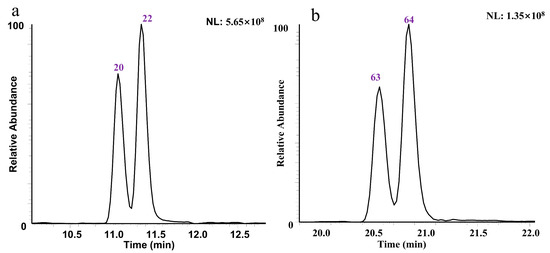
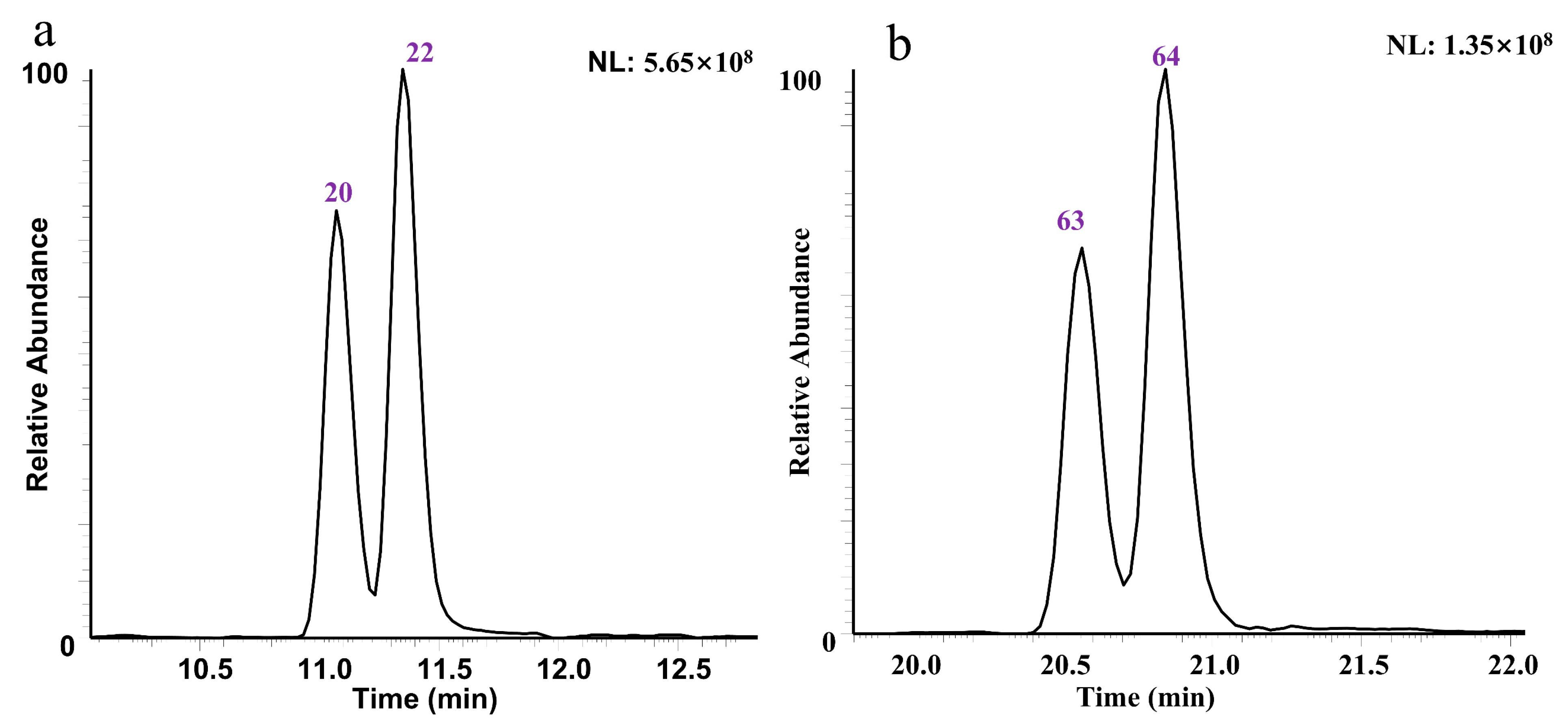
Compounds 20 (tR = 11.09 min) and 22 (tR = 11.35 min) exhibited [M+H]+ ions at m/z 334 in ESI+ mode (Figure 5a). Characteristic fragment ions were observed at m/z 306, 138, and 120. The ion at m/z 306 resulted from the neutral loss of H2O (18 Da) from the precursor, while fragments at m/z 138 and 120 indicated a retronecine-type structure. Compound 22 was identified as seneciphylline by comparison with a reference standard. Due to an identical molecular formula and fragmentation pattern, compound 20 was tentatively identified as an isomer of seneciphylline.
Figure 5.
Extracted ion chromatogram (EIC) of retronecine-type compounds in E. sonchifolia. (a) EIC of compounds 20 and 22; (b) EIC of compounds 63 and 64.
Compounds 63 (tR = 20.56 min) and 64 (tR = 20.84 min) showed [M+H]+ at m/z 376 (Figure 5b), with fragments at m/z 316, 138, and 120. The ion m/z 316 arose from the neutral loss of acetic acid (60 Da), and m/z 138 and 120 suggested a retronecine-type alkaloid. These patterns indicate the presence of an acetyl group and a retronecine skeleton. Thus, both were preliminarily assigned as acetylated derivatives of seneciphylline. Since such compounds have not been previously reported, compounds 63 and 64 are proposed as potentially novel alkaloids.
3.3.3. Relative Content of PAs in E. sonchifolia
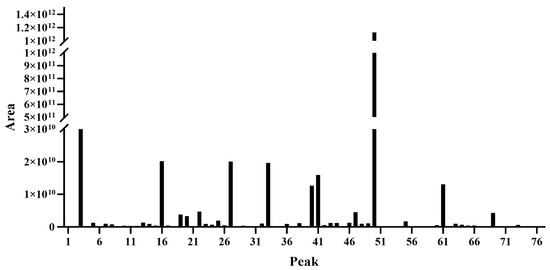
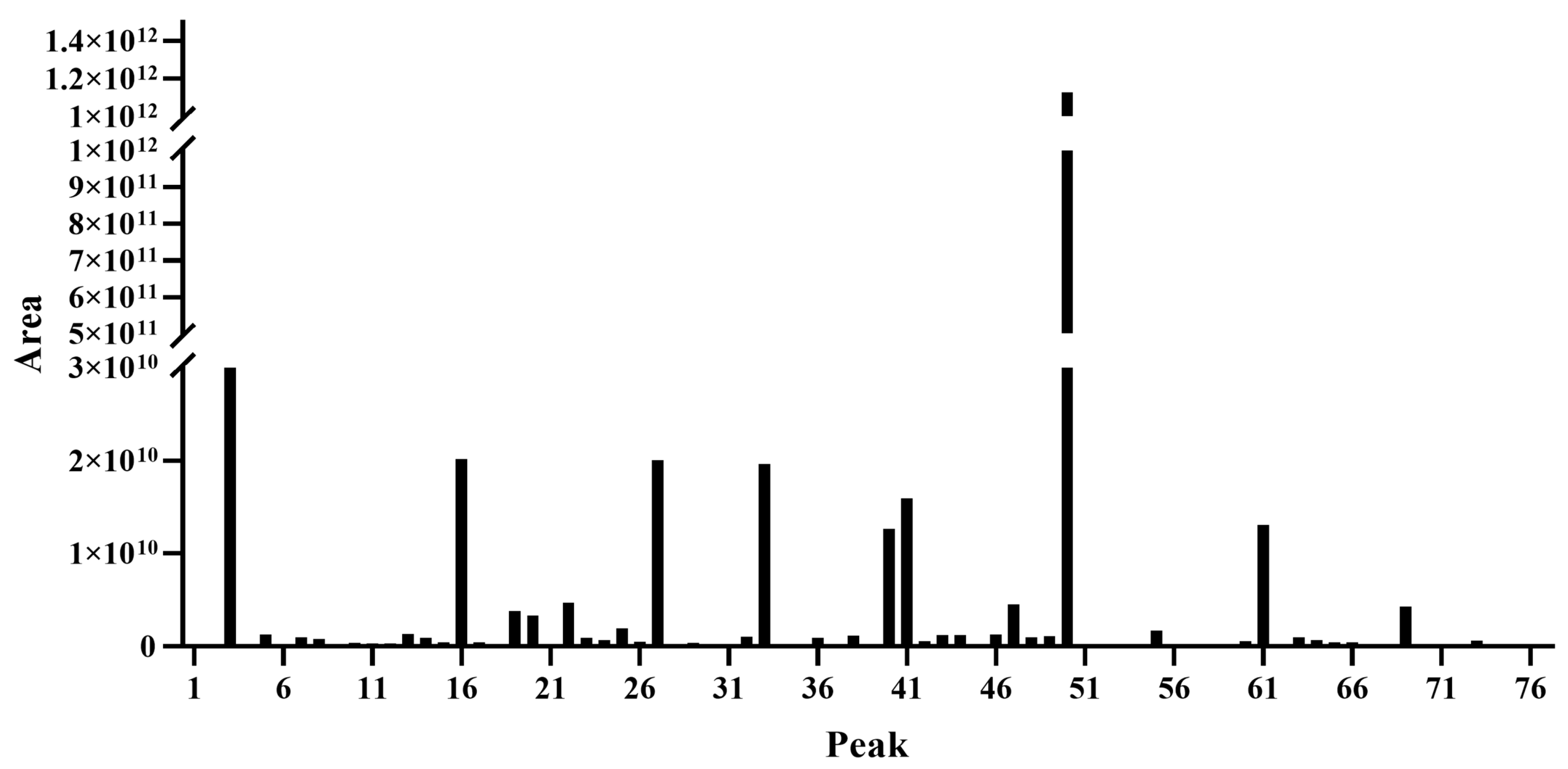
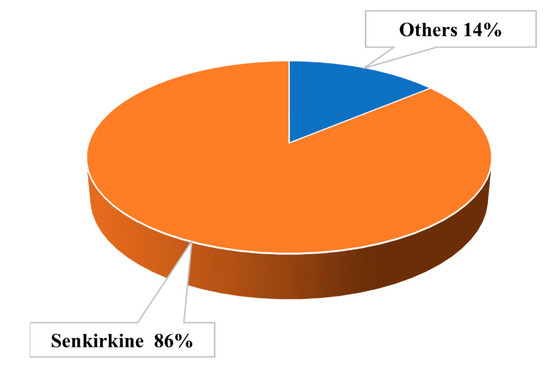
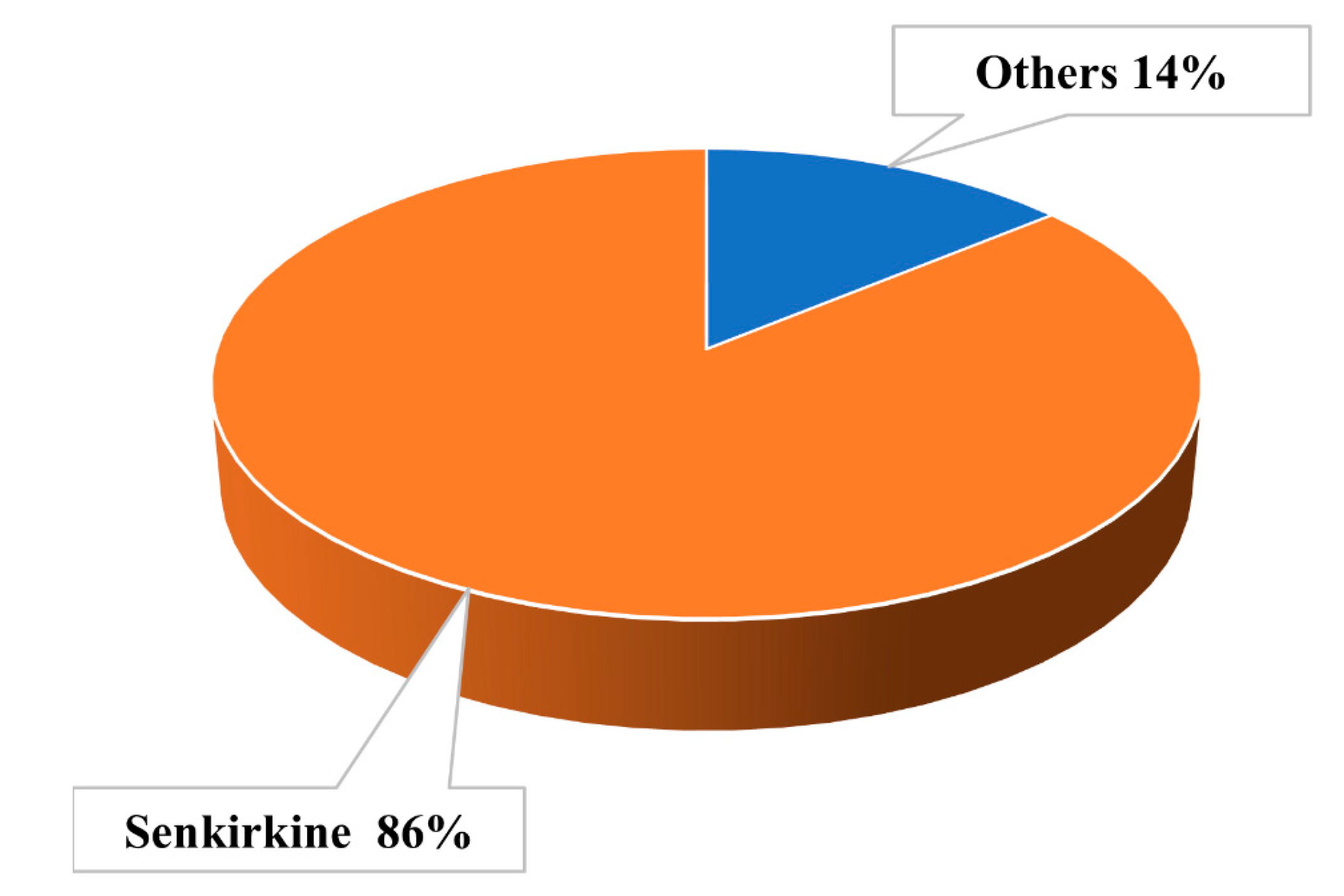
This study conducted a systematic semi-quantitative analysis of PAs in E. sonchifolia using UPLC-MS/MS. A bar graph (Figure 6) plotted using peak areas revealed that compound 50 (senkirkine) exhibited the highest peak area, accounting for 86% (Figure 7) of the total PAs and indicating it as the predominant PA in the plant. Senkirkine, an otonecine-type diester pyrrolizidine alkaloid, has been confirmed in multiple studies to possess definite hepatotoxicity. Its toxicological mechanism involves metabolic activation by cytochrome P450 enzymes in the liver, generating reactive dehydrogenated metabolites that can form adducts with cellular DNA and proteins, leading to hepatocyte injury, hepatic sinusoidal obstruction syndrome (HSOS), and even liver fibrosis. Although used in traditional medicine for anti-inflammatory and antibacterial purposes, the potential hepatotoxicity of Emilia sonchifolia has long been overlooked. This study highlights the dominant presence of senkirkine in the PA profile through semi-quantification, underscoring its central role in hepatotoxicity risk assessment. It is therefore recommended to monitor senkirkine content as a critical safety indicator in the quality control of Emilia sonchifolia and its preparations, establishing permissible limits (e.g., following the WHO-recommended daily intake of PAs ≤ 0.015 mg/kg) [26,27]. Further research should also focus on developing detoxification strategies—such as processing or extraction optimization—to reduce senkirkine levels while preserving efficacy, thereby improving clinical safety.
Figure 6.
Compound peak area bar chart.
Figure 7.
The proportion of senkirkine to the total PAs in E. sonchifolia.
3.4. Network Toxicology and Molecular Docking-Based Mechanism Elucidation
3.4.1. Intersecting Genes Between Senkirkine Targets and Hepatotoxicity Targets
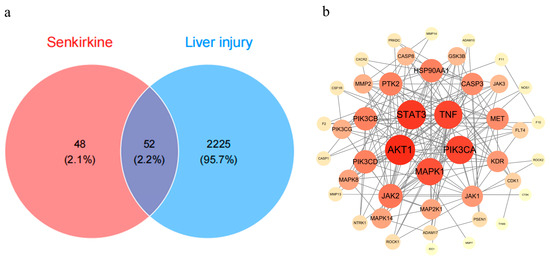
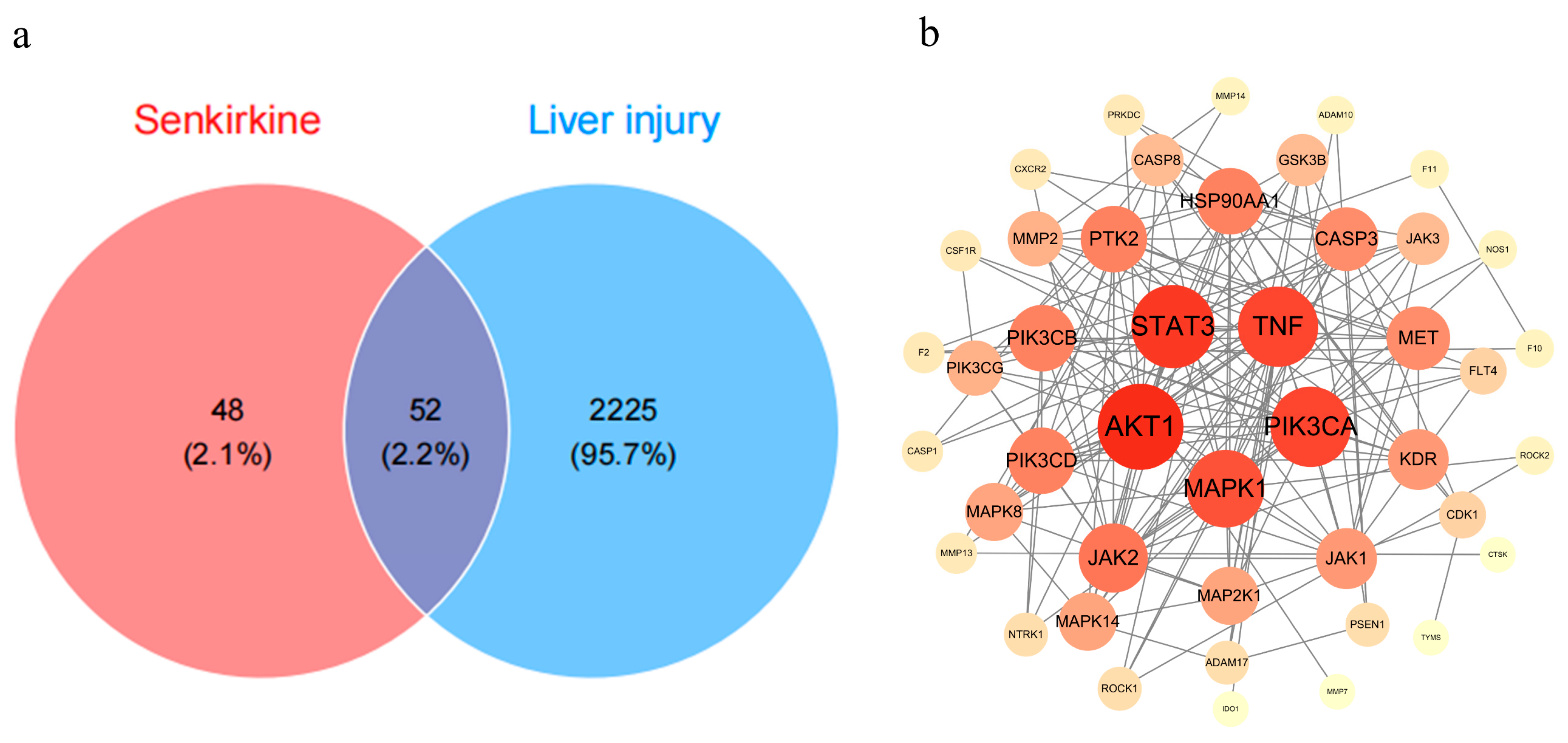
Based on the database screening, a total of 100 potential target genes for senkirkine and 2277 hepatotoxicity-related genes were identified. By mapping these two datasets using the Venny 2.1.0 tool, 52 intersecting genes were obtained (Figure 8a). These overlapping genes were identified as the primary candidate molecular targets for senkirkine-induced hepatotoxicity and were utilized for subsequent protein–protein interaction (PPI) network construction and functional enrichment analysis.
Figure 8.
Venn diagram (a) of intersecting genes and the protein–protein interaction network (b) between senkirkine and hepatotoxicity-associated targets. The nodes are color-coded and sized based on their degree values; a redder color and a larger node size represent a higher degree of the target in the network, indicating its relative importance.
3.4.2. PPI Network
The 52 intersecting targets were imported into the STRING database. After excluding disconnected nodes, a PPI network consisting of 44 nodes and 163 edges was constructed, and the degree of each target within the interaction network was determined. The network and attribute files generated by STRING were then imported into Cytoscape 3.10.3 for visualization and topological analysis. The betweenness centrality and closeness centrality of each node were calculated using the cytoNCA plugin. In the resulting network diagram, the node size represents the betweenness centrality, with larger nodes indicating higher betweenness centrality values. The node color represents the degree, where a transition toward red indicates a higher degree value (Figure 8b). Topological analysis identified several core hub targets with high degree and centrality values, specifically PIK3CA, MAPK1, AKT1, STAT3, and TNF. The high connectivity of these nodes suggests that senkirkine-induced hepatotoxicity is a systemic process involving the dysregulation of multiple survival and inflammatory signaling pathways. Specifically, AKT1 and PIK3CA are central components of the PI3K/Akt pathway, which governs cell proliferation and survival; their involvement indicates that senkirkine may disrupt hepatic cellular homeostasis and trigger apoptosis. MAPK1 and STAT3 are well-known mediators of stress response and pro-inflammatory signaling. Furthermore, the presence of TNF (Tumor Necrosis Factor) as a major hub suggests that senkirkine potentially triggers a “cytokine storm” or chronic inflammatory microenvironment in the liver. These integrated molecular interactions provide a plausible explanation for the pathogenesis of hepatic sinusoidal obstruction syndrome (HSOS), where inflammatory cascades and oxidative damage lead to sinusoidal endothelial cell injury and subsequent hepatocellular necrosis.
3.4.3. GO and KEGG Enrichment Analysis
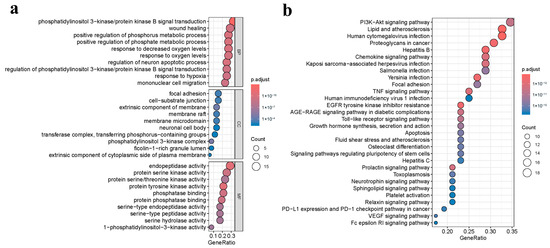
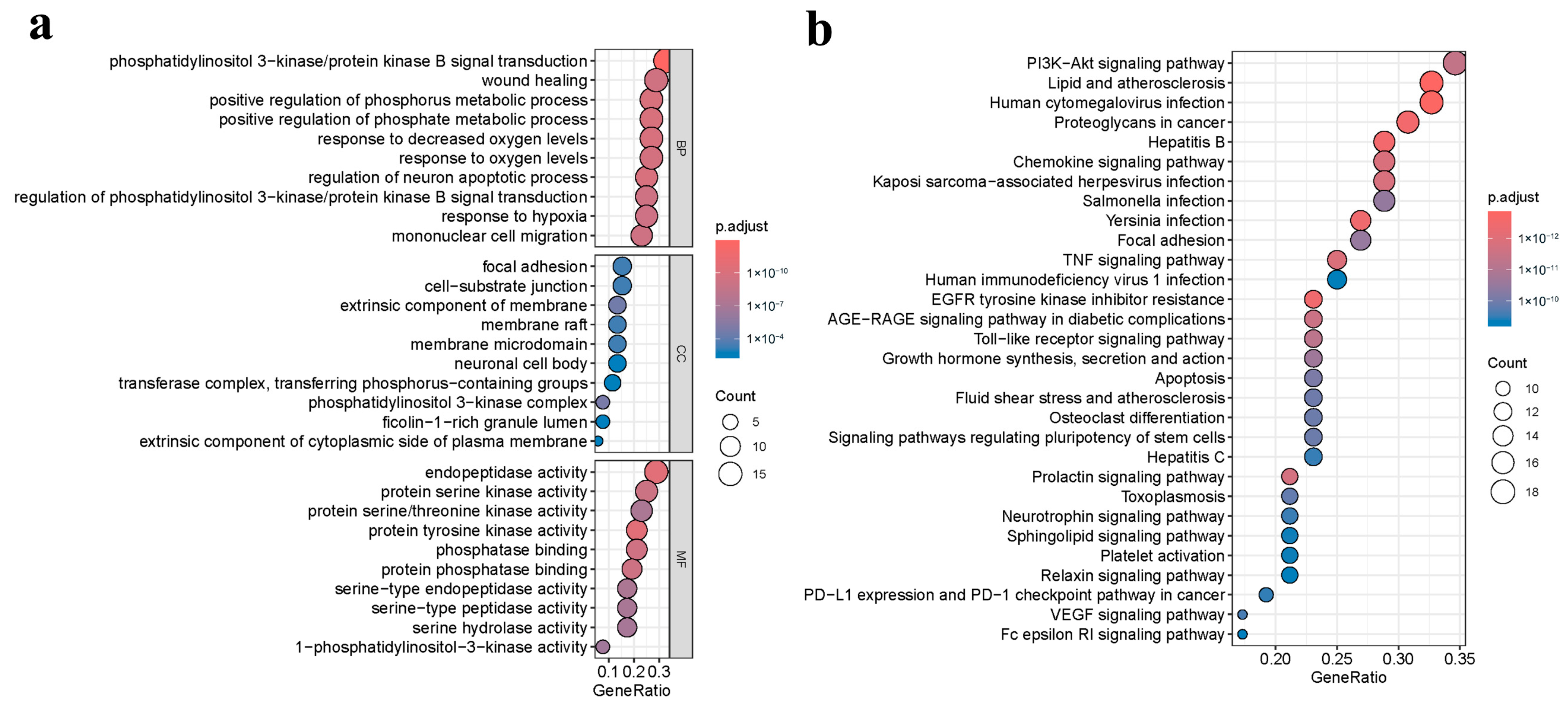
A total of 52 intersecting targets were subjected to GO enrichment analysis via the Metascape platform, identifying 1319 biological process (BP), 37 cellular component (CC), and 69 molecular function (MF) terms (Figure 9). The BP terms predominantly involved PI3K/Akt signal transduction and phosphorus metabolic processes, suggesting that senkirkine disrupts fundamental cellular survival and energy homeostasis. Crucially, the CC terms featured focal adhesion and cell–substrate junction, while MF terms were characterized by endopeptidase and kinase activities. These findings provide a structural basis for toxicity, implying that senkirkine may target the integrity of sinusoidal endothelial cell junctions. The disruption of these junctions is a hallmark of hepatic sinusoidal obstruction Ssndrome (HSOS), where the detachment of endothelial cells leads to microcirculatory failure and subsequent parenchymal damage.
Figure 9.
GO (a) and KEGG (b) enrichment analysis.
KEGG pathway analysis further revealed 155 signaling pathways, with the PI3K-Akt signaling pathway and lipid and atherosclerosis being the most significantly enriched. The high enrichment of the PI3K-Akt axis aligns with our PPI network results, confirming it as a master regulatory pathway for senkirkine-induced hepatocellular apoptosis. Furthermore, the involvement of lipid-related pathways suggests that senkirkine may interfere with hepatic lipid homeostasis, potentially exacerbating oxidative stress and mitochondrial dysfunction. Although “human cytomegalovirus infection” was enriched, it likely reflects the broad activation of shared pro-inflammatory mediators like MAPK andNF-κB. Together, these results shift the focus from simple chemical exposure to a systemic toxicological model where signaling dysregulation and structural breakdown converge to drive PA-induced liver injury.
3.4.4. Molecular Docking Analysis
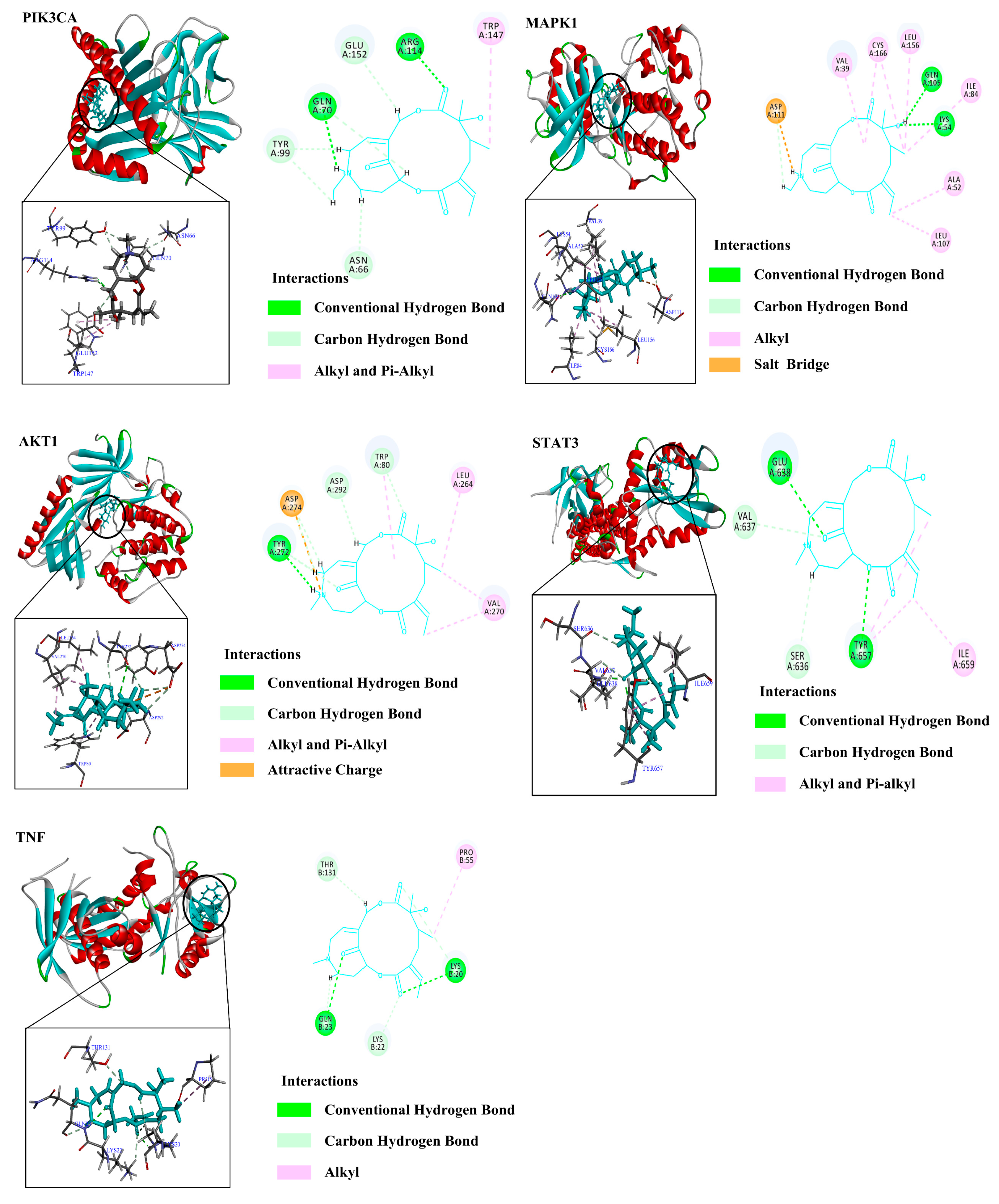
Molecular docking analysis was performed to evaluate the binding affinities between senkirkine and five core targets (PIK3CA, MAPK1, AKT1, STAT3, and TNF). The results (Table 2 and Figure 10) demonstrated that senkirkine exhibited exceptionally strong binding activities with all key targets, with binding energies ranging from −26.33 to −51.50 kcal/mol, significantly lower than the standard threshold of −5.0 kcal/mol. Notably, MAPK1 showed the lowest binding energy (−51.50 kcal/mol), indicating the highest affinity for senkirkine. Furthermore, senkirkine formed seven hydrogen bonds with both PIK3CA and TNF, involving key amino acid residues such as ASN-66, TYR-99, GLU-141, and LYS-22. These robust hydrogen-bonding interactions not only enhance the stability of the ligand-protein complexes but also suggest that senkirkine-induced hepatotoxicity may be mediated through the disruption of PI3K-Akt and MAPK signaling pathways. While these in silico findings provide strong evidence for the toxic mechanism of senkirkine, further in vivo studies are warranted to fully validate these predictive models.
Table 2.
Molecular docking results of senkirkine with key targets.
Figure 10.
Molecular docking visualization of senkirkine with STAT3, PIK3CA, MAPK1, TNF, and AKT1.
4. Conclusions
In this study, a comprehensive profiling of pyrrolizidine alkaloids (PAs) in E. sonchifolia was achieved through an integrated SPE-UPLC-HRMS and BBMN strategy, resulting in the identification of 76 PAs, including 41 potentially novel structures. Quantitative analysis identified senkirkine as the predominant toxic material basis, accounting for 86% of the total PA content. Beyond chemical identification, this research systematically elucidated the hepatotoxic mechanisms of senkirkine using an integrative approach of network toxicology and molecular docking.
Network analysis revealed that senkirkine-induced hepatotoxicity is characterized by a multi-target interactome, with MAPK1, AKT1, and PIK3CA identified as critical hub nodes. Functional enrichment further demonstrated that these targets are predominantly involved in the PI3K-Akt and MAPK signaling pathways, which are essential for cellular homeostasis and inflammatory responses. Molecular docking provided high-fidelity structural validation, demonstrating that senkirkine exhibits robust binding affinities with these hub proteins (binding energies as low as −51.50 kcal/mol), stabilized by specific hydrogen-bonding networks.
In conclusion, our findings establish senkirkine as the primary toxicological driver and a pivotal safety marker for the quality control of E. sonchifolia. Furthermore, we demonstrate that alkaline processing (e.g., via sodium bicarbonate) serves as an effective detoxification strategy by inducing the hydrolytic degradation of PAs. This study provides a scientific paradigm for balancing the ethnopharmacological efficacy and safety risks of PA-containing herbs, ensuring their sustainable and safe clinical application.
Supplementary Materials
The following supporting information can be downloaded at https://www.mdpi.com/article/10.3390/pr14050786/s1. Rscript: Building Block-Based Molecular Network.
Author Contributions
Conceptualization, S.S. and G.C.; methodology, S.S.; software, S.S.; validation, S.S., S.Z. and C.L.; formal analysis, S.S.; investigation, P.D.; resources, G.C.; data curation, S.S.; writing—original draft preparation, S.S.; writing—review and editing, S.S.; visualization, P.D.; supervision, S.Z.; project administration, S.S.; funding acquisition, G.C. All authors have read and agreed to the published version of the manuscript.
Funding
This work was supported by the Pharmaceutical Regulatory Science Research Program of Jiangsu Provincial Drug Administration (No. 202416) and the Liaoning Provincial Department of Education (2024-JYTCB-074).
Data Availability Statement
The original contributions presented in this study are included in the article/Supplementary Materials. Further inquiries can be directed to the corresponding author.
Conflicts of Interest
The authors declare no conflicts of interest.
Abbreviations
The following abbreviations are used in this manuscript:
| UPLC-HRMS | Ultra-Performance Liquid Chromatography coupled with High-Resolution Mass Spectrometry |
| GNPS | Global Nature Products Social Molecular Networking |
| FBMN | Feature-Based Molecular Networking |
| BBMN | Building-Block-Based Molecular Networking |
| SPE | Solid-Phase Extraction |
| PAs | Pyrrolizidine Alkaloids |
| E. sonchifolia | Emilia sonchifolia (L.) DC. |
| HSOS | Hepatic Sinusoidal Obstruction Syndrome |
| GO | Gene Ontology |
| KEGG | Kyoto Encyclopedia of Genes and Genomes |
| BP | Biological Process |
| CC | Cellular Component |
| MF | Molecular Function |
References
- George Kallivalappil, G.; Kuttan, G. Evaluation of the anti-inflammatory and urotoxicity ameliorative effects of γ-humulene containing active fraction of Emilia sonchifolia (L.) DC. Inflammopharmacology 2019, 27, 409–420. [Google Scholar] [CrossRef] [Scilit] [PubMed]
- Gilcy, G.K.; Kuttan, G. Evaluation of antiangiogenic efficacy of Emilia sonchifolia (L.) DC on tumor-specific neovessel formation by regulating MMPs, VEGF, and proinflammatory cytokines. Integr. Cancer Ther. 2016, 15, NP1–NP12. [Google Scholar] [CrossRef] [Scilit] [PubMed]
- Hoi, T.M.; Satyal, P.; Huong, L.T.; Hau, D.V.; Binh, T.D.; Duyen, D.T.H.; Dai, D.N.; Huy, N.G.; Chinh, H.V.; Hoa, V.V.; et al. Essential Oils from Vietnamese Asteraceae for Environmentally Friendly Control of Aedes Mosquitoes. Molecules 2022, 27, 7961. [Google Scholar] [CrossRef] [Scilit]
- Jeeno, P.; Yadoung, S.; Yana, P.; Hongsibsong, S. Phytochemical Profiling and Antioxidant Capacity of Traditional Plants, Northern Thailand. Plants 2023, 12, 3956. [Google Scholar] [CrossRef] [Scilit]
- Liu, X.; Chen, G.; Yang, Y.; Liu, F.; Wu, G.; An, L.; Tang, T.; Zhang, J. Comprehensive multi-omics analysis reveals the mechanism of hepatotoxicity induced by Emilia sonchifolia (L.) DC. J. Ethnopharmacol. 2025, 342, 119371. [Google Scholar] [CrossRef] [Scilit]
- Sunarto Warsiti, T.; Sugiyarto Himawan, W. (Eds.) The Diversity Study of Asteraceae Family As Effort to Develop Ecotourism in Mount Lawu. In Proceedings of the 1st International Conference on Geography Education (ICGE), Malang, Indonesia, 29 October 2016; Atlantis Press: Paris, France, 2016. [Google Scholar] [CrossRef] [Scilit]
- Zou, X.; Zhao, C.; Gong, X.; Zhou, X. Chemical Constitutes Emilia sonchifolia (L.) DC. Chin. Pharm. J. 2012, 47, 1891–1894. [Google Scholar]
- Lin, G.; Wang, J.Y.; Li, N.; Li, M.; Gao, H.; Ji, Y.; Zhang, F.; Wang, H.; Zhou, Y.; Ye, Y.; et al. Hepatic sinusoidal obstruction syndrome associated with consumption of Gynura segetum. J. Hepatol. 2011, 54, 666–673. [Google Scholar] [CrossRef] [Scilit]
- Xia, Q.; Zhao, Y.; Lin, G.; Beland, F.A.; Cai, L.; Fu, P.P. Pyrrolizidine alkaloid-protein adducts: Potential Nnon-invasive biomarkers of pyrrolizidine alkaloid-induced liver toxicity and exposure. Chem. Res. Toxicol. 2016, 29, 1282–1292. [Google Scholar] [CrossRef] [Scilit]
- Chen, R.; Zhou, H.; Li, X.; Chen, L. Hepatic sinusoidal obstruction syndrome induced by Chinese herb Emilia sonchifolia (L.) DC: A case report. J. Clin. Hepatol. 2019, 35, 2778–2779. [Google Scholar] [CrossRef]
- Casado, N.; Morante-Zarcero, S.; Sierra, I. The concerning food safety issue of pyrrolizidine alkaloids: An overview. Trends Food Sci. Technol. 2022, 120, 123–139. [Google Scholar] [CrossRef] [Scilit]
- Aron, A.T.; Gentry, E.C.; McPhail, K.L.; Nothias, L.-F.; Nothias-Esposito, M.; Bouslimani, A.; Petras, D.; Gauglitz, J.M.; Sikora, N.; Vargas, F.; et al. Reproducible molecular networking of untargeted mass spectrometry data using GNPS. Nat. Protoc. 2020, 15, 1954–1991. [Google Scholar] [CrossRef] [Scilit]
- Nothias, L.-F.; Petras, D.; Schmid, R.; Dührkop, K.; Rainer, J.; Sarvepalli, A.; Protsyuk, I.; Ernst, M.; Tsugawa, H.; Fleischauer, M.; et al. Feature-based molecular networking in the GNPS analysis environment. Nat. Methods 2020, 17, 905–908. [Google Scholar] [CrossRef] [Scilit]
- Yao, C.-L.; Zhang, J.-Q.; Li, J.-Y.; Wei, W.-L.; Wu, S.-F.; Guo, D.-A. Traditional Chinese medicine (TCM) as a source of new anticancer drugs11Drugs mentioned in this article refer to both single chemical entities and multi-component preparations, complying with Chinese drug registration and administration regulation. Nat. Prod. Rep. 2021, 38, 1618–1633. [Google Scholar] [CrossRef] [Scilit] [PubMed]
- Ancajas, C.M.F.; Oyedele, A.S.; Butt, C.M.; Walker, A.S. Advances, opportunities, and challenges in methods for interrogating the structure activity relationships of natural products. Nat. Prod. Rep. 2024, 41, 1543–1578. [Google Scholar] [CrossRef] [Scilit]
- Wang, M.; Carver, J.J.; Phelan, V.V.; Sanchez, L.M.; Garg, N.; Peng, Y.; Nguyen, D.D.; Watrous, J.; Kapono, C.A.; Luzzatto-Knaan, T.; et al. Sharing and community curation of mass spectrometry data with Global Natural Products Social Molecular Networking. Nat. Biotechnol. 2016, 34, 828–837. [Google Scholar] [CrossRef] [Scilit] [PubMed]
- He, Q.F.; Wu, Z.L.; Li, L.; Sun, W.Y.; Wang, G.Y.; Jiang, R.W.; Hu, L.J.; Shi, L.; He, R.R.; Wang, Y.; et al. Discovery of Neuritogenic Securinega Alkaloids from Flueggea suffruticosa by a Building Blocks-Based Molecular Network Strategy. Angew. Chem. Int. Ed. Engl. 2021, 60, 19609–19613. [Google Scholar] [CrossRef] [Scilit]
- Zhu, D.; Yuan, J.; Yue, Q.; Zhao, Y.; Yu, S.; Zhamilya, A.; Jenis, J.; Tang, C.; Wang, B.; Liu, J.; et al. Building Block Extractor: An MS/MS Data Mining Tool for Targeted Discovery of Natural Products with Specified Features. Anal. Chem. 2023, 95, 10939–10946. [Google Scholar] [CrossRef] [Scilit] [PubMed]
- Tang, J.; Hattori, M. Pyrrolizidine alkaloids-containing Chinese medicines in the Chinese pharmacopoeia and related safety concerns. Acta Pharm. Sin. 2011, 46, 762–772. [Google Scholar] [CrossRef]
- Hsieh, C.-H.; Chen, H.-W.; Lee, C.-C.; He, B.-J.; Yang, Y.-C. Hepatotoxic pyrrolizidine alkaloids in Emilia sonchifolia from Taiwan. J. Food Compos. Anal. 2015, 42, 1–7. [Google Scholar] [CrossRef] [Scilit]
- Dong, A. Studies on Chemical Constituents and Processing Methods for Detoxification of Emilia sonchifolia. Master’s Thesis, Peking Union Medical College, Beijing, China, 2023. [Google Scholar]
- Long, Y.; Wang, Y.; Song, Z.; He, X.; He, Y.; Lin, G. Repair of Retrorsine-Induced DNA Damage in Rat Livers: Insights Gained from Transcriptomic and Proteomic Studies. Toxins 2024, 16, 538. [Google Scholar] [CrossRef] [Scilit]
- Louisse, J.; Rijkers, D.; Stoopen, G.; Holleboom, W.J.; Delagrange, M.; Molthof, E.; Mulder, P.P.J.; Hoogenboom, R.L.A.P.; Audebert, M.; Peijnenburg, A.A.C.M. Determination of genotoxic potencies of pyrrolizidine alkaloids in HepaRG cells using the γH2AX assay. Food Chem. Toxicol. 2019, 131, 110532. [Google Scholar] [CrossRef] [Scilit] [PubMed]
- Seraglio, S.K.T.; Brugnerotto, P.; Deolindo, C.T.P.; Blainski, E.; Dortzbach, D.; de Oliveira Santana, B.; Hoff, R.B.; Gonzaga, L.V.; Costa, A.C.O. LC–MS/MS analysis of pyrrolizidine alkaloids in bee bread and commercial pollen from Brazil. Eur. Food Res. Technol. 2024, 250, 2757–2765. [Google Scholar] [CrossRef] [Scilit]
- Dueker, S.R.; Lamé, M.W.; Segall, H.J. Hydrolysis of pyrrolizidine alkaloids by guinea pig hepatic carboxylesterases. Toxicol. Appl. Pharmacol. 1992, 117, 116–121. [Google Scholar] [CrossRef] [Scilit] [PubMed]
- Kempf, M.; Reinhard, A.; Beuerle, T. Pyrrolizidine alkaloids (PAs) in honey and pollen-legal regulation of PA levels in food and animal feed required. Mol. Nutr. Food Res. 2010, 54, 158–168. [Google Scholar] [CrossRef] [Scilit] [PubMed]
- World Health Organization; International Programme on Chemical Safety. Pyrrolizidine Alkaloids: Health and Safety Guide; World Health Organization: Geneva, Switzerland, 1989. [Google Scholar]

Disclaimer/Publisher’s Note: The statements, opinions and data contained in all publications are solely those of the individual author(s) and contributor(s) and not of MDPI and/or the editor(s). MDPI and/or the editor(s) disclaim responsibility for any injury to people or property resulting from any ideas, methods, instructions or products referred to in the content. |
© 2026 by the authors. Licensee MDPI, Basel, Switzerland. This article is an open access article distributed under the terms and conditions of the Creative Commons Attribution (CC BY) license.