


Abstract
This review focuses on the use of metal–organic frameworks (MOFs) for environmental remediation through adsorption processes in both liquid and gas phases. Due to their high surface areas and chemical tunability, MOFs offer promising performance in adsorbing environmental pollutants compared to traditional materials. In this work, we discuss advanced synthesis techniques, including solvothermal, room temperature, and mechanochemical techniques, and how each technique influences the resulting MOF’s structural properties. Furthermore, we analyze the use of MOFs as adsorbents for CO2 and volatile organic compounds (VOCs) in the gas phase, as well as their role in removing heavy metals, fluorides, dyes, and emerging pharmaceutical contaminants. Although MOFs possess intrinsic limitations, such as instability in the presence of water and challenges in cyclic regeneration, their combination with other materials has aimed to overcome these drawbacks by leveraging the best properties of each component in new hybrid materials. Finally, we evaluate various challenges, such as large-scale implementation, toxicity, and long-term stability, proposing sustainable solutions for environmental remediation.
1. Introduction
Environmental pollution is not limited to a specific region or human activity; however, it has been determined that anthropogenic processes are the main source of contamination. No matter what the origin, whether it comes from urban or industrial discharges, these pollutants represent a hazard to both the environment and public health [1,2]. On the other hand, traditional technologies applied for the treatment of these effluents are usually expensive and ineffective for the removal of a variety of pollutants; therefore, there is a growing need in the development of better and cheaper solutions, such as adsorption [3].
Adsorption onto porous solids is widely used in industrial processes due to the low cost and ease of operation [4]. Some of the most used adsorbents in the industry are activated carbons, clays, and zeolites; however, it has been noticed that these materials have different limitations when selectivity is needed [5,6].
Since 1995, metal–organic frameworks (MOFs) have been studied as an alternative to conventional adsorbent materials. These porous materials stand out from the other materials due to the different physicochemical properties, such as large specific area (up to 7000 m2/g), a variety of functional groups due to the organic linker used in the synthesis, and accessible coordination sites from the metal nodes in the structure [5,7]. The IUPAC has highlighted MOFs among the chemical innovations with greatest impact in industrial gas separation [8]. For gas phase applications, MOFs have been investigated for CO2 capture and selective adsorption behavior [9,10]. In water treatments, MOFs have been studied for toxic metals and persistent organic contaminants [11,12].
Despite these remarkable advances, significant challenges still need to be overcome before these advanced adsorbents reach their full potential in real environmental applications. MOFs can lose structure under humidity, extreme pH, and mechanical stress, especially in aqueous media [13]. To address this limitation, stronger metal–linker bonds improve hydrothermal stability [14].
Post-synthetic modification, such as hydrophobic groups or inert dopants, increases resistance without reducing adsorption performance [15]. Scale-up is limited by synthesis cost and process requirements. In response, current works explore synthesis routes with abundant precursors and reduced environmental impact for air and water treatment [16].
Today’s environmental challenges require the development of adsorbent materials capable of removing a wide range of contaminants with high efficiency, selectivity, and sustainability. This review initially addresses a description of MOFs and their chemical constitution, main synthesis routes, and characterization techniques, including MOF–composite materials, to provide a broad overview of the characteristics that make MOFs attractive in various environmental remediation processes. Subsequently, adsorption as a technique for removing pollutants, for the separation of hydrocarbon mixtures, and for gas adsorption on MOF-based materials is addressed. Finally, as a large part of the environmental pollutants reach water bodies directly or indirectly, the use of these materials for the adsorption of heavy metals, pharmaceutical products, dyes, and fluorides is addressed, since they represent a threat to both aquatic flora and fauna, and to human health.
2. Structural Features and Synthesis of MOFs
MOFs are porous crystalline structures formed by the coordination of multidentate organic linkers with metal ions or clusters. Among their most striking characteristics, we can list thermal stability, surface area, pore volume, and structural adjustment capacity. Their porous nature can be controlled or modulated using the appropriate linker, different metal centers, and different reaction conditions (pH, temperature, reaction time, pressure, etc.). The organic linker establishes network connectivity and system topology, so the nature and type of linker is very important. The main types of linkers are carboxylate-based linkers and N-heterocyclic-based linkers (Figure 1) [17].
Figure 1.
Synthesis scheme of MOFs. Chemical considerations in the selection of ligands and metal centers.
Multicarboxylate linkers provide greater stability and rigidity to the structure of MOFs; however, these characteristics may vary depending on the degree of deprotonation, hydrogen bond donor/acceptor behavior, size, stiffness, coplanarity, and presence of other functional groups in the carboxylate linker structure [18].
On the other hand, N-heterocyclic linkers are mainly classified into two types: charged N linkers, generally derived from azolate heterocycles, such as imidazole, pyrazole, triazole, and tetrazole, and neutral N linkers, such as pyridine, pyrazine, and bidentate or tridentate systems based on nitrogenous rings. Azolate linkers, when deprotonated, form highly coordinating anions that allow the generation of networks with diverse geometries and topologies, giving rise to structures with high thermal and chemical stability, microporosity, and greater stability in water [19,20].
Additionally, the strength of the metal–linker bond is responsible for the stability of MOFs; hard base linkers (e.g., carboxylates, low pKa) are preferred for high valence metal ions (hard acids, e.g., Fe3+, Cr3+, Al3+, Ti4+ and Zr4+), while azolate linkers (soft bases, high pKa) form stronger bonds with soft acids (low valence metal ions, e.g., Co2+, Ni2+, Cu2+ and Zn2+) [13,21].
The arrangement of metal ions in the structure of MOFs is governed by the configuration of the secondary building units (SBUs), which can be mononuclear or polynuclear. In mononuclear SBUs, the metal ions are directly coordinated to organic linkers. The most typical representation of a mononuclear SBU is the structure of ZIF-8, where the Zn2+ ion is tetrahedrally coordinated to four imidazolate units, unlike the MIL-100 or MIL-101 type MOFs, where the metal ions form a bipyramid trigonal cluster with an M3O(–COO)6 configuration corresponding to the classification of polynuclear SBUs [13,22,23].
Additionally, some properties, such as morphology, particle size, crystallinity, and porosity, can be modulated through the synthesis method. The most studied methods include solvothermal, mechanochemistry, room temperature, and microwave-assisted synthesis [24,25,26,27].
The most commonly used method is solvothermal synthesis, which involves a reaction between metal, salt, and an organic linker in a solvent, under conditions of high temperature and autoclave pressure. The regulation of the reaction time and temperature allows the control of the particle shape and size [28]. Different polar solvents can be used, such as dimethylformamide, acetonitrile, acetone, water, and ethanol; when the solvent is water, it contributes to the ecological synthesis of MOFs and is called hydrothermal synthesis [29].
In contrast to solvothermal synthesis, room temperature synthesis offers a more sustainable alternative when performed under mild conditions, although it often entails longer reaction times or limited crystallinity, derived from the low water solubility of some linkers [30,31]. A strategy to improve solubility and to promote the coordination at the room temperature of linkers and metal species is the use of a salting-in species as an additive. For example, Molavi and Saeedi reported that NaClO4·H2O accelerates the formation of Ce-MOFs with surface areas of 321–720 m2/g and high tetracycline adsorption capacity (250–273 mg/g) [32].
Mechanochemical synthesis based on activation by grinding represents a green technique that avoids the use of solvents or significantly reduces them. This technique has been shown to be effective for quickly obtaining MOFs with high performance and scalability [33,34]. On the other hand, microwave-assisted synthesis accelerates crystallization through rapid and uniform heating, which significantly reduces reaction time, increases yield, and controls the physical properties of the MOF [28,35].
2.1. Tunable Synthetic Approaches for the MOF Design: Surface Area Impact, Functionalization and Morphology
Various strategies have been developed and applied in the design of MOFs with the aim of strengthening their structure, increasing their yields, functionality, and selectivity, and promoting their morphological characteristics, such as particle size, surface area, and pore size.
For example, several MOFs have been designed that include more than one organic linker in their structure, called mixed-linker MOFs, which stand out as an effective technique to adjust the pore size more precisely. However, it is important to consider some characteristics of the linkers; for example, the linkers must be similar, but with differences in functional groups or chain positions. The addition of linkers with functional groups such as -NH2 can contribute to MOF selectivity [36].
One of the main contributions of the synthesis of MOFs with mixed linkers is the change in morphological characteristics such as surface area and pore volume. In various studies, the increase in the specific surface area when MOFs are built with two linkers has been evidenced [37,38,39,40]; however, this is not a universal trend, since some authors also report that the surface area of MOFs with mixed linkers decreases compared to that of the pristine structure [41,42].
On the other hand, the development of multimetallic MOFs arises from the incorporation of different metals joined by coordination bonds to the same organic linker, leading to the improvement of chemical, textural, and adsorption properties. Bimetallic MOFs (BiMOFs) are classified according to the arrangement of metals in the network in the core shell and solid solution structures.
One of the main advantages of BiMOFs is the synergy of interactions they offer due to the nature and diversity of metal ions. In some structures, one of the metals has the function of support and the other can act as an active site due to the sphere of coordination established [43]. Some applications and methods of synthesis of BiMOFs reported in recent years are described in Table 1.
Table 1.
Applications and methods of synthesis of BiMOFs.
Another important factor in the design of MOFs is the acid-base balance of the medium. This parameter not only impacts on the solubility and stability of the precursors but regulates the mechanisms of nucleation and crystal growth. In addition, pH modulation directly influences linker deprotonation and assembly speed, which impacts properties such as the structure, porosity, morphology, and surface area of the MOF. Subramaniyam et al. evaluated the synthesis of a Zr-Tyr MOF in acidic (HCl), neutral and basic (NaOH) conditions, observing as the main effects an increase in the degree of crystallinity when NaOH is used and a variation of the surface area depending on the pH, following the trend of NaOH (294 m2/g) > neutral (204 m2/g) > HCl (130 m2/g) [57].
Another alternative used in the synthesis of MOFs consists of the incorporation of mineralizing agents, which allow for modifying the conditions of the reaction medium and for improving the textural properties of the materials. For example, Fang et al. reported increased specific surface area, pore volume, and improved stability in water when sodium carbonate (Na2CO3) is used in the synthesis of MIL-100(Fe) [58].
Additionally, the use of amines in the synthesis of MOFs is a strategy to control the structural properties such as particle size, surface area, and porosity. Triethylamine (TEA) has been used as a deprotonation agent in the synthesis of MIL-125 and ZIF-8, where the results have shown an increasing nucleation rate, the formation of smaller particles, and an increase in surface area [41,59,60]. Additionally, Su et al. evaluated the effect of different amines on the synthesis of Cu-BTC, observing that TEA and n-butylamine (BA) improve the increase of specific surface area, while the OH groups of triethanolamine (TEOA) promote the formation of mesopores and macropores [61].
2.2. Post-Synthetic Modification Techniques in MOFs
Post-synthetic modification (PSM) is a technique for enhancing the properties of MOFs through the incorporation of functional groups or chemical treatments after synthesis. This technique is classified into five main approaches: (1) covalent PSM, (2) coordinative PSM, (3) post-synthetic exchange, (4) post-synthetic elimination and installation, and (5) surface modification of the MOFs. The sequential combination of different approaches is called tandem PSM and is recommended for MOFs intended for the adsorption processes [62].
In addition to the enrichment of the surface chemistry of MOFs, post-synthetic modification techniques have been reported for enhanced textural characteristics, particularly the specific surface area. These modifications can induce both increases and decreases in this property, depending on the type and size of the functional group introduced, as well as the modification method used. For example, the incorporation of bulky or polymeric groups can partially block pores, reducing the specific area, while the elimination of host species or the substitution of linkers for smaller ones can promote an increase [63,64,65]. However, a decrease in surface area does not always translate into a lower adsorption capacity, since the chemical affinity introduced by PSM can significantly improve selectivity or interaction with the adsorbable in both the aqueous and gaseous phases.
For example, Schertenleib et al. reported an increase in platinum(IV) adsorption capacity, especially at low concentrations, using a two-step post-synthetically modified MIL-100(Fe) MOF. Initially, MIL-100(Fe)/PDA was synthesized by an oxidative polymerization of free base dopamine, and later 2,3-dimercapto-1-propanol (DIP) was grafted to the PDA via a Michael addition. Regarding textural properties, a progressive decrease in the BET surface area was observed in the materials in the following order: MIL-100(Fe) > MIL-100(Fe)/PDA > MIL-100(Fe)/PDA/DIP [66]. By contrast, Zaman et al. reported an increase in the surface area of the MOF UiO-66-NH2 by introducing glycidyl methacrylate (GMA) by means of a PSM, being efficient in the adsorption of heavy metals such as Pb (II) and Cd (II) [67]. This same MOF, UiO-66-NH2, has been subjected to other PSMs, such as the addition of a guanidino group that provides free electron pairs, being efficient for the chelation of heavy metals, which was demonstrated through the theoretical maximum adsorption capacity of Pb (II), Cu (II), and methylene blue (MB), despite the decrease in surface area with respect to UiO-66-NH2 [68].
The use of the PSM technique to obtain bimetallic structures has also been reported. For example, Chen et al. obtained derivatives of Zr-MOFs through the formation of Zr/M-MOFs (Mn+ = Ti4+, Al3+) [69]. However, PSM is not limited to the synthesis of bimetallic MOFs, it is possible to perform a PSM on a bimetallic MOF to introduce additional functional groups, as reported by [70], describing the modification of the MOF dptz-CuTiF4 with different alkyne agents (3-ethynylpyridine, phenylacetylene, 3-butyn-1-ol, 3-butyn-2-one, and oct-4-yne), highlighting the increase in surface area and CO2 adsorption capacity of the MOFs 3-butyn-2-one-dptz-CuTiF6 and oct-4-yne-dptz-CuTiF6 with respect to dptz-CuTiF4. The same surface area trend and CO2 adsorption capacity was observed when adding ethylenediamine (EDA) to the MOF Ni-DOBDC by PSM [71].
2.3. MOF-Based Hybrid Systems and Composite Materials
MOFs have been reported to have some limitations that have restricted their practical application, including particle size and low stability in aqueous media [60,72]. To combat these disadvantages, various strategies have been developed that consist of combining MOFs with other functional matrices capable of providing structural support, improving chemical and mechanical stability, and generating a synergistic activity that enhances their properties. This integration gives rise to a class of materials known as MOF-based composites [73].
An MOF-based composite material is defined as a physical combination of MOFs with a solid matrix, such as polymers, carbonaceous materials, metal oxides, or foams, in which each component retains its individual structure and properties [74]. In these systems, the MOFs act as the active phase, while the matrix provides mechanical support and chemical stability (Figure 2) [75]. Unlike hybrid materials, MOF-based composites are a homogeneous mixture or phase structurally integrated of organic and inorganic components at the molecular or supramolecular level. In the case of hybrid-MOFs, integration occurs through covalent or non-covalent interactions, such as direct modification of the metal nodes or linkers, encapsulation of the functional molecules, deposition of the active layers, or in situ growth of other materials in the MOF structure [76,77].
Figure 2.
Composite material preparation routes/hybrid-based MOFs.
The structural versatility and rational design of MOF-based composites give them better performance in various application areas (Table 2), when compared to MOFs. In environmental remediation, the incorporation of MOFs with carbonaceous materials, such as graphene oxide, carbon nanotubes, and activated carbon, significantly improves adsorption capacity and stability in aqueous media, as demonstrated by ZIF-8@GO compounds for dye removal [78]. In catalysis, MOF–metal oxide compounds show increased activity and reusability; for example, the integration of Fe3O4 with ZIF-67 has promoted the efficient Fenton-like degradation of organic pollutants [79]. MOF–polymer compounds are increasingly used in sensing applications, where the polymer provides mechanical support and the MOF provides selectivity and sensitivity, as seen in UiO-66(COOH)2 membranes with polymers for heavy metal removal [80]. In addition, in the field of energy storage, compounds derived from MOFs with conductive matrices have improved electrochemical performance thanks to higher porosity and conductivity [81].
Table 2.
Classification of MOF-based composites according to the support matrix.
3. Characterization Techniques
A detailed study of adsorbent materials requires a comprehensive characterization approach, which combines microscopic, spectroscopic, structural, and physicochemical methods (Figure 3). This multidimensional characterization allows for correlating the structure, chemical composition, and morphology with the adsorptive performance, which is essential for the rational optimization of functional materials [90].
Figure 3.
Material Characterization Techniques.
3.1. Morphological and Microscopic Analysis
Scanning electron microscopy (SEM) relies on the interaction of primary electrons with the surface of the sample, generating secondary electrons that are detected to produce high resolution images. This technique reveals morphology and particle size. It is particularly useful for adsorbents such as biochar, where the remains of plant structures or fissures generated by pyrolysis are identified [91].
The experimental basis lies in the detection of secondary electrons emitted from the surface layers (~5 nm), which makes it sensitive to surface texture. Coupling SEM with energy dispersive spectroscopy (EDS/EDX), it is possible to identify the chemical elements present on the surface [92].
A transmission electron microscope (TEM), on the other hand, uses electrons transmitted through ultra-thin samples (<100 nm), allowing for the observation of internal structures at the nanometer scale, including the crystal lattice of materials such as MOFs [92]. The resolution is based on the reduced wavelength of the accelerated electrons (up to 200 kV), which allows individual crystalline domains and structural defects to be visualized.
In a study on Mg-MOF-74 for CO2 capture, SEM micrographs revealed irregular “cloud-like” crystal morphologies, which varied depending on the synthesis conditions used. These morphological differences, induced by changes in synthesis temperature, were correlated with variations in the surface area and CO2 adsorption capacity of the material [93].
3.2. X-Ray Diffraction (XRD)
X-ray diffraction (XRD) is based on Bragg’s law, which describes the constructive interference of X-rays reflected by crystalline planes. This allows the crystal structure, phase, crystal size, and purity of the material to be determined [94].
The information is extracted by the analysis of diffraction patterns (intensity vs. angle 2θ), where the coincidence with reference standards confirms the structural identity [94]. The width of the peaks can be analyzed using the Scherrer equation to estimate the size of the crystalline domain, which is important in MOFs or nanoporous materials. MOFs such as MIL-53(Al) and UiO-66 were identified by XRD, where characteristic peaks confirmed correct synthesis. In activated materials, secondary phases such as γ-Al2O3 or Fe3O4 were detected that indicated useful structural modifications for the adsorption of emerging contaminants [95]. In commercial biochar, PXRD revealed the mineral content, such as quartz or calcite, affecting surface reactivity [91].
3.3. Surface Area and Porosity Analysis: BET and Rouquerol Model
A key technique in adsorbent materials is nitrogen adsorption at 77 K, the analysis of which allows the determination of the specific surface area, pore volume, and pore size distribution. The most widely used model is the Brunauer–Emmett–Teller (BET) model, which extends Langmuir’s theory to multilayer adsorption. It is based on the following equation:
However, incorrect use of the BET model (such as misselecting the linear range of relative pressure) can lead to overestimations of the surface area. Therefore, Rouquerol et al. proposed criteria to select the appropriate range of pressure in the isotherm, avoiding the use of sections with inflections associated with capillary condensation or microporosity [96].
In particular, the Rouquerol criteria require the following: (1) the adsorption should increase with P/P0, (2) the calculation of C must be positive, and (3) the amount adsorbed at the point of the monolayer must be physically consistent.
This approach is fundamental in the analysis of MOFs, where type I (microporous) isotherms can present deviations. Several papers have shown that alternative models, such as Langmuir, T-plot, HK (Horvath–Kawazoe), or DFT (density functional theory) allow for a more precise characterization of fine porosity [97]. However, the BET model remains the reporting standard for comparing materials in the BET scientific literature.
The BET model has been widely used to characterize MOFs, biochar, and hybrid materials. For example, values of 1200 m2/g in MIL-100(Fe) and 250 m2/g in activated biochar were reported, which explained the high adsorption capacity of antibiotics and heavy metals [98]. However, several authors have stressed the need to validate the results by applying the Rouquerol criterion, since the arbitrary selection of the linear region can overestimate the area [99]. In recent studies, DFT and BJH models have also been employed to determine pore size, especially in mesoporous adsorbents such as MOF@Biochar, where a significant bimodal distribution was observed [91].
3.4. Functional Groups and Chemical Composition
Fourier-transform infrared spectroscopy (FTIR) is based on the absorption of infrared radiation by molecular vibrations. Each functional group has characteristic frequencies; for example, the carbonyl group (C=O) appears around 1700 cm−1, and the hydroxyl groups (~3400 cm−1) and the aromatic bonds C=C (~1600 cm−1) are key in biochar and functionalized materials [100].
From an experimental standpoint, FTIR is used to identify functional groups and to confirm chemical environments. The method passes IR radiation through the sample measures of absorbed frequencies and applies the Fourier transform to generate the spectra assigned to molecular vibrations.
In MOFs, FTIR provides bands from organic linkers and metal–oxygen environments for carbonyl C=O and C–N vibrations, plus coordination-related bands are used to confirm linkers and metal nodes. In Mg-MOF-74, FTIR showed carbonyl-related bands for Mg–O vibrations and C=C signals, and oxygen-containing environments have been discussed as adsorption sites for CO2 capture [93]. FTIR is also used before and after adsorption, and changes in band position or intensity indicate interactions. Evidence of Sr2+ and Cs+ retention in a Zr-based MOF was reported after adsorption tests were consistent with coordination interactions [101].
3.5. Advanced and Specialized Techniques
Electron spin resonance (ESR) detects unpaired electrons and is used for free radicals, paramagnetic defects, and redox active metal centers that affect adsorption or catalytic degradation [102]. Gas chromatography coupled to mass spectrometry GC–MS identifies volatile or semi-volatile compounds released or formed during treatment and supports transformation analysis [90]. Other techniques include solid state NMR, UV–Vis, Raman, and thermogravimetric analysis TGA for stability and decomposition patterns [100].
4. MOFs in Gas Phase Adsorption
4.1. Gas Capture and Storage: CO2, CH4, H2, VOCs
In the last decade, it has been detected that environmental pollution is the most important factor in the context of environmental health and safety. The increase in pollution has been largely due to fossil fuel combustion processes, resulting in the formation of greenhouse gases, including CO2, NOx, and methane. Some aromatic hydrocarbons, such as benzene, toluene, ethylbenzene, and xylene (BTEX), are also an important fraction of the VOCs found in urban atmospheres [103]. It is estimated that, by the end of this century, the temperature will have increased by 6.4% [104].
Volatile organic compounds (VOCs) are associated with health problems for humans, climate change, as well as the destruction of ecosystems. Many of these VOCs have been classified as high-priority pollutants, since they present photochemical oxidation in the upper part of the atmosphere, producing secondary hazardous aerosols [105]. Due to the environmental and health problems caused by VOC emissions at the industrial level, attempts have been made to remove them by various methods, such as condensation, adsorption, catalytic oxidation, and biodegradation. One of the most widely used methods is adsorption on sorbents (such as activated carbon, zeolites, or cotton fibers) [106].
Several options have been studied to mitigate the impact of VOCs, including biofiltration, photocatalysis, catalytic oxidation, and adsorption [107].
MOFs have been shown to be promising materials for the removal of environmental pollutants due to their great characteristics. Even though many VOCs have been tested to be adsorbed by MOFs, the data obtained and reported have been for the adsorption of a single component, but not in a mixture with the presence of various compounds, a condition closer to the real world [107]. In 2018, Xie et al. reported the capture of BTEX using BUT-66 and BUT-67 [103]. Analyses were performed at 25 and 80 °C. In this study, they compared the adsorption capacity of these MOFs with other previously reported MOFs and with materials of a different nature, such as MCM-41, PAF-1, and the commercial carbon molecular sieve Carboxen 1000. Among the results reported by these authors, the adsorption capacity of saturated benzene stands out at 3.97 and 6.14 mmol/g for BUT-66 and BUT-67, respectively. Although the results do not show BUT materials to be the best adsorbents, the results are quite promising in the presence of humidity and in conditions that are closer to a real-world scenario.
Abid et al. analyzed the adsorption capacity of CO2, CH4, and H2 in HKUST-1, as well as in materials modified with NH4OH (referred to as HKUST-N) and with Ca (referred to as HKUST-Ca) [108]. The modifications applied to the materials altered their specific surface area, which was between 1.5 and 3 times higher than the unmodified material. For CO2 adsorption, all materials exhibited a high adsorption capacity, reaching up to 12 mol/kg at 50 bar and 303 K. This similarity is attributed to the fact that, despite differences in surface area and porosity, CO2 is strongly adsorbed due to the presence of open metal sites in the framework. Regarding methane adsorption, CH4 was adsorbed by all three materials; however, the adsorption capacity decreased in the modified materials (HKUST-N and HKUST-Ca) compared to the original HKUST-1. This behavior is associated with changes in texture and pore size distribution, which affect the interaction of CH4 with the adsorbent surface. Finally, hydrogen was also found to be adsorbed by all materials, with the modified versions (HKUST-N and HKUST-Ca) showing higher affinity and adsorption capacity for H2 than the unmodified material. This improvement is attributed to the presence of smaller cavities and “neck pores”, as well as textural features that enhance H2–framework interactions.
The addition of functional groups on the surface of MOFs leads to changes in the way these materials interact with different adsorbates. Functionalization can induce variations in the measured surface area as well as in the selectivity of the material toward adsorbates with which it exhibits affinity. In a study carried out on MIL-101(Fe) functionalized with NH2 groups [109], the adsorption capacities of CO2, N2, and CH4 were evaluated. The results indicate that, despite the decrease in surface area caused by the introduction of the functional group, the adsorption capacity for CO2 increases due to specific interactions between the adsorbate and the polar functional groups, as well as the increase in energetically favorable sites for CO2 adsorption. By contrast, methane adsorption is adversely affected. This behavior is attributed to the apolar nature of CH4, which exhibits little or no affinity toward the functional groups, thereby hindering methane adsorption. This effect could be counterbalanced by a higher accessible surface area and a larger effective micropore volume; however, this condition is not achieved in the presence of functional groups. Finally, N2 adsorption decreases upon functionalization, in agreement with the reduction in surface area. Table 3 summarizes the various studies in which MOFs and modified MOFs were employed as adsorbent materials for the capture of gaseous pollutants, including those previously discussed.
Table 3.
Summary of the literature reports on pristine and modified MOFs for gaseous pollutant capture.
4.2. Industrial and Environmental Applications
In recent years, it has been reported that the chemical industry consumes approximately 30% of the total energy consumed at the industrial level in the world. Because most energy production (either as electricity or heat) currently comes from fossil sources (coal, natural gas, or oil), the environmental damage of these operations is highly impactful due to the emission of greenhouse gases [113].
The characteristics already described above make MOFs an excellent choice for the separation of gas mixtures since, due to their versatility in geometries and chemical properties, we could design an MOF with selectivity towards a target gaseous compound [114], a characteristic that makes them good candidates for the separation of hydrocarbons with similar characteristics, such as boiling point, which would be difficult to separate by traditional methods, such as distillation. When there are mixtures of gases that are difficult to separate by conventional methods, it is necessary to resort to methods that depend on characteristics other than the boiling point that allow for the separation of these compounds. However, the use of other methods, such as crystallization, to reach the eutectic point represents higher energy costs, which makes an operation more expensive from an economic and energy point of view [115].
In 2021, Li et al. [111] reported the separation of CO2 and C2H4 mixtures, as well as C2H4 and CH4, using a new MOF with tubular channels and comparing it with other previously reported MOFs, such as HKUST-1 and MIL-101 (Cr). They managed to synthesize an Ni-MOF with two sizes of tubular channels and concluded that, with single-component and dynamic adsorption experiments, this MOF presents separation factors above 2.5 for the proposed separations [111].
The combination of CO2 with other gases, such as methane, nitrogen, and hydrogen, is very common due to the industrial processes that are carried out to obtain natural gases, the flue gases of a power plant and oil refineries [114]. The recovery of CO2 from mixtures of nitrogen, methane, or hydrogen has become important in recent decades because of CO2 on the environment, as it is one of the most concentrated greenhouse gases.
The mixture of CO2 and CH4 is one of the main components in the outflow effluents of natural gas sources, which is mainly responsible for the accumulation of greenhouse gases and therefore global warming. The removal of CO2 is a crucial step because the presence of CO2 as an impurity reduces the energy content of natural gas, in addition to promoting the corrosion of pipes [116].
Over the last decade, work has continued on the practical applications of MOFs as a separation material for mixtures found in industry. In 2016, the separation of CO2 and N2 using MOF-5 as an adsorbent was reported [117,118].
4.3. MOFs in Selective Gas Separation
Separation methods and techniques have marked a certain importance for humanity for centuries. These techniques began to be developed for the extraction of dyes or active components for medicines from plants or metals. Today, separation continues to be one of the most important technologies. Separation processes are widely used in applications such as oil refining, mining, paper production, the chemical and pharmaceutical industry, and water treatment, among others. It is due to this wide range of applications that various techniques have been developed, such as distillation, sublimation, extraction, crystallization, chromatography, electrophoresis, and adsorption [118].
Separation processes based on the difference in component volatility cover 90–95% of the separation processes at the industrial level, and the energy associated with these processes represents between 10 and 15% of the energy consumption worldwide [119]. It is because of this that the exploration of alternative separation methods with a low carbon footprint has become so relevant.
Adsorption separation allows gases with low energy consumption to be separated, discriminating against differences in molecular size and moderate condition properties. It is estimated that replacing thermal methods with other methods based on other mechanisms (adsorption, separation, and membranes, to mention a few examples) can reach at least 80% of the energy consumed in chemical separations [119,120]. Within the petrochemical industry, some hydrocarbons, such as ethylene, propylene, and xylene, are among the most important raw materials; it is estimated that, by 2029, their estimated cost will exceed USD 300 billion [121]. Many of the products that we currently use as part of daily life require hydrocarbons as raw material for their production. Among these types of products, we can find synthetic fibers, plastics, organic compounds, and synthetic rubbers. This is why high purity hydrocarbons are essential to produce high value-added chemicals. However, current hydrocarbon separation technology consumes a large amount of energy and has a high energy cost [118,120]. Separations based on distillation processes consume 10–15% of the total energy consumed in the world [118,122]. That is why the development of alternatives that are cheaper and with a lower adverse impact has been sought.
The separation of low molecular weight hydrocarbons is usually separated by traditional techniques, such as physical adsorption, membrane separation, and distillation; however, these techniques have some technical and economic disadvantages [122].
Currently, new materials have been developed, such as MOFs, with desirable characteristics that have been widely applied in different areas of science, such as gas storage, separation, optics, fluorescence detection, catalysis, magnetism, and biomedicine, among others [122].
Separation can be separated into two large groups: separations with impurities with similar properties and separations with impurities with different properties. The former group refers to impurities with a high polarity, and are great candidates for separation by adsorption, as active sites can have a greater interaction than inert molecules. The latter group is a greater challenge, since the active sites are not as viable as the types of impurities in the gas require [111,119]. Figure 4 shows the main mechanisms of the separation of gaseous mixtures by adsorption. On the left side, the gate opening effect is shown. This effect involves the discrimination of adsorbate molecules based on their size. When this occurs, only some of the adsorbates present in the mixture can access the material and its pores. On the right side of the figure, the thermodynamic and size synergistic effect is shown. This effect combines the inability of some adsorbates due to their size with the affinity of the adsorbent for the adsorbate. When this occurs, greater adsorption will be observed for the adsorbates whose size allows them to access the material’s pores and that have an affinity for it.
Figure 4.
Illustrative diagram of the main mechanisms for separating gaseous mixtures.
In the study conducted by Li et al., Ni-MOF, an MOF with an open tubular channel pore structure, was used [111]. They reported channel openings of 5.6 and 9.5 Å. In this article, they evaluated various mixtures with C2H2, CH4, and CO2, concluding that Ni-MOF is a promising material for practical applications in the petrochemical industry due to its high porosity and selectivity, which can be adjusted according to pore size. The adsorption capacities reported in this work were obtained at 298 K and 100 kPa, and are 83.6 cm3/g for C2H2, 58.6 cm3/g for CO2, 52.1 cm3/g for C2H4, and 4.3 cm3/g for CH4. The low adsorption of methane in this material, compared to much higher adsorption capacities for the other gases evaluated, shows us that methane can be easily separated from the mixture with any of the other adsorbates used in this evaluation.
Another MOF that has been evaluated for gas separation is MOF-1 [123]. This MOF also features one-dimensional tubular channels with a pore diameter of 3.8 Å. This study focused on the capture of acid gases (CO2 and H2S) and water vapor (H2O). The researchers concluded that the evaluated material is multipurpose and can simultaneously perform acid gas removal, dehydration, and hydrocarbon screening (BTX). Furthermore, due to its high affinity for CO2, with an adsorption capacity of 2.3 mmol/g, it enables more cost-effective separation processes with lower energy consumption compared to current technologies such as amine scrubbing. Unlike other MOFs, the evaluated MOF-1 maintains its CO2 capture capacity even under high humidity conditions (above 75%), with a water adsorption capacity of 13.5 mmol/g, making its application viable in real-world industrial settings, such as natural gas or flue gas treatment. Finally, the size of its pores allows it to be used as a molecular sieve for long-chain hydrocarbon impurities, preventing them from competing with the gases that are to be captured.
Other studies have been conducted to analyze how the total water concentration in the initial solution affects the material’s structure, surface area, and adsorption capacity. In the study by Jiang et al. [117], the adsorption of CO2 and N2 on MOF-5, composed of Zn4O clusters linked by terephthalic acid linkers, was evaluated. This work reported an adsorption capacity of 2.97 mmol/g for CO2 and 0.25 mmol/g for N2. Regarding CO2/N2 selectivity, they calculated a value of 18.5. It is important to note that the critical water concentration for the material is 34.02 mmol/L; if this limit is exceeded, the material’s structure collapses and undergoes a phase change. The authors of this study concluded that water is not merely an impurity, but a determining factor, since a minimal amount is necessary for the formation of Zn4O clusters, but in excess it destroys the material’s porosity. However, the material synthesized under the reported conditions is highly effective for capturing CO2 in mixtures with N2.
In the pursuit of enhancing MOFs, their intrinsic limitations have led to the incorporation of other materials as a design strategy for nanocomposites, which significantly improves the physical and chemical properties of the base material. In the study reported by Salehi and Anbia [124], carbon nanotubes (CNTs) were incorporated and functionalized with piperazine (PZ) into the structure of MOF-199 (or HKUST-1). Three materials were evaluated: (1) pristine MOF-199, (2) CNT@MOF-199, and (3) CNT@MOF-199/PZ. The reported surface areas for these materials were 1483 m2/g, 1712 m2/g, and 251 m2/g, respectively. The gas mixture used in this report was CO2/CH4. The reported CO2 adsorption capacity for CNT@MOF-199/PZ reached 12.5 mmol/g, surpassing pristine MOF-199, which achieved a capacity of 7.92 mmol/g. For all materials, the CH4 adsorption capacity was much lower, thus favoring separation. The authors concluded that the incorporation of carbon nanotubes not only improves the surface area and micropore volume but increases the thermal and mechanical stability of MOF-199. Although piperazine reduces the surface area, the introduction of Lewis base sites drastically improves the affinity and CO2 capture capacity through chemical interactions. Regarding mixture separation, CNT@MOF-199/PZ is a highly efficient adsorbent for natural gas purification, achieving CO2/CH4 separation with higher efficiency than conventional materials. The main experimental studies discussed above are summarized in Table 4, which compiles the key adsorption parameters, operating conditions, and performance metrics reported in the literature. This overview facilitates a comparison among the different MOFs and separation systems.
Table 4.
Use of MOFs for gas separation by adsorption.
4.4. Trends in Composite Materials
As previously mentioned, MOFs have inherent disadvantages due to their nature. This has led to the development of composites, which are mixtures of MOFs with other materials, to mitigate these disadvantages by incorporating the favorable characteristics of those other materials. One combination that has generated significant interest is an MOF–polymer composite, which involves embedding MOF crystals within a polymer matrix. This type of composite addresses the fragility of MOFs and allows for the creation of flexible, processable membranes that can be installed in existing pipelines for CO2 or H2 separation.
Rodenas et al. incorporated polymer sheets into crystals, forming a copper benzene dicarboxylate-based composite (called CuBDC nanosheets). This material exhibits a 2D morphology in extremely thin sheets. It was created using a synthesis technique at the three-liquid-layer interface, allowing the MOF to grow in a controlled two-dimensional manner instead of forming large, thick crystals. They reported a CO2 adsorption capacity of 1.29 mmol/g when the material is in bulk form, and 0.82 mmol/g when it is in nanosheet form, indicating a selectivity of 3.9 for CO2. The final material is a mixed matrix membrane (MMM), designed for the separation of gas mixtures, retaining CO2 while allowing CH4 to pass through. The authors concluded that this morphology eliminates non-selective diffusion pathways and drastically improves CO2/CH4 separation. Furthermore, the selectivity of these membranes increases or remains constant with increasing pressure, unlike conventional membranes [127].
Another type of hybrid material that has been developed and tested for gas-phase contaminant adsorption is the MOF–carbon nanomaterial hybrid. The advantage of this type of material is that incorporating carbon-based materials, such as carbon nanotubes [124] or graphene [128], increases thermal and mechanical stability. In the work of Gargiulo et al., the authors grew HKUST-1 crystals in situ on graphene-like material (GRM) sheets using a prior chemical functionalization process to increase stability and affinity for specific gases [128]. As a result, four different materials were obtained, and their BET surface area was determined as follows: pure HKUST-1, with a surface area of 1630 m2/g; HKUST-1/GL-ox, which underwent an oxidation process, with a surface area of 1520 m2/g; HKUST-1/GL, with a reduction treatment, which yielded a surface area of 1870 m2/g; and finally, HKUST-1/GL-HN2, with a functionalization process using an amino group, which yielded a surface area of 1450 m2/g. Regarding adsorption capacity, the pure material yielded 4.5 mmol/g, while HKUST-1/GL-NH2 yielded 5.2 mmol/g, making it the material with the best performance [128]. The improvements offered by incorporating the GRM material include an increase in adsorption capacity, specifically for the amino-functionalized material, which enhances its affinity for CO2. Furthermore, in the case of hybrid materials, their adsorption capacity is maintained after multiple adsorption/desorption cycles, unlike the pristine material, which typically experiences structural collapse due to humidity and mechanical stress. Additionally, the presence of graphene sheets helps prevent the agglomeration of MOF crystals during synthesis, resulting in a more accessible structure for gases. Finally, the authors concluded that incorporating graphene-like materials not only preserves the MOF structure but optimizes the pore structure, making it more robust against structural degradation when subjected to multiple adsorption/desorption cycles. The incorporation of the amino group also improves the chemical interaction with CO2, resulting in greater capture efficiency.
4.5. MOFs and Aerogels for Lightweight and Highly Porous Systems
As mentioned above, efforts have been made to improve the characteristics of MOFs by forming new materials that have a part of these materials and another part of some material of another nature that helps to improve those characteristics. Some of these materials are aerogels.
Although aerogels were discovered almost 100 years ago, they have recently generated quite a bit of interest due to their exceptional properties, such as their high porosity, adjustable densities, large surface areas, and large pore volumes [129]. These materials are prepared using molecular precursors via a sol–gel process to obtain a gel, which is then subjected to supercritical drying or freeze-drying to remove the liquid from the moisture of the gels without collapsing their network of interconnected pores.
The synthesis of MOF-based aerogels has opened up a new panorama of possibilities in materials science. These composites present a mixture of micro-/mesopores (provided by MOFs), and meso-/macropores, contributed by aerogels, resulting in what we call “MOF-aerogels” [130]. The presence of larger pores, whether mesopores or macropores, opens the possibility of expanding their applicability for purposes where larger species are involved, such as drugs with a larger molecular size, bioenzymes, or proteins, in applications such as continuous separation or reactors [131]. Table 5 shows a comparative table of various MOF/aerogel compounds used for the adsorption of various adsorbates of interest and the adsorption capacity reported for each case.
Table 5.
Comparison of composite materials used for the adsorption of contaminants.
5. MOFs in Liquid Phase Adsorption
5.1. Adsorption Contaminants
The contamination of aquifers globally is derived from both natural and anthropogenic sources, although both volcanic eruptions and the composition of the earth’s crust are part of water pollution, human activities (anthropogenic pollution) represent the main source of environmental contamination [136,137]. Human activities, such as mining, textiles, food, pharmaceutical, agricultural, and petrochemical, among others, represent a danger to the environment and therefore to human beings [138]. While it is true that there is a wide variety of traditional technologies for the treatment of contaminated water, some of them may be deficient [139]. On the other hand, the implementation of advanced treatments, such as osmosis or Fenton degradation, implies a high operating cost, in addition to the possible generation of by-products that, in some cases, can become more toxic than the contaminants being treated [140]. Adsorption can be a valuable option for the treatment of contaminated water, since its implementation does not imply high operating costs and its application is quite simple [141]. A large number of studies have currently been carried out and published on the adsorption of different pollutants using MOFs as adsorbent materials. This choice of material is due to the ease with which they can be synthesized and modified, in addition to the different physicochemical characteristics they have [141,142].
5.2. Heavy Metals
Anthropogenic activities, such as the mining, metalworking, and manufacturing industries, among others, are the main sources of heavy metals in sediments and water bodies. Year after year, these industries release large quantities of metals that, due to their characteristics, represent damage to the environment and to people’s health [143,144,145]. According to different authors, heavy metals are those elements whose characteristics encompass a high density and atomic mass [146,147,148]. These metals include lead, mercury, chromium, cobalt, arsenic, cadmium, nickel, and copper, among others [12,31,149,150]. Exposure to these metals represents a health risk; in the literature, different conditions have been reported, including kidney damage, liver damage, lung damage, eye damage, neurological disorders, and cancer, among other conditions [143,148,151]. In addition to the danger it poses to people’s health, the environment is also damaged by the presence of these pollutants, from the inhibition of the growth of microorganisms to effects on entire ecosystems. Heavy metals are pollutants that can be bioaccumulative and biomagnifiable, causing damage to entire food chains [148,152,153,154].
Heavy Metals Adsorption
In the removal of heavy metals from water, different studies have been carried out using different MOFs. A few examples of these studies are presented below (see Table 6).
Shayegan et al. investigated the application of an MOF with amino groups for the adsorption of lead (II). In the literature, it has been shown that the presence of amino groups in the structure of MOFs allows for the removal of metal ions from water. In this study, the TMU-23 MOF was used which, according to the results, has a lead removal capacity of 434.7 mg/g. In the study, it was possible to verify by FTIR that the amino groups in the structure of the MOF play a main role in the removal of this metal [155]. Working with the functionalization of MOFs allows us to explore new characteristics that improve the adsorption capacity of MOFs. Wang et al. synthesized the MOF UiO-66, functionalizing its structure with amino groups from the reaction, changing the organic linker of UiO-66, terephthalic acid, and for aminoterephthalic acid, resulting in UiO-66-NH2, with the aim of adsorbing cadmium (II) and lead (II). According to their results, the MOF presented an adsorption capacity of 177.35 mg/g for Cd 2+ and 166.74 mg/g for Pb 2+. In the study, it was determined that the presence of amino groups in the structure of the MOF interacts with metal ions through coordination bonds [156]. He et al. worked with the removal of arsenic II and V using the MOF UiO-66. In this study, they performed an analysis of the differences in the adsorption capacity of pristine and modified UiO-66 (amino groups), and it was determined that modifying UiO-66 increases the adsorption capacity. According to the reported results, UiO-66 presented an As2+ adsorption capacity of 205 mg/g and As5+ of 68.21 mg/g; on the other hand, UiO-66-NH2 presented an As2+ capacity of 200 mg/g and 71.13 mg/g of As5+ [157]. Zhao et al. worked in the synthesis of amino UiO-66 in which they added TETA (triethylenetetramine) with the aim of increasing the adsorption capacity of Pb2+. According to their study, the TETA-prepared MOF had a maximum adsorption capacity of 641.03 mg/g of Pb2+ ions [158]. In addition, structural modifications of MOF crystals have also been studied. Wang et al. made structural modifications to the UiO-66 MOF, with the aim of increasing the removal capacity of Cr (VI). According to the results obtained, during the MOF synthesis reaction using acetic acid (Ac-UiO-66) and formic acid (Form-UiO-66), the acid modifications increased the adsorption capacity of Cr. Unmodified UiO-66 has an adsorption capacity of 36.4 mg/g, while modified UiO-66 has an adsorption capacity of 243.9 mg/g (Form-UiO-66) and 151.52 mg/g (Ac-UiO-66) [159].
5.3. Fluorides
Anthropogenic contamination also represents a potential risk to people. Depending on the area, the presence of certain minerals can represent a public health problem. In the case of fluorides, certain regions of the world (Mexico, Argentina, Brazil, Iran, Pakistan, and China, among others) have deposits of these pollutants [160,161,162] which is adjacent to water tables, and its presence in drinking water is recurrent. According to the World Health Organization, the permissible limit of fluoride concentration in water is <1.5 mg/L [163,164].
Adsorption Fluorides
A comparative study was conducted by Afarinandeh et al. on the different morphologies of ZIF-8, ZIF-67 and Ni-MOF for fluoride removal. According to the working group, the different structures of materials play an important role in the adsorption of fluorides. In total, they synthesized nine MOFs of different morphologies. According to their results, the order of greatest affinity for fluorides in a decreasing manner was as follows: ZIF-67-NO3 (70.1%) > ZIF-8-Cube (64.7%) > ZIF-67-OAc (62.4%) > ZIF-8-Cuboid (59.2%) > Ni-MOF (58.5%) > ZIF-8-Octahedron (57.1%) > ZIF-8-Leaf (55.3%) > ZIF-67-SO4 (55.1%) > ZIF-67-Cl (52.3%). According to the analysis of the results, the adsorption capacity of these MOFs is not driven by the morphology of the crystals nor the textural parameters, such as specific surface area [163]. Uribe-Vega and Loera-Serna worked in the modification of HKUST-1, aiming for better water stability and increased fluoride removal. This modification was carried-out post-synthesis, where the MOF was put in contact with a basic NaOH solution of 5 and 20 wt.% of amino acid (L-proline, L-cysteine, L-histidine, L-serine, and L-tyrosine). According to the analysis carried out by the working group, they determined that the presence of electron donor groups in amino acids interacts with the metal nuclei, promoting the interactions of the fluorine ion with deficient functional groups of electrons. The greatest increase in adsorption capacity was with the MOF, functionalized at 20 wt.%, with MOF@Histidine20% having the highest fluoride adsorption capacity (0.55 mg/g; unmodified HKUST-1: 0.28 mg/g). According to the authors, this maximum adsorption capacity is due to the fact that the amino acid L-histidine is the one with the largest number of functional groups [165]. Huang et al. conducted a comparative study where they tested a 3D MIL-53(Al) against the 2D version of the same MOF in fluoride adsorption. According to the results obtained, the 2D structure of the MOF allowed for a greater F adsorption capacity, since the 2D configuration presents a greater number of exposed active sites: 2D MIL-53(Al) 75.50 mg/g and 3D MIL-53(Al) 35.63 mg/g. Similarly, the adsorption mechanisms were corroborated by XPS analysis, where it was determined that the affinity of fluorides with the active sites of Al and O are similar: H > HF > F−. However, aluminum (−320.2 kJ/mol, −264.4 kJ/mol, and −463.5 kJ/mol) has a higher affinity compared to oxygen (−300 kJ/mol, −231.7 kJ/mol, and −434.6 kJ/mol), which should be expected, due to the difference in electropositivity between the two atoms [160]. Wang et al. developed a novel aluminum-based MOF-5. According to the research group, the use of aluminum as a metal core for fluoride removal is a possible improvement, since aluminum has a better affinity for fluorine compared to the zinc used in MOF-5. Regarding their results, the synthesized Al-MOF-5 presented a maximum adsorption capacity of 46.08 mg/g. Similarly, its removal capacity was studied in different cycles using NaOH (0.3 mol/L) in the regeneration of the material, obtaining a 50% decrease in fluoride removal [162]. As a novel proposal for the removal of fluorides from water, Yuan et al. developed a green MOF, from high-alumina fly ash (HAFA) as a source of metal ions for MOF-53. According to their results, from the use of HAFA, they managed to synthesize a MIL-53 with a crystalline morphology of fine columns. According to their results, the obtained MOF presented an adsorption capacity of 160 mg/g of fluorine at a temperature of 318 K, their thermodynamic studies showed that, as the temperature of the system increases, its adsorption capacity increases [166].
5.4. Dyes
Year after year, different industries use dyes for the production and manufacture of their products. These industries release approximately 10–15% of the dyes used in water discharges, due to incomplete fixation and washes during the staining processes [167,168]. Annually, an estimated 280,000 tons of dyes are dumped into industrial water discharges [169]. The discharges of these colored waters represent a risk to the environment and to people’s health [168,170,171]. According to different studies, exposure to dyes causes a wide variety of problems. On the environmental side, the change of color in the waters affects the penetration of light into water bodies, causing different effects on flora and fauna [167,169]. On the other hand, the reported effects on human health include skin irritation, dermatitis, lungs, liver and kidney problems, and genotoxic effects, among others [169,172,173].
Dyes Adsorption
Eltaweil et al. worked with the adsorption of methylene blue using the MOF MIL-101(Fe). Hydrothermal synthesis was used for the preparation of this MOF. According to the results obtained, the adsorption capacity of methylene blue was 58.82 mg/g in a basic medium (pH: 9.0). In conjunction with the reuse tests, it was determined that the synthesized MOF can be reused up to 10 times while maintaining 70% of its adsorption capacity [174]. El-Bindary et al. synthesized and characterized the MOF NH2-MIL-101(Cr) for the adsorption of the dyes, acid red 57 (AR57) and methylene blue (MB). According to their results, the synthesized MOF presented an adsorption capacity of 953.90 mg/g and 553.75 mg/g for AR57 and MB, respectively. Within the proposed mechanisms, the weak interactions are the main ones. According to the authors, the presence of aromatic rings in the MOF and the formation of hydrogen bonds contribute to the adsorption process [175]. Goswami et al. worked on the synthesis of an MOF with a double linker in the structure. The group of researchers synthesized Fe3NH-MIL-88B, where the organic linkers used were iminodiacetic acid (ADI) and terephthalic acid (BDC). The objective of the synthesis of an MOF with a double linker, according to the authors, is to increase the variety of functional groups by providing it with aryl, carboxylate, and amino groups. According to the results, the obtained MOF had a methyl orange (MO) adsorption capacity of 280 mg/g. The addition of a high concentration of salts in the dye solution did not affect the adsorption capacity of the MOF. On the other hand, the authors tested the obtained MOF using two real water samples from a textile industry, the results showed that the Fe3NH-MIL-88B had a good removal capacity of azo dyes (pink and yellow), this was verified by UV–Vis spectrophotometry [176]. The Ehi-Eromosele group synthesized two MOFs derived from PET waste. The MOFs Cu-MOF and Ni-MOF both share the same organic linker, TPA (terephthalic acid), which can be synthesized through a simple hydrothermal reaction of PET [177]. According to the results, the maximum adsorption capacity of MOFs were 925.38 (Cu-MOF) and 935.93 mg/g (Ni-MOF). According to the authors, both materials excel for the adsorption capacity of the MOF in comparison to others reported in the literature [178]. Pérez-Jasso et al., performed a comparison study for the use of three MOFs (MIL-101(Fe), MIL-100(Fe), and HKUS-1) for the removal of three dyes, acid blue-25 (AB25), basic blue-3 (BB3), and reactive blue-4 (RB4). According to the results, the highest adsorption capacity of RB4, AB25, and BB3 were 425.05, 287.18, and 132.74, respectively; these values were obtained with the same MOF, MIL-100(Fe). According to Pérez-Jasso et al., the adsorption mechanisms are the following: for BB3, there is a predominance in weak interactions (electrostatic interactions); for AB25 and RB4, the presence of the sulfonate group in both dyes allows for the presence of ionic interactions with the metal clusters of the MOFs [179].
5.5. Pharmaceutical Products
From the 1990s on, various pharmaceutical products (PPs) began to be detected in waters around the world. These drugs represent a potential danger to both the environment and the health of the population [180,181,182]. It has been determined that the way these substances enter the environment is through wastewater from pharmaceutical industries and hospitals, through irrational use, and through poor final disposal. Medications such as ibuprofen, naproxen, and paracetamol are easily accessible to the general population, positioning themselves among the PPs most frequently found in water quality studies [183,184,185]. Although there is a wide variety of technologies for water treatment, they are usually inefficient for the removal of PPs or can have high costs associated with the implementation or operation and generation of toxic waste. Due to this, it is necessary to look for alternatives such as adsorption [186,187]. MOFs as adsorbent materials in the removal of pharmaceutical products represent a possible option due to the set of physical and chemical characteristics (surface area, pore volume, surface chemistry, etc.) [142,188].
Pharmaceutical Products Adsorption
Antibiotics are pharmaceuticals that are usually among the most common in water. A study was carried out by Mirsoleimani-Azizi et al. for the removal of tetracycline (TC) using MOF-5. According to the results obtained, MOF-5 presented an adsorption capacity of 233 mg/g; according to the analysis carried out, chemisorption is presented in the same way. The authors concluded that MOF-5 could be a viable option for the removal of this antibiotic [189]. On the other hand, non-steroidal anti-inflammatory drugs (NSAIDs) also pose a potential hazard to the environment. Prasetya and Li used MOF-808 in the removal of diclofenac. According to their research, it is very common for adsorbents such as charcoal and zeolites to have low adsorption capacities of this drug; on the other hand, the MOF 808 synthesized in this work presented an adsorption capacity of 833 mg/g. In addition to the synthesis of MOF, they also developed hollow OM fibers and found that, when using the fibers, the adsorption capacity is only reduced by 4.5% (796 mg/g). According to the working group, these results indicate that MOF-808 has the potential for use in diclofenac removal [190]. Gao et al. conducted a comparative study between the MOFs MIL-101 and MIL-53 (both chromium) for the adsorption of clofibric acid (CA) and carbamazepine (CBZ). The objective of this work was to compare the stiffness effect of a flexible MOF (MIL-53 Cr) against a rigid MOF (MIL-101 Cr) on the adsorption of CA and CBZ. According to the results, in the adsorption of AC, the main mechanism was electrostatic interactions for both cases, having similar adsorption capacities, 0.293 mmol/g (MIL-101 Cr) and 0.212 mmol/g (MOF-53 Cr); in the case of carbamazepine, a significant difference was observed in the adsorption capacities, being 0.057 mmol/g for MIL-101 Cr and 0.428 mmol/g for MIL-53 Cr. This difference in adsorption capacities is associated by the authors with the flexibility of the MIL-53 structure, which was verified by diffraction analysis before and after adsorption [191]. Abbas et al. synthesized a ZIF-67 MOF for ibuprofen adsorption. The objective of the present group was to modify the MOF, doping it with nickel at different percentages (10% and 20%), and using two different methods (A and B) for improvement in the removal capacity of ibuprofen. According to their results, doping with Ni increased the adsorption capacity, having the following order Ni@ZIF-67-10% B > Ni@ZIF-67-10% A > Ni@ZIF-67-20% B > ZIF-67 > Ni@ZIF-67-20% A (qm: 225, 210, 199, 187, and 125 mg/g, respectively). According to the authors, the adsorption capacity of Ni@ZIF-67-10% B is attributable to the increase in surface area and pore structure, thanks to the correct incorporation of nickel into the MOF structure [188]. Cobian-Solorio et al. conducted a comparative study on the removal of ibuprofen and naproxen using three MOFs, MIL-100(Fe), ZIF-8, and UiO-66. According to the results obtained by the authors, UiO-66 had the highest adsorption capacity for ibuprofen at 152.3 mg/g and MIL-100(Fe) for naproxen at 278.3 mg/g. According to their analysis, ZIF-8 had the lowest adsorption capacity, due to its low surface area (357 m2/g); on the other hand, the adsorption mechanisms proposed by the working group were hydrogen bonds, π–π, π–anion, and Lewis acid-base interactions [192].
Table 6.
MOFs used in the adsorption of contaminants in the aqueous phase.
6. Advances in Composite Materials
6.1. MOFs and Carbon Hybrids
Fouad et al. synthesized a compound based on MOF-Sn/graphene oxide (Sn-BDC-MOF/GO), an environmentally friendly option for Pb (II) ion removal. According to the results obtained, its compound had an adsorption capacity of 200 mg/g under the following experimental conditions: 25 °C and at a pH of 6. According to the thermodynamic parameters obtained, due to the values of ΔG° and ΔH°, an exothermic physisorption process can be inferred. At the same time, a reusability test was also carried out, where it was determined that, after six adsorption cycles, the material continued to maintain more than 70% of its original adsorption capacity [227]. Askari et al. carried out a work in which they used a fast ultrasound-assisted adsorption technique and a high capacity of fast green (FG), eosin yellow (EY), and quinoline yellow (QY) dyes (although this technique sounds interesting, what concerns us is to see the materials used), where they used a material composed of MOF-5 and activated carbon (AC-MOF-5). According to the conditions of their experiments (pH: 7.06 for FG, 5.68 for EY and 7.59 for QY, concentration of dyes: 5.04 mg/L, amount of adsorbent: 0.02 g, adsorption time: 2.55 min), they obtained adsorption yields of 98.1% for FG and EY and 91.91% for QY. According to their results, their technique used in conjunction with AC-MOF-5 managed to obtain a maximum adsorption capacity of 20.24 mg/g for EY, 21.23 mg/g for FG, and 18.62 mg/g for QY [228]. Another hybrid material was synthesized in a study by Azad et al. [229] They employed an adsorption technique similar to that employed by Askari et al. [228] for the adsorption of crystal violet (CV), disulphine blue (DSB), and quinoline yellow (QY). For this work, Azad et al. used an MOF-activated carbon called AC-HKUST-1 MOF. According to their work, the adsorption was carried out for 4 min, where they worked with a pH of 4 and a concentration of 10 mg/L of the dyes using 0.02 g of adsorbent material, achieving an adsorption capacity of 133.33 mg/g for CV (with an adsorption capacity of 99.76%), 129.87 mg/g for DSB (with an adsorption capacity of 91.10%), and 65.37 mg/g for QY (with an adsorption capacity of 90.75%) [229]. Choudhary et al. synthesized a compound consisting of ZIF-8 and carbohydrate-derived carbon foam (CF) for the removal of malachite green (MG). According to the results presented by the research group, the compound presented a GM adsorption capacity of 3132 mg/g. According to the adjustment of experimental data, Sips was the best fit model; for kinetics, the best-fit model was the pseudo-second-order model, which could infer a chemisorption process. This material was tested using a real sample from a textile plant. Choudhary et al. worked this through a continuous system, in which CF/ZIF-8 obtained a removal efficiency > 50%. On the other hand, in the reusability tests, it was determined that the material after three reuse cycles maintained 96% of its dye removal capacity [230]. Suresh et al. worked on the development of a compound based on a bimetallic MOF (Fe-Zn) in an activated carbon, with the aim of removing ibuprofen. According to their results, CB-MOF presented a maximum adsorption capacity of 196 mg/g for ibuprofen. According to the thermodynamic study carried out, its system is described by an exothermic process [231]. Aldawsari et al. worked on the synthesis of an MOF/carbon compound of NH2-MIL-101(Cr) and activated carbon (AC-NH2-MIL-101(Cr)) for the removal of p-nitrophenol. According to the results, the compound presented a PNP adsorption capacity of 18.3 mg/g. The research group proposed weak interactions such as hydrogen bonds, in addition to p-p coupling interactions as an adsorption mechanism [232].
6.2. MOF and Aerogel Hybrids
Rosado et al. synthesized a compound based on a zirconium/reduced graphene oxide aerogel MOF used in the removal of Hg (II) ions. This study focuses on the modification of the NU-1000 MOF through the integration of a new pyrene-based organic linker (H4TBAPY-SMe) and the incorporation of the thiomethyl group. This modification allowed the synthesis of this new compound (UN-1000-SMe@rGO), which proved to have the ability to remove mercury ions in solutions containing the ion in the form of traces (in the order of 15 ppb); in addition to this, they synthesized a modified version of the compound to which supermagnetic iron nanoparticles were added, which allowed the material to be recovered after adsorption [233]. Jia et al. developed an MOF/aerogel compound based on a ZIF-8/chitosan-nanocellulose aerogel for dye removal. According to their results, their material presented the following adsorption capacities: 78.9 mg/g for methylene blue, 65.4 mg/g for rhodamine B, 35.7 mg/g for acid fuchsin, and 90.1 mg/g of methyl orange. Reusability tests were also performed, where it was observed that, after three adsorption–desorption cycles, the composite maintained a removal capacity greater than 88% and 64% for rhodamine B and methylene blue, respectively [234]. Yang et al. worked with the synthesis of an MOF–Aerogel system made up of ZIF-67 (MOF)/reduced graphene oxide (aerogel) which was used for the adsorption of dyes such as crystal violet and methyl orange. According to their results, they achieved an adsorption capacity of 1714.2 mg/g for crystal violet and 426.3 mg/g for methyl orange. Adsorption was carried out using 2 mg of composite material in 10 mL of solution for each dye, leaving the material for up to 16 h at a temperature of 25 °C [235]. Mazlan et al. developed a composite of reduced graphene oxide-PDA/ZIF-8 aerogel (rGO-PDA/ZIF-8 Aerogel) for the removal of methylene blue (MB). According to the working group, the variety of functional groups provided by each of the components of the compound allowed for a good dye removal capacity. According to their results, the composite presented an adsorption capacity of 1045 mg/g for MB; in addition to this, it also presented good stability in the reuse processes of the material, maintaining a removal efficiency > 92% after 10 adsorption–desorption cycles [236]. These composite materials are also being used in the removal of pharmaceutical products. Wu et al. studied the removal of the antibiotic oxytetracycline through the development of an MOF/aerogel dried under ambient conditions. The materials obtained (MOFs/AG) have a hierarchical arrangement of pores and are also highly hydrophobic. HKUST-1/Ag had a high adsorption capacity for oxytetracycline, 316 mg/g. According to the results presented, this material can work in a range of 4 to 9 pH [237]. Babaei et al. also studied the removal of tetracycline using a compound synthesized based on a chitosan aerogel functionalized with natural zeolite, magnetite, and MOF-808. According to the results obtained, the compound (CS aerogel/N-zeolite/Fe3O4/MOF-808) had a maximum adsorption capacity of 31.69 mg/g, being higher than that of pure aerogel (12.63 mg/g). According to the thermodynamic values obtained, it is a spontaneous system (negative ΔG) and, with respect to positive ΔH, it is an endothermic process in which both physical and chemical interactions occur [238]. Yuan et al. developed a composite material of the MOF–aerogel type using ZIF-8(MOF)/konjac glucomannan (aerogel), which was studied for the adsorption of ciprofloxacin from water,. According to the results obtained by this group of researchers, they found that the maximum adsorption presented by this material was 811.03 mg/g at a temperature of 303 K, being a solution of ciprofloxacin with a concentration of 1500 mg/L at a pH of 7 [239]. Another material was synthesized in a study by Zhang et al. They presented this composite material of the MOF–aerogel type made up of MIL-101(MOF)/graphene aerogel. Zhang et al. made several batches of these materials where they varied the amount of MOF added to the mixture. According to the results obtained, their material called MIL-101@GA 2.0 (which has 532 mg of MOF) presented the best adsorption capacity of the synthesized materials, achieving a 100% removal of non-steroidal anti-inflammatory drugs (naproxen, felbinac, carprofen, flurbiprofen, and ibuprofen) by means of a removal technique of the “solid phase extraction” (SPE) type where they passed 100 mL of sample to a flow of 1 mL/min containing 1 μg of each one of the analytes [240].
7. Challenges and Future Perspectives
7.1. Challenges and Future Prospects
Metal–organic frameworks have shown potential in applications; however, they still face challenges that need to be overcome to ensure their large-scale implementation. Stability in real operating conditions, toxicity and safety of their components, functional improvement through hybrid compounds, and the adoption of green and sustainable methodologies in their synthesis and use are essential to move towards the technological development of adsorbent materials based on these systems.
7.2. Stability and Regeneration of MOFs
It has been established that one of the critical points in the development of MOFs is stability and reusability. Considering that the production costs of these advanced materials can reach thousands of dollars per kilogram, it is imperative that they can be reused multiple times [241]. To discuss the reusability of MOFs, we must first understand the limitations (stability) of these materials, including characteristics such as thermal susceptibility, the mechanical integrity of the crystal structures, and resistance to humidity and/or different solvents [242,243].
Several methodologies for the regeneration of these materials have already been described, such as solvent-assisted thermal regeneration, electrical induction and microwave swing adsorption regeneration, purging with inert gas, vacuum pressure, and vacuum pressure swing adsorption regeneration, among others [241,244,245,246,247,248,249,250], which allow MOFs to be used in multiple adsorption–desorption cycles without significantly diminishing their adsorption capacity [251,252].
7.3. Toxicity and Safety
MOFs contain metals and linkers, and leaching is a risk, especially with residual solvents, degraded fragments, or mobilized metals. Zn- and Fe-based MOFs are proposed as lower risk options, and ZIF-8 has been discussed for lower cytotoxicity and biomedical and environmental uses [253]. In this context, safety by design includes selecting building blocks, limiting release, and applying toxicological screening under relevant conditions [254].
7.4. Opportunities for Improvement Through Hybrid Compounds
Hybrid adsorbents combine MOFs with polymers, metal oxides, or carbon carriers to improve recovery, stability, and reuse. MOF–biochar hybrids show adsorption capacity and cycling performance improvements [255]. Similarly, cellulose aerogels and Fe3O4@MOF composites support recovery, reduce secondary contamination, and improve mechanical integrity [256].
7.5. Green and Sustainable Approaches
Solvothermal synthesis often uses DMF and high energy conditions. Alternative routes include aqueous synthesis, solvent free methods, mechanochemistry, and microwave-assisted synthesis to reduce time and energy input [34]. For this reason, supercritical CO2 and recyclable media plus nontoxic precursors have been explored [93]. Likewise, sustainability also depends on reuse across cycles, and some robust MOFs have been found to maintain their performance and efficiency even after more than ten cycles of use [92].
Addressing these challenges is important to consolidate the transition of these materials from laboratory research to real industrial applications. The future of adsorbent systems will depend on approaches aimed at greater durability, safety, multifunctionality, and sustainability. In this context, new designs should integrate more stable and long-lasting materials capable of addressing current environmental challenges [257].
8. Conclusions
In this review, MOFs are presented as a class of adsorbent materials used for environmental remediation, characterized by their structural versatility and tunable porosity. Unlike traditional adsorbents, the modular nature of MOFs allows for the design of active sites through mixed linker strategies, the incorporation of amino groups, or multimetallic structures, which has proven critical for enhancing selectivity towards environmental pollutants, like heavy metals, fluorides, dyes, and pharmaceutical products in aqueous matrices. Furthermore, in gas-phase applications, the ability to modulate pore size and chemical affinity at the molecular level has established these materials as superior candidates for CO2 capture and the separation of volatile hydrocarbons.
However, this review highlights the difficulty of practically implementing pristine MOFs due to their intrinsic limitations, such as their particle size and low stability in the presence of water. This has led to a shift from pure crystalline structures to the development of MOF-based composites that incorporate materials of other natures, such as carbonaceous matrices, aerogels, and polymers, among other materials. The aim is to overcome these intrinsic limitations and to enhance the inherent characteristics of MOFs with desirable properties from other materials, thus providing materials with high adsorption capacity but with improved mechanical and stability characteristics.
Future research should focus on laboratory-scale synthesis to develop scalable and environmentally friendly methodologies that minimize the use of potentially toxic organic solvents. Developing materials that are stable in the presence of moisture and have low synthesis costs, combined with thorough characterization, is crucial to bridging the gap between structural chemistry and large-scale industrial applications. Finally, integrating adsorption and detection in a single material presents a promising challenge for the development of novel adsorbent materials.
Author Contributions
C.K.R.M.: Writing—review & editing, Formal analysis, Validation, Data curation. A.N.P.J.: Writing—original draft, Investigation, Data curation. M.J.E.L.: Writing—original draft, Data curation. G.A.C.S.: Writing—original draft, Formal analysis, Validation, Data curation. L.D.S.S.: Writing—original draft, Investigation. I.A.A.V.: Writing—review & editing, Supervision, Investigation. All authors have read and agreed to the published version of the manuscript.
Funding
The authors acknowledge the support provided by SECIHTI (Grant No. CBF-2025-G-1241).
Data Availability Statement
Data for this paper are available upon request to the corresponding author.
Conflicts of Interest
The authors declare no potential conflicts of interest with respect to the research, authorship, and/or publication of this article.
References
- Zamora-Ledezma, C.; Negrete-Bolagay, D.; Figueroa, F.; Zamora-Ledezma, E.; Ni, M.; Alexis, F.; Guerrero, V.H. Heavy Metal Water Pollution: A Fresh Look about Hazards, Novel and Conventional Remediation Methods. Environ. Technol. Innov. 2021, 22, 101504. [Google Scholar] [CrossRef] [Scilit]
- Han, Y.; Wang, L.; Zhang, Y.; Chen, B. Metal–Organic Frameworks for One-Step Ethylene Purification from Multi-Component Hydrocarbon Mixtures. Coord. Chem. Rev. 2025, 523, 216291. [Google Scholar] [CrossRef] [Scilit]
- Carolin, C.F.; Kumar, P.S.; Saravanan, A.; Joshiba, G.J.; Naushad, M. Efficient Techniques for the Removal of Toxic Heavy Metals from Aquatic Environment: A Review. J. Environ. Chem. Eng. 2017, 5, 2782–2799. [Google Scholar] [CrossRef] [Scilit]
- Sayğılı, G.A. Conversion of a Renewable Bio-Resource to a Functional Composite Material: Product Design, Comprehensive Characterization and Adsorption of 2,4-D Herbicide. Sustain. Chem. Pharm. 2020, 18, 100338. [Google Scholar] [CrossRef] [Scilit]
- Rowsell, J.L.C.; Yaghi, O.M. Metal–Organic Frameworks: A New Class of Porous Materials. Microporous Mesoporous Mater. 2004, 73, 3–14. [Google Scholar] [CrossRef] [Scilit]
- Fu, F.; Wang, Q. Removal of Heavy Metal Ions from Wastewaters: A Review. J. Environ. Manag. 2011, 92, 407–418. [Google Scholar] [CrossRef] [Scilit]
- Anadebe, V.C.; Thakur, A.; Verma, C.; Mamba, B.B.; Alfantazi, A.; Ebenso, E.E.; Barik, R.C. Unveiling Cutting-Edge Progress in Coordination Chemistry of the Metal-Organic Frameworks (MOFs) and Their Composites: Fundamentals, Synthesis Strategies, Electrochemical and Environmental Applications. J. Ind. Eng. Chem. 2025, 148, 247–299. [Google Scholar] [CrossRef] [Scilit]
- Peng, R.; Xie, Y.; Yuan, S.; Shen, R.; Zhu, D. Metal-Organic Frameworks (2014–2024): A Decade Pursuit for Top Performance. Acta Phys.-Chim. Sin. 2025, 100225. [CrossRef] [Scilit]
- Abudeeb, A.M.; Almakhadmeh, M.N.; Onaizi, S.A. CO2 Capture Using Functionalized Metal Organic Frameworks: A Review. Surf. Interfaces 2025, 72, 107381. [Google Scholar] [CrossRef] [Scilit]
- Mahajan, S.; Lahtinen, M. Recent Progress in Metal-Organic Frameworks (MOFs) for CO2 Capture at Different Pressures. J. Environ. Chem. Eng. 2022, 10, 108930. [Google Scholar] [CrossRef] [Scilit]
- Marghade, D.; Shelare, S.; Prakash, C.; Soudagar, M.E.M.; Yunus Khan, T.M.; Kalam, M.A. Innovations in Metal-Organic Frameworks (MOFs): Pioneering Adsorption Approaches for Persistent Organic Pollutant (POP) Removal. Environ. Res. 2024, 258, 119404. [Google Scholar] [CrossRef] [Scilit]
- Zheng, Y.; Rao, F.; Zhang, M.; Li, J.; Huang, W. Efficient, Selective, and Reusable Metal–Organic Framework-Based Adsorbent for the Removal of Pb(II) and Cr(VI) Heavy-Metal Pollutants from Wastewater. Clean. Eng. Technol. 2021, 5, 100344. [Google Scholar] [CrossRef] [Scilit]
- An, Y.; Lv, X.; Jiang, W.; Wang, L.; Shi, Y.; Hang, X.; Pang, H. The Stability of MOFs in Aqueous Solutions—Research Progress and Prospects. Green Chem. Eng. 2024, 5, 187–204. [Google Scholar] [CrossRef] [Scilit]
- Deeraj, B.D.S.; Jayan, J.S.; Raman, A.; Asok, A.; Paul, R.; Saritha, A.; Joseph, K. A Comprehensive Review of Recent Developments in Metal-Organic Framework/Polymer Composites and Their Applications. Surf. Interfaces 2023, 43, 103574. [Google Scholar] [CrossRef] [Scilit]
- Boukayouht, K.; Bazzi, L.; El Hankari, S. Sustainable Synthesis of Metal-Organic Frameworks and Their Derived Materials from Organic and Inorganic Wastes. Coord. Chem. Rev. 2023, 478, 214986. [Google Scholar] [CrossRef] [Scilit]
- Lalchawimawia, B.; Sil, A.; Banerjee, T.; Singh, N.; Bhatnagar, A.; Mukhopadhyay, R.; Mandal, A. Metal-Organic Framework-Pesticide Interactions in Water: Present and Future Perspectives on Monitoring, Remediation and Molecular Simulation. Coord. Chem. Rev. 2023, 490, 215214. [Google Scholar] [CrossRef] [Scilit]
- Ali, A.; Muslim, M.; Kamaal, S.; Ahmad, M. Kind and Role of Linkers for Metal–Organic Frameworks. In Synthesis of Metal-Organic Frameworks via Water-Based Routes; Elsevier: Amsterdam, The Netherlands, 2024; pp. 35–50. [Google Scholar]
- Ghasempour, H.; Wang, K.-Y.; Powell, J.A.; ZareKarizi, F.; Lv, X.-L.; Morsali, A.; Zhou, H.-C. Metal–Organic Frameworks Based on Multicarboxylate Linkers. Coord. Chem. Rev. 2021, 426, 213542. [Google Scholar] [CrossRef] [Scilit]
- Desai, A.V.; Sharma, S.; Let, S.; Ghosh, S.K. N-Donor Linker Based Metal-Organic Frameworks (MOFs): Advancement and Prospects as Functional Materials. Coord. Chem. Rev. 2019, 395, 146–192. [Google Scholar] [CrossRef] [Scilit]
- Ezugwu, C.I.; Kabir, N.A.; Yusubov, M.; Verpoort, F. Metal–Organic Frameworks Containing N-Heterocyclic Carbenes and Their Precursors. Coord. Chem. Rev. 2016, 307, 188–210. [Google Scholar] [CrossRef] [Scilit]
- Chen, C.; Li, J.; Lv, Z.; Wang, M.; Dang, J. Recent Strategies to Improve the Catalytic Activity of Pristine MOFs and Their Derived Catalysts in Electrochemical Water Splitting. Int. J. Hydrogen Energy 2023, 48, 30435–30463. [Google Scholar] [CrossRef] [Scilit]
- Bergaoui, M.; Khalfaoui, M.; Awadallah-F, A.; Al-Muhtaseb, S. A Review of the Features and Applications of ZIF-8 and Its Derivatives for Separating CO2 and Isomers of C3- and C4- Hydrocarbons. J. Nat. Gas Sci. Eng. 2021, 96, 104289. [Google Scholar] [CrossRef] [Scilit]
- Kökçam-Demir, Ü.; Goldman, A.; Esrafili, L.; Gharib, M.; Morsali, A.; Weingart, O.; Janiak, C. Coordinatively Unsaturated Metal Sites (Open Metal Sites) in Metal–Organic Frameworks: Design and Applications. Chem. Soc. Rev. 2020, 49, 2751–2798. [Google Scholar] [CrossRef] [Scilit]
- Han, Z.; Yang, Y.; Rushlow, J.; Huo, J.; Liu, Z.; Hsu, Y.-C.; Yin, R.; Wang, M.; Liang, R.; Wang, K.-Y.; et al. Development of the Design and Synthesis of Metal–Organic Frameworks (MOFs)—From Large Scale Attempts, Functional Oriented Modifications, to Artificial Intelligence (AI) Predictions. Chem. Soc. Rev. 2025, 54, 367–395. [Google Scholar] [CrossRef] [Scilit]
- Letwaba, J.; Uyor, U.O.; Mavhungu, M.L.; Achuka, N.O.; Popoola, P.A. A Review on MOFs Synthesis and Effect of Their Structural Characteristics for Hydrogen Adsorption. RSC Adv. 2024, 14, 14233–14253. [Google Scholar] [CrossRef] [Scilit]
- Motshekga, S.C.; Oyewo, O.A.; Makgato, S.S. Recent and Prospects of Synthesis and Application of Metal-Organic Frameworks (MOFs) in Water Treatment: A Review. J. Inorg. Organomet. Polym. Mater. 2024, 34, 3907–3930. [Google Scholar] [CrossRef] [Scilit]
- Sud, D.; Kaur, G. A Comprehensive Review on Synthetic Approaches for Metal-Organic Frameworks: From Traditional Solvothermal to Greener Protocols. Polyhedron 2021, 193, 114897. [Google Scholar] [CrossRef] [Scilit]
- Peng, L.; Deng, R.; Li, F.; Zhou, S.; Wang, C.; Ren, B.; Hursthouse, A. Facile Synthesis of Fe–MOFs for Enhanced Adsorptive Removal of Heavy Metal(Loid)s: Mechanistic Insights and Application Prospects. Desalin. Water Treat. 2025, 323, 101330. [Google Scholar] [CrossRef] [Scilit]
- Muslim, M.; Ali, A.; Ahmad, M. Hydrothermal Synthesis of Metal–Organic Frameworks. In Synthesis of Metal-Organic Frameworks via Water-Based Routes; Elsevier: Amsterdam, The Netherlands, 2024; pp. 73–92. [Google Scholar]
- Naga Prasuna, D.; Rao, A.V.; Anjani Devi, K.; Erfan, S.K.; Reddy, P.V.S.S.S.; Babu, B.V. A Review on Versatile Roles of MOFs: Bridging Biological Applications and Environmental Technologies. Results Chem. 2025, 17, 102567. [Google Scholar] [CrossRef] [Scilit]
- Zeggai, F.z.; Ait-Touchente, Z.; Bachari, K.; Elaissari, A. Investigation of Metal-Organic Frameworks (MOFs): Synthesis, Properties, and Applications—An In-Depth Review. Chem. Phys. Impact 2025, 10, 100864. [Google Scholar] [CrossRef] [Scilit]
- Molavi, H.; Saeedi, S. Water-Born MOFs at Room Temperature as Green Adsorbents. Microporous Mesoporous Mater. 2025, 398, 113809. [Google Scholar] [CrossRef] [Scilit]
- Akmal, M.; Iqbal, M.A.; Mawat, T.H.; AL-Sharifi, H.K.R.; Iram, G.; Majeed, A.; Yaqoob, M.; Atif, M. Synthesis of Metal Organic Frameworks (MOFs) Mechanochemically. Inorg. Chem. Commun. 2025, 175, 114105. [Google Scholar] [CrossRef] [Scilit]
- Rastin, H.; Dell’Angelo, D.; Sayede, A.; Badawi, M.; Habibzadeh, S. Green and Sustainable Metal-Organic Frameworks (MOFs) in Wastewater Treatment: A Review. Environ. Res. 2025, 282, 122087. [Google Scholar] [CrossRef] [Scilit]
- Khalid Rahaman, S.; Chatterjee, T.; Alam, S.M. Microwave-Assisted Synthesis of Metal–Organic Frameworks. In Synthesis of Metal-Organic Frameworks via Water-Based Routes; Elsevier: Amsterdam, The Netherlands, 2024; pp. 51–72. [Google Scholar]
- Faaizatunnisa, N.; Ediati, R.; Yusof, E.N.M.; Fadlan, A.; Karelius, K.; Kulsum, U.; Ariesta, M.N. The Mixed-Ligand Strategy for Structural Modification of MOF Materials to Enhance the Photocatalytic Degradation and Adsorption of Organic Pollutants: A Review. Nano-Struct. Nano-Objects 2024, 40, 101366. [Google Scholar] [CrossRef] [Scilit]
- Lescouet, T.; Kockrick, E.; Bergeret, G.; Pera-Titus, M.; Aguado, S.; Farrusseng, D. Homogeneity of Flexible Metal–Organic Frameworks Containing Mixed Linkers. J. Mater. Chem. 2012, 22, 10287. [Google Scholar] [CrossRef] [Scilit]
- Puerto-Rodríguez, M.; López-Cartes, C.; Ayala, R. On the Adsorption Properties and Applications of Mixed-Linker MOFs Based on HKUST-1. J. Solid State Chem. 2022, 312, 123260. [Google Scholar] [CrossRef] [Scilit]
- Shi, Z.; Li, L.; Xiao, Y.; Wang, Y.; Sun, K.; Wang, H.; Liu, L. Synthesis of Mixed-Ligand Cu–MOFs and Their Adsorption of Malachite Green. RSC Adv. 2017, 7, 30904–30910. [Google Scholar] [CrossRef] [Scilit]
- Truong, B.N.; Borges, D.D.; Park, J.; Lee, J.S.; Jo, D.; Chang, J.; Cho, S.J.; Maurin, G.; Cho, K.H.; Lee, U. Tuning Hydrophilicity of Aluminum MOFs by a Mixed-Linker Strategy for Enhanced Performance in Water Adsorption-Driven Heat Allocation Application. Adv. Sci. 2023, 10, e2301311. [Google Scholar] [CrossRef] [Scilit]
- Butova, V.V.; Polyakov, V.A.; Erofeeva, E.A.; Yahia, I.S.; Zahran, H.Y.; Abd El-Rehim, A.F.; Aboraia, A.M.; Soldatov, A.V. Modification of ZIF-8 with Triethylamine Molecules for Enhanced Iodine and Bromine Adsorption. Inorg. Chim. Acta 2020, 509, 119678. [Google Scholar] [CrossRef] [Scilit]
- Gu, Y.-M.; Yuan, Y.-Y.; Qadir, S.; Yuan, Z.-S.; Zhao, S.-S.; Sun, T.-J.; Liu, X.-W.; Wang, S.-D. Mixed-Linker Metal-Organic Frameworks for Carbon and Hydrocarbons Capture under Moist Conditions. Chem. Eng. J. 2022, 433, 134447. [Google Scholar] [CrossRef] [Scilit]
- Steenhaut, T.; Hermans, S.; Filinchuk, Y. Green Synthesis of a Large Series of Bimetallic MIL-100(Fe,M) MOFs. New J. Chem. 2020, 44, 3847–3855. [Google Scholar] [CrossRef] [Scilit]
- Krithikka, A.R.; Pushparani, D.; Santhanaraj, D. Facile Room Temperature Synthesis of Mono and Bimetallic MOF-2 Materials: A Synergistic Strategy towards Enhanced Antimicrobial Activity. Inorg. Chem. Commun. 2025, 176, 114194. [Google Scholar] [CrossRef] [Scilit]
- Chu, L.; Wang, Z.; Liu, Z.; Zhao, T.; Wang, L.; Yang, M.; Wang, G. Post-Synthetic Acid Treatment of Aqueous Synthesized Bimetallic Ce/Zr MOF-801 Enables Efficient Oxidative Desulfurization of Model Fuels. Fuel 2025, 401, 135846. [Google Scholar] [CrossRef] [Scilit]
- Tian, Y.; Chen, Y.-Q.; Yang, G.-L.; Guo, Z.-H.; Li, K.; Wu, H.-P. Chemical Clipping-Driven Electronic Structure Modulation in Bimetallic Fe/Ni-MOFs for Enhanced Oxygen Evolution Reaction. J. Solid State Chem. 2025, 346, 125286. [Google Scholar] [CrossRef] [Scilit]
- Radwan, A.; Aziz, A.A.A.; Abdel-Aziz, A.M.; Sidqi, M.E.; Sayed, M.A. Harnessing Synergistic Effect of Al and Zn in Novel Bimetallic MOF for Superior Environmental Pollutants Adsorption. Inorg. Chem. Commun. 2025, 179, 114870. [Google Scholar] [CrossRef] [Scilit]
- Sallam, S.; Aljohani, M.; Alatawi, N.M.; Alsharief, H.; Ibarhiam, S.F.; Almahri, A.; Alnoman, R.B.; El-Metwaly, N.M. Box-Behnken Design Optimization of Bimetallic-Organic Frameworks for Effective Removal of Tartrazine Food Dye from Aqueous Solutions. J. Mol. Liq. 2024, 393, 123667. [Google Scholar] [CrossRef] [Scilit]
- Yang, X.; Wang, C.; Zhou, B.; Cheng, S. Characterization of an Iron-Copper Bimetallic Metal-Organic Framework for Adsorption of Methyl Orange in Aqueous Solution. J. Anal. Methods Chem. 2023, 2023, 9985984. [Google Scholar] [CrossRef] [Scilit]
- Xiao, Z.; Wu, R.; Shu, T.; Wang, Y.; Li, L. Synthesis of Co-Doped Fe Metal–Organic Framework MIL-101(Fe,Co) and Efficient Degradation of Organic Dyes in Water. Sep. Purif. Technol. 2023, 304, 122300. [Google Scholar] [CrossRef] [Scilit]
- Tao, Y.; Yang, B.; Wang, F.; Yan, Y.; Hong, X.; Xu, H.; Xia, M.; Wang, F. Green Synthesis of MOF-808 with Modulation of Particle Sizes and Defects for Efficient Phosphate Sequestration. Sep. Purif. Technol. 2022, 300, 121825. [Google Scholar] [CrossRef] [Scilit]
- Hu, Y.; Zhang, J.; Huo, H.; Wang, Z.; Xu, X.; Yang, Y.; Lin, K.; Fan, R. One-Pot Synthesis of Bimetallic Metal–Organic Frameworks (MOFs) as Acid–Base Bifunctional Catalysts for Tandem Reaction. Catal. Sci. Technol. 2020, 10, 315–322. [Google Scholar] [CrossRef] [Scilit]
- Lionet, Z.; Nishijima, S.; Kim, T.-H.; Horiuchi, Y.; Lee, S.W.; Matsuoka, M. Bimetallic MOF-Templated Synthesis of Alloy Nanoparticle-Embedded Porous Carbons for Oxygen Evolution and Reduction Reactions. Dalton Trans. 2019, 48, 13953–13959. [Google Scholar] [CrossRef] [Scilit]
- Zhao, X.; Zhang, N.; Yang, T.; Liu, D.; Jing, X.; Wang, D.; Yang, Z.; Xie, Y.; Meng, L. Bimetallic Metal–Organic Frameworks: Enhanced Peroxidase-like Activities for the Self-Activated Cascade Reaction. ACS Appl. Mater. Interfaces 2021, 13, 36106–36116. [Google Scholar] [CrossRef] [Scilit]
- He, X.; Chen, D.-R.; Wang, W.-N. Bimetallic Metal-Organic Frameworks (MOFs) Synthesized Using the Spray Method for Tunable CO2 Adsorption. Chem. Eng. J. 2020, 382, 122825. [Google Scholar] [CrossRef] [Scilit]
- Qin, P.; Chen, D.; Li, D.; Li, M.; Mu, M.; Gao, Y.; Zhu, S.; Lu, M. Synthesis of Spindle-like Amino-Modified Zn/Fe Bimetallic Metal-Organic Frameworks as Sorbents for Dispersive Solid-Phase Extraction and Preconcentration of Phytohormoes in Vegetable Samples. Food Chem. 2023, 409, 135272. [Google Scholar] [CrossRef] [Scilit] [PubMed]
- Subramaniyam, V.; Thangadurai, D.T.; Ravi, P.V.; Pichumani, M. Do the Acid/Base Modifiers in Solvothermal Synthetic Conditions Influence the Formation of Zr-Tyr MOFs to Be Amorphous? J. Mol. Struct. 2022, 1267, 133611. [Google Scholar] [CrossRef] [Scilit]
- Fang, Y.; Wen, J.; Zeng, G.; Jia, F.; Zhang, S.; Peng, Z.; Zhang, H. Effect of Mineralizing Agents on the Adsorption Performance of Metal–Organic Framework MIL-100(Fe) towards Chromium(VI). Chem. Eng. J. 2018, 337, 532–540. [Google Scholar] [CrossRef] [Scilit]
- Rodríguez, N.A.; Parra, R.; Grela, M.A. Triethylamine as a Tuning Agent of the MIL-125 Particle Morphology and Its Effect on the Photocatalytic Activity. SN Appl. Sci. 2020, 2, 1881. [Google Scholar] [CrossRef] [Scilit]
- Zhang, W.; Pinna, N. Metal Organic Frameworks Synthesis: The Versatility of Triethylamine. Chem. —A Eur. J. 2024, 30, e202304256. [Google Scholar] [CrossRef] [Scilit]
- Su, Z.; Duan, M.; Wang, Y.; Fan, H.; Tian, Z.; Chen, Z.; Yang, C.; Shangguan, J. In-Situ Preparation of Cu-BTC Modified with Organic Amines for H2S Removal under Ambient Conditions. Resour. Chem. Mater. 2023, 2, 143–150. [Google Scholar] [CrossRef] [Scilit]
- Chen, T.; Zhao, D. Post-Synthetic Modification of Metal-Organic Framework-Based Membranes for Enhanced Molecular Separations. Coord. Chem. Rev. 2023, 491, 215259. [Google Scholar] [CrossRef] [Scilit]
- Feng, L.; Day, G.S.; Wang, K.-Y.; Yuan, S.; Zhou, H.-C. Strategies for Pore Engineering in Zirconium Metal-Organic Frameworks. Chem 2020, 6, 2902–2923. [Google Scholar] [CrossRef] [Scilit]
- Kalaj, M.; Cohen, S.M. Postsynthetic Modification: An Enabling Technology for the Advancement of Metal–Organic Frameworks. ACS Cent. Sci. 2020, 6, 1046–1057. [Google Scholar] [CrossRef] [Scilit] [PubMed]
- Wibowo, A.; Marsudi, M.A.; Pramono, E.; Belva, J.; Parmita, A.W.Y.P.; Patah, A.; Eddy, D.R.; Aimon, A.H.; Ramelan, A. Recent Improvement Strategies on Metal-Organic Frameworks as Adsorbent, Catalyst, and Membrane for Wastewater Treatment. Molecules 2021, 26, 5261. [Google Scholar] [CrossRef] [Scilit]
- Schertenleib, T.; Karve, V.V.; Stoian, D.; Asgari, M.; Trukhina, O.; Oveisi, E.; Mensi, M.; Queen, W.L. A Post-Synthetic Modification Strategy for Enhancing Pt Adsorption Efficiency in MOF/Polymer Composites. Chem. Sci. 2024, 15, 8323–8333. [Google Scholar] [CrossRef] [Scilit] [PubMed]
- Zaman, H.G.; Baloo, L.; Kutty, S.R.; Altaf, M. Post Synthetic Modification of NH2-(Zr-MOF) via Rapid Microwave-Promoted Synthesis for Effective Adsorption of Pb(II) and Cd(II). Arab. J. Chem. 2023, 16, 104122. [Google Scholar] [CrossRef] [Scilit]
- Zhao, H.; Huang, X.; Jiang, D.; Ren, P.; Wang, R.; Liu, Z.; Li, G.; Pu, S. Post-Synthetic Modification of Zirconium-Based Metal-Organic Frameworks for Enhanced Simultaneous Adsorption of Heavy Metal Ions and Organic Dyes. J. Solid State Chem. 2024, 339, 124987. [Google Scholar] [CrossRef] [Scilit]
- Chen, J.; Ma, J.; Fan, Q.; Zhang, W.; Guo, R. A Sustainable Chrome-Free Tanning Approach Based on Zr-MOFs Functionalized with Different Metals through Post-Synthetic Modification. Chem. Eng. J. 2023, 474, 145453. [Google Scholar] [CrossRef] [Scilit]
- Zhang, Y.-J.; Nie, H.-X.; Yu, M.-H.; Chang, Z. Post-Synthetic Modification of Tetrazine Functionalized Porous MOF for CO2 Sorption Performances Modulation. J. Solid State Chem. 2021, 300, 122257. [Google Scholar] [CrossRef] [Scilit]
- Andini, P.; Khatrin, I.; Abdullah, I.; Peng, T.L.; Krisnandi, Y.K. Amine-Functionalisation of Ni-DOBDC MOF for CO2 Adsorption. Inorg. Chem. Commun. 2025, 176, 114319. [Google Scholar] [CrossRef] [Scilit]
- Singh, S.; Sivaram, N.; Nath, B.; Khan, N.A.; Singh, J.; Ramamurthy, P.C. Metal Organic Frameworks for Wastewater Treatment, Renewable Energy and Circular Economy Contributions. npj Clean Water 2024, 7, 124. [Google Scholar] [CrossRef] [Scilit]
- Miao, Q.; Jiang, L.; Yang, J.; Hu, T.; Shan, S.; Su, H.; Wu, F. MOF/Hydrogel Composite-Based Adsorbents for Water Treatment: A Review. J. Water Process Eng. 2022, 50, 103348. [Google Scholar] [CrossRef] [Scilit]
- Nijssen, R.P.L. Composites Materials—An Introduction, 1st ed.; VKCN: Bussum, The Netherlands, 2015. [Google Scholar]
- Dassouki, K.; Dasgupta, S.; Dumas, E.; Steunou, N. Interfacing Metal Organic Frameworks with Polymers or Carbon-Based Materials: From Simple to Hierarchical Porous and Nanostructured Composites. Chem. Sci. 2023, 14, 12898–12925. [Google Scholar] [CrossRef] [Scilit]
- IUPAC. Compendium of Chemical Terminology; IUPAC: Durham, NC, USA, 2014. [Google Scholar]
- Sosa, J.D.; Bennett, T.F.; Nelms, K.J.; Liu, B.M.; Tovar, R.C.; Liu, Y. Metal–Organic Framework Hybrid Materials and Their Applications. Crystals 2018, 8, 325. [Google Scholar] [CrossRef] [Scilit]
- Younis, S.R.A.; Abdelmotallieb, M.; Ahmed, A.S.A. Facile Synthesis of ZIF-8@GO Composites for Enhanced Adsorption of Cationic and Anionic Dyes from Their Aqueous Solutions. RSC Adv. 2025, 15, 8594–8608. [Google Scholar] [CrossRef] [Scilit]
- Chen, M.; Wang, N.; Wang, X.; Zhou, Y.; Zhu, L. Enhanced Degradation of Tetrabromobisphenol A by Magnetic Fe3O4@ZIF-67 Composites as a Heterogeneous Fenton-like Catalyst. Chem. Eng. J. 2021, 413, 127539. [Google Scholar] [CrossRef] [Scilit]
- Hashem, M.H.; Hammoud, M.; Ahmad, M.N.; Hmadeh, M. Electrospun Polyvinyl Chloride/UiO-66(COOH)2 Nanocomposite Membranes for Efficient and Rapid Heavy Metal Removal. ACS Appl. Mater. Interfaces 2025, 17, 16275–16286. [Google Scholar] [CrossRef] [Scilit]
- Wang, Y.; Pan, T.; Yuan, G.; Li, Q.; Pang, H. MOF and MOF-Derived Composites for Flexible Energy Storage Devices. Compos. Commun. 2024, 52, 102144. [Google Scholar] [CrossRef] [Scilit]
- Zhang, G.; Mo, S.; Liao, X.; Liu, F.; Xu, H.; Lu, W. Novel Activated Carbon Modified Magnesium-MOF-74 Composites with Enhanced CO2 Adsorption Separation Efficiency. Colloids Surf. A Physicochem. Eng. Asp. 2025, 710, 136223. [Google Scholar] [CrossRef] [Scilit]
- Qasem, K.M.A.; Khan, S.; Chinnam, S.; Saleh, H.A.M.; Mantasha, I.; Zeeshan, M.; Manea, Y.K.; Shahid, M. Sustainable Fabrication of Co-MOF@CNT Nano-Composite for Efficient Adsorption and Removal of Organic Dyes and Selective Sensing of Cr(VI) in Aqueous Phase. Mater. Chem. Phys. 2022, 291, 126748. [Google Scholar] [CrossRef] [Scilit]
- Qin, H.; Lv, Y.; Nakane, K. Construction of Porous Channels in Electrospun Bi-MOF/Polymer Composite Fiber Membrane for Enhanced Arsenate Removal from Water. Chem. Eng. J. 2025, 512, 162354. [Google Scholar] [CrossRef] [Scilit]
- Brahmi, C.; Benltifa, M.; Vaulot, C.; Michelin, L.; Dumur, F.; Millange, F.; Frigoli, M.; Airoudj, A.; Morlet-Savary, F.; Bousselmi, L.; et al. New Hybrid MOF/Polymer Composites for the Photodegradation of Organic Dyes. Eur. Polym. J. 2021, 154, 110560. [Google Scholar] [CrossRef] [Scilit]
- Zhang, J.; Wu, B.; Wang, S.; Zhu, E.; Ullah, M.W.; Khan, K.A.; Zhang, L.; Wang, Z. Lignin-Regulated MOF@lignocellulose Aerogels for Enhanced Selective Carbon Dioxide Adsorption. Carbohydr. Polym. 2025, 366, 123851. [Google Scholar] [CrossRef] [Scilit]
- Kim, M.; Njaramba, L.K.; Yoon, Y.; Jang, M.; Park, C.M. Thermally-Activated Gelatin–Chitosan–MOF Hybrid Aerogels for Efficient Removal of Ibuprofen and Naproxen. Carbohydr. Polym. 2024, 324, 121436. [Google Scholar] [CrossRef] [Scilit]
- Li, J.; Lin, G.; Liang, H.; Wang, S.; Fu, L.; Hu, T.; Zhang, L. Preparation of Magnetic Composite Titanium-Based MOFs for Rapid and Effective Lead Ion Adsorption in Aqueous Solution. J. Mol. Struct. 2025, 1323, 140727. [Google Scholar] [CrossRef] [Scilit]
- Huang, B.; Zeng, W.; Li, Y. Synthesis of ZnO@ZIF-8 Nanorods with Enhanced Response to VOCs. J. Electrochem. Soc. 2022, 169, 047508. [Google Scholar] [CrossRef] [Scilit]
- Shanmughan, B.; Nighojkar, A.; Kandsubramanian, B. Advancements in Characterization Techniques, Empirical Models, and Artificial Intelligence for Comprehensive Understanding of Heavy Metal Adsorption on Sewage Sludge Biochar. Waste Manag. Bull. 2025, 3, 193–206. [Google Scholar] [CrossRef] [Scilit]
- Animali, L.; Corrado, S.; Mitillo, N.; Tuccimei, P.; Bartoli, M.; Mattei, M.; Giorcelli, M. Characterization and Evaluation of Commercial Biochar for Surface Water Purification. Sustain. Horiz. 2025, 15, 100145. [Google Scholar] [CrossRef] [Scilit]
- Hubab, M.; Al-Ghouti, M.A. Recent Advances and Potential Applications for Metal-Organic Framework (MOFs) and MOFs-Derived Materials: Characterizations and Antimicrobial Activities. Biotechnol. Rep. 2024, 42, e00837. [Google Scholar] [CrossRef] [Scilit]
- Mabuza, M.M.; Makuwa, G.N. Development and Characterization of Magnesium-Derived Metal-Organic Framework-74 for Post-Combustion CO2 Capture Applications. S. Afr. J. Chem. Eng. 2025, 54, 1–9. [Google Scholar] [CrossRef] [Scilit]
- Teffu, D.M.; Makgopa, K.; Somo, T.R.; Ratsoma, M.S.; Honey, S.; Makhado, E.; Modibane, K.D. Metal and Covalent Organic Frameworks (MOFs and COFs): A Comprehensive Overview of Their Synthesis, Characterization and Enhanced Supercapacitor Performance. Coord. Chem. Rev. 2025, 540, 216798. [Google Scholar] [CrossRef] [Scilit]
- Nikmehr, S.; Kazemzad, M.; Sabzehmeidani, M.M.; Nikzad, L.; Ebadzadeh, T.; Mousaei, M. Zn-Based MOFs Materials Fabricated by Mechanochemical Ball Milling and Hydrothermal Method and Derived Metal Oxides. Results Chem. 2023, 5, 100973. [Google Scholar] [CrossRef] [Scilit]
- Rouquerol, J. Is the Bet Equation Applicable to Microporous Adsorbents? Stud. Surf. Sci. Catal. 2007, 160, 49–56. [Google Scholar] [CrossRef] [Scilit]
- Grad, O.; Dan, M.; Barbu-Tudoran, L.; Tosa, N.; Lazar, M.D.; Blanita, G. MOF/Al2O3 Composites Obtained by Immobilization of MIL-53(Cr) or MIL-101(Cr) on γ-Alumina: Preparation and Characterization. Microporous Mesoporous Mater. 2023, 353, 112518. [Google Scholar] [CrossRef] [Scilit]
- Abid, H.R.; Azhar, M.R.; Iglauer, S.; Rada, Z.H.; Al-Yaseri, A.; Keshavarz, A. Physicochemical Characterization of Metal Organic Framework Materials: A Mini Review. Heliyon 2024, 10, e23840. [Google Scholar] [CrossRef] [Scilit]
- Mushtakov, A.; Kuz’micheva, G.; Pavlov, I.; Vasiliev, A.; Markova, E.; Konarev, P.; Shesterkina, A.; Anistratov, N.; Zaitseva, Y.; Terekhova, R.; et al. Targeted Synthesis of MIL-100(Fe) with Catalytic, Absorption and Antimicrobial Properties. Chem. Eng. Sci. 2026, 321, 123038. [Google Scholar] [CrossRef] [Scilit]
- Pellenz, L.; de Oliveira, C.R.S.; da Silva Júnior, A.H.; da Silva, L.J.S.; da Silva, L.; Ulson de Souza, A.A.; de Souza, S.M.d.A.G.U.; Borba, F.H.; da Silva, A. A Comprehensive Guide for Characterization of Adsorbent Materials. Sep. Purif. Technol. 2023, 305, 122435. [Google Scholar] [CrossRef] [Scilit]
- Suresh, K.; Surendra Babu, M.S.; Jagasia, P. Zirconium Based Metal-Organic Framework as Highly Efficient and Acid-Stable Adsorbent for the Rapid Removal of Sr2+ and Cs+ from Solution. Sep. Purif. Technol. 2024, 335, 126052. [Google Scholar] [CrossRef] [Scilit]
- Liu, X.; Chen, Z.; Lu, S.; Shi, X.; Qu, F.; Cheng, D.; Wei, W.; Shon, H.K.; Ni, B.-J. Persistent Free Radicals on Biochar for Its Catalytic Capability: A Review. Water Res. 2024, 250, 120999. [Google Scholar] [CrossRef] [Scilit]
- Xie, L.H.; Liu, X.M.; He, T.; Li, J.R. Metal-Organic Frameworks for the Capture of Trace Aromatic Volatile Organic Compounds. Chem 2018, 4, 1911–1927. [Google Scholar] [CrossRef] [Scilit]
- Qasem, N.A.A.; Ben-Mansour, R.; Habib, M.A. An Efficient CO2 Adsorptive Storage Using MOF-5 and MOF-177. Appl. Energy 2018, 210, 317–326. [Google Scholar] [CrossRef] [Scilit]
- Vikrant, K.; Kim, K.H.; Kumar, V.; Giannakoudakis, D.A.; Boukhvalov, D.W. Adsorptive Removal of an Eight-Component Volatile Organic Compound Mixture by Cu-, Co-, and Zr-Metal-Organic Frameworks: Experimental and Theoretical Studies. Chem. Eng. J. 2020, 397, 125391. [Google Scholar] [CrossRef] [Scilit]
- Vellingiri, K.; Kumar, P.; Deep, A.; Kim, K.H. Metal-Organic Frameworks for the Adsorption of Gaseous Toluene under Ambient Temperature and Pressure. Chem. Eng. J. 2017, 307, 1116–1126. [Google Scholar] [CrossRef] [Scilit]
- Vikrant, K.; Qu, Y.; Szulejko, J.E.; Kumar, V.; Vellingiri, K.; Boukhvalov, D.W.; Kim, T.; Kim, K.H. Utilization of Metal-Organic Frameworks for the Adsorptive Removal of an Aliphatic Aldehyde Mixture in the Gas Phase. Nanoscale 2020, 12, 8330–8343. [Google Scholar] [CrossRef] [Scilit]
- Abid, H.R.; Hanif, A.; Keshavarz, A.; Shang, J.; Iglauer, S. CO2, CH4, and H2 Adsorption Performance of the Metal-Organic Framework HKUST-1 by Modified Synthesis Strategies. Energy Fuels 2023, 37, 7260–7267. [Google Scholar] [CrossRef] [Scilit]
- Mahdipoor, H.R.; Halladj, R.; Ganji Babakhani, E.; Amjad-Iranagh, S.; Sadeghzadeh Ahari, J. Adsorption of CO2, N2 and CH4 on a Fe-Based Metal Organic Framework, MIL-101(Fe)-NH2. Colloids Surf. A Physicochem. Eng. Asp. 2021, 619, 126554. [Google Scholar] [CrossRef] [Scilit]
- Wang, B.; Zhang, X.; Huang, H.; Zhang, Z.; Yildirim, T.; Zhou, W.; Xiang, S.; Chen, B. A Microporous Aluminum-Based Metal-Organic Framework for High Methane, Hydrogen, and Carbon Dioxide Storage. Nano Res. 2021, 14, 507–511. [Google Scholar] [CrossRef] [Scilit]
- Li, Y.Z.; Wang, G.D.; Ma, L.N.; Hou, L.; Wang, Y.Y.; Zhu, Z. Multiple Functions of Gas Separation and Vapor Adsorption in a New MOF with Open Tubular Channels. ACS Appl. Mater. Interfaces 2021, 13, 4102–4109. [Google Scholar] [CrossRef] [Scilit]
- Lei, L.; Cheng, Y.; Chen, C.; Kosari, M.; Jiang, Z.; He, C. Taming Structure and Modulating Carbon Dioxide (CO2) Adsorption Isosteric Heat of Nickel-Based Metal Organic Framework (MOF-74(Ni)) for Remarkable CO2 Capture. J. Colloid Interface Sci. 2022, 612, 132–145. [Google Scholar] [CrossRef] [Scilit]
- Kiss, A.A.; Smith, R. Rethinking Energy Use in Distillation Processes for a More Sustainable Chemical Industry. Energy 2020, 203, 117788. [Google Scholar] [CrossRef] [Scilit]
- Sumer, Z.; Keskin, S. Ranking of MOF Adsorbents for CO2 Separations: A Molecular Simulation Study. Ind. Eng. Chem. Res. 2016, 55, 10404–10419. [Google Scholar] [CrossRef] [Scilit]
- Zhang, G.; Ding, Y.; Hashem, A.; Fakim, A.; Khashab, N.M. Xylene Isomer Separations by Intrinsically Porous Molecular Materials. Cell Rep. Phys. Sci. 2021, 2, 100470. [Google Scholar] [CrossRef] [Scilit]
- Tari, N.E.; Tadjarodi, A.; Tamnanloo, J.; Fatemi, S. Synthesis and Property Modification of MCM-41 Composited with Cu(BDC) MOF for Improvement of CO2 Adsorption Selectivity. J. CO2 Util. 2016, 14, 126–134. [Google Scholar] [CrossRef] [Scilit]
- Jiang, N.; Deng, Z.; Liu, S.; Tang, C.; Wang, G. Synthesis of Metal Organic Framework (MOF-5) with High Selectivity for CO2/N2 Separation in Flue Gas by Maximum Water Concentration Approach. Korean J. Chem. Eng. 2016, 33, 2747–2755. [Google Scholar] [CrossRef] [Scilit]
- Zhao, X.; Wang, Y.; Li, D.S.; Bu, X.; Feng, P. Metal–Organic Frameworks for Separation. Adv. Mater. 2018, 30, 1705189. [Google Scholar] [CrossRef] [Scilit]
- Yang, L.; Zhang, P.; Cui, J.; Cui, X.; Xing, H. The Chemistry of Metal–Organic Frameworks for Multicomponent Gas Separation. Angew. Chem.—Int. Ed. 2024, 63, e202414503. [Google Scholar] [CrossRef] [Scilit]
- Xie, F.; Wang, H.; Li, J. Flexible Metal-Organic Frameworks for Adsorptive Separation of Liquid Hydrocarbons. Acc. Chem. Res. 2025, 58, 2016–2027. [Google Scholar] [CrossRef] [Scilit]
- Xie, X.J.; Zeng, H.; Lu, W.; Li, D. Metal-Organic Frameworks for Hydrocarbon Separation: Design, Progress, and Challenges. J. Mater. Chem. A Mater. 2023, 11, 20459–20469. [Google Scholar] [CrossRef] [Scilit]
- Gao, X.; Yan, W.H.; Hu, B.Y.; Huang, Y.X.; Zheng, S.M. Porous Metal–Organic Frameworks for Light Hydrocarbon Separation. Molecules 2023, 28, 6377. [Google Scholar] [CrossRef] [Scilit]
- Mohideen, M.I.H.; Pillai, R.S.; Adil, K.; Bhatt, P.M.; Belmabkhout, Y.; Shkurenko, A.; Maurin, G.; Eddaoudi, M. A Fine-Tuned MOF for Gas and Vapor Separation: A Multipurpose Adsorbent for Acid Gas Removal, Dehydration, and BTX Sieving. Chem 2017, 3, 822–833. [Google Scholar] [CrossRef] [Scilit]
- Salehi, S.; Anbia, M. High CO2 Adsorption Capacity and CO2/CH4 Selectivity by Nanocomposites of MOF-199. Energy Fuels 2017, 31, 5376–5384. [Google Scholar] [CrossRef] [Scilit]
- Yue, Y.; Rabone, J.A.; Liu, H.; Mahurin, S.M.; Li, M.R.; Wang, H.; Lu, Z.; Chen, B.; Wang, J.; Fang, Y.; et al. A Flexible Metal-Organic Framework: Guest Molecules Controlled Dynamic Gas Adsorption. J. Phys. Chem. C 2015, 119, 9442–9449. [Google Scholar] [CrossRef] [Scilit]
- Chen, D.L.; Shang, H.; Zhu, W.; Krishna, R. Reprint of: Transient Breakthroughs of CO2/CH4 and C3H6/C3H8 Mixtures in Fixed Beds Packed with Ni-MOF-74. Chem. Eng. Sci. 2015, 124, 109–117. [Google Scholar] [CrossRef] [Scilit]
- Rodenas, T.; Luz, I.; Prieto, G.; Seoane, B.; Miro, H.; Corma, A.; Kapteijn, F.; Llabrés i Xamena, F.X.; Gascon, J. Metal-Organic Framework Nanosheets in Polymer Composite Materials for Gas Separation. Nat. Mater. 2015, 14, 48–55. [Google Scholar] [CrossRef] [Scilit]
- Gargiulo, V.; Policicchio, A.; Lisi, L.; Alfe, M. CO2 Capture and Gas Storage Capacities Enhancement of HKUST-1 by Hybridization with Functionalized Graphene-like Materials. Energy Fuels 2023, 37, 5291–5302. [Google Scholar] [CrossRef] [Scilit]
- Shao, G.; Huang, X.; Shen, X.; Li, C.; Thomas, A. Metal–Organic Framework and Covalent–Organic Framework-Based Aerogels: Synthesis, Functionality, and Applications. Adv. Sci. 2024, 11, e2409290. [Google Scholar] [CrossRef] [Scilit]
- Guo, T.; Zhang, Y.; Chen, J.; Liu, W.; Geng, Y.; Bedane, A.H.; Du, Y. Investigation of CO2 Adsorption on Nitrogen-Doped Activated Carbon Based on Porous Structure and Surface Acid-Base Sites. Case Stud. Therm. Eng. 2024, 53, 103925. [Google Scholar] [CrossRef] [Scilit]
- Cai, G.; Yan, P.; Zhang, L.; Zhou, H.C.; Jiang, H.L. Metal-Organic Framework-Based Hierarchically Porous Materials: Synthesis and Applications. Chem. Rev. 2021, 121, 12278–12326. [Google Scholar] [CrossRef] [Scilit]
- Xiang, Y.; Cheng, C.Y.; Liu, M.H.; Bai, W.C.; Zang, Z.X.; Xu, L.; Yu, Y.; Liu, G.J. Efficient Recovery of Gold Using Macroporous Metal-Organic Framework Prepared by the “MOF in MOF” Method. Sep. Purif. Technol. 2024, 335, 126131. [Google Scholar] [CrossRef] [Scilit]
- Zhao, H.; Zhang, L.; Chen, S.; Zhuang, X.; Zhao, G. Bimetallic Metal-Organic Framework Aerogels Supported by Aramid Nanofibers for Efficient CO2 Capture. J. Colloid Interface Sci. 2024, 674, 537–546. [Google Scholar] [CrossRef] [Scilit]
- Xin, C.; Ren, Y.; Zhang, Z.; Liu, L.; Wang, X.; Yang, J. Enhancement of Hydrothermal Stability and CO2 Adsorption of Mg-MOF-74/MCF Composites. ACS Omega 2021, 6, 7739–7745. [Google Scholar] [CrossRef] [Scilit]
- Rosado, A.; Borrás, A.; Fraile, J.; Navarro, J.A.R.; Suárez-García, F.; Stylianou, K.C.; López-Periago, A.M.; Planas, J.G.; Domingo, C.; Yazdi, A. HKUST-1 Metal–Organic Framework Nanoparticle/Graphene Oxide Nanocomposite Aerogels for CO2 and CH4 Adsorption and Separation. ACS Appl. Nano Mater. 2021, 4, 12712–12725. [Google Scholar] [CrossRef] [Scilit]
- Akhtar, N.; Syakir Ishak, M.I.; Bhawani, S.A.; Umar, K. Various Natural and Anthropogenic Factors Responsible for Water Quality Degradation: A Review. Water 2021, 13, 2660. [Google Scholar] [CrossRef] [Scilit]
- Xia, Q.; Zhang, J.; Chen, Y.; Ma, Q.; Peng, J.; Rong, G.; Tong, Z.; Liu, X. Pollution, Sources and Human Health Risk Assessment of Potentially Toxic Elements in Different Land Use Types under the Background of Industrial Cities. Sustainability 2020, 12, 2121. [Google Scholar] [CrossRef] [Scilit]
- Manisalidis, I.; Stavropoulou, E.; Stavropoulos, A.; Bezirtzoglou, E. Environmental and Health Impacts of Air Pollution: A Review. Front. Public Health 2020, 8, 14. [Google Scholar] [CrossRef] [Scilit]
- Rathi, B.S.; Kumar, P.S.; Vo, D.-V.N. Critical Review on Hazardous Pollutants in Water Environment: Occurrence, Monitoring, Fate, Removal Technologies and Risk Assessment. Sci. Total Environ. 2021, 797, 149134. [Google Scholar] [CrossRef] [Scilit]
- Shah, S.S.A.; Sohail, M.; Murtza, G.; Waseem, A.; ur Rehman, A.; Hussain, I.; Bashir, M.S.; Alarfaji, S.S.; Hassan, A.M.; Nazir, M.A.; et al. Recent Trends in Wastewater Treatment by Using Metal-Organic Frameworks (MOFs) and Their Composites: A Critical View-Point. Chemosphere 2024, 349, 140729. [Google Scholar] [CrossRef] [Scilit]
- Essalmi, S.; Lotfi, S.; BaQais, A.; Saadi, M.; Arab, M.; Ait Ahsaine, H. Design and Application of Metal Organic Frameworks for Heavy Metals Adsorption in Water: A Review. RSC Adv. 2024, 14, 9365–9390. [Google Scholar] [CrossRef] [Scilit]
- Aris, A.Z.; Mohd Hir, Z.A.; Razak, M.R. Metal-Organic Frameworks (MOFs) for the Adsorptive Removal of Selected Endocrine Disrupting Compounds (EDCs) from Aqueous Solution: A Review. Appl. Mater. Today 2020, 21, 100796. [Google Scholar] [CrossRef] [Scilit]
- Kumar, M.; Seth, A.; Singh, A.K.; Rajput, M.S.; Sikandar, M. Remediation Strategies for Heavy Metals Contaminated Ecosystem: A Review. Environ. Sustain. Indic. 2021, 12, 100155. [Google Scholar] [CrossRef] [Scilit]
- Mubarak, A.S.; Salih, S.S.; Kadhom, M.; Ghosh, T.K. Competitive and Non-Competitive Adsorption of Cd(II) and Pb(II) from Aqueous Solution Using Zr-BADS Metal Organic Frameworks. Sustain. Chem. Environ. 2025, 9, 100231. [Google Scholar] [CrossRef] [Scilit]
- Naeem, A.; Masood, N.; Saeed, T.; Ahmad, B.; Farooq, M.; Malik, T.; Jamil, G.E. Adsorptive Removal of Heavy Metal Ions from Model Aqueous Media Using Titanium Metal-Organic Framework and Its Polyvinyl Chloride Functionalized Composite. Desalin. Water Treat. 2024, 317, 100228. [Google Scholar] [CrossRef] [Scilit]
- Gahrouei, A.E.; Rezapour, A.; Pirooz, M.; Pourebrahimi, S. From Classic to Cutting-Edge Solutions: A Comprehensive Review of Materials and Methods for Heavy Metal Removal from Water Environments. Desalin. Water Treat. 2024, 319, 100446. [Google Scholar] [CrossRef] [Scilit]
- Kong, Q.; Shi, X.; Ma, W.; Zhang, F.; Yu, T.; Zhao, F.; Zhao, D.; Wei, C. Strategies to Improve the Adsorption Properties of Graphene-Based Adsorbent towards Heavy Metal Ions and Their Compound Pollutants: A Review. J. Hazard. Mater. 2021, 415, 125690. [Google Scholar] [CrossRef] [Scilit]
- Salahshoori, I.; Nobre, M.A.L.; Yazdanbakhsh, A.; Eshaghi Malekshah, R.; Asghari, M.; Ali Khonakdar, H.; Mohammadi, A.H. Navigating the Molecular Landscape of Environmental Science and Heavy Metal Removal: A Simulation-Based Approach. J. Mol. Liq. 2024, 410, 125592. [Google Scholar] [CrossRef] [Scilit]
- Moradi, E.; Salehi, M.M.; Maleki, A. Highly Stable Mesoporous Co/Ni Mixed Metal-Organic Framework [Co/Ni(Μ3-Tp)2(Μ2-Pyz)2] for Co (II) Heavy Metal Ions (HMIs) Remediation. Heliyon 2024, 10, e35044. [Google Scholar] [CrossRef] [Scilit]
- Reta, Y.D.; Desissa, T.D.; Desalegn, Y.M. Adsorption of Heavy Metal Ions from Wastewater: A Critical Review. Desalin. Water Treat. 2023, 315, 413–431. [Google Scholar] [CrossRef] [Scilit]
- Li, Z.; Lu, G.; Du, D.; Zhao, D. Harnessing Low-Cost Adsorbents for Removal of Heavy Metals and Metalloids in Contaminated Water: Progress in the Past Decade and Future Perspectives. J. Clean. Prod. 2025, 518, 145845. [Google Scholar] [CrossRef] [Scilit]
- Chen, J.; Zhang, H.; Shahab, A.; Shehnaz; Alrefaei, A.F.; Ge, S.; Sonne, C.; Mo, Z.; Huang, C. Efficient Removal of Heavy Metals Using 1,3,5-Benzenetricarboxylic Acid-Modified Zirconium-Based Organic Frameworks. Environ. Technol. Innov. 2024, 33, 103516. [Google Scholar] [CrossRef] [Scilit]
- Paz, R.; Viltres, H.; Gupta, N.K.; Romero-Galarza, A.; Leyva, C. Magnetic MOF-808 as a Novel Adsorbent for Toxic Metal Removal from Aqueous Solutions. Environ. Sci. Adv. 2022, 1, 182–191. [Google Scholar] [CrossRef] [Scilit]
- Ru, J.; Wang, X.; Wang, F.; Cui, X.; Du, X.; Lu, X. UiO Series of Metal-Organic Frameworks Composites as Advanced Sorbents for the Removal of Heavy Metal Ions: Synthesis, Applications and Adsorption Mechanism. Ecotoxicol. Environ. Saf. 2021, 208, 111577. [Google Scholar] [CrossRef] [Scilit] [PubMed]
- Shayegan, H.; Ali, G.A.M.; Safarifard, V. Amide-Functionalized Metal–Organic Framework for High Efficiency and Fast Removal of Pb(II) from Aqueous Solution. J. Inorg. Organomet. Polym. Mater. 2020, 30, 3170–3178. [Google Scholar] [CrossRef] [Scilit]
- Wang, K.; Gu, J.; Yin, N. Efficient Removal of Pb(II) and Cd(II) Using NH2-Functionalized Zr-MOFs via Rapid Microwave-Promoted Synthesis. Ind. Eng. Chem. Res. 2017, 56, 1880–1887. [Google Scholar] [CrossRef] [Scilit]
- He, X.; Deng, F.; Shen, T.; Yang, L.; Chen, D.; Luo, J.; Luo, X.; Min, X.; Wang, F. Exceptional Adsorption of Arsenic by Zirconium Metal-Organic Frameworks: Engineering Exploration and Mechanism Insight. J. Colloid Interface Sci. 2019, 539, 223–234. [Google Scholar] [CrossRef] [Scilit]
- Zhao, H.; Sun, J.; Du, Y.; Zhang, M.; Yang, Z.; Su, J.; Peng, X.; Liu, X.; Sun, G.; Cui, Y. Efficient and Selective Removal of Pb2+ from Aqueous Solutions by Modified Metal-Organic Frame Materials. Microporous Mesoporous Mater. 2023, 359, 112632. [Google Scholar] [CrossRef] [Scilit]
- Wang, Y.; Zhang, N.; Chen, D.; Ma, D.; Liu, G.; Zou, X.; Chen, Y.; Shu, R.; Song, Q.; Lv, W. Facile Synthesis of Acid-Modified UiO-66 to Enhance the Removal of Cr(VI) from Aqueous Solutions. Sci. Total Environ. 2019, 682, 118–127. [Google Scholar] [CrossRef] [Scilit] [PubMed]
- Huang, L.; Yang, Z.; Alhassan, S.I.; Luo, Z.; Song, B.; Jin, L.; Zhao, Y.; Wang, H. Highly Efficient Fluoride Removal from Water Using 2D Metal-Organic Frameworks MIL-53(Al) with Rich Al and O Adsorptive Centers. Environ. Sci. Ecotechnology 2021, 8, 100123. [Google Scholar] [CrossRef] [Scilit] [PubMed]
- Shaji, E.; Sarath, K.V.; Santosh, M.; Krishnaprasad, P.K.; Arya, B.K.; Babu, M.S. Fluoride Contamination in Groundwater: A Global Review of the Status, Processes, Challenges, and Remedial Measures. Geosci. Front. 2024, 15, 101734. [Google Scholar] [CrossRef] [Scilit]
- Wang, X.; Liu, K.; Zhu, H.; Sun, T.; Han, T.; Li, J.; Dai, H. An Effective and Selective Stable Metal-Organic Framework Adsorben(Al-Mof-5) for the Removal of Fluoride from Water. Desalin. Water Treat. 2021, 216, 220–231. [Google Scholar] [CrossRef] [Scilit]
- Afarinandeh, A.; Heidari, K.; Barczak, M.; Abdellattif, M.H.; Izadi Yazdanaabadi, Z.; Mohammadi, A.A.; Haghighat, G.A.; Shams, M. Controlled Removal of Fluoride by ZIF-8, ZIF-67, and Ni-MOF of Different Morphologies. Arab. J. Chem. 2023, 16, 104837. [Google Scholar] [CrossRef] [Scilit]
- He, J.; Cai, X.; Chen, K.; Li, Y.; Zhang, K.; Jin, Z.; Meng, F.; Liu, N.; Wang, X.; Kong, L.; et al. Performance of a Novelly-Defined Zirconium Metal-Organic Frameworks Adsorption Membrane in Fluoride Removal. J. Colloid Interface Sci. 2016, 484, 162–172. [Google Scholar] [CrossRef] [Scilit]
- Uribe-Vega, E.; Loera-Serna, S. Fluoride Adsorption on Stable Amino Acid Functionalized HKUST-1. Desalin. Water Treat. 2023, 308, 160–169. [Google Scholar] [CrossRef] [Scilit]
- Yuan, N.; Tan, K.; Li, Q.; Zhang, X.; Bao, Y. In Situ Synthesis of MIL-53-Type Eco-MOF from High-Alumina Fly Ash for Efficiently Removing Fluoride from Water. Prog. Nat. Sci. Mater. Int. 2023, 33, 681–690. [Google Scholar] [CrossRef] [Scilit]
- Kusumlata; Ambade, B.; Kumar, A.; Gautam, S. Sustainable Solutions: Reviewing the Future of Textile Dye Contaminant Removal with Emerging Biological Treatments. Limnol. Rev. 2024, 24, 126–149. [Google Scholar] [CrossRef] [Scilit]
- Liu, X.; Gong, W.; Luo, J.; Zou, C.; Yang, Y.; Yang, S. Selective Adsorption of Cationic Dyes from Aqueous Solution by Polyoxometalate-Based Metal-Organic Framework Composite. Appl. Surf. Sci. 2016, 362, 517–524. [Google Scholar] [CrossRef] [Scilit]
- Periyasamy, A.P. A Review of Bioremediation of Textile Dye Containing Wastewater. Clean. Water 2025, 4, 100092. [Google Scholar] [CrossRef] [Scilit]
- Abdi, J.; Vossoughi, M.; Mahmoodi, N.M.; Alemzadeh, I. Synthesis of Metal-Organic Framework Hybrid Nanocomposites Based on GO and CNT with High Adsorption Capacity for Dye Removal. Chem. Eng. J. 2017, 326, 1145–1158. [Google Scholar] [CrossRef] [Scilit]
- Ayati, A.; Shahrak, M.N.; Tanhaei, B.; Sillanpää, M. Emerging Adsorptive Removal of Azo Dye by Metal–Organic Frameworks. Chemosphere 2016, 160, 30–44. [Google Scholar] [CrossRef] [Scilit]
- He, J.; Li, J.; Du, W.; Han, Q.; Wang, Z.; Li, M. A Mesoporous Metal-Organic Framework: Potential Advances in Selective Dye Adsorption. J. Alloys Compd. 2018, 750, 360–367. [Google Scholar] [CrossRef] [Scilit]
- Luo, X.P.; Fu, S.Y.; Du, Y.M.; Guo, J.Z.; Li, B. Adsorption of Methylene Blue and Malachite Green from Aqueous Solution by Sulfonic Acid Group Modified MIL-101. Microporous Mesoporous Mater. 2017, 237, 268–274. [Google Scholar] [CrossRef] [Scilit]
- Eltaweil, A.S.; Abd El-Monaem, E.M.; Omer, A.M.; Khalifa, R.E.; Abd El-Latif, M.M.; El-Subruiti, G.M. Efficient Removal of Toxic Methylene Blue (Mb) Dye from Aqueous Solution Using a Metal-Organic Framework (Mof) Mil-101(Fe): Isotherms, Kinetics, and Thermodynamic Studies. Desalin. Water Treat. 2020, 189, 395–407. [Google Scholar] [CrossRef] [Scilit]
- El-Bindary, M.A.; Shahat, A.; El-Deen, I.M.; Khalil, M.A.; Hassan, N. Highly Efficient Metal–Organic Frameworks for Removal of Industrial Dyes from Aqueous Solutions. Desalin. Water Treat. 2022, 274, 261–277. [Google Scholar] [CrossRef] [Scilit]
- Goswami, K.; Ulaganambi, M.; Sukumaran, L.K.; Tetala, K.K.R. Synthesis and Application of Iron Based Metal Organic Framework for Efficient Adsorption of Azo Dyes from Textile Industry Samples. Adv. Sample Prep. 2023, 7, 100080. [Google Scholar] [CrossRef] [Scilit]
- Lin, X.; Xu, J.; Sun, G.; Sun, J.; Xiao, Y.; Hu, Y.; Yang, J.; Liao, Y.; Liu, J.; Shang, M.; et al. Recycling Waste Poly(Ethylene Terephthalate) to Prepare a Zn–MOF and Its Application as a Nucleating Agent for Plastics and Antibacterial Agent on Cotton Fabrics. J. Environ. Chem. Eng. 2025, 13, 118280. [Google Scholar] [CrossRef] [Scilit]
- Ehi-Eromosele, C.O.; Ajayi, S.O.; Nwaturuocha, C.N.; Talabi, J.O. Synthesis of Cu/Ni-Based Metal Organic Frameworks from Waste PET Bottles for Wastewater Treatment. Results Chem. 2025, 16, 102454. [Google Scholar] [CrossRef] [Scilit]
- Pérez-Jasso, A.N.; Aguayo-Villarreal, I.A.; Rojas-Mayorga, C.K.; Muñiz-Valencia, R.; Mendoza-Castillo, D.I.; Bonilla-Petriciolet, A. Comparative Study of the Physicochemical Properties of Metal Organic Frameworks in the Adsorption of Textile Dyes. Int. J. Environ. Sci. Technol. 2025, 22, 9611–9626. [Google Scholar] [CrossRef] [Scilit]
- Arumugam, A.; Lee, K.E.; Ng, P.Y.; Shamsuddin, A.S.; Zulkifli, A.; Goh, T.L. Pharmaceuticals as Emerging Pollutants: Implications for Water Resource Management in Malaysia. Emerg. Contam. 2025, 11, 100470. [Google Scholar] [CrossRef] [Scilit]
- Katsikaros, A.G.; Chrysikopoulos, C.V. Occurrence and Distribution of Pharmaceuticals and Personal Care Products (PPCPs) Detected in Lakes around the World—A Review. Environ. Adv. 2021, 6, 100131. [Google Scholar] [CrossRef] [Scilit]
- Rodrigues, F.; Durães, L.; Simões, N.E.C.; Pereira, A.M.P.T.; Silva, L.J.G.; João Feio, M. Pharmaceuticals in Urban Streams: A Review of Their Detection and Effects in the Ecosystem. Water Res. 2025, 268, 122657. [Google Scholar] [CrossRef] [Scilit] [PubMed]
- Adedipe, D.T.; Chen, C.; Lai, R.W.S.; Xu, S.; Luo, Q.; Zhou, G.J.; Boxall, A.; Brooks, B.W.; Doblin, M.A.; Wang, X.; et al. Occurrence and Potential Risks of Pharmaceutical Contamination in Global Estuaries: A Critical Review and Analysis. Environ. Int. 2024, 192, 109031. [Google Scholar] [CrossRef] [Scilit]
- Hanafiah, Z.M.; Mohtar, W.H.M.W.; Maulud, K.N.A.; Wan-Mohtar, W.A.A.Q.I.; Ebrahim, M.N.; Abd Manan, T.S.B.; Indarto, A.; Afan, H.A.; Yaseen, Z.M. Global Pharmaceutical Pollution in Waterways: Insights from Sewage Treatment Point Sources. Emerg. Contam. 2025, 11, 100585. [Google Scholar] [CrossRef] [Scilit]
- Wada, O.Z.; Olawade, D.B. Recent Occurrence of Pharmaceuticals in Freshwater, Emerging Treatment Technologies, and Future Considerations: A Review. Chemosphere 2025, 374, 144153. [Google Scholar] [CrossRef] [Scilit]
- Mansour, F.; Ayoub, G.M.; Al-Hindi, M.; Zayyat, R.M.; Bakkar, D. A Critical Review of Treatment for Pharmaceutical and Personal Care Products in Water with a Focus on Hybrid Technologies. Results Eng. 2025, 27, 105801. [Google Scholar] [CrossRef] [Scilit]
- Pariente, M.I.; Segura, Y.; Álvarez-Torrellas, S.; Casas, J.A.; de Pedro, Z.M.; Diaz, E.; García, J.; López-Muñoz, M.J.; Marugán, J.; Mohedano, A.F.; et al. Critical Review of Technologies for the On-Site Treatment of Hospital Wastewater: From Conventional to Combined Advanced Processes. J. Environ. Manag. 2022, 320, 115769. [Google Scholar] [CrossRef] [Scilit]
- Abbas, M.Q.; Javeria, H.; Nazir, A.; Du, Z.; Keshta, B.E. Enhanced Ibuprofen Removal from Wastewater Using Ni-Doped ZIF-67 MOF: Synthesis, Characterization, and Impact of Doping on Adsorption Performance. Environ. Funct. Mater. 2025, 4, 170–182. [Google Scholar] [CrossRef] [Scilit]
- Mirsoleimani-Azizi, S.M.; Setoodeh, P.; Zeinali, S.; Rahimpour, M.R. Tetracycline Antibiotic Removal from Aqueous Solutions by MOF-5: Adsorption Isotherm, Kinetic and Thermodynamic Studies. J. Environ. Chem. Eng. 2018, 6, 6118–6130. [Google Scholar] [CrossRef] [Scilit]
- Prasetya, N.; Li, K. MOF-808 and Its Hollow Fibre Adsorbents for Efficient Diclofenac Removal. Chem. Eng. J. 2021, 417, 129216. [Google Scholar] [CrossRef] [Scilit]
- Gao, Y.; Liu, K.; Kang, R.; Xia, J.; Yu, G.; Deng, S. A Comparative Study of Rigid and Flexible MOFs for the Adsorption of Pharmaceuticals: Kinetics, Isotherms and Mechanisms. J. Hazard. Mater. 2018, 359, 248–257. [Google Scholar] [CrossRef] [Scilit] [PubMed]
- Cobian-Solorio, G.A.; Aguayo-Villarreal, I.A.; Rojas-Mayorga, C.K.; Muñiz-Valencia, R.; Emparan-Legaspi, M.J.; Davila Guzman, N.E. Non-Steroidal Anti-Inflammatory Drugs Adsorption from Aqueous Solution by MOFs MIL-100(Fe), ZIF-8 and UiO-66: Synthesis, Characterization, and Comparative Study. J. Mol. Struct. 2025, 1321, 139698. [Google Scholar] [CrossRef] [Scilit]
- Wei, Z.; Qin, S.; Wang, J.; Yang, C.; Liang, H.; Chai, K.; Lin, Z.; Shen, F. Efficient Adsorptive Separation of Pb(II) via Zn-Triazole Metal-Organic Framework. Microporous Mesoporous Mater. 2025, 397, 113780. [Google Scholar] [CrossRef] [Scilit]
- Yang, W.; Kong, Y.; Yin, H.; Cao, M. Study on the Adsorption Performance of ZIF-8 on Heavy Metal Ions in Water and the Recycling of Waste ZIF-8 in Cement. J. Solid State Chem. 2023, 326, 124217. [Google Scholar] [CrossRef] [Scilit]
- Mo, Z.; Zhang, H.; Shahab, A.; Alam khan, F.; Chen, J.; Huang, C. Functionalized Metal-Organic Framework UIO-66 Nanocomposites with Ultra-High Stability for Efficient Adsorption of Heavy Metals: Kinetics, Thermodynamics, and Isothermal Adsorption. J. Taiwan Inst. Chem. Eng. 2023, 146, 104778. [Google Scholar] [CrossRef] [Scilit]
- Yang, P.; Hu, X.; Zhou, J.; Li, H.; Shahab, A.; Lu, L.; Zhang, H. Defective UiO-66 Embedded with Biodegradable Chelating Agent Iminodisuccinic Acid (IDSA) for Heavy Metal Ions Removal. Sep. Purif. Technol. 2025, 375, 133729. [Google Scholar] [CrossRef] [Scilit]
- Chen, P.; Wang, Y.; Zhuang, X.; Liu, H.; Liu, G.; Lv, W. Selective Removal of Heavy Metals by Zr-Based MOFs in Wastewater: New Acid and Amino Functionalization Strategy. J. Environ. Sci. 2023, 124, 268–280. [Google Scholar] [CrossRef] [Scilit] [PubMed]
- Zhou, Y.; Xiong, J.; Wang, L.; Li, F.; Bai, H.; Wang, S.; Yang, X. Multi-Ligand Strategy for Enhanced Removal of Heavy Metal Ions by Thiol-Functionalized Defective Zr-MOFs. J. Hazard. Mater. 2024, 479, 135723. [Google Scholar] [CrossRef] [Scilit]
- Ma, H.; Huang, Y.; Tang, J.; Wang, W.; Liu, B.; Sun, H.; Yang, S.; Han, G. Enhanced Fluoride Removal via Adsorption Flotation Based on La-MOF Carrier Morphology Modulation Strategy. Sep. Purif. Technol. 2025, 365, 132652. [Google Scholar] [CrossRef] [Scilit]
- Quintero-Álvarez, F.G.; Mendoza-Castillo, D.I.; Almáši, M.; García-Hernández, E.; Palomino-Asencio, L.; Cuautli, C.; Duran-Valle, C.J.; Adame-Pereira, M.; Bonilla-Petriciolet, A. Lanthanide-Based Metal-Organic Frameworks MOF-76 for the Depollution of Xenobiotics from Water: Arsenic and Fluoride Adsorption Properties and Multi-Anionic Mechanism Analysis. J. Mol. Struct. 2025, 1338, 142113. [Google Scholar] [CrossRef] [Scilit]
- Jian, S.; Shi, F.; Zhu, Y.; Jiang, W.; Liu, Y.; Yang, W.; Hu, J.; Jiang, S. Ce-MOFs and Ce/Mn Bimetallic MOFs for Efficient Fluoride Removal and Their Defluoridation Mechanism. Colloids Surf. A Physicochem. Eng. Asp. 2024, 701, 134938. [Google Scholar] [CrossRef] [Scilit]
- Lacalamita, D.; Hoyez, G.; Mongioví, C.; Ponchel, A.; Morin-Crini, N.; Rousseau, C.; Loup, C.; Rousseau, J.; Raschetti, M.; Placet, V.; et al. Efficient Removal of Fluoride Ions Present in Industrial Effluents Using Metal-Organic Frameworks of UiO-66-NH2. J. Water Process Eng. 2023, 53, 109791. [Google Scholar] [CrossRef] [Scilit]
- Jia, C.; Wang, J.; Wang, H.; Zhu, S.; Zhang, X.; Wang, Y. Performance and Mechanism of La-Fe Metal-Organic Framework as a Highly Efficient Adsorbent for Fluoride Removal from Mine Water. J. Environ. Sci. 2024, 139, 245–257. [Google Scholar] [CrossRef] [Scilit]
- Hu, J.; Song, J.; Han, X.; Wen, Q.; Yang, W.; Pan, W.; Jian, S.; Jiang, S. Fabrication of Ce-La-MOFs for Defluoridation in Aquatic Systems: A Kinetics, Thermodynamics and Mechanisms Study. Sep. Purif. Technol. 2023, 314, 123562. [Google Scholar] [CrossRef] [Scilit]
- Bansal, P.; Mishra, D.; Vijayakumar, A.; Chatterjee, S. Aluminium Terephthalate (Al-BDC) Based Metal Organic Framework Decorated Carboxymethylated Filter Cloth for Defluoridation Application. J. Environ. Chem. Eng. 2023, 11, 110233. [Google Scholar] [CrossRef] [Scilit]
- Zhu, X.H.; Yang, C.X.; Yan, X.P. Metal-Organic Framework-801 for Efficient Removal of Fluoride from Water. Microporous Mesoporous Mater. 2018, 259, 163–170. [Google Scholar] [CrossRef] [Scilit]
- Sikha, S.; Singh, S.B.; Mandal, B. Investigating the Efficacy of Bimetallic Metal-Organic Frameworks (MOFs) as Fluoride Adsorbent in Fixed-Bed Adsorption Columns: Experimental and Modeling Insights. J. Water Process Eng. 2025, 71, 107376. [Google Scholar] [CrossRef] [Scilit]
- Yoo, H.J.; Yoon, S.Y.; Wong, K.T.; Choong, C.E.; Kim, M.; Yoon, Y.; Jang, M. Enhanced Fluoride Adsorption via Coordination Tuning in Metal–Organic Frameworks. Chem. Eng. J. 2025, 507, 160451. [Google Scholar] [CrossRef] [Scilit]
- Luan Tran, B.; Chin, H.Y.; Chang, B.K.; Chiang, A.S.T. Dye Adsorption in ZIF-8: The Importance of External Surface Area. Microporous Mesoporous Mater. 2019, 277, 149–153. [Google Scholar] [CrossRef] [Scilit]
- Yang, J.M.; Yang, B.C.; Zhang, Y.; Yang, R.N.; Ji, S.S.; Wang, Q.; Quan, S.; Zhang, R.Z. Rapid Adsorptive Removal of Cationic and Anionic Dyes from Aqueous Solution by a Ce(III)-Doped Zr-Based Metal–Organic Framework. Microporous Mesoporous Mater. 2020, 292, 109764. [Google Scholar] [CrossRef] [Scilit]
- Panda, J.; Sahu, S.N.; Sahoo, J.K.; Biswal, S.P.; Pattanayak, S.K.; Samantaray, R.; Sahu, R. Efficient Removal of Two Anionic Dyes by a Highly Robust Zirconium Based Metal Organic Framework from Aqueous Medium: Experimental Findings with Molecular Docking Study. Environ. Nanotechnol. Monit. Manag. 2020, 14, 100340. [Google Scholar] [CrossRef] [Scilit]
- Tian, S.; Xu, S.; Liu, J.; He, C.; Xiong, Y.; Feng, P. Highly Efficient Removal of Both Cationic and Anionic Dyes from Wastewater with a Water-Stable and Eco-Friendly Fe-MOF via Host-Guest Encapsulation. J. Clean. Prod. 2019, 239, 117767. [Google Scholar] [CrossRef] [Scilit]
- Oveisi, M.; Asli, M.A.; Mahmoodi, N.M. MIL-Ti Metal-Organic Frameworks (MOFs) Nanomaterials as Superior Adsorbents: Synthesis and Ultrasound-Aided Dye Adsorption from Multicomponent Wastewater Systems. J. Hazard. Mater. 2018, 347, 123–140. [Google Scholar] [CrossRef] [Scilit]
- Zhang, X.; Qian, L.; Yang, S.; Peng, Y.; Xiong, B.; Li, J.; Fang, P.; He, C. Comparative Studies of Methyl Orange Adsorption in Various Metal-Organic Frameworks by Nitrogen Adsorption and Positron Annihilation Lifetime Spectroscopy. Microporous Mesoporous Mater. 2020, 296, 109993. [Google Scholar] [CrossRef] [Scilit]
- Liu, Y.; Liu, Y.; Qu, R.; Ji, C.; Sun, C. Comparison of Adsorption Properties for Anionic Dye by Metal Organic Frameworks with Different Metal Ions. Colloids Surf. A Physicochem. Eng. Asp. 2020, 586, 124259. [Google Scholar] [CrossRef] [Scilit]
- Ghosh, A.; Das, G. Green Synthesis of Sn(II)-BDC MOF: Preferential and Efficient Adsorption of Anionic Dyes. Microporous Mesoporous Mater. 2020, 297, 110039. [Google Scholar] [CrossRef] [Scilit]
- Karmakar, S.; Roy, D.; Janiak, C.; De, S. Insights into Multi-Component Adsorption of Reactive Dyes on MIL-101-Cr Metal Organic Framework: Experimental and Modeling Approach. Sep. Purif. Technol. 2019, 215, 259–275. [Google Scholar] [CrossRef] [Scilit]
- Obeso, J.L.; Viltres, H.; Flores, C.V.; López-Olvera, A.; Rajabzadeh, A.R.; Srinivasan, S.; Ibarra, I.A.; Leyva, C. Al(III)-Based MOFs Adsorbent for Pollution Remediation: Insights into Selective Adsorption of Sodium Diclofenac. J. Environ. Chem. Eng. 2023, 11, 109872. [Google Scholar] [CrossRef] [Scilit]
- Prasetya, N.; Wöll, C. Removal of Diclofenac by Adsorption Process Studied in Free-Base Porphyrin Zr-Metal Organic Frameworks (Zr-MOFs). RSC Adv. 2023, 13, 22998–23009. [Google Scholar] [CrossRef] [Scilit]
- Karami, A.; Sabouni, R.; Ghommem, M. Experimental Investigation of Competitive Co-Adsorption of Naproxen and Diclofenac from Water by an Aluminum-Based Metal-Organic Framework. J. Mol. Liq. 2020, 305, 112808. [Google Scholar] [CrossRef] [Scilit]
- Viltres, H.; Phung, V.; Gupta, N.; Morera-Boado, C.; Mohammadi Sheikhlar, A.; Reza Rajabzadeh, A.; Srinivasan, S. Rapid and Effective Antibiotics Elimination from Water by Fe-BTB MOF: An Insight into Adsorption Mechanism. J. Mol. Liq. 2024, 397, 124105. [Google Scholar] [CrossRef] [Scilit]
- Yu, K.; Ahmed, I.; Won, D.-I.; Lee, W.I.; Ahn, W.-S. Highly Efficient Adsorptive Removal of Sulfamethoxazole from Aqueous Solutions by Porphyrinic MOF-525 and MOF-545. Chemosphere 2020, 250, 126133. [Google Scholar] [CrossRef] [Scilit]
- Chaturvedi, G.; Kaur, A.; Umar, A.; Khan, M.A.; Algarni, H.; Kansal, S.K. Removal of Fluoroquinolone Drug, Levofloxacin, from Aqueous Phase over Iron Based MOFs, MIL-100(Fe). J. Solid State Chem. 2020, 281, 121029. [Google Scholar] [CrossRef] [Scilit]
- Zhang, L.; Ai, T.; Zhang, N. Modulation of Polymorphic Structure of Ag/Ce–MOFs Materials and Its Adsorption Mechanism of Minocycline in Water. Sep. Purif. Technol. 2025, 366, 132832. [Google Scholar] [CrossRef] [Scilit]
- Mosallanezhad, M.; Farahmand, R.; Solaimany Nazar, A.R.; Farhadian, M.; Karimi, H.R. Detection and Adsorption of Cefixime and Methylene Blue in Aqueous Solution by Using Hydroxyl-Functionalized MOF Nanostructure MIL-101. Mater. Sci. Eng. B 2025, 321, 118524. [Google Scholar] [CrossRef] [Scilit]
- Obeso, J.L.; Flores, C.V.; Boujnah, M.; Viltres, H.; Celaya, C.A.; Rosas, P.M.; Esparza-Schulz, J.M.; Ibarra, I.A.; Cordero-Sánchez, S.; Peralta, R.A.; et al. Al(III)-Based MOF for Tetracycline Removal from Water: Adsorption Performance and Mechanism. J. Solid State Chem. 2024, 338, 124908. [Google Scholar] [CrossRef] [Scilit]
- Fouad, M.; El-Subruiti, G.M.; Hasanein, A.; Eltaweil, A. Selective Adsorption of Pb(II) on Green Sn-BDC-MOF/GO Composite: Optimization, DFT Studies and Mechanism. RSC Adv. 2025, 15, 33976–33990. [Google Scholar] [CrossRef] [Scilit]
- Askari, H.; Ghaedi, M.; Dashtian, K.; Azghandi, M.H.A. Rapid and High-Capacity Ultrasonic Assisted Adsorption of Ternary Toxic Anionic Dyes onto MOF-5-Activated Carbon: Artificial Neural Networks, Partial Least Squares, Desirability Function and Isotherm and Kinetic Study. Ultrason. Sonochem. 2017, 37, 71–82. [Google Scholar] [CrossRef] [Scilit]
- Azad, F.N.; Ghaedi, M.; Dashtian, K.; Hajati, S.; Pezeshkpour, V. Ultrasonically Assisted Hydrothermal Synthesis of Activated Carbon-HKUST-1-MOF Hybrid for Efficient Simultaneous Ultrasound-Assisted Removal of Ternary Organic Dyes and Antibacterial Investigation: Taguchi Optimization. Ultrason. Sonochem. 2016, 31, 383–393. [Google Scholar] [CrossRef] [Scilit]
- Choudhary, M.; Chakinala, N.; Surolia, P.K.; Chakinala, A.G. Ultrahigh Adsorption Capacity of Carbohydrate-Derived Carbon Foam/ZIF-8 Composite for Malachite Green Removal: Mechanistic Insights and Practical Applications. Mater. Sci. Eng. B 2026, 323, 118771. [Google Scholar] [CrossRef] [Scilit]
- Suresh, A.; Sundararaman, S.; Benzzley, C.; Jefrin, P. Effective Ibuprofen Removal Utilizing Agricultural Waste Derived Activated Carbon Doped Bimetallic MOF Using an Adsorptive Technique Emphasizing Environment Sustainability. Next Mater. 2025, 9, 101035. [Google Scholar] [CrossRef] [Scilit]
- Aldawsari, A.M.; Alsohaimi, I.H.; Hassan, H.M.A.; Berber, M.R.; Abdalla, Z.E.A.; Hassan, I.; Saleh, E.A.M.; Hameed, B.H. Activated Carbon/MOFs Composite: AC/NH2-MIL-101(Cr), Synthesis and Application in High Performance Adsorption of p-Nitrophenol. J. Saudi Chem. Soc. 2020, 24, 693–703. [Google Scholar] [CrossRef] [Scilit]
- Rosado, A.; Borrás, A.; Turull, M.; Díez, S.; Ruano, D.; Ayllón, J.A.; López-Periago, A.M.; Domingo, C. Novel Zirconium-Based MOF@rGO Composite Aerogel: Towards Remediation of Hg(II) Polluted Water Bodies to Reach Safe Drinking Limits. Chem. Eng. J. 2025, 510, 161824. [Google Scholar] [CrossRef] [Scilit]
- Jia, X.; Kanbaiguli, M.; Zhang, B.; Huang, Y.; Peydayesh, M.; Huang, Q. Anisotropic Chitosan-Nanocellulose/Zeolite Imidazolate Frameworks-8 Aerogel for Sustainable Dye Removal. J. Colloid Interface Sci. 2024, 676, 298–309. [Google Scholar] [CrossRef] [Scilit]
- Yang, Q.; Lu, R.; Ren, S.S.; Chen, C.; Chen, Z.; Yang, X. Three Dimensional Reduced Graphene Oxide/ZIF-67 Aerogel: Effective Removal Cationic and Anionic Dyes from Water. Chem. Eng. J. 2018, 348, 202–211. [Google Scholar] [CrossRef] [Scilit]
- Mazlan, N.A.; Butt, F.S.; Lewis, A.; Krishnamoorthi, R.; Chen, S.; Radacsi, N.; Huang, Y. Robust Reduced Graphene Oxide-PDA/ZIF-8 Aerogel Composite for Cyclic, High-Capacity Dye Adsorption. Sep. Purif. Technol. 2024, 334, 126005. [Google Scholar] [CrossRef] [Scilit]
- Wu, G.; Ling, H.; Liu, Y.; Ma, J.; Zhang, X.; Li, S.; Wang, Q.; Li, J.; Wang, X.; Chen, L. Ambient Dried Metal Organic Frameworks Aerogels with Highly Hydrophilic Properties for Fast Adsorption Removal of Oxytetracycline. J. Hazard. Mater. Adv. 2025, 19, 100824. [Google Scholar] [CrossRef] [Scilit]
- Babaei, F.; Foroutan, R.; Tutunchi, A.; Ahmadi, M.; Ramavandi, B. Efficient Removal of Tetracycline from Wastewater Using Chitosan-Based Aerogels Functionalized with Natural Zeolite, Fe3O4, and MOF-808. Carbohydr. Polym. Technol. Appl. 2025, 11, 100961. [Google Scholar] [CrossRef] [Scilit]
- Yuan, Y.; Yang, D.; Mei, G.; Hong, X.; Wu, J.; Zheng, J.; Pang, J.; Yan, Z. Preparation of Konjac Glucomannan-Based Zeolitic Imidazolate Framework-8 Composite Aerogels with High Adsorptive Capacity of Ciprofloxacin from Water. Colloids Surf. A Physicochem. Eng. Asp. 2018, 544, 187–195. [Google Scholar] [CrossRef] [Scilit]
- Zhang, X.; Liang, Q.; Han, Q.; Wan, W.; Ding, M. Metal-Organic Frameworks@graphene Hybrid Aerogels for Solid-Phase Extraction of Non-Steroidal Anti-Inflammatory Drugs and Selective Enrichment of Proteins. Analyst 2016, 141, 4219–4226. [Google Scholar] [CrossRef] [Scilit]
- Hashemi, L.; Masoomi, M.Y.; Garcia, H. Regeneration and Reconstruction of Metal-Organic Frameworks: Opportunities for Industrial Usage. Coord. Chem. Rev. 2022, 472, 214776. [Google Scholar] [CrossRef] [Scilit]
- Gadipelli, S.; Travis, W.; Zhou, W.; Guo, Z. A Thermally Derived and Optimized Structure from ZIF-8 with Giant Enhancement in CO2 Uptake. Energy Environ. Sci. 2014, 7, 2232–2238. [Google Scholar] [CrossRef] [Scilit]
- Islamoglu, T.; Goswami, S.; Li, Z.; Howarth, A.J.; Farha, O.K.; Hupp, J.T. Postsynthetic Tuning of Metal–Organic Frameworks for Targeted Applications. Acc. Chem. Res. 2017, 50, 805–813. [Google Scholar] [CrossRef] [Scilit]
- Masoomi, M.Y.; Bagheri, M.; Morsali, A. Application of Two Cobalt-Based Metal–Organic Frameworks as Oxidative Desulfurization Catalysts. Inorg. Chem. 2015, 54, 11269–11275. [Google Scholar] [CrossRef] [Scilit]
- Bagheri, M.; Masoomi, M.Y.; Morsali, A. High Organic Sulfur Removal Performance of a Cobalt Based Metal-Organic Framework. J. Hazard. Mater. 2017, 331, 142–149. [Google Scholar] [CrossRef] [Scilit]
- Sullivan, P.D.; Rood, M.J.; Grevillot, G.; Wander, J.D.; Hay, K.J. Activated Carbon Fiber Cloth Electrothermal Swing Adsorption System. Environ. Sci. Technol. 2004, 38, 4865–4877. [Google Scholar] [CrossRef] [Scilit]
- Ribeiro, R.P.P.L.; Grande, C.A.; Rodrigues, A.E. Electric Swing Adsorption for Gas Separation and Purification: A Review. Sep. Sci. Technol. 2014, 49, 1985–2002. [Google Scholar] [CrossRef] [Scilit]
- Pimentel, B.R.; Lively, R.P. Propylene Enrichment via Kinetic Vacuum Pressure Swing Adsorption Using ZIF-8 Fiber Sorbents. ACS Appl. Mater. Interfaces 2018, 10, 36323–36331. [Google Scholar] [CrossRef] [Scilit]
- Trickett, C.A.; Helal, A.; Al-Maythalony, B.A.; Yamani, Z.H.; Cordova, K.E.; Yaghi, O.M. The Chemistry of Metal–Organic Frameworks for CO2 Capture, Regeneration and Conversion. Nat. Rev. Mater. 2017, 2, 17045. [Google Scholar] [CrossRef] [Scilit]
- Sumida, K.; Rogow, D.L.; Mason, J.A.; McDonald, T.M.; Bloch, E.D.; Herm, Z.R.; Bae, T.-H.; Long, J.R. Carbon Dioxide Capture in Metal–Organic Frameworks. Chem. Rev. 2012, 112, 724–781. [Google Scholar] [CrossRef] [Scilit]
- Xue, H.; Chen, Q.; Jiang, F.; Yuan, D.; Lv, G.; Liang, L.; Liu, L.; Hong, M. A Regenerative Metal–Organic Framework for Reversible Uptake of Cd(II): From Effective Adsorption to in Situ Detection. Chem. Sci. 2016, 7, 5983–5988. [Google Scholar] [CrossRef] [Scilit]
- Ahmed, I.; Hasan, Z.; Khan, N.A.; Jhung, S.H. Adsorptive Denitrogenation of Model Fuels with Porous Metal-Organic Frameworks (MOFs): Effect of Acidity and Basicity of MOFs. Appl. Catal. B 2013, 129, 123–129. [Google Scholar] [CrossRef] [Scilit]
- Hoop, M.; Walde, C.F.; Riccò, R.; Mushtaq, F.; Terzopoulou, A.; Chen, X.-Z.; deMello, A.J.; Doonan, C.J.; Falcaro, P.; Nelson, B.J.; et al. Biocompatibility Characteristics of the Metal Organic Framework ZIF-8 for Therapeutical Applications. Appl. Mater. Today 2018, 11, 13–21. [Google Scholar] [CrossRef] [Scilit]
- Zhu, M.; Liu, X.; Xiang, D.; Chen, Y.; Wang, S.; Zhu, R.; Zhang, D.; Peng, Z.; Fu, L. The Design of High-Efficient MOFs for Selective Ag(I) Capture: DFT Calculations and Practical Applications. J. Hazard. Mater. 2024, 476, 135204. [Google Scholar] [CrossRef] [Scilit]
- Ghaedi, S.; Rajabi, H.; Hadi Mosleh, M.; Sedighi, M. MOF Biochar Composites for Environmental Protection and Pollution Control. Bioresour. Technol. 2025, 418, 131982. [Google Scholar] [CrossRef] [Scilit]
- Li, Y.; Xu, Y.; Guo, K.; Kong, L.; Zeng, Y. Recyclable Magnetic-Responsive AC/Fe3O4/UiO-66 Adsorbents for Removing Elemental Mercury from Flue Gas. Sep. Purif. Technol. 2025, 353, 128395. [Google Scholar] [CrossRef] [Scilit]
- Lu, X.; Yan, Z.; Hao, F.; Wang, Z.; Yuan, X.; Yang, X.; Chen, T.; Yan, X. Importance of Control Experiments in Toxicity Test of Metal–Organic Frameworks: Recent Advances and Challenges. Eco-Environ. Health 2025, 4, 100191. [Google Scholar] [CrossRef] [Scilit]
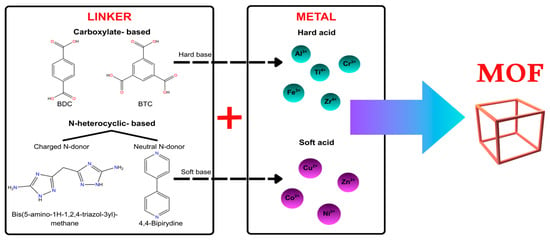
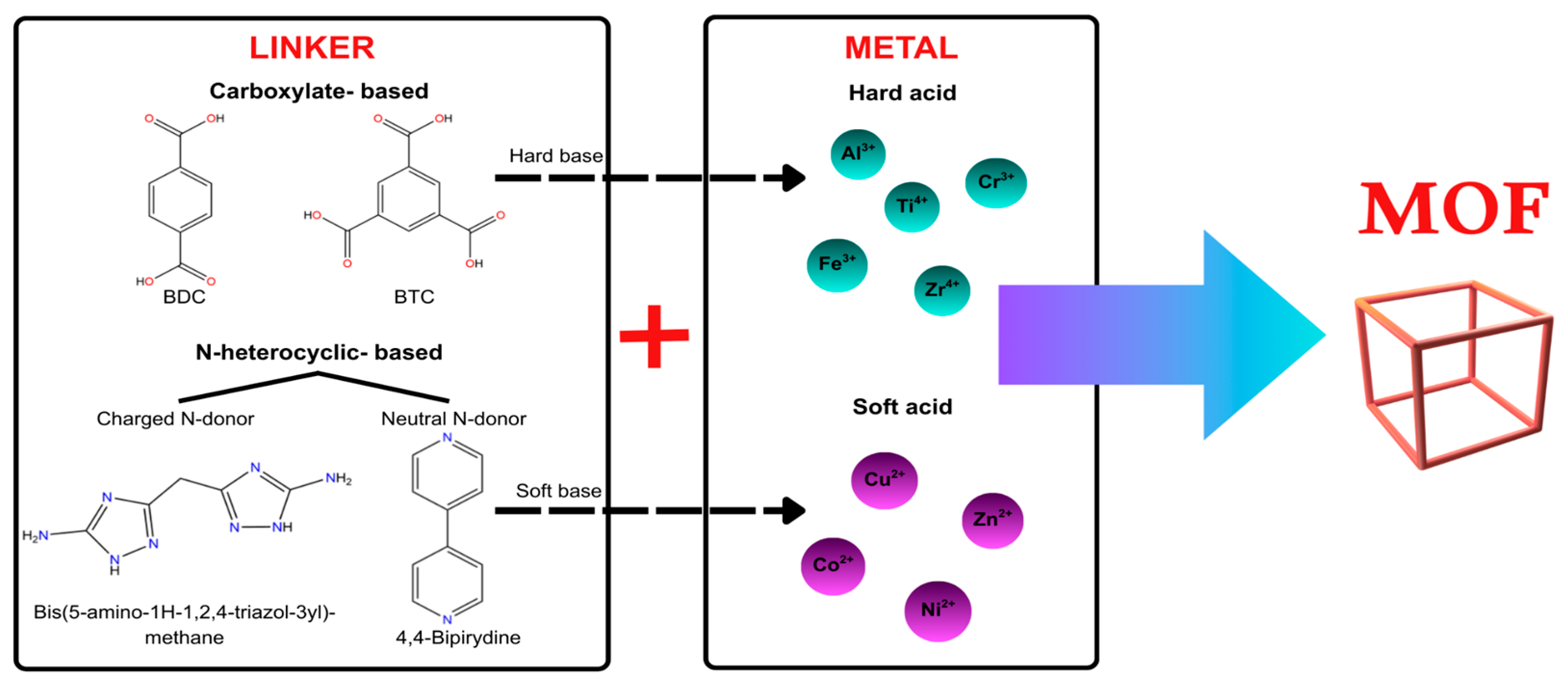
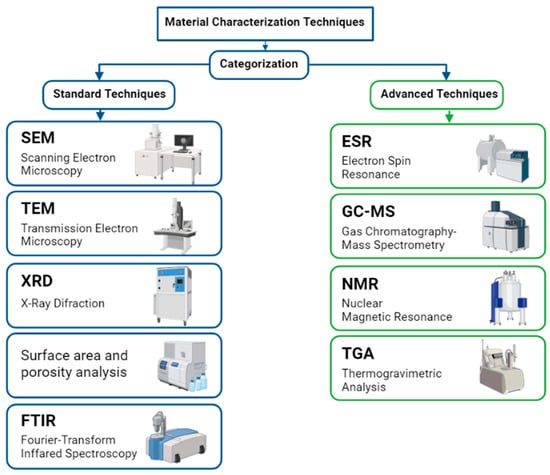
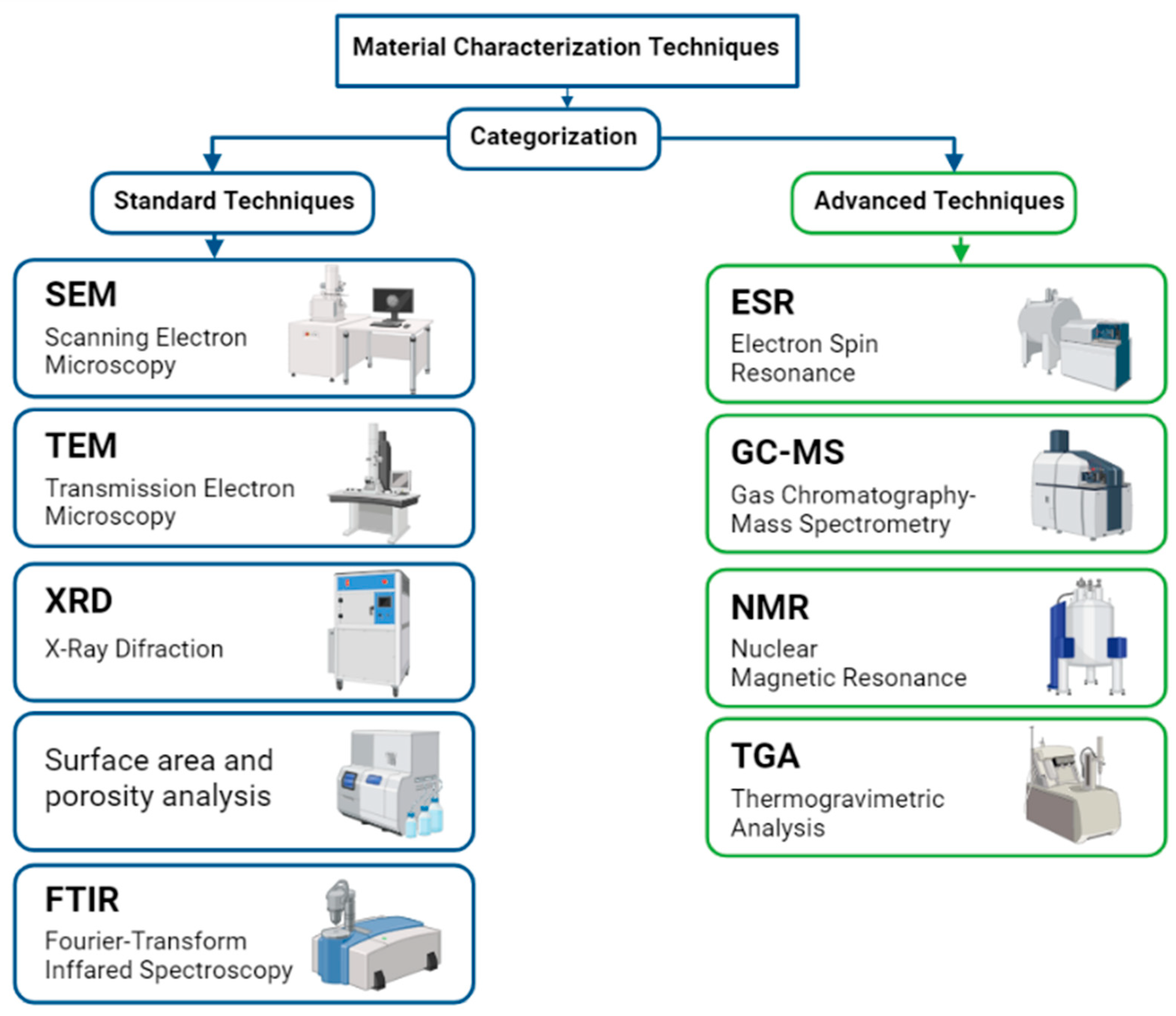
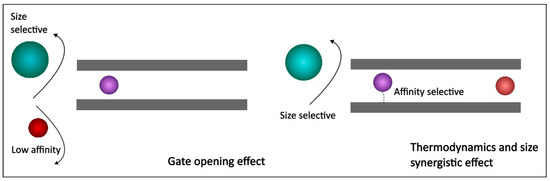
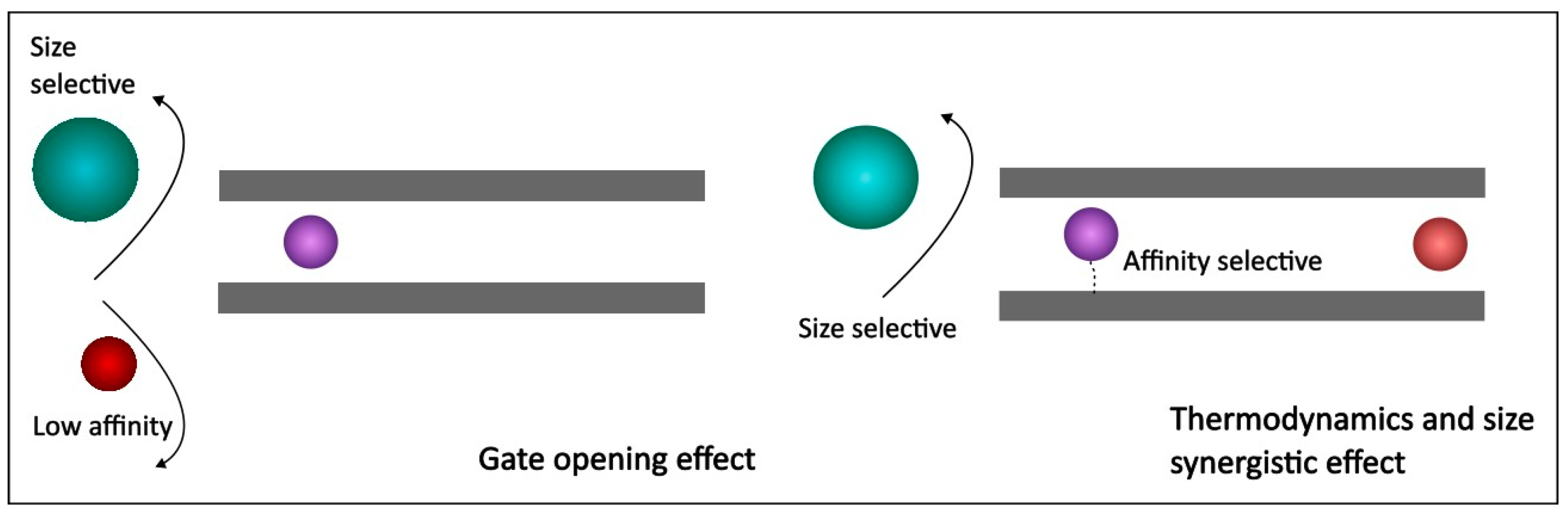

Disclaimer/Publisher’s Note: The statements, opinions and data contained in all publications are solely those of the individual author(s) and contributor(s) and not of MDPI and/or the editor(s). MDPI and/or the editor(s) disclaim responsibility for any injury to people or property resulting from any ideas, methods, instructions or products referred to in the content. |
© 2026 by the authors. Licensee MDPI, Basel, Switzerland. This article is an open access article distributed under the terms and conditions of the Creative Commons Attribution (CC BY) license.