


Abstract
With the increasing development and utilization of natural resources, the importance of rock property characterization is becoming increasingly prominent. Artificial intelligence (AI) technology, with its rapid and accurate identification and analysis capabilities, is driving the evolution of a new generation of intelligent rock property analysis technologies. This paper systematically reviews the application and development trends of AI in rock property analysis. Key topics include: using AI methods to identify and analyze rock structure, composition, and texture; introducing commonly used AI models, analytical metrics, and public datasets in this field to help researchers more comprehensively evaluate model performance and match appropriate rock data; and summarizing AI solutions, future challenges, and coping strategies in four key areas of rock property analysis. This study emphasizes that the current application of AI methods to rock property analysis still faces challenges such as data quality, model generalization, and interpretability. To address these challenges, this paper proposes constructive suggestions, including the development of industry standards for intelligent rock analysis, the integration of petrological theory and fluid dynamics equations, and the adoption of weakly supervised learning strategies, in order to overcome existing technical bottlenecks.
1. Introduction
The current understanding of rocks has gone through the following stages. In the first stage, people were concerned with the formation, composition, classification, and properties of rocks. In the second stage, people not only focused on rocks but also shifted their attention to the environment of rocks. In the third stage, through a large number of experiments and analytical methods, many theories [1,2,3], empirical formulas, and methodologies for understanding the formation of rock properties were accumulated, and these methods were used to improve human lifestyles. However, with the development of human beings, a huge gap has appeared in our understanding and utilization of rock properties. Many researchers have pointed out in their own research that we should propose a more intelligent, efficient and universal research method to analyze rock physical properties [4,5,6]. At present, many researchers have achieved very in-depth understanding of different aspects of rock physical properties. We have accumulated a lot of knowledge, data, and methods regarding rock physical properties. These results have the characteristics of different disciplines, different fields, and mutual intersection. It is difficult to fully obtain rock physical properties using traditional research methods. Artificial intelligence technology has great advantages in processing large amounts of data and analyzing their internal characteristics. At present, many researchers are investing their energy into using artificial intelligence methods to analyze raw rocks to obtain comprehensive rock physical properties [7,8,9,10]. This can not only use the powerful memory ability of artificial intelligence methods to enable them to learn existing knowledge, but also use the powerful analytical ability of artificial intelligence to obtain some new discoveries that have not yet been recognized, promote knowledge cross-borders, develop rock physical property research and provide a comprehensive and solid knowledge reserve.
Combined with the current development of artificial intelligence technology, researchers have identified a new solution to the current difficulties in studying rock properties. In reality, we don’t lack methods or the accumulation of knowledge about certain properties; rather, we lack tools that can comprehensively accumulate knowledge and support logical reasoning. For example, to obtain the physical and mechanical properties of rocks, we typically use mechanical experiments; to obtain rock structural properties, we use optical experiments (thin section analysis), CT scanning [11,12,13], and fluid injection methods, which can obtain complex, multi-dimensional rock structural properties. To assess the environmental information present in rocks, we use seismic, electrical, and magnetic methods to determine the state and properties of rocks at depth. To understand rock composition, we can use thin section analysis, mineralogical experiments, and geochemical analysis. Artificial intelligence technology can analyze data, text, images, and other materials, and can also predict desired information from existing data, revealing the internal patterns and characteristics of existing data.
Currently, research results in the intelligent analysis of rock properties are mainly concentrated in the following three categories: First, obtaining rock properties from image information, such as analyzing the pore network structure of rocks using CT images of rocks. Features that are highly correlated with rock structure are learned by intelligent models. After being provided with these features, relevant parameters can be predicted, replacing experiments and reducing costs [14,15,16]. Using rock microstructure and thin sections to obtain rock composition information, artificial intelligence methods are used to obtain mineral morphology, structure, and other features to achieve functions such as identifying mineral composition, rock classification, and mineral analysis. We also use geophysical images to obtain the structure and state properties of deep-earth rocks. Second, using existing data to train models so that they can generate data of the same quality as real-world data. These efforts can generate more similar data for studies with small sample sizes, helping people study related scientific problems. For example, using a rock casting thin section can obtain the permeability of the thin section. However, since most rocks are heterogeneous, a single rock thin section cannot represent the characteristics of the corresponding rock formation. In this case, using such technology can generate data similar to the thin section to obtain data for the corresponding rock formation. Third, since many studies only involve the prediction of one aspect of rock physical property characterization, and artificial intelligence currently demonstrates powerful capabilities in analyzing big data, using a variety of rock property-related data for training can improve the model’s generalization ability to adapt to different rock properties and different problems (Table 1).
Table 1.
Summary of Representative Studies on Deep Learning Applications in Digital Rock Physics and Petrophysical Property Prediction.
To ensure terminological precision and avoid ambiguity, this review adopts a standardized hierarchy of definitions. We use “Rock physical properties” as the overarching term to describe fundamental core characteristics, such as porosity, permeability, and mineral composition. This category encompasses “rock reservoir properties,” which specifically refers to the physical traits of reservoir formations essential for storage and transport. In contrast, we strictly reserve the term “petrophysical properties” for properties derived via geophysical logging methods, including electrical, elastic, density, and radioactive characteristics. Finally, “rock property analysis” is defined as the methodological process of evaluating these properties to facilitate reservoir characterization and development.
To systematically elucidate this “Process-Driven AI-Empowerment Framework,” the remainder of this review is organized into three progressive dimensions. Section 2 establishes the algorithmic foundations, detailing how AI methods progress from component identification and parameter prediction to complex multimodal fusion. Section 3 addresses advanced training strategies, specifically focusing on the core challenges of physics-constrained learning and cross-scale generalization. Section 4 connects these methodologies to practical application scenarios, identifying critical gaps and future optimization directions. We believe this structured perspective provides a clear roadmap for researchers to understand how AI “empowers” traditional rock physics.
This study reviews the latest progress in the application of artificial intelligence methods to petrophysical property characterization and intelligent petrophysical property analysis. First, a comprehensive overview of cutting-edge research results using deep learning methods in petrophysical property characterization is presented. Next, an in-depth discussion of the key components of various deep learning algorithms, including their unique algorithmic structures, frameworks, and feature extraction methods, is provided, along with their limitations and deficiencies. Finally, drawing on existing research findings, a comprehensive discussion of the challenges facing the use of artificial intelligence methods for intelligent petrophysical property analysis is presented, along with potential approaches and future development trends.
2. Algorithm Model Based on Artificial Intelligence Method in Rock Physical Property Analysis
Petrophysical properties refer to the physical attributes of rocks under specific geological conditions. These parameters primarily include porosity, permeability, density, resistivity, acoustic transit time, and elastic modulus. These parameters provide valuable insights into reservoir quality, assess oil and gas enrichment potential, and guide development. In oil and gas exploration and development, the accurate and reliable acquisition and interpretation of petrophysical properties are of great theoretical and practical significance for detailed reservoir characterization, productivity prediction, and development plan optimization. Traditional petrophysical property analysis methods primarily fall into two categories: core testing and inversion from well logging data. Core testing, through direct measurement of physical samples, such as gas flooding, mercury intrusion, nuclear magnetic resonance, and stress–strain testing, can yield highly accurate data on pore structure and mechanical parameters. However, their application is limited by the representativeness of core acquisition, the controllability of experimental conditions, and the high cost and inefficiency of operation. Well logging interpretation, based on the geophysical response characteristics of the formation, inverts petrophysical properties through analytical or semi-empirical models. For example, well logging data such as acoustic, resistivity, and natural gamma ray can be used to invert porosity and permeability relationships. Although this type of method has the advantages of wide coverage and high application efficiency, its accuracy is limited by the simplified assumptions of the model and the problem of non-unique solutions, especially in complex reservoirs or heterogeneous media.
In recent years, the rapid development of artificial intelligence (AI), particularly the widespread application of machine learning and deep learning methods, has provided new approaches for the efficient prediction and nonlinear modeling of rock properties. Algorithms such as support vector machines (SVMs), random forests (RFs), gradient boosting (XG–Boost), and convolutional neural networks (CNNs) can be used to fuse and model multiple sources of information, including core test data, well logging data, and seismic attributes, enabling rapid prediction and dynamic updating of rock properties. These methods demonstrate excellent adaptability and generalization capabilities in handling large data sets, nonlinearities, and heterogeneity, and have gradually become an important supplement and development direction for rock property analysis (Figure 1).
Figure 1.
Evolution of Artificial Intelligence in Reservoir Petrophysical Analysis: A Timeline of Theoretical Foundations and Methodological Breakthroughs (1935–2025) This timeline illustrates the key theoretical developments (marked in blue) and milestone methodological advances (marked in orange) in the application of artificial intelligence to rock reservoir petrophysical analysis. Blue boxes denote foundational theories that underpin AI-driven modeling, while orange boxes highlight transformative techniques and algorithms that have enabled practical breakthroughs in reservoir characterization, such as Deep Learning, Transformer models, and self-supervised learning. Notable milestones include the integration of Convolutional Neural Networks (CNN)s, Reinforcement Learning, and large-scale data-driven frameworks like RockML and LithoNet, reflecting the convergence of AI and geoscience toward intelligent subsurface interpretation.
The application of AI in rock physics has accelerated significantly in the last decade, transitioning from early expert systems to modern deep learning architectures. In the early 21st century, Convolutional Neural Networks (CNNs) and Deep Neural Networks (DNNs) became instrumental in high-precision rock image analysis and feature extraction. Recently, the integration of self-supervised learning, Transformer models, and multimodal systems—exemplified by frameworks such as DeepPore [22], LithoNet, and GeoDeepRock—has driven a paradigm shift from simple automation to intelligent interpretation, substantially enhancing the accuracy and efficiency of petrophysical characterization. Currently, intelligent rock analysis technologies primarily focus on the following key issues: mineral composition identification, rock structural parameter analysis, physical parameter prediction, rock composition and structure modeling, multimodal data integrated analysis, and intelligent decision-making. These issues collectively characterize the overall physical properties of rock. Notably, the artificial intelligence methods employed to address these issues share a high degree of similarity. Therefore, we can categorize and describe these issues based on data type, thereby providing a more systematic understanding of the characteristics of different methods and the properties of the data itself. Specifically, the data used in intelligent rock analysis primarily include image data (such as microscope images, rock thin sections, and CT scans), numerical measurement data (physical parameters and experimental data), geophysical data (well logging and seismic data), multimodal fusion data, and time series and dynamic monitoring data. AI technologies address these diverse data types, including mineral identification, pore and fracture detection, physical parameter prediction, reservoir characterization, multimodal data fusion and integrated analysis, and dynamic change monitoring. This article will focus on the characteristics and advantages of various algorithms for processing these diverse data types, aiming to provide theoretical support and practical guidance for optimizing intelligent rock analysis methods.
2.1. Image-Processing Models in Intelligent Analysis of Rock Physical Properties
Artificial intelligence-based image processing methods play an important role in the field of intelligent analysis of rock physical properties. They mainly solve problems such as the segmentation and identification of rock mineral components, the extraction and description of pore network structure, the analysis of pore network connectivity, and the generation of high-quality three-dimensional rock models to support subsequent physical simulation and numerical analysis.
In traditional rock image processing, the threshold segmentation method is one of the most classic methods. Its basic principle is to distinguish different regions, minerals, and structures by setting the grayscale threshold of the rock image. However, this method relies solely on grayscale value information. In the process of processing complex rock images, it is usually difficult to achieve high accuracy and efficiency, and the transferability is poor. To overcome the above shortcomings, subsequent researchers combined the morphological characteristics, structural characteristics, and growth direction of rock minerals and pores, and proposed a method of introducing morphological fractal theory, which effectively improved the accuracy of identifying rock pore structure and mineral components. In addition, some studies have proposed using the structural self-similarity of mineral crystals and introducing machine learning methods such as clustering algorithms. Starting from the image texture characteristics, the accuracy and stability of the classification of different mineral components have been improved.
Deep learning architectures have been increasingly specialized for petrophysical characterization, moving beyond general image processing to address domain-specific challenges. The U-Net model is extensively employed for precise pixel-wise semantic segmentation, demonstrating superior capability in capturing subtle micro-structures such as micro-fractures and grain boundaries in heterogeneous rock samples [14,18,23,24]. Advancing to instance-level analysis, Mask R-CNN enables the quantitative classification of pore geometries (e.g., distinguishing macropores from mesopores) and the automated identification of complex mineral compositions, including mica, feldspar, and olivine. In the volumetric domain, 3D CNNs are utilized to process X-ray CT and FIB-SEM data, directly extracting topological features—such as pore network connectivity and spatial mineral distribution—without the information loss inherent in 2D slice analysis. Furthermore, Generative Adversarial Networks (GANs) address the critical bottleneck of data scarcity by synthesizing high-fidelity digital rock models and performing super-resolution reconstruction, thereby generating robust datasets for subsequent numerical simulations [25].
In conclusion, these AI-based image processing models provide robust technical support for intelligent rock property analysis, significantly enhancing both accuracy and efficiency in complex rock structure identification while opening new horizons for advanced petrophysical research and applications (Figure 2, Table 2).
Figure 2.
Comparative Analysis of Leading Deep Learning Frameworks for Rock Composition Identification: An Insight into Mask R-CNN, U-Net, and SAM. This illustration elucidates the network architectures and workflows of three predominant deep learning frameworks utilized in rock composition identification: Mask R-CNN achieves high-precision mineral boundary localization through region proposal and instance segmentation; U-Net employs an encoder–decoder symmetrical structure with skip connections to effectively retain spatial details, making it suitable for high-resolution microscopic image segmentation; and the Segment Anything Model (SAM) introduces a prompt-based segmentation mechanism that supports flexible and generalized segmentation tasks. These models represent typical paradigms within the evolution of object detection, semantic segmentation, and general-purpose segmentation in petrographic analysis, offering diverse technical pathways for intelligent rock image interpretation.
Table 2.
Summary of Deep Learning Approaches for Thin Section Analysis and Mineral Identification.
2.2. Numerical Prediction Models for Intelligent Rock Property Analysis
Multiple physical parameters of rocks significantly impact the exploitation and utilization of natural resources. Conventional experimental analytical techniques require extensive laboratory testing, often being limited to specific rock types, with poor generalizability and universal applicability. Traditional numerical approaches predominantly rely on fundamental physical and mathematical models, such as Darcy’s law, effective medium theory, and pore-scale network models. However, these models are constrained by stringent application conditions typically being applicable only to specific geological environments and lithologies.
Artificial intelligence techniques, particularly machine learning and deep learning models, are progressively overcoming the limitations of conventional approaches and emerging as effective tools for rock property prediction. Classical machine learning algorithms including Support Vector Machines (SVMs), Random Forests, XGBoost, and Gradient Boosting Trees, typically utilize feature data extracted from rock images or core samples for prediction. With proper feature engineering, these methods can achieve reasonably accurate parameter estimations.
In recent years, deep neural networks, particularly Convolutional Neural Networks (CNNs), leveraging their exceptional nonlinear modeling capabilities, have demonstrated effective spatial feature extraction from rock images, enabling direct prediction of key physical parameters (e.g., porosity, permeability, elastic modulus) from either raw or segmented rock images. Moreover, for sequential geological data like seismic waveforms and well logs, Recurrent Neural Networks (RNNs) and their variants (e.g., Long Short-Term Memory networks—LSTMs) have been widely adopted to capture their spatiotemporal characteristics, facilitating stratigraphic division, structure identification, and composition analysis in deep formations.
Hybrid models integrating CNNs with Graph Neural Networks (GNNs) demonstrate superior capability in characterizing rock structural information, enabling detailed analysis of pore network connectivity and distribution characteristics which supports the modeling of transport properties in porous media. Meanwhile, physics-informed neural networks (PINNs) incorporating physical constraints integrate petrophysical conservation laws and constitutive relations into the training process, thereby enhancing both the physical plausibility of models and improving their generalizability and interpretability (Table 3).
Table 3.
Summary of Deep Learning Models for Petrophysical Parameter Prediction.
In summary, the numerical prediction models in intelligent rock property analysis encompass a comprehensive technical framework ranging from conventional physical simulations to advanced AI methodologies. These models effectively bridge multimodal imaging data with reservoir-critical parameters, significantly enhancing the accuracy, efficiency, and scalability of petrophysical characterization, thereby providing robust technical support for hydrocarbon exploration and geological research.
2.3. Multimodal Analysis Models for Intelligent Rock Property Characterization
In rock property analysis, various types of data modalities are typically involved, including 3D X-ray computed tomography (CT) images, scanning electron microscopy (SEM) images, optical thin-section micrographs, and well logging data. Each data type has distinct characteristics in terms of spatiotemporal information, physical interpretation, and acquisition methods. Consequently, it is challenging to obtain comprehensive and accurate rock property characterization using simple unimodal approaches. Multimodal analysis models aim to address the integration of heterogeneous data when processing multiple data types, enabling models to perform unified analysis and interpretation of diverse rock data and extracted features. Through advanced deep learning frameworks, graph neural networks, and attention mechanisms, the models can effectively mine complementary information across different data sources, thereby enhancing model generalizability and richness.
Common multimodal fusion strategies include: Feature-level fusion: Basic deep learning methods extract features from different data sources, which are then concatenated or weighted to form a unified representation, enabling the model to capture feature correlations and complementarity for enhanced decision-making. Decision-level fusion: Models are trained and make predictions independently, with final outputs combined through weighted voting based on each model’s prior relevance, utilizing weighted averaging or meta-learners for integration. While achieving fusion, this approach lacks inter-modal information exchange during prediction. Cross-modal attention mechanism: Extends Transformer’s self-attention to cross-modal contexts, dynamically adjusting feature weights across modalities for synergistic representation [27,38,39,40]. Graph neural networks (GNNs): Represent rock components as graph structures with nodes encoding multimodal features, employing GNNs to model intricate spatial dependencies and connectivity patterns [41,42,43,44].
Significant progress has been achieved across multiple fronts of rock property characterization, including the development of multi-scale feature fusion models for pore network identification that integrate CT (macroscale) and SEM (microscale) data, which significantly enhance the accuracy of pore network structural analysis. In mineral identification, integrated models combining thin-section optical micrographs with SEM images have been established to improve both the speed and precision of mineral boundary detection and classification, thereby facilitating petrographic analysis and hydrocarbon reservoir evaluation. Furthermore, the integration of rock CT images with fluid physical equations enables accurate prediction of porosity, permeability, and relative permeability curves [2,45,46] (Table 4).
Table 4.
Summary of recent deep learning studies utilizing multi-modal data for rock characterization and property prediction.
In summary, the most significant advancement offered by multimodal analysis models in rock property characterization is their ability to simultaneously process diverse data types and establish multiple operational models during training and prediction to extract distinct data features. By comprehensively analyzing these data, they capture not only the intrinsic characteristics of individual data sources but also reveal inter-data relationships, enabling comprehensive and efficient intelligent rock property analysis. This integration not only enhances the depth and breadth of petrophysical understanding but also supports applications in hydrocarbon resource assessment, subsurface development, and geotechnical engineering.
2.4. Summary of Intelligent Algorithm Models
This section systematically reviewed the three core algorithmic frameworks underpinning intelligent rock physical property analysis. First, image processing models (e.g., CNN, U-Net, Mask R-CNN, and GANs) have become standard tools for micro-structural characterization, enabling automated tasks ranging from mineral component segmentation and pore network extraction to digital rock reconstruction. Second, numerical prediction models leverage the robust nonlinear mapping capabilities of machine learning (SVM, RF) and deep learning (RNN, LSTM, PINNs) to establish high-precision prediction pathways from well logs or core images to key physical parameters such as porosity and permeability, addressing the efficiency limitations of traditional physical experiments and numerical simulations. Finally, multimodal analysis models integrate CT images, Scanning Electron Microscopy (SEM), and well-logging data through feature-level and decision-level fusion strategies, effectively resolving the information isolation inherent in single-source analysis. Together, these algorithms constitute a comprehensive technical foundation spanning from micro-pore characterization to macro-reservoir evaluation, providing theoretical and methodological support for subsequent geological applications.
While the image processing and numerical models have significantly automated petrophysical analysis, a critical dichotomy remains between data-driven precision and physical consistency. Standard architectures like CNNs and RNNs excel at extracting non-linear features from high-quality labeled datasets but often suffer from a “generalization bottleneck” when applied to heterogeneous field data with unseen lithological textures. Moreover, purely data-driven predictions frequently violate fundamental conservation laws (e.g., mass balance in flow simulations) because they optimize for statistical correlation rather than physical causation. In contrast, emerging Physics-Informed Neural Networks (PINNs) offer a robust solution by embedding governing equations (e.g., Darcy’s law) directly into the loss function, ensuring predictions are physically plausible even with sparse data, though they incur higher computational costs. Furthermore, a significant scale mismatch persists; micro-scale image models often struggle to directly inform macro-scale well-logging predictions without explicit upscaling protocols. Consequently, the evolution of intelligent analysis must shift from merely selecting superior architectures to developing “physics-aware” systems that strictly balance statistical fit with geological validity.
3. Model Training Methods in Deep Learning Approaches
Current mainstream deep learning training frameworks can be categorized based on model types, learning paradigms, and training strategies. Based on learning paradigms, deep learning training methods include supervised, unsupervised, semi-supervised, and reinforcement learning. This classification depends on whether labeled data is used during training. Labels represent ground truth values derived from natural phenomena and scientific observations that models aim to predict. Ordered by the amount of labeled data used, these range from supervised (most labels) to semi-supervised and unsupervised learning (least labels). Reinforcement learning involves agents optimizing decision-making through environmental interactions and feedback signals. Diverse learning strategies have been extensively applied in intelligent rock property analysis. These enable more intelligent, comprehensive, and efficient petrophysical analyses. The ongoing data explosion has significantly diversified rock data types, manifested through exponential growth in data volume and dimensionality. Consequently, simply applying established models no longer guarantees optimal results in rock property analysis. Optimal training methods must be carefully selected based on data characteristics. Researchers should therefore understand prevailing training methodologies.
Although deep learning techniques can resolve many of the difficulties encountered in rock property analysis, the results produced by such models are strongly dependent on the similarity between the training data set and the true rock data set. The dominant approaches to rock-property characterization today are based on strongly supervised learning, which allows deep learning models to inherit the mature theoretical foundations that have been established for conventional methods. However, a universally applicable theory for rock property analysis does not yet exist; most existing theories are derived under a set of simplifying assumptions, and consequently the models are trained on data that satisfy those assumptions. This restriction prevents the models from learning patterns that lie outside the current human-defined theoretical framework, causing data that fall beyond those assumptions to be automatically filtered out. In addition, the “memory” issue inherent to artificial-intelligence systems gives rise to confidence problems in the outputs of even well-trained AI models.
In order to better apply dee -learning methods to scientific problems, a rational training strategy and modeling approach are essential. This section presents an overview of model-training methods suitable for rock property analysis from three perspectives. First, we introduce the principal training strategies used in rock property analysis, reviewing the strategies currently adopted for different training tasks and target materials. Second, we describe the various performance-evaluation metrics employed for rock-property models; this helps researchers become familiar with the metrics used in the literature and enables a rapid assessment of model training performance. Finally, we summarize the main training techniques applied in intelligent rock property analysis, focusing on the techniques that are presently dominant in this field.
3.1. Training Strategies in Intelligent Analysis of Rock Physical Properties
In intelligent petrophysical property analysis, the core goal of model training strategies is to utilize limited computing resources and labeled samples to improve model predictive performance and overcome challenges such as data size, model complexity, and training stability. To achieve this goal, researchers typically systematically design training schemes from three perspectives: data layer, model structure layer, and training optimization layer. Data-level work begins with rigorous cleaning and denoising of raw core images, well logs, or seismic attributes to eliminate noise, fill missing values, and remove anomalous samples, ensuring input data quality. Subsequently, through cross-domain data fusion, multi-source information—including laboratory core images, field well logs, and remote sensing or seismic attributes—is uniformly calibrated and registered to enhance feature diversity and expressiveness. Specifically optimizing the word segmenter or feature extractor for petrological terminology reduces semantic ambiguity. To this end, data augmentation techniques such as image geometric transformations (rotation, flipping, random cropping) or text-level synonym replacement and back-translation are often employed. Curriculum learning is then used to gradually introduce samples from easier to more difficult levels to accelerate model convergence and enhance robustness.
To address the computational and memory bottlenecks associated with large-scale models, recent advancements focus on the synergy between architectural optimization and training strategies. Architecturally, the introduction of sparse attention mechanisms (e.g., Longformer) and Mixture of Experts (MoE) effectively decouples parameter scale from computational cost, while fine-tuning techniques such as Low-Rank Adaptation (LoRA) and DeepNorm significantly enhance training stability and transfer efficiency. Simultaneously, training optimization leverages mixed-precision schemes (FP16/BF16) and multi-dimensional hybrid parallelism (integrating data, model, and tensor parallelism). When combined with adaptive optimizers like AdamW and LAMB, these approaches enable the efficient convergence and scalable training of ultra-large models, even under constrained hardware resources. In the specific application of intelligent petrophysical property analysis, common training paradigms include supervised learning, semi-supervised/unsupervised learning, active learning, and ensemble learning. Supervised learning achieves highly accurate and interpretable predictions by constructing an end-to-end mapping between core images and physical parameters such as porosity and permeability. However, its reliance on large amounts of high-quality labeled data limits its generalization across oilfield scenarios. Semi-supervised and unsupervised methods, through techniques such as graph Laplace regularization, SimCLR, DeepCluster, and GANs, combine small amounts of labeled data or directly explore the internal structure of unlabeled data, significantly reducing labeling costs and enabling the utilization of massive amounts of unlabeled samples. However, the physical interpretability of these results is relatively weak, requiring the embedding of physical constraints (such as Darcy’s law) in the loss function to enhance confidence. Active learning, through uncertainty sampling, allows the model to proactively select the most valuable samples for manual labeling. This can significantly improve model performance within a limited labeling budget, but relies on expert interaction and the labeling process is relatively complex. Ensemble learning fuses multiple base models through weighting, voting, or stacking to reduce the risk of overfitting of a single model and improve the robustness of predictions, at the cost of higher training costs and difficulty in model fusion tuning [48].
In summary, model training strategies for intelligent petrophysical property analysis have evolved from single supervised learning to a comprehensive system that integrates data, structure, and optimization layers. Through systematic data cleaning and enhancement, model design using sparsification and a mixture of experts, training optimization using parallel and mixed-precision approaches, and the organic integration of supervised, semi-supervised, active, and integrated approaches, the model’s predictive accuracy, interpretability, and robustness can be significantly improved, despite the constraints of limited annotation costs, large model sizes, and the increasing need for cross-domain generalization. Future research should focus on self-supervised pre-training, physics-driven regularization, and lightweight multimodal fusion to further advance intelligent petrophysical property analysis towards efficiency, interpretability, and transferability.
3.2. Evaluation Indicators in Rock Property Analysis
In oil and gas exploration and geothermal development, petrophysical property analysis is a key component of reservoir evaluation, numerical simulation, and production optimization. With the rapid accumulation of multi-source data, including high-resolution core imaging, well logs, and seismic attributes, intelligent models based on machine learning and deep learning have become the primary technical approach to improving the accuracy and efficiency of petrophysical property prediction. However, petrophysical property analysis involves a wide variety of tasks—including lithofacies classification, continuous property regression such as porosity/permeability, three-dimensional pore network segmentation, and anomaly event detection—and performance evaluation criteria vary depending on the task. Relying solely on a single evaluation metric often fails to fully reflect a model’s performance in terms of accuracy, robustness, geometric consistency, and uncertainty quantification. Therefore, systematically analyzing and explaining the evaluation metrics corresponding to various tasks and their practical significance in petrophysical property analysis has important theoretical and engineering implications for model design, result interpretation, and cross-field and cross-instrument comparability. Against this backdrop, this paper summarizes and compares commonly used evaluation metrics for tasks such as classification, regression, segmentation, and time series prediction in petrophysical property analysis, and explores their selection principles and interpretation methods in practical applications.
Object detection serves as a pivotal technology for rock composition characterization and structural segmentation, utilizing architectures such as anchor-point and anchor-box methods to effectively identify and localize irregularly shaped or multi-scale mineral grains within complex geological backgrounds. To ensure feasibility for industrial applications, the performance of these models is comprehensively assessed through multi-dimensional metrics focusing on classification accuracy, spatial localization precision, and inference speed, thereby balancing recognition capability with computational efficiency. In summary, target detection technology in rock property analysis is developing toward simplified structure, scale adaptability, and diversified evaluation systems. The rational selection of anchor points or anchor frames should be based on the target size distribution and data quality requirements of the specific task. A comprehensive evaluation system should simultaneously consider the three key metrics of classification, localization, and speed to ensure high accuracy, robustness, and real-time performance of the model in both experimental validation and field applications (Table 5).
Table 5.
Summary of Evaluation Metrics Used in Classification and Localization Tasks.
3.3. Model Training Technology in Intelligent Analysis of Rock Properties
In deep learning algorithms for petrophysical property characterization, different learning methods for the same task will produce different results. This section mainly compares the characteristics of different research methods, the main framework modes, applicable scenarios, and the main advantages of such frameworks based on the model methods that may be used in the field of petrophysical property analysis and similar related fields. By comparing different training methods, main strategies, and main applicable scenarios, we can quickly grasp different data characteristics and corresponding processing features. For example, for data with strong temporal characteristics such as well logging data, rock CT images, and mercury injection curve data, recurrent neural networks should be used to improve the model’s ability to learn the temporal characteristics of such data. For data with high labeling costs such as rock thin section data, a supervised training strategy should be adopted. For prediction parameters with clear mathematical principles, physical equations, and other theoretical constraints, physical principles should be added during the training process to constrain the model to ensure that the model has learned this prior knowledge. By understanding different learning strategies, it can be clear that the computing resources consumed by using different task solutions for similar tasks are not the same; the generalization performance of the model using different training strategies to solve the same problem is also different, and different strategies also have different model convergence speeds and prediction accuracy. Therefore, in the intelligent method of rock physical property analysis, the model training strategy is an extremely important aspect that determines the model’s performance. By choosing the correct and appropriate training strategy, the model convergence speed and robustness can be improved, and the model training cost can be reduced (Table 6).
Table 6.
Overview of Advanced Deep Learning Paradigms for Petrophysical and Reservoir Characterization Tasks.
3.4. Summary of Model Training and Evaluation
This section systematically outlined the training infrastructure for intelligent petrophysical analysis across three dimensions: data, model architecture, and optimization strategies. At the data layer, challenges regarding geological sample scarcity and uneven distribution are mitigated through advanced augmentation techniques (e.g., geometric transformations, SMOTE) and cross-domain data fusion. At the model layer, architectures such as Long Short-Term Memory (LSTM), Transformers, and Low-Rank Adaptation (LoRA) mechanisms are employed to balance computational efficiency with feature extraction depth. At the optimization layer, mixed-precision training and distributed parallel frameworks have effectively overcome memory bottlenecks inherent in high-resolution 3D digital rock modeling. Furthermore, the evaluation system has evolved from single statistical metrics (e.g., Accuracy, MSE) to multidimensional criteria encompassing geometric consistency (IoU) and physical plausibility. Collectively, these methodologies establish a paradigm shift from “model-centric” to “data-and-physics-centric” training workflows.
While training strategies have diversified, selecting the optimal approach requires navigating critical trade-offs between data cost, generalization, and physical consistency. First, a dichotomy exists between supervised precision and operational scalability. Supervised learning currently yields the highest accuracy for tasks like porosity prediction but is severely constrained by the high cost of expert annotation and poor generalization across varying lithologies due to distribution shifts. In contrast, Transfer Learning and Self-Supervised Learning reduce label dependency but face the risk of “negative transfer,” where features learned from source domains (e.g., natural images) fail to capture complex rock textures. Second, data imbalance represents a pervasive failure mode in standard training pipelines. Rare geological events (e.g., micro-fractures or specific mineral deposits) are frequently misclassified by models biased towards majority background classes. Recent findings by Xi et al. [35] demonstrate that standard classifiers underperform in these heterogeneous settings, whereas employing synthetic over-sampling techniques like SMOTE is essential to establish robust decision boundaries and improve identification accuracy. Finally, a disconnect persists between statistical metrics and physical validity. Standard indicators listed in Table 5 (e.g., IoU, MSE) focus primarily on visual or pixel-level similarity but often fail to penalize physically impossible results. For instance, a generated pore network may achieve a high IoU score yet exhibit disconnected flow paths that violate fluid dynamics. This underscores the necessity for future training paradigms to evolve from purely data-driven loss functions to physics-constrained optimization (e.g., PINNs) that ensures geological fidelity.
4. Deep Learning Case Studies in Rock Property Analysis
Rock physical property analysis plays a fundamental role in ensuring the stability of building structures [54], mineral resource development [39,55,56,57], comprehensive reservoir evaluation [46,57,58,59,60], and sustainable utilization of natural resources in engineering practices. The physical properties of different types of rocks have important guiding significance for subsequent development activities. The establishment of a fast and accurate rock physical property analysis method not only has significant application value in related fields, but also can feed back to the improvement of the existing rock physical property theory system. The current application of artificial intelligence technology in this field mainly presents the following four dimensions: First, component identification technology. In actual engineering practice, technicians need to carry out systematic tests for different working conditions to obtain rock physical parameters. Traditional methods rely on laboratory analysis to obtain information such as rock structure, mineral composition and elemental composition, and form test reports based on national/industry/international standards [61]. This process involves repeated statistical work on a large amount of structural data, which is essentially a component identification task. Deep learning methods (such as convolutional neural networks) can automatically identify and quantitatively analyze mineral compositions [28,58,62,63] and automatically generate test reports based on standard specifications, significantly improving work efficiency. Second, physical property prediction. This technology is primarily used in areas with sufficient data, such as predicting physical properties such as permeability [14,27,35,36,64,65,66] and porosity [14,64,67,68,69] based on rock microscopic images. Its core principle is to use machine learning algorithms to establish a nonlinear regression model between rock microstructural characteristics and macroscopic physical properties, thereby enabling intelligent prediction of physical property parameters based on newly input structural features. Third, data generation. Generative adversarial network (GAN) technology can expand and reconstruct local information. For example, it can generate three-dimensional rock models based on rock thin-section data [70,71], providing a geometric foundation for numerical simulation of rock properties. Alternatively, it can combine experimental physical property data with CT scan data to generate digital rock cores with realistic structural characteristics [33,72,73], supporting digital rock physics analysis. Fourth, multimodal data fusion analysis. This technology integrates modules such as component identification, parameter prediction, and data generation to construct a multimodal data processing model. The system can simultaneously process image, text, and numerical data, establishing an intelligent solution covering the entire rock property analysis process. In summary, artificial intelligence methods have effectively improved the efficiency and accuracy of rock property analysis, providing standardized and reproducible technical paths for engineering practice. This section will systematically review the current status of various technology applications, deeply analyze existing technical bottlenecks, and propose feasible optimization solutions and development recommendations.
4.1. Component Identification Technology
Traditional mineral identification relies on manual observation via thin-section analysis and X-ray diffraction (XRD), processes that are inherently labor-intensive, subjective, and difficult to scale. In contrast, deep learning algorithms—such as Convolutional Neural Networks (CNNs)—can integrate multi-source data (e.g., cross-polarized micrographs and extinction features) to automate mineral segmentation and classification. This transition not only significantly enhances identification efficiency and reproducibility but also enables quantitative analysis of complex pore-throat structures that are challenging for conventional methods. With the continuous development of artificial intelligence and experimental techniques, the accumulation of rock and mineral image data and advanced image recognition technology have laid a solid foundation for the application of intelligent analysis methods in petrophysical research. In recent years, artificial intelligence methods, represented by deep learning, have been widely used in the identification of rock and mineral composition in thin sections. Identification and analysis models trained on large numbers of rock thin section images have, to a certain extent, replaced traditional manual identification processes and become an important tool for mineral identification. Numerous researchers have made significant progress in their respective fields, not only constructing identification models for specific minerals but also developing comprehensive analysis models applicable to three major rock categories: igneous rocks, sedimentary rocks, and metamorphic rocks.
Current research focuses on three main areas: first, rock classification and identification based on mineral composition recognition; second, image recognition and quantitative analysis based on mineral grain segmentation; and third, identification and characterization of two-dimensional and three-dimensional rock pore structures. In rock classification, artificial intelligence methods have been able to automatically identify rock types from a variety of sources, including rock thin sections and scanning electron microscope images. This has significantly improved classification efficiency and accuracy, offering significant advantages over traditional classification methods that rely on complex workflows. In mineral grain segmentation, traditional methods based on image grayscale or color information have low accuracy due to the similar grayscale and color characteristics of target minerals and background in rock thin sections. Deep learning algorithms, however, can integrate multi-source information, including single- and cross-polarized images of rock thin sections and their extinction characteristics, to achieve high-precision identification of mineral grains, pores, and throats. In the extraction of three-dimensional pore structure, research focuses on constructing three-dimensional models based on CT scans of rocks, including matrix minerals, pore and fracture structures, and fluid distribution within the pores. Using this structural information as training data, deep learning models can establish segmentation relationships between different material types, enabling rapid extraction of rock pore networks. In this process, the introduction of physical constraints (such as the mass conservation equation, Darcy’s law, multiphase fluid motion relations, etc.) can further improve the accuracy and reliability of the model in pore modeling (Figure 3).
Figure 3.
Multi-scale comparison of rock characterization methods in terms of spatial resolution and scan volume, highlighting the complementary coverage of conventional techniques and artificial intelligence (AI)-based approaches across pore and fracture scales. The left panel illustrates the trade-off between image resolution and scan volume for major experimental and logging-based methods, including FIB-SEM, NanoCT, μCT, NMR, well logging, and AI-driven data fusion techniques. The green shaded regions denote the typical operational ranges of each method, with AI methods enabling multi-scale integration by leveraging heterogeneous data sources. The right panel presents the classification of pores and fractures according to their characteristic sizes: macro-pores (>50 μm), meso-pores (2–50 μm), micro-pores (0.02–2 μm), nano-pores (<0.02 μm); and macro-fractures (>1 mm), meso-fractures (0.1–1 mm), micro-fractures (1–100 μm), nano-fractures (<1 μm). This visualization underscores the hierarchical nature of rock heterogeneity and the potential of AI to bridge gaps across scales.
Overall, current rock composition identification models focus on single tasks such as mineral particle segmentation, pore extraction, and mineral composition identification. Comprehensive models that integrate the rock property analysis process into a unified system are still lacking, and research content is still insufficient in terms of systematicity and completeness. Furthermore, many studies focus primarily on image processing technology itself, lacking the effective integration of expert geological knowledge and mineralogical information. Although some multimodal analysis models have been developed for specific tasks (such as rock classification, composition statistics, and pore identification), practical production applications often require systematic evaluation of rocks and strata in specific areas, necessitating the development of intelligent analysis solutions that cover the entire process. Therefore, it is recommended to develop a deep learning model that integrates geographic location information. Based on the rock analysis characteristics of a specific block and actual production data, a comprehensive analysis model that integrates geophysical, petrological, mineralogic, geochemical, and physical and mathematical laws should be established to achieve “transparent” modeling of the target geological body.
Deep learning models, with their powerful memory, computation, and reasoning capabilities, can effectively integrate multi-source information, from the microscopic scale to the rock scale, and then to the mine and regional scales, to construct clear and transparent three-dimensional geological models. This not only helps to improve the intelligence level of rock property analysis, but also provides new technical paths and theoretical support for geological resource evaluation and engineering applications (Table 7).
Table 7.
Comparison of Petrophysical Characterization Techniques Across Different Scales.
4.2. Physical Property Parameter Prediction Technology
Artificial intelligence approaches effectively overcome the limitations of traditional workflows in petrophysical characterization, demonstrating superior inference efficiency compared to numerical simulations and significantly lower operational costs relative to physical experiments. Artificial intelligence technology is primarily used in the prediction of rock physical parameters. Based on the number of rock physical parameters and the type of experimental data, it can be categorized into prediction of a single rock physical parameter based on single rock experimental data, prediction of a single rock physical parameter based on multiple types of experimental materials, and prediction of multiple experimental parameters based on multiple rock-based experimental data. Based on the type of predicted parameter, it can be further categorized into prediction of rock composition parameters, rock structural parameters, and rock mass parameters. Rock-based data commonly used in rock property prediction include various CT images, rock thin section images, well logging curves, and mercury injection curves. Obtainable rock physical parameters include porosity, permeability, mechanical properties, and relative permeability curves. The current mainstream work of using basic rock data to analyze rock physical parameters can be divided into three categories: the first is to use convolutional neural networks to analyze rock image data to obtain parameters of rock composition, rock facies information, sedimentary environment and structural characteristics; the second is to use large models to perform comprehensive reasoning on parameters predicted from basic rock data to achieve comprehensive evaluation and analysis of natural resources, rock reservoirs and exploration and development strategies; the third is to combine the analysis of various types of rock data with the help of mature large models to obtain professional large models from basic rock data to rock physical property analysis reports.
Although artificial intelligence technology has achieved considerable success in rock property analysis, there are still some problems in the application of artificial intelligence technology in rock property analysis. Currently, most mainstream rock property analysis models use supervised learning strategies for model training. Supervised learning refers to the use of labeled data to train models so that they can predict unknown data types based on the patterns between existing data. This training strategy has the following limitations and shortcomings: First, supervised learning requires a large amount of labeled information to obtain patterns, but high-quality and costly information labeling is very expensive. Second, in some fields, manual data labeling is often subjective and inconsistent, which leads to low-quality model input and output. Finally, and most importantly, since the learning patterns of supervised learning models come from the test set and training set, in work with insufficient training samples, their data come from the same distribution. When encountering data outside the distribution, the model’s representation ability will decline. In rock property characterization work, the above three types of problems exist simultaneously in models for rock property parameter prediction. The acquisition of basic rock property data is often expensive, and the obtained data requires manual processing and data cleaning. This results in the data being artificially beautified for model training, which exacerbates data distribution problems. These problems will affect the adaptability of the model and increase the training cost of the model. The model cannot handle unlabeled datasets, which reduces the breadth and depth of model application.
While standard supervised learning is often constrained by distribution shifts inherent in heterogeneous geological settings, recent cross-domain validation practices have substantiated the generalization capability of deep learning through three synergistic dimensions: mechanism integration, data migration, and algorithmic adaptation. At the mechanism level, the embedding of explicit physical constraints—such as image resolution scaling and tortuosity descriptors—into neural architectures has been proven to facilitate reliable extrapolation across varying rock types and observation scales, effectively constraining the solution space of data-driven models. At the data level, transfer learning workflows that bridge the domain gap between computational fluid dynamics (CFD) synthetic datasets and authentic rock samples have successfully addressed the “annotation bottleneck,” demonstrating robust performance even in low-resource scenarios where experimental labels are scarce. Furthermore, at the algorithmic level, the deployment of unsupervised or self-supervised paradigms, such as diffusion models and adaptive deep clustering, has obviated the reliance on paired training data, thereby enabling effective characterization in unlabeled “blind” wells or cross-resolution imaging tasks without suffering from mode collapse.
4.3. Data Generation Technology
Generative techniques are strategically employed in digital rock physics to mitigate data scarcity and enhance image quality. Notably, adversarial and diffusion-based models facilitate multi-scale data fusion and super-resolution; for instance, diffusion models are applied to reconstruct high-resolution pore structures from low-resolution CT scans, effectively bridging the trade-off between field-of-view and resolution constraints. In actual research work, whether it is production application or theoretical reasoning, data generation technology has been widely used in intelligent analysis of rock properties. The current mainstream generation technology used in rock property characterization can be summarized into the following directions: First, use data generation technology to solve the generation of scarce data. In actual production life, we can use various experimental methods to obtain characterizations of rock properties such as porosity, permeability, and pore images. However, these data can only represent a small part of the real rock structure. It is difficult or even impossible to fully characterize the overall data body. To solve this problem, people have proposed multi-point statistical methods based on statistical strategies, direct sampling methods, and machine learning clustering analysis methods over the past many years. These methods focus on characterizing the universal physical properties of some rock samples. However, real rock samples often have strong heterogeneity. Especially with the development of unconventional energy, the heterogeneity of rock samples has become a major problem that needs to be solved. Methods based on adversarial generation methods and diffusion models can well construct reasoning from limited rock data to complete rock data and are compatible with unconventional rock data. The generation of homogeneous rock images has received increasing attention from researchers and has been widely used in the reconstruction of rock three-dimensional images, the extraction of rock pore structure, and the three-dimensional modeling of rock thin sections. Secondly, the generation technology is used to achieve the fusion of different types of information. In traditional experimental methods and numerical simulation methods, the characterization of rock structure is often only a single resolution. Pore and fracture systems of different scales can be obtained under different resolution conditions, but we clearly understand that the resolution rate, technical cost, and field of view of the characterization technology constitute an impossible triangle. The data fusion generation technology in artificial intelligence technology can well integrate rock size data, pore and fracture data, mineral information, and structural information of different scales. Such technology involves two difficulties. First, for small-scale rock data, more detailed pore structure can be represented, but the rock space represented by small-scale rocks is also smaller. Here, it is necessary to solve the problem of using small-space data to invert the overall spatial data using adversarial generation network technology or diffusion model. Secondly, different rock characteristics should correspond to different rock data, such as pore characteristics corresponding to rock CT, FIB-SEM, mercury injection curves and cast thin sections, etc. The rock data corresponding to the mineral composition of rocks are rock mineral thin sections, SEM and other data. These data are often two-dimensional pictures, three-dimensional images, logging curves and other different types of data. This places more demands on the input device of the model to receive and process multimodal data; finally, the use of data generation technology can solve the problem of poor data quality. Digital core technology refers to the method of using numerical simulation methods to study high-resolution three-dimensional imaging images. In recent years, digital core technology has been widely used in rock physics, oil and gas exploration, geological engineering, carbon sequestration technology, etc., and the demand for high-quality images of digital cores is very urgent. In order to solve this problem, many researchers have introduced data generation technology and digital rock technology to solve the need for high-quality characterization of rock pores, simulation of porosity and permeability, and generation of high-quality three-dimensional rock models in rock multiphase flow simulation.
4.4. Multimodal Data Fusion Analysis Technology
As summarized in Table 8, current multimodal paradigms in petrophysical characterization leverage the complementarity of heterogeneous data sources, such as integrating 1D well logging curves with 3D CT images or coupling semantic textual descriptions with quantitative pore network models. By transitioning from unimodal feature extraction to cross-modal fusion, these approaches mitigate the limitations of single-source data quality, significantly enhancing prediction accuracy, robustness, and interpretability through mutual constraints and information supplementation (Table 8).
Table 8.
Technical Framework for Multimodal Data Integration: Strategies, Risks, and Validation.
Compared with traditional artificial intelligence analysis technology, the multimodal intelligent analysis technology of rock physical properties can be applied to cross-scale problems and research problems that facilitate the acquisition of data at different scales by fusing different types of rock data but with similar descriptions, such as images, well logging data, experimental data, and seismic data. Multimodal data usually has the following advantages: information complementarity can improve the accuracy of the prediction model. For example, rock core data often reflects microscopic structural information, well logging data reflects macroscopic material information, experimental test data reflects real core data and information, and simulation data reflects structures that conform to mathematical assumptions. These technologies have been widely used in the characterization of rock physical properties, but there is no consistent consensus. Each characterization technology has its own advantages and applicable conditions, while multimodal technology can build a bridge between different data sources and corresponding rock physical properties. The model can analyze the relationship between these different data types and results to achieve the role of information fusion and cross-validation to improve the accuracy of model predictions; enhance the generalization ability of the model. We can review the current mainstream research reports and find a common conclusion. Most of the current research articles focus on solving Solve the problem of a specific scenario, such as pore network extraction, rock identification, lithology recognition and three-dimensional rock reconstruction. However, the real research problem requires a comprehensive study of multiple issues such as rock composition, structure and texture. Therefore, the traditional single-scenario research is no longer applicable. Multimodal rock physical property analysis is very important and necessary; finally, multimodal artificial intelligence methods can realize the processing of complex characters, and multimodal methods can handle more complex tasks, such as cross-modal retrieval and answers based on multimodal data. The data involved in the answers to real research problems are often not one type of data. Traditional research methods can usually only get one type of data output, which is not suitable for answers to complex scenarios. The answers of multimodal models can match specific answer data to research problems, thereby improving the diversity of the basis of model analysis problems and ensuring more accurate answers.
4.5. Summary of Deep Learning Case Applications
This section detailed the four key application dimensions of AI technology in the workflow of rock physical analysis, grounded in practical engineering contexts. Component identification technology utilizes deep learning to achieve automated classification and quantitative statistics of mineral grains and pore structures, significantly improving the efficiency of lithofacies analysis. Physical property parameter prediction technology, based on image features or well-logging sequences, enables rapid intelligent regression of parameters such as permeability and elastic modulus, offering superior prediction accuracy compared to traditional empirical formulas. Data generation technology, through Generative Adversarial Networks (GANs) and diffusion models, effectively addresses challenges related to geological sample scarcity, insufficient resolution, and 3D reconstruction, providing a high-quality data foundation for digital rock physics. Multimodal data fusion technology further bridges the gap between micro-scale images and macro-scale production data (e.g., logs, text reports), demonstrating enhanced informational complementarity in complex scenarios such as lithology identification and reservoir quality evaluation. These case studies indicate that intelligent analysis technology has comprehensively covered the entire workflow from basic data processing to integrated geological decision-making.
Despite the operational success of these identification, prediction, and generation workflows, critical challenges regarding data fidelity and validation rigor persist in practical engineering. A primary failure mode in component identification is class imbalance; rare but economically significant minerals or deposit anomalies are frequently misclassified by standard models dominated by majority background classes. Recent advances, such as those by Xi et al. [35], demonstrate that applying synthetic over-sampling techniques (e.g., SMOTE) is essential to establish robust decision boundaries in complex geological settings, significantly outperforming standard classifiers in identifying sparse targets. Additionally, in data generation tasks, a trade-off exists between perceptual realism and petrophysical accuracy; GAN-generated pore networks often appear visually realistic but may exhibit disconnected flow paths that defy fluid dynamics. Therefore, validation protocols must evolve beyond simple visual metrics (like SSIM) to include physics-based benchmarking (e.g., flow simulation consistency). Finally, multimodal fusion remains vulnerable to spatiotemporal misalignment, where depth-shifting errors between logs and core images can introduce noise that negates the benefits of data integration, necessitating more rigorous alignment strategies.
5. Prospects of Intelligent Analysis Technology for Rock Reservoir Physical Property Parameters
At present, artificial intelligence technology has achieved great results in rock property analysis. The main rock property analysis work is currently concentrated on using convolutional neural networks to process rock image data, among which the main focus is on the segmentation of rock images and the identification of minerals and the segmentation and identification of microstructures. At present, it is possible to identify rock lithology, segment and identify rock fractures, and identify and extract rock pore network structures; secondly, using regression models, multi-classification models and graph neural network models to predict key rock parameters, it is possible to predict rock parameters such as porosity, permeability, elastic modulus and Poisson’s ratio. Compared with the reference values obtained by numerical simulation methods and experimental methods, the prediction values obtained by artificial intelligence methods are more accurate; using generative technology to generate high-quality digital core modeling for numerical simulation to obtain data that can guide production for reservoir rock property prediction and production simulation. These works mainly focus on specific scenarios and solve special problems. There is a lack of work on problem-solving from multiple perspectives and different models are used to solve the same problem. They are mainly implemented using different types of feature extractors. In essence, they focus on image segmentation and lack the integration of currently known fracture growth theory and crystal development theory. For rock property analysis methods, the current mainstream analysis methods are still mainly derived from the methods in the medical field and autonomous driving field. These works are very similar to rock property parameters and mainly emphasize the extraction and analysis of target image information. However, rock growth is highly correlated with the background environment. In the process of rock property analysis, the entire process of rock formation, migration, deposition, compaction and diagenesis should be considered. The current mainstream Models rarely fully incorporate this information. Furthermore, obtaining experimental rock data is currently extremely difficult, with most data being very old and difficult to obtain. This results in most current public research being based on publicly available data from Imperial College London and Stanford University. The research subjects are highly homogeneous, leading to a lack of data diversity. Finally, most current research focuses on a two-level perspective: either focusing on the molecular scale, using deep learning methods combined with molecular simulations for training to provide theoretical guidance for rock motion at the molecular scale, or studying large-scale, complete reservoir scenarios, using rock logging curves and artificial intelligence methods to predict rock physical parameters. Whether obtaining rock physical properties through traditional experimental methods or artificial intelligence methods, researchers hope to establish a model that encompasses all rock physical properties, including multi-mineral, multi-scale information, and multi-resolution data. The current solutions to these problems are to adopt a pyramid pooling mechanism to use pooling kernels of different sizes when extracting image features, or to adopt feature fusion to obtain rock structure information of different scales. These methods can only achieve feature fusion on some local features or data features of the same type in terms of image fusion and feature fusion, and lack the ability to achieve data fusion of multiple types of data.
Current technological development in the field of intelligent rock property analysis faces several key challenges. First, data quality and availability are limited. This is primarily due to the high acquisition cost of rock images, well logging data, and experimental data, the reliance on experts for annotation, and the heterogeneity of these data sources. This results in insufficient training data or uneven distribution, impacting model performance. Second, model generalization is insufficient. Existing deep learning models are highly sensitive to the distribution of training data, and performance degradation is prone to occur in cross-lithology, cross-region, or cross-device scenarios, making them unable to meet the actual needs of complex geological conditions. Furthermore, models lack interpretability and physical meaning. Their black-box nature makes predictions difficult to verify by geological experts, and they fail to fully integrate physical laws such as rock mechanics and fluid mechanics, resulting in predictions that may violate actual physical mechanisms. Furthermore, the integration of domain knowledge and physical constraints is insufficient. Traditional models are often data-driven and fail to effectively incorporate geological priors (such as seepage laws in pore network modeling) or physical constraints (such as the Navier–Stokes equations), limiting their physical rationality. The conflict between computational cost and real-time requirements is also a significant bottleneck. High-precision models (such as 3D digital core generation) are computationally intensive and cannot meet the low-latency requirements of field exploration or real-time monitoring. Finally, practical obstacles exist in the integration and application of technologies, including the lack of standardization in multimodal data fusion, barriers to interdisciplinary collaboration (such as the lack of deep integration between geology and artificial intelligence), and the technical challenges of model lightweighting and inference acceleration in edge device deployment. These issues urgently need to be systematically addressed through multidisciplinary collaborative innovation (such as physics-guided modeling, small-sample learning, and edge computing optimization) to promote the transformation of intelligent petrophysical property analysis from laboratory research to practical engineering applications.
6. Conclusions
Rock reservoirs are not only the storage and development space for oil and gas resources, but also contain channels for the migration of various resources. Therefore, rock reservoir analysis has a high application value in oil and gas resource exploration, resource evaluation and development, etc. At present, the evaluation methods for rock reservoirs have different focuses according to different research purposes, and the rock physical property analysis and testing experiments conducted are also different. On the one hand, this strengthens the analysis of the key parts of the research and is of great significance to the special research. On the other hand, this type of physical property analysis lacks the analysis of the overall properties of the rock. This reflects that there is work in the field of rock physical property analysis on how to realize the analysis and prediction of rock physical properties as a whole. In conventional physical property analysis, researchers do not want to understand all the physical properties of the rock. It is often because there are certain correlations between various types of rock physical properties. At the same time, the different rock materials required for different experiments and the different experimental testing costs jointly limit the performance of rock reservoir physical property analysis of full physical property parameters. With the development of technology, especially the rock physical property analysis scheme based on deep learning and artificial intelligence methods, it is possible to solve the sparse matrix of the rock physical property parameters of the known part. This makes it possible to realize the reservoir analysis method of obtaining full physical property parameters at low cost and has high application value and prospects in the fields of petrology, oil and gas exploration, and engineering construction. In the field of rock property analysis based on artificial intelligence (AI), different tasks are composed of three major components: algorithms, datasets, and evaluation indicators. This article systematically reviews the empowerment of rock reservoir properties based on current AI technologies from these three aspects. Furthermore, based on practical engineering practices, this article summarizes the latest research status in using AI to solve rock thin section composition identification, rock reservoir property parameter prediction, parameter generation technology based on adversarial generation methods, and multimodal data fusion. The following main conclusions are drawn:
The deep learning framework based on convolutional neural networks has been widely used in topics such as rock structure characterization and component identification that require precise positioning and classification of graphic information. The multi-scale fusion method using a fully linked neural network is widely used in the research of detecting rock pore structures at different scales to achieve the fusion of different information methods and multi-scale rock image information.
Current research on petrophysical property analysis using artificial intelligence methods primarily focuses on processing a single data type, lacking the ability to simultaneously process different types of data. Furthermore, the mainstream research area is still based on training and learning with labeled datasets, which limits the generalization capabilities of the models and their application in actual production scenarios. Currently, with the rise of large-scale model methods, research on processing multimodal data based on large models has gradually become mainstream, and with its high application value in actual production, it has become a current and future research focus.
Because model training relies on extensive annotated information, particularly for tasks like component identification, fracture identification, and rock extraction in rock images, the production of such datasets requires semantic-level annotation of the original images, which requires significant expertise and production costs. Consequently, the amount of such data is extremely limited, limiting model performance and resulting in poor robustness. This inaccuracy makes it difficult to directly apply in real-world production environments, leading to an urgent need to establish more comprehensive datasets and fine-tune mature model techniques using small samples. This also reflects the limitations of supervised learning: model training is highly dependent on dataset accuracy. Currently, there are also attempts to employ supervised and self-supervised learning.
Reasonable evaluation metrics are crucial for assessing the performance of rock property analysis models. Different reservoir models utilize different evaluation metrics. Currently, mainstream evaluation metrics are based on transfer learning metrics, but they fail to integrate the characteristics of rock reservoir properties with the specific analysis tasks to establish metrics tailored to the specific characteristics of rock reservoirs. This hinders the ability to compare and analyze the performance of different models. Therefore, a dedicated evaluation metric system tailored to the field of rock reservoir properties is urgently needed.
Overall, deep learning methods have proven their reliability in rock reservoir property analysis, but they still face considerable challenges in practical production applications. This is primarily due to the difficulty in obtaining rock property parameters and the learning method’s reliance on labeled data, which leads to a lack of model generalization. Future developments will focus on using multimodal data for training, establishing rock property analysis models that integrate multidimensional data, and establishing training evaluation metrics tailored to rock properties, addressing the current reliance of conventional training models on labeled data.
Author Contributions
Writing—original draft, B.J.; Writing—review and editing, B.J., H.X., J.L., J.W., F.C., X.H. and X.P.; Conceptualization, B.J., L.S. and X.H.; Visualization, B.J. and J.W.; Investigation, B.J. and H.X.; Funding acquisition, L.S.; Project administration, L.S.; Formal analysis, J.L.; Supervision, J.L., F.C., X.H. and X.P.; Methodology, F.C.; Resources, X.H.; Validation, X.P. All authors have read and agreed to the published version of the manuscript.
Funding
This work was supported by the CNPC Major Project “Research on New Methods and Technologies for Enhanced Oil Recovery”, grant number 2023ZZ04-01; CNPC Major Project “Research on Novel Chemical Flooding Agents”, grant number 2023ZZ04-09; CNPC Major Project “CCUS Oil Displacement Geological Body Fine Description and Reservoir Engineering Key Technology Research”, grant number 2021ZZ01-03; CNPC Science & Technology Research Project “Fluid Phase Behavior and Multi-Scale Flow Mechanisms in Ultra-Deep Carbonate Reservoirs”, grant number 2021DJ1002; CNPC Science & Technology Research Project “Study on Multi-Medium Flow-Solid Coupling Mechanisms in Ultra-Deep Carbonate Reservoirs”, grant number 2024-KFKT-21; CNPC Science & Technology Research Project “Key Technologies for Reservoir Fluid Properties and Seepage Simulation Based on Large Models”, grant number 2025ZG81; and Oil & Gas Major Project “Mechanisms and New Technologies for Enhanced Oil Recovery in Tight Oil Reservoirs”, grant number 2025ZD14044.
Data Availability Statement
The data presented in this study are available on request from the corresponding author due to privacy.
Acknowledgments
The support given by The State Key Laboratory of Enhanced Oil Recovery of Open Fund Funded Project, Major Special Projects of CNPC is acknowledged.
Conflicts of Interest
The authors declare no conflicts of interest.
Glossary
| Nomenclature and Glossary of Key Terminologies | |||
| Term | Scope in this Review | Distinction | |
| Rock Physical Properties | The Umbrella Term. Refers to the fundamental physical characteristics of rock materials, including porosity, permeability, density, mineral composition, and texture. | Covers both micro-scale (lab) and macro-scale (field) attributes | |
| Petrophysical Properties | Restricted Scope. Specifically, it refers to rock properties derived from geophysical logging or reservoir scale evaluation (e.g., electrical resistivity, acoustic velocity, oil saturation) used for reservoir characterization. | Distinct from “Rock Physical Properties” which includes pure material science traits | |
| Digital Rock Physics (DRP) | The computational process of simulating physical processes (e.g., fluid flow) on digitized 3D images (CT/SEM) of rock samples. | Used as a substitute or complement to laboratory core experiments | |
| Multimodal Data Fusion | The integration of heterogeneous data sources (e.g., 1D well logs, 2D thin sections, 3D CT, and text reports) to improve prediction accuracy. | Addresses the “Information Isolation” problem in single-source analysis | |
| Data Imbalance | A common geological dataset issue where target samples (e.g., rare minerals, fractures) are significantly fewer than background samples. | Addressed by sampling techniques like SMOTE | |
| Artificial Intelligence Architectures | |||
| Acronym | Full Name | Core Mechanism | Specific Application in Rock Physics |
| CNN | Convolutional Neural Network | Extracts spatial features using sliding filters; translation invariant. | Feature Extraction: Identifying mineral textures in thin sections; predicting porosity from CT slices |
| U-Net | U-shaped Network | Encoder-decoder architecture with skip connections to preserve spatial details. | Semantic Segmentation: Pixel-level classification of pores, grains, and matrix in micro-CT images |
| Mask R-CNN | Mask Region-based CNN | Extends Faster R-CNN by adding a branch for predicting segmentation masks. | Instance Segmentation: Separating and counting individual mineral grains or pore bodies |
| GAN | Generative Adversarial Network | Consists of a Generator and Discriminator competing to create realistic data. | Data Generation: Super-resolution reconstruction of CT images; synthesizing 3D digital rocks from 2D slices |
| SVM | Support Vector Machine | Finds the optimal hyperplane to separate classes in high-dimensional space. | Mineral Mapping: Integrating geological/geochemical data for prospectivity mapping in small-sample scenarios |
| PINNs | Physics-Informed Neural Networks | Incorporates physical laws (e.g., Darcy’s Law) into the loss function as constraints. | Physics Constraint: Ensuring predicted permeability fields respect mass conservation and fluid dynamics |
| SMOTE | Synthetic Minority Over-sampling Technique | Synthesizes new minority class samples by interpolating between existing ones. | Training Strategy: Balancing datasets for rare mineral identification to prevent majority-class bias |
| Transformer | (Self-Attention Model) | Weighs the significance of different input parts regardless of distance. | Sequence Modeling: Processing well-logging curves (1D) or aggregating multi-scale image features |
References
- Wang, Y.D.; Chung, T.; Armstrong, R.T.; McClure, J.; Ramstad, T.; Mostaghimi, P. Accelerated Computation of Relative Permeability by Coupled Morphological and Direct Multiphase Flow Simulation. J. Comput. Phys. 2020, 401, 108966. [Google Scholar] [CrossRef] [Scilit]
- Gärttner, S.; Alpak, F.O.; Meier, A.; Ray, N.; Frank, F. Estimating Permeability of 3D Micro-CT Images by Physics-Informed CNNs Based on DNS. Comput. Geosci. 2023, 27, 245–262. [Google Scholar] [CrossRef] [Scilit]
- Xie, C.; Lv, W.; Wang, M. Shear-Thinning or Shear-Thickening Fluid for Better EOR?—A Direct Pore-Scale Study. J. Pet. Sci. Eng. 2018, 161, 683–691. [Google Scholar] [CrossRef] [Scilit]
- Liu, H.; Ren, Y.; Li, X.; Deng, Y.; Wang, Y.; Cao, Q.; Du, J.; Lin, Z.; Wang, W. Research Status and Application of Artificial Intelligence Large Models in the Oil and Gas Industry. Pet. Explor. Dev. 2024, 51, 1049–1065. [Google Scholar] [CrossRef] [Scilit]
- Machine Learning in Oil and Gas Exploration: A Review. Available online: https://ieeexplore.ieee.org/document/10418898 (accessed on 1 February 2026).
- Koroteev, D.; Tekic, Z. Artificial Intelligence in Oil and Gas Upstream: Trends, Challenges, and Scenarios for the Future. Energy AI 2021, 3, 100041. [Google Scholar] [CrossRef] [Scilit]
- Li, J.; Teng, Q.; Wu, X.; Chen, H.; He, X. Three-Dimensional Reconstruction of Porous Media by Fusing Multi-Grid Image Features Based on Extended Feature Pyramid Network. Geoenergy Sci. Eng. 2024, 243, 213333. [Google Scholar] [CrossRef] [Scilit]
- Huang, Y.; Xiang, Z.; Qian, M. Deep-Learning-Based Porous Media Microstructure Quantitative Characterization and Reconstruction Method. Phys. Rev. E 2022, 105, 015308. [Google Scholar] [CrossRef] [Scilit]
- Schmidhuber, J. Deep Learning in Neural Networks: An Overview. Neural Netw. 2015, 61, 85–117. [Google Scholar] [CrossRef] [Scilit]
- Zhai, S.; Geng, S.; Chengyong, L.; Ye, J.; Tang, D.; Zhang, D. An Improved Convolutional Neural Network for Predicting Porous Media Permeability from Rock Thin Sections. Gas Sci. Eng. 2024, 127, 205365. [Google Scholar] [CrossRef] [Scilit]
- Zhang, T.; Bian, N.; Li, X. 3D Stochastic Microstructure Reconstruction via Slice Images and Attention-Mechanism-Based GAN. Comput.-Aided Des. 2024, 176, 103760. [Google Scholar] [CrossRef] [Scilit]
- Zhang, G.; Zhou, Z.; Cui, C.; Zhang, J.; Wang, J. Characterization of Pore Structure and Fluid Mobility of Shale Reservoirs. ACS Omega 2024, 9, 37724–37736. [Google Scholar] [CrossRef] [Scilit] [PubMed]
- Iraji, S.; Soltanmohammadi, R.; Matheus, G.F.; Basso, M.; Vidal, A.C. Application of Unsupervised Learning and Deep Learning for Rock Type Prediction and Petrophysical Characterization Using Multi-Scale Data. Geoenergy Sci. Eng. 2023, 230, 212241. [Google Scholar] [CrossRef] [Scilit]
- Liu, J.; Ma, S.; Shen, W.; Zhou, J.; Hong, Y. Image Feature Recognition and Gas Permeability Prediction of Gaomiaozi Bentonite Based on Digital Images and Machine Learning. Adv. Geo-Energy Res. 2022, 6, 314–323. [Google Scholar] [CrossRef] [Scilit]
- Predictive Modeling of Permeability in Porous Media Based on Structural Parameters and Machine Learning. Available online: https://pubs.aip.org/aip/pof/article/37/7/072024/3353274/Predictive-modeling-of-permeability-in-porous?searchresult=1 (accessed on 1 February 2026).
- Siahgoli, H.M.; Riahi, M.A.; Nabi-Bidhendi, M.; Seyedali, S. Integrating Bayesian Classification and ANN for Lithofacies Classification Using Well and Seismic Data: Bahregansar Case Study. Discov. Appl. Sci. 2025, 7, 238. [Google Scholar] [CrossRef] [Scilit]
- Zuo, H.; Zhai, C.; Javadpour, F.; Deng, S.; Li, H. Multiple Upscaling Procedures for Gas Transfer in Tight Shale Matrix-Fracture Systems. Geoenergy Sci. Eng. 2023, 226, 211764. [Google Scholar] [CrossRef] [Scilit]
- Liu, H.; Ren, Y.-L.; Li, X.; Hu, Y.-X.; Wu, J.-P.; Li, B.; Luo, L.; Tao, Z.; Liu, X.; Liang, J.; et al. Rock Thin-Section Analysis and Identification Based on Artificial Intelligent Technique. Pet. Sci. 2022, 19, 1605–1621. [Google Scholar] [CrossRef] [Scilit]
- Zhang, T.; Zhang, C.; Zou, J.; Wang, B.; Song, F.; Yang, W. DEM Exploration of the Effect of Particle Shape on Particle Breakage in Granular Assemblies. Comput. Geotech. 2020, 122, 103542. [Google Scholar] [CrossRef] [Scilit]
- Xie, C.; Zhu, J.; Yang, H.; Wang, J.; Liu, L.; Song, H. Relative Permeability Curve Prediction from Digital Rocks with Variable Sizes Using Deep Learning. Phys. Fluids 2023, 35, 096605. [Google Scholar] [CrossRef] [Scilit]
- Dang, C.; Nghiem, L.; Fedutenko, E.; Gorucu, S.E.; Yang, C.; Mirzabozorg, A.; Nguyen, N.; Chen, Z. AI Based Mechanistic Modeling and Probabilistic Forecasting of Hybrid Low Salinity Chemical Flooding. Fuel 2020, 261, 116445. [Google Scholar] [CrossRef] [Scilit]
- Rabbani, A.; Babaei, M.; Shams, R.; Da Wang, Y.; Chung, T. DeePore: A Deep Learning Workflow for Rapid and Comprehensive Characterization of Porous Materials. Adv. Water Resour. 2020, 146, 103787. [Google Scholar] [CrossRef] [Scilit]
- Yang, Z.; Wu, H.; Ding, H.; Liang, J.; Guo, L. Enhanced U-Net Model for Rock Pile Segmentation and Particle Size Analysis. Miner. Eng. 2023, 203, 108352. [Google Scholar] [CrossRef] [Scilit]
- Liu, Y.; Wang, X.; Zhang, Z.; Deng, F. A Review of Deep Learning in Image Classification for Mineral Exploration. Min. Sci. Technol. 2023, 204, 1087433. [Google Scholar] [CrossRef] [Scilit]
- Kononov, E.; Tashkinov, M.; Silberschmidt, V.V. Reconstruction of 3D Random Media from 2D Images: Generative Adversarial Learning Approach. Comput.-Aided Des. 2023, 158, 103498. [Google Scholar] [CrossRef] [Scilit]
- Chacón, I.D.; Puentes, P.R.; Pearse, J.; Arbeláez, P. Towards Automated Petrography. arXiv 2025, arXiv:2511.00328. [Google Scholar] [CrossRef] [Scilit]
- Su, C.; Xu, S.; Zhu, K.; Zhang, X. Rock Classification in Petrographic Thin Section Images Based on Concatenated Convolutional Neural Networks. Earth Sci. Inform. 2020, 13, 1477–1484. [Google Scholar] [CrossRef] [Scilit]
- Koeshidayatullah, A.; Morsilli, M.; Lehrmann, D.J.; Al-Ramadan, K.; Payne, J.L. Fully Automated Carbonate Petrography Using Deep Convolutional Neural Networks. Mar. Pet. Geol. 2020, 122, 104687. [Google Scholar] [CrossRef] [Scilit]
- Morales, J.; Saldivia, C.; Lobo, R.; del Pino, M.; Muñoz, M.; Caniggia, G.; Catalán, J.; Hayde, R.; Poblete, V. Visual Analysis of Deep Learning Semantic Segmentation Applied to Petrographic Thin Sections. Sci. Rep. 2025, 15, 14612. [Google Scholar] [CrossRef] [Scilit]
- Vellappally, A.; Hou, S.; Emmings, J. Automated Grain Segmentation and Mineral Classification in Rock Thin Sections. In Proceedings of the 85th EAGE Annual Conference & Exhibition; European Association of Geoscientists & Engineers: Oslo, Norway, 2024; pp. 1–5. [Google Scholar]
- De Castro Vargas Fernandes, J.; Duarte Vidal, A.; Carvalho Medeiros, L.; Menezes dos Anjos, C.E.; Surmas, R.; Gonçalves Evsukoff, A. Absolute Permeability Estimation from Microtomography Rock Images through Deep Learning Super-Resolution and Adversarial Fine Tuning. Sci. Rep. 2024, 14, 16704. [Google Scholar] [CrossRef] [Scilit]
- Ma, Z.; Sun, S.; Yan, B.; Kwak, H.; Gao, J. Enhancing the Resolution of Micro-CT Images of Rock Samples via Unsupervised Machine Learning Based on a Diffusion Model. In Proceedings of the SPE Reservoir Characterisation and Simulation Conference and Exhibition; SPE: Richardson, TA, USA, 2023. [Google Scholar]
- Wang, Z.; Hou, Z.; Cao, D. Edge-Guided Segmentation of Digital Rock Images: Integrating a Pretrained Edge Aware Path with the Main Segmentation Path. Comput. Geosci. 2025, 197, 105884. [Google Scholar] [CrossRef] [Scilit]
- Niu, Y.; Wang, Y.D.; Mostaghimi, P.; Swietojanski, P.; Armstrong, R.T. An Innovative Application of Generative Adversarial Networks for Physically Accurate Rock Images with an Unprecedented Field of View. Geophys. Res. Lett. 2020, 47, e2020GL089029. [Google Scholar] [CrossRef] [Scilit]
- Xie, C.; Zhu, J.; Wang, J.; Yang, J.; Song, H. Direct Prediction of Relative Permeability Curve from 3D Digital Rock Images Based on Deep Learning Approaches. Int. J. Rock. Mech. Min. Sci. 2023, 170, 105544. [Google Scholar] [CrossRef] [Scilit]
- Liu, M.; Ahmad, R.; Cai, W.; Mukerji, T. Hierarchical Homogenization with Deep-Learning-Based Surrogate Model for Rapid Estimation of Effective Permeability From Digital Rocks. J. Geophys. Res. Solid. Earth 2023, 128, e2022JB025378. [Google Scholar] [CrossRef] [Scilit]
- Liu, H.; Xu, Y.; Luo, Y.; Xiao, H. Permeability Prediction of Porous Media Using Deep-learning Method. J. Mech. Eng. 2022, 58, 328–336. [Google Scholar] [CrossRef] [Scilit]
- Gu, X.; Lu, W.; Ao, Y.; Li, Y.; Song, C. Seismic Stratigraphic Interpretation Based on Deep Active Learning. IEEE Trans. Geosci. Remote Sens. 2023, 61, 5912511. [Google Scholar] [CrossRef] [Scilit]
- Ochieng, E.G.; Ominde, D.; Zuofa, T. Potential Application of Generative Artificial Intelligence and Machine Learning Algorithm in Oil and Gas Sector: Benefits and Future Prospects. Technol. Soc. 2024, 79, 102710. [Google Scholar] [CrossRef] [Scilit]
- Chen, T.; Kornblith, S.; Norouzi, M.; Hinton, G. A Simple Framework for Contrastive Learning of Visual Representations. In Proceedings of the 37 th International Conference on Machine Learning, Vienna, Austria, 13–18 July 2020; pp. 1597–1607. [Google Scholar]
- Liu, T.; Zhang, R. A Machine Learning-Based Hybrid Model for Fracture Parameterization and Distribution Prediction in Unconventional Reservoirs. Comput. Geotech. 2024, 168, 106146. [Google Scholar] [CrossRef] [Scilit]
- Liu, Q.; Sun, M.; Sun, X.; Liu, B.; Ostadhassan, M.; Huang, W.; Chen, X.; Pan, Z. Pore Network Characterization of Shale Reservoirs through State-of-the-Art X-Ray Computed Tomography: A Review. Gas. Sci. Eng. 2023, 113, 204967. [Google Scholar] [CrossRef] [Scilit]
- Xiao, C.; Leeuwenburgh, O.; Lin, H.-X.; Heemink, A. Conditioning of Deep-Learning Surrogate Models to Image Data with Application to Reservoir Characterization. Knowl.-Based Syst. 2021, 220, 106956. [Google Scholar] [CrossRef] [Scilit]
- Yasin, Q.; Sohail, G.M.; Khalid, P.; Baklouti, S.; Du, Q. Application of Machine Learning Tool to Predict the Porosity of Clastic Depositional System, Indus Basin, Pakistan. J. Pet. Sci. Eng. 2021, 197, 107975. [Google Scholar] [CrossRef] [Scilit]
- Raissi, M.; Perdikaris, P.; Karniadakis, G.E. Physics-Informed Neural Networks: A Deep Learning Framework for Solving Forward and Inverse Problems Involving Nonlinear Partial Differential Equations. J. Comput. Phys. 2019, 378, 686–707. [Google Scholar] [CrossRef] [Scilit]
- Song, H.; Du, S.; Yang, J.; Zhao, Y.; Yu, M. Evaluation of Hydraulic Fracturing Effect on Coalbed Methane Reservoir Based on Deep Learning Method Considering Physical Constraints. J. Pet. Sci. Eng. 2022, 212, 110360. [Google Scholar] [CrossRef] [Scilit]
- Tang, P.; Zhang, D.; Li, H. Predicting Permeability from 3D Rock Images Based on CNN with Physical Information. J. Hydrol. 2022, 606, 127473. [Google Scholar] [CrossRef] [Scilit]
- Xi, W.; Ping, Y.; Tao, J.; Ye, X.; Fu, M.; Zhang, Y.; Xie, M. Enhanced Prediction of Copper-Polymetallic Deposits in the Kalatag Mining District Using Integrated SVM and GIS Technology. Earth Sci. Inform. 2024, 18, 11. [Google Scholar] [CrossRef] [Scilit]
- Finn, C.; Abbeel, P.; Levine, S. Model-Agnostic Meta-Learning for Fast Adaptation of Deep Networks. In Proceedings of the 34th International Conference on Machine Learning; PMLR: Cambridge, MA, USA, 2017; pp. 1126–1135. [Google Scholar]
- Ruder, S. An Overview of Multi-Task Learning in Deep Neural Networks. arXiv 2017, arXiv:1706.05098. [Google Scholar] [CrossRef] [Scilit]
- Ganin, Y.; Ustinova, E.; Ajakan, H.; Germain, P.; Larochelle, H.; Laviolette, F.; Marchand, M.; Lempitsky, V. Domain-Adversarial Training of Neural Networks. J. Mach. Learn. Res. 2016, 17, 1–35. [Google Scholar]
- Ho, J.; Ermon, S. Generative Adversarial Imitation Learning. arXiv 2016, arXiv:1606.03476. [Google Scholar] [CrossRef] [Scilit]
- Bacon, P.-L.; Harb, J.; Precup, D. The Option-Critic Architecture. In Proceedings of the AAAI Conference on Artificial Intelligence; PKP Publishing Services Network: Burnaby, BC, Canada, 2016. [Google Scholar]
- Zhuang, H.; Cheng, Y.; Zhou, M.; Yang, Z. Deep Learning for Surface Crack Detection in Civil Engineering: A Comprehensive Review. Measurement 2025, 248, 116908. [Google Scholar] [CrossRef] [Scilit]
- Yang, J.; Lin, N.; Zhang, K.; Jia, L.; Zhang, D.; Li, G.; Zhang, J. A Parametric Study of MPSO-ANN Techniques in Gas-Bearing Distribution Prediction Using Multicomponent Seismic Data. Remote Sens. 2023, 15, 3987. [Google Scholar] [CrossRef] [Scilit]
- Sun, L.; Fang, C.; Li, F.; Zhu, R.; Zhang, Y.; Yuan, X.; Jia, A.; Gao, X.; Su, L. Innovations and Challenges of Sedimentology in Oil and Gas Exploration and Development. Pet. Explor. Dev. 2015, 42, 143–151. [Google Scholar] [CrossRef] [Scilit]
- Chen, S.; Li, X.; Zhu, G.; Lu, Z.; Wang, R.; Huang, Y.; Lan, W.; Jia, F.; Zhu, Y. Classification, Controlling Factors, and Multi-Scale Characterization Techniques in Shale Reservoir Pores: A Comprehensive Review. Gas. Sci. Eng. 2025, 140, 205662. [Google Scholar] [CrossRef] [Scilit]
- Mustafa, A.; Tariq, Z.; Mahmoud, M.; Radwan, A.E.; Abdulraheem, A.; Abouelresh, M.O. Data-Driven Machine Learning Approach to Predict Mineralogy of Organic-Rich Shales: An Example from Qusaiba Shale, Rub’ al Khali Basin, Saudi Arabia. Mar. Pet. Geol. 2022, 137, 105495. [Google Scholar] [CrossRef] [Scilit]
- Zhang, L.; He, J.; Chen, L.; Mao, Z.; Shi, B. Multidimensional Adaptive Deep Clustering for Intelligent Diagenetic Facies Logging Recognition. SPE J. 2025, 30, 1614–1628. [Google Scholar] [CrossRef] [Scilit]
- Pelemo-Daniels, D.; Stewart, R.R. Petrophysical Property Prediction from Seismic Inversion Attributes Using Rock Physics and Machine Learning: Volve Field, North Sea. Appl. Sci. 2024, 14, 1345. [Google Scholar] [CrossRef] [Scilit]
- Kuang, L.; Liu, H.; Ren, Y.; Luo, K.; Shi, M.; Su, J.; Li, X. Application and Development Trend of Artificial Intelligence in Petroleum Exploration and Development. Pet. Explor. Dev. 2021, 48, 1–14. [Google Scholar] [CrossRef] [Scilit]
- Aligholi, S.; Lashkaripour, G.R.; Khajavi, R.; Razmara, M. Automatic Mineral Identification Using Color Tracking. Pattern Recognit. 2017, 65, 164–174. [Google Scholar] [CrossRef] [Scilit]
- Valvatne, P.H.; Blunt, M.J. Predictive Pore-Scale Modeling of Two-Phase Flow in Mixed Wet Media. Water Resour. Res. 2004, 40, W07406. [Google Scholar] [CrossRef] [Scilit]
- Zhu, L.; Bijeljic, B.; Blunt, M.J. Generation of Heterogeneous Pore-Space Images Using Improved Pyramid Wasserstein Generative Adversarial Networks. Adv. Water Resour. 2023, 190, 104748. [Google Scholar]
- Jiang, K.; Zhou, W.; Jia, N.; Liu, R.; Wang, H.; Zhou, Q.; Tang, C. Analytical Model of Shale Gas Permeability Based on the Pore Size Distribution from FE-SEM and Image Analysis. Arab. J. Sci. Eng. 2024, 49, 8661–8677. [Google Scholar] [CrossRef] [Scilit]
- Kuang, X.; Jiao, J.J. A New Model for Predicting Relative Nonwetting Phase Permeability from Soil Water Retention Curves. Water Resour. Res. 2011, 47, W08520. [Google Scholar] [CrossRef] [Scilit]
- Nanjo, T.; Tanaka, S. Carbonate Lithology Identification with Machine Learning. In Proceedings of the Abu Dhabi International Petroleum Exhibition & Conference, Abu Dhabi, United Arab Emirates, 11–14 November 2019. [Google Scholar] [CrossRef] [Scilit]
- Ore, T.; Gao, D. Prediction of Reservoir Brittleness from Geophysical Logs Using Machine Learning Algorithms. Comput. Geosci. 2023, 171, 105266. [Google Scholar] [CrossRef] [Scilit]
- Deep Learning for Diffusion in Porous Media. Available online: https://www.nature.com/articles/s41598-023-36466-w (accessed on 1 February 2026).
- Zhou, X.-P.; Xiao, N. A Hierarchical-Fractal Approach for the Rock Reconstruction and Numerical Analysis. Int. J. Rock. Mech. Min. Sci. 2018, 109, 68–83. [Google Scholar] [CrossRef] [Scilit]
- Yin, X.; Gao, M.; Luo, A.; Xu, G. Boosting the Reconstruction Performance of 3D Multi-Porous Media Using Double Generative Adversarial Networks. Adv. Water Resour. 2024, 194, 104843. [Google Scholar] [CrossRef] [Scilit]
- Andrä, H.; Combaret, N.; Dvorkin, J.; Glatt, E.; Han, J.; Kabel, M.; Keehm, Y.; Krzikalla, F.; Lee, M.; Madonna, C. Digital Rock Physics Benchmarks—Part I: Imaging and Segmentation. Comput. Geosci. 2013, 50, 25–32. [Google Scholar] [CrossRef] [Scilit]
- Andrä, H.; Combaret, N.; Dvorkin, J.; Glatt, E.; Han, J.; Kabel, M.; Keehm, Y.; Krzikalla, F.; Lee, M.; Madonna, C. Digital Rock Physics Benchmarks—Part II: Computing Effective Properties. Comput. Geosci. 2013, 50, 33–43. [Google Scholar] [CrossRef] [Scilit]
- Zhao, R.; Xue, H.; Lu, S.; Li, J.; Tian, S.; Wang, M.; Dong, Z. Multi-Scale Pore Structure Characterization of Lacustrine Shale and Its Coupling Relationship with Material Composition: An Integrated Study of Multiple Experiments. Mar. Pet. Geol. 2022, 140, 105648. [Google Scholar] [CrossRef] [Scilit]
- Valvatne, P.H. Predictive Pore-Scale Modelling of Multiphase Flow. Ph.D. Thesis, Imperial College London, London, UK, 2004. [Google Scholar]
- Xiong, Q.; Baychev, T.G.; Jivkov, A.P. Review of Pore Network Modelling of Porous Media: Experimental Characterisations, Network Constructions and Applications to Reactive Transport. J. Contam. Hydrol. 2016, 192, 101–117. [Google Scholar] [CrossRef] [Scilit]
- Wu, Y.; Jiang, F.; Hu, T.; Xu, Y.; Guo, J.; Xu, T.; Xing, H.; Chen, D.; Pang, H.; Chen, J. Shale Oil Content Evaluation and Sweet Spot Prediction Based on Convolutional Neural Network. Mar. Pet. Geol. 2024, 167, 106997. [Google Scholar] [CrossRef] [Scilit]
- Zhang, H.; Wu, W.; Wu, H. TOC Prediction Using a Gradient Boosting Decision Tree Method: A Case Study of Shale Reservoirs in Qinshui Basin. Geoenergy Sci. Eng. 2023, 221, 111271. [Google Scholar] [CrossRef] [Scilit]
- Jiang, R.; Ji, Z.; Mo, W.; Wang, S.; Zhang, M.; Yin, W.; Wang, Z.; Lin, Y.; Wang, X.; Ashraf, U. A Novel Method of Deep Learning for Shear Velocity Prediction in a Tight Sandstone Reservoir. Energies 2022, 15, 7016. [Google Scholar] [CrossRef] [Scilit]
- Zhao, W.; Liu, T.; Yang, J.; Zhang, Z.; Feng, C.; Tang, J. Approaches of Combining Machine Learning with NMR-Based Pore Structure Characterization for Reservoir Evaluation. Sustainability 2024, 16, 2774. [Google Scholar] [CrossRef] [Scilit]
- Kim, S.; Kim, T.-W.; Hong, Y.; Kim, J.; Jeong, H. Enhancing Pressure Gradient Prediction in Multi-Phase Flow through Diverse Well Geometries of North American Shale Gas Fields Using Deep Learning. Energy 2024, 290, 130291. [Google Scholar] [CrossRef] [Scilit]
- Chandra, D.; Vishal, V. A Critical Review on Pore to Continuum Scale Imaging Techniques for Enhanced Shale Gas Recovery. Earth-Sci. Rev. 2021, 217, 103638. [Google Scholar] [CrossRef] [Scilit]
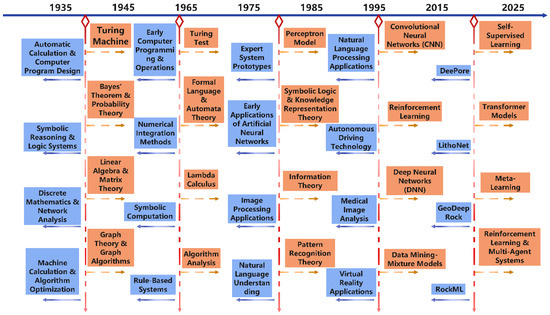
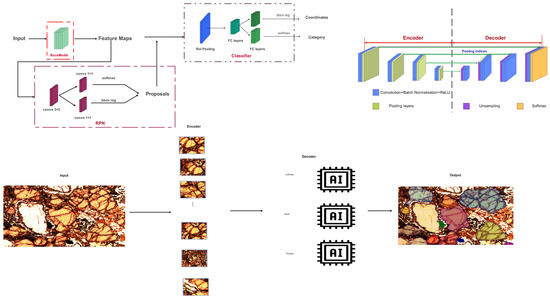
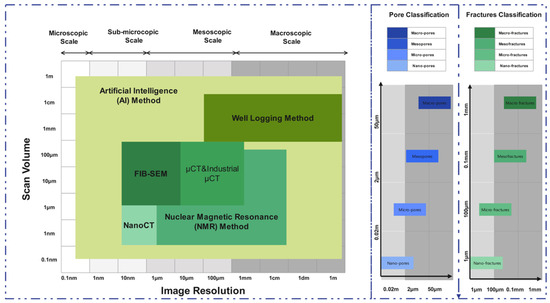
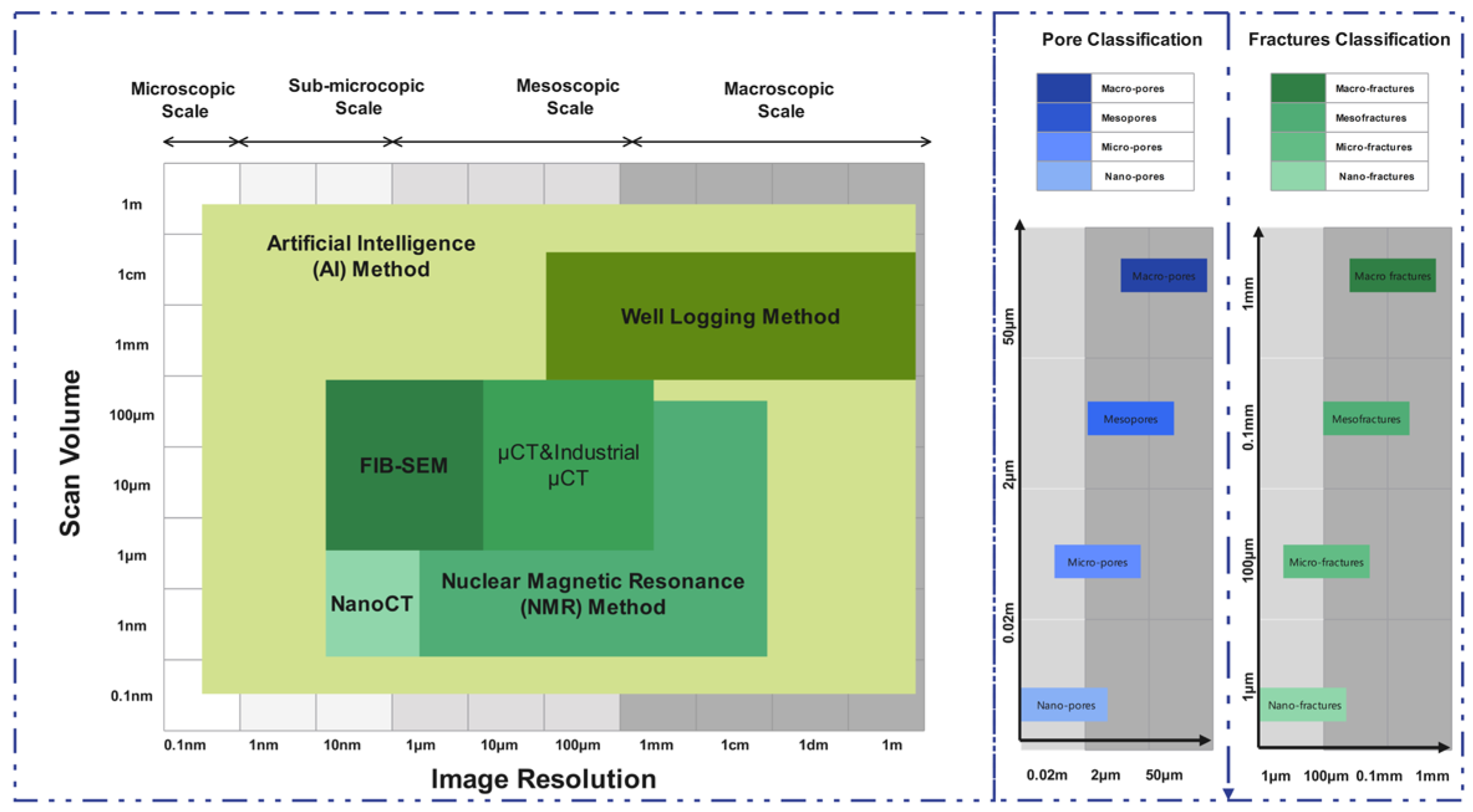

Disclaimer/Publisher’s Note: The statements, opinions and data contained in all publications are solely those of the individual author(s) and contributor(s) and not of MDPI and/or the editor(s). MDPI and/or the editor(s) disclaim responsibility for any injury to people or property resulting from any ideas, methods, instructions or products referred to in the content. |
© 2026 by the authors. Licensee MDPI, Basel, Switzerland. This article is an open access article distributed under the terms and conditions of the Creative Commons Attribution (CC BY) license.