


Abstract
Anaerobic digestion (AD) is a key technology for energy recovery in wastewater treatment plants, converting organic matter into methane-rich biogas. However, its efficiency is constrained by slow reaction rates, particularly during hydrolysis and methanogenesis, necessitating large reactor footprints for effective sludge digestion. Alternative AD configurations for process intensification present a promising solution to address these limitations by altering the design and operational setup of the AD process. In this review, key configuration-based AD intensification strategies were systematically analyzed, including recuperative thickening, single-stage thermophilic AD, acid/gas two-stage AD, temperature-phased AD, and multi-stage AD systems. The mechanisms, governing factors, efficiency gains, and scalability of these technologies were critically examined. These configurations demonstrated substantial improvements in methane production rates, process intensification, and the removal of solids and organics. Single-stage thermophilic and cascade AD technologies showed the highest potential for full-scale implementation, supported by successful real-world applications. Conversely, recuperative thickening exhibited promising results at lab and pilot scales but remains limited by its lower technology readiness level. Furthermore, the integration potential of such alternative systems with other intensification technologies was explored, highlighting synergistic opportunities for further optimization. This review provides critical insights into means to intensify AD process through alternative process configurations, offering a comprehensive guide for their application in biogas upgrading. It also identifies key challenges and outlines actionable steps to advance these systems toward widespread adoption in full-scale AD operations.
1. Introduction
Anaerobic digestion (AD) is a complicated biological process that involves breaking down of organics by different groups of microorganisms in the absence of oxygen [1,2]. The AD process takes place through four successive steps—hydrolysis, acidogenesis, acetogenesis, and methanogenesis—converting the raw organics into biogas including methane gas [3,4]. The biogas can be used for energy recovery in the form of heat and electricity using combined heat and power units [5]. The energy from methane can potentially improve the energy balance of municipal wastewater treatment plants [6]. In addition, the AD process destructs pathogens and decreases the final solid volume, enhancing the digestate handling process and decreasing the sludge transport and disposal costs [7]. The digestate contains a considerable amount of nutrients, such as nitrogen, phosphorus, and potassium, which can be used as fertilizer in land applications [8]. Therefore, the AD process is well-aligned with the principles of the circular economy, in which waste is converted into valuable resources, decreasing the hazard of waste and dependency on chemical fertilizers [9].
Although AD is an efficient technology for sludge stabilization, there are some limitations associated with the technology that can increase the sophistication of process operation and treatment costs. For example, hydrolysis and methanogenesis are considered the rate-limiting steps in the AD systems, requiring long retention times (20–30 days) for efficient sludge digestion [10,11]. Such long retention times require large reactors (capital cost) and high pumping demands (operational costs), contributing to the total costs of the AD process [12]. In addition, the process stability is another challenge linked to the AD system, in which the digesters are highly sensitive to changes in the operational conditions such as the digester temperature, organic loading rate (OLR), pH, and the composition of the feedstock [13,14]. Methanogens have a significantly slow regeneration time (approximately 15 days) while the hydrolytic and acid-forming microorganisms require significantly less regeneration time (i.e., less than four days) in the AD process. Such high differences in regeneration time can lead to significant accumulation of volatile fatty acids (VFAs) in the digesters. Such VFAs accumulation can lower the pH condition to less than 6.0, causing significant methanogen inhibition [15]. Moreover, the protein hydrolysis process can elevate the concentration of ammonia, which may inhibit the AD process [16]. Therefore, AD intensification techniques are required to overcome these challenges of typical mesophilic AD systems, leading to significant enhancements in sludge stabilization and methane production.
AD intensification techniques include chemical, physical, and biological technologies that can improve the performance of the digesters by increasing biogas production and overcoming the main challenges linked to typical AD systems. The AD intensification process can be performed through the application of sludge pre-treatment techniques (e.g., physical and chemical approaches), the supplementation of additives (e.g., enzymes and nano-materials) to the anaerobic digesters, the implementation of innovative technologies (e.g., micro-aeration and hydrogen injection), and alternating the configurations of the anaerobic digesters (e.g., two-stage AD) [17,18,19,20,21]. The AD intensification techniques allow for a higher OLR and shorter hydraulic retention time (HRT), leading to a significant reduction in the digester volume as well as the capital and running costs [22,23]. Also, they can enrich the microbial communities and improve their activity within the digesters [23,24]. Intensification techniques generally aim to enhance the solubilization of organic matters and increase methane production. The benefits of AD intensification techniques highlight the importance of comprehensive reviews to describe and specify the mechanisms, governing factors, advantages, and disadvantages of these technologies.
Multiple studies have reviewed some of the AD intensification techniques, such as pre-treatment [25,26], additives [27,28], co-digestion [29,30], and in situ systems [31,32]. However, a comprehensive review comparing options where AD intensification is accomplished by alternating the AD process configurations, which will be referred to hereafter as “configuration-based AD technologies”, is lacking. Such technologies include, but are not limited to, recuperative thickening, one-stage thermophilic AD, and multi-stage AD systems. Configuration-based AD technologies mainly rely on changing the operational conditions (e.g., temperature) of the AD process, introducing additional reactors (e.g., multi-stage AD systems) and/or recirculating the sludge between different tanks and reactors (e.g., recuperative thickening). In addition, less attention has been oriented towards describing the mechanisms, performance, efficiency gains, advantages, and disadvantages of these technologies in the literature. In addition, there are few systematic studies that reported the technology readiness level (TRL) of advanced AD intensification techniques. Furthermore, the possible integration between configuration-based AD techniques and other AD intensification technologies has not been thoroughly investigated in previous review studies. In addition, the role of configuration-based AD systems in reducing the negative influence of emerging contaminants (e.g., microplastics and pharmaceuticals) was not examined in previous research studies. Ultimately, there is a need to specify the appropriate technology for advanced AD processes to increase biogas production and solids removal based on feedstocks and the available resources, including capital and running costs. This magnifies the importance of a systematic review to efficiently validate the efficiency gains and corresponding economic aspects of configuration-based AD technologies in full-scale sludge treatment applications.
Therefore, the current review aims to fill the previously mentioned knowledge gaps via providing a comprehensive investigation into the most recent advancements in configuration-based AD intensification technologies. Such a comprehensive review could offer an integrated perception of their potential role and significance in improving biogas production, while also addressing the primary obstacles tied to deploying each technology in full-scale AD systems.
2. Literature Search and Review Methodology
A systematic literature search was conducted to identify relevant studies related to configuration-based AD intensification technologies. The search was performed using the scientific databases of Scopus. The search covered publications from 2000 to 2024. The search strategy was driven by the title, abstract, and keywords of articles, including specific combinations of keywords related to AD and process intensification, including but not limited to “anaerobic digestion”, “process intensification”, “thermophilic digestion”, “two-stage digestion”, “temperature-phased digestion”, “cascade digestion”, and “recuperative thickening”. The search was limited to peer-reviewed journal research and review articles that are published in English. Conference proceedings, symposium articles, and textbooks were excluded from the article collection to consider only peer-reviewed publications. The initial search returned 537 publications, which were screened based on their titles and abstracts to assess their relevance to the scope of this review. Studies that clearly did not address configuration-based AD systems or process intensification were excluded at this stage, resulting in approximately 100 articles for full-text assessment.
From each selected publication, key information was extracted, including AD configuration type, operating conditions, scale, feedstock, performance indicators such as methane yield, volumetric loading rate, solids removal, and stability indicators, and reported impacts on biogas quality and/or contaminants. The selected studies were then grouped according to the main configuration-based intensification strategies, namely: recuperative thickening, single-stage thermophilic AD, two-stage AD (including acid/gas and temperature-phased systems), and multi-stage (cascade) AD systems. A comparative qualitative and semi-quantitative analysis was performed to identify general performance trends, advantages and limitations, implementation challenges, and TRLs.
Due to the wide variability in the AD reactor configurations, substrates, operational conditions, performance indicators, and reporting practices across the available literature, a formal quantitative meta-analysis was not considered statistically meaningful within the scope of this review. Instead, a structured comparative framework was applied, in which the performance of each configuration was analyzed in relation to its underlying process mechanisms, operational envelope, stability characteristics, and implementation constraints. This approach allows for a more engineering-relevant interpretation of the reported results beyond the simple aggregation of numerical values.
3. Alternation in Process Configuration
3.1. Recuperative Thickening
Typically, the solids retention time (SRT) is similar to the HRT in typical anaerobic digesters, leading to an unnecessary extension of the HRT, which can limit the operational flexibility of digesters. Also, longer HRTs require larger reactor sizes and lower OLR, which may negatively affect the treatment efficiency, creating several challenges for full-scale AD applications [33]. Decoupling HRT and SRT is an innovative approach to enhance the performance of AD systems. Such decoupling can be achieved by removing a portion of the sludge from the system, separating the liquid and solids, and then returning the solids back to the digester (Figure 1) [34,35]. This process is known as recuperative thickening [36]. In many cases, polymer flocculants are added to the recuperative thickening process to allow for the better aggregation of suspended solids [37]. There are different types of polymer flocculants, such as synthetic polyacrylamides (PAM) (e.g., cationic and anionic polymers), natural polymers (e.g., chitosan), and inorganic–organic composite flocculants (e.g., polymer–metal salt blends). Each type has benefits that aid in enhancing the thickening process. For example, synthetic PAM can increase solids retention and biomass concentration as well as enhance the dewaterability and volumetric loading rates. In addition, natural and composite flocculants can improve the floc structure, thickening performance, and settleability. However, these polymer flocculants increase the operational cost of the recuperative thickeners where higher doses can negatively affect system stability. In addition, the hydrolysis reaction can be enhanced by implementing recuperative thickening technology, since this can extend the SRT, which can generally improve biogas production [38]. A representative configuration based on reported pilot- and/or full-scale investigations is shown in Figure 1 [12].
Figure 1.
Representative schematic of a recuperative thickening–assisted anaerobic digestion system, illustrating digestate thickening, polymer-assisted solids capture, and the recirculation of concentrated biomass to the digester, adapted from pilot- and full-scale configurations reported in the literature [12]. The arrows and their colors indicate the source and direction of each sludge stream within the system.
The recuperative thickening process can be applied in two distinct strategies to enhance AD performance. The first strategy involves increasing the SRT to facilitate a more efficient breakdown of slowly biodegradable substrates by enhancing the activity of slow-growing microbes. The second strategy is more oriented towards decreasing the HRT while maintaining the SRT constant, thus showing higher potential for increased OLR on the anaerobic digesters [39].
Several factors impact the performance of the recuperative thickening technology. HRT is a crucial parameter for enhancing the digestion process with higher biogas production and removing VSS and COD, which may affect microbial community diversity. For example, when HRT was reduced from 30 to 10 days, Methanosaeta, strict acetolactic methanogens, decreased in abundance from 78.4% to 50.7% while the abundance of the involved microorganisms escalated from 17.2% to 39.4% [40]. In addition, the energy recovery significantly increased from 0.43 to 0.56 kWh/kg-VS. This is mainly because a shorter HRT reduces the volume of sludge in the digester, decreasing the energy required for heating and mixing, and thereby improving the net energy balance. Thus, the net energy consumption at 10 days was 0.47 kWh/kg-VS, which was 66% less than the consumption at 30 d. It should also be mentioned that higher amounts of WAS can be treated at an HRT of 10 days compared to 30 days [40]. Moreover, a higher SRT can enhance the biogas production rate, with a significant reduction in sludge production rate. The analysis of microbial communities in a previous study revealed that Chloroflexi were enriched at longer SRTs, resulting in higher degradation of dead cells and metabolites [41]. In addition, at an SRT of 50 days, specific biogas production was increased to 0.79 L/g-VS, and the VS reduction was escalated from 40.5 to 55.9% compared to an SRT of 30 days. Furthermore, acetolactic methanogenesis is dominant at a lower SRT while longer SRTs resulted in higher hydrogenotrophic and acetolactic methanogenesis activity, significantly contributing to biogas production [41].
The thickening method can also affect the performance of recuperative thickening technology, in which centrifugation was found to be the most effective thickening method [36]. In addition, the mixing intensity plays a dominant role in enhancing the efficiency of the overall AD and the recuperative thickening processes [42]. In a previous study, it was found that mixing of 90–120 rpm allowed for enhanced hydrolysis and acidification processes in the digestion of sewage sludge [43]. Moreover, sludge shearing has a significant influence on microbial activity and diversity in recuperative thickeners, where biogas production can be enhanced by 15% under moderate shearing conditions [44]. On the other hand, excessive/high sludge shearing can cause a dramatic reduction in biogas production (approximately 30% less than the control sample), probably because of sludge disintegration and cell lysis [44]. Therefore, it is extremely important to optimize the sludge shearing rate to maximize the destruction of VSS and COD, as well as biogas production. Ultimately, the type and dosage of the polymers that are added to the thickeners can affect biogas production in recuperative thickening technology [37].
Numerous advantages are associated with the application of recuperative thickening in AD systems. For instance, recuperative thickening allows for increased removal of VSS and COD, coupled with a high biogas production of up to 30% [44,45]. In addition, recuperative thickening is a suitable intensification technology for the better utilization of trace organic contaminants [46]. It can increase sludge concentration by two to five times, which reflects the lower reactor size, material handling, energy requirements, and higher methane production [47]. In the same study, biogas production was increased by 10% when recuperative thickening was implemented in the AD of sewage sludge [47]. Furthermore, biogas production and treating capacity were increased by three and two times, respectively, when the recuperative thickening technology was applied on high-solid sludge with relatively high TSS concentrations [48]. It should be mentioned that recuperative thickening can be effectively adapted to fit within the existing infrastructure of wastewater treatment facilities, which increases the treatment capacity [35,46]. In addition to its practical advantages, recuperative thickening is considered one of the most cost-efficient technologies for intensification applications [49].
Although recuperative thickening technology has a lot of advantages in AD applications, the increased solid concentration in the reactors requires greater mixing requirements and increased mechanical effort and processing for sludge handling [49]. In addition, thickening (mainly centrifuges and gravity) belts can act as a source of odors within the system. Ultimately, there is a clear lack of knowledge in understanding the kinetics of recycling viable microorganisms between the thickeners and AD systems [44], posing challenges to the widespread adoption of this technology in large-scale digestion processes.
3.2. One-Stage Thermophilic Anaerobic Digestion
Thermophilic AD has been proposed to overcome the challenges associated with mesophilic AD [50]. Unlike mesophilic AD (T = 35–38 °C), thermophilic AD technologies are operated at higher temperatures (50–60 °C), handling higher OLRs with a higher sludge hydrolysis rate without adopting thermal hydrolysis pretreatment (THP) [32]. It should be noted that the four main steps in AD (e.g., hydrolysis) occur in one single thermophilic reactor in this technology [51]. In addition, single-stage AD reactors (under either mesophilic or thermophilic conditions) are the common configuration for sludge treatment facilities over the entire world. Approximately 95% of the AD systems in Europe are single-stage AD configurations [52].
Several factors can substantially alter the performance of the one-stage thermophilic AD process. These factors include the carbon-to-nitrogen (C/N) ratio, substrate type, and pH. For example, a previous AD study demonstrated that the performance of a one-stage thermophilic anaerobic reactor can significantly deteriorate during the digestion of municipal solid waste, since it has a relatively low C/N ratio [53]. In addition, the microorganisms involved in one-stage thermophilic AD technology are sensitive to pH conditions inside the reactors, which can affect methane production and the destruction of VSS and COD [54]. Also, the substrate sources, including sewage and food wastes, play a dominant role in the activity and diversity of microorganisms involved in the digestion processes when using one-stage thermophilic AD technology [55].
One-stage thermophilic AD technology has multiple advantages over mesophilic digestion, including an enhancement in the reduction in volatile solids, higher pathogen removal and biogas production, and the production of class A biosolids [56,57,58,59]. According to the results of previous experimental investigations on pathogenic safety, digested sludge from one-stage thermophilic technology can be directly applied in agriculture and land activities [60]. Although multiple previous studies highlighted the advantages of applying one-stage thermophilic AD technology, it has various disadvantages since it requires additional energy to heat the digesters, increasing the operation cost of the digestion process [56]. In addition, poor process stability, subpar effluent quality, and sensitivity to operational factors can be observed during one-stage thermophilic AD processes in many cases [57,58,59].
3.3. Cascade Anaerobic Digestion
Cascade AD is increasingly recognized as an effective intensification process for enhancing the performance of conventional one-stage mesophilic AD systems. By employing a series of reactors in a sequential arrangement, cascade AD allows for the compartmentalization of distinct microbial processes, optimizing each step of the degradation pathway. Such configurations not only enhance substrate conversion efficiency but also reduce the risk of process inhibition caused by the accumulation of intermediate compounds like volatile fatty acids. Moreover, cascade AD systems can accommodate a wider range of feedstocks and operational conditions, including higher OLR, offering greater flexibility and resilience. Cascade AD is generally a promising technique for boosting biogas yields, reducing HRTs, and achieving better process stability, all of which contribute to its classification as an intensification strategy in AD.
3.3.1. Two-Stage Anaerobic Digestion
In two-stage AD systems with shorter SRTs, hydrolysis, acidogenesis, and acetogenesis take place in the first stage, which is commonly known as the acid phase. On the other hand, the methanogenesis process occurs in the second stage, which is known as the methane phase. The separation of the two phases in two-stage anaerobic digesters typically takes place in two in-series separate tanks (Figure 2). Generally, the first stage in two-stage AD systems is operated at shorter SRTs, which varies from 2 to 6 days, while the second one is usually operated at longer SRTs (i.e., up to 30 days) [51]. Although two-stage AD is not a recent technology, it has gained great attention due to its potential benefits of enhancing pathogen removal while achieving class-A biosolids requirements [61]. The two-stage AD systems can also be operated at different temperatures or the same temperature, and which the temperatures in the first and second stages can be mesophilic–mesophilic (M-M), thermophilic–thermophilic (T-T), mesophilic–thermophilic (M-T), thermophilic–mesophilic (T-M), hyper-thermophilic–thermophilic (H-T), and hyper-thermophilic–mesophilic (H-M) [51] (Figure 2). It should be noted that the M-M and T-T configurations of two-stage anaerobic digesters are known as acid–gas two-stage anaerobic digestion systems, where the temperature in the two reactors is the same. The other configurations, which have different temperatures in the two reactors (e.g., T-M systems), are defined as temperature-phased anaerobic digestion (TPAD) systems. A representative configuration based on reported full-scale systems is shown in Figure 2 [12].
Figure 2.
Representative schematic of a two-stage anaerobic digestion system (acidogenic–methanogenic configuration), adapted from full-scale and pilot-scale installations reported in municipal wastewater treatment plants [12].
The factors that govern the performance of two-stage AD systems are identical to those that control conventional one-stage AD systems, such as SRT, pH, and temperature. For example, SRT can be used as a technique to separate the two stages, where the first phase can be operated at an SRT of 2–3 days while the second phase has a longer SRT of approximately 20 days [62,63]. Furthermore, different AD phases can be distinguished by differences in operational conditions since the microorganisms involved in the two-stage AD systems have different physicochemical needs. For example, a prior study reported that the pH significantly affects the AD products and microbial communities, as acidogenic and acetogenic microorganisms can survive at moderately acidic conditions (i.e., pH = 5–6) [64]. However, when the pH decreases below 5, microorganisms convert VFAs into solvents (e.g., ethanol) to reduce the toxic effect of the products under relatively low pH conditions [64,65]. The microorganisms in the two phases can tolerate a wide ORP range, thereby affecting their performance [51]. In addition, it was highlighted in a previous study that ORP assists in providing a suitable micro-aeration media, which decreases the hydrogen sulfide content in the produced biogas [66]. The optimum ORP was 284 mV for acidogenesis and 335 mV for methanogenesis [67].
In general, two-stage AD technology is superior to one-stage AD systems due to multiple technical and economic advantages. Two-stage AD systems allow for higher methane yields and loading rates, elevated effluent quality, the efficient degradation of substrates, a significant improvement in VS and COD removal efficiencies, higher system robustness, and an enhancement in pH control [66,67,68]. Two-stage AD systems can enhance hydrolysis efficiency, accelerate acidogenesis reactions, improve the production of VFAs, and reduce inhibitions [52]. This technology is also suitable for different types of waste, including dairy, cheese, animal, brewery, and agro-industrial wastes [69]. Moreover, two-stage AD configurations are highly effective in degrading lignocellulosic substrates (e.g., straw and hay) [70]. Several two-stage AD configurations, especially those with mesophilic reactors at the second stage, have better digestate dewaterability compared to single-stage AD systems due to their high solids removal. Two-stage AD technology is highly effective for the treatment of substrates with elevated levels of lipids, since high levels of fats can inhibit the growth of methanogens in typical one-stage AD systems [70].
Although two-stage AD systems have multiple advantages, there are various disadvantages compared to single-stage AD configurations in full-scale applications. This is mainly because of the complexity of their control and operation. Moreover, the accumulation of hydrogen gas in the first stage can inhibit the acidogenesis reactions [71,72]. In addition, two-stage AD configurations require higher capital, operation, and maintenance costs since two reactors are required for the separation process, where one or two reactors may be operated under thermophilic conditions [70]. Moreover, multiple operational conditions can affect the performance of this technology, such as OLR, HRT, and pH, hindering the determination of optimal operation and control schemes for sludge treatment facilities [52]. Therefore, full-scale two-stage AD systems are limited in municipal wastewater treatment plants due to concerns regarding process stability and limited practical experience [73]. The full-scale implementation of two-stage AD configurations in AD intensification applications is still not common due to a lack of knowledge of the process stability and the high level of complexity in the process operation at the large-scale [51].
Acid/Gas Two-Stage AD
The main AD stages (e.g., hydrolysis) have significant variations in microbial population, growth rates, and operational conditions requirements. Therefore, splitting these processes into two phases, acidogenesis and methanogenesis, is a practical and efficient approach since it allows for a higher level of stability for each phase coupled with optimal operation schemes (Figure 2). Acid/gas two-stage AD is one type of the previously mentioned two-stage AD technologies (Figure 2). Under AD operation using an acid/gas two-stage approach, high levels of CO2 and VFAs are produced by acidogenic microorganisms. In addition, maintaining a pH condition higher than 7 in the second reactor provides favorable conditions for the active growth of methanogenic microorganisms [74].
Under this operation configuration, the first vessel (i.e., the acid phase) is used to enhance the activity of hydrolytic and acidogenic microorganisms while the second vessel (i.e., the gas phase) is responsible for enriching the acetogenic and methanogenic microorganisms (Figure 2) [75]. The acidogenic reactor is operated at a low pH and short SRT (typically less than three days) to promote the growth of fermentative bacteria while suppressing methanogenic archaea. This reactor also acts as an equalizer tank, protecting the methanogenic reactor from pulses in organic loading or potential inhibitors that might negatively affect the digestion process [76]. The second reactor is operated over longer time periods (i.e., up to 30 days), which can efficiently convert the VFAs produced in the acidogenic reactor into methane and carbon dioxide. This process and the long SRT can increase the methane yield, stabilize the digestate, elevate the methane content in the produced biogas, and minimize process inhibition due to excessive acid accumulation [51]. It should be mentioned that both vessels (i.e., acidogenic and methanogenic reactors) in the acid/gas two-stage AD systems are operated at similar temperatures (i.e., M-M or T-T configurations).
In the M-M two-stage AD configuration, the acid and methane phases are separated according to pH, SRT, and OLR, and both reactors are maintained at mesophilic temperatures (approximately 37 °C) [51]. For instance, in a previous study, the two phases were separated by maintaining the first vessel under alkaline conditions (i.e., pH = 8) and mesophilic temperature with an SRT of three days while the second reactor was operated at self-buffered pH and mesophilic temperature, which created an energetically and chemically sustainable system [77]. In another study, the two phases were separated by operating the first vessel at a pH of 5.5 pH with an SRT of two days, while the second reactor was maintained at a pH of 7 and an SRT of 25 days [63]. The two studies reported high improvements in methane production and solids removal. It should also be noted that the kinetic rates were lower, and pathogen destruction was compromised due to the low temperatures, resulting in only Class B biosolids [51].
T-T two-stage AD technology depends on separating the two phases according to their SRTs/OLRs while keeping both phases at thermophilic operating temperatures. This configuration can improve VS removal and methane production since high temperatures stimulate substrate degradation. Furthermore, due to the thermophilic temperatures in both reactors, this configuration leads to higher pathogen destruction and kinetic rates compared to mesophilic two-staged AD systems. However, this configuration demands high energy requirements because of the high temperatures in the two reactors, which increases the system operational cost, creating many challenges in adopting this configuration in full-scale applications. In addition, high temperatures can also result in low bacterial diversity, restricting the deployment of this technology in full-scale AD operations.
Multiple factors, including OLR, HRT, temperature, and pH, can affect the performance of acid/gas two-stage AD technology in utilizing COD and VSS with producing higher methane content [63,75]. For example, the optimal HRT for achieving the efficient digestion of vegetable oil and pig manure wastes was 20 days, where the removal efficiency was approximately 86.4% for soluble COD and 81.9% for the total dissolved solids [78]. Moreover, the selection of OLR in the acidogenic and methanogenic reactors is important to maximize the destruction of VSS and COD as well as the methane production and yield [79,80]. In addition, phase separation can significantly influence the performance of acid/gas two-stage AD technology [62]. Phase separation reflects the complete separation of the multiple stages involved in the anaerobic digesters into two main processes (i.e., acidogenesis and methanogenesis). Accordingly, poor separation can limit the efficiency of hydrolysis and biogas production stages, which causes acid/gas two-stage AD technology to lose its most important strength compared to typical single-stage AD systems [62].
Acid/gas two-stage AD technology offers multiple advantages which lead to successful AD applications. The operation of the two phases in AD is easier and faster, with a higher treatment capacity of the influent when using two phases of treatment [63]. In addition, this technology can provide more reliable, stable, and resilient processes during variable operational conditions (e.g., pH), improved organic loads rates, and increased feedstock strength and quality compared to conventional single-stage AD processes [81]. This advantage leads to a much higher efficiency in biomass conversion and COD removal, increasing the OLRs, improving biogas quality and production, and producing less sludge [63,81]. Ariunbaatar et al. (2015) reported that acid/gas two-stage AD technology was successful in handling a high OLR (up to 1.2 g-VS/L.d) and methane production during the digestion of food waste, while single-stage AD failed to deal with the same OLR because of acid accumulation in the reactor [75].
The efficiency gained from applying the acid/gas two-stage AD technology included a significant increase in the removal of COD and VSS (Table 1). For example, acid/gas two-stage AD systems enhanced methane production by 3–70.5% [63,82,83], VS removal by 66–84% [84,85,86,87], and COD removal by 75.5–97.5% [88,89,90,91] according to the operating temperature, substrate type, and operational conditions. In addition, the methane content can be improved by 30–85% when using acid/gas two-stage AD technology compared to when using typical one-stage AD systems [63,92]. It was also reported that acid/gas two-stage AD improved the process stability, capacity, and treatment efficiency [93]. Li et al. (2018) demonstrated that the biogas yield increased by 83.25% when the M-M two-stage AD configuration was used for the digestion process of food, chicken manure and horticultural waste while VS removal was improved by 57.3% compared to the single-stage mesophilic AD system [94]. In another study, the application of M-M two-stage AD configuration enhanced VS removal by 10.4%, methane yield by 10.8%, and energy recovery by 12.9% compared to a single-stage AD system during the digestion of vinasse waste [95]. From an energy perspective, the total energy yield increased by 18.5% when acid/gas two-stage AD was used due to the higher methane yield compared to the single-stage reactor [96].
Table 1.
Efficiency gains by the acid/gas two-stage AD systems through the increase in VS and COD removal.
Multiple challenges are associated with implementing the acid/gas two-stage AD process in full-scale applications. For example, high capital and operational costs are required to operate the two-stage AD process efficiently due to the necessity of building two reactors for process separation [63]. This technology also requires a high level of control and management to ensure the proper operation of the two reactors since the methanogenic reactor is highly dependent on the effluent of the acidogenic reactor [62]. Furthermore, there is a lack of technical knowledge about the efficiency of this technology in large-scale applications.
Temperature-Phased Anaerobic Digestion (TPAD)
The combination of mesophilic and thermophilic AD systems can offer the benefits of both technologies, since they have multiple disadvantages when applied separately. Thermophilic conditions allow for increased removal of COD and VSS as well as higher methane production and yield compared to the mesophilic conditions. However, they require higher energy for heating compared to mesophilic conditions. Therefore, the combination of the two technologies can overcome the main challenges associated with each one and eliminate the difficulties of operating each technology independently [114,115]. Temperature-phased anaerobic digestion (TPAD) is considered one of the previously mentioned two-stage AD technologies (Figure 2). TPAD technology improves stability during thermophilic digestion and degrades organic matter more rapidly compared to a solely mesophilic technology, resulting in higher energy efficiency and better control of process parameters [115,116]. Since thermophilic conditions are widely recognized to accelerate digestion at a rate four times more rapid than mesophilic conditions, the volume ratio of the first reactor to the second one is commonly 1:4. This AD configuration can leverage the benefits of both thermophilic and mesophilic systems, including their high substrate degradation efficiency and lower energy requirements, respectively [117]. Overall, TPAD configurations have shown the highest performance in biogas production, COD and VSS removal. Therefore, this configuration allows for the highest reduction in pathogens, with a significant enhancement in digestate dewaterability. The two reactors in the TPAD are operated under different operating temperatures, including T-M, M-T, H-M, and H-T configurations.
In most cases, the T-M configuration is adopted for TPAD, where the first reactor is run at thermophilic temperature (up to 65 °C) while the second one functions at a mesophilic temperature (typically 35–37 °C). During the first thermophilic stage, elevated temperatures speed up the wastewater hydrolysis step while syntrophic acetogens and methanogens have permissive conditions during the second mesophilic stage, where inhibition is reduced [118,119]. The mesophilic step is considered a polishing stage that improves effluent quality and increases process stability [56]. In addition, the T-M configuration has moderate energy demands since the second reactor is operated under mesophilic conditions [71,72].
For the M-T two-stage AD configuration, the operating temperatures are mesophilic and thermophilic for the acid and methane rectors, respectively [117]. In the M-T two-stage AD systems, mesophilic pretreated digesters produce acetic and propionic acids as the main VFAs in the acid phase, resulting in increased biogas production in the second phase [120]. Additionally, it was demonstrated in another study that this configuration is a dependable, stable, and effective approach to stabilizing waste, which allows for higher energy recovery [121]. Ventura et al. (2014) reported that the M-T systems have increased evenness, richness, and diversity of bacterial communities, as well as an increased rate of solids removal and higher methane content compared to other two-stage AD configurations [122]. Additionally, since the second stage is operated under high temperatures, mesophilic–thermophilic two-stage AD systems had a higher pathogen destruction rate compared to other configurations. However, this system necessitates elevated heating energy to maintain the high temperatures for the operation of the second reactor.
Some governing factors significantly impact the performance of TPAD technology. The system efficiency mainly depends on the available substrates, system characteristics, and operating parameters, such as temperature regimes, HRTs, and OLRs [60]. Similarly to the acid/gas two-stage AD technologies, the digester temperature and pH are responsible for separating the TPAD systems, where the temperature controls the microbial activity and growth rate within the two processes [123]. In addition, pH is considered a substantial factor in the performance of TPAD systems for enhanced COD and VS removal. For example, a previous study reported that high COD removal rates (33–48%) can be achieved at moderate pH (pH = 6–7) compared to the removal rates of 21–42% at a relatively low pH (approximately 5) in a T-M system during the treatment of municipal sludge [124]. SRT and OLR can dramatically affect the performance of the TPAD technology in digesting multiple types of waste. The overall performance of the TPAD system is highly dependent on the performance of the first-stage digester, while the second reactor is responsible for the effluent quality [125].
There are numerous advantages of implementing TPAD technology, such as improved sludge dewaterability and pathogen inactivation [126]. In general, TPAD technology, especially the T-M configuration, overcomes the main drawbacks of typical single-stage AD, such as a low hydrolysis rate, limited VSS removal, and low methane content in biogas [115,127]. In addition, the TPAD system can be used for more rapid solids hydrolysis at higher temperatures, where staged reaction kinetics has shown improved VS removal efficiencies [116,128]. Also, the thermophilic step in TPAD technology can produce class A biosolids due to the high temperatures, which play a dominant role in pathogen inactivation [129,130]. In many cases, the effluent of TPAD can be used as a land fertilizer in agricultural activities if the HRT of the fermenter ensures pathogen safety [60]. In addition, adopting TPAD technology in AD applications can enhance the digester capacity, leading to higher overall efficiency of the system. Furthermore, TPAD systems have a superior ability to absorb shock loads compared to single-stage mesophilic or thermophilic AD systems [131]. TPAD technology outperforms mesophilic and thermophilic single-stage systems regarding methane production and organic matter removal [60].
There are a lot of efficiency gains by employing the TPAD technology in AD, such as significant enhancements in COD and VSS removal, biogas production, and methane yield (Table 2). For example, in a previous study pertaining to the treatment of primary sludge, there was a superior reduction in VS using TPAD compared to the one-stage mesophilic reactor, where the overall VS reduction increased from 42.0% to approximately 62.2% at an HRT of 2–3 days [132]. In another study, it was emphasized that TPAD enhanced VS removal by 78.4% during the digestion of food and paper wastes [133]. Moreover, TPAD technology showed better performance compared to mesophilic two-stage AD reactors, where VS was destroyed by 58%, acetate concentration was minimal (127 mg/L), methane yield was high (0.58 m3-CH4/kg-VS removed), COD destruction was high (74% for soluble COD and 54% for total COD) and free NH3 content was minimal (67.5 mg/L) [125]. According to the experimental results of multiple studies, it was observed that applying a TPAD configuration can lead to an enhancement in VS removal by 30–88%, and methane yield by 15–89%, compared to a typical single-stage AD reactor depending on the waste source [77,134,135,136].
Table 2.
Efficiency gains by TPAD systems through the increase in VS and COD removal.
Although there are numerous advantages of implementing TPAD technology in sludge digestion applications, there are also some disadvantages associated with applying this technology in full-scale operations. These disadvantages include high investment costs and odor formation [126]. In addition, the effluent quality of TPAD systems is lower than the effluent of complete thermophilic reactors, especially the environmental aspects, and especially for T-M and H-M configurations [60]. Moreover, higher energy demand is required to heat the sludge, where compensation for heat loss is usually not sufficient for energy balance. For successful and profitable TPAD systems, heat recovery for the sludge is necessary between the inlet and outlet of the first reactor. Moreover, the operation and control schemes of this technology might be complicated since the effluent of the first reactor is used as an influent for the second reactor.
3.3.2. Multi-Stage Anaerobic Digestion
Two-stage AD has been proven to improve methane production and VS reduction with a shorter SRT compared to conventional single-stage anaerobic digesters. Such enhancements in the process performance (e.g., VS removal and methane production) created greater room for research opportunities for testing multi-stage anaerobic digestion systems for efficient digestion processes. For example, Ephyra® is a novel multi-stage AD technology that was developed by Royal HaskoningDHV in 2010 to improve the concept of cascade AD using more than two reactors for the digestion process. It typically consists of three or four tanks/compartments in-series (plug-flow configuration) (Figure 3), which are equipped with sludge recirculation from the last tank to the first one to maintain the alkalinity and methanogens in the system [147,148]. The first three reactors/compartments are typically designed at a relatively short SRT (>2 days), while the last reactor is designed at an SRT of 8.5 days [149]. Therefore, the total SRT of the system is shorter than 15 days, which is significantly shorter than the SRT of conventional anaerobic digesters (20–30 days). This is reflected in the high operation costs required for pumping and circulating sludge in conventional AD systems. A representative configuration based on the reported full-scale implementations is shown in Figure 3 [147,148].
Figure 3.
Representative schematic of a multi-stage (cascade) anaerobic digestion system, reflecting the configuration of staged digesters implemented in full-scale wastewater treatment facilities [147,148]. The arrows and their colors indicate the source and direction of each sludge stream within the system.
There are different parameters that can govern the performance of the multi-stage AD systems. For example, the operation of multi-stage AD reactors at different SRTs can significantly affect the hydrolysis rate and microbial community abundance [147]. Guo et al. (2021) compared the performance of a lab-scale multi-stage AD system with a conventional anaerobic digester where both were fed with WAS [137]. It was reported that the hydrolysis rate in the first three small multi-stage AD reactors was significantly higher than the hydrolysis rate of the conventional anaerobic digester, which was related to the higher production of hydrolytic enzymes in the small reactors [147]. It was also indicated that these three reactors had higher relative abundance of hydrolytic–fermentative bacteria, hydrogenotrophic methanogens and syntrophic bacteria, while acetoclastic methanogens dominated the fourth reactor, similar to the conventional digester. It was also observed that multi-stage AD reactors with an SRT of 12 days could achieve a COD removal efficiency of 40–42%, while the COD removal efficiency of a conventional anaerobic digester was only 31% at the same SRT [147]. In another full-scale multi-stage AD system, it was demonstrated that the COD removal rate was 56% at SRT of 13.6–14.5 days during the digestion of mixed thickened primary sludge and WAS [149].
There are numerous advantages of implementing multi-stage AD systems in AD applications. For example, this technology can increase the solubilization of COD, the reduction in VSS, and biogas production [147,148,149]. In addition, it can readily align with the infrastructure of typical wastewater treatment facilities. The conventional anaerobic digester can be feasibly retrofitted to multi-stage AD systems to handle more organic loads since it can be operated at a shorter SRT. It can be implemented by dividing one full-scale CSTR digester into three vertically divided, smaller compartments, while another reactor can subsequently be used as the final stage [149]. As a result, the sludge treatment capacity can be increased by 30–35% compared to conventional digesters using the same volume and footprint [147]. Moreover, no additional heat requirements are needed in the multi-stage AD because this system has the same volume and capacity as a conventional digester.
Although multi-stage AD systems have numerous advantages, there are a few limitations linked to this technology. For example, it requires higher operational experience with relatively complicated operation, control, and management schemes compared to the typical AD systems. In addition, there is a lack of knowledge about the full applications of this technology since it is a relatively recent technology with limited research investigations, which creates many research opportunities to uncover the latent characteristics of this technology.
4. Comparison Between Configuration-Based AD Intensification Technologies
Most configuration-based AD intensification technologies were well-investigated at the lab-scale including recuperative thickening, and single- and two-stage AD systems [47,51,62,69]. Also, there are some studies that investigated the possible application of these technologies in pilot-scale systems such as recuperative thickening and multi-stage AD [40,148]. In addition, there are some studies that focused on the full-scale operation of multi-stage AD [149], one-stage thermophilic AD [58], and two-stage AD [133,150]. This highlights one of the strength points of these technologies; they can be effectively implemented in large-scale intensification applications, in which they were tested and operated at multiple scales.
The advantages and disadvantages of the investigated configuration-based AD intensification technologies were compared to better understand and be able to determine the suitable technology based on the available resources and energy (Table 3). The choice of a specific AD intensification technology largely depends on the characteristics and the complexity of the feedstocks. For instance, recuperative thickening technology is suitable for degrading trace organic contaminants [46], while one-stage thermophilic AD and TPAD systems are appropriate for complex substrates such as lignocellulosic substrates [54,70]. This is mainly because high temperatures allow for the better disintegration of complex substrates, enhancing the hydrolysis process, COD and VSS removal, and biogas production. In addition, two-stage AD technology can be implemented on different types of sludge, such as dairy, animal, and brewery waste [69]. Another important aspect is the biosolids class, which maximizes the benefits of applying one-stage thermophilic AD and TPAD technologies, since they can produce Class A biosolids that can be used for land and fertilizer applications [57,60].
Table 3.
Comparison between the advantages and disadvantages of configuration-based technologies.
It should be noted that temperature performs a significant role in identifying the efficiency gains of technologies that apply thermophilic conditions in one of the reactors. For example, one-stage thermophilic AD technology allows for higher VSS removal and methane production compared to the typical one-stage mesophilic AD. However, these efficiency gains are less than those obtained from TPAD systems since the second reactor in this configuration represents a polishing step for the effluent quality [56]. In addition, the dewaterability and sludge quality of thermophilic systems is much higher than those obtained from typical mesophilic treatment, highlighting the importance of introducing new technologies to overcome the main drawbacks of the current sludge treatment systems. Usage of the effluent in agricultural activities as a fertilizer is also considered a positive contribution of thermophilic technologies. The main comparisons between these systems are tabulated in Table 4.
Table 4.
Comparison between different configurations for AD intensification systems based on temperature.
There is no consensus on the most effective operation and control schemes for configuration-based AD intensification technologies. For example, two-stage AD systems require building two separate reactors for complete separation of the acid and gas phases. This requires a high level of accuracy and control since the effluent in the first reactor is used as an influent for the second reactor [72]. This interdependence between the two reactors can negatively affect the microbial diversity in the second reactor, which means that the operation of the first reactor needs to consider possible effects on the methane-phase reactor [71]. In general, such dependency makes the operation, control, and management schemes of the configuration-based AD systems more sophisticated.
Some configuration-based AD intensification technologies are cost-efficient, with fewer capital and operational cost requirements. For example, recuperative thickening systems do not require high capital or high operation costs during the digestion processes [47,49]. On the other hand, cascade AD systems require higher capital costs as at least two compartments or reactors must be constructed for the successful operation of the system [139]. In addition, AD systems that involve thermophilic conditions (e.g., single-stage thermophilic AD and TPAD technologies) have higher heating and energy demands [70,126], increasing the operation costs of the digestion process. Generally, two-stage AD systems with thermophilic requirements in one or both reactors have higher capital and operational costs during the AD processes [70], making these configurations the most uneconomic systems despite their high technical capabilities in terms of solids destruction, substrate degradation, biogas production and methane content.
It should also be highlighted that some technologies can be seamlessly incorporated into the infrastructure of typical wastewater treatment facilities, such as recuperative thickening, which maximizes the possibility of introducing these technologies in large-scale AD operations [35,46,139]. On the other hand, two-stage AD systems require two separate reactors for acid and methane phases, creating difficulties in their possible integration with typical sludge treatment configurations [70]. Therefore, it is crucial to determine the main objectives and scope of future extensions when considering the possibility of integration with current treatment facilities.
Beyond total biogas and methane production, the composition and quality of the produced biogas play a critical role in determining its suitability for combined heat and power (CHP) systems, grid injection, or upgrading to biomethane. Key quality parameters include methane concentration, carbon dioxide content, and the presence of trace and corrosive components such as hydrogen sulfide, ammonia, siloxanes, and volatile organic compounds. Configuration-based AD intensification strategies, by altering temperature regimes, phase separation, microbial consortia, and loading rates, can significantly influence both the major and minor constituents of biogas.
Thermophilic and temperature-phased digestion systems are often associated with higher reaction kinetics and, in many cases, increased methane fractions in the produced biogas; however, they may also promote the release of ammonia and hydrogen sulfide due to enhanced protein degradation and sulfur compound conversion [151]. Similarly, two-stage acid/gas systems can generate acidogenic off-gas streams enriched in carbon dioxide and hydrogen, while the methanogenic stage typically produces a higher-quality methane-rich biogas [66,81]. This phase separation offers opportunities for improved process control but also introduces additional considerations for gas handling and treatment.
Multi-stage and cascade digestion systems, as well as recuperative thickening configurations, tend to increase organic loading rates and biomass retention, which may improve volumetric methane productivity but can also increase the concentration of trace contaminants in the biogas if not properly managed [152]. Specifically, higher solids concentrations and intensified degradation conditions may enhance the volatilization of sulfur compounds, siloxanes, and other trace organics, thereby increasing the burden on downstream gas cleaning and upgrading units [153].
These observations indicate that AD process intensification should not be assessed solely based on biogas quantity, but rather using a more holistic framework that jointly considers production rate, methane content, contaminant load, and the overall cost and complexity of gas upgrading. From this perspective, certain configurations, such as two-stage and temperature-phased systems, offer strategic advantages by enabling the partial decoupling of hydrolysis/acidogenesis and methanogenesis, which can be exploited to better control both biogas yield and quality.
Among the reviewed configuration-based AD intensification strategies, recuperative thickening systems represent the most conceptually novel approach, as they move beyond phase rearrangement or temperature staging and instead fundamentally alter the internal structure and solids retention behavior of the digestion process. By decoupling hydraulic, recirculating and thickening active biomass, as well as solids retention times, and creating a self-reinforcing biomass concentration loop, these systems offer exceptional volumetric loading potential and represent a true form of structural process intensification. However, their practical deployment is currently limited by their operational complexity and relatively low technology readiness levels.
Beyond process performance, configuration-based AD intensification strategies should also be evaluated in a broader environmental and societal context. From a climate perspective, intensified AD systems can enhance methane recovery efficiency and reduce uncontrolled emissions by improving process stability and shortening stabilization times, thereby strengthening the role of AD in greenhouse gas mitigation [38,53]. At the same time, higher-rate and higher-temperature operation may increase the risk of methane slip, ammonia release, or higher parasitic energy demand if not properly designed and operated, highlighting the importance of system-level and life-cycle-based performance assessment rather than relying on methane yield alone [151,152]. Configuration choices also influence sludge and digestate management, including volatile solids destruction, hygienization, dewaterability, nutrient speciation, and the fate of contaminants. While thermophilic and temperature-phased systems often improve pathogen reduction and stabilization, high-solids and recuperative thickening configurations may concentrate contaminants in the solid phase, which must be carefully considered in the context of digestate reuse, nutrient recovery, and circular economy strategies [58].
Social acceptance and policy frameworks further shape the practical feasibility of advanced AD configurations. Although process intensification can reduce plant footprints and facilitate capacity expansion within existing sites, public concerns related to odor emissions, operational risks, and plant integration into surrounding communities remain critical factors, particularly for retrofitting or upgrading facilities in urban areas [44,126]. In parallel, regulatory requirements for sludge hygienization, digestate quality, emissions control, and renewable energy incentives strongly influence technology selection and deployment pathways [56]. Consequently, the transition toward intensified AD systems should not be guided solely by technical performance metrics, but rather by integrated decision frameworks that jointly consider process efficiency, environmental impact, social acceptance, and regulatory compatibility.
Configuration-based AD intensification strategies generally improve methane productivity and reduce required reactor volume, which can lower specific capital costs per unit of treated sludge. However, these benefits are partially offset by the higher investment costs associated with additional reactors, more complex layouts, heating requirements (particularly for thermophilic or temperature-phased systems), and increased instrumentation and control needs. From an operational perspective, systems that provide better phase separation and process control tend to offer higher stability and loading capacity, but at the expense of higher operational complexity and energy demand. Therefore, the practical feasibility of each configuration is not determined solely by biogas yield, but by a balance between performance gains, capital and operational costs, operational robustness, and institutional risk tolerance. Future work should prioritize harmonized techno-economic and life-cycle evaluations under realistic full-scale conditions to support evidence-based technology selection.
5. Integration of Configuration-Based AD Intensification with Other Techniques
The recuperative thickening technology can be combined with some other AD intensification techniques (Figure 4). For example, it was found that biogas production was enhanced by 11% when recuperative thickening technology was combined with one-stage thermophilic AD [154]. In addition, the integration of the two technologies allowed for higher VS reduction, by 9.7%, with an enhanced microbial population where the hydrolysis reaction rate increased by 7.4% [154]. In another study, recuperative thickening technology was integrated with the hydrothermal pre-treatment technique during the treatment of trace organic contaminants, where it was emphasized that biogas production increased by 15% while the removal of trace organic pollutants was enhanced by 17–50% according to the TS content in the samples [49]. In another study, biogas production was enhanced by 63% when recuperative thickening technology was combined with THP in the AD of sewage sludge [47].
Figure 4.
Integration of configuration-based AD intensification technologies with other pre-treatment and AD techniques. Previous studies reported the integration of these technologies [39,47,49,75,107,108,120,129,143,154,155,156,157,158,159,160,161,162,163,164,165,166,167,168,169].
The one-stage thermophilic AD technology can be easily adopted and combined with other intensification technologies, leading to higher methane production and the removal of solids and COD (Figure 4). For instance, it was integrated with other systems using THP to achieve substantial efficiency gains (e.g., increase in biogas production and pathogen removal) [75,155,156]. The combination of one-stage thermophilic AD with low-temperature THP can increase methane production by 31% compared to typical one-stage mesophilic AD [157]. In addition, less cooling is typically required after THP for one-stage thermophilic AD compared to mesophilic AD, leading to substantial energy efficiency improvements and increased opportunity for utilization [157]. Moreover, one-stage thermophilic AD was integrated with ultrasound and alkali pre-treatment techniques to allow for higher methane yield and production, as well as the disintegration of the VSS of waste-activated sludge (WAS) [158,159]. It can also be combined with microbial electrolysis cell (MEC)-assisted AD technology to improve biogas production and the solubilization of organic compounds [160,161,162]. In addition, one-stage thermophilic AD technology can be integrated with the micro-aeration technique to allow for the better utilization of organic matter and the production of biogas with high methane yield [163,164].
Two-stage AD technology, including acid/gas two-stage AD and TPAD, can be implemented with a few other AD intensification techniques to maximize the benefits related to biogas production, methane yield and energy output (Figure 4). For example, two-stage AD technology was integrated with the hydrothermal pre-treatment technique at temperature of 160–180 °C; this combination resulted in greater net energy outcome by 50.5–97.4% compared to un-pretreated and single-stage AD systems [165]. Two-stage AD configuration was also integrated with iron oxide–zeolite (i.e., an additive technique) in the digestion of a mixture of rice straw and cow manure, where COD removal was approximately 77.8% [108]. Two-stage AD technology was also combined with ultrasonication techniques to improve microbial activity and growth [120]. In addition, specific biogas production was increased by approximately 31.5% when two-stage AD was combined with hydrothermal pretreatment.
Acid/gas two-stage AD technology was integrated with anaerobic membrane bioreactor systems to enrich the microbial diversity and removal of COD during the AD of food waste [166]. This integration increased methane production by 20.3%, decreased the carbon footprint of the reactor, increased VFA production, and improved microbial diversity, abundance, and activity [166]. In addition, acid/gas two-stage AD technology was combined with thermal pretreatment to improve the digestion of kitchen waste. According to the experimental results, it was observed that total biogas production was improved by approximately 31.72% while VSS reduction was increased by approximately 39.52% [167]. In another study, acid/gas two-stage AD was combined with hydrothermal pre-treatment to improve the digestion of olive pomace, yielding in a COD removal of approximately 77.9% [107]. TPAD technology was combined with abiotic pretreatment for improving COD solubilization and utilization of the substrate [168]. In addition, in a previous study, TPAD technology was integrated with a hybrid alkali hydrodynamic pretreatment [143]. TPAD technology was boosted with the application of microwave irradiation and ultrasonication techniques to improve the digestion of WAS and mixed sludge as well as to obtain higher net energy along with improved digestate [129,169].
While several studies have reported substantial performance improvements when configuration-based AD systems are combined with other intensification techniques, such as THP, MEC, and microaeration, almost all of these investigations were conducted on a lab-scale experimentation. These studies consistently demonstrate the technical potential of multi-intensification concepts, including higher biogas yields and enhanced TCOD and VS removal, but they should primarily be interpreted as proof-of-concept demonstrations rather than deployment-ready solutions. In practice, full-scale facilities are highly risk-averse with respect to core stabilization processes such as AD, and the integration of multiple novel or non-standard process elements in a single treatment train poses substantial challenges in terms of operability, process control, reliability, capital cost, and maintenance. Consequently, utilities typically prefer stepwise innovation and incremental upgrades rather than the simultaneous adoption of multiple intensification strategies. For this reason, highly integrated AD configurations currently remain within the domain of academic and exploratory research, and their future translation to full-scale practice will require not only further pilot-scale validation but also robust demonstration of their long-term stability, controllability, and economic viability.
6. Technology Readiness Level (TRL)
The maturity of each configuration-based AD intensification technology was assessed using the technology readiness level (TRL) framework. This allows for a comparative assessment of different technologies, from fundamental concepts to commercial-scale applications, and indicates the requirements for the development of the technologies. It is widely applied in engineering and innovation management to assess the development status of technologies from the initial theoretical concept of the technology (TRL = 1) to full commercial deployment (TRL = 9) [170,171]. In this review, the TRL classification follows the general definitions adopted by international frameworks (e.g., EU, ISO, and NASA), where TRL 1–3 correspond to laboratory-scale research, TRL 4–6 to validation and demonstration at pilot or pre-commercial scale, and TRL 7–9 to full-scale demonstration and commercial operation [18,170]. The TRL assignments in this review are based on documented evidence from the literature, including reported laboratory studies, pilot-scale demonstrations, and, where available, full-scale industrial or municipal implementations. It should be emphasized that TRL is inherently application- and feedstock-specific. Therefore, the TRL values reported here should be interpreted as representative for conventional municipal sludge treatment, which is the dominant application context of the reviewed studies, rather than as universal maturity levels for all possible substrates or use cases.
Table 5 summarizes the TRL and its explanation for the investigated configurations reported in the current review. For the recuperative thickening technology, the majority of research studies focused on lab- and pilot-scale systems, while no full-scale application has been reported. Therefore, the TRL of the recuperative thickening is five, where the technology was validated at the pilot-scale. Single-stage thermophilic anaerobic digesters are used in many industrial and municipal plants at the full-scale level [172]. Thus, its TRL is assigned as nine, as this is an actual technology, proven through its successful deployment in an operational setting. Two-stage anaerobic digesters have been well-investigated in lab- and pilot-scale systems. In addition, this technology was implemented in multiple full-scale wastewater treatment plants in the United States of America. Therefore, the TRL of two-stage AD can be considered nine. Multi-stage AD technology has been evaluated at the commercial level in one of the wastewater treatment plants in the Netherlands [139]. However, to the best of the authors’ knowledge, there is still no information about the implementation of this technology in other plants. Therefore, the TRL of multi-stage AD technology can be assumed to be eight. Several studies reported pilot- and full-scale implementations for most of the configuration-based AD intensification technologies, such as one-stage thermophilic AD [58], two-stage AD [12,133,150], and recuperative thickening [12,40]. Overall, these TRL classifications should be regarded as evidence-based and conservative estimates within the specific context of municipal sludge treatment. For other substrates (e.g., agricultural residues, industrial wastes), the effective TRL for the same configurations may differ substantially, highlighting the need for application-specific maturity assessments in future work.
Table 5.
TRL of the configuration-based AD intensification technologies.
7. Emerging Contaminants in Intensified AD Systems
In recent years, increasing attention has been directed toward the presence and fate of emerging contaminants (ECs) in wastewater and sludge treatment systems, including pharmaceuticals, personal care products, microplastics, and per- and polyfluoroalkyl substances (PFAS) [173,174,175]. As anaerobic digestion is widely applied in sludge stabilization and resource recovery, it inevitably becomes a critical control point influencing the transformation, persistence, or release of these contaminants into the environment. While AD is highly effective for organic matter degradation and energy recovery, many ECs are only partially removed or may undergo transformation into metabolites with unknown or even enhanced ecotoxicity [176]. Therefore, the integration of process-intensification strategies in AD systems must also be evaluated from the perspective of contaminant fate, in addition to conventional performance metrics such as methane yield and solids reduction.
The removal and transformation of emerging contaminants in AD systems depend strongly on operational conditions such as temperature, hydraulic retention time, redox conditions, and microbial community structure. Configuration-based AD systems, including thermophilic digestion, two-stage AD systems, and multi-stage cascade reactors, inherently alter these conditions and may therefore influence EC behavior. For example, thermophilic and temperature-phased systems have been reported to enhance the degradation of certain pharmaceuticals and antibiotics due to higher reaction kinetics and altered microbial consortia [177], whereas hydrophobic compounds may preferentially partition into the solid phase and persist in digestate. Two-stage and multi-stage systems further introduce opportunities for phase-specific transformation pathways, where acidogenic and methanogenic stages may contribute differently to contaminant breakdown or transformation.
Process intensification strategies, while primarily designed to improve methane production rates and volumetric loading capacities, may also indirectly affect the fate of emerging contaminants. Shorter retention times, higher biomass concentrations, and elevated temperatures can either enhance biodegradation kinetics or, in some cases, limit the contact time required for complete contaminant transformation. Moreover, intensified systems, such as recuperative thickening or cascade digestion, may increase the concentration of sorbed contaminants in the solid phase, raising questions regarding digestate quality and downstream reuse. These trade-offs highlight the need to consider contaminant removal efficiency and risk-based performance indicators alongside conventional AD process metrics when evaluating intensified configurations.
To address the limited removal of many emerging contaminants in standalone AD systems, recent research has increasingly focused on hybrid and integrated treatment concepts [178]. These include the coupling of AD with advanced oxidation processes (AOPs), ozonation, activated carbon adsorption, membrane separation, and bio-electrochemical systems [179,180]. Such hybrid configurations align well with the broader concept of process intensification, extending its scope from purely energy-oriented optimization toward more holistic environmental performance.
Despite growing interest, the interaction between configuration-based AD intensification strategies and EC fate remains insufficiently understood. Most existing studies focus on individual compounds or specific operating conditions, and systematic comparisons across different AD configurations are still scarce. Future research should prioritize (i) linking microbial community structure to contaminant transformation pathways, (ii) assessing the long-term fate of contaminants in digestate intended for land application, and (iii) developing integrated, multi-objective performance frameworks that jointly optimize energy recovery, process stability, and contaminant risk reduction. In this context, configuration-based AD systems offer a promising platform for designing next-generation treatment trains that combine high-rate digestion with advanced contaminant management.
8. Conclusions
Anaerobic digestion remains a cornerstone technology for energy recovery from wastewater sludge; however, its widespread implementation is still constrained by intrinsically slow hydrolysis and methanogenesis kinetics, which necessitate large reactor volumes. This review demonstrates that configuration-based process intensification offers a powerful and practical pathway to overcome these limitations without fundamentally changing the core biological process. Across the reviewed strategies, including recuperative thickening, single-stage thermophilic digestion, two-stage systems (acid/gas and temperature-phased), and multi-stage cascade configurations, substantial improvements in volumetric methane productivity, organic matter removal, and overall process throughput were consistently reported. A critical comparative analysis reveals that not all intensification strategies are equally mature or suitable for immediate full-scale deployment. Thermophilic single-stage systems and staged cascade configurations (including temperature-phased AD) emerge as the most robust and implementation-ready options, supported by multiple successful full-scale applications and a favorable balance between performance gains, operational complexity, and technical risk. In contrast, recuperative thickening represents the most conceptually innovative form of intensification by decoupling solids and hydraulic retention times and structurally integrating separation and digestion; however, its current application remains limited by operational challenges and a relatively low technology readiness level.
From a practical perspective, plant operators seeking near-term capacity expansion or footprint reduction should prioritize staged and thermophilic configurations, particularly in facilities constrained by digester volume or aiming to increase organic loading rates. Two-stage and temperature-phased systems are especially attractive where enhanced hydrolysis, improved stability, or better sludge hygienization are required. Beyond energy recovery, this review highlights that configuration-based intensification strategies also play an emerging role in shaping the fate of ECs in sludge treatment systems. Looking forward, future research should move beyond single-objective optimization focused solely on methane yield and instead adopt integrated, multi-criteria performance frameworks that simultaneously consider volumetric productivity, process stability, biogas quality, digestate safety, and overall system economics. Promising directions include the development of hybrid systems combining configuration-based intensification with advanced oxidation or adsorption processes, as well as deeper mechanistic studies linking reactor configuration to microbial ecology and contaminant transformation pathways. In this context, configuration-based AD systems are expected to play a central role in the next generation of high-rate, compact, and environmentally robust sludge-to-energy platforms. Overall, this review provides a structured decision-making framework for selecting and implementing viable configuration-based AD intensification strategies, offering both immediate guidance for practitioners and a roadmap for future technological development toward more compact, efficient, and sustainable anaerobic digestion systems.
Author Contributions
Conceptualization, A.E.; methodology, A.E.; validation, A.M.A. and E.E.; formal analysis, A.E., A.M.A. and M.A.S.; investigation, A.E., A.M.A. and M.A.S.; resources, E.E.; data curation, A.E., A.M.A. and M.A.S.; writing—original draft preparation, A.E., A.M.A. and M.A.S.; writing—review and editing, M.S.Z., F.L.K., C.M., K.Y.B., D.S., J.N., A.M., A.A. and E.E.; visualization, A.E.; supervision, E.E.; project administration, E.E.; funding acquisition, E.E. All authors have read and agreed to the published version of the manuscript.
Funding
This work was supported by the National Science and Engineering Research Council of Canada (NSERC) [Grant Number: ALLRP 577244-2022]. The authors gratefully acknowledge NSERC for the financial support.
Data Availability Statement
No new data were created or analyzed in this study.
Conflicts of Interest
Author Farokh Laqa Kakar, Chris Muller, Katherine Y. Bell were employed by the company Brown & Caldwell. Domenico Santoro was employed by the company USP Technologies. The remaining authors declare that the research was conducted in the absence of any commercial or financial relationships that could be construed as a potential conflict of interest.
Abbreviations
The following abbreviations are used in this manuscript:
| AD | Anaerobic digestion |
| C/N | Carbon-to-nitrogen ratio |
| CH4 | Methane |
| COD | Chemical oxygen demand |
| H-M | Hyper-thermophilic–mesophilic |
| H-T | Hyper-thermophilic–thermophilic |
| HRT | Hydraulic retention time |
| M-M | Mesophilic–mesophilic |
| M-T | Mesophilic–thermophilic |
| MEC | Microbial electrolysis cells |
| NH3 | Ammonia |
| OLR | Organic loading rate |
| SRT | Sludge retention time |
| T | Temperature |
| T-T | Thermophilic–thermophilic |
| TCOD | Total chemical oxygen demand |
| THP | Thermal hydrolysis pretreatment |
| TLR | Technology readiness level |
| TPAD | Temperature-phased anaerobic digestion |
| VFA | Volatile fatty acid |
| VS | Volatile solids |
| VSS | Volatile suspended solids |
| WAS | Waste-activated sludge |
References
- Piadeh, F.; Offie, I.; Behzadian, K.; Rizzuto, J.P.; Walker, M. A critical review for the impact of anaerobic digestion on the sustainable development goals. J. Environ. Manag. 2024, 349, 119458. [Google Scholar] [CrossRef] [Scilit] [PubMed]
- Wu, D.; Li, L.; Zhao, X.F.; Peng, Y.; Yang, P.J.; Peng, X.Y. Anaerobic digestion: A review on process monitoring. Renew. Sustain. Energy Rev. 2019, 103, 1–12. [Google Scholar] [CrossRef] [Scilit]
- Kegl, T.; Jim, E.T.; Kegl, B.; Kova, A. Modeling and optimization of anaerobic digestion technology: Current status and future outlook. Prog. Energy Combust. Sci. 2025, 106, 101199. [Google Scholar] [CrossRef] [Scilit]
- Arif, S.; Liaquat, R.; Adil, M. Applications of materials as additives in anaerobic digestion technology. Renew. Sustain. Energy Rev. 2018, 97, 354–366. [Google Scholar] [CrossRef] [Scilit]
- Khalil, M.; Alsayed, A.; Elsayed, A.; Sherif, M.; Bell, K.Y.; Al-Omari, A.; Laqa, F.; Houweling, D.; Santoro, D.; Porro, J.; et al. Advances in GHG emissions modelling for WRRFs: From State-of-the-Art methods to Full-Scale applications. Chem. Eng. J. 2024, 494, 153053. [Google Scholar] [CrossRef] [Scilit]
- Mostafa, A.; Elsayed, A.; Maal, R.; Elsayed, B.; Bipro, E.; Dhar, R. Recent Advances in Applying Nanobubbles for Enhanced Anaerobic Digestion: Fundamentals, Challenges, and Future Prospects. BioEnergy Res. 2025, 18, 84. [Google Scholar] [CrossRef] [Scilit]
- Angouria-Tsorochidou, E.; Thomsen, M. Modelling the quality of organic fertilizers from anaerobic digestion–Comparison of two collection systems. J. Clean. Prod. 2021, 304, 127081. [Google Scholar] [CrossRef] [Scilit]
- Chojnacka, K.; Moustakas, K. Anaerobic digestate management for carbon neutrality and fertilizer use: A review of current practices and future opportunities. Biomass Bioenergy 2024, 180, 106991. [Google Scholar] [CrossRef] [Scilit]
- Wainaina, S.; Awasthi, M.K.; Sarsaiya, S.; Chen, H.; Singh, E.; Kumar, A.; Ravindran, B.; Awasthi, S.K.; Liu, T.; Duan, Y.; et al. Resource recovery and circular economy from organic solid waste using aerobic and anaerobic digestion technologies. Bioresour. Technol. 2020, 301, 122778. [Google Scholar] [CrossRef] [Scilit]
- Abdelrahman, A.M.; Ozgun, H.; Dereli, R.K.; Isik, O.; Ozcan, O.Y.; van Lier, J.B.; Ozturk, I.; Ersahin, M.E. Anaerobic membrane bioreactors for sludge digestion: Current status and future perspectives. Crit. Rev. Environ. Sci. Technol. 2021, 51, 2119–2157. [Google Scholar] [CrossRef] [Scilit]
- Elsayed, A.; Kim, Y. Estimation of kinetic constants in high-density polyethylene bead degradation using hydrolytic enzymes. Environ. Pollut. 2022, 298, 118821. [Google Scholar] [CrossRef] [Scilit]
- Kakar, F.L.; Elsayed, A.; Marcus, A.; Zareie, M.; Norton, J.; Jankowski, K.; Cox, C.; Seib, M.; Peot, C.; Morse, T.; et al. Review of full-scale advanced anaerobic digestion in North America. Water Sci. Technol. 2025, 92, 1263–1285. [Google Scholar] [CrossRef] [Scilit]
- Yuan, T.; Zhang, Z.; Lei, Z.; Shimizu, K.; Lee, D. A review on biogas upgrading in anaerobic digestion systems treating organic solids and wastewaters via biogas recirculation. Bioresour. Technol. 2022, 344, 126412. [Google Scholar] [CrossRef] [Scilit]
- Koniuszewska, I.; Korzeniewska, E. Intensification of biogas production using various technologies: A review. Int. J. Energy Res. 2020, 44, 6240–6258. [Google Scholar] [CrossRef] [Scilit]
- Wang, Y.; Zhang, J.; Sun, Y.; Yu, J.; Zheng, Z.; Li, S.; Cui, Z.; Hao, J.; Li, G. Effects of intermittent mixing mode on solid state anaerobic digestion of agricultural wastes. Chemosphere 2020, 248, 126055. [Google Scholar] [CrossRef] [Scilit]
- Liu, J.; Zheng, J.; Zhang, J.; Yu, D.; Wei, Y. The performance evaluation and kinetics response of advanced anaerobic digestion for sewage sludge under different SRT during semi-continuous operation. Bioresour. Technol. 2020, 308, 123239. [Google Scholar] [CrossRef] [Scilit] [PubMed]
- Atelge, M.R.; Atabania, A.E.; Banu, J.R.; Krisae, D.; Kayaf, M.; Eskicioglue, C.; Kumarg, G.; Lee, C.; Yildizi, Y.Ş.; Unalana, S.; et al. A critical review of pretreatment technologies to enhance anaerobic digestion and energy recovery. Fuel 2020, 270, 117494. [Google Scholar] [CrossRef] [Scilit]
- Elsayed, A.; Laqa, F.; Abdelrahman, A.M.; Ahmed, N.; Alsayed, A.; Sherif, M.; Muller, C.; Bell, K.Y.; Santoro, D.; Norton, J.; et al. Enhancing anaerobic digestion Efficiency: A comprehensive review on innovative intensification technologies. Energy Convers. Manag. 2024, 320, 118979. [Google Scholar] [CrossRef] [Scilit]
- Zhang, Y.; Zhao, B.; Chen, Q.; Zhu, F.; Wang, J.; Fu, X.; Zhou, T. Fate of organophosphate flame retardants (OPFRs) in the “Cambi® TH + AAD” of sludge in a WWTP in Beijing, China. Waste Manag. 2023, 169, 363–373. [Google Scholar] [CrossRef] [Scilit]
- Zhen, G.; Lu, X.; Kato, H.; Zhao, Y.; Li, Y. Overview of pretreatment strategies for enhancing sewage sludge disintegration and subsequent anaerobic digestion: Current advances, full-scale application and future perspectives. Renew. Sustain. Energy Rev. 2017, 69, 559–577. [Google Scholar] [CrossRef] [Scilit]
- Wang, Z.; He, H.; Yan, J.; Xu, Z.; Yang, G.; Wang, H.; Zhao, Y.; Cui, Z.; Yuan, X. Influence of temperature fluctuations on anaerobic digestion: Optimum performance is achieved at 45 °C. Chem. Eng. J. 2024, 492, 152331. [Google Scholar] [CrossRef] [Scilit]
- Aworanti, O.A.; Ajani, A.O.; Agbede, O.O.; Agarry, S.E.; Ogunkunle, O.; Laseinde, O.T. Enhancing and upgrading biogas and biomethane production in anaerobic digestion: A comprehensive review. Front. Energy Res. 2023, 11, 1170133. [Google Scholar] [CrossRef] [Scilit]
- Rocha, L.; Rawan, M.; Inayat, A.; Abdallah, M.; Shanableh, A. Current progress in anaerobic digestion reactors and parameters optimization. Biomass Convers. Biorefinery 2025, 15, 29573–29596. [Google Scholar] [CrossRef] [Scilit]
- Singh, B.; Szamosi, Z.; Siménfalvi, Z. Impact of mixing intensity and duration on biogas production in an anaerobic digester: A review. Crit. Rev. Biotechnol. 2020, 40, 508–521. [Google Scholar] [CrossRef] [Scilit]
- Nguyen, V.K.; Kumar, D.; Hari, R.; Trinh, N.H.; Kim, J.; Chang, S.W.; Hong, Y.; Duc, D.; Nguyen, X.C. Review on pretreatment techniques to improve anaerobic digestion of sewage sludge. Fuel 2021, 285, 119105. [Google Scholar] [CrossRef] [Scilit]
- Sayara, T.; Sánchez, A. A review on anaerobic digestion of lignocellulosic wastes: Pretreatments and operational conditions. Appl. Sci. 2019, 9, 4655. [Google Scholar] [CrossRef] [Scilit]
- Romero-Güiza, M.S.; Vila, J.; Mata-Alvarez, J.; Chimenos, J.M.; Astals, S. The role of additives on anaerobic digestion: A review. Renew. Sustain. Energy Rev. 2016, 58, 1486–1499. [Google Scholar] [CrossRef] [Scilit]
- Elsayed, A.; Laqa, F.; Marcus, A.; Alsayed, A.; Sherif, M.; Muller, C.; Bell, K.Y.; Santoro, D.; Norton, J.; Elbeshbishy, E. Application of additives for anaerobic digestion intensification: A comprehensive review on improving biogas production and methane yield. Appl. Energy 2025, 381, 125202. [Google Scholar] [CrossRef] [Scilit]
- Karki, R.; Chuenchart, W.; Surendra, K.C.; Shrestha, S.; Raskin, L.; Sung, S.; Hashimoto, A.; Kumar, S. Anaerobic co-digestion: Current status and perspectives. Bioresour. Technol. 2021, 330, 125001. [Google Scholar] [CrossRef] [Scilit]
- Kunatsa, T.; Xia, X. A review on anaerobic digestion with focus on the role of biomass co-digestion, modelling and optimisation on biogas production and enhancement. Bioresour. Technol. 2022, 344, 126311. [Google Scholar] [CrossRef] [Scilit]
- Lv, L.; Yin, B.; Zhang, S.; Li, W.; Gao, W.; Wang, P.; Liu, X.; Sun, L.; Liang, J.; Zhang, G.; et al. Review on intensified treatment of refractory wastewater in anaerobic digestion based on extracellular electron transfer: Mechanisms, strategies, and applications. Chem. Eng. J. 2024, 489, 151456. [Google Scholar] [CrossRef] [Scilit]
- Zhang, D.; Santha, H.; Pallansch, K.; Novak, J.T.; Wang, Z.-W. Repurposing pre-pasteurization as an in situ thermal hydrolysis pretreatment process for enhancing anaerobic digestion of municipal sludge: A horizontal comparison between temperature-phased and standalone thermophilic or mesophilic anaerobic digestion. Environ. Sci. Water Res. Technol. 2020, 6, 3316–3325. [Google Scholar] [CrossRef] [Scilit]
- Yu, H.; Wang, Z.; Wu, Z.; Zhu, C. Enhanced waste activated sludge digestion using a submerged anaerobic dynamic membrane bioreactor: Performance, sludge characteristics and microbial community. Sci. Rep. 2016, 6, 20111. [Google Scholar] [CrossRef] [Scilit]
- Shin, J.; Jung, S.; Raza, S.; Lee, S.; Lee, J.; Son, H.; Wang, J.; Mo, Y. Temperature is more important than solid retention time in biogas production and resistome dynamics in anaerobic digestion with recuperative thickening. Chem. Eng. J. 2025, 514, 163355. [Google Scholar] [CrossRef] [Scilit]
- Cobbledick, J.; Aubry, N.; Zhang, V.; Rollings-Scattergood, S.; Latulippe, D.R. Lab-scale demonstration of recuperative thickening technology for enhanced biogas production and dewaterability in anaerobic digestion processes. Water Res. 2016, 95, 39–47. [Google Scholar] [CrossRef] [Scilit]
- Lago, A.; Greses, K.; Aboudi, K.; Moreno, I.; González-Fernández, C. Effect of decoupling hydraulic and solid retention times on carbohydrate-rich residue valorization into carboxylic acids. Sci. Rep. 2023, 13, 1–9. [Google Scholar] [CrossRef] [Scilit]
- Cobbledick, J.; Zhang, V.; Rollings-Scattergood, S.; Latulippe, D.R. Investigation of the role of flocculation conditions in recuperative thickening on dewatering performance and biogas production. Environ. Technol. 2017, 38, 2650–2660. [Google Scholar] [CrossRef] [Scilit] [PubMed]
- Wu, L.; Li, X.; Yang, F.; Zhou, Q.; Lyu, Y. Recuperative thickening equipped with ammonia stripping system to upgrade thermophilic and mesophilic digestion of hydrothermal high-solid sludge. J. Environ. Manag. 2025, 391, 126639. [Google Scholar] [CrossRef] [Scilit] [PubMed]
- Li, B.; Romero, A.; Wadhawan, T.; Tobin, M.; Manning, E.; Higgins, M.; Al-Omari, A.; Murthy, S.; Riffat, R.; De Clippeleir, H. Recuperative thickening for sludge retention time and throughput management in anaerobic digestion with thermal hydrolysis pretreatment. Water Environ. Res. 2020, 92, 465–477. [Google Scholar] [CrossRef] [Scilit]
- Wu, W.; Chen, G.; Wang, Z. Enhanced sludge digestion using anaerobic dynamic membrane bioreactor: Effects of hydraulic retention time. Energy 2022, 261, 125396. [Google Scholar] [CrossRef] [Scilit]
- Chen, G.; Wu, W.; Xu, J.; Wang, Z. An anaerobic dynamic membrane bioreactor for enhancing sludge digestion: Impact of solids retention time on digestion efficacy. Bioresour. Technol. 2021, 329, 124864. [Google Scholar] [CrossRef] [Scilit]
- McLeod, J.D.; Othman, M.Z.; Parthasarathy, R. Process intensification of anaerobic digestion: Influence on mixing and process performance. Bioresour. Technol. 2019, 274, 533–540. [Google Scholar] [CrossRef] [Scilit]
- Ma, S.J.; Ma, H.J.; Hu, H.D.; Ren, H.G. Effect of mixing intensity on hydrolysis and acidification of sewage sludge in two-stage anaerobic digestion: Characteristics of dissolved organic matter and the key microorganisms. Water Res. 2019, 148, 359–367. [Google Scholar] [CrossRef] [Scilit]
- Yang, S.; Phan, H.; Bustamante, H.; Guo, W.; Ngo, H.; Nghiem, L. Effects of shearing on biogas production and microbial community structure during anaerobic digestion with recuperative thickening. Bioresour. Technol. 2017, 234, 439–447. [Google Scholar] [CrossRef] [Scilit]
- Greer, D. Municipal and industry synergies boost biogas production. BioCycle 2011, 52, 43. [Google Scholar]
- Yang, S.; McDonald, J.; Hai, F.I.; Price, W.E.; Khan, S.J.; Nghiem, L.D. The fate of trace organic contaminants in sewage sludge during recuperative thickening anaerobic digestion. Bioresour. Technol. 2017, 240, 197–206. [Google Scholar] [CrossRef] [Scilit]
- Shin, J.; Lee, S.; Park, H.; Son, H.; Raza, S.; Wang, J.; Kim, Y.M. Effects of thermal hydrolysis on anaerobic digestion and abundance of antibiotic resistance genes during recuperative thickening digestate treatment of sewage sludge. Chem. Eng. J. 2022, 450, 138128. [Google Scholar] [CrossRef] [Scilit]
- Josse, J.; Rollings-Scattergood, S.; Dale, A.; Scherson, Y.; Benedek, A.; Olds, L.; Perez, G. High solids anaerobic digestion with recuperative thickening: An effective method to increase digester capacity in the quest for energy positive municipal wastewater treatment plants. Proc. Water Environ. Fed. 2016, 3, 848–865. [Google Scholar] [CrossRef] [Scilit]
- Yang, S.; McDonald, J.; Hai, F.I.; Price, W.E.; Khan, S.J.; Nghiem, L.D. Effects of thermal pre-treatment and recuperative thickening on the fate of trace organic contaminants during anaerobic digestion of sewage sludge. Int. Biodeterior. Biodegrad. 2017, 124, 146–154. [Google Scholar] [CrossRef] [Scilit]
- Lanko, I.; Flores, L.; Garfí, M.; Todt, V.; Posada, J.A.; Jenicek, P.; Ferrer, I. Life Cycle Assessment of the Mesophilic, Thermophilic, and Temperature-Phased Anaerobic Digestion of Sewage Sludge. Water 2020, 12, 3140. [Google Scholar] [CrossRef] [Scilit]
- Nabaterega, R.; Kumar, V.; Khoei, S.; Eskicioglu, C. A review on two-stage anaerobic digestion options for optimizing municipal wastewater sludge treatment process. J. Environ. Chem. Eng. 2021, 9, 105502. [Google Scholar] [CrossRef] [Scilit]
- Luo, L.; Kaur, G.; Wong, J.W. A mini-review on the metabolic pathways of food waste two-phase anaerobic digestion system. Waste Manag. Res. J. Sustain. Circ. Econ. 2019, 37, 333–346. [Google Scholar] [CrossRef] [Scilit]
- Ghanimeh, S.; Al-Sanioura, D.; Saikaly, P.E.; El-Fadel, M. Comparison of Single-Stage and Two-Stage Thermophilic Anaerobic Digestion of SS-OFMSW During the Start-Up Phase. Waste Biomass Valorization 2020, 11, 6709–6716. [Google Scholar] [CrossRef] [Scilit]
- Zhang, M.; Tashiro, Y.; Ishida, N.; Sakai, K. Application of autothermal thermophilic aerobic digestion as a sustainable recycling process of organic liquid waste: Recent advances and prospects. Sci. Total Environ. 2022, 828, 154187. [Google Scholar] [CrossRef] [Scilit] [PubMed]
- Kaur, G.; Basak, N.; Kumar, S. State-of-the-art techniques to enhance biomethane/biogas production in thermophilic anaerobic digestion. Process Saf. Environ. Prot. 2024, 186, 104–117. [Google Scholar] [CrossRef] [Scilit]
- Gebreeyessus, G.D.; Jenicek, P. Thermophilic versus Mesophilic Anaerobic Digestion of Sewage Sludge: A Comparative Review. Bioengineering 2016, 3, 15. [Google Scholar] [CrossRef] [Scilit] [PubMed]
- Huang, C.; Wang, W.; Sun, X.; Shen, J.; Wang, L. A novel acetogenic bacteria isolated from waste activated sludge and its potential application for enhancing anaerobic digestion performance. J. Environ. Manag. 2020, 255, 109842. [Google Scholar] [CrossRef] [Scilit]
- Bi, S.; Wang, C.; Wang, H.; Du, Y.; Yu, X.; Wang, Y. Comparison of mesophilic and thermophilic anaerobic digestion of food waste: Focusing on methanogenic performance and pathogens removal. Renew. Energy 2024, 233, 121184. [Google Scholar] [CrossRef] [Scilit]
- Zhang, X.; Jiao, P.; Wang, Y.; Dai, Y.; Zhang, M.; Wu, P.; Ma, L. Optimizing anaerobic digestion: Benefits of mild temperature transition from thermophilic to mesophilic conditions. Environ. Sci. Ecotechnol. 2024, 21, 100440. [Google Scholar] [CrossRef] [Scilit]
- Lanko, I.; Hejnic, J.; Říhová-Ambrožová, J.; Ferrer, I.; Jenicek, P. Digested Sludge Quality in Mesophilic, Thermophilic and Temperature-Phased Anaerobic Digestion Systems. Water 2021, 13, 2839. [Google Scholar] [CrossRef] [Scilit]
- Wahidunnabi, A.K.; Eskicioglu, C. High pressure homogenization and two-phased anaerobic digestion for enhanced biogas conversion from municipal waste sludge. Water Res. 2014, 66, 430–446. [Google Scholar] [CrossRef] [Scilit] [PubMed]
- Collins, B.A.; Birzer, C.H.; Harris, P.W.; Kidd, S.P.; Mccabe, B.K.; Medwell, P.R. Two-phase anaerobic digestion in leach bed reactors coupled to anaerobic filters: A review and the potential of biochar filters. Renew. Sustain. Energy Rev. 2023, 175, 113187. [Google Scholar] [CrossRef] [Scilit]
- Maspolim, Y.; Zhou, Y.; Guo, C.; Xiao, K.; Ng, W.J. Comparison of single-stage and two-phase anaerobic sludge digestion systems—Performance and microbial community dynamics. Chemosphere 2015, 140, 54–62. [Google Scholar] [CrossRef] [Scilit]
- Lin, Q.; De Vrieze, J.; Li, J.; Li, X. Temperature affects microbial abundance, activity and interactions in anaerobic digestion. Bioresour. Technol. 2016, 209, 228–236. [Google Scholar] [CrossRef] [Scilit]
- Wu, L.-J.; Higashimori, A.; Qin, Y.; Hojo, T.; Kubota, K.; Li, Y.-Y. Comparison of hyper-thermophilic–mesophilic two-stage with single-stage mesophilic anaerobic digestion of waste activated sludge: Process performance and microbial community analysis. Chem. Eng. J. 2016, 290, 290–301. [Google Scholar] [CrossRef] [Scilit]
- Nghiem, L.D.; Manassa, P.; Dawson, M.; Fitzgerald, S.K. Oxidation reduction potential as a parameter to regulate micro-oxygen injection into anaerobic digester for reducing hydrogen sulphide concentration in biogas. Bioresour. Technol. 2014, 173, 443–447. [Google Scholar] [CrossRef] [Scilit]
- Vongvichiankul, C.; Deebao, J.; Khongnakorn, W. Relationship between pH, Oxidation Reduction Potential (ORP) and Biogas Production in Mesophilic Screw Anaerobic Digester. Energy Procedia 2017, 138, 877–882. [Google Scholar] [CrossRef] [Scilit]
- Ghasimi, D.S.M.; Tao, Y.; de Kreuk, M.; Zandvoort, M.H.; van Lier, J.B. Microbial population dynamics during long-term sludge adaptation of thermophilic and mesophilic sequencing batch digesters treating sewage fine sieved fraction at varying organic loading rates. Biotechnol. Biofuels 2015, 8, 171. [Google Scholar] [CrossRef] [Scilit]
- Cremonez, P.A.; Teleken, J.G.; Weiser Meier, T.R.; Alves, H.J. Two-Stage anaerobic digestion in agroindustrial waste treatment: A review. J. Environ. Manag. 2021, 281, 111854. [Google Scholar] [CrossRef] [Scilit]
- Lindner, J.; Zielonka, S.; Oechsner, H.; Lemmer, A. Is the continuous two-stage anaerobic digestion process well suited for all substrates? Bioresour. Technol. 2016, 200, 470–476. [Google Scholar] [CrossRef] [Scilit] [PubMed]
- Riau, V.; De la Rubia, M.; Pérez, M. Assessment of solid retention time of a temperature phased anaerobic digestion system on performance and final sludge characteristics. J. Chem. Technol. Biotechnol. 2012, 87, 1074–1082. [Google Scholar] [CrossRef] [Scilit]
- Bolzonella, D.; Cavinato, C.; Fatone, F.; Pavan, P.; Cecchi, F. High rate mesophilic, thermophilic, and temperature phased anaerobic digestion of waste activated sludge: A pilot scale study. Waste Manag. 2012, 32, 1196–1201. [Google Scholar] [CrossRef] [Scilit]
- Parawira, W. Enzyme research and applications in biotechnological intensification of biogas production. Crit. Rev. Biotechnol. 2012, 32, 172–186. [Google Scholar] [CrossRef] [Scilit]
- Kondusamy, D.; Kalamdhad, A.S. Pre-treatment and anaerobic digestion of food waste for high rate methane production—A review. J. Environ. Chem. Eng. 2014, 2, 1821–1830. [Google Scholar] [CrossRef] [Scilit]
- Ariunbaatar, J.; Scotto Di Perta, E.; Panico, A.; Frunzo, L.; Esposito, G.; Lens, P.N.L.; Pirozzi, F. Effect of ammoniacal nitrogen on one-stage and two-stage anaerobic digestion of food waste. Waste Manag. 2015, 38, 388–398. [Google Scholar] [CrossRef] [Scilit] [PubMed]
- Smith, A.L.; Shimada, T.; Raskin, L. A comparative evaluation of community structure in full-scale digesters indicates that two-phase digesters exhibit greater microbial diversity than single-phase digesters. Environ. Sci. Water Res. Technol. 2017, 3, 304–311. [Google Scholar] [CrossRef] [Scilit]
- Maspolim, Y.; Guo, C.; Xiao, K.; Zhou, Y.; Ng, W.J. Performance and microbial community analysis in alkaline two-stage enhanced anaerobic sludge digestion system. Biochem. Eng. J. 2016, 105, 296–305. [Google Scholar] [CrossRef] [Scilit]
- Hidalgo, D.; Gomez, M.; Martín-marroquín, J.M.; Aguado, A.; Sastre, E. Two-phase anaerobic co-digestion of used vegetable oils’ wastes and pig manure. Int. J. Environ. Sci. Technol. 2015, 12, 1727–1736. [Google Scholar] [CrossRef] [Scilit]
- Jo, Y.; Kim, J.; Hwang, K.; Lee, C. A comparative study of single- and two-phase anaerobic digestion of food waste under uncontrolled pH conditions. Waste Manag. 2018, 78, 509–520. [Google Scholar] [CrossRef] [Scilit]
- Voelklein, M.A.; Jacob, A.; Shea, R.O.; Murphy, J.D. Assessment of increasing loading rate on two-stage digestion of food waste. Bioresour. Technol. 2016, 202, 172–180. [Google Scholar] [CrossRef] [Scilit]
- Bowles, E.C.; Novak, J.T.; Bott, C.B.; Pruden, A. Performance of Acid-Gas Anaerobic Digesters for Minimization of Siloxane and Hydrogen Sulfide in the Biogas. Proc. Water Environ. Fed. 2012, 2012, 639–653. [Google Scholar] [CrossRef] [Scilit]
- Pfeffer, K.; Porter, J.; Lisk, B.; Guzman, K.; Bullard, M.; Chiavaroli, M. Selecting an Advanced Anaerobic Digestion Configuration and Biogas Management Strategy for the City of Tampa. Proc. Water Environ. Fed. 2019, 2018, 688–714. [Google Scholar] [CrossRef] [Scilit]
- Shen, F.; Yuan, H.; Pang, Y.; Chen, S.; Zhu, B.; Zou, D.; Liu, Y.; Ma, J.; Yu, L.; Li, X. Performances of anaerobic co-digestion of fruit & vegetable waste (FVW) and food waste (FW): Single-phase vs. two-phase. Bioresour. Technol. 2013, 144, 80–85. [Google Scholar] [CrossRef] [Scilit]
- Panjičko, M.; Zupančič, G.D.; Fanedl, L.; Logar, R.M.; Tišma, M.; Zelić, B. Biogas production from brewery spent grain as a mono-substrate in a two-stage process composed of solid-state anaerobic digestion and granular biomass reactors. J. Clean. Prod. 2017, 166, 519–529. [Google Scholar] [CrossRef] [Scilit]
- Hidalgo, D.; Martín-Marroquín, J.M.; Sastre, E. Single-Phase and Two-Phase Anaerobic Co-Digestion of Residues from the Treatment Process of Waste Vegetable Oil and Pig Manure. BioEnergy Res. 2014, 7, 670–680. [Google Scholar] [CrossRef] [Scilit]
- Chavadej, S.; Wangmor, T.; Maitriwong, K.; Chaichirawiwat, P.; Rangsunvigit, P.; Intanoo, P. Separate production of hydrogen and methane from cassava wastewater with added cassava residue under a thermophilic temperature in relation to digestibility. J. Biotechnol. 2019, 291, 61–71. [Google Scholar] [CrossRef] [Scilit]
- Cremonez, P.A.; Sampaio, S.C.; Teleken, J.G.; Meier, T.W.; Frigo, E.P.; de Rossi, E.; da Silva, E.; Rosa, D.M. Effect of substrate concentrations on methane and hydrogen biogas production by anaerobic digestion of a cassava starch-based polymer. Ind. Crops Prod. 2020, 151, 112471. [Google Scholar] [CrossRef] [Scilit]
- Silva, A.F.R.; Magalhães, N.C.; Cunha, P.V.M.; Amaral, M.C.S.; Koch, K. Influence of COD/SO42− ratio on vinasse treatment performance by two-stage anaerobic membrane bioreactor. J. Environ. Manag. 2020, 259, 110034. [Google Scholar] [CrossRef] [Scilit] [PubMed]
- Toledo-Cervantes, A.; Guevara-Santos, N.; Arreola-Vargas, J.; Snell-Castro, R.; Méndez-Acosta, H.O. Performance and microbial dynamics in packed-bed reactors during the long-term two-stage anaerobic treatment of tequila vinasses. Biochem. Eng. J. 2018, 138, 12–20. [Google Scholar] [CrossRef] [Scilit]
- Xu, S.; Zhu, J.; Meng, Z.; Li, W.; Ren, S.; Wang, T. Hydrogen and methane production by co-digesting liquid swine manure and brewery wastewater in a two-phase system. Bioresour. Technol. 2019, 293, 122041. [Google Scholar] [CrossRef] [Scilit]
- García-Depraect, O.; Diaz-Cruces, V.F.; León-Becerril, E. Upgrading of anaerobic digestion of tequila vinasse by using an innovative two-stage system with dominant lactate-type fermentation in acidogenesis. Fuel 2020, 280, 118606. [Google Scholar] [CrossRef] [Scilit]
- Ráduly, B.; Gyenge, L.; Szilveszter, S.; Kedves, A.; Crognale, S. Treatment of corn ethanol distillery wastewater using two-stage anaerobic digestion. Water Sci. Technol. 2016, 74, 431–437. [Google Scholar] [CrossRef] [Scilit]
- Shimada, T.; Epperson, D.; Smith, A.; Raskin, L. Relationship Between Performance and Microbial Community Structure in Two-Phase Anaerobic Digestion. Proc. Water Environ. Fed. 2014, 2014, 1–7. [Google Scholar] [CrossRef] [Scilit]
- Li, W.; Loh, K.C.; Zhang, J.; Tong, Y.W.; Dai, Y. Two-stage anaerobic digestion of food waste and horticultural waste in high-solid system. Appl. Energy 2018, 209, 400–408. [Google Scholar] [CrossRef] [Scilit]
- Fu, S.F.; Xu, X.H.; Dai, M.; Yuan, X.Z.; Guo, R.B. Hydrogen and methane production from vinasse using two-stage anaerobic digestion. Process Saf. Environ. Prot. 2017, 107, 81–86. [Google Scholar] [CrossRef] [Scilit]
- Nasr, N.; Elbeshbishy, E.; Hafez, H.; Nakhla, G.; Elnaggar, M.H. Comparative assessment of single-stage and two-stage anaerobic digestion for the treatment of thin stillage. Bioresour. Technol. 2012, 111, 122–126. [Google Scholar] [CrossRef] [Scilit]
- Santos, F.S.; Ricci, B.C.; França Neta, L.S.; Amaral, M.C.S. Sugarcane vinasse treatment by two-stage anaerobic membrane bioreactor: Effect of hydraulic retention time on changes in efficiency, biogas production and membrane fouling. Bioresour. Technol. 2017, 245, 342–350. [Google Scholar] [CrossRef] [Scilit]
- Antonopoulou, G.; Stamatelatou, K.; Venetsaneas, N.; Kornaros, M.; Lyberatos, G. Biohydrogen and methane production from cheese whey in a two-stage anaerobic process. Ind. Eng. Chem. Res. 2008, 47, 5227–5233. [Google Scholar] [CrossRef] [Scilit]
- Cota-Navarro, C.B.; Carrillo-Reyes, J.; Davila-Vazquez, G.; Alatriste-Mondragón, F.; Razo-Flores, E. Continuous hydrogen and methane production in a two-stage cheese whey fermentation system. Water Sci. Technol. 2011, 64, 367–374. [Google Scholar] [CrossRef] [Scilit]
- Jürgensen, L.; Ehimen, E.A.; Born, J.; Holm-Nielsen, J.B. A combination anaerobic digestion scheme for biogas production from dairy effluent—CSTR and ABR, and biogas upgrading. Biomass Bioenergy 2018, 111, 241–247. [Google Scholar] [CrossRef] [Scilit]
- Golub, N.B.; Shchurskaya, E.A.; Trotsenko, M.V. Anaerobic treatment of brewary wastewater with simultaneous hydrogen production. J. Water Chem. Technol. 2014, 36, 90–96. [Google Scholar] [CrossRef] [Scilit]
- Wang, Z.; Banks, C.J. Evaluation of a two stage anaerobic digester for the treatment of mixed abattoir wastes. Process Biochem. 2003, 38, 1267–1273. [Google Scholar] [CrossRef] [Scilit]
- Beux, S.; Nunes, E.; Barana, A.C. Effect of temperature on two-phase anaerobic reactors treating slaughterhouse wastewater. Braz. Arch. Biol. Technol. 2007, 50, 1061–1072. [Google Scholar] [CrossRef] [Scilit]
- Wang, S.; Hawkins, G.L.; Kiepper, B.H.; Das, K.C. Treatment of slaughterhouse blood waste using pilot scale two-stage anaerobic digesters for biogas production. Renew. Energy 2018, 126, 552–562. [Google Scholar] [CrossRef] [Scilit]
- Handous, N.; Gannoun, H.; Hamdi, M.; Bouallagui, H. Two-Stage Anaerobic Digestion of Meat Processing Solid Wastes: Methane Potential Improvement with Wastewater Addition and Solid Substrate Fermentation. Waste Biomass Valorization 2019, 10, 131–142. [Google Scholar] [CrossRef] [Scilit]
- Ren, J.; Yuan, X.; Li, J.; Ma, X.; Zhao, Y.; Zhu, W.; Wang, X.; Cui, Z. Performance and microbial community dynamics in a two-phase anaerobic co-digestion system using cassava dregs and pig manure. Bioresour. Technol. 2014, 155, 342–351. [Google Scholar] [CrossRef] [Scilit]
- Lama, D.D.L.; Borja, R.; Rincón, B. Performance evaluation and substrate removal kinetics in the semi-continuous anaerobic digestion of thermally pretreated two-phase olive pomace or “Alperujo”. Process Saf. Environ. Prot. 2017, 105, 288–296. [Google Scholar] [CrossRef] [Scilit]
- Lu, X.; Wang, H.; Ma, F.; Zhao, G.; Wang, S. Improved process performance of the acidification phase in a two-stage anaerobic digestion of complex organic waste: Effects of an iron oxide-zeolite additive. Bioresour. Technol. 2018, 262, 169–176. [Google Scholar] [CrossRef] [Scilit]
- Ganesh, R.; Torrijos, M.; Sousbie, P.; Lugardon, A.; Philippe, J.; Philippe, J. Single-phase and two-phase anaerobic digestion of fruit and vegetable waste: Comparison of start-up, reactor stability and process performance. Waste Manag. 2014, 34, 875–885. [Google Scholar] [CrossRef] [Scilit]
- Zahller, J.D.; Bucher, R.H.; Ferguson, J.F.; Stensel, H.D. Performance and stability of two-stage anaerobic digestion. Water Environ. Res. 2007, 79, 488–497. [Google Scholar] [CrossRef] [Scilit]
- Grimberg, S.J.; Hilderbrandt, D.; Kinnunen, M.; Rogers, S. Anaerobic digestion of food waste through the operation of a mesophilic two-phase pilot scale digester—Assessment of variable loadings on system performance. Bioresour. Technol. 2015, 178, 226–229. [Google Scholar] [CrossRef] [Scilit] [PubMed]
- Fuess, L.T.; Kiyuna, L.S.M.; Ferraz, A.D.N.; Persinoti, G.F.; Squina, F.M.; Garcia, M.L.; Zaiat, M. Thermophilic two-phase anaerobic digestion using an innovative fixed-bed reactor for enhanced organic matter removal and bioenergy recovery from sugarcane vinasse. Appl. Energy 2017, 189, 480–491. [Google Scholar] [CrossRef] [Scilit]
- Zhong, J.; Stevens, D.K.; Hansen, C.L. Optimization of anaerobic hydrogen and methane production from dairy processing waste using a two-stage digestion in induced bed reactors (IBR). Int. J. Hydrogen Energy 2015, 40, 15470–15476. [Google Scholar] [CrossRef] [Scilit]
- Leite, W.R.M.; Gottardo, M.; Pavan, P.; Belli Filho, P.; Bolzonella, D. Performance and energy aspects of single and two phase thermophilic anaerobic digestion of waste activated sludge. Renew. Energy 2016, 86, 1324–1331. [Google Scholar] [CrossRef] [Scilit]
- Srisowmeya, G.; Chakravarthy, M.; Nandhini Devi, G. Critical considerations in two-stage anaerobic digestion of food waste—A review. Renew. Sustain. Energy Rev. 2020, 119, 109587. [Google Scholar] [CrossRef] [Scilit]
- Fernández-Rodríguez, J.; Pérez, M.; Romero, L. Semicontinuous Temperature-Phased Anaerobic Digestion (TPAD) of Organic Fraction of Municipal Solid Waste (OFMSW). Comparison with single-stage processes. Chem. Eng. J. 2016, 285, 409–416. [Google Scholar] [CrossRef] [Scilit]
- Gaby, J.C.; Zamanzadeh, M.; Horn, S.J. The effect of temperature and retention time on methane production and microbial community composition in staged anaerobic digesters fed with food waste. Biotechnol. Biofuels 2017, 10, 302. [Google Scholar] [CrossRef] [Scilit] [PubMed]
- Hameed, S.A.; Riffat, R.; Li, B.; Naz, I.; Badshah, M.; Ahmed, S.; Ali, N. Microbial population dynamics in temperature-phased anaerobic digestion of municipal wastewater sludge. J. Chem. Technol. Biotechnol. 2019, 94, 1816–1831. [Google Scholar] [CrossRef] [Scilit]
- Yuan, Y.; Hu, X.; Chen, H.; Zhou, Y.; Zhou, Y.; Wang, D. Advances in enhanced volatile fatty acid production from anaerobic fermentation of waste activated sludge. Sci. Total Environ. 2019, 694, 133741. [Google Scholar] [CrossRef] [Scilit]
- Gagliano, M.C.; Braguglia, C.M.; Gallipoli, A.; Gianico, A.; Rossetti, S. Microbial diversity in innovative mesophilic/thermophilic temperature-phased anaerobic digestion of sludge. Environ. Sci. Pollut. Res. 2015, 22, 7339–7348. [Google Scholar] [CrossRef] [Scilit]
- Lin, Y.; Wu, S.; Wang, D. Hydrogen-methane production from pulp & paper sludge and food waste by mesophilic–thermophilic anaerobic co-digestion. Int. J. Hydrogen Energy 2013, 38, 15055–15062. [Google Scholar] [CrossRef] [Scilit]
- Ventura, J.-R.S.; Lee, J.; Jahng, D. A comparative study on the alternating mesophilic and thermophilic two-stage anaerobic digestion of food waste. J. Environ. Sci. 2014, 26, 1274–1283. [Google Scholar] [CrossRef] [Scilit]
- Wang, S.; Ma, F.; Ma, W.; Wang, P.; Zhao, G.; Lu, X. Influence of temperature on biogas production efficiency and microbial community in a two-phase anaerobic digestion system. Water 2019, 11, 133. [Google Scholar] [CrossRef] [Scilit]
- Ge, H.; Jensen, P.D.; Batstone, D.J. Temperature phased anaerobic digestion increases apparent hydrolysis rate for waste activated sludge. Water Res. 2011, 45, 1597–1606. [Google Scholar] [CrossRef] [Scilit]
- Mohd, N.S.; Li, B.; Ibrahim, S.; Riffat, R. Temperature Phased Anaerobic Digestion at the Intermediate Zone of 45 °C: Performances, Stability and Pathogen Deactivation. Sains Malays. 2021, 50, 1827–1841. [Google Scholar] [CrossRef] [Scilit]
- Wang, Q.; Wei, W.; Gong, Y.; Yu, Q.; Li, Q.; Sun, J.; Yuan, Z. Technologies for reducing sludge production in wastewater treatment plants: State of the art. Sci. Total Environ. 2017, 587–588, 510–521. [Google Scholar] [CrossRef] [Scilit] [PubMed]
- Cao, Z.; Hülsemann, B.; Wüst, D.; Illi, L.; Oechsner, H.; Kruse, A. Valorization of maize silage digestate from two-stage anaerobic digestion by hydrothermal carbonization. Energy Convers. Manag. 2020, 222, 113218. [Google Scholar] [CrossRef] [Scilit]
- Qin, Y.; Higashimori, A.; Wu, L.-J.; Hojo, T.; Kubota, K.; Li, Y.-Y. Phase separation and microbial distribution in the hyperthermophilic-mesophilic-type temperature-phased anaerobic digestion (TPAD) of waste activated sludge (WAS). Bioresour. Technol. 2017, 245, 401–410. [Google Scholar] [CrossRef] [Scilit]
- Akgul, D.; Cella, M.A.; Eskicioglu, C. Influences of low-energy input microwave and ultrasonic pretreatments on single-stage and temperature-phased anaerobic digestion (TPAD) of municipal wastewater sludge. Energy 2017, 123, 271–282. [Google Scholar] [CrossRef] [Scilit]
- Hagos, K.; Zong, J.; Li, D.; Liu, C.; Lu, X. Anaerobic co-digestion process for biogas production: Progress, challenges and perspectives. Renew. Sustain. Energy Rev. 2017, 76, 1485–1496. [Google Scholar] [CrossRef] [Scilit]
- Neczaj, E.; Grosser, A. Biogas production by thermal hydrolysis and thermophilic anaerobic digestion of waste-activated sludge. In Industrial and Municipal Sludge; Elsevier: Amsterdam, The Netherlands, 2019; pp. 741–781. [Google Scholar] [CrossRef] [Scilit]
- Ruffino, B.; Campo, G.; Cerutti, A.; Scibilia, G.; Lorenzi, E.; Zanetti, M. Comparative analysis between a conventional and a temperature-phased anaerobic digestion system: Monitoring of the process, resources transformation and energy balance. Energy Convers. Manag. 2020, 223, 113463. [Google Scholar] [CrossRef] [Scilit]
- Li, L.; Kong, Z.; Qin, Y.; Wu, J.; Zhu, A.; Xiao, B.; Ni, J.; Kubota, K.; Li, Y. Temperature-phased anaerobic co-digestion of food waste and paper waste with and without recirculation: Biogas production and microbial structure. Sci. Total Environ. 2020, 724, 138168. [Google Scholar] [CrossRef] [Scilit]
- Borowski, S. Temperature-phased anaerobic digestion of the hydromechanically separated organic fraction of municipal solid waste with sewage sludge. Int. Biodeterior. Biodegrad. 2015, 105, 106–113. [Google Scholar] [CrossRef] [Scilit]
- Montañés Alonso, R.; Solera del Río, R.; Pérez García, M. Thermophilic and mesophilic temperature phase anaerobic co-digestion (TPAcD) compared with single-stage co-digestion of sewage sludge and sugar beet pulp lixiviation. Biomass Bioenergy 2016, 93, 107–115. [Google Scholar] [CrossRef] [Scilit]
- Wan, J.; Jing, Y.; Rao, Y.; Zhang, S.; Luo, G. Thermophilic Alkaline Fermentation Followed by Mesophilic Anaerobic Digestion for Efficient Hydrogen and Methane Production from Waste-Activated Sludge: Dynamics of Bacterial Pathogens as Revealed by the Combination of Metagenomic and Quantitative PCR Analyses. Appl. Environ. Microbiol. 2018, 84, e02632-17. [Google Scholar] [CrossRef] [Scilit] [PubMed]
- Guo, H.; Oosterkamp, M.J.; Tonin, F.; Hendriks, A.; Nair, R.; van Lier, J.B.; de Kreuk, M. Reconsidering hydrolysis kinetics for anaerobic digestion of waste activated sludge applying cascade reactors with ultra-short residence times. Water Res. 2021, 202, 117398. [Google Scholar] [CrossRef] [Scilit] [PubMed]
- Zhu, Y.; Yu, D.; Koornneef, E.; Parker, W.J. Pilot-scale evaluation of cascade anaerobic digestion of mixed municipal wastewater treatment sludges. Water Environ. Res. 2024, 96, e11072. [Google Scholar] [CrossRef] [Scilit]
- Guo, H.; McIntyre, M.; Visser, A.; Kuipers, H.; van Lier, J.B.; de Kreuk, M. Performance and microbial community composition of full-scale high-rate cascade sludge digestion system via pie-shaped reactor configuration. Bioresour. Technol. 2024, 402, 130771. [Google Scholar] [CrossRef] [Scilit]
- Gannoun, H.; Bouallagui, H.; Okbi, A.; Sayadi, S.; Hamdi, M. Mesophilic and thermophilic anaerobic digestion of biologically pretreated abattoir wastewaters in an upflow anaerobic filter. J. Hazard. Mater. 2009, 170, 263–271. [Google Scholar] [CrossRef] [Scilit]
- Dalkilic, K.; Ugurlu, A. Biogas production from chicken manure at different organic loading rates in a mesophilic-thermopilic two stage anaerobic system. J. Biosci. Bioeng. 2015, 120, 315–322. [Google Scholar] [CrossRef] [Scilit]
- Gianico, A.; Braguglia, C.M.; Gallipoli, A.; Mininni, G. Innovative two-stage mesophilic/thermophilic anaerobic degradation of sonicated sludge: Performances and energy balance. Environ. Sci. Pollut. Res. 2014, 22, 7248–7256. [Google Scholar] [CrossRef] [Scilit]
- Grübel, K.; Suschka, J. Hybrid alkali-hydrodynamic disintegration of waste-activated sludge before two-stage anaerobic digestion process. Environ. Sci. Pollut. Res. 2014, 22, 7258–7270. [Google Scholar] [CrossRef] [Scilit] [PubMed]
- Coelho, G.; Miguel, N.; Droste, R.L.; Kennedy, K.J. Evaluation of continuous mesophilic, thermophilic and temperature phased anaerobic digestion of microwaved activated sludge. Water Res. 2011, 45, 2822–2834. [Google Scholar] [CrossRef] [Scilit]
- Wu, L.; Kobayashi, T.; Li, Y.; Xu, K. Comparison of single-stage and temperature-phased two-stage anaerobic digestion of oily food waste. Energy Convers. Manag. 2015, 106, 1174–1182. [Google Scholar] [CrossRef] [Scilit]
- Riau, V.; De, M.Á. Temperature-phased anaerobic digestion (TPAD) to obtain class A biosolids: A semi-continuous study. Bioresour. Technol. 2010, 101, 2706–2712. [Google Scholar] [CrossRef] [Scilit] [PubMed]
- Bolzonella, D.; Pavan, P.; Zanette, M.; Cecchi, F. Two-phase anaerobic digestion of waste activated sludge: Effect of an extreme thermophilic prefermentation. Ind. Eng. Chem. Res. 2007, 46, 6650–6655. [Google Scholar] [CrossRef] [Scilit]
- Alqaralleh, R.M.; Kennedy, K.; Delatolla, R.; Sartaj, M. Thermophilic and hyper-thermophilic co-digestion of waste activated sludge and fat, oil and grease: Evaluating and modeling methane production. J. Environ. Manag. 2016, 183, 551–561. [Google Scholar] [CrossRef] [Scilit]
- Skiadas, I.V.; Gavala, H.N.; Lu, J.; Ahring, B.K. Thermal pre-treatment of primary and secondary sludge at 70 °C prior to anaerobic digestion. Water Sci. Technol. 2005, 52, 161–166. [Google Scholar] [CrossRef] [Scilit]
- Yellezuome, D.; Zhu, X.; Liu, X.; Liu, X.; Liu, R.; Wang, Z.; Li, Y.; Sun, C.; Abd-alla, M.H.; Rasmey, A.M. Integration of two-stage anaerobic digestion process with in situ biogas upgrading. Bioresour. Technol. 2023, 369, 128475. [Google Scholar] [CrossRef] [Scilit]
- Pera, L.; Gandiglio, M.; Marocco, P.; Pumiglia, D.; Santarelli, M. Trace contaminants in biogas: Biomass sources, variability and implications for technology applications. J. Environ. Chem. Eng. 2024, 12, 114478. [Google Scholar] [CrossRef] [Scilit]
- Sihlangu, E.; Luseba, D.; Regnier, T.; Magama, P.; Chiyanzu, I. Investigating Methane, Carbon Dioxide, Ammonia, and Hydrogen Sulphide Content in Agricultural Waste during Biogas Production. Sustainability 2024, 16, 5145. [Google Scholar] [CrossRef] [Scilit]
- Mukawa, J.; Rzepecki, T.; Bana, M.; Paj, T.; Gaska, K. Sewage sludge thermal hydrolysis impact on the quality of biogas in anaerobic digestion process—Siloxanes and VOCs studies. Energy 2024, 311, 133450. [Google Scholar] [CrossRef] [Scilit]
- Wu, L.; Ye, F.; Yang, F.; Zhou, Q.; Lyu, Y. Viability of recuperative thickening in upgrading thermophilic and mesophilic anaerobic digestion of hydrothermal high-solid sludge. Bioresour. Technol. 2022, 355, 127276. [Google Scholar] [CrossRef] [Scilit]
- Gonzalez, A.; Hendriks, A.T.W.M.; van Lier, J.B.; de Kreuk, M. Pre-treatments to enhance the biodegradability of waste activated sludge: Elucidating the rate limiting step. Biotechnol. Adv. 2018, 36, 1434–1469. [Google Scholar] [CrossRef] [Scilit] [PubMed]
- Pilli, S.; Yan, S.; Tyagi, R.D.; Surampalli, R.Y. Thermal Pretreatment of Sewage Sludge to Enhance Anaerobic Digestion: A Review. Crit. Rev. Environ. Sci. Technol. 2015, 45, 669–702. [Google Scholar] [CrossRef] [Scilit]
- Gavala, H.N.; Yenal, U.; Skiadas, I.V.; Westermann, P.; Ahring, B.K. Mesophilic and thermophilic anaerobic digestion of primary and secondary sludge. Effect of pre-treatment at elevated temperature. Water Res. 2003, 37, 4561–4572. [Google Scholar] [CrossRef] [Scilit]
- Bao, H.; Yang, H.; Zhang, H.; Liu, Y.; Su, H.; Shen, M. Improving methane productivity of waste activated sludge by ultrasound and alkali pretreatment in microbial electrolysis cell and anaerobic digestion coupled system. Environ. Res. 2020, 180, 108863. [Google Scholar] [CrossRef] [Scilit]
- Xiao, B.; Chen, X.; Han, Y.; Liu, J.; Guo, X. Bioelectrochemical enhancement of the anaerobic digestion of thermal-alkaline pretreated sludge in microbial electrolysis cells. Renew. Energy 2018, 115, 1177–1183. [Google Scholar] [CrossRef] [Scilit]
- Cerrillo, M.; Viñas, M.; Bonmatí, A. Unravelling the active microbial community in a thermophilic anaerobic digester-microbial electrolysis cell coupled system under different conditions. Water Res. 2017, 110, 192–201. [Google Scholar] [CrossRef] [Scilit] [PubMed]
- Chang, A.; Champagne, P. Optimization of biogas production during start-up with electrode-assisted anaerobic digestion. Chemosphere 2022, 302, 134739. [Google Scholar] [CrossRef] [Scilit] [PubMed]
- Chen, Y.; Yang, D.; Liu, R.; Li, L.; Liu, H.; Dai, X.; Chen, Y. Thermophilic anaerobic digestion of kitchen waste driven by microbial electrolysis cell (MEC): Digestion performances, anodic microorganisms’ distribution and current utilization efficiency. Energy Convers. Manag. 2023, 279, 116747. [Google Scholar] [CrossRef] [Scilit]
- Fu, S.; Wang, F.; Yuan, X.; Yang, Z.; Luo, S. The thermophilic (55 °C) microaerobic pretreatment of corn straw for anaerobic digestion. Bioresour. Technol. 2015, 175, 203–208. [Google Scholar] [CrossRef] [Scilit]
- Fu, S.; He, S.; Shi, X.; Reddy, N.; Dai, M.; Guo, R. The chemical properties and microbial community characterization of the thermophilic microaerobic pretreatment process. Bioresour. Technol. 2015, 198, 497–502. [Google Scholar] [CrossRef] [Scilit]
- Li, W.; Guo, J.; Cheng, H.; Wang, W.; Dong, R. Two-phase anaerobic digestion of municipal solid wastes enhanced by hydrothermal pretreatment: Viability, performance and microbial community evaluation. Appl. Energy 2017, 189, 613–622. [Google Scholar] [CrossRef] [Scilit]
- Amha, Y.M.; Corbett, M.; Smith, A.L. Two-Phase Improves Performance of Anaerobic Membrane Bioreactor Treatment of Food Waste at High Organic Loading Rates. Environ. Sci. Technol. 2019, 53, 9572–9583. [Google Scholar] [CrossRef] [Scilit]
- Li, Y.; Jin, Y. Effects of thermal pretreatment on acidification phase during two-phase batch anaerobic digestion of kitchen waste. Renew. Energy 2015, 77, 550–557. [Google Scholar] [CrossRef] [Scilit]
- Shrestha, B.; Hernandez, R.; Fortela, D.L.B.; Sharp, W.; Chistoserdov, A.; Gang, D.; Revellame, E.; Holmes, W.; Zappi, M.E. A Review of Pretreatment Methods to Enhance Solids Reduction during Anaerobic Digestion of Municipal Wastewater Sludges and the Resulting Digester Performance: Implications to Future Urban Biorefineries. Appl. Sci. 2020, 10, 9141. [Google Scholar] [CrossRef] [Scilit]
- Riau, V.; De la Rubia, M.; Pérez, M. Upgrading the temperature-phased anaerobic digestion of waste activated sludge by ultrasonic pretreatment. Chem. Eng. J. 2015, 259, 672–681. [Google Scholar] [CrossRef] [Scilit]
- De Rose, A.; Buna, M.; Strazza, C.; Olivieri, N.; Stevens, T.; Peeters, L.; TawilJamault, D. Technology Readiness Level: Guidance Principles for Renewable Energy Technologies; European Commission: Petten, The Netherlands, 2017; pp. 17–27. [Google Scholar]
- Olechowski, A.L.; Eppinger, S.D.; Joglekar, N.; Tomaschek, K. Technology readiness levels: Shortcomings and improvement opportunities. Syst. Eng. 2020, 23, 395–408. [Google Scholar] [CrossRef] [Scilit]
- Kushkevych, I.; Cejnar, J.; Vítězová, M.; Vítěz, T.; Dordević, D.; Bomble, Y.J. Occurrence of thermophilic microorganisms in different full scale biogas plants. Int. J. Mol. Sci. 2019, 21, 283. [Google Scholar] [CrossRef] [Scilit]
- Jiang, T.; Wu, W.; Ma, M.; Hu, Y.; Li, R. Occurrence and distribution of emerging contaminants in wastewater treatment plants: A globally review over the past two decades. Sci. Total Environ. 2024, 951, 175664. [Google Scholar] [CrossRef] [Scilit] [PubMed]
- Kathi, S.; El, A.; Mahmoud, D. Trends in effective removal of emerging contaminants from wastewater: A comprehensive review. Desalination Water Treat. 2024, 317, 100258. [Google Scholar] [CrossRef] [Scilit]
- Qian, Y.; Guan, L.; Ke, Y.; Wang, L.; Wang, X.; Yu, N.; Yu, Q.; Wei, S.; Geng, J. Unveiling intricate transformation pathways of emerging contaminants during wastewater treatment processes through simplified network analysis. Water Res. 2024, 253, 121299. [Google Scholar] [CrossRef] [Scilit]
- Liu, H.; Yuan, X.; Yao, Y.; Yao, L.; Zhang, J.; Maurer, C. Microplastics, Antibiotics, and Heavy Metals in Anaerobic Digestion Systems: A Critical Review of Sources, Impacts, and Mitigation Strategies. Recycling 2025, 10, 116. [Google Scholar] [CrossRef] [Scilit]
- Zielinska, M.; Cydzik-Kwiathowska, A. Effect of Emerging Micropollutants on the Anaerobic Digestion of Sewage Sludge. Energies 2024, 17, 1033. [Google Scholar] [CrossRef] [Scilit]
- Wang, F.; Zhao, C.; Shi, X.; Wu, Y.; Luo, J. Warning the environmental risks of emerging contaminants on low-carbon sludge anaerobic digestion treatment. Curr. Opin. Environ. Sci. Health 2025, 43, 100592. [Google Scholar] [CrossRef] [Scilit]
- Xiang, Y.; Xiong, W.; Yang, Z.; Xu, R.; Zhang, Y.; Jia, M. Microplastics provide new hotspots for frequent transmission of antibiotic resistance genes during anaerobic digestion of sludge containing antibiotics. Chem. Eng. J. 2024, 486, 149979. [Google Scholar] [CrossRef] [Scilit]
- He, D.; Zhu, T.; Sun, J.; Pan, X.; Li, J.; Luo, H. Emerging organic contaminants in sewage sludge: Current status, technological challenges and regulatory perspectives. Sci. Total Environ. 2024, 955, 177234. [Google Scholar] [CrossRef] [Scilit] [PubMed]
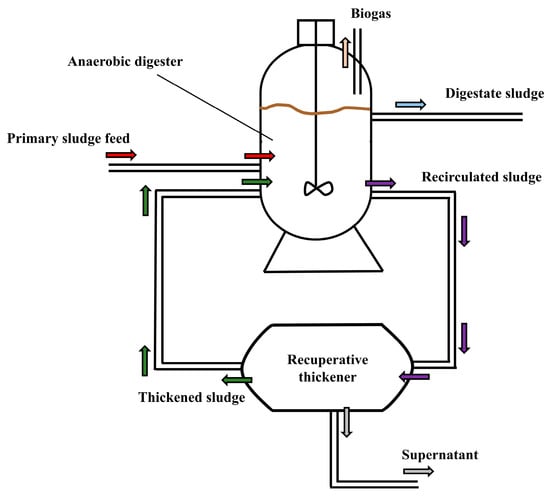
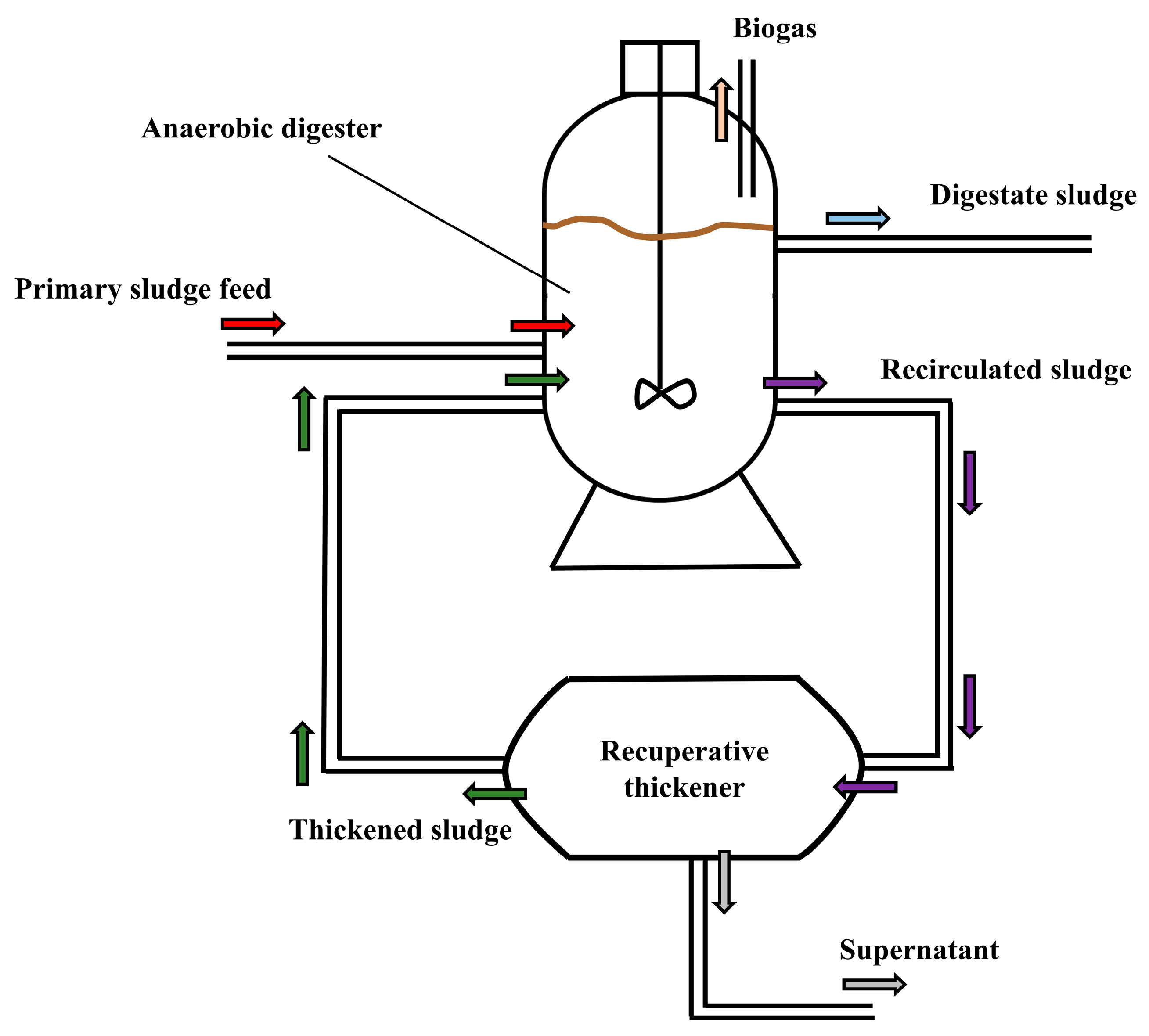
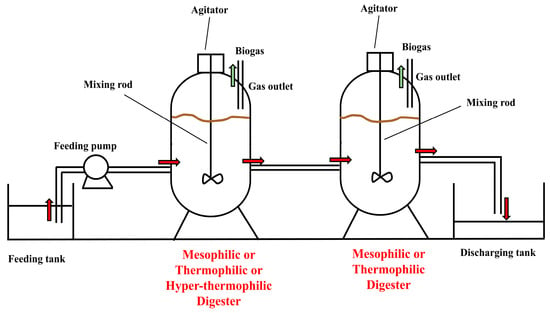
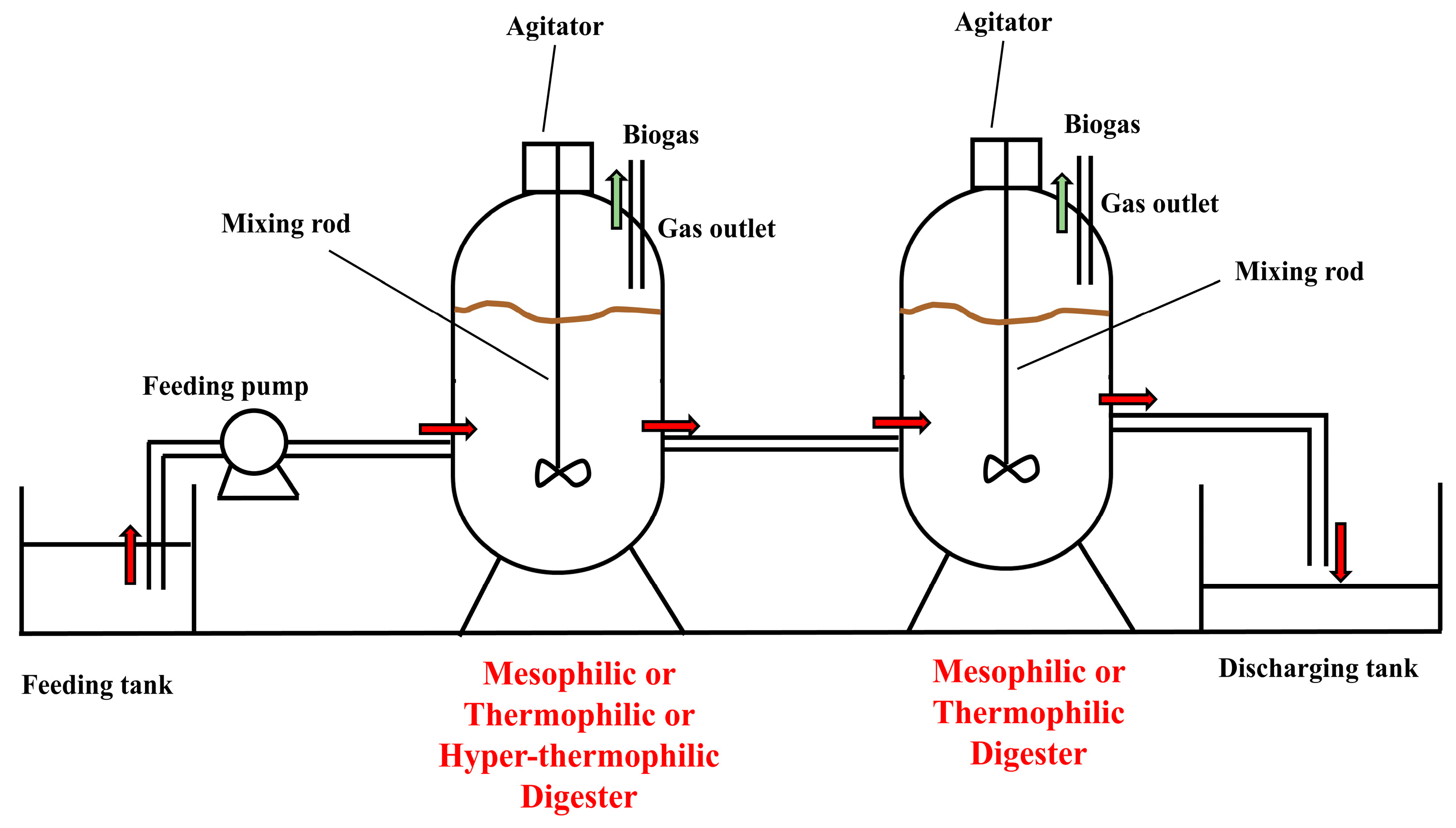
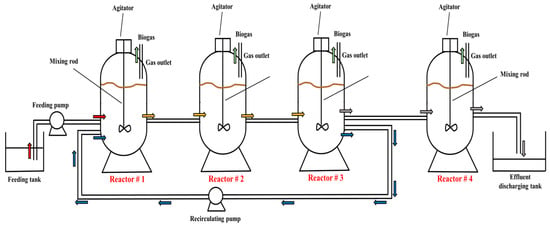
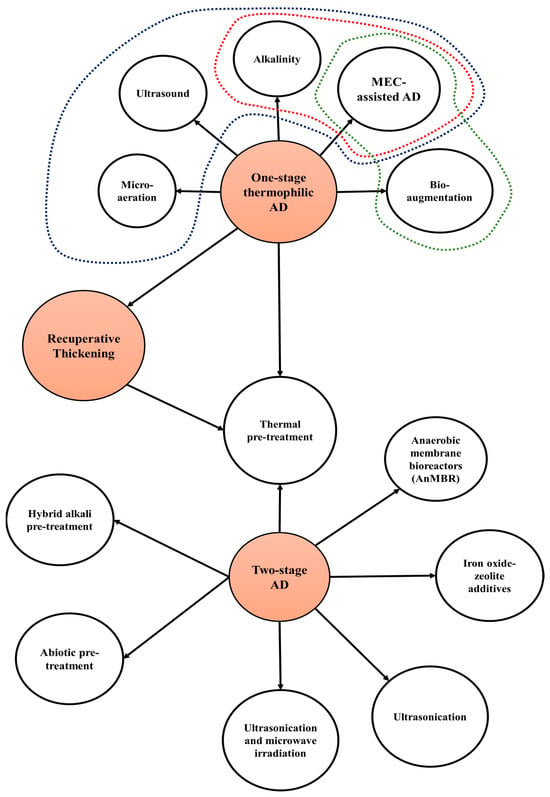

Disclaimer/Publisher’s Note: The statements, opinions and data contained in all publications are solely those of the individual author(s) and contributor(s) and not of MDPI and/or the editor(s). MDPI and/or the editor(s) disclaim responsibility for any injury to people or property resulting from any ideas, methods, instructions or products referred to in the content. |
© 2026 by the authors. Licensee MDPI, Basel, Switzerland. This article is an open access article distributed under the terms and conditions of the Creative Commons Attribution (CC BY) license.