


Abstract
Electrochemical hydrogen peroxide (H2O2) production is progressing from catalyst-centred proof-of-concept studies toward reactor and process development. This review evaluates the engineering and economic requirements for scalable H2O2 electrosynthesis, with emphasis on cathodic two-electron oxygen reduction, anodic two-electron water oxidation, and dual-pathway systems that generate peroxide at both electrodes. Gas-diffusion-electrode flow cells currently provide the most mature benchmark because they alleviate dissolved-oxygen transport limits and can sustain higher current densities than submerged electrodes. Their practical performance nevertheless depends on pressure balance, wetting stability, oxygen utilization, product residence time, crossover, thermal management, and component durability. Anodic peroxide generation expands the design space but remains constrained by competition with oxygen evolution, limited catalyst lifetime, and sparse reactor-scale validation. Reported technoeconomic advantages are highly sensitive to cell voltage, electricity price, electrode lifetime, product concentration, system boundaries, and coproduct credits, so Faradaic efficiency (FE) alone is not a sufficient measure of commercial readiness. The strongest near-term opportunities are decentralized applications in which on-site generation avoids transport and storage of concentrated peroxide or supplies oxidant directly to a downstream process. Progress toward industrial deployment requires standardized reporting of delivered H2O2 productivity, energy consumption, oxygen utilization, product quality, and durability under realistic feed and operating conditions, followed by scale-out demonstrations in repeatable cell and stack architectures.
1. Introduction
Hydrogen peroxide (H2O2) is recognized as one of the world’s top 100 most important industrial chemicals and serves as a clean, versatile, and highly efficient oxidant. Also, in some applications, the utility of peroxide for its bleaching or disinfectant capabilities can be exploited. Owing to its environmentally benign decomposition into water and oxygen, H2O2 has become an indispensable reagent across a broad spectrum of applications, including pharmaceutical manufacturing and chemical synthesis, waste-water treatment, mining, personal care, and pulp and paper and textile bleaching [1,2,3], as illustrated in Figure 1. The global hydrogen peroxide market is valued at approximately 4.6 billion US dollars, representing the estimated annual market value of hydrogen peroxide products and associated commercial sales worldwide. This market is projected to continue growing due to increasing demand across the above-mentioned application sectors [4].
Figure 1.
Market applications and key functions of H2O2.
At present, over 95% of global H2O2 production relies on the anthraquinone auto-oxidation process [5]. This conventional route involves multiple stages—including hydrogenation, oxidation, extraction, purification, and concentration—and depends on complex, large-scale infrastructure. Moreover, it demands substantial energy input and the use of costly palladium-based catalysts, making the process both energy-intensive and capital-demanding [6]. Added to this are high transportation costs and potential safety issues with moving quantities of concentrated explosive and corrosive materials (30–70 wt% peroxide) to the end-use site [7].
Electrochemical and photochemical H2O2 synthesis [8,9,10,11] has attracted increasing attention as a decentralized alternative to the anthraquinone process because it can, in principle, produce H2O2 directly from water, oxygen, and electricity under milder and safer conditions [8,9]. Foundational reviews have consistently highlighted that the strongest opportunity for H2O2 lies not in centralized, large-scale production, but in decentralized, on-site generation of low-to-medium concentration streams for applications such as water treatment, chemical synthesis, and process intensification [12,13].
The electrosynthesis of H2O2 proceeds predominantly through the oxygen reduction reaction (ORR), which can follow either a two-electron (2e−) or four-electron (4e−) pathway [14]. In the desired 2e− pathway, molecular oxygen is reduced via an adsorbed hydroperoxyl (*OOH) intermediate to produce H2O2 in acidic media or hydroperoxide ions (HO2−) in alkaline media [15]. The reaction can be expressed as O2 + 2H+ + 2e− → H2O2 under acidic conditions or O2 + H2O + 2e− → HO2− + OH− in alkaline electrolytes. In contrast, the competing 4e− pathway involves further reduction of the *OOH intermediate accompanied by O–O bond cleavage, ultimately yielding water (O2 + 4H+ + 4e− → 2H2O) or hydroxide ions in alkaline media. Consequently, high H2O2 selectivity requires suppression of O–O bond dissociation and stabilization of the *OOH intermediate [16].
The adsorption strength of the *OOH intermediate is widely recognized as a key descriptor governing catalyst performance and product selectivity during the oxygen reduction reaction. Catalysts exhibiting moderate *OOH binding energies preferentially promote the two-electron ORR pathway by preserving the O−O bond and facilitating H2O2 formation. Representative examples include oxygen-functionalized carbon black [17], nitrogen-doped graphene [16], boron-doped carbon materials [18], oxidized carbon nanotubes [19], and defect-engineered carbon catalysts [20]. In contrast, catalysts with strong oxygen adsorption energies tend to promote O−O bond cleavage, favouring the four-electron reduction pathway and the formation of water. Therefore, rational catalyst design focuses on tuning the adsorption characteristics of oxygen-containing intermediates to maximize H2O2 selectivity while maintaining high catalytic activity and long-term stability. As illustrated in Figure 2, the selectivity of electrochemical H2O2 synthesis is largely governed by the adsorption behaviour of the *OOH intermediate and the extent of O−O bond cleavage. Understanding these competing reaction pathways is essential for the development of highly selective electrocatalysts and efficient electrochemical systems for sustainable H2O2 production.
Figure 2.
Schematic illustration of the oxygen reduction reaction pathways for electrochemical H2O2 production.
In alkaline electrolytes, the product distribution between H2O2 and HO2− depends strongly on solution pH because the pKₐ of H2O2 is approximately 11.6 [21,22]. At pH values above the pKₐ, hydrogen peroxide predominantly exists as the hydroperoxide ion (HO2−), which influences both peroxide stability and reaction pathways. The stabilization of HO2− in alkaline media favours the accumulation of peroxide species and shifts the reaction equilibrium towards H2O2 formation, making hydroxide-containing electrolytes more favourable for peroxide production [5,11]. Under strongly alkaline conditions, peroxide formation can also be represented through hydroxide oxidation (2OH− → H2O2 + 2e−). Since the 4e− pathway produces oxygen rather than H2O2, it acts as a competing reaction that consumes charge without contributing to peroxide formation. Consequently, electrons and reaction intermediates are diverted away from the desired 2e− pathway, resulting in lower H2O2 selectivity, faradaic efficiency (FE), and productivity. Therefore, catalyst and reactor designs should promote the selective 2e− pathway while suppressing the competing 4e− oxygen evolution reaction to maximize H2O2 production. While both the ORR and water oxidation reaction (WOR) can contribute to electrochemical H2O2 production, the ORR pathway remains the most extensively investigated, owing to its higher selectivity and technological maturity.
In this area, most device designs have centred on the 2e− ORR at the cathode [9], largely because ORR-based approaches integrate naturally with gas diffusion electrodes, continuous oxygen delivery, and flow-electrolyser configurations. In contrast, the 2e− WOR has emerged more recently as a complementary anodic route, enabling direct H2O2 generation from water. The pairing of cathodic 2e− ORR with anodic 2e− WOR is particularly attractive because both half-reactions contribute to H2O2 formation, thereby improving overall electron utilization and creating the possibility of more compact and efficient reactor designs [23,24,25].
These electrochemical processes to produce H2O2 involve complex multielectron transfer steps and a series of oxygen-containing intermediates (e.g., *OOH and *OH) that dictate the overall reaction pathway and product selectivity [26,27]. The efficiency and selectivity of H2O2 electrosynthesis are primarily determined by the catalyst properties and the electrolyte environment. The catalytic performance for H2O2 electrosynthesis is governed by several interrelated factors, including the adsorption energy of reaction intermediates, charge-transfer kinetics, electrical conductivity, and active-site density. In particular, the adsorbed *OOH intermediate plays a crucial role in determining product selectivity. Catalysts exhibiting moderate *OOH adsorption energies favour the two-electron oxygen reduction pathway and promote H2O2 formation, whereas excessively strong adsorption can facilitate O−O bond cleavage and the competing four-electron pathway to water. In addition, efficient charge transfer and high electrical conductivity enhance reaction kinetics by facilitating rapid electron transport, while a high density of accessible active sites increases oxygen adsorption and conversion rates. The surface electronic structure of the electrocatalyst critically influences the adsorption and transformation behaviour of key intermediates such as O, OH, and *OOH, thereby governing the reaction kinetics and selectivity of both the two-electron ORR and WOR pathways [11,16]. Consequently, rational catalyst design aims to optimise these properties to maximise H2O2 selectivity, productivity, and long-term stability.
Both photocatalytic and electrocatalytic processes are inherently green and safe, as they utilize O2 and H2O as feedstocks, operate under mild conditions (ambient temperature, and mildly elevated pressures), and produce only water as a by-product [26]. Together, these emerging technologies offer a cost-effective and environmentally friendly pathway toward sustainable H2O2 manufacturing aligning with the global drive for cleaner and more distributed chemical production systems.
Conventionally, an electrochemical interface is considered to consist of two phases: the solid electrode and the liquid electrolyte. However, the ORR pathway to H2O2 relies on the formation of a solid–liquid–gas three-phase interface, where the solid provides active sites and electrons, the liquid supplies H+ or H2O, and the gas phase delivers O2 [1]. In addition to the intrinsic catalytic activity, the accessibility of both O2 and H+/H2O to the active sites critically influences the ORR kinetics and overall reaction efficiency [28]. Several conditions must be met for an active site to efficiently catalyse the two-electron ORR pathway, as illustrated in Figure 3. Besides ensuring high electrolyte conductivity for effective ion transport and high electrode conductivity for rapid electron transfer, efficient mass transfer of H2O2 is required to minimize side reactions such as its further reduction to H2O [28]. Moreover, continuous and sufficient O2 accessibility is essential to sustain the ORR process.
Figure 3.
Schematic illustration of key parameters influencing the catalytic performance of a two-electron ORR catalyst, highlighting the concept of designing electrocatalysts with an optimal density of active sites [28].
Figure 3 highlights the interplay between catalyst properties and transport phenomena during H2O2 electrosynthesis. Molecular oxygen is reduced at catalytically active sites through the adsorbed *OOH intermediate, while efficient oxygen delivery, ion transport, electron transport, and product removal are required to maintain high activity and selectivity. Consequently, both catalyst design and reactor-level mass transport play critical roles in maximizing H2O2 production efficiency.
Few reports work on catalyst-free electrochemical production of peroxide as discussed in work by Mahmoudian et al. [29]. Carbonaceous materials are currently among the most effective catalyst materials for electrochemical peroxide production in aqueous systems [30]. Carbon materials generally exhibit moderate adsorption strength towards the key *OOH intermediate, which favours the selective 2e− ORR pathway and promotes H2O2 formation. Unlike many metal-based catalysts, carbon materials tend to suppress O−O bond cleavage, thereby limiting the competing four-electron reduction pathway to water. Furthermore, their high electrical conductivity, large surface area, tunable surface chemistry, and abundant active sites facilitate efficient charge transfer and oxygen adsorption, contributing to enhanced H2O2 production rates and selectivity [11,16]. Such materials would include carbon felt, carbon black-polytetrafluoroethylene (CB-PTFE), activated carbon fibre and reticulated vitreous carbon [7]. Due to the high selectivity of carbons for the 2e− ORR to peroxide but low activity, it is suggested that a range of catalysts are required to be applied to the carbon surfaces to allow for greater activity for the production of peroxide. Catalysts are not the focus of this review and have been extensively covered in other reviews [31]. Also, the electrolyte composition, encompassing factors such as ion type and pH, further modulates reaction kinetics and product selectivity by altering interfacial properties and proton transfer dynamics [32,33].
Despite its strong conceptual advantages, continuous-flow dual-pathway reactor technology (combined ORR and WOR) is still at an early stage of development. The literature currently shows a clear asymmetry: ORR flow electrolysers are substantially more developed at the reactor level than paired WOR + ORR systems, while much of the WOR literature remains catalyst-centric. As a result, the bottleneck for practical dual-pathway H2O2 production has shifted from simply proving electrocatalytic feasibility to engineering stable flow reactors that sustain high productivity, suppress crossover and flooding, and operate for industrially relevant durations [12,34,35].
This review focuses on the practical aspects of electrochemical H2O2 production for industrial applications. Photocatalytic H2O2 production has also attracted significant research interest because it enables peroxide generation using solar energy under mild operating conditions. However, compared with electrochemical technologies, photocatalytic systems generally remain at an earlier stage of technological development, with lower production rates, limited reactor-scale demonstrations, and fewer studies addressing scale-up and industrial implementation. Consequently, while photocatalytic approaches represent a promising long-term pathway for sustainable H2O2 generation, the present review focuses primarily on electrochemical systems because of their greater technological maturity and more advanced progress toward practical deployment. The discussion covers critical topics such as electrode and reactor engineering, with particular attention to reactor designs optimised for large-scale implementation. To facilitate comparison of the various electrochemical reactor architectures discussed throughout this review, a summary table comparing their representative performance indicators, advantages, limitations, and scale-up potential is provided. The review further explores process integration strategies and key performance metrics that determine the efficiency, scalability, and overall feasibility of electrochemical H2O2 generation. In addition, technoeconomic and environmental assessments are discussed, to understand the challenges and opportunities in transitioning from laboratory research to commercial practice. Finally, we summarize recent technological progress, highlight ongoing industrial demonstrations, and identify remaining challenges, offering a forward-looking perspective on the future development and commercialization of electrochemical H2O2 production.
2. Electrode and Reactor Engineering
2.1. Submerged Aerated Electrodes and Gas Diffusion Electrodes
A number of options are available for the reactor design; some of these are shown in Figure 4 [36]. Some designs incorporate a submerged and aerated electrode (SAE cathode), while others incorporate a gas diffusion electrode (GDE) [7]. In the SAE design, the solution itself is aerated with oxygen, but in the GDE design the chamber behind the working electrode is filled with oxygen at a typical rate of 0.25 L min−1, with the gas permeating through the GDE. The SAE design can only produce peroxide up to a 20 mg L−1 concentration in the effluent before becoming unstable above 20 mA cm−2 current densities, whereas the GDE design allows for greater concentrations to be produced at high flow rates of oxygen [7]. In studies by Li Y et al. [7], which were focused on water treatment applications, the highest rate of production of peroxide using the SAE design was ~11.2 mg h−1 cm−2, which means that a ~0.9–9 m2 cathode is required to produce 10 mg L−1 of peroxide with a water flow rate of 10–100 m3/h. Consequently, it is difficult to construct a compact electrochemical reactor for practical applications using the SAE design. On the other hand, the GDE design can go up to 400 mA cm−2 current density to produce 350 mg L−1 of peroxide in water, though the efficiency drops to 78% from near 100% at 5 mA cm−2. All this equates to a capability of peroxide production at ~202 mg h−1 cm−2 and means a much smaller 0.05–0.5 m2 electrode is required to produce 10 mg L1 at a 10–100 m3 h−1 water flow rate. This allows for a more compact design for a water treatment device.
Figure 4.
Different electrochemical cell designs: (a) undivided electrolytic cell [37], (b) cation exchange membrane separated H-type electrolytic cell [38], (c) proton exchange membrane separated-flow electrolytic cell [39] and (d) flow-type low-temperature electrolytic cell [40].
2.2. Single-Reactor and Dual-Reactor Designs
Single-reactor systems, where the peroxide is produced using GDEs directly in the water to be treated, are easier to set up and operate [41]. Single-reactor configurations are generally simpler because they integrate peroxide generation and utilisation within a single process unit. As a result, fewer pumps, storage tanks, piping networks, and ancillary control systems are required compared with multi-reactor configurations. This reduces capital expenditure (CAPEX), lowers maintenance requirements, and simplifies process operation and monitoring. Consequently, single-reactor systems are particularly attractive for decentralized and small-scale H2O2 production applications where operational simplicity is a key consideration [42]. However, this approach can reduce current efficiency due to the exposure of carbon-based cathodes to strong oxidants such as OH• and O3−, depending on the water-treatment process. In addition, Ca2+ and Mg2+ ions and dissolved organic matter in the water being treated can ruin the GDE stability. In work by Wang et al. [42], this resulted in reducing the efficiency from 90% to only 50–70% after only 60 h of operation. This is attributed to the precipitation of CaCO3 and Mg(OH)2 in the GDE pores. Dual-reactor systems, in which the peroxide is produced in clean electrolyte solutions in a separate electrochemical reactor and fed into the main reactor containing water to be treated, are more likely to be deployed in water treatment applications. Also, in work reported by Wang et al. [42], by the end of a 120 min experiment, the concentration of peroxide is ~34,000 mg L−1 for a divided cell versus ~15,000 mg L−1 for an undivided cell, with higher current efficiencies at the end of electrolysis for this divided cell vs. the undivided cell (~60% vs. ~25%). The main reason for dividing the cell into a dual reactor is to prevent the peroxide decomposition by anodic oxidation. The solution pH will increase with electrolysis in the cathodic compartment, as described previously. At a higher pH of 13, there is much greater peroxide production when compared to a pH of 1 or 7, but the product is less stable with time (it should not be stored for a long time at high pH) [41]. A 1000 h stability test found a gradual decrease in performance followed by a sudden failure. The gradual decline in H2O2 production during long-term operation is attributed to several degradation mechanisms. Flooding of the GDE can restrict oxygen transport to catalytic sites, while pore blockage by precipitated salts and reaction by-products reduces the available active surface area. In addition, loss of hydrophobicity within the gas diffusion layer promotes electrolyte intrusion into gas-transport pathways. Carbonate deposition resulting from reactions between dissolved CO2 and alkaline electrolytes can further obstruct pores and increase mass-transfer resistance. Collectively, these effects reduce oxygen accessibility, active-site utilisation, and H2O2 productivity during extended operation [7,43]. This occurred earlier (~350 h) with real-water matrices due to clogging of the GDE, compared with the sodium sulphate electrolyte (~798 h). With 100 MPa pressed GDE, this increased further to ~1008 h before electrolyte ingress into the pores occurred and electrolytes eventually leaked.
2.3. Flow Reactors
Flow reactors play a crucial role in H2O2 electrosynthesis because the process is highly dependent on mass transport, the local reaction environment, and the residence time of the product. In traditional batch-style setups such as H-cells, oxygen delivery to the cathode often becomes limiting, particularly for the 2e− ORR, and the generated H2O2 is prone to further reduction, decomposition, or other parasitic reactions before it can be collected. Flow-based designs mitigate these challenges by improving gas–liquid–solid contact, enhancing reactant transport, enabling continuous removal of the product, and allowing independent control over hydrodynamic and electrochemical conditions. Across the ORR-based H2O2 electrosynthesis literature, reactor configuration and interfacial transport management are consistently identified as key factors governing productivity and selectivity [13,44,45].
The benefits of flowing electrolytes are even greater in GDE-based cathodes where oxygen is fed directly into a porous electrode instead of depending on dissolved O2 in the bulk solution. This setup boosts oxygen utilization and enables higher current densities, making it the most practical design currently used for electrochemical H2O2 production. Once a productive 2e− WOR anodic reaction is introduced, the reactor design becomes far more complicated. Both electrodes must maintain high H2O2 selectivity and/or productivity, the separator must limit crossover, and the hydraulic balance between compartments becomes a key constraint. As a result, moving from ORR-only flow cells to fully paired WOR + ORR systems is not simply a matter of swapping catalysts—it becomes a full reactor-integration challenge [25,34,35].
The reactor configurations discussed above exhibit distinct characteristics in terms of H2O2 production performance, reactor design, operational complexity, scalability, and technological maturity. While each reactor architecture offers specific advantages, direct comparison between technologies is often difficult because performance metrics are reported under different operating conditions. To facilitate comparison and provide a concise overview of the systems discussed in this review, Table 1 summarizes the representative performance indicators, advantages, limitations, and scale-up potential of the major electrochemical reactor architectures employed for H2O2 production.
Table 1.
Comparison of major electrochemical reactor architectures for electrochemical H2O2 production.
As in Table 1, GDE-based flow reactors currently offer the most attractive combination of productivity, scalability, and operational flexibility for industrial H2O2 generation owing to their superior oxygen mass-transfer characteristics. In contrast, SAE and H-type reactors continue to serve primarily as research and catalyst-evaluation platforms because of their relatively low productivity and limited scale-up potential. Emerging paired ORR-WOR reactor configurations offer opportunities for enhanced electron utilization and process intensification through simultaneous peroxide generation at both electrodes, although challenges related to catalyst durability, membrane crossover, and reactor integration remain significant barriers to commercialization.
2.4. ORR Reactors as the Benchmark Technology
The most robust process benchmarks in the field still come from ORR-driven flow-cell systems. Work by Mohseni et al. [35] demonstrated selective, high-rate H2O2 production in a flow-through reactor using carbon-based electrodes, achieving current densities up to 120 mAcm−2. Studies like this are valuable because they show that substantial peroxide productivity is attainable in continuous-flow operation using relatively practical reactor designs.
Likewise, Hübner et al. [34] demonstrated that major performance improvements in commercial carbon-based GDE flow electrolysers can be achieved solely through electrolyte optimisation, including operation in both single-pass and recirculating modes. Using alkali metal cation-containing electrolytes, the authors achieved previously unavailable single-pass H2O2 production rates of up to 123 mg cm−2 h−1 with a FE of 96.9% at −200 mA cm−2, representing approximately a 34-fold improvement over operation in 0.1 M H2SO4. In addition, the onset potential for the two-electron ORR shifted by approximately 0.42 V towards less negative potentials. These results highlight the importance of electrolyte engineering, mass transport, and reactor operation, demonstrating that substantial improvements in H2O2 productivity can be achieved without changing the catalyst itself.
Earlier process-focused studies also reinforce the industrial relevance of ORR-based flow systems [12], introducing a phase-transfer electrosynthesis strategy in which cathodic H2O2 formation is coupled with anodic water oxidation and emphasizing that product handling and separation must be treated as core elements of reactor design rather than downstream add-ons. At a more applied scale, Giomo et al. [47] demonstrated a small pilot-plant system employing an oxygen-reducing gas diffusion electrode, underscoring that meaningful reactor engineering for H2O2 electrogeneration has a longer lineage than is often acknowledged. Although these examples do not represent modern dual-pathway architectures, they reinforce the broader idea that progress towards industrial relevance depends on continuous-flow operation, scale-up considerations, and transport management—not solely on advances in catalyst selectivity.
2.5. The Emerging Role of WOR in Flow Devices
The electrode potential required for the oxidative peroxide reaction (WOR) is higher (1.77 V vs. RHE compared with 1.23 V vs. RHE for oxygen evolution); consequently, a catalyst is needed to promote the reaction or hinder the oxygen evolution reaction. The reaction can potentially have a higher reaction rate than the complicated 4-e− route of the oxygen evolution reaction (OER) [48]. Relative to the ORR pathway, anodic 2e− WOR remains less developed at the reactor scale, though catalyst-level progress has become increasingly compelling. Mavrikis et al. [49] established one of the strongest performance benchmarks for anodic H2O2 electrogeneration using a potentially expensive and impractical boron-doped diamond (BDD), achieving a high Faradaic Efficiency (FE) of ~87%, a record H2O2 production rate of 76.4 μmol cm−2 min−1, and operation at industrially relevant current densities (200 mA cm−2), with stable performance over approximately 10 h. This work is important because it demonstrates that WOR is not simply a mechanistic curiosity; under appropriate catalyst and electrolyte conditions, it can deliver H2O2 at efficiencies that justify its incorporation into paired systems. Nonetheless, the study represents more of a catalyst-performance milestone than a full process demonstration, and key practical issues, such as electrode cost, scalable surface area, and integration into long-duration flow architectures, remain unresolved.
2.6. Current State of Dual-Pathway ORR and WOR Flow Cells
Sun et al. [25] offer a helpful conceptual lens by emphasizing the strategic importance of coupling the 2e− ORR and 2e− WOR pathways to enable dual-route H2O2 production; they underscore that device architecture can be just as consequential as catalyst development. Their perspective is valuable because it deliberately moves the field beyond isolated half-reaction thinking and towards fully integrated electrochemical systems. Still, the work functions mainly as a positioning and synthesis piece rather than evidence of a reactor design ready for industrial deployment.
A review by Lei et al. [36] around utilizing WOR for the electrosynthesis of H2O2 highlights the catalytic improvement of FE to levels of 50% and above. The stability, however, is very poor, allowing for only a short duration (generally less than 10 h) of H2O2 production. Another review by Pangotra et al. [50] looked at the pathway from laboratory to scale-up applications of selective water oxidation to H2O2. These authors talk about the benchmark performance being a selectivity of above 80%, current density of above 500 mA cm−2, product concentration of above 3 wt%, and operational lifetime of above 1000 h under realistic and variable operating conditions. The viability of the process needs the integration of renewable electricity, durable electrode materials and scalable reactor architecture. As we discuss in this review, the key lies in smart engineering and a flexible, application-oriented reactor design [50].
One of the most significant experimental advances comes from the full-cell study by Wang et al. [24], which combined anodic 2e− WOR on atomic Ni-doped TiO2 with cathodic 2e− ORR on oxidized carbon nanotubes in a flow-cell architecture. They report an anodic H2O2 FE of roughly 70% at about 300 mA cm−2 and a striking overall combined efficiency (summing the cathodic and anodic efficiency) of 146% at 240 mA cm−2, enabled by simultaneous hydrogen peroxide generation at both electrodes. This work is particularly impactful because it moves beyond isolated half-reaction performance and demonstrates the fundamental potential of paired electrosynthesis under continuous-flow conditions. At the same time, it underscores how uncommon such fully integrated demonstrations still are.
A related perspective on this advance explicitly characterised the system as practical-scale paired H2O2 production, underscoring the growing interest in full-cell devices that exploit both half-reactions productively. However, reactor-scale demonstrations, long-duration operation studies, and industrial deployment data remain limited, suggesting that these systems are still at an early laboratory stage rather than having reached robust pilot-scale maturity. In particular, the literature remains sparse in multi-day operation, scale-out strategies, separator durability studies, and comprehensive technoeconomic analyses [51]. In addition, the limited number of reports demonstrating stable long-term operation under industrially relevant conditions highlights the need for further validation of reactor durability and scalability. Coupled with this is the low efficiency of the anodic reaction, which would require substantial improvements in catalyst performance to enable significantly higher H2O2 throughput.
Paired ORR-WOR systems offer several important advantages compared with conventional ORR-only reactors. Because both the cathodic oxygen reduction reaction and anodic water oxidation reaction contribute to H2O2 formation, overall electrical utilisation can be significantly improved. In addition, simultaneous peroxide generation at both electrodes may theoretically result in combined FEs exceeding 100% while enabling more compact reactor configurations and reducing non-productive anodic reactions [24,25]. These features make paired systems particularly attractive for process intensification and future decentralised H2O2 production [25]. However, several limitations remain. The anodic two-electron WOR pathway is significantly less mature than ORR and generally exhibits lower activity, lower selectivity, and poorer catalyst stability [36,49]. Membrane crossover, peroxide decomposition, flooding, and electrolyte management become increasingly important in dual-pathway systems owing to their greater reactor complexity [34,43,44]. Furthermore, long-term durability and industrial-scale validation remain largely unexplored compared with ORR-based flow cells [50,51]. Therefore, despite their considerable promise, paired ORR-WOR systems currently face significant engineering and material challenges in the realisation of large-scale commercial implementation. The principal advantages and limitations of paired ORR-WOR systems are summarised in Table 2.
Table 2.
Advantages and limitations of paired ORR-WOR systems for electrochemical H2O2 production.
As shown in Table 2, paired ORR-WOR systems offer significant opportunities for improving H2O2 productivity and overall energy utilisation through simultaneous peroxide generation at both electrodes. Nevertheless, catalyst durability, membrane management, peroxide preservation, and long-term operational stability remain important barriers to commercialization. Consequently, future research should focus on reactor integration, membrane engineering, and long-duration operation, in addition to catalyst development.
The key challenges, as the authors of this current review see it, for the dual-pathway flow reactors are shown in Figure 5. Problems with WOR-produced H2O2 include low H2O2 productivity and low operational current densities as well as lack of stability of the anode/catalyst; most studies have been conducted with H-type batch cells rather than larger, more industrially relevant flow reactors [52].
Figure 5.
Dual-pathway WOR + ORR flow reactor for H2O2 production [52].
2.7. Design Requirements for Dual-Pathway Flow Reactors
The emerging literature highlights that while the 2e− WOR pathway is promising, it remains limited by competition with the 4e− oxygen evolution reaction, challenges in maintaining catalyst stability under anodic potentials, and a lack of reactor-scale validation. These analyses are valuable because they counterbalance the ORR-centric perspective and clarify that dual-pathway systems will only achieve industrial relevance once the anodic side attains a comparable level of engineering advancement [23,53].
The reactor-design challenge in dual-pathway H2O2 production differs fundamentally from that of single-pathway ORR systems. In an ORR-only flow cell, engineering efforts primarily focus on oxygen delivery, maintaining high H2O2 selectivity, and suppressing further reduction or decomposition. In a paired WOR and ORR configuration, these requirements still apply, but they are accompanied by a set of additional constraints. First, both electrodes must maintain high selectivity within a shared, practically accessible current and potential range; a strong ORR catalyst paired with an underperforming WOR catalyst, or vice versa, cannot deliver a robust dual-pathway device. Second, separator and membrane selection becomes critical as H2O2 crossover, electrolyte transport, and hydraulic imbalance can directly erode overall productivity. Third, wetting and flooding in porous electrodes become more consequential, especially in GDE- or carbon-cloth-based architectures, where liquid intrusion into gas channels can rapidly destabilize operation and prevent long-duration testing. Fourth, the local reaction environment—including pH, cation identity, buffer chemistry, and gas–liquid interfacial structure—may not simultaneously favour both half-reactions, forcing device-level compromises. These considerations are increasingly highlighted across both primary studies and recent reviews [23,25,34,54].
2.8. Coupling WOR with Other Cathodic Reactions
Guan et al. [48] propose using hydrogen evolution reaction (HER) at the cathode combined with WOR to form H2O2 at the anode and to allow for easier separation of cathode and anode products in water splitting. The possible removal of a requirement for a separator would be a huge advantage. As discussed previously, a catalyst is required to promote H2O2 formation over oxygen evolution. Also, suppressing backward reactions or side reactions is essential [48]. The technoeconomic assessment conducted by this team [48] evaluated the economic impact of replacing the conventional 4e− water oxidation pathway with a 2e− water oxidation process that simultaneously produces H2O2 as a value-added co-product during hydrogen generation. The analysis investigated how revenue generated from H2O2 sales could offset hydrogen production costs and improve the overall economics of water electrolysis. This predicts a levelized cost of hydrogen (LCH) of $9.72 kg−1 for the four-electron process, and for the 2e− process a cost of $6.08 kg−1, if the peroxide was sold for $0.5 kg−1. With a median market value of $0.85 kg−1, the LCH is even lower (at $0.13 kg−1) [48].
Other authors [52] propose converting CO2 to ethylene at the cathode and water to H2O2 at the anode using WOR (with the aid of the boron-doped diamond catalyst surface). This work was done in a two-compartment, two-reservoir and two-electrode flow electrolyser. They first produced hydrogen at the cathode and were able to achieve 400 mL min−1, 100–1000 mA cm−2 in potassium carbonate aqueous electrolytes, giving 8–9.5 V cell voltages at the highest current densities and giving 120 mM H2O2 at 1000 mA cm−2. When the ethylene production was paired with the peroxide production, 5 mL min−1 flows were used with 200 mA cm−2 current density and ~5 V cell voltage for 50 h, with a paired/summed FE of 120% (i.e., 60% for each side). Energy efficiencies of 69% were achieved, and 11.77 kWh kg −1 of products were calculated (mole ratio 1:6 of ethylene:peroxide). The value of 11.77 kWh kg−1 products represents the electrical energy required to produce one kilogram of the combined products generated by the paired electrolysis process, namely ethylene and H2O2. This metric provides a practical measure of overall process energy consumption and allows comparison with alternative chemical production routes. The relatively low energy requirement compared with separate production processes highlights the potential benefits of paired electrolysis for process intensification and improved energy utilisation. This is a 50% decrease compared with the individual production of peroxide and ethylene via this cell.
3. Technoeconomic Perspectives on Water Treatment
A technoeconomic assessment for electrochemical production of H2O2 for water treatment carried out by Li Y et al. [7] predicts an energy consumption from 5.2 to 17.8 kWh kg−1 using current densities between 10 and 100 mA cm−2 for a GDE electrode set-up. This is compared with the anthraquinone process, which consumes 17.6 kWh kg−1 of electrical and heat energy but does not take into account optimized operating conditions of the electrochemical method such as anode-cathode distance, conductivity and residence times. Lowering the interelectrode distance from 3 cm to 1.5 cm lowers the voltage from ~6.82 to 4.93 V, as there is a lot less uncompensated resistance. If further reduced to 0.5 cm, the predictions show that the voltage should be around ~3.65 V, equating to an energy consumption of 6.3 kWh kg−1 (this compares with 9.5 kWh kg−1 at 2 cm separation). This occurs because a shorter distance between the anode and cathode reduces the ionic transport pathway through the electrolyte, thereby decreasing electrolyte resistance and minimizing ohmic voltage losses. Consequently, a lower applied voltage is required to maintain a given current density, resulting in reduced energy consumption. However, excessively small interelectrode distances may increase species crossover and alter local reaction environments, potentially resulting in lower H2O2 selectivity and current efficiency [41]. A later paper by the same authors [41] reduced the anode-to-cathode distance in the divided cell from 1.5 cm to 0.1 cm to change the cell voltage from ~4.5 to ~3.4 V, with a consequent lowering of efficiency at 120 min from 55% to ~18%. Although the reduction in interelectrode distance decreased the FE, it also substantially reduced the cell voltage and associated energy consumption. Therefore, the overall benefit lies in reducing energy consumption and operating costs, even though excessive reductions in electrode spacing may adversely affect H2O2 selectivity and FE. In practice, an optimum interelectrode distance must balance the advantages of lower voltage and energy consumption against the disadvantages of reduced H2O2 selectivity and current efficiency. Consequently, minimising electrode spacing alone does not necessarily maximise peroxide production, and both energy efficiency and FE must be considered simultaneously when optimising reactor design. Increasing current density and reducing interelectrode distance influence reactor performance through different mechanisms. Higher current densities generally increase H2O2 productivity and production rates by increasing electron transfer rates; however, excessively high current densities may introduce oxygen mass-transfer limitations, reduce FE, and promote peroxide decomposition. In contrast, reducing the interelectrode distance primarily decreases cell voltage and energy consumption by lowering electrolyte resistance. Therefore, increasing current density is generally more effective for enhancing H2O2 productivity, whereas reducing interelectrode distance primarily improves energy efficiency by lowering cell voltage and operating costs. In practice, optimal reactor performance requires balancing both parameters to maximise peroxide productivity while maintaining acceptable selectivity and energy consumption. In this work [41], when operating the cell divided by a cation exchange membrane, increasing from lower current densities (50–200 mA cm−2) to current densities above 200 mA cm−2 resulted in a lower peroxide concentration at 120 min and significantly lower current efficiency. At these higher current densities, the process was suggested to become oxygen mass transfer-limited rather than current-limited [41]. The cost per kg of hydrogen peroxide produced, as calculated through a technoeconomic assessment, varied from ~$1.80 (at 50 mA cm−2) to ~$1.28–1.39 (between 100 and 200 mA cm−2) to $2.24 (at 250 mA cm−2) [41]. The condition of 200 mA cm−2 was seen as optimal for further experiments. Increasing the sodium sulphate concentration in the electrolyte from 0.05 to 0.5 M almost doubled the H2O2 concentration while also significantly increasing the current efficiency. The cost went from ~$3 per kg of H2O2 to $1.33 per kg of H2O2 for the higher sulphate concentration due to a lowering of electricity use. Further increasing to 1 M did not make much difference in terms of H2O2 concentration produced. This was mainly a conductivity effect, resulting in lower overvoltages and temperatures (with less thermal decomposition at the lower temperatures). Varying the GDE back-pressure from 15 to 45 kPa resulted in little difference in peroxide production, but with no back-pressure it was much less efficient (with not enough oxygen for ORR, resulting in higher operating costs).
The other parameter that can be adjusted is the residence time; increasing this time from 10 to 80 min can increase the peroxide concentration from ~94 to 349 mg L−1. The efficiency greatly decreases, from ~98% to 46%, as side reactions and decomposition of peroxide are enhanced. Energy consumption concurrently increases even though the cell voltages do not change much; the authors of [7] suggest adding a proton exchange membrane to limit this effect.
Electrolyte costs are virtually one-time input costs, according to the authors Zhao et al. [41], whereas electricity and oxygen are continuous costs. Consequently, as the cell ages and becomes less efficient, the cost per kg of peroxide produced decreases in terms of electrolyte costs but increases due to electricity and oxygen costs.
Long-term stability is important for the technoeconomic assessment of the electrochemical production of H2O2. Li et al. [7] studied stability over 42 days (or 1000 h), where the concentration produced decreased from 186 mg L−1 on day 1 to 166 mg L−1. After another 4 days, the system completely failed, with a quick decrease in concentration produced due to water penetrating the GDE into the gas chamber. At 42 days, the current efficiency was >85%, and the energy consumption was estimated at <10 kWh kg−1. Over the lifetime of the electrolyser, the capital cost was estimated to be ~$0.27/kg of peroxide, and the energy cost was $0.61/kg during this 46-day trial [7].
3.1. Dual-Reactor Designs for Water Treatment
Some work focuses on the electrolysis directly in the drinking water to be treated (i.e., low-conductivity water); however, Li Y et al. [7] suggest dosing concentrated H2O2 into the water to be treated via a separate cell (dual-reactor design). The peroxide doses for drinking and municipal wastewater treatment are ~0.5 to 2 mg L−1 for ozone and UV disinfection processes. To achieve these target doses, a stock solution containing 34,000 mg L−1 H2O2 can be diluted by approximately 17,000 to 68,000 times before addition to the treated water. This translates into a small increase in sodium sulphate concentration of 2.1–8.4 mg L−1 when using a 1 M Na2SO4 solution in the separated cell. This is much lower than the drinking water standard [41]. In the Fenton process, ferrous ions (Fe2+) react with hydrogen peroxide (H2O2) to generate highly reactive hydroxyl radicals (•OH), which oxidise organic contaminants in water [55]. It should be noted that Fe2+ is not required for the electrochemical generation of H2O2 itself. Rather, Fe2+ is introduced in electro-Fenton systems, where it activates electrochemically generated H2O2 according to the Fenton reaction (Fe2+ + H2O2 → Fe3+ + •OH + OH−). The resulting hydroxyl radicals are highly effective oxidants and represent one of the most important applications of electrochemically produced H2O2 in water treatment processes. However, if high iron concentrations are required, the process can increase the dissolved iron and salt content of the treated water, necessitating additional treatment to remove residual iron before discharge or reuse. The same authors [7] calculated that a 9 cm2 GDE electrode would be sufficient to dose approximately 3 mg L−1 H2O2 into an ozonation process treating 1–2 m3 day−1 of water, demonstrating the relatively small electrode area required for practical water-treatment applications. This is sufficient for use at a household or community level. Here, the energy consumption is very high: 40 kWh kg−1 at 90 mA cm−2. Increasing the salt concentration to obtain a solution of 50 mS cm−1 conductivity greatly reduces energy consumption, to ~10 kWh kg−1 [7].
In a comparison by the authors [41], the difference between a cell divided by a separator and one undivided, in terms of cost, was ~$1.39/kg of H2O2 vs. $2.93/kg of H2O2, where the market cost for industrial-grade H2O2 is typically between ~$0.70 and $1.20/kg. Consequently, this process is not expected to replace the conventional anthraquinone process, which has an estimated plant-level production cost of approximately US$0.85 kg−1 H2O2. Instead, it is better suited to applications where on-site production provides substantial benefits by reducing the costs and safety risks associated with H2O2 concentration, storage, packaging and hazardous-material transportation [56]. This cost is acceptable for safety, convenience and flexibility. In the above technoeconomic assessment, 49% of the overall operating cost is due to electricity, 28% for electrolytes, 19% for oxygen and 4% for water for both types of cells, with and without a membrane.
3.2. Photoelectrochemical Coproduction
Work by Mei et al. [56] focusses on the economics of the industrial feasibility of anodic hydrogen peroxide through photoelectrochemical water splitting. Here, the cathodic reaction to produce hydrogen is used to produce two products: H2O2 and H2. The levelized cost of hydrogen (LCH) is calculated for two scenarios: 27.55% solar-to-hydrogen (STH) efficiency as the optimal case and 10.1% STH efficiency as the literature-based state-of-the-art case. With a range of assumptions and a H2O2 price of $0.85 kg−1, the analysis gives a negative LCH of $6.45 kg−1 (case 1) and $6.19 kg−1 (case 2), which is compared to a ‘classic’ photoelectrochemical water splitting of ~$10 kg−1. The stability of the anode, however, for long-term use and optimizing of STH efficiency is required to realise these numbers in reality. Other literature predictions [57,58,59] put the LCH around $5 kg−1 for the H2/O2 system—suggesting the production of peroxide coupled with the hydrogen production is highly beneficial.
3.3. Other Technoeconomic Studies
Other technoeconomic studies focus on electrolyte optimization for the WOR. Work by two separate research groups [32,33] shows that using an electrolyte containing K2CO3 can improve the H2O2 production process greatly. An optimized electrolyte from Gill et al. [32] containing 0.5 M KHCO3/3.5 M K2CO3 allows for much better production of H2O2. The technoeconomic analysis by Gill et al. predicts a reduced cost of electricity for anodic H2O2 production at 3.25 V vs. RHE from $3.98 to $0.46 kg−1 H2O2. This was put down to an increased selectivity towards H2O2 production allowing for much greater current densities at 3.25 V, roughly eight times the value, using 2 M KHCO3 and FEs above 20% when compared with <10% for the non-optimized electrolyte. Although FE is widely used throughout this review to assess the selectivity of H2O2 formation, it does not account for the electrical energy required to drive the electrochemical process. Therefore, FE alone is insufficient for evaluating the practical and economic viability of H2O2 production systems. Energy efficiency (EE) provides a complementary metric by incorporating both product selectivity and cell voltage, thereby reflecting how effectively electrical energy is converted into the chemical energy stored in H2O2. For this reason, FE is primarily used to compare catalysts and reactor performance, whereas EE is particularly important when assessing process economics, scale-up potential, and industrial implementation. Energy efficiency is calculated as the ratio of the energy stored in the target product to the total electrical energy supplied to the electrochemical system and is given by [60]: , where EOER is the thermodynamic potential for oxygen evolution, is the thermodynamic potential associated with H2O2 formation, Ecell is the operating cell voltage, and FE is the Faradaic efficiency. A high FE can coincide with poor energy efficiency when the cell voltage is high. One technoeconomic analysis estimated that an ORR process would require energy efficiency above 39% at 300 mA cm−2 to become competitive under its assumed costs. Such thresholds are scenario-dependent and should not be transferred between studies without harmonizing electricity price, capital cost, oxygen supply, electrode lifetime, product concentration, and system boundary [60]. Wenderich et al. [61] evaluated anodic H2O2 production on boron-doped diamond (BDD), reporting 31.7% FE at 2.90 V, 39.8 mA cm−2, and 3.93 µmol min−1 cm−2. Their estimated levelized cost was USD 62.0 kg−1 H2O2. Sensitivity analysis identified anode cost and current density as major levers, but the assumed reduction in BDD cost has not yet been established at the manufacturing scale. Huang et al. [62] investigated zinc-vacancy ZnO catalysts for high-rate cathodic H2O2 electrosynthesis. The reported standalone device reached 87.8% FE at 320 mA cm−2, and the authors estimated that air operation improved process economics relative to pure O2. Because the quoted current density approaches the nominal oxygen-flux limit for air, the gas flow, pressure, electrode area, oxygen utilisation, and mass-transfer model should be reported explicitly before the result is compared with other devices. Sun et al. [63] coupled cathodic H2O2 production with anodic glycol oxidation to glycolic acid. Replacing O2 evolution with a value-added anodic product lowered the cell voltage and increased projected revenue under the authors’ price assumptions. The flow cell delivered a reported H2O2 yield of 7.3 mol g cat−1 h−1 compared with 5.48 mol g cat−1 h−1 without the coupled reaction and 0.73 mol g cat−1 h−1 in an H-cell. Here, mol gcat−1 h−1 denotes the number of moles of H2O2 produced per gram of catalyst per hour and provides a measure of catalyst productivity under operating conditions. Comparisons should also consider additional factors, including glycol conversion, product separation requirements, feedstock costs, and the long-term stability of both anodic and cathodic electrodes. Qiu et al. [64] coupled 2e− ORR with anodic upcycling of waste polyethylene terephthalate to formate, reporting 400 mA cm−2 at a cell voltage of 0.927 V. Their economic analysis attributed comparable revenue contributions to H2O2, terephthalic acid, and potassium diformate. The projected advantage depends on feed preparation, product recovery, purity, and coproduct prices, which should be included in any cross-study comparison.
4. Recent Advances and Industrial Demonstrations
4.1. Pilot-Scale Studies and Demonstration Projects
Electrochemical synthesis of H2O2 via the 2e− ORR is increasingly positioned as a pathway for decentralised, on-site, and modular chemical production, particularly where the transport and storage of concentrated peroxide impose disproportionate cost and safety burdens. Although laboratory studies frequently report FEs exceeding 90%, translation to pilot and demonstration scales is predominantly constrained by reactor and system-level phenomena, rather than intrinsic catalyst activity. This shift in limiting factors is consistent with broader assessments of electrochemical peroxide production technologies, which highlight the decisive role of reactor architecture and system integration beyond the laboratory environment [65].
Oxygen supply and mass-transfer ceilings become dominant as electrode area and current density increase. Rotating-disk and H-cell measurements can mask these limitations through controlled hydrodynamics and small geometric areas. Scale-relevant devices must maintain uniform gas delivery, potential, temperature, and selectivity across the full electrode. High small-scale FE is transferable only when the three-phase interface remains stable and oxygen distribution is uniform [65,66].
Wetting and flooding remain key challenges, limiting the operability and scale-up of GDE-based systems. Although GDEs overcome oxygen solubility limitations and are widely used in scale-up architectures, their performance depends on maintaining a stable balance between gas and liquid transport. Small pressure differences caused by hydrostatic head, flow conditions or manifold design can drive electrolytes into the gas diffusion layer, reducing gas permeability and progressively degrading performance. This phenomenon has been widely reported in fuel-cell and CO2 electrolysis systems and is also relevant to H2O2 electrosynthesis, where flooding can gradually limit performance rather than cause sudden failure [67]. In H2O2 systems, flooding is particularly detrimental, as it restricts oxygen transport and increases peroxide residence time near reactive surfaces, promoting parasitic decomposition and material degradation. Therefore, wettability engineering, graded porosity, flow-field design and effective pressure management are important considerations for improving GDE stability and scalability [66].
Net peroxide yield commonly declines with time on stream because of further cathodic reduction, chemical decomposition, crossover, and anodic oxidation. Continuous systems should therefore report recovered outlet yield and degradation rate rather than only an early-time FE. Product-contact materials and trace impurities must also be considered because they can catalyse decomposition [7].
Achieving meaningful H2O2 concentrations is central to industrial relevance, but concentration targets are application-dependent. While low wt% peroxide may suffice for treatment applications, broader chemical integration typically requires higher concentrations to reduce downstream handling volumes. Increasing concentration, however, exacerbates scale-up challenges, as elevated local peroxide activity accelerates chemical decomposition, membrane and material degradation, and susceptibility to hotspot-driven parasitic reactions. Solid-state and porous solid electrolyte (PSE) architectures have therefore emerged as strategic approaches to decouple peroxide formation from bulk electrolyte management and improve product purity. Early scalability in this direction was demonstrated by the PSE concept introduced by Xia et al. [68], while more recent modular scale-up studies [69] have shown that performance decline is often dominated by flow-field non-uniformity within the PSE layer, as evidenced by a 12-unit modular stack with a total geometric electrode area of 1200 cm2. Collectively, these studies underscore that geometry and flow distribution can be decisive constraints during scale-up.
Industrial deployment requires sustained operation with predictable maintenance intervals, yet much of the academic literature still reports limited operational durations. Scale-up introduces additional degradation drivers, including peroxide attack on membranes and ionomers, carbon corrosion and surface oxidation, mechanical compression effects in membrane electrode assemblies (MEAs), and evolving wetting states in GDEs. Recent studies targeting industrially relevant current densities and extended operation provide more credible insight into practical durability limits [70], while reactor design reviews increasingly identify durability and component integration as constraints comparable in importance to catalyst activity [66]. Overall, the scale-up literature converges on the conclusion that oxygen transport, wetting stability, uniformity in current and flow distribution, H2O2 preservation, and long-term durability collectively define practical performance at scale, explaining why recent progress is increasingly driven by reactor design and electrolyser-style integration rather than catalyst development alone.
4.2. Continuous Flow and Gas Diffusion Electrode Studies
Continuous-flow reactors employing GDEs remain the most widely pursued scale-up pathway because oxygen solubility in water is intrinsically low and becomes limiting at industrially relevant current densities. By supplying oxygen through a porous gas diffusion medium, GDE flow cells enable sustained 2e− ORR operation at higher geometric rates, provided that two-phase transport stability and H2O2 preservation are maintained over extended operating periods.
Gas diffusion electrode-based flow cells currently represent the most widely adopted scale-up strategy for electrochemical H2O2 production. At larger scales, reactor productivity is primarily governed by the oxygen flux supplied to the cathode while maintaining a stable gas–liquid–solid three-phase interface. Zhang et al. [71] demonstrated that conventional GDE systems often exhibit very low oxygen utilisation (<1%) and significant energy penalties in the absence of interfacial optimisation and showed that a superhydrophobic natural-air diffusion electrode (NADE) can substantially improve oxygen utilisation (44.5–64.9%) while maintaining high area-based formation rates [71]. This work is scale-relevant because it illustrates that mass transfer and wetting control can dominate net performance even without changes in catalyst chemistry. Consistent with this perspective, Lin et al. [72] demonstrated that the transition from RDE and H-cell evaluations to MEA-based flow reactors exposes key scale-up challenges associated with gas transport, wetting stability, and H2O2 preservation. These findings emphasise that reactor engineering and mass-transport management are critical factors governing the scalable performance of electrochemical H2O2 production systems.
An early process-integrated demonstration was reported by Isarain-Chávez et al. [73], who implemented a 3 L continuous-flow reactor operating at liquid flow rates up to 12 L min−1 for on-site H2O2 generation in Electro-Fenton pollutant degradation [73]. Although the H2O2 concentrations achieved were modest, the study remains influential because it reframed evaluation from isolated electrochemical metrics toward process-integrated operability, explicitly accounting for hydraulic residence time, oxidant dosing requirements, and interaction with radical-based treatment pathways. This framing remains fundamental for early deployment markets, such as water treatment and sanitation, where reliable skid-integrated production of low-concentration H2O2 can be sufficient.
An important test for pilot studies is to probe the long-duration operation against durability, energy, and technoeconomic benchmarks. As discussed in the technoeconomic section, Li et al. [7] provided a widely cited scale-up benchmark by operating a carbon black–PTFE GDE system continuously for approximately 42 days (~1000 h), reporting high apparent current efficiency (>85%) and energy consumption below 10 kWh kg−1 H2O2 under stable conditions. Importantly, this work advanced the field by framing performance using electrolyser-relevant key performance indicators (kWh per kg delivered, operational stability, and balance-of-plant contributions), supported by a technoeconomic assessment that explicitly identifies dominant cost drivers. Complementing this approach, Perry et al. [65] emphasised that reactor configuration and integrated system design become decisive once laboratory-scale limitations are overcome.
As electrode area increases, uniform oxygen delivery and electrolyte flow distribution become critical bottlenecks. Non-uniform gas–liquid transport can create oxygen-starved regions that suppress H2O2 formation alongside high-residence-time regions that accelerate parasitic decomposition. These challenges are increasingly framed as classical reactor engineering problems. Souza et al. [54] applied macro- and micromixing analysis to a GDE reactor and linked H2O2 generation performance to flow-field design, mixing efficiency, and manifold architecture, reinforcing that hydrodynamics and residence time control are as important as catalyst selectivity at scale [54]. In parallel, Joule heating emerges as a hidden scale penalty at current densities ≥100 mA cm−2, where resistive losses and thermal gradients reduce practical energy efficiency and accelerate peroxide decay, introducing thermal management requirements not captured in benchtop demonstrations [74].
Long-term stability remains a defining challenge for pilot readiness. Under continuous operation, GDE performance can decay due to electrolyte intrusion and gas pathway blockage, loss of hydrophobicity (e.g., PTFE redistribution or oxidative attack), mechanical compaction, and H2O2-induced carbon or binder transformations. Zhao et al. [43] directly investigated deterioration mechanisms in carbon black–PTFE GDEs under industrially relevant conditions, providing mechanistic insight into the coupled roles of wetting instability, structural changes, and peroxide exposure in long-duration performance decay [43]. Together with long-duration feasibility demonstrations [7], these studies show that the field is progressing beyond proof-of-concept operation toward understanding degradation mechanisms and developing practical strategies to improve durability.
High-performance GDE studies provide scalable design rules rather than merely record metrics. Key principles include the following: (i) oxygen utilisation must be improved to avoid prohibitive gas-handling penalties [71]; (ii) oxygen delivery, hydrodynamics, and wetting stability are intrinsically coupled, making long-term stability more informative than peak short-term performance; (iii) reactor-level design improvements can deliver performance gains comparable to catalyst optimisation, as demonstrated by benchmarking and reactor innovation studies [75]; and (iv) process integration often defines viable early markets, where reliable dosing matters more than maximum concentration, as illustrated by process-embedded treatment demonstrations [73]. Overall, the GDE pilot literature shows that scale-up success is governed by two-phase transport stability, flow-field uniformity, peroxide preservation, thermal management, and multi-hundred-hour durability.
4.3. Modular Reactors and Decentralised Production
A conceptual shift in the electrochemical H2O2 field has been the positioning of the technology as a modular and decentralised manufacturing platform rather than a direct replacement for large anthraquinone auto-oxidation (AO) plants. This perspective aligns naturally with early deployment markets where safety, logistics, and flexible capacity are dominant constraints.
Some work focuses on modular architectures and scale-out strategies, such as Chen et al. [76], who explicitly framed electrochemical H2O2 synthesis as a decentralised electrolysis technology designed for stacking and replication [76]. Their carbon-based reactor achieved >90% FE at ~1.6 V and remains influential primarily because it articulated a scale-out pathway based on repeatable modules rather than monolithic scale-up.
Barazesh et al. [77] demonstrated an integrated modular AOP in which electrochemically generated H2O2 was consumed immediately downstream in a UV reactor, treating up to ~120 L per day [77]. This study illustrates that coupling peroxide production to utilisation can enable practical systems at relatively low peroxide concentration while avoiding transport and storage burdens. In combination, these works identify modularity and decentralisation as core design principles for early-stage deployment.
4.4. Solid-State and Porous Solid Electrolyte Reactors
Solid-state and Porous Solid Electrolyte (PSE) architectures address limitations of aqueous GDE systems when higher product concentration or simplified downstream separation is required. By decoupling peroxide formation from bulk electrolyte circulation, these systems aim to improve product purity and reduce peroxide loss.
Work by Lin et al. [46] demonstrates a scale-relevant demonstration and concentration gains. The authors reported a solid-state electrolyte reactor with an effective electrode area of 2 × 100 cm2 operating at 15 A and producing ~127 mmol h−1 H2O2, with continuous production of ~11.8 wt% H2O2 [46]. This study is notable because it demonstrates a scale-relevant electrode area under elevated peroxide activity, bridging laboratory concepts with pilot-relevant operation.
At elevated peroxide activities, there are certain durability and material constraints. These architectures introduce stringent demands on membrane durability, material compatibility, water management, and thermal stability. Sustained exposure to concentrated peroxide can accelerate degradation and impose new constraints on interfacial design and the balance of plant (BoP), making long-term durability under industrially relevant conditions a key unresolved challenge.
4.5. Large-Scale Demonstration Programs
The Power2Hype initiative is a European demonstration project focused on advancing sustainable electrochemical H2O2 production through paired electrolysis technologies and integrated downstream concentration processes [78]. The project is conceptually underpinned by a “200% electrolyser” in which H2O2 is generated at both electrodes to maximise electrical utilisation, a concept discussed in the associated literature on sustainable peroxide production and paired electrolysis [78]. Public documentation further describes the integration of synthesis with downstream processing to enable H2O2 production across 20–99 wt% [79], and complementary techno-process analysis has examined the feasibility and sustainability implications of producing elevated concentrations [38]. Although comprehensive peer-reviewed plant-scale performance data are still emerging, Power2Hype is significant because it explicitly targets synthesis–separation–integration as connected scale-up challenges.
Another company, HPGen, targets the commercialisation of compact on-site generators producing high-purity, low-concentration H2O2 for water treatment and sanitation [80]. Here, the demonstration is deployment focused on on-site generation. Together, these initiatives delineate complementary industrialisation pathways— infrastructure-integrated high-concentration peroxide production and decentralised point-of-use generation—underscoring the importance of application-specific system design.
4.6. Modular and Pilot-Scale Electrochemical Generators
Recent progress in electrochemical H2O2 production has increasingly shifted from catalyst development toward reactor scale-up, modularisation, and system integration. Pilot-scale studies have demonstrated that continuous-flow GDE reactors can sustain high H2O2 productivity over extended operating periods while addressing key challenges associated with oxygen transport, flooding, peroxide preservation, and durability. Beyond pilot-scale reactors, modular electrochemical generators have emerged as a promising pathway for decentralised H2O2 manufacture, enabling on-site production and flexible capacity expansion through cell stacking or scale-out strategies. Recent demonstrations involving modular porous solid electrolyte reactors, membrane-electrode assemblies, and integrated electrolysis systems highlight the growing maturity of electrochemical H2O2 technology and its potential for industrial deployment. However, long-term stability, flow-field uniformity, component durability, and technoeconomic competitiveness remain critical challenges that must be addressed before widespread commercial implementation can be achieved. As summarised in Table 3, recent developments demonstrate a clear transition from laboratory-scale catalyst evaluation toward reactor engineering, system integration, modularisation, and pilot-scale deployment. Continuous-flow GDE systems currently represent the most mature technology for large-scale H2O2 production, while modular electrolyser configurations, porous solid electrolyte reactors, and paired electrolysis concepts offer promising pathways for decentralised manufacturing and intensified process performance. Nevertheless, long-term durability, flow distribution, peroxide preservation, and economic competitiveness remain key challenges for future commercial deployment.
Table 3.
Recent advances in modular and pilot-scale electrochemical H2O2 generation systems.
4.7. Startups and Industrial Players in Electrochemical H2O2 Production
Industrial engagement with electrochemical hydrogen peroxide production has, to date, concentrated on on-site and decentralised generation rather than direct competition with the AO process for bulk commodity supply. This focus reflects the safety, logistics, and cost penalties associated with transporting and storing concentrated peroxide, particularly for small-to-medium users and geographically distributed applications.
Unless otherwise stated, the economic data and cost estimates discussed in this review are based on technoeconomic assessments reported in the literature. These studies typically consider electricity consumption, oxygen supply, electrode and membrane replacement, reactor capital expenditure (CAPEX), balance-of-plant requirements, maintenance costs, operating lifetime, and H2O2 recovery or concentration requirements. As the assumptions and system boundaries vary between studies, direct comparison of reported production costs should be interpreted with caution. In most assessments, electricity consumption represents the dominant operating cost, while reactor hardware, membrane durability, and auxiliary process equipment constitute the major capital cost contributors.
From an industrial perspective, electrochemical H2O2 is positioned less as a disruptive replacement for AO and more as an enabling technology for distributed chemical manufacture, analogous to on-site chlorine or ozone generation. This deployment logic aligns closely with the system-level considerations discussed in previous sections, particularly modularity, integration with downstream processes, and tolerance for relatively low product concentrations in early markets. The idea is to prioritize decentralization over volume.
A leading commercial example of this strategy is HPNow, which markets compact electrochemical generators producing hydrogen peroxide directly from water, electricity, and air [81]. Publicly available information indicates that HPNow’s systems prioritise membrane-based or solid-state electrochemical architectures, minimising bulk liquid electrolyte handling and simplifying operation. The industrial relevance of this approach is underscored by strategic investment from Evonik, a major incumbent in the global peroxide market, signalling that on-site electrochemical generation is viewed as a complementary pathway for applications poorly served by centralised AO supply [82].
A similar strategic logic underpins Solvay’s investment in Chengyang Technology, which targets on-site electrochemical peroxide generation for applications such as textile bleaching and pulp and paper processing [83]. These sectors are attractive early markets because they consume significant peroxide volumes at moderate concentrations and can integrate on-site generation directly into existing process flows. Additional commercial activity by smaller providers, such as Phase Two Chemicals, further reinforces the trend toward containerised, skid-mounted electrochemical peroxide systems designed for site-specific deployment.
A notable feature of current industrial activity is its close alignment with reactor architectures and scale-up strategies emerging from the academic literature. Rather than pursuing distinct technological routes, startups and industrial players appear to be selectively translating membrane-based electrochemical cells, modular stacking concepts, and electrolyte-immobilised designs into commercially viable products.
The emphasis by companies such as HPNow on membrane-based or solid-state configurations mirrors academic efforts to reduce peroxide loss associated with bulk aqueous electrolytes and to simplify balance-of-plant requirements. These design choices directly reflect insights from solid-state and porous solid electrolyte studies, which highlight the benefits of decoupling peroxide generation from large circulating electrolyte volumes in decentralised systems. There is an effort to translate the academic architectures into deployable systems.
At the same time, industrial implementations typically operate at lower current densities and peroxide concentrations than those reported in laboratory demonstrations. This divergence reflects deliberate trade-offs favouring durability, operability, and regulatory simplicity over peak electrochemical performance, reinforcing the distinction between laboratory optimisation and industrial relevance.
The convergence between industrial practice and academic scale-up pathways is particularly evident in the widespread adoption of modular deployment strategies. Commercial on-site generators are generally designed as repeatable units with fixed capacity, enabling incremental scale-out rather than monolithic scale-up. This approach mirrors electrolyser-style architectures proposed in the literature and reflects a shared risk-reduction logic: replication of standardised modules reduces technical uncertainty and accelerates market entry.
Importantly, the current industrial focus on decentralised generation does not preclude future expansion toward higher-concentration or more centralised electrochemical peroxide production. Instead, it represents a phased commercialisation strategy, in which early revenue is generated from safety-driven and logistics-constrained markets, while more technically demanding configurations, such as high-concentration solid-state systems or paired electrolysis, continue to mature through pilot and demonstration programs (see the above section on large-scale demonstration programs).
There are a number of barriers to broader industrial adoption. Despite substantial progress in reactor development, pilot demonstrations, and early commercialisation, broader industrial adoption of electrochemical H2O2 production remains constrained by system-level barriers encompassing regulatory considerations, cost competitiveness, durability expectations, and entrenched competition with the AO process [7,65].
There are a number of regulatory and safety considerations with the hydrogen peroxide production technologies. Hydrogen peroxide is classified as a strong oxidising agent, and its manufacture, storage, and handling are subject to stringent safety and regulatory frameworks in most jurisdictions. While electrochemical on-site generation has the potential to reduce risks associated with bulk transport and storage, existing regulations have largely been developed around centralised AO-based production and distribution models [65]. In practice, on-site electrochemical generators, particularly those operating above low wt.% peroxide concentrations, may still require comprehensive hazard assessments, permitting, and regulatory compliance, which can slow adoption and incentivise conservative operating envelopes.
From an economic standpoint, electrochemical H2O2 production remains challenging to justify for large-scale commodity supply, where the AO process benefits from decades of optimisation, economies of scale, and established infrastructure. Technoeconomic analyses consistently show that although electrochemical routes can approach competitiveness in decentralised scenarios, they struggle to match AO-based production on a cost-per-kilogram basis for bulk peroxide [7,65]. Operating costs are dominated by electricity price and energy efficiency, with additional penalties associated with gas handling, electrode replacement, membrane lifetime, and balance-of-plant complexity.
Industrial chemical processes typically require predictable long-term operation, with component lifetimes measured in months or years. Although recent studies have demonstrated hundreds to approximately one thousand hours of continuous electrochemical H2O2 operation, these durations remain short relative to industrial expectations [7,43]. Degradation mechanisms, including wetting instability, carbon corrosion, binder degradation, and membrane attack under sustained peroxide exposure, remain key barriers to wider deployment.
While the anthraquinone AO process remains the benchmark for bulk hydrogen peroxide production in terms of throughput, cost, and operational lifetime, these metrics reflect decades of optimisation within large, centralised facilities. Electrochemical H2O2 systems should therefore not be evaluated as direct AO replacements but rather against application-specific benchmarks where decentralisation, improved safety, and process integration provide system-level value that conventional AO supply chains cannot readily deliver.
4.8. Integration with Modular Electrolyser Technologies
Across both academic research and industrial development, electrochemical H2O2 systems increasingly converge toward electrolyser-like architectures, incorporating MEAs, gas diffusion layers, flow-field plates, and stackable cell designs. This transition reflects a deliberate move away from laboratory H-cell configurations toward platforms capable of scale-out deployment and integration with existing electrochemical infrastructure.
This architectural convergence enables direct transfer of mature engineering practices from the water electrolysis and fuel cell industries, particularly in stack compression, sealing strategies, current distribution, thermal management, and BoP integration. Reviews of electrochemical H2O2 scale-up consistently emphasise that these system-level considerations dominate pilot-scale performance and cost, often outweighing incremental gains in catalyst selectivity [7,65].
Importantly, the adoption of electrolyser-style architectures aligns closely with the deployment strategies of industrial players discussed in the above section on startups and industrial players, where commercial systems prioritise modularity, robustness, and unattended operation. In practice, this has led to conservative operating envelopes in early products, reflecting trade-offs that favour durability and regulatory simplicity over peak electrochemical performance.
Beyond reactor performance, manufacturability and stack reproducibility represent critical requirements for commercial deployment. Translation of electrochemical H2O2 systems into manufacturable stacks will require tolerance to component variability, simplified sealing concepts, and material compatibility with high-volume fabrication routes, mirroring challenges that have been successfully addressed in the water electrolysis industry. These considerations reinforce the importance of designing electrochemical H2O2 systems not only for performance but also for repeatable manufacturing and field deployment.
Beyond aqueous GDE-based systems, solid-state and membrane-based reactor concepts offer additional integration pathways with modular electrolyser platforms, particularly when higher product purity or concentration is desired. These approaches also enable closer coupling between electrochemical synthesis and downstream processing.
Solid-state and membrane-based architectures enable tighter control of water activity and product transport, which can reduce peroxide loss associated with bulk aqueous electrolytes and simplify downstream handling. A pilot example is provided by Lin et al. [46], who demonstrated a solid-state electrolysis reactor producing ~11.8 wt.% H2O2 at a scale-relevant electrode area [46]. This work illustrates how electrochemical peroxide synthesis can be embedded within modular electrolyser hardware while targeting higher outlet concentrations.
However, as discussed in the section on solid-state and porous solid electrolyte reactors, these advantages are accompanied by increased demands on membrane durability, interfacial stability, and thermal management under elevated local peroxide activity, which remain key challenges for broader deployment.
Paired electrolysis concepts further extend electrolyser integration by deliberately generating value-added products at both electrodes, thereby improving overall electrical utilisation. This strategy underpins the Power2Hype demonstration program, which advances a “200% electrolyser” concept in which hydrogen peroxide is produced at both electrodes and subsequently concentrated through downstream processing [38,78].
More broadly, paired electrolysis reflects a shift toward electrolyser systems optimised for chemical coproduction rather than single product operation, reinforcing the alignment between electrochemical H2O2 synthesis and emerging electrochemical manufacturing paradigms. While such systems offer compelling efficiency advantages, their industrial adoption will depend on demonstrating durability, controllability, and cost-effectiveness under realistic operating conditions.
5. Conclusions and Future Perspectives
Electrochemical H2O2 synthesis is emerging as a sustainable alternative to the anthraquinone process, with the potential to enable decentralized peroxide production using renewable electricity. By directly converting oxygen and water into hydrogen peroxide under mild operating conditions, electrochemical systems offer a compelling alternative to the conventional anthraquinone process, eliminating the need for energy-intensive multi-step production, expensive catalysts, and long-distance transportation of concentrated peroxide. Although significant advances have been achieved in developing selective catalysts for both the two-electron oxygen reduction reaction (2e− ORR) and water oxidation reaction (2e− WOR), the successful commercialization of this technology will depend increasingly on advances in reactor engineering rather than catalyst discovery alone. Future progress will depend on integrating high-performance electrodes with scalable flow-reactor architectures that provide efficient mass transport, suppress peroxide decomposition and crossover, and maintain long-term stability under industrially relevant operating conditions.
Among the most promising strategies is the coupling of 2e− ORR and 2e− WOR within dual-pathway reactors, allowing both electrodes to contribute productively to H2O2 generation and potentially improving electron utilization, process efficiency, and reactor compactness. Fully integrated WOR + ORR flow reactors are at an earlier stage than the ORR-based flow electrolysers, as only a few demonstrations exist, and sustained, scale-relevant, long-duration performance has yet to be shown. This assessment does not diminish their scientific importance; rather, it underscores how much practical development still lies ahead. However, realizing these advantages will require robust membrane-separated flow systems with optimized electrode structures, electrolyte management, and transport control. The next major advance will not arise from another isolated catalyst study. Instead, it will come from a stable, membrane-separated, continuously operated flow reactor capable of multi-hour to multi-day performance at practical current densities while maintaining selectivity, suppressing crossover, and delivering measurable productivity gains relative to ORR-only benchmarks.
As the field matures, evaluation should extend beyond FE to include productivity, energy consumption, product concentration, durability, and technoeconomic performance. Advances in operando characterization, modelling, digital process optimization, and reactor manufacturing are expected to accelerate development. Ultimately, the commercial success of electrochemical H2O2 production will depend on the successful integration of the catalyst, reactor, and process design into reliable and economically competitive systems capable of large-scale deployment in water treatment, resource processing, and green chemical manufacturing.
Funding
This research received no external funding.
Data Availability Statement
No new data were created or analyzed in this study. Data sharing is not applicable to this article.
Acknowledgments
During the preparation of this manuscript, Microsoft Copilot (powered by the GPT-5 chat model) was used to generate selected icons incorporated into the graphical schematics. In addition, some images based on previously published figures were recreated using Microsoft Copilot, with careful consideration of the original information to ensure that the scientific content and intended meaning were appropriately represented. Microsoft Copilot was also used to assist with consolidating and editing selected text to improve clarity, readability and language. The graphical schematics were assembled and manually edited using Microsoft PowerPoint (Microsoft 365) and Paint (version 11.2605.81.0). The authors take full responsibility for the accuracy, integrity and final content of the manuscript. The authors would also like to thank all members of the Electrolysis Team at CSIRO for their valuable support and contributions.
Conflicts of Interest
The authors declare no conflicts of interest.
References
- An, J.; Li, N.; Zhao, Q.; Qiao, Y.; Wang, S.; Liao, C.; Zhou, L.; Li, T.; Wang, X.; Feng, Y. Highly efficient electro-generation of H2O2 by adjusting liquid-gas-solid three phase interfaces of porous carbonaceous cathode during oxygen reduction reaction. Water Res. 2019, 164, 114933. [Google Scholar] [CrossRef] [Scilit] [PubMed]
- Pulidindi, K.; Pandey, H. Hydrogen Peroxide Market Size by End-User (Paper & Pulp, Chemical, Waste Water Treatment, Mining), 2017. Available online: https://www.gminsights.com/industry-analysis/hydrogen-peroxide-market (accessed on 2 September 2026).
- He, T.; Zhao, Y. Covalent organic frameworks for efficient hydrogen peroxide production. EnergyChem 2024, 6, 100121. [Google Scholar] [CrossRef] [Scilit]
- Hydrogen Peroxide Market—360i Research. Available online: www.360iresearch.com/library/intelligence/hydrogen-peroxide (accessed on 2 September 2026).
- Campos-Martin, J.M.; Blanco-Brieva, G.; Fierro, J.L.G. Hydrogen peroxide synthesis: An outlook beyond the anthraquinone process. Angew. Chem. Int. Ed. 2006, 45, 6962–6984. [Google Scholar] [CrossRef] [Scilit] [PubMed]
- Tang, J.; Zhao, T.; Solanki, D.; Miao, X.; Zhou, W.; Hu, S. Selective hydrogen peroxide conversion tailored by surface, interface, and device engineering. Joule 2021, 5, 1432–1461. [Google Scholar] [CrossRef] [Scilit]
- Li, Y.; Zhang, Y.X.; Xia, G.S.; Zhan, J.H.; Yu, G.; Wang, Y.J. Evaluation of the technoeconomic feasibility of electrochemical hydrogen peroxide production for decentralized water treatment. Front. Environ. Sci. Eng. 2021, 15, 15. [Google Scholar] [CrossRef] [Scilit]
- Mishra, S.R.; Gadore, V.; Ahmaruzzaman, M. From light to chemicals: Breaking ground in photocatalytic H2O2 production for a sustainable future. Mater. Today Sustain. 2024, 27, 100819. [Google Scholar] [CrossRef] [Scilit]
- Qin, L.; Wu, L.; Long, J. Advancements in photocatalytic hydrogen peroxide synthesis: Overcoming challenges for a sustainable future. Chin. J. Struct. Chem. 2025, 44, 100545. [Google Scholar] [CrossRef] [Scilit]
- Lu, Z.Y.; Chen, G.X.; Siahrostami, S.; Chen, Z.H.; Liu, K.; Xie, J.; Liao, L.; Wu, T.; Lin, D.C.; Liu, Y.Y.; et al. High-efficiency oxygen reduction to hydrogen peroxide catalysed by oxidized carbon materials. Nat. Catal. 2018, 1, 156–162. [Google Scholar] [CrossRef] [Scilit]
- Perry, S.C.; Pangotra, D.; Vieira, L.; Csepei, L.I.; Sieber, V.; Wang, L.; de León, C.P.; Walsh, F.C. Electrochemical synthesis of hydrogen peroxide from water and oxygen. Nat. Rev. Chem. 2019, 3, 442–458. [Google Scholar] [CrossRef] [Scilit]
- Murray, A.T.; Voskian, S.; Schreier, M.; Hatton, T.A.; Surendranath, Y. Electrosynthesis of Hydrogen Peroxide by Phase-Transfer Catalysis. Joule 2019, 3, 2942–2954. [Google Scholar] [CrossRef] [Scilit]
- Zhang, X.; Meng, X.; Zhao, H.; Zhou, W.; Gao, J.; Zhao, G. Review of H2O2 generation from O2 electroreduction by gas diffusion electrodes: From homogeneous to heterogeneous electrocatalysis. J. Electroanal. Chem. 2024, 974, 118700. [Google Scholar] [CrossRef] [Scilit]
- Tian, Y.; Deng, D.; Xu, L.; Li, M.; Chen, H.; Wu, Z.; Zhang, S. Strategies for Sustainable Production of Hydrogen Peroxide via Oxygen Reduction Reaction: From Catalyst Design to Device Setup. Nano-Micro Lett. 2023, 15, 122. [Google Scholar] [CrossRef] [Scilit] [PubMed]
- Zhang, X.; Zhang, C.; Yu, C.; Liu, C. Metal–organic frameworks for electrocatalytic hydrogen peroxide production. Mater. Chem. Front. 2024, 8, 1084–1100. [Google Scholar] [CrossRef] [Scilit]
- Siahrostami, S.; Verdaguer-Casadevall, A.; Karamad, M.; Deiana, D.; Malacrida, P.; Wickman, B.; Escudero-Escribano, M.; Paoli, E.; Frydendal, R.; Hansen, T.; et al. Enabling direct H2O2 production through rational electrocatalyst design. Nat. Mater. 2013, 12, 1137–1143. [Google Scholar] [CrossRef] [Scilit]
- Xia, C.; Back, S.; Ringe, S.; Jiang, K.; Chen, F.; Sun, X.; Siahrostami, S.; Chan, K.; Wang, H. Confined local oxygen gas promotes electrochemical water oxidation to hydrogen peroxide. Nat. Catal. 2020, 3, 125–134. [Google Scholar] [CrossRef] [Scilit]
- Xia, Y.; Zhao, X.; Xia, C.; Wu, Z.-Y.; Zhu, P.; Kim, J.; Bai, X.; Gao, G.; Hu, Y.; Zhong, J.; et al. Highly active and selective oxygen reduction to H2O2 on boron-doped carbon for high production rates. Nat. Commun. 2021, 12, 4225. [Google Scholar] [CrossRef] [Scilit] [PubMed]
- Jirkovský, J.S.; Panas, I.; Ahlberg, E.; Halasa, M.; Romani, S.; Schiffrin, D.J. Single Atom Hot-Spots at Au–Pd Nanoalloys for Electrocatalytic H2O2 Production. J. Am. Chem. Soc. 2011, 133, 19432–19441. [Google Scholar] [CrossRef] [Scilit] [PubMed]
- Zhang, C.; Shen, W.; Guo, K.; Xiong, M.; Zhang, J.; Lu, X. A Pentagonal Defect-Rich Metal-Free Carbon Electrocatalyst for Boosting Acidic O2 Reduction to H2O2 Production. J. Am. Chem. Soc. 2023, 145, 11589–11598. [Google Scholar] [CrossRef] [Scilit] [PubMed]
- Gao, Z.; Cao, Y.; Zhu, Q.; Wang, C.; Bai, W.; Zhu, J. Electrochemical water oxidation for hydrogen peroxide production: Focus on catalyst and reaction medium design. J. Environ. Chem. Eng. 2024, 12, 111960. [Google Scholar] [CrossRef] [Scilit]
- Shi, X.; Back, S.; Gill, T.M.; Siahrostami, S.; Zheng, X. Electrochemical Synthesis of H2O2 by Two-Electron Water Oxidation Reaction. Chem 2021, 7, 38–63. [Google Scholar] [CrossRef] [Scilit]
- Zhu, M.; Ge, Z.; Xu, Z.; Liang, X.; Yan, L.; Sun, Y.; Zhong, Y.; Hu, Y. Electrochemical production of H2O2 via 2e− ORR and WOR: Catalyst design, interface regulation, and scalable device engineering. Mater. Sci. Eng. R Rep. 2026, 168, 101168. [Google Scholar] [CrossRef] [Scilit]
- Wang, Z.; Duan, X.; Sendeku, M.G.; Xu, W.; Chen, S.; Tian, B.; Gao, W.; Wang, F.; Kuang, Y.; Sun, X. Highly efficient paired H2O2 production through 2e− water oxidation coupled with 2e− oxygen reduction. Chem. Catal. 2023, 3, 100672. [Google Scholar] [CrossRef] [Scilit]
- Sun, X.; Yang, J.; Zeng, X.; Guo, L.; Bie, C.; Wang, Z.; Sun, K.; Sahu, A.K.; Tebyetekerwa, M.; Rufford, T.E.; et al. Pairing Oxygen Reduction and Water Oxidation for Dual-Pathway H2O2 Production. Angew. Chem. Int. Ed. 2024, 63, e202414417. [Google Scholar] [CrossRef] [Scilit] [PubMed]
- Li, S.; Zhu, Z.; Zhang, Y.; Liu, Y.; Zhang, X.; Hui, K.N. Innovative engineering strategies and mechanistic insights for enhanced carbon-based electrocatalysts in sustainable H2O2 production. Mater. Horiz. 2025, 12, 6018–6042. [Google Scholar] [CrossRef] [Scilit] [PubMed]
- Chen, J.-F.; Cao, Y.-Y.; Ding, Y.-X.; Yu, H.-Y.; Jiao, P.; Yang, H.-W.; Han, N.; Shen, Z.-F.; Su, B.-L. Electrocatalytic synthesis of hydrogen peroxide: Insights from mechanism to material design. Nano Mater. Sci. 2025. [Google Scholar] [CrossRef] [Scilit]
- Li, N.; Huang, C.; Wang, X.; Feng, Y.; An, J. Electrosynthesis of hydrogen peroxide via two-electron oxygen reduction reaction: A critical review focus on hydrophilicity/hydrophobicity of carbonaceous electrode. Chem. Eng. J. 2022, 450, 138246. [Google Scholar] [CrossRef] [Scilit]
- Mahmoudian, F.; Arias, A.N.; Saez, C.; Lobato, J.; Nabizadeh Chianeh, F.; Rodrigo, M.A. Catalyst-less efficient electrochemical production of hydrogen peroxide. Chem. Eng. J. 2024, 490, 151640. [Google Scholar] [CrossRef] [Scilit]
- Verdaguer-Casadevall, A.; Deiana, D.; Karamad, M.; Siahrostami, S.; Malacrida, P.; Hansen, T.W.; Rossmeisl, J.; Chorkendorff, I.; Stephens, I.E.L. Trends in the Electrochemical Synthesis of H2O2: Enhancing Activity and Selectivity by Electrocatalytic Site Engineering. Nano Lett. 2014, 14, 1603–1608. [Google Scholar] [CrossRef] [Scilit] [PubMed]
- Zeng, X.K.; Liu, Y.; Hu, X.Y.; Zhang, X.W. Photoredox catalysis over semiconductors for light-driven hydrogen peroxide production. Green Chem. 2021, 23, 1466–1494. [Google Scholar] [CrossRef] [Scilit]
- Gill, T.M.; Vallez, L.; Zheng, X.L. Enhancing Electrochemical Water Oxidation toward H2O2 via Carbonaceous Electrolyte Engineering. Acs Appl. Energy Mater. 2021, 4, 12429–12435. [Google Scholar] [CrossRef] [Scilit]
- Romeiro, F.D.; Orlandi, M.O.; Mul, G.; Wenderich, K.; Mei, B.S. Assessing stability and performance of fluorine-doped tin oxide electrodes for peroxide formation in carbonate-based electrolytes. Electrochim. Acta 2023, 468, 7. [Google Scholar] [CrossRef] [Scilit]
- Hübner, J.L.; Ruland, G.; Pietschmann, F.; Brejwo, Z.; Paul, B.; Strasser, P. Electrolyte design for high hydrogen peroxide production rates utilizing commercial carbon gas diffusion electrodes. Chem 2025, 11, 102363. [Google Scholar] [CrossRef] [Scilit]
- Mohseni, M.; Dilokekunakul, W.; Wessling, M.; Keller, R.G. Advancing hydrogen peroxide electro-generation: Selective production at high rates in a flow-through module. Electrochim. Acta 2024, 497, 144533. [Google Scholar] [CrossRef] [Scilit]
- Lei, Y.Z.; Gao, L.B.; Ling, C.; Guo, S.Q. Electrosynthesis of hydrogen peroxide via two-electron water oxidation reaction: Mechanistic insights, materials design, and practical feasibility. Chem. Eng. J. 2026, 535, 22. [Google Scholar] [CrossRef] [Scilit]
- Song, X.X.; Wan, Y.Y.; Yang, Q.; Zhang, J.Z.; Zhang, Y.Q.; Sun, Z.T.; Li, S.; Zhang, J.M.; Zhang, X.X.; Ciampi, S.; et al. Electrode Fouling by Gas Bubbles Enables Catalyst-Free Hydrogen Peroxide Synthesis. J. Am. Chem. Soc. 2025, 147, 22864–22872. [Google Scholar] [CrossRef] [Scilit] [PubMed]
- Pangotra, D.; Csepei, L.-I.; Roth, A.; Ponce de León, C.; Sieber, V.; Vieira, L. Anodic production of hydrogen peroxide using commercial carbon materials. Appl. Catal. B Environ. 2022, 303, 120848. [Google Scholar] [CrossRef] [Scilit]
- Javed, U.; Tebyetekerwa, M.; Tang, C.; Zeng, X.K.; Wang, Z.Y.; Sun, K.G.; Yang, J.D.; Marriam, I.; Guo, L.J.; Sun, X.; et al. Water Oxidation to Hydrogen Peroxide Over a Super-Aerophilic Graphite Catalyst. Adv. Mater. 2025, 37, 14. [Google Scholar] [CrossRef] [Scilit] [PubMed]
- Seitz, A.K.; Kohlpaintner, P.J.; Lingen, T.; Dyga, M.; Sprang, F.; Zirbes, M.; Waldvogel, S.R.; Goossen, L.J. Concentrated Aqueous Peroxodicarbonate: Efficient Electrosyn-thesis and Use as Oxidizer in Epoxidations, S-, and N-Oxidations. Angew. Chem. Int. Ed. 2022, 61, 5. [Google Scholar] [CrossRef] [Scilit] [PubMed]
- Zhao, E.R.; Xia, G.S.; Li, Y.; Zhan, J.H.; Yu, G.; Wang, Y.J. Technoeconomic Assessment of Electrochemical Hydrogen Peroxide Production with Gas Diffusion Electrodes under Scenarios Relevant to Practical Water Treatment. ACS ES&T Eng. 2023, 3, 1800–1812. [Google Scholar] [CrossRef] [Scilit]
- Ma, Y.S.; Zhao, E.Z.; Xia, G.S.; Zhan, J.H.; Yu, G.; Wang, Y.J. Effects of water constituents on the stability of gas diffusion electrode during electrochemical hydrogen peroxide production for water and wastewater treatment. Water Res. 2023, 229, 9. [Google Scholar] [CrossRef] [Scilit] [PubMed]
- Zhao, E.; Wang, S.; Yu, G.; Wang, Y. Insight into the deterioration mechanism of gas diffusion electrode during long-term electrosynthesis of hydrogen peroxide under industrially relevant current densities. Electrochim. Acta 2024, 502, 144835. [Google Scholar] [CrossRef] [Scilit]
- An, J.; Feng, Y.; Zhao, Q.; Wang, X.; Liu, J.; Li, N. Electrosynthesis of H2O2 through a two-electron oxygen reduction reaction by carbon based catalysts: From mechanism, catalyst design to electrode fabrication. Environ. Sci. Ecotechnology 2022, 11, 100170. [Google Scholar] [CrossRef] [Scilit] [PubMed]
- Xie, J.; Jing, J.; Gu, J.; Guo, J.; Li, Y.; Zhou, M. Hydrogen peroxide generation from gas diffusion electrode for electrochemical degradation of organic pollutants in water: A review. J. Environ. Chem. Eng. 2022, 10, 107882. [Google Scholar] [CrossRef] [Scilit]
- Lin, S.; Wang, J.; Chen, J.; Lin, P.; Wang, H.; Huang, J.; Wen, Z. Electrochemical Pilot H2O2 Production by Solid-State Electrolyte Reactor: Insights From a Hybrid Catalyst for 2-Electron Oxygen Reduction Reaction. Angew. Chem. Int. Ed. 2025, 64, e202502144. [Google Scholar] [CrossRef] [Scilit] [PubMed]
- Giomo, M.; Buso, A.; Fier, P.; Sandonà, G.; Boye, B.; Farnia, G. A small-scale pilot plant using an oxygen-reducing gas-diffusion electrode for hydrogen peroxide electrosynthesis. Electrochim. Acta 2008, 54, 808–815. [Google Scholar] [CrossRef] [Scilit]
- Guan, X.J.; Shen, S.H.; Mao, S.S. Harvesting the two-electron process for solar water splitting. Cell Rep. Phys. Sci. 2023, 4, 11. [Google Scholar] [CrossRef] [Scilit]
- Mavrikis, S.; Göltz, M.; Perry, S.C.; Bogdan, F.; Leung, P.K.; Rosiwal, S.; Wang, L.; Ponce de León, C. Effective Hydrogen Peroxide Production from Electrochemical Water Oxidation. ACS Energy Lett. 2021, 6, 2369–2377. [Google Scholar] [CrossRef] [Scilit]
- Pangotra, D.; Lou, K.Y.; Pietzka, C.; Roth, A.; Vieira, L. Selective water oxidation to H2O2: From laboratory to scaled-up applications. Curr. Opin. Chem. Eng. 2026, 52, 8. [Google Scholar] [CrossRef] [Scilit]
- Lim, J.S.; Joo, S.H. Practical-scale H2O2 production enabled by paired electrosynthesis. Chem 2023, 9, 2056–2058. [Google Scholar] [CrossRef] [Scilit]
- Mavrikis, S.; Nieuwoudt, M.; Göltz, M.; Ehles, S.; Körner, A.; Hutzler, A.; Fossy, E.; Zervas, A.; Brai, O.; Wegener, M.; et al. Continuous Production of Ethylene and Hydrogen Peroxide from Paired Electrochemical Carbon Dioxide Reduction and Water Oxidation. Adv. Energy Mater. 2024, 14, 20. [Google Scholar] [CrossRef] [Scilit]
- Huang, X.; Li, Y.; Cheng, J.; Xu, Y.; Zhu, J.; Liu, R.; Xu, Y.; Zhao, J.; Cheng, K.; Cao, Z. Electrosynthesis of H2O2 through water oxidation reaction: Mechanisms, catalysts, and prospects. Chem. Eng. J. 2026, 527, 171036. [Google Scholar] [CrossRef] [Scilit]
- Souza, L.P.d.; Souza, I.M.G.d.; Souto, R.S.; Kronka, M.S.; Ramos, B.; Lanza, M.R.V.; de Paiva, J.L.; Teixeira, A.C.S.C. Fluid Dynamics of an Electrochemical Flow Reactor with Different Gas Diffusion Electrodes for In Situ Hydrogen Peroxide Production. Ind. Eng. Chem. Res. 2024, 63, 18053–18066. [Google Scholar] [CrossRef] [Scilit]
- Brillas, E.; Sirés, I.; Oturan, M.A. Electro-Fenton Process and Related Electrochemical Technologies Based on Fenton’s Reaction Chemistry. Chem. Rev. 2009, 109, 6570–6631. [Google Scholar] [CrossRef] [Scilit] [PubMed]
- Wenderich, K.; Kwak, W.; Grimm, A.; Kramer, G.J.; Mul, G.; Mei, B. Industrial feasibility of anodic hydrogen peroxide production through photoelectrochemical water splitting: A techno-economic analysis. Sustain. Energy Fuels 2020, 4, 3143–3156. [Google Scholar] [CrossRef] [Scilit]
- Grimm, A.; de Jong, W.A.; Kramer, G.J. Renewable hydrogen production: A techno-economic comparison of photoelectrochemical cells and photovoltaic-electrolysis. Int. J. Hydrogen Energy 2020, 45, 22545–22555. [Google Scholar] [CrossRef] [Scilit]
- Pinaud, B.A.; Benck, J.D.; Seitz, L.C.; Forman, A.J.; Chen, Z.; Deutsch, T.G.; James, B.D.; Baum, K.N.; Baum, G.N.; Ardo, S.; et al. Technical and economic feasibility of centralized facilities for solar hydrogen production via photocatalysis and photoelectrochemistry. Energy Environ. Sci. 2013, 6, 1983–2002. [Google Scholar] [CrossRef] [Scilit]
- Shaner, M.R.; Atwater, H.A.; Lewis, N.S.; McFarland, E.W. A comparative technoeconomic analysis of renewable hydrogen production using solar energy. Energy Environ. Sci. 2016, 9, 2354–2371. [Google Scholar] [CrossRef] [Scilit]
- Gu, Y.; Tan, Y.J.; Tan, H.; Han, Y.; Cheng, D.F.; Lin, F.X.; Qian, Z.Y.; Zeng, L.Y.; Zhang, S.P.; Zeng, R.J.; et al. Industrial electrosynthesis of hydrogen peroxide over p-block metal single sites. Nat. Synth. 2025, 4, 614–621. [Google Scholar] [CrossRef] [Scilit]
- Wenderich, K.; Nieuweweme, B.A.M.; Mul, G.; Mei, B.T. Selective Electrochemical Oxidation of H2O to H2O2 Using Boron-Doped Diamond: An Experimental and Techno-Economic Evaluation. Acs Sustain. Chem. Eng. 2021, 9, 7803–7812. [Google Scholar] [CrossRef] [Scilit]
- Huang, Q.; Xia, B.K.; Li, M.; Guan, H.X.; Antonietti, M.; Chen, S. Single-zinc vacancy unlocks high-rate H2O2 electrosynthesis from mixed dioxygen beyond Le Chatelier principle. Nat. Commun. 2024, 15, 10. [Google Scholar] [CrossRef] [Scilit] [PubMed]
- Sun, Y.N.; Fan, K.; Li, J.Z.; Wang, L.; Yang, Y.S.; Li, Z.H.; Shao, M.F.; Duan, X. Boosting electrochemical oxygen reduction to hydrogen peroxide coupled with organic oxidation. Nat. Commun. 2024, 15, 12. [Google Scholar] [CrossRef] [Scilit] [PubMed]
- Qi, J.; Du, Y.D.; Yang, Q.; Jiang, N.; Li, J.C.; Ma, Y.; Ma, Y.J.; Zhao, X.; Qiu, J.S. Energy-saving and product-oriented hydrogen peroxide electrosynthesis enabled by electrochemistry pairing and product engineering. Nat. Commun. 2023, 14, 12. [Google Scholar] [CrossRef] [Scilit] [PubMed]
- Perry, S.C.; Mavrikis, S.; Wang, L.; Ponce de León, C. Future perspectives for the advancement of electrochemical hydrogen peroxide production. Curr. Opin. Electrochem. 2021, 30, 100792. [Google Scholar] [CrossRef] [Scilit]
- Chen, W.; Sun, C.; Sheng, W. Aspects in cell design for H2O2 electrosynthesis and its integration in tandem systems. EES Catal. 2025, 3, 359–385. [Google Scholar] [CrossRef] [Scilit]
- Baumgartner, L.M.; Koopman, C.I.; Forner-Cuenca, A.; Vermaas, D.A. When Flooding Is Not Catastrophic─Woven Gas Diffusion Electrodes Enable Stable CO2 Electrolysis. ACS Appl. Energy Mater. 2022, 5, 15125–15135. [Google Scholar] [CrossRef] [Scilit] [PubMed]
- Xia, C.; Xia, Y.; Zhu, P.; Fan, L.; Wang, H. Direct electrosynthesis of pure aqueous H2O2 solutions up to 20% by weight using a solid electrolyte. Science 2019, 366, 226–231. [Google Scholar] [CrossRef] [Scilit] [PubMed]
- Zhao, E.; Zhang, Y.; Zhan, J.; Xia, G.; Yu, G.; Wang, Y. Optimization and scaling-up of porous solid electrolyte electrochemical reactors for hydrogen peroxide electrosynthesis. Nat. Commun. 2025, 16, 3212. [Google Scholar] [CrossRef] [Scilit] [PubMed]
- Liu, Z.; Li, K.; Liu, L.; Song, H.; Zhang, Y.; Tebyetekerwa, M.; Zhang, X.; Wang, K.; Xu, L.; Wang, J. Stable H2O2 electrosynthesis at industrially-relevant currents by a membrane-based electrode with high oxygen accessibility. Appl. Catal. B Environ. Energy 2024, 357, 124311. [Google Scholar] [CrossRef] [Scilit]
- Zhang, Q.; Zhou, M.; Ren, G.; Li, Y.; Li, Y.; Du, X. Highly efficient electrosynthesis of hydrogen peroxide on a superhydrophobic three-phase interface by natural air diffusion. Nat. Commun. 2020, 11, 1731. [Google Scholar] [CrossRef] [Scilit] [PubMed]
- Lin, Z.; Han, C.; O’Connell, G.E.P.; Lu, X. Recent Progress on Electrode Design for Efficient Electrochemical Valorisation of CO2, O2, and N2. Angew. Chem. Int. Ed. 2023, 62, e202301435. [Google Scholar] [CrossRef] [Scilit] [PubMed]
- Isarain-Chávez, E.; de la Rosa, C.; Martínez-Huitle, C.A.; Peralta-Hernández, J.M. On-site Hydrogen Peroxide Production at Pilot Flow Plant: Application to Electro-Fenton Process. Int. J. Electrochem. Sci. 2013, 8, 3084–3094. [Google Scholar] [CrossRef] [Scilit]
- Ni, C.; Xu, W.; Deng, N.; Huang, X. Challenges in scaling up H2O2 electrosynthesis: Addressing Joule heating effects. J. Clean. Prod. 2024, 480, 144066. [Google Scholar] [CrossRef] [Scilit]
- Oliveira Silva, T.; Granados-Fernández, R.; Lobato, J.; Lanza, M.R.V.; Rodrigo, M.A. Boosting New Electrochemical Reactor Designs to Improve the Performance in H2O2 Production Using Gas Diffusion Electrodes. ACS Sustain. Chem. Eng. 2025, 13, 3172–3182. [Google Scholar] [CrossRef] [Scilit] [PubMed]
- Chen, Z.; Chen, S.; Siahrostami, S.; Chakthranont, P.; Hahn, C.; Nordlund, D.; Dimosthenis, S.; Nørskov, J.K.; Bao, Z.; Jaramillo, T.F. Development of a reactor with carbon catalysts for modular-scale, low-cost electrochemical generation of H2O2. React. Chem. Eng. 2017, 2, 239–245. [Google Scholar] [CrossRef] [Scilit]
- Barazesh, J.M.; Hennebel, T.; Jasper, J.T.; Sedlak, D.L. Modular Advanced Oxidation Process Enabled by Cathodic Hydrogen Peroxide Production. Environ. Sci. Technol. 2015, 49, 7391–7399. [Google Scholar] [CrossRef] [Scilit] [PubMed]
- Pangotra, D.; Csepei, L.-I.; Roth, A.; Sieber, V.; Vieira, L. Anodic generation of hydrogen peroxide in continuous flow. Green Chem. 2022, 24, 7931–7940. [Google Scholar] [CrossRef] [Scilit]
- Fraunhofer Projects. Available online: https://www.igb.fraunhofer.de/en/reference-projects/power2hype.html (accessed on 26 June 2026).
- CORDIS—EU Research Results. Available online: https://cordis.europa.eu/project/id/767568/reporting (accessed on 26 June 2026).
- HPNow—Onsite Generation of Hydrogen Peroxide. Available online: https://hpnow.com/ (accessed on 26 June 2026).
- Evonik. Available online: https://active-oxygens.evonik.com/en/evonik-invests-in-danish-hydrogen-peroxide-start-up-hpnow-153792.html (accessed on 26 June 2026).
- Solvay. Available online: https://www.solvay.com/en/press-release/solvay-invests-chengyang-tech-accelerate-breakthroughs-site-chemicals-production (accessed on 26 June 2026).
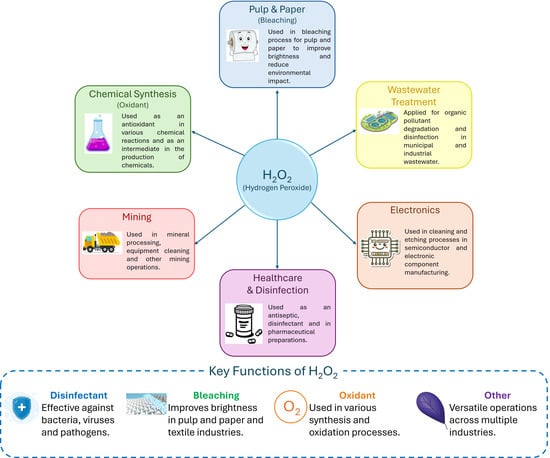
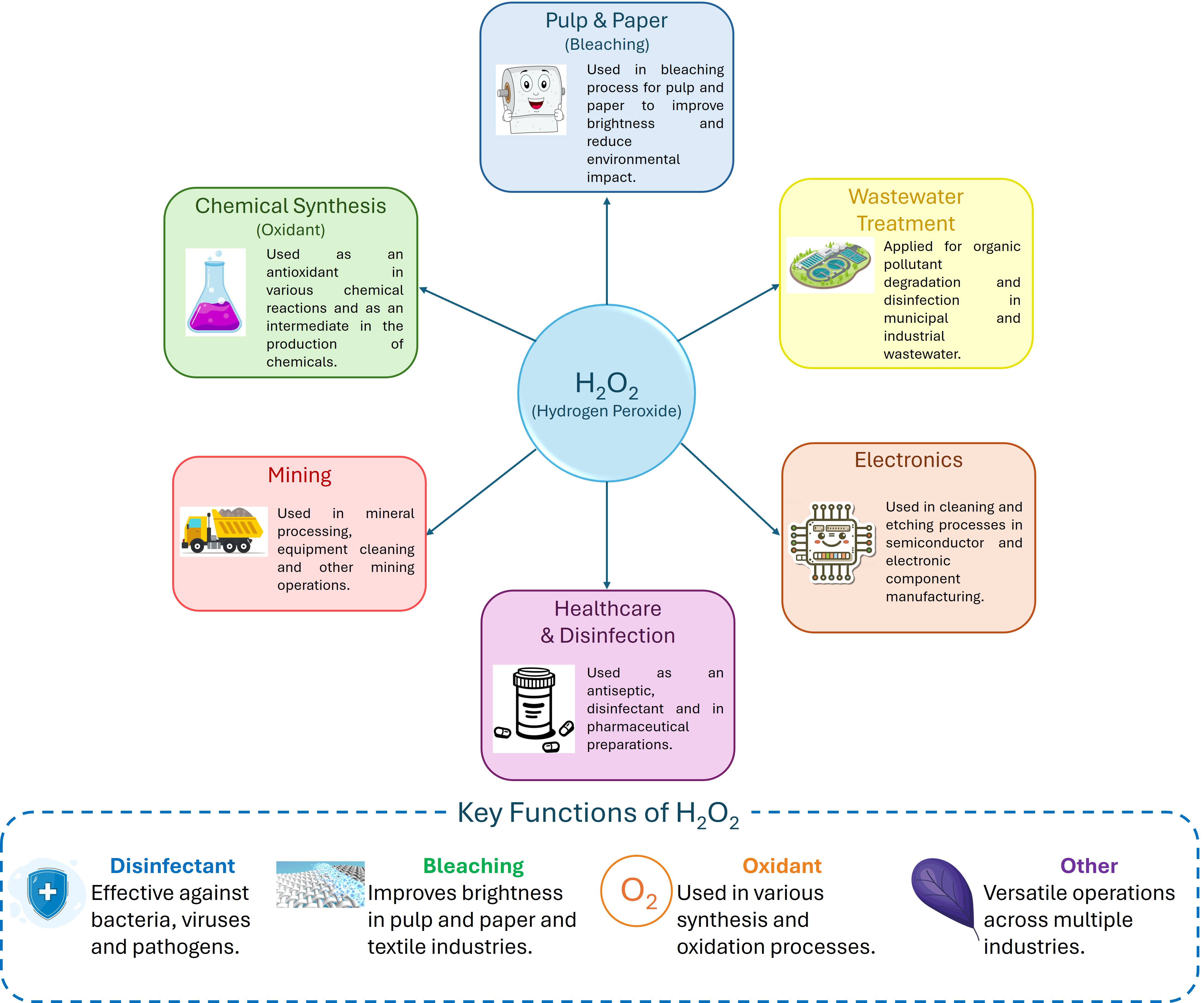
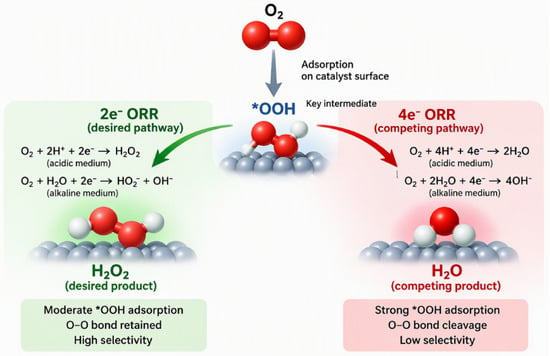
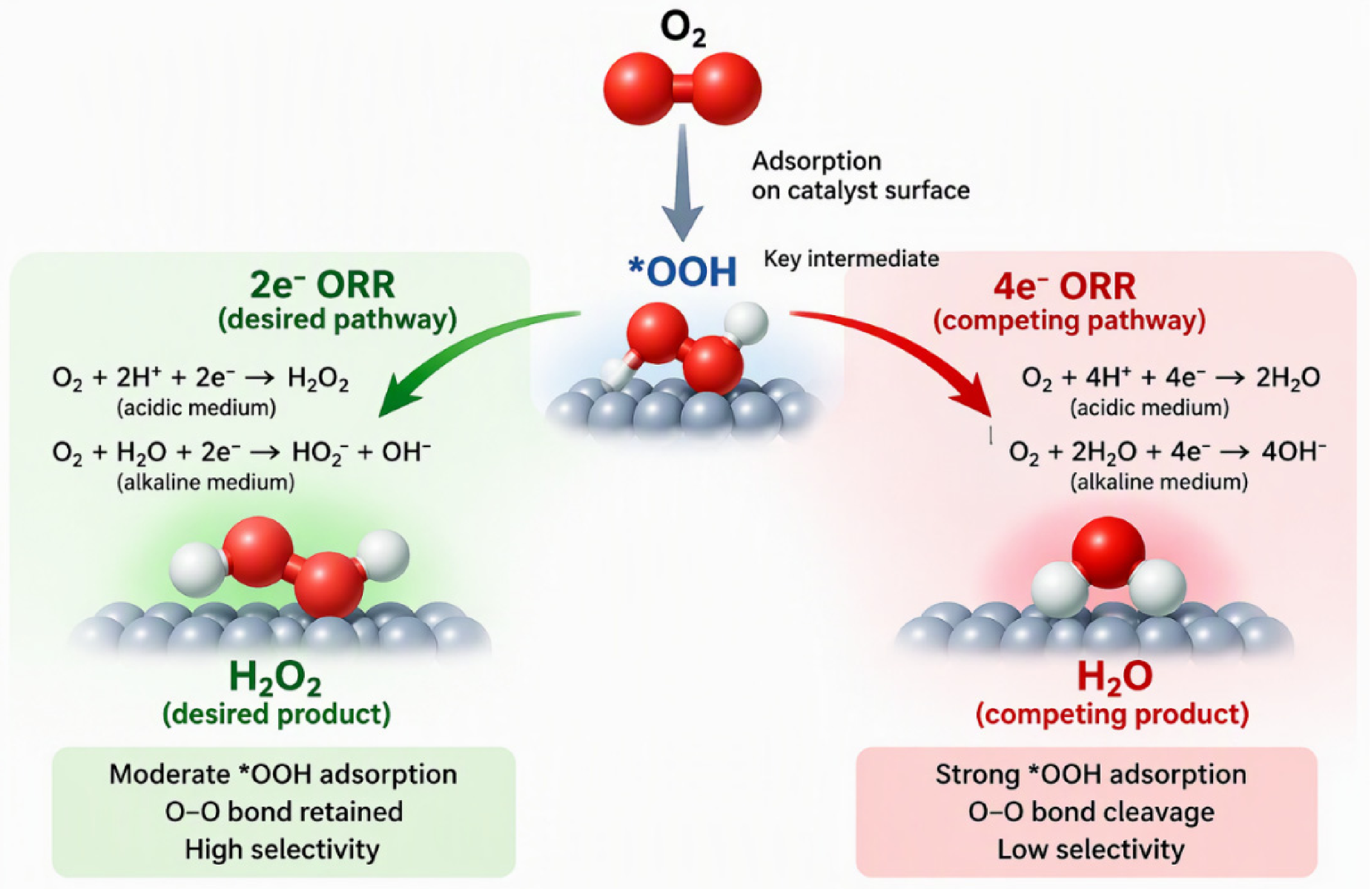
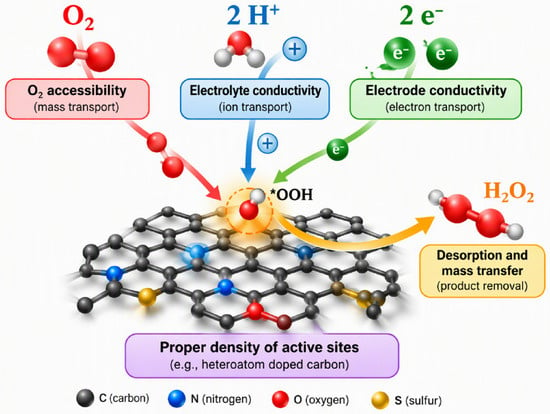
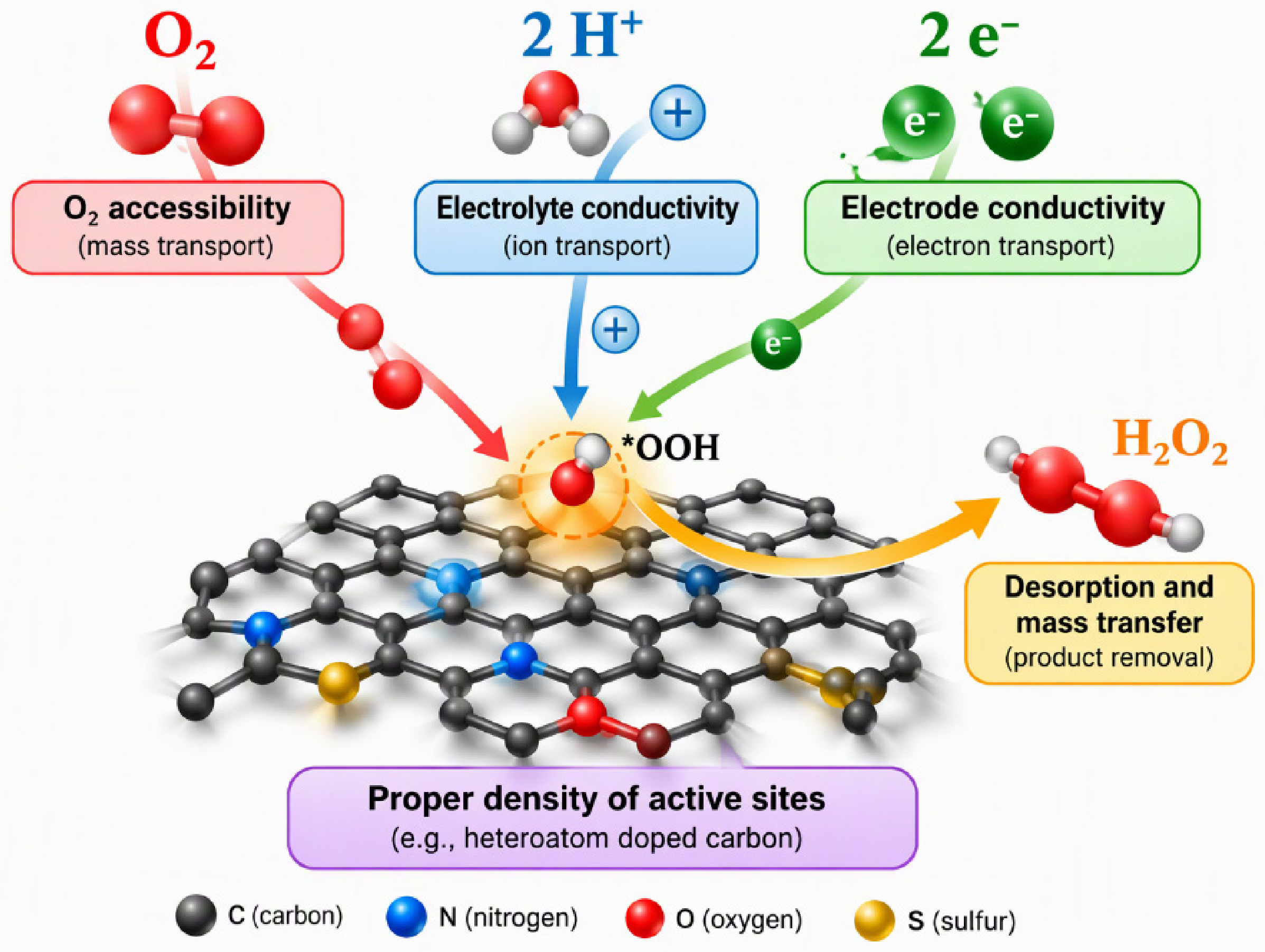
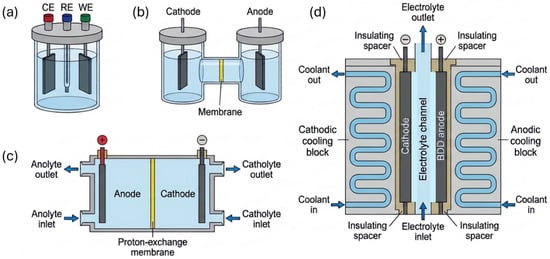
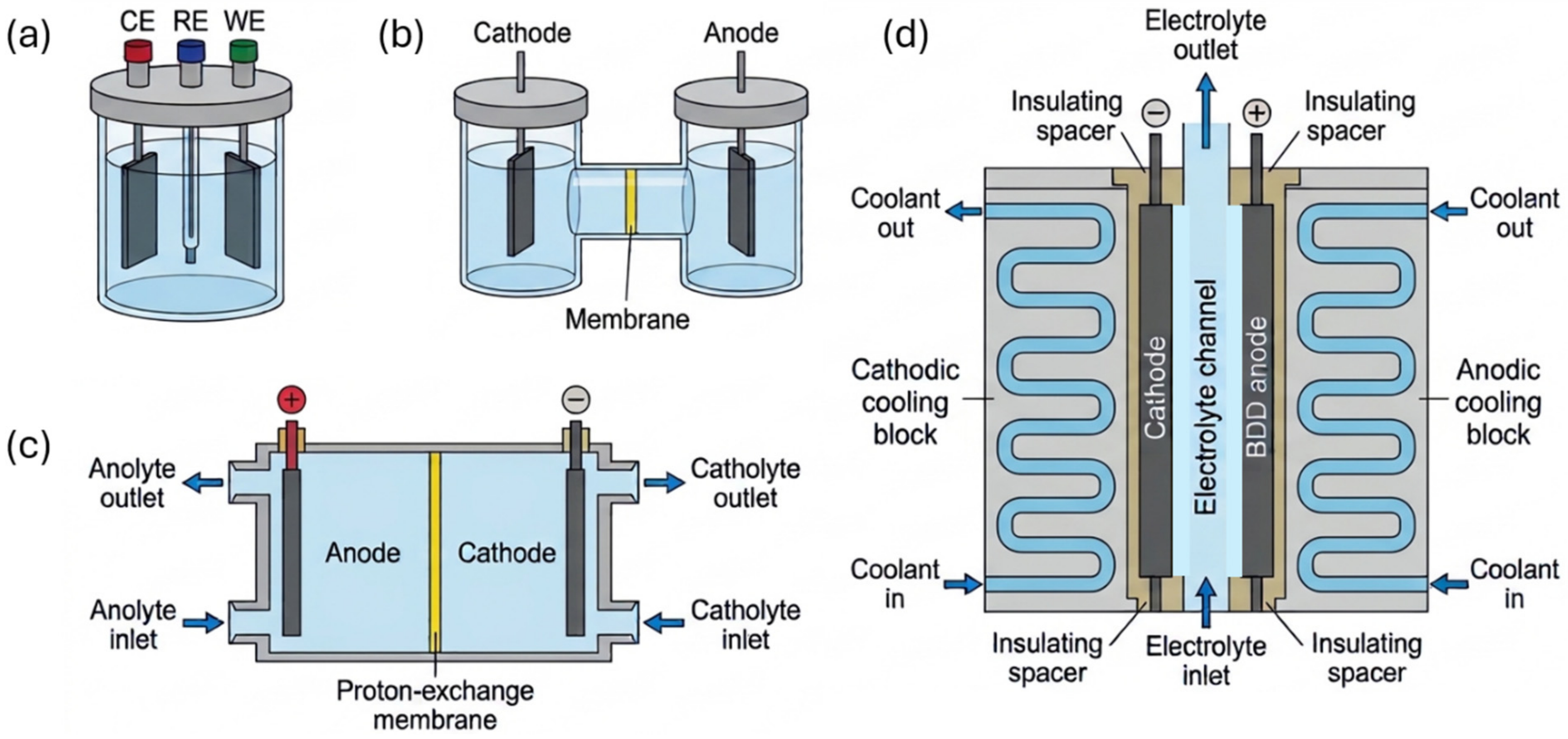
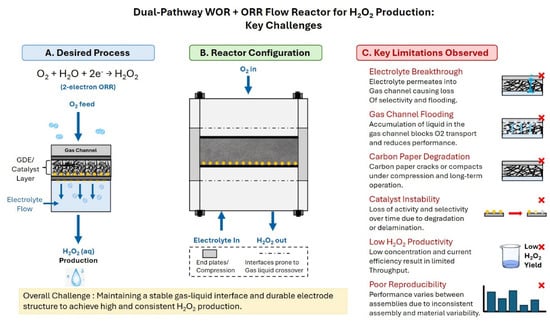
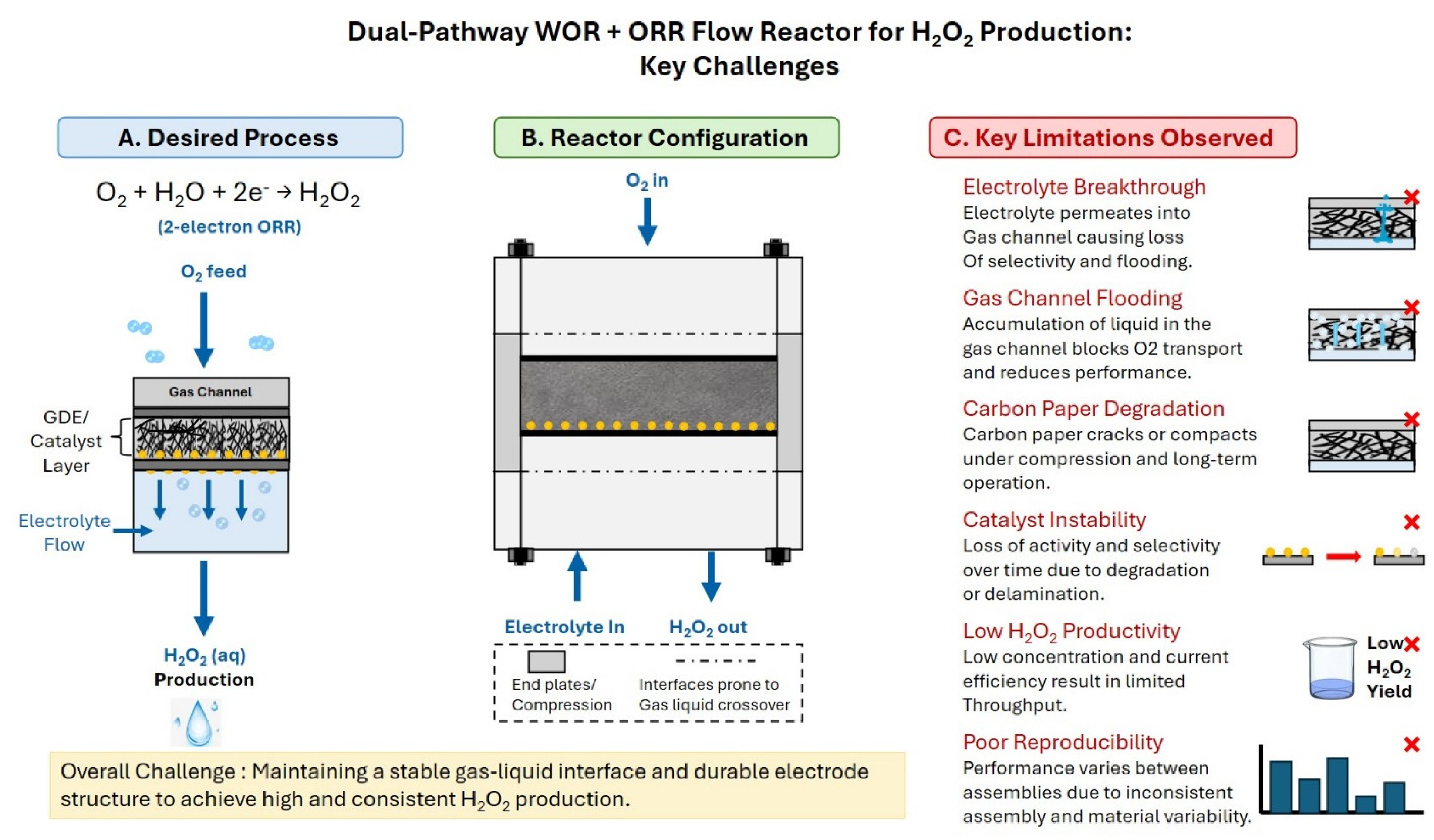

Disclaimer/Publisher’s Note: The statements, opinions and data contained in all publications are solely those of the individual author(s) and contributor(s) and not of MDPI and/or the editor(s). MDPI and/or the editor(s) disclaim responsibility for any injury to people or property resulting from any ideas, methods, instructions or products referred to in the content. |
© 2026 by the authors. Licensee MDPI, Basel, Switzerland. This article is an open access article distributed under the terms and conditions of the Creative Commons Attribution (CC BY) license.