


Abstract
The growing demand for renewable fuels has renewed interest in biodiesel production, prompting exploration beyond conventional reactors. This review assesses three-dimensional (3D) printed microreactors for biodiesel synthesis via transesterification, with a focus on their potential for enhanced process efficiency, sustainability, and modular deployment. Compared with conventional batch and stirred-tank reactors, 3D-printed microstructured systems often offer superior mass and heat transfer, enabling biodiesel yields up to ~99% in some studies, with critically short residence times (e.g., as low as ~5 s) and reported energy reductions of 60% to 90% under optimal conditions. Optimized configurations in recent work achieved energy requirements as low as ~0.05 to 0.12 kWh L−1, substantially lower than the typical 0.25 to 0.60 kWh L−1 for conventional setups. However, existing studies remain limited in number and scope: issues such as catalyst leaching, chemical and thermal stability of printing materials, dimensional inaccuracies, and scalability of microreactor networks remain under-investigated. Long-term durability, real-world feedstock variation (e.g., high-FFA waste oils), and comprehensive lifecycle assessments are often lacking, limiting confident extrapolation to industrial scale. Despite these challenges, the emerging evidence suggests significant promise for 3D-printed microreactors as a pathway toward modular, energy-efficient, and potentially low-carbon biodiesel production, provided that future work addresses their practical limitations and validates performance under industrially realistic conditions.
1. Introduction
The growing global demand for sustainable energy has accelerated research and development in biodiesel, positioning it as one of the most promising renewable and environmentally friendly alternatives to fossil-based diesel [1]. Biodiesel offers several advantages; it is renewable and cleaner-burning and exhibits physicochemical properties comparable to those of petroleum diesel, including a low sulfur content, reduced aromatic compounds, and significant decreases in greenhouse gas emissions. Its production is primarily achieved through transesterification, a well-established process that converts triglycerides from oils or fats into fatty acid methyl esters (FAMEs) and glycerol [1,2].
Despite these benefits, conventional biodiesel production techniques, such as batch reactors, stirred-tank reactors (STRs), and plug-flow reactors (PFRs), still face significant limitations. While they are well-established and scalable, these systems often suffer from slow reaction kinetics, requiring several hours to achieve complete conversion, which restricts throughput and raises energy costs [3]. The immiscibility between oil and alcohol phases leads to mass transfer limitations, and overcoming these constraints typically requires excess reactants or catalysts. Moreover, the prevalent use of homogeneous alkaline catalysts, such as sodium hydroxide (NaOH) and potassium hydroxide (KOH), complicates downstream separation and catalyst recovery. Additionally, soap formation in high-free fatty acid (FFA) feedstocks further reduces yield and process efficiency. These challenges collectively hinder the economic and environmental viability of large-scale biodiesel production.
In recent years, microreactor technology has emerged as a promising route to overcome these bottlenecks. Microreactors are compact, continuous-flow devices with high surface-to-volume ratios that facilitate efficient heat and mass transfer, thereby enhancing reaction rates and conversion efficiency [4]. Studies have demonstrated that biodiesel production in microreactors can achieve substantially higher conversions and shorter reaction times compared to conventional batch systems [5]. Beyond improved catalytic performance, microreactors offer inherently safer operation, precise process control, and scalability through modular design, features that make them attractive for decentralized or small-scale biodiesel production [6,7].
A major leap forward in this field is the integration of 3D printing in microreactor fabrication. Additive manufacturing enables the rapid and low-cost production of complex reactor geometries, such as Tesla or serpentine channels, which promote vortex formation and enhanced mixing, resulting in biodiesel yields of up to 97.9% [5]. Moreover, 3D printing enables the direct embedding of catalysts into the reactor body, for example, incorporating heterogeneous catalysts such as calcium oxide (CaO) or Amberlyst-15 into printing filaments or resin matrices. This innovation eliminates the need for catalyst recovery, enhances reusability, and supports the use of bifunctional catalysts capable of simultaneous esterification and transesterification, enabling the conversion of low-quality, waste-derived oils into biodiesel [3]. The flexibility of 3D printing has also enabled the development of polymer-based and metallic microreactors, with polymers such as PLA and ABS offering affordability and design flexibility, while metal-based systems provide superior thermal and chemical stability.
Nonetheless, several barriers to industrial deployment persist, including fabrication precision, material degradation during prolonged operation, and catalyst leaching [8]. These limitations highlight the need for an integrated understanding of how reactor geometry, material composition, and catalyst configuration influence performance, sustainability, and scalability.
Unlike previous reviews, which have primarily emphasized either reactor design or catalytic behavior, the present work offers a comprehensive synthesis that integrates process intensification and sustainability perspectives within the context of 3D-printed microreactors for biodiesel synthesis. This review unites quantitative performance evaluation, environmental and technoeconomic analyses, and comparative insights into both polymer- and metal-based reactor systems, a combination not previously presented in the literature. Through this integrated lens, the article traces the technological evolution of biodiesel production, evaluates key advances in 3D microreactor fabrication, and outlines pathways for achieving scalable, low-carbon, and cost-efficient biodiesel generation.
2. Conventional Reactor Systems in Biodiesel Production: Performance Overview and Key Limitations
Conventional reactor systems such as batch, stirred-tank, plug-flow, packed-bed, bubble-column, and supercritical plug-flow reactors have historically dominated biodiesel production due to their validated designs, scalability, and adaptability to both batch and continuous operations [9]. These systems have enabled the efficient conversion of triglycerides into fatty acid methyl esters (FAMEs) through alkaline- or acid-catalyzed transesterification, remaining the technological foundation for industrial biodiesel synthesis [10,11]. Typical biodiesel yields reported for conventional systems range from 85% to 97%, depending on the feedstock, catalyst type, and process configuration [12,13,14].
Despite these achievements, conventional reactors suffer from several drawbacks that constrain process efficiency and sustainability. Batch and stirred-tank reactors, while flexible and widely used, exhibit poor mass transfer between immiscible oil–alcohol phases, extended reaction times (1–6 h), and high energy consumption for agitation and heating [10,15,16]. Packed-bed reactors (PBRs), employing immobilized or heterogeneous catalysts, improve catalyst reuse and simplify separation but suffer from internal diffusion resistance, pressure drop, and catalyst deactivation through fouling or leaching [17,18]. Plug-flow and supercritical reactors enhance reaction kinetics and product quality, achieving up to 94% conversion in minutes under optimized conditions [19,20]; however, their high energy requirements and operational pressures (up to 22 MPa) challenge economic feasibility and safety at an industrial scale [18,21]. Bubble-column reactors (BCRs) enable efficient gas–liquid contact and cost-effective operation for high-FFA feedstocks, yet typically achieve lower FAME purity (~89–91%) and exhibit poor scalability due to bubble coalescence and limited mixing uniformity [9,22].
These reactors also face broader systemic limitations: (i) high energy input due to agitation and heating; (ii) mass-transfer inefficiencies from oil–alcohol immiscibility; (iii) limited catalyst recovery and reuse for homogeneous systems; and (iv) challenges in processing low-cost, high-FFA feedstocks prone to saponification [23,24]. Furthermore, long residence times and multi-step purification reduce throughput and increase waste generation, undermining environmental performance [25].
The drive toward process intensification and sustainable manufacturing has therefore shifted research toward microstructured technologies. These systems overcome the limitations of conventional designs by offering enhanced interfacial area, precise temperature control, shorter residence times, and modular scalability [26,27,28,29]. A comparative summary of the performance of different conventional reactors and their major limitations is provided in Table 1, offering a quantitative basis for subsequent discussion on advances in microreactors.
Table 1.
A comparative summary of the performance of different conventional reactors and their major limitations.
3. Overview of Biodiesel Production in 3D-Printed Microreactors
Microreactors offer efficient heat and mass transfer, enabling precise temperature control and continuous operation for exothermic processes [38,39]. These reactors are advantageous for various reactions, including the addition of amines to α,β-unsaturated carbonyl compounds [40], Moffatt–Swern oxidation [41], and the degradation of polybrominated diphenylethers [42].
Efficient energy management systems are essential for optimizing energy utilization across all sectors of our economy. To produce biodiesel in a more energy-efficient manner, it is essential to adopt innovative technologies and integrate processes. The use of microreactors in biodiesel production offers a promising solution, enabling short residence times, enhancing production efficiency, and reducing operating costs and energy consumption during the transesterification process [43]. A microreactor, also known as a microstructured reactor, is a device where chemical reactions occur within a confined space with standardized side dimensions of less than 1 mm. This technology offers numerous advantages over conventional methods, including significant enhancements in energy efficiency, reaction speed, yield, inherent safety, reliability, scalability, and precise process control. In the context of biodiesel production, microreactors come in various designs and shapes specifically engineered to facilitate thorough mixing and optimal reaction conditions. Microreactor technology accelerates the transesterification process, enabling biodiesel production to achieve faster reaction rates and a higher product synthesis rate. This leads to elevated yields in a relatively short period, making it a more efficient and timely method.
Glass microreactors present certain challenges, including the potential for microchannel surface clogging, susceptibility to corrosion, and limited applicability. Additionally, repairing or replacing glass microreactors due to breakage resulting from mishandling can be prohibitively expensive. The use of 3D printing for microreactor production in biofuel applications is a novel approach that offers promising solutions, including cost reduction. 3D printing technology is an emerging and highly promising method for creating objects through a layer-by-layer fabrication process. This technology offers a distinct advantage over traditional manufacturing methods. It excels in the fabrication of complex structures and enables the production of entire assemblies in a single-step process [44].
3.1. Performance Assessment of 3D-Printed Microreactors in Biodiesel Synthesis
Biodiesel production from refined palm oil utilizing 3D-printed static mixers was carried out by Pongraktham and Somnuk [45]. The study examined pressure drop and methyl ester purity for biodiesel production using eight different 3D-printed static mixer reactors, comparing them to an empty tube or plug flow (PF) reactor. Refined palm oil (RPO) and potassium methoxide (CH3KO) were mixed in the reactor during the transesterification process. Comparisons were made between various mixing elements and plug flow (PF) reactors at 23.81 vol.% methanol, 11.8 wt.% KOH, and 50 °C. In a continuous transesterification process, 3D-printed static mixers (SMs) were used for biodiesel production using crude palm oil (CPO) as feedstock. The 3D-printed mixing elements for SMs were produced using a FlashForge Creator Pro 3D Printer. The CAD model was sliced into numerous horizontal layers using FlashPrint software (version 4.5). Polylactic acid (PLA) filaments with a diameter of 1.75 mm were melted to create these mixing elements. Printing was performed with a nozzle temperature of 205 °C and a platform temperature of 50 °C, as recommended for PLA. Eight mixing elements, namely KSM, LSM, SMV-3, SMV-4, SMV-5, SMX-3, SMX-4, and SMX-5, were selected for the study (Figure 1). All these elements had a length, width, and thickness of 24 mm, with an aspect ratio of 1:1 for the length-to-diameter ratio (l/w).
Figure 1.
Various models of 3D-printed mixing elements––(a) KSM, (b) LSM, (c) SMX-3, (d) SMX-4, (e) SMX-5, (f) SMV-3, (g) SMV-4, and (h) SMV-5––were inserted into the empty tube to mix the RPO and CH3KO. Source: Pongraktham and Somnuk [45].
Regarding the Kenics static mixer (KSM), each element had a 180-degree twist and connected to the next element at a 90-degree angle. The lightning static mixer (LSM) consisted of two semi-elliptical plates and two triangular plates forming the edges, with elements connected by triangular plates. The two semi-elliptical plates crossed at 45° and 135° angles to the central fluid axis. The Sulzer SMX static mixer had X-shaped bars at 45° angles to the flow direction, with each element rotated 90° relative to the previous one. In this study, the sub-series of SMX types (SMX-n, where n is 3, 4, and 5) were used, with n representing the number of cross-bars. The SMV type featured corrugated plates with a 45° angle relative to the pipe axis and connections at 90 degrees. The sub-series of SMV types (SMV-n, where n is 3, 4, and 5) was also investigated. The results showed that increasing water flow rates resulted in increased pressure drop, with the SMV-5 reactor having the highest pressure drop at 29.9%, as shown in Figure 2. Among the SMV-type reactors, SMV-5 required the highest power consumption to overcome pressure loss, followed by SMX, LSM, and KSM. In terms of biodiesel production, the ester purity decreased significantly, with SMV-5 showing a 93.63% reduction compared to PF, indicating a 662% improvement in ester purity over a 360 mm length with the SMV-5 reactor. In terms of ester purity, the following order was observed: SMV-5, SMV-4, SMV-3, SMX-5, LSM, SMX-4, SMX-3, KSM, and PF (Figure 3).
Figure 2.
Pressure drop variations in the various types of SMs with 15 mixing elements. Source: Pongraktham and Somnuk [45].
Figure 3.
Purity of methyl ester produced by the various static mixer types compared with the pressure drop through 15 mixing elements under a water flow rate of 1000 mL/min. Source: Pongraktham and Somnuk [45].
Du Preez et al. [46] conducted a study on affordable 3D-printed reaction ware for the continuous determination of fatty acid content in edible oils using a base-catalyzed transesterification method. This study demonstrated the versatility and cost-effectiveness of 3D printing technology by replicating an expensive flangeless fittings kit used in continuous flow systems, consisting of syringe adapters, flangeless nuts, male luers, unions, and mixers. A cost-effective automated flow system was developed for the base-catalyzed transesterification of triacylglycerols, enabling the determination of fatty acid content in edible oils. This approach, when combined with traditional gas chromatographic analysis (GC-FID), provides a semi-automated process that requires minimal manual intervention. Key components of the flow system, including syringe pumps, connectors, and reactors, were produced using 3D printing technology, specifically fused deposition modeling (FDM). By optimizing 3D printer settings, high-quality leak-tight fittings in polypropylene (PP) were created, substantially reducing the system’s overall cost.
These components were reproduced in both PLA and PP, with only the PP components utilized in the presented flow system (Figure 4). The benefits of 3D-printed flangeless fittings included easy replacement of misplaced or damaged parts and the ability to use the entire kit independently. While PP fittings could be reused multiple times, they had a finite lifetime. One drawback was the need to purchase commercial flangeless ferrules, as they were too small to 3D print with FDM. The continuous flow system was expanded with 3D-printed reactors that were compatible with the fittings, and an open-source syringe pump system helped reduce the overall system cost. The study explored transesterification as a common derivatization technique and demonstrated that the predominantly 3D-printed flow system was suitable for automated transesterification reactions. Manual intervention was minimal, limited to preparing reagent mixtures and transferring products to a GC vial before analysis. The system, while not fully automated, offered an economically viable alternative for research laboratories compared to fully automated robotic systems. The system’s reliability was validated by comparing results with certified fatty acid content in sunflower seed oil.
Figure 4.
Configuration of the semi-automated 3D-printed flow system designed for transesterification of edible oils. Source: du Preez et al. [46].
The results obtained for comparing batch reactions (1 wt.% and 5 wt.% sodium methoxide) with flow reactions (1 wt.% sodium methoxide) using peak area ratios of internal standards to assess transesterification and saponification are depicted in Figure 5. Saponification did not occur in either batch or flow reactions, as all C9:0 FAME to 1-tetradecene ratios remained above the saponification limit of 0.67. However, the data indicate that batch transesterification reactions were incomplete, as reflected by an average C12:0 FAME to 1-tetradecene ratio of 0.71. Remarkably, the flow mode outperformed the batch mode, with all C12:0 FAME to 1-tetradecene ratios surpassing 0.75, signifying complete transesterification. This improvement can be attributed to the shorter reaction time in flow reactions, enabled by efficient mixing and precise control of reaction parameters in small reactors. This, in turn, enhances chemical selectivity and improves product yield [47].
Figure 5.
Bar chart showing the variation in peak area ratios of internal standards when employing batch or flow-mode protocols. Each reaction was conducted in triplicate, with the bar heights representing mean values and the error bars indicating standard deviation. Adapted from du Preez et al. [46].
The results showed that enhanced reactivity in the continuous flow system allowed for lower catalyst concentrations (≤1.5 wt.%) compared to traditional batch reactions (5 wt.%). The automated flow method achieved acceptable levels of accuracy (relative errors < 5%) and precision (RSD values ≤ 0.02%). This primarily 3D-printed flow system was successfully used to analyze the fatty acid content in various commercial edible oils, including sunflower oil, avocado oil, canola oil, extra-virgin olive oil, and blends of canola and olive oil. Sunflower oil was found to be rich in linoleic acid (C18:2), while other oils were primarily composed of oleic acid (C18:1). The fatty acid content in these edible oils closely matched certified and literature values. Importantly, this flow system holds potential for adaptation to other derivatization reactions in the future.
Costa Junior et al. [48] designed an innovative metallic microfluidic device for enhanced biodiesel production. Selective laser melting was utilized in additive manufacturing to create a metallic device comprising integrated microreactors and microheat exchangers. This design was instrumental in assessing the potential for utilizing waste heat in biodiesel production at various residence times and reaction temperatures. Biodiesel was produced using soybean oil, ethanol, and NaOH as the catalyst. The study examined the impact of reaction temperature and residence time on biodiesel production. Figure 6a provides a schematic external view of the complete reactor device, while Figure 6b illustrates the arrangement of microchannels within the microreactors and microheat exchangers. It provides a detailed overview of the internal structure where fluids are directed, with water represented in blue and biodiesel reactants in yellow.
Figure 6.
Schematic view of the μMIRHE device illustrating (a) the external appearance and (b) the internal layout of the microreactors, microheat exchangers, and connections. Source: Costa Junior et al. [48].
This device features integrated layers of microreactors and microheat exchangers, all seamlessly constructed within a single metal body, eliminating the need for assembly tools such as glue or screws, thereby simplifying design and enhancing durability. It has a weight of only 123 g and includes 10 microreactors and 11 microheat exchangers, each equipped with 400 μm × 400 μm square cross-section microchannels. The microreactor channels measure 432.57 mm in length, while those in the microheat exchanger are 34 mm long. For specific details about the design and dimensions, Figure 7a,b showcase the individual microreactor and microheat exchanger, respectively.
Figure 7.
Schematic layer diagrams of the (a) microreactor and (b) microheat exchanger. Source: Costa Junior et al. [48].
The results obtained showed that higher temperatures resulted in increased biodiesel yield. This approach presents a promising avenue for utilizing waste heat to enhance biodiesel production, thereby making a substantial contribution to global sustainability. The device achieved a high conversion rate, yielding over 90% biodiesel in most cases, with a peak of 99.6% at a temperature of 51.2 °C and a residence time of only 0.58 min (34.8 s). It is estimated that a single μMIRHE device could produce around 1.33 L of biodiesel per day, while 100 units of μMIRHE could potentially produce 133 L per day, making it a compact and portable biodiesel production solution.
Paiz et al. [49] conducted a parametric analysis of biodiesel synthesis via the ethylic route using microreactors designed by Costa Junior et al. [48]. The study involves the production of biodiesel from waste cooking oil (WCO) using a fully 3D-printed metal microreactor. The study parametrically examines these two processes in the ethylic route: FFA reduction in WCO and conversion of remaining triglycerides via alkali-catalyzed transesterification. The Taguchi analysis method is employed to explore parameter effects, significantly reducing the number of required experiments. The study employed a device called the micro-monolithic integrated reactor and heat exchanger (μMIRHE), featuring 10 microreactors arranged in parallel alongside 11 microheat exchangers. This device employs a parallel thermal process to heat a working fluid, which is subsequently passed through the microheat exchangers to provide heat for the chemical processes (esterification or transesterification) occurring within the microreactor layers. The 3D view, the internal structure of the microreactor, and the internal structure of the microheat exchanger of the μMIRHE device used in this study are shown in Figure 8.
Figure 8.
Internal structure of the (a) microreactor and the (b) microheat exchanger. Adapted from Paiz et al. [49].
The microreactor design incorporates a Y-mixer with a channel length of 13.34 mm to facilitate the combination of alcohol/KOH and oil reactants. The actual reaction occurs within a meandering square microchannel reactor, measuring 400 µm × 400 µm and spanning a length of 432.57 mm. Within the microheat exchangers, heated water is distributed among 13 microchannels, effectively transferring heat to the microreactors situated parallel to the heat exchangers. The μMIRHE device was manufactured using a chromium-cobalt alloy. To connect the reactants and heating fluid to the device, three barbed circular fittings with an interior diameter of 2 mm and a length of 6 mm were utilized at the entrance. These three fluids are then distributed to the various microreactors and heat exchangers. The final product and water exiting the heat exchangers are discharged through two additional barbed circular fittings.
The optimal conditions for esterification involved a 5% catalyst, a molar ratio (MR) of 20:1, and a reaction time (RT) of 2.5 min, resulting in the reduction of FFA content from 5.9% to 0.21%. Comparing these experimental results with those in the literature, traditional stirred-tank reactors typically require 30 to 120 min to achieve an ideal FFA content for transesterification (<0.5%). However, this work accomplished a reduction to 0.2% in just 2.5 min, demonstrating the efficiency of the μMIRHE device for esterification. In the case of transesterification, the best outcome (90% ester conversion) was achieved with 1.25% KOH, an MR of 25:1, a 2 min RT, and an electrical tension of 17.5 volts. Subsequent experiments showed that increasing the catalyst concentration to 1.9% resulted in an even higher ester conversion of 98%, under the same MR, RT, and electrical tension conditions. These results were compared with those from the literature, which indicate that high yields of ethyl esters are typically obtained with residence times ranging from 12 s to 10 min. In this study, a high yield of ethyl esters (98%) was achieved in just 2 min, showcasing the efficiency of the μMIRHE device for biodiesel production from waste cooking oil (WCO), ethanol, and KOH. The success of microreactors in providing rapid reaction rates can be attributed to their high surface area-to-volume ratio and short molecular diffusion distance, which enhance heat and mass transfer. Additionally, the ability to elevate the reaction temperature in these microreactors plays a crucial role in achieving high yields of ethyl esters at low residence times, as higher temperatures reduce oil viscosity, thereby accelerating the reaction rate.
Borges et al. [50] used 3D printing to create an efficient catalyst stirring system for sustainable biodiesel production from sunflower oil. This study centers on examining changes in the key structural and catalytic properties associated with the acid/base sites formed on the catalytic surface of potassium-loaded materials. The methodology focuses on achieving sustainable biodiesel production from economical, renewable feedstocks such as waste and non-edible oils. It employs a heterogeneous catalyst composed of potassium loaded onto an amorphous aluminum silicate, which is naturally found in volcanic material, such as pumice. To enhance its performance, the catalytic material was microstructured using 3D printing, resulting in a catalytic stirring system with robust mechanical strength, efficiency, and reusability. This microstructured catalytic material was designed to resemble a stirring system, as depicted in Figure 9. The 3D catalytic components were created from negative molds produced through fused deposition modeling. These 3D catalytic pieces were loaded with potassium in a manner and quantity like that of the catalytic material in particle form. The primary determinants of catalytic activity are the potassium loading and the amount of catalyst used in the reaction.
Figure 9.
3D-microstructured catalytic material showing the (a) mold design, (b) 3D mold, and (c–f) microstructured material. Source: Borges et al. [50].
In biodiesel production using heterogeneous catalysts, the reactants, triglyceride (oil) and methanol, do not mix, resulting in a three-phase system with a solid catalyst and two immiscible reactants. This characteristic has led many research groups to emphasize that transesterification is a mass transfer-controlled reaction, where the primary challenge is the resistance to solid–liquid mass transfer between the reactants and the solid catalyst. Consequently, the reaction time can be excessively long. To address this issue, this study explored the potential of utilizing the catalyst in a 3D configuration for potential industrial-scale applications. The aim was to create a 3D-microstructured catalytic stirring system that promotes effective contact between the reactants and the catalyst. This approach could prevent damage to catalyst particles in conventional stirred reactors, thus increasing the catalyst’s reusability. Additionally, it helps reduce the boundary layer of reactants on the catalyst surface and minimizes mass transfer resistance by applying shearing stress during stirring [51].
This catalytic support maintained its structure after potassium loading, ensuring its suitability for catalysis. Potassium species were evenly distributed on the support surface. The material featured acid and base catalytic sites of appropriate strength, contributing to its high catalytic activity in the transesterification of triglycerides and esterification of FFAs, resulting in a biodiesel product with a FAME (fatty acid methyl ester) percentage exceeding 95%. It functioned as a solid catalyst in particle form, exhibiting high activity at low temperatures, and was easily separable and reusable, addressing issues associated with homogeneous catalysts, such as product purification and waste management. Notably, the potassium-loaded catalyst demonstrated good activity even in the presence of high FFA and water contents (5% and 14% w/w, respectively) when processing low-cost feedstock for biodiesel production. This performance outshone other acid or basic solid catalysts reported in the literature. The catalytic material, microstructured through 3D printing to create a catalytic stirring system, exhibited robust mechanical strength, efficiency, and reusability. Its performance in biodiesel production was comparable to that of the particle form of the catalytic material used in a slurry reactor system, offering advantages in terms of product separation and continuous operation.
3.2. Evaluation Framework and Quantitative Insights into 3D Microreactor Performance
3.2.1. Evaluation Parameters and Performance Indicators of 3D-Printed Microreactors
Evaluation of 3D-printed microreactors in biodiesel synthesis relies on a combination of performance metrics that collectively reflect how well these systems enhance reaction kinetics, maximize yield, and promote energy efficiency. Unlike conventional batch reactors, 3D-printed microreactors offer superior control over microscale flow, mixing, and heat transfer, allowing for a detailed assessment using both chemical and process engineering indicators.
Among these, biodiesel yield is the most direct measure of reactor efficiency. It reflects the fraction of the theoretical maximum yield achieved and is influenced by factors such as reactor geometry, internal mixing features, and residence time. For instance, Tesla-shaped microreactors consistently achieve yields up to 97.9%, outperforming other geometries such as T10E (96.1%) and omega or T-shaped designs (up to 96.7%) due to superior micromixing and enhanced surface contact between phases [5,52].
Residence time, or the time that reactants remain in the reactor, provides insights into the flow efficiency and reaction kinetics within the microchannels. Efficient reactors achieve high yields even at short residence times. Tesla-shaped configurations have produced near-complete conversions in as little as 4.85 s, whereas spiral millireactors achieve similar performance around 63 s [5,53]. These results highlight the efficiency of controlled flow regimes enabled by miniaturized reactor designs.
Mixing efficiency is another crucial parameter, particularly given the laminar flow regime dominant at the microscale. The confined geometry of 3D-printed microreactors facilitates high micromixing through internal turbulence generated by structured features. Reported mixing efficiencies range from 97.6% in T-shaped microreactors to 99.52% in Tesla-shaped geometries, supported by simulations showing mixing indices exceeding 0.77 across broad Reynolds number ranges [5,54].
The conversion rate, defined as the proportion of reactants converted to the desired biodiesel product, is typically above 91% experimentally and can reach up to 99.9% under optimal conditions using advanced modeling approaches [54,55]. This high conversion is enabled by the enhanced mass transfer and thermal regulation capabilities of 3D-printed designs.
Closely related is selectivity, which quantifies the reactor’s ability to promote desired reactions (formation of fatty acid methyl esters) over side reactions. Computational studies have confirmed that 3D-printed microreactors maintain high chemical specificity under tightly controlled conditions, minimizing by-product formation and preserving biodiesel quality [55].
Operational conditions such as temperature and catalyst concentration are also vital. Conventional transesterification typically proceeds most efficiently at approximately 60 degrees Celsius with 1.0 weight % NaOH as a catalyst [5,52]. In biocatalytic systems, kinetic constants like Vmax and KM offer insights into enzyme performance, providing a deeper understanding of catalytic behavior at the microscale [56].
Finally, energy consumption is a critical indicator of sustainability. The use of integrated microheaters in 3D-printed reactors enables localized heating with minimal thermal losses, reducing the total energy input required for biodiesel production compared to bulk heating in traditional setups [57].
To provide a consolidated overview of these interrelated performance indicators, Table 2 summarizes each metric alongside its definition, representative values, and supporting references. This table serves as a quick reference guide for assessing microreactor performance in biodiesel synthesis.
Table 2.
Key performance metrics used to evaluate the efficiency of 3D-printed microreactors in biodiesel synthesis.
3.2.2. Experimental Validation and Performance Trends of 3D-Printed Microreactors
Extensive experimental investigations have highlighted the remarkable potential of microreactors in enhancing biodiesel production efficiency. Their inherent design characteristics, namely high surface-to-volume ratios, intensified mass transfer, and superior mixing, enable faster and more controllable transesterification reactions compared to conventional batch processes. Over the past decade, various microreactor geometries have been explored, each offering distinct hydrodynamic advantages that influence yield, residence time, and energy efficiency.
Among these designs, Tesla-shaped microreactors consistently demonstrate the highest performance due to their effective chaotic mixing patterns, which promote rapid interfacial renewal between the methanol and oil phases. Reported biodiesel yields reached as high as 97.9% with a residence time of only 4.85 s [5], while similar designs achieved yields of 96.7% [52]. T-shaped and Y-shaped configurations also exhibited high efficiencies, producing yields of 93.3% and 94.3%, respectively, at residence times of approximately 3.28 s [5]. The geometric simplicity of these reactors enables predictable laminar flow behavior while still providing sufficient mixing for complete conversion. More complex structures, such as helical coil microreactors, achieved maximum yields of 93.27% at a 7:1 methanol-to-oil ratio [58], whereas wire coil microreactors, designed to enhance turbulence, reached yields as high as 99% with a residence time of 180 s [59]. These variations underscore how microreactor geometry directly influences flow dynamics and reaction kinetics.
Reaction performance across different studies was found to depend strongly on several key parameters, including residence time, temperature, catalyst concentration, and the molar ratio of methanol to oil. Optimal residence times varied widely, ranging from only a few seconds to several minutes, yet even at extremely short contact times, high yields were achieved, demonstrating the process intensification advantage of microscale reactors [5,59]. Temperature optimization revealed that effective biodiesel synthesis could occur from ambient conditions up to about 70 °C, with significant conversions reported at methanol’s reflux temperature (65 °C) [60] and a maximum yield of 99.4% attained at 70 °C [61]. The use of basic catalysts such as NaOH and KOH remained prevalent, with optimal loadings reported around 1.0 wt% NaOH [5,52] and 1.17 wt% KOH [62], indicating a narrow window of catalyst concentration conducive to both high conversion and minimal soap formation.
The molar ratio of methanol to oil also played a crucial role in determining conversion efficiency. Ratios between 6:1 and 12:1 were commonly employed across studies, with 9:1 emerging as a frequently reported optimum for maximizing conversion while facilitating efficient methanol recovery [5,63]. However, increasing the ratio beyond this threshold, such as to 12:1, was shown to further enhance yield up to 99.4% [61], albeit at the cost of higher separation energy requirements.
In terms of fluid dynamics, mixing efficiency remains a defining characteristic of microreactor performance. Owing to their confined channels, achieving rapid mixing between immiscible reactants is vital for effective transesterification. Reported mixing efficiencies were exceptionally high, with Tesla-shaped designs reaching 99.52% [5]. Complementary computational fluid dynamics (CFD) studies confirmed these findings, predicting mixing indices up to 0.94 under optimized flow regimes [61]. Such high mixing performance directly correlates with shorter residence times and improved product yields.
To refine operational parameters, optimization tools such as Response Surface Methodology (RSM) and Box–Behnken Design (BBD) have been widely employed [58,59,62]. These statistical techniques enable systematic evaluation of interactions among multiple variables, such as temperature, residence time, and catalyst concentration, allowing researchers to identify optimal operating conditions that maximize biodiesel yield and minimize energy consumption. Through these models, many studies have achieved near-ideal combinations of process variables, demonstrating the value of data-driven optimization in microreactor design and operation.
Despite their numerous advantages, several challenges persist in scaling up microreactor systems for industrial biodiesel production. Scaling tends to reduce mixing efficiency and product yield due to changes in flow uniformity and increased pressure drops [54]. Additionally, modified designs such as wire coil reactors, while improving mass transfer, often exhibit higher energy consumption, emphasizing the need for energy-efficient configurations [59]. Another active area of improvement involves the use of solid acid and base catalysts to enable the processing of low-grade feedstocks at lower temperatures [60]. These developments are particularly relevant for enhancing the environmental and economic sustainability of biodiesel production.
3.2.3. Enhancement of Transesterification Processes Using 3D-Printed Reactors
The integration of 3D-printed reactors into transesterification processes has proven to significantly enhance overall reaction efficiency through innovations in reactor design, catalyst deployment, and operational flexibility. Central to these improvements is the capacity of additive manufacturing to produce reactors with structurally optimized geometries. Complex configurations such as hierarchical pore networks and tailored channel dimensions not only improve mass and heat transfer, but also minimize pressure drops while increasing turbulence, factors critical to maximizing catalytic efficiency and reaction kinetics [64,65]. For instance, designs incorporating multiple circular channels have been shown to enhance fluid dynamics, resulting in elevated yields of fatty acid methyl esters in biodiesel synthesis [66].
Catalyst efficiency also benefits substantially from 3D-printed architectures. These reactors enable higher catalyst loading and improved stability by providing increased surface areas and offering the potential for advanced surface modifications. Methods such as the application of surface-initiated polymer layers prevent enzyme leaching and support consistent catalytic activity across multiple reaction cycles [67]. Additionally, embedding enzymes within polymer hydrogel matrices and optimizing internal flow paths significantly boosts substrate accessibility and enhances specific catalytic activity [68].
The inherent customizability of 3D printing enables the development of reactor systems precisely tailored to specific chemical processes. Structures such as triply periodic minimal surfaces (TPMSs) have been employed to maximize interfacial surface area and structural integrity, leading to superior catalytic and photochemical performance in continuous operations [69]. Moreover, reactors designed for the transesterification of ethyl ferulate with glycerol demonstrated notable stability and reusability, maintaining enzymatic function over extended operation periods [70].
An equally important contribution of 3D-printed reactors lies in their seamless integration with continuous flow processing systems. These systems outperform traditional batch operations by offering superior control, consistency, and scalability. Evidence from studies involving the continuous reduction of ethyl acetoacetate illustrates enhanced productivity and prolonged stability enabled by 3D-printed flow reactors [71]. Furthermore, the use of dynamic covalent networks within the reactor material permits smart functionality such as thermo-activated reshaping and self-healing, thereby extending reactor lifespan and adaptability [72].
To optimize transesterification efficiency in 3D-printed reactors, several specific design features have emerged as critical contributors to improved performance metrics. Among the most impactful are microreactor configurations that integrate static mixers. These mixers enhance mixing efficiency and heat transfer while enabling precise control over reaction conditions, ultimately yielding significantly improved reaction performance and reduced waste generation compared to conventional batch systems [28]. The employment of complex geometries, such as those seen in the T10E microreactor, has also demonstrated high efficacy, achieving biodiesel yields of up to 96.1% within 9.6 min [28].
Another notable innovation is the integration of 3D-printed microseparators into the reactor system. These components streamline the separation of reaction products, thereby enhancing overall process efficiency and continuity [28]. Optimized channel designs, made possible through techniques like Projection Micro-Stereolithography (PμSL), enable high-resolution control of internal geometries. Such control results in increased mass transport and improved reactor efficiency and has been shown to increase specific activity by 60% and synthesis rates by 240% under continuous flow conditions [68].
Surface functionalization also plays a crucial role in optimizing reactor performance. Biocatalytic inks composed of agarose and polyethylenimine (PEI) have been utilized to fabricate porous monoliths that exhibit enhanced enzyme retention and cofactor absorption, resulting from strong ionic interactions, thereby minimizing leaching during prolonged operation [71]. Moreover, the application of surface-initiated polymerization has allowed for a sixfold increase in enzyme immobilization compared to unmodified substrates, significantly enhancing catalytic performance [67].
Hydrodynamic cavitation represents another valuable feature, particularly in rotor-stator reactors with cone-shaped cavities on the rotor surface. This design effectively reduces free fatty acid content by inducing optimal cavitation effects, resulting in esterification yields of up to 97.34 vol% [73]. Finally, heat integration via embedded microheat exchangers enables the utilization of external waste heat to increase internal temperatures. This approach has achieved biodiesel conversion rates of up to 99.6% with residence times of less than 35 s, reflecting substantial energy savings and process intensification [48].
3.2.4. Comparative Assessment of 3D-Printed Microreactors and Conventional Reactors
The performance evaluation presented in this review extends beyond conventional comparisons of yield and conversion efficiency. Here, performance is examined through a broader lens that integrates both process intensification and sustainability principles. This approach considers not only how 3D-printed microreactors enhance heat and mass transfer or reaction kinetics, but also how these improvements translate into lower energy consumption, reduced carbon emissions, and more efficient resource utilization. By linking engineering metrics with environmental and economic indicators, the discussion offers a more comprehensive understanding of 3D-printed microreactors as enablers of sustainable biodiesel production. Such integration offers valuable insight into how design optimization, reaction control, and material selection can collectively advance the transition from laboratory-scale innovation to scalable, low-carbon manufacturing systems.
The development of 3D-printed microreactors has introduced a transformative shift in biodiesel synthesis, offering several distinct advantages over conventional reactor systems. The most prominent difference arises from their exceptionally high surface-to-volume ratios, which dramatically enhance both heat and mass transfer. This improvement facilitates uniform temperature profiles, minimizes hot spots, and allows for precise thermal control even under highly exothermic or endothermic conditions [74,75,76]. The intensified transport phenomena also reduce diffusion limitations and reaction volumes, enabling faster kinetics and higher conversions within much shorter residence times [77]. As a result, microreactors deliver superior reaction control and stability relative to traditional stirred-tank or batch systems.
Another key benefit of 3D-printed microreactors is their enhanced reaction efficiency and selectivity. Owing to enhanced micromixing and reduced diffusion paths, transesterification reactions proceed more rapidly, achieving higher product yields with fewer side reactions [78,79]. These characteristics make microreactors particularly effective for handling reactions involving volatile or thermally sensitive compounds, where precise control over residence time and temperature is crucial. Their controlled hydrodynamics also support safe and efficient operation for highly exothermic reactions that would otherwise be challenging in larger-scale systems [80].
A further distinguishing feature is the scalability and modularity inherent to microreactor technology. Unlike conventional reactors, which require extensive redesign and pilot-scale validation before industrial deployment, microreactors can be scaled through a numbering-up approach by operating multiple microreactors in parallel to achieve the desired throughput [81]. This modular configuration not only enhances production flexibility, but also mitigates the risks associated with traditional scale-up, such as poor heat dissipation or inconsistent flow distribution [81]. Consequently, the modular strategy promotes a more predictable transition from laboratory-scale optimization to commercial operation.
From a safety and sustainability perspective, 3D-printed microreactors offer substantial advantages. Their small internal volumes and precise operational control reduce the risks associated with hazardous or reactive intermediates, enabling safer handling of flammable or corrosive substances [82]. Moreover, microreactors are inherently more environmentally friendly; they produce less waste, require smaller quantities of solvents and reagents, and consume less energy due to localized heating and minimal heat losses [83]. These characteristics align closely with green chemistry principles, reinforcing the sustainability of biodiesel production using microscale continuous-flow systems.
An additional advantage arises from the customization and design flexibility enabled by 3D printing technology. Additive manufacturing allows for rapid prototyping and the fabrication of intricate geometries that are often impossible to achieve with conventional machining [82]. This capability facilitates the tailoring of reactor designs to specific reaction mechanisms or flow requirements, supporting iterative optimization and accelerated process development [82]. As a result, 3D-printed microreactors can integrate novel channel configurations, embedded sensors, or catalytic surfaces, offering unprecedented adaptability for experimental and industrial applications.
Despite these benefits, several challenges still constrain the widespread industrial adoption of microreactor systems. Scale-up remains one of the most significant hurdles. Maintaining the enhanced mixing and heat transfer characteristics observed at the microscale becomes increasingly difficult when transitioning to larger production capacities [76,81]. Uniform flow distribution and thermal management across multiple parallel units require advanced manifold and header designs to ensure consistent operation [76,84]. Additionally, manufacturing costs can be relatively high during early development stages, particularly when employing advanced 3D printing materials or high-resolution fabrication techniques [76,82]. However, these costs are generally offset by the long-term gains in process efficiency, energy savings, and operational safety [82].
A further limitation relates to throughput. Individual microreactors inherently process smaller fluid volumes compared to conventional reactors, which can limit their direct application in large-scale production [75]. Current research, therefore, focuses on developing high-throughput systems through parallelization strategies or integrated microreactor networks [81]. These innovations aim to balance the microscale benefits of precision and efficiency with the industrial-scale requirement for productivity. To establish a clearer distinction between the performance of 3D-printed microreactors and conventional reactor systems, Table 3 presents a comparative summary of operational metrics, including biodiesel yield, reaction time, energy consumption, and catalyst concentration. This comparison illustrates the benefits of process intensification and energy savings achieved through microscale reactor engineering.
Table 3.
Comparative performance of 3D-printed microreactor systems and conventional reactors for biodiesel synthesis.
3.2.5. Process Optimization Strategies in 3D-Printed Microreactors for Biodiesel Production
To optimize biodiesel production within 3D-printed microreactors, a multifaceted approach must be employed, viz., reactor design, operational parameters, digital integration, and scale-up strategies. A fundamental starting point involves the architectural optimization of the reactor itself. Microreactors with spiral configurations and integrated static mixing elements have demonstrated superior performance in enhancing interfacial contact and phase dispersion. Notably, a spiral stainless-steel millireactor incorporating a 45° Y-junction inlet achieved a biodiesel yield of 94% and a triglyceride conversion of 96% under optimized conditions [53]. Similarly, microreactors incorporating complex internal geometries and static mixer elements have resulted in increased conversion efficiency and reduced waste formation [28]. Further refinements through computational fluid dynamics (CFD) and iterative micromixer design have enabled the realization of high-quality mixing performance with minimized pressure drops, an essential consideration for transesterification reactions involving high-viscosity media [90,91].
In conjunction with structural considerations, optimizing critical process parameters is crucial for achieving high conversion rates and superior product quality. The methanol-to-oil (MTO) molar ratio and catalyst concentration represent two of the most influential factors. Optimal MTO ratios generally range from 6:1 to 7.54:1, promoting rapid transesterification kinetics while avoiding the complications associated with excessive methanol, such as phase separation challenges [53,58,92]. Empirical studies have identified a 6:1 MTO ratio coupled with 3.27 wt% KOH as optimal for maximizing yield, while a 12:1 MTO ratio with 4.1 wt% KOH enhances triglyceride conversion [53]. Catalyst concentrations between 0.5 wt% and 4.1 wt% are typical, although higher dosages must be judiciously managed to mitigate soap formation, especially in systems with elevated free fatty acid content [53,58,92].
Temperature control is another key determinant of process efficiency, with optimal transesterification typically occurring within the range of 50 °C to 65 °C [53,58,92]. While elevated temperatures can increase the rate of reaction, careful regulation is required to prevent side reactions or thermal degradation of products. Under optimized thermal conditions, biodiesel yields exceeding 99.6% have been reported [48]. Simultaneously, residence time within the microreactor must be tuned to balance throughput and conversion. Optimal durations vary from as little as 1.4 min to over 100 min, depending on reactor geometry and process configuration [48,58,92]. In continuous flow systems, shorter residence times are preferred to maximize productivity while maintaining conversion efficiency.
Flow rate optimization, particularly in continuous systems, is intrinsically linked to residence time and mixing dynamics. A flow rate of approximately 3 mL/min has been demonstrated to be effective for ensuring sufficient reactant contact and mixing in compact microreactors [53]. Reactor geometry also plays a critical role; helical coils, spiral flow paths, and embedded static mixers, realized through additive manufacturing, contribute to enhanced heat and mass transfer, uniform reaction conditions, and minimal dead zones [28,53,58]. Efficient mixing is further promoted by advanced channel configurations and turbulence-inducing elements, which reduce concentration gradients and support consistent reaction kinetics [28,54,91].
Thermal management is another crucial aspect of process intensification. Integrated microscale heat exchangers have been developed to reclaim and utilize waste heat, thereby stabilizing reaction temperatures and reducing the system’s external energy demand [48]. This not only enhances energy efficiency, but also aligns with broader sustainability objectives.
The integration of digital optimization tools represents a major advancement in process control and efficiency. Algorithms such as XGBoost and Particle Swarm Optimization (PSO) have been employed to predict and adjust process variables in real time, resulting in lower energy consumption and reduced material usage [93]. Additionally, the flexibility offered by additive manufacturing enables the customization of reactor internals to meet specific process needs, including modular integration of heat management and separation components [48].
Scale-up strategies for 3D-printed microreactors must address the uniformity of flow distribution and the retention of high performance across expanded reactor arrays. The implementation of optimized flow distributors and the strategic enlargement of microchannel cross-sectional areas have proven effective in maintaining mixing efficiency and conversion rates during scale-up [54,94]. These physical enhancements are complemented by systematic optimization frameworks such as Response Surface Methodology (RSM) and Design of Experiments (DoE), including Taguchi and Box–Behnken designs, which facilitate the multivariate analysis of parameter interactions and response behavior [58,91,92,95]. Moreover, advanced metaheuristic algorithms, including Genetic Algorithms and the Cuckoo Search Algorithm, have shown promise in fine-tuning complex systems for maximal biodiesel output [90].
3.3. Advanced Control Strategies in 3D-Printed Microreactor Systems for Biodiesel Synthesis
Microreactors provide a highly efficient and compact solution for biodiesel production, particularly in transesterification processes, where triglycerides are converted into biodiesel. These systems provide superior heat and mass transfer, along with precise control over reaction conditions, making them ideal for continuous processing. A major benefit of microreactor technology is the ability to embed or impregnate catalysts within the microchannels or on the internal surfaces. This feature enables straightforward separation of the catalyst from the reaction mixture, eliminating the need for additional filtration and allowing the catalyst to be recovered and reused with minimal loss of effectiveness [4,5]. This catalyst integration not only streamlines processing, but also enhances sustainability by reducing waste and operational expenses. The microscale environment ensures consistent interaction between reactants and catalysts, resulting in improved reaction rates and enhanced biodiesel quality. Additionally, the modular nature of microreactors supports scalable and decentralized production, offering flexibility in various settings [4]. As the push for renewable energy intensifies, microreactors emerge as an innovative and eco-friendly option for producing biodiesel more efficiently [4,5,28]. Biodiesel is a promising alternative energy source, offering environmental sustainability and comparable properties to diesel, including lower sulfur, fewer aromatics, and cleaner burning, which reduces greenhouse gas emissions by over 76% [5].
Cingesar et al. [28] demonstrate the importance of accounting for dimensional inaccuracies, which are particularly relevant to the 3D printing process, especially when fabricating microscale devices. A 3D printer was used to fabricate microreactors and micro-separators. They observed a significant issue: the printed components did not match the exact dimensions specified in the computer-aided design (CAD) models. To illustrate this, one might imagine drawing a circle intended to be 1 inch wide, only to find that the printed version is slightly smaller. This discrepancy was a recurring problem in the researchers’ work. On average, the size of the printed parts deviated by approximately 16.53% from the original design dimensions. To address this issue, the scientists adjusted their designs in the Autodesk Fusion 360 CAD software in advance to compensate for the expected shrinkage and deformation that would occur during the printing process. For the microreactors, the team anticipated that the internal channels used to guide fluids would print smaller than designed. To correct this, they intentionally designed the channels to be larger. While the target channel width was 1.03 mm, they designed them to be 1.25 mm wide. After printing, the actual measured width aligned more closely with the desired functional dimension. For the microseparators, additional challenges were observed in the inlet and outlet channels. These parts experienced greater deformation due to the upward motion of the printer’s build platform after each printed layer. To compensate for these effects, the researchers varied the design dimensions of the inlet and outlet channels between 1.5 mm and 1.6 mm. This range allowed them to determine the most effective size that would result in functional components after printing. The authors used a commercially available photocurable resin composed of acrylate monomer, urethane dimethacrylate, and triacrylate; however, these materials still have limitations in terms of chemical compatibility and rigidity. There is a need to investigate resins with enhanced chemical resistance, elasticity, or biocompatibility to improve the performance and applicability of fabricated devices.
Recent studies have demonstrated significant advancements in photocurable resins, which exhibit improved flexibility, enhanced chemical resistance, biocompatibility, and environmental sustainability. Examples include Acryl@PEG elastomers, known for their high elasticity, and deep eutectic resins with self-healing and transparent properties, as well as biobased or PEG-based materials. These emerging materials hold strong promise for addressing existing limitations in the fabrication of microreactors and microseparators [96]. To illustrate the diversity and innovation in 3D microreactor architectures used for biodiesel production, Figure 10 presents schematic representations of common geometries, including (a) a Y-shaped microreactor, (b) a Tesla-shaped microreactor, and (c) a detailed close-up view of the Tesla microchannel. These designs reflect the evolution from traditional straight-channel systems to complex geometries that enhance mixing, control residence time, and overall reaction efficiency.
Figure 10.
Schematic diagrams of (a) a Y-shaped microreactor, (b) a Tesla-shaped microreactor, and (c) a close view of a Tesla microchannel.
Yusuf et al. [5] utilized a 3D Tesla-shaped microreactor to produce biodiesel. This shape provides properties such as unique internal structures that can create turbulent flow and vortices, greatly enhancing mixing efficiency. This method produced a higher biodiesel yield (97.9%), albeit with a slightly longer residence time (4.85 s), compared to traditional T- and Y-shaped designs. The authors used methanol instead of ethanol, which was reported by others. The authors also emphasized the importance of selecting suitable materials for 3D printing and explained the rationale behind using a CO2 laser cutting machine for fabricating the microreactor. Polymethyl methacrylate (PMMA) was chosen for this application due to its excellent resistance to ultraviolet radiation and weathering, low cost, lightweight nature, and ease of handling. Additionally, PMMA can be precisely engraved with smooth edges using laser cutting, offers optical transparency for inline monitoring, and remains chemically inert during the transesterification reaction. It is crucial that the microreactor material does not react with or leach into the reaction process. However, the authors did not address the environmental sustainability of the material used. The biodiesel produced in this study agrees well with the ASTM D6751 standard [97]. This signifies that the fuel is of a high quality, possesses properties comparable to standard diesel fuel, is likely compatible with existing diesel engines, and holds promise for practical application as an alternative energy source.
Borges et al. [50] fabricated a 3D-microstructured aluminum silicate support impregnated with potassium, featuring a stirrer, to produce biodiesel from low-quality oil with a high free fatty acid content. Working with waste oil and non-edible oil offers a sustainable and cost-effective alternative to conventional feedstock, reducing environmental pollution, lowering raw material costs, and avoiding competition with food resources. The modification of the aluminum silicate substrate with potassium produced a bifunctional catalyst featuring both acidic and basic active sites. This dual functionality enabled the catalyst to efficiently drive both the transesterification of triglycerides and the esterification of free fatty acids (FFAs), making it particularly effective for processing low-quality oils with high FFA and high-water contents in the feedstock. The 3D-printed catalytic structures could be easily separated from the reaction mixture, reused, and reactivated for multiple reaction cycles, demonstrating their potential to enhance the efficiency and sustainability of biodiesel production. The approach presented by the authors is both environmentally friendly and economically viable. The reusability of 3D-printed catalytic materials is crucial for reducing operational costs in an industrial context. Additionally, the catalyst’s ability to process low-cost waste oils as feedstock further strengthens its economic potential and supports the scalability of the process. However, the authors did not address the possibility of catalyst leaching. Previous studies have reported that leaching could occur with 3D-printed catalysts during reactions [98,99]. Pongraktham and Somnuk [8] fabricated a microreactor of the rotor-stator type hydrodynamic cavitation reactor (HCR) using a 3D printer with acrylonitrile butadiene styrene (ABS) filament. The microreactor HCR was used for acid-catalyzed biodiesel production from feedstock with a high free fatty acid (FFA) content in a continuous reaction process. Due to the elevated FFA levels in the oil feedstock (palm oil sludge), the authors employed a continuous two-step esterification process to minimize chemical consumption and efficiently convert the FFAs into the desired product. This demonstrates that this technique is highly effective in treating sludge, a waste-derived oil from the palm oil industry, with a high level of FFAs (89.16 wt%). Utilizing waste oil and non-edible oil presents a sustainable, cost-effective alternative to conventional feedstocks, helping to reduce environmental pollution, lower raw material costs, and avoid competition with food resources. However, the biodiesel produced in this study, despite having a significantly reduced FFA content, does not fully meet the standards for high-grade biodiesel set by the US, Europe, and Thailand, particularly in terms of methyl ester content, glyceride levels, and acid value. Therefore, further transesterification is necessary to produce high-quality biodiesel. Moreover, the sulfuric acid used in the reaction was not recovered; instead, it was washed with water. Thawornprasert et al. [100] fabricated a 3D-printed microreactor embedded with a heterogeneous acid catalyst, Amberlyst-15, using an ABS-based material for the esterification of free fatty acids (FFAs) in crude palm oil (CPO). The process achieved a significant reduction in FFA content, from 10.05% to 0.83%. The 3D-printed catalyst was reusable for at least two reaction cycles, maintaining good activity for reducing FFA levels below 2 wt.%. However, catalyst leaching was observed, resulting in minor weight loss in each cycle due to the detachment of Amberlyst-15 particles from the ABS matrix, which may affect long-term reusability. The use of ABS, a petroleum-derived and non-biodegradable plastic, presents a sustainability concern that warrants further material optimization. Furthermore, the method did not incorporate a magnetic stirrer bar into the 3D-printed microreactor. Studies suggest that integrating the stirrer directly into the catalyst system offers advantages over using a separate stirring device [100,101]. The authors did not report whether the final biodiesel product meets international standards such as ASTM D6751. Lopes et al. [94] developed a 3D-printed micro-chemical plant for continuous biodiesel production using affordable and accessible polymers, ABS and polylactic acid (PLA). The plant, which incorporates conical flow distributors and millireactors, was fabricated in just 2 days, a process that would typically require up to 3 months using conventional manufacturing techniques. The biodiesel yield obtained from this system showed improvement compared to other microplants reported in the literature, although it remained below the 50.4% yield achieved in studies involving single millireactors. The conical flow distributors performed optimally for single-phase flow, with non-uniformity coefficients of less than 1%. However, the presence of multiphase distribution led to yield variability across individual reactors, indicating non-uniformity and highlighting the need for further reactor optimization. The use of PLA, a biodegradable and bio-based polymer, adds an environmentally sustainable dimension to the design. Moreover, the study did not address catalyst (NaOH) recovery or evaluate the biodiesel product’s compliance with established fuel standards such as those defined by ASTM. Key areas for future improvement include enhancing the flow distributor design for improved multiphase uniformity, integrating real-time monitoring systems for enhanced process control, and optimizing reaction parameters for a broader range of feedstocks. Expanding the feedstock base beyond sunflower oil and fine-tuning ethanol-to-oil ratios and catalyst concentrations for each type would increase both the system’s flexibility and its commercial viability. Pongraktham and Somnuk [102] fabricated a 3D-printed catalyst by incorporating a heterogeneous calcium oxide (CaO) catalyst into acrylonitrile butadiene styrene (ABS) filaments. The microreactor filaments were utilized in the transesterification of pretreated sludge palm oil (SPO), a low-cost and sustainable feedstock. When the reaction condition was optimized, a high methyl ester purity of 96.58 wt% was achieved, demonstrating the effectiveness of the catalyst-embedded filaments in biodiesel synthesis. Integrating the catalyst directly within a microreactor configuration provided several advantages, including cost-effectiveness, operational adaptability, and strong potential for sustainable implementation. The 3D-printed catalyst exhibited good reusability over four reaction cycles, with only a slight decline in catalytic performance and minimal leaching of CaO observed across the cycles. Despite the petroleum-based nature of the ABS polymer, the overall sustainability of the process is enhanced by the use of waste-derived SPO and the reusability of the heterogeneous catalyst. However, challenges such as filament brittleness and limited CaO loading capacity (restricted to below 15 wt%) were identified, highlighting areas for further development. Key recommendations for future work include increasing CaO loading beyond the current 15 wt% threshold, exploring alternative reactor configurations (e.g., static mixers and microchannel reactors), improving the mechanical robustness of the printed filaments, and conducting comprehensive long-term durability studies.
4. Opportunities and Operational Challenges in Transesterification Reactions Using 3D-Printed Microreactors
Microreactors present a highly efficient and compact platform for biodiesel production via transesterification. Their superior heat and mass transfer capabilities, along with precise control over reaction parameters, make them ideal for continuous processing. Recent advancements, particularly the integration of additive manufacturing (3D printing) have unlocked significant opportunities to enhance efficiency, scalability, and sustainability in biodiesel synthesis [4,5]. However, the adoption of 3D-printed systems also introduces technical and operational challenges that must be carefully addressed. One of the most notable benefits of 3D-printed microreactors is their ability to achieve enhanced heat and mass transfer. The microscale geometry promotes effective mixing and uniform temperature distribution, both of which are critical for maximizing reaction rates and ensuring consistent biodiesel quality. Continuous flow operation enables accurate control of residence time, allowing for real-time process adjustments and improved yields. For instance, Abdulla et al. [5] demonstrated that a Tesla-shaped 3D-printed microreactor generated turbulent flow and internal vortices, significantly enhancing mixing efficiency and achieving a biodiesel yield of 97.9%. This capability facilitates straightforward separation of the catalyst from the reaction mixture, thereby removing the need for additional filtration and allowing the catalyst to be recovered and reused with minimal loss in effectiveness.
A transformative advancement in this field is the direct embedding of catalysts into 3D-printed reactor components by incorporating heterogeneous catalysts such as CaO, ZrO2, and Amberlyst-15 within microchannel walls or printing filaments. This capability facilitates straightforward separation of the catalyst from the reaction mixture, thereby removing the need for additional filtration. This integration streamlines the process, reduces waste, and enhances the reusability of catalysts across multiple cycles. Borges et al. [50] and Pongraktham and Somnuk [8] have demonstrated the effectiveness of such embedded catalysts in processing high-FFA waste oils, which are typically challenging for conventional systems. The development of bifunctional catalysts featuring both acidic and basic sites has further enabled simultaneous esterification and transesterification, increasing the viability of using low-grade feedstocks [50]. Moreover, the modular and scalable design of 3D-printed microreactors supports decentralized biodiesel production. Lopes et al. [94] designed a fully 3D-printed micro-chemical plant using low-cost polymers like ABS and PLA, fabricated within 2 days, a dramatic reduction compared to traditional methods that can take months. Additionally, the use of biodegradable and chemically inert materials such as PLA and PMMA promotes environmental sustainability and allows for optical transparency, facilitating inline monitoring [5].
Despite these advantages, several limitations hinder the widespread adoption of 3D-printed microreactors. A primary technical concern is dimensional inaccuracy during the printing process. Cingesar et al. [28] reported average discrepancies of 16.53% between CAD models and printed structures, often necessitating iterative design corrections to achieve functional geometries. Such deviations are particularly impactful in microscale devices, where even minor imperfections can lead to substantial inefficiencies in fluid dynamics and reaction performance. Material limitations also present significant hurdles. Commonly used 3D printing polymers, such as ABS and photocurable resins, often suffer from limited chemical compatibility, low thermal stability, and brittleness. In addition to performance concerns, petroleum-derived materials like ABS raise concerns about sustainability. Emerging alternatives, such as Acryl@PEG elastomers, deep eutectic resins, and biobased polymers, show promise in terms of chemical resistance, flexibility, and biodegradability; however, their application in biodiesel microreactors remains in the early stages. Catalyst leaching is another critical issue. For example, Thawornprasert et al. [100] observed minor leaching of Amberlyst-15 from the ABS matrix over repeated cycles. Similar concerns have been noted with CaO and potassium-based catalysts, where leaching can compromise both product purity and catalyst lifespan [8,98]. Furthermore, limited catalyst loading capacities, such as the 15 wt% threshold for CaO, restrict the degree of process intensification.
While short-term studies have shown reusability, long-term durability and leaching resistance under industrial conditions remain underexplored [8]. The limited integration of process control and real-time monitoring in current designs also restricts their industrial applicability. Many 3D-printed systems lack embedded sensors or automated control algorithms necessary for maintaining optimal operating conditions, particularly in continuous systems processing variable feedstocks. In multi-unit configurations, such as those with conical flow distributors, uneven flow distribution has been observed, leading to inconsistencies in product quality and the need for further optimization [103,104]. Finally, catalyst recovery and reuse protocols are not always addressed when a homogeneous catalyst is deployed; in some instances, catalysts such as sulfuric acid or alkali were washed away post-reaction rather than recovered.
The transition from conventional reactors to 3D-printed microreactors for biodiesel synthesis necessitates the adoption of robust control strategies to address the complex dynamics inherent in biodiesel production. The study by Mjalli et al. [105] highlights the importance of adaptive control mechanisms in biodiesel transesterification reactors, emphasizing their ability to manage nonlinearity, process disturbances, and temperature stability more effectively than traditional PID controllers. These findings are highly relevant to 3D-printed microreactors, where enhanced surface-area-to-volume ratios amplify reaction rates and heat transfer efficiency, potentially intensifying control challenges. The integration of multi-model adaptive control (MMAC) strategies, as detailed in the study, could optimize the performance of 3D-printed microreactors by enabling real-time adjustment to varying operational conditions, minimizing temperature overshoots, and ensuring consistent product quality. This alignment underscores the importance of advanced mechanistic modeling and control strategies in realizing the full potential of 3D microreactor technology for biodiesel synthesis.
A comparative summary of conventional and advanced reactors is provided in Table 4, illustrating the differences in operational efficiency, design complexity, and biodiesel production potential among various reactor configurations.
Table 4.
Comparative summary of conventional and advanced reactor systems for biodiesel production.
5. Sustainability and Environmental Implications of 3D-Printed Reactors in Transesterification Reactions
The integration of 3D-microstructured reactor technology into transesterification processes represents a significant advancement toward sustainable and environmentally responsible biodiesel production. The sustainability benefits arise primarily from process intensification, improved energy utilization, waste minimization, and enhanced operational safety, all of which align with the principles of green chemistry and sustainable process engineering.
Microstructured reactors offer superior heat and mass transfer due to their high surface-to-volume ratios. This structural advantage enhances reaction kinetics, enabling faster and more complete transesterification with lower energy inputs for agitation and heating [106,107]. Shortened residence times and better selectivity minimize by-products, thereby reducing downstream purification and overall process waste [106,107]. This contributes to improved resource efficiency and a reduced environmental footprint compared to conventional biodiesel methods.
Lifecycle assessment studies further highlight the environmental advantages of these reactors, demonstrating reduced energy consumption and lower emissions compared to batch systems [108,109]. Reactor performance, particularly conversion yield, significantly impacts lifecycle indicators such as global warming potential and cumulative energy demand [108]. Thus, optimization strategies focused on temperature control, residence time, and catalyst concentration are key to enhancing both process efficiency and environmental outcomes.
From a safety perspective, microstructured reactors excel due to their microscale dimensions and thermal control, which help manage the exothermic nature of transesterification reactions [110,111]. They limit the presence of reactive substances at any moment, reducing the risk of thermal runaway and minimizing the consequences of accidental releases. These advantages make them suitable for continuous biodiesel synthesis under elevated conditions where large-volume systems pose safety challenges.
These reactors consistently deliver high conversion rates above 95%, with reduced energy input and shorter processing times compared to batch systems [112]. Their ability to process waste cooking oils and other low-quality, high-free fatty acid feedstocks supports waste valorization and circular economy initiatives [113]. Efficient mixing and rapid thermal exchange enable effective conversion without extensive feedstock pretreatment.
The use of additive manufacturing enhances sustainability from both production and deployment angles. Additive techniques enable rapid prototyping and structural optimization with minimal material waste [114]. This supports decentralized, small-scale biodiesel generation, reducing emissions related to transport and enabling production in rural settings. Incorporating green chemistry principles, such as using benign solvents and sustainable catalysts, further reduces lifecycle environmental impacts [108,115].
The economic and environmental viability of biodiesel production is closely tied to the cost per liter, energy consumption, and potential for mitigating carbon dioxide emissions. Microstructured systems improve all three. For example, glass microreactors powered by solar energy have shown up to 90% reductions in energy demand [116]. Additionally, combining microreactors with microalgae-based lipid extraction and value-added co-products, such as astaxanthin, can reduce biodiesel production costs from $3.90 to $0.54 per liter [117]. These cost benefits are amplified by carbon credit mechanisms that can lower annual operating costs by 5% [118].
In terms of energy efficiency, microstructured reactors significantly outperform conventional units. Their high interfacial area and rapid heat exchange enable complete transesterification within minutes, compared to hours in batch systems [17,28,119]. Ultrasonic microchannel systems have achieved yields exceeding 95% while reducing energy demand by more than 60% [85]. Solar-assisted 3D-printed units maintain ideal reaction conditions with minimal external energy input, supporting the goal of net-zero energy biodiesel production [116]. Energy usage in microreactor systems ranges between 0.05 and 0.12 kilowatt-hours per liter, significantly lower than the 0.25 to 0.60 kilowatt-hours per liter of batch systems.
Biodegradable materials used in 3D printing offer another pathway to sustainability. These materials, such as polylactic acid, are sourced from renewable biomass like corn and sugarcane, which absorb atmospheric carbon dioxide during growth and partially offset emissions from reactor fabrication [120,121]. They also require lower extrusion temperatures during printing compared to traditional materials, such as acrylonitrile butadiene styrene, which reduces fabrication energy use and carbon emissions [121]. At the end of life, these materials naturally degrade, minimizing environmental pollution and supporting a circular lifecycle [122,123]. Additive manufacturing precision also minimizes material waste, enhancing production efficiency and further reducing emissions [124,125,126].
Although there is no direct quantification of lifecycle carbon dioxide emissions for 3D-printed reactors in transesterification, related studies offer valuable insights. Emissions depend on printing energy use, material efficiency, and the operating conditions of the biodiesel process. Assessments of technologies like multi-jet fusion reveal that electricity use, material yield, and post-processing duration significantly impact greenhouse gas emissions [127]. Consequently, reactors manufactured through additive methods will vary in emissions intensity based on these parameters.
Lifecycle studies of biodiesel production reveal that emissions largely arise during the transesterification and methanol synthesis stages [128]. Therefore, the total emissions footprint of 3D-printed systems will also depend on how well they support low-energy, high-yield conditions. Studies show that biodiesel made at room temperature emits between 5.47 and 5.64 g of carbon dioxide equivalent per megajoule, compared to 6.36 to 6.84 g per megajoule in traditional systems [129]. Thus, low-temperature operations enabled by advanced reactors can significantly cut emissions.
Biodegradable materials also offer mechanical and chemical resilience for reactor manufacturing. Polylactic acid and its composites exhibit excellent performance in chemical applications, such as photo-Fenton reactions [130]. When reinforced with cellulose fibers, these materials gain improved stability and durability for industrial use [123,131]. However, challenges remain in optimizing print settings and post-processing techniques to fully leverage their potential [120]. Additionally, higher costs and limited availability still hinder the broad adoption of these plastics compared to petroleum-derived plastics, although ongoing advances in materials science are steadily addressing these barriers [120,130].
6. Challenges and Future Perspectives
Despite the significant advances presented by 3D-printed microreactors in transesterification reactions for biodiesel synthesis, several critical challenges persist that limit their broad industrial adoption. One of the most persistent technical issues is dimensional inaccuracy during fabrication, which is particularly problematic at the microscale. Deviations between CAD specifications and printed geometries can result in impaired flow dynamics, irregular residence times, and inconsistent reaction yields. This becomes especially consequential in continuous flow systems, where precise control of channel dimensions directly affects process reproducibility and efficiency. Although pre-compensation strategies in CAD design and improved slicing algorithms have mitigated some of these discrepancies, the issue remains unresolved in complex geometries and multi-material systems.
Another major constraint is the selection of materials for chemical and thermal compatibility. Most commercially available 3D printing materials, such as PLA, ABS, and standard resins, lack the thermal resistance, mechanical stability, or chemical inertness necessary for long-term operation in biodiesel production environments. Moreover, materials like ABS and photocurable resins raise environmental concerns due to their petroleum-based origins and poor biodegradability. Although recent innovations in biopolymers (e.g., PEG-based elastomers, deep eutectic resins, and bio-based photocurable monomers) offer promising alternatives, they require further validation for mechanical strength, print fidelity, and long-term performance under reaction conditions.
Catalyst leaching and deactivation also present significant limitations, particularly in catalyst-embedded 3D-printed systems. Studies have reported the gradual detachment or dissolution of catalytic species, such as Amberlyst-15 and CaO, over repeated cycles, which impacts both biodiesel purity and catalyst lifespan. The mechanical brittleness of printed catalyst support can also hinder reusability and operational robustness. Improving catalyst immobilization strategies, such as covalent bonding, advanced support materials, or in situ reactivation protocols, remains a critical research priority.
Furthermore, process control and automation in microreactor networks are still underdeveloped. Most existing 3D-printed microreactor systems lack embedded sensors, feedback control mechanisms, or real-time monitoring capabilities. Without integrated control strategies, especially in multi-reactor arrays, maintaining thermal and hydrodynamic uniformity remains a significant challenge. Future work should explore the integration of smart sensors, machine learning algorithms, and adaptive control systems, such as multi-model adaptive control (MMAC), to stabilize dynamic operational conditions, particularly when using variable feedstocks like waste oils.
Engineering considerations for long-term operation remain an important aspect of 3D-printed microreactor deployment. Practical challenges, such as non-uniform flow distribution, header design optimization, and pressure equalization, can impact overall reactor performance during scale-up. Similarly, issues of fouling, clogging, and catalyst deposition can limit continuous operation, emphasizing the need for efficient back-flushing strategies, the use of co-solvents, or self-cleaning channel architectures. Future systems are expected to integrate inline sensors and advanced monitoring tools for pressure, temperature, and flow stability, ensuring sustained operation under industrial conditions. Addressing these challenges through improved reactor design and process control will be critical to achieving durable and scalable microreactor systems for biodiesel production.
Finally, scaling up microreactor systems from laboratory to industrial applications requires addressing flow maldistribution in multi-channel systems, robustness under prolonged continuous operation, and cost-effectiveness in fabrication. Modular parallelization strategies and novel distributor designs must be further developed to achieve consistent flow rates and reaction efficiencies across reactor banks. Moreover, a standardized lifecycle assessment (LCA) framework is necessary to quantify the environmental benefits and trade-offs of deploying 3D-printed systems at commercial scales. Addressing these challenges will require interdisciplinary collaboration across materials science, reaction engineering, control systems, and sustainability assessment. Advancements in additive manufacturing technologies, coupled with catalytic innovation and intelligent process control, will be pivotal in realizing the full potential of 3D-printed microreactors for sustainable biodiesel production.
7. Conclusions
This review comprehensively analyzed the advances in 3D-printed microreactors for biodiesel production via transesterification, emphasizing their potential to redefine process intensification, energy efficiency, and sustainability in renewable fuel synthesis. Quantitative evidence from the reviewed studies consistently demonstrates that 3D-printed microreactors outperform conventional systems in terms of yield, energy use, and operational safety. Reported biodiesel yields reach up to 99%, with reaction times as short as 4.85 s, compared to 25 s to 90 min for conventional reactors. Energy consumption is reduced to 0.05 to 0.12 kWh L−1, roughly 60% to 80% lower than the 0.25 to 0.60 kWh L−1 typical of batch configurations, while solar-assisted systems achieve up to a 90% reduction in external energy input. Economic analyses show that, when coupled with microalgae feedstocks and value-added coproducts, biodiesel production costs can decline from US $3.90 L−1 to US $0.54 L−1, highlighting the strong techno-economic feasibility of these intensified systems.
Compared with earlier reviews that primarily focused on reactor geometry or reaction kinetics in micro- and millireactors, this work uniquely integrates quantitative performance metrics, sustainability indicators, and economic considerations to provide a holistic assessment of 3D-printed microreactor technology. It also draws connections among process intensification, additive manufacturing, and circular bioeconomy strategies, which are areas that have seldom been discussed collectively in the prior literature. By combining energy and cost benchmarks with lifecycle and carbon-reduction insights, this review provides a multidimensional framework for evaluating 3D-printed microreactors within the broader context of sustainable process engineering. Distinct from earlier reviews, this work uniquely consolidates quantitative performance metrics with sustainability and process intensification frameworks, creating a unified perspective that links design optimization to environmental and economic outcomes.
Despite their promise, several key challenges remain before 3D-printed microreactors can achieve full industrial maturity. Catalyst durability and leaching remain persistent issues, particularly in systems that embed heterogeneous catalysts, such as CaO or Amberlyst-15, within printed matrices, where gradual detachment reduces long-term activity. Scalability also presents engineering challenges: numbering-up approaches must address flow maldistribution, heat management uniformity, and operational robustness during extended continuous operation. Additionally, the chemical and mechanical stability of printed materials, especially polymeric and resin-based constructs, limits durability under elevated temperature and reactive chemical environments. Enhancing chemical resistance through advanced bio-based resins, metallic printing, and hybrid composites remains a high-priority research avenue. The absence of integrated real-time monitoring and control architectures further restricts process reliability, underscoring the need for embedded sensors, machine-learning-based feedback, and adaptive control mechanisms to maintain uniform performance across multi-reactor networks.
In summary, 3D-printed microreactors offer a sustainable and technologically robust route toward next-generation biodiesel synthesis. Their demonstrated improvements in reaction efficiency, energy savings, and cost competitiveness, combined with the potential for decentralized and modular deployment, position them as transformative tools for future renewable fuel manufacturing. Continued innovation in catalyst immobilization, scalable reactor modularity, and chemically stable printing materials will be pivotal to translating laboratory-scale success into commercial-scale realization and meeting global sustainability and decarbonization targets.
Author Contributions
Conceptualization, O.O. and P.O.F.; methodology, O.O.; software, O.O. and P.O.F.; validation, O.O., P.O.F., M.O.O. and R.M.; formal analysis, O.O. and P.O.F.; investigation, O.O. and P.O.F.; resources, O.O., M.O.O. and R.M.; data curation, O.O., P.O.F., M.O.O. and R.M.; writing—original draft preparation, O.O. and P.O.F.; writing—review and editing, O.O. and P.O.F.; visualization, O.O., P.O.F., M.O.O. and R.M.; supervision, O.O., M.O.O. and R.M.; project administration, O.O., P.O.F., M.O.O. and R.M.; funding acquisition, O.O., P.O.F., M.O.O. and R.M. All authors have read and agreed to the published version of the manuscript.
Funding
This research received no external funding.
Institutional Review Board Statement
Not applicable.
Informed Consent Statement
Not applicable.
Data Availability Statement
The original contributions presented in the study are included in the article. Further inquiries can be directed to the corresponding author.
Conflicts of Interest
The authors declare no conflicts of interest.
References
- Zahoor, H.; Khan, R.; Nasreen, S.; Shah, S.N.; Khan, R.M.A.; Usman, M.; Sohoo, I. Synthesis and Application of Ti/La Based Composite Catalyst for Triglyceride Conversion into Biodiesel. Waste Biomass Valorization 2025, 16, 723–736. [Google Scholar] [CrossRef] [Scilit]
- Vyas, A.P.; Verma, J.L.; Subrahmanyam, N. A Review on FAME Production Processes. Fuel 2010, 89, 1–9. [Google Scholar] [CrossRef] [Scilit]
- Larimi, A.; Harvey, A.P.; Phan, A.N.; Beshtar, M.; Wilson, K.; Lee, A.F. Aspects of Reaction Engineering for Biodiesel Production. Catalysts 2024, 14, 701. [Google Scholar] [CrossRef] [Scilit]
- Tiwari, A.; Rajesh, V.M.; Yadav, S. Biodiesel Production in Micro-Reactors: A Review. Energy Sustain. Dev. 2018, 43, 143–161. [Google Scholar] [CrossRef] [Scilit]
- Yusuf, H.A.; Hossain, S.M.Z.; Aloraibi, S.; Alzaabi, N.J.; Alfayhani, M.A.; Almedfaie, H.J. Fabrication of Novel Microreactors In-House and Their Performance Analysis via Continuous Production of Biodiesel. Chem. Eng. Process.-Process Intensif. 2022, 172, 108792. [Google Scholar] [CrossRef] [Scilit]
- Abdulla, Y.H.; Abdulla, A.F.; Radhi, F.A.; Hussain, Z.J.A. Optimization of Biodiesel Production in a High Throughput Branched Microreactor. Energy Nexus 2024, 13, 100276. [Google Scholar] [CrossRef] [Scilit]
- Subramaniam, K.; Wong, K.Y.; Wong, K.H.; Chong, C.T.; Ng, J.H. Enhancing Biodiesel Production: A Review of Microchannel Reactor Technologies. Energies 2024, 17, 1652. [Google Scholar] [CrossRef] [Scilit]
- Pongraktham, K.; Somnuk, K. Continuous Double-Step Acid Catalyzed Esterification Production of Sludge Palm Oil Using 3D-Printed Rotational Hydrodynamic Cavitation Reactor. Ultrason. Sonochem. 2023, 95, 106374. [Google Scholar] [CrossRef] [Scilit] [PubMed]
- Bizualem, Y.D.; Nurie, A.G. A Review on Recent Biodiesel Intensification Process through Cavitation and Microwave Reactors: Yield, Energy, and Economic Analysis. Heliyon 2024, 10, e24643. [Google Scholar] [CrossRef] [Scilit] [PubMed]
- Paola, M.G.; Mazza, I.; Paletta, R.; Lopresto, C.G.; Calabrò, V. Small-Scale Biodiesel Production Plants—An Overview. Energies 2021, 14, 1901. [Google Scholar] [CrossRef] [Scilit]
- Bashir, M.A.; Wu, S.; Zhu, J.; Krosuri, A.; Khan, M.U.; Aka, R.J.N. Recent Development of Advanced Processing Technologies for Biodiesel Production: A Critical Review. Fuel Process. Technol. 2022, 227, 107120. [Google Scholar] [CrossRef] [Scilit]
- Cherkasov, N.; Adams, S.J.; Bainbridge, E.G.A.; Thornton, J.A.M. Continuous Stirred Tank Reactors in Fine Chemical Synthesis for Efficient Mixing, Solids-Handling, and Rapid Scale-up. React. Chem. Eng. 2022, 8, 266–277. [Google Scholar] [CrossRef] [Scilit]
- Díaz, L.; Escalante, D.; Rodríguez, K.E.; Kuzmina, Y.; González, L.A. Response Surface Methodology for Continuous Biodiesel Production from Jatropha Curcas Oil Using Li/Pumice as Catalyst in a Packed-Bed Reactor Assisted with Diethyl Ether as Cosolvent. Chem. Eng. Process.-Process Intensif. 2022, 179, 109065. [Google Scholar] [CrossRef] [Scilit]
- Hernández-Montelongo, R.; García-Sandoval, J.P.; González-Álvarez, A.; Dochain, D.; Aguilar-Garnica, E. Biodiesel Production in a Continuous Packed Bed Reactor with Recycle: A Modeling Approach for an Esterification System. Renew. Energy 2018, 116, 857–865. [Google Scholar] [CrossRef] [Scilit]
- Zulqarnain; Yusoff, M.H.M.; Ayoub, M.; Nazir, M.H.; Sher, F.; Zahid, I.; Ameen, M. Solvent Extraction and Performance Analysis of Residual Palm Oil for Biodiesel Production: Experimental and Simulation Study. J. Environ. Chem. Eng. 2021, 9, 105519. [Google Scholar] [CrossRef] [Scilit]
- Brahma, S. Biodiesel Production from Mixed Oils: A Sustainable Approach towards Industrial Biofuel Production. Chem. Eng. J. Adv. 2022, 10, 100284. [Google Scholar] [CrossRef] [Scilit]
- Gopi, R.; Thangarasu, V.; Ramanathan, A. A Critical Review of Recent Advancements in Continuous Flow Reactors and Prominent Integrated Microreactors for Biodiesel Production. Renew. Sustain. Energy Rev. 2022, 154, 111869. [Google Scholar] [CrossRef] [Scilit]
- Demirbas, A. Biodiesel from Waste Cooking Oil via Base-Catalytic and Supercritical Methanol Transesterification. Energy Convers. Manag. 2009, 50, 923–927. [Google Scholar] [CrossRef] [Scilit]
- Ridwan, I.; Chinwanitcharoen, C.; Tamura, K. A New Biodiesel Production by Water Addition to Supercritical Tert-Butyl Methyl Ether Using a Plug Flow Reactor. Fuel 2021, 305, 121512. [Google Scholar] [CrossRef] [Scilit]
- Sawangkeaw, R.; Bunyakiat, K.; Ngamprasertsith, S. Continuous Production of Biodiesel with Supercritical Methanol: Optimization of a Scale-up Plug Flow Reactor by Response Surface Methodology. Fuel Process. Technol. 2011, 92, 2285–2292. [Google Scholar] [CrossRef] [Scilit]
- Saka, S.; Kusdiana, D. Biodiesel Fuel from Rapeseed Oil as Prepared in Supercritical Methanol. Fuel 2001, 80, 225–231. [Google Scholar] [CrossRef] [Scilit]
- Yusof, M.N.A.M.; Nasir, N.F. Effects of Reaction Temperature and Inlet Velocity of a Bubble Column Reactor on the Bubble Size for Biodiesel Production. In Lecture Notes in Mechanical Engineering; Springer Science and Business Media: Berlin/Heidelberg, Germany, 2022; pp. 292–295. [Google Scholar]
- Mandari, V.; Devarai, S.K. Biodiesel Production Using Homogeneous, Heterogeneous, and Enzyme Catalysts via Transesterification and Esterification Reactions: A Critical Review. Bioenergy Res. 2022, 15, 935–961. [Google Scholar] [CrossRef] [Scilit] [PubMed]
- Kombe, G.G. Exploring the Landscape of Ultrasonic Transesterification: Unveiling Priority Research Areas through Bibliometric Insights. Energy Convers. Manag. X 2024, 23, 100586. [Google Scholar] [CrossRef] [Scilit]
- Demirbas, A. Comparison of Transesterification Methods for Production of Biodiesel from Vegetable Oils and Fats. Energy Convers. Manag. 2008, 49, 125–130. [Google Scholar] [CrossRef] [Scilit]
- Franjo, M.; Šalić, A.; Zelić, B. Microstructured Devices for Biodiesel Production by Transesterification. Biomass Convers. Biorefin. 2018, 8, 1005–1020. [Google Scholar] [CrossRef] [Scilit]
- Schwarz, S.; Borovinskaya, E.S.; Reschetilowski, W. Base Catalyzed Ethanolysis of Soybean Oil in Microreactors: Experiments and Kinetic Modeling. Chem. Eng. Sci. 2013, 104, 610–618. [Google Scholar] [CrossRef] [Scilit]
- Cingesar, I.K.; Marković, M.P.; Vrsaljko, D. Integrating 3D Printed Microreactors and Microseparators for Efficient Biodiesel Production. Chem. Eng. Process.-Process Intensif. 2025, 209, 110165. [Google Scholar] [CrossRef] [Scilit]
- Akkarawatkhoosith, N.; Srichai, A.; Kaewchada, A.; Ngamcharussrivichai, C.; Jaree, A. Evaluation on Safety and Energy Requirement of Biodiesel Production: Conventional System and Microreactors. Process Saf. Environ. Prot. 2019, 132, 294–302. [Google Scholar] [CrossRef] [Scilit]
- Gerpen, J. Biodiesel Processing and Production. Fuel Process. Technol. 2005, 86, 1097–1107. [Google Scholar] [CrossRef] [Scilit]
- Atadashi, I.M.; Aroua, M.K.; Aziz, A.A. Biodiesel Separation and Purification: A Review. Renew. Energy 2011, 36, 437–443. [Google Scholar] [CrossRef] [Scilit]
- Dipesh, S.; Patle, P.; Eng, W.; Ahmad, Z. Simulation and Economic Analysis of Biodiesel Production Using Supercritical Methanol. J. Eng. Sci. 2015, 11, 17. [Google Scholar]
- Kosolapova, S.M.; Smal, M.S.; Pyagay, I.N.; Rudko, V.A. The Physicochemical Basis for the Production of Rapeseed Oil Fatty Acid Esters in a Plug Flow Reactor. Processes 2024, 12, 788. [Google Scholar] [CrossRef] [Scilit]
- Awogbemi, O.; Kallon, D. V Application of Tubular Reactor Technologies for the Acceleration of Biodiesel Production. Bioengineering 2022, 9, 347. [Google Scholar] [CrossRef] [Scilit]
- Lam, M.K.; Lee, K.T.; Mohamed, A.R. Homogeneous, Heterogeneous and Enzymatic Catalysis for Transesterification of High Free Fatty Acid Oil (Waste Cooking Oil) to Biodiesel: A Review. Biotechnol. Adv. 2010, 28, 500–518. [Google Scholar] [CrossRef] [Scilit] [PubMed]
- Hagiwara, S.; Nabetani, H.; Nakajima, M. Non-Catalytic Alcoholysis Process for Production of Biodiesel Fuel by Using Bubble Column Reactor. J. Phys. 2015, 596, 012017. [Google Scholar] [CrossRef] [Scilit]
- Akubude, V.C.; Jaiyeoba, K.F.; Oyewusi, T.F.; Abbah, E.C.; Oyedokun, J.A.; Okafor, V.C. Overview on Different Reactors for Biodiesel Production. In Biodiesel Technology and Applications; Scrivener Publishing LLC: Beverly, MA, USA, 2021; Chapter 12. [Google Scholar] [CrossRef] [Scilit]
- He, W.; Fang, Z.; Ji, D.; Chen, K.; Wan, Z.; Li, X.; Gan, H.; Tang, S.; Zhang, K.; Guo, K. Epoxidation of Soybean Oil by Continuous Micro-Flow System with Continuous Separation. Org. Process. Res. Dev. 2013, 17, 1137–1141. [Google Scholar] [CrossRef] [Scilit]
- Deng, Q.; Shen, R.; Zhao, Z.; Yan, M.; Zhang, L. The Continuous Flow Synthesis of 2,4,5-Trifluorobenzoic Acid via Sequential Grignard Exchange and Carboxylation Reactions Using Microreactors. Chem. Eng. J. 2015, 262, 1168–1174. [Google Scholar] [CrossRef] [Scilit]
- Löwe, H.; Hessel, V.; Löb, P.; Hubbard, S. Addition of Secondary Amines to α,β-Unsaturated Carbonyl Compounds and Nitriles by Using Microstructured Reactors. Org. Process. Res. Dev. 2006, 10, 1144–1152. [Google Scholar] [CrossRef] [Scilit]
- Nieuwland, P.J.; Koch, K.; Van Harskamp, N.; Wehrens, R.; Van Hest, J.C.M.; Rutjes, F.P.J.T. Flash Chemistry Extensively Optimized: High-Temperature Swern-Moffatt Oxidation in an Automated Microreactor Platform. Chem. Asian J. 2010, 5, 799–805. [Google Scholar] [CrossRef] [Scilit]
- Vajglova, Z.; Vesely, M.; Kristal, J.; Vychodilova, H.; Triska, J.; Jiricny, V. Photochemical Degradation of Polybrominated Diphenyl Ethers in Micro Photo-Reactor. Procedia Eng. 2012, 42, 1378–1382. [Google Scholar] [CrossRef] [Scilit]
- Xie, T.; Zhang, L.; Xu, N. Biodiesel Synthesis in Microreactors. Green Process. Synth. 2012, 1, 61. [Google Scholar] [CrossRef] [Scilit]
- Chua, C.K.; Leong, K.F. 3D Printing and Additive Manufacturing: Principles and Applications. In Rapid Prototyping: Principles and Applications, 5th ed.; World Scientific: Singapore, 2017. [Google Scholar]
- Pongraktham, K.; Somnuk, K. Continuous Methyl Ester Production Process from Refined Palm Oil Using 3D-Printed Static Mixers. Mater. Sci. Forum 2020, 998, 134–139. [Google Scholar] [CrossRef] [Scilit]
- Du Preez, A.; Meijboom, R.; Smit, E. Low-Cost 3D-Printed Reactionware for the Determination of Fatty Acid Content in Edible Oils Using a Base-Catalyzed Transesterification Method in Continuous Flow. Food Anal. Methods 2022, 15, 1816–1825. [Google Scholar] [CrossRef] [Scilit]
- Akwi, F.M.; Watts, P. Continuous Flow Chemistry: Where Are We Now? Recent Applications, Challenges and Limitations. Chem. Commun. 2018, 54, 13894–13928. [Google Scholar] [CrossRef] [Scilit]
- Costa, J.M., Jr.; Naveira-Cotta, C.P.; de Moraes, D.B.; Inforçatti Neto, P.; Maia, I.A.; da Silva, J.V.L.; Alves, H.; Tiwari, M.K.; de Souza, C.G. Innovative Metallic Microfluidic Device for Intensified Biodiesel Production. Ind. Eng. Chem. Res. 2020, 59, 389–398. [Google Scholar] [CrossRef] [Scilit]
- Paiz, S.; Costa Junior, J.M.; Pontes, P.C.; Juliana, J.D.; de Moraes, D.B.; de Souza, C.G.; Naveira-Cotta, C.P. Experimental Parametric Analysis of Biodiesel Synthesis in Microreactors Using Waste Cooking Oil (WCO) in Ethilic Route. J. Braz. Soc. Mech. Sci. Eng. 2022, 44, 179. [Google Scholar] [CrossRef] [Scilit]
- Borges, M.E.; Hernández, L.; Ruiz-Morales, J.C.; Martín-Zarza, P.F.; Fierro, J.L.G.; Esparza, P. Use of 3D Printing for Biofuel Production: Efficient Catalyst for Sustainable Biodiesel Production from Wastes. Clean Technol. Environ. Policy 2017, 19, 2113–2127. [Google Scholar] [CrossRef] [Scilit]
- Li, Z.H.; Lin, P.H.; Wu, J.C.S.; Huang, Y.T.; Lin, K.S.; Wu, K.C.W. A Stirring Packed-Bed Reactor to Enhance the Esterification-Transesterification in Biodiesel Production by Lowering Mass-Transfer Resistance. Chem. Eng. J. 2013, 234, 9–15. [Google Scholar] [CrossRef] [Scilit]
- Martínez Arias, E.L.; Fazzio Martins, P.; Jardini Munhoz, A.L.; Gutierrez-Rivera, L.; Maciel Filho, R. Continuous Synthesis and in Situ Monitoring of Biodiesel Production in Different Microfluidic Devices. Ind. Eng. Chem. Res. 2012, 51, 10755–10767. [Google Scholar] [CrossRef] [Scilit]
- Bhatia, S.; Vedula, L.; Rajesh, V.M.; Quiyoom, A.; Kumar, V.; Pranab, R. GLM-Based Optimization of a 3D-Printed Spiral Milli-Reactor for Biodiesel Synthesis Using a Design of Experiments Framework. Renew. Energy 2026, 256, 124567. [Google Scholar] [CrossRef] [Scilit]
- Silva, J.L.; Celestino, M.S.C.; Taranto, O.P.; Santana, H.S. Smart Scale-up of Micromixers for Efficient Continuous Biodiesel Synthesis: A Numerical Study for Process Intensification. Chem. Eng. Process.-Process Intensif. 2024, 196, 109664. [Google Scholar] [CrossRef] [Scilit]
- Santana, H.S.; Tortola, D.S.; Reis, É.M.; Silva, J.L.; Taranto, O.P. Transesterification Reaction of Sunflower Oil and Ethanol for Biodiesel Synthesis in Microchannel Reactor: Experimental and Simulation Studies. Chem. Eng. J. 2016, 302, 752–762. [Google Scholar] [CrossRef] [Scilit]
- Abdulla Yusuf, H.; Elkanzi, E.M.; Hossain, S.M.Z.; Alsaei, A.M.; Alhindy, A.H.; Ebrahem, E. Design and Performance Assessment of an In-House Fabricated Microreactor for Enzyme-Catalysed Biodiesel Synthesis. Arab. J. Basic Appl. Sci. 2020, 27, 239–247. [Google Scholar] [CrossRef] [Scilit]
- R, G.; Muniyappan, D.; Ramanathan, A. Biodiesel Production Using Microreactor with Integrated Microheater through Multi-Objective Optimization Approach. Chem. Eng. Process.-Process Intensif. 2024, 195, 109646. [Google Scholar] [CrossRef] [Scilit]
- Veluturla, S.; Rambhia, S.A.; Pranavi, S. Process Intensification Studies in Synthesis of Biodiesel with a Helical Coil Continuous Microreactor. Biofuels 2023, 14, 387–392. [Google Scholar] [CrossRef] [Scilit]
- Aghel, B.; Rahimi, M.; Sepahvand, A.; Alitabar, M.; Ghasempour, H.R. Using a Wire Coil Insert for Biodiesel Production Enhancement in a Microreactor. Energy Convers. Manag. 2014, 84, 541–549. [Google Scholar] [CrossRef] [Scilit]
- Snider, E.; Jones, F. Catalyst Studies with Implications on the Design and Fabrication of Microreactors. In Proceedings of the AIChE Annual Meeting and Conference Proceedings, Pittsburgh, PA, USA, 28 October–2 November 2012. [Google Scholar]
- Yue, Q.; Gao, L.; Xiao, G.; Xu, W. Biodiesel Preparation without a Cosolvent in an Opposite-Side Micro-Fixed-Bed Reactor. Energies 2023, 16, 4798. [Google Scholar] [CrossRef] [Scilit]
- Dai, J.Y.; Li, D.Y.; Zhao, Y.C.; Xiu, Z.L. Statistical Optimization for Biodiesel Production from Soybean Oil in a Microchannel Reactor. Ind. Eng. Chem. Res. 2014, 53, 9325–9330. [Google Scholar] [CrossRef] [Scilit]
- de Sousa, M.R.P.; Santana, H.S.; Taranto, O.P. Modeling and Simulation Using OpenFOAM of Biodiesel Synthesis in Structured Microreactor. Int. J. Multiph. Flow 2020, 132, 103435. [Google Scholar] [CrossRef] [Scilit]
- Tian, J.; Liu, L.; Nian, H.; Chen, T.; Jiang, Y.; Sha, N.; Fu, R.; Zhao, Z. The Applications of 3D Printing in Catalysis. Catal. Rev. Sci. Eng. 2025. [Google Scholar] [CrossRef] [Scilit]
- Du, Q.; Bao, S.; Wang, K.; Sheng, Z.; Li, C.; Wu, B.; Liu, K.; Gao, X.; Mao, J.; Zhao, T.-S.; et al. Recent Advances in 3D Printing of Tailored Catalysts for Heterogeneous Thermocatalytic Reactions. Fuel 2026, 405, 136554. [Google Scholar] [CrossRef] [Scilit]
- Díaz-González, S.; Rodríguez, K.E.; Díaz, L. The Development of a Novel Aluminosilicate Catalyst Fabricated via a 3D Printing Mold for Biodiesel Production at Room Temperature. Appl. Sci. 2025, 15, 1094. [Google Scholar] [CrossRef] [Scilit]
- Eixenberger, D.; Kumar, A.; Klinger, S.; Scharnagl, N.; Dawood, A.W.H.; Liese, A. Polymer-Grafted 3D-Printed Material for Enzyme Immobilization—Designing a Smart Enzyme Carrier. Catalysts 2023, 13, 1130. [Google Scholar] [CrossRef] [Scilit]
- Attwood, S.J.; Leech, D.; He, Y.; Croft, A.K.; Hague, R.J.M.; Irvine, D.J.; Wildman, R.D.; Pordea, A. High Resolution 3D Printed Biocatalytic Reactor Core with Optimized Efficiency for Continuous Flow Synthesis. Chem. Eng. Sci. 2025, 305, 121156. [Google Scholar] [CrossRef] [Scilit]
- Chen, C.-H.; Wang, S.-C.; Chen, H.-W.; Chou, T.-Y.; Chang, C.-S. High-Efficiency Photocatalytic Reactors Fabricated via Rapid DLP 3D Printing: Enhanced Dye Photodegradation with Optimized TiO2 Loading and Structural Design. ACS Es&T Water 2024, 4, 1883–1893. [Google Scholar] [CrossRef] [Scilit]
- Bellou, M.G.; Gkantzou, E.; Skonta, A.; Moschovas, D.; Spyrou, K.; Avgeropoulos, A.; Gournis, D.; Stamatis, H. Development of 3D Printed Enzymatic Microreactors for Lipase-Catalyzed Reactions in Deep Eutectic Solvent-Based Media. Micromachines 2022, 13, 1954. [Google Scholar] [CrossRef] [Scilit]
- Andrés-Sanz, D.; García-Astrain, C.; Aizarna-Lopetegui, U.; Lenzi, E.; de Aberasturi, D.J.; López-Gallego, F. Self-Sufficient and Autosensing Biocatalytic Inks for 3D-Printed Monolithic Bioreactors. ACS Appl. Mater. Interfaces 2025, 17, 32350–32361. [Google Scholar] [CrossRef] [Scilit] [PubMed]
- Shaukat, U.; Sölle, B.; Rossegger, E.; Rana, S.; Schlögl, S. Vat Photopolymerization 3D-Printing of Dynamic Thiol-Acrylate Photopolymers Using Bio-Derived Building Blocks. Polymers 2022, 14, 5377. [Google Scholar] [CrossRef] [Scilit]
- Min Oo, Y.; Somnuk, K. Investigation of Free Fatty Acid Reduction from Mixed Crude Palm Oil Using 3D-Printed Rotor–Stator Hydrodynamic Cavitation: An Experimental Study of Geometric Characteristics of the Inner Hole. Ultrason. Sonochem. 2023, 98, 106472. [Google Scholar] [CrossRef] [Scilit]
- Ansari, K.; Sonawane, S.H.; Bhanvase, B.A.; Bari, M.L.; Ramisetty, K.; Shaikh, L.; Pydi Setty, Y.; Ashokumar, M. Production of Zinc Sulphide Nanoparticles Using Continuous Flow Microreactor. In Process Modeling, Simulation, and Environmental Applications in Chemical Engineering; Apple Academic Press: Palm Bay, FL, USA, 2016. [Google Scholar]
- Dong, G.; Chen, B.; Liu, B.; Hounjet, L.J.; Cao, Y.; Stoyanov, S.R.; Yang, M.; Zhang, B. Advanced Oxidation Processes in Microreactors for Water and Wastewater Treatment: Development, Challenges, and Opportunities. Water Res. 2022, 211, 118047. [Google Scholar] [CrossRef] [Scilit]
- Lameu da Silva, J.; Silva Santana, H.; Joachim Hodapp, M. Microreactor Technology Applied to Catalytic Processing of Hydrogen: A Review. J. Ind. Eng. Chem. 2025, 143, 65–84. [Google Scholar] [CrossRef] [Scilit]
- Renken, A.; Kiwi-Minsker, L. Microstructured Catalytic Reactors. In Advances in Catalysis; Elsevier: Amsterdam, The Netherlands, 2010; Volume 53. [Google Scholar]
- Yusuf, A.; Garlisi, C.; Palmisano, G. Overview on Microfluidic Reactors in Photocatalysis: Applications of Graphene Derivatives. Catal. Today 2018, 315, 79–92. [Google Scholar] [CrossRef] [Scilit]
- Nishiyama, Y.; Fujii, A.; Mori, H. Highly Selective Organic Synthesis by Efficient Mixing in Flow Microreactor. Yuki Gosei Kagaku Kyokaishi/J. Synth. Org. Chem. 2021, 79, 234–242. [Google Scholar] [CrossRef] [Scilit]
- Zhang, S.; Luo, C.; Zheng, Y.; Xiao, Y.; Chen, D. Enhancements of mass transfer and heat transfer by microreactors and their applications in chemical engineering. Energy Environ. Prot. 2023, 37, 174–182. [Google Scholar] [CrossRef]
- Prasnikar, A.; Urbic, T.; Plazl, I. Microscale Technology and Biocatalytic Processes (Part 1): How to Minimize the Gap between Research and Industry. Chim. Oggi/Chem. Today 2017, 35, 12–14. [Google Scholar]
- Zheng, J.; Niu, Y.; Song, Z.; Li, N.; Ju, S. Application of 3D Printing Technology in Microreactor Fabrication. JOM 2025, 77, 415–430. [Google Scholar] [CrossRef] [Scilit]
- Hernández, B.; Vlachos, D.G.; Ierapetritou, M.G. Coupling Process Intensification and Systems Flowsheeting for Economic and Environmental Analysis of 5-Hydroxymethyl Furfural Modular Microreactor Plants. ACS Sustain. Chem. Eng. 2022, 10, 14955–14971. [Google Scholar] [CrossRef] [Scilit]
- Mohammad, N.; Chukwudoro, C.; Bepari, S.; Basha, O.; Aravamudhan, S.; Kuila, D. Scale-up of High-Pressure F-T Synthesis in 3D Printed Stainless Steel Microchannel Microreactors: Experiments and Modeling. Catal. Today 2022, 397–399, 182–196. [Google Scholar] [CrossRef] [Scilit]
- Thangarasu, V.; Siddharth, R.; Ramanathan, A. Modeling of Process Intensification of Biodiesel Production from Aegle Marmelos Correa Seed Oil Using Microreactor Assisted with Ultrasonic Mixing. Ultrason. Sonochem. 2020, 60, 104764. [Google Scholar] [CrossRef] [Scilit] [PubMed]
- López-Guajardo, E.; Ortiz-Nadal, E.; Montesinos-Castellanos, A.; Nigam, K.D.P. Process Intensification of Biodiesel Production Using a Tubular Micro-Reactor (TMR): Experimental and Numerical Assessment. Chem. Eng. Commun. 2017, 204, 467–475. [Google Scholar] [CrossRef] [Scilit]
- Ahmad, A.; Yadav, A.K.; Singh, A.; Singh, D.K.; Ağbulut, Ü. A Hybrid RSM-GA-PSO Approach on Optimization of Process Intensification of Linseed Biodiesel Synthesis Using an Ultrasonic Reactor: Enhancing Biodiesel Properties and Engine Characteristics with Ternary Fuel Blends. Energy 2024, 288, 129077. [Google Scholar] [CrossRef] [Scilit]
- Bizualem, Y.D.; Nurie, A.G.; Nadew, T.T. A Review on Biodiesel Micromixers: Types of Micromixers, Configurations, and Flow Patterns. Heliyon 2024, 10, e34790. [Google Scholar] [CrossRef] [Scilit]
- Boffito, D.C.; Mansi, S.; Leveque, J.M.; Pirola, C.; Bianchi, C.L.; Patience, G.S. Ultrafast Biodiesel Production Using Ultrasound in Batch and Continuous Reactors. ACS Sustain. Chem. Eng. 2013, 1, 1432–1439. [Google Scholar] [CrossRef] [Scilit]
- Sabry, M.N.; El-Emam, S.H.; Mansour, M.H.; Shouman, M.A. Development of an Efficient Uniflow Comb Micromixer for Biodiesel Production at Low Reynolds Number. Chem. Eng. Process.-Process Intensif. 2018, 128, 162–172. [Google Scholar] [CrossRef] [Scilit]
- Santana, H.S.; Haddad, V.A.; Calvo, P.V.C.; Palma, M.S.A.; da Silva, A.G.P.; Noriler, D.; Taranto, O.P.; Silva, J.L. Design, Optimization and Scale-up of a New Micromixer Design Based on Plate Column for Organic Synthesis. Chem. Eng. J. 2022, 446, 137159. [Google Scholar] [CrossRef] [Scilit]
- Ahmad, A.; Yadav, A.K.; Singh, A. Biodiesel Yield Optimisation from a Third-Generation Feedstock (Microalgae Spirulina) Using a Hybrid Statistical Approach. Int. J. Ambient. Energy 2023, 44, 1202–1213. [Google Scholar] [CrossRef] [Scilit]
- Azhar, B.; Taipabu, M.I.; Avian, C.; Viswanathan, K.; Wu, W.; Lau, R. Artificial Intelligence-Driven Modeling of Biodiesel Production from Fats, Oils, and Grease (FOG) with Process Optimization via Particle Swarm Optimization. Energy Convers. Manag. X 2025, 26, 101000. [Google Scholar] [CrossRef] [Scilit]
- Lopes, M.G.M.; Santana, H.S.; Andolphato, V.F.; Russo, F.N.; Silva, J.L.; Taranto, O.P. 3D Printed Micro-Chemical Plant for Biodiesel Synthesis in Millireactors. Energy Convers. Manag. 2019, 184, 475–487. [Google Scholar] [CrossRef] [Scilit]
- Munprom, R.; Limtasiri, S. Optimization of Stereolithographic 3D Printing Parameters Using Taguchi Method for Improvement in Mechanical Properties. Mater. Today Proc. 2019, 17, 1768–1773. [Google Scholar] [CrossRef] [Scilit]
- Zhang, C.; Li, X.; Wu, X.; Yan, M.; Lian, H. Polymerizable Deep Eutectic Solvent-Gels Synthesized in Situ under Molecular Engineering Control Exhibit Excellent Adhesion, Freeze Resistance, as Well as Stretching and Humidity Sensing Capabilities. J. Colloid Interface Sci. 2025, 679, 245–253. [Google Scholar] [CrossRef] [Scilit] [PubMed]
- ASTM D6751; ASTM Book of Standard Test Methods. American Society for Testing and Materials: Philadelphia, PA, USA, 2007.
- Tubío, C.R.; Azuaje, J.; Escalante, L.; Coelho, A.; Guitián, F.; Sotelo, E.; Gil, A. 3D Printing of a Heterogeneous Copper-Based Catalyst. J. Catal. 2016, 334, 110–115. [Google Scholar] [CrossRef] [Scilit]
- Zhu, J.; Wu, P.; Chao, Y.; Yu, J.; Zhu, W.; Liu, Z.; Xu, C. Recent Advances in 3D Printing for Catalytic Applications. Chem. Eng. J. 2022, 433, 134341. [Google Scholar] [CrossRef] [Scilit]
- Thawornprasert, J.; Pongraktham, K.; Somnuk, K. Heterogeneous Acid Catalytic Filaments for Three-Dimensional Printing: Their Preparation, Characterization, and Reduction of Free Fatty Acids in Crude Palm Oil. Catalysts 2025, 15, 356. [Google Scholar] [CrossRef] [Scilit]
- Penny, M.R.; Hilton, S.T. Design and Development of 3D Printed Catalytically-Active Stirrers for Chemical Synthesis. React. Chem. Eng. 2020, 5, 853–858. [Google Scholar] [CrossRef] [Scilit]
- Pongraktham, K.; Somnuk, K. Heterogeneous Calcium Oxide Catalytic Filaments for Three-Dimensional Printing: Preparation, Characterization, and Use in Methyl Ester Production. ACS Omega 2024, 9, 27578–27591. [Google Scholar] [CrossRef] [Scilit]
- Hossain, R.E.N.; Lewis, J.; Moore, A.L. In Situ Infrared Temperature Sensing for Real-Time Defect Detection in Additive Manufacturing. Addit. Manuf. 2021, 47, 102328. [Google Scholar] [CrossRef] [Scilit]
- Brion, D.A.J.; Pattinson, S.W. Quantitative and Real-Time Control of 3D Printing Material Flow Through Deep Learning. Adv. Intell. Syst. 2022, 4, 2200153. [Google Scholar] [CrossRef] [Scilit]
- Mjalli, F.S.; San, L.K.; Yin, K.C.; Hussain, M.A. Dynamics and Control of a Biodiesel Transesterification Reactor. Chem. Eng. Technol. 2009, 32, 13–26. [Google Scholar] [CrossRef] [Scilit]
- Huebschmann, S.; Kralisch, D.; Loewe, H.; Breuch, D.; Petersen, J.H.; Dietrich, T.; Scholz, R. Decision Support towards Agile Eco-Design of Microreaction Processes by Accompanying (Simplified) Life Cycle Assessment. Green Chem. 2011, 13, 1694–1707. [Google Scholar] [CrossRef] [Scilit]
- Chin, P.; Barney, W.S.; Pindzola, B.A. Microstructured Reactors as Tools for the Intensification of Pharmaceutical Reactions and Processes. Curr. Opin. Drug Discov. Devel. 2009, 12, 848–861. [Google Scholar]
- Huebschmann, S.; Kralisch, D.; Breuch, D.; Loewe, H.; Scholz, R.; Dietrich, T. A Deliberate Green Process Design in Microstructured Reactors by Accompanying (Simplified) Life Cycle Assessment. Chem. Eng. Trans. 2010, 21, 655–660. [Google Scholar]
- Zschieschang, E.; Pfeifer, P.; Schebek, L. Environmentally Optimized Microreactor Design through Life Cycle Assessment. Green Process. Synth. 2012, 1, 375–384. [Google Scholar] [CrossRef] [Scilit]
- Gelhausen, M.G.; Kurt, S.K.; Kockmann, N. Parametric Sensitivity of a Highly Exothermic Reaction in a Coiled Flow Inverter. Chem. Ing. Tech. 2015, 87, 781–790. [Google Scholar] [CrossRef] [Scilit]
- De la Osa, A.R.; Giroir-Fendler, A.; Valverde, J.L. The Development of Millistructured Reactors for High Temperature and Short Time Contact. In Perovskites and Related Mixed Oxides: Concepts and Applications; John Wiley & Sons: Hoboken, NJ, USA, 2015. [Google Scholar]
- Azam, N.A.M.; Uemura, Y.; Kusakabe, K.; Bustam, M.A. Biodiesel Production from Palm Oil Using Micro Tube Reactors: Effects of Catalyst Concentration and Residence Time. Procedia Eng. 2016, 148, 354–360. [Google Scholar] [CrossRef] [Scilit]
- Mazubert, A.; Aubin, J.; Poux, M. Intensification of Transformation of Waste Cooking Oils: Towards New Products for Building and Public Works Obtained with a Sustainable Process. Actual. Chim. 2014, 390, 75–76. [Google Scholar]
- Hessel, V.; Gürsel, I.V.; Wang, Q.; Noël, T.; Lang, J. Potential Analysis of Smart Flow Processing and Micro Process Technology for Fastening Process Development–Use of Chemistry and Process Design as Intensification Fields. Chem. Ing. Tech. 2012, 84, 660–684. [Google Scholar] [CrossRef] [Scilit]
- Norman, F.; Borukhova, L.; Reintjens, R.; Ritzen, B.; Heemkerk, D.; Segers, T.; Verplaetsen, F. Safety Study of Single-Phase Aerobic Oxidations in 3D-Printed Reactors. Chem. Eng. Trans. 2023, 104, 91–96. [Google Scholar] [CrossRef]
- Biabani, A.; Khoshhal, A.; Aghel, B. Solar Heat for Biodiesel Production in Microchannel. Fuel 2023, 333, 126270. [Google Scholar] [CrossRef] [Scilit]
- Rafa, N.; Ahmed, S.F.; Badruddin, I.A.; Mofijur, M.; Kamangar, S. Strategies to Produce Cost-Effective Third-Generation Biofuel From Microalgae. Front. Energy Res. 2021, 9, 749968. [Google Scholar] [CrossRef] [Scilit]
- Soares, F.R.; Martins, G.; Seo, E.S.M. An Assessment of the Economic Aspects of CO2 Sequestration in a Route for Biodiesel Production from Microalgae. Environ. Technol. 2013, 34, 1777–1781. [Google Scholar] [CrossRef] [Scilit]
- Budžaki, S.; Miljić, G.; Tišma, M.; Sundaram, S.; Hessel, V. Is There a Future for Enzymatic Biodiesel Industrial Production in Microreactors? Appl. Energy 2017, 201, 124–134. [Google Scholar] [CrossRef] [Scilit]
- Subramani, R.; Mustafa, M.A.; Ghadir, G.K.; Al-Tmimi, H.M.; Alani, Z.K.; Rusho, M.A.; Rajeswari, N.; Haridas, D.; Rajan, A.J.; Kumar, A.P. Exploring the Use of Biodegradable Polymer Materials in Sustainable 3D Printing. Appl. Chem. Eng. 2024, 7, 3870. [Google Scholar] [CrossRef] [Scilit]
- Mosomi, E.K.; Olanrewaju, O.A.; Adeosun, S.O. Pivotal Role of Polylactide in Carbon Emission Reduction: A Comprehensive Review. Eng. Rep. 2024, 6, e12909. [Google Scholar] [CrossRef] [Scilit]
- Patil, S.S.; Tambe, V.N.; Jadhav, S.B.; Dangre, P. V Environmental Sustainability in 3D Printing of Pharmaceuticals. In Innovations in Drug Manufacturing: FDM 3D Printing for Pharmaceuticals; Springer Science and Business Media: Berlin/Heidelberg, Germany, 2025; pp. 203–219. [Google Scholar]
- Helaoui, S.; Koubaa, A.; Nouri, H.; Beauregard, M.; Guessasma, S. Aerobic Biodegradation of 3D Printed Biocomposites Containing Polylactic Acid and Industrial Residual Forest Biomass. Chemosphere 2025, 385, 144608. [Google Scholar] [CrossRef] [Scilit]
- Rett, J.P.; Traore, Y.L.; Ho, E.A. Sustainable Materials for Fused Deposition Modeling 3D Printing Applications. Adv. Eng. Mater. 2021, 23, 2001472. [Google Scholar] [CrossRef] [Scilit]
- Racioppi, S.; Stentella, S.; Scognamiglio, V.; Antonacci, A. Sustainable Materials in 3D Printing: Exploring the Potential of Microalgae. J. Appl. Polym. Sci. 2025, 142, e57594. [Google Scholar] [CrossRef] [Scilit]
- Karthik, K.; Kolappan, S.; Ramesh, V.; Muthukumarasamy, S. 3D Printing with Natural Fiber Composites: A Review for Advanced Manufacturing Applications. Interactions 2024, 245, 231. [Google Scholar] [CrossRef] [Scilit]
- London, M.B.; Lewis, G.M.; Keoleian, G.A. Life Cycle Greenhouse Gas Implications of Multi Jet Fusion Additive Manufacturing. ACS Sustain. Chem. Eng. 2020, 8, 15595–15602. [Google Scholar] [CrossRef] [Scilit]
- Pardo, Y.; Sánchez, E.; Kafarov, V. Life Cycle Assessment of Third Generation Biofuels Production. In Proceedings of the 19th International Congress of Chemical and Process Engineering, CHISA 2010 and 7th European Congress of Chemical Engineering, ECCE-7, Prague, Czech Republic, 28 August–1 September 2010. [Google Scholar]
- Singh, M.M.; Dabral, K.P.; Atray, N.; Pathak, S.K.; Khan, T.S. Comparative Life Cycle Assessment of Used Cooking Oil Conversion to Biodiesel Using Conventional and Room Temperature Processes. Carbon Manag. 2025, 16, 2564717. [Google Scholar] [CrossRef] [Scilit]
- Esfahani, K.N.; Zandi, M.D.; Travieso-Rodriguez, J.A.; Graells, M.; Pérez-Moya, M. Manufacturing and Application of 3d Printed Photo Fenton Reactors for Wastewater Treatment. Int. J. Environ. Res. Public Health 2021, 18, 4885. [Google Scholar] [CrossRef] [Scilit]
- Hou, J.; Wu, H.; Liu, E.; Yuan, P.F. Optimizing Chitosan-Cellulose Composites for Sustainable 3D Printing. In Computational Design and Robotic Fabrication; Springer Nature: Berlin/Heidelberg, Germany, 2025; Volume 2025, pp. 143–153. [Google Scholar]
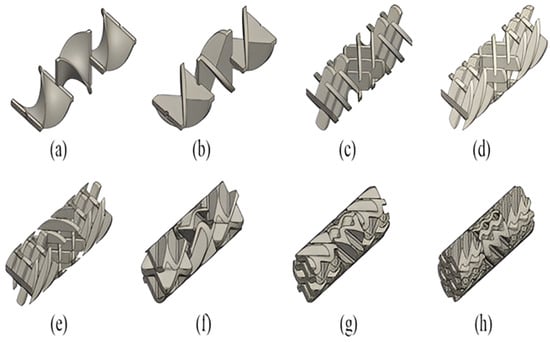
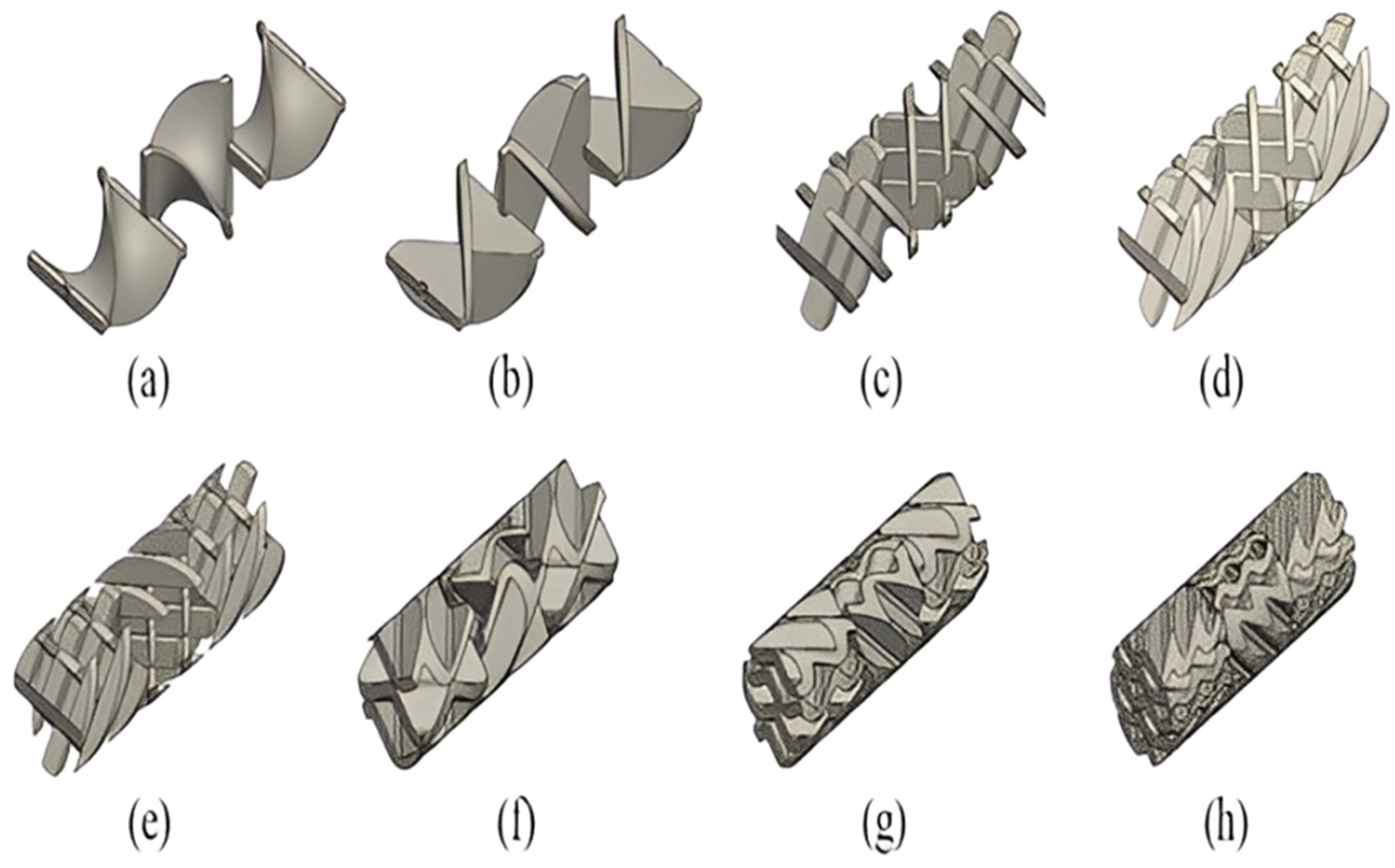
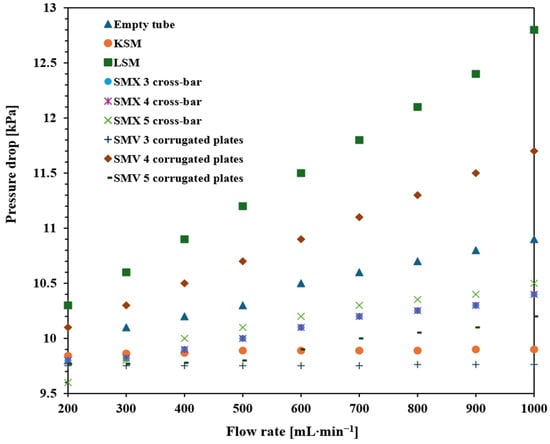
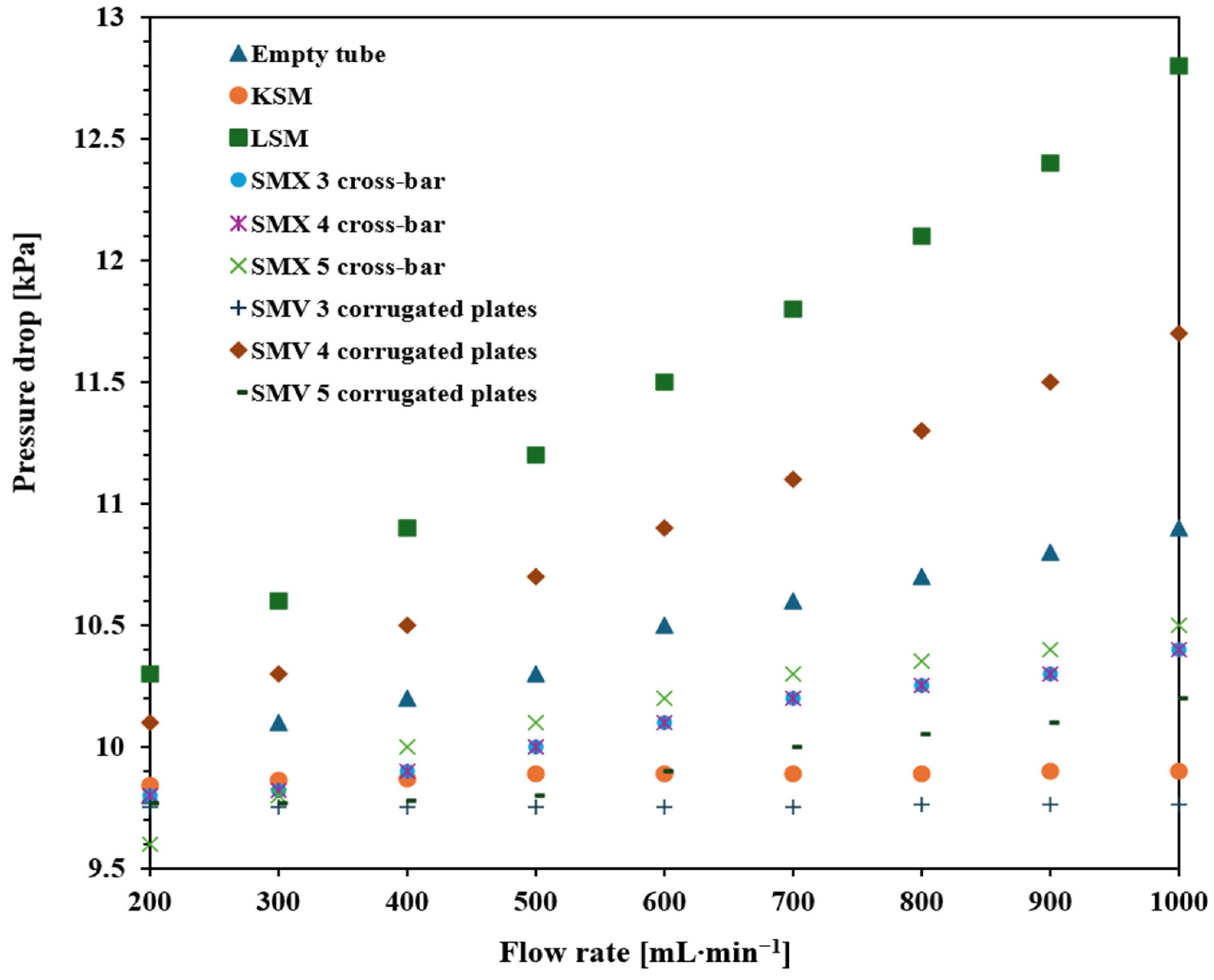
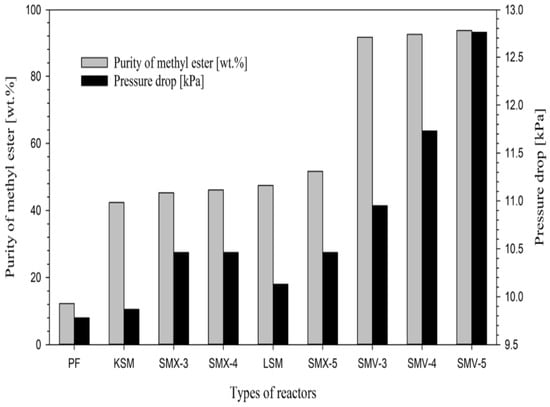
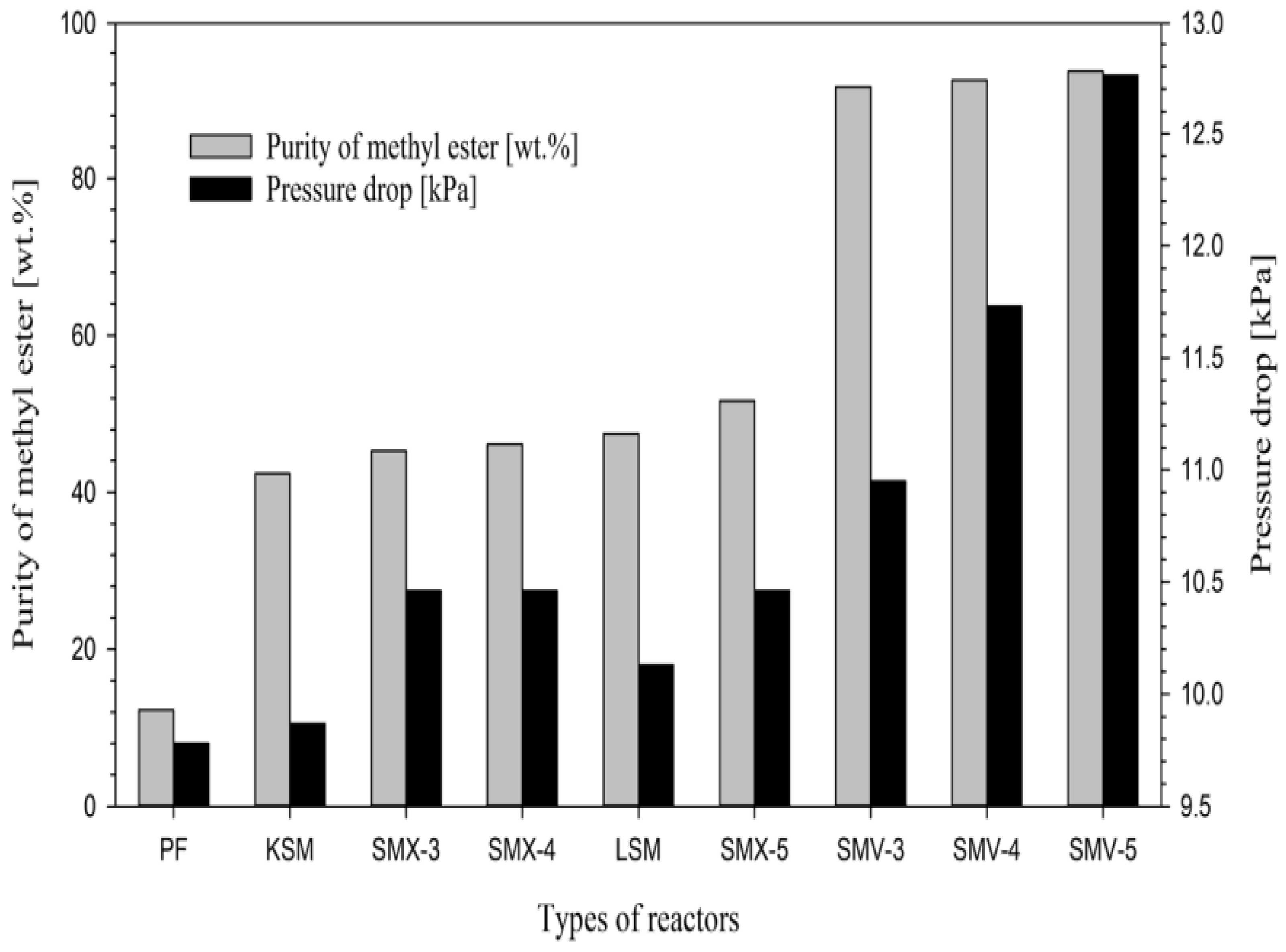
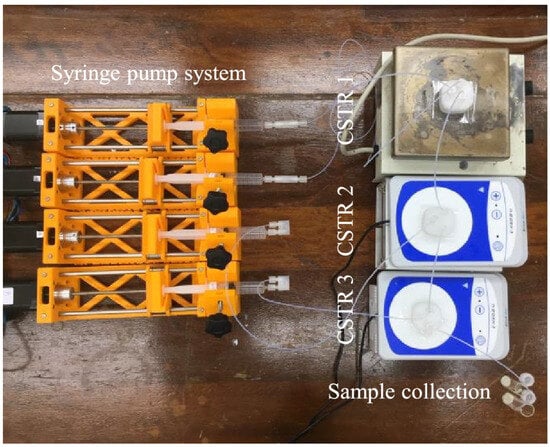
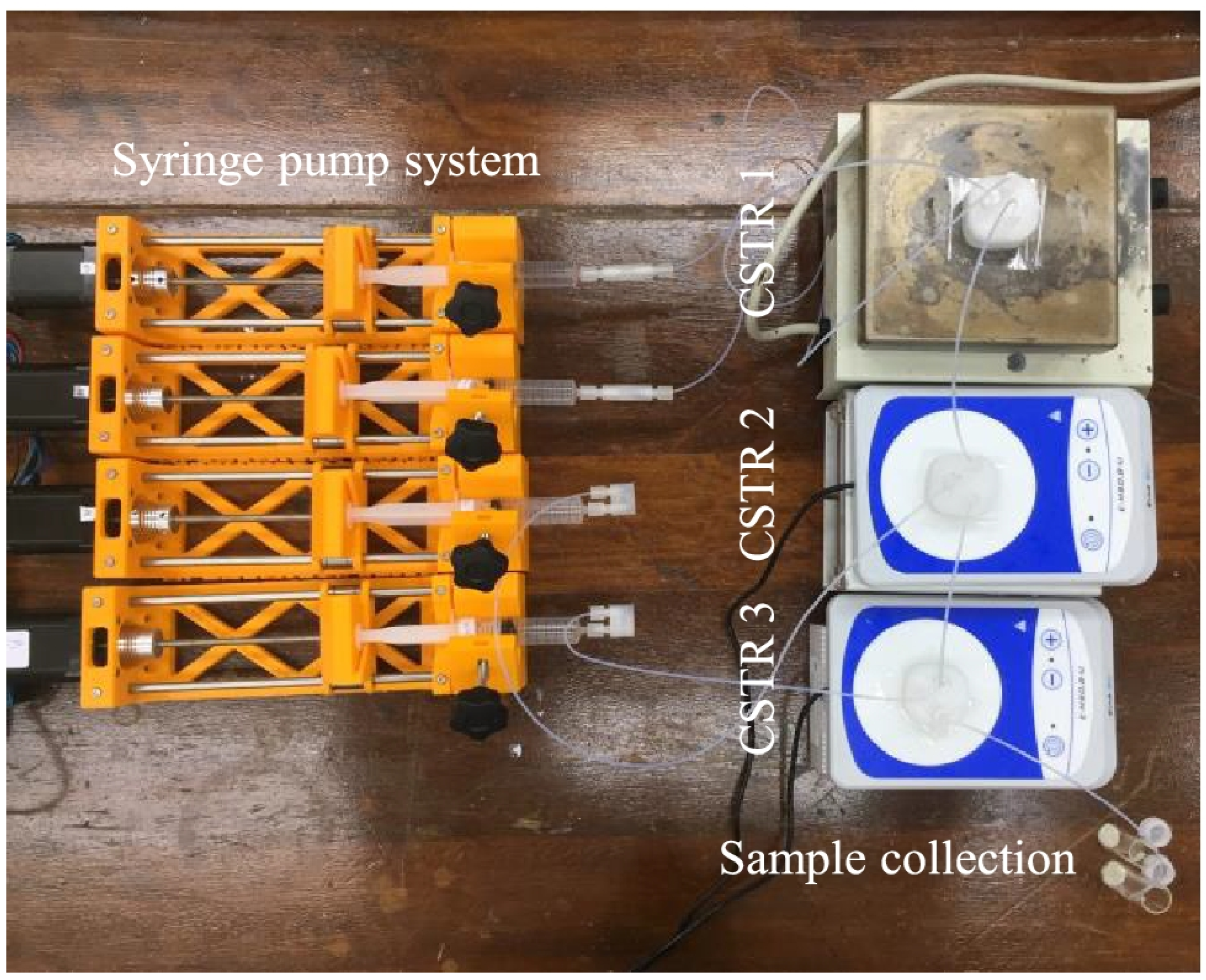
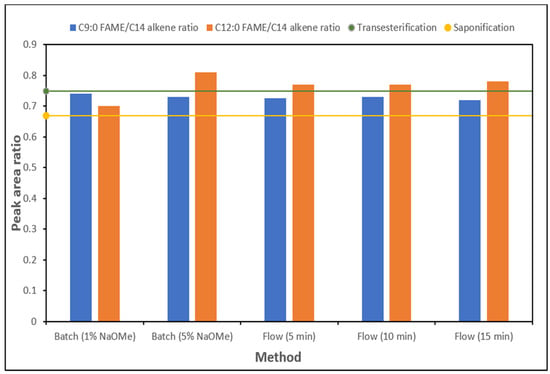
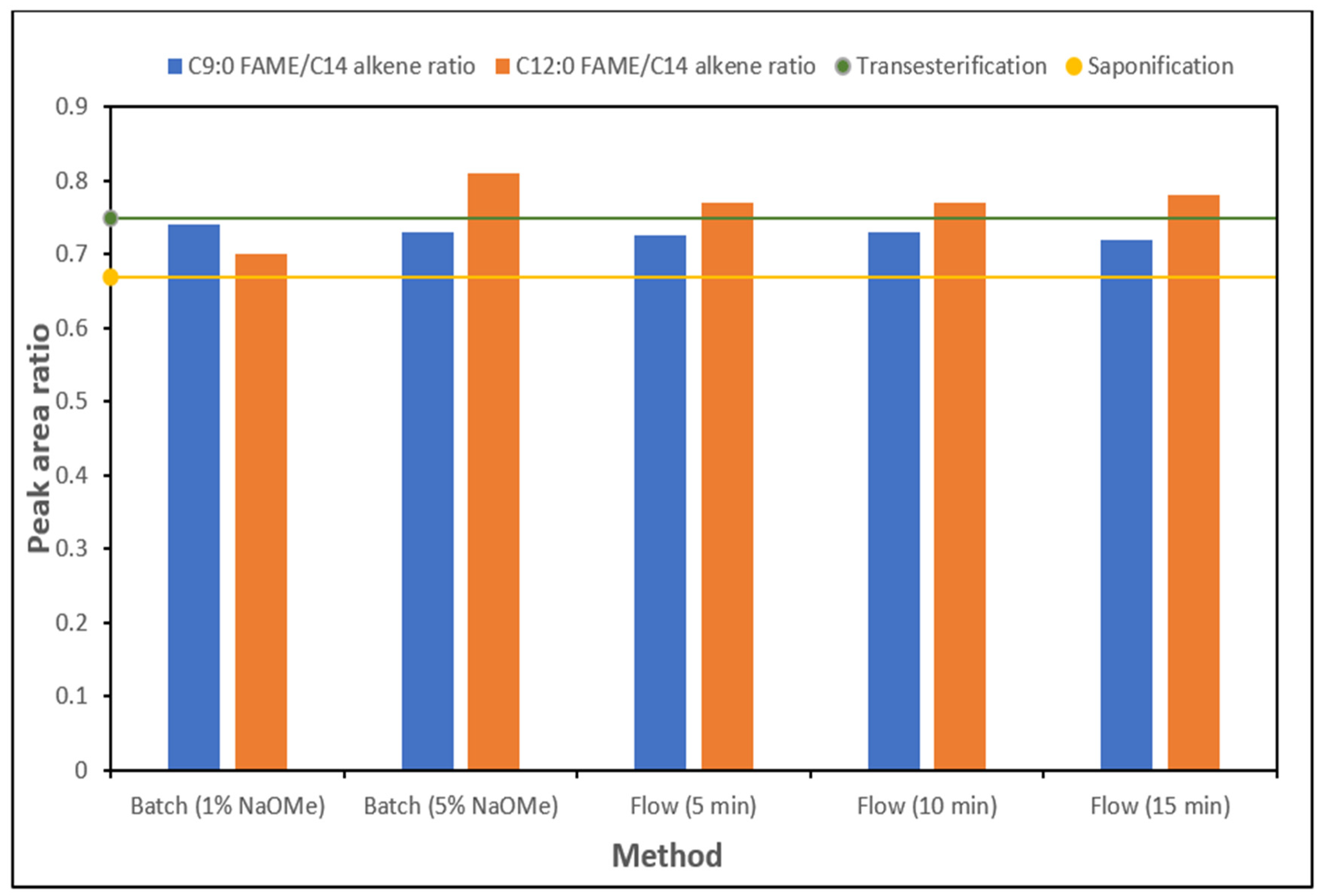
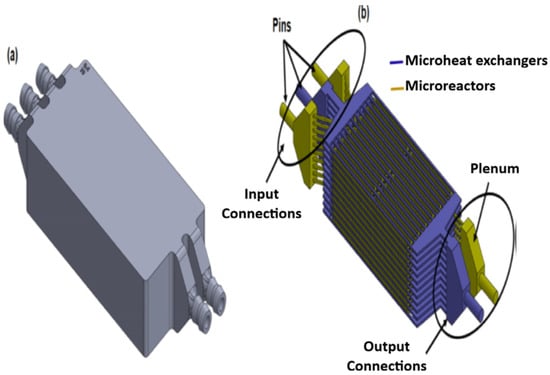
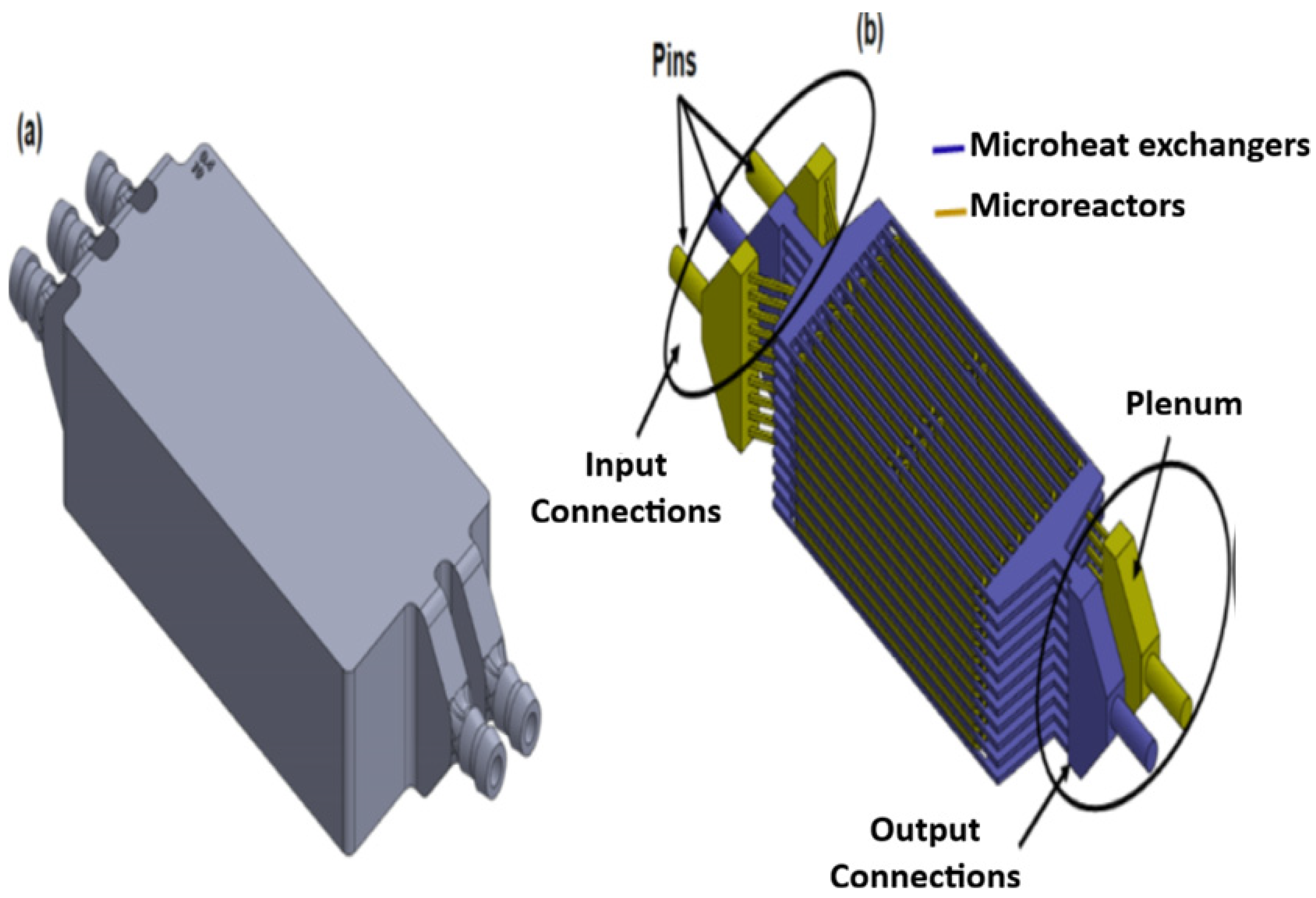
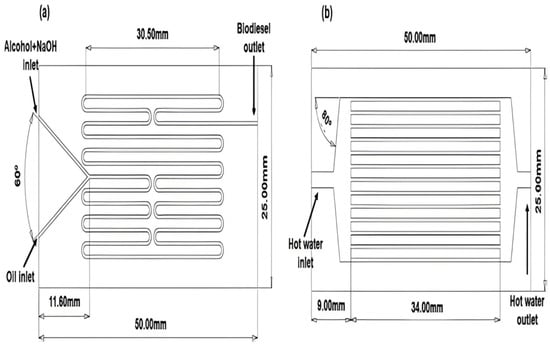
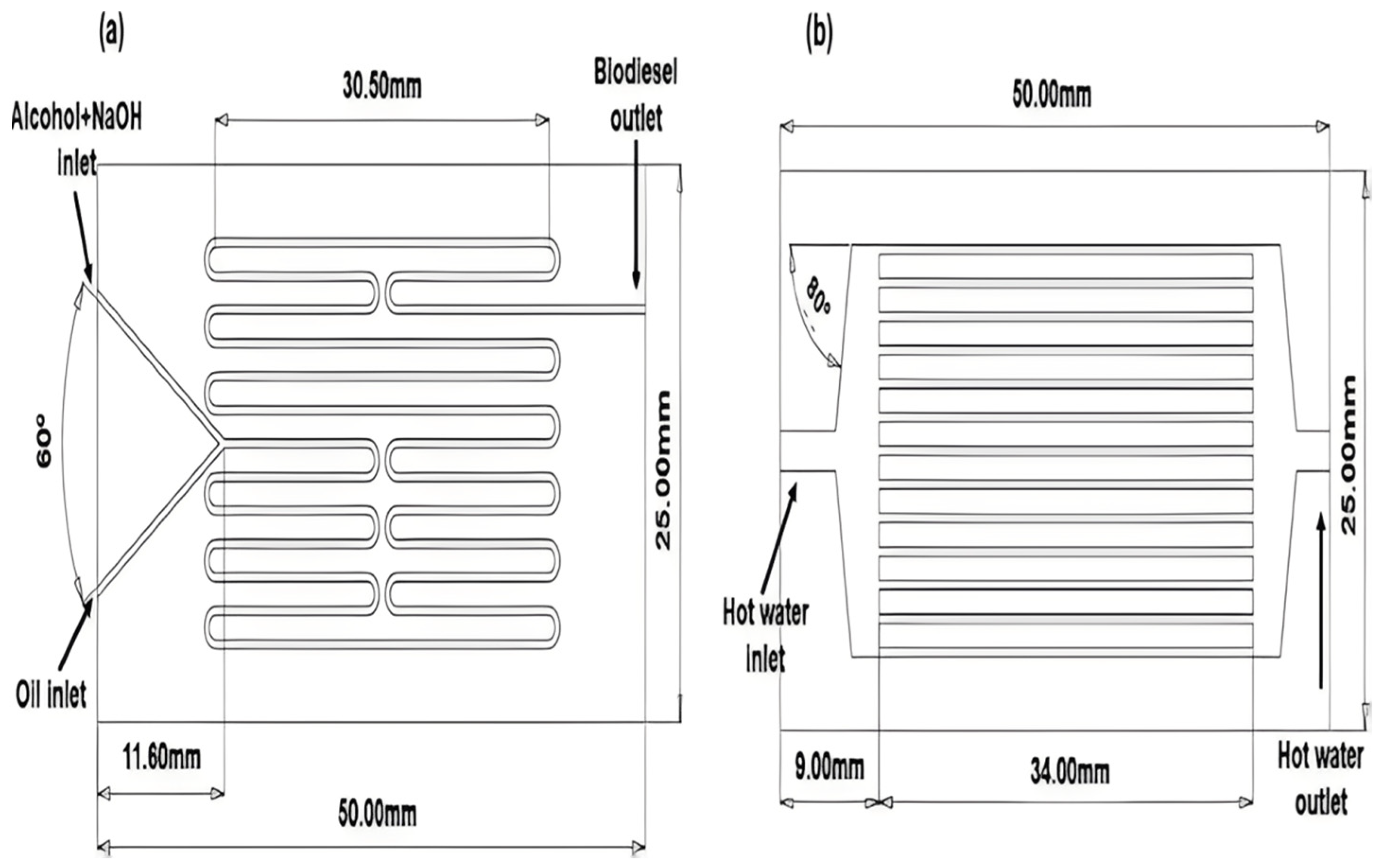
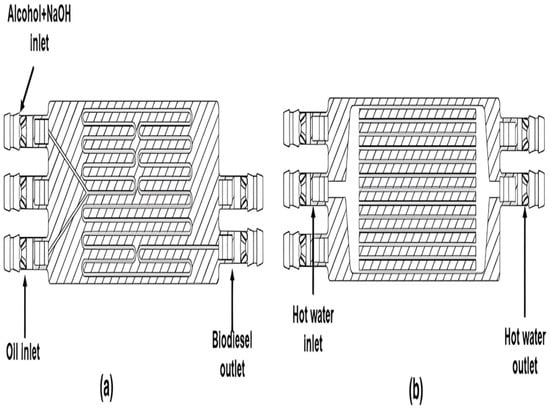
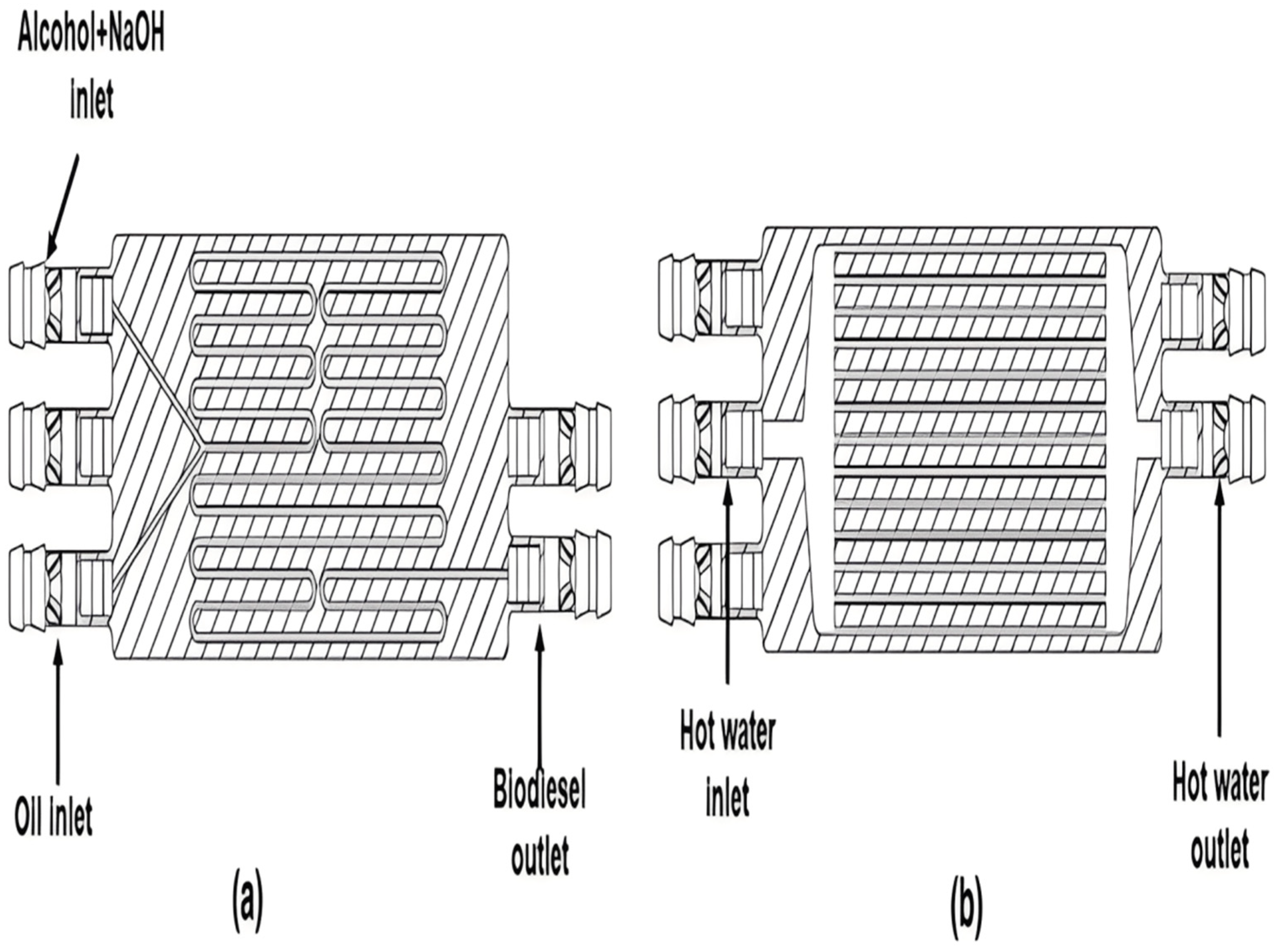
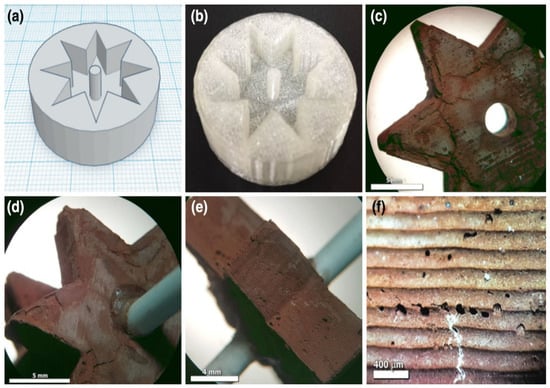
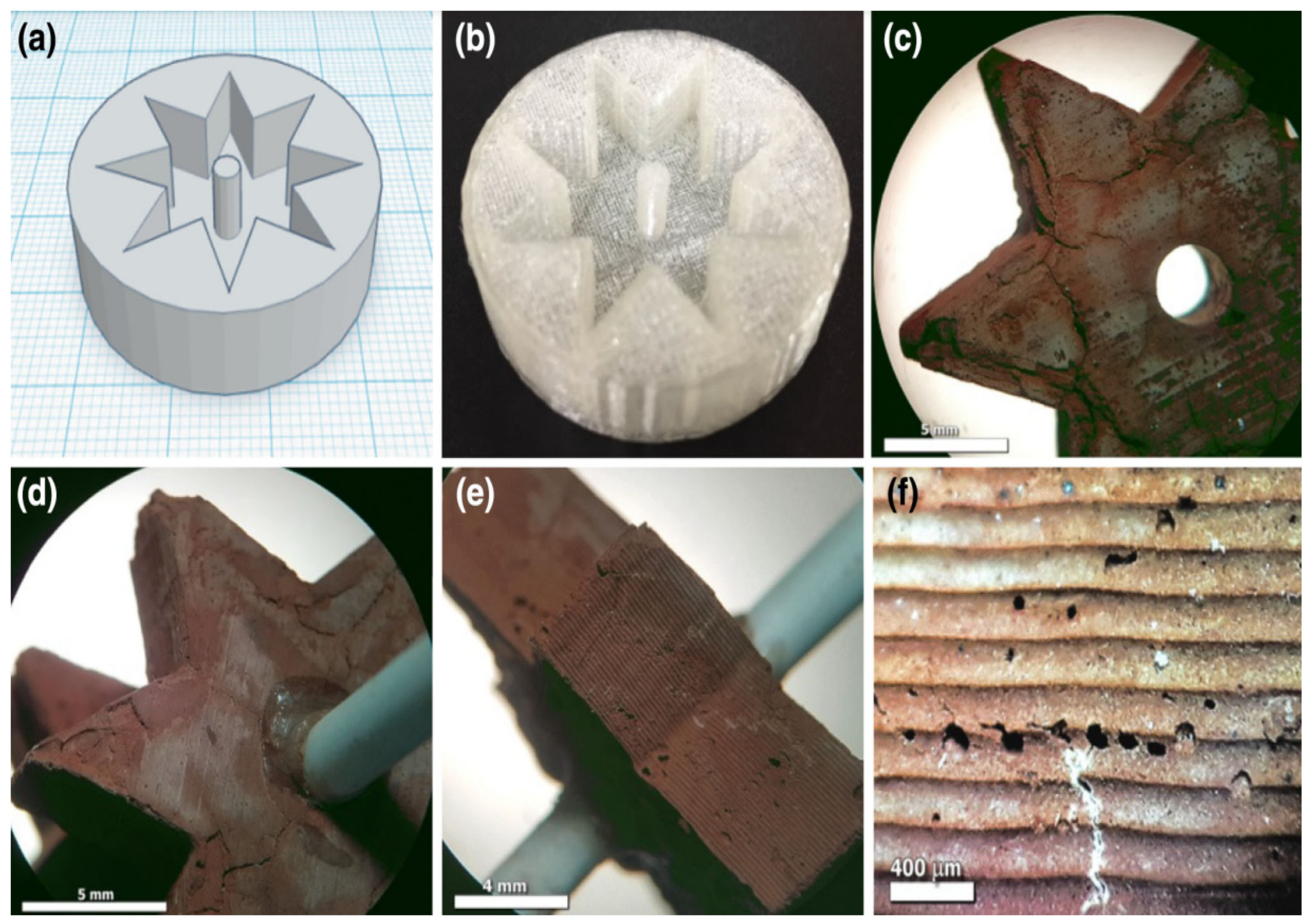
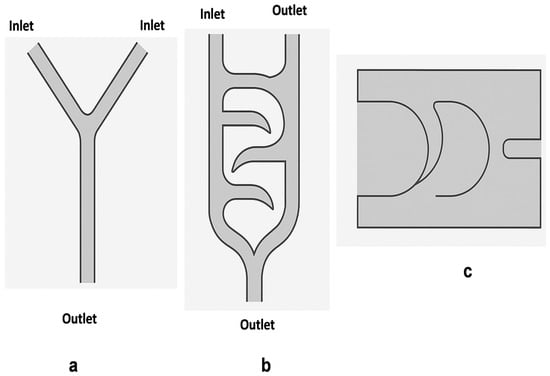
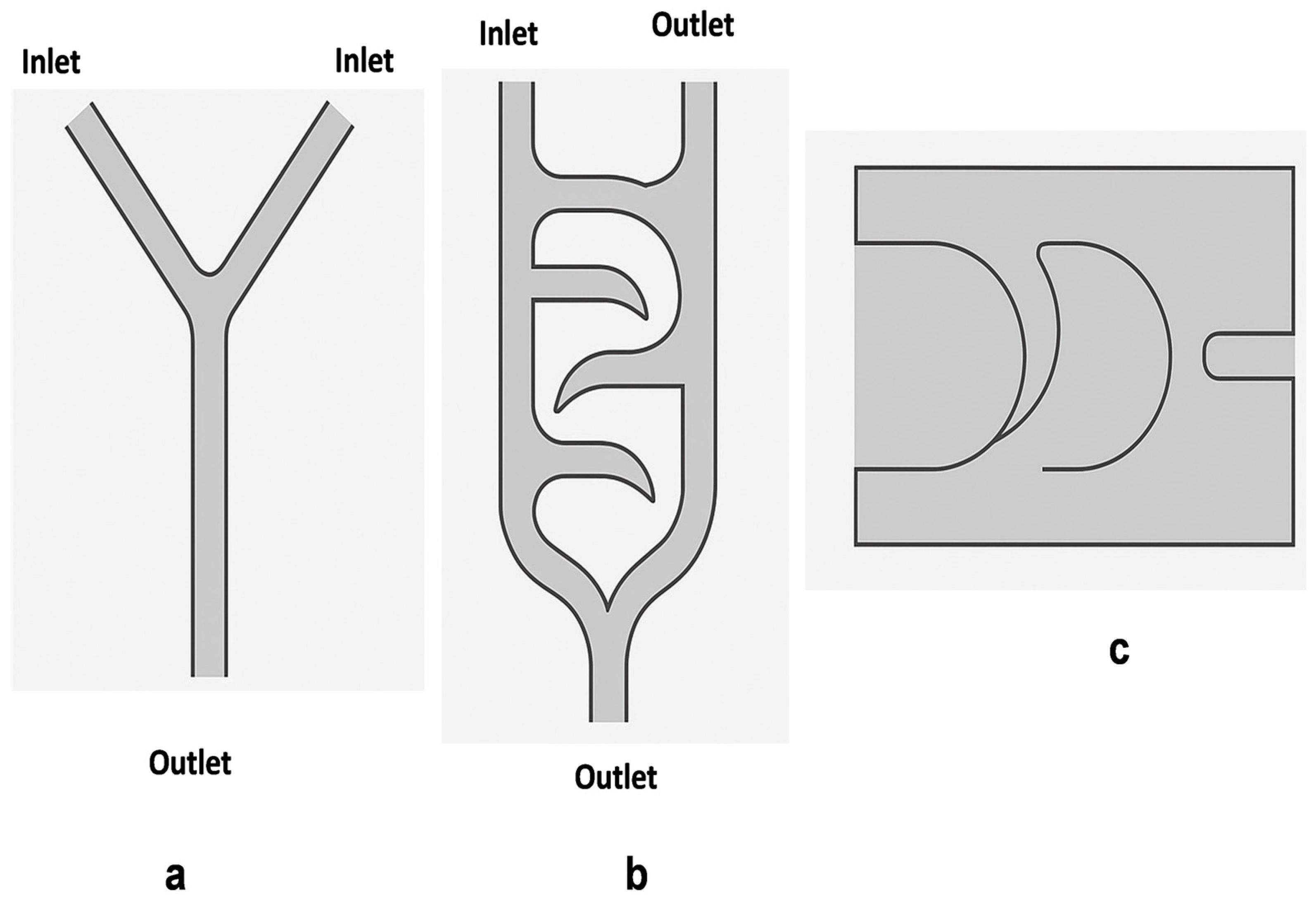

Disclaimer/Publisher’s Note: The statements, opinions and data contained in all publications are solely those of the individual author(s) and contributor(s) and not of MDPI and/or the editor(s). MDPI and/or the editor(s) disclaim responsibility for any injury to people or property resulting from any ideas, methods, instructions or products referred to in the content. |
© 2026 by the authors. Licensee MDPI, Basel, Switzerland. This article is an open access article distributed under the terms and conditions of the Creative Commons Attribution (CC BY) license.