


Abstract
The relocation and closure of electroplating industries have generated numerous contaminated brownfields, many of which are located in areas with potential for residential and commercial redevelopment. However, information regarding the distribution characteristics, migration, and health risks of heavy metals at decommissioned electroplating sites remain limited. In this study, 160 soil samples were collected from a decommissioned electroplating factory in Dezhou, Shandong Province, China, to characterize the spatial distribution and migration behavior of Ni, Zn, and Cr(VI), identify contamination hotspots and potential pollution sources, and evaluate associated carcinogenic and non-carcinogenic risks under the planned future land-use scenario. Human health risks were quantitatively evaluated using the United States Environmental Protection Agency (USEPA) risk assessment model with exposure parameters adapted to the local Chinese population. Results showed that the site was severely contaminated by heavy metals, with 27.5% [Cr(VI)], 6.9% (Ni), and 1.9% (Zn) of the samples exceeding the applicable screening values. The maximum concentrations reached 10,600 mg·kg−1 for Ni, 17,300 mg·kg−1 for Zn, and 390 mg·kg−1 for Cr(VI). Contamination hotspots were concentrated in former production workshops and the wastewater treatment area. The depth profiles suggested contaminant-specific migration patterns, with Cr(VI) detected at a depth of 6.5 m, indicating its strong mobility in subsurface soils. Health risk assessment revealed that oral exposure was the dominant exposure pathway for both adults and children, while inhalation contributed negligibly to overall exposure. Estimated non-carcinogenic risks were higher for children than for adults, with the HI for Ni reaching 2.70. Furthermore, the maximum total carcinogenic risk estimated for Ni exposure in children was 7.50 × 10⁻³, exceeding the acceptable risk threshold. These findings demonstrate the importance of integrating contaminant distribution, source identification, and human health risk assessment when managing decommissioned electroplating brownfields and provide a scientific basis for risk-based remediation and sustainable redevelopment.
1. Introduction
Brownfield sites are an important component of the contemporary urban environment and represent both environmental challenges and opportunities for sustainable redevelopment. Rapid urbanization and industrial restructuring have led to the relocation or closure of industrial facilities worldwide, generating numerous brownfield sites [1]. Owing to their prime locations and redevelopment potential, many brownfields are redeveloped as residential, commercial, or mixed-use properties [2]. However, historical industrial activities have often left soil contamination that poses long-term risks to environmental quality and public health [3]. Therefore, identifying contaminants, assessing risks, and implementing remediation strategies are critical to sustainable brownfield redevelopment [4].
Heavy metal contamination is among the most common environmental issues associated with brownfields [5]. Heavy metals are persistent, non-biodegradable, and capable of accumulating in soils for extended periods [6]. Through direct contact, incidental oral ingestion, inhalation of contaminated particles, and food-chain transfer, heavy metals may adversely affect human health and ecosystem integrity [7]. Consequently, understanding the occurrence, migration, and health risks of heavy metals has become a major focus of contaminated land management worldwide [8].
The electroplating industry is recognized as one of the most important anthropogenic sources of heavy metal pollution [9]. Electroplating processes consume large quantities of metal-containing solutions and chemicals, generating metal-enriched wastewater, sludge, and solid residues [10]. Improper storage and management, accidental leakage, or unauthorized discharge of these materials can severely contaminate surrounding soils [11]. Among typical electroplating-related contaminants, nickel (Ni), zinc (Zn), and hexavalent chromium [Cr(VI)] are of particular concern due to their persistence and potential health risks. Nickel exposure has been associated with respiratory disorders, kidney damage, and carcinogenic effects [12]. Excessive zinc intake may impair metabolic and neurological functions, while Cr(VI) is a highly toxic, mutagenic, and carcinogenic substance with strong environmental mobility [13,14].
For decommissioned electroplating brownfields, several key problems require particular attention before redevelopment. First, the spatial distribution of heavy metals within a former electroplating facility is often highly heterogeneous because different production processes, workshops, and wastewater treatment facilities may have served as distinct sources of contamination [15]. Identifying the locations of contamination hotspots is therefore important for linking observed soil contamination with historical site activities and for supporting targeted remediation [16]. Second, the vertical migration of heavy metals determines the extent of subsurface contamination and the potential for contaminants to reach deeper soil layers. This is particularly important for Cr(VI), Ni, and Zn because their mobility in soil may differ according to their physicochemical characteristics and interactions with soil layers [17]. Third, the presence of heavy metals in soil does not directly indicate the magnitude of human health risk. Exposure pathways, exposure frequency, and receptor characteristics can substantially influence risk, particularly under future residential and commercial land use [18].
Previous studies have investigated heavy metal contamination at mining areas, smelting sites, chemical plants, and other industrial lands [3,8,19]. However, research regarding decommissioned electroplating facilities remains limited. Most existing studies have concentrated on contamination levels or individual pollutants, whereas a comprehensive understanding of spatial distribution, vertical migration, and human health risk remains insufficient [6]. Furthermore, the migration behavior and health implications of electroplating-derived contaminants may differ significantly from those observed in other industrial settings because of unique production processes and waste characteristics. Therefore, site-specific studies are critical for understanding contaminant behavior and supporting risk-based remediation.
In this study, 160 soil samples were collected from a decommissioned electroplating factory in Dezhou to investigate the occurence and depth distribution of Ni, Zn, and Cr(VI). Human health risks posed by these contaminants were quantitatively evaluated using the United States Environmental Protection Agency (USEPA) risk assessment model. The objectives of this study were to: (1) characterize the spatial distribution and potential vertical migration behavior of electroplating-derived heavy metals; (2) identify major contamination hotspots and potential pollution sources; (3) evaluate the associated carcinogenic and non-carcinogenic risks to future receptors under the planned land-use scenario. The findings provide a scientific basis for risk assessment, remediation decision-making, and sustainable redevelopment of electroplating-contaminated brownfields.
2. Materials and Methods
2.1. Study Area
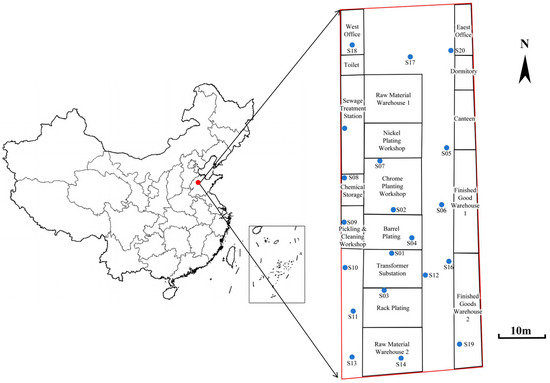
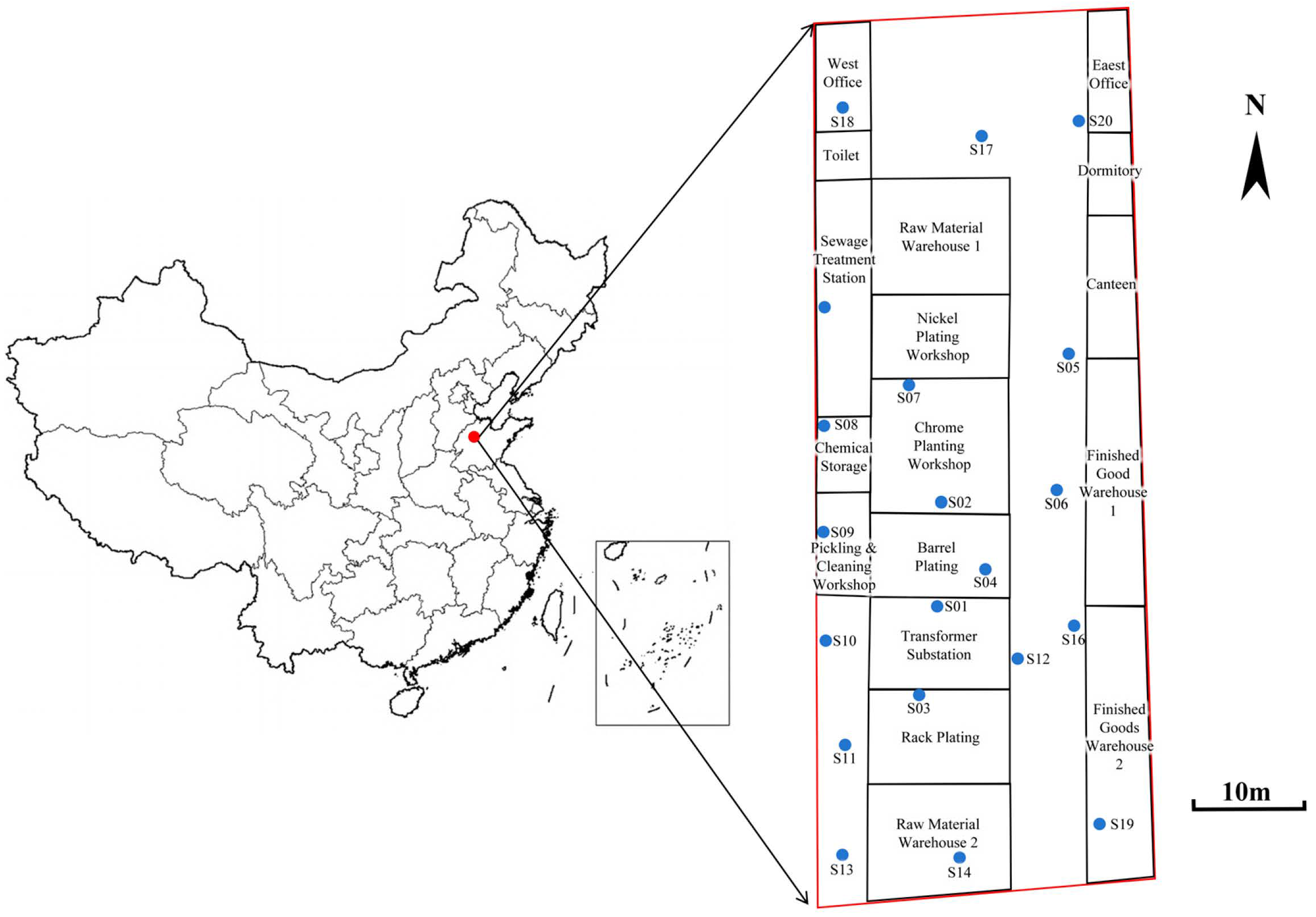
Dezhou, a major industrial city in northern Shandong Province, has undergone rapid industrial transformation and urban expansion in recent decades [20], resulting in the emergence of numerous brownfield sites. The study site is a decommissioned electroplating factory located in Dezhou City (116°18′ E, 37°27′ N) that operated from 2004 to 2020 and occupies approximately 2400 m2. Situated on the alluvial plain of the lower Yellow River, the area features flat terrain with no significant topographic relief. The region has a warm-temperate continental monsoon climate, with an annual mean temperature of 13.2 °C (ranging from −2.9 °C in January to 26.5 °C in July) and annual precipitation of 486.5–563.5 mm, mainly concentrated in summer. The site stratigraphy consists of two layers: an upper layer of construction debris and miscellaneous fill (1.30–4.80 m) and an underlying quaternary alluvial–diluvial silty clay layer (3.60–21.30 m). Groundwater at the site occurs within both the miscellaneous fill layer and the underlying silty clay layer and is classified as pore water in unconsolidated formations. The groundwater table is encountered at a depth of 1.80–2.36 m below the ground surface, with groundwater elevations ranging from 23.46 to 24.61 m. The overall groundwater flow direction is from south to north, which is generally consistent with the local topographic gradient. Groundwater is primarily recharged by atmospheric precipitation, with secondary contributions from surface runoff and domestic water infiltration. Under natural conditions, groundwater is mainly discharged through evaporation and seepage. Historical electroplating operations (zinc, nickel, and chromium plating) used zinc chloride, chromium trioxide, nickel sulfate and lead sheets as primary raw materials, together with sulfuric acid, hydrochloric acid and sodium hydroxide as auxiliary agents. Based on production records and field investigations, the site was divided into 17 functional zones, including plating workshops, raw-material warehouses, wastewater treatment facilities, hazardous waste storage areas, offices, and auxiliary facilities (Figure 1). According to local urban planning, the site is designated for mixed residential and commercial redevelopment, and approximately 100,000 residents currently live within the surrounding communities.
Figure 1.
Location of the electroplating plant, layout of functional zones within the site, and distribution of soil sampling points. Blue dots denote soil sampling sites (S01–S20) covering various functional areas of the factory. Scale bar = 10 m; north arrow is provided for spatial reference.
2.2. Sampling
Soil sampling was conducted in 2021 following the Technical Guidelines for Monitoring During Risk Control and Remediation of Soil Contamination of Construction Land (HJ 25.2-2019) [21]. The soil sampling layout followed the principles of combining point-based investigation with overall site coverage and prioritizing functional zoning and key potential pollution sources. Specifically, sampling points were preferentially established in areas with potential contamination sources, while additional points were distributed across the site and surrounding areas potentially affected by historical production activities to achieve overall spatial coverage. A higher sampling density was adopted in areas considered more likely to have been contaminated. A total of 160 soil samples were collected from 20 sampling locations distributed across the study area (Figure 1). Sampling depths were determined according to site lithology and contaminant migration characteristics. Undisturbed soil cores were collected using a Geoprobe direct-push drilling system. One surface sample was collected from the 0–0.5 m layer, followed by subsurface sampling at intervals of less than 1 m down to 7.5 m depth. Soil samples were collected using clean wooden tools, sealed in polyethylene bags, and transported immediately to the laboratory.
2.3. Sample Pre-Treatment
Samples were air-dried at room temperature, and visible debris, stones, and plant residues were removed manually. The soils were then homogenized, ground, and passed through a 2 mm nylon sieve prior to physical or chemical analysis.
2.4. Sample Analysis
Nickel (Ni), zinc (Zn), and hexavalent chromium [Cr(VI)] were selected as target contaminants because they are the major pollutants associated with electroplating activities. Chemical analyses were performed by Qingdao Standard Hengli Environmental Technology Research Institute Co., Ltd. (Qingdao, China). The analytical methods, detection limits, and corresponding standards are summarized in Table 1. Quality assurance and quality control procedures were implemented throughout the analytical process. The relative deviations and relative standard deviations of all measurements satisfied the requirements of the Technical Specification for Soil Environmental Monitoring (HJ/T 166-2004), supporting the analytical quality of the results [22].
Table 1.
Analytical methods, detection limits and references for target pollutants.
2.5. Exposure Assessment Calculation
Human exposure to soil contaminants was evaluated using the health risk assessment model recommended by the USEPA. Considering the planned future land use of the site, both adults and children were selected as exposure receptors [25].
Three major exposure pathways were considered: soil ingestion, dermal contact, and inhalation of soil particles. The average daily dose (ADD) for each pathway was calculated using the equations and parameters below. Human exposure to soil contaminants was evaluated using the health risk assessment model recommended by the United States Environmental Protection Agency (USEPA). Considering the planned future land use of the site, both adults and children were selected as potential exposure receptors [25]. Three major exposure pathways were considered, including oral ingestion of contaminated soil, dermal contact with contaminated soil, and inhalation of soil particles. The average daily dose (ADD) for each exposure pathway was calculated as follows.
For oral ingestion of contaminated soil:
where ADDoral is the average daily dose through oral ingestion of contaminated soil (mg·(kg·d)−1); C is the measured concentration of the contaminant in soil (mg·kg−1); IRsoil is the soil ingestion rate (100 mg·d−1 for children and 200 mg·d−1 for adults); EF is the exposure frequency (350 d·a−1 for both children and adults); ED is the exposure duration (6 years for children and 24 years for adults); BW is the average body weight (19.2 kg for children and 61.8 kg for adults); and AT is the averaging time, with values of 2190 and 9125 d for children and adults, respectively, for non-carcinogenic effects, and 27,740 d for both children and adults for carcinogenic effects. The parameter values were obtained from the Technical Guidelines for Risk Assessment of Contaminated Sites (HJ 25.3-2019 [26]) and Highlights of the Chinese Exposure Factors Handbook.
For dermal contact with contaminated soil:
where ADDskin is the average daily dose through dermal contact with contaminated soil (mg·(kg·d)−1); SA is the exposed skin surface area (2800 cm2 for children and 5700 cm2 for adults); AF is the soil adherence factor (0.2 mg·cm−2 for children and 0.07 mg·cm−2 for adults); ABS is the dermal absorption fraction (0.001 for non-carcinogenic effects and 0.01 for carcinogenic effects for both children and adults); EF, ED, BW, and AT are defined above. For parameters not available in the Chinese guidelines or exposure factor handbook, default values recommended by the U.S. Environmental Protection Agency (USEPA) were adopted.
For inhalation of soil particles:
where ADDbreathe is the average daily dose through inhalation of soil particles (mg·(kg·d)−1); C is the contaminant concentration in soil (mg·kg−1); IRair is the daily air inhalation rate (7.5 m3·d−1 for children and 15.7 m3·d−1 for adults); EF is the exposure frequency (350 d·a−1); ED is the exposure duration (6 years for children and 24 years for adults); PEF is the particle emission factor (1.36 × 10⁹ m3·kg−1). C, EF, ED, BW, and AT are defined above.
2.6. Toxicity Assessment and Risk Characterization
Non-carcinogenic and carcinogenic risks associated with heavy metal exposure were evaluated based on USEPA methodologies. The corresponding calculation equations are as follows:
The hazard quotient (HQ) and hazard index (HI) were used to characterize non-carcinogenic risks, whereas carcinogenic risk (CR) and total carcinogenic risk (TCR) were employed to assess cancer risks. The toxicity parameters, including reference doses (RfDs) and carcinogenic slope factors (SFs) for Ni, Zn, and Cr(VI), are listed in Table 2.
Table 2.
Reference dose (RfD) and carcinogenic slope factor (SF) of target heavy metals via different exposure routes.
HQ or HI values below 1 suggest that appreciable non-carcinogenic effects are unlikely under the assessed exposure conditions, whereas values greater than 1 indicate potential concern. For carcinogenic risk, 1 × 10⁻⁶ to 1 × 10⁻⁴ was used as the risk-management range in this study, with values above 1 × 10⁻⁴ indicating elevated concern.
2.7. Statistical Analysis
Descriptive statistical analyses were performed using Microsoft Excel 2010 (Microsoft Corporation, Redmond, WA, USA). In this study, the measured concentrations of the target heavy metals at each sampling depth were used as input data. Ordinary Kriging was applied separately to generate the spatial distribution surfaces for the corresponding soil depths using Surfer 11 (Golden Software Inc., Golden, CO, USA). Site layout maps were prepared using AutoCAD 2020 (Autodesk Inc., San Rafael, CA, USA), and all graphical visualizations were generated using Origin 2021 (OriginLab Corporation, Northampton, MA, USA).
3. Results and Discussion
3.1. Contaminant Characteristics and Source Analysis
The descriptive statistics of heavy metal concentrations in soils collected from the investigated electroplating brownfield are presented in Table 3. The mean concentrations of Ni and Zn exceeded the corresponding background values reported for Shandong Province, consistent with anthropogenic enrichment resulting from historical electroplating activities. According to the screening values specified in GB 36600-2018 and DB50/T 723-2016 [27], the exceedance rates of Ni, Zn, and Cr(VI) reached 6.9%, 1.9%, and 27.5%, respectively, indicating that Cr(VI) had the highest reported exceedance rate at the site [28].
Table 3.
Descriptive statistical parameters of Ni, Zn and Cr(VI) concentrations in soil from the electroplating site, together with relevant reference thresholds and regional background values.
The measured concentrations ranged from 12 to 10,600 mg·kg−1 for Ni, 20 to 17,300 mg·kg−1 for Zn, and 0 to 390 mg·kg−1 for Cr(VI), with mean concentrations of 267.5, 339.6 and 19.2 mg·kg−1, respectively (Table 3). Among the three metals, Zn exhibited the highest average concentration, followed by Ni and Cr(VI). The coefficients of variation (CVs) were 4.0, 5.3, and 3.0 for Ni, Zn, and Cr(VI), respectively, all substantially exceeding unity. Such high CV values indicate pronounced variability among samples and, together with the spatial patterns, suggest localized anthropogenic inputs.
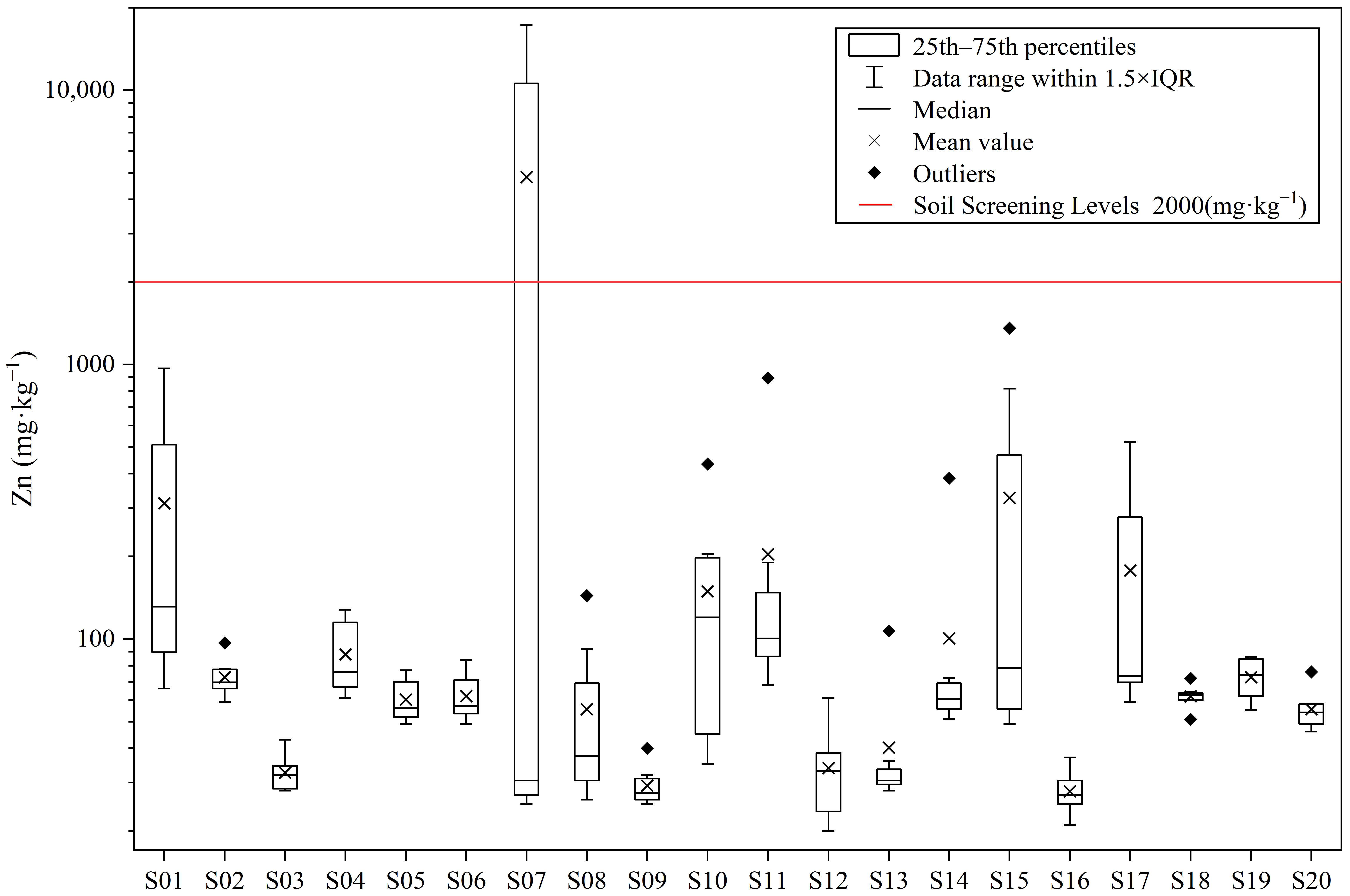
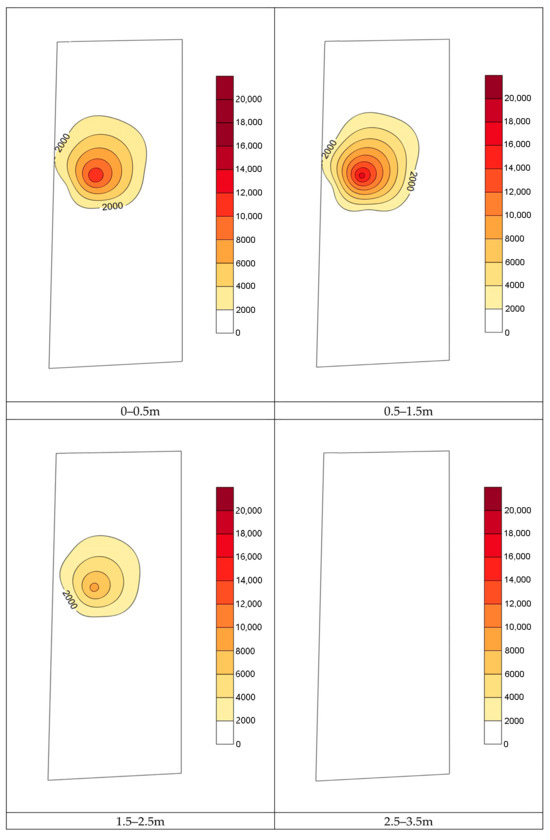
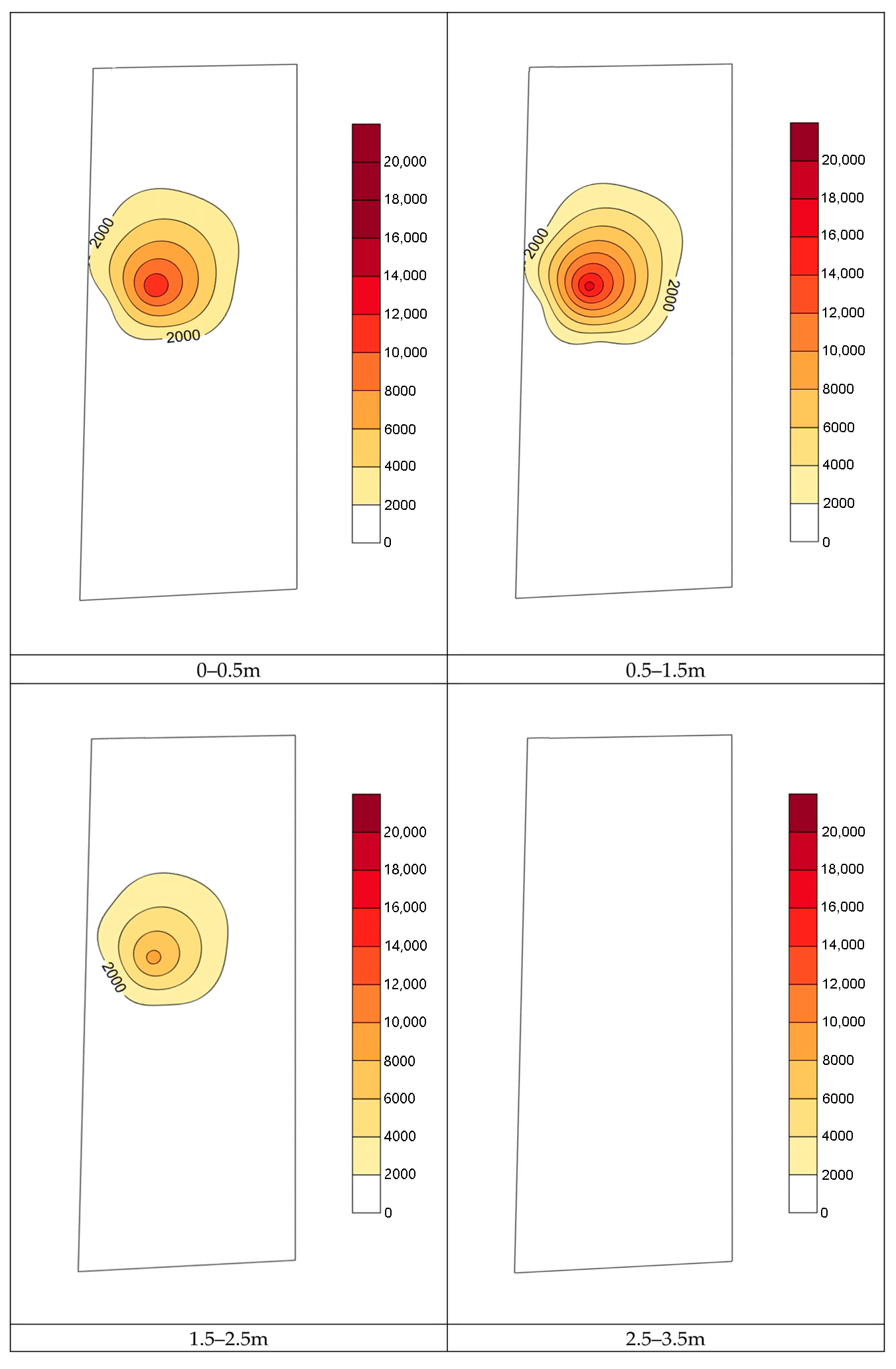
The spatial distribution patterns of heavy metals were further characterized using ordinary kriging interpolation (Figure 2, Figure 3 and Figure 4). Zinc contamination was predominantly concentrated within the barrel-plating workshop (Figure 2 and Figure 5). The maximum Zn concentration was approximately 8.7 times and was mainly distributed in the shallow subsurface layer at a depth of approximately 1.5 m. Zinc concentrations decreased rapidly with increasing depth, indicating relatively limited vertical migration. Similar distribution characteristics have been reported at other sites, where Zn is readily adsorbed onto soil particles and tends to accumulate within the upper soil profile [5].
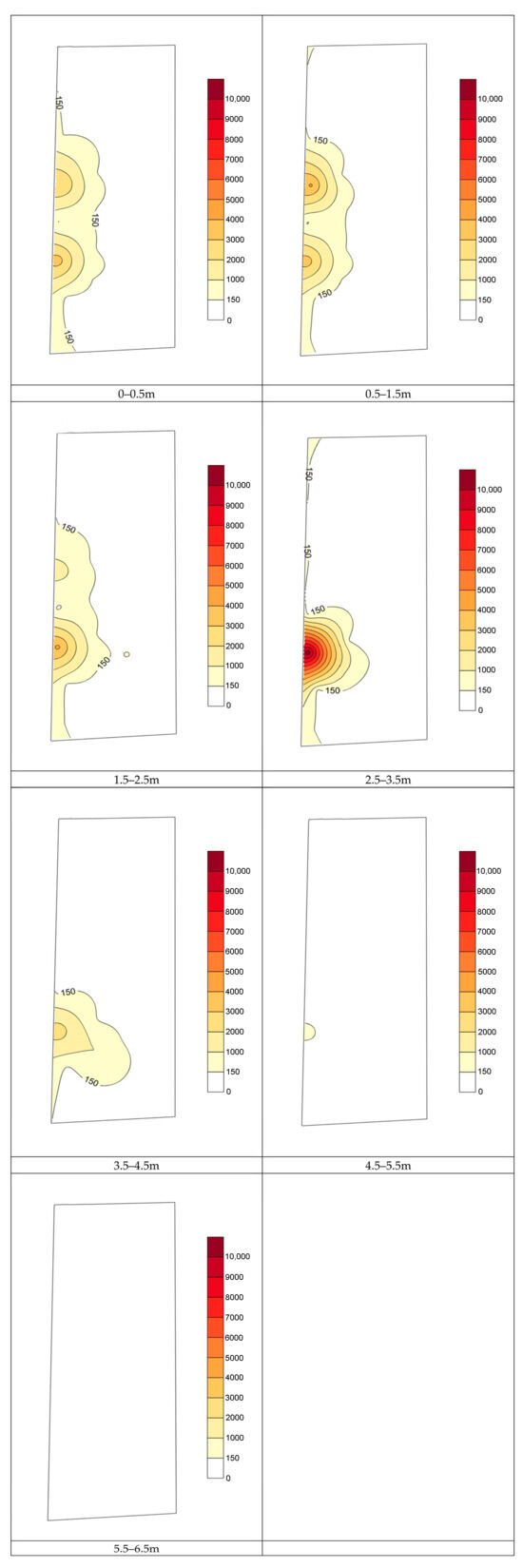
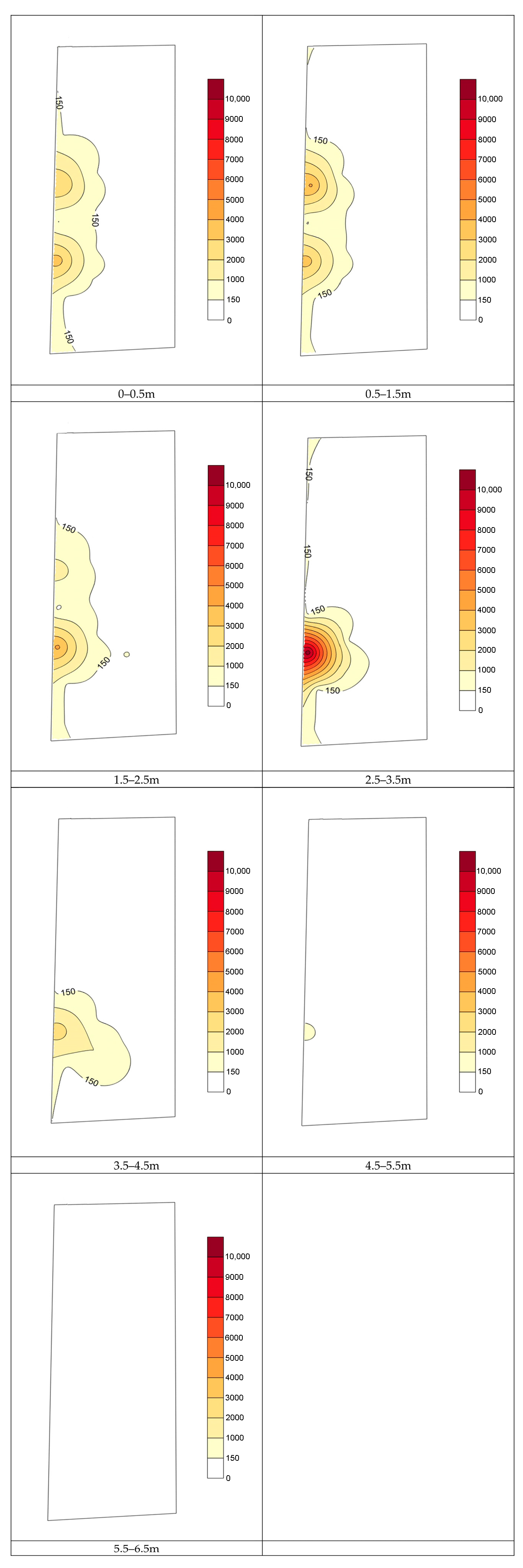
Figure 2.
Vertical spatial distribution of Ni concentrations in soil layers from 0 m to 6.5 m depth at the electroplating plant. The color scale shows Ni concentration (mg·kg−1), and the 150 mg·kg−1 isoline refers to the risk screening value of GB 36600-2018.
Figure 3.
Vertical spatial distribution of Zn concentrations in soil layers from 0 m to 3.5 m depth at the electroplating plant. The color scale shows Zn concentration (mg·kg−1), and the 2000 mg·kg−1 isoline refers to the risk screening value of DB50/T 723-2016.
Figure 4.
Vertical spatial distribution of Cr(VI) concentrations in soil layers from 0 m to 7.5 m depth at the electroplating plant. The color scale shows Cr(VI) concentration (mg·kg−1), and the 3 mg·kg−1 isoline refers to the risk screening value of GB 36600-2018.
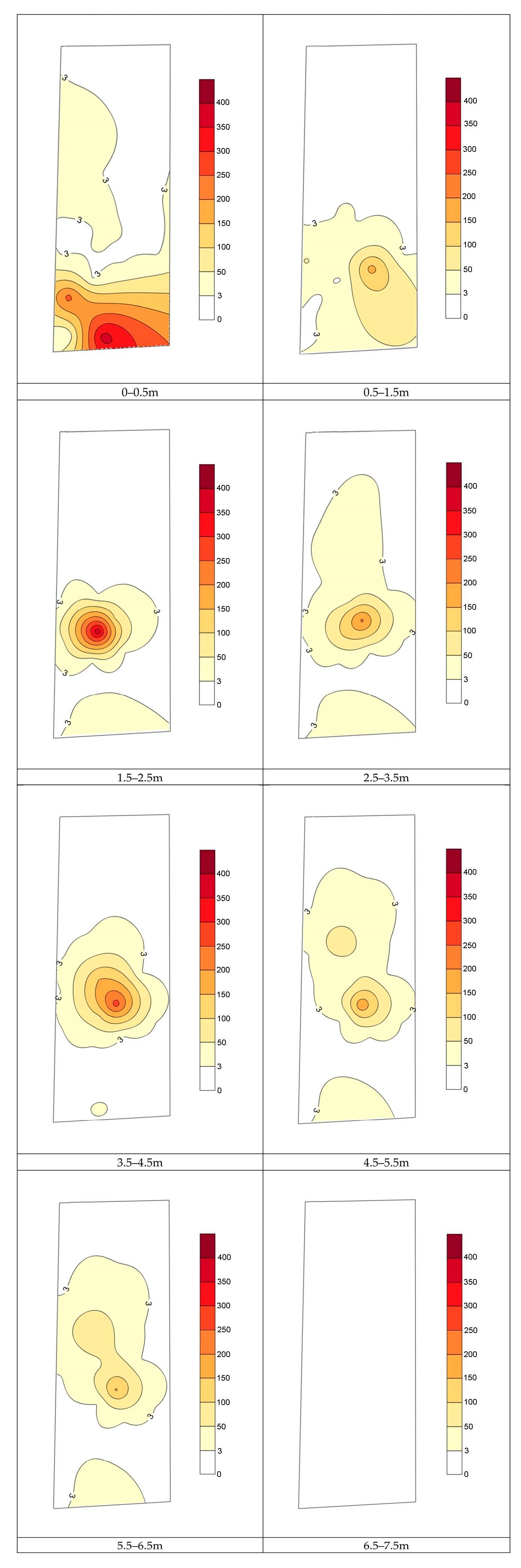
Figure 5.
Boxplots of Zn concentrations at sampling sites S01–S20 in the electroplating plant. The y-axis is plotted on a logarithmic scale.
Nickel contamination was primarily associated with the pickling and cleaning workshop (Figure 2 and Figure 6). The maximum Ni concentration reached 10,600 mg·kg−1. As an essential component of electroplating baths and corrosion-resistant coatings, Ni can be continuously released into surrounding soils through leakage, equipment corrosion, and wastewater infiltration. Although the underlying silty clay layer possesses relatively low permeability and high adsorption capacity, prolonged contaminant input and rainfall infiltration may have facilitated the downward migration of Ni into deeper soil horizons.
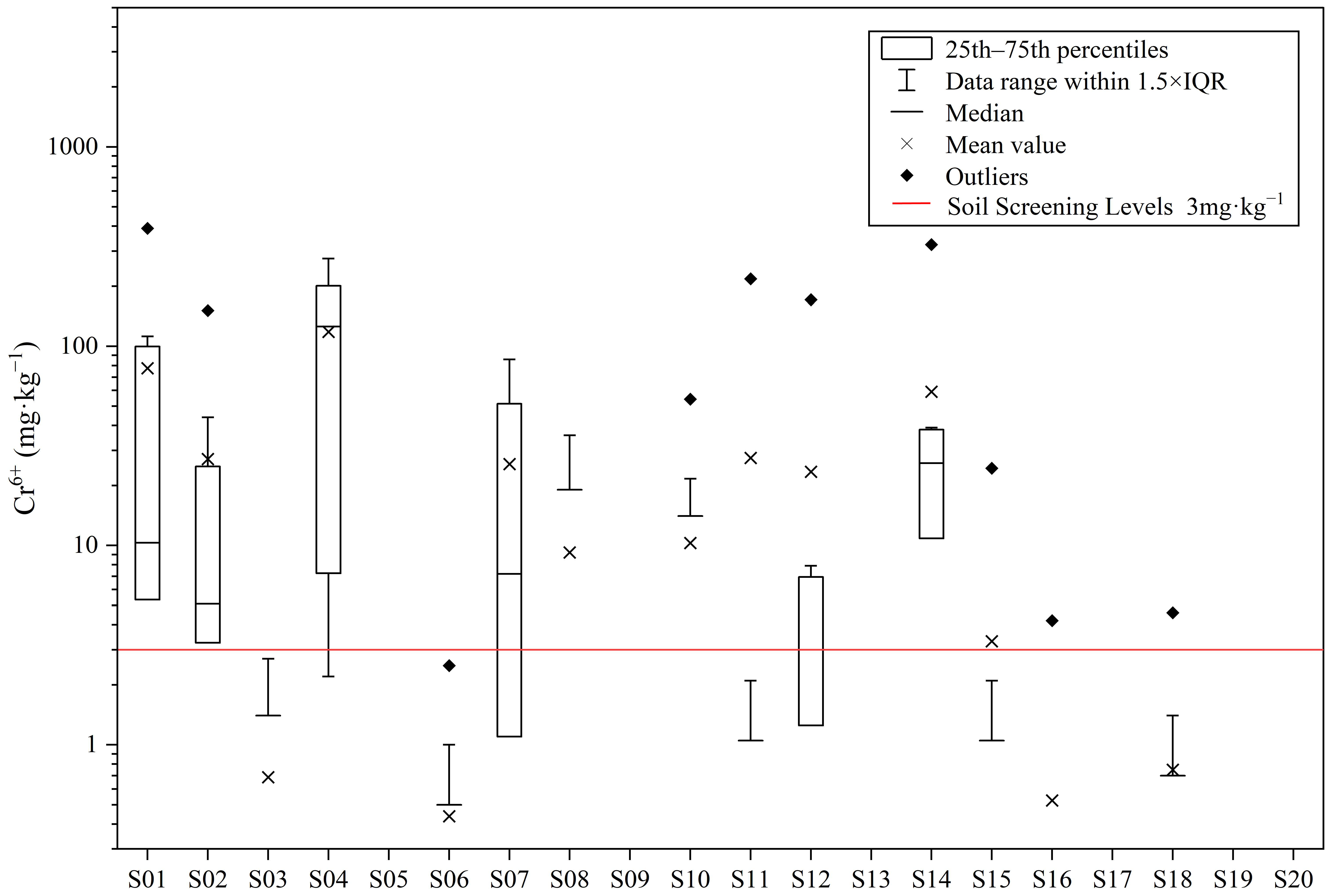
Compared with Ni and Zn, Cr(VI) exhibited a much broader distribution and represented a major environmental concern at the site. Chromium plating operations involve extensive use of chromic acid solutions, and accidental spills, leakage from plating tanks, and improper wastewater management are recognized as major sources of Cr(VI) contamination [30,31]. Owing to its high solubility and mobility under oxidizing conditions, Cr(VI) can migrate vertically through soil profiles [32]. In the present study, Cr(VI) was detected at a depth of 6.5 m, suggesting subsurface migration. This observation is consistent with previous studies reporting deep penetration of Cr(VI) in contaminated industrial soils (Figure 4 and Figure 7) [17,33,34,35,36,37].
Figure 6.
Boxplots of Ni concentrations at sampling sites S01–S20 of the electroplating plant. The y-axis is plotted on a logarithmic scale.
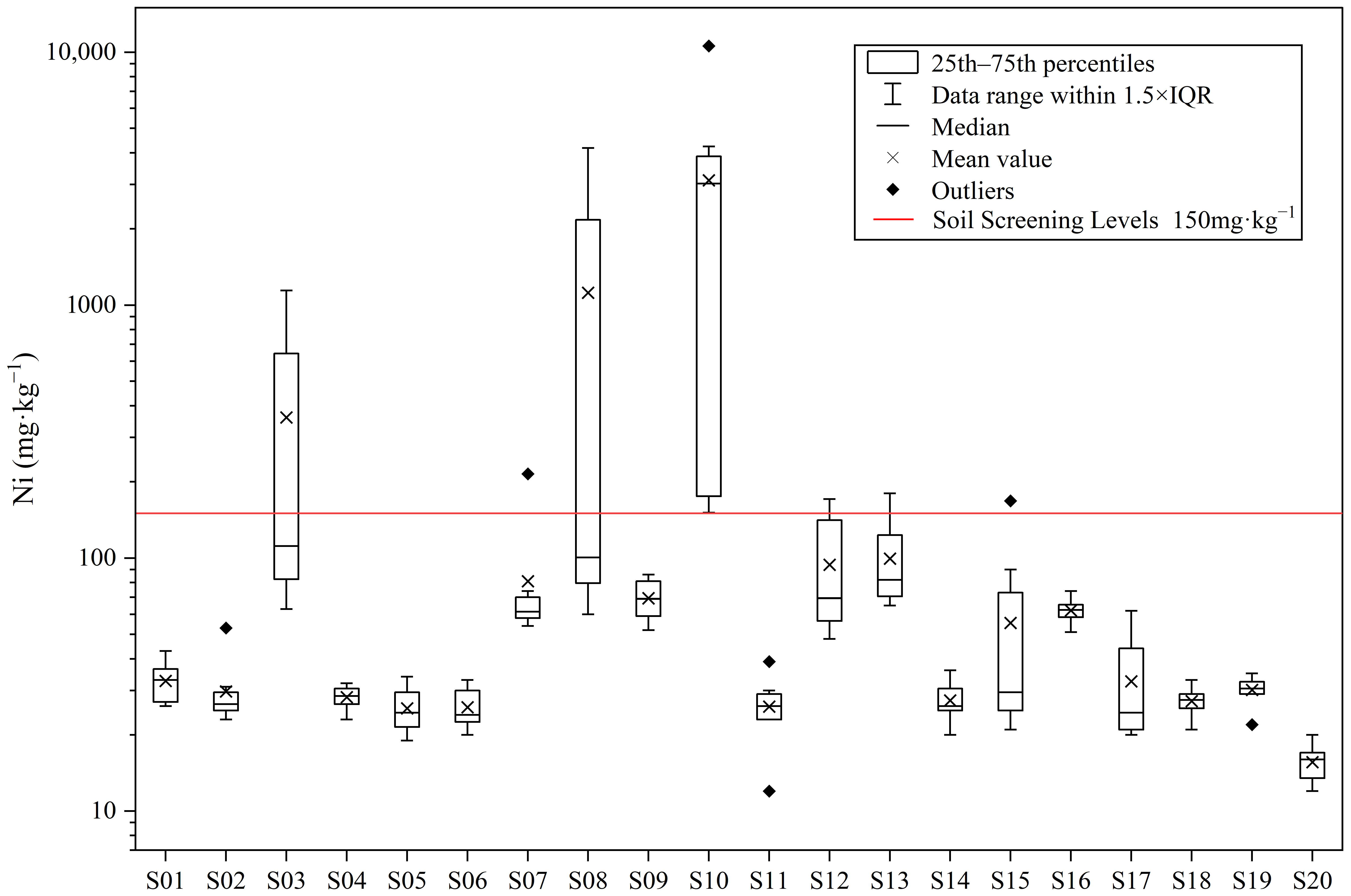
Figure 7.
Boxplots of Cr(VI) concentrations at sampling sites S01–S20 in the electroplating plant. The y-axis is plotted on a logarithmic scale.
The spatial and vertical distributions of Ni, Zn, and Cr(VI) were spatially associated with the historical functional layout of the electroplating factory, but differed substantially among soil layers. Elevated concentrations were mainly observed in production workshops and around wastewater treatment facilities, suggesting that historical operational leakage and wastewater discharge were likely contamination sources [38].
The depth profiles suggested differences in vertical migration among contaminants, potentially reflecting differences in chemical speciation and interactions with the soil matrix. As Zn predominantly occurs as Zn(II), its adsorption onto clay minerals, organic matter, and Fe/Mn oxides may restrict downward transport. Although Ni(II) can also be retained by soil minerals and organic matter, prolonged contaminant loading may progressively occupy available sorption sites, allowing Ni to migrate downward with infiltrating water.
Under oxidizing conditions, Cr(VI) predominantly occurs as soluble oxyanions, such as chromate and dichromate, which generally interact less strongly with negatively charged soil surfaces than divalent cations. Its relatively high aqueous mobility may facilitate downward transport with precipitation and infiltration. The silty clay layer may retard contaminant migration [39,40], but the observed subsurface Cr(VI) distribution suggests that it does not provide complete containment.
3.2. Health Risk Assessment
3.2.1. Exposure Assessment
The average daily doses (ADDs) of Ni, Zn, and Cr(VI) through oral ingestion, dermal contact, and inhalation were estimated for both children and adults using the USEPA human health risk assessment model (Table 4). The results indicated that oral ingestion was the dominant exposure pathway for the assessed contaminants, accounting for the vast majority of total exposure, followed by dermal contact, whereas inhalation contributed only a negligible proportion of the total dose. Similar exposure patterns have been widely reported in contaminated soil studies, reflecting the relatively low contribution of airborne soil particles compared with direct soil contact and incidental ingestion.
Table 4.
Average Daily Doses (ADDs) of Ni, Zn and Cr(VI) for Children and Adults via Three Exposure Pathways.
For non-carcinogenic exposure, the reported maximum total ADD was highest for Zn in children. Children generally had higher non-carcinogenic ADDs than adults. This difference reflects the age-specific exposure parameters and body weights used in the model.
The exposure levels of Ni and Cr(VI) were particularly noteworthy because of their relatively high toxicity and persistence in the environment. Although Zn exhibited higher concentrations at several sampling locations, its lower toxicity significantly reduced its contribution to overall health risks. These findings indicate that pollutant toxicity, in addition to concentration levels, plays a critical role in determining potential human health impacts.
3.2.2. Carcinogenic and Non-Carcinogenic Risk Evaluation
The calculated hazard quotient (HQ), hazard index (HI), carcinogenic risk (CR), and total carcinogenic risk (TCR) values for Ni, Zn, and Cr(VI) are summarized in Table 5 and Table 6. The results revealed substantial differences in risk magnitude among contaminants, exposure pathways, and receptor groups.
Table 5.
Hazard Quotient (HQ) and Hazard Index (HI) of heavy metals for children and adults via three exposure pathways.
Table 6.
Carcinogenic Risk (CR) and Total Carcinogenic Risk (TCR) of heavy metals for children and adults via three exposure pathways.
For non-carcinogenic effects, oral ingestion was identified as the primary risk contributor, whereas dermal contact and inhalation generated comparatively minor health impacts. The maximum HQ values associated with oral exposure to Ni exceeded 1.0 in both children and adults, indicating non-carcinogenic concern. The highest non-carcinogenic risk was observed for Ni ingestion by children, with a maximum HQ value of 2.65, substantially exceeding the acceptable level. Elevated Ni exposure has been associated with adverse effects on the respiratory system, kidney function, immune response, and glucose metabolism [41]. Similarly, Cr(VI) exposure may induce oxidative stress, cellular damage, and various systemic toxicological effects [42]. In contrast, the reported HQ and HI values for Zn and Cr(VI) remained below 1.0 in both age groups.
The overall non-carcinogenic risks demonstrated a clear age-related pattern, with children consistently exhibiting higher HI values than adults. This observation reflects differences in the age-specific exposure assumptions and body weights used in the model [23]. Similar findings have been reported in numerous contaminated industrial sites, where children are commonly identified as the most susceptible receptor group [1].
Under the adopted toxicity assumptions, the reported maximum carcinogenic risks exceeded 1 × 10⁻⁴ for Ni through oral ingestion and dermal contact, and for Cr(VI) through oral ingestion in adults. By comparison, inhalation exposure resulted in extremely low carcinogenic risk values and remained below the upper risk benchmark of 1 × 10⁻⁴. Zinc was excluded from carcinogenic risk assessment because no carcinogenic slope factor was assigned in this assessment. Among all investigated contaminants, Ni had the highest reported modeled carcinogenic risk. The maximum carcinogenic risk resulting from oral ingestion reached 7.11 × 10⁻³ for children and 1.80 × 10⁻² for adults, approximately 71 and 180 times the upper risk benchmark of 1 × 10⁻⁴, respectively. These Ni risk estimates require verification of the exposure-route-specific slope factors before interpretation. Chromium(VI) also presented considerable carcinogenic hazards. The maximum CR value for Cr(VI) reached 1.95 × 10⁻⁴ through oral ingestion in adults, exceeding the commonly accepted risk threshold of 1.0 × 10⁻⁴. The reported maximum TCR for Cr(VI) exceeded 1 × 10⁻⁴ in adults but remained below this benchmark in children.
These findings suggest that future residential and commercial redevelopment of the site could expose local populations to unacceptable health risks if appropriate remediation measures are not implemented. The reported risk estimates suggested that oral ingestion was the dominant exposure pathway and that Ni and Cr(VI) were the principal contributors to health risks, with higher non-carcinogenic risks in children. Considering the planned land-use conversion and the potential increase in human exposure frequency, appropriate risk-control and remediation options should be evaluated before redevelopment activities commence. Furthermore, the integration of depth-resolved contamination data with exposure and health-risk assessment provides a practical framework for brownfield risk management, indicating that risk assessment of electroplating brownfields should not rely solely on surface contamination levels or total metal concentrations but should also account for contaminant-specific vertical mobility and planned land-use scenarios. These interpretations remain subject to verification of the exposure parameters, toxicity factors, and risk calculations.
4. Conclusions
This study identified substantial soil contamination by Ni, Zn, and Cr(VI) at a decommissioned electroplating site in Dezhou, with Cr(VI) having the highest reported exceedance rate. Contamination hotspots were mainly distributed in production workshops and the wastewater treatment area, consistent with the spatial pattern of historical plating operations and waste discharge. Notably, Cr(VI) was detected at 6.5 m depth, suggesting subsurface migration. Oral exposure was identified as the primary exposure pathway, with higher estimated non-carcinogenic risks in children than in adults. The reported results indicated non-carcinogenic concern for Ni and potential carcinogenic concern under the adopted assumptions, whereas Zn presented relatively low non-carcinogenic risk. The carcinogenic estimates require verification of the toxicity factors and calculations. Given the planned residential and commercial redevelopment of the site, effective remediation and risk-control measures are urgently required. These findings contribute to evidence-based risk management and sustainable redevelopment of similar electroplating-contaminated brownfields.
The pronounced spatial heterogeneity of contamination supports a risk-based and zonal management strategy rather than uniform remediation across the entire site, with historical production workshops and wastewater treatment facilities prioritized for detailed investigation and remediation. The detection of Cr(VI) at 6.5 m further indicates that vertical contaminant migration should be considered in site investigation and long-term monitoring. Remediation priorities should be determined by integrating contaminant concentration, mobility, toxicity, and associated human health risks. Before completion of remediation, interim risk-control measures such as restricting access to contaminated areas, preventing direct soil contact, and minimizing soil disturbance and dust generation should be implemented, given the dominant soil ingestion pathway. For the planned residential and commercial redevelopment, remediation and risk-control measures should be completed and their effectiveness verified before site reuse.
Author Contributions
Conceptualization, B.Y.; methodology, B.Y.; software, Y.L.; validation, T.W.; formal analysis, S.C. and X.J.; investigation, X.J.; resources, S.C. and Y.L.; data curation, B.Y., S.C. and X.J.; writing—original draft, B.Y.; writing—review and editing, B.Y., T.W. and C.L.; visualization, B.Y.; supervision, C.L.; project administration, C.L.; funding acquisition, C.L. All authors have read and agreed to the published version of the manuscript.
Funding
This research was funded by the National Natural Science Foundation of China, grant number 42572329, and by the Open Fund Project of Shandong Engineering Technology Research Center for Groundwater Environmental Protection and Remediation.
Data Availability Statement
The original contributions presented in this study are included in the article. Further inquiries can be directed to the corresponding author.
Conflicts of Interest
Authors Benqi Yuan, Sensen Chen, Yufu Liu, Tianqi Wang and Xueyan Jin were employed by Qingdao Standard Hengli Environmental Technology Research Institute Co., Ltd. The remaining author declares that the research was conducted in the absence of any commercial or financial relationships that could be construed as a potential conflict of interest.
References
- Luo, W.; Zhang, Y.; Wei, P.; Sun, C. Assessment of Heavy Metal(loid) Pollution and Human Health Risks Associated with a Mineral (Zn, Cu, and Sn Ores) Processing Plant in Yunnan, Southwest China. Minerals 2024, 14, 253. [Google Scholar] [CrossRef] [Scilit]
- Chien, Y.C. Field study of in situ remediation of petroleum hydrocarbon contaminated soil on site using microwave energy. J. Hazard. Mater. 2012, 199, 457–461. [Google Scholar] [CrossRef] [Scilit] [PubMed]
- Li, X.; Wang, X.; Chen, Y.; Yang, X.; Cui, Z. Optimization of combined phytoremediation for heavy metal contaminated mine tailings by a field-scale orthogonal experiment. Ecotoxicol. Environ. Saf. 2019, 168, 1–8. [Google Scholar] [CrossRef] [Scilit] [PubMed]
- Zhu, W.; Yang, X.; He, J.; Wang, X.; Lu, R.; Zhang, Z. Investigation and Systematic Risk Assessment in a Typical Contaminated Site of Hazardous Waste Treatment and Disposal. Front Public Health 2021, 9, 764–788. [Google Scholar] [CrossRef] [Scilit] [PubMed]
- Zeng, J.; Luo, X.; Cheng, Y.; Ke, W.; Hartley, W.; Li, C.; Jiang, J.; Zhu, F.; Xue, S. Spatial distribution of toxic metal(loid)s at an abandoned zinc smelting site, Southern China. J. Hazard. Mater. 2022, 425, 128110. [Google Scholar] [CrossRef] [Scilit] [PubMed]
- Fang, H.; Wang, X.; Xia, D.; Zhu, J.; Yu, W.; Su, Y.; Zeng, J.; Zhang, Y.; Lin, X.; Lei, Y.; et al. Improvement of Ecological Risk Considering Heavy Metal in Soil and Groundwater Surrounding Electroplating Factories. Processes 2022, 10, 1267. [Google Scholar] [CrossRef] [Scilit]
- Khan, S.; Naushad, M.; Lima, E.C.; Zhang, S.; Shaheen, S.M.; Rinklebe, J. Global soil pollution by toxic elements: Current status and future perspectives on the risk assessment and remediation strategies—A review. J. Hazard. Mater. 2021, 417, 126039. [Google Scholar] [CrossRef] [Scilit] [PubMed]
- Peng, J.Y.; Zhang, S.; Han, Y.; Bate, B.; Ke, H.; Chen, Y. Soil heavy metal pollution of industrial legacies in China and health risk assessment. Sci. Total Environ. 2022, 816, 151632. [Google Scholar] [CrossRef] [Scilit] [PubMed]
- Dong, X.; Li, C.; Li, J.; Wang, J.; Huang, W. A game-theoretic analysis of implementation of cleaner production policies in the Chinese electroplating industry. Resour. Conserv. Recycl. 2010, 54, 1442–1448. [Google Scholar] [CrossRef] [Scilit]
- Costa, J.M.; da Costa, J.G.d.R.; de Almeida Neto, A.F. Techniques of nickel (II) removal from electroplating industry wastewater: Overview and trends. J. Water Process Eng. 2022, 46, 102593. [Google Scholar] [CrossRef] [Scilit]
- Yan, J.L.; Quan, G.X.; Ding, C. Speciation Analysis of Heavy Metals in Electroplating Sludge and the Effect of Composting. Adv. Mater. Res. 2011, 396–398, 1975–1979. [Google Scholar] [CrossRef] [Scilit]
- Rafati Rahimzadeh, M.; Rafati Rahimzadeh, M.; Kazemi, S.; Moghadamnia, A.A. Nickel; a metal with threats to human health, focusing on its intoxication mechanisms. Hum. Exp. Toxicol. 2025, 44, 1–15. [Google Scholar] [CrossRef] [Scilit] [PubMed]
- Li, C.; Ji, G.; Qu, Y.; Irfan, M.; Zhu, K.; Wang, X.; Li, A. Influencing mechanism of zinc mineral contamination on pyrolysis kinetic and product characteristics of corn biomass. J. Environ. Manag. 2021, 281, 111837. [Google Scholar] [CrossRef] [Scilit] [PubMed]
- Adhikari, S.; Siebert, S.; Jordaan, A. Evidence of chromium dust pollution on the leaves of food and medicinal plants from mining areas of Sekhukhuneland, South Africa. S. Afr. J. Bot. 2021, 143, 226–237. [Google Scholar] [CrossRef] [Scilit]
- Wei, J.; Shi, P.; Cui, G.; Li, X.; Xu, M.; Xu, D.; Xie, Y. Analysis of soil pollution characteristics and influencing factors based on ten electroplating enterprises. Environ. Pollut. 2023, 337, 122562. [Google Scholar] [CrossRef] [Scilit] [PubMed]
- Fan, Z.; Xu, X.; Wang, R.; Meng, Z.; Wang, L.; Cao, X.; Lou, Z. Distribution and source resolution of heavy metals in an electroplating site and their health risk assessment. Sustainability 2023, 15, 12166. [Google Scholar] [CrossRef] [Scilit]
- Sun, J.; Luo, Y.; Ye, J.; Li, C.; Shi, J. Chromium distribution, leachability and speciation in a chrome plating site. Processes 2022, 10, 142. [Google Scholar] [CrossRef] [Scilit]
- Wang, Y.; Deng, T.; Xu, R.; Hui, K.; Zhang, J.; Li, Y.; Lu, H. Spatiotemporal analysis of heavy metal pollution and risks in soils from a shut-down electroplating plant. Sustainability 2025, 17, 2931. [Google Scholar] [CrossRef] [Scilit]
- Luo, D.; Liang, Y.; Wu, H.; Li, S.; He, Y.; Du, J.; Chen, X.; Pu, S. Human-Health and Environmental Risks of Heavy Metal Contamination in Soil and Groundwater at a Riverside Site, China. Processes 2022, 10, 1994. [Google Scholar] [CrossRef] [Scilit]
- Zhou, S.; Duan, M.; Yuan, Z.; Ou, X. Peak CO2 emission in the region dominated by coal use and heavy chemical industries: A case study of Dezhou city in China. Front. Energy 2020, 14, 740–758. [Google Scholar] [CrossRef] [Scilit]
- HJ 25.2-2019; Ministry of Ecology and Environment of the People’s Republic of China, Technical Guidelines for Monitoring During Risk Control and Remediation of Soil Contamination of Land for Construction. China Environmental Science Press: Beijing, China, 2019.
- HJ/T 166-2004; Ministry of Ecology and Environment of the People’s Republic of China, Technical Specification for Soil Environmental Monitoring. China Environmental Press: Beijing, China, 2004.
- HJ 687-2014; Ministry of Ecology and Environment of the People’s Republic of China, Soil and Sediment–Determination of Cr(VI)–Alkaline Digestion/Flame Atomic Absorption Spectrometry. China Environmental Science Press: Beijing, China, 2014.
- HJ 491-2019; Ministry of Ecology and Environment of the People’s Republic of China, Soil and Sediment–Determination of Copper, Zinc, Lead, Nickel and Chromium–Flame Atomic Absorption Spectrophotometry. China Environmental Science Press: Beijing, China, 2019.
- Risk Assessment Guidance for Superfund: Volume 1—Human Health Evaluation Manual. Supplement to Part A: Community Involvement in Superfund risk Assessments; EPA: Washington, DC, USA, 1999.
- HJ 25.3-2019; Ministry of Ecology and Environment of the People’s Republic of China, Technical guidelines for risk assessment of soil contamination of land for construction. China Environmental Science Press: Beijing, China, 2019. Available online: https://www.mee.gov.cn/ywgz/fgbz/bz/bzwb/trhj/201912/t20191224_749891.shtml (accessed on 26 September 2026).
- DB50/T 723-2016; Soil Screening Levels for Environmental Risk Assessment of Sites. Chongqing Municipal Bureau of Quality and Technical Supervision: Chongqing, China, 2016. Available online: http://cqjnw.org/res/2017/09-17/22/583347308b1c87d444f3f460547ea8af.pdf (accessed on 26 September 2026).
- GB 36600-2018; Ministry of Ecology and Environment of the People’s Republic of China, Soil Environmental Quality–Risk Control Standard for Soil Contamination of Development Land. China Environmental Science Press: Beijing, 2018.
- DB37/T 6021-2026; Soil Environmental Background Values. Shandong Provincial Administration for Market Regulation: Jinan, China, 2026. Available online: https://www.sdstrst.org.cn/newsinfo/9078178.html (accessed on 26 September 2026).
- Del Pianta, D.; Frayret, J.; Gleyzes, C.; Cugnet, C.; Dupin, J.C.; Le Hecho, I. Determination of the chromium(III) reduction mechanism during chromium electroplating. Electrochimica Acta 2018, 284, 234–241. [Google Scholar] [CrossRef] [Scilit]
- Qin, J.; Li, Q.; Liu, Y.; Niu, A.; Lin, C. Biochar-driven reduction of As(V) and Cr(VI): Effects of pyrolysis temperature and low-molecular-weight organic acids. Ecotoxicol. Environ. Saf. 2020, 201, 110873. [Google Scholar] [CrossRef] [Scilit] [PubMed]
- Bao, W.; Wan, W.; Sun, Z.; Hong, M.; Li, H. Spatial Distribution and Migration of Heavy Metals in Dry and Windy Area Polluted by Their Production in the North China. Processes 2024, 12, 160. [Google Scholar] [CrossRef] [Scilit]
- Saha, R.; Nandi, R.; Saha, B. Sources and toxicity of hexavalent chromium. J. Coord. Chem. 2011, 64, 1782–1806. [Google Scholar] [CrossRef] [Scilit]
- Shi, J.; Chen, H.; Arocena, J.M.; Whitcombe, T.; Thring, R.W.; Memiaghe, J.N. Elemental sulfur amendment decreases bio-available Cr-VI in soils impacted by leather tanneries. Environ. Pollut. 2016, 212, 57–64. [Google Scholar] [CrossRef] [Scilit] [PubMed]
- Jagupilla, S.C.; Moon, D.H.; Wazne, M.; Christodoulatos, C.; Kim, M.G. Effects of particle size and acid addition on the remediation of chromite ore processing residue using ferrous sulfate. J. Hazard. Mater. 2009, 168, 121–128. [Google Scholar] [CrossRef] [Scilit] [PubMed]
- Graham, M.C.; Farmer, J.G.; Anderson, P.; Paterson, E.; Hillier, S.; Lumsdon, D.G.; Bewley, R.J.F. Calcium polysulfide remediation of hexavalent chromium contamination from chromite ore processing residue. Sci. Total Environ. 2006, 364, 32–44. [Google Scholar] [CrossRef] [Scilit] [PubMed]
- Pohlandt-Schwandt, K. Treatment of wood ash containing soluble chromate. Biomass Bioenergy 1999, 16, 447–462. [Google Scholar] [CrossRef] [Scilit]
- Li, Z.; Ma, Z.; van der Kuijp, T.J.; Yuan, Z.; Huang, L. A review of soil heavy metal pollution from mines in China: Pollution and health risk assessment. Sci. Total Environ. 2014, 468, 843–853. [Google Scholar] [CrossRef] [Scilit] [PubMed]
- Cao, X.; Wang, B.; Hu, L.; Wu, J.; Zhao, D.; Zhai, Y.; Han, K.; Wang, M. Identification of Environmental Damage Process of a Chromium-Contaminated Site in China. Water 2024, 16, 1578. [Google Scholar] [CrossRef] [Scilit]
- Guo, H.; Liu, H.; Jian, Z.; Cui, H.; Fang, J.; Zuo, Z.; Deng, J.; Li, Y.; Wang, X.; Zhao, L.; et al. Immunotoxicity of nickel: Pathological and toxicological effects. Ecotoxicol. Environ. Saf. 2020, 203, 111006. [Google Scholar] [CrossRef] [Scilit] [PubMed]
- DesMarias, T.L.; Costa, M. Mechanisms of chromium-induced toxicity. Curr. Opin. Toxicol. 2019, 14, 1–7. [Google Scholar] [CrossRef] [Scilit] [PubMed]
- Rappaport, S.M.; Smith, M.T. Environment and disease risks. Science 2010, 330, 460–461. [Google Scholar] [CrossRef] [Scilit] [PubMed]

Disclaimer/Publisher’s Note: The statements, opinions and data contained in all publications are solely those of the individual author(s) and contributor(s) and not of MDPI and/or the editor(s). MDPI and/or the editor(s) disclaim responsibility for any injury to people or property resulting from any ideas, methods, instructions or products referred to in the content. |
© 2026 by the authors. Licensee MDPI, Basel, Switzerland. This article is an open access article distributed under the terms and conditions of the Creative Commons Attribution (CC BY) license.