


Abstract
Conventional anaerobic digestion (AD), despite its proven efficiency in wastewater treatment, faces limitations due to energy requirements and extended hydraulic retention times, with methane yields from waste-activated sludge rarely exceeding 50% of the stoichiometric maximum at retention times of 20 days or more and with the resulting biogas containing 50–75% methane. It also has a constrained capacity for high-grade resource valorization except energy in the form of methane-enriched biogas. This review focuses on bioelectrochemical systems (BES) and hybrid configurations as promising alternatives for sustainable wastewater management. BES mechanisms, including microbial fuel cells (MFC), microbial electrolysis cells (MEC), and microbial electrosynthesis (MES), are analyzed in detail, with emphasis on their capacity to directly convert organic pollutants into electricity or high-value chemicals (hydrogen, acetate) with minimal external energy input. Key advantages include potential electrical energy production, significantly reduced excess sludge production, and high level of waste mineralization. Reported performance reaches power densities of 2203 and 4990 mW/m2 for sludge-fed microbial fuel cells and up to 26,680 mW/m2 in algae-assisted configurations, chemical oxygen demand (COD) removal of up to 92%, and excess sludge production of 0.09 g/g COD against 0.159 g/g COD for anaerobic digestion treating the same stream. Limitations in terms of scalability and capital costs remain barriers to industrial implementation. Special attention is given to hybrid configurations integrating BES with AD through direct interspecies electron transfer (DIET), which accelerates biodegradation kinetics and enhances resource recovery pathways; compiled MEC-AD data report methane increases of about 3–228% over unpolarized controls, and in a 1.7 L reactor treating alkaline-thermally pretreated waste-activated sludge, the optimum of 0.6 V raised the methane yield from 213.2 ± 9.5 to 308.7 ± 5.9 mL CH4/g COD removed. These integrated approaches close material and energy cycles, enabling the simultaneous recovery of energy, nutrients (N, P), and bio-chemicals, transforming wastewater treatment plants into zero-waste biorefineries aligned with circular economy principles.
1. Introduction
Growing water scarcity, aging infrastructure, rapid urbanization, and stricter environmental regulations require wastewater treatment to go beyond conventional pollutant removal [1]. For decades, treatment plants have focused on meeting discharge limits through physical, chemical, and biological steps [2], while the organic matter, nutrients, and chemical energy carried by the influent were overlooked, despite the potential of municipal plants to become net producers of renewable energy [1,2]. The transition from a linear “take-make-dispose” model to circular approaches based on reduction, reuse, recycling, and recovery has since attracted considerable attention in the water sector [3], and the recovery of water, energy, and materials from urban wastewater has been shown to be technically feasible and economically beneficial [4]. Modern facilities are therefore expected to adopt practices for the sustainable use of water, energy, and raw materials [5] and to operate as resource recovery plants that extract value from sludge, generate energy through anaerobic digestion, and reuse treated water [6].
Anaerobic digestion (AD) plays a key role in most resource recovery schemes. The process uses microbial consortia to degrade organic matter in the absence of oxygen, producing biogas, a mixture of approximately 50–75% methane and 25–50% carbon dioxide, suitable for heat production or conversion to biomethane [7,8]. The decomposition proceeds sequentially in four stages: hydrolysis of polymers into soluble monomers; acidogenesis, in which volatile fatty acids are produced; acetogenesis, in which acetate and hydrogen are produced; and methanogenesis, in which CH4 is generated [9]. Under the required conditions, AD simultaneously stabilizes sludge, reduces waste volume, and partially compensates for the energy requirements of the process [10,11]. The technology is well-established and used worldwide, with substrates including sewage sludge, food waste, agricultural residues, and industrial wastewater [12].
Despite its widespread implementation, the efficiency of AD often falls short of theoretical expectations. Methane yield from waste-activated sludge (AS) rarely exceeds 50% of the stoichiometric maximum, and hydraulic retention times of 20 days or more remain common [13,14]. The main barrier is hydrolysis: the bacterial cells that dominate waste-activated sludge are held in flocs by a matrix of extracellular polymeric substances (EPS), a viscous coating of polysaccharides and proteins that prevents hydrolytic enzymes from reaching the substrate [15]. Until this barrier is broken down, the methanogens responsible for the subsequent stages of degradation remain limited by the lack of degradable substrate [16,17], which explains why digesters designed for moderate loads often become unstable when the organic load is increased [18,19].
Several pre-treatment methods have been developed to overcome these limitations: thermal hydrolysis, ultrasonic degradation, alkaline treatment, mechanical shearing, and combinations thereof [20,21]. These approaches break down cells and dissolve organic matter, increasing biogas yield by 25–120% depending on the characteristics of the substrate [22,23]. However, the energy and chemical inputs required can be significant. Heating the sludge to 165 °C or using highly intensive ultrasonic devices consumes energy that can equal or exceed the additional methane produced, while chemical additives generate secondary waste streams that require treatment [24]. A more efficient strategy would accelerate the flow of electrons in the microbial community rather than relying primarily on physical or chemical destruction of the substrate.
Bioelectrochemical systems (BES) offer an alternative approach. Microbial fuel cells (MFCs) and microbial electrolysis cells (MECs) use electroactive bacteria capable of transferring electrons to solid electrodes, converting organic carbon into electrical current or hydrogen [25,26]. In conventional anaerobic fermentation, syntrophic bacteria transfer electrons to methanogens via intermediate carriers such as hydrogen, a process that is thermodynamically limited by the partial pressure of H2. In BES, electrons are transferred directly to an electrode, bypassing this limitation [27,28]. MFCs in laboratory conditions have achieved power densities exceeding 2 W/m2, while removing organic matter from wastewater [29,30]. However, scaling up presents significant challenges: electrode costs increase, internal resistance increases with reactor volume, and membrane fouling reduces long-term performance [31]. Although BES alone are unlikely to replace conventional fermentation, they demonstrate the potential benefits of improved electron transfer.
A more applicable strategy involves incorporating conductive materials such as granular activated carbon, biochar, magnetite, or carbon fabric directly into anaerobic bioreactors, where they can establish direct interspecies electron transfer (DIET) between syntrophic bacteria and methanogens [32,33]. DIET bypasses the slow and thermodynamically unfavorable exchange of dissolved hydrogen or formate that operates in conventional AD [34]; the underlying mechanism is treated in detail in Section 4 [35,36]. Systems supplemented with conductive materials show shorter lag phases, higher methane production rates, and improved resistance to organic overloads across different substrates and configurations [37,38], although it remains methodologically difficult to distinguish true DIET from a shortened diffusion path for conventional hydrogen transfer [39,40]. These developments are of practical importance, as wastewater treatment plants are under increasing pressure to reduce their carbon footprint and to recover phosphorus, nitrogen, and other critical resources [41,42].
The integration of anaerobic digestion with bioelectrochemical approaches aligns with circular economy principles, whereby resource recovery should be maximized and energy costs minimized. Conventional AD converts organic waste into energy, but efficiency limitations reduce the proportion of carbon and nutrients that can be recovered, while standalone BES remain constrained by scale. Improving electron transfer through conductive materials or electrode systems offers a way to overcome this limitation, accelerating conversion, improving process stability, and additionally yielding hydrogen, volatile fatty acids, nutrients, heavy metals, and direct electricity alongside methane; neither route on its own, however, fully meets these goals [43,44]. This review therefore addresses three questions: (i) through which mechanisms does enhanced extracellular and interspecies electron transfer increase the conversion and recovery of resources from wastewater; (ii) how do standalone AD, standalone BES, and hybrid MEC-AD configurations compare in terms of energy, nutrient, metal, and chemical recovery; and (iii) which integration strategies and operating conditions offer the greatest benefit for closing resource cycles under the constraints of full-scale wastewater treatment plants. The aim is a balanced assessment that allows practitioners to select approaches suited to their operational constraints and resource recovery targets.
Four recent reviews cover parts of this ground. Deng et al. [8] compare microbial electrochemical technologies for resource recovery but treat anaerobic digestion only as a reference process. Wang et al. [45] review MEC-AD integration with methane production as the single endpoint. El Kik et al. [46] restrict the analysis to bioelectrochemical systems coupled with anaerobic membrane bioreactors, where fouling mitigation is the leading concern. Callegari et al. [47] examine electrically conductive materials and electrode augmentation in sewage sludge digestion. What is missing is a treatment that places anaerobic digestion, standalone bioelectrochemical systems and hybrid MEC-AD side by side, follows the same electron transfer argument through to the full portfolio of recoverable outputs, namely energy carriers, nutrients, metals and platform chemicals, and states the reactor scale at which each reported value was obtained. Table 1 summarizes this positioning.
Table 1.
Positioning of the present review relative to recent reviews on anaerobic digestion and bioelectrochemical systems.
Scope and Literature Search
This is a narrative review with a structured search component. The primary search was performed in ScienceDirect on 17 August 2026, during preparation of the revised manuscript, and was restricted to review and research articles published between 1 January 2020 and that date. Three Boolean blocks were used, each combining three quoted phrases. The block “anaerobic digestion” AND “resource recovery” AND “circular economy” returned 2559 records, the block “bioelectrochemical system” AND “resource recovery” AND “circular economy” returned 323 records, and the block “anaerobic digestion” AND “bioelectrochemical” AND “direct interspecies electron transfer” returned 416 records. Because the first and the third blocks share the term “anaerobic digestion”, the three sets overlap and are therefore reported separately rather than as a single merged pool. Each set was screened by title and abstract in order of relevance, and the search was complemented by targeted retrieval from MDPI, ACS, Wiley and Springer for the terms “microbial fuel cell” and “microbial electrolysis cell”. Records were included when they reported original experimental data or a systematic synthesis for wastewater, sewage sludge or comparable organic streams, were published in English in a peer-reviewed source, and gave sufficient operating detail for the reported performance to be interpreted. Records were excluded when the electrochemical component was purely abiotic, when the substrate was unrelated to wastewater treatment, or when no quantitative performance data were given. On this basis 143 full texts were retrieved and assessed against the eligibility criteria; 95 sources published within that window are cited in this review, together with 22 earlier works retained for their foundational relevance. Because the synthesis is narrative rather than systematic, the search was not registered in advance and no PRISMA flow diagram is reported; the databases, search strings, period, screening steps and eligibility criteria are stated above so that the retrieval can be repeated.
2. Anaerobic Digestion
Anaerobic digestion (AD) represents a well-established biotechnology for the treatment of organic-rich wastewater and solid waste, operating under anaerobic conditions to convert complex organic matter into biogas [48,49]. Anaerobic digestion aligns with the concept of the circular economy because it converts waste streams into usable resources: biogas replaces fossil fuels, and the digested matter can serve as organic fertilizer, returning nutrients such as nitrogen and phosphorus back to the soil. This shifts the linear “take-make-dispose” model toward a “reduce-reuse-recycle” approach where one process’s waste becomes feedstock for another [50,51]. The fundamental biochemical pathway involves a consortium of microorganisms that sequentially degrade organic substrates through four main stages: hydrolysis, acidogenesis, acetogenesis, and methanogenesis [52,53].
2.1. Reactor Configurations
Conventional anaerobic methanization is mainly used to stabilize sludge from treatment plants in large fermenters with a volume of hundreds to thousands of cubic meters. The process takes place under mesophilic (35–37 °C) or thermophilic (50–55 °C) conditions [13] with retention times of the order of weeks, which leads to a reduction in organic matter and disinfection of the sludge. Mixing in such vessels is normally provided by submersible propeller mixers, and computational fluid dynamics analysis shows that the position and the rotational speed of the mixer govern the size of the dead zones and therefore the volume that actually takes part in the digestion [54]. The biogas obtained under these conditions typically contains approximately 60–70% methane and 30–40% carbon dioxide [53] and is traditionally used to maintain the temperature regime in the fermenter itself, while the surplus can feed modules for combined heat and power production. The decomposition of volatile solids remains incomplete, with lignocellulosic components remaining difficult to access for the microbial consortium. Despite the low load, the process remains the standard in municipal wastewater treatment plants due to its reliability and positive energy balance [55].
The evolution of anaerobic reactor technology has led to the development of various configurations optimized for different wastewater characteristics and treatment objectives. The anaerobic contact process (Figure 1C) is one of the first high-intensity anaerobic technologies developed in the 1950s as an adaptation of the conventional activated process. The system includes a fully mixed reactor followed by a clarifier where the biomass is separated and recirculated back into the reactor, allowing a high concentration of microorganisms to be maintained regardless of the hydraulic retention time. Degassing of the effluent prior to sedimentation is critical, as adhering gas bubbles impair granule sedimentation. The process is suitable for treating concentrated effluents with a high content of suspended solids. A properly designed modern unit sustains organic loading rates of up to 10 kg COD/(m3·d), which is lower than in the high-rate configurations developed later, but the contact process remains a reliable solution for certain industrial applications [55].
Figure 1.
Schematic of common anaerobic reactor configurations: (A) expanded granular sludge bed (EGSB); (B) upflow anaerobic sludge blanket (UASB); (C) anaerobic contact process. The panels are discussed in Section 2.1 in the order C, B, A, which follows the historical development of the three configurations rather than the alphabetical order of the labels. The upflow velocity and the organic loading rates shown are those reported in Section 2.1. The schematic was drawn by the authors.
The upflow anaerobic sludge blanket (UASB) (Figure 1B) reactor was developed in the 1970s in the Netherlands and represents a breakthrough in anaerobic wastewater treatment due to its ability to retain dense granular biomass without the need for a carrier or mechanical recirculation. Water enters from below and passes through the granular bed, while the gas–liquid–solid separator at the top separates the biogas, retains the biomass, and discharges the treated water. The design range for volumetric load is 4–15 kg chemical oxygen demand (COD)/(m3·d), while values of 1.5–11.6 kg COD/(m3·d) have been reported for real industrial effluents such as textile, petroleum, starch, confectionery and slaughterhouse wastewater, and 1.5–13.0 kg COD/(m3·d) for a reactor treating fruit and vegetable waste [56]; with hydraulic retention times of several hours, UASB is the preferred technology for high-load industrial wastewater in the food, pulp and paper, and chemical industries [55,57]. Its main constraint is the granular sludge itself: high suspended solids and inorganic particles hinder the formation of dense granules, and granulation requires a start-up period of two to six months [57].
The expanded granular sludge bed reactor (EGSB) (Figure 1A) is a development of the UASB technology, in which a markedly higher upward flow rate than the 1–6 m/h typical of UASB causes partial expansion of the granular bed and improves contact between the substrate and the biomass. This allows for the treatment of more dilute waters and lower temperatures, at which the conventional UASB loses efficiency due to limited mass transfer. EGSB reactors are taller and narrower than UASB units, with height-to-diameter ratios that give heights of more than 25 m, and achieve organic load rates of 25–35 kg COD/(m3·d) [55].
Anaerobic filters use a fixed medium of synthetic or natural packing material, such as coke and gravel, on which a biofilm forms, with the flow being either upward or downward. Fluidized reactors work with fine mobile carrier particles of basalt, sand, or plastic, which are kept in suspension by the upward flow and, because of their small dimensions, provide a large specific surface area for biofilm development. Both configurations allow biomass retention regardless of hydraulic time and are suitable for dilute or recalcitrant wastewaters, although filters are prone to clogging and fluidized systems require a hydraulic regime that is difficult to sustain, since retaining the biofilm calls for flow settings that conflict with the fluidization itself. The loading rate of an anaerobic filter is limited by the biomass attached to the packing material and is therefore low, whereas fluidized and expanded beds reach 30–60 kg COD/(m3·d) at laboratory scale and 20–40 kg COD/(m3·d) at full scale [55].
The internal circulation (IC) reactor is a variant of the EGSB reactor, in which a gas–liquid separator placed halfway up the column removes the biogas and transports it to a degasser at the top, while the lifting force of the gas drives the recirculation of the sludge–water mixture back to the bottom of the reactor. This gas-lift circulation improves mixing and mass transfer in the lower high-load zone without an external pump, while the upper zone purifies the water under a calmer hydraulic regime. As a variant of the expanded bed, the IC reactor is built as a tall and narrow structure and operates in the same loading range as the EGSB [55].
Anaerobic membrane bioreactors (AnMBR) combine anaerobic digestion with membrane filtration, which physically retains all biomass in the system regardless of its sedimentation properties. This allows for very long solid-phase retention times and, consequently, complete retention of slow-growing methanogens, even in diluted waters and at low temperatures. Organic loading rates of 2–15 kg COD/(m3·d) have been reported for food-processing effluents at COD removals above 90%. The main challenge remains membrane fouling and the energy costs of aeration or backwashing, but the technology is promising for applications requiring high-quality effluent and complete utilization of biogas [46]. The loading capacity, biomass retention mechanism, typical field of application, and main limitation of the configurations described above are summarized in Table 2.
Table 2.
Anaerobic reactor configurations discussed in Section 2.1: loading capacity, biomass retention, field of application, and main limitation.
2.2. Operational Parameters
The operation of anaerobic digesters is determined by several critical operating parameters that require optimization. Temperature has a significant impact on microbial activity and biogas production, with mesophilic (30–40 °C) and thermophilic (50–60 °C) ranges being most commonly used [52,58]. While thermophilic operation offers faster reaction kinetics and improved pathogen destruction, mesophilic conditions generally provide greater operational stability [53]. Optimal pH for anaerobic degradation is in the neutral range of 6.8–7.5, as methanogens are sensitive and their activity drops significantly below pH 6.5 or above pH 8. Acidogenic bacteria are more tolerant to acidic conditions and, when overloaded or in toxic shock, can produce more volatile fatty acids than methanogens can consume, leading to a further decrease in pH and potential system failure [13,59]. Hydraulic retention time (HRT) determines how long wastewater remains in the reactor and directly affects organic loading. Shorter HRT means more compact facilities, but it requires enough active sludge to treat the load. Solid retention time (SRT) refers to the average time biomass remains in the system and must be longer than the doubling time of the slowly growing organisms, that is the methanogens, which have a growth cycle of 5–15 days. High-intensity reactors, such as UASB and AnMBR, achieve a short HRT (hours) with a long SRT (tens of days) by physically separating the liquid and solid phases through granulation or membrane filtration [60]. The organic loading rate (OLR) represents a crucial design parameter, since excessive loading can cause volatile fatty acid (VFA) accumulation and subsequent process failure [59,61]. Alkalinity (typically 1500–3000 mg CaCO3/L) serves as a buffer capacity and is a key parameter to monitor, as its decrease precedes the pH drop and allows for early correction [52,62].
2.3. Substrates and Feedstock Characteristics
Anaerobic digestion can treat a variety of organic substrates (Figure 2), from municipal wastewater sludge to agricultural residues and food waste [63,64].
Figure 2.
Schematic representation of different substrates suitable for anaerobic co-digestion and valorization of the main process products (biogas and digestate). The grouping of the substrate categories follows the overview of anaerobic co-digestion given in [64]; the operating ranges and the biogas composition shown are those reported in Section 2.2 and Section 2.5. The schematic was drawn by the authors.
The biodegradability and methanogenic potential of feedstocks depend mainly on their biochemical composition, especially the ratio of carbohydrates, proteins, and lipids [14,65]. Agricultural waste has a high carbon and hydrogen content, making it an excellent substrate for biogas production [63]. Industrial wastewater from food production, brewing, and the pulp and paper industry contain easily biodegradable organic substances suitable for anaerobic treatment [66]. These waters are characterized by high concentrations of soluble COD (2000–100,000 mg/L) and a suitable COD:N:P ratio (350–500:5:1), which allows for high methanogenesis efficiency without the need to add nutrients. The temperature of the effluent is usually high (30–40 °C), which is good for mesophilic anaerobic processes and reduces the energy costs for heating the reactor. From these waters, anaerobic decomposition primarily recovers energy in the form of biogas, which can supply part of the energy needs of industry or be connected to the gas transmission network after purification. The digestate contains nitrogen, phosphorus, and potassium in a mineralized form that is accessible to plants and can be used as organic fertilizer in agriculture. For some specific streams (e.g., whey or molasses), it is also possible to recover intermediate products with added value, such as volatile fatty acids or hydrogen, which can be used to produce bioplastics or as chemical raw materials [52,67]. However, some waste streams are challenging due to poor characteristics or inhibitory compounds. Wastewater from poultry farms, for example, contains high concentrations of fats, oils, and greases (FOG) and ammonia, which can inhibit the degradation process. Fats have a high methanogenic potential (up to 1000 mL CH4/g volatile solids), but their hydrolysis releases long-chain fatty acids, which are toxic to methanogens and can form floating layers that impair the operation of the separators. Ammonia in concentrations above 3000 mg/L (as total ammonium nitrogen) inhibits acetoclastic methanogens, with the inhibitory effect increasing at higher pH, when the free form (NH3) predominates. For successful treatment of such waters, dilution, co-digestion with carbon-rich substrates, or adaptation of the biomass to increased ammonia levels are often applied [68]. The carbon-to-nitrogen (C:N) ratio is a critical parameter for optimal microbial nutrition, with ratios between 20:1 and 30:1 generally recommended. At lower ratios (below 20:1), nitrogen is in excess and accumulates as ammonia, which inhibits methanogens. At higher ratios (above 30:1), nitrogen becomes a limiting factor for microbial growth and the process slows down. Co-digestion of substrates rich in nitrogen (poultry manure, food waste) with carbon-rich materials (straw, corn residue) is a commonly used method for balancing the ratio [7,63]. The co-digestion of multiple substrates has proven to be an effective strategy for balancing nutrient content, diluting inhibitory compounds, and improving overall process efficiency [69,70].
2.4. Microbial Community
The process of anaerobic degradation is dependent on the symbiotic interaction of various microbial communities, each of which is responsible for specific metabolic functions [71,72]. Hydrolytic and fermentative bacteria, including species Clostridium, Bacteroides, and Peptoclostridium, break down complex polymers into simpler compounds [61,73]. Syntrophic bacteria, particularly Syntrophomonas and Syntrophobacter, perform the thermodynamically unfavorable oxidation of VFA, which is only possible through close cooperation with hydrogen-consuming methanogens [71]. Methanogenic archaea are the terminal functional group that converts acetate and hydrogen/carbon dioxide into methane through two main pathways: acetoclastic methanogenesis (dominated by Methanosaeta and Methanosarcina) and hydrogenotrophic methanogenesis [59,74]. Recent studies highlight the importance of direct interspecies electron transfer (DIET) as an alternative to hydrogen-mediated syntrophy, with Geobacter species playing a major role in this process [61,73]. The addition of conductive materials such as biochar and magnetic particles can enhance DIET by stimulating the growth of electroactive microorganisms and improving the rate of methane production [59,61,75]. The sequence of these stages is shown schematically in Figure 3.
Figure 3.
A simplified schematic presentation of the anaerobic digestion phases. Adapted from [61]; published by MDPI under the Creative Commons Attribution (CC BY 4.0) licence.
2.5. Resources Recovered Through Conventional Methanization
The main product of conventional anaerobic digestion is biogas, which typically consists of 50–75% methane (CH4) and 25–50% carbon dioxide (CO2), with traces of hydrogen sulfide and other gases [7]. The methane component serves as a renewable energy source that can be used for combined heat and power (CHP) production, providing energy independence for wastewater treatment facilities [76]. The processing of biogas by removing CO2 produces biomethane, which is suitable for injection into gas transmission systems or for use as fuel for transport [7]. The stabilized digestate from anaerobic digestion contains organic matter with reduced biodegradability and pathogen contamination, making it suitable for direct application on agricultural land as a soil improver and source of macro- and microelements. With additional aerobic composting, the digestate goes through a thermophilic phase, which further sanitizes the material and improves its structure, resulting in mature compost with higher commercial value and a wider range of applications. The residue also contains nutrients, especially nitrogen and phosphorus, which can be used as a soil conditioner or converted to recover nutrients [77,78]. Automated dosing systems that match the nutrient load of the liquid fraction to the demand of the crop have been built for the direct field application of biogas slurry, which makes the practice less dependent on the experience of the operator [79]. Phosphorus recovery via struvite (MgNH4PO4·6H2O) precipitation is attracting significant attention as a strategy to deal with global phosphorus shortages while producing slowly degradable fertilizer [75,78]. In addition, the recovery of vivianite (Fe3(PO4)2·8H2O) from fermenters with iron dosing is another way to utilize phosphorus [77]. Hydrogen production is possible through two-stage anaerobic fermentation. The first reactor operates at low pH (5–6) and short HRT, which promotes acidogenic bacteria and the accumulation of hydrogen instead of methane (Figure 4). Dark fermentation hydrogen has a theoretical yield of up to 4 mol H2/mol glucose (produced by hydrolysis of complex carbohydrates), but actual values are 1–2.5 mol due to thermodynamic limitations. The integration of dark fermentation with successive methanogenesis allows the production of hydrogen and methane, increasing the overall energy efficiency of the process [69].
Figure 4.
Anaerobic conversion of landfill leachate. The scheme follows the organic matter through hydrolysis and fermentation to organic acids and alcohols, then through acidogenesis to hydrogen, carbon dioxide, ammonia and acetic acid, and finally through methanogenesis to methane and carbon dioxide.
2.6. Limitations of Conventional Anaerobic Processes for Circularity
Although conventional anaerobic digestion has proven benefits, it has a number of limitations that prevent its full integration into the circular economy [12,80]. The relatively slow kinetics of methanogenesis result in long retention times and large reactor volumes, which increase capital and operating costs. Coagulants and flocculants accumulated in waste-activated sludge can negatively affect methane production by reducing substrate utilization efficiency and interfering with electron transfer mechanisms [78]. The sensitivity of the process to toxic compounds, including heavy metals, ammonia, and certain organic pollutants, can result in reduced efficiency [80]. Wastewater from anaerobic treatment typically requires additional treatment to meet discharge standards, especially with regard to nitrogen removal [71]. Achieving complete resource recovery remains a challenge, as conventional anaerobic digestion systems focus primarily on energy recovery, while valuable nutrients and materials may be lost or underutilized [73]. To overcome this limitation, the digestate can undergo various post-treatments for further valorization depending on the desired end product. Hydrothermal treatment converts wet digestate into biochar or liquid fuels at high temperatures and pressures, while pyrolysis and gasification of dried material produce biochar, synthetic gas, and bio-oils. Composting provides aerobic stabilization, converting the digestate into mature compost with commercial potential for landscaping and agriculture. However, these post processes (Figure 5) involve additional energy input, thermal for pyrolysis and gasification or electrical for aeration in composting, which increases operating costs and carbon footprint. In the context of the circular economy, this is compensated for by using the biogas produced by the AD process as an energy source, closing the cycle and achieving a neutral or even positive energy balance [12].
Figure 5.
The scheme illustrates how AD is not a terminal process, but rather a starting point from which multiple paths branch out for optimal resource utilization. Adapted from Soo et al. [12], licensed under CC BY 4.0.
Microplastics and other emerging contaminants deserve separate consideration, because they enter the digester together with the sludge and their effect on methanogenesis has now been quantified. Among the common polymers, polyethylene is the most inhibitory: at 0.1 particles per gram of total solids, it lowered cumulative methane production by 20.27% relative to the control, whereas polyamide and polyvinyl chloride were only weakly inhibitory and polyethylene terephthalate was slightly stimulatory [81]. The effect scales with both dose and particle size. Raising the polyethylene load to 0.2 particles per gram of total solids reduced methane production by 20.50%, and at a fixed load the reduction increased from 21.67% for 2 mm particles to 37.86% for 50 µm particles, in parallel with a loss of 1.67% to 51.67% of the protein fraction of tightly bound extracellular polymeric substances, which points to cell lysis rather than simple physical shielding [81]. Polypropylene acts at a different step, breaking the syntrophic oxidation of volatile fatty acids: propionate accumulated from 0.086 to 2.320 g/L, the acidification phase lengthened from 7.12 to 8.47 days, and methane efficiency fell by 38.7%, with the inhibition located in the acetoclastic rather than the hydrogenotrophic pathway [82]. The direction of the effect is not uniform, however. A recent synthesis of the field reports that pristine polyamide and polypropylene can raise methane production by up to 39.5% while aged particles lower it by 47.2%, and that at loads of 1 to 100 particles per gram of total solids the average inhibition is only 2.8% [80]. The more consistent risk is therefore biological rather than energetic: the same synthesis finds the abundance of antibiotic resistance genes rising by 0.4% to 514.4% in the presence of microplastics, and microplastic surfaces additionally act as vectors for antibiotics, heavy metals and persistent organic pollutants [80,83]. Pharmaceuticals and personal care products point in the same direction. Metronidazole at 5.12–10.24 mg/kg volatile solids decreased methane production by 12.8%, triclocarban at 600 mg/kg total suspended solids by 13.8% and roxithromycin at 1000 mg/kg volatile suspended solids by 7.7%, while the disinfectant formulation Dettol at 2400 mg/kg volatile suspended solids suppressed methanogenesis completely [84]. Because anaerobic digestion degrades most of these compounds only partially, they are transferred to the digestate and restrict its use as a fertilizer, which is the point at which the resource loop fails to close [84].
To address these limitations, combining anaerobic digestion with bioelectrochemical systems and other innovative technologies is a promising strategy for achieving comprehensive resource recovery.
3. Bioelectrochemical Systems for Wastewater Treatment and Resource Recovery
Bioelectrochemical systems (BES) are an innovative technological platform that integrates electrochemical processes with microbial catalytic activity for the simultaneous treatment of wastewater and the generation of energy or value-added products. Over the past two decades, BES technologies have attracted considerable attention as sustainable alternatives for converting waste into energy and chemicals within the framework of the circular economy. Unlike conventional linear economic models based on the “take-make-dispose” principle, BES enable resource recovery and valorization of waste streams, thereby contributing to the closure of material and energy cycles. These systems are therefore regarded as promising technologies for the concurrent treatment of wastewater and recovery of energy or chemical products [44].
The operating principle of BES relies on the activity of microorganisms attached to electrodes, where they catalyze oxidation and/or reduction reactions. In the anodic compartment, organic substrates are oxidized by complex microbial communities, including electroactive microorganisms (exoelectrogens). During this process, electrons released from substrate oxidation are transferred to the anode either through membrane-bound electron transport proteins, conductive bacterial nanowires, or soluble electron shuttles. The electrons subsequently flow through an external electrical circuit toward the cathode compartment, where reduction reactions occur, such as the conversion of oxygen to water or the formation of hydrogen and methane. Simultaneously, charge neutrality between the electrodes is maintained through ion migration across an ion-exchange membrane. The potential difference between the anode and cathode, referred to as the electromotive force (EMF), drives electron transport through the system [44].
From a biochemical perspective, bioelectrochemical processes fundamentally differ from conventional anaerobic digestion, despite both operating under anaerobic conditions. Anaerobic digestion is primarily based on fermentative metabolism, where organic substrates are converted through sequential microbial transformations without the involvement of sophisticated electron transport chains for ATP generation. In contrast, microbial fuel cells and related BES rely on respiratory metabolism, in which microorganisms utilize extracellular electron transfer mechanisms analogous to anaerobic cellular respiration [25]. Similar to aerobic respiration, electrons extracted from organic substrates are transported through an electron transport system, generating ATP through oxidative phosphorylation. The principal difference lies in the terminal electron acceptor, which, under anaerobic conditions, is not oxygen but an alternative acceptor such as an electrode surface. This respiratory-type metabolism provides significant energetic advantages for electroactive microorganisms and underpins the high efficiency of BES processes in energy recovery and pollutant degradation [26,29].
Bioelectrochemical systems are commonly classified into several major categories according to their operational objectives. The two most extensively studied systems are microbial fuel cells (MFCs) and microbial electrolysis cells (MECs). In microbial fuel cells, electricity is generated directly from the biodegradation of organic matter, with electrons transferred from the anode to the cathode, where oxygen is typically reduced to water. In microbial electrolysis cells, an additional external voltage is supplied to overcome thermodynamic limitations and stimulate the production of hydrogen (H2) or methane (CH4) at the cathode [85].
Beyond MFCs and MECs, several advanced BES configurations have been developed. Microbial desalination cells (MDCs) represent an extension of MFC technology in which electrochemical redox reactions are coupled with ion transport processes for seawater desalination. These systems combine wastewater treatment, electricity generation, and desalination within a single integrated platform. Another important category is microbial electrosynthesis (MES), which utilizes microorganisms capable of reducing carbon dioxide into valuable products using electrons supplied from a cathode. MES systems enable the production of gaseous compounds such as carbon monoxide, methane, and hydrogen, as well as liquid chemicals including methanol, ethanol, acetate, and formate. Since the Gibbs free energy for the electrochemical reduction of CO2 into alcohols and organic acids is positive, external electrical energy is required to drive these thermodynamically unfavorable reactions. MES technologies are particularly attractive in the context of the circular economy because they enable the recycling of carbon dioxide generated during microbial metabolism, thereby minimizing greenhouse gas emissions while simultaneously producing valuable chemicals and fuels [44]. The main configurations described above and their functions are summarized in Figure 6.
Figure 6.
Comparison of the four bioelectrochemical system configurations discussed in this section. (A) Microbial fuel cell (MFC): the electrons released by the anodic biofilm pass through an external load and reduce oxygen at the cathode, so the cell delivers electric power. (B) Microbial electrolysis cell (MEC): an external voltage is applied because the cathodic reduction of protons to hydrogen is not spontaneous. (C) Microbial desalination cell (MDC): the middle chamber, placed between an anion-exchange membrane (AEM) and a cation-exchange membrane (CEM), is desalinated because Cl− migrates toward the anode and Na+ toward the cathode. (D) Microbial electrosynthesis (MES): a biocathode reduces CO2 to methane, acetate and alcohols under an applied voltage. In all four configurations an electroactive biofilm (shown in green) oxidizes the organic matter of the wastewater at the anode, the electrons travel through the external circuit to the cathode and the protons cross the membrane; the half-reactions given below each panel are those generally reported for the corresponding configuration. MFC and MDC operate on the spontaneous potential difference between the two half-reactions, whereas MEC and MES require an applied voltage because their cathodic reaction is not spontaneous. The figure was drawn by the authors and reproduces no external artwork; the configurations and the half-reactions follow the studies cited in Table 3 for MFC [30,86], MEC [87,88], MDC [89,90] and MES [91,92].
Bioelectrochemical technologies can be modified to achieve multifaceted applicability, in addition to wastewater treatment and electricity production (Table 3).
Table 3.
Comparison of Bioelectrochemical System Types for Wastewater Treatment and Resource Recovery.
3.1. Microbial Fuel Cells (MFCs)
3.1.1. Operating Principle and Configurations
Microbial fuel cells are devices that use bacterial activity to degrade organic matter while simultaneously generating sustainable electrical energy [30]. Oxidation occurs under anaerobic conditions according to the reaction:
C6H12O6 + 6H2O → 6CO2 + 24H+ + 24e−.
Electrons are transported to the cathodic chamber through an external circuit, while protons pass through a proton exchange membrane (PEM). In the cathodic chamber, electrons combine with protons and oxygen to form water. Under anaerobic conditions, alternative electron acceptors are reduced at the cathode [30].
Electron transfer from microorganisms to the anode occurs through three main mechanisms: electron transfer through redox-active protein molecules, use of electron shuttles, and direct electron transfer through conductive pili (nanowires) [30]. When the electrode material has high conductivity, this improves electron flow, showing less resistance.
Several MFC configurations have been developed, including single-chamber (SC-MFC), dual-chamber (DC-MFC), triple-chamber (TC-MFC), and stacked systems. Single-chamber air-cathode systems offer simplified construction, lower internal resistance, and enhanced oxygen reduction efficiency. Dual-chamber configurations provide better control over the cathodic environment and reduced oxygen diffusion to the anode [30].
3.1.2. Performance, Efficiency, and Applications
A power density of 2203 mW/m2 was reached in a SC-MFC inoculated with anaerobic sludge and graphite-based nanomaterials as cathode [30]. This achievement is attributed to cathode modification and optimization of operating conditions. A higher value, 4990 ± 20 mW/m2 (4.99 ± 0.02 W/m2), was reported in a DC-MFC equipped with a 3D N-doped bio-anode fabricated from carbon felt, with a working volume of 80 mL per chamber. When using agro-waste, the highest power density reaches 590 mW/m2 (at 78% COD removal) in a SC-MFC with carbon cloth as anode and cathode, separated by a Nafion 117 membrane [30]. The largest value listed in Table 3, 26,680 mW/m2, belongs to an algae-assisted MFC and is not directly comparable with the sludge-fed cells above, because both the electron donor and the illumination regime differ.
MFCs can produce bioelectricity from various substrates, including domestic wastewater (DWW), municipal wastewater (MWW), and potato and fruit waste, reducing environmental pollution and lowering energy consumption and treatment costs [30]. Besides electricity generation, MFCs can produce fuels: H2 up to 438.7 mg/L and CH4 up to 358.7 mg/L. Practical applications include bioremediation (heavy metals, azo dyes, antibiotics), biosensors, powering IoT devices, LED lighting, and digital clocks [30].
The oxygen reduction reaction (ORR) is an electrochemical process in which molecular oxygen (O2) is reduced at the cathode of the MFC. This reaction is critical to the operation of SC-MFCs. The kinetics of ORR are slow at room temperature and neutral pH, resulting in high cathode overpotential and reduced MFC efficiency. Therefore, electrocatalysts (Pt, Metal–organic framework (MOF) derivatives, carbon materials) are used to accelerate the reaction and improve performance. MOF-derived materials are employed in the cathode compartment of air-cathode MFCs, where they replace the expensive platinum catalyst (Pt/C) and catalyze the oxygen reduction reaction (ORR) [29]. Through pyrolysis, MOF structures undergo carbonization while metal ions (Fe, Co, Ni) form nanoparticles or atomically dispersed nitrogen-coordinated active sites. The maximum power density reported for various configurations varies considerably depending on the electrocatalysts used. For instance, the MOF-derived Fe-N-C catalyst demonstrated 3323 mW m−2, exceeding that of commercial Pt/C (2760 mW m−2) [29]. Long-term stability of ORR electrocatalysts remains a critical factor for practical applications, with certain systems exhibiting sustained operation exceeding 400 days during continuous azo dye wastewater treatment. Despite promising laboratory results, technology scale-up necessitates overcoming challenges such as biofouling, catalyst deactivation, and the high costs of electrode materials.
Significant progress has been made in improving bioelectricity production through MFCs. Microbial fuel cells are a bioelectrochemical technology associated with innovation, as they use the metabolism of microorganisms to break down organic waste into electricity, offering two key benefits: clean energy and wastewater treatment [86]. Recently, power densities improved up to 600 mW/m2, COD removal efficiency up to 92%, and coulombic efficiency up to 65% have been reported [86]. These improvements are attributed to innovations in nanostructured electrodes, conductive polymers, optimized microbial consortia, and advanced membrane materials.
A direct side-by-side comparison of AD and MFC treating the same high-strength organic stream is presented in Table 4. Despite requiring a longer hydraulic retention time, the MFC achieved a COD removal efficiency comparable to that of AD (97.0% vs. 95.7%) while operating at near-ambient temperature without external heating or temperature control. The MFC also reduced excess sludge production by approximately 43% (0.09 vs. 0.159 g g−1 COD) and recovered energy directly as electricity instead of biogas. These findings demonstrate that MFCs can provide treatment performance comparable to conventional AD while offering lower sludge generation and simpler operating conditions, albeit at the expense of longer reactor residence times [95].
Table 4.
Comparison of the performance of anaerobic digestion (AD) and microbial fuel cells (MFC) treating the same high-strength organic stream. Adapted from Mersinkova et al. [95].
Beyond the reactor configuration, the load of the external circuit is one of the few variables that can be adjusted without changing the hardware, and it governs both the power output and the catabolic route taken by the anode community. In a two-chamber MFC with a 70 cm3 anode chamber and carbon-cloth electrodes 30 mm in diameter, fed with acetate at an organic load equivalent to 464 mg O2/dm3, a stable electroactive biofilm developed within 96 to 120 h and the power output rose with increasing external resistance up to a maximum of 3.6 W/m2 of anode area at 10 kΩ [96]. In a parallel series in which the same culture was operated on a glucose-containing medium at loads between 0 Ω and 10 kΩ, the lowest organic acid concentrations and the fastest COD removal were obtained at 0.1 kΩ, where substrate mineralization approached 70%. At both extremes the community shifted towards fermentation: at 0 Ω the anode is not polarized and no electromotive force develops, whereas at 10 kΩ the polarization is high, 560 mV measured across the cell, but the electron flux through the circuit is restricted. Two strains isolated from the anodic biofilm were affiliated with Pseudomonas and Bacillus [97]. These results indicate that the external resistance acts as a switch between anodic respiration and fermentation rather than merely as an electrical load, and that the optimum for power generation does not necessarily coincide with the optimum for substrate mineralization. The distinction matters for scale-up, because coulombic efficiency and treatment efficiency respond to the load in different ways.
3.2. Microbial Electrolysis Cells (MECs)
3.2.1. Operating Principle
Microbial electrolysis cells use electroactive microorganisms in combination with the application of an external electrical voltage to induce thermodynamically unfavorable reactions [85]. Unlike MFCs, MECs require an external electrical power supply to provide enough potential for hydrogen or methane production at the cathode.
In the anode chamber of the MEC, similar to the MFC, exoelectrogens use the anode as a terminal electron acceptor in the oxidation of organic matter to CO2, while releasing protons [85]. Electrons pass from the anode to the cathode through an external circuit, while protons migrate to the cathode section through a membrane. At the cathode, electrons are combined with protons to produce H2, or are used by hydrogenotrophic methanogens to produce CH4, according to Equations (2) and (3):
2H+ + 2e− → H2
CO2 + 4H2 → CH4 + 2H2O
3.2.2. Applications and Efficiency
Microbial electrolysis cells (MECs) are bioelectrochemical systems that require an applied voltage (typically 0.2–0.8 V) to overcome thermodynamic barriers and stimulate hydrogen production through electrohydrogenation. MECs achieve hydrogen production rates of 0.3–17.8 m3 H2/m3/d with coulombic efficiencies in the range of 60–90%, which significantly exceeds dark fermentation processes [86]. The technology demonstrates dual functionality in wastewater treatment, achieving COD removal efficiencies of over 80% while generating valuable energy resources [86]. The integration of MECs with renewable energy sources, particularly photovoltaic systems, is emerging as a promising strategy for developing energy-neutral or energy-positive wastewater treatment facilities [86]. Current research priorities include reducing internal resistance, developing cost-effective platinum-free catalysts, and optimizing reactor configurations for larger-scale applications.
3.3. Microbial Desalination Cells (MDCs)
Microbial desalination cells (MDCs) are multifunctional bioelectrochemical systems that combine wastewater treatment, desalination, and electricity generation, thus fully complying with the principles of the circular economy. In MDCs, the anodic biofilm of exoelectrogenic microorganisms oxidizes organic pollutants in wastewater, generating electrons and protons, while ion-exchange membranes (AEM and CEM) ensure selective migration of ions from the middle desalination chamber, achieving both demineralization and recovery of valuable metals such as copper at the cathode. Studies show impressive results: at an initial Cu2+ concentration of 800 mg/L, 99.4% removal is achieved with a maximum current density of 2.0 A/m2, while combined MDC-electrodialysis systems treat water with a high copper content (5000 mg/L Cu) with almost complete metal recovery (final concentration 0.27 mg/L) and 76.5% desalination efficiency [89]. This multifunctional technology transforms waste streams into resources, namely clean water, recovered metals and bioelectricity, while minimizing the energy costs and environmental impact of industrial processes.
3.4. Microbial Electrosynthesis (MES)
Microbial electrosynthesis is an emerging bioelectrochemical technology in which electrogenic microorganisms use electrons from the cathode to reduce carbon dioxide (CO2) to highly valuable multicarbon organic compounds [98]. In MES, organic pollutants are degraded in the anode compartment, with the protons produced migrating to the cathode through an ion-exchange membrane, while the electrons are transferred through the external circuit to the cathode biofilm, where autotrophic microorganisms (acetogens, methanogens) reduce CO2 to acetate, butyrate, ethanol, or methane [87,98]. Unlike MECs, where cathodic reduction occurs abiotically (Equation (2)), MES uses living cells as biocatalysts, allowing direct synthesis of complex organic molecules at low energy input [87]. The efficiency of MES depends largely on the extracellular electron transfer at the boundary between the cathode and the biofilm, with recent studies showing a maximum acetate yield of up to 1330 g m−2 d−1 with a CO2 conversion efficiency close to 100% on carbon nanotube cathodes [98].
3.5. Cathodic Processes in Bioelectrochemical Systems
In bioelectrochemical systems, reduction reactions occur in the cathode chamber, where electrons generated by microbial oxidation of organic matter at the anode are transferred through the external circuit and consumed by various electron acceptors (Table 5).
Table 5.
Cathodic Processes for Resource Recovery in Bioelectrochemical Systems.
Depending on the system configuration, cathodic processes can be abiotic (using metal catalysts such as Pt, Ni) or biotic (involving electroactive microorganisms forming a biocathode biofilm). In MFCs, oxygen serves as the final electron acceptor at the cathode, while in MECs, the applied external voltage allows the reduction of protons to hydrogen or the reduction of metal ions [25]. MES uses a biocathode in which autotrophic microorganisms accept electrons directly from the electrode to reduce CO2 to value-added organic compounds [92].
3.5.1. Metal Ion Reduction and Metal Recovery
The reduction of heavy metal ions, especially copper (Cu2+), is a key function of bioelectrochemical systems, transforming toxic pollutants into valuable resources. At the cathode, the reduction process is driven by the transfer of electrons generated through anodic microbial oxidation of organic matter. Research shows that BES reactors, such as MFC and MEC, can achieve exceptional levels of copper removal, often exceeding 98–99% [89]. For example, studies using graphite and carbon electrodes have shown that residual copper concentrations are significantly reduced, with recovery efficiencies reaching 99.9% in certain MEC configurations [89]. Importantly, this cathodic copper reduction can proceed without any external energy input, since the reducing equivalents are supplied directly by microbial substrate oxidation at the anode. In a dual-chamber MFC fed with a high-strength copper sulfate catholyte (1130 mg/L), electrons derived from anodic oxidation reduced Cu2+ to metallic Cu0 deposited at the cathode, achieving approximately 80% copper removal while the cell simultaneously generated electricity [102]. For comparison, functionalized biomass-derived carbon adsorbents reach similar removal levels for lead and for methylene blue, but they leave the pollutant bound in a spent solid that has to be regenerated, whereas cathodic reduction delivers the metal in elemental form [103].
Both removal and the purity of the recovered metal are critical indicators of efficiency. Studies of amino electrolyte systems combined with electrochemical deposition achieved copper purity of 99.56% by weight at controlled current densities of 350 A/m2 [89]. In addition, specialized two-phase microbial desalination cells (TPMDC) have demonstrated advanced detoxification capabilities, immobilizing over 90% of toxic Cu and Cr through substrate-dependent stabilization during co-composting processes [90]. TPMDC demonstrate multifunctional waste utilization by simultaneously generating bioelectricity (1.91 W/m3), immobilizing toxic heavy metals for safe agricultural use and converting organic waste streams into value-added compost products within the circular economy [90].
The efficiency of reduction is mainly determined by the properties of the cathode material and operating parameters such as current density and pH, which determine the balance between metal deposition and the hydrogen evolution reaction, so that energy is not wasted on hydrogen production instead of pure metal deposition [89]. As a result, the bioelectrochemical synergistic effect not only treats industrial wastewater but also facilitates the circular economy by extracting high-quality resources.
3.5.2. Nitrogen and Phosphorus Recovery
In bioelectrochemical systems, the cathode chamber facilitates nutrient recovery through electrochemically driven mechanisms that utilize the alkaline environment generated by reduction reactions. In a double-chamber MEC, the cathodic hydrogen evolution reaction (HER) leads to a local increase in pH due to the continuous consumption of protons [99]. This cathodic alkalization is a critical mechanism for nutrient recovery, so integrating hydrogen production and pH modulation provides a bifunctional approach to generating bioenergy and extracting resources from wastewater simultaneously. In a single-chamber BES with an air cathode, electrons transferred from the anode through the external circuit are consumed at the cathode, producing OH− that raise the pH of the catholyte, which serves as the primary driving force for the recovery of both nitrogen and phosphorus [100].
For nitrogen reduction, ammonium ions (NH4+) migrate from the anode to the cathode chamber through the cation-exchange membrane to maintain charge neutrality. The increased pH of the cathode converts NH4+ into volatile ammonia (NH3), which is then recovered by stripping the gas and absorbing it into acid solutions, producing ammonium sulfate as fertilizer. Studies have shown nitrogen removal efficiencies ranging from 32% at low current densities to over 92% at higher current densities, with microbial electrolysis cells performing better than microbial fuel cells due to the increased current densities from the applied external voltage [100].
Biocathodic denitrification represents a promising process for simultaneous nitrate removal and energy production. In this process, nitrates are reduced to molecular nitrogen (N2), with electrons delivered directly from the cathode, eliminating the need for an external carbon source. In autotrophic nitrifying and denitrifying BES, the generated current ranges from 1.2 to 1175 mA/m2 and 14 to 371 A/m3, respectively [99].
Phosphorus recovery is achieved by precipitating insoluble phosphate compounds, induced by the high-pH environment at the cathode. With the addition of magnesium and ammonium salts, phosphate ions precipitate as struvite (MgNH4PO4·6H2O), achieving a recovery efficiency of up to 95% in MEC double-chamber configurations [100]. Alternatively, the precipitation of calcium phosphate at a competitive energy cost of 21 kWh/kg P yields a product whose composition is similar to phosphorite, suitable as a raw material for fertilizer production. A comparable solid product is obtained by sorption on Mg-Al composite oxide supported on coconut shell carbon fiber, which has been applied to phosphate removal from domestic sewage and gives a useful reference point for the energy demand of the electrochemical route [104].
3.5.3. Bioelectrochemical Hydrogen Production
MECs are a bioelectrochemical technology for sustainable hydrogen production that requires significantly less energy (0.2–0.8 V) compared to conventional water electrolysis (>1.2 V) by utilizing microbial oxidation of organic substrates in the bioanode. In MECs, exoelectrogenic microorganisms anaerobically oxidize organic matter, releasing electrons that pass through an external circuit to the cathode, where protons are reduced to molecular hydrogen. Single-chamber MECs have achieved hydrogen production rates of up to 17.8 m3 H2/(m3·d) at an applied voltage of 1.0 V, while tubular MECs have achieved rates of 7.72 m3 H2/(m3·d) with COD removal efficiencies of 79–91% [105]. MFCs can also produce hydrogen as a byproduct or through hybrid systems. Recent studies show H2 production up to 438.7 mg/L and CH4 up to 358.7 mg/L in optimized MFC systems [30]. Beyond volumetric production rates, the thermodynamic quality of hydrogen generation in MECs can be assessed through exergy analysis, which quantifies the maximum useful work recoverable from the process and the associated energy losses. Such an analysis demonstrated that exergy efficiency increases with the applied voltage, the hydrogen yield at 0.9 V exceeding that at 0.5 V for comparable electrical input and that substrate selection is decisive, with glucose proving more favorable than glycerol as an electron donor for hydrogen production [106].
The integration of MEC with anaerobic digestion has led to improved performance, with combined AD-MEC systems producing 5.03 m3 H2/(m3·d) from simulated food waste at 0.8 V, representing a 3.2-fold improvement over anaerobic digestion alone [105].
Although promising results have been achieved in laboratory conditions, scaling up remains a challenge due to increased internal resistance, design difficulties, and the high cost of electrodes, catalysts, and membranes, which currently limit the commercialization of this technology. The pilot-scale evidence for this performance penalty is examined in Section 5.1.
3.5.4. CO2 Reduction and Electromethanogenesis
Electromethanogenesis is a new bioelectrochemical Power-to-Gas (P2G) technology that enables the conversion of excess renewable electricity and carbon dioxide emissions into high purity methane through the metabolic activity of methanogenic archaea on the biocathode. The process proceeds via two main electron transfer pathways: direct extracellular electron transfer from the cathode to the methanogens or indirect transfer mediated by electrochemically produced intermediate products such as hydrogen, formate or acetate. Seven orders of methanogenic microorganisms belonging to the Archaea (including Methanobacteriales, Methanosarcinales, and Methanomicrobiales) serve as biocatalysts for CO2 reduction, with reported methane production rates ranging from 0.017 to 0.678 mmol L−1 h−1 and cathode coulombic efficiency of 55–74% depending on operating conditions [91]. The Power-to-Methane (BEP2M) bioelectrochemical approach offers advantages over the Sabatier thermochemical process, operating at room temperature without requiring noble metal catalysts such as nickel or ruthenium on aluminum supports. Geothermal CO2 emissions, characterized by high purity and lower oxygen content compared to industrial waste gases, have been identified as particularly promising feedstocks for geothermal electro-methanogenesis, although scaling remains limited by performance constraints, high costs, and challenges related to reactor configuration [91].
Within the circular economy, electro-methanogenesis converts CO2 waste streams into renewable methane, while also providing a solution for storing excess renewable electricity, thereby closing both the carbon and energy cycles.
3.5.5. CO2 Fixation and Biomass Production for Food, Feed, and Biofuels
BES provide a sustainable platform for capturing CO2 and converting it into value products, supporting the transition from linear production models to a low-carbon circular bioeconomy. Two main bioprocesses are linked to CO2 fixation based on microbial electrosynthesis: photoelectrosynthesis, a hybrid system combining photosynthetic microorganisms with electrochemical systems, and chemoelectrosynthesis, which uses chemoautotrophic bacteria such as Sporomusa and Clostridium species as biocatalysts for CO2 reduction using electricity [92].
Bioelectrochemical production of microbial proteins provides an opportunity to capture CO2 from stationary sources of emissions that cannot be avoided, such as anaerobic digestion bioreactors producing biogas, while simultaneously recovering NH3 from nitrogen-rich waste streams such as wastewater from pig manure [93]. This integrated approach converts two waste-derived streams, the CO2 of the biogas and the recovered ammonia, into single-cell protein (SCP) with a protein content above 70% of dry weight, thus closing both the carbon and nitrogen cycles within the circular bioeconomy [93].
Photo-electrosynthesis integrates photosynthetic microorganisms, including microalgae (Chlorella vulgaris, Scenedesmus quadricauda) and cyanobacteria (Synechocystis spp.), with bioelectrochemical systems to achieve simultaneous CO2 fixation and bioelectricity generation. Algae-powered MFCs (A-MFC) are a technological solution for converting photoenergy into bioelectric current, operating on four basic principles: microbial oxidation of carbon compounds, extracellular electron transfer, photosynthesis, and reduction of oxygen for cathode reduction. By fixing CO2, microalgae produce valuable biomass rich in carbohydrates, proteins, and lipids, with growth rates reaching 6.24 kg/m3/day [94]. With this type of reactor, the reported COD removal was 302.04 mg/L·d, and NH4+ removal was 76.4 mg/L·d, along with a power density of 50 mW/m2 [101]. Improved integration of the bio-refinery in A-MFC was achieved through two different approaches: enzymatic hydrolysis using hydrolytic enzymes (cellulase, pectinase, lysozyme) resulted in lipid recovery of up to 90%, while in situ H2O2 generation at Ni–Pd/C-catalyzed cathodes, combined with homogeneous Fenton oxidation, achieved 39.2% lipid extraction with 98% chlorophyll removal [101].
On average, 1.6–2 g CO2 per gram of biomass produced by microalgae is captured, demonstrating the potential of these systems for carbon capture [107]. Photoautotrophs have distinct advantages as biocatalysts, including rapid growth with a doubling time of 3.5 h, high lipid content of 20–50% of dry weight, and in situ oxygen evolution, which provides a continuous electron acceptor for the cathodic reaction [108]. The integration of algae into MFCs has achieved power densities of up to 110 mW/m2 compared to 67 mW/m2 in conventional systems [109], while Synechocystis spp. has enabled the generation of carbon-neutral bioelectricity with no net CO2 emissions [110].
3.5.6. Bioelectrochemical Systems for Priority Micropollutant Removal from Water
BES are a promising technology for removing priority micropollutants, including pharmaceuticals and antibiotics, from contaminated water sources. MFCs have proven highly effective in removing various types of antibiotics, reaching 98% for β-lactams, 90% for sulfonamides, 99% for quinolones, and 80% for tetracyclines, while MEC achieve 92.5–99% removal of chloramphenicol and 69–88% degradation of sulfonamides [111]. Constructed wetlands (CW), integrated with MFC (CW-MFC), achieve 99.4% removal of sulfamethoxazole and 97.8% removal of tetracycline under optimized conditions with an external resistance of 700 Ω and glucose as a carbon source [112]. For non-steroidal anti-inflammatory drugs, anaerobic–aerobic coupled bioelectrochemical reactors demonstrated complete diclofenac elimination (100%) at an applied voltage of 1.2 V. In the same system, ibuprofen removal reached 60.2% at 0.6 V, whereas carbamazepine proved considerably more resistant to electrical stimulation [113]. The enhanced degradation performance of BES is mainly attributed to the enrichment of electroactive bacteria and the stimulation of microbial metabolic activity under an applied electric field. In addition, the synergistic interaction between biological degradation and electrochemical redox reactions at the electrode–biofilm interface further improves contaminant removal efficiency.
Per- and polyfluoroalkyl substances (PFAS) are a significant public health risk due to their persistence and potential toxicity [88]. The accumulation of PFAS in soil, sediments, and water is a serious challenge because PFAS compounds have strong C–F bonds that require very high energy to break [88]. Recent mechanical studies of microbial degradation of PFAS offer promising solutions. BES can effectively break down the strong C-F bonds in PFAS using high-energy electrons generated by electroactive microbes on a conductive anode electrode, achieving remarkable removal efficiencies of up to 96% [88]. However, these systems are still experimental and require further optimization for successful large-scale applications.
4. Integrated BES-Anaerobic Digestion Systems for Wastewater Valorization
The integration of microbial electrolysis cells with anaerobic digestion (MEC-AD) is an approach to overcome the limitations of conventional AD, including low methane yield, prolonged start-up periods, and process instability caused by the accumulation of volatile fatty acids [45]. Two main configurations have been developed: in situ systems, in which the electrodes are immersed directly in the AD reactor in a single-chamber configuration without a membrane, and ex situ systems, in which the wastewater from AD is fed to a separate two-chamber MEC equipped with an ion-exchange membrane. Compiled data from MEC-AD studies report increases in methane production ranging from about 3% to 228% relative to unpolarized AD controls, with the magnitude depending on substrate, reactor configuration and applied voltage; in a 1.7 L MEC-AD reactor treating alkaline-thermally pretreated waste-activated sludge, the optimum was reached at 0.6 V, where the methane yield rose from 213.2 ± 9.5 to 308.7 ± 5.9 mL CH4/g COD removed [114].
The main mechanism involves the enrichment of electroactive bacteria on the anode surface, combined with increased proliferation of hydrogenotrophic methanogens on the cathode, which facilitates the transition of methanogenic pathways from acetoclastic to hydrogenotrophic methanogenesis. Analysis of the microbial community showed that the abundance of Methanobacterium increased from 10.4% to 84.3% at the cathode, while the populations of fermentative bacteria increased by 46.7% at the anode under applied voltages [115]. It is notable that direct interspecies electron transfer provides only about 10% of the methane produced in these systems, with mediated interspecies electron transfer via hydrogen or formate playing a more significant role. It has been shown that pre-enrichment of electrodes with Geobacter sulfurreducens (Figure 7) and hydrogenotrophic methanogens increases methane production by 14 ± 4%, with electrically connected MEC-AD reactors producing 16.5 ± 2% more methane (Figure 8) than unpolarized controls containing identical electrodes [116].
Figure 7.
Enrichment of electroactive species at the electrode after MEC integration. (A) Relative abundance of Geobacter sulfurreducens, which reached 70.4 ± 0.8% on the pre-enriched anode and 24 ± 2.2% in closed-circuit polarized-electrode reactors, against 0.2–1.5% in the open-circuit and voltage-enriched controls; the columns show the mean and the error bars the standard deviation, while the control column spans the reported range. (B) Range of relative abundance of the methanogenic archaea detected at the anode: 1.0–10.5% for Methanosarcina, 0.2–8.8% for Methanosaeta (Methanothrix), 0.8–6.5% for Methanobacterium and 0.8–4.5% for Methanospirillum. The enrichment of exoelectrogens together with archaea capable of direct interspecies electron transfer (DIET), in particular Methanosarcina, is behind the higher process stability and the faster methane evolution observed in the hybrid system. All values are taken from Hari et al. [116]; the chart was drawn by the authors from the data reported in that study, and the underlying values are provided in the Supplementary Materials.
Figure 8.
Comparison of operating parameters between conventional anaerobic digestion (AD) and a hybrid microbial electrolysis cell system (MEC-AD). Values are taken from a sequential-batch experiment in a 1.7 L reactor (acrylic cylinder, 12 cm inner diameter, 22.5 cm height) fitted with graphite-fiber-fabric electrodes modified with multi-walled carbon nanotubes and NiCl2, operated at 35 ± 2 °C and pH 7.6 ± 0.1 on alkaline-thermally pretreated waste-activated sludge, with an unpolarized AD reactor as control. Relative to the control, applying 0.6 V raised the methane yield from 213.2 ± 9.5 to 308.7 ± 5.9 mL CH4/g COD removed, the methane production rate from 307.6 ± 0.6 to 896.9 ± 1.2 mL/d, COD removal from 62.6% to 80.0% and the electron conversion efficiency from 60.9% to 88.2%, while the lag phase shortened from 1.2 ± 0.03 to 0.2 ± 0.02 d. The improved kinetics are attributed to stimulation of direct interspecies electron transfer (DIET). All values are taken from Joicy et al. [114]; the chart was drawn by the authors from the data reported in that study, and the underlying values are provided in the Supplementary Materials.
In addition to increasing methane, ex situ dual-chamber MEC-AD systems allow simultaneous nutrient recovery through electrochemical mechanisms. In configurations with cation-exchange membranes, the increased pH generated at the cathode surface (>10–12) during proton consumption creates conditions for ammonia removal and further absorption. Cerrillo et al. demonstrated that a thermophilic AD reactor connected in series with a two-chamber MEC achieves an ammonium removal rate of 14.46 g N-NH4+ m−2 d−1 from pig manure, while simultaneously producing 79 L CH4 m−3 d−1 through electromethanogenic conversion of CO2 in the biocathode [117]. The wastewater from AD enters the anode chamber of the MEC, where the residual organic matter is oxidized by electroactive bacteria, while the ammonium ions migrate through the cation-exchange membrane to the catholyte with high pH for further recovery. The integration of MEC-AD not only stabilizes the anaerobic digestion process against organic and nitrogen overload, but also allows for co-production of biogas and ammonia recovery. These integrated systems demonstrate the potential for simultaneous wastewater treatment, enhanced methane recovery, and ammonia valorization within a circular bioeconomy approach.
5. Discussion
The technologies in this review reveal a progression from single-function treatment to multifunctional resource recovery, but significant differences remain between laboratory results and practical applications. Conventional anaerobic digestion is a proven and widely used technology with a positive energy balance, but its resource recovery potential is limited to biogas and partially mineralized digestate [10,55]. Bioelectrochemical processes allow recovery of electricity, hydrogen, nutrients, and metals, but the power densities and production rates have been obtained primarily in laboratory reactors (in small volumes typically less than one liter), where internal resistance and mass transfer limitations are minimized [31]. Hybrid MEC-AD configurations represent a promising integration strategy, combining the volumetric capacity of conventional anaerobic reactors with electrochemical enhancement of electron transfer pathways. However, the additional capital costs of electrodes, membranes, and power supplies, along with the operational complexity of maintaining stable bioelectrochemical performance over months to years, remain unresolved barriers that prevent economic comparison with established AD reactors [28,31].
5.1. Limitations and Evidence from Pilot-Scale Operation
The values reported throughout this review were obtained almost exclusively in bench-scale reactors, and the few pilot installations described to date illustrate both the feasibility and the performance penalty of scale-up. A stack of 18 microbial fuel cells with a combined volume of 700 L treated domestic wastewater continuously without external energy input, while a 100 L single-chamber MFC fed with slaughterhouse wastewater delivered 2.1 Wh/m3 with 52% removal of organic matter. A two-chamber MEC of 135 L operated for six months produced 0.1 m3 H2/(m3·d) at an applied potential of 0.9 V, temperatures above 30 °C and a hydraulic retention time of one day, and a cylindrical MEC of 40 L treating etching wastewater achieved complete recovery of copper, nickel, zinc and chromium. A microbial electrosynthesis reactor of 12.6 L converted biogas-derived carbon dioxide into acetic acid at up to 70.55 g/(m2·d) with a coulombic efficiency of 77.8% [31]. In each case the volumetric performance remained below that of the corresponding bench-scale reactor, mainly because ohmic resistance increases with electrode spacing and membrane area, oxygen diffusion into the anode chamber becomes more pronounced, and a stable electroactive biofilm is harder to maintain under variable hydrodynamic conditions, temperature and pH [31].
Three limitations of the present synthesis should be stated explicitly. First, none of the configurations reviewed here have been reported beyond pilot demonstration, so the performance figures quoted in Table 3 and Table 5 describe the potential of the technology rather than its demonstrated behavior in operating treatment plants [31]. Second, the values collected from the literature were obtained with different substrates, temperatures, electrode materials and reactor geometries, and they therefore indicate the order of magnitude of the reported performance rather than a strict ranking between configurations. Third, the economic and environmental comparison remains incomplete: the scale-up literature agrees that comprehensive techno-economic analysis and life-cycle assessment, covering electrode manufacture, membrane replacement and end-of-life handling, are still required before the industrial feasibility of these systems can be established [31].
5.2. Priorities for Full-Scale Implementation
Hybrid technologies toward full-scale implementation require coordinated progress along several directions. Replacing platinum-based cathodic catalysts and expensive ion-exchange membranes with cost-effective alternatives, such as MOF-derived electrocatalysts and bioderived carbon electrodes, is essential to reducing capital costs to levels competitive with conventional AD [28]. Coupling MEC-AD systems with renewable energy sources utilizing surplus photovoltaic or wind power drives electromethanogenesis during off-peak periods, simultaneously storing energy as cathode-produced methane and improving biogas quality by increasing the methane fraction at the expense of CO2 [45,91]. Furthermore, the implementation of real-time monitoring for critical parameters, along with the development of predictive stability algorithms and automated optimization, would substantially enhance system reliability. Finally, regulatory frameworks must evolve to accommodate the recovered products, namely renewable energy, nutrient-rich fertilizer precursors, platform chemicals, recovered metals, valuable biomass, and reclaimed water by establishing quality standards and market conditions that reflect the value of these secondary resources within the circular economy. A further requirement is that these claims be substantiated quantitatively: the environmental benefit of the configurations reviewed here has so far been argued mainly from reactor performance, and a full life-cycle assessment (LCA) coupled with a techno-economic analysis, covering electrode manufacture, membrane replacement, and end-of-life handling, is needed before any of them can be compared with conventional anaerobic digestion on a whole-system basis.
5.3. Contribution to the Sustainable Development Goals
Framed against the United Nations Sustainable Development Goals, the technologies reviewed here act on six goals at once. Treatment of municipal and industrial effluents and the reuse of the reclaimed water address SDG 6 on clean water and sanitation. The recovery of methane, hydrogen, and direct electricity, together with the conversion of surplus renewable power into methane through electromethanogenesis, addresses SDG 7 on affordable and clean energy. Retrofitting existing digesters with conductive materials or electrode assemblies is an upgrade of existing infrastructure and therefore relates to SDG 9 on industry, innovation, and infrastructure, while the application of these configurations at municipal treatment plants relates to SDG 11 on sustainable cities and communities. The recovery of phosphorus as struvite, of nitrogen as ammonium salts, of copper and chromium as metallic or immobilized fractions, and of single-cell protein from carbon dioxide returns materials to the production cycle and thus addresses SDG 12 on responsible consumption and production. Finally, the reduction of the carbon footprint of treatment plants, the avoidance of methane emissions from inadequately stabilized sludge, and the fixation of carbon dioxide into methane or biomass address SDG 13 on climate action.
6. Conclusions
Anaerobic digestion and bioelectrochemical systems represent complementary pathways from conventional wastewater treatment towards integrated resource recovery. AD remains a robust and industrially established process for the stabilization of organic waste and the production of renewable biogas, but its efficiency is limited by slow hydrolysis kinetics, incomplete substrate utilization, and a narrow product range. BES introduce electron transfer mechanisms that allow the simultaneous recovery of electricity, hydrogen, methane, nutrients, metals, and value-added chemicals directly from wastewater, and their integration with anaerobic reactors extends the functionality of biological treatment towards energy-positive and zero-waste operation. Despite substantial progress at laboratory scale, reactor scale-up, internal resistance, membrane fouling, long-term operational stability, and material costs still limit implementation; future work should therefore concentrate on low-cost electrode materials, simplified or membrane-free reactor designs, coupling with renewable energy, and advanced process monitoring and control.
From a policy perspective, wider deployment will also require regulatory frameworks and economic incentives that support the valorization of recovered products, including renewable hydrogen, biomethane, nutrients, reclaimed water, and recovered metals, together with closer collaboration between academia, industry, and public authorities. Although technical and economic barriers still limit commercialization, bioelectrochemical technologies retain strong potential to turn wastewater treatment plants into multifunctional biorefineries recovering water, energy, nutrients, and carbon-based products within a circular economy framework.
Supplementary Materials
The following supporting information can be downloaded at: https://www.mdpi.com/article/10.3390/pr14172799/s1, Table S1: source data for Table 2 (Table2_source_data.xlsx), comprising four sheets: Read me, describing the scope of the record and the verification categories; Table 2 provenance, giving one line per cell of Table 2 with the value as printed, the reference cited, the exact location within that source, the verbatim wording found there and the verification status; Sources, listing the full bibliographic entry of every source consulted; and Corrections applied, recording the sixteen entries that failed the check and what was changed in the manuscript. Table S2: relative abundance values plotted in Figure 7 (Figure7_source_data.xlsx). Table S3: operating parameters plotted in Figure 8 (Figure8_corrected_data.xlsx).
Author Contributions
Conceptualization, H.Y. and Y.M.; methodology, Y.M.; validation, H.Y., G.P. and Z.A.; formal analysis, Y.M. and G.P.; investigation, Y.M., G.P. and Z.A.; resources, H.Y.; data curation, Y.M.; writing—original draft preparation, Y.M.; writing—review and editing, H.Y.; visualization, Y.M.; supervision, H.Y.; project administration, H.Y.; funding acquisition, H.Y. All authors have read and agreed to the published version of the manuscript.
Funding
This research was funded by the Grant Project No. BG16RFPR002-1.014-0015: “Clean Technologies for Sustainable Environment—Water, Waste, Energy for Circular Economy”, financed by the European Regional Development Fund through Bulgarian Programme “Research, Innovation and Digitalisation for Smart Transformation”.
Data Availability Statement
No new experimental data were generated in this study. All values discussed are taken from the publications cited in the reference list. The numerical values underlying Figure 7 and Figure 8 and a cell-by-cell record of the provenance of Table 2 are provided in the Supplementary Materials.
Conflicts of Interest
The authors declare no conflicts of interest. The funders had no role in the design of the study; in the collection, analyses, or interpretation of data; in the writing of the manuscript; or in the decision to publish the results.
Abbreviations
The following abbreviations are used in this manuscript:
| Abbreviation | Definition |
| AD | anaerobic digestion |
| AEM | anion-exchange membrane |
| AnMBR | anaerobic membrane bioreactor |
| AS | activated sludge |
| ATP | adenosine triphosphate |
| BES | bioelectrochemical system |
| CEM | cation-exchange membrane |
| CHP | combined heat and power |
| COD | chemical oxygen demand |
| DC-MFC | dual-chamber microbial fuel cell |
| DIET | direct interspecies electron transfer |
| DWW | domestic wastewater |
| EGSB | expanded granular sludge bed |
| EPS | extracellular polymeric substances |
| FOG | fats, oils and grease |
| HER | hydrogen evolution reaction |
| HRT | hydraulic retention time |
| IC | internal circulation reactor |
| LCA | life-cycle assessment |
| MDC | microbial desalination cell |
| MEC | microbial electrolysis cell |
| MEC-AD | microbial electrolysis cell coupled with anaerobic digestion |
| MES | microbial electrosynthesis |
| MFC | microbial fuel cell |
| MOF | metal–organic framework |
| MWW | municipal wastewater |
| OFMSW | organic fraction of municipal solid waste |
| OLR | organic loading rate |
| ORR | oxygen reduction reaction |
| P2G | power-to-gas |
| PEM | proton exchange membrane |
| PFAS | per- and polyfluoroalkyl substances |
| SC-MFC | single-chamber microbial fuel cell |
| SCP | single-cell protein |
| SRT | solids retention time |
| TPMDC | two-phase microbial desalination cell |
| UASB | upflow anaerobic sludge blanket |
| VFA | volatile fatty acid |
| WWTP | wastewater treatment plant |
References
- Ghimire, U.; Sarpong, G.; Gude, V.G. Transitioning Wastewater Treatment Plants toward Circular Economy and Energy Sustainability. ACS Omega 2021, 6, 11794–11803. [Google Scholar] [CrossRef] [Scilit]
- Sikosana, M.L.; Sikhwivhilu, K.; Moutloali, R.; Madyira, D.M. Municipal Wastewater Treatment Technologies: A Review. Procedia Manuf. 2019, 35, 1018–1024. [Google Scholar] [CrossRef] [Scilit]
- Fernandes, E.; Cunha Marques, R. Review of Water Reuse from a Circular Economy Perspective. Water 2023, 15, 848. [Google Scholar] [CrossRef] [Scilit]
- Capodaglio, A.G. Urban Wastewater Mining for Circular Resource Recovery: Approaches and Technology Analysis. Water 2023, 15, 3967. [Google Scholar] [CrossRef] [Scilit]
- Smol, M. Circular Economy in Wastewater Treatment Plant—Water, Energy and Raw Materials Recovery. Energies 2023, 16, 3911. [Google Scholar] [CrossRef] [Scilit]
- Zouboulis, A.; Peleka, E. Building a Circular Economy Option Through Wastewater Treatment and a Resource Recovery Approach. Proceedings 2025, 121, 10. [Google Scholar] [CrossRef] [Scilit]
- Wainaina, S.; Awasthi, M.K.; Sarsaiya, S.; Chen, H.; Singh, E.; Kumar, A.; Ravindran, B.; Awasthi, S.K.; Liu, T.; Duan, Y.; et al. Resource Recovery and Circular Economy from Organic Solid Waste Using Aerobic and Anaerobic Digestion Technologies. Bioresour. Technol. 2020, 301, 122778. [Google Scholar] [CrossRef] [Scilit]
- Deng, S.; Wang, C.; Ngo, H.H.; Guo, W.; You, N.; Tang, H.; Yu, H.; Tang, L.; Han, J. Comparative Review on Microbial Electrochemical Technologies for Resource Recovery from Wastewater towards Circular Economy and Carbon Neutrality. Bioresour. Technol. 2023, 376, 128906. [Google Scholar] [CrossRef] [Scilit]
- Ibro, K.; Ancha, V.R.; Lemma, D.B. Biogas Production Optimization in the Anaerobic Codigestion Process: A Critical Review on Process Parameters Modeling and Simulation Tools. J. Chem. 2024, 2024, 4599371. [Google Scholar] [CrossRef] [Scilit]
- Appels, L.; Lauwers, J.; Degrève, J.; Helsen, L.; Lievens, B.; Willems, K.; Van Impe, J.; Dewil, R. Anaerobic Digestion in Global Bio-Energy Production: Potential and Research Challenges. Renew. Sustain. Energy Rev. 2011, 15, 4295–4301. [Google Scholar] [CrossRef] [Scilit]
- Cecconet, D.; Capodaglio, A.G. Sewage Sludge Biorefinery for Circular Economy. Sustainability 2022, 14, 14841. [Google Scholar] [CrossRef] [Scilit]
- Soo, A.; Kim, J.; Shon, H.K. Technologies for the Wastewater Circular Economy—A Review. Desalin. Water Treat. 2024, 317, 100205. [Google Scholar] [CrossRef] [Scilit]
- Song, Q.; Hua, Y.; Yu, Y.; Chen, B.; Wu, B.; Dai, X. Impediments to Bioaccessibility in the Anaerobic Digestion of Waste Activated Sludge: An In-Depth Review of Challenges and Influencing Factors. Energy Environ. Sustain. 2025, 1, 100026. [Google Scholar] [CrossRef] [Scilit]
- Azkarahman, A.R.; Cysneiros, D.; Chatzifragkou, A.; Karatzas, K.A.G. From Waste to Resource: A Review on Advancing Whey Permeate Valorization through Anaerobic Digestion. J. Environ. Manag. 2025, 395, 127695. [Google Scholar] [CrossRef] [Scilit]
- Flemming, H.-C.; Wingender, J. The Biofilm Matrix. Nat. Rev. Microbiol. 2010, 8, 623–633. [Google Scholar] [CrossRef] [Scilit]
- Ma, J.; Frear, C.; Wang, Z.-W.; Chen, S. A Simple Methodology for Rate-Limiting Step Determination for Anaerobic Digestion of Complex Substrates and Effect of Microbial Community Ratio. Bioresour. Technol. 2013, 134, 391–395. [Google Scholar] [CrossRef] [Scilit]
- Zhen, G.; Lu, X.; Kato, H.; Zhao, Y.; Li, Y.-Y. Overview of Pretreatment Strategies for Enhancing Sewage Sludge Disintegration and Subsequent Anaerobic Digestion: Current Advances, Full-Scale Application and Future Perspectives. Renew. Sustain. Energy Rev. 2017, 69, 559–577. [Google Scholar] [CrossRef] [Scilit]
- Wang, Z.W.; Sun, Y.; Zhang, D.; Broderick, T.; Strawn, M.; Santha, H.; Pallansch, K.; Deines, A.; Wang, Z. Unblocking the Rate-Limiting Step of the Municipal Sludge Anaerobic Digestion. Water Environ. Res. 2022, 94, e10793. [Google Scholar] [CrossRef] [Scilit]
- Mitraka, G.C.; Kontogiannopoulos, K.N.; Batsioula, M.; Banias, G.F.; Zouboulis, A.I.; Kougias, P.G. A Comprehensive Review on Pretreatment Methods for Enhanced Biogas Production from Sewage Sludge. Energies 2022, 15, 6536. [Google Scholar] [CrossRef] [Scilit]
- Chen, Y.; Cheng, J.J.; Creamer, K.S. Inhibition of Anaerobic Digestion Process: A Review. Bioresour. Technol. 2008, 99, 4044–4064. [Google Scholar] [CrossRef] [Scilit]
- Pilli, S.; Bhunia, P.; Yan, S.; LeBlanc, R.J.; Tyagi, R.D.; Surampalli, R.Y. Ultrasonic Pretreatment of Sludge: A Review. Ultrason. Sonochem. 2011, 18, 1–18. [Google Scholar] [CrossRef] [Scilit]
- Wang, C.; Shi-Hai, D.; You, N.; Bai, Y.; Jin, P.; Han, J. Pathways of Wastewater Treatment for Resource Recovery and Energy Minimization towards Carbon Neutrality and Circular Economy: Technological Opinions. Front. Environ. Chem. 2023, 4, 1255092. [Google Scholar] [CrossRef] [Scilit]
- Aworanti, O.; Ajani, A.; Agbede, O.; Agarry, S.; Ogunkunle, O.; Laseinde, O.; Kalam, M.A.; Fattah, I.M.R. Enhancing and Upgrading Biogas and Biomethane Production in Anaerobic Digestion: A Comprehensive Review. Front. Energy Res. 2023, 11, 1170133. [Google Scholar] [CrossRef] [Scilit]
- Lei, Z.; Zhang, Z.; Huang, W.; Cai, W. Recent Progress on Dry Anaerobic Digestion of Organic Solid Wastes: Achievements and Challenges. Curr. Org. Chem. 2015, 19, 400–412. [Google Scholar] [CrossRef] [Scilit]
- Logan, B.E.; Rossi, R.; Ragab, A.; Saikaly, P.E. Electroactive Microorganisms in Bioelectrochemical Systems. Nat. Rev. Microbiol. 2019, 17, 307–319. [Google Scholar] [CrossRef] [Scilit]
- Ramanaiah, S.V.; Chandrasekhar, K.; Cordas, C.M.; Potoroko, I. Bioelectrochemical Systems (BESs) for Agro-Food Waste and Wastewater Treatment, and Sustainable Bioenergy—A Review. Environ. Pollut. 2023, 325, 121432. [Google Scholar] [CrossRef] [Scilit]
- Naha, A.; Debroy, R.; Sharma, D.; Shah, M.P.; Nath, S. Microbial Fuel Cell: A State-of-the-Art and Revolutionizing Technology for Efficient Energy Recovery. Clean. Circ. Bioecon. 2023, 5, 100050. [Google Scholar] [CrossRef] [Scilit]
- Khan, S.S.; Amjad, M.; Shareef, H.; Larkin, S. Review of Microbial Fuel Cell from a Techno-Economic Perspective. Energy Explor. Exploit. 2024, 42, 373–398. [Google Scholar] [CrossRef] [Scilit]
- Elangovan, K.; Saravanan, P.; Campos, C.H.; Sanhueza-Gómez, F.; Khan, M.M.R.; Chin, S.Y.; Krishnan, S.; Mangalaraja, R.V. Outline of Microbial Fuel Cells Technology and Their Significant Developments, Challenges, and Prospects of Oxygen Reduction Electrocatalysts. Front. Chem. Eng. 2023, 5, 1228510. [Google Scholar] [CrossRef] [Scilit]
- Apollon, W. An Overview of Microbial Fuel Cell Technology for Sustainable Electricity Production. Membranes 2023, 13, 884. [Google Scholar] [CrossRef] [Scilit]
- Corona-Martínez, D.A.; Martínez-Amador, S.Y.; Rodríguez-De la Garza, J.A.; Laredo-Alcalá, E.I.; Pérez-Rodríguez, P. Recent Advances in Scaling up Bioelectrochemical Systems: A Review. BioTech 2025, 14, 8. [Google Scholar] [CrossRef] [Scilit]
- Park, J.-H.; Kang, H.-J.; Park, K.-H.; Park, H.-D. Direct Interspecies Electron Transfer via Conductive Materials: A Perspective for Anaerobic Digestion Applications. Bioresour. Technol. 2018, 254, 300–311. [Google Scholar] [CrossRef] [Scilit]
- Barua, S.; Dhar, B.R. Advances towards Understanding and Engineering Direct Interspecies Electron Transfer in Anaerobic Digestion. Bioresour. Technol. 2017, 244, 698–707. [Google Scholar] [CrossRef] [Scilit]
- Gahlot, P.; Ahmed, B.; Tiwari, S.B.; Aryal, N.; Khursheed, A.; Kazmi, A.A.; Tyagi, V.K. Conductive Material Engineered Direct Interspecies Electron Transfer (DIET) in Anaerobic Digestion: Mechanism and Application. Environ. Technol. Innov. 2020, 20, 101056. [Google Scholar] [CrossRef] [Scilit]
- Lovley, D.R. Syntrophy Goes Electric: Direct Interspecies Electron Transfer. Annu. Rev. Microbiol. 2017, 71, 643–664. [Google Scholar] [CrossRef] [Scilit]
- Rotaru, A.-E.; Shrestha, P.M.; Liu, F.; Shrestha, M.; Shrestha, D.; Embree, M.; Zengler, K.; Wardman, C.; Nevin, K.P.; Lovley, D.R. A New Model for Electron Flow during Anaerobic Digestion: Direct Interspecies Electron Transfer to Methanosaeta for the Reduction of Carbon Dioxide to Methane. Energy Environ. Sci. 2014, 7, 408–415. [Google Scholar] [CrossRef] [Scilit]
- Chen, L.; Fang, W.; Chang, J.; Liang, J.; Zhang, P.; Zhang, G. Improvement of Direct Interspecies Electron Transfer via Adding Conductive Materials in Anaerobic Digestion: Mechanisms, Performances, and Challenges. Front. Microbiol. 2022, 13, 860749. [Google Scholar] [CrossRef] [Scilit]
- Lin, R.; Cheng, J.; Zhang, J.; Zhou, J.; Cen, K.; Murphy, J.D. Boosting Biomethane Yield and Production Rate with Graphene: The Potential of Direct Interspecies Electron Transfer in Anaerobic Digestion. Bioresour. Technol. 2017, 239, 345–352. [Google Scholar] [CrossRef] [Scilit]
- Wang, Z.; Wang, T.; Si, B.; Watson, J.; Zhang, Y. Accelerating Anaerobic Digestion for Methane Production: Potential Role of Direct Interspecies Electron Transfer. Renew. Sustain. Energy Rev. 2021, 145, 111069. [Google Scholar] [CrossRef] [Scilit]
- Kong, T.; Zhang, W. Enhanced Anaerobic Digestion Using Conductive Materials through Mediation of Direct Microbial Interspecies Electron Transfer: A Review. Fermentation 2023, 9, 884. [Google Scholar] [CrossRef] [Scilit]
- Smol, M.; Adam, C.; Preisner, M. Circular Economy Model Framework in the European Water and Wastewater Sector. J. Mater. Cycles Waste Manag. 2020, 22, 682–697. [Google Scholar] [CrossRef] [Scilit]
- Huang, X. The Promotion of Anaerobic Digestion Technology Upgrades in Waste Stream Treatment Plants for Circular Economy in the Context of “Dual Carbon”: Global Status, Development Trend, and Future Challenges. Water 2024, 16, 3718. [Google Scholar] [CrossRef] [Scilit]
- Zieliński, M.; Kazimierowicz, J.; Dębowski, M. Advantages and Limitations of Anaerobic Wastewater Treatment—Technological Basics, Development Directions, and Technological Innovations. Energies 2023, 16, 83. [Google Scholar] [CrossRef] [Scilit]
- Jung, S.; Lee, J.; Park, Y.K.; Kwon, E.E. Bioelectrochemical systems for a circular bioeconomy. Bioresour. Technol. 2020, 300, 122748. [Google Scholar] [CrossRef] [Scilit]
- Wang, W.; Lee, D.-J.; Lei, Z. Integrating Anaerobic Digestion with Microbial Electrolysis Cell for Performance Enhancement: A Review. Bioresour. Technol. 2022, 344, 126321. [Google Scholar] [CrossRef] [Scilit]
- El Kik, O.; Lesage, G.; Zaviska, F.; Sauvêtre, A.; Heran, M.; Lestremau, F. Synergistic approach for enhanced wastewater treatment: Harnessing the potential of bioelectrochemical systems in integration with anaerobic membrane bioreactors. J. Environ. Chem. Eng. 2024, 12, 113162. [Google Scholar] [CrossRef] [Scilit]
- Callegari, A.; Tucci, M.; Aulenta, F.; Viggi, C.C.; Capodaglio, A.G. Anaerobic sludge digestion enhancement with bioelectrochemical and electrically conductive materials augmentation: A state of the art review. Chemosphere 2025, 372, 144101. [Google Scholar] [CrossRef] [Scilit]
- Deng, S.; Ngo, H.H.; Guo, W.; You, N.; Peng, S. Biological nutrient recovery from wastewater for circular economy. In Current Developments in Biotechnology and Bioengineering; Elsevier: Amsterdam, The Netherlands, 2022; pp. 355–412. [Google Scholar] [CrossRef] [Scilit]
- Ngo, H.H.; Feng, S.; Guo, W.; Zhang, S.; Luo, G.; Liu, Y.; Lin, C.; Bui, X.-T. Wastewater circular economy. In Environmental Pollution and Public Health; Elsevier: Amsterdam, The Netherlands, 2024; pp. 153–184. [Google Scholar] [CrossRef] [Scilit]
- Srinivasan, L.; Sowjanya, S.; Chakraborty, A.; Amrit, R.; Nurgat, M.Z.; Dutta, P.; Das, P.; Das, A.; Sivarajan, S.; Wagh, M. Economic, environmental, and social optimization of wastewater management in the context of circular economy. In Water Use Efficiency, Sustainability and The Circular Economy; Elsevier: Amsterdam, The Netherlands, 2025; pp. 203–230. [Google Scholar] [CrossRef] [Scilit]
- Kundu, D.; Dutta, D.; Samanta, P.; Dey, S.; Sherpa, K.C.; Kumar, S.; Dubey, B.K. Valorization of wastewater: A paradigm shift towards circular bioeconomy and sustainability. Sci. Total Environ. 2022, 848, 157709. [Google Scholar] [CrossRef] [Scilit]
- Wang, Z.; Liu, Y.; Zhang, A.; Liu, Z.; Gai, H. A review of process development, mechanistic insights, and enhancement technologies for anaerobic digestion in industrial wastewater treatment. J. Environ. Chem. Eng. 2025, 13, 118217. [Google Scholar] [CrossRef] [Scilit]
- Dalbanjan, N.P.; Korgaonkar, K.; Kadapure, A.J.; Halladamani, S.B.; Ramangouda, G.; Kumar S. K, P. Green energy from waste: Evaluating the sustainability of anaerobic biofuel technologies. Microbe 2025, 7, 100410. [Google Scholar] [CrossRef] [Scilit]
- Wu, B. CFD Study of Submersible Mixers in Anaerobic Digesters. Trans. ASABE 2017, 60, 275–282. [Google Scholar] [CrossRef] [Scilit]
- Faghiri, F.; Younesi, H.; Rossi, R.; Shabani, M.; Najafpour-Darzi, G. Toward Sustainable Practices in Anaerobic Wastewater Treatment. In Biochemical Engineering and Biotechnology, 3rd ed.; Elsevier: Amsterdam, The Netherlands, 2025; pp. 663–695, Chapter 21. [Google Scholar] [CrossRef] [Scilit]
- Silva, T.P.; Silva Júnior, F.C.G.; Gehring, T.A.; Menezes, C.A.; Almeida, P.S.; Zaiat, M.; Santos, A.B.; Leitão, R.C. Anaerobic Digestion Model No. 1 applied to bioenergy generation from fruit and vegetable waste in Upflow Anaerobic Sludge Blanket reactors. Bioresour. Technol. 2025, 432, 132644. [Google Scholar] [CrossRef] [Scilit]
- Deng, Z.; Sun, C.; Ma, G.; Zhang, X.; Guo, H.; Zhang, T.; Zhou, X.; Zhang, Y.; Hu, Y.; Li, D.; et al. Anaerobic treatment of refractory industrial organic wastewater: A review of bioenergy recovery and low-carbon nitrogen removal toward carbon neutrality. J. Water Process Eng. 2025, 72, 107515. [Google Scholar] [CrossRef] [Scilit]
- Abdelrahman, A.M.; Abdelrazec, N.; AlSayed, A.; Kakar, F.L.; Muller, C.; Bell, K.Y.; Elbeshbishy, E. From process fundamentals to engineering perspectives: A technical review on in-situ biogas upgrading via the hydrogenotrophic methanogenesis pathway. Biomass Bioenergy 2025, 200, 108043. [Google Scholar] [CrossRef] [Scilit]
- Kim, M.; Jung, S.; Kang, S.; Rhie, M.N.; Song, M.; Shin, J.; Shin, S.G.; Lee, J. Magnetite particles accelerate methanogenic degradation of highly concentrated acetic acid in anaerobic digestion process. Environ. Res. 2024, 255, 119132. [Google Scholar] [CrossRef] [Scilit]
- Jaganathan, J.S.; Abdullah, S.R.S.; Ali, M.J.; Kurniawan, S.B.; Subramaniam, S.V. State-of-the-art approaches in sago wastewater treatment and resource recovery: Towards a circular and sustainable industry. J. Environ. Chem. Eng. 2025, 13, 117617. [Google Scholar] [CrossRef] [Scilit]
- Mudzanani, K.; van Heerden, E.; Mbhele, R.; Daramola, M.O. Enhancement of Biogas Production via Co-Digestion of Wastewater Treatment Sewage Sludge and Brewery Spent Grain: Physicochemical Characterization and Microbial Community. Sustainability 2021, 13, 8225. [Google Scholar] [CrossRef] [Scilit]
- Zhang, J.; Qu, Y.; Qi, Q.; Zhang, P.; Zhang, Y.; Tong, Y.W.; He, Y. The bio-chemical cycle of iron and the function induced by ZVI addition in anaerobic digestion: A review. Water Res. 2020, 186, 116405. [Google Scholar] [CrossRef] [Scilit]
- Bose, L.; Chanukya, C.R.; Lakra, C.S.P.; Agrawal, A.; Ghosh, P.; Chaudhari, P.K. Anaerobic digestion of agro and agro-industrial waste for bio-methane production. J. Indian Chem. Soc. 2025, 102, 101966. [Google Scholar] [CrossRef] [Scilit]
- González, R.; Carrillo-Peña, D.; Gómez, X. Anaerobic Co-Digestion of Wastes: Reviewing Current Status and Approaches for Enhancing Biogas Production. Appl. Sci. 2022, 12, 8884. [Google Scholar] [CrossRef] [Scilit]
- Ray, A.X.; Bhonsle, A.K.; Singh, J.; Trivedi, J.; Atray, N. Examining alternative carbon resources for sustainable energy generation: A comprehensive review. Next Energy 2025, 6, 100194. [Google Scholar] [CrossRef] [Scilit]
- Kulkarni, S.; Grover, N.; Whig, P.; Gupta, S.K. Treatment of industrial wastewater: A sustainable approach. In Sustainable Solutions for Environmental Pollution; Elsevier: Amsterdam, The Netherlands, 2026; pp. 155–174. [Google Scholar] [CrossRef] [Scilit]
- Nikhil, S.; Veluru, S.; Venkatarao, P.; Gudapati, G.; Varma, J.V.; Hamzah, H.T.; Sairam, C.N.V. Wastewater trade and the circular economy. In Water Use Efficiency, Sustainability and The Circular Economy; Elsevier: Amsterdam, The Netherlands, 2025; pp. 189–202. [Google Scholar] [CrossRef] [Scilit]
- Atchala, M.S.R.; Rao, P.V.; Pilli, S.; Pawar, A.; Ganiga, R.; Tyagi, R.D. Pre-treatment and post-treatment strategies for enhancing anaerobic digestion in poultry slaughterhouse wastewater management. Sustain. Chem. Environ. 2025, 9, 100199. [Google Scholar] [CrossRef] [Scilit]
- Bakonyi, P.; Dharmaraja, J.; Shobana, S.; Koók, L.; Rózsenberszki, T.; Nemestóthy, N.; Banu J, R.; Bélafi-Bakó, K.; Kumar, G. Leachate valorization in anaerobic biosystems: Towards the realization of waste-to-energy concept via biohydrogen, biogas and bioelectrochemical processes. Int. J. Hydrogen Energy 2019, 44, 17278–17296. [Google Scholar] [CrossRef] [Scilit]
- Hanh, N.T.M.; Van, N.H.; Trang, P.T.M. Ammonium recovering from domestic wastewater toward circular economy: A short review. Desalin. Water Treat. 2025, 321, 100906. [Google Scholar] [CrossRef] [Scilit]
- Deng, Z.; Sun, C.; Ma, G.; Zhang, X.; Guo, H.; Zhang, T.; Zhang, Y.; Hu, Y.; Li, D.; Li, Y.Y.; et al. Anaerobic treatment of nitrogenous industrial organic wastewater by carbon-neutral processes integrated with anaerobic digestion and partial nitritation/anammox: Critical review of current advances and future directions. Bioresour. Technol. 2025, 415, 131648. [Google Scholar] [CrossRef] [Scilit]
- Zhang, X.; Liu, Y. Circular economy-driven ammonium recovery from municipal wastewater: State of the art, challenges and solutions forward. Bioresour. Technol. 2021, 334, 125231. [Google Scholar] [CrossRef] [Scilit]
- Jadhav, D.A.; Gunaseelan, K.; Le, G.T.H.; Eisa, T.; Park, S.G.; Gajalakshmi, S.; Gangadharan, P.; Abdelkareem, M.A.; Chae, K.J. Sustainable vision toward development of microbial electrosynthesis for diverse resource recovery: Circular economy. J. Environ. Chem. Eng. 2024, 12, 114027. [Google Scholar] [CrossRef] [Scilit]
- Kurniawan, T.A.; Bustos-Terrones, Y.A.; Loaiza, J.G.; Dissanayake, K.K.; Onn, C.W.; Abass, K.S.; Jumaniyozov, K.; Oktriono, K.; Wong, W.K.; Kusworo, T.D.; et al. Applying nutrient recovery from unused wastewater to overcome fertilizer shortage for global food security. J. Environ. Manag. 2025, 394, 127543. [Google Scholar] [CrossRef] [Scilit]
- Sun, H.; Liu, Y. A critical review on phosphorus recovery from source-diverted blackwater. Environ. Res. 2025, 270, 120990. [Google Scholar] [CrossRef] [Scilit]
- Bristol, D.M.N.; Ubando, A.T.; Wang, C.T. Sustainable design of microbial fuel cells in consideration of circular bioeconomy: A state-of-the-art review. J. Water Process Eng. 2025, 75, 108011. [Google Scholar] [CrossRef] [Scilit]
- Aguilar-Pozo, V.B.; Tamayo, P.; Casallas-Ojeda, M.; Siscar, E.; Fonoll, X.; Chimenos, J.M.; Astals, S. Phosphorus recovery via vivianite precipitation in anaerobic digestion and fermentation processes: A comprehensive review. Sustain. Chem. Pharm. 2025, 48, 102237. [Google Scholar] [CrossRef] [Scilit]
- Feng, R.; Wang, C.; Li, Y.; Huang, J.; Wang, Y. Occurrence, fate, effects and control of coagulants/flocculants in anaerobic digestion of waste activated sludge: A review. J. Water Process Eng. 2025, 69, 106618. [Google Scholar] [CrossRef] [Scilit]
- Jiang, Y.; Zhang, Y.; Li, H.; Li, H.; Yan, H.; Xing, S. Research on the Control System for the Use of Biogas Slurry as Fertilizer. Agronomy 2024, 14, 1439. [Google Scholar] [CrossRef] [Scilit]
- Mortezaei, Y.; Gaballah, M.S.; Demirer, G.N.; Lammers, R.W.; Williams, M.R. From wastewater to sludge: The role of microplastics in shaping anaerobic digestion performance and antibiotic resistance gene dynamics. J. Hazard. Mater. 2025, 489, 137413. [Google Scholar] [CrossRef] [Scilit]
- Li, C.Y.; Yu, L.; He, X.; Huang, X.H.; Li, W.H.; Yang, H.Y.; Xue, T.Z.; Liu, J.; Yan, Z.; Ong, Y.H. Systematic study of microplastics on methane production in anaerobic digestion: Performance and microbial response. J. Environ. Chem. Eng. 2025, 13, 117565. [Google Scholar] [CrossRef] [Scilit]
- Chen, Q.; Li, J.; Pan, Z.; Meng, J.; Li, J. An emerging threat to anaerobic digestion: Microplastic impacts on syntrophic volatile fatty acids metabolism in methanogenic systems. Renew. Energy 2026, 272, 126076. [Google Scholar] [CrossRef] [Scilit]
- Ali, S.S.; Al-Tohamy, R.; Sun, J. Unmasking microplastics in anaerobic digestion: Hidden threats, synergistic pollutants, and biodegradation frontiers. A comprehensive hotspot review. Environ. Chem. Ecotoxicol. 2025, 7, 980–1010. [Google Scholar] [CrossRef] [Scilit]
- Wang, F.; Zhao, C.; Shi, X.; Wu, Y.; Luo, J. Warning the environmental risks of emerging contaminants on low-carbon sludge anaerobic digestion treatment. Curr. Opin. Environ. Sci. Health 2025, 43, 100592. [Google Scholar] [CrossRef] [Scilit]
- Arun, J.; SundarRajan, P.; Grace Pavithra, K.; Priyadharsini, P.; Shyam, S.; Goutham, R.; Hoang Le, Q.; Pugazhendhi, A. New Insights into Microbial Electrolysis Cells (MEC) and Microbial Fuel Cells (MFC) for Simultaneous Wastewater Treatment and Green Fuel (Hydrogen) Generation. Fuel 2024, 355, 129530. [Google Scholar] [CrossRef] [Scilit]
- Hossain, N.; Islam, M.S.; Rahman, M.K.; Talukder, M.J.; Chowdhury, M.R.; Mim, J.J.; Islam, S.; Rahman, S.M.M.; Arup, M.M.R. Microbial fuel cells: Bright sparks and lingering shadows—A comprehensive review. Sustain. Chem. Clim. Action 2025, 7, 100156. [Google Scholar] [CrossRef] [Scilit]
- Chung, T.H.; Dhillon, S.K.; Shin, C.; Pant, D.; Dhar, B.R. Microbial Electrosynthesis Technology for CO2 Mitigation, Biomethane Production, and Ex Situ Biogas Upgrading. Biotechnol. Adv. 2024, 77, 108474. [Google Scholar] [CrossRef] [Scilit]
- Noori, M.T.; Gupta, P.; Hellgardt, K.; Min, B. Per- and polyfluoroalkyl substances (PFAS): An emerging environmental challenge and (microbial)bioelectrochemical treatment strategies. Curr. Opin. Environ. Sci. Health 2025, 43, 100588. [Google Scholar] [CrossRef] [Scilit]
- Zhang, H.; Sun, L.; Luo, S.; Yuan, R.; Hou, R.; Zhou, B.; Chen, H. Electrode materials for copper removal from wastewater by bioelectrochemical systems: A review. J. Environ. Chem. Eng. 2025, 13, 116148. [Google Scholar] [CrossRef] [Scilit]
- Hu, T.; Pan, H.; Lin, Y.; Yan, J.; Gao, Z.; Yang, Z.; Meng, F. Bioelectrochemical enhancement of waste valorization: Synergistic power generation, metal stabilization, and resistome dynamics in electro-stimulated composting system. Chem. Eng. J. 2025, 522, 167578. [Google Scholar] [CrossRef] [Scilit]
- Soggia, G.; Goglio, A.; Cristiani, P.; Adani, F. Bioelectrochemical conversion of CO2 emissions as greenhouse gases capture and renewable electricity storage strategy: Advancing power-to-methane technologies—A critical review. Sustain. Energy Technol. Assess. 2025, 80, 104394. [Google Scholar] [CrossRef] [Scilit]
- Annie Modestra, J.; Matsakas, L.; Rova, U.; Christakopoulos, P. Prospects and trends in bioelectrochemical systems: Transitioning from CO2 towards a low-carbon circular bioeconomy. Bioresour. Technol. 2022, 364, 128040. [Google Scholar] [CrossRef] [Scilit]
- Soggia, G.; Goglio, A.; Cristiani, P.; Luciani, I.; Clagnan, E.; Adani, F. Bioelectrochemical Protein Production Valorising NH3-Rich Pig Manure-Derived Wastewater and CO2 from anaerobic digestion. Renew. Energy 2024, 229, 120761. [Google Scholar] [CrossRef] [Scilit]
- Apollon, W.; Verma, M.; Kuleshova, T.; Mishra, V.; Gwenzi, W.; Mittal, Y.; Jadhav, D.A.; Kadier, A.; Ghosh, S.; Malloum, A.; et al. Algae-driven bioelectrochemical systems: Recent advances, applications, and prospects. Biotechnol. Adv. 2025, 84, 108675. [Google Scholar] [CrossRef] [Scilit]
- Mersinkova, Y.; Nenov, V.; Ahmed, Z.; Yemendzhiev, H. Comparative Analysis of Conventional Anaerobic Digestion and Bio-Electrochemical Systems in Waste Organics Utilization. J. Agric. Chem. Environ. 2021, 10, 428–435. [Google Scholar] [CrossRef]
- Mersinkova, Y.; Koleva, R.; Yemendzhiev, H.; Nenov, V. Power Performance of a Microbial Fuel Cell. J. Chem. Technol. Metall. 2020, 55, 1087–1091. [Google Scholar]
- Mersinkova, Y.; Yemendzhiev, H.; Nenov, V. Comparative Study on the Metabolic Behaviour of Anode Biofilm in Microbial Fuel Cell under Different External Resistance. Biotechnol. Biotechnol. Equip. 2022, 36, 142–147. [Google Scholar] [CrossRef] [Scilit]
- Ibrahim, I.; Salehmin, M.N.I.; Balachandran, K.; Hil Me, M.F.; Loh, K.S.; Abu Bakar, M.H.; Jong, B.C.; Lim, S.S. Role of Microbial Electrosynthesis System in CO2 Capture and Conversion: A Recent Advancement toward Cathode Development. Front. Microbiol. 2023, 14, 1192187. [Google Scholar] [CrossRef] [Scilit]
- Cano, V.; Chrispim, M.C.; de Souza, T.S.O.; Penteado, E.D. Novel bioelectrochemical processes focused on nitrogen in wastewater: Energy generation and resource recovery. In Water Management and Circular Economy; Elsevier: Amsterdam, The Netherlands, 2023; pp. 233–272. [Google Scholar] [CrossRef] [Scilit]
- Motshekga, S.C. Nutrient recovery from wastewater using bioelectrochemical systems: A review on nitrogen and phosphorus removal. J. Water Process Eng. 2025, 79, 109031. [Google Scholar] [CrossRef] [Scilit]
- Tripathi, A.; Das, S.; Ghangrekar, M.M.; Dubey, B.K. Improving algae-assisted bioelectrochemical system with the integration of advanced cell disruption process for lipid recovery: A mini-review. Bioresour. Technol. Rep. 2025, 29, 102041. [Google Scholar] [CrossRef] [Scilit]
- Nenov, V.; Yemendzhiev, H.; Koleva, R.; Dimitrova, J.; Peeva, G.; Midjurova, B.; Zerrouq, F. Application of Bio-Electrochemical Methods in Water Treatment, Resource Recovery. J. Mater. Environ. Sci. 2017, 8, 2327–2338. Available online: https://www.jmaterenvironsci.com/Document/vol8/vol8_N7/251-JMES-Nenov.pdf (accessed on 15 July 2026).
- Fan, X.; Peng, L.; Wang, X.; Han, S.; Yang, L.; Wang, H.; Hao, C. Efficient Capture of Lead Ion and Methylene Blue by Functionalized Biomass Carbon-Based Adsorbent for Wastewater Treatment. Ind. Crops Prod. 2022, 183, 114966. [Google Scholar] [CrossRef] [Scilit]
- Yuan, J.; Zhu, Y.; Wang, J.; Gan, L.; He, M.; Zhang, T.; Li, P.; Qiu, F. Preparation and Application of Mg–Al Composite Oxide/Coconut Shell Carbon Fiber for Effective Removal of Phosphorus from Domestic Sewage. Food Bioprod. Process. 2021, 126, 293–304. [Google Scholar] [CrossRef] [Scilit]
- Sikarwar, D.; Das, I.; Ganta, A.; Nambi, I.M.; Erable, B.; Das, S. Microbial Electrolysis Cells: Fuelling the Future with Biohydrogen. A Review. Sustain. Chem. Environ. 2025, 9, 100224. [Google Scholar] [CrossRef] [Scilit]
- Nenov, V.; Atanasova, L.; Yemendzhiev, H.; Koleva, R. Microbial Electrolysis Cell Exergy Evaluation. Processes 2024, 12, 319. [Google Scholar] [CrossRef] [Scilit]
- Mekuto, L.; Olowolafe, A.V.; Huberts, R.; Dyantyi, N.; Pandit, S.; Nomngongo, P. Microalgae as a Biocathode and Feedstock in Anode Chamber for a Self-Sustainable Microbial Fuel Cell Technology: A Review. S. Afr. J. Chem. Eng. 2020, 31, 7–16. [Google Scholar] [CrossRef] [Scilit]
- Luimstra, V.M.; Kennedy, S.J.; Güttler, J.; Wood, S.A.; Williams, D.E.; Packer, M.A. A Cost-Effective Microbial Fuel Cell to Detect and Select for Photosynthetic Electrogenic Activity in Algae and Cyanobacteria. J. Appl. Phycol. 2014, 26, 15–23. [Google Scholar] [CrossRef] [Scilit]
- Strik, D.P.; Timmers, R.A.; Helder, M.; Steinbusch, K.J.; Hamelers, H.V.; Buisman, C.J. Microbial Solar Cells: Applying Photosynthetic and Electrochemically Active Organisms. Trends Biotechnol. 2011, 29, 41–49. [Google Scholar] [CrossRef] [Scilit]
- Madiraju, K.S.; Lyew, D.; Kok, R.; Raghavan, V. Carbon Neutral Electricity Production by Synechocystis sp. PCC6803 in a Microbial Fuel Cell. Bioresour. Technol. 2012, 110, 214–218. [Google Scholar] [CrossRef] [Scilit]
- Yan, W.; Xiao, Y.; Yan, W.; Ding, R.; Wang, S.; Zhao, F. The effect of bioelectrochemical systems on antibiotics removal and antibiotic resistance genes: A review. Chem. Eng. J. 2019, 358, 1421–1437. [Google Scholar] [CrossRef] [Scilit]
- Wen, H.; Zhu, H.; Xu, Y.; Yan, B.; Shutes, B.; Bañuelos, G.; Wang, X. Removal of sulfamethoxazole and tetracycline in constructed wetlands integrated with microbial fuel cells influenced by influent and operational conditions. Environ. Pollut. 2021, 272, 115988. [Google Scholar] [CrossRef] [Scilit]
- Zhang, Q.; Wu, M.; Ailijiang, N.; Mamat, A.; Chang, J.; Pu, M.; He, C. Impact of Voltage Application on Degradation of Biorefractory Pharmaceuticals in an Anaerobic–Aerobic Coupled Upflow Bioelectrochemical Reactor. Int. J. Environ. Res. Public Health 2022, 19, 15364. [Google Scholar] [CrossRef] [Scilit]
- Joicy, A.; Seo, H.; Lee, M.-E.; Kim, D.-H.; Cho, S.K.; Ahn, Y. Enhanced methane production using pretreated sludge in MEC-AD system: Performance, microbial activity, and implications at different applied voltages. Int. J. Hydrogen Energy 2022, 47, 40731–40741. [Google Scholar] [CrossRef] [Scilit]
- Zhao, L.; Wang, X.-T.; Chen, K.-Y.; Wang, Z.-H.; Xu, X.-J.; Zhou, X.; Xing, D.-F.; Ren, N.-Q.; Lee, D.-J.; Chen, C. The Underlying Mechanism of Enhanced Methane Production Using Microbial Electrolysis Cell Assisted Anaerobic Digestion (MEC-AD) of Proteins. Water Res. 2021, 201, 117325. [Google Scholar] [CrossRef] [Scilit]
- Hari, A.R.; Katuri, K.P.; Ruiz-Haddad, L.; Saikaly, P.E. Pre-Enriched Electrodes, Bioelectrochemical Processes, and Biomass Retention Collectively Enhance Methane Production in Integrated Microbial Electrolysis Cell-Anaerobic Digestion System. J. Power Sources 2025, 646, 237271. [Google Scholar] [CrossRef] [Scilit]
- Cerrillo, M.; Viñas, M.; Bonmatí, A. Anaerobic Digestion and Electromethanogenic Microbial Electrolysis Cell Integrated System: Increased Stability and Recovery of Ammonia and Methane. Renew. Energy 2018, 120, 178–189. [Google Scholar] [CrossRef] [Scilit]
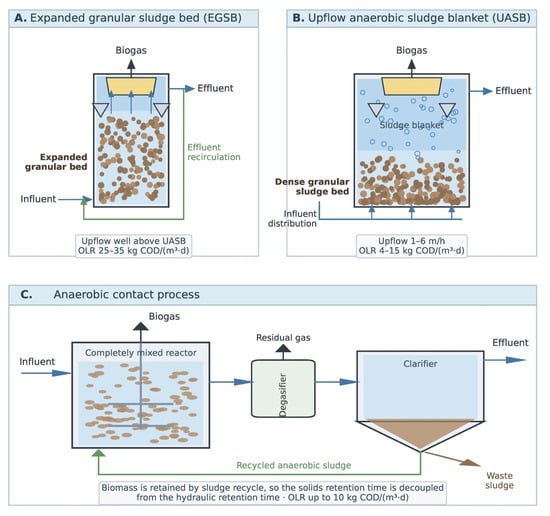
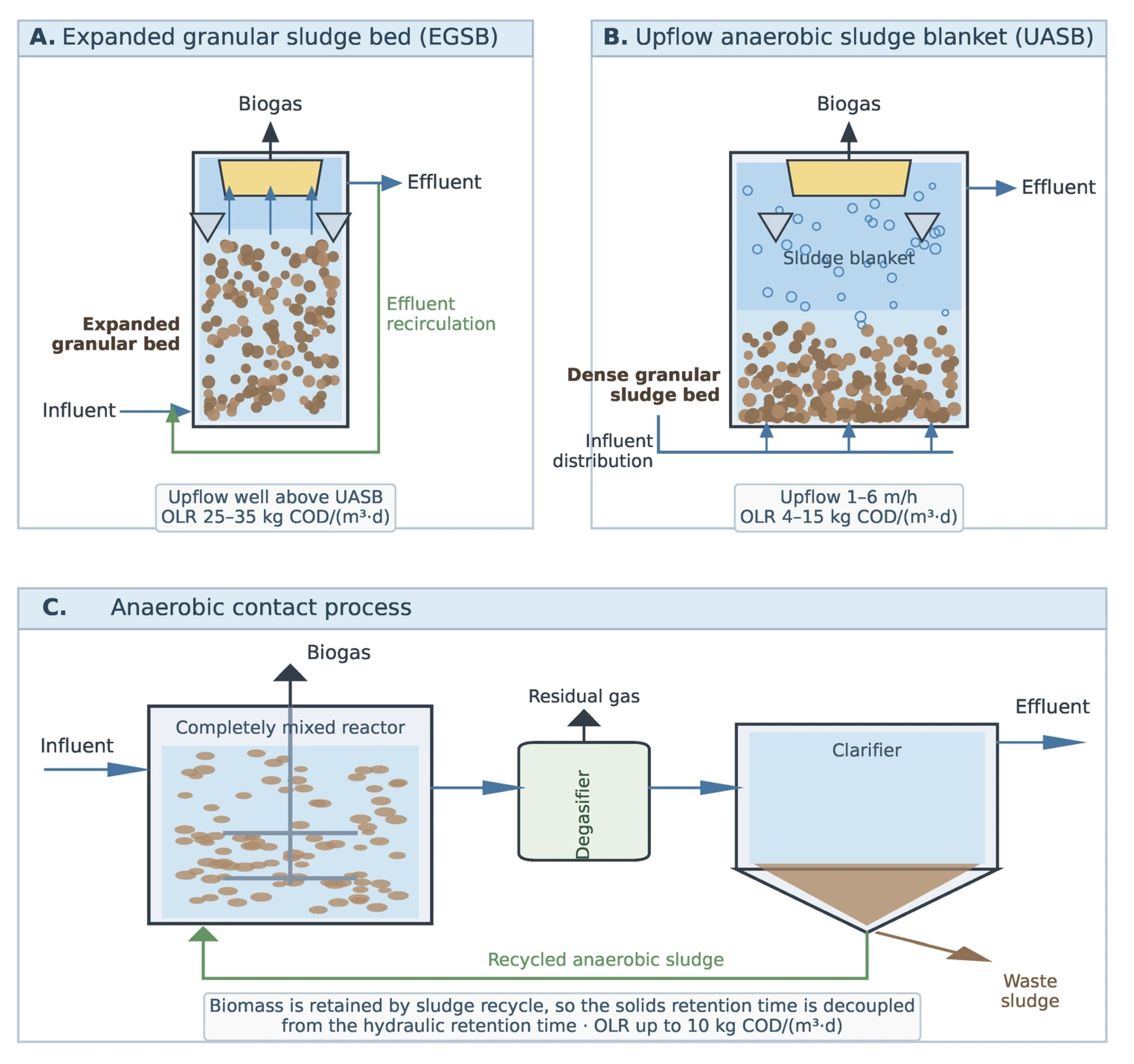
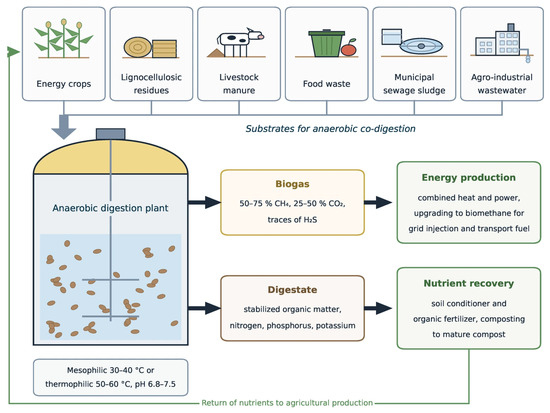
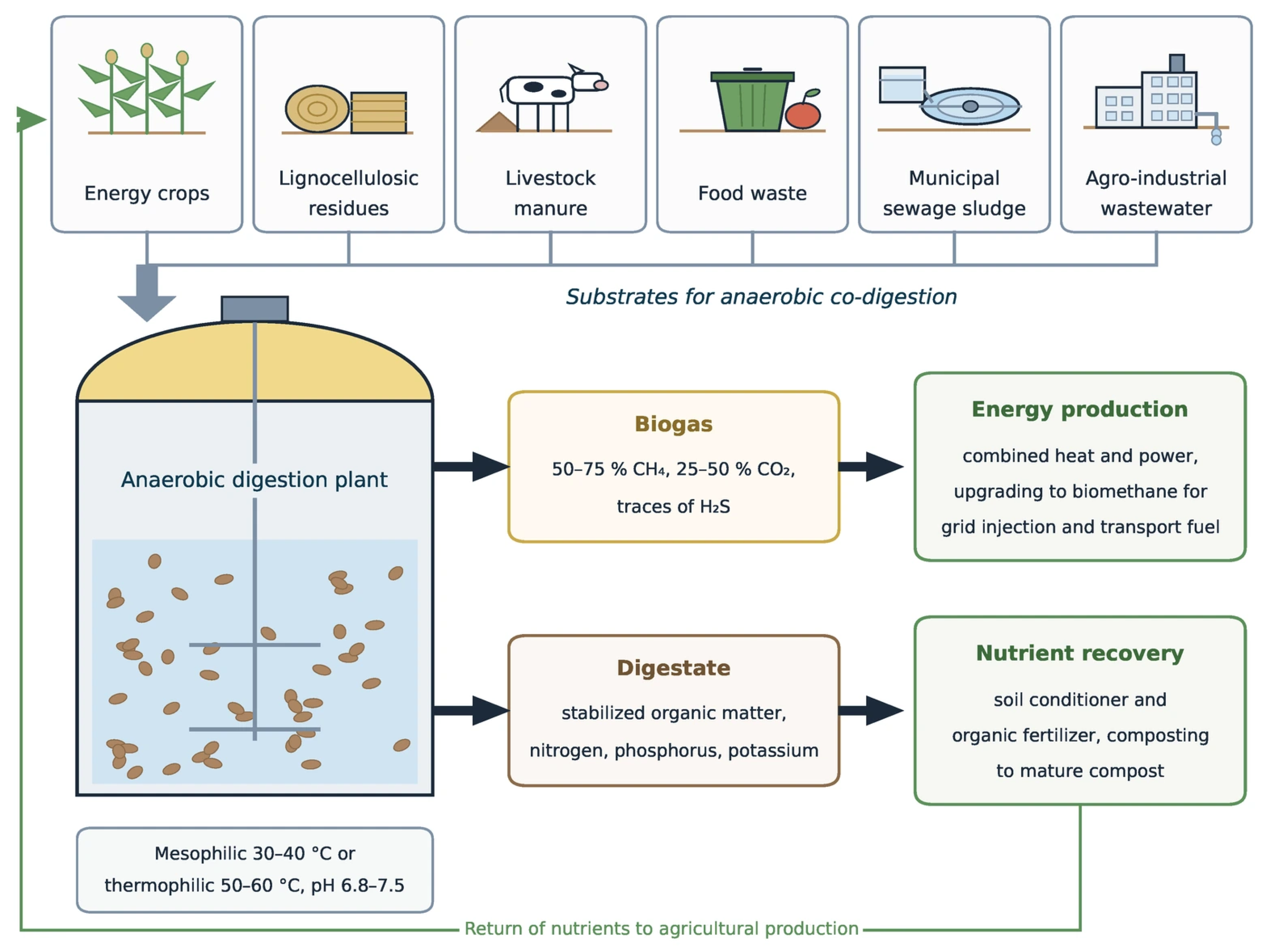
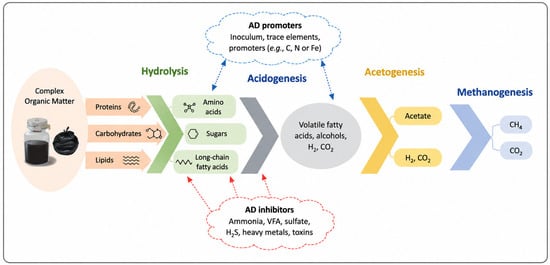
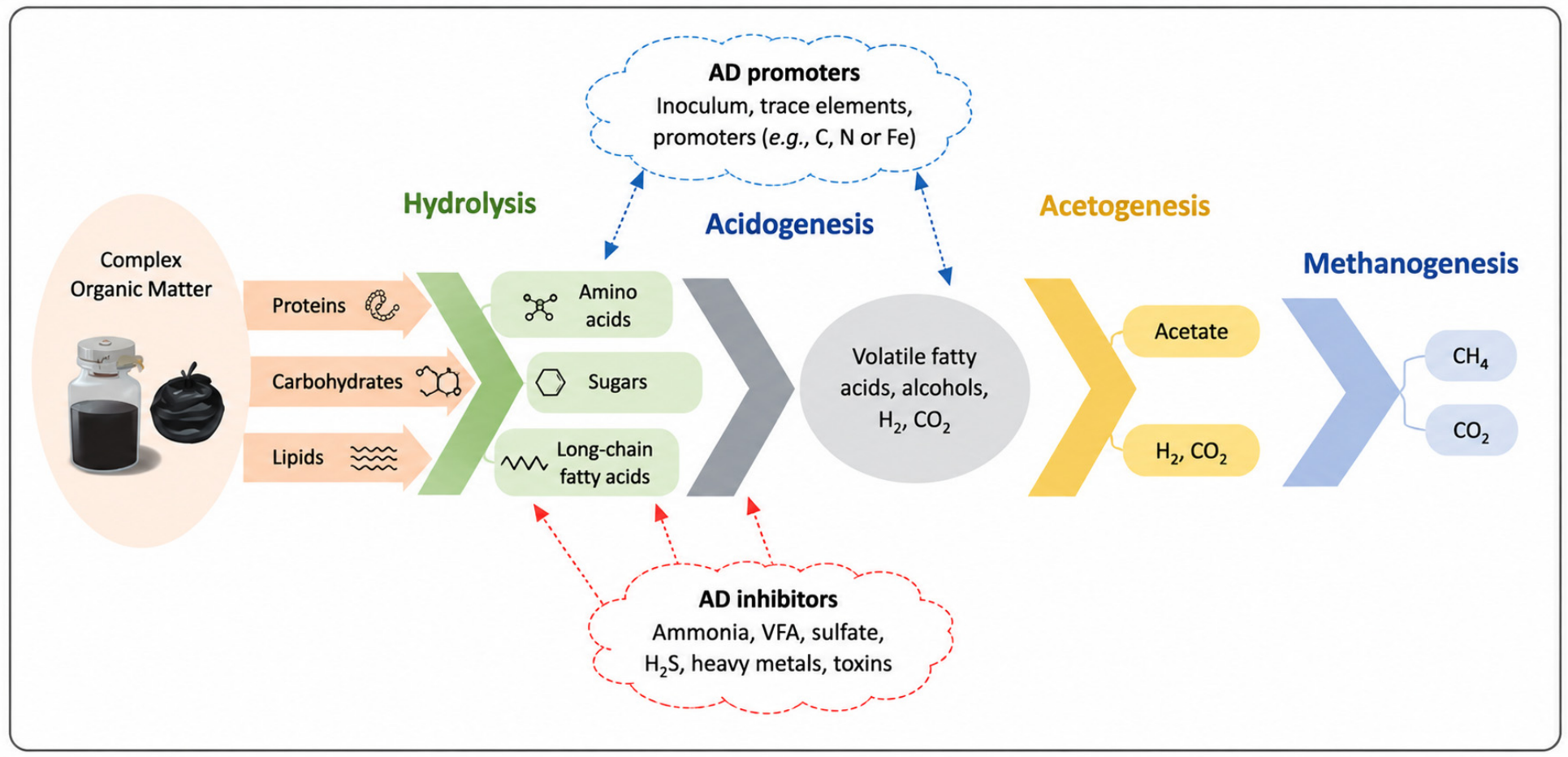
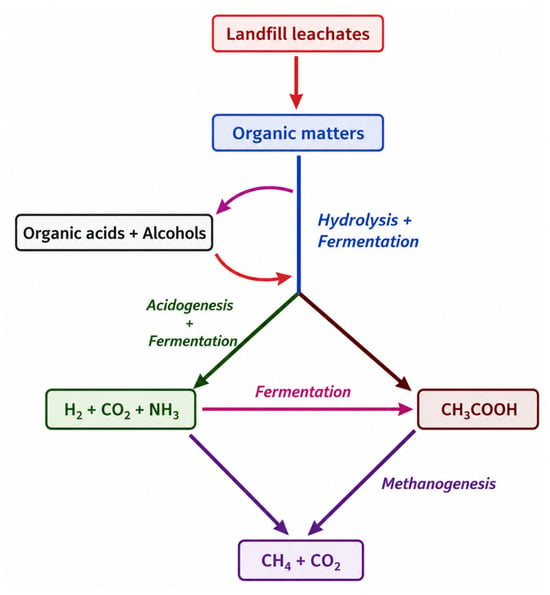
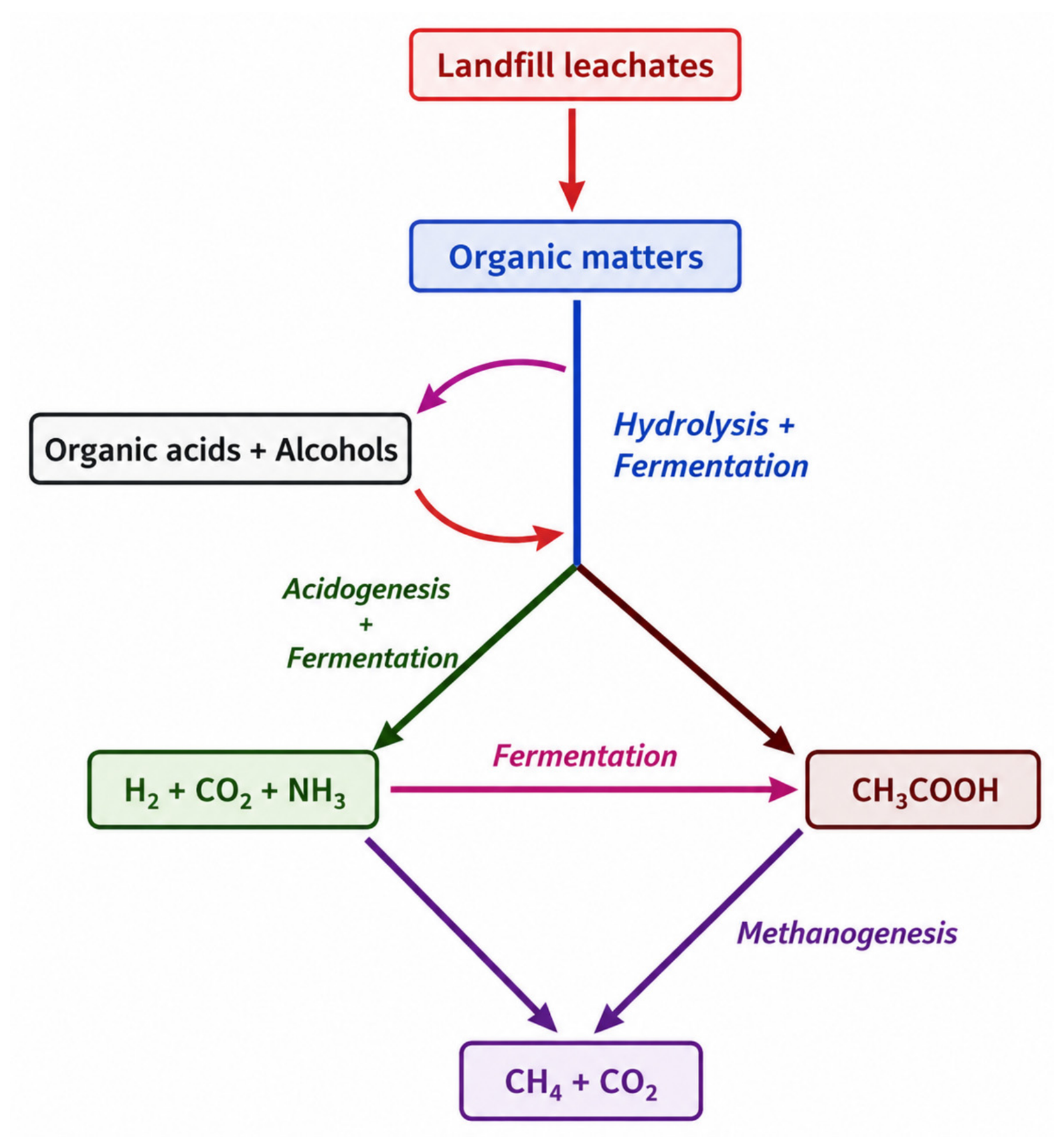
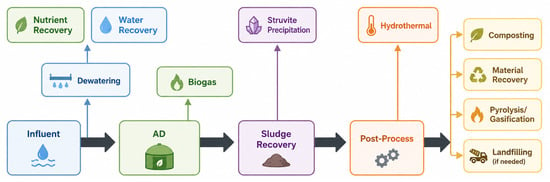
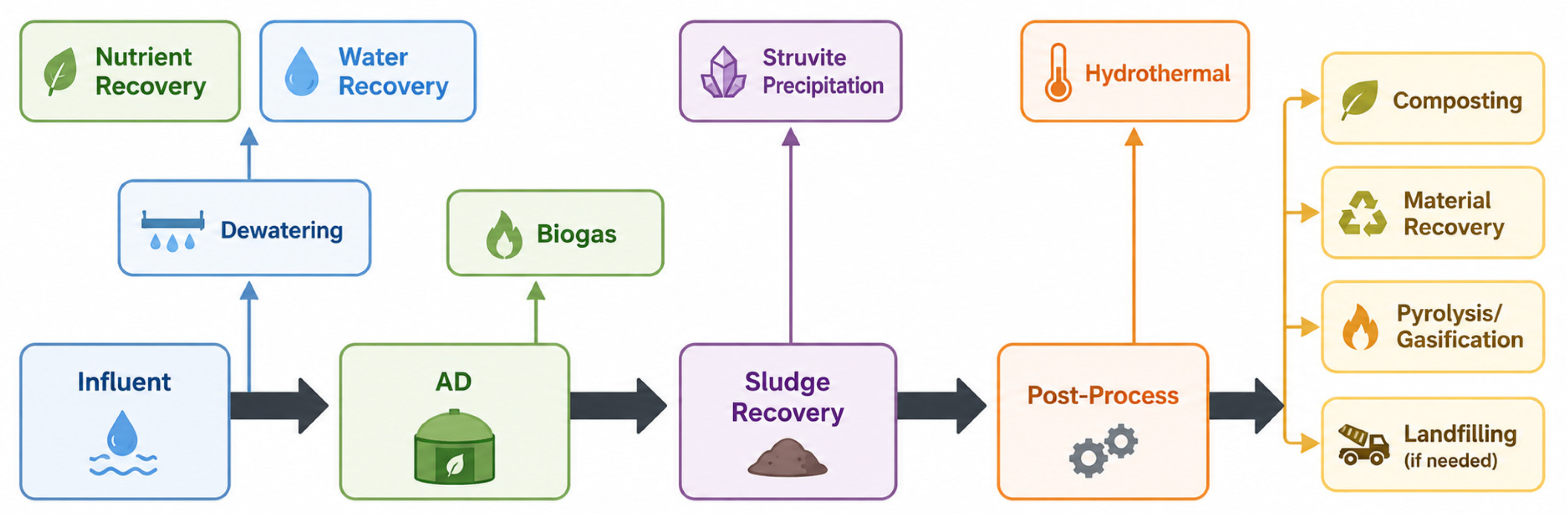
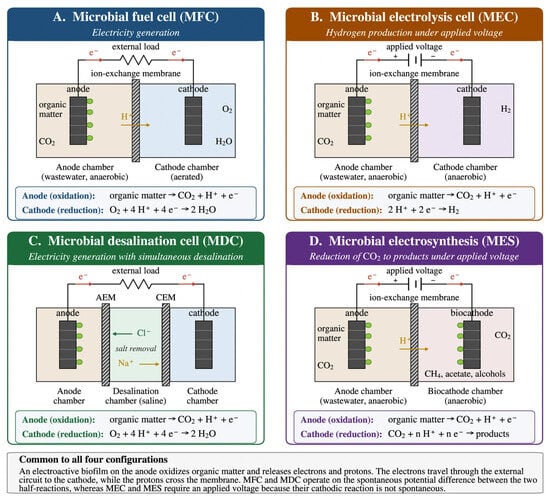
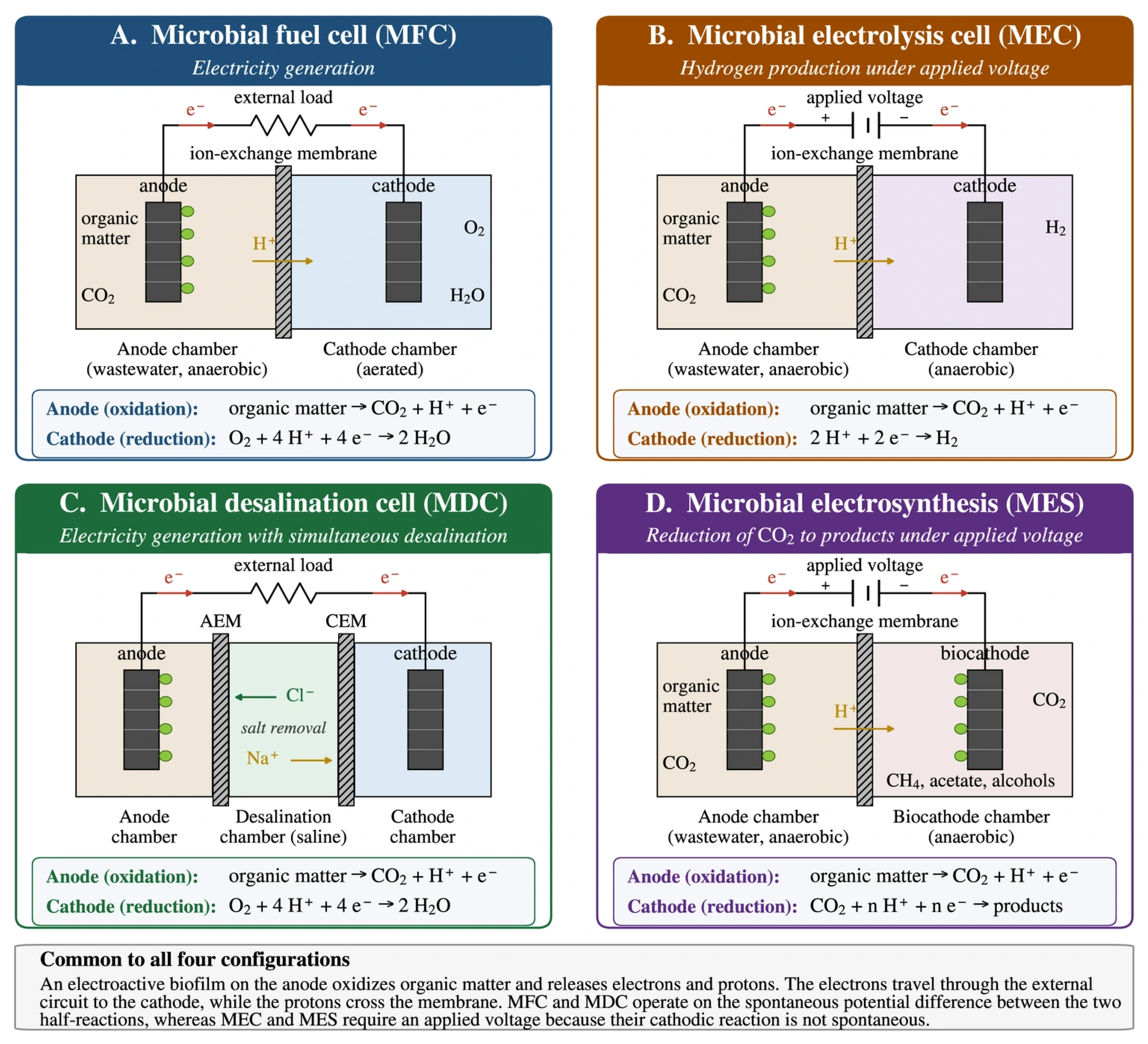
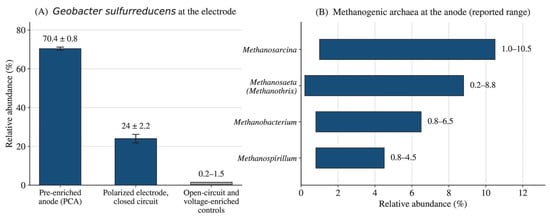
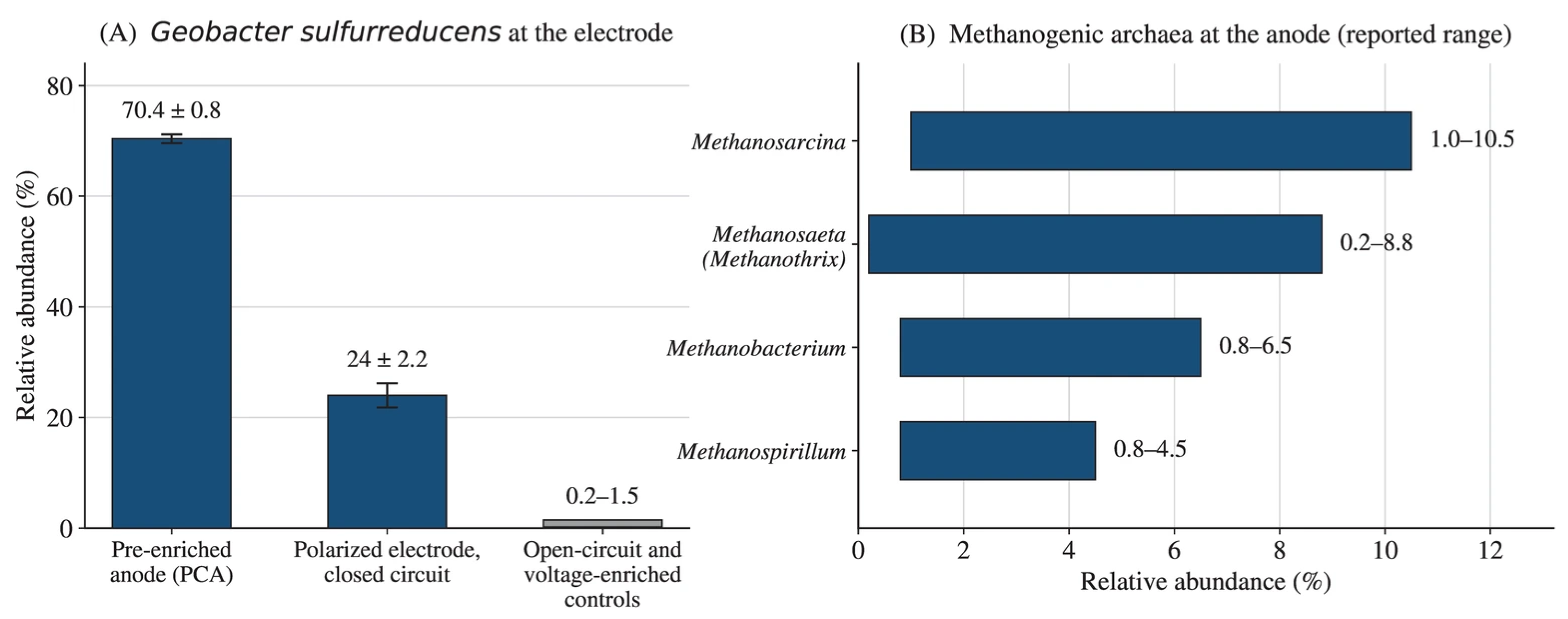
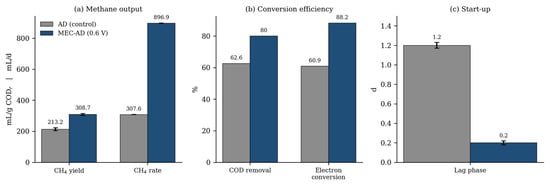
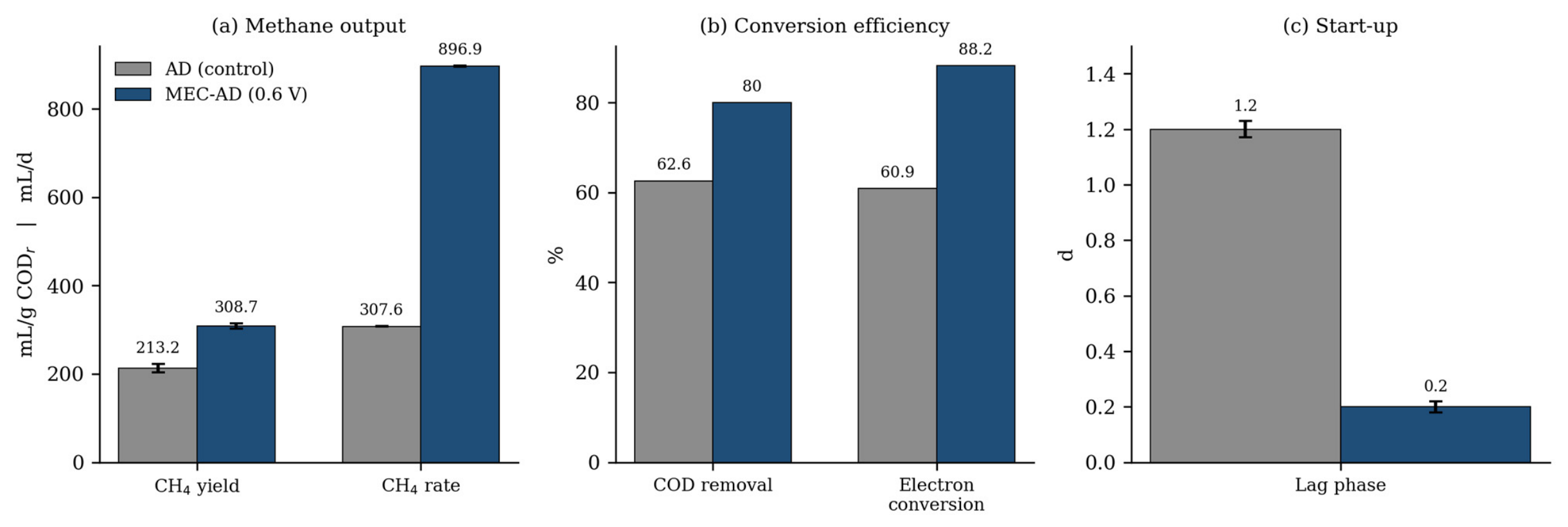

Disclaimer/Publisher’s Note: The statements, opinions and data contained in all publications are solely those of the individual author(s) and contributor(s) and not of MDPI and/or the editor(s). MDPI and/or the editor(s) disclaim responsibility for any injury to people or property resulting from any ideas, methods, instructions or products referred to in the content. |
© 2026 by the authors. Licensee MDPI, Basel, Switzerland. This article is an open access article distributed under the terms and conditions of the Creative Commons Attribution (CC BY) license.