


Abstract
Many sectors that sustain humanity’s daily life and wellbeing contribute to the occurrence and accumulation of organic micropollutants (OMPs) in the environment, making them a global concern. This manuscript presents an appraisal of existing scientific literature on removal of OMPs from water by non-thermal plasma-ozonation (NTPO) synergy with specific attention on phenolics, pesticides and herbicides and organic dyes. An overview of non-thermal plasma (NTP) degrading agents in gas and aqueous phases has been given, complemented with diagnostic systems and reactive species detection methods. A scrutiny of reactor systems and their influencing operating parameters has also been discussed. For the analysed types of OMPs, the kinetics, reaction mechanisms and the synergistic degradation effects have been explored. Several studies showed NTPO and NTP/other process synergy resulting in higher degradation efficiency than the individual processes. Most removal reactions followed pseudo-first-order and second-order kinetics while the mechanistic breakdown mainly involved the action of the nonselective OH radical. This scientific critique brings to light utilisable data, provides novel insights on NTPO of OMPs, unveils science gaps for further investigation and presents a wide spectrum of points to consider in plasma water research on OMPs.
1. Introduction
In general, the development of plasma (partially or fully ionised gas) technology through continuing scientific studies and findings by different researchers in various fields calls for detailed understanding of very specific aspects and application processes of the technology. Plasma has been applied in medicine [1], agriculture [2], food industry [3], energy [4,5] and water and wastewater treatment (WWT) [6,7]. The technology has also observed indispensable challenges in the various application fields, as discussed by Lu et al., 2022 [8]. The use of non-thermal plasma (NTP) in water and WWT has been driven by the continuously growing need to provide access to clean water to global communities and to protect receiving ecosystems [9]. The evolution of water pollutants over time is outlined in Figure 1 [10,11,12,13,14,15,16,17,18,19,20,21] in which the micropollutants are observed to emerge in the 1980s and have steadily increased since then. Accordingly, their fate, characteristic behaviour, observed and likely effects on ecosystems overtime have motivated scientific research and discovery of more advanced technologies for water remediation. Substantial evidence exists for the presence of organic micropollutants (OMPs) in water resources and drinking water [22,23,24,25] and their levels continue to rise. They are quite diverse and exist in trace or infinitesimal levels making them difficult to analyse.
Figure 1.
Water pollution timeline with related health effects [Notes: CECs = contaminants of emerging concern, DBPs = disinfection byproducts, PCPs = personal care products, PPCPs = pharmaceuticals and personal care products, PFAS = per- and polyfluoroalkyl substances, POPs = persistent organic pollutants].
NTP is an advanced oxidation process (AOP) with advantages such as high (recalcitrant) contaminant removal efficiency, simplicity, high energy efficiency, environmental friendliness and minimal disinfection byproducts (DBPs) [26,27,28]. In NTP (non-equilibrium plasma), the temperature of the (light, charged) electrons surmounts that of ions and neutrons, but with low gas temperature. This makes NTP ideal for breakdown of contaminants in water and wastewater (WW) and biological applications [29,30]. Non-thermal plasma-ozonation (NTPO) is a plasma-based AOP, relying on the action of plasma-generated ozone (or ozone from any other method) and other plasma (gas or aqueous) species produced by the carrier (working or feed) gas when a high voltage is applied.
The scientific research efforts made to date give promise of complete removal of pollutants in water, especially in process formulations where plasma is combined with other methods such as plasma–catalysis [31] and related studies as outlined in Yusuf et al., 2023 [32].
This literature survey, though focused on NTPO due to its feasibility for industrial applications, also gives the scientific basis of plasma technology and reactor systems. The survey includes degradation of contaminants supplemented by mechanistic and kinetic data for removal of selected OMPs. A few other synergies other than NTPO are outlined to demonstrate the strength of combinations. This work represents, to the best of our knowledge, the first critical study, examining the combined effects (synergy) of NTP and ozonation in eliminating OMPs from water.
2. Non-Thermal Plasma—Science and Technology
2.1. Plasma Reaction Mechanisms
The common atmospheric gases for plasma production are air, oxygen (O2), nitrogen (N2), hydrogen (H2), helium (He), argon (Ar) and sometimes their mixtures. When a feed gas is exposed to an electric field, energetic electrons (e−*) dissociate gas molecules and atoms as represented in Equations (1)–(4), (6), (8), (24), (28), (29) and (31) for O2, H2O, N2, Ar and He respectively, producing the primary reactive species that constitute the plasma gas [28,33,34,35,36]. Upon contact with the liquid, the species trigger secondary and tertiary reactions at the gas–liquid interface and within the liquid matrix [37,38,39]. Among others ozone-driven and hydrogen peroxide reactions occur as described in Equations (5), (7), (9)–(23) [28,33,34,35,36]. The formed species consisting of radicals (H2O•, HO•, O•, H•), molecules (O3, H2O2, HNO2, HNO3), ions (H+, O2+, O2−, H3O+) and radical ions (HO•−, O2•−) exhibit strong oxidative potential relevant to pollutant degradation [40,41]. The completeness and efficiency of NTP treatment is further facilitated by ultraviolet (UV) light, affected by UV photons, the powerful electric field through attraction and repulsion by electric charges, vigorous shockwaves, cavitations due to the combined mechanistic effect of electric and hydraulic processes and heat energy [42,43,44,45].
O2 and H2O: electron impact dissociation, ionisation, association, UV action and ROS
N2 and H2O: electron impact dissociation, association and RNS
Ar and H2O: electron impact dissociation, ionisation, association and ROS
He and H2O: electron impact dissociation, association and ROS
means an energetic electron state and M is an arbitrary third-body collision partner (such as O2 or N2).
ROS = reactive oxygen species and RNS = reactive nitrogen species.
2.1.1. Reactive Species
In oxygen (O2)/air plasma, a variety of reactive oxygen species (ROS) including ozone (O3), singlet oxygen (1O2), superoxide ion (O2•−), peroxyl (ROO•), hydroxyl radical (•OH), hydroperoxyl (HO2•) and hydrogen peroxide (H2O2), among others, are produced, along with reactive nitrogen species (RNS) such as nitric oxide (NO•), nitrogen dioxide radical (•NO2), peroxynitrous acid (OONOH) and peroxynitrite (ONOO−), among others [34,39,46,47,48]. ROS can simply be described as oxygen-based species while RNS may accordingly be called nitrogen-based species [49]. Specifically, O3 is produced by the energetic electron impact dissociation of molecular oxygen (O2) to produce O (3P) and O (1D) after which O (3P) reacts with O2 to form gaseous O3 (Equations (1) and (5)) [35]. The lifetimes (half-lives) of the species (listed in Table 1) and their aqueous chemistry influence their specific contribution to contaminant degradation. The lifetimes are affected by the plasma experimental conditions among others [50]. As shown in Table 1, O3 exhibits the longest half-life, in the order of minutes, while other species have half-lives ranging from nano-to milliseconds and seconds. The reactive oxygen-nitrogen species (RONS) carry out contaminant destruction as required [3,51,52]. For example, in the plasma inactivation of bacteria, Thirumdas et al., 2018 [52], explained that aqueous ROS (H2O2, O3 and •OH) and RNS products including nitric acid (HNO3), nitrous acid (HNO2) and ONOO− breakdown the microbial cells through different mechanisms. Lukes et al., 2014 [40], concurred and specifically elucidated the involvement of ONOO− formed in the reactor plasma-activated water (PAW) in bacteria removal. The action of RNS includes reducing the pH and formulation of acidic conditions, while for ROS, the powerful •OH radical destroys the microbes through lipid oxidation of the cell membranes [52,53]. With respect to OMPs, as an example, Magureanu et al., 2016 [54], observed that highly oxidative O3 produced during corona discharge plasma reactions at gas–liquid interface, contributed significantly to the breakdown of methylparaben. In pure O2 plasma, a lot more O3 is generated with less energy consumption than in air plasma where energy is shared with nitrogen (N2) reactions [55].
The ozonation process involves utilisation of O3, a wideband disinfectant that can also degrade OMPs. With O2 as feed gas, the O3 direct attack on pollutants is backed up by other ROS such as the •OH, an incredibly potent nonselective oxidiser [56]. In drinking water (DW) and WWT, O3 has been applied as an oxidant to slack inorganic compounds such as Fe2+ (Iron II) and Mn2+ (Manganese II), and its chemical action leads to further oxidation of micropollutants (MPs) [15,57]. In the plasma action process, H2O2 is synthesised (Equations (17) and (18)). H2O2 is a long-established industrial oxidant capable of reducing organic (e.g., pesticides) and inorganic (e.g., cyanide anion) compounds and inactivation of bacteria [58,59]. The oxidative combination of O3 and the reactive free •OH radicals subsequently produced by the physical phenomenon of UV radiation action on H2O2 (Equation (22)) [33], is useful in degradation of recalcitrant MPs [15].
Table 1.
Lifetimes of RONS under given conditions.
2.1.2. Detection of Reactive Species and Diagnostic Systems
In NTP and ozonation experiments, the quantification of the chemical oxidants is essential in order to optimise their generation process and the reactor operation. In addition to determination of electrical parameters such as power, current and voltage inputs, amplitudes and applied frequency, plasma discharge characterisation is also normally carried out. Table 2 therefore outlines some of the diagnostic systems, chemical probes and scientifics for evaluation of active/reactive oxidants and products in gas and aqueous phases under defined experimental conditions.
Table 2.
Diagnostic systems in plasma analytical experiments.
It is evident from Table 2 that optical emission spectroscopy (OES) is the dominant method for plasma gas-phase diagnostics, while colorimetric assays and high-performance liquid chromatography (HPLC) remain the most widely employed methods for the quantification of aqueous H2O2 and •OH respectively. It is further observed that gas-phase O3 is predominantly quantified using online detectors and continuous monitoring systems, whereas the indigo colorimetric method is preferred for measurement of aqueous phase O3. Also, the electron spin resonance (ESR) has been employed for the detection of reactive species and is increasingly becoming the preferred technique for measuring specific species such as •OH and O2•− (superoxide anion).
2.2. Energy Consumption Evaluation in NTP Systems
Similar to conventional water and WWT processes, NTP and NTPO processes also require energy to fulfil the purification function. Further to this, most water utility companies are challenged with the need to reduce energy consumption, with evidence that in least developed countries (LDCs), municipal drinking water production and supply accounts for up to 44% of energy costs [93,94]. In WWTPs, different stages of treatment accordingly have varying energy needs, with secondary treatment consuming more energy than other unit treatment processes [95]. Thus, to give a proper account of plasma applications, review and consideration of energy is prime and significant. The power supply or electrical parameters and feed gas characteristics affect the energy yield of NTP reactor systems [34,96,97]. Furthermore, NTP systems have benefits including, even with their function of activating chemical reactions, a lot less energy required compared to thermal plasma (TP) systems [98].
Most studies analyse the energy yield/efficiency in relation to; (i) amount of pollutant degraded per unit of electrical energy consumed, such as g/kWh or mg/kWh [77,88,99,100,101], (ii) energy density (J/L or kJ/L) as discharge power per unit flow rate of treatment solution [87,102,103] and (iii) electrical energy per order (EEO) which is energy needed to lower the contaminant in a fixed solution (such as 1 m3) by one order of magnitude (90%) [41,104,105,106]. Also, in some cases, the energy yield G50 (in g/kWh) for 50% deactivation or degradation is determined [106,107]. G50 is the mass of contaminant converted per kWh at the point when the contaminant concentration is 50% [108]. At times, computed G50 values are referenced to as approximations of orders-of-magnitude [77]. Thus, G50 may not be utilised as an evaluative parameter for energy efficiency of a reactor due its much reliance on the initial contaminant concentration [106]. In addition, in our line of thought G50 estimates are indicative values of reactor energy consumption during degradation and provide a suitable basis for further experimental studies but do not describe energy usage under optimum reactor operating situations. The energy yield (EY) in g/kWh in Equation (34) [34,96], expressed in terms of G50 in Equation (35) [100], can alternatively be described in terms of energy density (ED) in JL−1 in Equation (36) [103] or electrical energy per order (EEO) in kWhm−3 in Equation (37) [41,106]. The EEO is predicated on low concentration kinetic order regimes, and the lower values reflect higher electrical efficiency as explained by Bolton et al., 1996 [109]. We would thus advise to implement the EEO where the investigations involve very low concentrations of the orders-of-magnitude of micrograms per litre (µgL−1) and micromolar (µM) solutions, or less. Such energy evaluation (as the EEO) grounded on the concept of figures-of-merit is vital in the comparison of energy use among the different advanced oxidation technologies (AOTs), because there is a direct connection of the figures-of-merit to the electric or solar energy efficiency of an AOT [110]. Energy prediction in other plasma analytical studies may employ ED or EY with respect to contaminant amount per unit of power consumed (for example, g/kWh).
where P is consumed power (kW), Co and Ct are the contaminant concentrations a time, to (initial) and t (end) are the time of treatment in hours (h) respectively and V is solution volume (L).
where P is the reactor power (W), Co is the contaminant molar concentration at t = 0 s, M is the molecular weight of the pollutant, V is the solution volume (L) and t50 is the time in seconds needed for 50% contaminant remediation.
where P is the applied power (kW) and QL is the inlet liquid flow (Ls−1)
where P is applied power (kW), V is solution volume (L), Co and Ct are the initial and final pollutant concentrations (µgL−1), and t is time of treatment (min).
2.3. Plasma Reactor Systems and Operating Conditions
2.3.1. Plasma Discharge Types
There are four types of plasma discharges reported in most literature and experimental practices, and which include (i) dielectric barrier discharge (DBD), (ii) corona discharge (CD) (iii) gliding arc discharge (GAD) and (iv) contact glow discharge electrolysis (CGDE). Others include radio frequency (RF) discharge, microwave discharge (MD) and plasma jet (plasma pen or plasma torch) (PJ) [34,39,100,111,112]. Accordingly, various plasma reactor devices have been designed, constructed and configured at laboratory scale to degrade a wide range of OMPs, mainly riding on the discharge types outlined.
- (a)
- Dielectric barrier discharge
In the DBD, which is the most extensively researched system, the discharge is generated between two metal electrodes separated by a dielectric material (that is, a poor electrical conductor such as a Teflon, quartz glass, ceramic, enamel, mica, plastic or silica glass but offering good performance on electrostatic fields) in the current path [113]. DBD reactor designs include the planar and cylindrical arrangements, as shown in Figure 2a–d [114,115]. However, three predominant configurations describe DBDs as volume, surface and coplanar discharges. The volume discharge (VD) configuration comprises two parallel plates with an arbitrary number of dielectric barriers positioned between the electrodes. For a surface discharge (SD) arrangement, a plane dielectric featuring multiple surface electrodes on the dielectric layer and a counter electrode on its opposite surface is utilised for the purpose of generating surface discharges. The coplanar discharge (CPD) configuration is a combination of the two fundamental designs (that is, VD and SD) mentioned above [116,117,118].
Figure 2.
Dielectric barrier discharge configuration schematics, (a) planar VD 2-asymmetric (b) planar VD 1-asymmetric, (c) planar VD 3-floated dielectric and (d) cylindrical.
Among others, the discharge gap influences the performance of a DBD, and the typical gap range is 0.1–10 mm at a suitable high-voltage amplitude usually ranging from 1–100 kVrms. The most significant use of the DBD is O3 generation and such an electrical discharge method is considered the only workable approach for industrial scale O3 production [113]. This implies the DBD plasma also offers substantial opportunities for further research and pilot-scale investigations. Grinevich et al., 2011 [119], studied the remediation of urban rain sewage with atmospheric pressure oxygen DBD with (and without) TiO2 catalyst. The researchers recorded up to 98% removal of impurities in wastewater containing phenols, synthetic surfactants and oil hydrocarbons. The plasma–catalysis synergy translated into greater mineralisation of organic molecules. Hu et al., 2013 [120], investigated the degradation of organophosphate pesticides in wastewater using a DBD plasma reactor. The system achieved up to 96% destruction of dichlorvos at 64 W discharge power in 6 min (>99% with 108 W consumption) and 90% removal of dimethoate in 7 min a for the same power input (64 W). However, it took 5 min for the DBD plasma to reduce the dimethoate contaminant by >99% at a high energy delivery rate of 108 W. The •OH species lead the degradation activity for both dichlorvos and dimethoate pesticides with the removal kinetic regime explained by zero-order law at higher initial concentration and first-order kinetics at lower initial concentration of the pesticides.
- (b)
- Corona discharge
Corona discharge plasma is produced by subjecting sharp-pointed electrode tips to a strong electric field [34], The non-uniform electric field generated between a sharp high-voltage electrode and a grounded counter electrode concentrates ionisation near the high-field tip, producing a localised corona discharge region as illustrated in Figure 3 [121,122]. The gas-phase pulsed corona discharge (PCD) is primarily dependent on O3 and •OH as chemical oxidants, with experimental evidence that spraying (or sprinkling) the treated solution through the plasma region results in effective breakdown of organic compounds such as OMPs [56,123,124,125,126,127,128].
Figure 3.
Corona discharge schematic.
Although several operating conditions affect the PCD reactor performance, contact surface area (gas–liquid interface) controlled by flow rate was observed to have considerable influence at a constant discharge power (P), as studied by Ajo et al., 2015 [123]. The researchers determined that the ideal/optimal contact area increased linearly with P, indicating improved •OH consumption during oxalic acid oxidation. About 60% of the relative increase in power corresponded to the relative increase in optimum contact area, an aspect the authors described as essential in plasma remediation system design. At an energy delivery rate of 10 kWh/m3, under pulsed power supplies of 36 W and 60 W, the PCD system achieved 90% degradation of oxalic acid. The observed oxidation efficiencies were 5.5 g/kW per h (36 and 60 W) and 3.6 g/kW per h (100 W).
Wen et al., 2005 [129], studied the breakdown of OMPs (4-Chlorophenol and acetophenone) with PCD and analysed the system governing parameters such as effect gas flow rate, conductivity, addition of H2O2 and catalysts—titanium oxide (TiO2) and copper oxide (CuO). The process applied voltage, frequency and power were 30 kV, 50–150 Hz and 60 W respectively. The gas flow rate ranged from 100–400 mL/min with air as carrier gas and degradation time of 30 min. The remediation of acetophenone contaminant as governed by the gas flow rate was chronicled by a nonmonotonic dependence regime, with maximum conversion at liquid flow rate of 300 mL/min. After TiO2 and CuO addition, a decline in conversion was observed. The solution matrix conductivity increased with corona discharge time, due to possible formation of conductive substances after reaction of oxidants with organic molecules in solution. The concentration of H2O2 produced during corona discharge reactions (as in Equations (12) and (17)) practically rose linearly with increasing discharge time. The UV radiation photolytic decomposition described in Equation (22), producing •OH, secondarily extended the strength of H2O2 as an oxidant. The researchers reported that H2O2 addition led to 90% degradation of 4-chlorophenol in 14 min of aqueous reaction and also substantiated the contribution of the PCD synergistic effect to that efficiency. Panorel et al., 2013 [130], established that pH, gas composition, applied energy and associated parameters such as repetition frequency influence the PCD performance in phenolic and carboxy-aromatic pharmaceutical substances decomposition. In an O2 media, full removal of indomethacin was achieved at 0.5 kWh per m3 of energy consumed and better conversion of paracetamol was realised at higher pH.
- (c)
- Gliding arc discharge
In a gliding arc discharge (GAD), the plasma is produced between a couple or more metallic electrodes when a high voltage is applied and are able to generate non-equilibrium plasma at atmospheric pressure. During operation, the arc advances from the ignition zone, travelling along the electrodes until the power system can no longer offset losses caused by the growing plasma volume. At that point, the arc ceases and is subsequently re-established in the ignition zone [34,131]. GAD is applauded for less equipment needs, being more energy efficient than other AOTs and having a higher feasibility for industrial applications than other plasma systems [132,133,134,135]. Figure 4 shows a typical GAD device system for water decontamination and parametric studies [131,134,136,137].
Figure 4.
GAD devices for experimental investigations.
Pawłat et al., 2019 [131], explored the production of prevalent RONS in both gas and liquid states within water using small-scale gliding arc device (mini-GAD) and examined the resulting bactericidal effects. They reported however that low aqueous O3 of about 0.8 mg/L was recorded in 5 min of GAD action in deionised (DI) water. Also, a higher quantity of H2O2 was obtained in O2 gas plasma, in water where greater microbicidal effects were observed. On the other hand, a considerable amount of NOx (gaseous nitrogen oxide species) of 749 ppm (NO) and 195 ppm (NO2) at feed gas mixture (N2 + 32% O2, 7.3 L/min flow rate) were formed for deactivation of Escherichia coli bacteria after further aqueous phase reactions. The arc evolution was observed to be asymmetrical and affected by gas type and flow rate, electrode geometry and surface microcorrosion among others.
Air plasma generated by a GAD device and driven by an AC 15 kV, 50 Hz frequency was employed by Gharagozalian et al., 2017 [138] to remove staphylococcus aureus, salmonella bacteria and Penicillium (mould fungus) from water. The authors analysed the emission spectrometry by characterising the density and temperature of GAD air plasma from 200–1100 nm and defining spectral lines of reactive O (777 nm), N2 (in common range 320–400 nm [139,140]), Hα (which defines electron density), Hβ (486.1 nm), Hγ (410.2 nm) and N (745 nm). The plasma electron density (ne) is related to stark broadening (Δλs) and the constant α½ in Equation (38) [141].
The Δλs associates with the width of Hα emission spectral line, ΔλL and Lorentzian broadening (type of), ΔλvdW according to Equation (39), and the value of ΔλvdW calculated from Equation (40) [138].
where Tg is the gas temperature (K).
The ne and Te were calculated by the researchers to be 5.03 × 10²² m−3 and 3000 K (0.2 eV) respectively for studied GAD system. The ne characterised the electron density to lie between the non-thermal and thermal densities. All bacteria were killed in 10 min except Penicillium (16 min) and with further confirmation of destruction of the bacteria cell’s DNA and RNA by plasma chemical species [138].
Krishna et al., 2016 [142], studied the removal of pharmaceutical verapamil hydrochloride (C27H38N2O4HCl), an anti-arrhythmic drug, from water by GAD at atmospheric pressure and room temperature. OES was used to study the oxidative species and HPLC-MS used to characterise the degradation byproducts. The contaminant conversion pathways were led by energetic electrons, O3 and •OH, with the degradation performance attributed to the synergistic effect of GAD plasma chemical species and UV radiation. The breakdown of verapamil was evidenced by the vanishing of protonated target molecule of m/z (mass-to-charge ratio) of 455, by oxidative dealkylation, to form a pseudo-molecular ion (m/z = 196), one of the decomposition products of the identified five (5) as detected by MS/MS spectrum.
The aforementioned evidence confirms the wide applicability of GAD plasma systems in water remediation but with many possible experimental questions.
- (d)
- Contact glow discharge
Contact glow discharge electrolysis (CGDE) is regarded as an innovative form of electrolysis wherein a stable sheath of luminous plasma forms around an electrode situated deep within a liquid electrolyte having a relatively high conductivity during standard electrolysis, conducted at voltage levels of the orders of several hundred volts [143,144]. In CGDE, the breakdown voltage is an outset of unconventional (unusual) electrolysis, after which a glow occurs around the electrode (anode) but stretching shortly into solution beyond the neighbouring electrode vapour film as explained by researchers in [145,146]. Rottach et al., 2023 [147], elucidates that CGDE is affected by the plasma characteristics and not the electrolyte solution encircling the plasma and that even when subjected to high electrical currents, conventional electrolysis does not breakdown at ≤15 °C of temperature. These authors studied the function of the electrolyte conductivity and temperature on the CGDE process phenomenon. Their novel findings of the study indicate negative dependence of CGDE (that is, plasma intensity at +200% illuminance) on electrolyte temperature, contrary to other researchers such as in Sen Gupta, 2015 [144], requiring further experimental studies to adequately optimise the applications of CGDE. However, some more valuable information on CGDE has been reported by other investigators. Jin et al., 2010 [143], while assessing the influence of electrolyte composition on CGDE, first affirmed that the critical voltage is a significant condition for the start of CGDE and that a reduction in critical voltage was recorded as conductivity increased, after which it remained constant. They further noted that the critical voltage was minimally affected by cathode characteristics and also barely influenced by electrolyte composition.
Wang et al., 2009 [148], assessed the CGDE-driven discolouration of organic dye (polar brilliant B) by probing experimental operating conditions of electrolyte type, applied voltage, initial concentration and radical scavengers and iron salts. The authors revealed that dye degradation occurred more quickly in chloride solution than in phosphate or sulphate solutions, applied voltage (450–500 V) had no discernible effect on discolouration, while Fe3+ (ferric) and Fe2+ (ferrous) ions boosted the colour destruction by CGDE. At measured voltage of 500 V, current 100 mA, solution volume 150 mL, conductivity 6.4 mS/cm, pH 6.5, electrolyte as Na2SO4 and contaminant initial concentration of 50 mg/L, the byproducts included formic (CH2O2) and oxalic (C2H2O4) acids, Cl−, NO3− and NH4+ ions.
Anodic CGDE was employed by Yang et al., 2013 [149], to degrade 4-phenolsulfonic acid (C6H6O4S) in water. The authors reported 4-phenolsulfonic acid (4-PSA) as a key ingredient in detergents, pharmaceuticals, surfactants, agrochemicals and colouring compounds. The conversion of 4-PSA was analysed in relation to the evolution of its total organic carbon (TOC) in aqueous phosphate. In 4 h, 5 mmol/L (360 mg/L TOC) initial concentration of 4-PSA and 35 W power input, complete conversion had been realised with an energy efficiency of 1.63 g/kwh. During degradation, CGDE generated •H and •OH which converted 4-PSA to four primary (intermediate) products as phenol (by action of •H), 1,4-hydroquinone, 1,4-benzoquinone and hydroxyquinol shown in Figure 5 [150]. Phenol resulted from reduction of 4-PSA, followed by 2 and 3 formed by 4-PSA benzene nucleus hydroxylation (•OH invasion at the para-position of 4-PSA phenolic group) and 4 by similar mechanism of •OH action. The authors argued that the generation of formate and oxalate species was by ring cleavage through oxidation and after mineralisation to obtain inorganic carbon (TOC breakdown), water and sulphate ions [149]. This explains how CGDE can eliminate OMPs by first producing radicals which the attack the hazardous molecules.
Figure 5.
Degradation byproducts of 4-phenolsulfonic acid under CGDE.
The demonstrated potential of CGDE and the process influencing conditions are fundamental for further research especially the synergistic effect of CGDE with other methods in destruction of many OMPs found in substances used in our daily medical, agricultural and household practices.
- (e)
- Radio frequency
For radio frequency (RF) plasma, the development of plasmas in a gas flow is initiated by the application of an external radiofrequency field [151]. The two methods for stimulating RF discharge plasmas are capacitively coupled plasma (CCP) and inductively coupled plasma (ICP). To produce CCP, an RF power discharge between two electrodes produces an alternating potential between the electrodes, exciting a CCP. Figure 6 shows a typical schematic of CCP where an RF generator operating at a standard frequency of 13.56 MHz sustains the plasma between parallel electrodes, with an impedance matching network employed to ensure efficient power transfer to the discharge [121,122].
Figure 6.
Capacitively coupled radio frequency discharge.
In ICP, an induction coil or inductor is used to facilitate the energy transmission to the gas. A set of refractory tubes placed coaxially with the induction coil allow the plasma to form within and/or above them, creating a plasma torch. The induction coil is a component of an oscillating circuit, which can be a tank circuit of a free-running oscillator, a tuned-line oscillator or a crystal-controlled oscillator [151,152]. A helicon wave source (HWS) is the third but relatively new RF plasma source, where the DC (direct current) magnetic field complements the known system components, that is, the antenna, RF power source and matching circuit. However, HWSs are more complex/detailed due to the DC magnetic field. They are able to produce plasma densities that are of an order of magnitude higher compared to devices of the same power (CCPs and ICPs). However, they are well examined and comprehended to qualify for industrial applications. The waves are extremely effective ionisers, generating plasma densities greater than 1019/m3 per kWh RF power consumed [153]. Recent research has focused more on materials science such as in Sethi et al., 2023 [154] where the authors analysed the physicochemical changes in polypropylene (PP) surface using RF O2 plasma. For that study, the surface chemistry variation of PP was found to be much dependent on RF plasma power, gas flow rate and application time. The other focus areas encompass food and biomedical applications than water-related research.
We therefore suppose that RF plasma used in water treatment to remove OMPs and associated research activities has not been well investigated, presenting many experimental and scientific questions.
- (f)
- Microwave discharge
Microwave discharge (MD), a low-temperature non-equilibrium plasma, is produced by means of a magnetron that transmits microwave. In the process, radiation is absorbed, producing heat and gas that starts ionisation reactions through inelastic collisions. Microwaves can generate a wide spectrum of non-equilibrium plasma with relatively modest power without electrode erosion challenges [34,155]. Figure 7 shows the configuration of electromagnetically coupled MD where electromagnetic power (typically 915 MHz or 2.45 GHz) is coupled directly into the plasma via a waveguide or antenna [121,122].
Figure 7.
Electromagnetically coupled microwave discharge plasma.
In an earlier typical pulsed microwave discharge study by Baeva et al., 1998 [156], a gas mixture was introduced into the discharge chamber at a common pressure of 1–10 mbar. At a certain point in the middle of the unit where the electric field was greatest, the discharge ignited. The MD discharge characteristics (shape and position) could be managed by the pulse’s power, time and frequency, the common reactor parameters. MD has been researched and applied in diverse fields of our lives such as in ignition and combustion engines [155], hydrogen production [157], energy research [158,159], medicine [160], industrial materials science [161] and water research [162,163,164]. More recent findings by Sun et al., 2023 [163], reveal that perfluorooctanoic acid (PFOA) belonging to the perfluoroalkyl carboxylic acids (PFCAs), which comprise the per- and polyfluoroalkyl substances (PFASs), a group of persistent organic compounds/pollutants (POPs), was capably and effectively defluorinated by MD plasma. PFASs specially possess strong C-F bonds, offering much resistance to breakdown by different methods [165]. With experimental conditions of initial concentration of 4 mg/L, solution volume 200 mL, microwave power 90 W and treatment period of 1.3 h, MD plasma achieved 78.3% defluorination, at an energy yield of 120.5 mg/kWh. A full 100% PFOA removal was achieved at 100 min of MD plasma action. PFOA defluorination was driven mainly by followed by •OH. The collision of MD plasma energetic electrons (e*) with H2O produced hydrated electrons () as primary reactants. As one of the degradation pathways presented by Sun et al., 2023 [163], the hydrated electrons attacked the PFOA and removed carboxyl groups, resulting in the perfluoroheptyl radical (C7F15•). The C7F15• species reacted with H to form 1h-Perfluoroheptane (C6F13CF2H), which was also attacked by •OH to form perfluoroheptanal (C6F13CHO), and finally perfluoroheptanoate (C6F13COO−) under continued action of •OH [166,167].
- (g)
- Plasma jet
The plasma jet, commonly described as atmospheric pressure plasma jet (APPJ) device is normally designed to generate non-thermal AP plasma and consists of an electrode and a conduit through which the gas flows. When the gas is heated by a powered electrode, the resulting plasma plume is directed outside the conduit [168,169,170,171]. A typical plasma jet is illustrated in Figure 8 [172,173,174]. In their study of (electrical, optical and plasma) parameter behaviour and •OH production in deionised (DI) water, Lim et al., 2020 [175], established that the dissipated reactor power increased with voltage (rms) in absence of DI water and up to more than 2.3 kV in the DI water matrix. Accordingly, the atmospheric pressure plasma (APP) bullet current increased with DI water, and plasma electron density, atomic oxygen (O) and Ar were more with DI water than in discharges without DI water. Electron temperature was lower (from 1.36 eV to 1.06 eV) in DI water but higher (1.38 eV to 1.42 eV) without it. •OH generation was higher with DI water due to dissociation of H2O by plasma electrons and atoms (Ar and O) as described by the OE plasma profile. However, APPJ technology has other applications such as surface modification [176], material deposition [177], sterilisation [178] and biomedical applications [179].
Figure 8.
Atmospheric pressure plasma jet for water treatment.
Among the discharge configurations reviewed, DBD, CD, APPJ, GAD and CGDE have been substantively investigated for water treatment and demonstrate potential for scale-up. In contrast RF and MD remain underexplored in this domain and currently serve only as prospective technologies for removal of contaminants from water.
2.3.2. Influencing Operating Conditions
Understanding and evaluation of NTP process influencing conditions is fundamental to the determination of overall system optimisation and performance. We hereby present the observed conditions generally affecting the system design, performance and evaluation.
- (a)
- Power characteristics
The input and discharge power are derived from related electrical parameters of applied voltage, current flow and frequency. In a typical VD DBD, current–voltage characteristics describe various electrical characteristics such as total applied voltage, V(t), total external current, I(t) and others such as the memory voltage—resulting from charge built-up on the dielectric following a prior discharge, voltage (internal) due to gas gap, Vg(t), DB voltage, DBD current and conduction current, Id(t) (at 100 mbar). The instantaneous applied (input or supplied) power (Pi) and the (consumed) plasma discharge power (Pd) are defined by Equations (41) and (42) respectively [118].
When a resistor (or time reliance current source) is connected in parallel to the gap capacitance (defining discharge) where the charge (Q) is recorded as a voltage drop (Vm) over a measuring capacitor (Cm), the relationship between Q and applied voltage V plots a V-Q parallelogram described as Lissajous figures [180]. The capacitor provides an indirect means of determining the transferred charges (Qm) in the discharge gap of the reactor. The average dissipated discharge power, P(t) is given by Equation (43) [181].
where S is the area of Lissajous figure , Im is the discharge current, f = 1/T is the repetition frequency, T is the period of high voltage and qm is the transported charge.
Magureanu et al., 2021 [39], assert that increased power input (Pi) causes active species to develop in greater quantities, which speeds up the breakdown of target compounds. The authors observe that the input voltage and frequency are inadequate to comprehend the pollutant decomposition performance, with the energy input or the discharge power being a more appropriate reference parameter. Further details of several reactor power aspects and scenarios backed up with experimental evidence from different researchers are provided in their paper. However, most studies still refer to applied voltage. Chen et al., 2023 [182], established the optimal reactor parameters of discharge power, gas flow rate and water matrix flow rate as 25 W, 0.4 slm and 0.1 L/min in their examination of free radical and molecular oxidant roles in removal of OMPs in secondary wastewater. The study was edged with experimental design utilising the Box–Behnken design response surface methodology, with three independent factors as gas and liquid flow rates, and discharge power, the response being the conversion efficiency of atrazine. This was valuable in the assessment of MPs treatment as alachlor, diuron, primidone, 1,7-α-ethinylestradiol, bisphenol A and 2-n-octyl-4-isothiazolin-3-one. The energy consumption for 84–98% decomposition evaluated in terms of EEO was 2.4–5.3 kW/m3. At 25 W discharge power, the conversion efficiency of MPs was more than 85% with energy consumption as 4.0 kWh/m3, exhibiting both effective removal efficiency and energy-efficient characteristics. Apart from power, this comprehensive analysis affirms the necessity to first establish optimal operating conditions in all plasma studies before solution treatment analysis and before the complementary assessments such as study of disinfection byproducts chemistry and possible toxicity.
Treatment of amoxicillin organic waste solution and comparison of the energy balance between batch and circulating GAD plasma reactor modes were carried out by Acayanka et al., 2019 [183]. The reactor applied power was 41.85 W (energy of 150.66 kJ/h). Within 120 min of treatment, the batch reactor (BR) expended 8.14 W, resulting in an energy efficiency (EE) of 20% compared to the circulating reactor (CR) at 20.88 W and >49% EE. For each reactor, the authors computed energy balance from components including heat absorbed during water cooling, heat used by contaminated solution, energy due to the hot air transfer to the reactor, water evaporation and vaporization energy, and energy for oxidation of amoxicillin, giving the total energy for each reactor mode. This energy was converted to power and then used to determine efficiency, from which the CR was found to be better than BR due to the increased contact between the contaminant and the plasma oxidative species facilitated by the circulation.
In our opinion, the analysis of plasma reactor power characteristics still poses unanswered scientific questions, especially the critical issue of power supplied, the portion consumed and the specific factors influencing them, possibly such as contaminant type and solution matrix composition. However, Malik, 2010 [100], in his assessment of reactor energy efficiency, concluded that reactor systems of pulsed power type, with gas phase combustion of plasma, for which the targeted liquid is dispersed in plasma region result in high performance with least energy consumption.
- (b)
- Initial contaminant concentration
In general, the initial target molecule concentration affects the contaminant decomposition rate. In the study of the conversion of tramadol analgesic in water, Babalola et al., 2023 [184], observed a reduction (from 93 to 11%) in molecule breakdown efficiency with increase in concentration (from 5 mg/L to 20 mg/L) including the kinetic rate constant changing from 0.056 min−1 to 0.002 min−1 respectively. The authors attributed this to the rise in tramadol molecules leading to heightened consumption of the DBD reactive oxidants, including the augmented reactions of byproducts and oxidising agents. Presumably, treating higher pollutant concentrations requires new reactor optimal conditions. Similar results were reported by Wu et al., 2019 [185], during the degradation of organic methylene blue (MB) dye by DBD with activated carbon. The breakdown efficiency after 10 min was higher with smaller concentration than with higher concentration, that is 97.5%, 96.5% and 89.2% efficiency was achieved for initial dye concentration of 50 ppm, 75 ppm and 100 ppm respectively. The researchers argued that with established optimal power input, the same specific amount of plasma oxidants is generated for the different dye concentrations. This parametric aspect, in our opinion could be very significant in design and operation of real-life plasma industrial systems for water treatment.
- (c)
- Feed gas composition and flow rate
In atmospheric NTP, the working gas type, quality and amount or generally its characteristics are vital in the remediation. The gas influences the resultant oxidants and their characteristics in gas and aqueous phases. For example, the O3 output increased eightfold with O2 gas compared to humid air during corona discharge studies by Cuong et al., 2019 [186], to generate O3, but the feed gas flow rate increase resulted in more O3 to a certain limiting amount, after which it reduced. However, it is noted in Sung et al., 2013 [187], that a series of factors influence O3 amount in a cylindrical DBD reactor. In such a reactor system, however, the O2 gas flow rate had little contribution to active O3 production effectiveness, that predominantly depended on the power parameters defined by unipolar and bipolar voltages. Using a multi-gas plasma jet, Takamatsu et al., 2014 [36], established that specific gases or mixtures resulted in specific high concentrations of active oxidants. The most significant quantities (µM) of 1O2 (90 µM), radicals •OH (120 µM), •H (14 µM) and •NO (11 µM) were respectively yielded by CO2, Ar + vapour, Ar and N2 + O2 (50%) feed gases. This aspect of feed gas and flow rate therefore holds significant value because it allows for the estimation of species amounts, their type and nature, and also judiciously guides on the gas type selection for the intended plasma-based removal of contaminants.
- (d)
- Reactor design and system configuration
The reactor device parameter of great importance among others is the electrode discharge gap that influences the electric field intensity which affects the excitation of various active species states and consequently the reaction chemistry. The gap influences the working voltage, and a smaller gap facilitates operations under moderate voltages, generally leading to practicable and smoother investigations [188,189]. In the critical analysis of narrow gap (<0.3 mm) intense ionisation of air and O2 DBD plasma, Lu, 2021 [190], attests that with such a thin gap, high amounts of active O3 up to 2300 ppm (with O2 feed) and 500 ppm (with air feed) were generated. This was spectacularly achieved at 14.2 kV discharge voltage, 19.6 W discharge power and 33.5 kV/mm electric field strength, and these optimal conditions translated into >99% conversion of MB dye. An electrode gap range of 0.6 to 2.2 mm was investigated by Čech et al., 2009 [191], in their specific study of the gap effect on diffuse coplanar surface DBD plasma driven by N2 gas. There was a noticeable effect of the gap on the discharge pattern and associated intensity profiles. A reduction in the gap, led to inhibition of the discharge filamentary portion, while at approximately 1 mm gap width, there was an augmentation of the diffuse-like segment of the discharge. Moreover, these two regimes (filamentary and diffuse) generally characterise the DBD plasma [192]. The N2 SPS profile described at 380.5 nm produced by 15 kV constant voltage was employed in gap study while the rotational temperature spatial profiles were characterised with N2 SPS (C3Πu → B3Πg) at 337.1 nm at the same voltage [191]. This information ideates the discharge gap or the inter-electrode distance to be a very critical optimisation parameter for future industrial process design of plasma reactors, especially the DBD.
The solution inflow method into the plasma region has also been observed to significantly influence the efficiency of the conversion process. The flow in form a thin liquid film is beneficial for the transfer of the short-lived species to the contaminated liquid, consequently perfectly attacking the OMPs [193]. The thin falling film increases the interfacial area resulting in efficient use of the plasma reactive oxidants [194]. Also, as noted in Jiang et al., 2014 [43], spraying for an aerosol reactor enhances the water–air surface-to-volume ratio and consequently improves the mass transfer and energy use. In the decomposition of tetracycline hydrochloride by a DBD reactor configured with a trickle-bed with an open-cell ceramic foam, Shao et al., 2023 [195], registered >80% degradation and about 0.6 g/kWh energy efficiencies compared to the other DBD arrangements due to higher surface contact area facilitated by the thin film, enhancing the conveyance of the oxidants to the synthetic wastewater.
- (e)
- Solution characteristics
The treatment solution matrix pH, conductivity and temperature have a fundamental bearing on the decontamination process and associated efficiency. The pH parameter is described by both alkaline and acidic conditions causing reaction phenomenon such as inhibition or facilitation for improved degradation. Zeghioud et al., 2020 [28] have reported evidence of alkaline media effects on the stability of O3, and acidic conditions facilitating organic dye and phenol degradation [40,196,197,198,199]. However, Wang et al., 2020 [45], observed that the conversion of p-methyl phenol (p-CH3) improved by more than 50%, achieving a high energy yield of 3.5 g/kWh after the rise in pH from 2 to 12. Higher pH favours the generation of more •OH and better removal of TOC, but only sometimes depending on the OMP type. The reaction mechanism is described by Equations (44) and (45) [45,200,201,202].
Liu et al., 2018 [200], note that organic molecules have pH < pKa in their molecular state and pH > pKa in ionic form and the nature and reactions of plasma oxidants depend on the solution pH. The authors’ study of aniline decomposition by NTP produced in microbubbles showed that the pH kinetic constant and degradation efficiency wavered with initial pH by increasing and then reducing. The change in initial pH from 3.2 to 9.2 corresponded to rate constants 7.7 × 10⁻³ to 3.6 × 10⁻² min−1 respectively and reduced to 2.2 × 10⁻² min−1 with pH 11.0. Accordingly, degradation increased to 88.2% and then reduced to 72.3% with higher and lower pH values respectively. The produced H2O2 is consumed by organic molecules and the breakdown of H2O2 gives HO2− (Equation (49)) under high pH environment which can capture the •OH and potentially react with the balance of H2O2 to give less reactive species, yielding reduced conversion of aniline [200,203].
The conductivity is significantly described by the presence in solution of inorganic ions such as Cl−, , , and . The much-needed high oxidising and nonselective •OH is potentially scavenged on by these agents to form inoperative products [43,204]. Moreover this •OH species mechanistically destroys organic molecules by electron transfer, addition of radicals, combination of radicals and removal of hydrogen [205]. Such foraging effects of ions interfere with the conversion process, and this has been attested by various researchers. Xu et al., 2023 [206], however, observed the degradation process to be varyingly affected by different ions. While chloride ions (Cl−) aided removal of chlorpyrifos, an organophosphorus pesticide, , and humic acid impeded its conversion, whereas and had negligible impact on its degradation. Notably, Cl− reacted with plasma atomic oxygen (O) (Equation (50)) to produce OCl− (hypochlorite ion) which further reacted with chlorpyrifos, improving the removal efficiency from about 64% to over 77%. The solution chemistry was then governed by the diversity of Cl− reactions and radicals (Equations (51)–(54)) [207,208,209].
Babalola et al., 2023 [184], reported scavenging on the driving oxidant species, the •OH, during DBD treatment of tramadol analgesic, reducing the removal efficiency in both deionised water and final wastewater effluent. Shapoval et al., 2023 [35], found, during the plasma treatment and ozonation of maleic and fumaric acids that at a high pH (10.0), the vied and consumed the •OH. Zhang et al., 2012 [209], also observed a decrease in the decomposition efficiency of Microcystin-LR, a ubiquitous microcystin characterised with hepatoxic health issues, on addition of and due to their consumption of •OH.
This information shows that different water matrices and organic molecules, including microbes are influenced differently by different ions during decomposition, making it a very important experimental parameter in plasma water research.
- (f)
- Reactive ions density
The reactive ions described in various literature with primary effects on the organic and other pollutants’ removal efficiency are sulphates (), chlorides (Cl−) and specifically the ferrous (Fe2+) which chronicles the Fenton reaction and its resulting positive effects. In their work, Babalola et al., 2023 [184], established, that addition of Fe2+ improved the removal efficiency of tramadol from 73% to 84% within ¼ of an hour, and the kinetic rate constant by more than 8% (from 0.056 min−1 to 0.061 min−1). The Fenton oxidation process involves a catalytic reaction between H2O2 and iron ions, primarily yielding •OH as the primary oxidising agents. Fenton-like reactions are started by Fe3+ or metal ions such as copper ions (Cu2+) or cobalt ions (Co2+) at low oxidation states, and both Fenton and Fenton-like processes can take part in the degradation reaction process [210]. The complete reaction series presented in Equations (55)–(62) describe the mechanistic decomposition of H2O2 in presence of iron ions [211].
In the degradation of paracetamol by GAD NTP-started Fenton process, Slamani et al., 2018 [212], reported more than 92% molecule mineralisation and total elimination of the aromatic byproducts in the after plasma (post-discharge) mode. This relatively new hybrid process involves sensitising (exciting) the probe molecule for a short time by applying a little amount of plasma energy particles such as photons and electrons to the intended degradation process [191]. The work of Slamani and colleagues, 2018 [212], achieved high TOC reduction of paracetamol (up to >94% in 1 h and >96% in 10 days), with the Fenton process completing the synergy. The paracetamol (or N-acetyl-para-aminophenol as one of its synonyms and structure: C8H9NO2) has one hydrogen linked to the amino group (-NH2) being substituted by an acetyl group (-COCH3). The conversion of paracetamol was based on its benzene ring hydroxylation by the process radicals including the •OH, whose strike on the molecule’s C-N bond generated byproducts including hydroquinone (1.4-Dihydroxybenzen), catechol (1.2-Dihydroxybenzen) and resorcinol (1.3-Dihydroxybenzen) (all these due to −OH introduction into the aromatic ring) and acetamide [212]. The •OH radical’s role therefore affirms the utmost significance of the Fenton process that enhances oxidation reactions during conversion by generating additional •OH radicals.
The ions produced from solutions that exhibit strong oxidation potential (Eo = 2.6 V) can generally be produced through persulfate or peroxymonosulfate actuation either by physical means such as heat, UV light and sonication, or chemical action by transition metal ions or high pH levels [213]. ions can destroy organic compounds through various mechanisms, and in a broader pH range like 2 to 8. In their research work, Merouani et al., 2015 [214], noted a slight increase in GAD discolouration of dye mixtures in the presence of sulphate ions (). The typical chemical reactions that could occur under acidic or alkaline conditions in the presence of sodium chloride (NaCl) are given in Equations (63)–(65).
Moradi et al., 2023 [215], have presented evidence of DBD plasma activation of persulfate during synergy studies of NTP and sulphate radical destruction of dyes (azo and triarylmethane). For triarylmethane, the combination performed better in deionised water (>97% removal efficiency) than in real wastewater at >88%, the corresponding rate constants were 0.1169 min−1 and 0.0722 min−1 respectively.
- (g)
- Solution temperature
Temperature influences the chemical reactions, associated kinetics and plays a crucial role in the degradation potential of numerous pollutants [99,216]. In the study of temperature influence on point-to-plate N2 plasma decolourisation of MB dye, Benetoli et al., 2011 [217], varied the water bath temperature from 4 to 47 °C. The initial MB dye depigmentation increased with temperature up to a 37 °C as optimum and reducing at 47 °C. ROS H2O2 concentration rose with temperature reduction, reaching a peak amount at 4 °C. Gao et al., 2003 [218], among other experiments, examined the kinetic regime response to temperature change during CGDE conversion of two weak acid dyes. The authors noticed a moderate reduction in first-order rate constant with temperature rise. Evidence of negative effect of a slower process and reduced energy efficiency due to higher temperature (of 50 °C compared to room and lower temperatures) was reported by Sokolov and Louhi-Kultanen, 2018 [219], during reaction study of sulfamethizole (C9H10N4O2S2), a sulfonamide antibiotic, under pulsed corona discharge generated in gas phase.
Although the afore discussed conditions could be non-exhaustive, most reactor parametric studies are primarily founded on the stated factors. They typically serve as underpinning considerations for reactor optimisation during plasma pollutant removal from various solution matrices.
2.3.3. Reactor Operation Modes and System Processes
The arrangement/position of the reactor in the process flow and the region or chamber where target pollutants are decomposed should also be of interest in plasma research and application in water treatment. Indeed, the aim of the investigation, the plausible analytical techniques, the experimental conceptualisation and target performance outcomes may influence the treatment process prototype and reactor operation mode or configuration. However, we observe that different researchers describe operation modes depending on specific reactor device type and treatment process flow. In a DBD plasma reactor, for example, the reactor can operate in: (i) batch mode—where the treatment solution is (introduced and) housed in the reactor throughout the whole degradation period [33,41,103,106,220,221]—and (ii) recirculating or continuous flow mode—in which the treatment solution circulates between the reactor and the test solution tank, such that the solution repeatedly interacts with the plasma active species [33,99,126,222]. Related to this, the typical reactor-process configurations described in most literature are (i) single (one) pass—where the solution passes through the system just one time—and (ii) recirculating as described in (ii) above [106]. Acayanka et al., 2019 [183] operated the GAD in both batch and circulating modes. In their batch GAD, the plasma plume flickered over the stirred probe molecule solution at about 1.5 cm below the divergent electrode (knife edge) tips, while in the circulating mode, the solution was moved around by means of a pump and injected into the plasma by a spray jet, finely increasing the reactive species mass transfer. As a complement, Iya-Sou et al., 2021 [81], further demystify the essential value of the reactor operation mode to the mass transfer and energy yield in diphasic reactors. Their batch and circulating GAD reactors were much the same in geometry and process flow description as in [183] but with different experimental conditions and target molecules. However, in [81] the batch GAD occasioned better gas–liquid contact than the circulating system, making it more efficient for phenol OMP removal under the studied experimental conditions.
3. Non-Thermal Plasma and Ozonation Synergistic Effect
3.1. NTP and Ozonation Synergy
The combined treatment effect, known as a synergy from two or more degrading processes in most cases gives higher performance than individual processes as long as the target molecule’s attack sites are susceptible to the oxidation species or the effect produced by each individual process. In this manuscript, we mainly focus on the NTP-ozonation (NTPO) synergy. However, it is feasible to combine NTP technology with other AOPs such as ozone-based, photocatalysis, electrochemical and sonochemical techniques, and physical separation processes such as ultrafiltration and biological processes to remove a wide range of OMPs from water.
The NTPO synergistic effect can be explained and achieved in two ways; (i) NTPO or NTP+O3, which combines action in the plasma reactor (NTP) and in the solution (ozonation) chamber by long-life plasma-generated O3 with its associated secondary reaction oxidants, and (ii) NTP with external ozonation, where the solution is treated with O3 from an independent ozoniser (utilising any production mechanism) and then by the electrical discharge (NTP) in the plasma chamber (or vice-versa), as demonstrated in Muhammad Arif et al., 2002 [223].
The potential of the NTPO synergy, complemented by NTP-based ozonation and NTP/other process synergy is described in Table 3 where various OMPs are shown to be decomposed under different experimental conditions. Table 3 highlights, among other examples, a notable case of methylparaben degradation, in which the combined process (NTPO) achieved complete pollutant removal within 15 min, significantly faster than NTP alone (1 h) and ozonation alone (40 min) [54].
Table 3.
Degradation of contaminants by NTP-based ozonation, NTPO synergy and NTP/other process synergy.
3.2. Mass Transfer in Plasma-Ozonation
The chemical oxidants produced in a plasma system can react with each other either in bulk gas phase, liquid phase or at the gas–liquid interface. This explains the significance of chemical reactions in the study of mass transfer (MT) [236]. MT in gas–liquid systems means the movement of gas molecules into the liquid at the gas–liquid interface or boundary. In this paper, MT is discussed in relation to ozonation, and more specifically plasma-produced O3. Further details of MT in connection with plasma species such as ions and electrons can be found in Cao et al., 2018 [236]. The ozone gas MT becomes vital and critical due its bearing on the treatment cost, and to lower such cost, it is necessary to enhance the use of produced ozone, which calls for a precise assessment of its dissolution process [237]. The ozone MT is influenced by fast chemical reactions [238] and the MT rate by process parameters such as gas flow rate, stirring velocity, temperature and pH [239]. Treatment processes encountering low ozone MT need much O3 gas dosing, which is associated with high energy inefficiency [240].
The two-film model is commonly applied to simulate ozone MT, which is generally governed by resistance on the liquid side [241], denoting that such a MT is principally controlled by the liquid phase [242]. This is because O3 is mildly soluble in water. Also, in characterising the MT, parametric conditions such as temperature, pH, ozone gas flow rate, liquid flow rate, input gas flow rate and ozone gas concentration, among others, could be useful, depending on the investigation goals [243].
The chemical reactions (in the liquid boundary layer) are crucial when characterising and evaluating ozone MT due to their much influence on the kinetic regimes. The MT process may either be enhanced or hampered, with such reactions taking place in the liquid phase. For example, if an ozone-decomposable OMP exists in liquid phase (or contaminated solution), O3 will be consumed and then more will move (transfer) from gas to liquid to sustain the system’s stability. The typical aqueous ozone concentration profiles exhibited by interface layers of gas–liquid systems such as ozonation can be found in Choi and Wiesmann, 2004 [244], in their study of impact of MT and reactions on azo dye ozonation. This similarly applies to plasma systems but with caution that O3 is produced alongside other ROS (in O2 plasma) or RONS (in air plasma as an example, though gas mixtures can produce similar).
Henry’s law can potentially describe the water phase equilibrium concentration of O3 as given in Equation (66) [245].
where Ce is the aqueous or water phase equilibrium concentration of ozone, R is the gas constant, T is the temperature, is the density of water, M is the molecular weight of water, Cg is the gas phase concentration and H is Henry’s law constant, which depends on pH (as hydroxide ion concentration, [OH−]) and temperature (T) as described in Equation (67) [246,247,248].
The volumetric mass transfer of ozone is pivotal for characterising its molecular diffusion rate through the gas–liquid interface and the interface’s area per liquid volume. The mass balance can be defined by Equation (68), and Equation (70) after combining Equations (68) and (69) [245], considering that ozone dissolved in water consequently decomposes under certain physical phenomenon such as thorough mixing.
where Ct is the aqueous phase concentration of ozone, kLa is the volumetric mass transfer coefficient, a is the interfacial area, kL is the local mass transfer coefficient [249], Ce is the water phase equilibrium concentration of ozone, kd is the ozone decomposition rate constant and Cs is the ozone concentration at steady state given in Equation (69) [245,248].
The common reactors with respect to ozone MT are bubble columns, stirred tanks, packed columns and venturi injectors [56]. Some studies relating to MT but in the context of ozonation of organic compounds have been carried out in such systems. These offer useful insights on process reactor design, influencing parameters, secondary reaction chemistry and practical strategies on how to improve the MT. For example, Yang et al., 2021 [240], analysed the MT in humic acid ozonation using two packed bubble columns (lava rock and metal pall ring), which both led to positive improvements, as validated by increased ROS (•OH) and degradation efficiency by 25% maximum. Also, in 20 min, Lara-Ramos et al., 2021 [56], totally eliminated and mineralised caffeine to 57% during its ozonation and catalytic ozonation. These researchers assessed the O3 dispersion, bubble generation characteristics and stirring speed as pertinent hydrodynamic parameters by utilising a floatation cell and intense turbulence phenomenon. As a keynote, Bhosale et al., 2023 [250], also reported that the reaction between ozone and phenol is influenced by MT and the reactor’s hydrodynamics as being consistent with the MT coefficient. A few additional such studies including those associated with plasma (NTP) and NTPO are outlined in Table 4. However, with advancements in bubbly flow and bubble technology, the use of microbubbles (MBs) and nanobubbles (NBs) is taking shape as new prospects in MT enhancement. MBs have typical diameter range of 1–100 µm, while NBs are extraordinarily small with diameter <1 µm [251]. Explicit and well delineated details on MBs and NBs in light of water treatment can be found in scientific reviews by Temesgen et al., 2017 [252], Parma and Majumder, 2013 [253], Agarwal et al., 2011 [254], Levitsky et al., 2022 [255] and Han et al., 2022 [256].
The amount of O3 that is well moved from the gas phase to the liquid phase can be estimated from Equation (71) [257]. This Equation describes the influence of gas and liquid flow rates on the MT efficiency (MTE).
where QL and QG are the applied liquid and gas flow rates respectively and, CG is the O3 concentration in gaseous phase, CL is the O3 concentration in liquid phase and MTE the mass transfer efficiency.
Unlike conventional ozonation, in plasma-based ozonation, the gas stream entering the liquid is not pure O3, but a complex mixture of O3, NOx and other long-lived radicals. In some cases, the presence of NOx can significantly alter the liquid-side mass transfer coefficient (kLa) due to rapid subsequent reactions (Equation (72)).
In a typical plasma system, the transfer efficiency of the exhaust /plasma effluent gas to solution (liquid, such as distilled or deionised water) can be determined by the relation in Equation (73) as applied by Iya-Sou et al., 2021 [81]. Their study implemented GAD reactor fed with atmospheric air and the MT efficiency of O3 and NOx species was assessed for aqueous phase.
where CGO is concentration in plasma effluent gas without (or before contact with) the liquid, CGW is the concentration in the plasma effluent gas in the liquid and MTE is the mass transfer efficiency (%).
In some recent plasma reactors, modifications in process flow have been made to account for efficient transfer of short-lifetime oxidants in the plasma effluent gas and to scatter long-lived eminent reactive species to liquid phase. This has been demonstrated by the DBD plasma-microbubble reactor designed by Wright et al., 2019 [258].
Table 4.
Improvement of mass transfer in ozonation and plasma-ozonation of organic compounds.
4. Degradation of Contaminants by NTP and NTP-Ozonation Synergy
4.1. Organic Micropollutants
The prevalence of OMPs in water systems and environment is mainly due to their discharge from many municipal, agricultural and industrial effluents [262]. The common groups of OMPs are pesticides and herbicides, pharmaceuticals, organic dyes, organic solvents, personal care products, per- and polyfluoroalkyl substances (PFAS) and oestrogens, among others. Most wastewater and water treatment plants (WWTPs and WTPs) fail to retain them, making their way to environment. Emerging evidence, however, highlights the possibility of adverse impacts on both human health and aquatic environment [41].
Advancements in water and WWT such as AOPs have tackled the removal of complex and recalcitrant OMPs. AOPs are well reported in literature and include O3-based processes, UV/H2O2 processes (photodecomposition), Fenton process, photocatalysis, H2O2/O3 processes (peroxonation), anodic oxidation process, electron-Fenton process, sonochemical AOPs and others [263,264,265,266]. Plasma-assisted AOPs such as NTP and ozonation are now viewed as potential proxies for conventional AOPs due to their numerous advantages, such as their efficiency in elimination of recalcitrant OMPs in water. This section therefore discusses the degradation of different groups of OMPs in water using NTP, ozonation and NTPO synergy, the associated kinetics and presumed pathways.
4.1.1. Phenols and Phenolic Compounds
Phenolic compounds (phenols or phenolics) and their reaction substituents are toxic to humans and aquatic organisms, are characterised with carcinogenicity, cause hepatic problems and harmful effects to red blood cells [267]. Phenolics are chemically described as consisting of one or more six-carbon aromatic rings supporting at least one hydroxyl (-OH) group. Substituted compounds of phenolics include chlorophenol, nitrophenol, methyl phenol, and others, and these may have quite varying chemical properties and toxicity. Phenolics are present in polycarbonates, detergents, herbicides and pesticides, fire retardants and in plant systems (lignin) [268]. This shows that our everyday life system interacts quite often with phenol substances, ratifying their importance as pollutants.
Kinetics and Reaction Mechanisms
In general, chemical kinetics involves examining the rates of chemical reactions, identifying the factors that influence these rates, and understanding how these rates relate to the underlying chemical processes [269]. Kinetic studies aid understanding of the effect of different variables on the reactions between organic molecules/OMPs and plasma oxidants. Thus, for example, in ozonation, interpretation of the kinetics is crucial for forecasting the efficiency of pollutant conversion during the process [15]. The general kinetic law equations for (pseudo)-zero-order (PZO), (pseudo)-first-order (PFO) and (pseudo)-second-order (PSO) reactions are given in Equations (74), (75) and (76) respectively [270].
where Co is the initial reactant concentration, C the molecule concentration after some time, t and k the reaction rate constant, which defines the reaction speed.
In air and O2 plasma, the produced gaseous O3 is (mass) transferred to liquid phase where it either directly attacks the OMPs (or organic compounds) or self-decomposes to •OH, a stronger oxidant. This destruction results in intermediate (transformation) products or after complete mineralisation, the final products such as CO2 and H2O (Equations (77)–(79)) [271,272].
where OMPs are organic micropollutants, IPs are intermediate products and FPs are final products.
The removal reaction kinetics of organic compounds by ozonation and allied degradation pathways are clearly presented in Lim et al., 2022 [15], and the kinetic regimes are mainly described by PFO and PSO kinetic models. The degradation of a micropollutant (MP) during ozonation can be described using Equations (80) and (81) [273,274].
where and represent second-order rate constants for MP reaction with O3 and •OH respectively, and are respective exposures of ozone and hydroxyl radical characterising the ozone and •OH stability in a solution matrix [274]. The contaminant conversion can therefore be predicted if rate constants and respective exposures are known [275]. Indeed various kinetic studies and values of and for different micropollutants and other organic compounds have been compiled by von Gunten, 2003 [276], von Sonntag and von Gunten, 2012 [277] and Lee and von Gunten, 2010 [278]—which also includes/provides k values for other oxidants in addition to O3 and •OH, second-order rate constants, transformation products and reactive moieties (aromatic, olefins, amines, phenol and others).
Also, of importance is the reaction time-dependent parameter, Rct = [•OH]/[O3] for assessing the decomposition of the MP in a given solution or water matrix. For example, if Rct = 1/N, it implies that the gross O3 exposure (and [O3] during the reaction time) is N times more than the total •OH exposure and [•OH]. With the Rct, an analogy of the relative importance of both exposures’ reaction pathways on the MP can be carried out, especially in water matrices of varying Rct constants [279]. The portion () of the MP converted by •OH has also been derived and expressed as a function of Rct in Equation (82) [15,279].
Ozone reacts expeditiously with phenol because it contains a group of atoms rich in electrons (moieties) and the values notably increase with pH rise due to the accentuated ozone reactivity of the moieties in their deprotonated/neutral states [274]. The second order value for monoprotic phenols under pH influence is represented in Equation (83) [274].
where and are second-order rate constants depending on a specific species which could be protonated (HA) or deprotonated (A−), is HA’s dissociation constant.
The •OH reaction with phenol compound follows second-order kinetics, and reaction occurs by (i) addition to aromatic rings, characterised by values ranging from to and (ii) by electron transfer in phenols containing halogen atoms. This and further description of second-order kinetics are detailed in [275]. However, the reaction kinetics can be affected by solution pH, presence of any solid catalysts and inorganic solutes [280]. Bhosale et al., 2019 [281], in their work on ozonation of phenols utilising a stirred cell, reported the second-order reaction rate constants for selected phenols to vary from 104 to 107 M−1s−1 and to a value of 5.06 × 10⁶ M−1s−1 for ozonation of the phenol parent compound.
The degradation pathway/mechanism of phenol culminates, after mineralisation to CO2 and H2O. In aqueous phase, O3 attracts electrons from electron-rich phenol to produce a catechyl free radical, which then reacts with H2O to give catechol (BP1) and with further aqueous phase reactions, hydroquinone (BP2), o-benzoquinone (BP3) and p-benzoquinone (BP4) are produced. BP3 and BP4 are then broken down by •OH into organic acids including acetic, formic, oxalic and propionic acid that are finally converted into CO2 and H2O [282,283]. Ramseier and Gunten, 2009 [284], provide additional intermediates (and formation mechanisms) to comprise muconic acid (BP5), muconic acid aldehyde (BP6), maleic acid aldehyde (BP7), glyoxal (BP8) and glyoxylic acid (BP9), including H2O2 and CO2. The phenol solution constituents and reaction pH however contribute to the kinetics and formation of these products. Xiong et al., 2020 [285], outline from their research, the generation of phenol ozonation products in acidic (pH 3) and alkaline (pH 11) media in which BP1 and BP2 were detected in both media, while BP3 and BP4 featured in alkaline solution as illustrated in Figure 9.
Figure 9.
Formation of intermediate products during ozonation of phenol. [Adapted from Xiong et al., 2020 [285], Copyright Elsevier.].
Synergistic Degradation Effects
The response of phenolics towards the combined degradation processes has demonstrated acceptable results. In Wen et al., 2002 [235], of the three processes: (i) ozone with high-voltage pulse corona discharge (HV PCD), (ii) oxygen with HV PCD and (iii) ozonation alone applied to remove 4-chlorophenol, the combined effect of O3 + HV PCD resulted in highest conversion efficiency of 96% and mineralisation of 51% as defined by COD removal. The authors attributed the satisfactory performance of O3 + HV PCD synergy to the HV electron impact decomposition (photolysis or pyrolysis of) O3 to O (excited) and O2, typical rate constant as 8.8 × 10⁻¹⁰ cm3/s (Equation (84) [286]), leading to more OH radical production in the subsequent reaction (Equation (85) [287]).
The abundant •OH then hydroxylated the 4-Chlorophenol aromatic ring, subsequently forming hydroquinone and p-benzoquinone byproducts, released chloride ions (Cl-) and after, such innocent compounds as CO2 and H2O were generated as final products [235].
Some additional completed studies on NTPO (and NTP–other process synergies) treatment of phenol and its derivatives are listed in Table 5. It is observed the NTPO synergy achieved up to 99% removal of p-nitrophenol with noticeable contribution of the •OH to the molecule’s breakdown. Even in other cases combinations exhibit higher removal efficiencies. Also, in a score of studies, it was observed that considerable emphasis has hitherto been directed to plasma-photocatalytic synergy, with preference for nanostructured photocatalysts that offer better photocatalytic effects [288]. We thus motivate an investigation into the NTPO/(nanostructured) photocatalytic synergistic technique to abate phenolics and other recalcitrant organic molecules in water.
Table 5.
NTPO and NTP–other process synergy for phenolics degradation.
4.1.2. Pesticides and Herbicides
Although the use of pesticides has a number of positive outcomes such as greater food quality and quantity, and a decrease in insect-borne illnesses, concerns have also been raised about possible negative effects on the environment, particularly on water resources [295]. Pesticides belong to the contaminants of emerging concern (CECs) chemical group. They mainly originate from agricultural farmlands and industrial effluents (wastewater) to water bodies and more specifically through the soil-water sources system connection [295,296,297], facilitated by their good solubility in water. Pesticides are divided into numerous groups including (i) insecticides, (ii) herbicides, (iii) fungicides, (iv) rodenticides and others based on the desired species, from which herbicides and insecticides have been identified as the chief intoxicating substances [298].
Among the widely applied pesticides include (a) organophosphates such as chlorpyrifos and dichlorvos, (b) herbicides with examples as 2,4-dichlorophenoxyacetic acid (2,4-D), glyphosate (roundup), isoproturon, fluroxypyr and atrazine, (c) insecticides—mainly imidacloprid, acetamiprid and thiamethoxam (called neonicotinoids) and pirimicarb (carbamate)—and (d) fungicides such as prochloraz, epoxiconazole and tebuconazole. Some of the popular substances with main toxic effects to either ecosystems or humans are the herbicides, substantiated with 2,4-D [299,300], oxyfluorfen [301], glyphosate (roundup) [302], isoproturon [303], atrazine [304] and neonicotinoid insecticides mainly imidacloprid [305,306,307]. In the following subsections we wish to discuss the pesticide remediation, kinetic and mechanistic studies in relation to NTPO, including pesticide decomposition by plasma combined with other processes.
Kinetics and Reaction Mechanisms
The degradation of probe pesticides by NTPO in most of the completed studies fit the first-order and PFO kinetics as demonstrated in [120,308,309,310] with rate constants (k) varying from orders of 10−4 to 10−2 s−1 depending on experimental conditions. However, for some cases of pesticides, second-order kinetics has been fitted as evidenced in Moradi et al., 2022 [311].
The removal of atrazine by activated carbon-DBD-ozone synergy, is partially effectuated by •OH and O through direct reaction with atrazine at the plasma production point and then slowly by O3 as explained by Vanraes et al., 2015 [310]. Among others, the study utilised processes as discharge plasma only (P), ozone only (O3) and combinations with low and high power (LP and HP respectively). The atrazine destruction conformed to pseudo-first-order kinetics, with k ranging from over 1.7 × 10⁻³–7.4 × 10⁻³ s−1 in process order P + O3 + HP > P + O3 + LP > P > O3. The energy yield (G50) had a similar trend in the range 2–4 mg/kwh [310]. This demonstrates the commendable performance of synergistic arrangements in contaminant destruction. Pollutant 3,4-dichloroaniline (3,4-DCA) is an intermediate after breakdown of some pesticides including carbamate and in manufacture of pharmaceuticals. In the study of its conversion by DBD O2 plasma, Feng and co-workers., 2015 [309], under the supposition of PFO law, determined k to be directly related to applied power and k increased by 52% (i.e., from 7.67 × 10⁻³ to 11.67 × 10⁻³ s−1) for a 25% change in power input, while G90, the energy efficiency for 90% removal changed by 21% from 2.5 × 10⁻¹⁰ to 3.04 × 10⁻¹⁰ mol/J. However, diazinon molecule (5 mg/L) degradation by DBD fitted on both first-order and second-order kinetic laws with k values as 4.27 × 10⁻³ s−1 and 1.68 × 10⁻³ ppm−1 s−1 respectively. The investigation achieved about 83% overall pollutant removal and TOC reduction of up to 39% and energy yield of 46 g/kWh based on TOC removal [311].
Omethoate is an organothiophosphate insecticide that features as an intermediate in the destruction of dimethoate insecticide/acaricide. In Mitrović et al., 2019 [312], the action of plasma on omethoate in deionised water yielded two first-order rate constants (k1 and k2) representing a sequence of two reactions, that is, dimethoate to omethoate (k1 for step 1) and then omethoate under oxidation by •OH to other products (k2 for step 2) consisting of organic compounds and inorganic substances such as , and H2O. The fastest reaction from start to mineralisation (k as overall) occurred at rate of 0.78 min−1 with initial dimethoate concentration of 10−5 M, Ar gas flow rate of 2 slm while the slowest conversion with k = 0.051 min−1 was observed under the same initial concentration but with 0.5 slm gas volume flow.
Table 6 further outlines typical rate constants (k) for various pesticides degradation by NTP and NTPO in water under different plasma reactor systems and experimental conditions. It is observed that most removal processes of the listed pesticides follow PFO kinetics with k values in the orders 10−2 to 100 min−1 in distilled water. The values could vary in real water matrices, due to the potentially interfering constituents.
Table 6.
Rate constants for degradation of pesticides in water by plasma and ozone-based methods.
The destruction of pesticide molecules is highly influenced by their molecular structures among others. Also, the type of plasma radicals, their amount and the reaction medium’s chemical characteristics do have an effect. In the air driven microplasma device discussed in Khan et al., 2021 [319], RONS including O3, •OH, H2O2, NO2− and NO3−, were discharged in aqueous phase. Selective O3 in solution led the destruction of diazinone, chlorpyrifos and chlorpyrifos oxone pesticides and with contribution to DDT (dichloro-diphenyl-trichloroethane) breakdown. Though NO2− and NO3− were reported to score highly on removal of diazinone, chlorpyrifos and chlorpyrifos oxone, they had no major impact on DDT like H2O2 and •OH did. The plasma RONS disjointed the hazardous materials forming numerous compounds/mass fragments isolated by their m/z ratios. O3 attack of the unsaturated double bonds and oxidative cleavage were presumed as possible breakdown mechanisms.
In Ni et al., 2024 [308], the conversion of neonicotinoid imidacloprid (IMD) by air DBSD plasma was mainly influenced by the ROS as O3, •OH, H2O2, O2− (superoxide ion) and 1O2 (singlet oxygen). In less than an hour, the plasma oxidant species had decimated the IMD molecule’s functional groups (nitro, methylene and amine). Specifically, the ROS weakened and razed the nitroimine groups (-C=N-NO2, that is -NO2, a nitro group bonded to -C=N-, an imine group), characterised to be of high energy nature. The •OH and O3 fuelled a quite complex conceivably concerted mechanism consisting of bond breaking and forming during the cycloaddition reaction leading to intermediates C9H11ClN4O, C9H8ClN5O3, C9H8ClN4O3 and C9H7ClN5O3. However, the •OH substantially aided the destruction of IMD as established in scavenging experiments by the authors. Another eight (8) intermediates (making 12 in total) were formed in subsequent reactions involving oxidative ROS. Table 7 shows the plasma IMD degradation byproducts (all 12 observed) in comparison with those produced from ozonation and electro-peroxone (O3/EP) processes in which 11 were detected and one unnoticed but described. The •OH led the destruction of IMD under the O3/EP processes where density function theory (DFT) was also utilised to investigate the reaction mechanism by Zhang et al., 2025 [321]. In this case, the researchers affirmed that IMD is resistant to O3 decomposition, ascribing this to the presence of the nitro group (–NO2) and chloro-pyridine ring (that is, C5H5N as pyridine ring and Cl as a substituent), which withdraw electrons from the rest of the IMD molecule, reducing their density for the invasion of electrophilic O3. The •OH therefore reacted with organic IMD by radical addition and H-abstraction [321].
Table 7.
Transformation products of imidacloprid (IMD) by NTP and ozonation/E-peroxone.
We can acknowledge that, though the removal of different pesticides can be driven by different active species and reactions, the conditions favouring availability of •OH would yield meritorious results, due to its widely observed nature of non-selectivity.
Synergistic Degradation Effect
The remediation of pesticides has been tackled with various methods including (i) granular activated carbon (adsorbents)—able to remove acetochlor and others [322,323,324], (ii) activated sludge and bioreactors based on membranes [325], (iii) peroxidation with chlorine or ozone and chemical precipitation [323] and (iv) advanced oxidation processes (AOPs) such as free radicals (SO4•− and •OH), ozonation, photochemical and Fenton reactions [325].
Earlier studies that utilised ozonation and ozonation/other process combinations reported success on some pesticide molecules. For example, in Ormad and co-workers., 2008 [323], where the removal from water of >40 pesticides was investigated, the action of O3 alone less-efficiently achieved 50% (atrazine), 70% (isoproturon), 80% (chlorpyrifos) and others. Conversely, ozonation (O3 by corona discharge) + activated carbon completely degraded isoproturon, isodrin, 3,4-dichloroaniline and others and promisingly achieved 80% and 95% removal for atrazine and chlorpyrifos respectively. In this case, the process synergy effectiveness relied in the capability of ozone to first peroxidise the hazardous molecules, producing lower molecular substances that were afterwards removed by adsorption onto activated carbon.
The resistance to ozone-only has also been portrayed during destruction in water of neonicotinoid thiamethoxam (TMX) in the experimental study by Wang et al., 2020 [316]. They, however, obtained better degradation results with (i) O3/UV (100%) due to direct photolysis and (ii) electro-peroxone (>70%) due to increased •OH presence. The presence of electron-withdrawing moieties –Cl, –S– and –NO2 on TMX lead to deactivation of potential O3 attack sites which are fundamentally the double bonds, C=C and C=N [277,316], making O3 incapable of shattering the TMX molecule. In our opinion, such resistant molecules as TMX may deserve synergistic processes where feasible secondary degradation mechanisms are infused.
The action of NTP has also been investigated and varying pesticide removal performances reported such as in [38,326,327]. In Li et al., 2016 [326], under the DBD and at lower conductivity (50 µs/cm) and pH (4.0), the TMX removal efficiency was in all >80% and much better (>85%) with TiO2 catalyst influence, depicting the strength of plasma/catalyst synergy. Also, 85% removal was realised in presence of Fe2+ which promotes the Fenton reaction with H2O2, that enhances •OH production. The observed operational issues in their study, including the high energy use (average 150 W and up to 200 W power) and the quite longer treatment time of >2½ hours, however, require further investigation.
A few more studies have been carried out on the mitigation and abatement of pesticides and residues, mainly by NTP in different water matrices, as explicitly outlined in Gavahian et al., 2021 [328] and Sojithamporn et al., 2023 [329], who in addition to water, also discuss the removal from food and soil matrices. Table 8 complements such literature with NPT and its combination with other processes in abatement of some pesticides in water. The key observation in Table 8 is the reported >90% elimination achieved with NTP. There is considerable scope for further research into integrated plasma-ozonation systems and other hybrid processes for pesticide removal.
Table 8.
NTP and its combination with other process (s) for pesticides degradation in water.
4.1.3. Organic Dyes
Dyes in Pollution Context
We interface with dyes more often in our daily life systems than in the early days and their market worth is estimated to be about USD 15 billion (2026), with over tens of thousands of dyes on the market [336]. Originally, dyes were applied to tone textiles, animal hides, clay products and wooden materials. Currently the textile industry takes lead in utilisation of dyes. Dye types include basic dyes for tinting acrylic materials, acid dyes for nylon and others, sulphur dyes for cotton, chrome dyes for wool and azo dyes for cosmetics, leather and various textiles [337]. Further information on classification, applications and associated aspects of dyes can be found in [338,339,340].
Obviously, water is utilised while dyeing materials, consequently producing effluents (wastewater) that impact human health and environment, particularly the aquatic ecosystems. The high global demand of synthetic azo dyes (~9 megatons), together with the associated approximate 4.5 megatons annual waste (dyes + byproducts) signal an environmental alarm that deserves consideration [341]. Textile dyes have markedly been found to impact physicochemical water quality and could advance toxic, carcinogenic and mutagenic effects [342]. For water quality parameters, specifically colour, total dissolved solids (TDS), total suspended solids (TSS) and chemical oxygen demand (COD) are worrisomely significant [343]. In their scholarly review, Dutta and co-workers, 2024 [344] explicitly reported that textile dyes potentially affect the growth and behavioural characteristics of aquatic organisms and trigger imbalances between free radicals and antioxidants among the organisms. In humans, textile dyes and their reaction products with the cytochrome family enzymes bind on the DNA and proteins at sub-cellular moiety, and this, plus other complex interactions with enzymes and DNA, may cause undesirable health effects, including damage to the DNA itself [344,345]. This has been evidenced in other living organisms as studied by Köktürk et al., 2021 [346], who revealed specific harmful effects such as damaging genetic material (genotoxicity) and causing malformations in foetuses (teratogenicity) of organisms, particularly zebrafish.
Further information on dye potential dangers to aquatic environment, human health and water quality impairment can be found in detailed manuscripts such as [347,348,349,350,351] among others, and evidence of water resources pollution in [352]. However, we wish to explore NTPO application to dye remediation in water, the related reaction kinetics and mechanistic studies.
Kinetics and Reaction Mechanisms
In this respect, it is vital to first explain the reasons as to why dyes are typically coloured and their conventional chemical structures. Dye colour is attributed to (i) presence of pi bonds and non-bonding orbitals responsible for the light absorption ability in the spectrum range (visible) of 400–700 nm, (ii) the ability to display resonance phenomena, (iii) having a conjugate system which involves alternating bonds (single and double) that allow electron delocalisation and (iv) presence of at least a colour-infused group (chromophore) [353]. Chemical structures such as chromophores and auxochromes (the groups of atoms attached to a chromophore in dye molecules, that can modify the colour produced by the chromophore and its biding capacity) and other functional groups, significantly influence the dye’s reactivity. Predominant chromophores include groups such as –N=N– (azo), –C=O (carbonyl), –C=C– (carbon-carbon double bond), –C=N– (carbon-nitrogen double bond), –CH= (methine), –NO2 (nitro) and quinoid rings—typically six-membered carbon rings with alternating single and double bonds (the conjugated structure). Typical auxochromes are –SO3H (sulfonic), –NH2 (amino), –OH (hydroxyl) and –COOH (carboxyl) structures [354]. These apparently influence, to an acceptable degree, the chemical reactions for the removal of dyes from water and any associated aqueous chemistry.
In other methods than NTPO, the destruction of dyes in water has been analysed in some studies to follow PFO and PSO kinetics as evidenced in Kim et al., 2017 [355], on the degradation of cationic MB organic dye by nanoporous manganese (IV) oxide (MnO2). The investigation included utilising sugars and plasma to create nanoporous MnO2, which functioned as dye adsorbents. The PSO kinetics were described by an equilibrium rate constant (k2) that ranged from 2.05 × 10⁻³ to 1.07 × 10⁻² g mg−1 min−1. In a similar study on anionic Remazol Red RB dye, by Gürses et al., 2023 [356], the removal with porous pumice was kinetically described by PFO, PSO and intra particle diffusion (IPD) models. With initial dye concentration (Co) spectrum of 10 mg/L–80 mg/L, the rate constants, k1 (PFO) ranged from 3.0 × 10⁻³ min−1 to 5.0 × 10⁻³ min−1, k2 (PSO) from 1.0 × 10⁻³ g mg −1 s−1 to 4.0 × 10⁻² g mg−1 s−1 while the IPD kinetic model constants for the observed two reaction parts were in the ranges; kid1 from 1.1 × 10⁻² mg s−1/2 g−1 to 4.4 × 10⁻² mg s−1/2 g−1 and kid2 from 5.0 × 10⁻⁴ mg s−1/2 g−1 (at lower Co) to 1.7 × 10⁻² mg s−1/2 g−1 at higher Co. This study highlighted that lower Co values gave better IPD model fit with R2 values of 0.98 (kid1) and 1.00 (kid2) at Co of 10 mg/L. The PFO and PSO however yielded better experimental data fit each with coefficient of determination, R2 = 1.00 for all investigated values in the given experimental Co reach.
NTP dye decomposition has also been studied with PFO and PSO kinetics. Moradi and co-workers., 2023 [215], revealed that cationic rhodamine B (C28H31ClN2O3) and anionic Congo red (C32H22N6Na2O6S2) dyes removal from real wastewater with NTP among other AOPs were fitted with PFO kinetics with k, R2 values as 8.2 × 10⁻² min−1, 0.994 (rhodamine B) and 5.4 × 10⁻³ min−1, 0.988 (Congo red) under the Co of 50 ppm of each pollutant in 30 min of treatment. Broadly, the oxidant system consisted of RONS from air plasma, H2O2 from UV-C activated H2O2 and sulphate radical ion (SO4•−) from UV-C activated persulfate. We wish to discuss mainly the action and roles of plasma ROS consisting of O3, H2O2 and 1O2 molecules, the •OH radical and O2•− radical ion together with SO4•− in the plasma-UV-C activated persulfate synergistic system. The kinetic parameters of the combined system were k = 0.232 min−1, R2 = 0.987 for rhodamine B and k = 0.211 min−1, R2 = 0.983 for Congo red. Whereas 1O2 was significant in breakdown of rhodamine B, 1O2, •OH and O2•− backed by SO4•− were efficient in the removal of Congo red. The complexity of aqueous reactions involving ROS, SO4•− and dyes motivated the use density function theory (DFT) to explore the degradation mechanism. The reactivity of each dye structure’s sites was identified with DFT’s Fukui functions and associated nucleophilic (f+), electrophilic (f−) and radical (f◦) parameters. The prone to attack sites of rhodamine B were vulnerable to 1O2, O2•− and SO4•−. Based on the DFT, it was deduced that electrophilic 1O2 attacked rhodamine B molecule’s C–O, C–N and C–C bonds. This invasion, together with the feasible nucleophilic attack by O2•− on C–C bonds would have been responsible for the breakdown of rhodamine B molecule. This reasoning, affirmed by scavenging experiments plausibly described the degradation pathway of rhodamine B. For Congo red, the DFT revealed the dye’s structure to be vulnerable to attack by both nucleophile and electrophile species. The authors noted that, basing on the Fukui index, the dye’s destruction was contributed by nucleophile species SO4•− and O2•− by raiding its S, H and C atoms. The transformation products detected by the GC-MS were; (i) for rhodamine B included 2-Oxopentanedioic acid (C5H6O5), 2-Methoxymaleic acid (C5H6O5), 4′-Methylacetophenone (C9H10O) and rhodamine B (C26H27ClN2O3) and (ii) for Congo red included Biphenyl (C12H10) and 2-Naphthalenecarboxylic acid, 3-hydroxy- (C11H8O3).
In a related study by García et al., 2017 [357], where argon microwave plasma was utilised to degrade methylene blue dye (MBD), the reaction followed PFO kinetics registering parameter values of k (apparent) from 9.7 × 10⁻² min−1 (Co = 50 ppm) corresponding to R2 = 0.997 to k = 1.77 × 10⁻¹ min−1 (Co = 5 ppm). These k values imply that a lower MBD conversion rate was reported with a higher Co than with a lower Co. This is further explained by the higher removal efficiency that was associated with the decrease in dye Co. In Huang et al., 2010 [198], plasma-produced O3 and other active oxidants were vital in the degradation of MBD as shown in Equation (86) describing O3 direct attack on MBD. This was complemented by action of •OH from O3 secondary aqueous reactions (Equations (87) and (88)).
MBD has the structure C16H18ClN3S with functional groups as (i) -C-S-N-C- (thiazine ring)—responsible for its colour, (ii) -NH2 (amine)—responsible for its reactivity and solubility, (iii) N+ (quaternary ammonium)—giving it the cationic property and (iv) aromatic rings—contributing to its conjugation property and deep blue colour. The MBD degradation mechanism in [198], was analysed with bond dissociation energy theory. The decomposition up to mineralisation of MBD involved ionisation of Cl−, breaking of N–CH3 bond followed by oxidation of –CH3 to HCHO or HCOOH, breaking of C–S and C–N bonds (attributed to O3 and •OH attacks) and formation of C10H8S (phenyl thiophene) and other intermediates. At mineralisation, innocent inorganic compounds including H2O, CO2, Cl−, SO42− and NO3− were produced.
The decolourisation and structure disintegration of dyes by the ozonation process also follows PFO kinetics as detailed in Chu and Ma, 2000 [358], where the ozonation of 6 selected azo dyes resulted in PFO k values varying from 6.6 × 10⁻³ min−1 to 3.78 × 10⁻² min−1 (at pH 10), 9.0 × 10⁻³ min−1 to 3.06 × 10⁻² min−1 (at pH 7) and 7.2 × 10⁻³ min−1 to 3.12 × 10⁻² min−1 (at pH 4). The higher k value of 3.78 × 10⁻² min−1 under the pH of 10 describes a faster degradation rate of dyes, due to the presence of the powerful •OH produced from subsequent aqueous O3 reactions. In another study by Feliciano et al., 2024 [359], the interpretation of kinetic results showed the ozone degradation of acid red 114 dye to most closely conform to the PSO kinetic model regime with R2 = 0.9644 compared to the PFO model that yielded R2 = 0.9595. For this study, 97% dye conversion was obtained in 40 min of ozonation at a feed rate of 400 mg/h.
The details provided above provide useful insights on kinetic modelling of dye degradation with plasma, ozonation and other methods such as adsorption. However, there is still more to explore on dye decay kinetics. Other studies showing NTP and ozonation kinetics are listed in Table 9 from which most removal by NTP and ozonation follows PFO law with k values in the orders 10−3 to 100 min−1 under the given conditions. Specific studies of NTPO synergy application on dyes were seldom. However, the provided information may be useful for comparisons of kinetic studies on dye degradation under similar/closely related experimental conditions and can serve as basic facts for kinetic analysis and modelling of dye decomposition led by NTP, NTPO or ozonation processes.
Table 9.
Rate constants for remediation of dyes in water by NTP and ozone-based methods.
Synergistic Degradation Effect
The methods of dye removal from water can be well categorised into: (i) physical methods like adsorption, membrane and ionic exchange processes, (ii) chemical methods such as coagulation-flocculation and photolysis, (iii) biological processes including bacterial, fungal, algal and yeast (bio) degradation, (iv) AOPs such as photocatalysis, UV/H2O2/O3, Fenton and photo-Fenton and ozonation and (v) hybrid methods-involving a combination of at least two of the mentioned methods [349]. Further specific details about the dye biodegradation methods are presented in the explicit review by Aragaw, 2024 [343]. Also, information on photocatalytic degradation of dyes can be found in [371,372,373], otherwise our focus is on NTPO synergy.
The destruction of dyes is appreciated in terms of (i) discolouration which can be by cleavage of the chromophore group (-N=N-) such as in the azo dye [374] and (ii) complete mineralisation determined with parameters such as COD and TOC removal [375]. However, toxic organic intermediates do remain present, even after the dye molecule has been decolorised [354]. That is why toxicity tests such as microbial, plant, ecotoxicity and genotoxicity tests are more paramount to evaluate the effectiveness of the investigated methods and to minimise possible harm to the environment (and human health) by such products.
In their review, Kumar and co-workers., 2024 [376], give a comprehensive examination of the NTP-based dye removal operating parameters together with the effects brought about by the different NTP working gases and catalysts. Notably, the authors outline NTP-catalytic degradation synergy of dyes. We have therein marked attentively: (i) the 20 min, 90% elimination of MB and methylene orange (Co = 10 mg/L) by NTP in the presence of Fe2+/H2O2 and t-butanol catalysts, (ii) the 30 min, >96% removal of acid orange 7 by NTP-activated carbon combination and (iii) the removal of methyl orange by NTP/Na2CO3 (0–100 ppm)—TiO2 combination of 90–100% within 30 min of process action. Such findings manifest the power of the synergy during dye degradation, which motivates and raises questions like what if it had been NTP–other process (than catalysis)?
The degradation of hazardous dye molecules by NTPO and NTP–other process (than catalysis) have also been studied. However, NTPO specifically implemented on dye conversion has scanty information compared to other methods. Some investigators have, however, managed to experiment, analyse and compare NTP and ozonation (O3) in dye decomposition. For example, Crema et al., 2020 [377], have achieved close to 100% removal with O2-plasma, >96% with N2-plasma and 97% with plasma-produced O3 alone during degradation studies of indigo carmine dye (C16H8N2Na2O8S2) in aqueous solution (Co = 20 mg/L in distilled water). The k values for colour removal were reported as 0.2 min−1 and 0.36 min−1 for O3 alone and O2-plasma respectively. O2-plasma’s better performance resulted from initial action of O3 and species including O and •OH. Such an abundancy of oxidants explains the 1.8 times higher k value for O2-plasma compared to O3 alone. Under O2-plasma action, the indigo carmine dye discoloured by homolytic cleavage (homolysis) of C=C bond, the chromophoric bond responsible for the dye’s colour, forming isatin 5-sulfonic acid (C8H5NO5S), and other byproducts with continued reaction.
In the work of Acharya et al., 2024 [370], on the decomposition of MB, Congo red, methyl orange, crystal violet and Evans blue textile dyes using O3 and NO from a multi-electrode DBD reactor, the combined effect was accomplished by different reaction oxidants. MB breakdown as an example, was much promoted by presence plasma energetic electrons, (e*), ROS (O3, •OH and H2O2) and excited O2 and N2 molecules. The authors noted that MB mechanistically mineralised to inorganics including CO2, H2O, SO42−, NO3− and N2 through cleavage of the molecule’s various bonds and subsequent aqueous reactions brought about by the combined action (synergy) of electrons, ROS and excited molecules. Furthermore, plasma O3 yielded considerable decay efficiencies of >95% for all dyes up to a maximum of nearly 100% for MB, compared to the effect caused by plasma NO ranging from 22% to 68% for the same spectrum of dyes. Under plasma NO, Evans blue was least degraded to about 17%, Congo red up to 68%, methyl orange 66%, crystal violet 21% while MB decomposed up to about 23% of the Co (50 mg/L for all dyes and treatment time of 40 min).
In Khlyustova and Maksimov, 2013 [378], the degradation of rhodamine 6G and direct blue dyes by a combination of electrical discharge and ozone translated into higher elimination and reaction kinetic performance. Under this synergy, the decay rate of direct blue was fivefold the sum of the individual rates of the processes. The possible invasion of O3 on the dyes’ azo (N=N) bonds propelled the decomposition, supported by other radical species such as •OH and other reaction compounds of high oxidative potential as observed by the authors. In a related finding, Muhammad Arif et al., 2002 [223], reported a quicker discolouration rate of MB (up to fifteenfold improvement) with the synergy of pulsed corona discharge (PCD) and O3-oxygen mixture than treatment with PCD alone. Also, the PCD + O3-oxygen mixture process combination yielded better energy efficiency.
Such efficient conversion of OMPs by NTP through the combined effect from plasma oxidants and with other processes offers promise for future removal of dyes from water at industrial scale. In Table 10, we have appreciated the significancy of NTP, ozonation and NTP–other process as AOTs for the removal of dyes, by outlining some additional completed studies. In Table 10, all processes can degrade dyes especially by discolouration. However, mineralisation is observed to have relatively low values.
Table 10.
NTP, ozonation and NTP–other process synergy for dye elimination from water.
5. Non-Thermal Plasma-Ozonation Real Applications and Prospects
Retrofitting Existing Systems, Industrial Innovations, Pilot Schemes and Challenges
Retrofitting simply means to integrate a new or improved component into an existing one [403] and often leading to better performance, safety, efficiency and increased system lifespan. Pertaining water treatment plants, WWTPs and associated processes, it implies introducing a new or modified process into (an) already available process (es) towards a defined performance enhancement target such as (i) energy use efficiency [404], (ii) reduction of carbon dioxide gas (CO2) emission and energy utilisation in WWTPs [405], (iii) reduction of maintenance needs and selected unit process costs in WWTPs [406] and many others. We accordingly prospect that NTP/NTPO configured reactor systems could be utilised to enhance performance capabilities of existing water and WWTPs to remove the OMPs. Useful insights have been given by some few researchers such as Naicker et al., 2023 [407], who, basing on the analysis of costs involved (capital, operating, energy, etc), noted that it might be possible to retrofit functional chlorination WWTPs with NTP processes to enhance the removal of recalcitrant CECs. It is evident that a lot more investigations are needed before we realise full-scale NTP/NTPO industrial installations for water and WWT at tertiary treatment level where NTP does fit.
Nonetheless, investigators and industrial innovators have only, to date reported promising NTP-based real-life water remediation systems for industrial applications. However, specific capabilities of such systems should be obtained from the respective innovators. An example is the Roxia plasma oxidiser, for which the developers noted that the system can eliminate organic residues and remediate the physical water quality by removing colour and odour [408]. The others such as the “Plasmaised” water generator by Plasma Water Solutions, Inc., produces ROS-rich farm water for a range of agricultural applications [409].
Attempts towards domestic water quality such as point-of-use (POU)/household water treatment (HWT) have also been made especially on common physical, chemical and bacteriological parameters. For example, Nguyen et al., 2020 [7], studied the remediation of groundwater for home use from a deep (80 m) household well with NTP, utilising DBD and corona discharge produced O3. The NTP system in synergy with cationic exchange and fine filter effectively removed E. coli and a reduced of inorganic iron in groundwater. The other pilot schemes utilising NTP and ozonation with plasma-produced O3 include investigations on POU surface water treatment for domestic purposes by (i) Nguyen et al., 2020 [7], utilising DBD and corona discharge, (ii) Dorevitch et al., 2020 [410], using microplasma and (iii) Hendrickson et al., 2020 [411], operating the microplasma.
The substantial observation is that currently, most real-life NTP processes focus on inactivation or removal of bacteria from water, and not OMPs. Most authors have remarked that WWTPs are leading contributors of OMPs to the environment and consequently polluting water resources [412,413]. This implies WWTPs require additional or improved processes to take care of these persistent OMP molecules. Among other challenges, OMPs have varying complexities in physical, chemical, structural, electronic, mechanical, thermodynamic and spectroscopic properties. Thus, their response to degradation or oxidant species accordingly differs much. This means that not a single tertiary process may suffice but rather synergies. However, the current research advances in NTP and plasma-based ozonation of water offer a good basis for further studies towards real-life OMPs elimination from water and WW.
The challenging reality is that, although some OMPs are biologically active and exist in trace concentrations in the environment [413] in orders-of-magnitude of nanogram per litre (ng/L), WWTPs and other producers continue to generate them due to their essential service. This means the issue of OMPs in aquatic environment is still an outstanding pollution problem. Their interaction with organisms, their cells and tissues could lead to more effects to aquatic health and humans. Also, there is limited monitoring, regulation with no established permissible limits for the OMPs by many nations. Even then, the elimination of OMPs by real-life NTPO system prototypes is still an innovation challenge to both industry and scientific/academic community. Some of the aspects of main focus should be upscaling and related issues as mentioned by Magureanu et al., 2021 [39] in addition to the requisite to increase throughput and development of feasible maintenance strategies.
In our opinion, the research and prototype development strategy should focus on (i) retrofitting existing WWTPs, (ii) point-of-use systems targeting OMPs and (iii) providing NTP/NTPO processes for industries (such as pharmaceuticals, dairy production and textiles) generating the OMPs. We believe that with more studies, industrial NTP/NTPO water purification systems to eliminate OMPs can also be achieved. In this way, our research effort shall translate into practical actions, influence policy and truly contribute to United Nations Sustainable Development Goal (UN SDG) 6 on clean water and sanitation provision.
6. Conclusions
Organic micropollutants (OMPs) are categorically diverse with types such as phenolics, pesticides and dyes contributing to such diversity. The existing literature confirms that non-thermal plasma (NTP) in combination with ozonation (NTPO) can effectively remove organic micropollutants (OMPs) from water. NTP discharge can be produced by different types of reactor systems configured to fit several investigation purposes, under various operating conditions. The discharge species can be detected and quantified with various methods. The optical emission spectroscopy (OES) is the most preferred technique for plasma gas-phase diagnostics while colorimetric methods and high-performance liquid chromatography (HPLC) are predominant for the quantification of aqueous H2O2 and •OH respectively. Gas-phase ozone (O3) is mainly quantified using online detectors and continuous monitoring systems, whereas the indigo colorimetric method is prevalent for aqueous phase O3. The dielectric barrier discharge (DBD) reactor features more often than other reactor systems.
Although NTP demonstrates considerable efficacy in the degradation of OMPs, the synergy with ozonation (O3) and/or other advanced oxidation processes (AOPs) results in better removal efficiency. In most studies, the unrestricted hydroxyl radical (•OH) served a very vital function of decomposing the OMPs through mechanistic invasions such as hydroxylation, while highly oxidising ozone (O3) vied for electron-rich sites of the OMPs’ molecular structures such as the C=C double bonds, destroying them and shattering the molecules into various intermediate products. For the effective removal of ozone-resistant pesticides (such as thiamethoxam), NTPO utilising air as a feed gas is insufficient; the addition of external catalysts or operation in post-discharge mode to maximise •OH exposure is required.
Most kinetic data revealed that the degradation process of phenolics, pesticides and dyes with NTP and ozonation conforms mainly to the pseudo-first and -second-order kinetic models with rate constants varying depending on several factors including experimental conditions.
The practical implementation of NTP/NTPO systems for OMP removal remains hindered by significant challenges associated with system upscaling. However, present research outputs offer prospects. Attempts have so far been made to construct NTP for industrial use and household water treatment units (POU) based on NTP/NTPO. In wastewater treatment, retrofitting existing systems at tertiary stage where the recalcitrancy of most OMPs is detected could offer a feasible opportunity but requires further study. The successful development and deployment of NTP/NTPO technology would also contribute to continental and global priorities, directives and regulations, such as the water security of the Africa We Want (agenda 2063), the EU’s directives on micropollutants, EPA’s micropollutant regulation strategies and UN SDG 6 on clean water and sanitation service.
Author Contributions
Conceptualisation and writing—original draft preparation, P.K.; writing—review and editing, S.A.I.; proof reading and validation, M.O.D. All authors have read and agreed to the published version of the manuscript.
Funding
This research was supported by the Water Research Commission (WRC) of South Africa, project No. C2022-2023-00897 and the University of Pretoria, Department of Chemical Engineering.
Data Availability Statement
No new data were created or analysed in this study.
Conflicts of Interest
The authors declare no conflicts of interest.
Abbreviations
The following abbreviations are used in this manuscript:
| 2,4-D | 2,4-dichlorophenoxyacetic acid |
| AAS | Atomic Absorption Spectroscopy |
| AC | Alternating current |
| AES | Atomic emission spectroscopy |
| AFM | Atomic Force Microscopy |
| AOPs | Advanced oxidation processes |
| AOTs | Advanced oxidation technologies |
| APPJ | Atmospheric pressure plasma jet |
| ATR-FTIR | Attenuated Total Reflectance-Fourier Transform Infrared Spectroscopy |
| BBD | Box–Behnken design |
| CCD | Capacitively coupled plasma |
| CECs | Contaminants of emerging concern |
| CD | Corona discharge |
| CGDP | Contact Glow Discharge Plasma |
| COD | Chemical oxygen demand |
| Conc. | Concentration |
| CP | Coplanar |
| DBD | Dielectric barrier discharge |
| DBPs | Disinfection byproducts |
| DC | Direct current |
| DE | Degradation efficiency |
| DFT | Density function theory |
| DI | Deionised |
| DW | Deionised water |
| EEO | Electrical energy per order |
| ED | Energy density |
| Eqn | Equation |
| EU | European Union |
| EP | Electro-peroxone process |
| EPR | Electron paramagnetic resonance |
| ESR | Electron spin resonance (ESR)/ |
| EELS | Electron Energy Loss Spectroscopy |
| FE-SEM | Field Emission-Scanning Electron Microscopy |
| FNS | First Negative System |
| FTIR | Fourier Transform Infrared |
| GAD | Gliding arc discharge |
| HP | High power |
| HPLC | High-Performance Liquid Chromatography |
| HPLC-MS | High-Performance Liquid Chromatography–Mass Spectroscopy |
| IC | Ion Chromatography |
| ICP-OES | Inductively Coupled Plasma–Optical Emission Spectroscopy |
| IPs | Intermediate products |
| IMD | Imidacloprid |
| IR | Infrared Spectroscopy |
| kWh | kilowatt-hour |
| kV | kilovolt |
| LC | Liquid Chromatography |
| LC-MS | Liquid Chromatography–Mass Spectroscopy |
| LP | Low power |
| MB | Methylene blue |
| MBs | Microbubbles |
| MBD | Methylene blue dye |
| MD | Microwave discharge |
| min | Minutes |
| mg | Milligram |
| mL | Millilitre |
| MPs | Micropollutants |
| MS | Mass Spectrometry |
| MT | Mass transfer |
| MTE | Mass transfer efficiency |
| NBs | Nanobubbles |
| NOx | Nitrogen oxides |
| NTAPPJ | Non-thermal atmospheric pressure plasma jet |
| NTP | Non-thermal plasma |
| NTPO | Non-thermal plasma-ozonation |
| O | Atomic oxygen |
| OES | Optical Emission Spectroscopy |
| OH | Hydroxyl |
| OMPs | Organic micropollutants |
| PAW | Plasma-activated water |
| PCD | Pulsed corona discharge |
| PCPs | Personal care products |
| PPCPs | Pharmaceuticals and personal care products |
| PDM | Post-discharge mode |
| PFAS | Per- and polyfluoroalkyl Substances |
| PFO | Pseudo-first-order |
| PFOA | Perfluorooctanoic acid |
| PFOS | Perfluorooctanesulfonic acid |
| pH | Potential of hydrogen |
| PJ | Plasma jet |
| PO | Plasma-ozonation |
| POPs | Persistent organic pollutants |
| POU | Point-of-use |
| PPE | Personal Protective Equipment |
| PSO | Pseudo-second-order |
| QTOF | Quadrupole time-of-flight |
| RAMAN | Raman spectroscopy |
| RF | Radio frequency |
| ROS | Reactive oxygen species |
| RP | Reaction product |
| RNS | Reactive nitrogen species |
| RONS | Reactive oxygen-nitrogen species |
| RSM | Response surface methodology |
| sccm | Standard cubic centimetres per minute |
| SDG | Sustainable Development Goal |
| SEM | Scanning electron microscopy |
| SPS | Second positive system |
| STM | Scanning Tunnelling Microscopy |
| TDS | Total dissolved solids |
| TEM | Tunnelling Electron Microscopy |
| TGA | Thermal Gravimetric Analysis |
| TP | Thermal plasma |
| TMX | Thiamethoxam |
| TOC | Total organic carbon |
| UN | United Nations |
| UHPLC | Ultra-high-performance liquid chromatography |
| USD | United States Dollar |
| UV | ultraviolet |
| UV-Vis | ultraviolet-visible |
| V | Voltage |
| VD | Volume discharge |
| W | watt |
| WW | Wastewater |
| WWTPs | Wastewater treatment plants |
| XRF | X-ray fluorescence |
| XRD | X-ray diffraction |
| ZO | Zero-order |
References
- von Woedtke, T.; Laroussi, M.; Gherardi, M. Foundations of plasmas for medical applications. Plasma Sources Sci. Technol. 2022, 31, 054002. [Google Scholar] [CrossRef] [Scilit]
- Ohta, T. Chapter 8—Plasma in Agriculture. In Cold Plasma in Food and Agriculture; Misra, N.N., Schlüter, O., Cullen, P.J., Eds.; Academic Press: San Diego, CA, USA, 2016; pp. 205–221. [Google Scholar] [CrossRef] [Scilit]
- Han, Q.-Y.; Wen, X.; Gao, J.-Y.; Zhong, C.-S.; Ni, Y.-Y. Application of plasma-activated water in the food industry: A review of recent research developments. Food Chem. 2023, 405, 134797. [Google Scholar] [CrossRef] [Scilit] [PubMed]
- Bogaerts, A.; De Bie, C.; Snoeckx, R.; Kozák, T. Plasma based CO2 and CH4 conversion: A modeling perspective. Plasma Process. Polym. 2017, 14, 1600070. [Google Scholar] [CrossRef] [Scilit]
- Bogaerts, A.; Neyts, E.C. Plasma Technology: An Emerging Technology for Energy Storage. ACS Energy Lett. 2018, 3, 1013–1027. [Google Scholar] [CrossRef] [Scilit]
- Back, J.O.; Obholzer, T.; Winkler, K.; Jabornig, S.; Rupprich, M. Combining ultrafiltration and non-thermal plasma for low energy degradation of pharmaceuticals from conventionally treated wastewater. J. Environ. Chem. Eng. 2018, 6, 7377–7385. [Google Scholar] [CrossRef] [Scilit]
- Nguyen, D.V.; Ho, N.M.; Hoang, K.D.; Le, T.V.; Le, V.H. An investigation on treatment of groundwater with cold plasma for domestic water supply. Groundw. Sustain. Dev. 2020, 10, 100309. [Google Scholar] [CrossRef] [Scilit]
- Lu, X.; Bruggeman, P.J.; Reuter, S.; Naidis, G.; Bogaerts, A.; Laroussi, M.; Keidar, M.; Robert, E.; Pouvesle, J.-M.; Liu, D.; et al. Grand challenges in low temperature plasmas. Front. Phys. 2022, 10, 1040658. [Google Scholar] [CrossRef] [Scilit]
- United Nations. The Sustainable Development Goals Report; United Nations: New York, NY, USA, 2022. [Google Scholar]
- Aljundi, I.H. Bromate formation during ozonation of drinking water: A response surface methodology study. Desalination 2011, 277, 24–28. [Google Scholar] [CrossRef] [Scilit]
- Bellar, T.A.; Lichtenberg, J.J.; Kroner, R.C. The Occurrence of Organohalides in Chlorinated Drinking Waters. J. AWWA 1974, 66, 703–706. [Google Scholar] [CrossRef] [Scilit]
- Chan, M.; Preston, E.V.; Fruh, V.; Quinn, M.R.; Hacker, M.R.; Wylie, B.J.; O’Brien, K.; Williams, P.L.; Hauser, R.; James-Todd, T.; et al. Use of personal care products during pregnancy and birth outcomes—A pilot study. Environ. Res. 2023, 225, 115583. [Google Scholar] [CrossRef] [Scilit] [PubMed]
- Cizmas, L.; Sharma, V.K.; Gray, C.M.; McDonald, T.J. Pharmaceuticals and personal care products in waters: Occurrence, toxicity, and risk. Environ. Chem. Lett. 2015, 13, 381–394. [Google Scholar] [CrossRef] [Scilit]
- Li, X.-F.; Mitch, W.A. Drinking Water Disinfection Byproducts (DBPs) and Human Health Effects: Multidisciplinary Challenges and Opportunities. Environ. Sci. Technol. 2018, 52, 1681–1689. [Google Scholar] [CrossRef] [Scilit] [PubMed]
- Lim, S.; Shi, J.L.; von Gunten, U.; McCurry, D.L. Ozonation of organic compounds in water and wastewater: A critical review. Water Res. 2022, 213, 118053. [Google Scholar] [CrossRef] [Scilit] [PubMed]
- Moretto, A. Pesticide Residues: Inorganic and Other Metal-Containing Compounds. In Encyclopedia of Food Safety; Motarjemi, Y., Ed.; Academic Press: Waltham, MA, USA, 2014; pp. 15–18. [Google Scholar]
- Pontius, F.W. Emerging Contaminants in Water: Detection, Treatment, and Regulation. Water 2021, 13, 1470. [Google Scholar] [CrossRef] [Scilit]
- Pulicharla, R.; Proulx, F.; Behmel, S.; Sérodes, J.-B.; Rodriguez, M.J. Trends in Ozonation Disinfection By-Products—Occurrence, Analysis and Toxicity of Carboxylic Acids. Water 2020, 12, 756. [Google Scholar] [CrossRef] [Scilit]
- USEPA. Health Effects Support Document for Perfluorooctane Sulfonate (PFOS); EPA 822-R-16-002; U.S. Environmental Protection Agency, Office of Water: Washington, DC, USA, 2016. [Google Scholar]
- USEPA. Health Effects Support Document for Perfluorooctanoic Acid (PFOA); EPA 822-R-16-003; Unites States Environmental Protection Agency, Office of Water: Washington, DC, USA, 2016. [Google Scholar]
- Rook, J. Formation of haloforms during chlorination of natural waters. J. Soc. Water Treat. Exam. 1974, 23, 234–243. [Google Scholar]
- Kolpin, D.W.; Furlong, E.T.; Meyer, M.T.; Thurman, E.M.; Zaugg, S.D.; Barber, L.B.; Buxton, H.T. Pharmaceuticals, Hormones, and Other Organic Wastewater Contaminants in U.S. Streams, 1999−2000: A National Reconnaissance. Environ. Sci. Technol. 2002, 36, 1202–1211. [Google Scholar] [CrossRef] [Scilit] [PubMed]
- Lapworth, D.J.; Baran, N.; Stuart, M.E.; Ward, R.S. Emerging organic contaminants in groundwater: A review of sources, fate and occurrence. Environ. Pollut. 2012, 163, 287–303. [Google Scholar] [CrossRef] [Scilit] [PubMed]
- Luo, Y.; Guo, W.; Ngo, H.H.; Nghiem, L.D.; Hai, F.I.; Zhang, J.; Liang, S.; Wang, X.C. A review on the occurrence of micropollutants in the aquatic environment and their fate and removal during wastewater treatment. Sci. Total Environ. 2014, 473–474, 619–641. [Google Scholar] [CrossRef] [Scilit] [PubMed]
- Ternes, T.A.; Meisenheimer, M.; McDowell, D.; Sacher, F.; Brauch, H.-J.; Haist-Gulde, B.; Preuss, G.; Wilme, U.; Zulei-Seibert, N. Removal of Pharmaceuticals during Drinking Water Treatment. Environ. Sci. Technol. 2002, 36, 3855–3863. [Google Scholar] [CrossRef] [Scilit] [PubMed]
- Aggelopoulos, C.A. Recent advances of cold plasma technology for water and soil remediation: A critical review. Chem. Eng. J. 2022, 428, 131657. [Google Scholar] [CrossRef] [Scilit]
- Locke, B.R.; Sato, M.; Sunka, P.; Hoffmann, M.R.; Chang, J.S. Electrohydraulic Discharge and Nonthermal Plasma for Water Treatment. Ind. Eng. Chem. Res. 2006, 45, 882–905. [Google Scholar] [CrossRef] [Scilit]
- Zeghioud, H.; Nguyen-Tri, P.; Khezami, L.; Amrane, A.; Assadi, A.A. Review on discharge Plasma for water treatment: Mechanism, reactor geometries, active species and combined processes. J. Water Process Eng. 2020, 38, 101664. [Google Scholar] [CrossRef] [Scilit]
- Nehra, V.; Kumar, A.; Dwivedi, H.K. Atmospheric Non-Thermal Plasma Sources. Int. J. Eng. 2008, 2, 53–68. [Google Scholar]
- Sakudo, A.; Yagyu, Y.; Onodera, T. Disinfection and Sterilization Using Plasma Technology: Fundamentals and Future Perspectives for Biological Applications. Int. J. Mol. Sci. 2019, 20, 5216. [Google Scholar] [CrossRef] [Scilit] [PubMed]
- Bubnov, A.G.; Burova, E.Y.; Grinevich, V.I.; Rybkin, V.V.; Kim, J.-K.; Choi, H.-S. Plasma-Catalytic Decomposition of Phenols in Atmospheric Pressure Dielectric Barrier Discharge. Plasma Chem. Plasma Process. 2006, 26, 19–30. [Google Scholar] [CrossRef] [Scilit]
- Yusuf, A.; Amusa, H.K.; Eniola, J.O.; Giwa, A.; Pikuda, O.; Dindi, A.; Bilad, M.R. Hazardous and emerging contaminants removal from water by plasma-based treatment: A review of recent advances. Chem. Eng. J. Adv. 2023, 14, 100443. [Google Scholar] [CrossRef] [Scilit]
- Cui, Y.; Cheng, J.; Chen, Q.; Yin, Z. The Types of Plasma Reactors in Wastewater Treatment. IOP Conf. Ser. Earth Environ. Sci. 2018, 208, 012002. [Google Scholar] [CrossRef] [Scilit]
- Murugesan, P.; V, E.M.; Moses, J.A.; Anandharamakrishnan, C. Water decontamination using non-thermal plasma: Concepts, applications, and prospects. J. Environ. Chem. Eng. 2020, 8, 104377. [Google Scholar] [CrossRef] [Scilit]
- Shapoval, V.; Ceriani, E.; Frezzato, D.; Paradisi, C.; Marotta, E. Plasma Treatment and Ozonation of Binary Mixtures: The Case of Maleic and Fumaric Acids. Plasma Chem. Plasma Process. 2023, 43, 1709–1729. [Google Scholar] [CrossRef] [Scilit]
- Takamatsu, T.; Uehara, K.; Sasaki, Y.; Miyahara, H.; Matsumura, Y.; Iwasawa, A.; Ito, N.; Azuma, T.; Kohno, M.; Okino, A. Investigation of reactive species using various gas plasmas. RSC Adv. 2014, 4, 39901–39905. [Google Scholar] [CrossRef] [Scilit]
- Barjasteh, A.; Dehghani, Z.; Lamichhane, P.; Kaushik, N.; Choi, E.H.; Kaushik, N.K. Recent Progress in Applications of Non-Thermal Plasma for Water Purification, Bio-Sterilization, and Decontamination. Appl. Sci. 2021, 11, 3372. [Google Scholar] [CrossRef] [Scilit]
- Bradu, C.; Magureanu, M.; Parvulescu, V.I. Degradation of the chlorophenoxyacetic herbicide 2,4-D by plasma-ozonation system. J. Hazard. Mater. 2017, 336, 52–56. [Google Scholar] [CrossRef] [Scilit] [PubMed]
- Magureanu, M.; Bilea, F.; Bradu, C.; Hong, D. A review on non-thermal plasma treatment of water contaminated with antibiotics. J. Hazard. Mater. 2021, 417, 125481. [Google Scholar] [CrossRef] [Scilit] [PubMed]
- Lukes, P.; Dolezalova, E.; Sisrova, I.; Clupek, M. Aqueous-phase chemistry and bactericidal effects from an air discharge plasma in contact with water: Evidence for the formation of peroxynitrite through a pseudo-second-order post-discharge reaction of H2O2 and HNO2. Plasma Sources Sci. Technol. 2014, 23, 015019. [Google Scholar] [CrossRef] [Scilit]
- Wardenier, N.; Liu, Z.; Nikiforov, A.; Van Hulle, S.W.H.; Leys, C. Micropollutant elimination by O3, UV and plasma-based AOPs: An evaluation of treatment and energy costs. Chemosphere 2019, 234, 715–724. [Google Scholar] [CrossRef] [Scilit] [PubMed]
- Bogaerts, A.; Neyts, E.; Gijbels, R.; van der Mullen, J. Gas discharge plasmas and their applications. Spectrochim. Acta Part B At. Spectrosc. 2002, 57, 609–658. [Google Scholar] [CrossRef] [Scilit]
- Jiang, B.; Zheng, J.; Qiu, S.; Wu, M.; Zhang, Q.; Yan, Z.; Xue, Q. Review on electrical discharge plasma technology for wastewater remediation. Chem. Eng. J. 2014, 236, 348–368. [Google Scholar] [CrossRef] [Scilit]
- Joshi, A.A.; Locke, B.R.; Arce, P.; Finney, W.C. Formation of hydroxyl radicals, hydrogen peroxide and aqueous electrons by pulsed streamer corona discharge in aqueous solution. J. Hazard. Mater. 1995, 41, 3–30. [Google Scholar] [CrossRef] [Scilit]
- Wang, J.; Li, L.; Cao, H.; Yang, C.; Guo, Z.; Shi, Y.; Li, W.; Zhao, H.; Sun, J.; Xie, Y. Degradation of phenolic compounds by dielectric barrier plasma: Process optimization and influence of phenol substituents. Chem. Eng. J. 2020, 385, 123732. [Google Scholar] [CrossRef] [Scilit]
- Bradu, C.; Kutasi, K.; Magureanu, M.; Puač, N.; Živković, S. Reactive nitrogen species in plasma-activated water: Generation, chemistry and application in agriculture. J. Phys. D Appl. Phys. 2020, 53, 223001. [Google Scholar] [CrossRef] [Scilit]
- Bruggeman, P.; Schram, D.C. On OH production in water containing atmospheric pressure plasmas. Plasma Sources Sci. Technol. 2010, 19, 045025. [Google Scholar] [CrossRef] [Scilit]
- Locke, B.R.; Lukes, P.; Brisset, J.-L. Elementary chemical and physical phenomena in electrical discharge plasma in gas-liquid environments and in liquids. In Plasma Chemistry and Catalysis in Gases and Liquids; Wiley-VCH: Weinheim, Germany, 2012; pp. 185–241. [Google Scholar]
- Mouele, E.S.M.; Tijani, J.O.; Badmus, K.O.; Pereao, O.; Babajide, O.; Fatoba, O.O.; Zhang, C.; Shao, T.; Sosnin, E.; Tarasenko, V.; et al. A critical review on ozone and co-species, generation and reaction mechanisms in plasma induced by dielectric barrier discharge technologies for wastewater remediation. J. Environ. Chem. Eng. 2021, 9, 105758. [Google Scholar] [CrossRef] [Scilit]
- Tampieri, F.; Gorbanev, Y.; Sardella, E. Plasma-treated liquids in medicine: Let’s get chemical. Plasma Process. Polym. 2023, 20, e2300077. [Google Scholar] [CrossRef] [Scilit]
- Guo, J.; Huang, K.; Wang, J. Bactericidal effect of various non-thermal plasma agents and the influence of experimental conditions in microbial inactivation: A review. Food Control 2015, 50, 482–490. [Google Scholar] [CrossRef] [Scilit]
- Thirumdas, R.; Kothakota, A.; Annapure, U.; Siliveru, K.; Blundell, R.; Gatt, R.; Valdramidis, V.P. Plasma activated water (PAW): Chemistry, physico-chemical properties, applications in food and agriculture. Trends Food Sci. Technol. 2018, 77, 21–31. [Google Scholar] [CrossRef] [Scilit]
- Dolezalova, E.; Lukes, P. Membrane damage and active but nonculturable state in liquid cultures of Escherichia coli treated with an atmospheric pressure plasma jet. Bioelectrochemistry 2015, 103, 7–14. [Google Scholar] [CrossRef] [Scilit] [PubMed]
- Magureanu, M.; Dobrin, D.; Bradu, C.; Gherendi, F.; Mandache, N.B.; Parvulescu, V.I. New evidence on the formation of oxidizing species in corona discharge in contact with liquid and their reactions with organic compounds. Chemosphere 2016, 165, 507–514. [Google Scholar] [CrossRef] [Scilit] [PubMed]
- Kim, K.-S.; Yang, C.-S.; Mok, Y.S. Degradation of veterinary antibiotics by dielectric barrier discharge plasma. Chem. Eng. J. 2013, 219, 19–27. [Google Scholar] [CrossRef] [Scilit]
- Lara-Ramos, J.A.; Diaz-Angulo, J.; Machuca-Martínez, F. Use of modified flotation cell as ozonation reactor to minimize mass transfer limitations. Chem. Eng. J. 2021, 405, 126978. [Google Scholar] [CrossRef] [Scilit]
- von Gunten, U. Oxidation Processes in Water Treatment: Are We on Track? Environ. Sci. Technol. 2018, 52, 5062–5075. [Google Scholar] [CrossRef] [Scilit] [PubMed]
- Ksibi, M. Chemical oxidation with hydrogen peroxide for domestic wastewater treatment. Chem. Eng. J. 2006, 119, 161–165. [Google Scholar] [CrossRef] [Scilit]
- Wang, B. A Novel Dielectric-Barrier-Discharge Loop Reactor for Cyanide Water Treatment. Plasma Chem. Plasma Process. 2017, 37, 1121–1131. [Google Scholar] [CrossRef] [Scilit]
- Tomiyasu, H.; Fukutomi, H.; Gordon, G. Kinetics and mechanism of ozone decomposition in basic aqueous solution. Inorg. Chem. 1985, 24, 2962–2966. [Google Scholar] [CrossRef] [Scilit]
- Epelle, E.I.; Macfarlane, A.; Cusack, M.; Burns, A.; Okolie, J.A.; Mackay, W.; Rateb, M.; Yaseen, M. Ozone application in different industries: A review of recent developments. Chem. Eng. J. 2023, 454, 140188. [Google Scholar] [CrossRef] [Scilit] [PubMed]
- Sui, C.; Nie, Z.; Liu, H.; Boczkaj, G.; Liu, W.; Kong, L.; Zhan, J. Singlet oxygen-dominated peroxymonosulfate activation by layered crednerite for organic pollutants degradation in high salinity wastewater. J. Environ. Sci. 2024, 135, 86–96. [Google Scholar] [CrossRef] [Scilit] [PubMed]
- Yun, E.-T.; Lee, J.H.; Kim, J.; Park, H.-D.; Lee, J. Identifying the Nonradical Mechanism in the Peroxymonosulfate Activation Process: Singlet Oxygenation Versus Mediated Electron Transfer. Environ. Sci. Technol. 2018, 52, 7032–7042. [Google Scholar] [CrossRef] [Scilit] [PubMed]
- Adhikari, B.C.; Lamichhane, P.; Lim, J.S.; Nguyen, L.N.; Choi, E.H. Generation of reactive species by naturally sucked air in the Ar plasma jet. Results Phys. 2021, 30, 104863. [Google Scholar] [CrossRef] [Scilit]
- Attri, P.; Kim, Y.H.; Park, D.H.; Park, J.H.; Hong, Y.J.; Uhm, H.S.; Kim, K.-N.; Fridman, A.; Choi, E.H. Generation mechanism of hydroxyl radical species and its lifetime prediction during the plasma-initiated ultraviolet (UV) photolysis. Sci. Rep. 2015, 5, 9332. [Google Scholar] [CrossRef] [Scilit] [PubMed]
- Tampieri, F.; Ginebra, M.-P.; Canal, C. Quantification of Plasma-Produced Hydroxyl Radicals in Solution and their Dependence on the pH. Anal. Chem. 2021, 93, 3666–3670. [Google Scholar] [CrossRef] [Scilit] [PubMed]
- Juan, C.A.; de la Lastra, J.M.P.; Plou, F.J.; Pérez-Lebeña, E. The Chemistry of Reactive Oxygen Species (ROS) Revisited: Outlining Their Role in Biological Macromolecules (DNA, Lipids and Proteins) and Induced Pathologies. Int. J. Mol. Sci. 2021, 22, 4642. [Google Scholar] [CrossRef] [Scilit] [PubMed]
- Kwon, B.G.; Kim, J.-O.; Kwon, J.-K. An Advanced Kinetic Method for HO2/O2-∙ Determination by Using Terephthalate in the Aqueous Solution. Environ. Eng. Res. 2012, 17, 205–210. [Google Scholar] [CrossRef] [Scilit]
- Abbate, M.; Abdel-Rahman, E.A.; Abel, E.L.; Acosta, D., Jr.; Adamska, M.; Afonso, L.; Albuquerque, E.X.; Aleksunes, L.M.; Alkondon, M.; Allen, K.; et al. Comprehensive Toxicology, 2nd ed.; Elsevier: Oxford, UK, 2010. [Google Scholar]
- Heirman, P.; Van Boxem, W.; Bogaerts, A. Reactivity and stability of plasma-generated oxygen and nitrogen species in buffered water solution: A computational study. Phys. Chem. Chem. Phys. 2019, 21, 12881–12894. [Google Scholar] [CrossRef] [Scilit] [PubMed]
- Bruggeman, P.J.; Kushner, M.J.; Locke, B.R.; Gardeniers, J.G.E.; Graham, W.G.; Graves, D.B.; Hofman-Caris, R.C.H.M.; Maric, D.; Reid, J.P.; Ceriani, E.; et al. Plasma–liquid interactions: A review and roadmap. Plasma Sources Sci. Technol. 2016, 25, 053002. [Google Scholar] [CrossRef] [Scilit]
- Park, S.; Choe, W.; Jo, C. Interplay among ozone and nitrogen oxides in air plasmas: Rapid change in plasma chemistry. Chem. Eng. J. 2018, 352, 1014–1021. [Google Scholar] [CrossRef] [Scilit]
- Suenaga, Y.; Takamatsu, T.; Aizawa, T.; Moriya, S.; Matsumura, Y.; Iwasawa, A.; Okino, A. Influence of Controlling Plasma Gas Species and Temperature on Reactive Species and Bactericidal Effect of the Plasma. Appl. Sci. 2021, 11, 11674. [Google Scholar] [CrossRef] [Scilit]
- Qasim, M.; Rafique, M.S.; Naz, R. Water purification by ozone generator employing non-thermal plasma. Mater. Chem. Phys. 2022, 291, 126442. [Google Scholar] [CrossRef] [Scilit]
- Giustarini, D.; Rossi, R.; Milzani, A.; Dalle-Donne, I. Nitrite and Nitrate Measurement by Griess Reagent in Human Plasma: Evaluation of Interferences and Standardization. Methods Enzymol. 2008, 440, 361–380. [Google Scholar] [CrossRef] [Scilit] [PubMed]
- Sarangapani, C.; Danaher, M.; Tiwari, B.; Lu, P.; Bourke, P.; Cullen, P.J. Efficacy and mechanistic insights into endocrine disruptor degradation using atmospheric air plasma. Chem. Eng. J. 2017, 326, 700–714. [Google Scholar] [CrossRef] [Scilit]
- Stratton, G.R.; Bellona, C.L.; Dai, F.; Holsen, T.M.; Thagard, S.M. Plasma-based water treatment: Conception and application of a new general principle for reactor design. Chem. Eng. J. 2015, 273, 543–550. [Google Scholar] [CrossRef] [Scilit]
- Ma, S.; Kim, K.; Huh, J.; Kim, D.E.; Lee, S.; Hong, Y. Regeneration and purification of water-soluble cutting fluid through ozone treatment using an air dielectric barrier discharge. Sep. Purif. Technol. 2018, 199, 289–297. [Google Scholar] [CrossRef] [Scilit]
- Bader, H.; Hoigné, J. Determination of ozone in water by the indigo method. Water Res. 1981, 15, 449–456. [Google Scholar] [CrossRef] [Scilit]
- Bilea, F.; Bradu, C.; Mandache, N.B.; Magureanu, M. Characterization of the chemical activity of a pulsed corona discharge above water. Chemosphere 2019, 236, 124302. [Google Scholar] [CrossRef] [Scilit] [PubMed]
- Iya-Sou, D.; Koyaouili, T.J.; Tcheka, C.; Abia, D.; Laminsi, S.; Ognier, S.; Cavadias, S. Specific Role of Reactor Configurations on the Mass Transfer and Energy Yield: Case of “Batch” and “Circulating” Gliding arc Liquid–Gas Reactors—Part 1: Experimental Study. Plasma Chem. Plasma Process. 2021, 41, 855–870. [Google Scholar] [CrossRef] [Scilit]
- Killion, J.D.; Garimella, S. A critical review of models of coupled heat and mass transfer in falling-film absorption. Int. J. Refrig. 2001, 24, 755–797. [Google Scholar] [CrossRef] [Scilit]
- Bai, Y.; Chen, J.; Mu, H.; Zhang, C.; Li, B. Reduction of Dichlorvos and Omethoate Residues by O2 Plasma Treatment. J. Agric. Food. Chem. 2009, 57, 6238–6245. [Google Scholar] [CrossRef] [Scilit] [PubMed]
- Fang, Z.; Qiu, Y.; Sun, Y.; Wang, H.; Edmund, K. Experimental study on discharge characteristics and ozone generation of dielectric barrier discharge in a cylinder–cylinder reactor and a wire–cylinder reactor. J. Electrost. 2008, 66, 421–426. [Google Scholar] [CrossRef] [Scilit]
- Ahmed, M.W.; Choi, S.; Lyakhov, K.; Shaislamov, U.; Mongre, R.K.; Jeong, D.K.; Suresh, R.; Lee, H.J. High-frequency underwater plasma discharge application in antibacterial activity. Plasma Phys. Rep. 2017, 43, 381–392. [Google Scholar] [CrossRef] [Scilit]
- Eisenberg, G. Colorimetric Determination of Hydrogen Peroxide. Ind. Eng. Chem. Anal. Ed. 1943, 15, 327–328. [Google Scholar] [CrossRef] [Scilit]
- Dojčinović, B.P.; Roglić, G.M.; Obradović, B.M.; Kuraica, M.M.; Kostić, M.M.; Nešić, J.; Manojlović, D.D. Decolorization of reactive textile dyes using water falling film dielectric barrier discharge. J. Hazard. Mater. 2011, 192, 763–771. [Google Scholar] [CrossRef] [Scilit] [PubMed]
- Kumar, A.; Škoro, N.; Gernjak, W.; Jovanović, O.; Petrović, A.; Živković, S.; Lumbaque, E.C.; Farré, M.J.; Puač, N. Degradation of diclofenac and 4-chlorobenzoic acid in aqueous solution by cold atmospheric plasma source. Sci. Total Environ. 2023, 864, 161194. [Google Scholar] [CrossRef] [Scilit] [PubMed]
- Lamichhane, P.; Acharya, T.R.; Kaushik, N.; Nguyen, L.N.; Lim, J.S.; Hessel, V.; Kaushik, N.K.; Choi, E.H. Non-thermal argon plasma jets of various lengths for selective reactive oxygen and nitrogen species production. J. Environ. Chem. Eng. 2022, 10, 107782. [Google Scholar] [CrossRef] [Scilit]
- Li, M.; Yan, Y.; Jin, Q.; Liu, M.; Zhu, B.; Wang, L.; Li, T.; Tang, X.-J.; Zhu, Y.-M. Experimental study on ozone generation from oxygen in double surface dielectric barrier discharge. Vacuum 2018, 157, 249–258. [Google Scholar] [CrossRef] [Scilit]
- Kovačević, V.V.; Dojčinović, B.P.; Jović, M.; Roglić, G.M.; Obradović, B.M.; Kuraica, M.M. Measurement of reactive species generated by dielectric barrier discharge in direct contact with water in different atmospheres. J. Phys. D Appl. Phys. 2017, 50, 155205. [Google Scholar] [CrossRef] [Scilit]
- Yao, S.; Wu, Z.; Han, J.; Tang, X.; Jiang, B.; Lu, H.; Yamamoto, S.; Kodama, S. Study of ozone generation in an atmospheric dielectric barrier discharge reactor. J. Electrost. 2015, 75, 35–42. [Google Scholar] [CrossRef] [Scilit]
- Sala-Garrido, R.; Molinos-Senante, M. Benchmarking energy efficiency of water treatment plants: Effects of data variability. Sci. Total Environ. 2020, 701, 134960. [Google Scholar] [CrossRef] [Scilit] [PubMed]
- Santana, M.V.E.; Zhang, Q.; Mihelcic, J.R. Influence of Water Quality on the Embodied Energy of Drinking Water Treatment. Environ. Sci. Technol. 2014, 48, 3084–3091. [Google Scholar] [CrossRef] [Scilit] [PubMed]
- Christoforidou, P.; Bariamis, G.; Iosifidou, M.; Nikolaidou, E.; Samaras, P. Energy Benchmarking and Optimization of Wastewater Treatment Plants in Greece. Environ. Sci. Proc. 2020, 2, 2036. [Google Scholar] [CrossRef] [Scilit]
- Baloul, Y.; Aubry, O.; Rabat, H.; Colas, C.; Maunit, B.; Hong, D. Paracetamol degradation in aqueous solution by non-thermal plasma. Eur. Phys. J. Appl. Phys. 2017, 79, 30802. [Google Scholar] [CrossRef] [Scilit]
- Chandana, L.; Sangeetha, C.J.; Shashidhar, T.; Subrahmanyam, C. Non-thermal atmospheric pressure plasma jet for the bacterial inactivation in an aqueous medium. Sci. Total Environ. 2018, 640–641, 493–500. [Google Scholar] [CrossRef] [Scilit] [PubMed]
- Shohet, J.L. Plasma Science and Engineering. In Encyclopedia of Physical Science and Technology, 3rd ed.; Meyers, R.A., Ed.; Academic Press: New York, NY, USA, 2003; pp. 401–423. [Google Scholar]
- Jiang, B.; Zheng, J.; Liu, Q.; Wu, M. Degradation of azo dye using non-thermal plasma advanced oxidation process in a circulatory airtight reactor system. Chem. Eng. J. 2012, 204–206, 32–39. [Google Scholar] [CrossRef] [Scilit]
- Malik, M.A. Water Purification by Plasmas: Which Reactors are Most Energy Efficient? Plasma Chem. Plasma Process. 2010, 30, 21–31. [Google Scholar] [CrossRef] [Scilit]
- Wang, X.; Zhao, D.; Tan, X.; Chen, Y.; Chen, Z.; Xiao, H. Discharge characteristics of plasma induced by water drop and its potential for water treatment. Chem. Eng. J. 2017, 328, 708–716. [Google Scholar] [CrossRef] [Scilit]
- Abdul-Majeed, W.S.; Karunakaran, E.; Biggs, C.A.; Zimmerman, W.B. Development of wastewater treatment system based on cascade dielectric barrier discharge plasma atomizers. J. Environ. Sci. Health Part A 2015, 50, 1249–1258. [Google Scholar] [CrossRef] [Scilit] [PubMed]
- Ghezzar, M.R.; Ognier, S.; Cavadias, S.; Abdelmalek, F.; Addou, A. DBDplate-TiO2 treatment of Yellow Tartrazine azo dye solution in falling film. Sep. Purif. Technol. 2013, 104, 250–255. [Google Scholar]
- Foster, J.E.; Mujovic, S.; Groele, J.; Blankson, I.M. Towards high throughput plasma based water purifiers: Design considerations and the pathway towards practical application. J. Phys. D Appl. Phys. 2018, 51, 293001. [Google Scholar] [CrossRef] [Scilit]
- Schneider, M.; Rataj, R.; Bláha, L.; Kolb, J.F. Experimental review of different plasma technologies for the degradation of cylindrospermopsin as model water pollutant. Chem. Eng. J. 2023, 451, 138984. [Google Scholar] [CrossRef] [Scilit]
- Vanraes, P.; Ghodbane, H.; Davister, D.; Wardenier, N.; Nikiforov, A.; Verheust, Y.P.; Van Hulle, S.W.H.; Hamdaoui, O.; Vandamme, J.; Van Durme, J.; et al. Removal of several pesticides in a falling water film DBD reactor with activated carbon textile: Energy efficiency. Water Res. 2017, 116, 1–12. [Google Scholar] [CrossRef] [Scilit] [PubMed]
- Hijosa-Valsero, M.; Molina, R.; Schikora, H.; Müller, M.; Bayona, J.M. Removal of priority pollutants from water by means of dielectric barrier discharge atmospheric plasma. J. Hazard. Mater. 2013, 262, 664–673. [Google Scholar] [CrossRef] [Scilit] [PubMed]
- More, S.E.; Dwivedi, N.; Sable, S.; Mane, D.S.; Tapase, S.R.; Kodam, K.M.; Bhoraskar, S.V.; Mathe, V.L. Highly efficient degradation of concentrated Rhodamine-B effluent using environment friendly needle-plate non-thermal plasma probe. J. Environ. Chem. Eng. 2020, 8, 103783. [Google Scholar] [CrossRef] [Scilit]
- Bolton, J.R.; Bircher, K.G.; Tumas, W.; Tolman, C.A. Figures-of-Merit for the Technical Development and Application of Advanced Oxidation Processes. J. Adv. Oxid. Technol. 1996, 1, 13–17. [Google Scholar] [CrossRef] [Scilit]
- Bolton, J.R.; Bircher, K.G.; Tumas, W.; Tolman, C.A. Figures-of-merit for the technical development and application of advanced oxidation technologies for both electric- and solar-driven systems (IUPAC Technical Report). Pure Appl. Chem. 2001, 73, 627–637. [Google Scholar] [CrossRef]
- Stryczewska, H.D. Supply Systems of Non-Thermal Plasma Reactors. Construction Review with Examples of Applications. Appl. Sci. 2020, 10, 3242. [Google Scholar] [CrossRef] [Scilit]
- Litter, M.I. Thermal and Non-Thermal Plasma for Destruction of Pollutants. J. Plasma Chem. Plasma Process. Res. 2021, 2, 01–06. [Google Scholar] [CrossRef] [Scilit]
- Brandenburg, R. Dielectric barrier discharges: Progress on plasma sources and on the understanding of regimes and single filaments. Plasma Sources Sci. Technol. 2017, 26, 053001, Correction in Plasma Sources Sci. Technol. 2018, 27, 079501. https://doi.org/10.1088/1361-6595/aaced9. [Google Scholar] [CrossRef] [Scilit]
- Kogelschatz, U. Dielectric-Barrier Discharges: Their History, Discharge Physics, and Industrial Applications. Plasma Chem. Plasma Process. 2003, 23, 1–46. [Google Scholar] [CrossRef] [Scilit]
- Kogelschatz, U.; Eliasson, B.; Egli, W. Dielectric-Barrier Discharges. Principle and Applications. J. Phys. IV Proc. 1997, 7, C4-47-C44-66. [Google Scholar] [CrossRef] [Scilit]
- Gibalov, V.; Pietsch, G. The Development of Dielectric Barrier Discharges in Gas Gaps and on Surfaces. J. Phys. D Appl. Phys. 2000, 33, 2618. [Google Scholar] [CrossRef] [Scilit]
- Beleznai, S.; Mihajlik, G.; Maros, I.; Balázs, L.; Richter, P. High frequency excitation waveform for efficient operation of a xenon excimer dielectric barrier discharge lamp. J. Phys. D Appl. Phys. 2010, 43, 015203. [Google Scholar] [CrossRef] [Scilit]
- Gulati, P.; Pal, U.N.; Kumar, M.; Prakash, R.; Srivastava, V.; Vyas, V. Diagnostic of plasma discharge parameters in helium filled dielectric barrier discharge. J. Theor. Appl. Phys. 2012, 6, 35. [Google Scholar] [CrossRef] [Scilit]
- Grinevich, V.I.; Kvitkova, E.Y.; Plastinina, N.A.; Rybkin, V.V. Application of Dielectric Barrier Discharge for Waste Water Purification. Plasma Chem. Plasma Process. 2011, 31, 573–583. [Google Scholar] [CrossRef] [Scilit]
- Hu, Y.; Bai, Y.; Yu, H.; Zhang, C.; Chen, J. Degradation of Selected Organophosphate Pesticides in Wastewater by Dielectric Barrier Discharge Plasma. Bull. Environ. Contam. Toxicol. 2013, 91, 314–319. [Google Scholar] [CrossRef] [Scilit] [PubMed]
- Michael, A.; Lieberman, A.J.L. Principles of Plasma Discharges and Materials Processing; John Wiley & Sons, Inc.: Hoboken, NJ, USA, 2005. [Google Scholar]
- Raizer, Y.P. Gas Discharge Physics; Allen, J.E., Ed.; Kisin, V.I., Translator; Springer: Berlin/Heidelberg, Germany, 2011. [Google Scholar]
- Ajo, P.; Kornev, I.; Preis, S. Pulsed Corona Discharge in Water Treatment: The Effect of Hydrodynamic Conditions on Oxidation Energy Efficiency. Ind. Eng. Chem. Res. 2015, 54, 7452–7458. [Google Scholar] [CrossRef] [Scilit]
- Hamaguchi, S. Modeling and simulation methods for plasma processing. IBM J. Res. Dev. 1999, 43, 199–215. [Google Scholar] [CrossRef] [Scilit]
- De Caroli Vizioli, B.; Silva da Silva, G.; Ferreira de Medeiros, J.; Montagner, C.C. Atrazine and its degradation products in drinking water source and supply: Risk assessment for environmental and human health in Campinas, Brazil. Chemosphere 2023, 336, 139289. [Google Scholar] [CrossRef] [Scilit] [PubMed]
- Grabowski, L.R.; van Veldhuizen, E.M.; Pemen, A.J.M.; Rutgers, W.R. Corona Above Water Reactor for Systematic Study of Aqueous Phenol Degradation. Plasma Chem. Plasma Process. 2006, 26, 3–17. [Google Scholar] [CrossRef] [Scilit]
- Cheremisinoff, N.P.; Rosenfeld, P.E. (Eds.) 4-Atrazine. In Handbook of Pollution Prevention and Cleaner Production: Best Practices in the Agrochemical Industry; William Andrew Publishing: Oxford, UK, 2011; pp. 215–231. [Google Scholar]
- Kim, K.S. Chapter 10—Meningitis-associated Escherichia coli. In Escherichia coli, 2nd ed.; Donnenberg, M.S., Ed.; Academic Press: Boston, MA, USA, 2013; pp. 305–330. [Google Scholar]
- Wen, Y.Z.; Liu, H.J.; Liu, W.P.; Jiang, X.Z. Degradation of Organic Contaminants in Water by Pulsed Corona Discharge. Plasma Chem. Plasma Process. 2005, 25, 137–146. [Google Scholar] [CrossRef] [Scilit]
- Panorel, I.; Preis, S.; Kornev, I.; Hatakka, H.; Louhi-Kultanen, M. Oxidation of aqueous pharmaceuticals by pulsed corona discharge. Environ. Technol. 2013, 34, 923–930. [Google Scholar] [CrossRef] [Scilit] [PubMed]
- Pawłat, J.; Terebun, P.; Kwiatkowski, M.; Tarabová, B.; Kovaľová, Z.; Kučerová, K.; Machala, Z.; Janda, M.; Hensel, K. Evaluation of Oxidative Species in Gaseous and Liquid Phase Generated by Mini-Gliding Arc Discharge. Plasma Chem. Plasma Process. 2019, 39, 627–642. [Google Scholar] [CrossRef] [Scilit]
- Tchobanoglous, G.; Burton, F.L.; Stensel, H.D. Wastewater engineering. Management 1991, 7, 4. [Google Scholar]
- Munter, R. Advanced oxidation processes—Current and prospects. Proc. Est. Acad. Sci. Chem. 2001, 50, 59–80. [Google Scholar] [CrossRef] [Scilit]
- Wang, J.; Wang, S. Removal of pharmaceuticals and personal care products (PPCPs) from wastewater: A review. J. Environ. Manag. 2016, 182, 620–640. [Google Scholar] [CrossRef] [Scilit] [PubMed]
- Badellino, C.; Rodrigues, C.A.; Bertazzoli, R. Oxidation of pesticides by in situ electrogenerated hydrogen peroxide: Study for the degradation of 2,4-dichlorophenoxyacetic acid. J. Hazard. Mater. 2006, 137, 856–864. [Google Scholar] [CrossRef] [Scilit] [PubMed]
- Hladik, M.L.; Main, A.R.; Goulson, D. Environmental Risks and Challenges Associated with Neonicotinoid Insecticides. Environ. Sci. Technol. 2018, 52, 3329–3335. [Google Scholar] [CrossRef] [Scilit] [PubMed]
- Ensley, S.M. Chapter 48—Neonicotinoids. In Veterinary Toxicology, 2nd ed.; Gupta, R.C., Ed.; Academic Press: Boston, MA, USA, 2012; pp. 596–598. [Google Scholar]
- Gharagozalian, M.; Dorranian, D.; Ghoranneviss, M. Water treatment by the AC gliding arc air plasma. J. Theor. Appl. Phys. 2017, 11, 171–180. [Google Scholar] [CrossRef] [Scilit]
- Jo, Y.-K.; Cho, J.; Tsai, T.-C.; Staack, D.; Kang, M.-H.; Roh, J.-H.; Shin, D.-B.; Cromwell, W.; Gross, D. A Non-thermal Plasma Seed Treatment Method for Management of a Seedborne Fungal Pathogen on Rice Seed. Crop Sci. 2014, 54, 796–803. [Google Scholar] [CrossRef] [Scilit]
- Simon, A.; Anghel, S.D.; Papiu, M.; Dinu, O. Physical and analytical characteristics of an atmospheric pressure argon–helium radiofrequency capacitively coupled plasma. Spectrochim. Acta Part B At. Spectrosc. 2010, 65, 272–278. [Google Scholar] [CrossRef] [Scilit]
- Marco, A.G.; Valentín, C. New plasma diagnosis tables of hydrogen Stark broadening including ion dynamics. J. Phys. B At. Mol. Opt. Phys. 1996, 29, 4795. [Google Scholar] [CrossRef] [Scilit]
- Krishna, S.; Maslani, A.; Izdebski, T.; Horakova, M.; Klementova, S.; Spatenka, P. Degradation of Verapamil hydrochloride in water by gliding arc discharge. Chemosphere 2016, 152, 47–54. [Google Scholar] [CrossRef] [Scilit] [PubMed]
- Jin, X.; Wang, X.; Yue, J.; Cai, Y.; Zhang, H. The effect of electrolyte constituents on contact glow discharge electrolysis. Electrochim. Acta 2010, 56, 925–928. [Google Scholar] [CrossRef] [Scilit]
- Sen Gupta, S.K. Contact glow discharge electrolysis: Its origin, plasma diagnostics and non-faradaic chemical effects. Plasma Sources Sci. Technol. 2015, 24, 063001. [Google Scholar] [CrossRef] [Scilit]
- Hickling, A.; Ingram, M.D. Contact glow-discharge electrolysis. Trans. Faraday Soc. 1964, 60, 783–793. [Google Scholar] [CrossRef] [Scilit]
- Hickling, A.; Newns, G.R. 1025. Glow-discharge electrolysis. Part V. The contact glow-discharge electrolysis of liquid ammonia. J. Chem. Soc. (Resumed) 1961, 5186–5191. [Google Scholar] [CrossRef] [Scilit]
- Rottach, K.; Lang, G.; Gastaldi, M.; Gerbaldi, C.; Bonomo, M. On the impact of electrolyte temperature on contact glow discharge electrolysis. Electrochem. Commun. 2023, 153, 107542. [Google Scholar] [CrossRef] [Scilit]
- Wang, L. Aqueous organic dye discoloration induced by contact glow discharge electrolysis. J. Hazard. Mater. 2009, 171, 577–581. [Google Scholar] [CrossRef] [Scilit] [PubMed]
- Yang, H.; An, B.; Wang, S.; Li, L.; Jin, W.; Li, L. Destruction of 4-phenolsulfonic acid in water by anodic contact glow discharge electrolysis. J. Environ. Sci. 2013, 25, 1063–1070. [Google Scholar] [CrossRef] [Scilit] [PubMed]
- CSID. CSID 4601. Available online: http://www.chemspider.com/Chemical-Structure.4601.html (accessed on 19 November 2023).
- IUPAC. Radiofrequency Plasmas. Available online: https://media.iupac.org/publications/analytical_compendium/Cha10sec314.pdf (accessed on 20 November 2023).
- Jin, Q.Y.; Liu, Y.G.; Zhou, Y.; Wu, Q.; Zhai, Y.J.; Sun, L.T. RF and Microwave Ion Sources Study at Institute of Modern Physics. Plasma 2021, 4, 332–344. [Google Scholar] [CrossRef] [Scilit]
- Chen, F.F. Radiofrequency plasma sources for semiconductor processing. In Advanced Plasma Technology; Wiley-VCH: Weinheim, Germany, 2008; pp. 99–115. [Google Scholar]
- Sethi, V.; Verma, C.; Mukhopadhyay, S.; Gupta, A.; Gupta, B. Oxidative functionalization of polypropylene mesh surface by radio frequency plasma. Surf. Interfaces 2023, 37, 102656. [Google Scholar] [CrossRef] [Scilit]
- He, L.; Zhang, Y.; Zeng, H.; Zhao, B. Research progress of microwave plasma ignition and assisted combustion. Chin. J. Aeronaut. 2023, 36, 53–76. [Google Scholar] [CrossRef] [Scilit]
- Baeva, M.; Luo, X.; Schäfer, J.H.; Uhlenbusch, J.; Zhang, Z. Experimental and Theoretical Studies of a Pulsed Microwave Excited Ar/CF4 Plasma. Plasma Chem. Plasma Process. 1998, 18, 429–446. [Google Scholar] [CrossRef] [Scilit]
- Rincón, R.; Jiménez, M.; Muñoz, J.; Sáez, M.; Calzada, M.D. Hydrogen Production from Ethanol Decomposition by Two Microwave Atmospheric Pressure Plasma Sources: Surfatron and TIAGO Torch. Plasma Chem. Plasma Process. 2014, 34, 145–157. [Google Scholar] [CrossRef] [Scilit]
- Ong, M.Y.; Chia, S.R.; Milano, J.; Nomanbhay, S.; Chew, K.W.; Yusaf, T.; Show, P.L. Simulation of argon-excited microwave plasma reactor for green energy and CO2 conversion application. Appl. Energy 2024, 353, 122160. [Google Scholar] [CrossRef] [Scilit]
- Vecten, S.; Wilkinson, M.; Martin, A.; Dexter, A.; Bimbo, N.; Dawson, R.; Herbert, B. Experimental study of steam and carbon dioxide microwave plasma for advanced thermal treatment application. Energy 2020, 207, 118086. [Google Scholar] [CrossRef] [Scilit]
- Noori, A.S.; Mageed, N.F.; Abdalameer, N.k.; Mohammed, M.K.A.; Mazhir, S.N.; Ali, A.H.; Jaber, N.A.; Mohammed, S.H. The histological effect of activated Aloe Vera extract by microwave plasma on wound healing. Chem. Phys. Lett. 2022, 807, 140112. [Google Scholar] [CrossRef] [Scilit]
- Yuan, L.; Zhou, X.; Cao, Y.; Yan, N.; Peng, L.; Lai, X.; Tao, H.; Li, L.; Jiang, T.; Zhu, Z. Microwave plasma torch mass spectrometry for some rare earth elements. Arab. J. Chem. 2022, 15, 104379. [Google Scholar] [CrossRef] [Scilit]
- Chen, B.; Zhu, C.; Fei, J.; Jiang, Y.; Yin, C.; Su, W.; He, X.; Li, Y.; Chen, Q.; Ren, Q.; et al. Reaction kinetics of phenols and p-nitrophenols in flowing aerated aqueous solutions generated by a discharge plasma jet. J. Hazard. Mater. 2019, 363, 55–63. [Google Scholar] [CrossRef] [Scilit] [PubMed]
- Sun, S.; Sun, B.; Wang, Q.; Zhu, X.; Liu, H.; Liu, J. Efficient defluorination of PFOA by microwave discharge plasma in liquid: Influence of actual water environment factors. J. Water Process Eng. 2023, 55, 104091. [Google Scholar] [CrossRef] [Scilit]
- Zhao, C.; Xue, L.; Shi, H.; Chen, W.; Zhong, Y.; Zhang, Y.; Zhou, Y.; Huang, K. Simultaneous degradation of p-nitrophenol and reduction of Cr(VI) in one step using microwave atmospheric pressure plasma. Water Res. 2022, 212, 118124. [Google Scholar] [CrossRef] [Scilit] [PubMed]
- Yuan, Y.; Feng, L.; He, X.; Liu, X.; Xie, N.; Ai, Z.; Zhang, L.; Gong, J. Efficient removal of PFOA with an In2O3/persulfate system under solar light via the combined process of surface radicals and photogenerated holes. J. Hazard. Mater. 2022, 423, 127176. [Google Scholar] [CrossRef] [Scilit] [PubMed]
- Sun, S.; Sun, B.; Zhu, X.; Yang, Y.; Liu, H. Defluorination of per-fluorinated compound (PFC) by microwave discharge plasma in liquid: A green and efficient water treatment technology. Sep. Purif. Technol. 2023, 319, 124071. [Google Scholar] [CrossRef] [Scilit]
- Wang, L.; Sun, L.; Yu, Z.; Hou, Y.; Peng, Z.; Yang, F.; Chen, Y.; Huang, J. Synergetic decomposition performance and mechanism of perfluorooctanoic acid in dielectric barrier discharge plasma system with Fe3O4@SiO2-BiOBr magnetic photocatalyst. Mol. Catal. 2017, 441, 179–189. [Google Scholar] [CrossRef] [Scilit]
- Bae, G.T.; Jang, H.J.; Jung, E.Y.; Lee, Y.R.; Park, C.-S.; Kim, J.Y.; Tae, H.-S. Development of an Atmospheric Pressure Plasma Jet Device Using Four-Bore Tubing and Its Applications of In-Liquid Material Decomposition and Solution Plasma Polymerization. Polymers 2022, 14, 4917. [Google Scholar] [CrossRef] [Scilit] [PubMed]
- Park, H.S.; Kim, S.J.; Joh, H.M.; Chung, T.H.; Bae, S.H.; Leem, S.H. Optical and electrical characterization of an atmospheric pressure microplasma jet with a capillary electrode. Phys. Plasmas 2010, 17, 033502. [Google Scholar] [CrossRef] [Scilit]
- Walsh, J.L.; Kong, M.G. Room-temperature atmospheric argon plasma jet sustained with submicrosecond high-voltage pulses. Appl. Phys. Lett. 2007, 91, 221502. [Google Scholar] [CrossRef] [Scilit]
- Xiong, Q.; Lu, X.P.; Jiang, Z.H.; Tang, Z.Y.; Hu, J.; Xiong, Z.L.; Pan, Y. An Atmospheric Pressure Nonequilibrium Plasma Jet Device. IEEE Trans. Plasma Sci. 2008, 36, 986–987. [Google Scholar] [CrossRef] [Scilit]
- Fang, C.; Xu, H.; Wang, S.; Shao, C.; Liu, C.; Wang, H.; Huang, Q. Simultaneous removal of norfloxacin and chloramphenicol using cold atmospheric plasma jet (CAPJ): Enhanced performance, synergistic effect, plasma-activated water (PAW) contribution, mechanism and toxicity evaluation. J. Hazard. Mater. 2023, 452, 131306. [Google Scholar] [CrossRef] [Scilit] [PubMed]
- Ma, S.; Kim, K.; Huh, J.; Hong, Y. Characteristics of microdischarge plasma jet in water and its application to water purification by bacterial inactivation. Sep. Purif. Technol. 2017, 188, 147–154. [Google Scholar] [CrossRef] [Scilit]
- Wang, R.; Li, Z.; Li, X.; Guo, P.; Wang, H.; Guo, X.; Zhong, J. Plasma jet decontamination of sulfur mustard and its analogues in water by oxidation effect. J. Water Process Eng. 2023, 53, 103647. [Google Scholar] [CrossRef] [Scilit]
- Lim, J.S.; Kim, R.H.; Hong, Y.J.; Lamichhane, P.; Adhikari, B.C.; Choi, J.; Choi, E.H. Interactions between atmospheric pressure plasma jet and deionized water surface. Results Phys. 2020, 19, 103569. [Google Scholar] [CrossRef] [Scilit]
- Narimisa, M.; Onyshchenko, Y.; Morent, R.; De Geyter, N. Improvement of PET surface modification using an atmospheric pressure plasma jet with different shielding gases. Polymer 2021, 215, 123421. [Google Scholar] [CrossRef] [Scilit]
- Gao, M.; Wang, Y.; Zhang, Y.; Li, Y.; Tang, Y.; Huang, Y. Deposition of thin films on glass fiber fabrics by atmospheric pressure plasma jet. Surf. Coat. Technol. 2020, 404, 126498. [Google Scholar] [CrossRef] [Scilit]
- Deng, S.; Cheng, C.; Ni, G.; Meng, Y.; Chen, H. Bacillus subtilis devitalization mechanism of atmosphere pressure plasma jet. Curr. Appl. Phys. 2010, 10, 1164–1168. [Google Scholar] [CrossRef] [Scilit]
- Seo, Y.S.; Lee, H.W.; Kwon, H.C.; Choi, J.; Lee, S.M.; Woo, K.C.; Kim, K.T.; Lee, J.K. A study on characterization of atmospheric pressure plasma jets according to the driving frequency for biomedical applications. Thin Solid Films 2011, 519, 7071–7078. [Google Scholar] [CrossRef] [Scilit]
- Kim, H.-H.; Abdelaziz, A.; Nozaki, T.; Kim, D.-Y.; Brandenburg, R.; Schiorlin, M.; Hensel, K.; Song, Y.-H.; Lee, D.-H.; Kang, W.-S.; et al. Revisiting why DBDs can generate O3 against the thermodynamic limit. Int. J. Plasma Environ. Sci. Technol. 2023, 17, e02004. [Google Scholar] [CrossRef]
- Wang, X.; Yang, Q.; Yao, C.; Zhang, X.; Sun, C. Dielectric Barrier Discharge Characteristics of Multineedle-to-Cylinder Configuration. Energies 2011, 4, 2133–2150. [Google Scholar] [CrossRef] [Scilit]
- Chen, C.; Ma, C.; Yang, Y.; Yang, X.; Demeestere, K.; Nikiforov, A.; Van Hulle, S. Degradation of micropollutants in secondary wastewater effluent using nonthermal plasma-based AOPs: The roles of free radicals and molecular oxidants. Water Res. 2023, 235, 119881. [Google Scholar] [CrossRef] [Scilit] [PubMed]
- Acayanka, E.; Tarkwa, J.-B.; Laminsi, S. Evaluation of Energy Balance in a Batch and Circulating Non-thermal Plasma Reactors During Organic Pollutant Oxidation in Aqueous Solution. Plasma Chem. Plasma Process. 2019, 39, 75–87. [Google Scholar] [CrossRef] [Scilit]
- Babalola, S.O.; Daramola, M.O.; Iwarere, S.A. An investigation on the removal of tramadol analgesic in deionized water and final wastewater effluent using a novel continuous flow dielectric barrier discharge reactor. J. Water Process Eng. 2023, 56, 104294. [Google Scholar] [CrossRef] [Scilit]
- Wu, L.; Xie, Q.; Lv, Y.; Zhang, Z.; Wu, Z.; Liang, X.; Lu, M.; Nie, Y. Degradation of methylene blue by dielectric barrier discharge plasma coupled with activated carbon supported on polyurethane foam. RSC Adv. 2019, 9, 25967–25975. [Google Scholar] [CrossRef] [Scilit] [PubMed]
- Cuong, L.; Nghi, N.; Dieu, T.; Oanh, D.; Vuong, D.D. Influence of oxygen concentration, feed gas flow rate and air humidity on the output of ozone produced by corona discharge: Frailty and Life Satisfaction in Elderly. Vietnam. J. Chem. 2019, 57, 604–608. [Google Scholar] [CrossRef] [Scilit]
- Sung, T.L.; Teii, S.; Liu, C.M.; Hsiao, R.C.; Chen, P.C.; Wu, Y.H.; Yang, C.K.; Teii, K.; Ono, S.; Ebihara, K. Effect of pulse power characteristics and gas flow rate on ozone production in a cylindrical dielectric barrier discharge ozonizer. Vacuum 2013, 90, 65–69. [Google Scholar] [CrossRef] [Scilit]
- Francke, K.P.; Rudolph, R.; Miessner, H. Design and Operating Characteristics of a Simple and Reliable DBD Reactor for Use with Atmospheric Air. Plasma Chem. Plasma Process. 2003, 23, 47–57. [Google Scholar] [CrossRef] [Scilit]
- Malanichev, V.E.; Malashin, M.V.; Moshkunov, S.I.; Khomich, V.Y. Dielectric barrier discharge plasma reactor. High Energ. Chem. 2016, 50, 304–307. [Google Scholar] [CrossRef] [Scilit]
- Lu, X.; Wang, X.; Wang, Y. Characteristics of Narrow Gap Strong Ionization Dielectric Barrier Discharge and Its Application. In Proceedings of the 2021 IEEE 4th International Electrical and Energy Conference (CIEEC), Wuhan, China, 28–30 May 2021; pp. 1–6. [Google Scholar]
- Čech, J.; Sťahel, P.; Navrátil, Z. The influence of electrode gap width on plasma properties of diffuse coplanar surface barrier discharge in nitrogen. Eur. Phys. J. D. 2009, 54, 259–264. [Google Scholar] [CrossRef] [Scilit]
- Ráhel’, J.; Sherman, D.M. The transition from a filamentary dielectric barrier discharge to a diffuse barrier discharge in air at atmospheric pressure. J. Phys. D Appl. Phys. 2005, 38, 547–554. [Google Scholar] [CrossRef] [Scilit]
- Patinglag, L.; Melling, L.M.; Whitehead, K.A.; Sawtell, D.; Iles, A.; Shaw, K.J. Non-thermal plasma-based inactivation of bacteria in water using a microfluidic reactor. Water Res. 2021, 201, 117321. [Google Scholar] [CrossRef] [Scilit] [PubMed]
- Wang, B.; Xu, M.; Chi, C.; Wang, C.; Meng, D. Degradation of methyl orange using dielectric barrier discharge water falling film reactor. J. Adv. Oxid. Technol. 2017, 20, 20170021. [Google Scholar] [CrossRef] [Scilit]
- Shao, Y.; Guo, H.; Ji, Z.; Ou, X.; Chen, H.; Fan, X. Cellular foam-based trickle-bed DBD reactor for plasma-assisted degradation of tetracycline hydrochloride. Sep. Purif. Technol. 2023, 311, 123317. [Google Scholar] [CrossRef] [Scilit]
- Ince, N.H.; Tezcanli-Güyer, G. Impacts of pH and molecular structure on ultrasonic degradation of azo dyes. Ultrasonics 2004, 42, 591–596. [Google Scholar] [CrossRef] [Scilit] [PubMed]
- Sugiarto, A.T.; Ito, S.; Ohshima, T.; Sato, M.; Skalny, J.D. Oxidative decoloration of dyes by pulsed discharge plasma in water. J. Electrost. 2003, 58, 135–145. [Google Scholar] [CrossRef] [Scilit]
- Huang, F.; Chen, L.; Wang, H.; Yan, Z. Analysis of the degradation mechanism of methylene blue by atmospheric pressure dielectric barrier discharge plasma. Chem. Eng. J. 2010, 162, 250–256. [Google Scholar] [CrossRef] [Scilit]
- Kasprzyk-Hordern, B.; Ziółek, M.; Nawrocki, J. Catalytic ozonation and methods of enhancing molecular ozone reactions in water treatment. Appl. Catal. B Environ. 2003, 46, 639–669. [Google Scholar] [CrossRef] [Scilit]
- Liu, Y.; Zhang, H.; Sun, J.; Liu, J.; Shen, X.; Zhan, J.; Zhang, A.; Ognier, S.; Cavadias, S.; Li, P. Degradation of aniline in aqueous solution using non-thermal plasma generated in microbubbles. Chem. Eng. J. 2018, 345, 679–687. [Google Scholar] [CrossRef] [Scilit]
- Umar, M.; Roddick, F.; Fan, L.; Aziz, H.A. Application of ozone for the removal of bisphenol A from water and wastewater—A review. Chemosphere 2013, 90, 2197–2207. [Google Scholar] [CrossRef] [Scilit] [PubMed]
- Yu, Z.; Sun, Y.; Zhang, G.; Zhang, C. Degradation of DEET in aqueous solution by water falling film dielectric barrier discharge: Effect of three operating modes and analysis of the mechanism and degradation pathway. Chem. Eng. J. 2017, 317, 90–102. [Google Scholar] [CrossRef] [Scilit]
- Muruganandham, M.; Swaminathan, M. Photochemical oxidation of reactive azo dye with UV–H2O2 process. Dye. Pigment. 2004, 62, 269–275. [Google Scholar] [CrossRef] [Scilit]
- Wang, H.-J.; Chen, X.-Y. Kinetic analysis and energy efficiency of phenol degradation in a plasma-photocatalysis system. J. Hazard. Mater. 2011, 186, 1888–1892. [Google Scholar] [CrossRef] [Scilit] [PubMed]
- Masood, A.S.; Ali, M.S.; Manzar, M.S.; Khan, N.A.; Khan, A.H. 2-Current situation of pharmaceutical wastewater around the globe. In The Treatment of Pharmaceutical Wastewater; Khan, A.H., Khan, N.A., Naushad, M., Aziz, H.A., Eds.; Elsevier: Amsterdam, The Netherlands, 2023; pp. 19–52. [Google Scholar]
- Xu, Z.; Chen, X.; Jin, X.; Hu, S.; Lan, Y.; Xi, W.; Han, W.; Cheng, C. Study on the effective removal of chlorpyrifos from water by dielectric barrier discharge (DBD) plasma: The influence of reactive species and different water components. Chem. Eng. J. 2023, 473, 144755. [Google Scholar] [CrossRef] [Scilit]
- Caregnato, P.; Rosso, J.A.; Soler, J.M.; Arques, A.; Mártire, D.O.; Gonzalez, M.C. Chloride anion effect on the advanced oxidation processes of methidathion and dimethoate: Role of Cl2− radical. Water Res. 2013, 47, 351–362. [Google Scholar] [CrossRef] [Scilit] [PubMed]
- Yuan, R.; Ramjaun, S.N.; Wang, Z.; Liu, J. Effects of chloride ion on degradation of Acid Orange 7 by sulfate radical-based advanced oxidation process: Implications for formation of chlorinated aromatic compounds. J. Hazard. Mater. 2011, 196, 173–179. [Google Scholar] [CrossRef] [Scilit] [PubMed]
- Zhang, H.; Huang, Q.; Ke, Z.; Yang, L.; Wang, X.; Yu, Z. Degradation of microcystin-LR in water by glow discharge plasma oxidation at the gas–solution interface and its safety evaluation. Water Res. 2012, 46, 6554–6562. [Google Scholar] [CrossRef] [Scilit] [PubMed]
- Rahim Pouran, S.; Abdul Aziz, A.R.; Wan Daud, W.M.A. Review on the main advances in photo-Fenton oxidation system for recalcitrant wastewaters. J. Ind. Eng. Chem. 2015, 21, 53–69. [Google Scholar] [CrossRef] [Scilit]
- Pignatello, J.J.; Oliveros, E.; MacKay, A. Advanced Oxidation Processes for Organic Contaminant Destruction Based on the Fenton Reaction and Related Chemistry. Crit. Rev. Environ. Sci. Technol. 2006, 36, 1–84. [Google Scholar] [CrossRef] [Scilit]
- Slamani, S.; Abdelmalek, F.; Ghezzar, M.R.; Addou, A. Initiation of Fenton process by plasma gliding arc discharge for the degradation of paracetamol in water. J. Photochem. Photobiol. A Chem. 2018, 359, 1–10. [Google Scholar] [CrossRef] [Scilit]
- Zhang, P.; Wang, Q.; Fang, Y.; Chen, W.; Kirchon, A.A.; Baci, M.; Feng, M.; Sharma, V.K.; Zhou, H.-C. 7-Metal-organic frameworks for capture and degradation of organic pollutants. In Metal-Organic Frameworks (MOFs) for Environmental Applications; Ghosh, S.K., Ed.; Elsevier: Amsterdam, The Netherlands, 2019; pp. 203–229. [Google Scholar] [CrossRef] [Scilit]
- Merouani, D.; Abdelmalek, F.; Taleb, F.; Martel, M.; Semmoud, A.; Addou, A. Plasma treatment by gliding arc discharge of dyes/dye mixtures in the presence of inorganic salts. Arab. J. Chem. 2015, 8, 155–163. [Google Scholar] [CrossRef] [Scilit]
- Moradi, H.; Kim, D.-S.; Yang, J.-K.; Chang, Y.-Y.; Park, S.-B.; Kamranifard, T. Synergy of cold plasma and sulfate radicals in the treatment of dye-contaminated wastewater; mechanistic study of the degradation mechanism using DFT. Sep. Purif. Technol. 2023, 323, 124381. [Google Scholar] [CrossRef] [Scilit]
- Gururani, P.; Bhatnagar, P.; Bisht, B.; Kumar, V.; Joshi, N.C.; Tomar, M.S.; Pathak, B. Cold plasma technology: Advanced and sustainable approach for wastewater treatment. Environ. Sci. Pollut. Res. 2021, 28, 65062–65082. [Google Scholar] [CrossRef] [Scilit] [PubMed]
- Benetoli, L.O.d.B.; Cadorin, B.M.; Postiglione, C.d.S.; Souza, I.G.d.; Debacher, N.A. Effect of temperature on methylene blue decolorization in aqueous medium in electrical discharge plasma reactor. J. Braz. Chem. Soc. 2011, 22, 1669–1678. [Google Scholar] [CrossRef] [Scilit]
- Gao, J.; Wang, X.; Hu, Z.; Deng, H.; Hou, J.; Lu, X.; Kang, J. Plasma degradation of dyes in water with contact glow discharge electrolysis. Water Res. 2003, 37, 267–272. [Google Scholar] [CrossRef] [Scilit] [PubMed]
- Sokolov, A.; Louhi-Kultanen, M. Behaviour of aqueous sulfamethizole solution and temperature effects in cold plasma oxidation treatment. Sci. Rep. 2018, 8, 8734. [Google Scholar] [CrossRef] [Scilit] [PubMed]
- Feng, J.; Zheng, Z.; Luan, J.; Li, K.; Wang, L.; Feng, J. Gas–liquid hybrid discharge-induced degradation of diuron in aqueous solution. J. Hazard. Mater. 2009, 164, 838–846. [Google Scholar] [CrossRef] [Scilit] [PubMed]
- Rodsong, P.; Tirawanichakul, S.; Tirawanichakul, Y. Disinfection of E. coli and Removal of Pesticide Residues on Fresh Chili by Micro-bubble Plasma Ozonation. APHEIT Int. J. 2021, 9, 1–16. [Google Scholar]
- Banaschik, R.; Burchhardt, G.; Zocher, K.; Hammerschmidt, S.; Kolb, J.F.; Weltmann, K.-D. Comparison of pulsed corona plasma and pulsed electric fields for the decontamination of water containing Legionella pneumophila as model organism. Bioelectrochemistry 2016, 112, 83–90. [Google Scholar] [CrossRef] [Scilit] [PubMed]
- Malik, M.A.; Ubaid-ur-Rehman; Ghaffar, A.; Ahmed, K. Synergistic effect of pulsed corona discharges and ozonation on decolourization of methylene blue in water. Plasma Sources Sci. Technol. 2002, 11, 236. [Google Scholar] [CrossRef] [Scilit]
- Ren, J.; Jiang, N.; Li, J.; Shang, K.; Lu, N.; Wu, Y. Synergistic degradation of trans-ferulic acid in aqueous solution by dielectric barrier discharge plasma combined with ozone. Environ. Sci. Pollut. Res. 2018, 25, 35479–35491. [Google Scholar] [CrossRef] [Scilit] [PubMed]
- Liu, H.; Yu, J.; Liu, X. Study on the ozonation degradation of methylene blue enhanced by microchannel and ultrasound. Water Sci. Technol. 2023, 87, 598–613. [Google Scholar] [CrossRef] [Scilit] [PubMed]
- Mok Young, S.; Jo, J.-O.; Lee, H.-J. Dielectric Barrier Discharge Plasma-Induced Photocatalysis and Ozonation for the Treatment of Wastewater. Plasma Sci. Technol. 2008, 10, 100. [Google Scholar] [CrossRef] [Scilit]
- Luvita, V.; Bismo, S.; Sugiarto, A.T. PHENOL WASTE TREATMENT USING OZONE-PLASMA HYBRID REACTOR. IOP Conf. Ser. Mater. Sci. Eng. 2021, 1053, 012069. [Google Scholar] [CrossRef] [Scilit]
- Ma, K.; Zhou, L.; Bai, Y.; Xin, Y.; Chen, M.; Li, H.; Bao, C.; Zhou, Y. Degradation and mechanism analysis of chloroxylenol in aqueous solution by gas-liquid discharge plasma combined with ozonation. RSC Adv. 2021, 11, 12907–12914. [Google Scholar] [CrossRef] [Scilit] [PubMed]
- Jo, J.-O.; Mok, Y.S. In-situ production of ozone and ultraviolet light using a barrier discharge reactor for wastewater treatment. J. Zhejiang Univ.-Sci. A 2009, 10, 1359–1366. [Google Scholar] [CrossRef] [Scilit]
- Sun, H.; Jiang, N.; Yu, G.; Li, J. Catalytic ozonation of dissolved acetaminophen with iron-doped graphitic carbon nitride in plasma-liquid system. Chem. Eng. J. 2023, 475, 146014. [Google Scholar] [CrossRef] [Scilit]
- Chen, C.; Ma, C.; Yang, X.; Gromov, M.; Tian, Y.; Demeestere, K.; Nikiforov, A.; Van Hulle, S.W.H. Degradation of perfluoroalkyl and polyfluoroalkyl substances (PFAS) in water by use of a nonthermal plasma-ozonation cascade reactor: Role of different processes and reactive species. Chem. Eng. J. 2024, 486, 150218. [Google Scholar] [CrossRef] [Scilit]
- Cui, Y.; Yu, J.; Su, M.; Jia, Z.; Liu, T.; Oinuma, G.; Yamauchi, T. Humic acid removal by gas-liquid interface discharge plasma: Performance, mechanism and comparison to ozonation. Environ. Sci. Water Res. Technol. 2019, 5, 152–160. [Google Scholar] [CrossRef] [Scilit]
- Dobrin, D.; Magureanu, M.; Bradu, C.; Mandache, N.B.; Parvulescu, V.I. Combination of non-thermal plasma and ozonation for the degradation of endocrine disrupting compounds in water. In Proceedings of the 2014 International Conference on Optimization of Electrical and Electronic Equipment, OPTIM 2014, Bran, Romania, 22–24 May 2014; pp. 1047–1052. [Google Scholar]
- Hafeez, A.; Javed, F.; Fazal, T.; Shezad, N.; Amjad, U.E.S.; Rehman, M.S.U.; Rehman, F. Intensification of ozone generation and degradation of azo dye in non-thermal hybrid corona-DBD plasma micro-reactor. Chem. Eng. Process.-Process Intensif. 2021, 159, 108205. [Google Scholar] [CrossRef] [Scilit]
- Wen, Y.; Jiang, X.; Liu, W. Degradation of 4-Chlorophenol by High-Voltage Pulse Corona Discharges Combined with Ozone. Plasma Chem. Plasma Process. 2002, 22, 175–185. [Google Scholar] [CrossRef] [Scilit]
- Cao, Y.; Qu, G.; Li, T.; Jiang, N.; Wang, T. Review on reactive species in water treatment using electrical discharge plasma: Formation, measurement, mechanisms and mass transfer. Plasma Sci. Technol. 2018, 20, 103001. [Google Scholar] [CrossRef] [Scilit]
- Li, H.; Yi, F.; Li, X.; Gao, X. Numerical modeling of mass transfer processes coupling with reaction for the design of the ozone oxidation treatment of wastewater. Front. Chem. Sci. Eng. 2021, 15, 602–614. [Google Scholar] [CrossRef] [Scilit]
- Zhou, H.; Smith, D.W. Ozone mass transfer in water and wastewater treatment: Experimental observations using a 2D laser particle dynamics analyzer. Water Res. 2000, 34, 909–921. [Google Scholar] [CrossRef] [Scilit]
- Chiang, P.-C.; Pan, S.-Y. Application of Mass Transfer Models in Environmental Engineering. In Mass Transfer—Advancement in Process Modelling; InTech: London, UK, 2015. [Google Scholar] [CrossRef] [Scilit] [PubMed]
- Yang, X.; Liu, Z.; Manhaeghe, D.; Yang, Y.; Hogie, J.; Demeestere, K.; Van Hulle, S.W.H. Intensified ozonation in packed bubble columns for water treatment: Focus on mass transfer and humic acids removal. Chemosphere 2021, 283, 131217. [Google Scholar] [CrossRef] [Scilit] [PubMed]
- Lewis, W.K.; Whitman, W.G. Principles of Gas Absorption. Ind. Eng. Chem. 1924, 16, 1215–1220. [Google Scholar] [CrossRef] [Scilit]
- Bin, A.; Roustan, M. Basic Chemical Engineering Concepts for the Design of Ozone Gas-Liquid Reactors. In Ozone Science and Engineering; IntechOpen: Rijeka, Croatia, 2005. [Google Scholar]
- Presumido, P.H.; Montes, R.; Quintana, J.B.; Rodil, R.; Feliciano, M.; Puma, G.L.; Gomes, A.I.; Vilar, V.J.P. Ozone membrane contactor to intensify gas/liquid mass transfer and contaminants of emerging concern oxidation. J. Environ. Chem. Eng. 2022, 10, 108671. [Google Scholar] [CrossRef] [Scilit]
- Choi, I.S.; Wiesmann, U. Influence of mass transfer and chemical reaction on ozonation of azo dyes. Water Sci. Technol. 2004, 49, 37–43. [Google Scholar] [CrossRef] [Scilit]
- Khuntia, S.; Majumder, S.K.; Ghosh, P. Microbubble-aided water and wastewater purification: A review. Rev. Chem. Eng. 2012, 28, 191–221. [Google Scholar] [CrossRef] [Scilit]
- Khuntia, S.; Kumar Sinha, M.; Saini, B. An approach to minimize the ozone loss in a series reactor: A case of peroxone process. J. Environ. Chem. Eng. 2018, 6, 6916–6922. [Google Scholar] [CrossRef] [Scilit]
- Patel, S.; Agarwal, R.; Majumder, S.K.; Das, P.; Ghosh, P. Kinetics of ozonation and mass transfer of pharmaceuticals degraded by ozone fine bubbles in a plant prototype. Heat Mass Transf. 2020, 56, 385–397. [Google Scholar]
- Roth, J.A.; Sullivan, D.E. Solubility of ozone in water. Ind. Eng. Chem. Fundam. 1981, 20, 137–140. [Google Scholar] [CrossRef] [Scilit]
- Pathapati, S.S.; Mazzei, A.L.; Jackson, J.R.; Overbeck, P.K.; Bennett, J.P.; Cobar, C.M. Optimization of Mixing and Mass Transfer in In-line Multi-Jet Ozone Contactors Using Computational Fluid Dynamics. Ozone Sci. Eng. 2016, 38, 245–252. [Google Scholar] [CrossRef] [Scilit]
- Bhosale, G.S.; Vaidya, P.D.; Joshi, J.B.; Patil, R.N. Analysis of Reaction Kinetics of the Ozonation of Phenolic Compounds and Assessment of the Role of Mass Transfer in the Overall Rate. Ind. Eng. Chem. Res. 2023, 62, 8181–8190. [Google Scholar] [CrossRef] [Scilit]
- Khan, P.; Zhu, W.; Huang, F.; Gao, W.; Khan, N.A. Micro–nanobubble technology and water-related application. Water Supply 2020, 20, 2021–2035. [Google Scholar] [CrossRef] [Scilit]
- Temesgen, T.; Bui, T.T.; Han, M.; Kim, T.-i.; Park, H. Micro and nanobubble technologies as a new horizon for water-treatment techniques: A review. Adv. Colloid Interface Sci. 2017, 246, 40–51. [Google Scholar] [CrossRef] [Scilit] [PubMed]
- Parmar, R.; Majumder, S.K. Microbubble generation and microbubble-aided transport process intensification—A state-of-the-art report. Chem. Eng. Process. Process Intensif. 2013, 64, 79–97. [Google Scholar] [CrossRef] [Scilit]
- Agarwal, A.; Ng, W.J.; Liu, Y. Principle and applications of microbubble and nanobubble technology for water treatment. Chemosphere 2011, 84, 1175–1180. [Google Scholar] [CrossRef] [Scilit] [PubMed]
- Levitsky, I.; Tavor, D.; Gitis, V. Micro and nanobubbles in water and wastewater treatment: A state-of-the-art review. J. Water Process Eng. 2022, 47, 102688. [Google Scholar] [CrossRef] [Scilit]
- Han, G.; Chen, S.; Su, S.; Huang, Y.; Liu, B.; Sun, H. A review and perspective on micro and nanobubbles: What They Are and Why They Matter. Miner. Eng. 2022, 189, 107906. [Google Scholar] [CrossRef] [Scilit]
- Graça, C.A.L.; Lima, R.B.; Pereira, M.F.R.; Silva, A.M.T.; Ferreira, A. Intensification of the ozone-water mass transfer in an oscillatory flow reactor with innovative design of periodic constrictions: Optimization and application in ozonation water treatment. Chem. Eng. J. 2020, 389, 124412. [Google Scholar] [CrossRef] [Scilit]
- Wright, A.; Taglioli, M.; Montazersadgh, F.; Shaw, A.; Iza, F.; Bandulasena, H.C.H. Microbubble-enhanced DBD plasma reactor: Design, characterisation and modelling. Chem. Eng. Res. Des. 2019, 144, 159–173. [Google Scholar] [CrossRef] [Scilit]
- Wang, D.; Liu, T.; Ma, L.; Wang, F.; Shao, L. Modeling and Experimental Studies on Ozone Absorption into Phenolic Solution in a Rotating Packed Bed. Ind. Eng. Chem. Res. 2019, 58, 7052–7062. [Google Scholar] [CrossRef] [Scilit]
- Liu, S.; Chen, P.; Yang, T.; Wu, P.; Liu, C.; He, J.; Jiang, W. Intensification of Gas-Liquid Mass-Transfer Efficiency by Introducing a Superaerophilic Surface in the Ozonation Process. Ind. Eng. Chem. Res. 2022, 61, 10955–10968. [Google Scholar] [CrossRef] [Scilit]
- Shanbhag, P.V.; Guha, A.K.; Sirkar, K.K. Membrane-Based Ozonation of Organic Compounds. Ind. Eng. Chem. Res. 1998, 37, 4388–4398. [Google Scholar] [CrossRef] [Scilit]
- Literathy, P. Organic Micropollutants in Drinking Water Resources. In Security of Public Water Supplies; Deininger, R.A., Literathy, P., Bartram, J., Eds.; Springer: Dordrecht, The Netherlands, 2000; pp. 139–159. [Google Scholar]
- Kumari, P.; Kumar, A. ADVANCED OXIDATION PROCESS: A remediation technique for organic and non-biodegradable pollutant. Results Surf. Interfaces 2023, 11, 100122. [Google Scholar] [CrossRef] [Scilit]
- Lai, Y.; Yang, L.Y. Research progress of water treatment by Advanced Oxidation technology. Adv. Mater. Res. 2014, 864–867, 2096–2099. [Google Scholar]
- Pandis, P.K.; Kalogirou, C.; Kanellou, E.; Vaitsis, C.; Savvidou, M.G.; Sourkouni, G.; Zorpas, A.A.; Argirusis, C. Key Points of Advanced Oxidation Processes (AOPs) for Wastewater, Organic Pollutants and Pharmaceutical Waste Treatment: A Mini Review. ChemEngineering 2022, 6, 8. [Google Scholar] [CrossRef] [Scilit]
- Raza, M.A.; Farwa, U.; Mumtaz, M.W.; Mukhtar, H.; Rashid, U. Homogeneous Advanced Oxidation Processes. In Advanced Oxidation Processes for Micropollutant Remediation; CRC Press: Boca Raton, FL, USA, 2023; pp. 13–45. [Google Scholar]
- William, W.A.; Messai, A.M.; Penny, P.G. Phenolic Compounds in Water: Sources, Reactivity, Toxicity and Treatment Methods. In Phenolic Compounds; Marcos, S.-H., Mariana, P.-T., Maria del Rosario, G.-M., Eds.; IntechOpen: Rijeka, Croatia, 2017; Ch. 17. [Google Scholar]
- Stewart, A.J.; Stewart, R.F. Phenols. In Encyclopedia of Ecology; Jørgensen, S.E., Fath, B.D., Eds.; Academic Press: Oxford, UK, 2008; pp. 2682–2689. [Google Scholar]
- Bokhari, A.; Yusup, S.; Asif, S.; Chuah, L.F.; Michelle, L.Z.Y. Chapter 3—Process intensification for the production of canola-based methyl ester via ultrasonic batch reactor: Optimization and kinetic study. In Bioreactors; Singh, L., Yousuf, A., Mahapatra, D.M., Eds.; Elsevier: Amsterdam, The Netherlands, 2020; pp. 27–42. [Google Scholar]
- Zuhaela, I.A.; Cahyani, M.R.; Saraswati, T.E.; Kusumandari, K.; Anwar, M.; Suselo, Y.H.; Ismayenti, L.; Rahardjo, S.B. The chemical kinetics studies of methylene blue degradation treated in dielectric barrier discharge (DBD) plasma with and without TiO2 photocatalyst. J. Phys. Conf. Ser. 2021, 1912, 012009. [Google Scholar] [CrossRef] [Scilit]
- Dai, Q.; Chen, L.; Zhou, S.; Chen, J. Kinetics and mechanism study of direct ozonation organics in aqueous solution. RSC Adv. 2015, 5, 24649–24654. [Google Scholar] [CrossRef] [Scilit]
- Zhong, L.; Ren, W.; Guo, W. A pilot scale test of ozonization treatment of ethene wastewater for reuse. Front. Chem. Eng. China 2008, 2, 191–195. [Google Scholar] [CrossRef] [Scilit]
- Zimmermann, S.G.; Wittenwiler, M.; Hollender, J.; Krauss, M.; Ort, C.; Siegrist, H.; von Gunten, U. Kinetic assessment and modeling of an ozonation step for full-scale municipal wastewater treatment: Micropollutant oxidation, by-product formation and disinfection. Water Res. 2011, 45, 605–617. [Google Scholar] [CrossRef] [Scilit] [PubMed]
- Lee, Y.; Gunten, U. Advances in Predicting Organic Contaminant Abatement during Ozonation of Municipal Wastewater Effluent: Reaction Kinetics, Transformation Products, and Changes of Biological Effects. Environ. Sci. Water Res. Technol. 2016, 2, 421–442. [Google Scholar] [CrossRef] [Scilit]
- Lee, Y.; Gerrity, D.; Lee, M.; Bogeat, A.E.; Salhi, E.; Gamage, S.; Trenholm, R.A.; Wert, E.C.; Snyder, S.A.; von Gunten, U. Prediction of micropollutant elimination during ozonation of municipal wastewater effluents: Use of kinetic and water specific information. Environ. Sci. Technol. 2013, 47, 5872–5881. [Google Scholar] [CrossRef] [Scilit] [PubMed]
- von Gunten, U. Ozonation of drinking water: Part I. Oxidation kinetics and product formation. Water Res. 2003, 37, 1443–1467. [Google Scholar] [CrossRef] [Scilit] [PubMed]
- von Sonntag, C.; von Gunten, U. Chemistry of Ozone in Water and Wastewater Treatment: From Basic Principles to Applications; IWA Publishing: London, UK, 2012. [Google Scholar] [CrossRef] [Scilit]
- Lee, Y.; von Gunten, U. Oxidative transformation of micropollutants during municipal wastewater treatment: Comparison of kinetic aspects of selective (chlorine, chlorine dioxide, ferrateVI, and ozone) and non-selective oxidants (hydroxyl radical). Water Res. 2010, 44, 555–566. [Google Scholar] [CrossRef] [Scilit] [PubMed]
- Elovitz, M.S.; von Gunten, U. Hydroxyl Radical/Ozone Ratios During Ozonation Processes. I. The Rct Concept. Ozone Sci. Eng. 1999, 21, 239–260. [Google Scholar] [CrossRef] [Scilit]
- Joshi, M.G.; Shambaugh, R.L. The kinetics of ozone-phenol reaction in aqueous solutions. Water Res. 1982, 16, 933–938. [Google Scholar] [CrossRef] [Scilit]
- Bhosale, G.S.; Vaidya, P.D.; Joshi, J.B.; Patil, R.N. Kinetics of Ozonation of Phenol and Substituted Phenols. Ind. Eng. Chem. Res. 2019, 58, 7461–7466. [Google Scholar] [CrossRef] [Scilit]
- Honarmandrad, Z.; Javid, N.; Malakootian, M. Removal efficiency of phenol by ozonation process with calcium peroxide from aqueous solutions. Appl. Water Sci. 2021, 11, 14. [Google Scholar] [CrossRef] [Scilit]
- Li, K.Y.; Kuo, C.H.; Weeks, J.L., Jr. A kinetic study of ozone-phenol reaction in aqueous solutions. AlChE J. 1979, 25, 583–591. [Google Scholar] [CrossRef] [Scilit]
- Ramseier, M.K.; von Gunten, U. Mechanisms of phenol ozonation—Kinetics of formation of primary and secondary reaction products. Ozone Sci. Eng. 2009, 31, 201–215. [Google Scholar] [CrossRef] [Scilit]
- Xiong, W.; Cui, W.; Li, R.; Feng, C.; Liu, Y.; Ma, N.; Deng, J.; Xing, L.; Gao, Y.; Chen, N. Mineralization of phenol by ozone combined with activated carbon: Performance and mechanism under different pH levels. Environ. Sci. Ecotechnol. 2020, 1, 100005. [Google Scholar] [CrossRef] [Scilit]
- Azyazov, V.N.; Torbin, A.P.; Pershin, A.A.; Mikheyev, P.A.; Heaven, M.C. Kinetics of oxygen species in an electrically driven singlet oxygen generator. Chem. Phys. 2015, 463, 65–69. [Google Scholar] [CrossRef] [Scilit]
- Xu, S.; Guo, X.; Wang, J.; Guo, Y.; Shi, J. Chemical scanning of atomic oxygen at the gas-liquid interface of a NaCl solution via quantum mechanics/molecular mechanics molecular dynamics simulations. Sci. Total Environ. 2023, 896, 165329. [Google Scholar] [CrossRef] [Scilit] [PubMed]
- Mei, J.; Gao, X.; Zou, J.; Pang, F. Research on Photocatalytic Wastewater Treatment Reactors: Design, Optimization, and Evaluation Criteria. Catalysts 2023, 13, 974. [Google Scholar] [CrossRef] [Scilit]
- Zheng, H.; Guo, Y.; Zhu, H.; Pan, D.; Pan, L.; Liu, J. p-Nitrophenol Enhanced Degradation in High-Voltage Pulsed Corona Discharges Combined with Ozone System. Plasma Chem. Plasma Process. 2013, 33, 1053–1062. [Google Scholar] [CrossRef] [Scilit]
- Tijani, J.O.; Mouele, M.E.S.; Tottito, T.C.; Fatoba, O.O.; Petrik, L.F. Degradation of 2-Nitrophenol by Dielectric Barrier Discharge System: The Influence of Carbon Doped TiO2 Photocatalyst Supported on Stainless Steel Mesh. Plasma Chem. Plasma Process. 2017, 37, 1343–1373. [Google Scholar] [CrossRef] [Scilit]
- Wang, X.; Xu, P.; Yang, C.; Shen, T.; Qu, J.; Wang, P.; Zhang, G. Enhanced 4-FP removal with MnFe2O4 catalysts under dielectric barrier discharge plasma: Economical synthesis, catalytic performance and degradation mechanism. J. Hazard. Mater. 2021, 414, 125602. [Google Scholar] [CrossRef] [Scilit] [PubMed]
- Wu, H.; Fan, J.; Sun, Y.; Liu, R.; Jin, J.; Li, P. Removal of ammonia nitrogen and phenol by pulsed discharge plasma combined with modified zeolite catalyst. J. Environ. Manag. 2021, 299, 113590. [Google Scholar] [CrossRef] [Scilit] [PubMed]
- Chandana, L.; Subrahmanyam, C. Degradation and mineralization of aqueous phenol by an atmospheric pressure catalytic plasma reactor. J. Environ. Chem. Eng. 2018, 6, 3780–3786. [Google Scholar] [CrossRef] [Scilit]
- Duan, L.; Jiang, N.; Lu, N.; Shang, K.; Li, J.; Wu, Y. Synergetic effect of TiO2 and Fe3+ as co-catalysts for enhanced phenol degradation in pulsed discharge system. Appl. Catal. B Environ. 2018, 221, 521–529. [Google Scholar] [CrossRef] [Scilit]
- Syafrudin, M.; Kristanti, R.A.; Yuniarto, A.; Hadibarata, T.; Rhee, J.; Al-onazi, W.A.; Algarni, T.S.; Almarri, A.H.; Al-Mohaimeed, A.M. Pesticides in Drinking Water—A Review. Int. J. Environ. Res. Public Health 2021, 18, 468. [Google Scholar] [CrossRef] [Scilit] [PubMed]
- Barbosa, M.O.; Moreira, N.F.F.; Ribeiro, A.R.; Pereira, M.F.R.; Silva, A.M.T. Occurrence and removal of organic micropollutants: An overview of the watch list of EU Decision 2015/495. Water Res. 2016, 94, 257–279. [Google Scholar] [CrossRef] [Scilit] [PubMed]
- Mompelat, S.; Le Bot, B.; Thomas, O. Occurrence and fate of pharmaceutical products and by-products, from resource to drinking water. Environ. Int. 2009, 35, 803–814. [Google Scholar] [CrossRef] [Scilit] [PubMed]
- Mugudamani, I.; Oke, S.A.; Gumede, T.P.; Senbore, S. Herbicides in Water Sources: Communicating Potential Risks to the Population of Mangaung Metropolitan Municipality, South Africa. Toxics 2023, 11, 538. [Google Scholar] [CrossRef] [Scilit] [PubMed]
- Mangipudy, R.S.; Mehendale, H.M. 2,4-D (2,4-Dichlorophenoxy Acetic Acid). In Encyclopedia of Toxicology, 2nd ed.; Wexler, P., Ed.; Elsevier: New York, NY, USA, 2005; pp. 721–723. [Google Scholar]
- Thanomsit, C.; Khanchanasal, P.; Prasatkaew, W.; Nanuam, J.; Meemon, P.; Wattanakornsiri, A.; Nanthanawat, P. Adverse effects of 2,4-D dimethylammonium based-herbicide on Acetylcholinesterase expression in Nile tilapia (Oreochromis niloticus). Environ. Toxicol. Pharmacol. 2024, 106, 104383. [Google Scholar] [CrossRef] [Scilit] [PubMed]
- Pirasath, S.A.-O.; Samasundara Mudiyanselage, A.G.; Seneviratne, M.H. Acute liver injury associated with Oxyfluorfen toxicity. SAGE Open Med. Case Rep. 2021, 9, 1. [Google Scholar] [CrossRef] [Scilit]
- Evalen, P.S.; Barnhardt, E.N.; Ryu, J.; Stahlschmidt, Z.R. Toxicity of glyphosate to animals: A meta-analytical approach. Environ. Pollut. 2024, 347, 123669. [Google Scholar] [CrossRef] [Scilit] [PubMed]
- Schmitt-Jansen, M.; Altenburger, R. Toxic effects of isoproturon on periphyton communities—A microcosm study. Estuar. Coast. Shelf Sci. 2005, 62, 539–545. [Google Scholar] [CrossRef] [Scilit]
- Das, S.; Sakr, H.; Al-Huseini, I.; Jetti, R.; Al-Qasmi, S.; Sugavasi, R.; Sirasanagandla, S.R. Atrazine Toxicity: The Possible Role of Natural Products for Effective Treatment. Plants 2023, 12, 2278. [Google Scholar] [CrossRef] [Scilit] [PubMed]
- Cressey, D. The bitter battle over the world’s most popular insecticides. Nature 2017, 551, 156–158. [Google Scholar] [CrossRef] [Scilit] [PubMed]
- Suzuki, H.; Makino, W.; Takahashi, S.; Urabe, J. Assessment of toxic effects of imidacloprid on freshwater zooplankton: An experimental test for 27 species. Sci. Total Environ. 2024, 927, 172378. [Google Scholar] [CrossRef] [Scilit] [PubMed]
- Zhou, X.; Deng, Y.; Wang, R.; Wang, F.; Cui, H.; Hu, D.; Lu, P. Toxic effects of imidacloprid and sulfoxaflor on Rana nigromaculata tadpoles: Growth, antioxidant indices and thyroid hormone-related endocrine system. Arab. J. Chem. 2023, 16, 104723. [Google Scholar] [CrossRef] [Scilit]
- Ni, J.-B.; Jia, X.-F.; Zhang, J.-Y.; Ding, C.-J.; Tian, W.-L.; Peng, W.-J.; Zielinska, S.; Xiao, H.-W.; Fang, X.-M. Efficient degradation of imidacloprid by surface discharge cold plasma: Mechanism of interaction between ROS and molecular structure and evaluation of residual toxicity. J. Hazard. Mater. 2024, 465, 133066. [Google Scholar] [CrossRef] [Scilit] [PubMed]
- Feng, J.; Liu, R.; Chen, P.; Yuan, S.; Zhao, D.; Zhang, J.; Zheng, Z. Degradation of aqueous 3,4-dichloroaniline by a novel dielectric barrier discharge plasma reactor. Environ. Sci. Pollut. Res. 2015, 22, 4447–4459. [Google Scholar] [CrossRef] [Scilit] [PubMed]
- Vanraes, P.; Willems, G.; Nikiforov, A.; Surmont, P.; Lynen, F.; Vandamme, J.; Van Durme, J.; Verheust, Y.P.; Van Hulle, S.W.H.; Dumoulin, A.; et al. Removal of atrazine in water by combination of activated carbon and dielectric barrier discharge. J. Hazard. Mater. 2015, 299, 647–655. [Google Scholar] [CrossRef] [Scilit] [PubMed]
- Moradi, H.; Kim, D.-S.; Kim, S.-H.; Chang, Y.-Y.; Yang, J.-K.; Choi, E.-H.; Kamranifard, T. Experimental and numerical study on diazinon removal using plasma bubble column reactor: Modeling, kinetics, mechanisms, and degradation products. J. Environ. Chem. Eng. 2022, 10, 108291. [Google Scholar] [CrossRef] [Scilit]
- Mitrović, T.; Lazović, S.; Nastasijević, B.; Pašti, I.A.; Vasić, V.; Lazarević-Pašti, T. Non-thermal plasma needle as an effective tool in dimethoate removal from water. J. Environ. Manag. 2019, 246, 63–70. [Google Scholar] [CrossRef] [Scilit] [PubMed]
- Moutiq, R.; Pankaj, S.K.; Wan, Z.; Mendonca, A.; Keener, K.; Misra, N.N. Atmospheric Pressure Cold Plasma as a Potential Technology to Degrade Carbamate Residues in Water. Plasma Chem. Plasma Process. 2020, 40, 1291–1309. [Google Scholar] [CrossRef] [Scilit]
- Giardina, A.; Tampieri, F.; Biondo, O.; Marotta, E.; Paradisi, C. Air non-thermal plasma treatment of the herbicides mesotrione and metolachlor in water. Chem. Eng. J. 2019, 372, 171–180. [Google Scholar] [CrossRef] [Scilit]
- Bolobajev, J.; Gornov, D.; Kornev, I.; Preis, S. Degradation of aqueous alachlor in pulsed corona discharge. J. Electrost. 2021, 109, 103543. [Google Scholar] [CrossRef] [Scilit]
- Wang, H.; Zhan, J.; Gao, L.; Yu, G.; Komarneni, S.; Wang, Y. Kinetics and mechanism of thiamethoxam abatement by ozonation and ozone-based advanced oxidation processes. J. Hazard. Mater. 2020, 390, 122180. [Google Scholar] [CrossRef] [Scilit] [PubMed]
- Sarangapani, C.; Misra, N.N.; Milosavljevic, V.; Bourke, P.; O’Regan, F.; Cullen, P.J. Pesticide degradation in water using atmospheric air cold plasma. J. Water Process Eng. 2016, 9, 225–232. [Google Scholar] [CrossRef] [Scilit]
- Khan, M.S.I.; Lee, S.H.; Kim, Y.-J. A mechanistic and kinetic study of diazinone degradation under the influence of microplasma discharge water. J. Water Process Eng. 2020, 36, 101310. [Google Scholar] [CrossRef] [Scilit]
- Khan, M.S.I.; Lee, N.R.; Ahn, J.; Kim, J.Y.; Kim, J.H.; Kwon, K.H.; Kim, Y.-J. Degradation of different pesticides in water by microplasma: The roles of individual radicals and degradation pathways. Environ. Sci. Pollut. Res. 2021, 28, 8296–8309. [Google Scholar] [CrossRef] [Scilit] [PubMed]
- Manoj Kumar Reddy, P.; Mahammadunnisa, S.; Subrahmanyam, C. Catalytic non-thermal plasma reactor for mineralization of endosulfan in aqueous medium: A green approach for the treatment of pesticide contaminated water. Chem. Eng. J. 2014, 238, 157–163. [Google Scholar] [CrossRef] [Scilit]
- Zhang, Y.; Gao, L.; Zhan, J.; Zhao, E.; Wang, H.; Wang, C.; Wang, Y. Degradation of the neonicotinoid insecticide imidacloprid by ozonation and the E-peroxone process: Mechanisms, transformation products, and toxicity. Sep. Purif. Technol. 2025, 354, 128885. [Google Scholar] [CrossRef] [Scilit]
- Ilavský, J.; Barloková, D.; Marton, M. Removal of selected pesticides from water using granular activated carbon. IOP Conf. Ser. Earth Environ. Sci. 2021, 900, 012011. [Google Scholar] [CrossRef] [Scilit]
- Ormad, M.P.; Miguel, N.; Claver, A.; Matesanz, J.M.; Ovelleiro, J.L. Pesticides removal in the process of drinking water production. Chemosphere 2008, 71, 97–106. [Google Scholar] [CrossRef] [Scilit] [PubMed]
- Zieliński, B.; Miądlicki, P.; Przepiórski, J. Development of activated carbon for removal of pesticides from water: Case study. Sci. Rep. 2022, 12, 20869. [Google Scholar] [CrossRef] [Scilit] [PubMed]
- Saleh, I.A.; Zouari, N.; Al-Ghouti, M.A. Removal of pesticides from water and wastewater: Chemical, physical and biological treatment approaches. Environ. Technol. Innov. 2020, 19, 101026. [Google Scholar] [CrossRef] [Scilit]
- Li, S.; Liu, L.; Ma, X.; Li, Y. Degradation of Thiamethoxam in Wastewater by Low Temperature Plasma. J. Adv. Oxid. Technol. 2016, 19, 347–357. [Google Scholar] [CrossRef] [Scilit]
- Tampieri, F.; Durighello, A.; Biondo, O.; Gąsior, M.; Knyś, A.; Marotta, E.; Paradisi, C. Kinetics and Products of Air Plasma Induced Oxidation in Water of Imidacloprid and Thiamethoxam Treated Individually and in Mixture. Plasma Chem. Plasma Process. 2019, 39, 545–559. [Google Scholar] [CrossRef] [Scilit]
- Gavahian, M.; Sarangapani, C.; Misra, N.N. Cold plasma for mitigating agrochemical and pesticide residue in food and water: Similarities with ozone and ultraviolet technologies. Food Res. Int. 2021, 141, 110138. [Google Scholar] [CrossRef] [Scilit] [PubMed]
- Sojithamporn, P.; Leksakul, K.; Sawangrat, C.; Charoenchai, N.; Boonyawan, D. Degradation of Pesticide Residues in Water, Soil, and Food Products via Cold Plasma Technology. Foods 2023, 12, 4386. [Google Scholar] [CrossRef] [Scilit] [PubMed]
- Zhao, Y.; Yao, R.; Meng, Y.; Li, J.; Jiang, Y.; Chen, L. The degradation of oxadiazon by non-thermal plasma with a dielectric barrier configuration. Plasma Sci. Technol. 2017, 19, 034001. [Google Scholar] [CrossRef] [Scilit]
- Liu, Y.; Duan, J.; Zhou, Q.; Zhu, L.; Liu, N.; Sun, Z. Effective degradation of lindane and its isomers by dielectric barrier discharge (DBD) plasma: Synergistic effects of various reactive species. Chemosphere 2023, 338, 139607. [Google Scholar] [CrossRef] [Scilit] [PubMed]
- Min, Z.W.; Hong, S.-M.; Mok, C.-K.; Im, G.-J. Degradation of the Selected Pesticides by Gas Discharge Plasma. Korean J. Pestic. Sci. Korean Soc. Pestic. Sci. 2012, 16, 11–20. [Google Scholar] [CrossRef] [Scilit]
- Sharma, A.K.; Josephson, G.B.; Camaioni, D.M.; Goheen, S.C. Destruction of Pentachlorophenol Using Glow Discharge Plasma Process. Environ. Sci. Technol. 2000, 34, 2267–2272. [Google Scholar] [CrossRef] [Scilit]
- Nani, L.; Tampieri, F.; Ceriani, E.; Marotta, E.; Paradisi, C. ROS production and removal of the herbicide metolachlor by air non-thermal plasma produced by DBD, DC− and DC+ discharges implemented within the same reactor. J. Phys. D Appl. Phys. 2018, 51, 274002. [Google Scholar] [CrossRef] [Scilit]
- Li, S.P.; Jiang, Y.Y.; Cao, X.H.; Dong, Y.W.; Dong, M.; Xu, J. Degradation of nitenpyram pesticide in aqueous solution by low-temperature plasma. Environ. Technol. 2013, 34, 1609–1616. [Google Scholar] [CrossRef] [Scilit] [PubMed]
- Pereira, A.G.B.; Rodrigues, F.H.A.; Paulino, A.T.; Martins, A.F.; Fajardo, A.R. Recent advances on composite hydrogels designed for the remediation of dye-contaminated water and wastewater: A review. J. Clean. Prod. 2021, 284, 124703. [Google Scholar] [CrossRef] [Scilit]
- Lisa, C. Colour Theory: Understanding and Working With Colour; RMIT Open Press: Melbourne, Australia, 2023. [Google Scholar]
- Das, S.; Roy Maulik, S. Recent Approaches and Advancements in Natural Dyes. In Natural Dyes and Sustainability; Muthu, S.S., Ed.; Springer Nature: Cham, Switzerland, 2023; pp. 63–78. [Google Scholar]
- Mubarak, H.A.; Kubba, M.A.; Hashim, K.; Al-Janabi, A.; Safaa, K.H. A short review on dyes removal from water and wastewaters. IOP Conf. Ser. Mater. Sci. Eng. 2021, 1184, 012017. [Google Scholar] [CrossRef] [Scilit]
- Yadav, S.; Tiwari, K.S.; Gupta, C.; Tiwari, M.K.; Khan, A.; Sonkar, S.P. A brief review on natural dyes, pigments: Recent advances and future perspectives. Results Chem. 2023, 5, 100733. [Google Scholar] [CrossRef] [Scilit]
- Rawat, D.; Mishra, V.; Sharma, R.S. Detoxification of azo dyes in the context of environmental processes. Chemosphere 2016, 155, 591–605. [Google Scholar] [CrossRef] [Scilit] [PubMed]
- Coroiu, A.M.; Călin, A.D.; Mureşan, H.B. Collaborative Transdisciplinary Educational Approaches in AI. In Proceedings of the International Conference on Computer Supported Education, CSEDU—Proceedings, Virtual, 22–24 April 2022; pp. 260–267. [Google Scholar]
- Aragaw, T.A. A review of dye biodegradation in textile wastewater, challenges due to wastewater characteristics, and the potential of alkaliphiles. J. Hazard. Mater. Adv. 2024, 16, 100493. [Google Scholar] [CrossRef] [Scilit]
- Dutta, S.; Adhikary, S.; Bhattacharya, S.; Roy, D.; Chatterjee, S.; Chakraborty, A.; Banerjee, D.; Ganguly, A.; Nanda, S.; Rajak, P. Contamination of textile dyes in aquatic environment: Adverse impacts on aquatic ecosystem and human health, and its management using bioremediation. J. Environ. Manag. 2024, 353, 120103. [Google Scholar] [CrossRef] [Scilit] [PubMed]
- Uliana, C.V.; Garbellini, G.S.; Yamanaka, H. Evaluation of the interactions of DNA with the textile dyes Disperse Orange 1 and Disperse Red 1 and their electrolysis products using an electrochemical biosensor. Sens. Actuators B Chem. 2013, 178, 627–635. [Google Scholar] [CrossRef] [Scilit]
- Köktürk, M.; Altindağ, F.; Ozhan, G.; Çalimli, M.H.; Nas, M.S. Textile dyes Maxilon blue 5G and Reactive blue 203 induce acute toxicity and DNA damage during embryonic development of Danio rerio. Comp. Biochem. Physiol. Part C Toxicol. Pharmacol. 2021, 242, 108947. [Google Scholar] [CrossRef] [Scilit] [PubMed]
- Hemashenpagam, N.; Selvaraj, S. Textile Dyes and Their Effect on Human Beings. In Advances in Textile Wastewater Treatment; IntechOpen: London, UK, 2023; pp. 41–60. [Google Scholar]
- Khandelwal, D.; Rana, I.; Mishra, V.; Ranjan, K.R.; Singh, P. Unveiling the impact of dyes on aquatic ecosystems through zebrafish—A comprehensive review. Environ. Res. 2024, 261, 119684. [Google Scholar] [CrossRef] [Scilit] [PubMed]
- Kumari, S.; Singh, R.; Jahangeer, J.; Garg, M.C. Innovative Strategies for Dye Removal from Textile Wastewater: A Comprehensive Review of Treatment Approaches and Challenges. Water Air Soil Pollut. 2024, 235, 720. [Google Scholar] [CrossRef] [Scilit]
- Markandeya; Mohan, D.; Shukla, S.P. Hazardous consequences of textile mill effluents on soil and their remediation approaches. Clean. Eng. Technol. 2022, 7, 100434. [Google Scholar] [CrossRef] [Scilit]
- Ramamurthy, K.; Priya, P.S.; Murugan, R.; Arockiaraj, J. Hues of risk: Investigating genotoxicity and environmental impacts of azo textile dyes. Environ. Sci. Pollut. Res. 2024, 31, 33190–33211. [Google Scholar] [CrossRef] [Scilit] [PubMed]
- Freeman, S.M.; Oo, C.W.; Lenczewski, M.E.; Kyaw, M.M. Textile dyes as a source of groundwater contamination in Mandalay, Myanmar. Hydrogeol. J. 2024, 32, 1229–1246. [Google Scholar] [CrossRef] [Scilit]
- IARC Working Group on the Evaluation of Carcinogenic Risks to Humans. Some Aromatic Amines, Organic Dyes, and Related Exposures; (IARC Monographs on the Evaluation of Carcinogenic Risks to Humans, No. 99.); International Agency for Research on Cancer: Lyon, France, 2010. [Google Scholar]
- Raman, C.D.; Kanmani, S. Textile dye degradation using nano zero valent iron: A review. J. Environ. Manag. 2016, 177, 341–355. [Google Scholar] [CrossRef] [Scilit] [PubMed]
- Kim, H.; Watthanaphanit, A.; Saito, N. Simple Solution Plasma Synthesis of Hierarchical Nanoporous MnO2 for Organic Dye Removal. ACS Sustain. Chem. Eng. 2017, 5, 5842–5851. [Google Scholar] [CrossRef] [Scilit]
- Gürses, A.; Güneş, K.; Şahin, E.; Açıkyıldız, M. Investigation of the removal kinetics, thermodynamics and adsorption mechanism of anionic textile dye, Remazol Red RB, with powder pumice, a sustainable adsorbent from waste water. Front. Chem. 2023, 11, 1156577. [Google Scholar] [CrossRef] [Scilit] [PubMed]
- García, M.C.; Mora, M.; Esquivel, D.; Foster, J.E.; Rodero, A.; Jiménez-Sanchidrián, C.; Romero-Salguero, F.J. Microwave atmospheric pressure plasma jets for wastewater treatment: Degradation of methylene blue as a model dye. Chemosphere 2017, 180, 239–246. [Google Scholar] [CrossRef] [Scilit] [PubMed]
- Chu, W.; Ma, C.-W. Quantitative prediction of direct and indirect dye ozonation kinetics. Water Res. 2000, 34, 3153–3160. [Google Scholar] [CrossRef] [Scilit]
- Feliciano, R.M.; Pinagawa, A.B.; Ranoco, S.A.V.; Yu, D.H.; Ido, A.L.; Arazo, R.O. Degradation of Acid Red 114 Dye from Aqueous Solution Through the Advanced Ozonation Process. Mater. Circ. Econ. 2024, 6, 8. [Google Scholar] [CrossRef] [Scilit]
- Guo, H.; Wang, H.; Wu, Q.; Zhou, G.; Yi, C. Kinetic analysis of acid orange 7 degradation by pulsed discharge plasma combined with activated carbon and the synergistic mechanism exploration. Chemosphere 2016, 159, 221–227. [Google Scholar] [CrossRef] [Scilit] [PubMed]
- Mgalaa, S.; Mabrouki, J.; Elouardi, M.; El Azzouzi, L.; Moufti, A.; El Hajjaji, S.; El Azzouzi, M.; El Belghiti, M.A. Study and evaluation of the degradation of procion blue dye by the ozonation method: Parametric and isothermal study. Nanotechnol. Environ. Eng. 2022, 7, 691–697. [Google Scholar] [CrossRef] [Scilit]
- Verdini, F.; Crudo, D.; Bosco, V.; Kamler, A.V.; Cravotto, G.; Calcio Gaudino, E. Advanced Processes in Water Treatment: Synergistic Effects of Hydrodynamic Cavitation and Cold Plasma on Rhodamine B Dye Degradation. Processes 2024, 12, 2128. [Google Scholar] [CrossRef] [Scilit]
- Huang, J.; Luo, Q.; Liu, F.; Xiao, Y.; Wang, X.; Li, M.; Tan, M.; Chen, W. Insights into mixed dye pollutant degradation by oxygen and air plasma bubbling array. J. Phys. D Appl. Phys. 2025, 58, 045204. [Google Scholar] [CrossRef] [Scilit]
- Rathore, V.; Pandey, A.; Patel, S.; Dave, H.; Nema, S.K. Degradation of dyes using reactive species of atmospheric pressure dielectric barrier discharge formed by a pencil plasma jet. Phys. Scr. 2024, 99, 035602. [Google Scholar] [CrossRef] [Scilit]
- Sun, Y.; Liu, Y.; Li, R.; Xue, G.; Ognier, S. Degradation of reactive blue 19 by needle-plate non-thermal plasma in different gas atmospheres: Kinetics and responsible active species study assisted by CFD calculations. Chemosphere 2016, 155, 243–249. [Google Scholar] [CrossRef] [Scilit] [PubMed]
- Rashid, M.M.; Chowdhury, M.; Talukder, M.R. Textile wastewater treatment by underwater parallel-multi-tube air discharge plasma jet. J. Environ. Chem. Eng. 2020, 8, 104504. [Google Scholar] [CrossRef] [Scilit]
- Meropoulis, S.; Rassias, G.; Bekiari, V.; Aggelopoulos, C.A. Structure-Degradation efficiency studies in the remediation of aqueous solutions of dyes using nanosecond-pulsed DBD plasma. Sep. Purif. Technol. 2021, 274, 119031. [Google Scholar] [CrossRef] [Scilit]
- Iervolino, G.; Vaiano, V.; Palma, V. Enhanced azo dye removal in aqueous solution by H2O2 assisted non-thermal plasma technology. Environ. Technol. Innov. 2020, 19, 100969. [Google Scholar] [CrossRef] [Scilit]
- Chen, G.; Zhou, M.; Chen, S.; Chen, W. The different effects of oxygen and air DBD plasma byproducts on the degradation of methyl violet 5BN. J. Hazard. Mater. 2009, 172, 786–791. [Google Scholar] [CrossRef] [Scilit] [PubMed]
- Acharya, T.R.; Lamichhane, P.; Negi, M.; Amsalu, K.; Dhakal, O.B.; Dahal, R.; Kaushik, N.; Kaushik, N.K.; Choi, E.H. Examining plasma-generated ozone and nitric oxide’s role in synthetic textile dye water remediation and ecotoxicological analysis. J. Environ. Manag. 2024, 370, 122554. [Google Scholar] [CrossRef] [Scilit] [PubMed]
- Khan, S.; Noor, T.; Iqbal, N.; Yaqoob, L. Photocatalytic Dye Degradation from Textile Wastewater: A Review. ACS Omega 2024, 9, 21751–21767. [Google Scholar] [CrossRef] [Scilit] [PubMed]
- Ramesh, N.; Lai, C.W.; Johan, M.R.B.; Mousavi, S.M.; Badruddin, I.A.; Kumar, A.; Sharma, G.; Gapsari, F. Progress in photocatalytic degradation of industrial organic dye by utilising the silver doped titanium dioxide nanocomposite. Heliyon 2024, 10, e40998. [Google Scholar] [CrossRef] [Scilit] [PubMed]
- Samarasinghe, L.V.; Muthukumaran, S.; Baskaran, K. Recent advances in visible light-activated photocatalysts for degradation of dyes: A comprehensive review. Chemosphere 2024, 349, 140818. [Google Scholar] [CrossRef] [Scilit] [PubMed]
- Phan, K.-H.; Le, L.-T.; Ninh, T.-T.N.; Tran, C.-S.; Nguyen, T.-T.; Nguyen, D.-T.-D.; Tra, V.-T.; Tran, T.-D.; Nguyen, T.-B.; Mai, T.-P.; et al. Decolorization and degradation of azo dyes in thermophilic biological wastewater treatment process: A mini-review. Case Stud. Chem. Environ. Eng. 2024, 10, 101018. [Google Scholar] [CrossRef] [Scilit]
- Sánchez, J.V.; Segundo, C.T.; Palacios, E.M.; Díaz, A.G.; Romero, P.G.R.; Valencia, H.M. Removal efficiency of Rhodamine B dye by atmospheric plasma. DesalinationWater Treat. 2022, 256, 328–336. [Google Scholar] [CrossRef] [Scilit]
- Kumar, T.N.; Mohapatro, S.; Dash, R.R. Removal of dyes from aqueous solutions using non-thermal plasma: A review. Int. J. Environ. Sci. Technol. 2024, 21, 7819–7836. [Google Scholar] [CrossRef] [Scilit]
- Crema, A.P.S.; Piazza Borges, L.D.; Micke, G.A.; Debacher, N.A. Degradation of indigo carmine in water induced by non-thermal plasma, ozone and hydrogen peroxide: A comparative study and by-product identification. Chemosphere 2020, 244, 125502. [Google Scholar] [CrossRef] [Scilit] [PubMed]
- Khlyustova, A.V.; Maksimov, A.I. Plasma-assisted oxidative degradation of organic dyes in solution by the joint action of underwater discharge and ozone. High Energ. Chem. 2013, 47, 140–143. [Google Scholar] [CrossRef] [Scilit]
- Lamichhane, P.; Acharya, T.R.; Dhakal, O.B.; Dahal, R.; Choi, E.H. Investigating the synergy of rapidly synthesized iron oxide predecessor and plasma-gaseous species for dye-removal to reuse water in irrigation. Chemosphere 2024, 364, 143040. [Google Scholar] [CrossRef] [Scilit] [PubMed]
- Chen, H.; Zhang, X.; Shen, C.; Wang, Y.; Li, Z.; Cao, B.; Wang, S. Non-thermal plasma degradation of dye wastewater assisted by reverse osmosis process through interfacial mass transfer enhancement. Chem. Eng. Sci. 2023, 282, 119221. [Google Scholar] [CrossRef] [Scilit]
- Chen, J.; Feng, J.; Lu, S.; Shen, Z.; Du, Y.; Peng, L.; Nian, P.; Yuan, S.; Zhang, A. Non-thermal plasma and Fe2+ activated persulfate ignited degradation of aqueous crystal violet: Degradation mechanism and artificial neural network modeling. Sep. Purif. Technol. 2018, 191, 75–85. [Google Scholar] [CrossRef] [Scilit]
- Wang, H.; Guo, H.; Wu, Q.; Zhou, G.; Yi, C. Effect of activated carbon addition on H2O2 formation and dye decoloration in a pulsed discharge plasma system. Vacuum 2016, 128, 99–105. [Google Scholar] [CrossRef] [Scilit]
- Navaneetha Pandiyaraj, K.; Vasu, D.; Ramkumar, M.C.; Deshmukh, R.R.; Ghobeira, R. Improved degradation of textile effluents via the synergetic effects of Cu-CeO2 catalysis and non-thermal atmospheric pressure plasma treatment. Sep. Purif. Technol. 2021, 258, 118037. [Google Scholar] [CrossRef] [Scilit]
- Liu, X.; Li, W.; Hu, R.; Wei, Y.; Yun, W.; Nian, P.; Feng, J.; Zhang, A. Synergistic degradation of acid orange 7 dye by using non-thermal plasma and g-C3N4/TiO2: Performance, degradation pathways and catalytic mechanism. Chemosphere 2020, 249, 126093. [Google Scholar] [CrossRef] [Scilit] [PubMed]
- Chen, J.; Du, Y.; Shen, Z.; Lu, S.; Su, K.; Yuan, S.; Hu, Z.; Zhang, A.; Feng, J. Non-thermal plasma and BiPO4 induced degradation of aqueous crystal violet. Sep. Purif. Technol. 2017, 179, 135–144. [Google Scholar] [CrossRef] [Scilit]
- Torres, C.; Vergara, J.; Palacios, E.; Díaz, A.; Reyes, P.; Martínez, H. Discoloration and mineralization of Direct Orange 39 textile dye in water by atmospheric plasma and ferrous ion. DesalinationWater Treat. 2021, 226, 362–371. [Google Scholar] [CrossRef] [Scilit]
- Sánchez, J.V.; Segundo, C.T.; Palacios, E.M.; Díaz, A.G.; Romero, P.G.R.; Valencia, H.M. Elimination of AB210 dye in residual textile water by glow-discharge plasma application. DesalinationWater Treat. 2019, 150, 361–366. [Google Scholar] [CrossRef] [Scilit]
- Tehrani-Bagha, A.R.; Mahmoodi, N.M.; Menger, F.M. Degradation of a persistent organic dye from colored textile wastewater by ozonation. Desalination 2010, 260, 34–38. [Google Scholar] [CrossRef] [Scilit]
- Wulansarie, R.; Jannah, R.F.; Bismo, S.; Safitri, R.; Rengga, W.D.P. Degradation of Methylene Blue Dye in Wastewater Using Ozonation Method with H2O2 Catalyst. IOP Conf. Ser. Earth Environ. Sci. 2023, 1203, 012051. [Google Scholar] [CrossRef] [Scilit]
- Kasiri, M.B.; Modirshahla, N.; Mansouri, H. Decolorization of organic dye solution by ozonation; Optimization with response surface methodology. Int. J. Ind. Chem. 2013, 4, 3. [Google Scholar] [CrossRef] [Scilit]
- de Souza, S.M.d.A.G.U.; Bonilla, K.A.S.; de Souza, A.A.U. Removal of COD and color from hydrolyzed textile azo dye by combined ozonation and biological treatment. J. Hazard. Mater. 2010, 179, 35–42. [Google Scholar] [CrossRef] [Scilit] [PubMed]
- Thi Dang, T.; Thanh Le, S.; Van Do, M.; Van Trinh, T.; Couvert, A. Investigation of the sequential ozonation process for decolourization and degradation of Reactive Red 120. Environ. Technol. Innov. 2025, 37, 103999. [Google Scholar] [CrossRef] [Scilit]
- Handoko, B.; Notodarmojo, S.; Iqbal, R. Removal of phthalocyanine reactive dye using plasma corona discharge. IOP Conf. Ser. Earth Environ. Sci. 2022, 1065, 012034. [Google Scholar] [CrossRef] [Scilit]
- Marak, F.B.F.C.; Joychandra Singh, W.; Mahanta, D.; Kapil, N.; Phanjom, P.; Loushambam, H.S.; Mohanty, S.R.; Aomoa, N. Degradation of methylene blue through atmospheric pressure glow discharge plasma treatment. Phys. Scr. 2024, 99, 015601. [Google Scholar] [CrossRef] [Scilit]
- Khairunizzahrah, B.; Bismo, S. Wastewater treatment based on remazol blue using DBD plasma reactor under acidic and basic conditions. IOP Conf. Ser. Mater. Sci. Eng. 2021, 1011, 012018. [Google Scholar] [CrossRef] [Scilit]
- Targhi, R.R.; Qaderi, F. Synergistic effects of process parameters on methylene blue degradation by cold plasma. Int. J. Environ. Sci. Technol. 2025, 22, 4559–4570. [Google Scholar] [CrossRef] [Scilit]
- Sah, A.K.; Al-Amin, M.; Talukder, M.R. DC magnetic field–assisted improvement of textile dye degradation efficiency with multi-capillary air bubble discharge plasma jet. Environ. Sci. Pollut. Res. 2023, 30, 74877–74888. [Google Scholar] [CrossRef] [Scilit] [PubMed]
- Aloui, N.; Belgacem, I.; Hamdan, A. Degradation of Methylene Blue by Using an Argon Microwave Plasma Jet in Humid Environment. Plasma Chem. Plasma Process. 2024, 44, 1971–1989. [Google Scholar] [CrossRef] [Scilit]
- Vasikaran, E.M.; Murugesan, P.; Moses, J.A.; Anandharamakrishnan, C. Performance of non-thermal plasma reactor for removal of organic and inorganic chemical residues in aqueous media. J. Electrost. 2022, 115, 103671. [Google Scholar] [CrossRef] [Scilit]
- Jabbariesgandani, A.; Walsh, J.L. Factors affecting decolourization efficiency of indigo carmine in a coaxial surface plasma falling film reactor. J. Water Process Eng. 2023, 53, 103632. [Google Scholar] [CrossRef] [Scilit]
- Meiyazhagan, S.; Yugeswaran, S.; Ananthapadmanabhan, P.V.; Suresh, K. Process and kinetics of dye degradation using microplasma and its feasibility in textile effluent detoxification. J. Water Process Eng. 2020, 37, 101519. [Google Scholar] [CrossRef] [Scilit]
- Rahimpour, M.; Taghvaei, H.; Rahimpour, M.R. Degradation of crystal violet in water solution using post discharge DBD plasma treatment: Factorial design experiment and modeling. Chemosphere 2019, 232, 213–223. [Google Scholar] [CrossRef] [Scilit] [PubMed]
- Merriam-Webster. “Retrofit”. In Merriam-Webster.com Dictionary; Merriam-Webster Inc.: Springfield, MA, USA, 2005. [Google Scholar]
- Tian, X.; Richardson, R.E.; Tester, J.W.; Lozano, J.L.; You, F. Retrofitting Municipal Wastewater Treatment Facilities toward a Greener and Circular Economy by Virtue of Resource Recovery: Techno-Economic Analysis and Life Cycle Assessment. ACS Sustain. Chem. Eng. 2020, 8, 13823–13837. [Google Scholar] [CrossRef] [Scilit]
- Velasquez-Orta, S.B.; Heidrich, O.; Black, K.; Graham, D. Retrofitting options for wastewater networks to achieve climate change reduction targets. Appl. Energy 2018, 218, 430–441. [Google Scholar] [CrossRef] [Scilit]
- Zheng, R.; Cheng, X.; Gao, X.; Zhang, C.; Cheng, X.; David Waite, T. Iron-retrofitted anaerobic baffled reactor system for rural wastewater treatment: Stable performance of nutrients removal with phosphorus recovery and minimal sludge production. Bioresour. Technol. 2024, 408, 131179. [Google Scholar] [CrossRef] [Scilit] [PubMed]
- Naicker, K.-I.; Kaweesa, P.; Daramola, M.O.; Iwarere, S.A. Non-Thermal Plasma Review: Assessment and Improvement of Feasibility as a Retrofitted Technology in Tertiary Wastewater Purification. Appl. Sci. 2023, 13, 6243. [Google Scholar] [CrossRef] [Scilit]
- Roxia. Plasma Oxidiser. Available online: https://roxia.com/environmental-technologies/products-solutions/plasma-oxidizer/ (accessed on 19 March 2025).
- Plasma Water Solutions, I. Plasma Activated Water: Revolutionizing Agriculture. Available online: https://plasmawaters.com/science-and-technology/ (accessed on 19 March 2025).
- Dorevitch, S.; Anderson, K.; Shrestha, A.; Wright, D.; Odhiambo, A.; Oremo, J.; Heimler, I. Solar Powered Microplasma-Generated Ozone: Assessment of a Novel Point-of-Use Drinking Water Treatment Method. Int. J. Environ. Res. Public Health 2020, 17, 1858. [Google Scholar] [CrossRef] [Scilit] [PubMed]
- Hendrickson, C.; Oremo, J.; Akello, O.O.; Bunde, S.; Rayola, I.; Akello, D.; Akwiri, D.; Park, S.-J.; Dorevitch, S. Decentralized solar-powered drinking water ozonation in Western Kenya: An evaluation of disinfection efficacy. Gates Open Res. 2020, 4, 56. [Google Scholar] [CrossRef] [PubMed]
- Abbasi, N.A.; Shahid, S.U.; Majid, M.; Tahir, A. Chapter 17—Ecotoxicological risk assessment of environmental micropollutants. In Environmental Micropollutants; Hashmi, M.Z., Wang, S., Ahmed, Z., Eds.; Elsevier: Amsterdam, The Netherlands, 2022; pp. 331–337. [Google Scholar]
- Ajaz, S.; Aly Hassan, A.; Michael, R.N.; Leusch, F.D.L. Removal of organic micropollutants in biologically active filters: A systematic quantitative review of key influencing factors. J. Environ. Manag. 2024, 353, 120203. [Google Scholar] [CrossRef] [Scilit] [PubMed]
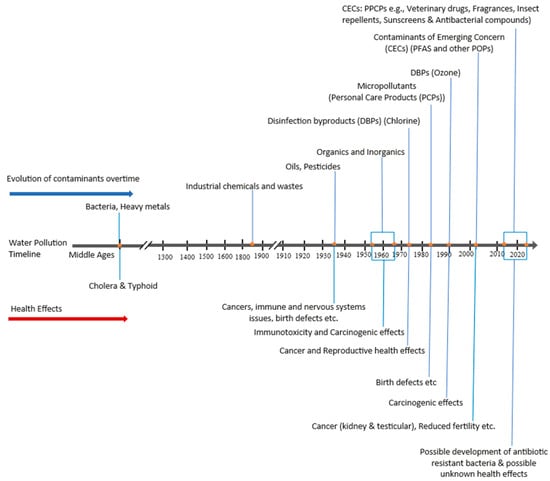
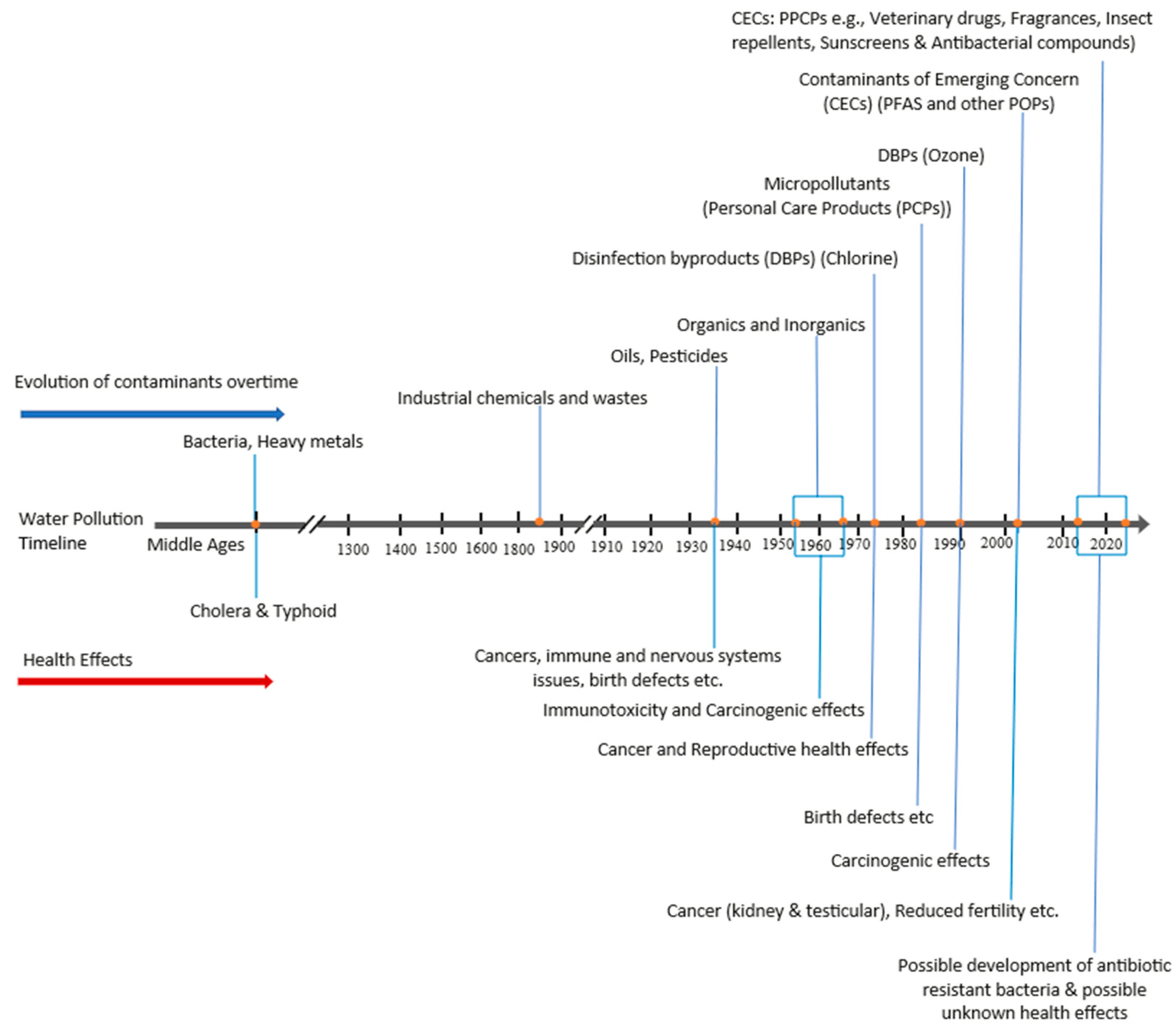
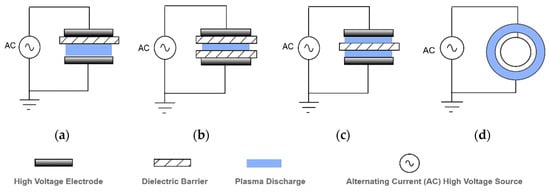
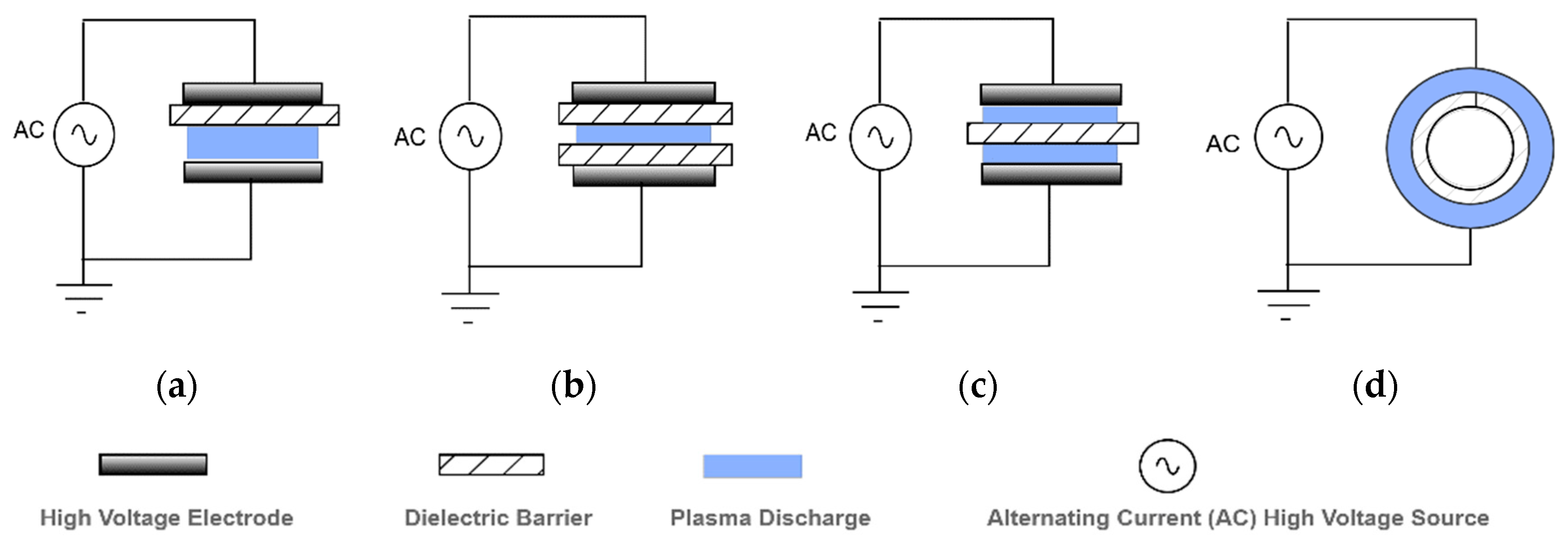
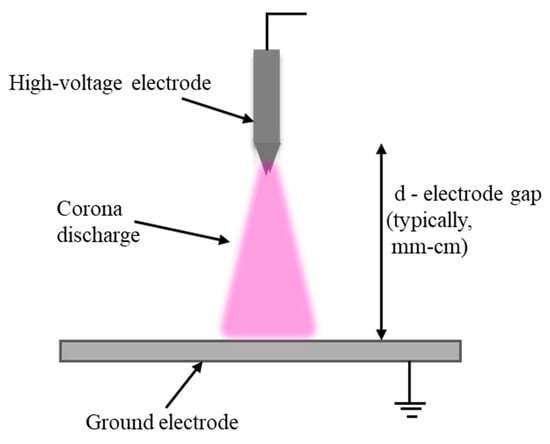
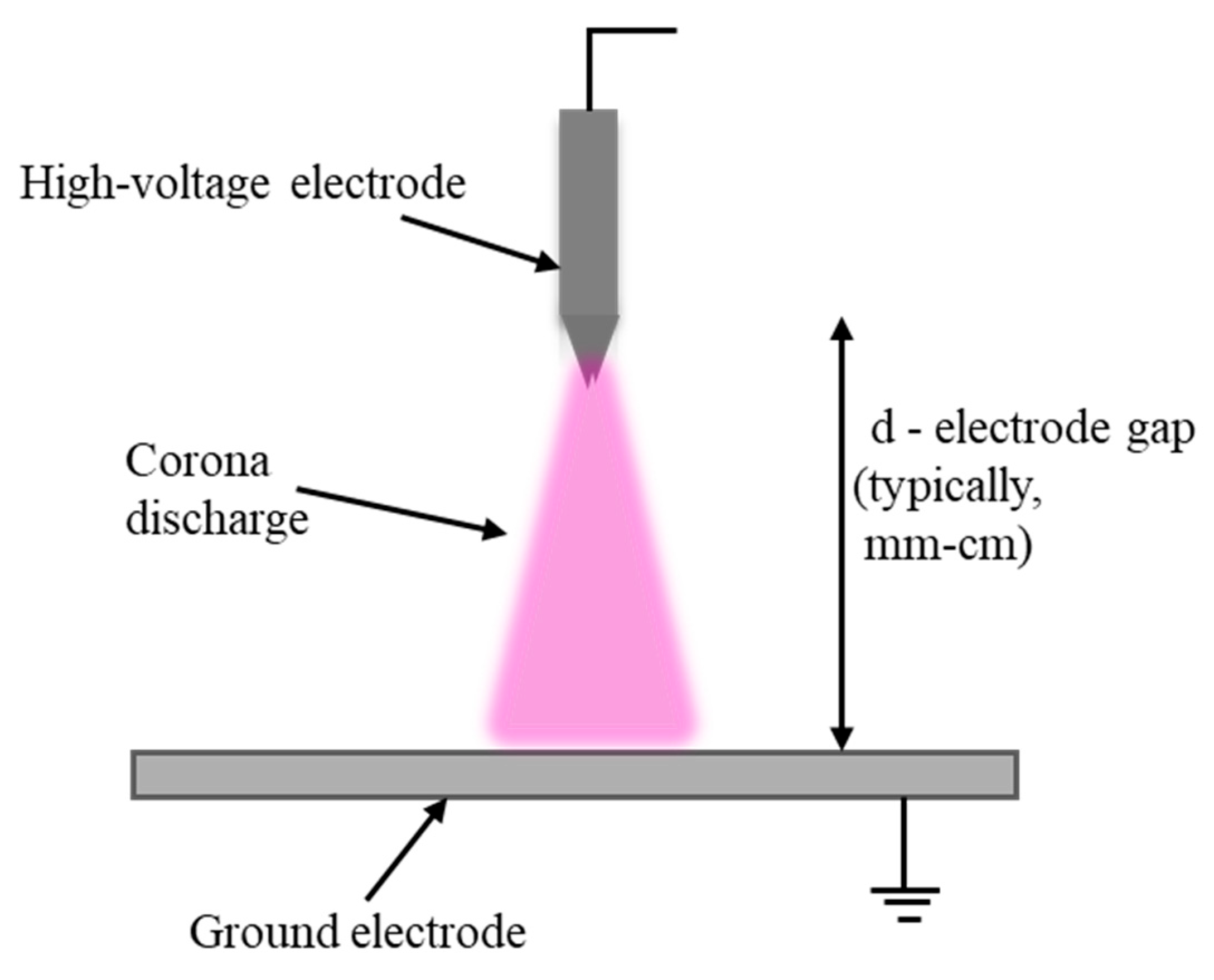
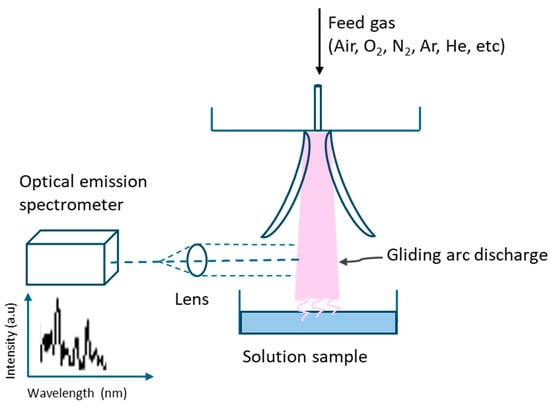
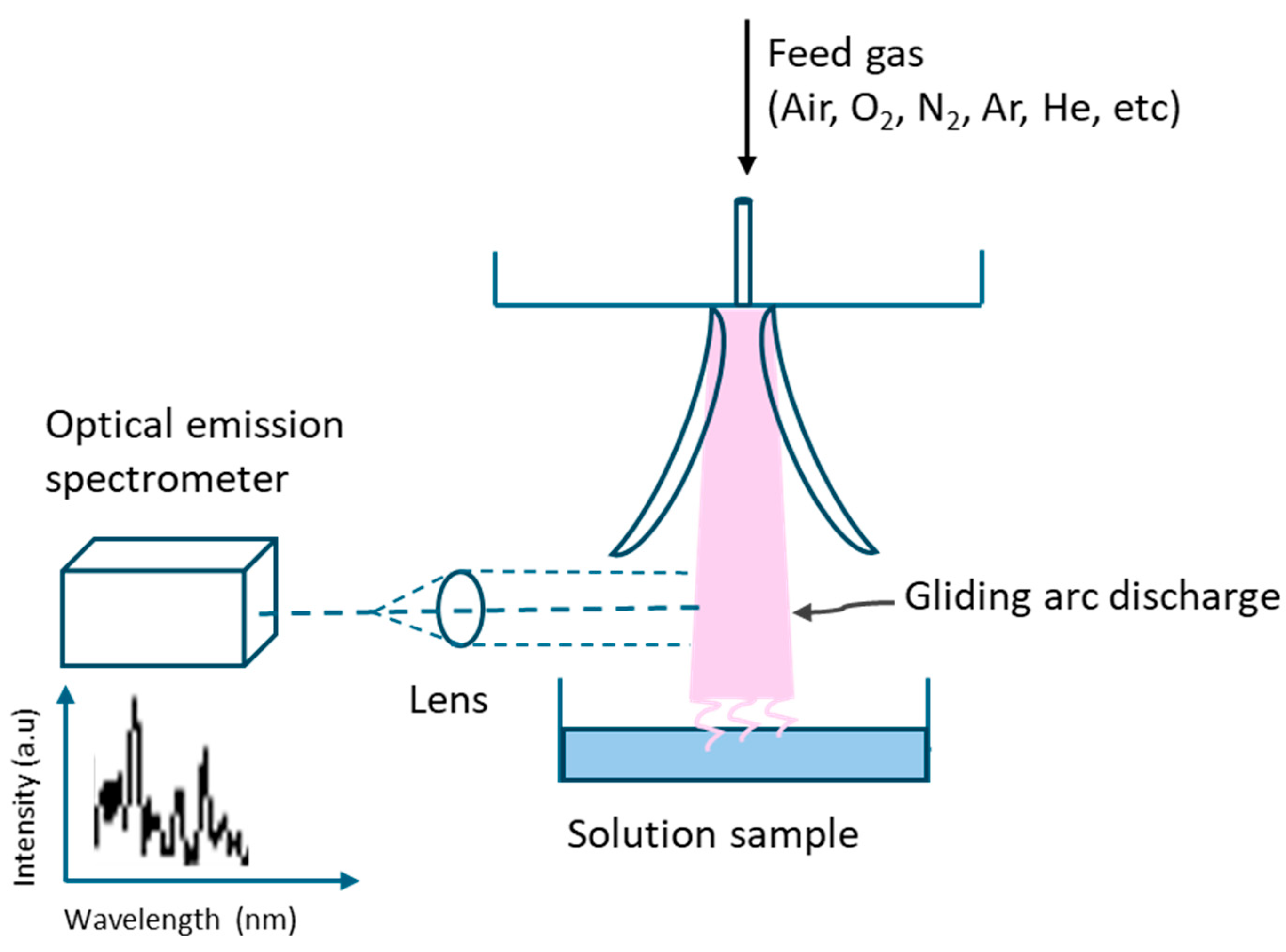
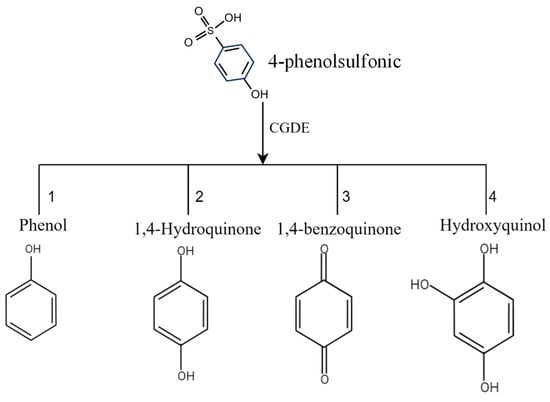
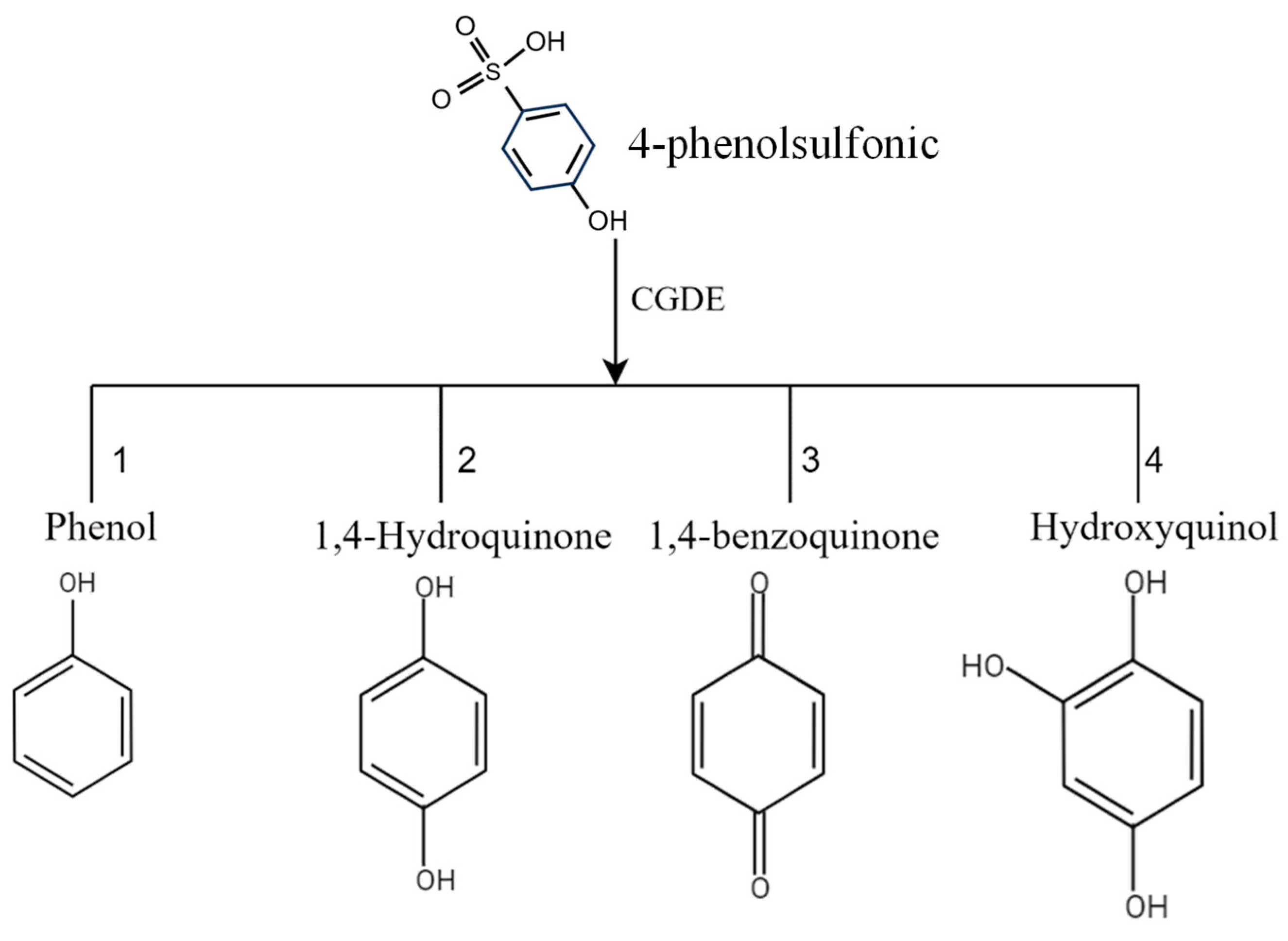
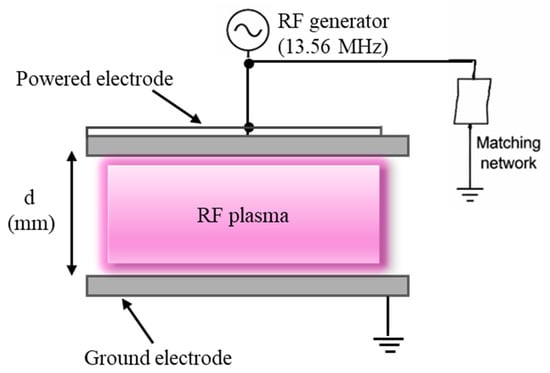
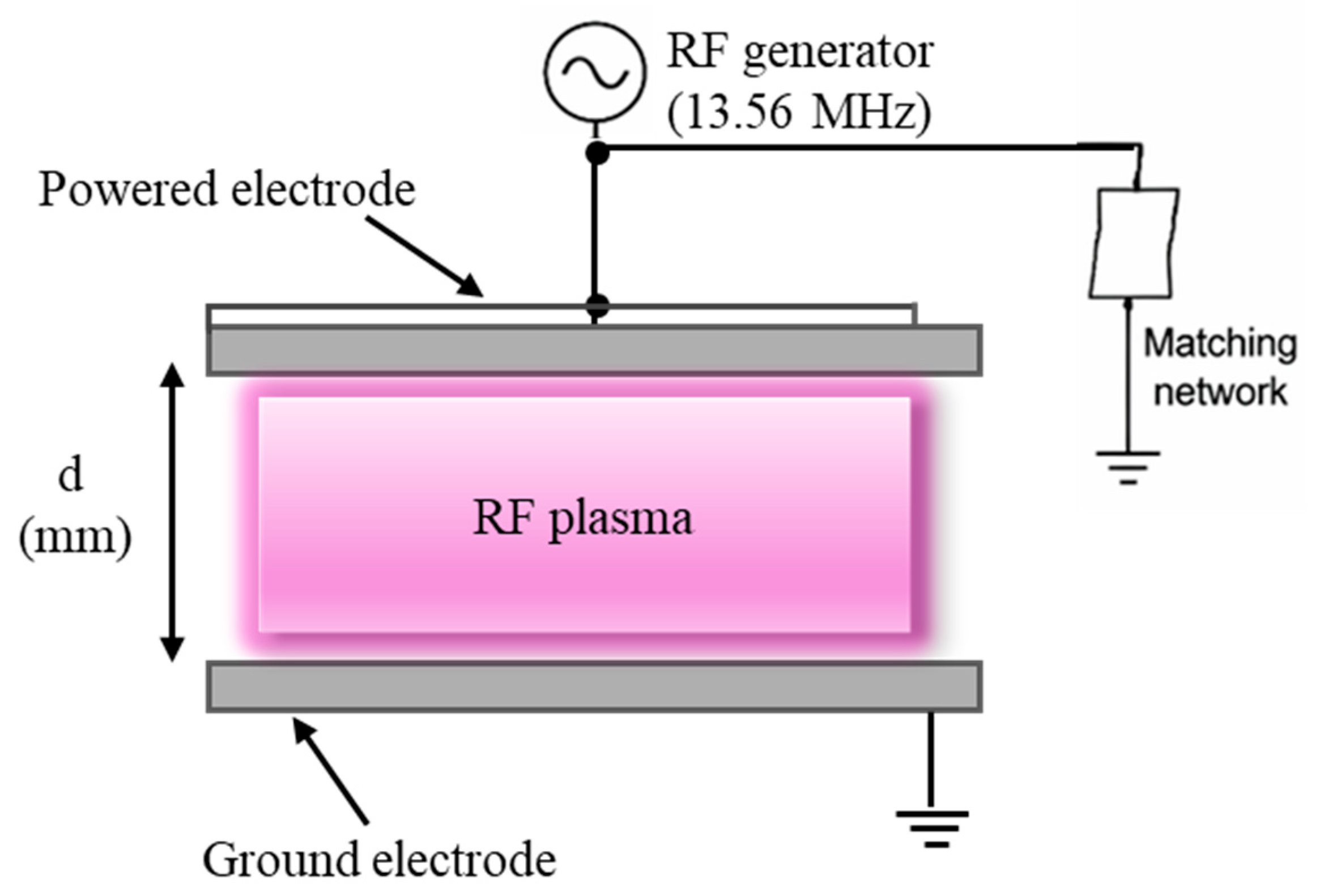
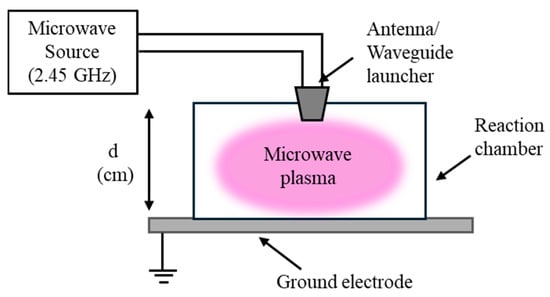
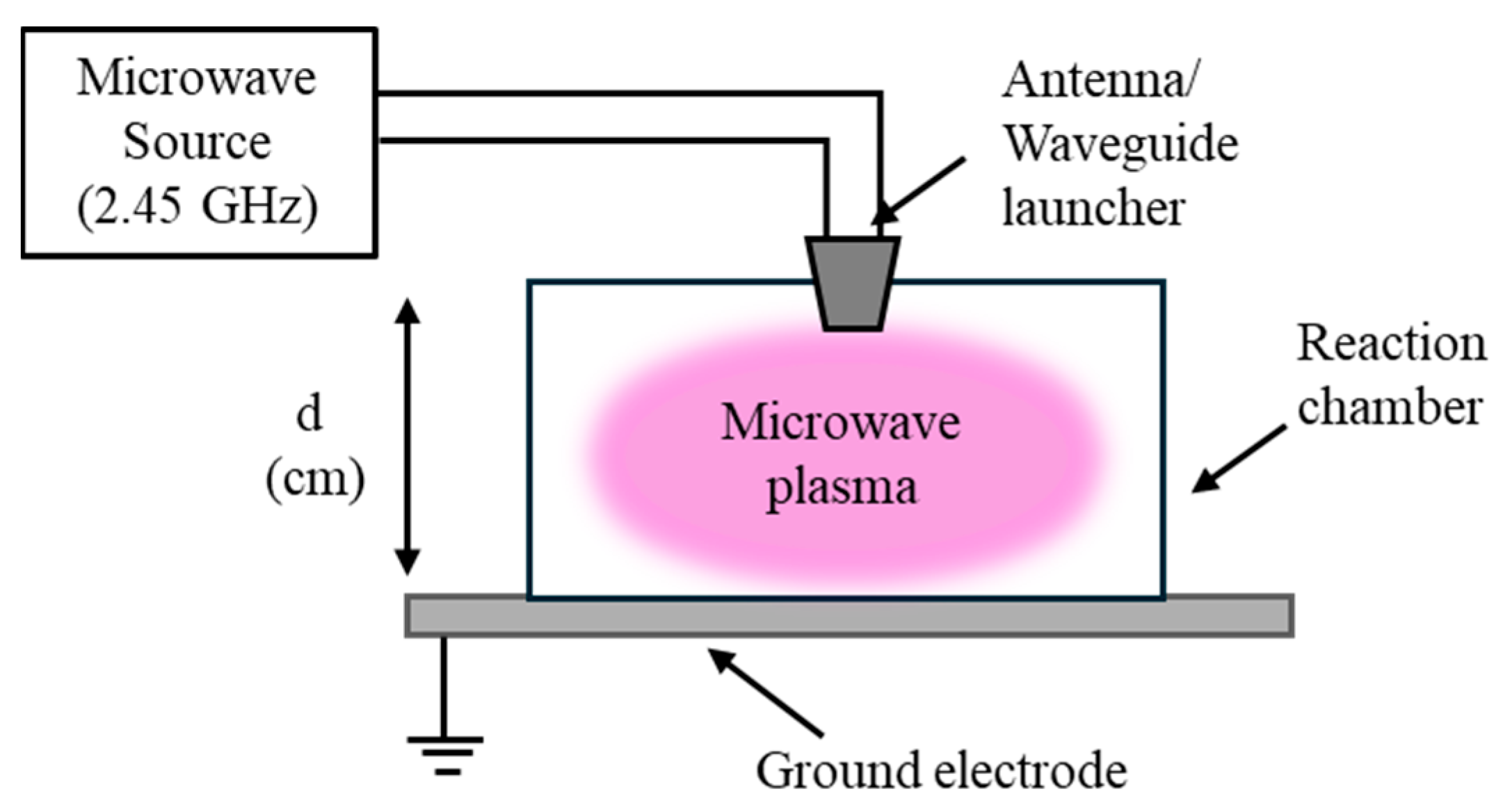
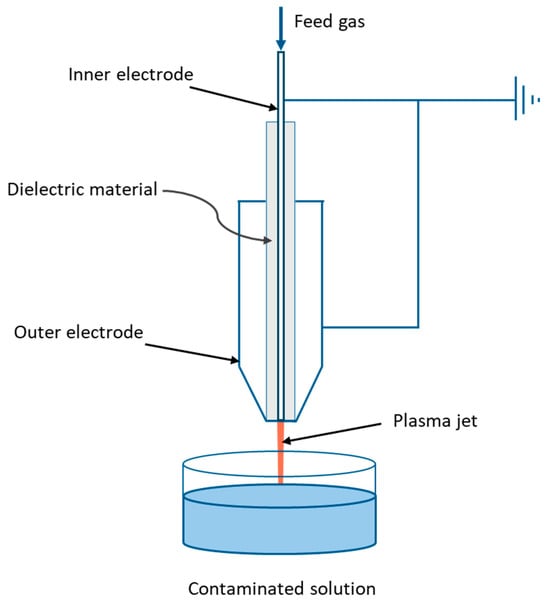
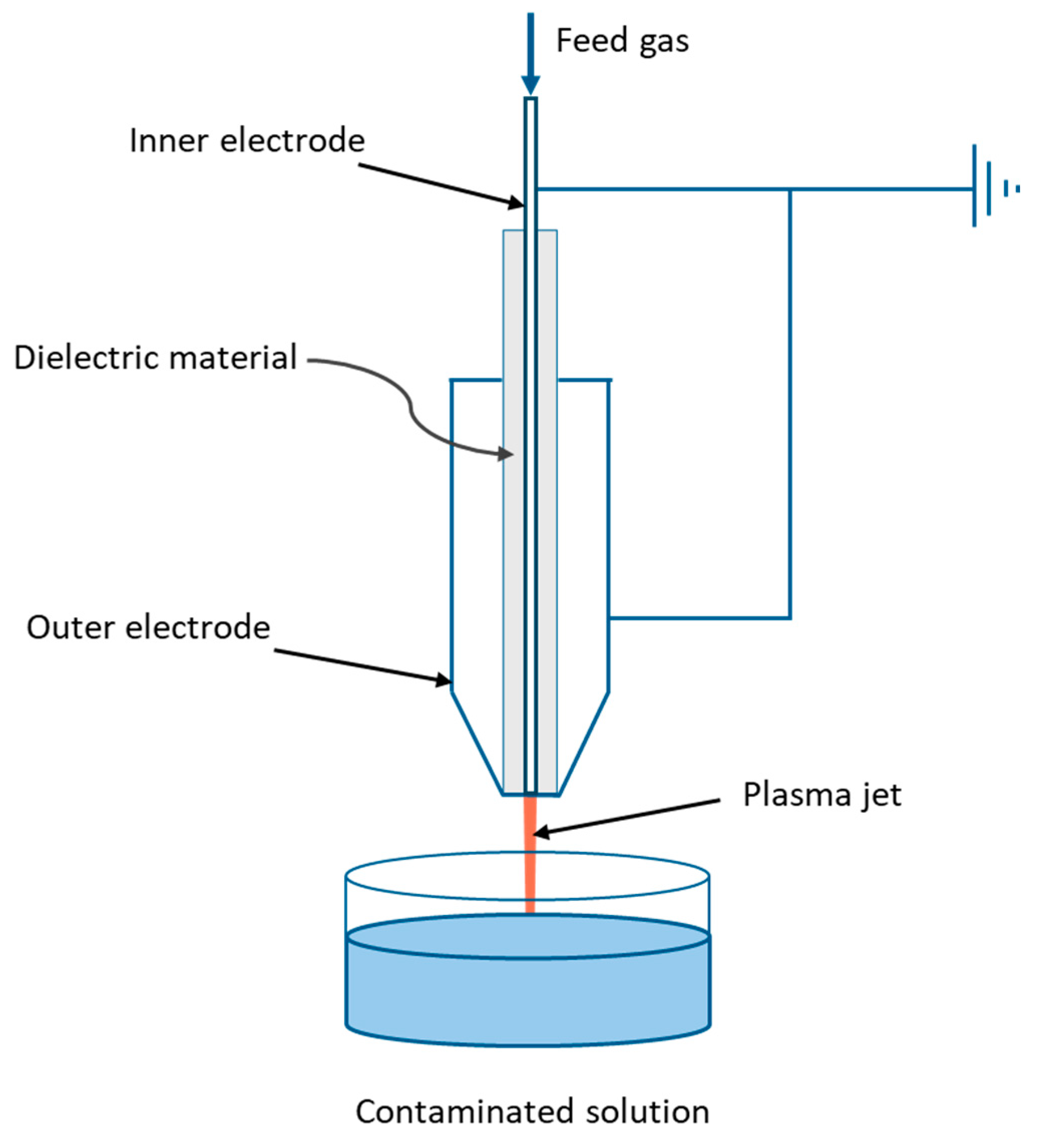
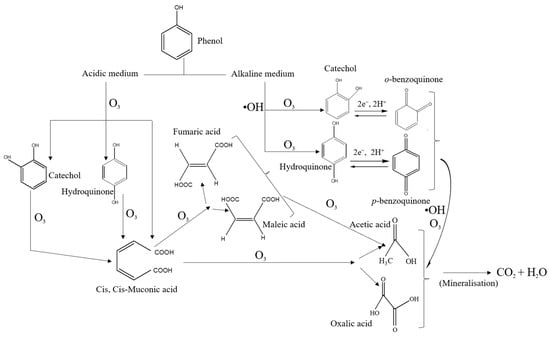
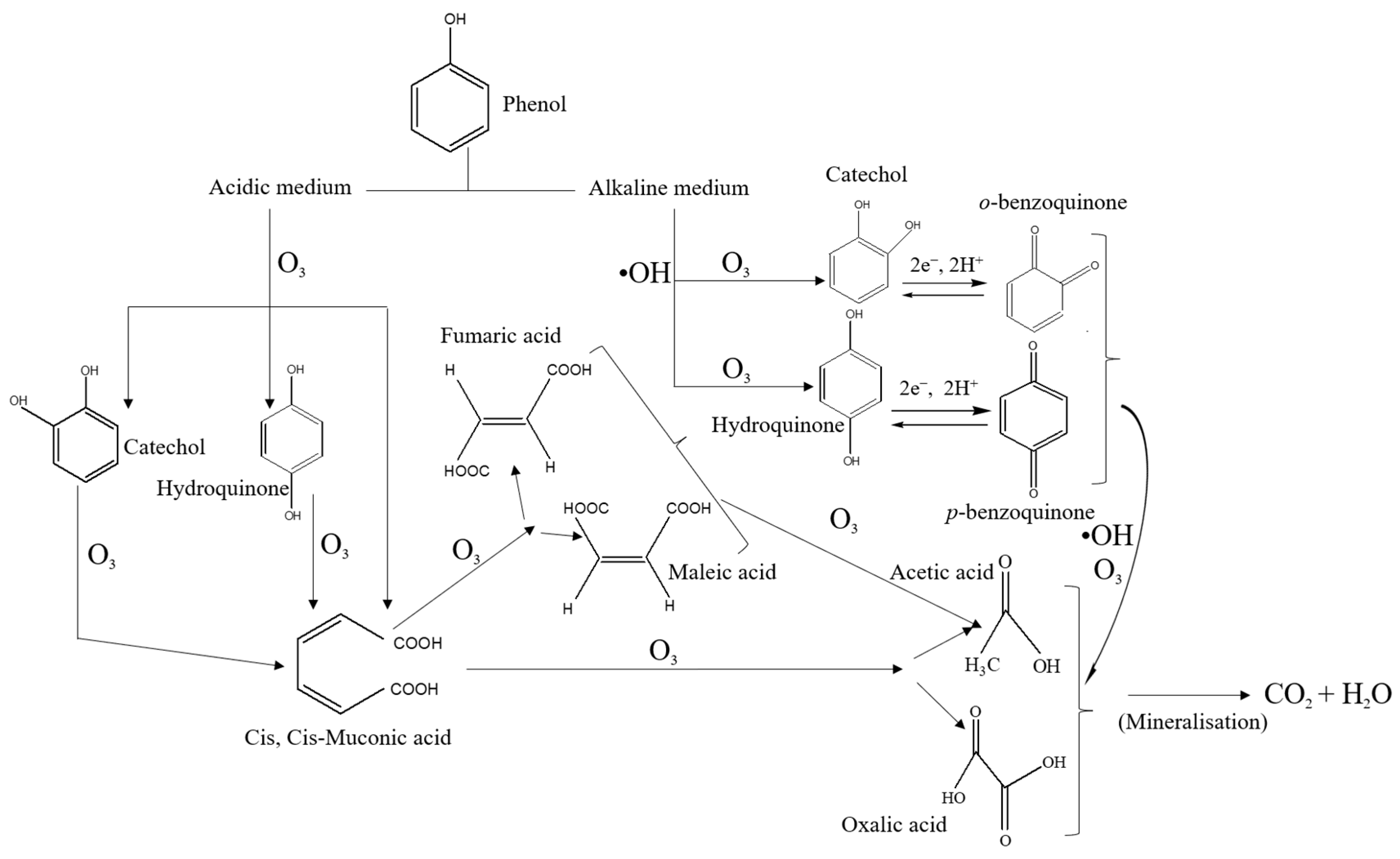

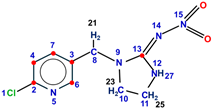
Disclaimer/Publisher’s Note: The statements, opinions and data contained in all publications are solely those of the individual author(s) and contributor(s) and not of MDPI and/or the editor(s). MDPI and/or the editor(s) disclaim responsibility for any injury to people or property resulting from any ideas, methods, instructions or products referred to in the content. |
© 2026 by the authors. Licensee MDPI, Basel, Switzerland. This article is an open access article distributed under the terms and conditions of the Creative Commons Attribution (CC BY) license.