


Abstract
ESG criteria have become central to corporate sustainability, reshaping governance, reporting, and the accounting profession. This study investigates how chartered accountants engage with ESG by combining micro-level survey evidence from Greece with macro-level bibliometric analysis of global ESG scholarship. The survey explored accountants’ knowledge, practices, and perceptions of ESG indicators, revealing significant generational differences: younger professionals reported higher familiarity and stronger implementation of ESG practices, while older respondents demonstrated more limited engagement. Training emerged as a decisive factor, with formally trained accountants applying a broader range of ESG criteria and perceiving greater strategic benefits in credibility, competitiveness, and adaptability. Complementing these insights, the bibliometric analysis of 861 articles published between 1993 and 2025 demonstrated exponential growth in ESG-related research, particularly after 2019, with sustainable development emerging as the conceptual anchor of the field. Thematic mapping highlighted climate change, decision-making, and corporate governance as central concerns, while collaborations between countries such as China, Italy, and the United States underscored global research dynamics. Overall, the study shows that accountants are increasingly positioned as gatekeepers of sustainability reporting, but their effectiveness depends on continuous training, regulatory alignment, and integration into global ESG frameworks.
1. Introduction
Over the past two decades, environmental, social, and governance (ESG) considerations have evolved from peripheral elements of corporate social responsibility into central pillars of corporate strategy, financial disclosure, and stakeholder engagement. Driven by escalating global challenges—including climate change, biodiversity loss, social inequality, and recurring governance failures—stakeholders increasingly demand that businesses demonstrate not only financial viability but also accountability for their broader societal and environmental impacts (Zopounidis et al. 2020). In this context, ESG has become a framework through which firms articulate their contribution to sustainable development, balancing financial objectives with ethical, social, and ecological imperatives.
The regulatory environment has played a decisive role in accelerating this shift. In the European Union, the adoption of the Corporate Sustainability Reporting Directive (CSRD) and the strengthening of non-financial reporting standards have signaled a transition from voluntary ESG disclosure toward mandatory and standardized sustainability reporting. Globally, frameworks such as the Global Reporting Initiative (GRI), the Sustainability Accounting Standards Board (SASB), and the Task Force on Climate-related Financial Disclosures (TCFD) have sought to harmonize ESG measurement and disclosure, responding to the increasing demands of investors, regulators, and civil society for comparability and transparency (Raucci and Tarquinio 2020). This institutionalization of ESG underscores its dual function as both a regulatory requirement and a strategic tool for building reputation, enhancing resilience, and securing long-term competitiveness. This evolution in the accounting profession can be meaningfully interpreted through established theoretical frameworks such as Stakeholder Theory, Institutional Theory, and the Resource-Based View, which together help explain why ESG competencies are emerging as both a strategic necessity and a response to shifting regulatory and societal expectations.
For the accounting profession, these developments mark a profound transformation. Traditionally tasked with ensuring numerical accuracy in financial reporting, accountants are now positioned as key actors in safeguarding the credibility of ESG disclosures. Their expertise in auditing, verification, and transparency makes them indispensable in preventing greenwashing and in building stakeholder trust (Petricică 2023; Petricică Vintilă and Buboi Dănăilă 2024). Yet, the profession’s ability to respond to this expanded mandate is not guaranteed. Ensuring the credibility of ESG reporting requires not only technical skills but also a deep understanding of evolving sustainability frameworks, as well as the ability to integrate non-financial indicators into decision-useful information for diverse stakeholders.
Despite the recognized importance of accountants in the ESG ecosystem, significant knowledge gaps remain. Much of the existing literature has examined ESG through the lenses of corporate reputation, risk management, or financial performance, with limited attention to how accountants themselves perceive, interpret, and apply ESG principles. Even less is known about national contexts, such as Greece, where ESG adoption is still developing and where the accounting profession plays a crucial role in aligning local practices with European and global standards. Understanding the extent to which accountants are prepared to assume this evolving role is critical for ensuring the reliability of sustainability reporting and for strengthening corporate accountability.
Another underexplored dimension concerns the global knowledge landscape of ESG. While bibliometric studies have proliferated in recent years, most remain descriptive and fail to connect the evolution of ESG scholarship with the practical role of accountants. Yet, mapping the intellectual and thematic development of ESG research provides valuable insights into how the field has matured, what themes dominate, and how accounting and governance are positioned within the sustainability discourse. Without this macro-level perspective, professional debates risk becoming detached from broader scholarly trends, limiting the ability of practitioners and academics alike to anticipate future directions.
Against this background, the present study adopts a dual-level approach to address these gaps. At the micro level, it investigates the knowledge, practices, and perceptions of Greek chartered accountants through a structured survey, with a focus on generational differences, training, and perceived challenges of ESG adoption. At the macro level, it employs bibliometric analysis to trace the global evolution of ESG research between 1993 and 2025, identifying dominant themes, international collaborations, and the positioning of accounting within the sustainability debate. By integrating these perspectives, the study provides both a grounded understanding of professional realities and a broader view of scholarly trajectories.
The contribution of this research is threefold. First, it provides empirical evidence on how accountants engage with ESG in a national context where sustainability integration is still emerging, thereby addressing a gap in the literature on professional practices. Second, it situates these findings within the global research landscape, demonstrating how trends in ESG scholarship reflect and reinforce the evolving role of accountants. Third, it bridges academic and professional perspectives, offering insights for educators, regulators, and practitioners on how to strengthen the accounting profession’s capacity to act as a gatekeeper of sustainability.
Guided by this rationale, the study is structured around three research questions: (1) What level of knowledge do chartered accountants possess about ESG criteria, and how are these criteria implemented in practice? (2) What are the perceptions of chartered accountants regarding the effectiveness and challenges of ESG implementation? and (3) What do bibliometric trends in ESG, and accounting research reveal about the evolving role of chartered accountants in sustainability reporting and corporate governance?
2. Literature Review
2.1. Reputation, Resilience, and the Financial Promise of ESG
Corporate reputation has long been recognized as one of the most valuable intangible assets for businesses; however, despite broad agreement on its importance, scholars differ on the extent to which ESG practices consistently translate into reputational gains, with some highlighting clear advantages while others emphasize conditional or context-dependent effects. In an increasingly competitive and transparent business environment, reputation functions as both a protective shield and a strategic asset that shapes stakeholder trust and long-term organizational legitimacy (Nuortimo et al. 2024). The emergence of ESG as a core dimension of corporate strategy has reinforced this dynamic, providing companies with new tools to strengthen their reputation while simultaneously addressing global sustainability challenges. ESG performance is now considered a key determinant of how firms are evaluated in the marketplace, and it is becoming inseparable from reputation, competitiveness, and financial resilience (Zopounidis et al. 2020).
While numerous scholars and practitioners emphasize that ESG adoption fosters trust by signaling accountability, ethical responsibility, and commitment to long-term value creation, other studies report more cautious or mixed outcomes, citing the influence of implementation costs, varying regulatory environments, and the risk of symbolic rather than substantive ESG commitment. Companies that actively engage with ESG demonstrate to stakeholders that they are willing to move beyond profit maximization toward broader societal objectives (Ragazou et al. 2023). This alignment between corporate behavior and stakeholder expectations enhances legitimacy, a critical factor for sustaining competitive advantage in an era of heightened scrutiny and social awareness. Consumers increasingly prefer products and services from companies that integrate ESG values into their business models, while investors are channeling capital toward organizations with strong sustainability profiles. As a result, ESG has become a reputational driver that not only protects firms against reputational damage but also opens pathways for innovation and market expansion (Angelaki et al. 2025).
The relationship between ESG practices and financial performance has been the subject of extensive research, yet findings remain highly debated, with evidence ranging from positive long-term effects to neutral or even ambiguous short-term outcomes. On one hand, there is considerable evidence suggesting that companies with strong ESG performance achieve superior long-term financial outcomes. Improved operational efficiency, cost reduction through resource optimization, and enhanced risk management are commonly cited benefits. For example, environmentally conscious initiatives such as energy efficiency or waste reduction often yield direct cost savings, while socially responsible practices such as employee training and diversity programs contribute to higher productivity and organizational cohesion. Governance-related reforms, including transparent reporting and strong board oversight, reduce the likelihood of corporate scandals, thereby protecting shareholder value. These advantages demonstrate that ESG is not simply a reputational strategy but also a driver of measurable financial gains (Marie et al. 2024).
On the other hand, the short-term financial impacts of ESG investments are less straightforward. Implementing ESG frameworks typically requires substantial upfront costs, including technology investments, process restructuring, and employee training. For smaller firms or those in highly competitive industries, these expenditures can place pressure on profit margins. Additionally, ESG reporting demands compliance with multiple frameworks, such as GRI, SASB, and TCFD, creating additional administrative burdens. The absence of universally accepted standards exacerbates this complexity, as companies must navigate different reporting requirements that vary across industries and jurisdictions. Consequently, while the long-term benefits of ESG are widely acknowledged, the immediate financial outcomes may appear ambiguous, leading some managers to view ESG as a costly obligation rather than a value-creating opportunity (Passas et al. 2022).
Nevertheless, although many studies suggest that ESG may enhance resilience in ways that go beyond conventional financial metrics, this ‘consensus’ is not universal, and concerns persist regarding fragmented standards, comparability challenges, and exposure to accusations of greenwashing. A company’s ability to weather crises—whether economic downturns, environmental disasters, or governance failures—is increasingly linked to its ESG preparedness. During times of crisis, stakeholders often re-evaluate their trust in organizations, and those with established ESG credentials are more likely to maintain legitimacy. For instance, companies with robust governance practices and transparent reporting structures tend to enjoy greater investor confidence, even during volatile market conditions. Similarly, businesses that engage in proactive environmental stewardship or community involvement are often rewarded with stronger stakeholder loyalty, which cushions them against reputational shocks. This reputational insurance effect highlights ESG as a strategic necessity rather than a discretionary choice (Al Azizah and Haron 2025).
Importantly, ESG also drives innovation and competitiveness by reshaping the way businesses approach product development, market positioning, and supply chain management. Sustainable design, renewable energy integration, and responsible sourcing practices are not only compliance measures but also opportunities to differentiate in crowded markets. Firms that anticipate regulatory trends and consumer preferences by embedding ESG into their strategies are able to secure a first-mover advantage, often translating into increased market share. In this sense, ESG adoption contributes to both reputational capital and financial growth, linking intangible values with tangible outcomes (Quintiliani 2024).
The reputational benefits of ESG extend beyond external stakeholders to internal dynamics as well. Employees increasingly prefer to work for organizations that align with their personal values, and ESG commitment is often perceived as an indicator of an ethical and responsible workplace. Companies that integrate ESG into human resource management practices—such as promoting diversity, ensuring fair labor practices, and supporting employee development—report higher levels of employee satisfaction and retention. This not only strengthens organizational culture but also enhances the company’s external reputation as a responsible employer, further reinforcing competitiveness in attracting and retaining talent (Passas 2024b).
However, despite the positive associations between ESG and reputation, challenges remain. One key issue is the risk of “greenwashing,” where companies exaggerate or misrepresent their ESG performance. Stakeholders are becoming increasingly sophisticated in detecting discrepancies between corporate claims and actual practices, and reputational damage from perceived insincerity can be severe. This underscores the importance of credibility, verification, and transparency in ESG reporting—areas where accountants and auditors play a pivotal role. By ensuring that ESG disclosures are accurate and reliable, they act as gatekeepers of trust, directly influencing how companies are perceived in the market (Lagasio 2024).
These conflicting perspectives indicate that the strategic value of ESG is neither automatic nor guaranteed, highlighting unresolved questions regarding credibility, comparability, and the mechanisms through which ESG claims are verified.
ESG has emerged as a central driver of corporate reputation, shaping stakeholder trust, legitimacy, and long-term competitiveness. Although its financial implications remain complex—balancing the costs of implementation with the potential for long-term value creation—evidence increasingly suggests that ESG strengthens resilience, stimulates innovation, and fosters stakeholder loyalty. The link between ESG and reputation reflects a wider transformation in the role of business, moving from a narrow emphasis on profit maximization toward an integrated perspective that incorporates financial, social, and environmental objectives. Within this evolving landscape, chartered accountants occupy a pivotal position, as their expertise in verifying ESG practices and disclosures directly influences corporate credibility and the ability of organizations to maintain stakeholder confidence in the sustainability era (Cardillo and Basso 2025).
2.2. ESG in Risk Management and Corporate Governance
Risk management has traditionally been regarded as the backbone of corporate strategy, guiding firms in navigating uncertainty and protecting long-term viability; however, while ESG is increasingly incorporated into this framework, scholars remain divided regarding the extent to which ESG integration genuinely strengthens risk management versus merely expanding reporting obligations. In recent years, ESG has become integral to this process, reshaping the way organizations assess risks and design governance structures, although evidence remains mixed as to whether this integration reflects substantive strategic transformation or primarily regulatory compliance pressures. Rather than being considered peripheral or symbolic, ESG has evolved into a decisive factor in determining organizational resilience and credibility. The growing consensus in both academic literature and professional practice suggests that companies embedding ESG principles into their governance and risk frameworks are better positioned to anticipate disruptions, respond to crises, and maintain legitimacy in the eyes of their stakeholders (Valavan 2024).
The incorporation of ESG into risk management reflects a broader shift in the understanding of risk itself. Traditional models often emphasized financial and operational risks, such as liquidity shortfalls, supply chain disruptions, or market volatility. While these remain important, the interconnected nature of global challenges has expanded the scope of what constitutes material risk. Climate change, biodiversity loss, labor rights violations, corruption, and regulatory non-compliance now rank among the most pressing risks faced by corporations. These issues, once perceived as external or non-financial, have demonstrated direct impacts on revenue streams, brand value, and long-term survival. The inclusion of ESG into risk management frameworks acknowledges that environmental, social, and governance factors are not distant ethical considerations but central determinants of corporate sustainability (Liu 2025).
Corporate governance undeniably plays a critical role in embedding ESG within organizational strategy; yet debates persist over whether existing governance mechanisms are sufficiently robust to ensure credible ESG implementation, given continuing concerns about inconsistent disclosure quality and limited comparability. Governance structures, including board composition, executive accountability, and reporting mechanisms, provide the foundation through which ESG commitments are translated into action. Boards that integrate ESG into their oversight responsibilities are more likely to ensure that sustainability risks are identified, monitored, and managed systematically. The presence of ESG-focused committees or directors with sustainability expertise has been shown to enhance decision-making quality, particularly in industries highly exposed to environmental or social risks. Moreover, investors increasingly demand robust governance mechanisms as assurances that ESG disclosures are credible and that sustainability commitments are not merely rhetorical (Krasteva-Hristova et al. 2025).
The regulatory environment has amplified the importance of governance in ESG. Policymakers and standard-setting bodies worldwide have developed frameworks to guide ESG disclosure, such as GRI, SASB, and TCFD. Although these frameworks differ in scope and emphasis, they collectively highlight the need for standardized, transparent reporting. Compliance with such frameworks has become both a legal and reputational necessity, as stakeholders scrutinize the consistency and reliability of reported ESG data. Failure to provide transparent and verifiable disclosures can expose companies to legal risks, reputational damage, and declining investor confidence. Thus, corporate governance structures must adapt to the complex reporting landscape, ensuring alignment with multiple standards while maintaining accuracy and integrity (Redondo Alamillos and de Mariz 2022).
For accountants and auditors, the integration of ESG into governance and risk management introduces new responsibilities and challenges. As guardians of corporate reporting, they are uniquely positioned to verify ESG disclosures and ensure consistency between financial and non-financial reporting. Their expertise in assurance and transparency makes them critical actors in preventing greenwashing and building stakeholder trust. However, this role requires not only technical skills but also continuous professional development to stay abreast of evolving sustainability standards and measurement tools. The demand for accountants who can navigate ESG frameworks is growing, and their role as gatekeepers of trust has never been more pronounced. In this sense, accountants act as intermediaries between corporations and stakeholders, translating complex ESG data into credible and decision-useful information (Free et al. 2025).
Although a growing body of research indicates that companies with strong ESG may outperform those that neglect sustainability considerations, other studies caution that performance outcomes can be highly context-dependent and influenced by industry characteristics, regulatory environments, and the potential costs associated with ESG adoption. Firms that integrate ESG risks into their governance frameworks are more likely to demonstrate resilience during crises, such as financial downturns, regulatory changes, or reputational scandals. For example, organizations with transparent governance mechanisms often experience less volatility in capital markets, as investors perceive them as more reliable. Similarly, companies that monitor supply chain labor practices or environmental impacts reduce the likelihood of costly disruptions or litigation. Governance mechanisms that proactively address ESG risks thus serve as strategic tools for ensuring stability and competitive advantage (Zopounidis et al. 2020).
Nevertheless, challenges in embedding ESG into governance structures persist. One major difficulty lies in the lack of universal standards, which creates uncertainty for both preparers and auditors of ESG reports. Companies often face the dilemma of selecting the most appropriate reporting framework, and inconsistencies across frameworks complicate comparability. This fragmentation undermines stakeholders’ ability to assess ESG performance across firms and industries. Another challenge is the integration of ESG metrics into executive incentives and corporate decision-making. While many organizations have embraced ESG disclosure, fewer have successfully embedded sustainability into the core of strategic choices, such as capital allocation or performance evaluation. Without this integration, ESG risks remain peripheral rather than central to governance (Lagasio 2024).
Moreover, there is an ongoing debate regarding the balance between voluntary and mandatory ESG disclosures. Voluntary reporting has the advantage of flexibility, allowing firms to tailor disclosures to their unique contexts. However, it also opens the door to selective reporting, where companies highlight positive outcomes while omitting negative aspects. Mandatory reporting, by contrast, enhances comparability and accountability but risks being treated as a compliance exercise rather than a genuine commitment to sustainability. Striking the right balance between these approaches remains a key challenge for regulators and companies alike (Papafloratos and Pantazi 2025).
Another emerging issue is the role of technology in governance and risk management. Digital platforms, big data analytics, and artificial intelligence are increasingly employed to monitor ESG performance in real time, enabling companies to identify risks more effectively. These tools allow for improved stakeholder engagement and more dynamic risk assessments, enhancing transparency and accountability. However, the integration of technology also raises concerns about data accuracy, cyber risks, and ethical considerations related to surveillance and privacy. Accountants, as interpreters of both financial and non-financial data, are at the forefront of addressing these challenges and ensuring that technology supports, rather than undermines, ESG credibility (Yu et al. 2025).
In addition, cultural and ethical dimensions play a significant role in shaping how ESG is integrated into governance and risk management. Different regions and industries vary in their emphasis on particular ESG dimensions, reflecting diverse societal expectations and regulatory environments. For instance, governance issues such as anti-corruption may dominate in certain jurisdictions, while environmental risks such as emissions reduction may take precedence elsewhere. Accountants operating in multinational contexts must therefore navigate these variations while maintaining consistency and integrity in reporting. Ethical considerations, particularly around transparency and fairness, remain central to their professional responsibility (Chen et al. 2025).
Ultimately, ESG has transformed the landscape of risk management and corporate governance. No longer confined to peripheral concerns, ESG risks are increasingly recognized as material, strategic, and interconnected with financial outcomes. Companies that embed ESG into governance structures are better positioned to safeguard reputation, attract investment, and sustain long-term growth. At the heart of this transformation lies the role of accountants and auditors, whose ability to ensure credible, transparent, and consistent ESG reporting is critical for maintaining stakeholder trust. Their work not only supports compliance with emerging standards but also enhances the strategic integration of ESG into corporate decision-making. As global challenges intensify, the demand for robust governance frameworks anchored in ESG principles will continue to grow, making this integration an essential pillar of sustainable business practices (Wang 2025). Therefore, while ESG integration into governance and risk frameworks is increasingly promoted as best practice, unresolved questions remain regarding implementation consistency, reliability of disclosures, and who ultimately ensures their credibility.
2.3. The Social Dimension of ESG and Stakeholder Engagement
The social dimension of ESG has gained increasing prominence, as companies are expected to demonstrate not only financial and environmental responsibility but also genuine commitment to social equity, justice, and inclusiveness; however, scholars remain divided regarding the extent to which firms truly achieve substantive social transformation rather than symbolic compliance. Whereas the environmental pillar often focuses on measurable aspects such as emissions, waste, and resource use, the social component is more complex and multifaceted. It encompasses issues such as labor rights, diversity and inclusion, human capital development, workplace safety, community engagement, and respect for human dignity across supply chains. These social elements are integral to shaping corporate legitimacy, stakeholder trust, and long-term competitiveness, making them indispensable to the ESG agenda (Valavan 2024).
A growing body of literature emphasizes that firms neglecting the social dimension risk reputational damage, loss of investor confidence, and weakened stakeholder relationships. Consumers are increasingly concerned with whether companies uphold ethical labor practices, support diversity, and contribute to the well-being of the communities in which they operate. Similarly, investors recognize that social risks—ranging from employee dissatisfaction to human rights controversies in global supply chains—can create significant financial and reputational liabilities. Consequently, businesses are under mounting pressure to demonstrate that their ESG commitments extend beyond environmental metrics and governance reforms, addressing the human and societal implications of their operations (Sneideriene and Legenzova 2025).
Stakeholder engagement has emerged as a central mechanism for operationalizing the social dimension of ESG, yet evidence remains mixed: while many studies emphasize its role in fostering trust and reducing conflict, others highlight limited participation, uneven power dynamics, and the tendency for engagement processes to remain largely rhetorical rather than genuinely participatory. Unlike traditional corporate communication, which often followed a one-directional model, stakeholder engagement involves active dialogue, collaboration, and shared decision-making. It requires companies to move beyond symbolic gestures and adopt participatory practices that incorporate the voices of employees, customers, suppliers, communities, and regulators into strategic decision-making. Genuine engagement fosters mutual trust, reduces conflict, and helps companies anticipate emerging social risks before they escalate. For example, firms that consult with local communities before launching new projects are more likely to secure social acceptance, thereby avoiding costly delays or reputational crises (Stocker et al. 2020).
The role of employees within the social dimension deserves particular attention. Labor-related practices such as fair wages, equal opportunities, training and development, and workplace health and safety are critical determinants of a company’s ESG profile. A strong social commitment enhances employee satisfaction, retention, and productivity, while also signaling to external stakeholders that the company values human capital. Research consistently shows that firms with diverse and inclusive workforces benefit from improved creativity, decision-making, and overall performance. Thus, attention to the social pillar is not simply a matter of compliance or reputation management but also a source of strategic advantage (Oliveira and Leal 2024).
Diversity and inclusion have become especially important in recent years, as stakeholders increasingly scrutinize whether companies reflect societal values of fairness and equity. Representation of women and minorities in managerial and leadership positions has been identified as both an ethical imperative and a performance driver. Companies with diverse leadership teams are better positioned to respond to complex challenges and understand diverse markets, enhancing competitiveness and innovation. The social dimension of ESG therefore intersects with broader societal debates about justice and equality, requiring firms to adapt their structures and practices in order to meet evolving stakeholder expectations (Sundarasen et al. 2024).
Supply chain management is another critical area within the social dimension. Globalization has created complex networks of suppliers, contractors, and partners, often spanning regions with divergent labor laws and ethical standards. This raises significant risks regarding child labor, unsafe working conditions, and exploitation. Companies are increasingly held accountable not only for their own practices but also for those of their suppliers. Social audits, codes of conduct, and collaborative initiatives with NGOs and industry groups are some of the strategies firms adopt to ensure compliance with social standards across their supply chains. Failure to address these risks can lead to reputational crises, regulatory penalties, and the loss of consumer trust (OECD 2020).
The integration of social considerations into ESG also influences investor behavior. Socially responsible investment strategies often screen companies based on their labor practices, community engagement, and human rights records. Investors recognize that companies with poor social practices face heightened risks, from strikes and lawsuits to consumer boycotts and activist campaigns. Conversely, companies with strong social performance are increasingly seen as attractive long-term investments, as they demonstrate resilience, stakeholder loyalty, and adaptability. This investor attention reinforces the need for accurate and credible reporting of social indicators, placing additional pressure on accountants and auditors to verify such disclosures (Martiny et al. 2024).
Technological advancements have further reshaped the landscape of stakeholder engagement. Digital platforms, social media, and data analytics provide new avenues for dialogue between companies and their stakeholders. While these tools can enhance transparency and responsiveness, they also increase exposure to public scrutiny. Negative practices are more easily detected and amplified, making authenticity and consistency in social commitments critical. Companies must therefore balance the opportunities offered by digital tools with the risks of reputational harm in the event of perceived inconsistency or inaction (de Souza Barbosa et al. 2023).
The measurement of social performance remains one of the most challenging and contested aspects of ESG, as indicators are often qualitative, inconsistent, and highly context-dependent, making comparability difficult and leaving considerable room for interpretation and selective disclosure. Unlike environmental or governance indicators, which often rely on quantifiable metrics, the social dimension involves qualitative factors that are harder to standardize. Issues such as employee satisfaction, community trust, and diversity outcomes are context-dependent and may vary across industries and regions. While frameworks such as GRI and SASB include social indicators, their comparability across firms remains limited. This lack of standardization not only complicates corporate reporting and investor assessment but also raises concerns about credibility, transparency, and the potential for ‘social washing’, thereby intensifying calls for stronger assurance mechanisms. Accountants, therefore, play a crucial role in translating qualitative social performance into structured, reliable, and comparable data, bridging the gap between stakeholder expectations and corporate disclosures (Dauerer 2025).
Cultural differences further complicate the application of the social dimension. Practices considered socially responsible in one region may not carry the same meaning in another. For example, collective bargaining rights, gender equality, or community development expectations vary widely across contexts. Multinational corporations must navigate these cultural and regulatory differences while maintaining consistent standards of social responsibility. This complexity underscores the importance of context-sensitive approaches that balance global principles with local realities (Subhani et al. 2024).
Ethical considerations are central to the credibility of the social pillar. Companies must ensure that their commitment to social responsibility is substantive rather than symbolic. Stakeholders are increasingly able to detect inconsistencies, and accusations of “social washing”—the exaggeration of social commitments without meaningful action—pose significant reputational risks. Independent assurance and verification of social indicators are thus essential for building credibility. Accountants, by ensuring transparency and reliability in reporting, provide the assurance stakeholders require to trust corporate claims (Forliano et al. 2025).
The growing importance of the social dimension reflects a broader transformation in how businesses are expected to operate within society. Firms are no longer judged solely on their financial results but also on their contributions to social equity, justice, and well-being. Stakeholder engagement, as a core mechanism of the social pillar, reinforces the need for participatory, transparent, and accountable corporate practices. By embedding social responsibility into their strategies, companies not only strengthen legitimacy and resilience but also secure long-term competitive advantages in a global market where values-driven stakeholders increasingly shape success. For chartered accountants, this shift highlights the necessity of adapting to new reporting demands, ensuring that social indicators are measured, verified, and communicated with the same rigor historically applied to financial data. Their role in safeguarding the credibility of social reporting is thus indispensable for aligning corporate practices with stakeholder expectations in the sustainability era (Hertel et al. 2020). These unresolved debates underscore the need for reliable verification of social ESG disclosures, making the role of accountants particularly critical in ensuring that reported social performance reflects substantive practice rather than symbolic claims.
2.4. Research Gaps and Rationale of the Study
The expansion of ESG research has deepened understanding of sustainability, corporate strategy, and financial performance. However, key gaps remain at the intersection of ESG adoption, corporate governance, and the accounting profession. Addressing these gaps is critical for both academic progress and professional practice, particularly in countries where ESG adoption is still developing.
One major gap concerns the role of chartered accountants. Although ESG is widely linked to reputation, risk management, and stakeholder trust, the literature provides limited empirical evidence on how accountants themselves perceive, interpret, and operationalize ESG principles in practice, leaving significant uncertainty regarding their actual readiness to safeguard ESG credibility. Existing research stresses the importance of reliable reporting but rarely examines the competencies and challenges accountants face in ensuring its credibility.
A second, closely related gap concerns accountants’ knowledge, competencies, and training. Despite the proliferation of ESG frameworks such as GRI, SASB, and TCFD, existing research rarely examines whether these requirements have been effectively translated into professional education and continuing training, raising doubts about whether the profession is adequately prepared for its expanding responsibilities. This raises concerns about whether the profession is prepared for its expanding responsibilities in ESG assurance and governance.
Important methodological gaps are also evident: most ESG studies rely heavily on secondary corporate reports or rating databases, offering macro-level insights but overlooking the perspectives of the very professionals responsible for ESG implementation and assurance. As a result, the profession’s practical engagement with ESG remains insufficiently understood. Survey-based studies of accountants are still rare, especially in national contexts such as Greece.
At the same time, although bibliometric studies of ESG research have expanded, many remain largely descriptive and rarely connect global ESG scholarship with the evolving responsibilities of accountants. This limit understanding of how academic developments align with professional expectations and regulatory transformation.
These gaps provide the central rationale for this study. By combining a national-level survey of chartered accountants with a comprehensive bibliometric analysis of global ESG research, this study simultaneously addresses the lack of empirical evidence on professional practice and situates these findings within broader scholarly developments. In doing so, it advances current knowledge by clarifying accountants’ preparedness, highlighting training disparities, and linking professional realities with the global evolution of ESG scholarship. The survey addresses the lack of empirical evidence on knowledge, practices, and perceptions, while the bibliometric analysis situates these findings in the broader research landscape. Together, they offer a comprehensive view of the evolving role of accountants in ESG adoption. Furthermore, to interpret these evolving dynamics, we draw on Stakeholder Theory to understand external pressures for ESG accountability, Institutional Theory to contextualize the role of regulation and professional norms, and the Resource-Based View to frame ESG knowledge and training as potential sources of sustained competitive advantage for both firms and practitioners.
Based on this rationale, the study is guided by three research questions:
RQ1: What level of knowledge do chartered accountants possess about ESG criteria, and how are these criteria implemented in practice?
RQ2: What are the perceptions of chartered accountants regarding the effectiveness and challenges of ESG implementation?
RQ3: What do bibliometric trends in ESG, and accounting research reveal about the evolving role of chartered accountants in sustainability reporting and corporate governance?
This integrated perspective offers a clearer understanding of how accountants can function as credible sustainability gatekeepers, thereby responding directly to unresolved debates regarding ESG reliability, comparability, and assurance.
3. Methodology
3.1. Methodology of Research Question 1 & 2
This study investigates the perspectives of chartered accountants in Greece regarding the application of ESG criteria. A quantitative, cross-sectional survey design was adopted to ensure a systematic and efficient approach to data collection from a substantial and representative sample. The research utilized a structured questionnaire as the primary data collection instrument, which was carefully designed to align with the study’s objectives and informed by relevant academic literature.
The questionnaire consisted of 41 items and was structured to comprehensively address the research objectives. It included questions that collected demographic information, alongside items that assessed participants’ knowledge of ESG principles, their application of these criteria, and their perceptions of the benefits and challenges associated with ESG implementation. A variety of question formats, including closed-ended, open-ended, and Likert-scale items, were incorporated to enable a nuanced exploration of the topic.
Given that ESG-related training and implementation are still emerging in Greece, the survey employed a purposive sampling approach targeting professionally active chartered accountants with exposure to financial reporting, auditing, or corporate sustainability functions. Participants were recruited through professional associations, academic institutions, and accounting networks to ensure relevance to the ESG discourse. This approach was necessary due to the absence of a standardized ESG assurance framework in the Greek context and the lack of prior national-level studies in this domain. The selected sample reflects those practitioners most likely to engage with ESG criteria, thereby offering grounded insights into the professional readiness and perceptions of the accounting community within an evolving regulatory environment. This study represents the first empirical investigation of ESG implementation practices among chartered accountants in the Greek context. Given the novelty of the topic and the absence of prior national-level research in this area, the study employed a purposive sampling strategy targeting 100 professionally active chartered accountants. This deliberate sampling frame was chosen to ensure that the insights gathered would reflect valid, contextually grounded, and professionally relevant experiences with ESG assessment and reporting. Rather than pursuing broad generalization, our aim was to obtain credible and detailed feedback from individuals most likely to engage with ESG criteria in practice. The sample size was deemed sufficient to support robust statistical analysis while preserving data quality and interpretability. This focused approach enhances the study’s empirical contribution and supports the interpretative depth of the findings.
We also acknowledge potential self-selection bias, as individuals with stronger awareness or interest in ESG issues may have been more likely to participate. This has been explicitly noted in the limitation’s subsection. To further strengthen methodological rigor, we have included a justification for the use of t-tests and ANOVA, including how assumptions of normality, independence, and homogeneity of variances were evaluated prior to analysis. Additionally, limitations inherent in the use of self-reported measures—such as the potential for social desirability bias and perceptual subjectivity—are now clearly addressed in the discussion.
Participants were fully briefed on the purpose of the study and informed that the research was conducted as part of an academic investigation. Ethical considerations were rigorously observed throughout the process. Participation was entirely voluntary, and all responses were collected anonymously and treated with strict confidentiality. Participants were also informed that their data would be securely stored for one year and subsequently deleted, in accordance with data protection regulations. Constant information was provided to ensure transparency and address any inquires, reinforcing trust and accessibility through the study.
3.2. Methodology of Research Question 3
The Scopus database was selected for the bibliometric analysis due to its comprehensive coverage of peer-reviewed literature and compatibility with bibliometric tools like VOSviewer version 1.6.20 and Biblioshiny version 4.5.1. The filtering strategy employed a Boolean search combining ESG-related terms with accounting and corporate governance terminology to ensure topical relevance (Juarros-Basterretxea et al. 2024). Articles were included only if they explicitly addressed the intersection of ESG, accounting, and non-financial reporting, and were published in reputable academic journals. While other databases such as Web of Science or Google Scholar could provide additional breadth, Scopus was deemed sufficient to capture the core scholarly discourse necessary for this study and ensured analytical consistency and replicability.
A snapshot of the current literature was obtained in August 2024 by accessing the Scopus database using a bibliometric resource that offers abstracts and citations for academic publications published in respectable scientific journals (Passas 2024a). Over 11,628 publishers from over 34,346 peer-reviewed journals in fields like science, medicine etc. have contributed over 36,377 volumes. In Ragazou et al., quantitative and statistical techniques are used to analyze bibliographic data (Petropoulou et al. 2024). In addition to descriptive statistics, the analysis incorporates performance evaluation, clustering techniques, and scientific mapping. Whereas performance mapping focuses on metrics related to publication output and citation impact, scientific mapping examines the connections and influences among article attributes, such as total link strength and co-occurrence frequency. The study employed methods including keyword analysis, citation analysis, bibliographic coupling, and co-authorship analysis to capture these relationships. While the co-occurrence and link strength analyses offer a descriptive and visual map of thematic structures, the study acknowledges that additional validation techniques—such as sentiment analysis or modularity-based network robustness tests—could further strengthen the interpretive accuracy of the identified clusters. These extensions are proposed for future bibliometric inquiries.
To find 861 articles, the final research formula in the Scopus database was: (“ESG” OR “Environmental, Social, and Governance” OR “sustainability reporting” OR “integrated reporting” OR “corporate sustainability” OR “sustainable development”) AND (“chartered accountants” OR “professional accountants” OR “certified accountants” OR “auditing” OR “auditors” OR “accounting profession” OR “accounting standards” OR “accounting”) AND (“corporate governance” OR “non-financial reporting” OR “financial disclosure” OR “transparency”). VOSviewer and Biblioshiny were generally used to visualize and analyse data from publications published between 1993 and 2025 (Figure 1).
Figure 1.
Methodology Flow—Author’s Own Collaboration.
4. Results
4.1. Results of the IBM SPSS Statistics 26 (RQ1 & 2)
The implementation of ESG indicators varied considerably across age groups, revealing a distinct generational divide in both familiarity with ESG concepts and the extent of their practical application. Respondents under the age of 30 consistently reported a higher degree of engagement with ESG practices. This group not only demonstrated a greater self-assessed understanding of ESG criteria, but also indicated significantly higher implementation levels across multiple key indicators. Specifically, younger accountants reported stronger application of ESG-related practices in areas such as gender representation, particularly the employment of female professionals and women in managerial positions, personnel mobility, employee training programs, and human rights policies.
Statistically significant differences were also evident in the younger group’s endorsement of ESG effectiveness. Accountants aged 30 and below expressed greater confidence in ESG as a strategic tool capable of enhancing firm credibility, attracting new clients, improving productivity, and fostering adaptability to technological and regulatory changes. These perceptions were supported by elevated mean scores in survey items assessing the perceived benefits of ESG practices, with p-values below 0.05 across nearly all relevant measures. For instance, the under-30 group assigned notably higher effectiveness ratings to ESG’s role in improving organizational growth potential and responsiveness to environmental and social demands.
In contrast, older respondents, particularly those over 60, displayed a markedly more conservative stance. Their responses indicated limited knowledge of ESG frameworks and a lower frequency of implementation across virtually all surveyed indicators. The senior group’s responses revealed less commitment to areas such as gender diversity, stakeholder engagement, and sustainability policy enforcement. Moreover, this group demonstrated reduced recognition of ESG’s strategic value, with lower ratings for its potential to contribute to competitive advantage, investor attraction, and risk mitigation. These findings align with previous research highlighting resistance to sustainability transitions among older professional cohorts, often attributed to entrenched practices and limited exposure to emerging frameworks (Arif et al. 2021; Agbakwuru et al. 2024).
Interestingly, the perception of implementation challenges also differed across age groups. Younger respondents were more likely to identify complex systemic barriers to ESG integration, such as climate change, corruption and bribery, and the lack of standardized evaluation mechanisms. This heightened awareness may reflect not only generational differences in environmental and social consciousness but also the impact of newer educational curricula that increasingly emphasize ESG dimensions within business and accounting training.
These findings in Table 1 underscore a critical generational disparity in the accounting profession with respect to ESG engagement. The greater enthusiasm and knowledge among younger professionals suggest an evolving professional identity that embraces sustainability as an integral component of corporate governance. However, the comparatively lower engagement among older accountants highlights the urgent need for targeted interventions, such as continuing professional education and ESG-specific certifications, to harmonize ESG competency levels across the age spectrum. Bridging this gap is essential for fostering consistent and credible ESG reporting practices and ensuring the profession’s alignment with evolving global standards.
Table 1.
Implementation of ESG Indicators.
The analysis revealed a clear and statistically significant relationship between ESG training and both the understanding and implementation of ESG criteria among chartered accountants. Respondents who had received formal training in ESG assessment consistently reported higher levels of knowledge and engagement across all categories of ESG indicators, underscoring the critical role of professional development in shaping ESG-related competencies.
Trained accountants demonstrated a significantly deeper understanding of ESG frameworks, with mean knowledge scores substantially exceeding those of their untrained counterparts. This enhanced familiarity translated into more comprehensive implementation of ESG practices in both environmental and social domains. For instance, those with ESG training reported stronger application of direct and indirect emissions tracking, energy consumption and production monitoring, and stakeholder participation mechanisms. They also rated the application of social criteria—such as gender equity, employee mobility, training programs, human rights policies, and collective labor agreements—considerably higher than respondents without such training (Kim and Li 2021).
Governance-related indicators followed a similar pattern. Trained professionals were more likely to report the integration of supplier evaluation systems, diverse and structured board compositions, sustainability policy enforcement, and formal business ethics guidelines within their organizations. Notably, data security policies also received higher ratings from trained respondents, suggesting a broader awareness of the intersection between ESG and digital risk management. These results derive from a national sample of Greek chartered accountants and should therefore be interpreted in light of this specific institutional setting. Cultural attitudes toward regulation, the pace of ESG-related legislative change, and the structure of the Greek economy—where many clients are smaller, privately held entities—may influence the perceived need for and uptake of ESG training. Nonetheless, the strong association between training, perceived effectiveness, and actual application of ESG practices is likely to be relevant for other jurisdictions that are also undergoing regulatory transitions and seeking to build ESG assurance capacity within the accounting profession, particularly in Southern European and other emerging ESG contexts.
Beyond implementation, training had a profound impact on how ESG was perceived in strategic terms. Trained accountants rated ESG criteria as more effective tools for achieving business objectives such as attracting new clients and investors, improving firm credibility, increasing revenue, and gaining a competitive advantage. They also attributed greater value to ESG in enhancing productivity and enabling organizations to adapt to technological, customer, and regulatory changes—an increasingly important function in today’s dynamic business environment.
Moreover, ESG-trained respondents demonstrated heightened awareness of the challenges involved in ESG implementation. They were more likely to identify systemic barriers, including climate change, human resource management complexities, corruption and bribery, and the absence of both clear evaluation guidelines and supervisory authorities. Their responses suggest that ESG training not only fosters practical implementation skills but also cultivates a critical understanding of the broader institutional and regulatory context in which ESG operates.
These findings in Table 2 underscore a critical generational disparity in the accounting profession with respect to ESG engagement. The greater enthusiasm and knowledge among younger professionals suggest an evolving professional identity that embraces sustainability as an integral component of corporate governance. However, the comparatively lower engagement among older accountants highlights the urgent need for targeted interventions, such as continuing professional education and ESG-specific certifications, to harmonize ESG competency levels across the age spectrum. Bridging this gap is essential for fostering consistent and credible ESG reporting practices and ensuring the profession’s alignment with evolving global standards. Although these patterns are reported by age group, they may also reflect broader structural and professional dynamics rather than demographic differences alone. Younger accountants have typically been exposed to ESG-related content in more recent university curricula, are more familiar with digital tools and platforms used in sustainability reporting, and often hold positions that require active engagement with new regulatory requirements. By contrast, senior practitioners are more likely to operate within established reporting routines and to have developed their expertise under earlier regulatory regimes in which ESG played a limited role. In the Greek context, where ESG regulation has only recently been institutionalized, the economy is dominated by small and medium-sized enterprises, and financial reporting has historically followed a compliance-oriented rather than strategically sustainability-driven logic, these structural features may amplify generational contrasts in both perceived relevance and actual implementation of ESG practices.
Table 2.
Links to Training on ESG Criteria.
4.2. Results of the Bibliometric Analysis (RQ3)
Figure 2 presents the annual scientific production of articles in the field of ESG, corporate sustainability, and accounting between 1993 and 2025. For nearly two decades, scholarly output remained limited, reflecting the relatively nascent stage of ESG-related discussions within both academia and professional practice. Beginning around 2011, a gradual upward trend is observed, which accelerates sharply after 2019. By 2025, the number of publications surpasses 200 annually, marking an exponential growth trajectory.
Figure 2.
Annual Scientific Production of Articles—by Bibliometrix.
This sharp increase in research output signals a significant shift in the academic and professional landscape. The rise coincides with the growing institutionalization of ESG principles, regulatory reforms in sustainability reporting, and the heightened societal demand for transparency in corporate governance. In particular, global policy developments such as the European Union’s SFDR, the CSRD, and the increasing prominence of frameworks such as GRI, SASB, and TCFD have intensified scholarly engagement with ESG topics. Furthermore, the acceleration after 2019 can also be linked to the heightened visibility of global sustainability challenges, such as climate change and social inequality, which gained urgency in the wake of the COVID-19 pandemic (Cardillo and Basso 2025).
From the perspective of the accounting profession, this trend reflects the recognition of accountants as pivotal actors in ensuring credibility, transparency, and assurance in ESG reporting. The exponential growth of research highlights an expanding scholarly consensus that ESG considerations are no longer peripheral but integral to financial disclosure, risk management, and long-term corporate resilience. This development suggests not only a quantitative expansion of ESG research but also a qualitative maturation of the field, as ESG increasingly becomes embedded in decision-making, governance structures, and risk frameworks rather than remaining a peripheral reporting topic.
Figure 3 and Table 3 display a co-occurrence analysis of sources, mapping the relationships between journals and publication outlets that have contributed to the scholarly discourse on ESG, corporate sustainability, and accounting. The analysis reveals that ESG scholarship is anchored in both specialized accounting and finance journals, such as Mediatari Accountancy Research and Sustainability Accounting, Management and Policy Journal, and broader sustainability-oriented outlets, including Sustainability (Switzerland) and Journal of Sustainable Finance & Investment. This indicates that the field has developed through an intersection of disciplinary traditions, where accounting research interacts with management, governance, and environmental studies. The strong presence of outlets focusing on business ethics and governance further demonstrates the centrality of accountability and transparency in ESG debates.
Figure 3.
Co-occurrence Analysis of Sources—by VOSviewer v. 1.6.20.
Table 3.
Co-occurrence Analysis of Sources (Derived from Figure 3, Author’s Elaboration).
From the perspective of the accounting profession, the network underscores the expanding role of accountants as mediators between technical financial reporting and broader sustainability imperatives. The interconnectedness of journals reflects the way ESG research has evolved from isolated disciplinary niches into an integrated, interdisciplinary field. This is particularly important for corporate sustainability, as it highlights the convergence of environmental, social, and governance concerns with financial disclosure and audit practices (Petricică 2023).
The observed clusters also suggest an ongoing diversification of the field. While some journals remain grounded in technical or financial analysis, others focus on social responsibility, ethical frameworks, or governance mechanisms. The distribution of journals indicates that ESG has evolved into an interdisciplinary domain where accounting, governance, sustainability, and ethics intersect. This confirms that ESG is no longer viewed purely as an environmental concern but as a structural component of transparency, accountability, and assurance—areas directly aligned with the role of accountants.
Table 4 highlights the scientific production of the top 10 contributing countries in ESG and corporate sustainability research, with China (247 publications), Italy (216), and the United States (126) leading the field. The prominence of these three countries can be explained by a combination of institutional, regulatory, and academic factors that have positioned them at the forefront of this research domain.
Table 4.
Scientific Production of the First 10 Countries—by Bibliometrix.
China’s dominance reflects the country’s rapid economic growth and the parallel rise of sustainability challenges linked to industrialization, environmental degradation, and governance reforms. The Chinese government has increasingly prioritized sustainability within its development agenda, with initiatives such as the “Ecological Civilization” framework and mandatory ESG disclosure rules for listed companies. This institutional emphasis has stimulated academic interest, particularly in the role of financial reporting, auditing, and corporate governance in promoting transparency and accountability. Furthermore, the expansion of Chinese academic publishing, supported by significant investment in research infrastructure, has amplified the global visibility of its scholarly output (Dong et al. 2025).
Italy’s strong performance is linked to the country’s active role in advancing non-financial reporting standards within the European Union. Italian scholars have been particularly influential in sustainability accounting and integrated reporting, fields where Italy has often acted as an early adopter. The implementation of the EU Directive on Non-Financial Reporting and subsequent policy developments have provided fertile ground for academic exploration. Moreover, Italian universities and research centers have developed strong traditions in accounting scholarship, often bridging technical financial issues with broader sustainability concerns. This explains why Italian researchers occupy a central position in bibliometric analyses of ESG and corporate reporting (Raucci and Tarquinio 2020).
The United States, while ranking third, remains a critical hub for ESG research due to its long-standing academic tradition in corporate governance, financial disclosure, and business ethics. Although the US regulatory environment has historically been more fragmented compared to Europe, the rise of investor-driven initiatives, such as those promoted by the SASB and the growing emphasis on ESG in capital markets, has fueled academic inquiry. Additionally, American journals and conferences serve as global platforms for disseminating ESG-related research, thereby reinforcing the country’s influence in shaping international debates (Alareeni and Hamdan 2020).
Taken together, the leading position of China, Italy, and the United States reflects both the diversity of drivers shaping ESG scholarship and the interplay between local institutional pressures and global sustainability challenges. Whereas China’s growth is largely policy-driven, Italy’s output is tied to EU regulatory leadership, and the US contribution reflects market-based and academic traditions. This divergence highlights the multifaceted nature of ESG as a research field, shaped by regulatory, cultural, and institutional contexts.
Figure 4 illustrates one of the most significant partnerships is between China and the United States, reflecting both countries’ central roles in global sustainability debates. This collaboration combines China’s rapid growth in ESG research, largely driven by policy and regulatory reforms, with the United States’ established tradition in corporate governance and financial reporting. Together, these partnerships generate high-impact research that bridges institutional, regulatory, and market-driven perspectives on sustainability (Cornell and Hsu 2022).
Figure 4.
Countries Collaboration Map—by Bibliometrix.
Another noteworthy collaboration exists between the United Kingdom and Australia, which is particularly significant given their shared academic traditions and strong focus on corporate governance and sustainability reporting. Both countries have advanced research cultures that emphasize transparency, accountability, and stakeholder engagement, making their cooperation a driver of conceptual development in ESG scholarship (Li et al. 2024).
Equally important is the collaboration between Australia and New Zealand, which reflects regional dynamics in the Asia-Pacific context. These countries share similar sustainability challenges and regulatory frameworks, particularly regarding environmental stewardship, making their joint research particularly relevant for regional adaptation of ESG practices.
Lastly, the collaboration between Malaysia and Saudi Arabia highlights the growing participation of emerging economies in ESG discourse. This partnership reflects a shared interest in aligning financial reporting and governance practices with international sustainability standards, particularly in regions where ESG adoption is still evolving.
Overall, these collaborations underscore how ESG scholarship is shaped not only by leading academic hubs but also by transnational partnerships that bring together diverse institutional contexts. The strong degree of international collaboration reflects the global institutionalization of ESG expectations. This suggests that accountants are increasingly expected to operate within an internationally harmonized sustainability framework rather than within isolated national contexts.
Figure 5 presents a co-citation analysis of authors’ keywords, mapping the intellectual structure of ESG-related research. The most dominant term, sustainable development, occupies the central position and connects with a dense network of concepts such as economics, accountability, decision making, corporate strategy, and environmental management. This centrality reflects the way in which sustainable development serves as the overarching framework that integrates environmental, social, and governance dimensions into both corporate practice and academic discourse.
Figure 5.
Co-citation Analysis of Author’s Keywords—by VOSviewer.
Closely associated terms such as accounting, auditing, and accountability highlight the critical role of the accounting profession in operationalizing sustainability goals. These connections indicate that scholars increasingly view accountants not merely as technical experts in financial reporting but as key actors in ensuring transparency, credibility, and assurance in ESG disclosures. The clustering around decision making and corporate strategy further underscores that ESG considerations have shifted from peripheral reporting obligations to core elements of strategic management.
The prominence of keywords such as greenhouse gases, environmental protection, and supply chains illustrates the strong environmental orientation of the field, which reflects global concerns about climate change and resource sustainability. However, their co-occurrence with terms such as governance, stakeholders, and risk management demonstrates that ESG research is not confined to ecological issues but extends into corporate governance and organizational resilience (Cornell and Hsu 2022).
A noteworthy contrast also emerges between the breadth of dominant terms like sustainable development and the more specialized clusters, such as supply chains, biodiversity loss, or life cycle assessment. While the central keywords capture the holistic, integrative nature of ESG as a cross-disciplinary paradigm, the peripheral clusters reflect more technical or sector-specific lines of inquiry. This coexistence of broad conceptual anchors and specialized research niches indicates that ESG has matured into a multidimensional field, balancing overarching sustainability goals with targeted analyses of particular environmental and managerial challenges.
For the accounting profession, this convergence highlights a dual responsibility: engaging with the broad sustainability agenda while also developing expertise in specific ESG indicators and sectoral applications. This duality reinforces accountants’ evolving role as both general stewards of corporate transparency and specialized providers of assurance on sustainability-related disclosures.
Figure 6 presents a tree map analysis of the most frequently occurring keywords in ESG and sustainability-related research, offering a visual representation of thematic prominence and relative weight within the field. The largest block, sustainable development (170 occurrences, 16%), clearly dominates the landscape, underscoring its role as the central conceptual foundation for scholarly inquiry. Closely related terms such as sustainability (61, 6%), decision making (34, 3%), climate change (30, 3%), and transparency (30, 3%) further highlight the multidimensional character of the field, where global sustainability challenges intersect with corporate governance, accountability, and financial decision-making processes.
Figure 6.
Tree Map—by Bibliometrix.
The presence of terms such as corporate governance (21, 2%), accountability (22, 2%), financial reporting (20, 2%), and investments (18, 2%) illustrates the pivotal role of the accounting and finance disciplines in advancing the ESG agenda. These keywords point to the practical mechanisms through which sustainability principles are translated into corporate reporting, assurance, and investment strategies. Their frequency also reflects the growing recognition that ESG considerations must be embedded into the structures of corporate decision-making rather than treated as external or symbolic commitments.
Equally significant is the visibility of climate change, environmental impact, greenhouse gases, and supply chains, which together demonstrate the strong environmental orientation of current scholarship. These topics reflect both global policy priorities—such as the Paris Agreement and Sustainable Development Goals—and sector-specific challenges, particularly in industries with high environmental footprints. The intersection of these terms with financial and governance-oriented keywords indicates an integrated perspective where ecological concerns are increasingly analyzed alongside corporate accountability and risk management.
Smaller but still noteworthy categories, such as innovation, stakeholder, biodiversity, and human resources, suggest emerging research niches that extend ESG debates beyond compliance and reporting into areas of organizational transformation and stakeholder engagement. These clusters illustrate that ESG is not only about measurement and disclosure but also about reshaping business models, labor practices, and governance systems in ways that align with long-term sustainability objectives (Petricică Vintilă and Buboi Dănăilă 2024).
Taken together, the tree map reveals both the dominance of overarching concepts such as sustainable development and sustainability and the diversification of research into specialized domains. For the accounting profession, this distribution reflects the dual challenge of addressing broad sustainability imperatives while also developing expertise in sector-specific ESG indicators. Accountants are therefore positioned as both custodians of transparency and as actors in specialized areas such as carbon reporting, climate risk assessment, and supply chain accountability.
Overall, the thematic evolution demonstrates a transition from broad sustainability rhetoric toward more operational, governance-driven and risk-oriented approaches. This shift reinforces the profession’s responsibility to ensure credible ESG assessment, reporting, and assurance.
Figure 7 presents a thematic map of ESG-related research, where themes are plotted according to their degree of development (density) and relevance (centrality). This visualization highlights the maturity and strategic importance of different research clusters within the field.
Figure 7.
Thematic Map—by Bibliometrix.
In the upper-right quadrant (motor themes), decision making, climate change, and environmental impact emerge as highly developed and central themes. These topics represent the driving forces of the field, reflecting global concerns about climate change and the integration of sustainability into corporate decision-making processes.
The lower-right quadrant (basic and transversal themes) includes corporate governance, sustainability reporting, and corporate social responsibility. Their positioning suggests that while they form the backbone of ESG discourse, further theoretical refinement and empirical work are necessary to deepen their integration with emerging issues such as digital reporting technologies and global regulatory frameworks.
In the upper-left quadrant (niche themes), topics such as qualitative research, integrated reporting, and internal auditing appear. Their presence highlights the growing but still somewhat fragmented exploration of methodological and technical approaches to ESG assurance, which is particularly relevant to the accounting profession.
The lower-left quadrant (emerging or declining themes) contains clusters such as stakeholder theory, corporate financial performance, finance, and financial reporting. Given the increasing emphasis on aligning financial and non-financial reporting, these topics may experience renewed attention as scholars and practitioners seek to establish stronger links between ESG adoption and corporate performance outcomes.
Overall, the thematic map demonstrates the dual structure of the field: on one hand, established core themes such as climate change, decision making, and corporate governance dominate the scholarly agenda; on the other, emerging niches in integrated reporting, auditing, and stakeholder theory highlight evolving concerns that may gain importance as ESG practices mature. For the accounting profession, the map underscores the critical need to bridge basic governance themes with advanced methodological approaches, ensuring that ESG reporting remains both credible and strategically relevant.
The last figure of the Bibliometric analysis (Figure 8) illustrates a Multiple Correspondence Analysis (MCA) of author keywords, which maps the conceptual structure of ESG-related research. The triangular configuration highlights three main clusters that together define the intellectual landscape of the field.
Figure 8.
Multiple Correspondence Analysis (MCA Method)—by Bibliometrix.
At the top vertex, terms such as corporate sustainability, sustainability reporting, financial reporting, global reporting initiative, and corporate governance dominate. This cluster reflects the institutional and regulatory dimension of ESG, focusing on disclosure practices, governance structures, and the alignment of corporate sustainability with international reporting frameworks. The positioning underscores the central role of accountants and auditors in ensuring the credibility and comparability of ESG reporting across firms and jurisdictions.
The left vertex is defined by keywords such as greenhouse gases, gas emissions, carbon accounting, life cycle, and supply chain management. This cluster represents the environmental and technical dimension of ESG research, focusing on measurable indicators of environmental performance. It reflects the growing importance of environmental accountability and the methodological tools—such as carbon accounting and life cycle assessment—used to quantify and manage corporate environmental impacts.
The right vertex includes terms such as corporate social responsibility, stakeholder, business development, governance approach, innovation, and performance assessment. This cluster emphasizes the social and managerial aspects of ESG, with a strong focus on stakeholder engagement, organizational strategy, and the integration of sustainability into performance evaluation and business models. The emphasis on CSR and stakeholders suggests that research in this domain extends beyond compliance to address the legitimacy and ethical dimensions of corporate behavior.
For the accounting profession, the MCA map demonstrates that expertise in ESG requires a capacity to operate across these domains. Accountants are expected not only to ensure reliable sustainability reporting but also to engage with environmental measurement tools and contribute to broader corporate strategies for stakeholder engagement and long-term resilience. This triangulated structure confirms that ESG research simultaneously spans regulatory/reporting concerns, environmental accountability, and social governance priorities—highlighting the need for professional groups, particularly accountants, to engage across all three domains.
Crucially, these bibliometric findings provide the macro-level context for the micro-level survey results discussed earlier. The global expansion of ESG scholarship, particularly around accountability, transparency, governance, and climate risk, mirrors the expectations increasingly placed upon accountants in practice. At the same time, our survey demonstrates that professional readiness is uneven, influenced by generational differences and disparities in ESG-specific training. Taken together, the bibliometric analysis explains WHY pressure on the accounting profession is intensifying, while the survey reveals HOW prepared (or unprepared) practitioners currently are to respond.
5. Discussion
The findings of this study contribute to the growing body of literature that positions ESG as both a strategic necessity and a transformative force in corporate governance, sustainability reporting, and the accounting profession. These characteristics may intensify training needs and contribute to uneven readiness levels among accountants. While the generational divide in ESG knowledge and implementation appears strong, it is important to consider alternative explanations beyond age alone. These findings can be interpreted through the lens of Stakeholder Theory, which highlights how accountants respond to increasing demands for transparency from a diverse range of stakeholders. Institutional Theory further explains the generational and regulatory disparities we observed, as they reflect different levels of exposure to evolving professional norms and ESG mandates. Additionally, the Resource-Based View supports the conclusion that ESG training constitutes a valuable organizational capability—especially when it enables firms to enhance adaptability, attract investors, and improve reputational capital.
Younger accountants have typically been exposed to ESG concepts through more recent university curricula, are more accustomed to digital tools supporting sustainability reporting, and often occupy roles requiring them to engage with new compliance frameworks. Conversely, older professionals may rely more heavily on established financial reporting traditions, perceive ESG frameworks as evolving and uncertain, or prioritize conventional financial indicators over sustainability metrics. These structural and experiential factors help explain why age-related differences may reflect not only attitudes but also systemic professional and educational dynamics. At the micro level, the survey results reveal significant generational disparities in ESG knowledge and implementation, providing empirical confirmation of earlier arguments linking generational change to sustainability engagement, while simultaneously extending this literature by demonstrating that these differences translate into measurable disparities in professional practice and strategic perceptions.
Younger accountants demonstrated higher familiarity with ESG frameworks, greater application of sustainability indicators, and a stronger belief in ESG’s effectiveness for enhancing credibility, growth, and adaptability. This aligns with earlier research that links generational change to greater openness toward sustainability and governance innovations (Arif et al. 2021; Agbakwuru et al. 2024). By contrast, older professionals expressed lower engagement and weaker recognition of ESG’s strategic relevance, a finding that challenges assumptions that professional experience alone guarantees ESG competence and suggests a structural risk of uneven assurance capacity within the profession. These findings underscore the need for targeted professional training and continuing education, confirming prior calls for the integration of ESG competencies into accounting curricula and certifications (Kim and Li 2021).
Training emerged as a decisive factor influencing ESG knowledge, implementation, and perceived strategic value. This finding contributes to ongoing debates by demonstrating that ESG competence does not develop organically through practice but requires structured educational intervention, thereby reinforcing calls for institutionalized ESG training within accounting education and continuing professional development frameworks. This resonates with the argument that ESG competence enhances corporate resilience and legitimacy, while also mitigating risks of reputational damage or accusations of greenwashing (Lagasio 2024). The findings therefore reinforce the role of accountants as key agents of sustainability, provided that the profession invests in developing ESG-specific expertise.
At the macro level, the bibliometric analysis reveals exponential growth in ESG scholarship, particularly after 2019, reflecting regulatory evolution and heightened societal expectations. Importantly, the prominence of themes such as corporate governance, accountability, and financial reporting confirms that accountants are increasingly positioned at the center of ESG assurance debates, thereby aligning scholarly developments with the profession’s expanding mandate (Cardillo and Basso 2025). The centrality of sustainable development across co-citation and keyword analyses confirms its position as the conceptual anchor of the field, while the prominence of terms such as accountability, corporate governance, and financial reporting highlights the expanding responsibility of accountants in ensuring credibility and transparency. This supports Petricică’s (2023) argument that accountants are no longer confined to technical reporting but act as mediators between financial disclosure and broader sustainability imperatives.
The bibliometric results also shed light on the global distribution of ESG research. China, Italy, and the United States lead in publication output, driven by distinct institutional forces: government-led sustainability policies in China (Dong et al. 2025), EU-driven regulatory frameworks in Italy (Raucci and Tarquinio 2020), and investor-driven market dynamics in the United States (Alareeni and Hamdan 2020). This divergence reflects the interplay between policy, regulation, and market incentives in shaping ESG research trajectories. Moreover, the collaboration map highlights how bilateral partnerships, such as those between China and the United States or the UK and Australia, facilitate knowledge transfer and conceptual development (Cornell and Hsu 2022; Li et al. 2024). These collaborations demonstrate that ESG research is increasingly globalized, with accountants playing a crucial role in standardizing and verifying sustainability reporting across borders.
Finally, the thematic and correspondence analyses indicate that ESG research has evolved into a multidimensional field. Motor themes such as decision-making, climate change, and environmental impact remain central, while emerging niches—such as integrated reporting, auditing, and stakeholder theory—point to evolving concerns that will shape the next phase of scholarship (Petricică Vintilă and Buboi Dănăilă 2024). The triangulation of regulatory, environmental, and social clusters in the MCA further emphasizes the interconnectedness of ESG, requiring accountants to operate across technical, governance, and stakeholder-oriented dimensions. However, despite this growing academic emphasis, questions remain regarding whether professional practice has evolved at the same pace as scholarly and regulatory developments, a gap directly addressed by the integration of survey evidence in this study. Thus, the bibliometric analysis operates as a macro-analytical lens illustrating the evolution of global ESG expectations, while the survey evidence captures how these expectations are currently reflected within professional practice, completing the integrative framework of the study.
Overall, the integration of survey and bibliometric findings underscores that ESG is no longer peripheral but constitutes a transformative force for the accounting profession. Crucially, this study goes beyond simply acknowledging this shift: it empirically demonstrates where the profession is prepared, where critical competency gaps remain, and how these realities align—or fail to align—with global scholarly and regulatory trajectories. Chartered accountants are increasingly positioned as gatekeepers of sustainability, responsible for ensuring the transparency, comparability, and credibility of ESG disclosures. However, the generational divide and uneven training identified in this study highlight the urgency of institutional reforms in professional education. Without systematic upskilling, the profession risks fragmentation in its ability to respond to global sustainability demands.
6. Conclusions
This study offers an integrated examination of ESG adoption through the dual lens of professional practice and scholarly research. By combining survey-based evidence from Greek chartered accountants with a bibliometric analysis of global ESG literature, the research provides a comprehensive perspective on how ESG is conceptualized, operationalized, and disseminated. The findings demonstrate that ESG has moved from being an aspirational ideal to an essential component of corporate governance, financial disclosure, and organizational strategy, thereby redefining the role of accountants in the sustainability era.
The survey results highlight the presence of a clear generational divide in the profession. Younger accountants reported significantly higher familiarity with ESG principles, greater implementation of sustainability indicators, and stronger confidence in ESG’s potential to improve competitiveness, credibility, and adaptability. By contrast, older professionals exhibited more conservative attitudes, reflecting entrenched practices and limited exposure to evolving sustainability frameworks. These findings confirm the argument that generational change is a driver of professional transformation, and they underscore the urgency of bridging the gap through structured education and continuous professional development. In this regard, ESG training emerged as a critical determinant of professional competence: respondents with formal training not only applied ESG indicators more effectively but also articulated a more strategic understanding of their importance. This reinforces the view that ESG cannot be meaningfully integrated into corporate practice without investment in professional education, certification, and skills upgrading (Kim and Li 2021; Lagasio 2024).
At the same time, the bibliometric analysis situates these professional perspectives within the global knowledge landscape. The exponential increase in ESG-related publications, particularly after 2019, reflects the convergence of regulatory reforms, investor demand, and societal awareness of sustainability challenges such as climate change and inequality (Cardillo and Basso 2025). The centrality of sustainable development in co-citation and keyword networks affirms its role as the intellectual anchor of the field, while the prominence of terms such as accountability, financial reporting, and corporate governance underscores the expanding responsibility of accountants as guarantors of transparency and trust (Petricică 2023).
The global distribution of publications further reveals the institutional dynamics shaping ESG scholarship. China leads through state-led initiatives mandating sustainability disclosure (Dong et al. 2025), Italy benefits from the EU’s regulatory emphasis on non-financial reporting (Raucci and Tarquinio 2020), and the United States reflects investor-driven market incentives and the influence of standard-setting bodies such as SASB (Alareeni and Hamdan 2020). These differences illustrate how local institutional contexts shape global research trajectories. The analysis of international collaborations additionally demonstrates that knowledge production in ESG is increasingly transnational, with partnerships such as those between China and the United States or the UK and Australia serving as engines of conceptual development and methodological refinement.
The thematic mapping and multiple correspondence analysis further indicate that ESG research has evolved into a multidimensional field. Motor themes such as climate change, environmental impact, and decision-making remain central, while corporate governance and sustainability reporting function as transversal anchors across disciplines. At the same time, emerging clusters in integrated reporting, internal auditing, and stakeholder theory highlight the evolving complexity of ESG debates. For the accounting profession, this evolution signals the necessity of engaging simultaneously with broad frameworks and technical specializations, ranging from carbon accounting to human rights auditing. Future bibliometric studies may benefit from the application of complementary analytical techniques, such as sentiment analysis to assess evaluative patterns in ESG discourse, or advanced network validation methods to confirm thematic clustering. These would enhance both methodological rigor and the interpretive robustness of keyword-based mappings.
Taken together, the findings demonstrate that ESG is no longer peripheral but constitutes a transformative force in accounting practice, research, and policy. Chartered accountants are positioned as pivotal actors in this transformation: not only as technical experts in financial disclosure but also as gatekeepers of sustainability who safeguard the credibility, comparability, and decision-usefulness of ESG reporting. Their role extends beyond compliance, encompassing the stewardship of corporate legitimacy and the assurance of long-term value creation for stakeholders.
This study thus contributes to the literature by bridging micro-level insights on professional practices with macro-level bibliometric evidence of global research trends. It shows that the effectiveness of ESG integration depends both on the preparedness of accountants to adapt to new responsibilities and on the broader institutional and scholarly frameworks that define the discourse. The implications are profound: without systematic investment in ESG-specific training, harmonization of global reporting standards, and stronger collaboration between academia, regulators, and the accounting profession, the transformative potential of ESG may remain underutilized. Moreover, this study is subject to several limitations that should be acknowledged. First, its cross-sectional design captures perceptions and practices at a single point in time and therefore cannot account for how ESG awareness, training outcomes, and implementation behaviors may evolve as regulation matures and professional expectations stabilize. Second, the analysis is based on the Greek institutional and professional context, where ESG integration remains in a consolidation phase; while Greece represents a relevant case of a transitioning ESG environment, cultural, regulatory, and market characteristics may limit direct generalization to other jurisdictions. Third, the findings rely on self-reported data, which may be influenced by perceptual bias or socially desirable responding. Future research would benefit from longitudinal designs, cross-national comparative studies, and mixed-methods approaches combining surveys with interviews, case studies, or objective ESG assurance and performance indicators. Such research would deepen understanding of how accountants’ ESG competencies develop over time and across different regulatory and institutional environments.
Future research should build on these findings through longitudinal designs that capture changes in ESG engagement over time, particularly as regulatory environments evolve. Comparative cross-national studies are also needed to understand how institutional and cultural contexts shape ESG practices among accountants. Finally, mixed-method approaches combining surveys with interviews or organizational case studies could provide richer, more nuanced perspectives on how ESG is interpreted and operationalized within the profession. Such research would not only address current limitations but also support the global harmonization and credibility of ESG reporting.
7. Limitations and Future Research
Although this study provides valuable insights into the role of ESG in accounting practice and scholarship, several limitations should be acknowledged. These limitations do not diminish the contribution of the research but rather highlight areas where further investigation is warranted.
First, the survey data were collected exclusively from chartered accountants in Greece, which, while offering important insights into a national context where ESG adoption is still developing, limits the generalizability of the findings. Cultural, institutional, and regulatory differences across countries may shape how accountants perceive and implement ESG. Future research should therefore extend the analysis to comparative and cross-national contexts, particularly in regions with more advanced regulatory frameworks such as Northern Europe or in emerging economies where ESG adoption remains nascent.
Second, the study relied on self-reported survey responses, which may be subject to social desirability bias or self-assessment inaccuracies. While the survey design and anonymity protocols mitigated these risks, future research could incorporate triangulated methods, such as case studies, interviews, or direct observation of accounting practices, to validate and deepen the insights gained from survey data.
Third, the bibliometric analysis, though comprehensive, is limited by the scope of the Scopus database and the chosen search criteria. While Scopus is widely recognized for its breadth, it may not capture all relevant publications, particularly in practitioner-oriented outlets, regional journals, or emerging open-access platforms. Expanding future bibliometric studies to include additional databases, such as Web of Science or Google Scholar, could provide a more holistic picture of the global ESG research landscape.
Fourth, while the study identifies clear generational differences and the importance of training, it does not explore in depth the mechanisms through which ESG education translates into professional behavior. Future research could investigate how specific forms of training—whether formal certifications, workshops, or university curricula—affect professional practices and the quality of ESG reporting. Longitudinal studies could further explore how such training impacts accountants’ roles over time as sustainability standards and stakeholder expectations continue to evolve.
Finally, this study focused primarily on the role of accountants in ESG adoption and assurance. However, ESG is inherently interdisciplinary, intersecting with management, finance, law, and environmental sciences. Future studies could explore how accountants collaborate with other professionals in multidisciplinary teams to implement ESG frameworks, as well as how their role evolves in relation to technological innovations such as artificial intelligence, blockchain, and big data analytics in sustainability reporting.
Taken together, the findings, limitations, and proposed avenues for future research underscore that ESG represents both a challenge and an opportunity for the accounting profession. On one hand, generational disparities and uneven training highlight the urgent need for systemic reforms in professional education. On the other hand, the exponential growth of global scholarship and the increasing institutionalization of ESG standards confirm that the profession is entering a new era in which financial expertise must be combined with sustainability stewardship. By situating accountants at the intersection of transparency, governance, and stakeholder trust, this study affirms their pivotal role in shaping credible, decision-useful ESG reporting. Future research that expands across contexts, disciplines, and methodologies will be critical in ensuring that the profession not only adapts to but actively leads the sustainability transition.
Author Contributions
Conceptualization, A.G., K.D. and E.A.; Methodology, A.G. and E.A.; Software, E.A. and I.P.; Validation, A.G., K.D. and E.A.; Formal analysis, E.A. and I.P.; Investigation, A.G., K.D., E.A. and C.P.; Resources, E.A.; Data curation, A.G. and I.P.; Writing—original draft, A.G., K.D., E.A., C.P. and I.P.; Writing—review & editing, A.G., E.A. and I.P.; Visualization, A.G., K.D., E.A., C.P. and I.P.; Supervision, A.G.; Project administration, A.G. and C.P.; Funding acquisition, A.G. All authors have read and agreed to the published version of the manuscript.
Funding
This research received no external funding.
Data Availability Statement
The original contributions presented in this study are included in the article. Further inquiries can be directed to the corresponding author.
Conflicts of Interest
The authors declare no conflicts of interest.
References
- Agbakwuru, Victoria, Obinna Barnabas Onyenahazi, Bernard Owusu Antwi, and Kabir Oyewale. 2024. The Impact of Environmental, Social, and Governance (ESG) Reporting on Corporate Financial Performance. International Journal of Research Publication and Reviews 5: 3629–44. [Google Scholar] [CrossRef] [Scilit]
- Alareeni, Bahaaeddin Ahmed, and Allam Hamdan. 2020. ESG impact on performance of US S&P 500-listed firms. Corporate Governance 20: 1409–28. [Google Scholar] [CrossRef] [Scilit]
- Al Azizah, Ummu Salma, and Razali Haron. 2025. The sustainability imperative: Evaluating the effect of ESG on corporate financial performance before and after the pandemic. Discover Sustainability 6: 529. [Google Scholar] [CrossRef] [Scilit]
- Angelaki, Erasmia, Alexandros Garefalakis, Markos Kourgiantakis, Ioannis Sitzimis, and Ioannis Passas. 2025. ESG Integration and Green Computing: A 20-Year Bibliometric Analysis. Sustainability 17: 3266. [Google Scholar] [CrossRef] [Scilit]
- Arif, Muhammad, Aymen Sajjad, Sanaullah Farooq, Maira Abrar, and Ahmed Shafique Joyo. 2021. The impact of audit committee attributes on the quality and quantity of environmental, social and governance (ESG) disclosures. Corporate Governance: The International Journal of Business in Society 21: 497–514. [Google Scholar] [CrossRef] [Scilit]
- Cardillo, Marcos Alexandre dos Reis, and Leonardo Fenando Cruz Basso. 2025. Revisiting knowledge on ESG/CSR and financial performance: A bibliometric and systematic review of moderating variables. Journal of Innovation and Knowledge 10: 100648. [Google Scholar] [CrossRef] [Scilit]
- Chen, Kao-Shan, Shih-Tse Lin, and Che-Jen Chuang. 2025. ESG Strategies and Sustainable Performance in Multinational Enterprises. Sustainability 17: 751. [Google Scholar] [CrossRef] [Scilit]
- Cornell, Bradford, and Jason C. Hsu. 2022. ESG Investing in China and the United States. The Journal of Impact and ESG Investing 3: 121–33. [Google Scholar] [CrossRef] [Scilit]
- Dauerer, Andreas. 2025. A systematic literature review of performance measurement systems and the integration of ESG factors. Environmental and Sustainability Indicators 27: 100746. [Google Scholar] [CrossRef] [Scilit]
- de Souza Barbosa, Anrafel, Maria Cristina Basilio Crispim da Silva, Luiz Bueno da Silva, Sandra Naomi Morioka, and Vinícius Fernandes de Souza. 2023. Integration of Environmental, Social, and Governance (ESG) criteria: Their impacts on corporate sustainability performance. Humanities and Social Sciences Communications 10: 410. [Google Scholar] [CrossRef] [Scilit]
- Dong, Zhanfeng, Bin Wang, and Chaofeng Shao. 2025. The historical evolution and modernization path of China’s ecological and environmental governance. Energy & Environmental Sustainability 1: 100014. [Google Scholar] [CrossRef] [Scilit]
- Forliano, Canio, Enrico Battisti, Paola de Bernardi, and Tomáš Kliestik. 2025. Mapping the greenwashing research landscape: A theoretical and field analysis. Review of Managerial Science 19: 3407–56. [Google Scholar] [CrossRef] [Scilit]
- Free, Clinton, Stewart Jones, and Marie-Soleil Tremblay. 2025. Greenwashing and sustainability assurance: A review and call for future research. Journal of Accounting Literature 47: 739–64. [Google Scholar] [CrossRef] [Scilit]
- Hertel, Christina, Sophie Bacq, and G. T. Lumpkin. 2020. Social Performance and Social Impact in the Context of Social Enterprises-A Holistic Perspective Prepared for the Handbook of Social Innovation and Social Enterprises. Available online: https://www.researchgate.net/publication/343126135_Social_Performance_and_Social_Impact_in_the_Context_of_Social_Enterprises-A_Holistic_Perspective (accessed on 12 December 2025).
- Juarros-Basterretxea, Joel, Gema Aonso-Diego, Álvaro Postigo, Pelayo Montes-Álvarez, Álvaro Menéndez-Aller, and Eduardo García-Cueto. 2024. Post-Hoc Tests in One-Way ANOVA: The Case for Normal Distribution. Methodology 20: 84–99. [Google Scholar] [CrossRef] [Scilit]
- Kim, Sang, and Zhichuan (Frank) Li. 2021. Understanding the impact of ESG practices in corporate finance. Sustainability 13: 3746. [Google Scholar] [CrossRef] [Scilit]
- Krasteva-Hristova, Radosveta, Diana Papradanova, and Ventsislav Vechev. 2025. Mapping the Landscape of Sustainability Reporting: A Bibliometric Analysis Across ESG, Circular Economy, and Integrated Reporting with Sectoral Perspectives. Journal of Risk and Financial Management 18: 416. [Google Scholar] [CrossRef] [Scilit]
- Lagasio, Valentina. 2024. ESG-washing detection in corporate sustainability reports. International Review of Financial Analysis 96: 103742. [Google Scholar] [CrossRef] [Scilit]
- Li, Rongrong, Feng Ren, and Qiang Wang. 2024. China–US scientific collaboration on sustainable development amidst geopolitical tensions. Humanities and Social Sciences Communications 11: 1448. [Google Scholar] [CrossRef] [Scilit]
- Liu, Ziying. 2025. The Strategic Case for ESG: Risk Management and Long-Term Sustainability. Advances in Economics, Management and Political Sciences 197: 53–56. [Google Scholar] [CrossRef] [Scilit]
- Marie, Mohamed, Baolei Qi, Mohammed Elgammal, and Marwa Elnahass. 2024. A more sustainable future: Can politically connected CEOs spur the nexus between ESG performance and firm financial performance? Journal of International Financial Markets, Institutions and Money 96: 102056. [Google Scholar] [CrossRef] [Scilit]
- Martiny, Alice, Jonathan Taglialatela, Francesco Testa, and Fabio Iraldo. 2024. Determinants of environmental social and governance (ESG) performance: A systematic literature review. Journal of Cleaner Production 456: 142213. [Google Scholar] [CrossRef] [Scilit]
- Nuortimo, Kalle, Janne Harkonen, and Kristijan Breznik. 2024. Exploring corporate reputation and crisis communication. Market Anal. [Google Scholar] [CrossRef] [Scilit]
- OECD. 2020. ESG Investing: Practices, Progress and Challenges. Available online: https://www.oecd.org/content/dam/oecd/en/publications/reports/2020/09/esg-investing-practices-progress-and-challenges_8a73d683/b4f71091-en.pdf (accessed on 12 December 2025).
- Oliveira, Benilde, and Cristiana Cerqueira Leal. 2024. Leading the way toward a sustainable future: The role of sustainable finance and environmental, social, and governance investing. In Circular Economy and Manufacturing. Amsterdam: Elsevier, pp. 53–82. [Google Scholar] [CrossRef] [Scilit]
- Papafloratos, Triantafyllos, and Tania Pantazi. 2025. A Systematic Review of the Effects of Mandatory Corporate Sustainability Reporting. Sustainability 17: 5336. [Google Scholar] [CrossRef] [Scilit]
- Passas, Ioannis. 2024a. Bibliometric Analysis: The Main Steps. Encyclopedia 4: 1014–25. [Google Scholar] [CrossRef] [Scilit]
- Passas, Ioannis. 2024b. The Evolution of ESG: From CSR to ESG 2.0. Encyclopedia 4: 1711–20. [Google Scholar] [CrossRef] [Scilit]
- Passas, Ioannis, Konstantina Ragazou, Eleni Zafeiriou, Alexandros Garefalakis, and Constantin Zopounidis. 2022. ESG Controversies: A Quantitative and Qualitative Analysis for the Sociopolitical Determinants in EU Firms. Sustainability 14: 12879. [Google Scholar] [CrossRef] [Scilit]
- Petricică, Alis Elena. 2023. The Role of Accountants and the Accounting Profession in Achieving the Sustainable Development. Proceedings of the International Conference on Business Excellence 17: 752–62. [Google Scholar] [CrossRef] [Scilit]
- Petricică Vintilă, Alis Elena, and Angelica Buboi Dănăilă. 2024. The Role of Accounting and Audit in Sustainable Development. Proceedings of the International Conference on Business Excellence 18: 2154–71. [Google Scholar] [CrossRef] [Scilit]
- Petropoulou, Aikaterini, Erasmia Angelaki, Ioannis Rompogiannakis, Ioannis Passas, Alexandros Garefalakis, and Georgios Thanasas. 2024. Digital Transformation in SMEs: Pre- and Post-COVID-19 Era: A Comparative Bibliometric Analysis. Sustainability 16: 10536. [Google Scholar] [CrossRef] [Scilit]
- Quintiliani, Andrea. 2024. Why and How ESG Practices Shape Firms’ Financial Performance. International Journal of Academic Research in Accounting, Finance and Management Sciences 14: 958–87. [Google Scholar] [CrossRef] [Scilit]
- Ragazou, Konstantina, Ioannis Passas, Alexandros Garefalakis, and Constantin Zopounidis. 2023. ESG in Construction Risk Management. In Financial Evaluation and Risk Management of Infrastructure Projects. Hershey: IGI Global Scientific Publishing, pp. 58–81. [Google Scholar] [CrossRef] [Scilit]
- Raucci, Domenico, and Lara Tarquinio. 2020. Sustainability performance indicators and non-financial information reporting. Evidence from the Italian case. Administrative Sciences 10: 13. [Google Scholar] [CrossRef] [Scilit]
- Redondo Alamillos, Rocío, and Frédéric de Mariz. 2022. How Can European Regulation on ESG Impact Business Globally? Journal of Risk and Financial Management 15: 291. [Google Scholar] [CrossRef] [Scilit]
- Sneideriene, Agne, and Renata Legenzova. 2025. Greenwashing prevention in environmental, social, and governance (ESG) disclosures: A bibliometric analysis. Research in International Business and Finance 74: 102720. [Google Scholar] [CrossRef] [Scilit]
- Stocker, Fabricio, Michelle P. de Arruda, Keysa M. C. de Mascena, and João M. G. Boaventura. 2020. Stakeholder engagement in sustainability reporting: A classification model. Corporate Social Responsibility and Environmental Management 27: 2071–80. [Google Scholar] [CrossRef] [Scilit]
- Subhani, Inayat Ul Haq, Jun Fan, Muhammad Ashar Asdullah, Waqas Ahmad Watto, and Fareeha Nigar. 2024. The relationship between dimensions of corporate social responsibility and consumer’s buying intentions in a cross-cultural context. Future Business Journal 10: 129. [Google Scholar] [CrossRef] [Scilit]
- Sundarasen, Sheela, Rajespari Kumar, Krishna Tanaraj, Ahnaf Ali Alsmady, and Usha Rajagopalan. 2024. From board diversity to disclosure: A comprehensive review on board dynamics and ESG reporting. Research in Globalization 9: 100259. [Google Scholar] [CrossRef] [Scilit]
- Valavan, Thiruma. 2024. Sustainable Finance and Environmental, Social, and Governance (ESG) Investing. Journal of Critical Reviews 11: 10–18. [Google Scholar]
- Wang, Yuxin. 2025. Sustainability and Corporate Governance: The Impact of ESG Policies on Business Strategy. Oxford: EWA Publishing. [Google Scholar] [CrossRef] [Scilit]
- Yu, Xinyue, Libo Fan, and Yang Yu. 2025. Artificial Intelligence and Corporate ESG Performance: A Mechanism Analysis Based on Corporate Efficiency and External Environment. Sustainability 17: 3819. [Google Scholar] [CrossRef] [Scilit]
- Zopounidis, Constantin, Alexandros Garefalakis, Christos Lemonakis, and Ioannis Passas. 2020. Environmental, social and corporate governance framework for corporate disclosure: A multicriteria dimension analysis approach. Management Decision 58: 2473–96. [Google Scholar] [CrossRef] [Scilit]
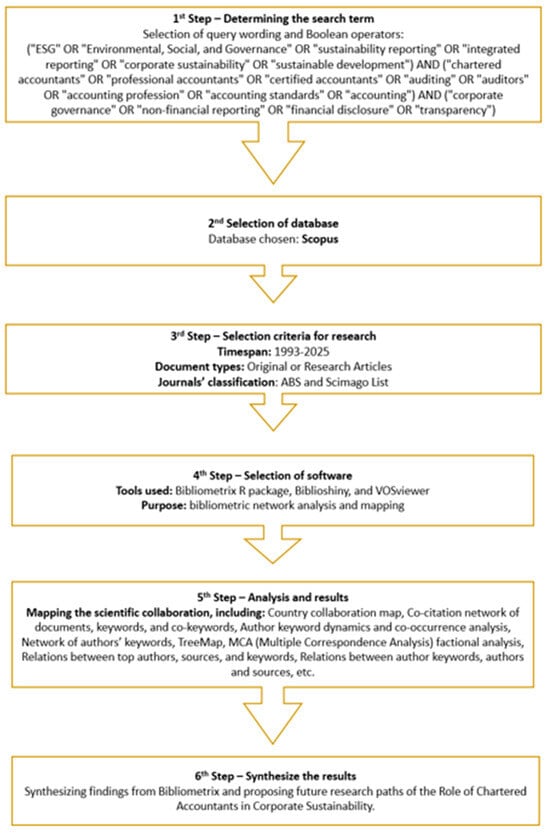
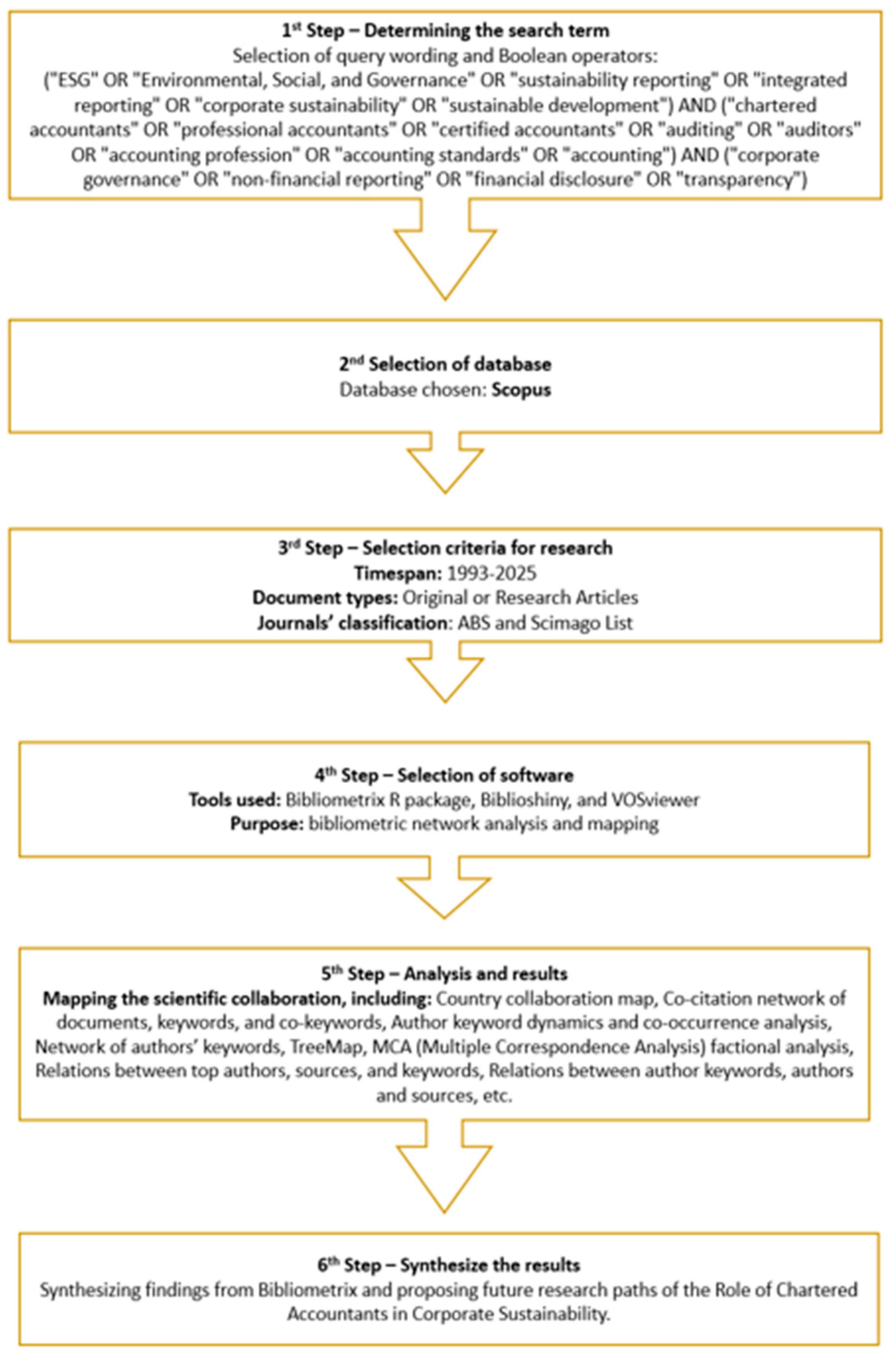
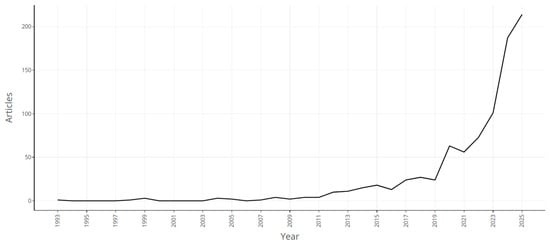
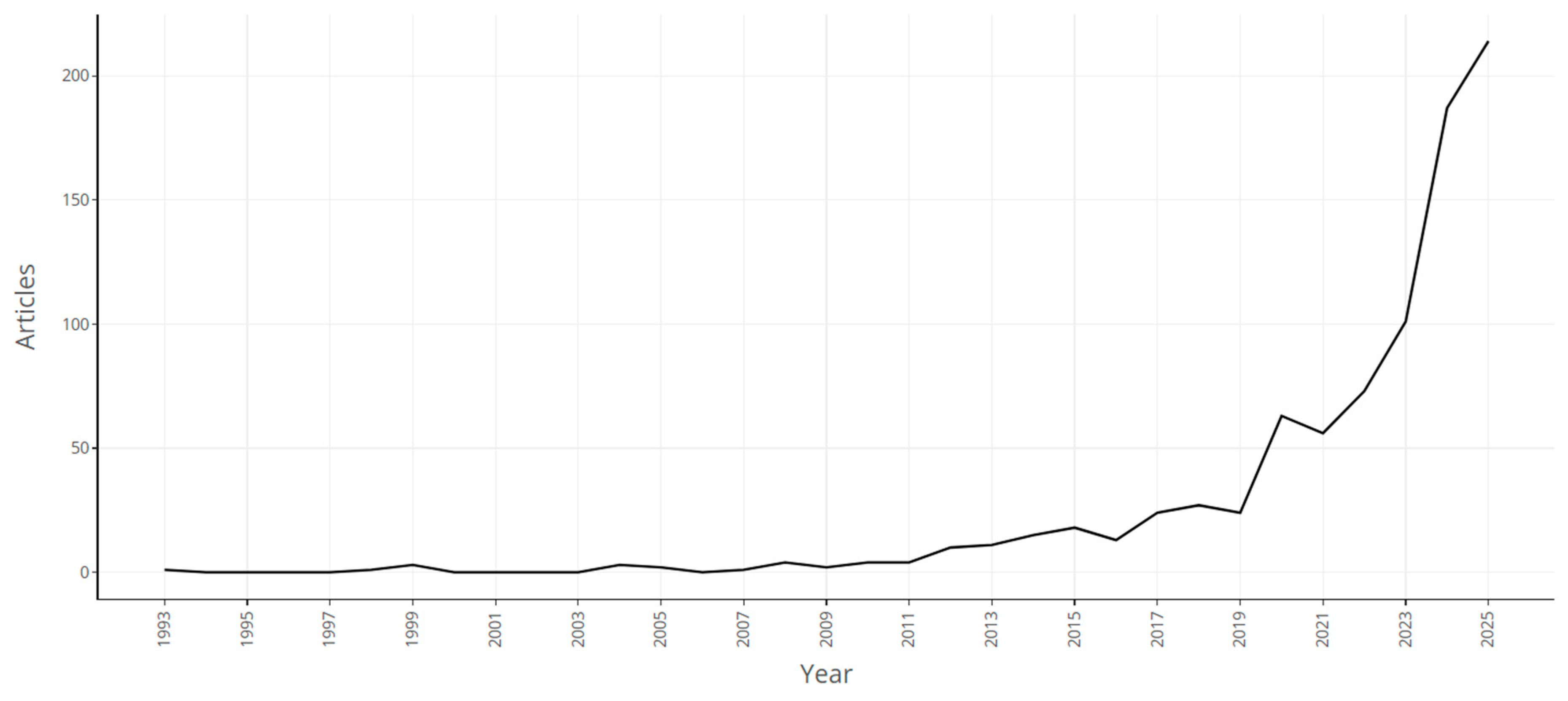
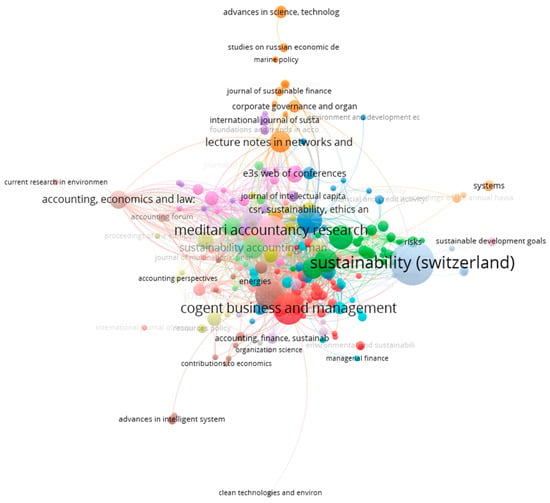
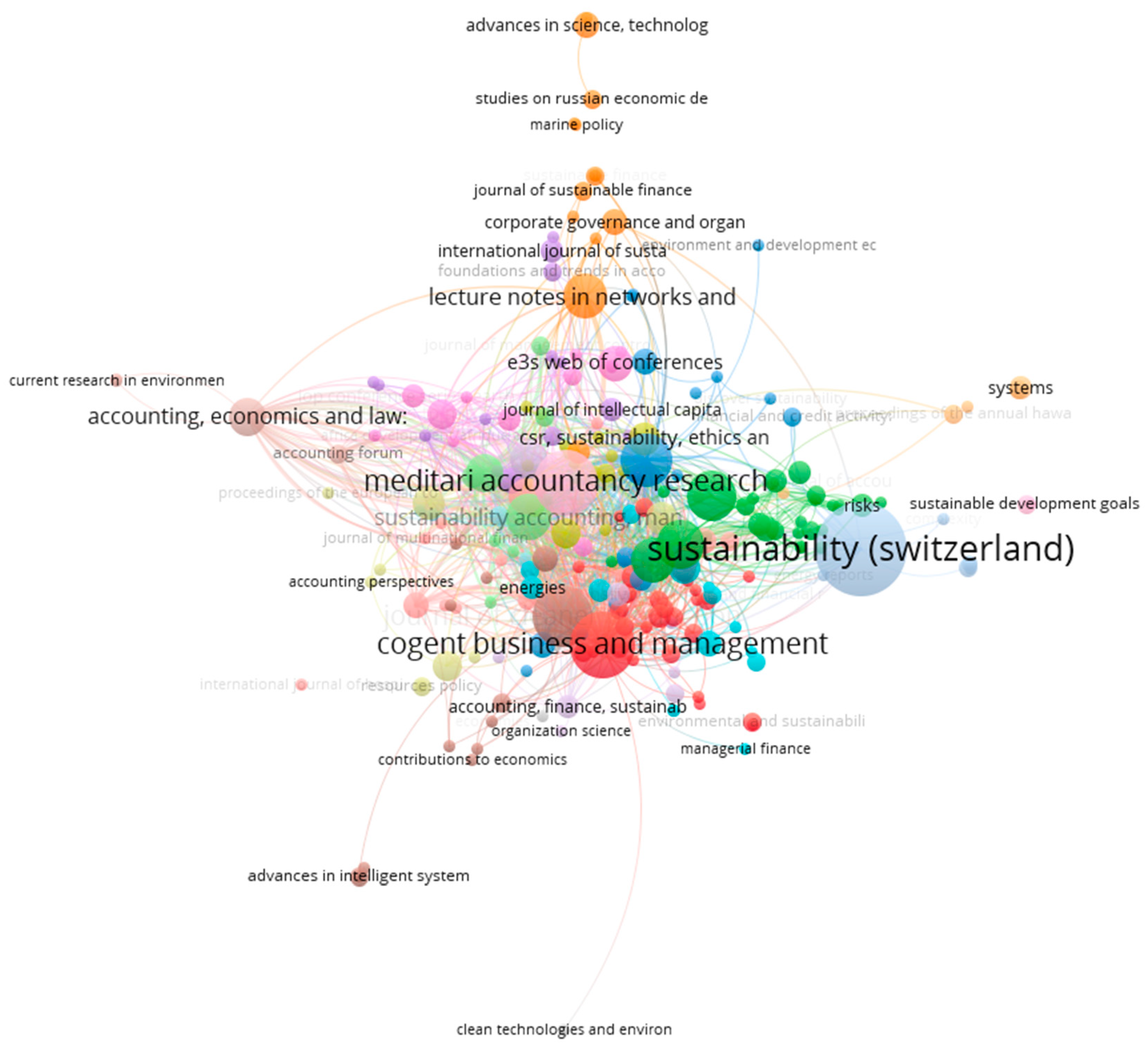
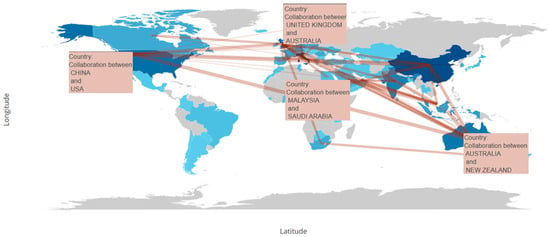
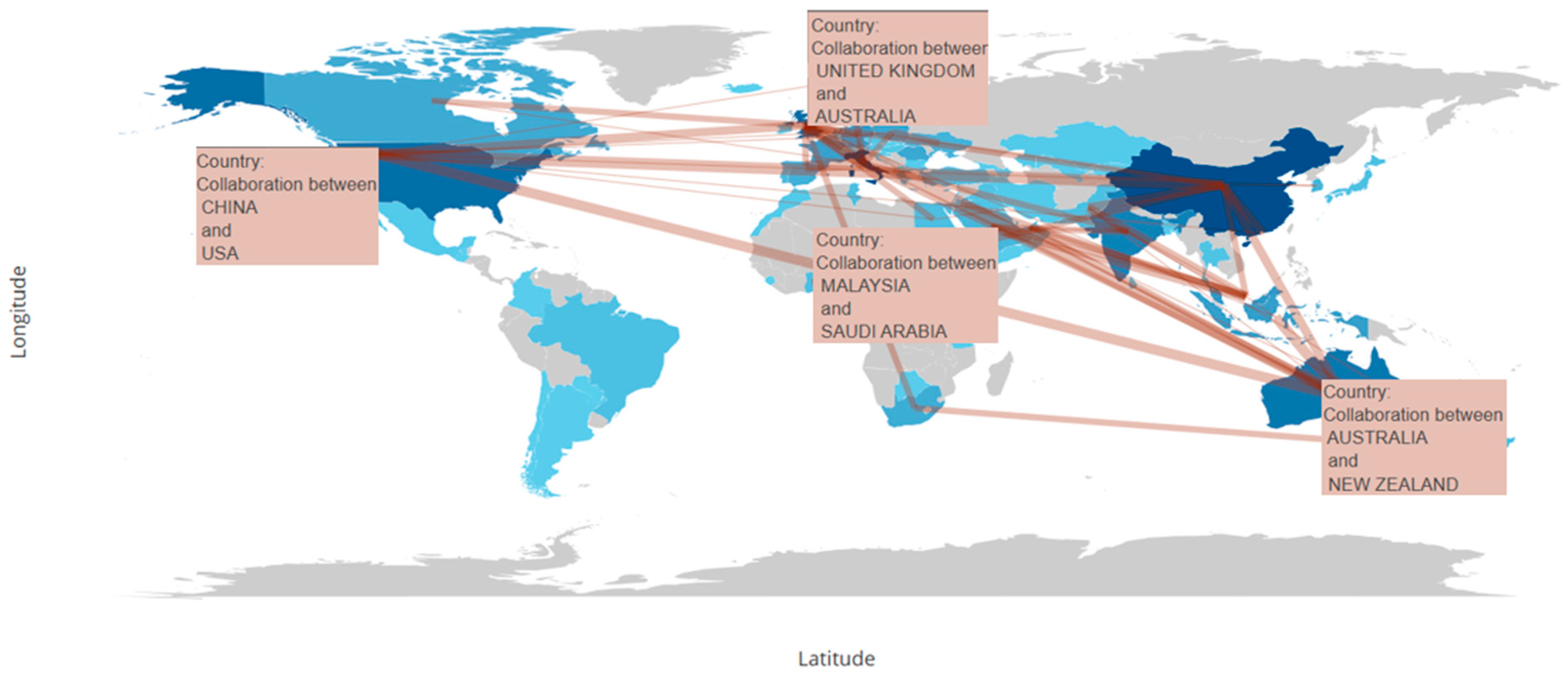
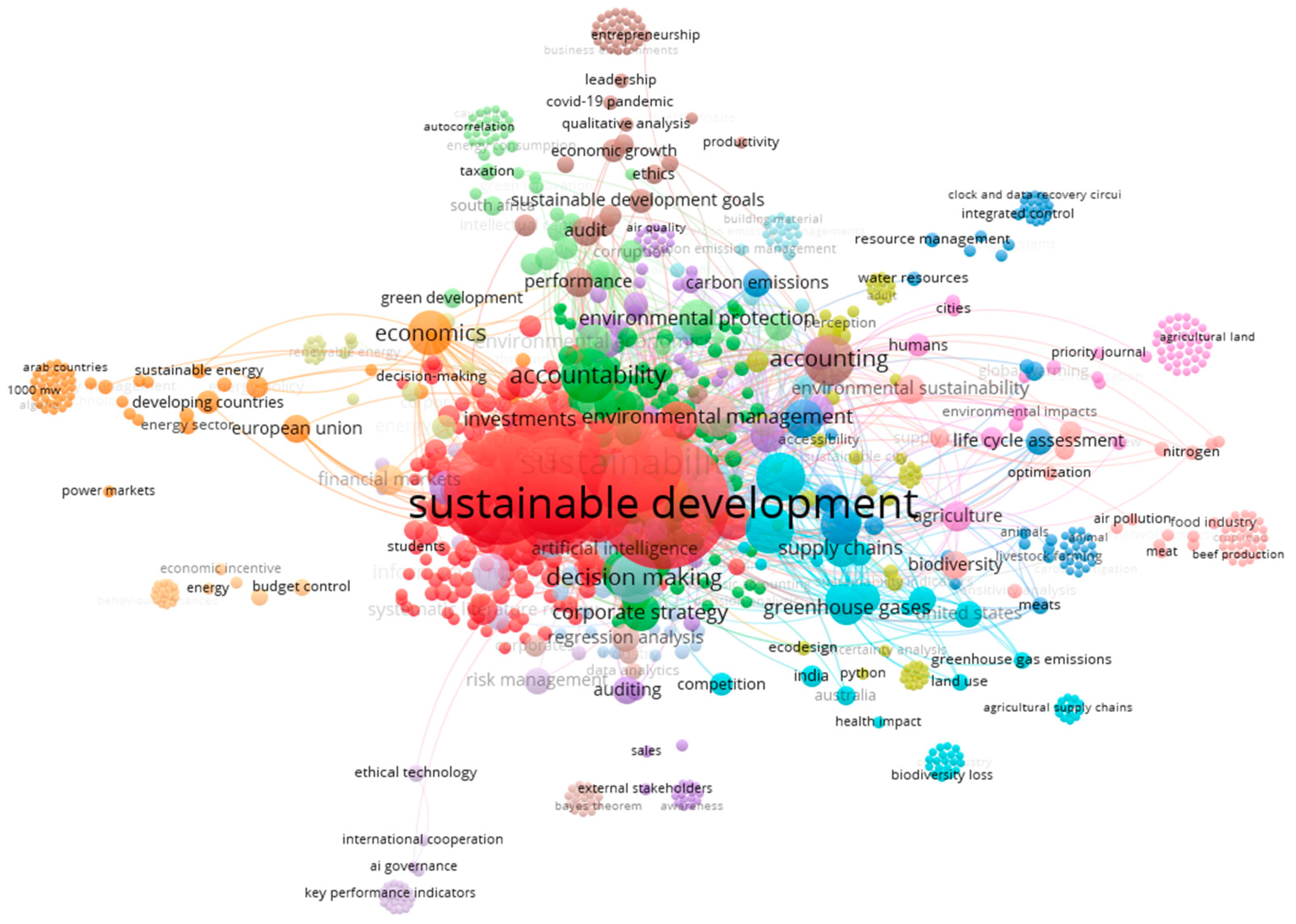
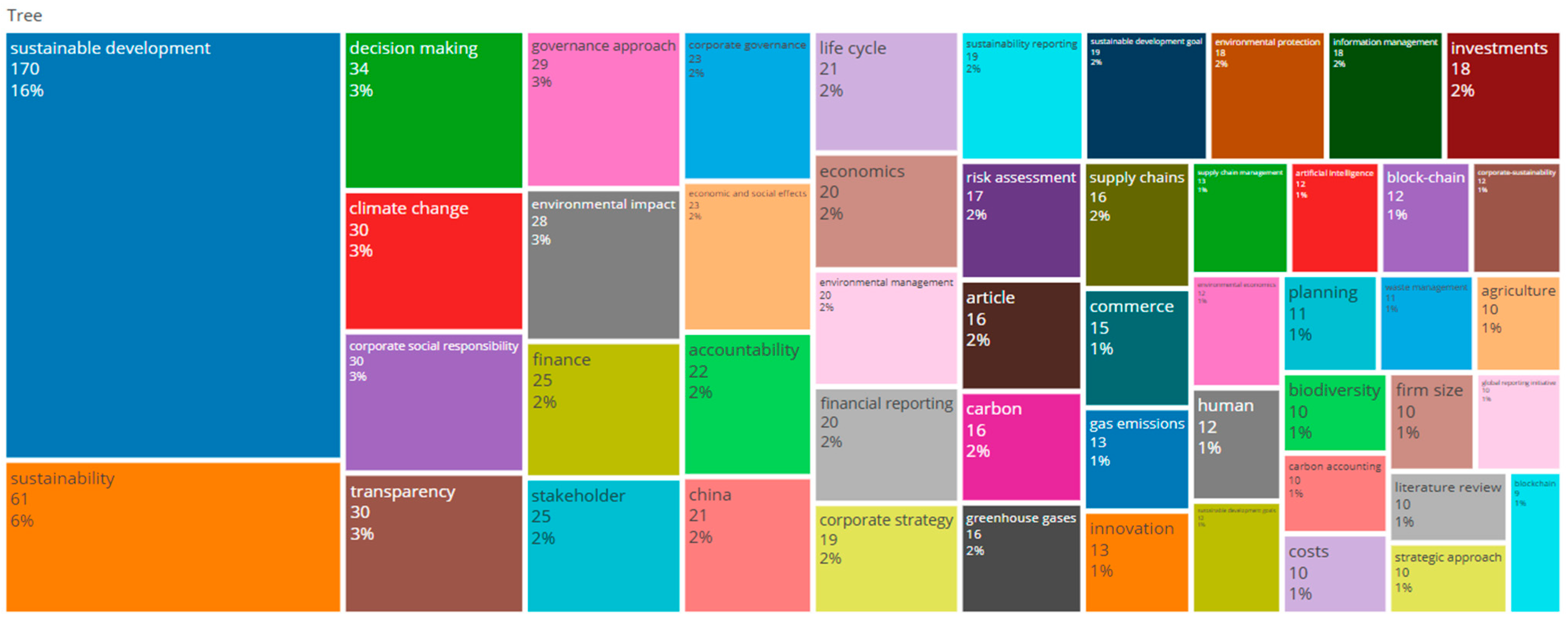
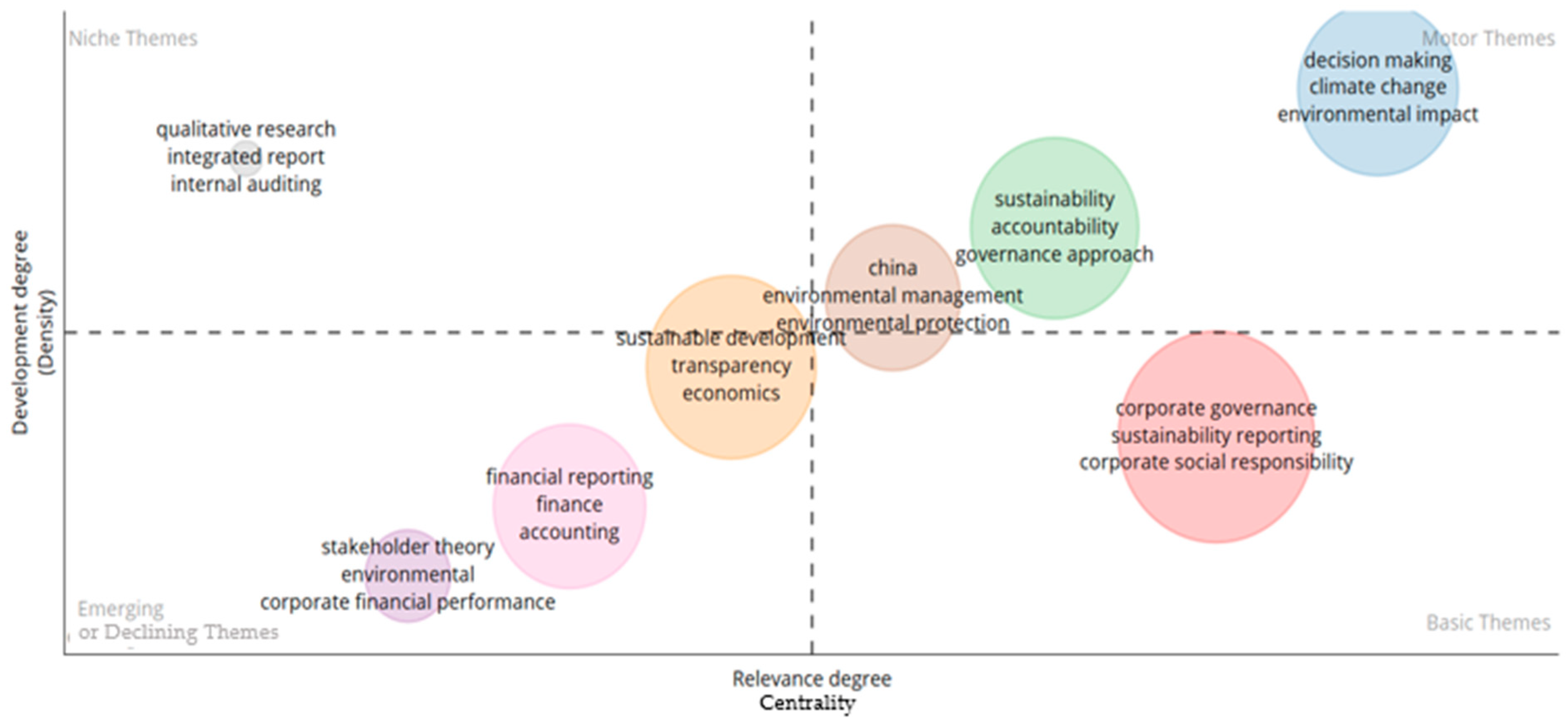
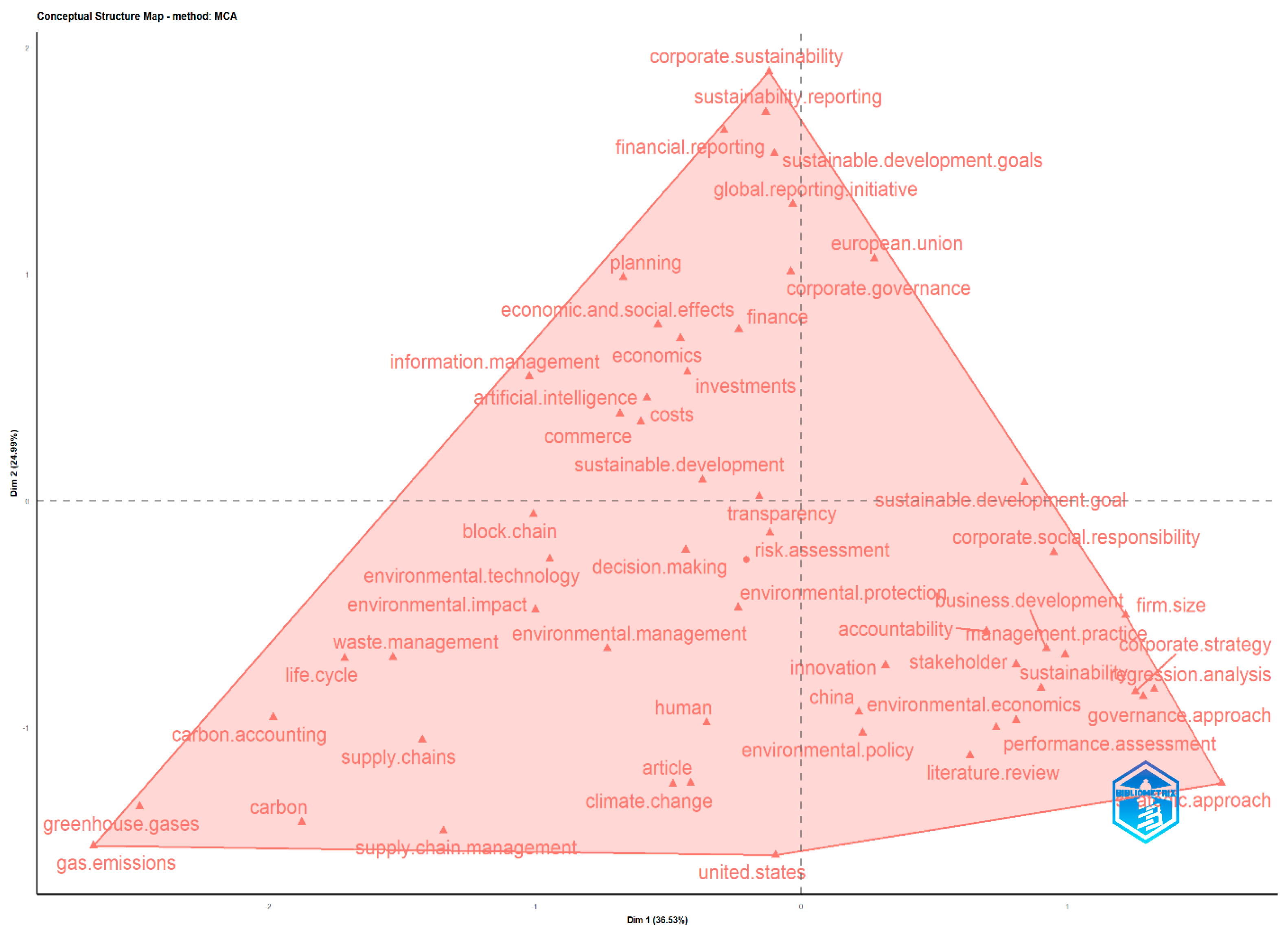

Disclaimer/Publisher’s Note: The statements, opinions and data contained in all publications are solely those of the individual author(s) and contributor(s) and not of MDPI and/or the editor(s). MDPI and/or the editor(s) disclaim responsibility for any injury to people or property resulting from any ideas, methods, instructions or products referred to in the content. |
© 2026 by the authors. Licensee MDPI, Basel, Switzerland. This article is an open access article distributed under the terms and conditions of the Creative Commons Attribution (CC BY) license.