


Abstract
As global climate and sustainable challenges gain more attention, green finance has emerged as a significant focus of worldwide financial reform, with green bonds serving as a key indicator. Retail investors, as an important part of the financial market, have a significant impact on the development of green finance through their investment willingness. This study aims to explore the influencing factors and mechanisms on the investment willingness of China retail investors towards green bonds. Based on empirical analysis of data from 2219 valid respondents in China, carried out using the SEM method, the results suggest that perceived usefulness (PU), investment literacy (IL), and information transparency (IT) all positively influence retail investors’ willingness to invest in green bonds. Additionally, PU, IL, and IT contribute to fostering an open attitude toward change (OATC) among retail investors, which, in turn, significantly promotes their investment willingness. This study also identifies the mediation effect of OATC. The findings provide both theoretical and practical insights to promote the development of green finance, enhance market activity, and support policy frameworks.
1. Introduction
Over the last fifty years, significant changes have occurred globally, highlighted by a shift in both economic and environmental policies (Abulibdeh et al. 2024; Tan et al. 2024). This transition is distinguished by a shift from a mainly growth-focused economic approach to one that emphasizes sustainable development (Ma et al. 2024; Tao and Chao 2024). The incorporation of environmental, social, and governance (ESG) criteria into financial decision-making has evolved beyond mere trendiness into an essential practice, showcasing a worldwide agreement that the health of our planet and the welfare of its residents are deeply interconnected with economic success (Wang et al. 2024b; Jiang et al. 2024). This transformation has been propelled by the pressing need to tackle the growing challenges of climate change, which has revealed the vulnerability of ecosystems and the risks to human societies from its severe effects (Chaban et al. 2024).
In this era of transformation, investments in green initiatives have taken center stage as a fundamental element of the emerging economic framework (Zhang et al. 2024b; Tian et al. 2024; Tao and Chao 2023). Such investments do not solely stem from regulatory demands or market dynamics; instead, they signify a profound shift in capital distribution toward projects and efforts aimed at promoting environmental protection, sustainability, and conservation (Mahran and Elamer 2024). At the forefront of this movement are green bonds, which serve as crucial tools for channeling substantial funds into a wide range of eco-friendly initiatives, including renewable energy, sustainable farming, and clean transport solutions (Javeed et al. 2024; Bouchmel et al. 2024).
Green bonds represent a beacon of innovation in the financial world, transcending the traditional boundaries of capital markets to become a catalyst for environmental stewardship (Cheng et al. 2024). Green bonds refer to bonds where the proceeds are specifically allocated to finance green projects, green industries, or certain green economic activities that meet certain required standards (Dutordoir et al. 2024; Wang et al. 2024c). It is a testament to the evolving ethos of finance, where the pursuit of profit is harmoniously intertwined with the preservation of our planet (Dong and Yu 2024). At their core, green bonds’s significance lies in their transformative power, bridging the chasm between the burgeoning demand for sustainable investments and the capital-intensive nature of green projects (Giri et al. 2024). Green bonds have become a crucial tool for promoting sustainable development, thanks to their well-defined and standardized framework. They enable investors to synchronize their financial strategies with their ecological values while contributing to a more resilient and sustainable global economy (Dill 2024; Caramichael and Rapp 2024). Additionally, the market has grown significantly, increasing from more than $37 billion in 2014 to surpass $487.1 billion in 2022, with projections suggesting it will attain $914.4 billion by 2030 (Cheng et al. 2024).
This study is situated within the context of a swiftly changing financial environment, influenced not only by the demands of economic expansion but also by the significant societal obligation to address climate change impacts and promote a more sustainable future. The research investigates the complex dynamics of retail investor behavior, with the goal of shedding light on the journey toward a more sustainable and resilient financial landscape. It aims to explore the motivations, perceptions, and decision-making processes that encourage retail investors to direct their capital towards green investments, thus playing a role in the larger story of how financial markets can drive positive environmental transformation and social advancement.
The participation of retail investors in the green bond market transcends mere financial activity; it represents a societal movement with significant consequences (Figure 1 presents the important of retail investors in the green bond market). These investors, due to their considerable influence in financial markets, are leading a transformative trend that is altering the realm of green finance. Economically, their engagement boosts the liquidity and depth of the green bond market, creating a more dynamic and competitive environment. Furthermore, their enthusiasm for green bonds stimulates innovation, resulting in the development of new green financial products and services that enhance the ecosystem of green finance. On a societal level, their involvement sends a strong message about environmental responsibility and awareness, encouraging a cultural transition that prioritizes sustainability in financial decision-making. This transition is crucial for achieving a low-carbon, environmentally sustainable society, where the combined efforts of retail investors can trigger systemic change and lead to a future in which finance contributes positively to environmental outcomes and societal well-being. The importance of retail investors in green bonds illustrates their essential role in shaping the landscape of sustainable finance and ensuring a legacy of prosperity aligned with the natural world.
Figure 1.
The importance of retail investors in the green bond market.
The current body of literature concerning green bonds mainly emphasizes various aspects, such as the influence of investors on the green bond market (Su et al. 2024); the connection between the green bond market and resource efficiency (Cheng et al. 2024); how green bonds affect corporate green technological innovation (Zhang et al. 2024a; Ren et al. 2024); the motivations behind issuers opting to release corporate green bonds (Dutordoir et al. 2024); and considerations related to policy (Wang et al. 2024c; Cao et al. 2024). Nevertheless, previous research has not extensively examined the demand factors associated with green bond investments, as indicated by Azad et al. (2024). Furthermore, the perspectives of retail investors regarding green bonds, as well as their willingness to view them as a viable investment option, have been largely overlooked (Prajapati et al. 2021; Azad et al. 2024; Zenno and Aruga 2024). Consequently, this research seeks to address this oversight by exploring the investment intentions of retail investors in relation to green bonds.
Moreover, this study identifies perceived usefulness (PU), investment literacy (IL), information transparency (IT), and open attitude towards change (OATC) as critical influencing factors in shaping retail investors’ willingness to invest in green bonds. This is due to several reasons, each reflecting the complex decision-making processes that underpin investment behavior in the context of green finance (see Table 1). Based on these research variables, this study constructs a comprehensive survey framework that addresses key determinants of retail investors’ participation in the green bond market, and this framework has not been fully explored in existing research. By integrating these dimensions, the study offers a more nuanced understanding of the behavioral drivers behind retail investors’ decision-making processes. Furthermore, it provides valuable insights for developing a more informed, robust, and sustainable green bond market, one that not only enables investors to meet their financial objectives but also supports the larger societal goal of environmental sustainability.
Table 1.
Basis for the selection of research variables.
This study presents several significant innovations that contribute to the existing body of literature on green investment, particularly in the context of retail investors’ participation in the green bond market. These innovations can be outlined as follows:
Firstly, this study is the first to investigate the willingness of Chinese retail investors to participate in the green bond market. It offers a comprehensive analysis of the underlying factors driving investor behavior in the context of green finance in China. Given China’s unique economic and regulatory environment, this study provides new insights into the willingness of retail investors to participate in the green bond market and systematically analyzes the influencing mechanisms that shape their investment intentions.
Another key innovation lies in the survey framework developed for this study. By incorporating these factors, this study offers a more holistic and integrated model of investor behavior, which improves the understanding of the complex drivers of investment decisions in the green bond market. Unlike prior studies, which often focus on limited variables or fail to examine the interconnectedness of these factors, this study provides a comprehensive and multi-dimensional approach to understanding retail investor behavior.
Furthermore, this study benefits from an extensive sample size of 2219 valid responses, which enhances the statistical power and generalizability of the findings. With such a large and geographically diverse sample, the study goes beyond the limitations of previous research, which often relied on smaller or less representative samples. This larger sample allows for a more robust analysis of the factors influencing Chinese retail investors’ decisions, providing a more accurate reflection of the broader investor population. The depth of the data collected also enables a more nuanced understanding of investor behavior across different demographics and socio-economic backgrounds.
Beyond its theoretical contributions, this study provides important practical implications for the green finance ecosystem. By identifying the key determinants of retail investors’ willingness to invest in green bonds, the findings offer actionable insights for policymakers, financial institutions, and green bond issuers. Policymakers can facilitate retail participation by enhancing regulatory transparency and promoting investor education to reduce perceived risks and complexity. Financial institutions and asset managers may leverage these results to improve investment literacy and perceived usefulness through clearer information disclosure and investor-oriented product design. For issuers, understanding these drivers can support the development of more accessible and attractive green bond products. Overall, the study highlights the importance of fostering an inclusive and well-informed investment environment to mobilize retail capital and support the transition toward a low-carbon economy.
It is worth noting that the global green bond market has experienced significant shifts in recent years, with global issuance declining, while China has emerged as one of the leading issuers of green bonds in 2024. This shift creates a unique market context in which domestic expansion coexists with global contraction, raising important questions about how retail investors perceive and evaluate green bonds. Conducted in 2025, this study captures retail investors’ willingness to invest in green bonds at a critical juncture in the development of China’s green bond market. Against this evolving backdrop, this study provides timely insights into investor attitudes under shifting global and domestic market conditions.
2. Literature Review and Research Hypothesis Development
2.1. China’s Green Bonds
Green bonds represent an emerging category of fixed-income financial instruments that are utilized to generate capital for numerous initiatives focused on mitigating climate change challenges (Li et al. 2025). Such initiatives cover a diverse array of areas, including efforts to decrease greenhouse gas emissions, promote clean energy, and enhance energy efficiency (Chang et al. 2025). Certain initiatives are particularly tailored to confront climate change directly (Yang et al. 2025; Business & Sustainable Development Commission 2017).
The green bond market in China is experiencing rapid growth (Huang et al. 2025) and has emerged as the largest green bond marketplace globally (Zhan et al. 2026). Statistics from the Climate Bonds Initiative (CBI) reveal that in recent years, China has consistently ranked among the top countries worldwide in green bond issuance, underscoring its substantial role in the advancement of green finance on a global scale (Rose 2019; Zhou et al. 2025). According to data from the China Green Low-Carbon Transition Bond Database, the value of green bond issuance in China grew from 201.8 billion yuan in 2016 to 683.3 billion yuan by 2024, reflecting an average annual growth rate of 16.5%. Throughout this timeframe, green bonds have facilitated financing options for an increasing number of market players, with the total number of issuers rising from 35 to 249. By the end of 2024, there were 1868 green bonds outstanding in China, with a total bond balance of 2.2 trillion yuan. Figure 2 depicts the trends in green bond issuance in China from 2017 to 2024.
Figure 2.
The issuance situation of green bonds in China from 2017 to 2024.
2.2. Theoretical Framework
In this study, we aimed to examine the factors influencing the investment willingness of Chinese retail investors in green bonds. The theoretical framework underlying this research draws from established models in psychology, sociology, and economics, particularly focusing on the Technology Acceptance Model (TAM), the Theory of Planned Behavior (TPB), Social Cognitive Theory (SCT), Value–Belief–Norm Theory (VBN), Principal–Agent Theory (PAT) and Signaling Theory (ST). The integration of these theories is not meant to create a superfluous amalgamation of concepts but is instead designed to offer a comprehensive lens through which we can understand the dynamics of green investment behaviors, particularly in the Chinese retail investor context.
The choice of theories is based on their specific relevance to explaining key aspects of individual decision-making processes, as well as their applicability to understanding the unique dynamics surrounding green bond investments. Appendix A provides a rationale for the integration of each theory into this framework, which together form a robust explanation of the factors that influence the willingness of retail investors to engage with green bonds.
2.3. Perceived Usefulness (PU) and Investment Willingness
In the field of green investment, the perceived usefulness (PU) of green bonds may emerge as a crucial element that affects individual investors’ readiness to engage with such financial instruments. Based on the technology acceptance model (TAM) established by Davis (1989), PU plays a vital role in the acceptance of innovative technologies (Adams et al. 1992), and it is anticipated to exert a similar influence on the investment choices of retail investors. In particular, when investors view green bonds as beneficial for fulfilling their financial and ecological objectives, they are more inclined to nurture a favorable intention to invest in these assets. This notion is reinforced by the theory of planned behavior (TPB) posited by Ajzen (1991), which indicates that both attitudes and subjective norms serve as important predictors of behavioral intentions. Consequently, the perceived value of green bonds, reflecting personal beliefs and societal factors, is likely to encourage a stronger intention among retail investors to direct their funds toward these environmentally friendly options.
Additionally, the influence of PU in encouraging investment in green bonds can be clarified through the framework of social exchange theory (Cook et al. 2013). According to this theory, individuals participate in social interactions based on the advantages and disadvantages they foresee from those interactions (Ahmad et al. 2023). Within the realm of green bond investment, the advantages perceived—stemming from the overall utility of such investments—can act as a strong incentive for retail investors. When investors believe that green bonds provide concrete benefits, including possible financial returns and positive environmental effects, they are more likely to proceed with the investment. This sense of utility not only resonates with their individual values but also meets their social expectations, which further strengthens their commitment to investing in green bonds. As a result, the relationship between PU, individual values, and social expectations highlights the importance of PU as a crucial factor in shaping investment intentions within the green bond sector.
Based on this, the following research hypotheses are proposed:
H1:
Perceived usefulness (PU) has a significant positive impact on investment willingness.
2.4. Investment Literacy (IL) and Investment Willingness
The foundation of this research is rooted in the existing literature concerning financial literacy and investment behavior, which posits that a crucial determinant of investment choices is investment literacy. This concept is characterized by the capacity, knowledge, skills, and confidence required to make well-informed financial decisions (Volpe et al. 1996; Jappelli and Padula 2013). This research proposes that investment literacy may enhance the propensity of retail investors to engage in green bonds via various mechanisms.
To begin with, the theory of planned behavior (TPB) (Conner and Armitage 1998) serves as a strong theoretical framework for comprehending the connection between investment literacy and investment actions. According to TPB, an individual’s intention to perform a behavior is shaped by their attitude toward that behavior, the subjective norms surrounding it, and their perceived control over the behavior (Ajzen 1991). Enhanced investment literacy is likely to foster a more favorable attitude among investors regarding green bonds, as it offers a better insight into the associated risks and potential advantages (Volpe et al. 2002; Mahdzan et al. 2020; Takeda et al. 2013). Consequently, this can bolster the subjective norms that promote investment in green bonds, as investors might feel a sense of social responsibility or be influenced by peers to allocate their resources towards sustainable investments.
In addition, the social cognitive theory (Luszczynska and Schwarzer 2015) provides valuable perspectives on how literacy in investments can promote the adoption of green bond investments. This framework highlights the significance of observational learning, self-efficacy, and personal outcome expectations in shaping behaviors (Bandura 2001; Schunk and DiBenedetto 2020). By enhancing investment literacy, individuals can boost their self-efficacy, enabling them to view themselves as capable of successfully engaging in green bond investments. Furthermore, witnessing others who have effectively invested in green bonds can strengthen the conviction that such choices are both feasible and advantageous, thereby motivating retail investors to participate.
Based on this, the following research hypothesis is proposed:
H2:
Investment literacy (IL) has a significant positive impact on investment willingness.
2.5. Information Transparency (IT) and Investment Willingness
This research suggests that transparency in information plays a crucial role in increasing the propensity of retail investors to engage with green bonds, based on signaling theory (ST) (Connelly et al. 2025) and the theory of planned behavior (TPB) (Conner and Armitage 1998). ST posits that uncertainty due to asymmetric information in financial markets leads investors to depend on reliable signals to gauge risks and returns (Bebczuk 2003; Sciubba 2005; Nikolaou et al. 2013). In the context of green bonds, clear disclosure of metrics related to environmental impact, detailed information on fund allocation, and verification reports from third parties serve as strong signals that reduce information asymmetry. This level of transparency not only alleviates perceived financial risks by clarifying the consistency between the claims made by issuers and the actual environmental results but also boosts trust in the authenticity of green initiatives (Li and Yang 2023; Deng et al. 2022). Additionally, TPB sheds light on the mental process involved: greater transparency cultivates positive perceptions towards green bonds, enabling investors to align their personal environmental values with solid, verifiable information (Shih et al. 2022; Alleyne 2011). At the same time, it enhances perceived behavioral control by providing investors with straightforward information to assess the viability of investments, thus converting vague environmental awareness into actionable intentions.
The mechanism functions through a dual-channel approach. Initially, transparency boosts cognitive legitimacy by delivering detailed, standardized information that meets retail investors’ expectations for accountability and comparability (Chen et al. 2023; Kanagaretnam et al. 2014). When issuers implement widely recognized frameworks such as the Green Bond Principles, retail investors believe there is a diminished risk of “greenwashing,” effectively lowering the psychological barriers to participation. Furthermore, transparency invokes normative social influence by establishing visible benchmarks for environmental performance. As the disclosed information enables comparisons between peers and fosters public discourse, investors come to adopt societal expectations regarding sustainable investing, a concept clarified by social cognitive theory (Khan et al. 2020).
Based on this, the following research hypothesis is proposed:
H3:
Information transparency (IT) has a significant positive impact on investment willingness.
2.6. The Mediating Role of Open Attitude Towards Change (OATC)
This research argues that the perceived usefulness (PU) significantly influences investors’ open attitude towards change (OATC) regarding green bonds among Chinese retail investors. Utilizing the technology acceptance model (TAM), which elucidates the acceptance of information technology and can be modified for various contexts, such as investment behavior (Davis 2015), the hypothesis is developed that the extent to which investors recognize green bonds as beneficial for fulfilling their financial and environmental goals increases their readiness to adopt novel investment strategies and products. According to the TAM, perceived usefulness is considered a key factor in determining behavioral intention (Lu and Gustafson 1994). Within the context of green bonds, a heightened perception of usefulness indicates that investors are convinced these options will produce not only financial gains but also advance environmental sustainability. This conviction is expected to encourage a more favorable attitude towards change, leading investors to pursue new investment opportunities in line with their values and aims. The suggested mechanism underscores the significance of aligning investment options with investors’ sustainability priorities and financial objectives, which can profoundly impact their willingness to adjust to changing market dynamics and investment trends.
Based on this, the following research hypothesis is proposed:
H4:
Perceived usefulness (PU) has a significant positive impact on investors’ open attitude towards change (OATC).
This research suggests that investment literacy (IL) has a notable positive effect on investors’ open attitude towards change (OATC) within the realm of green bond investments. The influence of investment literacy on OATC operates through two primary mechanisms. Firstly, individuals with higher levels of investment literacy tend to develop more favorable attitudes towards green bonds, as they are more capable of identifying the long-term advantages and aligning investments with their personal values (Krische 2019; Jappelli and Padula 2013). Secondly, investment literacy can enhance perceived behavioral control by lowering the perceived obstacles to investing in green bonds, which in turn fosters a greater openness to change. Furthermore, people are more inclined to embrace new behaviors when they find them straightforward and manageable.
Based on this, the following research hypothesis is proposed:
H5:
Investment literacy (IL) has a significant positive impact on investors’ open attitude towards change (OATC).
Utilizing the principal–agent theory and social cognitive theory, this research asserts that information transparency (IT) significantly enhances investors’ open attitude towards change (OATC) concerning the adoption of green bonds. Principal–agent theory (Gailmard 2014; Braun and Guston 2003) suggests that improved IT diminishes information asymmetry between investors and issuers by delivering timely, verifiable, and comprehensive disclosures regarding the environmental impacts of green bond projects, methods of fund allocation, and details about third-party certifications (Poth and Selck 2009; Popović et al. 2012). Such transparency alleviates concerns about “greenwashing,” cultivating calculative trust, and thereby allowing investors to cognitively merge financial returns with sustainability goals. Additionally, social cognitive theory (Luszczynska and Schwarzer 2015) clarifies this process: transparent information acts as environmental stimuli that influence investors’ expectations of outcomes and self-efficacy beliefs. When investors consistently receive standardized ESG performance metrics (for instance, CO2 reductions measured via the GHG Protocol) and impact reports that correspond with the EU Taxonomy, they are better equipped to assess the feasibility and attractiveness of shifting toward green portfolios. This foundation of information lessens ambiguity aversion (Peysakhovich and Karmarkar 2016) and encourages proactive involvement with innovative financial products, ultimately leading to an enhanced OATC through reinforced expectations of outcomes (perceived compatibility with personal values) and increased self-efficacy (confidence in making well-informed green investment choices).
Based on this, the following research hypothesis is proposed:
H6:
Information transparency (IT) has a significant positive impact on investors’ open attitude towards change (OATC).
Furthermore, this research posits that an investor’s open attitude toward change (OATC) has a significant positive effect on their willingness to invest in green bonds. This connection is theoretically supported by the value–belief–norm (VBN) framework (Andersson et al. 2005; Naznen et al. 2023) and the theory of planned behavior (TPB) (Conner and Armitage 1998). As per the VBN theory, individuals who exhibit a greater OATC are more likely to emphasize biospheric and altruistic values, fostering a stronger belief in the environmental effectiveness of green bonds as a solution to climate-related issues. This belief subsequently triggers personal norms, which represent an internalized moral obligation, motivating individuals to make pro-environmental financial choices, and thus directly enhancing their investment intentions. At the same time, TPB offers an additional perspective: OATC improves perceived behavioral control by increasing investors’ self-confidence in their capability to evaluate and navigate the risks and complexities tied to green financial instruments, which in turn lowers obstacles to taking action.
Based on this, the following research hypothesis is proposed:
H7:
Investors’ open attitude towards change (OATC) has a significant positive impact on their willingness to invest in green bonds.
Therefore, the following research hypotheses can be proposed:
H8:
Open attitude towards change (OATC) plays a significant mediating role in the process of perceived usefulness (PU) affecting investment willingness.
H9:
Open attitude towards change (OATC) plays a significant mediating role in the process of investment literacy (IL) affecting investment willingness.
H10:
Open attitude towards change (OATC) plays a significant mediating role in the process of risk perception (RP) affecting investment willingness.
3. Methodology
3.1. Research Design and Scale Development
The theoretical framework for this study is built upon earlier theoretical discussions and the hypotheses previously identified, being meticulously tailored to fit the context of the green bond market in China. To maintain scientific rigor and precision in the research approach, multiple measures have been put into practice. Initially, an extensive review of pertinent literature was conducted. Building on this groundwork, the study systematically analyzed and assessed existing research scales, revising and enhancing them based on earlier studies to guarantee that they accurately and fully reflect investors’ willingness to invest in green bonds and the factors influencing it. Furthermore, the research team consulted with experts and scholars from related fields, as well as industry professionals, engaging them in expert interviews and focus group discussions to elicit their insights regarding investment willingness in green bonds. The insights gathered from these experts are intended to enrich the research scale’s content and enhance its reliability and accuracy. Lastly, to ensure effective translation, the study adhered to the forward-backward approach proposed by Sousa and Rojjanasrirat (2011).
The initial testing of the research tool is of considerable significance. Before the final roll-out, a total of 100 individuals were selected to assess the preliminary items of the questionnaire. The gathered data facilitated tests for both reliability and validity, resulting in the elimination of measurement items that did not satisfy the predetermined standards. Furthermore, adjustments and validations of the measurement items were carried out in light of the challenges encountered during the research process and the feedback provided by the participants.
The model illustrated in Figure 3 comprises five variables pertinent to the study. A comprehensive list of measurement items for various dimensions is available in Table 2. Additionally, a seven-point Likert scale, spanning from 1 (strongly disagree) to 7 (strongly agree), was utilized for scoring in this research.
Figure 3.
Theoretical research model.
Table 2.
Research scale.
3.2. Sample Acquisition
This research utilized a comprehensive, multi-phase sampling approach to guarantee the validity and representativeness of the data gathered from retail investors in China. Data collection was carried out through a structured questionnaire disseminated via Wenjuanxing1, a prominent professional survey platform in the country. Before launching the survey, a pre-questionnaire educational module was introduced: participants received a standardized, objective overview of green bonds, which are defined as fixed-income securities allocated for projects that benefit the environment, their significance in climate mitigation (e.g., financing for renewable energy), and their compatibility with national strategies such as China’s “Dual Carbon” objectives. This measure ensured that respondents had the necessary foundational knowledge, thereby minimizing potential response bias caused by misunderstandings. To be eligible for participation, individuals needed to satisfy three requirements: (1) age between 20 and 65, (2) possess a minimum of one year of investment experience, and (3) have no previous professional work involvement in environmental finance.
To ensure representativeness, participant recruitment for the survey was conducted using various methods, including written invitations, online survey platforms, telephone outreach, and completion of questionnaires in the field.
Utilizing strategies to address common method biases identified in prior studies, this research gathered data from participants across five distinct time intervals, each separated by six weeks (Podsakoff et al. 2003; Iqbal et al. 2023). The first round of the formal survey included items related to perceived usefulness (PU). The second round of the survey involved measuring items related to investment literacy (IL), the third round comprised items related to information transparency (IT), the fourth round included items related to open attitude towards change (OATC), and the final round focused on willingness to invest (WTI). All research variables were self-reported by the respondents.
Figure 4 illustrates the demographic details of the respondents, comprising a total of 2219 individuals with no missing data in the study. It is worth noting that these sample sizes cover all seven regions of China, namely: Northeast, North, Central, South, East, Northwest and Southwest China.
Figure 4.
Demographic information of respondents (n = 2219).
Figure 5 shows the data collection process. Initially, a total of 2290 participants were involved in the survey. Ultimately, after discarding invalid responses, the study attained a total of 2219 valid questionnaire responses. In addition, all five waves of data collection involved the same respondents, ensuring consistent data.
Figure 5.
Data collection process.
During the recruitment of participants and the collection of samples, the study meticulously adhered to the ethical standards and legal obligations established by the country, guaranteeing the protection of the rights and interests of the respondents. Significant attention was also dedicated to maintaining the confidentiality of personal data throughout the entire survey process. Before concluding the survey questionnaire, all participants received information about the research objectives and were informed that it would take approximately 20 min to complete. Additionally, prior to participating in the study, consent was obtained from every participant, ensuring that their responses would remain confidential and anonymous, with a guarantee that the survey would be used exclusively for academic research purposes.
4. Empirical Analysis of Structural Equation Modeling
4.1. Common Method Bias Test
This research employed two approaches to verify the existence of common method bias. First, the Harman single-factor test was utilized in the statistical analyses. All measurement items from the study underwent exploratory factor analysis through SPSS 27.0 software. The results of the reduced dimensionality indicated that the initial unrotated factor accounted for 34.529% of the variance, which is below the 50% threshold (Harman 1976; Podsakoff et al. 2003). Thus, it can be deduced that common method bias is not an issue.
Following the study by Mossholder et al. (1998), a thorough examination of common method bias was performed using the CFA comparison technique. To begin with, all measurement items were combined into a single-factor structure referred to as Model 1 (one-factor model). Next, Model 2 (multi-factor model) was created by incorporating variables and measurement items that are theoretically associated. The comparison between these two models (refer to Table 3) revealed a notable difference with ∆χ2 = 1286.919, ∆df = 10, and p = 0.000, which is below the significance level of 0.05. Consequently, this supports the conclusion that common method bias is not present.
Table 3.
Common method bias test result.
4.2. Exploratory Factor Analysis
Using SPSS version 27.0, the scale applied in this research underwent an exploratory factor analysis through the principal component analysis method. The obtained Kaiser-Meyer-Olkin (KMO) statistic was 0.866, which exceeds the recommended minimum of 0.7. Additionally, the Bartlett Test of Sphericity produced a value of 3312.443, accompanied by 105 degrees of freedom (df) and a p-value of 0.000, falling below the accepted threshold of 0.05. These results indicate that the dataset is suitable for conducting exploratory factor analysis.
Based on the identified factor number shown in the scree plot, a rotation aimed at maximizing variance was performed to ensure that the eigenvalues for the factors were greater than 1. Consequently, five factors were extracted, and after removing measurement items with cross-loadings, various measurement indicators were organized according to the corresponding factors. Table 4 presents the results of the exploratory factor analysis, indicating that all measurement items had factor loadings greater than 0.600, and the Cronbach’s α values were consistently above 0.700. These findings imply that the exploratory factor analysis conducted in this research produced a positive analytical outcome.
Table 4.
Exploratory factor analysis result.
4.3. Confirmatory Factor Analysis
Following the analysis of the research sample, an investigation was carried out to develop five key structural models using AMOS 23.0 software. The objective of comparing these models was to ascertain the most suitable factor structure. The models included a single-factor framework, a two-dimensional model, a three-dimensional configuration, and setups for both four and five factors. As shown in Table 5, the five-factor model exhibited the best-fitting statistics (χ2/df = 1.566, TLI = 0.982, IFI = 0.986, CFI = 0.986, SRMR = 0.029, RMSEA = 0.034). The evaluation of the five-factor model confirmed the adequate discriminant validity of the individual first-order factors analyzed in this research, each signifying distinct constructs. Therefore, employing a five-factor model is consistent with the rigorous standards of this research study.
Table 5.
Confirmatory factor analysis result.
4.4. Model Fit Test
The fit indices for the research model are as follows: CMID/DF = 3.047 (Malhotra et al. 2014), GFI = 0.945 (Bagozzi and Yi 1988), AGFI = 0.920 (Malhotra et al. 2014), CFI = 0.948 (Bentler and Bonett 1980), TLI = 0.934 (Hu and Bentler 1999), RMSEA = 0.064 (Browne and Cudeck 1992), IFI = 0.953 (Hu and Bentler 1999). These fit indices align with their respective threshold standards, with several indicating an excellent performance. Therefore, it can be concluded that the research model exhibits a satisfactory level of fit.
4.5. Measurement Model Analysis
The results presented in Table 6 illustrate the outcomes of the assessments concerning reliability and validity performed on the research scale. The data indicate that Cronbach’s alpha values for all dimensions exceed the threshold of 0.7, suggesting a high level of reliability (Hair et al. 2019). Furthermore, the scores for composite reliability (CR) in each dimension also surpass the minimum acceptable value of 0.7 (Hair et al. 2021), and the average variance extracted (AVE) figures for all dimensions exceed the 0.5 mark (Fornell and Larcker 1981). Consequently, the research scale demonstrates considerable validity.
Table 6.
Scale reliability and validity test result.
Furthermore, the square root of the AVE for each variable is greater than the correlation coefficients between the variables (see Table 7), indicating a robust discriminant validity of the scale (Rönkkö and Cho 2022).
Table 7.
Discriminant validity test result.
4.6. Structural Model Analysis
Table 8 presents the research hypotheses in conjunction with the results obtained from the path analysis. The results indicate that every proposed hypothesis within this study (direct effects) demonstrates noteworthy positive correlations. As a result, these pathways have been validated, confirming each of the hypotheses regarding direct effects.
Table 8.
Direct effect test result.
4.7. Mediation Effect Analysis
By applying the research methodology outlined by Hayes (2009), this study implemented the bootstrap method to investigate the possibility of a mediating effect. To begin, a confidence interval of 95% was set, and subsequently, followed by 1000 bootstrap samples. Analysis performed using Amos software revealed that a mediating effect is present when the Z value surpasses 1.96, and neither the Bias-Corrected nor the Percentile confidence intervals include 0. In contrast, if 0 is included within the interval, it indicates the absence of a mediating effect.
According to the results in Table 9, the indirect effect interval of conservatism not only does not contain 0 in the Bias-Corrected 95% CI but also does not contain 0 in the Percentile 95% CI, and the Z value exceeds 1.96. Therefore, the mediating effect of OATC is significantly present in the process of PU affecting WTI. Additionally, the mediating effect of OATC is also significantly present in the process of IL affecting WTI. Similarly, the mediating effect of OATC is significantly present in the process of IT affecting WTI. Furthermore, both the direct effect and the total effect are also significant.
Table 9.
Mediation effect test result.
4.8. Multigroup Constancy Test
To evaluate the cross-group invariance of the research framework, a multi-group comparison was conducted as specified by Kline (2023). The assessment of the structural model invariance included analyses of configural, factor loading, intercept, factor variance and covariance, paths, as well as structural and measurement residuals, adhering to the recommendations of Arbuckle and Wothke (1999). Results from the gender variable evaluations are illustrated in Table 10. Each analysis implemented comparable constraints, with non-significant p-values (p > 0.05) suggesting model invariance. Based on the established invariance criteria, it is concluded that there are no significant differences in the model between male and female retail investors. Therefore, the findings support the existence of cross-group invariance in the research model examined in this study.
Table 10.
Result of model constancy test for different gender leadership groups.
4.9. Robustness Test (Stability Test)
Following the recommendations put forth by Cudeck and Browne (1983), and to confirm the robustness of the results, this study utilized the group comparison feature of Amos software to randomly divide the sample into two separate groups in order to cross-validate the convergent validity.
Table 11 reveals that all equivalent conditions are considered satisfactory (p > 0.05), in accordance with the criteria set forth by Collier (2020). As a result, the model meets the criteria for convergent validity and demonstrates stability.
Table 11.
Cross-assessment test result.
5. Conclusions and Discussion
5.1. Research Findings
In China, through empirical analysis of data from 2219 valid respondents and structural equation modeling, the results show that perceived usefulness (PU), investment literacy (IL), and information transparency (IT) all promote the investment willingness of retail investors towards green bonds. Additionally, PU, IL, and IT also promote the open attitude towards change (OATC) of retail investors, and OATC is also an important factor in promoting their investment willingness towards green bonds. The mediating effect results indicate that OATC plays a significant mediating role in the processes of PU, IL, and IT affecting investment willingness.
5.2. Theoretical and Academic Contributions
This study makes several significant theoretical and academic contributions to the literature by integrating established theories from psychology, sociology, and economics to examine the factors influencing retail investors’ willingness to invest in green bonds, particularly within the context of China’s rapidly evolving green finance market. The key theoretical contributions of this research are outlined as follows:
First, one of this study’s primary contributions is its innovative integration of multiple established theories, including the Technology Acceptance Model (TAM), Theory of Planned Behavior (TPB), Social Cognitive Theory (SCT), Value–Belief–Norm Theory (VBN), Principal–Agent Theory (PAT), and Signaling Theory (ST), to analyze the factors influencing investment willingness in green bonds. While these theories have been applied individually across various domains, their combined use in the context of green finance investment behavior, particularly in the retail investor segment, is a novel contribution. This interdisciplinary integration provides a more comprehensive understanding of the psychological, social, and economic mechanisms that underpin investment decisions, particularly in emerging markets like China.
Second, this study contributes to the extension of existing investment behavior theories, particularly within the domain of green finance. The findings suggest that perceived usefulness (PU), investment literacy (IL), and information transparency (IT) directly and indirectly influence retail investors’ willingness to invest in green bonds, mediated by their open attitude toward change (OATC). This extends both TAM and TPB by incorporating OATC as an intermediary variable, offering a fresh perspective on how individual attitudes toward novel financial products influence investment decisions. The study provides new insights into green finance investment behavior by highlighting the role of green finance-related factors (such as environmental impact awareness), an aspect often underexplored in traditional financial decision-making models.
More specifically, this study advances the theoretical understanding of green investment willingness by providing a deeper explanation of how OATC functions as a mediating mechanism between PU, IL, IT, and retail investors’ willingness to invest in green bonds. Drawing on attitudinal change theory and behavioral finance literature, OATC is conceptualized as a higher-order cognitive–attitudinal orientation reflecting individuals’ openness to new financial instruments and sustainability-driven innovations. PU, IL, and IT not only directly influence actual investment behavior but also shape investors’ cognitive evaluations and perceptions, fostering a more open and adaptive mindset toward change, which in turn influences their willingness to invest. These factors collectively contribute to the formation of OATC, which serves as a psychological mechanism translating cognitive evaluations into a greater willingness to invest. By empirically validating this mediating pathway, the study extends existing theories of investment willingness and green finance. It demonstrates that attitudinal openness is a key intermediate construct through which cognitive and informational factors shape investment willingness and underscores the critical role of attitudinal factors in understanding sustainable investment decisions.
Moreover, this study advances green finance theory by integrating behavioral finance and decision-making theories with traditional financial models, which often focus primarily on financial variables like risk preferences and expected returns. By incorporating cognitive and social factors such as perceived usefulness, investment literacy, and information transparency, the research offers a more nuanced framework for understanding how individuals approach sustainable financial products. This cross-disciplinary integration not only fills a gap in the existing green finance literature but also offers new directions for future research in behavioral finance and green investment. By synthesizing multiple theoretical perspectives, the study develops a novel conceptual model that deepens our understanding of retail investors’ willingness to invest in green bonds, with important implications for future research and practical applications in the field of green finance.
5.3. Practice and Management Contributions
This study offers important practice- and management-oriented insights by identifying key factors that influence the willingness of retail investors to invest in green bonds in China. These findings provide a clearer understanding of the mechanisms through which cognitive perceptions, informational conditions, and attitudinal openness influence retail investors’ willingness to engage with green bonds. Importantly, these insights emphasize that the study focuses on investment willingness rather than actual investment behavior, thereby offering valuable guidance for fostering greater investor engagement in sustainable finance.
This study’s findings emphasize the importance of enhancing the perceived usefulness of green bonds to strengthen retail investors’ willingness to invest. From a practical standpoint, financial institutions and issuers can improve communication strategies by clearly explaining the multiple benefits of green bonds—such as their potential financial returns and their role in funding environmentally sustainable projects. By simplifying and clarifying the value proposition of green bonds, institutions can potentially increase their perceived usefulness, thereby improving investors’ willingness to consider these products. Additionally, investor-oriented educational programs that explain how green bonds work, along with their environmental impact and alignment with sustainability goals, could further enhance investors’ understanding, thus contributing to greater investment willingness.
Investment literacy also plays a critical role in shaping investors’ willingness to engage with green bonds. The study shows that when investors possess a higher level of understanding regarding financial and green investment concepts, their willingness to consider green bonds tends to be stronger. This finding suggests that efforts to improve financial literacy—particularly with respect to green finance—could be beneficial in encouraging retail investors to explore green bonds. Instead of introducing entirely new educational frameworks, existing financial literacy initiatives could gradually integrate green finance topics, including the basic structures of green bonds, their potential risks and returns, and their environmental benefits. In addition, accessible digital learning tools and platforms could offer retail investors opportunities to improve their understanding of green bonds at their own pace, further enhancing their willingness to evaluate these investment options.
The findings highlight the critical role of information transparency in influencing retail investors’ willingness to engage with green bonds. Transparent communication regarding the allocation of funds, the environmental impact of financed projects, and the financial performance of green bonds helps reduce uncertainty and provides a clearer basis for investors to make informed decisions. In practice, green bond issuers can contribute to improving the decision-making process by adopting standardized and consistent reporting practices. Clear and reliable disclosures regarding how funds are used, the environmental outcomes achieved, and the ongoing performance of the bonds can help investors better understand the potential of green bonds as an investment option. Furthermore, third-party verification of environmental claims can strengthen the credibility of green bonds by offering independent assessments of their environmental impact. Such transparency can create a more informed investor base, fostering a more constructive engagement willingness with green bonds.
In addition, this study highlights the mediating role of an open attitude towards change in shaping investment willingness. The results suggest that when retail investors have a more open mindset towards sustainability and new financial instruments, they are more likely to respond positively to information about green bonds. Cultivating this openness is key to increasing investors’ willingness to engage with green bonds. Financial institutions and other stakeholders can foster such an open attitude by emphasizing the alignment of green bonds with long-term financial goals, as well as their broader contribution to environmental sustainability. Initiatives should aim to create awareness of the positive impact of green investments, without being overly prescriptive or coercive. Instead, interventions should support investors in making informed choices, while framing sustainability as a logical extension of their broader investment strategy.
Furthermore, policies could encourage financial institutions to provide clear, accessible information that highlights both the potential financial benefits and environmental impacts of green bonds, which could enhance their perceived usefulness. Furthermore, promoting educational programs to increase investment literacy—particularly focused on the concept of green finance and its alignment with sustainability goals—would help address knowledge gaps and build investor confidence. Additionally, regulatory measures that enforce greater transparency, such as standardized environmental impact reporting and independent third-party certifications, could alleviate concerns about information asymmetry. Through these measures and by providing more clarity on the benefits of green bonds, such measures would increase retail investors’ willingness to engage with these investment opportunities.
On the other hand, in light of the concerns regarding the gap between stated intention and actual behavior, this study’s findings should be interpreted with caution when applied to practical policy or management decisions. While the identified factors—perceived usefulness (PU), investment literacy (IL), information transparency (IT), and open attitude towards change (OATC)—are positively correlated with retail investors’ stated willingness to invest in green bonds, further research is necessary to assess whether these factors also influence real investment actions. Practitioners should be aware that individuals may express a high level of interest in green investments in surveys but may not follow through when it comes to actual purchases, especially when faced with the complexities of investment choices and competing financial priorities.
To account for this gap between intention and action, financial institutions, policymakers and issuers should consider complementing surveys and willingness measures with behavioral insights, such as actual investment data, and more experimental or longitudinal designs to refine our understanding of the predictors of green investment behavior. Additionally, future initiatives aimed at encouraging green bond investments should incorporate strategies that bridge this intention-action gap, such as providing personalized financial advice, reducing perceived risks through clearer communication, and addressing potential barriers that prevent investors from acting on their intentions. For example, offering tailored green investment portfolios, clear and transparent reporting, and educational efforts that emphasize not just the environmental but also the financial benefits of green bonds may help increase actual investment participation.
It is worth noting that building on these findings, the implications should be interpreted within China’s distinctive institutional and market environment, where green finance development has been largely guided by policy initiatives, while retail investor participation remains uneven. In contrast to mature markets in which green bond investment is dominated by institutional investors, China’s capital market features a large and increasingly influential retail investor segment. Within this context, the roles of perceived usefulness, information transparency, and investment literacy highlight the importance of aligning top-down policy orientation with retail investors’ cognitive perceptions and decision-making processes. Moreover, the mediating effect of an open attitude toward change indicates that enhancing retail investors’ willingness to invest in green bonds cannot rely solely on improvements in product characteristics or information disclosure. Rather, it also requires fostering receptiveness to new financial instruments and sustainability-related investment concepts.
Equally important, the analytical framework and key conclusions can be used as a reference for the development of green finance in comparable international contexts. While the proportion and influence of retail investors in the global green bond market vary across regions, perceived usefulness, investment literacy, and information transparency appear to be universal drivers of investment willingness. Compared to mature markets, China still faces gaps in investor education systems, environmental disclosure mechanisms, and innovative financial instruments, presenting opportunities for cross-national learning and institutional refinement. For instance, the European Union and North American markets have established more mature mechanisms for third-party certifications and standardized disclosures, which could serve as valuable models for boosting the credibility and international recognition of Chinese green bonds. Future strategies might involve adopting global standards, implementing unified green bond labeling systems, and making localized adaptations based on Chinese investor behavior. This approach would not only meet domestic behavioral drivers but also enhance China’s competitiveness in the global green bond arena, fostering cross-border capital flows and international collaboration in sustainable finance.
In conclusion, while this study provides valuable insights into the factors that shape retail investors’ willingness to invest in green bonds, it emphasizes the importance of further research that can examine how these factors influence actual behavior. This will help refine strategies to promote green finance more effectively, ensuring that investors’ expressed willingness aligns with concrete market actions.
6. Research Limitations and Future Perspectives
This research offers significant perspectives on the factors and mechanisms that affect the willingness of retail investors in China to invest in green bonds; however, there are some limitations that future studies should consider.
First, this study is based on a dataset of 2219 valid responses collected from retail investors in China. While this large sample size enhances the reliability of the findings, the results are nevertheless limited to the Chinese context. Future research could be strengthened by expanding the sample size further and incorporating data from additional countries, which would allow for cross-national comparisons and provide a more comprehensive understanding of retail investors’ willingness to invest in green bonds across different economic, cultural, and regulatory environments.
Second, this study utilizes a cross-sectional design that captures data at a single point in time. As the green bond markets develop and investors gain more experience with green finance products, their perceptions and attitudes may change. Subsequent research could consider a longitudinal approach to monitor shifts in the attitudes and behaviors of retail investors over time.
Third, while this study focuses on perceived usefulness (PU), investment literacy (IL), information transparency (IT), and open attitude towards change (OATC), there are other potentially influential factors that were not considered. For instance, elements such as social norms, alterations in regulations, or financial incentives could be crucial in shaping retail investors’ willingness to invest in green bonds. Furthermore, aspects like personal risk tolerance, financial objectives, and investment experience could affect decision-making in investments. Future studies should expand their focus by including other variables that might impact intentions to invest in green bonds.
Expanding the range of sustainable investment products in future research would be beneficial. By analyzing retail investors’ willingness to engage with various types of green financial instruments, researchers might uncover particular preferences, perceived obstacles, and the comparative appeal of green bonds amid the wider sustainable finance landscape. Furthermore, examining how green bonds stack up against alternative investment choices could yield valuable insights into strategies for enhancing their adoption and refining their market presence.
It is worth noting that this study relies on self-reported data about retail investors’ willingness to invest in green bonds and acknowledges that there is an inherent gap between intention and actual investment behavior. This is a well-known issue in the behavioral finance literature, particularly in the context of sustainable investments. While stated preferences are valuable for understanding individuals’ attitudes and potential interest in green finance, they do not necessarily predict future actions. Some studies suggest that intentions, particularly in socially desirable domains such as environmental sustainability, are often influenced by social norms and may not translate into concrete behaviors (Ajzen 1991).
Therefore, while the findings of this study provide important insights into the factors that influence retail investors’ willingness to consider green bonds, it is essential to acknowledge the limitation that this does not directly capture actual investment behavior. Future research could benefit from incorporating other data or experimental methods that track real investment decisions to better understand how stated willingness translates into actual market participation. Additionally, experimental approaches that control for social desirability bias might provide more accurate reflections of investment behavior in the context of green finance.
Final, it is important to acknowledge that this study was conducted in 2025, a period when global green bond issuance was shrinking, and China had solidified its position as the leading issuer of green bonds. This shift in the global market context may affect how retail investors in China perceive the risks and potential returns of green bonds, especially compared to prior periods of rapid market expansion. The findings of this study may, therefore, be most applicable to China’s current market dynamics and may not fully reflect the attitudes of investors in markets where green bond issuance is declining or where investor behavior differs significantly. Future research could explore how global green bond market fluctuations—such as periods of contraction—affect retail investor behavior in different regions.
Funding
This research received no external funding.
Data Availability Statement
The data presented in this study are available on request from the corresponding author due to privacy and ethical reasons.
Conflicts of Interest
The author declares no conflicts of interest.
Abbreviations
| PU | Perceived usefulness |
| IL | Investment literacy |
| IT | Information transparency |
| OATC | Open attitude towards change |
| WTI | Willingness to invest |
| TAM | Technology Acceptance Model |
| TPB | Theory of Planned Behavior |
| SCT | Social Cognitive Theory |
| VBN | Value–Belief–Norm Theory |
| PAT | Principal–Agent Theory |
| ST | Signaling Theory |
Appendix A. Supplementary Description of the Theoretical Framework
The theories selected in this research serve complementary roles, providing a comprehensive explanation of the various psychological, social, and cognitive factors that influence investment willingness. TAM primarily focuses on the perceived usefulness of green bonds, TPB explains the broader context of decision-making, SCT sheds light on how individuals develop the confidence to invest, and VBN provides the moral and environmental foundation for pro-sustainable behaviors. The combined use of these theories addresses the complex, multi-dimensional nature of investment decisions and allows for a more nuanced understanding of retail investors’ motivations.
Additionally, the integration of PAT and ST helps contextualize the role of Information Transparency (IT) in reducing information asymmetry and aligning the interests of investors and issuers. These theories also provide insights into how transparency influences investors’ attitudes towards change, making it a critical factor in shaping their willingness to adopt green bond investments.
In sum, the theoretical framework developed in this study provides a clear and cohesive explanation for the factors influencing retail investors’ willingness to invest in green bonds. The use of multiple theories reflects the need for a multi-faceted approach to understanding the complex and intertwined factors at play. By grounding this framework in established models and explaining their complementary roles, and provides a robust foundation for research hypotheses, which can guide future research and inform policy recommendations for fostering green investment behaviors.
Table A1.
Theoretical framework.
Note
| 1 | Wenjuanxing serves as a comprehensive online platform for surveys, assessments, and voting, emphasizing the delivery of effective and user-friendly designs for online questionnaires, along with data collection and various related services. In contrast to conventional survey techniques and alternative survey websites or systems, Wenjuanxing offers significant benefits, including speed, user-friendliness, and affordability, and has gained extensive adoption within the academic sector. |
References
- Abulibdeh, Ammar, Esmat Zaidan, and Rawan Abulibdeh. 2024. Navigating the confluence of artificial intelligence and education for sustainable development in the era of industry 4.0: Challenges, opportunities, and ethical dimensions. Journal of Cleaner Production 437: 140527. [Google Scholar] [CrossRef] [Scilit]
- Adams, Dennis A., R. Ryan Nelson, and Peter A. Todd. 1992. Perceived usefulness, ease of use, and usage of information technology: A replication. MIS Quarterly 16: 227–47. [Google Scholar] [CrossRef] [Scilit]
- Ahmad, Rehan, Muhammad Rafay Nawaz, Muhammad Ishtiaq Ishaq, Mumtaz Muhammad Khan, and Hafiz Ahmad Ashraf. 2023. Social exchange theory: Systematic review and future directions. Frontiers in Psychology 13: 1015921. [Google Scholar] [CrossRef] [Scilit] [PubMed]
- Ajzen, Icek. 1991. The theory of planned behavior. Organizational Behavior and Human Decision Processes 50: 179–211. [Google Scholar] [CrossRef] [Scilit]
- Ajzen, Icek. 2011. The theory of planned behaviour: Reactions and reflections. Psychology & Health 26: 1113–27. [Google Scholar] [CrossRef] [Scilit]
- Alleyne, Philmore. 2011. Using the theory of planned behaviour and risk propensity to measure investment intentions among future investors. Journal of Eastern Caribbean Studies 36: 1–21. [Google Scholar]
- Alsabawy, Ahmed Younis, Aileen Cater-Steel, and Jeffrey Soar. 2016. Determinants of perceived usefulness of e-learning systems. Computers in Human Behavior 64: 843–58. [Google Scholar] [CrossRef] [Scilit]
- Anderson, Anders, and David T Robinson. 2022. Financial literacy in the age of green investment. Review of Finance 26: 1551–84. [Google Scholar] [CrossRef] [Scilit]
- Andersson, Lynne, Sridevi Shivarajan, and Gary Blau. 2005. Enacting ecological sustainability in the MNC: A test of an adapted value-belief-norm framework. Journal of Business Ethics 59: 295–305. [Google Scholar] [CrossRef] [Scilit]
- Arbuckle, James L., and W. Wothke. 1999. Amos 4.0 User’s Guide. Chicago: SmallWaters Corporation, pp. 1995–2005. [Google Scholar]
- Azad, Shivam, S L Tulasi Devi, and Anand Kumar Mishra. 2024. Investing in our planet: Examining retail investors’ preference for green bond investment. Business Strategy and the Environment 33: 5151–73. [Google Scholar] [CrossRef] [Scilit]
- Bagozzi, Richard P., and Youjae Yi. 1988. On the evaluation of structural equation models. Journal of the Academy of Marketing Science 16: 74–94. [Google Scholar] [CrossRef]
- Bandura, Albert. 2001. Social cognitive theory: An agentic perspective. Annual Review of Psychology 52: 1–26. [Google Scholar] [CrossRef] [Scilit] [PubMed]
- Bebczuk, Ricardo N. 2003. Asymmetric Information in Financial Markets: Introduction and Applications. Cambridge: Cambridge University Press. [Google Scholar]
- Bentler, Peter M., and Douglas G. Bonett. 1980. Significance tests and goodness of fit in the analysis of covariance structures. Psychological Bulletin 88: 588. [Google Scholar] [CrossRef]
- Blasch, Julia, Massimo Filippini, and Nilkanth Kumar. 2019. Boundedly rational consumers, energy and investment literacy, and the display of information on household appliances. Resource and Energy Economics 56: 39–58. [Google Scholar] [CrossRef] [Scilit]
- Bouchmel, Imen, Zied Ftiti, Waël Louhich, and Abdelwahed Omri. 2024. Financing sources, green investment, and environmental performance: Cross-country evidence. Journal of Environmental Management 353: 120230. [Google Scholar] [CrossRef] [Scilit]
- Braun, Dietmar, and David H Guston. 2003. Principal-agent theory and research policy: An introduction. Science and Public Policy 30: 302–8. [Google Scholar] [CrossRef] [Scilit]
- Browne, Michael W., and Robert Cudeck. 1992. Alternative ways of assessing model fit. Sociological Methods & Research 21: 230–58. [Google Scholar] [CrossRef] [Scilit]
- Business & Sustainable Development Commission. 2017. Better Business Better World—The Report of the Business & Sustainable Development Commission. The Global Goal. Available online: https://www.un.org/pga/71/wp-content/uploads/sites/40/2017/06/Executive-Summary_BSDC.pdf (accessed on 20 November 2025).
- Cao, Fangzhi, Chi-Wei Su, Meng Qin, and Nicoleta-Claudia Moldovan. 2024. The investment of renewable energy: Is green bond a safe-haven to hedge US monetary policy uncertainty? Energy 307: 132651. [Google Scholar] [CrossRef] [Scilit]
- Caramichael, John, and Andreas C. Rapp. 2024. The green corporate bond issuance premium. Journal of Banking & Finance 162: 107126. [Google Scholar] [CrossRef] [Scilit]
- Chaban, Yuri V., Jan Vosshenrich, Hayley McKee, Suvai Gunasekaran, Maura J Brown, Michael K. Atalay, Tobias Heye, Michael Markl, Sean A. Woolen, Orlando P. Simonetti, and et al. 2024. Environmental sustainability and MRI: Challenges, opportunities, and a call for action. Journal of Magnetic Resonance Imaging 59: 1149–67. [Google Scholar] [CrossRef] [Scilit]
- Chan, Ricky Y.K., Jianfu Shen, Louis T.W. Cheng, and Jennifer W.M. Lai. 2024. Impacts of investment relations service quality on corporate information transparency and intangible value: The moderating role of competitive intensity. Marketing Intelligence & Planning 42: 704–24. [Google Scholar] [CrossRef] [Scilit]
- Chang, Kaiwen, Dan Luo, Kai Xing, and Biao Mi. 2025. The effectiveness of the green bond instrument on stimulating firms’ green innovation performance: A comparative study based on Chinese market. Pacific-Basin Finance Journal 91: 102706. [Google Scholar] [CrossRef] [Scilit]
- Che, Tong, Zijing Wu, Yaoyu Wang, and Rui Yang. 2019. Impacts of knowledge sourcing on employee innovation: The moderating effect of information transparency. Journal of Knowledge Management 23: 221–39. [Google Scholar] [CrossRef] [Scilit]
- Chen, Jeff Zeyun, Yongtae Kim, Leo L. Yang, and Joseph H. Zhang. 2023. Information transparency and investment in follow-on innovation. Contemporary Accounting Research 40: 1176–209. [Google Scholar] [CrossRef] [Scilit]
- Cheng, Xuanmei, Chengnuo Yan, Kaite Ye, and Kanxiang Chen. 2024. Enhancing resource efficiency through the utilization of the green bond market: An empirical analysis of Asian economies. Resources Policy 89: 104623. [Google Scholar] [CrossRef] [Scilit]
- Collier, Joel E. 2020. Applied Structural Equation Modeling Using AMOS: Basic to Advanced Techniques. London: Routledge. [Google Scholar]
- Connelly, Brian L., S. Trevis Certo, Christopher R. Reutzel, Mark R. DesJardine, and Yi Shi Zhou. 2025. Signaling theory: State of the theory and its future. Journal of Management 51: 24–61. [Google Scholar] [CrossRef] [Scilit]
- Connelly, Brian L., S. Trevis Certo, R. Duane Ireland, and Christopher R. Reutzel. 2011. Signaling theory: A review and assessment. Journal of Management 37: 39–67. [Google Scholar] [CrossRef] [Scilit]
- Conner, Mark, and Christopher J. Armitage. 1998. Extending the theory of planned behavior: A review and avenues for further research. Journal of Applied Social Psychology 28: 1429–64. [Google Scholar] [CrossRef] [Scilit]
- Cook, Karen S., Coye Cheshire, Eric RW Rice, and Sandra Nakagawa. 2013. Social Exchange Theory. Dordrecht: Springer, pp. 61–88. [Google Scholar]
- Cudeck, Robert, and Michael W. Browne. 1983. Cross-validation of covariance structures. Multivariate Behavioral Research 18: 147–67. [Google Scholar] [CrossRef] [Scilit]
- Davis, Fred D. 1989. Perceived usefulness, perceived ease of use, and user acceptance of information technology. MIS Quarterly 13: 319–40. [Google Scholar] [CrossRef] [Scilit]
- Davis, Fred D. 2015. Davis’ technology acceptance model (TAM) (1989). In Information Seeking Behavior and Technology Adoption: Theories and Trends. Hershey: IGI Global, pp. 205–19. [Google Scholar]
- Davis, Fred D., Richard P. Bagozzi, and Paul R. Warshaw. 1989. Technology acceptance model. Journal of Management and Science 35: 982–1003. [Google Scholar]
- Deng, Chao, Xiaoying Zhou, Cheng Peng, and Huiming Zhu. 2022. Going green: Insight from asymmetric risk spillover between investor attention and pro-environmental investment. Finance Research Letters 47: 102565. [Google Scholar] [CrossRef] [Scilit]
- Dill, Helena. 2024. Carbon pricing initiatives and green bonds: Are they contributing to the transition to a low-carbon economy? Climate Policy 24: 529–44. [Google Scholar] [CrossRef] [Scilit]
- Dong, Xiao, and Mingzhe Yu. 2024. Green bond issuance and green innovation: Evidence from China’s energy industry. International Review of Financial Analysis 94: 103281. [Google Scholar] [CrossRef] [Scilit]
- Dutordoir, Marie, Shuyu Li, and João Quariguasi Frota Neto. 2024. Issuer motivations for corporate green bond offerings. British Journal of Management 35: 952–73. [Google Scholar] [CrossRef] [Scilit]
- Fornell, Claes, and David F. Larcker. 1981. Evaluating structural equation models with unobservable variables and measurement error. Journal of Marketing Research 18: 39–50. [Google Scholar] [CrossRef] [Scilit]
- Gailmard, Sean. 2014. Accountability and principal-agent theory. In The Oxford Handbook of Public Accountability. Oxford: Oxford University Press, pp. 90–105. [Google Scholar]
- Giachino, Chiara, Niccolò Nirino, Erasmia Leonidou, and Loukas Glyptis. 2023. eSport in the digital era: Exploring the moderating role of perceived usefulness on financial behavioural aspects within reward-crowdfunding. Journal of Business Research 155: 113416. [Google Scholar] [CrossRef] [Scilit]
- Giri, Gayathri, K.S. Nivedhitha, and Hansa Lysander Manohar. 2024. Can blockchain enabled green bond issuance lead to intent to invest? A moderated mediation model. Applied Economics 56: 2191–208. [Google Scholar] [CrossRef] [Scilit]
- Hair, Joseph F., G. Tomas M. Hult, Christian M. Ringle, Marko Sarstedt, Nicholas P. Danks, and Soumya Ray. 2021. Partial Least Squares Structural Equation Modeling (PLS-SEM) Using R: A Workbook. Berlin/Heidelberg: Springer Nature, p. 197. [Google Scholar]
- Hair, Joseph F., Jeffrey J. Risher, Marko Sarstedt, and Christian M. Ringle. 2019. When to use and how to report the results of PLS-SEM. European Business Review 31: 2–24. [Google Scholar] [CrossRef] [Scilit]
- Harman, Harry H. 1976. Modern Factor Analysis. Chicago: University of Chicago Press. [Google Scholar]
- Hayes, Andrew F. 2009. Beyond Baron and Kenny: Statistical mediation analysis in the new millennium. Communication Monographs 76: 408–20. [Google Scholar] [CrossRef] [Scilit]
- Hu, Li-Tze, and Peter M. Bentler. 1999. Cutoff criteria for fit indexes in covariance structure analysis: Conventional criteria versus new alternatives. Structural Equation Modeling: A Multidisciplinary Journal 6: 1–55. [Google Scholar] [CrossRef] [Scilit]
- Huang, Xiulu, Chuxiong Tang, Yichao Liu, and Pengfei Ge. 2025. Greening or greenwashing? Corporate green bonds and stock pricing efficiency in China. Sustainability Accounting, Management and Policy Journal 16: 874–913. [Google Scholar] [CrossRef] [Scilit]
- Iqbal, Rimsha, Khurram Shahzad, and Magda B.L. Donia. 2023. Environmentally specific transformational leadership and employee green attitude and behavior: An affective events theory perspective. Journal of Environmental Psychology 92: 102181. [Google Scholar] [CrossRef] [Scilit]
- Jappelli, Tullio, and Mario Padula. 2013. Investment in financial literacy and saving decisions. Journal of Banking & Finance 37: 2779–92. [Google Scholar] [CrossRef] [Scilit]
- Javeed, Sohail Ahmad, Rashid Latief, Xiang Cai, and Tze San Ong. 2024. Digital finance and corporate green investment: A perspective from institutional investors and environmental regulations. Journal of Cleaner Production 446: 141367. [Google Scholar] [CrossRef] [Scilit]
- Jiang, Ping-Chuan, Gen-Fu Feng, Hai-Jie Wang, and Chun-Ping Chang. 2024. CSR from different perspectives: The global ESG indexes updated. Corporate Social Responsibility and Environmental Management 31: 4694–714. [Google Scholar] [CrossRef] [Scilit]
- Kanagaretnam, Kiridaran, Stuart Mestelman, S.M. Khalid Nainar, and Mohamed Shehata. 2014. Transparency and empowerment in an investment environment. Journal of Business Research 67: 2030–38. [Google Scholar] [CrossRef] [Scilit]
- Khan, Safeer Ullah, Ikram Ullah Khan, Ismail Khan, Saif Ud Din, and Abid Ullah Khan. 2020. Evaluating ṣukūk investment intentions in Pakistan from a social cognitive perspective. ISRA International Journal of Islamic Finance 12: 347–65. [Google Scholar] [CrossRef] [Scilit]
- Kline, Rex B. 2023. Principles and Practice of Structural Equation Modeling. New York: Guilford Publications. [Google Scholar]
- Krische, Susan D. 2019. Investment experience, financial literacy, and investment-related judgments. Contemporary Accounting Research 36: 1634–68. [Google Scholar] [CrossRef] [Scilit]
- Li, Rongnan, Qi Zhou, and Weijun Xu. 2025. Do green bonds have an advantage in information disclosure? International Review of Financial Analysis 101: 104008. [Google Scholar] [CrossRef] [Scilit]
- Li, Shasha Lisa, and Biao Yang. 2023. Green Investing, Information Asymmetry, and Capital Structure. Halle: Halle Institute for Economic Research (IWH). [Google Scholar]
- Lu, Hsi-Peng, and David H. Gustafson. 1994. An empirical study of perceived usefulness and perceived ease of use on computerized support system use over time. International Journal of Information Management 14: 317–29. [Google Scholar] [CrossRef] [Scilit]
- Luan, Chi-Cheng, Kuo-Liang Chen, Chi-Yu Ko, Po-Min Lin, and The Anh Phan. 2024. Effects of finance knowledge influencer qualities on investment willingness and the moderation of followers’ risk tolerance. Journal of Consumer Behaviour 23: 1979–94. [Google Scholar] [CrossRef] [Scilit]
- Luszczynska, Aleksandra, and Ralf Schwarzer. 2015. Social cognitive theory. In Predicting and Changing Health Behaviour: Research and Practice with Social Cognition Models. Columbus: McGraw Hill Education, pp. 225–51. [Google Scholar]
- Ma, Xiaoya, Xiaying Feng, Dandan Fu, Jin Tong, and Ming Ji. 2024. How does the digital economy impact sustainable development?—An empirical study from China. Journal of Cleaner Production 434: 140079. [Google Scholar] [CrossRef] [Scilit]
- Mahdzan, Nurul Shahnaz, Rozaimah Zainudin, and Siew-Chan Yoong. 2020. Investment literacy, risk tolerance and mutual fund investments: An exploratory study of working adults in Kuala Lumpur. International Journal of Business and Society 21: 111–33. [Google Scholar] [CrossRef] [Scilit]
- Mahran, Karim, and Ahmed A. Elamer. 2024. Chief Executive Officer (CEO) and corporate environmental sustainability: A systematic literature review and avenues for future research. Business Strategy and the Environment 33: 1977–2003. [Google Scholar] [CrossRef] [Scilit]
- Malhotra, Naresh K., Evandro Luiz Lopes, and Ricardo Teixeira Veiga. 2014. Modelagem de equações estruturais com Lisrel: Uma visão inicial. Revista Brasileira de Marketing 13: 28–43. [Google Scholar] [CrossRef] [Scilit]
- Mossholder, Kevin W., Nathan Bennett, Edward R. Kemery, and Mark A. Wesolowski. 1998. Relationships between bases of power and work reactions: The mediational role of procedural justice. Journal of Management 24: 533–52. [Google Scholar] [CrossRef]
- Naznen, Farzana, Abdullah Al Mamun, and Muhammad Khalilur Rahman. 2023. Modelling social entrepreneurial intention among university students in Bangladesh using value-belief-norm framework. Current Psychology 42: 31110–27. [Google Scholar] [CrossRef] [Scilit]
- Nikolaou, Ioannis E., Athanasios Chymis, and Konstantinos Evangelinos. 2013. Environmental information, asymmetric information, and financial markets: A game-theoretic approach. Environmental Modeling & Assessment 18: 615–28. [Google Scholar] [CrossRef] [Scilit]
- Peysakhovich, Alexander, and Uma R. Karmarkar. 2016. Asymmetric effects of favorable and unfavorable information on decision making under ambiguity. Management Science 62: 2163–78. [Google Scholar] [CrossRef] [Scilit]
- Piñeiro-Chousa, Juan, M.áNgeles López-Cabarcos, Jérôme Caby, and Aleksandar Šević. 2021. The influence of investor sentiment on the green bond market. Technological Forecasting and Social Change 162: 120351. [Google Scholar] [CrossRef] [Scilit]
- Podsakoff, Philip M., Scott B. MacKenzie, Jeong-Yeon Lee, and Nathan P. Podsakoff. 2003. Common method biases in behavioral research: A critical review of the literature and recommended remedies. Journal of Applied Psychology 88: 879. [Google Scholar] [CrossRef] [Scilit] [PubMed]
- Popović, Milena, Marija Kuzmanovic, and Bisera Andric Gusavac. 2012. The agency dilemma: Information asymmetry in the” principal-agent” problem. Management 62: 15. [Google Scholar] [CrossRef] [Scilit]
- Poth, Stephan, and Torsten J. Selck. 2009. Principal agent theory and artificial information asymmetry. Politics 29: 137–44. [Google Scholar] [CrossRef] [Scilit]
- Prajapati, Dhaval, Dipen Paul, Sushant Malik, and Dharmesh K. Mishra. 2021. Understanding the preference of individual retail investors on green bond in India: An empirical study. Investment Management & Financial Innovations 18: 177. [Google Scholar]
- Ren, Penghan, Zhonghua Cheng, and Qingling Dai. 2024. Can green bond issuance promote enterprise green technological innovation? The North American Journal of Economics and Finance 69: 102021. [Google Scholar] [CrossRef] [Scilit]
- Rose, Paul. 2019. Certifying the ‘climate’ in climate bonds. Capital Markets Law Journal 14: 59–77. [Google Scholar] [CrossRef] [Scilit]
- Rönkkö, Mikko, and Eunseong Cho. 2022. An updated guideline for assessing discriminant validity. Organizational Research Methods 25: 6–14. [Google Scholar] [CrossRef] [Scilit]
- Schunk, Dale H., and Maria K. DiBenedetto. 2020. Motivation and social cognitive theory. Contemporary Educational Psychology 60: 101832. [Google Scholar] [CrossRef] [Scilit]
- Sciubba, Emanuela. 2005. Asymmetric information and survival in financial markets. Economic Theory 25: 353–79. [Google Scholar] [CrossRef] [Scilit]
- Shih, Hsien-Ming, Bryan H. Chen, Mei-Hua Chen, Ching-Hsin Wang, and Li-Fen Wang. 2022. A study of the financial behavior based on the theory of planned behavior. International Journal of Marketing Studies 14: 1. [Google Scholar] [CrossRef] [Scilit]
- Shishlov, Igor, Romain Morel, and Ian Cochran. 2016. Beyond transparency: Unlocking the full potential of green bonds. Institute for Climate Economics 2016: 1–28. [Google Scholar]
- Sousa, Valmi D., and Wilaiporn Rojjanasrirat. 2011. Translation, adaptation and validation of instruments or scales for use in cross-cultural health care research: A clear and user-friendly guideline. Journal of Evaluation in Clinical Practice 17: 268–74. [Google Scholar] [CrossRef] [Scilit] [PubMed]
- Stern, Paul C., Thomas Dietz, Troy Abel, Gregory A. Guagnano, and Linda Kalof. 1999. A value-belief-norm theory of support for social movements: The case of environmentalism. Human Ecology Review 6: 81–97. [Google Scholar]
- Su, Chi Wei, Xin Yue Song, Meng Qin, Oana-Ramona Lobonţ, and Muhammad Umar. 2024. Optimistic or pessimistic: How do investors impact the green bond market? The North American Journal of Economics and Finance 74: 102248. [Google Scholar] [CrossRef] [Scilit]
- Takeda, Koichi, Toshihiko Takemura, and Takashi Kozu. 2013. Investment literacy and individual investor biases: Survey evidence in the Japanese stock market. The Review of Socionetwork Strategies 7: 31–42. [Google Scholar] [CrossRef] [Scilit]
- Tan, Lisi, Zhuodong Yang, Muhammad Irfan, Chante Jian Ding, Mingjun Hu, and Jin Hu. 2024. Toward low-carbon sustainable development: Exploring the impact of digital economy development and industrial restructuring. Business Strategy and the Environment 33: 2159–72. [Google Scholar] [CrossRef] [Scilit]
- Tao, Zhibin, and Jiaxiao Chao. 2023. A bibliometric and visualized analysis of research on green finance and energy in a global perspective. Research in Globalization 7: 100156. [Google Scholar] [CrossRef] [Scilit]
- Tao, Zhibin, and Jiaxiao Chao. 2024. Investing in green, sustaining the planet: The role of fintech in promoting corporate green investment in the Chinese energy industry. Journal of Environmental Management 370: 122990. [Google Scholar] [CrossRef] [Scilit]
- Tian, Jinfang, Siyang Sun, Wei Cao, Di Bu, and Rui Xue. 2024. Make every dollar count: The impact of green credit regulation on corporate green investment efficiency. Energy Economics 130: 107307. [Google Scholar] [CrossRef] [Scilit]
- Volpe, Ronald P., Haiyang Chen, and Joseph J. Pavlicko. 1996. Personal investment literacy among college students: A survey. Financial Practice and Education 6: 86–94. [Google Scholar]
- Volpe, Ronald P., Joseph E. Kotel, and Haiyang Chen. 2002. A survey of investment literacy among online investors. Journal of Financial Counseling and Planning 13: 1. [Google Scholar]
- Wang, Shanshan, Shih-Chih Chen, Mohd Helmi Ali, and Ming-Lang Tseng. 2024b. Nexus of environmental, social, and governance performance in China-listed companies: Disclosure and green bond issuance. Business Strategy and the Environment 33: 1647–60. [Google Scholar] [CrossRef] [Scilit]
- Wang, Yu, Adrian (Wai Kong) Cheung, Wanlin Yan, and Bin Wang. 2024c. Green bond and green stock in China: The role of economic and climate policy uncertainty. The North American Journal of Economics and Finance 74: 102228. [Google Scholar] [CrossRef] [Scilit]
- Yang, Minhua, Linkun Ma, Yan Gu, and Wenfeng Wu. 2025. The impacts of green bonds on the green innovation: Evidence from the corporate green transformation in China. Emerging Markets Review 65: 101252. [Google Scholar] [CrossRef] [Scilit]
- Zenno, Yoshihiro, and Kentaka Aruga. 2024. Comparing factors affecting Chinese institutional investors’ willingness to pay for green bonds in Beijing, Shanghai, and Shenzhen. Cogent Business & Management 11: 2292365. [Google Scholar]
- Zhan, Xintong, Junting Liu, Jie Cao, Ruijing Yang, and Linyu Zhou. 2026. Beyond Green: Impacts of Green Bond Issuance on Conventional Bonds in China. Asian Economic Policy Review 21: 72–82. [Google Scholar] [CrossRef] [Scilit]
- Zhang, Jijian, Guang Yang, Xuhui Ding, and Jie Qin. 2024a. Can green bonds empower green technology innovation of enterprises? Environmental Science and Pollution Research 31: 10032–44. [Google Scholar] [CrossRef] [Scilit]
- Zhang, Wei, Jinjun Ke, Yougang Ding, and Sicen Chen. 2024b. Greening through finance: Green finance policies and firms’ green investment. Energy Economics 131: 107401. [Google Scholar] [CrossRef] [Scilit]
- Zhou, You, Xiaohan Li, Zhijing Wu, Jian Wu, and Hui Li. 2025. Green bonds and intelligent manufacturing: Evidence from listed firms in China. Economics Letters 247: 112150. [Google Scholar] [CrossRef] [Scilit]
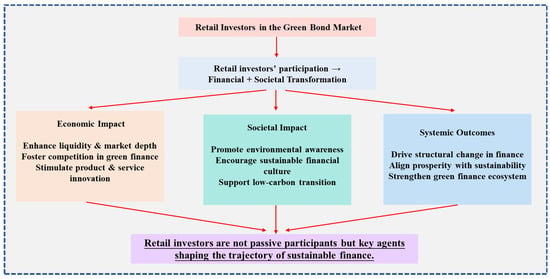
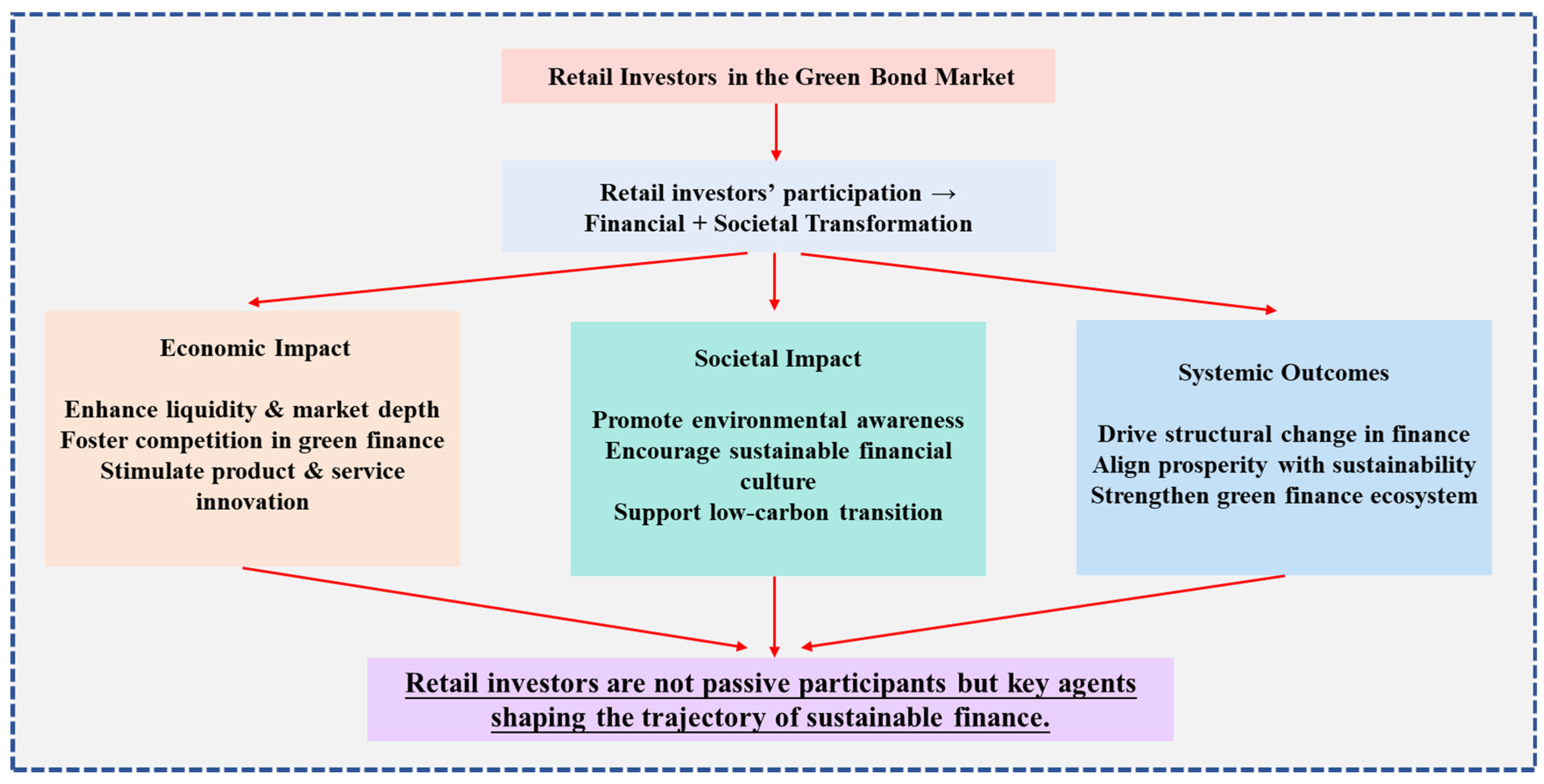
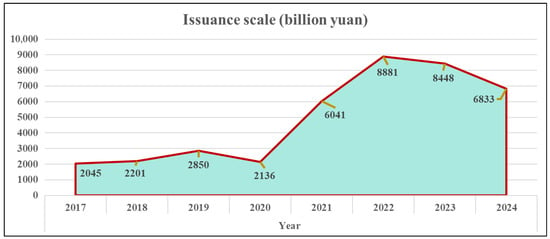
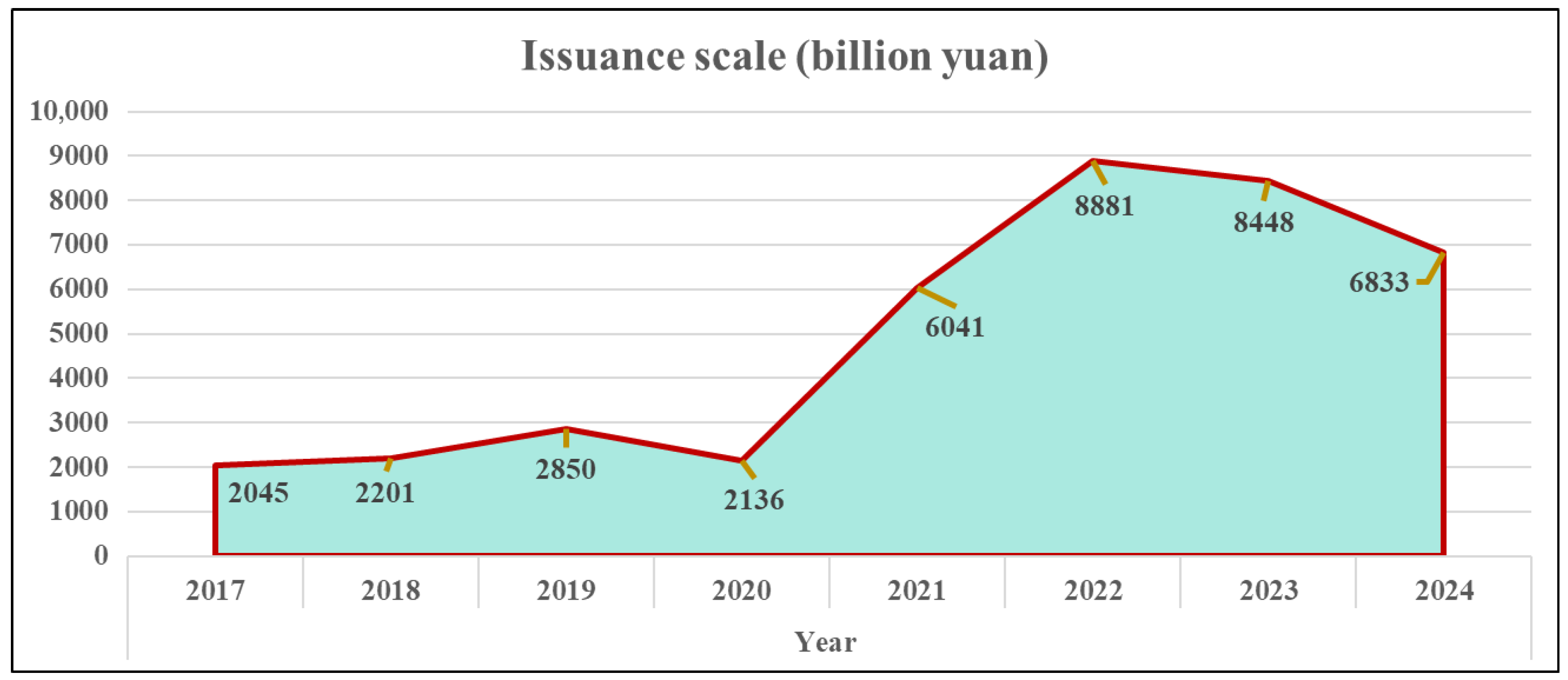
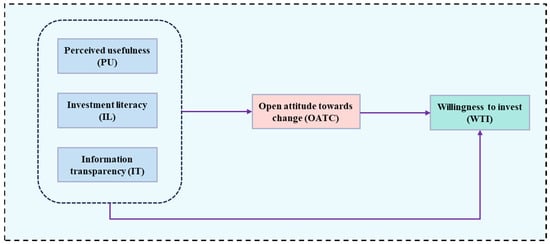
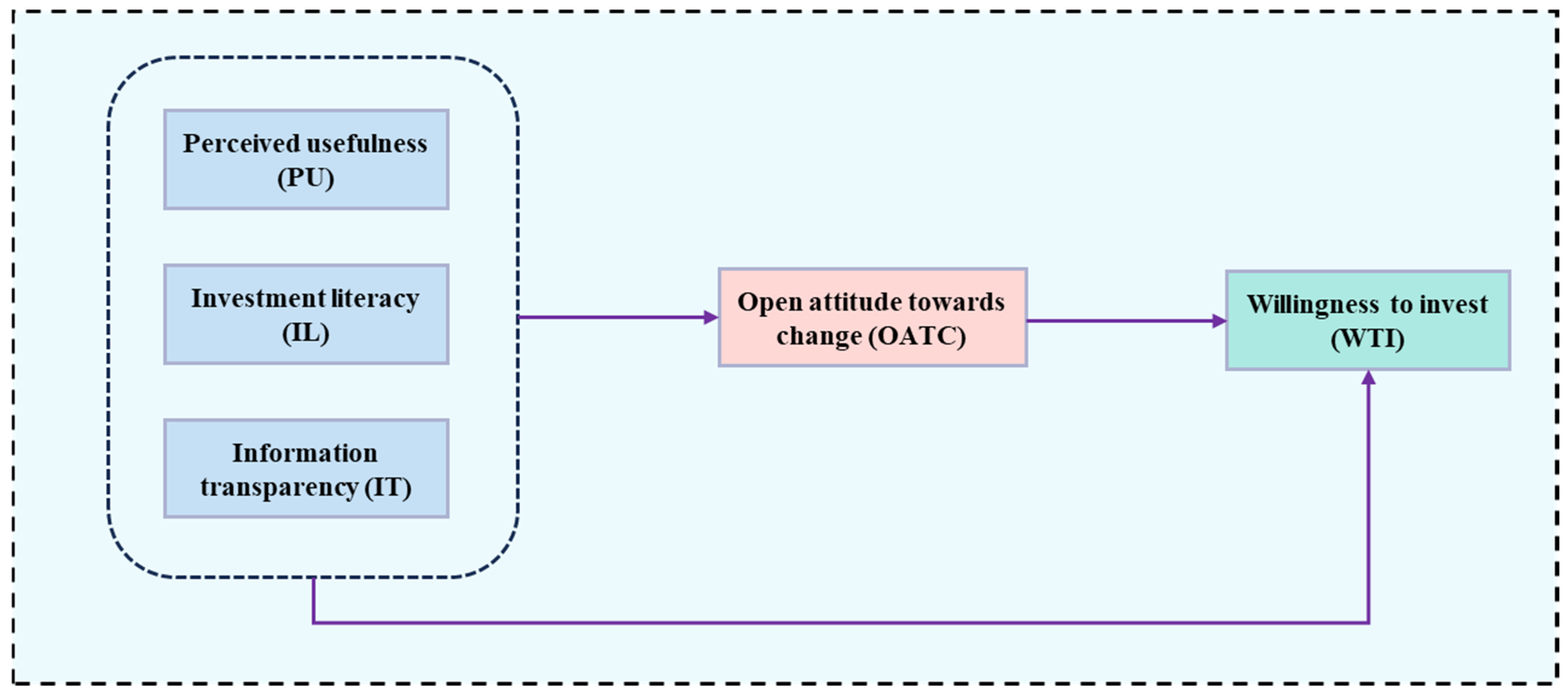
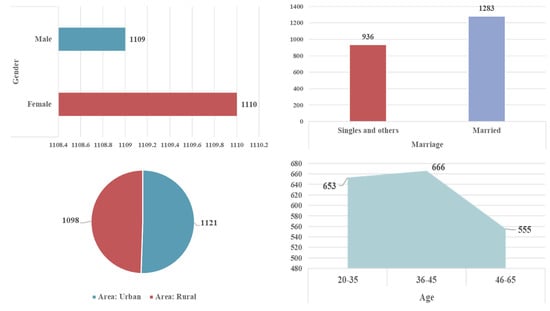
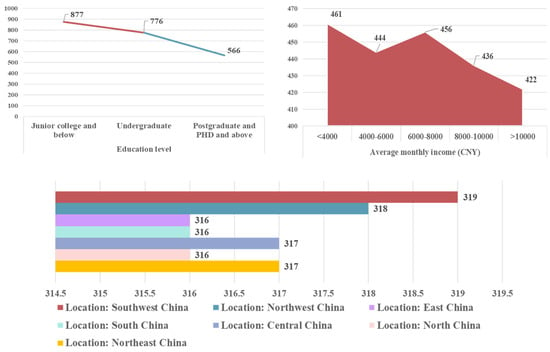
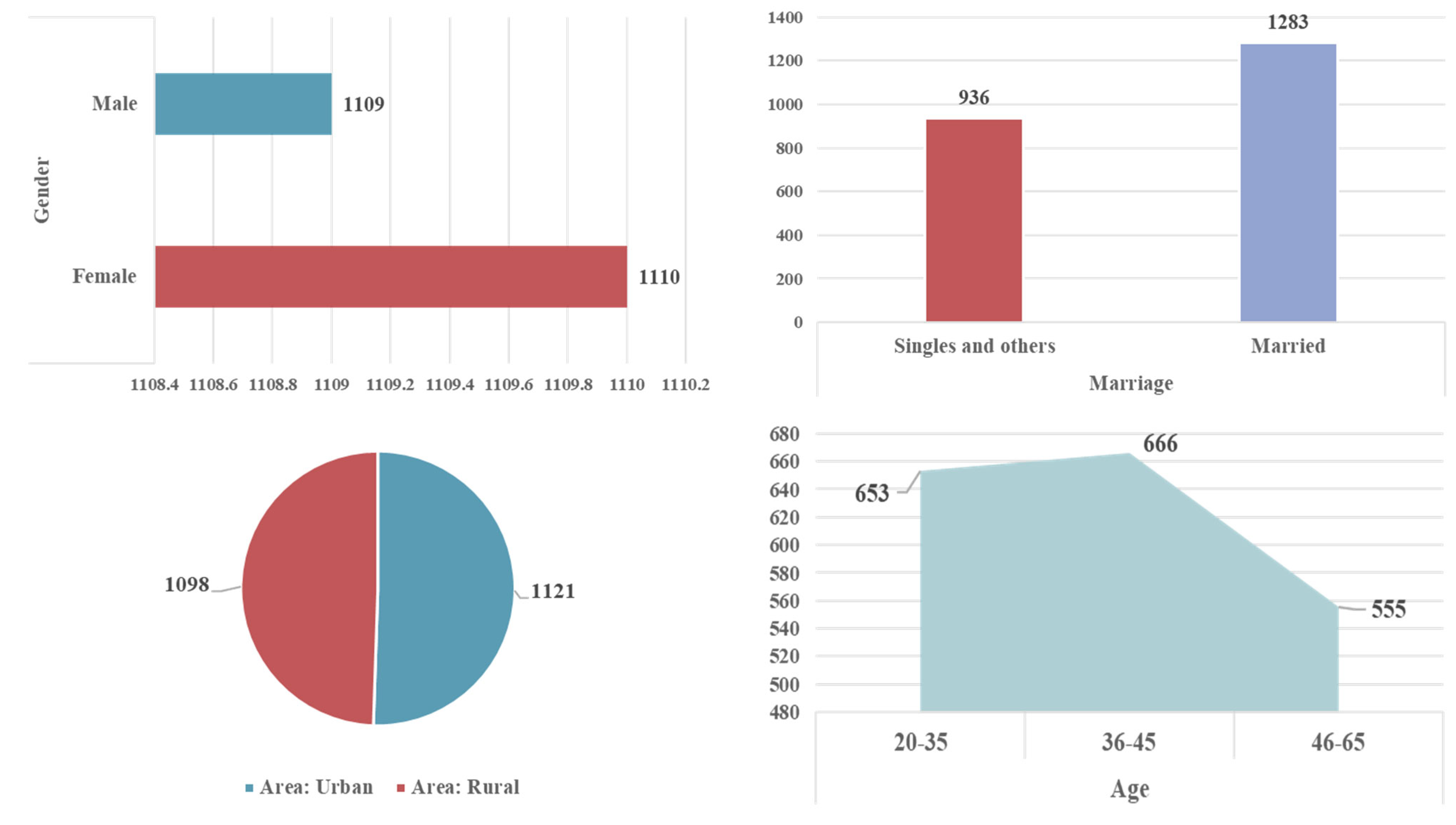
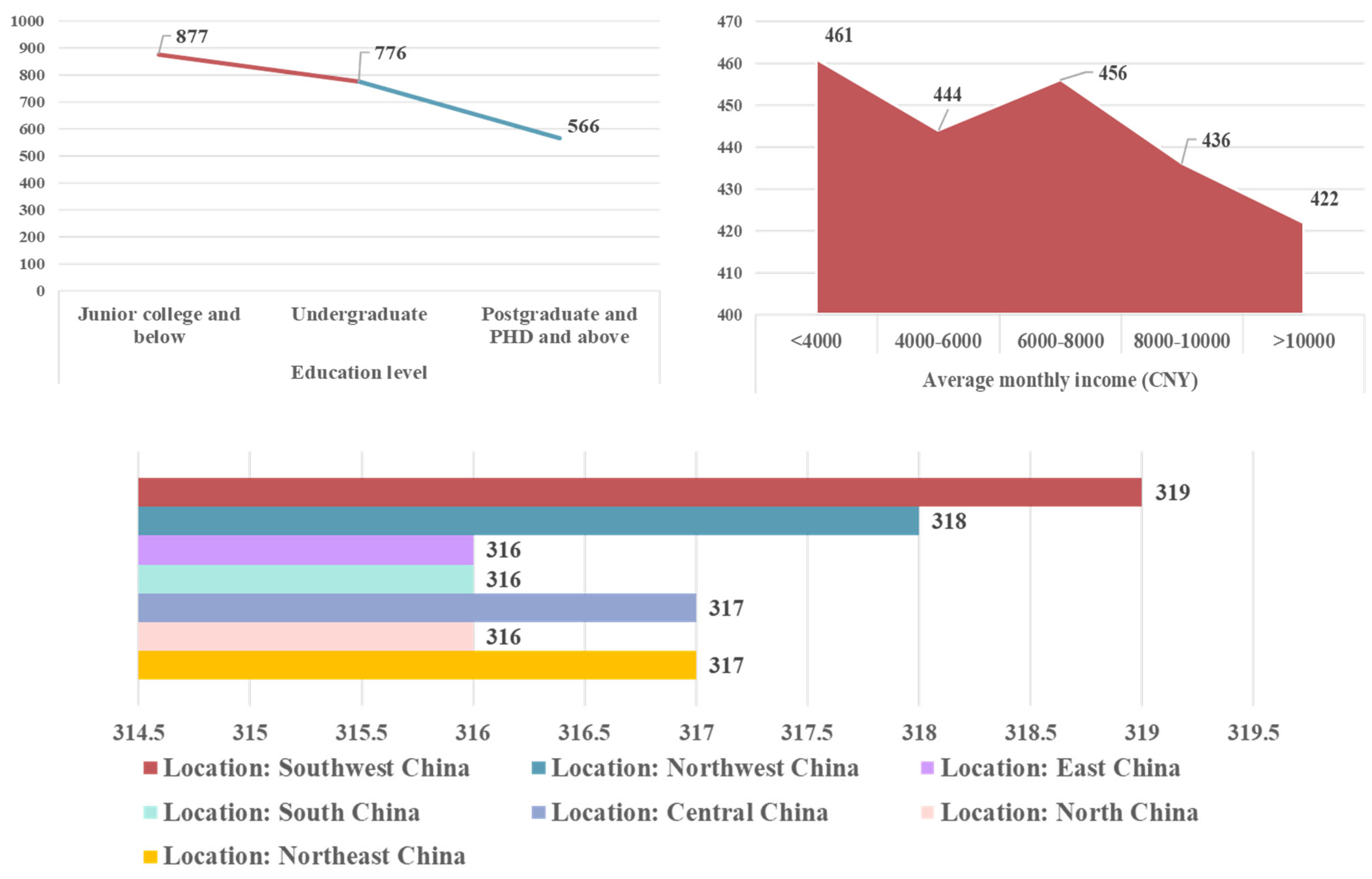
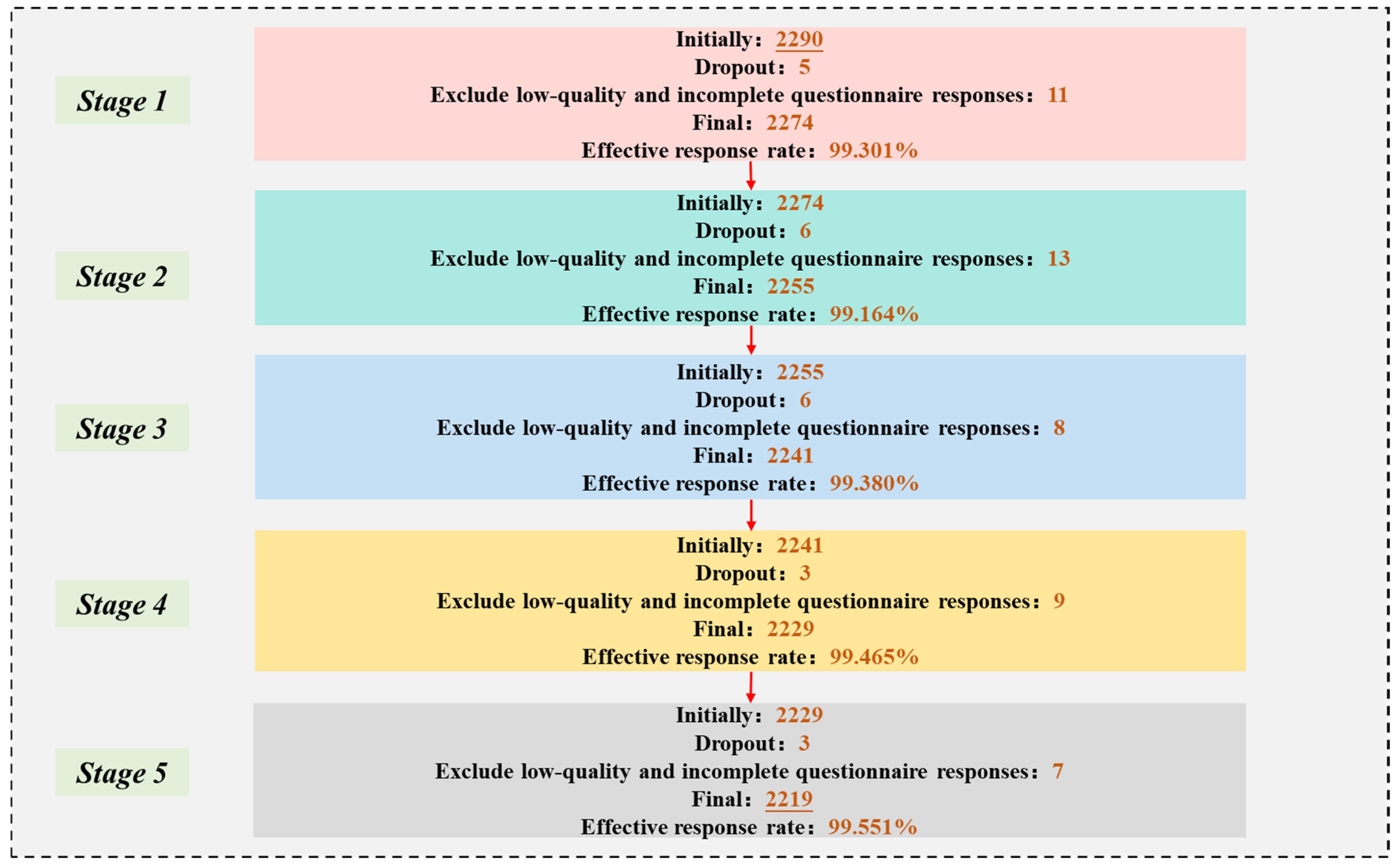

Disclaimer/Publisher’s Note: The statements, opinions and data contained in all publications are solely those of the individual author(s) and contributor(s) and not of MDPI and/or the editor(s). MDPI and/or the editor(s) disclaim responsibility for any injury to people or property resulting from any ideas, methods, instructions or products referred to in the content. |
© 2026 by the author. Licensee MDPI, Basel, Switzerland. This article is an open access article distributed under the terms and conditions of the Creative Commons Attribution (CC BY) license.