


Abstract
Background Functional dyspepsia (FD) is a common gastrointestinal disorder characterized by multiple clinical symptoms, complex pathophysiology, and limited therapeutic agents. Emerging evidence indicates a role for immune dysregulation in the pathogenesis of FD; however, immune cell-specific gene regulatory mechanisms remain unclear. This study investigated the genetic factors specific to different immune cell types in FD to explore promising therapeutic targets. Methods We performed Mendelian randomization (MR) and Bayesian colocalization analyses integrating single-cell expression quantitative trait loci (eQTL) data from 14 immune cell types with genome-wide association study summary statistics for FD. Functional enrichment and protein–protein interaction (PPI) network analyses were utilized to identify key genes. Phenome-wide association studies (PheWASs) and drug signature enrichment prediction assessed the therapeutic potential and pleiotropic effects of the identified genes. Results Thirty-six immune cell type/eGene combinations strictly satisfied both MR and Bayesian colocalization thresholds, revealing cell-specific genes with putative causal links to FD. The PPI network identified nine key genes (HLA-B, HLA-DQA2, HLA-DQB1, HLA-DRB5, HLA-DOA, HLA-DOB, LTA, GTF2H4, and C6orf136) as critical potential genetic drivers across multiple immune cell types. The majority of these eGenes exhibited no significant pleiotropic associations in PheWAS analysis, indicating a lower risk that might affect suitability for therapeutic targeting. Drug repurposing predicted several approved drugs and natural bioactive molecules (e.g., rifaximin, cinnamaldehyde, and ellagic acid) as hypothesis-generating candidates used for FD therapies and dietary supplements. Conclusions This study identified putative immune cell-specific genetic factors with causal associations with FD and predicted several potential therapeutic candidates using computational integration analyses. Validation in future experiments and clinical studies is required to corroborate our findings.
1. Introduction
Functional dyspepsia (FD), one of the disorders of gut–brain interaction (DGBIs) [1], is characterized by persistent or recurrent symptoms (postprandial fullness, early satiation, epigastric pain, and/or epigastric burning) lasting at least 3 months that remain unexplained after routine clinical evaluation [2]. Approximately 10–30% of the global population suffers from FD [2], imposing a substantial economic and psychological burden that seriously affects patients’ quality of life [3,4]. Currently, the exact pathophysiology of FD remains complex and multifactorial, including abnormal gastrointestinal (GI) motility, visceral hypersensitivity, low-grade immune responses, increased mucosal permeability, and dysregulation of the gut–brain axis [5,6], which might be implicated in symptom generation [7]. Given the heterogeneous symptoms of FD, the choose of first-line therapy still relies on clinical experience and the availability of therapeutic agents across different regions [7]. In addition, the absence of structural alterations detectable using gastric endoscopy further complicates clinical management, making it difficult to treat precisely.
The GI tract represents the largest compartment of the body, protecting against the invasion of many important pathogens [8]. Its immune function is associated with multiple physiological processes, such as GI motility, visceral hypersensitivity, and hyperactivity to food and other stimuli [1,8]. Previous research mainly reported the infiltration of eosinophils and mast cells (MCs) in duodenal mucosal layers in patients with FD [9,10]. These two types of immune cells are recognized to be relevant to symptoms like satiety [11] and abdominal pain [12]. A clinical study has reported that the increased percentage of small bowel homing T cells, together with high levels of cytokines such as tumor necrosis factor-α (TNF-α), shows positive correlations with upper abdominal pain, nausea, and vomiting in FD patients [13]. While recent studies are increasingly focusing on the immune-inflammatory responses in the duodenum in FD pathogenesis, the specific molecular mechanisms driving these immune perturbations remain poorly characterized. Moreover, given the diversity of intestinal immune cell populations, the contributions of other understudied immune cells to FD onset require further exploration, providing more theoretical support for advancing targeted immune interventions for FD.
Human genetics play a pivotal role in revealing disease-related pathways and guiding drug development. Genome-wide association studies (GWAS) have identified 13 independent loci associated with FD risk [14], and this information is essential for deciphering its polygenic architecture. However, although it provided broad genomic clues, how to establish the causality behind these association signals and translate these findings into possible therapeutic targets remains challenging. Based on Mendel’s Laws of Inheritance [15], Mendelian randomization (MR) serves as a robust framework to estimate causal relationships between gene expression and diseases [16]. Recently, several MR studies have identified novel genes/proteins potentially involved in FD by leveraging bulk tissue expression quantitative trait loci (eQTL) [17] or protein-QTL [18] datasets. Although these studies identified possible genes with causal links to FD, they remain limited by the inherent properties of bulk QTL data: gene expression levels from bulk RNA sequencing only represent the averaged signals across mixed cell populations, which obscures the heterogeneity of gene expression at the single-cell level and masks signals from rare immune subsets [19,20]. By contrast, single-cell eQTL (sc-eQTL) technology provides a valuable tool by connecting disease risk-associated single-nucleotide polymorphisms (SNPs) to gene expression levels within specific cell types, facilitating more precise dissection of gene regulation and the accurate discovery of cell type-specific therapeutic targets [21]. To date, no study has integrated sc-eQTL resources with MR to systematically map cell-specific gene drivers of FD. To fill this gap, we conducted a sc-eQTL MR analysis to explore the potential causal associations between immune cell-specific gene expression and FD risk.
Recently, a growing number of studies have conducted sc-eQTL analyses across diverse tissue types and disease contexts. Given the ease of sample collection and well-established protocols for isolating high-quality single-cell suspensions, peripheral blood mononuclear cells (PBMCs) from blood samples have emerged as the dominant cell types for these large-scale studies [21]. Therefore, to obtain more comprehensive and abundant single-cell expression profiles, we chose the well-powered OneK1K sc-eQTL panel derived from PBMCs in our analysis [19]. Beyond its relatively large sample size and broad cell numbers, the research has repeated the results in two additional cohorts with diverse ancestral backgrounds, lending greater robustness to downstream MR estimates.
In this study, we innovatively integrated sc-eQTL and MR analyses to comprehensively explore the putative causal effects of immune cell-specific gene expression on FD. Moreover, we also conducted phenome-wide association studies (PheWASs) and carried out drug-signature enrichment predictions to provide possible repurposing drug candidates with minimal risk of pleiotropic effects as a practical translational step toward more targeted FD treatments.
2. Materials and Methods
2.1. Study Design and Ethics Approval
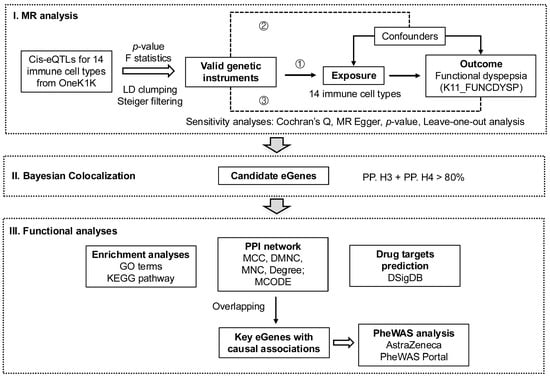
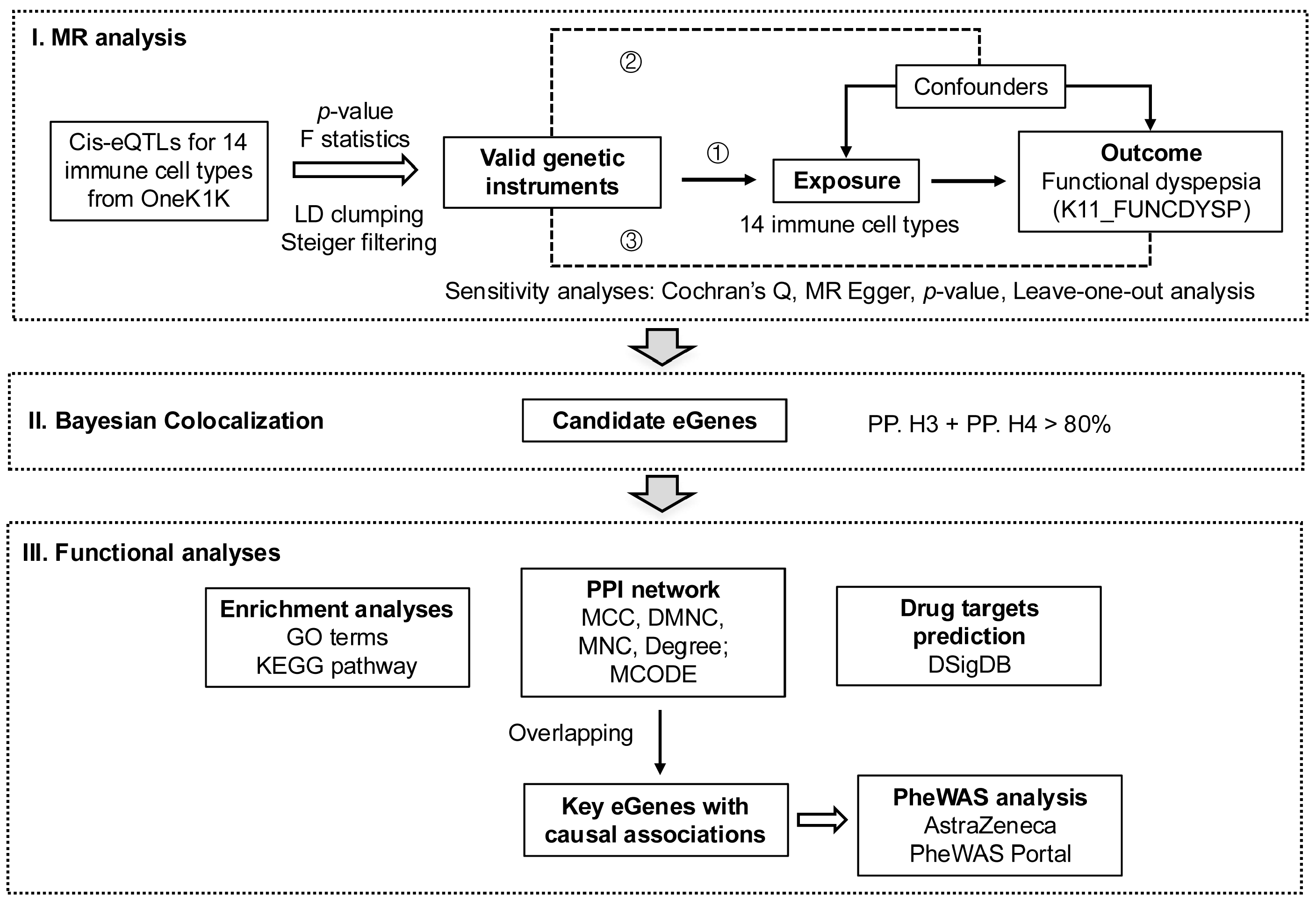
This study was conducted in accordance with the Strengthening the Reporting of Observational Studies in Epidemiology using Mendelian Randomization (STROBE-MR) statement (Figure 1) [16]. The datasets used in our study were derived from summary-level data from genome-wide association studies (GWASs) and sc-eQTL statistics that were all publicly accessible. All included original studies received ethical approval from their respective ethics review committees, and informed consent was obtained from all participants. As no individual-level data were analyzed in our study, additional ethics committee approval was not required.
Figure 1.
Overall flow chart of study design. I. Summary of main data sources and detailed analytical procedures used in the MR analysis. The numbers 1–3 represent three core assumptions: ① the genetic variants used as IVs are reliably and strongly associated with the exposure; ② the IVs are independent of any other confounders of the exposure–outcome association; ③ the IVs do not affect the outcome, except through its possible association with the exposure. II. Bayesian colocalization analysis validates the credibility of MR-derived eGenes and detects candidate eGenes with expression sharing common genetic variants with FD. III. Functional analyses included GO/KEGG enrichment analysis, PPI network analysis, and drug repurposing. Overlapping eGenes obtained from the described algorithms were further investigated to evaluate the risk of pleiotropic effects.
2.2. Genetic Instruments Selection
Sc-cis-eQTL data for 14 immune cell types (from 982 healthy European individuals) were obtained from the OneK1K scRNA sequencing data of 1,267,758 PBMCs [19]. The 14 cell types were categorized into five major groups, with detailed definitions listed in Supplementary Table S1. We retained independent cis-eQTLs with p-value < 5 × 10⁻⁸ for downstream analyses. Exposure and outcome datasets were harmonized by aligning alleles and eliminating strand-incompatible or ambiguous SNPs. Palindromic SNPs were kept solely if the information on allele frequencies enabled clear alignment. We excluded eQTLs with F-statistics < 10 to mitigate weak instrument bias [22]. After linkage disequilibrium (LD) clumping (r2 < 0.001 within a 10,000 kb window) for each cell type/gene combination, Steiger filtering was further conducted to validate the causal direction of all candidate eQTL–disease instruments [23].
2.3. Outcome Selection
GWAS statistics of FD (K11_FUNCDYSP) were obtained from FinnGen R12 (released 4 November 2024). This summary dataset included a total of 12,179 patients with FD and 423,785 healthy controls, predominantly of Finnish ancestry. All original GWASs received approval from local ethical committees (number HUS/990/2017), and informed consent was obtained from each participant involved [24].
2.4. Sc-eQTL MR
We explored potential causal effects of immune cell-specific eGene expression (i.e., genes regulated by proximal cis-eQTLs [25]) on FD. Different analytical methods were chosen according to the number of cis-eQTL instruments per eGene. The Wald ratio method was used for eGenes with a single cis-eQTL, while the inverse-variance-weighted (IVW) approach was applied for eGenes harboring two or more cis-eQTLs. MR analysis was performed using the TwoSampleMR package (version 0.5.7) in R (version 4.4) following the STROBE-MR checklist [16,26], and the Benjamini–Hochberg false discovery rate (FDR) < 0.05 was employed to screen robust genetic evidence.
We also conducted three sensitivity analyses, including heterogeneity, pleiotropy, and leave-one-out tests to strengthen the reliability of MR estimates. Cochran’s Q test [27] was applied to estimate the potential heterogeneity, and cis-eQTLs with p-value > 0.05 were retained, indicating no statistically significant evidence of heterogeneity. We note that a non-significant Cochran’s Q result does not independently validate the IVs. For pleiotropy assessment, we applied MR–Egger regression whenever at least three independent cis-eQTL instruments were available for analysis. The intercept of MR–Egger approaching zero coupled with p-value > 0.05, suggests no obvious pleiotropic bias [28]. Leave-one-out analysis was performed by sequentially excluding each IV to evaluate the stability of MR results [29].
2.5. Bayesian Colocalization Analysis
Bayesian colocalization analysis was conducted utilizing the “coloc” R package [30] to assess whether gene expression and FD risk were affected by the same region of genetic variants, providing five hypotheses (H0–H4) of the posterior probabilities (PPs): H0, no association; H1, association only with gene expression; H2, association only with the outcome; H3, independent association with gene expression and outcome; H4, shared associations. We selected eQTLs within a 1 Mb cis region for this analysis [31]. Due to limited power in colocalization analysis, we interpreted the combined posterior probability as a scale of evidence and set a threshold of (PP. H3 + PP. H4 > 80%) as supporting evidence for colocalization [32,33]. PP. H3 + PP. H4 represents that both traits show genetic association with SNP variants in the tested genomic region [30,34].
2.6. Enrichment Analysis
We performed functional enrichment analysis to characterize putative causal candidate genes screened from MR and colocalization analyses. The analyses were conducted using the Metascape (version 3.5, https://metascape.org/gp, accessed on 26 October 2026) online tool [35], covering Gene Ontology (GO: biological processes (BP), cellular components (CC), molecular functions (MF)) and Kyoto Encyclopedia of Genes and Genomes (KEGG) pathway annotations. The screening criteria were set as minimum overlap = 2, p-value < 0.05, and minimum enrichment = 1.5.
2.7. Construction of the Protein–Protein Interaction Network
We conducted a protein–protein interaction (PPI) analysis of putative candidate genes using the STRING online database [36] (version 12.0, https://string-db.org/) with a medium confidence score > 0.400. STRING visualizes both direct and indirect protein interactions, and each node degree was evaluated to reflect its functional significance within the network. The PPI results were visualized using Cytoscape software (version 3.10.3, https://cytoscape.org) [37]. CytoHubba and MCODE plugins (version 2.0.3) were used for hub gene screening and module detection. Four algorithms (MCC, DMNC, MNC, and Degree) in the CytoHubba plugin selected the top 10 ranked genes, and the overlapping genes across all algorithms were determined as potential key genes with putative causal links to FD. MCODE parameters were set as a network score threshold = 2, node score threshold = 0.2, k-core = 2, and maximum depth = 100 to identify densely connected modules.
2.8. PheWAS Analysis of Potential Key eGenes for FD
To initially assess the pleiotropic effects of FD-associated eGenes, we performed PheWAS using the AstraZeneca PheWAS Portal (https://azphewas.com/) based on the dataset of UK Biobank 500 K whole genome sequencing (v2) [38]. This platform supports variant- and gene-level PheWASs to evaluate associations between protein-coding variants and approximately 13,000 binary and 5000 continuous phenotypes across six ancestry groups. Each potential FD-associated key eGene was examined on this platform to capture associations across diverse clinical outcomes and biochemical markers, thereby exploring any unintended effects that might affect their suitability as potential therapeutic targets [39]. Associations with p-value < 1 × 10⁻⁸ were categorized as strong, while those with p-values falling between 1 × 10⁻⁶ and 1 × 10⁻⁸ were deemed suggestive. Genes without strong associations with unrelated phenotypes were prioritized as candidates with lower apparent pleiotropic risk.
2.9. Potential Drug Target Prediction
To uncover potential therapeutic agents targeting FD eGenes, we conducted drug enrichment analysis using the Drug Signature Database (DSigDB) through the Enrichr web platform [40,41], which links bioactive compounds with gene expression signatures to predict gene modulators. We incorporated putative candidate eGenes into the analysis tool, calculating enrichment scores based on gene set–compound target overlaps. Significance was evaluated using p-values and combined scores, with higher scores reflecting more robust associations. Compounds with promising results were considered potential repurposed drugs or candidates for further validation.
3. Results
3.1. Summary of Genetic Instrument Selection
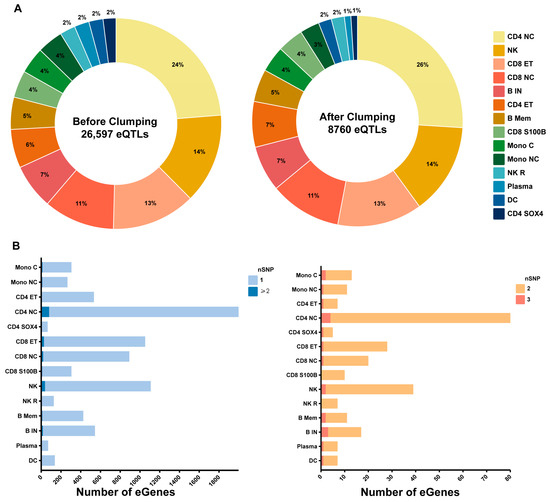
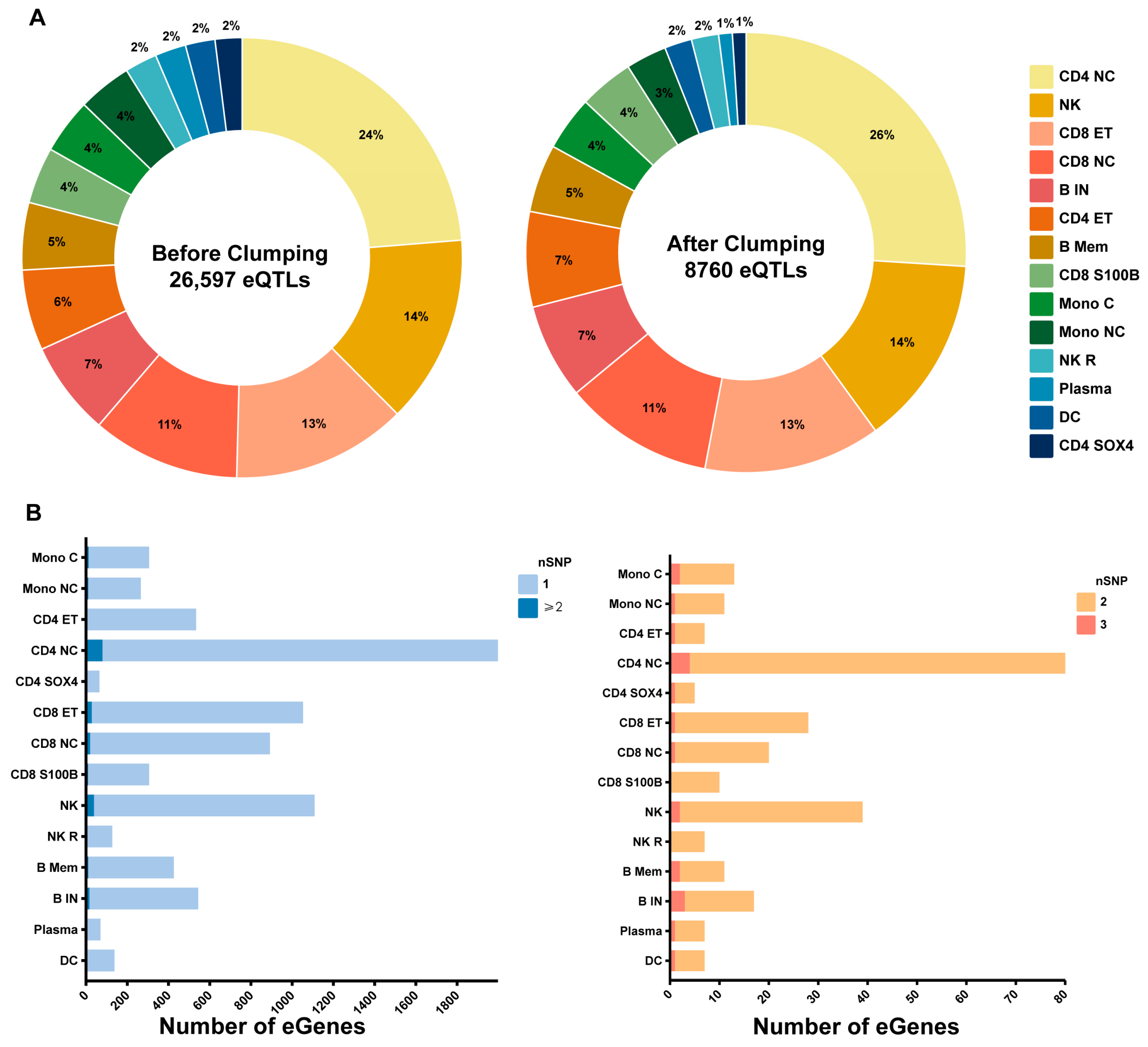
Initially, 26,597 cis-eQTLs from 14 immune cell types using the OneK1K sc-eQTL dataset were extracted for MR analysis. After systematic quality control and filtering, a total of 8760 significant independent cis-eQTLs were retained for further analysis. The distribution of effective eGenes before and after LD filtering was largely consistent, with the highest proportion of eGenes contributed by CD4NC and NK cells. Most screened eGenes were associated with a single instrument, whereas a small portion corresponded to multiple independent SNPs, providing powerful genetic evidence for MR causal assessment (Figure 2). Details regarding the MR instruments used are summarized in Supplementary Table S2.
Figure 2.
Selection process of genetic instrumental variables. (A) Pie charts depict the distribution of valid eQTLs before and after filtering by F statistics and LD clumping. (B) Bar charts illustrate the distribution of eGenes based on the number of mapped SNPs.
3.2. Causal Genes from Two-Sample MR Estimates
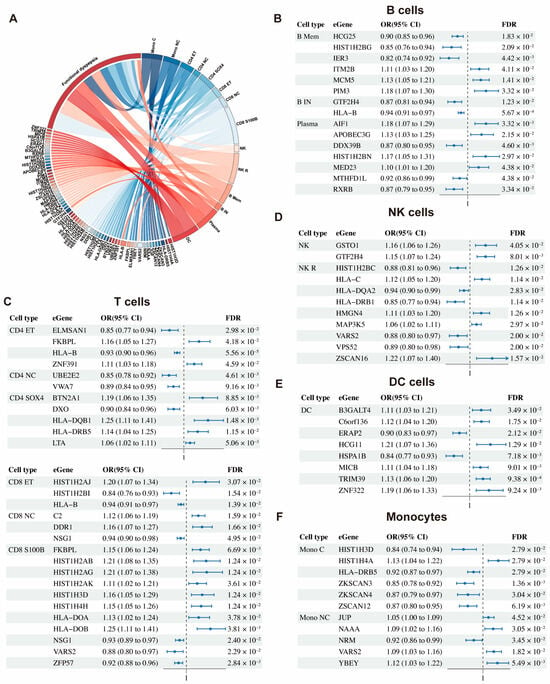
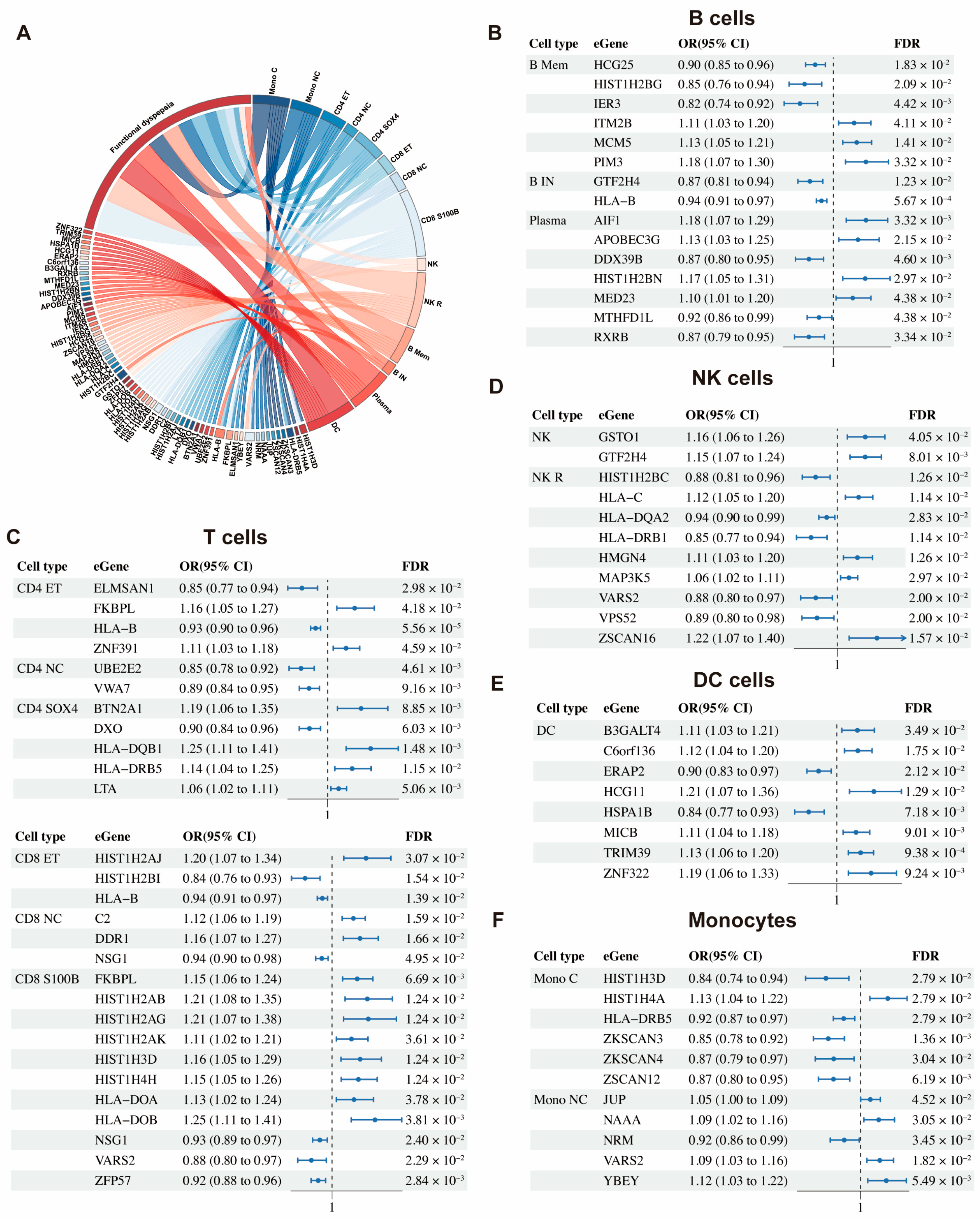
MR analysis was conducted to explore the potential causal effects of cell type-specific gene expression on FD. No statistically significant evidence of heterogeneity was observed via the Cochran’s Q test for the retained IVs (Supplementary Table S3). The chord plot shows an intricate network of interactions, with the number of genes affecting FD in various immune cell types, indicating a wide range of regulatory effects (Figure 3A). A total of 73 immune cell type/specific eGene combinations were obtained (Figure 3B–F) with complete statistical metrics listed in Supplementary Table S3. After removing duplicates, 64 eGenes demonstrating a significant potential causal relationship with FD were retained for downstream analysis. Among all examined immune cell types, CD8S100B harbored the largest number of eGenes (n = 11), including FKBPL, HIST1H2AB, HIST1H2AG, HIST1H2AK, HIST1H3D, HIST1H4H, HLA-DOA, HLA-DOB, NSG1, VARS2, and ZFP57 (Figure 3C). NKR, DC, and plasma followed with nine, eight, and seven significant eGenes, respectively (Figure 3B,D,E). These results emphasize the involvement of both innate and adaptive immune responses in FD pathogenesis. The identified eGenes, together with their corresponding immune cell subtypes, exert potentially broad effects in FD-associated immune regulation.
Figure 3.
(A) Chord chart depicts the pleiotropic associations among 14 immune cell types, potential targeted eGenes, and FD. (B–F) Forest plots summarize the sc-eQTL MR results of immune cell types/eGene combinations, including B cells, T cells, NK cells, DCs, and monocytes.
3.3. Identified Cell Type/Gene Combinations from Colocalization Analyses
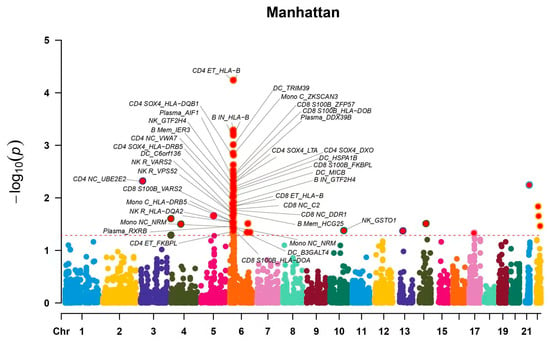
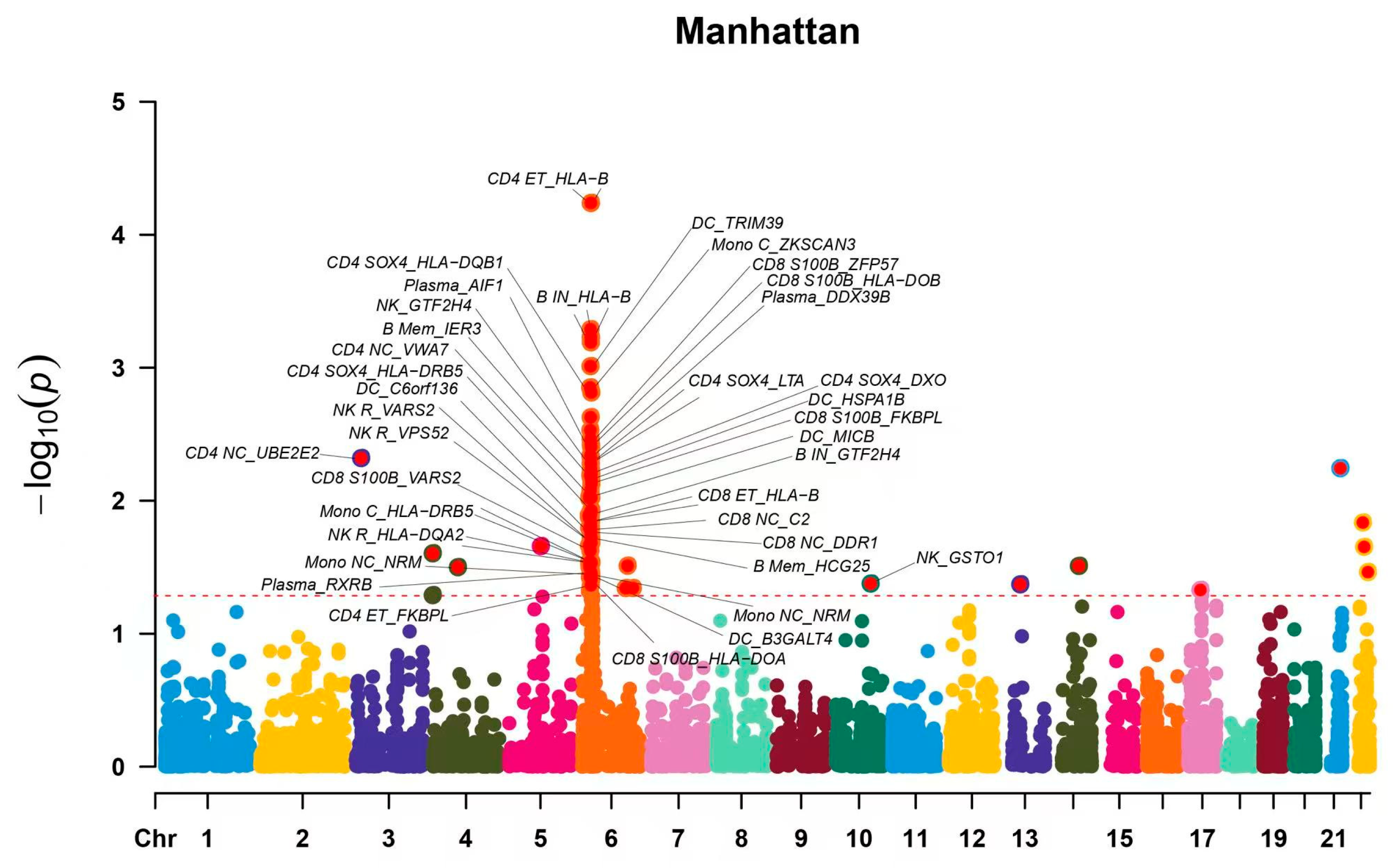
A total of 36 specific immune cell type/eGene combinations satisfied the colocalization threshold (PP. H3 + PP. H4 > 80%) (Supplementary Table S4). After removing duplicates, 30 eGenes were identified as putative candidate eGenes. Several genes were found to be associated with FD across multiple cell types. Among these, HLA-B was detected in CD4ET, CD8ET, and BIN; HLA-DRB5 in CD4SOX4 and MonoC; FKBPL in CD8S100B and CD4ET; VARS2 in CD8S100B and NKR; and GTF2H4 in NK and BIN. Overall, DCs and CD8S100B contributed the largest number of putative candidate eGenes, underscoring their potential roles in mediating FD genetic risk (Table 1). The Manhattan plot highlights eGenes significantly associated with FD risk (FDR < 0.05) and presents evidence of colocalization (Figure 4).
Table 1.
Identified immune cell type/eGene combinations associated with FD from sc-eQTL MR and colocalization analyses.
Figure 4.
Manhattan plot showing significant putative eGenes passing the colocalization threshold (PP. H3 + PP. H4 > 80%) across 14 immune cell types.
3.4. Enrichment Results of the Putative FD-Associated Candidate Genes
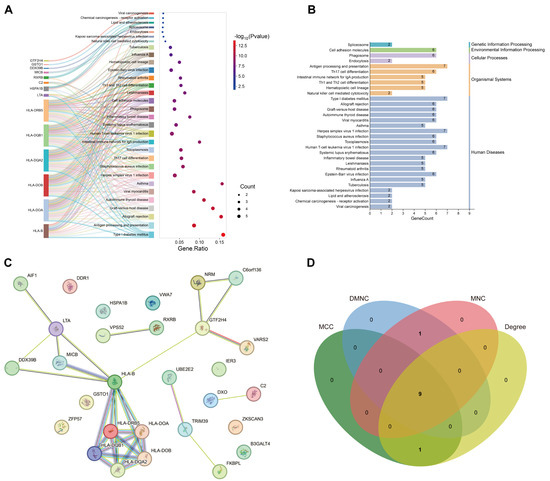
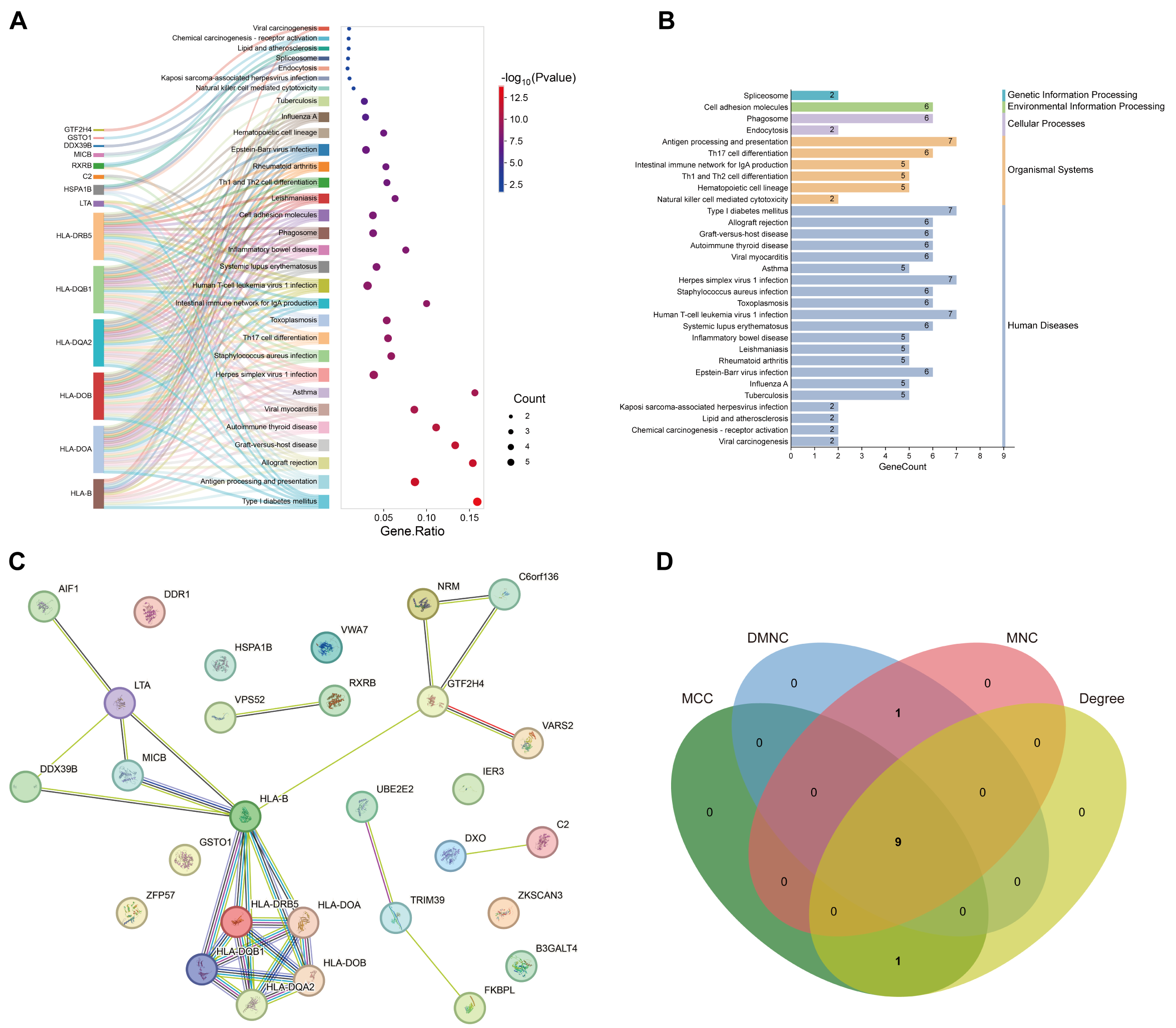
All 30 putative candidate eGenes associated with FD were mapped to Entrez gene IDs for functional enrichment analysis. A total of 135 BP, 36 CC, and 13 MF items were included in the final GO enrichment terms (Supplementary Table S5), with the top 10 enrichment items visualized based on enriched gene counts (Supplementary Figure S1). Additionally, 31 KEGG pathways were identified, including antigen processing and presentation, intestinal immune network for IgA production, inflammatory bowel disease, and Th17 cell differentiation (Figure 5A, Supplementary Table S6). These KEGG enrichment results were classified into five major categories: genetic information processing, environmental information processing, cellular processes, organismal systems, and human diseases (Figure 5B).
Figure 5.
Enrichment results and PPI network of putative FD-associated candidate genes. (A) Sankey bubble plot shows the interactions between putative candidate genes and enriched KEGG pathways. The horizontal position of each bubble indicates the gene ratio enriched in each pathway, and bubble size represents the number of enriched genes per pathway. (B) Bar chart presents the KEGG pathway enrichment results categorized by pathway type. The number on each bar indicates the count of enriched pathways assigned to the corresponding category. (C) PPI network of putative candidate genes illustrating the interactions constructed based on the STRING database. Nodes represent proteins, and the edges represent the known or predicted interactions. (D) Venn plot showing the overlap among the four algorithms.
3.5. PPI Network of Candidate Genes
The constructed PPI network visualizes both known and predicted interactions among the candidate proteins with putative causal links to FD (Figure 5C, Supplementary Table S7). Comprehensive results of four algorithms (Degree, MNC, MCC, DMNC) were presented in Supplementary Table S8. Overlapping these four hub-gene metrics identified nine common genes as potential key genes involved in the pathogenesis of FD, specifically HLA-B, HLA-DQA2, HLA-DQB1, HLA-DRB5, HLA-DOA, HLA-DOB, LTA, GTF2H4, and C6orf136, each interacting with multiple other proteins, suggesting their potential centrality in relevant regulatory pathways (Figure 5D, Table 2). Notably, the modules (human leukocyte antigen (HLA) gene families: HLA-B, HLA-DQA2, HLA-DQB1, HLA-DRB5, HLA-DOA, HLA-DOB) identified using the MCODE algorithm were also included in the final list of key genes.
Table 2.
Scores of the final nine potential key eGenes from four algorithms.
3.6. PheWAS Analysis
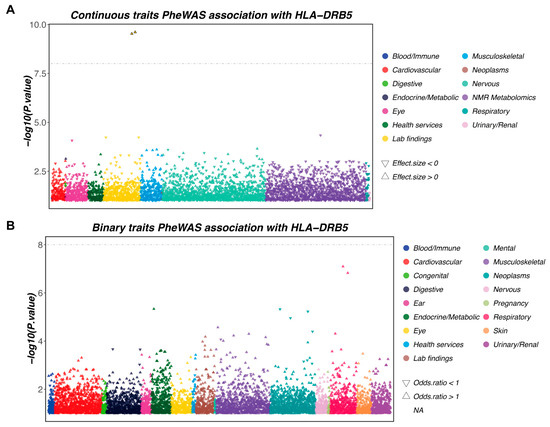
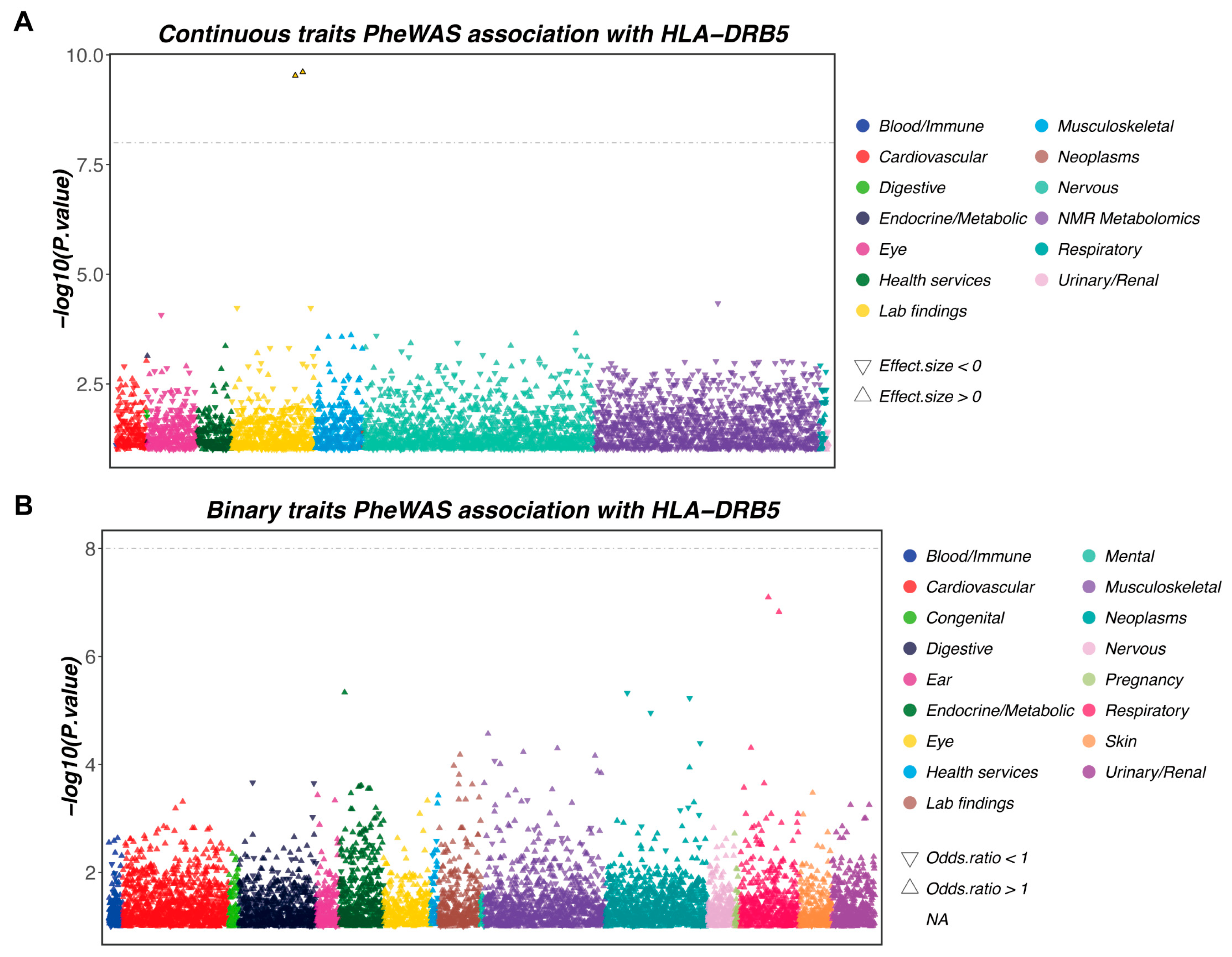
We examined the above nine potential key eGenes using genetic-level PheWAS analyses. Eight of these eGenes exhibited no significant associations with any phenotype in the analyzed PheWAS resource, indicating a minimal risk of extensive off-target effects and horizontal pleiotropy (Supplementary Figure S2). A notable exception is HLA-DRB5 (Supplementary Table S9), which shows a significant association with both the counts (p = 2.96 × 10⁻¹⁰, beta = 0.08) and the percentage (p = 2.46 × 10⁻¹⁰, beta = 0.08) of eosinophils on laboratory measures (Figure 6A). Given previous reports of eosinophil infiltration in FD, these findings further support the possible important evidence of HLA-DRB5. Meanwhile, HLA-DRB5 also showed associations with nasal polyps among respiratory features (p = 8 × 10⁻⁸, odds ratio = 1.59), and an increased diagnostic risk for this disorder (p = 1.49 × 10⁻⁷, odds ratio = 1.57) (Figure 6B). Despite statistical significance, strong enrichment for severe adverse phenotypes was not observed.
Figure 6.
The plot depicts potential genetic associations of HLA-DRB5 with significant continuous (A) and binary (B) traits at the genetic level using the AstraZeneca PheWAS Portal. NA: Odds ratio not estimable.
3.7. Drug Repurposing for FD-Associated Key Genes
Among the 163 predicted drug compounds (p-value < 0.05, Supplementary Table S10), those targeting nine potential FD-associated key genes were considered promising therapeutic candidates (Table 3). High-ranking candidates included rifaximin (RXM), allopurinol, abacavir, and lamotrigine, which showed strong enrichment for LTA and HLA-B, with high combined scores surpassing 100. These findings provide computational support for potential drug-target relationships relevant to FD pathogenesis. Interestingly, besides the approved drugs and chemical compounds, our results also indicate bioactive compounds in natural plants and fruits, such as cinnamaldehyde (CA) and ellagic acid (EA).
Table 3.
Drugs or compounds predicted through DSigDB database.
4. Discussion
FD is a common GI disorder, with an estimated annual incidence of 3–4% [42,43], primarily affecting individuals aged under 40 years [44]. Given its heterogeneity and the lack of standardized diagnostic criteria, the pathophysiological processes underlying FD remain unclear, and there are no specifically approved drugs [42]. Current treatments remain empirical and symptomatic only [42]. Immune dysregulation has gained considerable attention in recent years; however, the specific immune cell subsets and the gene regulatory mechanisms involved remain poorly understood. Therefore, we integrated sc-eQTL MR with Bayesian colocalization to systematically explore immune cell-specific genes with putative causal links to FD. Nine key immune cell-specific genes of potential functional importance were prioritized using PPI network analysis: HLA-B, HLA-DQA2, HLA-DQB1, HLA-DRB5, HLA-DOA, HLA-DOB, LTA, GTF2H4, and C6orf136. Among them, HLA-B, HLA-DRB5, and GTF2H4 are expressed in multiple immune cell types. Drug repurposing analyses further identified RXM, CA, and EA as hypothesis-generating candidates.
Using MCODE, we identified a module that mapped to the HLA gene family (HLA-B, HLA-DQA2, HLA-DQB1, HLA-DRB5, HLA-DOA, HLA-DOB), which overlaps with the final nine potential key genes. HLA, also termed the human major histocompatibility complex (MHC), can be divided into different classes (I, II, III, non-classical) [45]. By presenting antigenic peptides to T cells, it modulates their activation and expansion [46]. Among the nine putative FD-associated key genes, HLA-B was highly recurrent, suggesting a potential association with reduced risk of FD across three immune cell subsets (CD4ET, CD8ET, and BIN). One study has reported that the HLA-B48 allele may protect against irritable bowel syndrome (IBS) [47], and a systematic review defined overlapping symptoms between different DGBIs, such as IBS and FD [48]. Given that different DGBIs may share similar underlying pathogenesis, these prior reports provide additional evidence to support the possible protective effects of HLA-B in FD.
HLA-DQB1, which encodes an HLA class II molecule, is expressed on the surface of immune cells and presents extracellular antigens to CD4+ T cells [49]. Its expression in CD4SOX4 cells was predicted to be potentially associated with an increased FD risk. Helicobacter pylori infection is a risk factor for dyspepsia [50], and the HLA-DQB1*0401 allele has been identified as a susceptibility marker for H. pylori infection [51]. As chronic H. pylori colonization of the human gastric mucosa significantly increases the risk of developing peptic/duodenal ulcers, gastric lymphomas, and cancers [52], several studies have reported links to HLA-DQB1 polymorphisms, such as HLA-DQB1*0301 [53], *0401 [54], and *06 alleles [55]. Accordingly, we speculate that the altered expression of HLA-DQB1 in CD4SOX4 may trigger aberrant antigen-driven inflammation, thereby promoting FD development.
Regarding other HLA class II antigens, HLA-DQA2 expression in NKR cells showed an association with a lower risk of FD, whereas HLA-DRB5 showed a dual-directional association with FD risk when expressed in MonoC or CD4SOX4 cells, indicating cell type-specific regulatory mechanisms. Further, HLA-DOA and HLA-DOB were predicted to be associated with an increased FD risk and were predominantly expressed in CD8S100B. Beyond the established paradigm that FD-associated mucosal microinflammation is driven by dysregulated Th2 responses (type 2 helper T (Th2) cells, eosinophils, MCs, and macrophages) [42], our findings uniquely show that other immune cell types may have pathological roles. Although the above genes show putative causal associations with FD risk, these findings require cautious interpretation given the complex genetic architecture and LD structure of the HLA region.
Lymphotoxin alpha (LTA) was another notable gene, which was predominantly identified in the CD4SOX T cell subset and showed a potential association with elevated FD risk. Located within the class III region of MHC, this gene, also known as TNF-β [56], is a soluble cytokine produced by activated lymphocytes [57]. Biopsies of inflamed colon mucosa from patients with inflammatory bowel disease showed high expression of LTA, and anti-TNF antibodies showed therapeutic effects [58], indicating that LTA might be a risk factor for intestinal injury. Dysregulated immune responses can impair epithelial barrier function, causing antigen penetration and local inflammation in FD [42]. Thus, we propose the hypothesis that LTA may participate in GI mucosal injury through a CD4SOX T cell-mediated immune response. FD treatments include acid-suppressive pharmacotherapy, such as proton-pump inhibitors and histamine H2–receptor antagonists [42]. One study conducted on Songpu Mirror Carp reported that the high-carbonate-alkalinity environment (15 mmol/L) significantly decreased the intestinal LTA levels [59]. Another preclinical study reported that regular bicarbonate-alkaline mineral water intake helped alleviate dyspeptic symptoms, enhancing gastric motor and secretory functions [60]. Therefore, LTA may serve as a potential therapeutic target for modulating the acid-base homeostasis within the gastric lumen. Further, the LTA/TNF-β cytokine participates in the type 1 immune response [61]. In addition to the previously mentioned Th2 immune response, this gene may broaden the potential immune response types involved in the development of FD-associated inflammation.
GTF2H4, the general transcription factor IIH subunit 4, showed bidirectional regulation; its expression was potentially associated with decreased FD risk in BIN but showed a risk-associated effect in NK cells. A previous study reported that the differential expression of GTF2H4 may lead to dysfunctions of neuronal cells and circuits [62]. GI movement is regulated by complex neural innervation involving the vagus nerve and the intrinsic nervous system, known as the enteric nervous system (ENS) [63]. Under normal, uninfected conditions, immune cells and the GI nervous system sense and integrate luminal cues and coordinate several physical processes, including GI motility [8]. Chronic immune activation leads to sustained cytokine release and neuronal injury, thereby driving neuronal dysfunction [64]. Immune cells are located adjacent to the submucosal nerve endings in patients with FD, which is associated with GI symptoms [65]. Therefore, we speculate that GTF2H4 expression in NK cells could be involved in ENS injury, leading to GI dysmotility symptoms such as abdominal pain, bloating, or nausea. In our analyses, the activity of C6orf136 appeared to be predominantly associated with DCs, showing a potential association with higher FD risk. Owing to the lack of relevant research, the precise regulatory mechanisms should be interpreted with caution.
In addition to identifying putative key causal genes, we also predicted potential candidate drugs or small molecules using drug repurposing analysis. RXM, a semi-synthetic antibiotic that exerts anti-inflammatory effects within the GI tract [66], ranked first in our predicted candidates list. Emerging evidence suggested that it can help alleviate FD symptoms, such as belching and postprandial fullness/bloating [67,68], while a network meta-analysis suggested that combining RXM and prokinetic agents may be a particularly effective regimen for functional GI disorders, the previously termed DGBIs [69]. Since its predicted target gene, LTA, was potentially associated with CD4SOX4 in our MR results, we propose that RXM may attenuate immune-driven microinflammation involved in the onset of FD. Apart from RXM, the predicted candidates include several approved antiepileptic drugs, such as lamotrigine, phenytoin, and carbamazepine, which may exert effects on FD through the regulation of the brain–gut axis.
Intriguingly, some phytochemical bioactive molecules derived from natural plants were also included in our drug repurposing list. For example, CA, an active constituent extracted from cinnamon bark, has gained attention in multiple diseases [70]. CA promotes GI motility by increasing the endogenous release of 5-hydroxytryptamine [71]. The latest published Rome V criteria recommended several traditional Chinese medicine (TCM) formulations, such as ZhiZhu Kuanzhong [72] and Biling Weitong granules [73], for relieving FD symptoms. Cinnamon (Rou Gui) is a frequent component in TCM prescriptions [74], and current research also reported its beneficial effects in improving blood circulation [75], which aligns with the core pharmacological mechanisms of Biling Weitong granules, namely, promoting qi and blood circulation [76]. These lines of evidence support CA as a promising candidate for FD intervention, offering additional possibilities for developing herbal therapeutic strategies. Beyond its medical value, Rou Gui is also a flavoring agent commonly used in cuisine [70]. Another compound, EA, a polyphenol found in pomegranates, berries, and pecans, exerts anti-inflammatory, antioxidant, and neuroprotective effects [77,78]. Given their easy accessibility from foods, these two compounds may serve as natural dietary supplements for FD management, providing a possible convenient and healthy method to achieve therapeutic effects.
This study presents several significant strengths compared with previous FD genetic studies. First, we combined sc-eQTL data with MR to explore the gene expression patterns specific to each cell type that are causally associated with FD. Unlike conventional bulk-tissue eQTL studies that combine signals from heterogeneous cell populations, our approach identified more precise regulatory mechanisms and cell-specific susceptibility genes, providing more possibilities for targeted immune therapy development. Next, the utilization of Bayesian colocalization strengthens causal inferences of MR results through minimizing confounding from LD or pleiotropy. In addition, we incorporated PheWAS systematic scanning to evaluate associations between putative causal eGenes and various phenotypes at the genetic level, providing additional independent evidence to support the potential availability of these predicted therapeutic targets of FD. To our knowledge, this study is the first to systematically link sc-eQTL-driven immune regulation to FD risk, offering new directions for precision immune-related therapy.
Nevertheless, this study also has several limitations. First, the genetic eQTL data used in our analyses originated from European ancestry individuals, potentially limiting the generalizability to other populations. Of note, the original eQTL resource has been validated in an independent Asian cohort, which might provide evidence that the cell-specific eQTL signals are largely shared among populations. Meanwhile, the FD GWAS data were predominantly from Finnish populations. While this Finnish cohort shares a European background with the eQTL dataset, it may not be representative of all European populations. Further studies are needed to validate the putative associations across diverse ancestry groups. Secondly, the sc-eQTL data were obtained from peripheral immune cells, which may not completely reflect gene regulation within the GI mucosa or muscle layers, the tissue regions critically relevant to FD pathophysiology. However, the systemic circulation facilitates continuous trafficking of immune cells between the peripheral bloodstream and GI mucosal compartments, which may partially mitigate this limitation. Although we proposed potential cell type-specific genes with putative causal links to FD, the precise mechanisms underlying the associations are unknown due to the absence of experimental validation. Lastly, the clinical heterogeneity of FD should be considered when interpreting the putative causal genetic associations.
5. Conclusions
This study presents the first comprehensive synthesis integrating sc-eQTL data with MR and Bayesian colocalization to identify immune cell-specific genetic drivers of FD. Nine putative causal key genes supported by genetic evidence were predicted through computational analysis, including six HLA family genes, LTA, GTF2H4, and C6orf136. Instead of representing non-specific pan-immune effects, our genetic association results mapped each gene to a cell type-specific pattern across circulating immune subsets, covering T and B cell populations, NK cells, DCs, and monocytes. These findings underscore the critical involvement of both adaptive and innate immune populations in FD pathophysiology, thereby improving our understanding of FD as an immune-influenced disorder. Notably, our drug repurposing analysis predicted several approved medications and natural compounds (including RXM, CA, and EA) that represent potential therapeutic candidates requiring further experimental and clinical validation. Future investigations are warranted to dissect the biological mechanisms of putative causal genes and evaluate the efficacy and safety of predicted therapeutic compounds in FD.
Supplementary Materials
The following supporting information can be downloaded at: https://www.mdpi.com/article/10.3390/biomedicines14112496/s1, Figure S1: The top 10 enrichment GO items. Figure S2: The association between eight eGenes with continuous and binary traits obtained from the AstraZeneca PheWAS portal. Table S1: Detailed definition of 14 immune cell types. Table S2: Summary of genetic instruments used in MR analysis for eGenes. Table S3: eGenes significantly associated with FD in MR analysis. Table S4: Colocalization results of FD-associated eGenes. Table S5: GO enrichment terms of candidate eGenes. Table S6: KEGG pathways enrichment terms of candidate eGenes. Table S7: Protein–protein interaction (PPI) network results using STRING. Table S8: The results of PPI network were analyzed using CytoHubba and MCODE methods. Table S9: PheWAS analysis of HLA-DRB5 by using AstraZeneca PheWAS Portal. Table S10: All candidate drugs predicted to target prioritized FD-associated eGenes from DSigDB.
Author Contributions
W.-L.Y.: Writing–original draft, Formal analysis, Data curation, Conceptualization; Z.-Q.K.: Formal analysis, Visualization, Software; S.-Y.Y.: Study supervision; N.-N.Y.: Validation, Funding acquisition. All authors have read and agreed to the published version of the manuscript.
Funding
This research was sponsored by Beijing Nova Program (20250484776) and the Fundamental Research Funds for the Central Universities (2026-JYB-XJSJJ035).
Institutional Review Board Statement
Not applicable.
Informed Consent Statement
Not applicable.
Data Availability Statement
The original contributions presented in this study are included in the article/Supplementary Materials. Further inquiries can be directed to the corresponding authors.
Conflicts of Interest
The authors declare no conflicts of interest.
Abbreviations
The following abbreviations are used in this manuscript:
| FD | Functional dyspepsia |
| DGBIs | Disorders of gut-brain interaction |
| GI | Gastrointestinal |
| ENS | Enteric nervous system |
| IBS | Irritable bowel syndrome |
| MCs | Mast cells |
| Th2 | Type 2 helper T |
| PBMC | Peripheral blood mononuclear cell |
| GWASs | Genome-wide association studies |
| MR | Mendelian randomization |
| Sc-eQTL | Single-cell expression quantitative trait loci |
| IVs | Instrumental variables |
| SNPs | Single nucleotide polymorphisms |
| LD | Linkage disequilibrium |
| IVW | Inverse variance weighted |
| FDR | False discovery rate |
| PPs | Posterior probabilities |
| GO | Gene Otology |
| KEGG | Kyoto Encyclopedia of Genes and Genomes |
| BP | Biological process |
| CC | Cellular component |
| MF | Molecular function |
| PPI | Protein–protein interaction |
| PheWASs | Phenome-wide association studies |
| DSigDB | Drug Signature Database |
| HLA | Human leukocyte antigen |
| LTA | Lymphotoxin alpha |
| TNF-α | Tumor necrosis factor α |
| TNF-β | Tumor necrosis factor β |
| RXM | Rifaximin |
| EA | Ellagic acid |
| CA | Cinnamaldehyde |
| TCM | Traditional Chinese medicine |
References
- Drossman, D.A.; Chang, L.; Tack, J. Disorders of Gut–Brain Interaction and the Rome V Process. Gastroenterology 2026, 170, 1083–1098. [Google Scholar] [CrossRef] [Scilit] [PubMed]
- Stanghellini, V.; Chan, F.K.; Hasler, W.L.; Malagelada, J.R.; Suzuki, H.; Tack, J.; Talley, N.J. Gastroduodenal Disorders. Gastroenterology 2016, 150, 1380–1392. [Google Scholar] [CrossRef] [Scilit] [PubMed]
- Talley, N.J. Functional Dyspepsia: Advances in Diagnosis and Therapy. Gut Liver 2017, 11, 349–357. [Google Scholar] [CrossRef] [Scilit] [PubMed]
- Van Oudenhove, L.; Aziz, Q. The role of psychosocial factors and psychiatric disorders in functional dyspepsia. Nat. Rev. Gastroenterol. Hepatol. 2013, 10, 158–167. [Google Scholar] [CrossRef] [Scilit] [PubMed]
- Fan, M.; Pan, X.; Liu, Y. Comprehensive Treatment of Functional Dyspepsia Using Traditional Chinese Medicine: A Review Based on Pathophysiological Perspectives. Drug Des. Dev. Ther. 2025, 19, 5349–5367. [Google Scholar] [CrossRef] [Scilit] [PubMed]
- Van den Houte, K.; Broeders, B.; Tóth, J.; Routhiaux, K.; Mariën, Z.; Van den Bergh, J.; Vanderstappen, J.; Pauwels, N.; Meulemans, A.; Matthys, C.; et al. Outcome of a FODMAP restriction diet with subsequent blinded reintroduction in functional dyspepsia/postprandial distress syndrome. Gut 2025, 75, 57–64. [Google Scholar] [CrossRef] [Scilit] [PubMed]
- Törnblom, H.; Carbone, F.; Hasler, W.L.; Smout, A.; Suzuki, H.; Tack, J.; Talley, N.J.; Stanghellini, V. Gastroduodenal Disorders. Gastroenterology 2026, 170, 1240–1260. [Google Scholar] [CrossRef] [Scilit] [PubMed]
- Matheis, F.; Muller, P.A.; Graves, C.L.; Gabanyi, I.; Kerner, Z.J.; Costa-Borges, D.; Ahrends, T.; Rosenstiel, P.; Mucida, D. Adrenergic Signaling in Muscularis Macrophages Limits Infection-Induced Neuronal Loss. Cell 2020, 180, 64–78.e16. [Google Scholar] [CrossRef] [Scilit] [PubMed]
- Wouters, M.M.; Vicario, M.; Santos, J. The role of mast cells in functional GI disorders. Gut 2016, 65, 155–168. [Google Scholar] [CrossRef] [Scilit] [PubMed]
- Broeders, B.; Carbone, F.; Balsiger, L.M.; Schol, J.; Raymenants, K.; Huang, I.; Verheyden, A.; Vanuytsel, T.; Tack, J. Review article: Functional dyspepsia-a gastric disorder, a duodenal disorder or a combination of both? Aliment. Pharmacol. Ther. 2023, 57, 851–860. [Google Scholar] [CrossRef] [Scilit] [PubMed]
- Dalal, S.; Ajit, D.; Friesen, C.S.; Shakhnovich, V.; Singh, M.; Colombo, J.M.; Schurman, J.V.; Friesen, C.A. Metabolomic comparison of postprandial distress syndrome patients with and without duodenal eosinophilia. J. Pediatr. Gastroenterol. Nutr. 2024, 79, 991–999. [Google Scholar] [CrossRef] [Scilit] [PubMed]
- Friesen, C.S.; Shakhnovich, V.; Toren, P.; Retke, B.; Schurman, J.; Colombo, J.; Deacy, A.; Friesen, C.A.; Abdel-Rahman, S. A Pilot Study of Ketotifen in Patients Aged 8-17 Years with Functional Dyspepsia Associated with Mucosal Eosinophilia. Paediatr. Drugs 2024, 26, 451–457. [Google Scholar] [CrossRef] [Scilit] [PubMed]
- Liebregts, T.; Adam, B.; Bredack, C.; Gururatsakul, M.; Pilkington, K.R.; Brierley, S.M.; Blackshaw, A.L.; Gerken, G.; Talley, N.J.; Holtmann, G. Small bowel homing T cells are associated with symptoms and delayed gastric emptying in functional dyspepsia. Am. J. Gastroenterol. 2011, 106, 1089–1098. [Google Scholar] [CrossRef] [Scilit] [PubMed]
- Garcia-Etxebarria, K.; Carbone, F.; Teder-Laving, M.; Pandit, A.; Holvoet, L.; Thijs, V.; Lemmens, R.; Bujanda, L.; Franke, A.; Zöllner, S.; et al. A survey of functional dyspepsia in 361,360 individuals: Phenotypic and genetic cross-disease analyses. Neurogastroenterol. Motil. 2022, 34, e14236. [Google Scholar] [CrossRef] [Scilit] [PubMed]
- Arsenault, B.J. From the garden to the clinic: How Mendelian randomization is shaping up atherosclerotic cardiovascular disease prevention strategies. Eur. Heart J. 2022, 43, 4447–4449. [Google Scholar] [CrossRef] [Scilit] [PubMed]
- Skrivankova, V.W.; Richmond, R.C.; Woolf, B.A.R.; Yarmolinsky, J.; Davies, N.M.; Swanson, S.A.; VanderWeele, T.J.; Higgins, J.P.T.; Timpson, N.J.; Dimou, N.; et al. Strengthening the Reporting of Observational Studies in Epidemiology Using Mendelian Randomization: The STROBE-MR Statement. JAMA 2021, 326, 1614–1621. [Google Scholar] [CrossRef] [Scilit] [PubMed]
- Zhang, X.; Fan, X.; Hu, X.; Qian, Z.; Li, J.; Wu, W.; Chen, L.; Wu, S.; Ma, L.; Yang, C.; et al. Characterizing Duodenal Immune Microenvironment in Functional Dyspepsia: An AutoML-Driven Diagnostic Framework. J. Inflamm. Res. 2025, 18, 9201–9227. [Google Scholar] [CrossRef] [Scilit] [PubMed]
- Zhou, J.; Liu, S.; Jia, Z.; Ma, B.; Luo, Y.; Wang, J.; Fang, H.; Guan, Y.; Li, Y. Identification of novel protein biomarkers and drug targets for functional dyspepsia by integrating human plasma proteome with genome. Medicine 2025, 104, e44660. [Google Scholar] [CrossRef] [Scilit] [PubMed]
- Yazar, S.; Alquicira-Hernandez, J.; Wing, K.; Senabouth, A.; Gordon, M.G.; Andersen, S.; Lu, Q.; Rowson, A.; Taylor, T.R.P.; Clarke, L.; et al. Single-cell eQTL mapping identifies cell type-specific genetic control of autoimmune disease. Science 2022, 376, eabf3041. [Google Scholar] [CrossRef] [Scilit] [PubMed]
- Avila Cobos, F.; Alquicira-Hernandez, J.; Powell, J.E.; Mestdagh, P.; De Preter, K. Benchmarking of cell type deconvolution pipelines for transcriptomics data. Nat. Commun. 2020, 11, 5650. [Google Scholar] [CrossRef] [Scilit] [PubMed]
- Ding, R.; Wang, Q.; Gong, L.; Zhang, T.; Zou, X.; Xiong, K.; Liao, Q.; Plass, M.; Li, L. scQTLbase: An integrated human single-cell eQTL database. Nucleic Acids Res. 2024, 52, D1010–D1017. [Google Scholar] [CrossRef] [Scilit] [PubMed]
- Burgess, S.; Thompson, S.G. Bias in causal estimates from Mendelian randomization studies with weak instruments. Stat. Med. 2011, 30, 1312–1323. [Google Scholar] [CrossRef] [Scilit] [PubMed]
- Hemani, G.; Tilling, K.; Davey Smith, G. Orienting the causal relationship between imprecisely measured traits using GWAS summary data. PLoS Genet. 2017, 13, e1007081. [Google Scholar] [CrossRef] [Scilit] [PubMed]
- Kurki, M.I.; Karjalainen, J.; Palta, P.; Sipilä, T.P.; Kristiansson, K.; Donner, K.M.; Reeve, M.P.; Laivuori, H.; Aavikko, M.; Kaunisto, M.A.; et al. FinnGen provides genetic insights from a well-phenotyped isolated population. Nature 2023, 613, 508–518. [Google Scholar] [CrossRef] [Scilit] [PubMed]
- Zhang, S.; Jiang, Z.; Zeng, P. Incorporating genetic similarity of auxiliary samples into eGene identification under the transfer learning framework. J. Transl. Med. 2024, 22, 258. [Google Scholar] [CrossRef] [Scilit] [PubMed]
- Skrivankova, V.W.; Richmond, R.C.; Woolf, B.A.R.; Davies, N.M.; Swanson, S.A.; VanderWeele, T.J.; Timpson, N.J.; Higgins, J.P.T.; Dimou, N.; Langenberg, C.; et al. Strengthening the reporting of observational studies in epidemiology using mendelian randomisation (STROBE-MR): Explanation and elaboration. BMJ 2021, 375, n2233. [Google Scholar] [CrossRef] [Scilit] [PubMed]
- Bowden, J.; Del Greco, M.F.; Minelli, C.; Davey Smith, G.; Sheehan, N.; Thompson, J. A framework for the investigation of pleiotropy in two-sample summary data Mendelian randomization. Stat. Med. 2017, 36, 1783–1802. [Google Scholar] [CrossRef] [Scilit] [PubMed]
- Burgess, S.; Thompson, S.G. Interpreting findings from Mendelian randomization using the MR-Egger method. Eur. J. Epidemiol. 2017, 32, 377–389. [Google Scholar] [CrossRef] [Scilit]
- Cui, Y.; Lu, W.; Shao, T.; Zhuo, Z.; Wang, Y.; Zhang, W. Severe mental illness and the risk of breast cancer: A two-sample, two-step multivariable Mendelian randomization study. PLoS ONE 2023, 18, e0291006. [Google Scholar] [CrossRef] [Scilit] [PubMed]
- Giambartolomei, C.; Vukcevic, D.; Schadt, E.E.; Franke, L.; Hingorani, A.D.; Wallace, C.; Plagnol, V. Bayesian test for colocalisation between pairs of genetic association studies using summary statistics. PLoS Genet. 2014, 10, e1004383. [Google Scholar] [CrossRef] [Scilit] [PubMed]
- Battle, A.; Brown, C.D.; Engelhardt, B.E.; Montgomery, S.B. Genetic effects on gene expression across human tissues. Nature 2017, 550, 204–213. [Google Scholar] [CrossRef] [Scilit] [PubMed]
- Zhao, W.; Fang, P.; Lai, C.; Xu, X.; Wang, Y.; Liu, H.; Jiang, H.; Liu, X.; Liu, J. Proteome-wide Mendelian randomization identifies therapeutic targets for ankylosing spondylitis. Front. Immunol. 2024, 15, 1366736. [Google Scholar] [CrossRef] [Scilit] [PubMed]
- Su, W.M.; Gu, X.J.; Dou, M.; Duan, Q.Q.; Jiang, Z.; Yin, K.F.; Cai, W.C.; Cao, B.; Wang, Y.; Chen, Y.P. Systematic druggable genome-wide Mendelian randomisation identifies therapeutic targets for Alzheimer’s disease. J. Neurol. Neurosurg. Psychiatry 2023, 94, 954–961. [Google Scholar] [CrossRef] [Scilit] [PubMed]
- Fan, M.; Li, N.; Huang, L.; Chen, C.; Dong, X.; Gao, W. Exploring Potential Drug Targets in Multiple Cardiovascular Diseases: A Study Based on Proteome-Wide Mendelian Randomization and Colocalization Analysis. Cardiovasc. Ther. 2025, 2025, 5711316. [Google Scholar] [CrossRef] [Scilit] [PubMed]
- Zhou, Y.; Zhou, B.; Pache, L.; Chang, M.; Khodabakhshi, A.H.; Tanaseichuk, O.; Benner, C.; Chanda, S.K. Metascape provides a biologist-oriented resource for the analysis of systems-level datasets. Nat. Commun. 2019, 10, 1523. [Google Scholar] [CrossRef] [Scilit] [PubMed]
- Szklarczyk, D.; Kirsch, R.; Koutrouli, M.; Nastou, K.; Mehryary, F.; Hachilif, R.; Gable, A.L.; Fang, T.; Doncheva, N.T.; Pyysalo, S.; et al. The STRING database in 2023: Protein-protein association networks and functional enrichment analyses for any sequenced genome of interest. Nucleic Acids Res. 2023, 51, D638–D646. [Google Scholar] [CrossRef] [Scilit] [PubMed]
- Shannon, P.; Markiel, A.; Ozier, O.; Baliga, N.S.; Wang, J.T.; Ramage, D.; Amin, N.; Schwikowski, B.; Ideker, T. Cytoscape: A software environment for integrated models of biomolecular interaction networks. Genome Res. 2003, 13, 2498–2504. [Google Scholar] [CrossRef] [Scilit] [PubMed]
- Wang, Q.; Dhindsa, R.S.; Carss, K.; Harper, A.R.; Nag, A.; Tachmazidou, I.; Vitsios, D.; Deevi, S.V.V.; Mackay, A.; Muthas, D.; et al. Rare variant contribution to human disease in 281,104 UK Biobank exomes. Nature 2021, 597, 527–532. [Google Scholar] [CrossRef] [Scilit] [PubMed]
- Zhang, J.; Liu, Y.; Lin, D.; Li, D.; Liang, H.; Jin, W.; Quan, H. Single-cell expression quantitative trait locus Mendelian randomization reveals immune cell-specific causal regulatory networks and actionable targets in polycystic ovary syndrome. Sci. Prog. 2026, 109, 368504261487529. [Google Scholar] [CrossRef] [Scilit] [PubMed]
- Kuleshov, M.V.; Jones, M.R.; Rouillard, A.D.; Fernandez, N.F.; Duan, Q.; Wang, Z.; Koplev, S.; Jenkins, S.L.; Jagodnik, K.M.; Lachmann, A.; et al. Enrichr: A comprehensive gene set enrichment analysis web server 2016 update. Nucleic Acids Res. 2016, 44, W90–W97. [Google Scholar] [CrossRef] [Scilit] [PubMed]
- Yoo, M.; Shin, J.; Kim, J.; Ryall, K.A.; Lee, K.; Lee, S.; Jeon, M.; Kang, J.; Tan, A.C. DSigDB: Drug signatures database for gene set analysis. Bioinformatics 2015, 31, 3069–3071. [Google Scholar] [CrossRef] [Scilit] [PubMed]
- Pasricha, P.J.; Talley, N.J. Functional Dyspepsia. N. Engl. J. Med. 2026, 394, 166–176. [Google Scholar] [CrossRef] [Scilit] [PubMed]
- Koloski, N.A.; Jones, M.; Kalantar, J.; Weltman, M.; Zaguirre, J.; Talley, N.J. The brain–gut pathway in functional gastrointestinal disorders is bidirectional: A 12-year prospective population-based study. Gut 2012, 61, 1284–1290. [Google Scholar] [CrossRef] [Scilit] [PubMed]
- Sperber, A.D.; Bangdiwala, S.I.; Drossman, D.A.; Ghoshal, U.C.; Simren, M.; Tack, J.; Whitehead, W.E.; Dumitrascu, D.L.; Fang, X.; Fukudo, S.; et al. Worldwide Prevalence and Burden of Functional Gastrointestinal Disorders, Results of Rome Foundation Global Study. Gastroenterology 2021, 160, 99–114.e113. [Google Scholar] [CrossRef] [Scilit] [PubMed]
- Liu, B.; Shao, Y.; Fu, R. Current research status of HLA in immune-related diseases. Immun. Inflamm. Dis. 2021, 9, 340–350. [Google Scholar] [CrossRef] [Scilit] [PubMed]
- Marco-Salvador, M.; Binvignat, M.; Stys, P.; Sellam, J.; Mariotti-Ferrandiz, E. T-cell receptor repertoire and HLA in osteoarthritis: A systematic literature review. Osteoarthr. Cartil. 2026, 34, 221–231. [Google Scholar] [CrossRef] [Scilit] [PubMed]
- Liang, H.; Li, L.; Huang, L.; Lu, T.; Luo, Q.; Mao, Y.; Liu, H. HLA-A and HLA-B genes are involved in the pathogenesis of IBS. Medicine 2023, 102, e33135. [Google Scholar] [CrossRef] [Scilit] [PubMed]
- Fairlie, T.; Shah, A.; Talley, N.J.; Chey, W.D.; Koloski, N.; Yeh Lee, Y.; Gwee, K.A.; Jones, M.P.; Holtmann, G. Overlap of disorders of gut-brain interaction: A systematic review and meta-analysis. Lancet Gastroenterol. Hepatol. 2023, 8, 646–659. [Google Scholar] [CrossRef] [Scilit] [PubMed]
- Djaoud, Z.; Parham, P. HLAs, TCRs, and KIRs, a Triumvirate of Human Cell-Mediated Immunity. Annu. Rev. Biochem. 2020, 89, 717–739. [Google Scholar] [CrossRef] [Scilit] [PubMed]
- Ford, A.C.; Marwaha, A.; Sood, R.; Moayyedi, P. Global prevalence of, and risk factors for, uninvestigated dyspepsia: A meta-analysis. Gut 2015, 64, 1049–1057. [Google Scholar] [CrossRef] [Scilit] [PubMed]
- Sakai, T.; Aoyama, N.; Satonaka, K.; Shigeta, S.; Yoshida, H.; Shinoda, Y.; Shirasaka, D.; Miyamoto, M.; Nose, Y.; Kasuga, M. HLA-DQB1 locus and the development of atrophic gastritis with Helicobacter pylori infection. J. Gastroenterol. 1999, 34, 24–27. [Google Scholar] [PubMed]
- Román-Román, A.; Martínez-Santos, V.I.; Castañón-Sánchez, C.A.; Albañil-Muñoz, A.J.; González-Mendoza, P.; Soto-Flores, D.G.; Martínez-Carrillo, D.N.; Fernández-Tilapa, G. CagL polymorphisms D58/K59 are predominant in Helicobacter pylori strains isolated from Mexican patients with chronic gastritis. Gut Pathog. 2019, 11, 5. [Google Scholar] [CrossRef] [Scilit] [PubMed]
- Lee, J.E.; Lowy, A.M.; Thompson, W.A.; Lu, M.; Loflin, P.T.; Skibber, J.M.; Evans, D.B.; Curley, S.A.; Mansfield, P.F.; Reveille, J.D. Association of gastric adenocarcinoma with the HLA class II gene DQB10301. Gastroenterology 1996, 111, 426–432. [Google Scholar] [CrossRef] [Scilit] [PubMed]
- Watanabe, Y.; Aoyama, N.; Sakai, T.; Shirasaka, D.; Maekawa, S.; Kuroda, K.; Wambura, C.; Tamura, T.; Nose, Y.; Kasuga, M. HLA-DQB1 locus and gastric cancer in Helicobacter pylori infection. J. Gastroenterol. Hepatol. 2006, 21, 420–424. [Google Scholar] [CrossRef] [Scilit] [PubMed]
- Saribas, S.; Demiryas, S.; Yilmaz, E.; Uysal, O.; Kepil, N.; Demirci, M.; Caliskan, R.; Dinc, H.O.; Akkus, S.; Gareayaghi, N.; et al. Association between human leukocyte antigen gene polymorphisms and multiple EPIYA-C repeats in gastrointestinal disorders. World J. Gastroenterol. 2020, 26, 4817–4832. [Google Scholar] [CrossRef] [Scilit] [PubMed]
- Buhrmann, C.; Yazdi, M.; Popper, B.; Kunnumakkara, A.B.; Aggarwal, B.B.; Shakibaei, M. Induction of the Epithelial-to-Mesenchymal Transition of Human Colorectal Cancer by Human TNF-β (Lymphotoxin) and its Reversal by Resveratrol. Nutrients 2019, 11, 704. [Google Scholar] [CrossRef] [Scilit] [PubMed]
- Cheng, Y.; Liu, Y.; Xu, D.; Zhang, D.; Yang, Y.; Miao, Y.; He, S.; Xu, Q.; Li, E. An engineered TNFR1-selective human lymphotoxin-alpha mutant delivered by an oncolytic adenovirus for tumor immunotherapy. Biochim. Biophys. Acta Mol. Basis Dis. 2024, 1870, 167122. [Google Scholar] [CrossRef] [Scilit] [PubMed]
- Rusu, I.; Mennillo, E.; Bain, J.L.; Li, Z.; Sun, X.; Ly, K.M.; Rosli, Y.Y.; Naser, M.; Wang, Z.; Advincula, R.; et al. Microbial signals, MyD88, and lymphotoxin drive TNF-independent intestinal epithelial tissue damage. J. Clin. Investig. 2022, 132, e154993. [Google Scholar] [CrossRef] [Scilit] [PubMed]
- Fan, Z.; Wu, D.; Li, J.; Li, C.; Zheng, X.; Wang, L. Phosphorus Nutrition in Songpu Mirror Carp (Cyprinus carpio Songpu) During Chronic Carbonate Alkalinity Stress: Effects on Growth, Intestinal Immunity, Physical Barrier Function, and Intestinal Microflora. Front. Immunol. 2022, 13, 900793. [Google Scholar] [CrossRef] [Scilit] [PubMed]
- Bertoni, M.; Olivieri, F.; Manghetti, M.; Boccolini, E.; Bellomini, M.G.; Blandizzi, C.; Bonino, F.; Del Tacca, M. Effects of a bicarbonate-alkaline mineral water on gastric functions and functional dyspepsia: A preclinical and clinical study. Pharmacol. Res. 2002, 46, 525–531. [Google Scholar] [CrossRef] [Scilit] [PubMed]
- Nájera-Medina, O.; Palacios-Martínez, M.; Rodríguez-Cruz, L.; Cortés-Bejar, C.d.C.; Valencia-Chavarría, F.; Martínez-Gómez, D.; González-Torres, M.C. Cytokine patterns in paediatric patients presenting serious gastrointestinal and respiratory bacterial infections. Cent. Eur. J. Immunol. 2014, 39, 223–227. [Google Scholar] [CrossRef] [Scilit] [PubMed]
- Pishva, E.; van den Hove, D.L.A.; Laroche, V.; Lvovs, A.; Roy, A.; Ortega, G.; Burrage, J.; Veidebaum, T.; Kanarik, M.; Mill, J.; et al. Genome-wide DNA methylation analysis of aggressive behaviour: A longitudinal population-based study. J. Child Psychol. Psychiatry 2023, 64, 998–1006. [Google Scholar] [CrossRef] [Scilit] [PubMed]
- Furness, J.B. The enteric nervous system and neurogastroenterology. Nat. Rev. Gastroenterol. Hepatol. 2012, 9, 286–294. [Google Scholar] [CrossRef] [Scilit] [PubMed]
- Arvanitaki, E.S.; Goulielmaki, E.; Gkirtzimanaki, K.; Niotis, G.; Tsakani, E.; Nenedaki, E.; Rouska, I.; Kefalogianni, M.; Xydias, D.; Kalafatakis, I.; et al. Microglia-derived extracellular vesicles trigger age-related neurodegeneration upon DNA damage. Proc. Natl. Acad. Sci. USA 2024, 121, e2317402121. [Google Scholar] [CrossRef] [Scilit] [PubMed]
- Giancola, F.; Volta, U.; Repossi, R.; Latorre, R.; Beeckmans, D.; Carbone, F.; Van den Houte, K.; Bianco, F.; Bonora, E.; Gori, A.; et al. Mast cell-nerve interactions correlate with bloating and abdominal pain severity in patients with non-celiac gluten/wheat sensitivity. Neurogastroenterol. Motil. 2020, 32, e13814. [Google Scholar] [CrossRef] [Scilit] [PubMed]
- Almanaa, T.N.; Al-Kuraishy, H.M.; Al-Gareeb, A.I.; Abdelnaby, M.A.; Alexiou, A.; Papadakis, M.; Abo-ElFetoh, I.E.; Batiha, G.E. SARS-CoV-2 infection and gut-lung axis: The potential role of rifaximin. Inflammopharmacology 2026, 34, 255–265. [Google Scholar] [CrossRef] [Scilit] [PubMed]
- Tan, V.P.; Liu, K.S.; Lam, F.Y.; Hung, I.F.; Yuen, M.F.; Leung, W.K. Randomised clinical trial: Rifaximin versus placebo for the treatment of functional dyspepsia. Aliment. Pharmacol. Ther. 2017, 45, 767–776. [Google Scholar] [CrossRef] [Scilit] [PubMed]
- Palenca, I.; Franzin, S.B.; Pesce, M.; Sarnelli, G.; Esposito, G. Rifaximin’s therapeutic spectrum: Approved indications and experimental insights into emerging uses. Pharmacol. Rep. 2026, 78, 627–640. [Google Scholar] [CrossRef] [Scilit] [PubMed]
- Zhang, Q.; Li, H.; Chen, C.; Li, M.; Song, J.; Pan, S.; Shen, B.; Huang, Y. Comparative efficacy of diverse therapeutic regimens for small intestinal bacterial overgrowth: A systematic network meta-analysis. Ther. Adv. Gastroenterol. 2025, 18, 17562848251399033. [Google Scholar] [CrossRef] [Scilit] [PubMed]
- Han, R.; Li, X.; Gao, X.; Lv, G. Cinnamaldehyde: Pharmacokinetics, anticancer properties and therapeutic potential (Review). Mol. Med. Rep. 2024, 30, 163. [Google Scholar] [CrossRef] [Scilit] [PubMed]
- Liang, Q.; Wang, J.W.; Bai, Y.R.; Li, R.L.; Wu, C.J.; Peng, W. Targeting TRPV1 and TRPA1: A feasible strategy for natural herbal medicines to combat postoperative ileus. Pharmacol. Res. 2023, 196, 106923. [Google Scholar] [CrossRef] [Scilit] [PubMed]
- Xiao, Y.; Li, Y.; Shu, J.; Li, Y.; Xu, J.; Ren, J.; Liu, D.; Wang, J.; Zhou, L.; Li, Y.; et al. The efficacy of oral Zhizhu Kuanzhong, a traditional Chinese medicine, in patients with postprandial distress syndrome. J. Gastroenterol. Hepatol. 2019, 34, 526–531. [Google Scholar] [CrossRef] [Scilit] [PubMed]
- Wen, Y.D.; Lu, F.; Zhao, Y.P.; Wang, P.; Yang, Q.; Li, J.X.; Li, H.Z.; Chi, L.L.; Zhou, Z.H.; Tang, Y.P.; et al. Epigastric pain syndrome: What can traditional Chinese medicine do? A randomized controlled trial of Biling Weitong Granules. World J. Gastroenterol. 2020, 26, 4170–4181. [Google Scholar] [CrossRef] [Scilit] [PubMed]
- Yang, B.; Wang, T.; Xiong, K.; Ding, X.; Zhang, M.; Chen, H.; Huang, M.; Wu, X. Traditional Chinese medicine for chronic fatigue syndrome: Theoretical foundations, mechanisms, and clinical management approaches. Acupunct. Herb. Med. 2025, 5, 420–442. [Google Scholar] [CrossRef] [Scilit]
- Lamb, S.K. A Review of Dietary and Nutritional Supplements Used to Promote Cardiovascular Health. J. Avian Med. Surg. 2026, 40, 162–171. [Google Scholar] [CrossRef] [Scilit] [PubMed]
- Yang, Q.; Zhao, Y.; Zhao, X.; Sun, S.; Chen, Y.; Chen, J.; Zou, D.; Zhang, L. Exploring the potential targets of Biling Weitong Granules on visceral hypersensitivity through integration of network pharmacology and in vivo analysis. J. Ethnopharmacol. 2023, 316, 116701. [Google Scholar] [CrossRef] [Scilit] [PubMed]
- Balkrishna, A.; Rana, M.; Mishra, S.; Agrawal, R.; Rajput, S.K.; Dhanasekaran, M.; Rana, M.; Arya, V.; Ramu, R.; Upadhayay, A.; et al. Exploring the therapeutic potential of phytochemicals apigenin and ellagic acid in managing polycystic ovarian syndrome and its comorbidities: A comprehensive review. Front. Endocrinol. 2025, 16, 1633377. [Google Scholar] [CrossRef] [Scilit] [PubMed]
- Xiang, Q.; Li, M.; Wen, J.; Ren, F.; Yang, Z.; Jiang, X.; Chen, Y. The bioactivity and applications of pomegranate peel extract: A review. J. Food Biochem. 2022, 46, e14105. [Google Scholar] [CrossRef] [Scilit] [PubMed]

Disclaimer/Publisher’s Note: The statements, opinions and data contained in all publications are solely those of the individual author(s) and contributor(s) and not of MDPI and/or the editor(s). MDPI and/or the editor(s) disclaim responsibility for any injury to people or property resulting from any ideas, methods, instructions or products referred to in the content. |
© 2026 by the authors. Licensee MDPI, Basel, Switzerland. This article is an open access article distributed under the terms and conditions of the Creative Commons Attribution (CC BY) license.