


Abstract
Background/Objectives: Frontline healthcare professionals use informal workarounds to sustain care when formal processes fail, but these adaptations may conceal unresolved weaknesses. This study investigates workaround substitution when employees perceive that speaking up has been ineffective and proposes the Compensatory Resilience Trap (CRT) as a conceptual framework describing the coexistence of perceived service continuity and latent fragility. Methods: Two-wave survey data from 525 matched healthcare professionals in Türkiye were analyzed using workload-controlled latent structural equation modeling, 2000 bootstrap resamples, a separate latent interaction model, and exploratory fuzzy-set qualitative comparative analysis (fsQCA). Results: Organizational deafness was positively associated with voice futility, which was associated with workaround substitution. Workaround substitution was associated with perceived service continuity (β = 0.216) and perceived latent fragility (total β = 0.210). The theory-specified indirect association through reduced problem visibility and workaround dependence was β = 0.051. Managerial learning responsiveness was positively associated with continuity, while its negative interaction with workaround substitution in predicting reduced problem visibility was small and tentative. At a descriptive cutoff of 5.0, 77 participants (14.7%) reported both high continuity and high fragility, compared with approximately 90 expected under independence. Exploratory fsQCA yielded no stable sufficient configurations. Conclusions: The results support associations consistent with selected components of the proposed framework but do not verify a distinct CRT class or causal sequence. Overlapping recall windows, same-wave downstream measures, and self-report data require cautious interpretation and independent longitudinal validation.
1. Introduction
Healthcare organizations operate under conditions in which operational pressure is persistent rather than exceptional. Hospitals, outpatient clinics, primary-care services, rehabilitation facilities, and other healthcare providers must maintain continuity despite staffing shortages, workload fluctuations, resource constraints, technology failures, coordination problems, and unexpected changes in patient demand. Under these conditions, formal procedures cannot anticipate every situation encountered by frontline professionals. Healthcare resilience therefore depends partly on the capacity of employees and teams to adjust their work when routine processes no longer fit the demands of practice. Recent research has increasingly emphasized adaptive capacity, coordination, learning, and the ability to maintain essential functions during disruption as central components of resilient healthcare systems [1,2,3,4,5,6,7]. The distinction between work-as-imagined and work-as-done is especially relevant in this context because actual healthcare delivery often relies on adjustments that are not fully represented in formal procedures [8,9,10].
One common form of frontline adjustment is a workaround. Healthcare professionals may change task sequences, use alternative communication channels, create temporary manual processes, or rely on local knowledge when formal systems do not support timely service delivery. Studies of nursing practice, electronic health records, clinical workflow, and care transitions show that workarounds are widespread and often arise because employees are attempting to keep care and operational processes moving despite deficiencies in technology, procedures, staffing, or coordination [11,12,13,14,15,16,17,18]. Yet existing research often approaches these adaptations from two competing perspectives. Resilience-oriented research emphasizes their value in maintaining performance under difficult conditions, whereas safety and normalization-of-deviance research warns that repeated departures from formal processes may become embedded and create hidden vulnerability [19,20]. This tension suggests that the same frontline behavior may be helpful in the short term while becoming problematic if the underlying reason for the adaptation remains unresolved.
A related gap appears in the healthcare employee-voice literature. Speaking up is widely recognized as an important source of information about patient-safety risks, workflow failures, coordination problems, and organizational weaknesses. Psychological safety, managerial openness, perceived impact, and organizational climate all influence whether healthcare employees express concerns or remain silent [21,22,23,24,25]. Recent reviews nevertheless show that the literature remains fragmented across employee voice, silence, speaking-up behavior, and patient-safety traditions [26,27,28,29]. However, much of this research stops at the distinction between voice and silence. Less attention has been given to what happens after employees have already spoken, management does not meaningfully respond, and the operational problem still has to be solved. In healthcare, this post-voice stage is particularly important because frontline professionals often cannot simply disengage from an unresolved problem when care delivery, patient flow, documentation, or service coordination must continue.
This study addresses that gap by introducing workaround substitution, defined as the shift from repeated formal problem escalation toward informal local problem-solving when employees come to believe that further voice is unlikely to produce meaningful organizational change. The study also proposes that the consequences of workaround substitution are dual rather than uniformly positive or negative. Successful adaptation may preserve short-term service continuity, but by preventing visible failure it may also make the underlying operational weakness less apparent to healthcare managers. Repeated compensation can then become routine, creating dependence on informal practices and increasing latent system fragility. We refer to this condition as the Compensatory Resilience Trap: a situation in which a healthcare organization appears operationally resilient because services continue, while the underlying system becomes increasingly dependent on frontline compensation. This possibility extends resilience thinking by suggesting that successful adaptation can preserve performance while simultaneously weakening the visibility of the problems that make adaptation necessary. It also extends employee voice theory by proposing workaround substitution as a potential post-voice behavioral response rather than assuming that ineffective voice leads primarily to silence.
The study therefore examines the relationships among organizational deafness, voice futility, workaround substitution, reduced problem visibility, workaround dependence, latent system fragility, and managerial learning responsiveness in healthcare organizations. A workload-controlled latent-variable structural equation model is employed to assess the theoretically specified associations, including direct and indirect relationships, while a separate product-indicator model examines the moderating role of managerial learning responsiveness. Fuzzy-set qualitative comparative analysis (fsQCA) provides an exploratory supplementary assessment of configurational patterns and their sensitivity to alternative analytical specifications. The study makes three main contributions. First, it extends employee voice research beyond the conventional voice–silence distinction by introducing workaround substitution as a proposed behavioral response to perceived ineffective voice. Second, it develops the Compensatory Resilience Trap as a conceptual framework for understanding how service continuity may coexist with underlying organizational fragility. Third, it highlights how the associations between frontline workarounds and organizational outcomes may depend on problem visibility, reliance on informal practices, and managerial learning responsiveness. Accordingly, the study investigates the relationships underlying the proposed mechanism and explores whether combinations of organizational conditions are associated with the simultaneous presence of high service continuity and high latent system fragility.
2. Literature Review and Hypothesis Development
2.1. Employee Voice, Organizational Deafness, and Workaround Substitution
Employee voice refers to the voluntary expression of concerns, ideas, suggestions, or warnings intended to improve organizational functioning. In healthcare, voice has particular importance because frontline employees often encounter operational weaknesses before those problems become visible to senior management. Nurses, physicians, allied health professionals, and administrative staff routinely observe problems related to workflow, staffing, resource availability, coordination, technology, scheduling, communication, and patient-service processes. Their willingness to raise these concerns therefore provides organizations with information that may otherwise remain outside formal monitoring systems.
Recent healthcare research consistently shows that speaking up depends not only on whether employees notice a problem, but also on whether they feel psychologically safe, believe managers are receptive, and expect that raising an issue can make a difference. O’Donovan et al. [21] linked psychological safety with voice and silence among healthcare professionals, while Grailey et al. [22] showed that psychological safety has broader implications for communication, learning, and team functioning in healthcare settings. Similar themes appear in studies of communication openness and patient safety [30], emergency-team functioning [31], and broader discussions of psychological safety in clinical practice [32,33]. These studies collectively suggest that speaking up is shaped by the interaction between individual willingness and organizational response.
The healthcare voice literature has nevertheless developed across several partially disconnected traditions. Some studies examine speaking up as a patient-safety behavior, others focus on employee voice as an organizational behavior, and still others examine silence, psychological safety, or communication climates. Lainidi et al. [24] found substantial conceptual and measurement heterogeneity across healthcare studies of employee voice and silence. Kane et al. [23] likewise showed that “speaking up” is defined inconsistently across healthcare research, while Hague et al. [27] identified a similar fragmentation across management, safety, and participation perspectives. Recent reviews of nurse voice and organizational silence reinforce this problem, showing that the field contains a large number of related constructs without a single unifying process model [26,28,29].
Much of this research focuses on the decision to speak or remain silent. Studies have examined how psychological safety, perceived consequences, organizational climate, leadership, workload, and professional norms influence whether employees voice a concern [34,35,36]. Research among nurses also shows that silence is shaped by organizational conditions rather than simply by individual reluctance. Lv et al. [37], for example, identified several organizational and work-related factors associated with nurses’ organizational silence, while El-Sayed et al. [38] demonstrated that the broader practice environment and just culture can alter silent behavior related to patient safety. These findings are important, but they still leave a less examined question: what happens after employees have already spoken and the organization does little in response?
This post-voice stage matters because voice is not completed when a concern is expressed. Employees also observe whether managers acknowledge the issue, investigate its cause, communicate back, and take corrective action. These experiences shape expectations about whether future attempts to speak up are likely to matter. Earlier work by Detert and Burris [39] established managerial openness as an important condition for employee voice, while Liang et al. [40] distinguished promotive from prohibitive voice and demonstrated that employees may speak up specifically to prevent harmful practices or emerging problems. In healthcare, more recent research suggests that perceived impact is similarly important. Lee et al. [25], for instance, found that perceived impact and psychological safety relate differently to voice, silence, and burnout, indicating that employees may be willing to speak while remaining uncertain about whether their voice will produce meaningful change.
The effectiveness of speaking-up systems therefore depends on how organizations respond to employee input. Training can improve speaking-up capability [35], but training alone cannot ensure that employee concerns influence decisions. Bahadurzada et al. [41] similarly showed that psychological safety is most useful when it is connected with joint problem solving rather than merely with expression. This distinction is also evident in qualitative accounts of healthcare employees who report that being invited to speak does not necessarily mean they feel heard. The existence of formal channels is therefore different from the experience of organizational responsiveness.
In this study, we use the term organizational deafness to describe a recurring pattern of perceived managerial non-response after frontline concerns have been communicated. Organizational deafness is not the same as employee silence. Silence concerns the employee’s withholding of information; organizational deafness concerns the organization’s response once information has already been provided. An organization may have reporting systems, employee forums, safety channels, and open-door policies while employees still experience little visible follow-up.
This distinction also helps clarify why failed voice may not immediately produce silence. Healthcare workers often remain professionally responsible for solving the underlying problem regardless of whether formal escalation succeeds. A nurse cannot simply ignore a recurring workflow failure because management has not corrected it, and a clinician cannot necessarily stop a task because a formal procedure is inefficient. Employees may therefore continue acting even after they lose confidence in formal influence mechanisms.
Repeated organizational non-response is expected to produce voice futility, defined here as the belief that further attempts to raise a recurring concern are unlikely to produce meaningful organizational change. Voice futility is not equivalent to silence, low psychological safety, or general cynicism. It is specifically a forward-looking judgment about the expected usefulness of further speaking up. An employee may continue to care about the issue and may even continue speaking despite believing that the organization is unlikely to act. Accordingly:
H1.
Organizational deafness is positively associated with voice futility among healthcare employees.
Voice futility becomes especially important in healthcare because operational problems frequently demand immediate action. Employees who no longer expect formal escalation to solve a problem may still need to complete the work, protect service continuity, or prevent disruption. This creates a behavioral alternative to both repeated voice and silence.
We define workaround substitution as the use of informal or alternative ways of completing work when employees perceive further formal attempts to resolve a recurring problem as ineffective. This construct is narrower than general workaround behavior. Workarounds may emerge because technology does not fit workflow, resources are inadequate, procedures are overly rigid, or time pressure makes compliance impractical [11,13,14]. Workaround substitution specifically refers to a post-voice response in which informal action begins to replace further formal escalation.
The broader workaround literature provides strong support for the idea that healthcare professionals routinely adjust work when formal systems do not fit local realities. Studies of electronic medical records show that clinicians create alternative practices when digital systems impede rather than facilitate work [11,13,18]. Nursing research similarly shows that workarounds are embedded in everyday clinical practice and may reflect attempts to reconcile formal rules with practical demands [12,14]. Debono et al. [17] further illustrate the tension healthcare workers experience when informal adaptations appear necessary to provide effective care despite formal expectations.
Workaround substitution therefore represents neither simple noncompliance nor simple disengagement. It can emerge because employees remain committed to completing the work even after formal influence has failed. Repeated voice has costs in time, attention, and sometimes interpersonal or professional risk. If employees expect little organizational response, local problem solving becomes comparatively more attractive. We therefore expect:
H2.
Voice futility is positively associated with workaround substitution.
The proposed mechanism also implies an indirect relationship. Organizational deafness should shape employees’ beliefs about whether further voice is worthwhile, and those beliefs should influence whether they turn to informal action. Voice futility therefore provides the psychological mechanism linking organizational deafness with workaround substitution.
H3.
Voice futility mediates the positive relationship between organizational deafness and workaround substitution.
2.2. Frontline Adaptation and the Compensatory Resilience Trap
Workaround substitution takes on a different meaning when viewed through resilience engineering and Safety-II. These perspectives challenge the assumption that effective work occurs only when employees follow formal procedures exactly as designed. Complex systems remain functional because people continuously adjust to changing conditions, uncertainty, interruptions, and competing demands. In healthcare, this distinction is often captured by the contrast between work-as-imagined, which describes how work is formally designed, and work-as-done, which describes how work is actually carried out.
Healthcare rarely operates under perfectly stable conditions. Staff shortages, changing patient needs, equipment limitations, incomplete information, workload spikes, interruptions, and competing priorities create situations that formal procedures cannot fully anticipate. Research on healthcare resilience increasingly treats adaptation as a central capability rather than as an exception. Lyng et al. [1] identified coping, aligning, reframing, and innovating as recurring forms of adaptive capacity, supported by communication, trust, knowledge, and resources. Sanford et al. [6] similarly emphasize adaptation as a team-level capacity in dynamic environments.
The distinction between work-as-imagined and work-as-done is particularly useful for understanding why deviation from formal processes does not necessarily imply poor performance. Tresfon et al. [8] showed how Functional Resonance Analysis Method approaches can reveal differences between formal expectations and actual hospital work, while van Dijk et al. [9] documented similar gaps in medication reconciliation practice. Weenink et al. [10] further demonstrated that accountability systems must make room for adaptive differences between prescribed and actual work rather than assuming that all variation represents failure.
Workarounds are one manifestation of this adaptive capacity. They allow employees to bridge mismatches between formal processes and operational reality. Bianchi and Ghirotto [12] found that nurses often perceive workarounds as practical responses to everyday constraints, while Carson et al. [15] showed how informal adaptations can support hospital-to-home transitions when formal processes are insufficient. Mendoza et al. [16] similarly highlight the realities of procedure deviance, showing that actual work may diverge from prescribed work because employees are attempting to maintain performance under difficult conditions.
This interpretation is consistent with Steven Alter’s Theory of Workarounds, which conceptualizes workarounds as intentional adaptations through which actors overcome constraints in work systems [42]. In healthcare, such adaptations may be particularly valuable because essential services cannot simply be paused while employees wait for formal correction. Frontline staff may need to reorganize tasks, use alternative communication channels, adjust sequences, or rely on local knowledge to prevent a process failure from becoming a service failure.
Resilience research at the organizational and system levels makes a similar point. Hospital resilience is increasingly understood as the ability to absorb disruption, adapt, reorganize, and maintain essential functions rather than merely resist disturbance. Mohtady Ali et al. [43] identified planning and assessment capabilities that support resilient hospitals, while Khalil et al. [2] highlighted conceptual variation in how hospital resilience is defined and measured. Broader reviews likewise emphasize adaptation, learning, coordination, leadership, and resource mobilization as central elements of resilient healthcare systems [3,4,5].
The COVID-19 period further demonstrated the importance of frontline and organizational adaptation. Barbash and Kahn [44] argued that hospital resilience requires the capacity to adjust structures and processes under changing conditions, while Ambrose et al. [45] explicitly framed resilience culture as a team-level phenomenon worthy of closer examination. Later empirical work by Ambrose et al. [46] showed how healthcare teams used adaptive behaviors during the pandemic. At a broader system level, Zhong et al. [47] demonstrated substantial variation in healthcare-system resilience and adaptability during pandemic disruption in the United States.
These findings support the expectation that workaround substitution can contribute to perceived short-term service continuity, defined here as employees’ perception that essential healthcare services continue despite operational problems or failures in routine processes. Employees who can find practical alternatives after formal problem-solving channels fail may prevent localized problems from escalating into broader service disruption. Thus:
H4.
Workaround substitution is positively associated with perceived short-term service continuity.
At the same time, recent resilience research cautions against equating continued functioning with underlying robustness. Khalil et al. [2], Ignatowicz et al. [3], and Tan et al. [4] all note that resilience remains difficult to operationalize because observable outcomes do not always reveal the mechanisms supporting them. Al Asfoor et al. [48] similarly argue that resilience involves multiple interacting capacities rather than a simple ability to maintain performance. Carbonara et al. [7] show that hospital resilience depends on combinations of resources and capabilities that extend beyond immediate response.
This creates a theoretical complication. If frontline employees successfully compensate for recurring weaknesses, the immediate consequences of those weaknesses may disappear from view. Tasks are completed, services continue, and performance indicators remain stable. A local adaptation may therefore solve the immediate problem while simultaneously reducing the signal that would otherwise trigger organizational correction.
For this reason, successful adaptation can have an informational consequence. A system that continues functioning may be genuinely robust, but it may also be functioning because employees repeatedly compensate for unresolved weaknesses. The absence of visible failure is therefore ambiguous.
We define the Compensatory Resilience Trap as a condition in which frontline adaptation preserves immediate healthcare service continuity while unresolved operational weaknesses remain hidden and underlying vulnerability accumulates. The concept does not assume that workarounds are harmful. Rather, it proposes that the same adaptation may be beneficial in the short term and problematic over time when the organization repeatedly benefits from employee compensation without learning from the conditions that made that compensation necessary.
2.3. From Successful Adaptation to Hidden System Fragility
The transition from useful adaptation to hidden vulnerability begins with reduced problem visibility. Reduced problem visibility refers to the extent to which an underlying operational weakness becomes difficult for managers to detect because frontline employees continue to maintain acceptable performance despite it.
This construct is distinct from organizational deafness. Under organizational deafness, management has received information but does not respond meaningfully. Under reduced problem visibility, the seriousness of the underlying problem itself becomes less observable because employees are absorbing its consequences. The first is primarily a response problem; the second is an information problem.
This distinction matters because visible failure and successful compensation create different managerial signals. A process failure that produces delay, complaints, safety incidents, or obvious performance deterioration is difficult to ignore. By contrast, a process weakness that frontline staff continually correct may leave little trace in formal performance indicators. Managers may therefore underestimate the severity, frequency, or persistence of the underlying problem.
The healthcare workaround literature repeatedly shows that informal practices can remain outside formal systems even when they are essential to actual work. Lee and Lee [11] and Blijleven et al. [13] document how electronic health record workarounds can become embedded because they allow staff to accomplish tasks despite system misfit. McCord et al. [14] similarly show that nursing workarounds are common responses to operational difficulty. Debono et al. [17] emphasize that staff may regard these practices as necessary to provide effective care, which makes them more likely to persist even when they are not formally recognized.
Research on work-as-done leads to a similar conclusion. Tresfon et al. [8], van Dijk et al. [9], and Weenink et al. [10] demonstrate that frontline performance often includes adjustments not captured in formal procedures. These adaptations may be beneficial, but their invisibility also means that management may have an incomplete understanding of what is required to keep the system functioning. We therefore hypothesize:
H5.
Workaround substitution is positively associated with reduced problem visibility.
Reduced problem visibility becomes more consequential when the same operational weakness recurs. If management does not recognize the underlying deficiency, employees must continue compensating whenever it appears. Over time, a temporary adaptation can become part of routine work. We refer to this condition as workaround dependence, meaning that normal service delivery increasingly relies on informal practices initially introduced as temporary responses.
Workaround dependence is different from workaround frequency. Frequent use does not necessarily mean that the organization depends on the workaround. Dependence develops when removing the informal practice would make normal service delivery difficult. At that point, the workaround has become functionally embedded even if it remains formally unrecognized.
The normalization-of-deviance literature provides a useful parallel. Wright et al. [19] describe normalization of deviance as a process through which repeated departures from expected practice become accepted because they do not immediately produce adverse outcomes. Wright [20] later emphasized that such normalization is fundamentally inconsistent with high-reliability principles because the absence of immediate harm can create false reassurance.
The same mechanism may operate with workarounds. If repeated compensation works, employees and managers receive little evidence that the workaround is dangerous or that the underlying process requires redesign. What began as a temporary fix can therefore become normalized. This does not mean that every workaround is a deviation or safety violation; rather, it shows how successful repetition can reduce perceived urgency. Accordingly:
H6.
Reduced problem visibility is positively associated with workaround dependence.
Dependence on informal compensation can eventually create latent system fragility. Latent system fragility refers to hidden vulnerability that may not be evident during normal operations but becomes visible when compensatory capacity is constrained. A process may appear stable because experienced employees know how to correct recurring problems, particular staff members possess tacit coordination knowledge, or workers routinely perform additional activities outside formal procedures. Under normal conditions, these compensatory practices maintain acceptable performance. Under heavier workload, turnover, staffing loss, or simultaneous disruptions, the same system may deteriorate rapidly.
Research on healthcare resilience makes this distinction increasingly important. Ignatowicz et al. [3] found that organizational resilience is assessed using highly varied measures, many of which focus on outcomes without fully capturing the mechanisms supporting those outcomes. Tan et al. [4] similarly show that resilience has been conceptualized differently across healthcare research traditions. Copeland et al. [5] argue for a clearer resilience perspective that distinguishes between observed performance and the capacities that sustain it. Studies of hospital resilience also show that resources, flexibility, coordination, leadership, and organizational capacity determine whether systems can absorb repeated pressure [7,49,50]. A system may therefore appear stable during routine operation while remaining vulnerable to additional strain.
The relationship between learning and safety reporting provides additional support. Lurvey et al. [51] show that incident reporting creates learning value only when reports feed into organizational processes. Feng et al. [52] similarly demonstrate the importance of learning from near misses rather than treating the absence of harm as evidence that no improvement is required. Gqaleni et al. [53] emphasize that reporting systems need effective learning mechanisms if incidents are to produce system improvement. These findings are consistent with the idea that hidden vulnerability accumulates when organizations repeatedly consume employee adaptation without addressing its source. We therefore propose:
H7.
Workaround dependence is positively associated with latent system fragility.
Taken together, these relationships imply a sequential process. Workaround substitution may maintain immediate service, but it may also reduce the visibility of underlying weaknesses. Reduced visibility allows unresolved problems to persist, repeated compensation creates dependence, and dependence increases vulnerability when compensatory capacity becomes unavailable. Accordingly:
H8.
Workaround substitution has a positive indirect association with latent system fragility through reduced problem visibility and workaround dependence.
The resulting pattern challenges a simple interpretation of organizational performance. High short-term service continuity and high latent system fragility can coexist. A healthcare unit may appear successful precisely because frontline employees are compensating for unresolved weaknesses. In such a case, observable performance does not necessarily indicate robust underlying processes.
This paradox also helps connect resilience research with the literature on high reliability and just culture. Auschra et al. [54] show that reliability-seeking healthcare organizations rely on interventions that strengthen learning and system awareness rather than merely focusing on individual compliance. van Baarle et al. [55] similarly emphasize openness, dialogue, and learning as central features of a just culture. Murray et al. [56] argue that just culture depends on organizational conditions that allow errors, incidents, and difficult experiences to become sources of learning rather than reasons for blame.
Empirical studies support this connection. Logroño et al. [57] found meaningful variation in nurses’ perceptions of just culture, while Han et al. [58] linked just culture with attitudes and behaviors surrounding patient-safety incident reporting. El-Sayed et al. [38] showed that just culture can moderate the relationship between the nursing practice environment and silence around patient safety. These studies suggest that hidden fragility is less likely when organizations create conditions in which frontline problems become visible and discussable.
The Compensatory Resilience Trap therefore represents a state in which operational success and structural vulnerability coexist. It is not conventional failure because service continues. It is also not fully healthy resilience because current performance depends increasingly on informal and difficult-to-observe compensation. The theoretical contribution lies in identifying how an adaptation that initially supports resilience can, when repeatedly consumed without organizational learning, become part of the mechanism generating fragility.
2.4. Managerial Learning Responsiveness and Configurational Logic
Whether frontline adaptation becomes a source of learning or a source of hidden dependence should depend partly on how managers respond to the knowledge embedded in workarounds. Informal adaptations can reveal where formal procedures, resources, technologies, or coordination structures fail to match actual operating conditions. An organization that actively examines recurring workarounds can therefore use them as diagnostic information.
We define managerial learning responsiveness as the extent to which managers identify, investigate, discuss, and use recurring frontline adaptations as input for organizational learning and process improvement. The concept is grounded in the broader organizational-learning literature. Chiva et al. [59], for example, emphasize experimentation, dialogue, interaction, and participative decision making as core dimensions of organizational learning capability. These principles are especially relevant in healthcare because employees often possess local knowledge that is not visible in formal processes.
Managerial learning responsiveness is not simply the opposite of organizational deafness. Organizational deafness concerns whether management responds meaningfully to concerns that have been raised. Managerial learning responsiveness concerns whether managers convert recurring frontline adaptations into formal learning and process redesign. An organization could therefore be relatively responsive to employee concerns without systematically learning from workarounds, or it could actively study frontline adaptations even when some concerns are not formally raised.
Healthcare research on just culture, incident learning, and high reliability provides strong support for this distinction. Lurvey et al. [51] demonstrate the importance of learning mechanisms within incident-reporting systems. Feng et al. [52] show how near-miss learning can provide valuable organizational insight when healthcare organizations move beyond recording events to understanding them. van Baarle et al. [55] emphasize dialogue and openness as central to just culture, while Murray et al. [56] show that implementing just culture requires organizational structures that support reflection and learning.
Recent studies further illustrate the consequences of these organizational conditions. Logroño et al. [57] demonstrate that nurses’ perceptions of just culture vary meaningfully across settings, while Hooven and Altmiller [60] discuss the importance of just-culture principles in perioperative environments. Han et al. [58] show that just culture influences attitudes toward patient-safety incident reporting, and Gqaleni et al. [53] emphasize that incident reporting has limited value if organizations do not turn reported information into learning.
Managerial learning also becomes particularly important during periods of disruption. Rosenbäck and Svensson [61] show that management learning in public healthcare during pandemics involves adapting not only operational practices but also managerial assumptions. Rowland et al. [62] similarly argue that learning from patient-safety incidents remains difficult because learning is not simply an individual cognitive process; it is embedded in organizational culture, relationships, routines, and institutional arrangements.
The same logic applies to workarounds. When learning responsiveness is low, an informal solution may remain local and invisible. Employees continue compensating, managers observe acceptable performance, and the underlying problem persists. When learning responsiveness is high, the workaround becomes organizational information. Managers can examine why it occurred, determine whether it reveals a process weakness, evaluate whether the adaptation should be formalized, and redesign the system accordingly.
Resilience research supports this broader emphasis on organizational learning. Al Asfoor et al. [48] include learning and adaptation among the central elements of health-system resilience. Carbonara et al. [7] similarly emphasize the importance of organizational capabilities rather than resources alone. Shi et al. [50] identify both protective and risk factors influencing hospital resilience, reinforcing the idea that adaptation must be supported by organizational structures if it is to remain sustainable. Managerial learning responsiveness should therefore interrupt the masking mechanism proposed in this study. If managers actively inquire into recurring frontline adaptations, successful compensation should be less likely to reduce problem visibility. Thus:
H9.
Managerial learning responsiveness negatively moderates the relationship between workaround substitution and reduced problem visibility, such that the positive relationship is weaker when managerial learning responsiveness is high.
The proposed hypotheses describe net relationships between constructs, but they do not imply that the Compensatory Resilience Trap emerges through a single universal pathway. Resilience studies repeatedly show that healthcare performance depends on combinations of contextual, relational, operational, and resource conditions. Lyng et al. [1] identify several forms and enabling conditions of adaptive capacity, while Sanford et al. [6] emphasize that team adaptation depends on interacting processes rather than a single factor. Khalil et al. [2], Ignatowicz et al. [3], and Carbonara et al. [7] likewise demonstrate that healthcare resilience is multidimensional.
This creates a rationale for complementing variable-centered analysis with configurational analysis. Latent-variable structural equation modeling can estimate whether organizational deafness, voice futility, workaround substitution, reduced problem visibility, and managerial learning responsiveness are associated in the hypothesized directions on average. It cannot fully determine whether different combinations of these conditions lead to the same high-continuity/high-fragility outcome.
For example, one form of the Compensatory Resilience Trap may emerge when organizational deafness and voice futility are both high, workaround substitution is common, reduced problem visibility is high, and managerial learning responsiveness is low. Another pathway may involve relatively lower organizational deafness but particularly high workaround substitution under conditions where managerial learning remains weak. Conversely, high workaround activity may support continuity without producing high fragility when management actively identifies, evaluates, and learns from frontline adaptations.
These possibilities are theoretically consistent with the heterogeneous nature of healthcare resilience documented across different settings and levels of analysis [4,5,47]. They are also consistent with evidence that resilience capacity changes under different economic, organizational, and disruption conditions [49,50].
For this reason, an exploratory fsQCA sensitivity analysis was also conducted, but PRI-based screening did not identify stable sufficient CRT-presence configurations. The analysis offers a supplementary assessment of configurational sensitivity rather than independent confirmation of equifinality or causal asymmetry. Accordingly, the study asks:
RQ1. Which, if any, combinations of organizational deafness, voice futility, workaround substitution, reduced problem visibility, and managerial learning responsiveness show stable sufficiency for the descriptive high-continuity/high-fragility outcome?
Taken together, the proposed relationships connect employee voice, frontline adaptation, resilience, and organizational learning within a single process. Failed voice may push employees toward workaround substitution rather than silence. Those workarounds can preserve service in the short term, but when they reduce problem visibility and become embedded in routine operations, they can also contribute to latent fragility. Whether frontline adaptation remains hidden compensation or becomes formal organizational learning depends in part on managerial learning responsiveness.
3. Methodology
3.1. Research Design and Sample
The study used a two-wave observational survey to examine associations among organizational perceptions, voice-related beliefs, workaround substitution, perceived service continuity, and latent system fragility. The waves separated some antecedent measures from downstream measures, but the design did not directly observe the proposed behavioral sequence unfolding over time. Accordingly, the structural paths represent an associational assessment of a theory-specified framework rather than evidence of a causal or longitudinal mediation process.
Data were collected in Türkiye in two temporally separated waves. Wave 1 was administered between 20 April and 10 May 2026 and Wave 2 was conducted between 15 May and 10 June 2026. The target population consisted of healthcare professionals working in hospitals, outpatient clinics, primary-care facilities, rehabilitation centers, long-term care institutions, and other organized healthcare settings. Eligible participants included nurses, physicians, allied health professionals, healthcare administrators and managers, clinical-support personnel, and administrative employees whose work provided sufficient exposure to recurring operational processes and frontline organizational problems. Participants were required to be currently employed in a healthcare organization and to have sufficient familiarity with routine workflows to evaluate managerial responses, informal adaptations, service continuity, and operational vulnerabilities. The corresponding respondent-level interwave lags were not independently documented in this manuscript.
The questionnaires were administered electronically through Google Forms (Google LLC, Mountain View, CA, USA). Recruitment was conducted through multiple professional and practitioner-oriented channels, including LinkedIn (LinkedIn Corporation, Sunnyvale, CA, USA), WhatsApp (WhatsApp LLC, Menlo Park, CA, USA) groups for healthcare professionals and other online professional groups, hospital and clinic professional contacts, and snowball referrals among eligible healthcare professionals. The study invitation provided participants with information about the purpose of the research, eligibility requirements, the voluntary nature of participation, confidentiality protections, and the two-wave design before directing them to the online questionnaire. To permit matching across waves while preserving anonymity, respondents used an anonymous identification code that was employed solely to link their Wave 1 and Wave 2 responses and was not used to collect personally identifying information.
Recruitment was described as occurring through professional social networks, professional contacts, and snowball referrals. The respondent-level research workbook records role, managerial responsibility, healthcare setting, and coded responses, but it does not include a unique healthcare-organization identifier or recruitment-channel indicator. Consequently, the number of contributing organizations, organization-level intraclass correlations, and organization-clustered standard errors cannot be determined from the available dataset. This is a limitation of the analysis, not evidence that responses are independent within organizations.
Non-probability recruitment may introduce coverage and self-selection bias. The dataset does not provide a defined sampling frame, the number of eligible individuals who received the invitation, or recruitment-channel denominators; a population response rate therefore cannot be calculated. Respondents may differ from nonparticipants in experiences of managerial non-response or operational difficulties. The findings should not be interpreted as nationally representative.
Wave 1 assessed Organizational Deafness, Voice Futility, Managerial Learning Responsiveness, Prohibitive Voice, perceived workload, and demographic characteristics, whereas Wave 2 assessed Workaround Substitution, Short-Term Service Continuity, Reduced Problem Visibility, Workaround Dependence, and Latent System Fragility. Wave 1 comprised 640 respondents. Of these, 525 provided valid matched responses at Wave 2, corresponding to an attrition of 115 respondents (18.0%). Only participants whose responses could be successfully matched across the two survey waves were included in the principal analyses. Table 1 summarizes the two-wave research design and the placement of the study variables. The available coded research workbook contains wave-matching identifiers and a completion indicator but does not include raw Google Forms submission timestamps. The reported fieldwork dates and each respondent’s exact interval between waves therefore cannot be independently verified from this workbook.
Table 1.
Two-Wave Research Design.
The final analytic sample included nurses, physicians, allied health professionals, healthcare administrators and managers, clinical-support personnel, and administrative staff. Professional role, managerial responsibility, healthcare tenure, organizational setting, and perceived workload were used primarily to describe the sample and were included as control variables only where theoretically justified.
The two administrations offered limited temporal separation between selected measures, but each respondent was instructed to refer to experiences during the preceding six months. Because Wave 1 was administered from 20 April to 10 May and Wave 2 from 15 May to 10 June, these individual recall windows overlapped substantially, often by approximately five months or more. The interval between questionnaires also varied by respondent and could be as short as several days. Organizational Deafness and Voice Futility were measured together at Wave 1, while Workaround Substitution, perceived Short-Term Service Continuity, Reduced Problem Visibility, Workaround Dependence, and Latent System Fragility were all measured together at Wave 2. Consequently, neither the OD → VF → WS association nor the WS → RPV → WD → LSF indirect association constitutes a temporally demonstrated mediation sequence. The ordering expresses the theoretical model; reverse ordering and common causes remain plausible. Self-reporting, shared recall periods, and respondents’ common measurement context also leave residual common-method concerns that cannot be ruled out using Harman’s single-factor diagnostic.
3.2. Measures and Instrument Development
All focal constructs were measured using multi-item scales with a seven-point Likert-type response format ranging from 1 = strongly disagree to 7 = strongly agree. Respondents were instructed to answer with reference to their experiences in their current healthcare organization during the previous six months. The questionnaire combined established measures, adapted measures, and newly developed items. This distinction was necessary because several constructs in the proposed framework extend existing employee voice and resilience research rather than reproduce fully established measures. Table 2 summarizes the source and measurement role of each construct.
Table 2.
Measurement Structure and Instrument Development.
Organizational deafness captured employees’ perceptions that frontline concerns may reach management without producing meaningful acknowledgement, investigation, or visible corrective action. The items were informed by the managerial-openness and employee-voice literature, particularly Detert and Burris [39], together with recent healthcare research on employee voice, organizational silence, perceived impact, and managerial response. The construct was deliberately distinguished from employee silence because it concerns perceived managerial non-response after information has already been communicated.
Voice futility represented employees’ expectation that further attempts to raise a recurring operational concern would be unlikely to produce meaningful change. The measure was informed by employee voice, perceived-impact, and speaking-up research. Item wording focused on the expected effectiveness of further voice rather than actual silence, psychological safety, or general cynicism.
Workaround substitution was developed as a new construct grounded in Alter’s Theory of Workarounds and healthcare workaround research. It refers specifically to the use of informal or alternative ways of completing work after formal attempts to resolve recurring operational problems are perceived as ineffective. This differentiates workaround substitution from general workaround frequency.
Conceptually, workaround substitution (WS) concerns a respondent’s perceived choice to rely on informal action instead of further formal escalation when organizational response is considered ineffective. Workaround dependence (WD), by contrast, concerns the extent to which routine operations are perceived to rely on recurrent informal practices; dependence can arise regardless of the employee’s original motive for using them. Thus, substitution concerns the perceived behavioral alternative to escalation, whereas dependence concerns the perceived embeddedness and operational necessity of that alternative. Their separate scales and the available discriminant-validity statistics support measurement distinctiveness within this sample, but neither establishes the temporal transition from WS to WD.
Short-term service continuity assessed employees’ perceptions that essential healthcare-related work could continue despite operational problems or failures in routine processes. The measure was informed by resilient-healthcare research, adaptive-capacity studies, and work-as-done perspectives. Because the study relies on respondent perceptions rather than objective operational records, the construct was interpreted as perceived service continuity rather than actual organizational performance.
Reduced problem visibility was developed to capture the extent to which underlying operational weaknesses become difficult for managers to detect while frontline staff continue to maintain acceptable performance. The wording focused on the visibility of problems rather than on managerial willingness to respond, which helped distinguish this construct from organizational deafness.
Workaround dependence assessed whether recurring informal practices had become embedded to the point that normal operations increasingly relied on them. It was informed by healthcare workaround research and normalization-of-deviance literature. The construct differs from workaround substitution because it captures organizational reliance rather than the employee’s initial decision to use an alternative approach.
Latent system fragility captured perceived hidden vulnerability beneath apparently stable operations. The items assessed whether processes may become unreliable when operational pressure rises, experienced personnel are unavailable, or compensatory capacity is reduced. The construct was developed from resilience-engineering, organizational-resilience, and normalization-of-deviance perspectives.
Managerial learning responsiveness assessed the extent to which managers identify, investigate, discuss, and use recurring frontline adaptations as input for organizational learning and process improvement. The measure drew on organizational learning capability research, including Chiva et al. [59], and on healthcare studies of incident learning, just culture, and organizational learning. The construct was designed to capture learning from adaptations rather than general managerial openness.
A short prohibitive-voice measure adapted from Liang et al. [40] was included as a supplementary construct-validity indicator, not as a direct record of speaking up about a specific recurring problem. The observed correlation between Workaround Substitution and Prohibitive Voice was effectively zero (r = 0.011), which offers no evidence of the expected behavioral substitution from prior prohibitive voice at the between-person level. This null association does not itself disprove the proposed mechanism, because a general voice tendency is not an event-specific measure of prior escalation; nevertheless, it rules out treating the scale as affirmative validation of the post-voice premise. The questionnaire did not establish whether, when, or how often each participant reported a particular problem before adopting an informal solution. Accordingly, “post-voice” is a theoretical characterization, not a verified behavioral sequence.
The preliminary questionnaire contained approximately four to five items per focal construct. The newly developed measures—Workaround Substitution, Reduced Problem Visibility, Workaround Dependence, and Latent System Fragility—underwent a structured item-level content review by a panel of five healthcare professionals with relevant practical and/or managerial experience. Each candidate item was considered separately in terms of four criteria: conceptual relevance to the intended construct, wording clarity, fit with the healthcare work context, and conceptual distinctiveness from neighboring constructs. Feedback from the healthcare expert panel was assessed item by item and used to refine wording that was considered ambiguous, redundant, overly broad, or insufficiently distinct. Particular attention was given to separating Workaround Substitution from general workaround behavior, Reduced Problem Visibility from Organizational Deafness, Workaround Dependence from simple workaround frequency, and Latent System Fragility from short-term service performance. Because the purpose of this stage was qualitative content refinement, a numerical content-validity index or content-validity ratio was not calculated; the procedure relied on item-level expert assessment and consensus-based refinement.
The questionnaire was subsequently pilot tested with 35 healthcare professionals before administration of the main two-wave survey. The pilot was used as an instrument-refinement stage rather than as a separate hypothesis-testing or definitive scale-validation sample. It focused on whether respondents interpreted the items as intended, whether response options functioned appropriately, and whether screening identified weak internal consistency, problematic corrected item–total correlations, or excessive conceptual overlap. The practical outcome of the pilot and refinement process was the final 19-item set used in the main study: five Workaround Substitution items, five Reduced Problem Visibility items, four Workaround Dependence items, and five Latent System Fragility items. Given the small pilot sample and its refinement purpose, pilot estimates were not treated as definitive evidence of reliability or validity; formal psychometric evaluation was conducted in the matched main sample (n = 525). Across the four newly developed scales, Cronbach’s alpha ranged from 0.824 to 0.867, composite reliability from 0.825 to 0.867, and average variance extracted from 0.540 to 0.567. Discriminant validity was also satisfactory, with the highest HTMT value involving the newly developed scales equal to 0.523. To permit direct scrutiny and replication, the complete wording of all 19 newly developed items and their item codes are provided in Appendix A and the Supplementary Workbook.
The current psychometric results represent initial within-sample evaluation of newly developed and adapted measures, not independent scale validation. The same matched sample was used to assess reliability, measurement structure, and structural associations; this limits evidence for external replicability and may favor sample-specific item performance. Future work should examine item functioning, discriminant validity, and measurement invariance in independent healthcare samples, and separately assess event-specific speaking-up history, timing of workaround use, and subsequent organizational dependence.
For transparency, Table A1 in Appendix A reproduces the complete wording of the 19 newly developed items, and Table A2 summarizes their main-sample psychometric evidence. Content review and pilot refinement preceded data collection, but formal scale evaluation and hypothesis testing used the same matched sample. Accordingly, the results provide initial evidence of internal consistency and construct separation, not independent validation; the items do not independently establish the theorized sequence of events.
3.3. Measurement and Structural Analysis
The analyses included item-level CFA, a jointly estimated workload-controlled latent structural equation model (SEM), respondent-level bootstrap inference, a separately estimated latent product-indicator interaction model for H9, and exploratory fsQCA. Table 3 identifies the procedures and their distinct roles.
Table 3.
Measurement, Structural, Configurational, and Robustness Analysis Procedures.
The first stage involved screening the data for completeness, response-pattern irregularities, duplicate cases, out-of-range responses, and accuracy of Wave 1–Wave 2 matching. The focal analyses used complete matched cases across the two survey waves; no statistical imputation was applied. Response distributions were inspected for severe skewness or kurtosis, and multivariate outliers were assessed where relevant to the selected estimation method.
Attrition between the two waves was examined separately. Participants who completed both surveys were compared with Wave 1-only respondents using available demographic characteristics and Wave 1 variables. Particular attention was given to whether attrition was associated with workload, organizational deafness, voice futility, managerial learning responsiveness, or professional role. The results are summarized in Section 4.1 and documented in Supplementary Worksheet S13.
Because the study relied primarily on self-report data, common-method concerns were addressed using both procedural and statistical approaches. Procedurally, the principal antecedent constructs were collected in Wave 1, whereas workaround substitution and the downstream constructs were collected in Wave 2. Respondents were assured of anonymity, predictor and outcome constructs were placed in separate sections, and item wording avoided unnecessary evaluative or morally loaded language.
Common-method bias was also evaluated statistically. Harman’s single-factor diagnostic was applied to the 41 substantive measurement items in the matched sample. The first unrotated factor accounted for 20.7% of the total variance, well below the conventional 50% benchmark, and nine factors had eigenvalues greater than 1. Together with the temporal separation between Wave 1 antecedents and Wave 2 downstream constructs and the discriminant-validity results, these findings do not indicate that a single common-method factor dominates the observed covariance structure.
Data management and numerical estimation were implemented in Python (version 3.15.2) using pandas (version 3.1.0), NumPy (version 2.5.4), SciPy (version 1.18.0), and statsmodels (version 0.14.6), as appropriate. The principal analysis was a jointly estimated nine-factor, item-level latent SEM fitted to the covariance matrix of 41 indicators and an observed workload variable using normal-theory maximum likelihood. Twenty-two structural regressions were estimated, with organizational deafness (OD), managerial learning responsiveness (MLR), and workload (WL) included as exogenous predictors as specified below. For the principal no-interaction SEM, standardized coefficients and percentile confidence intervals were obtained from 2000 respondent-level nonparametric bootstrap samples (n = 525); all 2000 replications of this main model satisfied numerical optimization checks. The H9 product-indicator model was fitted separately, and these main-model convergence checks do not apply to its bootstrap replications.
The measurement model was evaluated using confirmatory factor analysis. Each item was specified to load only on its theoretically intended construct. Model evaluation considered the comparative fit index (CFI), Tucker–Lewis index (TLI), root mean square error of approximation (RMSEA), and standardized root mean square residual (SRMR). Model fit was evaluated across all reported indices rather than by relying on a single statistic.
Internal consistency was assessed using Cronbach’s alpha and composite reliability. Values around or above 0.70 were considered acceptable, but very high values were also examined because they may indicate redundant items. Convergent validity was assessed using standardized factor loadings and average variance extracted. An AVE of approximately 0.50 or higher was taken as evidence that a construct explained an adequate proportion of variance in its indicators.
Discriminant validity was assessed primarily using the heterotrait–monotrait ratio of correlations. HTMT values below 0.85 were interpreted as strong evidence of distinctiveness, while values below 0.90 were considered potentially acceptable when constructs were theoretically related. This assessment was particularly important for organizational deafness versus reduced problem visibility, workaround substitution versus workaround dependence, and managerial learning responsiveness versus organizational deafness. Inter-construct correlations and the Fornell–Larcker criterion were treated as supplementary checks.
The principal jointly estimated structural equation model (SEM) included six endogenous constructs, with residual terms denoted by ε and all coefficients estimated simultaneously. Voice futility was modeled as a function of organizational deafness, managerial learning responsiveness, and workload. Workaround substitution was predicted by voice futility, organizational deafness, managerial learning responsiveness, and workload. Short-term service continuity was modeled using workaround substitution, managerial learning responsiveness, and workload, while reduced problem visibility was predicted by workaround substitution, managerial learning responsiveness, organizational deafness, and workload. Workaround dependence was modeled as a function of reduced problem visibility, managerial learning responsiveness, and workload. Finally, latent system fragility was predicted by workaround dependence, workaround substitution, managerial learning responsiveness, reduced problem visibility, and workload. All nine substantive constructs were represented as latent variables, while workload was included as an observed covariate. The nine hypotheses were evaluated within this comprehensive structural specification, with associations among exogenous constructs accommodated in the model. The full structural model estimates 22 structural coefficients, while the path diagram illustrates the six focal theory-specified direct pathways.
Direct, indirect, and total associations were calculated through path decomposition of the standardized SEM. Respondent-level percentile bootstrap confidence intervals based on 2000 resamples were estimated for the indirect association between organizational deafness and workaround substitution through voice futility, as well as the indirect association between workaround substitution and latent system fragility through reduced problem visibility and workaround dependence. The model also included a direct relationship between reduced problem visibility and latent system fragility, allowing an additional indirect pathway that did not involve workaround dependence. Because workaround substitution, reduced problem visibility, workaround dependence, and latent system fragility were measured concurrently during Wave 2, the estimated indirect associations reflect the theoretically specified relationships rather than an empirically established temporal or causal mediation process.
H9 was tested in a separate workload-controlled latent product-indicator SEM. Five non-overlapping products of centered WS and MLR item indicators were used to identify a latent interaction predicting latent RPV, with original measurement items and workload in the joint likelihood. The product-factor orthogonality constraint was an identification assumption. The estimated standardized interaction was β = −0.114, 95% respondent-bootstrap CI [−0.192, −0.027] (2000 resamples). As product indicators are non-normal, percentile bootstrap uncertainty was preferred to reliance on normal-theory standard errors alone. The H9 confidence interval is interpreted cautiously because bootstrap optimizer-convergence diagnostics are incomplete for this separate model (worksheet S20). Consequently, H9 is treated as exploratory rather than confirmatory evidence. The model is not an LMS/numerical-integration estimator, and its coefficient cannot be combined algebraically with those of the separately fitted main SEM.
The theoretical expectation was that the harmful visibility pathway would be weaker when managerial learning responsiveness was high. In other words, frontline adaptation should be less likely to conceal operational problems when managers actively investigate and learn from those adaptations.
Structural sensitivity was assessed using the same jointly estimated latent measurement-and-path framework, first without workload and then with observed workload as an exogenous predictor of all six endogenous constructs. Both models included the same substantive paths. The fitted workload-controlled model estimated 22 structural paths, of which six were workload slopes. The 16 shared non-workload paths were compared in terms of direction and magnitude. Respondent-level percentile bootstrap intervals (2000 resamples) were used for the final workload-controlled specification; numerical convergence and sensitivity of inference are reported with appropriate qualifications. The H9 product-indicator interaction was estimated separately, rather than assuming it belonged to the same likelihood as the main path decomposition. Neither fit indices nor alternative cross-sectional ordering can demonstrate temporal precedence.
Interpretation emphasizes confidence intervals, competing modeled paths, and the limits of same-wave observational data. Very favorable global SEM fit is not evidence that causal direction or recruitment validity has been established. The PRI-based fsQCA screening is reported only as a supplementary exploratory analysis; the truth tables are documented in the Supporting Workbook.
3.4. Supplementary Exploratory Fuzzy-Set Calibration and fsQCA
Exploratory fsQCA was conducted as a supplementary sensitivity analysis to examine configurations associated with the joint high-continuity/high-fragility outcome and its absence. It does not test the temporal sequence or independently validate causal sufficiency. The primary latent SEM evaluates associations consistent with the prespecified conceptual structure, rather than establishing longitudinal or causal mediation.
The fsQCA was conducted using construct scores calculated after the within-sample measurement-model assessment. Raw individual questionnaire items were not directly converted into fuzzy-set memberships. Instead, construct-level scores derived from the assessed measurement structure were calibrated into values ranging from 0 to 1, where values closer to 1 indicate stronger membership in a set and values closer to 0 indicate stronger non-membership.
For each condition X, fuzzy-set membership was represented as:
where xi denotes the calibrated fuzzy-set membership score of case i in the relevant condition.
The direct method of calibration was used. For the primary specification, construct scores of 2.0, 4.0, and 6.0 on the seven-point scale were used as the anchors for full non-membership, the crossover point, and full membership, respectively. These anchors preserve a substantive distinction between clearly low, ambiguous, and clearly high levels of each condition while remaining directly interpretable on the original response scale.
Let e1, e2, and e3 represent the thresholds for full non-membership, crossover, and full membership, respectively, such that:
The crossover value represents the point of maximum ambiguity regarding set membership and corresponds to a fuzzy membership score of approximately 0.50. Cases above this point increasingly belong to the focal set, whereas cases below it increasingly belong to its negation. The primary 2–4–6 specification was subjected to alternative calibration checks, including slightly shifted theoretical anchors and distribution-based 10th, 50th, and 90th percentile anchors.
The central fsQCA outcome was the Compensatory Resilience Trap (CRT). Rather than measuring the trap using a separate questionnaire scale, it was conceptualized as the simultaneous presence of high perceived short-term service continuity and high latent system fragility. In fuzzy-set notation:
where SC represents membership in the set of cases with high short-term service continuity and LSF represents membership in the set of cases with high latent system fragility.
Using the standard fuzzy-set intersection operator, membership in the Compensatory Resilience Trap was calculated as the minimum of the two component memberships:
where CRTi is the membership of case i in the Compensatory Resilience Trap, SCi is the case’s membership in the high-service-continuity set, and LSFi is its membership in the high-latent-fragility set.
This formulation operationalizes the proposed CRT outcome as a descriptive conjunction, not an independently verified organizational class. Strong fuzzy-set membership requires relatively high perceived service continuity and high perceived latent fragility together. A high-continuity/lower-fragility score pattern and a lower-continuity/high-fragility score pattern serve as comparison profiles. Neither score pattern independently verifies healthy organizational resilience, visible operational strain, or objective performance.
The primary configurational conditions were organizational deafness (OD), voice futility (VF), workaround substitution (WS), reduced problem visibility (RPV), and managerial learning responsiveness (MLR). The general configurational relationship examined can therefore be represented as:
In fsQCA, this relationship does not imply that each condition must independently increase the outcome. Instead, the analysis evaluates whether specific conjunctions of conditions are associated with high membership in the outcome.
The analysis began with a necessity assessment. A condition is considered necessary when the outcome is rarely observed in its absence. Necessity consistency for condition X with respect to outcome Y was calculated as:
Necessity coverage was calculated as:
The necessity analysis was performed for both the presence and absence of the focal conditions. A consistency value approaching 0.90 was treated as evidence that a condition warranted consideration as potentially necessary, although necessity was interpreted together with coverage and theoretical relevance rather than from a threshold alone.
Following the necessity analysis, a truth table was constructed. With k explanatory conditions, the maximum number of logically possible configurations is:
With five principal conditions, the analysis therefore allowed for up to:
logically possible configurations. Each empirical case was assigned to a binary truth-table row using a threshold of fuzzy-set membership ≥0.50 for presence and <0.50 for absence. Exact 0.50 crossover cases were assigned to the presence side for the corresponding condition; row frequencies were calculated under this single rule.
Truth-table rows were evaluated using both case frequency and consistency. The primary specification required a minimum frequency of five cases and sufficiency consistency of at least 0.80. Proportional reduction in inconsistency (PRI) was also examined, using 0.50 as a conservative diagnostic for contradictory subset relations. Frequency and consistency thresholds were subsequently varied in the sensitivity analysis.
For a configuration X and outcome Y, sufficiency consistency was calculated as:
Consistency indicates the degree to which membership in a given configuration is a subset of membership in the outcome. Higher values therefore indicate that cases strongly displaying a particular configuration also tend to display strong membership in the Compensatory Resilience Trap.
Raw coverage was calculated as:
Coverage indicates the empirical relevance of a configuration by showing the proportion of outcome membership explained by that pathway. Because several configurations may overlap, unique coverage was also examined to identify the share of outcome membership attributable exclusively to an individual pathway.
Because no CRT-presence truth-table row met all combined screening criteria, no CRT-presence configuration qualified as sufficient. For the absence outcome, qualified rows were assessed only as exploratory screening diagnostics. Conventional complex, intermediate, and parsimonious minimized solutions were not interpreted or reported.
The absence of CRT was assessed separately from its presence, but the negated outcome encompasses both low service continuity and low fragility and cannot be equated with healthy resilience. Absence-side truth-table eligibility changed across reasonable calibration and frequency specifications; no stable sufficient protective recipe was inferred.
The analysis was designed to identify whether several theoretically meaningful pathways could produce the same high-continuity/high-fragility state. A plausible configuration, for example, can be represented conceptually as:
where the symbol (·) denotes logical conjunction, and the tilde (~) indicates the absence of or low membership in a condition. Equation (12) is presented as a theoretical example rather than as a predetermined empirical result. It illustrates a theoretically plausible conjunction of organizational deafness, voice futility, workaround substitution, reduced problem visibility, and low managerial learning responsiveness. No such configuration was shown to be stably sufficient for the descriptive CRT outcome.
The configurational analysis also examined pathways associated with the absence of the trap:
Examining the outcome and its negation separately avoids assuming that the same configurations explain both. For example, a high-workaround pattern might hypothetically coincide with different continuity–fragility scores under different levels of managerial learning responsiveness. The present fsQCA did not establish stable sufficient configurations for either side.
Robustness of the fsQCA findings was assessed by varying calibration anchors, frequency thresholds, consistency cutoffs, and the definition of CRT membership within theoretically defensible ranges. A configurational pattern was considered more robust when its central conditions and substantive interpretation remained stable across these alternative specifications.
The latent-variable structural model provides the principal associational test of the theoretically specified relationships and their statistical indirect paths. The fsQCA is reported only as an exploratory supplementary check; neither analytic approach establishes causal direction among constructs assessed in the same wave.
3.5. Procedures for Sensitivity and Robustness Analysis
Sensitivity analyses were conducted to determine whether the main conclusions depended on particular structural, calibration, or truth-table choices. The purpose was not to search for the most favorable specification, but to assess whether the direction and interpretation of the findings remained stable under reasonable alternatives.
The first fsQCA robustness check concerned calibration sensitivity. The primary direct calibration used 2.0, 4.0, and 6.0 as the full non-membership, crossover, and full-membership anchors. This specification was compared with slightly shifted theoretical anchors and with distribution-based 10th, 50th, and 90th percentile anchors.
Alternative calibration results were compared with the primary specification for both CRT presence and CRT absence. Particular attention was given to whether recurring conditions and configuration interpretations remained stable rather than to whether an identical truth-table row reappeared under every specification.
The second check focused on truth-table sensitivity. The minimum case-frequency threshold and sufficiency-consistency threshold were varied systematically. The primary frequency ≥5 and consistency ≥0.80 specification was compared with frequency ≥10 and/or consistency ≥0.85 specifications, with PRI serving as an additional diagnostic of contradictory subset relations.
These comparisons assessed whether the principal configurations persisted when either the minimum number of cases per truth-table row or the required consistency level became more restrictive. Configurations that disappeared under modest changes were treated as exploratory rather than robust.
The third fsQCA check compared the stability of presence-side and absence-side patterns across the alternative specifications. In configurational analysis, outcome-presence and outcome-absence patterns need not be simple inverses. In this study the comparison remained exploratory and did not establish empirical causal asymmetry.
The stability of the Compensatory Resilience Trap was also examined directly. In the primary specification, CRT membership was defined as the intersection of high short-term service continuity and high latent system fragility:
Sensitivity analysis recalibrated both SC and LSF using alternative anchors and then recomputed the intersection. The resulting CRT solutions were compared with the primary specification to determine whether the main pathways remained substantively similar under stricter or more lenient definitions of high continuity and high fragility.
For the structural robustness analysis, the 16 substantively identical paths were compared between the main latent SEM without workload and a joint SEM with workload specified as a directly observed exogenous predictor. We assessed sign stability, the absolute difference in standardized estimates, and whether the final-model respondent-level bootstrap interval excluded zero. Workload was allowed to covary with the other exogenous variables. A reversed RPV–WD specification may be examined as a competing associational model but does not test chronological direction, since RPV and WD were both collected during Wave 2. Likewise, model fit and information criteria do not identify the temporal ordering of concurrent measures.
The stability of the main structural coefficients was assessed by comparing standardized estimates across specifications. For a focal path j, coefficient stability was expressed as:
Small changes in coefficient magnitude, together with unchanged direction and comparable statistical support, were interpreted as evidence that a structural finding was not highly dependent on a single model specification.
The theory-specified WS → RPV → WD → LSF indirect association was computed as the product of the three corresponding jointly estimated standardized paths, and its percentile confidence interval came from 2000 respondent-level bootstrap replications. The model also estimated a direct RPV → LSF relationship, making this sequence only one of several indirect associations.
H9 was examined in a distinct product-indicator latent SEM with observed workload, not in the main SEM decomposition. Its small negative interaction estimate is interpreted cautiously. For the nine planned tests, a Bonferroni threshold of α/9 = 0.0056 was considered. Bonferroni-adjusted 99.44% percentile-bootstrap intervals excluded zero for H1–H8; a comparably adjusted interval from the latent-interaction estimator was not available for H9. Complete bootstrap convergence diagnostics were not documented for the separate H9 model (S20), so its inference is exploratory.
The principal structural conclusions were considered robust when coefficient direction and substantive interpretation remained stable and bootstrap support persisted. Configurational findings were considered robust only when the relevant conditions or patterns remained substantively stable across reasonable calibration and threshold choices. The sensitivity analysis therefore served as a check on model dependence rather than as an additional hypothesis-testing procedure. The corresponding structural-model and fsQCA robustness results are reported in Section 4.5.
The study workflow is presented in Figure 1.
Figure 1.
Study Workflow.
4. Results
4.1. Sample and Measurement Model
The matched two-wave sample comprised 525 respondents. Nurses represented the largest professional group (31.2%), followed by healthcare administrators or managers (20.4%), physicians (19.4%), allied health professionals (14.9%), clinical-support personnel (7.2%), and administrative/support staff (6.9%). In total, 33.0% of respondents held managerial or supervisory responsibility.
Ordinal-CFA sensitivity and internal holdout assessment. A supplementary limited-information ordinal CFA was estimated from pairwise polychoric correlations for the 41 seven-category items. The nine-factor model converged, with an off-diagonal correlation-residual RMSE of 0.0311, mean absolute residual of 0.0245, and maximum absolute residual of 0.1227. These statistics describe residual fit to the polychoric matrix; they are not WLSMV-adjusted chi-square, CFI, TLI, or RMSEA and should not be interpreted as such. As an internal scale-stability check, the four newly developed scales were assessed in a seeded split of 315 development cases and 210 holdout cases. The separately fitted four-factor residual RMSEs were 0.0351 and 0.0365, respectively; applying development-sample parameters without refitting to the holdout correlations yielded an RMSE of 0.0755. This provides limited internal replication of the four-factor specification but not independent external validation, because both groups came from the same recruitment sample.
Most participants had several years of healthcare experience. Approximately 27.2% reported 6–10 years of experience, 25.0% reported 2–5 years, and 17.0% reported 11–15 years. A further 20.4% had more than 15 years of experience. Hospitals accounted for 65.7% of the sample, followed by outpatient clinics (15.4%), primary-care settings (8.8%), rehabilitation facilities (6.1%), and long-term care settings (4.0%). Mean perceived workload was 4.55 on the seven-point scale (SD = 1.26). Table 4 summarizes the demographic and professional characteristics of the matched sample.
Table 4.
Respondent Characteristics.
Table 5.
Descriptive Statistics, Reliability, and Convergent Validity.
Internal consistency was satisfactory across all nine constructs. Cronbach’s alpha ranged from 0.824 to 0.872, and composite reliability ranged from 0.825 to 0.872. These values exceeded the conventional 0.70 threshold without approaching levels that would suggest excessive item redundancy.
Within the matched sample, convergent-validity indicators met the prespecified screening criteria. Standardized factor loadings ranged from 0.688 to 0.799, and every construct achieved an AVE above 0.50. AVE values ranged from 0.540 for workaround dependence to 0.578 for managerial learning responsiveness. Together with the reliability estimates, these results indicate adequate convergence of the indicators on their intended constructs.
The construct correlations were moderate. Organizational deafness correlated positively with voice futility (r = 0.412), and voice futility was positively associated with workaround substitution (r = 0.439). Workaround substitution correlated with reduced problem visibility (r = 0.402) and workaround dependence (r = 0.246). Reduced problem visibility was moderately related to workaround dependence (r = 0.439), while workaround dependence was positively related to latent system fragility (r = 0.363). Managerial learning responsiveness was negatively associated with reduced problem visibility (r = −0.200), workaround dependence (r = −0.218), and latent system fragility (r = −0.248).
Short-term service continuity showed only a weak negative correlation with latent system fragility (r = −0.096), supporting their treatment as distinct outcomes rather than opposite ends of a single continuum. The full correlation matrix is reported in Table 6.
Table 6.
Construct Correlations.
Within-sample discriminant-validity indicators met the stated thresholds. The highest HTMT value was 0.523, observed between reduced problem visibility and workaround dependence, and remained well below the conservative 0.85 threshold. The largest absolute construct correlation was 0.439, also between reduced problem visibility and workaround dependence. The findings support preliminary construct separation in this sample, including the conceptually related RPV–WD and WD–LSF pairs, but do not constitute independent external validation.
The first unrotated factor accounted for 20.7% of item variance. This descriptive diagnostic does not exclude common-method bias, particularly because the principal downstream measures were reported by the same respondents in Wave 2 and the six-month recall windows overlapped.
The nine-factor CFA yielded χ2(743) = 723.83, p = 0.686, CFI = 1.000, TLI = 1.002, RMSEA = 0.000, and SRMR = 0.030. These exceptionally favorable fit statistics are reported transparently, but good global fit alone cannot verify data provenance, eliminate response-style bias, or establish independent construct validation.
Additional local-fit diagnostics for the 41-item CFA showed a mean absolute model-implied correlation residual of 0.023, a residual root mean square of 0.030, and two of 820 unique item-pair residual correlations with absolute magnitudes exceeding 0.10 (maximum absolute residual 0.108). The nine construct means ranged from 4.366 to 4.451, whereas individual item means ranged from 4.232 to 4.611. Pearson–Spearman item-correlation discrepancies were small (median absolute difference 0.0034; maximum 0.0241), but this comparison does not replace an ordinal CFA using polychoric correlations. Because chi-square was below its degrees of freedom, RMSEA was truncated to zero and the unbounded TLI slightly exceeded unity. The excellent global fit should therefore be considered alongside local discrepancies, self-reported ordinal measurements, and the absence of independent scale validation; it does not resolve concerns about data provenance.
Reliability, convergent-validity, and HTMT results were consistent with the intended measurement distinctions, subject to the limitation that the new scales were assessed in the same sample used for structural modeling. The principal hypothesis analysis used a jointly estimated latent-variable SEM.
Wave-to-wave attrition was examined by comparing the 525 matched respondents with the 115 Wave 1-only respondents (17.97% attrition from the initial 640). Welch independent-sample tests identified no statistically detectable differences in Wave 1 perceived workload (p = 0.270), organizational deafness (p = 0.773), voice futility (p = 0.224), managerial learning responsiveness (p = 0.744), or prohibitive voice (p = 0.101). Chi-square comparisons likewise did not identify statistically detectable differences by professional role (p = 0.129), managerial responsibility (p = 0.327), healthcare tenure (p = 0.903), or healthcare setting (p = 0.111). Full group means, test statistics, effect sizes, and category counts are provided in Supplementary Worksheet S13. These results provide no evidence of differential retention on the observed Wave 1 characteristics, but nonsignificant comparisons cannot establish that attrition was random or exclude differences on unmeasured characteristics and Wave 2 outcomes.
4.2. Full Latent Structural Equation Model and Hypothesis Testing
The primary hypothesis tests were evaluated using a jointly fitted nine-factor latent-variable structural equation model (SEM), with workload included as an observed covariate. The full structural specification and the six focal direct pathways are presented below. Organizational deafness was associated with voice futility (β = 0.447, 95% bootstrap CI [0.360, 0.525]), and voice futility was associated with workaround substitution (β = 0.450, 95% CI [0.338, 0.564]). The estimated equations also included managerial learning responsiveness and additional direct organizational-deafness pathways, beyond the relationships specified in H1–H9.
Direct, indirect, and total associations were decomposed using the full workload-controlled latent SEM. The OD → WS total association was β = 0.369 (95% bootstrap CI [0.263, 0.465]), comprising a direct OD → WS association (β = 0.168, CI [0.058, 0.275]) and a specific indirect OD → VF → WS association (β = 0.201, CI [0.142, 0.269]). This decomposition is theory-ordered, not proof that voice futility developed after managerial nonresponse: OD and VF were both measured in Wave 1. These components are included in the effect decomposition reported below.
Workaround substitution was associated with perceived service continuity (β = 0.216, 95% bootstrap CI [0.115, 0.314]) and reduced problem visibility (β = 0.356, 95% CI [0.268, 0.446]). Managerial learning responsiveness was also associated with service continuity (β = 0.239, 95% CI [0.134, 0.338]), indicating that continuity cannot be attributed to workaround substitution alone.
Reduced problem visibility was associated with workaround dependence (β = 0.497, 95% bootstrap CI [0.415, 0.572]), and workaround dependence was associated with latent system fragility (β = 0.286, CI [0.165, 0.409]). The specifically hypothesized WS → RPV → WD → LSF indirect association was β = 0.0507 (95% CI [0.0257, 0.0822]), based on 2000 respondent-level bootstrap resamples. This is one component of the total modeled indirect association, not an established longitudinal sequence.
The full model also estimated a direct RPV → LSF path (β = 0.134, CI [0.005, 0.262]), yielding an additional WS → RPV → LSF indirect route of approximately β = 0.0479. Together, the two routes produced a total WS → LSF indirect association of β = 0.0985 (95% CI [0.0546, 0.1490]), alongside a direct association of β = 0.1113 (CI [0.0054, 0.2191]) and a total association of β = 0.2099 (CI [0.1186, 0.3019]). Separate confidence intervals for the shorter WS → RPV → LSF route were not computed in the available bootstrap output; no significance claim is assigned to that component alone. These are standardized path decompositions conditional on the modeled paths and controls, not causal estimates.
H9 was evaluated in a separate workload-controlled latent product-indicator model rather than in the principal no-interaction SEM. The estimated WS × MLR association with reduced problem visibility was small and negative (standardized β = −0.114, 95% respondent-bootstrap percentile CI [−0.192, −0.027]; 2000 resamples). A supplementary composite-score OLS sensitivity model yielded f2 = 0.009, below Cohen’s conventional 0.02 small-effect benchmark; this effect size does not describe the latent-SEM interaction. The bootstrap convergence diagnostics for this latent-interaction model are incomplete (S20), so the interval is interpreted cautiously. In addition, the coefficient is sensitive to product-indicator assumptions, and neither its interval nor its direction establishes a strong practical buffering effect.
Multiplicity and strength of evidence. The nine prespecified hypotheses were evaluated as a family. A conservative Bonferroni sensitivity benchmark would require two-sided p < 0.0056 for each hypothesis (α = 0.05/9). Bonferroni-adjusted 99.44% percentile-bootstrap intervals excluded zero for H1–H8. A multiplicity-adjusted latent-interaction interval is not reported for H9, and the bootstrap convergence diagnostics are incomplete (S20); H9 is interpreted as exploratory. All statements of statistical support refer to associations in the specified model rather than validation of causal ordering. Effect magnitudes, not only interval exclusion, govern the conclusions.
Table 7, Panel A reports all 22 structural slopes jointly estimated in the workload-controlled latent SEM, including covariates and additional direct paths. The continuation panel reports the direct, indirect, and total effects with available bootstrap intervals, allowing the specified sequential route to be distinguished from the total modeled indirect association. H9 comes from a separate product-indicator SEM and is not included in these path decompositions.
Table 7.
Full Workload-Controlled Latent SEM: Panel (A), Structural Coefficients. Panel (B), Direct, Indirect, and Total Standardized Associations.
The jointly fitted workload-controlled SEM produced χ2(783) = 771.45, CFI = 1.000, RMSEA = 0.000. Exceptionally favorable global fit warrants caution rather than a claim of causal validity. Importantly, the model includes OD → RPV (β = 0.276), RPV → LSF (β = 0.134), and MLR → SC (β = 0.239) in addition to the hypothesized sequence; all estimated predictors and controls appear in Table 7, while Figure 2 summarizes the focal theory-specified pathways.
Figure 2.
Focal Theory-Specified Direct Pathways from the Workload-Controlled Latent SEM. Note. Values are standardized coefficients (β) from Table 7, Panel A. The diagram displays only the six focal theory-specified paths; all 22 estimated main-model structural slopes, including workload controls and additional associations, appear in Table 7. H9 was estimated separately. Arrows indicate associations, not causal effects. Blue boxes indicate organizational deafness, voice futility, and workaround substitution; the green box indicates perceived service continuity; and pink boxes indicate reduced problem visibility, workaround dependence, and latent system fragility. Colors distinguish the constructs and pathways and do not indicate statistical significance.
4.3. The Service Continuity–Fragility Paradox
In the workload-controlled latent SEM, workaround substitution was positively associated with perceived short-term service continuity (β = 0.216, 95% bootstrap CI [0.115, 0.314]); managerial learning responsiveness was independently associated with continuity (β = 0.239, CI [0.134, 0.338]). The former association is not the only contributor to continuity, and the outcome reflects respondent perceptions rather than objective operational records.
For latent fragility, the total association of workaround substitution was β = 0.210 (95% bootstrap CI [0.119, 0.302]). Approximately 0.099 of that association was indirect in the specified model, with about 0.048 occurring along WS → RPV → LSF and 0.051 along WS → RPV → WD → LSF. Because RPV also had a direct association with fragility, workaround dependence was not the sole modeled bridge between reduced problem visibility and vulnerability.
The specifically hypothesized three-link indirect association was β = 0.0507 (95% bootstrap CI [0.0257, 0.0822]), representing approximately 51% of the total modeled indirect association and 24% of the total modeled WS–LSF association. These percentages describe statistical path decomposition, not a causal share of fragility. All four downstream constructs were measured in Wave 2, so neither statistical support nor model fit verifies their temporal ordering.
The two distinct indirect routes and total association are summarized below; the complete effect decomposition and confidence intervals appear in Table 7, Panel B.
Short-term service continuity and latent system fragility showed a weak inverse correlation (r = −0.096, p = 0.029), indicating that they were not opposite ends of a single scale. This weak association permits high scores on both constructs in some respondents but does not itself demonstrate a distinct empirical trap or positive co-occurrence beyond chance expectations.
At the descriptive cutoff of 5.0 on both seven-point composite scales, 77 respondents (14.7%) had high scores on both dimensions, 149 (28.4%) had high continuity with lower fragility, 132 (25.1%) had lower continuity with high fragility, and 167 (31.8%) scored below the cutoff on both dimensions (Table 8). Given 226 high-continuity and 209 high-fragility cases, the independence benchmark predicts 226 × 209/525 = 89.97 high–high cases (17.1%). The observed count was lower by approximately 13 cases. A Pearson 2 × 2 chi-square test gave χ2(1) = 5.454, p = 0.0195 (without continuity correction), indicating a modest inverse association rather than positive enrichment of the high–high cell.
Table 8.
Service Continuity and Latent Fragility Profiles.
Independence-baseline and threshold checks (supplementary sensitivity analysis). At cutoffs of 4.0, 4.5, 5.0, 5.5, and 6.0, Pearson χ2 p-values were 0.074, 0.235, 0.020, 0.313, and 0.461, respectively. These are exploratory cutoff comparisons, not multiplicity-adjusted tests.
The high–high group was descriptively more common among respondents with higher workaround substitution (21.0% versus 10.6% using WS ≥ 5.0), and the unadjusted odds ratio per 1-SD increase in WS was 1.66 (95% CI [1.27, 2.16]). However, because WS is associated separately with continuity and fragility, this comparison does not establish an interaction, excess conjunction, or distinct trap mechanism. It should be interpreted as an association with membership in a descriptively defined joint-outcome subgroup, rather than proof of a novel latent state.
Sensitivity analysis further tested cutoffs of 4.0, 4.5, 5.0, 5.5, and 6.0. The observed high–high count was below the independence expectation at every threshold (203 versus 212.5; 136 versus 142.8; 77 versus 90.0; 41 versus 45.8; and 19 versus 21.7, respectively). Only the 5.0 cutoff showed a conventional p < 0.05 departure from independence; thus statistical evidence of departure was threshold-sensitive. These results support the descriptive possibility that perceived service continuity and latent fragility coexist, but they do not confirm an excess of joint membership or validate the Compensatory Resilience Trap as a distinct empirical profile. The CRT remains a proposed theoretical interpretation requiring independent longitudinal and/or latent-profile validation. Figure 3 provides a descriptive visualization, not confirmatory evidence of a distinct trap.
Figure 3.
Descriptive Service Continuity–Fragility Score Profiles (Cutoff = 5.0). Note. Pale orange indicates lower continuity/high fragility; pink indicates high continuity/high fragility; pale green indicates lower continuity/lower fragility; and pale blue indicates high continuity/lower fragility. Colors distinguish descriptive score combinations, not validated organizational risk categories.
Figure 3 labels the four respondent-level score combinations descriptively, without treating them as validated organizational states, diagnoses, or distinct latent classes. We examined the stability of the descriptive high-continuity/high-fragility category across alternative cutoffs and explored whether a finite Gaussian-mixture representation of the two continuous scores added evidence of distinct profiles. The five cutoffs produced high–high groups of 203, 136, 77, 41, and 19 respondents, respectively. These classifications were notably sensitive to the selected threshold. The near-zero-to-weak inverse continuous association between service continuity and latent fragility remained the more stable finding. Finite-mixture solutions were evaluated as exploratory distributional summaries rather than diagnostic evidence of objectively distinct types, because component selection is sensitive to distributional assumptions and no external class-validity criterion was available. Accordingly, the 5.0 cutoff is a transparent descriptive convention rather than a validated clinical or organizational boundary. The proposed Compensatory Resilience Trap is a theoretical concept rather than an empirically established latent class. In the exploratory Gaussian-mixture comparison, the lowest BIC among one- through five-component specifications occurred at 2 components; this selection alone does not demonstrate a substantively validated trap class.
4.4. Exploratory fsQCA Sensitivity Results
Exploratory fsQCA was evaluated as a supplementary sensitivity exercise rather than as an independent confirmatory test. The outcome CRT was defined as the fuzzy intersection of high perceived service continuity and high latent fragility; its negation therefore includes either low continuity or low fragility and is not equivalent to healthy resilience. The five conditions were OD, VF, WS, RPV, and MLR.
No condition achieved the conventional 0.90 necessity-consistency threshold under the primary calibration. The highest reported necessity consistency was for workaround substitution (0.802), followed by reduced problem visibility (0.797). These screening results do not establish necessity or sufficiency; full calculations appear in the consolidated Supplementary Workbook. Table 9 summarizes necessity consistency and coverage under the primary calibration.
Table 9.
Necessity Analysis for the Compensatory Resilience Trap.
For the primary screening specification, six CRT-presence truth-table rows met the frequency and consistency thresholds but yielded PRI values ranging from 0.238 to 0.441, all below the prespecified 0.50 criterion. Consequently, no CRT-presence row satisfied all three screening criteria under any of the twelve calibration and threshold specifications, providing no defensible evidence of sufficient configurations for CRT presence. Although the absence-side analysis identified eligible truth-table rows, their composition and corresponding conservative Boolean minimizations varied across calibration and threshold settings, preventing the identification of stable protective configurations. Furthermore, the absence of CRT cannot be equated with healthy resilience because it encompasses both low-fragility and low-continuity outcomes. Accordingly, no minimized sufficiency expressions are reported, and the absence-side findings are not interpreted as robust protective recipes. Detailed row-eligibility results and calibration sensitivity checks are provided in the consolidated Supplementary Workbook. The fsQCA findings characterize sensitivity to analytical specifications and do not provide independent evidence of causal asymmetry, equifinality, or a distinct compensatory-resilience class.
4.5. Sensitivity and Robustness Analysis
The workload-controlled latent SEM was compared with the otherwise identical model estimated without workload. All 16 common substantive paths showed unchanged signs and the maximum absolute standardized coefficient difference was approximately 0.009. Table 10 presents focal comparisons; the remaining paths are reported in the robustness output. Fifteen of the 16 substantive paths had unadjusted bootstrap intervals excluding zero, which does not imply that all survive family-wise multiplicity adjustment.
Table 10.
Comparison of Latent SEM Structural Estimates With and Without Workload Adjustment.
The fsQCA sensitivity analysis applied PRI-based truth-table screening across twelve specifications, combining three calibration approaches—primary 2–4–6 anchors, shifted 2.5–4–5.5 anchors, and variable-specific 10th/50th/90th percentile anchors—with frequency thresholds of 5 and 10 and consistency cutoffs of 0.80 and 0.85, while maintaining a PRI threshold of 0.50 throughout. No CRT-presence truth-table rows simultaneously satisfied the frequency, consistency, and PRI criteria under any specification, whereas the number of eligible absence-side rows ranged from 14 to 31. However, these counts represent truth-table screening results rather than validated sufficient configurations. The complete sensitivity grid, associated truth-table rows, and matched construct-level scores are provided in the Supplementary Worksheets S27, S28 and S29, respectively. Because the eligible absence-side rows varied substantially across calibration and threshold specifications, and because the negation of CRT encompasses conceptually different organizational conditions, no stable protective configuration could be established. Accordingly, minimized sufficiency expressions are not reported, and the screening results should not be interpreted as conventional intermediate or parsimonious fsQCA solutions. Although the principal SEM associations remained stable after workload adjustment, the exploratory fsQCA yielded neither defensible CRT-presence configurations nor sufficiently robust absence-side patterns. Consequently, the configurational findings do not provide independent corroboration of the proposed mechanism.
4.6. Managerial-Responsibility Subgroup Sensitivity Analysis
To assess whether relationships differed between respondents with managerial or supervisory responsibility (n = 173) and those without it (n = 352), we estimated exploratory subgroup observed-composite path regressions using the same predictor sets as the full workload-controlled SEM. Each construct was standardized within each subgroup and HC3 heteroskedasticity-robust confidence intervals were used. Formal between-group comparisons were conducted in pooled models that interacted managerial status with all predictors in each equation. Benjamini–Hochberg false-discovery-rate adjustment was applied to the 16 substantive interaction comparisons. These analyses are a sensitivity check rather than a multigroup latent SEM or a formal measurement-invariance test; consequently, group differences cannot be interpreted as latent structural differences without further invariance assessment. Table 11 reports selected subgroup coefficients and their interaction comparisons.
Table 11.
Exploratory Comparison of Structural Relationships by Managerial Status.
Across 16 substantive structural-path comparisons, 2 had unadjusted interaction p < 0.05 and 2 remained below a 5% false-discovery rate. Group-specific coefficient estimates and all interaction statistics are documented in Supplementary Worksheets S21 and S22. Internal-consistency coefficients ranged from 0.769 to 0.869 among managers and from 0.818 to 0.876 among non-managers. Internal consistency alone cannot establish invariance; a separate four-construct multigroup CFA is reported below. Given the managerial subgroup size and same-wave measurements, we do not interpret subgroup discrepancies as evidence of causal or organizational-level moderation.
A subsequent multigroup confirmatory factor analysis of the 19 indicators defining the four newly developed scales (WS, RPV, WD, and LSF) compared respondents with (n = 173) and without (n = 352) managerial responsibility. Under continuous-item maximum-likelihood estimation, constraining factor loadings to equality did not materially worsen model fit relative to the configural model (Δχ2(15) = 8.746, p = 0.890). Additional equality constraints on item intercepts likewise did not produce a statistically detectable deterioration (Δχ2(15) = 12.786, p = 0.619). These findings are consistent with metric and scalar invariance of the four focal measures within this sample, subject to the assumptions of the continuous-item estimator. They do not establish invariance across all nine constructs, nor do they transform the exploratory observed-composite subgroup comparisons into multigroup latent-SEM estimates. Accordingly, observed group differences should be interpreted cautiously pending broader measurement-invariance and structural-invariance tests.
5. Discussion
5.1. Main Findings and the Healthcare Paradox
The latent SEM identifies two distinct associations involving workaround substitution: a positive relation with perceived service continuity (β = 0.216, 95% bootstrap CI [0.115, 0.314]) and a positive total relation with perceived latent fragility (β = 0.210, CI [0.119, 0.302]). The latter includes a direct component (β = 0.111) and an indirect component (β = 0.099). These findings describe perceived organizational conditions, not objectively verified service performance or a sequence of observed deterioration.
The total indirect WS–LSF association comprises both the proposed WS → RPV → WD → LSF route (β = 0.051, CI [0.026, 0.082]) and a shorter WS → RPV → LSF route (approximately β = 0.048). The additional OD → RPV path (β = 0.276) further indicates that visibility cannot be attributed to workaround substitution alone. These multiple modeled routes constrain any interpretation of a single exclusive fragility mechanism. Healthcare workaround studies document the practical value and potential limits of local adaptation [11,12,13,14,16,17,18].
Service continuity and fragility were weakly inversely correlated (r = −0.096), indicating that the dimensions are not opposites. At a descriptive cutoff of 5.0, 77 of 525 respondents (14.7%) scored high on both; independence of the two margins would predict approximately 90 (17.1%). The observed joint frequency was therefore lower, not higher, than that benchmark (χ2 = 5.45, p = 0.020). Across cutoffs from 4.0 to 6.0, classification varied markedly and only the 5.0 threshold yielded a conventionally significant difference. These results support descriptive coexistence but not a statistically validated excess-conjunction or distinct trap class.
This distinction is important for resilience theory. Continued services can be compatible with different levels of perceived vulnerability, but this survey does not establish whether any individual care unit relies on concealed compensatory work. Resilience research has repeatedly highlighted the importance of understanding the capacities underlying maintained performance [1,2,3,4,5,6,7,10]. Thus, the Compensatory Resilience Trap remains a plausible theoretical explanation that warrants direct longitudinal and organizational-level testing.
Managerial learning responsiveness had its own positive association with continuity (β = 0.239, CI [0.134, 0.338]), comparable to that of workaround substitution. Its separate WS × MLR interaction estimate for reduced problem visibility was negative (β = −0.114, reported CI [−0.192, −0.027]), but small, sensitive to the product-indicator specification, with incomplete bootstrap convergence diagnostics for H9 (S20); the composite-model f2 was 0.009. Sensitivity to multiple testing across the nine hypotheses also cautions against strong confirmation of H9. Learning may be relevant to how organizations recognize adaptation, yet the present evidence does not demonstrate that it prevents accumulated fragility. The importance of feedback and incident learning is consistent with Lurvey et al. [51], Feng et al. [52], van Baarle et al. [55], Murray et al. [56], Gqaleni et al. [53], and Rowland et al. [62].
5.2. Theoretical Contributions
First, the study advances a post-voice research proposition by distinguishing workaround substitution from both silence and general workaround behavior. The proposed response is a shift toward informal local problem solving when further escalation is perceived as ineffective. The positive organizational deafness–voice futility and voice futility–substitution associations are consistent with this account, but prior escalation of the same problem and subsequent substitution were not observed as a sequence. Accordingly, the study extends the conceptual range of employee-voice responses without claiming to have directly demonstrated a post-voice transition [21,22,23,24,25,27].
This proposition depends on a distinction between two related constructs. Workaround substitution (WS) denotes perceived replacement of further formal escalation with informal problem solving, whereas workaround dependence (WD) denotes the extent to which routine operations are perceived to rely on such practices. WS concerns the proposed response to voice futility; WD concerns operational embeddedness, which need not follow from every substituted workaround. Their initial psychometric distinctiveness does not establish either temporal order or independent external validity.
The near-zero association between WS and general prohibitive voice (r = 0.011) is a meaningful limitation rather than corroborating evidence: the latter is not an event-specific record of earlier escalation, but the observed result provides no affirmative behavioral validation of substitution. Future event-linked surveys or experience sampling should document the issue raised, the managerial response, the subsequent choice of formal or informal action, and repeated use of that action.
Second, the Compensatory Resilience Trap (CRT) is offered as a conceptual boundary condition of resilient healthcare: continuity can be maintained through frontline compensation even where underlying vulnerability is perceived to persist. This possibility builds on work-as-imagined/work-as-done and adaptive-capacity scholarship [1,6,8,9,10]. The SEM identifies associations consistent with elements of the proposal; it does not establish an organizational trap as a causal process. The high-continuity/high-fragility cell was smaller than expected under independence at the illustrative cutoff, its size was cutoff-sensitive, and exploratory mixture analyses did not independently verify a stable CRT class.
The structural contribution is therefore more specific than a single fragility chain: substitution was associated with perceived continuity and with fragility through a theorized visibility–dependence route, a shorter visibility–fragility route, and a residual direct association. These pathways describe a decomposition within the specified model, not observed transitions over time. Their multiplicity also cautions against attributing masked organizational problems solely to workarounds, given the additional organizational deafness–visibility association.
Third, the analysis separates perceived short-term service continuity from perceived latent system fragility rather than treating them as opposite endpoints of one scale. Their weak negative correlation allows their simultaneous endorsement but does not establish a new empirical type. The descriptive labels in Figure 3 denote reported continuity–fragility score combinations only. Any substantive classification of organizational resilience or a distinct compensatory-resilience type would require objective service indicators, independently validated measures of vulnerability, and prespecified thresholds or replicated profile solutions.
Finally, managerial learning responsiveness is proposed as a contextual capability that may help make informal adaptations useful to organizational learning, consistent with organizational-learning and just-culture research [55,56,59]. In this sample, it showed an independent positive association with continuity, while the negative WS × MLR interaction was small and sensitive to multiple-testing interpretation. Exploratory managerial-status comparisons suggested heterogeneity in some fragility-related associations. Although four focal measures underwent limited within-sample measurement-invariance testing, the study did not establish invariance across all nine constructs or estimate a full multigroup latent structural model; observed-composite subgroup differences therefore remain exploratory.
5.3. Configurational Analysis and Evidential Boundaries
The fsQCA is a supplementary exploratory sensitivity analysis, not a parallel confirmation of the latent SEM. No CRT-presence truth-table row met the combined frequency, consistency, and PRI screening rules in any of the twelve evaluated specifications. On the absence side, qualifying row sets and Boolean expressions changed substantially with calibration. The negated CRT outcome additionally combines low fragility with low continuity, so it cannot be read simply as healthy resilience. These results do not support stable presence-side configurations or absence-side protective recipes.
The fsQCA findings therefore principally document sensitivity to specification and the importance of applying valid PRI criteria. Neither stable sufficient configurations nor empirical causal asymmetry is established by these data.
The more defensible empirical evidence consists of the qualified latent-variable associations, their decomposition, and the observed limits of profile classifications. The strong global measurement fit is unusual, and both measurement validation and some downstream structural interpretations rely on the same self-report sample.
Future tests should collect non-overlapping repeated observations, preferably in identified clinical units; include organizational performance records and incident or workaround logs; and assess the new scales in independent samples. Such designs could distinguish genuine adaptive resilience from continuing services maintained by increasingly fragile forms of compensation.
6. Managerial Implications
6.1. Recognize Workarounds as Diagnostic Information in Healthcare Operations
Healthcare managers should avoid treating all frontline workarounds as simple noncompliance. In hospitals, clinics, primary-care settings, rehabilitation facilities, and other healthcare organizations, repeated informal adaptations may reveal weaknesses in formal workflows, digital systems, staffing arrangements, handoff processes, scheduling practices, or resource allocation. This distinction is especially important in healthcare because frontline professionals often cannot suspend essential work while waiting for a formal organizational response. Nurses, physicians, allied health professionals, and healthcare support staff may need to find immediate alternatives to maintain care delivery, patient flow, documentation, coordination, or other essential service processes.
Managers should therefore ask why a workaround has become necessary before deciding that it should be eliminated. A one-time adaptation may reflect an unusual clinical or operational situation. A workaround that repeatedly appears across staff members, shifts, departments, or care settings may indicate a structural problem in the healthcare delivery process. For example, recurring manual corrections in electronic records may signal poor system design. Repeated informal coordination between units may reveal weaknesses in formal handoff procedures. Frequent changes to appointment, discharge, or staffing processes may indicate that existing procedures do not fit actual service demands. For healthcare organizations, repeated workaround behavior may therefore be considered a source of potential diagnostic information about everyday care processes, not merely as a deviation from how care was formally designed.
6.2. Build Workaround-to-Learning Mechanisms in Healthcare Organizations
The practical value of frontline adaptation may depend in part on whether healthcare organizations can convert local experience into organizational learning. Hospitals and other healthcare providers therefore need simple mechanisms that make recurring workarounds visible without discouraging staff from reporting them. One useful approach is to create simple, low-burden reporting channels through which healthcare professionals can briefly describe the problem they encountered, the alternative solution they used, why the formal process was insufficient, and whether the workaround affected care continuity, workload, coordination, or patient-service delivery. Short frontline debriefs can complement these channels by giving clinical teams, nursing units, administrative departments, and operational teams regular opportunities to discuss situations in which staff had to depart from routine processes to keep services functioning. The purpose of these discussions should be to identify recurring patterns and underlying causes rather than assign blame. When the same workaround is used repeatedly, the issue should move beyond the individual employee or local team and receive managerial attention so that possible causes related to staffing, technology, workflow design, communication, resource availability, policy requirements, or cross-department coordination can be examined.
Some frontline adaptations may eventually deserve to be formalized, while others may need to be discontinued. If a workaround consistently improves workflow without creating unacceptable safety or quality risks, the organization may consider incorporating it into standard procedures, staff training, or digital-system redesign. If the adaptation is unsafe or creates additional vulnerabilities, managers should focus on correcting the organizational conditions that make employees depend on it rather than simply asking staff to stop using it. In practice, healthcare organizations should treat recurring frontline adaptations as signals that deserve documentation, review, discussion, and root-cause analysis. This allows managers to decide whether an informal solution should become part of formal practice, inform a broader process redesign, or be replaced by a safer alternative. Such an approach helps transform everyday problem solving into a structured source of organizational learning and continuous improvement. This approach also strengthens the connection between frontline experience and managerial decision making, reducing the risk that successful informal compensation will remain hidden while the underlying operational weakness continues unresolved.
6.3. Monitor Hidden Fragility Behind Healthcare Service Continuity
Traditional healthcare performance indicators can show that services are continuing without revealing how much informal compensation is required to sustain that performance. A hospital unit may meet throughput targets, a clinic may maintain appointment volumes, or a care team may avoid visible service disruption while employees continually correct problems behind the scenes. For this reason, healthcare managers should monitor signs of hidden operational dependence alongside conventional measures of quality, efficiency, patient safety, and service continuity. Repeated manual corrections to patient records, schedules, orders, referral processes, discharge arrangements, or administrative systems can indicate that formal processes are less reliable than performance reports suggest. Recurrent procedural bypasses are another warning sign, particularly when staff regularly alter task sequences, skip inefficient steps, rely on informal communication channels, or create parallel tracking systems because official procedures do not adequately support actual work. Although these adaptations may be useful in the short term, persistent reliance on them may warrant closer review of the underlying processes. These examples are proposed monitoring signals; the present survey did not independently document unit-level workarounds or objective operational outcomes.
Dependence on particular experienced staff members is another important indicator of hidden fragility. Some healthcare units function smoothly because specific nurses, physicians, administrators, or support staff possess tacit knowledge about how to resolve recurring problems, coordinate work, or compensate for weaknesses in formal systems. The unit may therefore appear resilient until those individuals are absent, transferred, or leave the organization. Informal coordination can create a similar vulnerability. Personal messaging, unofficial handoffs, verbal agreements, and ad hoc communication between departments may compensate effectively for weaknesses in formal coordination systems, but when these practices become essential to daily healthcare delivery, they signal a growing dependence on invisible organizational work. Monitoring these patterns can help managers distinguish genuine process resilience from performance that is being sustained through repeated frontline compensation. In this sense, stable service delivery should be evaluated not only by whether targets are achieved but also by how much informal effort, tacit knowledge, and procedural deviation are required to achieve them.
Healthcare organizations could therefore complement conventional dashboards with indicators such as:
- Recurring manual corrections in clinical or administrative processes;
- Repeated exceptions to standard procedures;
- Frequency of workaround reporting;
- Dependence on specific experienced healthcare professionals;
- Recurring informal coordination between units;
- Repeated failures in digital or documentation workflows;
- Unresolved operational issues requiring repeated frontline compensation.
The purpose is not to reduce professional flexibility. Healthcare delivery requires adaptation. The managerial objective is to distinguish productive adaptation from hidden dependence on compensation.
6.4. Use Joint Continuity–Fragility Indicators as Descriptive Risk Screens
The distinction between perceived service continuity and perceived latent fragility can inform a descriptive screening perspective, but the present respondent-level scores do not establish organizational categories. At the illustrative 5.0 cutoff, the high-continuity/lower-fragility profile describes respondents reporting relatively favorable continuity with lower perceived vulnerability; it does not verify objectively healthy resilience or stronger managerial learning. The high-continuity/high-fragility profile includes 77 of 525 respondents (14.7%), compared with approximately 90 expected under independence. Its membership was sensitive to the cutoff, so it should be understood as a conceptual illustration of the proposed Compensatory Resilience Trap, not a validated group of healthcare units. Managers may use this contrast to ask how work continues and whether recurrent informal compensation is involved, but identifying actual organizational fragility would require independent measures and objective operational evidence.
The other two descriptive combinations are lower continuity/lower fragility and lower continuity/high fragility. They distinguish reported score patterns rather than confirmed operational conditions. In particular, the lower-continuity/lower-fragility profile should not automatically be labeled visible system strain, while lower continuity combined with high perceived fragility may justify closer inquiry without demonstrating actual service deterioration or patient-safety risk. Taken together, these four profiles offer questions for future assessment, not a validated diagnostic tool. An applied screening approach would require independently tested scales, predefined thresholds, unit-level data, and objective indicators such as documented workflow exceptions, incident records, staffing constraints, and service-performance measures before any team, clinic, or hospital department could be classified or compared.
7. Conclusions
This study examined reported frontline workarounds, perceived service continuity, and perceived organizational fragility in healthcare settings. Perceived organizational deafness was positively associated with voice futility, which, in turn, was associated with higher self-reported workaround substitution. Workaround substitution was positively associated with perceived short-term service continuity and with perceived reduced problem visibility, workaround dependence, and latent system fragility. These associations are consistent with the possibility that continued service delivery and perceived vulnerability can coexist, but they do not establish actual operational deterioration, the timing of adaptations, or causal relationships.
The study makes three main theoretical contributions. First, it introduces Workaround Substitution as a proposed behavioral response to employee voice perceived as ineffective, extending the traditional voice–silence perspective. Second, it develops the Compensatory Resilience Trap as a conceptual framework for understanding how continued service delivery may coexist with underlying organizational vulnerability. Third, it highlights the importance of distinguishing between frontline adaptations that support organizational functioning and continued reliance on informal practices that may leave recurring problems unresolved. Although the findings support the relevance of these concepts, the proposed behavioral sequence and a distinct compensatory-resilience category require further empirical validation.
The workload-controlled latent structural equation model identified associations among workaround substitution, reduced problem visibility, workaround dependence, and perceived latent system fragility, as well as additional paths inconsistent with a single exclusive fragility mechanism. Managerial learning responsiveness showed a positive association with perceived service continuity. A separately estimated latent product-indicator model yielded a small negative WS × MLR interaction for reduced problem visibility, but the finding remains tentative and does not demonstrate that managerial intervention prevents fragility. Exploratory fsQCA identified no stable sufficient configurations and did not independently corroborate the proposed theoretical mechanism.
Several limitations should be considered. Although the study employed a two-wave design, the retrospective reporting periods overlapped, and the main downstream constructs were measured during the same wave. Consequently, the findings should be interpreted as statistical associations rather than established causal relationships. The study also relied on employee perceptions, and previous speaking-up behavior was not independently verified. Furthermore, several measurement scales were newly developed and require validation in independent samples. The recruitment approach and lack of organization-level identifiers also limit the generalizability of the findings and the assessment of organizational clustering. Future research could employ longitudinal designs with clearly separated measurement periods, examine specific instances of employee voice and subsequent workaround behavior, and incorporate objective operational indicators and organizational-level data to further evaluate the proposed framework.
The study therefore emphasizes the importance of understanding frontline workarounds within the broader context of healthcare resilience and organizational learning. Informal adaptations may help healthcare professionals maintain essential services under challenging conditions, while recurring reliance on these practices may also indicate opportunities for organizational improvement. The proposed framework motivates further investigation of how healthcare organizations maintain continuity, recognize frontline adaptations, and respond to the conditions that require informal compensation. Its practical value should be evaluated using independent longitudinal and organizational-level evidence.
Supplementary Materials
The following supporting information can be downloaded at https://www.mdpi.com/article/10.3390/healthcare14234097/s1. The supporting workbook comprises 29 worksheets: Worksheet S1: Guide and worksheet index; Worksheet S2: Wave 1 respondent-level records; Worksheet S3: Wave 2 respondent-level records; Worksheet S4: Matched respondent-level records; Worksheet S5: Respondent characteristics; Worksheet S6: Measurement and reliability statistics; Worksheet S7: Construct correlation matrix; Worksheet S8: Nine-factor CFA fit indices; Worksheet S9: Variable and construct codebook; Worksheet S10: New scale-development documentation; Worksheet S11: Exact newly developed questionnaire items; Worksheet S12: Standardized CFA indicator loadings; Worksheet S13: Wave 1–Wave 2 attrition analysis; Worksheet S14: Data-screening outcomes; Worksheet S15: Latent SEM paths and 95% bootstrap CIs; Worksheet S16: Hypothesis intervals with multiplicity checks; Worksheet S17: Direct, indirect and total SEM associations; Worksheet S18: Specific H8 indirect path and CI; Worksheet S19: SEM workload-adjustment sensitivity; Worksheet S20: H9 interaction robustness checks; Worksheet S21: Managerial subgroup path estimates; Worksheet S22: Managerial between-group interaction tests; Worksheet S23: Four-construct measurement invariance; Worksheet S24: Additional attrition comparisons; Worksheet S25: Continuity–fragility threshold sensitivity; Worksheet S26: Ordinal CFA loadings and reported holdout diagnostics; Worksheet S27: fsQCA screening: 12 specifications; Worksheet S28: fsQCA truth-table rows; Worksheet S29: Matched construct-level scores (1–7 scale). The complete wording of the newly developed measurement items and a summary of their psychometric properties are also presented in Appendix A.
Author Contributions
Conceptualization, F.M., A.C.K.O. and F.A.O.A.; Methodology, F.M., A.C.K.O. and F.A.O.A.; Software, F.M., A.C.K.O. and F.A.O.A.; Validation, F.M., A.C.K.O. and F.A.O.A.; Formal analysis, F.M., A.C.K.O. and F.A.O.A.; Investigation, F.M., A.C.K.O. and F.A.O.A.; Resources, F.M., A.C.K.O. and F.A.O.A.; Data curation, F.M., A.C.K.O. and F.A.O.A.; Writing—original draft, F.M., A.C.K.O. and F.A.O.A.; Writing—review and editing, F.M., A.C.K.O. and F.A.O.A.; Visualization, F.M., A.C.K.O. and F.A.O.A.; Supervision, F.M.; Project administration, F.M. All authors have read and agreed to the published version of the manuscript.
Funding
This research received no external funding.
Institutional Review Board Statement
The study was conducted in accordance with the Declaration of Helsinki and was approved by the Istanbul Atlas University Social Sciences and Humanities Research and Publication Ethics Committee (Approval No. E-22686390-050.99-95412, 11 March 2026).
Informed Consent Statement
Informed consent was obtained from all participants involved in the study. Participation was voluntary, and respondents were informed about the purpose of the research, confidentiality of their responses, and their right to discontinue participation at any time before proceeding to the online questionnaire.
Data Availability Statement
The data supporting the findings of this study are provided in the Supplementary Materials accompanying this article.
Conflicts of Interest
The authors declare no conflicts of interest.
Appendix A. Exact Wording and Initial Validation of Newly Developed Scales
Table A1 lists the exact wording and item codes of the four newly developed measures.
Table A1.
Final Questionnaire Items for the Four Newly Developed Scales.
Table A2 summarizes the initial reliability and convergent-validity evidence for these measures in the matched sample.
Table A2.
Initial Measurement Evidence in the Matched Main Sample (n = 525).
References
- Lyng, H.B.; Macrae, C.; Guise, V.; Haraldseid-Driftland, C.; Fagerdal, B.; Schibevaag, L.; Alsvik, J.G.; Wiig, S. Exploring the nature of adaptive capacity for resilience in healthcare across different healthcare contexts: A metasynthesis of narratives. Appl. Ergon. 2022, 104, 103810. [Google Scholar] [CrossRef] [Scilit]
- Khalil, M.; Ravaghi, H.; Samhouri, D.; Abo, J.; Ali, A.; Sakr, H.; Camacho, A. What is “hospital resilience”? A scoping review on conceptualization, operationalization, and evaluation. Front. Public Health 2022, 10, 1009400. [Google Scholar] [CrossRef] [Scilit]
- Ignatowicz, A.; Tarrant, C.; Mannion, R.; El-Sawy, D.; Conroy, S.; Lasserson, D. Organizational resilience in healthcare: A review and descriptive narrative synthesis of approaches to resilience measurement and assessment in empirical studies. BMC Health Serv. Res. 2023, 23, 376. [Google Scholar] [CrossRef] [Scilit]
- Tan, M.Z.Y.; Prager, G.; McClelland, A.; Dark, P. Healthcare resilience: A meta-narrative systematic review and synthesis of reviews. BMJ Open 2023, 13, e072136. [Google Scholar] [CrossRef] [Scilit]
- Copeland, S.; Hinrichs-Krapels, S.; Fecondo, F.; Ralon Santizo, E.; Bal, R.; Comes, T. A resilience view on health system resilience: A scoping review of empirical studies and reviews. BMC Health Serv. Res. 2023, 23, 1297. [Google Scholar] [CrossRef] [Scilit]
- Sanford, N.; Lounsbury, O.; Reedy, G.; Rafferty, A.M.; Anderson, J.E. Team adaptive capacity and adaptation in dynamic environments: A scoping review of the literature. Hum. Factors Healthc. 2024, 6, 100089. [Google Scholar] [CrossRef] [Scilit]
- Carbonara, N.; Pellegrino, R.; De Luca, C. Resilience of hospitals in an age of disruptions: A systematic literature review on resources and capabilities. Health Syst. 2024, 13, 192–228. [Google Scholar] [CrossRef] [Scilit]
- Tresfon, J.; Brunsveld-Reinders, A.H.; van Valkenburg, D.; Langeveld, K.; Hamming, J. Aligning work-as-imagined and work-as-done using FRAM on a hospital ward: A roadmap. BMJ Open Qual. 2022, 11, e001992. [Google Scholar] [CrossRef] [Scilit]
- van Dijk, L.M.; van Eikenhorst, L.; Wagner, C. Daily practice performance (work-as-done) compared to guidelines (work-as-imagined) of medication reconciliation at discharge: Outcomes of a FRAM study. Saf. Sci. 2022, 155, 105871. [Google Scholar] [CrossRef] [Scilit]
- Weenink, J.-W.; Tresfon, J.; van de Voort, I.; van Muijden, T.; Hamming, J.; Bal, R. Room for resilience: A qualitative study about accountability mechanisms in the relation between work-as-done (WAD) and work-as-imagined (WAI) in hospitals. BMC Health Serv. Res. 2023, 23, 1048. [Google Scholar] [CrossRef] [Scilit]
- Lee, S.; Lee, M.-S. Nurses’ electronic medical record workarounds in a tertiary teaching hospital. Comput. Inform. Nurs. 2021, 39, 367–374. [Google Scholar] [CrossRef] [Scilit]
- Bianchi, M.; Ghirotto, L. Nurses’ perspectives on workarounds in clinical practice: A phenomenological analysis. J. Clin. Nurs. 2022, 31, 2850–2859. [Google Scholar] [CrossRef] [Scilit]
- Blijleven, V.; Hoxha, F.; Jaspers, M.W.M. Workarounds in electronic health record systems and the revised Sociotechnical Electronic Health Record Workaround Analysis Framework: Scoping review. J. Med. Internet Res. 2022, 24, e33046. [Google Scholar] [CrossRef] [Scilit]
- McCord, J.L.; Lippincott, C.R.; Abreu, E.; Schmer, C. A systematic review of nursing practice workarounds. Dimens. Crit. Care Nurs. 2022, 41, 347–356. [Google Scholar] [CrossRef] [Scilit]
- Carson, D.B.; Messmer, R.; Leuf Fjällberg, E. Creating ‘good’ hospital to home transfers in the rural north of Sweden: Informal workarounds and opportunities for improvement. Home Health Care Serv. Q. 2024, 43, 18–38. [Google Scholar] [CrossRef] [Scilit]
- Mendoza, A.; Liu, S.N.C.; Smith, A.; Hendricks, J.W.; Peres, S.C.; Sasangohar, F. The realities of procedure deviance: A qualitative examination of divergent work-as-done and work-as-imagined perspectives. Int. J. Ind. Ergon. 2024, 100, 103564. [Google Scholar] [CrossRef] [Scilit]
- Debono, D.; Greenfield, D.; Lipworth, W.; Carter, D.J.; Black, D.; Hinchcliff, R.; Carland, J.E.; Braithwaite, J. “I know I shouldn’t but …” the inevitable tension of using workarounds to be a “good nurse”. Front. Health Serv. 2025, 5, 1579265. [Google Scholar] [CrossRef] [Scilit]
- Nguyen, O.T.; Carey, A.; Steege, L.M.; Cho, H. Characteristics and contributors to workarounds in the electronic health record system among inpatient nurses: Secondary analysis of a mixed-methods study. Int. J. Nurs. Stud. 2026, 173, 105261. [Google Scholar] [CrossRef] [Scilit]
- Wright, M.I.; Polivka, B.; Odom-Forren, J.; Christian, B.J. Normalization of deviance: Concept analysis. Adv. Nurs. Sci. 2021, 44, 171–180. [Google Scholar] [CrossRef] [Scilit]
- Wright, I. Normalization of deviance is contrary to the principles of high reliability. AORN J. 2023, 117, 231–238. [Google Scholar] [CrossRef] [Scilit]
- O’Donovan, R.; De Brún, A.; McAuliffe, E. Healthcare professionals experience of psychological safety, voice, and silence. Front. Psychol. 2021, 12, 626689. [Google Scholar] [CrossRef] [Scilit]
- Grailey, K.E.; Murray, E.; Reader, T.; Brett, S.J. The presence and potential impact of psychological safety in the healthcare setting: An evidence synthesis. BMC Health Serv. Res. 2021, 21, 773. [Google Scholar] [CrossRef] [Scilit]
- Kane, J.; Munn, L.; Kane, S.F.; Srulovici, E. Defining speaking up in the healthcare system: A systematic review. J. General. Intern. Med. 2023, 38, 3406–3413. [Google Scholar] [CrossRef] [Scilit]
- Lainidi, O.; Jendeby, M.K.; Montgomery, A.; Mouratidis, C.; Paitaridou, K.; Cook, C.; Johnson, J.; Karakasidou, E. An integrative systematic review of employee silence and voice in healthcare: What are we really measuring? Front. Psychiatry 2023, 14, 1111579. [Google Scholar] [CrossRef] [Scilit]
- Lee, S.E.; Seo, J.-K.; Squires, A. Voice, silence, perceived impact, psychological safety, and burnout among nurses: A structural equation modeling analysis. Int. J. Nurs. Stud. 2024, 151, 104669. [Google Scholar] [CrossRef] [Scilit]
- Kepplinger, A.; Braun, A.; Fringer, A.; Roes, M. Opportunities for nurses to address employee voice in health care providers: A scoping review. BMC Nurs. 2024, 23, 651. [Google Scholar] [CrossRef] [Scilit]
- Hague, L.; Barry, M.; Mowbray, P.K.; Wilkinson, A.; Avgar, A. Employee voice in healthcare: A systematic review. J. Health Organ. Manag. 2025, 39, 518–530. [Google Scholar] [CrossRef] [Scilit]
- Zou, J.; Zhu, X.; Fu, X.; Zong, X.; Tang, J.; Chi, C.; Jiang, J. The experiences of organizational silence among nurses: A qualitative meta-synthesis. BMC Nurs. 2025, 24, 31. [Google Scholar] [CrossRef] [Scilit]
- Wen, S.; Ji, W.; Gao, D.; Lu, X.; Zhao, T.; Gao, J.; Xu, R. Heeding the voices of nurses: A systematic review and meta-analysis of organizational silence levels among clinical nurses. BMC Nurs. 2025, 24, 552. [Google Scholar] [CrossRef] [Scilit]
- Cho, H.; Steege, L.M.; Arsenault Knudsen, É.N. Psychological safety, communication openness, nurse job outcomes, and patient safety in hospital nurses. Res. Nurs. Health 2023, 46, 445–453. [Google Scholar] [CrossRef] [Scilit]
- Purdy, E.; Borchert, L.; El-Bitar, A.; Isaacson, W.; Jones, C.; Bills, L.; Brazil, V. Psychological safety and emergency department team performance: A mixed-methods study. Emerg. Med. Australas. 2023, 35, 456–465. [Google Scholar] [CrossRef] [Scilit]
- Kumar, S. Psychological safety: What it is, why teams need it, and how to make it flourish. Chest 2024, 165, 942–949. [Google Scholar] [CrossRef] [Scilit]
- LaPlante, R.D.; Ponte, P.R.; Magny-Normilus, C. Essential elements and outcomes of psychological safety in the healthcare practice setting: A systematic review. Appl. Nurs. Res. 2025, 83, 151946. [Google Scholar] [CrossRef] [Scilit]
- Delpino, R.; Lees-Deutsch, L.; Solanki, B. ‘Speaking up’ for patient safety and staff well-being: A qualitative study. BMJ Open Qual. 2023, 12, e002047. [Google Scholar] [CrossRef] [Scilit]
- Lee, E.; De Gagne, J.C.; Randall, P.S.; Kim, H.; Tuttle, B. Effectiveness of speak-up training programs for clinical nurses: A scoping review. Int. J. Nurs. Stud. 2022, 136, 104375. [Google Scholar] [CrossRef] [Scilit]
- Tedone, A.M.; Lanz, J.J. Staying silent during a crisis: How workplace factors influence safety decisions in U.S. nurses. Soc. Sci. Med. 2024, 341, 116548. [Google Scholar] [CrossRef] [Scilit]
- Lv, X.; Gu, Y.; Solomon, O.M.; Shen, Y.; Ren, Y.; Wei, Y. Status and influencing factors of nurses’ organizational silence in general hospitals in eastern coastal cities of China. BMC Nurs. 2024, 23, 757. [Google Scholar] [CrossRef] [Scilit]
- El-Sayed, A.A.I.; Asal, M.G.R.; Abdelaliem, S.M.F.; Alsenany, S.A.; Elsayed, B.K. The moderating role of just culture between nursing practice environment and oncology nurses’ silent behaviors toward patient safety: A multicentered study. Eur. J. Oncol. Nurs. 2024, 69, 102516. [Google Scholar] [CrossRef] [Scilit]
- Detert, J.R.; Burris, E.R. Leadership behavior and employee voice: Is the door really open? Acad. Manag. J. 2007, 50, 869–884. [Google Scholar] [CrossRef] [Scilit]
- Liang, J.; Farh, C.I.C.; Farh, J.-L. Psychological antecedents of promotive and prohibitive voice: A two-wave examination. Acad. Manag. J. 2012, 55, 71–92. [Google Scholar] [CrossRef] [Scilit]
- Bahadurzada, H.; Kerrissey, M.; Edmondson, A.C. Speaking up and taking action: Psychological safety and joint problem-solving orientation in safety improvement. Healthcare 2024, 12, 812. [Google Scholar] [CrossRef] [Scilit]
- Alter, S. Theory of workarounds. Commun. Assoc. Inf. Syst. 2014, 34, 1041–1066. [Google Scholar] [CrossRef] [Scilit]
- Mohtady Ali, H.; Desha, C.; Ranse, J.; Roiko, A. Planning and assessment approaches towards disaster resilient hospitals: A systematic literature review. Int. J. Disaster Risk Reduct. 2021, 61, 102319. [Google Scholar] [CrossRef] [Scilit]
- Barbash, I.J.; Kahn, J.M. Fostering hospital resilience—Lessons from COVID-19. JAMA 2021, 326, 693–694. [Google Scholar] [CrossRef] [Scilit]
- Ambrose, J.W.; Layne, D.M.; Catchpole, K.; Evans, H.; Nemeth, L.S. A qualitative protocol to examine resilience culture in healthcare teams during COVID-19. Healthcare 2021, 9, 1168. [Google Scholar] [CrossRef] [Scilit]
- Ambrose, J.W.; Catchpole, K.; Evans, H.L.; Nemeth, L.S.; Layne, D.M.; Nichols, M. Healthcare team resilience during COVID-19: A qualitative study. BMC Health Serv. Res. 2024, 24, 459. [Google Scholar] [CrossRef] [Scilit]
- Zhong, L.; Lopez, D.; Pei, S.; Gao, J. Healthcare system resilience and adaptability to pandemic disruptions in the United States. Nat. Med. 2024, 30, 2311–2319. [Google Scholar] [CrossRef] [Scilit]
- Al Asfoor, D.; Tabche, C.; Al-Zadjali, M.; Mataria, A.; Saikat, S.; Rawaf, S. Concept analysis of health system resilience. Health Res. Policy Syst. 2024, 22, 43. [Google Scholar] [CrossRef] [Scilit]
- Foroughi, Z.; Ebrahimi, P.; Aryankhesal, A.; Maleki, M.; Yazdani, S. Hospitals during economic crisis: A systematic review based on resilience system capacities framework. BMC Health Serv. Res. 2022, 22, 977. [Google Scholar] [CrossRef] [Scilit]
- Shi, W.; Chen, R.; Wang, K.; Wang, Y.; Gui, L. Exploring hospital resilience protective or risk factors: Lessons for future disaster response efforts. Front. Public Health 2024, 12, 1378257. [Google Scholar] [CrossRef] [Scilit]
- Lurvey, L.D.; Fassett, M.J.; Kanter, M.H. Self-reported learning (SRL), a voluntary incident reporting system experience within a large health care organization. Jt. Comm. J. Qual. Patient Saf. 2021, 47, 288–295. [Google Scholar] [CrossRef] [Scilit]
- Feng, T.; Zhang, X.; Tan, L.; Su, Y.; Liu, H. Near-miss organizational learning in nursing within a tertiary hospital: A mixed methods study. BMC Nurs. 2022, 21, 315. [Google Scholar] [CrossRef] [Scilit]
- Gqaleni, T.M.; Mkhize, S.W.; Chironda, G. Patient safety incident reporting and learning guidelines implemented by health care professionals in specialized care units: Scoping review. J. Med. Internet Res. 2024, 26, e48580. [Google Scholar] [CrossRef] [Scilit]
- Auschra, C.; Asaad, E.; Sydow, J.; Hinkelmann, J. Interventions into reliability-seeking health care organizations: A systematic review of their goals and measuring methods. J. Patient Saf. 2022, 18, e1211–e1218. [Google Scholar] [CrossRef] [Scilit]
- van Baarle, E.; Hartman, L.; Rooijakkers, S.; Wallenburg, I.; Weenink, J.-W.; Bal, R.; Widdershoven, G. Fostering a just culture in healthcare organizations: Experiences in practice. BMC Health Serv. Res. 2022, 22, 1035. [Google Scholar] [CrossRef] [Scilit]
- Murray, J.S.; Lee, J.; Larson, S.; Range, A.; Scott, D.; Clifford, J. Requirements for implementing a ‘just culture’ within healthcare organisations: An integrative review. BMJ Open Qual. 2023, 12, e002237. [Google Scholar] [CrossRef] [Scilit]
- Logroño, K.J.; Al-Lenjawi, B.A.; Singh, K.; Alomari, A. Assessment of nurse’s perceived just culture: A cross-sectional study. BMC Nurs. 2023, 22, 348. [Google Scholar] [CrossRef] [Scilit]
- Han, N.; Jeong, S.H.; Lee, M.H.; Kim, H.S. Impacts of just culture on perioperative nurses’ attitudes and behaviors with regard to patient safety incident reporting: Cross-sectional nationwide survey. Asian Nurs. Res. 2024, 18, 323–330. [Google Scholar] [CrossRef] [Scilit]
- Chiva, R.; Alegre, J.; Lapiedra, R. Measuring organisational learning capability among the workforce. Int. J. Manpow. 2007, 28, 224–242. [Google Scholar] [CrossRef] [Scilit]
- Hooven, K.; Altmiller, G. Creating a just culture in the perioperative setting. AORN J. 2024, 119, 152–160. [Google Scholar] [CrossRef] [Scilit]
- Rosenbäck, R.; Svensson, A. Management learning in public healthcare during pandemics. Learn. Organ. 2024, 31, 394–410. [Google Scholar] [CrossRef] [Scilit]
- Rowland, P.; Lan, M.F.; Wan, C.; Pozzobon, L. Why is learning from patient safety incidents (still) so hard? A sociocultural perspective on learning from incidents in healthcare organizations. J. Health Organ. Manag. 2025, 39, 861–876. [Google Scholar] [CrossRef] [Scilit]
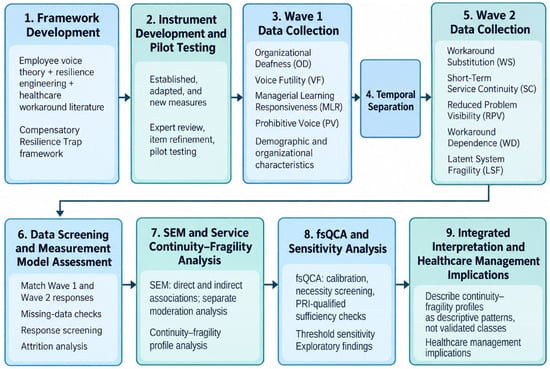
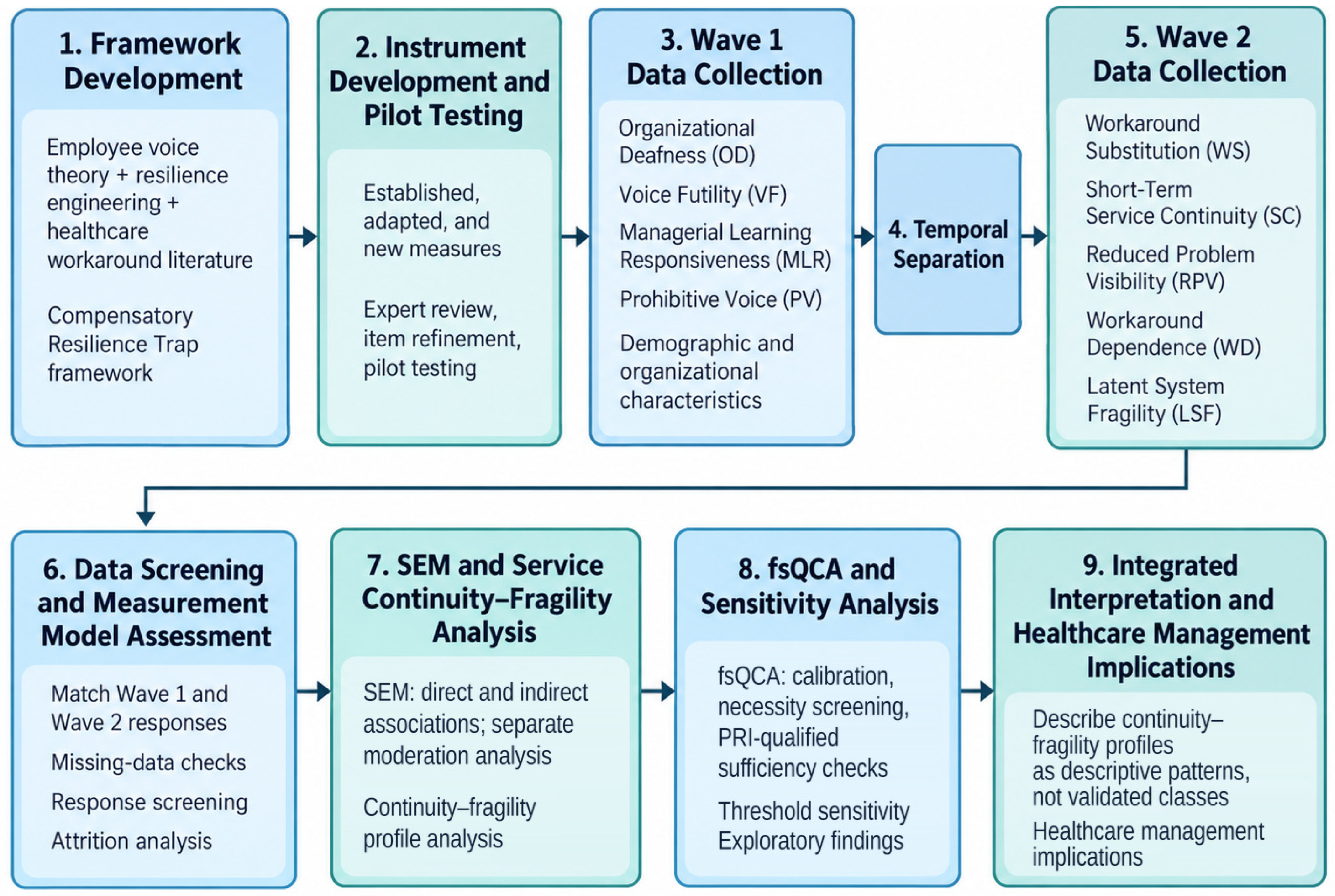
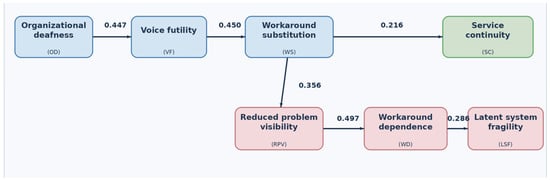
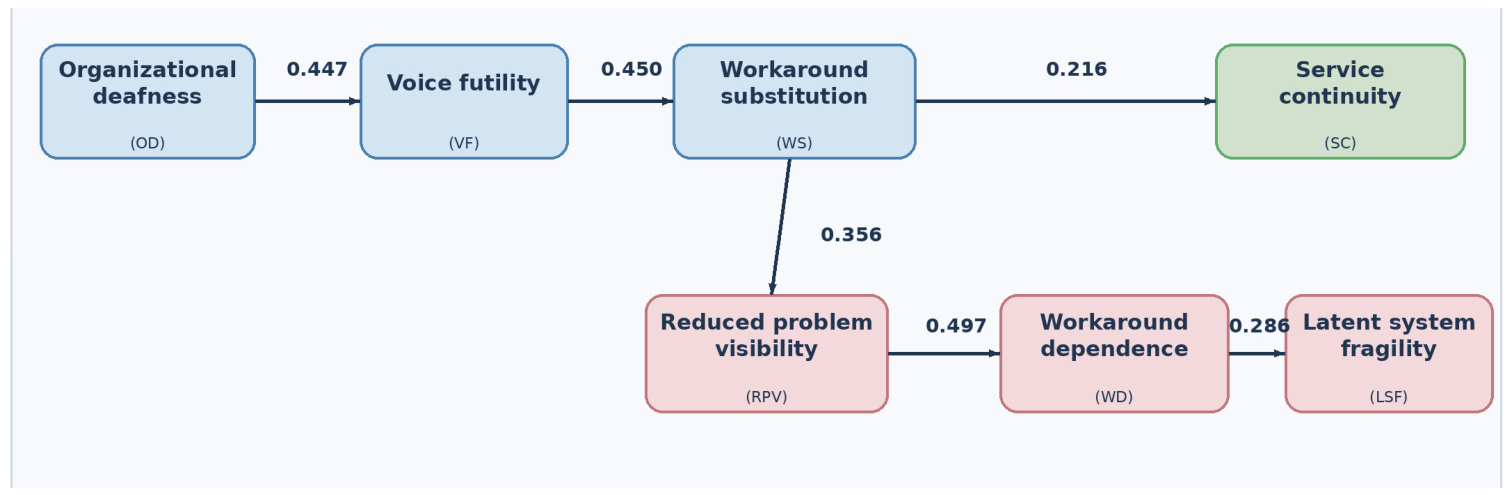
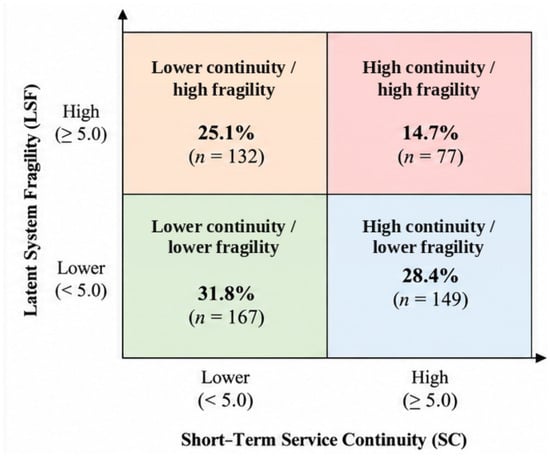

Disclaimer/Publisher’s Note: The statements, opinions and data contained in all publications are solely those of the individual author(s) and contributor(s) and not of MDPI and/or the editor(s). MDPI and/or the editor(s) disclaim responsibility for any injury to people or property resulting from any ideas, methods, instructions or products referred to in the content. |
© 2026 by the authors. Licensee MDPI, Basel, Switzerland. This article is an open access article distributed under the terms and conditions of the Creative Commons Attribution (CC BY) license.