


Abstract
Background/Objectives: Work-related musculoskeletal disorders (WMSDs) are prevalent in physically demanding occupations and can impair health, functional capacity and work productivity. Textile workers face occupational risk factors, yet workplace-based interventions remain limited. This study aimed to evaluate changes in health and work-related outcomes following a hybrid intervention among textile workers with WMSDs. Methods: A quasi-experimental single-arm pre-post study with a 1-month follow-up was conducted among textile workers in Zaragoza, Spain. The 9-week intervention combined eight onsite health education workshops with an individualized, digitally supported home-based exercise program delivered via RehBody. Participants completed two weekly exercise sessions, remotely monitored by health professionals. Outcomes were assessed at baseline, postintervention, and at 1-month follow-up. Musculoskeletal pain intensity was the primary outcome; secondary outcomes included musculoskeletal symptoms, physical function, physical activity, work ability, sleep quality, psychological distress, health-related quality of life, and work productivity. Changes over time were analyzed using repeated-measures ANOVA or Friedman tests, as appropriate. Results: Thirty-one participants completed all assessments (retention rate 79.5%). Musculoskeletal pain decreased significantly after the intervention and remained lower at follow-up (p < 0.01; Kendall W = 0.314). Significant improvements were observed in lower-limb functional capacity (p < 0.001; η2p = 0.773), work ability (p = 0.002; W = 0.195), and sleep quality (p = 0.004; η2p = 0.177). Seven-day shoulder symptoms and presenteeism also improved significantly (p = 0.013 and p = 0.047, respectively). Workshop attendance was 88.7%, while 69.6% of prescribed digital exercise sessions were completed. Conclusions: The hybrid workplace intervention was associated with improvements in musculoskeletal pain, physical function, work ability, and sleep quality. However, the uncontrolled design limits causal inferences. Larger controlled studies with longer follow-up are needed to confirm these findings and assess their long-term sustainability.
1. Introduction
Work-related physical, psychosocial, and organizational factors can substantially influence musculoskeletal health. Across occupational sectors, musculoskeletal disorders (MSDs) account for a substantial share of global disability, with wide-reaching consequences for individuals, health systems, and labor markets, including chronic pain, functional limitations, reduced quality of life, and considerable losses through work absence, presenteeism, and long-term work disability [1,2]. Globally, MSDs account for millions of disability-adjusted life years, making them one of the leading contributors to years lived with disability. Within this broader burden, work-related musculoskeletal disorders (WMSDs), whose development or persistence may be influenced by occupational exposures, are especially relevant in industries characterized by repetitive and physically demanding tasks. Sustained static postures, forceful upper-limb movements, and awkward body positioning are recurrent features of these settings and are consistently associated with an increased risk of WMSDs, particularly those affecting the neck, shoulders, and lower back [3,4].
Manufacturing environments illustrate this pattern clearly: workers are routinely exposed to repetitive operations, constrained postures, and limited opportunities for physical recovery across the working day, all of which may increase the risk of developing WMSDs [5]. Effective conservative approaches to managing these conditions exist, particularly physical exercise, education and self-management strategies; however, their uptake in everyday occupational practice remains inconsistent [6]. Time pressures, limited resources, and uneven organizational commitment to preventive health continue to constrain the delivery of structured programs at the workplace level, particularly when programs must accommodate rotating shifts and fixed production schedules [7,8].
Exercise, health education and behavior-change strategies are central components of most clinical guidelines for musculoskeletal conditions, given their consistent association with improved pain, physical function, and longer-term outcomes and their role as first-line interventions in the management of chronic MSDs [9,10]. Furthermore, interventions incorporating exercise, either alone or combined with education, have been associated with improvements in pain and physical function across a range of musculoskeletal conditions, including knee osteoarthritis, shoulder pain, and chronic musculoskeletal pain [11,12,13]. However, evidence from occupational cohorts remains heterogeneous, and relatively few intervention studies have focused specifically on manufacturing or textile workers despite their exposure to musculoskeletal risk factors [14,15,16].
Digital health technologies offer a promising means of narrowing this gap. Systematic reviews of app-supported exercise for musculoskeletal pain conditions have reported reductions in pain intensity and improvements in physical function, particularly for conditions affecting the back, shoulder, and hip [17,18]. In occupational populations specifically, mobile-messaging and app-based exercise programs have been associated with statistically significant reductions in neck, shoulder, and low back symptoms, with adherence rates exceeding 90% in some trials [19]. Furthermore, recent evidence suggests that digitally delivered exercise interventions may achieve outcomes comparable to those of conventional face-to-face approaches for chronic MSDs [14]. However, broader reviews of workplace health promotion indicate that the certainty of evidence varies across intervention types and outcomes [20]. Commercially available health apps may also have inconsistent evidence bases and limited capacity for individualization [21]. Therefore, the availability of digital tools alone should not be assumed to guarantee sustained engagement or clinically meaningful improvement.
Professional supervision, individualized exercise prescription, and remote monitoring may help address some of these limitations. Programs that blend in-person instruction with digital tools, such as mobile apps, remote monitoring, and adaptive exercise platforms, have generally shown favorable feasibility and acceptability, although adherence has varied across clinical and community populations [22,23,24]. Nevertheless, evidence from industrial settings remains limited [14,15]. Organizational demands, ergonomic constraints, and production schedules may create implementation conditions that differ from those encountered in clinical or office-based environments [7,8], and hybrid exercise and education models remain insufficiently studied in these occupational contexts [14,20].
Textile manufacturing has a distinctive ergonomic profile characterized by repetitive upper-limb work, prolonged standing, and production lines operating at a fixed and demanding pace. Recent studies in the textile and garment sector report high WMSD prevalence, including a pooled estimate of 65.6% among garment workers [25] and a 12-month prevalence of 61.6% in an Ethiopian textile factory [26], concentrated mainly in the neck, shoulder and upper back [26,27]. Psychosocial strain may compound the physical workload. High production demands, low job control, and persistent time pressure have been identified as potential contributors to the persistence of musculoskeletal symptoms among textile workers [25]. Intervention research conducted specifically among textile workers remains limited, and the available studies have generally evaluated exercise, ergonomic education, or other clinically supervised components rather than hybrid programs combining workplace education with individualized digital exercise [14,15,16]. Consequently, the implementation and potential benefits of digitally supported hybrid interventions in this occupational context remain insufficiently understood.
To address this evidence gap, a workplace-embedded multimodal intervention was developed, combining onsite health education and practical exercise instruction with an individualized, home-based exercise program delivered through a digital platform. Delivering the educational component and practical exercise instruction directly in the workplace was intended to enhance accessibility, contextual relevance, and participant engagement, whereas the digitally supported home-based component aimed to facilitate continuity, self-management, and adherence beyond the workplace setting. The hybrid format was also intended to provide greater flexibility for employees working rotating shifts while allowing the research team to monitor exercise completion remotely.
This single-arm pre-post study aimed to evaluate changes in musculoskeletal pain and symptoms, physical function, physical activity, sleep quality, psychosocial well-being, health-related quality of life, work ability, and work productivity following a 9-week intervention combining onsite health education and practical exercise instruction with an individualized, digitally supported home exercise program among textile workers with WMSDs. Adherence to the onsite workshops and engagement with the digitally supported exercise program were also examined. We hypothesized that participants would experience reductions in musculoskeletal pain and improvements in physical function and work ability immediately after the intervention, with these changes being at least partially maintained at the 1-month follow-up. Given the single-arm design, observed changes reflect within-group differences and cannot be attributed causally to the intervention.
2. Methods
2.1. Study Design
This study employed a quasi-experimental, single-arm, pre-post design with a 1-month follow-up to evaluate changes following a workplace-based multimodal intervention combining health education and exercise training among employees of a textile manufacturing company in Zaragoza, Spain. The intervention was delivered using a hybrid format that included face-to-face educational workshops and a digitally supported exercise program. The study was conducted according to a protocol developed in accordance with the Standard Protocol Items: Recommendations for Interventional Trials (SPIRIT) guidelines. The trial was prospectively registered at ClinicalTrials.gov (NCT07360626) on 13 January 2026, prior to the recruitment and enrollment of the first participant. The intervention was implemented between 5 March and 7 May 2026. Outcome assessments were performed at baseline (T0), immediately after completion of the intervention (T1), and 1 month after the end of the program (T2) to evaluate changes in study outcomes over time.
2.2. Setting and Participants
The study was carried out within the facilities of a medium-sized textile manufacturing company in Zaragoza, Spain, employing workers across manufacturing, quality control, logistics, and administrative departments. Although participation was open to all employees, the intervention was primarily targeted at production and logistics workers due to the physical demands associated with these roles.
Recruitment took place in January 2026 through informational sessions delivered across all work shifts. During these sessions, members of the research team explained the study objectives, procedures, and participation requirements and addressed employees’ questions. Study information was also disseminated internally within the company, with administrative and organizational support from company management and supervisors, who assisted in schedule coordination and in notifying participating workers when to leave their workstations for study activities. Employees interested in participating contacted the research team directly and underwent eligibility screening. Company management and supervisors had no role in screening, enrollment, or decisions regarding individual participation. Participation was completely voluntary, and workers were assured that joining, declining, or withdrawing from the study would have no effect on their employment status. To guarantee privacy, company management had no access to individual-level participant data at any stage.
Workers were eligible to participate if they were between 18 and 65 years of age, held an active employment contract during the study period, reported musculoskeletal symptoms in at least one anatomical region, as assessed using the Standardised Nordic Musculoskeletal Questionnaire (NMQ), demonstrated sufficient proficiency in Spanish to understand workshop content and complete study questionnaires, and were able to participate in intervention activities. Individuals with medical conditions contraindicating exercise participation, pregnancy, concurrent physiotherapy treatment, temporary work disability, or cognitive or communication limitations were excluded.
2.3. Intervention
Participants received a 9-week multimodal intervention delivered between 5 March and 7 May 2026. The extended duration (9 weeks rather than the originally planned 8 weeks) was adopted to allow participants who had missed sessions due to scheduled rest days to complete the prescribed number of sessions, given the rotating shift schedule of the workforce. The program combined face-to-face health education with a digitally supported exercise program and was designed to promote self-management of musculoskeletal health, improve physical function, and encourage healthy lifestyle behaviors.
2.3.1. Face-to-Face Educational Program
The educational component consisted of eight group-based workshops delivered at the workplace during working hours. Participants were assigned to 1 of 6 groups according to their work schedules, and each workshop was repeated for all groups (3 morning and 3 afternoon groups) to facilitate participation across shifts. Each session lasted approximately 45 min and was led by licensed physiotherapists and exercise and sport science professionals who were members of the research team.
Workshop content focused on musculoskeletal health and lifestyle education, covering pain mechanisms, key exercise concepts, mobility, stress management, active recovery strategies, sleep hygiene, and health-promoting habits. The introductory workshop also familiarized participants with the exercise component by providing practical instruction on exercise technique, intensity regulation, the use of the exercise equipment, and navigation through the RehBody digital platform. The final workshop focused on the practical integration of the strategies and exercises introduced throughout the program (acssessed on 5 March 2026) , as well as addressing participants’ questions and reinforcing learning through group discussion. The complete program (acssessed on 5 March 2026), including the topics covered and specific learning objectives of each of the eight workshops, is provided in Supplementary Table S1.
2.3.2. Digitally Supported Exercise Program
Following the introductory workshop, participants completed two prescribed home-based exercise sessions per week using RehBody, a commercially available digital rehabilitation platform. Participants accessed the platform using their personal login credentials from either a smartphone or a computer.
Exercise programs were individualized according to baseline assessments and supervised by the same team of physiotherapists and exercise and sport science professionals. Sessions lasted approximately 20–30 min, depending on individual functional capacity, and were progressively modified throughout the intervention according to participants’ progression, perceived difficulty, and tolerance. Participants received instructions on how to self-adjust exercise intensity and difficulty by increasing or decreasing the number of repetitions, modifying resistance through the use of different resistance bands, and performing exercise variations of different levels of difficulty. In addition, the supervising professionals could introduce further individual adaptations, including modifying or replacing exercises when participants experienced difficulties performing them, to ensure that the program remained appropriate to their functional capacity and progression.
The platform provided video-guided exercises, written instructions, and automatic recording of completed sessions, enabling the research team to monitor adherence remotely. Participants could also communicate with the research team through the platform to resolve questions regarding exercise performance.
Exercise sessions emphasized mobility, trunk and scapular stability, and upper- and lower-limb strengthening, with particular attention to body regions exposed to occupational demands. Each session followed a progressive structure, beginning with mobility and core activation exercises and advancing toward strengthening exercises of increasing complexity and intensity. To facilitate home-based participation, all participants received an exercise kit containing resistance bands with different resistance levels, an exercise mat, a foam roller, and massage balls.
2.4. Adverse Event Monitoring and Safety
Adverse event monitoring was conducted throughout the intervention period by a licensed physiotherapist from the research team, who served as the designated safety contact and was responsible for evaluating any discomfort, pain exacerbation, or adverse reactions reported by participants, either through the platform or via direct contact. Participants could report incidents through the RehBody platform—using post-session rating scales, exercise feedback buttons, and messaging—or directly to the physiotherapist during onsite workshops. When required, exercise modifications were implemented, including adjustments to exercise load, volume, or range of motion. All reported incidents resolved spontaneously or following minor exercise adjustments (e.g., load, volume, or range of motion) implemented by the physiotherapist, with no serious adverse events, medical referrals, or study dropouts due to adverse reactions.
2.5. Outcomes
Outcome data were collected at baseline (T0), immediately postintervention (T1), and at 1-month follow-up (T2). Sociodemographic and work-related characteristics were additionally collected at baseline using a study-specific questionnaire, including age, sex, length of employment, and work shift. Full details on the outcome measures, scoring procedures, and assessment schedule are provided in the study protocol [28].
2.5.1. Primary Outcome
The primary outcome was change in musculoskeletal pain intensity from baseline (T0) to immediately postintervention (T1). Changes at 1-month follow-up (T2) were additionally assessed to evaluate the persistence of intervention effects. Musculoskeletal pain intensity was assessed using the 11-point Numeric Rating Scale (NRS), ranging from 0 (“no pain”) to 10 (“worst imaginable pain”). Participants were asked to rate their overall musculoskeletal pain intensity, without reference to any specific anatomical region. A reduction of 1.5 to 2.0 points on the NRS was defined a priori as the minimal clinically important difference (MCID) [29].
2.5.2. Secondary Outcomes
Secondary outcomes comprised comprehensive measures of physical function, psychological well-being, quality of life, and work-related performance.
Musculoskeletal symptoms were assessed using the Standardised Nordic Musculoskeletal Questionnaire (NMQ), originally developed for the systematic assessment of musculoskeletal symptoms across nine anatomical regions [30]. The Spanish version has undergone cross-cultural adaptation and validation in nursing aides, demonstrating adequate reliability and content validity and supporting its use in Spanish-speaking occupational populations [31]. Participants reported the presence of symptoms across nine anatomical regions during the previous 12 months and 7 days, as well as any associated limitations in usual work activities.
Physical performance was evaluated through two objective measures: maximum handgrip strength and lower-body functional capacity. Maximum handgrip strength was assessed with a Takei Grip-D digital dynamometer (Takei Scientific Instruments Co., Ltd., Niigata, Japan), with participants seated and the elbow flexed to 90°; the highest recorded value of three maximal attempts was reported in kilograms, with higher values indicating greater upper-body strength. Handgrip dynamometry is a widely established measure of muscle strength and functional health, with evidence supporting its reliability and validity across different populations. Functional capacity was evaluated using the 30 s Sit-to-Stand test (30 s STS), where participants completed as many full repetitions as possible within 30 s, with the total number of correctly completed repetitions recorded and higher scores reflecting superior functional capacity.
Physical activity was measured using the short form of the International Physical Activity Questionnaire (IPAQ-SF). Participants reported the frequency and duration of walking, moderate-intensity, and vigorous-intensity physical activity during the preceding 7 days. Results were expressed as metabolic equivalent task minutes per week (MET-min/week) and categorized into low (<600 MET-min/week), moderate (≥600 MET-min/week, or ≥5 days of any combination of activities achieving ≥600 MET-min/week), or high (≥1500 MET-min/week from vigorous activity on ≥3 days, or ≥3000 MET-min/week from any combination across ≥7 days) physical activity levels according to established IPAQ-SF scoring guidelines.
Work ability was assessed using the Work Ability Index (WAI), a widely used tool in occupational health research with demonstrated robust psychometric properties and a validated Spanish-language version [32]. The WAI assesses work ability in relation to job demands, health status, and individual resources. Total scores range from 7 to 49, with higher values indicating better perceived work ability. Scores were categorized as poor (7–27), moderate (28–36), good (37–43), or excellent (44–49).
Sleep quality was measured using the Pittsburgh Sleep Quality Index (PSQI), a widely used instrument that evaluates sleep during the previous month across seven components [33]. The Spanish version of the PSQI has demonstrated adequate reliability and validity [34]. The global score ranges from 0 to 21, with higher scores indicating poorer sleep quality. A score > 5 was used to identify poor sleep quality.
Psychological symptoms were assessed with the 21-item Depression, Anxiety and Stress Scale (DASS-21) which measures symptoms of depression, anxiety, and stress [35]. The Spanish version of the DASS-21 has demonstrated acceptable psychometric properties [36]. Separate scores were calculated for depression, anxiety, and stress subscales (score range 0–42 per subscale), with higher scores indicating greater symptom severity. Subscale scores were interpreted according to established severity categories.
Health-related quality of life was assessed using the EQ-5D-5L questionnaire, a standardized instrument for measuring health-related quality of life across five dimensions [37]. The validity of the Spanish version of the EQ-5D-5L has been demonstrated in the Spanish population [38]. The instrument evaluates five health dimensions to obtain the EQ-5D index value. Participants also completed the EQ visual analogue scale (EQ-VAS), ranging from 0 (“worst imaginable health”) to 100 (“best imaginable health”), with higher values indicating better self-rated health.
Work productivity and activity impairment were measured using the Work Productivity and Activity Impairment Questionnaire (WPAI) [39]. The Spanish version of the WPAI has demonstrated adequate validity [40]. The questionnaire yields measures of absenteeism, presenteeism, overall work productivity loss, and activity impairment outside work. Results were expressed as percentages (0–100%), with higher values representing greater impairment.
Intervention adherence was monitored separately for each component. Workshop attendance was recorded using session logs, and digital exercise completion was tracked automatically through the RehBody platform. Overall adherence was calculated as a weighted mean based on the total number of planned sessions from each component (8 face-to-face workshops and 16 digital exercise sessions; 24 sessions in total). Participants who withdrew prematurely or showed substantially insufficient participation across both components were excluded from the analysis; the remaining participants formed the analyzed sample, consistent with a modified per-protocol approach. This threshold represented a pragmatic adaptation of the pre-specified 80% criterion from the registered study protocol [28], made necessary by the real-world implementation context in which makeup sessions were offered to participants who missed workshops due to shift scheduling or leave. Digital engagement was assessed using data automatically collected by the RehBody platform, including completed exercise sessions, active days, and total interaction time, to characterize participants’ engagement with the digital exercise program throughout the intervention period.
2.6. Sample Size
Sample size estimation was based on the primary outcome of pain intensity (NRS). Assuming a minimum clinically important difference of 1.5 points, a standard deviation of 2.5 points, a 2-sided α level of 0.05, and 80% power, 27 participants were required to detect a significant pre-post change (Cohen d = 0.60) [29,41]. To compensate for an anticipated dropout rate of 20%, the planned sample size was increased to 33 participants. Sample size calculations were conducted using Jamovi version 2.7.6 (The jamovi project, Sydney, Australia; www.jamovi.org).
2.7. Statistical Analysis
All statistical analyses were performed using IBM SPSS Statistics (version 29; IBM Corp., Armonk, NY, USA). Descriptive statistics were calculated for all study variables. Normally distributed continuous variables are presented as mean (SD) and 95% CI, whereas non-normally distributed variables are presented as median and interquartile range (IQR). Categorical variables are reported as frequencies and percentages. Percentage changes between time points were calculated from group means as: [(mean at T1 or T2 − mean at T0)/mean at T0] × 100, and are reported descriptively to contextualize the magnitude of observed within-group changes.
Data distribution was assessed using the Shapiro–Wilk test. For normally distributed continuous outcomes, repeated-measures analysis of variance (ANOVA) was performed. Sphericity was assessed using Mauchly’s test, and the Greenhouse-Geisser correction was applied when this assumption was violated. When significant overall effects were identified, pairwise post hoc comparisons were conducted using Bonferroni-adjusted tests. Effect sizes were estimated using partial eta squared (η2p) and interpreted according to conventional thresholds as small (0.01), moderate (0.06), and large (0.14) [41]. For continuous variables that did not meet normality assumptions, the Friedman test was used to assess overall longitudinal changes. When significant differences were identified, post hoc pairwise comparisons were performed using Dunn’s test with Bonferroni adjustment. Effect sizes were calculated using Kendall’s coefficient of concordance (W), with values of 0.10, 0.30, and 0.50 indicating small, moderate, and large effects, respectively [42].
Changes in dichotomous outcomes assessed at two time points were analyzed using McNemar tests. For dichotomous outcomes assessed across three time points, Cochran’s Q tests were applied. For these outcomes, effect sizes are reported as the absolute change in prevalence (percentage points) with 95% confidence intervals for paired proportions.
Adherence to the intervention was assessed using attendance records from the educational workshops and exercise completion data obtained through the RehBody platform.
Analyses were performed on participants with available data at the three assessment points for each outcome; missing data were not imputed. All statistical tests were two-tailed, and statistical significance was set at p < 0.05. Given the exploratory nature of this single-arm study and the breadth of outcomes assessed, no global correction for multiple comparisons was applied across outcomes. Instead, the primary outcome was pre-specified, secondary outcomes were declared hierarchically in the study protocol, and Bonferroni correction was applied to post hoc pairwise comparisons within each outcome. Results from secondary outcomes should be interpreted as exploratory and considered alongside effect size estimates and the consistency of observed patterns rather than relying solely on statistical significance thresholds.
3. Results
3.1. Participant Characteristics
Of the 40 employees initially enrolled in the intervention, 39 completed baseline assessment (T0) after one participant withdrew prior to evaluation. During the intervention, six participants were lost to follow-up at T1 (three due to medical leave and three for unknown reasons). A further two participants were lost at the 1-month follow-up (T2) (one due to medical leave and one for an unknown reason), resulting in 31 final participants. The overall longitudinal retention rate from baseline to T2 was 79.5% (31/39). The flow of participants throughout the study is presented in Figure 1.
Figure 1.
Flowchart of study participants.
The 30 s STS, the PSQI global score, and IPAQ-SF sedentary time met the normality assumption at all assessment points.
Among participants included in the analyses, 20 (64.5%) were women and 11 (35.5%) were men. The mean age was 42.2 (11.8) years. Participants had been employed at the company for a mean of 43.5 (42.6) months and worked a standard 40 h workweek.
The mean body weight was 73.2 (18.0) kg, and the mean height was 164.5 (10.2) cm. Most participants were right-handed (n = 28, 90.3%), whereas 1 participant (3.2%) was left-handed and 2 (6.5%) were ambidextrous.
All participants worked rotating shifts. Regarding occupational tasks, 22 participants (71.0%) performed hanger-processing activities, 16 (51.6%) performed ironing tasks, 12 (38.7%) were involved in warehouse-related activities, and 1 participant (3.2%) reported other occupational duties. Many employees performed more than one occupational task within the company.
Additional baseline demographic and occupational characteristics are presented in Table 1.
Table 1.
Baseline demographic and occupational characteristics of participants.
3.2. Primary Outcome
- Numeric Rating Scale (NRS)
Musculoskeletal pain intensity decreased from a median of 6.0 (IQR 3.5) at baseline to 3.0 (IQR 4.5) post-intervention and 3.0 (IQR 4.0) at follow-up. Significant differences were found between baseline and post-intervention and between baseline and follow-up (p < 0.01), with a moderate effect size (Kendall W = 0.314) (Figure 2).
Figure 2.
Changes in musculoskeletal pain intensity measured with the Numeric Rating Scale (NRS) at baseline (T0), post-intervention (T1), and follow-up (T2). Box plots show median, interquartile range, and range; dots represent individual participants. p values from Bonferroni-adjusted pairwise comparisons following the Friedman test.
3.3. Secondary Outcomes
3.3.1. Musculoskeletal Symptoms
- Nordic Musculoskeletal Questionnaire
- Twelve-Month Musculoskeletal Symptom Prevalence
At baseline, the anatomical regions with the highest prevalence of musculoskeletal symptoms were the wrist/hand (67.7%), neck (64.5%), shoulders (64.5%), and lumbar spine (61.3%). Following the intervention, reductions in symptom prevalence were observed in several anatomical regions. The largest reduction occurred in the lumbar spine, where symptom prevalence decreased from 61.3% at baseline to 35.5% post-intervention. McNemar tests revealed a statistically significant reduction only for lumbar spine symptoms (McNemar χ2 = 6.13, p = 0.008) (Table 2). No significant changes were observed for neck, shoulder, elbow, wrist/hand, thoracic spine, hip, knee, or ankle/foot symptoms (all p > 0.05).
Table 2.
Twelve-month musculoskeletal symptom prevalence by anatomical region.
- Seven-Day Musculoskeletal Symptoms by Anatomical Region
For seven-day musculoskeletal symptoms, the shoulder and wrist/hand regions showed the highest prevalence at baseline. Symptom prevalence progressively decreased across most anatomical regions during the study period. Cochran’s Q analysis identified a significant reduction in shoulder symptoms across baseline, post-intervention, and follow-up assessments (Q = 8.67, p = 0.013), whereas no significant changes were observed for the remaining anatomical regions (all p > 0.05) (Table 3).
Table 3.
Seven-day musculoskeletal symptom prevalence by anatomical region.
To assess overall musculoskeletal burden, a composite score corresponding to the number of symptomatic body regions during the previous 7 days was calculated. Scores showed a median of 3.0 (IQR 3.0) at baseline, 2.0 (IQR 3.0) post-intervention, and 1.0 (IQR 3.0) at follow-up. Friedman analysis demonstrated significant longitudinal changes across the three assessment points (χ2 = 7.94, p = 0.019). The magnitude of the change corresponded to a small-to-moderate effect (Kendall’s W = 0.137). Post hoc comparisons revealed significant differences between baseline and follow-up (p = 0.015), whereas no significant differences were observed between baseline and post-intervention or between post-intervention and follow-up after Bonferroni correction.
- Twelve-Month Activity Limitation Due to Musculoskeletal Symptoms
At baseline, activity limitation attributable to musculoskeletal symptoms was most frequently reported in the shoulder (32.3%), wrist/hand (32.3%), and lumbar spine (25.8%) regions. Following the intervention, reductions in activity limitation were observed in most anatomical areas, particularly in the shoulder, wrist/hand, lumbar spine, hip, and ankle/foot regions. However, none of these changes reached statistical significance according to McNemar analyses (all p > 0.05) (Table 4).
Table 4.
Twelve-month activity limitation due to musculoskeletal symptoms by anatomical region.
3.3.2. Muscle Strength and Functional Capacity
- Handgrip Strength
Handgrip strength improved significantly in both hands over time. Right-hand strength increased from a median of 27.1 (IQR 25.6) kg at baseline to 27.8 (IQR 27.5) kg post-intervention and 27.0 (IQR 19.2) kg at follow-up (mean change +10.1%), while left-hand strength increased from 23.5 (IQR 23.4) kg to 26.2 (IQR 22.9) kg at follow-up (mean change +8.9%). Significant longitudinal effects were observed for both the right hand (χ2 = 11.75, p = 0.003; W = 0.255) and left hand (χ2 = 9.52, p = 0.009; W = 0.207). Post hoc analyses showed significant improvements from baseline to post-intervention and from baseline to follow-up (p < 0.05), whereas no significant changes were observed between post-intervention and follow-up (p > 0.05), suggesting that gains were maintained one month after completion of the intervention (Table 5).
Table 5.
Changes in muscle strength and functional capacity.
- Functional Capacity
- 30 s Sit-to-Stand Test
The 30 s Sit-to-Stand test demonstrated the greatest improvement among all physical performance outcomes. Mean performance increased from 16.78 (3.48) [95% CI 15.28–18.29] repetitions at baseline to 23.48 (4.19) [95% CI 21.67–25.29] post-intervention and 27.39 (4.69) [95% CI 25.36–29.42] at follow-up, corresponding to a 63.2% improvement compared with baseline. Repeated-measures analysis revealed significant differences across the three assessment points (F = 74.80, p < 0.001), and post hoc comparisons confirmed progressive improvements between all time points. The observed effect size was very large (η2p = 0.773), suggesting a marked enhancement in lower-limb functional capacity. The consistency of this finding is supported by the descriptive distribution of scores across timepoints (T0: median 17, range 11–23; T1: median 23, range 16–35; T2: median 28, range 18–37), which confirms the progressive nature of the improvement across all participants. As noted in the Discussion, part of this improvement may reflect familiarization with the testing procedure in addition to genuine functional gains (Table 5).
3.3.3. Physical Activity
- International Physical Activity Questionnaire-Short Form (IPAQ-SF)
No statistically significant changes were observed in total physical activity levels across the three assessment points (Friedman χ2 = 4.65, p = 0.098; Kendall’s W = 0.075). Total physical activity showed a median of 90 (IQR 155) min/week at baseline, 150 (IQR 250) min/week post-intervention, and 120 (IQR 220) min/week at follow-up. Similarly, no significant changes were observed for vigorous physical activity (p = 0.572), walking activity (p = 0.076), or sedentary behavior (p = 0.663). Moderate-intensity physical activity showed a significant overall effect (χ2 = 9.66, p = 0.008), although post hoc comparisons did not remain statistically significant after Bonferroni correction.
Although total IPAQ-SF scores did not show significant longitudinal changes (p = 0.098), a descriptive shift toward higher physical activity categories was observed after the intervention. The proportion of participants classified as highly active increased from 35.5% at baseline to 58.1% post-intervention and remained elevated at follow-up (54.8%). However, Cochran’s Q analysis revealed that these changes did not reach statistical significance across the three assessment points (Q = 5.38, p = 0.068).
3.3.4. Work Ability
- Work Ability Index (WAI)
Work ability improved significantly over time. WAI scores showed a median of 38.5 (IQR 10.0) at baseline, 43.0 (IQR 5.5) post-intervention, and 42.5 (IQR 7.0) at follow-up. Friedman analysis demonstrated significant differences across the three assessment points (χ2 = 12.11, p = 0.002), corresponding to a small-to-moderate effect size (Kendall’s W = 0.195). Post hoc analyses revealed significant improvements between baseline and post-intervention (p = 0.023) and between baseline and follow-up (p = 0.007), whereas no significant differences were observed between post-intervention and follow-up (p = 1.00), indicating maintenance of gains after completion of the intervention. Overall, work ability increased by 7.2% immediately after the intervention and remained 5.3% higher than baseline at follow-up (mean values) (Table 6).
Table 6.
Changes in work ability, sleep quality, health-related quality of life, and psychological symptoms.
3.3.5. Sleep Quality
- Pittsburgh Sleep Quality Index (PSQI)
Sleep quality improved significantly over time. Mean PSQI scores decreased from 13.47 (6.08) [95% CI 11.20–15.74] at baseline to 12.93 (6.19) [95% CI 10.62–15.24] post-intervention and 10.20 (5.45) [95% CI 8.17–12.23] at follow-up, representing a 24.3% reduction from baseline to follow-up. Repeated-measures analysis revealed significant differences across the three assessment points (F = 6.23, p = 0.004). The magnitude of change corresponded to a large effect size (η2p = 0.177). Post hoc analyses showed significant improvements between baseline and follow-up (p = 0.015) and between post-intervention and follow-up (p = 0.019), whereas no significant differences were observed between baseline and post-intervention (p = 1.00) (Table 6).
3.3.6. Depression, Anxiety and Stress
- Depression, Anxiety and Stress Scale (DASS-21)
No statistically significant changes were observed in symptoms of depression, anxiety, stress, or in the overall DASS-21 score across the study period. Depression scores remained stable, with a median of 2.0 (IQR 4.0) at baseline, 2.0 (IQR 5.0) post-intervention, and 2.0 (IQR 5.0) at follow-up (χ2 = 0.48, p = 0.786; Kendall’s W = 0.008). Similarly, anxiety scores showed a median of 3.0 (IQR 5.0) at baseline, 3.0 (IQR 3.0) post-intervention, and 2.0 (IQR 4.0) at follow-up, without reaching statistical significance (χ2 = 0.52, p = 0.771; W = 0.008). Stress scores also showed a gradual reduction over time, with a median of 6.0 (IQR 5.0) at baseline, 5.0 (IQR 5.0) post-intervention, and 5.0 (IQR 5.0) at follow-up, without reaching statistical significance (χ2 = 2.48, p = 0.289; W = 0.040). Likewise, total DASS-21 scores showed a median of 12.0 (IQR 10.0) at baseline, 9.0 (IQR 11.0) post-intervention, and 9.0 (IQR 12.0) at follow-up, representing a 10.3% reduction from baseline (mean values), but without significant longitudinal differences (χ2 = 2.05, p = 0.359; W = 0.033). Although statistical significance was not achieved, descriptive analyses revealed a consistent downward trend across all DASS-21 domains, suggesting a potential improvement in psychological well-being following participation in the multimodal intervention. The small effect sizes observed indicate that the magnitude of change was limited, possibly reflecting the relatively low baseline levels of psychological distress in the study population (Table 6).
3.3.7. Health-Related Quality of Life
- EQ-5D-5L
No significant changes were observed in EQ-5D-5L index scores, with a median of 0.887 (IQR 0.111) at baseline, 0.910 (IQR 0.061) post-intervention, and 0.887 (IQR 0.089) at follow-up (χ2 = 4.60, p = 0.100; W = 0.074). However, participants reported improved perceived health status, with EQ-VAS scores showing a median of 85.0 (IQR 20.0) at baseline, 80.0 (IQR 25.0) post-intervention, and 90.0 (IQR 19.0) at follow-up (mean change +11.0%). Although the change did not reach statistical significance (χ2 = 5.68, p = 0.058; W = 0.123), it indicated a favorable trend toward improved self-rated health (Table 6).
3.3.8. Work Productivity and Activity Impairment
- Work Productivity and Activity Impairment Questionnaire (WPAI)
A small but statistically significant reduction in presenteeism was observed over time (χ2 = 6.11, p = 0.047; Kendall’s W = 0.098), with a median of 20.0% (IQR 50.0) at baseline, 0.0% (IQR 40.0) post-intervention, and 0.0% (IQR 30.0) at follow-up. No significant changes were observed for overall work productivity loss (p = 0.091), with a median of 30.0% (IQR 60.0) at baseline, 0.0% (IQR 50.0) post-intervention, and 0.0% (IQR 30.0) at follow-up, or activity impairment (p = 0.147), with a median of 20.0% (IQR 50.0) at baseline, 10.0% (IQR 50.0) post-intervention, and 0.0% (IQR 20.0) at follow-up. Although these findings should be interpreted with caution due to the small effect sizes, all WPAI domains showed favorable trends over time, suggesting a potential reduction in the impact of health problems on work performance and daily activities following the intervention.
3.4. Adherence
Of the 39 participants who completed the baseline assessment, 31 completed the intervention and were included in the analysis. Mean workshop attendance was 88.7% and mean digital exercise completion was 69.6%, yielding an overall weighted adherence of 75.9% across the 24 planned sessions (8 workshops and 16 digital sessions).
4. Discussion
4.1. Principal Findings
This study examined changes in health- and work-related outcomes following a 9-week workplace-embedded hybrid intervention combining onsite health education and practical exercise instruction with an individualized, digitally supported home exercise program among textile manufacturing workers with WMSDs. The main findings were reductions in musculoskeletal pain and recent musculoskeletal symptom burden, together with improvements in physical performance, perceived work ability, and presenteeism. Improvements in pain and work ability were maintained at the 1-month follow-up, while lower-limb functional capacity continued to improve. Statistically significant longitudinal changes were also observed in handgrip strength, although the pattern differed between hands.
Sleep quality improved at follow-up, whereas no clear changes were detected in overall physical activity, psychological outcomes, or the EQ-5D-5L index. Attendance at onsite workshops was higher than completion of the digitally supported exercise sessions, which may indicate that workplace-based delivery facilitates participation, while sustained engagement with self-directed home exercise remains more challenging.
4.2. Comparison with Prior Work
Musculoskeletal pain showed the clearest participant-reported improvement. Mean pain intensity decreased by more than 2 points from baseline to both post-intervention assessments. This change exceeded the threshold specified in the study protocol for a clinically meaningful improvement and was also consistent with previous evidence indicating that a 2-point or approximately 33% reduction on an 11-point numerical rating scale has been proposed as a clinically important threshold [29]. In the present sample, mean pain intensity decreased by 40.3% from baseline to post-intervention (from 5.59 to 3.34 points), based on group means, exceeding this reference threshold. Beyond statistical significance, the reduction in pain intensity exceeded established thresholds for minimal clinically important change, suggesting that the observed improvement is likely to be meaningful from the participants’ perspective. The similarity of the post-intervention and follow-up scores suggests that the reduction was maintained during the 1-month follow-up period. These findings are consistent with evidence showing that workplace exercise programs can reduce musculoskeletal pain, particularly when they include strengthening or targeted exercises [14,15], and with systematic reviews reporting small improvements in pain and disability following digital health interventions for musculoskeletal conditions [18,43]. Participants also reported fewer recently symptomatic body regions and a reduction in recent shoulder symptoms, indicating that the observed change was not limited to the global pain rating. However, given the uncontrolled study design, these within-participant improvements should be interpreted cautiously and cannot be attributed exclusively to the intervention.
Improvements were also observed in both objective measures of physical function. Handgrip strength increased bilaterally after the intervention and remained above baseline levels at follow-up, whereas performance in the 30 s STS test improved progressively across the 3 assessments. These findings are broadly consistent with previous evidence indicating that exercise-based workplace interventions can improve physical function in workers with musculoskeletal disorders [14], and that digital exercise interventions may support functional improvements across several musculoskeletal conditions, although findings vary according to the anatomical region and outcome assessed [18]. The bilateral improvement in handgrip strength may be compatible with the upper-limb strengthening and scapular stabilization exercises included in the program; however, handgrip strength should not be interpreted as a direct or comprehensive measure of overall muscular function [44]. The magnitude and continued increase in 30 s STS performance at follow-up may indicate gains in lower-limb strength, muscular endurance, and movement efficiency. The magnitude of change observed in lower-limb functional capacity was notably greater than that observed in the remaining outcomes and may reflect meaningful improvements in functional performance relevant to work-related physical demands. However, repeated 30 s STS assessments may be influenced by familiarization or learning effects, and therefore part of the observed improvement may reflect increased familiarity with the testing procedure [45].
Beyond the changes in pain and physical function, favorable changes were observed in selected work-related and sleep outcomes. Work ability increased after the intervention and remained above baseline at the 1-month follow-up, suggesting that the improvements in pain and physical function may have been accompanied by a more favorable perception of the participants’ capacity to meet their work demands.
This finding is relevant because evidence regarding the effects of workplace interventions on work ability and other occupational outcomes remains limited and inconsistent, even when improvements in pain and physical function are observed [14]. Sleep quality did not change significantly immediately after the intervention but improved at follow-up. The delayed pattern may suggest that sleep-related changes emerge more gradually or may occur indirectly through continued exercise, improved physical function, or reduced pain. Previous meta-analyses have shown that regular exercise can improve self-reported sleep quality, including PSQI scores, although the magnitude of benefit varies across populations and exercise modalities [46,47]. Nevertheless, PSQI scores remained above the conventional threshold for poor sleep quality at all assessments; therefore, the observed change should be interpreted as an improvement rather than normalization of sleep. A small reduction in self-reported presenteeism was also observed, consistent with some previous workplace musculoskeletal interventions [48]. However, this finding should be interpreted cautiously given the small effect size and the absence of corresponding changes in overall work productivity loss or activity impairment. In addition, possible variation in workload or exposure to work during the assessment period, including any overlap with holiday periods, may have influenced the presenteeism estimates.
In contrast, no clear changes were detected in overall physical activity, sedentary time, depression, anxiety, stress, or health-related quality of life. The absence of a change in self-reported physical activity suggests that participation in the prescribed exercise sessions did not necessarily translate into a broader modification of habitual activity patterns. This finding may reflect the relatively short intervention period, the specific therapeutic focus of the exercise program, or the limited sensitivity of self-reported physical activity measures to detect modest changes over time. Although workplace physical activity interventions can increase activity levels, previous reviews have reported variable effects across workplace physical activity interventions [49]. Similarly, the lack of detectable changes in depression, anxiety, and stress should not be interpreted as evidence that exercise has no psychological benefits, as broader evidence supports favorable effects of physical activity on these outcomes [50]. Rather, the low baseline levels of psychological symptoms in the present sample may have limited the potential for measurable improvement. Finally, the stability of the EQ-5D-5L index, despite improvements in pain and physical function, partly reflects the limited responsiveness of a generic measure to relatively specific changes in musculoskeletal health, together with the ceiling effects reported for the EQ-5D-5L in general adult populations [37,51]. The more favorable descriptive pattern observed for the EQ-VAS may indicate that participants perceived some improvement in their overall health that was not captured by the EQ-5D-5L index; however, this finding was not statistically significant and should not be interpreted as evidence of change.
Adherence differed between the 2 components of the hybrid intervention. Attendance at the onsite workshops was higher than completion of the digitally supported home exercise sessions. This pattern suggests that flexibility of access alone may not be sufficient to sustain engagement with self-directed exercise. Previous reviews indicate that digital support may improve adherence to prescribed home exercise in some contexts, although effects vary according to follow-up duration and the method used to assess adherence [52,53]. The higher attendance at the onsite component may have been facilitated by its integration into the working day and the direct involvement of health professionals. In contrast, the lower completion of home exercise may reflect the greater self-regulation required outside the workplace, although barriers to participation were not directly assessed. Previous research on mHealth-supported exercise has identified motivation, accessibility and usability, appropriate guidance, personalization, and continued professional support as relevant influences on engagement and adherence [54,55]. Strategies such as tailored reminders, regular professional feedback, progressive goal setting, and more detailed monitoring of engagement may help support sustained participation in digitally supported exercise [56]. Taken together, the present adherence pattern supports the rationale for combining workplace-based professional contact with flexible digital delivery, while highlighting that digital access alone may not ensure sustained engagement with exercise.
The overall pattern of findings is broadly consistent with previous research on workplace interventions for musculoskeletal disorders, which has generally reported more consistent improvements in pain and physical function than in broader health- and work-related outcomes [14,18]. Recent evidence also supports the use of multicomponent workplace approaches that combine exercise with strategies such as education, ergonomic guidance, or self-management support [14]. The present study extends this evidence by evaluating a hybrid model in which workplace-based education and practical instruction were combined with individualized exercise delivered and monitored through a digital platform. This model may be particularly relevant in industrial settings, where fixed production schedules and rotating shifts can restrict participation in exclusively face-to-face programs. The hybrid delivery model may offer complementary advantages by combining workplace-based professional contact with the flexibility and continuity of digital exercise delivery. Workplace-based sessions can facilitate initial instruction, exercise familiarization, and contextual adaptation, whereas digital delivery can extend access to individualized exercise beyond scheduled onsite sessions. The present study was not designed to compare delivery models; therefore, direct comparisons between hybrid, exclusively onsite, and exclusively digital approaches are required before any relative advantage of the hybrid model can be established.
The occupational context should also be considered when interpreting the findings. Textile manufacturing workers are exposed to a combination of repetitive upper-limb movements, prolonged standing, sustained or awkward postures, and fixed production demands that differ from the predominantly sedentary exposure profile examined in many workplace health studies. Evidence from intervention studies conducted specifically in textile workers remains limited. Nevertheless, a recent randomized controlled trial among textile factory workers with neck pain found that a 12-week program combining ergonomic training, therapeutic exercise, and manual therapy produced greater improvements in neck-related outcomes, sleep quality, and fatigue than ergonomic training alone [16]. Although that intervention differed from the present program in duration, treatment components, target condition, and level of professional supervision, its findings are consistent with the improvements in musculoskeletal pain and sleep quality observed in the current study. The improvements observed in shoulder symptoms and handgrip strength may be particularly relevant in textile manufacturing environments, where repetitive upper-limb activities constitute a major occupational exposure. More broadly, evidence indicates that targeted strengthening and exercise programs can reduce neck, shoulder, upper-limb, and low back symptoms in occupationally exposed populations [15]. The present study adds to this literature by evaluating workers from different textile manufacturing roles and by integrating education, individualized exercise, and digital monitoring within a real-world workplace program.
Several complementary mechanisms may help explain the observed pattern of findings. The individualized strengthening, mobility, motor control, and stabilization exercises may have increased participants’ capacity to tolerate occupational demands and perform repeated functional tasks, which could plausibly have contributed to the improvements in pain, handgrip strength, and 30 s STS performance. However, exercise-related reductions in musculoskeletal pain are unlikely to depend exclusively on structural or strength adaptations and may also involve neurophysiological and psychosocial mechanisms, including changes in pain modulation, beliefs, expectations, and confidence in movement [57]. The educational component may have complemented exercise by supporting understanding of musculoskeletal symptoms and self-management, although these potential mechanisms were not directly assessed in the present study. Evidence suggests that pain education may provide additional short-term benefits when combined with exercise, although the certainty of the evidence remains limited, and no specific educational approach has been established as superior [11,58]. Similarly, the individualized digital component may have supported continuity and progression between onsite sessions, although its specific contribution to adherence or clinical outcomes cannot be determined.
Finally, the delayed improvement in sleep quality may reflect the cumulative influence of regular exercise, reduced pain, and the sleep-related educational content; however, the mechanisms underlying this change cannot be determined from the present design.
4.3. Practical Implications and Future Research
From a practical perspective, the findings suggest that workplace-embedded hybrid programs may offer a flexible approach for delivering health education and individualized exercise within occupational settings characterized by rotating shifts and fixed production schedules. Integrating initial instruction and educational activities into the working day, while offering digitally supported exercise outside scheduled sessions, may help balance professional support with flexibility.
For implementation in other occupational settings, organizations could follow a stepwise approach comprising: (1) an initial assessment of workforce musculoskeletal needs, job demands, and shift patterns; (2) engagement of management, occupational health personnel, worker representatives, and potential participants; (3) allocation of protected time and repeated workshop schedules to accommodate different shifts; (4) delivery of initial education and exercise familiarization by licensed physiotherapists or appropriately qualified exercise professionals; (5) selection of a secure digital platform that supports individualized prescription, remote monitoring, and compliance with applicable data protection requirements; (6) structured participant onboarding and provision of any basic exercise equipment required; and (7) periodic monitoring of adherence, adverse events, and clinical and work-related outcomes.
The main resource requirements include professional time for assessment, workshop delivery, exercise prescription, and follow-up; digital platform licensing and technical support; employee release time; and basic exercise equipment. These costs were not formally assessed in the present study and should therefore be examined in future economic evaluations. Scalability may be supported by standardizing the educational content, repeating workshops across shifts, and using centralized digital delivery and monitoring. However, sufficient professional oversight should be retained to ensure appropriate individualization, progression, and safety.
Nevertheless, implementation should not focus solely on providing access to a digital platform. Organizational support, protected time for workplace activities, clear initial instruction, individualized exercise prescription, regular professional feedback, and strategies to sustain motivation may all be important for continued participation. Several potential barriers to the implementation of app-based exercise programs in occupational settings should also be considered by future researchers and practitioners. These include low digital health literacy, limited access to or familiarity with smartphones or wearable devices, time constraints related to production demands and rotating shifts, fatigue after working hours, and reduced motivation to engage with self-directed exercise outside the workplace. Technical issues such as app usability, connectivity problems, and the absence of real-time professional feedback may further reduce engagement. Identifying and addressing these barriers through user-centered design, targeted onboarding support, and ongoing monitoring of engagement patterns may improve the feasibility and reach of digital exercise interventions in industrial populations [54,55].
Future studies should evaluate this model using adequately powered controlled designs, multiple companies and occupational settings, and longer follow-up periods. They should also examine intervention reach, acceptability, usability, implementation fidelity, adverse events, and cost-effectiveness, together with objective or platform-derived engagement metrics to better characterize both implementation and sustained use [59,60]. Comparing hybrid delivery with exclusively onsite and exclusively digital approaches and examining whether engagement with individual intervention components is associated with clinical and work-related outcomes would help identify the active components and optimal level of professional support. Qualitative or mixed-methods research could further clarify how rotating shifts, workload, fatigue, digital health literacy, perceived relevance, and organizational culture influence participation and sustained use.
4.4. Strengths and Limitations
Several strengths should be considered when interpreting the findings. The study evaluated a workplace-embedded intervention under real-world conditions in an occupational population that remains underrepresented in musculoskeletal and digital health research. The intervention integrated health education, practical instruction, individualized exercise, and remote monitoring, providing a multicomponent approach to WMSD management. The assessment included participant-reported outcomes, objective measures of physical function, and work-related outcomes, allowing the findings to be examined across complementary domains rather than through pain alone. Outcomes were assessed both immediately after the intervention and at 1-month follow-up, providing preliminary information on the short-term maintenance of changes. In addition, adherence was examined separately for the onsite and digital components, revealing differences in participation that would have been obscured by reporting only a combined adherence estimate. Finally, the publication of the study protocol provides a transparent account of the planned intervention, outcomes, and analytical procedures [28].
These strengths should be considered alongside several limitations. First, the single-arm pre-post design precludes causal attribution and does not allow the observed changes to be separated from natural symptom fluctuation, regression to the mean, repeated-testing effects, changes in occupational exposure, or other time-varying influences. Work productivity outcomes may have been influenced by seasonal variations in workload or holiday periods that were not controlled for in the present study. Nevertheless, the consistency of improvements across pain and objectively assessed physical outcomes, together with their maintenance at follow-up, provides a rationale for further evaluation of the program in an adequately powered controlled trial. Second, the sample was relatively small and was recruited from a single textile company. The findings may therefore be influenced by company-specific working conditions, organizational support, production demands, and workforce characteristics, limiting their generalizability to other organizations or industrial sectors. Furthermore, participants performed heterogeneous occupational tasks (including hanger processing, ironing, and warehouse activities) with many workers performing more than one task. This occupational heterogeneity means that participants were exposed to different physical demands and ergonomic profiles, which may have influenced both baseline musculoskeletal status and the response to the intervention. The absence of task-stratified analyses limits the ability to determine whether the observed outcomes were consistent across occupational subgroups. Participants were not formally classified according to pain chronicity. Although the Nordic Musculoskeletal Questionnaire captured symptom presence across 12-month and 7-day windows, duration of pain onset was not systematically recorded, and no distinction was made between acute and chronic musculoskeletal disorders. This variability in pain chronicity may have influenced baseline symptom severity and individual responsiveness to the intervention. In addition, the analyses were based on participants who completed the required assessments and met the study’s analytical criteria, which may have introduced selection bias if those retained in the analyses were more motivated, more engaged, or more likely to benefit than those who did not complete the study. Finally, the 1-month follow-up provides information only on short-term maintenance and does not establish whether the observed changes or participation in the exercise program were sustained over longer periods. Furthermore, the adherence threshold applied for inclusion in the analysis represented a pragmatic adaptation of the pre-specified 80% per-protocol criterion from the registered study protocol, and no intention-to-treat analysis was conducted, which may limit comparability with the pre-registered analytical plan. Work-relatedness of musculoskeletal symptoms was inferred from the occupational context rather than verified through individual clinical or occupational assessment, and some participants may have had symptoms partially or wholly attributable to non-occupational causes.
Several measurements and analytical considerations should also be acknowledged. Many outcomes, including pain, musculoskeletal symptoms, physical activity, sleep, psychological well-being, work ability, and productivity, were self-reported and may have been affected by recall, response, or expectation biases. The repeated administration of the physical performance tests may also have contributed to improved scores through familiarization, particularly given the magnitude and progressive pattern of change in 30 s STS performance. In addition, although region-specific musculoskeletal symptoms were assessed at baseline using the Standardised Nordic Musculoskeletal Questionnaire, pain intensity was subsequently monitored using a single global rating on the NRS, which does not differentiate between anatomical regions; this limits the ability to determine which body areas drove the observed improvement. Furthermore, the large number of outcomes and statistical comparisons increases the possibility of chance findings, particularly for results with small effect sizes or p values close to the significance threshold. Such results should therefore be interpreted cautiously and considered alongside the magnitude, consistency, and temporal pattern of change rather than statistical significance alone. Because the intervention combined multiple components, the study could not determine their individual contributions or assess whether greater digital engagement was associated with better clinical outcomes. Furthermore, objective or gold-standard measures were not used to supplement self-reported assessments for several outcomes. In particular, physical activity was assessed using a self-report questionnaire rather than device-based monitoring such as accelerometry, and sleep quality was evaluated through a validated self-report instrument rather than polysomnography. These methodological choices, while consistent with standard practice in workplace intervention research, may limit the precision and accuracy of the corresponding outcome estimates.
5. Conclusions
This study provides preliminary evidence that participation in a 9-week workplace-embedded hybrid program—combining onsite health education and practical instruction with individualized, digitally supported home exercise—was associated with reductions in musculoskeletal pain and recent symptom burden, alongside improvements in physical function and perceived work ability among textile manufacturing workers with WMSDs. Given the uncontrolled design, these associations cannot be attributed exclusively to the intervention. Reductions in pain and improvements in handgrip strength and work ability were maintained at the 1-month follow-up, while lower-limb functional capacity and sleep quality showed continued progress over this period. Higher attendance in onsite workshops compared to completion of digitally supported exercise sessions suggests that integrating face-to-face professional workplace contact with flexible digital delivery may help balance professional support with accessibility, although sustained engagement with self-directed exercise remains a challenge. While these findings suggest that workplace-embedded hybrid programs may support musculoskeletal health in industrial settings, they must be interpreted in light of the uncontrolled study design. Controlled multicenter studies with larger samples and extended follow-up are needed to evaluate intervention effectiveness, sustainability, and transferability across occupational contexts.
Supplementary Materials
The following supporting information can be downloaded at: https://www.mdpi.com/article/10.3390/healthcare14224004/s1, Table S1: Workshop content and specific learning objectives of the educational intervention.
Author Contributions
Conceptualization, E.P., P.C.-A., G.I.-A., D.S.-S., J.R.-P. and C.J.-S.; methodology, E.P., P.C.-A., G.I.-A., D.S.-S., J.R.-P. and C.J.-S.; formal analysis, C.J.-S. and J.R.-P.; investigation, G.I.-A., E.P., P.C.-A., D.S.-S., J.R.-P. and C.J.-S.; resources, E.P. and C.J.-S.; data curation, C.J.-S.; writing—original draft preparation, E.P., P.C.-A., G.I.-A., D.S.-S., J.R.-P. and C.J.-S.; writing—review and editing, E.P., P.C.-A., G.I.-A. and C.J.-S.; supervision, E.P. and C.J.-S.; project administration, E.P. and C.J.-S.; funding acquisition, E.P. and C.J.-S. All authors have read and agreed to the published version of the manuscript.
Funding
This research was funded by the Cátedra “ErgonomIA Saludable”, established between Lacor Textil and Universidad San Jorge, grant number PI_2324056. The funder provided organizational support for schedule coordination and internal dissemination of study information. Company management had no access to individual-level participant data at any time.
Institutional Review Board Statement
The study was conducted in accordance with the Declaration of Helsinki and approved by the Ethics Committee of Clinical Research of Aragon (CEICA) (protocol code PI25/463; approved on 12 December 2025) and the Universidad San Jorge Ethics Committee (protocol code NO. 7/1/25-26; approved on 12 December 2025).
Informed Consent Statement
Informed consent was obtained from all individual participants included in the study prior to their participation.
Data Availability Statement
The datasets generated and analyzed during the current study are not publicly available. Access to participant-level data is restricted under the terms of the research agreement governing the Cátedra “ErgonomIA Saludable,” established between Lacor Textil and Universidad San Jorge, as well as privacy and confidentiality considerations related to participant-level data. Researchers wishing to request access to the data should contact the corresponding author. Requests will be evaluated in accordance with the applicable institutional, ethical, and data protection requirements.
Acknowledgments
The authors would like to thank all study participants for their time and engagement throughout the study and gratefully acknowledge the support of the participating textile company in facilitating the implementation of the intervention in the workplace.
Conflicts of Interest
The authors declare no conflicts of interest. The funder had no role in the design of the study; in the collection, analyses, or interpretation of data; in the writing of the manuscript; or in the decision to publish the results.
List of Abbreviations
| 30 s STS | 30 s Sit-to-Stand test |
| ANOVA | analysis of variance |
| DASS-21 | 21-item Depression, Anxiety and Stress Scale |
| EQ-5D-5L | EuroQol 5-Dimension 5-Level |
| EQ-VAS | EuroQol Visual Analogue Scale |
| IPAQ-SF | International Physical Activity Questionnaire–Short Form |
| MSDs | musculoskeletal disorders |
| NRS | Numeric Rating Scale |
| PSQI | Pittsburgh Sleep Quality Index |
| SD | standard deviation |
| WAI | Work Ability Index |
| WMSDs | work-related musculoskeletal disorders |
| WPAI | Work Productivity and Activity Impairment Questionnaire |
References
- Liu, S.; Wang, B.; Fan, S.; Wang, Y.; Zhan, Y.; Ye, D. Global burden of musculoskeletal disorders and attributable factors in 204 countries and territories: A secondary analysis of the Global Burden of Disease 2019 study. BMJ Open 2022, 12, e062183. [Google Scholar] [CrossRef] [Scilit] [PubMed]
- GBD 2021 Other Musculoskeletal Disorders Collaborators. Global, regional, and national burden of other musculoskeletal disorders, 1990–2020, and projections to 2050: A systematic analysis of the Global Burden of Disease Study 2021. Lancet Rheumatol. 2023, 5, e670–e682. [Google Scholar] [CrossRef] [Scilit] [PubMed]
- Govaerts, R.; Tassignon, B.; Ghillebert, J.; Serrien, B.; De Bock, S.; Ampe, T.; Baeyens, J.P.; Meeusen, R.; De Pauw, K. Prevalence and incidence of work-related musculoskeletal disorders in secondary industries of 21st century Europe: A systematic review and meta-analysis. BMC Musculoskelet. Disord. 2021, 22, 751. [Google Scholar] [CrossRef] [Scilit] [PubMed]
- Rodriguez Diez-Caballero, B.; Alfonso-Beltrán, J.; Bautista, I.J.; Barrios, C. Occupational risk factors for shoulder chronic tendinous pathology in the Spanish automotive manufacturing sector: A case-control study. BMC Musculoskelet. Disord. 2020, 21, 818. [Google Scholar] [CrossRef] [Scilit] [PubMed]
- Bao, S.; Howard, N.; Lin, J.H. Are work-related musculoskeletal disorders claims related to risk factors in workplaces of the manufacturing industry? Ann. Work Expo. Health 2020, 64, 152–164. [Google Scholar] [CrossRef] [Scilit] [PubMed]
- European Agency for Safety and Health at Work. Musculoskeletal Disorders. Available online: https://osha.europa.eu (accessed on 14 September 2026).
- Garne-Dalgaard, A.; Mann, S.; Bredahl, T.V.G.; Stochkendahl, M.J. Implementation strategies, and barriers and facilitators for implementation of physical activity at work: A scoping review. Chiropr. Man. Ther. 2019, 27, 48. [Google Scholar] [CrossRef] [Scilit] [PubMed]
- Campmans, J.M.D.; Smit, D.J.M.; van Oostrom, S.H.; Engels, J.A.; Proper, K.I. Barriers and facilitators to the implementation of workplace health promotion programs: Employers’ perceptions. Front. Public Health 2023, 10, 1035064. [Google Scholar] [CrossRef] [Scilit] [PubMed]
- Moseng, T.; Vliet Vlieland, T.P.M.; Battista, S.; Beckwée, D.; Boyadzhieva, V.; Conaghan, P.G.; Haupt, L.K.; Herrero-Beaumont, G.; Hurley, M.; Juhl, C.B.; et al. EULAR recommendations for the non-pharmacological core management of hip and knee osteoarthritis: 2023 update. Ann. Rheum. Dis. 2024, 83, 730–740. [Google Scholar] [CrossRef] [Scilit] [PubMed]
- Corp, N.; Mansell, G.; Stynes, S.; Wynne-Jones, G.; Morsø, L.; Hill, J.C.; Thomas, M.J.; van der Windt, D.A. Evidence-based treatment recommendations for neck and low back pain across Europe: A systematic review of guidelines. Eur. J. Pain 2021, 25, 275–295. [Google Scholar] [CrossRef] [Scilit] [PubMed]
- Siddall, B.; Ram, A.; Jones, M.D.; Booth, J.; Perriman, D.; Summers, S.J. Short-term impact of combining pain neuroscience education with exercise for chronic musculoskeletal pain: A systematic review and meta-analysis. Pain 2022, 163, e20–e30. [Google Scholar] [CrossRef] [Scilit] [PubMed]
- Si, J.; Sun, L.; Li, Z.; Zhu, W.; Yin, W.; Peng, L. Effectiveness of home-based exercise interventions on pain, physical function and quality of life in individuals with knee osteoarthritis: A systematic review and meta-analysis. J. Orthop. Surg. Res. 2023, 18, 503. [Google Scholar] [CrossRef] [Scilit] [PubMed]
- Melo, A.S.C.; Moreira, J.S.; Afreixo, V.; Moreira-Gonçalves, D.; Donato, H.; Cruz, E.B.; Pires, W. Effectiveness of specific scapular therapeutic exercises in patients with shoulder pain: A systematic review with meta-analysis. JSES Rev. Rep. Tech. 2024, 4, 161–174. [Google Scholar] [CrossRef] [Scilit] [PubMed]
- Skamagki, G.; Greaves, C.J.; Shrestha, R.M.; Stathi, A. Workplace interventions for chronic musculoskeletal disorders: A systematic review. BMJ Open 2026, 16, e115276. [Google Scholar] [CrossRef] [Scilit] [PubMed]
- Macías-Toronjo, I.; García-Iglesias, J.J.; Gómez-Salgado, J.; López-López, D.; Fagundo-Rivera, J.; Ruiz-Frutos, C. Physical activity on pain in musculoskeletal disorders in the workplace: A systematic review of randomized controlled trials. Aten. Primaria 2025, 57, 103324. [Google Scholar] [CrossRef] [Scilit] [PubMed]
- Atasoy, H.; Şevgin, Ö.; Karamancıoğlu, B.; Dikmen Hoşbaş, B. Ergonomics training with exercise and manual therapy in textile workers: A randomized controlled trial. Int. Arch. Occup. Environ. Health 2025, 98, 661–672. [Google Scholar] [CrossRef] [Scilit] [PubMed]
- Thompson, D.; Rattu, S.; Tower, J.; Egerton, T.; Francis, J.; Merolli, M. Mobile app use to support therapeutic exercise for musculoskeletal pain conditions may help improve pain intensity and self-reported physical function: A systematic review. J. Physiother. 2023, 69, 23–34. [Google Scholar] [CrossRef] [Scilit] [PubMed]
- Nagel, J.; Wegener, F.; Grim, C.; Hoppe, M.W. Effects of digital physical health exercises on musculoskeletal diseases: Systematic review with best-evidence synthesis. JMIR Mhealth Uhealth 2024, 12, e50616. [Google Scholar] [CrossRef] [Scilit] [PubMed]
- Anan, T.; Kajiki, S.; Oka, H.; Fujii, T.; Kawamata, K.; Mori, K.; Matsudaira, K. Effects of an artificial intelligence-assisted health program on workers with neck/shoulder pain/stiffness and low back pain: Randomized controlled trial. JMIR Mhealth Uhealth 2021, 9, e27535. [Google Scholar] [CrossRef] [Scilit] [PubMed]
- Virtanen, M.; Lallukka, T.; Elovainio, M.; Steptoe, A.; Kivimäki, M. Effectiveness of workplace interventions for health promotion. Lancet Public Health 2025, 10, e512–e530. [Google Scholar] [CrossRef] [Scilit] [PubMed]
- Ryan, S.; Ní Chasaide, N.; O’Hanrahan, S.; Corcoran, D.; Caulfield, B.; Argent, R. MHealth apps for musculoskeletal rehabilitation: Systematic search in app stores and content analysis. JMIR Rehabil. Assist. Technol. 2022, 9, e34355. [Google Scholar] [CrossRef] [Scilit] [PubMed]
- Laver, K.; Ratcliffe, J.; George, S.; Burgess, L.; Crotty, M. Is the Nintendo Wii Fit really acceptable to older people?: A discrete choice experiment. BMC Geriatr. 2011, 11, 64. [Google Scholar] [CrossRef] [Scilit] [PubMed]
- Cimarras-Otal, C.; Marcen-Cinca, N.; Rabal-Pelay, J.; Lacárcel-Tejero, B.; Alcázar-Crevillén, A.; Villalba-Ruete, J.A.; Rodriguez-Roca, B.; Casajús, J.A. Adapted exercises versus general exercise recommendations on chronic low back pain in industrial workers: A randomized control pilot study. Work 2020, 67, 733–740. [Google Scholar] [CrossRef] [Scilit] [PubMed]
- Skou, S.T.; Roos, E.M. Good Life with osteoArthritis in Denmark (GLA:D™): Evidence-based education and supervised neuromuscular exercise delivered by certified physiotherapists nationwide. BMC Musculoskelet. Disord. 2017, 18, 72. [Google Scholar] [CrossRef] [Scilit] [PubMed]
- Gebrye, T.; Mbada, C.; Apeagyei, P.; Fatoye, F. Prevalence of musculoskeletal disorders among garment workers: A systematic review and meta-analysis. BMJ Open 2025, 15, e085123. [Google Scholar] [CrossRef] [Scilit] [PubMed]
- Yirdaw, A.T.; Kinfe, B.; Belay, A.A.; Bezie, A.E.; Natnael, T. Work-related musculoskeletal disorders and associated factors among workers in Kombolcha Textile Industry, Northeast Ethiopia. Sci. Rep. 2025, 15, 26260. [Google Scholar] [CrossRef] [Scilit] [PubMed]
- Hossain, M.D.; Aftab, A.; Al Imam, M.H.; Mahmud, I.; Chowdhury, I.A.; Kabir, R.I.; Sarker, M.A.B. Prevalence of work related musculoskeletal disorders (WMSDs) and ergonomic risk assessment among readymade garment workers of Bangladesh: A cross sectional study. PLoS ONE 2018, 13, e0200122. [Google Scholar] [CrossRef] [Scilit] [PubMed]
- Jiménez-Sánchez, C.; Cordova-Alegre, P.; Sanjuan-Sánchez, D.; Ibiricu-Abendaño, G.; Rabal-Pelay, J.; Piedrafita, E. Impact of an exercise and health education program for health promotion in textile workers: A pre-post intervention study protocol. Front. Public Health 2026, 14, 1856664. [Google Scholar] [CrossRef] [Scilit] [PubMed]
- Salaffi, F.; Stancati, A.; Silvestri, C.A.; Ciapetti, A.; Grassi, W. Minimal clinically important changes in chronic musculoskeletal pain intensity measured on a numerical rating scale. Eur. J. Pain 2004, 8, 283–291. [Google Scholar] [CrossRef] [Scilit] [PubMed]
- Kuorinka, I.; Jonsson, B.; Kilbom, A.; Vinterberg, H.; Biering-Sørensen, F.; Andersson, G.; Kuorinka, I.; Jonsson, B.; Kilbom, A.; Vinterberg, H.; et al. Standardised Nordic questionnaires for the analysis of musculoskeletal symptoms. Appl. Ergon. 1987, 18, 233–237. [Google Scholar] [CrossRef] [Scilit] [PubMed]
- Mateos-González, L.; Rodríguez-Suárez, J.; Llosa, J.A.; Agulló-Tomás, E. Spanish version of the Nordic Musculoskeletal Questionnaire: Cross-cultural adaptation and validation in nursing aides. An. Sist. Sanit. Navar. 2024, 47, e1066. [Google Scholar] [CrossRef] [Scilit] [PubMed]
- Bascour-Sandoval, C.; Soto-Rodríguez, F.; Muñoz-Poblete, C.; Marzuca-Nassr, G.N. Psychometric Properties of the Spanish Version of the Work Ability Index in Working Individuals. J. Occup. Rehabil. 2020, 30, 288–297. [Google Scholar] [CrossRef] [Scilit] [PubMed]
- Mollayeva, T.; Thurairajah, P.; Burton, K.; Mollayeva, S.; Shapiro, C.M.; Colantonio, A. The Pittsburgh sleep quality index as a screening tool for sleep dysfunction in clinical and non-clinical samples: A systematic review and meta-analysis. Sleep Med. Rev. 2016, 25, 52–73. [Google Scholar] [CrossRef] [Scilit] [PubMed]
- Hita-Contreras, F.; Martínez-López, E.; Latorre-Román, P.A.; Garrido, F.; Santos, M.A.; Martínez-Amat, A. Reliability and validity of the Spanish version of the Pittsburgh Sleep Quality Index (PSQI) in patients with fibromyalgia. Rheumatol. Int. 2014, 34, 929–936. [Google Scholar] [CrossRef] [Scilit] [PubMed]
- Henry, J.D.; Crawford, J.R. The short-form version of the Depression anxiety stress scales (DASS-21): Construct validity and normative data in a large non-clinical sample. Br. J. Clin. Psychol. 2005, 44, 227–239. [Google Scholar] [CrossRef] [Scilit] [PubMed]
- Bados, A.; Solanas, A.; Andrés, R. Psychometric properties of the Spanish version of Depression, Anxietyand Stress Scales (DASS). Psicothema 2005, 17, 679–683. [Google Scholar]
- Feng, Y.S.; Kohlmann, T.; Janssen, M.F.; Buchholz, I. Psychometric properties of the EQ-5D-5L: A systematic review of the literature. Qual. Life Res. 2021, 30, 647–673. [Google Scholar] [CrossRef] [Scilit] [PubMed]
- Hernandez, G.; Garin, O.; Pardo, Y.; Vilagut, G.; Pont, À.; Suárez, M.; Neira, M.; Rajmil, L.; Gorostiza, I.; Ramallo-Fariña, Y.; et al. Validity of the EQ–5D–5L and reference norms for the Spanish population. Qual. Life Res. 2018, 27, 2337–2348. [Google Scholar] [CrossRef] [Scilit] [PubMed]
- Reilly, M.C.; Zbrozek, A.S.; Dukes, E.M. The Validity and Reproducibility of a Work Productivity and Activity Impairment Instrument. Pharmacoeconomics 1993, 4, 353–365. [Google Scholar] [CrossRef] [Scilit] [PubMed]
- Varela, N.; Guillén Grima, F.; Pérez Cajaraville, J.J.; Pérez Hernández, C.; Monedero, P. Assessment of the impact of pain on work productivity: Validation of the Spanish WPAI:Pain questionnaire. An. Sist. Sanit. Navar. 2016, 39, 77–85. [Google Scholar] [CrossRef]
- Castro, J.M.C.; Martini, H.A. Potencia estadística y cálculo del tamaño del efecto en G*Power: Complementos a las pruebas de significación estadística y su aplicación en psicología. Salud Soc. 2014, 5, 210–224. [Google Scholar]
- López-Martín, E.; Ardura, D. El tamaño del efecto en la publicación científica. Educ. XX1 2023, 26, 9–17. [Google Scholar] [CrossRef] [Scilit]
- Valentijn, P.P.; Tymchenko, L.; Jacobson, T.; Kromann, J.; Biermann, C.W.; AlMoslemany, M.A.; Vrijhoef, H.J.M. Digital health interventions for musculoskeletal pain conditions: Systematic review and meta-analysis of randomized controlled trials. J. Med. Internet Res. 2022, 24, e37869. [Google Scholar] [CrossRef] [Scilit] [PubMed]
- Soysal, P.; Hurst, C.; Demurtas, J.; Firth, J.; Howden, R.; Yang, L.; Tully, M.A.; Koyanagi, A.; Ilie, P.C.; López-Sánchez, G.F.; et al. Handgrip strength and health outcomes: Umbrella review of systematic reviews with meta-analyses of observational studies. J. Sport Health Sci. 2021, 10, 290–295. [Google Scholar] [CrossRef] [Scilit] [PubMed]
- Vilarinho, R.; Montes, A.M.; Melo, C. Age-related influence on reliability and learning effect in the assessment of lower limb strength using sit-to-stand tests: A cross-sectional study. Health Sci. Rep. 2024, 7, e2064. [Google Scholar] [CrossRef] [Scilit] [PubMed]
- Xie, Y.; Liu, S.; Chen, X.J.; Yu, H.H.; Yang, Y.; Wang, W. Effects of exercise on sleep quality and insomnia in adults: A systematic review and meta-analysis of randomized controlled trials. Front. Psychiatry 2021, 12, 664499. [Google Scholar] [CrossRef] [Scilit] [PubMed]
- Wang, H.; Xin, X.; Pan, Y. The best approaches and doses of exercise for improving sleep quality: A network meta-analysis and dose-response relationship study. BMC Public Health 2025, 25, 1371. [Google Scholar] [CrossRef] [Scilit] [PubMed]
- Grana, E.; Galanis, P.; Velonakis, E.; Tziaferi, S.; Sourtzi, P. Investigating the effectiveness of a workplace musculoskeletal disorders management program. Healthcare 2024, 12, 1815. [Google Scholar] [CrossRef] [Scilit] [PubMed]
- Zhang, S.; Nie, M.; Peng, J.; Ren, H. Effectiveness of physical activity-led workplace health promotion interventions: A systematic review. Healthcare 2025, 13, 1292. [Google Scholar] [CrossRef] [Scilit] [PubMed]
- Singh, B.; Olds, T.; Curtis, R.; Dumuid, D.; Virgara, R.; Watson, A.; Szeto, K.; O’Connor, E.; Ferguson, T.; Eglitis, E.; et al. Effectiveness of physical activity interventions for improving depression, anxiety and distress: An overview of systematic reviews. Br. J. Sports Med. 2023, 57, 1203–1209. [Google Scholar] [CrossRef] [Scilit] [PubMed]
- Cheng, L.J.; Pan, T.; Chen, L.A.; Cheng, J.Y.; Mulhern, B.; Devlin, N.; Luo, N. The ceiling effects of EQ-5D-3L and 5L in general population health surveys: A systematic review and meta-analysis. Value Health 2024, 27, 986–997. [Google Scholar] [CrossRef] [Scilit] [PubMed]
- Lang, S.; McLelland, C.; MacDonald, D.; Hamilton, D.F. Do digital interventions increase adherence to home exercise rehabilitation? A systematic review of randomised controlled trials. Arch. Physiother. 2022, 12, 24. [Google Scholar] [CrossRef] [Scilit] [PubMed]
- Zhang, Z.Y.; Tian, L.; He, K.; Xu, L.; Wang, X.Q.; Huang, L.; Zhang, L. Digital rehabilitation programs improve therapeutic exercise adherence for patients with musculoskeletal conditions: A systematic review with meta-analysis. J. Orthop. Sports Phys. Ther. 2022, 52, 726–739. [Google Scholar] [CrossRef] [Scilit] [PubMed]
- Grodon, J.; Tack, C.; Eccott, L.; Cairns, M.C. Patient experience and barriers of using a mHealth exercise app in musculoskeletal (MSK) physiotherapy. PLoS Digit. Health 2024, 3, e0000626. [Google Scholar] [CrossRef] [Scilit] [PubMed]
- Jakob, R.; Harperink, S.; Rudolf, A.M.; Fleisch, E.; Haug, S.; Mair, J.L.; Bruegger, O. Factors influencing adherence to mHealth apps for prevention or management of noncommunicable diseases: Systematic review. J. Med. Internet Res. 2022, 24, e35371. [Google Scholar] [CrossRef] [Scilit] [PubMed]
- Bang, M.; Park, J.H. Strategies to increase patients’ adherence to digital therapeutics for musculoskeletal diseases: A narrative review. Yonsei Med. J. 2026, 67, 175–183. [Google Scholar] [CrossRef] [Scilit] [PubMed]
- Smith, B.E.; Hendrick, P.; Bateman, M.; Holden, S.; Littlewood, C.; Smith, T.O.; Logan, P.; Foster, N.E. Musculoskeletal pain and exercise—Challenging existing paradigms and introducing new. Br. J. Sports Med. 2019, 53, 907–912. [Google Scholar] [CrossRef] [Scilit] [PubMed]
- Kongsted, A.; Larsen, A.C.; Gregersen, M.H.M.; Andersen, T.E.; Hoegh, M.; Kjaer, P.; Hansen, A. Patient education for chronic musculoskeletal pain: A scoping review of recommendations, effectiveness, and educational content. Chiropr. Man. Ther. 2026, 34, 3. [Google Scholar] [CrossRef] [Scilit] [PubMed]
- Howarth, A.; Quesada, J.; Silva, J.; Judycki, S.; Mills, P.R. The impact of digital health interventions on health-related outcomes in the workplace: A systematic review. Digit. Health 2018, 4, 2055207618770861. [Google Scholar] [CrossRef] [Scilit] [PubMed]
- Kechagias, E.P.; Papadopoulos, G.A.; Rokai, I. Evaluating the impact of digital health interventions on workplace health outcomes: A systematic review. Adm. Sci. 2024, 14, 131. [Google Scholar] [CrossRef] [Scilit]
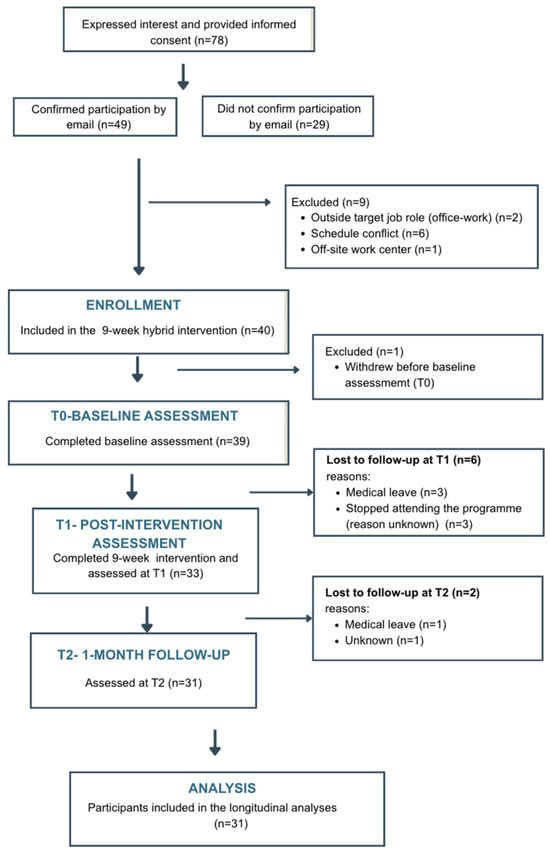
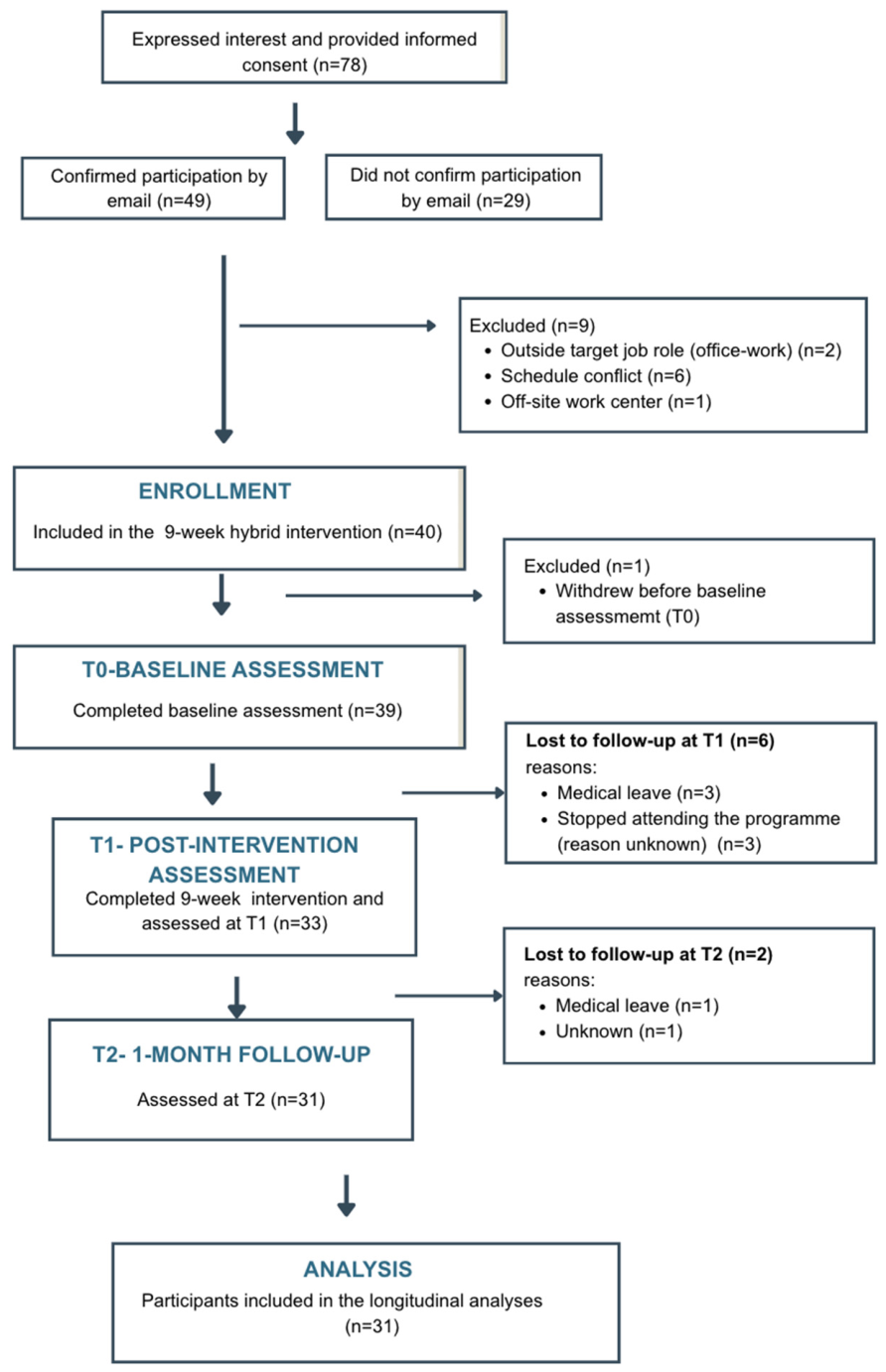
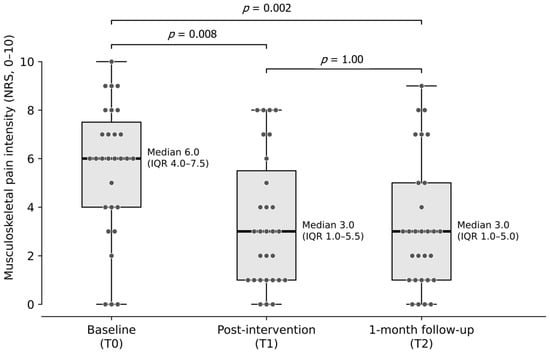
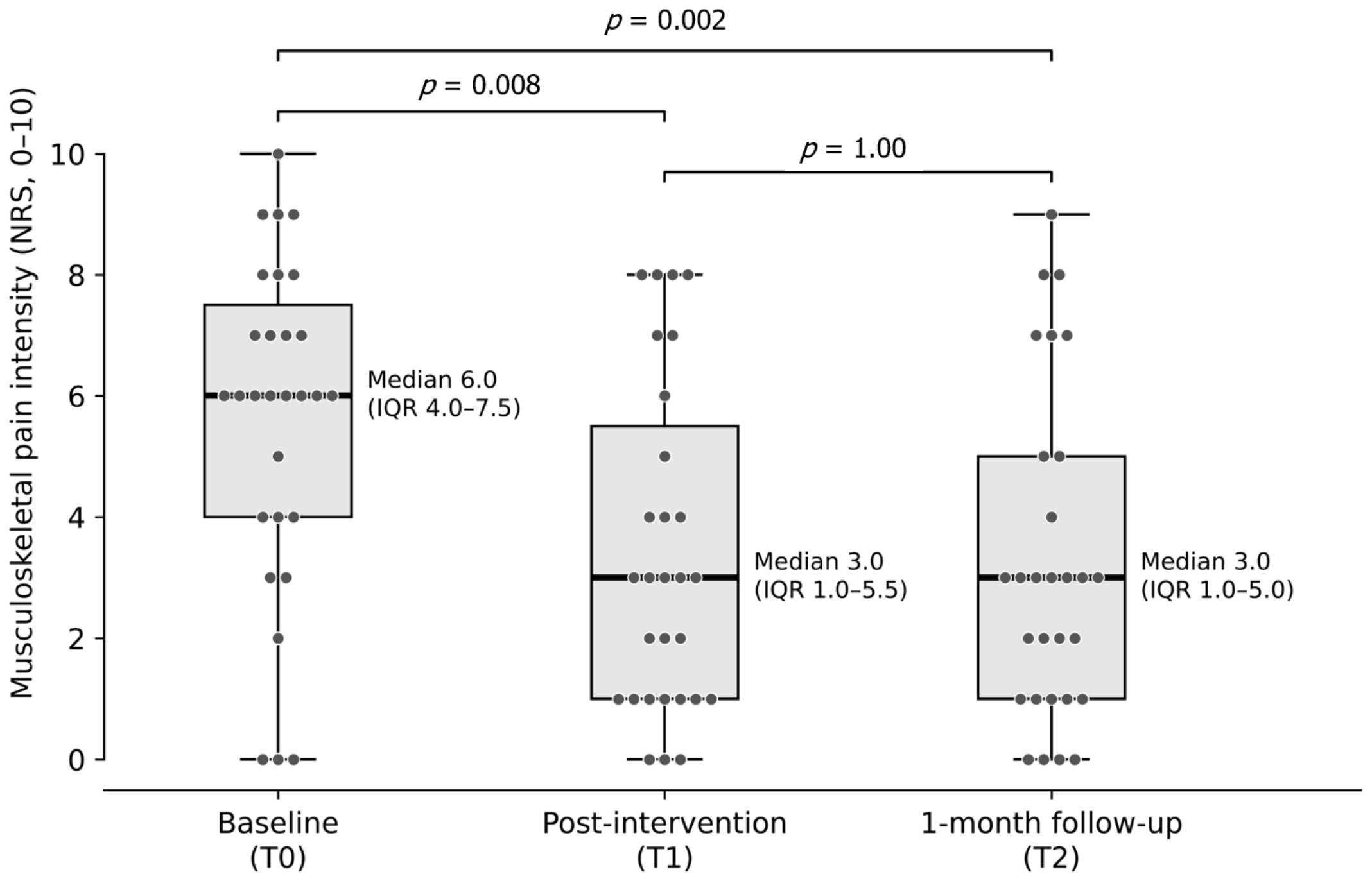

Disclaimer/Publisher’s Note: The statements, opinions and data contained in all publications are solely those of the individual author(s) and contributor(s) and not of MDPI and/or the editor(s). MDPI and/or the editor(s) disclaim responsibility for any injury to people or property resulting from any ideas, methods, instructions or products referred to in the content. |
© 2026 by the authors. Licensee MDPI, Basel, Switzerland. This article is an open access article distributed under the terms and conditions of the Creative Commons Attribution (CC BY) license.