


Highlights
What are the main findings?
- Thermal exposure can result in a significant physiological burden even in moderate environments, and perceptual and physiological responses do not always evolve proportionally.
- Cooling measures primarily improve comfort, whilst the effectiveness of preventive measures remains inadequately assessed.
What are the implications of the main findings?
- Assessing thermal stress requires integrating perceptual, physiological, and functional indicators, since maintained performance does not mean the worker is unaffected.
- Research should move towards experimentally evaluating preventive strategies in real-world healthcare settings and expand to examine environmental and organisational measures.
Abstract
Background/Objectives: In the healthcare sector, seemingly moderate environmental conditions do not guarantee the absence of thermal stress or its consequences for workers. This study jointly analyses the perceptual, physiological and functional responses of healthcare professionals to occupational thermal exposure, as well as the effectiveness of mitigation strategies. Methods: Scientific evidence on occupational thermal exposure in various healthcare settings was synthesised and analysed. The influence of personal protective equipment (PPE) was examined, symptom prevalences were estimated using random-effects models, and the correspondence between perceptual and physiological responses was analysed. Furthermore, the consequences for fatigue and performance, the outcomes of cooling interventions, and the extent to which preventive measures were evaluated were summarised. Results: High symptom prevalences were observed in the occupational settings studied, particularly for sweating, thirst and fatigue, although substantial between-study heterogeneity and wide prediction intervals indicate that these estimates are strongly context-dependent. The use of PPE increased the thermal load even in moderate environments, whilst perceptual and physiological responses did not always change in proportion. Technical performance could be maintained despite increased discomfort, exertion and fatigue. Cooling interventions showed more consistent benefits on comfort than on deep physiological indicators. However, barely one in five publications empirically evaluated preventive measures. Conclusions: The findings show that the occupational thermal response cannot be characterised using isolated indicators. It is a priority to integrate the different dimensions of assessment and to move from identifying problems towards demonstrating effective preventive solutions under real working conditions.
1. Introduction
Thermal exposure among healthcare professionals can have consequences that extend beyond perceptions of comfort or discomfort, triggering physiological responses and fatigue symptoms that may affect the performance of care activities. These responses depend on the interaction between environmental conditions, metabolic activity, clothing and the duration of exposure, as well as the worker’s ability to adapt [1,2,3,4]. In the healthcare sector, this interaction is particularly significant due to the diversity of tasks and professional demands, which may combine periods of intense physical activity, wearing protective clothing, and situations requiring high cognitive effort. Furthermore, certain care settings limit the ability to take breaks, change clothing or maintain adequate hydration [5,6,7]. Consequently, the assessment of thermal exposure must consider not only the characteristics of the environment, but also the body’s responses and their potential impact on professional activity.
Workers’ responses to these conditions have multiple dimensions that do not always change in proportion. Thermal comfort and discomfort reflect the subjective perception of the environment, whilst physiological stress may manifest through changes in body temperature, heart rate, sweating, fluid loss and other thermoregulatory indicators [4,8,9]. Various studies have shown that significant changes in thermal sensation can occur without corresponding changes in certain physiological indicators [10,11,12,13]. Conversely, when heat exposure is combined with high metabolic activity or conditions that hinder heat dissipation, both dimensions may show more consistent responses [14,15,16]. This variability highlights the need to integrate perceptual and physiological measures to accurately interpret the thermal load experienced by healthcare professionals.
Among the factors that can intensify this response, the use of personal protective equipment (PPE) stands out, particularly items that increase thermal insulation and impede sweat evaporation [17,18,19,20]. The extent of this influence depends on garment characteristics, environmental conditions, duration of use and the physical demands of the task [4,15,16]. This issue took on particular significance during the COVID-19 pandemic, when many healthcare workers had to wear protective equipment for prolonged periods. Studies in this context documented a high incidence of discomfort, sweating, thirst, headaches, dizziness, fatigue and other symptoms related to thermal stress [7,10,21,22,23,24,25]. However, these responses are not unique to pandemic situations, as they have also been observed during surgical procedures, emergency response activities, and other healthcare tasks performed under demanding thermal conditions [15,26,27,28].
The potential functional consequences of thermal exposure constitute another area of interest. Various studies have linked unfavourable thermal conditions to increased fatigue, perceived exertion, mental workload and difficulty concentrating [21,24,29,30,31]. However, findings on objective performance are less consistent. Some experimental studies have found that certain technical tasks can be performed without significant deterioration despite increased thermal load and perceived exertion [15,28,32], whilst others have identified impairments in cognitive function during more intense or prolonged exposures [33]. These differences suggest that the relationship between thermal exposure and performance depends on the intensity and duration of exposure, the characteristics of the task and the indicator used, and that it is necessary to distinguish between objective performance and self-reported impairment.
The identification of these consequences has spurred research into strategies to reduce the thermal burden on healthcare professionals. Among the measures studied are personal cooling systems, garments made from phase-change materials, modifications to PPE and interventions targeting environmental conditions [11,12,13,30,34,35]. The available results show significant improvements in thermal sensation, discomfort, perceived humidity and fatigue, although the effects on core body temperature, heart rate and cognitive performance are less consistent [11,12,13,30]. This discrepancy highlights the need to evaluate the effectiveness of interventions using complementary indicators, whilst avoiding equating an improvement in comfort with a proportional reduction in physiological stress or with a direct improvement in work performance.
The scientific literature has addressed various aspects of this issue through reviews focusing on the physical effects of PPE [19,36], cooling strategies [37,38,39] and the consequences of heat exposure for healthcare workers [40]. However, these approaches have often treated symptomatic manifestations, physiological responses, functional consequences and intervention outcomes as separate issues. This fragmentation makes it difficult to determine the extent to which the different dimensions of the thermal response behave consistently and which measures have demonstrated effective benefits. Furthermore, it is necessary to distinguish between research that identifies problems or proposes recommendations and that which empirically evaluates the effectiveness of solutions, particularly given the heterogeneity of occupational contexts and the evaluation methods used.
Consequently, this study aims to systematically analyse and synthesise the scientific evidence on the perceptual, physiological and functional consequences of thermal exposure in healthcare professionals, and the effectiveness of strategies designed to mitigate them. In contrast to the fragmented treatment of these dimensions in the previous literature, this review offers a comprehensive perspective that incorporates a meta-analysis of symptom prevalence, an analysis of the concordance between perceptual and physiological responses, an assessment of the potential impacts on fatigue and performance, and a quantitative synthesis of intervention results. It also examines the extent to which the identification of thermal problems has led to evaluations of the effectiveness of the proposed measures.
2. Materials and Methods
2.1. Methodology of the Literature Review
The analysis was based on a systematic literature search, following the recommendations of the JBI Manual for Evidence Synthesis [41] and the PRISMA 2020 [42] and PRISMA-S [43] guidelines to document the procedure for identifying and selecting publications. The Scopus, Web of Science Core Collection and PubMed/MEDLINE databases were searched for original scientific articles published in English between 2001 and 2026. The last search was carried out on 20 September 2026. The complete search strategies for each database are provided in Supplementary Material.
The search strategy was organised into four complementary groups to capture the various approaches used in the scientific literature to study occupational thermal exposure among healthcare professionals. This division enabled the distinction between studies focusing on: (a) comfort, discomfort and thermal perception; (b) thermal stress and occupational exposure to heat or cold; (c) physiological and thermoregulatory responses; and (d) professional activity in land and air medical transport. The inclusion of this last group was in response to the specific characteristics of these environments, which are marked by variable environmental conditions, potentially intense exposure to heat or cold, and physical demands that may contribute to thermal overload and trigger significant physiological responses. Its specific consideration enabled us to broaden the identification of studies on the consequences of thermal exposure in emergency, rescue and medical transport activities, which may be under-represented in general searches. The search queries were constructed by combining, using the Boolean operator AND, the titles of healthcare workers with the terms corresponding to each of the four thematic groups. Within each component, the OR operator was used to incorporate synonyms, terminological variants and different professional categories, whilst truncation and, where necessary, proximity operators enabled the coverage to be broadened and the precision of the searches to be improved. The four groups were searched independently, and their results were subsequently combined, with duplicate records removed. This approach enabled retrieval of research on any of the dimensions considered, without requiring simultaneous study of all dimensions, thereby facilitating a joint assessment of the perceptual, physiological, and functional consequences of thermal exposure and the strategies designed to mitigate them. The search structure is summarised in Figure 1, whereas the study identification and selection process is presented in the PRISMA flow diagram (Figure 2).
Figure 1.
Thematic organisation of the literature search strategy.
Figure 2.
PRISMA flow diagram of the study identification, screening, eligibility assessment and inclusion process.
Observational, experimental, field or simulation studies that reported specific thermal outcomes for healthcare workers were considered eligible. Reviews, non-original documents, and publications focusing exclusively on patients or on clinical aspects unrelated to occupational exposure were excluded. Studies in which thermal conditions were not a relevant variable in the analysis were also excluded.
After database searching, 1083 records were identified. Following duplicate removal, 552 unique records remained. A complementary search was also conducted to identify additional relevant studies not captured in the main database search, including reference list screening and manual search. This supplementary search yielded 25 additional records. After this, 577 records were screened by title, abstract and keywords. Of these, 460 were excluded at the initial screening stage, leaving 117 potentially relevant publications.
Among these 117 records, 34 were classified as questionable and underwent a more detailed review before full-text assessment. Following this additional review, 22 records were excluded and 12 were retained. Together with the 83 records that were not classified as questionable, this resulted in 95 publications undergoing full-text evaluation. After full-text assessment, 21 articles were excluded and 74 original studies were finally included in the review.
Study selection was carried out by three reviewers. Screening and full-text assessment were conducted independently by two reviewers, and disagreements were resolved through discussion with a third reviewer. Data extraction was performed by five reviewers independently.
The information extracted included study design, sample size, occupational setting, thermal exposure conditions, PPE characteristics, intervention details where applicable, and the perceptual, physiological, symptomatic and functional outcomes reported.
No formal study-level risk-of-bias or methodological quality assessment was conducted. Therefore, the potential influence of methodological limitations in the individual studies was considered when discussing the findings, but could not be systematically quantified or incorporated into the quantitative synthesis.
2.2. Methodology for Analysing the Selected Studies
The content analysis was organised into complementary procedures to examine the factors influencing the thermal response of healthcare workers; perceptual and physiological manifestations; symptoms associated with exposure; potential consequences for fatigue and performance; and the outcomes of the evaluated preventive interventions. Furthermore, the relationship between the identification of thermal problems and the availability of evidence on the effectiveness of the proposed measures was examined.
2.2.1. The Influence of PPE on Thermal Response
PPE was analysed as a potential modifier of the relationship between the thermal environment and the worker’s response. The type and configuration of protection, the material or number of layers (where available), duration of use, ambient temperature, and perceptual, physiological, symptomatic and functional responses were recorded. Studies were categorised by their ability to separate the effects of the environment from those of protective clothing, distinguishing between experimental designs that manipulate both factors, PPE-versus-control comparisons, thermal contrasts with constant PPE, cooling or redesign interventions, and purely observational evidence. Patterns consistent with a modified effect were interpreted descriptively, and a statistical interaction was not considered proven unless explicitly assessed within the relevant design or model.
2.2.2. Meta-Analysis of Symptom Prevalence
The presence of symptoms associated with thermal exposure was initially analysed descriptively across the body of studies, recording for each publication the symptoms assessed and the availability of quantitative data. Due to heterogeneity in definitions and assessment procedures, only studies that provided an explicit prevalence or sufficient data to reconstruct it, with an identifiable denominator and results specifically attributable to healthcare workers, were included in the statistical synthesis. Results corresponding to different constructs or symptoms defined in non-equivalent terms were not grouped together.
For each symptom, the individual prevalence was calculated using Equation (1):
where xi represents the number of workers with the symptom and ni the total number assessed. Symptoms were analysed independently because a single worker could exhibit several simultaneously. A minimum of three sufficiently comparable studies was required to obtain a combined estimate; symptoms with less evidence, such as self-reported dehydration, were included only in the descriptive synthesis.
Given the differences across populations, professions, environmental conditions, physical activity, PPE characteristics and duration, and assessment methods, random-effects models were used. Proportions were transformed using the logistic function (2).
and, following the combination, the inverse transformation was carried out using Equation (3).
The between-study variance τ2 was estimated using restricted maximum likelihood. The weight of each study was calculated as shown in Equation (4) [44,45].
and the combined estimate as:
The 95% confidence intervals were obtained using a modified Hartung–Knapp approximation [46], which is appropriate when the number of studies is small and there is heterogeneity amongst them. Heterogeneity was assessed using τ2 and I2, the latter representing the proportion of variability between estimates not attributable solely to sampling error.
To further characterise between-study variability, 95% prediction intervals were calculated on the logit scale using Equation (6) and subsequently back-transformed to proportions using Equation (3).
where is the pooled prevalence estimate on the logit scale, is the between-study variance estimated using restricted maximum likelihood, SEHK is the modified Hartung-Knapp standard error of the pooled estimate, and t0.975,k−1 is the critical value of the t-distribution with k − 1 degrees of freedom, where k is the number of studies. Given the diversity of workplace settings and the small number of studies included in each meta-analysis, pooled prevalences and prediction intervals were interpreted cautiously as context-dependent estimates rather than values generalisable to all healthcare workers.
The meta-analysis was conducted separately for excessive or profuse sweating, thirst, shortness of breath, fatigue, headache and dizziness. For each symptom, the number of studies, the cumulative number of workers, the combined prevalence, its 95% confidence interval and the I2 value were reported. Symptoms for which there was insufficient evidence to permit statistical pooling were presented solely descriptively. A post-hoc leave-one-out sensitivity analysis was performed for the five symptoms with at least four contributing studies. Each study was excluded in turn, and the pooled prevalence and heterogeneity were recalculated using the same random-effects model, with REML estimation of between-study variance and modified Hartung-Knapp confidence intervals. This analysis was not performed for dizziness (k = 3), as excluding one study would leave fewer than the minimum of three studies required for statistical pooling. No combined prevalence across different symptoms was calculated.
2.2.3. Relationship Between Perceptual and Physiological Responses
To analyse the relationship between thermal perception and physiological response, only studies were selected that simultaneously assessed at least one perceptual variable and one physiological variable in the same workers during the same exposure. The perceptual domain included thermal sensation and comfort, discomfort, perceived humidity, perceived exertion, and indices of perceptual stress; the physiological domain comprised core body temperature, gastrointestinal, skin temperature, tympanic or frontal temperature, heart rate, indices of physiological stress, and loss of fluids or body mass.
Due to the heterogeneity of measurement scales and procedures, and the absence of individual correlation coefficients in most studies, no overall correlation was calculated. Instead, an intra-study concordance synthesis was conducted to compare the direction and relative magnitude of changes observed in both domains [47,48,49].
The studies were classified into five patterns: (1) perceptual-physiological concordance, in which both domains changed in the same direction; (2) perceptual predominance, in which subjective changes exceeded physiological changes; (3) partial concordance or mixed physiological response, in which both domains changed but physiological indicators did not change uniformly; (4) physiological predominance, in which the objective response was strong but perceptual change was limited; and (5) low or indeterminate response, in which changes were minimal, or information was insufficient. In the cooling studies, the same criteria were applied in reverse. This classification provided a structured synthesis of the degree of correspondence or decoupling between perception and physiology without assuming a causal relationship between them.
2.2.4. Relationship Between Thermal Discomfort, Fatigue and Performance
The relationship between thermal discomfort, fatigue, and performance was analysed using a synthesis by direction of effect because the measures varied widely. These included the quality of cardiopulmonary resuscitation, surgical dexterity, memory, attention, cognitive load, and self-perceived performance. A combined quantitative estimate was therefore not considered appropriate [50,51].
The analysis examined a possible relationship between thermal discomfort, fatigue, or increased workload and impaired performance, without assuming causality. Performance was divided into three domains: objective performance, self-reported performance, or cognitive load. Fatigue was considered a possible mediator only when measured directly. When reported solely as a symptom, it was used to characterise thermal load, but not as evidence of mediation.
For each study and domain, results were classified as deterioration, no detectable effect, improvement, or a mixed response. When several tests were available within a domain, the overall pattern of results was considered. For cooling studies, the criterion was applied in reverse: improved performance associated with a lower thermal load was interpreted as a favourable effect.
2.2.5. Quantitative Synthesis of Cooling Interventions
Studies evaluating measures designed to actively reduce the thermal load on healthcare workers were analysed separately from observational studies. The analysis included personal cooling interventions, phase-change materials, cooling garments worn under PPE, localised cooling and environmental modifications via air conditioning. Due to the diversity of devices, study designs and variables assessed, the analysis was organised by outcome variable rather than by intervention type, distinguishing between thermal perception, body temperature, heart rate, fatigue, perceived exertion, humidity or sweating, and the microclimate beneath PPE.
For continuous variables expressed in the same unit, the difference in means (DM) was used Equation (7).
When the same construct was assessed with different scales, we used the standardised mean difference, adjusted using Hedges’ g as shown in Equation (8).
For dichotomous outcomes, such as the presence of thermal discomfort, the odds ratio (OR) was used Equation (9):
An OR = 1 indicates no difference between conditions; OR < 1 indicates a lower likelihood of the outcome with the intervention; and OR > 1 indicates a higher likelihood. In designs involving repeated or cross-over measurements, adjusted odds ratios and their reported confidence intervals were used where possible, as observations from the same participant are not independent. Reconstruction using marginal percentages was reserved for situations where the design and data allowed this to be carried out validly. Specifically, the odds ratios reported for de Korte et al. [12] were extracted directly from the original study, which used binary logistic generalized estimating equations to account for repeated observations within participants. For cross-over studies where only marginal proportions were available, such as Bonell et al. [11], absolute differences in percentage points were presented descriptively, without calculating odds ratios that would disregard the paired study design.
Cross-over studies were analysed whilst respecting their intra-individual structure. Where the standard deviation of the differences was not directly available, it was estimated using Equation (10).
and subsequently:
In parallel-group trials with baseline and end-point measurements, differences between changes, calculated using Equation (12), were generally used.
Only studies with sufficiently comparable variables and a valid measure of variability were considered suitable for statistical pooling. Core body temperature, tympanic or frontal measurements and skin temperature, as well as perceived humidity and objective sweating, were kept separate [52].
Where at least two comparable studies were available, a random-effects model was considered, calculated using Equation (4) shown above [44,45].
However, statistical pooling was ultimately not feasible due to differences in the interventions, study designs and outcome measures, together with the limited availability of suitable variability data. Consequently, no pooled effect estimates were calculated.
The effects of cooling interventions were also summarised descriptively according to the direction of the observed changes and their interpretation. No formal assessment of evidence certainty was conducted; therefore, no evidence certainty ratings were assigned.
2.2.6. The Gap Between Problem Identification and Solution Evaluation
To quantify the gap between identifying thermal problems and evaluating solutions, each publication was classified by the highest level it reached in a sequence of three mutually exclusive categories. The first category covered the identification or characterisation of a problem. It included studies describing thermal exposure, discomfort, physiological stress, symptoms or occupational consequences without proposing or evaluating a specific preventive measure. The second category covered measures that were proposed or described but not formally evaluated for effectiveness. These included recommendations on air conditioning, ventilation, breaks, hydration, reducing PPE use duration, staff rotation or clothing modifications. Strategies already in use were also included when the study design did not allow their preventive effect to be attributed to them. The third category comprised evaluated interventions: measures deliberately introduced to reduce thermal load, followed by assessment of at least one perceptual, physiological, thermal or functional outcome [40,53,54].
The evaluated interventions were further classified by their primary mechanism into four groups: personal cooling, clothing or PPE modification, environmental control or air conditioning, and environmental humidification. This classification made it possible to analyse not only how many studies had tested preventive measures, but also which strategies had received the most experimental attention [40,53,54].
Finally, changes in this gap over time were examined by comparing the proportion of publications featuring evaluated interventions in 2005–2019 and 2020–2026. This comparison aimed to determine whether the recent increase in research on PPE and thermal load had been accompanied by a proportional increase in studies testing preventive solutions.
3. Results
This section presents the main findings from the analysis of the 74 original studies included in the review, focusing on the perceptual, physiological and functional responses of healthcare professionals to occupational thermal exposure. The section examines the influence of personal protective equipment (PPE), the prevalence of heat-stress-related symptoms, the relationship between perception and physiological responses, the potential impacts on fatigue and performance, and the effectiveness of interventions to reduce thermal load. Finally, it analyses the gap between problem identification and the evaluation of preventive solutions. Supplementary Table S1 provides a comprehensive overview of all 74 studies included in the review, presenting their main characteristics and the variables analysed in each study. All studies are identified by their corresponding references in the complete reference list.
3.1. PPE as a Modifier of the Relationship Between Thermal Exposure and Worker Response
Personal protective equipment (PPE) is one of the most widely studied factors affecting the thermal load experienced by healthcare workers. When PPE and protective clothing are considered together, 40 of the 74 studies (54.1%) included these items among the factors related to thermal exposure or workers’ response. The evidence also reveals considerable variation in both the protective equipment used and the context in which it is employed, as shown in Figure 3.
Figure 3.
Types and contexts of PPE use. (a) Frequency of the main components or types of protection reported in the studies. (b) Distribution of studies according to the main context of PPE use.
As shown in Figure 3a, garments providing the greatest body coverage were most common (n = 29), followed by respiratory protection (n = 19), eye or face protection and gloves (n = 17 each), and head or foot protection (n = 15). Integrated cooling systems, radiation protection, specialised flight or rescue clothing, and configurations with powered air-purifying respirators were studied less frequently. Figure 3b shows that most studies focused on PPE for infection control (n = 26), followed by PPE used in surgical or clinical procedures (n = 10), while evidence on flight, rescue, and other specific activities was scarce (n = 3). This pattern highlights the predominance of hospital-based and pandemic-related research over studies in out-of-hospital and medical transport settings.
Wibowo et al. compared temperatures of 23 °C and 27.3 °C, with and without PPE. Relative to the reference condition, intra-auricular temperature rose by +0.20 °C with PPE, +0.50 °C with heat, and +0.55 °C with both factors; heart rate increased accordingly [4]. Zand et al. showed that clothing properties matter: the type of lab coat affected thermal response and psychomotor performance at high temperatures [55].
Kiiza et al. observed greater body weight loss and higher heart rate in warm conditions [16], whilst Palejwala et al. found that raising the operating theatre temperature from 24 to 31 °C increased core temperature, heart rate, discomfort and perceived exertion, amongst other factors [15].
Fernández-Méndez et al., during a resuscitation exercise at 24.8 °C, observed greater sensations of heat, discomfort, dampness, loss of body mass and perceived exertion whilst wearing PPE [28], whilst Herstein et al. recorded core body temperatures exceeding 38.5 °C in several participants after four hours of work in high-level PPE [56].
Barde et al. observed greater body mass loss and increased cortisol levels with PPE, despite only minor differences in tympanic and skin temperatures [57]. Similarly, Yang et al. linked a higher weekly frequency of PPE use with a greater number of symptoms [7], and Bongers et al. found at least one symptom of thermal stress in 93 per cent of workers whilst performing tasks in PPE, compared with 30 per cent during activities without protection [24].
3.2. Meta-Analysis of the Prevalence of Heat-Stress-Related Symptoms
The presence of heat stress-related symptoms was a recurring finding across the studies included in the review, although their assessment varied considerably in both frequency and methodology. Across all 74 studies, dehydration was the most frequently reported heat-related symptom or condition, appearing in 45 studies, followed by sweating in 31. Dizziness or vertigo was assessed in 16 studies, whilst thirst and headache appeared in 15 studies each. Other manifestations were much less common, such as nausea, present in eight studies; syncope or presyncope in five; and dyspnoea and palpitations or tachycardia in three studies each, as shown in Figure 4.
Figure 4.
Distribution of the main symptoms related to heat stress assessed in the studies included in the review.
The frequency with which a symptom was studied does not necessarily reflect the availability of adequate quantitative information to estimate its prevalence. Table 1 distinguishes between the number of publications that provided quantitative results for each symptom and the number ultimately included in the meta-analysis. This distinction highlights the uneven availability of quantitative evidence, with the number of studies included ranging from three to six across the grouped symptoms.
Table 1.
Number of articles containing quantitative data for each symptom.
The studies underpinning the meta-analysis were conducted in markedly different settings yet consistently reported a high symptom burden. Among 246 nursing staff wearing PPE in COVID-19 wards, Karahan et al. observed sweating in 99.6%, shortness of breath in 92.3%, fatigue in 87.9%, and thirst in 85% [14]. In a much larger sample of 3,658 healthcare workers, Zhu et al. reported sweating in 80%, shortness of breath in 55.2%, dehydration in 46.8%, dizziness in 45.3%, headache in 36.8%, and fatigue in 29.3% [25]. Davey et al. studied 224 workers in the British healthcare system and found that 79% reported headaches, 63.4% fatigue, 54.5% sweating, and 40.2% dizziness [21]. Participants also reported a median of 3 concurrent symptoms (interquartile range: 2–5).
Furthermore, Messeri et al. found that 70.7% of Italian healthcare workers experienced excessive sweating, 58.1% thirst, 46.1% fatigue, and 42.9% headaches; 79.1% of participants worked in air-conditioned environments [23]. Yang et al., in a study of 3082 workers from six Asian countries, observed thirst in 61.7%, excessive sweating in 59.6%, dizziness in 37.2%, shortness of breath in 31.8%, headache in 28.2%, and dehydration in 21.1%. Furthermore, a greater number of days per week PPE was worn was correlated with a greater number of symptoms, although the magnitude of the correlation was small and the cross-sectional nature of the study precludes establishing causality [7].
Bongers et al. provide one of the clearest illustrations of PPE’s role. Among 791 healthcare workers in COVID-19 units, 93% reported at least one symptom of heat stress while performing tasks in PPE, compared with 30% during comparable clinical tasks performed without the intensive PPE used during the pandemic. The most common symptoms were thirst (79%), thermal discomfort (78%), excessive sweating (68%), fatigue (60%), headache (60%) and shortness of breath (55%) [24].
The individual prevalence estimates used in each meta-analysis were as follows: excessive sweating, 59.6% [7], 99.6% [14], 54.5% [21], 70.7% [23], 68.0% [24] and 80.0% [25]; thirst, 61.7% [7], 85.0% [14], 58.1% [23] and 79.0% [24]; shortness of breath, 31.8% [7], 92.3% [14], 55.0% [24] and 55.2% [25]; fatigue, 87.9% [14], 63.4% [21], 46.1% [23], 60.0% [24] and 29.3% [25]; headache, 28.2% [7], 79.0% [21], 42.9% [23], 60.0% [24] and 36.8% [25]; and dizziness, 37.2% [7], 40.2% [21] and 45.3% [25]. These values correspond to the prevalences reported in the original studies and illustrate the substantial differences underlying the pooled estimates.
The meta-analysis provided pooled estimates for six symptoms, based on between three and six studies per symptom. The pooled prevalences, their corresponding 95% confidence intervals and the heterogeneity between studies are presented in Table 2 and Figure 5.
Table 2.
Meta-analysis of the prevalence of the main symptoms associated with heat stress among healthcare workers.
Figure 5.
Combined prevalence of the main symptoms associated with heat stress among healthcare workers.
Sweating had the highest combined prevalence, at 78.8%, although the confidence interval was very wide (36.4–96%) and heterogeneity was very high (I2 = 98.7%).
Thirst had a combined prevalence of 72.3%, making it the second most common symptom.
Respiratory distress had a combined prevalence of 62.7%, making it the outcome with the greatest uncertainty. Individual studies ranged from 31.8% [7] to 92.3% [14].
Fatigue, with a combined prevalence of 59.2%, also showed significant variability across studies, ranging from 29.3% [25] to 87.9% [14].
Headache had a combined prevalence of 49.7%, with individual studies reporting rates from approximately 28% to 79% [7,21,25].
Dizziness had the lowest combined prevalence among the six grouped symptoms, at 41%, but it also had the narrowest confidence interval, 30.1–52.8%. The prevalence figures were relatively close across the main studies contributing to the model: 45.3% [25], 40.2% [21] and 37.2% [7].
Finally, dehydration was excluded from the main meta-analysis. The two large, comparable studies available reported prevalence rates of 46.8% and 21.1%, respectively [7,25]. In addition to the fact that there were only two studies, the variable was based primarily on participants’ perceptions rather than on physiological evidence from objective markers.
The available data also show that the burden associated with heat stress is not limited to these six symptoms. Exhaustion, palpitations, difficulty concentrating and skin disorders were reported, although the evidence was insufficient or the definitions too heterogeneous to allow combined estimates [7,23,25]. An important aspect is the co-occurrence of several symptoms in the same worker. Davey et al. found a median of three symptoms per participant [21], whilst Bongers et al. observed that the majority of workers reported at least one symptom whilst using PPE [24].
A key finding of the meta-analysis is the exceptionally high heterogeneity across studies, with I2 values ranging from 95.6% to 99.4% [7,14,21,23,24,25]. The 95% prediction intervals further illustrate the substantial variability in symptom prevalence across occupational settings, particularly for excessive sweating (4.4–99.7%) and shortness of breath (1.3–99.5%).
The post-hoc leave-one-out sensitivity analysis confirmed the influence of individual studies on the pooled estimates. The combined prevalences ranged from 67.3% to 83.0% for excessive sweating, 67.1% to 76.2% for thirst, 47.0% to 72.1% for shortness of breath, 49.4% to 66.5% for fatigue, and 41.5% to 55.5% for headache. The greatest changes were observed when excluding Karahan et al., particularly for excessive sweating (78.8% to 67.3%) and shortness of breath (62.7% to 47.0%) [14]. Nevertheless, heterogeneity remained exceptionally high after individual study exclusion (I2 ≥ 92.7% across all analyses). No leave-one-out analysis was conducted for dizziness because only three studies contributed to its pooled estimate. Zhu et al. found that among healthcare workers engaged in outdoor activities, the prevalence of sweating was approximately 77%, with dizziness, dehydration and breathing difficulties, and 96.8% reported feeling hot or very hot after working in PPE [22].
3.3. Relationship Between Perceived Thermal Response and Physiological Stress
An analysis of studies that simultaneously assessed perceptual and physiological variables showed that both dimensions tend to respond in the same direction to changes in thermal load, although the magnitude of these changes is not necessarily proportional [4,10,11,12,13,14,15,16,28,30,34]. In several studies, changes in thermal sensation or comfort were observed whilst body temperature, heart rate, or other physiological indicators remained stable or changed to a lesser extent [11,12,13,14]. Conversely, when thermal exposure was more intense, or was simultaneously associated with high levels of physical activity and the use of PPE, the perceptual and physiological responses tended to evolve in a more consistent manner [4,14,15,16,28]. Table 3 summarises studies that simultaneously assessed perceptual and physiological responses within the same population and under identical exposure conditions, thereby avoiding indirect comparisons across contexts. The results mainly fell into three patterns: agreement between the two dimensions, a predominance of perceptual responses, and partial agreement with heterogeneous physiological responses.
Table 3.
Relationship between perceived thermal response and physiological stress in healthcare workers.
The predominant pattern was a perceptual response that was stronger than the physiological response [10,11,12,13]. De Korte et al. observed significant changes in the perceptual stress index, but no corresponding changes in the physiological index or gastrointestinal temperature [12]. Similarly, Byrne et al. [13] and Bonell et al. [11] found significant differences between the magnitude of subjective responses and changes in physiological indicators.
Karahan et al. observed that, during surgery, the perceived temperature increased markedly, whilst the tympanic temperature remained virtually stable [10].
However, in some studies, perception and physiological response moved in the same direction. In Karahan et al., thermal sensation increased whilst wearing PPE, alongside a rise in body temperature [14]. Kim and Song observed that raising the ambient temperature from around 23 to 26 °C increased both thermal sensation and body temperature [34]. Palejwala et al. observed during surgery on burn patients that a temperature of around 31 °C simultaneously increased the sensation of heat, perceived exertion, workload and fatigue, alongside increases in core temperature, heart rate and fluid loss [15]. Similarly, during cardiopulmonary resuscitation whilst wearing PPE, Fernández-Méndez et al. recorded greater sensation of heat, discomfort, dampness and exertion, alongside higher forehead temperature and loss of body mass [28].
Table 4 summarises this diversity of responses. A specific category of “partial concordance” or “mixed physiological response” has been included, as some studies show changes in both domains, though not all physiological indicators respond uniformly.
Table 4.
Patterns of the relationship between perceptual response and physiological tension.
In the studies analysed, there was a predominance of concordance between perception and physiology, with perception itself predominating. No cases of severe physiological stress with low thermal perception were identified, although this does not rule out the possibility that such a situation may occur.
3.4. Relationship Between Thermal Discomfort, Fatigue and Performance
The most consistent pattern was increased fatigue, perceived exertion and cognitive demand, with no deterioration in performance [12,13,15,28,29,30,33,60]. In contrast, self-report-based studies more often reported reduced perceived physical and cognitive performance [21,24,29,31]. Table 5 summarises the main studies that assessed these factors jointly.
Table 5.
Direction of the relationship between thermal load and performance in healthcare workers.
Ward et al. observed declines in various cognitive functions during exposure to 34 °C, particularly after 60–90 min [33].
Fatigue was repeatedly associated with a higher thermal load [13,15,24,29,30,31].
Wibowo et al. observed increased mental demand and frustration during the hot period, whilst self-perceived performance remained virtually stable [29].
Conversely, self-report studies show a more consistent impact [21,24,31]. Bongers et al. found that 33% of workers wearing PPE reported working more slowly [24]. Davey et al. [21] observed that 76.2% of respondents perceived that PPE impaired their physical performance. In a subsequent study, Davey et al. [31] reported that 91% and 92% of respondents perceived impairments in physical and cognitive performance, respectively, when experiencing uncomfortable heat at work.
The objective cognitive response was more varied. Some moderate exposures and cooling interventions did not significantly affect memory or processing speed [13,15], whereas more intense or prolonged exposures affected response speed and accuracy [33]. Table 6 summarises the general patterns across the dimensions considered.
Table 6.
Summary of the effects of thermal load on discomfort, fatigue and performance in healthcare workers.
3.5. Quantitative Summary of Cooling Interventions
The evidence on cooling interventions was more limited than that used to characterise thermal exposure and its effects, yet it proved particularly relevant by enabling the evaluation of measures to reduce the thermal load. Eight studies involving a total of 169 workers were analysed, including seven studies evaluating personal cooling strategies, such as cooling garments, phase-change materials and localised cooling, and one study assessing environmental temperature control through air conditioning [11,12,13,30,34,35,61,62]. The latter, conducted by Kim and Song [34], was included because environmental temperature control was considered a thermal mitigation strategy within the scope of this review. Figure 6 shows the distribution of the main mitigation measures. Worker-focused strategies predominated, with personal cooling in 13 studies and modifications to clothing or PPE in 11, followed by ventilation or air conditioning, work organisation, rest breaks and hydration.
Figure 6.
Thermal mitigation measures and interventions identified in the studies reviewed.
The quantitative results show a favourable effect of cooling, which is more pronounced for thermal sensation, discomfort, perceived humidity and fatigue than for core body temperature or heart rate. Table 7 summarises the most readily interpretable quantitative comparisons.
Table 7.
Key quantitative results of the cooling interventions.
The most consistent effect was on perceptual responses. De Korte et al. found that wearing a phase-change vest reduced discomfort from 81 to 18% and lowered the proportion of workers who felt at least slightly warm from 94 to 36% [12]. Byrne et al. also reported an adjusted 2.10-point reduction in thermal rating with the use of a conductive vest [13]. Bonell et al. reported a similar pattern among workers wearing PPE in hot, humid conditions: a cold drink combined with an ice vest improved thermal sensation and comfort and reduced thirst. However, the effect on tympanic temperature was small, −0.20 °C after one hour and −0.28 °C after two hours, and no cognitive improvement was observed [11].
In contrast to the perceptual findings, changes in core body temperature were generally modest. De Korte et al. observed no significant overall differences in mean or maximum gastrointestinal temperature, although cooling attenuated the rise in temperature throughout the day [12]. Byrne et al. reported a mean difference of only −0.13 °C.
Skin temperature and peripheral conditions showed a more sensitive response. Byrne et al. observed a reduction of −0.23 °C, whilst other studies recorded greater differences [13].
In Jamshidi et al., the temperature beneath the clothing increased by 1.2 °C in the control group and decreased by 1.4 °C with the vest, a temperature change difference of approximately −2.6 °C, consistent with a reduction in thermal sensation, humidity, and discomfort [30]. De Korte et al. observed perceptual improvements without equivalent changes in the environment beneath the PPE [12]. Furthermore, perceived moisture on the skin and in the clothing was particularly sensitive to cooling. Byrne et al. observed an approximate reduction of −2.91 points in the wet-clothing rating [13], and Jamshidi et al. reported a similarly favourable outcome compared with the control group. Finally, fatigue showed a favourable response in two intervention studies. Byrne et al. [13] reported an adjusted mean difference of −0.95 points, while Jamshidi et al. [30] reported a difference in changes of approximately −3.3 points.
Kim and Song observed that lowering the indoor temperature from 26 to 23 °C shifted the TSV from +0.85 to −0.43 and reduced body temperature by approximately 0.24 °C, without any changes in fatigue or drowsiness [34].
Localised cooling is a third approach. Mercurio et al. observed that incorporating a phase-change material into a surgical cap improved thermal perception in the frontal, frontotemporal and cervical regions for approximately 45–60 min, although the absence of an equivalent control group and in-depth physiological measurements limits the estimation of the effect [35]. Similarly, Langø et al. [62] and Luze et al. [61] provide evidence of feasibility for different cooling configurations, but their small sample sizes limit the precision and generalisability of the results.
A combined synthesis of the results identifies a highly consistent pattern, summarised in Table 8.
Table 8.
Summary of the effects observed following the cooling interventions.
3.6. Gap Between Problem Identification and the Evaluation of Solutions
The analysis revealed a clear disparity between the extensive literature devoted to identifying thermal discomfort, physiological stress and their consequences, and the evidence assessing the effectiveness of preventive measures. As summarised in Table 9, of the 74 publications included, only 15 (20.3%) empirically evaluated an intervention, whilst 53 (71.6%) proposed or described measures without formally testing their effectiveness, and 6 (8.1%) merely characterised the problem. Consequently, almost four out of every five publications did not provide a direct assessment of preventive efficacy.
Table 9.
Level of evidence regarding thermal risk among healthcare workers.
The interventions that were actually evaluated also focused on strategies targeting the worker. Table 10 shows that 7 of the 15 studies used personal cooling systems and 5 modified PPE or clothing. Overall, 80% of the interventions acted directly on the worker or their clothing, whilst only three primarily modified the physical environment.
Table 10.
Type of preventive intervention evaluated.
Studies by de Korte et al. [12], Byrne et al. [13], Bonell et al. [11] and Jamshidi et al. [30] observed improvements with different cooling systems, whilst other studies evaluated modifications to PPE, powered respirators or changes to garment design [63,64,65,66]. Table 11 details the interventions identified and highlights the diversity of solutions evaluated.
Table 11.
Main thermal interventions assessed.
Nor do the trends over time suggest that this gap is narrowing. As shown in Table 12, between 2005 and 2019, 5 out of 24 publications (20.8%) evaluated an intervention, compared with 10 out of 50 (20%) between 2020 and 2026. Therefore, although the absolute number of intervention studies increased, their relative proportion within the literature remained virtually stable.
Table 12.
Trends over time in the evaluation of interventions.
4. Discussion
Taken together, the findings indicate that PPE and environmental conditions must be considered jointly when interpreting occupational heat strain. From a thermophysiological perspective, PPE increases insulation and, in particular, hinders heat loss through evaporation, thereby promoting a warmer, more humid microclimate beneath the garments [69,70]. Consequently, the same ambient temperature can elicit different responses depending on the characteristics of the protective outfit, although few studies have experimentally separated the effects of the environment from those of the PPE itself. Ambient temperature remains a determining factor when PPE is constant. These results indicate that thermal risk depends on a combination of environmental conditions, PPE, metabolic activity, and duration [15]. Furthermore, PPE can generate a significant thermal load even at moderate temperatures. The ambient temperature may therefore underestimate the actual thermal load. Nor should the response be assessed solely on the basis of core temperature.
The results show that PPE is a significant factor in the thermal response of healthcare professionals, and its influence depends on the characteristics of the protective equipment, environmental conditions, physical activity and duration of use. However, the heterogeneity of the equipment and contexts studied, together with the limited number of studies that allow the effects of PPE and the environment to be experimentally distinguished, makes it difficult to establish the specific contribution of each factor. Consequently, the assessment of the thermal load associated with PPE use requires a combined consideration of exposure conditions and the worker’s perceptual and physiological responses.
The symptom findings require particular caution, both in terms of their clinical meaning and the settings in which they were obtained. This distribution indicates that the literature has focused primarily on symptoms related to thermoregulation, fluid loss and mild or moderate neurological symptoms, whilst there is far less evidence regarding potentially more serious symptoms, such as clinically defined heat exhaustion, syncope or heatstroke. This suggests that heat stress often presents as a cluster of symptoms rather than an isolated response. Notably, 79.1% of participants worked in air-conditioned environments, suggesting that air conditioning does not eliminate the thermal load when factors such as PPE, physical activity, and restricted evaporation are present [23]. Although this retrospective comparison cannot be interpreted as a causal estimate, the magnitude of the difference is consistent with PPE increasing the thermal load experienced by workers. This co-occurrence suggests that interpreting each prevalence figure in isolation may underestimate the overall occupational burden.
Physiologically, this finding is consistent with sweating being the primary mechanism of evaporative heat loss [69,70]. This is particularly important when people wear protective clothing with high evaporative resistance: increased sweat production does not necessarily ensure effective heat dissipation, which can heighten dampness, discomfort, and perceived thermal load [22,29]. The high frequency of sweating across studies and contexts supports its value as an early indicator of heat stress, but it should not be mistaken for a direct measure of the severity of physiological stress [29]. The high prevalence of thirst is particularly noteworthy because it signals a physiological and perceptual cue that may require an immediate organisational response to facilitate access to fluids and opportunities for rest [7,21,25]. However, one should avoid equating thirst with dehydration. In most of the large studies included, both variables were self-reported, and biomarkers of hydration or other objective indicators were not systematically used [7,23,24,25]. Furthermore, some workers reported voluntarily restricting their fluid intake to avoid removing their PPE, temporarily leaving the care area, or going to the toilet [7]. Therefore, the high frequency of thirst reflects not only the physiological response to heat and sweating, but also the interaction between thermal exposure and work organisation.
This wide range highlights that dyspnoea is likely one of the most context-dependent outcomes. Its occurrence may be influenced simultaneously by heat, the physical intensity of the task, prolonged mask-wearing, PPE design and the subjective perception of exertion. Therefore, the pooled estimate should not be interpreted to mean that a large proportion of healthcare workers will experience respiratory distress in response to any thermal exposure, but rather as evidence that it is a common problem in certain high-workload scenarios. Caution is required when interpreting these findings, as fatigue is a multifactorial outcome. In addition to heat stress, other contributing factors may include shift duration, physical intensity, workload, disrupted rest patterns, the use of PPE, and, in several of the included studies, the exceptional circumstances of the pandemic. It is therefore not possible to attribute the overall prevalence of fatigue to heat. However, its recurrence alongside sweating, thirst, discomfort, and other heat-related symptoms suggests that heat exposure may be an additional component of physical and mental strain. Headache is likewise a nonspecific finding resulting from various mechanisms (heat, fluid loss, prolonged use of respiratory protection, etc.). The meta-analysis demonstrates the frequency of headaches in scenarios characterised by heat exposure and PPE use but does not allow us to estimate the proportion directly attributable to heat. For dizziness, although the I2 remained very high, the greater closeness of the estimates explains the lower uncertainty of the combined effect.
These wide intervals indicate that the prevalence of symptoms may differ considerably depending on the exposure context. Consequently, the pooled estimates should be interpreted as context-dependent summary values rather than general prevalence rates applicable to all healthcare workers [71,72]. These findings demonstrate the sensitivity of some pooled estimates to individual studies and reinforce the need to interpret them as context-dependent summaries rather than general prevalence rates.
Consideration must also be given to the high proportion of studies conducted during the COVID-19 pandemic. A significant proportion of the studies underpinning the pooled estimates involved hospital staff who were subject to prolonged use of infection control PPE [7,14,21,23,24]. Whilst these circumstances made it possible to document a high frequency of symptoms related to thermal stress, they also limit the generalisability of the results to other healthcare settings, where the characteristics of the protective equipment, the physical demands and the scope for adjustment during the working day may differ. At the same time, the lack of specific studies in outdoor settings, medical transport and emergency services constitutes a significant limitation of the available evidence. Therefore, although ambulance staff, paramedics, emergency technicians and aeromedical crews may be exposed to multiple factors simultaneously, there is currently insufficient data to estimate the specific prevalence of symptoms in these groups.
This finding is significant because it indicates that the comfort or discomfort experienced by the worker and physiological stress are related but not interchangeable dimensions [10,12,13,15]. These findings show that thermal perception can change significantly without a proportional change in deep physiological indicators; therefore, both dimensions should be assessed together. Therefore, the absence of changes in body temperature does not, in itself, rule out a significant occupational heat load.
The comparison of perceptual and physiological outcomes further illustrates why an isolated indicator is insufficient. The physiological response is multidimensional, as core and skin temperature, heart rate, body mass loss and hydration represent related but distinct processes. However, heart rate requires attention, as it also depends on metabolic activity and physical exertion [4,15,16,28,30]. The predominance of perceptual factors may reflect the fact that many studies were conducted in hospitals and operating theatres at moderate temperatures [4,11,12,13,63]. Under these conditions, physical activity, PPE use and moisture accumulation can alter skin temperature and the body’s microclimate, causing discomfort before significant changes in core body temperature occur. The limited breathability of certain protective garments may intensify this response by hindering sweat evaporation [12,13,15,28,63]. These mechanisms could explain why thermal sensation and discomfort vary significantly even when some physiological indicators remain relatively stable, without necessarily implying the absence of thermal stress.
These findings support a combined assessment that integrates thermal sensation, comfort, and perceived humidity with measures such as core, gastrointestinal, or skin temperature, heart rate, or body mass loss. This would enable early discomfort to be distinguished from situations involving greater physiological compromise [11,12,13,30].
The studies analysed indicate that the relationship between thermal discomfort and performance is neither linear nor immediate. These results suggest that workers may temporarily maintain performance despite increasing thermal load. However, fatigue has not been shown to necessarily cause performance decline. Cooling interventions demonstrate that it is possible to significantly reduce discomfort and fatigue without improving cognitive functions [12,13,30].
Regarding functional consequences, the evidence points to a distinction between visible task performance and the effort required to sustain it. Duration appears to be an important factor. Therefore, the absence of impairments in short-term tasks cannot be extrapolated to longer periods, and the functional effect of heat appears to depend on the interaction between intensity and duration [15,33]. This suggests that cognitive effects depend on the intensity and duration of exposure, as well as the function being assessed, rather than heat having a uniform effect on cognition [13,15,33].
These results are consistent with the existence of a compensatory mechanism; that is, when faced with unfavourable thermal conditions, the worker may increase effort to maintain task performance. Therefore, maintaining performance does not imply the absence of an effect, but may be achieved at the cost of greater physical and cognitive strain. These perceptions indicate that thermal stress affects workers’ perceived ability to sustain their activities.
Although the different scales prevent direct comparison of the effect sizes, both studies found effects in the same direction. Together, these findings suggest that cooling can markedly improve thermal perception without a proportional reduction in body temperature or improvement in cognitive performance.
The intervention findings likewise need to be interpreted across several outcome domains rather than against a single physiological endpoint. Both studies suggest that the efficacy of interventions should not be assessed solely on the basis of their effect on core temperature [13]. This discrepancy does not rule out physiological effects of personal cooling. In other meta-analyses involving broader occupational populations, Tetzlaff et al., in 33 studies involving 764 participants, found that conductive garments produced the most consistent thermoregulatory effects, with reductions of 0.2–0.3 °C in core temperature, modulated by ambient temperature, clothing insulation and duration of use [38]. Similarly, Sheth et al., in 69 studies, observed reductions of −0.24 °C in rectal temperature, −0.26 °C in gastrointestinal temperature and −1.14 °C in skin temperature, although with high heterogeneity and evidence certainty ranging from low to very low [39]. This pattern is consistent with the direct action of the devices on the body’s surface, which can alter skin temperature and thermal perception sooner than deep body temperature [13].
Data on the microclimate beneath PPE provide a relevant mechanism. This suggests that some phase-change material systems act primarily through localised cooling of the body surface [12]. This effect is particularly relevant for PPE with high evaporative resistance, as the accumulation of sweat can significantly increase discomfort even without major changes in core body temperature. However, perceived moisture is not equivalent to physiological sweating, as its reduction may be due to lower sweat production, greater evaporation or reduced local accumulation of moisture [30]. Heart rate showed inconsistent results, probably because it depends on thermal load, activity, stress, and the device itself. Therefore, the absence of a reduction in heart rate does not invalidate thermal efficacy, nor does an improvement in comfort necessarily imply lower cardiovascular stress [11,12,30].
Differences in the interventions, study designs and outcome measures prevented statistical pooling, although both findings suggest a potential benefit of cooling in reducing perceived fatigue, even when changes in core body temperature are small. It is also necessary to distinguish between personal and environmental cooling.
The main finding is that cooling interventions yield more consistent benefits for thermal perception than for deep physiological indicators. They clearly reduce the sensation of heat, discomfort, perceived humidity and fatigue, whilst changes in core temperature and heart rate are generally smaller. Therefore, assessing efficacy solely on the basis of body temperature may underestimate significant improvements, although a subjective improvement does not rule out physiological stress. This pattern is consistent with previous occupational reviews, which show variable efficacy depending on the cooling system, the environment, clothing and the duration of exposure [38,39,73]. The applicability of these strategies also depends on factors such as body weight, mobility, duration of effect, compatibility with PPE and clinical use. The evidence remains limited by small sample sizes, heterogeneity of devices and scales, and exposures shorter than a full working day [38].
However, this proportion should be interpreted in light of the search strategy, which focused on occupational thermal exposure and its consequences rather than specifically targeting intervention studies. Although the complementary search helped identify additional publications, some studies primarily focused on mitigation strategies may have been overlooked. Therefore, the proportion of evaluated interventions (20.3%) reflects the studies included in this review and should not be considered representative of the entire scientific literature on preventive interventions. This pattern suggests that the main shortcoming lies not in the absence of preventive measures, but in the gap between recommending them and demonstrating their effectiveness. Recommendations regarding hydration, breaks, reducing the duration of continuous PPE use, ventilation, air conditioning, and modifications to clothing or cooling systems are common, but many are based on observational or descriptive studies which do not allow a causal effect to be attributed to them. Therefore, the existence or use of a measure should not be interpreted as evidence of effectiveness.
Finally, the synthesis exposes an important gap between the characterisation of thermal problems and the evaluation of preventive strategies. This predominance of individual measures is significant for occupational risk prevention, as actions that address the environment take precedence over measures whose effectiveness depends more on individual behaviour [74]. However, personal strategies can provide significant benefits, particularly regarding thermal perception and discomfort.
This finding is particularly significant given the rapid growth in publications on PPE, heat exposure and physiological response since 2020. The expansion of knowledge on the issue has not been matched by a proportional increase in studies aimed at determining which preventive measures are actually effective. The evidence reveals a marked gap between the formulation of preventive measures and the evaluation of solutions. Of the 74 publications, 68 at least proposed or described a strategy, but only 15 evaluated it empirically. Furthermore, demonstrating efficacy during a specific exposure does not necessarily imply that the measure is effective over full working days, acceptable to workers, compatible with clinical tasks, or viable at an institutional level. This limited translation from experimental efficacy to real-world practice has also been highlighted in recent reviews on the prevention of occupational heat exposure [40,54].
Taken together, these findings suggest that occupational heat protection in healthcare should be understood as a multidimensional problem of exposure, physiological regulation, perceived burden and work organisation rather than as a question of ambient temperature alone. The apparent preservation of technical performance during some exposures should not be interpreted as proof of safety: it may coexist with greater exertion, fatigue and discomfort, potentially reducing the worker’s capacity to sustain performance over a complete shift. Equally, the clear perceptual benefits of personal cooling should not be treated as evidence of an equivalent reduction in physiological strain, especially in settings where PPE limits evaporative heat dissipation. These observations call for prevention frameworks that combine environmental and organisational controls with appropriate PPE and, where justified, targeted cooling, while evaluating each intervention through simultaneous perceptual, physiological and functional outcomes. However, the pronounced between-study heterogeneity, limited experimental evidence and absence of a formal risk-of-bias assessment preclude firm causal or universally applicable conclusions. The central research challenge is therefore to establish not only whether an intervention improves comfort under controlled conditions, but also under which combinations of environment, task, protective clothing and exposure duration it produces sustained, measurable and practically feasible protection for healthcare workers.
5. Conclusions
An integrated analysis of all studies enables the identification of relevant findings on the consequences of thermal exposure for healthcare workers and the effectiveness of strategies to mitigate these consequences. The main conclusions are as follows:
- •
- Ambient temperature, on its own, does not adequately reflect the thermal load experienced by healthcare workers. PPE is a significant modifier of the thermal response and may increase discomfort, fluid loss and physiological stress, even in moderate-temperature environments. Exposure must be interpreted by considering environmental conditions, clothing, physical activity and task duration together.
- •
- The prevalence of symptoms associated with thermal exposure varied considerably across the occupational settings analysed. The meta-analysis yielded pooled prevalences of 78.8% for excessive sweating, 72.3% for thirst, 62.7% for shortness of breath, 59.2% for fatigue, 49.7% for headache and 41% for dizziness. However, the exceptionally high heterogeneity between studies (I2 = 95.6–99.4%) and the wide prediction intervals indicate that these estimates are strongly context-dependent and should not be interpreted as general prevalence rates for the healthcare workforce.
- •
- Thermal discomfort and physiological stress are related but distinct dimensions. Studies show that significant changes in thermal perception can occur without proportional changes in body temperature or other physiological indicators. This lack of correspondence demonstrates that neither dimension alone is sufficient to fully characterise the worker’s response.
- •
- The results show that fatigue, perceived exertion and cognitive demand can increase without an immediate decline in technical performance. However, more intense or prolonged exposures may compromise certain cognitive functions. Therefore, the absence of objective performance losses should not be interpreted as the absence of thermal stress or of impacts on the worker.
- •
- Cooling interventions improve comfort more consistently than deep physiological indicators. The available quantitative evidence shows particularly significant benefits for thermal sensation, discomfort, perceived humidity and fatigue, whilst the effects on deep body temperature, heart rate and cognitive performance are smaller or less consistent. Improving comfort is a significant outcome, but does not, in itself, demonstrate an equivalent reduction in physiological stress.
- •
- The findings highlight a gap between identifying thermal problems and evaluating the effectiveness of preventive solutions. Among the 74 studies included in this review, only 15 (20.3%) empirically evaluated an intervention, a proportion that remained virtually unchanged between the periods analysed Furthermore, 80% of the evaluated interventions focused primarily on the worker or their clothing, whilst there was little research on environmental control measures. This imbalance highlights the need to move beyond the characterisation of exposure towards the rigorous evaluation of preventive solutions applicable to real-world working conditions.
6. Limitations and Future Research
The main limitation of this analysis is the heterogeneity of the included studies, in terms of both study populations and work environments, as well as exposure conditions, assessed variables and measurement procedures. This variability was particularly pronounced in the meta-analysis of symptoms, limiting the generalisability of the pooled prevalence estimates. The post-hoc sensitivity analyses showed that several pooled estimates were influenced by individual studies, while substantial heterogeneity persisted after their exclusion. Given the small number of studies included, these exploratory analyses do not resolve the uncertainty surrounding the pooled prevalences. Furthermore, much of the evidence comes from cross-sectional studies and self-reported questionnaires conducted during the COVID-19 pandemic, when PPE use was intensive. This makes it difficult to distinguish thermal effects from other occupational factors and limits the findings’ applicability to other healthcare settings. Also, the absence of a formal risk-of-bias or methodological quality assessment represents an additional limitation, as the potential influence of methodological weaknesses in the individual studies on the synthesised findings could not be systematically evaluated. This should be considered particularly when interpreting the pooled symptom prevalences and the reported effects of cooling interventions. The small number of experimental studies, their generally small sample sizes, and the diverse interventions and outcome variables also limited the ability to derive combined quantitative estimates of efficacy. Furthermore, the absence of intervention-specific terms in the search strategy may have limited the identification of studies primarily focused on evaluating mitigation measures. This potential selection bias should be considered when interpreting the proportion of studies assessing preventive interventions and its evolution over time. Information on objective performance and prolonged exposure was likewise insufficient to establish consistent relationships between thermal load and functional outcomes. Non-hospital settings and medical transport were also under-represented. Therefore, the results should be interpreted as a synthesis of the available evidence, without establishing causal relationships or attributing effectiveness to the interventions that can be generalised across all professional settings.
Future research should prioritise experimental and longitudinal studies conducted under real-world working conditions, with exposures representative of full working days and sufficiently large sample sizes. It is particularly necessary to integrate environmental measurements, the thermal characteristics of clothing and PPE, physical activity and exposure duration with perceptual, physiological and functional indicators recorded simultaneously. This approach would enable better characterisation of the temporal evolution of the thermal load and help determine under which conditions discomfort, physiological stress and functional impairment exhibit concordant or divergent responses. Furthermore, comparative trials should be developed to assess not only the immediate efficacy of cooling systems and modifications to PPE, but also their effectiveness during actual clinical care, their compatibility with professional tasks and their feasibility in practice. It would be important to expand research into environmental and organisational control measures—which are currently less well evaluated than individual solutions—as well as to study combined interventions. Finally, it is a priority to extend this research to emergency departments, out-of-hospital care, and ground and air medical transport, where variability in exposure and the limited evidence available make it difficult to establish specific preventive strategies.
Supplementary Materials
The following supporting information can be downloaded at: https://www.mdpi.com/article/10.3390/healthcare14223973/s1, Table S1: Summary of reviewed papers. References [75,76,77,78,79,80,81,82,83,84,85,86,87,88,89,90,91,92,93,94,95,96,97,98,99,100,101,102,103,104,105,106,107,108,109] are cited in the Supplementary Materials
Author Contributions
Conceptualization, P.R., V.V.-A. and M.T.M.; methodology, P.R., V.V.-A. and M.T.M.; validation, P.R., E.C., V.V.-A., R.I. and M.T.M.; formal analysis, P.R., V.V.-A. and M.T.M.; investigation, P.R., E.C., V.V.-A., R.I. and M.T.M.; resources, P.R., E.C., V.V.-A., R.I. and M.T.M.; data curation, P.R., E.C., V.V.-A., R.I. and M.T.M.; writing—original draft preparation, P.R.; writing—review and editing, V.V.-A. and M.T.M.; supervision, V.V.-A. and M.T.M. All authors have read and agreed to the published version of the manuscript.
Funding
This research was funded by European Union through the European Regional Development Fund (ERDF) and the Regional Government of Extremadura (Junta de Extremadura). Managing Authority: Spanish Ministry of Finance. Reference: GR24131.
Institutional Review Board Statement
The study was conducted in accordance with the Declaration of Helsinki, and approved by the Institutional Review Board of Energy Group of Thermal Machines and Motors Area-UEx (ENERMYT) (protocol code ENER18/04/04, approved on 4 April 2018).
Informed Consent Statement
Informed consent was obtained from all subjects involved in the study.
Data Availability Statement
The raw data supporting the conclusions of this article will be made available by the authors on request.
Acknowledgments
The authors gratefully acknowledge the co-funding provided by the European Union through the European Regional Development Fund (ERDF) and the Regional Government of Extremadura (Junta de Extremadura). Managing Authority: Spanish Ministry of Finance. Reference: GR24131.
Conflicts of Interest
The authors declare no conflicts of interest.
References
- Gao, C.; Kuklane, K.; Östergren, P.-O.; Kjellstrom, T. Occupational Heat Stress Assessment and Protective Strategies in the Context of Climate Change. Int. J. Biometeorol. 2018, 62, 359–371. [Google Scholar] [CrossRef] [Scilit] [PubMed]
- Flouris, A.D.; Dinas, P.C.; Ioannou, L.G.; Nybo, L.; Havenith, G.; Kenny, G.P.; Kjellstrom, T. Workers’ Health and Productivity under Occupational Heat Strain: A Systematic Review and Meta-Analysis. Lancet Planet. Health 2018, 2, e521–e531. [Google Scholar] [CrossRef] [Scilit] [PubMed]
- Lee, J.; Lee, Y.H.; Choi, W.-J.; Ham, S.; Kang, S.-K.; Yoon, J.-H.; Yoon, M.J.; Kang, M.-Y.; Lee, W. Heat Exposure and Workers’ Health: A Systematic Review. Rev. Environ. Health 2022, 37, 45–59. [Google Scholar] [CrossRef] [Scilit] [PubMed]
- Wibowo, R.; Do, V.; Quartucci, C.; Koller, D.; Daanen, H.A.M.; Nowak, D.; Bose-O’Reilly, S.; Rakete, S. Effects of Heat and Personal Protective Equipment on Thermal Strain in Healthcare Workers: Part B—Application of Wearable Sensors to Observe Heat Strain among Healthcare Workers under Controlled Conditions. Int. Arch. Occup. Environ. Health 2024, 97, 35–43. [Google Scholar] [CrossRef] [Scilit] [PubMed]
- Hunt, A.; Ting, J.; Schweitzer, D.; Laakso, E.; Stewart, I. Personal Protective Equipment for COVID-19 among Healthcare Workers in an Emergency Department: An Exploratory Survey of Workload, Thermal Discomfort and Symptoms of Heat Strain. Emerg. Med. Australas. 2023, 35, 483–488. [Google Scholar] [CrossRef] [Scilit] [PubMed]
- Lee, J.; Venugopal, V.; Latha, P.K.; Alhadad, S.B.; Leow, C.H.W.; De Goh, N.Y.; Tan, E.; Kjellstrom, T.; Morabito, M.; Lee, J.K.W. Heat Stress and Thermal Perception amongst Healthcare Workers during the COVID-19 Pandemic in India and Singapore. Int. J. Environ. Res. Public Health 2020, 17, 8100. [Google Scholar] [CrossRef] [Scilit] [PubMed]
- Yang, H.-Y.; Chou, H.-L.; Leow, C.H.W.; Kao, C.-C.; Daniel, D.; Jaladara, V.; Khoe, L.C.; Latha, P.K.; Mahendradhata, Y.; Nguyen, P.M.; et al. Poor Personal Protective Equipment Practices Were Associated with Heat-Related Symptoms among Asian Healthcare Workers: A Large-Scale Multi-National Questionnaire Survey. BMC Nurs. 2024, 23, 145. [Google Scholar] [CrossRef] [Scilit] [PubMed]
- Cramer, M.N.; Gagnon, D.; Laitano, O.; Crandall, C.G. Human Temperature Regulation under Heat Stress in Health, Disease, and Injury. Physiol. Rev. 2022, 102, 1907–1989. [Google Scholar] [CrossRef] [Scilit] [PubMed]
- Cramer, M.N.; Jay, O. Partitional Calorimetry. J. Appl. Physiol. 2019, 126, 267–277. [Google Scholar] [CrossRef] [Scilit] [PubMed]
- Karahan, A.; Budak Ertürk, E.; Uğurlu, Z.; Ünlü, H.; Akovalı, N.; Tepe, A.; Özhan Elbaş, N. Factors Affecting the Thermal Comfort of Perioperative Personnel in the OR. AORN J. 2020, 111, 333–344. [Google Scholar] [CrossRef] [Scilit] [PubMed]
- Bonell, A.; Nadjm, B.; Samateh, T.; Badjie, J.; Perry-Thomas, R.; Forrest, K.; Prentice, A.M.; Maxwell, N.S. Impact of Personal Cooling on Performance, Comfort and Heat Strain of Healthcare Workers in PPE, a Study From West Africa. Front. Public Health 2021, 9, 712481. [Google Scholar] [CrossRef] [Scilit] [PubMed]
- de Korte, J.Q.; Bongers, C.C.W.G.; Catoire, M.; Kingma, B.R.M.; Eijsvogels, T.M.H. Cooling Vests Alleviate Perceptual Heat Strain Perceived by COVID-19 Nurses. Temperature 2022, 9, 103–113. [Google Scholar] [CrossRef] [Scilit] [PubMed]
- Byrne, J.E.; Rodriguez-Patarroyo, F.A.; Mascha, E.J.; Han, Y.; Bravo, M.; Bloomfield, M.R.; Rao, S.M.; Sessler, D.I. Cooling Vest Improves Surgeons’ Thermal Comfort without Affecting Cognitive Performance: A Randomised Cross-over Trial. Occup. Environ. Med. 2023, 80, 339–345. [Google Scholar] [CrossRef] [Scilit] [PubMed]
- Karahan, A.; Avcı Işık, S.; Çevik, B.; Budak Ertürk, E.; Çevik Aydın, F.; Böke Kılıçlı, A.; Akçın, B.; Acar, A.; Dudu Gülkan, A.; Aybar Bilir, Y. Determination of Thermal Comfort among Nurses Working with Personal Protective Equipment in COVID-19 Clinics. Int. J. Nurs. Pract. 2022, 28, e13112. [Google Scholar] [CrossRef] [Scilit] [PubMed]
- Palejwala, Z.; Wallman, K.E.; Maloney, S.; Landers, G.J.; Ecker, U.K.H.; Fear, M.W.; Wood, F.M. Higher Operating Theatre Temperature during Burn Surgery Increases Physiological Heat Strain, Subjective Workload, and Fatigue of Surgical Staff. PLoS ONE 2023, 18, e0286746. [Google Scholar] [CrossRef] [Scilit] [PubMed]
- Kiiza, P.; Mullin, S.I.; Teo, K.; Goodman, L.; Perez, A.; Pinto, R.; Thompson, K.; Piquette, D.; Hall, T.; Bah, E.I.; et al. Establishing Healthcare Worker Performance and Safety in Providing Critical Care for Patients in a Simulated Ebola Treatment Unit: Non-Randomized Pilot Study. Viruses 2021, 13, 2205. [Google Scholar] [CrossRef] [Scilit] [PubMed]
- Wang, F.; Guo, W.; Tian, Y.; Li, Z.; Pang, D.; Lian, Z.; Li, J.; Zhang, J.; Deng, C. Effect of Ambient Temperature and Humidity Changes on Micro-Environment and Thermal Comfort of Medical Protective Clothing. Build. Environ. 2025, 271, 112602. [Google Scholar] [CrossRef] [Scilit]
- Wang, F.; Guo, W.; Tian, Y.; Liu, X.; Pang, D.; Lian, Z.; Deng, C.; Li, J.; Zhang, J. Thermal Comfort of Medical Protective Clothing under High Temperature and High Humidity. Build. Environ. 2025, 270, 112570. [Google Scholar] [CrossRef] [Scilit]
- Figi, C.E.; Herstein, J.J.; Beam, E.L.; Le, A.B.; Hewlett, A.L.; Lawler, J.V.; Lowe, J.J.; Gibbs, S.G. Literature Review of Physiological Strain of Personal Protective Equipment on Personnel in the High-Consequence Infectious Disease Isolation Environment. Am. J. Infect. Control 2023, 51, 1384–1391. [Google Scholar] [CrossRef] [Scilit] [PubMed]
- Grélot, L.; Koulibaly, F.; Maugey, N.; Janvier, F.; Foissaud, V.; Aletti, M.; Savini, H.; Cotte, J.; Dampierre, H.; Granier, H.; et al. Moderate Thermal Strain in Healthcare Workers Wearing Personal Protective Equipment During Treatment and Care Activities in the Context of the 2014 Ebola Virus Disease Outbreak. J. Infect. Dis. 2016, 213, 1462–1465. [Google Scholar] [CrossRef] [Scilit] [PubMed]
- Davey, S.L.; Lee, B.J.; Robbins, T.; Randeva, H.; Thake, C.D. Heat Stress and PPE during COVID-19: Impact on Healthcare Workers’ Performance, Safety and Well-Being in NHS Settings. J. Hosp. Infect. 2021, 108, 185–188. [Google Scholar] [CrossRef] [Scilit] [PubMed]
- Zhu, Y.; Mao, Y.; Li, Y.; Tang, T.; Jiang, H.; Qiao, S.; Lin, S.; Zheng, Z.; Fang, Z.; Chen, X. Field Investigation of the Heat Stress in Outdoor of Healthcare Workers Wearing Personal Protective Equipment in South China. Front. Public Health 2023, 11, 1166056. [Google Scholar] [CrossRef] [Scilit] [PubMed]
- Messeri, A.; Bonafede, M.; Pietrafesa, E.; Pinto, I.; De’Donato, F.; Crisci, A.; Lee, J.; Marinaccio, A.; Levi, M.; Morabito, M. A Web Survey to Evaluate the Thermal Stress Associated with Personal Protective Equipment among Healthcare Workers during the COVID-19 Pandemic in Italy. Int. J. Environ. Res. Public Health 2021, 18, 3861. [Google Scholar] [CrossRef] [Scilit] [PubMed]
- Bongers, C.C.W.G.; de Korte, J.Q.; Zwartkruis, M.; Levels, K.; Kingma, B.R.M.; Eijsvogels, T.M.H. Heat Strain and Use of Heat Mitigation Strategies among COVID-19 Healthcare Workers Wearing Personal Protective Equipment—A Retrospective Study. Int. J. Environ. Res. Public Health 2022, 19, 1905. [Google Scholar] [CrossRef] [Scilit] [PubMed]
- Zhu, Y.; Qiao, S.; Wu, W.; Li, Y.; Jian, H.; Lin, S.; Tang, T.; Zheng, Z.; Mao, Y.; Chen, X.; et al. Thermal Discomfort Caused by Personal Protective Equipment in Healthcare Workers during the Delta COVID-19 Pandemic in Guangzhou, China: A Case Study. Case Stud. Therm. Eng. 2022, 34, 101971. [Google Scholar] [CrossRef] [Scilit] [PubMed]
- Rue, C.A.; Rayson, M.P.; Walker, E.F.; Doherty, J.; Thompson, J.; Myers, S.D.; Blacker, S.D. A Job Task Analysis to Describe the Physical Demands of Specialist Paramedic Roles in the National Ambulance Resilience Unit (NARU). Work 2019, 63, 547–557. [Google Scholar] [CrossRef] [Scilit] [PubMed]
- Meadley, B.N.; Horton, E.; Perraton, L.; Smith, K.; Bowles, K.-A. Physiological Response in a Specialist Paramedic During Helicopter Winch Rescue in Remote Wilderness and Extreme Heat. J. Spec. Oper. Med. 2021, 21, 41. [Google Scholar] [CrossRef] [Scilit] [PubMed]
- Fernández-Méndez, M.; Otero-Agra, M.; Fernández-Méndez, F.; Martínez-Isasi, S.; Santos-Folgar, M.; Barcala-Furelos, R.; Rodríguez-Núñez, A. Analysis of Physiological Response during Cardiopulmonary Resuscitation with Personal Protective Equipment: A Randomized Crossover Study. Int. J. Environ. Res. Public Health 2021, 18, 7093. [Google Scholar] [CrossRef] [Scilit] [PubMed]
- Wibowo, R.; Satow, M.; Quartucci, C.; Weinmann, T.; Koller, D.; Daanen, H.A.M.; Nowak, D.; Bose-O’Reilly, S.; Rakete, S. Impact of Heat Stress and Protective Clothing on Healthcare Workers: Health, Performance, and Well-Being in Hospital Settings. Ann. Work Expo. Health 2025, 69, 665–675. [Google Scholar] [CrossRef] [Scilit] [PubMed]
- Jamshidi, H.; Zamanian, Z.; Daneshmandi, H.; Gaoua, N.; Vizeshfar, F.; Zare, M.; Jahangiri, H. The Effect of Cooling Vest along with Hospital Full-Body Protection Equipment on Physiological and Cognitive Indicators among Hospital Nurses: An Interventional Study. BMC Health Serv. Res. 2025, 25, 1481. [Google Scholar] [CrossRef] [Scilit] [PubMed]
- Davey, S.L.; Lee, B.J.; Robbins, T.; Thake, C.D. Prevalence of Occupational Heat Stress across the Seasons and Its Management amongst Healthcare Professionals in the UK. Appl. Ergon. 2024, 118, 104281. [Google Scholar] [CrossRef] [Scilit] [PubMed]
- Marina Fischer, F.; Notarnicola da Silva Borges, F.; Rotenberg, L.; do Rosario Dias de Oliveira Latorre, M.; Santos Soares, N.; Lima Ferreira Santa Rosa, P.; Reis Teixeira, L.; Nagai, R.; Steluti, J.; Landsbergis, P. Work Ability of Health Care Shift Workers: What Matters? Chronobiol. Int. 2006, 23, 1165–1179. [Google Scholar] [CrossRef] [Scilit] [PubMed]
- Ward, M.K.; Yam, C.M.H.; Palejwala, Z.; Wallman, K.; Taggart, S.M.; Wood, F.M.; Parker, S.K. An Experimental Simulation of Heat Effects on Cognition and Workload of Surgical Team Members. Ann. Surg. 2021, 274, e395–e402. [Google Scholar] [CrossRef] [Scilit] [PubMed]
- Kim, J.H.; Song, Y. The Effects of Indoor Ambient Temperature at Work on Physiological Adaptation in Night Shift Nurses. J. Nurs. Manag. 2020, 28, 1098–1103. [Google Scholar] [CrossRef] [Scilit] [PubMed]
- Mercurio, M.; Galasso, O.; de Filippis, R.; Familiari, F.; Gasparini, G. Head Regional Differences in Thermal Comfort: Evaluating a Novel Surgical Helmet Cooling Method with Phase Change Material. Surgeries 2023, 4, 556–567. [Google Scholar] [CrossRef] [Scilit]
- Galanis, P.; Vraka, I.; Fragkou, D.; Bilali, A.; Kaitelidou, D. Impact of Personal Protective Equipment Use on Health Care Workers’ Physical Health during the COVID-19 Pandemic: A Systematic Review and Meta-Analysis. Am. J. Infect. Control 2021, 49, 1305–1315. [Google Scholar] [CrossRef] [Scilit] [PubMed]
- Song, W.; Ding, Q.; Huang, M.; Xie, X.; Li, X. Meta-Analysis Study on the Effects of Personal Cooling Strategies in Reducing Human Heat Stress: Possible Application to Medical Workers. J. Build. Eng. 2024, 85, 108685. [Google Scholar] [CrossRef] [Scilit]
- Tetzlaff, E.J.; Ioannou, L.G.; O’Connor, F.K.; Kaltsatou, A.; Ly, V.; Kenny, G.P. Practical Considerations for Using Personal Cooling Garments for Heat Stress Management in Physically Demanding Occupations: A Systematic Review and Meta-Analysis Using Realist Evaluation. Am. J. Ind. Med. 2025, 68, 3–25. [Google Scholar] [CrossRef] [Scilit] [PubMed]
- Sheth, A.; Viramgami, A.; Thakor, M.; Modi, B.; Bagepally, B.; Kar, A.; Ram, E.; Dave, A.; Balachandar, R. Occupational Heat Stress and the Role of Wearable Cooling Interventions: A Systematic Review and Meta-Analysis of Physiological and Perceptual Outcomes. Scand. J. Work Environ. Health 2026. [Google Scholar] [CrossRef] [Scilit] [PubMed]
- Freire, K.; Green, E.; Kernaghan, L.; Castelletto, K.; Schubert, J.A. Impact of Heat and Mitigation Strategies on Healthcare Professionals: A Scoping Review. Public Health Nurs. 2025, 42, 1408–1420. [Google Scholar] [CrossRef] [Scilit] [PubMed]
- Aromataris, E.; Lockwood, C.; Porritt, K.; Pilla, B.; Jordan, Z. JBI Manual for Evidence Synthesis; Aromataris, E., Lockwood, C., Porritt, K., Pilla, B., Jordan, Z., Eds.; JBI: Adelaide, South Australia, 2024; ISBN 9780648848820. [Google Scholar]
- Page, M.J.; McKenzie, J.E.; Bossuyt, P.M.; Boutron, I.; Hoffmann, T.C.; Mulrow, C.D.; Shamseer, L.; Tetzlaff, J.M.; Akl, E.A.; Brennan, S.E.; et al. The PRISMA 2020 Statement: An Updated Guideline for Reporting Systematic Reviews. BMJ 2021, 372, n71. [Google Scholar] [CrossRef] [Scilit] [PubMed]
- Rethlefsen, M.L.; Kirtley, S.; Waffenschmidt, S.; Ayala, A.P.; Moher, D.; Page, M.J.; Koffel, J.B.; Blunt, H.; Brigham, T.; Chang, S.; et al. PRISMA-S: An Extension to the PRISMA Statement for Reporting Literature Searches in Systematic Reviews. Syst. Rev. 2021, 10, 39. [Google Scholar] [CrossRef] [Scilit] [PubMed]
- Nyaga, V.N.; Arbyn, M.; Aerts, M. Metaprop: A Stata Command to Perform Meta-Analysis of Binomial Data. Arch. Public Health 2014, 72, 39. [Google Scholar] [CrossRef] [Scilit] [PubMed]
- Viechtbauer, W. Bias and Efficiency of Meta-Analytic Variance Estimators in the Random-Effects Model. J. Educ. Behav. Stat. 2005, 30, 261–293. [Google Scholar] [CrossRef] [Scilit]
- IntHout, J.; Ioannidis, J.P.; Borm, G.F. The Hartung-Knapp-Sidik-Jonkman Method for Random Effects Meta-Analysis Is Straightforward and Considerably Outperforms the Standard DerSimonian-Laird Method. BMC Med. Res. Methodol. 2014, 14, 25. [Google Scholar] [CrossRef] [Scilit] [PubMed]
- Moran, D.S.; Shitzer, A.; Pandolf, K.B. A Physiological Strain Index to Evaluate Heat Stress. Am. J. Physiol. Integr. Comp. Physiol. 1998, 275, R129–R134. [Google Scholar] [CrossRef] [Scilit] [PubMed]
- Tikuisis, P.; McClellan, T.M.; Selkirk, G. Perceptual versus Physiological Heat Strain during Exercise-Heat Stress. Med. Sci. Sport. Exerc. 2002, 34, 1454–1461. [Google Scholar] [CrossRef] [Scilit] [PubMed]
- Yang, Y.; Chan, A.P.C. Perceptual Strain Index for Heat Strain Assessment in an Experimental Study: An Application to Construction Workers. J. Therm. Biol. 2015, 48, 21–27. [Google Scholar] [CrossRef] [Scilit] [PubMed]
- Campbell, M.; McKenzie, J.E.; Sowden, A.; Katikireddi, S.V.; Brennan, S.E.; Ellis, S.; Hartmann-Boyce, J.; Ryan, R.; Shepperd, S.; Thomas, J.; et al. Synthesis without Meta-Analysis (SWiM) in Systematic Reviews: Reporting Guideline. BMJ 2020, 368, l6890. [Google Scholar] [CrossRef] [Scilit] [PubMed]
- Ogilvie, D.; Fayter, D.; Petticrew, M.; Sowden, A.; Thomas, S.; Whitehead, M.; Worthy, G. The Harvest Plot: A Method for Synthesising Evidence about the Differential Effects of Interventions. BMC Med. Res. Methodol. 2008, 8, 8. [Google Scholar] [CrossRef] [Scilit] [PubMed]
- Elbourne, D.R.; Altman, D.G.; Higgins, J.P.; Curtin, F.; Worthington, H.V.; Vail, A. Meta-Analyses Involving Cross-over Trials: Methodological Issues. Int. J. Epidemiol. 2002, 31, 140–149. [Google Scholar] [CrossRef] [Scilit] [PubMed]
- Morris, N.B.; Jay, O.; Flouris, A.D.; Casanueva, A.; Gao, C.; Foster, J.; Havenith, G.; Nybo, L. Sustainable Solutions to Mitigate Occupational Heat Strain—An Umbrella Review of Physiological Effects and Global Health Perspectives. Environ. Health 2020, 19, 95. [Google Scholar] [CrossRef] [Scilit] [PubMed]
- Venugopal, V.; Latha, P.K.; Shanmugam, R.; Kumar, A.P.; Gayathri, K.G.; Raja, M.; Ranjith, S.; Kailasam, K.; Logesh, C. Occupational Heat Stress Prevention Interventions: A Scoping Review of Evidence and Gaps. J. Occup. Health 2026, uiag057. [Google Scholar] [CrossRef] [Scilit] [PubMed]
- Zand, S.; Shafiee-Motlagh, M.; Tapak, L.; Golmohammadi, R.; Aliabadi, M.; Babamiri, M. Impact of Medical Protective Gown Type and Temperature Conditions on Cognitive Performance of Female Healthcare Workers during COVID-19. Sci. Rep. 2026, 16, 29062. [Google Scholar] [CrossRef] [Scilit] [PubMed]
- Herstein, J.J.; Abdoulaye, A.A.; Jelden, K.C.; Le, A.B.; Beam, E.L.; Gibbs, S.G.; Hewlett, A.L.; Vasa, A.; Boulter, K.C.; Stentz, T.L.; et al. A Pilot Study of Core Body Temperatures in Healthcare Workers Wearing Personal Protective Equipment in a High-Level Isolation Unit. J. Occup. Environ. Hyg. 2021, 18, 430–435. [Google Scholar] [CrossRef] [Scilit] [PubMed]
- Barde, P.; Chitturi, V.; Sharma, G.; Parmar, N.; Kathrotia, R.; Parchwani, D.; Sharma, V.K. Effects of Wearing Personal Protective Equipment on Serum Cortisol Levels and Physiological Variables in Healthcare Workers: A Randomised Controlled Trial in a Simulated Pandemic Environment. Cureus 2024, 16, e61687. [Google Scholar] [CrossRef] [Scilit] [PubMed]
- Jaladara, V.; Khairani, N.; Prabandari, Y.S.; Mahendradhata, Y.; Daniel, D. Heat Stress and Thermal Perceptions Related to Personal Protective Equipment in Healthcare Workers during the COVID-19 Pandemic in Indonesia. Work A J. Prev. Assess. Rehabil. 2026, 83, 1100–1110. [Google Scholar] [CrossRef] [Scilit] [PubMed]
- Hashiguchi, N.; Hirakawa, M.; Tochihara, Y.; Kaji, Y.; Karaki, C. Thermal Environment and Subjective Responses of Patients and Staff in a Hospital during Winter. J. Physiol. Anthropol. Appl. Hum. Sci. 2005, 24, 111–115. [Google Scholar] [CrossRef] [Scilit] [PubMed]
- Berg, R.J.; Inaba, K.; Sullivan, M.; Okoye, O.; Siboni, S.; Minneti, M.; Teixeira, P.G.; Demetriades, D. The Impact of Heat Stress on Operative Performance and Cognitive Function during Simulated Laparoscopic Operative Tasks. Surgery 2015, 157, 87–95. [Google Scholar] [CrossRef] [Scilit] [PubMed]
- Luze, H.; Nischwitz, S.P.; Kotzbeck, P.; Fink, J.; Holzer, J.C.J.; Popp, D.; Kamolz, L.-P. Personal Protective Equipment in the COVID-19 Pandemic and the Use of Cooling-Wear as Alleviator of Thermal Stress. Wien. Klin. Wochenschr. 2021, 133, 312–320. [Google Scholar] [CrossRef] [Scilit] [PubMed]
- Langø, T.; Nesbakken, R.; Færevik, H.; Holbø, K.; Reitan, J.; Yavuz, Y.; Mårvik, R. Cooling Vest for Improving Surgeons’ Thermal Comfort: A Multidisciplinary Design Project. Minim. Invasive Ther. Allied Technol. 2009, 18, 20–29. [Google Scholar] [CrossRef] [Scilit] [PubMed]
- Rojo-Rojo, A.; Pujalte-Jesús, M.J.; Hernández-Sánchez, E.; Melendreras-Ruiz, R.; García-Méndez, J.A.; Muñoz-Rubio, G.M.; Leal-Costa, C.; Díaz-Agea, J.L. Risk of Dehydration Due to Sweating While Wearing Personal 2 Protective Equipment in COVID-19 Clinical Care: A Pilot Study. Healthcare 2022, 10, 267. [Google Scholar] [CrossRef] [Scilit] [PubMed]
- Solari, F.; Barlow, E.; Egan, R.J.; Lewis, W.G.; Carpenter, C. Influence of Radiation Personal Protection Equipment Design on Surgeon Stress–A Randomised Repeated-Measures Crossover Study. Injury 2025, 56, 112184. [Google Scholar] [CrossRef] [Scilit] [PubMed]
- Zwolińska, M.; Bogdan, A. Thermal Sensations of Surgeons During Work in Surgical Gowns. Int. J. Occup. Saf. Ergon. 2013, 19, 443–453. [Google Scholar] [CrossRef] [Scilit] [PubMed]
- Tran, T.A.D.; Arnold, M.; Schacher, L.; Adolphe, D.C.; Reys, G. Development of Personal Protection Equipment for Medical Staff: Case of Dental Surgeon. Autex Res. J. 2015, 15, 280–287. [Google Scholar] [CrossRef] [Scilit]
- Shao, Y.; Wu, J.; Wu, P.; Liu, X.; Shen, J.; Zhang, L.; Bi, Y. Emphasis on Heat Strain to the Ocular Surface: A Functional and Clinical Study of a Modified Goggle. Front. Public Health 2022, 10, 955443. [Google Scholar] [CrossRef] [Scilit] [PubMed]
- Jankowski, T.; Młynarczyk, M. An Impact of the Efficient Functioning of the Ventilation and Air-Conditioning System on Thermal Comfort of the Medical Staff in the Operating Room. J. Ecol. Eng. 2016, 17, 114–119. [Google Scholar] [CrossRef] [Scilit] [PubMed]
- Havenith, G.; den Hartog, E.; Martini, S. Heat Stress in Chemical Protective Clothing: Porosity and Vapour Resistance. Ergonomics 2011, 54, 497–507. [Google Scholar] [CrossRef] [Scilit] [PubMed]
- O’Brien, C.; Blanchard, L.A.; Cadarette, B.S.; Endrusick, T.L.; Xu, X.; Berglund, L.G.; Sawka, M.N.; Hoyt, R.W. Methods of Evaluating Protective Clothing Relative to Heat and Cold Stress: Thermal Manikin, Biomedical Modeling, and Human Testing. J. Occup. Environ. Hyg. 2011, 8, 588–599. [Google Scholar] [CrossRef] [Scilit] [PubMed]
- Higgins, J.P.T.; Thompson, S.G.; Deeks, J.J.; Altman, D.G. Measuring Inconsistency in Meta-Analyses. BMJ 2003, 327, 557–560. [Google Scholar] [CrossRef] [Scilit] [PubMed]
- Borenstein, M.; Hedges, L.V.; Higgins, J.P.T.; Rothstein, H.R. A Basic Introduction to Fixed-Effect and Random-Effects Models for Meta-Analysis. Res. Synth. Methods 2010, 1, 97–111. [Google Scholar] [CrossRef] [Scilit] [PubMed]
- Golbabaei, F.; Heydari, A.; Moradi, G.; Dehghan, H.; Moradi, A.; Habibi, P. The Effect of Cooling Vests on Physiological and Perceptual Responses: A Systematic Review. Int. J. Occup. Saf. Ergon. 2022, 28, 223–255. [Google Scholar] [CrossRef] [Scilit] [PubMed]
- Lee, M.P.; Hudson, H.; Richards, R.; Chang, C.-C.; Chosewood, L.C.; Schill, A.L. Hierarchy of Controls Applied to NIOSH Total Worker Health; National Institute for Occupational Safety and Health: Washington, DC, USA, 2016.
- Skoog, J.; Fransson, N.; Jagemar, L. Thermal Environment in Swedish Hospitals: Summer and Winter Measurements. Energy Build. 2005, 37, 872–877. [Google Scholar] [CrossRef] [Scilit]
- Stéphan, F.; Ghiglione, S.; Decailliot, F.; Yakhou, L.; Duvaldestin, P.; Legrand, P. Effect of Excessive Environmental Heat on Core Temperature in Critically Ill Patients. An Observational Study during the 2003 European Heat Wave. Br. J. Anaesth. 2005, 94, 39–45. [Google Scholar] [CrossRef] [Scilit] [PubMed]
- Khodakarami, J.; Knight, I. Required and Current Thermal Conditions for Occupants in Iranian Hospitals. HVAC&R Res. 2008, 14, 175–193. [Google Scholar] [CrossRef] [Scilit]
- Hashiguchi, N.; Hirakawa, M.; Tochihara, Y.; Kaji, Y.; Karaki, C. Effects of Setting up of Humidifiers on Thermal Conditions and Subjective Responses of Patients and Staff in a Hospital during Winter. Appl. Ergon. 2008, 39, 158–165. [Google Scholar] [CrossRef] [Scilit] [PubMed]
- Yau, Y.H.; Chew, B.T. Thermal Comfort Study of Hospital Workers in Malaysia. Indoor Air 2009, 19, 500–510. [Google Scholar] [CrossRef] [Scilit] [PubMed]
- Carchietti, E.; Cecchi, A.; Valent, F. Influence of Helicopter Flight on Temperature of Helicopter EMS Crewmembers. Air Med. J. 2011, 30, 317–321. [Google Scholar] [CrossRef] [Scilit] [PubMed]
- Wang, F.; Lee, M.; Cheng, T.; Law, Y. Field Evaluation of Thermal Comfort and Indoor Environment Quality for a Hospital in a Hot and Humid Climate. HVAC&R Res. 2012, 18, 671–680. [Google Scholar] [CrossRef] [Scilit]
- Azmoon, H.; Dehghan, H.; Akbari, J.; Souri, S. The Relationship between Thermal Comfort and Light Intensity with Sleep Quality and Eye Tiredness in Shift Work Nurses. J. Environ. Public Health 2013, 2013, 639184. [Google Scholar] [CrossRef] [Scilit] [PubMed]
- De Giuli, V.; Zecchin, R.; Salmaso, L.; Corain, L.; De Carli, M. Measured and Perceived Indoor Environmental Quality: Padua Hospital Case Study. Build. Environ. 2013, 59, 211–226. [Google Scholar] [CrossRef] [Scilit]
- Brearley, M.B.; Heaney, M.F.; Norton, I.N. Physiological Responses of Medical Team Members to a Simulated Emergency in Tropical Field Conditions. Prehospital Disaster Med. 2013, 28, 139–144. [Google Scholar] [CrossRef] [Scilit] [PubMed]
- Van Gaever, R.; Jacobs, V.A.; Diltoer, M.; Peeters, L.; Vanlanduit, S. Thermal Comfort of the Surgical Staff in the Operating Room. Build. Environ. 2014, 81, 37–41. [Google Scholar] [CrossRef] [Scilit]
- Dehghan, H.; Azmoon, H.; Souri, S.; Akbari, J. The Effects of State Anxiety and Thermal Comfort on Sleep Quality and Eye Fatigue in Shift Work Nurses. J. Educ. Health Promot. 2014, 3, 72. [Google Scholar] [CrossRef] [Scilit] [PubMed]
- Del Ferraro, S.; Iavicoli, S.; Russo, S.; Molinaro, V. A Field Study on Thermal Comfort in an Italian Hospital Considering Differences in Gender and Age. Appl. Ergon. 2015, 50, 177–184. [Google Scholar] [CrossRef] [Scilit] [PubMed]
- Sattayakorn, S.; Ichinose, M.; Sasaki, R. Clarifying Thermal Comfort of Healthcare Occupants in Tropical Region: A Case of Indoor Environment in Thai Hospitals. Energy Build. 2017, 149, 45–57. [Google Scholar] [CrossRef] [Scilit]
- Derks, M.T.H.; Mishra, A.K.; Loomans, M.G.L.C.; Kort, H.S.M. Understanding Thermal Comfort Perception of Nurses in a Hospital Ward Work Environment. Build. Environ. 2018, 140, 119–127. [Google Scholar] [CrossRef] [Scilit]
- Caner, I.; Ilten, N. Evaluation of Occupants’ Thermal Perception in a University Hospital in Turkey. Proc. Inst. Civ. Eng.-Eng. Sustain. 2020, 173, 414–428. [Google Scholar] [CrossRef] [Scilit]
- Yuan, N.; Yang, W.-X.; Lu, J.-L.; Lv, Z.-H. Investigation of Adverse Reactions in Healthcare Personnel Working in Level 3 Barrier Protection PPE to Treat COVID-19. Postgrad. Med. J. 2021, 97, 351–354. [Google Scholar] [CrossRef] [Scilit] [PubMed]
- Jain, N.; Burman, E.; Stamp, S.; Shrubsole, C.; Bunn, R.; Oberman, T.; Barrett, E.; Aletta, F.; Kang, J.; Raynham, P.; et al. Building Performance Evaluation of a New Hospital Building in the UK: Balancing Indoor Environmental Quality and Energy Performance. Atmosphere 2021, 12, 115. [Google Scholar] [CrossRef] [Scilit]
- Deiana, G.; Arghittu, A.; Dettori, M.; Deriu, M.G.; Palmieri, A.; Azara, A.; Castiglia, P.; Masia, M.D. Ten-Year Evaluation of Thermal Comfort in Operating Rooms. Healthcare 2022, 10, 307. [Google Scholar] [CrossRef] [Scilit] [PubMed]
- Doğan, A.; Karasu, F.; Yilmaz, L. The Effects of Nurses’ Use of Personal Protective Equipment on Their Vital Signs during the COVID-19 Pandemic. Work 2022, 71, 843–850. [Google Scholar] [CrossRef] [Scilit] [PubMed]
- Vieira, E.M.d.A.; Silva, J.M.N.; Silva, L.B.d.; Nascimento, J.A.d.; Leite, W.K.d.S.; Bispo, L.G.M. How Do Thermal Conditions in Intensive Care Units Affect the Health and Well-being of Intensivists? Hum. Factors Ergon. Manuf. Serv. Ind. 2023, 33, 27–39. [Google Scholar] [CrossRef] [Scilit]
- Candido, G.; Tortù, C.; Seghieri, C.; Tartaglia, R.; Baglioni, C.; Citti, P.; Raciti, I.M.; La Regina, M.; Simonini, S.; Urbani, M.; et al. Physical and Stressful Psychological Impacts of Prolonged Personal Protective Equipment Use during the COVID-19 Pandemic: A Cross-Sectional Survey Study. J. Infect. Public Health 2023, 16, 1281–1289. [Google Scholar] [CrossRef] [Scilit] [PubMed]
- Callihan, M.; Cole, H.; Callihan, A.; Penn, E.; Peek, L.; Barrow, M.; Lungu, C.; Odame, E.A.; Oh, J.; Stokley, H.; et al. Reliability of Wearable Technology to Monitor Core Temperature Among Helicopter-Based EMS Crews. Workplace Health Saf. 2024, 72, 520–527. [Google Scholar] [CrossRef] [Scilit] [PubMed]
- Cezar-Vaz, M.R.; Bonow, C.A.; Vaz, J.C.; Nery, C.H.C.; da Silva, M.R.S.; Galvão, D.M.; Alves, A.S.; Sousa, F.S.F.; Vettorello, J.S.; de Souza, J.L.; et al. The Working Environment in Primary Healthcare Outpatient Facilities: Assessment of Physical Factors and Health Professionals’ Perceptions of Working Environment Conditions. Int. J. Environ. Res. Public Health 2024, 21, 847. [Google Scholar] [CrossRef] [Scilit] [PubMed]
- Al-Mansouri, H.; Hijazi, J. Indoor Environmental Quality Assessment of Inpatient Wards, Case Study: Public Hospital in Jeddah, Saudi Arabia. J. Archit. Plan.-King Saud Univ. 2024, 36, 445–466. [Google Scholar] [CrossRef] [Scilit]
- Wang, A.; Wang, S.-C.; Peng, F.; Xia, J.; Ren, H.; Tan, M.-L.; Zhou, B. Field Questionnaire Survey on Thermal Comfort of Medical Personnel in Operating Rooms for Hospitals in Nanjing. Energy Build. 2025, 332, 115423. [Google Scholar] [CrossRef] [Scilit]
- Maina, T.W.; Williams, C.; Jaenisch, T.; Bärnighausen, T.; Berner-Rodoreda, A.; Bärnighausen, K. “Heat Is a Danger to My Health Even Though I Said I Am Used to It”: Qualitative Insights of Workplace Heat among Community Health Workers and Health Promoters in Kenya. PLoS Clim. 2025, 4, e0000748. [Google Scholar] [CrossRef] [Scilit]
- Zhang, Y.; Jiang, F.; Song, Z.; Lian, J.; Han, L. Changes in Physiological Parameters and Thermal Comfort When Wearing Protective Clothing in Long-Range Aeromedical Evacuation: A Prospective, Non-Blinded, Two-Stage Crossover Self-Controlled Study. J. Physiol. Anthropol. 2025, 44, 28. [Google Scholar] [CrossRef] [Scilit] [PubMed]
- Ziegler, M.; Seipp, H.-M.; Steffens, T.; Klages, M.; Herzog-Niescery, J. One Operating Room, Two Thermal Worlds: Determinants and Limits of Thermal Comfort for Surgical Staff. Atmosphere 2026, 17, 503. [Google Scholar] [CrossRef] [Scilit]
- Wu, X.; Fu, Y.; Xia, W.; Yuan, S.; Zhen, M.; Xu, F.; Li, J. Temporal Evolution of Nocturnal Thermal Comfort for Healthcare Workers Based on Field Evidence. Build. Environ. 2026, 302, 114851. [Google Scholar] [CrossRef] [Scilit]
- Umishio, W.; Nosaka, N.; Noguchi, A.; Oki, T.; Sento, Y.; Wakabayashi, K. Multi-Domain Indoor Environmental Quality in Intensive Care Units from a Healthcare Worker Perspective: An Observational Study in Japan. Intensive Crit. Care Nurs. 2026, 92, 104257. [Google Scholar] [CrossRef] [Scilit] [PubMed]
- Zink, M.; Jung, F.; Riedel-Heller, S.G.; Gabriel, K.M.A. Nurse Leaders’ Perspective on Heat-Related Challenges and Work-Organizational Interventions in Inpatient Care Settings in Germany: A Qualitative Descriptive Study. J. Clim. Chang. Health 2026, 28, 100655. [Google Scholar] [CrossRef] [Scilit] [PubMed]
- Maina, T.W.; Williams, C.; Jaenisch, T.; Bärnighausen, T.; Berner-Rodoreda, A.; Bärnighausen, K. Walking in the Heat: A Qualitative Study of Heat Stress in Community Health Workers and Promoters in Kenya. Clim. Change 2026, 179, 128. [Google Scholar] [CrossRef] [Scilit]
- Scheidl, S.T.; Kaspar-Ott, I.; Hertig, E. Occupational Heat Stress in Hospital Settings: A Combined Assessment of Staff Perceptions and Indoor Climate to Support Heat Action Planning. BMC Public Health 2026, 26, 2077. [Google Scholar] [CrossRef] [Scilit] [PubMed]
- Rangkooy, H.; Fouladi Dehaghi, B.; Mosapour, M. Indoor Air Quality and Sick Building Syndrome Symptoms Among Healthcare Workers in a Hospital. Interrnational Arch. Heal. Sci. 2026, 13, 141–146. [Google Scholar] [CrossRef]
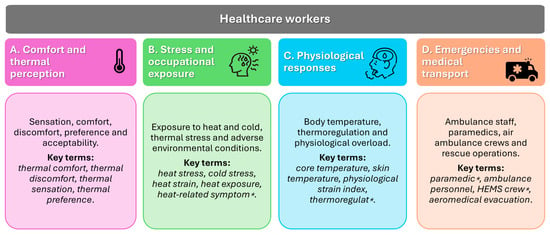
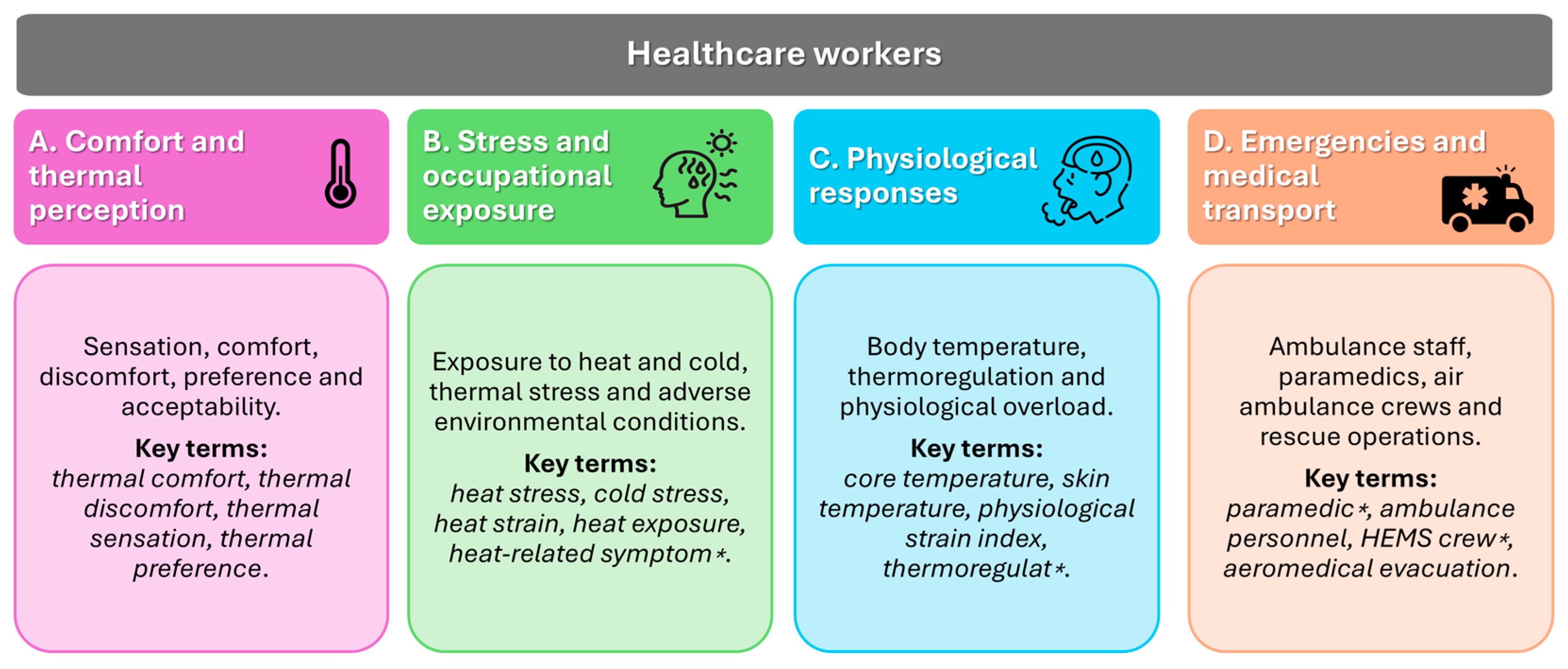
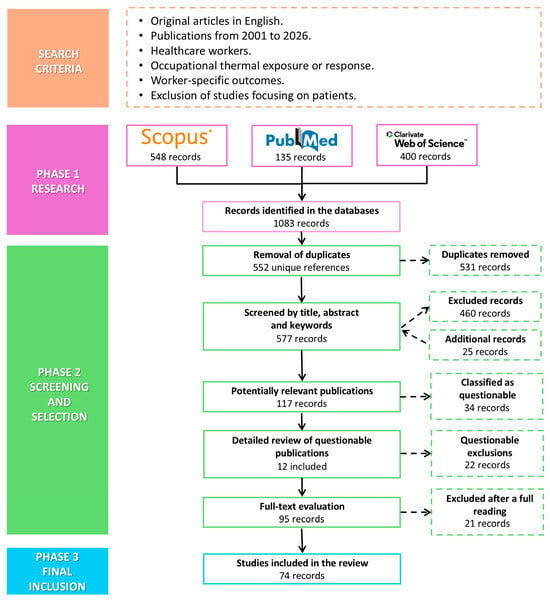
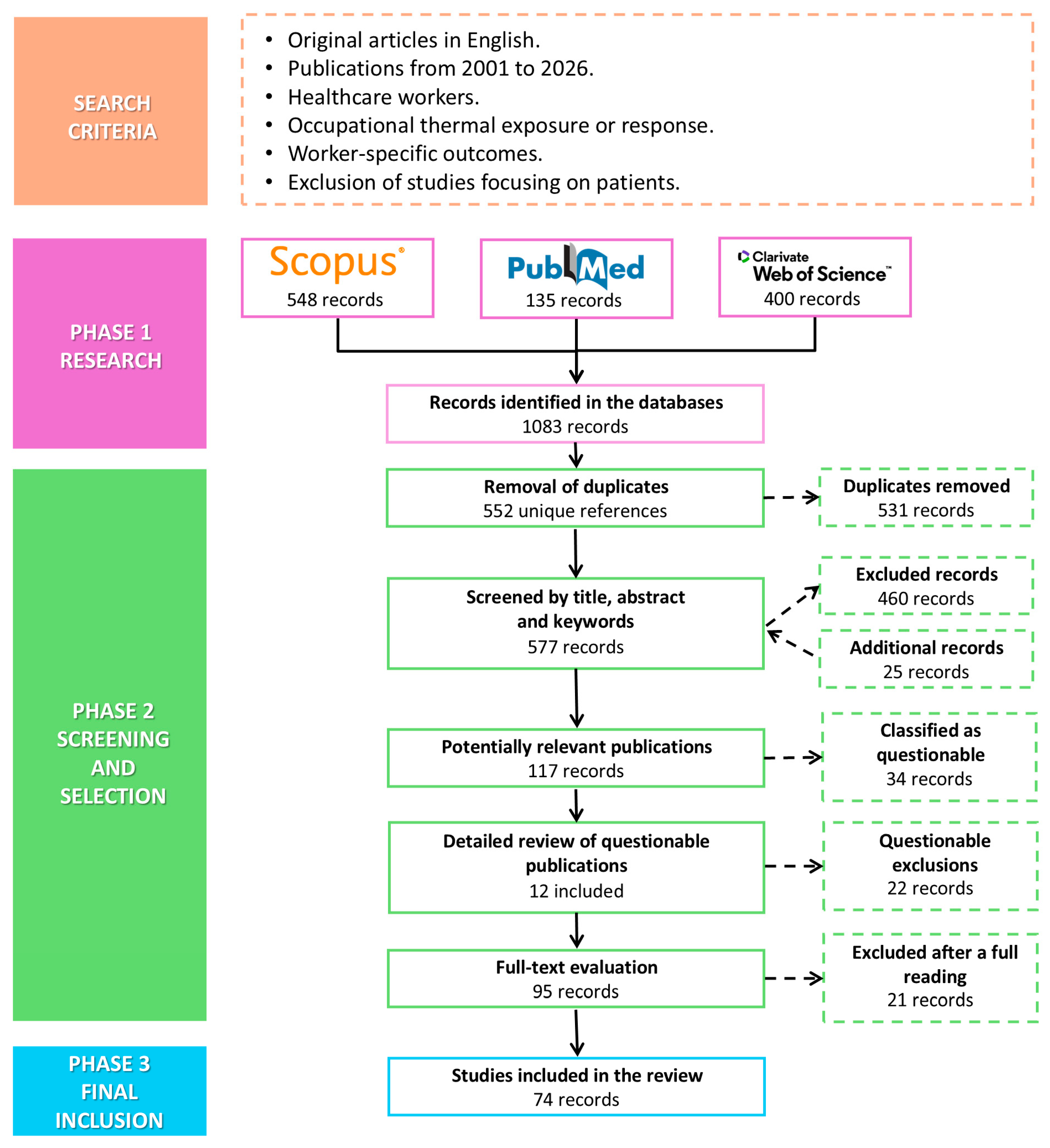
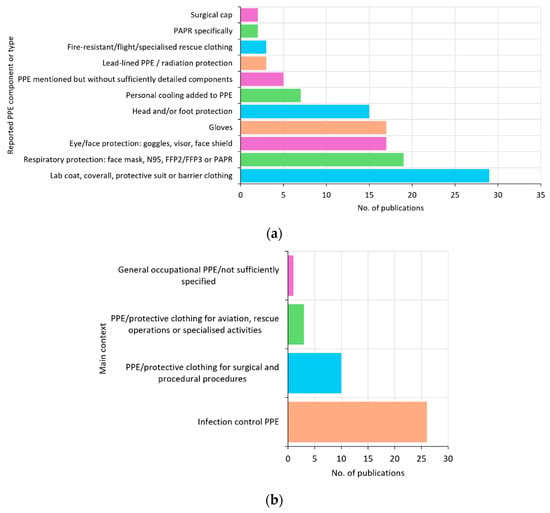
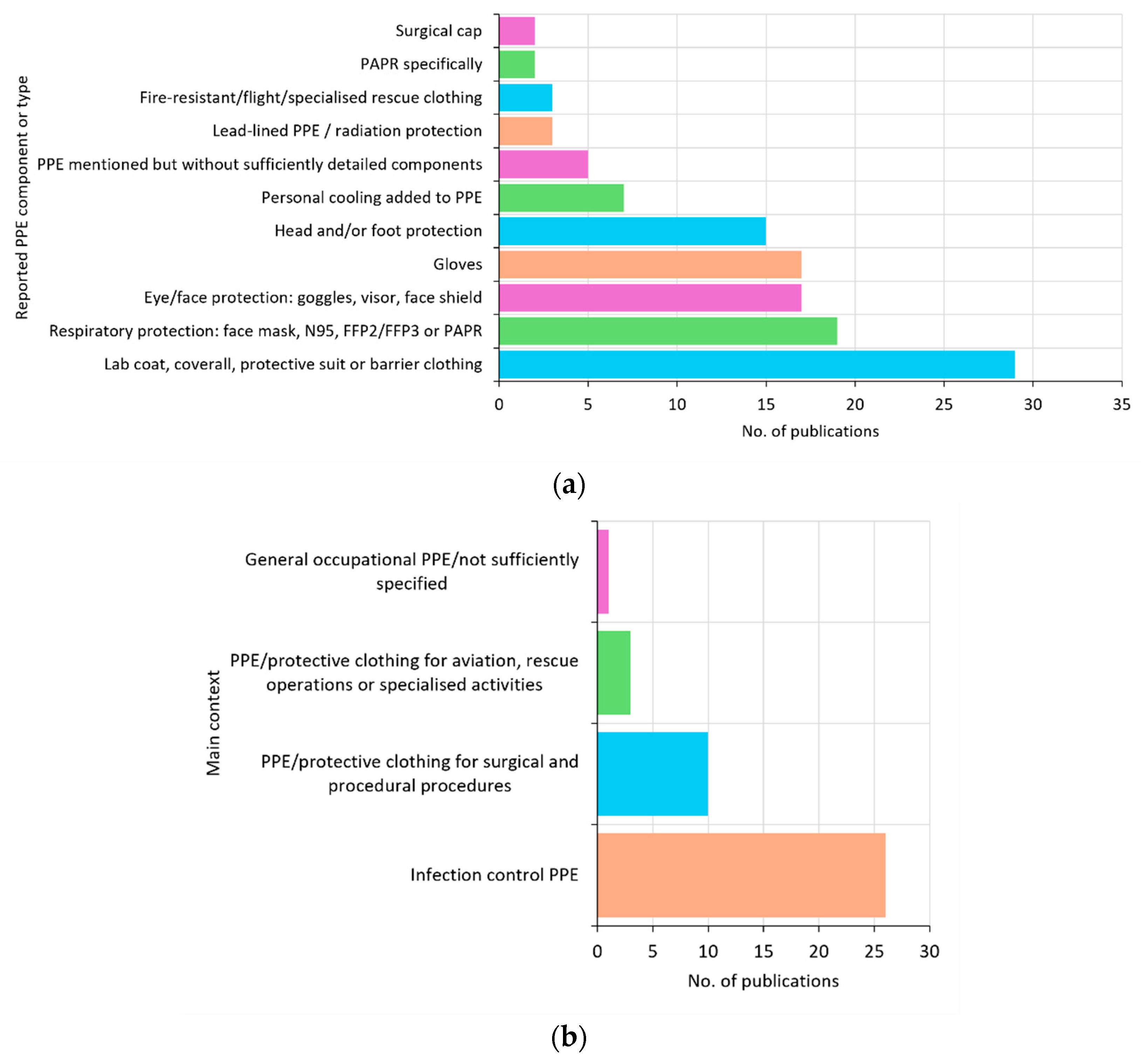
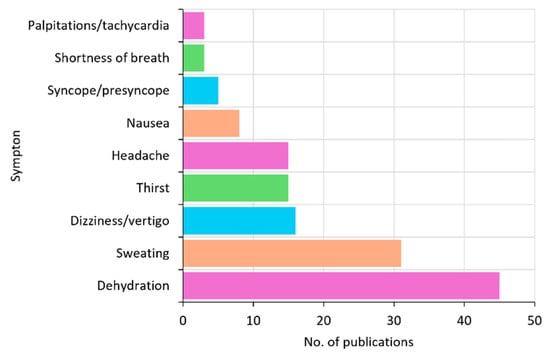
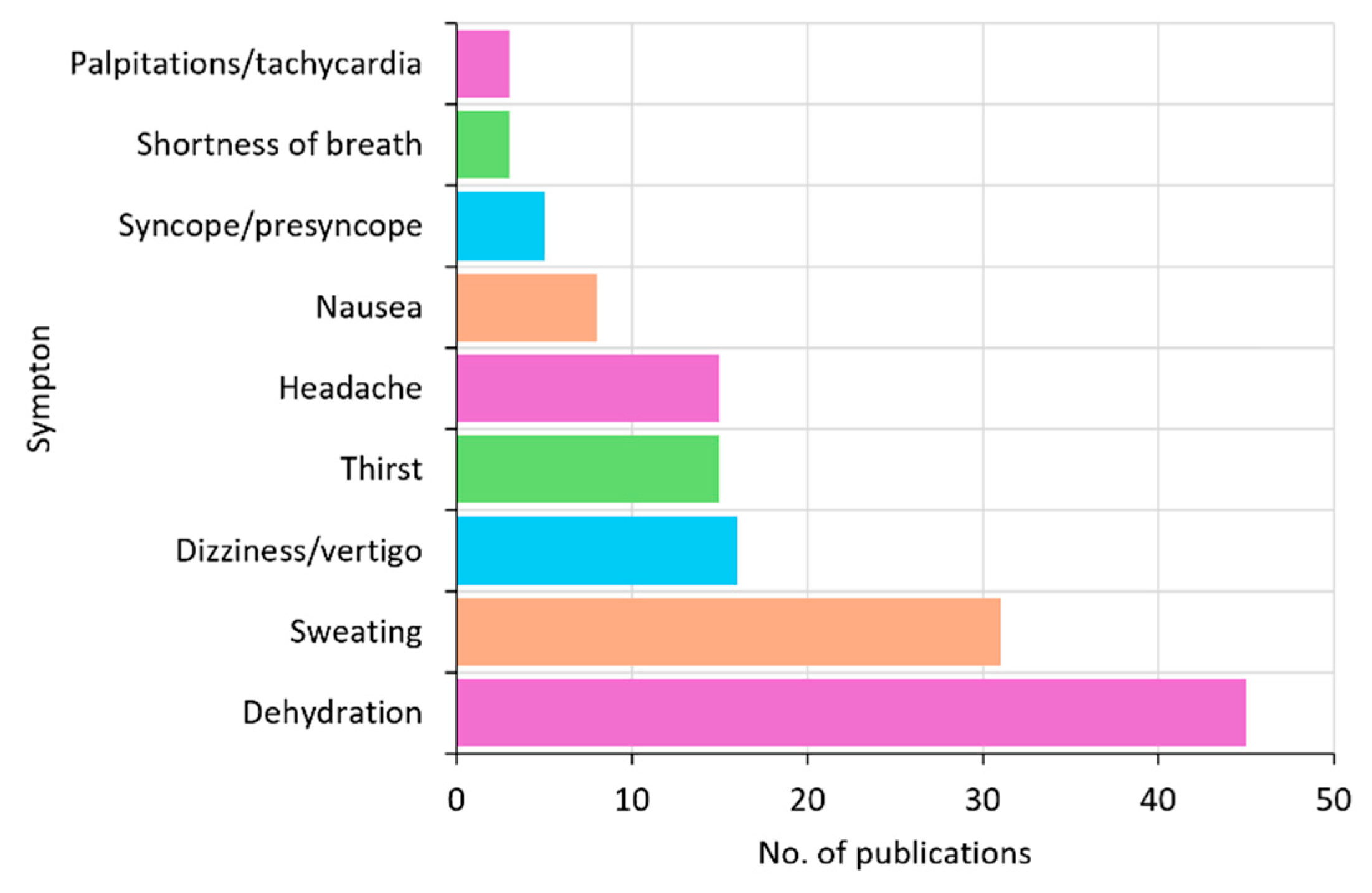
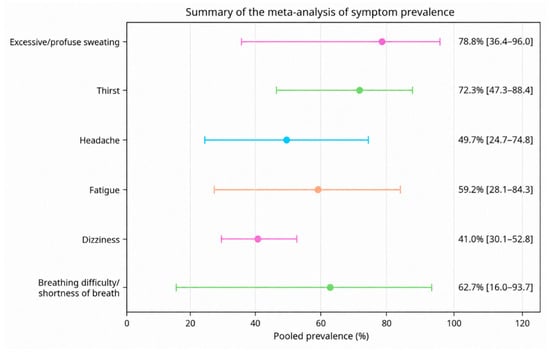
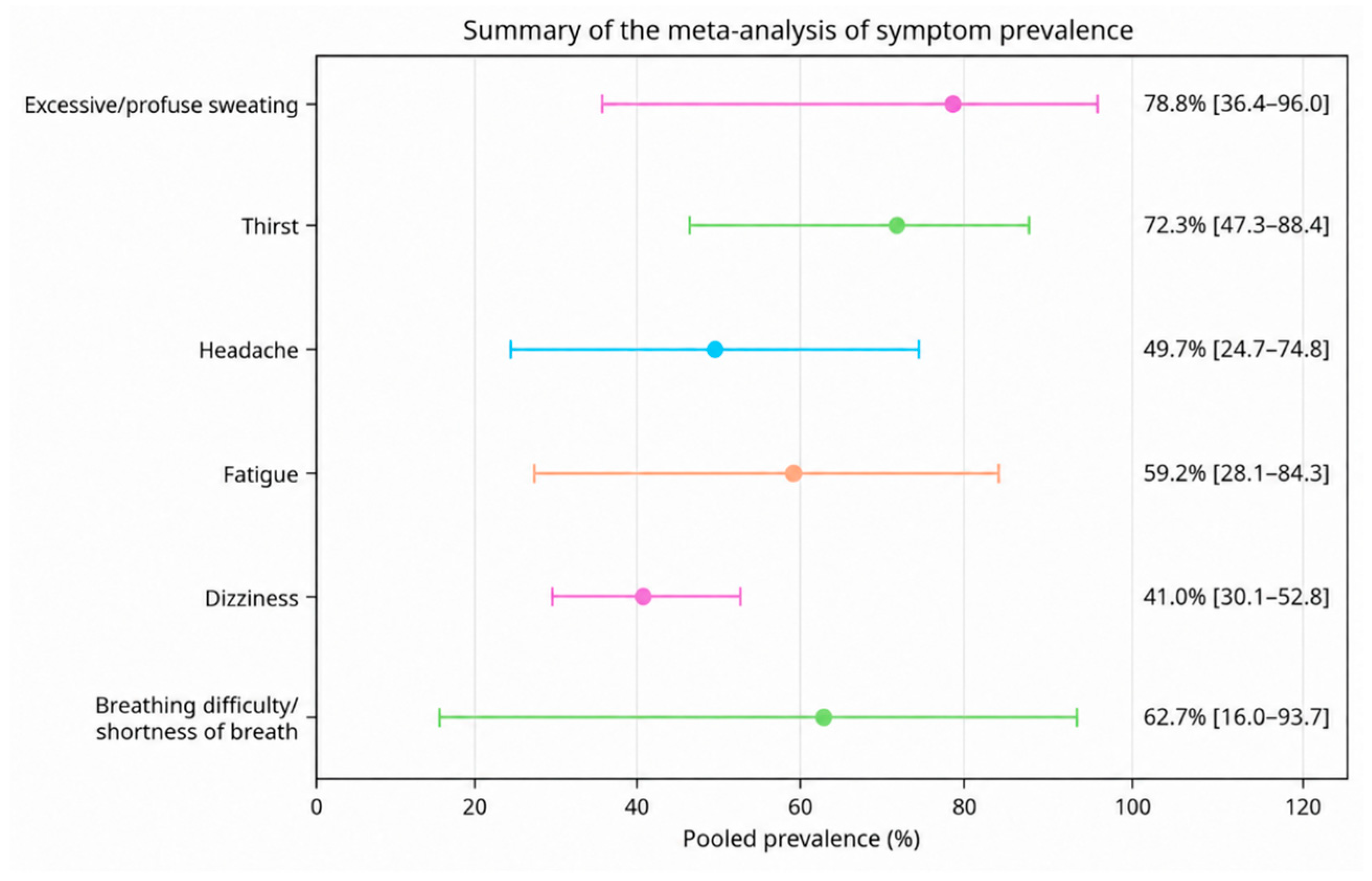
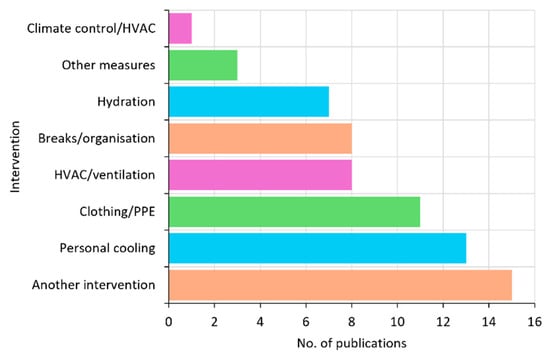
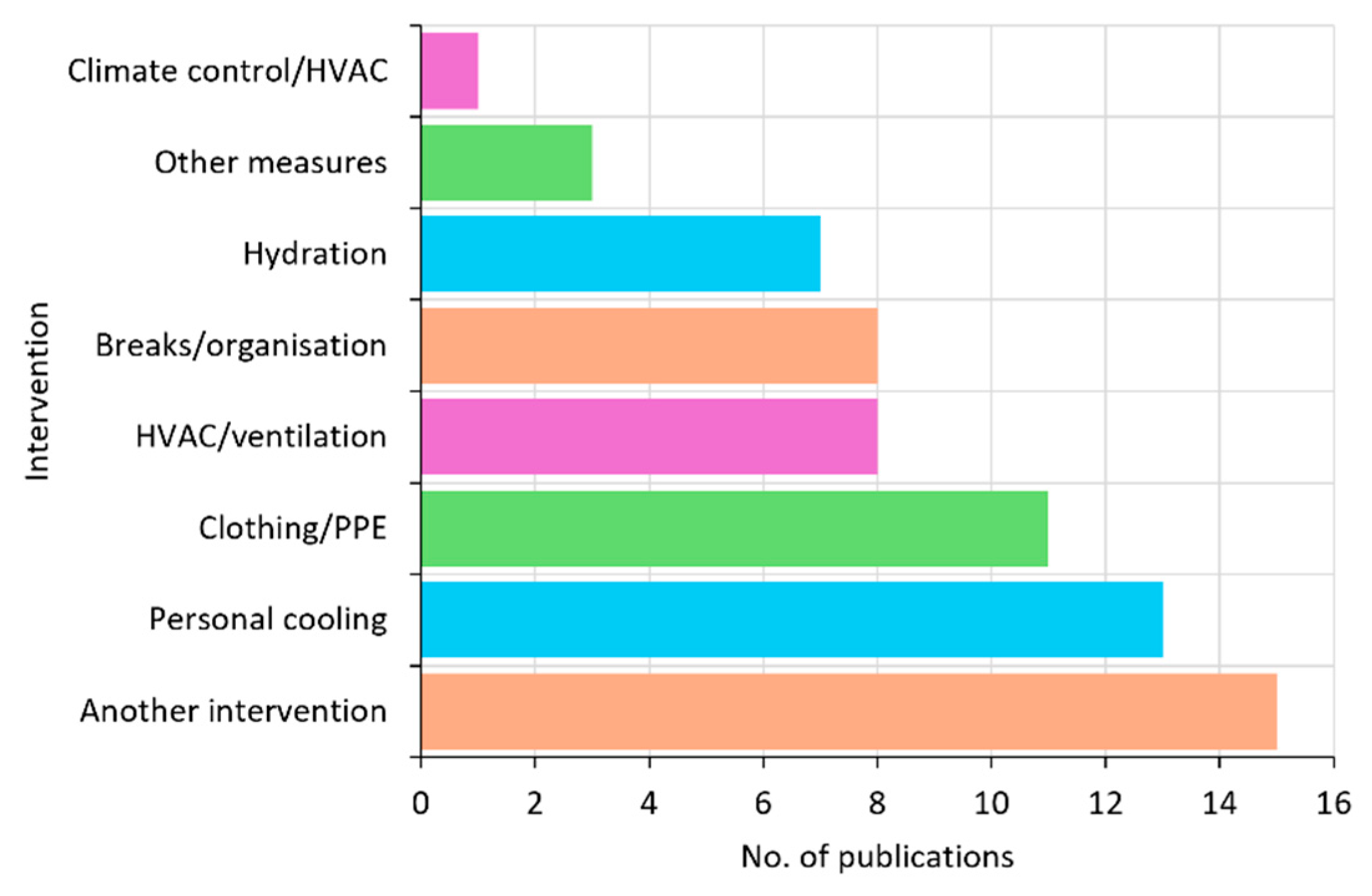

Disclaimer/Publisher’s Note: The statements, opinions and data contained in all publications are solely those of the individual author(s) and contributor(s) and not of MDPI and/or the editor(s). MDPI and/or the editor(s) disclaim responsibility for any injury to people or property resulting from any ideas, methods, instructions or products referred to in the content. |
© 2026 by the authors. Licensee MDPI, Basel, Switzerland. This article is an open access article distributed under the terms and conditions of the Creative Commons Attribution (CC BY) license.