


Abstract
Background: Hospital medication interventions are often judged by the prescriptions reviewed, discrepancies corrected, or recommendations accepted. These measures describe necessary work, but they do not establish whether patients receive safer, more effective, or less burdensome treatment. Aim: This critical narrative review aims to explore the broader role and potential applications of artificial intelligence (AI) in hospital medication prescribing and stewardship, rather than to evaluate one specific software application. This critical review examines the organizational and technological conditions that connect prescribing decisions to patient benefit in adults with multimorbidity or polypharmacy, from admission through early follow-up after discharge. Methods: Targeted searches of journal literature, citation tracing, and bibliographic verification informed a narrative appraisal of medication reconciliation, pharmacist-led optimization, deprescribing, clinical decision support, and transitional care. Results: The evidence distinguishes improvements in prescribing processes from effects on medication-related harm and health care utilization. Differences between studies may reflect patient selection, intervention delivery, baseline services, follow-up, and outcome measurement, as well as limited intervention effectiveness. We propose a hospital medication stewardship program in which verified medication information supports prioritized review, documented decisions, assigned responsibility, confirmed handover, and reassessment. Standard software, rule-based support, predictive models, and language models serve different tasks; each requires evidence proportionate to its intended clinical role. A three-condition evaluation compares usual care with a structured digital program and the same program with added artificial intelligence (AI), allowing the effect of the structured stewardship package and the incremental value of AI to be assessed separately. Clinical outcomes should be considered alongside patient experience, workload, costs, equity, and unintended effects. Conclusions: The framework is a proposal for prospective evaluation. Its central proposition is that medication stewardship should make the path from a recommendation to an implemented and reviewed decision observable, while testing whether that additional structure improves outcomes that matter to patients. AI-supported stewardship should be adopted only after prospective evidence of patient benefit, feasible delivery, acceptable burden, and equitable access.
1. Introduction
1.1. Medication Management Across the Hospital-to-Home Transition
Hospitalization changes treatment and the circumstances in which it must work. Medicines are started, withheld, substituted and adjusted while acute illness alters physiological reserve. At home, patients and families must interpret the revised regimen, obtain supplies and arrange monitoring. An appropriate discharge prescription may therefore fail to deliver its intended benefit if these tasks remain unfinished.
Forster and colleagues identified adverse events in 19% of 400 discharged medical patients, with medicines accounting for most events [1]. A medication-focused analysis of the same cohort highlighted missed monitoring among preventable or ameliorable events; these are complementary analyses, not independent incidence estimates [2]. In a later UK multicenter cohort, 37% of older participants completing eight-week follow-up experienced medication-related harm [3]. Differences in populations, definitions and follow-up preclude treating these figures as a common baseline rate.
The problem extends beyond potentially inappropriate medicines. US surveillance identified substantial emergency-care burden involving anticoagulants and diabetes treatments, whose value depends on appropriate dosing, monitoring and use [4,5]. Conversely, an Ontario cohort linked hospitalization with potentially unintended discontinuation of chronic therapies, although prescription-renewal records could not establish intent [6]. Stewardship must address avoidable exposure and lost therapeutic benefit as responsibility moves between settings.
1.2. Prescribing Quality and Patient Benefit
Appropriate prescribing includes treatment initiation as well as withdrawal. The Screening Tool of Older Persons’ Prescriptions and Screening Tool to Alert to Right Treatment (STOPP/START) pair potentially inappropriate prescriptions with omissions of indicated therapy [7], an approach extended in their third version [8]. The 2023 American Geriatrics Society (AGS) Beers Criteria likewise support clinical judgment and shared decisions rather than automatic prohibition [9]. Medication count alone cannot establish appropriateness.
Gallagher and colleagues’ hospital trial improved appropriateness and underutilization using STOPP/START, with improvements persisting after discharge [10]. These are valuable intermediate achievements; effects on symptoms, harm and hospitalization require separate evaluation. Rewarding discontinuation alone could overlook untreated disease, monitoring, and the safe restoration of treatment interrupted during acute illness.
1.3. Review Objectives and Proposed Contribution
Here, medication stewardship denotes shared responsibility for appropriate, safe and feasible medication use across care settings. Hospital and community professionals, patients and caregivers contribute different forms of knowledge and action. This review asks which organizational and technological conditions help medication recommendations become completed actions and meaningful patient benefit. It focuses on adults with multimorbidity or polypharmacy, from admission through early follow-up. Older adults dominate the evidence, but age alone does not define eligibility. We examine existing interventions, explain differences in findings, and propose a program linking clinical responsibility, technological tasks and patient outcomes. Appropriateness encompasses initiation, continuation, adjustment, monitoring and discontinuation, together with access and patient goals. Multidisciplinary care, reconciliation and closed-loop communication are established practices; adding artificial intelligence (AI) does not itself establish novelty. The proposed contribution is to make decision completion and reassessment observable, assign technology to specific tasks, and test the added value of AI within an otherwise comparable service.
Aim and scope. The aim of this review is to examine the broader role and potential applications of AI in medication prescribing and stewardship in hospital pharmacy practice, and not to appraise a single software product or vendor. Three objectives follow: (i) to synthesize evidence on existing medication-management interventions, including conventional, rule-based, predictive, and language-model-based tools, distinguishing effects on prescribing processes from effects on patient outcomes; (ii) to explain why improved recommendations or prescribing processes do not consistently translate into patient benefit; and (iii) to specify a stewardship program, with an evaluation strategy, in which AI functions are assigned to defined tasks. Published AI-based prescribing tools are discussed as examples of tool classes [11,12]; no commercial product is evaluated or endorsed.
Baseline clinical eligibility. The target population is hospitalized adults (≥18 years) with multimorbidity (two or more chronic conditions) or polypharmacy, commonly operationalized as five or more regularly used medicines, although definitions vary [13], from admission through early follow-up after discharge to home or post-acute care. Exclusively pediatric populations are outside the primary scope. Evidence from community, palliative, or emergency-only populations is used only where it informs mechanisms or limitations, and is identified as indirect. Local eligibility rules are operationalized in Section 5.1.
Distinctive contribution. Medication reconciliation verifies the medication history, and pharmacist-led or multidisciplinary review generates recommendations. The proposed program does not claim novelty in these practices. It adds three elements: (i) a decision record that separates a recommendation that has been seen, decided, implemented, handed over, and reassessed; (ii) negotiated, acknowledged transfer of responsibility with a defined fallback; and (iii) task-specific, separately testable assignment of AI functions within an otherwise comparable service. Section 5.8 compares these features with established approaches.
2. Methods
2.1. Review Design and Procedures
This study is a critical narrative review that culminates in a proposed conceptual framework. The research question and objectives (Section 1.3) were defined before searching. The procedure had five steps: (1) scoping of concepts and definitions; (2) targeted retrieval of literature and citation tracing; (3) purposive selection against the eligibility criteria in Section 2.2; (4) structured extraction of study characteristics and informal critical appraisal (Section 2.3 and Section 2.5); and (5) narrative synthesis, development of the program theory (Section 2.4), and specification of the evaluation design. No primary data were collected and no patients were involved. Reporting follows the SANRA items for narrative reviews [14], and search reporting was informed by PRISMA-S [15].
2.2. Search Strategy and Eligibility Criteria
A targeted, web-assisted search of journal literature was conducted on 26 September 2026 using PubMed-indexed records, PubMed Central and journal publisher pages. Search concepts combined hospital or discharge with medication reconciliation, polypharmacy, pharmacist intervention, deprescribing, medication-related harm, clinical decision support, artificial intelligence, implementation and patient outcomes. Study names and article titles retrieved pivotal reports; references and related records supported citation tracing. PubMed, Europe PMC and Crossref metadata verified bibliographic details. English-language reports were prioritized, with recent publications considered alongside foundational studies and no fixed lower publication-year limit. The accompanying source record, provided as Supplementary Material S1, documents searches and retained articles.
Search terms, selection rationale, and prioritization. Search concepts were combined in four blocks: (a) setting and process (hospital OR inpatient OR discharge OR “transition of care”); (b) medication management (“medication reconciliation” OR polypharmacy OR “pharmacist intervention” OR deprescribing OR “medication review” OR “medication-related harm” OR “adverse drug event”); (c) technology (“clinical decision support” OR “artificial intelligence” OR “machine learning” OR “large language model”); and (d) outcomes and implementation (“patient outcomes” OR readmission OR implementation OR randomized). Block (b) was combined with block (a) in all searches, and with block (c) or (d) for technology-specific and outcome-specific searches. Studies were prioritized when they (i) were randomized or otherwise controlled evaluations reporting patient-level outcomes, (ii) were multicenter or pragmatic, (iii) were pivotal studies repeatedly cited in guidance, (iv) reported neutral or unfavorable results that qualified a favorable mechanism, or (v) were recent evaluations of AI-based medication tools. Supplementary Material S1 lists databases, search dates, query strings, filters, eligibility and prioritization criteria, and retained records, in line with PRISMA-S [15].
Eligibility centered on adults receiving hospital care or transitioning to home or post-acute care. Community deprescribing studies, disease-specific withdrawal trials and AI evaluations outside medication management were included for relevant mechanisms or limitations, with indirect applicability identified. Protocols informed the research agenda, not effectiveness conclusions. This critical narrative review used purposive selection; it was not an exhaustive systematic review or meta-analysis. Independent duplicate screening and a formal study-by-study, tool-based risk-of-bias assessment were not undertaken.
Inclusion and exclusion boundaries. Included: hospitalized adults or adults transitioning to home or post-acute care; interventions involving reconciliation, pharmacist or multidisciplinary review, deprescribing, decision support, predictive or language-model tools, or discharge and transitional support; and randomized, controlled, quasi-experimental, implementation, prediction-model, or protocol reports. Excluded from the evidence synthesis: exclusively pediatric populations, interventions without a medication-management component, and reports with insufficient methodological detail to appraise. Protocols informed the research agenda only. Studies outside the primary population were retained only as indirect evidence for mechanisms or limitations.
2.3. Evidence Selection and Appraisal
Informal critical appraisal distinguished intervention effectiveness, observational associations, prediction performance and implementation findings. A protocol describes intended testing, while reporting guidance supports transparency; neither establishes effectiveness. Clinical critique considered allocation, comparator care, missing outcomes, contamination, selective reporting and independent outcome adjudication. These concerns align with the revised Cochrane risk-of-bias tool for randomized trials (RoB 2) and the Risk Of Bias In Non-randomized Studies of Interventions tool (ROBINS-I), without implying a complete, independently duplicated assessment [16,17]. Prediction studies require scrutiny of data sources, predictors, outcomes, analysis and applicability, as specified in PROBAST+AI [18]. The Scale for the Assessment of Narrative Review Articles (SANRA) informs editorial scrutiny of transparency and reasoning rather than systematic-review status [14].
2.4. Framework for Evidence Synthesis
A recommendation is an intermediate event in distributed care. The Systems Engineering Initiative for Patient Safety (SEIPS) links work-system conditions to processes and outcomes; SEIPS 2.0 includes patients and caregivers, and SEIPS 3.0 extends analysis across the patient journey [19,20,21]. These perspectives support examining information transfer, ownership, action and reassessment around prescribing.
The framework is a program theory: testable assumptions about how resources and actions might produce benefit. Consistent with complex-intervention guidance, context and adaptation may influence effects [22]. Process evaluation separates implementation, mechanisms and context [23], preventing circular reasoning in which success confirms the program while every unfavorable result is blamed on delivery. A component may provide little benefit even when implemented well.
2.5. Data Extraction and Analytical Approach
For each retained study, the following items were extracted: design and setting; population; intervention and comparator; primary outcome and effect estimate with confidence interval where reported; implementation findings such as uptake and fidelity; reported benefits; and reported limitations. Extracted items were verified against the source publication and bibliographic metadata (PubMed, Europe PMC, and Crossref). Findings were synthesized narratively and organized by intervention domain and by design (randomized trials, nonrandomized evaluations, and model-development studies). Effects were contrasted across three outcome levels: prescribing or process measures, medication-related harm, and health care utilization. Quantitative pooling was not attempted because of heterogeneity in populations, interventions, comparators, and outcomes. Explanations for neutral or discordant findings were examined against the criteria described in Section 2.3. Table 1 reports benefits and limitations in separate columns.
Table 1.
Selected evidence on hospital medication management and relevant technological interventions.
3. Evidence on Existing Medication Management Interventions
Table 1 summarizes selected interventions, contrasting process improvements with clinical outcomes and highlighting the limits of each design.
3.1. Medication Reconciliation and Continuity of Information
Reconciliation addresses a basic vulnerability: clinicians cannot assess a regimen reliably if the starting list is wrong. Cornish and colleagues found unintended discrepancies in more than half of a selected group taking at least four medicines; omissions predominated [38]. The MATCH study similarly traced many admission order errors to inaccurate medication histories [39]. Vira and colleagues demonstrated that reconciliation could uncover clinically important variances missed in routine practice [40]. These studies established a credible mechanism for prevention, but most measured discrepancies or potential harm rather than subsequent injury.
Trials confirm that staffing and timing can improve information quality. Pevnick and colleagues found markedly fewer admission history and order errors when pharmacists or supervised pharmacy technicians obtained histories before prescribing [41]. Tong and colleagues showed that pharmacist-prepared medication plans reduced errors in discharge summaries [42]. Their practical implication is that information verification requires trained people and an appropriate position in the workflow; it cannot be assumed to follow from the presence of a medication-list field.
The MARQUIS experience illustrates the challenges of implementing that principle. Its first multicenter study reduced total discrepancies without a significant overall improvement in the primary outcome of potentially harmful discrepancies. Results differed across sites, including hospitals introducing new electronic records [43]. MARQUIS2 subsequently associated a refined toolkit and mentoring with sustained reductions in discrepancies [24]. Its secondary analysis linked trained history-taking and reconciliation to better performance, while identifying supporting organizational changes [44]. Because exposure was not randomized, these component associations should guide implementation hypotheses rather than establish causal rankings. Rural VA implementation produced improvement at one adopting hospital and worsening at another, underscoring the importance of local conditions [45].
Nevertheless, reliable information is only one step toward better outcomes. In the RightRx cluster trial, electronic reconciliation reduced medication discrepancies but did not significantly reduce 30-day adverse drug events (ADEs) [25]. A Swiss trial likewise found no reduction in 30-day hospital returns after admission reconciliation among patients selected for very old age or high medication counts [46]. The trials tested different interventions and outcomes; neither supports dispensing with reconciliation. They do challenge the assumption that a completed reconciliation process is an adequate surrogate for patient benefit. A discrepancy should be interpreted, resolved where appropriate, communicated and monitored according to its clinical consequences.
3.2. Pharmacist-Led Review and Multidisciplinary Optimization
The evidence for clinical pharmacy is strongest when the intervention is described as work performed within a care team. Early controlled studies linked pharmacist participation on intensive-care and general-medical rounds to fewer preventable adverse drug events; their nonrandomized designs limit causal certainty, but they locate the intervention at the point where prescriptions are decided [47,48]. In a randomized geriatric inpatient study, direct pharmacist contact with patients and the clinical team improved appropriateness and reduced underuse [49]. Geriatric evaluation also produced different effects across settings: in Schmader and colleagues’ factorial trial, inpatient care improved prescribing, whereas outpatient geriatric care reduced serious adverse drug reactions (ADRs) [50]. Together, these studies suggest that sustained clinical relationships deserve attention alongside the review instrument.
Some hospital programs have improved utilization outcomes. Gillespie and colleagues reported fewer hospital visits and drug-related readmissions among patients aged at least 80 years receiving comprehensive ward-based pharmacist care [51]. In the multicenter OPTIMIST trial, an extended intervention combining review, motivational interviews, and communication with community providers reduced 180-day readmission compared with usual care (hazard ratio 0.75, 95% confidence interval 0.62–0.90) [26]. This supports evaluation of the complete service bundle; it does not identify which individual component caused the benefit.
Other well-developed services have produced uncertain clinical effects. Graabaek and colleagues identified numerous medication problems, but only 25 participants experienced medication-related readmission within 30 days across the three trial groups, limiting the information available for the principal comparison [52]. IMMENSE found no clear reduction in emergency medical visits over 12 months, despite a five-step intervention spanning inpatient review and communication with primary care [53]. The Japanese medication-optimization trial reduced potentially inappropriate medication use at discharge and later follow-up, while its composite of death, unscheduled visits, and rehospitalization remained similar between groups [54]. These findings challenge the assumption that improved prescription lists necessarily produce measurable reductions in broad clinical events.
Effects beyond hospitalization are also relevant. Romskaug and colleagues found better health-related quality of life after collaborative geriatric assessment and medication review in community-dwelling older adults [55]. Its setting limits direct extrapolation to acute care, but the result illustrates why patient experience should be measured alongside service use. Most of these trials recruited older adults; application to younger adults with multimorbidity remains an additional inference requiring evaluation.
3.3. Deprescribing and Therapeutic Appropriateness
Deprescribing trials demonstrate that treatment burden can be changed, while also exposing the limits of using that change as a surrogate for benefit. MedSafer increased the proportion of participants with a potentially inappropriate medicine deprescribed, but the adjusted difference in 30-day adverse drug events was −0.8 percentage points (95% confidence interval −2.9 to 1.3) [29]. Shed-MEDS extended patient-approved decisions from hospitalization into post-acute facilities and sustained a lower medication burden at 90 days; its adverse-event estimate was imprecise [30]. In advanced frailty, STOPPFrail-guided deprescribing reduced medication counts and costs, although the trial was too small to settle differences in mortality, hospitalization, and quality of life [56]. These are distinct achievements with different implications for adoption.
Evidence from adjacent settings helps identify useful program components. In Dutch nursing homes, multidisciplinary review increased successful discontinuation, defined to exclude relapse or severe withdrawal symptoms [57]. EMPOWER showed that direct patient education could initiate discussions and increase benzodiazepine discontinuation [58]. D-PRESCRIBE combined patient education with pharmacist communication to prescribers and increased cessation of selected inappropriate prescriptions; withdrawal symptoms were nevertheless reported by some participants tapering sedative-hypnotics [59]. Education should therefore be connected to access to clinical advice and follow-up. Its effects are also context dependent: the broad educational OPTIMIZE intervention produced small, statistically uncertain differences in medication use among people with cognitive impairment [60]. SPPiRE achieved a modest reduction in medication count in primary-care patients taking at least 15 regular medicines, with no clear effect on its potentially inappropriate prescribing outcome [61].
The clinical meaning of withdrawal depends on indication and prognosis. OPTIMISE demonstrated short-term noninferiority for a blood-pressure target after removing one antihypertensive in selected older adults whose clinicians considered reduction appropriate; it did not establish the safety of indiscriminate withdrawal [62]. Conversely, the small TRED-HF trial found frequent relapse after withdrawing therapy for recovered dilated cardiomyopathy [63]. In advanced life-limiting illness, Kutner and colleagues’ statin trial did not meet its prespecified mortality noninferiority criterion [64]. These examples support explicit documentation of eligibility, tapering, monitoring, and criteria for reconsidering the decision. They also show why a stewardship program must protect necessary treatment while addressing excessive treatment.
3.4. Electronic Decision Support and AI-Assisted Interventions
Digital medication systems have a substantial history that predates contemporary AI. Computerized ordering reduced serious non-intercepted medication errors in the study by Bates and colleagues, although the reduction was greater for potential than actual preventable adverse drug events [65]. Barcode medication administration similarly reduced observed errors and potential harm in a quasi-experimental evaluation [66]. Neither finding licenses the assumption that every subsequent digital layer adds benefit. Renal prescribing illustrates the distinction: earlier time-series and alternating-period studies associated alerts or adjusted defaults with improved prescribing [67,68], whereas a randomized evaluation found no incremental benefit from adding pharmacist surveillance to established decision support and pharmacy services [69]. The comparator’s existing capabilities matter.
More recent acute kidney injury (AKI) trials sharpen this argument. In ELAIA-1, general electronic alerts did not improve the primary composite of progression, dialysis or death [70]. ELAIA-2 increased discontinuation of targeted medicines but did not demonstrate a statistically significant reduction in the corresponding clinical composite [34]. KAT-AKI went further, delivering individualized recommendations from a physician–pharmacist team within one hour. Recommendation implementation increased, yet clinical outcomes did not improve significantly [35]. These trials challenge both technology-centered optimism and the simpler claim that assigning experts will necessarily overcome the process–outcome gap. They support testing the content, timing, implementation and clinical consequences of recommendations separately.
Medication-specific machine-learning studies provide encouraging but earlier-stage evidence. Corny and colleagues evaluated prioritization against pharmacist review, while Segal and colleagues documented clinically useful outlier alerts and subsequent prescribing changes [36,71]. These are meaningful operational findings, but neither establishes a randomized reduction in patient injury. Rozenblum and colleagues’ economic estimates concerned potentially avoided outpatient events, rather than observed savings [72]. The 2025 MEnD-AKI publication describes a trial combining predictive analytics, pharmacist review and telemedicine; it is a protocol, not an effectiveness result [73]. Consequently, the proposed stewardship program should incorporate AI as a testable component whose contribution remains to be established.
3.5. Discharge Planning and Support After Discharge
Discharge communication has several recipients with different needs. Patients need usable instructions and an explanation of changes; community clinicians need the reasoning, outstanding uncertainties and monitoring plan. The longstanding evidence on delayed and incomplete information transfer explains why document production alone is an insufficient endpoint [74]. Communication quality should include whether the intended recipient can act on the information.
Several trials support coordinated transitions, although medication-specific contributions remain difficult to isolate. Project RED combined nurse-led discharge planning, an individualized after-hospital plan and pharmacist follow-up, reducing subsequent hospital utilization [75]. Coleman’s intervention used transition coaching and patient activation to reduce rehospitalization [76]. Earlier work by Naylor and colleagues demonstrated benefits from advanced practice nurse discharge planning and home follow-up [77]. These packages connect preparation in hospital with support afterward; their effects cannot be assigned solely to reconciliation or counseling.
Results from medication-focused interventions are less uniform. A small trial by Schnipper and colleagues reduced preventable adverse drug events with counseling and telephone follow-up, without significant differences in total adverse events or utilization [78]. PILL-CVD, a larger trial combining reconciliation, literacy-sensitive counseling, adherence aids and follow-up, did not significantly reduce clinically important medication errors [31]. The Iowa Continuity of Care trial also reported null medication and utilization outcomes despite high intervention fidelity [79]. Thus, an unfavorable result cannot automatically be attributed to incomplete implementation.
PHARM-DC analyzed 6428 hospitalizations without an overall reduction in 30-day unplanned utilization. Its all-hospital primary outcome concerned 4472 claim-complete Medicare participants; enrollment was below target. A prespecified adherence-and-literacy subgroup benefit warrants confirmation [32]. URGEIM instead selected emergency patients with an identified medication-related event. Pharmacist communication with community clinicians reduced repeat visits for that event at six months [33]. Its selected population, single-center design and longer follow-up limit generalization to early hospital-to-home care. These findings support testing actionable medication problems as intervention targets, without establishing their superiority over broader case finding.
4. Explaining the Gap Between Recommendations and Patient Benefit
Figure 1 presents the proposed pathway and the points at which a sound recommendation may fail to produce benefit.
Figure 1.
Proposed pathway from medication information to patient outcomes. Verified medication information informs contextualized clinical decisions, which require implementation and timely reassessment before their consequences for patients can be evaluated. The lower boxes illustrate potential barriers, including conflicting records, unclear responsibility, limited medication access, missed monitoring, and interrupted follow-up. Reassessment can change earlier decisions. These barriers may affect several stages; their placement is illustrative. The pathway is a conceptual framework rather than a validated causal model. Completion of an action does not, by itself, establish clinical benefit.
4.1. Information Gaps and Incomplete Clinical Actions
A recommendation must pass several decisions before influencing an outcome. The team must verify information, establish clinical relevance, agree an action, implement it and reassess appropriateness. A correctly identified discrepancy can remain unresolved; conversely, continuing treatment may be justified after reviewing an alert. Counting notifications, prescription changes and resolved concerns interchangeably obscures these distinctions.
The framework makes these transitions observable through an identified clinician, specified action and verifiable completion. Transfer of responsibility requires acknowledgement where feasible. This is a hypothesis about preventing failures, not proof that additional documentation improves outcomes. The system must expose unfinished work without imposing disproportionate administrative demands.
4.2. Workload and Organizational Constraints
Recommendations compete for finite attention. Ancker and colleagues associated repeated alerts and encounter complexity with lower acceptance in ambulatory care, without demonstrating independent effects of overall workload volume or progressive desensitization [80]. Hospital medication-administration interruptions were associated with errors and their severity, although causation cannot be established [81]. These distinctions identify redesign targets more precisely than a generic label of “alert fatigue.”
Computerized ordering studies identified fragmented displays and inflexible choices that could facilitate errors [82]; barcode research documented workarounds related to equipment and workflow limitations [83]. Added oversight can thus increase duplication, interruptions and invisible work. Evaluation should measure review time, unresolved tasks, repeated notifications, and work transferred to nursing, pharmacy or community teams.
Low-resource versus integrated settings. The same alert can generate different friction in different infrastructures. In fully integrated EHR environments, friction typically arises from interruptive notifications, duplicated documentation, and inflexible order sets, which accumulate overrides and reduce attention to individual alerts [84]. In low-resource hospitals with paper-based or partially digital records, the dominant problems differ: fragmented or incomplete medication data, delayed access to laboratory results, interrupted connectivity, and limited pharmacist time [85,86]. There, workflow friction appears as manual transcription, delayed result retrieval, and unstaffed follow-up queues, and the main risk is under-detection rather than alert dismissal. An AI tool added to either setting without addressing these constraints may increase workload in integrated systems or fail on missing inputs in low-resource systems, which supports the locally adapted, staged introduction proposed in Section 7.2 and Section 8.2.
4.3. Patient Circumstances and Continuity of Care
Accurate instructions may remain difficult to understand or reconcile with medicines at home. An early survey found limited knowledge of medication names, purposes and adverse effects [87]. Later work distinguished professional errors from patient misunderstanding and identified particular vulnerability in changes unrelated to the admission diagnosis [88]. Chronic treatment decisions can receive insufficient explanation during disease-focused discharge planning.
Lindquist and colleagues distinguished misunderstanding-driven nonadherence from deliberate departures from instructions [89], while Mixon and colleagues associated literacy and numeracy with selected post-discharge errors [90]. These observational findings support asking what patients understand, intend and can manage, rather than treating every discrepancy identically.
The PRIME prediction model included living alone alongside clinical and medication variables, but discrimination after internal validation was modest and external evaluation was recommended [91]. Risk identification does not specify an effective response. The program translates barriers into tasks such as arranging supplies, involving an agreed caregiver, checking understanding or assigning review of withheld treatment, with their clinical effects evaluated prospectively.
4.4. Alternative Explanations for Uncertain Effects
A neutral trial can reflect limited efficacy, poor targeting, incomplete action or an imprecise estimate compatible with benefit. In SENATOR, clinicians adopted approximately 15% of software-generated advice points, and hospital-acquired ADRs did not decrease [28]. Limited uptake is therefore documented, but complete implementation cannot be assumed effective. An earlier single-center STOPP/START trial reduced hospital-acquired ADRs through direct recommendation delivery [92]. Differences in setting, delivery, patient mix and comparator care preclude attributing the contrast to automation alone.
In OPERAM, despite implementation of at least one recommendation in many participants, the hazard ratio for first drug-related hospital admission was 0.95 (95% confidence interval 0.77–1.17) [27], compatible with benefit or harm. Comparing patients according to implementation does not identify its causal effect: acceptance is a post-randomization event influenced by patient and clinician characteristics. OPTICA likewise produced inconclusive appropriateness and prescribing-omission results despite implemented recommendations [93]. Measurement should therefore capture the amount, clinical importance and persistence of treatment change.
Broad readmission outcomes include unrelated events; narrowly adjudicated medication outcomes may be uncommon or difficult to classify. Short follow-up can miss delayed benefits, while longer observation permits subsequent changes that dilute intervention effects. Preferences, disease severity, usual-care quality, missing data and competing mortality also matter. These explanations should be assessed against trial methods, rather than invoked to preserve a favored intervention.
HOMER reported more emergency readmissions after pharmacist home review [94], but could not determine whether detection, appropriate referral, unintended harm or another mechanism explained the increase. Utilization should therefore be interpreted alongside adjudicated harm, symptom control, burden and process measures. Statistical non-significance does not establish equivalence.
5. Proposed Hospital Medication Stewardship Program
The program is organized around medication decisions that require action or review across a care transition. It extends the practical unit of work from a recommendation to an implemented decision with a reassessment plan. A decision can appropriately result in no change, provided that its rationale and review conditions are clear. The program is intended to be adapted to local services, clinical responsibilities, and patient preferences. It has not been prospectively evaluated as a combined intervention. Table 2 specifies its operational components, and Figure 2 shows how responsibility moves across care settings.
Table 2.
Operational components of the proposed hospital medication stewardship program.
Figure 2.
Proposed medication stewardship workflow across the hospital-to-home transition. Medication history verification and patient or caregiver input support inpatient medication review and prioritization. Discharge preparation includes explaining changes, confirming the regimen, and preparing a handover. Confirmed transfer of responsibility enables the receiving service to assess implementation and new concerns during early follow-up. The dashed arrow illustrates an agreed route for escalating unresolved tasks or new concerns to the hospital team for review. Responsibilities, timeframes, and escalation arrangements require local agreement and adaptation to staffing, community capacity, and patient needs.
5.1. Population and Program Objectives
Hospitals define eligibility using clinical need and available review capacity. Adults with several conditions or medicines are an initial population, with additional attention to recent medication-related harm, major treatment changes, uncertain medication histories, changing organ function, or difficulty managing treatment. A numerical medication threshold can support case finding, but it should not become a substitute for clinical assessment. High predicted risk does not necessarily identify a patient whose risk can be reduced by this particular service.
Objectives are agreed with patients and the care team. They may include preventing a specific adverse event, treating an omission, reducing an unnecessarily complex regimen, or making essential treatment accessible. Program coverage and intervention intensity should be reported together. Reviewing every eligible record superficially may produce a different service from completing a smaller number of clinically consequential actions.
Operational triage criteria. To reduce subjective variation, review intensity can be assigned using explicit, locally adjustable triggers. A patient is routed to full stewardship review if at least one major trigger or at least two minor triggers are present. Major triggers: (a) a high-risk medicine (for example an anticoagulant, insulin or sulfonylurea, opioid, or sedative-hypnotic) newly started, changed, or withheld during admission; (b) acute kidney injury or an estimated glomerular filtration rate below 30 mL/min/1.73 m2 with renally cleared or nephrotoxic medicines; (c) a medication-related reason for admission or emergency visit; (d) a discrepancy between two or more medication sources unresolved after the first verification attempt; and (e) planned discharge with a temporary “hold” decision or a new medicine requiring monitoring. Minor triggers: (f) ten or more regular medicines, with five to nine regular medicines reviewed at standard intensity [13]; (g) three or more prescribers or a recent transfer between care settings; (h) a potentially inappropriate medicine or omission identified by explicit STOPP/START criteria [8]; (i) cognitive impairment, limited health literacy, or absent caregiver support; and (j) readmission within 30 days. Patients with no trigger receive usual reconciliation and are re-triaged at transfer, change in organ function, or new high-risk orders. The triage clinician records the trigger met and any override with its reason, so allocation can be audited and inter-rater agreement measured. These criteria draw on risk factors repeatedly reported in prioritization tools, such as multimorbidity, reduced kidney function, and high-risk medicines [95,96]; thresholds are starting points for local calibration.
5.2. Verified Medication Information at Admission
The initial record combines the prescribed regimen with what the patient actually takes. It should identify the source and date of information, indication where ascertainable, allergies and reaction descriptions, relevant monitoring results, nonprescription products, and the patient’s priorities. Conflicting accounts should remain visible until resolved; an imported medication list is not automatically a verified history. The person obtaining information and the clinician authorizing subsequent decisions perform distinct tasks, even when local staffing allows one professional to perform both.
Verification focuses first on information capable of changing near-term care. Patients or caregivers should be able to explain discrepancies without being treated as unreliable simply because their account differs from the electronic record. Uncertainty about access, actual use, or the reason for an earlier change can be clinically important information in its own right.
5.3. Prioritized Review During Hospitalization
Medication concerns enter a shared review queue linked to a responsible service. Prioritization should consider likely severity, urgency, actionability, and the resources required to resolve the concern. Explicit rules may be sufficient for many tasks. The queue must be reassessed as clinical status changes, including after transfers between wards.
Review should address continuation, initiation, dose or schedule adjustment, temporary withholding, discontinuation, monitoring, and access. A pharmacist may coordinate the review, but prescribing decisions and the execution of nursing or community tasks require the relevant professional’s participation. When a recommendation is declined, the record should preserve the clinical reason; acceptance rate alone is not a measure of decision quality.
5.4. Decisions and Accountable Action
For each material concern, a concise decision record contains the problem, available evidence, agreed action, accountable clinician or team, expected completion time, and conditions for reassessment. The record distinguishes a recommendation that has been seen from a decision that has been implemented. Ordering a laboratory test, for example, is different from obtaining the result and reviewing its implications. A change that has been agreed but cannot be carried out because a medicine is unavailable remains an access problem requiring a response.
The team defines an escalation route for clinically important unresolved actions and a fallback when the assigned professional is unavailable. Audits examine whether recorded closure corresponds to the intended clinical action, rather than rewarding the number of boxes marked complete.
5.5. Discharge Communication and Handover
The discharge plan states which medicines are continued, started, changed, or stopped, why changes were made, and what needs to be reviewed. Temporary decisions require a review condition and an identified recipient, since an instruction to hold treatment can otherwise become indefinite by default. The patient-facing explanation should be checked against the authorized medication list and discussed using a method that establishes understanding. A generated summary is a draft until that verification is complete.
Responsibility after discharge should be negotiated with the receiving service rather than assumed. A handover record identifies the person or team expected to review monitoring results and unresolved issues, documents acknowledgement where feasible, and specifies an alternative route if the receiving service cannot accept the task. The design must reflect actual community capacity. Sending additional instructions into an already overloaded service does not establish continuity.
Fallback when handover is not acknowledged. Acknowledgement is sought within a defined window, for example two working days for time-critical items (monitoring after an anticoagulant or renal-dose change) and seven days for routine items, because discharge information is often delayed or never transferred [97]. If no acknowledgement is received: (1) the hospital team confirms transmission and resends through a second channel (secure messaging, a telephone call to the practice, or the community pharmacist); (2) the task is escalated to a named senior contact in the receiving service; (3) for time-critical items, the hospital pharmacist or discharging team retains responsibility, arranging the test, supply, or telephone review until acceptance is documented; (4) the patient and caregiver receive a plain-language list of what to monitor, whom to call, and what the hospital has arranged, so that the patient is not the only safeguard; and (5) the unresolved handover remains an open task in the audit and is reported as a delivery outcome, not as completion. Windows and channels are proposals for local agreement.
5.6. Follow-Up and Reassessment
Follow-up intensity and timing are specified according to the concern and locally agreed clinical protocols. Contact should establish whether the patient obtained the medicines, is using the intended regimen, understands the plan, and has encountered new problems. Monitoring and reassessment must include the continuing need for a medicine and the appropriateness of any temporary change. Contact by telephone, in person, or through an existing community service should remain available when digital follow-up is unsuitable.
The program should distinguish inability to reach a patient from absence of problems. Failed contact is a delivery outcome that may require an alternative approach, not evidence of clinical stability. Likewise, a patient report needs an explicit route to qualified assessment; an automated message that collects symptoms without a staffed response pathway adds information without ensuring care.
5.7. Feedback and Organizational Learning
The hospital’s medication safety or quality function reviews unresolved concerns, recurrent failure points, patient outcomes, and the staff time required to deliver the program. Reviews should include apparently successful cases to identify which conditions support reliable care. Repeated delays may indicate that a task is poorly specified, assigned to the wrong service, or under-resourced. Modifying a workflow may be more useful than adding another alert.
Feedback should support learning and resource decisions without making clinicians responsible for obstacles outside their control. A service that reports many unresolved access problems may be detecting need more effectively than one reporting none. Accordingly, outcome interpretation should consider case mix, reporting intensity, staffing, and completion fidelity.
5.8. Distinctive Features Relative to Established Approaches
Established models address parts of the pathway. Structured reconciliation and its implementation toolkits verify the medication history and reduce discrepancies [24,43,44], but they do not by themselves specify who acts on a discrepancy or whether its consequence is reassessed [25,46]. Pharmacist-led and multidisciplinary review models generate and communicate recommendations [26,27,49,50,51], yet recommendation uptake is not the same as a completed and reassessed decision [27,28]. Transitional-care bundles coordinate discharge preparation and follow-up [75,76], and the World Health Organization recommends structured processes, workforce capacity, partnership with patients, information quality, and measurement for medication safety in transitions of care [98]. Decision support and AI-based tools add alerts, prioritization, or text extraction [34,35,36,37,67,68,69,70,71], but are seldom embedded in a defined accountable workflow.
Against this background, the proposed program differs in four respects: (i) a five-state decision record (seen, decided, implemented, handed over, reassessed), in which failed contact and unacknowledged handover remain unresolved; (ii) negotiated handover with an explicit fallback (Section 5.5); (iii) transparent rule-based triage triggers for allocating limited review capacity (Section 5.1); and (iv) task-level assignment of AI functions, tested separately within an otherwise equivalent service (Section 8.1). The incremental value of these features is a testable hypothesis, not an established result.
6. Assigning Technology and AI to Appropriate Tasks
6.1. Standard Software and Rule-Based Decision Support
The proposed architecture begins with dependable information and task management. A medication record should link each relevant decision to its indication, rationale, responsible clinician, deadline and verification status. These functions require reliable software and agreed workflows; they do not intrinsically require machine learning. Explicit rules remain appropriate for well-defined checks when input data, thresholds and exceptions are transparent.
Notification design should follow clinical urgency. Shah and colleagues showed that selective interruption was compatible with high acceptance in ambulatory prescribing, providing a design example rather than proof of hospital outcome benefit [99]. Conversely, a randomized trial of a nearly hard-stop interaction alert was terminated after clinically important treatment delays [100]. The proposed program therefore reserves interruption for justified circumstances, provides an accountable override route, and assesses delayed treatment alongside prevented errors. It should distinguish a decision that was appropriately declined from a task that was simply abandoned.
6.2. Predictive AI for Prioritization
Predictive models may help allocate scarce review capacity, but predicting a complication and identifying a preventable medication problem are different tasks. The continuous AKI model reported by Tomašev and colleagues demonstrated the possibility of earlier risk identification; it did not establish that acting on its predictions improved outcomes [101]. For stewardship, the useful target is closer to a clinically actionable problem that benefits from timely review than to deterioration of any cause.
Before deployment, a candidate model should be evaluated on the hospital’s intended patients, with attention to calibration, positive predictive value, subgroup performance and the number of reviews generated per shift. These are proposed adoption criteria. External validation of the Epic sepsis model provides an indirect warning about assuming transportability from widespread use [102]. A medication-error model transferred from Taiwan to US outpatient data illustrates the value of local evaluation, while leaving prospective inpatient effectiveness unresolved [103].
Historical intervention labels also require scrutiny. A model trained to predict whether a pharmacist previously intervened may reproduce existing coverage and documentation patterns. Electronic health record (EHR) analyses show that testing practices themselves carry predictive information [104]. Moreover, Obermeyer and colleagues demonstrated how substituting healthcare expenditure for illness burden produced inequitable allocation [105]. Applied here, these findings suggest that low documented utilization should not automatically mean low need for medication support.
Minimum local calibration and performance criteria. Before a predictive model populates a live work queue, we propose that it meet the following conditions in a locally representative retrospective sample and a subsequent silent prospective period: (i) a calibration slope of approximately 0.8 to 1.2 (ideal 1.0) and an observed-to-expected ratio of 0.9 to 1.1, with calibration plots across risk strata and no systematic under-prediction in prespecified subgroups (age, sex, language, deprivation, and renal function) [106]; (ii) a validation sample large enough to estimate calibration and discrimination with the required precision, calculated for the specific model and setting rather than from a fixed rule of thumb [107]; (iii) a positive predictive value for an actionable medication problem, at the chosen alert threshold, that exceeds the yield of current prioritization, with reviews per shift within available capacity; (iv) no loss of sensitivity for high-risk subgroups compared with usual prioritization; and (v) a prespecified recalibration or suspension trigger. A model that does not meet these conditions remains in silent mode. The numerical thresholds are proposals to be adapted locally.
6.3. Language Models for Information and Communication
Large language models (LLMs) are most plausibly introduced into bounded tasks: locating medication changes in narrative records, identifying unresolved recommendations, or drafting explanations from an already verified plan. Clinical summarization research has produced favorable expert ratings for adapted models, but summary quality is not equivalent to medication safety or reduced readmission [108].
A directly relevant 2026 study by Fujita and colleagues combined rules with an LLM to identify deprescribing recommendations in discharge summaries. Its held-out classification performance was promising, but confusing completed inpatient actions with future recommendations was a recurrent error [37]. For stewardship, that is a consequential distinction: a note describing yesterday’s decision must not silently become tomorrow’s instruction. The rule-based candidate-extraction stage was not separately validated, so the reported classification score should not be interpreted as complete end-to-end recall.
Other evaluations found omissions, additions and factual errors in generated clinical notes and emergency department (ED) summaries [109,110]. These findings concern particular models and settings, but justify task-specific safeguards. Proposed outputs should display their supporting source passage, preserve temporal language and uncertainty, and remain editable drafts. An absent instruction should remain absent rather than being plausibly completed. The relevant measures include clinically important omissions, incorrect drug–action links and human correction time, alongside conventional text metrics.
Guardrails against automation bias in discharge-summary extraction. Verification should be an active task rather than a confirmation click. We propose that: (1) each extracted medication action is displayed with its source sentence and note date and cannot be accepted without opening the source; (2) every item is labeled “completed,” “planned,” “recommended,” or “unclear,” and unclear items default to clarification, addressing the temporal confusion reported earlier [37]; (3) there are no pre-accepted defaults, and accepting, editing, and rejecting require comparable effort, with reasons for rejection recorded; (4) confidence labels are shown only if locally validated, and fluent narrative summaries are avoided for high-risk items; (5) any item that would start, stop, or change the dose of a high-risk medicine is checked by a pharmacist or prescriber against the primary record, not the summary alone; (6) reviewers receive periodic seeded test items containing plausible errors, to measure detection; (7) the number of items per review session is limited to reduce time pressure, which can amplify automation bias [111]; and (8) monitoring tracks acceptance without source opening, override and correction rates, time to accept, and discordance with independent audit, with thresholds that trigger retraining or suspension. Clinicians’ diagnostic accuracy fell when they were shown systematically biased AI output in a randomized vignette study [112], and LLM evaluations seldom use real patient care data or examine bias [113], so these safeguards must be tested rather than assumed.
6.4. Human Oversight and Operational Safeguards
Keeping a clinician in the loop is a starting condition, not evidence that the combined system is safe. In a randomized vignette study, access to an LLM did not significantly improve physicians’ diagnostic reasoning over conventional resources [114]. Experimental diagnostic work also found that incorrect advice worsened performance even when clinicians retained decision authority [115]. Both are indirect evidence for medication stewardship, but they show why human–AI performance must be tested rather than inferred from model accuracy.
Hager and colleagues further documented failures in guideline adherence, information handling and robustness in simulated clinical decisions [116]. The proposed program therefore requires users to inspect the evidence underlying consequential recommendations. Uncertain inputs should trigger clarification or abstention, and validated prescribing tools should remain distinct from free-text generation. Monitoring should capture automation bias, inappropriate acceptance, beneficial overrides, missed high-risk cases and time spent verifying outputs. An autonomous medication-change function is outside the proposed program’s scope.
Figure 3 summarizes how medication information, digital tools, and optional AI functions connect with clinical review, conditional clarification, and governance safeguards.
Figure 3.
Assigning digital tools and AI functions within a clinically supervised medication stewardship workflow. Medication records, laboratory results, clinical notes, and patient information support digital record management, task tracking, and explicit-rule checks. Predictive prioritization and language-model extraction or drafting are optional functions requiring separate evaluation. Clinicians review source accuracy, temporal context, uncertainty, clinical relevance, and patient goals before acting. Clarification or escalation is required when information is insufficient or uncertain; the clarification box represents this conditional safeguard. Provenance, access control, performance monitoring, and version management apply across the workflow. AI: artificial intelligence.
6.5. Illustrative Scenario: Verifying, Deciding on, and Monitoring an AI-Generated Output
The following hypothetical scenario (not patient data) shows how a clinician would use a bounded language-model function. A 79-year-old woman with heart failure, atrial fibrillation, type 2 diabetes, and chronic kidney disease is transferred from another hospital after admission with acute kidney injury.
Step 1, AI output. The extraction tool reads the transfer summary and drafts a list of medication actions. It flags “metformin stopped; restart when renal function recovers” and “apixaban dose reduced,” each linked to its source sentence and labeled “completed” or “planned.”
Step 2, verification. The pharmacist opens each source passage, compares it with the dispensing record and the current creatinine, and finds that the apixaban reduction is labeled “completed” whereas the note describes a proposal. The pharmacist corrects the label, and the correction is logged.
Step 3, decision. With the patient, the prescriber decides to keep metformin withheld pending repeat renal function and to continue the established apixaban dose until the dose criteria are reassessed. The decision record states the problem, evidence, action, accountable prescriber, due date (72 h), and conditions for reassessment.
Step 4, handover and monitoring. The discharge plan states “metformin on hold; review after repeat creatinine.” The community practice acknowledges the task, or the fallback in Section 5.5 is triggered. On day 3, the hospital pharmacist telephones the patient to confirm that medicines were obtained and taken as intended, that the test was done, and that the result was reviewed. The hold is then lifted or maintained and documented.
Step 5, program-level monitoring. The case contributes to measures of extraction errors corrected, time spent verifying, tasks completed by the deadline, and any harm later adjudicated (Table 3).
7. Implementation and Governance
7.1. Leadership and Workforce
Joint clinical and pharmacy leadership, with nursing, informatics, primary care, management and patient representation, should establish authority proportionate to assigned tasks. Responsibilities include discrepancy resolution, authorization of changes and ownership when discharge precedes completion. These functions belong within staffed workflows.
The Consolidated Framework for Implementation Research (CFIR), including its updated attention to recipients and equity, helps identify contextual barriers [117,118]. Relevant questions concern community handover capacity, protected pharmacist time and access to current medication data. Normalization Process Theory examines the work required to make a practice understandable, legitimate, workable and routinely evaluated [119]. Training alone does not establish routine use.
7.2. Implementation According to Available Resources
The basic service requires a verified list, prioritized review, ownership of unresolved actions, a clear discharge plan and reachable follow-up. A shared digital register may suffice where integrated records are unavailable. More advanced infrastructure supports the same functions through interoperable information and task tracking; AI requires a defined additional task and funded maintenance.
The framework addressing non-adoption, abandonment, scale-up, spread and sustainability (NASSS) emphasizes that adoption does not ensure sustained use [120]. Budgets must cover integration, support, evaluation and reconciliation of conflicting data. Staffing and communication can be adapted locally, while preserving identifiable core functions so that pilots and subsequent implementation remain comparable.
Minimum essential and optional components. Essential components, required in every setting, are: a verified medication list with named sources; explicit triage triggers (Section 5.1); a shared register or task list assigning an owner and due date to each material decision; a written discharge plan explaining changes and temporary holds; handover with acknowledgement or fallback; follow-up by telephone or existing community services, with failed contact recorded; and a basic audit of closure and patient understanding. These depend on trained staff and agreed protocols rather than advanced software, and are therefore feasible where clinical pharmacy services are still limited [86]. Optional components, suitable for hospitals with sufficient infrastructure and funding, are: interoperable records with automated task tracking and reminders; integrated laboratory and dispensing data; dashboards; validated predictive prioritization; language-model-assisted extraction and drafting; and patient-facing digital follow-up. Each optional component needs local validation, a named owner, a maintenance budget, and a fallback (Section 6 and Section 7.4), and should be added only when the essential components operate reliably. The essential set also defines the structured digital condition in Section 8.1.
7.3. Patient Participation and Equitable Access
Patients and families must obtain medicines, interpret changes, arrange tests, recognize problems and contact services. Burden of Treatment Theory and the cumulative complexity model relate these demands to financial, cognitive, physical and social capacity [121,122]. Minimally disruptive medicine is especially relevant when better documentation adds work for patients [123].
The program should establish patient goals and practical capacity. Shared decision making supports discussion and deliberation [124]; simplification, coordinated appointments or supply assistance may help more than repeated reminders. Informed rejection should retain its reason rather than be classified automatically as failure.
Digital participation must not determine follow-up eligibility. Telephone, accessible written information, interpreters, agreed caregiver involvement and community services remain alternatives. Informatics can widen inequality through differences in access, uptake, use and benefit [125]. Where measurable, reach and completion should be examined by language, disability, deprivation, geography and digital access. Low engagement warrants examination of service barriers.
Preventing digital exclusion. At intake, the team screens for barriers to digital participation (device and data access, confidence, vision, hearing or cognition, language, literacy, and caregiver availability) and records the preferred contact channel. Digital follow-up is offered as an option, never as the default. Proposed measures are: (1) non-digital channels with an equal service level (telephone, in-person visit, community pharmacist); (2) written and pictorial medication plans at an accessible reading level, with interpreters and teach-back; (3) involvement of a caregiver or trusted person with the patient’s agreement; (4) supported onboarding by trained staff or community partners, and loaned devices or data where feasible, because multilevel support has improved digital skills [126] and educational support from family, friends, or professionals is a recommended strategy [127]; (5) co-design and usability testing with older and low-literacy users; and (6) monitoring of reach, completion, and outcomes by literacy, language, age, disability, and connectivity, with a prespecified trigger to modify the service when gaps appear [127].
7.4. Data Governance and System Maintenance
Each component requires clinical and technical owners responsible for provenance, permissions, retention, vendor data use, version control and incident response. Local hosting may reduce external transfer but does not itself establish security, compliance or validity.
Monitoring covers input completeness, calibration where relevant, alert burden, subgroup errors and clinical use as models, formularies or documentation change. Substantial updates require testing and reversible deployment. A manual fallback supports outages, and agreed error limits guide suspension. These are proposed governance arrangements derived from reviewed failure modes; the team must retain the ability to question and correct the system throughout its operational life.
8. Evaluation and Research Agenda
Figure 4.
Proposed staged evaluation of medication stewardship and the incremental contribution of AI. Co-design, technical validation, silent prospective evaluation, and a supervised pilot precede comparative evaluation. Comparison B versus A assesses the structured stewardship package supported by basic digital tools. Comparison C versus B assesses the incremental benefits, harms, and costs of adding specified artificial intelligence (AI) functions to the same program. Planned non-AI service components and resources should be comparable between B and C. Shared outcome domains include clinical outcomes, patient experience, workload, costs, equity, and unintended effects. The diagram presents a proposed evaluation strategy rather than observed effectiveness results.
Table 3.
Proposed evaluation domains, operational measures and interpretation.
8.1. Comparative Evaluation Strategy
Three conditions distinguish existing care, structured stewardship with standard digital tools, and the same service with a specified AI component. The first contrast estimates the effect of the structured stewardship package, including its standard digital support; the second estimates AI’s incremental contribution. Staffing, follow-up intensity and specialist access should be comparable between stewardship conditions to isolate that contribution. Comparisons of complete service packages instead require resource differences to be described and costed.
The Predictive Approaches to Treatment effect Heterogeneity (PATH) statement describes risk-modeling and effect-modeling approaches to treatment-effect heterogeneity; both can estimate differences in absolute benefit [132]. Our inference is that prioritization should consider actionable problems, patient goals and capacity to complete care, rather than equating risk scores with preventable harm. Differential benefit requires comparative data. An effectiveness–implementation hybrid design can examine outcomes and delivery together, with the hybrid type selected according to evidence maturity [133].
Tested AI component and primary comparison. The AI-enhanced condition adds one prespecified AI function to the structured program (for example, language-model-assisted extraction of discharge medication actions with source-linked, editable drafts, or a locally validated prioritization model feeding the review queue), not an undefined bundle of tools. The protocol fixes the function, version, intended task, input data, human-verification rules, and fallback. The primary comparison depends on the maturity of evidence for the structured package. Where the package has not been evaluated locally, structured digital stewardship versus usual care is primary, and AI-enhanced versus structured digital stewardship is tested hierarchically as the second comparison to preserve the type I error. Where the package has already shown local benefit, AI-enhanced versus structured stewardship becomes primary.
Staffing, workflow, contamination, and baseline services. Pharmacist and prescriber time (full-time equivalents per 100 admissions), training hours, review intensity, follow-up contacts, and specialist access are held equal between the two stewardship conditions by protocol, measured prospectively, and reported, so that differences can be attributed to the AI function and not to additional staff. Time saved by AI is reported separately and is not reinvested in additional reviews unless prespecified. Cluster randomization at ward or hospital level reduces contamination within teams [134]. AI functions are technically restricted to intervention clusters, training and materials are delivered separately, staff rotation across clusters is logged, and use of AI outputs in control clusters is monitored through process data and analyzed in a sensitivity analysis. Baseline clinical pharmacy services (pharmacist coverage, existing alerts, and reconciliation practices) are characterized before randomization and handled by stratification or minimization, adjustment for cluster-level baseline covariates, and detailed description of usual care [135].
8.2. Staged Testing and Study Design
Evaluation progresses from retrospective assessment to prospective observation without clinical influence, supervised use and an adequately powered comparison. TRIPOD+AI guides prediction-model reporting, while DECIDE-AI addresses early live evaluations, human factors and errors [136,137]. SPIRIT-AI and CONSORT-AI support trial protocols and reports alongside their core standards [138,139]. These complementary guidelines do not substitute for one another.
Cluster randomization may limit contamination from shared staff routines. Analysis must account for clustering and recruitment relative to allocation, following the CONSORT cluster extension [135]. Sequential rollout can justify a stepped-wedge design, but assumptions concerning time, learning and carryover require explicit consideration [140]. Universal eventual access is insufficient justification. Process data and prespecified qualitative inquiry can distinguish limited effectiveness from poor fit or incomplete delivery [23].
Statistical power and recruitment feasibility. Sample size depends on the baseline event rate, the effect sought, the number and size of clusters, and the intracluster correlation [141]. For illustration, assume that 15% of control patients experience adjudicated medication-related harm within 30 days, within the range suggested by cohort studies [1,3]. Detecting a 25% relative reduction (to 11.25%) with 80% power and two-sided α = 0.05 requires about 1270 patients per arm under individual randomization. With an average cluster size of 30 and an intracluster correlation of 0.02, the design effect is about 1.6, giving about 2000 patients (roughly 67 clusters) per arm. Detecting the same relative reduction attributable to AI alone (11.25% to 8.4%) requires about 1760 patients per arm before clustering and about 2800 (roughly 93 clusters) after it. A three-condition trial testing both contrasts would therefore need approximately 7600 patients in about 250 clusters, which supports a staged design and mechanism-linked secondary endpoints (extraction errors, action completion). Two hierarchically ordered contrasts limit multiplicity. Feasibility challenges include follow-up losses at 30 days, restricted eligible populations, and the cost of recruiting clusters. Proposed responses are: outcome capture through linked records to limit missing data; pragmatic designs with waiver or opt-out consent where ethically acceptable; stepped-wedge rollout when all sites expect eventual implementation [140]; recruitment of more clusters rather than larger clusters, because variance inflation is dominated by cluster number; and a feasibility phase to estimate baseline event rates, intracluster correlation, eligibility, and follow-up completeness before the definitive trial. These figures are illustrative and must be recalculated with local data.
8.3. Clinical and Patient-Reported Outcomes
The primary endpoint should match the mechanism, population and observation period. Independently adjudicated medication-related harm is more directly aligned with hospital-to-home stewardship than a prescribing score. All-cause readmission, mortality and quality of life remain important secondary outcomes, with different sensitivity and sample-size requirements. An illustrative 30-day assessment captures early consequences; later effects require longer observation. These are design options, not universal clinical intervals.
Patient reports should address regimen understanding, confidence about obtaining help, goal concordance and treatment burden. The Multimorbidity Treatment Burden Questionnaire offers a starting point, subject to appropriate language adaptation and assessment of responsiveness in the intended population [128]. Completing unnecessary or burdensome tasks is not evidence of better care.
Identification, classification, and ascertainment of medication-related harm. Potential harms would be identified through structured review of hospital and linked community records, a scripted patient or caregiver contact at 30 days (and at 90 days where feasible), and linkage to readmission, emergency visit, and mortality data. Trigger tools may supplement but not replace review [142]. Candidate events are classified by an independent adjudication committee of at least two clinicians (a physician and a pharmacist) not involved in care, masked to allocation where feasible, using a prespecified manual. Classification covers (i) event type (adverse drug event with injury, adverse drug reaction, harm from omission or discontinuation, or harm from error); (ii) causality (for example the WHO-UMC or Naranjo scales); (iii) severity (for example, a three-level scale of temporary harm, harm requiring hospitalization or prolonging it, and life-threatening harm or death); and (iv) preventability, using a structured instrument, recognizing that available instruments differ and have variable reliability [143,144]. Disagreements go to consensus or a third reviewer, and inter-rater agreement is reported. Severity and preventability are reported separately from the primary count. To limit differential ascertainment, all arms use the same data sources, contact schedule, and scripts; adjudicators receive records with intervention-specific documentation (for example stewardship notes and AI-generated text) removed where feasible; contact attempts and successful contacts are reported by arm; and failure to make contact is not treated as absence of harm, with sensitivity analyses for missing outcomes. Harm from omission or delayed treatment is included explicitly, so that deprescribing is not rewarded at the expense of undertreatment.
8.4. Implementation and Economic Outcomes
Implementation and effectiveness require distinct measures. RE-AIM addresses reach, effectiveness, adoption, implementation and maintenance [129], while Proctor and colleagues distinguish acceptability, feasibility, fidelity and sustainability from clinical outcomes [130]. Stewardship measures include eligible patients reached, time to resolution, timely action completion, reasons for noncompletion and performance after initial support ends. Denominators retain eligible patients who could not be contacted. The Standards for QUality Improvement Reporting Excellence (SQUIRE 2.0) support description of interventions, context and adaptations [145].
Economic evaluation includes staff time, training, software, integration, monitoring and downstream care. Apparent savings require scrutiny for costs transferred to primary care, patients or unpaid caregivers. Budget impact and comparative cost-effectiveness answer different questions. The Consolidated Health Economic Evaluation Reporting Standards (CHEERS 2022) [131] support reporting of perspective, comparators, time horizon, costs, consequences and uncertainty.
8.5. Unintended Effects and Decisions About Adoption
Evaluation should prospectively detect and review delayed treatment, inappropriate withdrawal, missed patients below prioritization thresholds, excess monitoring, staff overload and loss of trust. AI adds possible errors in extraction, unsupported explanations and performance changes following altered data or workflows. Attribution should be assessed where feasible.
Adoption depends on clinical effects, workload, patient burden, equity and cost. High technical accuracy may still produce unmanageable work, while a modest tool may usefully support a narrow task. Decisions should concern the value of a defined service in its operating context. Stopping, simplifying or replacing a component are legitimate evaluation outcomes.
9. Limitations
The limitations of this review are presented separately to support a balanced interpretation of the findings and of their applicability.
This review has limitations. Targeted retrieval, prioritization of English-language reports and dependence on accessible material may introduce selection, language and publication biases. Citation tracing can reinforce attention to well-known interventions, and the absence of exhaustive searching and duplicate selection limits completeness. Much direct clinical evidence concerns older adults in high-income settings; applicability to younger adults, different financing arrangements and resource-constrained hospitals is uncertain. Technical studies from other clinical tasks offer indirect lessons rather than medication-specific effectiveness estimates. The proposed program integrates established practices but has not been evaluated as a package, and the component evidence cannot establish its combined effect. These limitations favor explicit prospective testing over immediate assumptions of superiority.
Additional limitations. The trigger criteria, calibration thresholds, and sample-size illustrations (Section 5.1 and Section 6.2, and Section 8.2) rely on published definitions and author judgment, not on prospective data, and require local calibration. The scenario in Section 6.5 is hypothetical. AI-related literature changes quickly, so studies published after the search date (26 September 2026) are not captured. The findings are a critical synthesis that supports hypothesis generation for prospective evaluation and should not be read as a pooled estimate of effect.
10. Conclusions
Hospital medication stewardship requires a credible link between information, clinical judgment, implemented decisions, and reassessment. The reviewed evidence supports several useful interventions, but their effects on prescribing processes, medication-related harm, and health care utilization are not interchangeable. Neutral results deserve examination of clinical targeting, delivery, comparator care, measurement, and uncertainty, alongside the possibility that an intervention provides little additional benefit. The proposed program makes responsibility and completion explicit across admission, discharge, and early follow-up. It also assigns conventional software, predictive models, and language models to different tasks. Comparing a structured digital program with usual care, and then evaluating the added contribution of AI within the same program, would provide a more informative basis for adoption than technical accuracy or alert acceptance alone. Decisions about continuation and scale should follow evidence of patient benefit, feasible delivery, acceptable burden, and equitable access.
Summary checklist of immediate, scalable priorities for adoption:
(1) Verify the admission medication list from at least two sources, and keep unresolved items visible with an owner and due time.
(2) Apply explicit triage triggers (Section 5.1) to direct limited review capacity, and record eligible patients who were not reached.
(3) Record each material decision with its action, accountable clinician, due time, and reassessment condition, separating seen, implemented, and reassessed decisions.
(4) Use a discharge handover that the receiving service acknowledges, with a defined fallback and a plain-language plan for the patient.
(5) Provide telephone or in-person follow-up, and treat failed contact as unresolved.
(6) Keep AI optional: introduce one bounded function only after local calibration or validation, source-linked outputs, safeguards against automation bias, and a silent-mode period.
(7) Offer non-digital routes, and monitor reach and outcomes by language, literacy, age, disability, and digital access.
(8) Measure action completion, adjudicated medication-related harm, workload, patient burden, and equity, and test the program prospectively before scaling.
Supplementary Materials
The following supporting information can be downloaded at: https://www.mdpi.com/article/10.3390/healthcare14223960/s1, Supplementary Material S1: Literature Search Record;
Author Contributions
V.P., R.W.B., and F.N. contributed to conceptualization, development of the review methodology, and writing of the original draft. T.I., D.S.H., E.H., E.K.S.L., M.A.K., and R.R.T. contributed to critical appraisal of the literature and review and editing of the manuscript. V.P., R.W.B., and F.N. also contributed to review and editing. All authors have read and agreed to the published version of the manuscript.
Funding
The authors received no funding or financial support for the preparation of this review.
Institutional Review Board Statement
Not applicable. This article is a critical narrative review of previously published literature and presents a proposed conceptual framework. No participants were recruited, no clinical interventions were performed, and no human biological samples or individual participant data were collected or accessed. Ethics committee approval and informed consent to participate were therefore not required. The Declaration of Helsinki is not applicable to this review because it does not report original medical research involving human participants, identifiable human material, or identifiable individual-level data.
Informed Consent Statement
Not applicable. The manuscript contains no identifiable personal information, participant images, or individual case details requiring consent for publication.
Data Availability Statement
No original datasets were generated or analysed for this critical narrative review. The published sources supporting the synthesis are cited in the manuscript and listed in the references. The search record, including databases, search dates, query strings, eligibility and prioritization criteria, and retained records, is provided as Supplementary Material S1.
Acknowledgments
During the preparation of this manuscript, the authors used ChatGPT (GPT-6.1, OpenAI; accessed October 2026) solely to refine author-written text for grammar, readability, clarity, and conciseness. ChatGPT was not used for data extraction or analysis, scientific interpretation, the development of scientific concepts or mechanisms, or the formulation of the conclusions. All scientific content, literature synthesis, interpretations, and conclusions were independently developed and verified by the authors. No generative artificial intelligence tool was used to generate, populate, structure, classify, or scientifically interpret the tables. All information presented in the tables was manually compiled from the cited literature and critically verified by the authors.
Conflicts of Interest
The authors declare no conflicts of interest.
References
- Forster, A.J.; Murff, H.J.; Peterson, J.F.; Gandhi, T.K.; Bates, D.W. The Incidence and Severity of Adverse Events Affecting Patients after Discharge from the Hospital. Ann. Intern. Med. 2003, 138, 161–167. [Google Scholar] [CrossRef] [Scilit] [PubMed]
- Forster, A.J.; Murff, H.J.; Peterson, J.F.; Gandhi, T.K.; Bates, D.W. Adverse Drug Events Occurring Following Hospital Discharge. J. Gen. Intern. Med. 2005, 20, 317–323. [Google Scholar] [CrossRef] [Scilit] [PubMed]
- Parekh, N.; Ali, K.; Stevenson, J.M.; Davies, J.G.; Schiff, R.; Van der Cammen, T.; Harchowal, J.; Raftery, J.; Rajkumar, C. PRIME study group Incidence and Cost of Medication Harm in Older Adults Following Hospital Discharge: A Multicentre Prospective Study in the UK. Br. J. Clin. Pharmacol. 2018, 84, 1789–1797. [Google Scholar] [CrossRef] [Scilit] [PubMed]
- Budnitz, D.S.; Lovegrove, M.C.; Shehab, N.; Richards, C.L. Emergency Hospitalizations for Adverse Drug Events in Older Americans. N. Engl. J. Med. 2011, 365, 2002–2012. [Google Scholar] [CrossRef] [Scilit] [PubMed]
- Shehab, N.; Lovegrove, M.C.; Geller, A.I.; Rose, K.O.; Weidle, N.J.; Budnitz, D.S. US Emergency Department Visits for Outpatient Adverse Drug Events, 2013–2014. JAMA 2016, 316, 2115–2125. [Google Scholar] [CrossRef] [Scilit] [PubMed]
- Bell, C.M.; Brener, S.S.; Gunraj, N.; Huo, C.; Bierman, A.S.; Scales, D.C.; Bajcar, J.; Zwarenstein, M.; Urbach, D.R. Association of ICU or Hospital Admission with Unintentional Discontinuation of Medications for Chronic Diseases. JAMA 2011, 306, 840–847. [Google Scholar] [CrossRef] [Scilit] [PubMed]
- Gallagher, P.; Ryan, C.; Byrne, S.; Kennedy, J.; O’Mahony, D. STOPP (Screening Tool of Older Person’s Prescriptions) and START (Screening Tool to Alert Doctors to Right Treatment). Consensus Validation. Int. J. Clin. Pharmacol. Ther. 2008, 46, 72–83. [Google Scholar] [CrossRef] [Scilit] [PubMed]
- O’Mahony, D.; Cherubini, A.; Guiteras, A.R.; Denkinger, M.; Beuscart, J.-B.; Onder, G.; Gudmundsson, A.; Cruz-Jentoft, A.J.; Knol, W.; Bahat, G.; et al. STOPP/START Criteria for Potentially Inappropriate Prescribing in Older People: Version 3. Eur. Geriatr. Med. 2023, 14, 625–632. [Google Scholar] [CrossRef] [Scilit] [PubMed]
- American Geriatrics Society 2023 Beers Criteria® Update Expert Panel. American Geriatrics Society 2023 Updated AGS Beers Criteria® for Potentially Inappropriate Medication Use in Older Adults. J. Am. Geriatr. Soc. 2023, 71, 2052–2081. [Google Scholar] [CrossRef] [Scilit] [PubMed]
- Gallagher, P.F.; O’Connor, M.N.; O’Mahony, D. Prevention of Potentially Inappropriate Prescribing for Elderly Patients: A Randomized Controlled Trial Using STOPP/START Criteria. Clin. Pharmacol. Ther. 2011, 89, 845–854. [Google Scholar] [CrossRef] [Scilit] [PubMed]
- Johns, E.; Alkanj, A.; Beck, M.; Mas, L.D.; Gourieux, B.; Sauleau, E.-A.; Michel, B. Using Machine Learning or Deep Learning Models in a Hospital Setting to Detect Inappropriate Prescriptions: A Systematic Review. Eur. J. Hosp. Pharm. 2024, 31, 289–294. [Google Scholar] [CrossRef] [Scilit] [PubMed]
- Chalasani, S.H.; Syed, J.; Ramesh, M.; Patil, V.; Pramod Kumar, T.M. Artificial Intelligence in the Field of Pharmacy Practice: A Literature Review. Explor. Res. Clin. Soc. Pharm. 2023, 12, 100346. [Google Scholar] [CrossRef] [Scilit] [PubMed]
- Masnoon, N.; Shakib, S.; Kalisch-Ellett, L.; Caughey, G.E. What Is Polypharmacy? A Systematic Review of Definitions. BMC Geriatr. 2017, 17, 230. [Google Scholar] [CrossRef] [Scilit] [PubMed]
- Baethge, C.; Goldbeck-Wood, S.; Mertens, S. SANRA-a Scale for the Quality Assessment of Narrative Review Articles. Res. Integr. Peer Rev. 2019, 4, 5. [Google Scholar] [CrossRef] [Scilit] [PubMed]
- Rethlefsen, M.L.; Kirtley, S.; Waffenschmidt, S.; Ayala, A.P.; Moher, D.; Page, M.J.; Koffel, J.B. PRISMA-S: An Extension to the PRISMA Statement for Reporting Literature Searches in Systematic Reviews. Syst. Rev. 2021, 10, 39. [Google Scholar] [CrossRef] [Scilit] [PubMed]
- Sterne, J.A.C.; Savović, J.; Page, M.J.; Elbers, R.G.; Blencowe, N.S.; Boutron, I.; Cates, C.J.; Cheng, H.-Y.; Corbett, M.S.; Eldridge, S.M.; et al. RoB 2: A Revised Tool for Assessing Risk of Bias in Randomised Trials. BMJ 2019, 366, l4898. [Google Scholar] [CrossRef] [Scilit] [PubMed]
- Sterne, J.A.; Hernán, M.A.; Reeves, B.C.; Savović, J.; Berkman, N.D.; Viswanathan, M.; Henry, D.; Altman, D.G.; Ansari, M.T.; Boutron, I.; et al. ROBINS-I: A Tool for Assessing Risk of Bias in Non-Randomised Studies of Interventions. BMJ 2016, 355, i4919. [Google Scholar] [CrossRef] [Scilit] [PubMed]
- Moons, K.G.M.; Damen, J.A.A.; Kaul, T.; Hooft, L.; Andaur Navarro, C.; Dhiman, P.; Beam, A.L.; Van Calster, B.; Celi, L.A.; Denaxas, S.; et al. PROBAST+AI: An Updated Quality, Risk of Bias, and Applicability Assessment Tool for Prediction Models Using Regression or Artificial Intelligence Methods. BMJ 2025, 388, e082505. [Google Scholar] [CrossRef] [Scilit] [PubMed]
- Carayon, P.; Schoofs Hundt, A.; Karsh, B.-T.; Gurses, A.P.; Alvarado, C.J.; Smith, M.; Flatley Brennan, P. Work System Design for Patient Safety: The SEIPS Model. Qual. Saf. Health Care 2006, 15, i50–i58. [Google Scholar] [CrossRef] [Scilit] [PubMed]
- Holden, R.J.; Carayon, P.; Gurses, A.P.; Hoonakker, P.; Hundt, A.S.; Ozok, A.A.; Rivera-Rodriguez, A.J. SEIPS 2.0: A Human Factors Framework for Studying and Improving the Work of Healthcare Professionals and Patients. Ergonomics 2013, 56, 1669–1686. [Google Scholar] [CrossRef] [Scilit] [PubMed]
- Carayon, P.; Wooldridge, A.; Hoonakker, P.; Hundt, A.S.; Kelly, M.M. SEIPS 3.0: Human-Centered Design of the Patient Journey for Patient Safety. Appl. Ergon. 2020, 84, 103033. [Google Scholar] [CrossRef] [Scilit] [PubMed]
- Skivington, K.; Matthews, L.; Simpson, S.A.; Craig, P.; Baird, J.; Blazeby, J.M.; Boyd, K.A.; Craig, N.; French, D.P.; McIntosh, E.; et al. A New Framework for Developing and Evaluating Complex Interventions: Update of Medical Research Council Guidance. BMJ 2021, 374, n2061. [Google Scholar] [CrossRef] [Scilit] [PubMed]
- Moore, G.F.; Audrey, S.; Barker, M.; Bond, L.; Bonell, C.; Hardeman, W.; Moore, L.; O’Cathain, A.; Tinati, T.; Wight, D.; et al. Process Evaluation of Complex Interventions: Medical Research Council Guidance. BMJ 2015, 350, h1258. [Google Scholar] [CrossRef] [Scilit] [PubMed]
- Schnipper, J.L.; Reyes Nieva, H.; Mallouk, M.; Mixon, A.; Rennke, S.; Chu, E.; Mueller, S.; Smith, G.R.R., Jr.; Williams, M.V.; Wetterneck, T.B.; et al. Effects of a Refined Evidence-Based Toolkit and Mentored Implementation on Medication Reconciliation at 18 Hospitals: Results of the MARQUIS2 Study. BMJ Qual. Saf. 2022, 31, 278–286. [Google Scholar] [CrossRef] [Scilit] [PubMed]
- Tamblyn, R.; Abrahamowicz, M.; Buckeridge, D.L.; Bustillo, M.; Forster, A.J.; Girard, N.; Habib, B.; Hanley, J.; Huang, A.; Kurteva, S.; et al. Effect of an Electronic Medication Reconciliation Intervention on Adverse Drug Events: A Cluster Randomized Trial. JAMA Netw. Open 2019, 2, e1910756. [Google Scholar] [CrossRef] [Scilit] [PubMed]
- Ravn-Nielsen, L.V.; Duckert, M.-L.; Lund, M.L.; Henriksen, J.P.; Nielsen, M.L.; Eriksen, C.S.; Buck, T.C.; Pottegård, A.; Hansen, M.R.; Hallas, J. Effect of an In-Hospital Multifaceted Clinical Pharmacist Intervention on the Risk of Readmission: A Randomized Clinical Trial. JAMA Intern. Med. 2018, 178, 375–382. [Google Scholar] [CrossRef] [Scilit] [PubMed]
- Blum, M.R.; Sallevelt, B.T.G.M.; Spinewine, A.; O’Mahony, D.; Moutzouri, E.; Feller, M.; Baumgartner, C.; Roumet, M.; Jungo, K.T.; Schwab, N.; et al. Optimizing Therapy to Prevent Avoidable Hospital Admissions in Multimorbid Older Adults (OPERAM): Cluster Randomised Controlled Trial. BMJ 2021, 374, n1585. [Google Scholar] [CrossRef] [Scilit] [PubMed]
- O’Mahony, D.; Gudmundsson, A.; Soiza, R.L.; Petrovic, M.; Cruz-Jentoft, A.J.; Cherubini, A.; Fordham, R.; Byrne, S.; Dahly, D.; Gallagher, P.; et al. Prevention of Adverse Drug Reactions in Hospitalized Older Patients with Multi-Morbidity and Polypharmacy: The SENATOR* Randomized Controlled Clinical Trial. Age Ageing 2020, 49, 605–614. [Google Scholar] [CrossRef] [Scilit] [PubMed]
- McDonald, E.G.; Wu, P.E.; Rashidi, B.; Wilson, M.G.; Bortolussi-Courval, É.; Atique, A.; Battu, K.; Bonnici, A.; Elsayed, S.; Wilson, A.G.; et al. The MedSafer Study-Electronic Decision Support for Deprescribing in Hospitalized Older Adults: A Cluster Randomized Clinical Trial. JAMA Intern. Med. 2022, 182, 265–273. [Google Scholar] [CrossRef] [Scilit] [PubMed]
- Vasilevskis, E.E.; Shah, A.S.; Hollingsworth, E.K.; Shotwell, M.S.; Kripalani, S.; Mixon, A.S.; Simmons, S.F. Deprescribing Medications among Older Adults from End of Hospitalization through Postacute Care: A Shed-MEDS Randomized Clinical Trial. JAMA Intern. Med. 2023, 183, 223–231. [Google Scholar] [CrossRef] [Scilit] [PubMed]
- Kripalani, S.; Roumie, C.L.; Dalal, A.K.; Cawthon, C.; Businger, A.; Eden, S.K.; Shintani, A.; Sponsler, K.C.; Harris, L.J.; Theobald, C.; et al. Effect of a Pharmacist Intervention on Clinically Important Medication Errors after Hospital Discharge: A Randomized Trial. Ann. Intern. Med. 2012, 157, 1–10. [Google Scholar] [CrossRef] [Scilit] [PubMed]
- Pevnick, J.M.; Kennelty, K.; Nguyen, A.T.; Amer, K.; Berdahl, C.T.; Cook-Wiens, G.; Fanikos, J.; Fiskio, J.; Gotanda, H.; Guan, J.; et al. Pharmacist-Led Discharge Care to Reduce Postdischarge Health Care Utilization: A Randomized Clinical Trial. JAMA Netw. Open 2026, 9, e260719. [Google Scholar] [CrossRef] [Scilit] [PubMed]
- Villiet, M.; Laureau, M.; Perier, D.; Pinzani, V.; Giraud, I.; Lohan, L.; Bobbia, X.; Mercier, G.; Jaussent, A.; Macioce, V.; et al. Emergency Department Visits for Medication-Related Events with vs without Pharmacist Intervention: The URGEIM Randomized Clinical Trial. JAMA Intern. Med. 2025, 185, 669–678. [Google Scholar] [CrossRef] [Scilit] [PubMed]
- Wilson, F.P.; Yamamoto, Y.; Martin, M.; Coronel-Moreno, C.; Li, F.; Cheng, C.; Aklilu, A.; Ghazi, L.; Greenberg, J.H.; Latham, S.; et al. A Randomized Clinical Trial Assessing the Effect of Automated Medication-Targeted Alerts on Acute Kidney Injury Outcomes. Nat. Commun. 2023, 14, 2826. [Google Scholar] [CrossRef] [Scilit] [PubMed]
- Aklilu, A.M.; Menez, S.; Baker, M.L.; Brown, D.; Dircksen, K.K.; Dunkley, K.A.; Gaviria, S.C.; Farrokh, S.; Faulkner, S.C.; Jones, C.; et al. Early, Individualized Recommendations for Hospitalized Patients with Acute Kidney Injury: A Randomized Clinical Trial. JAMA 2024, 332, 2081–2090. [Google Scholar] [CrossRef] [Scilit] [PubMed]
- Corny, J.; Rajkumar, A.; Martin, O.; Dode, X.; Lajonchère, J.-P.; Billuart, O.; Bézie, Y.; Buronfosse, A. A Machine Learning-Based Clinical Decision Support System to Identify Prescriptions with a High Risk of Medication Error. J. Am. Med. Inform. Assoc. 2020, 27, 1688–1694. [Google Scholar] [CrossRef] [Scilit]
- Fujita, K.; Matheson, M.; Valecha, B.; Hilmer, S.N. Development and Validation of a Two-Stage NLP System Combining Rule-Based Extraction and LLM-Based Classification for Deprescribing Recommendations in Discharge Summaries. Drug Saf. 2026, 1–11. [Google Scholar] [CrossRef] [Scilit] [PubMed]
- Cornish, P.L.; Knowles, S.R.; Marchesano, R.; Tam, V.; Shadowitz, S.; Juurlink, D.N.; Etchells, E.E. Unintended Medication Discrepancies at the Time of Hospital Admission. Arch. Intern. Med. 2005, 165, 424–429. [Google Scholar] [CrossRef] [Scilit] [PubMed]
- Gleason, K.M.; McDaniel, M.R.; Feinglass, J.; Baker, D.W.; Lindquist, L.; Liss, D.; Noskin, G.A. Results of the Medications at Transitions and Clinical Handoffs (MATCH) Study: An Analysis of Medication Reconciliation Errors and Risk Factors at Hospital Admission. J. Gen. Intern. Med. 2010, 25, 441–447. [Google Scholar] [CrossRef] [Scilit] [PubMed]
- Vira, T.; Colquhoun, M.; Etchells, E. Reconcilable Differences: Correcting Medication Errors at Hospital Admission and Discharge. Qual. Saf. Health Care 2006, 15, 122–126. [Google Scholar] [CrossRef] [Scilit] [PubMed]
- Pevnick, J.M.; Nguyen, C.; Jackevicius, C.A.; Palmer, K.A.; Shane, R.; Cook-Wiens, G.; Rogatko, A.; Bear, M.; Rosen, O.; Seki, D.; et al. Improving Admission Medication Reconciliation with Pharmacists or Pharmacy Technicians in the Emergency Department: A Randomised Controlled Trial. BMJ Qual. Saf. 2018, 27, 512–520. [Google Scholar] [CrossRef] [Scilit] [PubMed]
- Tong, E.Y.; Roman, C.P.; Mitra, B.; Yip, G.S.; Gibbs, H.; Newnham, H.H.; Smit, D.V.; Galbraith, K.; Dooley, M.J. Reducing Medication Errors in Hospital Discharge Summaries: A Randomised Controlled Trial. Med. J. Aust. 2017, 206, 36–39. [Google Scholar] [CrossRef] [Scilit] [PubMed]
- Schnipper, J.L.; Mixon, A.; Stein, J.; Wetterneck, T.B.; Kaboli, P.J.; Mueller, S.; Labonville, S.; Minahan, J.A.; Burdick, E.; Orav, E.J.; et al. Effects of a Multifaceted Medication Reconciliation Quality Improvement Intervention on Patient Safety: Final Results of the MARQUIS Study. BMJ Qual. Saf. 2018, 27, 954–964. [Google Scholar] [CrossRef] [Scilit] [PubMed]
- Schnipper, J.L.; Reyes Nieva, H.; Yoon, C.; Mallouk, M.; Mixon, A.S.; Rennke, S.; Chu, E.S.; Mueller, S.K.; Smith, G.R., Jr.; Williams, M.V.; et al. What Works in Medication Reconciliation: An on-Treatment and Site Analysis of the MARQUIS2 Study. BMJ Qual. Saf. 2023, 32, 457–469. [Google Scholar] [CrossRef] [Scilit] [PubMed]
- Presley, C.A.; Wooldridge, K.T.; Byerly, S.H.; Aylor, A.R.; Kaboli, P.J.; Roumie, C.L.; Schnipper, J.L.; Dittus, R.S.; Mixon, A.S. The Rural VA Multi-Center Medication Reconciliation Quality Improvement Study (R-VA-MARQUIS). Am. J. Health Syst. Pharm. 2020, 77, 128–137. [Google Scholar] [CrossRef] [Scilit] [PubMed]
- Ceschi, A.; Noseda, R.; Pironi, M.; Lazzeri, N.; Eberhardt-Gianella, O.; Imelli, S.; Ghidossi, S.; Bruni, S.; Pagnamenta, A.; Ferrari, P. Effect of Medication Reconciliation at Hospital Admission on 30-Day Returns to Hospital: A Randomized Clinical Trial. JAMA Netw. Open 2021, 4, e2124672. [Google Scholar] [CrossRef] [Scilit] [PubMed]
- Leape, L.L.; Cullen, D.J.; Clapp, M.D.; Burdick, E.; Demonaco, H.J.; Erickson, J.I.; Bates, D.W. Pharmacist Participation on Physician Rounds and Adverse Drug Events in the Intensive Care Unit. JAMA 1999, 282, 267–270. [Google Scholar] [CrossRef] [Scilit] [PubMed]
- Kucukarslan, S.N.; Peters, M.; Mlynarek, M.; Nafziger, D.A. Pharmacists on Rounding Teams Reduce Preventable Adverse Drug Events in Hospital General Medicine Units. Arch. Intern. Med. 2003, 163, 2014–2018. [Google Scholar] [CrossRef] [Scilit] [PubMed]
- Spinewine, A.; Swine, C.; Dhillon, S.; Lambert, P.; Nachega, J.B.; Wilmotte, L.; Tulkens, P.M. Effect of a Collaborative Approach on the Quality of Prescribing for Geriatric Inpatients: A Randomized, Controlled Trial. J. Am. Geriatr. Soc. 2007, 55, 658–665. [Google Scholar] [CrossRef] [Scilit] [PubMed]
- Schmader, K.E.; Hanlon, J.T.; Pieper, C.F.; Sloane, R.; Ruby, C.M.; Twersky, J.; Francis, S.D.; Branch, L.G.; Lindblad, C.I.; Artz, M.; et al. Effects of Geriatric Evaluation and Management on Adverse Drug Reactions and Suboptimal Prescribing in the Frail Elderly. Am. J. Med. 2004, 116, 394–401. [Google Scholar] [CrossRef] [Scilit] [PubMed]
- Gillespie, U.; Alassaad, A.; Henrohn, D.; Garmo, H.; Hammarlund-Udenaes, M.; Toss, H.; Kettis-Lindblad, A.; Melhus, H.; Mörlin, C. A Comprehensive Pharmacist Intervention to Reduce Morbidity in Patients 80 Years or Older: A Randomized Controlled Trial. Arch. Intern. Med. 2009, 169, 894–900. [Google Scholar] [CrossRef] [Scilit] [PubMed]
- Graabaek, T.; Hedegaard, U.; Christensen, M.B.; Clemmensen, M.H.; Knudsen, T.; Aagaard, L. Effect of a Medicines Management Model on Medication-Related Readmissions in Older Patients Admitted to a Medical Acute Admission Unit-A Randomized Controlled Trial. J. Eval. Clin. Pract. 2019, 25, 88–96. [Google Scholar] [CrossRef] [Scilit] [PubMed]
- Johansen, J.S.; Halvorsen, K.H.; Svendsen, K.; Havnes, K.; Robinson, E.G.; Wetting, H.L.; Haustreis, S.; Småbrekke, L.; Kamycheva, E.; Garcia, B.H. Interdisciplinary Collaboration across Secondary and Primary Care to Improve Medication Safety in the Elderly (The IMMENSE Study)—A Randomized Controlled Trial. BMC Health Serv. Res. 2022, 22, 1290. [Google Scholar] [CrossRef] [Scilit] [PubMed]
- Ie, K.; Hirose, M.; Sakai, T.; Motohashi, I.; Aihara, M.; Otsuki, T.; Tsuboya, A.; Matsumoto, H.; Hashi, H.; Inoue, E.; et al. Medication Optimization Protocol Efficacy for Geriatric Inpatients: A Randomized Clinical Trial. JAMA Netw. Open 2024, 7, e2423544. [Google Scholar] [CrossRef] [Scilit] [PubMed]
- Romskaug, R.; Skovlund, E.; Straand, J.; Molden, E.; Kersten, H.; Pitkala, K.H.; Lundqvist, C.; Wyller, T.B. Effect of Clinical Geriatric Assessments and Collaborative Medication Reviews by Geriatrician and Family Physician for Improving Health-Related Quality of Life in Home-Dwelling Older Patients Receiving Polypharmacy: A Cluster Randomized Clinical Trial. JAMA Intern. Med. 2020, 180, 181–189. [Google Scholar] [CrossRef] [Scilit] [PubMed]
- Curtin, D.; Jennings, E.; Daunt, R.; Curtin, S.; Randles, M.; Gallagher, P.; O’Mahony, D. Deprescribing in Older People Approaching End of Life: A Randomized Controlled Trial Using STOPPFrail Criteria. J. Am. Geriatr. Soc. 2020, 68, 762–769. [Google Scholar] [CrossRef] [Scilit] [PubMed]
- Wouters, H.; Scheper, J.; Koning, H.; Brouwer, C.; Twisk, J.W.; van der Meer, H.; Boersma, F.; Zuidema, S.U.; Taxis, K. Discontinuing Inappropriate Medication Use in Nursing Home Residents: A Cluster Randomized Controlled Trial. Ann. Intern. Med. 2017, 167, 609–617. [Google Scholar] [CrossRef] [Scilit] [PubMed]
- Tannenbaum, C.; Martin, P.; Tamblyn, R.; Benedetti, A.; Ahmed, S. Reduction of Inappropriate Benzodiazepine Prescriptions among Older Adults through Direct Patient Education: The EMPOWER Cluster Randomized Trial. JAMA Intern. Med. 2014, 174, 890–898. [Google Scholar] [CrossRef] [Scilit] [PubMed]
- Martin, P.; Tamblyn, R.; Benedetti, A.; Ahmed, S.; Tannenbaum, C. Effect of a Pharmacist-Led Educational Intervention on Inappropriate Medication Prescriptions in Older Adults: The D-PRESCRIBE Randomized Clinical Trial. JAMA 2018, 320, 1889–1898. [Google Scholar] [CrossRef] [Scilit] [PubMed]
- Bayliss, E.A.; Shetterly, S.M.; Drace, M.L.; Norton, J.D.; Maiyani, M.; Gleason, K.S.; Sawyer, J.K.; Weffald, L.A.; Green, A.R.; Reeve, E.; et al. Deprescribing Education vs Usual Care for Patients with Cognitive Impairment and Primary Care Clinicians: The OPTIMIZE Pragmatic Cluster Randomized Trial. JAMA Intern. Med. 2022, 182, 534–542. [Google Scholar] [CrossRef] [Scilit] [PubMed]
- McCarthy, C.; Clyne, B.; Boland, F.; Moriarty, F.; Flood, M.; Wallace, E.; Smith, S.M. SPPiRE Study team GP-Delivered Medication Review of Polypharmacy, Deprescribing, and Patient Priorities in Older People with Multimorbidity in Irish Primary Care (SPPiRE Study): A Cluster Randomised Controlled Trial. PLoS Med. 2022, 19, e1003862. [Google Scholar] [CrossRef] [Scilit] [PubMed]
- Sheppard, J.P.; Burt, J.; Lown, M.; Temple, E.; Lowe, R.; Fraser, R.; Allen, J.; Ford, G.A.; Heneghan, C.; Hobbs, F.D.R.; et al. Effect of Antihypertensive Medication Reduction vs Usual Care on Short-Term Blood Pressure Control in Patients with Hypertension Aged 80 Years and Older: The OPTIMISE Randomized Clinical Trial. JAMA 2020, 323, 2039–2051. [Google Scholar] [CrossRef] [Scilit] [PubMed]
- Halliday, B.P.; Wassall, R.; Lota, A.S.; Khalique, Z.; Gregson, J.; Newsome, S.; Jackson, R.; Rahneva, T.; Wage, R.; Smith, G.; et al. Withdrawal of Pharmacological Treatment for Heart Failure in Patients with Recovered Dilated Cardiomyopathy (TRED-HF): An Open-Label, Pilot, Randomised Trial. Lancet 2019, 393, 61–73. [Google Scholar] [CrossRef] [Scilit] [PubMed]
- Kutner, J.S.; Blatchford, P.J.; Taylor, D.H., Jr.; Ritchie, C.S.; Bull, J.H.; Fairclough, D.L.; Hanson, L.C.; LeBlanc, T.W.; Samsa, G.P.; Wolf, S.; et al. Safety and Benefit of Discontinuing Statin Therapy in the Setting of Advanced, Life-Limiting Illness: A Randomized Clinical Trial. JAMA Intern. Med. 2015, 175, 691–700. [Google Scholar] [CrossRef] [Scilit] [PubMed]
- Bates, D.W.; Leape, L.L.; Cullen, D.J.; Laird, N.; Petersen, L.A.; Teich, J.M.; Burdick, E.; Hickey, M.; Kleefield, S.; Shea, B.; et al. Effect of Computerized Physician Order Entry and a Team Intervention on Prevention of Serious Medication Errors. JAMA 1998, 280, 1311–1316. [Google Scholar] [CrossRef] [Scilit] [PubMed]
- Poon, E.G.; Keohane, C.A.; Yoon, C.S.; Ditmore, M.; Bane, A.; Levtzion-Korach, O.; Moniz, T.; Rothschild, J.M.; Kachalia, A.B.; Hayes, J.; et al. Effect of Bar-Code Technology on the Safety of Medication Administration. N. Engl. J. Med. 2010, 362, 1698–1707. [Google Scholar] [CrossRef] [Scilit] [PubMed]
- Rind, D.M. Effect of Computer-Based Alerts on the Treatment and Outcomes of Hospitalized Patients. Arch. Intern. Med. 1994, 154, 1511–1517. [Google Scholar] [CrossRef] [Scilit]
- Chertow, G.M.; Lee, J.; Kuperman, G.J.; Burdick, E.; Horsky, J.; Seger, D.L.; Lee, R.; Mekala, A.; Song, J.; Komaroff, A.L.; et al. Guided Medication Dosing for Inpatients with Renal Insufficiency. JAMA 2001, 286, 2839–2844. [Google Scholar] [CrossRef] [Scilit] [PubMed]
- McCoy, A.B.; Cox, Z.L.; Neal, E.B.; Waitman, L.R.; Peterson, N.B.; Bhave, G.; Siew, E.D.; Danciu, I.; Lewis, J.B.; Peterson, J.F. Real-Time Pharmacy Surveillance and Clinical Decision Support to Reduce Adverse Drug Events in Acute Kidney Injury: A Randomized, Controlled Trial. Appl. Clin. Inform. 2012, 3, 221–238. [Google Scholar] [CrossRef] [Scilit] [PubMed]
- Wilson, F.P.; Martin, M.; Yamamoto, Y.; Partridge, C.; Moreira, E.; Arora, T.; Biswas, A.; Feldman, H.; Garg, A.X.; Greenberg, J.H.; et al. Electronic Health Record Alerts for Acute Kidney Injury: Multicenter, Randomized Clinical Trial. BMJ 2021, 372, m4786. [Google Scholar] [CrossRef] [Scilit] [PubMed]
- Segal, G.; Segev, A.; Brom, A.; Lifshitz, Y.; Wasserstrum, Y.; Zimlichman, E. Reducing Drug Prescription Errors and Adverse Drug Events by Application of a Probabilistic, Machine-Learning Based Clinical Decision Support System in an Inpatient Setting. J. Am. Med. Inform. Assoc. 2019, 26, 1560–1565. [Google Scholar] [CrossRef] [Scilit] [PubMed]
- Rozenblum, R.; Rodriguez-Monguio, R.; Volk, L.A.; Forsythe, K.J.; Myers, S.; McGurrin, M.; Williams, D.H.; Bates, D.W.; Schiff, G.; Seoane-Vazquez, E. Using a Machine Learning System to Identify and Prevent Medication Prescribing Errors: A Clinical and Cost Analysis Evaluation. Jt. Comm. J. Qual. Patient Saf. 2020, 46, 3–10. [Google Scholar] [CrossRef] [Scilit] [PubMed]
- Stottlemyer, B.A.; Kellum, J.A.; Bihorac, A.; Ozrazgat-Baslanti, T.; Murugan, R.; Chang, C.-C.H.; Amatullah, N.; Tran, T.L.; Lukan, C.J.; Elder, M.M.; et al. Multi-Hospital Electronic Decision Support for Drug-Associated Acute Kidney Injury (MEnD-AKI): Study Protocol for a Randomized Clinical Trial. Contemp. Clin. Trials 2025, 157, 108055. [Google Scholar] [CrossRef] [Scilit] [PubMed]
- Kripalani, S.; LeFevre, F.; Phillips, C.O.; Williams, M.V.; Basaviah, P.; Baker, D.W. Deficits in Communication and Information Transfer between Hospital-Based and Primary Care Physicians: Implications for Patient Safety and Continuity of Care. JAMA 2007, 297, 831–841. [Google Scholar] [CrossRef] [Scilit] [PubMed]
- Jack, B.W.; Chetty, V.K.; Anthony, D.; Greenwald, J.L.; Sanchez, G.M.; Johnson, A.E.; Forsythe, S.R.; O’Donnell, J.K.; Paasche-Orlow, M.K.; Manasseh, C.; et al. A Reengineered Hospital Discharge Program to Decrease Rehospitalization: A Randomized Trial. Ann. Intern. Med. 2009, 150, 178–187. [Google Scholar] [CrossRef] [Scilit] [PubMed]
- Coleman, E.A.; Parry, C.; Chalmers, S.; Min, S.-J. The Care Transitions Intervention: Results of a Randomized Controlled Trial. Arch. Intern. Med. 2006, 166, 1822–1828. [Google Scholar] [CrossRef] [Scilit] [PubMed]
- Naylor, M.D.; Brooten, D.; Campbell, R.; Jacobsen, B.S.; Mezey, M.D.; Pauly, M.V.; Schwartz, J.S. Comprehensive Discharge Planning and Home Follow-up of Hospitalized Elders: A Randomized Clinical Trial. JAMA 1999, 281, 613–620. [Google Scholar] [CrossRef] [Scilit] [PubMed]
- Schnipper, J.L.; Kirwin, J.L.; Cotugno, M.C.; Wahlstrom, S.A.; Brown, B.A.; Tarvin, E.; Kachalia, A.; Horng, M.; Roy, C.L.; McKean, S.C.; et al. Role of Pharmacist Counseling in Preventing Adverse Drug Events after Hospitalization. Arch. Intern. Med. 2006, 166, 565–571. [Google Scholar] [CrossRef] [Scilit] [PubMed]
- Farris, K.B.; Carter, B.L.; Xu, Y.; Dawson, J.D.; Shelsky, C.; Weetman, D.B.; Kaboli, P.J.; James, P.A.; Christensen, A.J.; Brooks, J.M. Effect of a Care Transition Intervention by Pharmacists: An RCT. BMC Health Serv. Res. 2014, 14, 406. [Google Scholar] [CrossRef] [Scilit]
- Ancker, J.S.; Edwards, A.; Nosal, S.; Hauser, D.; Mauer, E.; Kaushal, R.; the HITEC Investigators. Effects of Workload, Work Complexity, and Repeated Alerts on Alert Fatigue in a Clinical Decision Support System. BMC Med. Inform. Decis. Mak. 2017, 17, 36. [Google Scholar] [CrossRef] [Scilit] [PubMed]
- Westbrook, J.I.; Woods, A.; Rob, M.I.; Dunsmuir, W.T.M.; Day, R.O. Association of Interruptions with an Increased Risk and Severity of Medication Administration Errors. Arch. Intern. Med. 2010, 170, 683–690. [Google Scholar] [CrossRef] [Scilit] [PubMed]
- Koppel, R.; Metlay, J.P.; Cohen, A.; Abaluck, B.; Localio, A.R.; Kimmel, S.E.; Strom, B.L. Role of Computerized Physician Order Entry Systems in Facilitating Medication Errors. JAMA 2005, 293, 1197–1203. [Google Scholar] [CrossRef] [Scilit] [PubMed]
- Koppel, R.; Wetterneck, T.; Telles, J.L.; Karsh, B.-T. Workarounds to Barcode Medication Administration Systems: Their Occurrences, Causes, and Threats to Patient Safety. J. Am. Med. Inform. Assoc. 2008, 15, 408–423. [Google Scholar] [CrossRef] [Scilit] [PubMed]
- McGreevey, J.D.; Mallozzi, C.P.; Perkins, R.; Shelov, E.; Schreiber, R. Reducing Alert Burden in Electronic Health Records: State of the Art Recommendations from Four Health Systems. Appl. Clin. Inform. 2020, 11, 1–12. [Google Scholar] [CrossRef] [Scilit] [PubMed]
- Woldemariam, M.T.; Jimma, W. Adoption of Electronic Health Record Systems to Enhance the Quality of Healthcare in Low-Income Countries: A Systematic Review. BMJ Health Care Inform. 2023, 30, e100704. [Google Scholar] [CrossRef] [Scilit] [PubMed]
- Shrestha, S.; Shrestha, R.; Ahmed, A.; Sapkota, B.; Khatiwada, A.P.; Christopher, C.M.; Thapa, P.; Kc, B.; Blebil, A.Q.; Khanal, S.; et al. Impact of Pharmacist Services on Economic, Clinical, and Humanistic Outcome (ECHO) of South Asian Patients: A Systematic Review. J. Pharm. Policy Pract. 2022, 15, 37. [Google Scholar] [CrossRef] [Scilit] [PubMed]
- Makaryus, A.N.; Friedman, E.A. Patients’ Understanding of Their Treatment Plans and Diagnosis at Discharge. Mayo Clin. Proc. 2005, 80, 991–994. [Google Scholar] [CrossRef] [Scilit] [PubMed]
- Ziaeian, B.; Araujo, K.L.B.; Van Ness, P.H.; Horwitz, L.I. Medication Reconciliation Accuracy and Patient Understanding of Intended Medication Changes on Hospital Discharge. J. Gen. Intern. Med. 2012, 27, 1513–1520. [Google Scholar] [CrossRef] [Scilit] [PubMed]
- Lindquist, L.A.; Go, L.; Fleisher, J.; Jain, N.; Friesema, E.; Baker, D.W. Relationship of Health Literacy to Intentional and Unintentional Non-Adherence of Hospital Discharge Medications. J. Gen. Intern. Med. 2012, 27, 173–178. [Google Scholar] [CrossRef] [Scilit] [PubMed]
- Mixon, A.S.; Myers, A.P.; Leak, C.L.; Lou Jacobsen, J.M.; Cawthon, C.; Goggins, K.M.; Nwosu, S.; Schildcrout, J.S.; Schnelle, J.F.; Speroff, T.; et al. Characteristics Associated with Postdischarge Medication Errors. Mayo Clin. Proc. 2014, 89, 1042–1051. [Google Scholar] [CrossRef] [Scilit] [PubMed]
- Parekh, N.; Ali, K.; Davies, J.G.; Stevenson, J.M.; Banya, W.; Nyangoma, S.; Schiff, R.; van der Cammen, T.; Harchowal, J.; Rajkumar, C. Medication-Related Harm in Older Adults Following Hospital Discharge: Development and Validation of a Prediction Tool. BMJ Qual. Saf. 2020, 29, 142–153. [Google Scholar] [CrossRef] [Scilit] [PubMed]
- O’Connor, M.N.; O’Sullivan, D.; Gallagher, P.F.; Eustace, J.; Byrne, S.; O’Mahony, D. Prevention of Hospital-Acquired Adverse Drug Reactions in Older People Using Screening Tool of Older Persons’ Prescriptions and Screening Tool to Alert to Right Treatment Criteria: A Cluster Randomized Controlled Trial. J. Am. Geriatr. Soc. 2016, 64, 1558–1566. [Google Scholar] [CrossRef] [Scilit] [PubMed]
- Jungo, K.T.; Ansorg, A.-K.; Floriani, C.; Rozsnyai, Z.; Schwab, N.; Meier, R.; Valeri, F.; Stalder, O.; Limacher, A.; Schneider, C.; et al. Optimising Prescribing in Older Adults with Multimorbidity and Polypharmacy in Primary Care (OPTICA): Cluster Randomised Clinical Trial. BMJ 2023, 381, e074054. [Google Scholar] [CrossRef] [Scilit] [PubMed]
- Holland, R.; Lenaghan, E.; Harvey, I.; Smith, R.; Shepstone, L.; Lipp, A.; Christou, M.; Evans, D.; Hand, C. Does Home Based Medication Review Keep Older People out of Hospital? The HOMER Randomised Controlled Trial. BMJ 2005, 330, 293. [Google Scholar] [CrossRef] [Scilit] [PubMed]
- Brady, A.; Curtis, C.E.; Jalal, Z. Screening Tools Used by Clinical Pharmacists to Identify Elderly Patients at Risk of Drug-Related Problems on Hospital Admission: A Systematic Review. Pharmacy 2020, 8, 64. [Google Scholar] [CrossRef] [Scilit] [PubMed]
- Gutteridge, D.S.; Babu, D.; Stasinopoulos, J.; Calder, A.; Bakker, M.; Marotti, S.; Patrickson, B.; Macolino, K.; Martin, C.; Zhao, L.; et al. Prediction Tools to Prioritise Hospitalised Adult Patients at Risk of Drug Related Problems: An Umbrella Review. PLoS Digit. Health 2026, 5, e0001583. [Google Scholar] [CrossRef] [Scilit] [PubMed]
- Kattel, S.; Manning, D.M.; Erwin, P.J.; Wood, H.; Kashiwagi, D.T.; Murad, M.H. Information Transfer at Hospital Discharge: A Systematic Review. J. Patient Saf. 2020, 16, e25–e33. [Google Scholar] [CrossRef] [Scilit] [PubMed]
- World Health Organization. Medication Safety in Transitions of Care; Technical Report WHO/UHC/SDS/2019.9; World Health Organization: Geneva, Switzerland, 2019. [Google Scholar]
- Shah, N.R.; Seger, A.C.; Seger, D.L.; Fiskio, J.M.; Kuperman, G.J.; Blumenfeld, B.; Recklet, E.G.; Bates, D.W.; Gandhi, T.K. Improving Acceptance of Computerized Prescribing Alerts in Ambulatory Care. J. Am. Med. Inform. Assoc. 2006, 13, 5–11. [Google Scholar] [CrossRef] [Scilit] [PubMed]
- Strom, B.L.; Schinnar, R.; Aberra, F.; Bilker, W.; Hennessy, S.; Leonard, C.E.; Pifer, E. Unintended Effects of a Computerized Physician Order Entry Nearly Hard-Stop Alert to Prevent a Drug Interaction: A Randomized Controlled Trial. Arch. Intern. Med. 2010, 170, 1578–1583. [Google Scholar] [CrossRef] [Scilit] [PubMed]
- Tomašev, N.; Glorot, X.; Rae, J.W.; Zielinski, M.; Askham, H.; Saraiva, A.; Mottram, A.; Meyer, C.; Ravuri, S.; Protsyuk, I.; et al. A Clinically Applicable Approach to Continuous Prediction of Future Acute Kidney Injury. Nature 2019, 572, 116–119. [Google Scholar] [CrossRef] [Scilit] [PubMed]
- Wong, A.; Otles, E.; Donnelly, J.P.; Krumm, A.; McCullough, J.; DeTroyer-Cooley, O.; Pestrue, J.; Phillips, M.; Konye, J.; Penoza, C.; et al. External Validation of a Widely Implemented Proprietary Sepsis Prediction Model in Hospitalized Patients. JAMA Intern. Med. 2021, 181, 1065–1070. [Google Scholar] [CrossRef] [Scilit] [PubMed]
- Chin, Y.P.H.; Song, W.; Lien, C.E.; Yoon, C.H.; Wang, W.-C.; Liu, J.; Nguyen, P.A.; Feng, Y.T.; Zhou, L.; Li, Y.C.J.; et al. Assessing the International Transferability of a Machine Learning Model for Detecting Medication Error in the General Internal Medicine Clinic: Multicenter Preliminary Validation Study. JMIR Med. Inform. 2021, 9, e23454. [Google Scholar] [CrossRef] [Scilit] [PubMed]
- Agniel, D.; Kohane, I.S.; Weber, G.M. Biases in Electronic Health Record Data Due to Processes within the Healthcare System: Retrospective Observational Study. BMJ 2018, 361, k1479. [Google Scholar] [CrossRef] [Scilit] [PubMed]
- Obermeyer, Z.; Powers, B.; Vogeli, C.; Mullainathan, S. Dissecting Racial Bias in an Algorithm Used to Manage the Health of Populations. Science 2019, 366, 447–453. [Google Scholar] [CrossRef] [Scilit] [PubMed]
- Riley, R.D.; Archer, L.; Snell, K.I.E.; Ensor, J.; Dhiman, P.; Martin, G.P.; Bonnett, L.J.; Collins, G.S. Evaluation of Clinical Prediction Models (Part 2): How to Undertake an External Validation Study. BMJ 2024, 384, e074820. [Google Scholar] [CrossRef] [Scilit] [PubMed]
- Riley, R.D.; Snell, K.I.E.; Archer, L.; Ensor, J.; Debray, T.P.A.; van Calster, B.; van Smeden, M.; Collins, G.S. Evaluation of Clinical Prediction Models (Part 3): Calculating the Sample Size Required for an External Validation Study. BMJ 2024, 384, e074821. [Google Scholar] [CrossRef] [Scilit] [PubMed]
- Van Veen, D.; Van Uden, C.; Blankemeier, L.; Delbrouck, J.-B.; Aali, A.; Bluethgen, C.; Pareek, A.; Polacin, M.; Reis, E.P.; Seehofnerová, A.; et al. Adapted Large Language Models Can Outperform Medical Experts in Clinical Text Summarization. Nat. Med. 2024, 30, 1134–1142. [Google Scholar] [CrossRef] [Scilit] [PubMed]
- Kernberg, A.; Gold, J.A.; Mohan, V. Using ChatGPT-4 to Create Structured Medical Notes from Audio Recordings of Physician-Patient Encounters: Comparative Study. J. Med. Internet Res. 2024, 26, e54419. [Google Scholar] [CrossRef] [Scilit] [PubMed]
- Williams, C.Y.K.; Bains, J.; Tang, T.; Patel, K.; Lucas, A.N.; Chen, F.; Miao, B.Y.; Butte, A.J.; Kornblith, A.E. Evaluating Large Language Models for Drafting Emergency Department Encounter Summaries. PLoS Digit. Health 2025, 4, e0000899. [Google Scholar] [CrossRef] [Scilit] [PubMed]
- Khera, R.; Simon, M.A.; Ross, J.S. Automation Bias and Assistive AI: Risk of Harm from AI-Driven Clinical Decision Support. JAMA 2023, 330, 2255–2257. [Google Scholar] [CrossRef] [Scilit] [PubMed]
- Jabbour, S.; Fouhey, D.; Shepard, S.; Valley, T.S.; Kazerooni, E.A.; Banovic, N.; Wiens, J.; Sjoding, M.W. Measuring the Impact of AI in the Diagnosis of Hospitalized Patients: A Randomized Clinical Vignette Survey Study. JAMA 2023, 330, 2275–2284. [Google Scholar] [CrossRef] [Scilit] [PubMed]
- Bedi, S.; Liu, Y.; Orr-Ewing, L.; Dash, D.; Koyejo, S.; Callahan, A.; Fries, J.A.; Wornow, M.; Swaminathan, A.; Lehmann, L.S.; et al. Testing and Evaluation of Health Care Applications of Large Language Models: A Systematic Review. JAMA 2025, 333, 319–328. [Google Scholar] [CrossRef] [Scilit] [PubMed]
- Goh, E.; Gallo, R.; Hom, J.; Strong, E.; Weng, Y.; Kerman, H.; Cool, J.A.; Kanjee, Z.; Parsons, A.S.; Ahuja, N.; et al. Large Language Model Influence on Diagnostic Reasoning: A Randomized Clinical Trial. JAMA Netw. Open 2024, 7, e2440969. [Google Scholar] [CrossRef] [Scilit] [PubMed]
- Gaube, S.; Suresh, H.; Raue, M.; Merritt, A.; Berkowitz, S.J.; Lermer, E.; Coughlin, J.F.; Guttag, J.V.; Colak, E.; Ghassemi, M. Do as AI Say: Susceptibility in Deployment of Clinical Decision-Aids. npj Digit. Med. 2021, 4, 31. [Google Scholar] [CrossRef] [Scilit] [PubMed]
- Hager, P.; Jungmann, F.; Holland, R.; Bhagat, K.; Hubrecht, I.; Knauer, M.; Vielhauer, J.; Makowski, M.; Braren, R.; Kaissis, G.; et al. Evaluation and Mitigation of the Limitations of Large Language Models in Clinical Decision-Making. Nat. Med. 2024, 30, 2613–2622. [Google Scholar] [CrossRef] [Scilit] [PubMed]
- Damschroder, L.J.; Aron, D.C.; Keith, R.E.; Kirsh, S.R.; Alexander, J.A.; Lowery, J.C. Fostering Implementation of Health Services Research Findings into Practice: A Consolidated Framework for Advancing Implementation Science. Implement. Sci. 2009, 4, 50. [Google Scholar] [CrossRef] [Scilit] [PubMed]
- Damschroder, L.J.; Reardon, C.M.; Widerquist, M.A.O.; Lowery, J. The Updated Consolidated Framework for Implementation Research Based on User Feedback. Implement. Sci. 2022, 17, 75. [Google Scholar] [CrossRef] [Scilit] [PubMed]
- May, C.R.; Mair, F.; Finch, T.; MacFarlane, A.; Dowrick, C.; Treweek, S.; Rapley, T.; Ballini, L.; Ong, B.N.; Rogers, A.; et al. Development of a Theory of Implementation and Integration: Normalization Process Theory. Implement. Sci. 2009, 4, 29. [Google Scholar] [CrossRef] [Scilit] [PubMed]
- Greenhalgh, T.; Wherton, J.; Papoutsi, C.; Lynch, J.; Hughes, G.; A’Court, C.; Hinder, S.; Fahy, N.; Procter, R.; Shaw, S. Beyond Adoption: A New Framework for Theorizing and Evaluating Nonadoption, Abandonment, and Challenges to the Scale-up, Spread, and Sustainability of Health and Care Technologies. J. Med. Internet Res. 2017, 19, e367. [Google Scholar] [CrossRef] [Scilit] [PubMed]
- May, C.R.; Eton, D.T.; Boehmer, K.; Gallacher, K.; Hunt, K.; MacDonald, S.; Mair, F.S.; May, C.M.; Montori, V.M.; Richardson, A.; et al. Rethinking the Patient: Using Burden of Treatment Theory to Understand the Changing Dynamics of Illness. BMC Health Serv. Res. 2014, 14, 281. [Google Scholar] [CrossRef] [Scilit] [PubMed]
- Shippee, N.D.; Shah, N.D.; May, C.R.; Mair, F.S.; Montori, V.M. Cumulative Complexity: A Functional, Patient-Centered Model of Patient Complexity Can Improve Research and Practice. J. Clin. Epidemiol. 2012, 65, 1041–1051. [Google Scholar] [CrossRef] [Scilit] [PubMed]
- May, C.; Montori, V.M.; Mair, F.S. We Need Minimally Disruptive Medicine. BMJ 2009, 339, b2803. [Google Scholar] [CrossRef] [Scilit] [PubMed]
- Elwyn, G.; Frosch, D.; Thomson, R.; Joseph-Williams, N.; Lloyd, A.; Kinnersley, P.; Cording, E.; Tomson, D.; Dodd, C.; Rollnick, S.; et al. Shared Decision Making: A Model for Clinical Practice. J. Gen. Intern. Med. 2012, 27, 1361–1367. [Google Scholar] [CrossRef] [Scilit] [PubMed]
- Veinot, T.C.; Mitchell, H.; Ancker, J.S. Good Intentions Are Not Enough: How Informatics Interventions Can Worsen Inequality. J. Am. Med. Inform. Assoc. 2018, 25, 1080–1088. [Google Scholar] [CrossRef] [Scilit] [PubMed]
- Bouwes, W.E.; Scherpbier, N.D.; Hage, E.; Tjalma, L.A.R.; Metting, E.I. Support Strategies and Interventions for eHealth Inclusion: Scoping Review. J. Med. Internet Res. 2025, 27, e79760. [Google Scholar] [CrossRef] [Scilit] [PubMed]
- Wilson, S.; Tolley, C.; Mc Ardle, R.; Lawson, L.; Beswick, E.; Hassan, N.; Slight, R.; Slight, S. Recommendations to Advance Digital Health Equity: A Systematic Review of Qualitative Studies. npj Digit. Med. 2024, 7, 173. [Google Scholar] [CrossRef] [Scilit] [PubMed]
- Duncan, P.; Murphy, M.; Man, M.-S.; Chaplin, K.; Gaunt, D.; Salisbury, C. Development and Validation of the Multimorbidity Treatment Burden Questionnaire (MTBQ). BMJ Open 2018, 8, e019413. [Google Scholar] [CrossRef] [Scilit] [PubMed]
- Glasgow, R.E.; Vogt, T.M.; Boles, S.M. Evaluating the Public Health Impact of Health Promotion Interventions: The RE-AIM Framework. Am. J. Public Health 1999, 89, 1322–1327. [Google Scholar] [CrossRef] [Scilit] [PubMed]
- Proctor, E.; Silmere, H.; Raghavan, R.; Hovmand, P.; Aarons, G.; Bunger, A.; Griffey, R.; Hensley, M. Outcomes for Implementation Research: Conceptual Distinctions, Measurement Challenges, and Research Agenda. Adm. Policy Ment. Health 2011, 38, 65–76. [Google Scholar] [CrossRef] [Scilit] [PubMed]
- Husereau, D.; Drummond, M.; Augustovski, F.; de Bekker-Grob, E.; Briggs, A.H.; Carswell, C.; Caulley, L.; Chaiyakunapruk, N.; Greenberg, D.; Loder, E.; et al. Consolidated Health Economic Evaluation Reporting Standards 2022 (CHEERS 2022) Statement: Updated Reporting Guidance for Health Economic Evaluations. BMJ 2022, 376, e067975. [Google Scholar] [CrossRef] [Scilit] [PubMed]
- Kent, D.M.; Paulus, J.K.; van Klaveren, D.; D’Agostino, R.; Goodman, S.; Hayward, R.; Ioannidis, J.P.A.; Patrick-Lake, B.; Morton, S.; Pencina, M.; et al. The Predictive Approaches to Treatment Effect Heterogeneity (PATH) Statement. Ann. Intern. Med. 2020, 172, 35–45. [Google Scholar] [CrossRef] [Scilit] [PubMed]
- Curran, G.M.; Bauer, M.; Mittman, B.; Pyne, J.M.; Stetler, C. Effectiveness-Implementation Hybrid Designs: Combining Elements of Clinical Effectiveness and Implementation Research to Enhance Public Health Impact. Med. Care 2012, 50, 217–226. [Google Scholar] [CrossRef] [Scilit] [PubMed]
- Torgerson, D.J. Contamination in Trials: Is Cluster Randomisation the Answer? BMJ 2001, 322, 355–357. [Google Scholar] [CrossRef] [Scilit] [PubMed]
- Campbell, M.K.; Piaggio, G.; Elbourne, D.R.; Altman, D.G. CONSORT Group Consort 2010 Statement: Extension to Cluster Randomised Trials. BMJ 2012, 345, e5661. [Google Scholar] [CrossRef] [Scilit] [PubMed]
- Collins, G.S.; Moons, K.G.M.; Dhiman, P.; Riley, R.D.; Beam, A.L.; Van Calster, B.; Ghassemi, M.; Liu, X.; Reitsma, J.B.; van Smeden, M.; et al. TRIPOD+AI Statement: Updated Guidance for Reporting Clinical Prediction Models That Use Regression or Machine Learning Methods. BMJ 2024, 385, e078378. [Google Scholar] [CrossRef] [Scilit] [PubMed]
- Vasey, B.; Nagendran, M.; Campbell, B.; Clifton, D.A.; Collins, G.S.; Denaxas, S.; Denniston, A.K.; Faes, L.; Geerts, B.; Ibrahim, M.; et al. Reporting Guideline for the Early-Stage Clinical Evaluation of Decision Support Systems Driven by Artificial Intelligence: DECIDE-AI. Nat. Med. 2022, 28, 924–933. [Google Scholar] [CrossRef] [PubMed]
- Cruz Rivera, S.; Liu, X.; Chan, A.-W.; Denniston, A.K.; Calvert, M.J. SPIRIT-AI and CONSORT-AI Working Group; SPIRIT-AI and CONSORT-AI Steering Group; SPIRIT-AI and CONSORT-AI Consensus Group Guidelines for Clinical Trial Protocols for Interventions Involving Artificial Intelligence: The SPIRIT-AI Extension. Nat. Med. 2020, 26, 1351–1363. [Google Scholar] [CrossRef] [Scilit] [PubMed]
- Liu, X.; Cruz Rivera, S.; Moher, D.; Calvert, M.J.; Denniston, A.K. SPIRIT-AI and CONSORT-AI Working Group Reporting Guidelines for Clinical Trial Reports for Interventions Involving Artificial Intelligence: The CONSORT-AI Extension. Nat. Med. 2020, 26, 1364–1374. [Google Scholar] [CrossRef] [Scilit] [PubMed]
- Hemming, K.; Taljaard, M.; McKenzie, J.E.; Hooper, R.; Copas, A.; Thompson, J.A.; Dixon-Woods, M.; Aldcroft, A.; Doussau, A.; Grayling, M.; et al. Reporting of Stepped Wedge Cluster Randomised Trials: Extension of the CONSORT 2010 Statement with Explanation and Elaboration. BMJ 2018, 363, k1614. [Google Scholar] [CrossRef] [Scilit] [PubMed]
- Rutterford, C.; Copas, A.; Eldridge, S. Methods for Sample Size Determination in Cluster Randomized Trials. Int. J. Epidemiol. 2015, 44, 1051–1067. [Google Scholar] [CrossRef] [Scilit] [PubMed]
- Morimoto, T.; Gandhi, T.K.; Seger, A.C.; Hsieh, T.C.; Bates, D.W. Adverse Drug Events and Medication Errors: Detection and Classification Methods. Qual. Saf. Health Care 2004, 13, 306–314. [Google Scholar] [CrossRef] [Scilit]
- Hakkarainen, K.M.; Sundell, K.A.; Petzold, M.; Hägg, S. Methods for Assessing the Preventability of Adverse Drug Events: A Systematic Review. Drug Saf. 2012, 35, 105–126. [Google Scholar] [CrossRef] [Scilit] [PubMed]
- Manjhi, P.K.; Singh, M.P.; Kumar, M. Causality, Severity, Preventability and Predictability Assessments Scales for Adverse Drug Reactions: A Review. Cureus 2024, 16, e59975. [Google Scholar] [CrossRef] [Scilit] [PubMed]
- Ogrinc, G.; Davies, L.; Goodman, D.; Batalden, P.; Davidoff, F.; Stevens, D. SQUIRE 2.0 (Standards for QUality Improvement Reporting Excellence): Revised Publication Guidelines from a Detailed Consensus Process. BMJ Qual. Saf. 2016, 25, 986–992. [Google Scholar] [CrossRef] [Scilit] [PubMed]
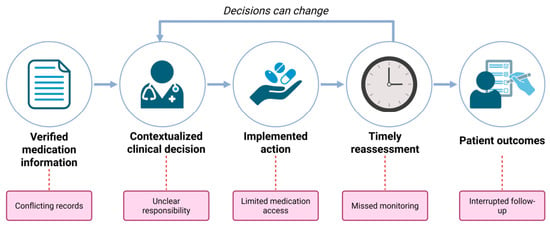
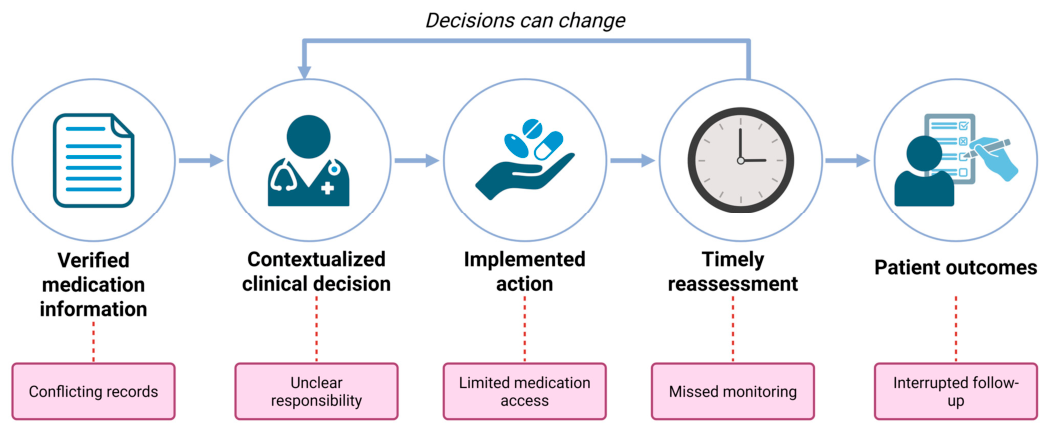
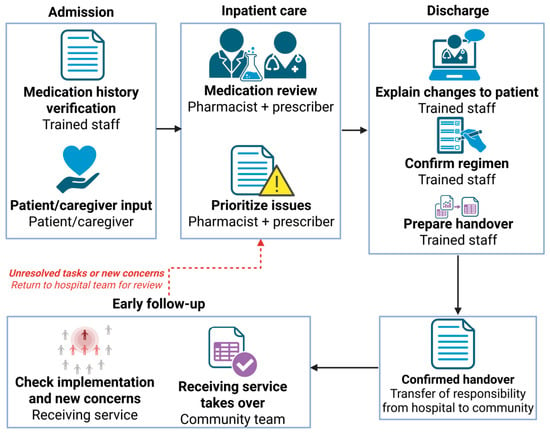
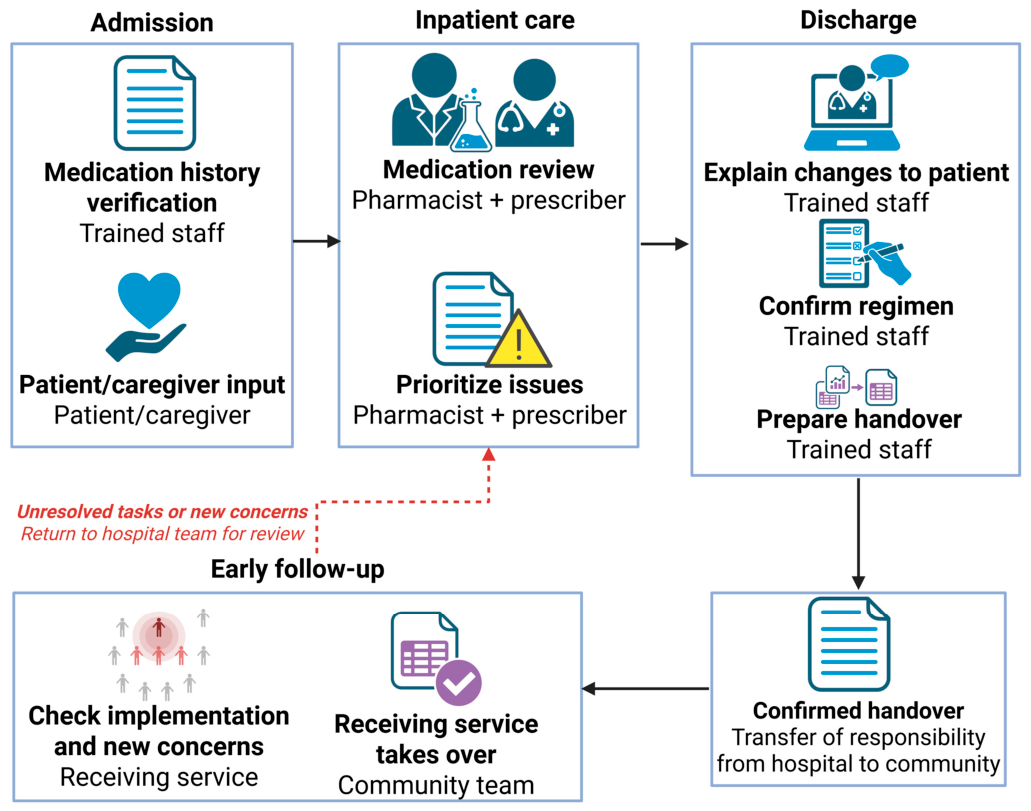
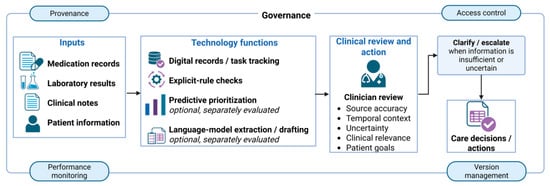
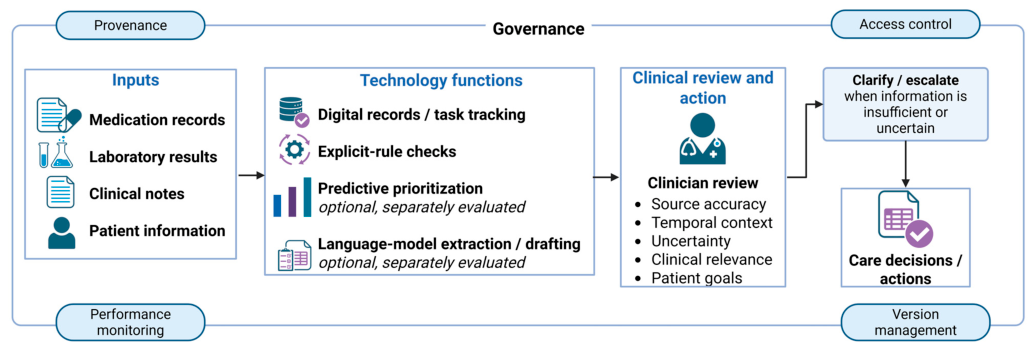
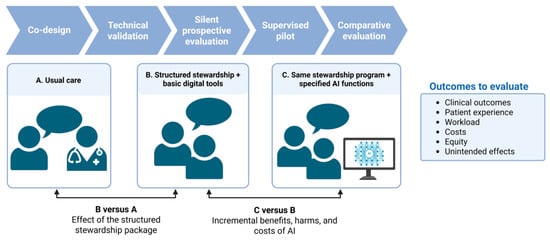
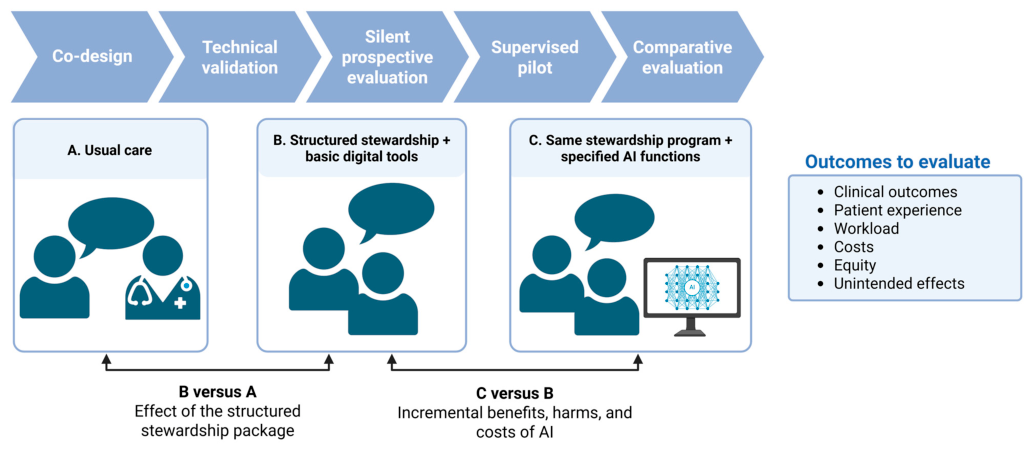

Disclaimer/Publisher’s Note: The statements, opinions and data contained in all publications are solely those of the individual author(s) and contributor(s) and not of MDPI and/or the editor(s). MDPI and/or the editor(s) disclaim responsibility for any injury to people or property resulting from any ideas, methods, instructions or products referred to in the content. |
© 2026 by the authors. Licensee MDPI, Basel, Switzerland. This article is an open access article distributed under the terms and conditions of the Creative Commons Attribution (CC BY) license.