


Abstract
Reliability and maintenance serve as pivotal factors in safeguarding safety, enhancing efficiency, optimizing costs, and fostering sustainable development. They permeate all facets of industry, daily life, and society, thereby constituting a crucial foundation for achieving long-term, stable development. The rapid evolution of data-driven methods and artificial intelligence (AI) has revolutionized reliability and maintenance practices, driving a shift from reactive to predictive maintenance (PdM) and ultimately intelligent maintenance strategies. Unlike existing reviews that focus on single technologies or tasks, this paper adopts a system-level integration perspective to construct a closed-loop framework connecting data-driven reliability analysis, maintenance optimization, and intelligent decision-making. It further elucidates the integrated logic between prediction and decision-making through formalized mechanisms. This article systematically reviews the research progress and practical applications of data-driven methods and AI in reliability and maintenance. First, it classifies and summarizes data-driven reliability analysis methods based on existing literature. Second, a reliability-oriented maintenance optimization framework is proposed, comprehensively integrating economic, reliability, resource efficiency, and multi-objective collaboration considerations, while analyzing the characteristics of diverse maintenance systems. Furthermore, the innovative applications and performance advantages of AI algorithms in complex system maintenance are synthesized, and a comparative analysis of the applicability of different methods across various operational scenarios is conducted. And conducted a multidimensional comparison of the applicability scenarios for different methods from an engineering selection perspective. In addition, this review examines the current status and challenges of applying data-driven and AI technologies across multiple real industrial settings and identifies common obstacles encountered during project implementation. We further elucidate the research positioning of this work and provide a comparative discussion with existing review articles. Finally, the article conducts a bibliometric analysis to map the research landscape, provides quantitative support for the development trends in the field. Limitations in this field are also discussed.
MSC:
90B25
1. Introduction
As the complexity of industrial systems continues to grow, reliability and maintenance management have emerged as pivotal factors for maintaining secure performance and operational cost-efficiency of machinery [1]. Traditional maintenance strategies primarily rely on periodic inspections and static models, rendering them inadequate to address dynamic operational environments and unexpected failures [2]. Consequently, the swift advancement of data-driven methodologies and AI technology has ushered in newprospects for the fields of reliability and maintenance. By leveraging real-time data analysis, machine learning (ML), and deep learning (DL) methodologies, industrial systems enable a transition from passive maintenance to PdM, thereby significantly enhancing equipment availability and operational efficiency [3,4].
In contrast to traditional approaches, data-driven approaches can mine fault patterns hidden in massive operational data [5,6] and dynamically adjust maintenance strategies through adaptive models. In recent years, substantial progress has been achieved in deep-learning-based PdM and fault diagnosis techniques. For instance, fault diagnosis technologies leveraging ML and DL have exhibited high precision and robust performance in sectors such as wind power and rail transit [7,8,9,10].
In terms of monitoring device health status, long short-term memory networks (LSTMs) are frequently employed to estimate remaining useful life (RUL) by capturing long-term dependencies in operational time-series data [11,12,13]. The variational autoencoder effectively addresses data distribution shifts in cross-domain fault pattern recognition through probabilistic generative modeling [14,15]. Additionally, research has proposed hybrid models integrating metaheuristic algorithms, such as the sparrow search algorithm, gravity search algorithm, and dipper throat optimization algorithm, significantly improving parameter optimization efficiency and model convergence speed [16,17]. For example, El-kenawy et al. [18] utilized a novel metaheuristic technique combining gravitational search with dipper-throated optimization to improve power transformer defect identification accuracy. Liu et al. [19] constructed an ISSA-optimized LSTM method for predicting the RUL of lithium-ion batteries. Validated across multiple datasets, this approach demonstrated superior accuracy and robustness.
The proposal of various technical frameworks such as intelligent maintenance systems (IMS) further demonstrates the ability of AI to provide core algorithms, enabling continuous real-time tracking and decision-making enhancement for equipment health conditions [20,21]. To address maintenance challenges, Zhang et al. [22] developed an anomaly prediction model by utilizing thermal energy optimization techniques, and subsequently integrated it with the ML algorithm to further improve fault diagnosis accuracy. Riccio et al. [23] developed a maintenance framework focusing on product performance, leveraging ML to identify the optimal PdM strategy in line with specified product quality and production performance benchmarks.
Despite significant progress in both theory and application, there remains a lack of systematic and multi-level review that integrates data-driven methods and AI technologies within the domain of reliability and maintenance. Existing surveys often focus on singular technical pathways, such as fault diagnosis or maintenance optimization, and generally lack a systematic analysis of data governance, algorithmic interpretability, adaptability to dynamic systems, and the closed-loop nature of maintenance decision-making. This review aims to address this gap by pursuing three key objectives: (i) to comprehensively survey the current application landscape of data-driven methods and AI in reliability analysis and maintenance, covering methodological classifications, typical application cases, and practical challenges related to data, models, and deployment; (ii) to construct a reliability-oriented maintenance optimization framework that systematically integrates factors such as cost-effectiveness, reliability, resource efficiency, and multi-objective synergy, thereby providing a structured reference for the scientific allocation of maintenance resources; and (iii) to employ bibliometric methods to reveal research trends, track the evolution of hotspots, and identify future directions in this field, offering a quantitative foundation for subsequent studies.
Existing review studies in the field of reliability and maintenance can be broadly categorized into three types. The first category concentrates on specific ML or DL techniques applied to tasks like fault diagnosis or RUL prediction, primarily focusing on model performance enhancement while paying less attention to the systemic integration with maintenance decision-making. The second category centers on maintenance optimization and scheduling models, which often rely on simplified degradation assumptions or predetermined reliability inputs, with insufficient discussion on the practical dependencies and applicability conditions of data-driven methods. The third category includes studies that provide general overviews of AI applications in industrial settings but lack a systematic analytical framework specifically tailored for reliability and maintenance tasks. Overall, there is a scarcity of reviews that systematically integrate data-driven reliability analysis, maintenance optimization, and intelligent decision-making. This is particularly true for research that examines these methods from a system-functional perspective, defining their roles and comparing their applicability. To address the aforementioned gaps, this paper makes innovative contributions in four key areas: First, it integrates reliability analysis, maintenance decision-making, and intelligent algorithms into a unified framework, elucidating the closed-loop integration logic between prediction and decision-making through the formal mechanism outlined in Section 3.3 (system-level integration). Second, it employs a function-oriented organizational logic to map methods to specific maintenance tasks, conducting multidimensional horizontal comparisons to bridge the gap between algorithm performance and engineering selection (function-oriented organization). Third, it systematically examines common obstacles in real industrial deployments, providing problem-oriented insights for technology implementation (engineering obstacle induction). Fourth, bibliometric analysis is introduced to provide quantitative support and trend insights for the aforementioned qualitative analysis (quantitative analysis support).
The organization of the present study is delineated in the following sections. Section 2 provides an overview of data-driven reliability analysis methods. Section 3 proposes a reliability-oriented maintenance optimization framework and in Section 3.3, establish a closed-loop integration logic between prediction and decision-making through a formal mechanism. Section 4 discusses the frontier applications of AI algorithms in complex system maintenance. Section 5 summarizes core methods and compares multi-dimensional applicability from a maintenance task perspective. Section 6 analyzes the current application status and associated challenges in real-world industrial settings. Section 7 clarifies the research positioning of this review and presents a comparative analysis with related surveys. Section 8 conducts a bibliometric analysis of the field. Finally, Section 9 concludes the paper and suggests directions for future research.
2. Data-Driven Reliability Analysis Methods
2.1. Characteristics of Data-Driven Methods
The data-driven approach dynamically captures system degradation characteristics through real-time collection and analysis of heterogeneous data from multiple sources, providing support for reliability assessment and maintenance decisions. Its core advantage lies in the ability to utilize ML and big data technologies to process high-dimensional, nonlinear, and complex data streams, and to reveal potential fault mechanisms through feature extraction and pattern recognition [24,25,26]. The fundamental approach involves automatically learning representations of degradation patterns directly from data to construct a mapping model that infers system health states from observed data, thereby enabling dynamic perception and prediction of equipment health. Additionally, data-driven methods support multi-objective optimization [27]. Wang et al. [28] proposed two multi-objective MILP-based PdM scheduling models that incorporate a DL ensemble for predicting system RUL. Currently, such methods have been widely applied for equipment condition assessment and PdM in sectors including power systems (e.g., transformers, wind turbines), manufacturing (e.g., computer numerical control machine tools), rail transportation (e.g., bearing diagnosis), and aerospace. These applications aim to enhance system reliability and optimize maintenance resources.
2.2. Common Data-Driven Methods
2.2.1. Statistical Analysis
Statistical analysis, as the foundation of data-driven methods, plays an important role in equipment status monitoring, fault diagnosis, life prediction, and model prediction [29,30]. Its core lies in employing mathematical tools to process and interpret operational data, aiming to solve engineering problems such as reliably inferring system health status, quantifying degradation trends, and assessing failure risks from limited and noisy observed data [31]. Methodologically, it primarily involves establishing parametric or non-parametric models (e.g., life distribution models, regression models, Bayesian models) to describe data distributions, trends, and correlations, thereby enabling state assessment, anomaly detection, and life prediction [32].
In industrial scenarios, operational parameter attributes such as vibrational data, temperature measurements, and pressure values serve as key inputs for instantaneous system surveillance and fault detection [33,34]. For instance, Wang et al. [35] introduced an approach integrating kernel principal component analysis (PCA) combined with rolling data and support vector data description. Furthermore, distribution analysis is particularly important in reliability modeling. The Weibull distribution is commonly observed in the lifespan deterioration of insulating paper within electrical transformers. Wang et al. [36] demonstrated that the service longevity of oil-paper insulation conforms to a Weibull distribution under eight distinct thermal conditions configured via Weibull probability plots, with the failure mechanism remaining temperature-invariant.
Regression analysis achieves dynamic prediction of RUL by establishing a mathematical relationship between dependent variables (such as equipment life) and independent variables (such as sensor data and operating parameters). In complex industrial systems, multiple linear regression and the Cox proportional hazards model are two mainstream methods. Ghoneim [37] established a multivariate regression model integrating correlation analysis techniques to quantify both the degree of polymerization and 2-Furfuraldehyde content in oil-paper insulation systems, enabling accurate prediction of power transformer remaining lifespan. Li et al. [38] proposed a hybrid methodology combining fuzzy C-means clustering with multivariate regression analysis for assessing cellulose degradation in transformer insulation through polymerization degree quantification. A survival analysis approach based on the Cox proportional hazards model was implemented by Equeter et al. [30] to predict the service life degradation trajectory of industrial cutting equipment.
The Bayesian method provides a probabilistic expression for uncertainty in reliability assessment by combining prior distributions with likelihood functions [39,40]. Xu et al. [41] proposed a bivariate Wiener model, combining it with a data-driven Bayesian framework to process sparse degradation datasets for assessing the operational reliability of permanent magnet brakes. Tian et al. [42] addressed the analysis of limited data by adopting a Bayesian inference approach, which integrates prior distributions with likelihood functions to achieve a probabilistic representation of uncertainty in reliability parameter estimation.
From the perspective of real-world industrial deployment, the core advantages of statistical analysis methods lie in their high interpretability, low data requirements, and computational lightness. This enables them to play an irreplaceable role in scenarios with limited data, relatively clear failure mechanisms, and high demands for model transparency: the models provide explicit physical meaning and traceable mathematical forms, facilitating engineering review and standardization. Meanwhile, Bayesian methods achieve robust probabilistic inference even under limited data conditions by integrating prior information and quantifying uncertainty. However, statistical methods also exhibit notable limitations: they typically assume data follows specific distributions or satisfy linear/additive relationships, making it difficult to capture complex nonlinear, multimodal degradation patterns; When equipment operating conditions fluctuate frequently and sensor data exhibits highly coupled data characteristics, the generalization capability of pure statistical models often falls short, leading to a significant decline in prediction accuracy. This explains why statistical methods are increasingly being replaced by ML or DL approaches in complex dynamic scenarios such as manufacturing equipment vibration analysis. Therefore, the successful application of statistical methods hinges on whether the inherent complexity of the problem aligns with their modeling capabilities. In scenarios characterized by clear mechanisms, limited data, and prioritized interpretability, statistical methods remain a reliable first choice. Conversely, in environments with complex data, unknown patterns, and requirements for automatic feature extraction, relying solely on statistical methods may lead to performance bottlenecks or even failure.
2.2.2. ML
Supervised learning aims to address the core problem of establishing a mapping from input features to explicit outputs—such as fault categories or remaining life values—using labeled data. Its approach involves training a parametric model to minimize prediction error, thereby achieving precise classification or regression for equipment condition assessment [43]. Wang et al. [44] developed a two-layer attention framework integrating convolutional neural networks (CNNs) modules and gated recurrent units to estimate RUL in aviation propulsion systems.
Unsupervised learning operates under conditions of no or limited labeled data, uncovering the intrinsic structure of data through approaches such as representation learning, clustering, or probabilistic modeling to achieve feature extraction and anomaly detection. Typical methodologies include learning low-dimensional compressed representations, grouping samples via clustering, or constructing anomaly scores based on reconstruction error or likelihood. These techniques support the identification of deviations from normal behavior and provide insights into equipment health status, making them particularly valuable in scenarios where failure patterns are unknown, labeling costs are high, or fault samples are scarce [45]. For example, autoencoders and PCA can effectively reduce feature space complexity and identify abnormal patterns in systems. Givnan et al. [46] employed an autoencoder to learn low-dimensional feature representations from industrial motor sensor data and effectively identified abnormal patterns in equipment operation through reconstruction error. Yin et al. [47] proposed a PCA-based anomaly monitoring scheme for power grid equipment. By analyzing device log data and using PCA for dimensionality reduction and anomaly detection, abnormal behavior during device operation was effectively identified.
Within the data-driven prognostics and health management (PHM) paradigm, research has primarily focused on supervised and unsupervised learning methods for health state assessment and RUL prediction; reinforcement learning (RL) is more commonly applied to subsequent maintenance decision optimization and is generally regarded as a technology at the smart maintenance system level.
In practical industrial deployments, supervised learning excels at achieving high-precision fault classification and remaining life prediction by leveraging labeled data, performing exceptionally well when fault modes are known and labeled data are abundant. However, its success heavily relies on consistency between training data distributions and operational conditions. When equipment operating conditions change or out-of-distribution data scenarios emerge, the model’s generalization capability sharply declines. Moreover, the high cost of labeling restricts its rapid deployment in dynamic production lines. Unsupervised learning, requiring no labeling, detects anomalies by uncovering inherent data structures, offering unique value in scenarios with unknown failure modes or limited data. Its limitations include difficulty distinguishing anomaly types, threshold settings reliant on experience, sensitivity to operational fluctuations leading to false positives, and inability to directly quantify failure severity, typically confining it to auxiliary monitoring roles. The complementary nature of these approaches is driving the adoption of hybrid strategies in industrial practice, such as semi-supervised and transfer learning, to strike a balance between performance and deployment costs.
2.2.3. Data Mining
Data mining technology aims to automatically discover hidden, previously unknown, yet potentially useful patterns, associations, and sequences from massive volumes of historical or real-time operational data, addressing engineering problems such as root cause analysis of faults, mining correlations within maintenance activities, and predicting long-term performance trends [48]. Its core methodology involves applying algorithms like association rule learning, clustering, anomaly detection, and sequential pattern mining to explore interesting relationships and temporal orders among data items, thereby providing deeper insights to inform maintenance decisions. These insights and techniques have been innovatively applied in fields such as energy, manufacturing, and transportation—including association rules, anomaly detection, and sequential pattern mining—and significantly improved maintenance efficiency and system reliability. Fragassa [49] conducted extensive statistical checks on production and delivery time to extract temporal features and optimize spare parts management for fault prediction. To optimize nuclear system reliability, Dui et al. [50] proposed a loss-significance indicator that evaluates component maintenance urgency in main coolant systems during different failure modes.
2.3. Reliability Evaluation Indicators
- (1)
- Mean Time Between Failures (MTBF)
The failure-free operational capacity of technical systems is measured by MTBF as a key reliability metric. This metric is a core indicator that quantifies the average normal operating time of a repairable system between two failures, serving as a key metric for equipment reliability. A higher MTBF value indicates stronger system stability [51]. The calculation of MTBF is expressed as follows:
- (2)
- Mean Time to Repair (MTTR)
MTTR quantifies the average time span necessitated for restoring system functionality post-failure, serving as a metric for maintenance efficiency. The lower its value, the stronger the maintenance response and technical capability [52]. As shown in Equation (2):
- (3)
- Availability
Operational availability quantifies the proportion of time a technical asset remains functional within a given timeframe, relative to its total operational period. Based on this definition, the metric is computed using the formula below [51]:
- (4)
- Overall Equipment Effectiveness (OEE)
OEE can comprehensively measure the overall efficiency of equipment in terms of time, performance, and quality, with higher values indicating better equipment utilization and reliability [53,54,55]. As shown in Equations (4)–(7):
Specifically, denotes time utilization rate, represents performance utilization rate, and corresponds yield rate.
- (5)
- Failure Rate
This metric quantifies the failure likelihood per operational time unit, demonstrating reliability evolution patterns across service periods. As shown in Equation (8):
The theoretical definition of reliability can be expressed as follows [56]: .
2.4. Evaluation Method
Data-driven reliability assessment aims to address modeling and inference challenges under conditions of incomplete data, for systems whose underlying physical mechanisms are not well understood (i.e., unclear systemic mechanisms), or under high complexity, in order to achieve an accurate, quantifiable, and as interpretable as possible evaluation of system health status. Within the data-driven framework, depending on whether domain prior knowledge is explicitly introduced, the primary solution paths can be divided into two categories: one is the hybrid model-based approach, which improves the accuracy, generalization capability, and physical consistency of assessment results by integrating physical mechanism models with data-driven models; the other is the purely data-driven approach, which relies entirely on historical or online operational data to learn the statistical patterns of system degradation and state mapping relationships. These methods have been widely applied in reliability analysis and remaining life prediction for power equipment, mechanical manufacturing, civil infrastructure, and other complex industrial systems.
- (1)
- Hybrid model-based methods
By integrating data-driven models with physical knowledge (e.g., mechanism models or domain expertise), the accuracy and interpretability of reliability assessment can be improved through the integration of their complementary advantages. For example, Zhou et al. [57] proposed a physics-informed generative adversarial network (GAN) framework to assess uncertainty within system reliability, integrating domain-specific physical constraints into adversarial learning. Liu et al. [58] integrated physical knowledge with deep neural networks in tunnel excavation scenarios, quantifying ground subsidence risk via Markov chain importance sampling. Xu et al. [59] Kapusuzoglu et al. [60] enhanced the accuracy and interpretability of reliability assessment under limited data conditions by explicitly introducing prior domain knowledge, such as physical priors or mechanistic constraints, into ML frameworks, thereby fusing data-driven models with physical knowledge. Tian et al. [61] learns semantic information of requirement text through bidirectional encoder representations from transformers and combines domain-knowledge-based heuristic features to achieve cross-level requirement tracking link updates. Rodriguez-Obando et al. [62] constructed a dynamic degradation model using data-driven methods while embedding physical wear mechanisms and industrial domain knowledge.
- (2)
- Pure data-driven methods
The purely data-driven approach relies entirely on historical or monitoring data, using statistical analysis, ML, DL, and other technologies to directly model without incorporating physical failure mechanisms or domain knowledge. For example, Mo et al. [63] employed an evolutionary-based genetic algorithm framework to discover associative patterns within defect data in distribution network equipment, quantifying the importance of rules via confidence and support metrics, obviating the need for pre-set physical fault models. Pichler et al. [64] employed a fault modeling approach based on monitoring data using statistical features and supervised learning, which is completely data-driven and does not rely on physical mechanisms. Li et al. [65] proposed a functional subspace variational autoencoder to address traffic data fault diagnosis through domain adaptation technology. Similarly, Esaki Muthu Pandara Kone et al. [66] employed a CNN model based on monitoring data for fault diagnosis, with the method also being entirely data-driven and independent of physical mechanisms.
2.5. Summary
Data-driven reliability analysis is a technique that dynamically evaluates the functional health of technical assets through continuous acquisition of live performance metrics from field devices. Its core lies in using ML and big data technologies to identify critical patterns within complex multidimensional datasets, revealing the degradation laws and fault mechanisms of equipment. These analytical approaches may be classified into three primary groups: (1) statistical analysis, such as regression-based prediction of remaining service life; (2) ML, primarily centered on supervised and unsupervised learning; (3) data mining, which optimizes spare parts management through association rules or temporal patterns. To measure effectiveness, industries commonly use indicators such as MTBF, MTTR, and OEE to quantify reliability. Reliability assessment methods are conventionally divided into two distinct classes: hybrid model-based approaches and purely data-driven methods, extensively utilized across sectors including energy generation, industrial production, and transportation infrastructure.
3. Maintenance Optimization Frameworks for Reliability
3.1. Maintenance System
Maintenance strategies are categorized into six primary types: corrective maintenance (CM), preventive maintenance (PM), PdM, condition-based maintenance (CBM), hybrid maintenance system (HMS), and IMS based on their technical characteristics and application scenarios. Their characteristics and a related research summary are systematically compiled in Table 1 for comparative analysis.
Table 1.
Features and related research of different maintenance systems.
3.1.1. CM
CM is a “post-maintenance strategy” that denotes repair actions taken to repair or replace damaged components of equipment or systems when a malfunction, performance degradation, or operational failure occurs. Levitin et al. [67] proposed that such maintenance occurs after performance impact events, modeling CM to restore system performance to a higher level. Levitin et al. [68] further developed an optimal maintenance strategy minimizing expected task losses, demonstrating that CM can recover systems to improved performance states. Yu et al. [69] introduced failure data and CM effects to update fault distribution functions. Additionally, Yu et al. [70] developed a dynamic CM scheduling framework aimed at minimizing total operational maintenance expenditures and energy consumption costs within probabilistic sequential manufacturing systems.
3.1.2. PM
PM triggers maintenance actions through fixed cycles or operating hours, suitable for equipment with clear failure patterns. According to Basri et al. [71], the primary objective of PM is establishing maintenance protocols predicated on regular timeframes or functional cycles, emphasizing that the efficacy of PM tactics is contingent upon the stationarity of asset failure mechanisms. Alsyouf et al. [72] compared different PM strategies through the implementation of multi-criteria decision-making (MCDM) and multi-goal optimization techniques, verifying the robustness of periodic strategies under stable failure mode scenarios. Liu et al. [73] developed a maintenance optimization framework grounded in reliability principles to analytically model the correlation between repair intervals and failure mechanisms via Weibull distribution. Robatto Simard et al. [74] investigated fixed-time maintenance practices in mines in eastern Canada, highlighting that fixed cycles remain the primary approach for mobile equipment, while transitioning to PdM faces challenges in data availability and tool integration.
3.1.3. PdM
PdM is an improvement of PM that can predict failure time, maintenance costs, and enable dynamic adjustments. Nguyen et al. [75] developed a dynamic PdM framework leveraging LSTM networks to analyze sensor-collected data, estimate RUL, and assess failure time variability via probabilistic output layers. Lu et al. [76] monitored machine tool components via online sensors, developed a dynamic cost-rate function, and evaluated quality loss and maintenance costs in real time to achieve adaptive maintenance cycle adjustments. Makridis et al. [77] discussed data-driven PdM for ship engine sensors. Zonta et al. [78] developed an innovative PdM model integrating multi-sensor datasets (e.g., voltage, speed, and pressure) to optimize production planning. Dinh et al. [79] introduced a dynamic inspection model for multi-type inspection integration using PdM. Shi et al. [80] developed an opportunity-constrained net income model for PdM decision-making based on online dynamic predictions.
3.1.4. CBM
CBM operates as an advanced strategy that systematically monitors equipment health via performance/parameter surveillance, initiating proactive interventions when deviations are detected [81]. Maintenance strategies are driven by operational condition metrics, including vibrational signatures of wind turbine assemblies, sonic emission metrics, lubricant condition indicators, and electrical parameter monitoring (voltage/current) [93,94]. Tian et al. [81] integrated turbine component condition metrics into a CBM framework, optimizing cost-efficiency in wind power generation infrastructure through PdM interventions. Tan et al. [82] applied LSTMs to process real-time sensor data from progressive cavity pumps, developing a health index prediction model for real-time status evaluation. Tulsyan et al. [83] proposed a sensor health monitoring platform using slow feature analysis, predicting sensor remaining life and failure probability via a Gaussian process model. Wang et al. [84] proposed a condition-driven maintenance framework targeting dual-phase progressive degradation in systems subjected to bidirectional degradation assessment.
3.1.5. HMS
HMS is typically a comprehensive maintenance mode that integrates two or more maintenance strategies. Liu et al. [85] designed a multi-failure-mode dependability analysis architecture based on multi-stage cycles, integrating age-based PM and CBM, and optimized maintenance intervals and thresholds through stochastic dynamic programming. Esposito et al. [86] developed an innovative integrated maintenance framework combining real-time condition-dependent and time-scheduled interventions, modeling hidden degradation processes using a Gamma model with random effects. Yang et al. [87] introduced a hybrid maintenance strategy combining age-based and CBM approaches.
3.1.6. IMS
The essence of IMS lies in enhancing operational maintenance performance by leveraging analytics-driven decision methodologies. Thongtam et al. [88] combined a state space search algorithm with a novel IMS design to optimize maintenance programs by determining the optimal timing for maintenance cycles. Cinar et al. [89] implemented automated solutions leveraging advanced automated ML frameworks and streamlined workflow systems, significantly improving fault identification accuracy in industrial monitoring applications. Wang et al. [90] developed a vision-language integrated system for industrial asset surveillance, utilizing large multimodal models to enable AI-driven PdM and real-time anomaly detection. Guo et al. [91] formulated a hybrid optimization methodology that synthesizes particle swarm optimization with cuckoo search algorithms for complex engineering problem-solving. Davar et al. [92] integrated particle swarm optimization with butterfly optimization algorithms to optimize artificial neural networks, exemplifying a common technical pathway in IMS implementations.
3.1.7. Summary of Development Trends
The development of maintenance systems has undergone the following transformations [95,96,97]: (1) From passive to proactive: CM (passive repair) to PM (scheduled maintenance) to CBM (state-triggered maintenance) to PdM (predictive intervention) to HMS (dynamic optimization) to IMS (autonomous decision-making); (2) From single-strategy to holistic intelligence: Transitioning from isolated methods (CM/PM/CBM/PdM) to hybrid strategies (HMS) and ultimately to fully intelligent systems (IMS). The essence of maintenance strategy evolution lies in the transformation of industrial systems from local optimization to global intelligence. This process is driven by the synergy of data, algorithms, and computing power, and will further advance with technologies such as digital twins, edge computing, and trusted AI [98].
3.2. Optimization Objectives
The common core objectives of maintenance optimization include economy, reliability, resource efficiency, and multi-objective synergy. Their key characteristics and relevant research summaries are presented in Table 2.
Table 2.
Features and related research of different optimization objectives.
3.2.1. Economic
Minimizing maintenance costs is one of the core objectives, including direct costs (manpower, spare parts) and indirect costs (downtime losses). Li et al. [99] proposed an economically efficient multi-virtual-machine maintenance strategy, aiming to lower lifecycle costs associated with virtualized backup instance pools under finite cloud resource allocation. Choi et al. [100] conducted an economic analysis to quantify the cost impact of different maintenance cycles on public rental housing facilities. A nonlinear optimization model with mixed-integer variables was formulated by Nasiri et al. [101], aiming to minimize maintenance-related expenditures via systematic coordination of labor and logistical resources. Van Horenbeek et al. [102] focused on models incorporating maintenance and inventory-related costs with optimization parameters, demonstrating that economic efficiency is a primary goal of maintenance optimization. Bocewicz et al. [103] developed a framework for allocating and scheduling multi-skilled teams under the forgetting effect constraint, helping decision-makers minimize employee training costs. Sun et al. [104] formulated a maintenance-replacement framework grounded in extended geometric process theory, targeting the optimization of long-run cost efficiency in asset management systems. A two-dimensional warranty policy employing renewal-free replacement mechanisms was formulated by Du et al. [105] for quantifying warranty expenditure in manufacturing systems. Wei et al. [106] aimed to improve maintenance efficiency and reduce downtime losses in their core research.
3.2.2. Reliability
Reliability is defined as ensuring the sustained operational integrity of industrial assets or technical infrastructure under specified conditions, reducing failure rates and downtime risks. Orošnjak et al. [107] focused on maintenance performance indicators of hydraulic systems, including MTBF and MTTR, which directly reflect system reliability and availability. Ibrahim et al. [108] identified reliability as the core objective, emphasizing failure prevention in safety-critical applications through life prediction and proposing corresponding reliability assessment methods. Zhang et al. [109] improved operational stability of computer numerical control machining systems by implementing predictive RUL analytics for cutting tools. Chen et al. [110] enhanced system integrity and operational dependability through investigating optimized adaptive maintenance protocols and task cessation mechanisms for progressively deteriorating systems with dual temporal redundancy. Ma et al. [111] proposed a flexible repair warranty-first strategy to ensure reliability during the product lifecycle warranty phase. Shang et al. [112] classified monitoring task cycles into distinct categories and customized two stochastic maintenance models based on usage patterns to ensure product lifecycle reliability.
In addition, reliability can act as a constraint condition. Bai et al. [113] developed an innovative reliability-constrained optimization framework to tackle maintenance challenges in complex engineering systems. Faddoul et al. [114] devised an optimization framework combining Lagrangian Relaxation techniques and dynamic programming) algorithms, targeting cost-effective maintenance scheduling for series-parallel systems with reliability thresholds. Huang et al. [115] developed a reliability-driven maintenance planning framework, prioritizing cost-efficiency across the asset lifespan while enforcing reliability thresholds as boundary conditions.
3.2.3. Resource Efficiency
Eggertsson et al. [116] constructed a mathematical tool with environmental dependence and studied maintenance optimization problems under incomplete information and such dependence. Bányai [117] proposed a novel maintenance strategy optimization method focused on energy efficiency, with experimental results demonstrating that the optimized strategy reduces energy consumption-related costs by an average of 38%. Choi [118] employed an integrated model approach to select maintenance and rehabilitation scenarios with minimal costs while meeting carbon dioxide emission constraints. Ba et al. [119] integrated PM with spare parts inventory optimization by introducing carbon emission constraints, thereby enhancing maintenance resource efficiency while reducing carbon emissions.
3.2.4. Multi Objective Collaboration
Zhang et al. [120] demonstrated that the decision-making framework is modeled as a multi-objective optimization problem, resolved through the implementation of particle swarm optimization with multi-objective capabilities and Non-dominated Sorting Genetic Algorithm II (NSGA-II). Besiktepe et al. [121] introduced a competitive benefit analysis method—a novel MCDM approach—to facilitate systematized decision-making processes in building maintenance and facility management. Cacereño et al. [122] developed a framework combining NSGA-II with discrete event simulation to integrate system design redundancy and PM scheduling, resolving conflicts between availability and operating costs.
Real-world maintenance optimization often requires comprehensive consideration of multiple objectives, as these objectives may exhibit interrelated and constraining relationships [123]. For instance, improving reliability may necessitate increased maintenance investment, potentially compromising economic performance [124]. A positive correlation was established by Gao et al. [125] between failure rate suppression, system resilience enhancement, and improved periodic economic returns in capital-intensive operations. Peng et al. [126] investigated optimal resource allocation strategies for redundancy and protective measures to maximize system reliability. Therefore, achieving multi-objective collaborative optimization through scientific methods and models necessitates harmonizing divergent objectives to attain an overall optimal maintenance outcome.
3.3. Closed-Loop Integration Mechanism for Prediction and Decision-Making
This section further provides a formalized expression based on the conceptual framework, clarifying how data-driven reliability prediction results are embedded into maintenance optimization models and forming a closed-loop integration mechanism through execution feedback. Existing research often treats reliability prediction and maintenance optimization as relatively independent research directions: the former focuses on state estimation and lifetime prediction, while the latter emphasizes scheduling optimization and resource allocation. However, within IMS, prediction outputs should directly influence maintenance priority sequencing, timing decisions, and resource allocation schemes. A structural variable coupling and decision dependency exists between these two domains. Therefore, this section systematically elucidates how prediction outputs function at the decision level through formal expressions such as objective function embedding, constraint condition construction, and state space expansion. This establishes a closed-loop maintenance mechanism of “Prediction-Optimization-Execution-Feedback.” This section logically resonates with Section 2’s data-driven analysis methods, Section 4’s AI algorithm framework, and Section 6’s industrial application cases, collectively reinforcing the core theme of closed-loop intelligent maintenance throughout the paper.
3.3.1. Mapping of Predicted Outputs to Variables in the Optimization Model
Let device at time be:
- Predicted RUL is denoted as , generated by methods such as LSTM and proportional hazards models discussed in Section 2.2.
- The predicted failure probability is denoted as , derived from Bayesian updates or classification model outputs.
- The maintenance action decision variable is denoted as , where represents the execution of maintenance.
- The cost of a single maintenance session is recorded as .
- Potential failure losses are recorded as .
In the generalized maintenance optimization problem, the expected operational loss can be expressed as:
Here, is generated by a data-driven predictive model. This expression demonstrates that the predicted failure probability directly influences the expected loss from failure, thereby altering the prioritization of maintenance decisions and resource allocation. Compared to traditional fixed-interval optimization models, this formal expression introduces real-time predictive variables, making the optimization problem state-dependent.
3.3.2. Prediction Results as Feasible Domain Constraints
In addition to the objective function, the predicted output can also be incorporated into the optimization model as a system operational constraint. By defining the equipment reliability metric (or ), the feasible domain constraint can be expressed as:
where represents the reliability threshold. This mechanism ensures maintenance decisions are influenced not only by cost factors but also constrained by the reliability safety margin, thereby achieving optimization under controlled risk conditions.
3.3.3. State Expansion in RL Contexts
Within the sequential decision framework (see Section 4.1 for details), predictive outputs may constitute part of the environmental state vector. Let the system state be denoted as:
where denotes resource status or production constraint information. The policy function is denoted as:
Under this structure, the prediction module and decision-making module achieve coupling at the state space level, forming an integrated prediction–decision mechanism.
3.3.4. Execution Feedback and Model Update Mechanism
The actual operational results obtained after maintenance execution can be used to update the predictive model parameters, enabling closed-loop evolution. Let the model parameters be denoted as , and their update process can be abstractly represented as:
Here, denotes the loss function based on new observational data (such as prediction error). This feedback mechanism ensures the predictive model undergoes continuous refinement under behavioral influence, thereby achieving a structural closed-loop system.
3.3.5. Typical System Architecture
Based on the aforementioned variable mapping and feedback mechanism, the closed-loop integrated system for prediction and maintenance optimization can be abstracted into the process structure shown in Figure 1.
Figure 1.
Closed-loop flowchart for intelligent maintenance.
This architecture explicitly incorporates prediction outputs into the optimization module via objective functions and constraints, while simultaneously maintaining the ability to update prediction models based on execution results, thereby enabling adaptive evolution.
4. Application of AI Algorithms in Reliability and Maintenance
With the advancement of Industry 4.0 and digital transformation, AI algorithms demonstrate significant technological potential in reliability and maintenance. Traditional ML methods have laid the foundation for addressing issues such as fault diagnosis and lifetime prediction, while advanced paradigms like DL and transfer learning further drive the realization of intelligent maintenance for complex systems. Current research is evolving from single models toward hybrid intelligence, interpretability, and privacy protection.
Before delving into specific discussions, it is necessary to systematically classify the AI methods addressed in this paper to clarify the logical relationships and technical positioning among them. Based on their application characteristics in the field of reliability and maintenance, relevant AI methods can be categorized into the following three levels:
- (1)
- Foundational Model Layer: Primarily encompasses traditional ML algorithms (such as Support Vector Machines and Random Forests) and DL models (including CNNs, LSTMs, Graph Neural Networks (GNNs), and GANs). These approaches focus on automatically learning feature patterns from data and are widely applied in tasks such as fault diagnosis and remaining life prediction.
- (2)
- Advanced Paradigm Layer: Addressing practical constraints in industrial settings such as data scarcity, privacy protection, and domain shift, this layer develops learning paradigms including transfer learning, federated learning, and RL. These methods introduce specialized training mechanisms or optimization objectives on top of foundational models to enhance their adaptability in complex environments.
- (3)
- Hybrid Framework Layer: To overcome the limitations of purely data-driven approaches in terms of interpretability, physical consistency, and security/trustworthiness, researchers have progressively embedded physical mechanisms, domain knowledge, or expert rules into ML processes, forming hybrid intelligence frameworks. In this paper’s context, “hybrid intelligence” specifically denotes the deep integration of data-driven and knowledge-driven approaches. Its implementation encompasses two typical pathways: first, physics-informed ML (e.g., PINN), which incorporates physical equations as loss function constraints within neural networks; second, knowledge graph (KG)-augmented learning, which synergizes structured domain knowledge with DL models through graph embedding or symbolic reasoning. This integrated framework aims to build a new generation of IMS that combine data sensitivity with cognitive interpretability.
4.1. Application of ML in Reliability Prediction
In the field of reliability and maintenance, research and applications of ML can typically be understood from two dimensions: the functional layer and the system layer [127].
At the functional level, ML serves as a crucial technological foundation for data-driven PHM methodologies. Its core lies in leveraging operational monitoring data to construct mapping models that derive conclusions about health status, degradation characteristics, failure modes, or RUL directly from the data space, using supervised, unsupervised, and DL approaches. These methods focus on data preprocessing, feature representation learning, and model generalization capabilities under changing distributions, representing a key research pathway in current reliability prediction and health assessment studies.
At the system level, ML typically functions as the analytical and modeling module within an intelligent maintenance framework, operating in tandem with functional units such as condition monitoring, decision optimization, and maintenance execution. In a typical architecture, this can be divided into perception, modeling, and decision layers: At the perception layer, ML is used for extracting condition features from multi-source data; at the modeling layer, ML enables fault diagnosis and remaining life prediction; At the decision layer, predictive outputs serve as input variables for maintenance scheduling and resource allocation models. In certain scenarios, methods like RL may also directly participate in strategy optimization. Through this layered structure, ML functions across different stages, collectively supporting the closed-loop maintenance process of prediction-decision-execution-feedback.
Current research frontiers further focus on the limitations of purely data-driven methods in terms of interpretability, generalization capability, and security and trustworthiness [128]. To enhance engineering applicability, researchers have progressively integrated physical mechanism models, domain knowledge, or expert rules into ML processes through constraints, regularization, or hybrid model structures. This approach establishes a reliability modeling framework that fuses physical mechanisms with data-driven insights. By introducing physical consistency and knowledge traceability into the modeling process, this fusion pathway enhances the accuracy and decision reliability of predictive models in safety-critical scenarios.
Within the framework of these two paradigms, the research positioning of RL in reliability and maintenance is fundamentally different from that of supervised and unsupervised learning [129]. Unlike predictive modeling approaches focused on learning health status or degenerative characteristics from data, RL centers on sequential decision optimization. Its fundamental goal is to learn adaptive strategies that achieve long-term performance optimization through continuous interaction with the environment. This problem is typically modeled as a Markov Decision Process: the agent selects actions based on the current state, receives rewards from the environment, and transitions to a new state. Through trial and error, it continuously adjusts its strategy to maximize long-term cumulative rewards or minimize lifetime costs [130].
RL methods (such as Q-learning and Deep Q-networks (DQNs)) are primarily employed in dynamic decision-making and scheduling optimization modules. They automatically generate maintenance strategies based on multi-source inputs like system states, enabling dynamic trade-offs between maintenance costs, risks, and system availability [131,132,133,134,135]. These methods form closed-loop, adaptive maintenance decision mechanisms through continuous interaction, addressing sequential decision problems in complex environments while supporting long-term performance optimization [136]. They have demonstrated optimization potential in simulation environments or offline planning; However, their training typically relies on extensive interaction data or simulation experience, making strategy safety and interpretability verification challenging. Online exploration carries high risks. In real production lines or safety-critical systems, direct deployment often fails due to unpredictable risks from exploration and lack of decision process interpretability. Engineering applications usually require safety training in high-fidelity digital twin environments [137], supplemented by human–machine collaboration mechanisms to control risks.
In summary, RL in reliability and maintenance primarily assumes system-level maintenance decision and optimization functions. Its research focus and methodological characteristics determine that it mainly serves the second paradigm, rather than the PHM modeling paradigm centered on health state inference. This division of labor further indicates that RL holds a complementary relationship with supervised and unsupervised learning in reliability engineering. Together, they support the complete intelligent maintenance workflow from state perception to the execution of maintenance actions.
4.2. DL in Complex System Maintenance
In complex industrial systems and intelligent maintenance scenarios, operational data exhibit characteristics such as high dimensionality, multimodality, strong nonlinearity, and tight coupling. Traditional ML methods show growing limitations in feature extraction and modeling capabilities when handling such complex, high-dimensional, and highly coupled data. DL, by virtue of its multi-layer nonlinear architecture and end-to-end feature learning capability, provides a crucial technical means for state perception, degradation modeling, and maintenance decision-making in complex systems [138,139]. Consequently, DL methods have developed rapidly in recent years and have progressively become one of the important and widely adopted technologies in this field for addressing medium- to high-dimensional and nonlinear problems.
Within the domain of reliability and maintenance, the core advantage of DL lies in its ability to automatically learn deep-level features from complex perceptual information and to construct state models for high-dimensional, nonlinear systems [140]. Its applications are mainly concentrated in the following directions: vision-based detection and classification, degradation modeling and prediction of temporal signals, system-level reliability association modeling using GNNs, and data expansion techniques (e.g., data augmentation and generative modeling) for limited data scenarios [141,142].
The following sections will review the typical applications and engineering limitations of these methods in complex system maintenance, structured around representative models that address the core challenges of spatial feature representation, temporal dynamic modeling, system relationship modeling, and data generation—namely, CNNs, Recurrent Neural Networks (RNNs), GNNs, and GANs. Table 3 summarizes the main application scenarios and related research for each method category.
Table 3.
Applications of DL models in reliability and maintenance.
It is worth noting that in reliability and maintenance scenarios, industrial vision inspection typically serves as a critical function for early defect detection in key equipment and safety risk warning. Its accuracy directly impacts system operational safety and the control of downtime losses. However, the limitations of such methods are also pronounced: Acquiring high-quality labeled data itself represents a core bottleneck in industrial vision inspection. Industrial defect samples exhibit a long-tail distribution, with rare failure modes often having only a small number of instances. Precise annotation heavily relies on domain experts’ prior knowledge, resulting in high costs and lengthy cycles during the data preparation phase. This data-hungry characteristic makes CNNs difficult to converge on production lines with limited data or harsh environments. Even when deployed, they often suffer from drastically reduced generalization capabilities due to out-of-distribution data, ultimately failing in practical operation. Furthermore, CNNs are sensitive to imaging quality, lighting, and noisy observed data, making robustness under complex conditions a critical challenge in practice [160].
The successful application of DL in reliability and maintenance heavily depends on the alignment between task types and data modalities. Specifically: CNNs have found widespread use in visual inspection tasks because industrial vision data is readily available and their spatial representation capabilities are highly suited to the task [161]; however, their stringent requirements for labeled data and imaging quality make deployment challenging in production lines with limited data or harsh environments [162]. LSTM networks excel in remaining life prediction due to their effective modeling of temporal dependencies [163,164]; yet their high computational overhead and low interpretability pose challenges in resource-constrained or safety-critical scenarios [165]. GNNs excel at capturing topological relationships between system components, demonstrating outstanding performance in system-level fault diagnosis [166]; however, their performance heavily relies on prior knowledge of the graph structure, limiting their generalization ability when lacking a system topology model [167]. GANs can generate synthetic data to alleviate the limited data, offering unique value in limited data scenarios [168]; yet, the issue of physical consistency in extended data makes them difficult to trust in diagnostic tasks requiring high credibility [169]. These phenomena indicate that DL’s “data hunger” and “black-box nature” are primary causes of failure in scenarios with small samples, high safety requirements, and stringent real-time constraints. This explains why, in safety-critical domains like aerospace, purely data-driven DL models often require integration with physical mechanisms or KGs to gain engineering acceptance.
4.3. Transfer Learning and Federated Learning
To address the ubiquitous constraints in industrial scenarios, such as data scarcity, privacy concerns, and domain discrepancies, transfer learning and federated learning serve as critical advanced learning paradigms, providing key technical pathways for building generalizable and collaborative intelligent maintenance models [170].
The three technical paradigms discussed in this section and subsequent Section 4.4—transfer learning, federated learning, and physical information neural networks (PINNs)—collectively form the lineage of “hybrid intelligence” approaches for industrial intelligent maintenance. Figure 2 provides a visual overview that systematically integrates the core mathematical formulas of these three paradigms and the semantic meanings of their key symbols. By labeling the core industrial challenges each formula addresses and revealing the intrinsic connections between paradigms, the figure links discrete formulas and symbols into a coherent knowledge system. It intuitively demonstrates how hybrid intelligence methods collaboratively solve critical issues in industrial deployment across multiple dimensions.
Figure 2.
Hybrid intelligence method spectrum: core equations, symbol interpretations, and paradigm interconnections.
4.3.1. Transfer Learning
In the field of reliability and maintenance, transfer learning/domain adaptation aims to mitigate the performance degradation of models caused by the inconsistency in data distribution between the source domain (e.g., old equipment, laboratory environments) and the target domain (e.g., new equipment, actual operating conditions) [171]. The core idea is not to train a model from scratch, but to transfer knowledge based on the representations and parameters already learned from the source domain, thereby enhancing the model’s generalization capability in the target domain [172]. In this context, the “source domain” typically refers to equipment, production lines, or simulation environments that possess relatively abundant historical data (often including labeled data); the “target domain” may consist of newly commissioned equipment, equipment of the same type but with changed operating conditions, or similar equipment with related tasks but different operational conditions or fault modes [173]. For transfer learning paradigms represented by domain adaptation, the key to improving transfer effectiveness lies in explicitly measuring and reducing the distribution discrepancy between the source and target domains, thereby learning feature representations that are more robust to domain shifts [174].
Taking domain adaptation as an example, its minimal global loss function can be formulated as [175]:
Among them,
- and represent the data and corresponding labels.
- (target domain data) predominantly exists in a non-annotated state.
- denotes a feature extractor mapping input data to a shared feature space.
- represents a classifier that predicts labels based on feature .
- is the task loss function.
- denotes the domain alignment loss, which measures and reduces the distribution discrepancy between the source and target domains in the feature space.
- is a trade-off coefficient that balances the relative importance between task learning and domain alignment.
This optimization process can be interpreted as training a feature extraction network to extract discriminative features related to equipment health status/fault patterns from multi-source sensory data (e.g., vibration, temperature) collected under different devices or operating conditions, constrained by Simultaneously, by minimizing , the feature distributions of the source and target domains are encouraged to become more consistent, thereby reducing the impact of domain shift on model performance and enhancing robustness and transferability across devices and operating conditions. Common forms of include alignment losses based on statistical distances such as maximum mean discrepancy. In adversarial domain adaptation methods, can also be defined by a domain discriminator to encourage features to be less sensitive to domain information (such methods typically involve adversarial training mechanisms related to the discriminator). Through these mechanisms, the model can more effectively leverage historical knowledge from old equipment or simulation environments, improving the practicality and deployability of diagnostic/predictive models under conditions such as scarce labeling and varying operational scenarios in the target domain.
Transfer learning not only serves as an effective means to alleviate limited data but also provides a key technical pathway for the rapid adaptation and engineering deployment of PdM models on new equipment or under new operating conditions. Furthermore, it can be integrated with mechanisms such as continual learning or online updating to support the continuous evolution of models during long-term operation [176]. To enhance the interpretability and decision reliability of the transfer process, current research is gradually shifting from merely pursuing cross-domain performance improvement toward “assessable and explainable transfer decisions.” This shift primarily encompasses two directions: first, quantifying the transferability between source and target domains, for instance, by computing distribution discrepancy measures such as Maximum Mean Discrepancy to characterize inter-domain shifts, and conducting cross-validation and model selection in combination with task performance when limited annotations or validation sets are available in the target domain, thereby enabling more informed estimation of transfer potential and risks; second, adopting selective transfer strategies, such as adjusting sample/task weights, performing feature selection, or applying subspace alignment, to identify and prioritize subsets of source domain knowledge that are more beneficial for fault diagnosis in the target equipment, thereby mitigating the risk of performance degradation (negative transfer) caused by knowledge mismatch and, to some extent, clarifying “what is transferred and why” [177]. These advancements are transforming transfer learning from a technique primarily used to compensate for data insufficiency into a systematic knowledge reuse framework for engineering applications. This framework provides a more grounded basis for evaluating the benefits and risks of transfer, thereby supporting engineers in making more reliable and trustworthy transfer decisions in the maintenance of complex systems.
4.3.2. Federated Learning
Federated learning addresses the issues of data silos and privacy sensitivity in industrial settings, enabling multiple data holders (clients, such as different factories or production lines) to collaboratively train a global model without sharing their raw data. The foundational framework of federated learning operates through the Federated Averaging protocol, mathematically formalized as [178]:
Among them,
- represents the collective model weights.
- denotes the cross-client optimization objective.
- denotes the overall client quantity.
- represents the data volume of the -th client.
- is the aggregated data quantity throughout all participating clients.
- denotes the client-specific loss metric for the -th distributed node.
The aforementioned objective is achieved through an iterative cycle of “local computation–central aggregation,” with the typical workflow outlined as follows [179]:
- (1)
- Server Initialization and Distribution: The central server initializes the global model parameters . In each communication round , the server randomly selects a subset of clients and distributes the current global model to these clients.
- (2)
- Client-Side Local Training: Each selected client performs multiple rounds (e.g., epochs) of stochastic gradient descent updates on the received global model using its local private dataset , aiming to minimize its local loss . This process yields an updated local model parameter .
- (3)
- Model Uploading and Secure Aggregation: Each client encrypts and uploads the updated model parameters (or the model update ) to the server.
- (4)
- Server-Side Weighted Averaging Aggregation: After collecting updates from the clients, the server performs a weighted average based on their respective data volumes to generate the next-generation global model:
This cycle repeats until the model converges. The core advantage of this protocol lies in the fact that the raw data always remain locally stored, with only model parameters being exchanged, thereby ensuring data privacy protection.
In practical industrial PdM deployments, federated learning protocols must consider extended mechanisms for communication overhead and privacy security [180]. Partial client participation is a common strategy for improving communication efficiency, where only a randomly selected subset of available clients is involved in training and aggregation during each communication round. This has been shown to significantly reduce system load while maintaining model performance [179]. Given the stringent privacy requirements of industrial data, secure aggregation techniques are crucial. For example, protocols based on homomorphic encryption or secure multi-party computation enable model aggregation without allowing the server to decrypt individual client updates, thereby providing stronger privacy guarantees [181]. Beyond personalized regularization methods, meta-learning-based personalized federated learning offers an alternative approach. This method aims to train a meta-model that can quickly adapt to new clients, allowing each client to fine-tune a high-performance personalized model with only a small amount of local data. This is particularly suitable for scenarios where device operating conditions vary significantly and local data are extremely scarce [182].
Federated learning makes cross-enterprise and cross-regional collaborative PdM feasible, enabling the aggregation of decentralized operational experience to train more robust and generalizable intelligent maintenance models. Future challenges lie in efficiently handling highly heterogeneous data streams, defending against malicious client attacks, and providing fair contribution assessment and incentives for participants [183,184,185].
4.4. Hybrid Intelligent Model
Following the discussion of advanced learning paradigms such as transfer learning and federated learning, which focus on data utilization and privacy protection, it is evident that these approaches primarily address generalization challenges arising from data scarcity, distribution shifts, and collaborative training [186,187]. However, whether through domain adaptation or federated collaboration, their core remains the optimization of the learning process at the data level [188].
Although these methods significantly enhance the efficiency of data utilization, their ability to integrate prior knowledge—such as the inherent physical mechanisms of systems or expert experience—remains limited [189]. To develop a new generation of IMS with greater interpretability, physical consistency, and cognitive depth, research trends are evolving toward hybrid intelligent models. This involves the deep integration of data-driven learning with symbolic knowledge, such as physical models and KGs [190]. The following sections introduce key representative methods within this direction.
4.4.1. PINN
PINNs represent an emerging framework that directly embeds physical laws into ML models [191]. Their core idea lies in using neural networks to approximate the solutions of physical systems while incorporating residual constraints of the governing equations into the loss function. This ensures that the model’s predictions not only fit the observed data but also strictly adhere to known physical principles [192]. For challenges involving spatial or spatiotemporal dependencies, the aggregate loss function is constructed as follows [193]:
Among them, measures the deviation between the neural network output and sensor-measured data; computes the residual of the physical equations over a large number of randomly sampled configuration points, enforcing the network predictions to comply with physical laws; and imposes boundary or initial conditions in a similar manner. The terms , and are hyperparameters that balance the contributions of the respective loss components.
In PdM, PINNs offer a practical pathway for fusing mechanistic knowledge with data [194]. For example, in predicting the fatigue life of wind turbine main bearings, a physics-informed layer can be constructed by integrating the ISO standard life formula with SCADA data. The network can then be trained using limited visual grease inspection records, enabling predictions that align with both the physical degradation trend and on-site observation grades [195]. Compared to purely data-driven models, PINNs introduce physical constraints that, when the embedded physical mechanisms are sufficiently accurate, demonstrate stronger mechanistic consistency under conditions of limited or noisy observed data. Furthermore, they possess more credible extrapolation capabilities within the bounds defined by physical laws [196].
Current challenges primarily lie in the efficient embedding of complex physical equations, the balanced optimization of multi-objective losses, and the computational efficiency of real-time deployment. Future research is trending toward the development of adaptive weight adjustment algorithms, lightweight network architectures, and the integration with paradigms such as transfer learning and federated learning. These directions aim to construct industrial intelligent maintenance models that are transferable across similar equipment or operating conditions and possess greater adaptability [197,198,199,200].
4.4.2. Integration of KG and AI
A KG constitutes a human-interpretable and computationally processable framework that encodes semantic associations between entities, functioning as a structured knowledge repository for specialized domains. The deep integration of KGs with AI algorithms in the field of reliability and maintenance of complex systems aims to address core challenges faced by traditional data-driven models, such as poor interpretability, lack of causal reasoning capability, and difficulty in incorporating domain knowledge. This integration facilitates the construction of more trustworthy and robust intelligent maintenance cognitive systems [201]. KGs are often explored in conjunction with explainable artificial intelligence (XAI) [202,203]. Tiddi et al. [204] provided a detailed elaboration on integrating XAI with KGs, while Rajabi et al. [205] emphasized the role of KGs in healthcare within XAI models.
The synergy between KGs and AI is primarily realized through three mechanisms [206]. Firstly, KGs can serve as prior knowledge to guide model training. For example, hierarchical KGs of fault categories can be used as structured constraints in contrastive learning, guiding the model to learn representations that are more semantically consistent and domain-robust in the feature space. Secondly, KGs enhance the interpretability of model reasoning. When a DL model diagnoses a fault, the system can traverse causal paths within the KG to generate human-understandable diagnostic evidence. Finally, KGs support few-shot learning by leveraging knowledge-level similarity associations to assist the model in recognizing novel fault patterns that have not appeared in the training data.
The emerging paradigm of neuro-symbolic computation offers a systematic framework for achieving deep integration between KGs and AI models [207]. Rather than merely guiding training with prior knowledge or providing post hoc explanations, this approach pursues the tight coupling of symbolic knowledge reasoning and sub-symbolic neural learning at the architectural level [208]. For instance, logical rules embedded within KGs can be formalized into differentiable constraints or regularization terms, which are then incorporated directly into the loss function of neural networks to steer the learning process. This ensures that model outputs align not only with statistical patterns in data but also strictly adhere to domain knowledge [209]. In fault diagnosis, such integration enables more trustworthy causal discovery and reasoning [210]. By leveraging entity-relationship networks in KGs along with time-series sensor data, the system can infer fault propagation sequences—for example, a typical degradation process in rotating machinery may initiate with seal failure, leading to lubrication contamination, and ultimately resulting in bearing wear. Future challenges lie in developing efficient joint learning algorithms and establishing low-cost pipelines capable of automatically extracting and updating knowledge from maintenance reports, technical manuals, and similar sources [211,212,213].
The application of this integrated technology significantly enhances the decision-making quality and trustworthiness of IMS. In root cause analysis, the system can combine real-time data with fault propagation graphs in KGs to precisely locate the initial failure point [214]. When formulating maintenance strategies, KGs can incorporate multiple constraints—such as reliability models, spare parts inventory, and production schedules—to generate optimized plans consistent with business logic.
Despite its potential, implementing this technology faces several challenges: constructing and maintaining high-quality domain-specific KGs is costly [215]; additionally, achieving efficient, deep, and bidirectional interaction between KGs and complex AI models—such as dynamic knowledge injection and feedback-based knowledge updating—requires further breakthroughs [216]. Future directions involve advancing automated knowledge extraction and update technologies, and exploring new paradigms like neuro-symbolic computation, with the ultimate goal of realizing next-generation maintenance systems endowed with deep cognitive and autonomous decision-making capabilities [217,218,219,220].
5. Summary of Core Methods and Comparative Analysis of Applicability
Based on a systematic review of data-driven reliability analysis methods, reliability-oriented maintenance optimization frameworks, and cutting-edge applications of AI algorithms in maintenance, this section aims to distill and conduct a cross-cutting comparison of the core technical approaches discussed in this paper from a practical perspective of industrial maintenance tasks. This is intended to clarify their respective applicability boundaries and functional positioning. Overall, in condition assessment tasks, supervised learning and DL methods demonstrate high recognition accuracy in fault diagnosis, while unsupervised methods are more suitable for anomaly detection under conditions lacking fault labels. For life prediction tasks, RNNs effectively capture degradation dynamics, while hybrid models like physics-informed neural networks enhance the physical consistency of predictions. Regarding maintenance decision optimization, RL suits dynamic online scenarios, whereas meta-heuristic algorithms are commonly employed for offline parameter optimization. Transfer learning, federated learning, and hybrid intelligence models primarily address common challenges such as data scarcity, privacy protection, and interpretability.
To present the above relationships more intuitively, Table 4 provides a systematic comparison of the main methods reviewed in this paper from the perspective of maintenance task hierarchy. It summarizes their typical application scenarios and functional roles, aiming to serve as a reference for method selection and system design in industrial practice.
Table 4.
Comparative applicability of main methods across different maintenance task scenarios.
To address the shortcomings of existing reviews in method introductions and engineering comparisons, this section further conducts a multidimensional comparative analysis of the aforementioned methods from an engineering application perspective. The comparison focuses on six key dimensions: core assumptions, data requirements, scalability, interpretability, robustness, and industrial feasibility. This aims to reveal the applicability boundaries and potential bottlenecks of different methods in real-world scenarios.
- (1)
- Condition Assessment (Fault Diagnosis): CNN, GNN, and SVM all assume training data covers typical fault patterns. Regarding data requirements, CNN and SVM demand large labeled data while GNN additionally requires prior knowledge of graph structures. For scalability, CNN requires retraining for new scenarios, whereas GNN can scale with evolving graph structures. Interpretability is generally low: CNN and GNN are black boxes, while SVM provides limited explanations through support vectors. Regarding robustness, all three are sensitive to noise, with GNNs being particularly vulnerable to graph structure perturbations. For industrial feasibility, CNN deployment tools are mature but require compression for edge devices; SVMs are computationally lightweight and suitable for embedded systems; GNNs, being computationally intensive, are primarily used for offline analysis.
- (2)
- State Assessment (Anomaly Detection): Autoencoders and PCA assume normal data dominates, with anomalies manifesting as high reconstruction errors. Low data requirements—only normal samples needed. High scalability with support for online updates. Moderate interpretability: reconstruction errors are understandable but thresholding relies on empirical experience. Weak robustness—sensitive to out-of-distribution data and prone to false positives. High industrial feasibility with low computational overhead, widely used in real-time monitoring.
- (3)
- RUL Prediction: LSTM/RNN assumes time-dependent degradation, while PINN additionally assumes known physical laws. Regarding data requirements, LSTM necessitates extensive historical data, whereas PINN can operate with small samples. For scalability, LSTM requires retraining for new operating conditions, while PINN demonstrates stronger extrapolation capabilities. Interpretability is low for LSTM and moderate for PINN (physical constraints are traceable). Robustness: LSTMs exhibit weak generalization, while PINNs demonstrate greater robustness. Industrial Feasibility: LSTMs require consideration of latency, whereas PINNs’ computational complexity suits offline and safety-critical scenarios.
- (4)
- Maintenance Decision Optimization (Dynamic/Online): RL assumes environments can be modeled as Markov decision processes, requiring extensive interaction data. It offers high scalability and adapts to state changes but has extremely low interpretability. Robustness is sensitive to reward functions and prone to overfitting. Industrial feasibility is low, with high risks for online exploration necessitating digital twin-assisted training.
- (5)
- Maintenance Decision Optimization (Static/Offline): PSO and GA assume continuous or discrete solution spaces with computable fitness, requiring no training data. They offer high scalability, ease of parallelization, and strong interpretability (with traceable processes). Robustness is parameter-sensitive, prone to premature convergence. High industrial feasibility, widely used in periodic planning.
- (6)
- Cross-Task/Common Capability Enhancement: Transfer learning assumes similar distributions between source and target domains, requires minimal target domain annotations, offers high scalability, moderate interpretability, sensitivity to domain shifts, and high industrial feasibility. Federated learning assumes client data is independently and identically distributed, requiring local data from multiple parties. It offers high scalability but low interpretability, is sensitive to malicious attacks, and has moderate industrial feasibility (requiring privacy protocols). Hybrid intelligent models enhance interpretability and robustness by embedding domain knowledge, but involve high construction complexity.
Comparative Insights: The above comparison reveals several key patterns. First, there exists a significant trade-off between accuracy and interpretability: highly accurate DL models often sacrifice explainability, while traditional statistical models, though easy to understand, struggle with complex dynamic operating conditions. Second, data requirements dictate applicability: supervised learning methods depend on large amounts of labeled data, whereas unsupervised methods or hybrid models hold advantages in scenarios with limited data. Third, robustness and industrial feasibility often exhibit a negative correlation: robust models are computationally complex, while lightweight models are deployable but sensitive to out-of-distribution data. Finally, hybrid intelligent models demonstrate better balance across multiple dimensions, though their development costs are higher. These findings suggest that future research should not solely pursue improvements in single metrics but instead seek synergistic optimization across multiple dimensions within the constraints of specific application scenarios.
6. Real-World Industrial Applications
Building upon the systematic review of various methodologies in preceding sections, this section focuses on the practical implementation of these technologies across diverse industrial sectors. Unlike controlled laboratory environments or standard datasets, real-world industrial settings are typically characterized by heterogeneous data streams, label scarcity, time-varying operating conditions, constrained deployment resources, and stringent demands for safety and interpretability. Consequently, the successful application of technology depends not only on the intrinsic performance of the models but, more critically, on their effective integration with physical systems, business processes, and engineering constraints. This section will systematically elaborate on the current application landscape, representative case studies, core challenges encountered, and corresponding solution strategies, organized around key industrial domains.
6.1. Power and Energy Systems
Power and energy systems, as critical infrastructure of the national economy, feature high-value, continuously operating equipment (e.g., transformers, wind turbines, photovoltaic arrays) where failures can lead to severe consequences. Consequently, this sector has long been a vital application domain for PdM and reliability assessment methodologies. The evolution of methods in this field exhibits a trend from statistical modeling and traditional ML, gradually expanding into DL and collaborative learning paradigms.
- (1)
- Application Landscape and Case Studies:
For the condition assessment of electrical equipment, statistical models with strong interpretability continue to play a fundamental role. For instance, lifetime modeling based on the Weibull distribution and regression-based insulation aging assessment (e.g., empirical relationships between indicators like the degree of polymerization of insulation paper and furfural concentration) remain widely adopted in transformer reliability assessment and maintenance decision-making due to their clear physical interpretation and ease of engineering review [36,37]. To address challenges of limited data and uncertainty, Bayesian methods have been introduced into the reliability assessment and RUL prediction processes, enabling the incorporation of prior knowledge and quantification of prediction uncertainty, thereby enhancing the robustness of conclusions [41].
With the advancement of online monitoring and sensor technologies, data-driven methods have been more intensively researched in scenarios such as wind power and transmission/distribution networks. For example, RNNs (e.g., LSTMs), processing time-series vibration/operational data, have been employed for RUL prediction of critical wind turbine components, improving the characterization of degradation trends by modeling long-term dependencies [151]. Furthermore, GNNs have recently been explored to capture grid topological structures and fault propagation relationships, supporting tasks such as fault location in distribution networks and system-level risk assessment [161].
- (2)
- Key Challenges and Solution Directions:
Major challenges in applying these technologies to power and energy systems include: limited data and class imbalance, noisy observed data and sensor drift, difficulties in generalization to out-of-distribution data due to non-stationary operating conditions, and the industry’s stringent requirements for model interpretability and safety. These factors pose obstacles for purely black-box model solutions in engineering certification and operational procedure reviews. Consequently, the research frontier is gradually shifting toward hybrid intelligence and trustworthy learning. On one hand, PINNs are being used to integrate mechanistic models with monitoring data, enhancing the physical consistency and extrapolation capability of predictions [192]. On the other hand, explicit knowledge structures, such as KGs, are employed to organize knowledge about equipment, failure modes, and maintenance procedures, thereby improving the traceability and interpretability of diagnostic evidence [216]. Simultaneously, to break down cross-regional data silos and meet privacy compliance requirements, federated learning shows research and pilot potential for collaborative condition assessment and fault diagnosis across wind farms or grid companies. It can aggregate collective experience from multiple parties without sharing raw data, thereby enhancing model generalization performance [221]. In summary, to address the high safety demands of the power industry, trustworthy PHM methods that integrate mechanistic models, real-time data, and domain knowledge represent a key future development direction.
6.2. Manufacturing Equipment and Rotating Machinery
Manufacturing production lines, computer numerical control machine tools, and various types of rotating machinery (e.g., bearings, gearboxes) are among the most typical and data-rich subjects in PdM research. Their monitoring data often exhibit multimodal characteristics, providing direct application scenarios for a wide range of ML and DL methods.
- (1)
- Application Landscape and Case Studies:
Traditional ML methods (e.g., Support Vector Machines, Random Forests) remain a reliable choice in scenarios with limited data and relatively stable operating conditions due to their relative simplicity and stronger interpretability. They are commonly used for fault classification and health state recognition based on feature engineering [222]. In recent years, DL has gradually become the mainstream approach for handling high-dimensional, nonlinear, and heterogeneous data streams. CNNs are widely applied for fault diagnosis using time-frequency representations (e.g., spectrograms) of vibration signals, as well as for surface defect detection and classification based on industrial cameras [144,145,146]. For time-series degradation prediction, LSTM networks and their variants are common models for tasks such as tool wear prediction and bearing RUL estimation, enhancing the fitting and prediction capability for degradation trajectories by modeling long-term dependencies [223].
- (2)
- Key Challenges and Solution Directions:
The key bottlenecks in manufacturing scenarios stem from frequent variations in operating conditions (load, speed, material, and process changes), non-stationary degradation trajectories due to maintenance interventions, noisy observed data accumulation, and the requirements for real-time performance and resource constraints in field deployment. This drives research to shift from “pursuing accuracy on a single dataset” towards a greater emphasis on robustness and deployability. Transfer learning and domain adaptation are employed to mitigate the cold-start problem for new production lines or products, achieving cross-condition generalization by aligning distribution discrepancies [175]. Model compression and edge computing are utilized to reduce inference latency and resource consumption, meeting the deployment needs of on-site industrial computers or embedded devices [224]. Furthermore, digital twin technology is used to construct high-fidelity simulation environments for generating or supplementing fault data and supporting method validation, thereby partially alleviating the issues of limited data and high trial-and-error costs [225]. In summary, the field is evolving towards cross-condition robust modeling, lightweight deployment, online adaptation, and continual learning, with increasing emphasis on integration with physical mechanisms and domain knowledge to enhance trustworthiness and stability during long-term operation.
6.3. Aerospace and Safety-Critical Systems
Safety-critical domains such as aerospace and rail transportation impose exceptionally stringent demands on reliability and maintenance decision-making. Any model output must possess rigorous traceability and verifiability, setting a higher threshold for the trustworthiness of data-driven approaches. This requirement aligns with the recent developmental trend of hybrid intelligent models, which aim to enhance interpretability, causal consistency, and engineering applicability by integrating physical mechanisms, domain knowledge, and data-driven models.
- (1)
- Application Landscape and Case Studies:
Methods that utilize data acquired from high-frequency sensors have been extensively researched and undergone phased validation for health monitoring, anomaly detection, and RUL prediction of complex systems such as aircraft engines [226,227]. However, due to strict airworthiness certification and safety review requirements, purely black-box models often struggle to directly meet engineering application standards. Consequently, hybrid modeling approaches that fuse physical mechanisms and domain knowledge have emerged as a crucial direction [228,229]. For instance, PINNs can improve the physical consistency and extrapolation reliability of predictions by incorporating physical equation residuals or mechanistic constraints into the training objective, thereby better satisfying the “interpretable and verifiable” demands of safety-critical scenarios [193].
- (2)
- Key Challenges and Solution Directions:
Beyond extreme reliability requirements, major obstacles to the large-scale deployment of advanced AI methods include onboard/vehicle computational power and energy consumption limitations, the high costs associated with model verification and validation, and the need for continued compliance and recertification throughout the system lifecycle. Engineering practice typically adopts a phased introduction strategy, prioritizing the deployment of intelligent algorithms in non-direct control functions such as condition monitoring and auxiliary diagnosis, while mitigating risks through redundant design and human-in-the-loop mechanisms [230]. Future research directions include: trustworthy learning and formal verification methods oriented toward safety certification; online adaptive mechanisms with provable performance bounds; and data-mechanism-knowledge fusion modeling frameworks that are compatible with engineering review processes [231].
6.4. Cross-System Collaboration and Industrial-Scale Deployment Practices
The intelligentization of individual equipment is merely a starting point. Modern industrial enterprises typically operate extensive clusters of geographically distributed and heterogeneous equipment. Achieving collaborative maintenance across devices, factories, and even enterprises is a crucial path to unlocking the value of industrial data. This endeavor, however, faces complex challenges related to data privacy, system heterogeneity, and distributional discrepancies.
- (1)
- Application Landscape and Case Studies:
To address data silos and privacy compliance issues, federated learning has emerged as a key architectural paradigm for collaborative modeling. Mechanisms such as Federated Averaging enable multiple parties to train models locally and share only model parameters or gradients for aggregation, thereby facilitating collaborative learning without exchanging raw data [178]. To tackle the prevalent non-independent and identically distributed data challenges in industrial settings, personalized federated learning incorporates regularization or meta-learning mechanisms into local objective functions. This allows models to better adapt to the specific operating conditions and equipment variations in each participant while sharing common knowledge [182]. On another front, transfer learning provides a pathway for rapid modeling of new equipment or operating conditions. By minimizing distributional discrepancies (e.g., through domain alignment), it enables knowledge transfer, thereby alleviating the cold-start problem caused by limited target domain data [136].
- (2)
- Key Challenges and Solution Directions:
Large-scale industrial deployment extends beyond algorithmic considerations, involving multi-faceted constraints in communication, systems engineering, and business processes. Key challenges include: efficient communication and asynchronous aggregation under bandwidth limitations and unstable network conditions; robust aggregation and security mechanisms against malicious clients; integration complexity with existing systems such as MES/ERP; and engineering governance issues like continuous model monitoring, performance degradation detection, and rollback mechanisms after deployment [232,233]. Therefore, successful industrial-scale collaborative maintenance requires systematic coordination across algorithms, software engineering, network communication, and organizational processes. Future trends may encompass elastic cloud-edge-end collaborative architectures, governance systems covering the entire model lifecycle, and explainable interaction mechanisms designed for human-AI collaboration, aimed at enhancing the acceptability and executability of model recommendations by maintenance personnel [234,235].
6.5. Key Obstacles in Real Industrial Deployment: Causes, Manifestations, and Countermeasures
Section 6.1, Section 6.2, Section 6.3 and Section 6.4 above reviewed data-driven and AI application cases across various industrial sectors. Synthesizing these practical experiences reveals that despite differences in equipment types and technical approaches across industries, several common challenges are universally encountered during actual deployment. These issues often do not directly manifest in algorithmic accuracy metrics, yet they significantly determine whether a technology can transition from experimental validation to large-scale application. This section identifies key systemic barriers and analyzes their underlying mechanisms and practical constraints.
- (1)
- Data Quality and Non-Stationarity Issues
As discussed in Section 6.1, power and energy systems commonly suffer from “sensor noise and drift” and “non-stationary operating conditions hindering out-of-distribution generalization.” Section 6.2 also highlights phenomena like “sensor drift and noise accumulation” and “non-stationary degraded trajectories” in manufacturing scenarios. These factors imply that industrial operational data often fails to satisfy the ideal independent and identically distributed (i.i.d.) assumption. Statistical relationships formed during model training may shift during actual operation, compromising prediction stability and reliability. Consequently, data quality and distribution stability constitute foundational challenges in industrial deployment.
- (2)
- Scarcity of Fault Samples and Class Imbalance
Section 6.1 highlighted the issues of “scarcity of fault samples and class imbalance” in power and energy systems. Meanwhile, Section 6.2 noted the scarcity of real-world fault data and high trial-and-error costs. This long-tail distribution structure impedes the training effectiveness of supervised learning models, posing challenges for anomaly detection. Although methods like transfer learning, domain adaptation, and digital twins can partially mitigate data scarcity, insufficient data remains a critical factor limiting model generalization.
- (3)
- Constraints on Explainability, Safety, and Engineering Certification
Section 6.1 emphasizes the power industry’s stringent requirements for “model explainability and safety.” Section 6.3 further notes that in safety-critical systems like aerospace, model outputs must possess rigorous “traceability and verifiability,” which pure black-box models struggle to meet for engineering applications. Concurrently, model verification and validation (V&V) incur high costs, while full lifecycle compliance and recertification demands are stringent. These constraints imply that in safety-critical scenarios, algorithmic performance alone is not the sole evaluation criterion—model interpretability and engineering verifiability are equally vital.
- (4)
- Cross-Operating Condition Generalization and Distribution Disparity Issues
Section 6.1 highlights “the difficulty of out-of-distribution generalization caused by non-stationary operating conditions,” while Section 6.2 addresses the manufacturing demands for “frequent operating condition changes,” “cross-condition generalization,” and “domain adaptation.” Section 6.4 discusses the common Non-IID (Non-Independent and Identically Distributed) problem in industrial settings. Collectively, these findings demonstrate that data distribution differences across devices, operating conditions, and organizations compromise model applicability in new scenarios. Transfer learning and personalized federated learning offer technical pathways to mitigate distribution discrepancies, yet distribution shifts remain a significant challenge for industrial-scale deployment.
- (5)
- Engineering Deployment and System Integration Complexity
Section 6.2 highlights the “real-time performance and resource constraints” demands for field deployment; Section 6.3 addresses “computational power and power consumption limitations in airborne/vehicle-mounted systems”; Section 6.4 further explores engineering governance challenges including “communication issues under bandwidth limitations and network instability,” “integration complexity with existing MES/ERP systems,” and “continuous monitoring and performance degradation detection post-model deployment.” These factors demonstrate that industrial-grade deployment involves not only algorithmic challenges but also constraints across computing resource allocation, communication protocols, system interfaces, and lifecycle management. Consequently, model lightweighting, system compatibility, and continuous governance capabilities are essential prerequisites for achieving large-scale applications.
Collectively, while the case studies across domains above focus on different aspects, they exhibit similar constraints in data quality, sample structure, generalization capability, security certification, and engineering deployment. These challenges are interconnected: for instance, data distribution shifts exacerbate generalization difficulties, while stringent security requirements further heighten demands for model stability and interpretability. Consequently, shifting from isolated algorithm optimization toward an integrated framework that synergizes data governance, model design, and systems engineering represents a critical direction for advancing intelligent maintenance technology toward long-term stable operation.
6.6. Summary of Industrial Applications
As demonstrated by the preceding analysis, data-driven and AI approaches have transitioned from proof-of-concept to pilot applications across multiple industrial sectors, revealing significant potential in enhancing diagnostic accuracy and supporting decision-making. However, the key obstacles summarized in Section 6.5—data quality and non-stationarity issues, scarcity of fault samples and class imbalance, explainability and engineering certification constraints, cross-condition generalization and distribution differences, as well as engineering deployment and system integration complexity—collectively indicate that current technologies still face systemic challenges in achieving scalable, stable, and low-cost deployment.
These challenges are not isolated but form interdependent relationships across data, model, and engineering dimensions. For instance, data distribution shifts exacerbate model generalization difficulties, while safety-critical scenarios’ stringent demands for interpretability and verifiability further elevate standards for model stability and reliability. Therefore, future research should shift from optimizing individual model performance to designing system-level solutions, strengthening synergistic mechanisms between algorithms, physical mechanisms, domain knowledge, and business processes. This direction logically aligns with the hybrid intelligence frameworks discussed in Section 4.4, providing a theoretical pathway for constructing an intelligent maintenance system capable of systematically addressing the aforementioned constraints and achieving sustainable evolution.
7. Research Positioning of This Paper and Comparative Analysis with Related Reviews
7.1. Novel Contributions of This Review
Although numerous review articles have been published in recent years focusing on the application of data-driven methods, AI technologies, or maintenance optimization models in reliability engineering, existing research primarily summarizes findings from the perspective of a single analytical task or a single technology. Through systematic review and comparative analysis, this paper makes innovative contributions distinct from existing literature in the following four aspects.
- (1)
- System-level integration perspective: From isolated tasks to closed-loop IMS
Existing reviews predominantly focus on individual maintenance tasks such as fault diagnosis, life prediction, or maintenance optimization, lacking an integrated perspective that unifies reliability analysis and maintenance decisions within an intelligent maintenance system framework. The data-driven reliability analysis results from Section 2 (e.g., RUL, failure probability) are structurally fed into the maintenance optimization model in Section 3 through the formalized mechanisms outlined in Section 3.3 (objective function embedding, constraint construction, state expansion). These are further supported by the AI algorithms in Section 4, ultimately forming a closed-loop “predict-optimize-execute-feedback” process. To our knowledge, this systematic integration from data to decision to execution remains unsystematically presented in existing literature.
- (2)
- Function-Oriented Organizational Logic: Mapping from Technical Categories to Engineering Tasks
Existing reviews predominantly organize content by technical categories (e.g., statistical methods, ML, DL), which facilitates method comparisons but struggles to directly guide method selection in engineering practice. Section 5 of this paper categorizes methods from a maintenance task perspective into four major types: condition assessment (fault diagnosis/anomaly detection), life prediction, maintenance decision optimization (dynamic/static), and cross-task capability enhancement. It attempts a horizontal comparison across six dimensions: core assumptions, data requirements, scalability, interpretability, robustness, and industrial feasibility. This organizational logic reveals key patterns such as the “trade-off between accuracy and interpretability” and “data requirements determining applicable scenarios,” directly aiding engineers in technology selection for specific contexts.
- (3)
- Systematic Examination of Engineering Implementation Constraints: From Dispersed Discussions to Common Obstacle Synthesis
While some studies acknowledge engineering challenges like data quality and model generalization, related discussions remain scattered across method introductions or conclusions. Section 6 systematically reviews application cases across real industrial scenarios—power, manufacturing, aerospace, and cross-system collaboration—then concentrates in Section 6.5 to summarize five key obstacles: data quality and non-stationarity, scarcity of fault samples, interpretability and safety certification, cross-condition generalization, and deployment integration complexity. It further reveals the interdependent relationships among these obstacles. This problem-oriented examination aims to clarify the core bottlenecks hindering the transition from experimental validation to large-scale application, providing clear focal points for future research.
- (4)
- Quantitative Support from Bibliometric Analysis: From Qualitative Description to Quantitative Trend Revelation
Beyond qualitative review, Section 8 employs CiteSpace v6.3.1. to conduct a bibliometric analysis of literature from 2019 to 2025. The quantitative findings not only validate the field’s rapid growth trajectory but also reveal a research landscape characterized by “application-driven, multi-point divergence.” They further trace the evolution of technological hotspots: from “traditional computational intelligence” (2019–2022) to “DL and specialized AI technologies” (2022–2023), and subsequently to “high-value emerging domains (e.g., healthcare)” (2023–2025). This quantitative perspective provides data-driven insights into the field’s developmental trajectory, serving as a crucial complement to purely qualitative reviews.
7.2. Comparison of This Paper with Other Review Literature
To further substantiate the research gaps identified in Section 7.1, Table 5 presents a comparative analysis of several representative review articles from recent years, highlighting the distinctions between this paper and prior review work in terms of research perspective, level of focus, and key review emphases.
Table 5.
Comparison between representative review studies and the perspective adopted in this work.
8. Bibliometric Analysis of Literature
8.1. Literature Retrieval and Screening Methods
To ensure the comprehensiveness and integrity of this review, the literature search and screening process followed the methodology of systematic reviews. The search commenced in April 2025, utilizing the Web of Science Core Collection as the primary source due to its coverage of mainstream journals and conference proceedings in the field of reliability and maintenance. Search keywords were constructed around three core themes: “data-driven methods,” “artificial intelligence,” and “reliability maintenance.” The search timeframe was set from January 2019 to April 24, 2025, to focus on cutting-edge developments over the past six years.
Inclusion criteria for literature comprised: (1) Publication in peer-reviewed journals or authoritative conferences; (2) Research explicitly addressing the application of data-driven or AI methods in reliability assessment, fault diagnosis, life prediction, or maintenance optimization; (3) Literature type being research papers or reviews. Exclusion criteria included: (1) Non-English language documents; (2) Non-full-text materials such as conference abstracts, editorials, or errata; (3) Research content with low relevance to the reliability and maintenance domain.
The initial search yielded 5754 documents. After screening titles and abstracts and removing duplicates, full-text evaluation commenced. Ultimately, 176 core documents were selected for review analysis. Additionally, key documents were supplemented through reference snowballing and obtained from ScienceDirect and other academic publishing platforms to ensure coverage of significant research achievements in the field.
8.2. Methods and Data
8.2.1. Data
To reveal the research trends and hotspots in data-driven methods and AI within the field of reliability and maintenance, this paper employs CiteSpace for a bibliometric analysis of relevant literature. The analysis data originates from the Web of Science Core Collection, with a retrieval time span from 1 January 2019 to 24 April 2025. The search query aligns with Section 8.1, yielding a total of 5754 documents. Considering the processing capacity and visualization capabilities of the bibliometric software, the top 1000 most relevant records were selected as the analysis sample.
8.2.2. Method
This paper employs CiteSpace, a Java program developed in 2006 that serves as a powerful tool for document analysis and bibliometric visualization [149,150,151,152,153,154,155,156,157,158,159,160,161,162,163,164,165,166,167,168,169,170,171,172,173,174,175,176,177,178,179,180,181,182,183,184,185,186,187,188,189,190,191,192,193,194,195,196,197,198,199,200,201,202,203,204,205,206,207,208,209,210,211,212,213,214,215,216,217,218,219,220,221,222,223,224,225,226,227,228,229,230,231,232,233,234,235,236,237,238]. The software’s advantages lie in its implementation of text mining, network pruning, clustering and naming, and outbreak detection, while also providing an intuitive and explicit representation of the knowledge structure within the literature.
8.3. Results
CiteSpace was employed to summarize the quantity and cumulative count of articles related to “data-driven methods in reliability and maintenance” or “AI in reliability and maintenance”, as shown in Figure 3.
Figure 3.
Temporal trends in publications with cumulative count (2019–2025).
During 2019–2024, the annual publication volume exhibited rapid growth, particularly with notable surges in 2021–2022 and 2023–2024. This trend reflects the growing focus of academia and industry toward data-centric methodologies and AI-based technologies within reliability engineering and maintenance systems. However, the 2025 publication count shows a decline compared to 2024, potentially influenced by relevance screening constraints. Overall, advancements in data-centric methodologies and AI-based techniques within reliability and maintenance systems demonstrate a “rapid growth-fluctuation” pattern, indicative of iterative exploration and adjustments in technological development. This growth trend aligns closely with the global wave of Industry 4.0 and digital transformation, indicating that this domain has emerged as one of the central focuses in current industrial intelligence research. The steady growth observed in the initial phase (2019–2021) likely stemmed from fundamental theoretical exploration and technological feasibility validation, whereas the subsequent accelerated expansion (2022–2024) signifies the technology’s progression into a stage of deepened application and large-scale solution development.
8.3.1. Country and Publisher
As indicated in Figure 4, the nations demonstrating the highest publication outputs associated with the query keywords include: China (299), the United States (202), India (72), Germany (68), the United Kingdom (66), South Korea (66), Saudi Arabia (60), Italy (50), Australia (46), and Canada (42). Among these, China leads with a publication volume approximately 48% higher than that of the United States, reflecting its prioritization of reliability maintenance in data-driven methods and AI. The predominant lead held by China and the United States underscores the frontline positions of these two major economies in the global competition for industrial intelligence. The widespread participation from Asia (China, India, South Korea) and Europe (Germany, the United Kingdom, Italy) suggests that this field constitutes a globally recognized research hotspot. The presence of connecting lines among countries, which are not overly dense, indicates that collaborative networks are emerging, though there remains significant room for deepening cooperation.
Figure 4.
Dendrogram of national scholarly output distribution.
Figure 5 identifies the institutions with the highest publication outputs corresponding to the query terms: Harvard University (27), Harvard Medical Affiliated Institutions (20), University of London (18), Egyptian Knowledge Bank (17), Harvard Medical School (15), University of Pennsylvania (13), Stanford University (12), University of Oxford (12), Berlin Institute of Health, and Shanghai Jiao Tong University (11 each). Five institutions are located in the United States, two entities in the United Kingdom, along with single entities in Germany, Egypt, and China. This distribution indicates stronger research focus on data-driven methods and AI-based reliability maintenance in developed nations compared to developing countries. Notably, the presence of several top-tier medical research institutions (e.g., Harvard University and its affiliates) in the ranking list strongly signals an emerging trend of cross-disciplinary convergence. AI methods originally developed for reliability and maintenance of complex engineering systems are increasingly witnessing mutual knowledge transfer and methodological cross-fertilization with domains such as medical device health management and biosystem monitoring. The appearance of Shanghai Jiao Tong University, meanwhile, reflects the prominent contribution of leading engineering institutions in China within this research field.
Figure 5.
Dendrogram of scholarly publisher networks.
8.3.2. Author
To further analyze research on data-driven methods and reliability maintenance in AI, a structural collaborative network analysis was systematically conducted through CiteSpace, revealing leading scholars with high betweenness centrality (visualized in Figure 6). The co-authorship network comprises 221 nodes and 175 connections, with a network density of 0.0072. Authors featured in the figure are each cited at least three times, suggesting that research in data-driven methods and AI-based reliability maintenance remains emerging and fragmented. The relatively low network density and the absence of a single dominant hub or a few overwhelmingly central authors indicate that the field has not yet coalesced around one or several definitive academic schools. This pattern aligns with the characteristics of a rapidly evolving, interdisciplinary applied field: research contributions originate from diverse backgrounds—including computer science, reliability engineering, mechanical engineering, and electrical engineering—resulting in varied knowledge sources and multiple, distributed centers of innovation. This dispersion reflects the field’s vitality but also suggests that constructing a unified theoretical framework will pose a significant challenge for future research.
Figure 6.
Co-citation network of authors (timespan: 2019–2025; slice length = 1; g-index = 25; LRF =2.5; LBY = 5; e = 1; n = 221; E = 175).
8.3.3. Thematic Trends
This study applies CiteSpace to examine thematic evolutions across a seven-year timeframe. Keyword burstiness (quantified via temporal keyword frequency variations) serves as the primary metric for trend analysis, as summarized in Table 6. The statistical parameter “intensity” is defined to measure keyword burst strength within this context.
Table 6.
Temporal evolution of research themes (2019–2025).
As shown in Table 6, the timeline segments illustrate thematic trends across each year. The red line highlights years with higher keyword frequency, while the blue line indicates lower-frequency intervals. From 2019 to 2022, dominant keywords included genetic algorithms, data mining, and artificial neural networks, reflecting the early focus of AI-driven data-driven methods and reliability maintenance research. Studies during this period primarily centered on intelligent computing and data analytics. Between 2022 and 2023, emerging keywords such as CNN, AI, transfer learning, image processing, object detection, and prediction gained prominence. These trends align with demands for intelligent image analysis and precision applications, where CNN, AI, and related techniques have become critical for handling complex data and diverse scenarios. Their interconnected advancements drive innovations in visual technology and practical implementations. From 2023 to 2025, AI-driven medical services emerged as a key research focus. With exponential growth in medical data and deeper AI integration into healthcare, ensuring data-driven reliability and maintenance in medical AI systems has become central to the sector’s intelligent transformation. This progression highlights maturing research on AI reliability in medical applications.
8.3.4. Discussion and Insights
Integrating the findings from the bibliometric analysis above, the following insights into the development of data-driven and AI applications in the field of reliability and maintenance can be drawn.
First, this field is currently in a phase of vigorous and rapid growth, evidenced by the continuous increase in global publication volume, with China and the United States leading the research forefront. This momentum is propelled by global strategies for industrial intelligence and the pressing practical need to reduce costs and enhance efficiency across industrial sectors.
Second, the research landscape exhibits characteristics of being “application-oriented and decentralized.” The relatively low density of influential author collaboration networks, coupled with the diverse institutional backgrounds of contributing organizations (ranging from leading engineering universities to top-tier medical schools), indicates that this is a quintessential interdisciplinary applied field. The driving force for research stems from solving specific maintenance challenges across various industries, rather than from a single theoretical source.
Finally, the evolution of technological hotspots demonstrates a clear logical progression: from traditional computational intelligence to DL and specialized AI techniques, and further towards penetration into new, high-value, and high-sensitivity domains such as healthcare. This trajectory reveals both the increasing maturity of the core technologies and the continuous expansion of their application scope. Looking ahead, as research deepens, a key challenge for advancing the field from being merely “active” to achieving greater “profundity” will be strengthening the integration of cross-domain knowledge and constructing robust theoretical frameworks, all while maintaining its strong application-oriented vitality.
9. Conclusions
This article systematically reviews the advancements and applications of data-driven methods and AI technologies in reliability and maintenance. The primary contributions of this research are outlined below:
- Framework Level: A coherent knowledge system has been established, spanning from “data-driven reliability analysis” to “reliability-oriented maintenance optimization” and culminating in “intelligent algorithm applications.” Through the formalized mechanism outlined in Section 3.3, the closed-loop integration logic from predictive outputs to decision models is systematically elucidated for the first time, forming an intelligent maintenance closed loop characterized by “Predict-Optimize-Execute-Feedback.”
- Methodological Level: Adopting a function-oriented organizational logic, methods are categorized based on maintenance tasks (condition assessment, life prediction, decision optimization) (Table 4). A comparative analysis across six dimensions—core assumptions, data requirements, interpretability, etc.—is conducted (Section 5), revealing the applicability boundaries of different methods and providing direct reference for technology selection in engineering practice.
- Application Level: By analyzing real-world industrial use cases across power generation, manufacturing, aerospace, and other sectors, we systematically identified five key obstacles in actual industrial deployments (data quality, data scarcity, interpretability, distribution mismatch, and deployment integration). We further revealed their interdependent relationships (Section 6.5) and clarified the potential of hybrid intelligence frameworks in addressing these challenges.
- Quantitative Level: Through CiteSpace bibliometric analysis (Section 8), the study reveals the evolutionary pattern of research hotspots from 2019 to 2025—shifting from traditional computational intelligence to DL and specialized AI technologies, and subsequently penetrating high-value domains such as healthcare—providing quantitative evidence for the field’s developmental trajectory.
Although data-driven methods and AI technologies have demonstrated significant potential in reliability prediction and intelligent maintenance, their large-scale application in complex industrial systems remains confronted with a series of practical challenges: (1) the application gap caused by limited data and limited labeled data in industrial settings; (2) model degradation issues induced by sensor drift and noisy observed data and changing operating conditions; (3) implementation challenges under real-time deployment and engineering constraints; and (4) insufficient model interpretability and trustworthiness in maintenance decisions. Future research should focus on directions such as heterogeneous data streams fusion, robust and interpretable modeling, edge-cloud collaborative computing, and hybrid intelligent maintenance frameworks to promote the engineering implementation of AI methodologies in the field of reliability and maintenance.
Author Contributions
Conceptualization, W.L. and K.G.; methodology, X.C.; software, W.L.; validation, X.C., W.L. and T.X.; formal analysis, W.L.; investigation, X.C.; resources, X.C.; data curation, R.O.; writing—original draft preparation, X.C. and W.L.; supervision, K.G.; project administration, K.G.; funding acquisition, X.C. All authors have read and agreed to the published version of the manuscript.
Funding
This research received funding from Planned Scientific Research Project for Educational Examinations (GJK2024007).
Data Availability Statement
No new data were created or analyzed in this study.
Conflicts of Interest
The authors declare no conflicts of interest.
Abbreviations
The following abbreviations are used in this manuscript:
| AI | Artificial intelligence |
| PdM | Predictive maintenance |
| ML | Machine learning |
| DL | Deep Learning |
| LSTM(s) | Long short-term memory network(s) |
| RUL | Remaining useful life |
| IMS | Intelligent maintenance systems |
| PCA | Principal component analysis |
| CNN(s) | Convolutional Neural Network(s) |
| PHM | Prognostics and Health Management |
| RL | Reinforcement Learning |
| MTBF | Mean Time Between Failures |
| MTTR | Mean Time to Repair |
| OEE | Overall Equipment Effectiveness |
| GAN(s) | Generative Adversarial Network(s) |
| CM | Corrective maintenance |
| PM | Preventive maintenance |
| CBM | Condition-based maintenance |
| HMS | Hybrid maintenance system |
| MCDM | Multi-criteria decision-making |
| NSGA-II | Non-dominated Sorting Genetic Algorithm II |
| DQN | Deep Q-Network |
| GNN(s) | Graph Neural Network(s) |
| KG(s) | Knowledge Graph(s) |
| RNN(s) | Recurrent Neural Network(s) |
| PINN(s) | Physical Information Neural Network(s) |
| XAI | Explainable artificial intelligence |
References
- Shaheen, B.W.; Németh, I. Integration of Maintenance Management System Functions with Industry 4.0 Technologies and Features—A Review. Processes 2022, 10, 2173. [Google Scholar] [CrossRef] [Scilit]
- Chen, Y.; Ma, X.; Wei, F.; Yang, L.; Qiu, Q. Dynamic Scheduling of Intelligent Group Maintenance Planning under Usage Availability Constraint. Mathematics 2022, 10, 2730. [Google Scholar] [CrossRef] [Scilit]
- Hoffmann Souza, M.L.; da Costa, C.A.; de Oliveira Ramos, G. A Machine-Learning Based Data-Oriented Pipeline for Prognosis and Health Management Systems. Comput. Ind. 2023, 148, 103903. [Google Scholar] [CrossRef] [Scilit]
- Bampoula, X.; Siaterlis, G.; Nikolakis, N.; Alexopoulos, K. A Deep Learning Model for Predictive Maintenance in Cyber-Physical Production Systems Using LSTM Autoencoders. Sensors 2021, 21, 972. [Google Scholar] [CrossRef] [Scilit] [PubMed]
- Zhang, W.; Yang, D.; Wang, H. Data-Driven Methods for Predictive Maintenance of Industrial Equipment: A Survey. IEEE Syst. J. 2019, 13, 2213–2227. [Google Scholar] [CrossRef] [Scilit]
- Zhong, K.; Han, M.; Han, B. Data-Driven Based Fault Prognosis for Industrial Systems: A Concise Overview. IEEE/CAA J. Autom. Sin. 2020, 7, 330–345. [Google Scholar] [CrossRef] [Scilit]
- Ng, E.Y.-K.; Lim, J.T. Machine Learning on Fault Diagnosis in Wind Turbines. Fluids 2022, 7, 371. [Google Scholar] [CrossRef] [Scilit]
- Davis, M.; Nazario Dejesus, E.; Shekaramiz, M.; Zander, J.; Memari, M. Identification and Localization of Wind Turbine Blade Faults Using Deep Learning. Appl. Sci. 2024, 14, 6319. [Google Scholar] [CrossRef] [Scilit]
- Zou, Y.; Zhao, W.; Liu, T.; Zhang, X.; Shi, Y. Research on High-Speed Train Bearing Fault Diagnosis Method Based on Domain-Adversarial Transfer Learning. Appl. Sci. 2024, 14, 8666. [Google Scholar] [CrossRef] [Scilit]
- Rodríguez-Abreo, O.; Quiroz-Juárez, M.A.; Macías-Socarras, I.; Rodríguez-Reséndiz, J.; Camacho-Pérez, J.M.; Carcedo-Rodríguez, G.; Camacho-Pérez, E. Automatic Detection of Railway Faults Using Neural Networks: A Comparative Study of Transfer Learning Models and YOLOv11. Infrastructures 2025, 10, 3. [Google Scholar] [CrossRef] [Scilit]
- Liu, Y.; Liu, J.; Wang, H.; Yang, M.; Gao, X.; Li, S. A Remaining Useful Life Prediction Method of Mechanical Equipment Based on Particle Swarm Optimization-Convolutional Neural Network-Bidirectional Long Short-Term Memory. Machines 2024, 12, 342. [Google Scholar] [CrossRef] [Scilit]
- Zhang, K.; Liu, R. LSTM-Based Multi-Task Method for Remaining Useful Life Prediction under Corrupted Sensor Data. Machines 2023, 11, 341. [Google Scholar] [CrossRef] [Scilit]
- Wu, J.; Wang, J.; Chen, H. A Method for Predicting Tool Remaining Useful Life: Utilizing BiLSTM Optimized by an Enhanced NGO Algorithm. Mathematics 2024, 12, 2404. [Google Scholar] [CrossRef] [Scilit]
- Ge, Y.; Ren, Y. Federated Transfer Fault Diagnosis Method Based on Variational Auto-Encoding with Few-Shot Learning. Mathematics 2024, 12, 2142. [Google Scholar] [CrossRef] [Scilit]
- Zhao, K.; Jia, F.; Shao, H. A Novel Conditional Weighting Transfer Wasserstein Auto-Encoder for Rolling Bearing Fault Diagnosis with Multi-Source Domains. Knowl. Based Syst. 2023, 262, 110203. [Google Scholar] [CrossRef] [Scilit]
- Ma, G.; Yue, X.; Zhu, J.; Liu, Z.; Lu, S. Deep Learning Network Based on Improved Sparrow Search Algorithm Optimization for Rolling Bearing Fault Diagnosis. Mathematics 2023, 11, 4634. [Google Scholar] [CrossRef] [Scilit]
- Das, M.; Mohan, B.R.; Guddeti, R.M.R.; Prasad, N. Hybrid Bio-Optimized Algorithms for Hyperparameter Tuning in Machine Learning Models: A Software Defect Prediction Case Study. Mathematics 2024, 12, 2521. [Google Scholar] [CrossRef] [Scilit]
- El-kenawy, E.-S.M.; Albalawi, F.; Ward, S.A.; Ghoneim, S.S.M.; Eid, M.M.; Abdelhamid, A.A.; Bailek, N.; Ibrahim, A. Feature Selection and Classification of Transformer Faults Based on Novel Meta-Heuristic Algorithm. Mathematics 2022, 10, 3144. [Google Scholar] [CrossRef] [Scilit]
- Liu, Y.; Sun, J.; Shang, Y.; Zhang, X.; Ren, S.; Wang, D. A novel remaining useful life prediction method for lithium-ion battery based on long short-term memory network optimized by improved sparrow search algorithm. J. Energy Storage 2023, 61, 106645. [Google Scholar] [CrossRef] [Scilit]
- Morosini Frazzon, E.; Souza Silva, L.D.; Cardoso Pires, M. Simulation-Based Performance Evaluation of a Concept for Integrating Intelligent Maintenance Systems and Spare Parts Supply Chains. IFAC-PapersOnLine 2016, 49, 1074–1079. [Google Scholar] [CrossRef] [Scilit]
- Niu, G.; Li, H. IETM Centered Intelligent Maintenance System Integrating Fuzzy Semantic Inference and Data Fusion. Microelectron. Reliab. 2017, 75, 197–204. [Google Scholar] [CrossRef] [Scilit]
- Zhang, J.; Wang, Y.; Yang, Y.; Ma, Y.; Dai, Z. Fault Diagnosis and Intelligent Maintenance of Industry 4.0 Power System Based on Internet of Things Technology and Thermal Energy Optimization. Therm. Sci. Eng. Prog. 2024, 55, 102902. [Google Scholar] [CrossRef] [Scilit]
- Riccio, C.; Menanno, M.; Zennaro, I.; Savino, M.M. A New Methodological Framework for Optimizing Predictive Maintenance Using Machine Learning Combined with Product Quality Parameters. Machines 2024, 12, 443. [Google Scholar] [CrossRef] [Scilit]
- Gao, Y.; Chai, C.; Li, H.; Fu, W. A Deep Learning Framework for Intelligent Fault Diagnosis Using AutoML-CNN and Image-like Data Fusion. Machines 2023, 11, 932. [Google Scholar] [CrossRef] [Scilit]
- Zhu, J.; Jiang, M.; Liu, Z. Fault Detection and Diagnosis in Industrial Processes with Variational Autoencoder: A Comprehensive Study. Sensors 2022, 22, 227. [Google Scholar] [CrossRef] [Scilit]
- Saied, M.; Mishi, A.; Francis, C.; Noun, Z. A Deep Learning Approach for Fault-Tolerant Data Fusion Applied to UAV Position and Orientation Estimation. Electronics 2024, 13, 3342. [Google Scholar] [CrossRef] [Scilit]
- Li, M.; Jiang, X.; Carroll, J.; Negenborn, R.R. A multi-objective maintenance strategy optimization framework for offshore wind farms considering uncertainty. Appl. Energy 2022, 321, 119284. [Google Scholar] [CrossRef] [Scilit]
- Wang, L.; Li, B.; Zhao, X. Multi-objective predictive maintenance scheduling models integrating remaining useful life prediction and maintenance decisions. Comput. Ind. Eng. 2024, 197, 110581. [Google Scholar] [CrossRef] [Scilit]
- Liu, H.; Li, L.; Duan, B.; Kang, Y.; Zhang, C. Multi-Fault Detection and Diagnosis Method for Battery Packs Based on Statistical Analysis. Energy 2024, 293, 130465. [Google Scholar] [CrossRef] [Scilit]
- Equeter, L.; Ducobu, F.; Rivière-Lorphèvre, E.; Serra, R.; Dehombreux, P. An Analytic Approach to the Cox Proportional Hazards Model for Estimating the Lifespan of Cutting Tools. J. Manuf. Mater. Process. 2020, 4, 27. [Google Scholar] [CrossRef] [Scilit]
- Zhou, R.; Serban, N.; Gebraeel, N. Degradation-based residual life prediction under different environments. Ann. Appl. Stat. 2014, 8, 1671–1689. [Google Scholar] [CrossRef] [Scilit]
- Liu, Y. Reliability Estimation Based on Condition Monitoring Data. Master’s Thesis, University of Alberta, Edmonton, AB, Canada, 2016. [Google Scholar] [CrossRef]
- Li, B.; Pandey, M.D. An Advanced Statistical Method to Analyze Condition Monitoring Data Collected from Nuclear Plant Systems. Nucl. Eng. Des. 2017, 323, 133–141. [Google Scholar] [CrossRef] [Scilit]
- Meng, Z.; Zhang, Y.; Zhu, B.; Pan, Z.Z.; Cui, L.; Li, J.; Fan, F.J. Research on Rolling Bearing Fault Diagnosis Method Based on ARMA and Optimized MOMEDA. Measurement 2022, 189, 110465. [Google Scholar] [CrossRef] [Scilit]
- Wang, Z.; Wang, S.; Zhang, S.; Zhan, J. An Expert System Based on Data Mining for a Trend Diagnosis of Process Parameters. Processes 2023, 11, 3311. [Google Scholar] [CrossRef] [Scilit]
- Wang, Y.; Gong, S.; Grzybowski, S. Reliability Evaluation Method for Oil–Paper Insulation in Power Transformers. Energies 2011, 4, 1362–1375. [Google Scholar] [CrossRef] [Scilit]
- Ghoneim, S.S.M. The Degree of Polymerization in a Prediction Model of Insulating Paper and the Remaining Life of Power Transformers. Energies 2021, 14, 670. [Google Scholar] [CrossRef] [Scilit]
- Li, S.; Ge, Z.; Abu-Siada, A.; Yang, L.; Li, S.T.; Wakimoto, K. A New Technique to Estimate the Degree of Polymerization of Insulation Paper Using Multiple Aging Parameters of Transformer Oil. IEEE Access 2019, 7, 157471–157479. [Google Scholar] [CrossRef] [Scilit]
- Lin, Y.-H.; Li, G.-H. A Bayesian Deep Learning Framework for RUL Prediction Incorporating Uncertainty Quantification and Calibration. IEEE Trans. Ind. Inform. 2022, 18, 7274–7284. [Google Scholar] [CrossRef] [Scilit]
- Jana, D.; Kumar, D.; Gupta, S.; Pal, S.M.; Ghosh, S. Bayesian Network Approach for Studying the Operational Reliability and Remaining Useful Life. J. Reliab. Stat. Stud. 2024, 16, 373–392. [Google Scholar] [CrossRef] [Scilit]
- Xu, A.; Wang, B.B.; Zhu, D.; Pang, J.; Lian, X. Bayesian Reliability Assessment of Permanent Magnet Brake Under Small Sample Size. IEEE Trans. Reliab. 2025, 74, 2107–2117. [Google Scholar] [CrossRef] [Scilit]
- Tian, Q.; Lewis-Beck, C.; Niemi, J.B.; Meeker, W.Q. Specifying prior distributions in reliability applications. Appl. Stoch. Models Bus. Ind. 2024, 40, 5–62. [Google Scholar] [CrossRef] [Scilit]
- Shi, L.; Su, S.; Wang, W.; Gao, S.; Chu, C. Bearing Fault Diagnosis Method Based on Deep Learning and Health State Division. Appl. Sci. 2023, 13, 7424. [Google Scholar] [CrossRef] [Scilit]
- Wang, F.; Liu, A.; Qu, C.; Xiong, R.; Chen, L. A Deep-Learning Method for Remaining Useful Life Prediction of Power Machinery via Dual-Attention Mechanism. Sensors 2025, 25, 497. [Google Scholar] [CrossRef] [Scilit] [PubMed]
- Komorska, I.; Puchalski, A. Condition monitoring using a latent space of variational autoencoder trained only on a healthy machine. Sensors 2024, 24, 6825. [Google Scholar] [CrossRef] [Scilit]
- Givnan, S.; Chalmers, C.; Fergus, P.; Ortega-Martorell, S.; Whalley, T. Anomaly detection using autoencoder reconstruction upon industrial motors. Sensors 2022, 22, 3166. [Google Scholar] [CrossRef] [Scilit]
- Yin, L.; Mi, N.; Ning, Z.; Gao, Y.; Zheng, T.; Zhang, H.; Lv, Y.; Wang, X.; Zhao, X. Using PCA to Design an Anomaly Monitoring System for Power Grid Cryptographic Equipment. In Proceedings of the 2024 3rd International Conference on Energy and Power Engineering, Control Engineering (EPECE), Chengdu, China, 23–25 February 2024. [Google Scholar] [CrossRef] [Scilit]
- Lu, Y.-J.; Lee, W.-C.; Wang, C.-H. Using Data Mining Technology to Explore Causes of Inaccurate Reliability Data and Suggestions for Maintenance Management. J. Loss Prev. Process Ind. 2023, 83, 105063. [Google Scholar] [CrossRef] [Scilit]
- Fragassa, C. Analysis of Production and Failure Data in Automotive: From Raw Data to Predictive Modeling and Spare Parts. Mathematics 2024, 12, 510. [Google Scholar] [CrossRef] [Scilit]
- Dui, H.; Xu, Z.; Chen, L.; Xing, L.; Liu, B. Data-Driven Maintenance Priority and Resilience Evaluation of Performance Loss in a Main Coolant System. Mathematics 2022, 10, 563. [Google Scholar] [CrossRef] [Scilit]
- Wang, H.; Liu, H.; Shao, S.; Zhang, Z. Methodology of Shipboard Spare Parts Requirements Based on Whole Part Repair Strategy. Mathematics 2024, 12, 3053. [Google Scholar] [CrossRef] [Scilit]
- Mousavi, M.; Pourshaghaghi, H.R.; Kumar, A.; Corporaal, H. MTTR Reduction of FPGA Scrubbing: Exploring SEU Sensitivity. Microprocess. Microsyst. 2023, 101, 104841. [Google Scholar] [CrossRef] [Scilit]
- Muchiri, P.; Pintelon, L. Performance Measurement Using Overall Equipment Effectiveness (OEE): Literature Review and Practical Application Discussion. Int. J. Prod. Res. 2008, 46, 3517–3535. [Google Scholar] [CrossRef] [Scilit]
- Ng Corrales, L.D.C.; Lambán, M.P.; Hernandez Korner, M.E.; Royo, J. Overall Equipment Effectiveness: Systematic Literature Review and Overview of Different Approaches. Appl. Sci. 2020, 10, 6469. [Google Scholar] [CrossRef] [Scilit]
- Sathler, K.P.B.; Salonitis, K.; Kolios, A. Overall Equipment Effectiveness as a Metric for Assessing Operational Losses in Wind Farms: A Critical Review of Literature. Int. J. Sustain. Energy 2023, 42, 374–396. [Google Scholar] [CrossRef] [Scilit]
- Ghasemi, H.; Shahrabi Farahani, E.; Fotuhi-Firuzabad, M.; Dehghanian, P.; Ghasemi, A.; Wang, F. Equipment Failure Rate in Electric Power Distribution Networks: An Overview of Concepts, Estimation, and Modeling Methods. Eng. Fail. Anal. 2023, 145, 107034. [Google Scholar] [CrossRef] [Scilit]
- Zhou, T.; Droguett, E.L.; Mosleh, A. Physics-Informed Deep Learning: A Promising Technique for System Reliability Assessment. Appl. Soft Comput. 2022, 126, 109217. [Google Scholar] [CrossRef] [Scilit]
- Liu, W.; Li, A.; Fang, W.; Love, P.E.D.; Hartmann, T.; Luo, H. A Hybrid Data-Driven Model for Geotechnical Reliability Analysis. Reliab. Eng. Syst. Saf. 2023, 231, 108985. [Google Scholar] [CrossRef] [Scilit]
- Xu, Y.; Bansal, P.; Wang, P.; Li, Y. Physics-informed machine learning for system reliability analysis and design with partially observed information. Reliab. Eng. Syst. Saf. 2025, 254, 110598. [Google Scholar] [CrossRef] [Scilit]
- Kapusuzoglu, B.; Mahadevan, S. Information fusion and machine learning for sensitivity analysis using physics knowledge and experimental data. Reliab. Eng. Syst. Saf. 2021, 214, 107712. [Google Scholar] [CrossRef] [Scilit]
- Tian, J.; Zhang, L.; Lian, X. A Cross-Level Requirement Trace Link Update Model Based on Bidirectional Encoder Representations from Transformers. Mathematics 2023, 11, 623. [Google Scholar] [CrossRef] [Scilit]
- Rodriguez-Obando, D.; Rosero-García, J.; Rosero, E. Dynamic Data-Driven Deterioration Model for Sugarcane Shredder Hammers Oriented to Lifetime Extension. Mathematics 2024, 12, 3507. [Google Scholar] [CrossRef] [Scilit]
- Mo, W.; Xu, Z.; Luo, S.; Chen, C.; Kong, Y.; Lai, X. Mining Association Rules of Distribution Network Equipment Based on Genetic Algorithm. In Proceedings of the 2020 International Conference on Sensing, Measurement & Data Analytics in the Era of Artificial Intelligence (ICSMD), Xi’an, China, 15–17 October 2020. [Google Scholar] [CrossRef] [Scilit]
- Pichler, K.; Ooijevaar, T.; Hesch, C.; Kastl, C.; Hammer, F. Data-driven vibration-based bearing fault diagnosis using non-steady-state training data. J. Sens. Sens. Syst. 2020, 9, 143–155. [Google Scholar] [CrossRef] [Scilit]
- Li, T.; Fung, C.-H.; Wong, H.-T.; Chan, T.-L.; Hu, H. Functional Subspace Variational Autoencoder for Domain-Adaptive Fault Diagnosis. Mathematics 2023, 11, 2910. [Google Scholar] [CrossRef] [Scilit]
- Esaki Muthu Pandara Kone, S.; Yatsugi, K.; Mizuno, Y.; Nakamura, H. Application of Convolutional Neural Network for Fault Diagnosis of Bearing Scratch of an Induction Motor. Appl. Sci. 2022, 12, 5513. [Google Scholar] [CrossRef] [Scilit]
- Levitin, G.; Xing, L.; Dai, Y. Optimizing Corrective Maintenance for Multistate Systems with Storage. Reliab. Eng. Syst. Saf. 2024, 244, 109951. [Google Scholar] [CrossRef] [Scilit]
- Levitin, G.; Xing, L.; Dai, Y. Corrective Maintenance Minimizing Expected Mission Losses in Shock Exposed Multistate Production-Storage Systems. Reliab. Eng. Syst. Saf. 2024, 252, 110430. [Google Scholar] [CrossRef] [Scilit]
- Yu, W.; Zhang, J.; Wen, K.; Huang, W.; Min, Y.; Li, Y.; Yang, X.; Gong, J. A Novel Methodology To Update the Reliability of the Corroding Natural Gas Pipeline by Introducing the Effects of Failure Data and Corrective Maintenance. Int. J. Press. Vessel. Pip. 2019, 169, 48–56. [Google Scholar] [CrossRef] [Scilit]
- Yu, T.; Zhu, C.; Chang, Q.; Wang, J. Imperfect Corrective Maintenance Scheduling for Energy Efficient Manufacturing Systems Through Online Task Allocation Method. J. Manuf. Syst. 2019, 53, 282–290. [Google Scholar] [CrossRef] [Scilit]
- Basri, E.I.; Abdul Razak, I.H.; Ab-Samat, H.; Kamaruddin, S. Preventive Maintenance (PM) Planning: A Review. J. Qual. Maint. Eng. 2017, 23, 114–143. [Google Scholar] [CrossRef] [Scilit]
- Alsyouf, I.; Hamdan, S.; Shamsuzzaman, M.; Haridy, S.; Alawaysheh, I. On Preventive Maintenance Policies: A Selection Framework. J. Qual. Maint. Eng. 2021, 27, 225–252. [Google Scholar] [CrossRef] [Scilit]
- Liu, Y.; Tang, Y.; Wang, P.; Song, X.; Wen, M. Reliability-Centered Preventive Maintenance Optimization for a Single-Component Mechanical Equipment. Symmetry 2024, 16, 16. [Google Scholar] [CrossRef] [Scilit]
- Robatto Simard, S.; Gamache, M.; Doyon-Poulin, P. Current Practices for Preventive Maintenance and Expectations for Predictive Maintenance in East-Canadian Mines. Mining 2023, 3, 26–53. [Google Scholar] [CrossRef] [Scilit]
- Nguyen, K.T.P.; Medjaher, K. A New Dynamic Predictive Maintenance Framework Using Deep Learning for Failure Prognostics. Reliab. Eng. Syst. Saf. 2019, 188, 251–262. [Google Scholar] [CrossRef] [Scilit]
- Lu, B.; Chen, Z.; Zhao, X. Data-Driven Dynamic Predictive Maintenance for a Manufacturing System with Quality Deterioration and Online Sensors. Reliab. Eng. Syst. Saf. 2021, 212, 107628. [Google Scholar] [CrossRef] [Scilit]
- Makridis, G.; Kyriazis, D.; Plitsos, S. Predictive Maintenance Leveraging Machine Learning for Time-Series Forecasting in the Maritime Industry. In Proceedings of the 2020 IEEE 23rd International Conference on Intelligent Transportation Systems (ITSC), Rhodes, Greece, 20–23 September 2020. [Google Scholar] [CrossRef] [Scilit]
- Zonta, T.; da Costa, C.A.; Zeiser, F.A.; Ramos, G.d.O.; Kunst, R.; Righi, R.d.R. A Predictive Maintenance Model for Optimizing Production Schedule Using Deep Neural Networks. J. Manuf. Syst. 2022, 62, 450–462. [Google Scholar] [CrossRef] [Scilit]
- Dinh, D.-H.; Do, P.; Bui, M.-H.; Dang, P.-V. A Dynamic Inspection Model for Predictive Maintenance Considering Different Degrees of Inspection Quality. Reliab. Eng. Syst. Saf. 2025, 261, 111165. [Google Scholar] [CrossRef] [Scilit]
- Shi, G.; Zhang, X.; Zeng, J.; Liao, H.; Shi, H.; Niu, H.; Wang, J. A Chance-Constrained Net Revenue Model for Online Dynamic Predictive Maintenance Decision-Making. Reliab. Eng. Syst. Saf. 2024, 249, 110233. [Google Scholar] [CrossRef] [Scilit]
- Tian, Z.; Jin, T.; Wu, B.; Ding, F. Condition-Based Maintenance Optimization for Wind Power Generation Systems Under Continuous Monitoring. Renew. Energy 2011, 36, 1502–1509. [Google Scholar] [CrossRef] [Scilit]
- Tan, C.; Wang, S.; Deng, H.; Han, G.; Du, G.; Song, W.; Zhang, X. The Health Index Prediction Model and Application of PCP in CBM Wells Based on Deep Learning. Geofluids 2021, 2021, 6641395. [Google Scholar] [CrossRef] [Scilit]
- Tulsyan, A.; Garvin, C.; Undey, C. Condition-Based Sensor-Health Monitoring and Maintenance in Biomanufacturing. IFAC-PapersOnLine 2020, 53, 170–175. [Google Scholar] [CrossRef] [Scilit]
- Wang, J.; Ma, X.; Gao, K.; Zhao, Y.; Yang, L. Condition-based maintenance management for two-stage continuous deterioration with two-dimensional inspection errors. Qual. Reliab. Eng. Int. 2024, 40, 3691–3708. [Google Scholar] [CrossRef] [Scilit]
- Liu, J.; Zhuang, X.; Pang, H. Reliability and Hybrid Maintenance Modeling for Competing Failure Systems with Multistage Periods. Probabil. Eng. Mech. 2022, 68, 103254. [Google Scholar] [CrossRef] [Scilit]
- Esposito, N.; Mele, A.; Castanier, B.; Giorgio, M. A Hybrid Maintenance Policy for Deteriorating Units Under Three Forms of Variability. Reliab. Eng. Syst. Saf. 2023, 237, 109320. [Google Scholar] [CrossRef] [Scilit]
- Yang, L.; Zhao, Y.; Peng, R.; Ma, X. Hybrid Preventive Maintenance of Competing Failures Under Random Environment. Reliab. Eng. Syst. Saf. 2018, 174, 130–140. [Google Scholar] [CrossRef] [Scilit]
- Thongtam, N.; Sinthupinyo, S.; Chandrachai, A. Optimization of Intelligent Maintenance System in Smart Factory Using State Space Search Algorithm. Appl. Sci. 2024, 14, 11973. [Google Scholar] [CrossRef] [Scilit]
- Cinar, E.; Kalay, S.; Saricicek, I. A Predictive Maintenance System Design and Implementation for Intelligent Manufacturing. Machines 2022, 10, 1006. [Google Scholar] [CrossRef] [Scilit]
- Wang, H.; Li, C.; Li, Y.-F.; Tsung, F. An Intelligent Industrial Visual Monitoring and Maintenance Framework Empowered by Large-Scale Visual and Language Models. IEEE Trans. Ind. Cyber-Phys. Syst. 2024, 2, 166–175. [Google Scholar] [CrossRef] [Scilit]
- Guo, J.; Sun, Z.; Tang, H.; Jia, X.; Wang, S.; Yan, X.; Ye, G.; Wu, G. Hybrid Optimization Algorithm of Particle Swarm Optimization and Cuckoo Search for Preventive Maintenance Period Optimization. Discret. Dyn. Nat. Soc. 2016, 2016, 1516271. [Google Scholar] [CrossRef] [Scilit]
- Davar, S.; Nobahar, M.; Khan, M.S.; Amini, F. The Development of PSO-ANN and BOA-ANN Models for Predicting Matric Suction in Expansive Clay Soil. Mathematics 2022, 10, 2825. [Google Scholar] [CrossRef] [Scilit]
- Liu, W.; Tang, B.; Jiang, Y. Status and Problems of Wind Turbine Structural Health Monitoring Techniques in China. Renew. Energy 2010, 35, 1414–1418. [Google Scholar] [CrossRef] [Scilit]
- Hameed, Z.; Ahn, S.H.; Cho, Y.M. Practical Aspects of a Condition Monitoring System for a Wind Turbine with Emphasis on Its Design, System Architecture, Testing and Installation. Renew. Energy 2010, 35, 879–894. [Google Scholar] [CrossRef] [Scilit]
- Molęda, M.; Małysiak-Mrozek, B.; Ding, W.; Sunderam, V.; Mrozek, D. From Corrective to Predictive Maintenance—A Review of Maintenance Approaches for the Power Industry. Sensors 2023, 23, 5970. [Google Scholar] [CrossRef] [Scilit]
- Rakyta, M.; Bubenik, P.; Binasova, V.; Gabajova, G.; Staffenova, K. The Change in Maintenance Strategy on the Efficiency and Quality of the Production System. Electronics 2024, 13, 3449. [Google Scholar] [CrossRef] [Scilit]
- Harries, T.; Hartnoll, M.; Hafezianrazavi, M.; Meek, H.; Nassehi, A. Digital Twins for Predictive Maintenance. Procedia CIRP 2023, 118, 306–311. [Google Scholar] [CrossRef] [Scilit]
- Hafeez, T.; Xu, L.; Mcardle, G. Edge Intelligence for Data Handling and Predictive Maintenance in IIOT. IEEE Access 2021, 9, 49355–49371. [Google Scholar] [CrossRef] [Scilit]
- Li, X.; Qi, Y.; Chen, P.; Yang, F. A Cost-Effective Strategy for Cloud System Maintenance. Comput. Electr. Eng. 2017, 58, 176–189. [Google Scholar] [CrossRef] [Scilit]
- Choi, S.-M.; Lee, Y.-S. Economic Analysis for Setting Appropriate Repair Cycles on the Fixed Materials and Facilities in the Public Rental Housing. Adv. Mater. Sci. Eng. 2016, 2016, 7423801. [Google Scholar] [CrossRef] [Scilit]
- Nasiri, M.M.; Rajabi, S. Maintenance Cost Optimisation by Integrating Human and Material Resources: A Case Study. Int. J. Bus. Contin. Risk Manag. 2018, 7, 337–353. [Google Scholar] [CrossRef] [Scilit]
- Van Horenbeek, A.; Buré, J.; Cattrysse, D.; Pintelon, L.; Vansteenwegen, P. Joint Maintenance and Inventory Optimization Systems: A Review. Int. J. Prod. Econ. 2013, 143, 499–508. [Google Scholar] [CrossRef] [Scilit]
- Bocewicz, G.; Golińska-Dawson, P.; Szwarc, E.; Banaszak, Z. Preventive Maintenance Scheduling of a Multi-Skilled Human Resource-Constrained Project’s Portfolio. Eng. Appl. Artif. Intell. 2023, 119, 105725. [Google Scholar] [CrossRef] [Scilit]
- Sun, M.; Dong, Q.; Gao, Z. An Imperfect Repair Model with Delayed Repair under Replacement and Repair Thresholds. Mathematics 2022, 10, 2263. [Google Scholar] [CrossRef] [Scilit]
- Du, Y.; Shang, L.; Qiu, Q.; Yang, L. Optimum Post-Warranty Maintenance Policies for Products with Random Working Cycles. Mathematics 2022, 10, 1694. [Google Scholar] [CrossRef] [Scilit]
- Wei, F.; Wang, J.; Ma, X.; Yang, L.; Qiu, Q. An Optimal Opportunistic Maintenance Planning Integrating Discrete- and Continuous-State Information. Mathematics 2023, 11, 3322. [Google Scholar] [CrossRef] [Scilit]
- Orošnjak, M.; Šević, D. Benchmarking Maintenance Practices for Allocating Features Affecting Hydraulic System Maintenance: A West-Balkan Perspective. Mathematics 2023, 11, 3816. [Google Scholar] [CrossRef] [Scilit]
- Ibrahim, M.S.; Abbas, W.; Waseem, M.; Lu, C.; Lee, H.H.; Fan, J.; Loo, K.-H. Long-Term Lifetime Prediction of Power MOSFET Devices Based on LSTM and GRU Algorithms. Mathematics 2023, 11, 3283. [Google Scholar] [CrossRef] [Scilit]
- Zhang, Y.; Guo, G.; Yang, F.; Zheng, Y.; Zhai, F. Prediction of Tool Remaining Useful Life Based on NHPP-WPHM. Mathematics 2023, 11, 1837. [Google Scholar] [CrossRef] [Scilit]
- Chen, K.; Zhao, X.; Qiu, Q. Optimal Task Abort and Maintenance Policies Considering Time Redundancy. Mathematics 2022, 10, 1360. [Google Scholar] [CrossRef] [Scilit]
- Ma, C.; Du, Y.; Shang, L.; Yang, L.; Gao, K. Random Maintenance Strategy Modeling of Warranted Products with Reliability Heterogeneity. Sustainability 2023, 15, 13795. [Google Scholar] [CrossRef] [Scilit]
- Shang, L.; Liu, B.; Gao, K.; Yang, L. Random Warranty and Replacement Models Customizing from the Perspective of Heterogeneity. Mathematics 2023, 11, 3330. [Google Scholar] [CrossRef] [Scilit]
- Bai, S.; Cheng, Z.; Jia, X.; Guo, B.; Zhong, J.; Zhang, X. Imperfect-Maintenance Optimization Model Based on System Reliability Constraint. In Proceedings of the 2021 Global Reliability and Prognostics and Health Management (PHM-Nanjing), Nanjing, China, 15–17 October 2021. [Google Scholar] [CrossRef] [Scilit]
- Faddoul, R.; Raphael, W.; Chateauneuf, A. Maintenance Optimization of Series Systems Subject to Reliability Constraints. Reliab. Eng. Syst. Saf. 2018, 180, 179–188. [Google Scholar] [CrossRef] [Scilit]
- Huang, L.; Yue, W. Reliability Modeling and Design Optimization for Mechanical Equipment Undergoing Maintenance. In Proceedings of the 2009 8th International Conference on Reliability, Maintainability and Safety, Chengdu, China, 20–24 July 2009. [Google Scholar] [CrossRef] [Scilit]
- Eggertsson, R.; Basten, R.; van Houtum, G.-J. Maintenance Optimization for Capital Goods When Information Is Incomplete and Environment-Dependent. IISE Trans. 2023, 56, 1146–1161. [Google Scholar] [CrossRef] [Scilit]
- Bányai, Á. Energy Consumption-Based Maintenance Policy Optimization. Energies 2021, 14, 5674. [Google Scholar] [CrossRef] [Scilit]
- Choi, J.-H. Strategy for Reducing Carbon Dioxide Emissions from Maintenance and Rehabilitation of Highway Pavement. J. Clean. Prod. 2019, 209, 88–100. [Google Scholar] [CrossRef] [Scilit]
- Ba, K.; Dellagi, S.; Rezg, N.; Erray, W. Joint optimization of preventive maintenance and spare parts inventory for an optimal production plan with consideration of CO2 emission. Reliab. Eng. Syst. Saf. 2016, 149, 172–186. [Google Scholar] [CrossRef] [Scilit]
- Zhang, Y.; Chouinard, L.E.; Power, G.J.; Conciatori, D.; Sasai, K.; Bah, A.S. Multi-Objective Optimization for the Sustainability of Infrastructure Projects Under the Influence of Climate Change. Sustain. Resil. Infrastruct. 2023, 8, 492–513. [Google Scholar] [CrossRef] [Scilit]
- Besiktepe, D.; Ozbek, M.E.; Atadero, R.A. A Multi-Criteria Decision-Making Approach for Building Maintenance Strategy Selection Using Choosing by Advantages. J. Facil. Manag. Educ. Res. 2021, 5, 1–12. [Google Scholar] [CrossRef] [Scilit]
- Cacereño, A.; Greiner, D.; Galván, B.J. Multi-Objective Optimum Design and Maintenance of Safety Systems: An In-Depth Comparison Study Including Encoding and Scheduling Aspects with NSGA-II. Mathematics 2021, 9, 1751. [Google Scholar] [CrossRef] [Scilit]
- Shahraki, A.F.; Yadav, O.P.; Vogiatzis, C. Selective Maintenance Optimization for Multi-State Systems Considering Stochastically Dependent Components and Stochastic Imperfect Maintenance Actions. Reliab. Eng. Syst. Saf. 2020, 196, 106738. [Google Scholar] [CrossRef] [Scilit]
- Ebrahimipour, V.; Najjarbashi, A.; Sheikhalishahi, M. Multi-Objective Modeling for Preventive Maintenance Scheduling in a Multiple Production Line. J. Intell. Manuf. 2015, 26, 111–122. [Google Scholar] [CrossRef] [Scilit]
- Gao, K.; Peng, R.; Qu, L.; Wu, S. Jointly Optimizing Lot Sizing and Maintenance Policy for a Production System with Two Failure Modes. Reliab. Eng. Syst. Safety 2020, 202, 106996. [Google Scholar] [CrossRef] [Scilit]
- Peng, R.; Wu, D.; Xiao, H.; Xing, L.; Gao, K. Redundancy Versus Protection for a Non-Repairable Phased-Mission System Subject to External Impacts. Reliab. Eng. Syst. Safety 2019, 191, 106556. [Google Scholar] [CrossRef] [Scilit]
- Wang, X.; Liu, M.; Liu, C.; Ling, L.; Zhang, X. Data-Driven and Knowledge-Based Predictive Maintenance Method for Industrial Robots for the Production Stability of Intelligent Manufacturing. Expert Syst. Appl. 2023, 234, 121136. [Google Scholar] [CrossRef] [Scilit]
- An, D.; Kim, N.H.; Choi, J.-H. Options for Prognostics Methods: A Review of Data-Driven and Physics-Based Prognostics. In Proceedings of the Annual Conference of the Prognostics and Health Management Society, Boston, MA, USA, 8–11 April 2013. [Google Scholar] [CrossRef] [Scilit]
- Lee, J.; Mitici, M. Deep reinforcement learning for predictive aircraft maintenance using probabilistic remaining-useful-life prognostics. Reliab. Eng. Syst. Saf. 2023, 230, 108908. [Google Scholar] [CrossRef] [Scilit]
- Zhao, X.; Chen, P.; Tang, L.C. Condition-based maintenance via Markov decision processes: A review. Front. Eng. Manag. 2025, 12, 330–342. [Google Scholar] [CrossRef] [Scilit]
- Pliego Marugán, A. Applications of Reinforcement Learning for Maintenance of Engineering Systems: A Review. Adv. Eng. Softw. 2023, 183, 103487. [Google Scholar] [CrossRef] [Scilit]
- Hu, Y.; Miao, X.; Zhang, J.; Liu, J.; Pan, E. Reinforcement Learning-Driven Maintenance Strategy: A Novel Solution for Long-Term Aircraft Maintenance Decision Optimization. Comput. Ind. Eng. 2021, 153, 107056. [Google Scholar] [CrossRef] [Scilit]
- Ruiz Rodríguez, M.L.; Kubler, S.; de Giorgio, A.; Cordy, M.; Robert, J.; Le Traon, Y. Multi-agent deep reinforcement learning based Predictive Maintenance on parallel machines. Robot. Comput. Integr. Manuf. 2022, 78, 102406. [Google Scholar] [CrossRef] [Scilit]
- Zhang, H.; Wei, X.; Liu, Z.; Ding, Y.; Guan, Q. Condition-Based Maintenance for Multi-State Systems with Prognostic and Deep Reinforcement Learning. Reliab. Eng. Syst. Saf. 2025, 255, 110659. [Google Scholar] [CrossRef] [Scilit]
- Lee, N.; Woo, J.; Kim, S. A Deep Reinforcement Learning Ensemble for Maintenance Scheduling in Offshore Wind Farms. Appl. Energy 2025, 377, 124431. [Google Scholar] [CrossRef] [Scilit]
- Rocchetta, R.; Bellani, L.; Compare, M.; Zio, E.; Patelli, E. A Reinforcement Learning Framework for Optimal Operation and Maintenance of Power Grids. Appl. Energy 2019, 241, 291–301. [Google Scholar] [CrossRef] [Scilit]
- de Lima Munguba, C.F.; de Novaes Pires Leite, G.; Ochoa, A.A.V.; Lopez Droguett, E. Condition-Based Maintenance with Reinforcement Learning for Refrigeration Systems with Selected Monitored Features. Eng. Appl. Artif. Intell. 2023, 122, 106067. [Google Scholar] [CrossRef] [Scilit]
- Saeed, A.; Khan, M.A.; Akram, U.; Obidallah, W.J.; Jawed, S.; Ahmad, A. Deep Learning Based Approaches for Intelligent Industrial Machinery Health Management and Fault Diagnosis in Resource-Constrained Environments. Sci. Rep. 2025, 15, 1114. [Google Scholar] [CrossRef] [Scilit]
- Govindaswamy, T.R.; Ramadoss, R. A Review of Various Fault Diagnosis and RUL Estimation Techniques for Predictive Maintenance in Industrial Rotating Machinery. J. Vib. Eng. Technol. 2026, 14, 75. [Google Scholar] [CrossRef] [Scilit]
- Khan, S.; Yairi, T. A Review on the Application of Deep Learning in System Health Management. Mech. Syst. Sig. Process. 2018, 107, 241–265. [Google Scholar] [CrossRef] [Scilit]
- Rezaeianjouybari, B.; Shang, Y. Deep Learning for Prognostics and Health Management: State of the Art, Challenges, and Opportunities. Measurement 2020, 163, 107929. [Google Scholar] [CrossRef] [Scilit]
- Fink, O.; Wang, Q.; Svensén, M.; Dersin, P.; Lee, W.-J.; Ducoffe, M. Potential, Challenges and Future Directions for Deep Learning in Prognostics and Health Management Applications. Eng. Appl. Artif. Intell. 2020, 92, 103678. [Google Scholar] [CrossRef] [Scilit]
- Tang, B.; Chen, L.; Sun, W.; Lin, Z.-K. Review of Surface Defect Detection of Steel Products Based on Machine Vision. IET Image Process. 2022, 17, 303–322. [Google Scholar] [CrossRef] [Scilit]
- Kim, Y.; Kim, Y.-K. Time-Frequency Multi-Domain 1D Convolutional Neural Network with Channel-Spatial Attention for Noise-Robust Bearing Fault Diagnosis. Sensors 2023, 23, 9311. [Google Scholar] [CrossRef] [Scilit]
- Hütten, N.; Alves Gomes, M.; Hölken, F.; Andricevic, K.; Meyes, R.; Meisen, T. Deep Learning for Automated Visual Inspection in Manufacturing and Maintenance: A Survey of Open- Access Papers. Appl. Syst. Innov. 2024, 7, 11. [Google Scholar] [CrossRef] [Scilit]
- Verstraete, D.; Ferrada, A.; López Droguett, E.; Meruane, V.; Modarres, M. Deep Learning Enabled Fault Diagnosis Using Time-Frequency Image Analysis of Rolling Element Bearings. Shock Vib. 2017, 2017, 5067651. [Google Scholar] [CrossRef] [Scilit]
- Wen, L.; Gao, L.; Li, X.; Wang, L.; Zhu, J. A Jointed Signal Analysis and Convolutional Neural Network Method for Fault Diagnosis. Procedia CIRP 2018, 72, 1084–1087. [Google Scholar] [CrossRef] [Scilit]
- Zheng, S.; Ristovski, K.; Farahat, A.; Gupta, C. Long Short-Term Memory Network for Remaining Useful Life Estimation. In Proceedings of the 2017 IEEE International Conference on Prognostics and Health Management (ICPHM), Dallas, TX, USA, 19–21 June 2017. [Google Scholar] [CrossRef] [Scilit]
- Elsheikh, A.; Yacout, S.; Ouali, M.-S. Bidirectional Handshaking LSTM for Remaining Useful Life Prediction. Neurocomputing 2019, 323, 148–156. [Google Scholar] [CrossRef] [Scilit]
- Peng, C.; Wu, J.; Wang, Q.; Gui, W.; Tang, Z. Remaining Useful Life Prediction Using Dual-Channel LSTM with Time Feature and Its Difference. Entropy 2022, 24, 1818. [Google Scholar] [CrossRef] [Scilit] [PubMed]
- Lachekhab, F.; Benzaoui, M.; Tadjer, S.A.; Bensmaine, A.; Hamma, H. LSTM-Autoencoder Deep Learning Model for Anomaly Detection in Electric Motor. Energies 2024, 17, 2340. [Google Scholar] [CrossRef] [Scilit]
- Chen, D.; Liu, R.; Hu, Q.; Ding, S.X. Interaction-Aware Graph Neural Networks for Fault Diagnosis of Complex Industrial Processes. IEEE Trans. Neural Netw. Learn. Syst. 2023, 34, 6015–6027. [Google Scholar] [CrossRef] [Scilit]
- Liu, R.; Zhang, Q.; Lin, D.; Zhang, W.; Ding, S.X. Causal Intervention Graph Neural Network for Fault Diagnosis of Complex Industrial Processes. Reliab. Eng. Syst. Saf. 2024, 251, 110328. [Google Scholar] [CrossRef] [Scilit]
- Khorasgani, H.; Hasanzadeh, A.; Farahat, A.; Gupta, C. Fault Detection and Isolation in Industrial Networks Using Graph Convolutional Neural Networks. In Proceedings of the 2019 IEEE International Conference on Prognostics and Health Management (ICPHM), San Francisco, CA, USA, 17–20 June 2019. [Google Scholar] [CrossRef] [Scilit]
- Zhang, Y.-J.; Hu, L.-S. Fault Propagation Inference Based on a Graph Neural Network for Steam Turbine Systems. Energies 2021, 14, 309. [Google Scholar] [CrossRef] [Scilit]
- Bui, V.; Pham, T.L.; Nguyen, H.; Jang, Y.M. Data Augmentation Using Generative Adversarial Network for Automatic Machine Fault Detection Based on Vibration Signals. Appl. Sci. 2021, 11, 2166. [Google Scholar] [CrossRef] [Scilit]
- Luo, J.; Huang, J.; Li, H. A Case Study of Conditional Deep Convolutional Generative Adversarial Networks in Machine Fault Diagnosis. J. Intell. Manuf. 2021, 32, 407–425. [Google Scholar] [CrossRef] [Scilit]
- Fan, J.; Yuan, X.; Miao, Z.; Sun, Z.; Mei, X.; Zhou, F. Full Attention Wasserstein GAN with Gradient Normalization for Fault Diagnosis Under Imbalanced Data. IEEE Trans. Instrum. Meas. 2022, 71, 3517516. [Google Scholar] [CrossRef] [Scilit]
- Shang, R.; Dong, H.; Wang, C.; Chen, S.; Sun, T.; Guan, C. Imbalanced Data Augmentation for Pipeline Fault Diagnosis: A Multi-Generator Switching Adversarial Network. Control Eng. Pract. 2024, 144, 105839. [Google Scholar] [CrossRef] [Scilit]
- Ribeiro, A.G.; Vilaça, L.; Costa, C.; Soares da Costa, T.; Carvalho, P.M. Automatic Visual Inspection for Industrial Application. J. Imaging 2025, 11, 350. [Google Scholar] [CrossRef] [Scilit]
- Yu, L.; Yao, X.; Yang, J.; Li, C. Gear Fault Diagnosis Through Vibration and Acoustic Signal Combination Based on Convolutional Neural Network. Information 2020, 11, 266. [Google Scholar] [CrossRef] [Scilit]
- Cumbajin, E.; Rodrigues, N.; Costa, P.; Miragaia, R.; Frazão, L.; Costa, N.; Fernández-Caballero, A.; Carneiro, J.; Buruberri, L.H.; Pereira, A. A Systematic Review on Deep Learning with CNNs Applied to Surface Defect Detection. J. Imaging 2023, 9, 193. [Google Scholar] [CrossRef] [Scilit] [PubMed]
- Wang, Y.; Addepalli, S.; Zhao, Y. Recurrent Neural Networks and Its Variants in Remaining Useful Life Prediction. IFAC-PapersOnLine 2020, 53, 137–142. [Google Scholar] [CrossRef] [Scilit]
- Lindemann, B.; Maschler, B.; Sahlab, N.; Weyrich, M. A Survey on Anomaly Detection for Technical Systems Using LSTM Networks. Comput. Ind. 2021, 131, 103498. [Google Scholar] [CrossRef] [Scilit]
- Zhao, S.; Zhang, Y.; Wang, S.; Zhou, B.; Cheng, C. A Recurrent Neural Network Approach for Remaining Useful Life Prediction Utilizing a Novel Trend Features Construction Method. Measurement 2019, 146, 279–288. [Google Scholar] [CrossRef] [Scilit]
- Li, T.; Zhou, Z.; Li, S.; Sun, C.; Yan, R.; Chen, X. The Emerging Graph Neural Networks for Intelligent Fault Diagnostics and Prognostics: A Guideline and a Benchmark Study. Mech. Syst. Signal Process. 2022, 168, 108653. [Google Scholar] [CrossRef] [Scilit]
- Wang, Y.; Wu, M.; Li, X.; Xie, L.; Chen, Z. A survey on graph neural networks for remaining useful life prediction: Methodologies, evaluation and future trends. Mech. Syst. Signal Process. 2025, 229, 112449. [Google Scholar] [CrossRef] [Scilit]
- Chen, H.; Wei, J.; Huang, H.; Yuan, Y.; Wang, J. Review of Imbalanced Fault Diagnosis Technology Based on Generative Adversarial Networks. J. Comput. Des. Eng. 2024, 11, 99–124. [Google Scholar] [CrossRef] [Scilit]
- Zhu, Y.; Li, S.; Lang, X.; Liu, L. Physics-Informed Conditional Generative Adversarial Network and Multi-Scale Attention CNN for Pipeline Leakage Diagnosis Under Imbalanced Data. Adv. Eng. Inform. 2025, 66, 103471. [Google Scholar] [CrossRef] [Scilit]
- Sah, D.K.; Vahabi, M.; Fotouhi, H. Federated Learning at the Edge in Industrial Internet of Things: A Review. Sustain. Comput. Inform. Syst. 2025, 46, 101087. [Google Scholar] [CrossRef] [Scilit]
- Shi, Y.; Deng, A.; Ding, X.; Zhang, S.; Xu, S.; Li, J. Multisource domain factorization network for cross-domain fault diagnosis of rotating machinery: An unsupervised multisource domain adaptation method. Mech. Syst. Signal Process. 2022, 164, 108219. [Google Scholar] [CrossRef] [Scilit]
- da Costa, P.R.D.O.; Akçay, A.; Zhang, Y.; Kaymak, U. Remaining Useful Lifetime Prediction Via Deep Domain Adaptation. Reliab. Eng. Syst. Saf. 2020, 195, 106682. [Google Scholar] [CrossRef] [Scilit]
- Guo, L.; Lei, Y.; Xing, S.; Yan, T.; Li, N. Deep Convolutional Transfer Learning Network: A New Method for Intelligent Fault Diagnosis of Machines with Unlabeled Data. IEEE Trans. Ind. Electron. 2019, 66, 7316–7325. [Google Scholar] [CrossRef] [Scilit]
- Du, J.; Song, L.; Gui, X.; Zhang, J.; Guo, L.; Li, X. Remaining Useful Life Prediction Under Variable Operating Conditions Via Multisource Adversarial Domain Adaptation Networks. Appl. Soft Comput. 2024, 161, 111717. [Google Scholar] [CrossRef] [Scilit]
- Zhang, X.; Zhu, X.; Wang, Y.; Li, J. Structural Damage Detection Based on Transmissibility Functions with Unsupervised Domain Adaptation. Eng. Struct. 2025, 322, 119142. [Google Scholar] [CrossRef] [Scilit]
- Yao, S.; Kang, Q.; Zhou, M.C.; Rawa, M.J.; Abusorrah, A. A Survey of Transfer Learning for Machinery Diagnostics and Prognostics. Artif. Intell. Rev. 2023, 56, 2871–2922. [Google Scholar] [CrossRef] [Scilit]
- Deng, Y.; Huang, D.; Du, S.; Li, G.; Zhao, C.; Lv, J. A Double-Layer Attention Based Adversarial Network for Partial Transfer Learning in Machinery Fault Diagnosis. Comput. Ind. 2021, 127, 103399. [Google Scholar] [CrossRef] [Scilit]
- Chen, X.; Wang, H.; Lu, S.; Xu, J.; Yan, R. Remaining Useful Life Prediction of Turbofan Engine Using Global Health Degradation Representation in Federated Learning. Reliab. Eng. Syst. Saf. 2023, 239, 109511. [Google Scholar] [CrossRef] [Scilit]
- McMahan, H.B.; Moore, E.; Ramage, D.; Hampson, S.; Aguera y Arcas, B. Communication-Efficient Learning of Deep Networks from Decentralized Data. In Proceedings of the 20th International Conference on Artificial Intelligence and Statistics (AISTATS), Fort Lauderdale, FL, USA, 20–22 April 2017. [Google Scholar] [CrossRef] [Scilit]
- Meng, Q. Privacy-preserving predictive maintenance method for cross-border unmanned logistics system integrating federated learning and blockchain. Discov. Appl. Sci. 2026, 8, 24. [Google Scholar] [CrossRef] [Scilit]
- Wu, Z.; Liu, H.; Zhang, L.; Zhang, Z.; Wu, J.; He, H.; Zhou, B. Robust and Efficient Federated Learning for Machinery Fault Diagnosis in Internet of Things. Comput. Mater. Contin. 2025, 82, 075156. [Google Scholar] [CrossRef] [Scilit]
- Zhang, X.; Li, C.; Han, C.; Li, S.; Feng, Y.; Wang, H.; Cui, Z.; Gryllias, K. A Personalized Federated Meta-Learning Method for Intelligent and Privacy-Preserving Fault Diagnosis. Adv. Eng. Inform. 2024, 62, 102781. [Google Scholar] [CrossRef] [Scilit]
- Ahn, J.; Lee, Y.; Kim, N.; Park, C.; Jeong, J. Federated Learning for Predictive Maintenance and Anomaly Detection Using Time Series Data Distribution Shifts in Manufacturing Processes. Sensors 2023, 23, 7331. [Google Scholar] [CrossRef] [Scilit] [PubMed]
- Cárdenas Escorcia, Y.; Sabirov, S.; Saydullayev, B.; Umarov, A.; Atamuratova, Z.; Mohsin Alsayah, A.; Tulekov, Y. Privacy-preserving federated learning for predictive maintenance in smart manufacturing networks. Int. J. Ind. Eng. Manag. 2025, 16, 296–315. [Google Scholar] [CrossRef] [Scilit]
- Bhatti, D.M.S.; Ali, M.; Yoon, J.; Choi, B.J. Efficient Collaborative Learning in the Industrial IoT Using Federated Learning and Adaptive Weighting Based on Shapley Values. Sensors 2025, 25, 969. [Google Scholar] [CrossRef] [Scilit]
- Abdallah, M.; Joung, B.-G.; Lee, W.J.; Mousoulis, C.; Raghunathan, N.; Shakouri, A.; Sutherland, J.W.; Bagchi, S. Anomaly Detection and Inter-Sensor Transfer Learning on Smart Manufacturing Datasets. Sensors 2023, 23, 486. [Google Scholar] [CrossRef] [Scilit]
- Li, X.; Zhang, C.; Li, X.; Zhang, W. Federated transfer learning in fault diagnosis under data privacy with target self-adaptation. J. Manuf. Syst. 2023, 68, 523–535. [Google Scholar] [CrossRef] [Scilit]
- Ren, X.; Wang, S.; Zhao, W.; Kong, X.; Fan, M.; Shao, H.; Zhao, K. Universal federated domain adaptation for gearbox fault diagnosis: A robust framework for credible pseudo-label generation. Adv. Eng. Inform. 2025, 65, 103233. [Google Scholar] [CrossRef] [Scilit]
- Fan, L.; Chen, B.; Hu, X.; Niu, W. PIFL: Physics-informed federated learning for progressive degradation estimation in energy storage devices. Adv. Eng. Inform. 2026, 69, 103908. [Google Scholar] [CrossRef] [Scilit]
- Xia, L.; Zheng, P.; Li, X.; Gao, R.X.; Wang, L. Toward Cognitive Predictive Maintenance: A Survey of Graph-Based Approaches. J. Manuf. Syst. 2022, 64, 107–120. [Google Scholar] [CrossRef] [Scilit]
- Wen, P.; Ye, Z.-S.; Li, Y.; Chen, S.; Xie, P.; Zhao, S. Physics-informed neural networks for prognostics and health management of lithium-ion batteries. IEEE Trans. Intell. Veh. 2024, 9, 2276–2289. [Google Scholar] [CrossRef] [Scilit]
- Parziale, M.; Lomazzi, L.; Giglio, M.; Cadini, F. Physics-Informed Neural Networks for the Condition Monitoring of Rotating Shafts. Sensors 2024, 24, 207. [Google Scholar] [CrossRef] [Scilit] [PubMed]
- Zhou, T.; Zhang, X.; Droguett, E.L.; Mosleh, A. A generic physics-informed neural network-based framework for reliability assessment of multi-state systems. Reliab. Eng. Syst. Saf. 2023, 229, 108835. [Google Scholar] [CrossRef] [Scilit]
- Wu, Y.; Sicard, B.; Gadsden, S.A. Physics-Informed Machine Learning: A Comprehensive Review on Applications in Anomaly Detection and Condition Monitoring. Expert Syst. Appl. 2024, 255, 124678. [Google Scholar] [CrossRef] [Scilit]
- Yucesan, Y.A.; Viana, F.A.C. Hybrid Physics-Informed Neural Networks for Main Bearing Fatigue Prognosis with Visual Grease Inspection. Comput. Ind. 2021, 125, 103386. [Google Scholar] [CrossRef] [Scilit]
- Chen, X.; Ma, M.; Zhao, Z.; Zhai, Z.; Mao, Z. Physics-Informed Deep Neural Network for Bearing Prognosis with Multisensory Signals. J. Dyn. Monit. Diagn. 2022, 1, 200–207. [Google Scholar] [CrossRef] [Scilit]
- Manjunatha, K.A.; Agarwal, V.; Palas, H. Federated-Transfer Learning for Scalable Condition-Based Monitoring of Nuclear Power Plant Components. In Proceedings of the 16th International Conference on Probabilistic Safety Assessment and Management (PSAM 16), Honolulu, HI, USA, 26 June–1 July 2022. [Google Scholar]
- Schröder, L.; Dimitrov, N.K.; Verelst, D.R.; Sørensen, J.A. Using Transfer Learning to Build Physics-Informed Machine Learning Models for Improved Wind Farm Monitoring. Energies 2022, 15, 558. [Google Scholar] [CrossRef] [Scilit]
- He, Z.; Wang, S.; Shi, J.; Liu, D.; Duan, X.; Shang, Y. Physics-informed neural network supported Wiener process for degradation modeling and reliability prediction. Reliab. Eng. Syst. Saf. 2025, 258, 110906. [Google Scholar] [CrossRef] [Scilit]
- Niu, M.; Jiang, H.; Shao, H. Dynamic weighted adversarial domain adaptation network with sparse representation denoising module for rotating machinery fault diagnosis. Eng. Appl. Artif. Intell. 2025, 142, 109963. [Google Scholar] [CrossRef] [Scilit]
- Wan, Y.; Liu, Y.; Chen, Z.; Chen, C.; Li, X.; Hu, F.; Packianather, M. Making Knowledge Graphs Work for Smart Manufacturing: Research Topics, Applications and Prospects. J. Manuf. Syst. 2024, 76, 103–132. [Google Scholar] [CrossRef] [Scilit]
- Futia, G.; Vetrò, A. On the Integration of Knowledge Graphs into Deep Learning Models for a More Comprehensible AI—Three Challenges for Future Research. Information 2020, 11, 122. [Google Scholar] [CrossRef] [Scilit]
- Gaur, M.; Faldu, K.; Sheth, A. Semantics of the Black-Box: Can Knowledge Graphs Help Make Deep Learning Systems More Interpretable and Explainable? IEEE Internet Comput. 2021, 25, 51–59. [Google Scholar] [CrossRef] [Scilit]
- Tiddi, I.; Schlobach, S. Knowledge Graphs as Tools for Explainable Machine Learning: A Survey. Artif. Intell. 2022, 302, 103627. [Google Scholar] [CrossRef] [Scilit]
- Rajabi, E.; Kafaie, S. Knowledge Graphs and Explainable AI in Healthcare. Information 2022, 13, 459. [Google Scholar] [CrossRef] [Scilit]
- Xie, X.; Wang, J.; Han, Y.; Li, W. Knowledge Graph-Based In-Context Learning for Advanced Fault Diagnosis in Sensor Networks. Sensors 2024, 24, 8086. [Google Scholar] [CrossRef] [Scilit]
- Cao, Q.; Zanni-Merk, C.; Samet, A.; Reich, C.; de Bertrand de Beuvron, F.; Beckmann, A.; Giannetti, C. KSPMI:A Knowledge-Based System for Predictive Maintenance in Industry 4.0. Rob. Comput. Integr. Manuf. 2022, 74, 102281. [Google Scholar] [CrossRef] [Scilit]
- Yuan, H.; Tian, F. A Hybrid Neural–Symbolic Framework for Interpretable Fault Diagnosis in Rotating Machinery. Front. Artif. Intell. Res. 2025, 2, 674–685. [Google Scholar] [CrossRef] [Scilit]
- Radtke, M.-P.; Bock, J. Expert Knowledge Induced Logic Tensor Networks: A Bearing Fault Diagnosis Case Study. In Proceedings of the 7th European Conference of the Prognostics and Health Management Society, Turin, Italy, 6–8 July 2022; pp. 421–431. [Google Scholar] [CrossRef] [Scilit]
- Cai, C.; Jiang, Z.; Wu, H.; Wang, J.; Liu, J.; Song, L. Research on Knowledge Graph-Driven Equipment Fault Diagnosis Method for Intelligent Manufacturing. Int. J. Adv. Manuf. Technol. 2024, 130, 4649–4662. [Google Scholar] [CrossRef] [Scilit]
- Tang, X.; Chi, G.; Cui, L.; Ip, A.W.H.; Yung, K.L.; Xie, X. Exploring Research on the Construction and Application of Knowledge Graphs for Aircraft Fault Diagnosis. Sensors 2023, 23, 5295. [Google Scholar] [CrossRef] [Scilit]
- Meng, X.; Jing, B.; Wang, S.; Pan, J.; Huang, Y.; Jiao, X. Fault Knowledge Graph Construction and Platform Development for Aircraft PHM. Sensors 2024, 24, 231. [Google Scholar] [CrossRef] [Scilit]
- Chen, Y.; Zhou, M.; Zhang, M.; Zha, M. Knowledge-Graph-Driven Fault Diagnosis Methods for Intelligent Production Lines. Sensors 2025, 25, 3912. [Google Scholar] [CrossRef] [Scilit] [PubMed]
- Wang, T.; Qi, G.; Wu, T. KGroot: A knowledge graph-enhanced method for root cause analysis. Expert Syst. Appl. 2024, 255, 124679. [Google Scholar] [CrossRef] [Scilit]
- Peng, H.; Yang, W. Knowledge Graph Construction Method for Commercial Aircraft Fault Diagnosis Based on Logic Diagram Model. Aerospace 2024, 11, 773. [Google Scholar] [CrossRef] [Scilit]
- Zhuang, J.; Chen, Z.; Yang, J.; Li, W.; Chen, J.; Zheng, Y.; Chen, Z. Large Model for Fault Diagnosis of Industrial Equipment Based on a Knowledge Graph Construction. Appl. Soft Comput. 2025, 185, 113936. [Google Scholar] [CrossRef] [Scilit]
- Liu, Y.; Zhou, Y.; Liu, Y.; Xu, Z.; He, Y. Intelligent Fault Diagnosis for CNC Through the Integration of Large Language Models and Domain Knowledge Graphs. Engineering 2025, 53, 311–322. [Google Scholar] [CrossRef] [Scilit]
- Marandi, S.; Hu, Y.-S.; Modarres, M. Complex System Diagnostics Using a Knowledge Graph-Informed and Large Language Model-Enhanced Framework. Appl. Sci. 2025, 15, 9428. [Google Scholar] [CrossRef] [Scilit]
- Gao, Y.; Xiong, G.; Li, H.; Richards, J. Exploring Bridge Maintenance Knowledge Graph by Leveraging GraphSAGE and Text Encoding. Autom. Constr. 2024, 166, 105634. [Google Scholar] [CrossRef] [Scilit]
- Yan, W.; Shi, Y.; Ji, Z.; Sui, Y.; Tian, Z.; Wang, W.; Cao, Q. Intelligent predictive maintenance of hydraulic systems based on virtual knowledge graph. Eng. Appl. Artif. Intell. 2023, 126, 106798. [Google Scholar] [CrossRef] [Scilit]
- Jiang, G.; Zhao, K.; Liu, X.; Cheng, X.; Xie, P. A federated learning framework for cloud-edge collaborative fault diagnosis of wind turbines. IEEE Internet Things J. 2024, 11, 23170–23185. [Google Scholar] [CrossRef] [Scilit]
- Widodo, A.; Yang, B.-S. Support Vector Machine in Machine Condition Monitoring and Fault Diagnosis. Mech. Syst. Signal Process. 2007, 21, 2560–2574. [Google Scholar] [CrossRef] [Scilit]
- Biggio, L.; Kastanis, I. Prognostics and Health Management of Industrial Assets: Current Progress and Road Ahead. Front. Artif. Intell. 2020, 3, 578613. [Google Scholar] [CrossRef] [Scilit] [PubMed]
- Huang, Y.; Liang, S.; Cui, T.; Mu, X.; Luo, T.; Wang, S.; Wu, G. Edge Computing and Fault Diagnosis of Rotating Machinery Based on MobileNet in Wireless Sensor Networks for Mechanical Vibration. Sensors 2024, 24, 5156. [Google Scholar] [CrossRef] [Scilit] [PubMed]
- Long, T.; Luo, S.; Luan, X.; Sun, F.; Zhou, Q. A Digital Twin-Assisted Fault Diagnosis Framework Based on Denoising Diffusion Probabilistic Model. Measurement 2026, 258, 119396. [Google Scholar] [CrossRef] [Scilit]
- Xue, F.; Jin, G.; Tan, L.; Zhang, C.; Yu, Y. Predictive Maintenance Programs for Aircraft Engines Based on Remaining Useful Life Prediction. Sci. Rep. 2025, 15, 41756. [Google Scholar] [CrossRef] [Scilit]
- Liu, L.; Guo, Q.; Liu, D.; Peng, Y. Data-driven Remaining Useful Life Prediction Considering Sensor Anomaly Detection and Data Recovery. IEEE Access 2019, 7, 58336–58345. [Google Scholar] [CrossRef] [Scilit]
- Fu, S.; Avdelidis, N.P.; Plastropoulos, A. Novel Hybrid Prognostics of Aircraft Systems. Electronics 2025, 14, 2193. [Google Scholar] [CrossRef] [Scilit]
- Xu, Y.; Kohtz, S.; Boakye, J.; Gardoni, P.; Wang, P. Physics-informed machine learning for reliability and systems safety applications: State of the art and challenges. Reliab. Eng. Syst. Saf. 2023, 230, 108900. [Google Scholar] [CrossRef] [Scilit]
- Nicosia, M.; Kristensson, P.O. Risk Management in Human-in-the-Loop AI-Assisted Attention Aware Systems. In Putting AI in the Critical Loop; Elsevier: Amsterdam, The Netherlands, 2024; pp. 81–102. [Google Scholar] [CrossRef] [Scilit]
- Guidotti, D.; Pandolfo, L.; Pulina, L. Leveraging Satisfiability Modulo Theory Solvers for Verification of Neural Networks in Predictive Maintenance Applications. Information 2023, 14, 397. [Google Scholar] [CrossRef] [Scilit]
- Zubairi Sana, T.; Abdulla, S.; Das, A.; Nag, A.; Hassan, M.M.; Zubairi Fiza, Z.; Karim, A.; Kabir, S.R.R. Advancing Federated Learning: A Systematic Literature Review of Methods, Challenges, and Applications. IEEE Access 2025, 13, 153817. [Google Scholar] [CrossRef] [Scilit]
- Jagatheesaperumal, S.K.; Rahouti, M.; Alfatemi, A.; Ghani, N.; Quy, V.K.; Chehri, A. Enabling Trustworthy Federated Learning in Industrial IoT: Bridging the Gap Between Interpretability and Robustness. IEEE Internet Things Mag. 2024, 7, 38–44. [Google Scholar] [CrossRef] [Scilit]
- Alberti, E.; Alvarez-Napagao, S.; Anaya, V.; Barroso, M.; Barrué, C.; Beecks, C.; Bergamasco, L.; Chala, S.A.; Gimenez-Abalos, V.; Graß, A.; et al. AI Lifecycle Zero-Touch Orchestration within the Edge-to-Cloud Continuum for Industry 5.0. Systems 2024, 12, 48. [Google Scholar] [CrossRef] [Scilit]
- Nguyen, H.T.T.; Nguyen, L.P.T.; Cao, H. XEdgeAI: A Human-Centered Industrial Inspection Framework with Data-Centric Explainable Edge AI Approach. Inf. Fusion 2025, 116, 102782. [Google Scholar] [CrossRef] [Scilit]
- de Jonge, B.; Scarf, P.A. A review on maintenance optimization. Eur. J. Oper. Res. 2020, 285, 805–824. [Google Scholar] [CrossRef] [Scilit]
- Li, Y.; Peng, S.; Li, Y.; Jiang, W. A Review of Condition-Based Maintenance: Its Prognostic and Operational Aspects. Front. Eng. Manag. 2020, 7, 323–334. [Google Scholar] [CrossRef] [Scilit]
- Chen, C. CiteSpace II: Detecting and visualizing emerging trends. J. Am. Soc. Inf. Sci. 2006, 57, 359–377. [Google Scholar] [CrossRef] [Scilit]
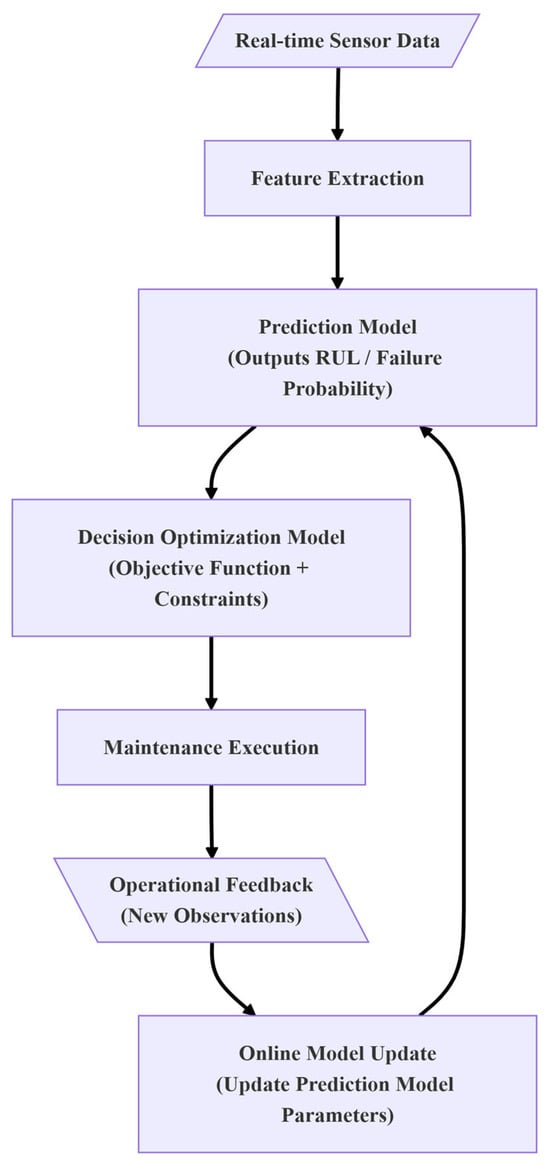
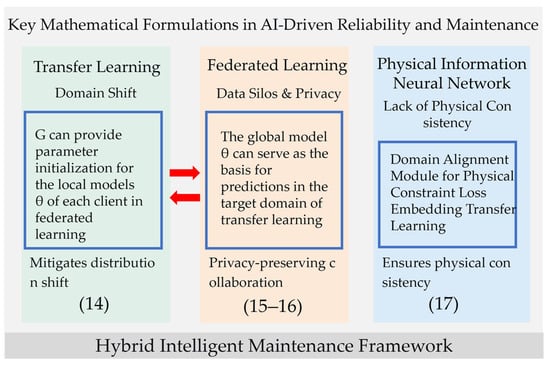
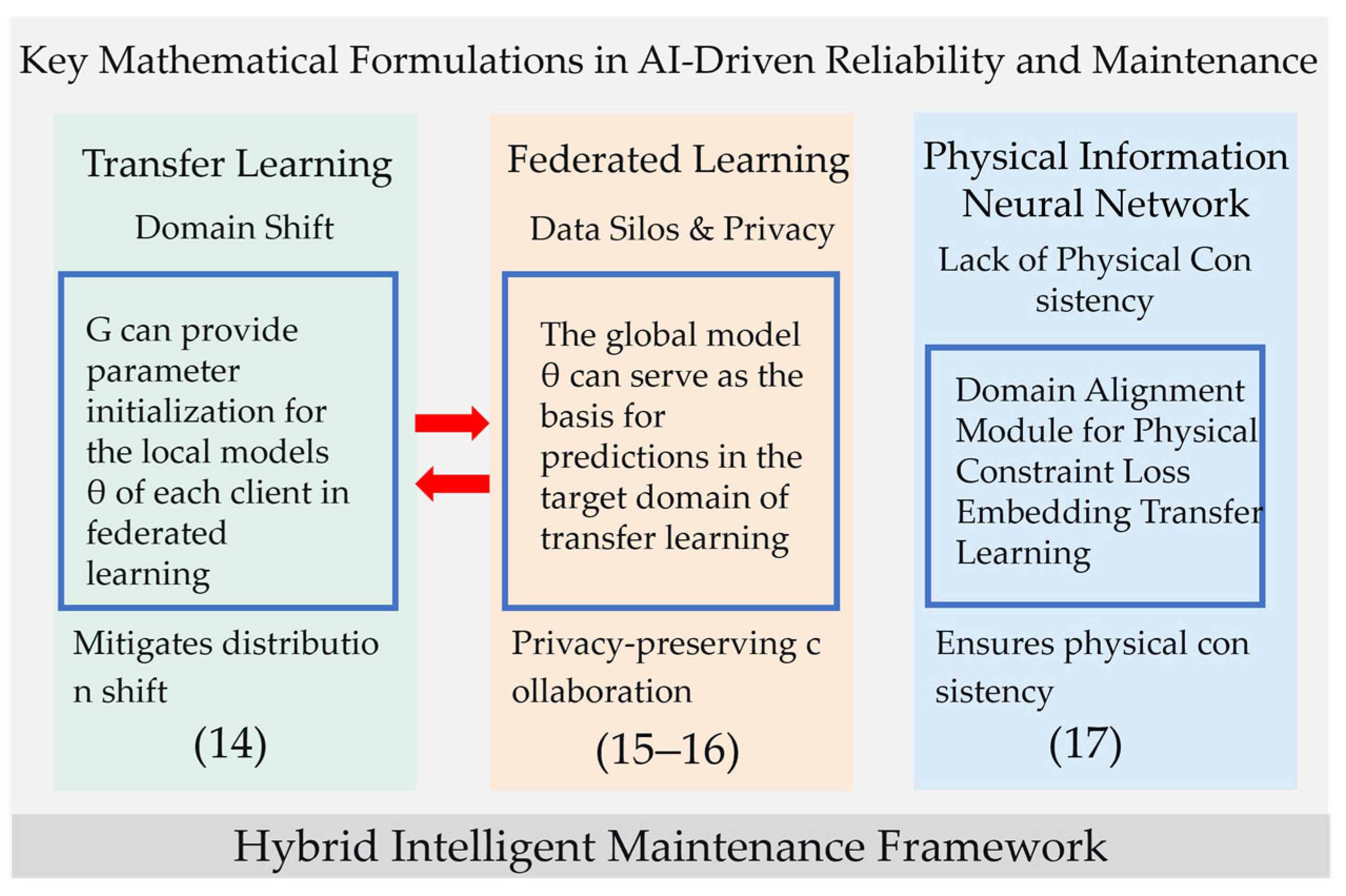
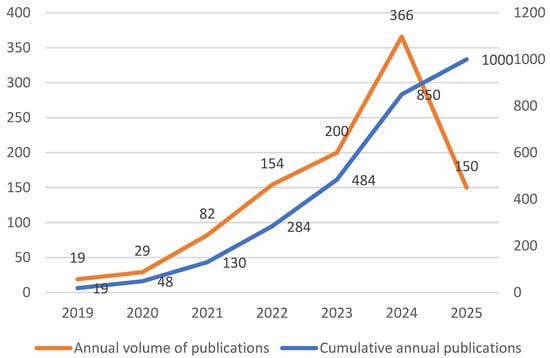
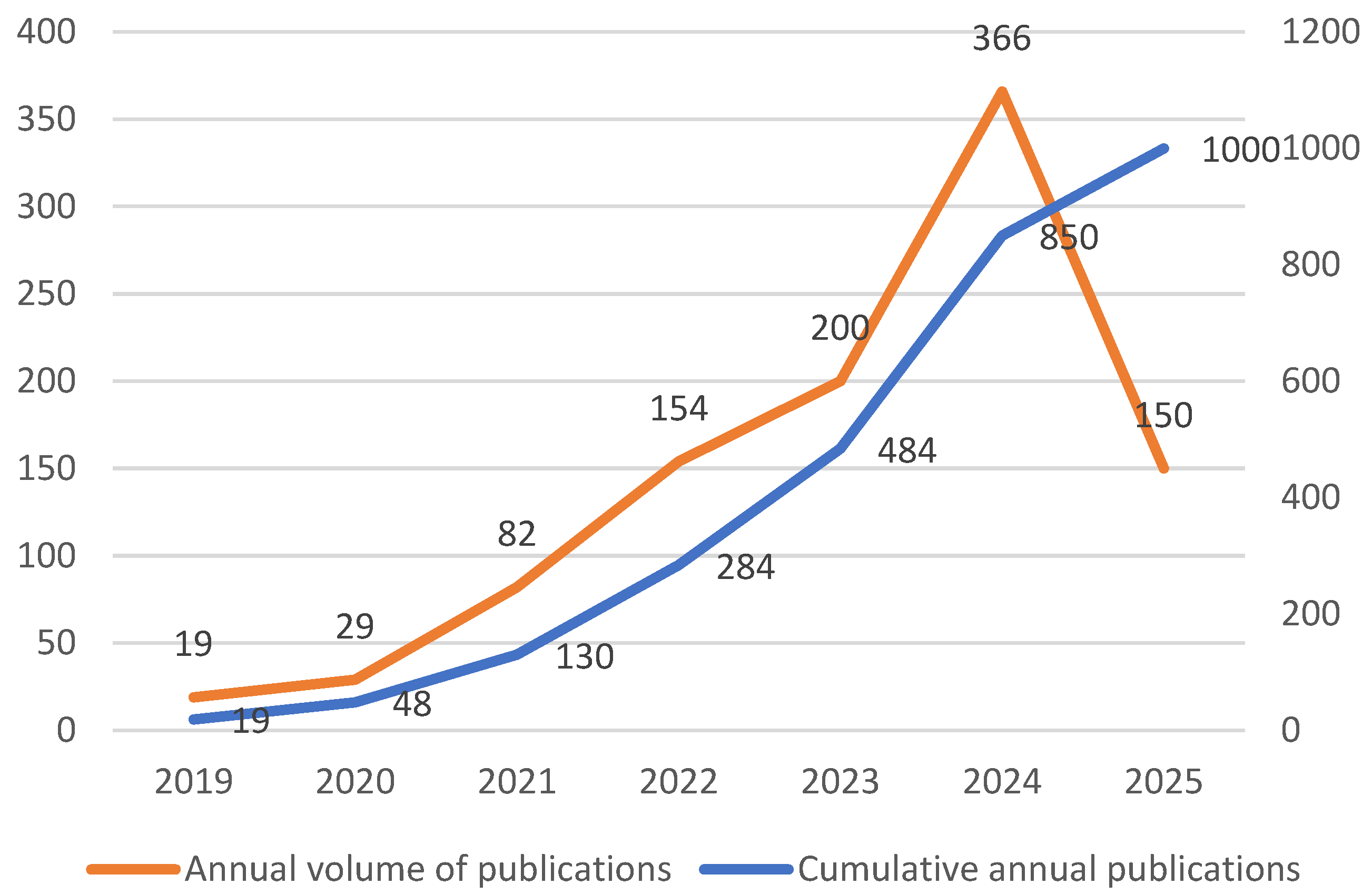
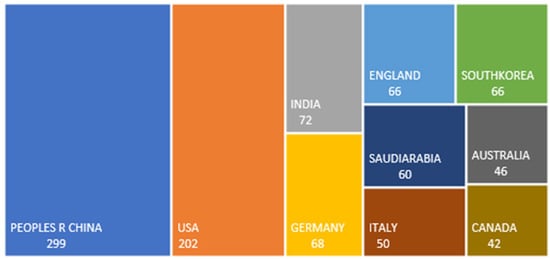
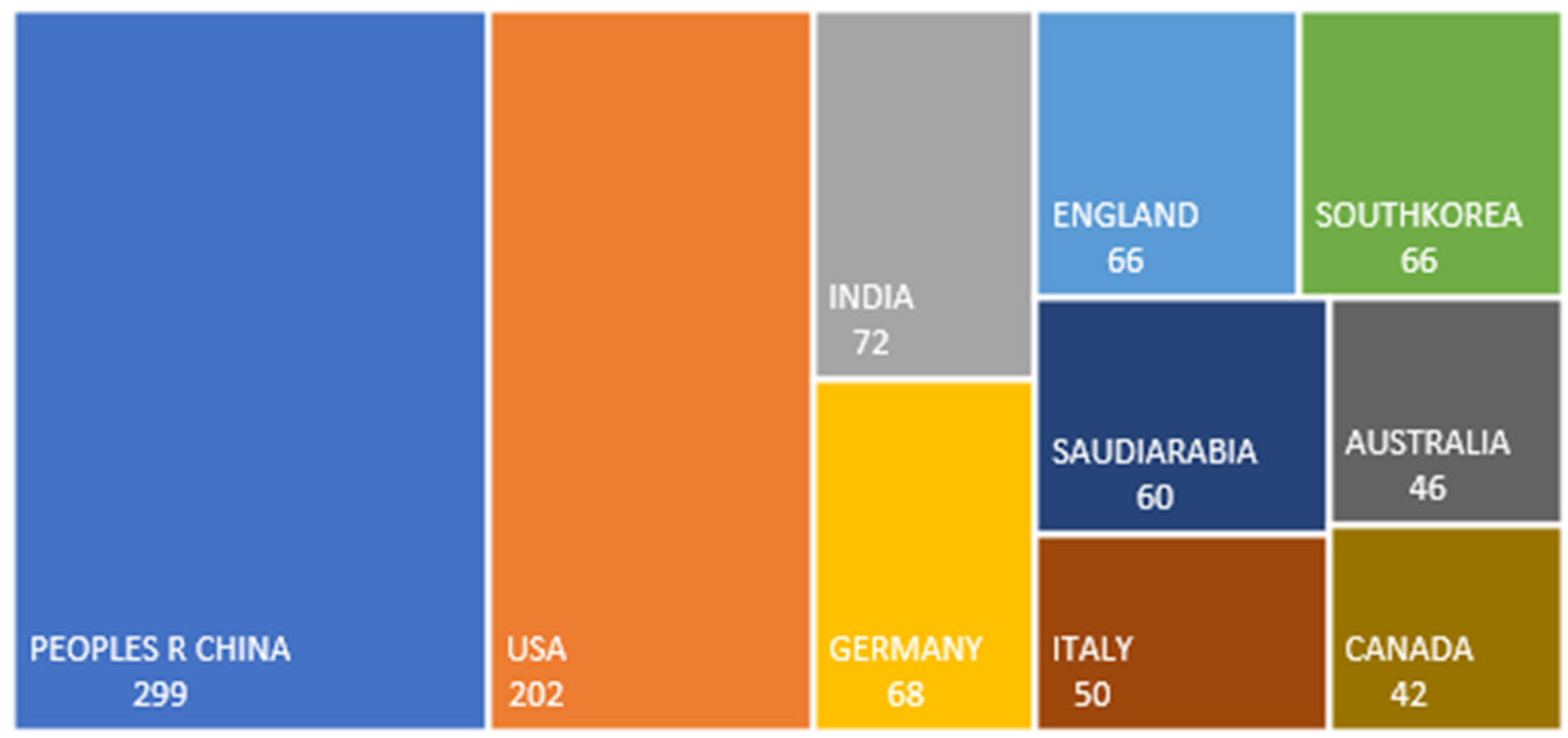
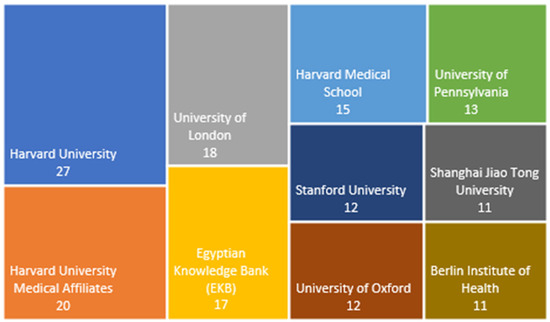
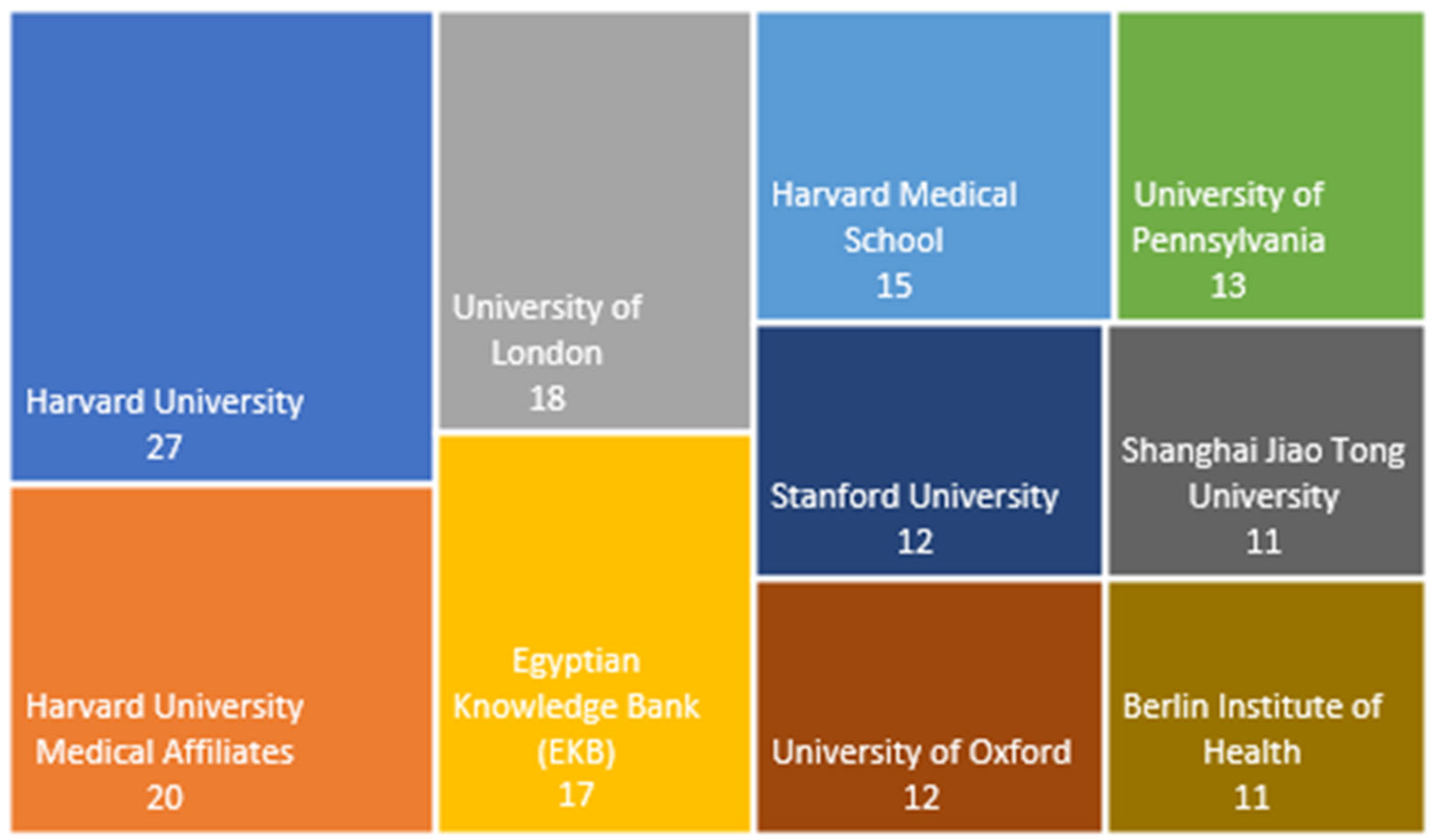
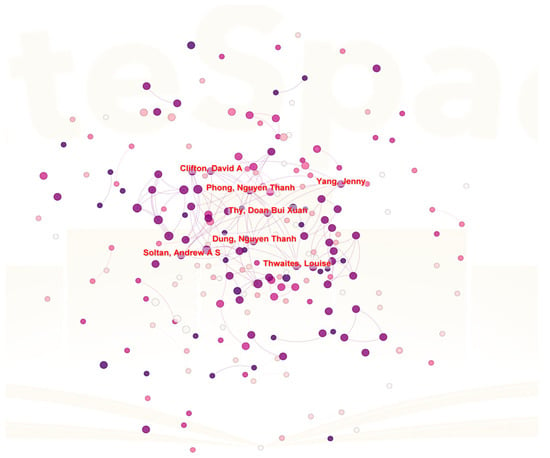
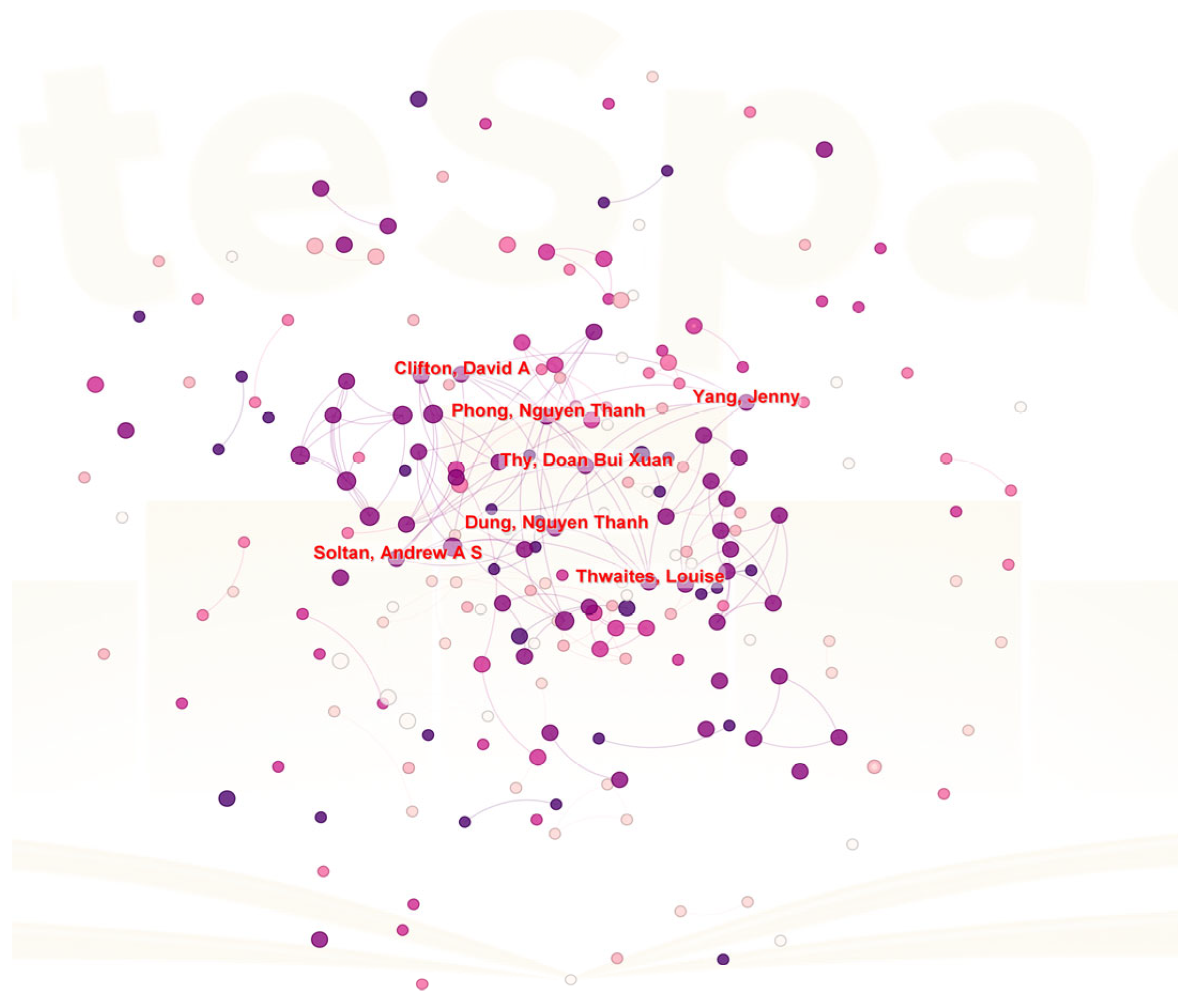

Disclaimer/Publisher’s Note: The statements, opinions and data contained in all publications are solely those of the individual author(s) and contributor(s) and not of MDPI and/or the editor(s). MDPI and/or the editor(s) disclaim responsibility for any injury to people or property resulting from any ideas, methods, instructions or products referred to in the content. |
© 2026 by the authors. Licensee MDPI, Basel, Switzerland. This article is an open access article distributed under the terms and conditions of the Creative Commons Attribution (CC BY) license.