Article

RMD-Net: A Deep Learning Framework for Automated IHC Scoring of Lung Cancer IL-24

1
School of Automation and Intelligence, Beijing Jiaotong University, Beijing 100044, China
2
College of Life Science and Bioengineering, Beijing Jiaotong University, Beijing 100044, China
3
China Academy of Chinese Medical Sciences, Beijing 100700, China
*
Author to whom correspondence should be addressed.
Mathematics 2025, 13(3), 417; https://doi.org/10.3390/math13030417
Submission received: 18 December 2024 / Revised: 22 January 2025 / Accepted: 24 January 2025 / Published: 27 January 2025

Abstract

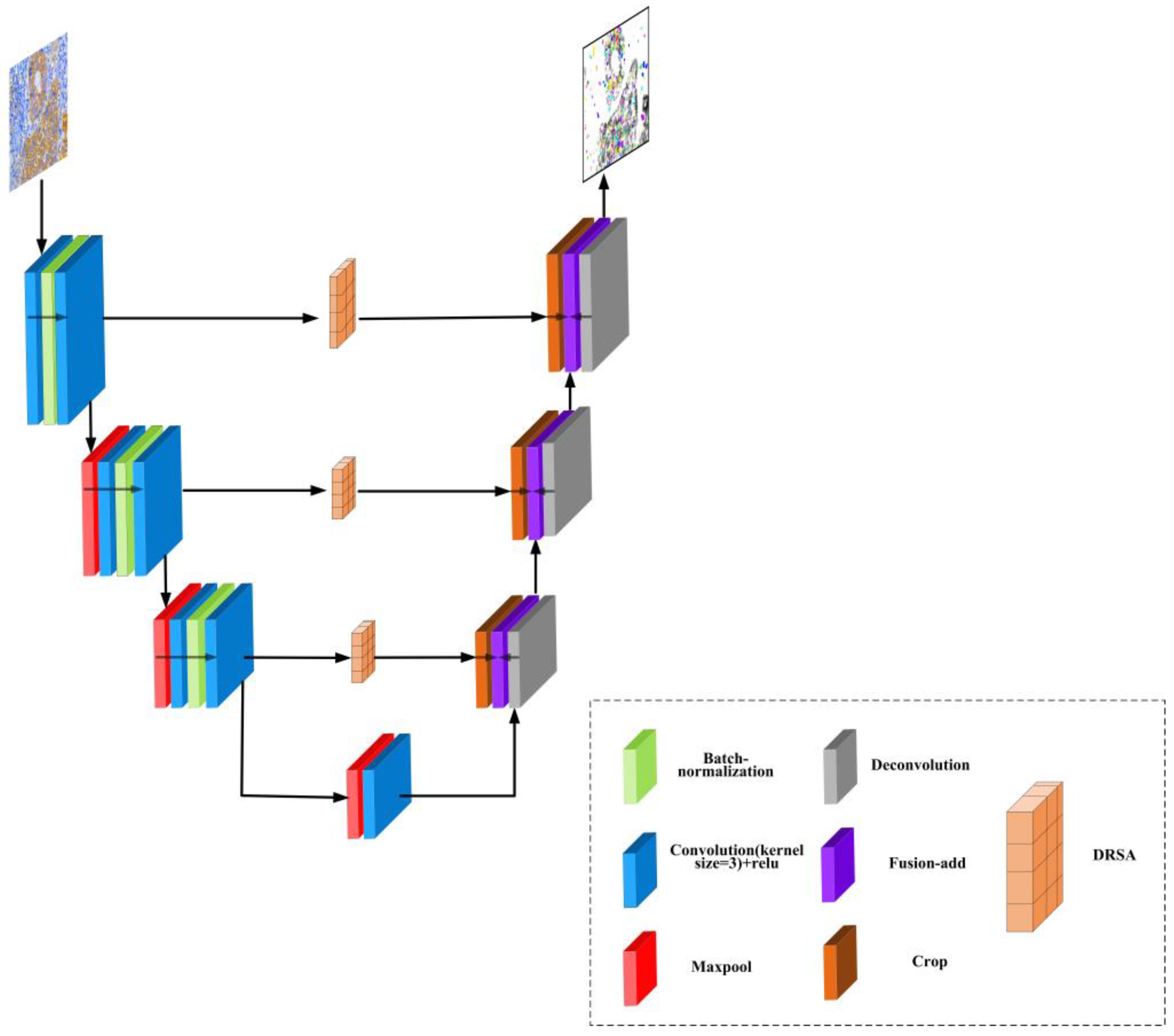
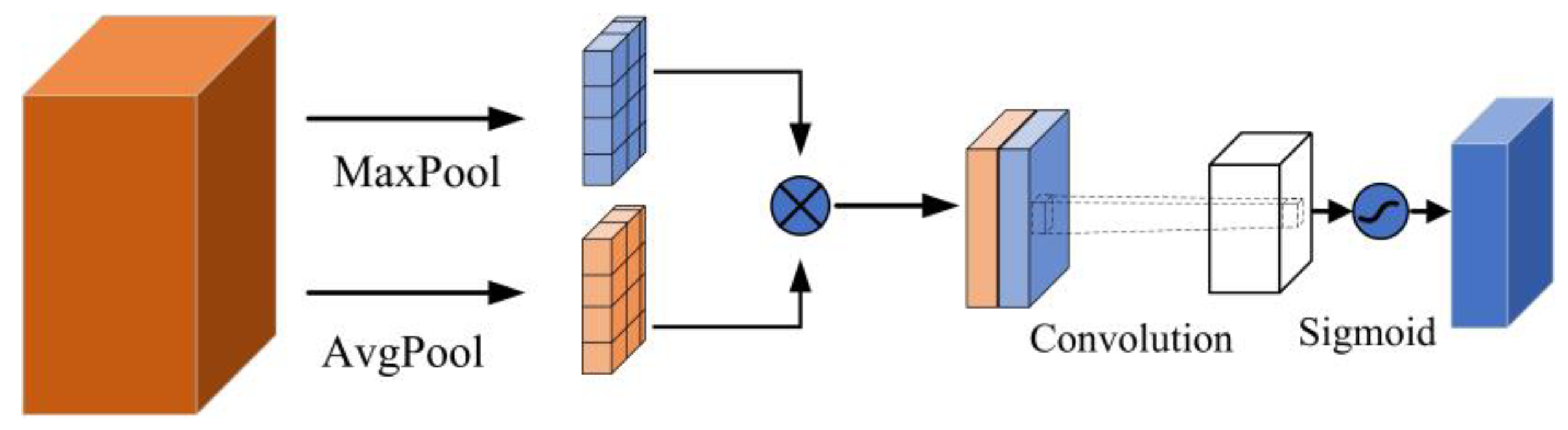
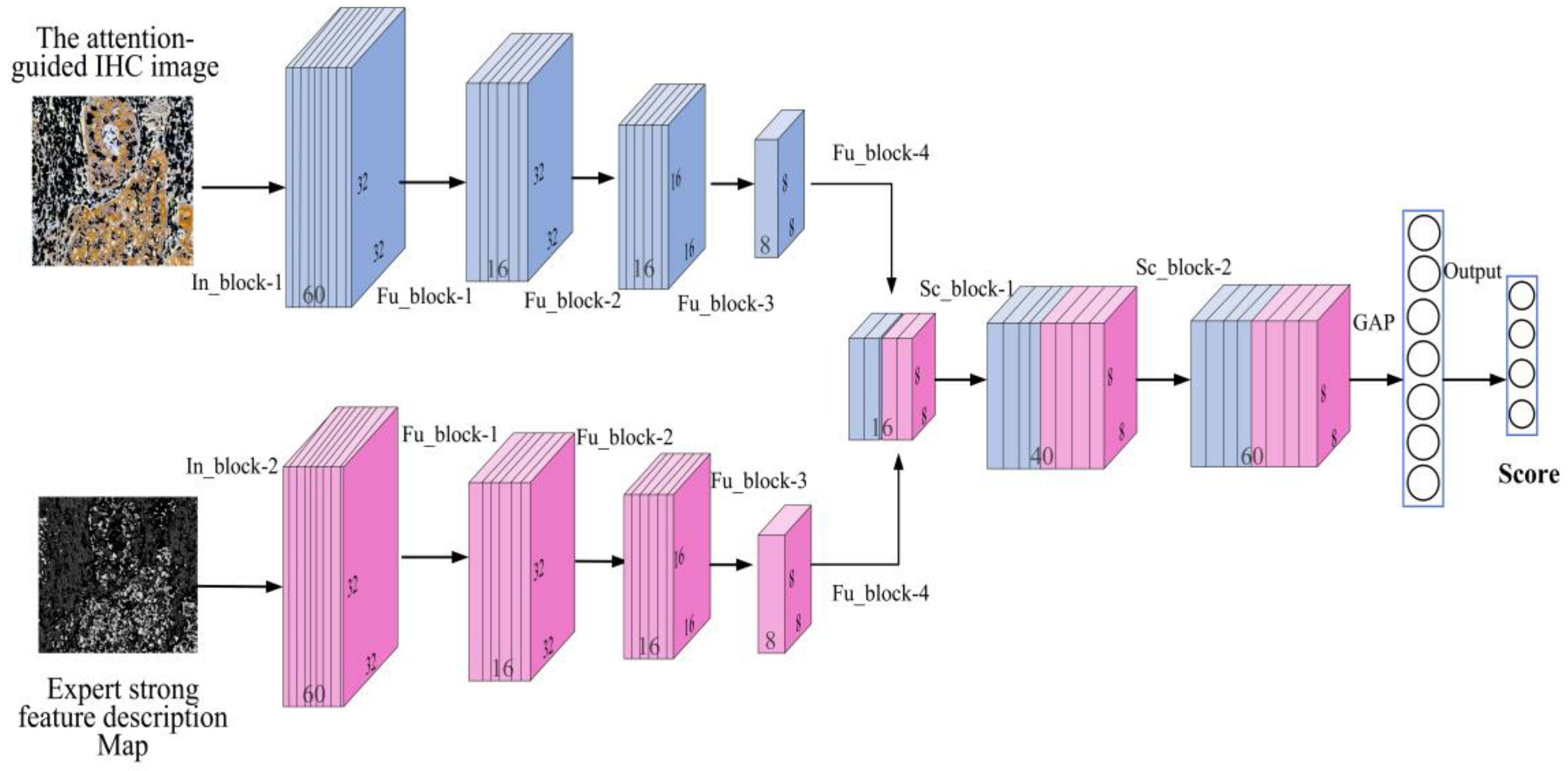
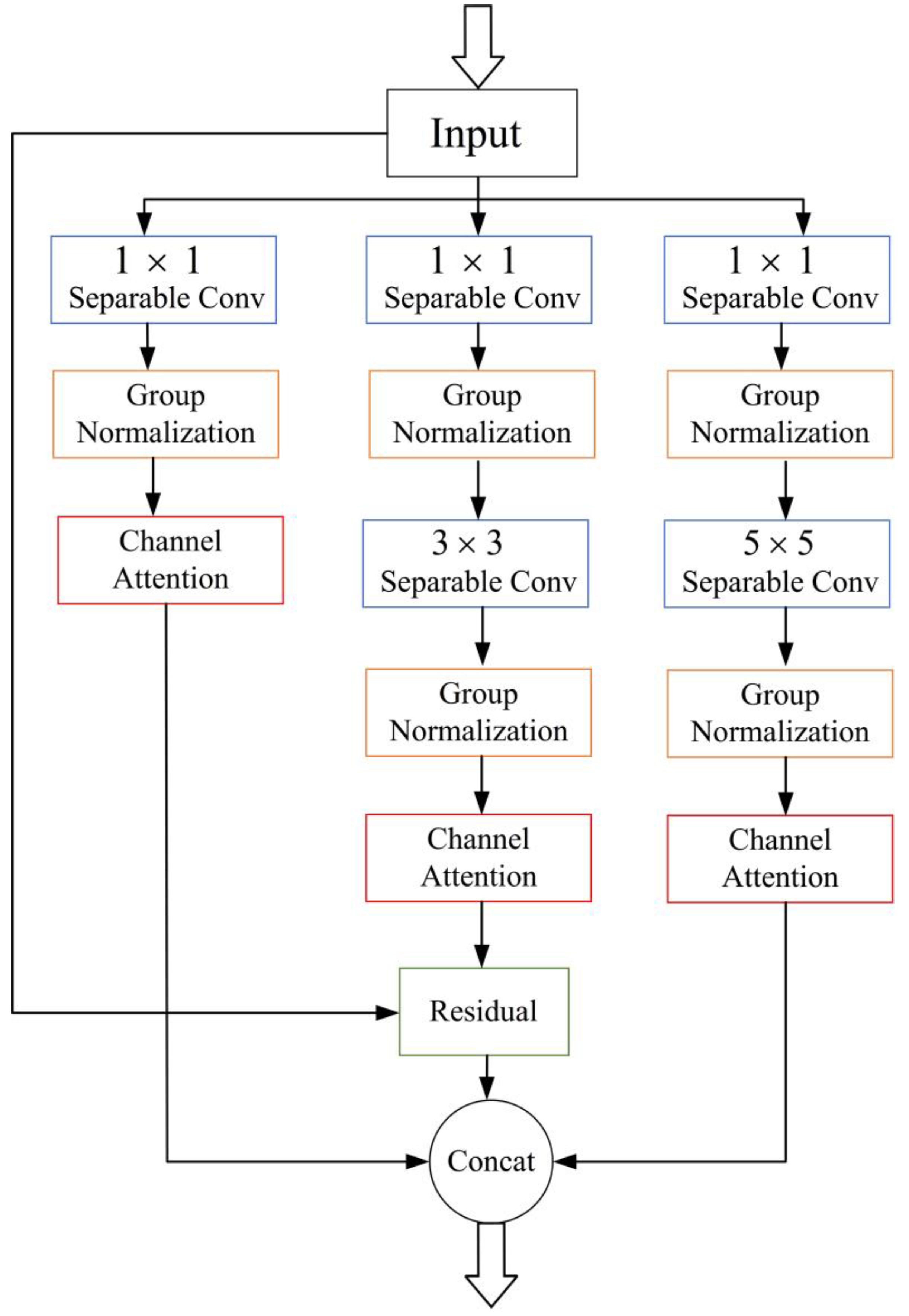
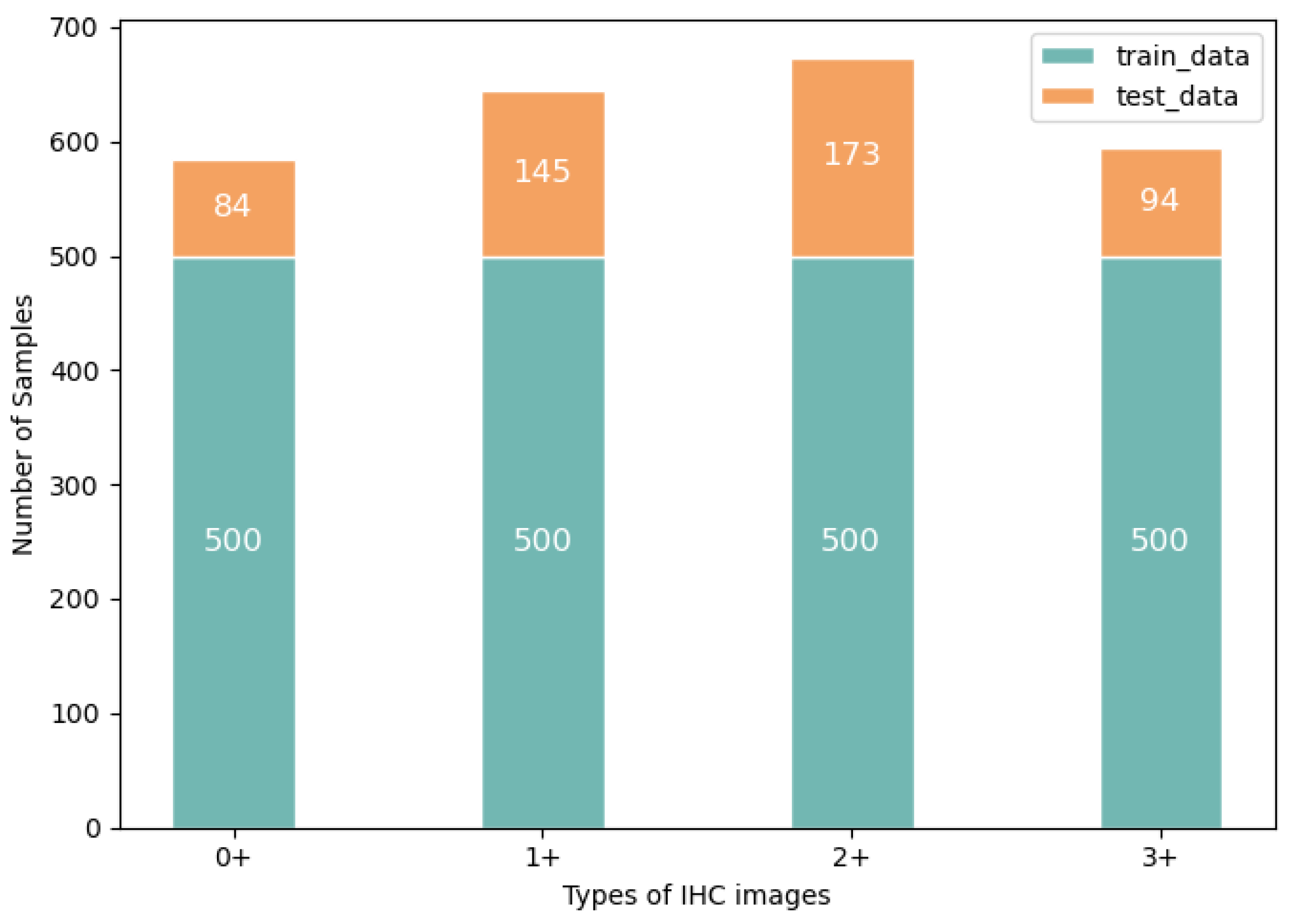
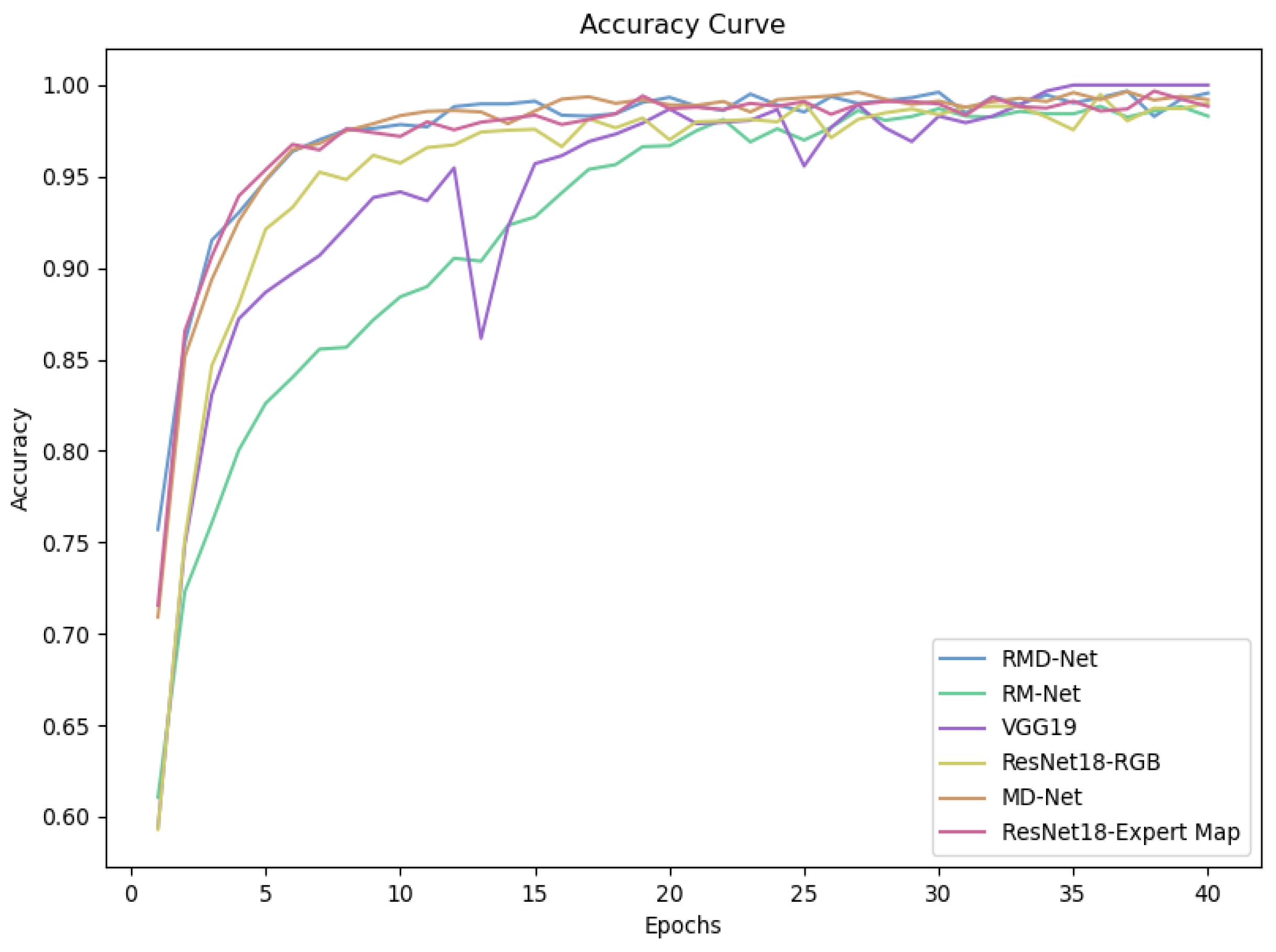
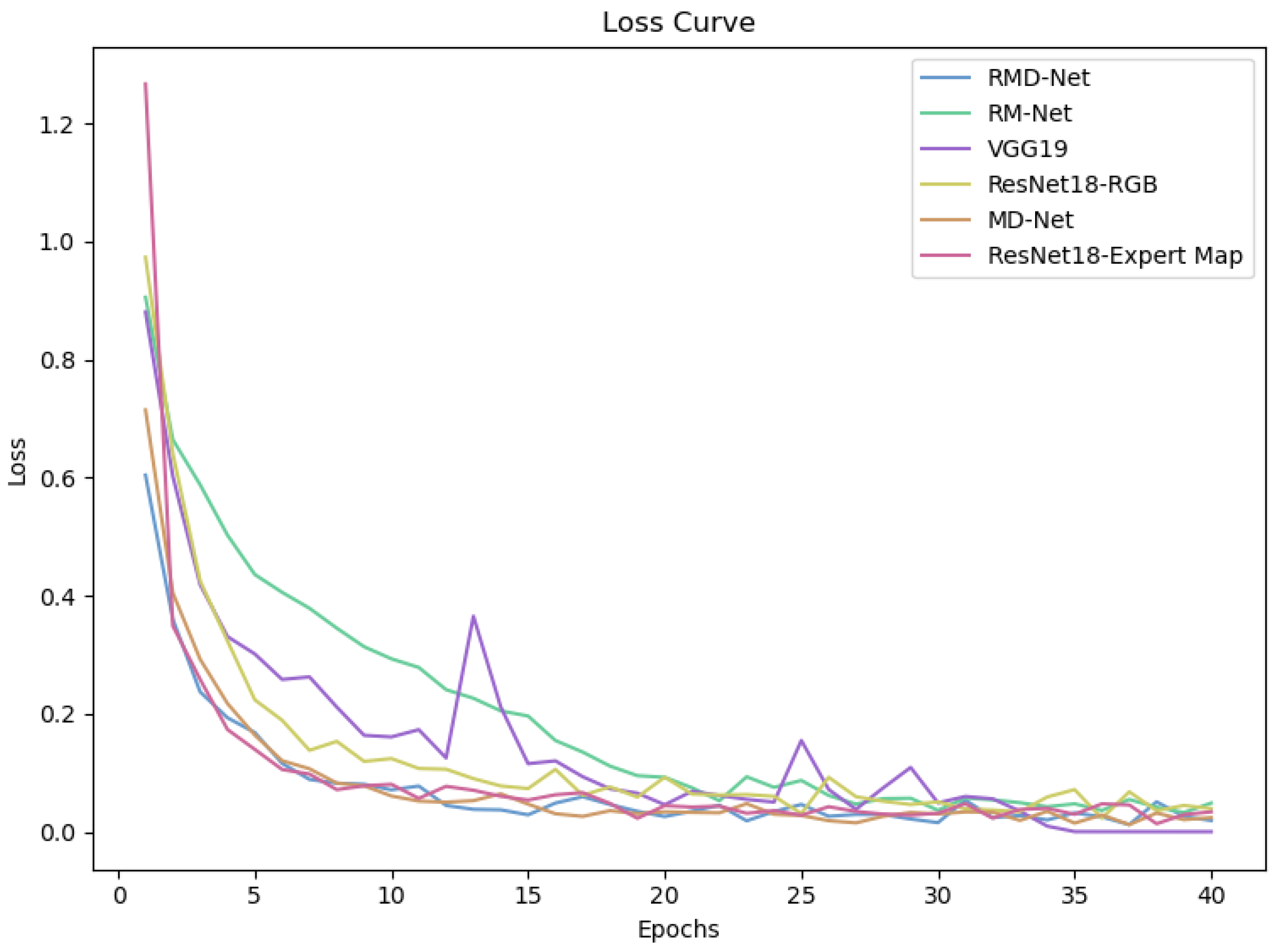
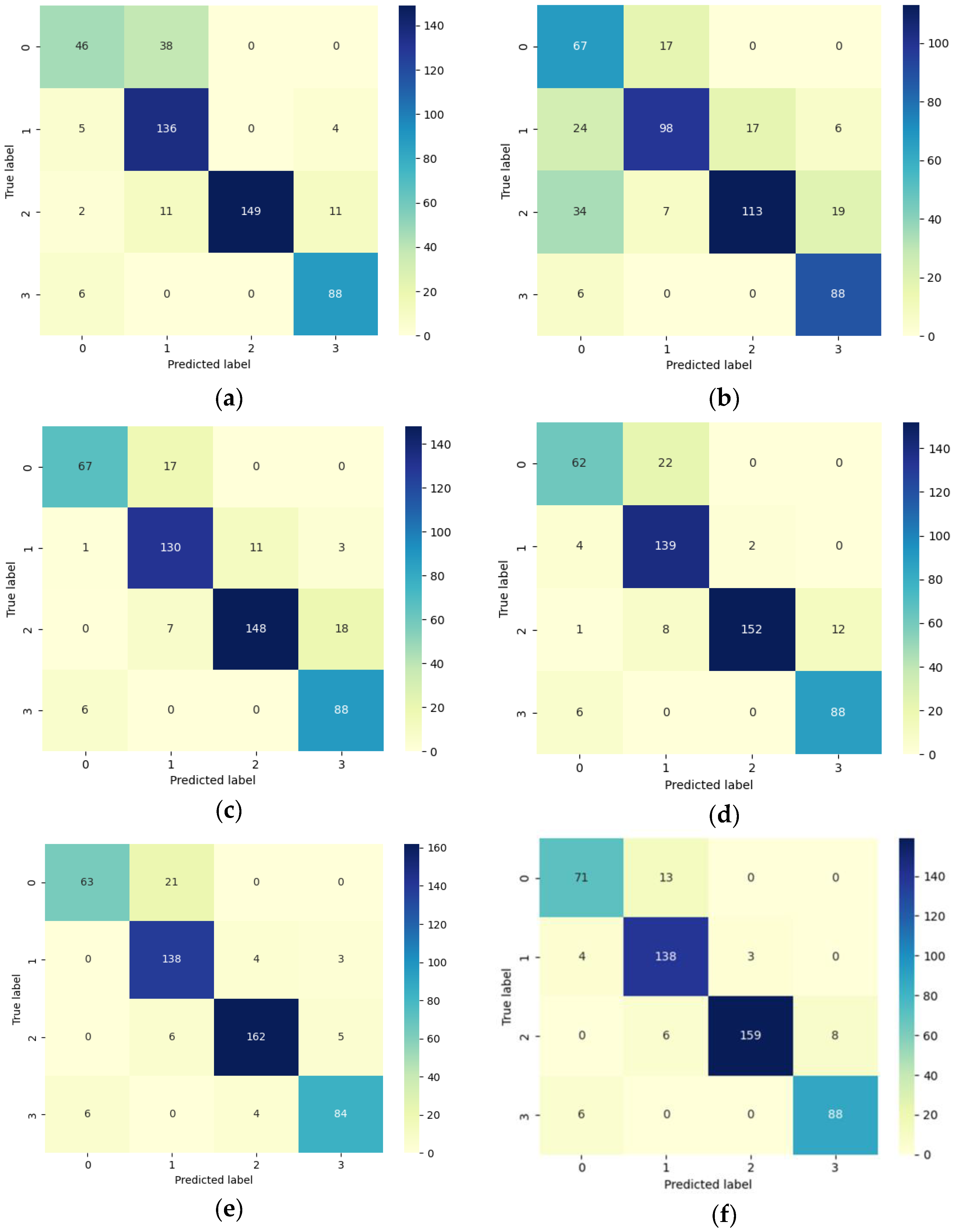
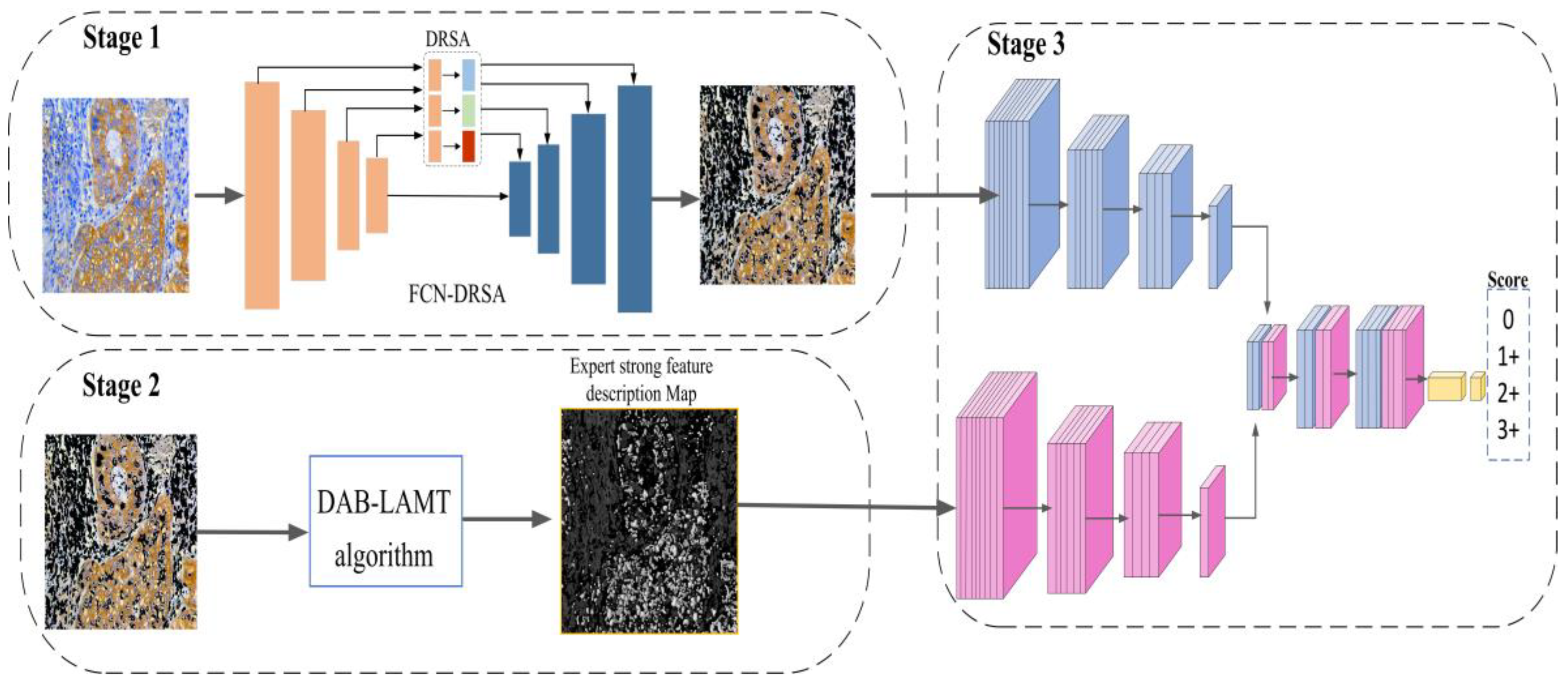
Immunohistochemical (IHC) detection is crucial in diagnosing lung cancer. Interleukin-24 (IL-24) is a valuable marker in IHC analysis, aiding in tumor characterization and prognostication. However, current manual scoring methods are labor-intensive, imprecise, and subjective, leading to inconsistencies among observers. Automated scoring methods also have limitations, such as poor segmentation and lack of interpretability. In this paper, we introduce RMD-Net, a novel scoring network framework specifically designed for IL-24 scoring in lung cancer. The framework incorporates a regional attention mechanism and a multi-channel scoring network. Initially, diagnostic region identification and segmentation are accomplished by integrating the diagnostic regional spatial attention module into the fully convolutional network. Subsequently, we employ the Adaptive Multi-Thresholding algorithm to derive expert, strong feature description maps. Finally, the attention-guided IHC images and expert feature description maps are fed into a multi-channel scoring network. Its backbone includes feature fusion layers and scoring layers to ensure the accuracy and interpretability of the final result. To the best of our knowledge, this is the first system that directly employs lung cancer IL-24 IHC images as input and combines both expert-derived features and deep-learning abstract features to produce clinical scores. Our dataset is sourced from the Institute of Life Sciences and Bioengineering at Beijing Jiaotong University. The experimental results demonstrate that the proposed method achieves an IL-24 score precision of 89.25%, an F1 score of 89.00, and an accuracy of 95.94%, outperforming other state-of-the-art methods. This contribution has the potential to advance clinical diagnosis and treatment strategies for lung cancer.
Keywords: lung cancer; immunohistochemistry scoring; Interleukin-24; regional attention; multi-channel model lung cancer; immunohistochemistry scoring; Interleukin-24; regional attention; multi-channel model