Article

A Novel Approach to Modeling Incommensurate Fractional Order Systems Using Fractional Neural Networks


1
FraCAL Lab., The University of the South Pacific, Laucala Campus, Suva 1168, Fiji
2
Lab. LTI, University of Picardie Jules Verne, 80000 Amiens, France
*
Author to whom correspondence should be addressed.
Mathematics 2024, 12(1), 83; https://doi.org/10.3390/math12010083
Submission received: 28 November 2023 / Revised: 21 December 2023 / Accepted: 25 December 2023 / Published: 26 December 2023
(This article belongs to the Special Issue New Trends on Identification of Dynamic Systems)

Abstract

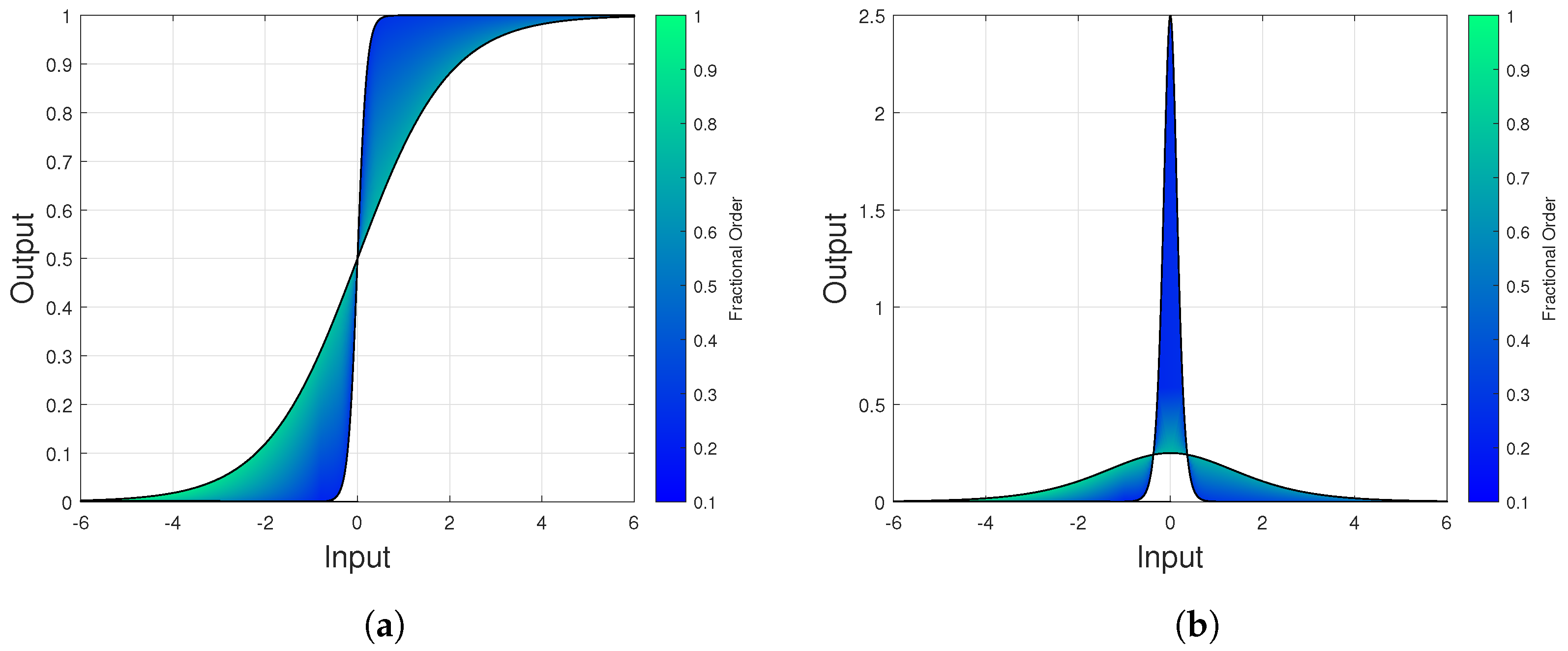
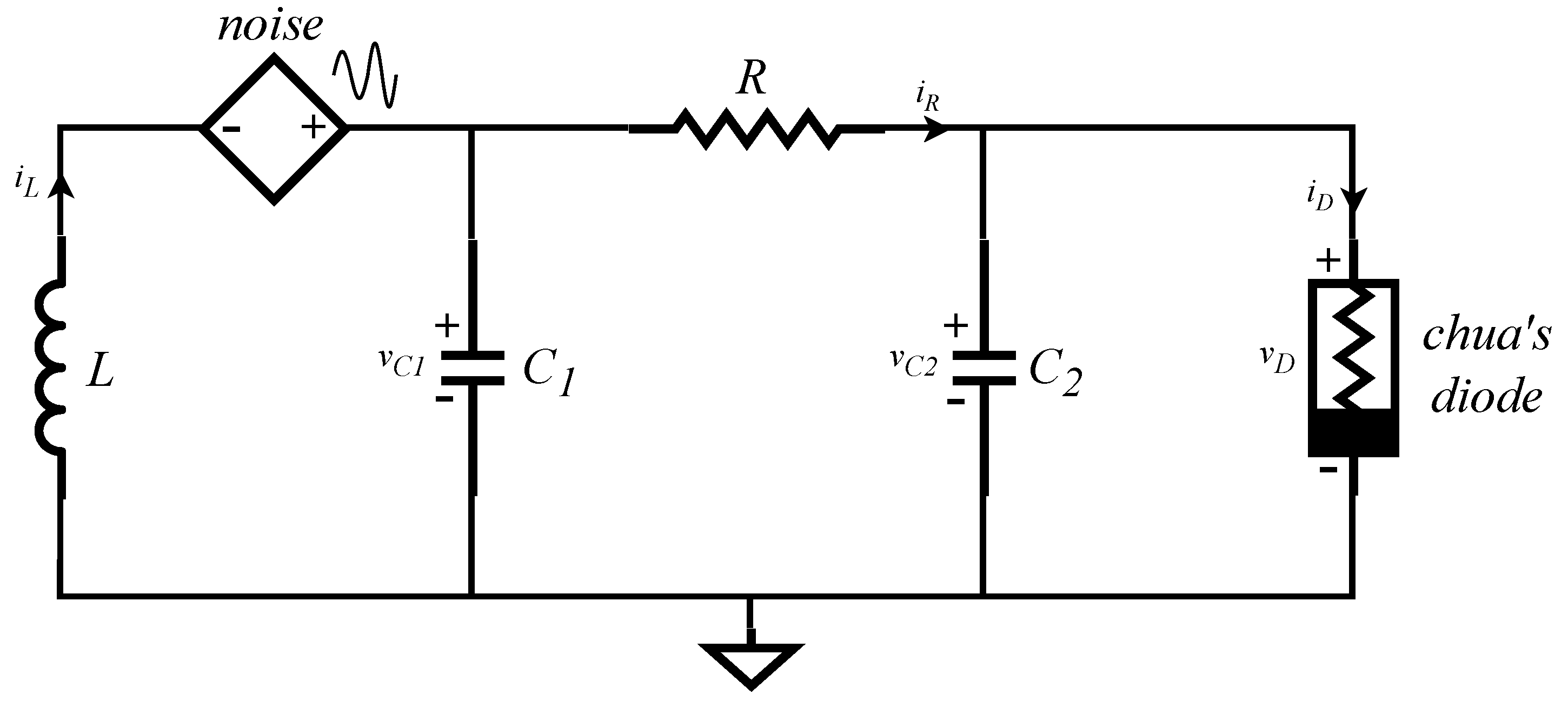
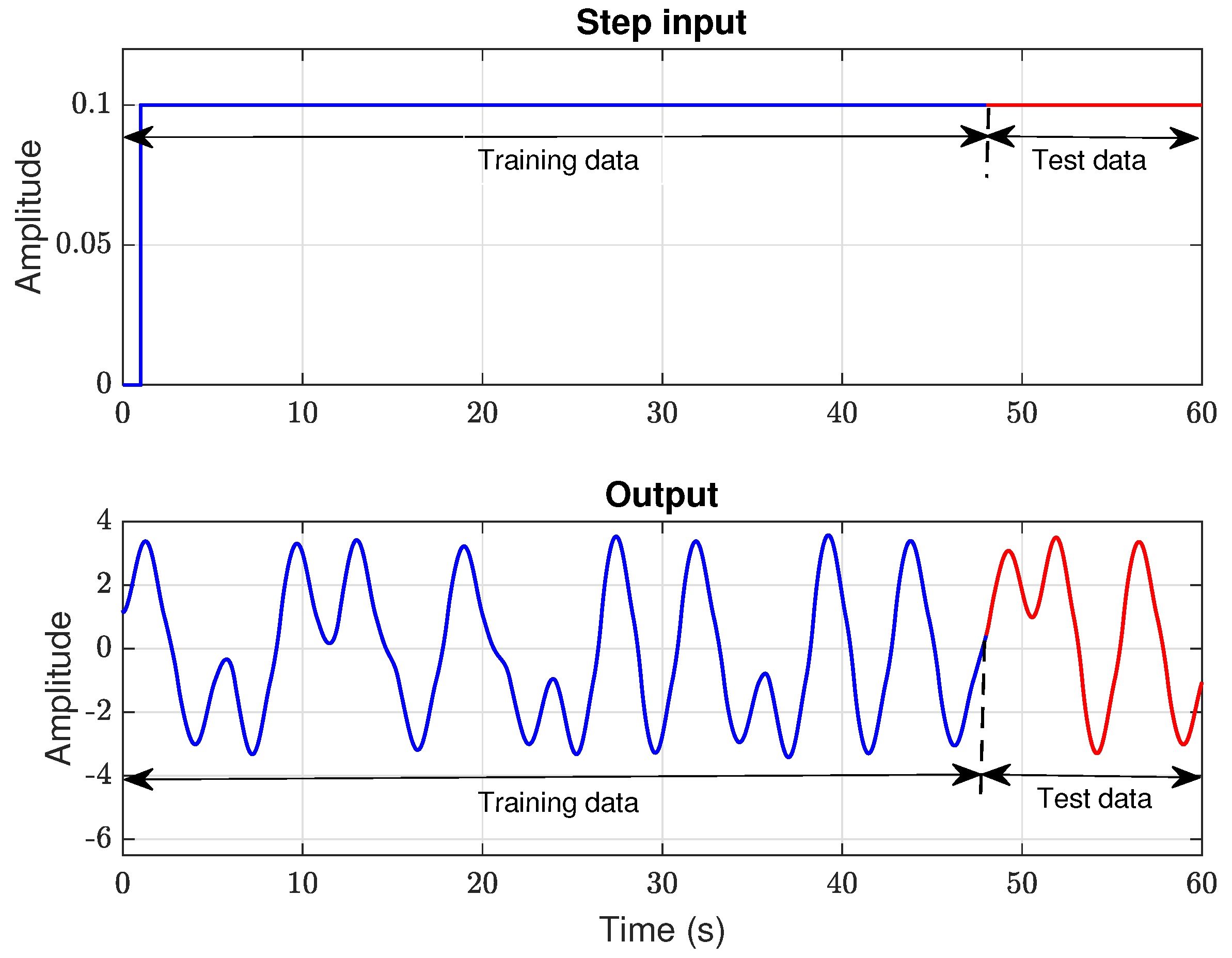
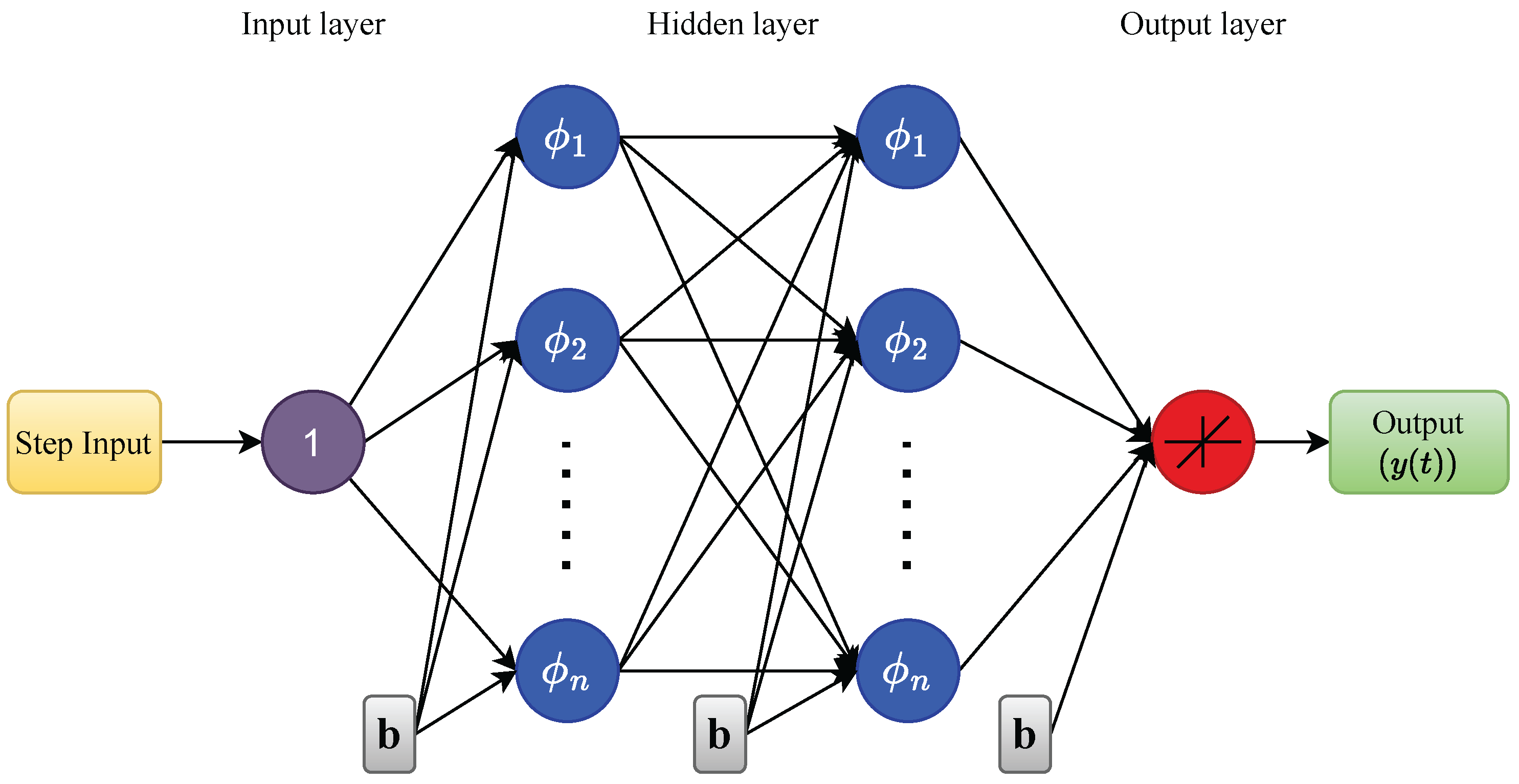
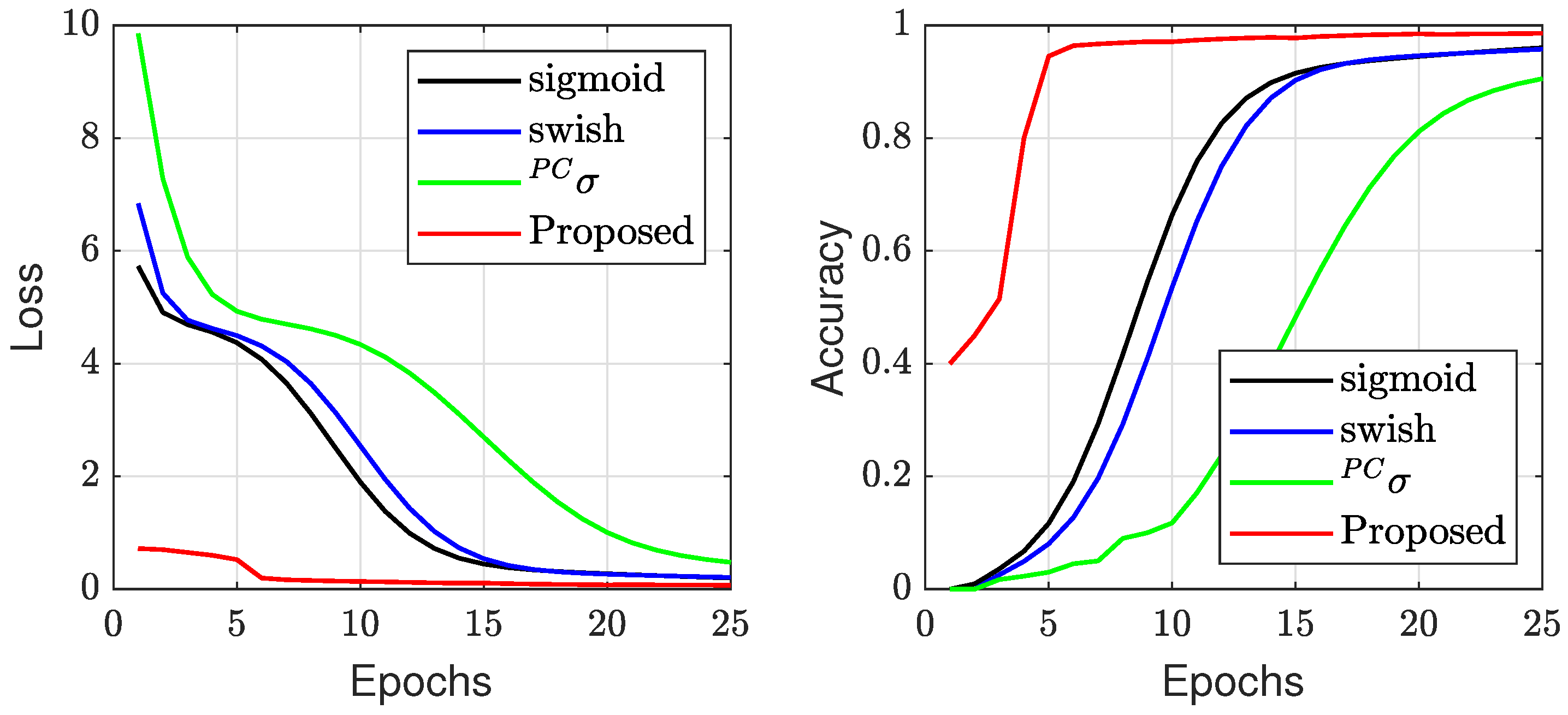
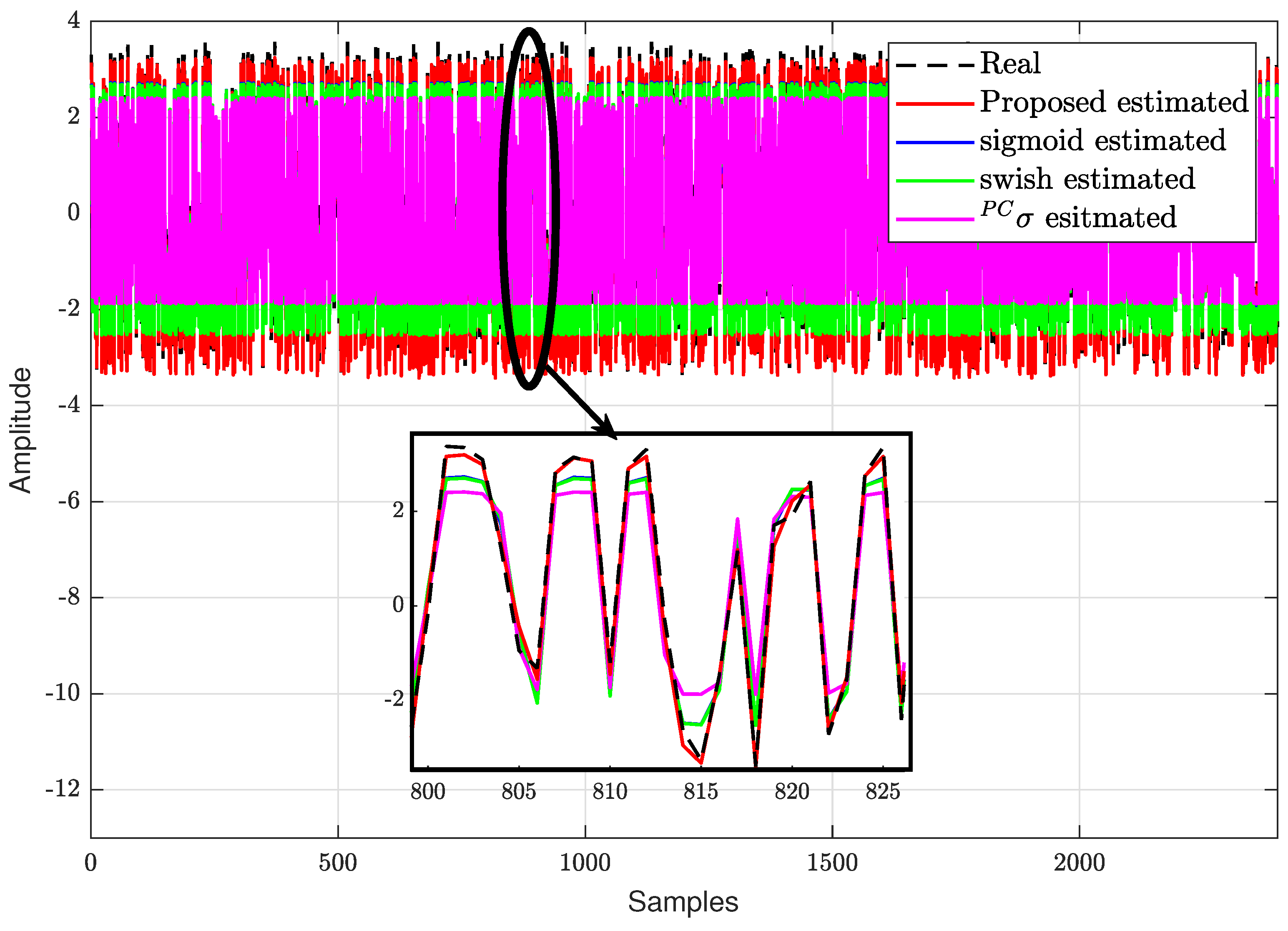
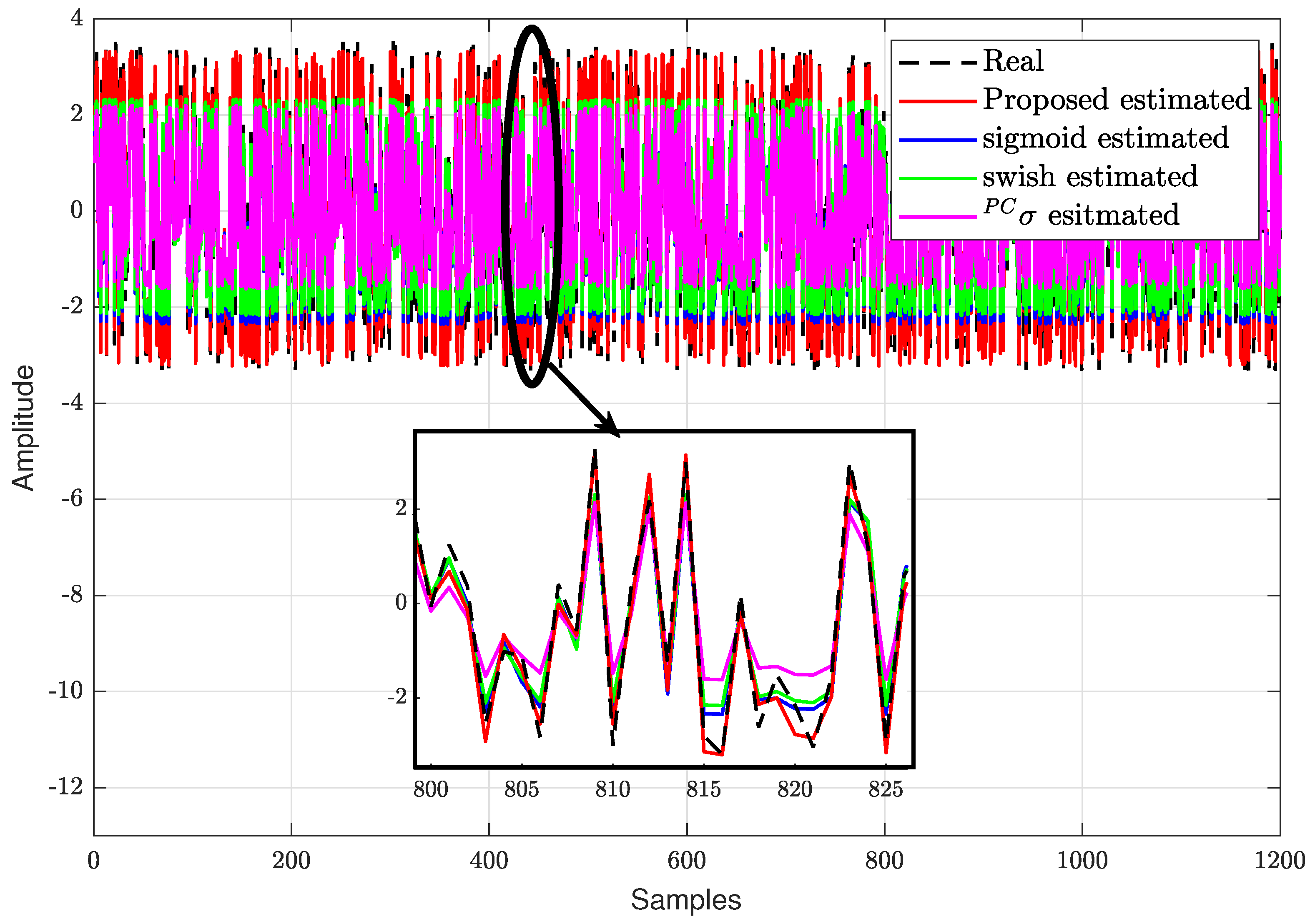
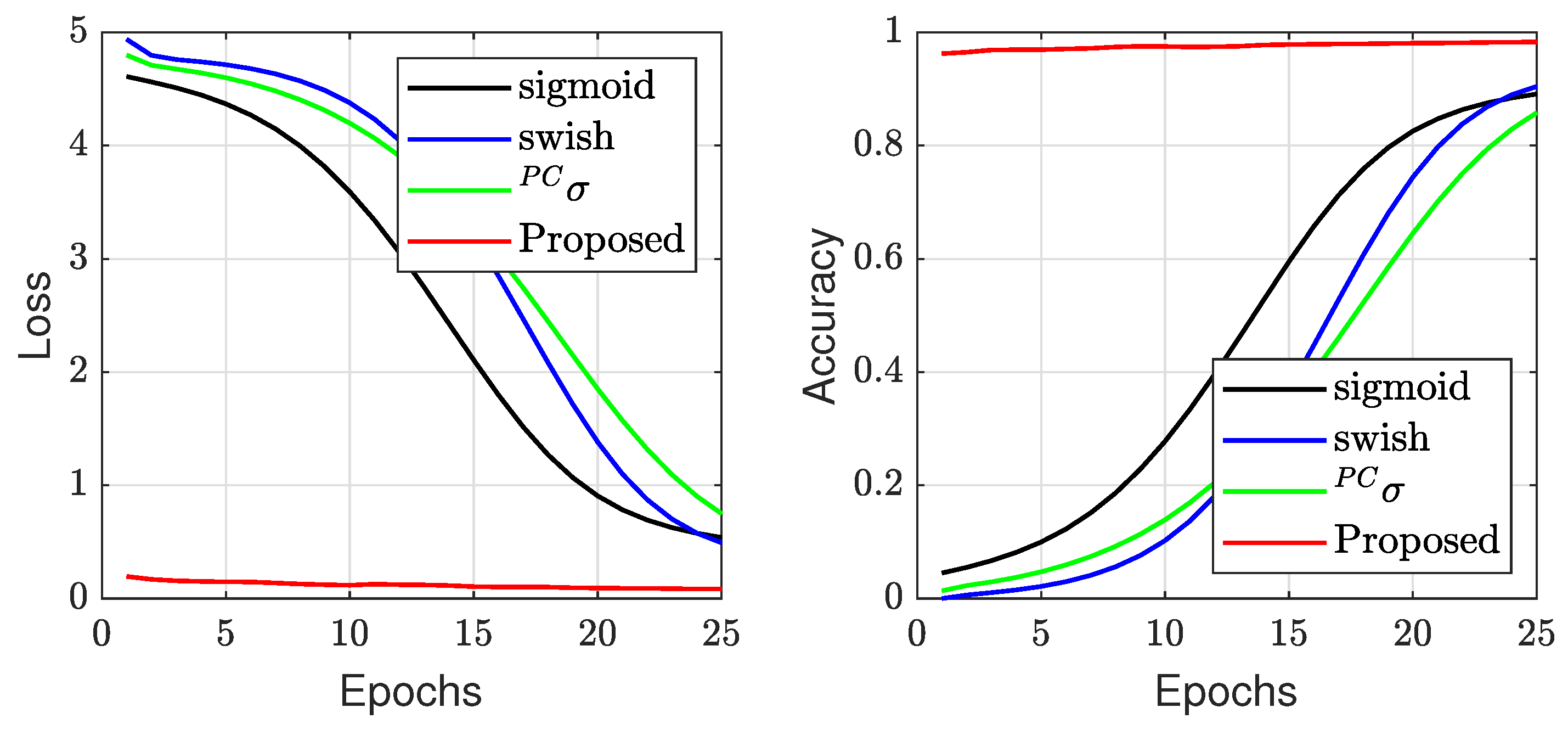
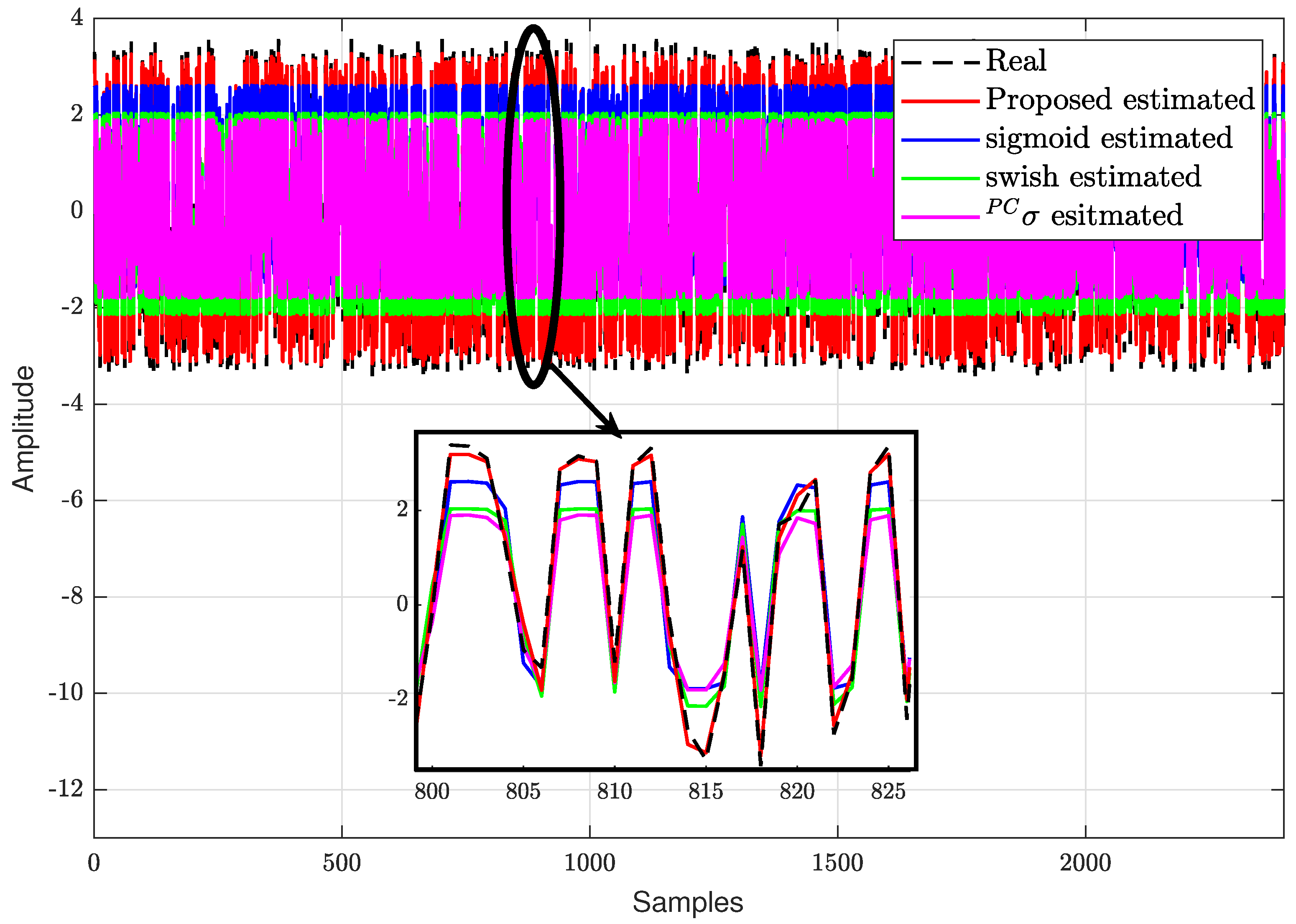
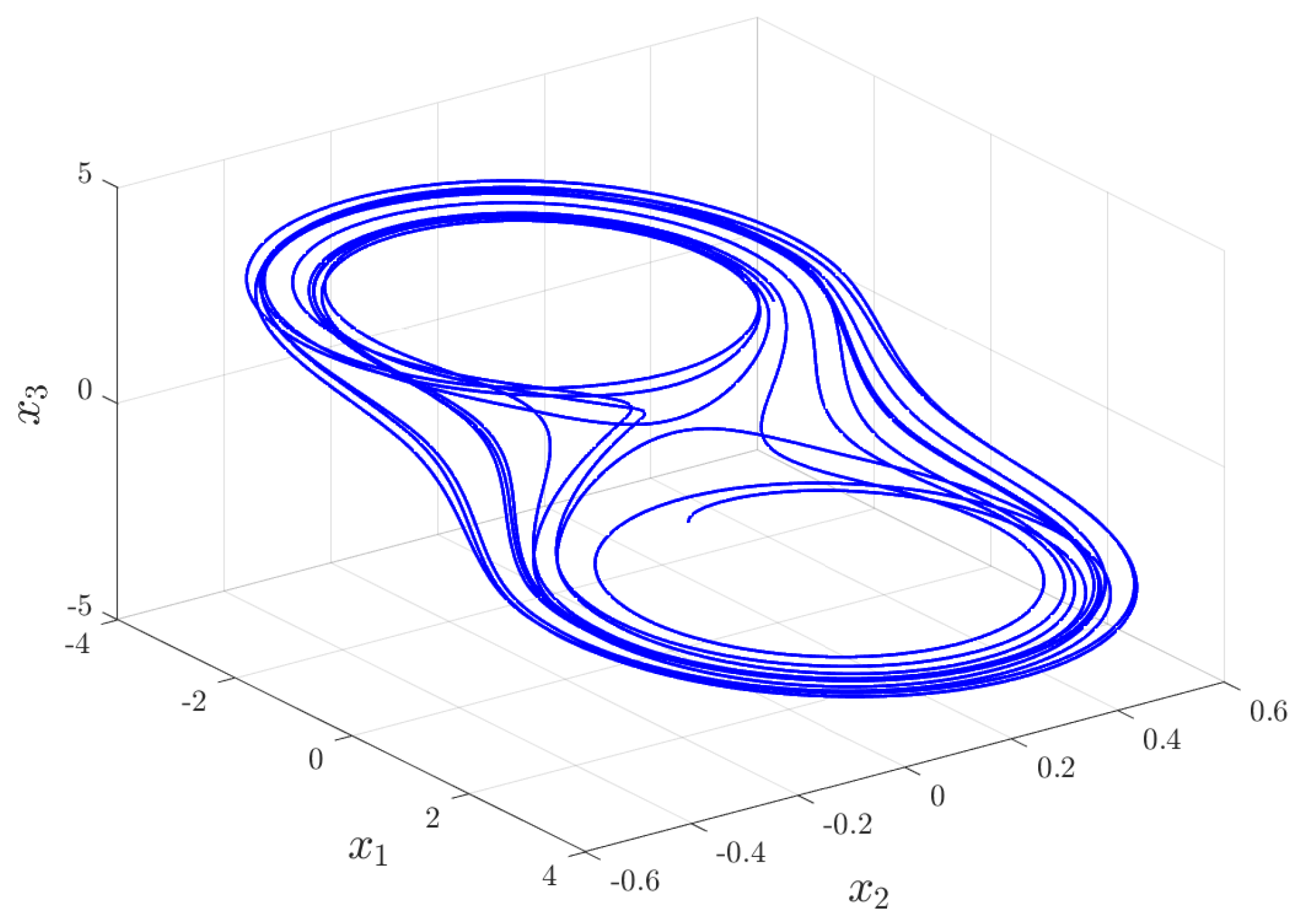
This research explores the application of the Riemann–Liouville fractional sigmoid, briefly RLFσ, activation function in modeling the chaotic dynamics of Chua’s circuit through Multilayer Perceptron (MLP) architecture. Grounded in the context of chaotic systems, the study aims to address the limitations of conventional activation functions in capturing complex relationships within datasets. Employing a structured approach, the methods involve training MLP models with various activation functions, including RLFσ, sigmoid, swish, and proportional Caputo derivative PCσ, and subjecting them to rigorous comparative analyses. The main findings reveal that the proposed RLFσ consistently outperforms traditional counterparts, exhibiting superior accuracy, reduced Mean Squared Error, and faster convergence. Notably, the study extends its investigation to scenarios with reduced dataset sizes and network parameter reductions, demonstrating the robustness and adaptability of RLFσ. The results, supported by convergence curves and CPU training times, underscore the efficiency and practical applicability of the proposed activation function. This research contributes a new perspective on enhancing neural network architectures for system modeling, showcasing the potential of RLFσ in real-world applications.
Keywords: incommensurate fractional order system; system identification; fractional neural networks; fractional calculus incommensurate fractional order system; system identification; fractional neural networks; fractional calculus