


Abstract
EFL vocabulary learning is an emotionally rich process, particularly in video-based instruction where learners encounter multiple affective cues. This mixed-methods study examined whether instructors’ emotional expressions and idiom valence influence EFL learners’ idiom acquisition and learning experience. A 3 × 3 within-subjects experimental design was adopted, manipulating instructor emotion (positive, neutral, and negative) and idiom valence (positive, neutral, and negative). Forty-five undergraduate EFL learners from a university in China participated in the study. After viewing each video, participants completed an immediate idiom recall test, a perceived learning experience scale, the self-assessment Manikin scale, a cognitive load scale and an open-ended questionnaire. The results showed that neither instructor emotion nor idiom valence had a significant main effect on immediate idiom recall. However, a significant interaction effect was observed, although follow-up comparisons did not identify a robust advantage for any specific congruent or incongruent condition. These findings provide implications for the emotional design of instructional videos in EFL vocabulary learning.
1. Introduction
For English as a Foreign Language (EFL) learners, vocabulary development is fundamental to content-area literacy, as it enables them to comprehend complex texts and succeed in academic contexts (Kamalesh & Suganthan, 2024). Furthermore, instructional videos and multimedia glossing techniques utilizing visual, auditory, caption, and glossing supports have emerged as effective strategies for promoting vocabulary acquisition (Çakmak & Erçetin, 2018; P. Lin, 2022; Ramezanali & Faez, 2019). Yet, the impact of these multimodal tools does not occur in an affective vacuum; rather, their learning outcomes may also depend on the emotional cues embedded within the instructional context.
EFL learning is inherently emotional (Dewaele & Alfawzan, 2018). Throughout the learning process, learners experience a wide range of emotions, including curiosity, anxiety, frustration, and enjoyment (Bown & White, 2010). These emotions influence attention, motivation, cognitive processing, and memory retention, all of which contribute to vocabulary acquisition and language development (Dewaele & Li, 2020; Nation, 2001; P. Zhang & Zhang, 2024). In multimedia learning environments, emotional experiences are shaped not only by learners’ own emotional states but also by emotion-related characteristics of the instructional environment. Two particularly important factors are instructors’ emotional expressions and the emotional valence of the learning content. Understanding how these factors influence vocabulary learning is therefore critical for designing effective multimedia instruction (Pi et al., 2024).
One important emotional influence in video-based instruction comes from the instructor. Instructors communicate emotions through facial expressions, vocal tone and other verbal and nonverbal behaviors (Pi et al., 2022). These emotional expressions can be transmitted to learners, shaping their motivation, affective engagement, and perceived learning experience (Hatfield et al., 1993). Research has shown that instructors’ positive emotional expressions can facilitate learners’ vocabulary acquisition by increasing learner motivation, promoting interaction, and improving learning performance and fostering positive affect during the learning (Horovitz & Mayer, 2021; Zhu et al., 2022).
Another important factor in vocabulary instruction is the emotional valence of the vocabulary itself. Vocabulary valence refers to the affective dimension of lexical meaning, reflecting the extent to which words are perceived as positive valence (e.g., joyful, success), negative valence (e.g., failure, fear), or neutral valence (e.g., table, window) (Warriner et al., 2013). Such affective properties of lexical items can influence learners’ emotional responses and cognitive processing during vocabulary learning (Gao et al., 2024; Greenberg et al., 2012). However, previous findings regarding the effects of vocabulary valence on learning outcomes remain inconsistent across contexts and task types (Pi et al., 2025a; Plass et al., 2014).
Furthermore, emerging evidence suggests that emotional cues from the instructor and the learning content may interact to shape learners’ cognitive processing. For example, Pi et al. (2025b) found that incongruence between instructors’ facial expressions and the emotional valence of the idioms enhanced both immediate and delayed vocabulary learning. These findings indicate that learners do not process instructor emotion and content emotion independently; rather, their combined influence may alter attention allocation, semantic processing, and memory encoding. Nevertheless, empirical evidence on how instructor emotion and the emotional valence of learning content jointly affect vocabulary learning remains limited.
To address this gap, the present study examines how multiple sources of emotional cues influence vocabulary learning in video-based instruction. Specifically, we employed a 3 × 3 within-subjects experimental design manipulating instructors’ emotional expressions (positive, neutral, and negative) and idiom valence (positive, neutral, and negative). We examined their effects on immediate idiom recall, perceived learning experience, emotional responses, and cognitive load, as well as qualitative reflections. By systematically investigating the interaction between instructor facial affect and the intrinsic valence of lexical items, this study aims to provide evidence-based guidance for the design of affective multimedia instruction for EFL learners (Lawson & Mayer, 2021; Pi et al., 2024).
2. Theoretical Frameworks
This study is primarily grounded in the Cognitive-Affective Theory of Learning with Media (CATLM; Moreno & Mayer, 2007) and Cognitive Load Theory (CLT; Sweller et al., 2011). These theoretical perspectives provide a framework for understanding how affective and social cues embedded in multimedia instruction influence learners’ emotional experiences, cognitive processing, and vocabulary learning outcomes.
According to CATLM, multimedia learning environments involve both cognitive and affective features that shape learners’ information processing and learning outcomes (Moreno & Mayer, 2007). Unlike other cognitive theories that primarily emphasize information selection, organization and integration, CATLM recognizes that learners’ emotions can influence how they engage with instructional materials and allocate cognitive resources. In multimedia learning environments, affective cues conveyed by instructors may influence learners’ emotional states, which subsequently affect their willingness to engage in learning activities and allocate cognitive resources (Zhu et al., 2022). In the context of video-based vocabulary instruction, learners are exposed to multiple emotional cues, including instructors’ emotional expressions and the emotional valence of the idioms being learned. Positive emotional expressions from instructors may foster learners’ engagement and motivation, whereas the emotional meaning of lexical items may influence learners’ affective responses and memory processing. Thus, CATLM provides a theoretical basis for examining how emotional characteristics of multimedia instruction influence vocabulary learning.
CLT provides an additional perspective for understanding how learners process multiple sources of information in multimedia learning environments. Working memory has limited capacity, and learners must selectively attend to and integrate relevant verbal, visual, and affective information during learning (Sweller et al., 2011). However, emotionally salient information can enhance attention and engagement when it promotes meaningful processing, but it may also increase cognitive demands when it competes with essential instructional information for limited processing resources (Mayer, 2021; Moreno, 2006; Plass & Kaplan, 2016). In video-based vocabulary instruction, learners may simultaneously process lexical explanations, example sentences, images, and instructors’ emotional expressions. For multimedia vocabulary learning, learners first receive verbal and visual information through sensory memory, select relevant information for working memory, and then construct integrated representations that can be stored in long-term memory (Teng, 2023).
Thus, CATLM and CLT provide a comprehensive framework for examining how instructors’ emotional expressions and idiom valence interact to influence EFL learners’ vocabulary learning. CATLM explains how emotional characteristics of multimedia instruction shape learning processes and CLT explains the cognitive mechanisms underlying learners’ processing of multiple information sources. By integrating these perspectives, this study examines how instructor emotional cues and vocabulary of different emotional valence interact to influence EFL learners’ vocabulary acquisition and learning experiences.
3. Literature Review
3.1. Effects of Instructor Emotion and Vocabulary Emotional Valence
Research on emotional design in multimedia learning has demonstrated that instructors’ positive emotions can enhance learners’ motivation and emotional experiences through emotional-contagion mechanism (Horovitz & Mayer, 2021; Lawson et al., 2021; H. Zhang & Huang, 2023). Moreover, vocal attractiveness and positive paraverbal expressions exert a stronger influence on affective engagement than facial cues alone, regardless of whether the instructor is visually present on screen (Suen & Hung, 2025). Some studies further found that positive emotional design in multimedia instruction has been found to improve retention and transfer performance, even when learners do not report positive emotions or exhibit significant psychophysiological changes (Li et al., 2020; Pi et al., 2024). However, these motivational benefits do not consistently translate into improved learning outcomes (Y. Wang et al., 2019).
Beyond instructors’ emotional expressions, the emotional valence of learning materials may also shape learning. Research on emotional vocabulary has shown that negative words capture attention more readily and are detected more quickly than positive words (Bebbington et al., 2017; Dijksterhuis & Aarts, 2003; Nasrallah & Carmel, 2009). This negativity bias is commonly explained by the evolutionary importance of rapidly identifying potential threats (Baumeister et al., 2001; Vaish et al., 2008). Extending this line of research to second language learning, Driver (2022) found that learners achieved better vocabulary learning outcomes when target words were embedded in neutral or negative emotion-laden texts than in positive texts. Furthermore, neutral words were learned more successfully than both positive and negative words across learner groups. These findings suggest that the emotional valence of both instructional texts and target vocabulary can influence vocabulary learning, highlighting the importance of considering the emotional characteristics of learning content in multimedia learning research.
Although instructor emotion and vocabulary emotional valence have been examined in recent research, limited research has investigated how these two emotional dimensions interact during vocabulary learning. To our knowledge, only two studies have investigated this issue. Brase and Mani (2017) provided early evidence that learners who viewed an emotional video took notably longer to place negative words into sentences than unemotional words during an EFL transfer test (i.e., a sentence-completion test). These findings suggest that teachers’ facial expressions in instructional videos can affect English vocabulary learning, particularly for words with emotional valence. More recently, Pi et al. (2025b) examined the interaction between teachers’ facial emotions and vocabulary emotional valence. Their findings showed that neither instructor emotion nor vocabulary valence alone significantly determined learning outcomes; rather, emotional incongruence between the instructor’s facial expression and the emotional tone of vocabulary produced differences in learning, particularly for long-term retention. However, their study only compared positive and negative emotional conditions and did not include a neutral emotion condition. The present study extends this line of research by incorporating positive, neutral, and negative instructor emotional expressions as well as positive, neutral, and negative idiom valence, allowing for a more comprehensive examination of how these two emotional dimensions jointly influence EFL vocabulary learning.
3.2. Multimodality in Video Learning
Video-based instruction provides a rich multimodal learning environment by integrating auditory input, visual information, contextual cues, gestures, images, and written captions or subtitles (Montero, 2022). These multiple representations can support vocabulary acquisition by helping learners establish connections between word forms, meanings, and contextual situations (Nation, 2013).
However, the presence of multiple modalities does not automatically enhance learning. According to multimedia learning theories, learners must actively select, organize, and integrate relevant information across different channels, and competing or redundant information may increase processing demands (Mayer, 2014; Plass & Kaplan, 2016). For example, visual dominance may reduce learners’ sensitivity to concurrent auditory or nonverbal instructional features when highly salient visual information captures attentional resources (Coutrot & Guyader, 2013). Cross-modal perception research suggests that nonvisual cues can guide and enhance visual attention when they are consistent with visual information (Perrott et al., 1990; De Gelder & Vroomen, 2000). However, when learners’ attention is primarily captured by dominant visual stimuli, the influence of other instructional signals may be weakened (Min et al., 2020; Song et al., 2013).
These findings have important implications for understanding the role of emotional information in video-based vocabulary learning. Instructors’ facial expressions, vocal tone, and other emotional expressions are presented alongside linguistic and visual content, requiring learners to process multiple sources of information simultaneously. Therefore, the effects of instructor emotion and idiom valence may depend not only on their individual characteristics but also on how learners integrate these emotional and multimodal elements during learning.
3.3. Literature Gap
Although research has demonstrated the importance of emotion in multimedia learning, existing studies have largely examined emotional characteristics of instructors or learning materials separately. Much less is known about how the emotional valence of instructional content interacts with instructors’ emotional cues, such as facial expressions, vocal emotions, and nonverbal behavior, to influence vocabulary learning outcomes (Pi et al., 2025b).
To address this gap, the present study adopts a multifactorial approach to explore the joint effects of instructor emotion and content valence during EFL vocabulary learning. Specifically, we systematically manipulate both the instructor’s emotional expressions (positive, neutral, negative) and the emotional valence of idioms (positive, neutral, negative) to examine how different combinations of these affective cues influence learning outcomes. This design allows us to examine whether emotional congruence between instructor affect and content valence facilitates learning or whether emotionally incongruent combinations may promote deeper cognitive engagement and better retention (Pi et al., 2025b). Furthermore, this study contributes to the development of evidence-based instructional practices for English-medium-instruction contexts, where learners must interpret and navigate affective cues while acquiring culturally embedded formulaic language (P. Lin, 2022).
4. Methods
This study adopts a mixed-methods research design to investigate the effects of instructor emotion and learning content in EFL vocabulary learning with pre-recorded instructional videos. While quantitative measures provide a systematic evaluation of the effects of emotional manipulation on learning outcomes, qualitative data capture learners’ experiences and opinions and help contextualize the process of vocabulary learning (Siyanova-Chanturia et al., 2011).
4.1. Research Questions and Hypotheses
The study is guided by three research questions. The first two questions employed a quantitative approach, whereas the third question adopted a qualitative approach. Hypotheses for the quantitative research questions were developed based on CATLM and CLT. Given the exploratory nature of the third research question, no formal hypothesis was proposed.
- RQ1.
- Do instructors’ emotional expressions and vocabulary valence influence EFL learners’ idiom recall?
H1.
Consistent with research on instructor emotion, positive instructor emotional expressions will lead to higher immediate idiom recall than neutral or negative instructor emotional expressions.
H2.
Consistent with research on the emotional valence of learning content, negative content valence will result in higher immediate idiom recall than positive or neutral idiom valence.
H3.
There will be an interaction effect between instructor emotion expressions and vocabulary valence on vocabulary idiom recall.
- RQ2.
- Do instructor emotional expressions and vocabulary valence influence learners’ affective states, as measured by perceived learning experience, Self-Assessment Manikin scores, and cognitive load?
H4.
Consistent with research on instructor emotion, positive instructor emotion will elicit more positive learner affective states and higher learner perception ratings than neutral and negative instructor emotions.
H5.
Consistent with research on the emotional valence of learning content, positive idiom valence will elicit more positive learner affective responses and higher learner perception ratings than neutral and negative idiom valence.
H6.
There will be an interaction effect between instructor emotion and idiom valence, and congruent positive cues (a positive instructor teaching positive vocabulary) will yield the most favorable learner perceptions.
- RQ3.
- How do EFL learners experience, allocate their attention, and employ self-regulated strategies when exposed to varying emotional cues during video-based instruction?
4.2. Research Design
The study employs a 3 × 3 within-subjects experimental design that systematically manipulates both instructor emotions (positive, neutral, negative) and the emotional valence (positive, neutral, negative) of the learning content. This factorial design yielded nine experimental conditions, and each participant was randomly assigned to one of nine predetermined counterbalanced sequences (see Appendix A).
Following the quantitative phase, a qualitative phase was conducted using an open-ended questionnaire. This phase enabled the researchers to move beyond outcome-based measures and explore the cognitive and self-regulatory processes underlying learners’ responses to the instructional materials. The qualitative data complemented the experimental findings by providing deeper insights into learners’ experiences and the mechanisms through which emotional cues influenced learning outcomes.
4.3. Participants
The participants were 45 undergraduate students recruited from the College of Foreign Languages at a university in northwestern China. The sample consisted of 33 females and 12 males, ranging in age from 19 to 20 years. All participants were native speakers of Chinese and advanced EFL learners majoring in English. To ensure a high and relatively homogeneous level of English proficiency, all participants had successfully passed the Test for English Majors-Band 4 (TEM-4), a benchmark indicating advanced English proficiency in the Chinese educational context.
A sensitivity analysis was conducted in G*Power 3.1 to determine the minimum effect detectable with the final sample of 45 participants. The analysis used an omnibus repeated-measures within-factors test with nine measurements, one group, α = 0.05, power = 0.80, an assumed correlation of 0.50 among repeated measurements, and a nonsphericity correction of ε = 1.00. The correlation assumption was supported by the mean correlation among the nine repeated-condition scores (r = 0.490). The analysis indicated that the study could detect an omnibus within-participant effect of approximately Cohen’s f = 0.14 with 80% power.
4.4. Instructional Videos
A total of nine instructional videos were created for the experiment, each approximately 3.5 min in length. In each video, a female instructor taught five English idioms, resulting in a total of 45 idioms across the experiment. The present study used idioms as the learning content. For EFL learners, acquiring idiomatic expressions is a critical component of vocabulary development because these phrases support authentic communication and add cultural and stylistic richness (Schmitt, 2019).
In all videos, the instructor appeared alongside presentation slides displaying the learning materials. Instruction included the target idioms, brief explanations of their meanings, and illustrative images designed to support comprehension. The instructor in the instructional videos was a trained female instructor who delivered all versions of the vocabulary lessons. To ensure consistency across experimental conditions, the same instructor, script, instructional structure, and recording environment were maintained across all videos. The videos were recorded in a professional recording setting, and the instructor received detailed instructions regarding the intended emotional expressions for each condition (positive, neutral, and negative), including facial expressions, vocal tone, speaking style, and nonverbal behaviors.
Prior to recording, the instructor completed rehearsal sessions during which the research team provided feedback on the appropriateness and consistency of the intended emotional expressions. During the recording process, the researchers monitored the sessions to ensure that the instructional scripts were followed accurately and that the targeted emotional cues were appropriately conveyed. The same instructor, instructional sequence, slide format, and recording environment were maintained across the videos. However, each of the nine conditions contained a different set of five idioms and therefore used different definitions, examples, images, and verbal explanations corresponding to those idioms. The same idioms were not repeated across conditions to avoid prior-learning and recall effects.
Throughout the videos, the instructor looked directly at the camera and maintained a consistent body posture, thereby minimizing non-emotional visual distractions. Across all instructional videos, the slide composition remained consistent, including slide size and the layout of aligned verbal information, images, and instructor presence. Figure 1 shows screenshots of the instructor’s emotions (positive, neutral, and negative). Figure 2 shows the key elements across instructional videos. To assess the effectiveness of the instructor-emotion manipulation, an independent sample of 30 students who did not participate in the main experiment viewed three representative instructional videos, one from each instructor-emotion condition. They rated the instructor’s emotional valence in each video on a 7-point scale ranging from 1 (very negative) to 7 (very positive). Participants rated the teacher’s emotional valence as highest in the positive condition (M = 6.80, SD = 0.41), followed by the neutral condition (M = 3.83, SD = 0.59) and the negative condition (M = 1.13, SD = 0.35). Paired-samples t tests showed that participants rated the teacher’s emotional valence in the positive condition as significantly more positive than in the neutral condition, t(29) = 21.24, p <.001, 95% CI [2.68, 3.25]. The neutral condition was also rated as significantly more positive than the negative condition, t(29) = 21.06, p <.001, 95% CI [2.44, 2.96]. In addition, the positive condition was rated as significantly more positive than the negative condition, t(29) = 56.78, p <.001, 95% CI [5.46, 5.87]. These results indicated that the manipulation successfully produced three distinct levels of perceived emotional valence corresponding to the positive, neutral, and negative conditions.
Figure 1.
Screenshots of Instructional Videos.
Figure 2.
Elements of Instructional Videos.
A total of 45 idioms (15 positive, 15 neutral, and 15 negative) were selected. Idiom frequency was assessed using the Corpus of Contemporary American English (COCA), with initial selection restricted to idioms occurring fewer than 10 times since 2005. Seventeen native English speakers then assessed familiarity by indicating whether they (a) knew each idiom and (b) knew how to use it, and they rated its emotional valence on a 7-point scale. Idioms familiar to any participant or showing substantial variability in valence ratings were replaced with alternatives identified through COCA and evaluated using the same procedure. This screening procedure was repeated three times until all participants reported no prior knowledge of the final idioms and demonstrated consistent valence ratings. Word frequency was comparable across the nine experimental groups. Levene’s test indicated homogeneity of variance, F(8, 36) = 1.22, p = 0.316, and a one-way ANOVA revealed no significant group differences in word frequency, F(8, 36) = 0.36, p = 0.933, η2 = 0.075. Thus, word frequency was adequately controlled across conditions.
To minimize the potential influence of explanation difficulty, the target idioms were selected to be comparable in familiarity and difficulty and to have meanings that were relatively concrete and conceptually accessible, requiring limited abstract reasoning or culture-specific knowledge. For example, throw a sprat to catch a mackerel was explained as “making a small sacrifice for a greater gain,” illustrated by the example of a shop giving away free samples to encourage customers to buy more. In addition, all instructional videos followed the same pedagogical structure, including introducing the idiom, presenting its meaning, explaining its usage, and providing contextual examples. The same instructor delivered all instructional videos, and verbal explanations were prepared in advance to maintain consistency in the amount and type of information provided across conditions. Comparable semantic support was also provided through definitions, examples, and visual representations.
The videos and corresponding post-tests were administered through an online experimental system. Before entering the system, each participant was assigned to one of the nine counterbalanced viewing-order groups. Upon logging into the system, participants’ assigned group information was automatically retrieved, and the system presented the videos according to the predetermined viewing sequence for that group. After each video was completed, the corresponding post-test was automatically displayed. Participants were allowed to pause, replay, or navigate backward and forward within each video according to their individual learning needs. However, to ensure all the videos were watched and processed, the participants would not have access to the post-test until after each video was played from beginning to end. This procedure did not allow the fast-forwarding of the videos, thus ensuring all participants had to go through all the instruction across all videos.
4.5. Measurements
The experiment’s dependent variables included participants’ performance on the immediate idiom recall test, perceived learning experience, perceived emotional states, and cognitive load. To measure these variables, participants completed four questionnaires after each video: the Immediate Idiom Recall Test, the Perceived Learning Experience Scale, the Self-Assessment Manikin Scale, and the Cognitive Load Scale. Across the nine experimental conditions, these four measures generated 36 quantitative data sources for addressing the first two research questions. Toward the end of the experiment, all participants completed an open-ended questionnaire about their overall video-based idiom learning experience. These qualitative data were collected to answer the third research question.
- Immediate Idiom Recall Test.
Immediately after watching each video, the participants completed a three-part idiom knowledge test to measure both their breadth and depth of knowledge of the targeted idioms that they had just learned through video watching. The test includes three parts: (a) Part 1, to identify which two idioms had not appeared in the instructional video out of seven idioms. This part was not scored, but was used as gate-keeping to make sure the participants had paid attention to the videos. Only the data from the participants who could answer these questions were further included for analysis. (b) Part 2, a self-assessment of idiom knowledge, in which students rated their idiom knowledge on a three-level scale: 1 point for “Not at all”, 2 points for “I know the meaning of the word”, and 3 points for “I can use it in a sentence”, with a maximum score of 15 points for Part 2. This assessment is adopted from Vocabulary Knowledge Scale (VKS) (A. D. Stahl & Bravo, 2010) and is widely used in vocabulary tests (K. A. D. Stahl et al., 2020) as a way to measure the depth of vocabulary knowledge. (c) Part 3, the idiom application task, consisted of five multiple-choice questions with each question accounting for 5 points and a possible total score of 25 points. The participants were required to select the appropriate idiom to complete a sentence, thereby assessing their ability to apply their depth of idiom knowledge in context. This is a traditional widely used assessment for measuring vocabulary knowledge in context since part two relies on self-reported data. Overall, the Idiom Knowledge Test had a maximum possible score of 40 points, comprising 15 points from Part 2 (3 points × 5 items) and 25 points from Part 3 (5 points × 5 items). Therefore, the higher scores represent stronger overall idiom learning performance. Table 1 shows the example items of the test.
Table 1.
Example Items for Idiom Acquisition Assessment.
The rationale for designing this three-part test on idiom learning lies in the nature of idiom knowledge as being multidimensional and developing incrementally (K. A. D. Stahl et al., 2020). We believe no single measure is likely to capture all aspects of students’ learning on these targeted idioms. A. D. Stahl and Bravo (2010) emphasize the importance of using vocabulary assessments that are aligned with the type and depth of word knowledge that instruction is intended to develop. In this measure, Part 2 (i.e., idiom knowledge scale) provided information about students’ recognition of target vocabulary, whereas Part 3 (i.e., idiom application test) captured incremental changes in the depth of students’ knowledge, from initial familiarity to the ability to define and use target words (A. D. Stahl & Bravo, 2010; Wesche & Paribakht, 1996). This distinction is particularly relevant for idioms because knowing an idiomatic expression involves more than recognizing its constituent words; learners must develop knowledge of its conventional figurative meaning and how that meaning operates in context. Research on idiom comprehension likewise indicates that contextual information and familiarity are important factors in idiom understanding (Carrol, 2023). Therefore, our three-part measure on idiom learning can provide complementary evidence of intervention-related changes in students’ idiom knowledge by assessing both recognition and depth of understanding.
Reliability analyses were conducted separately for each administration of the adapted VKS. Across the nine video conditions, internal consistency was acceptable to good, with Cronbach’s alpha coefficients ranging from 0.74 to 0.83. In addition, Part 2 and Part 3 scores were positively correlated (Spearman’s ρ = 0.41, p = 0.005), providing further evidence that the two components assessed related aspects of vocabulary knowledge. This reporting approach is consistent with that of Pi et al. (2025b), who reported internal-consistency coefficients for both an affective motivation measure (α = 0.91) and researcher-developed vocabulary learning tests (α = 0.83); their learning tests also followed a sentence-completion approach used by Brase and Mani (2017).
- Perceived Learning Experience Scale.
This study used the Perceived Learning Experience Scale (Yu et al., 2025) to measure participants’ perceptions of their learning experience after each video lesson. The scale contained 10 items rated on a 7-point Likert scale ranging from 1 (totally disagree) to 7 (totally agree). Each item was scored from 1 to 7 points, and the total score ranged from 10 to 70 points, with higher scores representing a more positive perceived learning experience. The scale covered three dimensions: (a) learning attitude (2 items), including learners’ perceived task difficulty and content comprehension, with a sample item “I find the learning topic difficult”; (b) learning interest (4 items), including learners’ preference for and willingness to engage in similar learning activities in the future, as illustrated by the item “I enjoy learning in this way”; and (c) instructional perception (4 items), including learners’ perceptions of the instructor’s teaching support, as illustrated by the item “I think the instructor is helpful.” Table 2 shows example items from the scale. The 10-item learner-perception measure showed acceptable to good internal consistency across the nine experimental conditions, with Cronbach’s α coefficients ranging from 0.79 to 0.90.
Table 2.
Example Items for the Perceived Learning Experience Scale.
- Self-Assessment Manikin Scale-Based Affective Response Measure.
To assess emotional recognition and affective induction, this study adapted the Self-Assessment Manikin (SAM) framework originally developed by Bradley and Lang (1994). The standard SAM is a nonverbal, pictorial assessment tool that minimizes language-based cognitive processing by using cartoon figures to capture emotional states along distinct affective dimensions. In line with instructional video research, the dominance dimension was omitted because it is less relevant to passive video instruction, and the focus was restricted to the valence (pleasure) and arousal (intensity) dimensions. Each item was scored 1 to 9 points, and total scores ranged from 4 to 36 points, with higher scores representing stronger perceived pleasure and emotional intensity. The four questions assessed the perceived pleasure level of the instructor, the emotional impact of the instruction on participants, participants’ own pleasure, and their emotional calmness. We used a SAM-based affective response measure to assess whether participants perceived the emotional cues presented in the instructional videos. The measure was used as a broad indicator of participants’ recognition and experience of each video’s emotional tone rather than as a single standard SAM valence or arousal score. An example of this assessment is Figure 3.
Figure 3.
Example Items for SAM-based Affective Response Measure Scale (Bradley & Lang, 1994).
- Cognitive Load Scale.
After each instructional video, participants completed the Cognitive Load Scale, adapted from Klepsch et al. (2017), which contained eight items. A 7-point Likert scale was adopted, ranging from 1 (totally disagree) to 7 (totally agree). Thus, total possible scores ranged from 8 to 56, with higher values representing greater overall cognitive load during the task. The questionnaire included three dimensions: (a) Intrinsic Cognitive Load (ICL; 2 items), which assessed task complexity and the need to keep many things in mind simultaneously; (b) Germane Cognitive Load (GCL; 3 items), which focused on efforts to understand details and the overall context; and (c) Extraneous Cognitive Load (ECL; 3 items), which examined difficulty in finding important information and inconvenience caused by the task design. Representative items are presented in Table 3. The eight-item total scale produced α coefficients ranging from.67 to.82. The cognitive and affective measures used in the present study are also consistent with common practice in multimedia learning research, in which established measures are frequently used to assess motivation, affect, cognitive load, and learning outcomes.
Table 3.
Example Items for Cognitive Load Scale.
- Open-ended questionnaire.
An open-ended questionnaire containing seven questions was designed to explore participants’ opinions, experiences, and attitudes toward the instructional videos. The questions invited students to reflect on what they had learned from the videos, how they felt about the viewing experience, and whether any aspects of the content surprised them. This qualitative component aimed to capture students’ personal insights and perceptions in greater depth, complementing the quantitative data collected through the vocabulary post-test.
4.6. Procedures
Institutional permission and signed informed consent were secured from all participants prior to their participation in the study. All data collection was conducted in a classroom setting, with all tasks completed via the LACT1 online video learning experimental platform.
The experiment was conducted in the following steps as is demonstrated in Figure 4. (a) Participants logged into the platform and filled out basic information (age, gender, major, English proficiency, etc.). (b) After logging in, each participant was assigned to one of nine predetermined counterbalanced sequences, which specified the order in which the videos and corresponding assessments were presented. (c) Immediately after viewing each video, participants completed four measures: the Immediate Idiom Recall Test, Perceived Learning Experience Scale, SAM-based Affective Response Measure, and Cognitive Load Scale. (d) Finally, after completing all nine videos and their associated assessments, participants completed the open-ended questionnaire, which served as the qualitative data for the study.
Figure 4.
Research Procedure.
4.7. Data Analysis
To address the first two research questions, quantitative data were analyzed using a 3 × 3 repeated-measures analyses of variance (ANOVAs). The 3 × 3 factorial design systematically crossed two independent variables: instructor emotion (positive, neutral, negative) and idiom valence (positive, neutral, negative). This statistical approach was chosen to evaluate the main effects of each emotional factor and to detect any significant interaction effects between instructor emotion and idiom valence on learning performance, learner perceptions, and cognitive load. Internal consistency was evaluated for the VKS, Perceived Learning Experience Scale, and Cognitive Load Scale across the nine conditions using Cronbach’s alpha. Spearman’s correlation examined the association between participants’ mean VKS and multiple-choice scores. Separate 3 × 3 repeated-measures ANOVAs were conducted for idiom acquisition, perceived learning experience, cognitive load, and SAM-based Affective Response Measure scores. Mauchly’s test assessed sphericity, with Greenhouse–Geisser corrections applied when necessary. Significant effects were examined using least significant difference (LSD) pairwise comparisons, and linear trend analysis assessed changes in perceived learning experience across instructor-emotion conditions.
To address the third exploratory research question, qualitative data from the open-ended questionnaires were analyzed using thematic analysis (Braun & Clarke, 2006). This process involved a multistage coding procedure: (a) initial familiarization: reviewing all student reflections to identify recurring patterns in how they navigated the video lessons. (b) coding: generating initial codes related to attentional focus, self-regulation, and emotional sensitivity. (c) theme development: categorizing codes into major themes, such as the reported attentional dominance of visual elements and active cognitive compensatory strategies. To ensure the rigor and reliability of the thematic analysis, the first and second authors independently coded all open-ended responses. This parallel coding process was followed by a comparative review, during which initial codes were cross-checked to identify patterns and resolve any interpretive discrepancies. Through iterative collaborative discussions, the authors reached a full consensus, ultimately establishing a finalized coding framework that served as the basis for subsequent theme development. This qualitative component was used to contextualize the quantitative findings.
5. Findings
The findings section is structured to address the three primary research questions by integrating quantitative results and qualitative insights. It is organized into five subsections: idiom acquisition, learner attitudes, cognitive load, self-assessment of emotion, and thematic analysis of the open-ended questionnaire. The first subsection answers Research Question 1, and the second, third, and fourth subsections answer Research Question 2. Finally, the qualitative findings provide detail on learner agency and attentional allocation, which help interpret the learning outcomes observed in the first two research questions.
5.1. Idiom Learning Performance
This section answers Research Question 1: To what extent do instructors’ emotional expressions and vocabulary valence influence EFL learners’ idiom recall? A 3 × 3 repeated-measures analysis of variance (ANOVA) was conducted on the weighted idiom recall scores of 45 participants. The dependent variable was the composite immediate idiom learning performance score, calculated by adding the self-assessed vocabulary knowledge score (5–15 points) to the total score on the five multiple-choice questions (5 points per question; 0–25 points), resulting in a total possible total score ranging from 5 to 40. Descriptive statistics across all nine experimental conditions are presented in Table 4. Mean scores ranged from 34.29 to 36.73, with the highest performance observed when the instructor displayed negative emotion while teaching neutral-valence idioms (N = 45, M = 36.73, SD = 4.54), and the lowest performance observed when the instructor displayed neutral emotion while teaching neutral-valence idioms (N = 45, M = 34.29, SD = 6.55).
Table 4.
Means and Standard Deviations of the Idiom Acquisition Performance Scores Across Experimental Conditions.
Mauchly’s test of sphericity indicated that the assumption of sphericity was met for the main effects of instructor emotion, χ2(2) = 0.607, p = 0.738, and emotional valence of the idioms, χ2(2) = 1.892, p = 0.388, as well as for their interaction, χ2(9) = 9.440, p = 0.398. Therefore, sphericity-assumed values are reported. The ANOVA results (see Table 5) revealed no statistically significant main effect of instructor emotion, F(2, 88) = 0.220, p = 0.803, ηp2 = 0.005. The main effect of idiom valence was also not significant, F(2, 88) = 0.046, p = 0.955, ηp2 = 0.001. However, the interaction between instructor emotion and idiom valence was statistically significant, F(4, 176) = 3.524, p = 0.009, ηp2 = 0.074.
Table 5.
Results of the Repeated-Measures ANOVA for Learning Performance.
To interpret the significant interaction, simple-effects analyses were conducted. The simple effect of instructor emotion was not significant for positive-valence idioms, F(2, 88) = 0.829, p = 0.440, ηp2 = 0.018, or negative-valence idioms, F(2, 88) = 2.261, p = 0.110, ηp2 = 0.049, but was significant for neutral-valence idioms, F(2, 88) = 3.749, p = 0.027, ηp2 = 0.079. The simple effect of idiom valence was not significant under positive instructor emotion, F(2, 88) = 1.577, p = 0.212, ηp2 = 0.035, or negative instructor emotion, F(2, 88) = 1.449, p = 0.240, ηp2 = 0.032. Under neutral instructor emotion, the assumption of sphericity was violated; the Greenhouse–Geisser-corrected simple effect of idiom valence was significant, F(1.535, 67.528) = 4.356, p = 0.025, ηp2 = 0.090. However, none of the follow-up pairwise comparisons remained statistically significant after Bonferroni correction. Therefore, the interaction should be interpreted cautiously as an exploratory crossover pattern, concentrated in the neutral-valence condition, rather than as evidence of congruence condition. The interaction effect on vocabulary performance is illustrated in Figure 5.
Figure 5.
The interaction plot for vocabulary performance.
Although scores were relatively high, meaningful variability remained across participants (SDs = 4.54–7.32; observed scores = 10–40 across conditions). Nevertheless, 26.7–40.0% of participants achieved the maximum score across conditions, indicating some ceiling effect and potentially reduced discrimination among learners with very high vocabulary knowledge. The measure nevertheless retained variability below the ceiling and demonstrated acceptable-to-good internal consistency (Cronbach’s α = 0.74–0.83).
In summary, the analysis of the full dataset (N = 45) showed that neither instructor emotion nor idiom valence independently influenced weighted idiom recall scores. The significant omnibus interaction suggests a possible nonadditive pattern between instructor emotion and idiom valence, but the absence of significant Bonferroni-adjusted pairwise comparisons means that the data do not provide strong evidence that emotional congruence or incongruence itself enhanced or impaired learning.
5.2. Learner’s Perception
This section answers Research Question 2. Descriptive statistics for the learner perception scores across all nine experimental conditions are presented in Table 6. The learning experience questionnaire has a total of 70 points. The mean scores were highest when the instructor displayed positive emotions, particularly for positive vocabulary (M = 50.62, SD = 7.08), whereas the lowest perception rating occurred when a negatively expressive instructor presented positive vocabulary (M = 45.53, SD = 10.01).
Table 6.
Means and Standard Deviations of Learners’ Perception Across Experimental Conditions.
The results of the repeated-measures ANOVA are summarized in Table 7. Mauchly’s test indicated that the assumption of sphericity was violated for instructor emotion (p < 0.001) and for the interaction between instructor emotion and idiom valence (p = 0.028); therefore, Greenhouse–Geisser-corrected results are reported for these effects. A statistically significant main effect of instructor emotion was found, F(1.453, 63.921) = 5.927, p = 0.009, ηp2 = 0.119. However, the main effect of idiom valence was not statistically significant, F(2, 88) = 2.579, p = 0.082, ηp2 = 0.055. The interaction between instructor emotion and idiom valence was also not statistically significant, F(3.406, 149.858) = 2.432, p = 0.060, ηp2 = 0.052.
Table 7.
Results of the Repeated-Measures ANOVA for Learners’ Perception.
Greenhouse–Geisser-corrected degrees of freedom and p values are reported for instructor emotion and the IE × IV interaction because the assumption of sphericity was violated. Sphericity-assumed results are reported for idiom valence. Significant effects are shown in bold.
Post hoc pairwise comparisons using the LSD method were conducted for the significant main effect of instructor emotion. Learner-perception ratings were significantly higher in the positive-emotion condition (M = 48.896, SE = 1.125) than in the neutral-emotion condition (M = 47.022, SE = 1.324), MD = 1.881, p = 0.015, and the negative-emotion condition (M = 46.244, SE = 1.391), MD = 2.660, p < 0.001. The difference between the neutral- and negative-emotion conditions was not statistically significant (p = 0.306). A significant linear trend was also found, F(1, 44) = 8.37, p = 0.006, ηp2 = 0.160, indicating that learner-perception ratings systematically decreased as instructor emotion shifted from positive to negative.
In summary, the instructor’s emotional expression had a statistically significant effect on learners’ perceptions, with positive emotional expressions producing the most favorable ratings. Idiom valence did not significantly affect learner perception, and the interaction between instructor emotion and idiom valence was not statistically significant.
Accordingly, Hypothesis 4 was supported for learner perception, whereas Hypotheses 5 and 6 were not supported.
5.3. Cognitive Load
Descriptive statistics for cognitive load scores across all nine experimental conditions are provided in Table 8. The Cognitive Load Scale used in this study has a maximum possible score of 56 points, with higher scores indicating greater cognitive load. Mean cognitive load values were highest when the instructor expressed negative emotions, especially for negative-valence idioms (M = 34.64, SD = 6.18), whereas the lowest cognitive load ratings were observed when a positively expressive instructor presented positive-valence idioms (M = 33.07, SD = 6.44).
Table 8.
Means and Standard Deviations of Cognitive Load Across Experimental Conditions.
The results of the repeated-measures ANOVA for cognitive load are summarized in Table 9. Mauchly’s tests indicated that the assumption of sphericity was met for all effects. No statistically significant main effect was found for instructor emotion, F(2, 88) = 2.110, p = 0.127, ηp2 = 0.046, or idiom valence, F(2, 88) = 0.885, p = 0.416, ηp2 = 0.020. The interaction between instructor emotion and idiom valence was also not statistically significant, F(4, 176) = 0.364, p = 0.834, ηp2 = 0.008.
Table 9.
Repeated-Measures ANOVA for Cognitive Load.
Mauchly’s tests were nonsignificant for instructor emotion (p = 0.177), idiom valence (p = 0.406), and the IE × IV interaction (p = 0.307). Therefore, the assumption of sphericity was met for all effects, and sphericity-assumed results are reported. No effect reached statistical significance.
Post hoc pairwise comparisons (using the LSD method) for the nonsignificant main effects confirmed no statistically significant differences between levels of instructor emotion (e.g., Positive vs. Neutral: MD = −0.629, p = 0.279; Positive vs. Negative: MD = −0.918, p = 0.133) or idiom valence (e.g., Positive vs. Neutral: MD = −0.467, p = 0.344; Positive vs. Negative: MD = −0.348, p = 0.511). Therefore, neither the instructor’s emotional expression, the emotional valence of the vocabulary, nor their interaction had a significant impact on reported cognitive load. For cognitive load, no effects corresponding to H4–H6 were supported.
5.4. The SAM-Based Affective Response Measure
The SAM-based affective response measure was employed to assess participants’ emotional recognition and emotional states after viewing each instructional video. Descriptive statistics for the SAM-based affective response measure across all nine experimental conditions are presented in Table 10. The measure has a maximum score of 36 points, with higher scores reflecting better emotional recognition and more positive emotional states. The mean scores were highest when the instructor displayed positive emotions, particularly when presenting positive-valence idioms (M = 25.62, SD = 4.73), whereas the lowest measure ratings occurred when an instructor with negative emotions presented negative-valence idioms (M = 17.53, SD = 6.79).
Table 10.
Means and Standard Deviations of SAM-based Affective Response Measure Across Experimental Conditions.
As shown in Table 11, significant main effects were found for instructor emotion, F(2, 88) = 46.479, p < 0.001, ηp2 = 0.514, and idiom valence, F(2, 88) = 11.311, p < 0.001, ηp2 = 0.204. The interaction was not statistically significant after correction, F(3.170, 139.470) = 2.502, p = 0.059, ηp2 = 0.054.
Table 11.
Results of the Repeated-Measures ANOVA for SAM-based Affective Response Measure.
Estimated marginal means indicated that SAM-based Affective Response Measure scores were highest when the instructor displayed positive emotions (M = 24.119, SE = 0.650), followed by neutral (M = 19.39, SE = 0.79) and negative emotions (M = 18.156, SE = 0.863). For idiom valence, positive vocabulary yielded the highest scores (M = 21.407, SE = 0.67), followed by neutral (M = 20.44, SE = 0.717) and negative vocabulary (M = 19.822, SE = 0.721).
Post hoc pairwise comparisons using the LSD method were conducted to further examine the significant main effects. For instructor emotion, SAM-based Affective Response Measure scores were significantly higher when the instructor displayed positive emotions compared to both neutral (MD = 4.726, p < 0.001) and negative emotions (MD = 5.963, p < 0.001). However, the difference between neutral and negative instructor emotions was not significant (MD = 1.237, p = 0.277). For vocabulary types, positive vocabulary elicited significantly higher SAM-based Affective Response Measure scores than negative vocabulary (MD = 1.585, p = 0.008), while the comparisons between positive and neutral (MD = 0.970, p = 0.099) and between neutral and negative (MD = 0.615, p = 0.293) did not reach statistical significance.
In summary, both the instructor’s emotional expression and the emotional valence of the idioms were associated with participants’ composite SAM-based Affective Response Measure ratings, with positive instructor emotions and positive vocabulary yielding the most favorable ratings. The interaction between instructor emotion and idiom valence did not reach statistical significance. Because the SAM-based Affective Response Measure composite combined perceived instructor emotion, learners’ own pleasure, emotional impact, and calmness, these findings should be interpreted as broad self-reported affective responses rather than as evidence that a single emotional dimension was affected.
Table 12 summarizes the testing of Hypotheses 4–6 for learning experiences, cognitive load and SAM-based Affective Response Measure.
Table 12.
Hypothesis Testing Results for Variables in Research Question 2.
5.5. Open-Ended Questionnaire
To complement the quantitative findings and provide deeper insight into learners’ experiences, participants responded to open-ended questions regarding their perceptions of the instructional videos. Thematic analysis of the qualitative data revealed three major themes: (a) multimodal meaning-making and processing limitations, (b) sensitivity to instructor emotions, and (c) self-regulatory strategies in response to negative instructor emotion. These themes describe participants’ experiences of video-based vocabulary learning and their perceived cognitive responses to the instruction, thereby offering interpretive context for the quantitative results, including the lack of significant differences in how instructor negative emotion affected idiom acquisition.
- Multimodal Meaning-Making and Processing Limitations.
Although instructor emotion was the core variable of the experimental manipulation, participants’ retrospective comments suggested that visual materials often drew their attention during the videos. One participant stated:
“When I was watching the video, I saw the picture first, then the explanation, and then combined the instructor’s explanation with the example sentences. When I tried to comprehend the meaning of the word through the picture and explanation, I thought this was the most efficient way to learn a new word.”
Participants also found that simultaneous visual and verbal input caused obvious cognitive conflict, noting verbal explanations immediately after image display could be “distractions” and proposing a targeted delayed explanation strategy based on their learning experience:
“The instructor can pause or wait a bit before explaining the word after presenting the visual and verbal definition, because many students cannot receive multimodal input at the same time, and the explanation can be given ten seconds after the pictures and texts appear to allow students to keep up with the instructor’s instruction”.
This quote suggests that, for this participant, the design and pacing of multimodal input may have influenced their perceived attentional allocation during video-based vocabulary learning. When images, text, verbal explanations, and instructor emotion appeared simultaneously, some learners may have prioritized the visual and textual materials, thereby reducing the relative salience of the instructor’s emotional cues. This interpretation remains tentative because it is based on retrospective open-ended responses rather than direct measures of attention.
- Heightened Sensitivity to Instructor Emotions Compared to the Emotional Valence of the Idioms.
Most participants perceived differences in the instructor’s emotional expressions and tones across videos. They also reported that the instructor’s negative emotions may have reduced their learning motivation and active engagement in the learning process. One participant stated that:
“A teacher’s facial expressions, body language, and overall demeanor have a significant impact on their teaching. When I watched her videos showing a frowning and angry face, I found myself developing resistance to continuing the learning.”
Another participant similarly interpreted the instructor’s negative emotional displays as a sign of disengagement from teaching, commenting, “The teacher acted like she didn’t want to teach in some videos.” These quoted responses suggest that at least some participants did not merely recognize the instructor’s emotional expressions; rather, they interpreted these expressions as conveying the instructor’s attitude toward teaching, which in turn appeared to shape their reported willingness to engage with the instructional content. Importantly, participants’ reflections also extended beyond their immediate learning experience to their developing understanding of instructor emotional expression. As one participant reflected, “This study made me realize the importance of emotion in facial expression and voice. I will try my best to stay positive when I become a teacher in the future.” Taken together, these comments indicate that some participants reported attention to the instructor’s affective cues and perceived positive emotional expression as an important component of effective teaching and learner engagement. In contrast, participants did not spontaneously discuss the negative emotional valence of the idioms themselves or indicate that negatively valenced learning content affected their learning experience. Likewise, they did not discuss whether the instructor’s emotional expressions were congruent or incongruent with the emotional valence of the idioms. This absence should be interpreted cautiously, but it suggests that instructor emotion may have been more salient in participants’ subjective reports than either content valence or instructor-content alignment.
- Self-Regulatory Strategies When Facing Negative Instructor Emotion.
Although participants were sensitive to the instructor’s negative emotional expressions, some described actively regulating their attention to minimize the potential interference from these emotional cues during learning. Rather than disengaging from the learning task entirely, they reported redirecting their attention away from the instructor and toward the instructional content. One participant explained, “The first video I watched was ok. In the second video, the teacher (in the video) was acting strange, so I focused on the slides and the words instead of the teacher.” Similarly, another participant described consciously prioritizing learning after recognizing the staged nature of the instructor’s emotional expressions: “I notice the teacher’s facial expression and voice are staged, and I tell myself to focus on the learning. I tried to repeat the idioms in my mind to avoid listening (to the video) too much.” These accounts illustrate reported self-regulatory responses to potentially distracting emotional cues. Participants described attentional regulation by shifting their focus from the instructor to the slides and words, as well as cognitive regulation by mentally rehearsing the idioms and reminding themselves to concentrate on learning. These responses may also reflect the social and cultural context in which emotional processes in learning take place. In this sample of Chinese university students, participants’ reported efforts to redirect attention toward the instructional material may indicate a strong orientation toward accomplishing the learning goal despite an emotionally distracting learning environment.
6. Discussion
The study examined how instructors’ emotional expressions and vocabulary emotional valence influenced EFL learners’ idiom recall, affective states, learning experiences, cognitive load, and self-regulation during video-based instruction. For vocabulary recall, the results showed that neither instructor emotion nor vocabulary valence independently affected immediate learning performance, indicating that H1 and H2 were not supported. Although a significant omnibus interaction between instructor emotion and vocabulary valence was found, the follow-up pattern should be interpreted cautiously because Bonferroni-adjusted pairwise comparisons were not significant and the pattern appeared to be concentrated in the neutral-valence condition. Thus, the data suggest a possible exploratory interaction pattern, but they do not provide strong evidence that emotional congruence enhanced learning or that incongruence impaired learning. One possible explanation is that emotionally salient idioms already provide intrinsic affective information that can support encoding and retrieval. Therefore, additional instructor emotional cues may contribute relatively little when the learning materials themselves carry strong affective meanings. In contrast, neutral idioms lack inherent emotional associations, making learners potentially more sensitive to instructors’ emotional expressions.
As for Research Question 2, Hypothesis 4 was supported for both learning experience and SAM-based affective response measure, but not for cognitive load, indicating that positive instructor emotion elicits more positive learning experience and learner affective states than neutral and negative instructor emotions. Hypothesis 5 was supported for SAM-based affective response measure, but not for learning experience or cognitive load, indicating that positive idiom valence elicits more positive learner affective states than neutral and negative idiom valence. Hypothesis 6 was not supported for learning experiences, cognitive load or SAM-based affective response measure. No significant interaction between instructor emotion and idiom valence was found for perceived learning experience, cognitive load, or SAM-based affective response measure scores.
Finally, the exploratory analysis of learner experiences (RQ3) revealed a more nuanced picture of how instructor emotion operated within multimodal video-based vocabulary learning. Although participants were perceptually and affectively sensitive to the instructor’s emotional expressions, their learning appeared to be goal-oriented. In a cognitively demanding multimodal environment, learners prioritized task-relevant visual and textual information and experienced difficulty processing multiple sources of information simultaneously. Moreover, when negative instructor emotion became salient or distracting, some participants deliberately redirected their attention toward the learning materials and employed cognitive strategies such as mental rehearsal to maintain their learning focus. Notably, whereas participants spontaneously reflected on the instructor’s emotional expressions, they rarely attended to the emotional valence of the idioms or the congruence between instructor emotion and content valence.
Compared with the findings of Pi et al. (2025b), the present study produced both convergent and divergent findings. Similar to Pi et al., the present results showed that instructor emotions and vocabulary valence did not independently influence learners’ vocabulary recall. Neither the main effect of instructor emotions nor the main effect of vocabulary valence reached statistical significance. The significant omnibus interaction suggests that instructor emotion and vocabulary valence may have combined in a nonadditive way, but the absence of significant Bonferroni-adjusted pairwise differences limits the strength of this interpretation.
Nevertheless, the pattern of interaction in the present study differed from that reported by Pi et al. (2025b), who found that emotional incongruence between teachers’ facial expressions and word valence enhanced vocabulary learning, especially when negative teacher expressions accompanied positive words or when positive teacher expressions accompanied negative words. In contrast, the present exploratory study did not show a clear advantage for emotionally incongruent conditions. Instead, the significant omnibus interaction appeared to be driven mainly by the neutral vocabulary condition, which produced different patterns across instructor emotion levels. Specifically, neutral vocabulary yielded relatively high scores under the positive and negative instructor emotion conditions, but relatively low scores under the neutral instructor emotion condition.
6.1. Effects of Instructor’s Emotional Expressions on EFL Vocabulary Recall and Learning Experiences
Similar to Pi et al. (2025b), the present results showed that instructor emotions did not independently influence learners’ vocabulary recall. The significant omnibus interaction suggests a possible dependency between instructor emotion and vocabulary valence. The learners’ perceptions and SAM ratings, as well as questionnaire findings align with the positivity principle in multimedia learning, confirming that instructors’ positive emotional expressions create a more supportive and approachable learning atmosphere, which may enhance learners’ perceived learning experience and affective engagement (Park et al., 2015; Horovitz & Mayer, 2021; Pi et al., 2025a; Zhu et al., 2025). However, the non-significant effect on L2 vocabulary learning outcomes is consistent with the findings of Lawson et al. (2021), who found no significant improvement in immediate learning gains from positive instructors despite enhanced affective engagement. This suggests that positive instructor emotion may primarily shape learners’ motivational and emotional responses, while its effect on vocabulary acquisition may depend on additional factors such as attention, cognitive load, prior knowledge, and the complexity of the target language input (Pi et al., 2025b).
Interestingly, the results of the open-ended questionnaire shed light on this inconsistency. Rather than passively receiving affective input, learners actively regulated their engagement by shifting their attention to visual content when exposed to negative instructor affect, thus neutralizing potential distractions. This adaptive compensatory behavior suggests that EFL learners in multimedia contexts develop flexible strategies to maintain learning focus, in contrast to the implicit assumption of participants as passive recipients of manipulated variables in experimental designs (H. D. Lin & Lin, 2019).
6.2. Effects of Vocabulary Emotional Valence on EFL Vocabulary Learning Performance
The present study found that vocabulary emotional valence had no significant main effect on learners’ objective vocabulary recall performance; however, it may interact with instructor emotion to affect learning outcomes. This finding is consistent with previous research suggesting that emotional valence of learning content plays a facilitative role in vocabulary processing and acquisition (Driver, 2022; Inaba et al., 2005).
The lack of a significant vocabulary-valence effect in the present findings may be understood in terms of two factors. First, the target vocabulary in this study consisted of low-frequency English idioms with fewer than 10 occurrences in the Corpus of Contemporary American English (COCA) since 2005, and the idioms were entirely unfamiliar to the participants. For these completely novel lexical items, the inherent semantic and structural complexity of idioms may have overridden the potential effects of emotional valence, as learners allocated most of their cognitive resources to decoding the literal and figurative meanings of the idioms rather than processing their emotional attributes.
Second, the multimodal design of the instructional videos may have influenced the independent effect of word valence through integrated images, keywords, and verbal explanations. This aligns with Brase and Mani’s (2017) findings. The qualitative data contextualized this process: despite the study’s focus on instructor emotion, participants consistently prioritized the images on the slides during instruction. Visually salient materials compete for learners’ limited attentional resources in multimedia learning (Choi et al., 2014). The perceptually salient images in this study appeared to consume a substantial portion of learners’ cognitive resources, thereby overshadowing the more subtle affective cues conveyed through the instructor’s emotional expressions (F. Wang et al., 2016).
7. Theoretical and Pedagogical Implications
The findings partially support CATLM by showing that positive instructor emotion may be associated with more favorable learner perception and composite SAM ratings (Lawson et al., 2021; Y. Wang et al., 2019); however, these affective benefits did not translate into corresponding improvements in vocabulary performance or reductions in cognitive load. This tentative dissociation between affective and cognitive outcomes suggests that the presence of social cues alone may not be sufficient to promote deeper cognitive processing under certain instructional conditions (Horovitz & Mayer, 2021; Lawson et al., 2021).
These findings suggest that emotional cues in video-based EFL vocabulary learning should be understood as dynamic and relational rather than as isolated instructional features. The absence of significant main effects of instructor emotion and vocabulary valence on vocabulary recall indicates that positive emotion alone may not automatically enhance vocabulary recall, challenging the simple assumption that emotionally positive teaching or content is always beneficial for learning. Instead, learners may process emotional information through the combined alignment, contrast, or incongruence of multiple cues. The study contributes to EFL vocabulary acquisition research by highlighting the need to examine emotion as an integrated feature of multimodal instructional design rather than as a single independent variable.
Pedagogically, the findings suggest that teachers should maintain a positive instructional stance when teaching vocabulary, as teacher positivity can meaningfully influence students’ affective learning experiences. In addition, EFL educators should recognize that instructional content itself carries emotional and contextual significance (Dewaele & Li, 2020). Vocabulary should not be treated merely as linguistic form to be transmitted; rather, its meaning, emotional valence, and situational use should be considered as part of the learning process. Therefore, effective vocabulary instruction should attend not only to word forms and definitions but also to the affective and contextual dimensions through which learners engage with the target language (Nation, 2001).
8. Limitations and Future Directions
Several limitations should be acknowledged. First, assessing vocabulary acquisition through a large number of tests (nine in total) within a limited time frame was challenging. However, we employed research-based vocabulary assessment measures, including the VKS (Wesche & Paribakht, 1996) and multiple-choice questions assessing idiom usage. Future research should combine multiple-choice questions with open-ended vocabulary assessments when feasible. Given the considerable number of tasks participants needed to complete within a short period, we used one application test to reduce potential fatigue.
Several methodological considerations should be acknowledged regarding the repeated viewing and assessment procedure. Repeated exposure to multiple instructional videos and similar questionnaires may have contributed to fatigue or recall effects. Nevertheless, several design features were implemented to mitigate these concerns. Participants were given ample time to complete the experiment and were encouraged to pause the videos or post-tests and take breaks whenever needed. In addition, the viewing order was counterbalanced across participants to reduce the likelihood that fatigue or practice effects systematically affected a particular experimental condition. However, because each experimental condition used a different set of idioms, definitions, examples, images, and explanations, instructor-emotion effects cannot be completely separated from item-specific or stimulus-specific differences. This stimulus confounding is a limitation of the present design and requires caution when interpreting the interaction effect. Future studies should rotate the same idiom sets across instructor-emotion conditions and counterbalance the viewing order of the instructional materials so that emotion effects can be distinguished more clearly from item effects. Despite these precautions, repeated assessment may still have increased participants’ familiarity with the questionnaires or influenced their responses. Future research could reduce the number of repeated self-report measures or incorporate behavioral and online processing measures, such as eye-tracking, to further limit testing reactivity and evaluate the robustness of the present findings. Future research should also incorporate more fine-grained acoustic analyses (e.g., pitch, speech rate, intensity, pauses, and duration) and independent validation measures to further disentangle the specific contributions of different vocal features.
Despite these limitations, the present study contributes to the growing literature on emotional design in multimedia learning by suggesting that instructor emotions may shape learners’ perceptions and broad self-reported affective responses, even when they do not directly boost vocabulary recall.
To gain a deeper understanding of the learning trajectory, delayed post-tests should be incorporated to evaluate the long-term impact of emotional design on vocabulary retention and memory consolidation. Furthermore, objective psycholinguistic measures, such as eye-tracking or electroencephalography (EEG), could provide data on attentional allocation and cognitive processing, bypassing the limitations of learners’ self-report scales. Finally, future studies should investigate learning transfer by assessing whether socioemotional cues in multimedia instruction support the application of newly acquired idioms in novel and authentic communicative contexts beyond simple linguistic recall.
9. Conclusions
In conclusion, this study examined the relationship between affective engagement and cognitive outcomes in video-based idiom instruction. Positive instructor emotions were associated with more favorable perceived learning experiences and higher SAM-based Affective Response Measure scores. However, these emotional cues did not produce significant main effects on vocabulary recall or trigger measurable changes in cognitive load. At the same time, a significant omnibus interaction was found for idiom recall, indicating a possible combined pattern between instructor emotion and vocabulary valence. However, the absence of significant Bonferroni-adjusted pairwise comparisons means that the data do not provide strong evidence that emotional congruence or incongruence itself enhanced or impaired learning.
These findings underscore the importance of considering both social and semantic emotional cues in instructional design and call for continued investigation into the boundary conditions under which emotional design facilitates or hinders learning. The qualitative findings suggest a role for learner agency in participants’ reported experiences: some students described strategies, such as shifting attention to subtitles or slides, to manage potentially distracting emotional cues and maintain focus on linguistic content. Ultimately, while positive emotional design may help foster a favorable learning environment, instructional designers should ensure that emotional cues do not compete for the limited cognitive resources required for complex lexical processing.
Author Contributions
Conceptualization, L.C. and H.W.; methodology, H.W. and X.L.; formal analysis, L.C., X.L. and H.W.; data curation, L.C. and X.L.; writing—original draft preparation, L.C. and H.W.; writing—review and editing, H.W. and D.G.; funding acquisition, L.C. All authors have read and agreed to the published version of the manuscript.
Funding
This research was funded by the Xi’an International Science and Technology Cooperation Base for Artificial Intelligence and Second Language Acquisition.
Institutional Review Board Statement
The study was approved by the Ethic Committee at School of International Studies, Shaanxi Normal University (protocol code L20240912-01 and date of approval 12 September 2024).
Informed Consent Statement
Informed consent was obtained from all subjects involved in the study.
Data Availability Statement
The raw data generated and analysed during this study are not publicly available due to ethical restrictions. Data are available from the corresponding author upon reasonable request.
Conflicts of Interest
The authors declare no conflict of interest.
Appendix A. Counterbalanced Viewing Orders Across Nine Experimental Groups
| Group Number | Viewing Order |
| 1 | 1 → 2 → 3 → 4 → 5 → 6 → 7 → 8 → 9 |
| 2 | 2 → 3 → 4 → 5 → 6 → 7 → 8 → 9 → 1 |
| 3 | 3 → 4 → 5 → 6 → 7 → 8 → 9 → 1 → 2 |
| 4 | 4 → 5 → 6 → 7 → 8 → 9 → 1 → 2 → 3 |
| 5 | 5 → 6 → 7 → 8 → 9 → 1 → 2 → 3 → 4 |
| 6 | 6 → 7 → 8 → 9 → 1 → 2 → 3 → 4 → 5 |
| 7 | 7 → 8 → 9 → 1 → 2 → 3 → 4 → 5 → 6 |
| 8 | 8 → 9 → 1 → 2 → 3 → 4 → 5 → 6 → 7 |
| 9 | 9 → 1 → 2 → 3 → 4 → 5 → 6 → 7 → 8 |
Note
| 1 | The LACT online video-learning experimental platform is a campus-exclusive system developed by the research team. It presents instructional videos in predetermined sequences, administers the corresponding assessment scales after each video has been viewed, and collects user behavioral data for academic research. |
References
- Baumeister, R. F., Bratslavsky, E., Finkenauer, C., & Vohs, K. D. (2001). Bad is stronger than good. Review of General Psychology, 5(4), 323–370. [Google Scholar] [CrossRef]
- Bebbington, K., MacLeod, C., Ellison, T. M., & Fay, N. (2017). The sky is falling: Evidence of a negativity bias in the social transmission of information. Evolution and Human Behavior, 38(1), 92–101. [Google Scholar] [CrossRef] [Scilit]
- Bown, J., & White, C. J. (2010). Affect in a self-regulatory framework for language learning. System, 38(3), 432–443. [Google Scholar] [CrossRef] [Scilit]
- Bradley, M. M., & Lang, P. J. (1994). Measuring emotion: The self-assessment manikin and the semantic differential. Journal of Behavior Therapy and Experimental Psychiatry, 25(1), 49–59. [Google Scholar] [CrossRef] [Scilit] [PubMed]
- Brase, J., & Mani, N. (2017). Effects of learning context on the acquisition and processing of emotional words in bilinguals. Emotion, 17(4), 628–639. [Google Scholar] [CrossRef] [Scilit] [PubMed]
- Braun, V., & Clarke, V. (2006). Using thematic analysis in psychology. Qualitative Research in Psychology, 3(2), 77–101. [Google Scholar] [CrossRef] [Scilit]
- Carrol, G. (2023). Old dogs and new tricks: Assessing idiom knowledge amongst native speakers of different ages. Journal of Psycholinguistic Research, 52(6), 2287–2302. [Google Scholar] [CrossRef] [Scilit] [PubMed]
- Choi, H. H., van Merriënboer, J. J. G., & Paas, F. (2014). Effects of the physical environment on cognitive load and learning: Towards a new model of cognitive load. Educational Psychology Review, 26(2), 225–244. [Google Scholar] [CrossRef] [Scilit]
- Coutrot, A., & Guyader, N. (2013). Toward the introduction of auditory information in dynamic visual attention models. In 2013 14th international workshop on image and audio analysis for multimedia interactive services (WIAMIS) (pp. 1–4). IEEE. [Google Scholar] [CrossRef] [Scilit]
- Çakmak, F., & Erçetin, G. (2018). Effects of gloss type on text recall and incidental vocabulary learning in mobile-assisted L2 listening. ReCALL, 30(1), 24–47. [Google Scholar] [CrossRef] [Scilit]
- De Gelder, B., & Vroomen, J. (2000). The perception of emotions by ear and by eye. Cognition & Emotion, 14(3), 289–311. [Google Scholar] [CrossRef] [Scilit]
- Dewaele, J. M., & Alfawzan, M. (2018). Does the effect of enjoyment outweigh that of anxiety in foreign language performance? Studies in Second Language Learning and Teaching, 8(1), 21–45. [Google Scholar] [CrossRef] [Scilit]
- Dewaele, J. M., & Li, C. (2020). Emotions in second language acquisition: A critical review and research agenda. Foreign Language World, 196(1), 34–49. [Google Scholar]
- Dijksterhuis, A. J., & Aarts, H. (2003). On wildebeests and humans. Psychological Science, 14(1), 14–18. [Google Scholar] [CrossRef] [Scilit] [PubMed]
- Driver, M. (2022). Emotion-laden texts and words: The influence of emotion on vocabulary learning for heritage and foreign language learners. Studies in Second Language Acquisition, 44(4), 1071–1094. [Google Scholar] [CrossRef] [Scilit]
- Gao, C., Ren, J., Sakaki, M., & Jia, X. (2024). Memory enhancement for emotional words is attributed to both valence and arousal. Acta Psychologica, 246, 104249. [Google Scholar] [CrossRef] [Scilit] [PubMed]
- Greenberg, S. N., Tokarev, J., & Estes, Z. (2012). Affective orientation influences memory for emotional and neutral words. The American Journal of Psychology, 125(1), 71–80. [Google Scholar] [CrossRef] [Scilit] [PubMed]
- Hatfield, E., Cacioppo, J. T., & Rapson, R. L. (1993). Emotional contagion. Current Directions in Psychological Science, 2(3), 96–100. [Google Scholar] [CrossRef] [Scilit]
- Horovitz, T. R., & Mayer, R. E. (2021). Learning with human and virtual instructors who display happy or bored emotions in video lectures. Computers in Human Behavior, 119, 106724. [Google Scholar] [CrossRef] [Scilit]
- Inaba, M., Nomura, M., & Ohira, H. (2005). Neural evidence of effects of emotional valence on word recognition. International Journal of Psychophysiology, 57(3), 165–173. [Google Scholar] [CrossRef] [Scilit] [PubMed]
- Kamalesh, F. J. D., & Suganthan, C. (2024). Teaching content vocabulary to students of diploma in agriculture through activity-based learning. World Journal of English Language, 14(1), 385. [Google Scholar] [CrossRef] [Scilit]
- Klepsch, M., Schmitz, F., & Seufert, T. (2017). Development and validation of two instruments measuring intrinsic, extraneous, and germane cognitive load. Frontiers in Psychology, 8, 1997. [Google Scholar] [CrossRef] [Scilit] [PubMed]
- Lawson, A. P., & Mayer, R. E. (2021). The power of voice to convey emotion in multimedia instructional messages. International Journal of Artificial Intelligence in Education, 32(4), 971–990. [Google Scholar] [CrossRef] [Scilit]
- Lawson, A. P., Mayer, R. E., Adamo-Villani, N., Benes, B., Lei, X., & Cheng, J. (2021). The positivity principle: Do positive instructors improve learning from video lectures? Educational Technology Research & Development, 69(6), 3101–3129. [Google Scholar] [CrossRef] [Scilit] [PubMed]
- Li, J., Luo, C., Zhang, Q., & Shadiev, R. (2020). Can emotional design really evoke emotion in multimedia learning? International Journal of Educational Technology in Higher Education, 17(1), 24. [Google Scholar] [CrossRef] [Scilit]
- Lin, H. D., & Lin, C. C. (2019). The effects of multimedia glosses on EFL learners’ vocabulary acquisition, retention, and reading comprehension. Language Learning & Technology, 23(1), 166–188. [Google Scholar]
- Lin, P. (2022). Developing an intelligent tool for computer-assisted formulaic language learning from YouTube videos. ReCALL, 34(2), 185–200. [Google Scholar] [CrossRef] [Scilit]
- Mayer, R. E. (2014). Cognitive theory of multimedia learning. In R. E. Mayer (Ed.), The Cambridge handbook of multimedia learning (2nd ed., pp. 43–71). Cambridge University Press. [Google Scholar] [CrossRef] [Scilit]
- Mayer, R. E. (2021). Multimedia learning (3rd ed.). Cambridge University Press. [Google Scholar]
- Min, X., Zhai, G., Zhou, J., Zhang, X., Yang, X., & Guan, X. (2020). A multimodal saliency model for videos with high audio-visual correspondence. IEEE Transactions on Image Processing, 29, 3805–3819. [Google Scholar] [CrossRef] [Scilit] [PubMed]
- Montero, P. (2022). Second or foreign language learning through watching audio-visual input and the role of on-screen text. Language Teaching, 55(2), 163–192. [Google Scholar] [CrossRef] [Scilit]
- Moreno, R. (2006). When does cognitive load matter? Exploring the role of learner and instructional characteristics. Instructional Science, 34(3), 209–224. [Google Scholar]
- Moreno, R., & Mayer, R. (2007). Interactive multimodal learning environments: Special issue on interactive learning environments: Contemporary theoretical perspectives. Educational Psychology Review, 19(3), 309–326. [Google Scholar] [CrossRef] [Scilit]
- Nasrallah, M., & Carmel, D. (2009). Murder, she wrote: Enhanced sensitivity to negative word valence. Emotion, 9(5), 609–618. [Google Scholar] [CrossRef] [Scilit] [PubMed]
- Nation, I. S. P. (2001). Learning vocabulary in another language. Cambridge University Press. [Google Scholar]
- Nation, I. S. P. (2013). Learning vocabulary in another language (2nd ed.). Cambridge University Press. [Google Scholar] [CrossRef] [Scilit]
- Park, B., Flowerday, T., & Brünken, R. (2015). Cognitive and affective effects of seductive details in multimedia learning. Computers in Human Behavior, 44, 267–278. [Google Scholar] [CrossRef] [Scilit]
- Perrott, D. R., Saberi, K., Brown, K. M., & Strybel, T. Z. (1990). Auditory psychomotor coordination and visual search performance. Perception & Psychophysics, 48(3), 214–226. [Google Scholar] [CrossRef] [Scilit] [PubMed]
- Pi, Z., Huang, X., Wen, Y., Qin, W., Zhao, X., & Li, X. (2025a). Happy facial expressions and mouse pointing enhance EFL vocabulary learning from instructional videos. British Journal of Educational Technology, 56(1), 388–409. [Google Scholar] [CrossRef] [Scilit]
- Pi, Z., Liu, R., Ling, H., Zhang, X., Wang, S., & Li, X. (2024). The emotional design of an instructor: Body gestures do not boost the effects of facial expressions in video lectures. Interactive Learning Environments, 32(3), 952–971. [Google Scholar] [CrossRef] [Scilit]
- Pi, Z., Liu, W., Ling, H., Zhang, X., & Li, X. (2022). Does an instructor’s facial expressions override their body gestures in video lectures? Computers & Education, 193, 104679. [Google Scholar] [CrossRef] [Scilit]
- Pi, Z., Xie, M., Zhang, Y., Zhao, X., Feng, X. Y., Wang, Q., & Li, X. (2025b). Emotional incongruence enhances English vocabulary acquisition from instructional videos. Language Teaching Research. Advance online publication. [Google Scholar] [CrossRef] [Scilit]
- Plass, J. L., Heidig, S., Hayward, E. O., Homer, B. D., & Um, E. (2014). Emotional design in multimedia learning: Effects of shape and color on affect and learning. Learning and Instruction, 29, 128–140. [Google Scholar] [CrossRef] [Scilit]
- Plass, J. L., & Kaplan, U. (2016). Emotional design principles for multimedia learning. In R. E. Mayer (Ed.), The Cambridge handbook of multimedia learning (2nd ed., pp. 690–704). Cambridge University Press. [Google Scholar] [CrossRef] [Scilit]
- Ramezanali, N., & Faez, F. (2019). Vocabulary learning and retention through multimedia glossing. Language Learning & Technology, 23(2), 105–124. [Google Scholar] [CrossRef] [Scilit]
- Schmitt, N. (2019). Understanding vocabulary acquisition, instruction, and assessment: A research agenda. Language Teaching, 52(2), 261–274. [Google Scholar] [CrossRef] [Scilit]
- Siyanova-Chanturia, A., Conklin, K., & Schmitt, N. (2011). Adding more fuel to the fire: An eye-tracking study of idiom processing by native and non-native speakers. Second Language Research, 27(2), 251–272. [Google Scholar] [CrossRef] [Scilit]
- Song, G., Pellerin, D., & Granjon, L. (2013). Different types of sounds influence gaze differently in videos. Journal of Eye Movement Research, 6(4), 1–13. [Google Scholar] [CrossRef] [Scilit]
- Stahl, A. D., & Bravo, M. A. (2010). Contemporary classroom vocabulary assessment for content areas. The Reading Teacher, 63(7), 566–578. [Google Scholar] [CrossRef] [Scilit]
- Stahl, K. A. D., Flanigan, K., & McKenna, M. C. (2020). Assessment for reading instruction (4th ed.). Guilford Press. [Google Scholar]
- Suen, H. Y., & Hung, K. E. (2025). Enhancing learner affective engagement: The impact of instructor emotional expressions and vocal charisma in asynchronous video-based online learning. Education and Information Technologies, 30(3), 4033–4060. [Google Scholar] [CrossRef] [Scilit]
- Sweller, J., Ayres, P., & Kalyuga, S. (2011). Cognitive load theory. Springer. [Google Scholar] [CrossRef] [Scilit]
- Teng, M. F. (2023). The effectiveness of multimedia input on vocabulary learning and retention. Innovation in Language Learning and Teaching, 17(3), 738–754. [Google Scholar] [CrossRef] [Scilit]
- Vaish, A., Grossmann, T., & Woodward, A. (2008). Not all emotions are created equal: The negativity bias in social-emotional development. Psychological Bulletin, 134(3), 383–403. [Google Scholar] [CrossRef] [Scilit] [PubMed]
- Wang, F., Xie, H., & Li, H. (2016). Visual text or narration? Meta-analysis of the modality effect in multimedia learning. Advances in Psychological Science, 24(3), 335–350. [Google Scholar] [CrossRef] [Scilit]
- Wang, Y., Liu, Q., Chen, W., Wang, Q., & Stein, D. (2019). Effects of instructor’s facial expressions on students’ learning with video lectures. British Journal of Educational Technology, 50(3), 1381–1395. [Google Scholar] [CrossRef] [Scilit]
- Warriner, A. B., Kuperman, V., & Brysbaert, M. (2013). Norms of valence, arousal, and dominance for 13,915 English lemmas. Behavior Research Methods, 45(4), 1191–1207. [Google Scholar] [CrossRef] [Scilit] [PubMed]
- Wesche, M. B., & Paribakht, T. S. (1996). Assessing second language vocabulary knowledge: Depth versus breadth. The Canadian Modern Language Review, 53(1), 13–40. [Google Scholar] [CrossRef] [Scilit]
- Yu, Q., Liu, C., Pi, Z., & Yang, J. (2025). Investigating the impact of explanation type and peer relationship closeness on multimedia learning. Educational Technology Research and Development, 73(2), 1999–2021. [Google Scholar] [CrossRef] [Scilit]
- Zhang, H., & Huang, T. (2023). Emotional contagion in online instructional videos: The role of instructor vocal and facial expressions. Journal of Computer Assisted Learning, 39(4), 1210–1222. [Google Scholar] [CrossRef] [Scilit]
- Zhang, P., & Zhang, S. (2024). Multimedia enhanced vocabulary learning: The role of input condition and learner-related factors. System, 122, 103275. [Google Scholar] [CrossRef] [Scilit]
- Zhu, F., Liu, Y., Wang, M., Yang, J., Pi, Z., & Ma, Z. (2025). When do teachers’ pleasant expressions in video lectures facilitate learning? The role of emotional learning materials and auditory emotions. Journal of Computer Assisted Learning, 42(1), e70155. [Google Scholar] [CrossRef] [Scilit]
- Zhu, F., Yang, J., & Pi, Z. (2022). The interaction effects of an instructor’s emotions in instructional videos and students’ emotional intelligence on L2 vocabulary learning. Educational Technology Research and Development, 70(5), 1695–1718. [Google Scholar] [CrossRef] [Scilit]
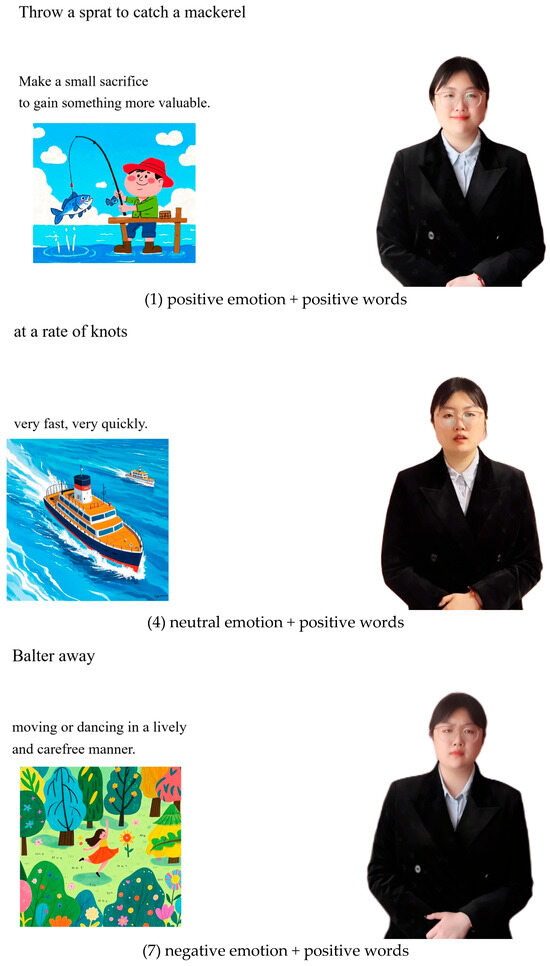
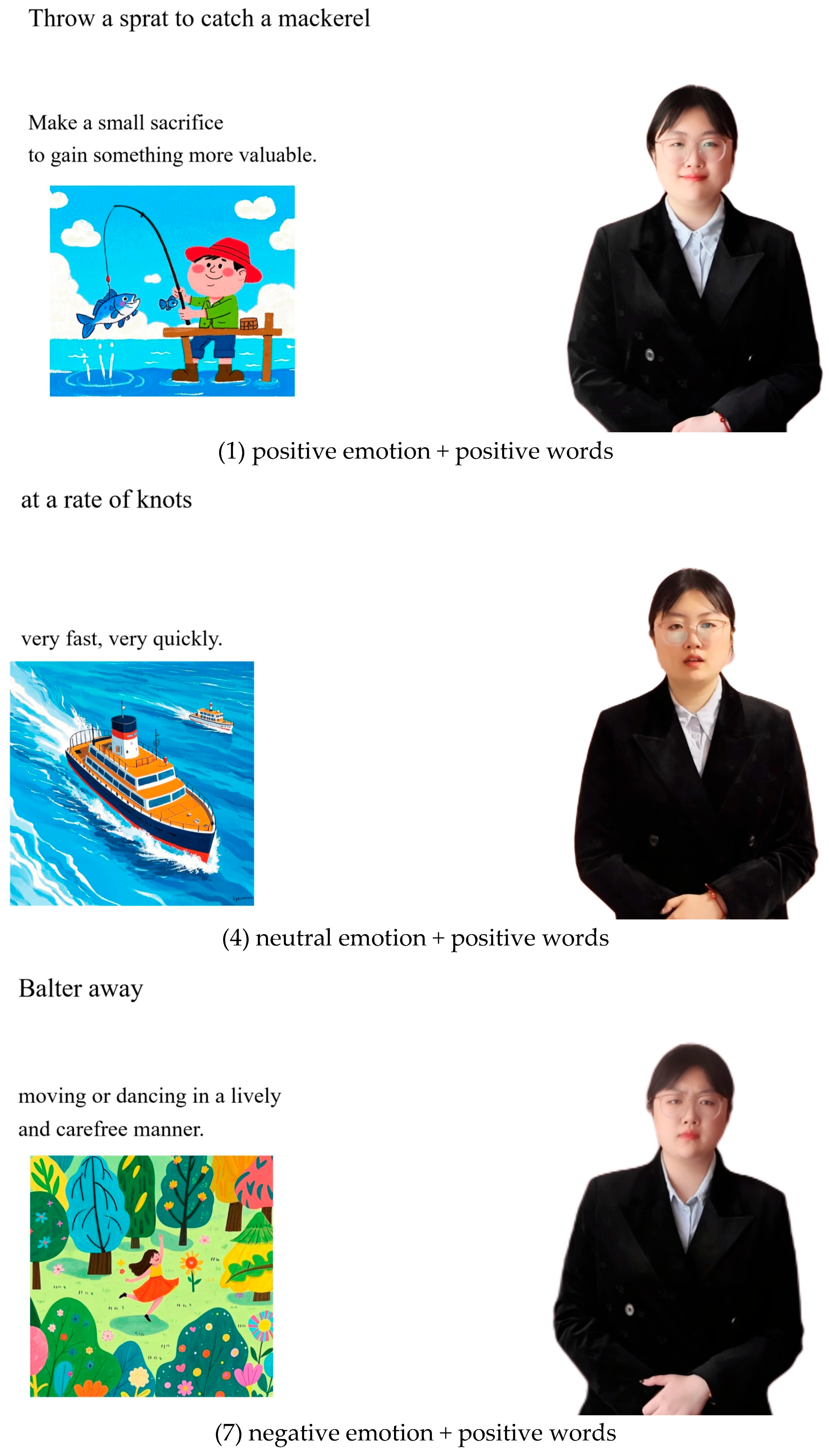
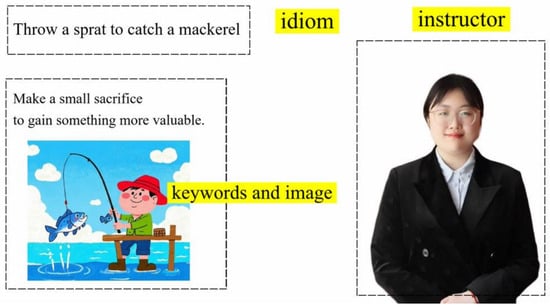
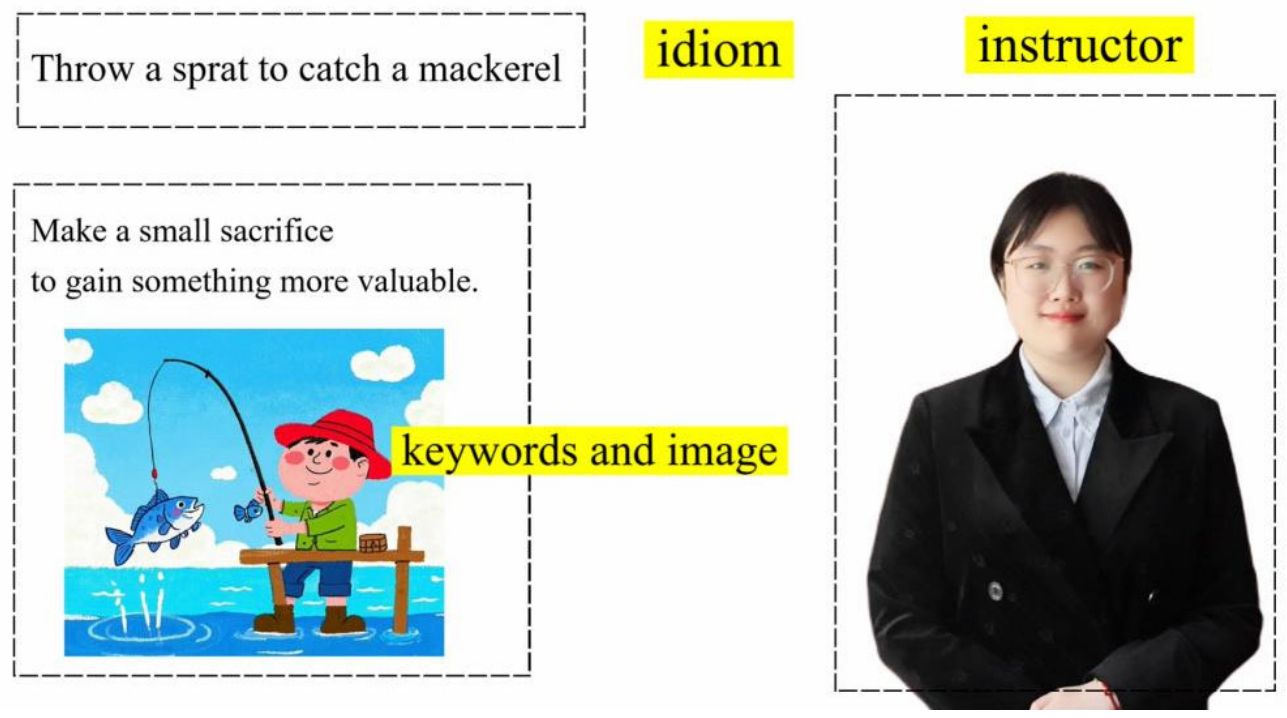
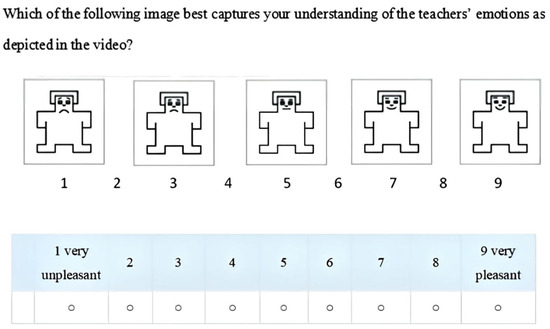
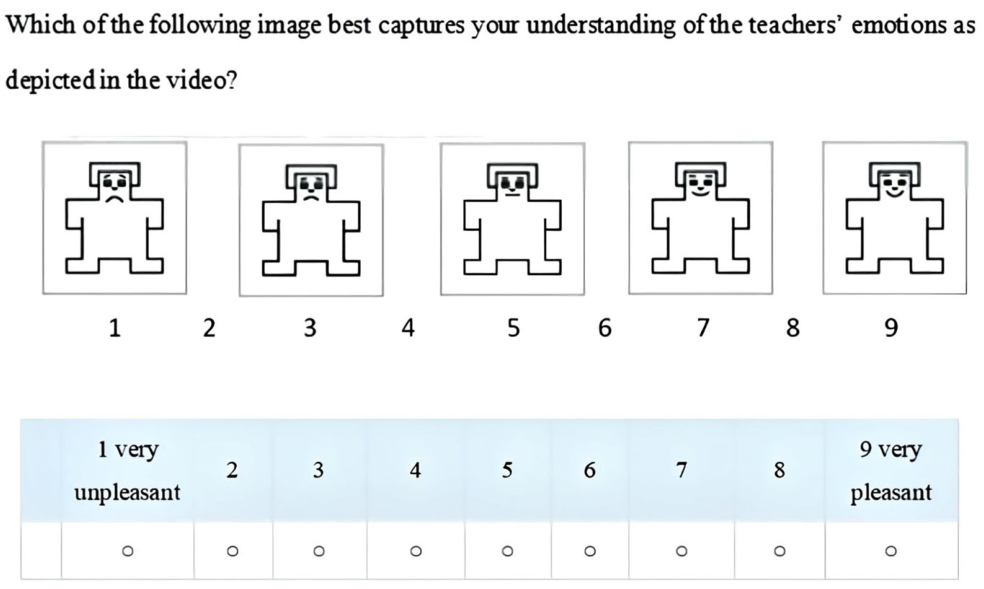
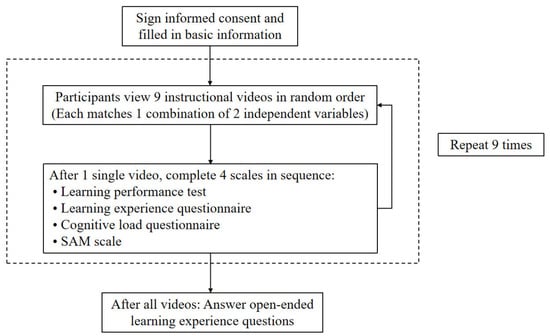
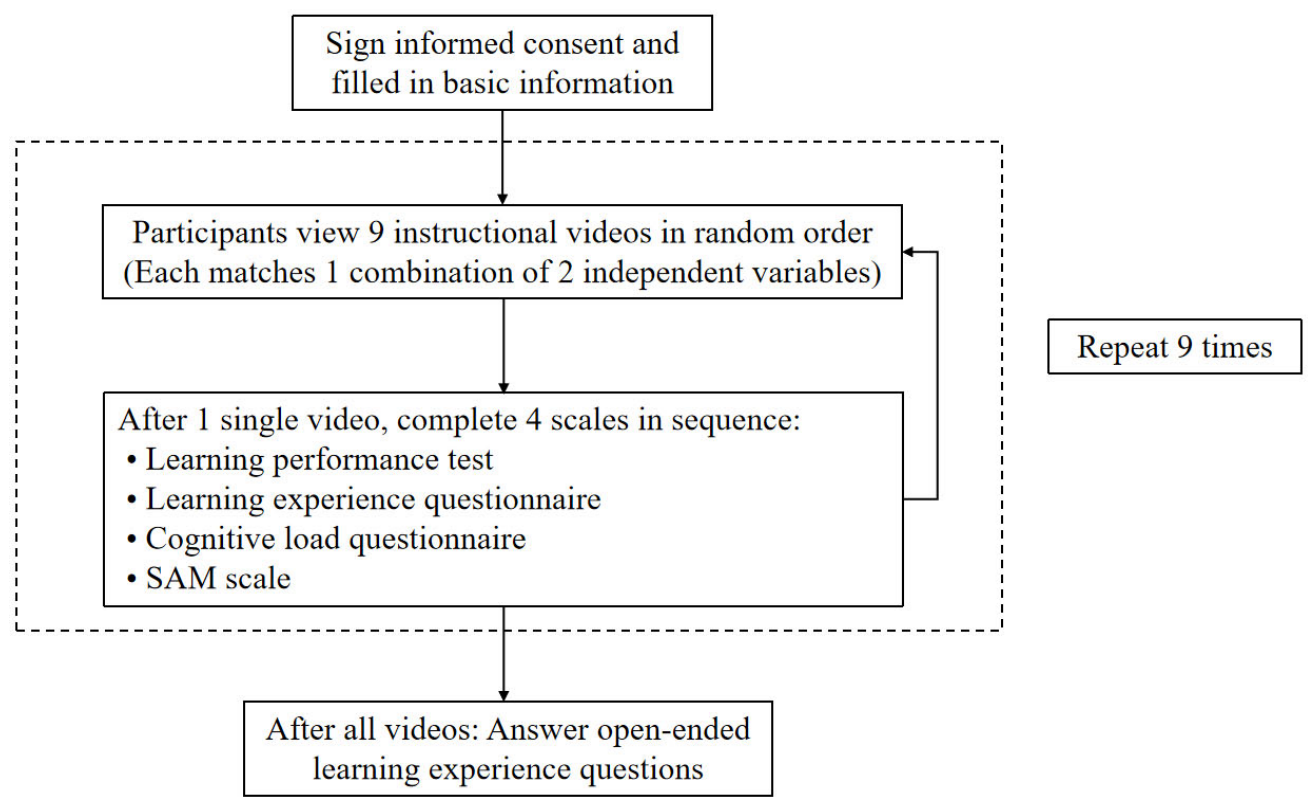
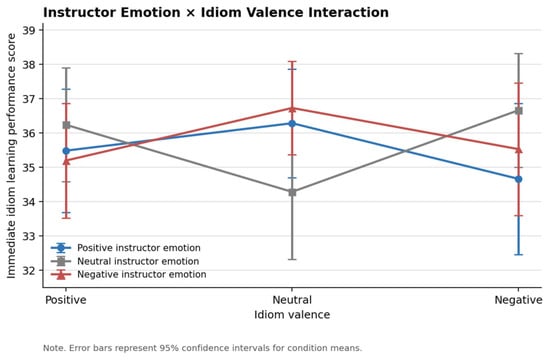
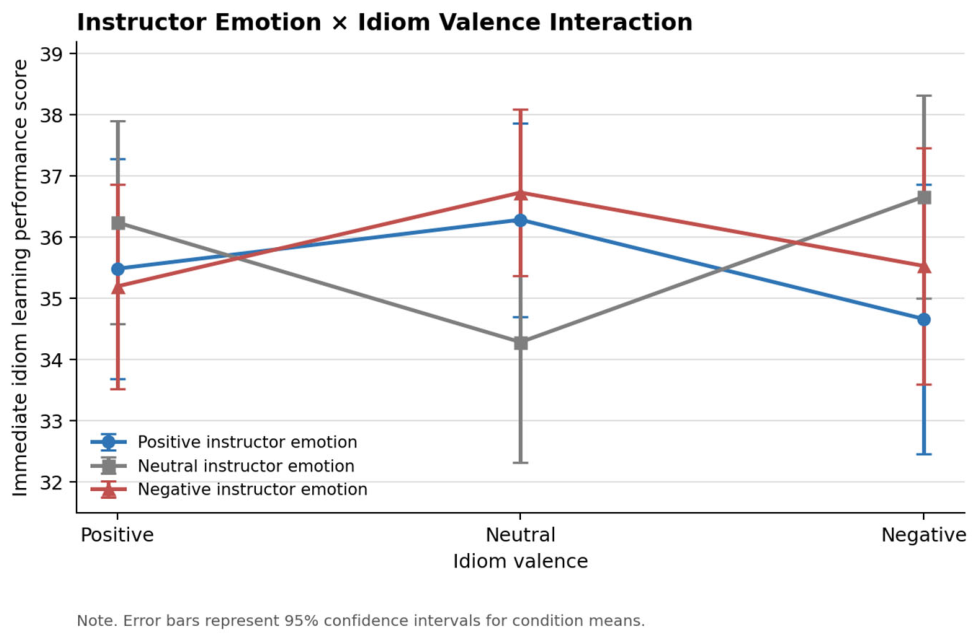

Disclaimer/Publisher’s Note: The statements, opinions and data contained in all publications are solely those of the individual author(s) and contributor(s) and not of MDPI and/or the editor(s). MDPI and/or the editor(s) disclaim responsibility for any injury to people or property resulting from any ideas, methods, instructions or products referred to in the content. |
© 2026 by the authors. Licensee MDPI, Basel, Switzerland. This article is an open access article distributed under the terms and conditions of the Creative Commons Attribution (CC BY) license.