


Abstract
Background: Automated assessment of relational competencies by large language models (LLMs) is gaining traction in medical education, yet its empirical reliability remains poorly documented. Methods: We evaluated ATENA, a GPT-3.5-Turbo virtual-patient simulator deployed at the Faculty of Medicine of Nice (France), in two sequential components. First, 21 university hospital professors rated seven dimensions of realism on 7-point Likert scales. Second, across 129 student simulations of a single diagnostic disclosure scenario, expert human scores based on the empathic communication coding system (ECCS) were compared with ATENA’s automated scores using agreement metrics, Bland–Altman analysis, confusion matrix, and qualitative subcorpus analysis. Results: Realism was rated high on six of seven dimensions. Evaluative agreement was poor (ICC = 0.146), with a systematic overscoring bias (+0.80 points) and wide limits of agreement [−1.57; +3.16]. Three bias patterns emerged—score compression (76% of scores within 4.2–4.3), overscoring of weak performance, and underscoring of exemplary performance—indicating that ATENA responds to formal markers of empathy present in nearly every transcript. Conclusions: In this first-generation version of ATENA, the system distinguishes stronger from weaker interviews without being able to place them at the level assigned by expert human raters. These patterns preclude any certificatory use and support a critical, formative-only deployment grounded in instructor algorithmic literacy. The audit protocol applies to any LLM evaluator scored against human coding on a validated instrument.
1. Introduction
1.1. Simulation: Between Immersion and Judgment
Simulation has become a central lever in contemporary medical education, enabling students to develop clinical competencies in controlled and safe environments (Haute Autorité de Santé, 2024). Among the dimensions addressed, relational competencies—including clinical empathy—occupy a particular place, as they directly condition therapeutic adherence, patient satisfaction, and, more broadly, the quality of the care relationship (Bylund & Makoul, 2005). Clinical empathy can be defined as a cognitive, affective and behavioural capacity: understanding the patient’s perspective, recognizing their affects, and conveying this understanding through adjusted behaviours (Feighny et al., 1998).
To analyze these competencies, the empathic communication coding system (ECCS) developed by Bylund and Makoul (2002) is a widely used reference instrument insofar as it classifies clinicians’ responses to empathic opportunities into different levels that were empirically validated across approximately one hundred consultations. These categories “are not hierarchical in a normative sense” (Bylund & Makoul, 2005, p. 129): beyond ‘acknowledgment’ (level 3), the levels denote conceptually and practically different responses rather than better ones. In the present study, levels 0 to 5 were retained; level 6 (the ‘clinician’s sharing of a similar feeling or experience’) proved difficult to appropriate in the educational context studied. In its classical form, the ECCS relies on trained human judgment and is costly in time; the interrater reliability of the ECCS was established in the foundational Bylund and Makoul (2005) study through the assessment of 249 empathic opportunities drawn from videorecordings of real consultations.
The ECCS has recently been employed in simulation contexts with virtual patients. Yao et al. (2024) used this instrument to evaluate the verbal empathic communication of clinicians in training via an interaction device with a virtual patient simulating a suicidal crisis, demonstrating that the nonverbal dimensions of empathy remain critical and cannot be captured by purely textual assessment. This finding is directly relevant to the central issue of our investigation.
The emergence of large language models—hereafter LLMs—paves the way for partially automating this assessment, promising immediate, scalable and potentially homogeneous feedback. However, this promise raises a more fundamental question than mere technical performance: what does an LLM actually measure when it assigns an empathy score to a clinical interaction and to what extent can it be delegated a share of the evaluative judgment?
1.2. ATENA: An LLM-Based Virtual Patient Evaluator
ATENA is an intelligent computer-assisted learning (ICAI) system—that is, a digital system combining pedagogical simulation and automated assessment—developed at the Laboratory for Innovation and Digital Technology in Education (LINE) of Université Côte d’Azur as part of the IA4ECR1 project funded by the Idex UniCA and the Departmental Council 06. It is built on GPT-3.5 Turbo and combines two distinct prompts: a first simulation prompt, which configures a virtual patient and a clinical scenario, and a second evaluation prompt, which automatically assigns a single ECCS score to the student’s performance across the whole simulation (see Supplementary File S3 for full prompt texts). The system was deployed at the Faculty of Medicine of Nice for the training of relational competencies.
The choice of GPT-3.5 Turbo resulted from pragmatic constraints related to the data collection period (September 2023–January 2024): This model then offered the best compromise between cost, latency, and performance for institutional use with immediate feedback, whereas GPT-4 presented costs incompatible with our deployment constraints. The evaluation prompt corresponds to a first-generation version, resulting from a direct transposition of the ECCS table (Bylund & Makoul, 2005) into textual instructions without fine-tuning, making it a heuristic basis for documenting structural biases—that is, biases inherent in the transposition of a grid designed for human judgment into machine instructions rather than in a particular parameter setting or clinical scenario (see Supplementary File S3 for the exact instructions). Recent studies of LLM-as-a-judge, though not of empathy assessment specifically, confirm that these biases persist, in attenuated forms, with more recent models (Ye et al., 2025).
1.3. LLM-Based Assessment of Relational Competencies: Structural Limitations
The use of LLMs to evaluate empathic competencies raises specific empirical questions. Unlike questions of medical knowledge, for which answers can be checked against an established reference, where some LLMs have demonstrated alignment comparable to that of expert physicians—a panel of clinicians judged 92.6% of Med-PaLM’s long-form answers to be aligned with scientific consensus, against 92.9% for clinician-written answers (Singhal et al., 2023)—the evaluation of empathy within a person-centered approach (Rogers, 2001) engages dimensions such as emotional authenticity, contextual adaptation and the quality of presence, which potentially elude purely linguistic analysis.
LLMs are text sequence processing systems: Their unit of analysis is the token, and their mode of evaluation is linguistic plausibility. Applied to empathy, they face a fundamental mismatch: Empathy—naturally expressed through verbal, nonverbal, and paraverbal dimensions—cannot be reduced to written language. In principle, LLMs do not assess empathy itself but rather its linguistic representation, which is partial and potentially misleading.
Recent research has documented several systematic biases. In essay-grading studies, models tend to evaluate toward the center of the scales used, spanning a narrower range of scores than human raters do (Tang et al., 2024); this central tendency bias is compounded by a leniency bias, with models overscoring essays of average quality relative to human raters (Yavuz et al., 2025). Furthermore, Sorin et al. (2024) noted that LLMs evaluate empathy via scores calculated from lexical similarity with an ideal response, instruments incapable of grasping the fundamental gap between the empathy manifested by an AI—which does not share human emotional experience—and authentic empathy, which is always expressed according to the nature of the context. Beyond the assessment task itself, Stamer et al. (2023) identified wider limitations in their systematic review of AI systems for communication skills training: access to technologies, transposable clinical scenarios, natural conversational flow, and interactional authenticity. LLMs thus appear structurally ill-suited to producing authentic empathy, which they can simulate but not experience (Rządeczka et al., 2025); this inability does not prevent them from appearing more empathic than humans do.
Ayers et al. (2023) reported that across 585 assessments covering 195 patient questions, evaluators preferred chatbot responses over responses written by physicians in 78.6% of cases. In that study, the model produces, and humans judge, which is the inverse of the configuration at issue here; the finding therefore settles nothing for or against automated assessment. What it does establish bears directly on our question: a judgment formed on text alone can rate a system that has no emotional experience as more empathic, and in ATENA, the party judging on text alone is the model itself.
1.4. Positioning Within the State of the Art of LLM Virtual Patients
Two recent lines of development define the space within which ATENA is positioned. The first concerns LLM virtual patients. Several recent systems illustrate the technical maturity of this field: Cook et al. (2025), Yu et al. (2025), and Kyung et al. (2025) generate unscripted dialogs from patient profiles, achieving high levels of credibility. A recent systematic review confirmed that among 28 studies on LLM virtual patients published between 2023 and 2025, the assessment of empathic and relational competencies remains marginal, with only 13% mobilizing validated instruments (Zeng et al., 2025). Two studies nonetheless employ the ECCS in this context: Aster et al. (2025) target empathic expression in an LLM simulation context via two human raters working on transcripts, and Yao et al. (2024) use this same instrument to evaluate the empathic communication of clinicians interacting with a virtual patient simulating a suicidal crisis, the assessment remaining in both cases entrusted to human judges. Neither of these systems proposes automated ECCS scoring.
The second line concerns the automation of this evaluative judgment. Jamieson et al. (2024) documented the first prospective deployment of an automated grading system for written post-encounter notes produced after the Objective Structured Clinical Examination (OSCE), a standardized format in which medical students rotate through brief simulated clinical stations; by directly transposing the criteria of an assessment rubric into instructions for GPT-4, the system reached up to 89.7% item-level agreement with human graders. These results, however, concern items formulated as binary claim-verification tasks—of the type ‘is it true that the patient has a history of hypertension?’—reflecting an approach oriented toward the quality of information gathered rather than the quality of the relationship constructed. The difference is one of nature rather than degree: Verifying whether an item of information is present in a written note is a decidable operation on text, whereas assessing an empathic response requires judging the appropriateness of a turn of speech to a situation that the text records only in part. The authors themselves situate audiovisual analysis as the next stage, noting that a significant portion of their examination rubric rests on the observation of communication and physical-examination competencies that their text-based system does not reach (Jamieson et al., 2024).
ATENA lies precisely at the intersection of these two lines: It combines conversational simulation via an LLM virtual patient with the automation of evaluative judgment via the ECCS, an instrument for which its twenty years of validation rely on scoring by human experts. No result in either line underwrites that combination. It is therefore the credibility of ATENA as a simulator (RQ1), the reliability of its automated judgment interrogated through agreement metrics (RQ2), and the typology of recurrent disagreements with human experts (RQ3) that constitute the central objects of this article.
1.5. Theoretical Positioning: From Artifact to Instrument
Measuring agreement does not settle how a disagreement is to be read. A gap between two scorings can be treated as a technical shortfall to be closed by a better model or a better prompt or as evidence of what an artifact does to an evaluative practice when it is introduced into it. The second reading is the one adopted here, and it requires a wider framework than metrics alone can supply. From a sociotechnical perspective (Akrich, 2006; Coutant, 2015), ATENA cannot be considered a simple neutral tool: It is an actor that reconfigures assessment practices. Latour (1987) noted that every technical device constitutes a ‘black box’ for which its internal mechanisms remain opaque to users. In the case of ATENA, this opacity raises questions of legitimacy: On what criteria are the judgments of this device based? Our investigation aims to provide an initial empirical answer to this question (Section 3.2 and Section 3.3). The introduction of an algorithmic evaluation system further modifies the fabric of values and norms underpinning professional expertise (Jorro & De Ketele, 2011): it can institute a delegation of evaluative authority to a technical artifact, with the risk that the latter encodes unrecognized normative biases.
Rabardel’s (1995, 2005) theory of instrumental genesis offers a pertinent framework. It distinguishes the artifact—the tool as it exists technically—from the instrument—the artifact as integrated into the user’s activity through schemes of use (Rabardel, 1995). This distinction enables two dynamics to be conceptualized: instrumentation, whereby the artifact transforms the user’s practices, and instrumentalization, whereby the user adapts the artifact to their intentions. When applied to ATENA, an algorithmic score becomes a pedagogical instrument only when it is appropriated, interpreted, and resituated within a teaching activity that retains its critical capacity (Section 4.5). As Perrenoud (2010) reminds us, assessment is never an act of objective measurement: recourse to an algorithm does not eliminate its socially situated dimension; it merely displaces it.
This perspective is extended by Akrich’s (2006) reading: every technical device, she argues, embeds a ‘script’—a set of designer-anticipated uses, user roles, and competency assumptions encoded in the very affordances and constraints of the artifact—that defines a priori what counts as admissible evidence in an interaction. ATENA’s evaluation prompt is one such script: It prescribes which fragments of a student–patient exchange will be taken as evaluable empathic conduct and which will not (Section 4.2). This instrumental genesis can be emancipatory only when inscribed within a perspective of critical education (Freire, 1973) and operationalized through digital prudences (Heiser et al., 2025)—a six-level typology that articulates the cautious, reflexive stances (from individual to institutional) through which educators can engage with digital tools as an alternative to either blind delegation or outright rejection. In this context, Zerilli et al. (2022) distinguished three attitudes toward algorithmic systems—opposition (algorithm aversion), complacency (automation complacency), and algorithmic vigilance—the latter being the optimal attitude, as it presupposes transparent information about the system’s limitations, which our study also seeks to document.
1.6. Research Questions
On this basis, this work is articulated around three complementary research questions. The first research question (RQ1) concerns perceived realism: To what extent do university hospital professors (PU-PHs) in general medicine judge ATENA as credible as a consultation simulator? The second research question (RQ2) concerns evaluative agreement: What is the agreement between the ECCS scores assigned by ATENA and those assigned by expert human raters on the same corpus of student simulations? The third research question (RQ3) concerns the typology of disagreements: what types of recurrent disagreements can be identified, and what do they reveal about the limitations of ATENA as a judge of empathic competencies?
Our contribution is twofold: empirically, it identifies the bias patterns of an LLM judge applied to a relational competency, established on a corpus of authentic student simulations; methodologically, it presents the audit protocol assembled to establish them, applicable to any LLM evaluator scored against human coding on a validated rating instrument.
2. Materials and Methods
2.1. General Design
This study adopts a two-component sequential design. The first examines the perceived realism of the simulator (RQ1); the second analyzes the evaluative agreement and typology of disagreements between ATENA and expert human raters (RQ2 and RQ3). Agreement here means concordance between two judgments, neither of which is posited as the true value of the empathy displayed; the reliability of the human reference is itself estimated (Section 2.3.2). What the measures locate, the frameworks of Section 1.5 interpret. Notably, at the outset, the delay between data collection (September 2023–January 2024) and publication does not invalidate the results: The recent literature confirms that the documented biases constitute persistent structural limitations even with the latest-generation models (Ye et al., 2025). All statistical analyses were performed exclusively via JASP 0.19.3 (free software from University of Amsterdam—Nieuwe Achtergracht 129B Amsterdam, The Netherlands). An exploratory step preceded them: initial processing by an LLM on the same data files to obtain provisional estimates and to identify which analyses were worth running, followed by the analysis itself in JASP. The results presented derive exclusively from JASP (see Supplementary Files S8–S10).
2.2. Component 1—Survey on Perceived Realism (RQ1)
2.2.1. Participants
Twenty-two PU-PHs in general medicine were recruited in 2023 at the Faculty of Medicine of Nice. Following ethical re-verification of consent records, data from one participant were excluded due to the absence of valid written informed consent. The analyses below are therefore based on the remaining 21 PU-PHs, each of whom provided written informed consent (see Supplementary File S1). This profile was selected given their dual clinical and pedagogical expertise, qualifying them to evaluate both the medical plausibility of the synthetic patient’s reactions and the quality of the fictional immersion of the scenario. This sample size is consistent with recommendations for expert panels in medical education, which generally suggest between 6 and 20 participants for instrument content validation (Artino et al., 2014). Since Wilcoxon signed-rank tests are nonparametric, their power is less sensitive to sample size than that of equivalent parametric tests, making their application appropriate in this context of qualified expertise with n = 21. Each PU-PH completed a single simulation session with ATENA of approximately ten minutes on average using the same diagnostic disclosure scenario.
2.2.2. Measurement Instrument (Component 1)
At the end of the simulation, the PU-PH completed an ad hoc questionnaire of 7 items (1 per dimension) on a 7-point Likert scale (1 = strongly disagree; 7 = strongly agree), covering the dimensions presented in Table 1 (see Supplementary File S2). The neutral point of the scale was set at 4. The seven items yielded 147 ratings in all, seven per participant.
Table 1.
Realism survey dimensions—coding and labels of the 7 Likert items.
2.2.3. Analyses
Analyses include descriptive statistics and Wilcoxon signed-rank tests—chosen as appropriate for ordinal data—comparing median responses to the neutral point (reference value = four). Internal consistency was estimated via McDonald’s Omega (19.2.8) coefficient (with JASP), which is preferable to Cronbach’s alpha because it does not assume equal contributions of each item to the measured construct (McDonald, 1999).
2.3. Component 2—Evaluative Agreement Analysis (RQ2 and RQ3)
2.3.1. Design and Participants
This component analyzes the agreement between ATENA’s algorithmic assessment and expert human assessment on a corpus of transcripts from simulated clinical interviews. Interpreting that agreement requires knowing how far the human reference is itself reliable: agreement between the two raters composing the expert panel is therefore estimated on a double-coded subsample (Section 2.3.2), which is reported in Section 3.2 and discussed as a limitation in Section 4.6.
Component 2 is based on 129 digital simulations of clinical interviews conducted anonymously by students at the Faculty of Medicine of Nice across all programmes and years between September 2023 and January 2024 (see Supplementary File S5). The scenario stages the disclosure of a serious diagnosis, the principal empathic opportunity arising at the moment the diagnosis is given. Each student completed a single simulation, so the 129 transcripts correspond to 129 students, and the corpus is distinct from the sessions of Component 1, which involved the PU-PHs. The choice of n = 129 results from a pragmatic compromise between feasibility and maximum representativeness, substantially above the minimum recommended threshold for intraclass correlation coefficient (ICC) analyses—at least 30 heterogeneous samples (Koo & Li, 2016).
2.3.2. Human Raters and Training Procedure
Two human raters participated in the coding: a clinical psychologist with a doctorate in educational psychology (Alain Percivalle) and a lecturer–researcher in information and communication sciences (Cyril Drouot). They first undertook self-directed training in the ECCS and then benefited from a calibration exchange with Gregory Makoul (Yale School of Medicine, coauthor of the ECCS), who validated their understanding of four test transcripts covering different performance levels (scores between 0 and 1; between 2 and 3; and between 4 and 5 [see Supplementary File S4]) in accordance with Hallgren’s (2012) recommendations for establishing acceptable reliability prior to coding the main corpus. In the main corpus, the 129 transcripts were distributed between the two raters (each coding approximately half independently); ambiguous cases led to regular harmonization sessions to prevent rater drift (Wolfe et al., 2001) and to negotiate consensus following the consensual qualitative research approach (Hill et al., 2005). Alongside this coding, the expert dyad produced—for simulations judged noteworthy, atypical, or debatable—a free-text commentary.
In addition to prior calibration and ongoing harmonization, the reliability of the human reference was itself quantified. A subsample of 38 transcripts (29.5% of the corpus) was double-coded, each transcript being re-coded blind by the rater who had not originally coded it. Thirty-two transcripts were drawn at random from each rater’s share of the corpus; six were included deliberately to cover the low end of the scale, which a random draw would most likely have missed given the rarity of low scores in the corpus (six cases at ECCS levels 0–1 out of 129) so that all ECCS levels are represented. This deliberate coverage makes the subsample more dispersed than the corpus and mechanically raises the estimated agreement; the value obtained on the randomly drawn transcripts alone is therefore reported alongside it. Transcripts, rating file, and JASP outputs are provided in Supplementary File S10.
Two secondary qualitative analyses bear on the disagreement patterns established by the quantitative results; their detailed procedures and findings are therefore reported in Section 4.2 and Section 4.3, with the corresponding materials in Supplementary Files S6 and S7. The first examines a random sample of seven transcripts from the overscoring subcorpus, categorising physician utterances according to four types of linguistic proxies for empathy. The second examines the 28 free-text commentaries available for the underscoring subcorpus, categorising them according to three types of non-textual markers. Both were carried out by a single coder with AI assistance, and both used grids specified in advance rather than derived from the corpus.
2.3.3. Measurement Instrument (Component 2)
ATENA’s evaluation prompt consists of a direct transposition of the ECCS level table into textual instructions. These instructions explicitly authorise a non-integer score and set no output format constraint, and GPT-3.5 Turbo accordingly produced decimal scores (e.g., 4.3 or 3.7), which departs from the whole-level scoring originally prescribed by the ECCS (Section 4.5 and Section 4.6). The decimal values produced by the system were retained without transformation for all analyses that admit continuous input: ICC and Spearman’s rank correlation, Bland–Altman analysis and the confusion matrix below. Rounding was necessary for weighted kappa, which cannot accommodate intermediate values: The scores had to be merged into whole ECCS levels, whereas the human scores produced on a level-based scale required no such conversion. This conversion has a cost, since weighted kappa is sensitive to how concentrated a distribution is. It was therefore not applied to the other coefficients, which do not require it. The distribution of decimal values is reported in Section 3.3, and the corresponding data files are provided in Supplementary Files S8 and S9.
2.3.4. Statistical Analyses
Two questions govern the choice of coefficients: what kind of convergence between raters counts as agreement and how much may be assumed about the scale they use.
For the first question, Component 2 asks whether an automated score can replace a human one. For this, the two scores must coincide and not merely vary together: An LLM-as-a-judge that ranks the simulations as the human does but scores them all too high remains unusable for assessment. Absolute agreement with ICC(2,1) is therefore the relevant criterion, and it was retained as the primary metric (Shrout & Fleiss, 1979), being the ICC form that penalises such offset. Consistency with ICC(3,1) is reported alongside because a divergence between automated and human scores, should one appear, can have two sources: Comparing the two values shows whether the scores are off by a regular amount, which an adjustment could correct, or diverge case by case, which no adjustment could correct. Interpretation thresholds for the ICC follow Koo and Li (2016): below 0.50: poor; 0.50–0.75: moderate; 0.75–0.90: good; above 0.90: excellent.
For the second question, all ICC models treat the ECCS as an interval scale—they assume that moving from level 1 to level 2 represents the same increment of empathy as moving from level 4 to level 5 (Norman, 2010), which cannot be fully taken for granted. Weighted kappa treats the levels as ordered categories and weights each disagreement by how far apart the two scores fall. That weighting, however, reintroduces an assumption the ECCS does not support—that a two-level disagreement is twice as serious as a one-level one, under linear weights, or four times, under quadratic weights. Nothing in the instrument settles which of the two is right, so neither was chosen: Both are reported. If the two values agree, the result holds whichever weighting is applied; if they diverge, the conclusion depends on a decision of the analyst rather than on the data, and this must be visible to the reader (Section 3.2). Spearman’s rank correlation goes further and uses no scale at all: Each score is replaced by its rank so that only the ordering of the simulations is compared, and two raters who order the simulations alike will register agreement even if one uses the full range and the other confines all scores to a narrow band. Read together, the three coefficients establish whether the agreement between ATENA and the human raters depends on what the ECCS scale is taken to be. The ECCS levels are ordered here, although this instrument is not hierarchical in a normative sense beyond acknowledgment (Section 1.1). This ordinal treatment applies identically to both judges, and a difference between two scores accordingly reflects a deviation from human assessment rather than a claim that one ECCS level constitutes a better response than another.
Each of these coefficients, however, reduces the 129 comparisons to a single number—three numbers in all, one per coefficient—and none of them describes the structure of the relation between the two sets of scores. Bland–Altman analysis was therefore applied to estimate the mean bias and limits of agreement, comparing the two scores case by case for each simulation transcript. In this graph (Figure 1), the horizontal axis represents the mean of the two scores (ATENA and human), and the vertical axis represents their difference (ATENA − human); the central line indicates the mean bias (systematic over- or underscoring by ATENA), and the outer dashed lines delimit the zone within which 95% of the observed differences are located. The wider these limits, the more unpredictably the two methods diverge. The plot also reveals trends, such as heteroscedasticity (disagreements varying in size across the range of scores) or a central tendency effect (scores concentrated in a narrow band regardless of performance). The use of the Bland–Altman method for ordinal data with five or more levels is accepted in medical education (Norman, 2010).
Figure 1.
Bland–Altman plot of the agreement between ATENA and human scores (n = 129). The horizontal axis shows the mean of the two scores: (ATENA + Human)/2; the vertical axis shows their difference, ATENA − Human, such that a positive value indicates a higher score from ATENA. The solid line marks the mean bias (+0.80); the dashed lines mark the limits of agreement (−1.57 and +3.16). Point size is proportional to the number of simulations at each coordinate.
This graphical reading was complemented by regression-based checks. The size of each disagreement, taken without its sign, was regressed on the mean of the two scores to test whether disagreements grow or shrink across the range of performance (heteroscedasticity); the signed difference was regressed on the same mean to test whether ATENA’s departure from the human score is constant across the range or varies with the level of performance (proportional bias).
Finally, a confusion matrix was constructed to cross-tabulate human and algorithmic scores and derive an initial taxonomy of recurrent disagreements (RQ3).
All agreement analyses were conducted in JASP; the corresponding output files are provided in Supplementary File S9.
3. Results
3.1. Component 1—A Globally Credible Simulator (RQ1)
The mean realism scores ranged from 4.67 for the patient’s expression of concern (Q3) to 6.19 for the absence of dialog blockages (Q7), with all means above the neutral point of 4; medians and interquartile ranges are reported alongside (Table 2). Q3 is the only item for which its median sits at the neutral point of the scale.
Table 2.
Descriptive statistics—Likert questionnaire (n = 21 PU-PHs, JASP output): means, standard deviations, medians, and interquartile ranges.
The seven items were treated as separate realism indicators rather than as a unidimensional scale. McDonald’s Omega for the seven items was ω = 0.77 (95% CI: 0.621–0.917), but one item does not behave like the others: Q3 (expression of concern by the synthetic patient) has an item-rest correlation of 0.167 against 0.346 to 0.780 for the six other items (Table 3). How an expert rated the plausibility of the exchange tells us almost nothing about how the same expert rated the patient’s expression of concern. Q3 asks about something the six others do not. They concern the technical and conversational plausibility of the exchange—coherence of the patient’s replies, understanding of the situation, relevance of the dialogue, and absence of blockages—all of which pertain to the simulation’s capacity to sustain a credible clinical conversation. Q3 asks whether the patient expresses emotional concern. This is consistent with the design of the questionnaire, which comprises one item per dimension (Section 2.2.2, Table 1).
Table 3.
McDonald’s Omega and item-rest correlations (n = 21 PU-PHs, JASP out).
Wilcoxon tests revealed that six of the seven items presented medians significantly above 4 (Table 4). Only Q3 did not reach the conventional significance threshold (V = 70, p = 0.087), although its mean remains slightly above the neutral point. PU-PHs therefore judge ATENA as globally credible as a textual consultation simulator, with a reservation concerning the synthetic patient’s capacity to express fully convincing emotional concern—a dimension they assessed separately from conversational realism.
Table 4.
Wilcoxon signed-rank tests—comparison against the neutral point (n = 21 PU-PH, JASP output). The alternative hypothesis specifies that the median differs from 4.
3.2. Component 2—Poor Evaluative Agreement (RQ2)
The ICC(2,1) with absolute agreement, calculated on 129 simulations and two raters (ATENA vs. human), is 0.146, F(128, 128) = 1.49, p = 0.013 (Table 5 and Notes). This is well below the 0.50 threshold, indicating poor agreement (Koo & Li, 2016). The accompanying p value (Notes in Table 5) should not be read as a validation: It shows only that some agreement exists rather than none at all, and with 129 cases, significance is reached from about 0.15—essentially the value observed here. What the coefficient itself indicates therefore stands: the agreement is poor.
Table 5.
Agreement metrics: ATENA vs. human scores (n = 129 simulations) and human–human double coding (n = 38) (JASP outputs, Supplementary Files S9 and S10).
ICC(3,1) is reported as a complement. Unlike ICC(2,1), it disregards any constant difference between raters and measures only whether their scores vary together. Its value, 0.197, is barely higher than ICC(2,1). A regular gap between ATENA and the human raters would have pushed it much higher; it did not, which means that the two raters disagree differently from one simulation to the next, and no uniform adjustment could correct that.
Weighted kappa and Spearman’s ρ, which do not assume interval equivalence, confirm this weakness—poor agreement that no adjustment for offset restores. Weighted kappa is negligible under both weighting schemes (linear κ = 0.03; quadratic κ = 0.07—see Supplementary File S9 ‘component 2 Kappa’). Both values fall far below any threshold of acceptable agreement, so the weakness they establish does not depend on how disagreements are weighted. Spearman’s rank correlation requires no rounding and operates on the scores as produced. Its value indicates a moderate association (ρ = 0.48, p < 0.001): the ordering of simulations is partially, but only partially, preserved.
This divergence between Spearman’s ρ and the three other coefficients is itself a result. Spearman’s correlation asks only whether the two raters order the simulations in a similar way: a simulation placed higher than another by the human rater tends also to be placed higher by ATENA. The other three ask a more demanding question, since each compares the scores themselves and not only their order. The contrast shows that ATENA broadly recovers the relative position of the simulations, without assigning them the scores a human rater would.
These values only take on meaning against how far two human raters agree with each other on the same instrument (the ECCS). On the 38 double-coded transcripts (Section 2.3.2), that agreement reaches ICC(2,1) = 0.605 [0.361; 0.772]—moderate by the thresholds retained above—with weighted kappas of 0.398 and 0.598 against ATENA’s 0.030 and 0.068 (Table 5). The two ICC confidence intervals do not overlap, with the lower bound of the human interval (0.361) lying above the upper bound of ATENA’s (0.306), so the ordering of the two agreements does not depend on where each estimate falls within its interval.
The 38 double-coded transcripts are not a random sample: Six were added deliberately to cover the low end of the scale (Section 2.3.2). Since the ICC increases with the dispersion of the scores being rated, those six transcripts widen the estimate—the more so as they proved the easiest to agree on, with the raters matching exactly on four of them and within one point on the other two. A second estimate is therefore reported on the 32 randomly drawn transcripts alone, which reflect the score distribution of the corpus: ICC(2,1) = 0.296 (Note 2 in Table 5). The two values answer different questions: 0.605 estimates agreement across the full range of the scale (n = 38), while 0.296 estimates it on the distribution the corpus actually presents (n = 32).
For all that, none of these coefficients indicates by how much ATENA’s scores and the human ones differ on a case-by-case basis. Bland–Altman analysis reveals a mean bias of +0.80 points (ATENA − human)—Table 6—together with limits of agreement ranging from −1.57 to +3.16, yielding a range of 4.7 points out of 5, representing 94.6% of the theoretical scale. For a given simulation, the score assigned by ATENA can therefore be more than one and a half points below or more than three points above the human score. These bounds rest on a single standard deviation computed over all 129 differences, which assumes that the dispersion is the same at every level of performance. A test for heteroscedasticity shows that it is not: The absolute difference between scores decreases as the mean score rises (b = −0.854, p < 0.001). The limits are therefore too wide to describe the strongest performances and too narrow to describe the weakest. A second test establishes a proportional bias: The signed difference falls as the mean score rises (b = −1.518, p < 0.001), so the gap between the two scores depends on the level of performance—ATENA scores above the human rater at the lower end of the scale and below it at the upper end. Both regressions are reported in Supplementary File S9.
Table 6.
Bland–Altman analysis—mean bias and limits of agreement (n = 129 simulations).
The two human raters show a different structure: Their scores display comparable dispersion (standard deviations of +1.45 points and +1.72 points) across the full 0–5 range, and the regression of their difference on their mean shows no proportional bias (slope = −0.204, p = 0.210; Supplementary File S10). Where they disagree, they do so at any level of performance and in either direction. Their disagreement is therefore non-directional, whereas ATENA’s is directional—and by the same token it is unpredictable, whereas ATENA’s is systematic.
Of the two structures, only ATENA’s is plotted (Figure 1), since it is the system that is under examination here. The Bland–Altman plot shows the differences narrowing as the mean score rises from about +3 at the low end to about −1 at the high end.
This can be expressed more concretely by way of a thought experiment. The ECCS is a scoring instrument, but it sets no pass threshold; such thresholds are set by the assessment framework that uses it. OSCEs, which already assess relational competencies in this curriculum, would provide the natural setting: Were an ECCS-based station to define a passing level, the consequences of the observed limits become tangible. At a bar of 3, the human rater passes 84 of the 129 students while ATENA passes 128; at a bar of 4, the figures are 60 against 100. Either way, the two raters disagree on the fate of some fifty students—a third or more of the cohort. This illustrates why ATENA, in its present configuration, cannot support a certificatory assessment nor substitute for human judgment in reaching it or in the ordinary use of the system in class.
3.3. Component 2—Typology of Disagreements (RQ3)
Because Section 3.2 established that ATENA’s disagreement follows the level of the performance, unlike that of the human raters, the present section measures this disagreement level by level—by how much, at which levels, and for how many simulations—in search of recurrent bias patterns (RQ3). The examination starts from the confusion matrix (Table 7), which crosses the two scores case by case and highlights a strong concentration of algorithmic scores of approximately 4.2–4.3, irrespective of the human score: 76% of ATENA’s evaluations (98 of 129) fall within this narrow band, which we refer to below as ATENA’s modal band. This concentration is the first of the three bias patterns: score compression.
Table 7.
Confusion matrix: human ECCS scores vs. ATENA scores. ATENA scores show decimal values due to the characteristics of the evaluation prompt (see Section 2.3.3—JASP output).
The same concentration produces opposite effects depending on the human score, and the two remaining bias patterns appear once each ATENA score is set against the human score it corresponds to (Table 8). For simulations scored 3 or below by the human rater (n = 69), the median ATENA score is 4.20 with a mean difference of +1.79 points, and 64% fall within the modal band, illustrating a zone of massive overscoring of weak performances. For simulations scored 4 by the human rater (n = 26), the median ATENA score is 4.25 with a mean difference of +0.19 points, and 88% fall within the band, creating a zone of agreement. For simulations scored 5 by the human rater (n = 34), the median ATENA score is 4.30 with a mean difference of −0.76 points, and 91% fall within the band, revealing a zone of systematic underscoring of exemplary performance.
Table 8.
Main disagreement patterns between the human and ATENA assessments.
4. Discussion
4.1. Interpretive Synthesis
This study demonstrates that a single system can be judged as credible as a simulator while remaining unable to substitute for a human evaluator. The two components support this distinction. On the first, the experts rated the realism of the virtual patient highly on six of seven dimensions. On the second, agreement with expert human coding is poor, though not uniformly so: ATENA orders the simulations in a broadly similar way and converges with the human rater in the middle of the scale, while diverging at both ends. In its case, this indicates that converting a clinical interaction into an ECCS score involves a specific reduction in the construct to what the textual trace carries and to what the model does with it.
4.2. What ATENA Actually Measures: A Textual Proxy of Empathy
Because the three identified biases reduce to a single form—score compression, with the system scoring nearly all simulations within a narrow band near the top of the scale, which necessarily overrates the weakest and underrates the strongest—what ATENA and its embedded LLM actually measure calls for interpretation through the ECCS rubric that the system transposes into linguistic instructions. In doing so, the system works only from the textual trace, which brings us to the conclusion reached by Yao et al. (2024): under such conditions, textual markers do not make up for the absence of the nonverbal dimensions of empathy.
Following this idea, the model would potentially only detect formal linguistic markers of empathy—polite formulations, reassurance expressions, and smooth information structuring—rather than the fit between the physician’s response and the empathic opportunity the patient has just presented, which is what the ECCS is designed to code (Bylund & Makoul, 2005). Indeed, such markers belong to the routine of a consultation: a physician greets, introduces himself, offers support and closes politely, as the seven transcripts examined below show. Present in almost every transcript, they cannot separate the interviews from one another, which would account for the narrow band observed.
We support this interpretation with a qualitative analysis carried out on two subcorpora constituted from the confusion matrix once the statistical analysis had been completed. The first subcorpus comprises simulations for which ATENA’s score exceeds the human score by at least 1.5 points on the 0–5 scale (overscoring subcorpus, n = 45)2; the second comprises simulations with a human score of 5 (underscoring subcorpus, n = 34, of which 28 had an exploitable free-text commentary; see Section 4.3). Their examination converges: ATENA appears to evaluate not clinical empathy in the full sense but rather a textual proxy of empathic communication techniques limited to explicit verbal cues, as illustrated by the following examples.
For the overscoring subcorpus, each transcript was reread in full and in its complete clinical context—and not turn-by-turn in isolation—to assess the contextual adequacy of each utterance to the emotional state expressed by the patient. Seven transcripts were drawn at random from this subcorpus, all of which received a human score of 2. The figures reported below describe the seven transcripts examined and cannot be extended to the subcorpus as a whole. In each transcript, every utterance was categorized according to four types of formal linguistic markers of empathy, a deductive choice that constrains by construction what the analysis can identify (for full definitions of categories and examples in their original language with an English rendering, see Supplementary File S6). Each attribution was verified word for word in the raw transcriptions; extraction and categorization benefited from AI assistance, while contextual analysis and validation of attributions remain the responsibility of the authors. As might be expected, in these seven transcripts, formal markers of empathy are present even where the response is contextually inadequate in terms of relational competencies. Their presence and their relative weight are reported in Table 9. One limit needs to be specified: whether these markers are what raises the score is not tested here, and testing it would require manipulating transcript content and observing the resulting variation.
Table 9.
Distribution of surface empathy markers across the seven transcripts examined.
Table 9 counts the markers; the two excerpts below situate them and allow the interpretation set out above to be examined more closely. In the first case (human score: 2; ATENA score: 4), the physician responded to the patient’s concern with a generic affective reassurance formula—‘do not worry, we will support you’ (V6 in S6)—which experts judged to be inadequate given the expressed distress but for which its positive lexical markers were valorized by the system. In a second case (human score: 2; ATENA score: 4), faced with the question ‘Oh gosh, lymphoma, is that serious?’ (V2 in S6), the physician substituted immediate statistical reassurance for affective validation of the patient’s fear—‘your chances of recovery are high, approximately 70%’ (V2 in S6)—an informational response perceived by experts as avoidance of the emotional dimension but formally correct in the LLM’s assessment.
In both excerpts, drawn from the overscoring subcorpus and representative of what the seven transcripts show, the marker is present but answers the patient with something other than what the moment called for. Its presence alone does not establish whether the response was adjusted to the context, which is what the ECCS asks a rater to judge. This result is congruent with the findings of Yao et al. (2024) on the limits of textual assessment.
4.3. Biases of LLM-as-a-Judge Systems
The biases established in Section 3.3 are not specific to ATENA, which applies no parameter tuning to GPT-3.5 Turbo. The central tendency bias reported for written output assessment (Tang et al., 2024) recurs in clinical settings, with Tekin et al. (2025) having found systematically smaller standard deviations for AI models on OSCEs than for human raters. Jamieson et al. (2024) documented an error taxonomy structurally comparable to the patterns reported here—apparent oversights, overly permissive judgment, and narrow interpretation—during the deployment of an LLM assessment system in a medical context.
These convergences raise a question left open, which can only be broached here: What produces such biases? The concept of ‘surface empathy’ proposed by Iyer et al. (2026) offers an interpretive framework that bears directly on this question: models produce an appearance of empathy through stylistic consistency, whereas human raters mobilize contextual attunement and diverse relational strategies that the textual system cannot detect.
An examination of the underscoring subcorpus confirms this finding (see Supplementary File S7). This subcorpus comprises the 34 simulations rated as 5 by the human rater, of which 28 had an exploitable free-text commentary. For each transcript, the commentary was reread in full and categorized according to three types of non-textual markers, defined below: conversational progressiveness (CP), semantic register modulation (RM), and dynamic relational adjustment (DRA). These categories were derived from the raters’ free-text commentaries, not from the transcripts themselves. This secondary analysis was carried out by a single coder, with AI assistance for extraction and categorization; contextual analysis and validation of attributions remain the responsibility of the authors.
These three categories designate dimensions of the exchange that the raters found worth adding in their commentaries so as to record what ATENA’s scoring may not have taken into account—not because these dimensions are absent from the transcript but because their human assessment relates the wording of its effect over the interview as a whole. Conversational progressiveness (CP) refers to the tempo with which the physician conducts the interview—the pacing of disclosure, the mastery of open-ended questions, and the gradual construction of the exchange, which raters describe as a global quality of rhythm rather than as a discrete behaviour. Semantic register modulation (RM) refers to the semantic and lexical register in which the disclosure is delivered—not dramatising, cushioning the shock, and avoiding stigmatisation or infantilisation—and to its perceived effect on the patient’s engagement; raters characterise it as a deliberate choice but judge it from its effect on the exchange rather than from any identifiable feature of the wording. Dynamic relational adjustment (DRA) refers to the physician’s reorientation of the exchange in response to the patient’s state, typically following a sequence of detecting concern, validating it, and proposing a course of action; it also covers the personalisation of the interview to the patient’s individual history, and raters note that it may coexist with a directive interview style. The three categories are unevenly distributed (Table 10).
Table 10.
Distribution of non-textual markers across the 28 free-text commentaries (underscoring subcorpus).
The commentaries below illustrate each category in turn. In a first case (CP), the rater notes that the student is ‘very progressive and re-engages frequently’ (V6 in S7), qualifying a conversational rhythm and management of silences that only the unfolding of the interview makes assessable; in a second case (RM), the rater observes that ‘the choice of normalizing the lymphoma without losing sight of the importance of achieving treatment adherence is judicious, the patient did not panic’ (V10 in S7), where the semantic register of the disclosure is judged not in itself but by its effect on the patient; in a third case (DRA), the rater notes that the physician ‘identifies the worry, validates it and offers to address it’ (V5 in S7), designating a relational adjustment that consists of redirecting the exchange in response to the patient’s state.
These three types of markers (CP, RM, and DRA) converge with what Iyer et al. observed when human and LLM judges assessed the same texts: Models were more likely to favour “stylistically warm responses that were not specific to the dialogue context” (Iyer et al., 2026, p. 6), and the authors conclude that LLMs reward linguistic proxies for empathy more readily than genuine emotional insight. Thus, what escapes the system seems not to be the wording, which the transcript preserves in full, but the judgment that relates it to its effect on the exchange. Our results add something to the scale at which that judgment operates. They suggest that, to appraise the same textual markers, human raters consider them within the context of the interview as a whole and by what the physician’s conduct produces for the patient rather than by a single textual feature identifiable turn by turn.
Furthermore, the textual modality accentuates this phenomenon by depriving the exchange of the paraverbal signals essential to its affective dimension—rhythm, intonation, silences. If raters recover some of these through inference, it is because textual markers, read within the whole dialogue, allow a voice and a tone to be attributed to the text by making the situation concretely imaginable. What a human reading of a transcript captures is therefore a reconstruction rather than a direct perception, and this reconstruction constitutes a specific kind of judgment, distinct from that of an LLM acting as evaluator. It can therefore be argued that the prevalence of relational adjustment among human raters within the ECCS framework aligns with the nature of clinical simulation exchanges, where raters are tasked with identifying not a characteristic of the physician’s speech, but the way that speech is steered in response to the patient.
These two ways of assessing do not stand in a relation of deficiency, since the LLM registers what its evaluation prompt prescribes and what its own model leads it to recognise, and these results illustrate what Akrich (2006) terms the prescriptions inscribed in the device: In our case at least, the reduction of clinical empathy to its lexical traces forms a scenario that delimits a priori what counts in the assessment. Moreover, this prescription is not merely a technical constraint: It is potentially educational in the pejorative sense. If teachers receive ATENA’s score without the conceptual tools to interrogate its presuppositions, they risk progressively internalizing the algorithmic definition of empathy—what the sociology of technology terms an effect of nonreflexive instrumentation.
To specify the conditions of a critical appropriation of this type of system, the framework of digital prudences proposed by Heiser et al. (2025) could help clarify what is at stake. These authors distinguish six levels of prudence—from the individual to the institutional register—aimed at developing an enlightened relationship with digital tools in education rather than blind delegation or radical rejection. In the case of ATENA, “infocommunicational prudence”—which designates the capacity to exercise a techno-critical gaze on a digital device to use it with discernment—becomes the cognitive condition of instrumentalization in Rabardel’s (1995) sense: the transition from the score received as a verdict to the score interpreted as a partial indicator produced by an artifact with documented limitations. It is only under this condition that ATENA can become a fully fledged pedagogical instrument rather than a silent algorithmic authority.
4.4. Evaluative Uncertainty and Limitations Specific to the Artifact
Section 4.3 established that these biases are shared with other LLM-as-a-judge systems. One of the causes identified there has a wider reach: What the transcript of the simulation does not preserve—the paraverbal and nonverbal dimensions of the interaction—constrains any rater working from it, human raters included. More broadly, disagreement between raters is in itself an ordinary feature of assessment long documented in educational measurement, which raises the essential question of whether the disagreement observed with ATENA belongs to that ordinary category or to another.
That literature is worth recalling, since the arrival of the LLM as a judge does not invalidate it but reopens it. Drawing on the Carnegie Foundation’s pioneering early twentieth-century studies of rater variability in the French baccalaureate—which showed that a majority of candidates would pass or fail depending solely on which examiner graded their script—Merle (1998) situates this finding within a sociology of educational assessment that treats disagreement between examiners not as a defect to be eliminated but as a structural feature constraining evaluative judgment itself. Kurtz et al. (2003) specified why this uncertainty is particularly marked for relational competencies in healthcare: They simultaneously engage informational, verbal, nonverbal, and paraverbal constraining dimensions for which their complexity makes judgment dependent on multiple levels of analysis. On this reading, ATENA’s disagreement would belong to the ordinary category and would call for no explanation beyond what evaluation itself involves. The reading is legitimate as a starting point, and the double coding reported in Section 3.2 allows it to be examined: what is at stake is how much two human raters, given the same transcripts, disagree with each other.
The reading does not close the question. Two human raters facing the same transcripts, and therefore the same structural uncertainty, agree markedly more than ATENA agrees with either of them. Structural uncertainty is nonetheless real: The raters themselves reach only moderate agreement, which is what Merle and Kurtz lead one to expect. But it accounts for only part of the disagreement with ATENA, and the remainder is of another kind—were it the same uncertainty in greater measure, it would take the same form. This is not the case: our results show that human disagreement scatters across the scale, whereas ATENA’s follows the level of the performance.
Two forms of disagreement point to two distinct sources: The uncertainty inherent in any evaluative process and a directional deviation that belongs to the system. Whether that deviation comes from the artifact or from the first-generation configuration in which it was deployed is not something this study can settle. The first, being structural, does not by itself disqualify an assessment—that is precisely Merle’s point. The second is another matter: it does not scatter across students but falls on the same ones, inflating weak performances and lowering exemplary ones. It is this deviation, rather than uncertainty, that stands in the way of a certificatory use, and it is this phenomenon that the audit isolates.
4.5. Implications for Instrumental Genesis and Operational Recommendations
These results reasonably preclude, in ATENA’s current state, any delegation of certificatory judgment. They suggest, however, a use within a logic of indicative formative feedback, provided that instructors remain the ultimate arbiters of relational quality. That condition is what Rabardel’s (2005) emancipatory instrumental genesis requires: the development of critical instrumentalization schemes, using ATENA as one complementary perspective among others while retaining decision-making authority and interrogating the normative presuppositions encoded in the algorithm. Two conditions govern such a genesis, each engaging a distinct logic.
The first, inspired by participatory design principles (Barcellini et al., 2013; Darses & Reuzeau, 2004), bears on the place instructors occupy: They should not be mere end-users of ATENA but rather actors associated with the evolution of the system—capable of signaling its limitations to designers and adapting conditions of use to their pedagogical intentions. The second, articulated with the typology of digital prudences (Heiser et al., 2025), bears on what they need to know: sufficient algorithmic literacy (Digital Promise, 2024; OECD & European Commission, 2025) to distinguish what ATENA actually assesses from what it claims to assess—a condition without which no ethical sensitivity toward the score can develop (Patenaude et al., 2001; Percivalle, 2020).
It is at the intersection of these two logics (participatory and prudential) that the pathways proposed below find grounding as design proposals for which their effects remain to be evaluated. The first pathway, pertaining to ‘infocommunicational prudence’, consists of integrating into ATENA’s interface a composite confidence indicator calibrated on a benchmark dataset annotated by experts, accompanied by a reminder of the expected evaluative agreement between the human expert and the LLM (Koo & Li, 2016), enabling instructors to adjust their interpretation of the result.
The second pathway, pertaining to ‘individual and social prudences’, consists of training in digital literacy, including an introduction to the functioning of LLMs, case studies of typical ATENA errors, and individual calibration workshops. The need for such training, here addressed to instructors, finds an empirical analogue in Nasr et al.’s (2025) mixed-methods study of higher-education students using ChatGPT 3.5, which documents that, in the absence of explicit scaffolding, learners default to a passive, AI-directed mode rather than a collaborative, AI-supported one—accepting outputs uncritically even when prompted to evaluate them.
There is no reason to assume that instructors are structurally immune to the same drift when receiving ATENA’s scores without dedicated preparation. This pathway operates at a deeper level than mere acquisition of a technical competency: It engages a didactic transposition in Chevallard’s (1991) sense. Scripting a clinical consultation for a machine—that is, drafting or interpreting an evaluation prompt—entails subjecting an academic body of knowledge, that is, clinical empathic communication, to the transformations that make it computable: breaking it into criteria a model can apply and fixing in advance what will count as satisfying them in the terms of the rating instrument used. The exercise is instructive in itself: what resists that formalisation is what the instructor most needs to hold on to.
While the simulation prompt thus becomes an object that the instructor constructs, modifies, and adapts to their pedagogical intentions, the evaluation prompt is largely imposed upon them: In our case, its criteria are predefined, and its normative presuppositions about clinical empathy remain structurally opaque. Learning to distinguish these two objects (simulation prompt and evaluation prompt) means learning to distinguish what the system teaches from what one intends it to teach. In this sense, training in algorithmic literacy around ATENA transcends the condition of enlightened use: such training can become a teaching object in its own right, transposing, for our case, the clinical questioning of empathy toward critical reflexivity on the digital devices that claim to evaluate it. And more widely, in doing so, it feeds back into the instrument, since instructors able to read what the system measures are also those able to help shape more effectively what it should measure.
The third and last of these pedagogical pathways, pertaining only to ‘social prudence’, consists of cooperative engineering between instructors and designers: sessions coanalyzing marked disagreements document actual conditions of use and feed back into the evolution of the system (Barcellini et al., 2013). It operates at the level of the scenario inscribed in the artifact in Akrich’s (2006) sense—not by accessing it directly but by creating the institutional conditions through which limitations perceived by users reach designers. It thereby joins what Heiser et al. (2025) term ‘sanitary prudence’: in fields like health, where errors in a digital device propagate beyond the educational setting, documenting and correcting the biases of a system that, for example, evaluates clinical competencies are responsibilities toward the patients who will be cared for by clinicians trained with it.
A fourth pathway, technical this time, concerns prompt optimization. Jamieson et al. (2024) showed that rubric quality is the principal determinant of human–AI agreement, which justifies several improvements: the integration of anchoring examples illustrating each ECCS level with annotated transcript extracts to reduce criterion ambiguity; explicit output format constraints requiring integer scores between 0 and 5 to eliminate the production of decimal values incompatible with the ECCS ordinal scale; and recourse to advanced prompting techniques such as chain of thought (Wei et al., 2022) or self-consistency (Wang et al., 2023), two approaches likely to reduce intersimulation variability.
4.6. Limitations and Perspectives
Interrater reliability among human raters was quantified on a double-coded subsample rather than across the full corpus (Section 2.3.2 and Section 3.2), and what it establishes is itself a limitation: agreement between two trained raters is moderate—ICC(2,1) = 0.605 on the 38 transcripts and 0.296 on the randomly drawn ones—and exact agreement reaches 28.9%. The human score is therefore best described as a pragmatic expert reference rather than a validated gold standard.
This limitation, however, is not specific to either judge: What a written transcript loses with respect to an empathic exchange constrains human judgment as it constrains automated judgment, and this limits what any text-based assessment of relational competencies can achieve. Three measures nonetheless framed the production of that reference: prior calibration training including consultation with by Gregory Makoul in accordance with Hallgren’s (2012) recommendations, regular harmonization sessions to prevent rater drift (Wolfe et al., 2001), and negotiated consensus on ambiguous cases following the consensual qualitative research approach (Hill et al., 2005).
The protocol also relies on a single diagnostic disclosure clinical scenario and on GPT-3.5 Turbo in a first-generation prompt configuration, which authorises a non-integer score without constraining the output format.
The distribution of training levels across the corpus is not documented either: no identifier was entered for the students taking part at any point in the protocol, so the programme and year of study cannot be recovered. Thus, the range of performance represented in the corpus is unknown.
Furthermore, although all ECCS levels were treated ordinally rather than stopping the ordinal ranking at level 3 (Section 1.1 and Section 2.3.4), the principal finding does not hinge on this convention: score compression is a matter of dispersion rather than rank. Indeed, the human rater uses all six levels from 0 to 5 while ATENA confines 98 of the 129 scores to the two adjacent values 4.2 and 4.3 (Table 7), which requires no assumption about their ordering.
This study documents bias patterns in a particular configuration and provides a protocol for detecting them; whether they hold for other scenarios, other models, or an optimised prompt remains open and requires replication.
Both authors are designers of ATENA, and both served as raters. Three analytical safeguards frame this dual position: calibration validated by an external third party (Gregory Makoul, co-author of the ECCS), blind double coding, and full deposition of the data and outputs. The findings themselves run against the system.
The ethics submission for this study was retrospective: Data collection ran from September 2023 to January 2024, whereas the application to the institutional Research Ethics Committee was submitted in May 2026. While the authors maintain that this study falls outside the legal scope of research involving the human person under French law, prospective submission would have conformed to good research practice, and this sequence is reported here as a limitation in the conduct of this study rather than as a resolved formality.
These limitations open four research avenues. First, the forthcoming version of ATENA integrates a 3D avatar with voice and video streaming interactions. Under the European AI Act, inferring the emotions of a natural person in educational settings is prohibited, save for medical or safety reasons (Article 5(1)(f)) (European Parliament & Council of the European Union, 2024). The student’s affect thus remains beyond the reach of automated assessment, which stays bounded to the verbatim. What the avatar can improve is the simulation itself—the synthetic patient is not a natural person—and development concentrates on its affective realism, the dimension experts rated lowest (Q3, Section 3.1). Second, it is important to study how students receive the dual human-algorithm assessment regime and its effects on their learning strategies. Third, the double coding reported here covers 29.5% of the corpus; extending it would refine the partition of variability between human raters and the algorithm, particularly at the intermediate levels of the scale, where disagreement between the human raters concentrated. Fourth, the impact of prompt optimization on agreement should be tested, following the pathways described in the preceding section.
5. Conclusions
This study empirically documents what could be intuitively anticipated: An LLM that evaluates clinical empathy does not see empathy—it sees its textual trace. In this frame, the three identified bias patterns reveal an important limitation of the LLM-as-a-judge approach: The system gets the order roughly right—the decimals it produces do place stronger interviews above weaker ones—but the gaps are so small that all interviews end up with much the same score, using one level of the scale where a human rater uses six. The markers of empathy it responds to belong to the routine of a consultation: a physician greets, reassures, and closes politely whether or not he has answered what the patient expressed, so those markers are present nearly everywhere and separate almost nothing.
By providing a reproducible methodological framework combining agreement metrics, Bland–Altman analysis with its regression-based checks for proportional bias and heteroscedasticity, confusion matrix, and qualitative subcorpus analysis, this study offers an applicable framework for auditing any LLM evaluator against human coding on a validated rating instrument, regardless of the model. In its current state, ATENA is appropriate for indicative formative feedback, not for certification. In this use case, the score is offered not as a measurement but as a partial indicator inviting a re-examination of the interview, and enforcing this boundary rests with instructors.
At the close of this study, may we not say that, beyond ATENA, what this attempt to automate the assessment of empathy has produced is not so much an automated judgment as a clearer view of what human judgment involves in criterion-based assessment and of how much of it still lies beyond the machine?
Supplementary Materials
The following supporting information can be downloaded at https://www.mdpi.com/article/10.3390/educsci16091505/s1. Supplementary File S1 (PDF): Example of informed consent form (PU-PH participants); Supplementary File S2 (PDF): Example of realism questionnaire (7-item Likert scale); Supplementary File S3 (PDF): ATENA evaluation prompt; Supplementary File S4 (ZIP): ECCS calibration transcripts; Supplementary File S5 (XLSX): Full transcript corpus (129 simulations) with ECCS scores and free commentaries; Supplementary File S6 (PDF): Categorized linguistic proxies for empathy (overscoring subcorpus)3; Supplementary File S7 (XLSX): Categorized non-textual markers (underscoring subcorpus)4; Supplementary File S8 (JASP and XLSX in a single ZIP file): Component 1 data files and JASP outputs, including the descriptive statistics of Table 2; Supplementary File S9 (ZIP): JASP outputs for the Component 2 statistical analyses, excluding the double coding; Supplementary File S10 (ZIP): double-coding subsample—transcripts, rating file, and JASP outputs (intraclass correlations, weighted kappa, and regression).
Author Contributions
Conceptualization, C.D. and A.P.; methodology, C.D.; software, C.D.; formal analysis, C.D.; investigation, A.P.; data curation, C.D. and A.P.; writing—original draft preparation, C.D.; writing—review and editing, C.D. All authors have read and agreed to the published version of the manuscript.
Funding
This research was conducted within the IA4ECR project (“Intelligence Artificielle pour l’Enseignement des Compétences Relationnelles”), funded by the Idex Université Côte d’Azur and the Conseil Départemental 06 (Laureate of the AAP Smart Deal). The funders had no role in the design of the study; in the collection, analyses, or interpretation of data; in the writing of the manuscript; or in the decision to publish the results. The APC was funded by LINE/UCA (Départemental 06: Laureate of the AAP Smart Deal).
Institutional Review Board Statement
This study does not fall within the scope of research involving the human person as defined by French law (Article L1121-1 of the Public Health Code, as amended by Law No. 2012-300 of 5 March 2012, Loi Jardé), which designates research organised and conducted on human beings for the development of biological or medical knowledge. The present study pursues educational-science objectives—the perceived realism of a pedagogical simulator and the reliability of its automated scoring regarding soft skills—and involved no act performed on participants beyond the pedagogical activity itself. An application was nonetheless submitted retrospectively to the Research Ethics Committee of Université Côte d’Azur on 5 May 2026 (file 2026-080) after data collection had been completed. The Committee returned an unfavourable opinion on 13 June 2026, based primarily on the retrospective nature of the submission. The Committee’s report acknowledged the scientific and pedagogical value of the project (see Report 2, Section 3). Following the Committee’s recommendation, the data of the one PU-PH participant from whom written informed consent could not be obtained were excluded from all analyses; all results reported here are based on the remaining 21 participants. All data processing complied with the EU General Data Protection Regulation. The Data Protection Officer of Université Côte d’Azur confirmed in writing that no personal data were present in the requests transmitted to the OpenAI API, with participants being identified solely by an anonymous session number, and concluded that the processing did not require entry in the university’s record of processing activities. The Officer also noted that no standard contractual clauses had been signed with OpenAI at the time of the study; the authors acknowledge this as a limitation that cannot be remedied.
Informed Consent Statement
Written informed consent was obtained from 21 of the 22 PU-PH initially recruited for the realism survey (Component 1). Consent forms were collected between 2023 and 2026, in most cases after the simulation session rather than beforehand; the authors report this as a limitation in the conduct of the study. Written consent could not be obtained from one participant despite repeated requests, and that participant’s data were excluded from all analyses. For Component 2, student simulations were conducted within regular teaching activities at the Faculty of Medicine of Nice, with the agreement of the Dean, and were led by one of the authors, who teaches relational competencies in that curriculum. Students were aware that they were interacting with a virtual-patient simulator based on a large language model. No written information notice regarding the research use of the transcripts was provided, and the exact content of the oral information given at each session cannot be documented retrospectively; the authors report this as a limitation. No identifier was entered at any point during the simulations: transcripts were generated without names, student numbers, or institutional identifiers and cannot be linked back to individual students.
Data Availability Statement
The datasets generated and analyzed during this study—anonymized simulation transcripts with human and ATENA ECCS scores, JASP analysis files, the realism questionnaire, and the ATENA prompts—are available in the Supplementary Materials. Any supplementary data are available from the corresponding author upon reasonable request, subject to the privacy and GDPR constraints applying to educational data (see Supplementary File S9).
Acknowledgments
The authors thank all PU-PH and students who participated in the two study components and Gregory Makoul (Yale School of Medicine) for his collaboration. During the preparation of this manuscript, the authors used GPT-4 (OpenAI) and Claude (Anthropic) for writing assistance and verification of statistical calculations. All statistical results were independently recomputed in JASP, and factual claims and references used in this manuscript were checked against primary sources. The verification of Supplementary Materials undertaken during revision was assisted by Claude Opus 5 (Anthropic), with all corrections checked against the source articles. The authors have reviewed and edited the content and take full responsibility for it.
Conflicts of Interest
One of the authors is a co-author of Heiser et al. (2025), cited in this article for the concept of “Digital prudences”. Both authors are also the designers of ATENA. The authors declare no other conflicts of interest.
Notes
| 1 | From French title: “Intelligence Artificielle pour l’Enseignement des Compétences Relationnelles”. |
| 2 | The first criterion is expressed as a distance rather than as a pair of level thresholds because ATENA returns non-integer scores. |
| 3 | Methodological note. The sample (n = 7, random draw from the overscoring subcorpus, n = 45) consists of transcripts of simulated clinical interviews with ATENA that are fully transcribed. For each transcript, all physician turns were reread in their complete clinical context—and not turn-by-turn in isolation—to assess the contextual adequacy of each utterance to the emotional state expressed by the patient. Each utterance was then categorized according to four types of linguistic proxies for empathy derived from the behavioural patterns reported by Iyer et al.: polite formulations (PF), verbal fluency/structured information (VF), emotional regularity (ER: a uniform register maintained regardless of the patient’s emotional intensity) and an affective reassurance proxy (ARP). Each citation was verified word for word in the raw transcriptions. Extraction and categorization benefited from AI assistance (Claude 3.7 Sonnet, Anthropic); contextual analysis and validation of attributions remain the responsibility of the authors. |
| 4 | Methodological note. The sample corresponds to the 28 transcripts from the underscoring subcorpus with an evaluator commentary (n = 28 out of 34 eligible transcripts, human score = 5, 5 transcripts without commentary excluded). For each transcript, the free commentary was reread in full and categorized according to the three marker types defined in the main text (CP, RM, DRA). The categorization rests on the principle that the absence of direct reference to voice or speech rates in commentaries about a textual interface is itself structural evidence: experts qualify dimensions perceived in a context that the text does not encode. Second note: extraction and categorization benefited from AI assistance (Claude Sonnet 4.6, Anthropic); contextual analysis and validation of attributions remain the responsibility of the authors. |
References
- Akrich, M. (2006). Les objets techniques et leurs utilisateurs: De la conception à l’action. In M. Akrich, M. Callon, & B. Latour (Eds.), Sociologie de la traduction: Textes fondateurs (pp. 179–199). Presses des Mines. [Google Scholar]
- Artino, A. R., La Rochelle, J. S., Dezee, K. J., & Gehlbach, H. (2014). Developing questionnaires for educational research: AMEE guide No. 87. Medical Teacher, 36(6), 463–474. [Google Scholar] [CrossRef] [Scilit] [PubMed]
- Aster, A., Ragaller, S. V., Raupach, T., & Marx, A. (2025). ChatGPT as a virtual patient: Written empathic expressions during medical history taking. Medical Science Educator, 35(3), 1513–1522. [Google Scholar] [CrossRef] [Scilit] [PubMed]
- Ayers, J. W., Poliak, A., Dredze, M., Leas, E. C., Zhu, Z., Kelley, J. B., Faix, D. J., Goodman, A. M., Longhurst, C. A., Hogarth, M., & Smith, D. M. (2023). Comparing physician and artificial intelligence chatbot responses to patient questions posted to a public social media forum. JAMA Internal Medicine, 183(6), 589–596. [Google Scholar] [CrossRef] [Scilit] [PubMed]
- Barcellini, F., Van Belleghem, L., & Daniellou, F. (2013). Les projets de conception comme opportunité de développement des activités. In P. Falzon (Ed.), Ergonomie constructive (pp. 191–206). Presses Universitaires de France. [Google Scholar] [CrossRef] [Scilit]
- Bylund, C. L., & Makoul, G. (2002). Empathic communication and gender in the physician–patient encounter. Patient Education and Counseling, 48(3), 207–216. [Google Scholar] [CrossRef] [Scilit] [PubMed]
- Bylund, C. L., & Makoul, G. (2005). Examining empathy in medical encounters: An observational study using the empathic communication coding system. Health Communication, 18(2), 123–140. [Google Scholar] [CrossRef] [Scilit] [PubMed]
- Chevallard, Y. (1991). La transposition didactique: Du savoir savant au savoir enseigné (2nd ed.). La Pensée Sauvage. [Google Scholar]
- Cook, D. A., Overgaard, J., Pankratz, V. S., Del Fiol, G., & Aakre, C. A. (2025). Virtual patients using large language models: Scalable, contextualized simulation of clinician–patient dialogue with feedback. Journal of Medical Internet Research, 27, e68486. [Google Scholar] [CrossRef] [Scilit] [PubMed]
- Coutant, A. (2015). Les approches sociotechniques dans la sociologie des usages en SIC. Revue Française des Sciences de l’Information et de la Communication, (6). [Google Scholar] [CrossRef] [Scilit]
- Darses, F., & Reuzeau, F. (2004). Participation des utilisateurs à la conception des systèmes et dispositifs de travail. In P. Falzon (Ed.), Ergonomie (pp. 405–420). Presses Universitaires de France. [Google Scholar] [CrossRef] [Scilit]
- Digital Promise. (2024). AI literacy: A framework to understand, evaluate, and use emerging technology. Available online: https://digitalpromise.org/initiative/artificial-intelligence-in-education/ai-literacy/ (accessed on 1 February 2026).
- European Parliament & Council of the European Union. (2024). Regulation (EU) 2024/1689 of 13 June 2024 laying down harmonised rules on artificial intelligence (artificial intelligence act). Official Journal of the European Union, L 2024/1689. Available online: https://eur-lex.europa.eu/legal-content/FR/TXT/?uri=OJ:L_202401689 (accessed on 1 February 2026).
- Feighny, K. M., Arnold, L., Monaco, M., Munro, J. S., & Earl, B. (1998). In pursuit of empathy and its relation to physician communication skills: Multidimensional empathy training for medical students. Annals of Behavioral Science and Medical Education, 5(1), 13–21. [Google Scholar]
- Freire, P. (1973). La pédagogie des opprimés (É. Dupau, M. Kerhoas, & I. Pereira, Trans.). Agone. [Google Scholar]
- Hallgren, K. A. (2012). Computing inter-rater reliability for observational data: An overview and tutorial. Tutorials in Quantitative Methods for Psychology, 8(1), 23–34. [Google Scholar] [CrossRef] [Scilit] [PubMed]
- Haute Autorité de Santé. (2024). Guide de bonnes pratiques en matière de simulation en santé. Available online: https://www.has-sante.fr/upload/docs/application/pdf/2024-04/spa_181_guide_bonnes_pratiques_simulation_sante_cd_2024_03_28.pdf (accessed on 2 May 2026).
- Heiser, L., Drouot, C., Raynault, A., Bonjour, A., Mouren, D., & Céci, J.-F. (2025). La typologie des «Prudences numériques», un outil didactique au service d’une intégration d’une éducation au numérique en Anthropocène. Éducation et socialisation. Les Cahiers du CERFEE, (76). [Google Scholar] [CrossRef] [Scilit]
- Hill, C. E., Knox, S., Thompson, B. J., Williams, E. N., Hess, S. A., & Ladany, N. (2005). Consensual qualitative research: An update. Journal of Counseling Psychology, 52(2), 196–205. [Google Scholar] [CrossRef] [Scilit]
- Iyer, L., Aggarwal, K., Koyejo, S., Heyman, G., Ong, D. C., & Mukherjee, S. (2026). HEART: A unified benchmark for assessing humans and LLMs in emotional support dialogue. arXiv. [Google Scholar] [CrossRef] [Scilit]
- Jamieson, A. R., Holcomb, M. J., Dalton, T. O., Campbell, K. K., Vedovato, S., Shakur, A. H., Basit, M., & Kruzel, T. (2024). Rubrics to prompts: Assessing medical student post-encounter notes with AI. NEJM AI, 1(12), AIcs2400631. [Google Scholar] [CrossRef] [Scilit]
- Jorro, A., & De Ketele, J.-M. (Eds.). (2011). La professionnalité émergente: Quelle reconnaissance? De Boeck Supérieur. [Google Scholar] [CrossRef] [Scilit]
- Koo, T. K., & Li, M. Y. (2016). A guideline of selecting and reporting intraclass correlation coefficients for reliability research. Journal of Chiropractic Medicine, 15(2), 155–163. [Google Scholar] [CrossRef] [Scilit] [PubMed]
- Kurtz, S., Silverman, J., Benson, J., & Draper, J. (2003). Marrying content and process in clinical method teaching: Enhancing the Calgary–Cambridge guides. Academic Medicine, 78(8), 802–809. [Google Scholar] [CrossRef] [Scilit] [PubMed]
- Kyung, D., Chung, H., Bae, S., Kim, J., Sohn, J. H., Kim, T., Kim, S. K., & Choi, E. (2025). PatientSim: A persona-driven simulator for realistic doctor–patient interactions. arXiv. [Google Scholar] [CrossRef] [Scilit]
- Latour, B. (1987). Science in action: How to follow scientists and engineers through society. Harvard University Press. [Google Scholar]
- McDonald, R. P. (1999). Test theory: A unified treatment. Lawrence Erlbaum. [Google Scholar] [CrossRef] [Scilit]
- Merle, P. (1998). Sociologie de l’évaluation scolaire. Presses Universitaires de France. [Google Scholar]
- Nasr, R., Tu, C.-H., Werner, J., Bauer, T., Yen, C.-J., & Sujo-Montes, L. (2025). Exploring the impact of generative AI ChatGPT on critical thinking in higher education: Passive AI-directed use or human–AI supported collaboration? Education Sciences, 15(9), 1198. [Google Scholar] [CrossRef] [Scilit]
- Norman, G. (2010). Likert scales, levels of measurement and the “laws” of statistics. Advances in Health Sciences Education, 15(5), 625–632. [Google Scholar] [CrossRef] [Scilit] [PubMed]
- OECD & European Commission. (2025). AILit Framework [Public consultation]. OECD. Available online: https://www.oecd.org/en/events/public-consultations/2025/09/ailit-framework.html (accessed on 1 February 2026).
- Patenaude, J., Lambert, C., Dionne, M., Marcoux, H., Jeliu, G., & Brazeau-Lamontagne, L. (2001). L’éthique comme compétence clinique: Modélisation d’une approche dialogique. Pédagogie Médicale, 2(2), 71–80. [Google Scholar] [CrossRef] [Scilit][Green Version]
- Percivalle, A. (2020). L’éthique en tant qu’objet de formation au cours des études médicales [Doctoral thesis, Université de Bretagne Occidentale]. HAL. Available online: https://theses.hal.science/tel-03357658v1 (accessed on 1 September 2021).
- Perrenoud, P. (2010). La fabrication de l’excellence scolaire: Du curriculum aux pratiques d’évaluation. Librairie Droz. [Google Scholar] [CrossRef] [Scilit]
- Rabardel, P. (1995). Les hommes et les technologies: Approche cognitive des instruments contemporains. Armand Colin. [Google Scholar]
- Rabardel, P. (2005). Instrument, activité et développement du pouvoir d’agir. In P. Lorino, & R. Teulier (Eds.), Entre connaissance et organisation: L’activité collective (pp. 251–265). La Découverte. [Google Scholar] [CrossRef] [Scilit]
- Rogers, C. (2001). L’approche centrée sur la personne. Éditions Randin. [Google Scholar]
- Rządeczka, M., Sterna, A., Stolińska, J., Kaczyńska, P., & Moskalewicz, M. (2025). The efficacy of conversational AI in rectifying the theory-of-mind and autonomy biases: Comparative analysis. JMIR Mental Health, 12, e64396. [Google Scholar] [CrossRef] [Scilit] [PubMed]
- Shrout, P. E., & Fleiss, J. L. (1979). Intraclass correlations: Uses in assessing rater reliability. Psychological Bulletin, 86(2), 420–428. [Google Scholar] [CrossRef] [PubMed]
- Singhal, K., Azizi, S., Tu, T., Mahdavi, S. S., Wei, J., Chung, H. W., Scales, N., Tanwani, A., Cole-Lewis, H., Pfohl, S., Payne, P., Seneviratne, M., Gamble, P., Kelly, C., Babiker, A., Schärli, N., Chowdhery, A., Mansfield, P., Demner-Fushman, D., … Natarajan, V. (2023). Large language models encode clinical knowledge. Nature, 620, 172–180. [Google Scholar] [CrossRef] [Scilit] [PubMed]
- Sorin, V., Brin, D., Barash, Y., Konen, E., Charney, A., Nadkarni, G., & Klang, E. (2024). Large language models and empathy: Systematic review. Journal of Medical Internet Research, 26, e52597. [Google Scholar] [CrossRef] [Scilit] [PubMed]
- Stamer, T., Steinhäuser, J., & Flägel, K. (2023). Artificial intelligence supporting the training of communication skills in the education of health care professions: Scoping review. Journal of Medical Internet Research, 25, e43311. [Google Scholar] [CrossRef] [Scilit] [PubMed]
- Tang, X., Chen, H., Lin, D., & Li, K. (2024). Harnessing LLMs for multidimensional writing assessment: Reliability and alignment with human judgments. Heliyon, 10(14), e34262. [Google Scholar] [CrossRef] [Scilit] [PubMed]
- Tekin, M., Yurdal, M. O., Toraman, Ç., Korkmaz, G., & Uysal, İ. (2025). Is AI the future of evaluation in medical education? AI vs. human evaluation in objective structured clinical examination. BMC Medical Education, 25, 641. [Google Scholar] [CrossRef] [Scilit] [PubMed]
- Wang, X., Wei, J., Schuurmans, D., Le, Q., Chi, E., Narang, S., Chowdhery, A., & Zhou, D. (2023). Self-consistency improves chain of thought reasoning in language models. In International conference on learning representations (ICLR). Available online: https://openreview.net/forum?id=1PL1NIMMrw (accessed on 1 February 2026).
- Wei, J., Wang, X., Schuurmans, D., Bosma, M., Ichter, B., Xia, F., Chi, E., Le, Q., & Zhou, D. (2022). Chain-of-thought prompting elicits reasoning in large language models. In Advances in neural information processing systems (Vol. 35, pp. 24824–24837). Curran Associates, Inc. [Google Scholar] [CrossRef] [Scilit]
- Wolfe, E. W., Molder, B. C., & Myford, C. M. (2001). Detecting differential rater functioning over time (DRIFT) using a Rasch multifaceted rating scale model. Journal of Applied Measurement, 2(3), 256–280. [Google Scholar] [PubMed]
- Yao, H., Gomes de Siqueira, A., Rogers, M. L., Bloch-Elkouby, S., Lawrence, O., Sarli, G., Lok, B., & Galynker, I. (2024). The impact of scaffolded and non-scaffolded suicidal virtual human interaction training on clinician emotional self-awareness, empathic communication, and clinical efficacy. BMC Medical Education, 24, 413. [Google Scholar] [CrossRef] [Scilit] [PubMed]
- Yavuz, F., Çelik, Ö., & Yavaş Çelik, G. (2025). Utilizing large language models for EFL essay grading: An examination of reliability and validity in rubric-based assessments. British Journal of Educational Technology, 56, 150–166. [Google Scholar] [CrossRef] [Scilit]
- Ye, J., Wang, Y., Huang, Y., Chen, D., Zhang, Q., Moniz, N., Gao, T., Geyer, W., Huang, C., Chen, P.-Y., Chawla, N. V., & Zhang, X. (2025). Justice or prejudice? Quantifying biases in LLM-as-a-judge. In Proceedings of the thirteenth international conference on learning representations (ICLR 2025). Curran Associates, Inc. Available online: https://openreview.net/forum?id=3GTtZFiajM (accessed on 5 March 2026).
- Yu, H., Zhou, J., Li, L., Chen, S., Gallifant, J., Shi, A., Li, X., Hua, W., Jin, M., Chen, G., Zhou, Y., Li, Z., Gow, T., Pan, J., Li, S., Ding, S., Yuan, S., Bitterman, A., Wu, T., … Zhang, Y. (2025). Simulated patient systems powered by large language model-based AI agents offer potential for transforming medical education. Communications Medicine, 6(1), 27. [Google Scholar] [CrossRef] [Scilit] [PubMed]
- Zeng, J., Qi, W., Shen, S., Liu, X., Li, S., Wang, B., Wang, Q., Chen, S., Han, X., & Zhang, Y. (2025). Embracing the future of medical education with large language model-based virtual patients: Scoping review. Journal of Medical Internet Research, 27, e79091. [Google Scholar] [CrossRef] [Scilit] [PubMed]
- Zerilli, J., Bhatt, U., & Weller, A. (2022). How transparency modulates trust in artificial intelligence. Patterns, 3(4), 100455. [Google Scholar] [CrossRef] [Scilit] [PubMed]
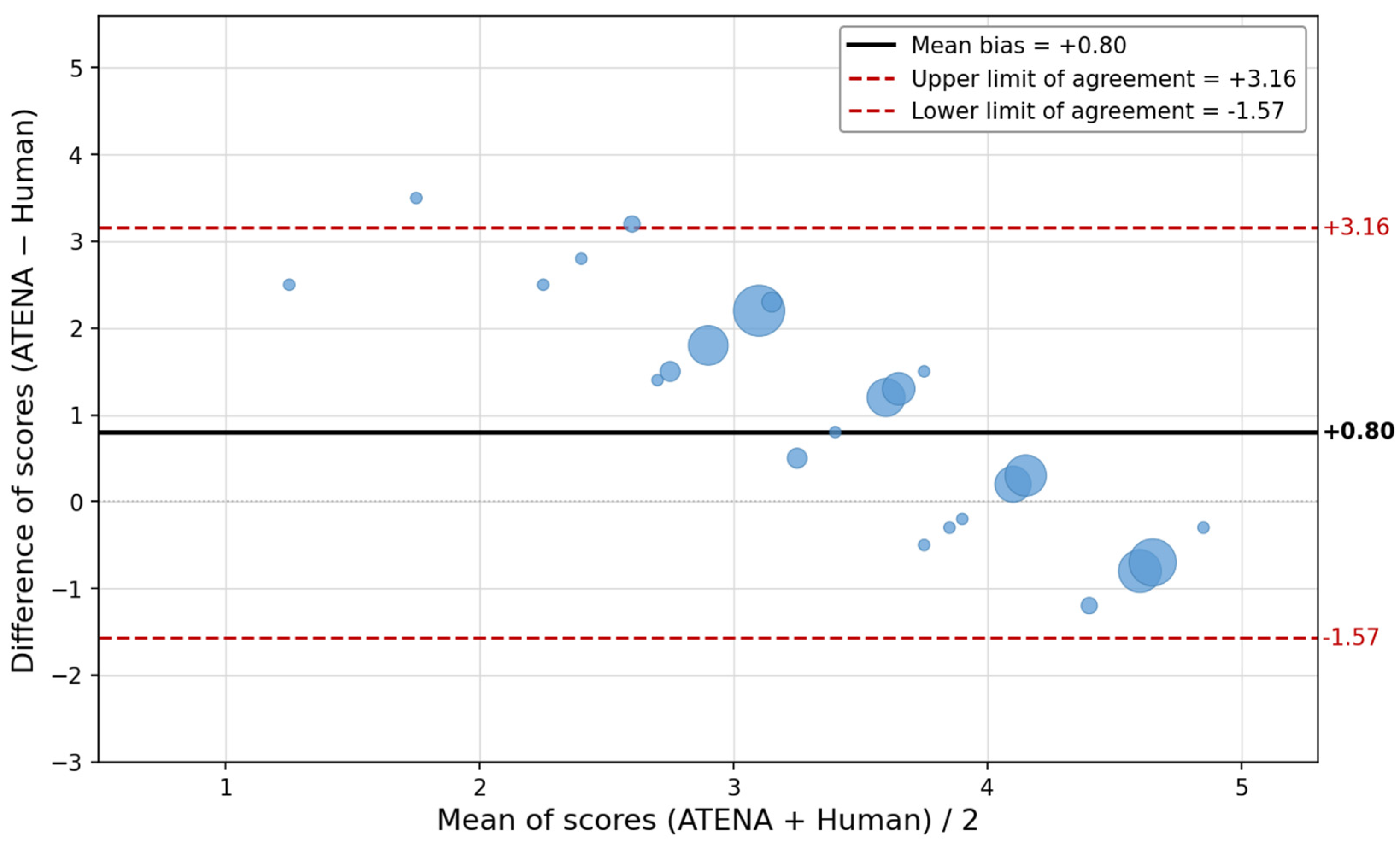

Disclaimer/Publisher’s Note: The statements, opinions and data contained in all publications are solely those of the individual author(s) and contributor(s) and not of MDPI and/or the editor(s). MDPI and/or the editor(s) disclaim responsibility for any injury to people or property resulting from any ideas, methods, instructions or products referred to in the content. |
© 2026 by the authors. Licensee MDPI, Basel, Switzerland. This article is an open access article distributed under the terms and conditions of the Creative Commons Attribution (CC BY) license.