


Abstract
Engineering ethics education faces the challenge of moving students from abstract principles toward context-sensitive decision-making. This exploratory mixed-methods study examined associations between participation in a board-game-based strategy and patterns consistent with situated ethical awareness in first-semester engineering courses at Pontificia Universidad Javeriana (Bogotá/Cali) and Universidad de los Andes (Bogotá). The 90-min intervention adapted Sheriff of Nottingham to an engineering entrepreneurship context and combined asymmetric roles, incentives, negotiation, uncertainty, consequences, and structured debriefing. Across 17 course offerings, 616 pre-intervention and 413 post-intervention questionnaires were analyzed as unmatched samples. In 2025-1, aggregate post-intervention scores were higher across all six measures (global score: 7.40 to 8.79), with the largest difference in academic integrity. In 2025-2, Rights (+6.9 percentage points) and Common Good (+6.1 pp) gained first-priority prominence, while the perceived role of ethics increased modestly. Qualitative responses after the intervention more often incorporated consequences, effects on others, professional responsibility, and individual–collective tensions. In 2025-2, 90.4% agreed or strongly agreed that the game helped them reflect differently on ethical dilemmas. These convergent patterns show early ethical sensitization and contextualization rather than stable ethical competence; the unmatched design, absence of a comparison group, and exploratory instruments preclude causal or individual-level claims.
1. Introduction
Engineering ethics education continues to face the challenge of moving beyond the transmission of professional codes and legal regulations toward the development of responsible judgment in complex socio-technical contexts. Contemporary perspectives emphasize that ethical competence involves recognizing the broader social responsibilities of engineering practice and understanding the interdependence between technological decisions and their societal consequences (Herkert, 2005; Martin et al., 2021). Despite broad agreement on the importance of ethics within engineering curricula, persistent gaps remain between intended ethical learning outcomes and the educational experiences students encounter in practice (Bombaerts et al., 2019).
Addressing these gaps requires learning experiences that engage students in ethical decision-making rather than simply exposing them to ethical concepts (Gwynne-Evans et al., 2021). Traditional approaches such as lectures, debates, and case-study discussions can support conceptual understanding but often struggle to reproduce the uncertainty, competing interests, and contextual pressures characteristic of professional practice (Henslee et al., 2022). As a result, students may learn ethical principles without developing the ability to apply them effectively in complex situations (Kim et al., 2021).
Experiential learning approaches have been proposed as one way to address this challenge. Within this broader perspective, Game-Based Learning (GBL) has emerged as a promising strategy capable of increasing engagement while placing learners into environments characterized by rules, incentives, uncertainty, and consequences. Such environments allow participants to experience decision-making situations that share important characteristics with professional contexts.
Although previous studies have reported positive effects of game-based approaches on participation and motivation, there is still limited evidence regarding how these experiences contribute to students’ ethical awareness in context-dependent decision situations (Koehler et al., 2020). Relatively few studies examine whether participation in structured game environments is associated with transitions from abstract ethical conceptions toward more situated forms of ethical reflection.
In this study, situated ethical awareness refers to the emerging capacity to recognize ethical dimensions within context-dependent situations, evaluate consequences for multiple stakeholders, and justify decisions under conditions of uncertainty and competing interests. Unlike abstract ethical knowledge, situated ethical awareness is expressed through action, interpretation, and justification in situations where ethical considerations are embedded within incentives, constraints, and social interactions.
Two limitations motivate the present study. First, much of the existing evidence on game-based ethics interventions comes from relatively small-scale or single-institution implementations. Second, the mechanisms through which game environments may support ethical learning remain insufficiently articulated, particularly regarding the role of features such as role asymmetry, negotiation, uncertainty, incentives, and visible consequences. To frame these mechanisms, this study draws on Huizinga’s (1938/1949) concept of the Magic Circle, understood as a bounded play environment in which participants engage with distinct roles, rules, and consequences that make ethical tensions available for experience and reflection.
This issue is particularly relevant during the first year of engineering education, when students begin to construct their professional identities and ethical orientations. Accordingly, this study examines a board-game-based learning strategy implemented with first-year engineering students from Pontificia Universidad Javeriana (Bogotá and Cali campuses) and Universidad de los Andes. The intervention places students in simulated decision-making situations involving negotiation, compliance, integrity, and professional responsibility.
The study addresses the following research question:
How does participation in a structured board-game-based learning environment relate to the initial development of situated ethical awareness among first-semester engineering students?
To explore this question, the study adopts an exploratory mixed-methods design that combines quantitative and qualitative evidence. The paper contributes to the literature in three ways: (i) it provides evidence from a multi-campus implementation involving compulsory first-year engineering courses; (ii) it examines situated ethical awareness as an analytical lens for understanding early ethical sensitization; and (iii) it explores how specific game design features may create opportunities for situated ethical reflection. These contributions are discussed in detail in the later sections of the paper.
2. Theoretical Framework
2.1. Engineering Ethics
The conceptual foundation of this study is rooted in the necessity for a systemic shift in engineering education, moving from a traditional “micro-ethical” focus on individual conduct toward a comprehensive socio-technical orientation (Appelbaum, 1997; Martin et al., 2021). This transition recognizes that engineering is an inherently social practice where technical decisions are inextricably linked to public welfare, social justice, and environmental sustainability (Atehortúa-Mosquera & Ramírez-Velásquez, 2025). Within this framework, professional ethics plays a significant role in the initial stages of the curriculum, as this is when students are first introduced to the expectations and societal implications of their future profession. An early introduction to these concepts helps shape the student’s professional identity and prepares them to engage critically with the ethical dimensions of their discipline.
As contextual background, these aims align with international accreditation criteria such as those of the Accreditation Board for Engineering and Technology (ABET, 2024), which emphasize graduates’ ability to recognize ethical and professional responsibilities and to make informed judgments about the impacts of engineering decisions (Gwynne-Evans et al., 2021).
Such integration also depends on institutional commitment and real faculty collaboration to translate the official curriculum into what students experience in the classroom (Bombaerts et al., 2019; Hess et al., 2024).
The teaching of ethics in engineering has evolved considerably over the last decades. Herkert (2005) argues that engineering ethics education should move beyond a narrow focus on individual conduct and compliance with professional codes toward a broader understanding of engineers’ responsibilities within society. This distinction between micro-ethics and macro-ethics has become increasingly relevant as contemporary engineering challenges involve complex interactions among technological, environmental, economic, and social systems.
However, translating these aspirations into meaningful learning experiences remains challenging. Bombaerts et al. (2021) identify persistent discrepancies between the intended curriculum and what students experience in classroom practice. Moreover, Hess et al. (2024) emphasize the role of collaborative faculty initiatives in sustaining ethical education across engineering programs.
Such a perspective implies that ethical competence should not be understood as an isolated curricular outcome but as an integral component of professional identity formation: becoming an engineer requires learning how to think, act, and make decisions as a member of a professional community (Stevens et al., 2008). Ethics education should be understood as part of the process through which students progressively develop the capability to recognize and respond to the ethical dimensions of engineering practice.
2.2. From Moral Knowledge to Ethical Action
Central to this educational transformation is an understanding of moral development and the psychological barriers that impede it. While formal instruction can successfully alter students’ internal feelings of professional responsibility (Hashemian & Loui, 2010), there remains a persistent risk of moral disengagement—a process where students justify unethical actions to bypass self-censure (Kim et al., 2021). This phenomenon is often rooted in earlier academic experiences, where beliefs regarding academic integrity and cheating function as predictors of future professional conduct (Ghanem & Mozahem, 2019). Consequently, a critical “action–knowledge gap” emerges, where students may possess sophisticated abstract conceptions of ethics but fail to perform ethically when faced with real-world pressures (Cimino et al., 2024). Students may successfully learn ethical principles, professional codes, and normative frameworks while still struggling to apply those principles in situations involving ambiguity, competing interests, and contextual pressures. Research in engineering education suggests that, without intentional pedagogical interventions, students may gradually normalize ethically questionable behaviors or separate technical decisions from their broader ethical implications.
Classical models of moral development, such as Rest’s (1986) model (moral sensitivity, moral judgment, moral motivation, and moral character), provide a psychological foundation for the idea of ethical awareness used in this study.
One response to this gap is a virtue-ethics perspective (Hursthouse & Pettigrove, 2026), which focuses on the cultivation of character attributes, such as honesty and justice, through structured practice and evaluative rubrics (Henslee et al., 2022; Koehler et al., 2020). Moral disengagement is relevant because it names the mechanisms through which students rationalize departures from those attributes (Kim et al., 2021), so pedagogies that surface in action can complement character-oriented approaches. Henslee et al. (2022) argue that ethical formation requires opportunities to practice ethical reasoning in contexts resembling professional realities, while Koehler et al. (2020) emphasize learning environments that foster reflection on values, responsibilities, and consequences. These perspectives suggest that ethics education must move beyond the transmission of knowledge toward experiences through which ethical reasoning can be exercised and refined.
2.3. Experiential Learning and Game-Based Learning
To activate this character-building process, pedagogical strategies must embrace experiential learning and student co-creation, shifting from passive case discussions to active, challenge-based environments (Bombaerts et al., 2021). Following Kolb’s (1984) cycle of experiential learning, game-based and serious-games approaches offer a promising alternative, building on a long tradition of games designed for purposes beyond entertainment (Abt, 1970). These methods immerse students in structured environments where they must assume roles, negotiate, and respond to immediate feedback—conditions that mirror the dilemmas and pressures of real decision-making. These ludic spaces, known as the “Magic Circle” (Huizinga, 1938/1949), allow students to navigate tensions between personal gain and collective benefit, employing informal reasoning that balances rationalistic, emotive, and intuitive dimensions (Sadler & Zeidler, 2005). This experiential quality creates opportunities to examine ethical deliberation and responsible decision-making in contexts characterized by interaction, uncertainty, and consequences.
The literature documents a broad range of approaches to teaching engineering ethics, including instruction in professional compliance, case-based analysis of everyday cases (Harris et al., 1996), modules about ethics, and debate-centered activities. In a systematic review of U.S. engineering ethics interventions, Hess and Fore (2018) report that most interventions rely on case studies and discussion, with few immersive or experiential formats. These approaches have documented strengths, but they typically position students as external analysts of dilemmas. Simulation and game-based strategies complement this collection by placing students inside the situation where information is incomplete, conflicting incentives are present, and there are consequences from the students’ choices.
Within this lens, honesty emerges as a salient value, suggesting that game-based interventions heighten awareness of such principles by evaluating them through direct action rather than mere rhetoric. By incorporating social and contextual dimensions into decision-making, these experiences can support reflection on ethics as a situated dimension of responsible engineering practice (Balakrishnan et al., 2019). This perspective is particularly relevant for ethical education because ethical decision-making rarely occurs in purely theoretical contexts. Instead, ethical judgment typically emerges through interactions with people, institutions, constraints, and consequences. Consequently, learning environments that allow students to experience ethical tensions directly may complement lectures and case analyses by incorporating situated action, social interaction, and visible consequences.
Furthermore, experiential learning can be understood through the lens of situated learning theory, which emphasizes that knowledge is constructed through participation in authentic social contexts (Lave & Wenger, 1991). From this perspective, ethical understanding develops not only through the acquisition of concepts but also through engagement in practices that require individuals to negotiate meanings, responsibilities, and decisions within communities and contexts. Here, Game-Based Learning (GBL) has emerged as an educational approach capable of creating such environments. Games provide structured systems of rules, objectives, incentives, constraints, and feedback that encourage active participation and decision-making. Within higher education, GBL has been associated with increased engagement, motivation, collaboration, and the development of complex cognitive skills.
Unlike traditional case studies, where students often analyze decisions retrospectively, game-based environments position participants as active decision-makers whose actions influence outcomes in real time. As a result, learners experience not only the cognitive dimensions of decision-making but also the emotional, social, and strategic tensions associated with their choices. These characteristics make Game-Based Learning particularly relevant for educational contexts where professional judgment and ethical deliberation constitute important learning objectives.
2.4. The Magic Circle as a Pedagogical Mechanism for Ethical Awareness
While Game-Based Learning provides the broader educational framework for this study, the concept of Magic Circle offers a more specific lens through which ethical learning processes can be understood. From an educational perspective, the Magic Circle can be understood as a protected yet consequential learning environment. Although the situations encountered within the game are simulated, the decisions made by participants generate tangible outcomes inside the game system. Players must therefore negotiate, assess risks, respond to incentives, and confront the consequences of their actions.
The concept of the Magic Circle comes from Huizinga’s (1938/1949) analysis of play as an activity that unfolds within its own boundaries of time, place, and rules. It was later formalized in studies as the socially negotiated frame that separates the game from daily life (Salen & Zimmerman, 2004; Stenros, 2014). Three characteristics of this frame inform pedagogies: entry is voluntary, and roles are explicit; actions carry consequences inside the game, but they can be reversible outside it; and values, habits, and expectations cross between game and non-game contexts. It is this combination of protection and consequence that makes the Magic Circle educationally pertinent for ethical education.
This characteristic is particularly relevant for ethical education. Ethical dilemmas rarely appear as purely intellectual exercises; rather, they emerge through tensions between personal interests, professional obligations, institutional expectations, and collective consequences. Within the Magic Circle, these tensions can be experienced directly. Participants are required not only to identify ethical issues but also to make decisions, justify their choices, and observe their outcomes. Furthermore, ethical reasoning frequently involves emotional and intuitive dimensions in addition to analytical judgment. Research on socioscientific decision-making suggests that values, emotions, empathy, and moral intuitions play important roles in how individuals evaluate complex issues with social consequences (Sadler & Zeidler, 2005). By immersing learners in dynamic social interactions, game-based environments create opportunities for these dimensions to emerge and become available for reflection.
Equally important is the role of structured reflection following participation in the simulation. Research on simulation-based learning consistently highlights debriefing as a critical component of the learning process because it enables participants to examine their decisions, reinterpret experiences, and connect them to broader conceptual frameworks (Fanning & Gaba, 2007). Within game-based learning, debriefing is regarded as the mechanism through which gameplay becomes learning, converting play into analysis that learners can better comprehend (Crookall, 2010). In the context of ethics education, reflection serves as the bridge between lived experience and ethical understanding, allowing students to transform participation into learning.
Building upon these perspectives, the present study conceptualizes the Magic Circle as a pedagogical mechanism that may facilitate the transition from declarative ethical knowledge toward situated ethical awareness. Through role assumption, negotiation, incentives, uncertainty, consequence visibility, and structured reflection, the game environment creates opportunities for students to experience ethical tensions before encountering them in professional practice.
2.5. From Ethical Awareness to Situated Ethical Awareness
From this perspective, ethical awareness is understood not merely as knowledge of ethical principles but as an emerging capacity to recognize ethical dimensions of situations, evaluate consequences for multiple stakeholders, deliberate among competing alternatives, and justify decisions within specific contexts. The study therefore examines whether and how participation in a board game-based learning environment is associated with the emergence of situated forms of ethical awareness among first-year engineering students. From an analytical perspective, situated ethical awareness can be understood as a multi-dimensional construct that integrates three interrelated components: (i) ethical recognition, defined as the ability to identify ethical tensions within a given situation; (ii) contextual evaluation, involving the consideration of consequences, stakeholders, and competing interests; and (iii) situated justification, referring to the capacity to articulate and defend decisions within specific contexts. This conceptualization provides a bridge between theoretical perspectives on experiential learning and observable indicators within game-based environments. It also enables the operational examination of ethical awareness as a process that emerges through interaction, rather than as a static attribute.
Prior sections grounded the intervention in experiential learning (Kolb, 1984) and situated learning (Lave & Wenger, 1991). To theorize why a board game may support specifically situated forms of ethical awareness, this study draws on the ecological tradition in the learning sciences (Brown et al., 1989; Greeno, 1998). Knowing is not the possession of abstract representations (Greeno, 1994, 1998). Here, the adapted game can be described as an environment that makes ethical affordances evident: opportunities for deception, cooperation, negotiation, rule-following, and strategic self-interest are built into its roles, incentives, and inspection mechanics. Students learn by perceiving and acting on these situations rather than by receiving decontextualized principles. In this context, the Magic Circle (Huizinga, 1938/1949; Salen & Zimmerman, 2004; Stenros, 2014) delimits the boundaries inside which those situations become actionable, and structured debriefing supports the discussions (Crookall, 2010). Unlike ethical sensitivity, which primarily concerns recognizing the ethical significance of a situation, or ethical reasoning, which emphasizes the evaluation of alternative courses of action, situated ethical awareness is used here as an integrative, context-dependent analytical lens combining recognition, contextual evaluation, and situated justification. It is not treated as stable competence or as professional identity itself.
2.6. Conceptual Model and Methodological Implications
Finally, the conceptual argument developed above has methodological implications. If situated ethical awareness is an emergent, context-sensitive capability expressed in perception, decision, and justification, then no single indicator can capture it adequately. Quantitative measures can register aggregate shifts in self-perception and prioritization, while qualitative evidence is needed to examine how students frame situations and justify decisions. This motivates the mixed-methods design of the study (Creswell & Plano Clark, 2018), conducted at two institutions across three campuses, in which convergence across independent sources of evidence—rather than any isolated measure—is treated as the indicator of emerging situated ethical awareness. Figure 1 synthesizes the conceptual model of the study.
Figure 1.
Conceptual model of the study. The adapted board game—framed by the Magic Circle—is designed to create ethically charged decision situations; structured debriefing supports reflection; and the mixed-methods design examines patterns associated with situated ethical awareness through ethical recognition, contextual evaluation, and situated justification.
3. Methods
3.1. Study Design
This study was designed as a mixed-methods educational intervention study conducted at two institutions across three campuses, with an unmatched pre/post design, no control group, and non-equivalent groups. The intervention analyzed was a board-game-based pedagogical strategy aimed at mobilizing ethical reflection among first-semester engineering students, with emphasis on professional responsibility and decision-making.
The unmatched pre/post structure allows for the analysis of aggregate shifts in ethical perceptions and reasoning across cohorts, while the integration of qualitative data enables a more nuanced interpretation of how these shifts may reflect emerging forms of situated ethical awareness.
The study included two successive implementations of the strategy, conducted during the 2025-1 and 2025-2 academic periods. These implementations did not involve the longitudinal follow-up of the same cohort, since pre- and post-intervention responses were anonymous and were not intended to be individually matched. In addition, adjustments were introduced to the instruments in 2025-2 to capture students’ ethical conceptions and decision-making criteria with greater precision. For this reason, the results are analyzed as two related but methodologically differentiated implementations.
Within the constraints of a non-randomized educational setting, the study incorporated several features intended to strengthen the contextual and interpretive robustness of the findings. The intervention was implemented across different campuses, engineering programs, and instructors, providing variation in instructional contexts. Quantitative patterns were interpreted alongside qualitative evidence, and convergence across data sources and implementations was treated as complementary evidence of consistency. These features do not strengthen internal validity or rule out alternative explanations; rather, they support the interpretation of the findings as recurrent, contextually grounded patterns.
These strategies do not eliminate limitations inherent to the design but support the interpretation of results as consistent and contextually grounded patterns rather than isolated or purely perceptual variations.
3.2. Methodological Positioning
This study adopts an exploratory mixed-methods design informed by design-based research (Barab & Squire, 2004), an approach used in engineering education research to investigate pedagogical interventions in classroom contexts. The objective of the study is to generate grounded insights that connect pedagogical design features, learning processes, and observed outcomes; it does not aim to establish causal relationships with high internal validity.
The study adopts an unmatched pre/post approach, combining anonymous pre- and post-intervention responses drawn from the same course populations. Because no identification codes were collected, individual responses could not be linked across measurement moments and the degree of participant overlap between the pre- and post-intervention samples is unknown. The analyses therefore focus on aggregate differences between measurement moments rather than intra-individual change. This design allows for the identification of consistent directional differences at the aggregate level, which, when supported by convergent qualitative evidence, can be interpreted as recurrent directional patterns across cohorts; these patterns are descriptive and do not establish temporal stability.
Furthermore, the study integrates methodological triangulation by combining quantitative measures (self-perception scales and scenario-based items) with qualitative analysis of open-ended responses. This triangulation strengthens the interpretive validity of the findings by linking observed numerical trends with underlying reasoning processes.
Open-ended responses also serve as an interpretive check on the quantitative trends: if higher self-ratings merely reflected shifts in self-presentation, one would not expect the concurrent appearance of new argumentative elements—references to consequences, stakeholders, and tensions between individual and collective benefit—in students’ spontaneous formulations. The joint occurrence of both patterns supports reading the trends as changes in expressed reasoning rather than in self-perception alone, while remaining short of behavioral evidence.
Rather than aiming to measure ethical competence as a stable and objective construct, the study focuses on early-stage ethical sensitization and the emergence of situated awareness. This distinction is critical for interpreting the results, as it frames the observed aggregate patterns as indicators consistent with initial development rather than as definitive learning outcomes.
3.3. Educational Context and Participants
The intervention was implemented in compulsory first-year courses in engineering programs at two Colombian higher education institutions in two cities: Pontificia Universidad Javeriana (both Bogotá and Cali campuses) and Universidad de los Andes (Bogotá). The course was “Introduction to Engineering”, a compulsory first-semester subject in the participating programs. These introductory courses provided relevant context for addressing professional identity, ethical responsibility, and decision-making from the initial stages of engineering education.
Participants were students from different engineering programs, including Industrial Engineering, Electronics Engineering, Systems and Computing Engineering, Mechanical Engineering, Civil Engineering, Biomedical Engineering, Mechatronics Engineering, and Networks and Telecommunications Engineering. Across the two academic periods, the study collected 616 valid pre-intervention and 413 valid post-intervention student responses, as well as 17 instructor evaluations. Table 1 presents the distribution of valid pre-intervention student responses and participating instructors by institution and academic period.
Table 1.
Valid pre-intervention student responses and participating instructors by institution and academic period.
The participating institutions were selected because members of the research team teach at these institutions and had access to compulsory first-semester Introduction to Engineering courses in which ethics was included as part of the curricular content. Participation was therefore course-based rather than individually sampled: instructors teaching these courses were invited to implement the strategy, and the intervention was conducted in the sections whose instructors agreed to participate. Nine course sections participated in 2025-1 and eight in 2025-2, with one participating instructor responsible for each section.
The larger number of valid pre-intervention responses in 2025-2 reflects higher enrollment in the participating courses rather than a change in the target population or sampling strategy. The difference in instructor participation between periods resulted from one instructor being unable to continue the implementation in 2025-2.
Student questionnaires were administered anonymously, and no identification code was used to link pre- and post-intervention responses. Consequently, pre- and post-intervention responses could not be paired at the individual level, and the extent of overlap between respondents at the two measurement moments could not be determined. Demographic variables such as age and gender were not collected. Therefore, the study cannot examine demographic differences in participation or outcomes. The inclusion of multiple institutions, campuses, engineering programs, and instructors provides contextual variation but does not compensate for the absence of demographic information.
3.4. Board-Game-Based Intervention
Sheriff of Nottingham (Halaban et al., 2014) is a negotiation board game for three to five players. In each round, one player takes the rotating role of the Sheriff, while the remaining players act as merchants who select goods cards, place them in a closed bag, and declare their contents. Declarations may be truthful or false: legal goods yield regular points, whereas contraband yields higher points but must be smuggled under a false declaration. The Sheriff decides whether to accept each declaration or inspect the bag, and merchants may offer bribes to avoid inspection. Truthful declarations that are inspected must be compensated by the Sheriff, while the discovered contraband is confiscated and penalized. The winner is the player with the greatest wealth after all rounds. These mechanics—asymmetric roles, privileged information, declaration, inspection, bribery, and penalties—constitute an incentive system in which honesty, deception, negotiation, and rule compliance have immediate, visible consequences, which motivated the selection of this game for the intervention.
Building on these mechanics, the research team developed a paper-based prototype. Figure 2 shows the first version of the adapted game, including the permitted and prohibited product cards.
Figure 2.
Adjusted design of the printed cards for the permitted and prohibited products, from the initial version of the adapted game.
Subsequently, with the intention of improving the user experience and making the activity more relevant to the academic context, the Design Factory Javeriana Bogotá collaborated in the design of an updated version of the game, particularly its visual materials and physical components. This recent version used better materials and a more visually appealing design, as shown in Figure 3, which includes not only the double-sided cards (allowed and forbidden) but also the inspector’s label and coins.
Figure 3.
Latest version of the board game materials (cards, coins, and identifier).
The adaptation involved both a contextual and pedagogical reconfiguration of the original game. The research team retained the core mechanics that generated uncertainty, asymmetric responsibilities, negotiation, incentives, and visible consequences, while replacing the original customs and smuggling narrative with situations closer to engineering entrepreneurship. This recontextualization was intended to make the ethical tensions embedded in the game more recognizable to first-year engineering students without removing the decision structures that generated those tensions.
The new game offered an experience of an Entrepreneur Fair. The pedagogical intervention was named “Gran Feria de Emprendimiento de Ingeniería” (Grand Engineering Entrepreneurship Fair) and consisted of a strategy based on an adaptation of the board game Sheriff of Nottingham. The adaptation preserved several central mechanics of the original game, including differentiated roles, declaration of goods, inspection, negotiation, incentives, and penalties, while recontextualizing these mechanics within an entrepreneurship fair linked to early engineering education. Table 2 summarizes the main correspondence between the original and adapted versions.
Table 2.
Comparison between the original Sheriff of Nottingham and the adapted Grand Engineering Entrepreneurship Fair.
The session lasted approximately 90 min. The pre-intervention instrument was completed before the session, and the post-intervention instrument was completed at the end of the activity. The session consisted of four stages: introduction to the pedagogical purpose, explanation of rules and roles, gameplay, and a reflective closing based on final scenarios.
The instructors organized the students into groups sitting at tables of four participants. At each table, they assumed the roles of entrepreneurs—or merchants—and an inspector, with the inspector role rotating in each round to balance the game dynamics. The participants played over four rounds, during which entrepreneurs decided what goods to bring into the fair, what to declare to the inspector, and whether to propose economic agreements to avoid inspection. The inspector, in turn, decided whether to inspect the goods and whether to accept or reject the proposed agreements.
When negotiating the economic agreements, the structure of the game placed students in situations involving tensions among individual benefit, rule compliance, honesty, negotiation, and the consequences of decisions. The reflective closing allowed students to analyze some of the collective consequences of what occurred during the game and to establish connections with situations related to professional engineering practice.
To support consistency across institutions and courses, the strategy used common materials and implementation guidelines, including a kit with all game cards and pieces, a student presentation, written game rules, a learning guide, and decision-recording formats. These resources standardized the main sequence of the activity, the explanation of rules, the distribution and rotation of roles, decision recording, and the closing reflection. Instructors could adapt examples and explanations to the specific conditions of their courses, while the core game mechanics, session structure, and reflective component remained consistent across implementations.
Before implementation, participating instructors were introduced to the strategy and played the game to become familiar with its mechanics and facilitation process. The shared guidelines specified a standard duration of approximately 90 min, a minimum of four rounds, and rotation of the inspector role. The reflective closing followed common guiding questions, although instructors could adapt examples to their disciplinary context. No formal fidelity checklist was used; however, members of the research team accompanied most implementations, and decision sheets, score records, and photographic evidence were retained as process documentation. Implementation consistency was therefore supported through instructor preparation, shared materials, common core procedures, and implementation accompaniment rather than formally measured through a fidelity instrument.
3.5. Instruments and Data Sources
Data were collected through student pre-intervention questionnaires, student post-intervention questionnaires, and post-intervention instructor evaluations. The instruments were developed by the instructor-researcher team and reviewed jointly by the four faculty authors. The review focused on conceptual coherence, clarity of wording, alignment with the pedagogical objectives of the intervention, and correspondence with the ethical dimensions explored in the study. No external expert review, formal content-validity index, inter-rater coefficient, or psychometric validation procedure was conducted.
The instruments should therefore be understood as theory-informed exploratory instruments designed to capture students’ perceptions, ethical orientations, and expressed reasoning rather than as validated measures of ethical competence. Their design prioritized alignment with the theoretical and pedagogical framework of the study, including responsibility, integrity, ethical decision-making, and awareness of consequences.
The instruments were designed to prioritize conceptual alignment with the study framework rather than measurement precision. This approach is consistent with the exploratory nature of the study, in which the objective was not to develop standardized scales but to examine context-sensitive variations in students’ perceptions and expressed reasoning. Scenario-based items and decision-oriented prompts were included to complement abstract self-perceptions with responses to more concrete ethical situations.
Multiple response formats, including Likert-type items, ranking exercises, and open-ended responses, were used to examine complementary aspects of students’ ethical perceptions and reasoning. These sources were interpreted jointly at the mixed-methods integration stage, as described below, rather than treated as components of a single standardized measurement scale.
In both academic periods, pre- and post-intervention questionnaires were administered to students. The pre-intervention questionnaires explored students’ initial understandings of ethics, the ethical dimension, and decision-making. The post-intervention questionnaires retained the core components required for aggregate comparisons within their respective academic period and added questions evaluating students’ experience of the activity. Because the instruments were refined between 2025-1 and 2025-2, comparisons were conducted within each implementation, and the two periods were not treated as administrations of an identical measurement instrument.
In 2025-1, the pre-intervention questionnaire included an open-ended question concerning students’ understanding of the ethical dimension in decision-making, a 1–10 ethical self-perception rating, and five Likert-type situational statements addressing rule compliance, intentionality, economic honesty, relational ethics, and academic integrity. The post-intervention questionnaire retained these core components and added questions concerning students’ evaluation of the activity and its perceived contribution to learning.
In 2025-2, the instruments were refined to explore students’ conceptions of acting ethically and the ethical criteria they reported prioritizing when making decisions. The pre-intervention questionnaire included an open-ended question about acting ethically as a student and person, a word-association task requiring students to identify three to five words associated with “ethics,” a structured question about the meaning of the ethical dimension, a 1–10 rating of the role of ethics in everyday decisions, and a ranking exercise on ethical orientations. The post-intervention questionnaire retained the corresponding components used for within-period comparison and added questions evaluating the activity, including an item asking whether the use of the board game had helped students reflect differently on ethical dilemmas.
The ethical-orientation ranking was informed by the ethical decision-making framework used by the Markkula Center for Applied Ethics at Santa Clara University (Markkula Center for Applied Ethics, 2021). The framework approaches ethical decision-making through complementary lenses, including utilitarian, common-good, rights, justice, virtue, and care perspectives. For the questionnaire, the research team translated these perspectives into student-facing statements expressed in more accessible everyday language. The purpose of this adaptation was not to reproduce the Markkula framework as a validated measurement scale, but to provide a theory-informed structure for exploring the ethical criteria students reported prioritizing when making decisions.
The refinement between 2025-1 and 2025-2 reflected the iterative development of the study instruments. The first implementation provided an initial exploratory instrument centered primarily on specific situational ethical dimensions. Based on the research team’s review of that implementation, the 2025-2 instrument broadened the focus toward students’ conceptions of ethics and the ethical perspectives they reported prioritizing in decision-making. Accordingly, the two implementations address the same overarching research interest in early ethical awareness and decision-making but differ in their operationalization and should not be interpreted as equivalent measurement instruments.
Instructor evaluations were collected through a separate post-intervention questionnaire used in both academic periods. The instrument included ratings of satisfaction, perceived student motivation and engagement, and instructors’ perceptions of the contribution of the activity to recognizing ethical and professional responsibilities and developing informed judgments. It also included open-ended questions about observed learning, strengths, difficulties, and suggestions for improvement.
The instrument design followed a theory-informed approach, aligning the different data sources with dimensions identified in the engineering ethics and situated-learning literature. Quantitative and qualitative evidence were initially analyzed separately. Integration occurred at the interpretation stage, where patterns from the quantitative analyses were compared with the qualitative categories identified in students’ open-ended responses. Convergence was considered when the two sources pointed toward compatible patterns; complementarity was considered when they illuminated various aspects of the same analytical dimension; and divergence was retained when the sources did not support the same interpretation. This integration provided convergent interpretive evidence for the study’s conceptual framework rather than psychometric evidence of construct validity.
To examine situated ethical awareness empirically, the study used an exploratory multidimensional analytical framework aligned with the conceptual model described above. Specifically:
- –
- Ethical recognition was examined through indicators addressing students’ explicit understanding and valuation of ethical dimensions. In 2025-1, these included ethical self-perception and an open-ended definition of the ethical dimension; in 2025-2, they included students’ definitions of acting ethically, word associations with ethics, and the perceived role of ethics in everyday decision-making.
- –
- Contextual evaluation was examined through different indicators in the two implementations. In 2025-1, students evaluated situational statements involving rule compliance, intentionality, economic honesty, relational ethics, and academic integrity. In 2025-2, contextual evaluation was explored through the ranking of ethical orientations informed by the Markkula framework. These indicators were interpreted within their respective academic periods and were not treated as directly equivalent measures.
- –
- Situated justification was explored qualitatively through students’ open-ended responses, focusing on the extent to which their explanations incorporated consequences, stakeholders, responsibility, contextual considerations, and tensions between individual and collective outcomes.
These three dimensions constitute the exploratory analytical framework used to organize evidence related to situated ethical awareness. Other dimensions examined in the qualitative component—professional responsibility, ethical deliberation, responsible decision-making, and transfer to professional contexts—were treated as complementary analytical categories rather than as additional components of the construct. Table 3 summarizes these relationships and distinguishes the central analytical dimensions from complementary categories and implementation outcomes.
Table 3.
Operationalization of situated ethical awareness, complementary analytical categories, and implementation outcomes.
Because the instruments were refined between the two academic periods, not all indicators were identical across 2025-1 and 2025-2. The three dimensions of situated ethical awareness therefore served as a common interpretive framework rather than as a standardized scale administered unchanged across implementations. Quantitative comparisons were conducted within each academic period, while cross-implementation interpretation focused on broader conceptual and qualitative patterns.
Because situated ethical awareness was not measured through a single validated instrument, convergence across these complementary indicators was interpreted as evidence of patterns, consistent with emerging situated ethical awareness at the aggregate level, rather than as direct measurement or validation of the construct.
Finally, records derived from the gameplay were collected, including decision-recording forms, score records, photographs of boards, and visual evidence of the implementation. These records were used as documentary support for the implementation process and not as the central corpus of qualitative analysis. Figure 4 shows some images of the process of implementing the activity on the different university campuses.
Figure 4.
Implementation of the activity at (a) Pontificia Universidad Javeriana Bogotá, (b) Universidad de los Andes Bogotá, and (c) Pontificia Universidad Javeriana Cali.
3.6. Quantitative Analysis
The quantitative analysis was conducted separately for each academic period, due to the adjustments introduced to the instruments between 2025-1 and 2025-2. In both academic periods, the pre- and post-intervention questionnaires were anonymous and could not be matched at the individual level. Because responses were collected from the same course populations, some participant overlap between measurement moments is plausible but cannot be identified from the available data. Quantitative comparisons are therefore interpreted primarily as aggregate pre/post differences rather than intra-individual changes. Statistical analyses were conducted using R version 4.3.3 (R Core Team, 2024) for descriptive analysis, non-parametric tests, and effect size estimation.
For 2025-1, the analysis included ethical self-perception, rule compliance, intentionality, economic honesty, relational ethics, academic integrity, and a global score. Baseline measurements across institutions were compared using the non-parametric Kruskal–Wallis test (Kruskal & Wallis, 1952). Subsequently, descriptive statistics were calculated for each dimension at the pre- and post-intervention moments, and exploratory comparisons were performed using the non-parametric Wilcoxon rank-sum test (Wilcoxon, 1945).
Because individual pre- and post-intervention responses could not be paired, the Wilcoxon rank-sum test (equivalent to the Mann–Whitney U test; Mann & Whitney, 1947) was used as an exploratory between-sample comparison. However, because the degree of participant overlap across measurement moments is unknown, the independence assumption cannot be fully verified. Inferential results are therefore interpreted cautiously and alongside descriptive differences and qualitative evidence, rather than as definitive tests of individual-level change.
Standardized mean differences were estimated using Cohen’s d (Cohen, 1988) based on the unmatched pre/post samples, calculated as the difference between post- and pre-test means divided by the pooled standard deviation. Given the ordinal nature of several measures and the use of non-parametric tests, Cohen’s d is reported as a complementary standardized descriptor and should be interpreted cautiously. Normalized Hake gain (Hake, 1998) was calculated according to the expression g = (Post − Pre)/(Max − Pre), considering a maximum value of 10 for the scale. The global score was calculated as the arithmetic means of the evaluated dimensions across all constructs.
For 2025-2, the analysis focused on two components: the ranking exercise on ethical orientations and the 1–10 scale on the role of ethics in everyday decisions. For the ranking exercise, the percentage of respondents who placed each orientation as their highest priority and its average position were calculated separately for the pre- and post-intervention samples. Differences in these indicators were interpreted descriptively as aggregate differences in relative prioritization. Because responses were anonymous and unmatched, the analysis does not represent within-student changes in ethical orientation.
For the 1-to-10 scale, the mean, standard deviation, and Top-Two Box (TTB) were calculated, defined as the percentage of responses falling within the two highest categories of the scale (values 9 and 10) (Sauro & Lewis, 2016). No inferential statistical test of proportions was conducted for the Top-Two Box analysis; thus, observed differences are interpreted as descriptive trends rather than statistically significant effects.
For the 1–10 role-of-ethics item, pre- and post-intervention distributions were compared using the Mann–Whitney U test as an exploratory unmatched-sample comparison, subject to the same limitation regarding unknown participant overlap described above. The Top-Two Box was analyzed descriptively, and no inferential test of proportions was conducted.
The quantitative evaluation of the activity by students and instructors was analyzed using descriptive statistics, including means, standard deviations, frequencies, and percentages. For 2025-1, p-values, Cohen’s d, and normalized gain (Hake’s g) were used as complementary indicators of the magnitude and direction of aggregate pre/post differences. For 2025-2, pre/post differences in the ethical-orientation ranking were analyzed descriptively at the aggregate level, while the 1–10 role-of-ethics item was examined through descriptive statistics and an exploratory Mann–Whitney U comparison; TTB differences were treated descriptively.
No relevant missing data were identified within the valid questionnaires; however, fewer valid post-intervention questionnaires were obtained than pre-intervention questionnaires in both academic periods (2025-1: 230 pre vs. 152 post; 2025-2: 386 pre vs. 261 post). Because total classroom participation was not recorded independently from questionnaire completion and individual responses could not be linked across measurement moments, formal response or attrition rates could not be calculated. Analyses were therefore conducted using the valid cases available at each measurement moment.
3.7. Qualitative Analysis
The qualitative analysis was organized at two levels. The main corpus consisted of students’ open-ended responses in the pre- and post-intervention instruments from 2025-1 and 2025-2, which explored their understandings of ethics, the ethical dimension, acting ethically, and decision-making. A second level consisted of students’ and instructors’ open-ended evaluations, which were used as complementary information regarding acceptability, pedagogical relevance, strengths, difficulties, and opportunities for improvement.
All available open-ended responses from valid questionnaires were included. The analysis comprised responses from 230 pre-intervention and 152 post-intervention student questionnaires in 2025-1, and from 386 pre-intervention and 261 post-intervention student questionnaires in 2025-2. In addition, open-ended responses from 9 instructors in 2025-1 and 8 instructors in 2025-2 were analyzed.
The procedure followed a qualitative content analysis with deductive-inductive categories. Initially, guiding categories were defined based on the pedagogical objectives of the strategy and the theoretical framework of the study, particularly around professional responsibility, ethical deliberation, responsible decision-making, and transfer to real engineering contexts. These categories were subsequently adjusted through systematic reading of the corpus, which allowed the identification of emerging codes such as personal values, norms and compliance, honesty, responsibility, justice, consequences, effect on others, tension between individual benefit and the common good, professional responsibility, and situated deliberation.
Initial coding was conducted by one of the researchers and reviewed in working meetings with the other faculty authors. The analysis was supported by ATLAS.ti, version v9.26.0-2026-05-13 (ATLAS.ti Scientific Software Development GmbH, 2026), which was used to organize the corpus, code responses, and maintain traceability between codes, quotations, and analytic interpretations. To strengthen the rigor of the analysis, strategies included quotation traceability, pre/post comparison, collective review of categories, and contrast between qualitative and quantitative findings.
Verbatim quotations were selected from the coded corpus to illustrate key analytical categories and relevant contrasts between pre- and post-intervention responses. Selection prioritized excerpts that clearly expressed the corresponding analytical pattern, while also retaining examples that helped qualify or nuance the predominant interpretation. The quotations were not intended to provide exhaustive coverage of every code or to represent category frequencies or prevalence. All quotations were reported anonymously, identifying only the type of participant, the moment of application, and the academic period, for example: “Student, post-test, 2025-2” or “Instructor, instructor evaluation, 2025-1.”
3.8. Ethical Considerations
The study was conducted in accordance with the Declaration of Helsinki and was approved by the Ethics Committee of the Faculty of Engineering at Pontificia Universidad Javeriana Bogotá (protocol code FID-25-137, approval date: 29 May 2025).
The research was conducted within academic activities of compulsory first-year engineering courses; however, participation in the pedagogical activity was distinguished from participation in the study. The use of questionnaire responses for research purposes was voluntary and had no consequences for students’ course grades.
Informed consent was obtained through the digital questionnaires administered to students and instructors. Student questionnaires did not collect names, email addresses, student identification codes, or other direct personal identifiers; the information was limited to academic context variables such as institution, academic program, and instructor or course. In the case of instructors, although the form collected names for internal organizational purposes, this information will not be reported in an identifiable manner.
Data were stored in protected files managed by the research team, with access restricted to the study authors. Responses were treated in aggregate form, and verbatim quotations were anonymized before presentation. Photographs and visual evidence collected during the implementation were preserved as internal documentary support; if any image is included in the article, only records without identifiable participants or images of the game’s own materials will be used.
4. Results
4.1. Organization of Results and Analytical Approach
The results are presented separately by academic period because the 2025-1 and 2025-2 implementations used related but non-equivalent instruments. In 2025-1, the quantitative results examine aggregate pre/post differences in ethical self-perception and five situational dimensions: rule compliance, intentionality, economic honesty, relational ethics, and academic integrity. In 2025-2, the quantitative analysis examines aggregate pre/post differences in the relative prioritization of ethical orientations through a ranking exercise, together with pre/post differences in the perceived role of ethics in everyday decision-making. Qualitative open-ended responses are examined pre/post in both implementations. Consequently, no direct numerical comparison is made between the quantitative measures used in 2025-1 and those used in 2025-2; cross-implementation interpretation focuses instead on broader conceptual and qualitative patterns.
This section combines quantitative and qualitative evidence within each implementation. Quantitative findings describe aggregate patterns in the variables included in each period, whereas qualitative findings examine how students articulated their understandings of ethics before and after the intervention. Students’ and instructors’ evaluations are presented separately as evidence of pedagogical acceptability and perceived value rather than as evidence of ethical learning outcomes.
4.2. Results of the 2025-1 Implementation
In 2025-1, baseline measurements did not suggest statistically significant differences among the three participating campuses in any of the dimensions evaluated. All p-values were above 0.05, including the global score, indicating a relatively comparable baseline across institutional groups. The lowest baseline scores were observed in intentionality and academic integrity, two dimensions that later showed relevant increases after the intervention.
4.2.1. Quantitative Results 2025-1
The quantitative results suggest increases in all dimensions evaluated after the intervention. As shown in Table 4, the global score increased from 7.40 in the pre-test to 8.79 in the post-test, with a difference of 1.39 points. All dimensions suggested statistically significant differences, with p < 0.001.
Table 4.
Pre/post results in the ethical dimensions evaluated, 2025-1.
Academic integrity showed the largest aggregate difference among the 2025-1 measures (Δ = 1.84; d = 1.35). Because the instrument was exploratory and the samples were unmatched, this result should be interpreted as a difference in responses to the academic-integrity measure used in the study rather than as evidence of behavioral change in plagiarism or academic honesty.
The analysis disaggregated by campus also suggested high global effect sizes across the three campuses (Table 5), with variation in the dimension showing the greatest sensitivity in each context.
Table 5.
Global results of the intervention disaggregated by campus, 2025-1.
4.2.2. Qualitative Results 2025-1
The open-ended responses suggest that, before the intervention, students’ understandings of the ethical dimension tend to be formulated in general, normative, and declarative terms. Ethics was mainly associated with personal values, moral principles, rule compliance, honesty, respect, justice, and responsibility. For example, one student stated that the ethical dimension is “a tool that allows us to make decisions based on what is right or wrong” (Student, pre-test, 2025-1), while another defined it as “the influence of values and moral principles that lead us to make certain decisions” (Student, pre-test, 2025-1).
Some initial responses already incorporated evidence of change in decisions in others. One response indicated that the ethical dimension involves “making decisions by thinking about what is fair, right, and how my actions affect others,” and added that “it is not only about what is convenient for me, but about acting with responsibility and respect toward others” (Student, pre-test, 2025-1). However, in general, these formulations remained at an abstract level and did not clearly develop tensions among ethical criteria, individual interests, collective consequences, or professional responsibilities.
After the intervention, the responses suggested greater articulation between ethical principles and concrete decision-making situations. References to consequences, responsibility toward others, impact on the environment, and tensions between individual benefit and the common good appeared more frequently. One student stated that the ethical dimension involves “evaluating not only what benefits me personally, but also the impact that my actions have on others and on my environment” (Student, post-test, 2025-1). Another noted that, although some actions may bring “economic, social, etc. benefits,” it is necessary to consider “the implications and consequences of our actions that affect our environment” (Student, post-test, 2025-1).
More explicit connections with professional responsibility were also observed. One response stated that ethical decisions allow us to recognize that “our work and our profession have a commitment to others” and that the activity helped students “reflect on the decisions we make and how these can influence the lives of others” (Student, post-test, 2025-1). Nevertheless, some post-test responses maintained general definitions of ethics; therefore, the findings suggest an initial process of sensitization and contextualization rather than a homogeneous transformation of students’ ethical deliberation frameworks.
In summary, the qualitative results from 2025-1 suggest a shift from a predominantly normative understanding of ethics toward responses with greater reference to consequences, responsibility toward others, and decision-making in context. This finding complements the quantitative results presented in Table 4, especially the increases observed in academic integrity, economic honesty, and intentionality.
4.3. Results of the 2025-2 Implementation
The 2025-2 implementation used the refined instrument described in Section 3.5 and should therefore be interpreted as complementary to, rather than as a direct replication of, the 2025-1 measurement approach. The quantitative evidence in this period addressed two components: (i) a pre/post ranking of ethical orientations, which allowed descriptive examination of aggregate differences in the relative prioritization of the ethical criteria included in the instrument; and (ii) a 1–10 role-of-ethics item, which provided a pre/post comparison of the importance students attributed to ethics in everyday decision-making. In parallel, open-ended responses allowed examination of how students articulated what it means to act ethically before and after the intervention. Because all pre/post data were anonymous and unmatched, the findings describe differences between samples rather than individual-level change.
4.3.1. Quantitative Results 2025-2
The pre/post ranking comparison showed descriptive differences in the relative prominence of the five ethical orientations included in the instrument. Rights increased from 25.6% to 32.6% as the highest-priority orientation (+6.9 percentage points), while Common Good increased from 8.0% to 14.2% (+6.1 pp). In contrast, Care decreased from 23.6% to 18.4% (−5.2 pp), Virtue from 26.9% to 22.2% (−4.7 pp), and Utilitarian from 15.8% to 12.6% (−3.2 pp). Average ranking positions showed a similar pattern: Common Good improved from 3.68 to 3.38 and Rights from 2.65 to 2.57, whereas Care moved from 2.59 to 2.74 and Virtue from 2.80 to 3.07. Utilitarian remained comparatively stable in average position (3.28 to 3.23). See Table 6.
Table 6.
Aggregate pre/post prioritization of Markkula-derived ethical orientations (2025-2).
Viewed through the analytical lens of situated ethical awareness, the most notable descriptive pattern is the increased relative prominence of Rights and Common Good in the post-intervention sample. These orientations foreground respect for affected persons and consideration of community welfare, respectively, and are therefore compatible with the contextual evaluation dimension of situated ethical awareness, which involves weighing different interests, stakeholders, and consequences within specific situations. However, this pattern was not uniform across all orientations: Care and Virtue were less frequently selected as the highest priority after the intervention, while Utilitarian reasoning remained comparatively stable in average position.
These results should not be interpreted as evidence that students adopted or abandoned a particular ethical theory. The ranking exercise was designed as an exploratory measure of reported decision criteria rather than of stable moral frameworks, and the anonymous unmatched design allows only aggregate pre/post comparison. The increased prominence of Rights and Common Good is compatible with qualitative post-intervention references to collective welfare, effects on others, and contextual responsibility. At the same time, the lower relative prioritization of Care indicates that the quantitative results do not show a uniform increase across all relationally or socially oriented criteria. The quantitative and qualitative strands should therefore be interpreted as partially convergent and complementary rather than as equivalent evidence of a single directional change.
The second quantitative component examined the perceived role of ethics in everyday decision-making using a 1–10 scale. The pre-intervention sample had a mean score of 7.94 (SD = 1.33; n = 386), compared with 8.14 (SD = 1.30; n = 261) in the post-intervention sample, representing an aggregate difference of +0.20 points. The Top-Two Box (ratings of 9 or 10) increased descriptively from 31.6% (122/386) to 37.5% (98/261), a difference of +5.9 percentage points. The Mann–Whitney U comparison of the scale distributions yielded U = 45,977.5 and p = 0.0505, which did not meet the conventional p < 0.05 threshold. Accordingly, these results are interpreted as a modest descriptive increase in the post-intervention sample rather than as evidence of a statistically significant change or individual-level improvement.
4.3.2. Qualitative Results 2025-2
The open-ended pre-test responses suggest that students’ understandings of acting ethically were mainly centered on personal values, rule compliance, honesty, respect, responsibility, and justice. Some students defined ethics as acting “from my values and principles, prioritizing respect” (Student, pre-test, 2025-2), while others directly associated it with “acting based on the rules of the university or the laws of my country/city” (Student, pre-test, 2025-2).
Alongside these normative formulations, initial responses also appeared that incorporated consequences and impact on others. One student indicated that acting ethically involves “being responsible with the actions we carry out and analyzing how each action can affect others” (Student, pre-test, 2025-2). However, in general, these understandings were not always articulated with concrete decision-making situations, tensions among criteria, or dilemmas related to professional education.
In the post-test, a greater presence of references to situated decisions, practical consequences, and tensions between individual benefit and the common good was observed. One student stated that acting ethically means “doing good even when it is not always convenient for you” (Student, post-test, 2025-2), while another defined it as “acting by considering the greatest common benefit, without focusing on personal enrichment” (Student, post-test, 2025-2).
Responses related to honesty in the face of the possibility of obtaining advantages or taking shortcuts also appeared. One of them emphasized the importance of acting “without breaking the rules or taking ‘shortcuts’ that may sound good in the short term but end up taking more away from me than they give me” (Student, post-test, 2025-2). Another response stated that “it is better to move little by little, but honestly and doing only what is allowed” (Student, post-test, 2025-2). These formulations echo specific features of the game environment. The declaration and hidden-information mechanics made honesty and deception salient; economic agreements foregrounded negotiation and the possibility of immediate individual benefit; and inspection, penalties, and accumulated consequences made rule compliance and the effects of decisions visible. These connections provide a plausible interpretive link between the situations experienced during gameplay and the themes that became more visible in post-intervention responses, without establishing a direct causal relationship.
Additionally, some post-test responses established links with professional responsibility and the impact of technical decisions. One student stated that acting ethically means being “responsible with the work environment and the world” and “meeting product standards so as not to affect people” (Student, post-test, 2025-2). This type of response suggests an approach closer to engineering practice, in which professional decisions are understood as actions with effects on other people and contexts.
In summary, the qualitative results from 2025-2 suggest that, although students’ responses remained anchored in values, rules, and honesty, post-intervention formulations more visibly incorporated decisions in context, the common good, rejection of shortcuts, consequences, and situated responsibility. The quantitative evidence complements this pattern: the post-intervention sample assigned greater relative priority to Rights and Common Good in the orientation ranking, while the perceived role of ethics in everyday decision-making also showed a modest descriptive increase.
Across the two implementations, the quantitative measures should not be interpreted as a single continuous measurement series because different instruments were used. Nevertheless, both periods provide within-implementation pre/post evidence, complemented by qualitative analysis. The principal cross-implementation convergence is conceptual: post-intervention responses showed greater salience of consequences, effects on others, honesty, contextual decision-making, and tensions between individual benefit and collective responsibility. This convergence is interpreted as a recurrent aggregate pattern rather than as evidence of equivalent measurement or individual-level change.
To facilitate the mixed-methods interpretation, Table 7 aligns the quantitative and qualitative evidence with the three analytical dimensions of situated ethical awareness. Because not every dimension was captured through both quantitative and qualitative indicators, the table distinguishes among partial convergence, complementarity, and qualitative-only support rather than assuming equivalent evidence across strands. Consistent with the methodological positioning of the study, this integration is used to examine whether the available evidence supports compatible emerging patterns of situated ethical awareness, rather than to validate a psychometric construct or establish individual-level development.
Table 7.
Mixed-methods integration of situated ethical awareness findings.
Table 7 indicates different forms of mixed-methods support across the three analytical dimensions. Ethical recognition shows partial convergence: the quantitative indicators were higher in the post-intervention samples, although the 2025-2 role-of-ethics difference was modest and did not reach the conventional threshold for statistical significance, while qualitative responses more explicitly articulated ethical considerations in context. Contextual evaluation shows the clearest cross-strand complementarity: higher post-intervention situational scores in 2025-1 and the increased relative prominence of Rights and Common Good in 2025-2 are compatible with qualitative references to consequences, effects on others, collective welfare, and contextual decision-making. However, this pattern was not uniform, as Care and Virtue were less frequently prioritized in the 2025-2 post-intervention sample. Situated justification, by contrast, is supported primarily by qualitative evidence because no direct quantitative indicator was used for this dimension. Taken together, the evidence is consistent with early ethical sensitization and contextualization, but it does not demonstrate stable ethical competence or individual-level change.
To enhance the trustworthiness of the qualitative analysis, the study followed established criteria of qualitative rigor, including credibility, traceability, and analytical transparency. Although full inter-coder agreement metrics were not calculated, the iterative review process among researchers functioned as a form of peer debriefing, supporting the consistency and refinement of categories.
Additionally, the comparison between pre- and post-intervention responses, as well as the triangulation with quantitative findings, contributed to the robustness of the interpretations.
4.3.3. Students’ and Instructors’ Evaluation of the Strategy
In addition to the results associated with students’ understanding of the ethical dimension, the strategy was evaluated by students and instructors. This information is interpreted as evidence of acceptability, motivation, and pedagogical relevance, not as a direct measure of changes in students’ ethical awareness.
Student evaluations were high within both implementations. The mean general evaluation of the activity was 8.84 in 2025-1 and 9.3 in 2025-2. Because some evaluation items differ between academic periods, these values are presented as descriptive evidence of acceptability within each implementation rather than as a strict between-period comparison. Indicators of perceived usefulness and educational value also received high ratings, although the specific items available in each period were not identical (Table 8).
Table 8.
Satisfaction and perceived value indicators, 2025-1 and 2025-2.
Students’ open-ended responses help explain this positive evaluation. The most frequently highlighted aspects were the dynamic and participatory nature of the experience, interaction with peers, the possibility of assuming roles, and the connection between the game and ethical decision-making situations. Students also identified opportunities for improvement, including clearer instructions, time management, and expansion of the reflective closing.
From the instructors’ perspective, the results were also favorable. In both periods, the means for satisfaction, perceived student motivation, and student engagement were equal to or greater than 9.0. Instructors also positively evaluated the contribution of the strategy to the recognition of ethical and professional responsibilities and to the development of informed judgment. Table 9 presents these results by period.
Table 9.
Instructor evaluation of the strategy, 2025-1 and 2025-2.
The instructors’ qualitative appreciations reinforce the pedagogical relevance of the strategy. Instructors highlighted that the game fostered motivation, active participation, and ethical discussion in a less formal environment than a lecture-based class. They also valued the fact that the dynamics made it possible to observe students’ strategic decisions and use them as a starting point for subsequent reflection. Instructors’ recommendations focused on improving the initial explanation, including a trial round, strengthening the physical materials, and connecting the actions of the game more explicitly with engineering-related dilemmas.
Overall, students’ and instructors’ evaluations indicate high pedagogical acceptability and perceived relevance within the participating courses. These perceptions support the feasibility of the strategy within the studied settings, while transferability to other courses or institutions remains to be established empirically.
5. Discussion
Rather than demonstrating the acquisition of ethical competence, this study extends the game-based learning literature in engineering ethics by examining how participation in a structured decision-making environment is associated with early patterns of ethical sensitization and contextualized reasoning. Because the two implementations used related but non-equivalent instruments, their quantitative findings are interpreted within each academic period. The principal cross-implementation convergence lies instead in the qualitative evidence: post-intervention responses more frequently incorporated consequences, effects on others, contextual decision-making, and tensions between individual and collective interests. These patterns are consistent with the analytical dimensions of ethical recognition, contextual evaluation, and situated justification, while remaining insufficient to establish stable competence, behavioral change, or causal effects. The discussion therefore focuses on the distinctive empirical contribution of these patterns, the pedagogical mechanisms that may help interpret them, their relationship with engineering education outcomes, and their curricular implications.
5.1. Contribution of the Strategy to Initial Ethical Education in Engineering
The distinctive contribution of the study is not simply that students found a game-based activity engaging, but that recurrent post-intervention patterns were observed in how ethical issues were articulated after participation in a structured decision-making environment. Across both implementations, students’ initial responses tended to rely on general values, rules, and normative formulations, whereas post-intervention responses more visibly incorporated consequences, effects on others, professional responsibility, and tensions between individual and collective interests. Importantly, this pattern was not homogeneous: some post-intervention responses remained general and value-based. The evidence therefore suggests an initial contextualization of ethical reflection rather than a comprehensive transformation of students’ deliberative frameworks.
This finding extends prior work on active and experiential approaches to engineering ethics by moving beyond engagement and satisfaction as the primary outcomes of interest. Whereas much engineering ethics instruction remains centered on cases and discussion, the present study combines scenario-based responses, self-perceptions, and qualitative evidence from compulsory first-year courses to examine how students express ethical considerations after participating in a decision environment involving incentives, uncertainty, and consequences. The contribution is therefore exploratory and pedagogical: it documents a recurrent shift in expressed reasoning and links that shift to specific features of the learning environment, rather than demonstrating the development of ethical competence.
Within the 2025-1 measures, academic integrity showed one of the most pronounced aggregate pre/post differences. Given the unmatched design and the nature of the instrument, this result should be interpreted as a difference in responses to the academic-integrity items rather than as evidence of behavioral change in plagiarism or academic honesty. Nevertheless, the finding is educationally relevant because academic integrity constitutes an early context in which students encounter tensions involving honesty, responsibility, rules, and the consequences of professional conduct.
The findings also define important boundaries to interpretation. The 2025-2 implementation additionally makes it possible to examine whether the aggregate prioritization of the Markkula-derived ethical orientations differed between the pre- and post-intervention samples. Because responses were anonymous and unmatched, these differences should be interpreted at the group level rather than as changes in individual students’ ethical orientations. At the aggregate level, the post-intervention sample assigned greater relative priority to Rights and Common Good, whereas Virtue and Care were less frequently selected as the highest-priority orientations. These differences do not establish individual-level changes, but they provide an additional quantitative pattern that complements the qualitative increase in reference to the common good, effects on others, and contextual responsibility.
5.2. The Board Game as a Situated Experience of Ethical Decision-Making
The results suggest that the pedagogical relevance of the game lies less in its playful format than in the alignment between its decision-making mechanics and the ethical tensions later visible in students’ responses. Role asymmetry, privileged information, economic incentives, negotiation, inspection, and visible consequences made honesty, rule compliance, individual benefit, and responsibility toward others salient within the simulated environment. The greater post-intervention presence of references to consequences, shortcuts, the common good, and effects on others is therefore compatible with the kinds of tensions embedded in the game design. This correspondence offers a plausible interpretive mechanism, but it does not demonstrate that any individual mechanic caused the observed patterns.
Within this interpretation, the Magic Circle is best treated as a conceptual frame rather than a directly measured mechanism. The game creates a bounded environment in which students can act on ethically charged opportunities and experience consequences without the stakes of professional practice; however, the present study did not directly measure whether students perceived these opportunities as affordances or how particular mechanics influenced their reasoning.
Structured debriefing is therefore central to the pedagogical interpretation of the activity. Gameplay alone does not guarantee ethical learning; the reflective closing provides the opportunity to make decisions, consequences, and tensions explicit and to connect them with engineering practice. Because the intervention consisted of a single session, the evidence supports its use as an initial sensitization experience rather than as a sufficient strategy for sustained ethical development.
5.3. Relationship with Learning Outcomes in Engineering
The findings can also be interpreted in relation to ABET Student Outcome 4, which emphasizes recognition of ethical and professional responsibilities and informed judgment about the impacts of engineering decisions (ABET, 2024). Student and instructor evaluation instruments included items addressing the perceived contribution of the activity to these objectives, and the resulting evaluations were favorable. This provides evidence of perceived curricular relevance to Outcome 4, beyond satisfaction with the activity alone.
This evidence should not, however, be interpreted as a direct assessment of ABET outcome attainment or ethical competence. The contribution of the strategy is formative: it provides first-year students with opportunities to weigh rules, incentives, consequences, effects on others, and professional responsibility in a structured decision-making setting that can subsequently relate to more advanced curricular experiences.
5.4. Curricular Implications and Pedagogical Acceptability
The first curricular implication concerns timing. The findings support introducing ethical reflection from the beginning of engineering education rather than reserving it for advanced or specialized courses. A game-based activity can complement professional codes, case discussions, and other established approaches by providing an early experiential setting in which students encounter tensions among rules, incentives, consequences, individual interests, and responsibility toward others. The present study does not establish that this format is superior to those approaches; its value lies in adding a different type of learning experience to the curricular repertoire.
The second implication concerns implementation quality and continuity. Students and instructors reported high acceptability and perceived relevance, but the iterative implementation also highlighted practical conditions that should be considered: clear instructions, functional and durable materials, instructor preparation, structured decision records, and sufficient time for debriefing. These conditions are pedagogically important because unnecessary difficulty with the game mechanics may compete with attention to the ethical tensions that the activity is intended to surface.
Finally, a single session should be understood as an entry point rather than a complete ethics curriculum. The experience can be followed by increasingly complex opportunities involving engineering cases, professional failures, social and environmental impacts, technological dilemmas, justice, sustainability, and public responsibility. Although the strategy was implemented across different disciplines, campuses, and teaching teams, its transferability beyond the studied settings remains an empirical question.
5.5. Limitations
Four limitations delimit the interpretation of the findings. First, the pre- and post-intervention questionnaires were anonymous and unmatched, and no control or comparison group was included. Because responses were drawn from the same course populations but could not be linked across measurement moments, the degree of participant overlap is unknown, and the statistical independence of the samples cannot be fully established. Inferential comparisons should therefore be interpreted as exploratory, while the primary interpretation rests on aggregate descriptive differences and their integration with qualitative evidence. The design does not support causal inference, individual-level change, or behavioral conclusions. The lower number of post-intervention responses in both implementations may also introduce non-response bias if students who completed the post-intervention questionnaire differed systematically from those who did not. Because respondent identities and total activity participation were not tracked for research purposes, the direction or magnitude of this potential bias cannot be determined.
Second, the instruments were developed by the research team and were not psychometrically validated. Most quantitative measures were self-reported, and the use of multiple formats and qualitative responses reduces reliance on any single type of evidence but does not eliminate the possibility of social-desirability or response biases. In addition, the instruments were refined between 2025-1 and 2025-2 and should not be treated as equivalent scales. The 2025-2 ethical-orientation ranking was administered at both measurement moments; however, because responses were anonymous and unmatched, the observed differences represent aggregate differences between unmatched measurement samples rather than changes in individual students’ ethical orientations.
Third, the study was conducted at two Colombian universities across three campuses; demographic variables such as age and gender were not collected, and the intervention consisted of a single class session. The results therefore concern initial sensitization within the studied educational contexts; they do not establish subgroup differences, long-term development, transfer to professional behavior, or transferability to other institutional settings.
Fourth, the qualitative corpus was initially coded by one researcher and subsequently refined through collective review by the research team. This process provided peer review and interpretive traceability, but no formal inter-coder agreement coefficient was calculated. The qualitative findings should therefore be understood as systematically developed interpretive evidence rather than as formally reliability-tested coding.
6. Conclusions
This study examined how participation in a board-game-based learning strategy was associated with early patterns of situated ethical awareness among first-year engineering students across two related implementations. In 2025-1, all six quantitative measures showed higher post-intervention values, with the global score increasing from 7.40 to 8.79 and the largest aggregate difference observed in academic integrity. In 2025-2, the post-intervention sample assigned greater relative priority to Rights (+6.9 percentage points as priority) and Common Good (+6.1 pp), while the perceived role of ethics in everyday decision-making showed a modest descriptive increase. Across both implementations, qualitative responses after the intervention more visibly incorporated consequences, effects on others, professional responsibility, contextual decision-making, and tensions between individual benefit and collective interests. Taken together, these findings are consistent with an initial process of ethical sensitization and contextualization rather than with the acquisition of stable ethical competence.
Pedagogically, the findings support the use of carefully structured game-based activities as an experiential complement to established approaches to engineering ethics education, particularly during the first year of study. The relevance of the strategy appears to lie not in gameplay alone but in the combination of ethically charged decision structures—roles, incentives, negotiation, uncertainty, and visible consequences—with structured debriefing that makes those tensions available for collective reflection. Students and instructors also reported high acceptability and perceived educational value, including 90.4% of respondents in 2025-2 who agreed or strongly agreed that the game helped them reflect differently on ethical dilemmas. These perceptions support the pedagogical feasibility of the strategy within the participating courses, but they should not be interpreted as direct evidence of ethical competence or superiority over other instructional approaches.
Conceptually, the study supports the usefulness of situated ethical awareness as an exploratory analytical lens for examining early ethical formation beyond abstract self-perception alone. The convergence of quantitative and qualitative evidence is consistent with the three dimensions proposed in this study—ethical recognition, contextual evaluation, and situated justification—while not constituting direct validation of the construct. Similarly, the Magic Circle provides a theoretically grounded frame for interpreting how a bounded game environment may make ethical tensions involving honesty, deception, negotiation, rule compliance, and consequences available for action and reflection. The present study did not directly measure the proposed affordance mechanism; therefore, this interpretation should be treated as a hypothesis for further empirical examination rather than as a demonstrated causal process.
These conclusions are bound by the study design. The anonymous unmatched samples, absence of a control group, use of non-validated exploratory instruments, differences in operationalization between the two academic periods, and single-session format prevent causal, individual-level, behavioral, or long-term claims. Future research should therefore employ matched longitudinal designs, comparison groups, and validated measures; examine behavioral traces generated during gameplay; investigate the proposed relationship between specific game mechanics and ethical reasoning; and test whether repeated interventions across the curriculum contribute to sustained development and transfer to professional decision-making contexts. The implementation across different engineering disciplines, campuses, and teaching teams demonstrates that the activity could be conducted in the participating settings, but transferability beyond those contexts remains to be established empirically.
Author Contributions
Conceptualization, J.A.H.L., D.L.O.R. and A.V.P.; methodology, J.A.H.L., D.L.O.R., A.V.P. and L.R.I.P.; validation, J.A.H.L., D.L.O.R. and A.V.P.; formal analysis, J.A.H.L. and A.V.P.; investigation, J.A.H.L., D.L.O.R., A.V.P. and L.R.I.P.; resources, J.A.H.L.; data curation, A.V.P.; writing—original draft, J.A.H.L., D.L.O.R., A.V.P. and L.R.I.P.; writing—review & editing, J.A.H.L., D.L.O.R., A.V.P. and L.R.I.P.; supervision, L.R.I.P. All authors have read and agreed to the published version of the manuscript.
Funding
This research received no external funding.
Institutional Review Board Statement
This study was conducted in accordance with the Declaration of Helsinki and was approved by the Ethics Committee of the Faculty of Engineering at Pontificia Universidad Javeriana Bogotá (protocol code FID-25-137, approval date: 29 May 2025).
Informed Consent Statement
Informed consent was obtained from all subjects involved in the study.
Data Availability Statement
The data presented in this study are not publicly available due to privacy and ethical restrictions, as they contain information that could compromise the privacy of research participants.
Acknowledgments
The authors gratefully acknowledge the students and instructors who participated in this study. During the preparation of this manuscript, the authors used OpenAI’s ChatGPT (GPT-5.5 Thinking) to support the organization of the manuscript, methodological reporting, academic writing, language refinement, and translation assistance. The authors also used Claude Fable 5 Max to support the corrections from the reviewers. The tool was not used to collect data, generate data, perform statistical analyses, code qualitative data, or make final interpretations of the results. All AI-assisted outputs were reviewed, edited, and validated by the authors, who take full responsibility for the content of this publication.
Conflicts of Interest
The authors declare no conflicts of interest.
References
- ABET. (2024). Criteria for accrediting engineering programs: Effective for reviews during the 2024–2025 accreditation cycle. Available online: https://www.abet.org/wp-content/uploads/2023/05/2024-2025_EAC_Criteria.pdf (accessed on 1 September 2026).
- Abt, C. C. (1970). Serious games. Viking Press. [Google Scholar]
- Appelbaum, S. H. (1997). Socio-technical systems theory: An intervention strategy for organizational development. Management Decision, 35(6), 452–463. [Google Scholar] [CrossRef] [Scilit]
- Atehortúa-Mosquera, J. W., & Ramírez-Velásquez, I. (2025). Modeling the integration of ethics, social responsibility, and sustainability in university contexts. PLoS ONE, 20(12), e0337068. [Google Scholar] [CrossRef] [Scilit] [PubMed]
- ATLAS.ti Scientific Software Development GmbH. (2026). ATLAS.ti (Version 9.26.0) [Computer software]. ATLAS.ti Scientific Software Development GmbH. Available online: https://atlasti.com (accessed on 1 September 2026).
- Balakrishnan, B., Tochinai, F., & Kanemitsu, H. (2019). Engineering ethics education: A comparative study of Japan and Malaysia. Science and Engineering Ethics, 25, 1069–1083. [Google Scholar] [CrossRef] [Scilit] [PubMed]
- Barab, S., & Squire, K. (2004). Design-based research: Putting a stake in the ground. Journal of the Learning Sciences, 13(1), 1–14. [Google Scholar] [CrossRef] [Scilit] [PubMed]
- Bombaerts, G., Doulougeri, K., & Nieveen, N. (2019). Quality of ethics education in engineering programs using Goodlad’s curriculum typology. In B. V. Nagy, M. Murphy, H.-M. Järvinen, & A. Kálmán (Eds.), SEFI 47th annual conference: Varietas delectat… Complexity is the new normality, proceedings (pp. 1424–1436). European Society for Engineering Education (SEFI). [Google Scholar] [CrossRef]
- Bombaerts, G., Doulougeri, K., Tsui, S., Laes, E., Spahn, A., & Martin, D. A. (2021). Engineering students as co-creators in an ethics of technology course. Science and Engineering Ethics, 27, 48. [Google Scholar] [CrossRef] [Scilit] [PubMed]
- Brown, J. S., Collins, A., & Duguid, P. (1989). Situated cognition and the culture of learning. Educational Researcher, 18(1), 32–42. [Google Scholar] [CrossRef]
- Cimino, R. T., Streiner, S. C., Burkey, D. D., Young, M. F., Bassett, L., & Reed, J. B. (2024). Comparing first-year engineering student conceptions of ethical decision-making to performance on standardized assessments of ethical reasoning. Science and Engineering Ethics, 30, 23. [Google Scholar] [CrossRef] [Scilit] [PubMed]
- Cohen, J. (1988). Statistical power analysis for the behavioral sciences (2nd ed.). Lawrence Erlbaum Associates. [Google Scholar]
- Creswell, J. W., & Plano Clark, V. L. (2018). Designing and conducting mixed methods research (3rd ed.). SAGE Publications. [Google Scholar]
- Crookall, D. (2010). Serious games, debriefing, and simulation/gaming as a discipline. Simulation & Gaming, 41(6), 898–920. [Google Scholar] [CrossRef] [Scilit]
- Fanning, R. M., & Gaba, D. M. (2007). The role of debriefing in simulation-based learning. Simulation in Healthcare, 2(2), 115–125. [Google Scholar] [CrossRef] [Scilit] [PubMed]
- Ghanem, C. M., & Mozahem, N. A. (2019). A study of cheating beliefs, engagement, and perception—The case of business and engineering students. Journal of Academic Ethics, 17, 291–312. [Google Scholar] [CrossRef] [Scilit]
- Greeno, J. G. (1994). Gibson’s affordances. Psychological Review, 101(2), 336–342. [Google Scholar] [CrossRef] [Scilit] [PubMed]
- Greeno, J. G. (1998). The situativity of knowing, learning, and research. American Psychologist, 53(1), 5–26. [Google Scholar] [CrossRef]
- Gwynne-Evans, A. J., Chetty, M., & Junaid, S. (2021). Repositioning ethics at the heart of engineering graduate attributes. Australasian Journal of Engineering Education, 26(1), 7–24. [Google Scholar] [CrossRef] [Scilit]
- Hake, R. R. (1998). Interactive-engagement versus traditional methods: A six-thousand-student survey of mechanics test data for introductory physics courses. American Journal of Physics, 66(1), 64–74. [Google Scholar] [CrossRef] [Scilit]
- Halaban, S., Pope, B., & Zatz, A. (2014). Sheriff of Nottingham [Board game]. Arcane Wonders. [Google Scholar]
- Harris, C. E., Davis, M., Pritchard, M. S., & Rabins, M. J. (1996). Engineering ethics: What? Why? How? And when? Journal of Engineering Education, 85(2), 93–96. [Google Scholar] [CrossRef] [Scilit]
- Hashemian, G., & Loui, M. C. (2010). Can instruction in engineering ethics change students’ feelings about professional responsibility? Science and Engineering Ethics, 16, 201–215. [Google Scholar] [CrossRef] [Scilit] [PubMed]
- Henslee, E., Yeaman, A., & Wiinikka-Lydon, J. (2022). Virtue ethics in robotics: An ethics module to cultivate character and ethical reasoning. In 2022 ASEE annual conference & exposition. ASEE Conferences. [Google Scholar] [CrossRef] [Scilit]
- Herkert, J. R. (2005). Ways of thinking about and teaching ethical problem solving: Microethics and macroethics in engineering. Science and Engineering Ethics, 11(3), 373–385. [Google Scholar] [CrossRef] [Scilit] [PubMed]
- Hess, J. L., & Fore, G. (2018). A systematic literature review of US engineering ethics interventions. Science and Engineering Ethics, 24(2), 551–583. [Google Scholar] [CrossRef] [Scilit] [PubMed]
- Hess, J. L., Sanders, E., Fore, G. A., Coleman, M., Price, M., Nyarko, S. C., & Sorge, B. (2024). Transforming ethics education through a faculty learning community: “I’m coming around to seeing ethics as being maybe as important as calculus”. Science and Engineering Ethics, 30, 40. [Google Scholar] [CrossRef] [Scilit] [PubMed]
- Huizinga, J. (1949). Homo ludens: A study of the play-element in culture. Routledge & Kegan Paul. (Original work published 1938). [Google Scholar]
- Hursthouse, R., & Pettigrove, G. (2026). Virtue ethics. In E. N. Zalta, & U. Nodelman (Eds.), The stanford encyclopedia of philosophy (Summer 2026th ed.). Stanford University. Available online: https://plato.stanford.edu/entries/ethics-virtue/ (accessed on 1 September 2026).
- Kim, D., Jesiek, B. K., & Howland, S. (2021). Longitudinal investigation of moral disengagement among undergraduate engineering students: Findings from a mixed-methods study. Ethics & Behavior, 32(8), 691–713. [Google Scholar] [CrossRef] [Scilit]
- Koehler, J., Pierrakos, O., Lamb, M., Demaske, A., Santos, C., Gross, M. D., & Brown, D. F. (2020). What can we learn from character education? A literature review of four prominent virtues in engineering education. In 2020 ASEE virtual annual conference content access. ASEE Conferences. [Google Scholar] [CrossRef] [Scilit]
- Kolb, D. A. (1984). Experiential learning: Experience as the source of learning and development. Prentice Hall. [Google Scholar]
- Kruskal, W. H., & Wallis, W. A. (1952). Use of ranks in one-criterion variance analysis. Journal of the American Statistical Association, 47(260), 583–621. [Google Scholar] [CrossRef]
- Lave, J., & Wenger, E. (1991). Situated learning: Legitimate peripheral participation. Cambridge University Press. [Google Scholar]
- Mann, H. B., & Whitney, D. R. (1947). On a test of whether one of two random variables is stochastically larger than the other. Annals of Mathematical Statistics, 18(1), 50–60. [Google Scholar] [CrossRef] [Scilit]
- Markkula Center for Applied Ethics. (2021). A framework for ethical decision making. Santa Clara University. Available online: https://www.scu.edu/ethics/ethics-resources/a-framework-for-ethical-decision-making/ (accessed on 1 September 2026).
- Martin, D. A., Conlon, E., & Bowe, B. (2021). A multi-level review of engineering ethics education: Towards a socio-technical orientation of engineering education for ethics. Science and Engineering Ethics, 27, 60. [Google Scholar] [CrossRef] [Scilit] [PubMed]
- R Core Team. (2024). R: A language and environment for statistical computing (Version 4.3.3) [Computer software]. R Foundation for Statistical Computing. Available online: https://www.R-project.org/ (accessed on 1 September 2026).
- Rest, J. R. (1986). Moral development: Advances in research and theory. Praeger. [Google Scholar]
- Sadler, T. D., & Zeidler, D. L. (2005). Patterns of informal reasoning in the context of socioscientific decision making. Journal of Research in Science Teaching, 42(1), 112–138. [Google Scholar] [CrossRef] [Scilit]
- Salen, K., & Zimmerman, E. (2004). Rules of play: Game design fundamentals. MIT Press. [Google Scholar]
- Sauro, J., & Lewis, J. R. (2016). Quantifying the user experience: Practical statistics for user research (2nd ed.). Morgan Kaufmann. [Google Scholar]
- Stenros, J. (2014). In defence of a magic circle: The social, mental and cultural boundaries of play. Transactions of the Digital Games Research Association, 1(2), 147–185. [Google Scholar] [CrossRef] [Scilit]
- Stevens, R., O’Connor, K., Garrison, L., Jocuns, A., & Amos, D. (2008). Becoming an engineer: Toward a three-dimensional view of engineering learning. Journal of Engineering Education, 97(3), 355–368. [Google Scholar] [CrossRef] [Scilit]
- Wilcoxon, F. (1945). Individual comparisons by ranking methods. Biometrics Bulletin, 1(6), 80–83. [Google Scholar] [CrossRef] [Scilit]
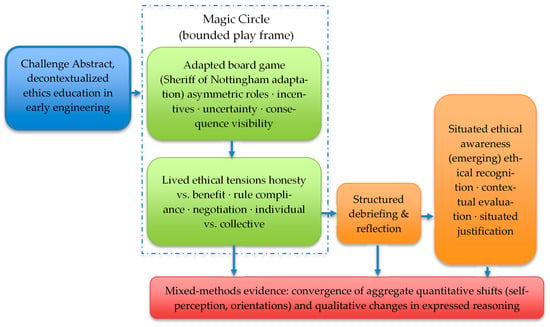
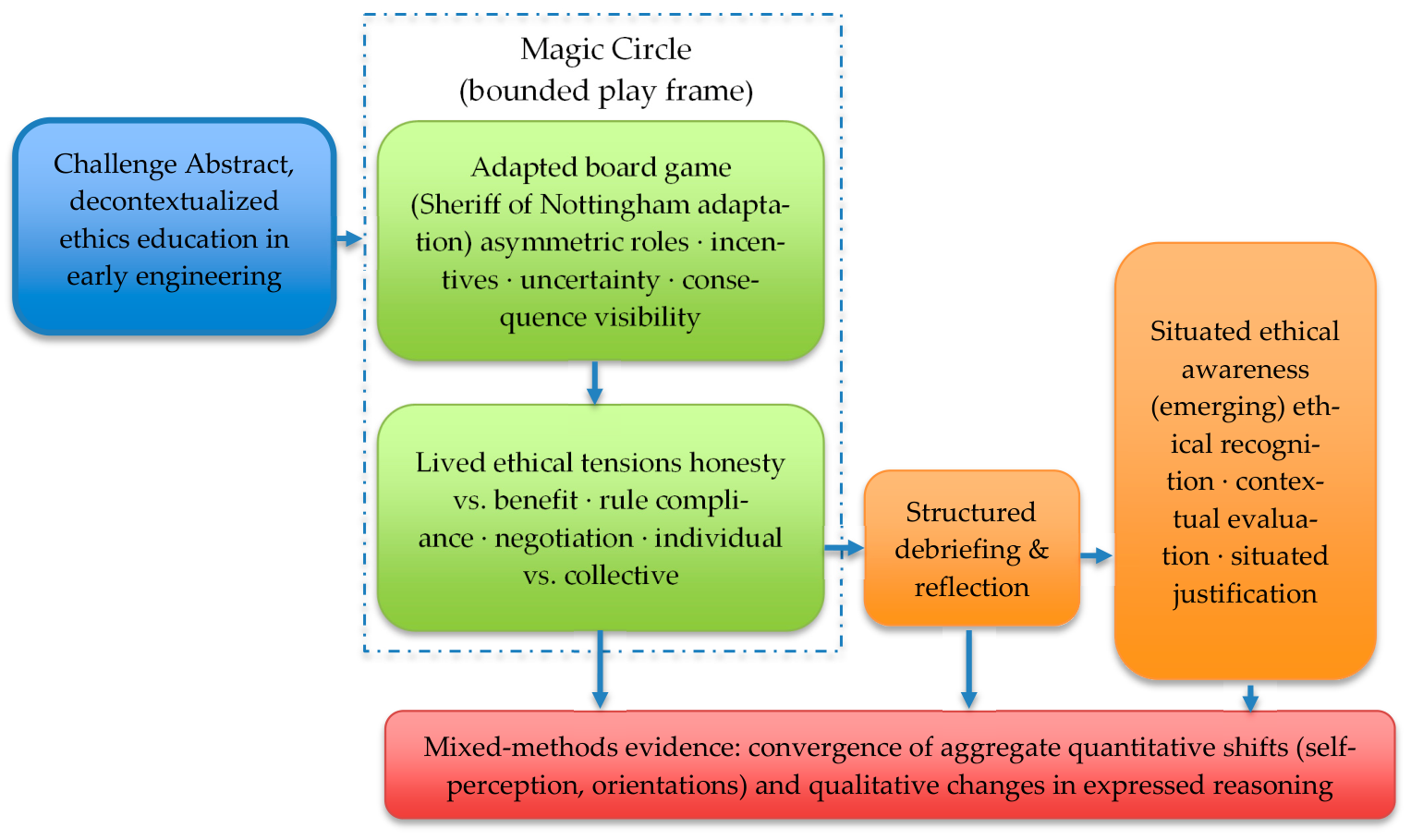
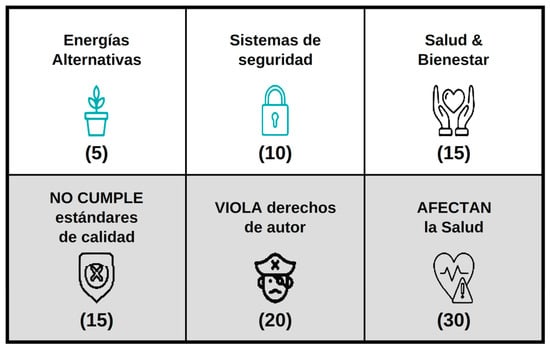
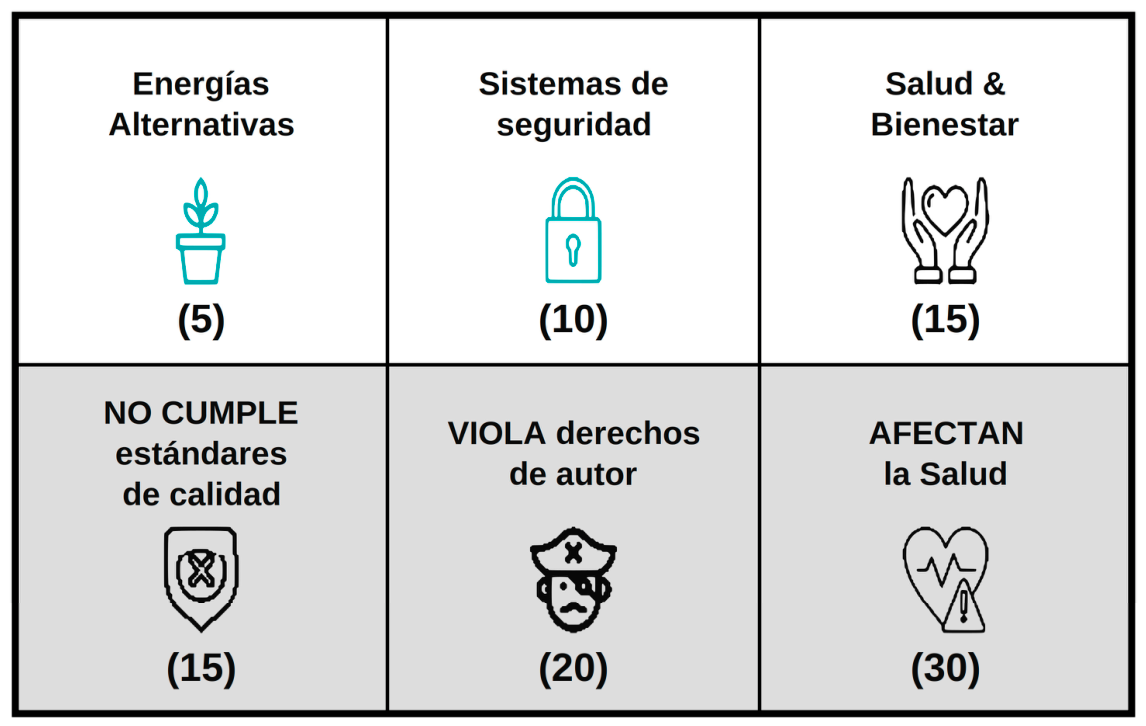
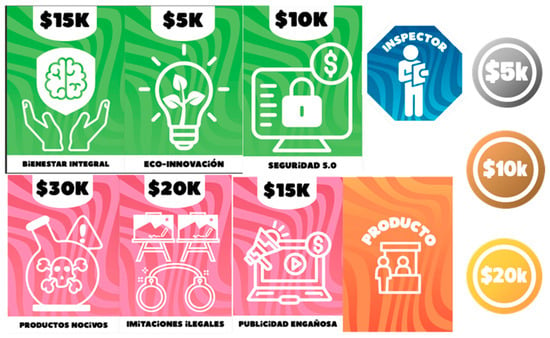
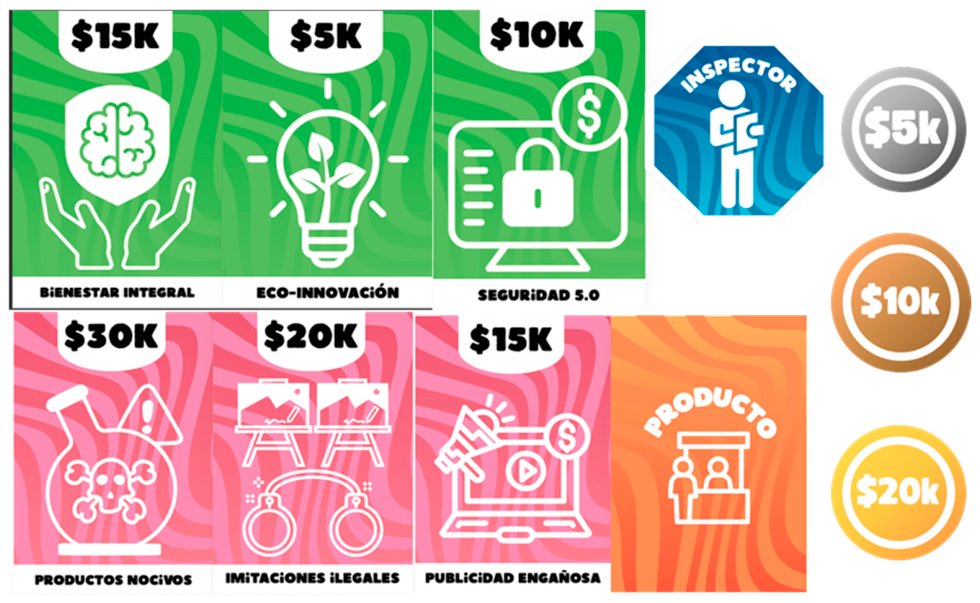

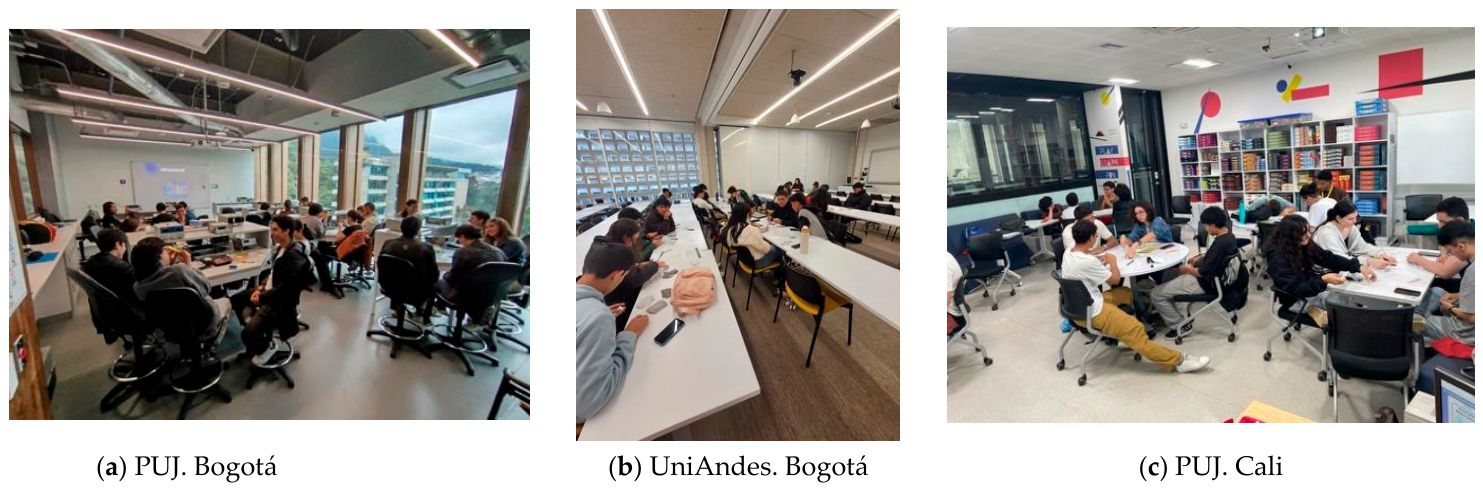

Disclaimer/Publisher’s Note: The statements, opinions and data contained in all publications are solely those of the individual author(s) and contributor(s) and not of MDPI and/or the editor(s). MDPI and/or the editor(s) disclaim responsibility for any injury to people or property resulting from any ideas, methods, instructions or products referred to in the content. |
© 2026 by the authors. Licensee MDPI, Basel, Switzerland. This article is an open access article distributed under the terms and conditions of the Creative Commons Attribution (CC BY) license.