


Abstract
Deep learning and social–emotional learning (SEL) are increasingly recognized as essential for preparing children to thrive in an increasingly complex and interconnected world. However, research examining the relationship between SEL and deep learning among children with autism spectrum disorder (ASD) remains limited. This study investigated the association between SEL and deep learning during inclusive play among 13 children with ASD (IQ ≤ 50; 2 females and 11 males; Mage = 6.23 years, SD = 0.60). The results indicated that (1) children’s social–emotional competencies (SECs) were significantly higher at post-test than at pre-test over the period of participation in inclusive play; (2) children with ASD demonstrated changes in SEL within a dynamic process involving teacher scaffolding, interactions with diverse peers, imitation of peer behaviors, and internalization of activity routines during inclusive play; and (3) Several SEC dimensions were positively associated with deep learning, and regression analyses indicated a significant predictive relationship between SECs and deep learning. These findings highlight the potential of inclusive play for supporting both SEL and deep learning among children with ASD and provide empirical support for considering the development of SECs as a potential predictor of deep learning. However, the findings should be interpreted cautiously given the small sample size (n = 13) and the absence of a control group.
1. Introduction
Deep learning is a learning process in which children, with the support of teachers, actively engage in challenging problem-solving situations. Through hands-on activities and interpersonal interactions, they transfer and apply their prior knowledge, ultimately solving real-world problems and constructing new cognitive structures (H. Guo, 2016; X. Wang, 2021; Wu, 2019). The World Development Report 2018: Learning to Realize Education’s Promise highlighted that global education is facing a “learning crisis” (World Bank Group, 2017), shifting international attention from expanding access to improving the quality and effectiveness of learning. In response, governments and international organizations have increasingly emphasized the importance of ensuring that learners acquire foundational, transferable knowledge, skills, and competencies that can be applied across diverse contexts (UNESCO, 2024b). The Fortaleza Declaration and Insights from the Science of Learning for Education: Leveraging Scientific Knowledge for Innovations in Teaching and Learning, both endorsed at the UNESCO Global Education Meeting in 2024, further reinforced this agenda. Although these policy documents do not explicitly employ the term deep learning, they advocate fostering transferable skills, critical thinking, problem-solving, collaboration, communication, and creativity (UNESCO, 2024a, 2024b), all of which closely align with the core characteristics of deep learning (Hu, 2017). Taken together, deep learning is widely recognized as an effective approach to learning that aligns with the Sustainable Development Goals and plays a vital role in preparing learners to navigate an increasingly globalized world.
In early childhood education, deep learning is characterized by children’s active engagement in inquiry, problem-solving, and knowledge construction through social interactions and collaboration with others, highlighting learning as a process of shared meaning-making rather than merely an expression of learner agency. Correspondingly, conceptions of the child have evolved from viewing children primarily as autonomous cognitive individuals to recognizing them as relational beings whose learning and development are fundamentally shaped through social relationships. This reconceptualization calls for a shift in educational priorities—from an exclusive focus on cognitive development toward greater attention to children’s social and emotional development, fostering the social–emotional competencies (SECs) that enable both individual agency and successful social participation (Mao & Yu, 2024a).
SECs, also referred to as non-cognitive or soft skills, are widely recognized as a core set of competencies that enable individuals to navigate increasingly complex social environments. SECs encompass the ability to regulate one’s emotions, understand others’ perspectives and emotions, establish positive interpersonal relationships, make responsible decisions, and achieve personal and social goals (CASEL, 2003). These competencies are fundamental to children’s social development and well-being (Du & Mao, 2018). For children with special educational needs (SENs), the development of SECs is particularly critical, as it directly shapes their developmental trajectories by influencing not only their social adaptation but also their cognitive development (L. Wang & Li, 2025). SECs in children with SENs, including those with sensory impairments, intellectual disabilities, emotional and behavioral disorders, autism spectrum disorder, and learning disabilities, refer to their capacities for emotional understanding and regulation, interpersonal interaction, and social participation, reflecting their potential for adaptive development across social and emotional domains (L. Wang et al., 2023). Well-developed SECs contribute to multiple aspects of development among children with SENs. They enhance children’s ability to understand others’ emotions and intentions, respond appropriately to others’ needs, and engage in prosocial behaviors (Zhou & Deng, 2025). In addition, stronger SECs are associated with improved social skills, fewer behavioral difficulties (Arnold et al., 2012), and more positive relationships with parents, teachers, and peers (McCabe & Altamura, 2011), thereby strengthening children’s resilience and psychological well-being (Du et al., 2018). Beyond social and emotional outcomes, these competencies have also been shown to positively predict school adjustment (Denham et al., 2014), academic achievement, and life satisfaction (Durlak et al., 2011; Prelow & Loukas, 2003; Suarez-Alvarez et al., 2020), while fostering learning motivation and sustained engagement in learning (Morgan & Cieminski, 2021). Collectively, these findings suggest that SECs provide an essential foundation for the long-term development and sustainable learning among children with SENs. In China, both the Guidelines for Evaluating the Quality of Special Education Schools and the Action Plan for Improving the Development of Special Education during the 14th Five-Year Plan, identify the cultivation of SECs as a key priority in early childhood special education (Du & Qi, 2025).
The concept of social–emotional learning (SEL) was first introduced by the Collaborative for Academic, Social, and Emotional Learning (CASEL) in 1994. SEL refers to the process through which children acquire and apply SECs (Denham & Brown, 2010; Payton et al., 2000). According to CASEL, SEL encompasses five core competencies: self-awareness, self-management, social-awareness, relationship skills, and responsible decision-making (CASEL, 2010; Lv et al., 2024). Rather than focusing on counseling or therapeutic interventions for a small group of children with social–emotional or behavioral difficulties, SEL aims to promote the social–emotional development of all children by fostering resilience, strengthening their capacity to cope with adversity, and enhancing psychological well-being (Zins & Elias, 2006). A growing body of research has demonstrated that SEL generates both immediate and longer-term benefits for children’s development. In the short term, SEL enhances children’s SECs, improves their attitudes toward themselves, others, and learning tasks, and contributes to a more positive classroom and preschool climate. Over the longer term, SEL promotes prosocial behaviors and positive interpersonal relationships while reducing behavioral problems and emotional difficulties (Mahoney et al., 2020). Furthermore, classroom-based SEL programs have been shown to effectively strengthen children’s SECs, foster prosocial behaviors such as cooperation, problem-solving, and helping others, promote healthy peer relationships and academic achievement, and reduce disruptive behaviors (e.g., aggression, violence, classroom misconduct, and defiance) as well as emotional distress, including anxiety and depression (Durlak et al., 2011, 2022; R. D. Taylor et al., 2017). Overall, SEL is an important approach to helping children develop the competencies needed to manage everyday life (Shi & Li, 2013), while serving as a primary pathway for fostering SECs (Qu et al., 2025).
Early childhood represents a critical period for social–emotional development (Mao & Yu, 2024b), while also supporting children’s readiness for school (McClelland et al., 2006). Previous research has shown that school-based SEL programs, which systematically promote SECs through curriculum and preschool climate (Mao, 2015), significantly improve prosocial behavior only among preschool children, with intervention effects being significantly greater than those observed at later educational stages (Zhou & Deng, 2025). These findings underscore the importance of embedding SEL within early childhood education, particularly through creating supportive and inclusive preschool learning environments to promote high-quality learning and development among young children.
Autism spectrum disorder (ASD) is an early-onset neurodevelopmental disorder that typically manifests before the age of three. It is characterized by persistent difficulties in initiating and maintaining social interactions, accompanied by restricted interests, repetitive and stereotyped behaviors, and atypical sensory processing (American Psychiatric Association, 2013; Salari et al., 2022). These characteristics appear to present considerable challenges for deep learning and potentially limit learning opportunities for children with ASD. However, emerging evidence challenged this assumption. A study involving eight children with ASD (one girl and seven boys; M_age = 5.75, SD = 0.71; IQ ≤ 50) showed that they were capable of demonstrating moderate levels of deep learning during inclusive play, with emotional experiences playing a significant role in facilitating this process (Zhu & Su, 2025). This finding indicates that children with ASD are capable of engaging in deep learning, although their individual characteristics may present greater challenges to this process. However, this study has primarily focused on establishing the existence of deep learning among children with ASD, with limited attention to the factors that may support its realization.
Research has shown that difficulties in emotion recognition are not universally present among individuals with ASD (Nuske et al., 2013). ASD children and age-matched non-ASD children did not differ significantly in their recognition of basic emotions (Begeer et al., 2008), and their empathic responses to happy, sad, and distressing situations were also not significantly different from those of TD children (Scheeren et al., 2013). Further research suggests that individuals with ASD may exhibit strengths in processing simple positive emotions (P. Cheng, 2023), particularly in the recognition and understanding of positive emotions (e.g., happiness) (P. Cheng, 2023; Han, 2022) and emotions in happy contexts (Ma, 2018), demonstrating a positive processing advantage. Research has also indicated that when attending to and processing the faces of familiar people, newly familiar people, and strangers, children with ASD have been found to exhibit attentional biases similar to those of TD children (S. Chen & Bai, 2013). In addition, individuals with ASD may show differential responses to familiar and unfamiliar faces, suggesting a familiarity advantage (P. Cheng, 2023). Compared with unfamiliar individuals, familiar or socially and emotionally connected individuals tend to receive greater attentional allocation (Nuske et al., 2014), longer fixation times (S. Chen & Bai, 2013), better recognition performance (Lan et al., 2017; G. Zhang, 2021), and stronger social and empathic activation (Gillespie et al., 2014), whereas such responses are reduced or may even be absent when the observed individuals are unrelated or unfamiliar.
Meanwhile, preschool children’s deep learning is closely associated with social–emotional functioning. Neuroscientific research has suggested that, in the normal brain, cognitive processes cannot function independently of emotional processes (Wu, 2019). Children’s emotional states also play an important role in intellectual activity. The relationship between the intensity of positive affect and task performance follows an inverted U-shaped pattern, with moderate positive affect facilitating optimal intellectual performance and interest playing a central role. In contrast, fear and distress are linearly associated with task performance, such that greater levels of fear and distress are associated with poorer performance. Both highly intense emotional states and emotional disengagement may impede young children’s intellectual exploration, whereas an alternation between interest and enjoyment provides an optimal emotional context for intellectual activity (G. Chen, 2003). As a higher-order intellectual activity, deep learning similarly requires an optimal emotional context. Children’s emotional experiences during activities are therefore important for sustaining engagement and facilitating continued and in-depth exploration; without the perception of positive emotions, children may struggle to sustain such exploration and, consequently, may be less likely to engage in deep learning (X. Wang & Liu, 2020). Notably, as discussed above, the recognition and understanding of positive emotions may represent a relative strength among children with ASD. This may therefore provide an important emotional foundation for their engagement in and sustained participation in deep learning. Furthermore, engaging in inquiry with familiar teachers and peers enables young children to participate in deep learning. During collaborative learning with peers and teachers, children continually encounter cognitive conflicts arising from differences in perspectives. Such conflicts can prompt debate and discussion, allowing children to develop more comprehensive and in-depth understandings of the subject matter and, consequently, advance their learning to a deeper level (X. Wang & Liu, 2020). Importantly, the familiarity advantage observed among children with ASD may provide a foundation for engaging in interpersonal interactions that facilitate their progression toward deep learning. Given that strengths in social–emotional functioning may constitute important conditions for deep learning in preschool children, and that SEL is closely associated with children’s learning and development as well as emotional intelligence (Hoffman, 2009), it is important to examine the potential association between SEL and deep learning among children with ASD. However, it remains unclear whether and how SEL is related to deep learning. Accordingly, the present study examined the relationship between SEL and deep learning among children with ASD.
Against this background, two important questions arise: How do children with ASD engage in SEL, and what role SEL may play in relation to deep learning? In summary, this study examined how SEL unfolded and SECs developed among children with ASD during inclusive play, and how SEL was associated with deep learning.
2. Social–Emotional Learning and Deep Learning Among Children with ASD
2.1. Social–Emotional Learning Among Children with ASD
Children with ASD commonly exhibit deficits in SECs, such as emotion understanding (Salomone et al., 2019) and emotion regulation (Deng, 2024). Specifically, they often experience difficulties recognizing others’ facial expressions (Shanok et al., 2019), integrating multiple sources of information (e.g., visual, auditory, and verbal cues) to interpret complex emotions (Brewer et al., 2017), and inferring others’ mental states (Livingston et al., 2019). In addition, children with ASD are more likely to rely on maladaptive emotion regulation strategies, such as emotional outbursts and avoidance, which not only increase the likelihood of behavioral problems but also intensify negative emotional experiences (Yu et al., 2026). Previous research has shown that approximately 60% of children with ASD experience mental health conditions, including social anxiety, generalized anxiety disorder, and depression (Russo-Ponsaran et al., 2016). Furthermore, these impairments constitute core characteristics of ASD (Yu et al., 2026), including deficits in reciprocal social interaction and rigid, ineffective communication. Moreover, difficulties in appropriately expressing emotions often lead to misunderstandings and interpersonal conflicts during interactions with others (Gev et al., 2021).
Encouragingly, SECs can be developed through targeted interventions (Li & Lei, 2026). To date, social–emotional interventions include a range of therapeutic approaches, such as card-sorting and deck-sliding activities (Gray & Garand, 1993), and social stories (Cathy et al., 2018; Rachel, 2006), all of that have demonstrated effectiveness in helping children with ASD improve their understanding of emotions (Golan et al., 2010), enhancing facial emotion recognition skills (Tanaka et al., 2010), and improving their responses to others’ emotions (Bauminger, 2002), thereby promoting more effective social interactions and the development of positive interpersonal relationships (Reichow & Volkmar, 2010). Furthermore, a growing body of research has shown that technology-based interventions, including approaches based on artificial intelligence (AI) and augmented reality (AR) (C.-H. Chen et al., 2016; Sun, 2025), effectively promote the engagement of children with ASD (Abu-Nowar et al., 2024; Garcia-Garcia et al., 2022; Jain et al., 2012; Nuske et al., 2024).
However, SEL in children with ASD is not an immediate or discrete process. Approaches that rely on single sensory input-output channels may be insufficient to accommodate the needs of children with ASD, limiting the transfer of acquired skills to real-life contexts and constraining the activation of their multimodal cognitive processing systems (Yu et al., 2026). Therefore, SEL in children with ASD should be fostered within authentic social interaction contexts, where learning is grounded in embodied experience and situated perception, thereby facilitating SEL and strengthening SECs (Slovák et al., 2016).
Previous studies have demonstrated that play-based intervention approaches are effective for children with ASD (Tilmont Pittala et al., 2018). Play not only provide authentic social interaction contexts for children with ASD but also offer rich opportunities for hands-on manipulation and embodied experience. Moreover, play-based environments create an engaging space in which children can learn social skills through exploratory and creative play (Oliver et al., 2018), thereby fostering social connection and improving social communication skills in a natural and enjoyable manner. Furthermore, play is characterized by rich contextual and multisensory interactive designs, enabling children with ASD to acquire and integrate information through multiple sensory channels. This multimodal engagement effectively activates emotional and cognitive processing systems in children with ASD, thereby enhancing emotional recognition accuracy, expressive fluency, and regulatory adaptability (Yu et al., 2026). Compared with traditional approaches, play-based interventions have been shown to significantly enhance children’s engagement and learning motivation (Yu et al., 2026). Accordingly, the present study was conducted within inclusive play. Inclusive play includes at least one child with ASD and one typically developing (TD) child forming a playgroup and engaging in a shared play theme or with common play materials. Given that children with ASD often lack joint attention, it is not required for them and their TD peers to cooperate toward the same play goals; instances of parallel but co-located play are permitted within inclusive play (Zhu & Su, 2025). Compared with general play, inclusive play places greater emphasis on supporting joint activities between children with ASD and TD peers, and highlights positive social interactions between the two groups, thereby providing a more conducive context for the development of SEL.
2.2. Deep Learning Among Children with ASD
Previous studies have shown that children with ASD demonstrate a moderate level of deep learning ability during play, with emotional experience receiving the highest scores and interpersonal interaction receiving the lowest scores (Zhu & Su, 2025). However, research and practice focusing on deep learning among children with ASD remain limited.
Problem-solving has been identified as a key outcome of deep learning (X. Wang & Liu, 2020), with higher levels of problem-solving ability being positively associated with deep learning, whereas lower levels are associated with surface learning (J. Wang & Cui, 2018). To some extent, active problem-solving in early childhood can be regarded as an indicator of deep learning (Feng, 2021). Problem-solving involves the simultaneous engagement of multiple cognitive processes, including interpreting problem statements, constructing mental representations of relevant relationships, and generating and implementing solution strategies. For many children with ASD, this process can be particularly demanding (Root et al., 2021). They are more likely to adopt less efficient problem-solving strategies compared to their TD peers (Polo-Blanco et al., 2024). In particular, they tend to rely more frequently on drawings or other concrete representations when solving problems (Bruno et al., 2024).
Appropriate instructional approaches can effectively support problem-solving development in children with ASD. Schema-Based Instruction (Root et al., 2021) is an evidence-based intervention that combines visual representations, explicit instruction, and heuristic strategies (Clausen et al., 2021; Polo-Blanco et al., 2025). In addition, structured intervention programs have also shown positive effects. For example, the Interpersonal Cognitive Problem-Solving program led to improvements in overall problem-solving performance and related domains, including problem identification, generation of alternatives, causal reasoning, and solution evaluation (Bonete et al., 2022). Therefore, problem-solving is a learnable ability, and its development is closely associated with deep learning. These findings further suggest that deep learning among children with ASD may have distinct characteristics but is achievable with appropriate support.
2.3. Social–Emotional Learning and Deep Learning
SEL is more than auxiliary support, and it is foundational for effective learning (Wider et al., 2025). A growing body of evidence indicates that SECs have a direct impact on emotional intelligence, academic achievement, classroom engagement, and school climate (Zins et al., 2007), particularly among marginalized and vulnerable populations (Hoffman, 2009). Learning is inherently a socially embedded process; children’s experiences are shaped through interactions with peers, teachers, and families rather than occurring in isolation. Accordingly, the relationship between SEL and deep learning warrants greater attention. However, research directly examining the relationship between SEL and deep learning remains limited. Existing research has predominantly focused on the application of deep learning technologies, particularly artificial neural networks, to support or enhance children’s SEL (Akalya et al., 2026; Saunshi et al., 2025), rather than examining deep learning as a learning process.
Deep learning is not solely an individual cognitive process; meaningful social interaction and collaboration are also considered important conditions for its development. Research has suggested that isolated individual learning, in the absence of social interaction, is unlikely to support genuine and sustained deep learning (J. Zhang & Chen, 2013). In particular, children’s deep learning is closely associated with the quality of their interactions and dialog with peers and teachers, with high-quality and in-depth exchanges regarded as important for promoting deep learning (Wu, 2017). Consistent with this view, peer dialogue and feedback have been found to facilitate deep learning among students (Yao et al., 2022), while deep learning has also been shown to be significantly associated with active collaborative learning (Zhao et al., 2013). In early childhood, collaboration may be particularly important because interactions among children with different cognitive perspectives can create complementary learning opportunities and activate the zone of proximal development, thereby supporting deep learning (X. Wang & Liu, 2022). These findings provide a theoretical basis for considering the potential relationship between SEL and deep learning. As discussed above, SEL is closely related to children’s capacity to engage in meaningful and sustained interactions, participate in high-quality dialogue with peers and teachers, and collaborate with others. Given this, the potential association between SEL and deep learning warrants further investigation, particularly among children with ASD.
2.4. Research Questions
- Do children with ASD engage in social–emotional learning during inclusive play?
- How does social–emotional learning develop among children with ASD during inclusive play?
- Is there an association between social–emotional learning and deep learning among children with ASD during inclusive play?
- What role may social–emotional learning play in relation to deep learning among children with ASD during inclusive play?
3. Materials and Methods
3.1. Ethics
Prior to the study, approval was obtained from the Institutional Review Board of East China Normal University (IRB number HR2-0272-2025). Before conducting the survey, children and parents participating in the study were recruited through preschools’ parent-teacher conferences, parent-child activities, bulletin boards, and online platforms, and participants’ consent was obtained.
3.2. Participants
The study involved 13 children with ASD (IQ ≤ 50; 2 females and 11 males; Mage = 6.23 years, SD = 0.60) recruited from eight public preschools across four provinces in China (Table 1). Given the small and specific population available for recruitment, the final sample of 13 participants was determined by the availability of eligible participants who met the predefined inclusion criteria rather than by an a priori power analysis. The intellectual functioning of the children with ASD was assessed by qualified pediatricians at government-designated hospitals. According to their official assessment records, all 13 children in the sample had IQ scores of 50 or below. However, given the characteristics of ASD and the limitations of standardized intelligence assessments, these scores may not fully reflect the children’s actual cognitive functioning.
Table 1.
Characteristics of participants (n = 13).
Family socioeconomic information was also collected. Among the participating families, 61.6% reported a monthly household income of 2000–10,000 RMB, and 38.5% reported an income of over 10,000 RMB. Most mothers (53.8%) and fathers (53.8%) were classified into occupational Level 3 (Regarding parental occupational status, occupations were categorized into five levels following classification of Chinese social strata based on occupational status and access to organizational, economic, and cultural resources. Level 1 included temporary workers, unemployed individuals, and non-skilled workers; Level 2 included manual workers, self-employed individuals, skilled workers, and related occupations; Level 3 included general managers, professional and technical staff, and clerical workers; Level 4 included middle-level managers, professional technicians, and assistant professionals; and Level 5 included senior managers, senior professionals, and professional leaders (Lu, 2002), and 61.5% of both mothers and fathers had a college or university education.
All eight participating preschools were public institutions. In accordance with the Preschool Education Law of the People’s Republic of China, each preschool admitted children with SENs who were able to adapt to preschools and provided them with appropriate support and accommodations (The Standing Committee of the National People’s Congress, 2024). The inclusive placements available for these children included LRC and placement in special education classrooms. Children with ASD in LRC participated in at least 2 hours of daily outdoor play activities together with their TD peers in the same classroom or preschool setting. During these activities, children spontaneously formed play groups based on their interests and engaged in inclusive play. For children in special education classroom placements, reverse inclusion was implemented. Each day, one or two TD children joined the special education classroom to participate in at least 30 minutes of inclusive play. Children were free to choose their play partners according to their interests and spontaneously formed play groups for inclusive play. The procedure for inclusive play in the special education classroom is illustrated in Figure 1.
Figure 1.
Inclusive play process. Notes. Dashed lines extending from “Activity procedure,” “Teacher facilitation,” and “Children’s interaction” indicate the content corresponding to each dimension. Dashed rectangular boxes represent teacher participants, whereas dashed rounded boxes represent child participants. Dotted-line boxes group processes belonging to the same phase, whereas solid-line boxes indicate specific activities or events. Arrows indicate the sequence and progression of activities or interactions.
The preschools established multiple activity zones and provided a wide range of manipulative and sensory play materials for children. For example, the Treasure Sand Tray area was equipped with sandboxes filled with kinetic sand, along with molds, small containers, task cards, toy vehicles, and various digging and scooping tools (e.g., shovels, spoons, spatulas, and strainers). The Light and Shadow Explorations area included light-and-shadow sensory boxes, tents, flashlights, colored cellophane, animal-shaped picture cards, and PVC sheets. The Grinding Little Expert area was equipped with grinding stones, mortars and pestles, plates, and natural materials such as orange peels and leafy vegetables. The construction area provided building blocks of varying lengths and shapes, as well as plastic tubes and connectors for structural assembly. The outdoor play area included skipping ropes, tires, rollers, sponge mats, ladders, sand pits, and cardboard boxes.
3.3. Instrument of Observation
3.3.1. Chinese Version of Social–Emotional Learning Rating Form-Observer (C-SEL RF-O)
The Social Skills Improvement System Social Emotional Learning Rating Form (SSIS SEL-RF) is currently the only strengths-based assessment specifically developed to measure children’s SEL based directly on the five-domain framework proposed by the CASEL (F. M. Gresham & Elliott, 2017). Developed by Gresham and Elliott, the instrument includes three versions: a parent-report form (ages 3–18 years), a teacher-report form (ages 3–18 years), and a student self-report form (ages 8–18 years). Validation studies conducted by the developers have demonstrated that all three versions exhibit a good fit with the CASEL five-domain framework and possess satisfactory reliability and validity (F. Gresham et al., 2020). The Social Emotional Learning Rating Form–Parent (SEL-RF-P) consists of 51 items assessing five domains of SEL: self-awareness, social-awareness, self-management, relationship skills, and responsible decision-making.
The present study employed the Chinese Version of the Social Emotional Learning Rating Form–Parent (C-SEL-RF-P), which was culturally adapted and validated by Liu and Wang based on the original SEL-RF-P (Lv et al., 2024). The instrument was validated among Chinese preschool and primary school children. Consistent with the CASEL five-domain framework, confirmatory factor analysis demonstrated a satisfactory model fit, with all fit indices meeting established psychometric criteria, supporting the scale’s structural validity. Compared with the original 51-item English version, the C-SEL-RF-P contains fewer items while demonstrating superior model fit, as indicated by lower χ2/df and improved values of CFI, TLI, IFI, and RMSEA. The scale also exhibited good internal consistency, with a Cronbach’s α of 0.91 for the total scale and coefficients ranging from 0.63 to 0.85 across the five domains (all above 0.80 except for the self-awareness domain). Test–retest reliability over a four-week interval ranged from 0.56 to 0.75. In addition, the C-SEL-RF-P demonstrated satisfactory criterion-related validity, indicating that it provides a reliable and valid assessment of children’s SECs and strengths. Overall, the C-SEL-RF-P achieves a favorable balance between measurement efficiency and psychometric quality by reducing the number of items while maintaining strong reliability and validity, making it well suited for use with Chinese preschool children.
To better align the instrument with the objectives and context of the present study, several adaptations were made to the administration of the C-SEL-RF-P.
First, the assessment context was shifted from the home to the preschool setting. The original parent-report version was designed to assess children’s SEL based on parents’ observations of their behaviors at home. Because the present study examined children’s SEL during inclusive play in preschool settings, the instrument was adapted for observer-based assessment. Accordingly, the Chinese Version of the Social Emotional Learning Rating Form–Parent (C-SEL-RF-P) was modified into the Chinese Version of the Social–Emotional Learning Rating Form–Observer (C-SEL-RF-O).
Second, the informant was changed from parents to a trained researcher. Because the present study focused on children’s SEL during inclusive play in preschool, parents were unable to directly observe the target behaviors. Therefore, all ratings were completed by a trained researcher based on direct observations in the natural preschool setting. This modification was supported by previous evidence suggesting that researcher ratings may be particularly informative for assessing SEL outcomes in school settings, where researchers can directly observe children’s behaviors and interactions (Zhou & Deng, 2025). Prior to data collection, the researcher became familiar with each child’s developmental characteristics through more than 8 weeks of play-based observations or through extensive communication with teachers and reviews of assessment reports and observational records. However, this familiarity may also have introduced observer or expectancy bias, particularly because the same researcher conducted the pre- and post-test SEC ratings. Therefore, the use of researcher ratings should be understood as providing contextualized behavioral observations rather than as inherently more objective than parent reports.
Third, minor wording modifications were made to several items to improve their relevance to the inclusive play context and to adopt more neutral, non-stigmatizing language. Importantly, these revisions did not alter the instrument’s five-domain structure, underlying constructs, measurement content, or scoring procedures. Only three items were reworded. Specifically, within the self-management domain, the phrase “when being laughed at by others” was replaced with “when being ignored by others”, and “when peers are annoying” was revised to “when conflicts arise with peers”. Within the responsible decision-making domain, the item referring to “following home rules” was modified to “following preschool rules” to reflect the assessment context. Thus, the core measurement framework of the original instrument was retained.
Overall, the C-SEL-RF-O demonstrated acceptable internal consistency, with a Cronbach’s α of 0.722 for the total scale. Cronbach’s α coefficients exceeded 0.80 for all domains except the self-awareness domain. Test–retest reliability was not examined in the present study because the observational assessments were conducted at different stages of the study and were designed to capture children’s SECs within their respective contexts rather than to assess temporal stability. The inter-rater reliability of the C-SEL-RF-O was assessed using ratings from two trained researchers who independently rated the same 13 children based on direct observations in the preschool setting. Intraclass correlation coefficients (ICCs) were calculated using a two-way mixed-effects model with an absolute-agreement definition, and single-measures ICCs were reported. The single-measures ICC for the total SEC score was 0.861 (95% CI [0.602, 0.955], p < 0.001). Across the five dimensions, ICCs ranged from 0.112 to 0.790. Social-awareness (ICC = 0.790, 95% CI [0.462, 0.930], p < 0.001) and relationship skills (ICC = 0.782, 95% CI [0.446, 0.927], p < 0.001) showed relatively high inter-rater reliability, while responsible decision-making (ICC = 0.724, 95% CI [−0.078, 0.934], p < 0.001) and self-management (ICC = 0.634, 95% CI [0.042, 0.882], p = 0.001) showed moderate agreement. Inter-rater reliability was lower for self-awareness (ICC = 0.112, 95% CI [−0.509, 0.622], p = 0.362). Given the small sample size, the confidence intervals were relatively wide, particularly for the individual dimensions.
The C-SEL-RF-O comprises five domains—social-awareness, self-management, responsible decision-making, relationship skills, and self-awareness—and includes 33 items. Each item is rated on a 4-point Likert scale ranging from 1 (never) to 4 (almost always), with higher scores indicating higher levels of SECs. The assessment indicators are presented in Table 2.
Table 2.
Indicators and scores of Chinese Version of Social–Emotional Learning Rating Form-Observer.
Overall, this study employed the C-SEL RF-O framework to assess SEL among children with ASD within inclusive play. Ratings were based on the researcher’s continuous observations of children with ASD during inclusive play, with the aim of examining SEL across observed activities rather than focusing on isolated behaviors
3.3.2. Assessment Scale for Children’s Deep Learning Ability in Play
Assessment Scale for Children’s Deep Learning Ability during Play was developed for this study based on Wang’s interpretation of the logical framework for children’s deep learning (X. Wang & Liu, 2020) and Fredericks’ three-dimensional input theory of cognition, emotion and behavior (Fredricks et al., 2004). The scale has not yet been published as a standalone validated instrument. Its preliminary psychometric properties were evaluated in an earlier sample through Delphi expert consultation and exploratory factor analysis (Zhu & Su, 2025). Eleven experts independently evaluated the structure and content of the scale, yielding high inter-rater consistency (Kendall’s W = 0.749, χ2 = 49.407, p < 0.001). The KMO value was 0.834, and Bartlett’s test of sphericity was significant (χ2 = 233.014, p < 0.001), supporting the suitability of the data for factor analysis. Six factors with eigenvalues greater than 1 were extracted, accounting for 78.292% of the cumulative variance after Varimax rotation, and all items had communalities above 0.50.
In the present study, the instrument had been previously validated, demonstrating good internal consistency, with a Cronbach’s α of 0.944 for the total scale. The scale included 6 primary indicators and 24 secondary indicators. Each secondary indicator was rated on a five-point scale based on children’s behavioral performance, ranging from high to low, with a total of 120 assessment items. The assessment scale indicators and reliability coefficients for each subfactor are presented in Table 3.
Table 3.
Indicators and scores of Assessment Scale for Children’s Deep Learning Ability in Play.
Assessments were conducted in naturalistic play settings, incorporating on-site coding and real-time evaluation of children’s deep learning. The assessment began when the children initiated play and ended upon completion. Play duration varied, depending on the child’s developmental stage and capacity.
3.4. Methods and Research Procedure
Naturalistic observation was adopted in this study to assess children’s behaviors without interfering with their play. Children with ASD’s SECs were assessed using the C-SEL RF-O, while their deep learning was assessed using the Assessment Scale for Children’s Deep Learning Ability in Play.
To address Research Question 1 (Do children with ASD engage in social–emotional learning during inclusive play?), SECs were assessed at two time points: before and after the 10-week inclusive play. The pretest was conducted during children with ASD’s independent play, either individually or with peers of similar characteristics, and was based on stable behavioral performance documented through continuous observations during the first eight weeks of the study. The post-test was completed at the end of the 10-week inclusive play. Changes in SECs were examined by comparing pretest and post-test scores.
To address Research Question 2 (How does social–emotional learning develop among children with ASD during inclusive play?), children with ASD’s participation throughout the inclusive play was continuously observed. 33 representative cases were documented and subjected to qualitative case analysis to identify the developmental process and characteristics of their SEL.
To address Research Questions 3 and 4 (Is there an association between social–emotional learning and deep learning among children with ASD during inclusive play? How does social–emotional learning contribute to deep learning among children with ASD during inclusive play?), children with ASD’s deep learning was assessed at the end of 10-week of the inclusive play, after their play behaviors had become stable. Spearman correlation analysis and simple linear regression analysis were conducted using post-test SEC scores and deep learning scores to examine the association between the two constructs.
Overall, in the process of conducting the study, the members of research team held fortnightly online meetings to clarify the assessment ideas and the application of the assessment tools. Moreover, new problems encountered during the assessment process were negotiated to reach a consensus solution.
The research process included four stages (Figure 2).
Figure 2.
Research process.
3.5. Data Analysis
Data were analyzed using IBM SPSS Statistics 27.0. Descriptive statistics were first computed to summarize the levels of SEL among children with ASD during inclusive play. The Shapiro–Wilk test was then conducted to assess the normality of the data and determine the appropriateness of subsequent parametric analyses. Given the small sample size, Spearman’s rank-order correlation was used to examine the association between SEL and deep learning. Finally, simple linear regression analysis was conducted to examine whether SEL statistically predicted deep learning among children with ASD during inclusive play.
4. Results
4.1. Do Children with ASD Engage in Social–Emotional Learning During Inclusive Play?
The normality of the difference scores was assessed using the Shapiro–Wilk test. The difference scores for the overall SEC score and the self-awareness, social-awareness, self-management, and relationship skills domains were normally distributed (all p > 0.05), whereas the responsible decision-making domain violated the assumption of normality (p = 0.001). Accordingly, paired-samples t tests were conducted for the overall SEC score and the four normally distributed domains, whereas the Wilcoxon signed-rank test was used for the responsible decision-making domain. The descriptive statistical analyses presented in Table 4 compared the SECs of children with ASD before and after their participation in the inclusive play.
Table 4.
Survey of the SECs of children with ASD before and after their participation in the inclusive play (n = 13).
The results showed significantly higher post-test scores than pre-test scores for overall SECs and all competency domains among children with ASD following their participation in inclusive play. Given the small sample size, this finding should be interpreted with caution, while recognizing that statistical significance provided evidence of a difference between the pre- and post-test scores.
The mean SEC score of children with ASD during inclusive play was 84.00, indicating a moderately high level. Among the five competency domains, social-awareness had the highest mean score, whereas relationship skills had the lowest.
No significant differences in children’s SEC scores were found across gender, age, geographic region, or sibling status (all p > 0.05). Given the small sample size and the exploratory nature of the study, these findings should be interpreted with caution, as the analyses may have had limited statistical power to detect small or moderate effects.
In addition, to examine whether educational placement was associated with baseline SECs or post-test deep learning, Mann–Whitney U tests were conducted comparing children with ASD in LRC and special education classes. No significant difference was found in baseline SEC total scores between the two placement groups (U = 17.00, exact p = 0.724). Similarly, no significant difference was found in post-test deep learning total scores (U = 20.00, exact p = 1.000), and none of the deep learning dimensions differed significantly between the groups (exact p = 0.354–0.943). However, a significant between-group difference was observed in self-awareness at baseline (U = 6.00, exact p = 0.045). Given the small sample size and the multiple exploratory comparisons, this finding should be interpreted cautiously.
4.2. How Does Social–Emotional Learning Develop Among Children with ASD During Inclusive Play?
Of the 33 documented cases, three were selected for detailed presentation to illustrate how children with ASD developed SEL during inclusive play. The selection was guided by several criteria. First, the selected cases provided relatively complete accounts of an inclusive play episode, allowing the development of children’s participation to be traced from the beginning to the end of the activity. Cases in which children disengaged shortly after entering the activity, for example because their attention shifted to another activity, were less suitable for detailed presentation. Second, the selected cases contained rich and sustained interactions between children and teachers and/or peers, providing sufficient material to examine how these interactions supported continued participation and deeper engagement in play. Third, the cases included meaningful events that offered insight into how children responded to others, adjusted their behavior, and extended their engagement or exploration. Fourth, the cases showed relatively clear changes in children’s participation and behavior over the course of play, rather than isolated or repetitive behavioral episodes. Fifth, the selected cases captured key processes identified through the qualitative analysis, including teacher support, peer diversity, imitation, and the gradual development of play routines. Finally, the three cases were selected to retain some variation in the contexts and forms through which these processes unfolded.
On this basis, the three cases were selected to provide illustrative examples of the processes identified in the qualitative analysis, rather than statistically or substantively representative of all 33 cases. The remaining 30 cases were retained in the qualitative analysis but were not presented in comparable detail because of the need to focus the results on cases that offered sufficiently rich and complete accounts of the processes under examination. We acknowledge that this purposive selection may have introduced selection bias, as cases that more clearly captured the identified processes were more likely to be selected for detailed presentation. Accordingly, the three cases should be understood as analytically informative examples of the observed processes rather than as a comprehensive representation of the full range of experiences across the 33 cases.
- Case 1
During the Light and Shadow Explorations activity, Dian (a TD boy) took a rabbit card from the material container and placed it directly against the screen. Holding a flashlight, he shone the light onto the card. After looking at the screen, he moved the flashlight to illuminate the card from different positions, but the image on the screen did not change, and no shadow appeared on the screen. He removed the card from the screen, looked at it briefly, then placed it back against the screen and shone the flashlight on it again.
Meanwhile, C7 sat nearby, continuously rotating and waving a flashlight in his hand. As he moved it, the beam swept across the floor, the wall, and his clothing, creating shifting patterns of light and shadow.
The teacher approached the two children and said to Dian, “You can play together with C7.”
Dian walked over to C7 holding the rabbit card and placed it in C7’s hand, saying, “You hold this.” C7 grasped the card but kept his hand resting on his lap without raising it. Dian looked at the card in C7’s hand and then at the screen. He lifted C7’s hand, positioning the card in front of the screen, before shining the flashlight toward the card.
A rabbit shadow immediately appeared on the screen. Dian pointed excitedly at the screen and said, “Look! The rabbit!” C7 followed Dian’s gesture and looked toward the screen. The teacher commented, “You found the rabbit’s shadow!”
The teacher then said, “Now let C7 hold the flashlight, and Dian can hold the card.”
C7 took the flashlight and moved the beam back and forth across the rabbit card held by Dian. Dian alternated his gaze between the shadow on the screen and the position of C7’s flashlight. He then picked up another flashlight and illuminated the card from both farther away and closer distances. As the distance changed, the rabbit shadow on the screen became larger and smaller. Dian remarked, “It got bigger!” and then, “Now it’s smaller!”
C7 paused, looked at the shadow on the screen, and then at the position where Dian was moving the flashlight. He subsequently raised the flashlight, slowly walked forward toward the card, and then stepped backward. As he changed the distance, the rabbit shadow on the screen changed accordingly.
The two children took turns moving the flashlights, repeatedly looking up to observe the changing shadows on the screen while continuing to explore together.
- Case 2
Fang (a TD girl), who was visiting the special education classroom for the first time, walked to the Grinding Little Expert area. She stopped at the worktable and looked at the grinding stone, mortar and pestle, and the natural materials placed on the table. Picking up one of the leafy vegetables, she examined it repeatedly before turning to the teacher and asking, “What is this for?”
Rather than answering directly, the teacher said, “Let’s first see how C12 does it.” The teacher then invited C12 to sit down, gently patted him on the shoulder, and said, “C12, could you show your friend how to play with these?” while pointing to the mortar and pestle and the grinding stone on the worktable.
Standing beside the table, C12 looked at the materials. After the teacher moved the grinding stone closer to him, C12 picked up a piece of leafy vegetable, placed it into the grinder, and began rotating the handle. Fang stood beside him, carefully observing each step of his demonstration.
After watching for a while, Fang placed a smaller piece of leafy vegetable into the grinding stone, grasped the handle with both hands, and slowly began rotating it. Meanwhile, C12 picked up the mortar and pestle, placed several pieces of leafy vegetable into the mortar, and began grinding them. He then added a piece of orange peel and continued grinding the two materials together.
Observing C12’s actions, the teacher commented, “You put the leafy vegetables and the orange peel together. Let’s see what happens.”
After looking at the materials in C12’s mortar, Fang also picked up a small piece of orange peel, placed it into the grinding stone, and continued rotating the handle. As she turned the grinder, she lowered her head to observe the liquid gradually flowing from the outlet.
Several minutes later, Fang turned to C12 and said, “When you’re finished, give it to me. Let’s do it together.” C12 continued grinding without responding. After a short while, Fang noticed that C2 had stopped grinding. She took the mixture from the mortar, poured it into the grinder, and continued turning the handle, while C12 remained beside her, quietly observing the grinding process.
As the grinding stone continued to rotate, a small amount of yellow juice gradually flowed from the outlet. The teacher walked over to the worktable, pointed to the juice, and asked, “Why did the juice turn yellow after grinding?” Fang and C12 lowered their heads to observe the juice, then looked back at the leafy vegetables and orange peel inside the grinder. Fang replied, “Because the orange peel is yellow.”
Afterward, Fang continued rotating the handle while C12 added another piece of orange peel into the grinding stone. The two children took turns adding materials and operating the grinder, periodically lowering their heads to observe the changes in the juice flowing from the outlet. They continued exploring together until the play session ended.
- Case 3
During the Treasure Sand Tray activity, C7 and Gang (a TD boy) were playing with kinetic sand. Each child selected an animal mold and began creating a sand model.
C7 filled a crocodile mold with kinetic sand and then turned it upside down, attempting to release the model onto the table. As he lifted the mold, the crocodile’s tail broke off and fell into the sand tray. C7 refilled the mold with kinetic sand and tried again. This time, the crocodile broke into several pieces as it was removed from the mold.
After watching C7’s attempts, Gang asked, “Why did that happen?” He looked down at the mold in his own hands, picked up a handful of kinetic sand, repeatedly kneaded it with both hands, carefully pressed the sand into the mold little by little, and then repeatedly compacted the surface using a small pan. After turning the mold over, a complete crocodile remained on the table.
C7 carefully watched Gang’s actions. He then refilled his mold with kinetic sand, picked up a spoon, and repeatedly pressed the sand firmly inside the mold before turning it over. This time, the crocodile remained intact on the table.
Noticing the spoon in C7’s hand, Gang asked, “C7, may I borrow your spoon?” C7 continued arranging the sand without responding. Gang asked again, “Could I borrow it, please?” C7 looked up and handed the spoon to Gang. After receiving it, Gang replied, “Thank you.”
Later, C7 inserted a handled mirror into the sand structure he had built. As soon as the mirror was placed upright, it tilted and fell to one side. He tried inserting it again, but it fell over once more. Standing beside him, Gang pointed to the sand pile and said, “It’s not deep enough.” C7 continued trying. Gang then pointed toward the base of the sand pile and added, “A little deeper.” On his third attempt, C7 inserted the mirror farther into the sand, and it remained upright. C7 looked at the mirror, then turned toward Gang and smiled. Gang responded, “That’s it.”
After finishing his work, C7 pointed to the crocodile and the handled mirror on his sand structure. Gang looked down and said, “Yours is finished.”
At that moment, Cai (a TD boy) came over to the sand tray and noticed the molds placed beside C7. He asked, “May I have a mold?” C7 picked up one of the molds beside him and handed it to Cai, who immediately began making his own sand model.
A short while later, Cai looked again at the molds beside C7 and asked, “Could I have another one?” C7 picked up a different mold and handed it to him. Over the next few minutes, Cai repeatedly asked C7 for different molds. Each time, C7 selected the requested mold from beside him and passed it to Cai. After several such exchanges, before Cai could ask again, C7 spontaneously picked up another mold and handed it to him. Cai accepted the mold, smiled at C7, and said, “Thank you. Let’s play together.” The two children then continued making sand models and periodically showed one another their completed creations.
4.3. Is There an Association Between Social–Emotional Learning and Deep Learning Among Children with ASD During Inclusive Play?
Spearman’s rank correlation was used to examine the relationship between SECs and deep learning due to the small sample size and the non-normal distribution of responsible decision-making. To account for the increased risk of Type I error due to multiple comparisons, the Benjamini–Hochberg false discovery rate (FDR) procedure was applied to the p values from the correlation analyses. Statistical significance was evaluated based on the adjusted p values, with an FDR-adjusted p < 0.05 considered statistically significant. The results were shown in Table 5.
Table 5.
Spearman’s correlation between SECs and deep learning (n = 13).
After Benjamini–Hochberg FDR correction for multiple comparisons, Spearman’s rank-order correlation analysis showed that social-awareness was positively associated with transfer and application and interpersonal interaction. Self-management was positively associated with problem solving. Relationship skills were positively associated with transfer and application, interpersonal interaction, and deep learning. Social–emotional competencies were positively associated with interpersonal interaction. No other associations remained statistically significant after correction for multiple comparisons. Given the small sample size, this finding should therefore be interpreted with caution.
4.4. What Role May Social–Emotional Learning Play in Relation to Deep Learning Among Children with ASD During Inclusive Play?
Simple linear regression analyses were conducted to examine whether SECs were significant statistical predictors of deep learning and its six dimensions. The Benjamini–Hochberg FDR procedure was applied to the regression p values to account for multiple comparisons. The results were presented in Table 6.
Table 6.
Simple linear regression of deep learning on SECs among children with ASD during play (n = 13).
After Benjamini–Hochberg FDR correction for multiple comparisons, Simple linear regression analyses indicated that social-awareness was significantly associated with emotional experience, transfer and application, and interpersonal interaction. Responsible decision-making was significantly associated with emotional experience. Relationship skills were significantly associated with transfer and application, interpersonal interaction, and deep learning. Social–emotional competencies were significantly associated with emotional experience, transfer and application, interpersonal interaction, and deep learning. No statistically significant associations were observed for self-awareness after FDR correction. Given the small sample size, this finding warrants cautious interpretation.
5. Discussion
5.1. Changes in Social–Emotional Learning Among Children with ASD Following Participation in Inclusive Play
The present study found that children with ASD showed significantly higher post-test scores than pre-test scores in overall SECs and all five domains following participation in inclusive play, consistent with previous findings (Justice et al., 2014). Inclusive education aims to reduce discrimination against children with ASD by fostering positive attitudes, acceptance of individual differences, and meaningful peers interactions (Buysse & Hollingsworth, 2009). Play is also crucial to young children’s social–emotional development and learning (Allee-Herndon et al., 2022; Ashiabi, 2007; M. E. Taylor & Boyer, 2020), especially for children with ASD (Burke, 2012). Children participate in play with enthusiasm and motivation, suggesting that play may support inclusive education by providing opportunities for choice, flexibility, autonomy, and independence within the inclusive settings (Papacek et al., 2016). Consequently, inclusive play brings together the strengths of inclusive education and play-based learning by reducing physical and social segregation (Visser et al., 2026) and creating shared play contexts in which children with diverse developmental characteristics can engage meaningfully with one another. Children spontaneously formed play groups during inclusive play, providing children with ASD opportunities to learn from peer models (Harjusola–Webb et al., 2012) and develop meaningful peer relationships. Furthermore, engaging in inclusive play enables TD children to better appreciate their peers’ strengths and individual differences (Yantzi et al., 2010), thereby reducing prejudice and fostering empathy, social responsibility, cooperation, and respect for diversity (Berk et al., 2006; Boudreau & D’Entremont, 2010; Rafferty & Griffin, 2005). In turn, these experiences may be related to the development of SECs among children with ASD and may be associated with lower levels of both externalizing (e.g., aggression) and internalizing (e.g., anxiety) problems (Cambra & Silvestre, 2003).
However, simply placing children with ASD in general education classrooms does not guarantee meaningful peer interactions for children with ASD and may even increase the risk of peer rejection (Volkmar & Wiesner, 2009). According to Vygotsky’s social constructivist theory, teachers play a crucial role in scaffolding children’s learning by creating supportive environments and facilitating opportunities for social participation (Wood & Bennett, 1998). This finding is consistent with previous studies (X. Cheng et al., 2009; W. Guo et al., 2012; Hilton & Liberty, 1992; Wei & Wang, 2010). This perspective was also supported by the findings of the present study. Therefore, teachers should recognize the importance of scaffolding and SEC interventions and actively incorporate these practices into inclusive play to support the SEL of children with ASD (Majoko, 2016).
However, these findings should be interpreted with caution. Because the study did not include a comparison group, the observed pre- to post-test changes in SECs cannot be attributed solely to participation in inclusive play. Other factors, such as maturation, general preschool experiences, and repeated assessment or rapport effects associated with the same researcher conducting the pre- and post-test ratings over the 10-week period, may also have contributed to the observed changes. Thus, the findings provide evidence of pre- to post-test changes in SECs during the period of inclusive play, but they do not establish that inclusive play itself caused these changes.
5.2. Social–Emotional Learning Among Children with ASD Unfolded Through a Dynamic Process Involving Teacher Scaffolding, Interactions with Diverse Peers, Peer Imitation, and the Internalization of Activity Routines During Inclusive Play
It is important to note that SEL among children with ASD unfolded gradually over the course of sustained participation in inclusive play, rather than emerging immediately. In the early stages, children with ASD primarily engaged in solitary play, with limited involvement in peer interactions. During sustained participation in inclusive play, children gradually became more familiar with their peers and showed increasing engagement, alongside teacher scaffolding, interactions with diverse peers, imitation of peer behaviors, and internalization of activity routines.
First, teacher scaffolding was closely involved in social inclusion and positive emotional experiences among children with ASD. Observations showed that, unlike TD children, who sustained collaborative exploration around shared play themes or inquiry problems, children with ASD frequently alternated between peer engagement and solitary play as interactions were interrupted by changing interests, communication difficulties, or mismatched play goals. These findings suggested that sustained teacher scaffolding was closely associated with the maintenance and extension of meaningful peer interactions (X. Cheng et al., 2009; Hilton & Liberty, 1992). Teacher scaffolding primarily involved creating opportunities for interaction, prompting TD children to initiate peer engagement, and facilitating inclusive play. For example, at the beginning of play sessions, teachers encouraged TD children to invite children with ASD to participate through verbal prompts. Following this, TD children often initiated interactions by holding hands with children with ASD to enter the play activity, sharing play materials, or demonstrating ways to use materials, which was accompanied by greater opportunities for children with ASD establish connections with their TD peers. As play progressed, when children with ASD returned to solitary play, teachers provided additional scaffolding by introducing new materials, posing open-ended questions, and encouraging further exploration. Such forms of scaffolding were associated with sustained peer interactions and richer opportunities for children with ASD to develop SEL within inclusive play. In addition, teachers provided timely positive feedback that was associated with a growing sense of competence and confidence among children with ASD, as well as gradually increasing engagement in peer interactions. Instead of focusing solely on task completion, the teacher highlighted the child’s creativity. At this point, TD children began to attend to children with ASD, imitate their decorative strategy, and actively share their own work with him. Overall, teacher scaffolding, characterized by attentive observation, purposeful prompts, and positive feedback, was associated with children with ASD’s social participation and positive emotional experiences during inclusive play.
Second, peer diversity was associated with social-awareness and self-awareness during inclusive play. Previous research (Cao et al., 2019) has consistently demonstrated that peer support facilitates the inclusion of children with ASD in general education classrooms and enhances their participation in activities. A defining feature of inclusive play is the participation of children with diverse developmental profiles, which provides an important context through which children with ASD can access support from diverse peers and develop SECs. For example, in the Treasure Sand Tray area, some children used molds to create animal figures, whereas others designed roads and explored how to make toy cars move smoothly across the sand. In the construction area, some children constructed castles, while others tested the stability of bridge structures. Rather than engaging in repetitive manipulation of materials, children with ASD were often attracted by the novel play strategies demonstrated by TD peers and gradually became involved in observing and participating in their activities. In addition, the higher developmental competence of TD peers was associated with the emergence of more complex inquiry problems and provided opportunities for children with ASD to learn through observation and imitation. In addition, questions and suggestions from TD peers provided natural opportunities for children with ASD to consider others’ perspectives and modify their actions. Peer requests also created authentic contexts for children with ASD to recognize and respond to others’ needs. These interactions suggest that TD peers functioned not only as play partners but also as social and cognitive resources in children with ASD’s SEL. Through observing peers, responding to questions and requests, and adjusting their behaviors based on peer feedback, children with ASD gradually showed greater awareness of others’ needs, perspectives, and intentions, alongside changes in social-awareness and self-awareness.
Third, imitation appeared to be an important pathway for children with ASD to enter and participate in peer play. Importantly, imitation was not a unidirectional process. When TD children observed children with ASD using unique tools or engaging in novel ways of playing, TD peers sometimes imitated these behaviors and initiated communication. These observations suggested that imitation in inclusive play served not only as a means through which children with ASD could acquire new play skills but also as a context for developing shared interests, joint attention, and social connections with peers. As imitation evolved from one-way observation and learning toward reciprocal imitation, children with ASD gradually shifted from passive observers of peer play to more active participants in social interactions, alongside changes in relationship skills.
Finally, the internalization of activity routines was associated with the development of self-management and responsible decision-making among children with ASD during inclusive play. Inclusive play was characterized by consistent activity schedules, designated play areas, structured material arrangements, and clearly defined rules. Over the course of sustained participation in inclusive play, children with ASD gradually became familiar with and internalized these routines. Over time, they began to regulate their own behaviors without relying on adult prompts, demonstrating emerging self-management. For example, before each inclusive play session, teachers played a specific piece of music as a consistent signal indicating the beginning of the activity. After experiencing this routine repeatedly, children with ASD began to respond independently to the musical cue. They would stand up, return their stools to the dining table, and wait at the classroom door for the teacher to lead them outdoors, without needing repeated reminders. This pattern suggests that children were increasingly able to use environmental cues to guide their actions and follow the transition routine independently. The internalization of activity routines was also reflected in children’s play behaviors. For example, while their peers were still engaged in the activity, children with ASD remained seated quietly and waited rather than interrupting them. This behavior reflected an increasing ability to inhibit immediate impulses and indicated growth in self-management within a social context. As their understanding of play routines and rules deepened, children with ASD also began to actively maintain the shared play environment and make decisions that benefited the group. For instance, during a drawing activity, C4 spontaneously commented to the teacher, “It is messy.” When the teacher asked, “What is messy?” the child pointed to the scattered paintbrushes nearby and replied, “The brushes are messy.” This interaction demonstrated that the child had moved beyond simply following established routines and had begun to recognize environmental organization as a shared responsibility. Taken together, these observations suggested that the stable and predictable routines embedded in inclusive play offered children with ASD with a supportive behavioral framework. Through repeated engagement and gradual internalization of activity routines, children shifted from relying on adult guidance toward independently regulating their behaviors. Furthermore, they developed an emerging awareness of how rules and shared environments influence others, as well as greater self-management and responsible decision-making during inclusive play.
5.3. Social–Emotional Learning Was a Significant Predictor of Deep Learning Among Children with ASD During Inclusive Play
The findings showed that SEL was a significant predictor of overall deep learning among children with ASD during inclusive play. In addition, some dimensions of SEL were significantly associated with overall deep learning and specific dimensions of deep learning. Deep learning in early childhood is not about advanced academic learning or premature academic instruction that exceeds children’s developmental readiness (X. Wang & Liu, 2020). Rather, it emphasizes the depth of children’s engagement, collaboration, inquiry, sustained attention, and meaning-making in the learning process. Therefore, deep learning is not merely an individual cognitive process but also a socially constructed process embedded in interactions with others (X. Wang & Liu, 2020). In preschool settings, deep learning develops through dynamic teacher–child and peer interactions, where children collaboratively explore, exchange ideas, and solve problems (X. Wang & Liu, 2020). SECs are fundamental to children’s ability to initiate and sustain social relationships, understand others’ intentions and perspectives, and regulate their behavior during social interactions. Consequently, opportunities for meaningful social interaction and SEL development may be worth considering as part of efforts to support deep learning among children with ASD during inclusive play.
Second, SEL showed significant predictive value for emotional experience, suggesting that children’s ability to develop positive emotional experiences during inclusive play was statistically predicted by their level of SECs. Positive emotional experiences, reflected in children’s willingness to initiate, sustain, and actively engage in inclusive play, provide an important foundation for deep learning (X. Wang & Liu, 2020). From a sociocultural perspective, emotions, particularly higher-order emotions, are inherently social, emerging through social participation and reflecting individuals’ emotional responses to social experiences (Y. Guo & Wang, 2022). Without adequate SECs, individuals may be less likely to develop positive emotional responses to social interactions (Y. Guo & Wang, 2022). During inclusive play, children with ASD establish reciprocal interactions with others and develop positive emotional experiences in association with their SECs (Denzin, 1989).
Third, SEL significantly predicted transfer and application, which involves activating prior experiences, integrating them with current challenges, and applying existing knowledge, skills, strategies, and emotional resources to solve problems during inclusive play. Rather than relying on rote memorization or superficial exploration, deep learning in early childhood involves intentional efforts to understand, make connections, and construct new cognitive schemas based on existing experiences. Therefore, the essence of deep learning lies in meaningful learning that is grounded in understanding and oriented toward transfer (P. Ye & Li, 2023). The findings indicated that 50% of children with ASD were able to activate prior emotional, cognitive, and strategic resources with the support and prompts of peers or teachers, integrate these experiences with the current play context, and apply or creatively extend them to solve problems. This suggested that the ability to perceive, interpret, and respond to social cues from peers and teachers—particularly competencies related to social-awareness and relationship skills—was reflected in children’s ability to transfer and apply prior experiences. Therefore, higher levels of SECs may have predictive value for children’s ability to more effectively transfer and apply previous experiences, identify problems, generate solutions, and engage in deeper learning. In addition, the predictive relationship between SEL and cognitive quality may be considered in relation to the cognitive processes involved in transfer and application. Transfer and application require children to activate prior experiences, integrate knowledge and strategies, and adapt them to new situations, processes that are also reflected in cognitive quality through children’s flexibility, depth, reflection, and creativity in thinking.
Fourth, SEL showed significant predictive value for interpersonal interaction. During inclusive play, peer interaction refers to the reciprocal process through which children with ASD and their TD peers initiate, maintain, and develop social exchanges, including listening and expressing ideas, imitation, cooperation, sharing, and seeking assistance. Previous research has shown that SECs are positively associated with children’s development of prosocial skills, empathy, self-regulation, secure attachment, and initiative (Housman et al., 2018). Moreover, higher levels of SECs are associated with more positive peer relationships, stronger relationships with adults, and more frequent interactions with peers among preschool children (McCabe & Altamura, 2011). Conversely, limited SECs are associated with poorer social functioning, difficulties in peer relationships, emotional and behavioral problems, and learning difficulties during childhood (Bornstein et al., 2010). These challenges may be reflected in difficulties establishing positive peer relationships during inclusive play and engaging in deeper learning among children with ASD.
5.4. Although Relationship Skills Played a Role in Facilitating Deep Learning, They Remained the Lowest Mean Score Across the SEL Domain Among Children with ASD During Inclusive Play
The findings indicated that relationship skills were significantly associated with deep learning among children with ASD; however, it received the lowest score among the five dimensions and demonstrated the least change following participation in inclusive play (Δ = 2.077). Relationship skills significantly predict children’s social participation and friendship development (Botting & Conti-Ramsden, 2008). As discussed earlier, social interaction and SECs played a role in deep learning. Therefore, lower levels of relationship skills may be associated with less engagement in deep learning among children with ASD.
Compared with TD children, children with ASD often demonstrate delays in the development of relationship skills (Jahromi et al., 2021; Jahromi et al., 2012). Moreover, when encountering frustration, they tend to rely on less adaptive regulation strategies, such as defensive responses, aggression, crying, and emotional outbursts, while using constructive strategies, including adjustment, reappraisal, and seeking support, less frequently (Jahromi et al., 2012). These challenges may partially explain why relationship skills received the lowest score among the five SECs dimensions.
In addition, another possible explanation was that children with ASD may have difficulty acquiring effective relationship skills by observing and imitating their TD peers during inclusive play. This may be because TD children often have insufficient familiarity and closeness with children with ASD and lack sufficient understanding of their behavioral characteristics and interaction needs (Wei & Mou, 2017). Although inclusive interactions occurred, most children preferred to play with familiar peers (Beekhuizen et al., 2026). This may be because children with ASD often responded using subtle or unconventional non-verbal cues that were not consistently recognized or understood by their TD peers. In addition, atypical behaviors (e.g., limited responsiveness or emotional outbursts) and lower levels of interactive competence (e.g., difficulties engaging in play) made invitations initiated by children with ASD more likely to be ignored or declined, making these interactions difficult to sustain and sometimes resulting in withdrawal or social exclusion (Wei & Mou, 2017). While, previous research has shown that greater contact with children with ASD, together with a better understanding of their characteristics, increases TD children’s willingness to accept and engage with them, thereby promoting more frequent and positive peer interactions (Diamond & Kensinger, 2002; Okagaki et al., 1998). Therefore, sufficient preparation time (X. Ye, 2015) should be provided before implementing inclusive play to promote familiarity and relationship building between children with ASD and their TD peers. In addition, peer-mediated intervention (PMI) could be incorporated into inclusive play. PMI involve teaching TD children to respond positively to interaction initiations from children with ASD, encouraging them to initiate interactions with children with ASD, or supporting children with ASD in initiating interactions with their typically developing peers (Tian & Zhang, 2014). This approach has been widely implemented in social interventions for children with ASD and has demonstrated positive effects on their social communication and interaction outcomes (Strain et al., 1979; J. Zhang & Wheeler, 2011).
Moreover, during inclusive play, the relationship skills demonstrated by children with ASD were primarily characterized by expressing personal needs, seeking others’ attention, and sharing their creations. However, their active communication and social exchanges were more frequently directed toward adults rather than peers. The teachers accompanying children with ASD were often familiar adults who had frequent interactions with them (Koster et al., 2010). However, teachers’ support during inclusive play appeared to focus primarily on maintaining children’s safety and managing classroom routines, as well as providing praise, suggestions, and other forms of adult-directed support, with little explicit or systematic guidance to promote relationship skills. However, previous research has indicated that relationship skills do not emerge naturally but require intentional guidance and instruction from adults (Swaim & Morgan, 2001). To enhance relationship skills among children with ASD, teachers should implement approaches such as social stories, video modeling, and applied behavior analysis (Wei & Wang, 2015).
5.5. Limitations and Future Directions
Several limitations should be considered when interpreting the findings. First, the sample size was relatively small (n = 13). The final sample was determined by the availability of eligible children within the participating settings rather than by an a priori power analysis. Given the exploratory nature of the study and the limited number of eligible children available for recruitment, no post hoc power analysis was conducted. The small sample may have limited statistical power, particularly for subgroup comparisons and multiple statistical tests, as well as the stability and generalizability of the findings. Larger samples are needed to assess the robustness and generalizability of these findings.
Second, the study did not include a comparison or control group. Consequently, the observed pre–post changes in SECs cannot be attributed specifically to participation in inclusive play. Preschool experiences, concurrent educational activities, differences in classroom environments, repeated assessment, and increased familiarity or rapport between the researcher and children over the observation period may also have contributed to the observed changes. These influences could not be separated within the present design. Future studies should include an appropriate comparison group and, where possible, assess children at multiple time points to better distinguish changes related to inclusive play from those related to development, preschool experiences, or repeated assessment.
Third, the same researcher conducted the pre- and post-test SEC ratings and was involved in the selection and interpretation of the qualitative cases. The researcher had ongoing contact with the children and was aware of the study aims, so observer and expectancy bias cannot be fully ruled out. Inter-rater reliability was assessed using an independently rated subsample and showed acceptable agreement for the total SEC score and several dimensions; however, the primary ratings were not conducted by an independent or blinded assessor. Prolonged familiarity with the children may have influenced the ratings, case selection, or interpretation. This issue is particularly relevant because the same researcher contributed to both the quantitative and qualitative analyses. Future studies should involve multiple or independent raters and, where feasible, use independent or blinded coding of qualitative data to reduce the potential influence of observer and expectancy bias.
Fourth, multiple statistical tests were conducted with a small sample, increasing the risk of Type I error. The Benjamini–Hochberg false discovery rate procedure was applied to the regression p values to account for multiple comparisons. Nevertheless, the combination of numerous statistical tests and the small sample size may have reduced the stability and precision of the estimated associations, particularly for findings with p values close to the significance threshold. The significant results should therefore be regarded as preliminary rather than definitive. Future studies should include larger samples and use a clear analysis plan to further examine whether these findings can be consistently observed.
Fifth, the participating preschools differed in their approaches to inclusive education, with some children placed in LRC and others receiving education in special education classes. These placement arrangements may reflect differences in children’s developmental levels and support needs. Exploratory comparisons showed no significant between-group differences in baseline SEC scores or post-test deep learning, although a significant difference was observed in one baseline SEC dimension. Given the small number of participants within each placement group, the potential influence of educational placement cannot be fully ruled out.
Sixth, the measurement properties of the C-SEL RF-O require further examination. The observer-report form was adapted from the parent-report version, and its psychometric properties have not yet been comprehensively established. Although internal consistency and inter-rater reliability were assessed in the present study, the limited number of raters restricts the strength of this evidence, and test–retest reliability was not examined. Future studies should further examine the reliability and validity of these measures using larger samples and multiple raters.
Seventh, only three of the 33 documented qualitative cases were presented in detail. Although the three selected cases provide detailed examples of children’s experiences during inclusive play, the limited number of cases may not represent the full range of observed experiences. The selection and interpretation of cases may also have been influenced by researcher judgment. Future studies should apply clearer and more consistent criteria when selecting cases.
Eighth, the observation and assessment period may not have been sufficient to capture longer-term development in SEL and deep learning among children with ASD. The relatively brief period may have affected the stability of the findings and limited the extent to which longer-term developmental changes could be examined. In addition, drawing on information from parents, teachers, interviews, and observations may provide a fuller understanding of changes in children’s development.
6. Conclusions
The present study extended existing discussions on the learning potential of children with ASD by incorporating SEL, an essential yet often overlooked aspect of their development, to examine how deep learning is manifested during inclusive play. The findings showed that children with ASD demonstrated the capacity to engage in deep learning, and SEL significantly predicted deep learning in the statistical model, providing further evidence that they are active learners capable of engaging in meaningful learning experiences. In addition, the study demonstrated the potential educational value of inclusive play, underscoring the importance of providing sustained opportunities for children with ASD to engage in experiences involving both SECs and deep learning.
Author Contributions
Conceptualization, Y.Z.; methodology, Y.Z. and X.S.; software, Y.Z.; validation, Y.Z. and X.S.; formal analysis, Y.Z. and X.S.; investigation, Y.Z.; resources, X.S.; data curation, Y.Z.; writing—original draft preparation, Y.Z. and X.S.; writing—review and editing, Y.Z. and X.S.; visualization, Y.Z.; supervision, X.S.; project administration, X.S. All authors have read and agreed to the published version of the manuscript.
Funding
This research received no external funding.
Institutional Review Board Statement
The study was approved by the Institutional Review Board of East China Normal University (IRB number HR2-0272-2025, date of approval 1 July 2025).
Informed Consent Statement
Informed consent was obtained from all individual participants included in the study.
Data Availability Statement
Data are contained within the article; further inquiries can be directed to the corresponding authors.
Acknowledgments
The authors would also like to thank all those who participated in the study.
Conflicts of Interest
The authors declare no conflicts of interest.
Abbreviations
The following abbreviations are used in this manuscript:
| SECs | Social–emotional competencies |
| SENs | Special education need |
| ASD | Autism Spectrum Disorder |
| TD | Typically developing |
| SEL | Social–Emotional Learning |
| CASEL | Collaborative for Academic, Social, and Emotional Learning |
| AR | Augmented reality |
| AI | Artificial intelligence |
| PMI | Peer-mediated intervention |
| LRC | Learning in regular classrooms |
| SPS | Social problem-solving |
| ICCs | Intraclass correlation coefficients |
References
- Abu-Nowar, H., Sait, A., Al-Hadhrami, T., Al-Sarem, M., & Qasem, S. N. (2024). SENSES-ASD: A social-emotional nurturing and skill enhancement system for autism spectrum disorder. PeerJ Computer Science, 10, e1792. [Google Scholar] [CrossRef] [Scilit] [PubMed]
- Akalya, T., Ramyachitra, D., Shabarna, M., & Legha, C. (2026). Deep learning-based detection of autism spectrum disorder and emotion recognition in children. Pattern Recognition, 173, 112906. [Google Scholar] [CrossRef] [Scilit]
- Allee-Herndon, K. A., Roberts, S. K., Hu, B., Clark, M. H., & Stewart, M. L. (2022). Let’s talk play! Exploring the possible benefits of play-based pedagogy on language and literacy learning in two title i kindergarten classrooms. Early Childhood Education Journal, 50(1), 119–132. [Google Scholar] [CrossRef] [Scilit]
- American Psychiatric Association. (2013). Diagnostic and statistical manual of mental disorders (5th ed.). American Psychiatric Association. [Google Scholar] [CrossRef] [Scilit]
- Arnold, D. H., Kupersmidt, J. B., Voegler-Lee, M. E., & Marshall, N. A. (2012). The association between preschool children’s social functioning and their emergent academic skills. Early Childhood Research Quarterly, 27(3), 376–386. [Google Scholar] [CrossRef] [Scilit] [PubMed]
- Ashiabi, G. S. (2007). Play in the preschool classroom: Its socioemotional significance and the teacher’s role in play. Early Childhood Education Journal, 35(2), 199–207. [Google Scholar] [CrossRef] [Scilit]
- Bauminger, N. (2002). The facilitation of social-emotional understanding and social interaction in high-functioning children with autism: Intervention outcomes. Journal of Autism and Developmental Disorders, 32(4), 283–298. [Google Scholar] [CrossRef] [Scilit] [PubMed]
- Beekhuizen, R. Q., Bloemen, M. A. T., Bolster, E. A. M., Visser, K., van der Lugt, R., Bassa, M., Henry, N. L., Kotte, E. M. W., van Hartingsveldt, M., & Gorter, J. W. (2026). Can you see us play? Observing inclusive outdoor play behaviour among children with and without disabilities: A mixed methods study. Child: Care, Health and Development, 52(1), e70198. [Google Scholar] [CrossRef] [Scilit] [PubMed]
- Begeer, S., Koot, H. M., Rieffe, C., Terwogt, M. M., & Stegge, H. (2008). Emotional competence in children with autism: Diagnostic criteria and empirical evidence. Developmental Review, 28(3), 342–369. [Google Scholar] [CrossRef] [Scilit]
- Berk, L. E., Mann, T. D., & Ogan, A. T. (2006). Make-believe play: Wellspring for development of self-regulation. In D. G. Singer, R. M. Golinkoff, & K. Hirsh-Pasek (Eds.), Play = learning: How play motivates and enhances children’s cognitive and social-emotional growth (pp. 74–100). Oxford University Press. [Google Scholar] [CrossRef] [Scilit]
- Bonete, S., Molinero, C., & Garrido-Zurita, A. (2022). Generalization task for developing social problem-solving skills among young people with autism spectrum disorder. Children, 9(2), 166. [Google Scholar] [CrossRef] [Scilit] [PubMed]
- Bornstein, M. H., Hahn, C.-S., & Haynes, O. M. (2010). Social competence, externalizing, and internalizing behavioral adjustment from early childhood through early adolescence: Developmental cascades. Development and Psychopathology, 22, 717–735. [Google Scholar] [CrossRef] [Scilit] [PubMed]
- Botting, N., & Conti-Ramsden, G. (2008). The role of language, social cognition, and social skill in the functional social outcomes of young adolescents with and without a history of SLI. British Journal of Developmental Psychology, 26(2), 281–300. [Google Scholar] [CrossRef] [Scilit]
- Boudreau, E., & D’Entremont, B. (2010). Improving the pretend play skills of preschoolers with autism spectrum disorders: The effects of video modeling. Journal of Developmental and Physical Disabilities, 22(4), 415–431. [Google Scholar] [CrossRef] [Scilit]
- Brewer, R., Biotti, F., Bird, G., & Cook, R. (2017). Typical integration of emotion cues from bodies and faces in autism spectrum disorder. Cognition, 165, 82–87. [Google Scholar] [CrossRef] [Scilit] [PubMed]
- Bruno, A., Polo-Blanco, I., Van Vaerenbergh, S., Fernández-Cobos, R., & González-López, M. J. (2024). Strategies for solving multiplicative problems using a conceptual model-based problem-solving approach. A case study with a student with autism spectrum disorder. ZDM–Mathematics Education, 56(6), 1239–1256. [Google Scholar] [CrossRef] [Scilit]
- Burke, J. (2012). ‘Some kids climb up; some kids climb down’: Culturally constructed play-worlds of children with impairments. Disability & Society, 27(7), 965–981. [Google Scholar] [CrossRef] [Scilit]
- Buysse, V., & Hollingsworth, H. L. (2009). Program quality and early childhood inclusion. Topics in Early Childhood Special Education, 29(2), 119–128. [Google Scholar] [CrossRef] [Scilit]
- Cambra, C., & Silvestre, N. (2003). Students with special educational needs in the inclusive classroom: Social integration and self-concept. European Journal of Special Needs Education, 18(2), 197–208. [Google Scholar] [CrossRef] [Scilit]
- Cao, S., Shen, C., & Yang, X. (2019). How to teach autistic students at school and what to teach: A comparison-based analysis of the clinical guidance documents for autism in selected countries and regions. Chinese Journal of Special Education (Monthly), (4), 54–60. Available online: https://kns.cnki.net/kcms2/article/abstract?v=hiwAvoCB7A36-6KfOoMkTnZU2DV-ieGp3NdPMHyuD3gC5pr3mzFes3VHscgQU5ooYo55psCmHJNU6GZJscWo0NKX0WiQcDc6pXkL4co0GnNfzgOD-VXXbopdgjbz8gNHxP6FIbfX6QsYug124-AKppTOATr5b_IpwbxM5KWlEL14MJJIM9XJ3g==&uniplatform=NZKPT&language=CHS (accessed on 20 June 2026).
- CASEL. (2003). Safe and sound: An educational leader’s guide to evidence-based social and emotional learning (SEL) programs. CASEL. [Google Scholar]
- CASEL. (2010). Social and emotional learning. Fundamentals of SEL. Available online: https://casel.org/fundamentals-of-sel/ (accessed on 20 June 2026).
- Cathy, H. Q., Erin, E. B., Margo, C., Yi-Ling, L., & Charisse, M. (2018). A systematic review of effects of social stories interventions for individuals with autism spectrum disorder. Focus on Autism and Other Developmental Disabilities, 33(1), 25–34. [Google Scholar] [CrossRef] [Scilit]
- Chen, C.-H., Lee, I. J., & Lin, L.-Y. (2016). Augmented reality-based video-modeling storybook of nonverbal facial cues for children with autism spectrum disorder to improve their perceptions and judgments of facial expressions and emotions. Computers in Human Behavior, 55, 477–485. [Google Scholar] [CrossRef] [Scilit]
- Chen, G. (2003). Early childhood psychology. People’s Education Press. [Google Scholar]
- Chen, S., & Bai, X. (2013). Attention bias for familiar faces of autistie infantin the condition of multiple competition. Studies of Psychology and Behavior, 11(5), 640–647. [Google Scholar]
- Cheng, P. (2023). Influence of interpersonal intimacy on positive empathy and intervention in children with autism [Master’s thesis, University of Jinan]. Available online: https://kns.cnki.net/kcms2/article/abstract?v=t_7W8oQ-_Ddx9J7BdSWwuxu6m0sXnNTqnhMx_QVqHTAgRzI32wT2FzriT1g3ZBhkfjtbqeXlqHBYtLs3Of-T_htS-DA59NKgFJklSim2duXJAWTIhH7XLeh1RPqceKNW_krRDchZMusADxrul0bAWZ60bulGKcCQHt-RpS556yEGbqz3MjBzcz302FsYSI3z&uniplatform=NZKPT&language=CHS (accessed on 18 June 2026).
- Cheng, X., Wang, L., Li, L. E., & Zhang, X. (2009). A case study on inclusive education intervention to an autism child. Studies in Early Childhood Education, (6), 34–38. [Google Scholar] [CrossRef]
- Clausen, A. M., Tapp, M. C., Pennington, R. C., Spooner, F., & Teasdell, A. (2021). A systematic review of modified schema-based instruction for teaching students with moderate and severe disabilities to solve mathematical word problems. Research and Practice for Persons with Severe Disabilities, 46(2), 94–107. [Google Scholar] [CrossRef] [Scilit]
- Deng, F. (2024). Study on the characteristics and intervention of negative emotion regulation in autistic children: In-depth exploration based on multi-dimensional [Mater’s thesis, Southwest University]. Available online: https://link.cnki.net/doi/10.27684/d.cnki.gxndx.2024.001368 (accessed on 25 June 2026).
- Denham, S. A., Bassett, H. H., Zinsser, K., & Wyatt, T. M. (2014). How preschoolers’ social–emotional learning predicts their early school success: Developing theory-promoting, competency-based assessments. Infant and Child Development, 23(4), 426–454. [Google Scholar] [CrossRef] [Scilit]
- Denham, S. A., & Brown, C. (2010). “Plays nice with others”: Social–emotional learning and academic success. Early Education and Development, 21(5), 652–680. [Google Scholar] [CrossRef] [Scilit]
- Denzin, N. K. (1989). On understanding emotion. Liaoning People’s Publishing House. [Google Scholar]
- Diamond, K. E., & Kensinger, K. R. (2002). Vignettes from sesame street: Preschooler’s ideas about children with down syndrome and physical disability. Early Education and Development, 13(4), 409–422. [Google Scholar] [CrossRef] [Scilit] [PubMed]
- Du, Y., & Mao, Y. (2018). Research on the construction and development of studentssocial emotional competencies from the perspective of relational being. Educational Research, 39(8), 43–50. [Google Scholar]
- Du, Y., Mao, Y., & Yang, C. (2018). Research on the preventive mechanism of social emotional learning for bullying behaviors: The mediating role of social emotional competence. Educational Science Research, (12), 38–46. Available online: https://kns.cnki.net/kcms2/article/abstract?v=4Snn6dWjeT_z3F2kCfjufx9o_RLtX2Me4B1o5bR10gBQKQheU3VclpmHw5_XTuSSE4niTCZ3yPBSIURk9Q1mGwugMrT6aXd_sU6VJHIPUVyv4HOO2jPLKEBKqJRWNKEg7ieRVZo2h7ljST1OK-aVjLHrTaIVSkUJhfrq321qhNKVU-0UTEWtqA==&uniplatform=NZKPT&language=CHS (accessed on 19 June 2026).
- Du, Y., & Qi, Z. (2025). National obligations and implementation of the right to education of preschool children with disabilities. Studies in Early Childhood Education, (8), 22–32. [Google Scholar] [CrossRef]
- Durlak, J. A., Mahoney, J. L., & Boyle, A. E. (2022). What we know, and what we need to find out about universal, school-based social and emotional learning programs for children and adolescents: A review of meta-analyses and directions for future research. Psychological Bulletin, 148(11–12), 765–782. [Google Scholar] [CrossRef] [Scilit]
- Durlak, J. A., Weissberg, R. P., Dymnicki, A. B., Taylor, R. D., & Schellinger, K. B. (2011). The impact of enhancing students’ social and emotional learning: A meta-analysis of school-based universal interventions. Child Development, 82(1), 405–432. [Google Scholar] [CrossRef] [Scilit] [PubMed]
- Feng, X. (2021). Focusing on the core spirit of deep learning. Preschool Education, (11), 17–18. Available online: https://www.cnki.com.cn/Article/CJFDTotal-XQYJ202111006.htm (accessed on 26 June 2026).
- Fredricks, J. A., Blumenfeld, P. C., & Paris, A. H. (2004). School engagement: Potential of the concept, state of the evidence. Review of Educational Research, 74(1), 59–109. [Google Scholar] [CrossRef] [Scilit]
- Garcia-Garcia, J. M., Penichet, V. M. R., Lozano, M. D., & Fernando, A. (2022). Using emotion recognition technologies to teach children with autism spectrum disorder how to identify and express emotions. Universal Access in the Information Society, 21(4), 809–825. [Google Scholar] [CrossRef] [Scilit]
- Gev, T., Avital, H., Rosenan, R., Oliver Aronson, L., & Golan, O. (2021). Socio emotional competence in young children with ASD during interaction with their typically developing peers. Research in Autism Spectrum Disorders, 86, 1–7. [Google Scholar] [CrossRef] [Scilit]
- Gillespie, S. M., McCleery, J. P., & Oberman, L. M. (2014). Spontaneous versus deliberate vicarious representations: Different routes to empathy in psychopathy and autism. Brain: A Journal of Neurology, 137(4), 2550–2562. [Google Scholar] [CrossRef] [Scilit] [PubMed][Green Version]
- Golan, O., Ashwin, E., Granader, Y., McClintock, S., Day, K., Leggett, V., & Baron-Cohen, S. (2010). Enhancing emotion recognition in children with autism spectrum conditions: An intervention using animated vehicles with real emotional faces. Journal of Autism and Developmental Disorders, 40(3), 269–279. [Google Scholar] [CrossRef] [Scilit] [PubMed]
- Gray, C. A., & Garand, J. D. (1993). Social stories: Improving responses of students with autism with accurate social information. Focus on Autistic Behavior, 8(1), 1–10. [Google Scholar] [CrossRef] [Scilit]
- Gresham, F., Elliott, S., Metallo, S., Byrd, S., & Altman, R. (2020). Psychometric fundamentals of the social skills improvement system: Social–emotional learning edition rating forms. Assessment for Effective Intervention, 45(3), 194–209. [Google Scholar] [CrossRef] [Scilit]
- Gresham, F. M., & Elliott, S. N. (2017). Social skills improvement system social emotional learning edition rating forms. NCS Pearson Assessments. Available online: https://www.pearsonclinical.com/education/products/100001940/ssis-social-emotional-learning-edition.html (accessed on 1 July 2026).
- Guo, H. (2016). The deep learning and its significance. Curriculum, Teaching Material and Method, 36(11), 25–32. [Google Scholar] [CrossRef]
- Guo, W., Zhou, N., & Fang, J. (2012). How to improve the interpersonal skills of autistic children—Voices from three special education teachers working in inclusive education school. Education Research Monthly, (5), 72–75. [Google Scholar] [CrossRef]
- Guo, Y., & Wang, J. (2022). How classroom teaching cultivates students’ social emotion. Journal of Central China Normal University (Humanities and Social Sciences), 61(5), 159–166. [Google Scholar] [CrossRef]
- Han, L. (2022). Characteristics of cognitive empathy in children with autism and intervention research based on discrete trials teaching [Master’s thesis, University of Jinan]. Available online: https://link.cnki.net/doi/10.27166/d.cnki.gsdcc.2022.000745 (accessed on 27 June 2026).
- Harjusola–Webb, S., Hubbell, S. P., & Bedesem, P. (2012). Increasing prosocial behaviors of young children with disabilities in inclusive classrooms using a combination of peer-mediated intervention and social narratives. Beyond Behavior, 21(2), 29–36. [Google Scholar]
- Hilton, A., & Liberty, K. (1992). The challenge of ensuring educational gains for students with severe disabilities who are placed in more integrated settings. Education and Training in Mental Retardation, 27(2), 167–175. [Google Scholar] [CrossRef] [Scilit]
- Hoffman, D. M. (2009). Reflecting on social emotional learning: A critical perspective on trends in the united states. Review of Educational Research, 79(2), 533–556. [Google Scholar] [CrossRef] [Scilit]
- Housman, D. K., Denham, S. A., & Cabral, H. (2018). Building young children’s emotional competence and self-regulation from birth: The “Begin to…ECSEL” approach. International Journal of Emotional Education, 10(2), 5–25. [Google Scholar] [CrossRef] [Scilit]
- Hu, H. (2017). The empirical research on technology promoting deeper learning in math. subject in primary school [Ph.D. thesis, Northeast Normal University]. Available online: https://kns.cnki.net/kcms2/article/abstract?v=4Snn6dWjeT9qW-uflQLZ4j-dfPLBtOggNBgZLp5-5jzpHTJxM3CYWIhLVpabBIzhSREL67LeBFVEtm5CmBxeTuhcL2KWShbrbRiZ0sQitBmvLDkm0avhjGWXlUkGD983y5qqHfsSqVOG0fB9m-67Q-GSTs38QNuitLiwA7lLQ_qzEjVvkUoV5XATySXAdWHT&uniplatform=NZKPT&language=CHS (accessed on 17 June 2026).
- Jahromi, L. B., Kirkman, K. S., Friedman, M., & Nunnally, A. D. (2021). Associations between emotional competence and prosocial behaviors with peers among children with autism spectrum disorder. American Journal on Intellectual and Developmental Disabilities, 126(2), 79–96. [Google Scholar] [CrossRef] [Scilit] [PubMed]
- Jahromi, L. B., Meek, S. E., & Ober-Reynolds, S. (2012). Emotion regulation in the context of frustration in children with high functioning autism and their typical peers. Journal of Child Psychology and Psychiatry, 53(12), 1250–1258. [Google Scholar] [CrossRef] [Scilit] [PubMed]
- Jain, S., Tamersoy, B., Zhang, Y., Aggarwal, J. K., & Orvalho, V. (2012, May 2–4). An interactive game for teaching facial expressions to children with autism spectrum disorders. 2012 5th International Symposium on Communications, Control and Signal Processing, Rome, Italy. [Google Scholar]
- Justice, L. M., Logan, J. A. R., Lin, T.-J., & Kaderavek, J. N. (2014). Peer effects in early childhood education. Psychological Science, 25(9), 1722–1729. [Google Scholar] [CrossRef] [Scilit] [PubMed]
- Koster, M., Pijl, S. J., Nakken, H., & Van Houten, E. (2010). Social participation of students with special needs in regular primary education in the Netherlands. International Journal of Disability, Development and Education, 57(1), 59–75. [Google Scholar] [CrossRef] [Scilit]
- Lan, J., Liu, Y., Zhao, X., & Li, J. (2017). Facial expression recognition in children with autism aged 3~6 years. Evidence from tracking eye movements. China Journal of Health Psychology, 25(6), 905–909. [Google Scholar] [CrossRef]
- Li, Z., & Lei, W. (2026). The effects of child care services on the social-emotionalcompetence of rural left-behind children. Social Sciences of Beijing, (4), 64–75. [Google Scholar] [CrossRef]
- Livingston, L. A., Colvert, E., Social Relationships Study Team, Bolton, P., & Happé, F. (2019). Good social skills despite poor theory of mind: Exploring compensation in autism spectrum disorder. Journal of Child Psychology and Psychiatry, 60(1), 102–110. [Google Scholar] [CrossRef] [Scilit] [PubMed]
- Lu, X. (2002). Analysis of the top ten social strata in contemporary China. Study and Practice, (3), 55–63+51. [Google Scholar] [CrossRef]
- Lv, S., Liu, C., & Wang, Z. (2024). Chinese revised version of the social emotional learning scale for parents and its reliability and validity test. Chinese Journal of Clinical Psychology, 32(6), 1345–1350. [Google Scholar] [CrossRef]
- Ma, R. (2018). Experimental and intervention study on understanding of emotion situation with autism [Master’s thesis, East China Normal University]. Available online: https://kns.cnki.net/kcms2/article/abstract?v=t_7W8oQ-_DeNAxNWt7cVbR9fMmXNTTHSzWfwRJOUHkinPritgXJDVWaHS27opLZQP1Gc2fJnZhhrR3eJfTOuRrEJN-GW8XOUtFHC6KPpXJLzXcECVl7a6VEKxQT1h-8YkIN4njN0tIdQR2TZMg84vsTJ40TPcDB3oqDGVYso3dRJeQviR_tRvwJabY-OvEfp&uniplatform=NZKPT&language=CHS (accessed on 23 June 2026).
- Mahoney, J. L., Weissberg, R. P., Greenberg, M. T., Dusenbury, L., Jagers, R. J., Niemi, K. B., Schlinger, M., Schlund, J., Shriver, T. P., VanAusdal, K., & Yoder, N. (2020). Systemic social and emotional learning: Promoting educational success for all preschool to high school students. The American Psychologist, 76(7), 1128–1142. [Google Scholar] [CrossRef] [Scilit] [PubMed]
- Majoko, T. (2016). Inclusion of children with autism spectrum disorders: Listening and hearing to voices from the grassroots. Journal of Autism and Developmental Disorders, 46(4), 1429–1440. [Google Scholar] [CrossRef] [Scilit] [PubMed]
- Mao, Y. (2015, April 16–20). Social and emotional learning in China. 2015 Annual Meeting of the American Educational Research Association, Chicago, IL, USA. [Google Scholar]
- Mao, Y., & Yu, X. (2024a). Beyond cognition: The epistemological foundation of social emotional learning. Chongqing Higher Education Research, 12(4), 15–21. [Google Scholar] [CrossRef]
- Mao, Y., & Yu, X. (2024b). How to understand social and emotional learning. Theory of Educational Technology, (1), 16–22. Available online: https://kns.cnki.net/kcms2/article/abstract?v=4Snn6dWjeT_GdAlO4Mi1ZCMTMdT70JxoQbmuwVB4TSpeXMWlssbrMP3xQIHa_QDgiwZdXiU3kz6wesihcCA84iTMi7b9AGJlevPF4ENoHZeJM2Wvcz8FBW5KH3M0umGjmsJ5GyfjCBd3o0AI3bKfxy4pesYTUsTtMX-k3rjeY7Zyv27tjykBbg==&uniplatform=NZKPT&language=CHS (accessed on 23 June 2026).
- McCabe, P., & Altamura, M. (2011). Empirically valid strategies to improve social and emotional competence of preschool children. Psychology in the Schools, 48(5), 513–540. [Google Scholar] [CrossRef] [Scilit]
- McClelland, M. M., Acock, A. C., & Morrison, F. J. (2006). The impact of kindergarten learning-related skills on academic trajectories at the end of elementary school. Early Childhood Research Quarterly, 21, 471–490. [Google Scholar] [CrossRef] [Scilit]
- Morgan, T. L., & Cieminski, A. B. (2021). Exploring the mechanisms that influence adolescent academic motivation. Educational Studies, 47(6), 770–774. [Google Scholar] [CrossRef] [Scilit]
- Nuske, H. J., Vivanti, G., & Dissanayake, C. (2013). Are emotion impairments unique to, universal, or specific in autism spectrum disorder? A comprehensive review. Cognition and Emotion, 27(6), 1042–1061. [Google Scholar] [CrossRef] [Scilit] [PubMed]
- Nuske, H. J., Vivanti, G., & Dissanayake, C. (2014). Reactivity to fearful expressions of familiar and unfamiliar people in children with autism: An eye-tracking pupillometry study. Journal of Neurodevelopmental Disorders, 6(1), 1437–1454. [Google Scholar] [CrossRef] [Scilit] [PubMed]
- Nuske, H. J., Young, A. V., Khan, F. Y., Palermo, E. H., Ajanaku, B., Pellecchia, M., Vivanti, G., Mazefsky, C. A., Brookman-Frazee, L., McPartland, J. C., Goodwin, M. S., & Mandell, D. S. (2024). Systematic review: Emotion dysregulation and challenging behavior interventions for children and adolescents on the autism spectrum with graded key evidence-based strategy recommendations. European Child & Adolescent Psychiatry, 33(6), 1963–1976. [Google Scholar] [CrossRef] [Scilit] [PubMed]
- Okagaki, L., Diamond, K. E., Kontos, S. J., & Hestenes, L. L. (1998). Correlates of young children’s interactions with classmates with disabilities. Early Childhood Research Quarterly, 13(1), 67–86. [Google Scholar] [CrossRef] [Scilit]
- Oliver, N., Serino, S., Matic, A., Cipresso, P., Filipovic, N., & Gavrilovska, L. (2018, January 9–10). Pervasive computing paradigms for mental health. Workshop on Pervasive Computing Paradigms for Mental Health, Boston, MA, USA. [Google Scholar]
- Papacek, A. M., Chai, Z., & Green, K. B. (2016). Play and social interaction strategies for young children with autism spectrum disorder in inclusive preschool settings. Young Exceptional Children, 19, 3–17. [Google Scholar] [CrossRef] [Scilit]
- Payton, J. W., Wardlaw, D. M., Graczyk, P. A., Bloodworth, M. R., Tompsett, C. J., & Weissberg, R. P. (2000). Social and emotional learning: A framework for promoting mental health and reducing risk behavior in children and youth. Journal of School Health, 70(5), 179–185. [Google Scholar] [CrossRef] [Scilit] [PubMed]
- Polo-Blanco, I., González-López, M.-J., & Fernández-Cobos, R. (2025). A follow-up on the development of problem-solving strategies in a student with autism. Education Sciences, 15(10), 1359. [Google Scholar] [CrossRef] [Scilit]
- Polo-Blanco, I., Suárez-Pinilla, P., Goñi-Cervera, J., Suárez-Pinilla, M., & Payá, B. (2024). Comparison of mathematics problem-solving abilities in autistic and non-autistic children: The influence of cognitive profile. Journal of Autism and Developmental Disorders, 54(1), 353–365. [Google Scholar] [CrossRef] [Scilit] [PubMed]
- Prelow, H. M., & Loukas, A. (2003). The role of resource, protective, and risk factors on academic achievement-related outcomes of economically disadvantaged Latino youth. Journal of Community Psychology, 31(5), 513–529. [Google Scholar] [CrossRef] [Scilit]
- Qu, L., Sun, Y., & Tan, X. (2025). Research on Students’ Social and Emotional Skills from an International Perspective: Assessment Tools, Learning Programs, and Causal Effects. Journal of Soochow University (Educational Science Edition), 13(5), 113–128. [Google Scholar] [CrossRef]
- Rachel, B. (2006). Using social stories to increase emotion recognition and labeling in school-age children with autism [Ph.D. thesis, International University]. [Google Scholar]
- Rafferty, Y., & Griffin, K. W. (2005). Benefits and risks of reverse inclusion for preschoolers with and without disabilities: Perspectives of parents and providers. Journal of Early Intervention, 27(3), 173–192. [Google Scholar] [CrossRef] [Scilit]
- Reichow, B., & Volkmar, F. R. (2010). Social skills interventions for individuals with autism: Evaluation for evidence-based practices within a best evidence synthesis framework. Journal of Autism and Developmental Disorders, 40(2), 149–166. [Google Scholar] [CrossRef] [Scilit] [PubMed]
- Root, J. R., Ingelin, B. L., & Cox, S. K. (2021). Teaching mathematical word problem solving to students with autism spectrum disorder: A best-evidence synthesis. Education and Training in Autism and Developmental Disabilities, 56, 420–436. [Google Scholar] [CrossRef] [Scilit]
- Russo-Ponsaran, N. M., Evans-Smith, B., Johnson, J., Russo, J., & McKown, C. (2016). Efficacy of a facial emotion training program for children and adolescents with autism spectrum disorders. Journal of Nonverbal Behavior, 40(1), 13–38. [Google Scholar] [CrossRef] [Scilit]
- Salari, N., Rasoulpoor, S., Rasoulpoor, S., Shohaimi, S., Jafarpour, S., Abdoli, N., Khaledi-Paveh, B., & Mohammadi, M. (2022). The global prevalence of autism spectrum disorder: A comprehensive systematic review and meta-analysis. Italian Journal of Pediatrics, 48(1), 112. [Google Scholar] [CrossRef] [Scilit] [PubMed]
- Salomone, E., Bulgarelli, D., Thommen, E., Rossini, E., & Molina, P. (2019). Role of age and IQ in emotion understanding in autism spectrum disorder: Implications for educational interventions. European Journal of Special Needs Education, 34(3), 383–392. [Google Scholar] [CrossRef] [Scilit]
- Saunshi, G., Yakkundimath, R., Elemmi, M., Chini, S., & Sajjan, S. (2025). Emotion recognition system for individuals with autism spectrum disorder using deep learning techniques. Proceedings of the Indian National Science Academy. [Google Scholar] [CrossRef] [Scilit]
- Scheeren, A. M., Koot, H. M., Mundy, P. C., Mous, L., & Begeer, S. (2013). Empathic responsiveness of children and adolescents with high-functioning autism spectrum disorder. Autism Research, 6(5), 362–371. [Google Scholar] [CrossRef] [Scilit] [PubMed]
- Shanok, N. A., Jones, N. A., & Lucas, N. N. (2019). The nature of facial emotion recognition impairments in children on the autism spectrum. Child Psychiatry & Human Development, 50(4), 661–667. [Google Scholar] [CrossRef] [Scilit] [PubMed]
- Shi, Y., & Li, S. (2013). The nature and development of “social emotional learning” and its value in basic education reform. Contemporary Education and Culture, 5(6), 46–50. [Google Scholar] [CrossRef]
- Slovák, P., Rowan, K., Frauenberger, C., Gilad-Bachrach, R., Doces, M., Smith, B., Kamb, R., & Fitzpatrick, G. (2016, February 27–March 2). Scaffolding the scaffolding: Supporting children’s social-emotional learning at home. Proceedings of the 19th ACM Conference on Computer-Supported Cooperative Work & Social Computing, San Francisco, CA, USA. [Google Scholar] [CrossRef] [Scilit]
- Strain, P. S., Kerr, M. M., & Ragland, E. U. (1979). Effects of peer-mediated social initiations and prompting/reinforcement procedures on the social behavior of autistic children. Journal of Autism and Developmental Disorders, 9(1), 41–54. [Google Scholar] [CrossRef] [Scilit] [PubMed]
- Suarez-Alvarez, J., Fernández-Alonso, R., Kyllonen, P. C., De Fruyt, F., Fonseca-Pedrero, E., & Muñiz, J. (2020). Editorial: Bridging the gap between research and policy in fostering social and emotional skills [editorial]. Frontiers in Psychology, 11, 426. [Google Scholar] [CrossRef] [Scilit] [PubMed]
- Sun, L. (2025). Children’s sensory interaction music enlightenment system based on sensory interaction and game elements. Entertainment Computing, 52, 100873. [Google Scholar] [CrossRef] [Scilit]
- Swaim, K. F., & Morgan, S. B. (2001). Children’s attitudes and behavioral intentions toward a peer with autistic behaviors: Does a brief educational intervention have an effect? Journal of Autism and Developmental Disorders, 31(2), 195–205. [Google Scholar] [CrossRef] [Scilit] [PubMed]
- Tanaka, J. W., Wolf, J. M., Klaiman, C., Koenig, K., Cockburn, J., Herlihy, L., Brown, C., Stahl, S., Kaiser, M. D., & Schultz, R. T. (2010). Using computerized games to teach face recognition skills to children with autism spectrum disorder: The Let’s Face It! program. Journal of Child Psychology and Psychiatry, 51(8), 944–952. [Google Scholar] [CrossRef] [Scilit] [PubMed]
- Taylor, M. E., & Boyer, W. (2020). Play-based learning: Evidence-based research to improve children’s learning experiences in the kindergarten classroom. Early Childhood Education Journal, 48(2), 127–133. [Google Scholar] [CrossRef] [Scilit]
- Taylor, R. D., Oberle, E., Durlak, J. A., & Weissberg, R. P. (2017). Promoting positive youth development through school-based social and emotional learning interventions: A meta-analysis of follow-up effects. Child Development, 88(4), 1156–1171. [Google Scholar] [CrossRef] [Scilit] [PubMed]
- The Standing Committee of the National People’s Congress. (2024). Preschool education law of the People’s Republic of China. Available online: http://www.moe.gov.cn/jyb_sjzl/sjzl_zcfg/zcfg_jyfl/202411/t20241108_1161363.html (accessed on 28 June 2026).
- Tian, J., & Zhang, X. (2014). The use of peer-mediated interventions in social skills of children with autism spectrum disorders. Chinese Journal of Special Education (Monthly), (1), 35–40. Available online: https://kns.cnki.net/kcms2/article/abstract?v=hiwAvoCB7A1FGCT3ZhV5CiIEagf7p72yS0n-kf_-H-BY9DkJtPWa4NXPNeXEDLjUFob5ceg_RRZlDKnH6rrp4W_t8NKv79zc2BaasmMaAhRqsgMlFltaGYXOcqTsLBhi8uOERqVmMRutdWv6MQe5hcSNcug1WLXgKK-1lFovPiea3JjO1ZzTlw==&uniplatform=NZKPT&language=CHS (accessed on 17 June 2026).
- Tilmont Pittala, E., Saint-Georges-Chaumet, Y., Favrot, C., Tanet, A., Cohen, D., & Saint-Georges, C. (2018). Clinical outcomes of interactive, intensive and individual (3i) play therapy for children with ASD: A two-year follow-up study. BMC Pediatrics, 18(1), 165. [Google Scholar] [CrossRef] [Scilit] [PubMed]
- UNESCO. (2024a). Fortaleza declaration: A bold step towards inclusive education at the 2024 global education meeting. Available online: https://www.unesco.org/en/articles/fortaleza-declaration-bold-step-towards-inclusive-education-2024-global-education-meeting (accessed on 17 June 2026).
- UNESCO. (2024b). Insights from the science of learning for education: Leveraging scientific knowledge for innovations in teaching and learning. Available online: https://unesdoc.unesco.org/ark:/48223/pf0000392085?posInSet=1&queryId=04151bfd-05a9-4650-8b03-a7457df603d5 (accessed on 17 June 2026).
- Visser, K., Beekhuizen, R., Bloemen, M., Gorter, J. W., van Ramshorst, K., Verhoeven, F., de Vries, R., Wigmans, S., & Bolster, E. (2026). Stimulating inclusive outdoor play: Breaking the vicious circle between physical segregation and lack of social acceptance. Disability & Society, 41(3), 658–679. [Google Scholar] [CrossRef] [Scilit]
- Volkmar, F. R., & Wiesner, L. A. (2009). A practical guide to autism: What every parent, family member, and teacher needs to know. John Wiley & Sons, Inc. [Google Scholar]
- Wang, J., & Cui, X. (2018). Research on the Relationship model of deep learning motivation, strategy and higher order thinking skills. Journal of Distance Education, 36(6), 41–52. [Google Scholar] [CrossRef]
- Wang, L., & Li, Z. (2025). Children’s emotional experiences in the transition from kindergarten toprimary school: Meaning, masking and clarification. Studies in Early Childhood Education, (4), 47–57. [Google Scholar] [CrossRef]
- Wang, L., Zhou, H., Wu, G., Gu, M., & Wang, X. (2023). The effects of preschool inclusive education on children’s socioemotional competence from the perspective of the role theory. Studies in Early Childhood Education, (8), 10–20. [Google Scholar] [CrossRef]
- Wang, X. (2021). An exploratory study on the theory and practice of deep learning in early childhood–theory. Tsinghua University Press. [Google Scholar]
- Wang, X., & Liu, S. (2020). The basic characteristics and logical structure of children’s deep learning. Studies in Early Childhood Education, (1), 3–10. [Google Scholar] [CrossRef]
- Wang, X., & Liu, S. (2022). An analysis of the lmplementationand core supporting elements of young children’s deep learning. Journal of Northeast Normal University (Philosophy and Social Sciences Edition), (6), 151–158. [Google Scholar] [CrossRef]
- Wei, S., & Mou, Y. (2017). An investigation on the social interaction of preschool normal children and children with autism. Studies in Early Childhood Education, (6), 40–48. [Google Scholar] [CrossRef]
- Wei, S., & Wang, Y. (2010). An overview of the research into the social skill assessment of children with autism. Chinese Journal of Special Education (Monthly), (10), 51–56+68. Available online: https://kns.cnki.net/kcms2/article/abstract?v=hiwAvoCB7A3aqygMXkeQzOL-3zdgecC180_NmmQWuUT00IH9-ZUfVu6SfMGldtYABzAXNs8_YNy_Jsb3KFvSMidwckFVHZQl20r8EFNmKKD0sZYRfKKriNRibBFBAhmWNS68NdCFLHW9ZR35gj2Ns6oRz9bUcK7vLe5aFpMQCcjGVx0m2e4P5Q==&uniplatform=NZKPT&language=CHS (accessed on 25 July 2026).
- Wei, S., & Wang, Y. (2015). The Application of the integrated play groups model to children with autism spectrum disorders in the US. Chinese Journal of Special Education (Monthly), (3), 39–45. Available online: https://kns.cnki.net/kcms2/article/abstract?v=hiwAvoCB7A1Gyd_Bl_b2UwW0YdFy_bA-VrhPTrtFuoxLZPrIkmN4YT5-RUwULO4veJvaEKVN87fF4sBPZfQIstJB_xzOphekvBIRubH-_yXtdG0R9pXYnxhsHF29bKf5Poc41BygmtnLEFMsART9FvXg7L-qCCfrEQ-Yw2tmKlsbTHTD18U4ww==&uniplatform=NZKPT&language=CHS (accessed on 26 July 2026).
- Wider, W., Shareefa, M., Moosa, V., Ng, M. L., Isa, A. M. b. M., Fauzi, M. A., & Thant, Y. M. (2025). Mapping the terrain of social-emotional learning: A bibliometric study on its past, present, and future. School Mental Health, 17(3), 1097–1112. [Google Scholar] [CrossRef] [Scilit]
- Wood, E., & Bennett, N. (1998). Teachers’ theories of play: Constructivist or social constructivist? Early Child Development and Care, 140(1), 17–30. [Google Scholar] [CrossRef] [Scilit]
- World Bank Group. (2017). World development report 2018: Learning to realize education’s promise. World Bank Group. [Google Scholar]
- Wu, Y. (2017). Research on influential factors and its measurement of learners’ online deep learning. e-Education Research, 38(9), 57–63. [Google Scholar] [CrossRef]
- Wu, Y. (2019). On the renewed understanding of deep learning. Curriculum, Teaching Material and Method, 39(2), 51–58+36. [Google Scholar] [CrossRef]
- Yantzi, N. M., Young, N. L., & McKeever, P. (2010). The suitability of school playgrounds for physically disabled children. Children’s Geographies, 8(1), 65–78. [Google Scholar] [CrossRef] [Scilit]
- Yao, J., Li, Y., Pan, J., & Cheng, M. (2022). Research on the influence of dialogic peer feedback on college students’ online deep learning. Journal of East China Normal University Educational Sciences, 40(3), 112–126. [Google Scholar] [CrossRef]
- Ye, P., & Li, X. (2023). On Children’s Deep Learning in Kindergarten. Studies in Early Childhood Education, (7), 13–24. [Google Scholar] [CrossRef]
- Ye, X. (2015). A Study on the Peer Relationships of Autistic Children in the Context of Inclusive Education. Modern Special Education, (3), 73–76. Available online: https://kns.cnki.net/kcms2/article/abstract?v=hiwAvoCB7A1YBbDdj3_35y3HfKESzSXFNnbTr3Bm9mWSbhVsZaatQFJ-5FfgYZ8wbaAepkB3xdiXytfj5qAN-V4Ml9afM0ZETFd9gFh3Yzrt_EkvIGNNUbFjDXm5JALBczwaPHbsLMICLLf6it5ZwPNloKqL1ufV8n82d2lROlsLECIpmO0Mng==&uniplatform=NZKPT&language=CHS (accessed on 26 July 2026).
- Yu, J., Yan, R., & Jiang, C. (2026). Review of intervention mechanisms and practical paths of multi-sensory interaction design intervention for enhancing the emotional expression ability of children with autism spectrum disorder. Packaging Engineering, 47(6), 53–61+101. [Google Scholar] [CrossRef]
- Zhang, G. (2021). The influence of face familiarity on single channel and cross channel facial expression recognition of autistic [Master’s thesis, Nanchang University]. [Google Scholar] [CrossRef]
- Zhang, J., & Chen, Y. (2013). The transformation of information-based teaching methods for deep learning from the perspective of scientific learning. China Educational Technology, (4), 20–24. Available online: https://kns.cnki.net/kcms2/article/abstract?v=0VvkOTFCJRru-HaKuP93uI5fUEWHspuvnHu0a7BjEkfxn6uiQS7RUDDbXNQdsNV_PIXAkVh_oEOLhSXJbHMJlw-Nt92UZPBXk-EPYzTVMe2WVXb7MUBFT0NSI0Nl-Zeqwq2zSPzsMTzlnmfoeuNlE683i4oqwlH6vQMed4cMyjUz1MypyyQ1ug==&uniplatform=NZKPT&language=CHS (accessed on 29 June 2026).
- Zhang, J., & Wheeler, J. J. (2011). A meta-analysis of peer-mediated interventions for young children with autism spectrum disorders. Education and Training in Autism and Developmental Disabilities, 46(1), 62–77. [Google Scholar] [CrossRef] [Scilit]
- Zhao, Z., Wang, X., & Song, W. (2013). Research on the depth learning level of college students and related factors—Based on the analysis of the learning situation survey at ocean university of China. Educational Research and Experiment, (1), 73–77. Available online: https://kns.cnki.net/kcms2/article/abstract?v=0VvkOTFCJRoxw9K7alHv0l_DJQ01o9NmUJclHy1z5i8RMiyNTmiwtgmD5YlwwPa7VuS07XHkfM4Sgh378vchVHtsM2DkzkFWUrSjqskWLAYK7FAJttJQN2Q6vrz3oRd-A0OyM9pZHQK7ZmZIiV5HbsmG7go5uDzmXfhf2Pd7Aj8nG8maVyDSeg==&uniplatform=NZKPT&language=CHS (accessed on 27 July 2026).
- Zhou, Q., & Deng, T. (2025). Can social emotional learning in the school field promote the development of prosocial behavior?—A meta-analysis based on 33 international empirical studies. Studies in Foreign Education, 52(2), 16–32. [Google Scholar] [CrossRef]
- Zhu, Y., & Su, X. (2025). Do children with autism spectrum disorders (ASD) have deep learning ability? An exploratory research in inclusive play. Journal of Intelligence, 13(11), 1–22. [Google Scholar] [CrossRef] [Scilit] [PubMed]
- Zins, J. E., Bloodworth, M. R., Weissberg, R. P., & Walberg, H. J. (2007). The scientific base linking social and emotional learning to school success. Journal of Educational and Psychological Consultation, 17(2–3), 191–210. [Google Scholar] [CrossRef] [Scilit]
- Zins, J. E., & Elias, M. J. (2006). Social and emotional learning. In G. G. Brar, & K. M. Minke (Eds.), Children’s needs III: Development, prevention, and intervention (pp. 1–13). National Association of School Psychologists. [Google Scholar]
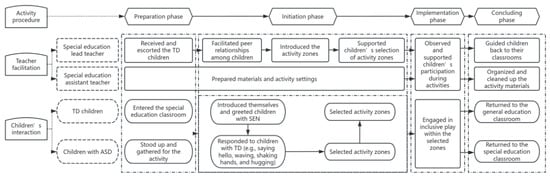
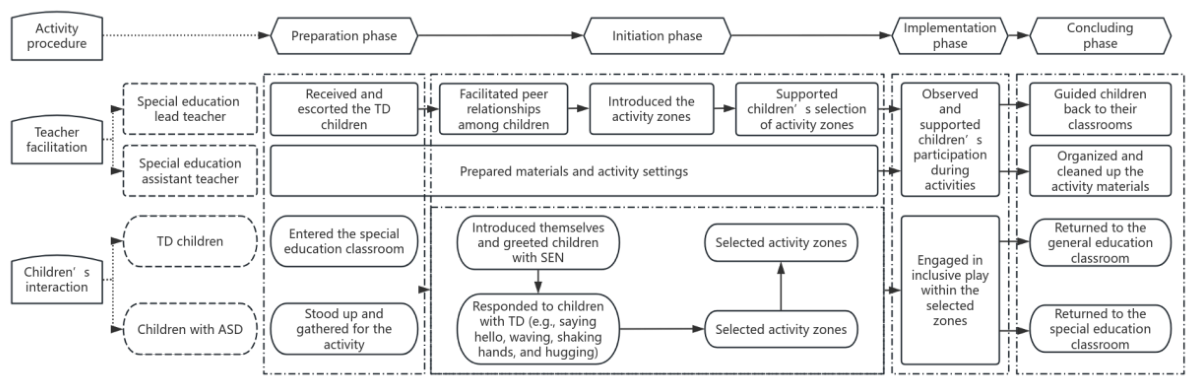
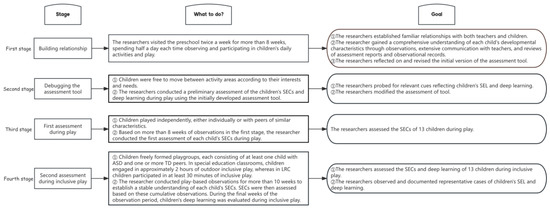
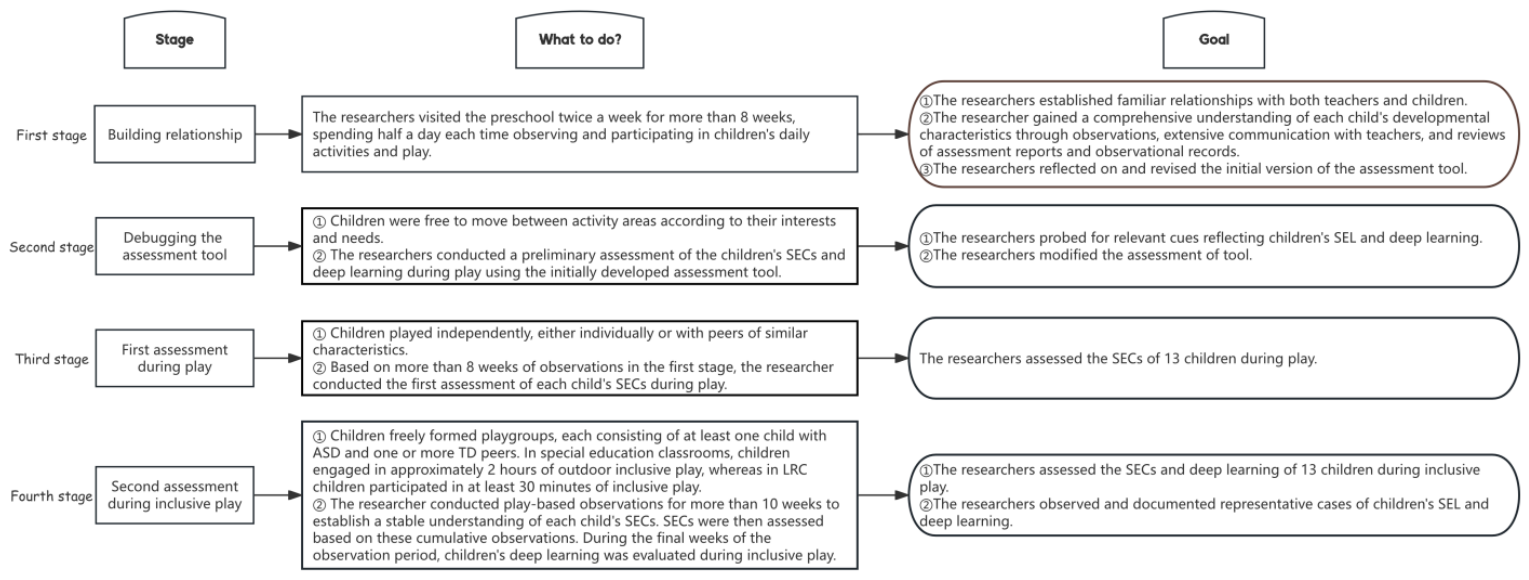

Disclaimer/Publisher’s Note: The statements, opinions and data contained in all publications are solely those of the individual author(s) and contributor(s) and not of MDPI and/or the editor(s). MDPI and/or the editor(s) disclaim responsibility for any injury to people or property resulting from any ideas, methods, instructions or products referred to in the content. |
© 2026 by the authors. Licensee MDPI, Basel, Switzerland. This article is an open access article distributed under the terms and conditions of the Creative Commons Attribution (CC BY) license.