


Abstract
This article examines the sociological dimensions of non-traditional adult students’ integration into Portuguese higher education through a critical analysis of the O23 access regime at a Portuguese university, Iscte-IUL. Drawing on Pierre Bourdieu’s theoretical framework of cultural capital and institutional habitus, the study critically analyses how alternative pathways such as the “Over 23” Access Regime both challenge and reproduce educational inequalities. Using a quantitative research design that analyzes longitudinal institutional and national data (2012–2025), the research explores the interaction between institutional mechanisms, sociodemographic characteristics, and the academic trajectories of adult students. Special attention is given to the 2020 reforms and their impact on selection criteria and student outcomes. The findings reveal tensions between democratization imperatives and academic standards, underlining how institutional practices mediate access to academic capital for non-traditional students while mapping both opportunities and barriers to their integration. The study enhances sociological debates on educational inequalities and offers insights for higher education policy and social inclusion practices in European contexts.
1. Introduction
The expansion of Higher Education (HE) and the diversification of the student body represent central imperatives within the contemporary knowledge society (Schuetze & Slowey, 2002). Driven by European lifelong learning (LLL) agendas, universities must widen recruitment to include non-traditional students (NTS), particularly adults returning to formal education (Council of the European Union, 2011, 2021; Jarvis, 2007; UNESCO, 2019, 2022). In Portugal, this demographic shift addresses a deep historical deficit in qualifications among the active population (Martins, 2015; Martins et al., 2016). The “Over-23” (O23) special access regime stands as the primary public policy designed to tackle this structural gap (Mauritti et al., 2021). This pathway specifically targets adult learners who have experienced a prolonged absence from formal education or lack complete secondary school credentials. To validate these non-linear life courses, the legal framework replaces standardized national secondary school exams with localized institutional assessments of adult trajectories (Oliveira et al., 2021).
However, from a sociological perspective, the formal expansion of access does not automatically eliminate educational inequalities. HE operates as a competitive field that rewards traditional academic capital and linear school paths (Bourdieu, 1986). Adult learners enter this field with diverse life experiences and distinct professional backgrounds. Yet, they often face rigid institutional habitus that systematically favors traditional student profiles (Reay et al., 2009; Thomas, 2002). This systemic mismatch creates a risk of horizontal segregation (Davies & Guppy, 1997). Consequently, adult students are often directed away from highly selective scientific and technological fields, as described by the Effectively Maintained Inequality (EMI) thesis (Lucas, 2001). Recent international comparative data indicate that, even after accounting for prior academic achievement, non-traditional and working-class cohorts continue to face systemic barriers that distort their conversion of qualifications into equitable labor market rewards (OECD, 2024).
This article is grounded in an ongoing doctoral research project examining the integration and active participation of adult students in HE. To examine these dynamics, the study combines national-level trends with a meso-level case study of a Portuguese university, Iscte-IUL. The analysis is guided by four main research questions:
- To what extent has the O23 access regime effectively expanded access to HE for non-traditional students, rather than merely formalizing alternative routes of entry?
- What are the national patterns of participation under the O23 regime? Do recruitment and inclusion vary across disciplines?
- How do institutional arrangements mediate the implementation of the O23 access regime, as illustrated by the case of Iscte-IUL?
- What challenges and measurable effects exist in terms of academic success and dropout rates among these adult students compared to the general student population?
This study starts from the premise that the formal expansion of access coexists with persistent horizontal inequalities at the national level. The analysis presented here suggests that macro-structural expansion is often accompanied by a horizontal reconfiguration of social stratification, whereby adult students remain underrepresented in high-status scientific and technological domains (Raftery & Hout, 1993). This article argues that institutional action may help mitigate this reproductive pattern. The findings further suggest that the institutional measures implemented at Iscte-IUL have facilitated adult participation in STEM (Science, Technology, Engineering, and Mathematics) fields.
This study highlights that the university’s strategy goes beyond a purely administrative or selective approach by functioning as a comprehensive inclusion mechanism from the preparatory phase onwards. Through this approach, the institution supports adult learners in acquiring the “student craft” (Coulon, 2008, 2017) by making implicit norms and unwritten rules explicit. Furthermore, it supports students in organizing their daily routines while balancing academic, professional, personal and family responsibilities (Moreau & Leathwood, 2006). The analysis suggests that these institutional measures are associated with favorable patterns of academic success and retention. These institutional measures appear to support educational paths that are closer to those of the overall student population.
2. Theoretical Framework
2.1. The Knowledge Society and the Imperative of Lifelong Learning
In the contemporary technologically complex knowledge society, adult education functions as a core institutional pillar. Global economic demands and transnational policies drive this structural transition. However, a deep tension exists between two competing rationalities governing Lifelong Learning (LLL). On the one hand, a democratic-emancipatory perspective prioritizes holistic empowerment and social fulfillment (Delors, 1996). On the other hand, a technocratic–utilitarian rationality reframes education as a strict economic necessity.
This utilitarian view stems directly from Human Capital Theory (Becker, 1964; Schultz, 1961). This theory treats education and training as strategic investments to improve individual productivity. In this view, acquiring knowledge increases an individual’s economic value and income potential. This self-improvement subsequently drives national economic performance. Ultimately, this framework reduces learning to a functional tool for market fitness and individual employability (Commission of the European Communities, 2000).
This technocratic focus reinforces ‘sticky floors’ and cumulative disadvantages, since inherited socio-economic status dictates whether lifelong learning investments translate into true economic returns (OECD, 2025a).
At the European level, macro-analyses highlight a long-standing structural shift toward market-driven adult education (Boeren, 2016). In Portugal, empirical studies confirm that this technocratic–utilitarian framework constitutes a structural constant within public policies (Ávila, 2023; European Commission/EACEA/Eurydice, 2021; Rodrigues et al., 2014; Silva & Ávila, 2022). Historically, national adult education has oscillated between democratic ideals and urgent economic imperatives. These imperatives target deep structural qualification deficits within the active population (Martins, 2015). Consequently, public interventions have frequently reduced LLL to an instrument for labor market activation and unemployment regulation. At the same time, cumulative disadvantages persist, as parental socio-economic status continues to shape whether these educational investments yield genuine economic empowerment (OECD, 2024, 2025a).
This persistent focus establishes a managerial rationale for adult education. Under this paradigm, public policies prioritize credit accumulation and standardized competency modules over holistic human development (Cavaco, 2022). Even inclusive regulatory devices such as the Recognition of Prior Learning (RPL) are filtered through this technocratic logic. Institutional validation protocols frequently standardize personal and experiential capital, requiring alternative forms of knowledge to conform to rigid, market-driven scholastic codes (Cavaco, 2022).
Consequently, the post-2020 regulatory expansion of HE access occurs within this pre-existing utilitarian matrix (Mauritti et al., 2021). Rather than guaranteeing linear social mobility, this structural expansion reinforces the process of “learnification” (Biesta, 2006). This mechanism individualizes social inclusion. Fundamentally, it shifts the structural burden of economic risks directly onto the individual learner, transforming systemic inequalities into personal responsibilities or deficits (Silva & Ávila, 2022). Adult training systems often reinforce these initial disadvantages because non-formal upskilling opportunities are more available to already advantaged groups (Bílá & Kalenda, 2025; OECD, 2025a).
Sociological research cautions that this process of responsibilization operates as an ideological device. It redefines structural inequalities as personal choices or individual deficits. Adults are expected to continuously adapt to avoid cognitive obsolescence in a volatile labor market. Yet, this normative demand ignores the reality of “bounded agency” (Rubenson & Desjardins, 2009). The system individualizes the duty to study but fails to distribute the necessary resources.
This structural mismatch generates a selective “Matthew effect” (Merton, 1968). Under this dynamic, early educational advantages accumulate over time. Disadvantaged adult populations are thus pushed to the margins of the educational society (Silva & Ávila, 2022).
This macro-economic agenda reconfigures the societal role of higher education systems. Within the knowledge society, qualifying the active population becomes a core university mission. Higher education institutions are increasingly expected to integrate LLL goals to address historical qualification deficits and foster social justice (Martins, 2015; Mauritti et al., 2021). However, international trends demonstrate that macro-political mandates often face structural barriers. Data from the Survey of Adult Skills reveal that participation in formal adult learning remains heavily stratified by early educational attainment and occupational prestige. This structural stratification shifts the institutional focus from genuine structural reform to the application of automated performance metrics (OECD, 2025b). Understanding this institutional shift requires looking beyond political rhetoric; this macro-level discourse shapes the institutional landscape of the lived experiences of adult learners, influencing how non-traditional students manage their entry into higher education and the institutional expectations it entails.
2.2. The Higher Education Field, Horizontal Segregation, and the Closure of STEM Disciplines
True educational equity requires real access to historically restricted scientific domains. Consequently, HE cannot be treated as a neutral arena. According to Bourdieu (1988), the university system functions as a highly stratified field characterized by unequal power relations and structural conflicts over capital accumulation (Bourdieu, 1986).
To analyze these power dynamics, it is useful in sociological research to distinguish between two ideal-typical student profiles. On one hand, the traditional student represents young, linear individuals entering higher education immediately after secondary school. Their educational trajectories are typically uninterrupted and supported by high volumes of inherited cultural capital (Bourdieu & Passeron, 1977/1990). Their prior socialization aligns with the dominant institutional habitus of the university, which consists of deeply rooted collective routines, expectations, and processes that systematically favor conventional academic standards (Reay et al., 2009; Thomas, 2002).
On the other hand, non-traditional adult learners are characterized by delayed enrollment, financial independence, and full-time employment (Fragoso & Valadas, 2018). These students enter the academic field possessing experiential capital, understood here as the accumulation of practical reflexivity, work-based problem-solving skills, and situated knowledge developed through labor market experience. Through this dispositional view, the professional arena operates as a powerful site of informal socialization (Ávila, 2023). Adult students frequently mobilize these resources to support academic self-regulation, enabling them to successfully negotiate the university’s institutional expectations more effectively (Moreau & Leathwood, 2006; Sánchez-Gelabert, 2024).
An epistemic tension emerges at this structural intersection. The traditional academic field tends to undervalue experiential capital, treating it as less legitimate than decontextualized scholastic knowledge. This structural depreciation materializes at the boundary of the field through alternative admission protocols. These entry mechanisms incorporate elements of Recognition of Prior Learning. Rather than unconditionally validating diverse career paths, RPL mechanisms frequently operate as gatekeeping filters that require applicants to recontextualize horizontal workplace discourses into vertical, discipline-based academic codes (Bernstein, 1999; Harris, 2006). This selection system imposes an initial filter that favors individuals already familiar with academic demands (Barros, 2013; Cavaco, 2009).
Consequently, this epistemological barrier generates a discontinuous or “cleft habitus” (Reay et al., 2009). When adult learners achieve entry, they frequently experience the academic environment as outsiders. This mismatch induces persistent feelings of alienation and isolation, forcing students to continuously negotiate their subaltern dispositions within a culturally alien university field (Bourdieu & Passeron, 1977/1990; Crawford & McKenzie, 2023; Osborne et al., 2004).
When HE systems expand vertically, these structural inequalities undergo a qualitative shift. This dynamic aligns with the Effectively Maintained Inequality (EMI) framework (Lucas, 2001). The EMI thesis states that when a specific educational level becomes nearly universal, vertical barriers decline. Socio-economic background no longer determines the quantity of education attained. Instead, quantitative democratization causes intense horizontal segregation. Privileged social groups secure monopolies over the high-status qualitative dimensions of education. They cluster in the most rewarding academic tracks and elite institutional tiers, preserving their relative social advantage (Ayalon & Yogev, 2005; Lucas, 2017). As Ball (2003) argues, this dynamic is driven by active class strategies of “social closure” and the “monopolization of particular educational sites and trajectories”. These processes not only preserve privileged access to high-status educational pathways but also reinforce meritocratic narratives that portray such outcomes as the product of individual ability and effort (Sandel, 2020). Consequently, modern higher education is sharply divided between elite institutions and low-prestige sectors (Case, 2024).
In the contemporary knowledge society, STEM disciplines represent the ultimate frontier of horizontal segregation. These specific fields function as elite sub-fields within the university, requiring a specialized, cumulative form of scholastic capital heavily anchored in formal mathematical competencies acquired during early, uninterrupted schooling (Davies & Guppy, 1997). Therefore, STEM tracks develop rigid boundaries that frequently exclude non-traditional profiles.
In the Portuguese context, this horizontal closure reflects a broader institutional tension within the democratization process. Research on Portuguese higher education has consistently shown that the expansion of the recruitment base has been historically dissociated from a structural reconfiguration of pedagogical orientations and institutional cultures (Martins, 2015). Consequently, opening alternative pathways primarily guarantees formal access. This procedural openness fails to ensure institutional co-responsibility for equity in student success, retention, and social integration (Mauritti et al., 2021). When these critical pedagogical reconfigurations are absent, the university’s internal environment remains highly oriented toward traditional, linear student profiles (Fragoso & Valadas, 2018; Martins, 2015). This institutional inertia allows macro-structural inequalities to persist horizontally across fields of study. As formulated by the Effectively Maintained Inequality thesis, quantitative expansion without institutional transformation enables privileged social groups to retain disproportionate access to high-status STEM fields, leaving these prestigious pathways comparatively less accessible to non-traditional students (Lucas, 2001). This horizontal closure highlights the need for targeted institutional frameworks that support the subjective well-being of mature learners in technical disciplines (Šnēbaha et al., 2026).
2.3. Institutional Habitus, Symbolic Violence, and the Invisible Curriculum of Rigidity
Horizontal segregation within elite disciplines is maintained through internal institutional mechanics. When universities treat this traditional model as the dominant standard of academic legitimacy, they reproduce forms of symbolic violence against non-traditional learners (Bourdieu & Passeron, 1977/1990). Understanding the internal variance of this reproductive track demands looking beyond monolithic classifications; as lifecourse research demonstrates, subdividing mature students into younger and older cohorts reveals that structural barriers and motivational dimensions are deeply contingent upon the learner’s specific biographical life stage at entry (Coughlin, 2024). This power dynamic naturalizes systemic inequalities by presenting them as neutral measures of individual academic merit (Bourdieu & Passeron, 1977/1990; Sandel, 2020).
This symbolic violence operates through an invisible curriculum of rigidity manifested in conventional assessment practices, inflexible examination schedules, and rigid requirements for physical presence that demand full-time availability (Mandlelize & Sepeng, 2024). Recent institutional responses to the widespread availability of generative artificial intelligence (AI) have, in some higher education contexts, included a renewed emphasis on superviseed, in-person, and oral forms of assessment as mechanisms for safeguarding academic integrity (Furze et al., 2024; Ogunleye et al., 2024). While understandable from an integrity perspective, such responses may inadvertently reinforce institutional expectations of physical presence, with disproportionate consequences for adult learners balancing employment and family responsibilities (Dillard et al., 2024; Moreau & Leathwood, 2006).
At this level, the operationalization of alternative entry tracks challenges the traditional institutional habitus reviewed in the previous section. Because the university often rewards abstract academic socialization over workplace experiential capital, the structural friction identified by the cleft habitus framework may remain an important barrier to long-term retention. Consequently, NTS often need to expend considerable strategic effort to manage these institutional demands, transforming the multi-layered management of their daily lives into an often invisible precondition for academic inclusion.
2.4. The Portuguese Context: Legal Architecture
The transition of adult students from culturally alien outsiders into active academic actors is particularly evident within the Portuguese higher education landscape. The emergence of what sociological research conceptualizes as a “New Majority” of non-traditional learners challenges conventional university assumptions of full-time student dedication (Schuetze & Slowey, 2002). Unlike their traditional peers, adult students in Portugal are required to acquire the student craft (Coulon, 2008) under conditions of persistent structural disadvantage.
Within the European framework, the Portuguese higher education system displays a singular institutional configuration. Historically marked by a severe structural deficit in the qualifications of its population, Portugal initiated intense democratization efforts following the 1974 democratic revolution (Martins, 2015). However, recent Eurostat (2024) data confirm the persistence of a historically rooted generational gap in the distribution of academic cultural capital. Only 31.3% of the Portuguese active adult population (aged 25–64) holds a tertiary qualification. This proportion falls short of the European Union average of 36.50%. This structural deficit becomes acute among older cohorts, dropping to 23.40% for the 45–54 age bracket.
Furthermore, the national student body remains structurally unique within the broader European landscape. Comparative data from the Eurostudent VIII report highlight that the Portuguese higher education population is among the youngest in Europe (Gwosć et al., 2024). This youthful demographic profile is conditioned by an institutional matrix overwhelmingly oriented toward the linear trajectories of traditional students. This generational contrast reinforces adult students’ sense of being outsiders, which can compromise their academic affiliation by increasing the friction between their non-linear lives and the dominant institutional habitus.
In direct response to these qualification deficits and the linear bias of the system, Decree-Law 64/2006 (later updated by Decree-Law 113/2014) established the Over-23 (O23) special access regime. This legal framework explicitly targets adult candidates who reach 23 years of age or older by the year of their application. It provides an alternative gateway for individuals who cannot access higher education through the general admissions system. The general system requires a linear scholastic path. It demands the completion of secondary education followed by standardized national examinations administered at the macro level. In contrast to this linear path, the O23 cohort displays non-linear biographical trajectories characterized by prolonged interruptions in formal schooling or incomplete secondary education credentials. By replacing universal requirements with the localized institutional validation of prior experiential capital, this policy pushed universities to recognize non-formal learning and diverse career paths.
To evaluate the contemporary regulatory matrix of this regime, it is important to distinguish between two legally and institutionally separate 2020 reforms. The macro-structural reform is examined below, whereas the institutional-level reform (Regulation No. 137/2020) is detailed in Section 2.5. At the macro-structural level, Ministerial Order 6343-B/2020 introduced a national requirement regarding the integration of O23 students. This national measure required public higher education institutions to assign a minimum quota of 5% for O23 students, while allowing an expansion up to a maximum ceiling of 20% of total available places. This legislative shift gave greater prominence to institutional autonomy in shaping equity-oriented access policies, thereby increasing the role of individual universities in shaping their internal access arrangements (Mauritti et al., 2021). From this perspective, access policies should be evaluated beyond quantitative vacancy expansion, as potential drivers of sociodemographic diversification mediated by institutional agency.
The Eurostudent VIII national report underscores that the democratization of formal access has not eliminated the reproductive weight of social origins (Martins et al., 2024). Students from less privileged backgrounds remain disproportionately represented in alternative entry paths like the O23 regime. These adult learners face severe “time poverty” (Moreau & Leathwood, 2006). The structural tension between rigid academic time and multi-role social time creates a high risk of attrition. Consequently, the expansion of formal entry has been historically dissociated from a profound reconfiguration of undergraduate pedagogical practices (Capucha, 2018; Martins, 2015). Because the dominant academic culture remains designed for traditional student profiles, the system frequently reproduces an “exclusion from within” (Bourdieu & Champagne, 2001). Therefore, university proactivity and organizational agency become the decisive factors in determining whether legislative intent translates into genuine democratic equalization.
2.5. The Role of the University: The “Dual-Purpose Mechanism” at Iscte-IUL
Shifting the analytical lens to the meso-institutional level, the implementation of the O23 regime is mediated by institutional arrangements. At Iscte-IUL, these arrangements were formalized through Regulation No. 137/2020. This internal regulation reconfigured the university’s access structure by establishing two centralized components aimed at addressing the patterns of horizontal exclusion identified at the national level. First, it created a multidisciplinary Scientific Committee to unify assessment criteria across all faculties. Second, it institutionalized a compensatory pedagogical framework structured into preparatory modules managed by the Soft Skills Lab.
This institutional architecture uses the scope afforded by university autonomy to mediate the structural tension between national democratization objectives and the selective logic of academic meritocracy. Instead of solely meeting minimum national quotas, Iscte-IUL adopted an active recruitment strategy to widen its recruitment base for non-traditional students. The resulting dual pathway combines preparatory modules with centralized entrance examinations. Rather than relying exclusively on traditional scholastic criteria, these examinations assess the candidates’ ability to mobilize experiential knowledge and functional capabilities (OECD, 2025a). The assessment targets practical cognitive resources, evaluating how adult learners mobilize written, numerical, and graphical data regarding contemporary issues to solve everyday problems. By foregrounding analytical reasoning grounded in real-world problems, this design reflects an approach to meritocratic equality of opportunity that seeks to enhance distributive fairness rather than mere procedural equality (Boliver et al., 2022). The institutional design can thus be understood as playing an active role in addressing social inequalities, transforming selection into an equitable gateway for non-traditional publics, while the preparatory modules support candidates in mobilizing their experiential knowledge through structured analytical activities requiring evidence-based reasoning, critical argumentation and the interpretation of written, numerical, and graphical information, thereby providing cognitive scaffolding through which experiential capital can be effectively mobilized within forms of reasoning recognized within academic contexts (Boliver et al., 2022).
A critical sociological reading suggests that this preparatory framework functions as a sophisticated “dual-purpose mechanism” operating across two distinct analytical dimensions. On an instrumental level, it satisfies the immediate, functional demand of preparing candidates for the entrance examinations. On a structural level, it supports conditions for capital reconfiguration. This mechanism enables the recognition and progressive conversion of applicants’ experiential capital into forms of scholastic capital, thereby supporting the development of dispositions that may facilitate longer-term academic persistence.
This compensatory architecture is executed through three preparatory courses delivered through face-to-face training. The first component is the Academic Writing and Critical Thinking (EAPC) module, a single curricular unit comprising 24 contact hours. Rather than focusing on normative grammar or conventional writing practices, the primary objective of EAPC is to develop competencies in academic reading, critical thinking, and argumentative writing skills. Sociologically, this module draws on dialogical practices centered on debate, problematization, and critical analysis. This pedagogical orientation provides an institutional space where adult learners are encouraged to mobilize their professional and personal life experiences through structured engagement with formal conceptual frameworks. By recognizing practice-anchored reflexivity as a valid cognitive resource, this approach challenges traditional epistemological hierarchies that historically treat non-traditional trajectories as cultural deficits.
The mathematical track is explicitly designed as a sequential, progressive pedagogical support system aimed at supporting access to technologically demanding fields. This track is divided into two successive stages. The first stage consists of the Elementary Mathematics module, which encompasses two curricular units and a total of 60 contact hours. The second stage culminates in the Advanced Mathematics module, comprising four curricular units totaling 144 contact hours, which covers geometry, calculus, and probabilities. This staged pedagogical approach supports applicants in progressively developing the mathematical knowledge and analytical reasoning required for the entrance examination. It also aims to facilitate their gradual appropriation of the academic practices and disciplinary expectations associated with subsequent study in these fields (Belchior-Rocha et al., 2022).
To ensure alignment with the academic requirements of STEM and management degree programs, the curriculum for this track was jointly designed by a multidisciplinary team comprising faculty members from the relevant disciplines. Consequently, the primary objective of this cumulative mathematical progression is to support adult learners in acquiring the core mathematical concepts required for academic progression in technology, engineering, and management fields. Pedagogically, these modules extend beyond content remediation by recognizing that the absence of a formal secondary school qualification does not necessarily imply limited logical or analytical capacity. By recognizing and developing mathematical potential, this progression supports adult learners in acquiring mathematical reasoning that is valued within selective fields like STEM and Business Management while facilitating their gradual appropriation of disciplinary expectations (Belchior-Rocha et al., 2022).
Additionally, from the perspective of students’ academic integration, these progressive modules serve as an institutional platform for what Coulon (2008, 2017) defines as academic affiliation. For adult learners returning after a prolonged interruption in formal education, re-entering a university represents a major biographical disruption. This preparatory period functions as a transitional arena where candidates learn the “student craft” (Coulon, 2008, 2017), master academic language, and tend to reduce the uncertainties associated with entering higher education and build a vital sense of institutional belonging. Taken together, these institutional support mechanisms reflect an integrated approach that connects access, teaching and learning practices, and student well-being within a broader framework of inclusive student engagement (Martínez et al., 2025).
Nevertheless, this dual-purpose mechanism reflects a persistent sociological tension within the university field. While the active pedagogy, individualized interviews, and experiential validation seek to recognize and legitimize adult experience, the centralized examinations and intensive modules simultaneously function as a demanding compensatory mechanism. This filter requires non-traditional students to mobilize their alternative forms of capital in ways that are recognized within the prevailing scholastic framework. Although access is formally expanded, its institutional habitus continues to be largely structured around traditional scholastic norms. Adult learners facing chronic time poverty are expected to rapidly acquire decontextualized academic norms within a rigid temporal framework. Consequently, the preparatory device can be understood as a key institutional site of negotiation: it provides structured support for academic affiliation while simultaneously shaping the forms of academic socialization through which adult learners gain recognition within the university.
This tension reflects the broader structural ambivalence of the contemporary massified university, establishing a conceptual transition from binary gatekeeping to a dual-purpose mechanism. Beyond the administrative metrics of admissions analyzed by Boliver et al. (2022), the concept shifts in this study to the pedagogical architecture of preparatory tracks. Rooted in Bourdieu and Passeron (1977/1990), classic frameworks define selection as symbolic violence by viewing the university as an external barrier that eliminates non-traditional publics at the entry point by misrecognizing inherited privilege as neutral merit. In contrast, the dual-purpose mechanism captures the institution’s contradictory demands: expanding formal access to achieve distributive equity while maintaining traditional evaluation norms to safeguard prestige. The analytical value of this model lies in moving beyond binary exclusion. While this preparatory track allows initial entry and offers cognitive scaffolding to facilitate academic affiliation, the underlying institutional habitus remains structured around traditional norms. As a key site of negotiation, this configuration creates a demanding environment where adult learners facing chronic time poverty must master decontextualized academic norms. This architecture introduces the hypothesis that structural inequalities survive inclusion policies by shifting social stratification from an external barrier to the internal academic trajectory.
3. Methodological Framework
3.1. Research Design, Questions, and Hypotheses
To examine the complex dialectic between HE democratization and structural inequality, this study adopts a longitudinal census-based quantitative research design, framed as a relational case study. This macro-meso empirical approach cross-analyzes macro-structural state census data with detailed meso-institutional academic records. The design is explicitly optimized to capture the statistical impact of localized institutional agency against overarching national stratification trends. To ensure empirical traceability, two core Research Questions (RQs) guide this quantitative investigation, serving as a consolidated operationalization of the four general questions presented in the Introduction. RQ1 addresses the system expansion and horizontal distribution of non-traditional students (original questions 1 and 2), while RQ2 evaluates institutional mediation, academic outcomes, and student persistence (original questions 3 and 4).
RQ1: How do macro-structural access policies interact with institutional governance shifts to shape the enrollment volumes and horizontal disciplinary distribution of non-traditional students (NTS)?
RQ2: To what extent does the operationalization of a progressive institutional support system influence the first-year academic persistence and credit accumulation of adult learners within selective fields?
To address these questions and operationalize the theoretical principles of Effectively Maintained Inequality (Lucas, 2001, 2017) and institutional habitus, three core structural hypotheses are advanced:
Hypothesis 1 (H1).
The macro-structural creation of alternative access pathways and formal admission quotas does not, per se, ensure the continuous expansion and sociodemographic diversification of the recruitment base for non-traditional publics.
Hypothesis 2 (H2).
Effective widening of access requires that higher education institutions and their internal actors—specifically leadership bodies, faculty, and administrative staff—proactively internalize social responsibility, establishing specific meso-level mechanisms for academic capacity-building.
Hypothesis 3 (H3).
Simple recruitment and selection mechanisms are insufficient to sustain equity; genuine institutional inclusion demands a dual-action pathway that balances rigorous selection with continuous pedagogical support.
Underlying this entire empirical matrix is the macro-sociological imperative that contemporary states cannot structurally bypass the qualification, upskilling, and lifelong learning of their active adult population (Martins, 2015).
3.2. Data Sources, Temporal Cohorts, and Contextual Scope
The quantitative empirical architecture operates at two distinct socio-structural scales to cross-examine national baselines against localized case dynamics (Bourdieu, 1988). At the macro-structural level, the study maps national enrollment trends using the administrative database of the Directorate-General for Education and Science Statistics (DGEEC). This longitudinal baseline captures the full census of higher education students entering through the O23 special access regime between the 2012/2013 and 2024/2025 academic years (N = 65,595). These macro data are tracked using the National Classification of Education and Training Areas (CNAEF) to test horizontal segregation models and Effectively Maintained Inequality (Lucas, 2001).
At the meso-institutional level, this national baseline is articulated with a comprehensive case study census extracted from the Academic Management System of Iscte-IUL. This localized dataset consists of all special access applicants (N = 1799) and successfully enrolled students (N = 807). To resolve internal shifts in student trajectories and credit accumulation, the population is split into two distinct temporal cohorts based on regulatory changes.
The Pre-Reform Cohort: Encompasses entries up to the 2019/2020 academic year under decentralized selection procedures.
The Post-Reform Cohort: Spans from the 2020/2021 academic year onwards, marked by the operationalization of internal Regulation No. 137/2020, which centralized governance and institutionalized a progressive pedagogical support system managed by the Soft Skills Lab.
From an epistemological standpoint, this dual-scale census matrix provides the objective structural mapping necessary to test institutional agency against systemic reproduction tendencies (Martins, 2015). While this quantitative design uncovers statistical patterns of horizontal distribution and credit accumulation, it leaves the dense, phenomenological dynamics of individual paths unexamined. To address these boundaries, a future micro-analytical phase will systematically investigate the qualitative complexity of adult learners’ multi-dimensional life trajectories. By deploying biographical interviews and thematic narrative frameworks, this upcoming phase will reconstruct long-term educational and occupational pathways, resource mobilization, strategic agency, and multiple identity management. This future step will thus anchor subjective biographical negotiations within the objective structural canvas established in the current quantitative phase (Coulon, 2008; Reay et al., 2009).
3.3. Quantitative Operationalization and Inferential Modeling
The processing and statistical analysis of the quantitative institutional census (N = 807) were executed utilizing IBM SPSS Statistics (Version 28). The operational framework translates the primary sociological constructs, horizontal stratification, credit accumulation, and survival, into specific statistical models.
First, horizontal stratification and disciplinary permeability are captured via a categorical nominal variable (STEM_Entry) that splits enrollment between technologically complex fields (Engineering, Computer Science, and Architecture) and other undergraduate programs. To test the hypothesis of institutional autonomy against national trends (H1 and H2), a Chi-Square (χ2) goodness-of-fit test was applied to compare Iscte-IUL’s technological incorporation rate against the macro-structural baseline provided by the DGEEC (2025). Furthermore, a non-parametric bivariate correlation, specifically Spearman’s rank-order correlation coefficient (Rs), was executed to evaluate the co-variance and degree of alignment between the nationwide distribution of adult students and their internal institutional allocation across scientific fields.
Second, academic performance and credit progression are operationalized through a continuous ratio variable representing the total cumulative ECTS credits successfully completed during the first academic year (ECTS_1Year). To determine the impact of institutional governance cycles (H2) and sociodemographic determinants on academic integration, a parametric modeling protocol using Independent-Samples t-tests was implemented. This protocol evaluated the variance in mean first-year credit completion across two primary institutional axes: the regulatory transition enforced by Regulation No. 137/2020 (pre-reform versus post-reform cohorts) and official working-student status (student holding official working-student status versus those without official working-student status). Parametric assumptions of variance homogeneity were monitored utilizing Levene’s test (F), and corresponding effect sizes were calculated via Cohen’s d. Complementarily, the continuous impact of chronological age on performance was measured through a Pearson bivariate correlation coefficient (r).
Third, the multi-layered dynamics of institutional retention and early attrition were evaluated through a categorical binomial dependent variable tracking student status at the end of the first year (retention versus attrition/dropout). To test the relational impact of individual profiles and integration tracks (H3), a series of bivariate independence tests were deployed. Specifically, Pearson Chi-Square (χ2) tests of independence crossed the retention outcome with categorical factors, including gender, official working-student status, and enrollment regimen (full-time versus part-time tracks). Parametric compliance was verified via expected cell frequency distributions, confirming that 0.0% of cells fell below the critical count threshold of 5. Finally, an Independent-Samples t-test was conducted to verify whether mean chronological age varied significantly between persistent students and those who experienced early dropout. Collectively, this systematic statistical modeling protocol provides the empirical validation required to analyze localized agency against macro-sociological reproduction trends.
4. Results
4.1. Macro-Structural Baseline and National Trends
Based on official microdata from the Directorate-General for Education and Science Statistics (DGEEC), a longitudinal analysis of the complete universe of adult O23 enrollments in Portugal (N = 65,595; 2012/2013–2024/2025) reveals a persistent structural rigidity across the higher education landscape (DGEEC, 2025). Instead of expanding progressively over this 13-year cycle, adult admissions have stagnated at a statistical ceiling of approximately 7% relative to the traditional cohort entering through the centralized National Admissions Competition (CNA) (DGEEC, 2025).
Regarding disciplinary distribution under the National Classification of Education and Training Areas (CNAEF-2013), non-traditional adult students are systematically concentrated in specific tracks. Management and Administration occupy the highest rank in national demand with 9692 cumulative enrollments (14.78%), followed by Sociology and Cultural Studies with 6416 enrollees (9.78%), and Law with 3938 enrollees (6.00%) (DGEEC, 2025).
On the contrary, high-status fields requiring sequential scholastic and technological capital display structural closure. Within the Information and Communication Technologies (ICT) cluster, Software and Applications Development and Analysis accounts for only 1143 enrollees (1.74%), while Database and Network Design and Administration accounts for 584 entries (0.89%), and unclassified ICT programs stand at 24 cumulative enrollments (0.04%) (DGEEC, 2025). Collectively, the entire computing and technological subfield absorbs just 2.67% (n = 1751) of the national adult population, nearly six times lower than that of Management. This horizontal segregation becomes most marked in pure and biomedical sciences, where Mathematics records a nominal 64 enrollees (0.10%), Medicine accounts for just 20 entries (0.03%), and Statistics registers only 6 cumulative enrollments nationwide over the entire 13-year period (0.01%) (DGEEC, 2025).
4.2. Meso-Institutional Democratization and Disciplinary Permeability
To evaluate the impact of Iscte-IUL’s institutional agency, a clear chronological distinction must be made between its pre- and post-reform enrollment trends. During the baseline phase, from the 2012/2013 to the 2019/2020 academic years, the university registered a cumulative total of 365 enrolled O23 students, averaging 45.6 admissions annually. Following the 2020/2021 institutional reform, which optimized support channels for adult learners, cumulative enrollment rose to 533 students between 2020/2021 and 2024/2025. This structural shift drove the annual intake average to 106.6 admissions, representing a 133.64% net increase that effectively doubled the intake.
As illustrated in Figure 1, Iscte-IUL’s recruitment consistently outperformed the national baseline, reaching its maximum expansion in the 2020/2021 cohort, where O23 entries absorbed 9.95% of total undergraduate admissions, compared to the persistent 7% national statistical ceiling.
Figure 1.
Evolution of O23 enrollment shares: Institutional agency versus national baseline (2012–2024).
This institutional proactivity dismantled traditional barriers of horizontal exclusion within highly selective STEM tracks. Within Electronics and Automation, Iscte-IUL expanded adult enrollment to 12.91% (n = 115) of its O23 student body, contrasting with the modest national baseline of 4.88% (DGEEC, 2025). A similar trend is observed in Software and Applications Development and Analysis, which absorbed 7.63% (n = 68) of institutional enrolments compared to a residual 1.74% nationwide, and in Database and Network Design and Administration, which rose to 3.59% (n = 32; national baseline: 0.89%). Aggregating all engineering, computer science, and technological areas, 25.14% of Iscte-IUL’s adult learners were integrated into high-prestige technological fields, representing an institutional share that is over three times higher than the national average of 8.29% (DGEEC, 2025). A Chi-Square goodness-of-fit test confirms that this incorporation rate significantly outpaces the national baseline, χ2 (1) = 5200.76, p < 0.001.
Additionally, a bivariate Spearman’s rank-order correlation was performed to assess the relationship between the national distribution of O23 students and their internal distribution at Iscte-IUL. The analysis revealed a moderate, statistically significant positive correlation (rs = 0.441, p < 0.001, N = 87).
This academic integration matches strong selection-stage metrics: candidates who attempted the entrance examinations without undergoing formal preparation in the mathematics modules registered a failing mean score of 5.35 out of 20. On the other hand, those who completed this preparatory framework achieved a successful mean score of 13.18 out of 20.
4.3. Sociodemographic Profiling and Integration Regimes
The analysis of the institutional database (1799 applications and 807 admitted students) reveals significant sociodemographic asymmetries (see Table 1). While women constitute the majority of applicants (52.29%), this trend is reversed among admitted students. Men constitute 51.05% (n = 412) of those who successfully enroll, whereas women account for 48.95% (n = 395).
Table 1.
Sociodemographic profile and enrollment characteristics of O23 students (N = 807).
The average age of enrolled students is 32.29 years (SD = 9.571), revealing a distinct generational gap between genders. An independent-samples t-test confirms that enrolled women are significantly older on average (M = 33.92, SD = 10.386) than their male peers (M = 30.93, SD = 8.475), t(760.503) = 4.480, p < 0.001.
Finally, institutional data show that 58.36% of enrolled O23 students hold official working-student status. Among these adult learners, 92.4% register on a full-time basis, while only 7.56% opt for part-time study. A Chi-Square test of independence confirms no statistically significant association between official working-student status and the chosen enrollment regimen, χ2 (1) = 0.026, p = 0.871. O23 students with or without official working-student status are uniformly distributed across enrollment tracks, indicating that official working-student status is not associated with the choice of study modality upon institutional integration.
4.4. Trajectory Tracking, Credit Accumulation and Attrition Dynamics
Longitudinal tracking indicates that, at the end of the first year, the overall persistence rate reaches 80.5% (n = 650), against an early dropout rate of 19.5% (n = 157). Among the cohorts that reached the three-year mark, 32.3% (n = 261) graduated on time, 16.6% (n = 134), dropped out cumulatively, and 51.1% (n = 412) remain enrolled but delayed. Graduates achieved a collective final grade average of 14.68 out of 20 (n = 261).
A comparative analysis of the institutional parameters reveals that first-year ECTS credit accumulation varies significantly between governance cycles. Adult students who entered during the pre-reform period (up to 2019/2020) completed a high baseline mean of 38.88 ECTS credits (SD = 23.312). This institutional average experienced a moderate but statistically significant decline to 35.12 ECTS credits (SD = 23.410) under the post-reform regulatory framework (Iscte-IUL Regulation No. 137/2020), t(805) = 2.275, p = 0.023.
As for individual sociodemographic factors, an independent-samples t-test confirms that labor status impacts first-year credit completion, t(690.30) = −2.29, p = 0.022, Cohen’s d = 0.17. Specifically, students holding official working-student status outperformed those without this status, completing a mean of 38.43 credits (SD = 22.67) versus 34.57 credits (SD = 24.30). In contrast, a Pearson bivariate correlation shows no linear relationship between students’ exact chronological age and initial credit progression, r(805) = 0.052, p = 0.142. Furthermore, a Chi-Square test of independence showed that holding working-student status does not influence the choice between full-time and part-time study modalities upon entry, χ2 (1) = 0.026, p = 0.871.
While individual performance differences exist in credit accumulation, these parameters are not reflected in actual first-year survival rates. A series of independence tests examined how sociodemographic and institutional variables relate to academic retention. Concerning gender, no statistically significant association was found with first-year enrollment status, χ2 (1) = 0.108, p = 0.743, as retention rates were near-identical at 81.0% for female students and 80.5% for male students. Similarly, working-student status does not correlate with academic retention, χ2 (1) = 1.032, p = 0.310, proving that persistence remains stable regardless of occupational demands. The enrollment regimen (full-time versus part-time) also displayed no significant association with retention, χ2 (1) = 0.515, p = 0.473, showing statistically equivalent persistence rates across both tracks. Finally, an independent-samples t-test confirmed that adult learners who dropped out (M = 32.83, SD = 10.03) were statistically similar in age to those who successfully remained enrolled (M = 32.29, SD = 9.46), t(805) = 0.642, p = 0.521. Collectively, these results demonstrate that initial institutional attrition operates uniformly across all monitored demographic and operational cohorts.
5. Discussion
5.1. Effectively Maintained Inequality and Horizontal Segregation
The structural stagnation of national adult admissions around a 7% statistical ceiling suggests that formal legislative openness is not enough to transform the recruitment base of HE. This inertia highlights an internal field logic that appears to shape institutional permeability in ways that tend to reproduce traditional hierarchies of cultural and scholastic capital (Bourdieu, 1986). On a national scale, the horizontal distribution of O23 students across scientific fields is broadly consistent with Lucas’s (2001, 2017) Effectively Maintained Inequality hypothesis. Nationwide, non-traditional adult students remain disproportionately concentrated in academic fields requiring lower levels of decontextualized mathematical knowledge while remaining underrepresented in technology-intensive disciplines. This pattern is consistent with Ayalon and Yogev’s (2005) contention that vertical expansion triggers intense horizontal segregation across fields of study. These findings are consistent with the argument that high-status educational pathways continue to operate as mechanisms of social closure (Ball, 2003). Against this structural background, the role of institutional arrangements in mediating access and academic integration becomes particularly relevant.
By leveraging its institutional autonomy, Iscte-IUL developed a distinct pattern, as evidenced by the highly significant Chi-Square goodness-of-fit test, χ2 (1) = 5200.76, p < 0.001. This institutional approach coincided with substantially higher participation of adult learners in high-prestige technological fields: 25.14%, over three times the national baseline of 8.29%. In contrast to passive systemic reproduction, the moderate positive correlation (Rs = 0.441, p < 0.001) suggests that while Iscte-IUL broadly reflects national patterns of demand, its institutional arrangements may have contributed to a more inclusive distribution across fields of study. Localized institutional mechanisms, such as the preparatory mathematics framework established under Regulation No. 137/2020, support adult learners in developing the mathematical knowledge and analytical competencies required for successful entry into selective fields. The substantial difference in examination performance between candidates who completed the preparatory program (M = 13.18) and those who did not (M = 5.35) provides strong empirical evidence of its contribution to widening access. By strengthening candidates’ preparedness before admission, these institutional arrangements may also create more favorable conditions for subsequent academic integration and progression.
This continuous assessment pathway allows students to translate their performance in the preparatory module into a formal entrance score. Through this mechanism, the institution challenges the narrow conception of merit by creating conditions in which candidates can demonstrate competencies developed through professional and life experience as well as through structured academic preparation (Sandel, 2020). This finding reinforces the argument that real democratization requires tangible, localized mechanisms that recognize diverse educational and biographical trajectories, allowing NTS to access high-prestige scientific fields without compromising academic standards. Historically, entry examinations function as socio-cognitive sorting filters that tend to misrecognize prior cultural capital as innate academic merit. By institutionalizing a rigorous preparatory architecture, Iscte-IUL appears to have mitigated this reproductive track, offering an institutional counterpoint to Merle’s (2000) “segregated democratization”, where expanding access merely marginalizes groups into low-prestige institutional niches. Instead, the findings suggest that targeted, meso-level pedagogical support can contribute to more integrated forms of democratization by reducing barriers to participation in high-status technological fields while maintaining established academic standards.
5.2. Time Poverty, Cleft Habitus, and the Institutionalized “Exclusion from Within”
The sociodemographic asymmetries identified in the institutional database suggest a multi-layered pattern of inequality operating through intersecting dimensions of gender, age, and temporal availability. The shift from a female majority among applicants (52.4%) to a male majority among enrolled students (51.1%) points to gender-differentiated attrition during the selection process. The observed gender differences may partly reflect the unequal distribution of domestic and care responsibilities, which can constrain women’s availability to engage in demanding admission processes (Michelson, 2015). This interpretation is further supported by the significant age difference observed among enrolled adult students. Women enrolled through the O23 pathway were significantly older (M = 33.92 years, SD = 10.386) than their male peers (M = 30.93 years, SD = 8.475), t(760.50) = 4.48, p < 0.001. This pattern is consistent with gendered differentiation in biographical timing, suggesting that women’s re-entry into higher education often occurs later in the life course, when family-related responsibilities become more manageable (Moreau & Leathwood, 2006).
This constraint is intensified by a substantial temporal mismatch: 92.4% of these adult learners enroll on a full-time basis despite 58.4% holding official working-student status, a distribution that a Chi-Square test indicates to be statistically uniform across the entire population, χ2 (1) = 0.026, p = 0.871. These findings point to a structural tension between the institutional organization of undergraduate study and the temporal realities of adult learners. This tension reflects an institutional habitus that continues to privilege a traditional student profile relatively free from external obligations (Moreau & Leathwood, 2006; Thomas, 2002). Moreover, the post-2020 regulatory framework coincided with the post-pandemic return to campus and faculty responses to AI. These institutional responses increasingly relied on supervised, in-person assessment formats (Furze et al., 2024; Ogunleye et al., 2024). Physical attendance mandates conflict with O23 students’ time constraints. This friction helps explain the decline in first-year credit accumulation from a mean of 38.88 ECTS credits pre-reform to 35.12 ECTS credits under the post-2020 regulatory framework, t(805) = 2.275, p = 0.023. When access expands to include profiles more distant from traditional academic socialization without corresponding adaptations in undergraduate pedagogical practices, the conditions described by Bourdieu and Champagne (2001) as “exclusion from within” may become more likely to emerge.
5.3. Capital Conversion, Agential Resilience, and Homogeneity of Survival
Despite these multi-layered barriers, the findings point to a notable capacity for agential resilience. The independent-samples t-test indicates that students holding official working-student status accumulated significantly more ECTS credits than those without this status (M = 38.43, SD = 22.67 versus M = 34.57, SD = 24.30), t(690.30) = −2.29, p = 0.022. This pattern is consistent with Lahire’s (1997) sociology of “improbable successes” and dispositional mobilization: the experiential capital, professional discipline, and structured pragmatism developed within the active workforce are successfully converted into tools of academic resilience.
This pattern suggests that the educational significance of higher education for non-traditional adult learners extends beyond the predominant economic goals that often underpin public policies. Rather than being a mere tool for labor market adaptation or individual employability, higher education operates as a multi-faceted biographical anchor that enables individuals to balance personal agency with macro-societal change (Coughlin, 2024), resisting the individualizing drift of “learnification” (Biesta, 2006).
Crucially, a series of independence tests reveal that these performance gaps do not translate into unequal survival rates, as first-year attrition does not differ significantly across all demographic and operational cohorts. Chronological age displays no linear relationship with credit progression (r = 0.052, p = 0.142) and no statistical difference between dropouts (M = 32.83) and persistent students (M = 32.29), t(805) = 0.642, p = 0.521. Similarly, early dropout is statistically independent of gender (χ2 = 0.108, p = 0.743), enrollment regimen (χ2 = 0.515, p = 0.473), and working-student status (χ2 = 1.032, p = 0.310). This overall pattern suggests that once non-traditional students navigate the selection filters and the initial shock of the “invisible curriculum”, their survival trajectories become comparatively similar.
This structural stabilization is consistent with Coulon’s (2008, 2017) concept of academic affiliation and the progressive mastery of the “student craft.” Once the institution renders its implicit norms more explicit through preparatory scaffolding, demographic characteristics appear to become less salient predictors of student failure. This pattern culminates in remarkably strong academic performance among those who reach graduation (M = 14.68 out of 20, n = 261), suggesting that, when supported by appropriate institutional conditions, non-traditional learners can achieve high levels of academic performance.
6. Conclusions
6.1. Core Insights
By adopting a multi-level sociological framework, this study examines the tension shaping the integration of non-traditional students (NTS). The findings suggest that national policies expanding formal access do not automatically prevent horizontal segregation. Rather than acting as passive executors of state directives, HE institutions function as relatively autonomous fields whose institutional arrangements may either reinforce horizontal segregation or help mitigate systemic inequalities (Bourdieu, 1986). This research contrasts persistent macro-level patterns in Portuguese higher education, where admissions through the O23 regime have remained close to 7% and adult learners remain underrepresented in selective fields, with the institutional arrangements at Iscte-IUL. Without targeted institutional intervention, the formal expansion of access may contribute to a horizontal reconfiguration of social stratification, whereby adult learners remain underrepresented in high-status scientific and technological fields while being disproportionately represented in lower-status disciplinary tracks (Lucas, 2001, 2017). These findings therefore point to the institutional mediation of widening-participation policies, suggesting that their outcomes depend on how access and integration mechanisms are integrated within specific institutional contexts.
Significantly, the Iscte-IUL case suggests that horizontal segregation can be partially mitigated through institution-specific admission and integration arrangements, as reflected in the integration of 25.14% of adult learners into selective STEM fields. This pattern is consistent with an institutional strategy designed to engineer inclusion from the outset through a preparatory framework that operates as an early mechanism of academic socialization. While candidates who skipped the preparatory modules registered a failing exam average of 5.35, those who completed the mathematics framework achieved a successful mean of 13.18 out of 20. This architecture extends beyond mathematics; it actively builds inclusion by familiarizing adult learners with the “student’s craft” (Coulon, 2017). The framework decodes implicit institutional norms and equips students with time-management tools. This allows them to plan daily routines and reconcile competing spheres of action, namely academic, professional, and family life.
The quantitative implications of this holistic inclusion model are visible in the homogeneity of student survival rates. Challenging traditional educational deficit frameworks, the census analysis points to a notable capacity for agentic resilience among this “New Majority” (Schuetze & Slowey, 2002). Independent-samples t-tests indicate that students holding official working-status accumulated significantly more first-year credits than those without this status (M = 38.43 versus M = 34.57 ECTS). This pattern is consistent with the mobilization of professional discipline and experiential capital as resources for academic resilience. More importantly, a series of Chi-Square tests of independence show that first-year attrition rates do not diverge across demographic and operational cohorts. Early dropout remains independent of gender, age, enrollment regimen, and official working-student status, resulting in a broadly similar first-year persistence rate of 80.5% across these cohorts. Once admitted, adult learners achieve strong academic outcomes, with a mean final grade of 14.68 out of 20 (n = 261).
From this analytical perspective, expanding formal access alone appears insufficient to promote equity. Rather, the findings suggest that institutional arrangements supporting access and integration may help mitigate the selection barriers through which numerical expansion intersects with persistent structural inequalities (Lucas, 2001).
6.2. Limitations and Future Research Directions
Despite these insights, this study possesses specific limitations that must be acknowledged. First, the empirical analysis relies exclusively on administrative data from a single institution, Iscte-IUL, limiting the generalization of the results to the broader Portuguese higher education system. Second, the study adopts a quantitative design and therefore cannot directly capture the lived experiences, motivations, or subjective perceptions of exclusion and belonging among adult learners. Third, the analytical framework relies on institutional administrative categories, which may not fully reflect all relevant social and biographical dimensions, such as family and caregiving responsibilities, domestic time constraints, or longer-term career trajectories. Finally, given the observational nature of the data, the findings should be interpreted as identifying patterns of association rather than demonstrating causal relationships between institutional arrangements and student outcomes.
To address these limitations, the next phase of this research project will extend the current macro- and meso-level quantitative analysis through qualitative biographical interviews. This micro-hermeneutic approach will make it possible to explore how learners negotiate time constraints and institutional demands. By drawing on this qualitative biographical design, the study will examine the “internal conversations” (Archer, 2007) and processes of academic affiliation (Coulon, 2017) through which non-traditional learners interpret, negotiate, and respond to structural constraints over the course of their educational trajectories.
Author Contributions
Conceptualization, S.G. and R.M.; Methodology, S.G. and R.M.; Software, Sofia Gomes; Validation, S.G. and R.M.; Formal analysis, Sofia Gomes; Investigation, S.G.; Resources, R.M.; Data curation, S.G.; Writing—original draft, S.G.; Writing—review and editing, S.G.; Visualization, S.G.; Supervision, R.M.; Project administration, S.G. All authors have read and agreed to the published version of the manuscript.
Funding
The Article Processing Charges for this publication were financially supported by Project IN-Iscte—Espaço para Crescer II, Call 05/C06-i07/2023, funded by the Portuguese Recovery and Resilience Program (PRR), the Portuguese Republic, and the European Union (EU) under the framework of the Next Generation EU Program.
Institutional Review Board Statement
Not applicable due to the use of anonymized institutional administrative microdata.
Informed Consent Statement
Not applicable.
Data Availability Statement
The empirical architecture of this study relies on three distinct data sources configured at different analytical levels. (1) Macro-Structural Data: National longitudinal data regarding higher education enrollments by admission pathway for the period 2012/2013 to 2024/2025 were obtained from the Directorate-General for Education and Science Statistics (DGEEC), derived specifically from the Higher Education Statistics datasets. These data can be accessed via the official public repository at https://www.dgeec.medu.pt/art/ensino-superior/bases-de-dados/todas/652ff89abd5c2b00958292d7 (accessed on 29 October 2025). (2) Meso-Institutional Data: Individual administrative microdata concerning Over-23 (O23) candidates and registered students for the period 2010/2011 to 2024/2025 are internal institutional datasets. Due to institutional privacy policies and strict compliance with the General Data Protection Regulation (GDPR) regarding sensitive biographical trajectories, these data are restricted and cannot be made publicly available. Requests regarding these data should be directed to the corresponding author or the institution’s data oversight body. (3) Contextual/Socioeconomic Data: Comparative data from the “Survey on the Socioeconomic Conditions of Higher Education Students” (EUROSTUDENT VIII) are publicly available and can be retrieved via the official EUROSTUDENT portal and its associated Digital Object Identifier at https://eurostudent.eu/publications/eurostudent-8-synopsis-of-indicators and https://dx.doi.org/10.3278/6001920ew (accessed on 22 October 2025).
Acknowledgments
The author acknowledges the institutional support provided by the Centre for Research and Studies in Sociology (CIES-Iscte) and Iscte—Instituto Universitário de Lisboa.
Conflicts of Interest
The author declares no conflicts of interest.
Abbreviations
The following abbreviations are used in this manuscript:
| CNA | National Admissions Competition |
| CNAEF | National Classification of Education and Training Areas |
| DGEEC | Directorate-General for Education and Science Statistics |
| EAPC | Academic Writing and Critical Thinking |
| ECTS | European Credit Transfer and Accumulation System |
| EMI | Effectively Maintained Inequality |
| HE | Higher Education |
| ICT | Information and Communication Technologies |
| Iscte-IUL | Iscte-Instituto Universitário de Lisboa |
| LLL | Lifelong Learning |
| M | Mean |
| NTS | Non-Traditional Students |
| O23 | Over-23 Special Access Regime |
| RPL | Recognition of Prior Learning |
| SD | Standard Deviation |
| STEM | Science, Technology, Engineering, and Mathematics |
References
- Archer, M. S. (2007). Making our way through the world: Human reflexivity and social mobility. Cambridge University Press. [Google Scholar]
- Ayalon, H., & Yogev, A. (2005). Field of study and stratification in Israeli higher education. International Journal of Comparative Sociology, 46(5–6), 393–412. [Google Scholar] [CrossRef] [Scilit]
- Ávila, P. (2023). Aprendizagem e educação de adultos em Portugal e na UE: Relevância sociológica, desafios conceptuais e resultados de investigação [Adult learning and education in Portugal and the EU: Sociological relevance, conceptual challenges, and research results]. Sociologia, Problemas e Práticas, (102), 9–39. [Google Scholar] [CrossRef] [Scilit]
- Ball, S. J. (2003). Class strategies and the educational market: The middle classes and social advantage. Routledge Falmer. [Google Scholar] [CrossRef] [Scilit]
- Barros, R. (2013). Políticas de educação de adultos em Portugal (1999–2012): Entre a emancipação e a governabilidade [Adult education policies in Portugal (1999–2012): Between emancipation and governability] [Doctoral thesis, Universidade do Minho]. [Google Scholar]
- Becker, G. S. (1964). Human capital: A theoretical and empirical analysis, with special reference to education. National Bureau of Economic Research. [Google Scholar]
- Belchior-Rocha, H., Mauritti, R., Monteiro, J., Carneiro, L., & Mendes, J. (2022, July 4–6). Teaching mathematics to adult students to promote higher education access [Conference session]. 14th International Conference on Education and New Learning Technologies (pp. 7690–7696), Palma, Spain. [Google Scholar] [CrossRef] [Scilit]
- Bernstein, B. (1999). Vertical and horizontal discourse: An essay. British Journal of Sociology of Education, 20(2), 157–173. [Google Scholar] [CrossRef] [Scilit]
- Biesta, G. (2006). Beyond learning: Democratic education for a human future (1st ed.). Routledge. [Google Scholar] [CrossRef] [Scilit]
- Bílá, M., & Kalenda, J. (2025). Empirical research on motivation in adult education and learning: A scoping review. European Journal for Research on the Education and Learning of Adults, 16(3), 289–320. [Google Scholar] [CrossRef] [Scilit]
- Boeren, E. (2016). Lifelong learning participation in a changing policy context: An interdisciplinary theory. Palgrave Macmillan. [Google Scholar]
- Boliver, V., Banerjee, P., Gorard, S., & Powell, M. (2022). Reconceptualising fair access to highly academically selective universities. Higher Education, 84, 85–100. [Google Scholar] [CrossRef] [Scilit]
- Bourdieu, P. (1986). The forms of capital. In J. G. Richardson (Ed.), Handbook of theory and research for the sociology of education (pp. 241–258). Greenwood. [Google Scholar]
- Bourdieu, P. (1988). Homo academicus. Standford University Press. [Google Scholar]
- Bourdieu, P., & Champagne, P. (2001). Os excluídos do interior. In A miséria do mundo (pp. 481–486). Vozes. [Google Scholar]
- Bourdieu, P., & Passeron, J.-C. (1990). Reproduction in education, society and culture (2nd ed.). Sage Publications. (Original work published 1977). [Google Scholar]
- Capucha, L. (2018). Educação de adultos: A ideologia conta. [Adult education: Ideology counts]. Fórum Sociológico, (32), 17–27. [Google Scholar] [CrossRef] [Scilit]
- Case, J. M. (2024). Widening access and participation: Exploring discourses in academic writing from the USA and the UK. Higher Education, 90, 355–369. [Google Scholar] [CrossRef] [Scilit]
- Cavaco, C. (2009). Adultos pouco escolarizados. Diversidade e interdependência de lógicas de formação [Low-schooled adults: Diversity and interdependence of training logics] [Unpublished Doctoral thesis, Universidade de Lisboa]. [Google Scholar]
- Cavaco, C. (2022). Políticas públicas de educação de adultos em Portugal: Inovações e desafios [Public policies for adult education in Portugal—Innovations and challenges]. Educar em Revista, 38, e82009. [Google Scholar] [CrossRef] [Scilit]
- Commission of the European Communities. (2000). A memorandum on lifelong learning (Commission Staff Working Paper SEC(2000) 1832). Commission of the European Communities.
- Coughlin, A. (2024). Mature students and their pathways into higher education: A mixed-methods investigation using the 1958 British birth cohort study [Doctoral thesis, UCL, Institute of Education]. [Google Scholar]
- Coulon, A. (2008). A condição de estudante: A entrada na vida universitária [The student’s condition. The entrance to university life]. Edufba. [Google Scholar]
- Coulon, A. (2017). O ofício de estudante: A entrada na vida universitária [The student’s craft: The entrance to university life]. Educação e Pesquisa, 43(4), 1239–1250. [Google Scholar] [CrossRef] [Scilit]
- Council of the European Union. (2011). Council resolution on a renewed European agenda for adult learning (2011/C 372/01). Official Journal of the European Union, C 372. [Google Scholar]
- Council of the European Union. (2021). Council resolution on a new European agenda for adult learning 2021–2030 (2021/C 504/02). Official Journal of the European Union, C 504, 9–20. [Google Scholar]
- Crawford, N., & McKenzie, L. (2023). Localised learning: Mobilising belonging among mature-aged students in low socio-economic status regional and remote areas. Higher Education, 85(5), 1021–1040. [Google Scholar] [CrossRef] [Scilit] [PubMed]
- Davies, S., & Guppy, N. (1997). Fields of study, college selectivity, and student inequalities in higher education. Social Forces, 75(4), 1477–1538. [Google Scholar] [CrossRef] [Scilit]
- Delors, J. (1996). Learning: The treasure within (Report to UNESCO of the International Commission on Education for the Twenty-first Century). UNESCO Publishing.
- DGEEC. (2025). Estatísticas do Ensino Superior: Vagas e Matriculados em Regimes Especiais [Higher education statistics: Vacancies and enrolments in special admission regimes]. Direção-Geral de Estatísticas da Educação e Ciência [Directorate-General for Education and Science Statistics]. [Google Scholar]
- Dillard, N., Sisco, S., & Collins, J. C. (2024). Expanding experiential learning in contemporary adult education: Embracing technology, interdisciplinarity, and cultural responsiveness. New Directions for Adult and Continuing Education, 2024(184), 30–38. [Google Scholar] [CrossRef] [Scilit]
- European Commission/EACEA/Eurydice. (2021). Adult education and training in Europe: Building inclusive pathways to skills and qualifications (Eurydice Report). Publications Office of European Union.
- Eurostat. (2024). Tertiary education statistics by type of student and fields of study. European Commission. [Google Scholar]
- Fragoso, A., & Valadas, S. T. (Coordinator). (2018). Estudantes não-tradicionais no ensino superior [Non-traditional students in higher education]. CINEP/IPC. [Google Scholar]
- Furze, L., Perkins, M., Roe, J., & MacVaugh, J. (2024). The AI Assessment Scale (AIAS) in action: A pilot implementation of GenAI-supported assessment. Australasian Journal of Educational Technology, 40(4), 38–55. [Google Scholar] [CrossRef] [Scilit]
- Gwosć, C., Schirmer, H., Mandl, S., & Menz, C. (2024). Social and economic conditions of student life in Europe: EUROSTUDENT 8 synopsis of indicators 2021–2024 (K. Hauschildt, Ed.). wbv Publikation. [Google Scholar] [CrossRef] [Scilit]
- Harris, J. (2006). Questions of knowledge and power in the recognition of prior learning. In P. Andersson, & J. Harris (Eds.), Re-theorising the recognition of prior learning (pp. 51–76). NIACE. [Google Scholar]
- Jarvis, P. (2007). Globalization, lifelong learning and the learning society: Sociological perspectives. Routledge. [Google Scholar] [CrossRef] [Scilit]
- Lahire, B. (1997). Sucesso escolar nos meios populares. As Razões do improvável [Academic success in working-class communities: The reasons for the unlikely] (p. 368). Editora Ética. [Google Scholar]
- Lucas, S. R. (2001). Effectively maintained inequality: Education transitions, track mobility, and social background effects. American Journal of Sociology, 106(6), 1642–1690. [Google Scholar] [CrossRef] [Scilit]
- Lucas, S. R. (2017). An archaeology of effectively maintained inequality theory. American Behavioral Scientist, 61(1), 8–29. [Google Scholar] [CrossRef] [Scilit]
- Mandlelize, P. N., & Sepeng, M. S. (2024). Exploring challenges of adult learners in selected adult education and training centers in South Africa: An analysis of Knowles’ theory of andragogy. Social Sciences and Education Research Review, 11(1), 152–160. [Google Scholar] [CrossRef]
- Martins, S. C. (2015). A abertura do ensino superior a diversidade de públicos: Políticas e orientações [Opening higher education to diversity: Policies and guidelines]. In M. de L. Rodrigues, & M. Heitor (Eds.), 40 Anos de políticas de ciência e de ensino superior (pp. 735–756). Almedina. [Google Scholar]
- Martins, S. C., Mauritti, R., & Machado, B. (2024). Inquérito às condições socioeconómicas e académicas dos estudantes do ensino superior 2023 [Survey on the socioeconomic and academic conditions of higher education students, 2023]. Iscte—Instituto Universitário de Lisboa, CIES-Iscte. Available online: https://wwwcdn.dges.gov.pt/sites/default/files/cies-iul_eurostudentviii_relatorio_junho2024_vf.pdf (accessed on 22 October 2025).
- Martins, S. C., Mauritti, R., Nunes, N., Costa, A. F., & Romão, A. L. (2016). A educação ainda é importante para a mobilidade social? Uma perspetiva das desigualdades educacionais da Europa do sul no contexto europeu. [Is education still important to social mobility? A perspective of educational inequalities in Southern Europe in the European context]. Revista Portuguesa de Educação, 29(2), 261–285. [Google Scholar] [CrossRef] [Scilit]
- Martínez, A., Urizar, A., & Gago, M. (2025). Institutional strategies to promote the participation of non-traditional students in higher education. The International Journal of Learning in Higher Education, 33(1), 149–169. [Google Scholar] [CrossRef] [Scilit]
- Mauritti, R., Oliveira, A. J. B., Helena Belchior-Rocha, H., & Pereira, E. R. (2021, July 5–6). Affirmative actions for the integration of new student profiles in higher education: Portugal and Brazil. 13th International Conference on Education and New Learning Technologies (pp. 4244–4253), Online. [Google Scholar]
- Merle, P. (2000). Le concept de démocratisation de l’institution scolaire: Une typologie et sa mise à l’épreuve [Democratization of the school institution: A conceptual typology and its testing]. Population, 55(1), 15–50. [Google Scholar] [CrossRef] [Scilit]
- Merton, R. K. (1968). The Matthew effect in science. The reward and communication systems of science are considered. Science, 159(3810), 56–63. [Google Scholar] [CrossRef] [Scilit] [PubMed]
- Michelson, E. (2015). Gender, experience, and knowledge in adult learning: Alchemists of everyday life. Routledge. [Google Scholar] [CrossRef] [Scilit]
- Moreau, M., & Leathwood, C. (2006). Balancing paid work and studies: Working (class) students in higher education. Studies in Higher Education, 31(1), 23–42. [Google Scholar] [CrossRef] [Scilit]
- OECD. (2024). Challenging social inequality through career guidance: Insights from international data and practice. OECD Publishing. [Google Scholar] [CrossRef] [Scilit]
- OECD. (2025a). OECD skills outlook 2025: Building the skills of the 21st century for all. OECD Publishing. [Google Scholar] [CrossRef] [Scilit]
- OECD. (2025b). Trends in adult learning. New data from the survey of adult skills, getting skills right (pp. 10–38). OECD Publishing. [Google Scholar] [CrossRef] [Scilit]
- Ogunleye, B., Zakariyyah, K. I., Ajao, O., Olayinka, O., & Sharma, H. (2024). Higher education assessment practice in the era of generative AI tools. Journal of Applied Learning & Teaching, 7(1), 46–56. [Google Scholar] [CrossRef] [Scilit]
- Oliveira, A., Mauritti, R., & Pereira, E. R. (2021). Políticas de democratização do acesso e diversificação do perfil de estudantes no ensino superior: Experiências de Portugal e Brasil [Policies for democratization access and diversification the profile of students in higher education: Experiences from Portugal and Brazil]. Revista FORGES—Fórum da Gestão do Ensino Superior nos Países e Regiões de Língua Portuguesa, 7(1), 82–101. Available online: http://hdl.handle.net/10071/23632 (accessed on 21 July 2026).
- Osborne, M., Marks, A., & Turner, E. (2004). Becoming a mature student: How adult applicants weigh the advantages and disadvantages of higher education. Higher Education, 48(3), 291–315. [Google Scholar] [CrossRef] [Scilit]
- Raftery, A. E., & Hout, M. (1993). Maximally maintained inequality: Expansion, reform, and opportunity in Irish education, 1921–75. Sociology of Education, 66(1), 41–62. [Google Scholar] [CrossRef] [Scilit]
- Reay, D., Crozier, G., & Clayton, J. (2009). ‘Strangers in paradise’?: Working-class students in elite universities. Sociology, 43(6), 1103–1121. [Google Scholar] [CrossRef] [Scilit]
- Rodrigues, M. L., Sebastião, J., Mata, J. T., Capucha, L., Araújo, L., Silva, M. V., & Lemos, V. (2014). A construção do sistema democrático de ensino [The construction of the democratic education system]. In M. L. Rodrigues (Ed.), 40 anos de políticas de educação em Portugal: Volume I: A construção do sistema democrático de ensino (pp. 35–89). Almedina. [Google Scholar]
- Rubenson, K., & Desjardins, R. (2009). The impact of Welfare State regimes on barriers to participation in adult education: A bounded agency model. Adult Education Quarterly, 59(3), 187–207. [Google Scholar] [CrossRef] [Scilit]
- Sandel, M. (2020). The tyranny of merit: What’s become of the common good? Penguin Books. [Google Scholar]
- Sánchez-Gelabert, A. (2024). Higher education and the life course: Exploring the interactive effects of age and employment status on university graduation. Higher Education Quarterly, 78(4), e12553. [Google Scholar] [CrossRef] [Scilit]
- Schuetze, H. G., & Slowey, M. (2002). Participation and exclusion: A comparative analysis of non-traditional students and lifelong learners in higher education. Higher Education, 44(3/4), 309–327. [Google Scholar] [CrossRef] [Scilit]
- Schultz, T. W. (1961). Investment in human capital. The American Economic Review, 51(1), 1–17. [Google Scholar]
- Silva, V. C. d., & Ávila, P. (2022). Nas margens das sociedades educativas: Perfis sociais, práticas e atitudes perante a aprendizagem ao longo da vida em Portugal dos adultos que não participam em atividades de educação e formação [At the education society’s margins. Social profiles, practices, and attitudes towards lifelong learning in Portugal from adults who didn’t participate in training and education activities]. Sociologia OnLine, 28, 35–68. [Google Scholar]
- Šnēbaha, I., Jēkabsone, I., Ulmane-Ozoliņa, L., Strazdina, I., Kulberga, I., Budniks, L., Treija, R., Spjute, L., & Swenson, J. (2026). STEM higher education and mature-aged students: Building a model for well-being and institutional support. The Journal of Education Culture and Society, 17(1), 199–218. [Google Scholar] [CrossRef] [Scilit]
- Thomas, L. (2002). Student retention in higher education: The role of institutional habitus. Journal of Education Policy, 17(4), 423–442. [Google Scholar] [CrossRef] [Scilit]
- UNESCO. (2019). Fourth Global report on adult learning and education—Leave no one behind: Participation, equity and inclusion. UNESCO Institute for Lifelong Learning. [Google Scholar]
- UNESCO. (2022). Fifth global report on adult learning and education: Citizenship education: Empowering adults for change (GRALE 5). UNESCO Institute for Lifelong Learning. [Google Scholar] [CrossRef] [Scilit]
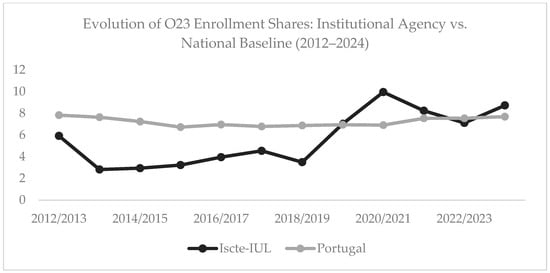
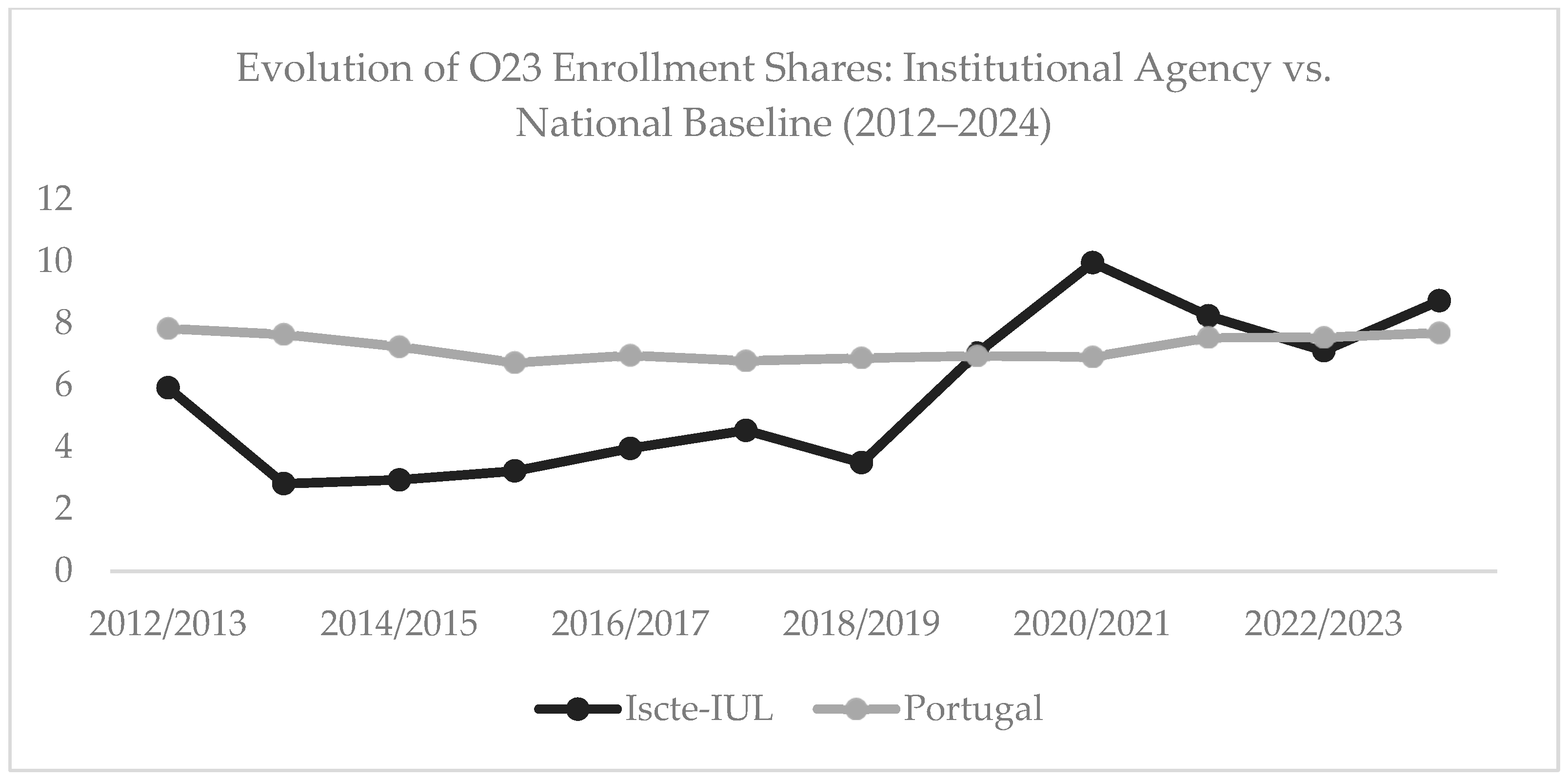

Disclaimer/Publisher’s Note: The statements, opinions and data contained in all publications are solely those of the individual author(s) and contributor(s) and not of MDPI and/or the editor(s). MDPI and/or the editor(s) disclaim responsibility for any injury to people or property resulting from any ideas, methods, instructions or products referred to in the content. |
© 2026 by the authors. Licensee MDPI, Basel, Switzerland. This article is an open access article distributed under the terms and conditions of the Creative Commons Attribution (CC BY) license.