


Abstract
This systematic review examines AI literacy in English language education through a social–ecological perspective. Guided by Bronfenbrenner’s ecological systems theory, the review synthesizes 51 empirical studies (published since 2024) to examine how AI literacy is conceptualized, operationalized, and related to English language learning and teaching outcomes. The findings indicate predominantly positive relationships between AI literacy and language outcomes, including improvements in L2 writing proficiency, motivation, willingness to communicate, and teacher efficacy. However, the literature is dominated by microsystem-level studies, while meso-, exo-, and macro-level influences remain underexplored. This review contributes to the field by identifying critical gaps in multi-level research and advancing AI literacy as an ecologically embedded construct.
1. Introduction
The rapid expansion of artificial intelligence (AI) technologies in educational contexts has reshaped how English language teaching and learning are designed, delivered, and supported. AI-enabled tools such as intelligent tutoring systems, automated feedback platforms, and adaptive learning environments are increasingly embedded in English language education, transforming both instructional practices and learner engagement (Sperling et al., 2025). While prior research has proposed conceptual frameworks for AI literacy (Long & Magerko, 2020; Ng et al., 2021b, 2024; B. Zhong & Liu, 2025), existing studies in English language education remain fragmented and unevenly distributed across contexts. In the current study, AI literacy has emerged as a critical construct encompassing the knowledge, skills, and dispositions required to understand, use, and critically evaluate AI-driven systems in educational settings.
AI applications in English language education have expanded rapidly, creating new opportunities to enhance learner engagement and instructional design (He et al., 2025; B. Li et al., 2025; Qi & Derakhshan, 2025; Singh, 2024). However, the integration of AI into educational contexts presents both opportunities and challenges, necessitating a deeper understanding of how learners can develop the capabilities needed to use AI effectively (Al-Abdullatif, 2025; Mahmud et al., 2025; Yan et al., 2024; Yim & Su, 2025). Consequently, AI literacy has been conceptualized as a critical competence in the digital age (Černý, 2024; Heeg & Avraamidou, 2025; Ng et al., 2021a; Rupnik & Avsec, 2025). It is widely understood as a multidimensional construct encompassing the knowledge, skills, and dispositions required to use, understand, evaluate, and interact critically with AI tools across educational and other contexts (Long & Magerko, 2020; Mills et al., 2024; Ng et al., 2021b). This competence includes foundational understanding of how AI systems function, the ability to apply AI tools meaningfully to support learning and problem-solving, and the capacity to critically assess AI outputs, limitations, and ethical implications (Ng et al., 2021b).
Importantly, emerging frameworks emphasize that AI literacy extends beyond operational proficiency to include critical awareness, agency, and ethical judgment. This positions learners not as passive consumers of AI technologies but as informed and reflective users (Kassorla et al., 2024). As AI systems increasingly mediate learning activities, scholars argue that equipping students with AI literacy is essential for fostering responsible and effective AI use in educational settings (Q. Zhang et al., 2025).
Despite these advances, limited research has examined how AI literacy is shaped by broader social and institutional contexts. Digital access, institutional guidance, policy frameworks, and pedagogical support further complicate learners’ opportunities to develop meaningful and critical AI literacy (Kassorla et al., 2024; Perera Muthupoltotage & Gardner, 2025). Moreover, the effective integration of AI technologies depends heavily on teachers’ ability to guide students in their use. Studies highlight that limited teacher preparedness and uneven professional development in AI-related pedagogies reduce learners’ exposure to guided and ethical AI use, thereby exacerbating inequities in AI literacy development (Daher, 2025; Ng et al., 2021b).
Although AI literacy is often measured at the individual level, scholarship on digital and technological literacies widely confirms that these competencies are socially embedded rather than independently learned (Du & Reynolds, 2025; Teräs, 2022). Nevertheless, Existing AI literacy research has predominantly focused on individual-level competencies, with limited attention to how instructional, institutional, and sociocultural contexts collectively shape learners’ development, particularly within English language education. This oversight limits our understanding of the contextual conditions that facilitate or constrain learners’ engagement with AI technologies in language learning. Unlike earlier reviews that catalog discrete individual competencies, this review explains how AI literacy may develop through interactions across instructional, institutional, and policy environments, synthesizing contextual influence evidence alongside existing research on AI literacy definitions and learning outcomes.
To capture these broader influences, this study draws on Bronfenbrenner’s (1979, 1994) ecological systems theory which conceptualizes AI literacy as shaped by multiple, interacting environmental systems, ranging from immediate interpersonal contexts to wider institutional and policy environments. Applied to language education, the social–ecological framework highlights how learners’ engagement with AI-supported technologies is shaped by classroom pedagogical practices, institutional infrastructures, and broader sociocultural norms surrounding technology use (Y. Zhong et al., 2025). From this perspective, AI literacy development depends not only on individual capability but also on the instructional guidance provided by teachers, the availability of institutional resources and professional development, and the regulatory and ethical frameworks governing AI use in education (Rahman, 2025).
Learners with higher digital and AI-related competencies are more likely to adopt AI tools for language learning tasks such as writing support, feedback, and vocabulary development (Börekci & Çelik, 2024). Within English language education, students’ engagement with AI technologies depends not only on their individual competencies but also on the availability of pedagogical guidance and supportive learning environments. At the broader system level, national and institutional policy frameworks increasingly emphasize equitable access to AI-enhanced learning tools and the competencies necessary for responsible AI integration (Miao et al., 2021). Through a social–ecological lens, AI literacy in English language education emerges from the interaction of individual capabilities, instructional practices, institutional infrastructures, and policy environments. Therefore, examining AI literacy solely at the individual level risks overlooking the structural and contextual conditions that enable or constrain meaningful engagement with AI-supported language learning.
Addressing this gap, the present study adopts a systematic review to examine how AI literacy in English language education has been conceptualized, investigated, and situated across multiple social–ecological levels. With the aim of identifying dominant research emphases and critical gaps across social–ecological levels, this review raises the following research questions:
RQ1.
How is AI literacy conceptualized and operationalized in English language education?
RQ2.
What evidence exists regarding the relationship between AI literacy and English language learning or teaching outcomes?
RQ3.
What social–ecological factors are reported to shape or constrain the development of AI literacy?
RQ4.
Which social–ecological levels remain under-represented in the current research landscape?
2. Literature Review
2.1. AI Literacy Frameworks
Although scholars have proposed different definitions of AI literacy, there is broad consensus that it extends beyond technical proficiency to include critical evaluation, ethical reasoning, and responsible AI use (Biagini, 2025; Netwong, 2025; Panagiotou, 2025; Stolpe & Hallström, 2024; Tenberga & Daniela, 2024). Early frameworks, such as Long and Magerko’s (2020), listed 16 core AI literacy competencies and defined AI literacy as “a set of competencies that enable individuals to critically evaluate AI technologies, communicate and collaborate effectively with AI, and use AI as a tool in online, home, and workplace settings”. Building on this foundation, Ng et al. (2021b) conceptualized AI literacy as four progressively developed competencies aligned with Bloom’s Taxonomy (Figure 1). As students progress through secondary schools and universities, they will be able to leverage their previous knowledge to analyze, assess, and build AI applications using higher-order thinking tasks. Subsequent frameworks have largely converged on similar dimensions, identifying awareness, use, evaluation, and ethics as core components (X. Wang et al., 2023), while extending the emphasis to autonomous learning (Carolus et al., 2023) and informed decision-making regarding AI adoption (Mills et al., 2024). Taken together, these frameworks position AI literacy as a multidimensional construct integrating cognitive, technical, and ethical competencies.
Figure 1.
Bloom’s Taxonomy and AI literacy adapted from (Ng et al., 2021b).
Building on these foundational frameworks, recent models extend AI literacy to include ecological and contextual influences. One notable example is the overarching conceptual framework proposed by Pinski and Benlian (2024), which positions AI literacy within a social–ecological system (Figure 2). Regarding learning methods, AI literacy develops through interactions with social networks, such as lectures, flipped classrooms, and family learning conversations. These methods are scaffolded by different systems of social–ecological support. Regarding effects, AI literacy yields instrumental and humanistic outcomes, such as AI usage intention, appropriate trust, and attitudes toward AI, which predict effective AI technology use. Therefore, AI literacy is conceptually positioned as a mediator connecting social–ecological support (i.e., scaffolding for AI literacy learning methods) and actual AI technology use. Empirical studies have also supported this relationship. According to a study bridging AI literacy and the extended TAM model (UTAUT) (Ke et al., 2025), AI literacy is a major predictor of behavioral intention to adopt AI, highlighting the significance of improving AI literacy among college students to promote good adoption intentions.
Figure 2.
Overarching conceptual framework of AI literacy adapted from (Pinski & Benlian, 2024).
Unlike earlier competency-oriented models, Pinski and Benlian’s framework conceptualizes AI literacy as both an outcome of social support and a mechanism through which learners translate environmental resources into effective AI use. This perspective complements earlier frameworks by explaining not only what competencies learners need but also how these competencies develop within educational contexts. In particular, this AI literacy framework provides a clear understanding of how social–ecological support influences English language learning in the digital age. Within this framework, support from different systems provides access, guidance, and practice opportunities for AI tool adoption (i.e., learning methods for AI literacy Framework in Figure 2). These conditions foster learners’ AI literacy, including their ability to understand, evaluate, and effectively use AI for learning (i.e., AI literacy Component Framework in Figure 2). As students’ AI literacy improves, they are better able to select appropriate AI tools, such as adaptive reading platforms, AI-assisted pronunciation trainers, and large language models (LLMs) such as ChatGPT, Claude, Gemini, etc., for drafting and revision. They also become more capable of critically evaluating AI output and integrating AI feedback into iterative language practice (i.e., Effects of AI literacy Framework in Figure 2). This increased competence supports the development of various language skills, including reading, writing, vocabulary, and grammar (Tram et al., 2024). Therefore, AI literacy acts as a plausible mediator through which social–ecological support enhances the outcomes of AI-based English teaching and learning.
2.2. Social–Ecological Perspectives
While many studies conceptualize AI literacy as an individual competence, understanding how such competencies develop requires consideration of the broader social environments in which learning occurs. Bronfenbrenner’s ecological systems theory (Bronfenbrenner, 1979, 1994) (see Figure 3) proposes that individual development is shaped by interconnected layers of environmental systems, ranging from immediate surroundings such as family to larger social structures such as culture and social values (Amali et al., 2023; Chong et al., 2023; Guy-Evans, 2025; Rahman, 2025; Sadownik, 2023). The theory highlights how individual learning is nested within micro-, meso-, exo-, and macro-level systems, suggesting that learners’ behaviors emerge from continuous interactions between personal attributes and their educational, social, and cultural environments. This ecological perspective provides a theoretical foundation for understanding AI literacy as a context-dependent competence that develops through support from teachers, families, institutions, and broader societal influences.
Figure 3.
Bronfenbrenner’s Ecological Systems Theory (Bronfenbrenner, 1979).
One example of applying ecological theory in educational settings is from X. Wang et al. (2023) who applied ecosystem theory to examine the institutional impact of the urban–rural dual-track education system on the development of rural students. They demonstrated that macro-policies, community structures, and family resources are significant ecological forces shaping urban–rural educational inequality (Figure 4). X. Wang et al. (2023) thus illustrates the explanatory power of ecological systems theory in revealing how educational outcomes emerge from interconnected contextual influences. Although X. Wang et al. focused on educational inequality rather than AI literacy, their findings demonstrate that learners’ development cannot be fully understood without considering the broader institutional and sociocultural environments in which learning occurs. This perspective provides an important conceptual basis for examining AI literacy development within English language education.
Figure 4.
Keywords of China’s educational system in the ecology system (X. Wang et al., 2023).
2.3. AI Literacy in English Education from a Social–Ecological Lens
In language education research, ecological perspectives have been used to examine how learners’ language development is influenced by complex interactions among personal characteristics, learning environments, technological tools, and sociocultural contexts. Studies on digital language learning demonstrate that learners’ engagement with technologies is shaped not only by individual motivation but also by institutional support, peer networks, and broader technological infrastructures.
For example, Guo and Lee (2023) conducted a systematic analysis of factors affecting individuals’ perceptions or behaviors regarding Informal Digital Learning of English (IDLE) (Figure 5). Their analysis demonstrates that existing ecological research on informal digital English learning has primarily concentrated on individual and microsystem influences, whereas mesosystem, exosystem, and macrosystem factors remain comparatively underexplored. The most frequently mentioned factors were behavioral and perceptual factors, such as “family, teacher and peer support.” Factors at these levels are mostly cognitive and psychological, influenced by general support from a single source rather than learners’ interactions and integration with the social community and digital technologies. More research is required at other levels, such as the mesosystem (e.g., social network users and interaction with online communities), exosystem (e.g., popularity of social media platforms), macrosystem (e.g., AI technology development, English status, and educational systems), and chronosystem (e.g., experience of using technology). This imbalance suggests opportunities for extending ecological analyses to AI-supported English learning.
Figure 5.
Factors affecting one’s Informal Digital Learning of English (IDLE) perceptions or behaviors from an ecological perspective (Guo & Lee, 2023).
Another review of current trends in technology use for English language learning identifies several technological systems available to students (see Figure 6), including established flipped learning (FL) pedagogy, the expanding influence of mobile-assisted language learning (MALL), and digital game-based learning (DGBL) (Hasumi & Chiu, 2024). This bioecological model reveals that students’ English learning experiences are directly shaped by five ecological systems, all enhanced by techno-subsystems. The model demonstrates that technology integration in language education extends beyond the mere use of digital tools. Rather, learners’ engagement with technologies, such as mobile-assisted language learning, flipped learning, and digital game-based learning, is facilitated by support from teachers, families, schools, institutions, and broader technological infrastructures. Consequently, successful technology-enhanced language learning depends not only on learners’ individual competencies but also on the quality of ecological support available across multiple environmental systems. This insight provides an important bridge for extending ecological perspectives from technology-enhanced language learning to AI-supported English education.
Figure 6.
Bioecological model for technology-enhanced language learning (TELL) (Hasumi & Chiu, 2024).
Evidence also suggests that when social and educational support systems are strong, learners are more likely to use digital technologies effectively, demonstrating higher engagement and improved outcomes (L. Chen & Huang, 2023; B. Zou et al., 2023). Therefore, integrating AI literacy frameworks with the social–ecological perspective provides a comprehensive lens for examining how learners develop the competencies needed to engage with AI technologies in English language education.
3. Methods
3.1. Search Strategy
A systematic search was conducted on 12 January 2026 across six databases (Scopus, Web of Science, ERIC, ScienceDirect, Taylor & Francis, and IEEE Xplore) using predefined search terms related to AI literacy and English language education. Following the PRISMA guidelines (Page et al., 2021), the search was limited to studies published from 2024 to 12 January 2026. This decision was made for three reasons. First, empirical research explicitly framed as ‘AI literacy’ in English language education remained scarce before 2024, with earlier work more commonly addressing general digital literacy or technology acceptance rather than the multidimensional AI literacy construct recognized in the field. Second, as research on AI literacy has expanded substantially following the widespread adoption of generative AI technologies, many of the conceptual frameworks and measurement approaches that underpin this review were developed during this period, making it the most appropriate timeframe for capturing contemporary evidence. Third, although foundational frameworks such as Long and Magerko (2020) and Ng et al. (2021b) were published earlier and inform the conceptualization of AI literacy, the empirical studies applying these frameworks to English language education have predominantly appeared since 2024. Therefore, the 2024–2026 timeframe was selected to capture the most relevant and contemporary evidence.
Predefined search terms combined three conceptual domains: (1) AI literacy and related competencies, (2) English language education contexts (e.g., EFL and ESL), and (3) contextual or social–ecological influences. The search strategy combined terms such as “AI literacy”, “artificial intelligence literacy”, “AI competence”, “AI awareness”, “AI readiness”, and “AI acceptance” with English language education terms including “English language education”, “English learning”, “English teaching”, EFL, and ESL. Database-specific search fields were adapted according to each platform (e.g., title, abstract, keywords, or topic fields) to maximize retrieval. The search yielded 1177 records before duplicate removal, including 543 from Scopus, 79 from Web of Science, 362 from ERIC, 14 from ScienceDirect, 153 from Taylor & Francis, and 26 from IEEE Xplore.
3.2. Inclusion Criteria
Studies were included if they met the following criteria: (1) AI literacy focus: The study examined AI literacy or closely related constructs, including AI competence, AI awareness, AI readiness, or AI-related capabilities, rather than focusing solely on general AI use. (2) Educational context: The research was conducted within English language education, including English language learning, English language teaching, EFL, or ESL contexts. (3) Research focus: The study investigated AI literacy development, implementation, or outcomes, including relationships with language learning or teaching processes. (4) Contextual factors: Studies reporting social, instructional, institutional, policy, or other contextual influences on AI literacy were also included to address the ecological dimensions of the review. (5) Publication characteristics: Only peer-reviewed studies published in English between 2024 and 12 January 2026 were considered.
Studies were excluded if they were editorials, book chapters, conference commentaries, or purely technical AI studies without an educational context. These publication types were excluded because they often lack sufficient methodological detail for systematic comparison and consistent coding. After duplicate removal in EndNote X9, titles and abstracts were screened against the eligibility criteria. Potentially relevant studies were then assessed through full-text review, and reasons for exclusion were documented in the PRISMA flow diagram (Figure 7).
Figure 7.
Flow diagram of the review results, based on the reporting recommendations provided by PRISMA (Page et al., 2021). Note: Included studies were coded into two synthesis streams based on their primary focus: AI literacy stream (n = 34) and social–ecological contextual factors stream (n = 17). These stream labels were assigned after eligibility inclusion and are used only to guide synthesis, not to determine eligibility exclusions. * Separate retrieval quantities from each electronic database were reported in the identification stage. ** No automated screening tools were adopted; all exclusions during title and abstract screening were completed manually by two independent reviewers.
3.3. Study Selection and Coding Procedure
Title and abstract screening was conducted independently by two reviewers (P.Y. and M.M.A.). Potentially relevant records were then assessed through full-text review by the same two reviewers, again working independently. Disagreements at any stage were resolved through discussion and consensus. Inter-rater reliability for study inclusion decisions was assessed using Cohen’s kappa, which reached 0.83, indicating substantial agreement (Landis & Koch, 1977). For data extraction and coding, a deductive coding framework was developed by the first author and reviewed by the second author. A subset of 10 studies (approximately 20% of the included sample) was independently coded by both reviewers to establish coding consistency. Discrepancies in coding were discussed and resolved, and the coding framework was refined accordingly before the remaining studies were coded by the first author.
3.4. Dural-Stream Synthesis
To address the four research questions, all eligible studies were first screened using the same inclusion criteria. After eligibility had been established, studies were categorized into two synthesis streams according to their primary research focus. The AI literacy stream included studies examining the conceptualization, operationalization, or educational outcomes of AI literacy (RQ1–RQ2). The social factors stream included studies investigating contextual factors that shape or constrain AI literacy development (RQ3–RQ4). Importantly, this categorization was used only to organize the synthesis and did not influence study inclusion or exclusion. Figure 7 presents the PRISMA flow diagram and the distribution of studies across the two synthesis streams.
4. Data Extraction and Coding
A total of 51 relevant papers were identified, including 34 papers on AI literacy in English or other language-related educational contexts, and 17 papers on social factors influencing AI literacy development. To facilitate a comprehensive analysis, a deductive coding framework was developed based on Bronfenbrenner’s social–ecological model (Figure 3) and key dimensions of AI literacy in English language education (see Table 1). Data extraction focused on publication characteristics, research design, participant characteristics, educational context, AI literacy conceptualization, outcome variables, and reported social–ecological influences.
Table 1.
Coding Framework.
The coding framework included four ecological levels: microsystem, mesosystem, exosystem, and macrosystem. Although Bronfenbrenner’s theory also includes the chronosystem, this dimension was not retained as a formal coding category because none of the included studies reported longitudinal developmental trajectories or explicit temporal comparisons that could be coded consistently across studies.
To examine contextual influences, ecological factors were coded using a multi-label coding approach. Unlike mutually exclusive coding, this approach allowed a single study to be assigned to more than one ecological level when multiple contextual influences were reported. For example, a study examining both teacher support (microsystem) and institutional policy (exosystem) received codes for both ecological levels. Consequently, the frequency of coded ecological influences exceeds the number of included studies because each ecological level represents the number of reported influences rather than the number of individual studies.
Following coding, findings were synthesized descriptively to address the review questions. AI literacy studies were synthesized according to conceptualization, operationalization, and educational outcomes (RQ1), whereas contextual studies were synthesized according to the ecological levels influencing AI literacy development (RQ3). Methodological aspects included research design (quantitative, qualitative, or mixed) and specific methods (e.g., survey, interview, or experiment), while participant groups were classified as students or teachers. Finally, outcomes focused on awareness, skills, or readiness, addressing RQ2 regarding AI literacy’s impacts on English language learning and teaching. This framework enabled thematic synthesis and cross-study comparisons, ensuring alignment with the review’s objectives.
Although no formal risk-of-bias assessment tool was applied, basic methodological information (study design, sample size, measurement approach, and contextual reporting) was recorded during data extraction to support descriptive comparisons. Given the heterogeneity of study designs and outcome measures, a single standardized quality appraisal tool was not considered appropriate for this integrative review. This decision is acknowledged as a limitation, and findings should be interpreted with appropriate caution.
5. Results
The 34 studies on AI literacy in English and language-related education, published between 2024 and 2026, reflect the rapid emergence of this research area following the widespread adoption of generative AI in education. As shown in Table 2, AI literacy research is heavily concentrated in higher education, particularly within East Asian contexts, with more than 80% of studies published in 2025 and China accounting for approximately 70% of the evidence base. These findings suggest a strong concentration of AI literacy research within East Asian higher education contexts, which may not generalize to younger learners, non-Asian contexts, or under-resourced settings.
Table 2.
Relationship between AI literacy and English learning and teaching outcomes.
RQ1: How is AI literacy conceptualized and operationalized in English language education?
Across the studies reviewed, AI literacy in English language education (ELE) emerged as a multifaceted and domain-sensitive competence that enables learners and teachers to engage critically, ethically, and effectively with AI technologies, particularly generative AI tools, in the processes of language teaching and learning. Conceptualizations were mainly based on established frameworks, most notably those proposed by Ng et al. (2021b, 2021a) and B. Wang et al. (2023), and consistently emphasized four interrelated dimensions: cognitive, technical/behavioral, ethical, and affective/psychological.
Across the reviewed literature, the cognitive dimension emerged as the most consistently represented component of AI literacy. Evidence suggests that researchers conceptualize this dimension primarily in terms of understanding AI principles, recognizing AI capabilities and limitations, and critically evaluating AI-generated outputs. In ELE contexts, this dimension often manifested as awareness of AI’s role across L2 writing stages (planning, drafting, revising) or in supporting intercultural discourse and communicative competence (Z. Huang et al., 2025b; McCallum, 2024). The technical/behavioral dimension focused on practical skills such as prompt engineering, tool selection and application, generation of learning materials, provision of feedback, and iterative interaction with AI systems. Pedagogical frameworks such as P-GenAI-C (Moorhouse et al., 2024) highlighted technological proficiency, pedagogical compatibility, and professional application, while domain-specific examples included AI-supported assessment design (L. Xu et al., 2025) and digital storytelling (C.-Q. Chen, 2026).
Ethical competence was another recurring dimension across AI literacy frameworks. Rather than focusing solely on responsible AI use, many studies framed ethics as encompassing academic integrity, algorithmic bias, data privacy, and equitable AI implementation. Frameworks such as Affective-Behavioral-Cognitive-Ethical (ABCE) (Ng et al., 2024) and Awareness-Positionality-Strategies-Evaluation (APSE) (C. Wang & Wang, 2025) were frequently applied to underscore academic integrity and equitable application in ELE. The affective/psychological dimension, often overlapping with cognitive elements, encompassed attitudes, self-efficacy, readiness, motivation, and emotional responses (e.g., enjoyment or anxiety) toward AI-mediated learning environments (Pan & Zhang, 2025; Shi et al., 2025).
Conceptual fragmentation was apparent across the literature. While some studies prioritized technical proficiency and tool application (e.g., MagicSchool for assessment design) (Erdem Coşgun, 2025), others foregrounded balanced cognitive–ethical integration (e.g., ethical risk awareness in L2 writing) (Z. Huang et al., 2025b). Still other studies explicitly developed or adapted domain-specific conceptualizations suited to L2 contexts, including GenAI literacy for multimodal composing (M. Liu et al., 2025a) and writing self-efficacy (L. Xu et al., 2025).
Operationalization relied predominantly on quantitative self-report instruments (n = 20), most commonly validated Likert-scale surveys adapted from general-purpose AI literacy tools. The 12-item scale by B. Wang et al. (2023), covering awareness, usage, evaluation, and ethics, was the most widely adapted (Shen & Cui, 2024; Uygun, 2026; X. C. Wang et al., 2024). Chai et al. (2020) developed the 6-item AI scale, which was employed to assess comprehension and self-efficacy (H. G. Liu & Fan, 2025; Q. Zhang et al., 2025). Domain-specific instruments included the AIL-L2WS (Z. Huang et al., 2025b) for L2 writing (encompassing understanding, application, ethics/risk, self-efficacy, and attitudes), the GAIDMCS scale (M. Liu et al., 2025b) for multimodal composing, and the CFLT-AIRS (N. Li & Liang, 2025) for teacher readiness in Chinese as a foreign language contexts.
Mixed-methods designs (n = 6) integrated surveys with qualitative techniques such as interviews, focus groups, reflective journals, or AI interaction logs (Jin & Rui, 2026; J. Xu, 2025). Purely qualitative approaches (n = 8) drew on case studies, thematic analysis of reflections, and artifact analysis (Kim et al., 2025; C. Wang & Wang, 2025). The predominance of quantitative methods (n = 20) supported statistical analyses (e.g., PLS-SEM and mediation modeling), yet the scarcity of longitudinal designs and limited qualitative studies constrained understanding of developmental trajectories and contextual nuances in ELE. Design classifications were based on the primary methodological approach reported in each study. For ecological coding, mention-based counts were used, whereas design counts were single-label per study. Therefore, the sum of quantitative, qualitative, and mixed-methods design counts equals the total number of included AI literacy studies in English education contexts (n = 34).
In summary, while conceptualizations and operationalization of AI literacy in English language education demonstrate increasing sophistication, particularly through domain-specific adaptations for L2 contexts, the field remains conceptually fragmented and methodologically constrained by reliance on cross-sectional self-report measures. Longitudinal, mixed-methods, and culturally situated approaches are needed to advance more robust and contextually grounded understandings.
RQ2: What evidence exists regarding the relationship between AI literacy and English language learning or teaching outcomes?
The 34 reviewed studies generally reported positive relationships between AI literacy and English language learning and teaching outcomes (Table 2). These relationships were synthesized into four categories: positive direct, positive mediated or moderated, mixed or conditional, and exploratory or indirect relationships.
As shown in Table 2, positive direct relationships represent the most frequently reported pattern across studies. Higher AI literacy was consistently linked to enhanced learner performance, engagement, motivation, and pedagogical effectiveness without strong mediation or moderation explicitly reported. In learner contexts, this included improved linguistic outcomes such as greater lexical and syntactic complexity in L2 writing (Z. Huang et al., 2025a), increased self-regulated learning and overall well-being (Shi et al., 2025), elevated foreign language enjoyment, reduced classroom anxiety, and heightened willingness to communicate (H. G. Liu & Fan, 2025; Q. Zhang et al., 2025; M. Zou et al., 2025). In teaching contexts, direct gains were observed in professional competence, lesson planning, material generation, feedback provision, and assessment design (Erdem Coşgun, 2025; Moorhouse et al., 2024), with intervention studies demonstrating significant pre- to post-training improvements in skills such as prompt engineering and ethical awareness (T. Huang et al., 2025; Younis, 2024).
Positive mediated or moderated relationships also appeared in the studies, where the effect of AI literacy on outcomes was transmitted or conditioned through psychological mechanisms. Mediation effects were frequently reported, including foreign language enjoyment (H. G. Liu & Fan, 2025), self-efficacy (Pan & Zhang, 2025), motivation and performance expectancy (Q. Wang et al., 2025), resilience (X. C. Wang et al., 2024), and chain pathways involving needs satisfaction and creative self-concept (M. Liu et al., 2025a). Moderation effects were evident in task-specific contexts, such as task type influencing the strength of literacy’s impact on linguistic complexity (Z. Huang et al., 2025a).
Mixed or conditional relationships were identified in the literature, where the direction or strength of the association varied by subgroup, context, or condition. Negative or null effects included overdependence on AI tools, diminishing creativity and self-directed learning (Drajati et al., 2025; J. Xu, 2025) and access barriers in under-resourced settings, yielding lower usage and weaker outcomes (Xiong et al., 2025). Conditional patterns emerged in relation to teacher experience, such as novices outperforming experienced teachers in certain evaluation tasks (Drajati et al., 2025); demographic variables, such as gender or age (Bewersdorff et al., 2025; Parviz & Arthur, 2025); or geographic and institutional disparities (Pan & Zhang, 2025; Xiong et al., 2025).
Exploratory or indirect relationships were noted, where outcomes were described qualitatively or without explicit statistical linkage to AI literacy. These included perceptions of benefits and drawbacks (Tacelosky et al., 2025), conditional acceptance of AI as an assistant rather than a replacement (B. Li et al., 2025; T. Li & Ding, 2025), and indirect gains in critical thinking or intercultural competence through AI-supported activities (C.-Q. Chen, 2026; Sultan et al., 2025).
The overall evidence base remains methodologically constrained. Most studies employed cross-sectional quantitative designs (n = 22) using self-report questionnaires and correlation-based analyses or structural equation modeling. Reported correlations generally ranged from weak to moderately strong (r = 0.20–0.62), indicating consistent positive associations but providing limited evidence of causality. Only two studies adopted longitudinal or experimental designs capable of examining causal relationships over time (Moorhouse et al., 2024; Skalka et al., 2025). Although qualitative studies (n = 8) offered valuable insights into learners’ experiences and contextual influences, they remain comparatively under-represented.
In summary, the available evidence supports a generally positive association between AI literacy and English language education outcomes, particularly in higher education EFL settings, with mediated and moderated pathways offering the most robust explanatory mechanisms. However, the presence of mixed, negative, and conditional findings, coupled with limited longitudinal and ecologically situated research, underscores the need for more rigorous designs to clarify boundary conditions, developmental trajectories, and long-term effects.
RQ3 What social–ecological factors are reported to shape or constrain the development of AI literacy?
Drawing on the coding framework derived from Bronfenbrenner’s social–ecological theory (Bronfenbrenner, 1979, 1994), the 51 studies reviewed demonstrated an uneven emphasis across levels, with individual and immediate factors receiving the most attention (see Table 3). As shown in Table 3, microsystem factors dominated the literature, indicating that current AI literacy research remains strongly learner-centered. Most studies conceptualized AI literacy development in terms of individual psychological characteristics, including self-efficacy, resilience, attitudes, and demographic variables. This emphasis suggests that researchers have primarily viewed AI literacy as an individual capability rather than as a product of broader educational ecosystems. For example, individuals with higher self-efficacy and positive attitudes toward AI demonstrated greater behavioral engagement and readiness to adopt AI tools (N. Liu, 2025; Ning et al., 2025; Pan & Zhang, 2025). Conversely, constraints such as anxiety reduced students’ willingness to communicate and engage with AI technologies (Q. Zhang et al., 2025), and negative associations with teaching experience hindered effective AI integration (Drajati et al., 2025). Moreover, family support and teacher encouragement were pivotal in enhancing AI literacy by fulfilling learners’ psychological need (Shen & Cui, 2024; Yi & Siquan, 2025).
Table 3.
Social–ecological levels used for AI literacy research.
At the mesosystem level, which includes interactions within immediate settings such as schools, peer interactions, and classroom environments, the literature emphasized the importance of social interactions and collaborative environments in fostering AI literacy. Factors such as classroom climate and peer collaborations facilitated enjoyment and engagement in English as a Foreign Language (EFL) settings (X. C. Wang et al., 2024). Strong teacher–student and student–student relationships also contributed to enhanced motivation and self-efficacy (Aldraiweesh & Alturki, 2025; Pan & Zhang, 2025), with peer interactions specifically supporting collaborative AI use in group activities and discussions (Ji et al., 2025; H. G. Liu & Fan, 2025). Barriers at this level stemmed from limited social interactions and inadequate peer support networks, which hindered the shared learning and application of AI tools.
The exosystem, which involves institutional structures indirectly shaping AI literacy through external factors such as platforms, curricula, and professional development programs, highlighted facilitating conditions. Professional development opportunities and the use of platforms (e.g., MagicSchool) fostered AI literacy, AI adoption, and pedagogical skills (Ayyoub et al., 2025; Erdem Coşgun, 2025; Younis, 2024). However, constraints at this level include limited facilities, high costs, and inadequate integration of AI in curricula, particularly in under-resourced areas (Drajati et al., 2025; Xiong et al., 2025).
At the macrosystem level, which pertains to broader societal and policy environments, social norms and national policies played a significant role in shaping AI literacy development. Social norms influenced the acceptance of AI tools in education (N. Liu, 2025), while national policies promoted ethical awareness and integration of AI in education (Oncioiu & Bularca, 2025). However, constraints at this level were largely structural, such as rural–urban divides and cultural variations in AI trust, which limited access to AI resources and hindered equity (Hossain et al., 2025; Xiong et al., 2025).
While interactions between ecological levels were rarely explicit, there were notable instances where macrosystem policies influenced exo-level institutional support (Bewersdorff et al., 2025), and microsystem demographics interacted with exo-level barriers (Xiong et al., 2025). These inter-level interactions underline the need for a multi-level approach to understanding AI literacy development. Across all levels, factors such as community and technical support (Ayyoub et al., 2025), psychological needs satisfaction (Shen & Cui, 2024; Yi & Siquan, 2025), and targeted interventions (e.g., the CLEAR framework-based storytelling) (C.-Q. Chen, 2026) were identified as positive contributors. Conversely, structural limitations (e.g., resource gaps) and psychological barriers (e.g., anxiety, over-reliance on AI tools) constrained progress.
In summary, the development of AI literacy is shaped by a complex web of factors operating across micro, meso, exo, and macro levels. While individual and immediate factors such as personal attributes and social support play a prominent role, institutional and societal structures, along with inter-level interactions, are also critical in shaping the accessibility and adoption of AI literacy practices. These findings highlight the need for a multi-level framework to inform more equitable and inclusive AI literacy interventions in English language education.
RQ4: Which social–ecological levels remain under-represented in the current research landscape?
The distribution of research attention across Bronfenbrenner’s social–ecological levels reveals a pronounced imbalance: the microsystem dominated (39 mentions across 51 studies), reflecting a strong individual-centric orientation focused on personal psychological factors and socio-demographic variables. In contrast, the meso-level received moderate but limited attention (six mentions), primarily through explorations of classroom climate, peer collaboration, and teacher support as mediators of enjoyment and resilience (Pan & Zhang, 2025; X. C. Wang et al., 2024).
The limited attention to exosystem (nine mentions) and macrosystem (two mentions) influences suggests that current AI literacy research has yet to fully incorporate ecological perspectives. Consequently, the institutional, policy, and societal conditions that enable or constrain AI literacy remain comparatively underexplored despite their theoretical importance. Exo-level enablers included professional development programs and curriculum platforms (e.g., MagicSchool), yet structural constraints—limited facilities, high costs, and inadequate administrative support—were frequently cited as barriers, particularly in under-resourced settings (Drajati et al., 2025; Xiong et al., 2025). Macro-level influences, such as social norms, national policies, and cultural attitudes toward AI, were addressed in only a small minority of studies (Jin & Rui, 2026; Oncioiu & Bularca, 2025). The scarcity of macro-level research likely reflects the challenges of operationalizing and measuring factors such as national AI policies, curriculum standards, and sociocultural norms within single empirical studies. Consequently, these factors are often acknowledged descriptively rather than incorporated into empirical models.
Inter-level interactions were rarely examined explicitly, with limited evidence of how macrosystem policies influence exosystem institutional support (Bewersdorff et al., 2025) or how microsystem demographics interact with exo-level barriers (Xiong et al., 2025). The overall pattern indicates that current research in AI literacy within English language education remains heavily individual-centric, with meso-, exo-, and macro-level dynamics receiving insufficient attention. This ecological imbalance restricts a comprehensive understanding of how institutional, policy, and societal contexts interact with individual agency to enable or constrain AI literacy development. Future research should prioritize multi-level, ecologically informed designs to address these gaps.
6. Discussion
Guided by Bronfenbrenner’s ecological systems theory (Bronfenbrenner, 1979, 1994), this review advances the field by reframing AI literacy in English language education as an ecologically embedded conceptual mediation mechanism linking social–ecological supports to learning and pedagogical outcomes. More importantly, the present review extends Bronfenbrenner’s ecological perspective by conceptualizing AI literacy not merely as an individual competence embedded within ecological systems, but as a mechanism through which ecological support is translated into English language learning outcomes. Existing AI literacy frameworks primarily identify what competencies learners require, whereas the present synthesis explains how these competencies may develop through interactions across instructional, institutional, and societal contexts.
The synthesis of literature indicates that AI literacy is repeatedly connected to improved English language skills and instructional practices, with psychological mechanisms such as self-efficacy and enjoyment frequently discussed across the literature. Nevertheless, the included studies rarely tested integrated multi-level pathways end-to-end. Therefore, the mediation pattern should be treated as a synthesis-based proposition rather than a fully empirically validated model.
Conceptualizations of AI literacy, as addressed in RQ1, demonstrate a shift toward domain-specific adaptations tailored to ELE, building on foundational frameworks (Ng et al., 2021b; B. Wang et al., 2023). Domain-specific adaptations for L2 contexts, such as AI literacy tailored to writing complexity (Z. Huang et al., 2025a) or multimodal composing (M. Liu et al., 2025b), demonstrate growing sophistication. However, conceptual fragmentation persists, with some studies prioritizing technical proficiency (e.g., MagicSchool for assessment design) (Erdem Coşgun, 2025), while others emphasize cognitive–ethical integration (e.g., risk awareness in L2 writing) (Z. Huang et al., 2025b).
Operationalization, including those in social factor studies (n = 17), relies predominantly on quantitative self-report instruments (n = 20 + 9), including widely adapted scales (Z. Huang et al., 2025b; B. Wang et al., 2023) and other validated instruments (Hossain et al., 2025; Oncioiu & Bularca, 2025; D. Zhang et al., 2025). Mixed-methods (n = 6 + 7) and qualitative designs (n = 8 + 1) remain limited, and the scarcity of longitudinal studies (n = 2) (Pan & Wang, 2025; Xiong et al., 2025) restricts insights into developmental trajectories. This echoes theoretical calls for ecologically informed approaches (Guo & Lee, 2023; Hasumi & Chiu, 2024) to capture how AI literacy evolves through interactions with learning methods and environmental scaffolds.
Regarding RQ2, the evidence suggests AI literacy as a facilitator of positive English language outcomes, including improved L2 writing proficiency (e.g., lexical complexity) (Z. Huang et al., 2025a), motivation, willingness to communicate, and teacher efficacy (H. G. Liu & Fan, 2025; Moorhouse et al., 2024). These associations are often mediated by psychological factors like self-efficacy and enjoyment, aligning with the theoretical background’s depiction of AI literacy as a plausible mediator in models like UTAUT (Ke et al., 2025) and Pinski and Benlian’s (2024) framework, where literacy translates social–ecological supports into instrumental (e.g., skill gains) and humanistic (e.g., attitude shifts) effects. Yet the results reveal conditional nuances, such as over-reliance risks (Drajati et al., 2025) and access barriers (Xiong et al., 2025), which complicate the introduction’s optimistic view of AI integration. This suggests that while AI literacy amplifies opportunities in adaptive environments (Karimova & Berdikulova, 2025; Qi & Derakhshan, 2025), its benefits are contingent on mitigating constraints, reinforcing the need for critical awareness as emphasized in the theoretical background (Mills et al., 2024; Ng et al., 2021a).
Beyond identifying an empirical imbalance, the present review suggests that existing AI literacy research remains theoretically individual-centric: although ecological theory is frequently cited, it has been adopted rhetorically more often than operationalized analytically. Most empirical studies operationalize AI literacy as an individual psychological construct, while meso-level classroom dynamics (H. G. Liu & Fan, 2025; X. C. Wang et al., 2024) and exo-level institutional supports (Drajati et al., 2025) remain marginalized despite evidence of their influence. This imbalance contrasts with the theoretical background’s advocacy for multi-level perspectives (Guo & Lee, 2023; Hasumi & Chiu, 2024). The limited exploration of inter-level interactions (e.g., policy influences on institutional governance) (Bewersdorff et al., 2025) highlights untapped potential for holistic multi-level models to address the introduction’s call for context-sensitive research to mitigate inequities in AI-enhanced ELE (Kassorla et al., 2024; Perera Muthupoltotage & Gardner, 2025).
6.1. From Skill Set to Ecological Mediator
Across the reviewed studies, AI literacy frequently operates not as a terminal outcome but as a plausible mediator linking environmental support with learning outcomes. Empirical findings repeatedly show a chain pattern, in which “teacher support enhances AI literacy, which strengthens self-efficacy, which in turn predicts writing performance or willingness to communicate.” This chain pattern implies a mediation mechanism rather than a direct-effect model. Yet most studies stop at partial mediation (e.g., AI literacy → motivation → outcome, or social factors → AI literacy → motivation), without modeling upstream ecological inputs or downstream learning outcomes (e.g., institutional support → AI literacy → psychological mechanisms → linguistic outcomes).
A critical research gap concerns the mediating role of AI literacy between multi-level social–ecological support and specific English language skills. While micro-level support (e.g., teacher encouragement, self-efficacy) and meso-level interactions (e.g., classroom collaboration) show indirect positive effects on outcomes such as willingness to communicate or writing performance (H. G. Liu & Fan, 2025; Pan & Zhang, 2025), no study has systematically tested AI literacy as a mediator across all ecological levels, nor examined how each level of support influences respective English language skills through AI literacy.
Furthermore, existing research overemphasizes psychological outcomes, such as motivation, self-efficacy, enjoyment, and anxiety (Q. Wang et al., 2025; Q. Zhang et al., 2025), underrepresenting specific, observable English language skills (e.g., listening comprehension accuracy, speaking fluency, reading speed, writing coherence, or lexical/syntactic complexity). This focus on affective mediators limits understanding of how AI literacy translates support into concrete proficiency gains. Methodological limitations, including heavy reliance on cross-sectional self-reports (n = 22) and a concentration of studies in higher education in Asia (predominantly China, 70%), further constrain generalizability beyond adult EFL learners.
6.2. Microsystem Bias and Theoretical Confinement
The dominance of individual variables in the microsystem reflects a theoretical restriction of ecological complexity, producing four confinements: (1) AI literacy is treated as a personal readiness issue rather than a socially scaffolded competence. (2) Professional development, curriculum integration, and governance structures are treated as contextual background rather than analytical variables. (3) Rural–urban divides, policy environments, and infrastructural disparities appear descriptively but rarely enter statistical models. (4) Most outcome variables are affective (motivation, enjoyment) or behavioral (engagement), rather than specific language skills such as writing coherence, speaking fluency, or listening comprehension.
Thus, while AI literacy appears beneficial, the mechanisms linking ecological support to measurable language proficiency remain insufficiently specified. One of the central theoretical insights emerging from this review is that current AI literacy research frequently invokes ecological theory without fully operationalizing it. Although Bronfenbrenner’s framework emphasizes reciprocal interactions among nested systems, most empirical studies remain confined to microsystem variables, such as self-efficacy and attitudes. Consequently, ecological theory often functions as a descriptive backdrop rather than an explanatory framework for understanding AI literacy development.
One of the central theoretical insights emerging from this review is that current AI literacy research frequently invokes ecological theory without fully operationalizing it. Although Bronfenbrenner’s framework emphasizes reciprocal interactions among nested systems, most empirical studies remain confined to microsystem variables, and ecological theory often functions as a descriptive backdrop rather than an explanatory framework. Perhaps the most critical gap concerns the absence of integrated multi-level modeling: no study tests a complete ecological pathway linking macro-level policy to institutional infrastructure, classroom practices, AI literacy, psychological mechanisms, and English proficiency. Figure 8 synthesizes the fragmented evidence into a unified ecological pathway. Although this pathway remains conceptual rather than empirically validated, it provides a theoretically grounded agenda for future multi-level research.
Figure 8.
Proposed social–ecological pathways synthesized from the included literature. Note: Figure 8 summarizes the proposed social–ecological pathways synthesized from the included studies; it does not represent a mediation model empirically tested across ecological layers.
Figure 8 visualizes the proposed ecological pathway in concrete terms. All system levels have only listed some examples of social–ecological support. The individual level is within the very core of the social–ecological system where “AI Literacy” (including “Cognitive + Technical + Ethical + Affective” within the framework) and “Psychological Factors” (Including factors of “Motivation, Enjoyment, Agency, Self-efficacy, Attitudes, Resilience, Readiness”) interact with each other to enhance “English Outcomes” (with “Writing complexity, speaking fluency, reading comprehension, etc.” as its components). The vertical arrows indicate cross-level influence, while the double-headed arrow between AI Literacy and Psychological Factors and the downward arrow to English Outcomes signal a mediated, non-linear process. As the pathway connects policy, institutions, classrooms, and individuals, practical recommendations must target each level rather than focus on the learner alone.
These findings have important implications for educational practice. AI literacy should be integrated into English language education through authentic learning activities that foster critical evaluation, ethical reasoning, and responsible AI use. Achieving this goal requires coordinated efforts from curriculum designers, teacher educators, educational institutions, and policymakers to embed AI literacy within curricula, strengthen teachers’ pedagogical and technical competencies, ensure equitable access to AI technologies, and establish clear governance frameworks. Ultimately, AI-supported English language education will depend not only on developing learners’ AI competencies but also on creating educational ecosystems that support their equitable, ethical, and sustainable development.
7. Conclusions
This review positions AI literacy as a conceptual mediator linking social–ecological systems to language learning outcomes. Higher AI literacy was consistently associated with positive outcomes across the reviewed studies, often through psychological mechanisms such as self-efficacy and enjoyment. However, no study empirically tested AI literacy as a mediator across a complete ecological pathway, making the proposed model (Figure 8) a synthesis-based conceptual framework for future empirical investigation rather than a validated causal model.
This review makes four principal contributions: (1) reconceptualizing AI literacy as an ecological mediator linking contextual supports to language outcomes; (2) identifying the gap between rhetorical use of ecological theory and individual-centered empirical practice; (3) reconnecting AI literacy research with measurable language outcomes beyond psychological variables; and (4) proposing an integrated ecological pathway for future multi-level research.
Future research should employ longitudinal, multi-level, and mixed-methods designs to test complete ecological pathways from policy environments to measurable language outcomes. Greater attention is needed for objective proficiency indicators, such as speaking fluency, writing quality, and reading comprehension, alongside diverse educational settings including K–12, vocational education, and rural communities. Cross-cultural comparisons and investigations of chronosystem influences from rapidly evolving AI technologies will further strengthen understanding of AI literacy development under different educational and policy conditions.
8. Limitations
Several limitations should be acknowledged. First, this review was restricted to peer-reviewed studies published in English, which may have excluded relevant research published in other languages or in non-English-speaking contexts. Second, the grey literature, conference proceedings, and dissertations were excluded, which may have omitted emerging or context-specific evidence. Third, the rapidly evolving nature of AI technologies means that new tools, frameworks, and empirical findings may quickly render some of the reviewed evidence outdated. Fourth, the reviewed studies predominantly focused on microsystem and individual-level variables, with limited attention to the chronosystem, the temporal dimension of Bronfenbrenner’s framework that captures both developmental transitions (e.g., learners’ evolving AI literacy over time) and historical-period changes (e.g., successive generations of AI tools and shifting policy landscapes). The near-absence of longitudinal evidence means that the proposed pathway cannot speak to how ecological influences and AI literacy co-evolve over time, leaving the temporal dynamics of the model largely untested. Finally, the ecological pathway proposed in Figure 8 is conceptual rather than empirically validated. Because most included studies examined isolated layers or pairs of variables, no study tested a complete cross-level model linking macro-level policy to individual English outcomes, and the directionality of several links (e.g., whether ecological support shapes AI literacy or whether AI literacy reshapes the surrounding systems) remains uncertain. The model should therefore be read as a synthesis-driven agenda for future multi-level research rather than a confirmed causal structure.
Author Contributions
Conceptualization, Y.P. and M.M.A.; methodology, Y.P.; formal analysis, Y.P.; investigation, Y.P.; data curation, Y.P.; writing—original draft preparation, Y.P.; writing—review and editing, M.M.A. and N.S.Y.; supervision, M.M.A. and N.S.Y.; project administration, Y.P. All authors have read and agreed to the published version of the manuscript.
Funding
This research received no external funding.
Institutional Review Board Statement
Not applicable. This study is a systematic review of published literature and does not involve human participants.
Data Availability Statement
The data supporting the findings of this study are available within the article. The PRISMA checklist and search strategy are available from the corresponding author upon reasonable request.
Conflicts of Interest
The authors declare no conflicts of interest.
Abbreviations
The following abbreviations are used in this manuscript:
| EFL | English as a Foreign Language |
| ESL | English as a Second Language |
| ELE | English Language Education |
| ELL | English Language Learning |
| ELT | English Language Teaching |
| L2 | Second Language |
| UTAUT | Unified Theory of Acceptance and Use of Technology |
| TAM | Technology Acceptance Model |
References
- Al-Abdullatif, A. M. (2025). Auditing AI literacy competency in K–12 education: The role of awareness, ethics, evaluation, and use in human–machine cooperation. Systems, 13(6), 490. [Google Scholar] [CrossRef] [Scilit]
- Aldraiweesh, A., & Alturki, U. (2025). The influence of social support theory on AI acceptance: Examining educational support and perceived usefulness using SEM analysis. IEEE Access, 13, 18366–18385. [Google Scholar] [CrossRef] [Scilit]
- Amali, N. A. K., Ridzuan, M. U. M., Rahmat, N. H., Seng, H. Z., & Mustafa, N. C. (2023). Exploring learning environment through Bronfenbrenner’s ecological systems theory. Journal of Academic Research in Progressive Education and Development, 12(2), 144–162. [Google Scholar] [CrossRef] [Scilit] [PubMed]
- Ayyoub, A. M., Khlaif, Z. N., Shamali, M., Abu Eideh, B., Assali, A., Hattab, M. K., Barham, K. A., & Bsharat, T. R. K. (2025). Advancing higher education with GenAI: Factors influencing educator AI literacy. Frontiers in Education, 10, 1530721. [Google Scholar] [CrossRef] [Scilit]
- Bewersdorff, A., Nerdel, C., & Zhai, X. (2025). How AI literacy correlates with affective, behavioral, cognitive and contextual variables: A systematic review. Computers and Education: Artificial Intelligence, 9, 100493. [Google Scholar] [CrossRef] [Scilit]
- Biagini, G. (2025). Towards an AI-literate future: A systematic literature review exploring education, ethics, and applications. International Journal of Artificial Intelligence in Education, 35, 2616–2666. [Google Scholar] [CrossRef] [Scilit]
- Börekci, C., & Çelik, Ö. (2024). Exploring the role of digital literacy in university students’ engagement with AI through the technology acceptance model. Sakarya University Journal of Education, 14, 228–249. [Google Scholar] [CrossRef] [Scilit]
- Bronfenbrenner, U. (1979). The ecology of human development: Experiments by nature and design. Harvard University Press. [Google Scholar] [CrossRef] [Scilit]
- Bronfenbrenner, U. (1994). Ecological models of human development. International Encyclopedia of Education, 3(2), 37–43. [Google Scholar]
- Carolus, A., Koch, M. J., Straka, S., Latoschik, M. E., & Wienrich, C. (2023). MAILS-Meta AI literacy scale: Development and testing of an AI literacy questionnaire based on well-founded competency models and psychological change-and meta-competencies. Computers in Human Behavior: Artificial Humans, 1(2), 100014. [Google Scholar] [CrossRef] [Scilit]
- Chai, C. S., Wang, X., & Xu, C. (2020). An extended theory of planned behavior for the modelling of Chinese secondary school students’ intention to learn artificial intelligence. Mathematics, 8(11), 2089. [Google Scholar] [CrossRef] [Scilit]
- Chen, C.-Q. (2026). Fostering AI literacy and critical thinking in pre-service teachers through GAI-based digital storytelling within the CLEAR framework. Journal of Computers in Education, 13(2), 653–678. [Google Scholar] [CrossRef] [Scilit]
- Chen, L., & Huang, J. (2023). Perceived school support and online learning outcomes among Chinese college students: The serial mediating role of academic self-efficacy and online learning engagement. Educational Research and Reviews, 18, 269–280. [Google Scholar] [CrossRef] [Scilit]
- Chong, S. W., Isaacs, T., & McKinley, J. (2023). Ecological systems theory and second language research. Language Teaching, 56(3), 333–348. [Google Scholar] [CrossRef] [Scilit]
- Černý, M. (2024). University students’ conceptualisation of AI literacy: Theory and empirical evidence. Social Sciences, 13(3), 129. [Google Scholar] [CrossRef] [Scilit]
- Daher, R. (2025). Integrating AI literacy into teacher education: A critical perspective paper. Discover Artificial Intelligence, 5(1), 217. [Google Scholar] [CrossRef] [Scilit]
- Drajati, N. A., Cahyaningrum, D., Handayani, E. I. P., & Handayani, A. (2025). Understanding the artificial intelligence literacy between novice and experienced English teachers in Indonesia. Teflin Journal, 36(1), 44–60. [Google Scholar] [CrossRef] [Scilit]
- Du, Y., & Reynolds, B. L. (2025). Rooted in and beyond interaction: A systematic review of interactive affordances of chatbots for language learning amidst the rise of large language models. Acta Psychologica, 259, 105307. [Google Scholar] [CrossRef] [Scilit] [PubMed]
- Erdem Coşgun, G. (2025). Artificial intelligence literacy in assessment: Empowering pre-service teachers to design effective exam questions for language learning. British Educational Research Journal, 51(5), 2340–2357. [Google Scholar] [CrossRef] [Scilit]
- Guo, X., & Lee, J. S. (2023). A systematic review of informal digital learning of English: An ecological systems theory perspective. System, 117, 103097. [Google Scholar] [CrossRef] [Scilit]
- Guy-Evans, O. (2025, May 6). Bronfenbrenner’s ecological systems theory. SimplyPsychology. Available online: https://www.simplypsychology.org/bronfenbrenner.html?utm_source=chatgpt.com (accessed on 1 January 2026).
- Hasumi, T., & Chiu, M.-S. (2024). Technology-enhanced language learning in English language education: Performance analysis, core publications, and emerging trends. Cogent Education, 11(1), 2346044. [Google Scholar] [CrossRef] [Scilit]
- He, M., Abbasi, B. N., & He, J. (2025). AI-driven language learning in higher education: An empirical study on self-reflection, creativity, anxiety, and emotional resilience in EFL learners. Humanities and Social Sciences Communications, 12(1), 1525. [Google Scholar] [CrossRef] [Scilit]
- Heeg, D. M., & Avraamidou, L. (2025). Young children’s understanding of AI. Education and Information Technologies, 30(8), 10207–10230. [Google Scholar] [CrossRef] [Scilit]
- Hossain, Z., Biswas, M. S., Khan, N. A., & Khan, G. (2025). Artificial intelligence literacy among South Asian library and information science students: Socio-demographic influences and educational implications. IFLA Journal, 51(3), 629–646. [Google Scholar] [CrossRef] [Scilit]
- Huang, T., Wu, C., & Wu, M. (2025). Developing pre-service language teachers’ GenAI literacy: An interventional study in an English language teacher education course. Discover Artificial Intelligence, 5(1), 163. [Google Scholar] [CrossRef] [Scilit]
- Huang, Z., Abbas, G., Nazar, N., & Jiang, Z. (2025a). When tasks meet tech: Task type effects on L2 writing linguistic complexity and the moderating role of AI literacy. Innovation in Language Learning and Teaching, 1–25. [Google Scholar] [CrossRef] [Scilit]
- Huang, Z., Nazar, N., Abbas, G., & Jiang, Z. (2025b). Assessing AI literacy in second language writing: A scale development and validation study. Education and Information Technologies, 30(18), 25909–25935. [Google Scholar] [CrossRef] [Scilit]
- Ji, Y., Zhan, Z., Li, T., Zou, X., & Lyu, S. (2025). Human-machine co-creation: The effects of ChatGPT on students’ learning performance, AI awareness, critical thinking, and cognitive load in a STEM course towards entrepreneurship. IEEE Transactions on Learning Technologies, 18, 402–415. [Google Scholar] [CrossRef] [Scilit]
- Jin, H., & Rui, Y. (2026). Gen AI literacy and acceptance among EFL teachers: An exploration through the UTAUT model and self-determination theory. European Journal of Education, 61(1), e70364. [Google Scholar] [CrossRef] [Scilit]
- Karimova, U. O., & Berdikulova, N. Z. (2025). Artificial intelligence-based personalized learning in English language teaching. Discover Artificial Intelligence, 5(12), 1722–1726. [Google Scholar] [CrossRef] [Scilit]
- Kassorla, M., Georgieva, M., & Papini, A. (2024, October 17). AI literacy in teaching and learning: A durable framework for higher education. EDUCAUSE Working Group. Available online: https://www.educause.edu/content/2024/ai-literacy-in-teaching-and-learning/student-altl?utm_source=chatgpt.com (accessed on 1 January 2026).
- Ke, Q., Gong, Y., & Ke, C. (2025). Bridging AI literacy and UTAUT constructs: Structural equation modeling of AI adoption among Chinese university students. Humanities and Social Sciences Communications, 12(1), 1452. [Google Scholar] [CrossRef] [Scilit]
- Kim, J., Yu, S., Lee, S.-S., & Detrick, R. (2025). Students’ prompt patterns and its effects in AI-assisted academic writing: Focusing on students’ level of AI literacy. Journal of Research on Technology in Education, 58, 1–18. [Google Scholar] [CrossRef] [Scilit]
- Landis, J. R., & Koch, G. G. (1977). The Measurement of observer agreement for categorical data. Biometrics, 33(1), 159–174. [Google Scholar] [CrossRef] [Scilit]
- Li, B., Tan, Y. L., Wang, C., & Lowell, V. (2025). Two years of innovation: A systematic review of empirical generative AI research in language learning and teaching. Computers and Education: Artificial Intelligence, 9, 100445. [Google Scholar] [CrossRef] [Scilit]
- Li, N., & Liang, Y. (2025). Teachers’ AI readiness in Chinese as a Foreign Language education: Scale development and validation. System, 129, 103597. [Google Scholar] [CrossRef] [Scilit]
- Li, T., & Ding, Y. (2025). Exploring the GenAI literacy of Chinese university students in EFL learning. International Journal of Computer-Assisted Language Learning and Teaching (IJCALLT), 15(1), 1–24. [Google Scholar] [CrossRef] [Scilit]
- Liang, Y., Jin, S., Chen, T., & Li, N. (2025). Heterogeneity in AI readiness and its influence on behavioral intentions to use AI: A comparison between pre-service and in-service foreign language teachers. Innovation in Language Learning and Teaching, 1–21. [Google Scholar] [CrossRef] [Scilit]
- Liu, H. G., & Fan, J. Q. (2025). AI-mediated communication in EFL classrooms: The role of technical and pedagogical stimuli and the mediating effects of AI literacy and enjoyment. European Journal of Education, 60(1), e12813. [Google Scholar] [CrossRef] [Scilit]
- Liu, M., Zhang, L. J., & Neufeld, T. J. E. (2025a). Chinese EFL learners’ GenAI literacy in digital multimodal composing and self-regulated writing: Chain mediation effects of needs satisfaction and creative self-concept. Innovation in Language Learning and Teaching, 1–26. [Google Scholar] [CrossRef] [Scilit]
- Liu, M., Zhang, L. J., & Zhang, D. (2025b). Enhancing student GAI literacy in digital multimodal composing through development and validation of a scale. Computers in Human Behavior, 166, 108569. [Google Scholar] [CrossRef] [Scilit]
- Liu, N. (2025). Exploring the factors influencing the adoption of artificial intelligence technology by university teachers: The mediating role of confidence and AI readiness. BMC Psychology, 13(1), 311. [Google Scholar] [CrossRef] [Scilit] [PubMed]
- Long, D., & Magerko, B. (2020, April 25–30). What is AI literacy? Competencies and design considerations. 2020 CHI Conference on Human Factors in Computing Systems (pp. 1–16), Honolulu, HI, USA. [Google Scholar]
- Mahmud, M. M., Monib, W. K., Qazi, A., Wong, S. F., Ramachandiran, C. R., & Azizan, S. N. (2025). Developing AI education competency framework: A systematic literature review. Open Praxis, 17(4), 730–748. [Google Scholar] [CrossRef] [Scilit]
- McCallum, L. (2024). New takes on developing intercultural communicative competence: Using AI tools in telecollaboration task design and task completion. Journal for Multicultural Education, 18(1–2), 153–172. [Google Scholar] [CrossRef] [Scilit]
- Miao, F., Wayne, H., Huang, R., & Zhang, H. (2021). Artificial intelligence and education. Guidance for policy-makers. United Nations Educational, Scientific and Cultural Organization (UNESCO). [Google Scholar] [CrossRef] [Scilit]
- Mills, K., Ruiz, P., Lee, K., Coenraad, M., Fusco, J., Roschelle, J., & Weisgrau, J. (2024). AI literacy: A framework to understand, evaluate, and use emerging technology. Digital Promise. [Google Scholar] [CrossRef] [Scilit] [PubMed]
- Moorhouse, B. L., Wan, Y., Wu, C., Kohnke, L., Ho, T. Y., & Kwong, T. (2024). Developing language teachers’ professional generative AI competence: An intervention study in an initial language teacher education course. System, 125, 103399. [Google Scholar] [CrossRef] [Scilit]
- Netwong, T. (2025). The conceptual framework of AI literacy, applications, and ethics within the context of higher education. วิทยาการ บริหาร ภาค รัฐ สมัยใหม่, 2(5), 276–287. [Google Scholar]
- Ng, D. T. K., Leung, J. K. L., Chu, K. W. S., & Qiao, M. S. (2021a). AI literacy: Definition, teaching, evaluation and ethical issues. Proceedings of the Association for Information Science and Technology, 58(1), 504–509. [Google Scholar] [CrossRef] [Scilit]
- Ng, D. T. K., Leung, J. K. L., Chu, S. K. W., & Qiao, M. S. (2021b). Conceptualizing AI literacy: An exploratory review. Computers and Education: Artificial Intelligence, 2, 100041. [Google Scholar] [CrossRef] [Scilit]
- Ng, D. T. K., Su, J., Leung, J. K. L., & Chu, S. K. W. (2024). Artificial intelligence (AI) literacy education in secondary schools: A review. Interactive Learning Environments, 32(10), 6204–6224. [Google Scholar] [CrossRef] [Scilit]
- Ning, Y., Zheng, H., Wu, H., Jin, Z., Chang, H., & Wijaya, T. T. (2025). Analysis of influencing factors on teachers’ AI literacy under the SOR framework: An empirical study based on PLS-SEM and fsQCA. Education and Information Technologies, 30(13), 18213–18239. [Google Scholar] [CrossRef] [Scilit]
- Oncioiu, I., & Bularca, A. R. (2025). Artificial intelligence governance in higher education: The role of knowledge-based strategies in fostering legal awareness and ethical artificial intelligence literacy. Societies, 15(6), 144. [Google Scholar] [CrossRef] [Scilit]
- Page, M. J., McKenzie, J. E., Bossuyt, P. M., Boutron, I., Hoffmann, T. C., Mulrow, C. D., Shamseer, L., Tetzlaff, J. M., Akl, E. A., Brennan, S. E., Chou, R., Glanville, J., Grimshaw, J. M., Hróbjartsson, A., Lalu, M. M., Li, T., Loder, E. W., Mayo-Wilson, E., McDonald, S., … Moher, D. (2021). The PRISMA 2020 statement: An updated guideline for reporting systematic reviews. BMJ, 372, n71. [Google Scholar] [CrossRef] [Scilit] [PubMed]
- Pan, Z., & Wang, Y. (2025). From technology-challenged teachers to empowered digitalized citizens: Exploring the profiles and antecedents of teacher ai literacy in the Chinese EFL context. European Journal of Education, 60(1), e70020. [Google Scholar] [CrossRef] [Scilit]
- Pan, Z., & Zhang, Y. (2025). Exploring L2 writing motivation in AI-mediated EFL contexts: The role of teacher affective support, AI literacy, and self-efficacy through the lens of self-determination theory. Learning and Motivation, 92, 102214. [Google Scholar] [CrossRef] [Scilit]
- Panagiotou, N. (2025). AI literacy and the future of education: A framework for ethical and inclusive learning models. Journal of Interdisciplinary Knowledge, 8, e01635. [Google Scholar] [CrossRef] [Scilit]
- Parviz, M., & Arthur, F. (2025). AI anxiety in english language education: A study of Iranian EFL teachers’ perceptions and demographic influences. International Journal of Computer-Assisted Language Learning and Teaching (IJCALLT), 15(1), 1–21. [Google Scholar] [CrossRef] [Scilit]
- Perera Muthupoltotage, U., & Gardner, L. A. (2025). The challenge of equitable AI adoption in higher education: Literacy and access. AIS. [Google Scholar]
- Pinski, M., & Benlian, A. (2024). AI literacy for users—A comprehensive review and future research directions of learning methods, components, and effects. Computers in Human Behavior: Artificial Humans, 2(1), 100062. [Google Scholar] [CrossRef] [Scilit]
- Qi, S., & Derakhshan, A. (2025). Technology-based collaborative learning: EFL learners’ social regulation and modifications in their academic emotions and academic performance. Education and Information Technologies, 30(7), 8611–8636. [Google Scholar] [CrossRef] [Scilit]
- Rahman, L. (2025). Bronfenbrenner’s ecological systems theory in childhood resilience and motivation in learning: A literature review. Open Journal of Social Sciences, 13(6), 550–561. [Google Scholar] [CrossRef]
- Rupnik, D., & Avsec, S. (2025). Toward a coherent AI literacy pathway in technology education: Bibliometric synthesis and cross-sectional assessment. Education Sciences, 15(11), 1455. [Google Scholar] [CrossRef] [Scilit]
- Sadownik, A. R. (2023). Bronfenbrenner: Ecology of human development in ecology of collaboration. In (Re) theorising more-than-parental involvement in early childhood education and care (pp. 83–95). Springer International Publishing. [Google Scholar] [CrossRef] [Scilit]
- Shen, Y., & Cui, W. (2024). Perceived support and AI literacy: The mediating role of psychological needs satisfaction. Frontiers in Psychology, 15, 1415248. [Google Scholar] [CrossRef] [Scilit] [PubMed]
- Shi, J., Liu, W., & Hu, K. (2025). Exploring how AI literacy and self-regulated learning relate to student writing performance and well-being in generative AI-supported higher education. Behavioral Sciences, 15(5), 705. [Google Scholar] [CrossRef] [Scilit] [PubMed]
- Singh, B. (2024). Intelligent tutoring systems and adaptive learning environments: Teacher-centric method in AI-augmented classrooms. Asian Education and Learning Review, 2(2), 53–68. [Google Scholar] [CrossRef]
- Skalka, J., Przybyła-Kasperek, M., Smyrnova-Trybulska, E., Klimeš, C., Farana, R., Dagien, V., & Dolgopolovas, V. (2025). Artificial intelligence literacy structure and the factors influencing student attitudes and readiness in Central Europe universities. IEEE Access, 13, 93235–93258. [Google Scholar] [CrossRef] [Scilit]
- Sperling, K., Stenliden, L., Mannila, L., Hallström, J., Nordlöf, C., & Heintz, F. (2025). Perspectives on AI literacy in middle school classrooms: An integrative review. Postdigital Science and Education, 7(3), 719–749. [Google Scholar] [CrossRef] [Scilit]
- Stolpe, K., & Hallström, J. (2024). Artificial intelligence literacy for technology education. Computers and Education Open, 6, 100159. [Google Scholar] [CrossRef] [Scilit]
- Sultan, Y., Dautova, G., & Dalle, J. (2025). Examining the relationship among artificial intelligence literacy, cultural literacy, and intercultural communication proficiency of philology students. Journal of Ethnic and Cultural Studies, 12(5), 345–362. [Google Scholar] [CrossRef] [Scilit] [PubMed]
- Tacelosky, K., Sue Kasun, G., Shapiro, B. R., Liao, Y., & Harris, K. (2025). Exploring critical AI literacy in language education: A case study. Foreign Language Annals, 58(4), 966–994. [Google Scholar] [CrossRef] [Scilit]
- Tenberga, I., & Daniela, L. (2024). Artificial intelligence literacy competencies for teachers through self-assessment tools. Sustainability, 16(23), 10386. [Google Scholar] [CrossRef] [Scilit]
- Teräs, M. (2022). Education and technology: Key issues and debates. International Review of Education, 68, 635–636. [Google Scholar] [CrossRef] [Scilit]
- Tram, N. H. M., Nguyen, T. T., & Tran, C. D. (2024). ChatGPT as a tool for self-learning English among EFL learners: A multi-methods Study. System, 127, 103528. [Google Scholar] [CrossRef] [Scilit]
- Uygun, E. (2026). Clashing AIs: Artificial intelligence literacy and academic integrity in an EFL Context. Journal of Academic Ethics, 24(1), 7. [Google Scholar] [CrossRef] [Scilit]
- Wang, B., Rau, P.-L. P., & Yuan, T. (2023). Measuring user competence in using artificial intelligence: Validity and reliability of artificial intelligence literacy scale. Behaviour & Information Technology, 42(9), 1324–1337. [Google Scholar] [CrossRef] [Scilit]
- Wang, C., & Wang, Z. (2025). Investigating L2 writers’ critical AI literacy in AI-assisted writing: An APSE model. Journal of Second Language Writing, 67, 101187. [Google Scholar] [CrossRef] [Scilit]
- Wang, Q., Amini, M., & Fu, Z. (2025). AI acceptance and Chinese EFL learners’ behavioral engagement with mediating effects of motivation. Scientific Reports, 15(1), 33310. [Google Scholar] [CrossRef] [Scilit] [PubMed]
- Wang, X., McGuckin, C., & Zhang, C. (2023). Reviewing China’s unequal education system based on ecological system theory. Jurnal Ilmu Pendidikan, 29(2), 58–68. [Google Scholar] [CrossRef] [Scilit]
- Wang, X. C., Gao, Y., Wang, Q. K., & Zhang, P. P. (2024). Fostering engagement in AI-mediate Chinese EFL classrooms: The role of classroom climate, AI literacy, and resilience. European Journal of Education, 60(1), e12874. [Google Scholar] [CrossRef] [Scilit]
- Xi, Y., & Yang, X. (2025, July 25–27). Predicting AI literacy and self-regulated learning ability using support vector machine: An empirical analysis based on structural equation modeling. 2025 International Conference on Educational Technology and Artificial Intelligence (pp. 293–298), Wuhan, China. [Google Scholar] [CrossRef] [Scilit]
- Xiong, X. B., Cao, S., Gao, T., Feng, X., & Li, H. (2025). From hesitant beginners to confident experts: Profiles and predictors of AI literacy among preschool teachers in Guangxi, China. IEEE Transactions on Learning Technologies, 18, 812–821. [Google Scholar] [CrossRef] [Scilit]
- Xu, J. (2025). Harnessing AI in academic writing: The complex interplay of AI literacy and self-directed learning among university L2 learners. System, 135, 103855. [Google Scholar] [CrossRef] [Scilit]
- Xu, L., Zhang, L., Ou, L., & Wang, D. (2025). The development and validation of a scale on student AI literacy in L2 writing: A domain-specific perspective. Journal of Second Language Writing, 69, 101227. [Google Scholar] [CrossRef] [Scilit]
- Yan, L., Sha, L., Zhao, L., Li, Y., Martinez-Maldonado, R., Chen, G., Li, X., Jin, Y., & Gašević, D. (2024). Practical and ethical challenges of large language models in education: A systematic scoping review. British Journal of Educational Technology, 55(1), 90–112. [Google Scholar] [CrossRef] [Scilit]
- Yi, Z., & Siquan, X. (2025). The impact of pre-service language teachers’ basic psychological needs on behavioural intentions to utilise artificial intelligence (AI) in teaching: AI literacy and self-efficacy as mediators. European Journal of Education, 60(3), e70160. [Google Scholar] [CrossRef] [Scilit]
- Yim, I. H. Y., & Su, J. (2025). Artificial intelligence literacy education in primary schools: A review. International Journal of Technology and Design Education, 35(5), 2175–2204. [Google Scholar] [CrossRef] [Scilit]
- Younis, B. (2024). Effectiveness of a professional development program based on the instructional design framework for AI literacy in developing AI literacy skills among pre-service teachers. Journal of Digital Learning in Teacher Education, 40(3), 142–158. [Google Scholar] [CrossRef] [Scilit]
- Zhang, D., Wen, L., & Wu, J. G. (2025). Structured or semi-structured? The use of reflection journals in postgraduates’ generative artificial intelligence literacy development in an L2 academic writing context. European Journal of Education, 60(3), e70189. [Google Scholar] [CrossRef] [Scilit]
- Zhang, Q., Nie, H., Fan, J., & Liu, H. (2025). Exploring the dynamics of artificial intelligence literacy on English as a foreign language learners’ willingness to communicate: The critical mediating roles of artificial intelligence learning self-efficacy and classroom anxiety. Behavioral Sciences, 15(4), 523. [Google Scholar] [CrossRef] [Scilit] [PubMed]
- Zhong, B., & Liu, X. (2025). Evaluating AI literacy of secondary students: Framework and scale development. Computers & Education, 227, 105230. [Google Scholar] [CrossRef] [Scilit]
- Zhong, Y., Lian, J., Huang, H., & Deng, H. (2025). Affordances, constraints, and implications of ChatGPT in education from a social-ecological perspective: A data mining approach. Education and Information Technologies, 30(12), 16407–16440. [Google Scholar] [CrossRef] [Scilit]
- Zou, B., Guan, X., Shao, Y., & Chen, P. (2023). Supporting speaking practice by social network-based interaction in artificial intelligence (AI)-assisted language learning. Sustainability, 15(4), 2872. [Google Scholar] [CrossRef] [Scilit]
- Zou, M., Reinders, H., & Amjad, F. (2025). Understanding the potential role of GenAI-mediated informal digital learning of English (GenAI-IDLE) in the global south: AI literacy, emotions, and willingness to communicate as outcomes. ReCALL, 38(1), 131–149. [Google Scholar] [CrossRef] [Scilit]
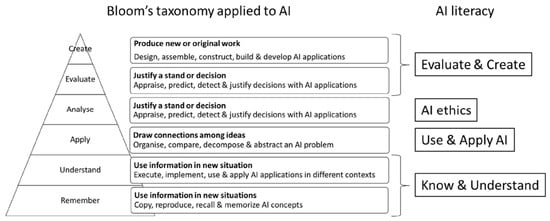
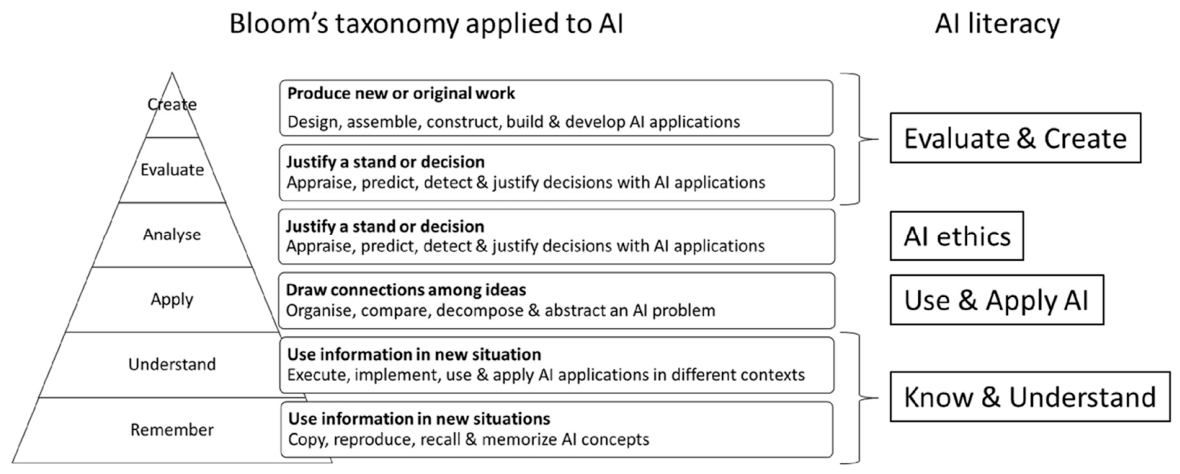
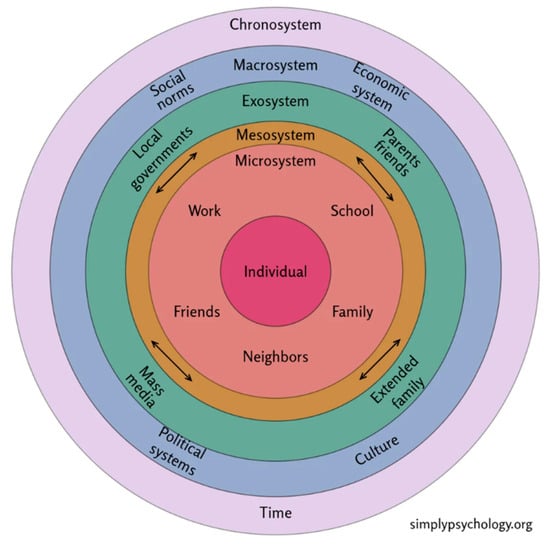
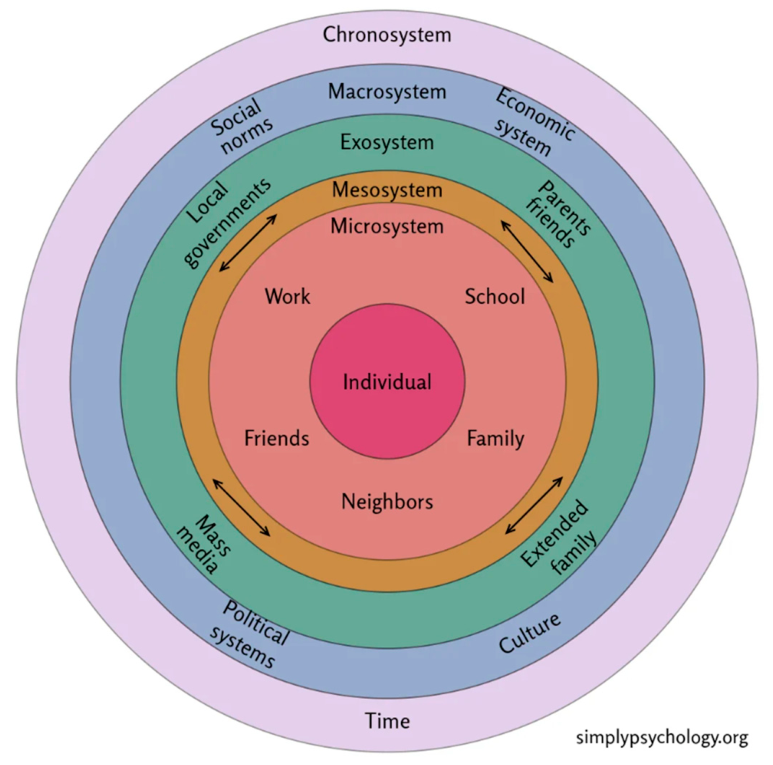
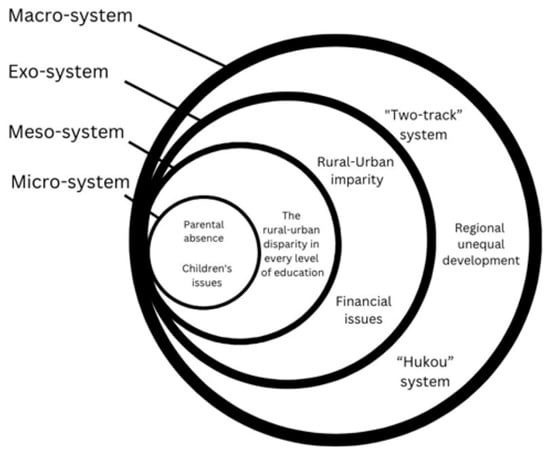
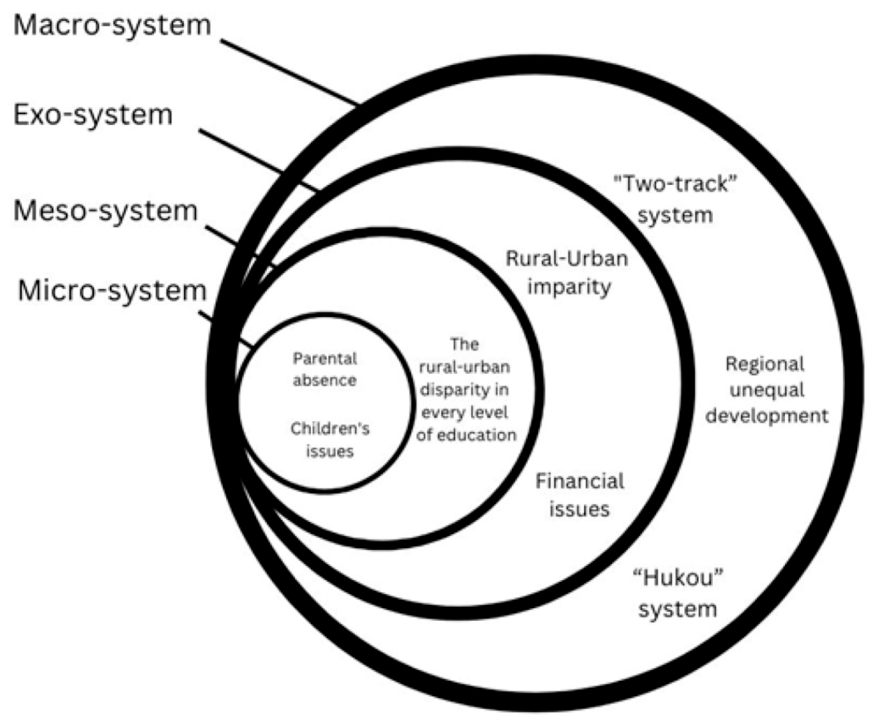
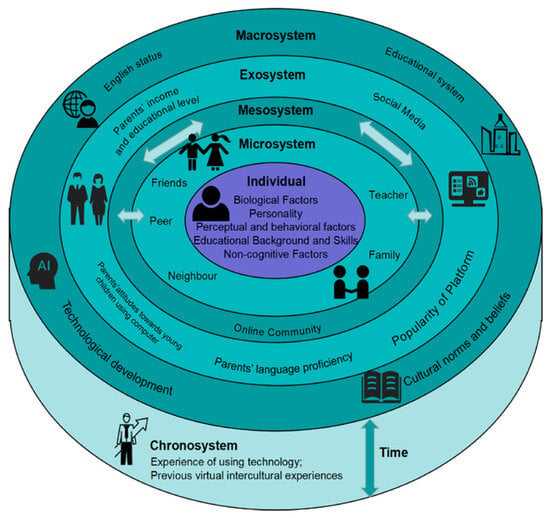
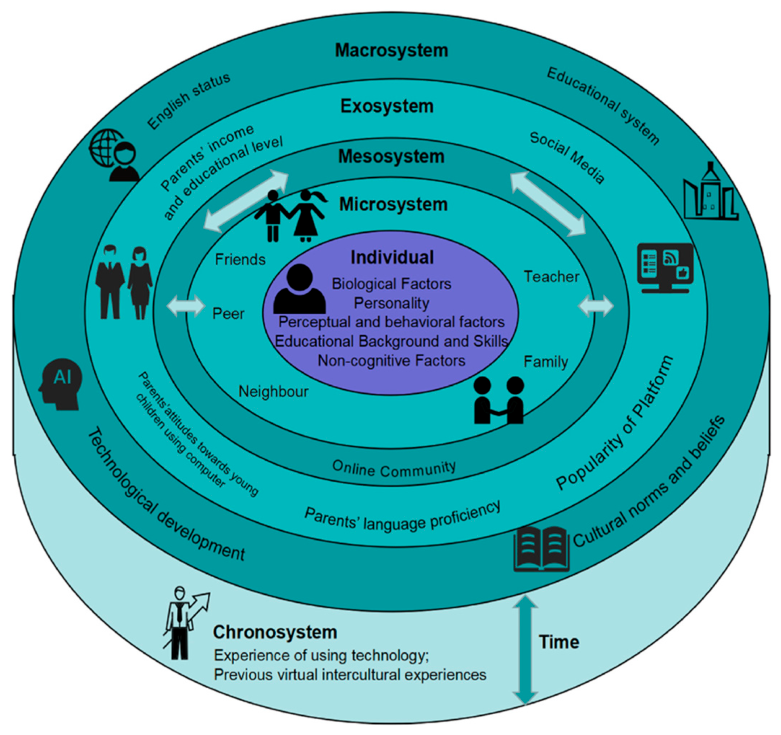
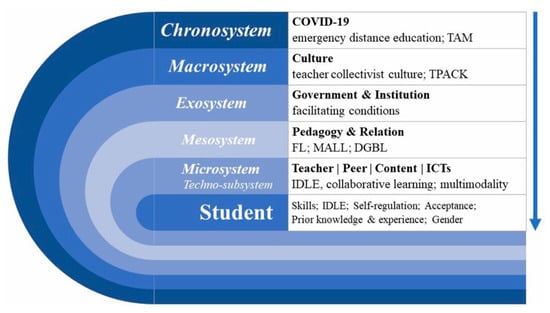
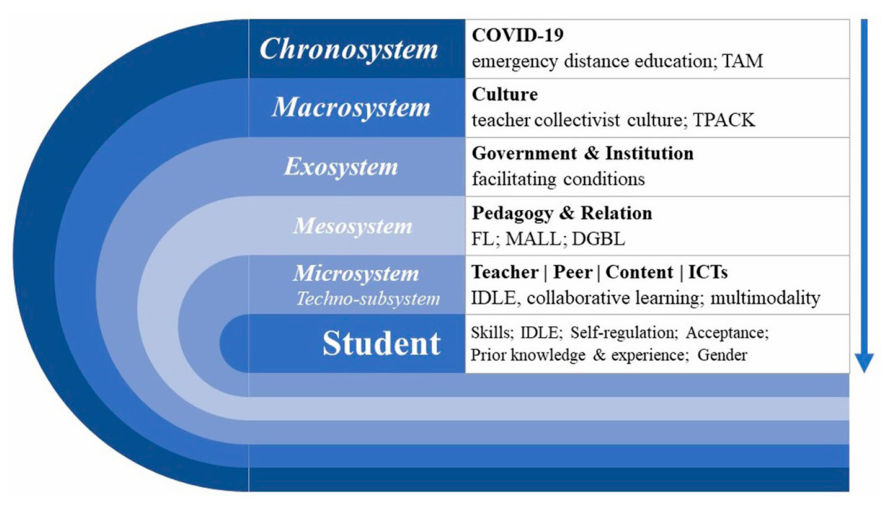
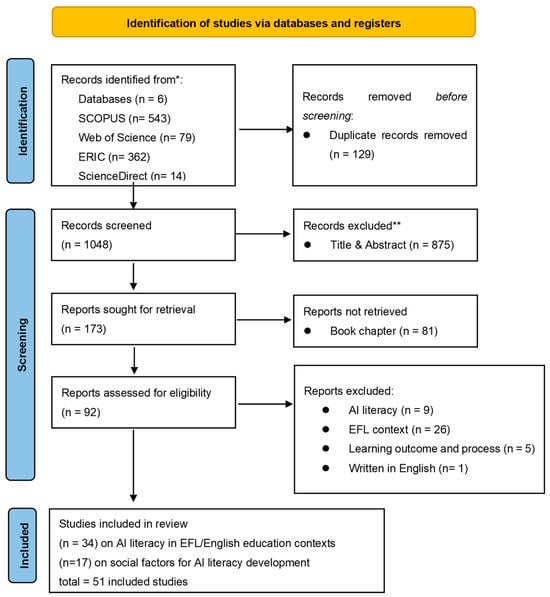
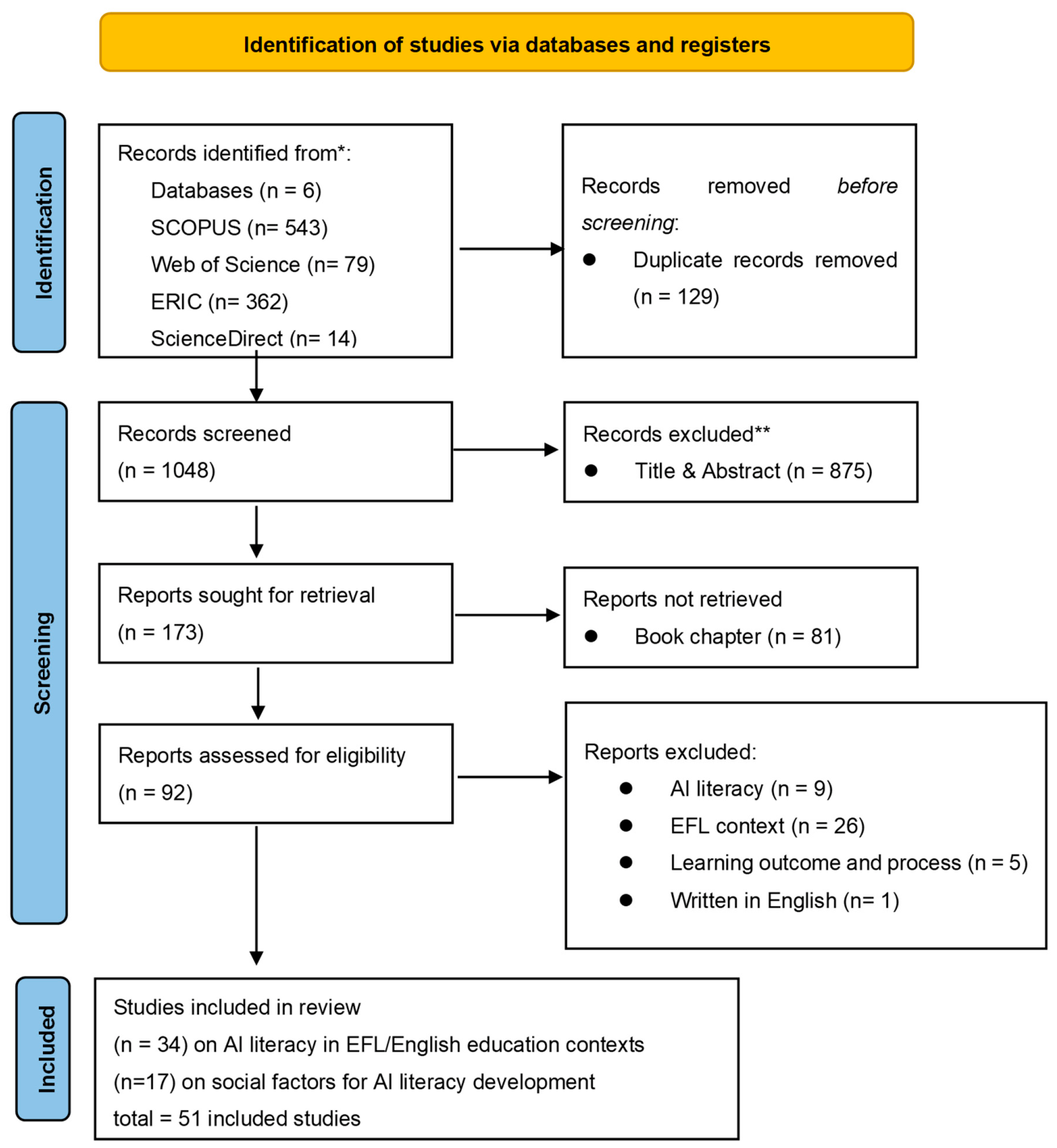
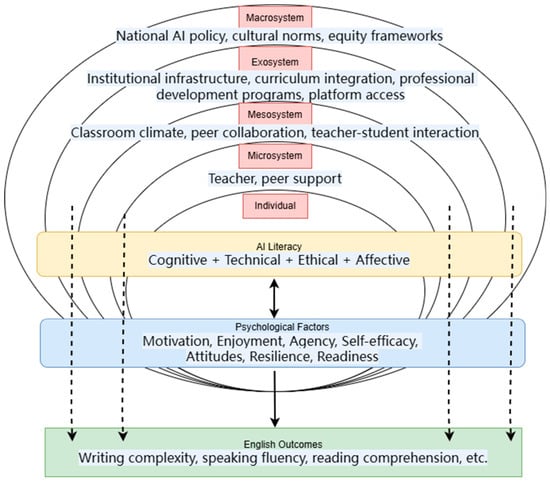
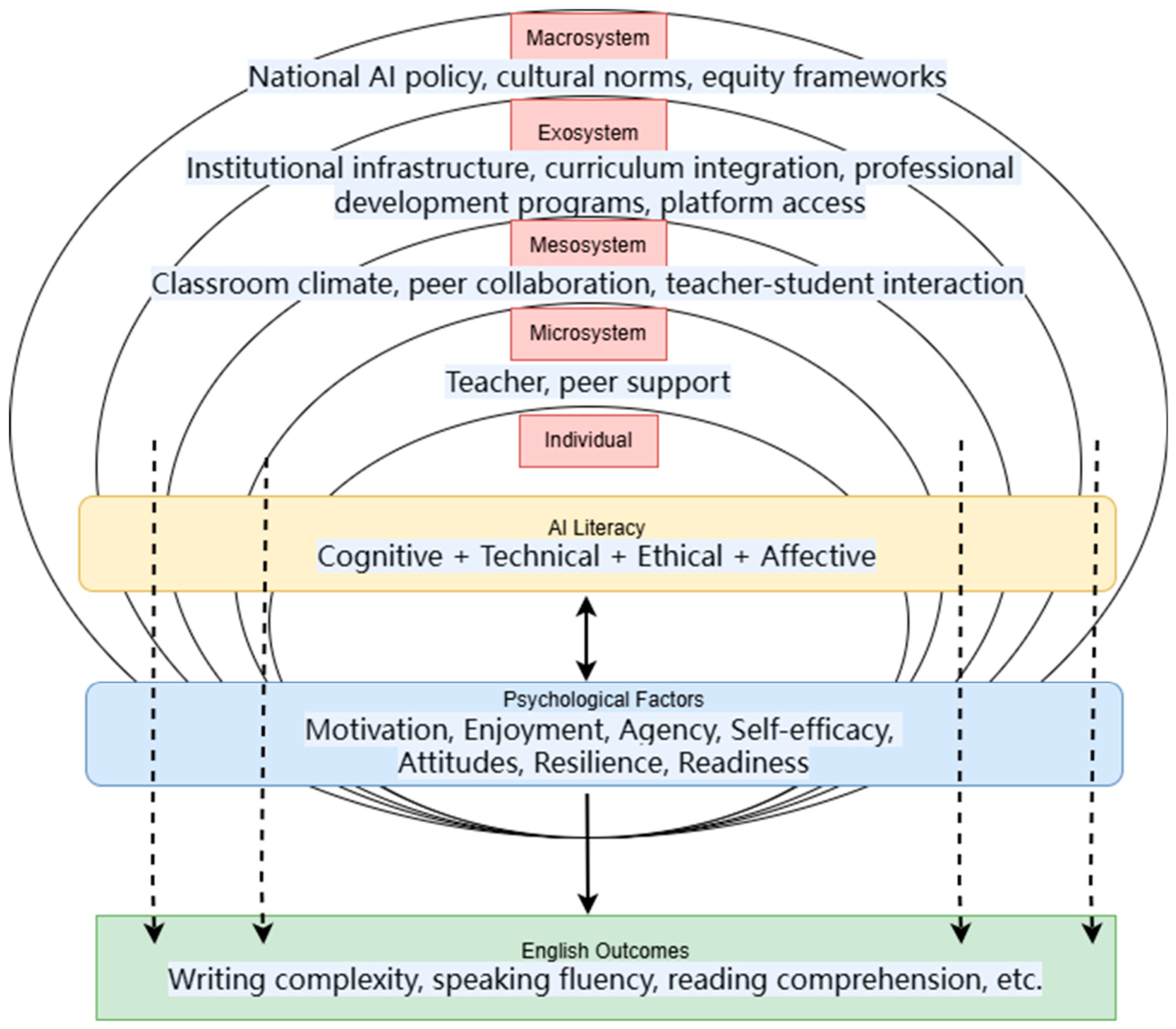

Disclaimer/Publisher’s Note: The statements, opinions and data contained in all publications are solely those of the individual author(s) and contributor(s) and not of MDPI and/or the editor(s). MDPI and/or the editor(s) disclaim responsibility for any injury to people or property resulting from any ideas, methods, instructions or products referred to in the content. |
© 2026 by the authors. Licensee MDPI, Basel, Switzerland. This article is an open access article distributed under the terms and conditions of the Creative Commons Attribution (CC BY) license.