


Abstract
Digital transformation in basic education faces persistent implementation gaps. This systematic review follows PRISMA 2020 to synthesize 36 empirical studies (2012–2025) from international and Chinese databases, identifying key success factors through thematic coding. Factors are organized into four dimensions: People (teacher digital literacy, digital leadership, etc.), Process (digital strategy and planning, Project management, etc.), Technology (infrastructure coverage, System ease of use, etc.), and Ecosystem (policy support, regional collaboration, etc.). These dimensions form the PPTE framework, which shows how factor interdependencies and context-sensitive pathways, rather than isolated investments, drive transformation. The PPTE framework provides a comprehensive analytical tool for diagnosing weaknesses and designing differentiated strategies for schools and policymakers.
1. Introduction
Over the past decade, billions of dollars have been invested in digital infrastructure for basic education (i.e., primary and lower-secondary education, K–9) worldwide. Yet the classroom impact remains surprisingly shallow: teachers use smartboards as projectors, student engagement often falls as screen time rises, and most transformation initiatives fade once initial funding ends (Sing Yun, 2023; Singun, 2025). Why do so many digital transformation efforts fail to fundamentally improve teaching and learning? This study argues that the answer lies not in any single missing factor, whether better technology or more training, but in the absence of an integrated understanding of how people, processes, technology, and the broader ecosystem interact (Baxter & Sommerville, 2011). We therefore develop an integrated framework connecting these dimensions to help schools and policymakers move from isolated investments toward systemic change.
At the school level, prior studies have repeatedly identified several persistent challenges that constrain meaningful digital transformation. These include a continuing disconnect between technology use and pedagogical practice, fragmented and slow organizational restructuring, and low levels of teacher adoption or shallow integration of digital tools into instructional processes (Amemasor et al., 2025a; Ertmer & Ottenbreit-Leftwich, 2010; Hinings et al., 2018). Importantly, these challenges rarely occur in isolation. Instead, they tend to interact and reinforce one another, resulting in limited instructional impact and weak sustainability of transformation initiatives. Although existing research has documented these issues, there remains insufficient theoretical consensus on how diverse factors jointly shape transformation outcomes across the full lifecycle of school digitalization.
Despite growing attention to digital transformation in basic education, three specific gaps remain unaddressed: (1) prior studies have identified numerous success factors but treat them in isolation, lacking an integrated view of how human competence, process design, and infrastructure interact; (2) influential models such as the People–Process–Technology (PPT) model (Taher, 2023), the Technology–Organization–Environment (TOE) framework, and the Technology Acceptance Model (TAM) offer useful lenses but were developed for business or higher-education settings (Davis, 1989; Drazin, 1991; Harper & Milman, 2016; Mishra & Koehler, 2006; Taher, 2023) and thus fail to capture the policy-orchestrated ecosystem and regional-equity constraints specific to basic education; (3) as Table 1 shows, these frameworks differ in focus: TAM addresses individual acceptance, TOE organizational adoption, and PPT management coordination. None, however, treat process integration as an explicit layer or address the policy and equity conditions of basic education. Consequently, policymakers and school leaders face fragmented, often contradictory advice. Together, these gaps point to the need for an integrative framework that explicitly models factor interdependencies and context-sensitive pathways in basic education.
Table 1.
Comparison of established frameworks (TAM, TOE, PPT) and their scope for basic education.
To address these gaps, this study conducts a systematic literature review that synthesizes the empirical evidence and develops an integrative People–Process–Technology–Ecosystem (PPTE) framework. By focusing on evidence generated within the Chinese context, which offers a large-scale natural setting for examining policy-driven educational digitalization, the review aims to clarify how the key factors are proposed to operate together. It addresses the following research questions:
RQ1: What key success factors (KSFs) underpin digital transformation in basic education as identified in existing empirical studies?
RQ2: How can these factors be organized into an integrative conceptual framework that articulates their proposed interrelationships?
RQ3: What contextual conditions, particularly within policy-oriented public education systems such as China’s, shape how these factors are proposed to operate together?
This study offers three forms of significance. Theoretically, the PPTE framework extends traditional organizational models by explicitly adding an “Ecosystem” dimension, clarifying why technology alone rarely improves student learning and how teacher digital literacy and process integration are proposed to function as key mediating conditions. Methodologically, it maps the evidence-based relationships reported across primary studies, moving beyond fragmented lists of isolated success factors. Practically, the framework offers educational administrators and policymakers a structured diagnostic lens, spanning people, process, technology, and ecosystem, for navigating context-sensitive pathways and for coupling top-down initiatives with school-level implementation across diverse regional settings.
2. Materials and Methods
2.1. Research Design
A systematic literature review was conducted to identify, evaluate, and synthesize the existing empirical evidence on digital transformation in basic education and to map research trends and knowledge structures in the field. The review followed the established guidelines for systematic reviews (Kitchenham & Charters, 2007) and adhered to the PRISMA 2020 statement to ensure methodological rigor, transparency, and reproducibility (Page et al., 2021).
The review focuses on empirical research addressing KSFs or implementation frameworks for digital transformation in basic education. To strengthen interpretive depth, representative policy documents and foundational theoretical works were selectively drawn upon for conceptual clarification and contextual analysis, without being included in the core empirical synthesis (Eyzaguirre & Fernandes, 2024; Yoshida et al., 2024).
2.2. Data Sources and Search Strategy
To ensure comprehensive coverage of both international and Chinese scholarship, this study searched three complementary databases: Web of Science (WoS), Scopus, and China National Knowledge Infrastructure (CNKI). WoS and Scopus offer broad coverage of peer-reviewed, English-language international research, whereas CNKI, the largest repository of Chinese academic literature, captures Chinese-language work that is not indexed in the two English-language databases. Together, the three databases help minimize language and regional bias. The search period was limited to January 2012 to December 2025. The year 2012 marks the formal launch of large-scale educational informatization initiatives in China and coincides with the global rise of digital transformation discourse (Yan & Yang, 2021), making this time frame appropriate for capturing both foundational and recent developments.
The search strategy was structured around three conceptual blocks combined with the Boolean operator AND: (i) digital transformation; (ii) basic education; and (iii) success factors or frameworks. Within each block, synonyms were combined with OR, and truncation (*) and a single-character wildcard (?) was used to capture spelling variants (e.g., digitali?ation retrieves both “digitalization” and “digitalisation”). As an illustration, the Web of Science Core Collection was searched with a Topic Search (TS): = (“digital transform*” OR “education informatization” OR “smart education” OR “ICT in education” OR …) AND (“basic education” OR “primary education” OR “secondary education” OR “compulsory education” OR “K–9” OR “K–12” OR …) AND (“critical success factor*” OR “key factor*” OR “enabler*” OR “determinant*” OR “framework” OR “implementation” OR …) Results were refined to a timespan of 2012–2025, document type “Article”, and languages English or Chinese. The complete, unabridged search strings for all three databases (Web of Science, Scopus, and CNKI), including every synonym and the full Chinese term list, are provided in Supplementary Material S1.
2.3. Eligibility Criteria
In this review, digital transformation in basic education is operationally defined as a whole-school, process-level change in which digital technologies are systematically integrated into teaching, learning, and school governance to reshape pedagogical practices and institutional processes, rather than the mere adoption or one-off use of a single digital tool or device. Accordingly, studies were eligible only when they addressed transformation at the level of teaching practice, school process, or system governance; studies confined to the description of a single tool, platform, or piece of hardware, without reference to broader pedagogical or organizational change, were excluded.
We used an expanded PICO framework: Population (K–9 stakeholders), Phenomenon (digital transformation practices), Comparison (not mandatory), Outcome (implementation processes, outcomes, and KSFs). Details of the eligibility criteria are provided in Table 2.
Table 2.
Summarizes the inclusion and exclusion criteria applied in this review.
2.4. Study Screening Process
The study followed the PRISMA 2020 flow, comprising four stages: identification, screening, eligibility assessment, and inclusion (Page et al., 2021). All retrieved records were exported to Zotero (version 8.0.4) for reference management. After removing duplicates, a two-stage screening process was conducted based on predefined criteria: (1) title and abstract screening, and (2) full-text assessment.
An initial total of 1848 records were identified. After de-duplication and screening, 36 studies were retained for qualitative synthesis and thematic analysis. To minimize selection bias, two independent reviewers conducted the screening and eligibility assessment. Discrepancies were resolved through discussion. Inter-rater reliability was assessed using Cohen’s Kappa coefficient, indicating a high level of agreement (κ = 0.82) (Hanegraaf et al., 2024).
2.5. Data Extraction and Coding
The included studies encompassed quantitative, qualitative, mixed-methods, and intervention designs. For data extraction and analysis, we adopted a multi-stage thematic coding strategy to identify the KSFs of digital transformation in basic education, and we then synthesized the factor-relationship pathways that the primary studies had statistically validated. The coding combined deductive and inductive reasoning: it was driven primarily by data-grounded thematic analysis (Braun & Clarke, 2006), while drawing on organizational change theory, the digital-transformation literature, and educational digital-maturity models to support analytical rigor, traceability, and theoretical abstraction. For each study, we extracted basic information, theoretical frameworks, reported success factors, and significant quantitative findings. The coding proceeded in the following stages:
Open coding. We analyzed the concluding sentences, model variables, path coefficient descriptions, and configurational conditions of the 36 included studies to extract core concepts and variables (both explicit factors and implicit mechanisms). Examples include teachers’ digital competence, students’ digital literacy, school leadership and vision, and infrastructure coverage.
Axial coding. Conceptually similar open codes were then grouped into secondary factor categories and measurable indicators (Qureshi & Ünlü, 2020). This axial-coding step reduced fragmentation and produced analytically meaningful groupings, such as teacher competence, strategic planning, and technical system quality.
Selective coding and pathway extraction. The secondary categories were consolidated into four higher-order dimensions: People, Process, Technology, and Ecosystem (PPTE). This structure was developed inductively from the coded factors while drawing on established models such as the People–Process–Technology (PPT), Technology–Organization–Environment (TOE), and Technology Acceptance Model (TAM) frameworks. Consistent with the best-fit framework synthesis (Carroll et al., 2013) set out in Section 2.7, these established models supplied an a priori seed structure that was confirmed and extended against the coded evidence. Crucially, beyond identifying the key success factors, this study did not subjectively infer causal relationships among variables. Instead, for each quantitative and mixed-methods study, we extracted the statistical relationships that the primary study had itself tested and reported as significant (for example, significant path coefficients β in structural equation modeling, or core configurational consistency in fsQCA). The structural mapping of the PPTE framework was then assembled from this factor system and these study-reported relationships. We emphasize, however, that the synthesis maps relationships established within individual studies without statistically pooling them; the resulting framework-level structure is therefore advanced as a set of evidence-grounded propositions rather than a verified causal model.
To keep the factor-to-dimension assignment transparent, we applied an explicit rule during selective coding. Each coded factor was assigned by its primary locus: human actors, including their competencies and developmental characteristics, to People; implementation and governance workflows to Process; technical artifacts, including their availability, usability, and safeguards, to Technology; and the external institutional environment, such as policy, equity, and collaboration, to Ecosystem. A factor that spanned several domains was assigned to its dominant domain and cross-checked against the codebook. These groupings followed the recurrent co-occurrence patterns in the coded evidence (Section 3.4). The full factor-to-dimension mapping appears in Supplementary Material S4 (Table S7).
For the number of dimensions, we first tested the coded categories against the three-part PPT and TOE structures. A recurrent, high-frequency group of factors, namely policy support, regional equity, and collaboration, did not fit People, Process, or Technology without conflating loci. It was also only partially captured by TOE’s firm-oriented “Environment.” This residual motivated a fourth, education-specific “Ecosystem” dimension. No factor remained unassigned and no additional higher-order dimension was required, giving a four-dimension structure. Section 4.5 examines why Process is an independent layer rather than a subset of organizational factors.
To ensure transparency, we developed a codebook with explicit rules, and two coders independently coded three randomly selected articles. The full codebook is provided in Supplementary Material S2 (Tables S3 and S4, Figure S1). It traces the coding stage by stage, from raw evidence through open, axial, and selective coding to the final framework. Category development followed this three-level logic throughout. For example, the open codes “ability to select and integrate digital tools into lessons,” “information acquisition and evaluation skills,” and “confidence in using classroom technology” were merged into the axial category “teacher digital literacy.” That category was then assigned to the People dimension under the locus rule described above. Coding was validated in two ways. Procedurally, the two coders worked independently against the shared codebook, and every disagreement was resolved through discussion until consensus. When a decision changed a coding rule, the revised rule was reapplied to all previously coded material, and unresolved cases took the more conservative, lower-inference assignment. Quantitatively, the coding frame comprised numerous, iteratively developed categories. The coding frame was large and aimed at classification rather than statistical estimation. Under these conditions, chance agreement is low and percent agreement is an acceptable reliability measure (Campbell et al., 2013). At 86%, agreement was substantial, and it complements the study-selection reliability reported in Section 2.4 (Cohen’s κ = 0.82).
2.6. Quality Appraisal
The methodological quality of the included studies was assessed using the Mixed Methods Appraisal Tool (MMAT, 2018 version; Hong et al., 2019), which comprises two screening questions and five sets of design-specific criteria (qualitative, randomized controlled, non-randomized, quantitative descriptive, and mixed-methods studies). Of the 36 records meeting the inclusion criteria, 35 empirical studies passed the MMAT screening (20 quantitative descriptive, 8 qualitative, 4 mixed-methods, and 3 intervention studies); one policy-oriented document reflecting current Chinese educational practice did not pass screening and was retained for contextual interpretation only (Zhou, 2022).
The appraisal results are summarized in Figure 1. Overall methodological quality was high: 33 of the 35 empirical studies met all applicable criteria, and the remaining two met four of five (each with a single “can’t tell”). Because quality was high and relatively uniform, appraisal was not used to exclude studies; instead, the ratings informed interpretive weighting during synthesis: factors and proposed linkages supported by the higher-rated studies were treated as more robust. Full criterion-level appraisals are provided in Supplementary Material S3.
Figure 1.
MMAT (v2018) quality appraisal of the 36 included studies (Hong et al., 2019). S1–S2: screening questions; Q1–Q5: design-specific criteria (full wording in Supplementary Material S3).
2.7. Synthesis Strategy
Following quality appraisal, a best-fit framework synthesis (Carroll et al., 2013) was employed: an a priori structure drawn from established models (TOE, TAM, and digital-maturity frameworks, e.g., Begicevic Redjep et al., 2021) was used to code and organize the evidence and was iteratively extended into the PPTE framework. This process combined thematic analysis with cross-study comparison to identify recurrent patterns, factor configurations, and recurring conceptual associations relevant to digital transformation in basic education. The synthesis emphasized how clusters of factors co-occur and are conceptually associated across different institutional and policy contexts, supporting a transparent progression from empirical evidence to conceptual modeling. Consistent with this interpretive stance, the resulting PPTE framework is conceptual and hypothesis-generating: it proposes plausible relationships grounded in patterns across the literature, but does not, and methodologically cannot, establish causal, directional, or mediating effects, which would require quantitative (e.g., meta-analytic or MASEM) designs.
3. Results and Discussion
3.1. Literature Identification and Selection Results
The study selection process followed the four stages of the PRISMA 2020 framework. In the identification stage, the systematic search of the three databases returned 1848 records. After duplicate records had been removed, 1822 records were screened at the title and abstract level, of which 220 were retained for full-text eligibility assessment. Following full-text assessment against the inclusion and exclusion criteria (Table 2), together with three further studies identified through manual backward citation searching, a final corpus of 36 studies was retained for qualitative synthesis. The full bibliographic details of all 36 included studies (authors, year, country, design, and research subjects) are provided in Supplementary Material S4 (Table S9). The complete selection process, including the records excluded at each stage, is summarized in the PRISMA 2020 flow diagram (Figure 2).
Figure 2.
PRISMA 2020 flow diagram of the study identification and selection process. Showing the number of records identified across the three databases, removed as duplicates, screened by title and abstract, assessed for full-text eligibility, excluded at each stage, and included in the final synthesis.
Key characteristics: 58% published in 2024–2025; 69% from China, 31% from other countries. Quantitative methods dominate (61.1%), followed by qualitative (22.2%) and mixed-methods (16.7%). Teachers are the most frequent subjects (61.1%), then students (44.4%) and administrators (27.8%). Detailed distributions are in Table 3 and Table 4.
Table 3.
Characteristics of the included studies.
Table 4.
Descriptive Statistics of Research Subject Characteristics.
Through this synthesis, 27 key success factors were identified and inductively organized into four dimensions: People, Process, Technology, and Ecosystem (PPTE). In addition, we extracted 31 factor-relationship linkages that the primary studies had themselves empirically tested (e.g., via structural equation modeling or fsQCA), listed in Supplementary Material S4, Table S8; we present these as evidence-grounded propositions for future cross-context testing rather than as relationships established by the present synthesis.
3.2. Distribution of Basic Characteristics
Table 3 summarizes the main characteristics of the included studies, covering publication year, country or region, research subjects, and methodology, providing a basis for understanding the overall evidence structure.
3.2.1. Temporal Distribution
The included studies fall into distinct temporal phases (Table 3). Early work was limited in volume and focused mainly on applying information technology to teaching and school management. Since 2018, following initiatives such as UNESCO’s Education 2030 Agenda and China’s Education Informatization 2.0, the volume of studies has grown markedly, with publications from 2024 to 2025 alone accounting for 58.3% of the total. This trend reflects both the strong policy orientation of digital transformation in China’s basic education and its emergence as a central theme in post-pandemic educational research.
3.2.2. National and Regional Distribution
In terms of national and regional distribution, the included studies predominantly focused on the Chinese context (69%), while also incorporating a significant number of international research outputs (31%). Chinese-context studies primarily examined school-level practices and implementation pathways driven by policy initiatives, whereas international research demonstrated greater diversity in research perspectives and analytical frameworks. Overall, this distribution ensures contextual relevance while providing cross-contextual reference points for subsequent conceptual integration.
Geographically within China, research perspectives have expanded from leading eastern regions to central and western provinces such as Tibet and Gansu, reflecting deep concern for educational equity and regional development disparities. Internationally, studies span developed and developing regions across Eurasia and Africa, demonstrating sufficient breadth in literature coverage.
3.2.3. Research Subjects
Classification of research subjects across the 36 studies shows that most focus on a single subject group, although an emerging trend emphasizes full-stakeholder participation and multi-perspective collaboration (Table 4).
Teachers are the most frequently studied group: over half of the studies (22) examine teacher digital literacy, technology-adoption behavior, and changes in teaching practice. Students are the second most studied group (16 studies), followed by headteachers and administrators (10 studies). Seven studies adopt a multi-stakeholder perspective, examining teachers, students, and administrators together, indicating a move toward more systemic subject selection. A small number analyze schools or organizations as whole units. Across the six subject types identified, no study centers specifically on parents, although five note the significant influence of parental involvement and support.
3.3. Distribution of Research Methods and Evidence Types
Quantitative studies predominate (22 studies, 61.1%), mainly using questionnaire surveys and statistical analysis, with some applying structural equation modeling or multilevel models. Qualitative studies (8, 22.2%) mostly examine implementation processes through case studies and interviews, and six studies (16.7%) use mixed-methods designs. Overall, the evidence base is dominated by cross-sectional and observational designs aimed at identifying and describing key influencing factors, while systematic examination of how these factors are linked remains limited. This structure provides a foundation for the subsequent integrative analysis. Among the more advanced designs, the combination of fuzzy-set qualitative comparative analysis (fsQCA) and structural equation modeling (SEM) is increasingly used, reflecting interest in the multifaceted, non-linear relationships within the transformation process.
3.4. Evidence-Based Identification and Mapping of Key Success Factors
Through keyword-frequency analysis and qualitative content coding of the 36 studies, we identified 27 key conditions associated with successful digital transformation and 31 factor-relationship linkages among them. Although the literature identifies many influencing factors, these vary considerably in formulation, level of analysis, and research context, and remain somewhat fragmented. Listing factors alone does not capture the underlying structure of this complex process of organizational change.
The coding indicated that, despite differences in subjects and methods, the studies showed several stable clustering patterns that recurred across designs and contexts rather than reflecting the judgment of any single study. On this basis, we organized the identified factors at a conceptual level into four interrelated but distinct dimensions: People, Process, Technology, and Ecosystem. Table 5 summarizes the core success factors with the strongest empirical support in each dimension, and the complete mapping of all factors to their supporting studies is provided in Supplementary Material S4, Table S7.
Table 5.
The Key Success Factors Matrix Summary.
3.5. People Dimension: Human Factors in Digital Transformation of Basic Education
Across the coding results, the People dimension showed the highest concentration and consistency of evidence among the four dimensions. This pattern indicates that digital transformation in basic education is fundamentally a people-centered systemic change. Studies consistently report that the capabilities, attitudes, and engagement of teachers, school leaders, and other stakeholders shape whether digital technologies are effectively integrated into teaching practice and school operations.
3.5.1. Teacher Factors: Core Human Conditions
Within the People dimension, teacher-related factors occurred most frequently and were the most clearly operationalized and measurable. The literature converges on three categories: teacher digital literacy, attitudes toward technology adoption, and sustained professional development.
First, teacher digital literacy is widely regarded as a prerequisite for successful implementation. Teachers must be able not only to access, process, and evaluate information, but also to integrate digital tools with curriculum objectives, content, and learning activities, thereby supporting student-centered approaches such as inquiry-based and collaborative learning (Hanifah & Nadlifatin, 2024; Opicho et al., 2025; Wohlfart & Wagner, 2023). Teachers who lack these competencies tend to treat technology as a simple tool and struggle to drive substantive pedagogical change.
Second, teachers’ attitudes and their willingness to adopt technology are repeatedly emphasized. Even in well-equipped schools, implementation outcomes remain limited when teachers are hesitant or resistant (Mbona et al., 2026; Wohlfart & Wagner, 2023). Conversely, teachers who view technology as an opportunity for pedagogical innovation and professional growth are more likely to explore diverse applications.
Thirdly, sustained professional development and support mechanisms are regarded as the critical link bridging teachers’ capabilities and actual pedagogical transformation. Systematic training, peer collaboration, and practice-oriented learning opportunities assist teachers in progressively developing stable technology integration competencies within authentic contexts (Amemasor et al., 2025b).
3.5.2. School Leadership and Governance
School leadership and management factors appear less frequently than teacher factors, yet their reported role is highly consistent. School-level leadership creates essential conditions for teachers’ digital practice through vision, resource allocation, and institutional design (Yang et al., 2025). Some studies further emphasize continuous monitoring throughout the process, including progress assessment, teaching-quality feedback, and data-driven decision-making, which is regarded as crucial for preventing fragmented and superficial transformation (Tang et al., 2025).
3.5.3. Students, Parents, and Child-Suitability Factors
Although student factors appear relatively infrequently in the coding, the evidence consistently positions them as outcome indicators rather than direct drivers. Student engagement, improved digital literacy, and shifts in learning approaches are commonly used to assess transformation efficacy, rather than to initiate transformation (Adam et al., 2025).
In addition, a small body of work indicates that child-appropriate design, such as age-appropriate technology use, cognitive-load control, and alignment with physical and mental development, is an indispensable constraint in basic education (Tao, 2025). Similarly, although parents’ digital literacy and involvement are discussed less often, they meaningfully shape students’ technology-use norms and learning support in home–school contexts (Li & Rahman, 2025). Together, these factors suggest that digital transformation in basic education must balance efficiency, developmental outcomes, and protection.
Overall, the People dimension indicates that digital transformation in basic education is not the technology-adoption behavior of any single actor. It is a human-centered systemic effort characterized by teacher agency, managerial support, multi-stakeholder participation, and process management, which provides the logical foundation for the Process, Technology, and Ecosystem dimensions that follow.
3.6. Process Dimension: Implementation and Governance
Having established the key actors in the People dimension, the Process dimension addresses how people-centered conditions are converted into observable outcomes through concrete implementation. Although Process-related factors appear less frequently than People factors in the coding, they play an irreplaceable role in explaining why transformation succeeds or fails.
3.6.1. Technology Integration in Teaching Processes
Multiple studies indicate that digital transformation requires not merely introducing technology into the classroom but systematically reconfiguring the teaching process. The evidence centers on instructional design, including aligning course objectives with digital resources, adjusting activity structures, and updating assessment methods (Afriani et al., 2025; Børte et al., 2023; Mazandarani & Taghaddomi, 2026). When technology is deliberately embedded to support inquiry-based, collaborative, and personalized learning, transformation is more likely to produce substantive effects on both learning processes and outcomes.
Conversely, when technology remains confined to demonstration or simply replaces traditional tools, its effect on practice tends to be superficial and transient. This contrast underscores the mediating role that the Process dimension is proposed to play in linking teacher competence to student learning.
3.6.2. School-Level Implementation and Holistic Management
Beyond the classroom, the coding highlights school-level implementation. Clear implementation pathways, phased goals, and continuous monitoring help prevent fragmented progress (Yuliandari et al., 2023). In basic education in particular, deploying technology without systematic planning and feedback rarely yields sustainable practice.
Some studies explicitly advocate comprehensive management and evaluation across the process, including tracking teachers’ technology use, changes in teaching quality, and student responses. This process-oriented governance is regarded as a key condition for ensuring quality and mitigating implementation risk (Z. Luo et al., 2024).
3.6.3. The Integrated Role of the Process Dimension
The Process dimension does not operate in isolation. Through institutionalized, routine implementation, it converts the capabilities, attitudes, and willingness cultivated in the People dimension into stable teaching practice. The evidence suggests that the crux of transformation lies not in “using” technology, but in whether systematic process management embeds technology use as a routine part of teaching and school operations.
3.7. Technology Dimension: Enabling Conditions Rather than Driving Forces
In the coding and synthesis, the Technology dimension is consistently treated as a necessary but non-dominant condition. Technological infrastructure and digital systems provide the basic feasibility for transformation, but on their own, they are insufficient to trigger profound pedagogical or organizational change.
3.7.1. Technical Infrastructure and System Availability
In most studies, technological factors appear as network conditions, hardware, and the availability and stability of digital platforms and teaching systems (Espinosa et al., 2025). These are typically discussed as prerequisites rather than as variables that directly determine effectiveness. Schools lacking basic conditions struggle to sustain digital practice, yet once conditions exceed a basic threshold, their marginal impact diminishes. Studies diverge, however, on where that threshold lies: in low-resource settings, connectivity and hardware remain persistent constraints (Espinosa et al., 2025; Jiménez-Bernal et al., 2025), whereas in well-equipped urban schools, technical support and pedagogical integration, rather than hardware, become the main limiting factor. This divergence suggests that the role of Technology is context-dependent rather than fixed.
3.7.2. Technical Support and Service Assurance
Beyond hardware and platforms, sustained technical support and service assurance are recognized as critical to effective use. When teachers receive timely support and feedback, their willingness to adopt technology and their frequency of use increase (Chiu, 2022). Conversely, instability or inadequate support can erode teacher confidence and thereby weaken the outcomes of the People and Process dimensions (Theodorio, 2024).
3.7.3. The Overall Positioning of Technology
Taken together, the Technology dimension is better understood as an enabling condition. Its primary role is to support teachers’ instructional practice and school-level implementation, rather than to drive transformation on its own. This reading aligns with systematic reviews and empirical studies showing that technology exerts substantive influence only when it interacts with human-centered and process factors (Freires & Lopes, 2024; Z. Luo et al., 2024).
3.8. Ecosystem Dimension: Policy Environment, Regional Heterogeneity, and Equity
Within the PPTE framework, the Ecosystem dimension comprises the external institutional environment and support systems surrounding transformation. Although ecosystem-level factors are less directly involved in classroom practice, they strongly shape the sustainability and equity of transformation by indirectly conditioning the People, Process, and Technology dimensions.
3.8.1. Policy Environment and Institutional Safeguards
Clear and consistent policy direction and institutional support are reported as crucial external conditions (Nisa et al., 2024). Policy shapes school behavior not only through resource allocation and project guidance, but also by influencing how schools and teachers value transformation, via performance evaluation and governance. A lack of institutional continuity, or fragmented policy, often prevents schools from forming stable, long-term development pathways.
3.8.2. Regional Heterogeneity and Differentiated Pathways
The coding further reveals marked path differences against a backdrop of uneven regional development. In urban schools, transformation relies more on strategic leadership and shared vision, which drive deeper integration of technology with teaching and management. Rural and under-resourced schools, by contrast, display a distinct compensatory pattern.
Specifically, transformation in rural schools typically does not begin with high-end technology. Instead, it compensates for technological constraints by building human capital (such as teacher digital literacy), improving organizational and governance structures, and adding targeted policy and resource support (Hamid & Sueb, 2025; Jiménez-Bernal et al., 2025). This suggests that, under unequal conditions, no single optimal pathway exists; differentiated strategies must be matched to regional circumstances.
3.8.3. Collaborative Networks and Digital Equity
Some studies emphasize multi-stakeholder collaborative networks in narrowing the digital divide. Through regional coordination, urban–rural partnerships, or east–west counterpart support, high-quality digital resources and experience can flow across regions and strengthen under-resourced schools (Deng et al., 2026; J. Luo et al., 2025). Several included studies that tested mediation provide direct support for such pathways; for example, in a large-scale survey, enabling conditions were found to mediate the path from situational motivation to transformation behavior and outcomes (Hou, 2024). Mediating relationships among PPTE factors are thus empirically grounded in the primary studies, although the present synthesis does not pool them quantitatively.
Overall, the Ecosystem dimension supplies external enabling conditions through policy guidance, institutional safeguards, and collaborative networks and is proposed to play a key moderating role in regional equity and sustainable development.
3.9. Integrative Analysis: The Synergistic Mechanisms of the PPTE Framework
Based on the systematic coding and synthesis, the PPTE framework frames digital transformation in basic education as a dynamic, interactive system rather than a static, linear process. Its four constituent dimensions (People, Process, Technology, and Ecosystem) are proposed to operate in a mutual and synergistic manner that collectively shapes the digital transformation trajectory (Figure 3).
Figure 3.
The PPTE Framework for DT in Basic Education. EPS: Educational Policy support; FRG: Funding and resource guarantee; SCV: Social culture and value orientation; PDL: Parental digital literacy and participation; MCN: Multi-party collaboration network; ETS: Enterprise technical support and services; TDL: Teacher digital literacy; TPD: Teacher professional development support; WAT: Willingness and attitude towards tech adoption; SIL: Student information literacy; SCD: Student digital competency development; ADL: Administrator digital leadership; IOC: CIO system and information organization construction; DSP: Digital strategy and planning; PTD: Phase division and task decomposition; PPC: Project management and progress control; QAI: Quality assurance and continuous improvement; CIA: Curriculum integration and teaching application; TMI: Teaching model innovation; DCC: Digital culture construction; DDM: Data-driven decision making; ICL: Infrastructure coverage level; TPI: Technology selection and platform integration; SUA: System usability and accessibility; CFF: Child-friendliness focus; DSP: Data security and privacy protection; DRC: Digital resource construction.
This integrative structure was derived through a transparent, staged process (Section 2.5). Beyond the factor-level coding, each of the 31 linkages was not inferred by the authors but extracted from the included studies themselves: every linkage corresponds to a mediating, moderating, path, or configurational relationship empirically examined in at least one included study, with the reported coefficient or effect size recorded where the primary study quantified it. The full linkage-by-linkage mapping, with a supporting-study index for every entry, is provided in Supplementary Material S4 (Table S8). While each linkage is individually evidence-based, their integration into a single PPTE structure is interpretive; the framework is therefore offered as a set of empirically grounded but not meta-analytically pooled propositions.
4. Integrated Discussion: Mechanisms, Context, and Transferability
Drawing on the systematic coding and synthesis of the included studies, this review organizes the key success factors of digital transformation in basic education across the four PPTE dimensions: People, Process, Technology, and Ecosystem. The overall pattern suggests that transformation is not driven by any single factor but operates as a complex systemic process, in which factors across dimensions are proposed to act together within specific policy and institutional environments (Wohlfart & Wagner, 2023).
The synthesis points to interdependencies among dimensions rather than to a simple list of factors. For example, teacher digital literacy (People) appears to translate into improved student outcomes mainly where pedagogical integration (Process) is in place; in its absence, even highly literate teachers tend to revert to tool-replacement use (Wohlfart & Wagner, 2023). Conversely, strong technical support may help teachers with moderate digital literacy in the early stages; however, such support functions as an enabling condition, and sustained integration appears to depend on its embedding within pedagogical and organizational processes (Ertmer & Ottenbreit-Leftwich, 2010; Theodorio, 2024). Ecosystem factors such as policy continuity appear to condition these relationships: under stable policy environments, the Process dimension emerges as the main point of leverage, whereas under volatile policy settings schools rely more on internal People capacity. These relationships are advanced as interpretive propositions derived from the literature rather than as empirically established effects.
4.1. The Transformation Logic from “Technology Investment” to “Teaching Empowerment”
Our synthesis is consistent with a recurring theme in the literature: sustained growth in technological investment does not necessarily translate into better teaching quality or student outcomes (Timotheou et al., 2023). Evidence from the People and Process dimensions suggests that whether technology empowers students depends largely on its integration into pedagogical practice. Technology appears to become an effective lever for changing learning only when teachers have the requisite digital literacy and engage in pedagogical innovation that is supported by institutionalized implementation processes and oversight mechanisms (Wider et al., 2026).
This pattern may help explain the widespread disconnect between technology and teaching in basic education, and it points to the central role that process governance is proposed to play in resolving it (Amemasor et al., 2025b). Digital transformation is therefore better understood as a human-centered systemic effort that pursues pedagogical change through process re-engineering.
Situating this pattern with respect to prior systematic reviews clarifies what the present synthesis adds. Earlier reviews have cataloged the factors shaping schools’ digital capacity (Timotheou et al., 2023), foregrounded the teacher’s pivotal role (Wohlfart & Wagner, 2023), and appraised the outcomes of technology integration and program planning (Freires & Lopes, 2024; Z. Luo et al., 2024; Yuliandari et al., 2023). These reviews converge with ours in identifying teacher-related conditions as central and technology as insufficient on its own, but they largely present their factors as parallel enablers. The contribution here is not a longer factor list but an account of relational structure. The recurring investment-impact gap that these reviews document, but do not mechanistically explain, becomes intelligible under this reading. The capacity regarding People is understood to convert into learning outcomes only through Process integration, with Technology enabling and Ecosystem conditioning that conversion. The “new knowledge” offered is thus less a set of previously unknown factors than a specification of how known factors are proposed to be wired together. It identifies which factor acts as a driver, which as a mediator, and which as a contextual condition. Each proposed linkage is backed by an explicit, study-by-study evidential warrant (Supplementary Material S4, Table S8). This relational, mechanism-oriented reading is what distinguishes the PPTE synthesis from the predominantly enumerative emphasis of earlier reviews.
4.2. Strong Policy Orientation in the Chinese Context
In China, digital transformation in basic education shows pronounced policy-driven features. Strategic planning, action plans, and resource allocation at national and local levels provide clear direction and institutional safeguards for schools. Evidence from the Ecosystem dimension suggests that this top-down impetus offers real advantages for promoting digital practice at scale. However, its effectiveness remains highly contingent on each school’s capacity to interpret, implement, and adapt policy.
Specifically, policy appears to shape the People and Process dimensions indirectly, by influencing teacher professional-development opportunities, technology deployment, and school governance (Timotheou et al., 2023). Where policy requirements do not align with schools’ practical needs and teaching contexts, transformation risks remaining superficial. Conversely, where policy objectives are translated into school-level vision and sustained through process management, their catalytic effect appears substantially stronger.
These policy-driven characteristics are tied to institutional features specific to China’s basic-education system, rather than to digital transformation in general. The centrally coordinated “Education Informatization 2.0” agenda, the national smart-education public service platform, and government-led urban–rural pairing schemes position policy direction and resource guarantees as upstream drivers rather than peripheral conditions. This institutional configuration helps explain why, in our subgroup comparison (Section 4.4), policy and regulatory support and strategic planning recur so prominently across the Chinese studies.
Three features of the Chinese educational system may have shaped the relative importance the corpus assigns to leadership, strategic planning, and policy support: centralized governance, strong policy orientation, and institutional planning. Under centralized governance, digital transformation enters schools as a mandated agenda with dedicated funding, targets, and evaluation, which elevates policy and regulatory support to an upstream, driving position (Yan & Yang, 2021; Zhou, 2022). Strong policy orientation rewards visible alignment with national programs, raising the salience of strategic planning and digital leadership as the instruments that localize top-down mandates (Yang et al., 2025). Institutional planning, through multi-year action plans and paired urban–rural schemes, further foregrounds process-governance and coordination. The prominence of these factors is partly endogenous to the governance context that produced most of the evidence. In more decentralized systems, where adoption is driven by school- or teacher-level initiative, they could recede to enabling conditions while People- and Process-level agency moves to the foreground. This does not diminish these factors’ importance within China, but it cautions against treating their relative weight as universal and grounds the transferability limits examined in Section 4.4.
4.3. Equity-Oriented and Differentiated Transformation Pathways
The synthesis further suggests that, against a backdrop of uneven regional development, digital transformation in basic education is unlikely to follow a single optimal path. This differentiation reflects the context-dependence of the Technology dimension (Section 3.7.1). In well-resourced urban schools, where infrastructure is no longer the binding constraint, the main leverage lies in Process integration. In rural and under-resourced schools, infrastructure constraints persist, yet replicating the technology-investment model of urban schools is rarely feasible. Here the evidence points to a compensatory path: building teacher capability, strengthening organizational and governance structures, and adding targeted policy and resource support to partly offset the infrastructure gap.
This differentiated reading brings together strands that prior reviews of rural education have tended to examine separately. Some foreground the infrastructure and connectivity gap in low-resource settings (Jiménez-Bernal et al., 2025); others emphasize teacher digital competency and readiness as the lever for rural progress (Hamid & Sueb, 2025). The PPTE reading links these two strands. It treats the infrastructure gap as a genuine constraint but positions teacher and organizational capacity as the compensatory mechanism through which schools advance where that gap cannot be closed quickly. The contribution here is therefore less a new factor than an account of how, under resource constraints, the operative lever shifts from Technology toward People and Process.
Ecosystem-level collaborative networks, such as cross-regional partnerships and experience sharing, provide institutional support for this compensatory path. They allow high-quality resources and practices to flow toward under-resourced schools (Deng et al., 2026; J. Luo et al., 2025). Digital equity is therefore not only a matter of resource allocation but also of the training, use, and organizational practices that determine whether resources translate into learning. This multidimensional reading is consistent with systematic reviews of the educational digital divide, whose recommended interventions extend beyond technology provision to training, support, and organizational practices (Martin et al., 2026).
4.4. Convergence, Divergence, and Cross-Context Transferability of the PPTE Framework
Read across the four dimensions, the included studies converge on the centrality of teacher-related factors (People) and on Technology as an enabling rather than a driving condition. This convergence aligns with prior reviews that identify teacher capability and engagement as a common thread across diverse settings (Timotheou et al., 2023; Wohlfart & Wagner, 2023). The studies diverge, however, in the weight they give to top-down policy. Those conducted in China tend to treat policy direction and strategic planning as upstream drivers of transformation (Hou, 2024; J. Luo et al., 2025). In the non-Chinese studies, policy appears more often as a background condition.
This divergence is better read as theoretically expected than as an anomaly. Institutional accounts of digital transformation hold that the institutional environment conditions how strongly external factors shape adoption and implementation (Hinings et al., 2018). The same logic underlies the environmental component of the TOE framework (Drazin, 1991). On this reading, the elevated weight of policy in the Chinese corpus reflects a specific governance context rather than a universal property of the Ecosystem dimension. The context-sensitivity built into PPTE is therefore consistent with these perspectives and extends them to the basic-education setting.
An exploratory subgroup comparison between the Chinese (n = 25) and non-Chinese (n = 11) studies (Table S10, Supplementary Material S4) supports this reading. Most core factors recurred across both subgroups, whereas several Process and Ecosystem factors, such as strategic planning and funding guarantees, were reported more frequently in the Chinese studies. The two singleton factors, data security in the Chinese studies and child-friendliness in the non-Chinese studies, are better read as untested elsewhere than as confirmed context-specific, given the small subsets. Because the non-Chinese evidence comprises only 11 studies and the corpus is dominated by Chinese research, transferability to other systems, especially low-resource ones, remains the principal evidential gap. The core People, Process, and Technology factors can therefore be regarded as candidate cross-context factors, whereas the prominence of the Ecosystem dimension should not be assumed to generalize without further validation. The China-dominated evidence base is therefore less a mere limitation than a source of scope conditions for the framework, indicating where the Ecosystem dimension is likely to carry the greatest explanatory weight.
4.5. Theoretical Implications
As established below Table 6, prior frameworks such as TAM, TOE, and PPT tend to emphasize a single dimension, for example individual technology acceptance (Davis, 1989) or organizational readiness. Relative to these, the PPTE framework makes three principal contributions. First, it treats “Process” as a distinct intermediary layer between People and Technology, specifying how classroom teaching practices and school governance are proposed to translate individual capabilities into system-wide outcomes (Amemasor et al., 2025b; Granić & Marangunić, 2019). Second, it adds an “Ecosystem” dimension that captures policy direction, regional heterogeneity, and equity-oriented collaboration, factors largely overlooked in business-derived models. Third, it shifts from a list-of-factors approach to a configurational view, recognizing that different starting conditions, such as rural versus urban, may call for different factor configurations.
Table 6.
Conceptual comparison of the PPTE framework with prior frameworks.
Each contribution addresses a specific limitation of the prior frameworks. TAM explains individual acceptance through perceived usefulness and ease of use but terminates at adoption intention. It cannot explain why teachers may accept and use technology while classroom practice remains unchanged. PPTE makes pedagogical integration (Process) an explicit stage downstream of acceptance (People), rendering the adoption-to-integration gap visible. TOE frames “Environment” as the market and regulatory conditions facing a firm and folds implementation into an undifferentiated “Organization.” Neither one maps onto a public school system governed by educational policy and equity obligations.
This bears on whether “Process” is an independent dimension or merely a component of organizational factors. Three considerations indicate the former. Conceptually, TOE’s “Organization” bundles static structural attributes, such as size, resources, and managerial posture. The variance our evidence linked to success or failure, by contrast, lay in dynamic implementation workflows, such as curriculum-technology integration, phased task decomposition, and monitoring. Theoretically, treating these workflows as a co-equal element follows the established People–Process–Technology structure (Baxter & Sommerville, 2011; Taher, 2023) rather than TOE’s subsumption of process within “Organization.” Functionally, the modal failure mode across studies is the breakdown between possessing capability and enacting it in routine teaching. Collapsing these workflows into “Organization” would obscure the mechanism the evidence identifies.
Finally, “Ecosystem” is not a renamed version of TOE’s “Environment”; the two are not coextensive. TOE’s Environment encodes a competitive-market logic, whereas Ecosystem encodes a public-good and redistributive logic. This logic spans multi-level policy orchestration and resource guarantees, urban–rural and regional equity, cross-institutional collaboration, and child-suitability and data-protection constraints specific to minors. Ecosystem therefore re-specifies and extends the environmental component for basic education, adding equity and public-governance content absent from the firm-oriented “Environment.”
Taken together, these contributions mark a shift in analytical focus: whereas business-derived models center on whether technology is accepted or adopted, the PPTE framework reframes digital transformation in basic education as a systemic, process-mediated change in which technology is enabling rather than determining. This reframing also helps account for a pattern that single-dimension models leave unexplained, namely, the recurring disconnect between technology investment and pedagogical change (Section 4.1), which the explicit Process dimension is proposed to capture. These contributions are nonetheless conceptual: the framework organizes and extends prior models into a structure specific to basic education, but as a synthesis-derived model it requires future empirical validation.
5. Conclusions, Limitations and Implications
5.1. Conclusions
Addressing the three research questions, this review identified 27 key success factors (RQ1); organized them into the integrative PPTE framework of People, Process, Technology, and Ecosystem (RQ2); and examined how their proposed interactions are shaped by policy-oriented education systems (RQ3). Transformation success appeared to depend not on any single factor but on their configuration. People and Process were central, Technology enabled rather than drove change, and the Ecosystem dimension was proposed to shape outcomes through policy and equity constraints. The framework therefore treats Process as an explicit mediating layer and adds an Ecosystem dimension that is largely absent from business-derived models, and it proposes differentiated pathways for urban and rural schools. Because the evidence base is predominantly Chinese, the framework is best read as empirically grounded yet conceptual, and its cross-context transferability requires future validation. For practice, it offers a diagnostic lens for designing differentiated, equity-oriented strategies rather than uniform technology investment.
5.2. Limitations
This review has three main limitations. First, the predominance of Chinese studies (69%) limits cross-cultural generalizability; future research should apply the PPTE framework in diverse national contexts. Consistent with the contextual analysis and subgroup comparison in the Discussion (Section 4.2 and Section 4.4), most core PPTE factors recurred in both Chinese and non-Chinese studies and are therefore candidate cross-context factors; the non-Chinese evidence, however, is overwhelmingly European, and Global South and low-resource systems are barely represented. Generalization of the framework to such settings should therefore be made cautiously and treated as untested rather than established. Second, nearly all included studies used cross-sectional designs, precluding causal inference about how factors evolve over time; longitudinal studies tracking schools through transformation stages are urgently needed. Third, the PPTE framework itself is conceptual and derived from secondary synthesis; future work should empirically validate its hypothesized mediation paths (e.g., whether process factors indeed mediate the effect of teacher literacy on student outcomes).
Several further biases should also be acknowledged. The first is publication bias: studies reporting positive success factors are likely overrepresented, while null or negative findings may be under-published. The second is study heterogeneity: variations in research design, sample size, and outcome measures across the 36 studies necessitated a narrative rather than a meta-analytic synthesis. We mitigated these concerns by following the PRISMA 2020 guidelines, conducting dual-reviewer screening, and applying MMAT quality appraisal, but readers should interpret the findings within these bounds.
Future research may build upon this foundation by employing empirical methodologies to further validate the operational mechanisms linking factors across the PPTE dimensions. Concurrently, comparative studies across educational stages, regions, and governance contexts are warranted, particularly configurational designs (e.g., fsQCA) that test whether the relative weight of the Ecosystem dimension varies as the framework anticipates. Furthermore, as educational digital practices continue to evolve, regularly updating systematic review findings will help dynamically reflect emerging trends within this field.
5.3. Implications for Practice and Policy
At the practical level, this study offers several implications for schools and education authorities advancing digital transformation. The following implications are derived primarily from Chinese evidence and should be adapted to local policy, resource, and governance contexts. Firstly, teacher professional development should be positioned at the core of digital transformation, enhancing educators’ capacity to deeply integrate technology with teaching through sustained, practice-oriented professional development mechanisms. Secondly, schools must prioritize systematic design and end-to-end management of implementation processes, avoiding reductionist approaches that equate digital transformation solely with technology deployment or project execution. Thirdly, for urban schools with adequate infrastructure, the main constraint is often Process integration, namely, systematic instructional redesign and continuous feedback loops. For rural or under-resourced schools, a compensatory pathway is more feasible: first, build teacher digital literacy and peer support networks (People); then, use lightweight technology (e.g., mobile-friendly platforms) rather than heavy infrastructure, while leveraging ecosystem collaboration (e.g., urban–rural pairings). Policymakers should avoid one-size-fits-all checklists and instead provide differentiated guidance aligned with each school’s starting conditions.
At the policy level, the evidence suggests that strong policy guidance appears to offer clear advantages for promoting the widespread adoption of digital transformation in basic education. Its effectiveness, however, depends on translating policy objectives into action at the school level. Policymakers should attend to contextual adaptability during implementation and foster the sharing of high-quality digital practices through cross-regional collaboration and multi-stakeholder participation, supporting more equitable and sustainable digital development.
Supplementary Materials
The following supporting information can be downloaded at: https://www.mdpi.com/article/10.3390/educsci16071138/s1, Supplementary Material S1: Full search strings of three databases, namely Search term list for WoS, Scopus and CNKI. Supplementary Material S2: Thematic coding codebook. Table S1. Quality Strategy and Approach; Table S2. Meaning-unit types; Table S3. Open-Code Example Library; Table S4. Secondary Factor Category System; Figure S1. KSFs_PPTE Structural diagram; Table S5. KSF Measurement Logic; Table S6. KSF Measurement Logic. Supplementary Material S3: MMAT quality appraisal raw data (Zhang & Wang, 2023; Liu et al., 2025; S. S. Li et al., 2025; Pflaumer et al., 2021; Wohlfart et al., 2021; Habimana et al., 2025; Castaño-Muñoz et al., 2025; Ruffini et al., 2025; Riedmann et al., 2021; Zhang, 2025; Zhang et al., 2013; Tian et al., 2020; Wang et al., 2020; Xiao et al., 2023; Ye & Wang, 2023; Hao & Bao, 2020; Wei et al., 2024; Dong et al., 2025; Zhang & Lian, 2024; Liang et al., 2025; Wang et al., 2025; Pu & Cao, 2025; Varzaru & Ghita, 2025; Fernández-Soriano et al., 2019; Zhu et al., 2025; Diteeyont et al., 2024; Ivanishchenko et al., 2024; Zhou, 2022; Berkovich & Hassan, 2025; Wu et al., 2019; Lin et al., 2023; Huang et al., 2016; Tian et al., 2024; Hou, 2024; Qi et al., 2025). Supplementary Material S4: Complete factor-dimension mapping table. Table S7. Full Mapping of KSFs Based On The PPTE Framework; Table S8. 31 Validated Paths from 36 Studies; Table S9. Information of 36 Included Studies; Table S10. Subgroup comparison of PPTE key success factors.
Author Contributions
Conceptualization, F.Y.; methodology, G.R.D., N.K.A.S. and F.Y.; software, F.Y.; validation, F.Y.; formal analysis, F.Y.; investigation, F.Y. and D.S.W.; resources, G.R.D., N.K.A.S. and F.Y.; data curation, F.Y.; writing—original draft preparation, F.Y.; writing—review and editing, F.Y., G.R.D., N.K.A.S. and D.S.W.; visualization, F.Y.; supervision, G.R.D., N.K.A.S. and D.S.W.; project administration, F.Y.; funding acquisition, F.Y. All authors have read and agreed to the published version of the manuscript.
Funding
This research received no external funding.
Data Availability Statement
Data are available as Supplementary Materials.
Conflicts of Interest
The authors declare no conflict of interest.
References
- Adam, N. F., Pramono, S. E., Yulianto, A., Subali, B., & Widiarti, N. (2025). Smart learning from a young age: A systematic review of digital technology integration for cognitive development. Jurnal Kependidikan: Jurnal Hasil Penelitian dan Kajian Kepustakaan di Bidang Pendidikan, Pengajaran, dan Pembelajaran, 11(2), 921–933. [Google Scholar] [CrossRef] [Scilit]
- Afriani, G., Sa’diyah, S. D., Krisnawati, N., Husnita, L., & Komariah, N. (2025). Teachers as digital facilitators: Navigating the shift from content delivery to learning design. Global Education Journal, 3(2), 390–396. [Google Scholar] [CrossRef] [Scilit]
- Amemasor, S. K., Oppong, S. O., Ghansah, B., Benuwa, B.-B., & Agbeko, M. (2025a). The influence of digital professional development and professional learning communities in the relationship between school digital preparedness and digital instructional integration. PLoS ONE, 20(7), e0328883. [Google Scholar] [CrossRef] [Scilit] [PubMed]
- Amemasor, S. K., Oppong, S. O., Ghansah, B., Benuwa, B.-B., & Essel, D. D. (2025b). A systematic review on the impact of teacher professional development on digital instructional integration and teaching practices. Frontiers in Education, 10, 1541031. [Google Scholar] [CrossRef] [Scilit]
- Baxter, G., & Sommerville, I. (2011). Socio-technical systems: From design methods to systems engineering. Interacting with Computers, 23(1), 4–17. [Google Scholar] [CrossRef] [Scilit]
- Begicevic Redjep, N., Balaban, I., & Zugec, B. (2021). Assessing digital maturity of schools: Framework and instrument. Technology, Pedagogy and Education, 30(5), 643–658. [Google Scholar] [CrossRef] [Scilit]
- Berkovich, I., & Hassan, T. (2025). Principals’ digital transformational leadership, teachers’ commitment, and school effectiveness. Education Inquiry, 16(2), 177–194. [Google Scholar] [CrossRef] [Scilit]
- Børte, K., Lillejord, S., Chan, J., Wasson, B., & Greiff, S. (2023). Prerequisites for teachers’ technology use in formative assessment practices: A systematic review. Educational Research Review, 41, 100568. [Google Scholar] [CrossRef] [Scilit]
- Braun, V., & Clarke, V. (2006). Using thematic analysis in psychology. Qualitative Research in Psychology, 3(2), 77–101. [Google Scholar] [CrossRef] [Scilit]
- Campbell, J., Quincy, C., Osserman, J., & Pedersen, O. (2013). Coding in-depth semistructured interviews: Problems of unitization and intercoder reliability and agreement. Social Methods & Research, 42(3), 294–320. [Google Scholar] [CrossRef] [Scilit]
- Carroll, C., Booth, A., Leaviss, J., & Rick, J. (2013). “Best fit” framework synthesis: Refining the method. BMC Medical Research Methodology, 13(1), 37. [Google Scholar] [CrossRef] [Scilit] [PubMed]
- Castaño-Muñoz, J., Moreno-Morilla, C., Reina-Parrado, M., & Lopez-Cobo, I. (2025). Unheard voices: Identifying aspects for an inclusive digital education through the lens of low-income contexts schools. Educ Inf Technol, 30(13), 17909–17930. [Google Scholar] [CrossRef] [Scilit]
- Chiu, T. K. F. (2022). School learning support for teacher technology integration from a self-determination theory perspective. Educational Technology Research and Development, 70(3), 931–949. [Google Scholar] [CrossRef] [Scilit] [PubMed]
- Davis, F. D. (1989). Perceived usefulness, perceived ease of use, and user acceptance of information technology. Management Information Systems Quarterly, 13(3), 319–340. [Google Scholar] [CrossRef] [Scilit] [PubMed]
- Deng, X., Zhang, H., Gao, Y., & Wan, C. (2026). Digitization of education and the urban-rural education gap: Evidence from the Chinese household income project data. Journal of Asian Economics, 103, 102127. [Google Scholar] [CrossRef] [Scilit]
- Diteeyont, W., Plangsorn, B., Pramono, S., Isdaryanti, B., & Wijaya, A. (2024). An analysis of causal factors of blended learning in Thailand. Education and Information Technologies, 29(11), 14471–14490. [Google Scholar] [CrossRef] [Scilit]
- Dong, T. Q., Chen, R. L., & Xu, Z. G. (2025). Configurational paths of influencing factors on user satisfaction with the national smart education platform for primary and secondary schools. Modern Educational Technology, 35(4), 119–128. [Google Scholar] [CrossRef]
- Drazin, R. (1991). The processes of technological innovation. The Journal of Technology Transfer, 16(1), 45–46. [Google Scholar] [CrossRef] [Scilit]
- Ertmer, P. A., & Ottenbreit-Leftwich, A. T. (2010). Teacher technology change. Journal of Research on Technology in Education, 42(3), 255–284. [Google Scholar] [CrossRef] [Scilit]
- Espinosa, A. A., Gomez, A. C., Miranda, P. A., David, A. P., Abulon, E. L. R., Hermosisima, V. C., Quinosa, E. A. J., Soliman, A. A., de Vera, J. L., Claros, I. H., Cruz, H. G. M., & Gonzales, N. S. J. (2025). Bridging a digital divide: A critical analysis of contextual factors affecting ICT integration in philippine schools. Issues in Educational Research, 35(2), 526–549. [Google Scholar]
- Eyzaguirre, I. A. L., & Fernandes, M. E. B. (2024). Combining methods to conduct a systematic review and propose a conceptual and theoretical framework in socio-environmental research. MethodsX, 12, 102484. [Google Scholar] [CrossRef] [Scilit] [PubMed]
- Fernández-Soriano, F. L., López, B., Martínez-España, R., Muñoz, A., & Cantabella, M. (2019). Use of computing devices as sensors to measure their impact on primary and secondary students’ performance. Sensors, 19(14), 3226. [Google Scholar] [CrossRef] [Scilit] [PubMed]
- Freires, T., & Lopes, A. (2024). Innovation through the implementation of technology in the context of school education: A systematic review. European Journal of Education, 59(4), e12879. [Google Scholar] [CrossRef] [Scilit]
- Granić, A., & Marangunić, N. (2019). Technology acceptance model in educational context: A systematic literature review. British Journal of Educational Technology, 50(5), 2572–2593. [Google Scholar] [CrossRef] [Scilit]
- Habimana, O., Nduwingoma, M., Ndayambaje, I., Maniraho, J. F., Kaleeba, A., & Kamuhanda, D. (2025). Investigating ICT-led engagement with content in science and basic computing subjects of lower secondary schools in Rwanda. Education and Information Technologies, 30(2), 2673–2689. [Google Scholar] [CrossRef] [Scilit]
- Hamid, S. S. H. S., & Sueb, R. B. (2025). Bridging educational gaps through digital competency: A systematic literature review on teacher readiness and student self-concept in rural education. International Journal of Academic Research in Business and Social Sciences, 15(5), 1131–1142. [Google Scholar] [CrossRef] [Scilit] [PubMed]
- Hanegraaf, P., Wondimu, A., Mosselman, J. J., de Jong, R., Abogunrin, S., Queiros, L., Lane, M., Postma, M. J., Boersma, C., & van der Schans, J. (2024). Inter-reviewer reliability of human literature reviewing and implications for the introduction of machine-assisted systematic reviews: A mixed-methods review. BMJ Open, 14(3), e076912. [Google Scholar] [CrossRef] [Scilit] [PubMed]
- Hanifah, K. Q., & Nadlifatin, R. (2024, December 12). The importances of teachers’ digital competence in digital learning process: A systematic review. 2024 International Conference on Information Technology Systems and Innovation (ICITSI) (pp. 276–282), Bandung, Indonesia. [Google Scholar] [CrossRef] [Scilit]
- Hao, Z., & Bao, L. (2020). Analysis of regional basic education informatization status and countermeasures from the perspective of balanced development: Based on the survey of 14 regions in Gansu Province. China Educational Technology, (15), 90–93. (In Chinese) [Google Scholar]
- Harper, B., & Milman, N. B. (2016). One-to-One technology in K–12 classrooms: A review of the literature from 2004 through 2014. Journal of Research on Technology in Education, 48(2), 129–142. [Google Scholar] [CrossRef] [Scilit]
- Hinings, B., Gegenhuber, T., & Greenwood, R. (2018). Digital innovation and transformation: An institutional perspective. Information and Organization, 28(1), 52–61. [Google Scholar] [CrossRef] [Scilit]
- Hong, Q. N., Pluye, P., Fàbregues, S., Bartlett, G., Boardman, F., Cargo, M., Dagenais, P., Gagnon, M.-P., Griffiths, F., Nicolau, B., O’Cathain, A., Rousseau, M.-C., & Vedel, I. (2019). Improving the content validity of the mixed methods appraisal tool: A modified e-delphi study. Journal of Clinical Epidemiology, 111, 49–59.e41. [Google Scholar] [CrossRef] [Scilit] [PubMed]
- Hou, C. (2024). Research on the driving mechanisms and implementation pathways for digital transformation in school education [Doctoral dissertation, East China Normal University]. CNKI. (In Chinese) [Google Scholar] [CrossRef]
- Huang, H. R., Liu, X. L., & Du, J. (2016). Research on the factors influencing the reform of basic education through educational informatization. China Educational Technology, (4), 1–6. [Google Scholar] [CrossRef]
- Ivanishchenko, K., Busana, G., & Reuter, R. A. P. (2024). Understanding factors affecting fundamental school teachers’ use of technology in Luxembourg through a survey study. Heliyon, 10(7), e28704. [Google Scholar] [CrossRef] [Scilit] [PubMed]
- Jiménez-Bernal, P. J., Boude Figueredo, O., & Vargas Sánchez, A. D. (2025). Utopia, educational technologies in rural training processes: A systematic review. Social Sciences & Humanities Open, 12, 101989. [Google Scholar] [CrossRef] [Scilit]
- Kitchenham, B., & Charters, S. (2007). Guidelines for performing systematic literature reviews in software engineering. Available online: https://legacyfileshare.elsevier.com/promis_misc/525444systematicreviewsguide.pdf (accessed on 1 February 2026).
- Li, S. S., Lin, Y., & Wu, X. (2025). Research on the construction of the five-element model of principal’s digital transformation leadership in primary and secondary schools. Digital Education, 11(4), 55–61. (In Chinese) [Google Scholar]
- Li, Y., & Rahman, M. N. B. A. (2025). Parental involvement in digital learning during elementary school education: A systematic literature review. European Journal of Education, 60(3), e70186. [Google Scholar] [CrossRef] [Scilit]
- Li, Y. T., Zhang, X., & Chen, M. (2025). The path from digital competence to adaptive use: An empirical analysis of 9,726 primary and secondary school teachers. International Journal of Chinese Education, 14(3), 2212585X251409386. [Google Scholar] [CrossRef] [Scilit]
- Liang, Y. Z., Xu, C. C., & Wang, Y. (2025). Research on the configurational path of digital transformation empowering high-quality development in primary and secondary schools. Modern Educational Technology, 35(3), 44–54. [Google Scholar] [CrossRef]
- Lin, R. Y., Yang, J. F., Jiang, F., & Li, J. P. (2023). Does teacher’s data literacy and digital teaching competence influence empowering students in the classroom? Evidence from China. Education and Information Technologies, 28(3), 2845–2867. [Google Scholar] [CrossRef] [Scilit] [PubMed]
- Liu, M., Guo, S., & Liu, E. (2025). Research on the configurational paths for innovative development of smart education in primary and secondary schools in western China: A qualitative comparative analysis based on TOE theory. China Educational Technology, (8), 22–30. (in Chinese). [Google Scholar]
- Luo, J., Fang, Q., & Wang, L. (2025). A study on the representations, influencing factors and bridging pathways of the urban-rural education “digital divide”. Language and Education Research, 9(01), 32–38. [Google Scholar] [CrossRef]
- Luo, Z., Abbasi, B. N., Yang, C., Li, J., & Sohail, A. (2024). A systematic review of evaluation and program planning strategies for technology integration in education: Insights for evidence-based practice. Education and Information Technologies, 29(16), 21133–21167. [Google Scholar] [CrossRef] [Scilit]
- Martin, F., Ceviker, E., & Gezer, T. (2026). From digital divide to digital equity: Systematic review of two decades of research on educational digital divide factors, dimensions, and interventions. Journal of Research on Technology in Education, 58(2), 396–421. [Google Scholar] [CrossRef] [Scilit]
- Mazandarani, A. A., & Taghaddomi, M. S. (2026). A systematic review on recent pedagogical principles for designing digital learning environments: Proposing the SAFE model. Journal of Computer Assisted Learning, 42(2), e70202. [Google Scholar] [CrossRef] [Scilit]
- Mbona, S. V., Muchakubvura, D., Zunga, L., & Msosa, S. K. (2026). Teachers’ preparedness, attitudes, and perceived impact of technology use in lesson delivery in selected Zimbabwean schools. Education and Information Technologies. [Google Scholar] [CrossRef] [Scilit]
- Mishra, P., & Koehler, M. J. (2006). Technological pedagogical content knowledge: A framework for teacher knowledge. Teachers College Record, 108(6), 1017–1054. [Google Scholar] [CrossRef] [Scilit]
- Nisa, R., Hadi, S., & Pristiani, R. (2024). Global learning transformation in primary education: A systematic review of digital policy and access enhancement. At-Thullab: Jurnal Pendidikan Guru Madrasah Ibtidaiyah, 8(2), 194–216. [Google Scholar] [CrossRef] [Scilit]
- Opicho, E. N., Imonje, R., & Chepkonga, S. (2025). Teachers’ digital literacy skills and implementation of competency based curriculum in junior schools in westlands sub county, Kenya. International Journal of Current Science Research and Review, 8(4), 1665–1675. [Google Scholar] [CrossRef] [Scilit]
- Page, M. J., McKenzie, J. E., Bossuyt, P. M., Boutron, I., Hoffmann, T. C., Mulrow, C. D., Shamseer, L., Tetzlaff, J. M., Akl, E. A., & Brennan, S. E. (2021). The PRISMA 2020 statement: An updated guideline for reporting systematic reviews. BMJ, 372, n71. [Google Scholar] [CrossRef] [Scilit] [PubMed]
- Pflaumer, N., Knorr, N., & Berkling, K. (2021). Appropriation of adaptive literacy games into the German elementary school classroom. British Journal of Educational Technology, 52(5), 1917–1934. [Google Scholar] [CrossRef] [Scilit]
- Pu, X. S., & Cao, P. J. (2025). Can technology empower students’ digital literacy? — A large-scale survey of digital learning status in primary and secondary schools. Modern Educational Technology, 35(1), 98–108. [Google Scholar] [CrossRef]
- Qi, J. Y., Shao, S. C., Ge, Y., Chen, N., & Zhao, K. Y. (2025). Construction and interpretation of the digital leadership model for primary and secondary school principals. Modern Educational Technology, 35(2), 74–84. [Google Scholar] [CrossRef]
- Qureshi, H. A., & Ünlü, Z. (2020). Beyond the paradigm conflicts: A four-step coding instrument for grounded theory. International Journal of Qualitative Methods, 19, 1609406920928188. [Google Scholar] [CrossRef] [Scilit]
- Riedmann, A., Schaper, P., Donnermann, M., Lein, M., Steinhaeusser, S. C., Karageorgos, P., Müller, B., Richter, T., & Lugrin, B. (2021). Iteratively digitizing an analogue syllable-based reading intervention. Interacting with Computers, 33(4), 411–425. [Google Scholar] [CrossRef] [Scilit]
- Ruffini, C., Pizzigallo, E., Pecini, C., Bertolo, L., & Carretti, B. (2025). Integrating executive function activities into a computerized cognitive training to enhance reading comprehension in primary students. Reading Research Quarterly, 60(2), e70006. [Google Scholar] [CrossRef] [Scilit]
- Singun, A., Jr. (2025). Unveiling the barriers to digital transformation in higher education institutions: A systematic literature review. Discover Education, 4(1), 37. [Google Scholar] [CrossRef] [Scilit]
- Sing Yun, W. (2023). Digitalization challenges in education during COVID-19: A systematic review. Cogent Education, 10(1), 2198981. [Google Scholar] [CrossRef] [Scilit]
- Taher, A. (2023). Stakeholders’ opinions support the people-process-technology framework for implementing digital transformation in higher education. Technology, Pedagogy and Education, 32(5), 555–567. [Google Scholar] [CrossRef] [Scilit]
- Tang, J., Huang, P., & Yan, S. (2025). Digital transformation in higher education: Logical framework, practical dilemmas, and implementation approaches. Frontiers in Psychology, 16, 1565591. [Google Scholar] [CrossRef] [Scilit] [PubMed]
- Tao, S. (2025). Aligning technology with cognitive development: A five-tiered framework to generative AI in K–12 education. AI, Brain and Child, 1(1), 20. [Google Scholar] [CrossRef] [Scilit]
- Theodorio, A. O. (2024). Examining the support required by educators for successful technology integration in teacher professional development program. Cogent Education, 11(1), 2298607. [Google Scholar] [CrossRef] [Scilit]
- Tian, A. L., Gao, W., Xiao, M., Hou, C., & Wang, Y. (2024). Model construction and development research of principal’s digital leadership. Journal of the Chinese Society of Education, (5), 89–95. (In Chinese) [Google Scholar]
- Tian, Y. H., Yao, J. J., & Ding, J. (2020). How do hardware inputs for school information affect student performance—An empirical study based on junior high schools in Nanjing. Education Academic Monthly, (1), 87–94. (In Chinese) [Google Scholar] [CrossRef]
- Timotheou, S., Miliou, O., Dimitriadis, Y., Sobrino, S. V., Giannoutsou, N., Cachia, R., Monés, A. M., & Ioannou, A. (2023). Impacts of digital technologies on education and factors influencing schools’ digital capacity and transformation: A literature review. Education and Information Technologies, 28(6), 6695–6726. [Google Scholar] [CrossRef] [Scilit] [PubMed]
- Varzaru, A., & Ghita, C. (2025). Assessing digital technologies’ adoption in Romanian secondary schools. Applied Sciences, 15(11), 6157. [Google Scholar] [CrossRef] [Scilit]
- Wang, D. M., Jiang, S. S., Guo, J., Pan, C. C., & Zhu, J. Y. (2025). How to improve the application efficacy of the National Smart Education Platform for Primary and Secondary Schools?—An analysis based on a national survey. China Distance Education, 45(11), 59–78. [Google Scholar] [CrossRef]
- Wang, Y., Bai, Y., & Ding, B. (2020). Did online teaching expand educational inequality? — An empirical study based on 13,176 questionnaires of primary and secondary schools in Jiangsu Province. Shanghai Educational Research, (8), 10–15. (In Chinese) [Google Scholar] [CrossRef]
- Wei, W., Zhang, X., Chen, M., Ding, X., & Zhu, B. (2024). Research on the factors influencing the acceptance of smart classrooms among primary and secondary students. Educational Measurement and Evaluation, (6), 17–30. [Google Scholar] [CrossRef]
- Wider, W., Saad, A., Mahmood, N. A., Ishak, S., Aziz, M. R. A., Wu, C., Wu, H., & Tanucan, J. C. M. (2026). Digital literacy in enhancing collaborative teaching: A systematic review. International Review of Research in Open and Distributed Learning, 27(1), 210–234. [Google Scholar] [CrossRef] [Scilit]
- Wohlfart, O., Trumler, T., & Wagner, I. (2021). The unique effects of Covid-19 – A qualitative study of the factors that influence teachers’ acceptance and usage of digital tools. Education and Information Technologies, 26(6), 7359–7379. [Google Scholar] [CrossRef] [Scilit] [PubMed]
- Wohlfart, O., & Wagner, I. (2023). Teachers’ role in digitalizing education: An umbrella review. Educational Technology Research and Development, 71(2), 339–365. [Google Scholar] [CrossRef] [Scilit] [PubMed]
- Wu, B., Yu, X., & Hu, Y. (2019). How does principal e-leadership affect ICT transformation across different school stages in K–12 education: Perspectives from teachers in Shanghai. Educational Technology Research and Development, 50(3), 1210–1225. [Google Scholar] [CrossRef] [Scilit]
- Xiao, L., Zheng, Z. Y., & Song, N. Q. (2023). A survey analysis of the current situation of high-quality development of basic education in Tibet promoted by educational informatization—Based on 3,134 survey data of factors influencing teachers’ smart educational literacy. Journal of Tibet University (Social Science Edition), 38(1), 237–245. [Google Scholar] [CrossRef]
- Yan, S., & Yang, Y. (2021). Education informatization 2.0 in China: Motivation, framework, and vision. ECNU Review of Education, 4(2), 410–428. [Google Scholar] [CrossRef] [Scilit]
- Yang, Q., Alias, B. S., & Nor, M. M. (2025). Principals’ technology leadership and teachers’ ICT integration: A systematic review on capacity building for quality improvement and sustainable education. International Journal of Learning, Teaching and Educational Research, 24(9), 211–234. [Google Scholar] [CrossRef] [Scilit]
- Ye, F. Z., & Wang, W. (2023). Back to the main battlefield of classroom education: Research on smart classroom teaching efficacy and its influencing factors. Journal of Bingtuan Education Institute, 33(2), 57–65. (In Chinese) [Google Scholar]
- Yoshida, Y., Sitas, N., Mannetti, L., O’Farrell, P., Arroyo-Robles, G., Berbés-Blázquez, M., González-Jiménez, D., Nelson, V., Niamir, A., & Harmáčková, Z. V. (2024). Beyond academia: A case for reviews of gray literature for science-policy processes and applied research. Environmental Science & Policy, 162, 103882. [Google Scholar] [CrossRef] [Scilit]
- Yuliandari, T. M., Putri, A., & Rosmansyah, Y. (2023). Digital transformation in secondary schools: A systematic literature review. IEEE Access, 11, 90459–90476. [Google Scholar] [CrossRef] [Scilit]
- Zhang, G. (2025). A slightly digital learning environment in the hands of a rural teacher: Modern-day teaching and its impact on student engagement and subject learning outcomes. Education and Information Technologies, 30(6), 6987–7007. [Google Scholar] [CrossRef] [Scilit]
- Zhang, H. Y., & Lian, Y. D. (2024). Research on the system dynamics mechanism of high-quality and balanced development of compulsory education informatization. China Education Informatization, 30(3), 52–63. [Google Scholar] [CrossRef]
- Zhang, J. H., & Wang, P. H. (2023). Research on the influencing factors of primary school teachers’ information capability development in rural western China from the perspective of grounded theory. Education Observation, 12(23), 33–36. [Google Scholar] [CrossRef]
- Zhang, Y., Huang, X., Zhou, P. H., Fan, F. L., & Cai, Y. Y. (2013). Analysis of factors affecting the management level of digital campus in primary and secondary schools—Based on a survey of 16 cities and districts in X Province. China Educational Technology, (10), 36–41. [Google Scholar] [CrossRef]
- Zhou, Q. (2022). Research on the path of digital transformation enabling high-quality development of basic education: Taking national information-based teaching experimental zones as an example. China Educational Technology, (11), 53–60. (In Chinese) [Google Scholar]
- Zhu, Y., Yan, S., & Zhang, L. (2025). Differences of K–12 schools students’ online learning effects from the framework of “Teaching-Social-Technical” presence. The Asia-Pacific Education Researcher, 34(5), 1655–1666. [Google Scholar] [CrossRef] [Scilit]
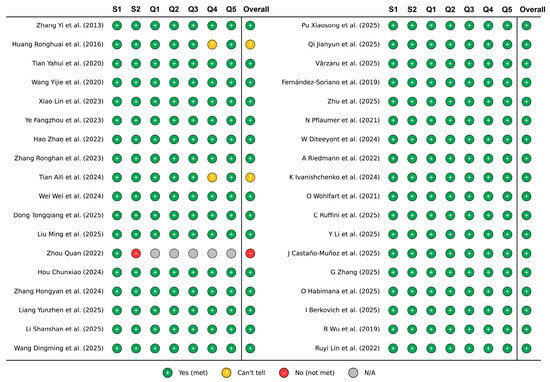
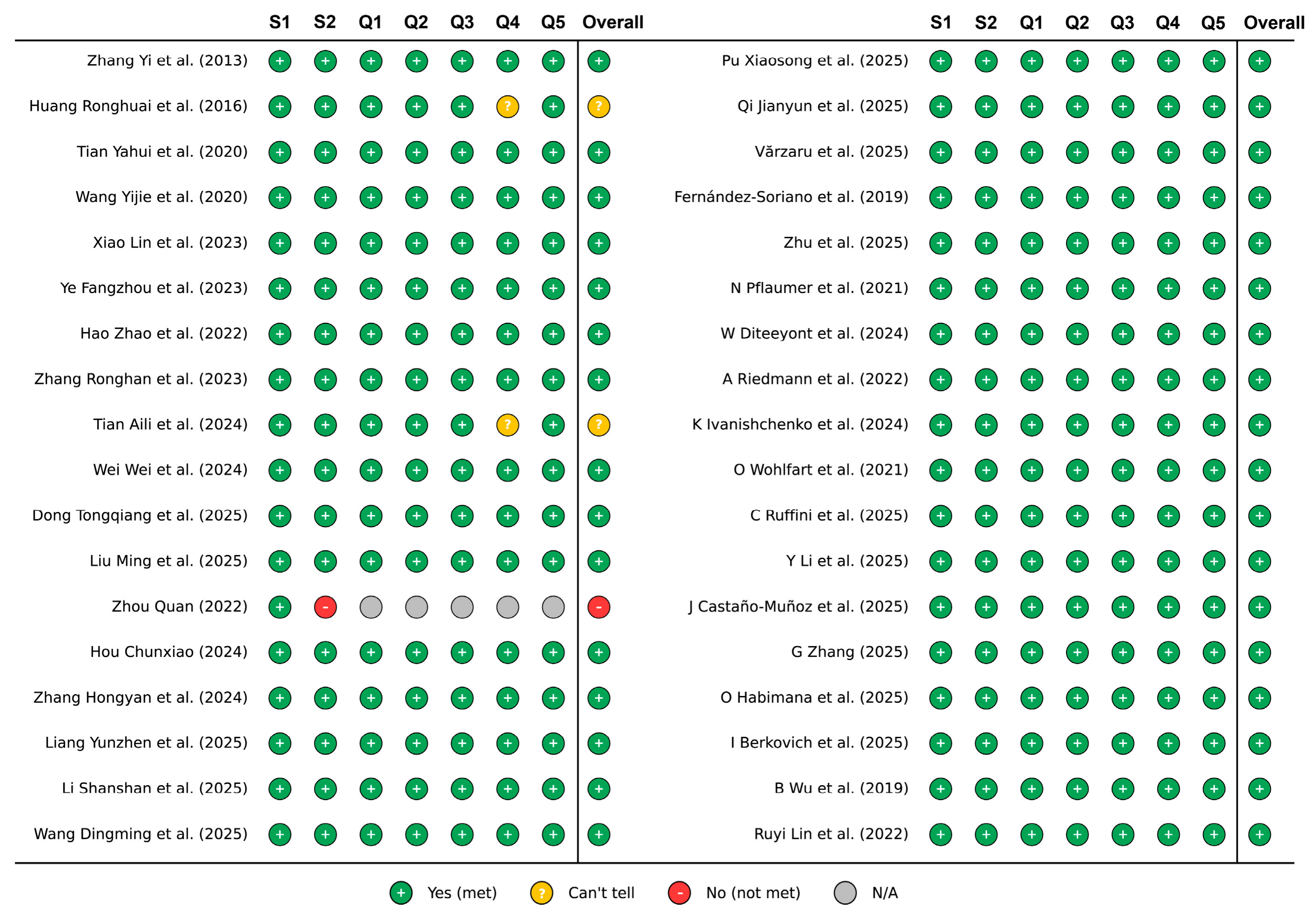
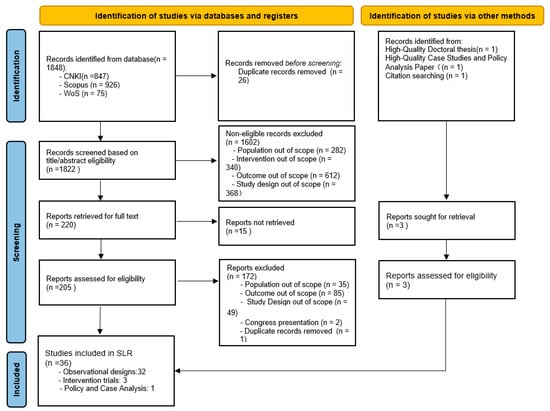
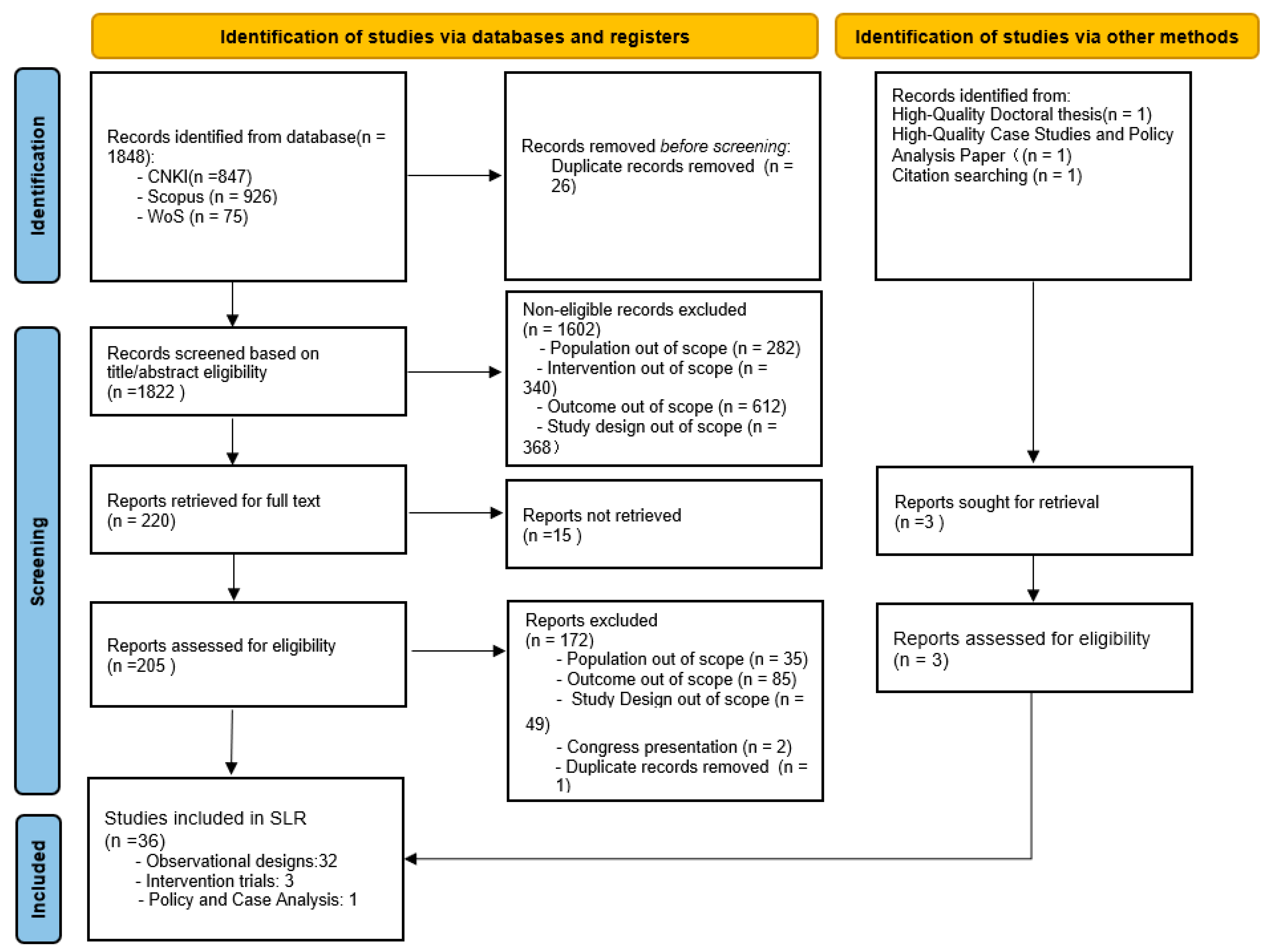
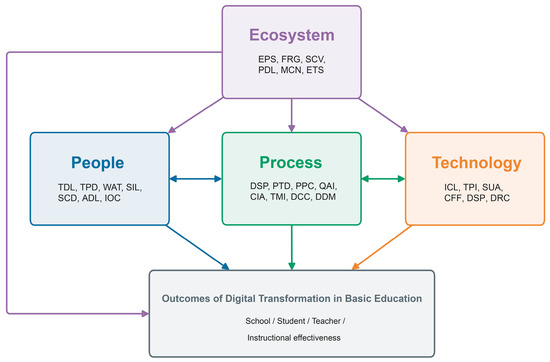
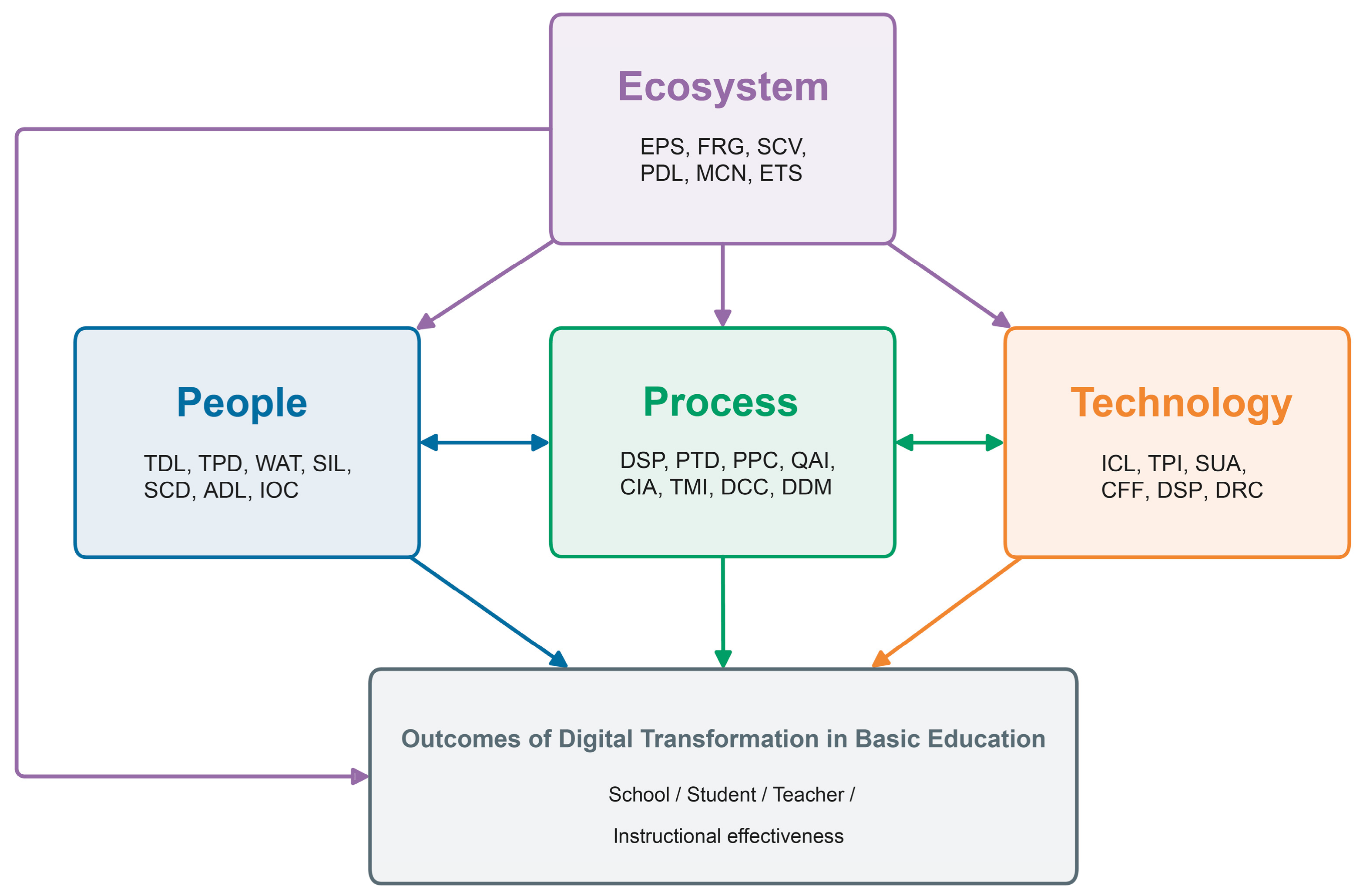

Disclaimer/Publisher’s Note: The statements, opinions and data contained in all publications are solely those of the individual author(s) and contributor(s) and not of MDPI and/or the editor(s). MDPI and/or the editor(s) disclaim responsibility for any injury to people or property resulting from any ideas, methods, instructions or products referred to in the content. |
© 2026 by the authors. Licensee MDPI, Basel, Switzerland. This article is an open access article distributed under the terms and conditions of the Creative Commons Attribution (CC BY) license.