


Abstract
Artificial intelligence (AI) is increasingly embedded in students’ learning practices, yet little is known about how AI engagement evolves from an external technological aid into an agentic component of self-regulated learning. This study applies psychological network analysis to examine the structural relations among students’ knowledge of AI, perceived value and perceived cost of AI, intention to use AI, and three core self-regulated learning processes—forethought, performance control, and self-reflection—across different levels of AI use frequency. The study was conducted on a sample of 673 university students and early-career graduates. Networks were estimated using EBICglasso for the full sample and separately for low-, moderate-, and high-frequency AI users. Across all models, a stable two-system organization emerged, consisting of an AI appraisal subsystem (knowledge, value, cost, intention) and a self-regulation subsystem (forethought, performance control, self-reflection). However, the connectivity between these subsystems differed systematically by usage frequency. Among low-frequency users, perceived cost was more prominently positioned within the appraisal subsystem, suggesting that cost-related concerns may be more salient in lower-frequency use contexts. In contrast, in the moderate- and high-frequency groups, performance control appeared more centrally positioned at the interface between appraisal and self-regulation, suggesting stronger alignment between AI-related appraisals and performance-level regulatory processes in these groups. Students’ knowledge of AI displayed context-dependent structural roles across networks, consistent with a variable relational position across use-frequency groups. Overall, the findings suggest that AI appraisal and self-regulated learning form partially distinct but interconnected subsystems, and that their configuration may vary across AI use-frequency groups. Because subgroup comparisons were descriptive and formal stability analyses were not conducted, these findings should be interpreted as exploratory. The results do not support causal or developmental inference and require replication using bootstrapped stability analyses and formal network comparison procedures.
1. Introduction
The rapid expansion of artificial intelligence (AI) into educational settings has stimulated growing interest in how students understand, evaluate, and engage with AI-based technologies as part of their learning experience. Recent work has examined students’ knowledge, literacy, and perceptions of AI, showing substantial variation in familiarity, interpretive accuracy, and competence in interacting with AI systems (Hornberger et al., 2023; Rad & Roman, 2025; Rad et al., 2025). Across domains such as healthcare and professional training, research similarly reports that students’ knowledge, attitudes, and skills toward AI are uneven and shaped by exposure, educational context, and perceived relevance (Mousavi Baigi et al., 2023; Al-Qerem et al., 2023). Studies in both higher education and K-12 contexts further indicate that AI-related learning interventions may improve students’ conceptual understanding and behavioral intention to use AI tools, although effects depend on how AI is introduced and positioned within learning activities (K. Kim & Kwon, 2024; B. Chen & Zhu, 2023; Colareza et al., 2026). While several of the cited studies originate from the authors’ previous work, these are included due to their direct relevance to the operationalization of AI literacy and appraisal constructs in similar educational contexts.
At the same time, students’ experiences with AI in education extend beyond knowledge acquisition and tool familiarity. Qualitative and survey-based studies report mixed perceptions that combine enthusiasm and curiosity with concerns about reliability, academic integrity, workload, or the ethical implications of AI-mediated learning (Chan & Hu, 2023; Jo, 2024; Almassaad et al., 2024). Research on technology-enhanced and AI-supported learning has shown that perceived benefits, satisfaction, and adoption intention are shaped not only by instrumental functionality, but also by students’ beliefs about value, relevance, and outcomes (Dubey & Sahu, 2021; Rahiman & Kodikal, 2024). At the same time, perceived costs, such as cognitive effort, uncertainty, or loss of control, may attenuate adoption even when benefits are recognized (J. Kim, 2020; Almaiah et al., 2022). These findings are echoed in studies of AI-based teaching assistants and recommendation agents, where students’ evaluation of usefulness is closely intertwined with concerns about trust, transparency, and human–technology balance (J. Kim et al., 2020; Mulaudzi & Hamilton, 2025).
Across these strands of research, trust, familiarity, and perceived legitimacy of AI systems have emerged as central determinants of acceptance and continued use (Choudhury & Shamszare, 2023; Wong et al., 2024; Kinney et al., 2024). Evidence from broader human–computer interaction and service contexts further suggests that trust in AI recommendation systems develops through iterative evaluation of benefits, risks, and reliability (Shi et al., 2021), and that expectations and prior experience shape whether users perceive AI as supportive or intrusive (Topsakal, 2025). However, most acceptance-oriented approaches conceptualize intention as an outcome of cognitive appraisal and treat psychological constructs as relatively stable, without examining how the relationships among beliefs, intentions, and learning processes may reorganize as AI use becomes more frequent and embedded in practice (Kizilcec, 2024).
From a learning sciences perspective, students’ engagement with AI cannot be fully understood without considering the self-regulated learning (SRL) system within which technology use is enacted. SRL theories describe learning as a cyclical process involving forethought, performance control, and self-reflection, through which students plan, monitor, and adjust their learning behaviors (Panadero, 2017; Zeidner & Stoeger, 2019). Prior research shows that SRL processes are closely related to conceptual understanding, persistence, and adaptive strategy use in technology-rich and hypermedia environments (Azevedo et al., 2004; C. M. Chen, 2009; Shih et al., 2010). Within this framework, monitoring, feedback processing, and behavioral adjustment play a central role in sustaining learning cycles (Isaacson & Fujita, 2006; Schraw & Gutierrez, 2014), and forethought and reflection help learners integrate goals, feedback, and meaning into subsequent action (Cleary & Zimmerman, 2004; P. P. Chen & Bonner, 2020; Jackson, 2025; Jellicoe & Forsythe, 2024).
Moreover, contemporary SRL research emphasizes that regulation is dynamic, situated, and socially and technologically mediated (Järvelä et al., 2019; Alvi & Gillies, 2020). Digital learning environments do not merely support regulation; they can reshape how students monitor progress, manage uncertainty, and interpret feedback. In this sense, AI tools may become meaningful not only as instructional resources but as potential regulatory instruments embedded in learners’ performance-monitoring and adjustment processes. This interpretation aligns with prior scholarship on self-reflection, feedback processing, and regulation of action in self-directed learning and professional development (Nesbit, 2012; Iran-Nejad, 2000), as well as with neuroscientific and cognitive perspectives on feedback and behavioral adaptation (Chase et al., 2011).
The notion that technology can become intertwined with agency and regulation is further supported by work on digital agency and human–technology interaction. Agency-based perspectives conceptualize learners as active, meaning-making agents who shape and are shaped by the digital tools they use (Aagaard & Lund, 2019; Stenalt, 2021). Studies of learning and workplace practice show that technology adoption can lead to shifts in how individuals organize effort, responsibility, and autonomy in their work and study practices (Chu & Robey, 2008; Helle et al., 2007). Broader accounts of human–technology relations propose that agency may be distributed or symbiotic, emerging through ongoing interaction between people and technological systems (Neff & Nagy, 2018). Experience-based learning frameworks likewise highlight that repeated, authentic engagement with tools and contexts may foster the internalization of competencies and regulation strategies over time (Dornan et al., 2019; Caniglia et al., 2016; Jeno et al., 2019; Huanca et al., 2021).
These perspectives suggest that students’ engagement with AI should not be viewed solely as a decision to adopt a tool, but also as a context in which AI-related appraisals may be structurally associated with self-regulated learning processes. Different levels of AI use frequency may be associated with different relational configurations among AI appraisal variables and self-regulated learning processes. If this is the case, the psychological structure linking AI-related beliefs, intention to use AI, and SRL processes should not be assumed to be uniform across learners, but may vary according to frequency and depth of AI use.
Psychological network analysis has been increasingly used in educational and psychological research to examine the structure of interrelated cognitive, motivational, and behavioral processes, allowing the identification of central and bridge variables within complex systems (e.g., Borsboom, 2022; Epskamp & Isvoranu, 2022). In the context of self-regulated learning, network approaches have been applied to explore the dynamic interplay between motivational beliefs, regulatory strategies, and performance-related processes, offering an alternative to traditional variable-centered models.
To investigate these structural configurations, the present study adopts a psychological network approach, which conceptualizes constructs as mutually interacting components within a broader system rather than as independent predictors and outcomes. Network analysis is particularly suited to examining how appraisal variables and SRL processes co-organize and identifying bridge relations through which technology may become embedded in regulatory functioning. Furthermore, instead of estimating a single pooled network, we estimate separate networks for low-, moderate-, and high-frequency AI users, allowing us to examine whether the connections among AI knowledge, perceived value and cost, intention to use AI, and SRL components differ across usage profiles. This allows examination of whether the organization of appraisal and self-regulated learning variables differs across use-frequency groups.
It is important to distinguish between technology acceptance frameworks, which primarily explain how evaluative beliefs (e.g., value, cost, intention) shape adoption decisions, and self-regulated learning (SRL) perspectives, which conceptualize how cognitive and behavioral processes are enacted during learning. In the present study, these frameworks are not treated as equivalent explanatory models, but as complementary systems that may show different patterns of structural association across AI use-frequency groups.
Accordingly, this study examines the structural relations among students’ knowledge of AI, perceived value and cost of AI, intention to use AI, and three core SRL processes—forethought, performance control, and self-reflection—across networks estimated for different AI use-frequency groups. Based on SRL theory, expectancy–value–cost perspectives, and agency-oriented accounts of digital learning, we expect:
- (a)
- A two-system organization distinguishing AI appraisals from SRL processes;
- (b)
- Relatively stronger bridging involvement of performance control in the moderate- and high-frequency groups;
- (c)
- A stronger inhibitory role of perceived cost among low-frequency users;
- (d)
- Frequency-dependent structural roles of AI knowledge across the estimated networks.
To further clarify the conceptual integration, AI appraisal constructs (knowledge, perceived value, perceived cost, and intention) are theoretically positioned as evaluative antecedents that may align differentially with specific phases of the self-regulated learning (SRL) cycle. Forethought is expected to be more weakly connected to AI appraisals, as it primarily reflects goal setting and anticipatory planning processes that are less directly influenced by tool-specific evaluations. In contrast, performance control—encompassing monitoring, feedback integration, and behavioral adjustment—is theoretically the phase where AI tools are most likely to be enacted as functional resources during task execution. Finally, self-reflection may incorporate AI-related evaluations retrospectively, but is less directly involved in real-time interaction with AI systems. Based on this reasoning, performance control is hypothesized to function as a structural bridge between AI appraisal and SRL processes, as it represents the phase in which evaluative beliefs about AI are most likely to be translated into concrete regulatory actions.
To provide a clearer conceptual anchor for the study, the following research questions are addressed:
- (RQ1)
- How are AI appraisal variables (knowledge, perceived value, perceived cost, intention to use AI) and self-regulated learning (SRL) processes structurally organized within a psychological network?
- (RQ2)
- Do these structural relations differ across groups with different levels of AI use frequency?
- (RQ3)
- Which variables function as central or bridging nodes linking AI appraisal and self-regulated learning processes?
The aim of the study is not to provide causal or developmental explanations, but to explore structural relations and configuration differences between AI appraisal and self-regulated learning processes across usage contexts.
2. Materials and Methods
The present study employed a cross-sectional survey design to examine the structural relations among students’ appraisals of artificial intelligence (AI) and core components of self-regulated learning. Consistent with prior psychological network research, the focus of the study was not on directional prediction but on identifying how appraisal, intention, and regulation processes co-organize within an interconnected psychological system. Data were collected using a convenience sampling strategy, targeting university students and early-career graduates from institutions located in the Western region of Romania. Participation was voluntary, anonymous, and based on informed consent.
2.1. Participants
The final sample consisted of 673 participants, predominantly women (87.5%), with ages ranging from 18 to 58 years (M = 29.42, SD = 10.30). Participants represented multiple educational levels, including high-school graduates, bachelor’s and master’s students, and a smaller proportion of individuals enrolled in doctoral or post-graduate programs. Data were collected online via institutional academic networks, study groups, and student professional communities. Because the aim of the study was exploratory and focused on structural psychological relations rather than population prevalence estimates, convenience sampling was considered appropriate. The sample reflects students and graduates from higher-education institutions in Western Romania, where AI-assisted learning tools and digital technologies have become increasingly integrated into academic and professional contexts. Table 1 summarizes the demographic characteristics of the participants in the present study.
Table 1.
Participant demographics (N = 673).
Marital/social status was included as part of the general demographic profile of the sample; however, it was not incorporated into the analytical models, as the study focused specifically on psychological and behavioral variables related to AI use and self-regulation. The education variable reflects the highest completed level of education, not current enrollment. Therefore, participants currently enrolled in bachelor’s programs may have selected “high school” as their most recent completed level. As such, this category includes both non-university participants and current university students who have not yet completed a higher-education degree.
The inclusion of participants across a wider age range reflects the aim of capturing variability in AI engagement across educational and early professional contexts. However, age-related differences may introduce heterogeneity in learning strategies and technology use. The present study does not assume developmental equivalence across age groups, and findings should therefore be interpreted at a structural level rather than as age-invariant mechanisms.
The substantial imbalance between subgroup sizes—particularly the large high-frequency group relative to the low- and moderate-frequency groups—may influence network estimation. Smaller samples are more susceptible to unstable edge estimation and centrality variability, which may result in less reliable network structures for these groups. Therefore, subgroup-specific findings, especially for low- and moderate-frequency users, should be interpreted with caution.
2.2. Instruments
Self-regulated learning processes were assessed using the Academic Self-Regulated Learning Questionnaire (ASLQ), which captures three theoretically grounded phases of the self-regulation cycle: forethought, performance control, and self-reflection. The instrument was developed to reflect the cyclical organization of planning, monitoring, and reflective adjustment in academic learning and has been validated in higher-education contexts. All items were rated on a five-point Likert scale ranging from 1 (strongly disagree) to 5 (strongly agree). In the present study, the three subscales demonstrated satisfactory internal consistency, with Cronbach’s alpha values of 0.82 for forethought, 0.85 for performance control, and 0.79 for self-reflection, which are consistent with the reliability evidence reported in the original validation study. The use of this questionnaire was theoretically aligned with the conceptualization of self-regulated learning as a dynamic system of preparatory, monitoring, and reflective processes that support adaptive engagement and academic performance. The instrument and its development are described in detail in the original validation publication (Nambiar et al., 2022). Students’ engagement with and appraisal of artificial intelligence in learning was measured using a multidimensional scale assessing knowledge of AI, perceived value of AI, perceived cost of AI, and behavioral intention to use AI (Chan & Hu, 2023). The scale was conceptually grounded in prior research on AI literacy, technology appraisal, and AI-supported learning, integrating evaluative, motivational, and experiential aspects of students’ interaction with AI tools. Items were rated on the same five-point Likert response format. In the current sample, internal consistency coefficients indicated acceptable to good reliability across subscales (α = 0.76 for knowledge of AI, α = 0.83 for perceived value, α = 0.78 for perceived cost, and α = 0.80 for intention to use AI). These values support the adequacy of the scale for capturing students’ evaluative beliefs and engagement orientation toward AI within educational contexts. The construction of this instrument was informed by empirical work on AI knowledge and literacy among university students, perceived benefits and concerns related to AI use, and appraisal-based determinants of trust and intention in AI-mediated learning environments, including contributions such as Hornberger et al. (2023), Mousavi Baigi et al. (2023), J. Kim (2020), and Chan and Hu (2023).
AI knowledge was operationalized as students’ self-reported familiarity with AI concepts, tools, and functional understanding of AI-supported learning applications. Perceived value and perceived cost captured students’ evaluative judgments regarding the benefits (e.g., usefulness, efficiency) and potential drawbacks (e.g., effort, uncertainty, risks) associated with AI use in learning contexts. Intention to use AI reflected students’ motivational orientation toward continued engagement with AI tools in their academic activities.
All instruments were administered in Romanian. The original English items were translated using a forward–backward translation procedure to ensure semantic equivalence. Minor linguistic adaptations were made to improve clarity and contextual relevance for Romanian higher-education settings. Although formal validation studies for the adapted versions were not conducted within the present research, internal consistency indices indicated acceptable reliability across all subscales.
The use of these instruments in the present study was therefore considered appropriate for exploratory–structural analysis, rather than confirmatory measurement validation.
2.3. Data Analysis
Data analysis was conducted in several stages, consistent with the exploratory–structural aim of the study and the network-based conceptualization of the relations among AI appraisal variables and self-regulated learning processes. Data were first screened for completeness, response consistency, and extreme values. Missing data were minimal (less than 2%) and were handled via pairwise deletion to retain the maximum number of valid observations across variables. Descriptive statistics were computed for all study variables, and preliminary checks confirmed acceptable variability and distributional properties for network modeling.
Because a key objective of the study was to examine whether the psychological organization of AI appraisals and self-regulation processes varies as a function of user experience, participants also reported the frequency with which they use AI tools for learning. Based on the empirical distribution of responses and the theoretical distinction between exploratory, functional, and more habitualized engagement patterns, participants were classified into three AI use-frequency profiles: low-frequency users, moderate-frequency users, and high-frequency users. This grouping strategy was not intended to compare outcomes between groups, but rather to enable the estimation of separate psychological networks across usage contexts, thereby capturing potential experience-dependent reorganizations in the structure of relations among the study variables.
The classification into low-, moderate-, and high-frequency users was based on the empirical distribution of responses on the AI use-frequency item (5-point scale). Specifically:
- Low-frequency users (scores 1–2): N = 52
- Moderate-frequency users (score 3): N = 66
- High-frequency users (scores 4–5): N = 555
This grouping reflects both empirical distribution patterns and theoretical distinctions between exploratory, functional, and more habitualized AI engagement. The resulting subgroup sizes were uneven, with substantially smaller low- and moderate-frequency groups. Accordingly, subgroup networks were estimated for exploratory descriptive purposes, but the smaller group sizes may reduce the stability and precision of edge and centrality estimates. However, the smaller size of the low- and moderate-frequency groups may limit the stability of subgroup-specific estimates, and results should therefore be interpreted as exploratory.
Psychological network analysis was then employed to model the mutual interdependencies among the four AI appraisal dimensions (knowledge of AI, perceived value, perceived cost, and intention to use AI) and the three components of self-regulated learning (forethought, performance control, and self-reflection). In this framework, variables are represented as nodes, and edges reflect partial correlations between nodes after conditioning on all other variables in the system. Networks were estimated using the EBICglasso procedure in JASP, which applies regularization to reduce spurious connections and to yield interpretable, parsimonious structures. Separate networks were estimated for the full sample and for each AI use-frequency subgroup, allowing examination of both overarching structural patterns and subgroup-specific variations.
Centrality indices, including strength and expected influence, were computed to identify nodes that play a central or bridging role within the network. Particular attention was given to connections linking AI appraisal variables with self-regulation components, as these relations were theoretically expected to illuminate how evaluative beliefs, perceived costs and benefits, and intention to use AI become embedded in forethought, monitoring, and reflective regulation processes. The split-network design was therefore analytically aligned with the theoretical premise of the study; namely, that AI engagement may be associated with differences in the structural organization of appraisal and regulation processes across usage contexts, rather than assuming uniform relationships across all users. Results from the network analyses were subsequently interpreted in relation to this conceptual framework and discussed with respect to existing research on AI use, digital agency, and self-regulated learning.
Formal statistical comparisons between networks (e.g., Network Comparison Test; NCT) were not conducted. Therefore, differences between subgroup networks are interpreted descriptively, focusing on structural patterns rather than statistically confirmed differences in global strength or network topology. These comparisons should be considered exploratory and hypothesis-generating.
It is important to clarify that the estimated networks are based on regularized partial correlation coefficients (EBICglasso) rather than on frequency counts or co-occurrence metrics. Edges therefore represent conditional associations between variables after controlling for all other variables in the network, consistent with standard practice in psychological network analysis (Epskamp & Isvoranu, 2022). This approach reduces spurious associations and allows for a more accurate representation of the underlying relational structure among variables.
All analyses were conducted in JASP using EBICglasso estimation procedures with default settings. Network estimation, centrality computation, and clustering metrics were implemented following standard psychological network analysis practice. However, because bootstrapped edge-weight confidence intervals and centrality stability coefficients were not estimated, the robustness of the obtained centrality patterns cannot be formally established in the present study.
A key methodological limitation is that bootstrapped edge-weight confidence intervals and centrality stability (CS) coefficients were not estimated for the present networks. Therefore, centrality indices—particularly across subgroup networks—should be interpreted as descriptive indicators of relative structural positioning rather than as precise or rank-stable estimates. In addition, formal statistical comparisons between subgroup networks (e.g., Network Comparison Test, NCT) were not conducted. Consequently, differences between the low-, moderate-, and high-frequency group networks are interpreted descriptively and should be regarded as exploratory rather than as statistically confirmed differences in network structure or global strength.
For this reason, the manuscript prioritizes edge patterns and broad structural organization over fine-grained ranking of node importance across subgroup networks.
3. Results
To enhance clarity and alignment with the research objectives, the results are organized in relation to the three research questions. First, we examine the overall structural organization of AI appraisal and self-regulated learning variables (RQ1). Second, we explore differences in network structure across AI use-frequency groups (RQ2). Third, we identify central and bridging variables within the network (RQ3).
Descriptive statistics for all study variables are presented in Table 2. Participants reported, on average, moderate-to-frequent use of AI tools for learning (M = 4.24, SD = 1.05), indicating that AI-supported activities were already part of students’ educational practices to a meaningful extent. Mean levels of self-regulated learning processes were generally high, with scores clustering toward the upper end of the response scale for performance control (M = 3.91, SD = 0.56), forethought (M = 3.85, SD = 0.61), and self-reflection (M = 4.05, SD = 0.69). These values are consistent with the academic profile of the sample and suggest that participants typically reported well-developed regulatory strategies in learning.
Table 2.
Descriptive statistics for study variables (N = 673).
With respect to AI-related evaluations, students reported relatively high knowledge of AI (M = 4.00, SD = 0.84) and moderately positive perceived value of AI in learning (M = 3.45, SD = 0.91). At the same time, mean levels of perceived cost (M = 3.16, SD = 0.95) and intention to use AI (M = 3.08, SD = 1.07) indicated greater variability and a wider dispersion of attitudes within the sample. This pattern suggests that, although students were generally knowledgeable about AI and inclined to perceive educational benefits, adoption-oriented motivation and cost-related concerns remained more heterogeneous across individuals.
Pearson correlations among AI appraisal variables and self-regulated learning components are presented in Table 3. As expected, use frequency was positively associated with students’ knowledge of AI (r = 0.41, p < 0.001) and perceived value of AI (r = 0.48, p < 0.001), indicating that students who used AI more frequently also tended to report greater familiarity with AI tools and stronger perceptions of their educational utility. Use frequency also showed a weaker yet significant association with intention to use AI (r = 0.34, p < 0.001), suggesting that motivational commitment to future AI use was only partially aligned with current usage behavior.
Table 3.
Pearson correlations among study variables (N = 673).
Knowledge of AI correlated positively with perceived cost (r = 0.27, p < 0.001), implying that increased familiarity was accompanied not only by stronger value appraisals but also by heightened awareness of potential risks, effort, or constraints associated with AI use. Perceived value showed a very strong positive association with intention to use AI (r = 0.69, p < 0.001), consistent with appraisal-based models of technology adoption. By contrast, perceived cost was only weakly and nonsignificantly related to intention (r = 0.07, n.s.), indicating that cost-related concerns did not translate directly into reduced motivational orientation at the bivariate level.
Regarding self-regulated learning processes, the three self-regulated learning (SRL) components displayed very high positive intercorrelations, particularly between performance control and forethought (r = 0.83, p < 0.001) and between performance control and self-reflection (r = 0.82, p < 0.001), reflecting their shared role within the SRL cycle. Their correlations with AI appraisal variables were generally small in magnitude, with weak positive associations observed between knowledge of AI and all three SRL components (rs = 0.19–0.25, p < 0.001). This pattern suggests that SRL processes and AI appraisals are related but remain partially distinct systems at the level of bivariate associations, a structure further examined in the network analyses.
The high intercorrelations among SRL components (r ≈ 0.80–0.83) raise potential concerns regarding construct redundancy. However, from a theoretical perspective, forethought, performance control, and self-reflection represent distinct yet interdependent phases of a cyclical regulatory process. In network analysis, such strong associations are expected within tightly integrated subsystems and do not necessarily invalidate their conceptual distinctiveness. Nevertheless, these high correlations may influence centrality estimates and should be considered when interpreting the relative importance of SRL nodes.
Psychological network models were estimated to examine the structural relations among the four AI appraisal variables and the three self-regulated learning (SRL) components. Table 4 presents the characteristics of the estimated networks, including the number of non-zero edges and sparsity values. Across the five networks, sparsity ranged from 0.429 to 0.714, indicating that between 6 and 12 of the 21 possible edges were retained after regularization. The relative consistency of network density across estimated networks provides descriptive context for the retained edge structures, but it should not be taken as evidence of parameter stability.
Table 4.
Summary of network models.
Centrality indices were computed to identify the most structurally influential variables in the networks and to examine how appraisal and self-regulation processes are differentially embedded within the system. Given the absence of formal stability analyses, centrality values should be interpreted as indicative of structural positioning rather than as precise or rank-stable estimates across networks. Consistent with current recommendations in psychological network analysis, interpretation focused primarily on strength and expected influence, as betweenness and closeness are known to be less stable and less reliable in small-to-moderate node networks. Although these indices are reported for completeness, they are not interpreted substantively in the present study. The full set of standardized centrality values across the five estimated networks is presented in Table 5.
Table 5.
Standardized centrality indices across network models.
Across models, performance control showed some of the highest positive strength and expected influence values in the network (e.g., strength = 0.497 and expected influence = 0.789 in Network 1; strength = 1.687 and expected influence = 1.634 in Network 3; strength = 1.069 and expected influence = 1.069 in Network 4; strength = 1.153 and expected influence = 1.180 in Network 5). This pattern suggests that performance control occupies a relatively central position within the SRL subsystem and may also be involved in linking SRL and AI appraisal variables. Given the absence of formal stability analyses, this interpretation should be treated as descriptive and provisional.
Within the AI appraisal subsystem, perceived value of AI displayed negative strength values in most networks (e.g., −0.760 in Network 1; −0.683 in Network 2; −0.364 in Network 3), but expected influence values that were closer to zero or mildly positive in later networks (e.g., 0.295 and 0.355 in Network 5). This pattern suggests that perceived value is structurally stable within the appraisal cluster and remains functionally linked to intention to use AI, consistent with its role as the motivational core of the evaluative subsystem.
By contrast, perceived cost of AI exhibited a distinct inhibitory profile, with strongly negative expected influence values across models (e.g., −0.358 in Network 1; −0.914 in Network 2; −0.840 in Network 3; −1.417 in Network 4; −1.612 in Network 5) and negative strength in most networks. These results are consistent with the descriptive interpretation that perceived cost may function as a constraining element within the appraisal subsystem rather than simply mirroring perceived value. This finding supports the theoretical expectation that cost functions as psychological friction within the system, weakening motivational and regulatory integration even when value and intention remain present.
Students’ knowledge of AI demonstrated a context-dependent centrality profile, shifting from mixed influence in Network 1 (strength = −0.365; expected influence = 0.236) to more negative expected influence in Networks 2–4 (e.g., −1.174 and −0.873), and again to moderately negative values in Network 5 (−1.070). These fluctuations suggest that knowledge of AI occupies different relational positions across networks. Because the stability of these estimates was not formally tested, this pattern should be interpreted cautiously.
Within the SRL subsystem, forethought and self-reflection showed consistently positive strength and expected influence in most networks (e.g., for self-reflection, strength = 1.192 and expected influence = 1.673 in Network 1; strength = 0.804 and expected influence = 0.985 in Network 2; strength = 0.808 in Network 4), while maintaining strong internal connections with performance control. This pattern suggests their role as internal regulatory anchors, whereas cross-system integration with AI appraisals occurs primarily through performance control rather than forethought or reflection directly.
Overall, the centrality indices are descriptively consistent with the broader network configuration. However, in the absence of bootstrapped stability analyses, they should not be used as definitive evidence for rank ordering across nodes or groups. Descriptively, the networks suggest a two-part organization separating AI appraisal variables from SRL variables, with performance control appearing relatively central and perceived cost appearing more constraining within the appraisal subsystem. These observations remain exploratory.
Because bootstrapped edge-weight confidence intervals and centrality stability coefficients were not estimated, all centrality-based interpretations are treated as descriptive and exploratory.
Local clustering coefficients were examined to assess the extent to which each variable was embedded within tightly connected neighborhoods of nodes, thereby indicating whether appraisal or regulation processes tended to operate within locally cohesive subsystems. Four clustering indices (Barrat, Onnela, Watts–Strogatz, and Zhang) were computed for each of the five network specifications, and standardized values are reported in Table 6.
Table 6.
Standardized clustering coefficients across network models.
Across networks, the three self-regulated learning variables, and especially forethought and self-reflection, displayed consistently high positive clustering values. For example, forethought showed positive clustering across all indices in Network 1 (Barrat = 0.918; Onnela = 1.713; WS = 1.023; Zhang = 2.160) and maintained similarly elevated values in Networks 2 and 3 (e.g., Barrat = 0.949 and 1.871; Zhang = 0.506 and 1.572, respectively). Self-reflection followed a similar pattern, with positive clustering under most indices (e.g., WS = 1.161 and Zhang = 1.013 in Networks 3 and 4). These results descriptively suggest that SRL variables tend to form relatively cohesive local neighborhoods within the estimated networks.
Performance control showed mixed but generally positive clustering in several models (e.g., Zhang = 1.665 in Network 2; Barrat = 0.398 and WS = 0.257 in Network 3; Zhang = 0.868 in Network 4; WS = 1.159 in Network 5), while presenting weaker or negative clustering under some indices in Network 1. This pattern suggests that performance control remains internally connected to forethought and self-reflection but also participates in cross-subsystem ties, consistent with its role as the key regulatory bridge linking AI appraisals to SRL processes identified in the centrality analyses.
By contrast, AI appraisal variables generally exhibited lower and more negative clustering values, indicating weaker local cohesion within their immediate neighborhoods. For instance, both knowledge of AI and perceived value of AI showed negative clustering values from Network 2 onward (e.g., Zhang = −0.502 and −0.971 in Network 2; WS = −0.642 across Networks 3–5). Perceived cost of AI displayed a similar pattern, with negative clustering in most models (e.g., Barrat = −1.432 and WS = −1.200 in Network 1; WS = −0.642 in Networks 3–5), suggesting that cost may be less locally embedded than some other appraisal variables. Instead, its lower clustering and negative WS/Zhang values are consistent with the role of cost as a disruptive or inhibitory node that weakens local structural cohesion within the appraisal system.
Finally, intention to use AI exhibited negative clustering across nearly all networks (e.g., Barrat = −1.025 and WS = −0.829 in Network 1; Barrat = −1.214 and WS = −1.277 in Network 2; WS = −0.642 in Networks 3–5). This pattern suggests that intention is structurally positioned as a terminal evaluative node, strongly dependent on value-based connections but not embedded within a dense local subnetwork. This configuration is consistent with the finding that intention is closely anchored to perceived value, while integration with regulation occurs primarily via performance control rather than through local appraisal cohesion.
Taken together, the clustering coefficients provide additional descriptive information about local connectivity patterns within the estimated networks. Specifically, the self-regulated learning (SRL) subsystem functions as a highly cohesive regulatory cluster, reflecting strong internal integration among its core components. Within this configuration, performance control occupies a semi-integrated position, serving as a critical interface that links regulatory processes to AI appraisal variables. In contrast, perceived cost and intention to use AI exhibit low or negative clustering, a pattern consistent with their respective roles as an inhibitory constraint and a value-dependent motivational endpoint rather than as locally embedded regulatory mechanisms.
Inspection of the weighted adjacency matrices revealed several consistent structural regularities across the five network models, which further clarify how AI appraisal processes and self-regulated learning components interact within students’ learning systems.
A first descriptive pattern concerned the relatively strong internal connectivity of the SRL subsystem. Across models, the strongest and most stable edges in the network were those connecting the three SRL components. In particular, the connection between forethought and performance control was among the highest-weighted associations in all networks (e.g., w = 0.233 and 0.415 in Network 1; w = 0.476 and 0.359 in Network 2; w = 0.476 in Network 3; w = 0.504 in Network 5). Similarly, the performance control–self-reflection edge was consistently strong (w = 0.690 in Network 1; w = 0.391 in Network 2; w = 0.524 in Network 3; w = 0.426 in Network 5). These connections indicate that students’ regulatory functioning operates as a tightly coupled system in which planning, monitoring, and reflective evaluation form an integrated regulatory cycle rather than independent mechanisms.
Within this regulatory cluster, performance control emerged as the functional core of SRL. Its repeated strong connections with both forethought and self-reflection demonstrate that it occupies a central position in the learning cycle—translating anticipatory planning processes into action while simultaneously feeding performance feedback into reflective evaluation. These edge-level results reinforce the centrality findings by showing that performance control is not only structurally central but also functionally embedded as the primary coordination point of regulatory behavior.
A second key pattern concerned the way AI-related evaluations connect to this regulatory system. As expected, perceived value of AI was strongly associated with intention to use AI across all models (e.g., w = 0.491 in Network 1; w = 0.537 in Network 2; w = 0.478 in Network 3; w = 0.492 in Network 4; w = 0.624 in Network 5). This may reflect the classical value–intention pathway found in technology acceptance models and suggests that motivational commitment to AI remains primarily grounded in perceived benefits.
However, intention did not connect strongly to forethought or self-reflection. Instead, its primary point of alignment with SRL occurred through performance control, as indicated by moderate positive edges in several models (e.g., w = 0.047 in Network 1; w = 0.476 in Network 2; w = 0.445 in Network 3; w = 0.504 in Network 5). This configuration is descriptively consistent with the interpretation that links between AI appraisal and SRL may be more evident at the level of performance regulation than at the level of forethought or self-reflection. In other words, students appear to integrate AI tools into learning primarily when monitoring progress, adjusting strategies, or managing task execution, rather than when initially setting goals or retrospectively evaluating outcomes.
A third consistent pattern involved perceived cost of AI, which displayed negative or weakly negative edges with key evaluative nodes in several networks. Notably, its association with intention was negative in the full network (w = −0.135 in Network 1) and remained weak or absent in later models, while also showing small negative links to performance control and self-reflection in some specifications. Rather than forming part of a cohesive appraisal cluster, perceived cost appeared as a potentially constraining element that weakened or disrupted connections within the appraisal–regulation pathway. This edge-level behavior aligns with our interpretation that cost does not simply mirror value but instead functions as a psychological friction factor that dampens the translation of AI evaluations into regulatory engagement.
Finally, students’ knowledge of AI displayed a distinct and theoretically meaningful pattern. In the first network, knowledge was strongly connected to perceived cost (w = 0.641) and moderately to intention (w = 0.208), whereas in later models its connections shifted across appraisal and regulation variables (e.g., small positive links to performance control and self-reflection, w = 0.062–0.160, and occasional negative or near-zero edges to value or cost). Rather than acting as a stable determinant of attitudes or intention, knowledge showed a shifting relational position across networks, changing its relational position depending on the configuration of the wider network. This supports the interpretation that gaining AI knowledge does not uniformly increase acceptance; instead, it may activate different cognitive–motivational routes—toward either value-driven instrument use or heightened awareness of risks and constraints.
The edge-weight patterns are descriptively compatible with the interpretation that AI appraisal and SRL are linked in ways that extend beyond a purely attitudinal account, although this interpretation requires further validation. The SRL variables form a cohesive internal cluster, performance control functions as the principal behavioral translation point through which AI evaluations are enacted in learning, perceived cost operates as a regulatory inhibitor rather than a simple opposite of value, and knowledge acts less as a linear predictor and more as a dynamic structural modulator of the appraisal–regulation system.
To explore whether the organization of AI appraisal and self-regulated learning (SRL) processes varies depending on students’ level of engagement with AI tools, separate networks were estimated for low-, moderate-, and high-frequency AI users. The resulting networks are presented in Figure 1, Figure 2, Figure 3, Figure 4 and Figure 5, which illustrate how connections among appraisal variables and regulatory processes become reorganized as AI use shifts from exploratory to routinized learning practice.
Figure 1.
Low-frequency users network.
Figure 2.
Moderate-frequency users network.
Figure 3.
High-frequency users network variants.
Figure 4.
Centrality Plot.
Figure 5.
Clustering coefficients across networks.
Because formal network comparison tests were not conducted, differences between subgroup networks are interpreted visually and descriptively rather than as statistically confirmed differences.
Among low-frequency AI users, the network exhibited a predominantly appraisal-centered organization. The strongest edges were located within the AI appraisal subsystem, particularly between students’ knowledge of AI and perceived cost of AI, and between knowledge and perceived value. In this configuration, knowledge functions primarily as a cognitive–evaluative anchor that informs both benefit-focused and risk-oriented judgments. Intention to use AI was linked to perceived value but showed limited cross-cluster connections to SRL variables, indicating that AI engagement at this stage is largely evaluative rather than behaviorally enacted. The SRL processes formed a cohesive internal cluster, yet remained peripheral to the appraisal system, suggesting that AI had not yet become integrated into ongoing cycles of performance regulation.
In the network estimated for moderate-frequency AI users, the configuration appeared more interconnected across appraisal and regulation variables. Perceived value remained strongly associated with intention to use AI; however, performance control began to strengthen its position within the network, displaying clearer connections with intention and with forethought. This emerging bridge pattern suggests that motivational evaluations increasingly translate into task-level monitoring and adjustment processes as students accumulate usage experience. At the same time, perceived cost became less directly tied to intention and more diffusely distributed within the appraisal subsystem, indicating a reduction in its central constraining role. Descriptively, this configuration suggests closer alignment between appraisal and regulatory variables in the moderate-frequency group.
Beyond the visual differences, the subgroup networks suggest that the relative positioning of appraisal and regulatory variables may differ across use-frequency groups. Importantly, this does not indicate a developmental sequence, but rather distinct structural configurations associated with different usage profiles.
The networks estimated for high-frequency AI users showed the clearest structural reorganization. Across these models, the SRL subsystem remained internally cohesive, but performance control consistently emerged as the most influential and structurally central node, displaying the highest values of strength and expected influence. Cross-system connectivity was concentrated almost entirely around performance control, whereas forethought and self-reflection remained strongly interconnected within the SRL cluster and exhibited fewer direct links to AI appraisal variables. Intention to use AI was still strongly associated with perceived value; however, its broader connectivity was weaker than in earlier networks, suggesting that intention functions less as a motivational driver and more as a residual outcome of previously established evaluative patterns once AI use becomes routinized. Perceived cost retained weak negative or inhibitory ties but no longer played a central organizational role, indicating that its constraining influence diminishes as AI becomes embedded within students’ regulatory practice.
Overall, Figure 1, Figure 2 and Figure 3 suggest descriptive differences in network configuration across frequency groups. Among low-frequency users, the network is organized primarily around appraisal processes anchored in knowledge and cost appraisal, with SRL functioning as an internally cohesive but peripheral system. Among moderate-frequency users, the network shows a mixed configuration in which value-driven intention becomes increasingly connected to emerging regulatory enactment. Among high-frequency users, the network appears more strongly centered on performance control within the SRL subsystem, with performance control serving as the principal bridge node through which AI is integrated into learning activity.
These patterns indicate systematic differences in network organization across usage groups, suggesting that appraisal-centered, transitional, and regulation-anchored configurations may characterize users with different levels of AI engagement. However, these differences should be interpreted as between-group structural variations rather than evidence of temporal progression.
Figure 4 presents the centrality profiles for the five network models, plotted separately for betweenness, closeness, strength, and expected influence as a function of AI use frequency. The figure allows comparison of how the structural roles of nodes shift across networks and provides complementary evidence for the systematic structural differences in the organization of appraisal and regulation processes across usage groups observed in the subgroup network plots.
Importantly, the descriptive increase in performance control centrality across networks should be interpreted cautiously, as centrality stability was not formally assessed.
Across indices, performance control shows a clear upward trend in both strength and expected influence as AI use becomes more frequent. In the lower-frequency networks, its influence is largely confined to the SRL subsystem, whereas in higher-frequency networks it becomes the most structurally central node in the system. This pattern is consistent with the descriptive interpretation that performance control may occupy a more prominent interface position between appraisal and SRL variables in some networks.
Self-reflection and forethought display relatively stable and internally consistent profiles across networks, with moderate positive strength and expected influence values and fewer changes across usage groups. This suggests that they operate as regulatory anchors within the SRL subsystem rather than as cross-system connectors, supporting the interpretation that SRL remains internally cohesive while its external integration with AI appraisals occurs primarily through performance control.
Within the appraisal subsystem, perceived value of AI maintains consistently positive expected influence values across frequency groups and remains closely linked to intention to use AI, underscoring its role as the motivational core of the evaluation system. By contrast, perceived cost of AI shows negative expected influence values in several models, particularly in earlier usage stages, indicating a constraining rather than opposing influence relative to perceived value. Its structural relevance declines in higher-frequency networks, consistent with the attenuation of cost-related inhibition as AI becomes routinized in learning practice.
Students’ knowledge of AI exhibits the most variable centrality profile across usage groups, with fluctuations in both strength and expected influence and instances of both positive and negative contributions. This pattern may indicate that knowledge of AI occupies different relational positions across networks; however, without stability analyses, this variability should not be overinterpreted. This behavior is consistent with the interpretation that increasing familiarity with AI reorganizes rather than linearly amplifies motivational and regulatory connections.
The centrality trajectories displayed in Figure 4 are descriptively aligned with the subgroup network plots. However, because neither centrality stability nor formal network comparison was performed, these patterns should be interpreted as exploratory and should not be taken as evidence of a statistically verified structural shift. These results provide convergent structural evidence consistent with the study’s hypotheses, confirming that AI integration in learning reflects differences in how evaluative appraisals and regulatory processes are structurally organized across levels of AI use, rather than a static attitudinal state.
Figure 5 presents the clustering coefficients for all nodes across the five network models, computed using the Barrat, Onnela, Watts–Strogatz (WS), and Zhang metrics. The figure allows comparison of how local connectivity patterns within each subsystem vary as AI use becomes more frequent, and whether AI appraisal variables and SRL processes differ in terms of internal cohesion and functional integration.
These clustering patterns descriptively suggest stronger local cohesion among SRL variables than among AI appraisal variables in the estimated networks.
Across all four clustering indices, forethought, performance control, and self-reflection consistently displayed higher and more stable clustering values relative to the AI appraisal variables. This suggests that the SRL subsystem forms a tightly interconnected local structure across all usage groups, with strong mutual reinforcement among anticipatory regulation (forethought), ongoing performance monitoring (performance control), and evaluative reflection. Importantly, this pattern remains visible even in networks with higher sparsity, suggesting that SRL processes constitute a robust and internally cohesive regulatory core rather than a diffuse or fragmented set of behaviors.
Among the AI appraisal variables, perceived value of AI showed comparatively higher and more consistent clustering—particularly in the Barrat and Onnela metrics—reinforcing its role as the motivational anchor within the appraisal subsystem. By contrast, perceived cost of AI and students’ knowledge of AI exhibited more variable and, in several networks, notably lower clustering coefficients. This pattern suggests that these variables participate in more open and cross-distributed connection patterns rather than forming tightly localized appraisal clusters. In other words, cost and knowledge appear to exert their influence through system-level relational positioning rather than through strong local cohesion.
Intention to use AI displayed an intermediate clustering profile, with relatively modest coefficients and limited variation across usage groups. This supports the interpretation that intention functions as a nodal output of evaluative processes, rather than as a locally embedded regulatory mechanism. As AI use becomes more frequent, intention appears less structurally embedded within interconnected appraisal clusters and more weakly tied to broader network dynamics, consistent with its declining centrality in high-frequency user networks.
Taken together, the clustering patterns shown in Figure 5 complement the centrality and edge-weight results by indicating that AI engagement integrates into learning primarily through the localized cohesion of SRL processes, while appraisal variables—especially cost and knowledge—operate as structural gatekeepers and inhibitory regulators rather than as components of a tightly interlinked evaluative cluster. The persistence of strong SRL clustering across usage groups, combined with the increasing bridge role of performance control, is descriptively consistent with the interpretation that performance control may play an important interface role between AI appraisal and SRL variables. This interpretation remains exploratory.
Across all analyses, a coherent and theoretically meaningful structural pattern emerged. Descriptive results indicated generally positive perceptions of AI value and high levels of self-regulated learning processes, while correlations showed that AI appraisal variables were more strongly associated with one another than with SRL components, suggesting the presence of two partially distinct psychological subsystems. The network models confirmed this organization, revealing a robust and replicable two-cluster structure across estimation conditions: an appraisal system comprising knowledge, perceived value, perceived cost, and intention to use AI, and a self-regulation system comprising forethought, performance control, and self-reflection.
Edge-level relations and centrality indices consistently identified performance control as the primary bridge node linking these systems, with it having the highest strength and expected influence in denser and high-frequency networks. Clustering coefficients further indicated that SRL processes form a stable and tightly cohesive local structure, whereas appraisal dimensions—especially perceived cost and knowledge—exert influence through broader, cross-distributed relational connections rather than localized cohesion. Perceived value emerged as the motivational core of the appraisal subsystem, while perceived cost functioned as a negative inhibitory regulator rather than a simple inverse of value. Knowledge of AI demonstrated context-dependent structural behavior, at times aligning with value-intention pathways and at other times amplifying cost-focused evaluation.
Subgroup comparisons across AI use frequency provided convergent evidence for systematic structural differences across AI use frequency groups. Low-frequency users displayed appraisal-centered networks anchored in knowledge and cost. Moderate-frequency networks reflected a transitional evaluative–regulatory configuration in which performance control began to link appraisal to SRL. High-frequency networks were regulation-anchored, with performance control consolidating its role as the dominant translational mechanism through which AI becomes embedded in learning cycles.
The results are broadly consistent with the study’s expectations and suggest that AI appraisal and self-regulated learning are structurally connected in ways that may differ across use-frequency groups. However, because the design was cross-sectional and subgroup comparisons were descriptive, these findings should not be interpreted as evidence of internalization, progression, or developmental change.
In relation to RQ1, the results indicate a consistent two-system organization separating AI appraisal and SRL processes. Regarding RQ2, descriptive comparisons across frequency groups suggest systematic structural differences, with appraisal-centered, transitional, and regulation-anchored configurations. With respect to RQ3, performance control consistently emerges as the primary bridge node linking appraisal and regulation processes, while perceived cost functions as an inhibitory element within the appraisal system.
4. Discussion and Implications
The present study examined how students’ AI-related appraisals and self-regulated learning (SRL) processes were structurally associated within estimated psychological networks, and whether these configurations differed descriptively across AI use-frequency groups. The analyses suggested a recurring two-part organization consisting of an AI appraisal subsystem (knowledge, perceived value, perceived cost, and intention to use AI) and an SRL subsystem (forethought, performance control, and self-reflection). Across the estimated networks, performance control appeared relatively central and was descriptively positioned at the interface between appraisal and regulation variables. However, because the design was cross-sectional, subgroup comparisons were not formally tested with NCT, and network stability analyses were not performed, these findings should be interpreted as exploratory rather than confirmatory.
The clustering of knowledge, perceived value, perceived cost, and intention to use AI into a coherent appraisal subsystem is consistent with research showing that AI adoption in education is driven by expectancy–value beliefs, perceived benefits, and perceived risks (Chan & Zhou, 2023; Dubey & Sahu, 2021; J. Kim, 2020). Students’ perceived value of AI emerged as the motivational core of this subsystem and maintained a strong and persistent association with intention to use AI, aligning with prior findings that perceived usefulness, learning enhancement, and productivity benefits are among the most influential drivers of AI acceptance (Chan & Hu, 2023; Jo, 2024; Almassaad et al., 2024).
At the same time, perceived cost of AI demonstrated a negative expected influence and acted as an inhibitory regulator rather than a simple inverse of value—a pattern consistent with work showing that concerns about effort, uncertainty, anxiety, or ethical implications may dampen engagement even when benefits are acknowledged (Almaiah et al., 2022; Mulaudzi & Hamilton, 2025). This asymmetry supports models in which perceived risks and constraints constitute distinct psychological mechanisms rather than mirror opposites of perceived value (J. Kim, 2020; Kinney et al., 2024). This finding is consistent with prior research indicating that perceived risks and effort-related concerns may act as independent inhibitory mechanisms in technology adoption, rather than simply reflecting low perceived value (J. Kim, 2020; Almaiah et al., 2022).
Students’ knowledge of AI played a more complex structural role. Rather than serving as a linear predictor of intention, its influence varied across usage conditions, echoing findings that AI familiarity may simultaneously increase understanding, sharpen awareness of limitations, or heighten caution depending on experience and context (Hornberger et al., 2023; Mousavi Baigi et al., 2023; Al-Qerem et al., 2023; K. Kim & Kwon, 2024). In line with recent work on AI literacy, the present results suggest that knowledge appears to occupy a variable relational position across networks rather than showing a uniform association with intention or value.
Overall, the appraisal subsystem identified in this study resonates strongly with expectancy–value theory perspectives on AI adoption, while advancing them by demonstrating that value, cost, knowledge, and intention form a dynamically interacting evaluative network, rather than a set of independent predictors.
The SRL subsystem—consisting of forethought, performance control, and self-reflection—formed a highly cohesive local structure across all networks, consistent with classical and contemporary SRL models (Panadero, 2017; Zeidner & Stoeger, 2019). The strong mutual connectivity among these components reflects well-established cyclical accounts of regulation in which preparatory planning, performance monitoring, and post-task reflection operate as interdependent phases of self-regulated learning (Cleary & Zimmerman, 2004; Azevedo et al., 2004; C. M. Chen, 2009; Shih et al., 2010).
The particularly stable clustering of forethought and self-reflection supports prior evidence that these processes anchor students’ capacity to link goals, feedback, and evaluative judgment (Nesbit, 2012; Jellicoe & Forsythe, 2024; Jackson, 2025). Likewise, the resilience of SRL cohesion across sparsity levels and usage groups aligns with perspectives that view regulation as an integrated motivational–cognitive system embedded in authentic learning activity (Alvi & Gillies, 2020; P. P. Chen & Bonner, 2020; Järvelä et al., 2019).
The present study adds to prior work by suggesting that AI appraisal variables may be linked to SRL asymmetrically, with performance control showing a more prominent descriptive interface position than forethought or self-reflection.
Across networks, performance control consistently displayed the highest strength and expected influence, and its bridge role intensified among high-frequency AI users. This suggests that, within the estimated networks, AI appraisal variables may be more closely related to ongoing monitoring and task-level regulation than to planning or post-task reflection.
This finding provides empirical support for perspectives that emphasize the centrality of feedback integration, monitoring, and adaptive action in both SRL and digitally mediated learning (Schraw & Gutierrez, 2014; Chase et al., 2011; P. P. Chen & Bonner, 2020). It also resonates with emerging accounts of digital agency, which conceptualize human–technology interaction as a process through which tools are progressively incorporated into learners’ regulative and cognitive routines (Chu & Robey, 2008; Aagaard & Lund, 2019; Neff & Nagy, 2018; Stenalt, 2021).
Descriptive subgroup analyses were broadly consistent with this interpretation. The low-frequency group appeared more appraisal-centered, the moderate-frequency group showed a more mixed configuration, and the high-frequency group appeared more centered on performance control within the SRL subsystem. However, because formal network comparison was not performed, these patterns should be treated as descriptive between-group differences rather than as evidence of graded reorganization or internalization (Jeno et al., 2019; Huanca et al., 2021; Helle et al., 2007; Dornan et al., 2019; Caniglia et al., 2016).
Thus, rather than being adopted as a purely cognitive aid or motivational enhancer, AI appears to be incorporated into students’ learning at the point where regulation is enacted—where progress is monitored, output is evaluated, and effort is adjusted.
The study offers several exploratory contributions. First, it suggests that AI appraisal variables may be better understood as a relationally organized system rather than only as isolated predictors of intention. Second, it indicates that the association between AI appraisal and SRL may not be uniform across SRL phases, with performance control appearing more prominently positioned at the interface between these domains. Third, it highlights the potential value of integrating SRL and digital agency perspectives within network-based approaches to AI use in education. These contributions remain provisional and should be confirmed in future studies using formal stability procedures, network comparison tests, and longitudinal designs.
The findings have several implications for how AI integration should be approached in higher education learning and assessment contexts.
First, the results suggest that AI-related appraisals may be more closely aligned with performance-control processes than with other SRL components in the estimated networks. This suggests that AI literacy initiatives may benefit from moving beyond familiarization and awareness-building (Hornberger et al., 2023; Chan & Zhou, 2023) toward supporting students in developing strategic regulation skills when working with AI tools—including monitoring accuracy, calibrating reliance, and evaluating AI-generated outputs within task demands. Instructional interventions may therefore benefit from explicitly training students to engage in adaptive performance monitoring rather than simply encouraging or discouraging AI use.
Second, the strong clustering among forethought, reflection, and performance control suggests that SRL processes remain structurally cohesive even when AI tools are integrated into learning. This reinforces the importance of assessment designs that preserve opportunities for planning, feedback interpretation, and reflective judgment rather than outsourcing these processes to AI. Approaches such as scaffolded prompts, staged submissions, and feedback-to-action cycles (Jellicoe & Forsythe, 2024; P. P. Chen & Bonner, 2020) can help ensure that AI is used to support rather than replace regulatory activity.
Third, the inhibitory function of perceived cost suggests that students’ concerns should not be treated as barriers to overcome, but as meaningful components of responsible AI engagement. Experiences of uncertainty, effort, or ethical tension may prompt more deliberate and regulated use of AI (Almassaad et al., 2024; Mulaudzi & Hamilton, 2025). Rather than suppressing concern, educators may aim to create structured reflective dialogues around risk, accuracy, authorship, and epistemic trust, which in turn may strengthen the self-regulatory integration of AI.
The descriptive subgroup patterns suggest that interventions may be more effective if they are sensitive to differences in AI use frequency. For novice or low-frequency users, instructional efforts may focus on building conceptual understanding and guided experimentation. For habitual users, priority may shift toward supporting critical regulation and strategic reliance, where performance control becomes the central site of pedagogical intervention.
From a practical perspective, the findings suggest that educators should focus less on promoting general AI acceptance and more on supporting students’ regulatory competence when using AI tools. In particular, instructional design should emphasize performance-level regulation strategies, such as monitoring the accuracy of AI-generated outputs, calibrating reliance, and integrating AI feedback into task execution. This approach may help ensure that AI functions as a support for adaptive learning rather than as a substitute for regulatory processes.
Several limitations should be acknowledged. First, the study relied on cross-sectional self-report data, which precludes causal inference and does not allow conclusions about within-person change, developmental progression, or internalization processes. Second, subgroup networks were compared descriptively, but no formal Network Comparison Test (NCT) was conducted; therefore, apparent differences across use-frequency groups should not be interpreted as statistically verified differences in topology or global strength. Third, bootstrapped edge-weight confidence intervals and centrality stability (CS) coefficients were not estimated, limiting the precision and robustness of centrality-based interpretations. Fourth, the subgroup sizes were highly unbalanced, with relatively small low- and moderate-frequency groups, which may have reduced the stability of subgroup-specific estimates. Fifth, the sample was regionally concentrated in Western Romania and strongly gender-imbalanced, which limits generalizability. Sixth, the Romanian adaptations of the instruments were used for exploratory purposes, but measurement invariance across use-frequency groups was not formally tested. Future studies should address these limitations by using longitudinal or experience-sampling designs, bootstrapped network stability analyses, formal network comparison procedures, and broader, more balanced samples.
Based on the network and subgroup findings, the study proposes the Performance-Control Internalization Model (PCIM) as a conceptual framework for understanding how AI becomes integrated into students’ learning regulation.
The model advances three core claims:
- AI appraisal constructs (value, cost, knowledge, intention) form a dynamically interacting evaluative system whose structure shifts with experience rather than functioning as static predictors of adoption.
- Self-regulated learning processes constitute a stable regulatory core, within which AI becomes integrated selectively and asymmetrically, through performance-control regulation rather than forethought or reflective judgment.
- AI engagement appears to be associated with distinct structural configurations across usage levels, including appraisal-centered, transitional, and regulation-anchored network organizations. These configurations should be interpreted as coexisting patterns across groups rather than as a confirmed developmental sequence.
In this sense, PCIM bridges expectancy–value, SRL, and digital agency perspectives by conceptualizing AI adoption not as a discrete acceptance decision, but as a systematic structural reorganization of the regulation system across usage contexts, whereby evaluative beliefs are gradually enacted through cycles of monitoring, adjustment, and task-level control. These structural differences are consistent with theoretical accounts of internalization of technology use, although the present cross-sectional design does not allow direct inference about temporal progression.
This contribution opens a theoretical pathway toward future work that conceptualizes AI engagement as a learning-regulation phenomenon rather than a purely attitudinal or technological outcome.
5. Conclusions
In conclusion, the present study provides an exploratory network-based description of how AI appraisal variables and self-regulated learning processes may be organized within the same psychological system. Across the estimated networks, AI appraisal and SRL appeared as partially distinct but connected subsystems, with performance control showing a relatively prominent interface position. Descriptive subgroup analyses suggested that the configuration of these relations may vary across AI use-frequency groups. However, because the study was cross-sectional, subgroup comparisons were not formally tested, and stability analyses were not conducted, the findings should be interpreted as provisional. Future research should replicate these patterns using bootstrapped network procedures, formal network comparison tests, and longitudinal designs.
Author Contributions
Conceptualization, A.R., D.R. and G.R.; methodology, D.R., A.R., I.A. and C.S.; software, E.B., T.D., A.E. and O.T.; validation, D.R., A.R. and C.K.; formal analysis, D.R., A.R., S.I. and A.C.; investigation, A.E., S.I., O.T. and C.G.; resources, A.R., G.R. and G.P.; data curation, A.E., S.I. and E.B.; writing—original draft preparation, D.R., A.R. and C.S.; writing—review and editing, C.G., G.P., C.K. and A.C.; visualization, E.B., T.D. and O.T.; supervision, A.R. and I.A. and C.S.; project administration, A.R.; funding acquisition, A.R. and O.T. All authors have read and agreed to the published version of the manuscript.
Funding
This research was funded by “Aurel Vlaicu” University of Arad through the research grant UAV-IRG-1-2025-17.
Institutional Review Board Statement
The study was conducted in accordance with the Declaration of Helsinki and approved by the Centre of Research Development and Innovation in Psychology of Aurel Vlaicu University of Arad (protocol code 81/15 June 2025).
Informed Consent Statement
Informed consent was obtained from all subjects involved in the study.
Data Availability Statement
Dataset generated and analyzed during the current research is available upon reasonable request from the corresponding author.
Acknowledgments
During the preparation of this manuscript, the authors used ChatGPT 5.2 exclusively for language refinement and stylistic editing. All data processing, statistical analyses, methodological decisions, conceptual interpretation, and scientific reasoning were carried out entirely by the authors. The authors have carefully reviewed and edited the refined text and take full responsibility for the accuracy and integrity of the content presented in this publication.
Conflicts of Interest
The authors declare no conflicts of interest.
References
- Aagaard, T., & Lund, A. (2019). Digital agency in higher education: Transforming teaching and learning. Routledge. [Google Scholar]
- Almaiah, M. A., Alfaisal, R., Salloum, S. A., Hajjej, F., Thabit, S., El-Qirem, F. A., Lutfi, A., Alrawad, M., Al Mulhem, A., Alkhdour, T., Awad, A. B., & Al-Maroof, R. S. (2022). Examining the impact of artificial intelligence and social and computer anxiety in e-learning settings: Students’ perceptions at the university level. Electronics, 11(22), 3662. [Google Scholar] [CrossRef] [Scilit]
- Almassaad, A., Alajlan, H., & Alebaikan, R. (2024). Student perceptions of generative artificial intelligence: Investigating utilization, benefits, and challenges in higher education. Systems, 12(10), 385. [Google Scholar] [CrossRef] [Scilit]
- Al-Qerem, W., Eberhardt, J., Jarab, A., Al Bawab, A. Q., Hammad, A., Alasmari, F., Alazab, B. A., Husein, D. A., Alazab, J., & Al-Beool, S. (2023). Exploring knowledge, attitudes, and practices towards artificial intelligence among health professions’ students in Jordan. BMC Medical Informatics and Decision Making, 23(1), 288. [Google Scholar] [CrossRef] [Scilit] [PubMed]
- Alvi, E., & Gillies, R. M. (2020). Teachers and the teaching of self-regulated learning (SRL): The emergence of an integrative, ecological model of SRL-in-context. Education Sciences, 10(4), 98. [Google Scholar] [CrossRef] [Scilit]
- Azevedo, R., Guthrie, J. T., & Seibert, D. (2004). The role of self-regulated learning in fostering students’ conceptual understanding of complex systems with hypermedia. Journal of Educational Computing Research, 30(1–2), 87–111. [Google Scholar] [CrossRef] [Scilit]
- Borsboom, D. (2022). Possible futures for network psychometrics. Psychometrika, 87(1), 253–265. [Google Scholar] [CrossRef] [Scilit]
- Caniglia, G., John, B., Kohler, M., Bellina, L., Wiek, A., Rojas, C., Laubichler, M. D., & Lang, D. (2016). An experience-based learning framework: Activities for the initial development of sustainability competencies. International Journal of Sustainability in Higher Education, 17(6), 827–852. [Google Scholar] [CrossRef] [Scilit]
- Chan, C. K. Y., & Hu, W. (2023). Students’ voices on generative AI: Perceptions, benefits, and challenges in higher education. International Journal of Educational Technology in Higher Education, 20(1), 43. [Google Scholar] [CrossRef] [Scilit]
- Chan, C. K. Y., & Zhou, W. (2023). An expectancy value theory (EVT) based instrument for measuring student perceptions of generative AI. Smart Learning Environments, 10(1), 64. [Google Scholar] [CrossRef] [Scilit]
- Chase, H. W., Swainson, R., Durham, L., Benham, L., & Cools, R. (2011). Feedback-related negativity codes prediction error but not behavioral adjustment during probabilistic reversal learning. Journal of Cognitive Neuroscience, 23(4), 936–946. [Google Scholar] [CrossRef] [Scilit]
- Chen, B., & Zhu, X. (2023). Integrating generative AI in knowledge building. Computers and Education: Artificial Intelligence, 5, 100184. [Google Scholar] [CrossRef] [Scilit]
- Chen, C. M. (2009). Personalized E-learning system with self-regulated learning assisted mechanisms for promoting learning performance. Expert Systems with Applications, 36(5), 8816–8829. [Google Scholar] [CrossRef] [Scilit]
- Chen, P. P., & Bonner, S. M. (2020). A framework for classroom assessment, learning, and self-regulation. Assessment in Education: Principles, Policy & Practice, 27(4), 373–393. [Google Scholar]
- Choudhury, A., & Shamszare, H. (2023). Investigating the impact of user trust on the adoption and use of ChatGPT: Survey analysis. Journal of Medical Internet Research, 25, e47184. [Google Scholar] [CrossRef] [Scilit]
- Chu, T. H., & Robey, D. (2008). Explaining changes in learning and work practice following the adoption of online learning: A human agency perspective. European Journal of Information Systems, 17(1), 79–98. [Google Scholar] [CrossRef] [Scilit]
- Cleary, T. J., & Zimmerman, B. J. (2004). Self-regulation empowerment program: A school-based program to enhance self-regulated and self-motivated cycles of student learning. Psychology in the Schools, 41(5), 537–550. [Google Scholar] [CrossRef] [Scilit]
- Colareza, C., Bocoș, M.-D., Rad, D., Ivan, S., Paraschiv, R.-V., Neacșu, M.-G., Triff, Z., Maier, M., Rus, M., Băiceanu, C.-M., Bădoi-Hammami, M., & Lăcătuș, R. (2026). Cognitive education and innovative assessment in primary school: Aligning inclusion, learning progressions, and Romania’s OECD–PISA challenges. Social Sciences, 15(1), 24. [Google Scholar] [CrossRef] [Scilit]
- Dornan, T., Conn, R., Monaghan, H., Kearney, G., Gillespie, H., & Bennett, D. (2019). Experience based learning (ExBL): Clinical teaching for the twenty-first century. Medical Teacher, 41(10), 1098–1105. [Google Scholar] [CrossRef] [Scilit] [PubMed]
- Dubey, P., & Sahu, K. K. (2021). Students’ perceived benefits, adoption intention and satisfaction to technology-enhanced learning: Examining the relationships. Journal of Research in Innovative Teaching & Learning, 14(3), 310–328. [Google Scholar] [CrossRef] [Scilit]
- Epskamp, S., & Isvoranu, A. M. (2022). New trends in network modeling of psychopathology. World Psychiatry, 21(3), 463. [Google Scholar] [CrossRef] [Scilit]
- Helle, L., Tynjälä, P., Olkinuora, E., & Lonka, K. (2007). ‘Ain’t nothin’like the real thing’. Motivation and study processes on a work-based project course in information systems design. British Journal of Educational Psychology, 77(2), 397–411. [Google Scholar] [CrossRef] [Scilit]
- Hornberger, M., Bewersdorff, A., & Nerdel, C. (2023). What do university students know about artificial intelligence? Development and validation of an AI literacy test. Computers and Education: Artificial Intelligence, 5, 100165. [Google Scholar] [CrossRef] [Scilit]
- Huanca, S. C., Aguilar, A. G., Pérez, A. B. D., & Aguilar, O. G. (2021, June). The internalization of ICT and its influence on emotional states in university students. In 2021 16th Iberian conference on information systems and technologies (CISTI) (pp. 1–7). IEEE. [Google Scholar]
- Iran-Nejad, A. (2000). Knowledge, self-regulation, and the brain-mind cycle of reflection. The Journal of Mind and Behavior, 21, 67–88. [Google Scholar]
- Isaacson, R., & Fujita, F. (2006). Metacognitive knowledge monitoring and self-regulated learning. Journal of the Scholarship of Teaching and Learning, 6, 39–55. [Google Scholar]
- Jackson, A. (2025). “Does that mean it’s a success?”: Beginning designers’ forethought and self-reflection in engineering design thinking. Journal of Technology Education, 36(2), 61–88. [Google Scholar] [CrossRef] [Scilit]
- Järvelä, S., Järvenoja, H., & Malmberg, J. (2019). Capturing the dynamic and cyclical nature of regulation: Methodological progress in understanding socially shared regulation in learning. International Journal of Computer-Supported Collaborative Learning, 14(4), 425–441. [Google Scholar] [CrossRef] [Scilit]
- Jellicoe, M., & Forsythe, A. (2024). Goal-setting practices that connect feedback with action in higher education. In Research handbook on innovations in assessment and feedback in higher education (pp. 38–52). Edward Elgar Publishing. [Google Scholar]
- Jeno, L. M., Vandvik, V., Eliassen, S., & Grytnes, J. A. (2019). Testing the novelty effect of an m-learning tool on internalization and achievement: A self-determination theory approach. Computers & Education, 128, 398–413. [Google Scholar]
- Jo, H. (2024). From concerns to benefits: A comprehensive study of ChatGPT usage in education. International Journal of Educational Technology in Higher Education, 21(1), 35. [Google Scholar] [CrossRef] [Scilit]
- Kim, J. (2020). The influence of perceived costs and perceived benefits on AI-driven interactive recommendation agent value. Journal of Global Scholars of Marketing Science, 30(3), 319–333. [Google Scholar] [CrossRef] [Scilit]
- Kim, J., Merrill, K., Xu, K., & Sellnow, D. D. (2020). My teacher is a machine: Understanding students’ perceptions of AI teaching assistants in online education. International Journal of Human–Computer Interaction, 36(20), 1902–1911. [Google Scholar] [CrossRef] [Scilit]
- Kim, K., & Kwon, K. (2024). Tangible computing tools in AI education: Approach to improve elementary students’ knowledge, perception, and behavioral intention towards AI. Education and Information Technologies, 29(13), 16125–16156. [Google Scholar] [CrossRef] [Scilit]
- Kinney, M., Anastasiadou, M., Naranjo-Zolotov, M., & Santos, V. (2024). Expectation management in AI: A framework for understanding stakeholder trust and acceptance of artificial intelligence systems. Heliyon, 10(7), e28562. [Google Scholar] [CrossRef] [Scilit] [PubMed]
- Kizilcec, R. F. (2024). To advance AI use in education, focus on understanding educators. International Journal of Artificial Intelligence in Education, 34(1), 12–19. [Google Scholar] [CrossRef] [Scilit] [PubMed]
- Mousavi Baigi, S. F., Sarbaz, M., Ghaddaripouri, K., Ghaddaripouri, M., Mousavi, A. S., & Kimiafar, K. (2023). Attitudes, knowledge, and skills towards artificial intelligence among healthcare students: A systematic review. Health Science Reports, 6(3), e1138. [Google Scholar] [CrossRef] [Scilit]
- Mulaudzi, L. V., & Hamilton, J. (2025). Lecturer’s perspective on the role of AI in personalized learning: Benefits, challenges, and ethical considerations in higher education. Journal of Academic Ethics, 23, 1571–1591. [Google Scholar] [CrossRef] [Scilit]
- Nambiar, D., Alex, J., & Pothiyil, D. I. (2022). Development and validation of academic self-regulated learning questionnaire (ASLQ). International Journal of Behavioral Sciences, 16(2), 89–95. [Google Scholar]
- Neff, G., & Nagy, P. (2018). Agency in the digital age: Using symbiotic agency to explain human–technology interaction. In A networked self and human augmentics, artificial intelligence, sentience (pp. 97–107). Routledge. [Google Scholar]
- Nesbit, P. L. (2012). The role of self-reflection, emotional management of feedback, and self-regulation processes in self-directed leadership development. Human Resource Development Review, 11(2), 203–226. [Google Scholar] [CrossRef] [Scilit]
- Panadero, E. (2017). A review of self-regulated learning: Six models and four directions for research. Frontiers in Psychology, 8, 422. [Google Scholar] [CrossRef] [Scilit]
- Rad, D., & Roman, A. (2025). Mapping the motivational architecture of AI literacy: A network analysis of teachers’ multidimensional work motivation. Journal of Psychological and Educational Research, 33(2), 203–222. [Google Scholar]
- Rad, D., Roman, A. F., Mara, D., Mara, E.-L., Cojocariu, V., Mâță, L., Baciu, C., Bocoș, M., Triff, Z., Triff, D.-G., Tăușan-Crișan, L., Langa, C., & Neacșu, M. G. (2025). Exploring AI integration in education: A sequential mediation analysis. Journal of Educational Sciences & Psychology, 14(76), 167–176. [Google Scholar] [CrossRef] [Scilit]
- Rahiman, H. U., & Kodikal, R. (2024). Revolutionizing education: Artificial intelligence empowered learning in higher education. Cogent Education, 11(1), 2293431. [Google Scholar] [CrossRef] [Scilit]
- Schraw, G., & Gutierrez, A. P. (2014). Metacognitive strategy instruction that highlights the role of monitoring and control processes. In Metacognition: Fundaments, applications, and trends: A profile of the current state-of-the-art (pp. 3–16). Springer International Publishing. [Google Scholar]
- Shi, S., Gong, Y., & Gursoy, D. (2021). Antecedents of trust and adoption intention toward artificially intelligent recommendation systems in travel planning: A heuristic–systematic model. Journal of Travel Research, 60(8), 1714–1734. [Google Scholar] [CrossRef] [Scilit]
- Shih, K. P., Chen, H. C., Chang, C. Y., & Kao, T. C. (2010). The development and implementation of scaffolding-based self-regulated learning system for e/m-learning. Journal of Educational Technology & Society, 13(1), 80–93. [Google Scholar]
- Stenalt, M. H. (2021). Digital student agency: Approaching agency in digital contexts from a critical perspective. Frontline Learning Research, 9(3), 52–68. [Google Scholar] [CrossRef] [Scilit]
- Topsakal, Y. (2025). How familiarity, ease of use, usefulness, and trust influence the acceptance of generative artificial intelligence (AI)-assisted travel planning. International Journal of Human–Computer Interaction, 41(15), 9478–9491. [Google Scholar] [CrossRef] [Scilit]
- Wong, L. W., Tan, G. W. H., Ooi, K. B., & Dwivedi, Y. (2024). The role of institutional and self in the formation of trust in artificial intelligence technologies. Internet Research, 34(2), 343–370. [Google Scholar] [CrossRef] [Scilit]
- Zeidner, M., & Stoeger, H. (2019). Self-regulated learning (SRL): A guide for the perplexed. High Ability Studies, 30(1–2), 9–51. [Google Scholar] [CrossRef] [Scilit]
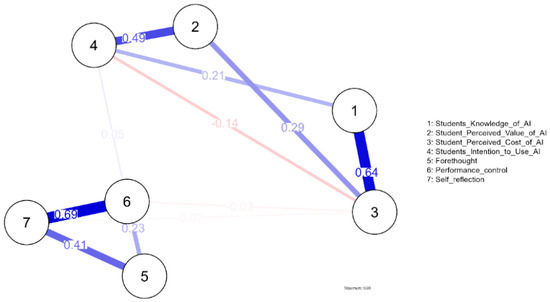
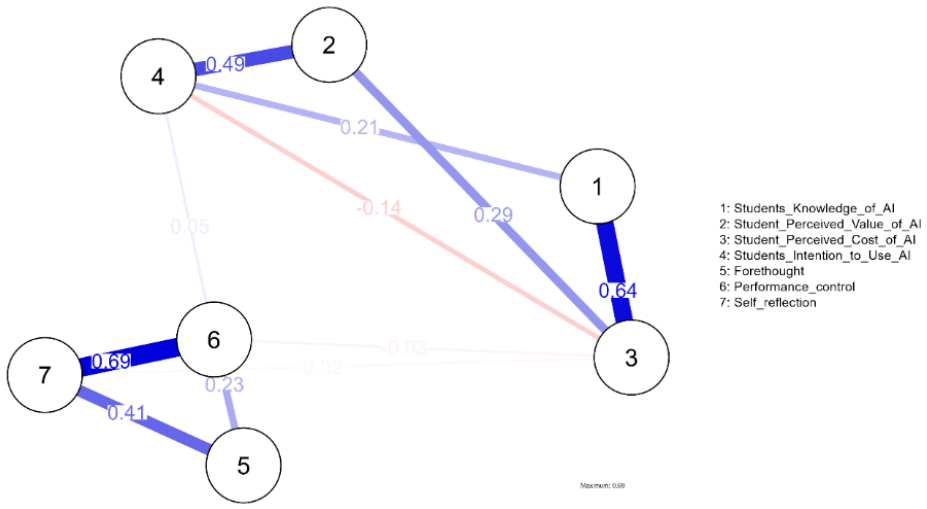
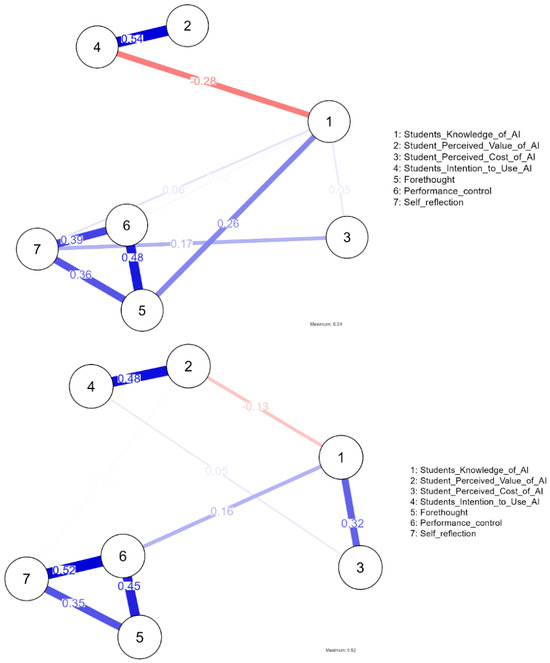
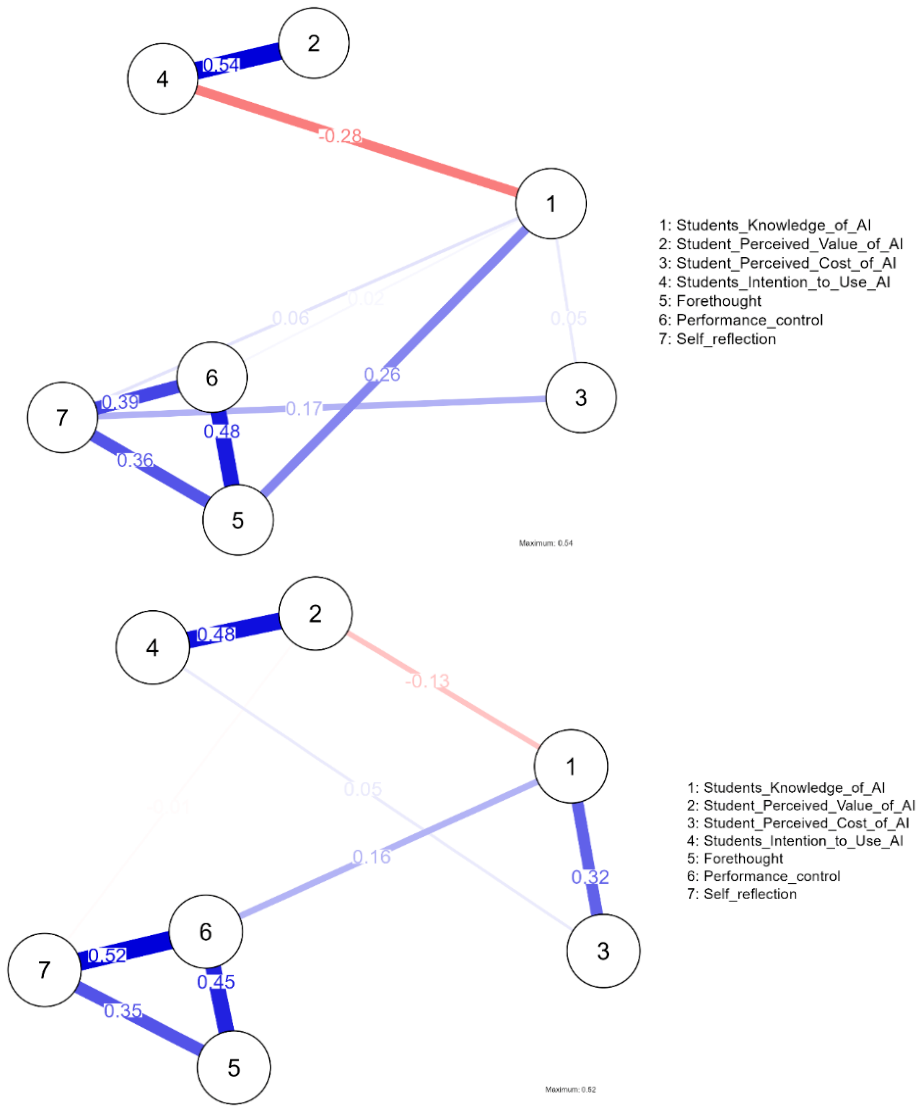
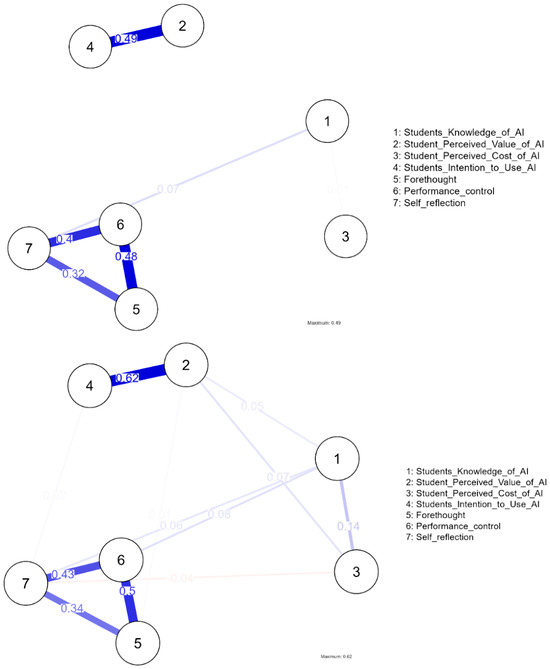
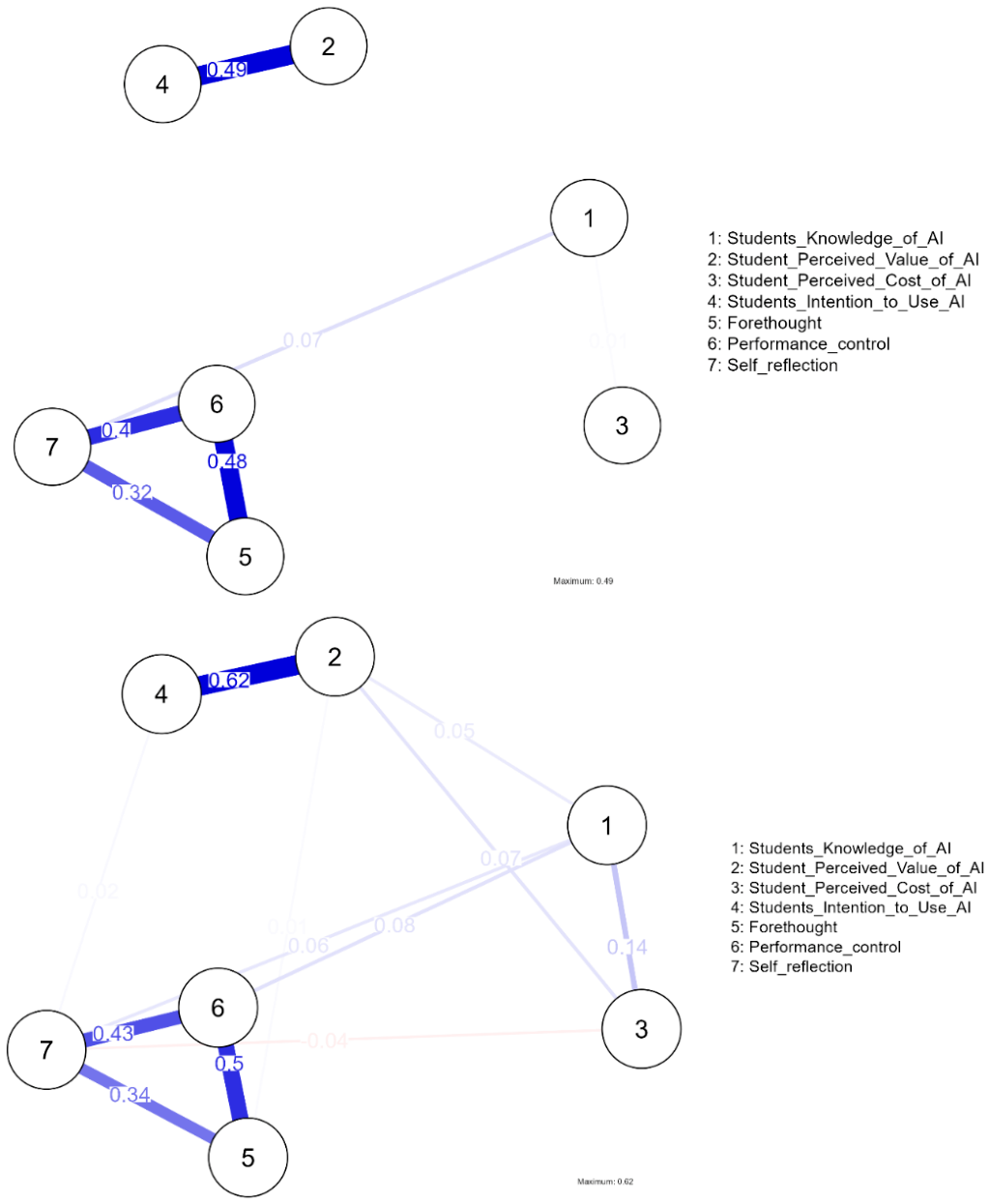
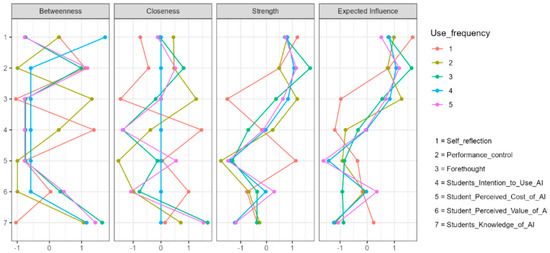
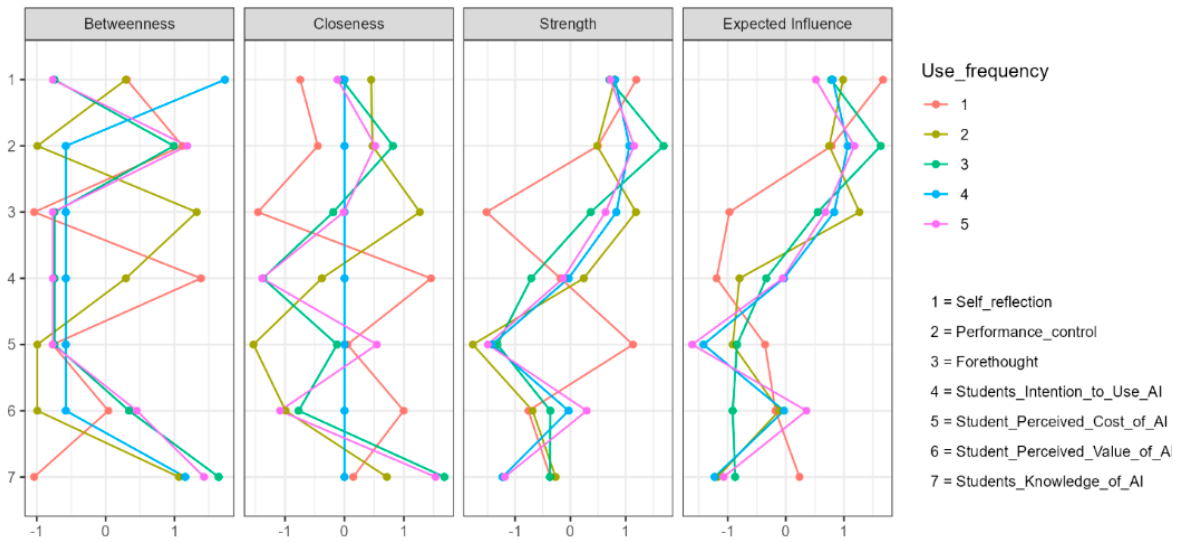
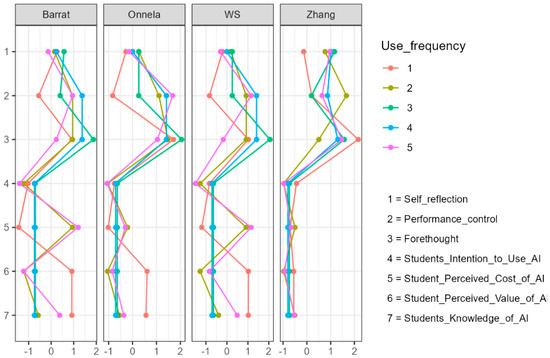
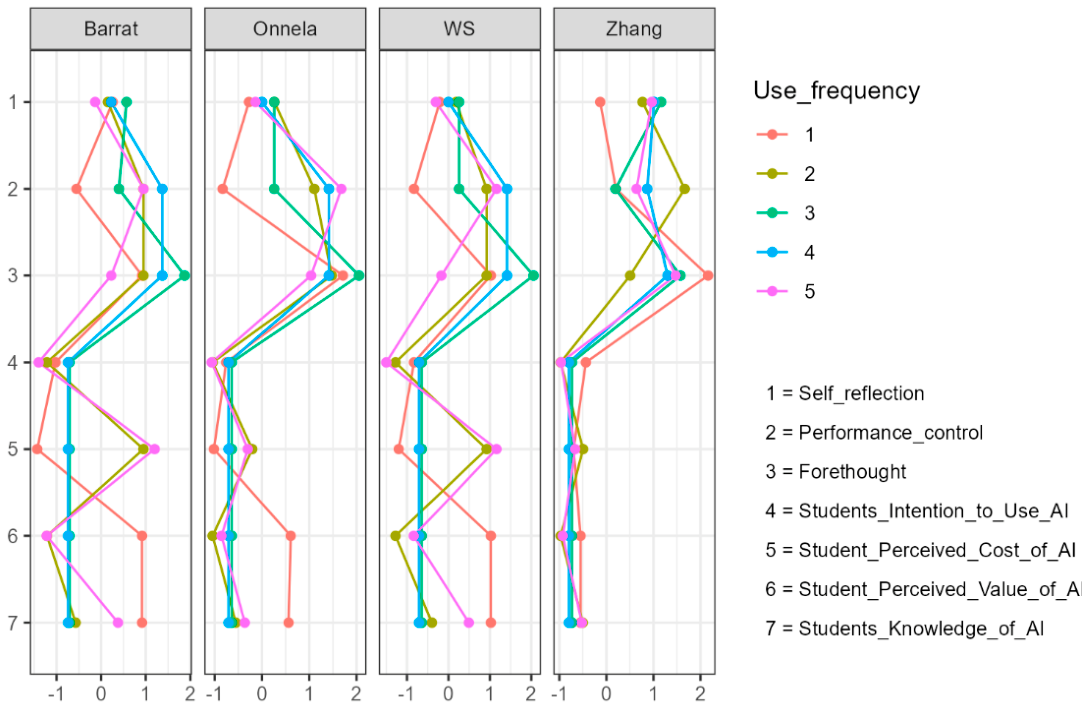

Disclaimer/Publisher’s Note: The statements, opinions and data contained in all publications are solely those of the individual author(s) and contributor(s) and not of MDPI and/or the editor(s). MDPI and/or the editor(s) disclaim responsibility for any injury to people or property resulting from any ideas, methods, instructions or products referred to in the content. |
© 2026 by the authors. Licensee MDPI, Basel, Switzerland. This article is an open access article distributed under the terms and conditions of the Creative Commons Attribution (CC BY) license.