


Abstract
This study proposes an innovative instructional approach to promote scientific literacy by integrating the Nature of Science and the Nature of Scientific Inquiry with experimental practice and the history of physics. The aim is to foster a deep understanding of how scientific knowledge is constructed and to promote informed trust in science. Using an explicit and reflective methodology, the intervention combines experimental activities with historical reflection. The core of the learning sequence is the experimental reconstruction of Galileo’s studies on falling bodies, based on the historical manuscript folio 116v, an original document that provides the empirical evidence for the law of falling bodies, illustrating the transition from raw experimental data to mathematical formalization. Through this activity, students engage with key epistemic aspects of scientific practice, including the management of uncertainty—distinguished into statistical/aleatory and structural/epistemic forms—the probabilistic nature of scientific knowledge, the predictive power of models and theories, and the underdetermination of scientific theories. Additional themes addressed include the role of thought experiments, the importance of communicating results for scrutiny and validation, the function of models as mediators between theory and phenomena, and the process of de-idealization. The study also challenges the persistent myth of a single, linear “scientific method,” highlighting instead the theory-laden character of scientific inquiry and the central role of the scientific community. This dimension is explored through the historical comparison between Galileo and Mersenne, which illustrates elements of the scientific ethos and the role of peer review as a mechanism for the correction and refinement of knowledge. The results obtained with pre-service teachers, with whom this instructional sequence was implemented, indicate that this contextualized approach facilitates the overcoming of a view of science as a set of absolute truths. Instead, it promotes a more mature understanding of science as a dynamic, provisional, and self-correcting human enterprise, while equipping future citizens with the critical tools necessary to navigate the challenges of the twenty-first century.
1. Introduction
In recent decades, a growing consensus has emerged among science education researchers that the transmission of scientific content alone is insufficient to achieve the broader aims of science education. Instead, there is an increasing emphasis on cultivating a deeper epistemological understanding of how scientific knowledge is constructed, how it interacts with societal contexts, and how to foster a well-grounded trust in science (TIS)—one that acknowledges science’s fallibility rather than presuming its infallibility.
This epistemic orientation is condensed in the frameworks of the nature of science (NOS) and the nature of scientific inquiry (NOSI), which collectively address the empirical, inferential, and provisional dimensions of science, as well as the self-corrective mechanisms of the scientific community. These frameworks stress not only the empirical basis and creative processes of inquiry, but also the importance of uncertainty and critical reflection in the construction and validation of knowledge.
The present study builds upon and extends traditional NOS frameworks by incorporating underexplored dimensions such as forecasting, model-based reasoning, and the interplay between theory and data. Forecasting is presented as a form of inference grounded in the recognition of patterns and trends, highlighting the predictive power of scientific models and theories. This predictive capacity is inherently linked to the provisional and self-corrective NOS, expressed through the continual revision and falsification of models.
Particular emphasis is placed on the correspondence principle and the concept of validity domains, which underscore how multiple theories can coexist by operating within specific empirical boundaries. Through this lens, students develop an understanding of model construction as both an empirical and theoretical practice, involving idealization and subsequent de-idealization processes. These activities are designed to support the development of practical and epistemological competencies related to the dynamic and cumulative nature of scientific knowledge.
The concept of uncertainty, often perceived as a limitation, is reframed as a defining and constructive element of science. Two forms of uncertainty are discussed: statistical uncertainty, which pertains to measurement precision, and structural uncertainty, which concerns the underlying relationships among variables.
To provide a rich and contextualized learning experience, the study incorporates historical case analysis—particularly the work of Galileo on falling bodies—as a means to explore theory-ladenness, the myth of a unified scientific method, and the collective nature of scientific practice. The contrast between Galileo and Mersenne serves as a point of departure to examine the institutionalization of peer review and the role of the scientific community in validating knowledge. While a comprehensive historical and epistemological reconstruction—incorporating the foundational contributions of figures such as Francis Bacon and René Descartes—is essential for a full philosophical treatment of the subject, such an exhaustive analysis or an overview of the development of scientific research lies beyond the scope of the present work. This study does not aim to provide a complete history of scientific thought; rather, it intentionally focuses on specific historical episodes that serve as pedagogical catalysts for eliciting student reflections on the NOS within a laboratory context.
The teaching intervention was developed and tested over three years with student and pre-service physics teachers. It combines the goals of laboratory-based learning with explicit reflection on NOS and NOSI elements. The instructional sequence is inspired by Galilei’s historical notes (Schvartzer et al., 2020), particularly folio 116v, and engages students in experimental design, modeling, and critical evaluation.
Through a carefully scaffolded inquiry-based learning process, students conduct experiments, analyze data, and construct models, which are then refined through cycles of prediction and empirical testing. This promotes an authentic experience of scientific practice, wherein the mediation of theory by models is made explicit, and the provisional status of knowledge is not only acknowledged but critically examined.
The culminating phase involves structured historical reflection, inviting students to interrogate scientific concepts in light of philosophical and historical debates. This reflective approach helps cultivate a more nuanced, critical, and trust-based view of science as a dynamic, uncertain, and profoundly human enterprise.
In summary, integrating experimental activities, historical enquiry and explicit reflection on the NOS is a significant innovation in promoting scientific literacy (Çilekrenkli & Kaya, 2022; Xiang & Han, 2023). Specifically, the Explicit–Reflective Teaching approach is widely recognized as a leading method of science instruction (Bugingo et al., 2024; Deng et al., 2025; Khishfe, 2023; Mulvey et al., 2016). Although the literature often lacks detailed information on specific classroom implementations, several well-established activities serve as foundational benchmarks. These include ‘black box’ tasks, which engage students in formulating hypotheses and evaluating evidence (Khishfe, 2023), and visual perception exercises, such as Tricky Tracks, which illustrate the socio-cultural and theory-laden nature of scientific knowledge. Furthermore, techniques such as interactive historical vignettes and the use of historical and autobiographical material have been shown to be effective in humanizing the scientific enterprise through structured in-class discussions. In many proposals, reflection is typically scaffolded through structured questions followed by whole-class discussions to support students in articulating and revising their conceptions of NOS. Furthermore, there has been increasing attention devoted to the use of narratives—both historical and autobiographical—as powerful tools to contextualize scientific practices and make NOS aspects more accessible and meaningful (Witucki et al., 2023; Tolvanen et al., 2013). Moreover, practice-based instruction in Socioscientific Issues has recently been shown to improve students’ NOS comprehension, particularly with regard to its social aspects (Leung, 2020).
Building upon these foundations, this work’s primary novelty lies in the development of a comprehensive framework that connects laboratory research with the history of science. Unlike typical approaches that treat NOS as an isolated topic, our framework is operationalised through a content-centered instructional model in which reflections on NOS/NOSI are intrinsically woven into experimental activities and historical discussions. This original combination addresses both the learning goals of a physics laboratory course and the broader epistemological goals of scientific literacy. By providing detailed experimental protocols alongside related NOS themes and facilitating student-led discussions, this study offers a rare operationalised bridge between authentic scientific practice and reflective historical instruction.
2. Research Design and Methodology
This study aims to investigate the effectiveness of an innovative instructional approach that combines authentic laboratory work with the history of science, with the intention of improving pre-service and trainee teachers’ understanding of the NOS and the NOSI among pre-service teachers and teacher students. Specifically, the research addresses the following questions:
- RQ1: To what extent does integrating subject matter learning and laboratory skills with historical reflections on Galileo’s experiments improve pre-service teachers’ understanding of the empirical and iterative nature of scientific knowledge, particularly in relation to the connection between experimental data and theoretical development?
- How does direct engagement in the modeling process, including stages of idealization and de-idealization, influence students’ perceptions of the role of models, inference, and the inherent nature of uncertainty in science? What views do students develop regarding the relationship between theories, laws, and models?
- RQ3: How do students interpret the processes of theory change and succession when confronted with discordant evidence? In what ways does deconstructing the ‘myth of the scientific method’—through a historical contrast between figures such as Galileo and Mersenne—foster a more nuanced understanding of the social and human dimensions of scientific practice, and encourage informed trust in science?
- RQ4: How does our historical–experimental approach facilitate the transition from a naïve, static view of science to an understanding of its provisional and cumulative nature, and what conceptual challenges remain?
The study sample consisted of 40 undergraduate students enrolled in a Physics Education laboratory course (Student teachers) and 25 pre-service physics teachers.
To address the research questions, a qualitative approach was adopted, focusing not on the quantitative measurement of knowledge, but on exploring the complexity of students’ epistemological structures and how these evolve following the intervention (Lising & Elby, 2005). In line with established Physics Education Research (PER) practices, we used a case study approach to analyze these phenomena in depth within an authentic classroom setting.
The focus is on processes of critical reflection and the conceptual tensions that emerge during the activities (Scherr & Hammer, 2009). Data collection primarily relied on written reflection protocols in the form of semi-structured written interviews, administered at key stages of the instructional sequence. These open-ended prompts were designed to stimulate critical thinking, capturing student feedback and metacognitive reflections (May & Etkina, 2002). Audio recordings supplemented these data, providing a granular account of the process and preserving the dynamics of group discussions (Conlin et al., 2007). Finally, we assessed disciplinary learning outcomes through traditional assessment tools and laboratory reports.
3. The Nature of Science and Scientific Inquiry: A Comprehensive Framework
The NOS and the NOSI constitute complementary and foundational frameworks for conceptualizing science as both a body of knowledge and a set of practices. While NOS addresses the epistemological foundations of science—emphasizing its empirical basis, tentative nature, and sociocultural embeddedness—NOSI highlights the procedural and methodological dimensions through which scientific knowledge is generated (Ladyman, 2012; Schwartz et al., 2004).
NOS is concerned with how scientific knowledge is developed, validated, and situated within broader philosophical, historical, and cultural contexts. Scientific knowledge is viewed not as an accumulation of objective facts but as an interpretative, creative, and socially mediated construction, grounded in empirical evidence and theory-laden observations (García-Carmona & Acevedo-Díaz, 2018; N. Lederman, 2007; N. G. Lederman, 1992). Observations are constrained by instruments, shaped by perceptual filters, and interpreted through theoretical frameworks, thus necessitating a conceptual distinction between observation and inference (N. G. Lederman et al., 2002). Consequently, science entails a mix of empirical, inferential, and socio-ethical dimensions, and its knowledge claims are provisional, open to revision, and historically situated (AAAS, 1990; Galili, 2019).
Scientific inquiry, as articulated in NOSI, is not a linear or algorithmic process but an iterative and self-correcting practice characterized by the formulation of investigable questions, experimental design, data analysis, and theory refinement (N. Lederman, 2007; Schwartz et al., 2012). Importantly, the distinction between NOS and NOSI remains contested. While Lederman (N. Lederman, 2007) argues for their conceptual separation, other scholars (e.g., Duschl, 2008; Crawford et al., 2013) maintain that they are intrinsically entangled, particularly through the mediating role of models in linking theory and data.
Modeling and idealization are central to both NOS and NOSI. Models serve as epistemic mediators between phenomena and theory (Morrison & Morgan, 1999), and almost invariably involve idealization—defined as the deliberate simplification or distortion of complex systems to render them analytically tractable (Matthews, 1994). Two forms of idealization can be distinguished: Aristotelian idealization, which involves the abstraction of irrelevant properties, and Galilean idealization, which introduces controlled distortions that allow for subsequent de-idealization. This distinction underscores the dynamic interplay between theory, model, and reality, and invites reflection on the conceptual status of scientific representations.
Scientific models can be categorized as data models—structured representations of experimental data—or theory models, which instantiate physical theories under specific assumptions and constraints. In both cases, the construction, testing, and revision of models are guided by inferential reasoning. Inference is thus a cornerstone of scientific knowledge production, encompassing processes such as hypothesis generation, prediction, and generalization from data. The terms prediction, forecast, and projection, while often used interchangeably, bear distinct meanings and implications for model-based reasoning (Keyfitz, 1972; Massad et al., 2005).
The predictive success of a theory is widely regarded as a critical criterion for its epistemic adequacy. Nonetheless, theories are understood to be provisional and fallible, even when well-supported by empirical evidence (N. G. Lederman et al., 2015). Within this framework, epistemic appraisal depends significantly on a theory’s falsifiability and its capacity to withstand rigorous attempts at refutation (Popper, 1959). Science is therefore both progressive and cumulative, building upon existing knowledge while remaining open to revision (Krauss, 2024a, 2024b, 2026). According to the Correspondence Principle, more general theories must reproduce the empirical successes of previous ones within their domain of validity (Popper, 1959). The coexistence of multiple theories within bounded validity domains (Chakravartty, 2017; Galili, 2013, 2019; Kuhn, 1962; S. Psillos, 2005) reflects the complexity and pluralism of scientific explanation.
Scientific reasoning also employs asymptotic reasoning and Gedankenexperimente (thought experiments) to explore model limits and discriminate between competing theories, often in the absence of direct empirical tests. The notion of an experimentum crucis—sometimes a conceptual rather than an empirical tool—helps us to understand how scientists make theory choices, which may be influenced by other criteria such as parsimony, explanatory coherence or heuristic power (Popper, 1959; Sober, 2008).
Recent scholarship has challenged the long-standing myth of a single, unified scientific method (Feyerabend, 1975; Kuhn, 1962), arguing instead that science employs a plurality of approaches, adapted to context and domain (Allchin, 2011; Osborne, 2014; Windschitl et al., 2008). Misrepresenting science as methodologically uniform risks obscuring its epistemic diversity and sociocultural situatedness.
Scientific knowledge is not produced in isolation but is subject to communal validation through mechanisms such as peer review, replication, and critical debate (Erduran, 2014; Höttecke & Allchin, 2020; Irzik & Nola, 2010). The historical case of Marin Mersenne illustrates the collective dimension of scientific practice, particularly in relation to communication and scrutiny of results. Similarly, Galileo’s work (Drake & MacLachlan, 1975; Schvartzer et al., 2020) reveals the theory-laden nature of observation and the conceptual role of idealization in experimentation.
The educational implications of these perspectives are profound. Developing students’ understanding of NOS and NOSI is essential for cultivating scientific literacy and a resilient, informed TIS—one that acknowledges its fallibility and capacity for self-correction.
Key concepts that emerge from this Comprehensive framework—and that will be further operationalized in the instructional sequence—include key topics reported in Table 1 and discussed in Appendix A.
Table 1.
The key concepts in the Comprehensive framework (more details in Appendix A).
4. Instructional Design Methodology
The instructional design underlying our proposal is grounded in current research in science education, particularly regarding the teaching and learning of the NOS and the NOSI. Drawing upon an explicit and reflective pedagogy, the methodology integrates multiple interrelated components: guided inquiry-based instruction, hands-on experimentation, engaging activities, curricular integration, and the use of historical case studies.
A substantial body of research has emphasized the effectiveness of explicit and reflective approaches in fostering students’ understanding of NOS and NOSI (Abd-El-Khalick, 2011; Mesci & Schwartz, 2016; Cetin, 2021). In contrast to implicit or purely discovery-based models, explicit–reflective instruction makes the epistemic goals of learning activities visible and subject to discussion. Students are guided to actively construct conceptual understanding and subsequently engage in structured reflection, aimed at refining their views and comparing them with scientific norms (Vorholzer et al., 2018; N. G. Lederman et al., 2013). Reflection may occur during classroom dialogue, peer discussions, or written explanations, and it is crucial for connecting students’ experiences with broader epistemological principles. This approach resists the reduction of NOS to rote definitions, instead promoting conceptual depth through carefully scaffolded activities and critical engagement (Osborne, 2014).
Inquiry-Based Science Teaching (IBST) serves as a complementary framework for implementing explicit–reflective instruction. It is crucial to emphasize that the relevance of this approach extends beyond the ‘hard sciences’ to include the humanities, such as history and archeology, which are similarly grounded in rigorous inquiry and evidence-based methodology. Research suggests that engaging students in authentic inquiry—posing questions, planning investigations, collecting data, and justifying claims—can significantly enhance their grasp of NOSI dimensions (Capps & Crawford, 2013; Hrisa & Psillos, 2022). Effective inquiry involves not only procedural skills but also epistemic reflection, such as evaluating the limitations of evidence or recognizing the theory-ladenness of observations (Cetin, 2021). Such experiences allow students to practice science in ways that mirror actual scientific work, including the social and argumentative practices of the scientific community.
Another key dimension is the integration of NOS and NOSI into curricular content. Research shows that NOS instruction can be delivered both in content-embedded formats—within standard science topics such as physics, biology, or chemistry—or through decontextualized activities designed specifically to target epistemological understanding (N. Lederman & Abd-El-Khalick, 1998; Michel & Neumann, 2016; Schizas et al., 2022). The choice of context should be pedagogically motivated and aligned with the learning objectives of the unit, ensuring coherence between content and epistemic aims.
Lastly, our approach makes systematic use of historical case studies to illustrate the empirical and tentative nature of scientific knowledge. The history of science (HOS) offers a rich resource for highlighting the human dimension of science, including the influence of social, cultural, and political contexts on the development of scientific ideas (García-Carmona, 2018; Allchin, 2011). When carefully selected and accurately represented, historical narratives can reveal the processes by which scientific knowledge evolves, the role of controversy and consensus, and the significance of empirical evidence in theory change (N. Lederman, 2007). However, the effectiveness of HOS depends on its integration within an explicit–reflective framework to avoid misconceptions or oversimplification of scientific practice.
In sum, empirical studies suggest that explicit and reflective instruction, integrating inquiry-based learning and historical case analysis, is effective in fostering such understanding (Abd-El-Khalick, 2011; Mesci & Schwartz, 2016; Capps & Crawford, 2013). Experimental activities, such as replicating Galileo’s inclined plane investigations, can concretely illustrate the empirical NOS, the formulation of investigable questions, the construction and testing of models, and the interpretive nature of data. Thus, our instructional model draws on a convergence of pedagogical strategies that are empirically supported and epistemologically coherent. By combining Inquiry-Based Learning (IBL), explicit–reflective teaching, curricular integration, and the use of historical exemplars, the methodology seeks to cultivate a nuanced and authentic understanding of science as both a body of knowledge and a process of inquiry.
5. Scientific Inquiry and the Empirical Nature of Knowledge: A Case Study of Galileo’s Experiment
The learning sequence is presented in detail in Table 2, with each activity corresponding to one or more key concepts of the Comprehensive Framework.
Table 2.
Detailed learning sequence, with each activity aligned to one or more key concepts of the Comprehensive Framework.
Figure 1.
(Left) The setup: the inclined plane is a pre-built rail on which marbles can roll. This is put on a table in such a way that marbles leave the rail and fall off the table, reaching the floor. The marbles hit a carbon paper sheet put on a white sheet, so that the position of landing is recorded. (Right) Students and teachers during a laboratory activity, and the results of their data interpolation.
Figure 2.
Students then repeat the experiment at least ten times for each chosen height. In this way, they can estimate the range as the average of the ten results and the error as the semi-dispersion (or the variance if the repetitions are enough. (Left) A photo of the position marks on the paper and the corresponding histograms. (Right) The experimental points of the range versus launch height.
Figure 3.
(Left) The linear model. (Right) A quadratic polynomial. The shaded regions represent uncertainties.
Figure 4.
Comparison of the models with experimental data and test of the models with a new experimental point.
Figure 5.
Representation of asymptotic limits and model predictions.
Figure 6.
Area of validity and coexistence of different models.
Figure 7.
Experimental data and model of data compared with different models of theory. Theoretical curve obtained with the point mass and frictionless plane model, compared with the power law model of data. Theoretical curve obtained with the rolling marble on a plane model. Theoretical curve obtained with the rolling ball on a rail model. Schematic drawing of the marble in the rail, showing the effective radius for the rolling motion.
6. Results
The reflections collected from students at the conclusion of the instructional sequence present a rich and complex picture. Students demonstrate both promising conceptual shifts and persistent epistemological tensions regarding the NOS and the NOSI. These responses offer valuable insights into how learners engage with epistemological themes when these are made explicit in teaching.
One salient theme pertains to the empirical basis of scientific knowledge. Students generally acknowledge the foundational role of observation and experimentation in science. However, ambiguities persist regarding how new scientific knowledge is generated. While all students agreed with the statement that “scientific knowledge is constructed through a process that is based on observations of nature,” a significant portion expressed views reflecting a linear or static model of knowledge acquisition. Approximately 25% endorsed a realist conception, stating that “Nature follows exact laws and scientists discover these laws,” and about 33% believed that “new scientific knowledge derives mainly from the development of existing scientific theories.” These responses suggest a partial internalization of NOS principles, with some students oscillating between empiricist and rationalist paradigms.
Further epistemological insights were elicited through students’ reactions to a passage from Galileo’s Il Saggiatore, in which nature is described as a book written in mathematical language. One student countered this view, stating: “It is the opposite, it is mathematics that is constructed by taking inspiration from nature.” This position reflects a descriptive rather than constitutive view of mathematics in science, opposing Galileo’s Platonist stance. Other students highlighted how exposure to NOS education shifts their perspectives over time, noting that early beliefs about the perfect descriptive power of mathematics evolved into more critical stances after engagement with scientific practice.
The role of falsification emerged prominently. Many students expressed that theories should be revised when confronted with contradictory data. However, most favored a cumulative model of theory change rather than wholesale replacement. One student remarked, “A single result is not enough to determine that the new theory is better than the old one... numerous experimental data are needed.” Others warned of the risk of ad hoc modifications that preserve a theory beyond its rational limits: “You risk adding pieces until they are no longer pieces of the theory and then you have to start from scratch.”
Students also articulated nuanced views on predictive capacity and theory choice. Elegance and formalism were seen as secondary to empirical adequacy. One student wrote, “Although formalism and elegance can be criteria, it is the ability to predict experimental results that matters most.” Importantly, many referenced the correspondence principle, noting that new theories should reproduce the successful predictions of the older ones within their valid domain. This reflects a sophisticated understanding of theory succession and scientific continuity.
The concept of uncertainty and tentativeness in science showed substantial development. Initially, most students equated science with absolute truths; post-instruction, this figure dropped to about 25%. Still, some students misunderstood uncertainty as a lack of reliability. Others, however, offered insightful statements: “Uncertainty is not a defect, but what makes science honest.” The tentativeness of scientific knowledge was linked to the dynamic and self-corrective nature of the scientific enterprise.
Discussions around scientific theories, laws, and models revealed considerable conceptual differences. While students generally understood that laws and theories are distinct, their definitions diverged. Some viewed theories as higher-order constructs encompassing laws, while others reversed this hierarchy. Different views were also expressed regarding whether models precede or follow theories. One student claimed, “First comes the model and then the theory,” while another suggested, “A theory includes different models.” Despite the lack of consensus, most students agreed that models are idealized representations and approximations rather than exact mirrors of reality. Models were also recognized as mediators between theory and phenomena. Students noted that theories cannot be directly tested, but only through models: “Experimentally I cannot directly verify a theory; I have to go to the model that represents reality.” Some emphasized that models assist in prediction and explanation, while others highlighted the role of models in theory formation. As one student noted, “I take the data, develop a model, look for a theory, and compare it with new data.” Regarding scientific laws, students’ views were similarly diverse. Some asserted that laws are embedded within theories; others argued that laws are descriptive generalizations independent of theoretical frameworks. These inconsistencies indicate the presence of divergent opinions regarding the hierarchy and interrelation of scientific constructs. Notably, students proposed informal hierarchies: “The theory is something bigger than the law,” or “The model is not necessarily true, while laws and theories are.” Some even viewed theory as the endpoint of inquiry: “For me, theory is the arrival, the ultimate conclusion of the knowledge process.”
The scientific method was initially perceived as a rigid, algorithmic process. One student described it as “the set of rules for distinguishing scientific things from opinions.” However, through discussion and engagement, students came to appreciate a more flexible and creative view. As one put it, “Science should not be understood as a monotonous and uniform process, but as a set of adaptable approaches.”
Students also acknowledged the role of imagination and creativity in science. The idea that creativity and rationality coexist was widely accepted. One noted, “Imagination allows us to imagine paradoxes that challenge our theories.” Theoretical bias (theory-ladenness) was also acknowledged, with several students stating that “experiments are always inserted in a theoretical context.”
Students consistently emphasized the human and subjective dimension of science. Reflections on the replication crisis led to recognition that data interpretation and model selection are inherently influenced by personal and contextual factors. Statements like “There is always the intuition of the single person” and “Imagination is important for interpreting data” underscore this view.
Students also recognized the pluralism and coexistence of models and theories. One student stated, “Certain phenomena have a dual nature that can be explained by different models, until a broader theory is developed.” Others emphasized the domain-specific validity of models, suggesting a practical rather than absolutist epistemology.
The social dimension of science was another emergent theme. Students understood that scientific progress is collective, not individual. One commented, “Often the debate is presented as a one-on-one between two scientists, when in reality it is at the community level.” The self-correcting NOS was linked to institutional practices such as peer review and reproducibility.
External influences on science were acknowledged as well. Nearly half of the students mentioned factors like funding, personal bias, and historical context as shaping scientific outcomes. Nevertheless, TIS remained strong, grounded in its operational success and capacity for revision. One student noted, “Science is the best tool we possess to investigate reality, because it is based on continuous critical comparison.”
Reflections on scientific communication highlighted both its political and epistemic dimensions. Galileo’s vernacular publications were cited as politically motivated, while the correspondence between Mersenne and other scientists was seen as instrumental to knowledge construction. Students concluded that science should be understood not as a solitary endeavor but as a collaborative, communicative process.
From a pedagogical standpoint, students expressed appreciation for the cultural and philosophical framing of science. Many called for greater integration of NOS into standard curricula, not through isolated lectures but embedded in practical activities. A recurring theme was the civic importance of scientific literacy. One student emphasized, “It is important that the student, in addition to what science teaches, knows how science works, so that they can become a conscious and responsible citizen.”
In conclusion, students demonstrated a maturing epistemological understanding, recognizing science as tentative, empirical, creative, and socially embedded. Persistent ambiguities—especially concerning models, uncertainty, and the theory-laden nature of observation—underscore the need for instructional approaches that systematically integrate the history, philosophy, and practice of science to support a coherent conception of scientific knowledge.
7. Limitations of the Study
We acknowledge the limitations of our research that are common to qualitative investigations. First, as a case study focusing on a specific cohort of student teachers and pre-service teachers, the findings may not be directly generalizable to broader student populations (Lising & Elby, 2005), especially considering the specific type of students involved with a specific interest in educational aspects. Additionally, despite the use of multiple data sources and the comparison of different analysts’ interpretations (inter-rater reliability), strengthening the validity of our claims, the interpretation of semi-structured reflections remains subject to the researchers’ theoretical framing (Scherr & Hammer, 2009). Finally, the duration of the intervention may only capture the initial shifts in students’ complex epistemological structures, suggesting the need for longitudinal follow-ups.
8. Conclusions
The pedagogical activities described in the text have proven to be potentially effective both in covering the typical objectives of a physics laboratory course and in introducing and enhancing the understanding of many topics related to the NOS and the NOSI. The approach used, based on practical experiments inspired by a historical experiment of Galileo and integrated with historical reflections and explicit and reflective discussion on NOS/NOSI themes, aims to develop student teachers’ deeper understanding of how scientific knowledge is constructed.
Through experimental activity, students were able to confront the empirical nature of scientific knowledge, based on observation and experience, although the relationship between experiments and theoretical development may still present nuances to explore. They directly experienced the role of models as mediators between theory and data, understanding the processes of idealization and de-idealization and the predictive power of models. The activity also highlighted the inevitable uncertainty in science, distinguishing between aleatoric and epistemic uncertainty, and how this is not a limitation but an intrinsic characteristic.
Historical reflections, particularly on the case of Galileo and the figure of Mersenne, allowed for the deconstruction of the myth of the single scientific method, highlighting the plurality of approaches and the importance of creativity and subjectivity (such as theory-ladenness) in the scientific process. The crucial importance of the scientific community, communication and peer review as drivers of the self-correcting NOS emerged.
Although some conceptual challenges persist, such as the precise distinction between theories, laws, and models, the activity contributed to overcoming a naive view of science as a static set of absolute truths, promoting instead an understanding of its provisional, iterative, progressive and cumulative nature, fundamental for developing critical thinking and informed TIS.
Author Contributions
Conceptualization, P.O., F.F. and A.S.; methodology, P.O., F.F. and A.S.; validation, P.O., F.F. and A.S.; formal analysis, P.O., F.F. and A.S.; investigation, P.O., F.F. and A.S.; resources, P.O., F.F. and A.S.; data curation, P.O., F.F. and A.S.; writing—original draft preparation, P.O. and A.S.; writing—review and editing, P.O., F.F. and A.S.; visualization, P.O., F.F. and A.S.; supervision, P.O.; project administration, P.O.; funding acquisition, P.O. All authors have read and agreed to the published version of the manuscript.
Funding
This research received no external funding.
Institutional Review Board Statement
Ethical review and approval were waived for this study because the present research was conducted in accordance with the Declaration of Helsinki on Ethical Principles for Medical Research Involving Human Subjects and the ICMJE guidelines on the Protection of Research Participants. Approval by the local research ethics committee was not required since no medical treatment was carried out and participants were anonymous. Informed consent forms were signed by the participants before the start of the activities, in order to comply with the requirements of Italian law. Please refer to the following document for the Italian regulations on this matter: https://www.garanteprivacy.it/documents/10160/0/Regolamento+UE+2016+679.+Enriched+with+references+to+the+Recitals+Updated+in+line+with+the+corrections+published+in+the+Official+Journal++of+the+European+Union+No.+127+of+23+May+2018 (accessed on 30 March 2026).
Informed Consent Statement
Informed consent was obtained from all subjects involved in the study.
Data Availability Statement
The raw data supporting the conclusions of this article will be made available by the authors upon request.
Conflicts of Interest
The authors declare no conflicts of interest.
Appendix A. The Nature of Science and Scientific Inquiry: A Comprehensive Framework
- The Empirical Nature of Scientific Knowledge
Scientific knowledge is fundamentally empirical (N. G. Lederman et al., 2002, 2015), deriving from observations of the natural world. However, these observations are never direct; they are filtered through human perception, instrumentation, and theoretical frameworks. While empirical evidence provides crucial support for scientific claims, experts recognize that it does not constitute absolute proof. The process of scientific observation inherently involves interpretation, constrained by both physical limitations and conceptual paradigms. This contrasts sharply with naive views that portray science as purely objective and exclusively fact-based. The empirical nature of science coexists with theoretical, social, and cultural influences that shape how observations are made and interpreted.
However, some researchers (Galili, 2019), while agreeing on the empirical origin of knowledge, criticize the “consensus view” for not adequately representing the crucial role of theories. Scientific knowledge is often empirical but intrinsically theoretical, with theory influencing the interpretation of observations, making it essential to distinguish observation and inference, which are often subtly interconnected but distinct. Therefore, science is not reduced to observation alone but requires a comprehensive theoretical framework for meaning and coherence.
- Nature of Scientific Inquiry
The NOSI represents a critical complement to the broader NOS framework. Where NOS examines the epistemological foundations of science—including its empirical basis, revisable nature, and the influence of creativity and sociocultural factors—NOSI specifically focuses on the procedural dimensions of how scientific knowledge is generated. This includes formulating research questions, designing and conducting experiments, collecting and analyzing data, and drawing conclusions (N. Lederman, 2007). The relationship between NOS and NOSI remains subject to debate among scholars. Some argue for maintaining a clear distinction between the two, while others emphasize their deep interconnection (Duschl, 2008), particularly in how theoretical frameworks guide inquiry and how inquiry shapes theory development.
- Key Concepts in Scientific Inquiry, Models, and Theories
Scientific inquiry operates through an intricate interplay between models, theories, and empirical investigation. Models serve as simplified representations of complex phenomena, enabling scientists to make tractable investigations of natural systems. Theories provide overarching explanatory frameworks that organize observations and predict new phenomena. The relationship between models and theories is dynamic—models may be derived from theories, or may inspire theoretical development. This conceptual triad forms the foundation of scientific practice, with each component influencing and constraining the others in the pursuit of reliable knowledge about the natural world.
- The Steps of Scientific Inquiry
The process of scientific inquiry typically follows several key steps (Olson & Loucks-Horsley, 2000), though not always in a strictly linear sequence. It begins with identifying and formulating empirically investigable questions that are both meaningful and tractable. Researchers then develop hypotheses—tentative explanations that could potentially answer these questions. The next phase involves designing and conducting experiments or observational studies to test these hypotheses, requiring careful consideration of variables, controls, and measurement techniques. Data collection leads to analysis, where patterns are identified and statistical methods are applied. Finally, researchers draw conclusions that connect back to the original questions and hypotheses, while acknowledging limitations and potential alternative explanations. This cyclical process often requires multiple iterations as new questions emerge from previous findings.
- Analysis of Collected Data to Draw Conclusions
Data analysis represents a critical phase in scientific inquiry where raw observations are transformed into meaningful conclusions. This process involves rigorous statistical techniques to identify patterns, test hypotheses, and quantify uncertainties. Scientists must carefully distinguish between signal and noise, recognizing that even robust analyses yield conclusions that are inherently probabilistic rather than absolute. Conclusions drawn from data represent the best available explanations given current evidence, but always remain open to revision as new data emerges or analytical methods improve. This provisional nature of scientific conclusions reflects both the complexity of natural phenomena and the limitations of measurement and interpretation.
- Experimentation as a Process that Involves Modeling and Idealization
Experimental work in science invariably relies on processes of modeling and idealization (Matthews, 2011). Researchers must make deliberate simplifications of complex natural systems to create tractable experimental conditions (Morrison & Morgan, 1999). This involves identifying key variables while controlling for or ignoring others, creating what might be considered “artificial” conditions that nonetheless provide crucial insights. The process of idealization allows scientists to isolate specific aspects of phenomena for detailed study, though it necessarily introduces some degree of abstraction from real-world complexity. Recognizing these idealizations is essential for properly interpreting experimental results and understanding their scope of applicability.
- Modeling and Idealization
Modeling stands as a central practice in scientific investigation (Frigg, 2025), involving the creation of simplified representations of complex systems. These models nearly always incorporate some form of idealization—deliberate simplifications or distortions that make phenomena more manageable for study. Examples include frictionless planes in physics or perfectly isolated systems in chemistry. Models serve multiple functions: they help visualize complex systems, make predictions, guide experimental design, and facilitate communication among researchers. The effectiveness of a model depends on maintaining an appropriate balance between simplicity and realism, capturing essential features without becoming unwieldy.
- Aristotelian and Galilean Idealization
Philosophers of science distinguish between two primary types of idealization (Frigg, 2025). Aristotelian idealization involves mentally stripping away properties believed to be irrelevant to the phenomenon under study, leaving only the essential features. Galilean idealization goes further by introducing deliberate distortions or simplifications that do not correspond to physical reality, such as point masses or perfectly elastic collisions. These controlled distortions often allow for mathematical treatment that would otherwise be impossible. Importantly, Galilean idealizations are typically designed to permit subsequent “de-idealization,” where removed complexities can be gradually reintroduced to approach more realistic conditions.
- Models
In the philosophy of science, models constitute a rich and complex area of study. They can be categorized in various ways based on their form and function (Winther, 2021; Frigg, 2025): physical models that provide tangible representations, mathematical models that describe relationships quantitatively, computational models that simulate dynamic systems, and conceptual models that organize theoretical frameworks. Models serve as crucial mediators between abstract theories and concrete phenomena, allowing scientists to connect general principles with specific instances. Their flexibility and range of application make them indispensable tools across all scientific disciplines, though their necessary simplifications also introduce limitations that must be carefully considered.
- Models of Data
Models of data represent a specific category where raw observational information is processed, organized, and interpreted (Frigg, 2025). These models transform messy, real-world measurements into structured forms suitable for analysis. This transformation involves processes like data cleaning, normalization, and statistical modeling to identify underlying patterns. Curve fitting provides a classic example (Bandyopadhyay & Forster, 2011; Otsuka, 2022), where scattered data points are approximated by mathematical functions that capture essential trends while smoothing out noise. Such models do not merely describe data but actively shape how scientists perceive and interpret empirical evidence, highlighting some measurements while downplaying others.
- Models of Theory
A model of theory is a type of scientific model constructed from a physical theory. In scientific research, rather than being compared directly with raw experimental data, it intervenes in the process to connect the theory with empirical reality. The construction of a model involves applying the principles and general conditions of a theory to a specific case, which often requires assumptions and idealizations to be made. Examples include using classical mechanics to model motion or deriving the kinetic theory of gases. The model of theory is then compared with a model of data representing the experimental results.
- Models as Mediators between a Theory and a Target System
Models play a crucial mediating role in scientific practice, standing between abstract theories and concrete phenomena. They are neither direct representations of theories nor simple descriptions of data, but rather interpretive frameworks that connect the two. This mediation occurs in both directions: models can translate theoretical principles into testable predictions, and they can organize empirical observations to inform theoretical development (Oh & Oh, 2010). The bidirectional nature of this mediation reflects the dynamic interplay between theory and observation that characterizes scientific progress. Effective models maintain enough theoretical grounding to be explanatory while incorporating enough empirical content to be testable.
- Scientific Theories and Models: Nature, Role, and Representation in Education
Understanding the nature and relationship of scientific theories and models presents both conceptual challenges and educational opportunities. Theories provide comprehensive explanatory frameworks, while models offer more limited, concrete representations. In education, explicitly distinguishing these concepts while demonstrating their interconnections can help students develop more sophisticated understandings of how scientific knowledge is structured and validated. Research suggests that teaching the provisional and constructed nature of theories and models, while also emphasizing their empirical grounding, promotes better scientific literacy and critical thinking skills among learners.
- Data, Observation, Inference, and Uncertainty
The progression from raw data to scientific understanding involves multiple layers of interpretation and inherent uncertainty. Observations are theory-laden, shaped by the conceptual frameworks through which scientists view the world. Inference bridges the gap between direct observations and broader theoretical claims, requiring careful logical reasoning. Uncertainty arises from multiple sources: measurement limitations, natural variability, model simplifications, and theoretical assumptions. Recognizing and quantifying these uncertainties represents a crucial aspect of rigorous scientific practice, distinguishing scientific knowledge from dogmatic assertion.
- The Difference Between Observation and Inference
The distinction between observation and inference, emphasized by the “consensus view” but criticized by later authors, can be simplified didactically: seeing an apple fall is an observation; attributing the fall to gravity is an inference (N. G. Lederman et al., 2002). Thus, observation describes phenomena accessible to the senses, while inference explains phenomena not directly accessible, such as gravity, inferred from its effects. Galili objects that observing the fall suggests a force, a concept introduced by Newton within a specific theoretical framework, and that the distinction is not always clear, potentially generating misconceptions. The nature of scientific knowledge combines empirical and theoretical aspects in a symbiotic relationship between observation and inference, to be contextualized in class with concrete examples of the iterative process of knowledge construction (Galili, 2019).
- Statistical Inference
Observation and theory are interdependent, with statistical models interpreting data and identifying trends to formulate laws. Thus, scientific knowledge is largely constructed through statistical inference, which plays a crucial role in data interpretation. Inference encompasses logical-philosophical processes such as deduction, induction and abduction, as well as the construction of scientific theories, particularly in statistical inference (Galili, 2019).
- Inference as Prediction and Inference as the Construction of Scientific Theories
In the philosophy of science, inference is central to the construction of scientific knowledge, enabling the transition from data to theory and from observations to explanatory frameworks. Inference encompasses several types: deduction, which derives specific outcomes from general premises; induction, which generalizes from particular instances to universal laws; and abduction, which suggests plausible hypotheses to explain observed phenomena (Harman, 1966). Each type of inference plays a critical role in scientific methodology and the evolution of theories.
Inductive reasoning has historically been associated with empirical sciences (Hempel, 1966). Meanwhile, abduction, or “inference to the best explanation,” has gained traction in contemporary philosophy of science as a mechanism for hypothesis generation (Lipton, 2003). The evolution of Science increasingly recognizes the interplay between these forms of inference.
- Uncertainty and the Probabilistic Nature of Scientific Knowledge: Uncertainty as Inherent to Scientific Knowledge
Uncertainty is intrinsic to scientific knowledge. Analyzing collected data to draw conclusions is a fundamental process of scientific inquiry, but the conclusions themselves are always subject to a certain degree of uncertainty. This uncertainty stems from various sources, including the limitations of measurement instruments, the intrinsic variability of natural phenomena, and the theoretical interpretations of data. Scientists use statistical and probabilistic methods to quantify and manage this uncertainty, but it can never be eliminated. Understanding the probabilistic nature of scientific knowledge and the inevitable presence of uncertainty is crucial for a sophisticated view of science, distinguishing it from dogmatic or absolute knowledge systems.
- Aleatoric and Epistemic Uncertainty
Models are subject to two types of uncertainty: epistemic and aleatoric (random). Epistemic uncertainty, which produces a systematic uncertainty, derives from a lack of knowledge or incomplete understanding of a phenomenon; it is reducible with more data or better models. It typically occurs in situations where the model or theory is still being developed or is not fully understood. Aleatoric uncertainty is due to randomness or intrinsic variability of a system, caused by stochastic factors or unpredictable events, and cannot be eliminated, only quantified. The former concerns limits in our knowledge, the latter the intrinsically probabilistic nature of some phenomena. Thus, we can speak of uncertainty of models (aleatoric) and uncertainty among models (epistemic) (Shepherd, 2019).
- Differences Between Prediction, Forecast, and Projection
Although in common language, projection, prediction, and forecast are often interchangeable, in scientific terminology, they have subtle but distinct differences. All three refer to ways of anticipating the expected outcome of a variable. In general terms, these concepts can be defined using the terminology of inferential analysis: a projection is the numerical consequence of chosen assumptions, distinguished by what it keeps constant in the future (Keyfitz, 1972), i.e., how it deals with the parameterization of aleatoric uncertainty. A prediction is an attempt to describe what would happen given certain hypotheses, based on informed conjectures with arbitrary assumptions. A forecast is an attempt to predict what will happen with a greater degree of certainty, based on a statistical inferential model of a time series of data (Massad et al., 2005). Furthermore, in light of the discussion on inference, forecasting can be seen as an inference based on data analysis.
- Predictive Power of Models and Theories and Falsification
The predictive power of a theory is often used to evaluate its success. A robust scientific theory not only explains past observations but also anticipates future phenomena. According to Hempel’s (Hempel, 1966) “Covering Law Model”, predictive power arises from the logical structure of deductive explanations, where outcomes follow necessarily from premises and initial conditions.
Karl Popper (Popper, 1959) highlighted the importance of falsifiability as a criterion for distinguishing scientific theories. A theory’s predictive power is tied to its ability to generate risky predictions—statements that could potentially refute it if they fail. For Popper, the hallmark of scientific progress lies in the rigorous testing and potential falsification of theories. This emphasis aligns with the notion that science advances by eliminating false theories, refining those that survive empirical scrutiny. Abduction also contributes to predictive power by proposing hypotheses to explain anomalies or predict phenomena not yet observed. Lipton (Lipton, 2003) argued that “inference to the best explanation” allows for creative theory development, enabling scientists to derive testable predictions.
- Coexistence of Different Theories
The coexistence of scientific theories is an essential feature of scientific progress and epistemology. Rather than eliminating past theories outright, science often accommodates multiple perspectives that coexist based on context, scope, and empirical support. This phenomenon underscores the complexity of nature and the evolving character of scientific inquiry.
Philosophers of science have debated the mechanisms behind this coexistence. Popper emphasized falsifiability, suggesting that theories coexist until empirical evidence decisively refutes one. Kuhn (Kuhn, 1962) argued that science operates within paradigms, meaning that competing theories may persist until a shift occurs, while more recently, Galili (2013) introduced the coexistence of different theories within the framework of Cultural Content Knowledge.
Scientific realism and instrumentalism offer contrasting views on this issue. Realists argue that multiple theories coexist because they reflect different aspects of an underlying reality. Instrumentalists, however, see theories as mere tools for prediction rather than descriptions of reality, allowing different models to exist simultaneously.
- Criteria for Choosing Between Competing Theories
Empirical experience remains the supreme judge, but its judgment requires great intellectual effort to bridge the gap between axioms and verifiable consequences.
- Experimentum Crucis
The expression experimentum crucis refers to an experiment capable of discriminating between competing theories. An experiment of this kind can occur when two or more theories have been formulated that can account for a certain number of empirical evidences but make different predictions for a particular circumstance. In such a situation, the experimental data would be able to judge which of the theories has made the correct prediction, and therefore which theory is to be considered more adequate for describing reality.
- Asymptotic Reasoning and Gedanken Experiment
The experimentum crucis is sometimes a thought experiment highlighting the importance of asymptotic reasoning in education to facilitate the falsification and revision of models. Asymptotic reasoning is essential in the ideal formulation of scientific laws. As highlighted by Galili (2019), Galileo, unable to observe the simultaneous fall of bodies of different masses in a vacuum, derived his law through a thought experiment with asymptotic reasoning (Galilei, 2011).
- Principle of Parsimony
The principle of parsimony, also known as Occam’s razor, states that between two competing theories with equal explanatory power, the simplest with the fewest assumptions is preferable. This criterion is fundamental as it reduces the risk of assuming superfluous hypotheses. Although simplicity does not guarantee truth, it is a useful heuristic criterion for the selection of scientific theories (D. Psillos, 1999).
- Area of Validity
Although often praised for their universality (applicability everywhere, to anyone), each theory describes nature only in specific aspects, remaining valid within a defined range of parameters. Thus, scientific theories operate within specific domains of validity defined by experimental and conceptual conditions (D. Psillos, 1999). Therefore, multiple fundamental theories coexist, each capturing different facets of reality.
- Correspondence Principle
Formulated by Bohr (1920) in the context of quantum mechanics, the principle states that a more recent and general theory must reduce to the previous theory in the limits where the latter has been empirically verified. The correspondence principle is a central concept for understanding the iterative nature of scientific knowledge, as it describes how scientific theories relate to each other through their respective domains of validity. It promotes epistemological coherence between theories and provides a model for integrating new discoveries without completely nullifying previous work. This principle not only guarantees epistemological continuity but also highlights the progressive and cumulative nature of science. In the context of the NOS, the correspondence principle demonstrates that scientific theories are not necessarily “true” in an absolute sense but are modeling tools that work within certain limits. This approach rejects a naively realist view of science, promoting instead an instrumentalist or critical realist view, as supported by authors like (Ladyman, 2012).
- Tentativeness of Theories
Scientific knowledge is never absolute or certain, but rather provisional and subject to change. ‘Facts’, theories and laws evolve in response to new evidence made possible by theoretical and technological advancements or reinterpretations of existing evidence in light of new theories or changes in research programs (N. G. Lederman et al., 2002, 2013).
This view is controversial, and its educational value is a subject of debate. Some advocate a completely fallibilist view of science, while others propose a less holistic approach. Teaching novices that science is entirely tentative can generate misconceptions. Without adequate philosophical context, a strictly fallibilist view could lead to the belief that no scientific discovery has ever been definitively validated, thus undermining the very purpose of science. Galili (2019) criticizes this view, arguing that it is distant from scientific practice and science education, both of which deal with knowledge understood as rational understanding that is demonstrable and susceptible to substitution and refinement. N. Lederman and Abd-El-Khalick (1998) state that, while science is tentative at its frontiers, it possesses a substantial body of objective knowledge for practical purposes. While there are indeed tentative scientific domains, it is precisely in these areas that the self-correcting nature of science should be emphasized.
- The Self-Correcting Nature of Science
Science’s capacity for self-correction is based on the identification and rectification of errors by the scientific community through critique and the exchange of perspectives. Allchin (2017) emphasizes how the diversity of values and backgrounds among scientists is a crucial resource for this process, mitigating the risk of distorted results by examining problems from multiple angles and minimizing biases. However, Höttecke and Allchin (2020) clarify that self-correction is not automatic but requires active engagement in recognizing and responsibly addressing criticisms. This epistemic value of critique is a fundamental pillar of scientific practice. In a context where “identifying and rectifying errors requires effort,” cognitive diversity and openness to critical comparison are indispensable tools for ensuring the robustness and reliability of scientific knowledge.
- The Progressive and Cumulative Character of Science
Scientific progress is not merely a series of isolated discoveries, but rather an ongoing process in which new findings are integrated with existing knowledge to provide a more profound understanding of natural phenomena. A historical perspective illustrates the progressive and cumulative nature of scientific knowledge, reflecting science’s ability to build on previous knowledge by refining and expanding theories over time. Although Kuhn’s (1962) thesis on conceptually incommensurable paradigms (dominant theoretical cores) is often interpreted as denying cumulativity, Kuhn himself clarified this. Despite paradigm shifts, science progresses and new theories often incorporate or explain the successes of previous ones within their specific domains of validity (Galili, 2013). The history of science demonstrates a progressive construction of understanding rather than the mere replacement of irreconcilable ideas, and modern analyses suggest that even paradigm changes incorporate elements of previous theories rather than replacing them entirely.
- Inquiry as Iterative Process
Scientific enquiry is not always a linear process. It is often described as iterative, cyclical and self-correcting. The results of data analysis and comparisons between models and experimental data can lead to refinements or new questions and experiments. Furthermore, scientific knowledge is a combination of empirical and theoretical aspects, and their continuous reciprocal influence should be contextualized in teaching through concrete examples of the iterative process of knowledge construction (Galili, 2019).
- Theory Ladenness and Creativity
Scientific knowledge is influenced by a scientist’s beliefs, prior knowledge, training, experiences and expectations, as well as their theoretical commitments. These background factors shape their activity, influencing the selection of problems, how investigations are conducted, what observations are made (and what is not observed), and how results are interpreted. This introduces an inevitable subjectivity into the production of scientific knowledge, whether the approach is individual or collective. Furthermore, scientific explanations integrate collected data with pre-existing knowledge, thereby highlighting the role of theory in interpreting observations (N. G. Lederman et al., 2002). In summary, creativity plays a fundamental role in formulating hypotheses and designing experiments.
- Critique of the Myth of a Single Scientific Method
The myth of the scientific method has been criticized by philosophers and historians of science, such as Kuhn (1962) and Feyerabend (1975). They have highlighted that science does not follow a linear path but rather a process characterized by creative intuitions, errors, trials, and different approaches. Although scientists observe, compare, measure, verify, hypothesize, and create theories, there is no single sequence of activities that infallibly leads to valid solutions or certain knowledge. Modern scientific practices are characterized by a complex interaction between theory and observation, with continuous revision of hypotheses and models based on new evidence.
The critique of the notion of a mythical and singular scientific method is addressed by many schools of thought within NOS, particularly the “consensus view” (N. G. Lederman et al., 2002), which denies the existence of a single scientific method. Along this line, the “family resemblance” approach (Irzik & Nola, 2010) recognizes a plurality of methods, including inductive, deductive, and abductive reasoning, along with methodological principles.
In the context of physics education, however, the myth of the scientific method is now frequently presented as a universal model, a linear process that persists in many academic and pedagogical contexts. This myth is predicated on the notion that scientific enquiry progresses through a predetermined sequence of steps: observation, hypothesis formulation, experimentation, and confirmation or falsification. Woodcock (2014) identifies five functions of the “myth of the scientific method”: namely, informative, prescriptive, participatory, demarcative and elevative. Despite the intention behind these functions to facilitate scientific engagement among students, they frequently prove to be misleading. Despite the intuitively appealing nature and pedagogical simplicity of this model, it falls short in accurately reflecting the intricate and iterative nature of scientific practice. The propagation of this myth carries profound ramifications for the pedagogy of physics, frequently culminating in a reductionist and decontextualized comprehension of science among students (Allchin, 2011). Methodological rigidity has the potential to obfuscate the grasp of science content and practices among novices (Windschitl et al., 2008). This approach aims to simplify the complexity of science for students, but risks creating a distorted image of scientific work and does not reflect the real and complex NOSI. It has been suggested that students may be led to think that science is a mechanical process rather than a dynamic and creative human activity (Osborne, 2014).
- Social Embeddedness of Science
Science, as a human enterprise, is practiced in the context of a broader culture, and its practitioners (scientists) are products of that culture. Scientific knowledge influences and is influenced by the various elements and intellectual spheres of the culture in which it is embedded. These elements include, but are not limited to, the social fabric, power structures, politics, socioeconomic factors, philosophy, and religion.
- The Role of Communication and Scientific Community
The self-correcting nature of science is based on the crucial role of peer review and scientific debate within the community. The communication of results for review and validation is an essential process (Erduran, 2014). The system of certification and dissemination of scientific knowledge involves collective and collaborative efforts that ensure a “social quality control” and an “epistemic control” (Erduran, 2014; Kitcher, 2011). Communication among scientists and the evaluation of others’ work against community standards are essential. Science education should recreate the professional environment of the scientific community in the classroom to promote adherence to scientific norms and improve the abilities to “do” and “communicate” science, as well as to respond to alternative and contradictory claims (Erduran, 2014).
- Scientific Ethos
The importance of ethics and the scientific community is a central theme explored from different perspectives (Höttecke & Allchin, 2020). Scientists do not just produce knowledge but actively participate in conferences, present and publish results, write research proposals, and evaluate the work of others (Irzik & Nola, 2014). Public sharing and dissemination of results through peer-reviewed journals are fundamental for the certification and validation of discoveries (Erduran, 2014).
The ethics that scientists must adhere to, particularly mutual control mechanisms such as peer review, are crucial (Höttecke & Allchin, 2020). Consensus, especially among experts with specific skills, is as important as expertise (Collins & Evans, 2007; Oreskes, 2014, 2021). Science is not a democracy of random opinions; the perspectives of those who possess knowledge, skills, and awareness of potential errors matter (Höttecke & Allchin, 2020).
Scientific ethos, in the context of NOS, refers to the moral principles and behavioral standards that guide scientific practice, promoting responsibility, integrity, and transparency in the production and communication of scientific knowledge. It represents a set of values that not only regulates the behavior of scientists but also the way science interacts with society.
Key principles of scientific ethos include:
- Integrity: Scientists must report data accurately, avoiding manipulation, falsification, or plagiarism. Honesty is essential to ensure that scientific results are reliable and reproducible.
- Transparency and Reproducibility: Methods, data, and conclusions must be openly shared, allowing for verification and reproduction by the scientific community.
- Social Responsibility: Scientists have a duty to consider the ethical and social implications of their work, avoiding improper or harmful uses of their discoveries.
- Respect and Inclusivity: Science must respect cultural diversity and multiple perspectives, ensuring that no one is discriminated against or excluded. This includes respecting principles of well-being for animals, human beings, and the environment.
Scientific ethos is an integral part of NOS, as science is not an isolated activity, but a human enterprise influenced by cultural, economic, and social factors. Ethical practices strengthen the credibility of science and public trust, contributing to a constructive dialogue between science and society.
References
- AAAS. (1990). The liberal art of science: Agenda for action. American Association for the Advancement of Science (AAAS). [Google Scholar]
- Abd-El-Khalick, F. (2011). Nature of science in science education: Toward a coherent framework for synergistic research and development. In Second international handbook of science education (pp. 1041–1060). Springer. [Google Scholar] [CrossRef] [Scilit]
- Allchin, D. (2011). Evaluating knowledge of the nature of (whole) science. Science Education, 95, 518–542. [Google Scholar] [CrossRef] [Scilit]
- Allchin, D. (2017). Beyond the consensus view: Whole science. Canadian Journal of Science, Mathematics and Technology Education, 17, 18–26. [Google Scholar] [CrossRef] [Scilit]
- Bandyopadhyay, P. S., & Forster, M. R. (2011). Philosophy of statistics (pp. 1–50). Elsevier. [Google Scholar] [CrossRef] [Scilit]
- Bohr, N. (1920). Über die Serienspektra der Elemente. Zeitschrift für Physik, 2, 423–469. [Google Scholar] [CrossRef] [Scilit]
- Bugingo, J. B., Yadav, L. L., & Mashood, K. K. (2024). Effect of explicit and reflective activity-based instruction on senior secondary physics students’ views towards Nature of Science. International Journal of Science Education, 47, 631–655. [Google Scholar] [CrossRef] [Scilit]
- Capps, D. K., & Crawford, B. A. (2013). Inquiry-based instruction and teaching about nature of science: Are they happening? Journal of Science Teacher Education, 24, 497–526. [Google Scholar] [CrossRef] [Scilit]
- Cetin, P. S. (2021). Effectiveness of inquiry based laboratory instruction on developing secondary students’ views on scientific inquiry. Journal of Chemical Education, 98, 756–762. [Google Scholar] [CrossRef] [Scilit]
- Chakravartty, A. (2017). Scientific ontology: Integrating naturalized metaphysics and voluntarist epistemology (First issued as an Oxford University Press paperback ed.). Oxford University Press. [Google Scholar]
- Collins, H., & Evans, R. (2007). Rethinking expertise. University of Chicago Press. [Google Scholar] [CrossRef] [Scilit]
- Conlin, L. D., Gupta, A., Scherr, R. E., Hammer, D., Hsu, L., Henderson, C., & McCullough, L. (2007). The dynamics of students’ behaviors and reasoning during collaborative physics tutorial sessions. AIP Conference Proceedings, 951, 69–72. [Google Scholar] [CrossRef] [Scilit]
- Crawford, B. A., Capps, D. K., van Driel, J., Lederman, N., Lederman, J., Luft, J. A., Wong, S., Tan, A. L., Lim, S. S. L., Loughran, J., & Smith, K. (2013). Learning to teach science as inquiry: Developing an evidence-based framework for effective teacher professional development. In Topics and trends in current science education (pp. 193–211). Springer. [Google Scholar] [CrossRef] [Scilit]
- Çilekrenkli, A., & Kaya, E. (2022). Learning science in context: Integrating a holistic approach to nature of science in the lower secondary classroom. Science & Education, 32, 1435–1469. [Google Scholar] [CrossRef] [Scilit]
- Deng, F., Shi, Z., Tian, P., & Sun, D. (2025). Explicit-reflective teaching and students’ understanding of nature of science: A meta-analysis. Research in Science Education, 56, 579–601. [Google Scholar] [CrossRef] [Scilit]
- Drake, S., & MacLachlan, J. (1975). Galileo’s discovery of the parabolic trajectory. Scientific American, 232, 102–111. [Google Scholar] [CrossRef] [Scilit]
- Duschl, R. (2008). Science education in three-part harmony: Balancing conceptual, epistemic, and social learning goals. Review of Research in Education, 32, 268–291. [Google Scholar] [CrossRef] [Scilit]
- Erduran, S. (2014). Reconceptualizing the nature of science for science education (Z. R. Dagher, Ed.; 1st ed.). Springer. [Google Scholar]
- Feyerabend, P. (1975). Against method: Outline of an anarchistic theory of knowledge. New Left Books. [Google Scholar]
- Frigg, R. a. (2025). Models in science. In The stanford encyclopedia of philosophy. Stanford University. [Google Scholar]
- Galilei, G. (2011). Discorsi e dimostrazioni matematiche intorno a due nuove scienze attinenti alla meccanica e ai movimenti locali. Cierre. [Google Scholar]
- Galili, I. (2013). Teaching optics: A historico-philosophical perspective. In International handbook of research in history, philosophy and science teaching (pp. 97–128). Springer. [Google Scholar] [CrossRef] [Scilit]
- Galili, I. (2019). Towards a refined depiction of nature of science: Applications to physics education. Science & Education, 28, 503–537. [Google Scholar] [CrossRef] [Scilit]
- García-Carmona, A. (2018). Improving pre-service elementary teachers’ understanding of the nature of science through an analysis of the historical case of rosalind franklin and the structure of DNA. Research in Science Education, 51, 347–373. [Google Scholar] [CrossRef] [Scilit]
- García-Carmona, A., & Acevedo-Díaz, J. A. (2018). The nature of scientific practice and science education: Rationale of a set of essential pedagogical principles. Science & Education, 27, 435–455. [Google Scholar] [CrossRef] [Scilit]
- Harman, W. W. (1966). Book review: The psychology of science. Journal of Humanistic Psychology, 6, 178–182. [Google Scholar] [CrossRef] [Scilit]
- Hempel, C. G. (1966). Philosophy of natural science. Prentice-Hall. [Google Scholar]
- Höttecke, D., & Allchin, D. (2020). Reconceptualizing nature-of-science education in the age of social media. Science Education, 104, 641–666. [Google Scholar] [CrossRef] [Scilit]
- Hrisa, K., & Psillos, D. (2022). Investigating the effectiveness of explicit and implicit inquiry-oriented instruction on primary students’ views about the non-linear nature of inquiry. International Journal of Science Education, 44, 604–626. [Google Scholar] [CrossRef] [Scilit]
- Irzik, G., & Nola, R. (2010). A family resemblance approach to the nature of science for science education. Science & Education, 20, 591–607. [Google Scholar] [CrossRef] [Scilit]
- Irzik, G., & Nola, R. (2014). New directions for nature of science research. In M. R. Matthews (Ed.), International handbook of research in history, philosophy and science teaching (pp. 999–1021). Springer. [Google Scholar]
- Keyfitz, N. (1972). On future population. Journal of the American Statistical Association, 67, 347–363. [Google Scholar] [CrossRef]
- Khishfe, R. (2023). Connected learning: An approach for teaching nature of science aspects and argumentation components. Journal of Research in Science Teaching, 60, 2180–2215. [Google Scholar] [CrossRef] [Scilit]
- Kitcher, P. (2011). Science in a democratic society. Prometheus Books. [Google Scholar]
- Krauss, A. (2024a). Debunking revolutionary paradigm shifts: Evidence of cumulative scientific progress across science. Proceedings of the Royal Society A: Mathematical, Physical and Engineering Sciences, 480, 20240141. [Google Scholar] [CrossRef] [Scilit]
- Krauss, A. (2024b). Science of science: Understanding the foundations and limits of science from an interdisciplinary perspective. Oxford University Press. [Google Scholar] [CrossRef] [Scilit]
- Krauss, A. (2026). The engine of scientific discovery: How new methods and tools spark major breakthroughs. Oxford University Press. [Google Scholar] [CrossRef] [Scilit]
- Kuhn, T. S. (1962). The structure of scientific revolutions. University of Chicago Press. [Google Scholar]
- Ladyman, J. (2012). Science, metaphysics and method. Philosophical Studies, 160, 31–51. [Google Scholar] [CrossRef] [Scilit]
- Lederman, N. (2007). Handbook of research on science education (S. K. Abell, Ed.). Lawrence Erlbaum. [Google Scholar]
- Lederman, N., & Abd-El-Khalick, F. (1998). Avoiding de-natured science: Activities that promote understandings of the nature of science. In The nature of science in science education (pp. 83–126). Kluwer Academic Publishers. [Google Scholar] [CrossRef] [Scilit]
- Lederman, N. G. (1992). Students’ and teachers’ conceptions of the nature of science: A review of the research. Journal of Research in Science Teaching, 29, 331–359. [Google Scholar] [CrossRef] [Scilit]
- Lederman, N. G., Abd-El-Khalick, F., Bell, R. L., & Schwartz, R. S. (2002). Views of nature of science questionnaire: Toward valid and meaningful assessment of learners’ conceptions of nature of science. Journal of Research in Science Teaching, 39, 497–521. [Google Scholar] [CrossRef] [Scilit]
- Lederman, N. G., Abd-El-Khalick, F., & Schwartz, R. (2015). NOS, measurement of. In Encyclopedia of science education (pp. 704–708). Springer. [Google Scholar] [CrossRef] [Scilit]
- Lederman, N. G., Lederman, J. S., & Antink, A. (2013). Nature of science and scientific inquiry as contexts for the learning of science and achievement of scientific literacy. International Journal of Education in Mathematics, Science and Technology, 1(3), 138–147. [Google Scholar]
- Leung, J. S. (2020). A practice-based approach to learning nature of science through socioscientific issues. Research in Science Education, 52, 259–285. [Google Scholar] [CrossRef] [Scilit]
- Lipton, P. (2003). Inference to the best explanation. Routledge. [Google Scholar] [CrossRef] [Scilit]
- Lising, L., & Elby, A. (2005). The impact of epistemology on learning: A case study from introductory physics. American Journal of Physics, 73, 372–382. [Google Scholar] [CrossRef] [Scilit]
- Massad, E., Burattini, M. N., Lopez, L. F., & Coutinho, F. A. (2005). Forecasting versus projection models in epidemiology: The case of the SARS epidemics. Medical Hypotheses, 65, 17–22. [Google Scholar] [CrossRef] [Scilit]
- Matthews, M. R. (1994). Science teaching. Routledge. [Google Scholar]
- Matthews, M. R. (2011). Changing the focus: From nature of science (NOS) to features of science (FOS). In Advances in nature of science research (pp. 3–26). Springer. [Google Scholar] [CrossRef] [Scilit]
- May, D. B., & Etkina, E. (2002). College physics students’ epistemological self-reflection and its relationship to conceptual learning. American Journal of Physics, 70, 1249–1258. [Google Scholar] [CrossRef] [Scilit]
- Mesci, G., & Schwartz, R. S. (2016). Changing preservice science teachers’ views of nature of science: Why some conceptions may be more easily altered than others. Research in Science Education, 47, 329–351. [Google Scholar] [CrossRef] [Scilit]
- Michel, H., & Neumann, I. (2016). Nature of science and science content learning: The relation between students’ nature of science understanding and their learning about the concept of energy. Science & Education, 25, 951–975. [Google Scholar] [CrossRef] [Scilit]
- Morrison, M., & Morgan, M. S. (1999). Models as mediating instruments. In Models as mediators (pp. 10–37). Cambridge University Press. [Google Scholar] [CrossRef] [Scilit]
- Mulvey, B. K., Chiu, J. L., Ghosh, R., & Bell, R. L. (2016). Special education teachers’ nature of science instructional experiences. Journal of Research in Science Teaching, 53, 554–578. [Google Scholar] [CrossRef] [Scilit]
- Oh, P. S., & Oh, S. J. (2010). What teachers of science need to know about models: An overview. International Journal of Science Education, 33, 1109–1130. [Google Scholar] [CrossRef] [Scilit]
- Olson, S., & Loucks-Horsley, S. (Eds.). (2000). Inquiry and the national science education standards: A guide for teaching and learning. National Academies Press. [Google Scholar] [CrossRef] [Scilit]
- Oreskes, N. (2014). Changing the mission: From the cold war to climate change. In Science and technology in the global cold war (pp. 141–188). The MIT Press. [Google Scholar] [CrossRef] [Scilit]
- Oreskes, N. (2021). Why trust science? Princeton University Press. [Google Scholar]
- Osborne, J. (2014). Teaching scientific practices: Meeting the challenge of change. Journal of Science Teacher Education, 25, 177–196. [Google Scholar] [CrossRef] [Scilit]
- Otsuka, J. (2022). Thinking about statistics: The philosophical foundations. Routledge. [Google Scholar] [CrossRef] [Scilit]
- Popper, K. R. (1959). The logic of scientific discovery. Hutchinson & Co., Ltd. [Google Scholar]
- Psillos, D. (1999). Teaching fluids: Intended knowledge and students’ actual conceptual evolution. International Journal of Science Education, 21(1), 17–38. [Google Scholar] [CrossRef] [Scilit]
- Psillos, S. (2005). Scientific realism: How science tracks truth. Routledge. [Google Scholar] [CrossRef] [Scilit]
- Scherr, R. E., & Hammer, D. (2009). Student behavior and epistemological framing: Examples from collaborative active-learning activities in physics. Cognition and Instruction, 27, 147–174. [Google Scholar] [CrossRef] [Scilit]
- Schizas, D., Psillos, D., & Papadopoulou, P. (2022). Bonding nature of science (NOS) and nature of the sciences (NOTSs) with conceptual knowledge: Introducing NOS and NOTSs learning objectives into the teaching of ‘homeostasis’. Interdisciplinary Journal of Environmental and Science Education, 18, e2298. [Google Scholar] [CrossRef] [Scilit]
- Schvartzer, M., Elazar, M., & Kapon, S. (2020). Guiding physics teachers by following in galileo’s footsteps. Science & Education, 30, 165–179. [Google Scholar] [CrossRef] [Scilit]
- Schwartz, R. S., Lederman, N. G., & Abd-el-Khalick, F. (2012). A series of misrepresentations: A response to Allchin’s whole approach to assessing nature of science understandings. Science Education, 96, 685–692. [Google Scholar] [CrossRef] [Scilit]
- Schwartz, R. S., Lederman, N. G., & Crawford, B. A. (2004). Developing views of nature of science in an authentic context: An explicit approach to bridging the gap between nature of science and scientific inquiry. Science Education, 88, 610–645. [Google Scholar] [CrossRef] [Scilit]
- Shepherd, T. G. (2019). Storyline approach to the construction of regional climate change information. Proceedings of the Royal Society A: Mathematical, Physical and Engineering Sciences, 475, 20190013. [Google Scholar] [CrossRef] [Scilit] [PubMed]
- Sober, E. (2008). Evidence and evolution: The logic behind the science. Cambridge University Press. [Google Scholar]
- Tolvanen, S., Jansson, J., Vesterinen, V.-M., & Aksela, M. (2013). How to use historical approach to teach nature of science in chemistry education? Science & Education, 23, 1605–1636. [Google Scholar] [CrossRef] [Scilit]
- Vorholzer, A., von Aufschnaiter, C., & Boone, W. J. (2018). Fostering upper secondary students’ ability to engage in practices of scientific investigation: A comparative analysis of an explicit and an implicit instructional approach. Research in Science Education, 50, 333–359. [Google Scholar] [CrossRef] [Scilit]
- Windschitl, M., Thompson, J., & Braaten, M. (2008). Beyond the scientific method: Model-based inquiry as a new paradigm of preference for school science investigations. Science Education, 92, 941–967. [Google Scholar] [CrossRef] [Scilit]
- Winther, R. G. (2021). The structure of scientific theories (E. N. Zalta, Ed.). Metaphysics Research Lab, Stanford University. [Google Scholar]
- Witucki, A., Beane, W., Pleasants, B., Dai, P., & Rudge, D. W. (2023). An explicit and reflective approach to teaching nature of science in a course-based undergraduate research experience. Science & Education, 33, 1371–1399. [Google Scholar] [CrossRef] [Scilit]
- Woodcock, B. A. (2014). “The scientific method” as myth and ideal. Science & Education, 23, 2069–2093. [Google Scholar] [CrossRef] [Scilit]
- Xiang, J., & Han, C. (2023). Effect of STSE approach on high school students’ understanding of nature of science. Journal of Science Education and Technology, 33, 263–273. [Google Scholar] [CrossRef] [Scilit]
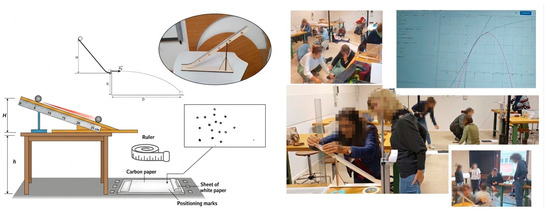
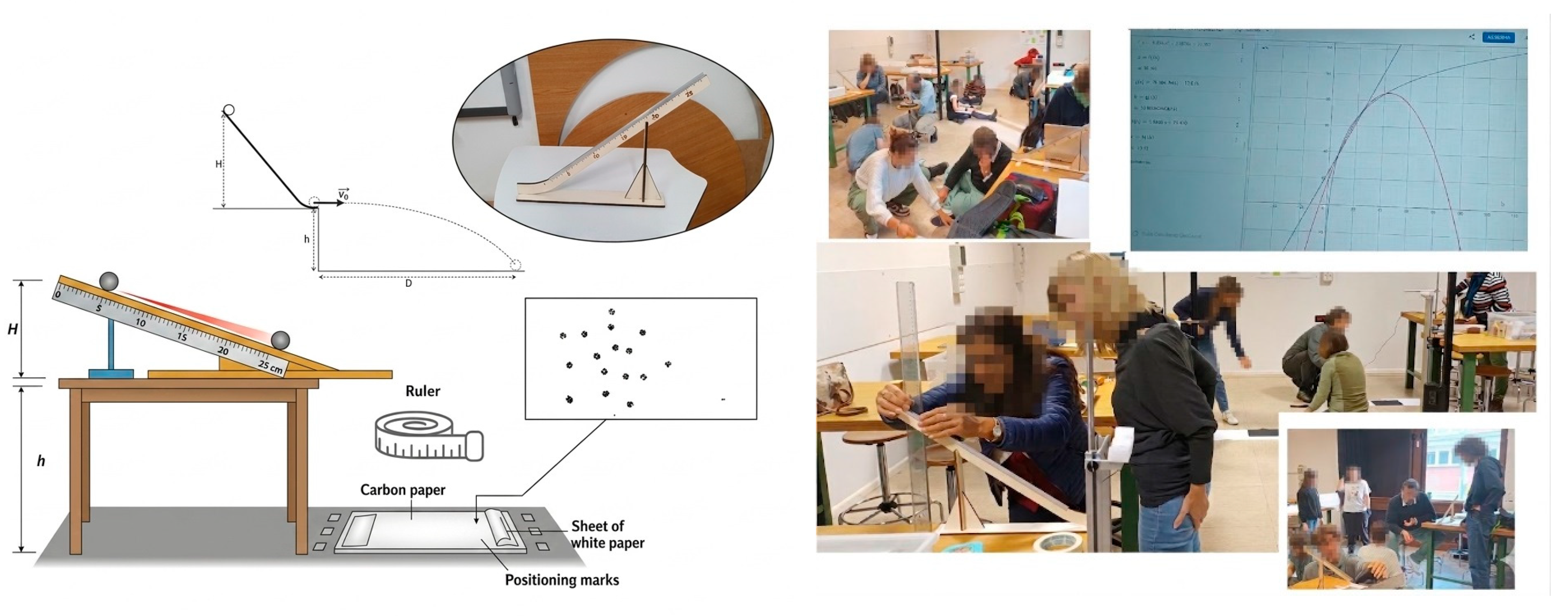
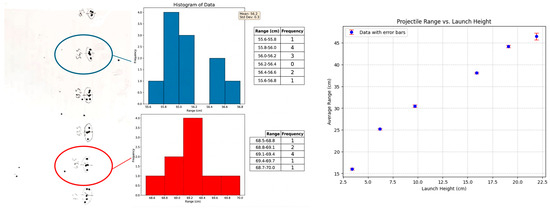
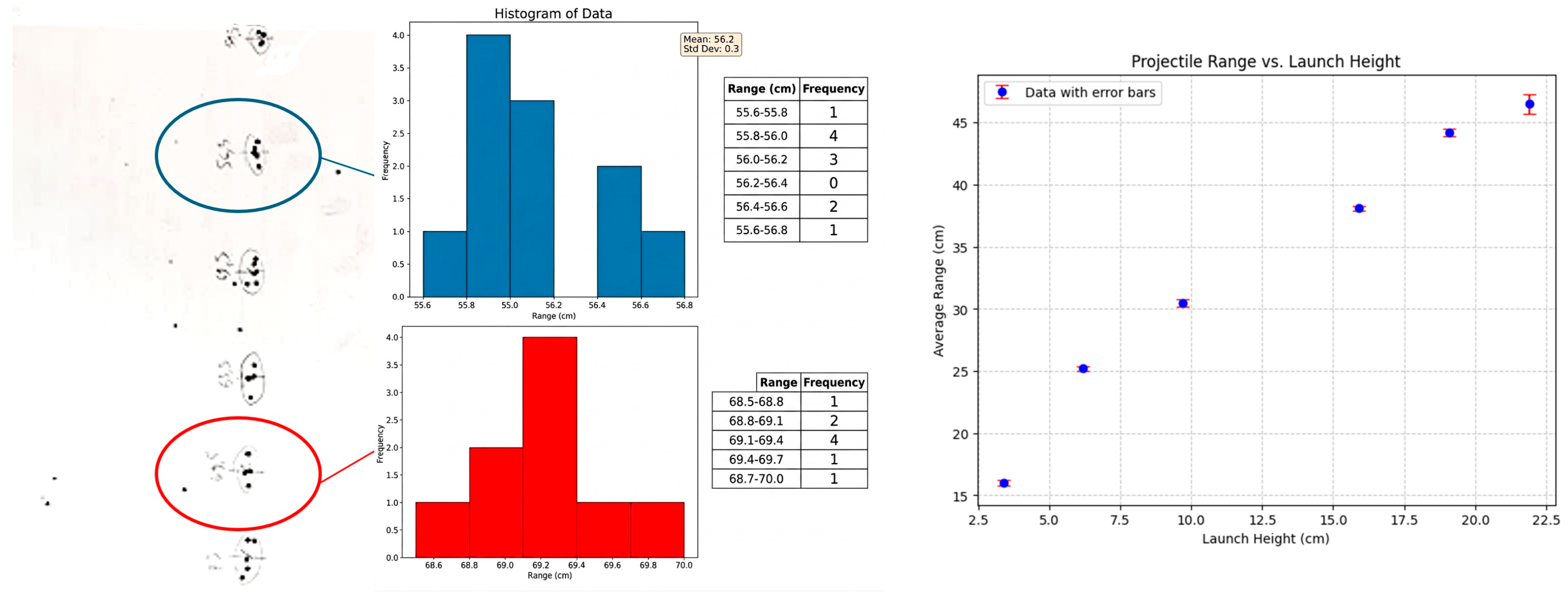
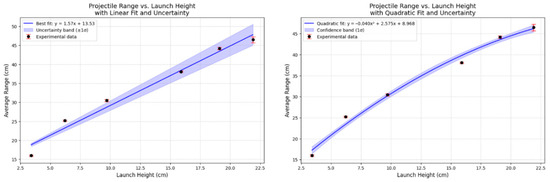
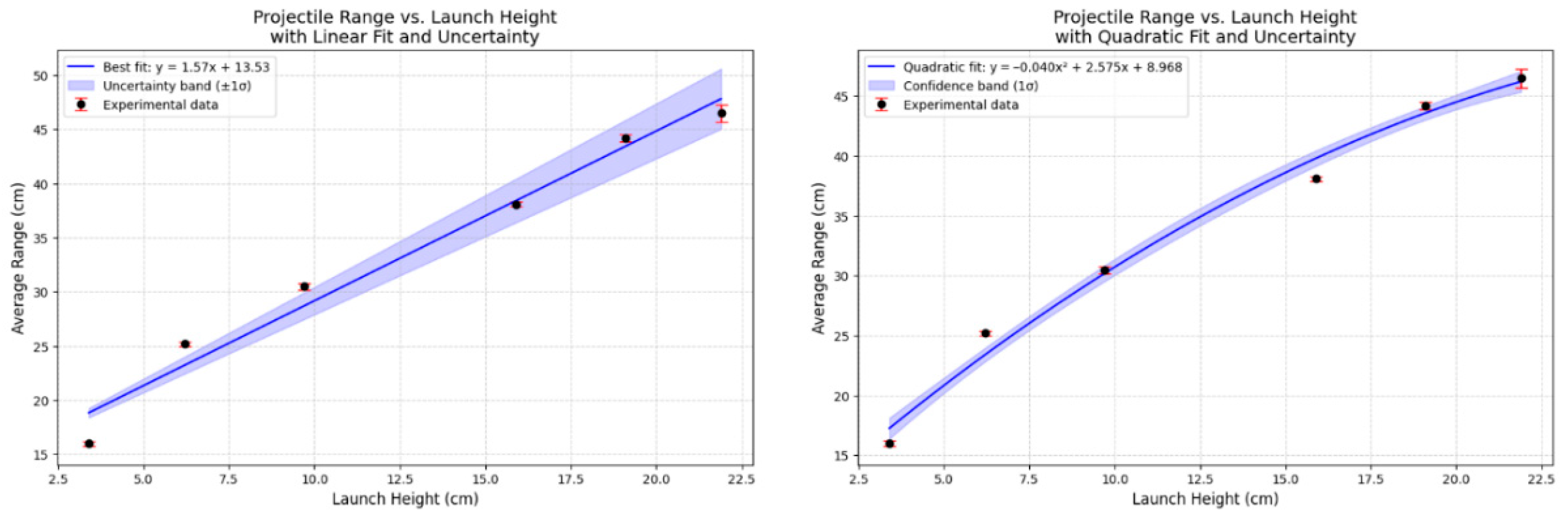
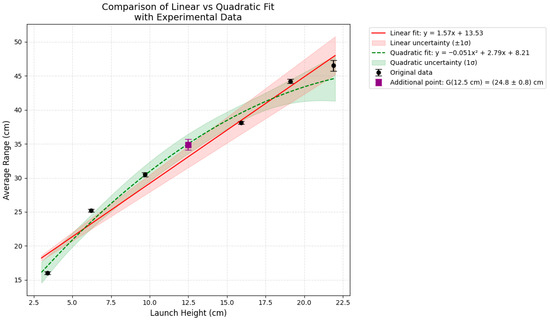
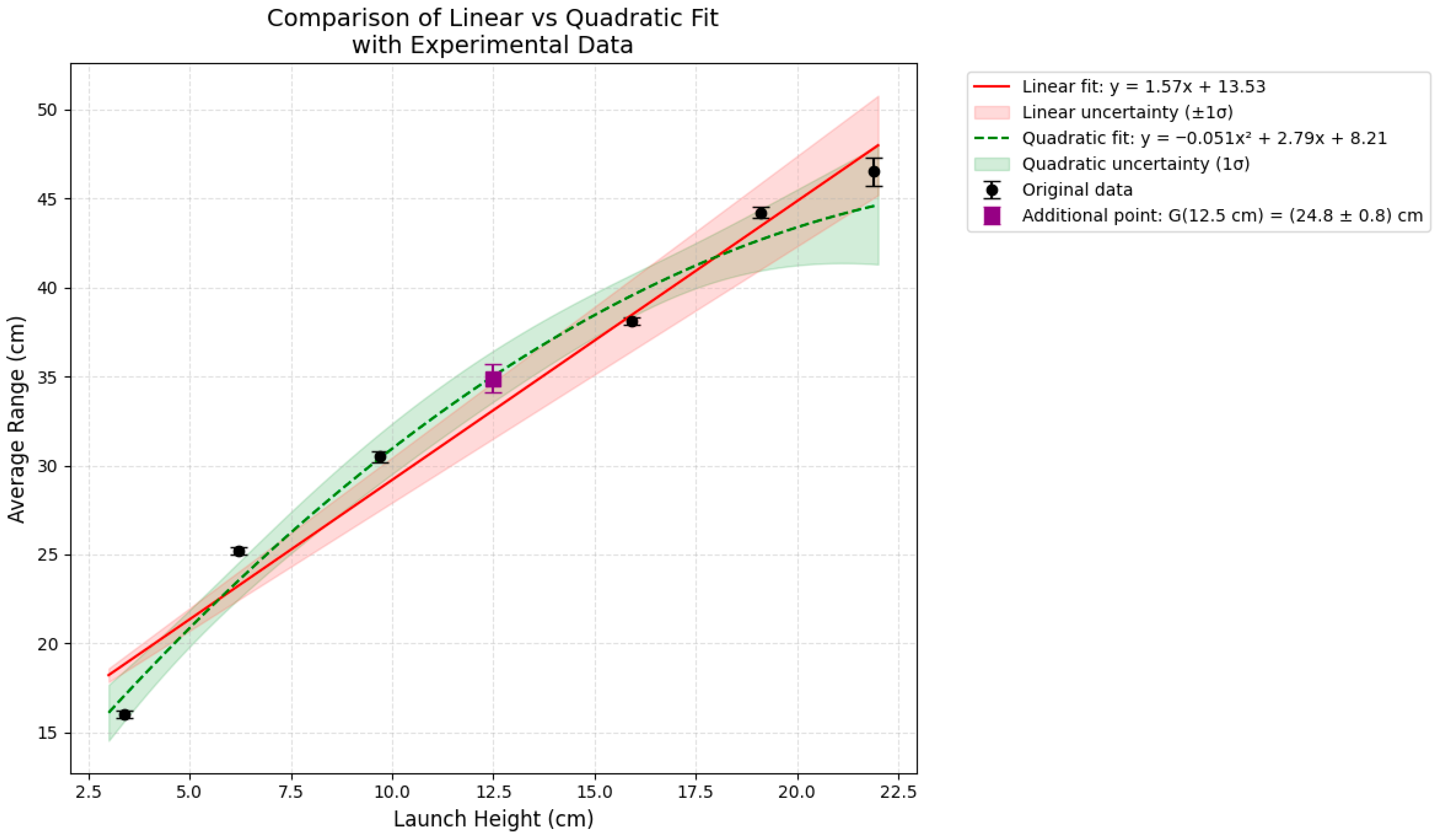
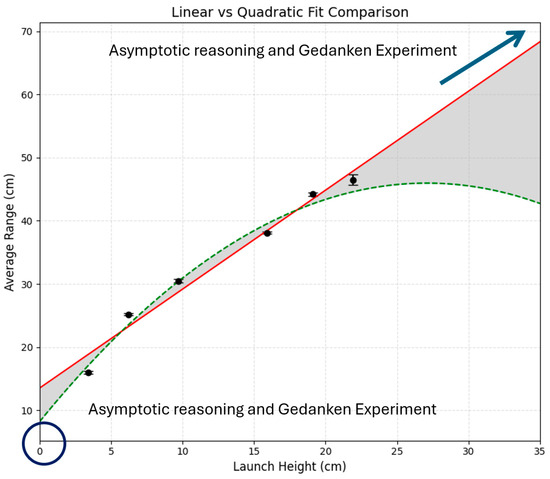
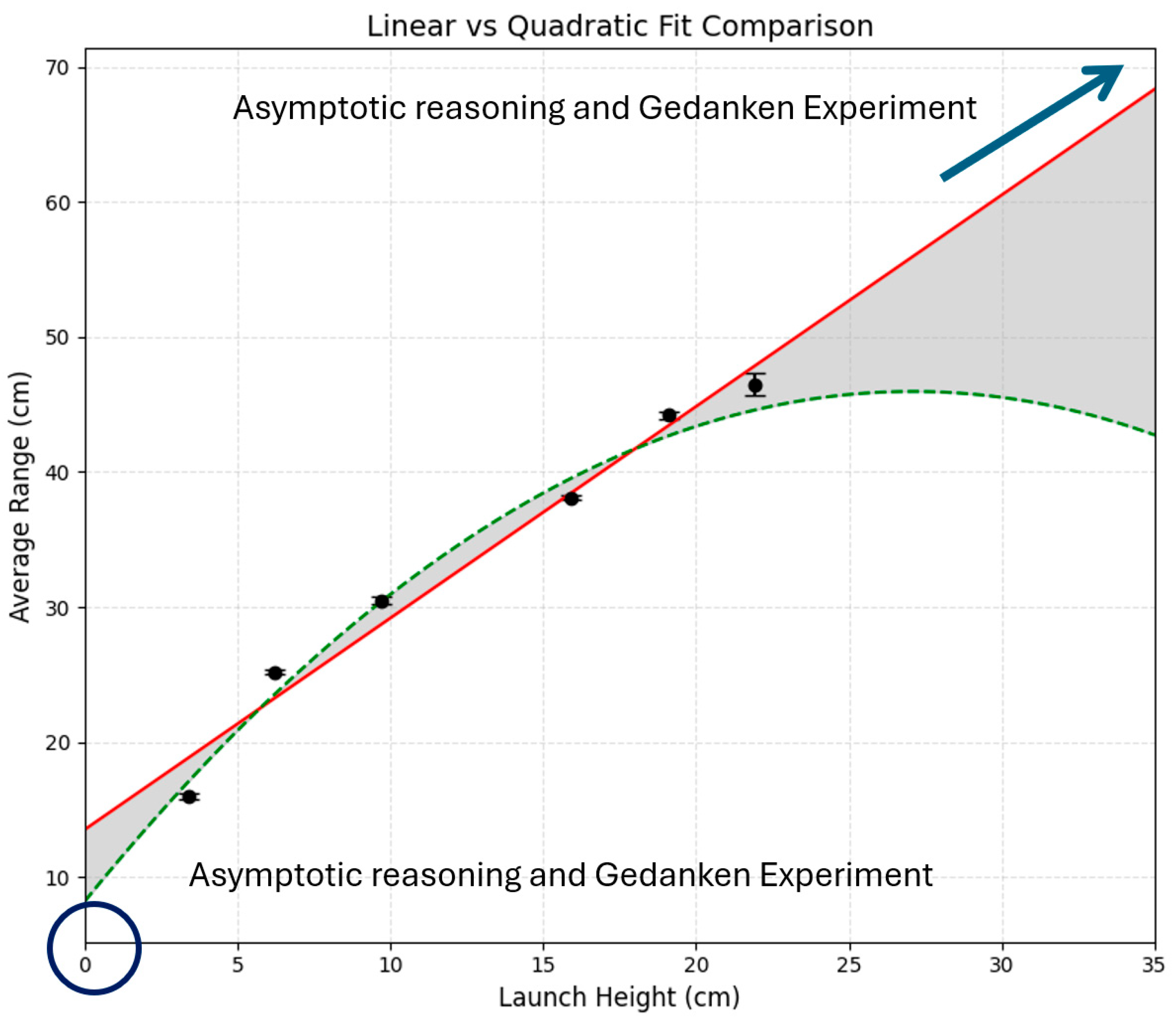
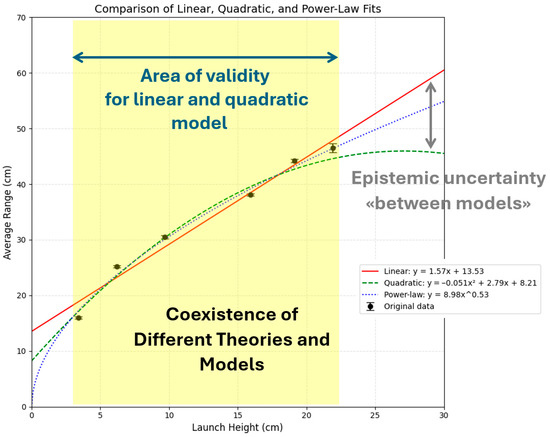
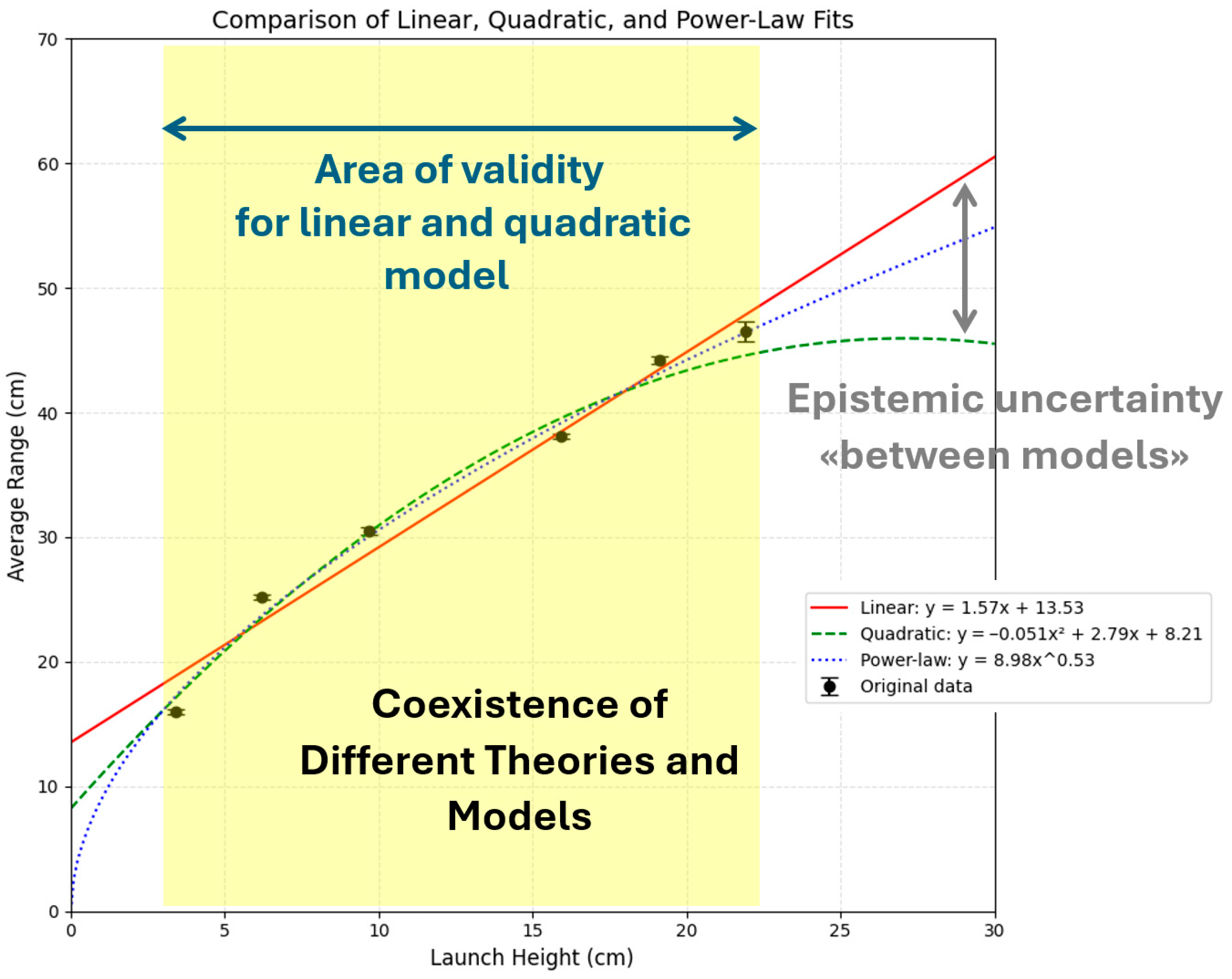
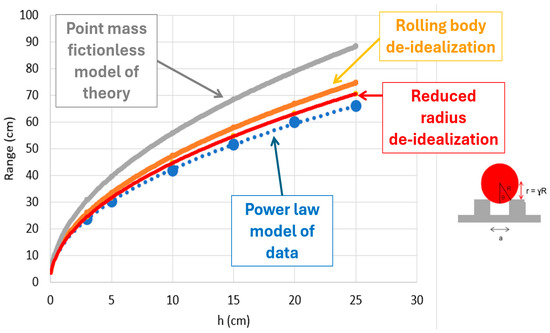
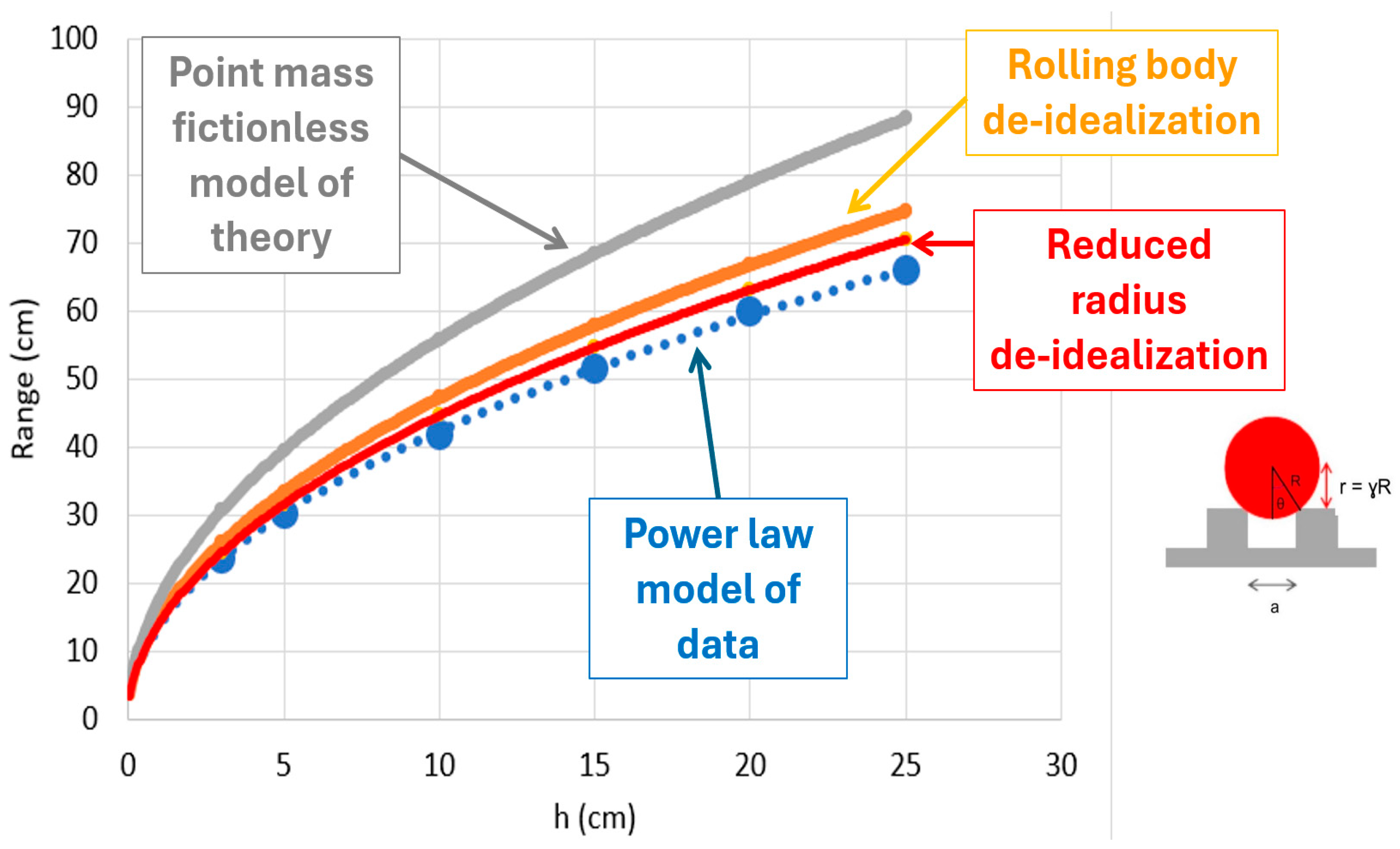

Disclaimer/Publisher’s Note: The statements, opinions and data contained in all publications are solely those of the individual author(s) and contributor(s) and not of MDPI and/or the editor(s). MDPI and/or the editor(s) disclaim responsibility for any injury to people or property resulting from any ideas, methods, instructions or products referred to in the content. |
© 2026 by the authors. Licensee MDPI, Basel, Switzerland. This article is an open access article distributed under the terms and conditions of the Creative Commons Attribution (CC BY) license.