


Abstract
International students at English-medium universities in Australia whose first language is not English often struggle with language learning due to challenges sustaining motivation and managing anxiety, while simultaneously needing to strengthen their English skills to succeed academically and fully engage in university life. Although serious games are increasingly used in second-language education, many are not explicitly grounded in established pedagogical strategy frameworks, and grammar-focused serious board games remain underrepresented. In response, this study designed a strategy-embedded serious board game (The Pyramid of Time) that integrates Oxford’s indirect Language Learning Strategies to support grammar-focused practice. Following a Design Thinking process informed by desk-based evidence and refined through two rounds of playtesting, the final prototype was evaluated in a single-session, between-subjects quasi-experiment with 64 international L2 English students studying in Australian English-medium universities, comparing a collaborative board-game condition with an individual textbook self-study condition. Outcomes were assessed using pre- and post-measures of grammar test performance, language learning motivation, and grammar-learning anxiety. The strategy-embedded, collaborative game-based condition showed larger short-term gains in grammar test performance and more favourable changes in motivation and anxiety than the individual textbook self-study condition. An exploratory bootstrapped mediation analysis was consistent with an indirect pattern in which anxiety reduction related to grammar gains primarily via increased motivation, although evidence was modest. Findings provide initial support for theory-informed, strategy-embedded game-based instruction as a promising approach for grammar-focused practice that also improves learners’ short-term motivational and affective experiences. These results should be interpreted in light of differences in instructional format, collaborative structure, and time-on-task across conditions.
1. Introduction
1.1. Language-Related Challenges in International Higher Education
English proficiency is widely recognised as a crucial factor in both academic success and overall well-being for international students studying at English-medium universities whose first language is not English (Brunsting et al., 2018). Research consistently shows that students with stronger English skills tend to achieve higher grades and adapt more easily to academic demands, whereas those with limited proficiency often face ongoing academic difficulties (Yu et al., 2025). Beyond academics, inadequate language skills are associated with challenges in students’ social lives; language barriers frequently relate to reduced social engagement, difficulty forming friendships, and trouble fitting into the campus community. (Han et al., 2017). Such experiences have been linked to increased feelings of isolation, depression, and anxiety (Özdemir & Seçkin, 2025) and are also commonly discussed through acculturative stress perspectives, which describe psychological strain that can arise during cultural adjustment in a new educational and social environment (Hansen et al., 2021). Over time, these challenges may negatively affect students’ mental health and overall university experience (Serrano-Sánchez et al., 2025).
While English proficiency encompasses multiple interrelated skills, higher-education scholarship increasingly recognises grammatical knowledge as a structural component of academic language use (Gupta et al., 2022; Zheng et al., 2023). In a large-scale meta-analysis synthesising 86 studies (N = 14,852), grammatical knowledge demonstrated a strong association with reading comprehension, suggesting that grammar underpins the coherence-building processes required to interpret complex academic texts (Zheng et al., 2023). Beyond comprehension, longitudinal evidence from university writing contexts indicates that grammatical accuracy and syntactic complexity significantly predict evaluated writing quality, even when other learner variables are controlled (Crossley & Kim, 2022). Complementing these quantitative findings, recent classroom-based research conceptualises grammar not as an isolated form but as a resource for disciplinary meaning-making, showing that attention to lexico-grammatical patterning supports L2 university students in aligning their writing with genre-specific academic expectations (Zhang, 2025). Moreover, qualitative research with international doctoral students suggests that grammatical control remains a concern in academic writing supervision (Gupta et al., 2022). Taken together, this body of evidence positions grammar as a foundational component of academic discourse across both comprehension and production.
Grammar comprises multiple subsystems with distinct functional roles. Among these, verb tense represents a foundational domain because it encodes temporal relations that organise event sequencing and support meaning interpretation in discourse (Refat et al., 2020). Beyond its semantic function, tense–aspect morphology remains one of the most extensively investigated areas in second language acquisition, with large-scale scientometric analyses documenting sustained theoretical and empirical attention over four decades (Almakrob & Alduais, 2025). Its continued prominence in recent publication cycles underscores both its developmental persistence and instructional relevance. Empirical evidence further identifies tense as a recurrent source of inaccuracy among university-level EFL learners and demonstrates that tense accuracy improves under structured instructional conditions (Kim & Li, 2025). Taken together, these findings indicate that verb tense constitutes a developmentally challenging yet pedagogically responsive subsystem within academic language. Accordingly, the present study focuses on verb tense as a theoretically grounded and empirically supported entry point for strengthening the academic language performance of international L2 English students.
1.2. Limitations of Traditional Learning Language Instruction
Traditional approaches to second language (L2) grammar learning often rely on explicit explanations followed by practice using textbooks and worksheets, carried out either through teacher-led instruction or independent self-study (Lin et al., 2020; Rodríguez-Fuentes & Swatek, 2022). However, the extent to which such practice supports engagement and durable learning varies by implementation; when practice is realised primarily through repetitive, form-focused exercises (Rodríguez-Fuentes & Swatek, 2022), it may be less motivating if authentic context is limited (Lin et al., 2020). Under these conditions, affective factors such as motivation and anxiety can meaningfully shape engagement and learning outcomes. Repeated difficulty in recalling or applying target forms can undermine learners’ confidence, increase anxiety, and reduce motivation, ultimately contributing to disengagement from grammar-learning tasks (Dehghanzadeh et al., 2021).
From a motivational-design perspective, motivation can be viewed as a key driver of sustained engagement, especially when learning activities support attention, relevance, confidence, and satisfaction (Keller & Suzuki, 2004). Conversely, anxiety can act as an emotional barrier that decreases participation and disrupts cognitive processing during tasks. Notably, L2 anxiety is multi-dimensional and is commonly conceptualised in terms of communication apprehension, test anxiety, and fear of negative evaluation (Horwitz et al., 1986). Because grammar learning frequently involves accuracy-based responding and performance monitoring, the test/evaluative dimension is especially relevant to grammar-oriented tasks in many instructional contexts. In line with this, modelling research in English as a Foreign Language (EFL) context suggests that motivation and anxiety are interconnected and jointly associated with L2 proficiency and self-beliefs (Alrabai, 2025), supporting the need to examine their interacting pathways in grammar-oriented learning. These links are often interpreted through achievement emotion and cognitive load perspectives, which frame anxiety reduction as supporting learning indirectly by freeing cognitive resources for sustained engagement (Pekrun, 2006; Sweller, 1988).
In response to these engagement and affective challenges, researchers and educators have been exploring more student-centred approaches, including gamified platforms and fully developed serious games in second language education (Zhonggen, 2018). Gamified learning systems add game elements (e.g., points, progress feedback, rewards) to non-game language activities and can support motivation, although effects depend on design and context (Dichev & Dicheva, 2017). For instance, a short, session-based study of a gamified conversational agent for English grammar and vocabulary practice reported increased motivation among higher-education learners (Khosrawi-Rad et al., 2025). Alongside such gamified systems, serious games are complete game experiences designed for learning purposes beyond entertainment (Laamarti et al., 2014) and have also been used in L2 contexts to support affective outcomes; for example, a single-session classroom EFL reading game reported increased motivation and reduced anxiety (Li et al., 2025). Collectively, these developments highlight the potential of serious games to combine motivational affordances with pedagogically purposeful design, motivating closer examination of their impacts across language skills.
1.3. The Impact of Serious Games on Language Skills
Serious games (SGs) are intentionally designed games that serve purposes beyond entertainment, applying game design principles to achieve educational or training outcomes while maintaining engagement and enjoyment (X. Liu et al., 2025). They typically integrate instructional objectives and learning-oriented feedback within gameplay; however, their educational and affective effects are highly design-sensitive and may be attenuated when excessive interactivity increases extraneous cognitive load (X. Liu et al., 2025; Zhonggen, 2018). In language-learning contexts, prior research indicates that serious-game interventions can enhance motivation, emotional engagement, and language achievement across diverse learner populations and instructional contexts—from school to higher education and across classroom-based and technology-mediated L2 English contexts (Cho et al., 2021; Li et al., 2025; L. A. Liu & Hwang, 2024; X. Liu et al., 2025). From a design perspective, these benefits appear strongest when language practice is embedded in structured, low-risk, and feedback-rich task environments that combine iterative practice, contextualisation, and guided support (Lyu, 2019; Cho et al., 2021; Li et al., 2025; Roedavan et al., 2025). Such configurations may be particularly beneficial for learners facing affective and cognitive barriers.
In the domain of speaking, communicative simulations and cooperative formats have reduced anxiety and enhanced fluency and participation, whether through repeated public-speaking simulations (Roedavan et al., 2025), augmented-reality cooperative play (Lyu, 2019), or classroom-based speaking games that yielded higher post-test performance than traditional instruction (Al-Jamili et al., 2024). Scaffolded and narrative-driven task structures in reading have supported comprehension and affective engagement, with board-game scaffolding improving comprehension and reducing anxiety (Li et al., 2025) and quest-based narrative designs enhancing engagement and learning outcomes (Z. H. Chen et al., 2018). Similarly, in vocabulary learning, immersive gameplay combined with progression systems and feedback mechanisms has improved retention and sustained motivation, whether through task-based immersive designs (Cho et al., 2021), large-scale classroom implementations (X. Liu et al., 2025), or interactive environments supporting long-term retention through dynamic feedback (Honarzad & Soyoof, 2020). Although grammar learning is often perceived as demotivating, serious games have shown promising results by embedding grammar in contextual and cognitively engaging formats. L. A. Liu and Hwang (2024) demonstrated that integrating metalinguistic feedback into a digital grammar game enhanced grammar achievement, intrinsic motivation, and self-efficacy, particularly for learners with lower initial confidence. Similarly, Lin et al. (2020) showed that situating grammatical forms within contextualised, task-based scenarios significantly reduced grammar errors among EFL learners.
However, research attention has largely concentrated on digital serious games targeting vocabulary, reading, and speaking (Z. H. Chen et al., 2018; Cho et al., 2021; Roedavan et al., 2025), with comparatively fewer serious-game interventions focused on grammar (Lin et al., 2020; L. A. Liu & Hwang, 2024). Within tabletop serious games, existing work emphasises vocabulary and speaking, leaving grammar-focused tabletop designs a promising but comparatively under-evidenced direction (Poole, 2025). Given the affordances of tabletop formats for paced, face-to-face interaction and turn-based participation, they remain a promising but under-evidenced space for grammar-focused L2 learning (Pozzi et al., 2024; Sousa et al., 2023).
Moreover, although many studies report positive affective outcomes (Z. H. Chen et al., 2018; Lyu, 2019; Honarzad & Soyoof, 2020; Cho et al., 2021; Al-Jamili et al., 2024), explicit accounts of the pedagogical logic linking game mechanics to strategy development are less commonly articulated, leaving the instructional basis of design decisions underspecified. Prior work suggests that serious-game effectiveness is strengthened when designs are informed by instructional theory rather than relying solely on engagement effects (L. A. Liu & Hwang, 2024). From this perspective, Language Learning Strategies (LLS) provides a useful theoretical vehicle because it offers an established second language acquisition (SLA)-grounded account of intentional learner strategy use, linking engagement and affective conditions to purposeful learning behaviour that can be meaningfully supported through design (Heidt et al., 2023; Mohammadi et al., 2023).
1.4. Language Learning Strategies
Theoretical foundations are essential in shaping practical approaches to language learning. Among them, Language Learning Strategies (LLS) play a central role in SLA by offering structured techniques that help learners regulate their cognition, emotions, and behaviour (Heidt et al., 2023). Oxford (1990) classified LLS into direct and indirect strategies. Direct strategies actively engage learners with the target language and include cognitive (e.g., summarising, analysing), memory (e.g., repetition, mnemonics), and compensation strategies (e.g., inferring, using gestures). These help learners process, store, and retrieve linguistic information, which directly affects their fluency and performance (Saks & Leijen, 2018).
In contrast, indirect strategies support learning by managing and coordinating the learning process rather than acting directly on language forms. In Oxford’s (1990) taxonomy, indirect LLS comprise metacognitive strategies (planning, monitoring, and evaluating learning), affective strategies (regulating emotions and attitudes during learning), and social strategies (interacting with others to clarify meaning, cooperate, and negotiate understanding). Oxford conceptualises these strategies as organising and regulating the overall learning process; they help learners direct attention, structure their effort, monitor progress, maintain productive engagement, and benefit from collaborative interaction. In this sense, indirect strategies function as an internal management system that shapes how learners approach language tasks and sustains their engagement over time (Oxford, 1990).
The practical value of LLS has been well demonstrated in classroom environments through their application to specific language skills. In academic reading, Yapp et al. (2023) demonstrated that explicit instruction in second-language reading strategies significantly enhanced comprehension, showing how structured strategy training enables learners to transfer and apply effective reading strategies in a second-language context. More broadly, Pawlak (2021) discussed the relevance of metacognitive, social, and affective strategy use in relation to speaking and highlighted the broader role of LLS across different language domains.
Learners who adopt a range of LLS have been shown to demonstrate greater control over grammar and vocabulary, improved accuracy, and enhanced long-term retention. In grammar learning specifically, Pawlak and Csizér (2023) showed that learners who frequently employ metacognitive, cognitive, and social learning strategies achieve higher levels of grammatical accuracy and control, highlighting the effectiveness of a multi-strategy approach for fostering grammar competence. More recently, Lapo and Guanuche (2024) demonstrated that explicit instruction in metacognitive strategies significantly enhances grammar learning among low-proficiency learners, resulting in measurable gains in academic performance. Additionally, recent studies have shown that explicit instruction in LLS, including metacognitive, cognitive, and social approaches, can significantly improve vocabulary acquisition and long-term retention (Ayana et al., 2024).
Overall, LLS provides a theoretically grounded basis for integrating metacognitive, affective, and social supports into learning designs, with their value reflected in language outcomes (e.g., grammar achievement) and learners’ affective experiences, such as motivation and anxiety.
1.5. Design Thinking Framework
Design Thinking (DT) has been widely adopted as a human-centred, creative, and collaborative approach to innovation. It emphasises understanding user needs, framing complex problems, and translating insights into tangible solutions through iterative and participatory processes (Auernhammer & Roth, 2021). Beyond surface-level iteration, DT involves structured reframing of problem definitions and solution mechanisms in response to emerging insights, rather than merely incremental refinement of existing solutions (Liedtka, 2015).
Although different design thinking (DT) models use varying terminology and emphasise iteration, accounts of DT practice indicate a broadly shared set of core activities: an initial exploratory phase of needs identification and problem framing, followed by ideation, and then prototyping and testing/experimentation (Liedtka, 2015). One widely used operationalisation is the five-phase framework popularised by Hasso Plattner Institute of Design at Stanford University—Empathise, Define, Ideate, Prototype, and Test (Hasso Plattner Institute of Design at Stanford University, 2010)—which can be grouped into the three macro-stages above (Empathise–Define: data gathering about user needs; Ideate: idea generation; Prototype–Test: testing) (Liedtka, 2015). Figure 1 depicts the five-phase process and its grouping into the three macro-stages described above.
Figure 1.
Three-stage synthesis of the design thinking process and its operationalisation through the five-phase model. [Adapted from the Hasso Plattner Institute of Design at Stanford University (2010) and Liedtka (2015)].
Several studies have employed DT to support the creation of serious games aimed at addressing specific educational challenges through user-centred and iterative development processes. Recent reviews highlight that DT principles, when combined with game design, enable structured cycles of ideation, prototyping, and testing that align learning mechanics closely with learner needs and educational goals (Wu et al., 2025). At a more practical level, Ishaq et al. (2022) demonstrated that applying DT as a guiding framework can produce serious games with precise pedagogical alignment and measurable learning outcomes, while Sabino Moxo et al. (2023) showed how DT can be adapted to create culturally focused vocabulary-learning games aimed at preserving endangered languages. Extending this approach beyond game-specific contexts, Barbieri et al. (2025) illustrated how DT can be used as a collaborative methodology for co-designing innovative learning environments, highlighting its flexibility as a framework for educational innovation. Collectively, these studies demonstrate the flexibility of DT in aligning educational tools with learner needs, establishing it as a robust methodology for designing serious games and other innovative learning solutions across diverse educational contexts.
2. Research Objectives
International students studying at English-medium universities whose first language is not English often need to strengthen grammar to support academic reading and writing (Gupta et al., 2022; Zheng et al., 2023), yet commonly encounter grammar practice that is repetitive, accuracy-focused, and weakly contextualised, which can undermine motivation and increase anxiety during learning (Lin et al., 2020; Dehghanzadeh et al., 2021; Rodríguez-Fuentes & Swatek, 2022). At the same time, although serious games have been widely applied in language education, grammar-focused interventions—particularly in tabletop formats—remain comparatively underrepresented relative to work on vocabulary, reading, and speaking (Poole, 2025; Z. H. Chen et al., 2018; Cho et al., 2021; Roedavan et al., 2025). Moreover, explicit accounts of how particular mechanics are intended to support theoretically grounded learner processes (e.g., strategy use) are less consistently articulated across studies, reinforcing calls for theory-informed serious-game design (L. A. Liu & Hwang, 2024). In addition, although Design Thinking (DT) is widely described as a user-centred approach to educational innovation, it is not always operationalised as a full-cycle methodology that systematically integrates early-stage problem framing, mechanism-level redesign, and empirical outcome evaluation.
Against this background, the study aimed to design and evaluate a strategy-embedded serious board game for grammar practice, grounded in Oxford’s indirect LLS. Indirect LLS supports (metacognitive, affective, and social) were embedded into the game rules and turn structure so that strategy supports are systematically prompted during play, while evaluation focused on grammar learning and affective outcomes. Two research questions guided the study:
RQ1. What initial evidence is there that a DT-designed, strategy-embedded serious board game improves learners’ grammar test performance on targeted tense structures, compared with textbook-based self-study using the same grammar content?
RQ2. What initial evidence is there that the game-based condition influences learners’ motivation and anxiety during grammar practice compared with textbook-based self-study?
To answer these questions, the study employed a full-cycle DT process as a design methodology (Empathise–Define–Ideate–Prototype–Test), supported by educational evaluation methods. Empathic problem exploration was conducted through desk research, followed by ideation and iterative development of a tabletop serious game. Two rounds of playtesting were then conducted (heuristic evaluation and playability/usability-focused mechanics testing) to refine the design. Finally, a quasi-experimental evaluation compared the game condition with a textbook self-study condition, using aligned grammar content and outcome measures, including a grammar test (multiple-choice items mapped to the targeted tense structures) and validated affective scales for motivation and anxiety.
This work contributes by (i) extending serious-game research toward a grammar-focused tabletop format that remains comparatively less represented in L2 game-based learning research (Poole, 2025), (ii) embedding indirect LLS into core gameplay supports and rules rather than treating strategies as optional add-ons, and (iii) demonstrating a methodological integration in which DT informs not only concept development and prototyping but also iterative refinement and empirical evaluation using learning and affective outcomes.
3. Design Thinking Framework
The study employed a three-stage DT framing, synthesised from Liedtka (2015), to guide the user-centred design of an intervention that ultimately evolved into a serious board game. This framing was operationalised through the five-phase model popularised by the Stanford school—Empathise, Define, Ideate, Prototype, and Test (Hasso Plattner Institute of Design at Stanford University, 2010). In this paper, the three-stage framing is used as a high-level macro-structure, while the five phases specify the operational activities undertaken within that structure. As shown in Figure 2, the process began with structured problem framing (Empathise–Define), in which literature-informed needs were translated into clearly articulated design priorities. The study then progressed through two iterative cycles of ideation, prototyping, and testing (Cycle 1 and Cycle 2). Consistent with Design Thinking as an iterative learning process, iteration involved reframing both interface features and core mechanics in response to user feedback. This iterative reframing resulted in a final prototype prepared for experimental evaluation.
Figure 2.
Design thinking (DT) process used in this study, comprising two iterative cycles.
3.1. Empathise and Define
The Empathise phase aimed to establish an initial needs framing for international L2 English students at English-medium universities, focusing on academic and affective challenges in English language use within university contexts. This phase was operationalised through secondary (desk) research, including synthesis of prior empirical studies and reported needs analyses (see Introduction), to generate evidence-informed assumptions about learners’ linguistic difficulties and emotional barriers. These initial assumptions were subsequently examined and refined through two rounds of prototype testing that incorporated direct learner interaction, feedback, and observational insights to inform iterative development.
The Define phase translated these insights into a specific and bounded design challenge. Although identified barriers extended across multiple language domains, grammar—specifically core tense structures—was selected as the primary intervention target due to its foundational role in academic reading and writing and its consistently reported difficulty among international L2 English learners (Lin et al., 2020; Gupta et al., 2022; Zheng et al., 2023; L. A. Liu & Hwang, 2024). Beyond topic selection, the problem was reframed to require a learning experience that (i) provides structured and focused tense practice and (ii) addresses affective conditions such as motivation and anxiety during grammar engagement. These criteria served as explicit design constraints that guided subsequent ideation and mechanical development, ensuring alignment between instructional goals and evaluative outcomes.
3.2. Initial Ideation
This phase describes the development and refinement of the initial design concepts, informed by the language-learning barriers identified during the Empathise and Define phase. Studies indicate that serious games can enhance motivation, emotional engagement, and L2 grammar achievement, suggesting particular potential for learners facing affective and cognitive barriers (Lin et al., 2020; L. A. Liu & Hwang, 2024). Among different types of serious games, physical tabletop formats are considered particularly effective for language learning because their tangible interaction, social engagement, and turn-based structure support learners who benefit from hands-on tasks, paced progression, and peer-supported communication (Sousa et al., 2023; Pozzi et al., 2024).
The initial concept, developed through early brainstorming, took the form of a simple board game inspired by Mensch, in which players progressed by answering grammar questions instead of using dice-based movement. While lacking a thematic narrative, the design employed a solution-based dynamic that required players to advance by answering correctly. This mechanic reinforced grammar retention through repeated exposure and laid the groundwork for integrating instructional objectives into a structured game environment.
To address the motivational limitations of the initial concept, the second design iteration introduced a pyramid-themed grammar-adventure narrative. The pyramid itself was conceptualised as the main game board, forming the foundation of the learning experience. In this revised concept, a hidden mummy lies at the centre of the pyramid and can be uncovered only by collecting ancient torches placed along the pyramid’s walls and bringing them to the central area. Each player, cast as an explorer, navigates along a wall divided into three distinct paths representing the Present, Past, and Future tenses. To complete each path, players must overcome grammar challenges linked to the corresponding tense. Upon successfully finishing a path, the player collects a symbolic torch, which signifies mastery of that grammatical time frame. Once all three torches are gathered and placed in the central zone, the chamber is unveiled, marking the completion of the grammar quest. This design transforms grammar learning into an immersive experience built around the core dynamics of solution, collection, and symbolic progression.
To validate the evolving design, feedback was collected from an experienced English as a Second Language (ESL) instructor. The expert reviewed the grammar challenges to ensure pedagogical accuracy and alignment with the learning goals. They also offered two key recommendations. First, learners should receive targeted support when they encounter challenges containing unfamiliar grammar points, as this promotes understanding and reinforces learning. Second, collaboration should be encouraged to foster peer-supported learning.
To address feedback, a Support Mechanic was designed to provide targeted grammar guidance by giving players access to relevant rules, helping them understand unfamiliar grammatical features and reinforcing learning. Accordingly, the Support Mechanic was implemented through social interaction, encouraging players to seek grammar explanations from peers rather than relying solely on individual strategies. This design fosters peer collaboration and aligns with the expert’s recommendations.
To further support retention, a Retry Mechanic was added, allowing players who answer incorrectly to stay on the same tile and attempt a new challenge from the same tense in the next round. Additionally, a Reflection Mechanic was introduced via a Progress Stand, allowing players to visually track their performance across the three tense sections. Although not directly recommended by the expert, this feature was included to support self-monitoring and reflective learning. The complete ideation process is illustrated in Figure 3.
Figure 3.
The Initial Ideation process.
3.3. Initial Prototype
Following the Initial Ideation phase, the first prototype of The Pyramid of Time was developed to translate the conceptual framework into a tangible and testable board game. Table 1 summarises the core educational and thematic elements established during the ideation phase that guided the development of this prototype.
Table 1.
Summary of design elements adapted from the Initial Ideation for the Initial Prototype.
The game board was constructed as a foldable three-dimensional pyramid (see Figure 4). Upon unfolding, the game board reveals four triangular Time Walls, each corresponding to one player’s zone. These walls enclose a central rectangular Victory Zone, where the tokens of progress (Tense Torches) collected by each player are placed. Each Time Wall contains three sequential Tense Paths for the Present, Past and Future tenses. Each path consists of a series of Challenge Tiles labelled by tense. Players begin at the vertex of their Time Wall, opposite the Victory Zone, and progress tile by tile toward the base, which connects to the Victory Zone. Figure 4 illustrates the complete game board layout and components in the Initial Prototype.
Figure 4.
Folded and unfolded views of the Pyramid of Time game board.
Responses to Challenge Cards determine progression across the tiles. Each Challenge Card presents a grammar prompt that corresponds to the tense of the tile, with the correct answer discreetly printed on the reverse side. A correct answer allows the player to advance one tile, collect a Ring from the shared components area, and place it on the corresponding bar of their Progress Stand. This vertical tracker is divided into three parallel bars representing the Past, Present, and Future tenses. It provides a visual record of the player’s advancement and effort, functioning as a key part of the Reflection Mechanic. An incorrect answer results in the player staying on the same tile and drawing another Challenge Card from the same tense on their next turn. This triggers the Retry Mechanic, supporting repeated exposure to tense-specific grammar points without skipping ahead.
To implement the Support Mechanic, which assists players who struggle with specific grammar points and promotes social interaction, a set of Wisdom Cards has been created. Each Wisdom Card contains the grammar rule related to the Challenge Card content. Using a Wisdom Card prompts peer collaboration by allowing the player to request an explanation from another participant. In cases where the explanation results in a correct answer, both players receive a reward. The active player advances and places a Ring in their Progress Stand, while the helper is allowed to skip one Challenge Tile on their own Time Wall. Figure 5 shows the Card Box structure and examples of Challenge and Wisdom Cards.
Figure 5.
The Card Box: Challenge Cards (grammar questions) and Wisdom Cards (grammar rules).
Upon completing each Tense Path, players collect a Tense Torch token placed at the end of the path and position it into the designated slot in the Victory Zone. This act symbolises mastery of that tense. Once all three torches are collected, the Mummy Chamber in the centre of the board is unveiled, marking the successful completion of the grammar quest.
3.4. Playtest 1
To evaluate the Initial Prototype (Version 1) of The Pyramid of Time, a heuristic-guided usability walkthrough was conducted with four evaluators, comprising two members of the design team and two external peers. The design team included the lead researcher (a postgraduate student in Interaction Design) and an academic supervisor (a lecturer in Interaction Design). The external peers were postgraduate students in a related design discipline with prior experience reviewing and playtesting interactive prototypes. Given the early-stage, formative purpose of this evaluation, the walkthrough brought together mixed evaluator perspectives to identify usability issues before mechanics-level refinement.
Heuristic evaluation, originally introduced by Molich and Nielsen (1990) and further developed by Nielsen (1994), is a usability inspection approach in which evaluators identify usability issues by assessing design elements against established principles. In this study, the evaluation was guided by Nielsen’s (1994) ten usability heuristics: (1) visibility of system status; (2) match between system and the real world; (3) user control and freedom; (4) consistency and standards; (5) error prevention; (6) recognition rather than recall; (7) flexibility and efficiency of use; (8) aesthetic and minimalist design; (9) help users recognize, diagnose, and recover from errors; and (10) help and documentation.
During the walkthrough, evaluators interacted with the game while the facilitator used a structured observation log aligned with Nielsen’s heuristics to record each usability issue, the violated heuristic(s), and a brief incident-based description (e.g., confusion, hesitation, or inefficient interaction). Following the session, the recorded issues were consolidated and translated into the design recommendations reported in Table 2. Although all ten heuristics were reviewed, only those with observable violations are presented.
Table 2.
Heuristic-guided usability walkthrough findings for The Pyramid of Time during Playtest 1.
Following the walkthrough, interface-level refinements were implemented to address the identified issues, including improvements to layout clarity, component labelling, and alignment of visual elements. These changes were intended to enhance interaction fluency and reduce unnecessary cognitive load. As the revisions implemented the design improvements summarised in Table 2 and focused on visual and interface clarity, they did not alter the core game mechanics; instead, they yielded a refined prototype (Version 1.1), which was subsequently evaluated in Playtest 2 alongside the gameplay mechanics.
3.5. Playtest 2
Following the interface-level refinements from Playtest 1, a formative playability study was conducted with the refined prototype (Version 1.1). Six participants, representative of the target demographic, participated in a one-hour, in-person session. The objective was to examine whether the game’s core dynamics, mechanics, and components supported engagement and the intended grammar-learning goals, and to identify any gameplay flow breakdowns.
A multi-method qualitative approach was used. During gameplay, observation notes were recorded using a structured guide focusing on rule comprehension, turn flow, interaction with components, and visible affective responses. Participants were encouraged to verbalise their thoughts using a think-aloud protocol to capture real-time reflections on gameplay decisions and learning processes. After gameplay, a semi-structured interview was conducted to elicit perceptions of clarity, difficulty, engagement, and perceived learning support; the interview prompts were informed by Boller and Kapp’s (2017) guidelines for structured player feedback.
All qualitative data (observation notes, think-aloud comments, and interview transcripts) were analysed thematically using inductive coding to identify recurring usability issues, mechanic-level misunderstandings, and mismatches between design intent and player experience. Table 3 summarises the key findings and associated design insights. The resulting themes were mapped to actionable design changes, informing the second ideation phase and the development of the final prototype (Version 2).
Table 3.
Key playtest findings for The Pyramid of Time during Playtest 2.
3.6. Final Ideation
Informed by the formative playtest conducted in Playtest 2, the Final Ideation phase focused on translating user feedback (Table 3) into design refinement, guided by Oxford’s indirect LLS to enhance pedagogical impact.
As illustrated in Figure 6, to improve visual clarity, engagement, and component visibility based on Feedback 1 and 2, the player zones (Time Walls) were redesigned to incorporate three separate Tense Zones corresponding to the past, present, and future. These zones are arranged in a triangular structure around each player’s Time Wall, replacing the previous linear tile path. This new layout allows for non-linear progression, enabling players to rotate their Time Wall and start with any tense. Each Tense Zone now contains a dedicated set of Challenge tiles, each with a Ring placed at the start of the game to represent grammar tasks.
Figure 6.
Initial vs. Final Ideation based on Feedback 1 and 2 (Playtest 2).
To streamline gameplay, the player token was eliminated. Players now begin at Tile 1 within a selected Tense Zone and, upon answering correctly, collect the Ring and place it in the Strategy Matrix (replaced with the Progress Stand as a visual reflection system). This action marks the completion and enables progression to the next tile. The central space within each Tense Zone was used to embed the reflection system (Strategy Matrix), replacing the previously separate Progress Stand. This redesign not only improved gameplay flow but also ensured that essential components remained within the player’s visual field, addressing the issue of overlooked or unused elements.
To address Feedback 3 regarding the limited impact of the Retry Mechanic, the tile and card structure were redesigned to strengthen focused repetition (see Figure 7). Each Tense Zone now contains 12 numbered Challenge Tiles, each linked to a specific grammar point. The Card Box reflects this structure by providing multiple Challenge Cards per grammar point, offering varied formats while reinforcing the same concept. If a player answers incorrectly, they remain on the same tile and receive a new card targeting the same grammar rule in their next turn. This ensures repeated exposure to the same concept, thereby strengthening grammar retention through consistent and targeted practice.
Figure 7.
Initial vs. Final Ideation based on Feedback 3 (Playtest 2).
In response to Feedback 4 and 5, indirect LLS (social, affective, and metacognitive) were embedded into the related mechanics to enhance their educational value, drawing on SLA research. Social strategies promote language development through peer interaction, cooperative meaning-making, and intentional dialogue (Oxford, 1990). A key redesign based on this strategy addressed Feedback 4. Although the earlier version focused on Oxford’s emphasis on collaboration, it occasionally limited learners’ freedom in choosing how to access help, particularly when some players initially felt anxious during peer explanations and found it difficult to concentrate on the helper’s grammar explanation. These players expressed a preference for limited autonomy to review support independently when feeling stressed or unfocused. To address this, the Wisdom Cards (Support Mechanic) were redesigned for flexible use, enabling conditional independent use (once per Tense Zone) while maintaining the core focus on social learning. Each card includes two sides: the Rule Side, which provides a detailed grammar explanation read aloud by a peer to foster interaction and shared understanding, and the Hint Side, which offers a short example sentence that players may review individually if they experience anxiety or cognitive overload during collaboration. This redesign preserved the collaborative foundation of the mechanic while integrating learner autonomy in line with Oxford’s framework, ensuring that social learning remained the dominant but not restrictive form of support engagement.
Affective strategies aim to help learners regulate emotions, maintain motivation, and cultivate a positive mindset during learning (Oxford, 1990). In the earlier Support Mechanic, players received assistance only through Wisdom Cards, which provided grammar guidance via social interaction when facing challenge cards. However, consistent with affective strategy principles, it was also important to support learners in managing their emotional states throughout gameplay. Therefore, the Support Mechanic was expanded to include Emotion Cards.
As illustrated in Figure 8, players draw Emotion Cards based on their current feelings, which are identified through labelled emojis and short descriptions. They are guided to perform brief calming or motivational actions. This mechanism aligns with Oxford’s concept of affective strategies, which function as self-regulatory tools that learners use when they perceive a personal need for emotional control or motivation.
Figure 8.
Initial vs. Final Ideation based on Feedback 4 (Playtest 2).
Metacognitive strategies involve managing learning through planning, monitoring, and evaluating one’s performance, enabling learners to make informed decisions and adapt their approaches based on observed outcomes (Oxford, 1990). Feedback 5 highlighted that the earlier Progress Stand provided motivation but offered limited opportunities for genuine self-evaluation. To address this, the Reflection Mechanic was redesigned as a Strategy Matrix embedded at the centre of each Tense Zone (Figure 9).
Figure 9.
Initial vs. Final Ideation based on Feedback 5 (Playtest 2).
Rings collected after completing tiles are categorised according to the type of support used (Emotion, Wisdom, Both, or None), transforming progress tracking into an ongoing reflective process rather than a static score display. Because collecting a Tense Torch requires completing all tiles and placing the Rings, engagement with the Matrix occurs naturally throughout play.
The Matrix, therefore, functions as an external scaffold for metacognitive regulation, allowing players to visualise and remember their sequence of supports across rounds. Since players cannot mentally track all prior decisions, it provides a visual memory of their learning journey. During play, learners repeatedly consult it to monitor progress and compare the effectiveness of different supports. Upon completing each Tense Zone, they review the Matrix to evaluate which supports contributed most to success and to adjust their approach for subsequent challenges—thus completing Oxford’s metacognitive cycle of monitoring, evaluating, and replanning.
To further stimulate this reflection, the first Challenge Card in each new Tense Zone includes a short prompt reminding players to recall their previous strategy pattern and plan their approach for the upcoming section. This ensures that metacognitive reflection is activated procedurally rather than externally imposed.
Moreover, metacognitive engagement in a gaming context differs from conventional classroom reflection. Accordingly, the design sought to embed reflection within the natural flow of play so that awareness occurred in action without interrupting immersion. Observing their own support patterns encourages players to make adaptive choices. Reflection is thus procedurally embedded and intrinsically rewarded through improved pacing, confidence, and progress management. This design transforms the Strategy Matrix from a static scoreboard into a dynamic metacognitive tool that continuously guides and rewards self-evaluation.
3.7. Final Prototype
The Final Prototype incorporated refinements derived from formative feedback and Oxford’s strategy-informed ideation, aiming to support grammar performance, enhance motivation, and promote emotional regulation. The prototype is presented in Figure 10, which provides a visual overview, and Table 4, which summarises the refined game elements and their alignment with gameplay mechanics and instructional goals.
Figure 10.
Final Prototype of The Pyramid of Time showing the complete board game layout alongside the card box, including its decks and sample cards.
Table 4.
Summary of refined game elements aligned with gameplay mechanics and instructional goals.
Building on the visual and functional overview, the core structure of the Final Prototype is shaped by six interrelated game mechanics. The following descriptions detail how these mechanics operate within gameplay to create an integrated and pedagogically grounded experience.
3.7.1. Answer Advancement Mechanic
Players begin by selecting one of the three Tense Zones (Past, Present, or Future) on their Time Wall. They progress through the zone by answering grammar Challenge Cards. At the start of the game, Rings are placed on all Challenge Tiles in that zone. Each tile represents a grammar point linked to a corresponding card. A correct answer allows the player to collect the Ring from the tile and move to the next tile. Completing all 12 tiles in a Tense Zone earns a Tense Torch. The first player to place all three Torches in the Victory Zone reveals the Mummy Chamber and wins the game. This mechanic integrates exploration, solution, and collection to support structured yet flexible progression.
3.7.2. Retry Mechanic
If a player answers a Challenge Card incorrectly, they remain on the same tile and must retry the same grammar point using a new Challenge Card in the next turn. This promotes mastery through structured repetition. Once the answer is correct, the player collects the Ring and advances to the next tile. Although progress is temporarily paused, this mechanic deepens engagement and consolidates learning.
3.7.3. Support Mechanic
Before answering, players may draw from the Support Deck. Emotion Cards prompt calming or motivational actions based on the player’s emotional state, aiding affective regulation. Wisdom Cards offer grammar support through two modes. The Hint Side is used for solo reflection, and the Rule Side involves peer explanation. If peer help results in a correct answer, both players collect a Ring from the Challenge Tile as a reward. This mechanic blends autonomy and collaboration to enhance motivation, confidence, and learning.
3.7.4. Reflection Mechanic
Each Tense Zone features a built-in Strategy Matrix where players place collected Rings based on the type of support used, whether it is Emotion, Wisdom, Both, or None. To earn a Tense Torch, all Rings must be collected and correctly placed within the Matrix, and no more than six Rings can be assigned to the “None” category. This structural rule ensures that players meaningfully engage with the different support mechanisms during gameplay, thereby increasing opportunities for indirect strategy use. By the end of the zone, the matrix provides continuous visual feedback that promotes self-awareness and planning for the next stage. The observation and action loop, which involves noticing patterns, interpreting effectiveness, and adapting behaviour, transforms reflection from a passive record-keeping activity into an intrinsically rewarding, active metacognitive engagement.
3.7.5. Reward and Punishment Mechanic
The game encourages effort by balancing rewards and penalties. Correct answers allow players to collect a Ring from the corresponding Challenge Tile as a reward, and completing a Tense Zone grants a Tense Torch. Helpers who successfully explain a grammar point using a Wisdom Card are also rewarded with a Ring from their own Time Wall, which reinforces collaborative behaviour. Incorrect answers trigger the Retry Mechanic, requiring players to attempt the same grammar point again. This structure maintains engagement by linking success to progression and delays to further effort.
3.7.6. Win Condition Mechanic
A player wins the game by collecting all three Tense Torches, representing mastery of past, present, and future grammar zones, and placing them into the Victory Zone to reveal the Mummy Chamber. This clear end goal motivates players to persist through challenges and provides a satisfying narrative and visual conclusion to the gameplay.
Figure 11 illustrates the gameplay flow, showing the sequence of player actions and how the mechanics work together to support progression. Together, the layout, components, mechanics, and gameplay flow of the Final Prototype formed the basis for the subsequent experimental evaluation.
Figure 11.
Gameplay flowchart showing core player actions and game mechanics.
3.8. Experimental Design
This study employed a quasi-experimental, between-subjects design comparing a strategy-embedded game-based condition with a textbook-based self-study condition. The design evaluated changes in grammar test performance on targeted tense structures, as well as changes in language learning motivation and grammar learning anxiety following a single-session intervention with an immediate post-test. The intervention was designed to prompt indirect strategy engagement through embedded mechanics; however, the present evaluation examines this design by examining its observed effects on pre–post outcomes rather than by directly measuring strategy use. The following sections describe the participants, learning materials, instruments, and procedures used to implement the experiment.
3.8.1. Research Participants
This study involved 64 international L2 English students studying in Australian English-medium universities. Participants were recruited via class announcements and digital university groups. They represented diverse first-language (L1) backgrounds, with no single dominant L1, and were drawn from a range of academic disciplines. Eligibility criteria required current university enrolment and a minimum English proficiency equivalent to IELTS 6.0, consistent with standard academic admission requirements. No restrictions were applied based on gender, age, or academic discipline to support sample diversity.
Participants were randomly assigned to either the experimental group (n = 32) or the control group (n = 32), supporting baseline equivalence and minimising selection bias. Although the total sample size fell below thresholds typically recommended for detecting medium effects with 80% power (Cohen’s f = 0.25, α = 0.05), it was considered adequate for exploratory analysis and for detecting large effects.
All participants provided written informed consent and were informed that participation was voluntary, responses would be kept confidential, and they could withdraw at any time without penalty. The study protocol received ethics approval from the Faculty of Engineering and Information Technology (FEIT) Human Research Ethics Committee, University of Technology Sydney.
3.8.2. Learning Materials
The instructional content for both groups was sourced from English Grammar in Use (Murphy, 2019), a widely used resource for intermediate L2 English learners. The content covered 36 grammar rules across present, past, and future tenses.
In the experimental group, the selected grammar content and practice items were embedded into The Pyramid of Time, a serious board game designed around Oxford’s indirect LLS. Each rule was practised through challenge questions sourced from the textbook, with retry opportunities incorporated within gameplay to support repeated practice.
In the control group, participants studied the same grammar rules and completed the corresponding textbook exercises in a self-paced, individual format without game-based or collaborative elements. To support the equivalence of instructional content across conditions, the mapping between textbook units/exercises and the game’s challenge set was reviewed by an experienced English instructor.
While the grammatical content was equivalent across conditions, the instructional formats differed by design. The experimental condition embedded the selected content within a structured, strategy-supported, and collaborative gameplay environment, whereas the control condition reflected a conventional textbook-based self-study format. The purpose of the comparison was therefore not to isolate the effect of the medium alone, but to evaluate the overall pedagogical impact of a strategy-embedded serious board game relative to commonly used individual grammar practice.
3.8.3. Instruments and Measures
This study employed pre- and post-tests across three domains: grammar test performance, language learning motivation, and grammar learning anxiety.
Grammar test performance was assessed using 36 four-option multiple-choice items equally distributed across present, past, and future tense structures aligned with the instructional content (Murphy, 2019). Items were reviewed by an experienced English-language instructor to evaluate clarity, tense alignment, and cross-form equivalence, supporting content validity. To reduce test–retest effects, the post-test used alternative items that assessed the same grammatical structures as the pre-test. Internal consistency reliability was satisfactory for both the pre-test (Cronbach’s α = 0.78) and post-test (α = 0.81), indicating stable measurement across administrations. Pre-test item difficulty ranged from 0.35 to 0.78 (M = 0.60), and post-test item difficulty ranged from 0.48 to 0.90 (M = 0.74), reflecting moderate overall difficulty without evidence of floor or ceiling effects. Appendix A presents representative sample items from the pre- and post-tests, as well as the game’s challenge cards, to illustrate structural alignment, tense distribution, and parallel-form variation.
Language learning motivation was assessed using a 12-item questionnaire adapted from Keller and Suzuki (2004), reflecting the four motivational components of attention, relevance, confidence, and satisfaction. Responses were recorded on a 5-point Likert scale (1 = strongly disagree to 5 = strongly agree) and were administered at both pre- and post-test. Internal consistency of the total scale was evaluated at each administration using Cronbach’s alpha (α_pre = 0.88; α_post = 0.91).
Grammar-learning anxiety was measured using a 9-item questionnaire adapted from the Modified Abbreviated Math Anxiety Scale (AMAS; Carey et al., 2017). Mathematics-specific wording was replaced with grammar-learning situations while preserving the original scale’s situational structure. The adapted items were reviewed by an experienced English-language instructor to ensure clarity and contextual appropriateness. Responses were recorded on a 5-point Likert scale (1 = not at all anxious to 5 = extremely anxious) and were administered at both pre- and post-test in the experimental and control groups (see Supplementary Materials, File S1: Affective instruments). Internal consistency of the total scale was satisfactory at each administration (α_pre = 0.86; α_post = 0.89).
3.8.4. Experimental Procedure
The study was conducted in a single session. Participants first completed a grammar pre-test (approximately 30 min), followed by pre-questionnaires measuring motivation and grammar learning anxiety (approximately 10 min total). Participants then completed the assigned instructional activity.
In the experimental group, participants engaged in a collaborative session using The Pyramid of Time. In the control group, participants completed individual grammar exercises using the same textbook content in a self-study format. The instructional phase lasted approximately 60–90 min for the experimental group (depending on group size and interaction) and approximately 30–45 min for the control group. Given that the two conditions varied in interaction format (collaborative gameplay versus individual practice), instructional time was not strictly synchronised.
Following the instructional phase, participants completed a grammar post-test (approximately 30 min) and then repeated the motivation and grammar learning anxiety questionnaires (approximately 10 min). All sessions were conducted under standardised conditions in a quiet study room, and participants received the same procedural instructions in advance to reduce external variability. During the instructional phase, the researcher remained present in the room in both conditions to ensure procedural adherence and address logistical questions. No instructional guidance, strategy coaching, or grammar explanations were provided. In the experimental group, gameplay proceeded according to the rule sheet and peer interaction, with researcher involvement limited to procedural clarification when necessary. In the control group, participants completed textbook exercises independently under the same supervision conditions. Figure 12 summarises the session flow.
Figure 12.
Overview of the experimental procedure.
3.9. Experimental Results
Descriptive statistics for grammar achievement, motivation, and anxiety are shown in Table 5. At pre-test, the experimental and control groups exhibited similar scores across all three measures, suggesting initial equality. After the intervention, the experimental group showed greater average improvements in grammar achievement (ΔM = 2.97 vs. 0.72) and motivation (ΔM = 0.38 vs. 0.05) compared to the control group. For anxiety, which was reverse-coded such that higher values indicate lower anxiety, the experimental group showed a larger improvement compared with the control group. Overall, the descriptive trends point to more positive changes in the experimental condition across all outcome measures.
Table 5.
Descriptive statistics for pre-test, post-test, and gain scores in grammar achievement, motivation, and anxiety.
Inferential statistics for grammar achievement, motivation, and anxiety are shown in Table 6. Paired-samples t-tests revealed statistically significant improvements from pre- to post-test in the experimental group across all three outcome measures, while no significant changes were observed in the control group. Independent-samples t-tests comparing gain scores showed significant between-group differences favouring the experimental condition for grammar achievement, t(61) = −2.50, p = 0.015, d = 0.65, motivation, t(61) = −3.08, p = 0.003, d = 0.78, and anxiety, t(61) = −3.02, p = 0.004, d = 0.68. These results indicate statistically reliable differences between conditions across all outcome variables.
Table 6.
Inferential statistics for pre–post comparisons and between-group gain differences across grammar achievement, motivation, and anxiety.
To further examine relationships among outcomes within the experimental (board-game) group, associations among grammar test gain, motivation gain, and reduced grammar-learning anxiety were examined. Figure 13 shows the correlation matrix for grammar improvement gain, motivation gain, and anxiety reduction within the experimental group, along with a corresponding bootstrapped mediation model (BCa, 20,000 resamples) reporting the regression coefficients and the confidence interval for the indirect effect. As shown in Figure 13a, motivation gain showed moderate associations with both grammar improvement gain (r = 0.371) and anxiety reduction (r = 0.341). By contrast, the association between anxiety reduction and gains in grammar was weak and non-significant (r = 0.084).
Figure 13.
Relationships among grammar improvement, motivation gain, and anxiety reduction within the experimental group: (a) correlation matrix; (b) Bootstrapped mediation model (BCa, 20,000 resamples) with standardised path estimates (β) and p-values.
As shown in Figure 13b, motivation gain was tested as a mediator of the relationship between anxiety reduction and gains in grammar using a bootstrapped mediation analysis (BCa; 20,000 resamples). The regression estimates indicated that anxiety reduction was positively associated with gains in motivation (path a: β = 0.311, p = 0.056), and that motivation gains were positively associated with gains in grammar (path b: β = 3.201, p = 0.043), controlling for anxiety reduction. The total effect of anxiety reduction on grammar improvement gain was not significant (path c: β = 0.630, p = 0.649), and the direct effect remained non-significant when controlling for motivation gain (path c′: β = −0.365, p = 0.793). Importantly, the indirect effect was positive and statistically reliable: ab = 0.995, with a 95% BCa bootstrap CI [0.074, 2.481] (percentile CI [0.001, 2.332]; bootstrap two-sided p = 0.050). The bootstrapped indirect effect was positive and statistically significant, indicating that the indirect pathway from anxiety reduction to grammar improvement through motivation gain was supported within the experimental group.
4. Discussion
This section interprets the findings in relation to the study’s research questions. RQ1 examined whether a DT–designed, strategy-embedded serious board game improves learners’ grammar performance on targeted tense structures compared with textbook-based self-study, and RQ2 examined whether the game-based condition influences learners’ motivation and anxiety during grammar practice. Across all outcomes, the findings are interpreted as initial, exploratory evidence within the limits of a single-session intervention and non-equivalent instructional formats between conditions. The game was designed to embed indirect LLS within its mechanics, enabling learners to engage in strategy-relevant behaviours during gameplay. However, because learners’ strategy use and awareness were not directly measured, interpretations of underlying mechanisms are presented as theoretically informed explanations consistent with the game’s design, rather than as empirically verified processes.
Across grammar achievement, motivation, and anxiety, the findings indicate more favourable outcomes for participants in the board-game condition compared with the self-study condition. The observed improvement in grammar achievement (d = 0.85; Table 6) suggests potentially meaningful short-term gains in targeted tense-structure performance, consistent with expectations for a strategy-supported intervention delivered in a single session. Although larger effects have been reported in longer or more intensive programs involving extended feedback and collaborative practice (C. F. Chen, 2025; Abune, 2019), shorter-duration interventions typically yield more moderate improvements (L. A. Liu & Hwang, 2024; Lin et al., 2020), situating the present findings within the expected range for brief instructional exposure. Similarly, the increase in learning motivation (d = 0.84; Table 6) is consistent with enhanced situational engagement during gameplay, aligning with evidence that interactive and feedback-rich game environments can promote motivational involvement, particularly when learners actively participate in goal-directed tasks (L. A. Liu & Hwang, 2024; X. Liu et al., 2025), while shorter or minimally scaffolded interventions have shown more variable motivational outcomes (Lin et al., 2020; Honarzad & Soyoof, 2020). In parallel, the reduction in grammar-learning anxiety (d = 0.70; Table 6) reflects a meaningful affective shift, consistent with research indicating that strategy-oriented and collaborative learning environments can foster more supportive emotional conditions, whereas interventions relying primarily on surface-level gamification features have reported less consistent affective benefits (Fung & Min, 2016; Mostafavi & Vahdany, 2016; Y. Chen et al., 2022).
One possible explanation for the complementary improvements observed in grammar achievement, motivation, and anxiety lies in the functional structure of the game’s mechanics, which were designed to embed indirect LLS within core gameplay. Improvements in grammatical performance may be associated with mechanics that promoted repeated, goal-directed engagement with targeted structures and encouraged reprocessing after errors. For example, the Answer Advancement Mechanic linked correct responses to visible progress, potentially reinforcing attention to form through immediate feedback. The Retry Mechanic may have reduced the cost of error and supported low-pressure repetition, while the Support Mechanic (Wisdom Cards) structured opportunities for peer explanation that could facilitate deeper processing through collaborative dialogue. The Reflection Mechanic (Strategy Matrix) was designed to encourage metacognitive awareness consistent with strategy-oriented learning (Oxford, 1990).
Motivational gains are likewise consistent with the game’s collaborative and self-regulatory features. Structured peer interaction and visible progress indicators may have enhanced perceived competence and relevance, while Emotion Cards introduced brief affect-regulation prompts that could assist persistence during challenging tasks. The narrative framing and quest structure may also have contributed to situational engagement. Reductions in anxiety may reflect the low-penalty and socially supported practice environment created during gameplay. Normalised retry opportunities and peer reassurance could reduce evaluative pressure, while structured emotional prompts may help learners regulate frustration during unfamiliar grammar tasks. Taken together, these interpretations suggest that the game’s integrated mechanics may have created conditions conducive to focused practice, engagement, and reduced affective pressure.
Beyond individual-level outcomes, the correlation and mediation analyses provide further insight into how affective and motivational changes relate to grammar improvement in the experimental condition. The observed pattern is consistent with an indirect-only association, in which reductions in anxiety were associated with improvements in grammar primarily through increased motivation rather than through a direct pathway. This finding aligns with theoretical perspectives suggesting that anxiety influences learning indirectly by shaping learners’ engagement, persistence, and cognitive resource allocation, rather than directly determining performance outcomes (Pekrun, 2006; Sweller, 1988). Within this framework, reduced anxiety may create more favourable affective conditions that support sustained motivational engagement, which, in turn, increases learners’ willingness to participate in practice and to attend to linguistic form. In this sense, motivational engagement may operate as a proximal pathway through which affective conditions relate to observable performance gains.
Nevertheless, these interpretations should be considered in light of several methodological limitations. The single-session design and differences in learning format across conditions may have introduced variation in time-on-task, interaction structure, and engagement intensity, which could independently influence learning and affective outcomes. Future research should prioritise closer matching of instructional conditions, including equivalent time-on-task and activity structure, to isolate the specific contribution of strategy-embedded gameplay. In addition, although validated instruments were used, further work could enhance measurement precision by employing affective measures specifically developed for second-language learning contexts and by incorporating complementary behavioural and observational indicators of engagement and strategy use. Longer-term and controlled implementations, including delayed post-tests and transfer measures, would further clarify the durability of observed effects and the extent to which short-term improvements translate into sustained language development.
5. Conclusions
This study designed and evaluated The Pyramid of Time, a strategy-embedded serious board game intended to support short-term grammar practice for international L2 English university students while also addressing motivation and grammar-related anxiety. A DT process guided development through evidence-informed needs framing, iterative ideation, prototyping, and two rounds of playtesting, culminating in a final prototype that embedded Oxford’s indirect language learning strategies (metacognitive, affective, and social) into gameplay mechanics. The intervention was then examined in a single-session, quasi-experimental comparison against an individual self-study condition using the same grammar source content.
Across outcome measures collected immediately after the session, the board-game condition was associated with larger pre–post gains than the self-study condition. These patterns are summarised as follows:
- The experimental group demonstrated higher pre–post gain scores than the control group (d = 0.65 for gain comparison; within-group d = 0.85). Given the single-session design and immediate post-test, these results are best interpreted as initial evidence of short-term test-performance advantage on the targeted grammar structures.
- Motivation increased significantly in the experimental group (within-group d = 0.84; between-group gain d = 0.78), consistent with the possibility that collaborative gameplay, progress-contingent feedback, and narrative framing supported situational motivation.
- Anxiety decreased in the experimental group (within-group d = 0.70; between-group gain d = 0.68), suggesting that a low-penalty, supportive practice environment may contribute to short-term reductions in grammar-task anxiety.
- Correlation and bootstrapped mediation results within the experimental group indicated an indirect-only pattern in which anxiety reduction related to grammar gain primarily via increased motivation (indirect effect ab = 0.995, 95% BCa CI [0.074, 2.481]). This provides suggestive, theory-consistent and exploratory evidence that affective relief may support performance partly by enabling motivated engagement, while recognising that causal inference remains limited within the constraints of the present design.
These outcomes are consistent with how the game’s design channels engagement into practice opportunities: Answer Advancement tied progress to grammar decisions; Retry reduced the cost of error and promoted re-engagement; Wisdom Cards supported peer explanation and reassurance; Emotion Cards prompted affect regulation; and the Strategy Matrix encouraged reflection on support use. However, because strategy use and awareness were not directly measured, these links are interpreted as design-aligned explanations rather than confirmed causal mechanisms.
Future research should prioritise tighter condition matching to strengthen causal inference, including equivalent time-on-task and more comparable learning activities across conditions (e.g., matched interaction structure and feedback opportunities). In parallel, affective outcomes would benefit from the use of validated motivation and anxiety instruments specifically developed for second-language learning contexts, complemented by brief in-session checks and behavioural indicators where feasible. To assess durability and practical relevance, subsequent studies should incorporate delayed post-tests and transfer measures (e.g., grammatical accuracy in writing or speaking) and evaluate the intervention in longer-term classroom deployments. Finally, controlled iterative trials that systematically vary the presence of specific strategy-embedded mechanics (metacognitive, social, affective) would help isolate which design elements drive which outcomes and whether combined supports yield additive benefits.
Supplementary Materials
The following supporting information can be downloaded at: https://www.mdpi.com/article/10.3390/educsci16040574/s1, File S1: Affective instruments; File S2: Grammar improvement data; File S3: Grammar analysis; File S4: Motivation data; File S5: Motivation analysis; File S6: Anxiety data; File S7: Anxiety analysis.
Author Contributions
Conceptualisation, M.D.T. and K.K.; methodology, M.D.T. and K.K.; formal analysis, M.D.T.; investigation, M.D.T.; resources, K.K.; data curation, M.D.T. and K.K.; writing—original draft preparation, M.D.T.; writing—review and editing, M.D.T. and K.K.; visualisation, M.D.T.; supervision, K.K.; project administration, K.K. All authors have read and agreed to the published version of the manuscript.
Funding
This research received no external funding.
Institutional Review Board Statement
The study was conducted in accordance with the Decla-ration of Helsinki and approved by the UTS FEIT Human Research Ethics Committee (Low-Risk) RES25/988/9 2025-09-25.
Informed Consent Statement
I confirm that all participants received the Participant Information Sheet and provided written informed consent prior to participation. An informed consent statement will be added to the revised manuscript as requested.
Data Availability Statement
The original contributions presented in this study are included in the Supplementary Material. Further inquiries can be directed to the corresponding author(s).
Acknowledgments
The authors gratefully acknowledge Jaime Garcia Marin and Abolfazl Golshan for their valuable guidance and support throughout the development of this study.
Conflicts of Interest
The authors declare no conflicts of interest.
Abbreviations
The following abbreviations are used in this manuscript:
| ESL | English as a Second Language |
| LLS | Language Learning Strategies |
| DT | Design Thinking |
| EFL | English as a Foreign Language |
| SLA | Second Language Acquisition |
| L2 | second language |
Appendix A
Examples of Challenge Cards from the Present, Past, and Future tense categories are listed in Table A1. These samples demonstrate the grammatical focus associated with each tense in the game. Additionally, representative items from the pre-test and post-test, used to assess grammar knowledge before and after gameplay, are shown in Table A2 and Table A3, respectively.
Table A1.
Sample Challenge Cards for present, past, and future tenses.


Table A2.
Sample pre-test items for present, past, and future tenses.
Table A3.
Sample post-test items for present, past, and future tenses.
References
- Abune, A. A. (2019). Effects of peer scaffolding on students’ grammar proficiency development. Online Submission, 7(5), 105–120. [Google Scholar]
- Al-Jamili, O., Aziz, M., Mohammed, F., Almogahed, A., & Alawadhi, A. (2024). Evaluating the efficacy of computer games-based learning intervention in enhancing English speaking proficiency. Heliyon, 10(16), e36440. [Google Scholar] [CrossRef] [Scilit]
- Almakrob, A. Y., & Alduais, A. (2025). L2 acquisition of tense-aspect morphology: A scientometric study. Cogent Arts & Humanities, 12(1), 2567506. [Google Scholar] [CrossRef] [Scilit]
- Alrabai, F. (2025). The predictive role of anxiety and motivation in L2 proficiency: An empirical causal model. Language Teaching Research, 29(7), 3104–3142. [Google Scholar]
- Auernhammer, J., & Roth, B. (2021). The origin and evolution of Stanford University’s design thinking: From product design to design thinking in innovation management. Journal of Product Innovation Management, 38(6), 623–644. [Google Scholar] [CrossRef] [Scilit]
- Ayana, H., Mereba, T., & Alemu, A. (2024). Effect of vocabulary learning strategies on students’ vocabulary knowledge achievement and motivation: The case of grade 11 high school students. Frontiers in Education, 9, 1399350. [Google Scholar] [CrossRef] [Scilit]
- Barbieri, G., Zapata, F., & Roa De La Torre, J. D. (2025). Transforming learning environments: Asset management, social innovation and design thinking for educational facilities 5.0. Education Sciences, 15(8), 967. [Google Scholar] [CrossRef] [Scilit]
- Boller, S., & Kapp, K. (2017). Play to learn: Everything you need to know about designing effective learning games (1st ed.). Association for Talent Development. [Google Scholar]
- Brunsting, N. C., Zachry, C., & Takeuchi, R. (2018). Predictors of undergraduate international student psychosocial adjustment to US universities: A systematic review from 2009–2018. International Journal of Intercultural Relations, 66, 22–33. [Google Scholar]
- Carey, E., Hill, F., Devine, A., & Szűcs, D. (2017). The modified abbreviated math anxiety scale: A valid and reliable instrument for use with children. Frontiers in Psychology, 8, 11. [Google Scholar] [CrossRef] [Scilit]
- Chen, C. F. (2025). The impact of using the Imagidice board game on improving basic grammar skills in EFL learners. Journal of English Language Teaching and Linguistics, 10(2), 193–217. [Google Scholar] [CrossRef] [Scilit]
- Chen, Y., Zhang, L., & Yin, H. (2022). A longitudinal study on students’ foreign language anxiety and cognitive load in gamified classes of higher education. Sustainability, 14(17), 10905. [Google Scholar] [CrossRef] [Scilit]
- Chen, Z. H., Chen, H. H. J., & Dai, W. J. (2018). Using narrative-based contextual games to enhance language learning: A case study. Journal of Educational Technology & Society, 21(3), 186–198. [Google Scholar]
- Cho, J. Y., Andersen, E., & Kizilcec, R. F. (2021, May 8–13). Delivery ghost: Effects of language immersion and interactivity in a language learning game. Extended Abstracts of the 2021 CHI Conference on Human Factors in Computing Systems (pp. 1–7), Yokohama, Japan. [Google Scholar]
- Crossley, S. A., & Kim, M. (2022). Linguistic features of writing quality and development: A longitudinal approach. The Journal of Writing Analytics, 6(1), 59–93. [Google Scholar] [CrossRef] [Scilit]
- Dehghanzadeh, H., Fardanesh, H., Hatami, J., Talaee, E., & Noroozi, O. (2021). Using gamification to support learning English as a second language: A systematic review. Computer Assisted Language Learning, 34(7), 934–957. [Google Scholar] [CrossRef] [Scilit]
- Dichev, C., & Dicheva, D. (2017). Gamifying education: What is known, what is believed and what remains uncertain: A critical review. International Journal of Educational Technology in Higher Education, 14(1), 9. [Google Scholar] [CrossRef] [Scilit]
- Fung, Y. M., & Min, Y. L. (2016). Effects of board game on speaking ability of low-proficiency ESL learners. International Journal of Applied Linguistics and English Literature, 5(3), 261–271. [Google Scholar] [CrossRef] [Scilit]
- Gupta, S., Jaiswal, A., Paramasivam, A., & Kotecha, J. (2022). Academic writing challenges and supports: Perspectives of international doctoral students and their supervisors. Frontiers in Education, 7, 891534. [Google Scholar] [CrossRef] [Scilit]
- Han, S., Pistole, M. C., & Caldwell, J. M. (2017). Acculturative stress, parental and professor attachment, and college adjustment in Asian international students. Journal of Multicultural Counseling and Development, 45(2), 111–126. [Google Scholar] [CrossRef] [Scilit]
- Hansen, H. R., Shneyderman, Y., McNamara, G. S., & Grace, L. (2021). Assessing acculturative stress of international students at a US community college. In International students at US community colleges (pp. 118–132). Routledge. [Google Scholar]
- Hasso Plattner Institute of Design at Stanford University. (2010). An introduction to design thinking: Process guide [PDF]. Available online: https://web.stanford.edu/~mshanks/MichaelShanks/files/509554.pdf (accessed on 1 October 2025).
- Heidt, J., Pinchbeck, G. G., & Rodgers, M. P. (2023). The good gaming (GG) list: Key vocabulary in videogames. In Vocabulary learning in the wild (pp. 143–161). Springer Nature. [Google Scholar]
- Honarzad, R., & Soyoof, A. (2020). Vocabulary learning and retention: A comparison between a serious game and mobile application. International Journal of Pedagogies & Learning, 15(1), 81–100. [Google Scholar]
- Horwitz, E. K., Horwitz, M. B., & Cope, J. (1986). Foreign language classroom anxiety. The Modern Language Journal, 70(2), 125–132. [Google Scholar] [CrossRef]
- Ishaq, K., Rosdi, F., Zin, N. A. M., & Abid, A. (2022). Serious game design model for language learning in the cultural context. Education and Information Technologies, 27(7), 9317–9355. [Google Scholar] [CrossRef] [Scilit] [PubMed]
- Keller, J., & Suzuki, K. (2004). Learner motivation and e-learning design: A multinationally validated process. Journal of Educational Media, 29(3), 229–239. [Google Scholar] [CrossRef] [Scilit]
- Khosrawi-Rad, B., Keller, P. F., Benner, D., Grogorick, L., Borchers, A., Janson, A., Leimeister, J. M., & Robra-Bissantz, S. (2025). Promoting students’ motivation in language education with gamified pedagogical conversational agents. Computers & Education, 238, 105374. [Google Scholar] [CrossRef] [Scilit]
- Kim, J., & Li, S. (2025). The effects of task repetition and corrective feedback on L2 writing development. The Language Learning Journal, 53(6), 729–744. [Google Scholar] [CrossRef] [Scilit]
- Laamarti, F., Eid, M., & El Saddik, A. (2014). An overview of serious games. International Journal of Computer Games Technology, 2014(1), 358152. [Google Scholar] [CrossRef] [Scilit]
- Lapo, C., & Guanuche, A. (2024). Metacognitive strategies in learning English grammar for A1 level students. In Opportunities and risks in AI for business development: Volume 1 (pp. 401–411). Springer Nature. [Google Scholar]
- Li, C. T., Hou, H. T., & Lee, L. H. (2025). Design of a dual-hierarchy scaffolding board game-based learning activity for EFL reading comprehension. Language Teaching Research, 29(6), 2709–2737. [Google Scholar] [CrossRef] [Scilit]
- Liedtka, J. (2015). Perspective: Linking design thinking with innovation outcomes through cognitive bias reduction. Journal of Product Innovation Management, 32(6), 925–938. [Google Scholar] [CrossRef] [Scilit]
- Lin, C. J., Hwang, G. J., Fu, Q. K., & Cao, Y. H. (2020). Facilitating EFL students’ English grammar learning performance and behaviors: A contextual gaming approach. Computers & Education, 152, 103876. [Google Scholar] [CrossRef] [Scilit]
- Liu, L. A., & Hwang, G. J. (2024). Effects of metalinguistic corrective feedback on novice EFL students’ digital game-based grammar learning performances, perceptions and behavioural patterns. British Journal of Educational Technology, 55(2), 687–711. [Google Scholar] [CrossRef] [Scilit]
- Liu, X., Alotaibi, K. A., & Hashemifardnia, A. (2025). Serious game-based learning: Its impact on happiness, motivation, self-compassion, and vocabulary development in EFL learners. European Journal of Education, 60(1), e70030. [Google Scholar] [CrossRef] [Scilit]
- Lyu, Y. (2019). Using gamification and augmented reality to encourage Japanese second language students to speak English [Master’s thesis, KTH Royal Institute of Technology]. [Google Scholar]
- Mohammadi, R. R., Saeidi, M., & Abdollahi, A. (2023). Modelling the interrelationships among self-regulated learning components, critical thinking and reading comprehension by PLS-SEM: A mixed methods study. System, 117, 103120. [Google Scholar] [CrossRef] [Scilit]
- Molich, R., & Nielsen, J. (1990). Improving a human-computer dialogue. Communications of the ACM, 33(3), 338–348. [Google Scholar] [CrossRef] [Scilit]
- Mostafavi, F., & Vahdany, F. (2016). The effect of explicit affective strategy training on Iranian EFL learners’ oral language proficiency and anxiety reduction. Advances in Language and Literary Studies, 7(4), 197–210. [Google Scholar] [CrossRef] [Scilit]
- Murphy, R. (2019). English grammar in use: A self-study reference and practice book for intermediate learners of English: With answers (5th ed.). Cambridge University Press. [Google Scholar]
- Nielsen, J. (1994). Usability engineering. Morgan Kaufmann. [Google Scholar]
- Oxford, R. L. (1990). Language learning strategies: What every teacher should know. Heinle & Heinle. [Google Scholar]
- Özdemir, O., & Seçkin, H. (2025). Exploring foreign language anxiety in higher education: Multifaceted insights into causes, impacts, and coping strategies. Social Sciences & Humanities Open, 11, 101364. [Google Scholar] [CrossRef] [Scilit]
- Pawlak, M. (2021). Investigating language learning strategies: Prospects, pitfalls and challenges. Language Teaching Research, 25(5), 817–835. [Google Scholar] [CrossRef] [Scilit]
- Pawlak, M., & Csizér, K. (2023). Investigating the use of grammar learning strategies in Hungary and Poland: A comparative study. Applied Linguistics, 44(2), 347–369. [Google Scholar] [CrossRef] [Scilit]
- Pekrun, R. (2006). The control-value theory of achievement emotions: Assumptions, corollaries, and implications for educational research and practice. Educational Psychology Review, 18(4), 315–341. [Google Scholar] [CrossRef] [Scilit]
- Poole, F. (2025). A systematic review of board games used in language learning contexts. Ludic Language Pedagogy, 7(2), 53–65. [Google Scholar] [CrossRef] [Scilit]
- Pozzi, F., Ceregini, A., Ivanov, S., Passarelli, M., Persico, D., & Volta, E. (2024). Digital vs. hybrid: Comparing two versions of a board game for teacher training. Education Sciences, 14(3), 318. [Google Scholar] [CrossRef] [Scilit]
- Refat, N., Kassim, H., Rahman, M. A., & Razali, R. B. (2020). Measuring student motivation on the use of a mobile assisted grammar learning tool. PLoS ONE, 15(8), e0236862. [Google Scholar] [CrossRef] [Scilit]
- Rodríguez-Fuentes, R. A., & Swatek, A. M. (2022). Exploring the effect of corpus-informed and conventional homework materials on fostering EFL students’ grammatical construction learning. System, 104, 102676. [Google Scholar] [CrossRef] [Scilit]
- Roedavan, R., Nurhayati, I. K., Lhaksmana, K. M., Rezaldi, M. Y., Prakasa, E., & Putri, S. G. (2025). A WebGL serious game for practicing English conversations in public places using speech recognition. International Journal of Serious Games, 12(2), 115–136. [Google Scholar] [CrossRef] [Scilit]
- Sabino Moxo, B. A., Márquez Domínguez, J. A., Hernandez Bravo, A. C., & Castillo Ocana, D. J. (2023, October 30). A serious game prototype aimed at rescuing the Ixcatecan language using the Design Thinking methodology. XI Latin American Conference on Human Computer Interaction (pp. 1–4), Puebla, Mexico. [Google Scholar]
- Saks, K., & Leijen, Ä. (2018). Cognitive and metacognitive strategies as predictors of language learning outcomes. Psihologija, 51(4), 489–505. [Google Scholar] [CrossRef] [Scilit]
- Serrano-Sánchez, J., Zimmermann, J., Hahn, E., & Kuhlee, D. (2025). Life satisfaction of international students: (How) do study demands, institutional, and individual resources matter? Education Sciences, 15, 918. [Google Scholar] [CrossRef] [Scilit]
- Sousa, C., Rye, S., Sousa, M., Torres, P. J., Perim, C., Mansuklal, S. A., & Ennami, F. (2023). Playing at the school table: Systematic literature review of board, tabletop, and other analog game-based learning approaches. Frontiers in Psychology, 14, 1160591. [Google Scholar] [CrossRef] [Scilit] [PubMed]
- Sweller, J. (1988). Cognitive load during problem solving: Effects on learning. Cognitive Science, 12(2), 257–285. [Google Scholar] [CrossRef]
- Wu, C. H., Chien, Y. C., Chou, M. T., & Huang, Y. M. (2025). Integrating computational thinking, game design, and design thinking: A scoping review on trends, applications, and implications for education. Humanities and Social Sciences Communications, 12(1), 163. [Google Scholar] [CrossRef] [Scilit]
- Yapp, D., de Graaff, R., & van den Bergh, H. (2023). Effects of reading strategy instruction in English as a second language on students’ academic reading comprehension. Language Teaching Research, 27(6), 1456–1479. [Google Scholar] [CrossRef] [Scilit]
- Yu, Q., Brunsting, N. C., Smart, J., & Bingham, W. P. (2025). Language proficiency, second language educational experience, and psychological well-being among international students at US universities. Research in Higher Education, 66, 3. [Google Scholar] [CrossRef] [Scilit]
- Zhang, X. (2025). Teaching systemic functional grammar and the landscape of L2 student writers’ academic transition. Language Teaching Research. [Google Scholar] [CrossRef] [Scilit]
- Zheng, H., Miao, X., Dong, Y., & Yuan, D. C. (2023). The relationship between grammatical knowledge and reading comprehension: A meta-analysis. Frontiers in Psychology, 14, 1098568. [Google Scholar] [CrossRef] [Scilit] [PubMed]
- Zhonggen, Y. (2018). Differences in serious game-aided and traditional English vocabulary acquisition. Computers & Education, 127, 214–232. [Google Scholar] [CrossRef] [Scilit]
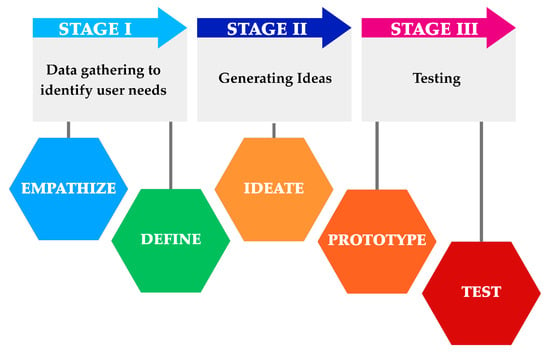
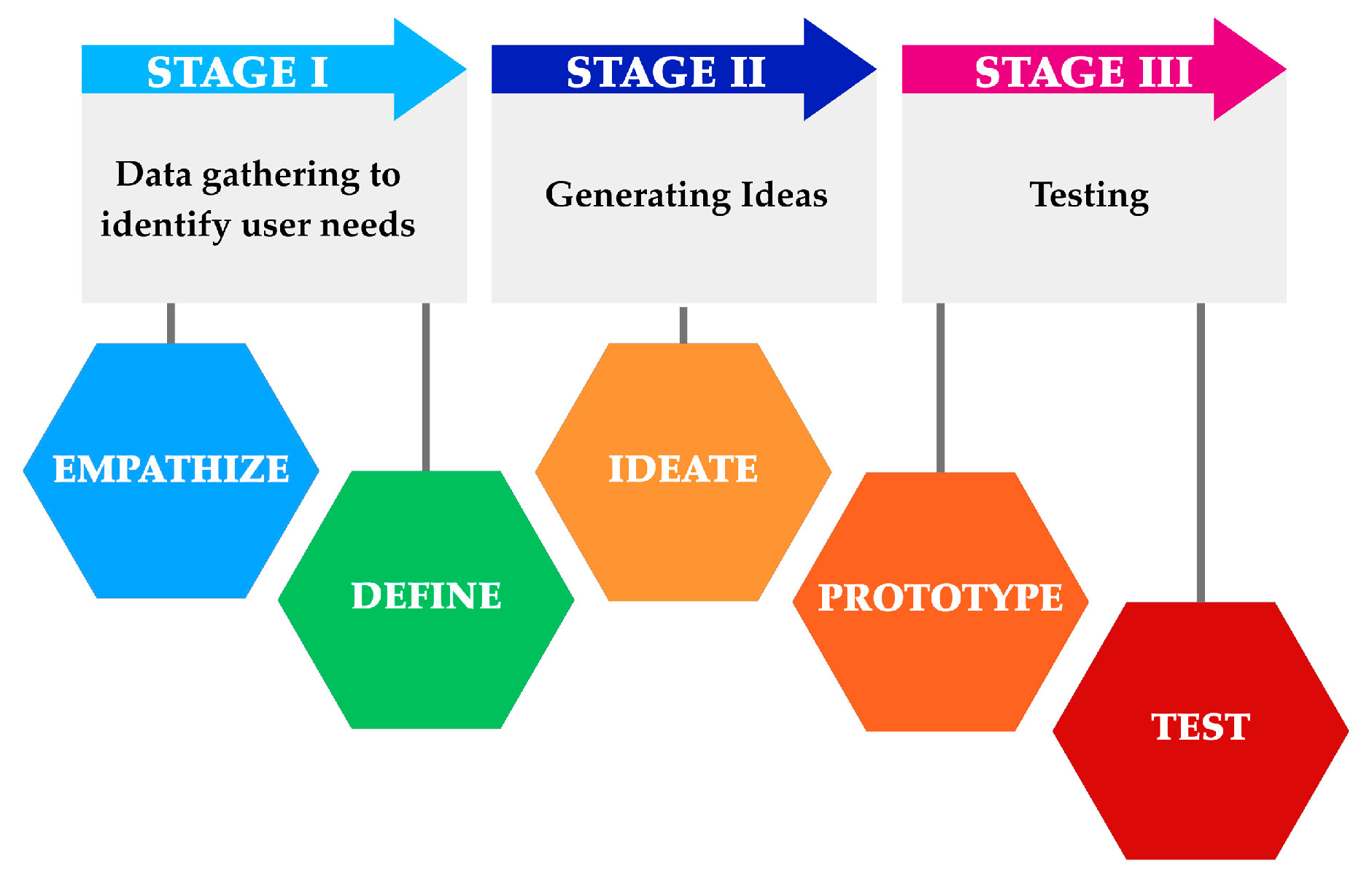


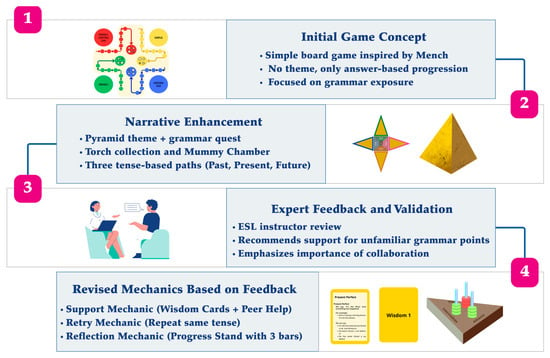
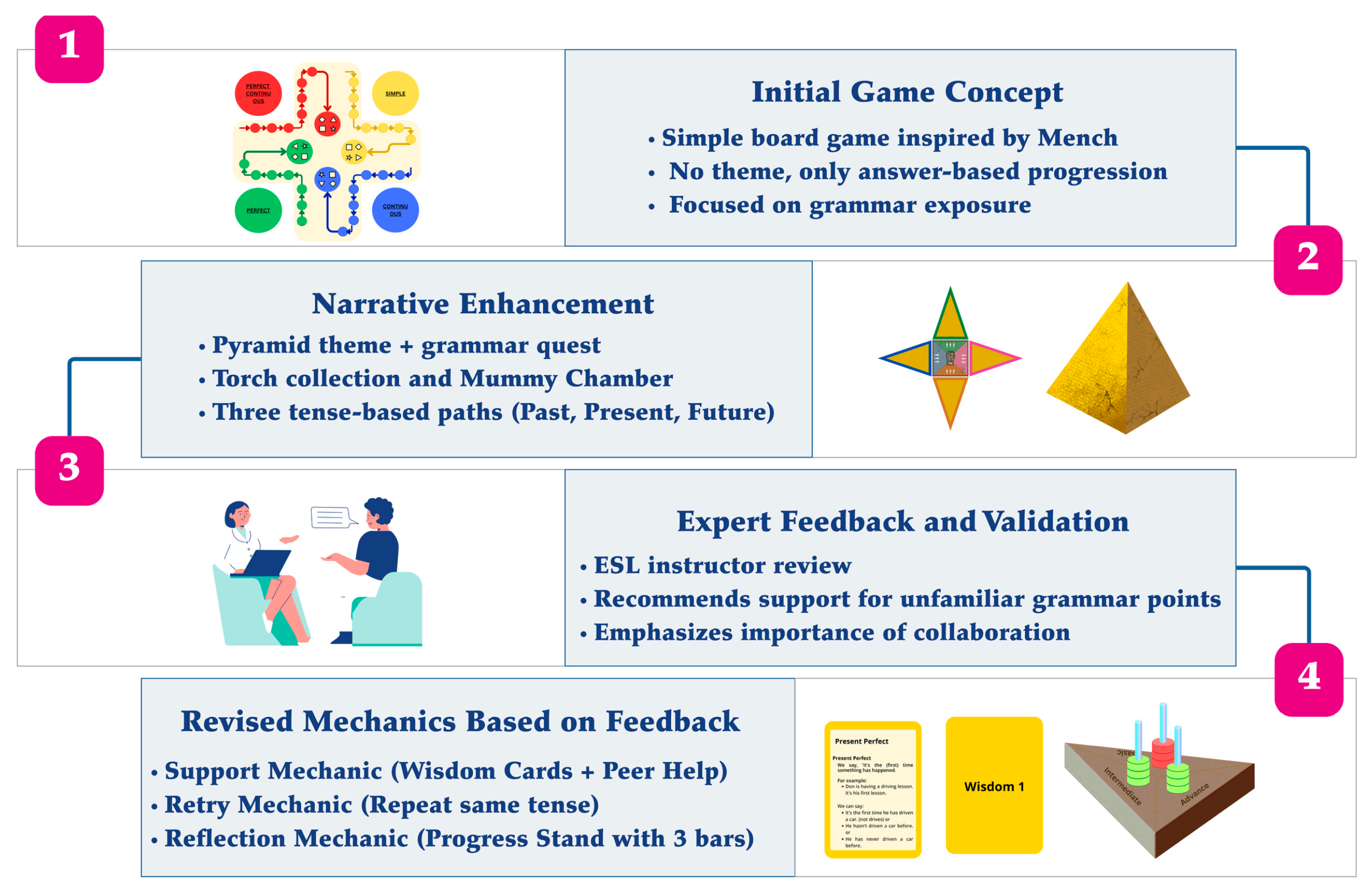
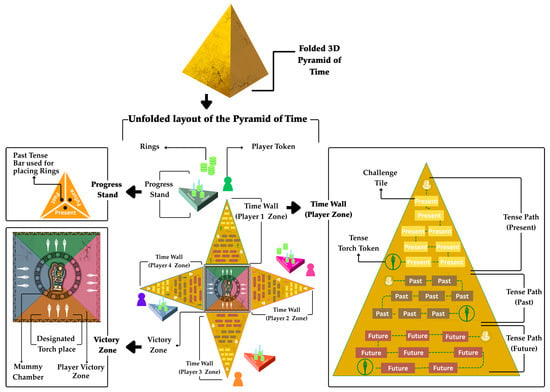
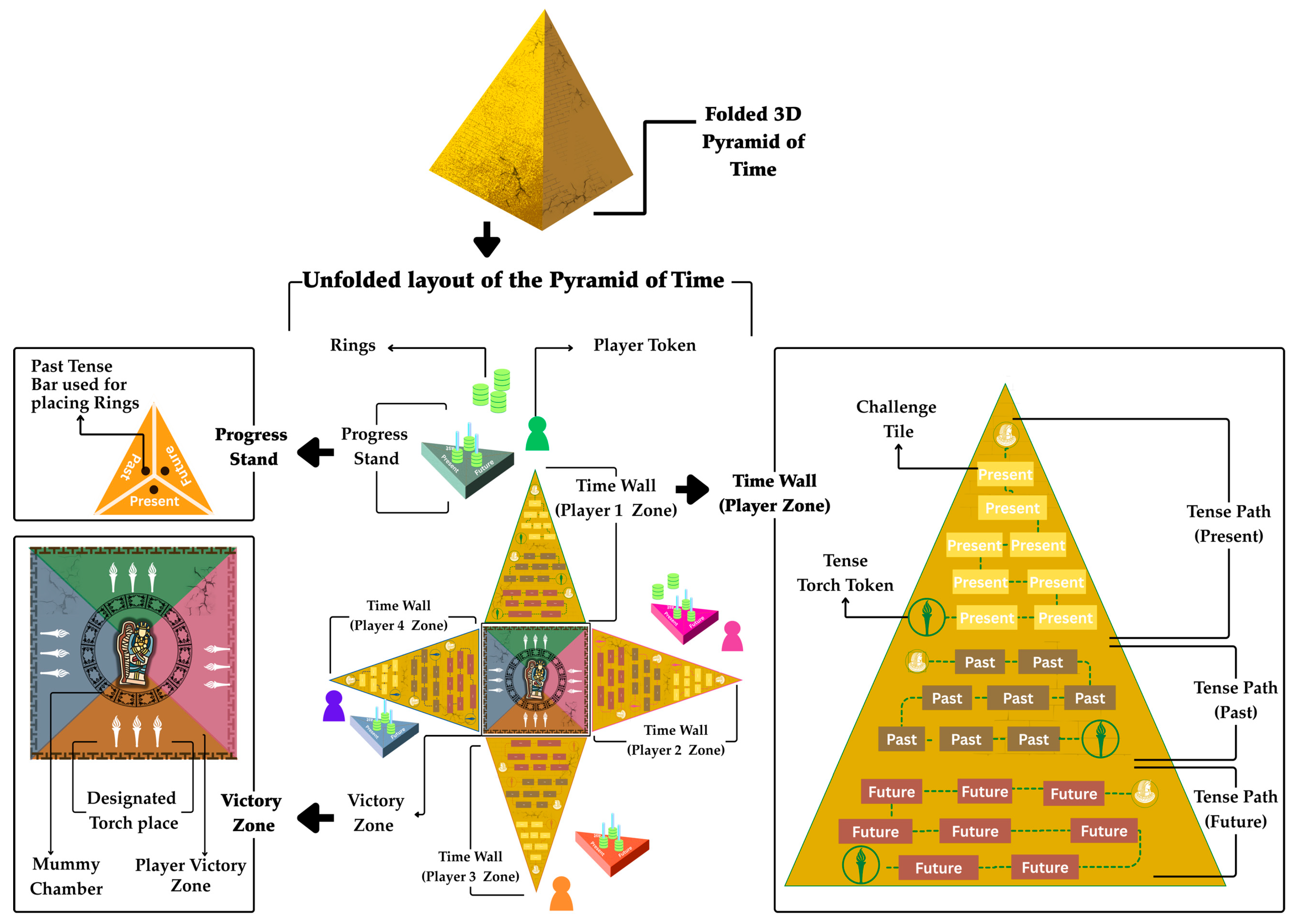
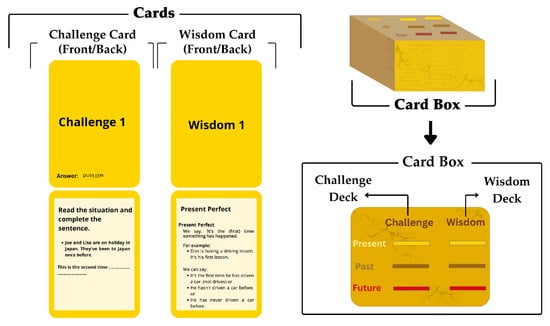
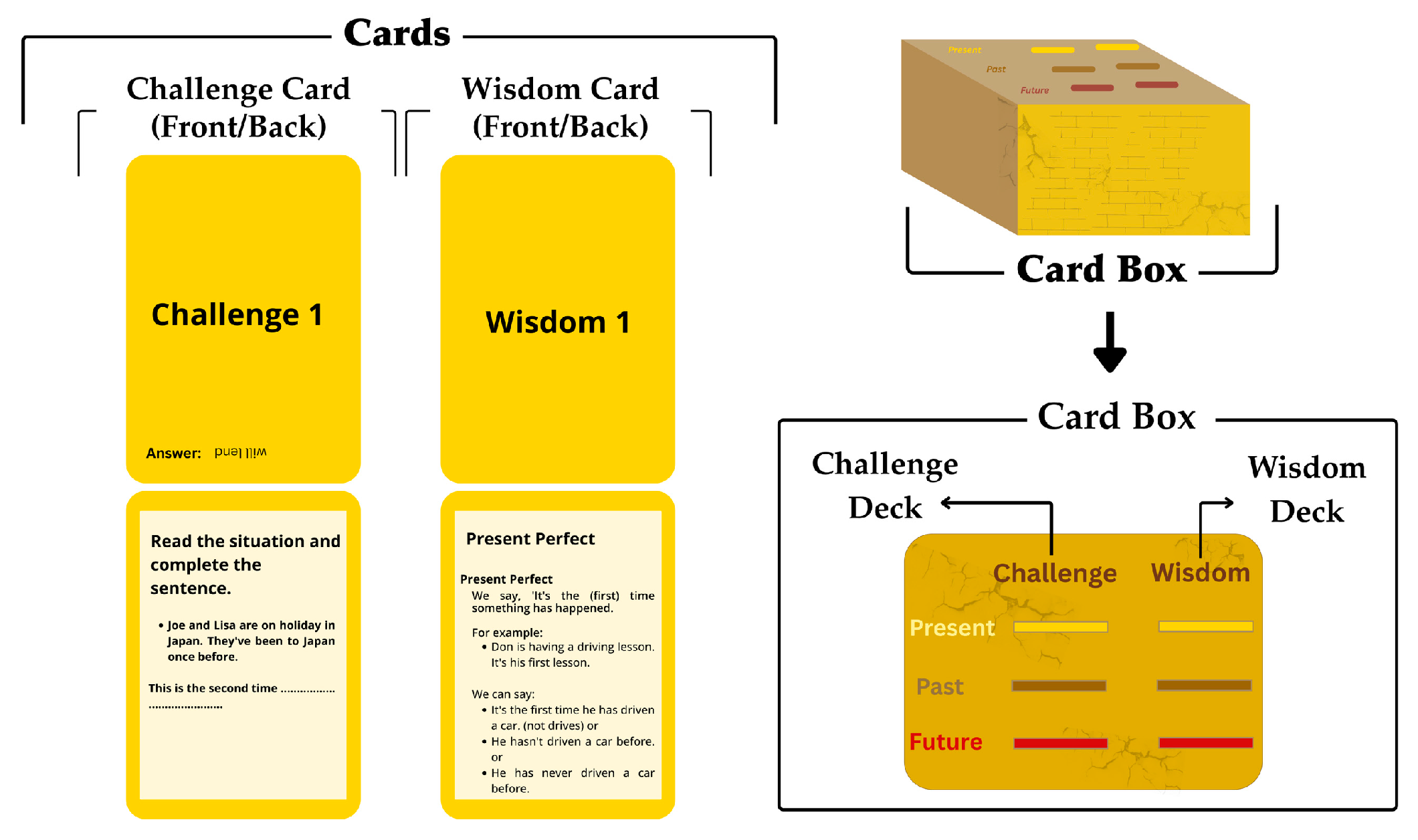
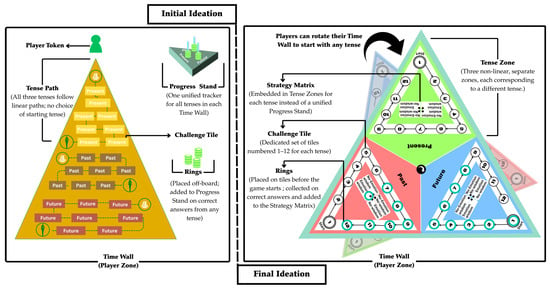
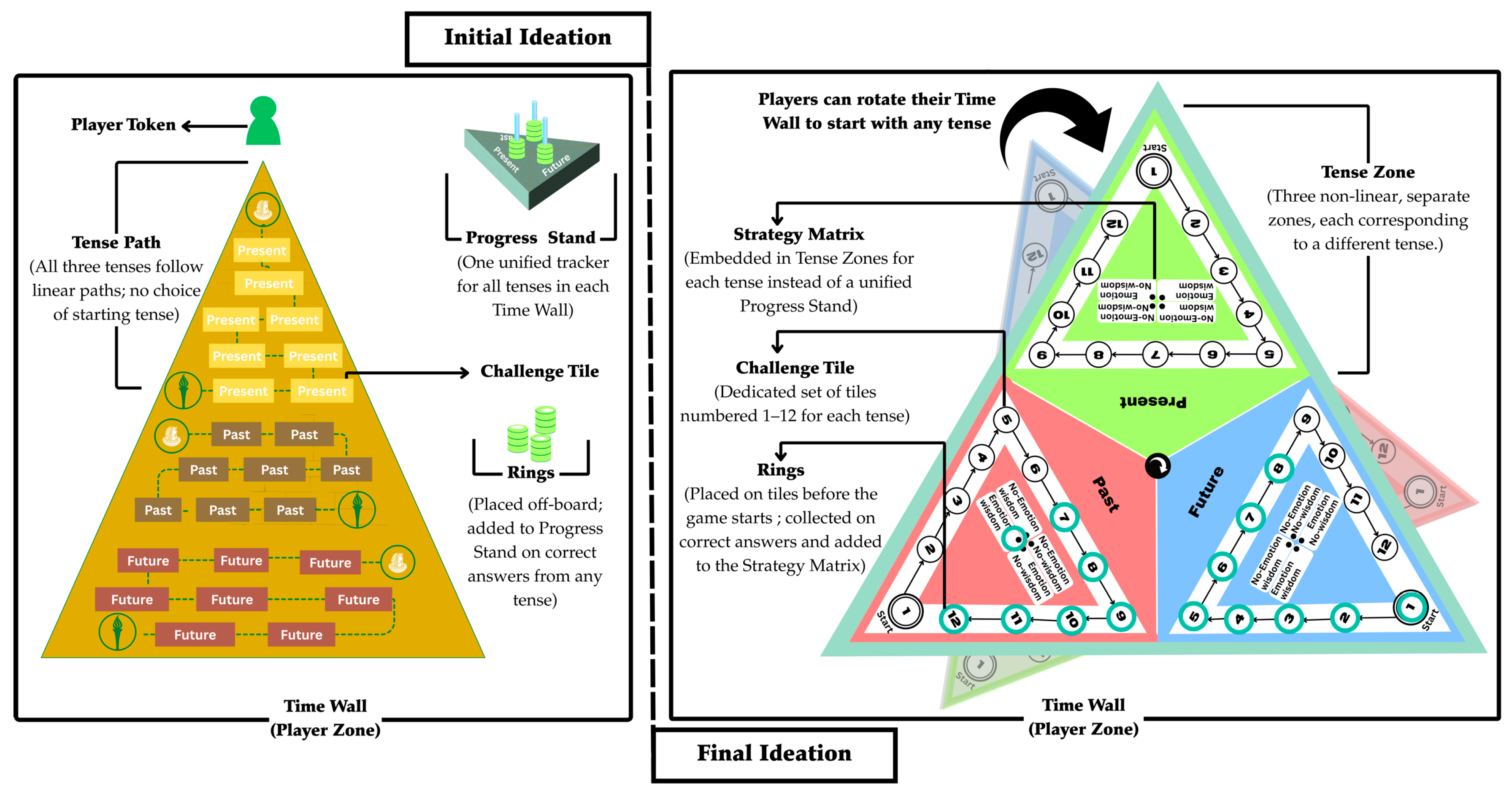
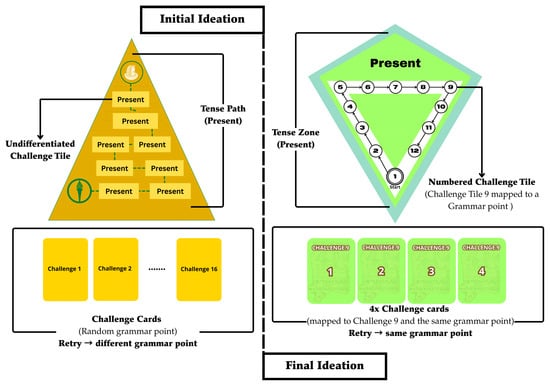
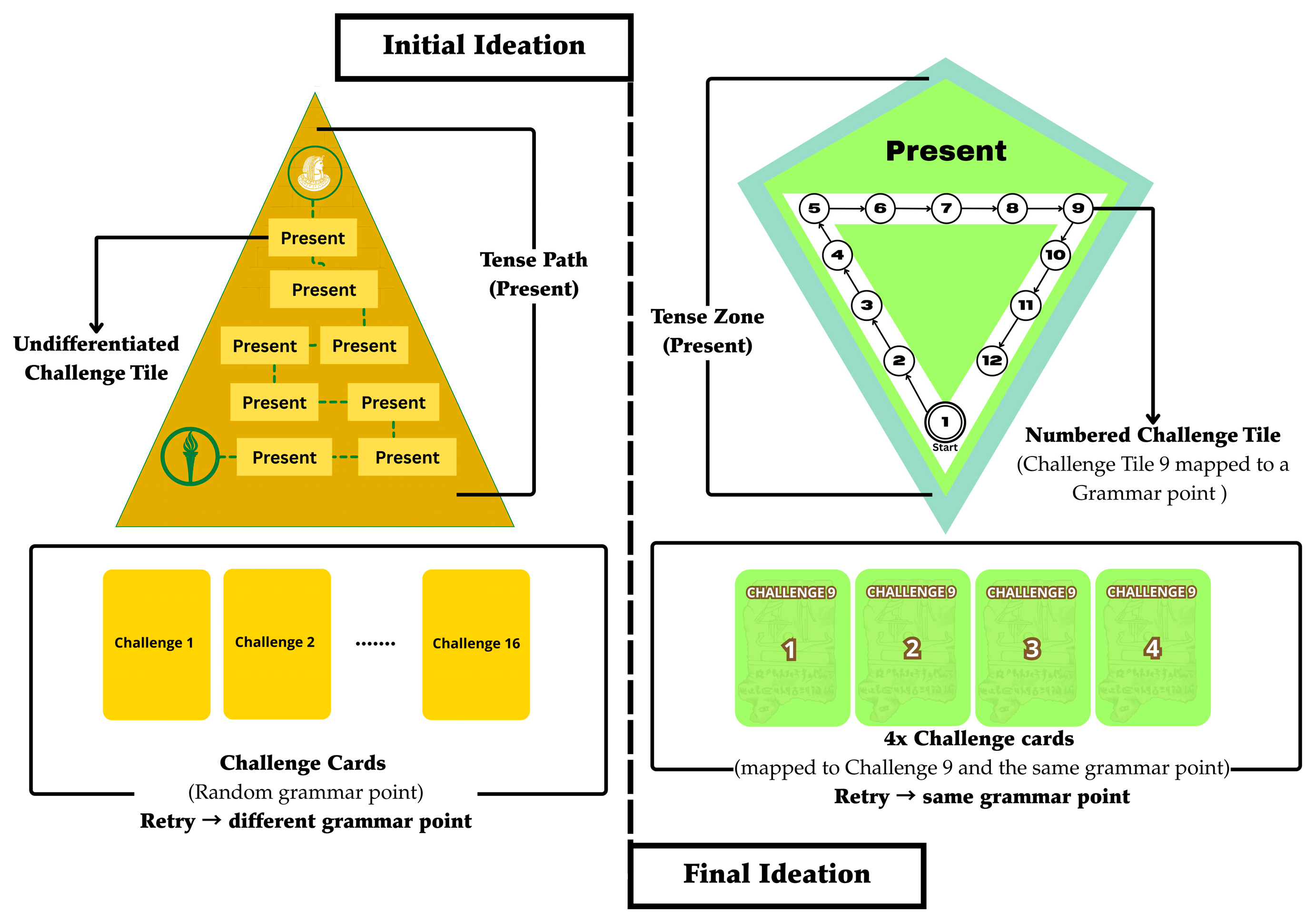
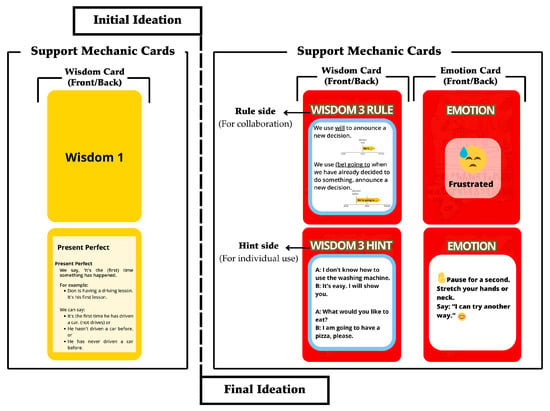
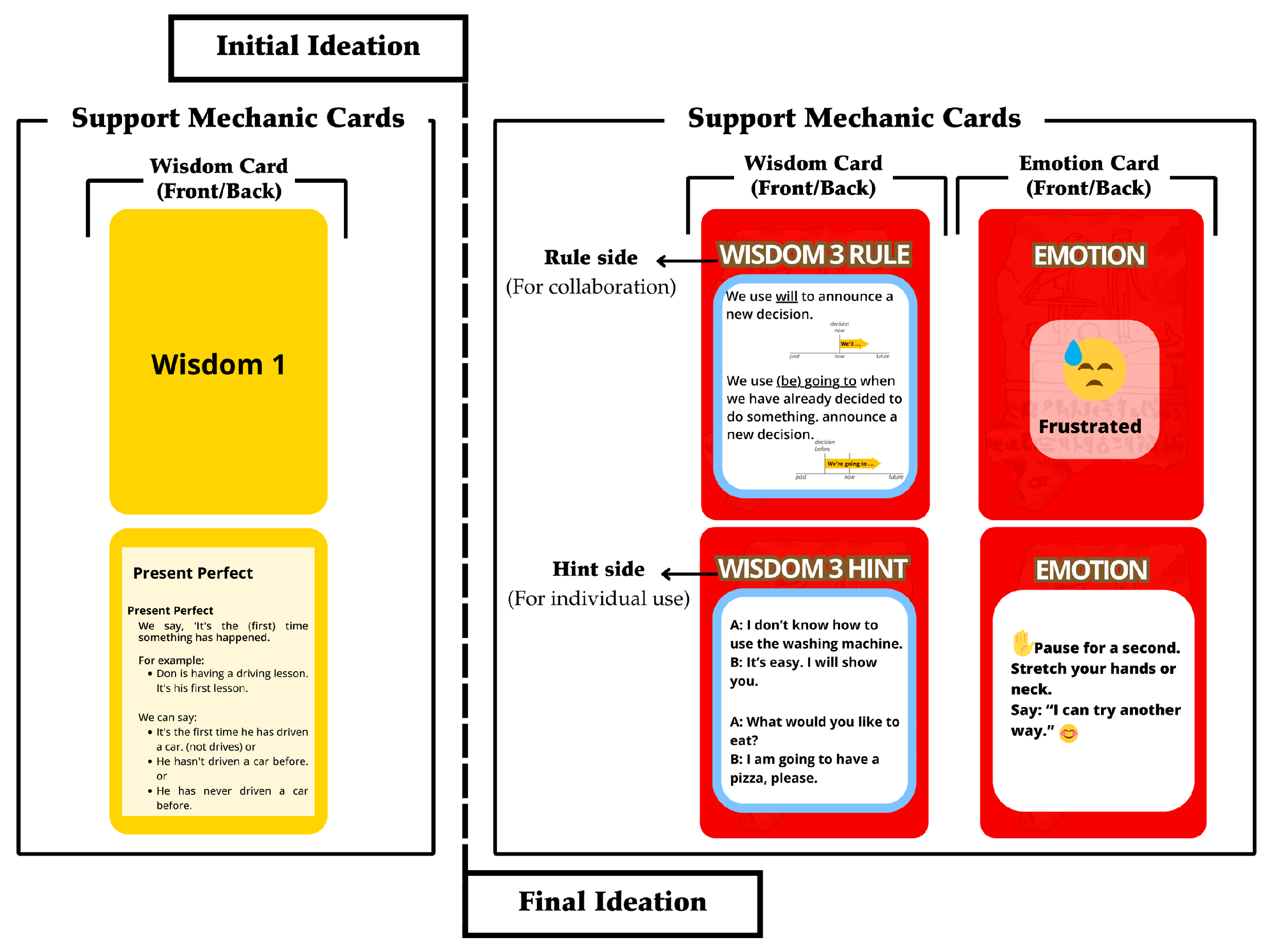
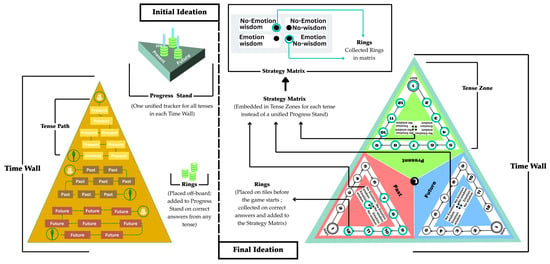
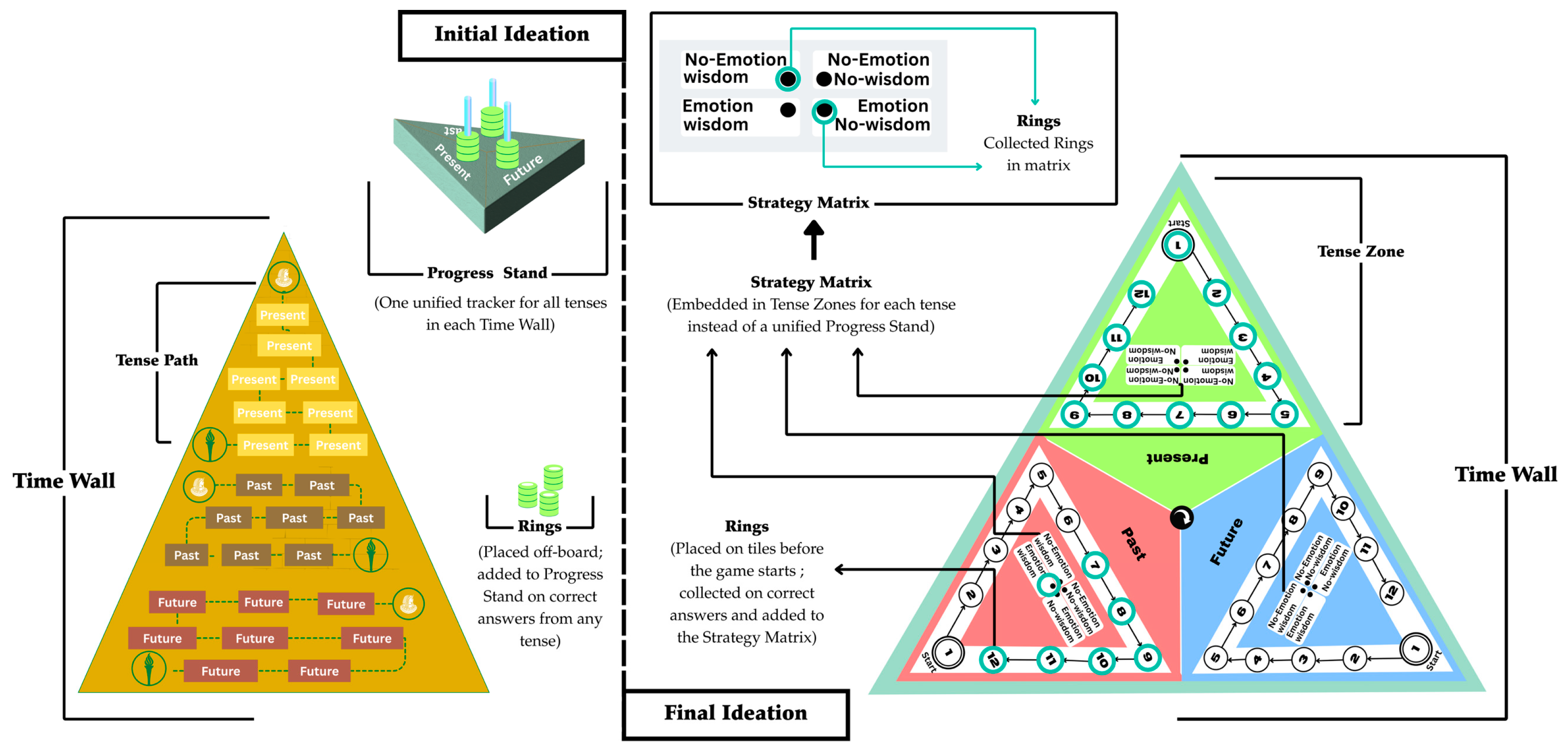
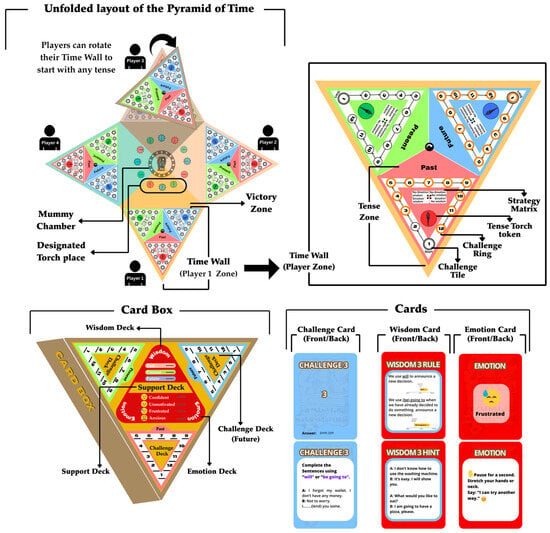
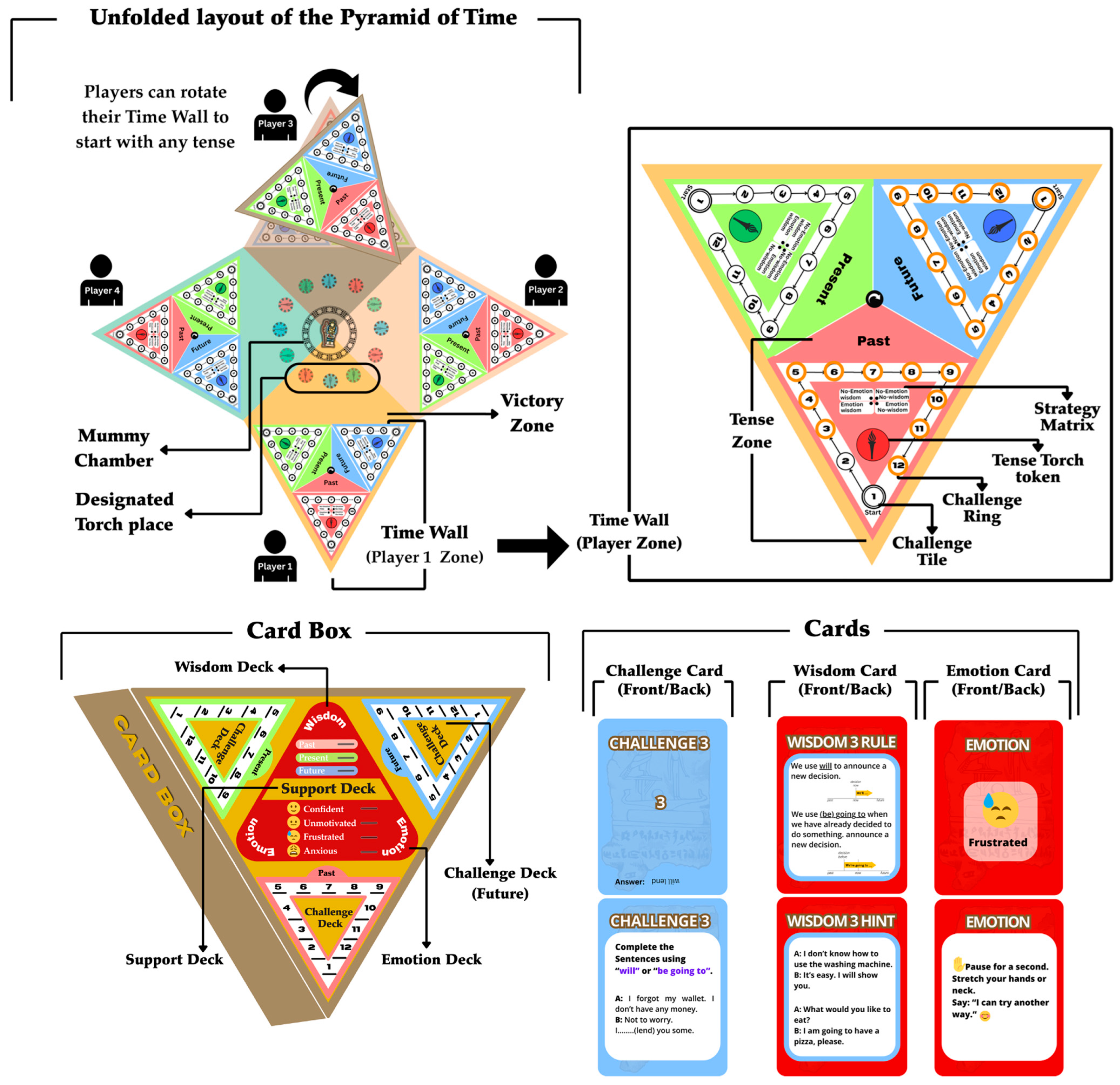
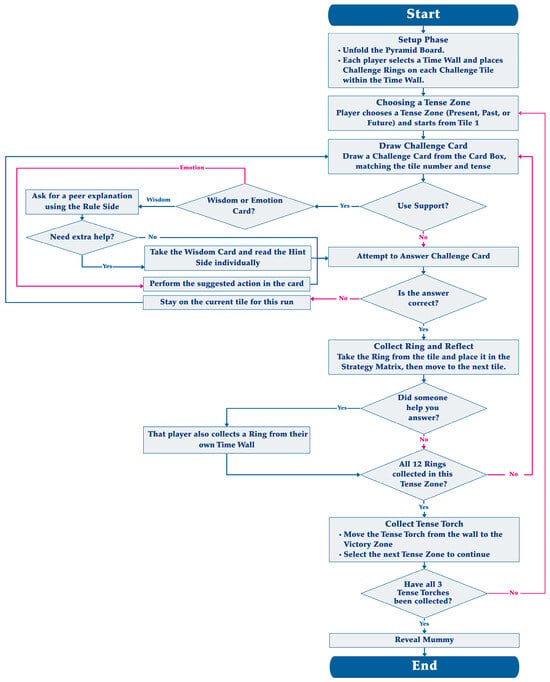
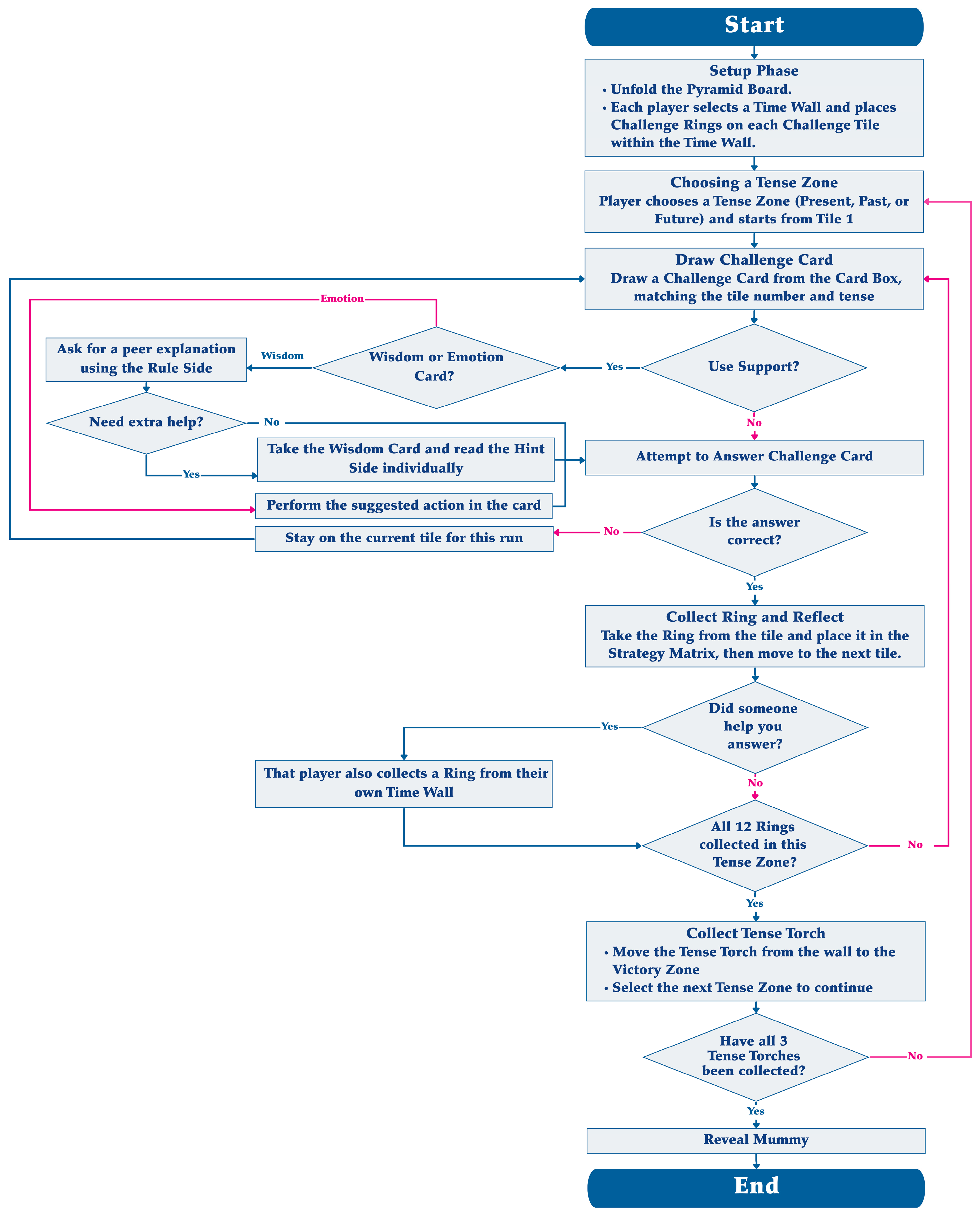
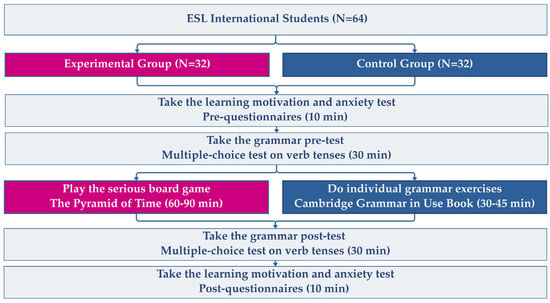
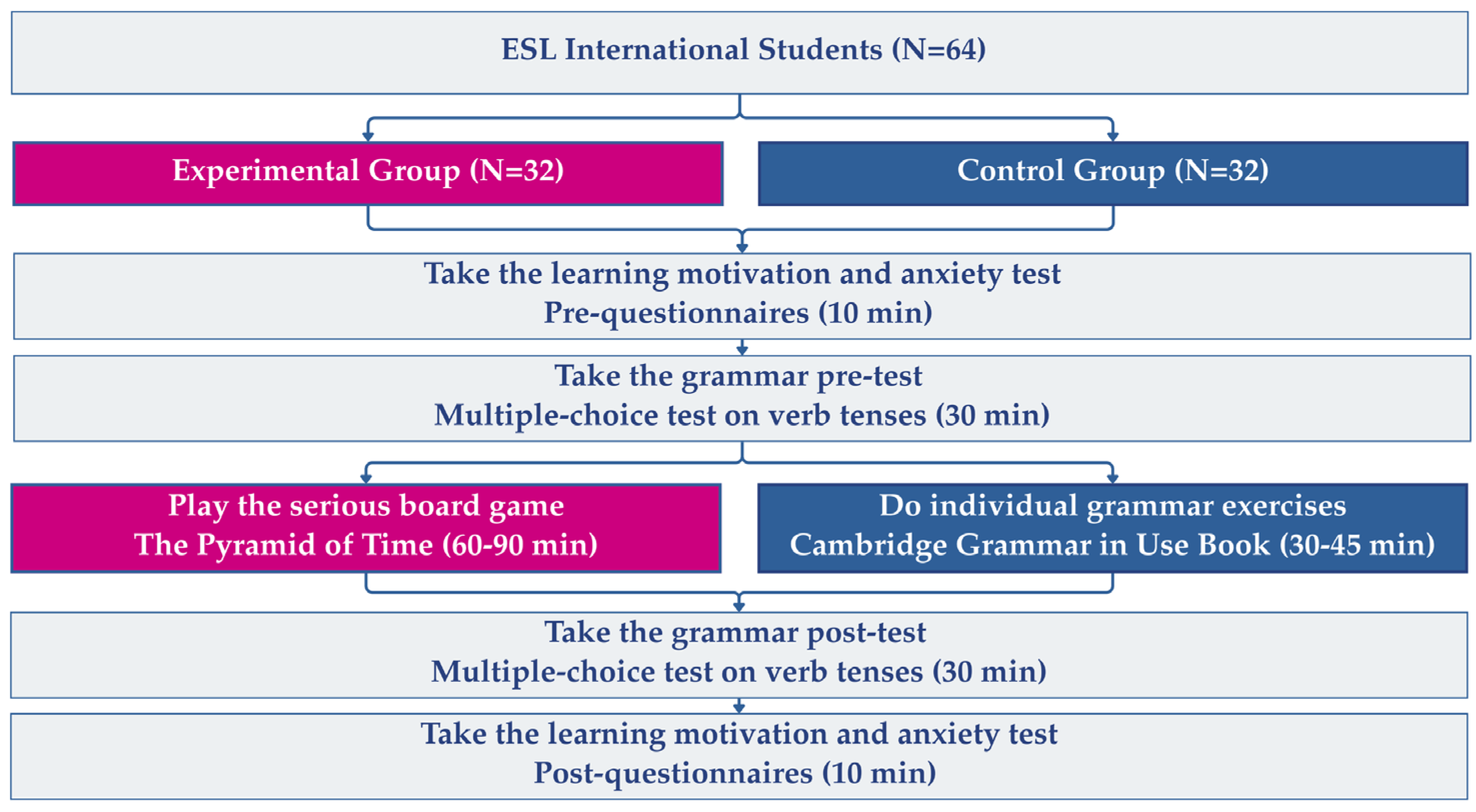
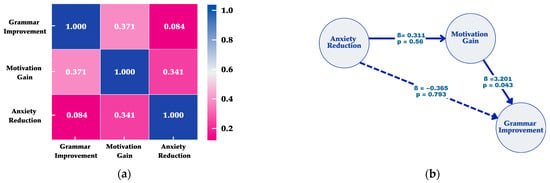
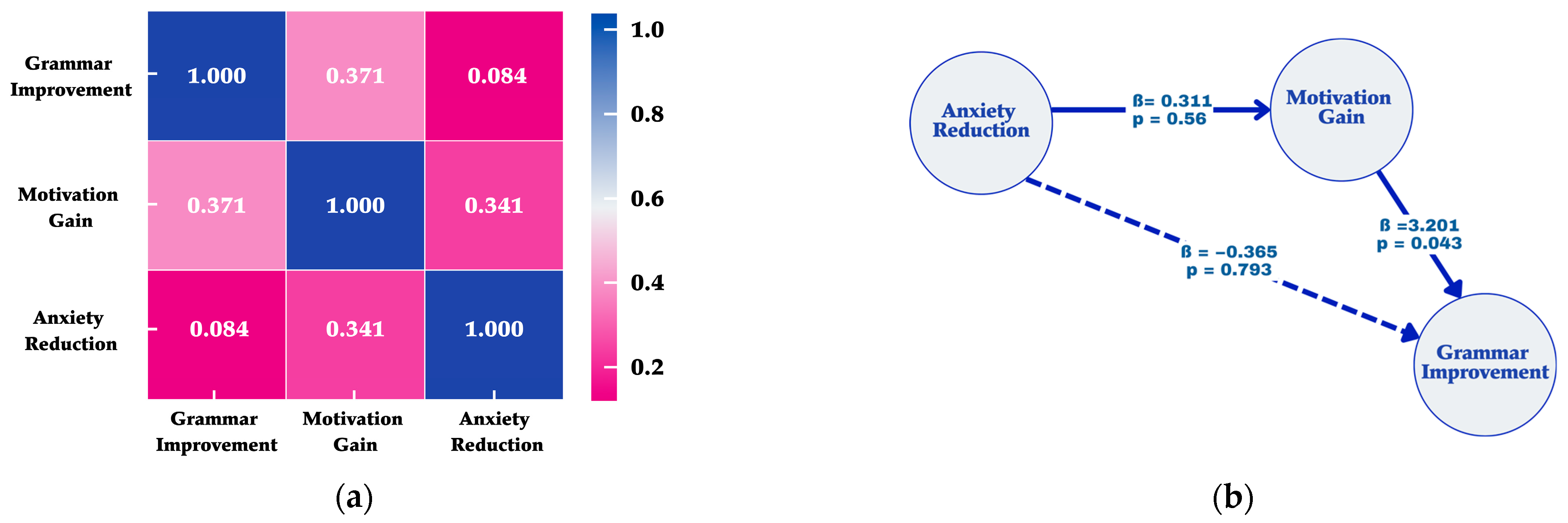

Disclaimer/Publisher’s Note: The statements, opinions and data contained in all publications are solely those of the individual author(s) and contributor(s) and not of MDPI and/or the editor(s). MDPI and/or the editor(s) disclaim responsibility for any injury to people or property resulting from any ideas, methods, instructions or products referred to in the content. |
© 2026 by the authors. Licensee MDPI, Basel, Switzerland. This article is an open access article distributed under the terms and conditions of the Creative Commons Attribution (CC BY) license.