


Abstract
Student dropout in higher education remains a critical issue with far-reaching consequences for students, institutions, and society. This study aims to identify and analyse the criteria influencing student dropout and to propose strategies for improving student retention. A systematic literature review was conducted using the PRISMA 2020 methodology, combined with thematic analysis, to synthesise recent research on academic, financial, behavioural, and personal university climate factors, as well as student attitude factors contributing to dropout. The findings indicate that dropout is a multidimensional and multicausal problem, affected by academic performance, financial challenges, psychological wellbeing, social integration, and institutional environment. Measurable factors, such as grades and attendance, can be used in predictive models and adaptive learning systems, while non-measurable factors, including motivation, engagement, and personal circumstances, inform the targeted student support system model. The study highlights the importance of early identification of at-risk students, holistic support programs, and the integration of both objective and subjective data to enhance student retention. Implementing these strategies can reduce dropout rates, improve student wellbeing, and support sustainable development in higher education. Future research should consider contextual differences across countries and explore adaptive, data-informed support systems to mitigate dropout risks further.
1. Introduction
Nowadays, modern higher education is critically important as a hub for science and research. To ensure that universities can produce a large number of academically qualified specialists, it is essential to support and guide student academic achievement. Unfortunately, it is not uncommon for students to end their academic journeys prematurely (Hefny et al., 2024b; Sampaio, 2022; Yaghi & Alabed, 2025; Yair et al., 2020). The fourth Sustainable Development Goal of the United Nations is to ensure inclusive and equitable quality education for all by 2030. Inclusive education means that we view each student holistically, recognising that every student in higher education is of value. However, dropping out of studies remains a pressing issue that requires sustainable solutions, including the effective use of resources, the development of student skills, and the utilisation of existing big data.
The issue of student dropout prediction in higher education is longstanding. The first research on this topic dates back to 1970, when Spady (1970) made the first attempt to develop the Model of the Dropout Process, which incorporated a sociological perspective. Since that time, higher education institutions have sought to address the issue of students dropping out of university. Literature analysis reveals that dropping out of higher education can be viewed from various perspectives, including psychological, sociological, economic, organisational, and interactionist approaches.
Learning management systems, student management systems, and accounting systems are technologies that make it much easier to collect data, analyse it, and make predictions. However, a review of the literature reveals that the topic remains unresolved. Literature analysis reveals that developing systems that can predict student dropout requires careful study and analysis of the dynamics within educational institutions to identify all the variables involved (Nicoletti, 2019; Sael et al., 2019).
Student dropout, in this study, is defined as discontinuing studies or failing to obtain a degree; it is a critical issue in all higher education systems. There is no one standard definition of student dropout. Researcher (Núñez-Naranjo, 2024) defines three types of dropout: internal, when students decide to switch study programs within a university; institutional dropout, when students switch to a different university; and dropout from the higher education system, when a student permanently discontinues their studies.
By determining the criteria for dropping out and their groups, it is possible to create systems for predicting student dropout or failure and improving student support systems. The classification of criteria by researchers (Sael et al., 2019)—student fail factors (which lead to poor academic performance) and dropout factors (which result in students leaving their studies before completion) provides knowledge that some criteria or criteria groups can be influenced more by the students themselves, such as time planning, learning skills, participation in classes and learning activities. However, there are criteria that students can influence less, which puts them in an at-risk group.
This study aims to analyse existing research on dropout prediction criteria to develop a model for a student support system, which enables the reduction of early study discontinuation by students during the learning process.
One solution to reduce dropout rates could be an adaptive learning system. For such a system to work successfully, it is essential to obtain multidimensional and interrelated data about the student, including information on their academic and financial situation, personality and behavioural aspects, as well as the university environment and the student’s attitude towards the university.
For the targeted use of data in AI-based student support system, priority is often given to data that are standardised and easily operationalised for automated processing at scale, while data requiring contextual, interpretive, or judgment-based analysis are less frequently incorporated.
This study was designed around the research question (RQ1): What criteria influence student dropout, without limiting it to any particular approach. This helped to make the study comprehensive and ensured that existing knowledge in the field was not overlooked.
Previous research identifies several broad groups of dropout prediction criteria, including demographic, academic, behavioural, and institutional factors. We were then interested in (RQ2): How the specified groups of criteria influence student dropout in order to understand the role and significance of higher education institutions, as well as academic and support staff, in addressing this issue.
Once the groups of criteria were identified and their impact on student dropout was understood, we posed the third research question (RQ3): What are the perspectives of higher education institution, academic staff, and students on the use of student data for dropout prediction?
2. Methodology
The study employs a systematic literature review approach based on the PRISMA 2020 methodology, combined with thematic analysis, to synthesise and interpret recent findings on the predictive criteria for student dropout.
The study has three research questions. To find answers to these questions, the authors employed two research methods. A literature review was conducted to address the first (RQ1) and third (RQ3) research questions, aiming to identify existing groups of criteria in the literature and to gain insight into data usage perspectives. The criteria groups allowed the authors to seek answers to the second research question (RQ2). To understand the impact of each criterion group, the authors employed the PRISMA 2020 method.
The type of research papers accepted was articles and reviews; other types, such as editorials, were excluded. The time horizon was defined by excluding all articles published before 2019 and after 2025. Only articles and reviews written in English were considered, excluding research papers in languages other than English. The study settings had to be in a higher education context, focusing on student dropout from higher education or closely related concepts such as student retention, persistence, attrition, or early warning systems in higher education. Furthermore, the research should focus on the following areas: academic criteria, financial criteria, behavioural and disciplinary criteria, personal and external factors, university climate, and students’ attitudes toward the university. The review protocol was not registered.
3. Data Extraction
Multiple search strings were constructed, and logical operators were used to complement the execution results. For each database, it was necessary to build a specific query, as each one has a different syntax; and an example of resulting queries are shown in the list below:
- (TITLE-ABS-KEY(students AND dropout AND academic criteria) AND PUBYEAR > 2018 AND PUBYEAR < 2026 AND (LIMIT-TO (DOCTYPE, “ar”) OR LIMIT-TO (DOCTYPE, “re”)) AND (LIMIT-TO (LANGUAGE, “English”)));
- (TITLE-ABS-KEY(students AND dropout AND financial AND criteria) AND PUBYEAR > 2018 AND PUBYEAR < 2026 AND (LIMIT-TO (DOCTYPE, “ar”) OR LIMIT-TO (DOCTYPE, “re”)) AND (LIMIT-TO (LANGUAGE, “English”)));
- (TITLE-ABS-KEY(students AND dropout AND (Behavioral or Behavior or Disciplinary) and Criteria) AND PUBYEAR > 2018 AND PUBYEAR < 2026 AND (LIMIT-TO (DOCTYPE, “ar”) OR LIMIT-TO (DOCTYPE, “re”)) AND (LIMIT-TO (LANGUAGE, “English”)));
- (TITLE-ABS-KEY(students AND dropout AND (Personal or External) and Factors) AND PUBYEAR > 2018 AND PUBYEAR < 2026 AND (LIMIT-TO (DOCTYPE, “ar”) OR LIMIT-TO (DOCTYPE,“ re”)) AND (LIMIT-TO (LANGUAGE, “English”)));
- (TITLE-ABS-KEY(students AND dropout AND University and Climate) AND PUBYEAR > 2018 AND PUBYEAR < 2026 AND (LIMIT-TO (DOCTYPE, “ar”) OR LIMIT-TO (DOCTYPE, “re”)) AND (LIMIT-TO (LANGUAGE, “English”)));
- (TITLE-ABS-KEY(students AND dropout AND attitude AND toward AND university) AND PUBYEAR > 2018 AND PUBYEAR < 2026 AND (LIMIT-TO (DOCTYPE, “ar”) OR LIMIT-TO (DOCTYPE, “re”)) AND (LIMIT-TO (LANGUAGE, “English”))).
The authors of the paper considered two different databases to execute the search strings. The choice of SCOPUS and WoS databases was made because they are the most widely used databases with high-quality, peer-reviewed content. Searches were conducted in March 2025 using both databases, and the resulting records were combined. Duplicates and records with no access were eliminated. Subsequently, records that did not meet the inclusion criteria were removed—first through the title, then through the abstract, and finally after reading the full article.
4. Analysis of Extracted Data
The literature search identified a total of 254 unique records after removing duplicate records retrieved from WoS (n = 52) and “no access” records retrieved from SCOPUS (n = 25). A total of 126 records were excluded by removing articles with MOOC settings, as well as those that underwent title and/or abstract review. The result is a sample of 128 unique reviews and articles on student dropout in the context of higher education. Figure 1 shows the Study selection flow diagram (PRISMA 2020 diagram adapted). A substantial overlap was observed between the records retrieved from Web of Science and Scopus, reflecting the shared coverage of these databases. After screening, more articles were excluded because they did not match higher education settings (n = 53). At the end, we retrieved (n = 73) that are included in this study after these research papers were screened by authors once more to verify eligibility to previously defined research focus areas. Following study selection, the included papers were analysed using an iterative tematic synthesis approach. Key variables, criteria, and conceptual categories were extracted and coded Table 1, leading to the development of the analytical framework presented in Section 5.
Figure 1.
Study selection flow diagram (PRISMA 2020 diagram adapted).
Table 1.
Screening criteria.
The analysis presented in Section 5 is based on the full set of 73 included studies identified through the systematic review. The figure below Figure 2 shows the number of articles by year of publication. It appears that with reference to the year range in the inclusion criteria, the year with the most publications is 2024, with 23 publications (32%; n = 23). This also shows a trend that every year, interest in student dropout from higher education increases.
Figure 2.
Number of articles by year of publication.
5. Criteria That Influence Students’ Dropout
University dropout is a multidimensional and multicausal problem that affects all universities, and the academic factor is one of the central aspects. Final aspects also represent an important factor influencing student dropout.
The academic aspect of dropout includes a series of interrelated elements that affect a student’s ability to continue their studies in higher education. The main components are academic performance (Apumayta et al., 2024; de la Cruz-Campos et al., 2023; Faizah et al., 2024; Gonzalez-Nucamendi et al., 2023), which reflects students’ grades and overall achievements in study courses (Sorgente et al., 2024); academic merit (Sampaio, 2022), which is often related to previous achievements and the right to academic recognition or support; and academic readiness (Taylor et al., 2019), which refers to the basic knowledge and skills acquired before entering university. Insufficient preparation can negatively impact the study process (Hefny et al., 2024b), a significant factor in dropout, as students struggle to meet the requirements of higher education. Academic aspects interact with personal, institutional and socioeconomic factors.
Financial aspects can also be one of the criteria that can contribute to dropping out. For example, financial difficulties (Sampaio, 2022; Taylor et al., 2019) can significantly limit a student’s opportunities to continue their studies. Students with low socioeconomic status (Apumayta et al., 2024; de la Cruz-Campos et al., 2023) or from disadvantaged socioeconomic backgrounds (Zhang et al., 2024), as well as those who face insufficient financial assistance (Sampaio, 2022), often struggle to access higher education. In turn, the availability of scholarships (Gonzalez-Nucamendi et al., 2023) and financial support can be crucial in reducing the risk of dropping out. In addition, socioeconomic factors (Limone & Toto, 2022; Muro et al., 2024a), such as low family income, employment instability, and lack of financial literacy, can increase the risk of dropping out of school.
Dropout from university occurs due to a variety of situations, including a wide range of individual factors (Muro et al., 2024a), which reflect the behavioural, psychological, and personal characteristics of students. These include mental and emotional health (Limone & Toto, 2022) and general wellbeing (Faizah et al., 2024; González-Brignardello et al., 2023; Limone & Toto, 2022), which significantly affect the study process. Student stress, health problems (Álvarez-Ferrándiz et al., 2025) and psychological factors (Faizah et al., 2024), such as pessimism, lack of motivation (de la Cruz-Campos et al., 2023) and lack of calling (de la Cruz-Campos et al., 2023), are often cited as reasons that contribute to dropout. Social support, especially from family and peers, is a strong protective factor against dropout. Positive social relationships, family and peer support (Taylor et al., 2019; Zhang et al., 2024) and a sense of belonging to the academic community can reduce the adverse effects of stress and isolation. In contrast, racism and discrimination (Taylor et al., 2019) can reduce students’ psychological safety and academic engagement. Previous education and cognitive factors, such as insufficient prior knowledge or limited learning abilities, are also important. In addition, non-cognitive factors, including personal values and challenges, psychological characteristics and the impact of specific curricula, are understudied but are increasingly recognised as important influencing factors (Hefny et al., 2024b). Studies assessing the personal and psychological role of students highlight the positive impact of motivation, personality (Melián et al., 2023), abilities, success and academic activities on the study process. Furthermore, satisfaction with sports and life satisfaction have been identified as protective factors against dropping out, contributing to a more balanced and fulfilling academic experience for students (Zhang et al., 2024). In turn, students’ physical, cultural and mental health problems are associated with negative impacts on university wellbeing (Faizah et al., 2024; González-Brignardello et al., 2023; Limone & Toto, 2022), highlighting the need for holistic support systems that address both academic and personal development.
Among the external factors that contribute to dropout, the university climate, which encompasses institutional, environmental, and cultural aspects, plays a crucial role in shaping students’ academic experiences. External factors include the availability of information about the university (de Oliveira et al., 2021), the learning environment (Henderson et al., 2020) and the support available to students, all of which influence academic and social integration (Barroso et al., 2022). A favourable university climate (Limone & Toto, 2022), characterised by inclusive policies, effective professional orientation (Apumayta et al., 2024) and responsive institutional aspects (Apumayta et al., 2024), promotes academic adaptation at university, thus reducing the risk of dropout. In contrast, poor access to social support in the new academic environment (de la Cruz-Campos et al., 2023), problems in the student academic world (Álvarez-Ferrándiz et al., 2025), and poor relationships with teachers (de la Cruz-Campos et al., 2023) can hinder students’ sense of belonging and engagement. Environmental factors, such as geography, accessibility, quality of education, and available resources (Muro et al., 2024a), influence student success and resilience. In public university environments (Sampaio, 2022), the presence or absence of assistance and services, such as access to the Student Support Centre with a pre-registration program, can significantly affect students’academic lives. Universities play a crucial role in addressing inequalities and expanding access to education (Taylor et al., 2019). Cultural and social aspects, including lack of empathy from authority figures, professors and peers, are often cited as causes of dropout. Personality and leadership (Zhang et al., 2024) contribute to the overall climate. Furthermore, studies that analyse the availability of tutors and advice during the first semester of the year (FYS) highlight the importance of support in promoting student success (Samoila & Vrabie, 2023). Cultural aspects of universities open up new areas of research (González-Brignardello et al., 2023), underscoring the need for universities to foster a supportive and enabling university culture that promotes both academic and personal growth.
An individual’s attitude towards the university, encompassing motivation and behaviour, can significantly influence student retention. Motivation plays a crucial role in shaping students’ engagement in the academic environment, influencing both their attendance and avoidance of studies.
Student dissatisfaction with the learning environment or curriculum, as well as the number of subjects missed in the first weeks of studies (Gonzalez-Nucamendi et al., 2023), often reflects the degree of student academic adaptation, which can influence the decision to discontinue studies.
Research (Samoila & Vrabie, 2023) shows that it is important to analyse a student’s sense of belonging from the beginning of the first semester, as this can positively impact students’ attitudes towards the university, enhancing their motivation, social integration, and academic confidence, thereby reducing the risk of dropout. Motivation is considered an individual factor, closely linked to student’ personal engagement and persistence in higher education
According to the previous analysis of literature review papers, the criteria groups influencing students’ dropout are as follows: academic, financial, behavioural, personal, and university climate and attitude toward university criteria group.
6. The Impact of Specific Criteria Groups on Student Dropout
Student dropout is a phenomenon that many educational institutions around the world face. This phenomenon has many consequences that extend beyond its direct impact on students. First, incomplete education limits students’ employment and career opportunities, which would otherwise be attainable with a degree, negatively affecting individuals’ financial and personal wellbeing. Additionally, dropout rates reduce the overall educational level of a country’s workforce, which can harm its global competitiveness. Third, dropout represents a loss of financial resources invested in higher education, including tuition fees, scholarships, and other expenses incurred by students, their families, governments, and higher education institutions. Dropout rates, therefore, have a profound impact on various stakeholders, including students and their families, higher education institutions, and society at large.
Dropout from higher education is caused by factors that include students’ personal circumstances, such as financial difficulties, health problems, or family commitments (Rußmann et al., 2024; Yaghi, 2024), as well as institutional factors, such as the quality of teaching, student support, and learning conditions (Muro et al., 2024a). One of the objective of this study was to analyse which factors (criteria) are associated with student attrition from universities and show the strongest influence according to the study data, as well as which factors are most relevant for formulating recommendations for higher education institution and academic staff.
The academic criteria group, which plays a key role in the selection process, can determine not only the success of students but also shape the reputation of an educational institution. These criteria can have both positive and negative effects on the educational process. On the one hand, strict academic criteria can raise the overall level of training among specialists. Serving as a kind of filter, they exclude students who are unable to cope with the workload (Rodríguez-Muñiz et al., 2019) or do not perform as expected, thus allowing the university to maintain high educational standards and produce highly qualified graduates. Furthermore, selecting students with strong academic performance contributes to creating a motivating environment (Barroso et al., 2022; Fernández-García et al., 2021). Students who have successful peers surrounding them are more likely to be inspired by their achievements and strive for better results (Carreira & Lopes, 2020).
On the other hand, tightening academic criteria can also have negative consequences. Strict requirements may lead to social exclusion among students, causing many to experience pressure and stress, which can negatively impact their mental health. Additionally, an excessive focus on academic criteria may lead to a reduction in student diversity. A diverse student body, representing a range of backgrounds and experiences, enriches the educational environment. Nonetheless, rigid criteria may exclude those who simply need additional support to succeed in their studies.
Student dropout based on academic criteria is a serious issue faced by many educational institutions. While clear standards for academic achievement and progress can enhance educational quality, they may also lead to adverse outcomes, such as increased stress among students and a reduction in diversity within the academic community.
Developing effective strategies to reduce dropout rates requires a comprehensive approach. The inclusion of mentoring, individualised learning, and support programs can significantly increase student retention rates while simultaneously strengthening the institution’s reputation.
A contextual understanding of academic criteria and their impact on students, as well as an awareness of the need to adapt the educational process, are key factors for success in providing quality education. Given the evolving educational landscape, the development of new approaches and models of student support is becoming increasingly necessary for universities striving for excellence in education.
Another factor influencing the dropout rates of rural university students is the quality of education and availability of resources. Key components identified include the evaluation of available educational resources, teacher training, learning opportunities, and restrictions in the availability of academic programs (Muro et al., 2024b).
The financial criteria group is one of the key factors influencing student dropout, and it can act both as a cause and as a consequence of other criteria. Financial challenges particularly affect students from low socioeconomic backgrounds. For instance, a case study at a medium-sized traditional private university in Chile (Salazar-Fernandez et al., 2025) analysed how students with low socioeconomic status finance their tuition over time, and how their financial decisions impact curricular progress, graduation, or dropout by using the SCHOLARSHIP-LOAN-SELF-FUNDED Model. The study examined anonymised institutional data, including enrollment records, government loans and scholarship assignments, records of expelled students, and grades obtained in each course. One of the recommendations is that higher education institutions should consider the eligibility criteria and maintenance requirements for financial assistance when designing their curricula.
Economic challenges are a common reason why students discontinue their studies, and evidence indicates a correlation between financial aid and dropout rates; students who receive financial assistance are less likely to abandon their studies, especially at the beginning of their university education (Apumayta et al., 2024; Carreira & Lopes, 2020).
Student financial assistance and aid policies are crucial for student retention and success. These policies may be based on academic merit, on students’ financial need, or on vulnerability. Research by (Sampaio, 2022) observed that, in general, financial aid receives more positive evaluations than other forms of assistance. The flexible application of resources assigned to students through financial aid may help address each student’s needs at specific moments in their academic careers.
The content of academic studies may include, for example, specific courses of study that require students to take leave from their paid employment (Taylor et al., 2019). Governments also play a role in delivering and supporting effective schemes that provide incentives and financial support for Indigenous students, as well as in implementing proactive policies that encourage universities to offer the additional support needed by these students.
A study on fostering equity in rural education (Muro et al., 2024a) proposes multiple strategies and educational policies to promote greater equality of opportunity and enhance student retention in rural universities. One key measure recommended is the establishment of scholarship and financial aid programs. Such initiatives aim to alleviate the economic burden on students with limited financial resources, thereby improving their access to higher education and supporting their continued participation in academic programs.
Another study examining students’ decisions to leave doctoral programs (Phan, 2024) found that respondents, particularly women, often felt significantly better after discontinuing their studies, as they were able to continue their lives without pursuing a doctoral degree. Their primary concern was wellbeing and mental health, which, in many cases, took precedence over fears of career failure or financial obligations.
The behavioural and personal criteria group often examines topics such as students’ study habits, social integration (Behr et al., 2020; De Silva et al., 2022), goal commitment, motivation (Floris et al., 2024; Sael et al., 2019; Yaghi, 2024), persistence (Bardach et al., 2020; De Silva et al., 2022), problem-solving and cognitive skills, and self-regulation skills (Yoo, 2024).
A study by researchers E. Lykkegaard and A. Qvortrup (Lykkegaard & Qvortrup, 2024) on students’ reasoning for dropping out suggests that students are accompanied by greater or lesser doubts about continuing their studies throughout their entire study time.
Some aspects of students’ behaviour in higher education are influenced by their family situation (González-Pérez et al., 2022; Thumiki, 2019). Lack of motivation (Gonzalez-Nucamendi et al., 2023; Sael et al., 2019; Yaghi, 2024) can lead to irregular attendance, which in turn increases the risk of dropout (Rodríguez-Muñiz et al., 2019). The absence of committed parents or family academic role models (Barroso et al., 2022) contributes to student dropout. Inappropriate expectations from students’ families, without adequate support, can exacerbate behavioural problems, which may manifest as non-engagement in activities, disruptive classroom behaviour, or poor social interaction. Limited family support, especially when a student has moved to another city, also makes it challenging for students to manage their study load. Therefore, it is essential to build personal relationships with fellow students, which can compensate for the lack of family support (de la Cruz-Campos et al., 2023).
For students with their own families, balancing family life and studies to achieve graduation is a challenge (Gijón et al., 2023; Marina & Senthilrajan, 2023; Sheikoleslami et al., 2025). Resilience in studies is also affected when a student works in parallel with their studies (Carreira & Lopes, 2020; Gijón et al., 2023; Herrera et al., 2025; Nurmalitasari et al., 2023; Núñez-Naranjo, 2024; Silva-Martínez et al., 2023; Yaghi, 2024).
At the same time, research indicates a higher dropout rate among students who enter higher education immediately after high school (17–20 years old) (Núñez-Naranjo, 2024). Dropping out of studies can be influenced by an internal conflict between what the student expects from the chosen studies (the chosen study program) and how the studies take place in reality (Gijón et al., 2023; Santos-Villalba et al., 2023). However, (Carreira & Lopes, 2020) research indicates that in the first two study years, mature students face a higher risk of dropout compared to their younger counterparts.
Low academic and social skills, including difficulties interacting with peers (Gijón et al., 2023; Gonzalez-Nucamendi et al., 2023; Soerensen et al., 2023) or managing time effectively (Binh et al., 2023; Gonzalez-Nucamendi et al., 2023; Hefny et al., 2024b; Nguyen, 2022; Vinerean et al., 2023), are significant factors that increase the likelihood of dropping out. Lower engagement in collaborative activities with peers may indicate that a student is at risk of dropping out (Nguyen, 2022).
A case study at Minho Medical School in Portugal (Araújo et al., 2019) revealed that teachers’ notes on student activity in classes and assessments of class participation during the first year of study significantly contribute—alongside demographic indicators, enrollment data, institutional demands, and recorded need for financial support—to predicting a student’s likelihood of dropping out. Such assessments should be systematic and involve several lecturers.
The importance of an active role for lecturers in preventing students from falling into the at-risk group is supported by a literature review on nursing studies (Henderson et al., 2020; Silva et al., 2021) and by (Sael et al., 2019), Cai & Meng (2025) research and others (Bardach et al., 2020; Ferrándiz et al., 2022), who found that the care and interest shown by lecturers in students and their academic achievements fosters a sense of belonging and positively influences students’ perception of the learning environment. Lecturers can thus boost students’ self-confidence and create a compassionate learning environment that promotes student retention. A study by (Llauró et al., 2023) also highlights the important role of lecturers in predicting student dropout.
Similar results appear in a study by researcher Faizah and his colleagues (Faizah et al., 2024) of what affects student flourishing in studies. Researchers note that a sense of belonging, psychological wellness, academic achievement and optimal social functioning ensure students are actively involved in studies that could act as a preventive action for students to enter the risk group (Alnaim et al., 2024; De Silva et al., 2022; Faizah et al., 2024; Raviv et al., 2023).
(Szwamel et al., 2025) acknowledge that student burnout syndrome (Nadon et al., 2024; Sinval et al., 2024), study stress (Barroso et al., 2022; El Fadely et al., 2024; Hefny et al., 2024a; Peng et al., 2024; Yaghi, 2024) creates potential study abandonment and encourages higher education institutions to pay heightened attention to the student support system. Similar findings are found in a study by researchers (Yaghi & Alabed, 2025) examined the dropout of students from studying or a change in speciality between two courses of study in public Affairs and Management and Science, Technology, Engineering, and Mathematics. The study revealed that the direction of study is not as important as the support system of higher education institutions (Thumiki, 2019). The student support system should also focus on sociocultural and personality growth issues (Bardach et al., 2020; Li & Jackson, 2024; Muro et al., 2024a), career planning (Floris et al., 2024; Herrera et al., 2025), as well as academic assistance (Martín-Arbós et al., 2024). However, the use of the student support system by students at risk is also a matter of their motivation (Amanvermez et al., 2023).
A study by researchers (Morelli et al., 2021, 2023) reveals that a significant factor in students dropping out of school is also the locus of control. Students with a stronger internal locus of control are more persistent in their studies than students with an external locus of control—the students’ subjective perception of whether they are the determinants of their lives or whether their lives depend on external circumstances.
The risk group also includes students with special needs, as their academic integration into higher education is often limited (Rußmann et al., 2024; Yaghi, 2024). Students with mental disabilities are at greater risk, followed by students with learning difficulties.
In rural settings, community norms and social expectations heavily influence students’ perceptions of the relevance of higher education. In many such communities, agricultural work and traditional trades have been central to cultural and economic identity for generations. As a result, university education may be perceived as less relevant or even as a deviation from established roles and traditions (Muro et al., 2024a).
The University Climate and Attitude Toward University criteria group’s current literature review shows little about university climate and student attitudes towards university and higher education in general. The underlying problem is not one of policy direction, but one of policy implementation. Little current literature discusses best practices in achieving successful outcomes in graduation (Taylor et al., 2019). Research by Taylor suggests that in some universities, the primary issue is the implementation of university policies, which negatively impacts the university climate and contributes to students dropping out.
Another element that influences the dropout of rural university students is the quality of education and available resources. While quality of education is closely related to academic criteria, several studies emphasise that in rural higher education institutions it is often shaped by limited institutional resources, staffing constraints, and infrastructure, which justifies its contextual discussion within this setting. This category has enabled the identification of key elements, including the evaluation of education in terms of available educational resources, teacher training, learning opportunities, and limitations in the availability of academic programs (Muro et al., 2024b). This list of university actions can be considered a negative impact on the university climate for students, as it is mentioned that they contribute to the dropout of rural university students.
Attitude towards university can change if, in rural settings, community norms and social expectations exert a significant influence on learners’ perceptions of the relevance of higher education. In many of these communities, the traditional value of agricultural work and traditional trades has been a fundamental part of their cultural and economic identity for generations. As a result, university education can be perceived as a less relevant option or even as a deviation from established roles and traditions (Muro et al., 2024a). This can also impact dropout if a student decides that higher education has less value than traditional trades. Those who had difficulties with supervisors sometimes could not get any support from their departments. As a non-completer, he recalled his precarious situation when he decided to drop out (Phan, 2024). A bad attitude from university staff also impacts the overall university climate and contributes to students dropping out of higher education. The university climate and attitude towards the university should be researched in a more exhaustive future study, as most of these study shows that University climate usually impacts students’ grades.
Commitment towards higher education institutions also seems like a critical issue. The greater the commitment, the lower the probability of students dropping out (Barroso et al., 2022).
7. Data Usage Perspective on the Problem of Student Dropout
The problem of student dropout from higher education institutions remains one of the key challenges in the field of education today. The dropout of students at various stages of their studies has a negative impact not only on their personal and professional trajectories but also on the image, efficiency, and financial stability of higher education institutions.
The relevance of this topic is determined by several factors:
- An increase in the dropout rate in the context of mass higher education;
- A decline in student motivation and a lack of willingness to engage in independent study;
- Insufficient adaptation of some students to the academic and social environment of the university;
- Financial and psychological difficulties faced by students;
- The transition to new educational models that require a high degree of flexibility and engagement.
The consequences of dropout for students include loss of time and money invested in education; psychological consequences—lower self-esteem, stress, feelings of failure; difficulties with re-enrolment or continuing education; limited career opportunities, especially without a degree. Consequences for the university include lower completion rates, loss of funding, damage to the university’s reputation and reduced competitiveness, and increased workload for teaching staff. There may also be consequences for society: an increase in the number of young people without higher education; a shortage of qualified specialists in several fields; loss of state parental investment in education; social instability (youth unemployment, demotivation to study).
In general, dropout criteria can be divided into three large groups—national, institutional, and individual levels (Behr et al., 2020). The national level encompasses factors such as financing policies and the structure of the education system. At the institutional level, the focus is on teaching quality, learning environment, and institutional support. The individual level concerns pre-study (demographic factors, prior education factors and socio-economic factors) and study-related factors (learning motivation and self-confidence, study organisation, learning strategies, social integration at university, study conditions, effort devoted to studying, intrinsic and extrinsic motivation or preparation for exams, working while studying and the financial situation of student).
To propose a solution to this problem, it is first necessary to define the dropout criteria, which can be considered from two aspects see Figure 3:
Figure 3.
Solution to the problem of student dropout considering (1) measurable (objective) and (2) non-measurable (subjective) factors.
- The measurable aspect consists of objective indicators (facts) that can be quantified.
- The non-measurable aspect consists of difficult-to-formalise factors that influence dropout.
As can be seen from the figure, the reasons for student dropout determine the dropout criteria, which are related both to the problem of declining quality of education, overloaded curricula and lack of resources, as well as to the problem of low motivation and academic dishonesty.
The measurable aspect. At this stage, it is necessary to establish objective indicators that allow each student to be assessed quantitatively. Possible criteria include: average exam and test scores; passing grades for courses; number of missed classes; class attendance and test completion times; number of completed assignments and projects, etc. These indicators allow for the formation of a quantitative assessment of a student’s academic performance and discipline.
For example, data from the financial criteria group, combined with data from the academic criteria group (e.g., performance), can be used to motivate students and plan financial assistance on an individual basis, thereby reducing the risk of dropout. It is helpful to use machine learning (ML) algorithms to predict the risk of dropout. To understand slight difference between ML in online and in-class university settings. In an online environment, ML models analyze granular digital engagement like login frequency to predict dropout early, often triggering automated interventions. Conversely, in-class environments rely on physical attendance and grade data, leading to slower predictions that direct human advisors to at-risk students. Ultimately, online ML acts as a substitute for physical presence to maintain discipline, while in-class ML focuses on optimizing personal support resources.
However, ML can affect student dropout rates both positively and negatively, depending on how it is applied. ML allows for the analysis of large amounts of data (academic performance, attendance, activity in the learning management system (LMS), socioeconomic factors) and the identification of students at risk. The advantages of ML include early intervention (tutoring, additional classes, psychological support) and personalisation of learning (adaptive educational strategies) (Zagulova et al., 2019). However, there are also disadvantages, such as the risk of false predictions (e.g., a student may be mistakenly identified as being at risk of dropping out) and ethical issues (discrimination due to data bias). In their work (Shi et al., 2025), the authors conducted a systematic review aimed at providing a comprehensive overview of the last 10 years of research on the application of machine learning methods for identifying at-risk students, i.e., those who are likely to drop out, in online learning environments.
The growth of online education has provided access to a wide range of courses. However, the independent and often isolated nature of these courses has been associated with increased dropout and failure rates. The researchers used machine learning approaches to identify at-risk students, as well as the strengths and limitations of different machine learning models for predicting at-risk students (Alvarado-Uribe et al., 2022).
Adaptive educational platforms often incorporate AI systems, such as those based on recommendation algorithms, which can select materials tailored to the individual skill level of students (Zagulova et al., 2023). In this case, ML algorithms reduce the workload of students and increase their motivation. However, excessive automation can reduce interaction with teachers, which is a disadvantage of ML.
ML algorithms are also used to automate the grading of student work. Quick feedback is a positive aspect, but it also has disadvantages, such as errors in assessment and a decrease in the quality of feedback. A study (Prokofyeva et al., 2019) demonstrated that timely and high-quality feedback enhances student satisfaction, their engagement in the learning process, and their motivation to acquire knowledge and skills in alignment with the proposed programme.
ML can reduce dropout rates when used to support students, but if misused (biased data, excessive control), it can even increase them. Therefore, it is essential to strike a balance between technology and the human factor.
The non-measurable aspect. This includes subjective factors, such as motivation and willingness to learn, behaviour and discipline during the learning process, level of participation in extracurricular activities, interaction with teachers and classmates, and personal qualities like responsibility and determination. A study by (Mursalzade et al., 2025) found a systematic review that identified a positive relationship between psychological flexibility, wellbeing, and academic performance among students in higher education. By promoting psychological flexibility, institutions can help reduce student dropout rates, alleviate the burden of mental health issues, and prepare more adaptable and resilient graduates, thereby supporting both the economic and social aspects of resilience.
These subjective factors are more difficult to assess quantitatively, so surveys (students or teachers fill out forms assessing their impressions, the level of difficulty of the course, etc.), teacher feedback (collecting opinions on student progress from teachers, mentors or employers) or self-assessment (students independently analyse their achievements using scales or open-ended responses).
Understanding and accurately defining these criteria will help develop a balanced dropout system based on both objective data and subjective assessments.
The authors suggest that the timely identification of both objective (measurable) and subjective (non-measurable) causes of dropout can enable universities to develop effective student support strategies, reduce academic failure rates, improve the quality of education, and ensure higher completion rates.
Thus, solving the problem of dropout requires a comprehensive approach that would combine the analysis of measurable (objective) and non-measurable (subjective) factors. It is important not only to eliminate the causes of dropout, but also to prevent it by supporting students at various levels—academic, psychological, and social.
8. Discussion
In this section, the authors propose to discuss the problem of student attrition and its causes, based on an insight from the literature, as well as to offer their own perspective on addressing this issue.
Research conducted by (Kehm et al., 2019) identified the most common reasons for dropout as follows:
- Study conditions at the university;
- Academic integration into higher education;
- Social integration into higher education;
- Personal effort and motivation to study;
- Information and requirements for admission and enrolment;
- Previous academic performance at school;
- Personal characteristics of the student;
- Socio-demographic background of the student;
- External factors.
Studies recommend identifying at-risk students as early as the first semester or first year of study (Araújo et al., 2019; Gonzalez-Nucamendi et al., 2023; González-González et al., 2023; Llauró et al., 2023; Samoila & Vrabie, 2023). Research analysis reveals that in the first four semesters, dropping out is more influenced by the student’s personality and sociocultural factors; only in later stages does the academic factor play a greater role (Bardales et al., 2024).
Students who study in their first-choice program or course are more likely to persist in their studies (Barroso et al., 2022; Carreira & Lopes, 2020; Santos-Villalba et al., 2023). Therefore, universities should prioritise the student support system for students who do not study in their first-choice program.
Social and academic-related issues appear to be the most frequently studied in the literature (Berral-Ortiz et al., 2022).
Academic performance is the easiest to measure—whether a student passes tests or receives credits. However, academic performance is not only influenced by the student’s behaviour and performance, but it can also be affected by the lack of learning skills (Raviv et al., 2023). Higher education institutions should pay more attention in the first semester, improving students’ learning skills, which are recognised as one of the basic skills of Europeans in the 21st century (OECD, 2024).
A study on adaptation to the academic environment (Bardach et al., 2020; Cazan et al., 2023) also emphasises that, in addition to academic factors, students’ personal factors—including personal resource management, emotional and behavioural strategies, and personal best goals—are of great importance. Service-learning activities, such as those involving more experienced students or those studying psychology (as in the study by (Amanvermez et al., 2023) on e-coach), where students assist one another and gain professional experience, could be one solution to support students in higher education. At the institutional level, service-learning can be incorporated into the study plan, pursued as a separate initiative, or implemented through non-profit extracurricular activities (Cărămidaru, 2025). Such an initiative can help students recognise the importance of their education and enhance their skills for sustainable citizenship, thereby reducing dropout rates in higher education institutions. In the context of sustainable education, organisational culture and systematic commitment are of great importance (Araújo et al., 2024).
Universities are recommended to create opportunities for students to acquire financial literacy, thereby reducing the financial impact on dropout rates.
Student wellbeing in higher education is a crucial factor in preventing students from dropping out of their studies. Managing one’s resources, stress management, and balancing work/family life, as well as studies, all play a role in improving student wellbeing. A student support system that considers factors such as learning skills, social integration, motivation, problem-solving skills, and self-regulation skills can significantly reduce the risk of dropping out. Studies have revealed the positive impact of academic staff, and higher education institutions should pay attention to both the wellbeing of academic staff (Dehtjare & Uzule, 2023) and the development of their pedagogical and psychological skills.
Thus, the attrition rate has a profound impact on various stakeholders, including students and their families, higher education institutions, and society at large.
Reducing dropout rates is a crucial goal for universities, as it benefits students, conserves university resources, and enhances the quality of education. What can universities do specifically to reduce dropout rates in the long term?
In our study, we divided all the criteria into four groups: 1—Academic criteria; 2—Financial criteria; 3—Behavioural and personal criteria; 4—University climate and Attitude Toward University criteria. As a result of the study, we recommend implementing the following measures to reduce student attrition see Figure 4.
Figure 4.
Five key measures in Student support system model.
Support for the transition between school and university is a crucial measure to reduce student dropout rates, as it helps students adapt more quickly to university-level requirements and better master the study material. This eases the beginning of academic studies and increases their chances of success.
Additionally, aptitude and ability tests administered at the beginning of studies can help ensure that prospective students possess the necessary skills and competencies for the chosen program and are sufficiently well-prepared for academic work. This facilitates the commencement of the study program and enhances the prospects of a successful completion.
Early counselling and orientation can help prospective students make informed decisions based on a realistic self-assessment of their abilities and their suitability for the chosen study program, as well as select subjects that best correspond to their individual interests and goals.
Specialised support services, such as programs for students with low academic performance or cooperation with psychologists, can become a significant step toward reducing dropout levels. Universities should provide such specialised services, for example, by offering students feedback on their academic performance during the semester, which can be improved through supplementary courses and study aids. Early feedback on learning deficiencies also helps students assess their level of performance more accurately and address any knowledge gaps before final semester examinations. This increases the likelihood of successful program completion and reduces dropout rates related to such issues. Since academic difficulties are often linked to personal problems, providing support tailored to individual needs can help students cope with the challenges of the learning process.
Through early warning and performance monitoring systems, the risk of dropout can be identified at an early stage, allowing at-risk students to be reviewed, counselled, and supported. Monitoring not only enables individualised counselling but also provides additional information on the factors that may contribute to dropout, thereby helping to improve the overall study conditions. It also provides valuable data on the development of dropout indicators. Measures for identifying at-risk students and specialised support services are, in most cases, implemented through academic criteria, such as course grades and rating systems.
The recommended measures, however, cannot be fully implemented without adequate funding, as financial decisions have a direct impact on academic progress. Every university should implement a properly organised financial support policy that takes into account all the factors influencing student dropout.
In Figure 4, the authors show the relationship between the recommended measures and the supporting criteria, which, with varying levels of impact (low, medium, high), influence student dropout from the university. Academic criteria exert the strongest interaction and influence on the measures we propose to reduce student dropout rates. These criteria contribute to raising the overall level of specialist training, determine students’ academic achievements and their motivation to study, and shape the institution’s reputation. The remaining groups of criteria also affect student dropout rates to varying degrees; however, the authors recommend that only the combined interaction of all groups of criteria (Academic, Financial, Behavioural and Personal; University Climate and Attitude Toward University) together with the proposed measures see Figure 4 be implemented in the educational process.
Thus, our research demonstrates that the interaction of all these measures within the student support system model is crucial for both higher education institutions and students, who aim to complete their studies and obtain a higher education degree successfully.
9. Conclusions and Further Research
With regard to RQ1, the review confirms that student dropout or abandonment is influenced by a wide range of interconnected factors. The analysed literature identifies students’ socioeconomic circumstances, personality traits, and sociocultural background, alongside institutional environment, teaching staff, and academic conditions, as central contributors to dropout. These factors interact dynamically rather than operating independently, underscoring the need for a holistic perspective on student persistence.
Addressing RQ2, the findings indicate that different groups of dropout criteria influence student dropout in distinct but interrelated ways. Factors that students can influence more directly—such as learning strategies, academic engagement, and career-related decision-making—can be effectively supported through targeted student support systems. In contrast, factors such as financial burden, institutional environment and culture, and the pedagogical and psychological competencies of teaching staff are less directly controllable by students and remain largely under the responsibility of higher education institutions.
In relation to RQ3, the review shows that higher education institutions draw on different types of data to identify and support students at risk of dropout. Measurable and standardised data are commonly used within adaptive learning systems and predictive approaches to enable monitoring and early risk detection. At the same time, non-standardised, qualitative, and subjective data are primarily utilised within student support systems to inform personalised interventions and support student wellbeing. While adaptive learning systems offer promising opportunities for reducing dropout through personalised learning pathways, their implementation raises important ethical and privacy considerations, particularly when personal or sensitive data are involved (de Oliveira et al., 2021; Salīte et al., 2021).
Overall, the findings suggest that integrating data-driven monitoring through adaptive learning systems with human-centred student support systems provides a balanced approach to addressing student dropout. Future research should investigate how these complementary systems can be effectively integrated in practice, assess their long-term impact on student retention and wellbeing, and further explore how ethical, legal, and contextual considerations can be addressed in data-informed approaches to student support.
It is worth noting that the reasons for students dropping out may vary across countries, due to socioeconomic and sociocultural factors (Nurmalitasari et al., 2023). Therefore, when adapting student support systems and machine learning algorithms, this factor must be taken into account, and a context-based approach tailored to local needs must be developed.
Universities are interested in retaining students, and for this, they need data that can be analysed and timely measures taken to reduce the risks of dropout. The group of dropout criteria, which is measurable data, can be purposefully used in the Adaptive Learning System, while the groups of unmeasurable criteria can be purposefully used in the Student Support System. Successfully designed support systems ensure student wellbeing and ensure the sustainability of the university.
Author Contributions
Conceptualization, A.J. (Anita Jansone) and A.J. (Aleksejs Jurenoks); methodology, Z.A.C. and A.J. (Anita Jansone); formal analysis, A.J. (Anita Jansone), L.U.-O., N.P. and Z.A.C.; writing original draft, A.J. (Anita Jansone), L.U.-O., N.P. and Z.A.C.; review and editing, Z.A.C. and H.G.S.; visualization, Z.A.C. and N.P.; supervision, A.J. (Aleksejs Jurenoks); project administration, A.J. (Anita Jansone). All authors have read and agreed to the published version of the manuscript.
Funding
This research was funded by Research and Development grant No. RTU-PA-2024/1-0088 under the EU Recovery and Resilience Facility project No. 5.2.1.1.i.0/2/24/I/CFLA/003 “Implementation of consolidation and management changes at Riga Technical University, Liepaja University, Rezekne Academy of Technology, Latvian Maritime Academy and Liepaja Maritime College for the progress towards excellence in higher education, science, and innovation”.
Data Availability Statement
Not applicable.
Conflicts of Interest
The authors declare no conflict of interest.
References
- Alnaim, M. A., Alghamdi, A. H., Aljawair, M. R., Alhadi, F. A., Alomair, A. M., & Alsaad, D. (2024). Depression among Saudi international university students and its associated risk factors. BMC Public Health, 24(1), 3101. [Google Scholar] [CrossRef] [Scilit] [PubMed]
- Alvarado-Uribe, J., Mejía-Almada, P., Masetto Herrera, A. L., Molontay, R., Hilliger, I., Hegde, V., Montemayor Gallegos, J. E., Ramírez Díaz, R. A., & Ceballos, H. G. (2022). Student dataset from tecnológico de monterrey in Mexico to predict dropout in higher education. Data, 7(9), 119. [Google Scholar] [CrossRef] [Scilit]
- Amanvermez, Y., Karyotaki, E., Cuijpers, P., Ciharova, M., Donker, M., Hurks, P., Salemink, E., Spinhoven, P., Struijs, S., & de Wit, L. (2023). A guided, internet-based stress management intervention for university students with high levels of stress: Feasibility and acceptability study. JMIR Formative Research, 7, e45725. [Google Scholar] [CrossRef] [Scilit]
- Apumayta, R. Q., Cayllahua, J. C., Pari, A. C., Choque, V. I., Valverde, J. C. C., & Ataypoma, D. H. (2024). University dropout: A systematic review of the main determinant factors (2020–2024). F1000Research, 13, 942. [Google Scholar]
- Araújo, A. M., Leite, C., & Costa, P. (2019). Early identification of first-year students at risk of dropping out of high-school entry medical school: The usefulness of teachers’ ratings of class participation. Advances in Health Sciences Education, 24, 251–268. [Google Scholar] [CrossRef] [Scilit]
- Araújo, A. M., Leite, C., & Costa, P. (2024). Integrating social responsibility into sustainability strategies: The case of the Catholic University of Cuyo. Journal of Teacher Education for Sustainability, 26(2), 194–210. [Google Scholar] [CrossRef] [Scilit]
- Álvarez-Ferrándiz, D., Vazquez, L. M., Rodríguez Sabiote, C., & Úbeda Sánchez, Á. M. (2025). Bibliometric review of factors influencing university dropout (2018–2022): An analysis of scientific literature. European Journal of Educational Research, 14(1), 167–183. [Google Scholar] [CrossRef] [Scilit]
- Bardach, L., Lüftenegger, M., & Oczlon, S. (2020). Context-related problems and university students’ dropout intentions—The buffering effect of personal best goals. European Journal of Psychology of Education, 35, 477–493. [Google Scholar] [CrossRef] [Scilit]
- Bardales, E. S., Carrasco Rituay, A. M., Marín, Y. R., Caro, O. C., Fernández, M. T., & Santos, R. C. (2024). Determinants of academic desertion: A case study in a Peruvian university. Power and Education, 17577438241312617. [Google Scholar] [CrossRef] [Scilit]
- Barroso, P. C. F., Oliveira, Í. M., Noronha-Sousa, D., Noronha, A., Mateus, C. C., Vázquez-Justo, E., & Costa-Lobo, C. (2022). Dropout factors in higher education: A literature review. Psicologia Escolar e Educacional, 26, e228736. [Google Scholar] [CrossRef] [Scilit]
- Behr, A., Giese, M., Teguim Kamdjou, H. D., & Theune, K. (2020). Dropping out of university: A literature review. Review of Education, 8(2), 614–652. [Google Scholar] [CrossRef] [Scilit]
- Berral-Ortiz, B., Ramos-Navas-Parejo, M., Lara-Lara, F., & Moreno-Palma, N. (2022). School dropouts in Spain: A systematic review. Frontiers in Education, 7, 1083774. [Google Scholar] [CrossRef] [Scilit]
- Binh, M. C., Ghi, T. N., Hien, N. N., Nhung, N. T. T., & Ngoc, P. H. B. (2023). Factors influencing students’ dropout intentions in Ho Chi Minh City, Vietnam. International Journal of Cognitive Research in Science, Engineering and Education, 11(3), 417–437. [Google Scholar]
- Cai, Z., & Meng, Q. (2025). Academic resilience and academic performance of university students: The mediating role of teacher support. Frontiers in Psychology, 16, 1463643. [Google Scholar] [CrossRef] [Scilit]
- Carreira, P., & Lopes, A. S. (2020). Mature vs young working students: Similarities, differences, and drivers of graduation and dropout. Studia Paedagogica, 25(4), 73–91. [Google Scholar] [CrossRef] [Scilit]
- Cazan, A. M., Stan, M. M., Clinciu, A. I., Truţa, C., & Maican, C. I. (2023). Validation study for the academic maladjustment questionnaire on a Romanian sample. Frontiers in Psychology, 14, 1275939. [Google Scholar] [CrossRef] [Scilit] [PubMed]
- Cărămidaru, I. (2025). A stakeholder approach to the assessment of (and for) sustainable service-learning projects. Discourse and Communication for Sustainable Education, 16(1), 77–88. [Google Scholar] [CrossRef] [Scilit]
- Dehtjare, J., & Uzule, K. (2023). Sustainable higher education management: Career drivers of academic staff. Journal of Teacher Education for Sustainability, 25(2), 89–105. [Google Scholar] [CrossRef] [Scilit]
- de la Cruz-Campos, J. C., Victoria-Maldonado, J. J., Martínez-Domingo, J. A., & Campos-Soto, M. N. (2023). Causes of academic dropout in higher education in Andalusia and proposals for its prevention at university: A systematic review. Frontiers in Education, 8, 1130952. [Google Scholar] [CrossRef] [Scilit]
- de Oliveira, C. F., Sobral, S. R., Ferreira, M. J., & Moreira, F. (2021). How does learning analytics contribute to prevent students’ dropout in higher education: A systematic literature review. Big Data and Cognitive Computing, 5(4), 64. [Google Scholar] [CrossRef] [Scilit]
- De Silva, L. M. H., Chounta, I.-A., Rodríguez-Triana, M. J., Roa, E. R., Gramberg, A., & Valk, A. (2022). Toward an institutional analytics agenda for addressing student dropout in higher education: An academic stakeholders’ perspective. Journal of Learning Analytics, 9(2), 179–201. [Google Scholar] [CrossRef] [Scilit]
- El Fadely, A., Ait Babram, M., Hassani, S. L., Selmaoui, S., & Agorram, B. (2024). The individuals’ initial reasons to pursue a nursing career and subsequent study dropout intentions: A cross-sectional study. Nursing Practice Today, 11(1), 80–88. [Google Scholar] [CrossRef] [Scilit]
- Faizah, F., Suminar, D. R., & Yoenanto, N. H. (2024). Cultivating growth: A review of flourishing students in higher education. Adolescents, 4(4), 587–604. [Google Scholar] [CrossRef] [Scilit]
- Fernández-García, A. J., Preciado, J. C., Melchor, F., Rodriguez-Echeverria, R., Conejero, J. M., & Sánchez-Figueroa, F. (2021). A real-life machine learning experience for predicting university dropout at different stages using academic data. IEEE Access, 9, 133076–133090. [Google Scholar] [CrossRef] [Scilit]
- Ferrándiz, D. Á., Corona, M. A., Castellón, E. G., & Cruz, M. F. (2022). Neurodidactic factors in the prediction of academic dropout in Andalusian university students: Preventive actions based on ICT. Texto Livre, 15, e40502. [Google Scholar] [CrossRef] [Scilit]
- Floris, M., Paganin, G., & Guglielmi, D. (2024). Motivation is not enough: How career planning and effort regulation predict academic achievement. Current Psychology, 43, 9280–9289. [Google Scholar] [CrossRef] [Scilit]
- Gijón, J., Gijón, M. K., García, P., & Lizarte, E. J. (2023). Dropout stories of Andalusian university students. Frontiers in Education, 8, 1130194. [Google Scholar] [CrossRef] [Scilit]
- Gonzalez-Nucamendi, A., Noguez, J., Neri, L., Robledo-Rella, V., & García-Castelán, R. M. G. (2023). Predictive analytics study to determine undergraduate students at risk of dropout. Frontiers in Education, 8, 1244686. [Google Scholar] [CrossRef] [Scilit]
- González-Brignardello, M. P., Sánchez-Elvira Paniagua, A., & López-González, M. Á. (2023). Academic procrastination in children and adolescents: A Scoping review. Children, 10(6), 1016. [Google Scholar] [CrossRef] [Scilit] [PubMed]
- González-González, D., Arias-Corona, M., Cárdenas-Cruz, A., & Vicente-Bújez, A. (2023). The impact of academic dropout at the University of Granada and proposals for prevention. Frontiers in Education, 8, 1110491. [Google Scholar] [CrossRef] [Scilit]
- González-Pérez, S., Martínez-Martínez, M., Rey-Paredes, V., & Cifre, E. (2022). I am done with this! Women dropping out of engineering majors. Frontiers in Psychology, 13, 918439. [Google Scholar] [CrossRef] [Scilit]
- Hefny, A. F., Fathi, M. A., Mansour, N. A., & Al-Ali, M. A. (2024a). Early student attrition from medical schools: A scoping review. Health Professions Education, 10(3), 7. [Google Scholar] [CrossRef] [Scilit]
- Hefny, A. F., Magzoub, M. E., Mansour, N. A., Fathi, S. A., & Bakoush, O. (2024b). Impact of psychological wellbeing and academic readiness on early medical student attrition: Educators’ perspective. BMC Research Notes, 17(1), 352. [Google Scholar] [CrossRef] [Scilit]
- Henderson, D., Sewell, K. A., & Wei, H. (2020). The impacts of faculty caring on nursing students’ intent to graduate: A systematic literature review. International Journal of Nursing Sciences, 7(1), 105–111. [Google Scholar] [CrossRef] [Scilit] [PubMed]
- Herrera, D., Matos, L., Gargurevich, R., Gómez, M., Lira, B., & Ferreyra, C. (2025). A potential exodus: What is behind dropping out intentions among university students? Frontiers in Education, 9, 1476426. [Google Scholar] [CrossRef] [Scilit]
- Kehm, M. B., Larsen, M. R., & Sommersel, H. B. (2019). Student dropout from universities in Europe: A review of empirical literature. HERJ Hungarian Educational Research Journal, 9, 147–164. [Google Scholar] [CrossRef] [Scilit]
- Li, I. W., & Jackson, D. (2024). Influence of entry pathway and equity group status on retention and the student experience in higher education. Higher Education, 87, 1411–1431. [Google Scholar] [CrossRef] [Scilit]
- Limone, P., & Toto, G. A. (2022). Psychological strategies and protocols for promoting school wellbeing: A systematic review. Frontiers in Psychology, 13, 914063. [Google Scholar] [CrossRef] [Scilit]
- Llauró, A., Fonseca, D., Romero, S., Aláez, M., Lucas, J. T., & Felipe, M. M. (2023). Identification and comparison of the main variables affecting early university dropout rates according to knowledge area and institution. Heliyon, 9(6), e17435. [Google Scholar] [CrossRef] [Scilit]
- Lykkegaard, E., & Qvortrup, A. (2024). Longitudinal mixed-methods analysis of tertiary students’ dropout considerations. Frontiers in Education, 9, 1399714. [Google Scholar] [CrossRef] [Scilit]
- Marina, B., & Senthilrajan, A. (2023). HFIPO-DPNN: A framework for predicting the dropout of physically impaired student from education. International Journal of Modern Education and Computer Science, 11(2), 12. [Google Scholar] [CrossRef] [Scilit]
- Martín-Arbós, S., Castarlenas, E., & Morales-Vives, F. (2024). Students’ thoughts about dropping out: Sociodemographic factors and the role of academic help-seeking. Social Psychology of Education, 27, 2079–2092. [Google Scholar] [CrossRef] [Scilit]
- Melián, E., Reyes, J. I., & Meneses, J. (2023). The online PhD experience: A qualitative systematic review. International Review of Research in Open and Distributed Learning, 24(1), 137–158. [Google Scholar] [CrossRef] [Scilit]
- Morelli, M., Cattelino, E., Rosati, F., Baiocco, R., Andreassi, S., & Chirumbolo, A. (2023). Development and validation of a measure for academic locus of control. Frontiers in Education, 8, 1268550. [Google Scholar] [CrossRef] [Scilit]
- Morelli, M., Chirumbolo, A., Baiocco, R., & Elena, C. (2021). Academic failure: Individual, organisational, and social factors. Psicología Educativa, 27(2), 167–175. [Google Scholar] [CrossRef] [Scilit]
- Muro, E. D. A., Álvarez, L. A. S., Rodriguez, V. H. P., Lucana, F. R. V., Rojas, L. M. H., Benavides, A. M. V., & Salazar, C. A. H. (2024a). Fostering equity in rural education: A literature review on student dropout and retention strategies. Revista de Gestão Social e Ambiental, 18(1), 1–18. [Google Scholar] [CrossRef] [Scilit]
- Muro, E. D. A., Miranda, O. C. C., Lucana, F. R. V., Curo, W. Q., & Rodriguez, V. H. P. (2024b). Implementing effective sociocultural integration strategies to decrease university student dropout rates. Sapienza: International Journal of Interdisciplinary Studies, 5(4), e24079. [Google Scholar]
- Mursalzade, G., Escriche-Martínez, S., Valdivia-Salas, S., Jiménez, T. I., & López-Crespo, G. (2025). Factors associated with psychological flexibility in higher education students: A systematic review. Sustainability, 17(12), 5557. [Google Scholar] [CrossRef] [Scilit]
- Nadon, L., Morin, A. J., Gilbert, W., Olivier, E., & Salmela-Aro, K. (2024). Developmental heterogeneity of school burnout across the transition from upper secondary school to higher education: A 9-year follow-up study. Journal of School Psychology, 107, 101385. [Google Scholar] [CrossRef] [Scilit]
- Nguyen, A. T. D. (2022). Using machine learning to predict the low grade risk for students based on log file in moodle learning management system. International Journal of Computing and Digital Systems, 11(1), 1134–1140. [Google Scholar] [CrossRef] [Scilit]
- Nicoletti, M. D. C. (2019). Revisiting the Tinto’s theoretical dropout model. Higher Education Studies, 9(3), 52–64. [Google Scholar] [CrossRef] [Scilit]
- Nurmalitasari, Awang Long, Z., & Faizuddin Mohd Noor, M. (2023). Factors influencing dropout students in higher education. Education Research International, 2023(1), 7704142. [Google Scholar] [CrossRef] [Scilit]
- Núñez-Naranjo, A. F. (2024). Analysis of the determinant factors in university dropout: A case study of Ecuador. Frontiers in Education, 9, 1444534. [Google Scholar] [CrossRef] [Scilit]
- OECD. (2024). The triangle of lifelong learning: Strategies, motivation, and self-belief. PISA in Focus, No. 128. OECD Publishing. [Google Scholar] [CrossRef] [Scilit]
- Peng, P., Liu, L., & Wu, Q. (2024). Establishment and validation of a nomogram- for dropout intention in Chinese early year medical undergraduates. BMC Medical Education, 24, 868. [Google Scholar] [CrossRef] [Scilit]
- Phan, H. P. (2024). Narratives of `delayed success’: A life course perspective on understanding Vietnamese international students’ decisions to drop out of PhD programmes. Higher Education, 87(1), 51–67. [Google Scholar] [CrossRef] [Scilit]
- Prokofyeva, N., Uhanova, M., Zavjalova, O., & Boltunova, V. (2019). The impact of feedback on the structuring process of study courses. In Smart education and e-learning 2019 (pp. 433–442). Springer. [Google Scholar]
- Raviv, A., Amasha, M., & Bader, N. (2023). Arab and Jewish students in the post-Covid-19 era: Learning patterns as a trigger for dropout intent. Social Sciences & Humanities Open, 8(1), 100637. [Google Scholar] [CrossRef] [Scilit]
- Rodríguez-Muñiz, L. J., Bernardo, A. B., Esteban, M., & Díaz, I. (2019). Dropout and transfer paths: What are the risky profiles when analysing university persistence with machine learning techniques? PLoS ONE, 14(6), e0218796. [Google Scholar] [CrossRef] [Scilit] [PubMed]
- Rußmann, M., Netz, N., & Lörz, M. (2024). Dropout intent of students with disabilities. High Education, 88, 183–208. [Google Scholar] [CrossRef] [Scilit]
- Sael, N., Hamim, T., & Benabbou, F. (2019). Implementation of the analytic hierarchy process for student profile analysis. International Journal of Emerging Technologies in Learning, 14(15), 78–93. [Google Scholar] [CrossRef] [Scilit]
- Salazar-Fernandez, J. P., Munoz-Gama, J., & Sepúlveda, M. (2025). Implications of losing a need- and merit-based scholarship on the educational trajectory: A curricular analytics approach. Higher Education, 89(2), 441–464. [Google Scholar] [CrossRef] [Scilit]
- Salīte, I., Fjodorova, I., Butlere, I., & Ivanova, O. (2021). More personal knowledge for more sustainable higher education. Journal of Teacher Education for Sustainability, 23(1), 150–165. [Google Scholar] [CrossRef] [Scilit]
- Samoila, M. E., & Vrabie, T. (2023). First-year seminars through the lens of Vincent Tinto’s theories of student departure. A systematic review. Frontiers in Education, 8, 1205667. [Google Scholar] [CrossRef] [Scilit]
- Sampaio, L. M. B. (2022). Student retention policies in higher education: Reflections from a literature review for the Brazilian context. Revista de Administração Pública, 56, 603–631. [Google Scholar] [CrossRef] [Scilit]
- Santos-Villalba, M. J., Alcalá del Olmo Fernández, M. J., Montenegro Rueda, M., & Fernández Cerero, J. (2023). Incident factors in Andalusian university dropout: A qualitative approach from the perspective of higher education students. Frontiers in Education, 7, 1083773. [Google Scholar] [CrossRef] [Scilit]
- Sheikoleslami, R. L., Princeton, D. M., Mihaila Hansen, L. I., Kisa, S., & Goyal, A. R. (2025). Examining factors associated with attrition, strategies for retention among undergraduate nursing students, and identified research gaps: A scoping review. Nursing Reports, 15(6), 182. [Google Scholar] [CrossRef] [Scilit]
- Shi, H., Zhang, N., Caskurlu, S., & Na, H. (2025). Applications of machine learning for at-risk student prediction in online education: A 10-year systematic review of literature. Journal of Computer Assisted Learning, 41(4), e70058. [Google Scholar] [CrossRef] [Scilit]
- Silva, G. O., Aredes, N. D. A., & Galdino-Júnior, H. (2021). Academic performance, adaptation and mental health of nursing students: A cross-sectional study. Nurse Education in Practice, 55, 103145. [Google Scholar] [CrossRef] [Scilit]
- Silva-Martínez, G., Iglesias-Martínez, M. J., & Lozano-Cabezas, I. (2023). A qualitative study on barriers in learning opportunities in Ecuadorian higher education. Societies, 13(3), 56. [Google Scholar] [CrossRef] [Scilit]
- Sinval, J., Oliveira, P., Novais, F., Almeida, C. M., & Telles-Correia, D. (2024). Correlates of burnout and dropout intentions in medical students: A cross-sectional study. Journal of Affective Disorders, 364, 221–230. [Google Scholar] [CrossRef] [Scilit] [PubMed]
- Soerensen, J., Nielsen, D. S., & Pihl, G. T. (2023). It’s a hard process–nursing students’ lived experiences leading to dropping out of their education; a qualitative study. Nurse Education Today, 122, 105724. [Google Scholar] [CrossRef] [Scilit] [PubMed]
- Sorgente, A., Pietrabissa, G., Antonietti, A., Bonanomi, A., Castelnuovo, G., Lanz, M., & Traficante, D. (2024). How to select candidates for an undergraduate degree in psychology? Combining high-school GPA and admission test score. Asia Pacific Education Review, 26, 459–471. [Google Scholar] [CrossRef] [Scilit]
- Spady, W. G. (1970). Dropouts from higher education: An interdisciplinary review and synthesis. Interchange, 1, 64–85. [Google Scholar] [CrossRef] [Scilit]
- Szwamel, K., Kowalska, W., & Mazur, E. (2025). Determinants of burnout syndrome among undergraduate nursing students in Poland: A cross-sectional study. BMC Medical Education, 25, 178. [Google Scholar] [CrossRef] [Scilit] [PubMed]
- Taylor, E. V., Lalovic, A., & Thompson, S. C. (2019). Beyond enrolments: A systematic review exploring the factors affecting the retention of Aboriginal and Torres Strait Islander health students in the tertiary education system. International Journal for Equity in Health, 18, 136. [Google Scholar] [CrossRef] [Scilit]
- Thumiki, V. R. R. (2019). Student dropout from foundation program at modern College of Business & Science, Sultanate of Oman. International Journal of Higher Education, 8(5), 118–133. [Google Scholar] [CrossRef] [Scilit]
- Vinerean, M., Liljekvist, Y., & Bengü, E. (2023). “Literally I grew up” secondary–tertiary transition in mathematics for engineering students beyond the purely cognitive aspects. Open Education Studies, 5(1), 20220184. [Google Scholar] [CrossRef] [Scilit]
- Yaghi, A. (2024). Examining dropout among graduate and undergraduate public affairs and political science students. Journal of Political Science Education, 21, 381–405. [Google Scholar] [CrossRef] [Scilit]
- Yaghi, A., & Alabed, N. (2025). Factors affecting university dropout: Comparison of STEM and public affairs and management students. International Journal of Public Administration, 1–15. [Google Scholar] [CrossRef] [Scilit]
- Yair, G., Rotem, N., & Shustak, E. (2020). The riddle of the existential dropout: Lessons from an institutional study of student attrition. European Journal of Higher Education, 10(4), 436–453. [Google Scholar] [CrossRef] [Scilit]
- Yoo, J. (2024). Why do college students in South Korea drop out and stop out? Impact of personal characteristics, college environment, and college life. SAGE Open, 14(3), 21582440241282920. [Google Scholar] [CrossRef] [Scilit]
- Zagulova, D., Boltunova, V., Katalnikova, S., Prokofyeva, N., & Synytsya, K. (2019). Personalised e-learning: Relation between felder-silverman model and academic performance. Applied Computer Systems, 24(1), 25–31. [Google Scholar] [CrossRef] [Scilit]
- Zagulova, D., Prokofyeva, N., Yulia, K., Ziborova, V., Katalnikova, S., & Popova, Y. (2023). Personalisation of distance learning: Using PLS-SEM for analysing the possibility of differentiating students with the Felder-Silverman learning style model. Procedia Computer Science, 225, 3077–3085. [Google Scholar] [CrossRef] [Scilit]
- Zhang, Y., Wang, F., Szakál, Z., Bíró, Z., Kovács, M., Őrsi, B., & Kovács, K. E. (2024). Why do students drop out of regular sport in late adolescent? The experience of a systematic review. Frontiers in Public Health, 12, 1416558. [Google Scholar] [CrossRef] [Scilit] [PubMed]
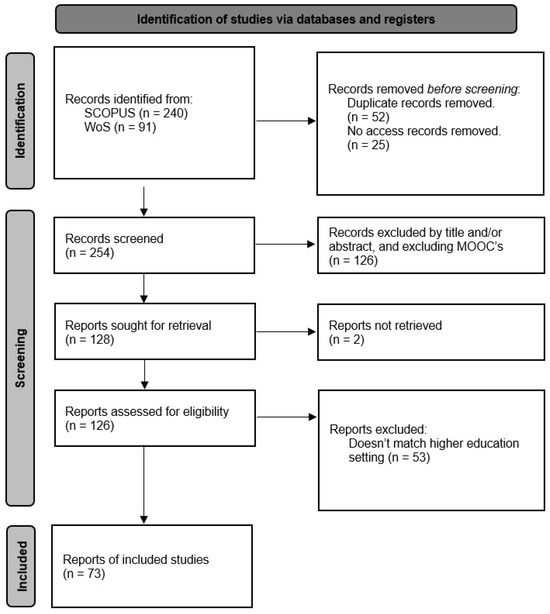
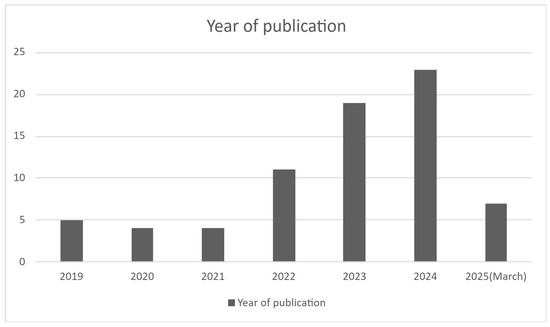
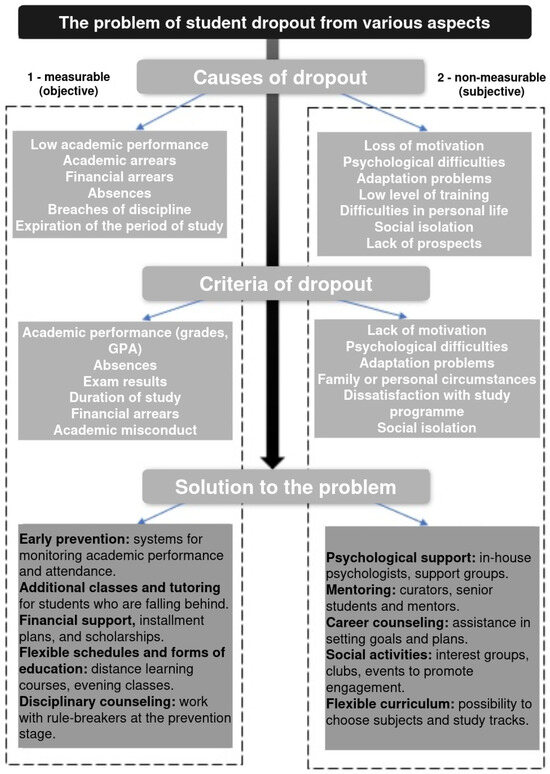
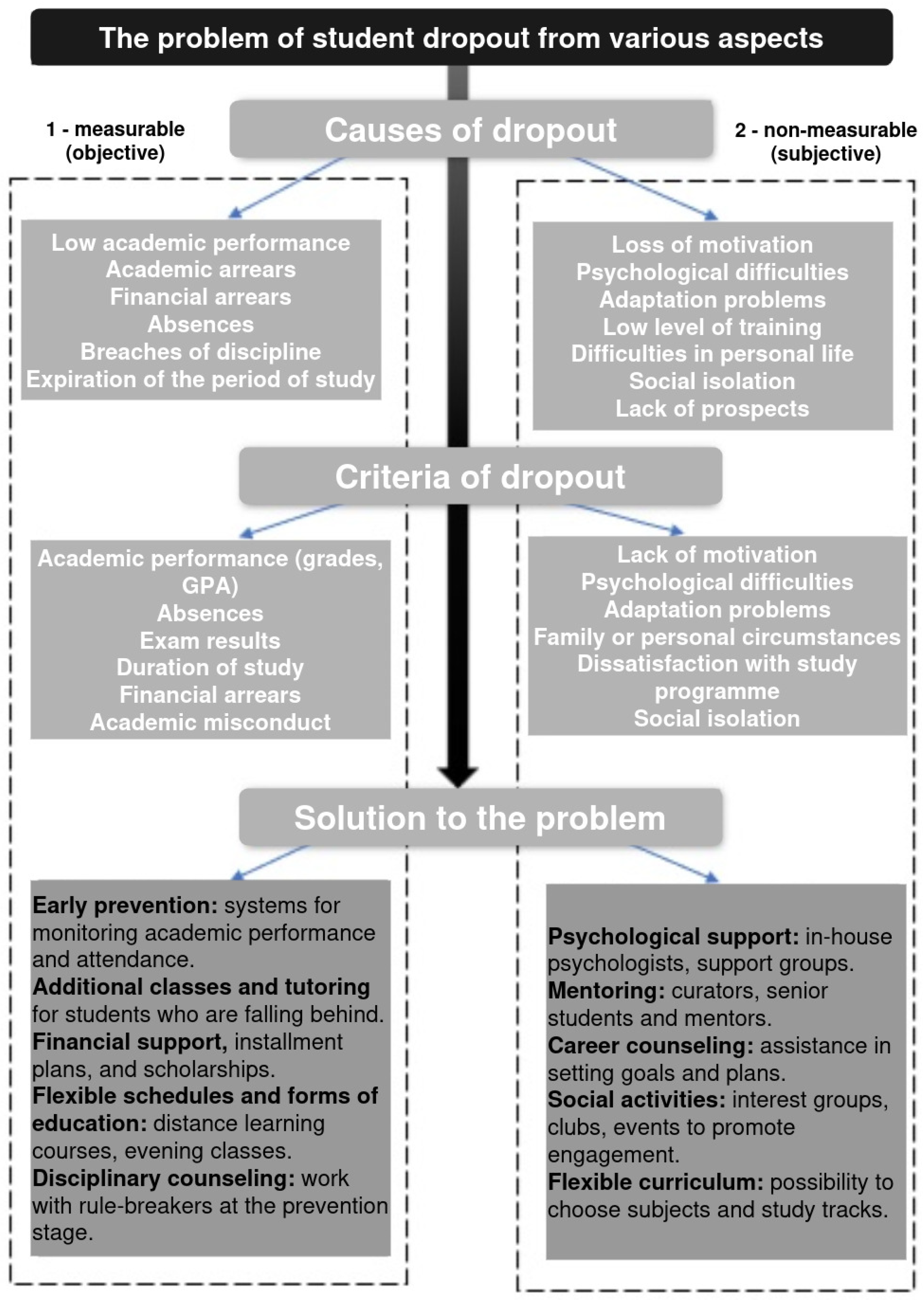
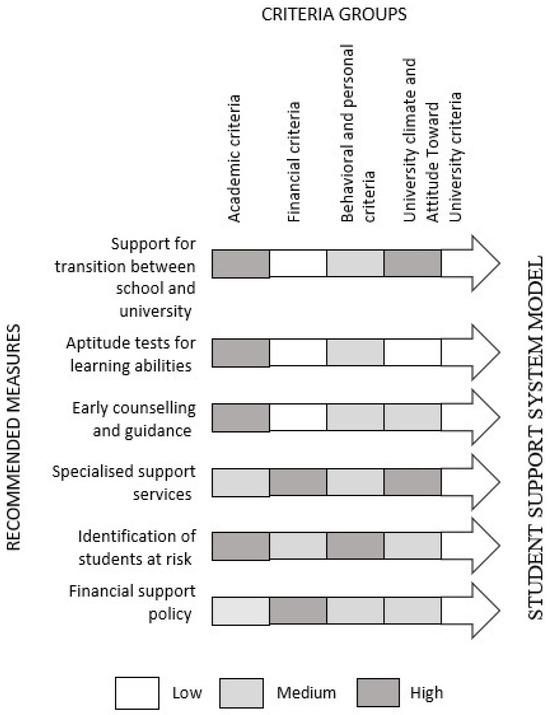
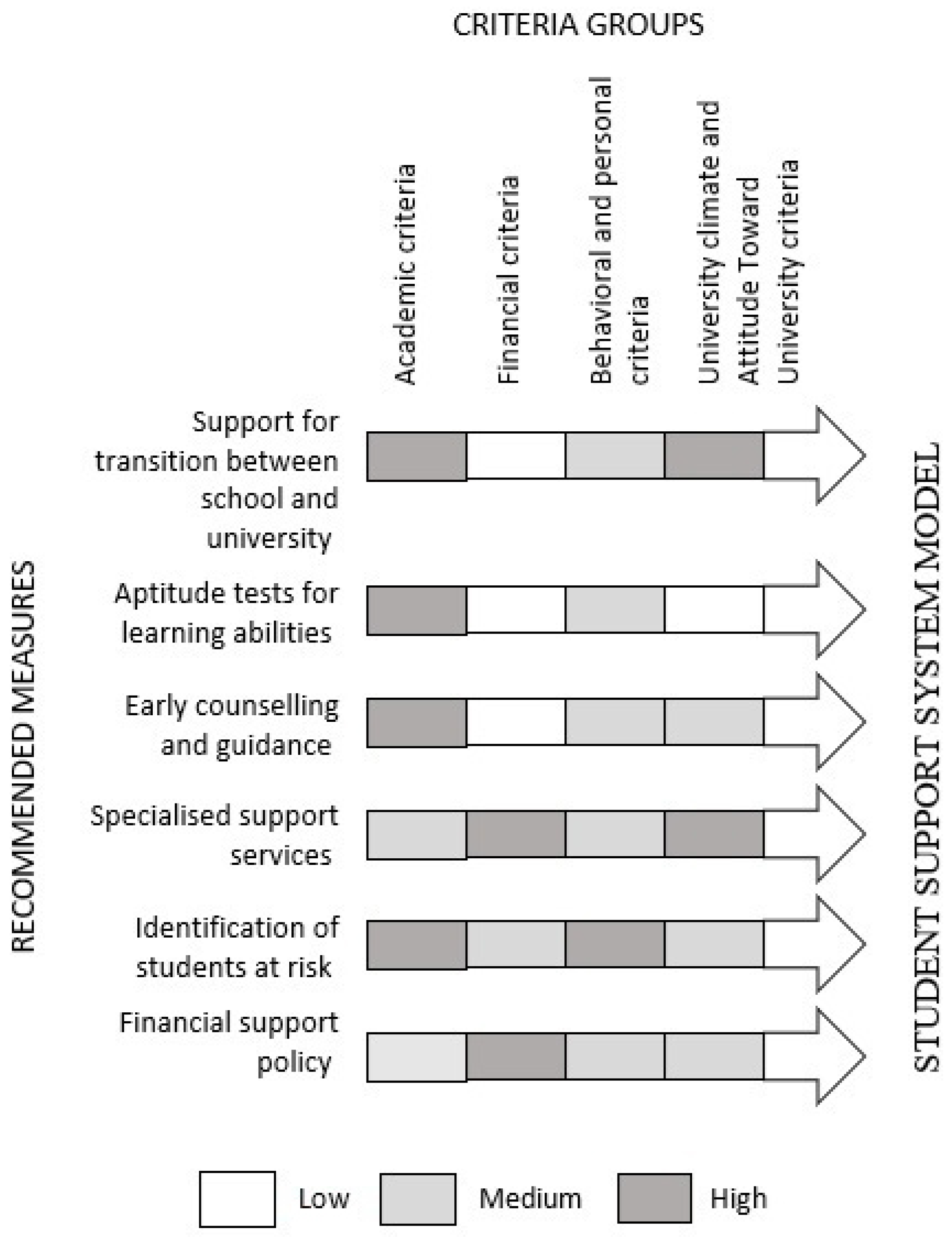

Disclaimer/Publisher’s Note: The statements, opinions and data contained in all publications are solely those of the individual author(s) and contributor(s) and not of MDPI and/or the editor(s). MDPI and/or the editor(s) disclaim responsibility for any injury to people or property resulting from any ideas, methods, instructions or products referred to in the content. |
© 2026 by the authors. Licensee MDPI, Basel, Switzerland. This article is an open access article distributed under the terms and conditions of the Creative Commons Attribution (CC BY) license.