


Abstract
Multilingual learners (MLs) in U.S. schools continue to face systemic inequities shaped by monoglossic instructional ideologies and a deficit orientation towards their linguistic and cultural resources. Translanguaging pedagogy has emerged as a promising response, but it remains underexplored in STEM contexts. This study presents a systematic meta-synthesis of 20 U.S.-based empirical studies examining how translanguaging has been conceptualized and enacted in K–12 STEM classrooms with MLs, using an interpretive approach. The review identified four overarching themes. First, research and practice gaps reveal contextual, conceptual, and disciplinary limitations, particularly a lack of translanguaging work in math, early elementary settings, and English-dominant classrooms. Second, translanguaging was conceptualized as a syncretic and disciplinary practice, challenging rigid boundaries between languages, discourses, and modes while positioning MLs’ full repertoires as generative of disciplinary knowledge. Third, students and teachers were positioned as local agents of knowledge and practice. MLs were framed as designers of disciplinary meaning while teachers acted as collaborators and local policymakers. Fourth, the review identified persisting challenges, including language separation ideologies, narrow interpretations of translanguaging, and policy constraints. This synthesis contributes an interdisciplinary, equity-oriented framework bringing second language acquisition and STEM education, centering MLs as legitimate epistemic participants in STEM.
1. Introduction
Education of “multilingual learners (MLs),” or English learners (ELs) as designated by school systems, has grown increasingly complex and contentious in the U.S. (Grapin, 2023). While efforts to enhance learning standards and language demands across content areas aim to promote equitable access, these initiatives have produced paradoxical outcomes, drawing criticism for failing to address systemic marginalization (García et al., 2021). For instance, equity agendas in dual-language programs have often benefited white, middle-class English-speaking students by advancing their social and linguistic capital for global competitiveness (Cervantes-Soon et al., 2017). Even justice-oriented teachers in these programs often fall short of enhancing critical racial consciousness among students, missing opportunities for advancing equity and social justice (Chávez-Moreno, 2022). The distinction between equity as access versus transformation (Grapin, 2023) underscores the current tension and debate around equitable education for MLs. Instead of polarizing the two notions of equity, we align with the expanded conceptualization of equity proposed by the National Academies of Sciences, Engineering, and Medicine (National Academies of Sciences, Engineering, and Medicine, 2022), which encompasses both ends of “increasing access” and “redressing injustices and disrupting systemic oppressions” (p. 23).
The argument that access alone is insufficient for achieving equity becomes even more evident in STEM disciplinary classrooms where the engagement and achievement gap between MLs and their mainstream peers is prominent (Callahan, 2017). STEM teachers, particularly at the secondary level, often demonstrate limited awareness and preparedness to integrate language-focused pedagogies into their instruction (S. Kim & Park, 2024). This gap is primarily due to minimal training in teacher preparation programs regarding the crucial role language plays in STEM teaching and learning (Faltis & Valdés, 2016; Lyon et al., 2018). Consequently, many STEM teachers may feel inadequately equipped or unaware of the importance of supporting MLs through language-integrated STEM instruction. Equitable instruction aimed at maximizing MLs’ access to and engagement in STEM disciplinary discussions requires interdisciplinary collaboration between STEM education and the fields of Teaching English to Speakers of Other Languages (TESOL)/Second Language Acquisition (SLA) (Lee & Stephens, 2020). Despite a theoretical shift towards the perspective that students learn through active engagement with language-in-use rather than language being a prerequisite for participation in STEM classrooms (National Academies of Sciences, Engineering, and Medicine, 2018), current teacher education has yet to fully meet the instructional needs for integrated STEM instruction.
To address these equity gaps, recent scholarship has promoted integrative pedagogical approaches. Translanguaging pedagogy—purposefully leveraging students’ home languages and multiple communicative modes in a well-coordinated flow of instructional and learning activities—is among the approaches and is increasingly recognized for its potential toward rigorous and equitable STEM pedagogy (García et al., 2017). However, empirical research on translanguaging practices in STEM classrooms with MLs is limited (Lee & Stephens, 2020; National Academies of Sciences, Engineering, and Medicine, 2018). Given these identified gaps at the intersection of STEM and TESOL/SLA research, this review examines empirical studies of translanguaging pedagogy within U.S.-based K–12 STEM classrooms, with a primary focus on science and math. These two domains were selected as the most prominent and frequently studied contexts in STEM education research involving MLs. While fewer studies explicitly center on engineering and technology, this review takes an integrative approach by viewing these areas as inherently situated within broader conceptions of science education and integrated STEM education.
The primary goal of this review is to illuminate how translanguaging has emerged and been enacted as a pedagogical framework within STEM education. Through a systematic synthesis of empirical studies, the review identifies research and practice gaps in translanguaging for STEM education and explores how translanguaging supports disciplinary learning, repositions MLs’ participation, and reshapes classroom discourse and instructional design. The secondary goal is to synthesize implications from the literature to inform research, policy, and practice concerning equity in STEM education. As the STEM landscape continues to evolve, notably through advances such as generative artificial intelligence, there are growing concerns that these innovations may exacerbate inequities for MLs without adequate pedagogical guidance. This review addresses the need for more equitable approaches by critically examining both the transformative potential and the systemic constraints that shape the implementation of translanguaging pedagogy in STEM settings. To guide our review process, we posed the following synthesis questions:
- What key research and practical gaps exist in translanguaging-integrated STEM education for MLs?
- How are translanguaging pedagogies conceptualized and enacted within STEM classrooms?
- How are MLs positioned in STEM classrooms where teachers implement translanguaging pedagogy?
- What implications emerge for equity-focused research, policy, and practice from the current body of translanguaging pedagogy scholarship in STEM?
Through an interdisciplinary lens, this review critically examines how existing studies have addressed the equity gaps wherein MLs have lacked meaningful integrative support. By synthesizing how translanguaging is theorized, enacted, and contested in STEM classrooms, this review advances an equity-oriented pedagogical vision that informs both research and practice.
2. Translanguaging: Evolving Scholarship and Pedagogical Implications in STEM Education
Translanguaging was originally conceptualized in Welsh bilingual classrooms as a pedagogical strategy involving the intentional alternation between languages to deepen bilingual students’ learning and cognitive engagement (Williams, 1994). Since its inception, it has significantly evolved into a comprehensive sociocognitive, sociocultural, and sociopolitical theory of language. This expanded framework reconceptualizes language as a dynamic and fluid practice, or what scholars term ‘languaging,’ that transcends the conventional boundaries of named languages (Baker, 2011; García, 2009; García & Li, 2014; Li, 2018). Rather than viewing languages as discrete systems, translanguaging theory positions multilingual practices as integrated, strategic, and socially situated.
The contemporary notion of translanguaging has grown to incorporate not just multiple languages but also multiple semiotic modes, including visual, gestural, spatial, digital, and embodied forms of communication (Li, 2018; Pennycook, 2017). Scholars have argued that meaning-making inherently involves multimodal and multisensory experiences, emphasizing the inseparability of linguistic practice from broader semiotic systems (Kress, 2010; Newfield, 2014). This conceptual expansion aligns with Li’s (2018) interpretation of the “trans-” prefix, which emphasizes fluidity and movement across multilingual, multimodal, and multisensory means of communication. Such an expanded notion situates translanguaging closely alongside, and intersecting with, related notions like transmodalising pedagogy—a practice that explicitly focuses on semantic trade and transformation across semiotic modes (Lin, 2019; Newfield, 2014; S. Kim, 2021). Rather than perceiving modes as mere supportive scaffolds for linguistic expression, transmodalising pedagogy recognizes each mode’s unique semantic potential, such as color, texture, gesture, visual design, or spatial arrangement, to enrich disciplinary sense-making in complex contexts like STEM (Kress & van Leeuwen, 2002).
This meta-synthesis is guided by a translanguaging framework as the broader orientation, with these multimodal practices being part of the pedagogy. As outlined by García et al. (2017), translanguaging pedagogy features three key strands: (1) stance, or the ideological orientation that affirms multilingualism as a resource; (2) design, or the planning of instruction and assessment that leverages students’ full communicative repertoires inclusive both linguistic and multimodal means; and (3) shifts, or the dynamic, moment-to-moment adjustments teachers and students make in practice. In these translanguaging strands, transmodalising is an embodied dimension of translanguaging, a point we return to in our discussion of how translanguaging encompasses transmodalising pedagogy in STEM learning.
Amid these theoretical developments, translanguaging scholarship has not been without contention. MacSwan (2017), for instance, provides a critical perspective by cautioning against treating translanguaging as an entirely novel linguistic phenomenon distinct from traditional theories of multilingualism, such as code-switching. He argues that multilingual individuals maintain distinct, internally coherent linguistic systems, even though these systems interact fluidly and flexibly in communication. MacSwan suggests that conceptualizing languages as fully unified and undifferentiated repertoires may inadvertently obscure the sociopolitical realities of language differentiation and hierarchy that MLs experience. Thus, his critique encourages educators and researchers to consider carefully how translanguaging theory is framed and manifested, warning against oversimplifying complex linguistic realities or neglecting the sociopolitical dimensions of language boundaries and the lived realities of multilinguals in educational contexts.
Despite such theoretical nuances and ongoing scholarly discussions, translanguaging is widely recognized in the literature for its potential to challenge established monolingual ideologies and hierarchical language practices in education (García & Kleifgen, 2018; García & Li, 2014). This principle directly challenges traditional education approaches that often frame the home language practices as deficits (Flores, 2020; Flores & Rosa, 2015) by recognizing learners’ strategic coordination of their full linguistic and semiotic repertoires as legitimate forms of knowledge construction and representation (García & Kleifgen, 2018; Hesson et al., 2014). This critique carries particular weight in STEM education, where rigid, hierarchical notions of “academic language” and standardized representational practices have historically served as gatekeeping mechanisms that marginalize MLs (García, 2009; García et al., 2017; Grapin et al., 2025; Li, 2018). As a decolonial framework, translanguaging tenets aim not only to expand access to dominant ways of meaning-making but also to redefine what counts as legitimate knowledge and discourse practices in classrooms (Flores & Rosa, 2015; García & Otheguy, 2020; Li & García, 2022).
In practice, translanguaging pedagogy is enacted through intentional designs that engage students’ full communicative repertoires (Canagarajah, 2011; Cenoz & Gorter, 2017; García & Li, 2014; García & Lin, 2017). Educators create learning environments where students can flexibly draw on multilingual and multimodal resources, supporting diverse pathways for constructing disciplinary understanding. The pedagogy positions learners as active participants in meaning-making, emphasizing collaboration over transmission. Meaning thus emerges through joint engagement, where teachers and students collectively mobilize diverse cultural and semiotic tools. This approach challenges the privileging of standardized forms and instead promotes community-based, participatory knowledge building (García et al., 2017; García & Otheguy, 2020; Jensen & Thompson, 2020). At the same time, the expanded conceptualization of translanguaging calls for ongoing critical reflection. As translanguaging is increasingly taken up in diverse instructional contexts, educators and researchers must remain attentive to how these practices are shaped by local sociopolitical conditions and institutional structures. Without such attention, translanguaging risks being reduced to surface-level classroom strategies, disconnected from its deeper commitments to access and transformation. A critically informed translanguaging pedagogy must consider learners’ diverse sociolinguistic experiences within the local and systemic contexts to fulfill its dual equity agenda.
3. Methods
This review employed a systematic meta-synthesis approach (Jaumot-Pascual et al., 2021; Leary & Walker, 2018), which is particularly well suited for synthesizing diverse empirical studies, especially those using qualitative methods, to build new conceptual insights grounded in empirical evidence. Unlike quantitative meta-analysis, which aggregates outcomes across studies (Uman, 2011), a systematic meta-synthesis enables interpretive integration of findings from studies that vary in context, method, and theoretical framing. This methodology was well aligned with our inquiry, which aimed not only to synthesize current empirical knowledge about translanguaging pedagogy in STEM education but also to critically examine how it is theorized in relation to equity, and how it mediates disciplinary engagement for MLs across settings, while centering their identities and capabilities.
3.1. Scope of the Review
Our review focused specifically on U.S.-based K–12 STEM classrooms, recognizing the unique sociopolitical, institutional, and policy factors that shape ML education in the U.S. We limited the scope to empirical studies published between 2009 and 2025, a period that marks both the rise in translanguaging scholarship following García’s (2009) seminal work and its growing adoption as an educational framework in the U.S. Our selection prioritized studies situated in science and math, the two most frequently studied STEM domains, though studies involving engineering and technology education were included as embedded within broader disciplinary inquiry in science or integrated STEM classrooms. To ensure conceptual alignment, we excluded studies that mentioned translanguaging as general bilingual practices but did not explicitly engage it as a theory-based pedagogical construct. We limited inclusion to peer-reviewed empirical studies reporting data from U.S. K–12 STEM classroom settings to ground equity claims in observed practice and implementation of translanguaging pedagogy while utilizing conceptual pieces only to frame definitions and background.
3.2. Search and Selection Procedures
Our meta-synthesis was both systematic, guided by clearly defined selection and appraisal criteria, and interpretive, aiming to construct new conceptualizations around the role of translanguaging in STEM disciplines. We followed four key stages, drawing from Jaumot-Pascual et al. (2021) and Leary and Walker (2018): (1) defining synthesis questions and inclusion criteria, (2) conducting a comprehensive search across databases, (3) screening studies and applying quality filters, and (4) engaging in thematic coding and synthesis.
The four synthesis questions introduced earlier in this paper examined: gaps in research and practice in STEM education for MLs, conceptualizations and enactments of translanguaging pedagogy, student positioning through translanguaging, and implications for research, policy, and practice. To ensure a focused and contextually relevant synthesis as discussed in the scope of the review, we established six inclusion criteria regarding timeline, region, language, primary focus, literature type, and methodology, as represented in Table 1.
Table 1.
Inclusion and exclusion criteria.
We conducted an initial search across four major education research databases: APA PsycInfo, Education Research Complete, Education Resources Information Center (ERIC), and Education Database. Search terms included “translanguaging,” “K–12,” “multilingual learners”, “STEM,” and “classroom” (see Table 2).
Table 2.
Databases and keywords used for the initial search.
Our initial search led to 498 peer-reviewed academic journal articles published between 2009 and 2025 in English. Once we applied the regional criteria (U.S.-based articles only), our results narrowed down to 172 articles. After removing duplicates retrieved across overlapping search terms and databases, 166 studies remained for further review. Each article was then screened for relevance through a close examination of its abstract to assess alignment with the primary focus of our study: translanguaging as a central pedagogical practice for MLs in STEM K–12 classrooms. All authors collaboratively extracted study characteristics by individually memoing with audit trails on a shared online spreadsheet. Disagreements were resolved through discussion in weekly meetings. This round yielded 20 articles that met all inclusion criteria for full review and analysis (see Figure 1).
Figure 1.
Elimination process.
3.3. Data Analysis Procedures
Of the 20 studies included (see Table 3), all were qualitative in design. While our review did not intentionally limit the selection to qualitative research, the final set of studies reflected the predominance of qualitative inquiry in current translanguaging-in-STEM scholarship. This made the dataset particularly ideal for qualitative meta-synthesis, which emphasizes interpretive integration across varied contexts and conceptual framings. We used a two-step analytical approach (Miles & Huberman, 1994), beginning with within-study analysis to identify focal themes, followed by cross-study synthesis to develop interpretive categories. To ensure analytic rigor and validity, each study was independently reviewed by at least two researchers using a structured coding protocol developed and refined through a recursive, iterative process. The coding framework drew both from deductive categories aligned with our synthesis questions and from inductive insights that emerged during close analysis. Key analytic codes included: (1) grade level and research setting, (2) identified research gaps, (3) STEM discipline(s) addressed, (4) educational context (e.g., general education, bilingual program, afterschool), (5) conceptual framing of translanguaging, (6) pedagogical design, implementation, and teacher role, and (7) student positioning and learning outcomes.
Table 3.
Selected studies.
Analytic notes were systematically recorded in a shared spreadsheet for collaborative tracking and discussion. Divergent interpretations and unique insights from different reviewers were documented for further discussion and decision-making. Through recursive analysis, we developed four overarching themes, aligned with our synthesis questions, to capture both commonalities and divergences in how translanguaging is theorized and enacted in STEM contexts. This synthesis enabled us to move beyond descriptive categorization and toward interpretive insights about the affordances, challenges, and equity-oriented possibilities of translanguaging pedagogy in STEM education for MLs.
3.4. Limitations
This review should be interpreted in light of several limitations. First, our search was limited to four databases (APA PsycInfo, Education Research Complete, ERIC, and Education Database). These sources are widely used and highly comprehensive for education research and, together with our structured strategy, provide strong coverage; nevertheless, no search is truly exhaustive, and a small number of studies indexed elsewhere or in the grey literature may not have been captured. Second, some studies were authored by the same scholars or close collaborators (e.g., Esquinca, de la Piedra, Licona, and Pierson), which is not uncommon given the specialization of scholars in this area, but may reduce the independence of evidence and potentially overrepresent particular theoretical orientations, methodological preferences, or contextual foci. Third, we observed concentration in a small set of journals (for example, Bilingual Research Journal and International Journal of Bilingual Education and Bilingualism). While these outlets are central to the field, editorial policies, audience, and review norms can shape what gets published and how it is framed. Limited journal diversity may therefore narrow the range of perspectives captured. Finally, despite explicit inclusion and exclusion criteria, screening and coding involve judgment; we used a collaborative, consensus-based approach to apply decisions, and future reviews might report interrater reliability, preregister protocols, and use standardized quality appraisal/risk-of-bias tools.
4. Results
In this section, we present four themes that address the two goals outlined in the introduction. The first three themes highlight dominant patterns across the studies, focusing on shared and distinct conceptualizations and instructional enactments of translanguaging. Then, the fourth theme shifts attention to the challenges and limitations identified in specific contexts, including studies that offer critical or counterexamples to the more commonly reported successes of translanguaging pedagogy.
4.1. Theme 1: Research and Practice Gaps in Translanguaging for STEM Education
Our meta-synthesis revealed significant and recurring gaps across conceptual frameworks, research contexts, and pedagogical implementation of translanguaging in STEM education with MLs. Importantly, these gaps did not merely emerge as findings; they also served as the backdrop and impetus for the studies themselves, shaping the contexts in which translanguaging pedagogies were explored, developed, and enacted.
4.1.1. Contextual and Disciplinary Gaps in Research
A recurring trend across the reviewed literature was the limited range of educational contexts in which translanguaging in STEM has been studied. Most research has focused on specialized bilingual programs. Over half of the studies (11 out of 20) were conducted in dual-language (9) or transitional bilingual (2) settings (see Figure 2). This concentration was echoed in the geographical distribution, with nearly half of the studies (8 out of 20) situated in Texas or the U.S.–Mexico border, where bilingual education programs are more commonly implemented due to the linguistic and demographic profiles of student populations (see Figure 3). While this regional focus aligns with a natural and strategic emphasis on bilingualism, it also highlights a significant limitation in the current research base. As Pierson et al. (2021) observed, there remains a critical gap in understanding how translanguaging pedagogy can be enacted in English-dominant general education STEM classrooms, particularly those taught by monolingual teachers. Given that most MLs in the U.S. are educated in these general classroom settings, this gap is problematic in terms of the generalizability of current translanguaging frameworks and the feasibility of broader pedagogical implementation.
Figure 2.
Reviewed studies by classroom context.
Figure 3.
Reviewed studies by geographical distribution.
Although the distribution of studies was almost fairly balanced across elementary and secondary levels, several noted persistent gaps in discipline-specific translanguaging research, especially within elementary education (see Figure 4). Esquinca et al. (2021) pointed to a notable absence of research on engineering-related literacies in early grades, particularly for emergent bilingual students. Lemmi and Pérez (2024) similarly called for more research on how translanguaging supports scientific inquiry and conceptual development in elementary classrooms, while S. Kim (2021) emphasized the lack of discipline-specific translanguaging research in early elementary settings. Additionally, it was noted that much of the existing literature in science education centers on afterschool or extracurricular programs rather than on core instructional time.
Figure 4.
Reviewed studies by grade level.
The current set of studies also reflects a disproportionate disciplinary focus. Science classrooms, broadly including topics such as biology, engineering, and environmental science, dominate translanguaging-in-STEM research, accounting for 15 of the 20 studies reviewed (Figure 5). In contrast, math-focused studies and integrated STEM (addressing both science and math or multiple STEM components) each accounted for only three and two studies, respectively. This disciplinary imbalance points to a critical need for more research on how translanguaging supports mathematical reasoning, problem-solving, and disciplinary language development within math education, where distinct discursive structures and conceptual demands require targeted pedagogical approaches. Together, these contextual and disciplinary gaps call for expanded empirical research on how translanguaging pedagogy is adapted and enacted across diverse grade levels, content areas, and instructional contexts, particularly in discipline-specific ways within everyday routines of classroom instruction.
Figure 5.
Reviewed studies by disciplinary focus.
4.1.2. Conceptual and Pedagogical Gaps in Translanguaging Pedagogy
The reviewed studies identified conceptual and ideological tensions surrounding equitable STEM education for MLs. Central to these tensions is the dominant challenge of supporting both disciplinary content learning and language development of MLs in tandem (Buxton & Caswell, 2020). This challenge is compounded by persistent misconceptions about the role of language in STEM learning. At the institutional level, Esquinca et al. (2021) identified a prevalent belief that English proficiency is a prerequisite for STEM learning, establishing language ability as a gatekeeper to quality STEM learning opportunities. In math education, Krause et al. (2022) critiqued a similarly flawed assumption that mathematical concepts are inherently language-independent, which falsely leads educators to consider instructional language choices as unimportant in math instruction.
Beyond the lack of robust content–language integrated frameworks in general STEM classrooms, the reviewed literature identified a pervasive issue in bilingual education settings: the dominance of language separation policies. Despite their stated commitment to bilingual education, these contexts often reinforce hegemonic English ideologies and promote predominantly monoglossic “one-language-at-a-time” approaches (DiNapoli & Morales, 2021; Esquinca et al., 2014, 2021; Fine & Braaten, 2025; Garza & Arreguín-Anderson, 2018; Garza Ayala, 2022; S. L. Kim & Kim, 2024; Krause et al., 2022; Licona & Kelly, 2020; Poza, 2018). Poza (2018), for instance, characterized a dual-language science classroom as a “monolingual science classroom,” with instruction delivered only in Spanish. This framing powerfully illustrates how, even in purportedly bilingual environments, the rigid separation of languages reinforces monoglossic approaches that contradict the dynamic language practices that MLs naturally engage.
The entrenched language separation paradigm, described by Licona and Kelly (2020) as the language-bracketing model, was widely critiqued for limiting opportunities for MLs to engage their full linguistic repertoires. Rooted in outdated notions of balanced bilingualism that treat languages as separate cognitive systems (García & Sylvan, 2011), this model was found to constrain how MLs access and deploy their language resources for disciplinary learning. A small number of studies, including Pierson et al. (2021), addressed the impact of separatist ideologies in English-dominant general education classrooms, where translanguaging is rarely encouraged. Even when translanguaging approaches are attempted, they are often reduced to mechanical translation tasks. Pierson et al. (2021) cautioned against such translation-focused pedagogies, noting that overemphasis on “correctness” can diminish MLs’ confidence in their translingual abilities and inhibit authentic meaning-making in STEM contexts.
The studies critiqued two interconnected manifestations of separatist ideology, the divide between content and language learning and the rigid compartmentalization of languages, as grounded in the same monoglossic logic. These beliefs frame academic language as a prerequisite for content access and enforce linguistic purism by separating languages across time, space, or subject. Such views overlook the integrative nature of learning and the value of multilingual repertoires in deepening MLs’ understanding and engagement. As García et al. (2021) noted, these frameworks privilege students whose linguistic capital aligns with institutional norms, perpetuating language hierarchies that marginalize MLs. Overall, the studies identified conceptual, contextual, and disciplinary gaps in translanguaging research in STEM, especially the influence of separatist ideologies and the lack of research in math, early grades, and English-dominant classrooms.
4.2. Theme 2: Translanguaging as a Syncretic and Disciplinary Turn in STEM Education
This section examines how the literature conceptualizes translanguaging as a boundary-crossing theory and integrative disciplinary pedagogy beyond conventional divides between languages, discourses, modes, and knowledge systems. Across studies, translanguaging emerged as a deliberate counterforce to entrenched language ideologies and schooling structures that constrain MLs’ participation in content learning. At its core, translanguaging was framed as a syncretic practice (Radke et al., 2022) that challenges artificial boundaries and integrates linguistic, semiotic, and epistemological resources across communicative registers and social contexts. Studies illustrated how such boundary-crossing practices enabled students to engage multiple registers and ways of knowing, transforming STEM learning into a culturally and linguistically responsive process. Importantly, several studies moved beyond conceptualizing translanguaging as merely a scaffold or support strategy. Instead, they foregrounded it as the very disciplinary practice through which students engage in the epistemic and representational work that defines science and math (S. Kim, 2021; Pierson & Grapin, 2021). This integrative view reframes MLs’ full repertoires not only as legitimate but also as generative of disciplinary knowledge itself, advancing both equity and rigor in STEM education.
4.2.1. Fluid Movement Across Named Languages
Translanguaging was theorized as a framework that challenges traditional conceptions of language as bounded and separate, reframing language and languaging (i.e., doing language) as fluid, dynamic, and permeable. The critique of rigid language boundaries was most prominent in studies situated within bilingual education settings (11 studies), particularly dual-language program (DLP) classrooms (9 studies) that maintained strict language separation policies. Several studies argued that such separation reinforces the dominance of majority languages and limits students’ ability to draw on their full linguistic repertoires, especially in subjects like math, where rigid boundaries can hinder rather than support learning (Garza Ayala, 2022; Krause et al., 2022; Poza, 2018).
Multiple studies cited García (2009), who theorized translanguaging as the fluid deployment of an integrated linguistic repertoire, where bilinguals strategically select features from a unified system to communicate effectively, rather than toggling two separate language systems. This stance directly challenges what Langman (2014) described as “top-down orientations to policy” (p. 184) that enforce artificial language boundaries in classrooms, highlighting how teachers can proactively enact alternative, fluid language policies through local-level pedagogical choices (Garza Ayala, 2022; Langman, 2014). In Krause et al.’s (2022) study, for instance, math teachers created spaces where students could express mathematical thinking through “freer bilingual mode of discourse,” allowing conceptual understanding to take precedence over language form (p. 30). When a student used creative bilingual expressions to communicate mathematical reasoning, the teacher prioritized his conceptual knowledge over adherence to conventional language boundaries, demonstrating how translanguaging enhanced rather than hindered mathematical learning. Similarly, Garza Ayala (2022) described a 7th-grade dual-language math teacher who encouraged students to use “their linguistic repertoire as their own right,” fostering an environment where language separation “is not interfering with the teaching and learning process of math” but resulting in students feeling “comfortable languaging in their own terms” (p. 2119).
Science instruction and assessment similarly benefited from fluid translanguaging practices. Fine and Braaten (2025) focused on 6th-grade MLs’ perspectives on translanguaging during formative assessment practices and emphasized “the transformative potential of translanguaging as a ‘fair’ and ‘equal’ assessment practice that allowed MLs to get straight to science sensemaking and to communicate their science ideas with peers bilingually” (p. 222). Garza and Arreguín-Anderson (2018) presented an example in a 4th-grade dual-language classroom where students freely navigated Spanish and English to construct evidence-based scientific arguments, analyzing rocks and comparing observations with textbook information (Garza & Arreguín-Anderson, 2018). The science teacher created a classroom in which multimodal communication, using all “resources at their disposal (artifacts, teacher’s gestures, body language, texts in English, explanations in Spanish)” became the norm, effectively challenging the monolingual ideology of one language at a time, typically enforced in bilingual settings (p. 110). Infante and Licona (2021) likewise highlighted a middle school science teacher whose flexible use of Spanish and English enabled students to develop science reasoning, access key ideas through writing and talk in both languages, and bridge everyday and academic discourses for learning.
While these featured classrooms provided compelling evidence to counteract strict language separation policies prevalent in dual-language education programs nationwide, it was students’ translanguaging practices that revealed the disconnect between imposed language boundaries and students’ natural ways of communicating. Students in a 5th-grade dual-immersion classroom regularly alternated between Spanish and English across speech and text, displaying linguistic flexibility that enhanced rather than compromised their academic engagement (Poza, 2018). When designing and distributing multimodal texts, elementary students fluidly shifted between languages—engaging in Spanish for planned discourse, mixing languages during collaborative work, and producing final academic texts that demonstrated their bilingual competence (Cárdenas Curiel & Palmer, 2023). These fluid practices push back against what Infante and Licona (2021) call “balanced bilingualism … an entrenched view of dual language programs” (p. 915). Instead, they reflect a dynamic view of bilingualism that leverages the diverse linguistic repertoires of students as classroom resources for teaching and learning.
4.2.2. Translanguaging as a Bridge Across Registers, Discourses, and Spaces
While the movement across languages is central, translanguaging also served as a bridge between different registers, discourses, and learning spaces. Studies showed how translanguaging pedagogies supported the development of academic language by building on students’ everyday linguistic practices and lived experiences. DiNapoli and Morales (2021) offered the concept of translanguaging mathematical practice (TMP), which involves the integration of everyday and academic language through bilingual discourse and multimodal tools. Students navigated mathematical problem-solving, weaving Spanish, English, and the formal language of math. TMP affirmed students’ identities, also enhancing their perseverance during challenges of solving mathematical problems. In Seilstad et al.’s (2021) science classroom, translanguaging connected students’ home, community, and school-based ways of knowing. The concept of languascientific repertoire captured how students drew on linguistic, scientific, and multimodal resources, including tools like Google Translate, to navigate content and lived experience as interconnected dimensions of learning.
Radke et al. (2022) framed this integrative perspective as syncretic literacies, focusing on how students blend disciplinary and community-based ways of knowing. In their study, students used talk, gesture, and mathematical modeling to construct representations of migration, embedding personal narratives into their computational thinking. S. L. Kim and Kim (2024) presented ‘HomeFun Activities’ that engaged MLs in discussions such as heating and cooling in their homes or home countries, using translanguaging to bridge everyday experience and science learning. Likewise, Poza (2018) illustrated how students infused science learning with personal interests and prior knowledge through collaborative inquiry. Rather than isolating disciplinary discourse from students’ lived realities, translanguaging pedagogies created space for their convergence. Buxton and Caswell (2020) underscored this bridging function by calling for broader linguistic repertoires through movement between everyday and scientific discourse. Licona and Kelly (2020) echoed this in their instructional congruence framework, where translanguaging aligns instruction with students’ cultural and linguistic realities. Collectively, these studies position translanguaging as a connective practice that transcends conventional boundaries, linking registers, communities, and epistemologies in support of disciplinary learning.
4.2.3. Translanguaging as Disciplinary Practice in STEM
The reviewed studies also positioned translanguaging as central to disciplinary learning, emphasizing its role within the epistemic core of science and math education. Here, translanguaging is not merely a tool for accessing content but a core mechanism through which students engage in the epistemologies, discourse practices, and processes of knowledge construction that define STEM disciplines. Although many studies implicitly or explicitly affirmed this disciplinary perspective, this section centers on a subset of studies that most clearly theorized the reciprocal relationship between translanguaging and disciplinary engagement. These studies distinctively highlighted how students mobilized their full semiotic repertoires not only to access STEM content, but to participate in and shape disciplinary knowledge itself.
Pierson and Grapin (2021) conceptualized translanguaging as integral to disciplinary engagement, challenging reductive perceptions of translanguaging merely as peripheral language support. Their framework proposed a synergistic relationship where translanguaging and content instruction mutually reinforce one another, enabling students to participate meaningfully in the epistemic practices of STEM. Rather than viewing language as a vehicle for accessing content, translanguaging was positioned as the very process through which disciplinary engagement occurs. This disciplinary framing was echoed in Buxton and Caswell (2020), who argued for a science instruction model that leverages students’ full linguistic and cultural repertoires to navigate between colloquial and disciplinary registers. They emphasized translanguaging as key to navigating shifting communicative purposes and audiences in science, which is an essential capacity for constructing and communicating disciplinary ideas. Their work also challenged one-size-fits-all approaches to language development, advocating instead for discipline-specific models that reflect the distinct and specific discursive demands of STEM.
In math, DiNapoli and Morales (2021) illustrated how translanguaging facilitated students’ disciplinary thinking, infusing everyday language, formal math registers, and multimodal tools such as diagrams and notations. This flexible integration helped bilingual students make sense of complex mathematical concepts while affirming their cultural and linguistic identities through a pedagogy they termed ‘rehumanizing mathematics education.’ S. Kim (2021) similarly emphasized the inseparability of language and content in STEM, framing language as action, the very doing of science and math. From this perspective, translanguaging is not simply a bridge to knowledge but the discursive space through which knowledge is constructed and negotiated. Together, these studies theorized translanguaging as essential to disciplinary learning, dissolving boundaries between language and content and foregrounding MLs’ repertoires as foundational to meaning-making in STEM.
4.2.4. Multimodal Translanguaging as Disciplinary Necessity in STEM Classrooms
Across the reviewed studies, multimodality emerged as a crucial, though variably emphasized, component of translanguaging pedagogy in STEM classrooms. Out of the 20 studies, at least 13 explicitly addressed multimodal practices within their translanguaging frameworks. This emphasis aligns with the inherently multimodal nature of science and math, where core disciplinary ideas are communicated not only through language but also through visual, spatial, and embodied representations such as diagrams, gestures, graphs, and artifacts (Ginsberg, 2015; Lemke, 2002, 2003). In most studies, multimodal communication was integrated as part of translanguaging pedagogy, enabling MLs to draw on expanded semiotic repertoires to access and construct STEM knowledge. For example, Garza and Arreguín-Anderson (2018) documented a 4th-grade dual-language science classroom where the multimodal coordination, using artifacts, gestures, body language, texts in English, and oral explanations in Spanish, became the norm of classroom interaction. Students flexibly blended languages and modalities to clarify tasks, construct scientific arguments, and respond to teacher prompts. Similarly, Cárdenas Curiel and Palmer (2023) described how MLs engaged in transmodal practices, combining images, gestures, videos, and oral language across English and Spanish, to collaboratively produce disciplinary texts of science. Likewise, Fine and Braaten (2025) underscored the multimodal communication inherent in translanguaging; however, MLs in their study did not explicitly reflect on the multimodal features of the researcher-designed assessments, attending only to named-language translanguaging. Other studies, such as Seilstad et al. (2021), explicitly framed multimodality as one of three essential components, individual, social, and multimodal, within what they term the ‘languascientific repertoire.’ In newcomer science classrooms, tools like Google Translate served as real-time mediators, expanding students’ meaning-making across linguistic and disciplinary boundaries. Here, multimodality was not simply a comprehension aid but a means for students with diverse linguistic and educational experiences to align personal and cultural knowledge with academic expectations.
A smaller set of studies advanced this perspective further by explicitly theorizing multimodality as a core dimension of disciplinary STEM literacy, often under the construct of transmodalising pedagogy (S. Kim, 2021; Pierson & Grapin, 2021; Pierson et al., 2021; Radke et al., 2022). S. Kim (2021), for instance, described transmodalising as a purposeful and coordinated design of multimodal classroom activities that support students in constructing and articulating disciplinary knowledge across modes: speech, writing, gesture, visuals, and material artifacts. Rather than viewing multiple modes as temporary scaffolds for linguistic mastery, multimodal translanguaging pedagogy adopts what Grapin (2019) terms the ‘strong version of multimodality,’ wherein each mode contributes distinctively to the conceptual and communicative work of STEM learning. Drawing on the concept of design (Kress, 2010), which refers to the intentional coordination of semiotic resources to fulfill the designer’s purposes and acknowledges the text maker’s transformative agency, S. Kim (2021) argued that transmodal shifts constitute core disciplinary literacy practices. This design perspective aligns with new STEM standards that expect learners to construct and represent conceptual knowledge through conscious strategic choices about semiotic layout and semantic potential (Grapin, 2019). In S. Kim’s (2021) study, elementary MLs used gestures to embody mathematical ideas such as “equation” and collaboratively represented scientific concepts like “states of matter” through coordinated multimodal design alongside leveraging their home languages (Spanish). These moments illustrate how multimodal translanguaging is not supplementary, but a central mechanism for STEM disciplinary engagement, particularly for young MLs.
Radke et al. (2022) illustrated this principle through their focus on assemblage, the orchestration of diverse semiotic resources, including gesture, speech, mathematical notation, physical materials, and social narratives, into new representational forms. Assemblage, in this sense, refers to the dynamic integration of these modes to generate meaning that no single mode could convey alone. In a 7th-grade bilingual computational modeling activity, students brought together cubes, gestures, talk in English and Spanish, and social reasoning to construct a model of migration flows. The sum of their communicative acts, the assemblage, enabled them to accomplish complex goals such as statistical reasoning, model justification, and embedded social critique, illustrating a deeply creative, syncretic approach to STEM learning.
Pierson and Grapin (2021) reinforced the critical role of multimodality in disciplinary knowledge building, advancing the “strong” version of multimodality (Grapin, 2019) in which each mode serves distinct epistemological tasks in STEM. Extending this, Pierson et al. (2021) argued that each mode affords a distinct lens for scientific understanding and expression. For instance, in exploring ecological systems, students represented ecosystem dynamics through diagrams, narratives, and physical movement, with each mode enabling them to notice different patterns, causal relationships, or processes like energy flow and interdependence. These multimodal representations did not merely enhance understanding but opened up new ways of seeing scientific phenomena, helping students generate and refine ideas through iterative shifts across modes. Taken together, these studies make a compelling case for the concept of multimodal translanguaging as a pedagogy that orchestrates linguistic and semiotic resources as core to STEM learning. Such pedagogies are not simply inclusive. They redefine what counts as disciplinary knowledge and who gets to participate in its construction. By legitimizing diverse ways of knowing and expressing, multimodal translanguaging supports MLs in doing science and math. These perspectives call for translanguaging pedagogies that embrace both linguistic diversity and semiotic plurality, recognizing that disciplinary literacy is essentially a multimodal meaning-making practice.
4.3. Theme 3: Empowering Local Agents: Students and Teachers in STEM Classrooms
This theme presents how the reviewed studies positioned, through translanguaging pedagogy, both students and teachers as central agents in the co-construction of disciplinary knowledge.
4.3.1. Positioning MLs: From Deficit to Agency in STEM
Across the studies, translanguaging pedagogies consistently disrupted deficit narratives by repositioning MLs as capable, resourceful, and agentic participants in STEM learning. Rather than being identified as linguistically limited or in need of remediation, students were positioned as meaning-makers, disciplinary thinkers, and co-constructors of knowledge.
Legitimate and Competent Participants in Disciplinary Practices. Esquinca et al. (2021) illustrated how emergent bilingual students were invited to do “what real engineers do” (p. 311) with teachers as their clients, legitimizing students’ roles in engineering design processes. Their agentic participation was described as transformative for MLs’ identity development, as they began to take up engineering discourse and envision themselves within that professional community. Similarly, DiNapoli and Morales (2021) positioned Latinx bilingual students as central to mathematical meaning-making through a rehumanizing perspective. This approach challenges deficit and procedural views of math and rejects the notion of language as a barrier. Translanguaging, in this view, is a strategic, agentive practice through which students construct mathematical understanding using their full communicative repertoires. Rather than merely solving problems, bilingual learners engaged with math in ways that reflected their voices, experiences, and ways of knowing. This repositioning was equally evident in science contexts as well. Fine and Braaten (2025) placed 6th-grade MLs at the center of their study and conferred their perspectives on translanguaging in formative assessment practices. Their study showed that MLs “are savvy and have nuanced insights that add complexity to the translanguaging practices” (p. 222). Likewise, Licona and Kelly (2020) and Infante and Licona (2021) positioned MLs as communicatively competent members of scientific discourse communities, capable of engaging in scientific argumentation through both everyday and academic language practices. This reframing challenged dominant views that link scientific competence to standardized academic English and instead affirmed multilingualism as central to disciplinary participation.
Designers of Syncretic and Multimodal Meaning-Making. Across several studies, MLs were viewed not simply as recipients of instruction but as active designers of disciplinary meaning. Students drew on a range of linguistic, cultural, and semiotic resources to engage with STEM content. Radke et al. (2022) conceptualized this work as syncretic agency, emphasizing how students assembled meaning across social, mathematical, and scientific domains through spontaneous, self-directed engagement. In their study, students navigated socio-scientific issues by combining personal experience, community knowledge, physical modeling, and digital tools, demonstrating that disciplinary learning can emerge from hybrid, student-driven knowledge-making processes rather than adherence to fixed curricular trajectories. Lemmi and Pérez (2024) extended this perspective by showing how translanguaging reshapes classroom dynamics through the redistribution of epistemic authority. Their study highlighted how translanguaging structured classrooms as dialogic spaces where students co-constructed knowledge using their linguistic and cultural repertoires. Cárdenas Curiel and Palmer (2023) similarly documented how emergent bilinguals engaged in multimodal design tasks, shifting between Spanish and English depending on context, often collaborating in English while using Spanish for disciplinary vocabulary and planned academic production. Their translanguaging practices were embedded in a recursive design process of planning, collaboration, and creation, demonstrating how multimodal translanguaging functioned as integral processes for making sense of and producing disciplinary knowledge.
4.3.2. Teacher Roles in the Participatory Translanguaging STEM Classroom
Teachers played a critical role in positioning MLs as active STEM learners. Employing translanguaging not just as a strategy but as a stance, teachers legitimized students’ knowledge, linguistic repertoires, and identities. One central theme was the role of teachers as collaborators and co-constructors of knowledge. In Radke et al. (2022) and Pierson et al. (2021), teachers invited students to take epistemic ownership, modeling openness to multimodal translanguaging meaning-making. In Esquinca et al. (2021), teachers positioned themselves as ‘clients’ in an engineering design project, allowing students to act as experts, thereby supporting identity shifts as emerging engineers that made participation in disciplinary practices both authentic and empowering.
Another recurring role was that of the designer of inclusive and dialogic classroom spaces, intentionally centering students’ linguistic and cultural resources. S. Kim (2021) and Lemmi and Pérez (2024) highlighted how teachers cultivated socially rich learning environments where students’ creative representation was encouraged in ways that reflected students’ lived realities. Importantly, some teachers went further, resisting top-down language separation policies and assuming the role of local language policymakers. In Garza Ayala (2022), the teacher openly countered restrictive dual-language program policies by enacting informal classroom language practices that affirmed students’ right to use both Spanish and English during mathematical problem-solving. In Langman’s (2014) study of three middle school science teachers in Texas, educators challenged narrow, standardized views of English proficiency by creating linguistically inclusive classrooms grounded in translanguaging. For example, Ms. Jackson encouraged and modeled translanguaging across Spanish and English, affirming linguistic difference as a valued resource for all students, including recent immigrant students. Rather than enforcing rigid language norms, these teachers kept their classrooms “linguistically real,” incorporating local varieties of informal and academic English alongside student voices (Langman, 2014, p. 196). In doing so, they resisted dominant monoglossic ideologies and redefined participation in science learning as inclusive of students’ full linguistic and cultural repertoires.
These studies underscore the centrality of teachers in reconfiguring student positioning. When teachers adopt translanguaging as a pedagogical and ideological stance, they shift the terms of engagement in STEM classrooms, recognizing MLs not as learners in need of linguistic correction, but as capable, knowledgeable participants whose voices and resources are vital to disciplinary learning.
4.4. Theme 4: Persisting Challenges and Directions for Advancing Translanguaging in STEM
The final theme revisits the equity imperative that framed this review. While translanguaging holds transformative potential to foster more equitable and inclusive STEM education for MLs, the studies also highlighted critical barriers and tensions that complicate its implementation. These challenges reflect ongoing struggles to move beyond superficial notions of access and toward pedagogical models that center empowerment, transformation, and epistemic justice. This section synthesizes these challenges across studies and offers suggestions proposed by the authors.
4.4.1. Repositioning Teachers as Designers and Policy Actors for Translanguaging Pedagogy
There is a broad consensus across studies that translanguaging pedagogy requires intentional teacher planning and support. DiNapoli and Morales (2021) cautioned against relying solely on students’ spontaneous translanguaging, emphasizing the need for teachers to make purposeful, in-the-moment translanguaging moves that support students’ meaning-making across languages and modalities. Garza Ayala (2022), S. Kim (2021), S. L. Kim and Kim (2024), and Lemmi and Pérez (2024) similarly stressed that all teachers, regardless of their language or disciplinary background, must be prepared to affirm and strategically mobilize the diverse languacultural practices of their students. This includes modeling translingual interactions, designing strategic bilingual tasks, and encouraging embodied, multimodal participation. Langman (2014) and Licona and Kelly (2020) took this further, suggesting that educators must see themselves as language policy actors who create third spaces where student language practices are legitimized. Teacher agency, in this regard, becomes crucial not only for disrupting monolingual ideologies but also for enacting linguistically and culturally responsive classroom pedagogy. Thus, teacher preparation programs must evolve to cultivate pedagogical agency and linguistic consciousness among STEM educators. This includes guiding teachers to recognize translanguaging not merely as a strategy for access, but as a tool for student empowerment and epistemic legitimacy in STEM.
4.4.2. Disrupting Policy Constraints in Bilingual and STEM Education
Despite teachers’ efforts, school-wide policies and systemic ideologies often limit the potential of translanguaging pedagogy. Garza and Arreguín-Anderson (2018) and Garza Ayala (2022) highlighted how institutional norms often fail to validate home language use, particularly in dual-language programs where rigid language separation is maintained. Poza (2018) critiqued such contexts as “monolingual instructional settings,” despite their bilingual labels. These misalignments can produce confusion or resistance when teachers attempt to operationalize translanguaging pedagogy. Radke et al. (2022) and S. Kim (2021) argued that meaningful enactment of translanguaging requires systemic change, including rethinking assessment and accountability frameworks that prioritize dominant discourses and language forms. Without such structural transformation, translanguaging risks being constrained to isolated classroom practices that do not disrupt larger ideological systems.
4.4.3. Moving Beyond Reductionist Applications
Another challenge identified is the misunderstanding or reductive use of translanguaging, either as student-led code-switching or surface-level translation activities, which can dilute its equity agenda. Krause et al. (2022) cautioned against narrow pedagogical views that limit translanguaging to observable linguistic shifts, excluding its multimodal and sociopolitical dimensions. Seilstad et al. (2021) raised important concerns about the unintended consequences of regimented translanguaging practices, particularly when designed without sensitivity to students’ linguistic and educational backgrounds. In their study of a 10th-grade science classroom within a superdiverse adolescent newcomer program, students were asked to complete a home literacy activity as part of the “Bilingual Biomes” project. While the goal was to engage students’ full linguistic repertoires, including the use of home languages and digital tools like Google Translate, the implementation revealed serious limitations. For instance, a student with limited formal schooling and no access to Google Translate in his home language found the task alienating and disempowering, unable to complete it meaningfully. Other students were asked to produce texts in languages they spoke at home but rarely used for academic purposes, leading some to experience frustration or embarrassment without appropriate guidance from supportive teachers. These findings caution that translanguaging must not be treated as a formulaic or superficial inclusion of multiple languages. Rather, it must be intentionally and flexibly designed with a deep understanding of students’ prior experiences and comfort with language use in classroom contexts.
To fulfill its equity-oriented promise, translanguaging must be grounded in a principled understanding of language as fluid, situated, and socially constructed. Poza (2018) reminds us that translanguaging, if applied without attention to its ideological roots, risks becoming a hollow practice that reinforces existing inequities. Pierson et al. (2021) offered a compelling counterexample of translanguaging as a multimodal, inclusive, and disciplinary pedagogy. In a science unit on ecosystems, students used diagrams, bodily movement, and storytelling to build understanding across linguistic and semiotic boundaries. These shifts enabled all students, not just MLs, to engage deeply with complex ideas. The authors emphasized that this approach benefited even monolingual students, who may expand their communicative repertoires and become more attuned to the diverse ways of knowing and expressing ideas. By decentering English-dominant norms and legitimizing pluralistic meaning-making, translanguaging pedagogy offers a framework for transforming STEM instruction across all learner groups.
4.4.4. Context-Specific Approaches to Equity and Research
Several studies called for more research and professional development tailored to specific sociocultural and linguistic contexts. Esquinca et al. (2014, 2021) emphasized that translanguaging pedagogies must respond to local micro-policies, community practices, and classroom compositions. Pierson and Grapin (2021) advocated for disciplinary perspectives that recognize the varying ways of operating translanguaging pedagogy across STEM content areas, highlighting the need for differentiated support. Buxton and Caswell (2020) critiqued the standards misalignment, calling for discipline-specific English language proficiency (ELP) frameworks that reflect the nuanced demands of content learning for MLs. They argued for discipline-specific ELP frameworks aligned with content standards like NGSS (Next Generation Science Standards), suggesting that translanguaging must be situated within the distinct discourse demands of each discipline. Their proposed NGSI (Next Generation Sheltered Instruction) model integrates language with three-dimensional science learning, reinforcing the importance of localized, content-embedded approaches. Finally, several studies, including Lemmi and Pérez (2024) and Licona and Kelly (2020), stressed the importance of investigating how students themselves experience and perceive translanguaging pedagogy in STEM learning. Understanding students’ epistemic, emotional, and identity-related responses to translanguaging pedagogy is crucial for designing learning spaces that are both rigorous and affirming.
5. Implications and Conclusions
This systematic review aimed to examine how translanguaging has been conceptualized and enacted as a pedagogical framework in U.S.-based K–12 STEM classrooms with MLs—a context where persistent equity gaps, monoglossic language ideologies, and the lack of content–language-integrated instructional approaches have systematically limited MLs’ meaningful participation in STEM disciplinary learning. The review attended to research and practice gaps in the field, how translanguaging pedagogies are conceptualized and enacted, how MLs are positioned through translanguaging, and what implications emerge for equity-focused research, policy, and practice. In short, this review synthesized 20 empirical studies to illuminate how translanguaging pedagogy has challenged the existing structures and reimagined STEM instruction.
Findings revealed both the affordances and complexities of implementing translanguaging in STEM classrooms. Across contexts, translanguaging was conceived not simply as a scaffold for language acquisition, but as a syncretic, epistemic practice that enables students to move fluidly across languages, modes, and knowledge systems. This framing positioned translanguaging as central to culturally and linguistically responsive disciplinary engagement, especially when it allows students to merge home and community knowledge with formal academic discourse. In doing so, studies illustrated the transformative potential of translanguaging in redefining students’ participation and epistemic agency. MLs were not simply accommodated but repositioned as legitimate contributors to knowledge-building. Teachers who embraced translanguaging actively designed classroom environments that disrupted rigid linguistic hierarchies and fostered collaborative, meaning-centered learning. Several studies also called for educators to see themselves as local language policy actors, intentionally shaping classroom norms to resist monoglossic constraints and affirm students’ full linguistic repertoires and identities. The review also foregrounded the essential role of multimodality within translanguaging pedagogy, extending ways MLs made sense of STEM content and demonstrated disciplinary understanding. This emphasis resonates with the growing body of research on embodied cognition, which highlights how sensory and physical modalities enhance scientific sense-making by grounding abstract ideas in lived experience (S. Kim & Choi, 2021; García et al., 2017; Hughes et al., 2022; Lin, 2019). For MLs, these embodied, multimodal approaches offer multiple points of entry into disciplinary learning, lowering affective barriers and legitimizing diverse ways of knowing and communicating in STEM.
Yet, these transformative potentials emerged alongside recurring conceptual and structural challenges. Most studies began by identifying research and practice gaps that have historically limited the inclusion of MLs in rigorous STEM learning. Among these were entrenched ideological barriers, particularly separatist paradigms between content and language learning and between named languages, that continue to constrain pedagogical possibilities. Translanguaging has primarily been explored in bilingual education programs, particularly dual-language settings, where institutional structures are more amenable to multilingual practices. However, its limited presence in English-dominant general education classrooms, where the majority of MLs are educated, raises concerns in advancing translanguaging scholarship and pedagogy. This limitation is also reflected in the geographic concentration of studies, with nearly half conducted in Texas or along the U.S.–Mexico border, signaling an urgent need to expand inquiry into underrepresented regions and more typical instructional contexts. This absence suggests not only a lack of institutional support but also widespread uncertainty among educators, particularly in English-dominant settings, about how to draw on students’ linguistic repertoires without formal bilingual credentials, research-based resources, or curriculum supports (S. Kim & Choi, 2021; Galante, 2020). As a result, translanguaging remains underutilized in the very contexts where it is arguably most needed to advance equity and inclusion. Disciplinary disparities further compound these concerns. While science and integrated STEM dominate the current translanguaging research, math remains significantly underexplored, limiting insights into how translanguaging can be meaningfully tailored to the conceptual and discursive demands of math classrooms. Across the reviewed studies, translanguaging was consistently conceptualized as generative of disciplinary learning as a central epistemic practice in STEM. Yet, despite this robust theoretical framing and empirical evidence, translanguaging continues to be narrowly understood in the broader field of education. Many teachers remain unaware of translanguaging altogether, or of its potential role in disciplinary engagement, and those who are aware often treat it primarily as a tool for language support rather than as an essential mode of participating in scientific and mathematical reasoning (S. Kim & Choi, 2021).
While our findings resonate with broader trends identified in the latest reviews of translanguaging scholarship, this study contributes a distinct and necessary perspective to the field. Grapin et al. (2025) conducted a foundational review of translanguaging in K–12 science and engineering education, with a specific emphasis on equity. Their work highlighted the potential of translanguaging pedagogy to challenge English-dominant norms, support multimodal engagement, and legitimize students’ home languages in science instruction. Hamman-Ortiz et al. (2025), in their comprehensive review across global contexts and subject areas, also underscored the pedagogy’s transformative influence on student identity, engagement, and bi/multiliteracy development. Building on these latest efforts, the present review both deepens and extends translanguaging scholarship within STEM. It sharpens Hamman-Ortiz et al.’s (2025) cross-subject analysis by offering a focused synthesis within STEM, while broadening Grapin et al. (2025)’s emphasis on science and engineering to include math, thereby advancing understanding of how translanguaging is theorized and enacted across distinct STEM disciplines. Second, it provides a fine-grained synthesis of U.S.-based empirical studies, allowing for a deeper understanding of how translanguaging unfolds within the distinct sociopolitical, policy, and institutional contexts of U.S. schools. This includes its nuanced application in bilingual programs as well as the persistent absence from English-dominant classrooms, a finding with implications for equitable STEM education on a broader scale. Third, this review integrates transmodalising and multimodal literacies as inherent dimensions of translanguaging pedagogy in STEM. While previous reviews acknowledge multimodality, this study foregrounds its centrality through its semiotically embodied meaning-making, thus recognizing the pedagogical value of sensory, spatial, and performative dimensions in science and math learning.
Finally, this review contributes to bridging the disciplinary silos that separate STEM education and TESOL/SLA research. Rather than positioning translanguaging as a supplement to language development or a strategy for linguistically minoritized students alone, this review elevates it as a disciplinary and epistemic pedagogy relevant to all learners. In doing so, it advances an interdisciplinary research agenda that invites collaboration across content and language education fields. In sum, this work not only confirms the field’s movement toward more inclusive and justice-oriented translanguaging pedagogies but also enriches and diversifies the conversation by attending to the variations in discipline, classroom context, teacher agency, and multimodal design in STEM learning environments. These contributions provide a critical foundation for ongoing efforts to transform educational practice and policy in support of MLs in STEM.
At the same time, this synthesis is not without limitations. While our review, despite an intentionally comprehensive strategy, reveals evidence concentrated in particular regions and journals, we read this profile as a snapshot of the field as it stands. These contours, however, caution against overgeneralization and underscore the need for future reviews that span additional databases, grey literature, and underrepresented contexts to deepen and diversify the evidence base for translanguaging pedagogy in STEM for MLs. Methodologically, the field would also benefit from mixed-methods and longitudinal designs that complement the qualitative research by tracking MLs’ STEM learning and language development over time and across classrooms. Large-scale survey research, including studies measuring teachers’ confidence and ideological orientations toward translanguaging (e.g., S. Kim & Park, 2024), can reveal structural patterns across diverse contexts, such as whether translanguaging remains concentrated in dual-language settings or whether teacher preparation can predict its application in English-dominant classrooms. Building this broader evidence base through these methodological expansions can further advance equitable STEM education for MLs.
Author Contributions
Conceptualization, S.K.; methodology, S.K., M.Z., W.K., B.A., D.G., X.C. and Y.Z.; validation, all authors; formal analysis, all authors; data curation, M.Z., B.A., D.G., X.C. and Y.Z.; writing—original draft preparation, S.K., M.Z., W.K., B.A., D.G., X.C. and Y.Z.; writing—review and editing, all authors: visualization, S.K. and B.A.; supervision, S.K., M.Z. and W.K.; project administration, S.K.; funding acquisition, S.K. and K.A.R. All authors have read and agreed to the published version of the manuscript.
Funding
Research reported in this manuscript was supported by the Office of English Language Acquisition of the U.S. Department of Education under award number T365Z210097. Bilgehan Ayik’s education is sponsored by Türkiye’s Ministry of National Education; however, the views expressed in this work do not necessarily reflect those of the sponsor.
Data Availability Statement
Data sharing is not applicable to this article as no new datasets were generated or analyzed during the current study. The data supporting the findings of this study are derived from the published literature cited in the reference list.
Conflicts of Interest
The authors declare no conflict of interest.
References
- Baker, C. (2011). Foundations of bilingual education and bilingualism (5th ed.). Multilingual Matters. [Google Scholar]
- Buxton, C. A., & Caswell, L. (2020). Next generation sheltered instruction to support multilingual learners in secondary science classrooms. Science Education, 104(3), 555–580. [Google Scholar] [CrossRef] [Scilit]
- Callahan, R. (2017, July 26). Equity and access: High school EL students’ STEM course-taking [Conference presentation]. Committee on Supporting English Learners in STEM Subjects, National Academies of Sciences, Engineering, and Medicine, Washington, DC, USA. [Google Scholar]
- Canagarajah, S. (2011). Translanguaging in the classroom: Emerging issues for research and pedagogy. Applied Linguistics Review, 2(1), 1–28. [Google Scholar] [CrossRef] [Scilit]
- Cárdenas Curiel, L., & Palmer, D. K. (2023). Collaborative translanguaging and transmodal literacies: Learning the language of science in a dual-language classroom. Research in the Teaching of English, 57(4), 355–377. [Google Scholar] [CrossRef] [Scilit]
- Cenoz, J., & Gorter, D. (Eds.). (2017). Translanguaging as a pedagogical tool in multilingual education. In Language awareness and multilingualism (3rd ed., pp. 309–322). Springer. [Google Scholar]
- Cervantes-Soon, C., Dorner, L., Palmer, D., Heiman, D., Schwerdtfeger, R., & Choi, J. (2017). Combatting inequalities in two-way language immersion programs: Toward critical consciousness in bilingual education spaces. Review of Research in Education, 41(1), 403–427. [Google Scholar] [CrossRef] [Scilit]
- Chávez-Moreno, L. C. (2022). The continuum of racial literacies: Teacher practices countering whitestream bilingual education. Research in the Teaching of English, 57(2), 108–132. [Google Scholar] [CrossRef] [Scilit]
- DiNapoli, J., & Morales, H., Jr. (2021). Translanguaging to persevere is key for Latinx bilinguals’ mathematical success. Journal of Urban Mathematics Education, 14(2), 71–104. [Google Scholar] [CrossRef] [Scilit]
- Esquinca, A., Araujo, B., & de la Piedra, M. T. (2014). Meaning making and translanguaging in a two-way Dual-language program on the U.S.-Mexico border. Bilingual Research Journal, 37(2), 164–181. [Google Scholar] [CrossRef] [Scilit]
- Esquinca, A., de la Piedra, M. T., & Herrera-Rocha, L. (2021). Engineering design in dual language: How teachers leveraged biliteracy practices to add engineering disciplinary literacy practices. Bilingual Research Journal, 44(3), 298–317. [Google Scholar] [CrossRef] [Scilit]
- Faltis, C. J., & Valdés, G. (2016). Preparing teachers for teaching in and advocating for linguistically diverse classrooms: A vade mecum for teacher educators. In D. H. Gitomer, & C. A. Bell (Eds.), Handbook of research on teaching (5th ed., pp. 549–592). American Educational Research Association. [Google Scholar]
- Fine, C. G. M., & Braaten, M. (2025). Savviness of sixth graders: Student perspectives about translanguaging during science formative assessment. Journal of Research in Science Teaching, 62(1), 193–227. [Google Scholar] [CrossRef] [Scilit]
- Flores, N. (2020). From academic language to language architecture: Challenging raciolinguistic ideologies in research and practice. Theory into Practice, 59(1), 22–31. [Google Scholar] [CrossRef] [Scilit]
- Flores, N., & Rosa, J. (2015). Undoing appropriateness: Raciolinguistic ideologies and language diversity in education. Harvard Education Review, 85(2), 149–171. [Google Scholar] [CrossRef] [Scilit]
- Galante, A. (2020). Pedagogical translanguaging in a multilingual English program in Canada: Student and teacher perspectives of challenges. System, 92, 102274. [Google Scholar] [CrossRef] [Scilit]
- García, O. (2009). Bilingual education in the 21st century: A global perspective. Wiley-Blackwell. [Google Scholar]
- García, O., Flores, N., Seltzer, K., Li, W., Otheguy, R., & Rosa, J. (2021). Rejecting abyssal thinking in the language and education of racialized bilinguals: A manifesto. Critical Inquiry in Language Studies, 18(3), 203–228. [Google Scholar] [CrossRef] [Scilit]
- García, O., Johnson, S. I., & Seltzer, K. (2017). The translanguaging classroom: Leveraging student bilingualism for learning. Caslon. [Google Scholar]
- García, O., & Kleifgen, J. A. (2018). Educating emergent bilinguals: Policies, programs, and practices for English learners (2nd ed.). Teachers College Press. [Google Scholar]
- García, O., & Li, W. (2014). Translanguaging: Language, bilingualism, and education. Palgrave Macmillan. [Google Scholar]
- García, O., & Lin, A. M. Y. (2017). Translanguaging in bilingual education. In O. García, A. M. Y. Lin, & S. May (Eds.), Bilingual and multilingual education (pp. 117–130). Springer. [Google Scholar] [CrossRef] [Scilit]
- García, O., & Otheguy, R. (2020). Plurilingualism and translanguaging: Commonalities and divergences. International Journal of Bilingual Education and Bilingualism, 23(1), 17–35. [Google Scholar] [CrossRef] [Scilit]
- García, O., & Sylvan, C. E. (2011). Pedagogies and practices in multilingual classrooms: Singularities in pluralities. The Modern Language Journal, 95(3), 385–400. [Google Scholar] [CrossRef] [Scilit]
- Garza, E., & Arreguín-Anderson, M. G. (2018). Translanguaging: Developing scientific inquiry in a dual language classroom. Bilingual Research Journal, 41(2), 101–116. [Google Scholar] [CrossRef] [Scilit]
- Garza Ayala, A. (2022). At the intersection of culture, bilingualism, and mathematics: Breaking language norms in a seventh-grade dual-language classroom for biliteracy development. International Journal of Bilingual Education and Bilingualism, 24(11), 2109–2123. [Google Scholar] [CrossRef] [Scilit]
- Ginsberg, D. (2015). Multimodal semiotics of mathematics teaching and learning [Doctoral dissertation, University of California, Berkeley]. ProQuest Dissertations & Theses Global. Available online: https://www.proquest.com/dissertations-theses/multimodal-semiotics-mathematics-teaching/docview/1749034881/se-2 (accessed on 15 December 2024).
- Grapin, S. E. (2019). Multimodality in the new content standards era: Implications for English learners. TESOL Quarterly, 53(1), 30–55. [Google Scholar] [CrossRef] [Scilit]
- Grapin, S. E. (2023). The complex terrain of equity for multilingual learners in K–12 education. Educational Researcher, 52(3), 167–174. [Google Scholar] [CrossRef] [Scilit]
- Grapin, S. E., Ramos Borrego, M., & Gallardo Navarro, V. (2025). Translanguaging in US K–12 science and engineering education: A review of the literature through the lens of equity. Journal of Research in Science Teaching, 62(1), 15–48. [Google Scholar] [CrossRef] [Scilit]
- Hamman-Ortiz, L., Dougherty, C., Tian, Z., Palmer, D., & Poza, L. (2025). Translanguaging at school: A systematic review of U.S. PK–12 translanguaging research. System, 129, 103594. [Google Scholar] [CrossRef] [Scilit]
- Hesson, S., Seltzer, K., & Woodley, H. H. (2014). Translanguaging in curriculum and instruction: A CUNY-NYSIEB guide for educators. CUNY-New York State Initiative on Emergent Bilinguals (CUNY-NYSIEB). Available online: https://oscqr.suny.edu/wp-content/uploads/2024/04/Translanguaging-Handout-Packet.pdf (accessed on 15 December 2024).
- Hughes, B. S., Corrigan, M. W., Grove, D., Andersen, S. B., & Wong, J. T. (2022). Integrating arts with STEM and leading with STEAM to increase science learning with equity for emerging bilingual learners in the United States. International Journal of STEM Education, 9, 58. [Google Scholar] [CrossRef] [Scilit]
- Infante, P., & Licona, P. R. (2021). Translanguaging as pedagogy: Developing learner scientific discursive practices in a bilingual middle school science classroom. International Journal of Bilingual Education and Bilingualism, 23(3), 277–291. [Google Scholar] [CrossRef] [Scilit]
- Jaumot-Pascual, N., Ong, M., Silva, C., & Martínez-Gudapakkam, A. (2021). Women of color leveraging community cultural wealth to persist in computing and tech graduate education: A qualitative meta-synthesis. Education Sciences, 11(11), 797. [Google Scholar] [CrossRef] [Scilit]
- Jensen, B., & Thompson, G. A. (2020). Equity in teaching academic language—An interdisciplinary approach. Theory Into Practice, 59(1), 1–7. [Google Scholar] [CrossRef] [Scilit]
- Kim, S. (2021). Transmodalising pedagogy: Developing STEM disciplinary literacy for young emergent bilingual learners. Bilingual Research Journal, 44(3), 281–297. [Google Scholar] [CrossRef] [Scilit]
- Kim, S., & Choi, S. (2021). Teachers’ perceptions and practices of translanguaging for emergent bilinguals in U.S. multilingual classrooms. Translation and Translaguaging in Multilingual Contexts, 7(3), 279–307. [Google Scholar] [CrossRef] [Scilit]
- Kim, S., & Park, J. (2024). Critical awareness toward content-language integrated education for multilingual learners (CA-CIEML): A survey study about teachers’ ideological beliefs and attitudes. Language Awareness, 33(2), 261–283. [Google Scholar] [CrossRef] [Scilit]
- Kim, S. L., & Kim, D. (2024). “I should only use one language”: A case study of Spanish-speaking emergent bilingual students’ translanguaging experiences in a middle school science classroom. Education Sciences, 14(8), 853. [Google Scholar] [CrossRef] [Scilit]
- Krause, G., Adams-Corral, M., & Rodríguez, L. A. M. (2022). Developing awareness around language practices in the elementary bilingual mathematics classroom. Journal of Urban Mathematics Education, 15(2), 8–40. [Google Scholar] [CrossRef] [Scilit]
- Kress, G. (2010). Multimodality: A social semiotic approach to contemporary communication. Routledge. [Google Scholar]
- Kress, G., & van Leeuwen, T. (2002). Colour as a semiotic mode: Notes for a grammar of colour. Visual Communication, 1(3), 343–368. [Google Scholar] [CrossRef] [Scilit]
- Langman, J. (2014). Translanguaging, identity, and learning: Science teachers as engaged language planners. Language Policy, 13(2), 183–200. [Google Scholar] [CrossRef] [Scilit]
- Leary, H., & Walker, A. (2018). Meta-analysis and meta-synthesis methodologies: Rigorously piecing together research. TechTrends, 62(5), 525–534. [Google Scholar] [CrossRef] [Scilit]
- Lee, O., & Stephens, A. (2020). English learners in STEM subjects: Contemporary views on STEM subjects and language with English learners. Educational Researcher, 49(6), 426–432. [Google Scholar] [CrossRef] [Scilit]
- Lemke, J. L. (2002). Multimedia semiotics: Genres for science education and scientific literacy. In M. J. Schleppegrell, M. C. Colombi, & J. Baugh (Eds.), Developing advanced literacy in first and second languages: Meaning with power (pp. 21–44). Taylor & Francis Group. [Google Scholar]
- Lemke, J. L. (2003). Mathematics in the middle: Measure, picture, gesture, sign, and word. In M. Anderson, A. Saenz-Ludlow, S. Zellweger, & V. V. Cifarelli (Eds.), Educational perspectives on mathematics as semiosis: From thinking to interpreting to knowing (pp. 215–234). Legas. [Google Scholar]
- Lemmi, C., & Pérez, G. (2024). Translanguaging in elementary science. International Journal of Science Education, 46(1), 1–27. [Google Scholar] [CrossRef] [Scilit]
- Li, W. (2018). Translanguaging as a practical theory of language. Applied Linguistics, 39(1), 9–30. [Google Scholar] [CrossRef] [Scilit]
- Li, W., & García, O. (2022). Not a first language but one repertoire: Translanguaging as a decolonizing project. RELC Journal, 53(2), 313–324. [Google Scholar] [CrossRef] [Scilit]
- Licona, P. R., & Kelly, G. J. (2020). Translanguaging in a middle school science classroom: Constructing scientific arguments in English and Spanish. Cultural Studies of Science Education, 15, 485–510. [Google Scholar] [CrossRef] [Scilit]
- Lin, A. M. Y. (2019). Theories of trans/languaging and trans-semiotizing: Implications for content-based education classrooms. International Journal of Bilingual Education and Bilingualism, 22(1), 5–16. [Google Scholar] [CrossRef] [Scilit]
- Lyon, E. G., Stoddart, T., Bunch, G. C., Tolbert, S., Salinas, I., & Solis, J. (2018). Improving the preparation of novice secondary science teachers for English learners: A proof of concept study. Science Education, 102(6), 1288–1318. [Google Scholar] [CrossRef] [Scilit]
- MacSwan, J. (2017). A multilingual perspective on translanguaging. American Educational Research Journal, 54(1), 167–201. [Google Scholar] [CrossRef] [Scilit]
- Miles, M. B., & Huberman, A. M. (1994). Qualitative data analysis: An expanded sourcebook (2nd ed.). Sage Publications. [Google Scholar]
- National Academies of Sciences, Engineering, and Medicine. (2018). English learners in STEM subjects: Transforming classrooms, schools, and lives. The National Academies Press. [Google Scholar] [CrossRef] [Scilit]
- National Academies of Sciences, Engineering, and Medicine. (2022). Science and engineering in preschool through elementary grades: The brilliance of children and the strengths of educators. National Academies Press. [Google Scholar] [CrossRef] [Scilit]
- Newfield, D. (2014). Transformation, transduction and the transmodal moment. In C. Jewitt (Ed.), The Routledge handbook of multimodal analysis (2nd ed., pp. 100–113). Routledge. [Google Scholar]
- Pennycook, A. (2017). Translanguaging and semiotic assemblages. International Journal of Multilingualism, 14(3), 269–282. [Google Scholar] [CrossRef] [Scilit]
- Pierson, A. E., Clark, D. B., & Brady, C. E. (2021). Scientific modeling and translanguaging: A multilingual and multimodal approach to support science learning and engagement. Science Education, 105(5), 887–918. [Google Scholar] [CrossRef] [Scilit]
- Pierson, A. E., & Grapin, S. E. (2021). A disciplinary perspective on translanguaging. Bilingual Research Journal, 44(3), 318–334. [Google Scholar] [CrossRef] [Scilit]
- Poza, L. E. (2018). The language of ciencia: Translanguaging and learning in a bilingual science classroom. International Journal of Bilingual Education and Bilingualism, 21(1), 1–19. [Google Scholar] [CrossRef] [Scilit]
- Radke, S. C., Vogel, S. E., Ma, J. Y., Hoadley, C., & Ascenzi-Moreno, L. (2022). Emergent bilingual middle schoolers’ syncretic reasoning in statistical modeling. Teachers College Record, 124(5), 206–228. [Google Scholar] [CrossRef] [Scilit]
- Seilstad, B., Kim, S., & Braun, D. (2021). Languascientific repertoires for adolescent newcomer students: Evidence from a 10th grade biology class in superdiverse Central Ohio. International Multilingual Research Journal, 15(2), 158–177. [Google Scholar] [CrossRef] [Scilit]
- Uman, L. S. (2011). Systematic reviews and meta-analyses. Journal of the Canadian Academy of Child and Adolescent Psychiatry, 20(1), 57–59. [Google Scholar]
- Williams, C. (1994). Arfarniad o ddulliau dysgu ac addysgu yng nghyd-destun addysg uwchradd ddwyieithog [Evaluation of teaching and learning methods in the context of bilingual secondary education] [Doctoral dissertation, University of Wales]. ProQuest Dissertations & Theses Global. Available online: https://www.proquest.com/dissertations-theses/arfarniad-o-ddulliau-dysgu-ac-addysgu-yng-nghyd/docview/1867986958/se-2 (accessed on 15 December 2024).
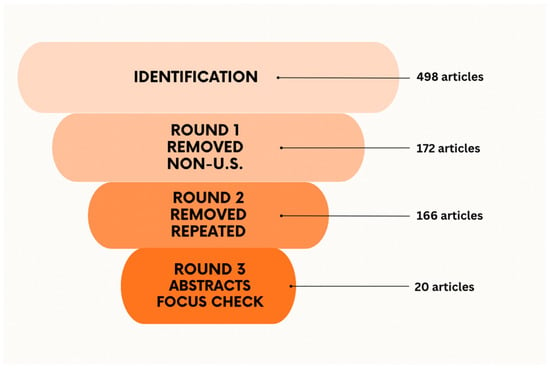
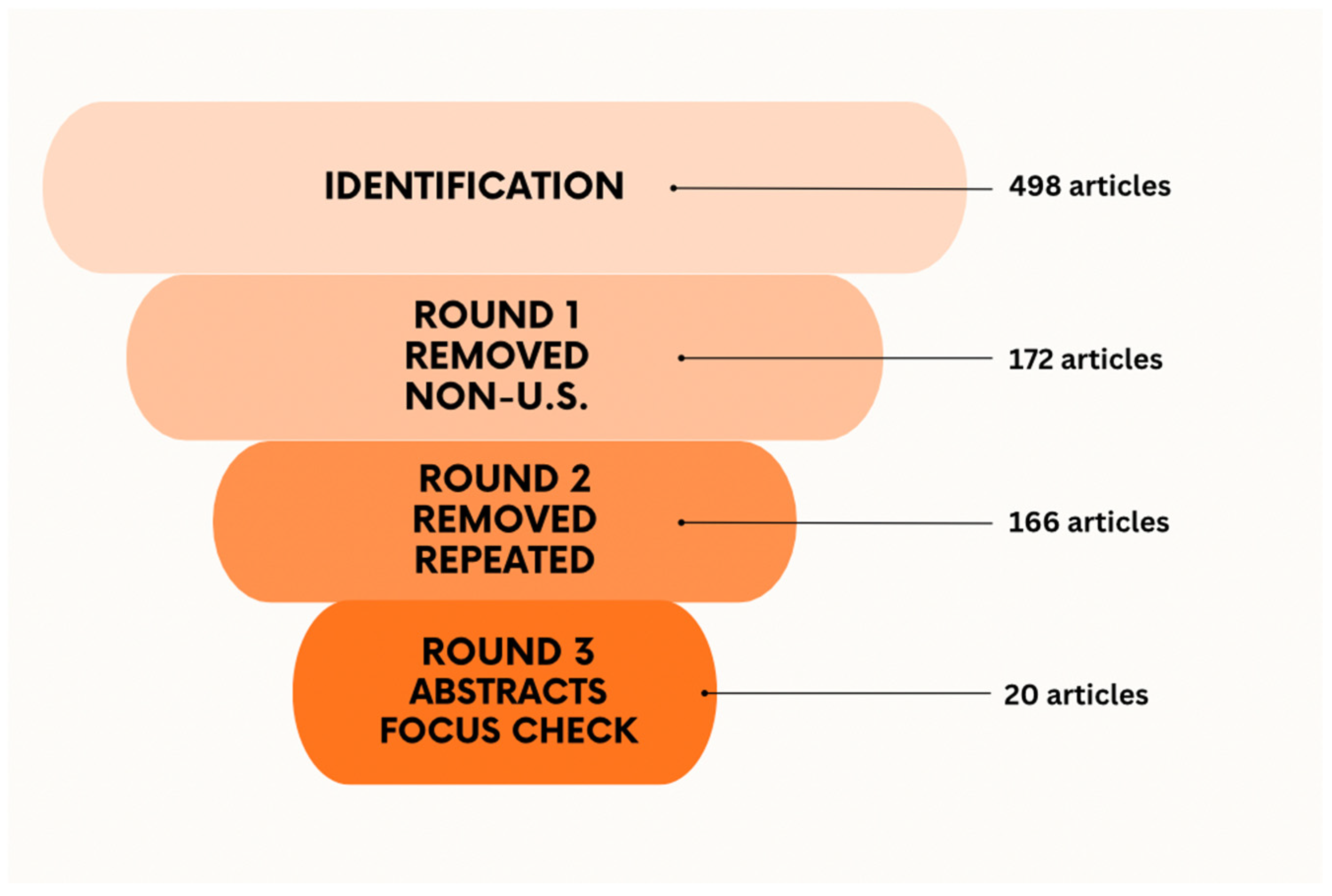
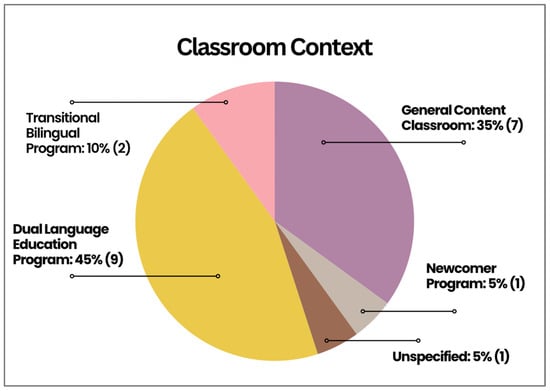
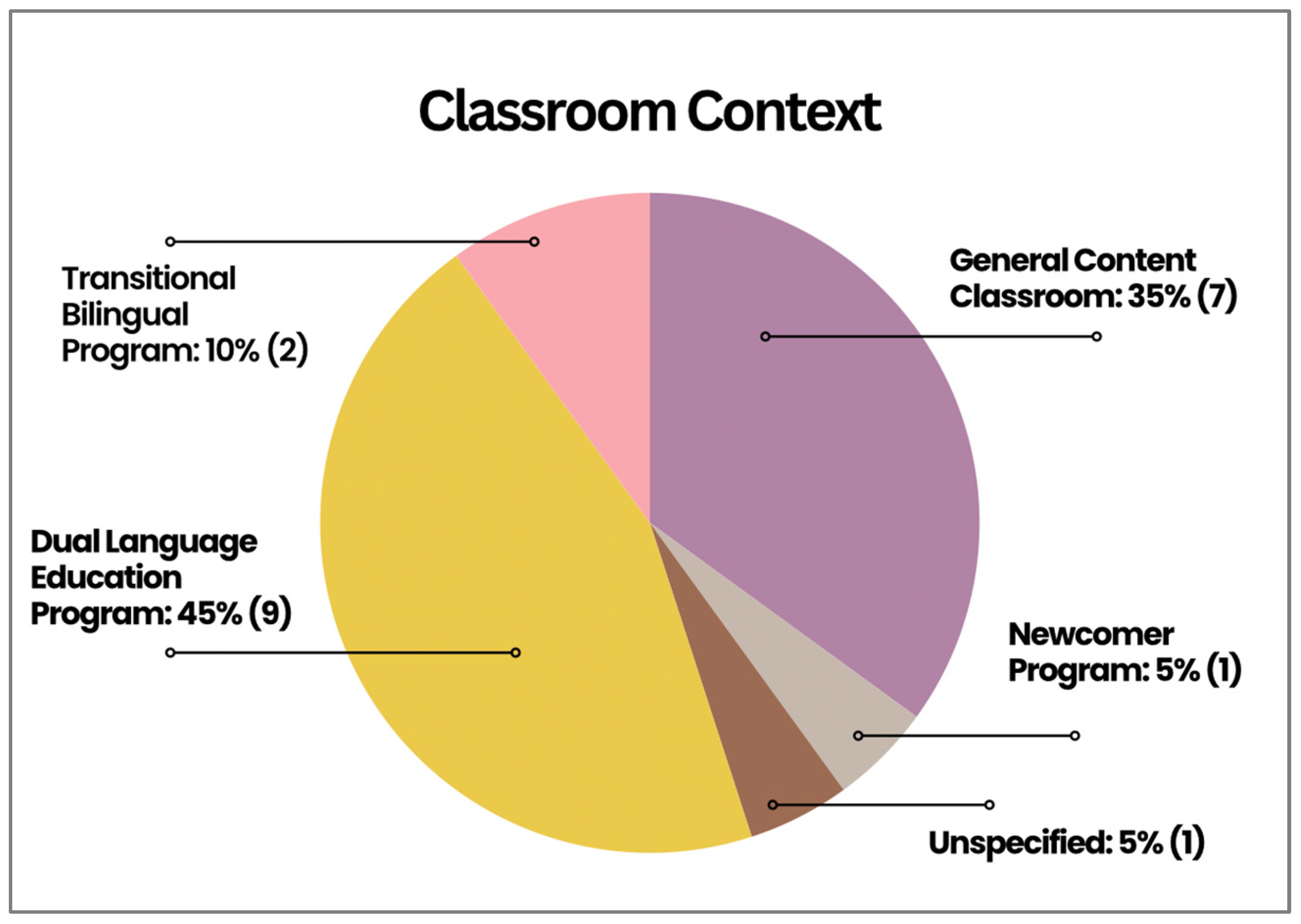
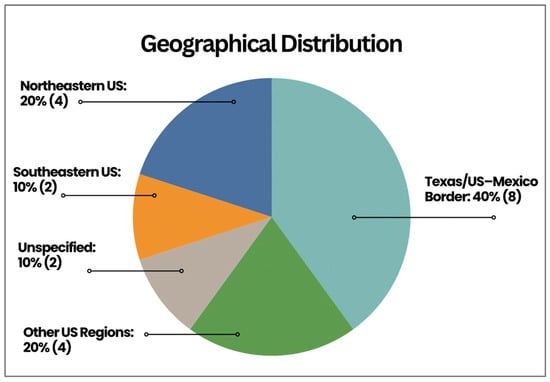
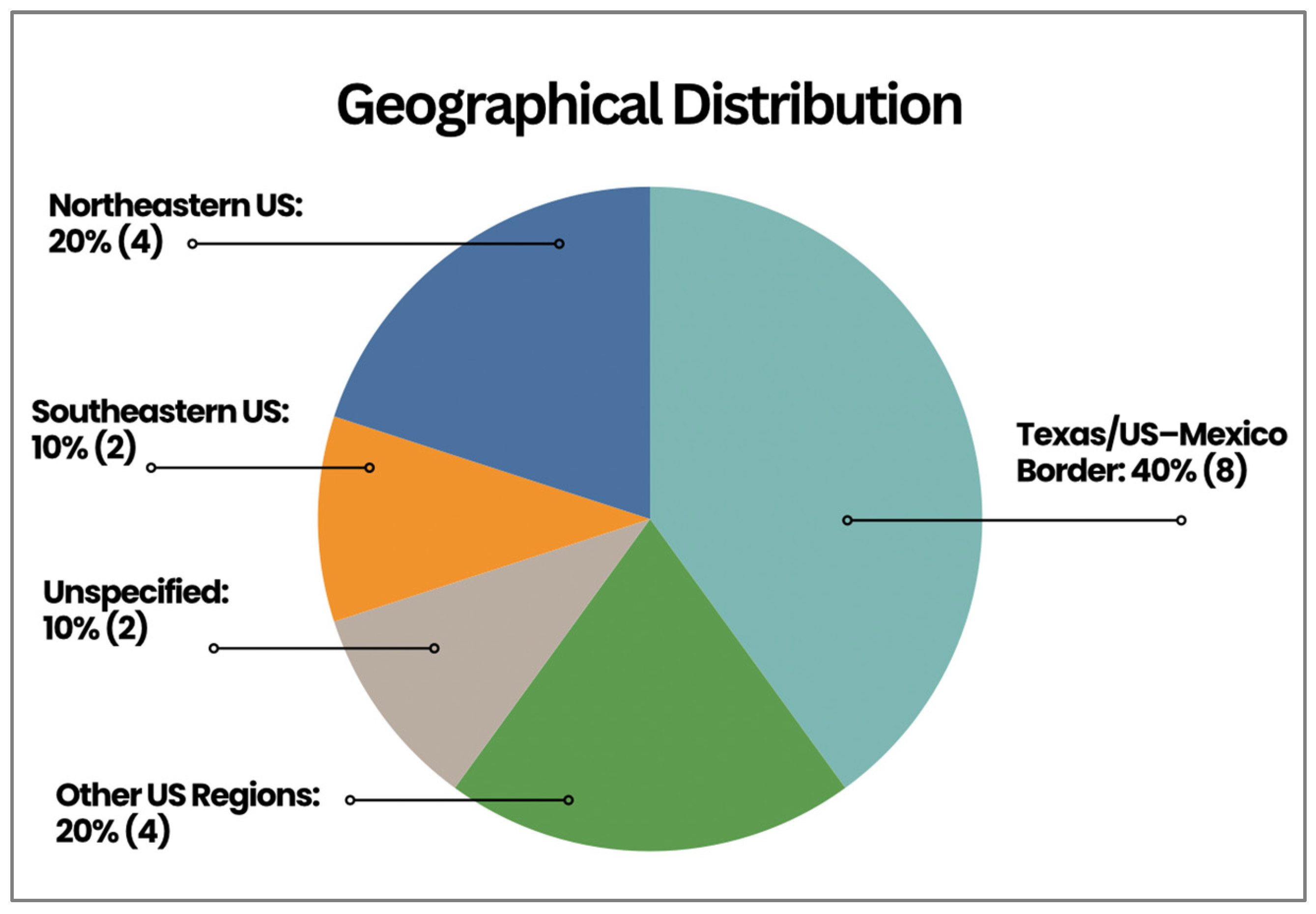
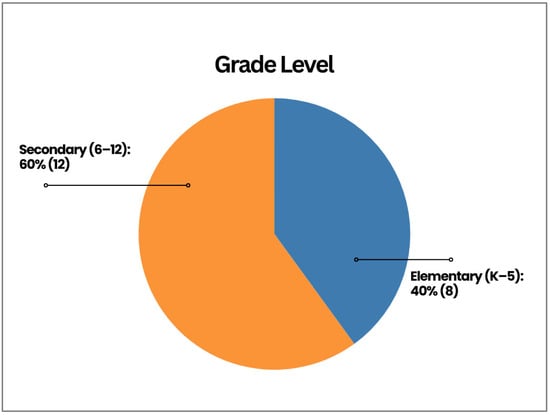
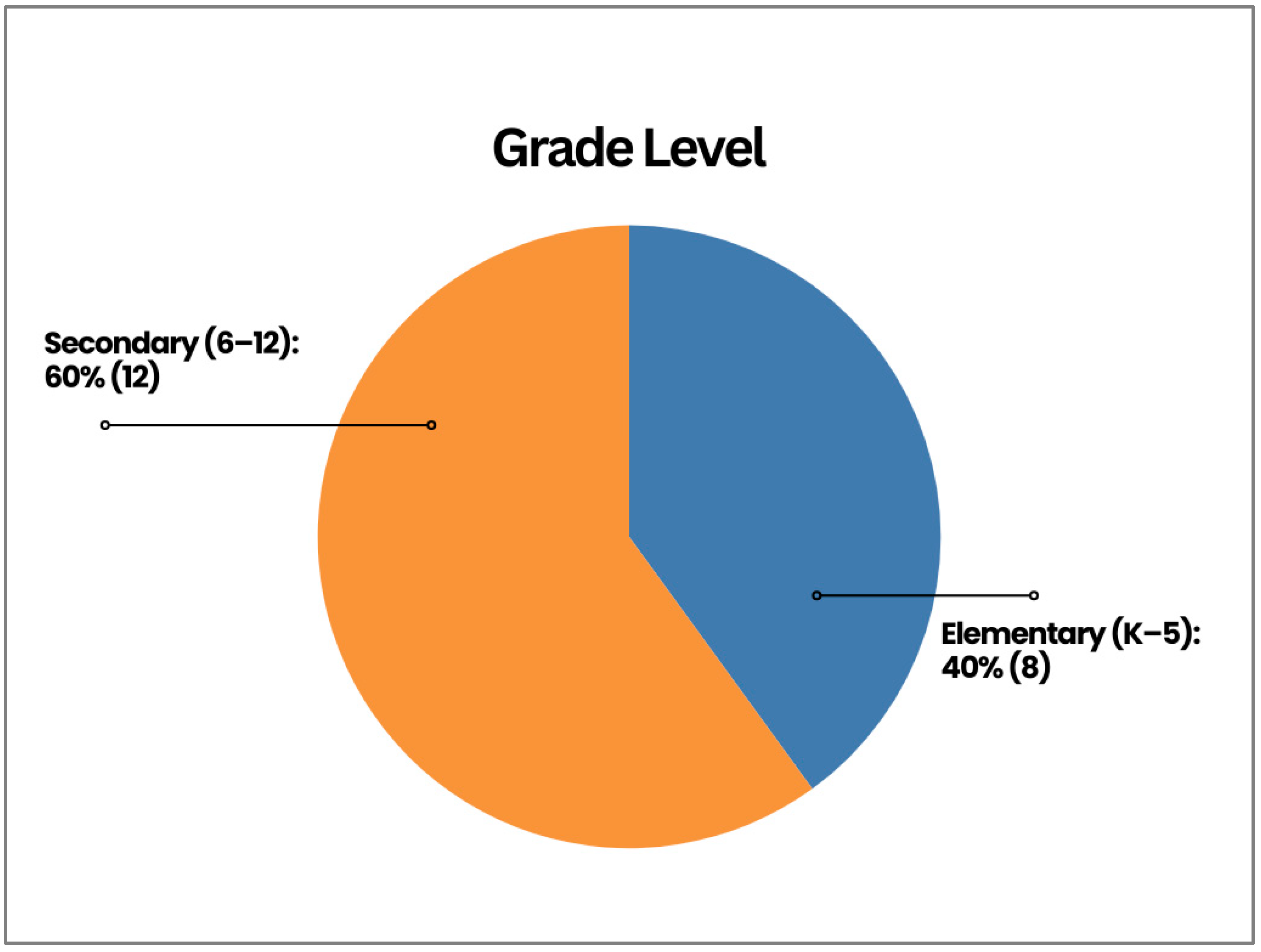
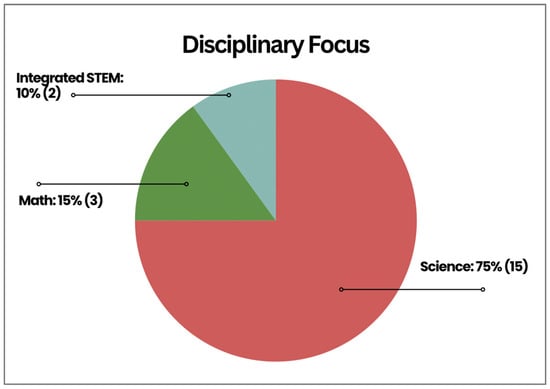
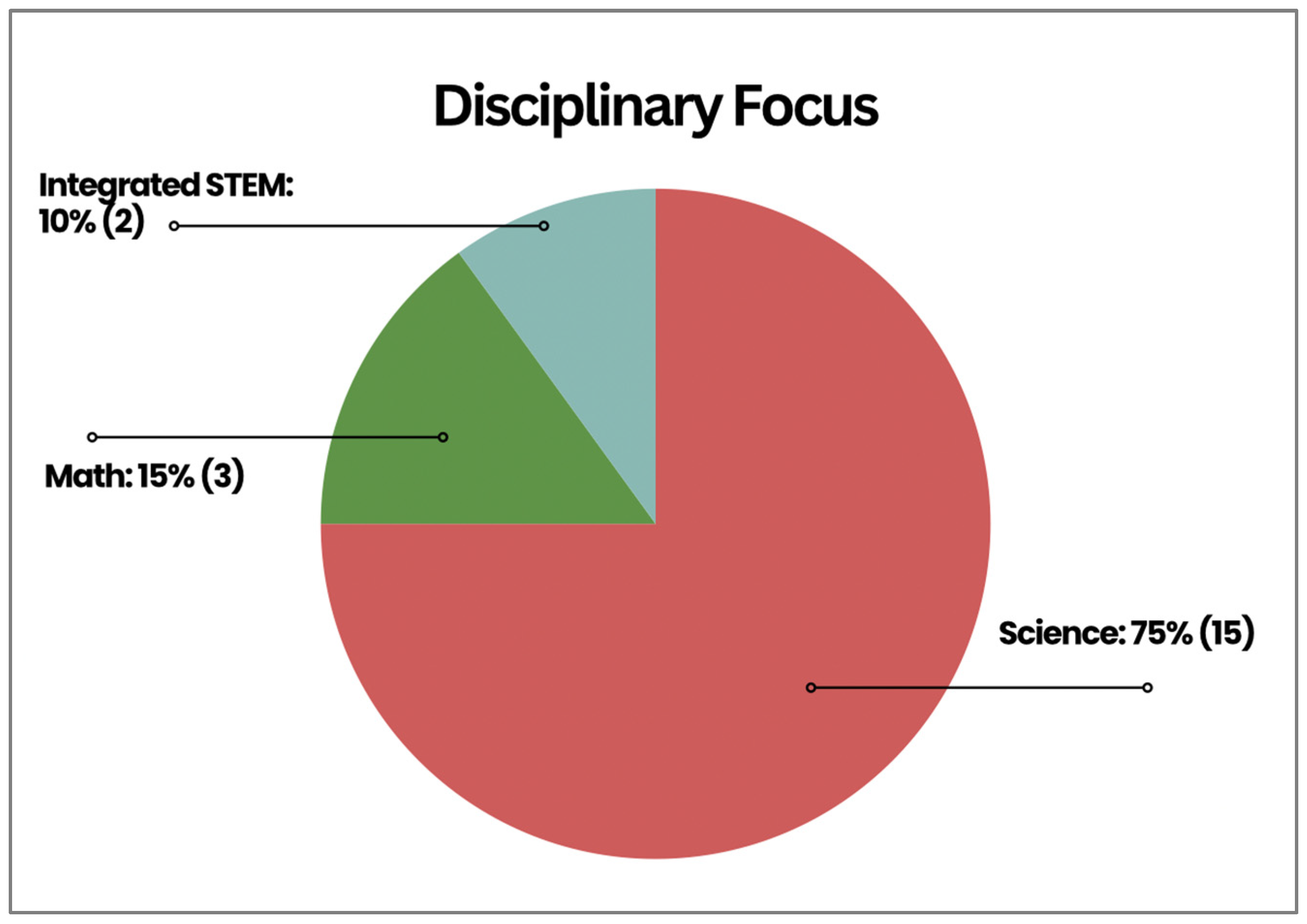

Disclaimer/Publisher’s Note: The statements, opinions and data contained in all publications are solely those of the individual author(s) and contributor(s) and not of MDPI and/or the editor(s). MDPI and/or the editor(s) disclaim responsibility for any injury to people or property resulting from any ideas, methods, instructions or products referred to in the content. |
© 2026 by the authors. Licensee MDPI, Basel, Switzerland. This article is an open access article distributed under the terms and conditions of the Creative Commons Attribution (CC BY) license.