


Abstract
The increasing integration of artificial intelligence (AI) in education highlights the need for teacher preparation programs to support pre-service teachers in developing pedagogically grounded and ethically responsible AI competencies. This study designed and preliminarily examined an Experiential Design Learning model within a Digital Learning Ecosystem (EDL–DLE) to support the development of AI competencies and instructional innovation in pre-service science teacher education. A four-phase research and development framework was employed, including conceptual synthesis, model design and expert validation, implementation, and evaluation. Participants were 19 second-year pre-service science teachers from a university in Bangkok. Research instruments included a 40-item AI competency assessment and an instructional innovation evaluation rubric. Paired-sample t-test results indicated statistically significant pre–post difference across all AI competency dimensions, with large effect sizes (Cohen’s d = 0.82–1.59), reflecting notable within-group changes observed within the EDL–DLE learning context. The instructional innovation lesson plans were evaluated as generally strong across multiple dimensions, particularly in learner-centered pedagogy, creativity, and collaboration, while relatively lower performance was observed in appropriate AI technology selection and ethical use. Overall, the findings provide preliminary evidence supporting the feasibility of the EDL–DLE model as an exploratory instructional approach for fostering foundational AI-related pedagogical competencies in pre-service science teacher education.
1. Introduction
The rapid expansion of artificial intelligence (AI) and digital technologies has reshaped educational practices in ways that extend beyond technical convenience. These developments increasingly influence how learners construct knowledge, interact with learning resources, and participate in classroom communities (UNESCO, 2024; Rojas & Chiappe, 2024). For teachers, AI has become embedded in everyday instructional routines, supporting learning analytics, adaptive feedback, and lesson design. Consequently, teacher education programs are now expected to prepare pre-service teachers who understand the principles underlying AI and can integrate AI tools responsibly and meaningfully into future classroom practice (Ng et al., 2021; G.-G. Lee & Zhai, 2024).
At the same time, emerging evidence consistently points to a persistent field-specific problem in science teacher education: pre-service science teachers often experience difficulties in translating AI-related knowledge into pedagogically grounded instructional practice. While many teacher candidates demonstrate general awareness of AI tools, they frequently struggle with aligning AI use to learning objectives, justifying technology selection, and operationalizing ethical considerations within concrete science learning activities (G.-G. Lee & Zhai, 2024). Empirical studies further indicate that, even when pre-service teachers are introduced to AI tools, their use of AI often remains technically oriented rather than pedagogically grounded, with limited emphasis on aligning AI applications to learning objectives, instructional strategies, and learners’ cognitive processes (Navío-Inglés et al., 2025).
In response to these evolving expectations, pedagogical approaches that promote active engagement, reflective inquiry, and creative problem-solving have become central in contemporary teacher education. Experiential Learning emphasizes learning through direct engagement, reflection, and the transformation of experience into new understanding (Kolb, 2015). Design Thinking complements this process by guiding learners to explore problems empathetically, generate ideas, construct prototypes, and iteratively refine instructional solutions (IDEO, 2015; Morris, 2020). Taken together, these perspectives form the foundation of Experiential Design Learning (EDL), which encourages pre-service teachers to investigate authentic educational challenges and develop innovative, learner-centered instructional designs.
At the environmental level, learning increasingly unfolds within a broader Digital Learning Ecosystem (DLE). Rather than treating digital tools as isolated supports, DLE frameworks conceptualize learning as emerging from interactions among people, technologies, data, and sociocultural contexts (Thorneycroft, 2022; Nguyen & Tuamsuk, 2022). When digital infrastructure, collaborative learning communities, and adaptive pedagogical tools function in concert, they can enhance personalized learning and strengthen evidence-based instructional decision-making (Lane & Goode, 2021; Martelo Gómez et al., 2024).
Although research on EDL, DLEs, and AI competencies has expanded in recent years, these strands of scholarship often remain insufficiently integrated, particularly in empirical studies situated within pre-service science teacher education. Studies on experiential learning and design thinking tend to emphasize learner engagement, creativity, and problem-solving processes, but frequently provide limited guidance on how such pedagogical mechanisms can be systematically supported by digital ecosystem infrastructures (Thorneycroft, 2022). Conversely, research on DLEs commonly focuses on technological architecture, platform integration, and system-level affordances, with less attention to how these environments interact with experiential and design-oriented pedagogies to shape teachers’ instructional decision-making (Nguyen et al., 2023; UNESCO, 2024). As a result, many DLE frameworks remain largely conceptual and lack empirical validation in authentic teacher education contexts (Nguyen et al., 2023; UNESCO, 2024). This fragmentation highlights a critical research gap: the absence of empirically grounded models that explicitly connect experiential design learning processes with DLE structures to support pre-service science teachers in translating AI-related knowledge into pedagogically sound, ethically responsible, and contextually meaningful instructional innovations within inquiry-oriented science learning activities. Recent PRISMA-guided reviews and bibliometric analyses further confirm this fragmentation, indicating that while experiential learning, design thinking, and DLEs are increasingly discussed in science teacher education, their integration as a coherent, empirically validated pedagogical model—particularly for AI competency development—remains limited (Techakosit et al., 2025).
Accordingly, this study was guided by the following research questions: (RQ1) what experiential design learning processes can be synthesized to enhance AI competencies and instructional innovation among pre-service science teachers; (RQ2) how can an EDL–DLE be designed and developed to support AI competency development and instructional innovation in pre-service science teacher education; (RQ3) to what extent do pre-service science teachers’ AI competency levels change before and after participation in the EDL–DLE model; and (RQ4) what is the quality of instructional innovations produced by pre-service science teachers after participating in the EDL–DLE model.
Based on these research questions, the study pursued the following objectives: (1) to synthesize experiential design learning processes that enhance AI competencies and instructional innovation; (2) to design and develop an EDL–DLE; (3) to examine changes in pre-service teachers’ AI competency levels before and after participating in the model; and (4) to evaluate the quality of instructional innovations they produce. Through these objectives, the study proposes and validates a model intended to support the preparation of AI-competent and innovation-oriented science teachers in a rapidly evolving digital era.
2. Literature Review
2.1. Experiential Design Learning
Experiential Design Learning (EDL) synthesizes two widely used approaches in teacher education: Experiential Learning (EL) and Design Thinking (DT). EL conceptualizes learning as a cyclical process in which individuals engage with concrete experiences, reflect on those experiences, form new conceptual understandings, and apply those insights in new contexts (Kolb, 2015; Villarroel et al., 2020). DT provides a complementary orientation by guiding learners to interpret problems empathetically, generate and test ideas, and revise solutions based on feedback (IDEO, 2015; Morris, 2020).
When integrated, these two approaches form the foundation of EDL, where experience-driven sense-making supports the design of creative and context-appropriate solutions. The EDL process encourages learners to investigate authentic educational problems, develop emerging insights, and construct prototype solutions that can be iteratively refined (Butler et al., 2019; Ajani, 2023). Within pre-service science teacher education, EDL has been shown to foster inquiry, creativity, and instructional adaptability—competencies increasingly required in digitally mediated learning environments. However, while EDL has been explored in various instructional design contexts, its use in AI-supported teaching and learning has only recently begun to receive attention. Prior research has indicated that experiential and design-oriented learning processes—characterized by problem exploration, iterative design, and reflective refinement—can promote learner agency and higher-order competencies within digital learning contexts (Techakosit et al., 2025).
2.2. Digital Learning Ecosystem
The Digital Learning Ecosystem (DLE) provides a broader lens for understanding how learning unfolds within technology-rich environments. Rather than focusing solely on digital tools, DLE frameworks conceptualize learning as emerging from dynamic interactions among people, technologies, data, and sociocultural contexts (Thorneycroft, 2022; Rojas & Chiappe, 2024). Across the literature, key components include digital infrastructure, collaborative learning communities, adaptive pedagogical design, and AI-enabled personalization (Nguyen & Tuamsuk, 2022; Martelo Gómez et al., 2024).
A well-structured DLE supports teachers and learners through seamless platforms, real-time data, and networked learning resources that enhance interaction, feedback, and reflective sense-making. Such ecosystem conditions are especially valuable in teacher education, where pre-service teachers benefit from spaces that support inquiry, prototyping, and iterative refinement in digitally mediated contexts (Lane & Goode, 2021). While DLE frameworks offer a useful conceptual foundation, ongoing research has increasingly emphasized the importance of examining how such ecosystems can be enacted in practice, particularly in relation to experiential and design-based learning processes that support AI-related learning.
Empirical studies have demonstrated that well-designed DLEs can support learner-centered and constructionist learning activities by integrating technological tools, collaborative spaces, and reflective learning processes. For example, research has shown that learning activities situated within a DLE can enhance students’ self-directed learning skills and learning achievement, highlighting the potential of ecosystem-based environments to support higher-order learning outcomes (Techakosit & Rukngam, 2024).
2.3. AI Competencies
AI competencies refer to the knowledge, skills, and dispositions required to understand, apply, and critically evaluate artificial intelligence in educational settings (Ng et al., 2021; UNESCO, 2024). Recent frameworks converge on four major areas: foundational AI knowledge, practical application, ethical and responsible use, and collaboration with AI systems and other learners (Chiu et al., 2024; Annapureddy et al., 2025). These dimensions are increasingly relevant to future science teachers, who now rely on AI to support lesson design, learner analytics, instructional decision-making, and content creation.
Current research suggests that experiential and design-oriented learning can promote deeper AI competency development by placing learners in authentic problem scenarios where AI tools serve meaningful instructional purposes (Filo et al., 2024; Annapureddy et al., 2025). However, such learning must occur within environments that support experimentation, feedback, and ethical reflection—conditions closely aligned with the principles of the DLE. While these frameworks provide valuable guidance, recent discussions have increasingly emphasized the importance of examining how experiential and design-oriented learning can be supported by ecosystem-level conditions in the development of AI competencies for teacher education. In teacher education, AI competency is increasingly viewed as a professional capability that supports instructional design, assessment, and feedback rather than as a replacement for teachers’ pedagogical roles. Studies in educational contexts suggest that AI can function as a complementary tool that enhances teaching practices while preserving teachers’ agency and professional judgment (Navío-Inglés et al., 2025).
2.4. Instructional Innovation
Instructional innovation refers to the design of learner-centered and pedagogically sound learning experiences that enhance learning effectiveness and student satisfaction (Y.-J. Lee, 2011). The TPACK framework (Mishra & Koehler, 2006) provides a foundational perspective for examining instructional innovation by emphasizing the dynamic integration of content, pedagogy, and technology. Within this framework, instructional innovation is shaped not only by teachers’ technological pedagogical content knowledge but also by their pedagogical beliefs and instructional design decisions (Almunawaroh & Steklács, 2025). In science education, TPACK has been shown to support inquiry-oriented learning through technology-enhanced environments such as simulations and computer-based laboratories (Srisawasdi, 2012).
In this study, instructional innovation is conceptualized as the intentional design and implementation of novel or refined instructional approaches that enhance teaching and learning processes through learner-centered pedagogy and the meaningful integration of digital and AI-supported tools. Instructional practice is defined as the set of pedagogical strategies, methods, and decision-making processes enacted by teachers in the design and facilitation of learning activities. Learning is understood as the process through which learners acquire and transform knowledge, skills, and attitudes through active engagement, reflection, and interaction within instructional contexts. This conceptualization aligns with constructivist-oriented views of instructional design and professional learning in teacher education, which emphasize active engagement, reflection, and the meaningful integration of technology into pedagogical practice (e.g., Mishra & Koehler, 2006; Redecker, 2017).
The growing presence of artificial intelligence has further expanded opportunities for instructional innovation, while raising concerns related to responsible use (G.-G. Lee & Zhai, 2024). In pre-service teacher education, recent studies suggest that generative AI can function as a complementary tool that supports feedback, reflection, and instructional design without replacing teachers’ professional judgment (Navío-Inglés et al., 2025). This highlights the need for structured learning processes that foster both creative instructional design and the development of AI competencies.
Across prior studies, there is broad agreement that experiential learning and design thinking approaches can foster creativity, reflection, and problem-solving skills among pre-service teachers. However, these studies often focus primarily on pedagogical processes, with limited attention to how digital learning ecosystem (DLE) infrastructures systematically support such experiential design mechanisms (e.g., Thorneycroft, 2022). By comparison, research on DLEs emphasizes technological integration and system-level affordances, but frequently underexplores how these environments interact with experiential and design-oriented pedagogies to shape instructional decision-making (Nguyen et al., 2023; UNESCO, 2024).
Taken together, research on experiential design learning (EDL), digital learning ecosystems, and AI competencies points to a clear intersection. EDL emphasizes experiential and design-oriented processes that promote inquiry, creativity, and iterative problem solving (Techakosit et al., 2025), while DLEs provide the technological and collaborative conditions that sustain these processes. Empirical evidence further indicates that ecosystem-based, learner-centered learning activities can enhance self-directed learning and learning achievement, forming a foundation for more advanced competency development (Techakosit & Rukngam, 2024). However, existing instructional models have only begun to explore how experiential design processes, digital ecosystem structures, and AI competency development can be coherently integrated, particularly in authentic pre-service science teacher education contexts. This gap underscores the need for an evidence-based instructional model that explicitly connects these elements.
3. Materials and Methods
3.1. Research Design
This study employed a Research and Development (R&D) design to construct and validate the EDL–DLE model aimed at enhancing AI competencies and instructional innovation among pre-service science teachers. The R&D design was selected because it supports a systematic progression from conceptual synthesis to model development, validation, and refinement—an approach widely recommended in educational innovation research (Borg & Gall, 1989; Afriani et al., 2025).
The research procedure consisted of four phases: (1) synthesizing key concepts related to EDL, DLE, and AI competencies; (2) designing and developing the EDL–DLE model; (3) comparing pre- and post-learning AI competency levels of pre-service science teachers; and (4) evaluating the quality of instructional innovations produced through the model.
In addition to quantitative data collected during the implementation phase, the instructional innovation evaluation rubric included open-ended items that allowed the researcher–instructor to document observational notes during the assessment of pre-service science teachers’ instructional innovations. These researcher-recorded observations were used to support interpretive discussion of the evaluation results and to provide contextual clarification, rather than as a formal qualitative research component.
3.2. Participants
Participants in this study were 19 second-year pre-service science teachers enrolled in the course Science Extracurricular Activities at a faculty of education in a university located in Bangkok, Thailand. Initially, 20 students volunteered to participate; however, one participant was excluded from the final analysis due to incomplete responses, in accordance with the predetermined exclusion criterion. As second-year students, the participants were at an early stage of their teacher education training, with most having completed primarily science-major coursework during their first year and having limited prior experience in instructional design or classroom management. This context aligned with the aims of the study, which sought to develop foundational competencies in design-oriented thinking and engagement with DLEs among early-stage pre-service teachers.
The participants constituted an intact class for which the researcher served as the course instructor; therefore, random sampling procedures were not employed. All participants were over 18 years of age and provided informed consent prior to taking part in the study.
3.3. Instruments
The research instruments were organized according to the four phases of the study to ensure alignment between the research objectives and the data collection process.
3.3.1. Instruments for Phase 1: Conceptual Synthesis
Phase 1 employed two instruments to systematically analyze and synthesize the core concepts related to EL, DT, DLE, AI competencies, and instructional innovation:
- Document Analysis Record FormThis form was used to extract relevant information from relevant books, scholarly articles, and research reports. It facilitated a systematic review of definitions, key ideas, conceptual components, and procedural structures associated with each theoretical domain.
- Concept Synthesis MatrixThe matrix was developed to compare and synthesize insights from the document analysis. It highlighted converging and diverging perspectives across scholars and served as a foundational tool for identifying shared structures that informed the conceptual framework of the EDL–DLE learning model.
3.3.2. Instruments for Phase 2: Model Design and Development
Phase 2 utilized two instruments to design and refine the EDL–DLE model.
- EDL–DLE Learning ModelThe initial version of the learning model was developed based on the conceptual synthesis from Phase 1. The model integrates three key elements into a single framework: (1) the experiential and design-oriented processes from the EDL cycle, (2) the structural and functional components of the DLE, and (3) the four dimensions of AI competencies.
- Expert Evaluation FormA five-point Likert-scale instrument was developed to evaluate the appropriateness of the model. The form included four sections assessing: (1) the clarity and relevance of the EDL process, (2) the adequacy of DLE components, (3) the suitability of the AI competency dimensions, and (4) the alignment among the three integrated components. Five experts reviewed the model and provided quantitative ratings as well as qualitative suggestions, which were used to refine and strengthen the model before implementation.
3.3.3. Instruments for Phase 3: Implementation of the Learning Model
Phase 3 employed two instruments to implement the EDL–DLE model and assess changes in pre-service teachers’ AI competencies:
- Lesson Plan (Supplementary Materials): “Designing Science Extracurricular Activities”A lesson plan was developed based on the EDL–DLE model and aligned with the five stages of the EDL cycle. Digital tools and AI applications were embedded throughout the activities to ensure coherence with experiential, design-oriented, and digitally supported learning. To establish instructional quality, the lesson plan was reviewed by three experts, all of whom held doctoral degrees and had substantial experience in evaluating lesson plans and instructional design. Using a five-point Likert-scale form, the experts rated the lesson plan as excellent (Mean = 5.00, S.D. = 0.00), confirming its suitability for implementation in this phase.
- AI Competency Assessment (Supplementary Materials) for Pre-Service Science TeachersThe AI competency assessment comprised 40 situational self-assessment items across four dimensions, rated on a six-point behavioral scale ranging from “no prior experience” to “able to lead and guide others.” The six performance levels were intentionally designed as developmental behavioral anchors rather than Likert-scale agreement statements, to capture progressive levels of AI competency development among pre-service science teachers. Five experts, all holding doctoral degrees with substantial experience in integrating AI tools into university-level teaching, examined the content validity of the instrument using the Index of Item–Objective Congruence (IOC). All items achieved IOC values between 0.80 and 1.00. After revisions, the instrument was pilot-tested with 30 third- and fourth-year pre-service science teachers outside the study sample. Reliability analysis yielded a Cronbach’s alpha coefficient of 0.935, indicating excellent internal consistency and supporting its use in the main study.
3.3.4. Instruments for Phase 4: Evaluation of Instructional Innovation
Phase 4 employed an instrument to evaluate the quality of instructional innovation products developed by pre-service science teachers following participation in the EDL–DLE learning model. In this study, instructional innovation was conceptualized as a pedagogically grounded process of lesson design, emphasizing how teachers adapt, design, and enact curriculum materials rather than merely adopting digital tools.
Consistent with constructivist-oriented curriculum material use frameworks, instructional innovation was operationalized through the quality of lesson plans produced, reflecting teachers’ instructional decision-making, pedagogical beliefs, and their integration of technology within curriculum materials (Almunawaroh & Steklács, 2025). Accordingly, the Instructional Innovation Evaluation Rubric was designed to capture observable indicators of innovation across aligned dimensions of curriculum objectives, learning activities, assessment practices, and technology integration, allowing systematic evaluation of teachers’ constructivist and transmissive design orientations. The instrument is described below.
- Instructional Innovation Evaluation RubricThe Instructional Innovation Evaluation Rubric was constructed to assess the quality of instructional products created by pre-service science teachers following their engagement in the EDL–DLE learning model. The rubric was developed based on a synthesis of relevant literature, which informed six key dimensions: curriculum alignment, learning activity design, integration of digital and AI technologies, creativity, collaborative learning, and ethical technology use. To validate these dimensions, a five-point Likert-scale evaluation form was reviewed by three experts, all of whom held doctoral degrees and had extensive experience evaluating lesson plans and instructional design in higher education. The experts rated the criteria as highly appropriate (Mean = 4.83, S.D. = 0.46), and their feedback was used to refine and finalize the rubric as a four-level performance measure (“Needs Improvement” to “Excellent”) comprising ten core criteria. To examine the clarity and consistency of rubric application, three additional experts—each with a master’s degree or higher and substantial experience in assessing lesson plans—applied the rubric to a sample lesson plan. Inter-rater agreement, analyzed using Kendall’s Coefficient of Concordance, indicated substantial consistency among raters (W = 0.70, χ2(9) = 18.91, p = 0.026). These results confirm that the rubric is clear, appropriate, and ready for use in evaluating instructional innovation products in the main study. In addition to numerical performance ratings, the rubric included open-ended comment sections that allowed evaluators to record assessment-related observations during the evaluation of instructional innovation artifacts. These observations were used to support interpretive discussion of the rubric results and to provide contextual clarification of quantitative scores.
All research instruments, including assessment tools and evaluation forms, are available from the corresponding author upon reasonable request.
3.4. Procedures and Data Collection
The research procedures and data collection were carried out across the four phases of the R&D process. Each phase employed methods consistent with its specific research objectives, ensuring coherence and methodological rigor in developing the EDL–DLE model aimed at enhancing AI competencies and instructional innovation among pre-service science teachers.
3.4.1. Phase 1: Literature and Document Synthesis
Phase 1 focused on synthesizing the theoretical foundations of the EDL–DLE model through a systematic review and thematic analysis across five key domains: EL, DT, DLE, AI competencies, and instructional innovation. The process involved identifying recurring concepts, shared structures, and analytical themes that informed the subsequent stages of model development.
For EL, major works by Diem (2001), Biswal (2015), Kolb (2015), Matriano (2020), Morris (2020), Villarroel et al. (2020), and Ajani (2023) were reviewed to extract core experiential processes that support deep engagement, reflective thinking, and transformation of experience into actionable knowledge.
For DT, prominent frameworks from the Design Council (2025), IDEO (2015), Hasso Plattner Institute of Design at Stanford (2015), PBS LearningMedia (2017), and IBM (2025) were examined to identify themes related to creative problem-solving, learner-centered inquiry, iterative prototyping, and solution refinement.
Insights from EL and DT were integrated through thematic synthesis to construct the EDL process, positioning experiential engagement as the foundation for creative, problem-oriented design. This synthesis resulted in a coherent five-step process that combines experiential and design-oriented learning, forming the pedagogical core of the EDL–DLE model.
For the DLE component, studies by Beggan (2020), Nguyen and Tuamsuk (2022), Thorneycroft (2022), Rojas and Chiappe (2024), and Martelo Gómez et al. (2024) were reviewed to identify sub-components of DLEs. Thematic analysis produced several key elements, including digital infrastructure, learning communities, sociocultural context, adaptive pedagogy, and AI-supported personalization.
A similar analytical process was applied to literature on AI competencies (Ng et al., 2021; Annapureddy et al., 2025; Chiu et al., 2024; Filo et al., 2024; UNESCO, 2024). This synthesis yielded sub-dimensions relevant to pre-service science teachers, such as foundational AI knowledge, pedagogical application, ethical and responsible AI use, and human–AI collaboration.
Finally, research on instructional innovation (Harris et al., 2010; Howland et al., 2012; Rosenberg et al., 2015; Koh, 2013; G.-G. Lee & Zhai, 2024) was synthesized to derive criteria for evaluating technology-enhanced instructional design and innovation.
The results from these syntheses were comparatively analyzed to identify shared structures, conceptual linkages, and potential points of integration across the five domains. These insights collectively informed the design of the EDL–DLE learning model in Phase 2.
3.4.2. Phase 2: Model Development and Expert Evaluation
In Phase 2, insights from the conceptual synthesis were used to construct the EDL–DLE model. The model integrates three core components: (1) the EDL process, (2) key elements of the DLE, and (3) dimensions of AI competency. These components were systematically organized to reflect the interrelationships among experiential learning processes, digital learning environments, and AI-related competencies, forming a coherent framework to guide pre-service science teachers’ engagement with AI-supported instructional design.
The resulting model was reviewed by experts in educational technology and instructional design. All experts held doctoral degrees and had substantial experience in curriculum development, instructional design, and evaluating AI-enhanced learning models in higher education. The Expert Evaluation Form assessed four domains: (1) clarity and relevance of the EDL process, (2) adequacy of the DLE components, (3) appropriateness of the AI competency dimensions, and (4) internal alignment among the integrated components. The instrument employed a five-point Likert scale and provided space for qualitative comments intended to strengthen the model. Quantitative data from the expert evaluations were analyzed using mean and standard deviation to describe overall trends in expert ratings. In addition, the degree of agreement among experts was examined using Kendall’s coefficient of concordance (W). The analysis indicated a low and non-significant level of inter-expert (W = 0.1846, χ2(25) = 23.08, p = 0.5731), suggesting variability in expert judgments across evaluation dimensions. This result should be interpreted in light of the evaluation purpose, which emphasized content validity, conceptual clarity, and theoretical alignment rather than comparative ranking or decision-making. Accordingly, variability in ratings reflects differences in expert perspectives rather than inconsistency in judgment. To address this, qualitative feedback from experts was systematically incorporated alongside quantitative ratings to refine and strengthen the proposed model prior to implementation.
3.4.3. Phase 3: Implementation of the Learning Model
In Phase 3, the EDL–DLE model was implemented to examine changes in pre-service science teachers’ AI competencies. Participants first completed the AI Competencies Assessment for Pre-Service Science Teachers as a pre-test. Prior to the intervention, the distribution of pre-test scores was assessed using the Shapiro–Wilk test. All p-values exceeded 0.05 across the four AI competency dimensions, indicating that the data met the normality assumption required for parametric analysis.
The instructional intervention was delivered through the lesson plan “Designing Science Extracurricular Activities,” which was developed in alignment with the EDL–DLE framework. Teaching sessions were conducted over five weeks in a blended format that combined face-to-face instruction with activities on the university’s digital learning management system. After the intervention, participants completed the same assessment as a post-test to measure changes in AI competency levels.
Given the relatively small sample size (n = 19), normality of the difference scores was examined using the Shapiro–Wilk test, which indicated no significant deviations from normality. Accordingly, pre- and post-test scores were analyzed using paired-sample t-tests. Effect sizes (Cohen’s d) were calculated to indicate the magnitude of observed effects and support the interpretation of practical significance in a small-sample pre–post design.
3.4.4. Phase 4: Evaluation of Instructional Innovation
In the final phase, participants produced an instructional innovation project in the form of a lesson plan for a science extracurricular activity. In the main study, the instructional innovation products were evaluated by the researcher–instructor using the validated rubric, following clearly defined scoring criteria and performance descriptors. This approach supported consistent application of evaluation criteria, informed by direct engagement with the instructional context and learning activities. The instructional innovation products were assessed using the Instructional Evaluation Rubric, which had undergone expert validation to ensure clarity, relevance, and consistency of its criteria. The rubric was previously reviewed by three experts with doctoral degrees and extensive experience evaluating lesson plans, and its application was further examined through inter-rater testing by three additional experts with master’s degrees or higher and practical experience in assessing instructional design.
Scores across the rubric dimensions were analyzed using descriptive statistics (mean and standard deviation) to determine the overall quality of participants’ instructional innovations. These results provided key evidence of the extent to which the EDL–DLE model supported pre-service science teachers in designing pedagogically sound and technology-enhanced instructional innovations.
In addition to quantitative rubric scores, the Instructional Innovation Evaluation Rubric (Supplementary Materials) included open-ended comment sections that allowed the researcher–instructor to document assessment-related observations during Phase 4. These observations were recorded alongside the evaluation of instructional innovation artifacts and focused on aspects such as pedagogical alignment, instructional design decisions, and the use of digital technologies in lesson plans. The recorded observations were used to support the interpretation of quantitative rubric scores by providing contextual clarification of observed patterns, rather than serving as a formal qualitative data source.
4. Results
The results are organized according to the four research objectives, reflecting the sequential phases of the R&D process. This section presents findings from the conceptual synthesis and model development phases, followed by the assessment of pre-service teachers’ AI competencies and the instructional innovations produced through the EDL–DLE model.
4.1. Phase 1 Results: Synthesis of the EDL Process Within a Digital Learning Ecosystem
To address Objective 1, a structured synthesis of literature related to EDL, DLE, and AI competencies was conducted. The synthesis identified key conceptual components that informed the development of an EDL process situated within a DLE.
The results revealed a set of recurring themes that shaped the conceptual foundation of the model. For the EDL component, the literature consistently emphasized experiential engagement, reflective inquiry, creative problem-solving, and iterative design. In parallel, the synthesis of DLE frameworks highlighted key ecosystem elements, including digital infrastructure, learning communities, sociocultural context, adaptive pedagogy, and AI-supported personalization. The review of AI competency frameworks further converged on four core dimensions: AI knowledge, AI application, ethical and responsible use, and human–AI collaboration. Together, these findings established the conceptual structure guiding the development of the EDL–DLE model.
4.1.1. Synthesis of EL and DT into the EDL Process
The synthesis of EL and DT resulted in a unified experiential–design learning process that serves as the core mechanism of the EDL–DLE model. Across the reviewed literature, EL was characterized by cycles of concrete experience, reflection, conceptual understanding, and active experimentation, while DT emphasized empathy-driven problem exploration, idea generation, prototyping, and iterative refinement.
The integration of these principles led to an experiential–design cycle that supports inquiry, creativity, and continuous improvement, providing a pedagogical foundation for engaging pre-service science teachers in authentic problem solving within digitally mediated learning environments.
Building on this thematic synthesis, the five-step EDL process was structured as a coherent experiential–design cycle. Table 1 presents the conceptual alignment between EL and DT, while Figure 1 visualizes how these integrated principles unfold as a continuous process, from empathic exploration to iterative testing. Together, the table and figure consolidated the EDL process as a unified pedagogical structure that serves as the foundation for the subsequent development of the EDL–DLE learning framework.
Table 1.
Thematic Synthesis of EL and DT Leading to the EDL Process.
Figure 1.
The five-stage EDL process illustrating iterative learning cycles and complementary learner–teacher roles.
Figure 1 illustrates the five-stage EDL cycle, showing how experiential engagement and design-oriented inquiry unfold as a continuous and iterative learning process. Each stage serves a distinct pedagogical function, together forming the experiential–design core of the EDL–DLE model.
4.1.2. Conceptual Integration of DLE Components
This study further synthesized key constructs of the DLE to identify the technological, pedagogical, and sociocultural conditions that support the EDL process. Across existing DLE frameworks, recurring emphases were identified in digital infrastructure, collaborative learning communities, sociocultural context, adaptive pedagogy, and AI-supported personalization. A thematic comparison of these frameworks revealed convergent ecosystem functions, which were consolidated into a coherent set of components explaining how digital environments support and shape experiential, design-oriented learning within the EDL–DLE model.
This synthesis organizes the DLE components into a coherent structure that underpins and strengthens the EDL process. Table 2 presents the core components and subcomponents, while Figure 2 illustrates their interaction as a dynamic digital ecosystem supporting learner engagement and AI-enhanced personalization, which together form the digital foundation of the EDL–DLE model.
Table 2.
Synthesis of DLE Components.
Figure 2.
The DLE: four interconnected components—Digital Infrastructure, Human Engagement, AI-Enhanced Personalization, and Adaptive Pedagogical Design—each comprising five subcomponents.
Figure 2 illustrates the core components of the DLE and shows how technological, pedagogical, and sociocultural elements interact to form an integrated environment that supports each stage of the EDL process. Collectively, these components create the digital, collaborative, and adaptive conditions necessary to foster learner-centered innovation, providing the ecosystemic foundation of the EDL–DLE model.
4.1.3. Conceptual Integration of AI Competency Dimensions
This analysis synthesized established AI competency frameworks to identify the core knowledge, skills, ethical awareness, and collaborative capacities required of pre-service science teachers. Through thematic integration, these elements were consolidated into a coherent set of AI competency dimensions that are developmentally aligned with the experiential–design orientation of the EDL–DLE model.
This synthesis organizes the four AI competency dimensions into a coherent and process-aligned structure that reflects how AI knowledge, application, ethics, and collaboration are progressively developed across the EDL stages. Table 3 presents the conceptual foundations and sub-dimensions of each competency, while Figure 3 visualizes their integration within the EDL–DLE model, illustrating how AI-related learning outcomes are scaffolded through experiential and design-oriented learning activities.
Table 3.
Synthesis of AI competency dimensions.
Figure 3.
The AI competencies Framework for pre-service science teachers: four dimensions—AI Knowledge, AI Application, AI Ethics, and AI Collaboration—each comprising four indicators.
Figure 3 illustrates how the integration of EDL and a DLE supports the development of comprehensive AI competencies. EDL provides experiential and inquiry-driven learning cycles that facilitate meaningful sense-making, while the DLE offers adaptive, data-rich, and technologically mediated conditions for authentic engagement with AI systems. When combined, these frameworks form a complementary learning environment that supports the conceptual, practical, ethical, and collaborative dimensions of AI competency development (Kolb, 2015; Redecker, 2017; Arias Ortiz et al., 2025).
4.2. Phase 2 Results: Development of the EDL–DLE Model
To address Objective 2, the EDL–DLE model was developed based on the conceptual synthesis established in Phase 1. This phase focused on integrating the core elements of EDL, DLE, and AI competencies into a unified instructional framework. The resulting model was subsequently evaluated by experts to examine its appropriateness, clarity, and structural coherence.
4.2.1. Integration of Core Components in the EDL–DLE Model
To illustrate how EDL and the DLE interact within the proposed model, their relationships were systematically mapped across the five stages of the EDL process. This mapping demonstrates how each stage is supported by specific DLE components and aligned with corresponding AI competency dimensions. As summarized in Table 4, the alignment among EDL stages, enabling DLE components, and AI competency dimensions illustrates how the integrated model supports conceptual understanding, practical application, ethical awareness, and collaborative engagement.
Table 4.
Mapping of EDL Stages, DLE Components, and AI Competencies.
Building on the integrative mapping presented in Table 4, the developed model is further visualized in Figure 4. This figure illustrates how the EDL process, enabling DLE components, and the four AI competency dimensions function as an interconnected system supporting AI competencies development in pre-service science teachers.
Figure 4.
The integrated EDL within a DLE, showing the interconnection among teacher–learner collaboration, the five EDL stages (1 = Empathic Exploration; 2 = Reflective Framing; 3 = Creative Ideation; 4 = Applied Prototyping; 5 = Iterative Testing), the supporting DLE components, and the resulting AI competencies.
Together, the model highlights the integrated roles of EDL and DLE support in shaping AI-related pedagogical competencies.
4.2.2. Validation of the EDL–DLE Model
Following the development of the EDL–DLE model, five experts in educational technology and instructional design were invited to evaluate its appropriateness using a Model Evaluation Form. The evaluation focused on four key domains: (1) the clarity and coherence of the EDL process, (2) the adequacy of the DLE components, (3) the relevance and completeness of the AI competency dimensions, and (4) the overall alignment among the integrated components within the proposed model.
As shown in Table 5, experts rated all five stages of the EDL process as extremely appropriate (Overall Mean = 4.96, S.D. = 0.20). The consistently high ratings indicate strong agreement regarding the conceptual clarity, pedagogical relevance, and structural coherence of each stage, particularly in supporting experiential, design-oriented learning and the development of AI competencies.
Table 5.
Results of Expert Evaluation on the Appropriateness of EDL Stages.
As shown in Table 6, all four DLE components—Human Engagement, Digital Infrastructure, AI Personalization, and Adaptive Pedagogy—were rated at the highest level of appropriateness by the experts (Overall Mean = 5.00, S.D. = 0.00). These results indicate a high level of expert agreement regarding the relevance, clarity, and completeness of the proposed model in supporting technology-enhanced, learner-centered instructional design with the EDL-DLE model.
Table 6.
Results of Expert Evaluation on the Appropriateness of the DLE Components.
As shown in Table 7, experts rated all four AI competency dimensions—AI Knowledge, AI Application, AI Ethics, and AI Collaboration—as highly appropriate (Overall Mean = 4.95, S.D. = 0.22). These results indicate that the proposed AI competency framework is conceptually sound, educationally relevant, and well aligned with the professional expectations of pre-service science teacher education.
Table 7.
Results of Expert Evaluation on the Appropriateness of AI Competency Dimensions.
As presented in Table 8, the integrated EDL-DLE model for promoting AI competencies was evaluated as highly appropriate (Overall Mean = 4.94, S.D. = 0.24). The results indicate strong expert agreement regarding the model’s internal coherence, clear role alignment, and complementarity across the EDL process, DLE components, and AI competency dimensions.
Table 8.
Results of Expert Evaluation on the Appropriateness of the EDL Process within the DLE for Promoting AI Competencies.
Although the model received extremely high ratings, experts suggested minor refinements, including (1) making the links between DLE subcomponents and individual EDL stages more explicit and (2) developing clearer stage-level implementation guidelines to support consistent application in teacher education contexts.
4.3. Phase 3 Results: Implementation of the EDL–DLE Model
To examine the effects of the EDL–DLE model on pre-service science teachers’ AI competencies, participants completed the AI Competencies Assessment before and after the instructional intervention. The assessment covered four dimensions: AI Knowledge, AI Application, AI Ethics, and AI Collaboration. Preliminary analysis confirmed that the pre-test and post-test scores satisfied the normality assumption, as indicated by the Shapiro–Wilk test (p > 0.05 across all dimensions). Accordingly, paired-sample t-tests were conducted to compare pre-intervention and post-intervention scores for each AI competency dimension.
The results presented in Table 9 indicate statistically significant improvements across all four AI competency dimensions following participation in the EDL–DLE model (all p < 0.001). Significant gains were observed in AI Knowledge, AI Application, AI Ethics, and AI Collaboration, reflecting enhanced conceptual understanding, practical AI use, ethical awareness, and collaborative engagement. Overall, these findings provide strong empirical support for the effectiveness of the EDL–DLE model in strengthening AI competencies among pre-service science teachers.
Table 9.
Comparison of Pre-test and Post-test Scores of AI Competencies Using Paired-Sample t-tests.
In addition to statistical significance, large effect sizes were observed across all AI competency dimensions as well as for overall AI competency (Cohen’s d = 0.82–1.59), indicating substantial and practically meaningful within-group differences between pre-test and post-test scores (Cohen, 1988; Lakens, 2013; Tomczak & Tomczak, 2014). Although effect sizes (Cohen’s d) were calculated to provide an indication of the magnitude of change in AI competency scores, these values should be interpreted with caution. Given the pre–post single-group design and the absence of a comparison group, the reported effect sizes reflect the strength of observed score differences within the group rather than definitive causal effects attributable to the EDL–DLE model.
4.4. Phase 4 Results: Evaluation of Instructional Innovation Outputs
Phase 4 focused on evaluating the quality of instructional innovations produced by pre-service science teachers following completion of the EDL–DLE process. The instructional outputs were evaluated by the researcher using a previously validated 10-item rubric. The scores reported in this phase reflect the mean values derived from the assessment of all instructional innovation lesson plans developed by the participants.
The results presented in Table 10 indicate that the overall quality of the instructional innovations produced by the pre-service science teachers achieved a mean score of 3.59 (S.D. = 0.60), corresponding to the excellent quality level. The reported values represent the average scores across all instructional innovation lesson plans developed by the participants and evaluated using the validated rubric.
Table 10.
Evaluation of Instructional Innovation Lesson Plans Developed through the EDL-DLE Model.
As shown in Table 10, the instructional innovation lesson plans demonstrated consistently high quality across most evaluation dimensions. In particular, dimensions related to learner-centered pedagogy—such as promotion of student creativity, facilitation of collaboration, and clarity of learning objectives—achieved the highest performance levels. In contrast, comparatively lower mean scores were observed in the dimensions of appropriate technology selection, including the use of generative AI, and ethical use of technology. Although these dimensions remained at a good quality level, the variation across criteria indicates differential levels of instructional design sophistication, which warrants further interpretive discussion.
Qualitative observations derived from open-ended rubric comments, while not subjected to formal qualitative analysis, indicated that digital technologies were generally incorporated across lesson plans. However, AI tools were frequently positioned as supplementary resources rather than as integral components of instructional activities. For example, in higher-scoring lesson plans, AI tools were selected with explicit pedagogical justification, clearly aligned with learning objectives, and accompanied by articulated ethical considerations such as data privacy, transparency, and student agency. In contrast, lower-scoring lesson plans tended to incorporate AI tools in a more instrumental manner, with limited explanation of why specific tools were chosen and minimal integration of ethical considerations into learning activities or assessment design.
5. Discussion
This study explored how an EDL model situated within a DLE relates to the development of AI competencies and instructional innovation among pre-service science teachers. Accordingly, the present study should be interpreted as an exploratory pilot investigation aimed at examining the feasibility of implementing an Experiential Design Learning model within a Digital Learning Ecosystem, as well as providing preliminary indications of potential effects on AI competency development and instructional innovation among pre-service science teachers. Overall, the findings reveal a pattern of meaningful improvement in AI competency alongside generally high-quality instructional innovation outcomes, particularly in learner-centered pedagogical design. At the same time, variation across specific competency dimensions—most notably in ethical AI use and technology selection—highlights important developmental differences within the learning process. Rather than viewing these patterns as uniform effects, the discussion that follows interprets the findings in relation to the EDL–DLE learning context, examines the sources of differential performance across AI competency dimensions, and considers their implications for instructional innovation and pre-service science teacher education.
5.1. Interpretation of AI Competency Development Through the EDL–DLE Model
The development of AI competencies observed in this study can be interpreted as emerging from the integration of AI use within experiential and design-oriented instructional activities, rather than from exposure to AI tools alone. This interpretation aligns with experiential learning theory, which emphasizes that professional competencies are constructed through cycles of concrete experience, reflective observation, and active experimentation (Kolb, 2015). Within the EDL–DLE learning context, pre-service science teachers engaged in authentic instructional problem-solving tasks that required them to negotiate pedagogical goals, learner needs, and contextual constraints while designing lesson plans. In this process, AI functioned as a pedagogical resource that supported reasoning, reflection, and iterative refinement, rather than as a standalone technological skill.
A key interpretive mechanism underlying this pattern lies in the interaction between the EDL process and the supporting digital learning ecosystem. EDL frameworks highlight the importance of iterative design cycles that foster inquiry, experimentation, and reflective refinement of instructional ideas (Hasso Plattner Institute of Design at Stanford, 2015; Beggan, 2020). At the same time, research on DLEs suggests that access to integrated digital tools, collaborative spaces, and feedback mechanisms plays a critical role in sustaining learner engagement and supporting contextually meaningful application of digital technologies (Nguyen et al., 2023; Ning et al., 2024). In the present study, the DLE appeared to provide ecosystem-level affordances that supported pre-service teachers to engage with AI across multiple design iterations, thereby contributing to deeper pedagogical consideration of how AI could be aligned with instructional objectives and learner-centered practices.
Importantly, this interpretation suggests that AI competency development within the EDL–DLE model is closely associated with the quality of instructional design engagement rather than with the mere presence of AI technologies. Prior studies in teacher education have similarly emphasized that digital and AI competencies develop more meaningfully when technological tools are embedded within pedagogically meaningful design tasks and disciplinary contexts, rather than introduced as isolated technical content (Ng et al., 2021; G.-G. Lee & Zhai, 2024). From this perspective, the observed improvements in AI competency can be understood as partly reflecting the situated and design-based nature of the learning process, in which AI-related knowledge, skills, and attitudes were developed through pedagogically grounded, reflective, and context-sensitive instructional design practices supported by the digital learning ecosystem.
Overall, the findings suggest that participation in the EDL–DLE learning model was associated with positive changes in pre-service science teachers’ AI competencies and instructional innovation outputs. These results align with the design-based rationale of the model, which emphasizes experiential engagement, reflective design, and supported use of digital technologies.
However, the effect size estimates reported in this study should be interpreted with caution. Given the pre–post single-group design and the absence of a comparison group, the observed effect sizes represent preliminary indicators of within-group change rather than definitive causal effects. Alternative explanations, such as maturation or concurrent coursework experiences, cannot be excluded and warrant future investigation through controlled or comparative research designs.
5.2. Explaining Differential Performance in AI Ethics and Technology Selection
The comparatively lower performance observed in the dimensions of AI ethics and appropriate technology selection can be interpreted as reflecting the developmental complexity of these competencies within pre-service science teacher education. While participants demonstrated the ability to incorporate digital technologies and generative AI tools into their instructional designs, articulating explicit ethical reasoning and pedagogically justified technology choices appeared to require more advanced forms of professional judgment than other AI-related competencies.
Ethical use of AI in educational contexts extends beyond conceptual awareness to include situated decision-making related to data privacy, transparency, learner agency, and the broader implications of AI-supported instructional practices. Frameworks for digital and AI competence development emphasize that ethical reasoning represents a higher-order professional capability that typically emerges through sustained practice, reflective engagement, and repeated exposure to authentic dilemmas rather than through short-term instructional interventions (Redecker, 2017; UNESCO, 2024). For pre-service teachers, translating abstract ethical principles into concrete instructional strategies and assessment decisions may therefore remain emergent, particularly within the constraints of a time-limited experiential design process.
Similarly, effective technology selection involves more than functional familiarity with digital tools or generative AI systems. Research on digital competence development suggests that novice teachers often prioritize accessibility, novelty, or perceived usefulness of tools over explicit pedagogical alignment, resulting in technology being positioned as a supplementary resource rather than as an integral component of instructional design (Ng et al., 2021; Chiu et al., 2024). This tendency aligns with patterns observed in rubric-based evaluations and researcher-recorded observations in the present study, in which AI tools were frequently included without fully articulated rationales linking tool choice to learning objectives, learner needs, and ethical considerations.
From an instructional design perspective, these findings suggest that while the EDL–DLE context supported foundational AI-related pedagogical competencies, additional and more explicit scaffolding may be required to foster higher-order competencies related to ethical AI use and strategic technology integration. Prior studies in experiential and design-based teacher education have noted that ethical reasoning and technology justification develop progressively as learners engage in extended design cycles, receive targeted feedback, and reflect on the consequences of instructional decisions in practice (Villarroel et al., 2020; Lane & Goode, 2021). In this light, the differential performance across AI competency dimensions observed in this study can be understood not as a limitation of the EDL–DLE model itself, but as indicative of the developmental trajectory of complex professional competencies that require sustained and iterative learning experiences.
5.3. Instructional Innovation as an Outcome of EDL
The instructional innovation outcomes observed in this study can be interpreted as emerging from engagement in experiential, design-oriented learning processes rather than as the result of introducing novel technologies alone. Within the EDL–DLE learning context, instructional innovation was manifested primarily through the development of lesson plans that emphasized learner-centered pedagogical principles, including the promotion of student creativity, facilitation of collaboration, and alignment between learning objectives, activities, and assessment strategies.
From a design-based learning perspective, instructional innovation emerges when teachers are required to iteratively frame problems, generate and test instructional ideas, and refine solutions based on reflection and feedback (Hasso Plattner Institute of Design at Stanford, 2015; Beggan, 2020). The EDL process embedded in this study positioned pre-service teachers as instructional designers who actively constructed and revised lesson plans in response to authentic teaching challenges. This design orientation appears to have facilitated the translation of experiential learning into concrete instructional practices, resulting in lesson plans that reflected coherence, pedagogical intentionality, and responsiveness to learner needs.
The role of the DLE further contextualizes these innovation outcomes. DLE research emphasizes that instructional innovation is supported not only by individual teacher capability but also by access to integrated digital resources, collaborative spaces, and feedback mechanisms that provide opportunities for experimentation and refinement of instructional practices (Nguyen et al., 2023; Ning et al., 2024). In the present study, the DLE provided structural support for iterative lesson design, peer interaction, and reflective engagement, which may help explain the consistently high quality observed across most instructional innovation dimensions.
Importantly, the instructional innovations developed in this study through the EDL–DLE context should be understood as pedagogical innovations, rather than as innovations driven solely by the introduction of new technologies. Consistent with prior research, effective instructional innovation in teacher education involves the meaningful integration of pedagogy, content, and technology, with technology serving as a mediating resource rather than the focal point of innovation (Mishra & Koehler, 2006; Villarroel et al., 2020). From this perspective, the findings suggest that the EDL approach supported pre-service science teachers in developing innovative instructional practices by foregrounding pedagogical reasoning and design coherence, while digital and AI tools functioned as supportive elements within the broader instructional design process.
Taken together, these findings indicate that instructional innovation can be understood as an outcome of sustained engagement in experiential design learning within a supportive digital ecosystem. Rather than making causal claims about the EDL–DLE Model, the findings highlight how design-oriented learning contexts may create conditions that support the development of pedagogically grounded and context-sensitive instructional innovations aligned with contemporary expectations in science education.
5.4. Implications for Pre-Service Science Teacher Education
The findings of this study offer several implications for the design and implementation of pre-service science teacher education programs in the context of increasing integration of AI and digital technologies. First, the results suggest that AI competency development may be better supported when AI use is embedded within experiential, design-oriented learning activities rather than addressed as isolated technical content. This implies that teacher education programs should move beyond stand-alone AI or technology-focused courses and instead integrate AI-related learning objectives within instructional design, pedagogy, and subject-specific methods courses.
Second, the observed strengths in learner-centered instructional innovation highlight the value of engaging pre-service teachers as instructional designers who actively construct, test, and refine lesson plans through iterative design cycles. Embedding EDL approaches within teacher education curricula may help pre-service science teachers develop pedagogical coherence, creativity, and responsiveness to learner needs—competencies that are increasingly emphasized in contemporary science education reform. This aligns with prior work suggesting that design-based and experiential approaches support deeper pedagogical understanding and professional skill development among novice teachers (Kolb, 2015; Hasso Plattner Institute of Design at Stanford, 2015; Villarroel et al., 2020).
At the same time, the comparatively lower performance in AI ethics and technology selection points to the need for more explicit and sustained instructional support in these areas. Pre-service teacher education programs may benefit from incorporating structured ethical reflection activities, case-based discussions, and design tasks that foreground ethical dilemmas and decision-making related to AI use in educational contexts. Frameworks for digital and AI competence development emphasize that ethical reasoning and responsible technology use are advanced professional competencies that require repeated engagement and contextualized practice over time (Redecker, 2017; UNESCO, 2024). Designing learning experiences that deliberately surface ethical considerations may therefore support deeper integration of ethical principles into instructional practice.
Finally, the findings underscore the importance of providing a coherent digital learning ecosystem to support EDL in teacher education. Access to integrated digital tools, collaborative platforms, and feedback mechanisms appears to play a critical role in enabling iterative instructional design and reflective engagement with AI-supported teaching practices. For pre-service science teacher education, this suggests that institutional support for digital learning ecosystems—rather than reliance on individual instructors or isolated technologies—may be an important condition for fostering sustainable development of AI competencies and instructional innovation.
5.5. Limitations and Directions for Future Research
Several limitations of this study should be acknowledged when interpreting the findings. First, although statistically significant pre–post differences in AI competencies were observed, the study employed a one-group pre-test–post-test design without a control or comparison group. Consequently, the observed improvements cannot be definitively attributed to the EDL–DLE context alone. Alternative explanations—such as maturation effects, testing effects, concurrent coursework, or instructor influence—cannot be fully ruled out and should therefore be considered when interpreting the results.
Taken together, the statistical findings and the research design considerations reinforce the interpretation of this study as an exploratory pilot investigation, providing preliminary evidence of feasibility and potential impact rather than confirmatory evidence of effectiveness. Future studies should therefore employ experimental or quasi-experimental designs with appropriate comparison groups to enable stronger causal inferences regarding the relationships between experiential design learning, digital learning ecosystems, and AI competency development.
Second, the sample size was relatively small and drawn from a single cohort of pre-service science teachers within one institutional context. While this is appropriate for an exploratory, design-oriented study, it nevertheless limits the generalizability of the findings. Replication studies involving larger and more diverse samples across multiple institutions and subject areas would help clarify the robustness and transferability of the observed patterns.
Third, instructional innovation outcomes in this study were primarily evaluated through rubric-based assessment conducted by the researcher–instructor. Although the evaluation rubric underwent expert validation, the use of a single rater introduces the possibility of systematic bias. Future research should consider incorporating multiple independent raters and reporting inter-rater reliability statistics or employing mixed evaluation approaches that combine rubric-based assessment with external review or classroom implementation data.
In addition, while this study incorporated embedded qualitative observations derived from rubric comments, it did not employ a fully developed qualitative or mixed-methods design. Future research could strengthen explanatory depth by integrating systematic qualitative data sources, such as interviews, reflective journals, or in-depth lesson plan analyses, to further illuminate how pre-service teachers develop ethical reasoning, technology selection skills, and instructional innovation through experiential design learning.
Finally, the relatively short duration of the intervention may have limited opportunities for the development of higher-order competencies, particularly in areas such as ethical AI use and strategic technology integration. Future longitudinal research could examine extended or repeated EDL–DLE cycles conducted over multiple semesters or across extended instructional contexts following coursework completion.
6. Conclusions
This study addressed the growing need for pedagogically grounded approaches to developing AI competencies and instructional innovation in pre-service science teacher education through the design and evaluation of an Experiential Design Learning model situated within a Digital Learning Ecosystem (EDL–DLE). Guided by a research and development framework, the study integrated theoretical perspectives on experiential learning, design thinking, digital learning ecosystems, and AI competency to inform the conceptual foundation and instructional design of the proposed model. Expert evaluation indicated strong conceptual clarity and internal coherence, supporting the suitability of the EDL–DLE model for implementation in teacher preparation contexts.
Empirical findings revealed statistically significant within-group improvements across all AI competency dimensions following participation in EDL–DLE learning activities, accompanied by large effect sizes. In addition, the instructional innovations produced by participants demonstrated generally high quality, particularly in learner-centered pedagogical dimensions such as creativity, collaboration, and clarity of learning objectives. At the same time, comparatively lower performance in ethical AI use and strategic technology selection highlighted the developmental complexity of advanced AI-related competencies, which may require extended time, repeated practice, and sustained professional judgment beyond short-term instructional interventions.
From a mechanistic perspective, the findings suggest that the EDL–DLE model operates by embedding AI competency development within iterative experiential design processes supported by a coherent digital learning ecosystem. Through cycles of problem framing, instructional design, enactment, and reflection, pre-service science teachers engaged with AI not as isolated tools but as pedagogical resources integrated into instructional decision-making. Structural supports provided by the digital learning ecosystem—such as access to digital tools, collaborative spaces, and feedback mechanisms—enabled sustained engagement with these processes. Taken together, this mechanism-oriented interpretation positions the present study as an exploratory pilot investigation, offering preliminary insights into how experiential design learning within a digital ecosystem may support AI competency development over time, rather than as evidence of definitive instructional effectiveness.
Supplementary Materials
The following supporting information can be downloaded at: https://www.mdpi.com/article/10.3390/educsci16020314/s1, The AI Competency Assessment Form, the EDL-DLE–based instructional lesson plan implemented in this study, and the Instructional Innovation Evaluation Rubric are provided in the Supplementary Materials.
Author Contributions
Conceptualization, methodology, model development, formal analysis, investigation, and writing—original draft preparation, S.T.; coordination of expert review, correspondence, supervision of data collection, and writing—review and editing, T.R.; instrument development, data analysis, and validation, J.N.; supervision and critical review of the manuscript, P.W. All authors have read and agreed to the published version of the manuscript.
Funding
This research received no external funding.
Institutional Review Board Statement
The study was conducted in accordance with international guidelines for research involving human participants, including the Declaration of Helsinki, the Belmont Report, the CIOMS Guidelines, and the International Conference on Harmonization in Good Clinical Practice (ICH-GCP). Ethical approval was obtained from the Kasetsart University Research Ethics Committee (KUREC) (Study code: KUREC-SSR68/092; Approval date: 13 August 2025; Expiry date: 13 August 2026).
Informed Consent Statement
Informed consent was obtained from all participants involved in the study.
Data Availability Statement
The data presented in this study are available on request from the corresponding author.
Acknowledgments
The authors would like to thank the research participants and the expert reviewers for their valuable contributions and cooperation in this study. The authors also gratefully acknowledge the Faculty of Education, Kasetsart University, for institutional support that facilitated the implementation and dissemination of this research.
Conflicts of Interest
The authors declare no conflicts of interest.
References
- Afriani, L., Mutmainnah, & Sunarni. (2025). Understanding the design of research and development methods in the field of education. International Journal of Education and Social Science, 6(1), 1–10. [Google Scholar] [CrossRef] [Scilit]
- Ajani, O. A. (2023). The role of experiential learning in teachers’ professional development for enhanced classroom practices. Journal of Curriculum and Teaching, 12(4), 143–155. [Google Scholar] [CrossRef] [Scilit]
- Almunawaroh, N. F., & Steklács, J. (2025). Curriculum material use in EFL classrooms: Moderation and mediation effects of teachers’ beliefs and TPACK. Education Sciences, 15(12), 1647. [Google Scholar] [CrossRef] [Scilit]
- Annapureddy, R., Fornaroli, A., & Gática-Pérez, D. (2025). Generative AI literacy: Twelve defining competencies. Digital Government: Research and Practice, 6(1), 21. [Google Scholar] [CrossRef] [Scilit]
- Arias Ortiz, E., Castro, N., Forero, T., Gambi, G., Giambruno, C., Pérez, M., Daniel, A., & Segura, R. (2025). AI and education: Building the future through digital transformation. IDB. [Google Scholar] [CrossRef] [Scilit]
- Beggan, A. (2020). Digital learning ecosystems: Discussing the outcomes of a principle led investigation into an alternative VLE. Journal of Higher Education Research, 3(1), 1–15. [Google Scholar]
- Biswal, M. (2015). Experiential learning. Scholarly Research Journal for Humanity Science & English Language, 2(10), 2446–2455. [Google Scholar]
- Borg, W. R., & Gall, M. D. (1989). Educational research: An introduction (5th ed.). Longman. [Google Scholar]
- Butler, M. G., Church, K. S., & Spencer, A. W. (2019). Do, reflect, think, apply: Experiential education in accounting. Journal of Accounting Education, 48, 12–21. [Google Scholar] [CrossRef] [Scilit]
- Chiu, T. K. F., Ahmad, Z., Ismailov, M., & Sanusi, I. T. (2024). What are artificial intelligence literacy and competency? A comprehensive framework to support them. Computers and Education Open, 6, 100171. [Google Scholar] [CrossRef] [Scilit]
- Cohen, J. (1988). Statistical power analysis for the behavioral sciences (2nd ed.). Lawrence Erlbaum Associates. [Google Scholar]
- Design Council. (2025). The double diamond. Available online: https://www.designcouncil.org.uk/our-resources/the-double-diamond (accessed on 19 July 2025).
- Diem, K. G. (2001). Learn by doing the 4-H way: Putting a slogan into practice using the experiential learning process. Leader training series. Rutgers Cooperative Extension. [Google Scholar]
- Filo, Y., Rabin, E., & Mor, Y. (2024). An artificial intelligence competency framework for teachers and students: Co-created with teachers. European Journal of Open, Distance and E-Learning, 26, 93–106. [Google Scholar] [CrossRef] [Scilit]
- Harris, J., Grandgenett, N., & Hofer, M. (2010). Testing a TPACK-based technology integration assessment rubric. In D. Gibson, & B. Dodge (Eds.), Proceedings of the society for information technology and teacher education international conference 2010 (pp. 323–331). Association for the Advancement of Computing in Education (AACE). [Google Scholar]
- Hasso Plattner Institute of Design at Stanford. (2015). An introduction to design thinking: Process guide. Available online: https://web.stanford.edu/~mshanks/MichaelShanks/files/509554.pdf (accessed on 19 February 2025).
- Howland, J. L., Jonassen, D., & Marra, R. M. (2012). Meaningful learning with technology (4th ed.). Allyn & Bacon. [Google Scholar]
- IBM. (2025). Enterprise design thinking. Available online: https://www.ibm.com/design/approach/design-thinking/ (accessed on 19 July 2025).
- IDEO. (2015). Design kit: The human-centered design toolkit. Available online: https://www.ideo.com/journal/design-kit-the-human-centered-design-toolkit (accessed on 2 December 2024).
- Koh, J. H. L. (2013). A rubric for assessing teachers’ lesson activities with respect to TPACK for meaningful learning with ICT. Australasian Journal of Educational Technology, 29(6), 887–900. [Google Scholar] [CrossRef] [Scilit]
- Kolb, D. A. (2015). Experiential learning: Experience as the source of learning and development (2nd ed.). Pearson Education. [Google Scholar]
- Lakens, D. (2013). Calculating and reporting effect sizes to facilitate cumulative science: A practical primer for t-tests and ANOVAs. Frontiers in Psychology, 4, 863. [Google Scholar] [CrossRef] [Scilit]
- Lane, D. C., & Goode, C. (2021). Open for all: The OERu’s next generation digital learning ecosystem. The International Review of Research in Open and Distributed Learning, 22(4), 146–163. [Google Scholar] [CrossRef] [Scilit]
- Lee, G.-G., & Zhai, X. (2024). Using ChatGPT for science learning: A study on pre-service teachers’ lesson planning. IEEE Transactions on Learning Technologies, 17(2), 1643–1660. [Google Scholar] [CrossRef] [Scilit]
- Lee, Y.-J. (2011). A study on the effect of teaching innovation on learning effectiveness with learning satisfaction as a mediator. World Transactions on Engineering and Technology Education, 9(2), 92–101. [Google Scholar]
- Martelo Gómez, P. M., Martelo Gómez, R. J., & Franco Borré, D. A. (2024). The educational digital ecosystem: A MICMAC decomposition of the reciprocal influences between technological platforms and evaluation methods. Evolutionary Studies in Imaginative Culture, 8(S2), 589–599. [Google Scholar] [CrossRef] [Scilit]
- Matriano, E. A. (2020). Ensuring student-centered, constructivist and project-based experiential learning applying the exploration, research, interaction and creation (ERIC) learning model. International Online Journal of Education and Teaching, 7(1), 214–227. [Google Scholar]
- Mishra, P., & Koehler, M. J. (2006). Technological pedagogical content knowledge: A framework for teacher knowledge. Teachers College Record, 108(6), 1017–1054. [Google Scholar] [CrossRef] [Scilit]
- Morris, T. H. (2020). Experiential learning—A systematic review and revision of Kolb’s model. Interactive Learning Environments, 28(8), 1064–1077. [Google Scholar] [CrossRef] [Scilit]
- Navío-Inglés, M., Mora, J. G., O’Connor-Jiménez, P., & González, A. G. (2025). What’s next for feedback in writing instruction? Pre-service teachers’ perceptions of assessment practices and the role of generative AI. Education Sciences, 15(11), 1534. [Google Scholar] [CrossRef] [Scilit]
- Ng, D. T. K., Leung, J. K. L., Chu, S. K. W., & Qiao, M. S. (2021). Conceptualizing AI literacy: An exploratory review. Computers and Education: Artificial Intelligence, 2, 100041. [Google Scholar] [CrossRef] [Scilit]
- Nguyen, L. T., Kanjug, I., Lowatcharin, G., Manakul, T., Poonpon, K., Sarakorn, W., Somabut, A., Srisawasdi, N., Traiyarach, S., & Tuamsuk, K. (2023). Digital learning ecosystem for classroom teaching in Thailand high schools. SAGE Open, 13(1), 21582440231158303. [Google Scholar] [CrossRef] [Scilit]
- Nguyen, L. T., & Tuamsuk, K. (2022). Digital learning ecosystem at educational institutions: A content analysis of scholarly discourse. Cogent Education, 9, 2111033. [Google Scholar] [CrossRef] [Scilit]
- Ning, Y., Zhang, C., Xu, B., Zhou, Y., & Wijaya, T. T. (2024). Teachers’ AI-TPACK: Exploring the relationship between knowledge elements. Sustainability, 16, 978. [Google Scholar] [CrossRef] [Scilit]
- PBS LearningMedia. (2017). The design thinking process. Available online: https://www.pbslearningmedia.org/collection/be-inspired-be-an-innovator/t/the-design-process (accessed on 19 February 2025).
- Redecker, C. (2017). European framework for the digital competence of educators: DigCompEdu. Publications Office of the European Union. Available online: https://publications.jrc.ec.europa.eu/repository/handle/JRC107466 (accessed on 19 February 2025).
- Rojas, M. P., & Chiappe, A. (2024). Artificial intelligence and digital ecosystems in education: A review. Technology, Knowledge, and Learning, 29, 2153–2170. [Google Scholar] [CrossRef] [Scilit]
- Rosenberg, J., Greenhalgh, S., & Koehler, M. (2015). A performance assessment of teachers’ TPACK using artifacts from digital portfolios. In D. Rutledge, & D. Slykhuis (Eds.), Proceedings of the society for information technology & teacher education international conference 2015 (pp. 3390–3397). Association for the Advancement of Computing in Education. [Google Scholar]
- Srisawasdi, N. (2012). The role of TPACK in physics classroom: Case studies of preservice physics teachers. Procedia—Social and Behavioral Sciences, 46, 3235–3243. [Google Scholar] [CrossRef] [Scilit]
- Techakosit, S., & Rukngam, T. (2024). Influence of learning activities based on the constructionism approach in digital learning ecosystem on self-directed learning skills. International Journal of Interactive Mobile Technologies, 18(12), 85–98. [Google Scholar] [CrossRef] [Scilit]
- Techakosit, S., Rukngam, T., Nookhong, J., & Wannapiroon, P. (2025). Mapping research trends in experiential learning and design thinking for science teacher education. International Journal of Instruction, 18(4), 669–690. [Google Scholar] [CrossRef] [Scilit]
- Thorneycroft, S. (2022). Defining a next-generation ecosystem for online learning: From changing the platform to shifting the paradigm. In S. Wilson, N. Arthars, D. Wardak, P. Yeoman, E. Kalman, & D. Y. T. Liu (Eds.), Proceedings of the 39th international conference on innovation, practice and research in the use of educational technologies in tertiary education (pp. e22193-1–e22193-6). ASCILITE. [Google Scholar] [CrossRef] [Scilit]
- Tomczak, M., & Tomczak, E. (2014). The need to report effect size estimates revisited: An overview of some recommended measures of effect size. Trends in Sport Sciences, 21(1), 19–25. [Google Scholar]
- UNESCO. (2024). AI competency framework for teachers. Available online: https://www.unesco.org/en/articles/ai-competency-framework-teachers (accessed on 20 February 2025).
- Villarroel, V., Benavente, M., Chuecas, M. J., & Bruna, D. (2020). Experiential learning in higher education. A student-centered teaching method that improves perceived learning. Journal of University Teaching & Learning Practice, 17(5), 8. [Google Scholar]
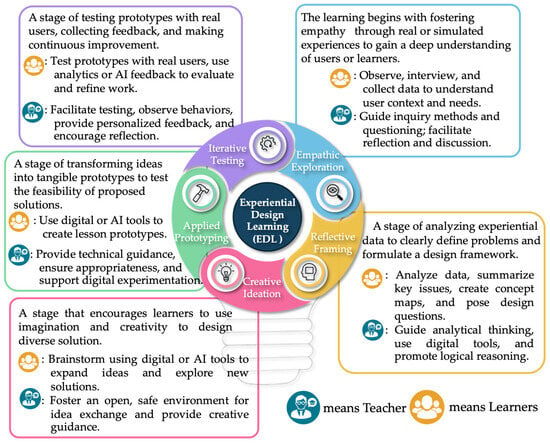
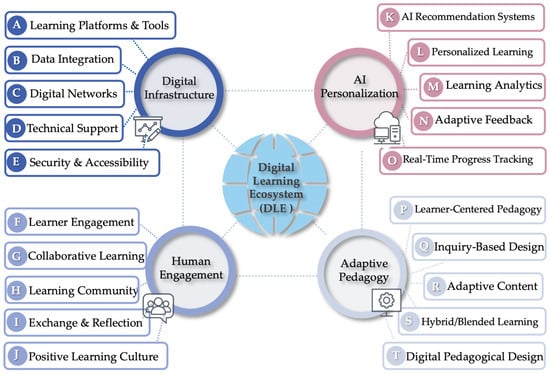
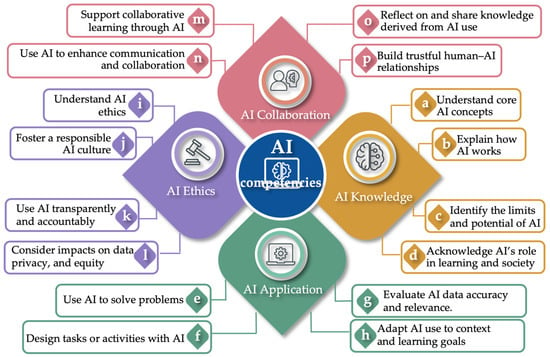
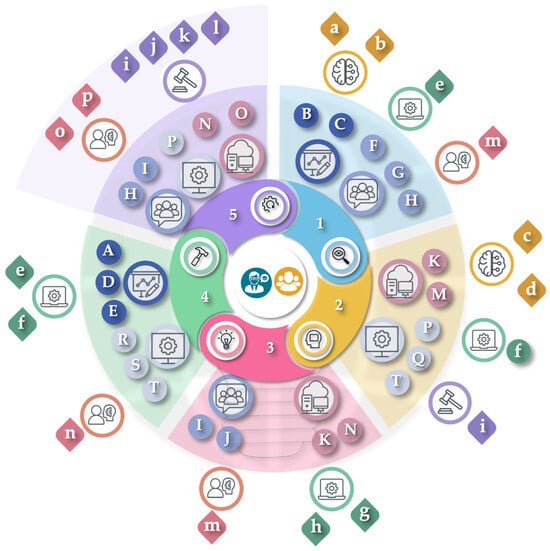
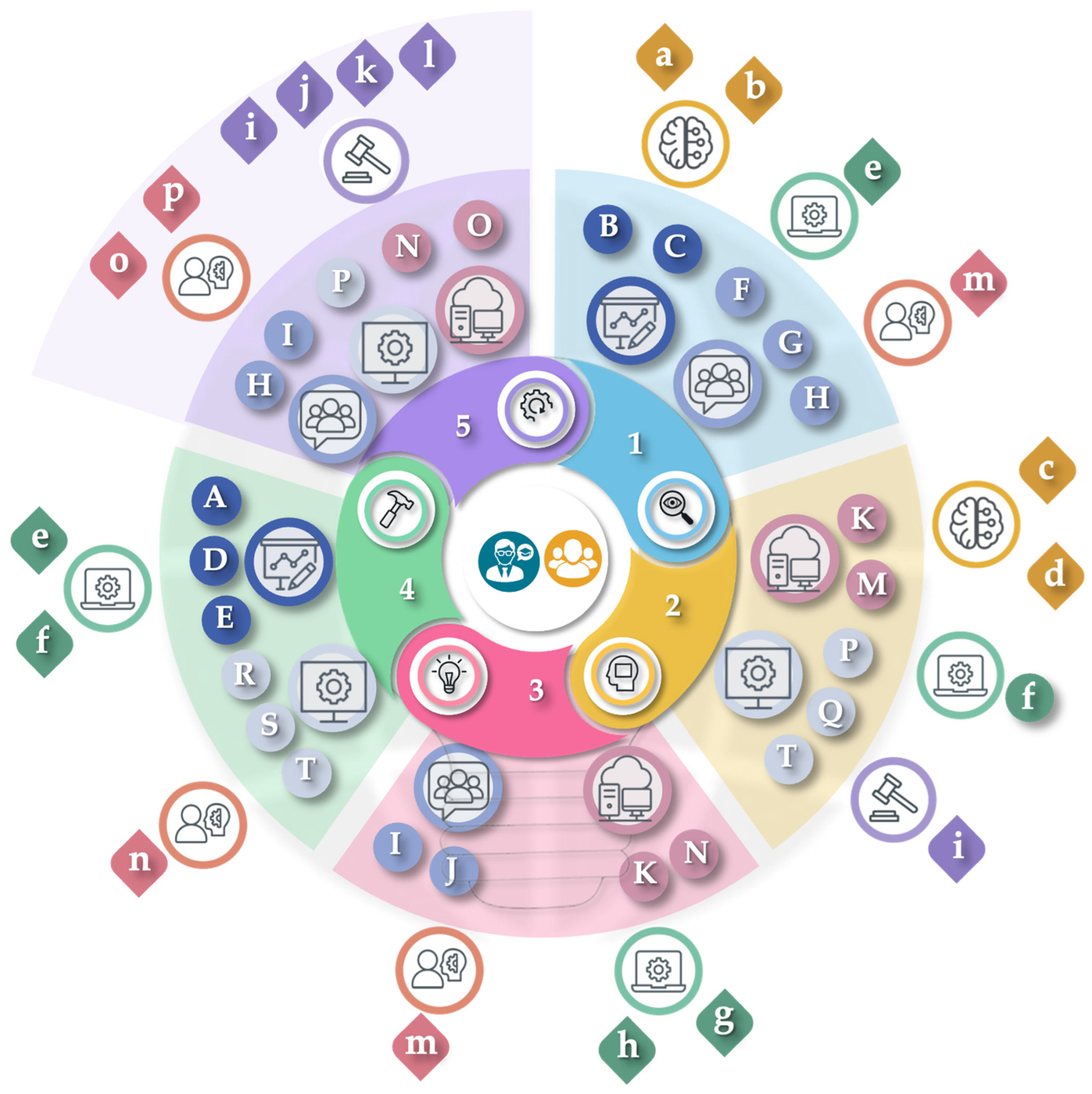

Disclaimer/Publisher’s Note: The statements, opinions and data contained in all publications are solely those of the individual author(s) and contributor(s) and not of MDPI and/or the editor(s). MDPI and/or the editor(s) disclaim responsibility for any injury to people or property resulting from any ideas, methods, instructions or products referred to in the content. |
© 2026 by the authors. Licensee MDPI, Basel, Switzerland. This article is an open access article distributed under the terms and conditions of the Creative Commons Attribution (CC BY) license.