


Abstract
This cross-sectional study aimed to examine the associations among Physical Activity and Sport Sciences students’ self-reported motivational climate, perceived usefulness, behavioral intention, and continuance intention to use Virtual Reality (VR), as assessed immediately after a single common VR session on sports facility safety analysis. It also sought to propose and validate a theoretical model predicting students’ self-reported continued intention to use VR within a single-group design. This session was conducted with 445 undergraduate students who participated in an immersive VR experience focused on evaluating the safety of sports facilities. Immediately after the activity, participants completed questionnaires assessing usability, continuance intention to use, behavioral intention, and mastery- and performance-oriented motivational climates. Results revealed high levels of perceived usefulness, behavioral intention, and intention to use VR. The mastery-oriented motivational climate scored significantly higher than the performance-oriented climate. Structural equation modeling showed that perceived usefulness and a mastery-oriented climate were positively associated with behavioral intention, while a performance-oriented climate showed a negative association. Behavioral intention was the strongest predictor of future self-reported intention to use VR. Gender differences were also observed, associated with perceptions of mastery climate and perceived usefulness. Overall, the findings support VR as a promising educational tool for sports facility safety training and innovative learning in higher education.
1. Introduction
New technologies have profoundly transformed today’s society, and the use of technological devices is ubiquitous in many everyday activities, playing a fundamental role in shaping cultural identities and practices around the world (Alsaleh, 2024). This phenomenon is mainly due to the integration of technology into development and implementation processes in several fields, such as sports (F. Wang & Wei, 2020).
Fast-paced technological advances have also permeated the field of education, where implementation has grown rapidly over the last decade (Sosa Alonso & Bethencourt Aguilar, 2019) due to technology’s ability to improve the teaching–learning process (Calabuig-Moreno et al., 2020; Qian & Luo, 2026). Furthermore, clear benefits of its use and impact have been demonstrated in various areas, such as the quality of learning, improved academic results, student participation and engagement, the development of meaningful and personalized learning experiences, increased accessibility and flexibility in education, and the development of 21st-century skills, such as critical thinking, collaboration, communication, and digital literacy (Akintayo et al., 2024; Alotaibi, 2024; Ghory & Ghafory, 2021; Mariscal et al., 2020; Ma et al., 2024; Zou et al., 2025).
One such technology is Virtual Reality (VR), understood as an immersive technology that creates simulated environments in which users can interact (Schaffernak et al., 2020). It accurately captures the five senses of the human body by constructing a 1:1 three-dimensional model (real world-virtual world), which promotes an immersive experience and user interaction with virtual scenes, enhancing the authenticity of the experience (C. Li & Li, 2020). It can be accessed through various screens, such as desktop computers, head-mounted displays, or automatic cave-type virtual environments (Makransky & Petersen, 2021).
Therefore, VR is rapidly emerging as a highly effective technology for training diverse skills and creating immersive, interactive learning environments. VR enables realistic simulations and digital competitions, supporting both cognitive and motor skill development across education, industry, and sports (Lampropoulos & Kinshuk, 2024; Molina-Carmona et al., 2018).
This potential makes it important to consider the association between new technological devices and tools in the field of education as a fundamental key to the development of a modern, novel and innovative teaching approach (Pérez-Muñoz et al., 2024). However, the successful implementation of technology in education depends on a number of factors that must be taken into account, such as teacher competence and training, and the available infrastructure and resources (Akintayo et al., 2024; Ma et al., 2024).
1.1. Virtual Reality in Education
As with technological innovations in general, we are currently witnessing a growing adoption of VR in education, especially in the field of sports (Akhiruyanto & Yudhistira, 2024; Gómez-García et al., 2019). In the contemporary social context, where technological advances and their associated benefits are omnipresent, it is imperative that educational institutions do not remain on the sidelines of this phenomenon (Gómez-García et al., 2019; Pérez-Muñoz et al., 2024).
In this regard, the association between VR and teaching methodologies has been described as positive, as it is reported to provide innovative and engaging learning experiences for students (Akhiruyanto & Yudhistira, 2024; Pérez-Muñoz et al., 2024). Some of the benefits demonstrated in the educational context are the creation of more immersive and adapted learning environments, facilitation of the integration of diverse students, and improvement of the overall classroom atmosphere (Geisen et al., 2023; Klochko & Fedorets, 2022; Kuleva, 2024). On this point, VR allows interaction with real-world content in a potentially immersive environment, improving the ability to control and interact in safe environments with objects that are not found in students’ everyday experience, a fact that has been linked to their involvement, motivation, concentration, acquisition of skills, and retention of knowledge (Abich et al., 2021; Bores-García et al., 2024; Kuleva, 2024; P. Wang et al., 2018).
However, despite the many benefits of using VR in education, it is not without its limitations. On the one hand, some critics point to its low accessibility due to the significant costs of implementing and maintaining these VR devices in an educational context (Soltani & Morice, 2020), although the situation is changing as the technology becomes increasingly affordable and easy to use, a fact that is encouraging the proliferation of studies related to its use, mainly in the field of education and training (Stefan et al., 2023). On the other hand, some teachers and students are uncomfortable using it (Kuleva, 2024) and consider it complex to use, which is why they do not adopt this technology (Shonfeld & Greenstein, 2021), encountering challenges such as a lack of understanding of science and technology on the part of older teachers, which leads to a lack of skills and confidence in the use of technology-based learning strategies (Akhiruyanto & Yudhistira, 2024).
In addition, some teachers express concern about the use of VR in education, believing that it may limit physical interactions between students and direct experiences (Amin & Govilkar, 2015). In this regard, it should be noted that although virtual technology can facilitate learning, it cannot replace the experience and motor skills acquired through physical activity, as effective learning requires a combination of practical experience, direct feedback from teachers and deep reflection (Bolatuly-Omarov et al., 2025; Levac et al., 2019). Therefore, the effectiveness of training does not lie in the use of virtual reality itself, but in how it is designed to encourage active interaction aligned with learning objectives. When used properly, VR has particularly been associated with the acquisition of procedural knowledge through embodied learning experiences (Abich et al., 2021).
1.1.1. Virtual Reality as a Tool for Sports Facilities Safety Education
Traditional safety training has proven difficult to transfer to the real world (Gao et al., 2019), as it has mostly been conducted in person in the classroom, with some previous studies demonstrating a low level of engagement among participants and an inability to optimally achieve the acquisition of safety knowledge and the improvement of attitudes, beliefs, behaviors, and health (X. Li et al., 2018; Ricci et al., 2016). In this context, VR technology has been proposed as capable of safely simulating dangerous situations that would otherwise be inaccessible, potentially offering advantages over other traditional training methods (Stefan et al., 2023).
In the field of sports, there are safety requirements for sports facilities and equipment that must be identified and analyzed for accident prevention (C. Li & Li, 2020). In this regard, VR has been proposed as offering an important opportunity to improve the effectiveness of safety training and related aspects, due to its higher level of presence, its ability to fail safely, and its ability to present various scenarios that are difficult to replicate in the real world due to financial constraints or safety issues (Stefan et al., 2023), which some authors associate with an improvement in safety management capabilities (Hui & Yan, 2024), although this association has not been directly tested in the present study. In this area, the use of VR for learning complex spatial arrangements has proven beneficial for students, who show greater understanding, greater enthusiasm for the subject matter, and a desire to continue using this type of technology during their learning, improving their spatial abilities (Fogarty et al., 2018; Molina-Carmona et al., 2018; Zhang et al., 2022).
However, research such as that by Leder (Leder et al., 2019) did not find significantly worse results in terms of changes in risk perception, learning outcomes, or decision-making in safety training using PowerPoint with vivid cinematic scenes versus immersive virtual reality, the latter being much more expensive. In this respect, review studies related to safety training tend to focus on a specific area, making it difficult to identify benefits that can be extrapolated to other contexts (Stefan et al., 2023), as these reviews are very specific in terms of scope and task, limiting the ability to establish meaningful connections between the effectiveness of training in different fields (Abich et al., 2021). Therefore, despite the growing interest in researching new trends in VR in the field of sport, there is still a need for research topics to improve knowledge, as there is not much research available (Akhiruyanto & Yudhistira, 2024; Calabuig-Moreno et al., 2020; Pérez-Muñoz et al., 2024).
1.1.2. Technology Evaluation Using Technology Acceptance Models
In the educational field, several theories have been proposed regarding expectations, intentions, and preferences towards new technologies. Various models and theories aim to understand the perception of information technology users and the acceptance of information systems. Among these are the Technology Acceptance Model (TAM) (Davis, 1989), the Theory of Planned Behavior (TPB) (Ajzen, 1991), the Unified Theory of Acceptance and Use of Technology (UTAUT) (Venkatesh et al., 2003), and the combined TAM–TPB model (C-TAM–TPB) (Taylor & Todd, 1995). According to TAM (Davis, 1989), technology acceptance is influenced by beliefs about the consequences of its use. One of the factors influencing behavioral intention is usefulness, a recurring element in various theories (TAM, TPB, C-TAM–TPB, and UTAUT) (Venkatesh et al., 2003). Additionally, to determine if a technology will be used optimally, it is necessary to identify different external variables that can influence these factors, such as usefulness or behavioral intention (X. Huang et al., 2023; Yong Varela et al., 2010). In the present study, the “Usefulness” label refers specifically to the five (positive) retained EUS/SUS items described in Section 2.1, which chiefly assess ease of use, integration into the task, learnability, confidence, and willingness to use the device frequently, and should therefore not be automatically equated with TAM-style perceived usefulness or with instrumental learning value. The same applies to the Behavioral Intention scale, whose items address satisfaction, perceived motivation, and perceived competence acquisition rather than a general behavioral-intention construct as defined in TAM or TPB; the interpretations offered in the Discussion have been framed to reflect what these administered items actually measure.
One of the most widely used theories to explain student motivation and academic success is the achievement goal theory, which analyses how students adopt different types of goals: mastery motivational or performance motivational (Elliot, 2005). In this regard, the motivational climate generated by the teacher in the classroom (mastery motivational climate or performance motivational climate) is a precursor to students’ goal orientations, which have a powerful influence on motivation, basic psychological needs, and performance (Brisimis et al., 2022).
This hypothetical research model has been developed to illustrate the association between the motivational climate (mastery motivational climate or performance motivational climate) and usefulness, continuance intention to use and behavioral intention, and how these factors relate to one another, also considering the influence of gender (Figure 1).
Figure 1.
Research hypothetical model.
In light of the above, the objectives of this research aimed to: (1) examine the associations among the motivational climate, perceived usefulness, behavioral intention, and continuance intention to use reported by sport science degree students after completing an immersive VR-based sports facility safety-analysis activity; and (2) propose and validate a theoretical model to predict students’ self-reported continued intention to use VR.
Based on the theoretical framework described above, the following research hypotheses were formulated:
H1.
The mastery and performance motivational climate, perceived usefulness, and behavioral intention reported by students after the VR-based safety-analysis activity are significantly associated with one another and with continuance intention to use VR.
H2.
A theoretical model integrating motivational climate, perceived usefulness, behavioral intention and gender will significantly predict sport science degree students’ self-reported continuance intention to use VR.
2. Materials and Methods
2.1. Study Design
The study employed a descriptive cross-sectional design, following the STROBE (Strengthening the Reporting of Observational Studies in Epidemiology) guidelines (Cuschieri, 2019). A VR session was conducted with undergraduate students enrolled in the course “Sports Equipment and Facilities” of the Degree in Physical Activity and Sport Sciences at two Spanish universities located in the regions of Murcia and Andalusia. Sampling was non-probabilistic (convenience-based), comprising all students enrolled in the course who attended the session. Potential university- and cohort-level clustering effects were not modeled. During the session, students engaged with content related to the safety of various sports facilities. Following the session, participants self-completed a questionnaire (Supplementary File S1—Annex VR alumni) that included sociodemographic questions and several scales: from the Use Behavior Scale, the Behavioral Intention dimension (Cózar-Gutiérrez et al., 2015), from the Use Behavior Scale, the Intention to Use dimension (also called Continuance Intention to Use) (Nolasco de Almeida Mello & Cabero Almenara, 2020), the Usefulness dimension of the System Usability Scale (Hedlefs-Aguilar & Garza-Villegas, 2016), and the Mastery and Performance Motivational Climate dimensions from the Motivational Climate in Education Scale (Granero-Gallegos & Carrasco-Poyatos, 2020).
For clarity, the three use-related constructs are defined and operationalized as follows: (a) Behavioral intention refers to students’ self-reported disposition to engage with the VR activity and its content, assessed with six items (e.g., perceived willingness to use the system) from Cózar-Gutiérrez et al. (2015); (b) continuance intention to use refers to students’ self-reported willingness to use VR again in future learning contexts, assessed with six items adapted from Nolasco de Almeida Mello and Cabero Almenara (2020); (c) usefulness with ten items (five positive and five negative) from the EUS (Spanish) or SUS (English) scale by Hedlefs-Aguilar and Garza-Villegas, which aims to measure the perceived usability of a system, website, or interface. In this case, it refers to the use of the VR design presented to the students (e.g., the users’ perceived experience with the proposed VR design or any usability problems identified) (Hedlefs-Aguilar & Garza-Villegas, 2016).
The label “Usefulness” is used consistently throughout this manuscript (Introduction, Methods, Results, Discussion, Conclusions) to refer specifically to the five retained positive items of the EUS/SUS scale described above, and not to “usability” in the broader sense of the construct or to any other sub-dimension of the cited scale. Likewise, the two constructs actually assessed by the “Use Behavior Scale” instrument (Cózar-Gutiérrez et al., 2015; Nolasco de Almeida Mello & Cabero Almenara, 2020)—behavioral intention and continuance intention to use (Hedlefs-Aguilar & Garza-Villegas, 2016)—are the only constructs referred to by those names in this manuscript; the instrument’s original name (“Use Behavior Scale”) is retained only when citing the source scale itself, and is not used elsewhere to describe an actual, observed use-behavior outcome, which was not measured in this study.
The study received approval from the institutional Ethics Committee (code CE072207) before it began, and all procedures complied with the principles of the Declaration of Helsinki. Before data collection, participating students signed an informed consent form that detailed the purpose of the study, how their data would be processed, and the measures taken to ensure confidentiality. The VR activity itself was a mandatory, graded component of the course (contributing 1 of 10 points to the final grade) and was completed by all enrolled students independently of their decision to participate in the research. Participation in the research (i.e., completion of the study questionnaire and inclusion of responses in the dataset) was voluntary and separate from course credit; students could complete the graded VR activity without consenting to have their questionnaire data used for research purposes, and no academic consequences resulted from declining to participate in the study. In this research, all data were collected immediately after the single VR activity.
2.2. Sampling Method and Sample Size
The sample size was determined following the methodology described in previous research based on the standard deviation (SD) (Bhalerao & Kadam, 2010). RStudio version 3.15.0 was used for the calculations. Sample size and statistical power were estimated using the standard deviation of mastery climate (SD = 0.76) reported in a sample with similar characteristics (López-García et al., 2022). Considering an estimated error (d) of 0.07, a 95% confidence interval (95% CI), a statistical power of 95%, and a significance level of 0.05, the minimum required sample size was 440 participants. This calculation was based on estimating a population mean for the mastery-climate construct and was not derived specifically from power requirements for the proposed structural equation model; no a priori power analysis specific to the proposed structural equation model was conducted; this is acknowledged as a limitation.
The study involved 445 students (mean age = 22.22 ± 3.32 years), including 372 males (83.60%) and 73 females (16.40%), from two Spanish universities located in the Regions of Murcia and Andalusia. Of these, Murcia comprised (n = 253; 56.73%) and Andalusia comprised (n = 192; 43.27%). All were students enrolled in the Sports Equipment and Facilities course taught in the Degree in Physical Activity and Sport Sciences during the 2022–2023 and 2023–2024 academic years. Inclusion criteria required students to (a) be enrolled in the Sports Equipment and Facilities subject at either university during any of those academic years, and (b) attend the project session. Of the students enrolled in the course across both universities and academic years (N = 452), 445 attended the session and completed the questionnaire, corresponding to a participation rate of 98.5%; seven students did not attend the session and were therefore not included. Sample distribution by university is reported above. The distribution by academic-year cohort within each university was: Murcia 2022–2023 (n = 151), Murcia 2023–2024 (n = 102), Andalusia 2022–2023 (n = 103), and Andalusia 2023–2024 (n = 89). Formal comparison of university- or cohort-level differences was beyond the scope of the present analysis and is suggested for future research.
2.3. Procedures
The practical case required designing sports facilities in VR (Figure 2). A meeting was held with the UCAM Multimedia Laboratory (LabM-UCAM) to explore how to adapt the project to an immersive environment for the third-year Sports Equipment and Facilities subject of the Degree in Physical Activity and Sport Sciences at both universities.
Figure 2.
Sports Facilities by VR.
For the design of the sports facilities, information from the NIDE standard was used (including a padel court, a football field, and sports halls with markings for handball/indoor football, basketball, volleyball, and badminton). Dichotomous checklists (yes/no) were created to assess compliance with the different items (Supplementary File S2—Sport facilities) (A. Gallardo-Guerrero et al., 2023). The virtual sports facilities developed ad hoc by the LabM-UCAM were created using the Spatial platform. In the various virtual environments, the errors indicated by the teaching staff were incorporated, and students were required to identify them in the evaluation checklists. Once the environments and assessment tools were designed, the implementation of the immersive proposal was carried out.
This immersive experience of VR was conducted in pairs in a designated classroom. While one student explored the virtual environment, the other monitored on a computer screen what their partner was seeing and, using the prepared checklists, asked questions to assess the safety of the sports facilities (Figure 3). The activity lasted approximately 60 to 90 min, followed by a 10 min debriefing session. This practice accounted for 1 out of 10 points in the final course grade.
Figure 3.
Students participating in an immersive VR experience.
At the end of the class, students self-completed a questionnaire in Google Forms (in Spanish) regarding their VR experience. The questionnaire included sociodemographic questions (age, gender, and home university) as well as several scales included in Supplementary File S1—Annex VR alumni: the Use Behavior Scale (Behavioral Intention dimension), consisting of six items rated on a 1–5 Likert scale with a reliability of α = 0.81; the Use Behavior Scale (Continuance Intention to Use dimension), comprising six items rated on a 1–5 Likert scale with α = 0.93; Usefulness dimension of the System Usability Scale, validated in Spanish, with ten items on a 1–5 Likert scale and α = 0.92; and finally, the Mastery (4 items, α = 0.88) and Performance (3 items, α = 0.87) motivational climate dimensions of the Motivational Climate in Education Scale. The reliability coefficients reported in this paragraph (α = 0.81–0.93) correspond to the values reported in the original validation studies of each instrument (Cózar-Gutiérrez et al., 2015; Nolasco de Almeida Mello & Cabero Almenara, 2020; Hedlefs-Aguilar & Garza-Villegas, 2016; Granero-Gallegos & Carrasco-Poyatos, 2020) and to the full original item sets prior to the CFA-driven item reduction; the reliability values recalculated in the present sample, for the final retained items (Supplementary File S3—Final Annex VR alumni), are reported in Table 1 (α = 0.74–0.87) and should be used as the reference values for this study.
2.4. Statistical Analysis
The analysis was carried out in two stages. For Objective 1, descriptive statistics (means and standard deviations) of the various constructs were calculated for data analysis.
For Objective 2, the process began with a confirmatory factor analysis (CFA) on all selected dimensions to ensure the reliability and validity of each instrument used in this study. Next, the goodness of fit for the ordinal variables was assessed using measures of absolute fit: Chi-square p-value (χ2 p-value) and Root Mean Square Error of Approximation (RMSEA); incremental fit measures: Tucker–Lewis Index (TLI), Comparative Fit Index (CFI), Normed Fit Index (NFI), and Goodness of Fit Index (GFI); and measures of parsimony fit: Normalized Chi-square. An acceptable fit was indicated by a χ2 p-value > 0.05, an RMSEA ≤ 0.06, an SRMR < 0.08, TLI scores ≥ 0.90, CFI scores ≥ 0.90, NFI scores ≥ 0.90, GFI scores ≥ 0.90, and a normalized Chi-square value between 2 and 3 (Hair et al., 2013).
To evaluate the internal validity of the items for each latent variable, factor loading values needed to be above 0.5 to be considered significant (Hair et al., 2013). The reliability of the questionnaire was assessed using convergent validity and discriminant validity. Convergent validity of the scale items was assessed using three criteria: Cronbach’s alpha, composite reliability (CR), and average variance extracted (AVE). An acceptable fit was indicated by Cronbach’s alpha > 0.7, CR > 0.7, and AVE > 0.5 (Hair et al., 2013). Discriminant validity was evaluated using the Fornell–Larcker criterion (Hair et al., 2016). Fornell and Larcker (Fornell & Larcker, 1981) proposed that “the square roots of the AVE for each latent variable should be higher than the correlations with other latent variables” to establish discriminant validity.
Structural Equation Modeling (SEM) was performed to provide a more precise measurement of the structural relationships among all the constructs. The estimator used was diagonally weighted least squares (DWLS) as it included a categorical variable (gender). The items were treated as ordinal variables except for gender, which was treated as a categorical variable and coded as 0 = male, 1 = female. The analysis was conducted using R software version 3.6.0 (Copyright © 2019, R Foundation for Statistical Computing) with the Lavaan package. The initial hypothesized measurement model (CFA) and the final structural model (SEM) are reported separately; the modification of the initial model (item and path removal) was performed on the same sample used for hypothesis testing, without an independent validation or cross-validation subsample. This data-driven, non-cross-validated model modification is acknowledged as a methodological limitation in the Discussion.
During the model specification and refinement process, non-significant structural paths were evaluated and iteratively removed from the initial hypothesized model (Figure 1) to achieve a parsimonious and well-fitting final structural model (Figure 4). Specifically, the following structural paths were removed: Performance Motivational Climate → Usefulness (removed; not significant, β = −0.269, p = 0.068): Considered conceptually distinct from intention constructs because achievement-goal theory links (Elliot, 2005) performance climate primarily to competitive/normative outcomes rather than to instrumental-value judgments such as perceived usefulness (Brisimis et al., 2022); Gender → Performance Motivational Climate (removed; not significant, β = −0.145, p = 0.112): Removed because achievement-goal climate perceptions were hypothesized to be driven primarily by the educational/learning environment rather than direct baseline gender differences (X. Huang et al., 2023; Yong Varela et al., 2010); Gender → Behavioral intention (removed; not significant, β = −0.169, p = 0.084): Dropped as gender did not exert a direct theoretical or statistically significant association with technical usability evaluations, operating instead indirectly through motivational climate factors (Venkatesh et al., 2003); and Usefulness → Continuance intention to Use (removed; not significant, β = 0.765, p = 0.059): Removed as a direct path to eliminate structural redundancy and conceptual overlap, allowing behavioral intention and usability to directly explain variance in final technology adoption/intended use (Ajzen, 1991; Taylor & Todd, 1995). Each path was assessed individually and removed based on goodness-of-fit mismatch and statistical non-significance while re-examining theoretical plausibility before being dropped.
3. Results
3.1. Confirmatory Factor Analysis
A confirmatory factor analysis (CFA) was conducted to examine the hypothesized model shown in Figure 1 (initial model). The initial analysis of the hypothetical model did not indicate an acceptable goodness of fit, with a χ2 p-value > 0.05, RMSEA = 0.082, SRMR = 0.096, TLI = 0.804, CFI = 0.825, NFI = 0.780, GFI = 0.800, and a normalized Chi-square of 2.85. The behavioral intention dimension was initially composed of six items. One item for behavioral intention and five items for usefulness showed factor loadings below 0.5, and some paths were not significant. Consequently, one item for behavioral intention (final retained: five items) and five items for usefulness (out of ten originally administered; final retained: five “positive” items) (Supplementary File S1—Annex VR alumni). The corrected “ten items” to “five items”, the number consistent with the 10-total/5-removed/5-retained figures stated later in this paragraph and in Table 1, along with the non-significant paths, were removed through an iterative process. Because this modification was performed on the same sample subsequently used to test the structural model, without cross-validation, the resulting measurement model should be considered partly exploratory; each removed path was also re-examined for theoretical plausibility before being dropped. Each path was assessed and eliminated individually based on the highest degree of mismatch until all remaining paths were significant. For clarity: the Behavioral Intention scale originally comprised six items (one removed; five retained) and the Usefulness scale originally comprised ten items (five negative removed; five positive retained), consistent with Table 1 and the final questionnaire called Supplementary File S3—Final Annex VR alumni excluding items 13 and 19–23 (which were included in Supplementary File S1). The Chi-square statistic and degrees of freedom for this initial CFA model were χ2 (340) = 969.00, p < 0.001.
Table 1.
Validity and reliability analysis.
The final version of the measurement model is presented in Figure 4. All item factor loadings were above 0.56, indicating significant internal validity of the latent variables (Table 1, which reports only the items retained after the removal described above). The CFA demonstrated the measurement model’s goodness of fit with the following indices: χ2 p-value > 0.05, RMSEA = 0.065, SRMR = 0.056, TLI = 0.901, CFI = 0.914, NFI = 0.874, GFI = 0.879, and a normalized Chi-square of 2.29. Although RMSEA (0.065), NFI (0.874), and GFI (0.879) did not reach the thresholds specified a priori, while TLI (0.901) and CFI (0.914) did, the overall goodness of fit of the measurement model is best described as mixed or marginal rather than unambiguously acceptable; this pattern is not uncommon in models with a relatively large number of estimated parameters and comparisons, but it is reported here as a qualified rather than a fully confirmed fit (Hair et al., 2013). These fit indices correspond specifically to the CFA measurement model; the distinct, higher fit indices correspond to the subsequent structural (SEM) model, in which the latent variables are represented by their retained indicators and connected through the hypothesized structural paths. Reporting both sets of indices separately, as intended, avoids the apparent inconsistency raised in peer review. The Chi-square statistic and degrees of freedom for this final measurement model were χ2 (220) = 504.162, p < 0.001.
Figure 4.
Final version of the model. *: p-value < 0.05.
3.2. Construct Reliability and Validity Analysis
Based on the convergent validity and discriminant validity, the reliability of the questionnaire was evaluated. Three criteria were used to assess the convergent validity of the scale items, namely Cronbach’s alpha, composite reliability (CR), and average variance extracted (AVE) (Table 1). All three conditions of convergent validity were met, reporting greater than the minimum loading criterion in each case: Cronbach’s alpha = 0.74–0.87, CR = 0.74–0.88; AVE = 0.5–0.59.
To determine whether the factors of one variable are different from those of another variable, discriminant construct validity was assessed. To assess discriminant validity, the Fornell–Larcker cross-loading criterion was used (Hair et al., 2016). Square roots of the AVE were greater than the absolute values of the correlation coefficients, so the discriminant validity of each construct was considered acceptable (Hair et al., 2013) (Table 2). Notably, the correlation between behavioral intention and continuance intention to use (r = 0.68) is high relative to the square roots of AVE for both constructs, which is consistent with the conceptual overlap between these two variables.
Table 2.
Discriminant validity—Fornell-Larcker criterion.
3.3. Model Fit Analysis
To examine the relation between the variables, the structural model (SEM) built on the retained measurement model was tested. Structural relationships among the variables are shown in Figure 4. The fit indices indicated that the structural model provided an adequate representation of the data (χ2 p-value < 0.05, RMSEA = 0.065, SRMR < 0.05, TLI = 0.989, CFI = 0.989, NFI = 0.983, GFI = 0.984, Normalized Chi-square = 2.8). These values describe the fit of the full structural equation model (measurement and structural components estimated jointly in a single Lavaan model, as detailed below), and are therefore expected to differ from the measurement-model indices reported. The Chi-square statistic and degrees of freedom for the structural model were χ2 (245) = 693.202, p < 0.01. The structural model was specified and estimated as a single, full latent-variable structural equation model in Lavaan (i.e., the measurement and structural components were estimated jointly within one model syntax).
3.4. Path Analysis
Behavioral intention (β = 0.941, p < 0.001) was the strongest predictor of, and showed a strong positive association with, continuance intention to use; given the magnitude of this coefficient, the conceptual and empirical overlap between the two constructs should be considered when interpreting this result. In addition, usefulness (β = 0.586, p < 0.001), mastery motivational climate perception (β = 0.367, p < 0.001) and performance motivational climate perception (β = −0.269, p < 0.001) were significantly associated with behavioral intention (Figure 4 and Table 3). Besides, mastery motivational climate perception (β = 0.737, p < 0.001) and gender (β = −0.169, p < 0.001) were associated with usefulness positively and negatively, respectively. Finally, it is shown that gender was significantly associated with mastery motivational climate perception; the standardized coefficient is reported as β = 0.169 (z = 3.898, p < 0.001). Predictive accuracy of the structural models was determined using the coefficient of determination (R2 value). From the structural model, it is observed that the R2 values are 0.886, 0.858 and 0.530 for intended use, behavioral intention and usefulness, respectively. This implies that the variance of these constructs is explained by the proposed construct by 88.6%, 85.8% and 53%, which indicates moderate to high explanatory power (Hair et al., 2016). Gender explains 2.9% (R2 = 0.029) of mastery motivational climate perception, which is a low level of explained variance (Hair et al., 2016).
Table 3.
Proposed model evaluation results.
4. Discussion
The primary objective of this research was to examine the associations among the motivational climate, perceived usefulness, behavioral intention, and continuance intention to use reported by Physical Activity and Sport Sciences students after completing an immersive VR-based activity in evaluating the safety of sports facilities, where all dimensions (Mastery Motivational Climate, Behavioral Intention, Usefulness and Continuance Intention to Use) scored above 4, except for Performance Motivational Climate, which had values ranging from 2.08 to 3.06.
These results are consistent with previous findings regarding the perceived usefulness in the adoption of immersive technologies (Bower & Jong, 2020; Miguélez-Juan et al., 2019; Molina-Carmona et al., 2018; W. Huang et al., 2021; X. Huang et al., 2023). Likewise, the significant association of the mastery motivational climate with usefulness and behavioral intention suggests that a learning environment focused on personal improvement and cooperation is related to a predisposition toward the continued use of VR (Zhang et al., 2022; Zhao et al., 2023), and students reported feeling a stronger understanding of concepts after the experience (Fogarty et al., 2018), although this was not directly measured with a knowledge or performance test in the present study. In contrast, the performance motivational climate showed a negative association, in line with research linking competitive environments to lower satisfaction and engagement (Ames, 1992; Zhao et al., 2023).
Regarding the first objective, the results show that students self-reported a highly positive and motivating learning experience after the VR-based safety-analysis activity (Decker & Merkt, 2025; Thomann et al., 2024). The high scores in the dimensions of continuance intention to use and behavioral intention are consistent with the idea that immersive environments can support active and meaningful learning, consistent with the principles of Self-Determination Theory (Deci & Ryan, 2000). These findings are in line with recent studies highlighting the potential of VR to increase student engagement and satisfaction through the simulation of realistic and safe contexts (Keller et al., 2025; Puiu & Udriștioiu, 2024; Radianti et al., 2020; Halabi et al., 2022; Sviridova et al., 2023), where factors such as learning value, intrinsic motivation, and personal innovativeness have also been identified as predictors of the continuance intention to use VR environments (Parong & Mayer, 2021, 2018; Solmaz et al., 2024; Tursø-Finnich et al., 2023). In this context, perceived usefulness and enjoyment have been described as key determinants for the sustained adoption of educational technologies (Fernández-Vázquez et al., 2024; Mohsen & Alangari, 2024). Continuance intention to use VR has been reported to increase when users believe that VR provides value for learning or performance, making perceived usefulness one of the most consistent predictors of intention to use (Alturkustani et al., 2025; Benar et al., 2024; W. Huang et al., 2021; Y. Huang & Soebbing, 2022).
Likewise, the mastery motivational climate was positively associated with behavioral intention, suggesting that learning environments focused on personal progress and collaboration are related to technological acceptance (Brown et al., 2002). In the present sample, students reported high scores across the perception and intention measures collected after the VR activity, which is consistent with, although not proof of, the idea that VR can successfully address the goals of digitalization in education (Rojas-Sánchez et al., 2023; Stenberdt & Makransky, 2023); this remains to be tested with objective learning or performance outcomes. Moreover, VR has been reported by other authors to enhance information retention and knowledge transfer, especially when applied in practical and experiential contexts (Makransky et al., 2021), although retention and transfer were not directly assessed in this study.
The results of the analysis indicate that the mastery motivational climate emerges as a strong and positive predictor of the perceived usefulness of VR in this sample. This suggests that learning environments that foster competence, autonomy, and a mastery-oriented approach are associated with an increase in students’ perception of the value of VR (Fern et al., 2024; Kemp et al., 2024). In contrast, the performance motivational climate was negatively related to behavioral intention, indicating that an excessively competitive environment may be associated with a lower predisposition toward continued use of VR. This pattern is consistent with the works of Ames (Ames, 1992) and Sánchez-Oliva (Sánchez-Oliva et al., 2017) and has been confirmed in recent studies on motivation in digital environments (Chen et al., 2020).
The findings also indicate that both the motivational climate and individual characteristics were associated with students’ perceptions of virtual reality’s usefulness in learning. Gender exhibited a moderate yet significant negative association, suggesting that differences in prior technological experience, interests, or confidence in using digital tools may help explain why, in this sample, male students reported perceiving VR as more useful than female students (Alturkustani et al., 2025; Parong & Mayer, 2021). Given the pronounced gender imbalance in the sample (83.6% male, 16.4% female) and the absence of measurement invariance testing across gender groups, these findings should be interpreted with caution.
The results indicate that the mastery motivational climate reported by students may be related to the immersive, sensory-rich nature of the VR experience common to all participants insofar as it appears to provide sensory experiences that reinforce the sense of competence and autonomy (Makransky & Petersen, 2021) and potentially enhance the quality of learning, especially in disciplines that benefit from practical simulation (Makransky et al., 2021), such as the analysis of compliance with various items in the safety of sports facilities; this mediating role was not directly tested in the present model and should be examined in future research.
A secondary objective was to construct and validate a theoretical model to explain and predict students’ ongoing intention to engage with VR.
The results of the structural equation modeling provide support for the proposed model, with adequate factor loadings and acceptable fit indices (CFI = 0.914; TLI = 0.901; RMSEA = 0.065 for the measurement model). The internal consistency of the constructs (α = 0.74–0.87) reinforces the internal robustness of the instrument as applied in the present sample; because item and path removal were performed on this same sample without cross-validation, generalizability to other samples should be confirmed in future studies. Although the association with gender was small in magnitude, it revealed significant differences in perceived usefulness and the mastery motivational climate. These findings are consistent with previous studies that have identified gender gaps in university-level technology adoption (Durndell & Haag, 2002; Makransky et al., 2017; Venkatesh & Morris, 2000; Wongwatkit et al., 2020) and highlight the importance of promoting inclusive strategies to reduce such disparities.
The model demonstrates acceptable internal consistency and predictive validity within this sample. In this regard, the mastery motivational climate was associated with both perceived usefulness and behavioral intention. Behavioral intention emerged as the key predictor of intention to use, although the strength of this association also reflects the conceptual overlap between the two constructs noted above. Moreover, gender differences were observed in the perception of the motivational climate. The theoretical model validated in this study also showed high predictive power, with R2 values exceeding 80% for behavioral intention and intention to use, reflecting the internal consistency and robustness of the proposed framework as estimated in this sample. These findings are consistent with the idea that both motivational factors and demographic characteristics are relevant for predicting the perception of usefulness and, by extension, the behavioral intention to use VR, lending support to the applicability of models such as TAM and UTAUT in immersive educational contexts (Al-Adwan et al., 2023; Venkatesh & Davis, 2000).
Based on the proposed model, it can be observed that behavioral intention was significantly associated with perceived usefulness, the mastery motivational climate, and, negatively, with the performance climate. These findings are consistent with the notion that learning environments promoting autonomy (Arık & Erturan, 2023), personal improvement, and cooperation may foster a more positive attitude toward the use of technology (García-González et al., 2019; Kuleva, 2024; Luo & Du, 2022; Stracke et al., 2025; Tendinha et al., 2021; Umaroh et al., 2024). In contrast, settings focused on comparison and competition appear to be associated with resistance and lower willingness toward innovation (Ntoumanis & Standage, 2009).
Regarding perceived usefulness, the results indicate that the mastery climate showed a strong positive association, whereas gender showed a negative relationship. This suggests that motivational environments fostering self-efficacy and learning focused on personal improvement are associated with higher students’ perception of the technology’s usefulness. These findings are consistent with those of Baena-Extremera (Baena-Extremera et al., 2014) and other studies that analyzed self-determined motivation and technological acceptance among sports science students (Aufenanger et al., 2025; Kunz & Santomier, 2019). Conversely, the influence of gender may reflect differences in confidence or familiarity with digital tools, as previously reported in earlier research (Venkatesh & Morris, 2000; Wongwatkit et al., 2020; Ong & Lai, 2006). Therefore, it is recommended to promote inclusive strategies aimed at reducing these disparities.
Overall, the relationship between gender and mastery climate shows that there are small variations in motivational perception according to gender (Gea-García & Martínez, 2025; Nicholls, 1984). Although limited, this result may indicate the need to further explore differences in motivational and technological perceptions between men and women within the university context, with some gender-related differences observed in motivational dimensions such as attention and satisfaction (Portuguez-Castro & Santos Garduño, 2024; Moreno-Murcia et al., 2008).
Finally, the proposed model demonstrates a notable explanatory capacity within the studied sample, revealing that motivational factors—particularly the mastery climate are associated with perceived usefulness and intention to use technology in sports science education. These findings underscore the importance of fostering positive, improvement-oriented learning environments that may enhance both intrinsic motivation and the acceptance of innovative technological tools (Carrier, 2024; Mascret et al., 2025; Poupard et al., 2025), such as virtual and augmented reality, within educational and sports contexts (A. M. Gallardo-Guerrero et al., 2025). As noted by an anonymous reviewer, reference (A. M. Gallardo-Guerrero et al., 2025) examined a closely related model (augmented reality, sports-equipment safety, motivational climate, and continuance intention to use); the present study’s differential contribution lies in applying an immersive VR modality (rather than AR), in a distinct facility-safety-auditing task, and in a larger, dual-institution sample, and this distinction is now made explicit rather than assumed.
This research highlights both theoretical and practical implications related to the use of VR for the analysis of safety in sports facilities. From a theoretical perspective, VR used within a mastery motivational climate was associated with higher students’ perceived usefulness and intention to use, in this cross-sectional sample, consistent with the idea that this design facilitates active, self-explanatory, and improvement-oriented practice. From a practical standpoint, immersive walkthroughs and inspection simulations are intended to allow users to identify risks (such as signage, evacuation routes, accessibility, lighting, surface conditions, and user flow) and to rehearse safety protocols without interfering with the actual operation of the facility. Whether this approach reduces errors, prevents incidents, and promotes the transfer of skills to real contexts by reproducing decision-making scenarios similar to those that professionals will encounter in practice remains to be empirically tested; the present study assessed students’ perceptions and intentions rather than measured safety outcomes, error rates, or skills transfer, and these claims should therefore be read as potential applications rather than demonstrated effects. Furthermore, pending such confirmatory research, VR may serve as a continuous training tool for technicians, maintenance staff, and facility managers by standardizing audit criteria, enhancing evidence-based decision-making, and contributing to the improvement of safety in sports environments.
The present study has several limitations.
First, student participation in the research (i.e., providing questionnaire data for analysis) was voluntary, and data were collected through a questionnaire, which may have introduced an inclusion bias, as more motivated students or those more familiar with immersive technologies may have been more likely to participate. Second, the absence of a control group and of pre-post or baseline measurement prevents direct comparisons between VR and other teaching/learning methods or conventional on-site safety audits; therefore, the results should be interpreted as indicative associations rather than as conclusive evidence of methodological superiority. Third, the key variables—mastery motivational climate, behavioral intention, perceived usefulness, and continuance intention to use—were measured through self-reported instruments, which are susceptible to biases related to social desirability, recall, or external factors; moreover, actual use behavior beyond the single studied session was not measured, and behavioral intention and continuance intention to use showed a very strong association (β = 0.941; r = 0.68) that suggests these constructs may not be fully empirically distinct in this dataset. Fourth, the integration of immersive technologies such as virtual reality in the analysis of sports facilities not only allows for the exploration of associations between VR use and safety-related perceptions and realistic simulation, but also enables the exploration of how different groups, based on gender, perceive and adapt to these tools; however, the pronounced gender imbalance in the present sample (83.6% male) and the lack of measurement-invariance testing limit the strength of conclusions that can be drawn about gender differences, suggesting the need for further studies with more balanced samples that examine differences in motivational and technological perceptions among university students in sport sciences. Fifth, the final structural model was derived through iterative, data-driven removal of items and non-significant paths from the same sample used for hypothesis testing, without an independent validation sample; this increases the risk of overfitting and should be addressed through replication in future work. Consequently, future studies are encouraged to incorporate controlled or quasi-experimental designs, as well as longitudinal approaches, to assess the transfer of competencies acquired through VR to real-world safety audit contexts.
In this regard, the combination of virtual environments with active learning methodologies, such as problem-based learning or gamification, could further enhance engagement and learning retention (Lampropoulos & Kinshuk, 2024; Keller et al., 2025; Hellín et al., 2023). This methodological synergy opens new lines of research on how motivation and technology interact within university-level sports education.
5. Conclusions
In conclusion, in this cross-sectional sample, students who completed the VR-based safety-analysis activity reported a mastery motivational climate, perceived usefulness, behavioral intention, and continuance intention to use that were positively associated with one another, as well as with the usefulness that the student perceived this type of content to have. Therefore, a model has been found through which the motivational climate was associated with the usefulness and behavioral intention of students in this sample. Usefulness was associated with behavioral intention, the latter showing a strong association with continuance intention to use. Because the study did not include a non-VR comparison condition, these findings describe associations among students’ post-activity perceptions rather than an effect of VR use itself. A potential practical application of using VR in sports facility management is to explore its use for training staff and students in evaluating the safety and functionality of sports equipment and spaces in a risk-free, immersive environment, with a view to the identification of potential hazards and the optimization of facility design and maintenance procedures; however, given the observational, single-session, self-report design of the present study, these applications remain to be confirmed through controlled and longitudinal research before firm causal or practical claims can be made about VR’s effect on real-world safety outcomes.
Supplementary Materials
The following supporting information can be downloaded at: https://www.mdpi.com/article/10.3390/educsci16111841/s1, Annex S1: Self-completed questionnaire VR for the participants; Annex S2: Sport facilities information from the NIDE standard; Annex S3: FINAL Self-completed questionnaire VR for the participants.
Author Contributions
Conceptualization, A.-M.G.-G. and M.G.-T.; methodology, R.V.-C.; software, N.G.-G.; validation, R.V.-C. and N.G.-G.; formal analysis, M.-J.M.-A.; investigation, A.-M.G.-G. and M.G.-T.; resources, M.G.-T.; data curation, N.G.-G.; writing—original draft preparation, A.-M.G.-G., M.G.-T. and M.-J.M.-A.; writing—review and editing, M.-J.M.-A.; visualization, R.V.-C.; supervision, A.-M.G.-G. and M.G.-T.; project administration, A.-M.G.-G.; funding acquisition, A.-M.G.-G. All authors have read and agreed to the published version of the manuscript.
Funding
This study has been supported by the teaching innovation project of the Catholic University of Murcia, with project code [PID-2022/0062] and received partial funding from the UPO research group Motiva2.
Institutional Review Board Statement
Informed consent was obtained from all individual participants included in the study. The study was conducted in accordance with the Declaration of Helsinki and approved by the Institutional Ethics Committee of UCAM-Catholic University of Murcia (protocol code CE072207) for studies involving humans.
Informed Consent Statement
Data Availability Statement
The data that support the findings of this study are available from the corresponding author upon reasonable request.
Acknowledgments
The authors would like to thank the Multimedia team of the Universidad Católica San Antonio de Murcia (UCAM, Murcia, Spain) for their invaluable help with the development of the augmented reality of this research. Also, the authors would like to thank the CIC Team of the Pablo de Olavide of Seville University (UPO, Seville, Spain) for adapting the space for the use of virtual reality glasses and the research group MOTIVADO2 SEJ570. We would also like to thank all the volunteers who participated in this study.
Conflicts of Interest
The authors declare no conflicts of interest.
Abbreviations
The following abbreviations are used in this manuscript:
| VR | Virtual Reality |
| NIDE | Standards for Sports and Recreational Facilities |
| UCAM | Catholic University of Murcia, Spain |
| UPO | University Pablo de Olavide, Spain |
| TAM | Technology Acceptance Model |
| UTAUT | Unified Theory of Acceptance and Use of Technology |
| PID | Teaching Innovation Project |
| TPB | Theory of Planned Behavior |
| C-TAM-TPB | Combined TAM–TPB model |
| SEM | Structural Equation Modeling |
| DWLS | Diagonally Weighted Least Squares |
References
- Abich, J., Parker, J., Murphy, J. S., & Eudy, M. (2021). A review of the evidence for training effectiveness with virtual reality technology. Virtual Reality, 25(4), 919–933. [Google Scholar] [CrossRef] [Scilit]
- Ajzen, I. (1991). The theory of planned behavior. Organizational Behavior and Human Decision Processes, 50(2), 179–211. [Google Scholar] [CrossRef] [Scilit]
- Akhiruyanto, A., & Yudhistira, D. (2024). Trends in augmented reality and virtual reality studies in sports education: Bibliometric analysis of the scopus database for 2019–2024. Physical Education Theory and Methodology, 24(4), 643–650. [Google Scholar] [CrossRef] [Scilit]
- Akintayo, O. T., Eden, C. A., Ayeni, O. O., & Onyebuchi, N. C. (2024). Evaluating the impact of educational technology on learning outcomes in the higher education sector: A systematic review. Open Access Research Journal of Multidisciplinary Studies, 7(2), 052–072. [Google Scholar] [CrossRef] [Scilit]
- Al-Adwan, A. S., Li, N., Al-Adwan, A., Abbasi, G. A., Albelbisi, N. A., & Habibi, A. (2023). Extending the technology acceptance model (TAM) to predict university students’ intentions to use metaverse-based learning platforms. Education and Information Technologies, 28(11), 15381–15413. [Google Scholar] [CrossRef] [Scilit]
- Alotaibi, N. S. (2024). The impact of AI and LMS integration on the future of higher education: Opportunities, challenges, and strategies for transformation. Sustainability, 16(23), 10357. [Google Scholar] [CrossRef] [Scilit]
- Alsaleh, A. (2024). The impact of technological advancement on culture and society. Scientific Reports, 14(1), 32140. [Google Scholar] [CrossRef] [Scilit]
- Alturkustani, S., Durfee, A., O’Leary, O. F., O’Mahony, S. M., O’Mahony, C., Lone, M., & Factor, A. (2025). Measuring students’ perceptions of virtual reality for learning anatomy using the general extended technology acceptance model for E-learning. Anatomical Sciences Education, 18(6), 579–595. [Google Scholar] [CrossRef] [Scilit]
- Ames, C. (1992). Classrooms: Goals, structures, and student motivation. Journal of Educational Psychology, 84(3), 261–271. [Google Scholar] [CrossRef]
- Amin, D., & Govilkar, S. (2015). Comparative study of augmented reality SDK’s. International Journal on Computational Science & Applications, 5(1), 11–26. [Google Scholar] [CrossRef] [Scilit]
- Arık, A., & Erturan, A. G. (2023). Autonomy support and motivation in physical education: A comparison of teacher and student perspectives. International Journal of Contemporary Educational Research, 10(3), 649–657. [Google Scholar] [CrossRef] [Scilit]
- Aufenanger, S., Bastian, J., Bastos, G., Castelhano, M., Dias-Ferreira, C., Fokides, E., Gavalas, D., Kasapakis, V., Agelada, A., Kostas, A., Koutromanos, G., Makrides, G., Morgado, L., Pedrosa, D., Szemberg, T., Sofos, A., & Szpond, J. (2025). Immersive virtual reality learning environments for higher education: A student acceptance study. Computers & Education: X Reality, 7, 1–18. [Google Scholar] [CrossRef] [Scilit]
- Baena-Extremera, A., Gómez-López, M., Granero-Gallegos, A., & Abraldes, J. A. (2014). Motivation, motivational climate and importance of physical education. Procedia-Social and Behavioral Sciences, 132, 37–42. [Google Scholar] [CrossRef] [Scilit]
- Benar, N., Fatahi Milasi, S., & Nazarian, A. (2024). The behavioral intention of coaches in virtual reality: The roles of perceived usefulness, enjoyment, performance expectancy, self-efficacy, and ease of use. Journal of New Studies in Sport Management, 5(3), 1187–1198. [Google Scholar] [CrossRef]
- Bhalerao, S., & Kadam, P. (2010). Sample size calculation. International Journal of Ayurveda Research, 1(1), 55–57. [Google Scholar] [CrossRef] [Scilit]
- Bolatuly-Omarov, N., Zhunusbekov, Z., & Aliyev, I. (2025). Innovative technologies in physical education and their impact on developing students motor skills: Systematic literature review. Retos, 67, 643–658. [Google Scholar] [CrossRef] [Scilit]
- Bores-García, D., Cano-De-La-Cuerda, R., Espada, M., Romero-Parra, N., Fernández-Vázquez, D., Delfa-De-La-Morena, J. M., Navarro-López, V., & Palacios-Ceña, D. (2024). Educational research on the use of virtual reality combined with a practice teaching style in physical education: A qualitative study from the perspective of researchers. Education Sciences, 14(3), 291. [Google Scholar] [CrossRef] [Scilit]
- Bower, M., & Jong, M. S. (2020). Immersive virtual reality in education. British Journal of Educational Technology, 51(6), 1981–1990. [Google Scholar] [CrossRef] [Scilit]
- Brisimis, E., Krommidas, C., Syrmpas, I., Karamitrou, A., Hatzigeorgiadis, A., & Comoutos, N. (2022). Motivational climate, basic psychological needs, and students’ self-talk in physical education. The Physical Educator, 79(3), 280–304. [Google Scholar] [CrossRef] [Scilit]
- Brown, S. A., Massey, A. P., Montoya-Weiss, M. M., & Burkman, J. R. (2002). Do I really have to? User acceptance of mandated technology. European Journal of Information Systems, 11(4), 283–295. [Google Scholar] [CrossRef] [Scilit]
- Calabuig-Moreno, F., González-Serrano, M. H., Fombona, J., & García-Tascón, M. (2020). The emergence of technology in physical education: A general bibliometric analysis with a focus on virtual and augmented reality. Sustainability, 12(7), 2728. [Google Scholar] [CrossRef] [Scilit]
- Carrier, A. M. (2024). How does VR affect motivation, engagement, performance and student interest in high school science? [Doctoral dissertation, Kennesaw State University]. [Google Scholar]
- Chen, R., Wang, L., Wang, B., & Zhou, Y. (2020). Motivational climate, need satisfaction, self-determined motivation, and physical activity of students in secondary school physical education in China. BMC Public Health, 20(1), 1687. [Google Scholar] [CrossRef] [Scilit]
- Cózar-Gutiérrez, R., Zagalaz, J., & López, J. M. S. (2015). Creando contenidos curriculares digitales de Ciencias Sociales para Educación Primaria. Una experiencia TPACK para futuros docentes. Educatio Siglo XXI, 33(3), 147–168. [Google Scholar] [CrossRef] [Scilit]
- Cuschieri, S. (2019). The STROBE guidelines. Saudi Journal of Anaesthesia, 13(1), S31–S34. [Google Scholar] [CrossRef] [Scilit]
- Davis, F. D. (1989). Perceived usefulness, perceived ease of use, and user acceptance of information technology. MIS Quarterly, 13(3), 319–340. [Google Scholar] [CrossRef] [Scilit]
- Deci, E. L., & Ryan, R. M. (2000). The “What” and “Why” of goal pursuits: Human needs and the self-determination of behavior. Psychological Inquiry, 11(4), 227–268. [Google Scholar] [CrossRef] [Scilit]
- Decker, D., & Merkt, M. (2025). Look at me! Can a pedagogical agent facilitate orientation and support learning in VR? Educational Technology Research and Development, 73(5), 2897–2927. [Google Scholar] [CrossRef] [Scilit]
- Durndell, A., & Haag, Z. (2002). Computer self efficacy, computer anxiety, attitudes towards the Internet and reported experience with the Internet, by gender, in an East European sample. Computers in Human Behavior, 18(5), 521–535. [Google Scholar] [CrossRef] [Scilit]
- Elliot, A. A. (2005). A conceptual history of the achievement goal construct. In A. J. Elliot, & C. S. Dweck (Eds.), Handbook of competence and motivation (pp. 52–72). Guilford Publications. [Google Scholar]
- Fern, N., Alex, A., Cristea, R. I., Nolan, S., & Stewart, C. (2024, June 10–13). Doctoral colloquium—How interactivity and presence affect learning in immersive virtual reality: A mixed methods study design. 10th International Conference of the Immersive Learning Research Network, Glasgow, Scotland, UK. [Google Scholar]
- Fernández-Vázquez, D., Navarro-López, V., Cano-De-La-Cuerda, R., Palacios-Ceña, D., Espada, M., Bores-García, D., Delfa-De-La-Morena, J. M., & Romero-Parra, N. (2024). Influence of virtual reality and gamification combined with practice teaching style in physical education on motor skills and students’ perceived effort: A mixed-method intervention study. Sustainability, 16(4), 1584. [Google Scholar] [CrossRef] [Scilit]
- Fogarty, J., McCormick, J., & El-Tawil, S. (2018). Improving student understanding of complex spatial arrangements with virtual reality. Journal of Professional Issues in Engineering Education and Practice, 144(2), 04017013. [Google Scholar] [CrossRef] [Scilit]
- Fornell, C., & Larcker, D. F. (1981). Evaluating structural equation models with unobservable variables and measurement error. Journal of Marketing Research, 18(1), 39–50. [Google Scholar] [CrossRef] [Scilit]
- Gallardo-Guerrero, A., Maciá-Andreu, M. J., & García Tascón, M. (2023). Analysis of football pitches. Teaching innovation project Course 2022–2023. Ucam. [Google Scholar]
- Gallardo-Guerrero, A. M., Maciá-Andreu, M. J., González-Gálvez, N., Vaquero-Cristóbal, R., & García-Tascón, M. (2025). Exploring the influence of the use of augmented reality for analyzing the safety of sport equipment in motivational climate, behaviors, and intention to use in a higher education context: A structural equation modelling approach. Education and Information Technologies, 30(8), 11025–11045. [Google Scholar] [CrossRef] [Scilit]
- Gao, Y., Gonzalez, V. A., & Yiu, T. W. (2019). The effectiveness of traditional tools and computer-aided technologies for health and safety training in the construction sector: A systematic review. Computers & Education, 138, 101–115. [Google Scholar] [CrossRef] [Scilit]
- García-González, L., Sevil-Serrano, J., Abós, A., Aelterman, N., & Haerens, L. (2019). The role of task and ego-oriented climate in explaining students’ bright and dark motivational experiences in Physical Education. Physical Education and Sport Pedagogy, 24(4), 344–358. [Google Scholar] [CrossRef] [Scilit]
- Gea-García, G. M., & Martínez, E. L. (2025). Motivational climate, satisfaction, and intrinsic motivation in university students after the application of a gamified intervention using traditional sports games. Physical Culture and Sport. Studies and Research, 108(1), 1–12. [Google Scholar] [CrossRef] [Scilit]
- Geisen, M., Fox, A., & Klatt, S. (2023). VR as an innovative learning tool in sports education. Applied Sciences, 13(4), 2239. [Google Scholar] [CrossRef] [Scilit]
- Ghory, S., & Ghafory, H. (2021). The impact of modern technology in the teaching and learning process. International Journal of Innovative Research and Scientific Studies, 4(3), 168–173. [Google Scholar] [CrossRef] [Scilit]
- Gómez-García, G., Rodríguez-Jiménez, C., & Ramos-Navas-Parejo, M. (2019). La realidad virtual en el área de educación física. Journal of Sport & Health Research, 11, 177–186. [Google Scholar]
- Granero-Gallegos, A., & Carrasco-Poyatos, M. (2020). Spanish adaptation of motivational climate in education scale with university students. Education Sciences, 10(6), 157. [Google Scholar] [CrossRef] [Scilit]
- Hair, J. F., Black, W. C., Babin, B. J., & Anderson, R. E. (2013). Multivariate data analysis: Pearson new international edition PDF eBook. Pearson Education. [Google Scholar]
- Hair, J. F., Hult, G. T. M., Ringle, C., & Sarstedt, M. A. (2016). A primer on partial least squares structural equation modeling (PLS-SEM). SAGE Publications. [Google Scholar]
- Halabi, O., Salahuddin, T., Karkar, A. G., & Alinier, G. (2022). Virtual reality for ambulance simulation environment. Multimedia Tools and Applications, 81(22), 32119–32137. [Google Scholar] [CrossRef] [Scilit]
- Hedlefs-Aguilar, M. I., & Garza-Villegas, A. A. (2016). Análisis comparativo de la Escala de Usabilidad del Sistema (EUS) en dos versiones/Comparative analysis of the System Usability Scale (SUS) in two versions. RECI Revista Iberoamericana de las Ciencias Computacionales e Informática, 5(10), 44–58. [Google Scholar] [CrossRef] [Scilit]
- Hellín, C. J., Calles-Esteban, F., Valledor, A., Gómez, J., Otón-Tortosa, S., & Tayebi, A. (2023). Enhancing student motivation and engagement through a gamified learning environment. Sustainability, 15(19), 14119. [Google Scholar] [CrossRef] [Scilit]
- Huang, W., Roscoe, R. D., Johnson-Glenberg, M. C., & Craig, S. D. (2021). Motivation, engagement, and performance across multiple virtual reality sessions and levels of immersion. Journal of Computer Assisted Learning, 37(3), 745–758. [Google Scholar] [CrossRef] [Scilit]
- Huang, X., Huss, J., North, L., Williams, K., & Boyd-Devine, A. (2023). Cognitive and motivational benefits of a theory-based immersive virtual reality design in science learning. Computers and Education Open, 4, 100124. [Google Scholar] [CrossRef] [Scilit]
- Huang, Y., & Soebbing, B. P. (2022). The novelty effect and on-field team performance in new sports facilities: The case of the Canadian Football League. Sport Management Review, 25(1), 188–205. [Google Scholar] [CrossRef] [Scilit]
- Hui, Z., & Yan, L. (2024). Theoretical application of virtual reality technology in sports arena management. Journal of Industry and Engineering Management, 2(1), 84–92. [Google Scholar] [CrossRef] [Scilit]
- Keller, C., Walker, G., Amenduni, F., Tela, A., & Cattaneo, A. (2025). Find the apartment’s flaws! the impact of virtual reality on vocational students’ performance in general education classes and the roles of flow experience, motivation, and sense of presence. Education and Information Technologies, 30(9), 12709–12734. [Google Scholar] [CrossRef] [Scilit]
- Kemp, A., Palmer, E., Strelan, P., & Thompson, H. (2024). Testing a novel extended educational technology acceptance model using student attitudes towards virtual classrooms. British Journal of Educational Technology, 55(5), 2110–2131. [Google Scholar] [CrossRef] [Scilit]
- Klochko, O. V., & Fedorets, V. M. (2022). Using immersive reality technologies to increase a physical education teacher’s health-preserving competency. Educational Technology Quarterly, 2022(4), 276–306. [Google Scholar] [CrossRef] [Scilit]
- Kuleva, M. (2024). Exploring the integration of virtual reality in physical education: A comprehensive review. Environment. Technologies. Resources. Proceedings of the International Scientific and Practical Conference, 2, 197–201. [Google Scholar] [CrossRef] [Scilit]
- Kunz, R. E., & Santomier, J. P. (2019). Sport content and virtual reality technology acceptance. Sport, Business and Management: An International Journal, 10(1), 83–103. [Google Scholar] [CrossRef] [Scilit]
- Lampropoulos, G., & Kinshuk. (2024). Virtual reality and gamification in education: A systematic review. Educational technology research and development, 72, 1691–1785. [Google Scholar] [CrossRef] [Scilit]
- Leder, J., Horlitz, T., Puschmann, P., Wittstock, V., & Schütz, A. (2019). Comparing immersive virtual reality and powerpoint as methods for delivering safety training: Impacts on risk perception, learning, and decision making. Safety Science, 111, 271–286. [Google Scholar] [CrossRef] [Scilit]
- Levac, D. E., Huber, M. E., & Sternad, D. (2019). Learning and transfer of complex motor skills in virtual reality: A perspective review. Journal of NeuroEngineering and Rehabilitation, 16(1), 1–15. [Google Scholar] [CrossRef] [Scilit]
- Li, C., & Li, Y. (2020). Feasibility analysis of VR technology in physical education and sports training. IEEE Access, 8, 164925–164933. [Google Scholar] [CrossRef] [Scilit]
- Li, X., Yi, W., Chi, H., Wang, X., & Chan, A. P. (2018). A critical review of virtual and augmented reality (VR/AR) applications in construction safety. Automation in Construction, 86, 150–162. [Google Scholar] [CrossRef] [Scilit]
- López-García, G. D., Carrasco-Poyatos, M., Burgueño, R., & Granero-Gallegos, A. (2022). Teaching style and academic engagement in pre-service teachers during the COVID-19 lockdown: Mediation of motivational climate. Frontiers in Psychology, 13, 992665. [Google Scholar] [CrossRef] [Scilit]
- Luo, Y., & Du, H. (2022). Learning with desktop virtual reality: Changes and interrelationship of self-efficacy, goal orientation, technology acceptance and learning behavior. Smart Learning Environments, 9(1), 1–22. [Google Scholar] [CrossRef] [Scilit]
- Ma, X. Z., Ertmer, P. A., Pelgrumen, C. P. M., Watsonta, J. R., & SenghaTanu, M. C. (2024). The impact of technology integration on student learning outcomes. Journal of Teaching and Learning, 1(1), 73–90. [Google Scholar] [CrossRef] [Scilit]
- Makransky, G., Andreasen, N. K., Baceviciute, S., & Mayer, R. E. (2021). Immersive virtual reality increases liking but not learning with a science simulation and generative learning strategies promote learning in immersive virtual reality. Journal of Educational Psychology, 113(4), 719–735. [Google Scholar] [CrossRef] [Scilit]
- Makransky, G., Lilleholt, L., & Aaby, A. (2017). Development and validation of the multimodal presence scale for virtual reality environments: A confirmatory factor analysis and item response theory approach. Computers in Human Behavior, 72, 276–285. [Google Scholar] [CrossRef] [Scilit]
- Makransky, G., & Petersen, G. B. (2021). The cognitive affective model of immersive learning (CAMIL): A theoretical research-based model of learning in immersive virtual reality. Educational Psychology Review, 33(3), 937–958. [Google Scholar] [CrossRef] [Scilit]
- Mariscal, G., Jiménez, E., Vivas-Urias, M. D., Redondo-Duarte, S., & Moreno-Pérez, S. (2020). Aprendizaje basado en simulación con realidad virtual. Education in the Knowledge Society (EKS), 21, 1–12. [Google Scholar] [CrossRef] [Scilit]
- Mascret, N., Montagne, G., Devrièse-Sence, A., & Kulpa, R. (2025). Is virtual reality head-mounted display accepted by coaches to enhance sport performance? Virtual Reality, 29(1), 1–12. [Google Scholar] [CrossRef] [Scilit]
- Miguélez-Juan, B., Gómez, P. N., & Mañas-Viniegra, L. (2019). La Realidad Virtual Inmersiva como herramienta educativa para la transformación social: Un estudio exploratorio sobre la percepción de los estudiantes en Educación Secundaria Postobligatoria. Aula Abierta, 48(2), 157–166. [Google Scholar] [CrossRef] [Scilit]
- Mohsen, M. A., & Alangari, T. S. (2024). Analyzing two decades of immersive technology research in education: Trends, clusters, and future directions. Education and Information Technologies, 29(3), 3571–3587. [Google Scholar] [CrossRef] [Scilit]
- Molina-Carmona, R., Pertegal-Felices, M. L., Jimeno-Morenilla, A., & Mora-Mora, H. (2018). Virtual reality learning activities for multimedia students to enhance spatial ability. Sustainability, 10(4), 1074. [Google Scholar] [CrossRef] [Scilit]
- Moreno-Murcia, J. A., Cervelló-Gimeno, E., & González-Cutre Coll, D. (2008). Relationships among goal orientations, motivational climate and flow in adolescent athletes: Differences by gender. The Spanish Journal of Psychology, 11(1), 181–191. [Google Scholar] [CrossRef] [Scilit]
- Nicholls, J. G. (1984). Achievement motivation: Conceptions of ability, subjective experience, task choice, and performance. Psychological Review, 91(3), 328–346. [Google Scholar] [CrossRef]
- Nolasco de Almeida Mello, G., & Cabero Almenara, J. (2020). Realidad aumentada en la enseñanza de hormigón reforzado: Percepción de los alumnos. Alteridad, 15(1), 12–24. [Google Scholar] [CrossRef] [Scilit]
- Ntoumanis, N., & Standage, M. (2009). Motivation in physical education classes. Theory and Research in Education, 7(2), 194–202. [Google Scholar] [CrossRef] [Scilit]
- Ong, C.-S., & Lai, J. Y. (2006). Gender differences in perceptions and relationships among dominants of e-learning acceptance. Computers in Human Behavior, 22(5), 816–829. [Google Scholar] [CrossRef] [Scilit]
- Parong, J., & Mayer, R. E. (2018). Learning science in immersive virtual reality. Journal of Educational Psychology, 110(6), 785–797. [Google Scholar] [CrossRef] [Scilit]
- Parong, J., & Mayer, R. E. (2021). Cognitive and affective processes for learning science in immersive virtual reality. Journal of Computer Assisted Learning, 37(1), 226–241. [Google Scholar] [CrossRef] [Scilit]
- Pérez-Muñoz, S., Castaño-Calle, R., Morales-Campo, P. T., & Rodríguez-Cayetano, A. (2024). A systematic review of the use and effect of virtual reality, augmented reality and mixed reality in physical education. Information, 15(9), 582. [Google Scholar] [CrossRef] [Scilit]
- Portuguez-Castro, M., & Santos Garduño, H. (2024). Beyond traditional classrooms: Comparing virtual reality applications and their influence on students’ motivation. Education Sciences, 14(9), 963. [Google Scholar] [CrossRef] [Scilit]
- Poupard, M., Larrue, F., Sauzéon, H., & Tricot, A. (2025). A systematic review of immersive technologies for education: Learning performance, cognitive load and intrinsic motivation. British Journal of Educational Technology, 56(1), 5–41. [Google Scholar] [CrossRef] [Scilit]
- Puiu, S., & Udriștioiu, M. T. (2024). The behavioral intention to use virtual reality in schools: A technology acceptance model. Behavioral Sciences, 14(7), 615. [Google Scholar] [CrossRef] [Scilit]
- Qian, D., & Luo, W. (2026). Revolutionizing arts education through 3D virtual reality: A mixed-method analysis of its impact on sculpting and carving skills among undergraduate art students. Educational Technology Research and Development, 74(2), 1001–1036. [Google Scholar] [CrossRef] [Scilit]
- Radianti, J., Majchrzak, T. A., Fromm, J., & Wohlgenannt, I. (2020). A systematic review of immersive virtual reality applications for higher education: Design elements, lessons learned, and research agenda. Computers & Education, 147, 103778. [Google Scholar] [CrossRef] [Scilit]
- Ricci, F., Chiesi, A., Bisio, C., Panari, C., & Pelosi, A. (2016). Effectiveness of occupational health and safety training. Journal of Workplace Learning, 28(6), 355–377. [Google Scholar] [CrossRef] [Scilit]
- Rojas-Sánchez, M. A., Palos-Sánchez, P. R., & Folgado-Fernández, J. A. (2023). Systematic literature review and bibliometric analysis on virtual reality and education. Education and Information Technologies, 28(1), 155–192. [Google Scholar] [CrossRef] [Scilit]
- Sánchez-Oliva, D., Pulido-González, J. J., Leo, F. M., González-Ponce, I., & García-Calvo, T. (2017). Effects of an intervention with teachers in the physical education context: A Self-Determination Theory approach. PLoS ONE, 12(12), e0189986. [Google Scholar] [CrossRef] [Scilit]
- Schaffernak, H., Moesl, B., Vorraber, W., & Koglbauer, I. V. (2020). Potential augmented reality application areas for pilot education: An exploratory study. Education Sciences, 10(4), 86. [Google Scholar] [CrossRef] [Scilit]
- Shonfeld, M., & Greenstein, Y. (2021). Factors promoting the use of virtual worlds in educational settings. British Journal of Educational Technology, 52(1), 214–234. [Google Scholar] [CrossRef] [Scilit]
- Solmaz, S., Gerling, K., Kester, L., & Van Gerven, T. (2024). Behavioral intention, perception and user assessment in an immersive virtual reality environment with CFD simulations. Virtual Reality, 28(2), 1–20. [Google Scholar] [CrossRef] [Scilit]
- Soltani, P., & Morice, A. H. (2020). Augmented reality tools for sports education and training. Computers & Education, 155, 103923. [Google Scholar] [CrossRef] [Scilit]
- Sosa Alonso, J. J., & Bethencourt Aguilar, A. (2019). Integración de las TIC en la educación escolar: Importancia de la coordinación, la formación y la organización interna de los centros educativos desde un análisis bibliométrico. HAMUT’AY, 6(2), 24–41. [Google Scholar] [CrossRef] [Scilit]
- Stefan, H., Mortimer, M., & Horan, B. (2023). Evaluating the effectiveness of virtual reality for safety-relevant training: A systematic review. Virtual Reality, 27(4), 2839–2869. [Google Scholar] [CrossRef] [Scilit]
- Stenberdt, V. A., & Makransky, G. (2023). Mastery experiences in immersive virtual reality promote pro-environmental waste-sorting behavior. Computers & Education, 198, 104760. [Google Scholar] [CrossRef] [Scilit]
- Stracke, C. M., Bothe, P., Adler, S., Heller, E. S., Deuchler, J., Pomino, J., & Wölfel, M. (2025). Immersive virtual reality in higher education: A systematic review of the scientific literature. Virtual Reality, 29(2), 1–21. [Google Scholar] [CrossRef] [Scilit]
- Sviridova, E., Yastrebova, E., Bakirova, G., & Rebrina, F. (2023). Immersive technologies as an innovative tool to increase academic success and motivation in higher education. Frontiers in Education, 8, 1192760. [Google Scholar] [CrossRef] [Scilit]
- Taylor, S., & Todd, P. A. (1995). Understanding information technology usage: A test of competing models. Information Systems Research, 6(2), 144–176. [Google Scholar] [CrossRef] [Scilit]
- Tendinha, R., Alves, M. D., Freitas, T., Appleton, G., Gonçalves, L., Ihle, A., Gouveia, É. R., & Marques, A. (2021). Impact of sports education model in physical education on students’ motivation: A systematic review. Children, 8(7), 588. [Google Scholar] [CrossRef] [Scilit]
- Thomann, H., Zimmermann, J., & Deutscher, V. (2024). How effective is immersive VR for vocational education? Analyzing knowledge gains and motivational effects. Computers & Education, 220, 105127. [Google Scholar] [CrossRef] [Scilit]
- Tursø-Finnich, T. B., Jensen, R. O., Jensen, L. X. M., Konge, L., & Thinggaard, E. (2023). Virtual reality head-mounted displays in medical education. Simulation in Healthcare: The Journal of the Society for Simulation in Healthcare, 18(1), 42–50. [Google Scholar] [CrossRef] [Scilit]
- Umaroh, S., Musrini, M., & Maulana, F. A. (2024). Student’s acceptance and actual use of E-learning system in a post-COVID era through technology acceptance model. E3S Web of Conferences, 484, 02003. [Google Scholar] [CrossRef] [Scilit]
- Venkatesh, V., & Davis, F. D. (2000). A theoretical extension of the technology acceptance model: Four longitudinal field studies. Management Science, 46(2), 186–204. [Google Scholar] [CrossRef] [Scilit]
- Venkatesh, V., & Morris, M. G. (2000). Why don’t men ever stop to ask for directions? Gender, Social influence, and their role in technology acceptance and usage behavior. MIS Quarterly, 24(1), 115–139. [Google Scholar] [CrossRef] [Scilit]
- Venkatesh, V., Morris, M. G., Davis, G. B., & Davis, F. D. (2003). User acceptance of information technology: Toward a unified view1. MIS Quarterly, 27(3), 425–478. [Google Scholar] [CrossRef] [Scilit]
- Wang, F., & Wei, Z. (2020). Research on the application of VR technology in physical education. Frontiers in Sport Research, 2(6), 116–123. [Google Scholar]
- Wang, P., Wu, P., Wang, J., Chi, H., & Wang, X. (2018). A critical review of the use of virtual reality in construction engineering education and training. International Journal of Environmental Research and Public Health, 15(6), 1204. [Google Scholar] [CrossRef] [Scilit]
- Wongwatkit, C., Panjaburee, P., Srisawasdi, N., & Seprum, P. (2020). Moderating effects of gender differences on the relationships between perceived learning support, intention to use, and learning performance in a personalized e-learning. Journal of Computers in Education, 7(2), 229–255. [Google Scholar] [CrossRef] [Scilit]
- Yong Varela, L. A., Rivas Tovar, L. A., & Chaparro, J. (2010). Modelo de aceptación tecnológica (TAM): Un estudio de la influencia de la cultura nacional y del perfil del usuario en el uso de las TIC. Innovar, 20(36), 187–203. [Google Scholar]
- Zhang, M., Shu, L., Luo, X., Yuan, M., & Zheng, X. (2022). Virtual reality technology in construction safety training: Extended technology acceptance model. Automation in Construction, 135, 104113. [Google Scholar] [CrossRef] [Scilit]
- Zhao, Y., Yu, T., & Zhang, Z. (2023). The influence of team motivational climate on employee creativity—Mediating role of domain-relevant skills. Frontiers in Psychology, 14, 1177778. [Google Scholar] [CrossRef] [Scilit]
- Zou, Y., Kuek, F., Feng, W., & Cheng, X. (2025). Digital learning in the 21st century: Trends, challenges, and innovations in technology integration. Frontiers in Education, 10, 1562391. [Google Scholar] [CrossRef] [Scilit]
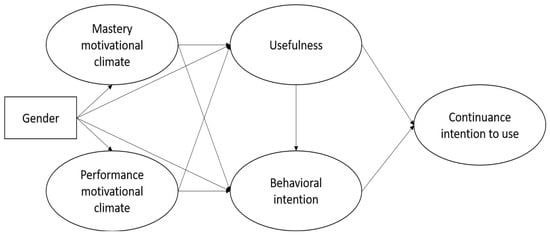
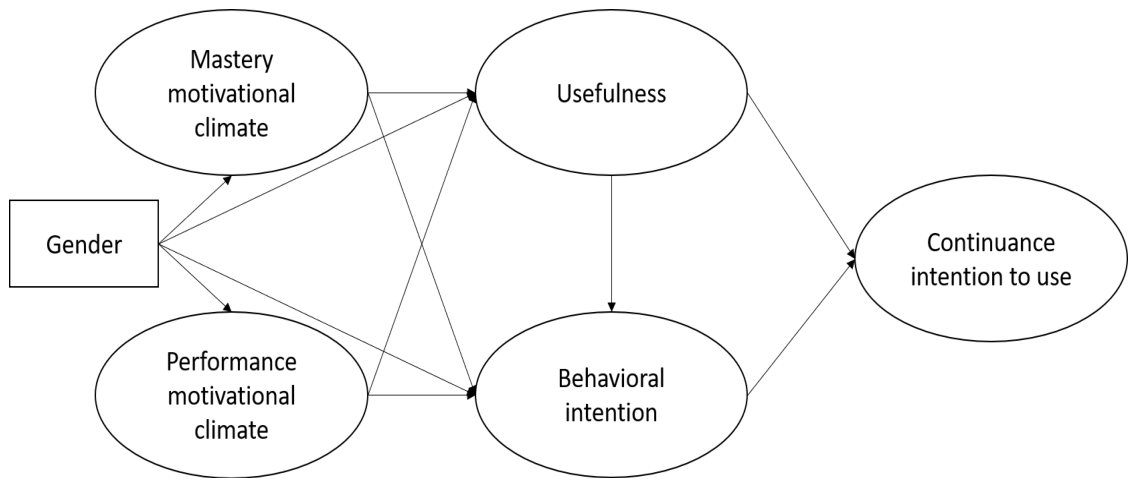
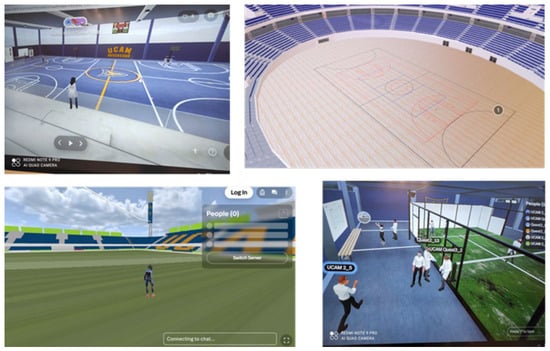
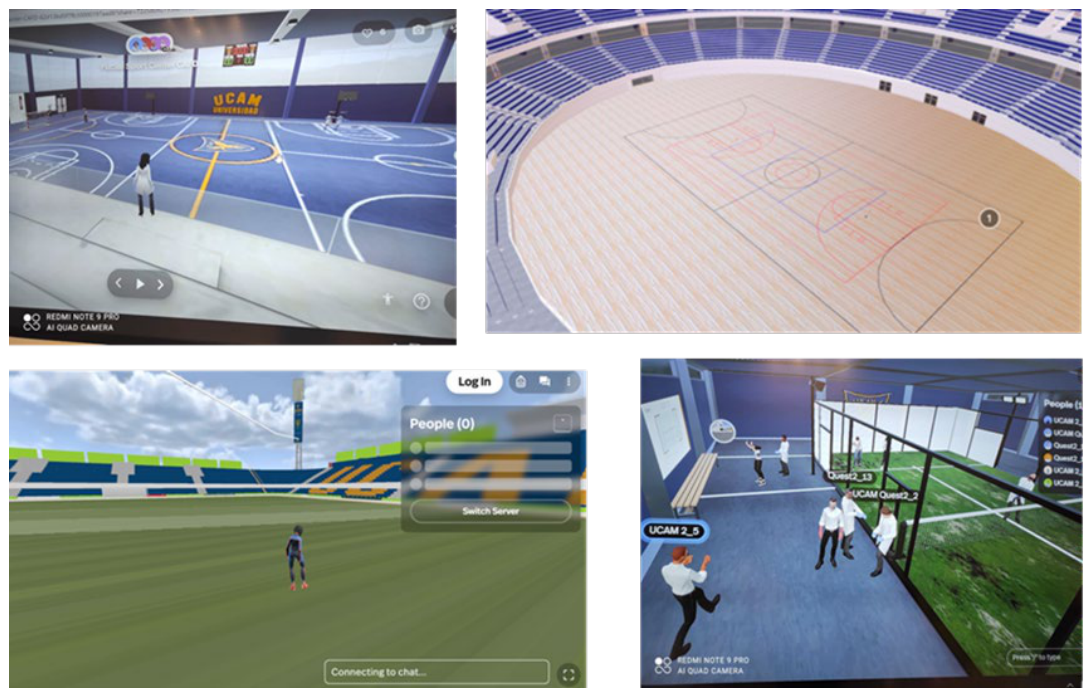
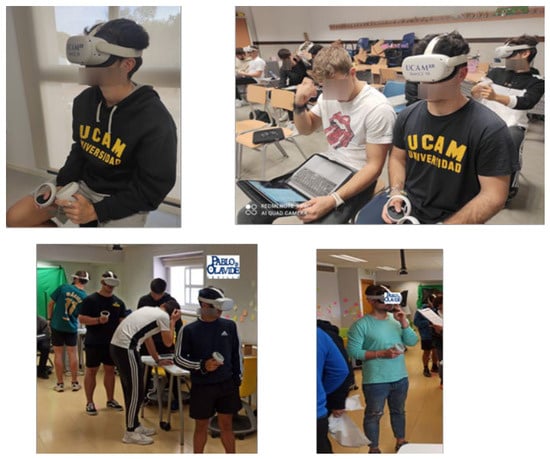
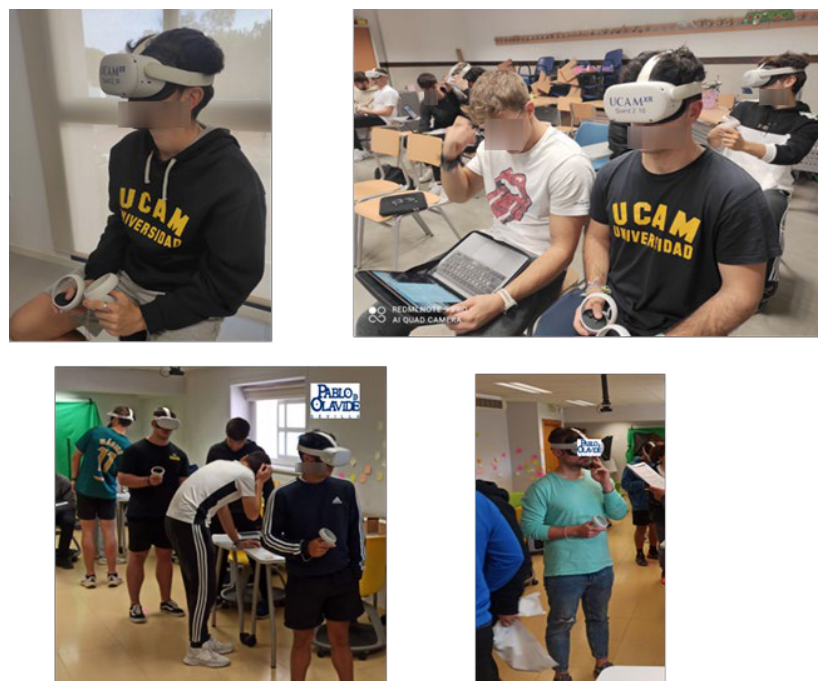
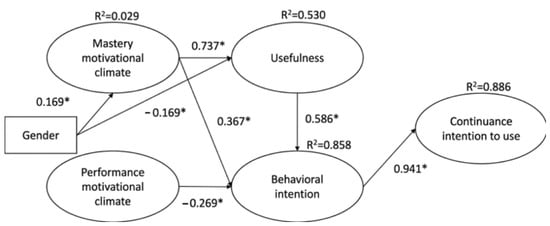
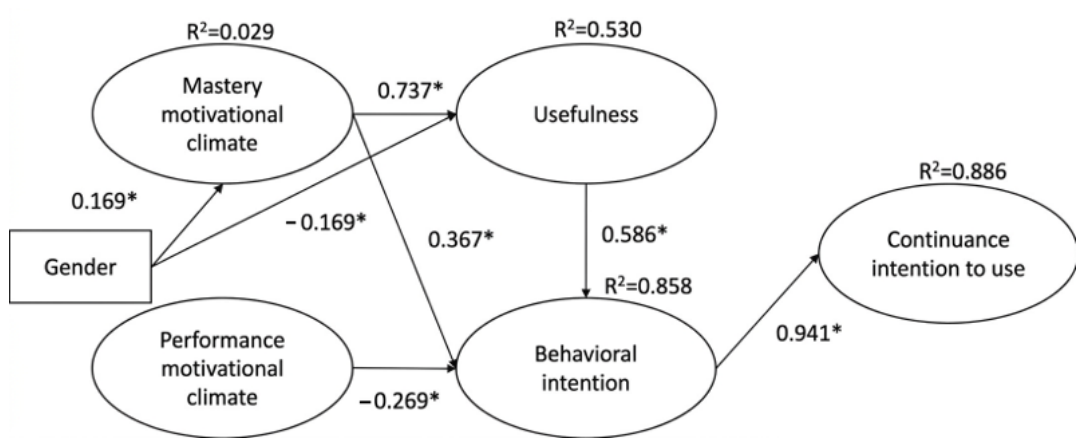

Disclaimer/Publisher’s Note: The statements, opinions and data contained in all publications are solely those of the individual author(s) and contributor(s) and not of MDPI and/or the editor(s). MDPI and/or the editor(s) disclaim responsibility for any injury to people or property resulting from any ideas, methods, instructions or products referred to in the content. |
© 2026 by the authors. Licensee MDPI, Basel, Switzerland. This article is an open access article distributed under the terms and conditions of the Creative Commons Attribution (CC BY) license.