


Abstract
Background: As digital technologies permeate every corner of academic life, post-secondary students find themselves navigating an escalating tide of screen-mediated demands that blur boundaries between study, social connection, and rest. This cross-sectional investigation examined how digital burnout (operationalized through its emotional-exhaustion core) relates to anxiety among 539 undergraduates, while exploring the potentially buffering roles of self-regulated learning strategies and the amplifying effects of maladaptive cognitive emotion regulation. Methods: Structural equation modeling was leveraged to test a path model combining a mediation test with a separate moderation test of the direct statistical association between digital burnout and anxiety, assembling previously isolated constructs into a unified framework. Results: The analyses revealed that digital burnout was positively associated with anxiety, while self-regulated learning strategies showed a robust negative association with anxiety, independent of burnout levels. Contrary to expectations, self-regulated learning did not significantly mediate the burnout-anxiety relationship; likewise, maladaptive cognitive emotion regulation did not significantly moderate this association. Conclusions: These findings position digital burnout as a meaningful psychological strain in contemporary higher education, one whose statistical connection with anxiety appears to operate through direct paths rather than through detected changes in self-regulatory capacities. The evidence signals a need for institutions to recognize digital exhaustion as a legitimate mental health concern and to cultivate students’ self-regulated learning skills, which were negatively related to anxiety in this sample.
1. Introduction
The proliferation of digital technologies has fundamentally reshaped how individuals engage with daily life, social interaction, and learning. In contemporary higher education, students continuously interact with online platforms, virtual classrooms, and near-constant connectivity, so that academic activity can operate simultaneously as an opportunity and as a source of chronic strain (Zheldibayeva et al., 2025; Yun & Kim, 2025). While digital platforms offer unprecedented room for information access and academic engagement, the omnipresence of screens and constant connectivity blur the boundaries between study, leisure, and rest, heightening vulnerability to novel psychological challenges that warrant scholarly attention. The COVID-19 pandemic significantly accelerated digital transformation processes, resulting in a widespread reliance on digital tools for instruction, communication, and mental health support, which has intensified scholarly interest in the concept of digital well-being (Neagu & Vieriu, 2025; Saleem et al., 2024).
Today’s students, often characterized as digital natives, paradoxically remain susceptible to the adverse consequences of the very technologies they have grown up with. University students who reported high levels of digital fatigue during remote learning were more likely to exhibit lower academic resilience and increased symptoms of academic withdrawal, with these effects compounded by digital task-switching, where students alternate rapidly between multiple online platforms and tasks, generating further cognitive strain (An et al., 2025). In particular, the phenomenon of digital burnout—a syndrome characterized by “fatigue and stress due to the time spent on digital media and devices” (Savaş et al., 2025, p. 2)—has emerged as a pressing concern in contemporary educational psychology.
Concurrently, anxiety disorders remain among the most prevalent mental health conditions affecting student populations globally (Bie et al., 2024), with recent investigations revealing alarming prevalence rates that threaten academic achievement, interpersonal relationships, and overall well-being (Alzahrani et al., 2025; Wang et al., 2025). Anxiety disrupts cognitive focus and emotional equilibrium, impairing performance in exams (Rožman et al., 2025). In a recent survey, 65% of students reported anxiety and frustration related to constant digital interruptions, overwhelming information flow, and difficulty adapting to new learning technologies (Daud, 2025).
Against this backdrop, the pathways linking digital burnout to anxiety remain an underexplored frontier in psychological research, particularly when viewed through the lenses of adaptive learning mechanisms and emotion regulation patterns that could either accompany a weaker or a stronger association between the two. Although burnout has been extensively studied within occupational contexts since Maslach and Jackson’s (1981) seminal work, its digital manifestation among students remains relatively nascent as a research domain. Durmuş et al. (2022) documented concerning rates of digital burnout among nursing students, while Sismondini (2025) highlighted that young Europeans increasingly report exhaustion from digital engagement, signaling a generational shift in technology-related distress. These findings suggest that digital burnout is not merely an artifact of pandemic-era remote learning but rather a persistent phenomenon requiring sustained scholarly investigation.
The coincidence of digital technology demands and academic pressures has created a critical psychological health concern among students (Chen et al., 2025; Ibrahim et al., 2025a; Madrid-Cagigal et al., 2025). However, no study has thus far specifically evaluated digital burnout as a distinct construct from traditional academic burnout in relation to anxiety symptomatology. Furthermore, the specific processes through which digital-related stressors may be associated with psychological well-being remain insufficiently understood. No comprehensive framework has emerged to explain how digital exhaustion relates to anxiety in conjunction with self-regulatory behavior and maladaptive emotional processing. Existing research has predominantly focused on direct associations between technology use and psychological outcomes, and less attention has been paid to the interplay of cognitive, emotional, and behavioral factors that may mediate or moderate these associations. Traditional burnout research, rooted in occupational contexts, has illuminated the association of exhaustion with poorer mental health (Chaves-Montero et al., 2025; Glandorf et al., 2025; Otukoya et al., 2025), but the uniquely digital variant linked to screen fatigue, information overload, and perpetual online engagement still remains to be more fully examined. Existing scholarship reveals fragmented insights: while general burnout reportedly correlates with anxiety across diverse demographics (Agyapong et al., 2022; Ryan et al., 2023), reliable studies on digital burnout are meager (particularly among student samples) and overlook the direct statistical conduit to anxiety.
The absence of research examining self-regulated learning as a potential statistical mediator between digital burnout and anxiety represents a significant oversight, given that burnout states have been reported to accompany reduced cognitive resources available for effective self-regulation (Chmiel & Malinowska, 2025). Additionally, while maladaptive cognitive emotion regulation has been linked to heightened anxiety (Yao et al., 2023; Malik & Perveen, 2023), its role in moderating the digital burnout–anxiety association has not been empirically tested.
Compounding this gap, the present cross-sectional correlational study aims to investigate the associations of maladaptive cognitive emotion regulation strategies and self-regulated learning strategies with the relationship between digital burnout and anxiety among university students, thereby describing patterns that either accompany a weaker or a stronger psychological vulnerability in higher education. Within this aim, the two regulatory constructs occupy a central conceptual position: self-regulated learning strategies are treated as a personal resource that may co-occur with lower anxiety under digital strain, whereas maladaptive cognitive emotion regulation is treated as a cognitive vulnerability factor that may be associated with intensified anxiety in the context of digital exhaustion.
Hypothesis Development
Digital burnout emerges as a contemporary affliction, encapsulating the emotional exhaustion arising from protracted exposure to digital technologies, akin to yet distinct from traditional occupational burnout by its roots in virtual overload and techno-stressors (Da Silva et al., 2024). Scholarship portrays it as a multifaceted construct, intertwining fatigue, cynicism, and diminished efficacy within digital realms (Savaş et al., 2025), particularly pronounced among students navigating online learning demands (Polat, 2025). Past research on digital burnout underscores its prevalence in educational settings, where excessive screen time correlates with emotional depletion and reduced motivation, often compounded by the COVID-19 pivot to virtual modalities (Choi & Kim, 2024; Zhan & Ding, 2025).
Anxiety, in this context, is treated here as a pervasive outcome variable, reflecting heightened states of worry, physiological arousal, and cognitive interference that have been associated with impaired daily functioning and academic persistence (Horton et al., 2024; Shepherd et al., 2026). Anxiety, as a core psychological construct, has been extensively documented in student cohorts, affirming its bidirectional entanglements with academic stressors and somatic complaints (Gavurova et al., 2022; Lu et al., 2025; Lunhua, 2025). The conceptual link between digital burnout and anxiety can be articulated through multiple pathways.
Technostress (a harmful psychological response to the use of technology) was documented as a significant correlate of academic burnout (Avci, 2025), and given the reported relationship between burnout and anxiety in educational contexts, a similar associative pattern is plausible for digital burnout. The proposition that prolonged exposure to digital stressors is accompanied by depleted emotional resources and greater psychological vulnerability provides a conceptual rationale for testing the associative link between digital burnout and anxiety symptomatology. Accordingly, the first research question (RQ1) was formulated as follows: Is digital burnout associated with anxiety among university students? Therefore, the following hypothesis was posed:
H1.
Digital burnout is positively associated with anxiety.
Self-regulated learning strategies denote proactive cognitive and metacognitive processes that enable students to manage their learning processes (Lourenço et al., 2025; Shamla & Jayan, 2025). These strategies encompass rehearsing, planning, self-monitoring, and reflection activities that facilitate academic achievement and psychological adjustment (Hemmler & Ifenthaler, 2024; Youssef & Alibraheim, 2025). Self-regulated learning refers to a proactive cycle in which learners monitor and adjust their cognitive strategies and emotional states as they pursue their personal learning targets (Theobald, 2021).
While no direct empirical evidence exists linking digital burnout and self-regulated learning, metacognitive strategies and self-efficacy for learning had negative relationships with students’ procrastination (García-Ros et al., 2023), suggesting that burnout-related exhaustion may similarly co-occur with diminished self-regulatory capacities. The second research question (RQ2) was hence formulated as follows: Is digital burnout associated with the use of self-regulated learning strategies? With that in mind, the following hypothesis was proposed:
H2.
Digital burnout is negatively associated with the use of self-regulated learning strategies.
The Control-Value Theory (Pekrun, 2006) suggests that appraisals and reactions can be regulated, as students can learn to adjust their appraisals of value and control or cope with their emotional responses (Wolff, 2026). You and Kang (2014) revealed a significant negative link between academic self-regulation and anxiety, indicating that students with stronger self-regulatory capacities tend to report lower anxiety levels. The third research question (RQ3) was consequently stated as follows: Is the use of self-regulated learning strategies associated with anxiety over and above digital burnout? The theoretical reasoning combined with the available evidence leads to the following hypothesis:
H3.
The use of self-regulated learning strategies is negatively associated with anxiety, after controlling for digital burnout.
The potential role of self-regulated learning strategies as a statistical mediator in the association between stress and psychological outcomes has conceptual and empirical grounding. Academic procrastination has been reported to partially account for the relationship between self-regulated learning and students’ academic stress, personal well-being, and academic achievement (García-Ros et al., 2023). Given that self-regulated learning strategies represent a malleable psychological resource that may co-vary with burnout yet serves protective functions against anxiety, these strategies could plausibly function as a statistical pathway connecting digital burnout with anxiety levels. The fourth research question (RQ4) was therefore formulated as follows: Do self-regulated learning strategies statistically mediate the association between digital burnout and anxiety? Hence, the following mediation hypothesis was formulated:
H4.
Self-regulated learning strategies statistically mediate the association between digital burnout and anxiety.
Maladaptive cognitive emotion regulation encompasses counterproductive tactics such as rumination and self-blame, which have been reported to sustain negative emotional cycles rather than to resolve them (Zhang et al., 2024). Nadia Garnefski, a clinical psychologist, proposed nine cognitive emotion regulation strategies, namely self-blame, rumination, catastrophizing, other-blame, acceptance, positive refocusing, refocusing on planning, putting into perspective, and positive reappraisal, with the first four strategies typically classified as maladaptive (Garnefski & Kraaij, 2018).
A correlational study (Malik & Perveen, 2023) documented that participants’ anxiety was positively associated with the use of maladaptive cognitive emotion regulation strategies among university students. A meta-analysis of 53 studies (Yao et al., 2023) found that anxiety was positively correlated with maladaptive strategies. Moreover, prior work indicates that anxious individuals are more likely to report unhelpful strategies for managing their feelings, such as dwelling on problems and magnifying their perceived severity (Niu et al., 2023).
While no studies have directly examined maladaptive cognitive emotion regulation as a moderator of the digital burnout–anxiety nexus, a cross-lagged analysis (Huang et al., 2026) revealed that prospective associations from maladaptive strategies to subsequent internalizing problems were weak, whereas internalizing problems at baseline more strongly preceded subsequent maladaptive processing. On this conceptual basis, individuals who characteristically rely on maladaptive patterns when confronting technology-related stressors may exhibit a stronger association between digital burnout and anxiety compared to those employing more adaptive regulatory approaches. The fifth research question (RQ5) was consequently articulated as follows: Does maladaptive cognitive emotion regulation condition the association between digital burnout and anxiety? Consequently, the final hypothesis was proposed:
H5.
Maladaptive cognitive emotion regulation moderates the association between digital burnout and anxiety, such that the association is stronger at higher levels of maladaptive regulation.
2. Theoretical Framework
The conceptual framework for this investigation rests primarily on the digital stress-psychological health framework proposed by Ibrahim et al. (2025b), which describes patterns of association between digital-related stressors and general psychological health. This framework posits that digital burnout arises alongside three primary contributing factors: digital aging (the obsolescence of digital skills and the continuous pressure to update technological competencies), digital deprivation (limited access to or control over essential digital resources), and emotional exhaustion (the depletion of emotional resources through sustained digital engagement). These elements collectively reflect the multifaceted toll of prolonged digital exposure in academic environments, where students must navigate evolving technological demands while managing traditional academic pressures (Zou et al., 2025).
Within this framework, digital burnout occupies a central position as both an outcome of digital stressors and a correlate of compromised psychological health. The model suggests that the emotional-exhaustion component of digital burnout may act as a primary conduit through which technological demands are associated with psychological distress, including heightened anxiety. This conceptualization aligns with the Conservation of Resources Theory (Hobfoll, 1989), which posits that individuals tend to acquire, maintain, and protect their own resources; when resources are threatened or lost, stress responses are triggered (Cai et al., 2025). In the context of educational digitalization, students continuously adapt to new technologies, which is likely to consume cognitive, emotional and temporal resources, and this pattern is consistent with subsequent psychological vulnerabilities (Tian & Zhang, 2025).
Within the same resource-based logic, self-regulated learning strategies can be understood as key personal resources in digitalized study environments. Planning, self-monitoring, and adaptive strategy use can help students invest finite cognitive and emotional resources efficiently (Seufert et al., 2024). By systematically regulating their learning processes, students can sustain goal pursuit under pressure and preserve a sense of control that is associated with restraint of further resource loss and with lower levels of academic burnout (Liu et al., 2025). Rich self-regulatory repertoires are therefore expected to accompany lower anxiety even when digital exhaustion is pronounced, whereas prolonged digital exhaustion has been reported to gradually co-vary with reductions in the energetic reservoir on which such regulation draws.
Maladaptive cognitive emotion regulation, by contrast, represents a recurrent, resource-consuming response style: self-blame, rumination, catastrophizing, and blaming others tend to prolong negative affect and to deepen, rather than repair, resource depletion (Brueckmann et al., 2025; Iuga et al., 2025; Zuo et al., 2024). Habitual reliance on such strategies may accordingly amplify the translation of digital exhaustion into anxiety, which is consistent with the loss-spiral principle of the Conservation of Resources Theory, namely the proposition that initial resource loss begets further loss (Sonnentag & Meier, 2024). Integrating these propositions, the hypothesized model positions digital burnout as the focal stressor, anxiety as the focal psychological health outcome, self-regulated learning strategies as a potential mediating personal resource, and maladaptive cognitive emotion regulation as a potential vulnerability factor that conditions the stressor–strain association.
3. Methods
3.1. Design
This study investigated potential significant associations among selected measurable variables using an explanatory, non-experimental quantitative design with a cross-sectional correlational structure. Data were collected through an anonymous, self-administered, voluntary online survey. The target population consisted of undergraduate students at all year levels enrolled at five universities in an Asian country.
3.2. Sample
The minimum required sample size (n = 393) was determined through an a-priori power analysis for the hypothesized path model, with a small target effect size (f2 = 0.02), a power level of 0.80, an alpha of 0.05, and one degree of freedom for the interaction term. To ensure the stability of the measurement model (comprising 43 items across eight latent factors) a 10:1 subject-to-item ratio (Raynes & Dobkins, 2026) was also leveraged, implying a minimum of 430 respondents. To account for an anticipated 15% data loss due to attrition, initial recruitment aimed for 500 participants.
Following approval from the authors’ institutional ethics committee, the research team reached out to the administrations of the five universities, requesting that the online survey link be distributed to all registered undergraduates across various majors via the respective deans’ offices. A non-probability convenience sampling technique was therefore applied: invitations reached only students enrolled at the five cooperating institutions, and participation was open to all registered undergraduates willing to respond. The only eligibility criterion was current enrollment in a bachelor’s degree program. University staff responsible for dissemination were asked to inform potential respondents about the purpose of the research. Participation was optional, with no incentives offered. Students were assured that all personal information would be handled with strict confidentiality. Informed consent was implied by completion and submission of the survey.
Ultimately, approximately 700 students were invited to participate in the study, of whom 561 actually completed the form between May and November 2025. Since all items were obligatory, the dataset contained no missing values. However, data screening identified 22 submissions in which the same response option had been endorsed across every item of the survey (straight-line responding); these cases were subsequently removed. This left 539 valid responses for the final analysis. The baseline information on the participants is presented in Table 1.
Table 1.
Participants’ demographics.
3.3. Instrumentation
3.3.1. Digital Burnout
Emotional exhaustion is widely regarded as the central, most sensitive, and most thoroughly analyzed dimension of the burnout syndrome (Alexaki et al., 2025; Clarke et al., 2024; Martínez-Líbano, 2025), and resource-based accounts conceptualize burnout primarily as the depletion of emotional and energetic resources (Polkinghorne et al., 2025; Sha & Chang, 2025). This centrality is not merely definitional. An argument has been advanced specifically for exhaustion as the component of occupational distress carrying the clearest and most consistent nomological signal, to the point that health experts from 29 countries have proposed reframing job-related burnout around its exhaustion-centered core rather than around the full multidimensional structure (Bianchi & Schonfeld, 2021). Meta-analytic evidence further indicates that exhaustion is more closely associated with depressive symptoms than are the other putative dimensions of burnout (Bianchi et al., 2021), which supports treating exhaustion as the component that carries the strongest nomological signal into internalizing outcomes. This measurement choice also has direct empirical precedent: in their survey among university students, Tufan et al. (2026) evaluated digital burnout exclusively through the six-item emotional-exhaustion subscale of the Digital Burnout Scale, treating it as an adequate stand-alone indicator of digital burnout for the purposes of testing its links to psychological well-being. This study therefore leveraged the notion of emotional exhaustion as the core component of burnout and operationalized digital burnout through this core, an approach that also mirrors the theoretical framework adopted herein, in which emotional exhaustion is treated as the primary conduit through which digital demands are associated with psychological distress (Ibrahim et al., 2025b). With that in mind, the emotional exhaustion subscale of the Digital Burnout Scale (Tufan et al., 2026) was deployed. Participants rated each of the six items (e.g. “I feel worthless when I use digital devices excessively”) on a 1 (“totally disagree”) to 5 (“totally agree”) scale. A higher score reflects greater levels of digital burnout. Internal consistency for the instrument was found to be excellent in the present study (random method split-half reliability = 0.91).
3.3.2. Self-Regulated Learning Strategies Use
To gauge students’ self-regulated learning strategies usage quotient, the researchers employed the self-regulated learning strategies subscale of the Motivated Strategies for Learning Questionnaire (MSLQ; Pintrich & De Groot, 1990) comprising 22 items that occupy two dimensions: cognitive strategy use (12 items) and self-regulation (10 items). Respondents were tasked with self-rating each statement using a spectrum of agreement between 1 (“not at all true of me”) and 7 (“very true of me”). The higher the overall score, the stronger the individual’s propensity to apply self-regulated learning strategies. The scale yielded acceptable internal consistency in the current sample (split-half reliability = 0.72).
3.3.3. Anxiety
Anxiety was assessed via the seven-item anxiety component of the Depression, Anxiety, and Stress Scale-21 (DASS-21; Lovibond & Lovibond, 1995). For each item (e.g., “I was scared for no reason”), survey respondents expressed the degree to which it was characteristic of their feelings and behaviors during the past seven days. The scoring mechanism required a selection from four ordered categories: from zero corresponding to complete absence of the statement’s content up to three representing maximum applicability or constant presence. This survey had good internal consistency (split-half reliability = 0.84).
3.3.4. Maladaptive Cognitive Emotion Regulation
The authors utilized the short 18-item form of the Cognitive Emotion Regulation Questionnaire (CERQ-short; Garnefski & Kraaij, 2006) to quantify the maladaptive side of the eponymous variable. The instrument is designed to capture maladaptive cognitive processes engaged by persons when attempting to manage their emotions in response to stressful situations through adaptive and maladaptive mechanisms. This study narrowed the CERQ-short to the maladaptive dimension to evaluate participants’ characteristic cognitive strategies employed during the regulation of emotions following stressful life events. The component specifically targets dysfunctional mechanisms and comprises eight items distributed across four distinct subscales (two items each): self-blame, rumination, catastrophizing, and blaming others. Participants rated the applicability of each statement on a 5-point frequency scale, ranging from 1 (“almost never”) to 5 (“almost always”). A higher score signifies a greater reliance on these ineffective strategies. In the present sample, the inventory had an acceptable internal consistency (split-half reliability = 0.77).
3.4. Data Collection
Survey respondents completed the study using an online platform, requiring a time commitment of roughly 25 min. The electronic questionnaire was structured into three distinct segments: an opening brief detailing the research objectives, a collection of participant background information, and the quartet of previously mentioned measures. To accommodate the participants’ native tongue, the assessment tools underwent a rigorous linguistic adaptation. The survey was administered in Russian. Forward and backward translation of all four instruments was performed by a certified translator affiliated with the Department of Linguistics at the authors’ institution, and an expert review of the translated materials was performed by experienced teachers at the Department of General and Applied Psychology. Before the primary data collection, the survey was field-tested with a small group of nine undergraduate students (excluded from the final data set). This pilot phase aimed to ensure that the instructions and statements were easily understood. As the trial revealed no ambiguities or technical flaws, the finalized version was cleared for full implementation.
3.5. Data Analysis
All analyses were executed in R (version 4.6.0). Preliminary checks included descriptive statistics, bivariate correlations, and assumption testing (Kaiser–Meyer–Olkin measure and Bartlett’s test for factorability; Mardia’s test for multivariate normality). Confirmatory factor analysis (CFA) evaluated the measurement model, with model fit judged against conventional criteria. In accordance with the theoretical structure of the instruments, self-regulated learning strategies use was specified as a second-order construct comprising two first-order factors (cognitive strategy use and self-regulation), and maladaptive cognitive emotion regulation was specified as a second-order construct comprising four first-order factors (self-blame, rumination, catastrophizing, and blaming others). Discriminant validity was therefore assessed at the level of the four theoretically distinct constructs actually entered into the structural model (digital burnout, anxiety, self-regulated learning strategies use, and maladaptive cognitive emotion regulation), rather than across constructs and their own sub-dimensions. Two complementary criteria were used: the Fornell–Larcker criterion (square root of the average variance extracted compared with inter-construct correlations) and the heterotrait–monotrait ratio of correlations (HTMT). HTMT values below 0.85 were treated as clear evidence of discriminant validity, and values below 0.90 as acceptable, in line with common thresholds (Hair et al., 2019). Reliability was estimated with Cronbach’s alpha and composite reliability coefficients, and convergent and discriminant validity were examined through the average variance extracted and the Fornell–Larcker criterion.
The path model, which included a mediation test combined with a separate moderation test of the direct statistical association between digital burnout and anxiety, equivalent to Model 5 in the PROCESS framework (Hayes & Rockwood, 2020), was tested using robust maximum likelihood estimation to account for potential multivariate non-normality. Prior to estimation, the continuous variables were centered through standardization (converted to z-scores with a mean of 0 and a standard deviation of 1) using the scale function in R, and the interaction term was created dynamically inside the lavaan model syntax using the colon operator. Standard errors and 95% confidence intervals (CIs) for the indirect path and for the conditional direct associations of digital burnout with anxiety at ±1 standard deviation (SD) of the moderator were calculated using the multivariate delta method with robust standard errors. In this report, an association is labeled as statistically significant when its 95% CI excludes zero.
Given that participants were nested within five universities, a formal multilevel structural equation model was not fitted, because most methodologists recommend at least 20–30 clusters for reliable estimation of variance components (Li & Jia, 2026), and with fewer than 10 clusters random-effects estimates become unstable and CIs unreliable. Consequently, single-level structural equation modeling was retained.
4. Results
Descriptive statistics revealed that university students reported moderate levels of digital burnout (M = 3.10, SD = 0.79) and relatively low anxiety (M = 1.41, SD = 0.72), while self-regulated learning strategies use was slightly below the scale midpoint (M = 3.64, SD = 0.70), and maladaptive cognitive emotion regulation strategies were employed at a moderate intensity (M = 3.33, SD = 0.67). Reliability was satisfactory across the constructs and their dimensions: Cronbach’s alpha coefficients ranged from 0.70 to 0.94, and composite reliability coefficients ranged from 0.70 to 0.91. Bivariate correlations (Table 2) indicated a positive association between digital burnout and anxiety (r = 0.27), a negative link between self-regulated learning strategies use and anxiety (r = −0.34), and negligible relations involving maladaptive strategies.
Table 2.
Descriptive statistics, standardized factor loadings, and average variance extracted for the study variables.
Assumption checks supported the suitability of the data for structural modeling: the Kaiser-Meyer-Olkin measure and Bartlett’s test of sphericity confirmed the factorability of the item covariance matrices, skewness and kurtosis values remained within conventional bounds, and Mardia’s test indicated departures from multivariate normality, which justified the use of robust estimation. The confirmatory factor analysis yielded excellent model fit (Table 3), meeting conventional cutoffs. All standardized factor loadings were statistically significant and ranged from 0.632 to 0.937, and the average variance extracted ranged from 0.468 to 0.828 (Table 2). Although the values for cognitive strategy use (0.468) and self-regulation (0.481) fell marginally below the 0.50 benchmark, the corresponding composite reliability coefficients exceeded 0.90, which supports adequate convergent validity.
Table 3.
Fit indices for the measurement model against recommended thresholds.
Discriminant validity was assessed at the level of the four theoretically distinct constructs entered into the structural model, treating self-regulated learning strategies use and maladaptive cognitive emotion regulation as second-order factors. Under this specification, the Fornell–Larcker criterion was met: the square root of the average variance extracted for each of the four constructs exceeded its correlation with every other construct (Table 4).
Table 4.
Discriminant validity results.
The HTMT values among the four constructs were likewise well below the 0.85 threshold (all HTMTs ≤ 0.42). These results provide convergent evidence of discriminant validity (Table 5).
Table 5.
Discriminant validity results (heterotrait–monotrait ratio of correlations).
The hypothesized path model was estimated with robust maximum likelihood estimation (Table 6). Digital burnout was positively associated with anxiety (B = 0.294, SE = 0.037, 95% CI [0.221, 0.367]), supporting H1. Contrary to H2, digital burnout was not significantly associated with the use of self-regulated learning strategies (B = 0.061, SE = 0.042, 95% CI [−0.021, 0.143]). The use of self-regulated learning strategies was negatively associated with anxiety after accounting for digital burnout (B = −0.354, SE = 0.036, 95% CI [−0.424, −0.285]), consistent with H3. The main association of maladaptive cognitive emotion regulation with anxiety was positive but not significant (B = 0.064, SE = 0.040, 95% CI [−0.014, 0.142]). The model accounted for 21% of the variance in anxiety (R2 = 0.21).
Table 6.
Unstandardized and standardized estimates for the hypothesized path model.
The indirect association of digital burnout with anxiety through self-regulated learning strategies was small and did not reach statistical significance (B = −0.022, SE = 0.015, 95% CI [−0.051, 0.008]), providing no support for H4. Because the path from digital burnout to self-regulated learning strategies was not significant, the indirect path cannot be read as evidence that digital burnout is associated with reduced self-regulatory capacities. The hypothesized moderation by maladaptive cognitive emotion regulation strategies of the association between digital burnout and anxiety was likewise not significant (B = 0.038, SE = 0.039, 95% CI [−0.038, 0.114]), so H5 was not supported. For descriptive purposes, the simple associations of digital burnout with anxiety at low (−1 SD; B = 0.256, SE = 0.055, 95% CI [0.149, 0.363]) and high (+1 SD; B = 0.332, SE = 0.053, 95% CI [0.228, 0.436]) levels of maladaptive strategies are depicted in Figure 1.
Figure 1.
Simple associations between digital burnout and anxiety at low (−1 SD) and high (+1 SD) levels of maladaptive cognitive emotion regulation strategies
Both conditional associations were individually different from zero, but this pattern does not indicate that they differ from each other, because the corresponding interaction effect was not significant; accordingly, no moderating role of maladaptive cognitive emotion regulation can be claimed. The total association between digital burnout and anxiety at the mean level of the moderator was also significant (B = 0.272, SE = 0.040, 95% CI [0.194, 0.351]). The structural model (Figure 2) summarizes the standardized path coefficients, highlighting the positive association of digital burnout with anxiety alongside the negative association of self-regulated learning strategy use with anxiety.
Figure 2.
Path model with standardized coefficients for the hypothesized model. Solid lines denote statistically significant paths; dashed lines denote non-significant paths.
5. Discussion
This investigation set out to clarify how exhaustion from digital technologies is statistically related to anxiety in university students, and whether two internal resources (self-regulated learning strategies and maladaptive cognitive emotion regulation) are implicated in that pattern of association. The findings offer a differentiated picture: strong support for a positive association between digital burnout and anxiety and for a negative association between self-regulated learning and anxiety, alongside no evidence that these regulation systems statistically transmitted or conditioned the digital burnout–anxiety link in this sample.
H1 was clearly supported. Digital burnout showed a moderate, positive association with anxiety, and this path remained robust in the structural model. In statistical terms, this indicates that, even after accounting for self-regulated learning and maladaptive cognitive emotion regulation, higher levels of digital exhaustion were associated with more intense anxiety symptoms. This result converges with prior evidence that techno-overload relates to stronger anxiety (Galvin et al., 2022), whereas technological ease and reliability are related to less severe anxiety (Vallone et al., 2023). The standardized magnitude of the association (β = 0.295) falls within the small-to-moderate range commonly reported for technology-related stressors and internalizing outcomes (Almakrob & Alduais, 2026; Lițan, 2025), suggesting that the digital manifestation of burnout behaves comparably to its occupational counterpart as a correlate of distress. The significant path from digital burnout to anxiety observed here is consistent with the guiding framework (Ibrahim et al., 2025b), in which emotional exhaustion is theorized as the core conduit associated with the translation of digital demands into internalizing symptoms.
H2 was not confirmed: the association between digital burnout and the use of self-regulated learning strategies was close to zero and non-significant, indicating that, in this sample, feeling digitally depleted did not coincide with a marked reduction in self-declared cognitive and metacognitive learning behaviors. One plausible interpretation is that emotional exhaustion in digital environments is primarily an affective state, which does not automatically coincide with disengagement from established study strategies that are reinforced by course structures, assessment demands, and routinized habits. This pattern is compatible with evidence that exhaustion co-varies more strongly with motivational failures such as procrastination (Dong et al., 2026) than with the broader repertoire of learning strategies measured here: digitally induced exhaustion may erode the will to deploy strategies before it erodes knowledge of them.
H3 received strong empirical support: more frequent use of self-regulated learning strategies was associated with lower anxiety, even when digital burnout was included in the model, and this path carried the largest standardized coefficient in the model (β = 0.355). Comparable negative links between academic self-regulation and anxiety have been documented previously (Wu et al., 2022), and the direction identified here accords with the Control-Value Theory (Pekrun, 2024): students who plan, monitor, and adjust their learning are likely to appraise academic demands as more controllable, and higher perceived control is tied to lower anxiety (Bektas et al., 2025; Youssef & Alibraheim, 2025). Meta-analytic work further connects self-regulated learning with favorable academic functioning (Dent & Koenka, 2016), which may be indirectly related to lower performance-related worry. Notably, self-regulated learning was associated with anxiety independently of the level of digital burnout, which points to parallel statistical associations rather than a sequential consequence of reduced burnout.
Concerning H4, the mediation hypothesis was not supported. Because the path from digital burnout to self-regulated learning did not differ from zero, the small negative indirect estimate cannot be interpreted as evidence that digital burnout is associated with a decline in self-regulatory capacities that would in turn accompany greater anxiety; it merely reflects the combination of a near-zero a-path with the negative association between self-regulated learning and anxiety. In other words, the data provide no indication that digital burnout is systematically associated with the extent to which students engage in self-regulated learning, and hence no indirect association through this channel could arise. Digital exhaustion appears to be associated with anxiety through a direct statistical path, whereas self-regulated learning accompanies lower anxiety independently of burnout levels.
As per H5, the moderation hypothesis was not supported. The interaction term did not attain statistical significance, so formal support for moderation was absent. The main association of maladaptive cognitive emotion regulation with anxiety was likewise non-significant. Although the simple associations of digital burnout with anxiety were individually significant at low and at high levels of maladaptive strategies, individually significant slopes do not imply that the slopes differ from one another, because the difference between conditional associations is tested exclusively by the interaction term (Cotter et al., 2023). Consequently, no moderating role of maladaptive cognitive emotion regulation can be claimed for this dataset. This null finding is noteworthy against the backdrop of meta-analytic evidence that self-blame, rumination, and catastrophizing are reliably, albeit modestly, associated with anxiety (Aldao et al., 2010; Schäfer et al., 2017; Yao et al., 2023). Several factors may explain the divergence: the relatively low mean anxiety in this non-clinical sample may have restricted variance; maladaptive cognition may relate to distress additively rather than by selectively accompanying stronger associations of digital exhaustion with anxiety; and longitudinal evidence indicates that internalizing symptoms prospectively precede maladaptive cognition more strongly than the reverse (Huang et al., 2026), implying that any conditioning pattern may unfold over time rather than within a single measurement occasion.
The robust link between digital burnout and anxiety dovetails with contemporary research on technostress and digital well-being in higher education. Studies of technostress among students consistently document that difficulty adapting to digital tools, constant connectivity, and information overload are associated with higher anxiety, reduced concentration, and poorer academic outcomes (Cataldo et al., 2023). The present findings echo the framework (Ibrahim et al., 2025b), in which emotional exhaustion is treated as the primary conduit that is theorized to be associated with the translation of digital demands into internalizing symptoms; the significant path from digital burnout to anxiety observed here is in line with this logic and mirrors evidence that digital stress and low digital well-being correlate with poorer mental health indicators among university students (Andersen et al., 2026; Qiu et al., 2024).
5.1. Contributions to Research and Practice
This study makes several contributions to the evolving literature on digital well-being and student mental health. Conceptually, the work is among the first to embed digital burnout, self-regulated learning, maladaptive cognitive emotion regulation, and anxiety within a single structural framework in a university population. Much prior research has examined these constructs in isolation: digital burnout or technostress on one side, self-regulated learning or emotion regulation on the other. Estimating the four constructs simultaneously allowed their unique, incremental associations to be separated, clarifying where each construct does and does not matter.
Empirically, the findings reinforce the notion that digital burnout is more than a transient inconvenience (Balaskas et al., 2025); it is a meaningful correlate of clinically relevant anxiety symptoms, even when accounting for strong covariates such as self-regulated learning. At the same time, the strong negative connection between self-regulated learning strategies and anxiety highlights that skill-based, controllable processes are associated with a lower emotional toll from digital overload. These results support the growing view that educational success in a hyperconnected world hinges not only on technological proficiency but also on students’ capacity to regulate attention, motivation, and emotional responses to digital demands (Ge, 2025; Ilishkina et al., 2022; Xu et al., 2023). Equally informative are the non-findings: the data offered no indication that digital burnout co-varies with the erosion of students’ self-regulatory repertoire, or that maladaptive cognition is associated with a stronger digital burnout–anxiety link, thereby delineating boundary conditions for theoretical accounts that cast emotion regulation as the operative channel linking digital stress to anxiety.
For practice, the study underscores the potential relevance of maladaptive cognitive emotion regulation for students, even though the moderation effect was not statistically conclusive. Because moderation was not established in this dataset, intervention arguments regarding maladaptive cognition rest on external evidence rather than on the present results: rumination, self-blame, and catastrophizing are consistently tied to poorer mental health across adolescence and emerging adulthood (Aldao et al., 2010; Bu et al., 2025; Mancone et al., 2025; Schäfer et al., 2017). This convergence suggests that psycho-educational efforts targeting digital mental health should not only address screen time and platform design, but also explicitly teach students to recognize and shift unhelpful thought patterns, while treating digital exhaustion itself as a legitimate institutional concern. Given the robust negative association between self-regulated learning and anxiety observed here, embedding self-regulated learning training into digital pedagogy emerges as a complementary, evidence-aligned target for prevention. Since the sample was drawn from only five universities in a single country, broad policy conclusions concerning higher education institutions in general should be drawn with caution, and the implications above are best framed as testable propositions for further institutional research rather than as universal prescriptions.
5.2. Limitations
Some methodological and conceptual constraints should temper interpretation of the findings. First, the cross-sectional design precludes firm conclusions about temporal ordering or causality. The model treats digital burnout as preceding anxiety and as covarying with self-regulated learning and emotion regulation processes, but the data also allow for reverse or reciprocal patterns. For example, chronically anxious students may be more prone to experiencing digital activities as depleting.
Furthermore, the mismatch in temporal frames between the measures may have introduced noise. Digital burnout and self-regulated learning strategies were conceptualized as relatively stable tendencies, whereas the anxiety scale captured experiences from the past week. Short-term fluctuations in anxiety related to exams, deadlines, or non-academic stressors could therefore dilute or distort the connection between chronic digital exhaustion and anxiety.
Moreover, the mediation test relied on cross-sectional data. Indirect effects estimated at a single time point are known to be potentially biased and may diverge markedly from longitudinal estimates (Georgeson et al., 2025); the non-significant indirect path reported here should therefore not be read as definitive evidence against a mediational process unfolding over time. Moreover, all constructs were assessed through self-report within a single survey, which leaves room for common-method variance.
A further operational limitation concerns the assessment of digital burnout. Although the emotional-exhaustion subscale of the Digital Burnout Scale is theoretically and empirically defensible as the core component of burnout (Bianchi & Schonfeld, 2021; Tufan et al., 2026), it does not capture the cynicism and reduced-efficacy facets that some multidimensional definitions include. Hence, extrapolation to the full multidimensional construct should be made cautiously. Future work using the complete multidimensional instrument would allow the relative contributions of exhaustion, cynicism, and efficacy to be compared.
Finally, participants were recruited through non-probability convenience sampling at five universities. As mentioned above, a formal multilevel structural equation model was not fitted because the number of cluster units is well below the 20–30 clusters typically recommended for reliable estimation of random-effects variance components. Institutional-level features (curriculum, digital infrastructure, campus culture) therefore remain confounded with individual differences, and this constrains the generalizability of the estimates.
5.3. Further Research
Future research would benefit from time-lagged (T1–T2) or multi-wave longitudinal designs that disentangle directionality among the variables captured herein. For instance, a design assessing digital burnout and maladaptive cognitive emotion regulation at T1 and anxiety and self-regulated learning at T2 could clarify whether burnout is followed by lower regulatory skills over time or whether low self-regulated learning and maladaptive cognition precede burnout. Cross-lagged panel or dynamic structural-equation models could test bidirectional pathways, extending recent longitudinal network approaches to emotion regulation and internalizing symptoms (Zou et al., 2025). Further work could also employ the full multidimensional Digital Burnout Scale in samples drawn from larger sets of institutions, permitting formal multilevel modeling and separate testing of exhaustion, cynicism, and efficacy in relation to anxiety.
Finally, intervention research is urgently needed. Randomized controlled trials that evaluate psycho-educational programs targeting self-regulated learning and cognitive emotion regulation in the context of digital study demands would provide much-needed causal evidence. A recent meta-analysis (Espenes et al., 2025) concluded that psychosocial interventions can meaningfully improve emotion regulation among youth, reinforcing the feasibility of training these skills at scale. Trials could incorporate both self-report and objective indicators (e.g., physiological arousal) to capture how changes in digital behavior and regulation translate into sustained reductions in burnout and anxiety.
6. Conclusions
This study offers an early integrative examination of how digital burnout (operationalized through its emotional-exhaustion core), self-regulated learning, and maladaptive cognitive emotion regulation intersect with anxiety among university students. The results indicate that digital burnout is statistically associated with heightened anxiety, while self-regulated learning strategies show a robust negative association with anxiety even under significant digital strain. Neither the indirect association through self-regulated learning nor the moderation by maladaptive cognitive emotion regulation reached conventional significance thresholds in this sample, so these processes neither statistically transmitted nor conditioned the observed digital burnout–anxiety link here; yet the overall pattern suggests that skill-based regulatory capacities and cognitive appraisal styles remain important ingredients in students’ emotional responses to digital demands. To the best of the authors’ current knowledge, few investigations have brought these constructs together within a single structural model in higher education. Extending a growing body of evidence that students’ mental and emotional well-being underpins academic persistence, graduation, and eventual workforce retention, the findings support closer institutional attention to digital burnout and maladaptive cognitive emotion regulation within institutional policies, digital pedagogy, and student-support ecosystems, while cultivating self-regulated learning skills as a complementary, empirically grounded target of prevention efforts.
Author Contributions
Conceptualization, Z.A.; methodology, Z.A.; project administration, S.Z.; data collection, A.N.; data curation, A.L.; formal analysis, A.K.; writing—original draft, Z.A., A.N. and A.K.; writing—review & editing, S.Z. and A.L. All authors have read and agreed to the published version of the manuscript.
Funding
This research received no external funding.
Institutional Review Board Statement
The study was conducted in accordance with the Declaration of Helsinki, and approved by the Institutional Ethics Committee of Al-Farabi Kazakh National University (Ref. No. IRB-612 and date of approval 6 February 2025).
Informed Consent Statement
Informed consent was implied by completion and submission of the survey by all subjects involved in the study.
Data Availability Statement
The data presented in this study are available upon reasonable request from the corresponding author.
Conflicts of Interest
The authors declare no conflicts of interest.
Abbreviations
The following abbreviations are used in this manuscript:
| CFA | Confirmatory factor analysis |
| CI | Confidence interval |
| SD | Standard deviation |
| SE | Standard error |
References
- Agyapong, B., Obuobi-Donkor, G., Burback, L., & Wei, Y. (2022). Stress, burnout, anxiety and depression among teachers: A scoping review. International Journal of Environmental Research and Public Health, 19(17), 10706. [Google Scholar] [CrossRef] [Scilit] [PubMed]
- Aldao, A., Nolen-Hoeksema, S., & Schweizer, S. (2010). Emotion-regulation strategies across psychopathology: A meta-analytic review. Clinical Psychology Review, 30(2), 217–237. [Google Scholar] [CrossRef] [Scilit] [PubMed]
- Alexaki, P.-S., Antonopoulou, H., Gkintoni, E., Adamopoulos, N., & Halkiopoulos, C. (2025). Psychological dimensions of professional burnout in special education: A cross-sectional behavioral data analysis of emotional exhaustion, personal achievement, and depersonalization. International Journal of Environmental Research and Public Health, 22(9), 1420. [Google Scholar] [CrossRef] [Scilit] [PubMed]
- Almakrob, A. Y., & Alduais, A. (2026). Digital stress: Insights from bibliometric, scientometric, meta-analytic and thematic analyses. Healthcare, 14(6), 823. [Google Scholar] [CrossRef] [Scilit] [PubMed]
- Alzahrani, A., Keyworth, C., Alshahrani, K. M., Alkhelaifi, R., & Johnson, J. (2025). Prevalence of anxiety, depression, and post-traumatic stress disorder among paramedic students: A systematic review and meta-analysis. Social Psychiatry and Psychiatric Epidemiology, 60, 563–578. [Google Scholar] [CrossRef] [Scilit] [PubMed]
- An, R., Qian, G., Mumtaz, A., Alotaibi, K. A., & Wang, X. (2025). Digital fatigue and academic resilience among university students with grit and flexibility as mediators. Scientific Reports, 15, 45407. [Google Scholar] [CrossRef] [Scilit] [PubMed]
- Andersen, A. I. O., Skogen, J. C., Hjetland, G. J., Finserås, T. R., Bøe, T., Colman, I., & Sivertsen, B. (2026). The relationship between different aspects of social media use and mental health problems and life satisfaction among Norwegian students. Computers in Human Behavior Reports, 21, 100881. [Google Scholar] [CrossRef] [Scilit]
- Avci, M. (2025). The double-edged sword of technology: Investigating technostress and techno-eustress in academic burnout through digital literacy, internet self-efficacy, and cognitive flexibility. Computers and Education, 245, 105540. [Google Scholar] [CrossRef] [Scilit]
- Balaskas, S., Konstantakopoulou, M., Yfantidou, I., & Komis, K. (2025). Algorithmic burnout and digital well-being: Modelling young adults’ resistance to personalized digital persuasion. Societies, 15(8), 232. [Google Scholar] [CrossRef] [Scilit]
- Bektas, İ., Kudubes, A. A., Ayar, D., & Bektas, M. (2025). The level of nursing students’ self-regulated learning and academic locus of control predicting self-confidence and anxiety in clinical decision-making. Nurse Education Today, 148, 106629. [Google Scholar] [CrossRef] [Scilit] [PubMed]
- Bianchi, R., & Schonfeld, I. S. (2021). Who needs to be “burned-out”? Time for a new approach to job-related distress. European Psychiatry, 64(1), e65. [Google Scholar] [CrossRef] [Scilit] [PubMed]
- Bianchi, R., Verkuilen, J., Schonfeld, I. S., Hakanen, J. J., Jansson-Fröjmark, M., Manzano-García, G., Laurent, E., & Meier, L. L. (2021). Is burnout a depressive condition? A 14-sample meta-analytic and bifactor analytic study. Clinical Psychological Science, 9(4), 579–597. [Google Scholar] [CrossRef] [Scilit]
- Bie, F., Yan, X., Xing, J., Wang, L., Xu, Y., Wang, G., Wang, Q., Guo, J., Qiao, J., & Rao, Z. (2024). Rising global burden of anxiety disorders among adolescents and young adults: Trends, risk factors, and the impact of socioeconomic disparities and COVID-19 from 1990 to 2021. Frontiers in Psychiatry, 15, 1489427. [Google Scholar] [CrossRef] [Scilit] [PubMed]
- Brueckmann, M., Hachenberger, J., Wild, E., & Lemola, S. (2025). Repetitive negative thinking mediates the relationship between self-esteem and burnout in an ecological momentary assessment study. Communications Psychology, 3, 134. [Google Scholar] [CrossRef] [Scilit] [PubMed]
- Bu, X., Gai, X., Zhang, P., Yu, X., & Zhang, C. (2025). Associations between hopelessness, negative thinking styles, and depression in Chinese adolescents: A large-sample cross-sectional study. BMC Psychology, 13, 1228. [Google Scholar] [CrossRef] [Scilit] [PubMed]
- Cai, W., Liu, K., & Shen, Z. (2025). The effect of post-military reform on vicarious traumatization and work stress in firefighters: The mediating role of work alienation. Scientific Reports, 15, 27104. [Google Scholar] [CrossRef] [Scilit] [PubMed]
- Cataldo, A., Bravo-Adasme, N., Araya, P., & Ormeño, V. (2023). Why university students are technostressed with remote classes: Study-family conflict, satisfaction with university life, and academic performance. Telematics and Informatics, 80, 101982. [Google Scholar] [CrossRef] [Scilit]
- Chaves-Montero, A., Blanco-Miguel, P., & Ríos-Vizcaíno, B. (2025). Analysis of the predictors and consequential factors of emotional exhaustion among social workers: A systematic review. Healthcare, 13(5), 552. [Google Scholar] [CrossRef] [Scilit] [PubMed]
- Chen, Y., Pan, L., Lu, F., Sun, D., Liao, C., & Na, M. (2025). Psychological detachment in Chinese higher education: A multitheoretical model of academic stress, cultural pressure, and coping resources. Frontiers in Psychology, 16, 1647184. [Google Scholar] [CrossRef] [Scilit] [PubMed]
- Chmiel, J., & Malinowska, A. (2025). Neural correlates of burnout syndrome based on electroencephalography (EEG)—A mechanistic review and discussion of burnout syndrome cognitive bias theory. Journal of Clinical Medicine, 14(15), 5357. [Google Scholar] [CrossRef] [Scilit] [PubMed]
- Choi, S., & Kim, J. (2024). Validity and reliability of the Korean version of the Digital Burnout Scale. Frontiers in Public Health, 12, 1386394. [Google Scholar] [CrossRef] [Scilit] [PubMed]
- Clarke, J. J., Rees, C. S., Mancini, V. O., & Breen, L. J. (2024). Emotional labor and emotional exhaustion in psychologists: Preliminary evidence for the protective role of self-compassion and psychological flexibility. Journal of Contextual Behavioral Science, 31, 100724. [Google Scholar] [CrossRef] [Scilit]
- Cotter, J., Schmiege, S., Moss, A., & Ambroggio, L. (2023). How to interact with interactions: What clinicians should know about statistical interactions. Hospital Pediatrics, 13(10), e319–e323. [Google Scholar] [CrossRef] [Scilit] [PubMed]
- Da Silva, F. P., Jerónimo, H. M., Henriques, P. L., & Ribeiro, J. (2024). Impact of digital burnout on the use of digital consumer platforms. Technological Forecasting and Social Change, 200, 123172. [Google Scholar] [CrossRef] [Scilit]
- Daud, N. M. (2025). From innovation to stress: Analyzing hybrid technology adoption and its role in technostress among students. International Journal of Educational Technology in Higher Education, 22, 31. [Google Scholar] [CrossRef] [Scilit]
- Dent, A. L., & Koenka, A. C. (2016). The relation between self-regulated learning and academic achievement across childhood and adolescence: A meta-analysis. Educational Psychology Review, 28, 425–474. [Google Scholar] [CrossRef] [Scilit]
- Dong, D., Liang, X., Ge, J., Zhang, J., Li, S., & Hu, W. (2026). Exploring the comorbid network of academic burnout and academic procrastination and its relations to social-emotional competence among Chinese 12th grade students: A perspective of psychological resource depletion and replenishment. BMC Public Health, 26, 389. [Google Scholar] [CrossRef] [Scilit] [PubMed]
- Durmuş, S. Ç., Gülnar, E., & Özveren, H. (2022). Determining digital burnout in nursing students: A descriptive research study. Nurse Education Today, 111, 105300. [Google Scholar] [CrossRef] [Scilit] [PubMed]
- Espenes, K., Tørmoen, A. J., Rognstad, K., Nilsen, K. H., Waaler, P. M., Wentzel-Larsen, T., & Kjøbli, J. (2025). Effect of psychosocial interventions on children and youth emotion regulation: A meta-analysis. Administration and Policy in Mental Health and Mental Health Services Research, 52, 833–852. [Google Scholar] [CrossRef] [Scilit] [PubMed]
- Galvin, J., Evans, M. S., Nelson, K., Richards, G., Mavritsaki, E., Giovazolias, T., Koutra, K., Mellor, B., Zurlo, M. C., Smith, A. P., & Vallone, F. (2022). Technostress, coping, and anxious and depressive symptomatology in university students during the COVID-19 pandemic. Europe’s Journal of Psychology, 18(3), e4725. [Google Scholar] [CrossRef] [Scilit] [PubMed]
- García-Ros, R., Pérez-González, F., Tomás, J. M., & Sancho, P. (2023). Effects of self-regulated learning and procrastination on academic stress, subjective well-being, and academic achievement in secondary education. Current Psychology, 42, 26602–26616. [Google Scholar] [CrossRef] [Scilit]
- Garnefski, N., & Kraaij, V. (2006). Cognitive emotion regulation questionnaire—Development of a short 18-item version (CERQ-short). Personality and Individual Differences, 41(6), 1045–1053. [Google Scholar] [CrossRef] [Scilit]
- Garnefski, N., & Kraaij, V. (2018). Specificity of relations between adolescents’ cognitive emotion regulation strategies and symptoms of depression and anxiety. Cognition and Emotion, 32(7), 1401–1408. [Google Scholar] [CrossRef] [Scilit] [PubMed]
- Gavurova, B., Ivankova, V., Rigelsky, M., Mudarri, T., & Miovsky, M. (2022). Somatic symptoms, anxiety, and depression among college students in the Czech Republic and Slovakia: A cross-sectional study. Frontiers in Public Health, 10, 859107. [Google Scholar] [CrossRef] [Scilit] [PubMed]
- Ge, D. (2025). Resilience and online learning emotional engagement among college students in the digital age: A perspective based on self-regulated learning theory. BMC Psychology, 13, 326. [Google Scholar] [CrossRef] [Scilit] [PubMed]
- Georgeson, A. R., Alvarez-Bartolo, D., & MacKinnon, D. P. (2025). A sensitivity analysis for temporal bias in cross-sectional mediation. Psychological Methods, 30(6), 1326–1344. [Google Scholar] [CrossRef] [Scilit] [PubMed]
- Glandorf, H. L., Madigan, D. J., Kavanagh, O., & Mallinson-Howard, S. H. (2025). Mental and physical health outcomes of burnout in athletes: A systematic review and meta-analysis. International Review of Sport and Exercise Psychology, 18(1), 372–416. [Google Scholar] [CrossRef] [Scilit]
- Hair, J. F., Risher, J. J., Sarstedt, M., & Ringle, C. M. (2019). When to use and how to report the results of PLS-SEM. European Business Review, 31(1), 2–24. [Google Scholar] [CrossRef] [Scilit]
- Hayes, A. F., & Rockwood, N. J. (2020). Conditional process analysis: Concepts, computation, and advances in the modeling of the contingencies of mechanisms. American Behavioral Scientist, 64(1), 19–54. [Google Scholar] [CrossRef] [Scilit]
- Hemmler, Y. M., & Ifenthaler, D. (2024). Self-regulated learning strategies in continuing education: A systematic review and meta-analysis. Educational Research Review, 45, 100629. [Google Scholar] [CrossRef] [Scilit]
- Hobfoll, S. E. (1989). Conservation of resources: A new attempt at conceptualizing stress. American Psychologist, 44(3), 513–524. [Google Scholar] [CrossRef] [PubMed]
- Horton, A. B., Pring, A. M., Rudaizky, D., & Clarke, P. J. F. (2024). The relationship between worry and academic performance: Examining the moderating role of attention control. Anxiety, Stress, and Coping, 37(6), 745–760. [Google Scholar] [CrossRef] [Scilit] [PubMed]
- Huang, J., Hui, Y., Xie, Y., Feng, Y., Xu, W., & Wang, J. L. (2026). More than causes: Unveiling bidirectional relationships between maladaptive cognitive emotion regulation strategies and internalizing problems in adolescents. Journal of Adolescence, 98(1), 321–331. [Google Scholar] [CrossRef] [Scilit] [PubMed]
- Ibrahim, R. K., Al Marar, Y. A., Salman, M., Jehad, S., Hamza, M. G., Abouelnasr, A. S., Abdelaliem, S. M. F., Alahmedi, S. H., & Hendy, A. (2025a). Impact of multiple educational technologies on well-being: The mediating role of digital cognitive load. BMC Nursing, 24, 1028. [Google Scholar] [CrossRef] [Scilit] [PubMed]
- Ibrahim, R. K., Khaled, M., Almansoori, M., Almazrouei, M., Ashraf, A., Alahmedi, S. H., & Hendy, A. (2025b). Screen time and stress: Understanding how digital burnout influences health among nursing students. BMC Nursing, 24, 990. [Google Scholar] [CrossRef] [Scilit] [PubMed]
- Ilishkina, D. I., De Bruin, A., Podolskiy, A. I., Volk, M. I., & Van Merriënboer, J. J. (2022). Understanding self-regulated learning through the lens of motivation: Motivational regulation strategies vary with students’ motives. International Journal of Educational Research, 113, 101956. [Google Scholar] [CrossRef] [Scilit]
- Iuga, I. A., Fodor, L. A., & David, O. A. (2025). Cognitive emotion regulation strategies and academic burnout dimensions in children and adolescents: A network analysis approach. Current Psychology, 44, 5480–5493. [Google Scholar] [CrossRef] [Scilit]
- Li, Y., & Jia, F. (2026). Addressing small sample concerns for multilevel mediation in MSEM framework: A comparison of alternative strategies. Structural Equation Modeling: A Multidisciplinary Journal. Advance online publication. [Google Scholar] [CrossRef] [Scilit]
- Lițan, D. E. (2025). Mental health in the “era” of artificial intelligence: Technostress and the perceived impact on anxiety and depressive disorders-an SEM analysis. Frontiers in Psychology, 16, 1600013. [Google Scholar] [CrossRef] [Scilit] [PubMed]
- Liu, B., Zou, W., Guo, F., Zhao, Y., & Wang, J. (2025). Metacognitive ability and learning burnout in college students: Chain mediation through learning engagement. Sage Open, 15(4). [Google Scholar] [CrossRef] [Scilit]
- Lourenço, A., Paiva, M. O., & Valente, S. (2025). Strategies that transform: Self-regulation and volitional control as keys to academic achievement. Social Sciences, 14(5), 285. [Google Scholar] [CrossRef] [Scilit]
- Lovibond, S. H., & Lovibond, P. F. (1995). Depression anxiety stress scales (DASS-21, DASS-42) [Database record]. APA PsycTests. [Google Scholar] [CrossRef] [Scilit]
- Lu, J., Han, Y., Liu, X., Li, W., & Zhou, X. (2025). Association between somatic symptoms and depression and anxiety in adolescents: A cross-sectional school-based study. BMJ Open, 15(9), e103860. [Google Scholar] [CrossRef] [Scilit] [PubMed]
- Lunhua, L. (2025). The relationship between academic stress and educational anxiety in student athletes: Exploring biofeedback technology as an intervention. Current Psychology, 44, 11248–11261. [Google Scholar] [CrossRef] [Scilit]
- Madrid-Cagigal, A., Kealy, C., Potts, C., Mulvenna, M. D., Byrne, M., Barry, M. M., & Donohoe, G. (2025). Digital mental health interventions for university students with mental health difficulties: A systematic review and meta-analysis. Early Intervention in Psychiatry, 19(3), e70017. [Google Scholar] [CrossRef] [Scilit] [PubMed]
- Malik, S., & Perveen, A. (2023). Mindfulness and anxiety among university students: Moderating role of cognitive emotion regulation. Current Psychology, 42, 5621–5628. [Google Scholar] [CrossRef] [Scilit]
- Mancone, S., Celia, G., Bellizzi, F., Zanon, A., & Diotaiuti, P. (2025). Emotional and cognitive responses to romantic breakups in adolescents and young adults: The role of rumination and coping mechanisms in life impact. Frontiers in Psychiatry, 16, 1525913. [Google Scholar] [CrossRef] [Scilit] [PubMed]
- Martínez-Líbano, J. (2025). Teachers’ Emotional Exhaustion Scale (TEES): Development and psychometric validation. Education Sciences, 15(6), 742. [Google Scholar] [CrossRef] [Scilit]
- Maslach, C., & Jackson, S. E. (1981). The measurement of experienced burnout. Journal of Organizational Behavior, 2, 99–113. [Google Scholar] [CrossRef] [Scilit]
- Neagu, S. N., & Vieriu, A. M. (2025). Digital and psychological well-being among technical university students: Exploring the impact of digital engagement in higher education. Education Sciences, 15(9), 1192. [Google Scholar] [CrossRef] [Scilit]
- Niu, X., Taylor, M. M., Wicks, J. J., Fassett-Carman, A. N., Moser, A. D., Neilson, C., Peterson, E. C., Kaiser, R. H., & Snyder, H. R. (2023). Longitudinal relations between emotion regulation and internalizing symptoms in emerging adults during the COVID-19 pandemic. Cognitive Therapy and Research, 47, 350–366. [Google Scholar] [CrossRef] [Scilit] [PubMed]
- Otukoya, E. Z., Amiri, A., & Alimohammadi, E. (2025). Surgeon well-being: A systematic review of stressors, mental health, and resilience. BMC Surgery, 25, 430. [Google Scholar] [CrossRef] [Scilit] [PubMed]
- Pekrun, R. (2006). The control-value theory of achievement emotions: Assumptions, corollaries, and implications for educational research and practice. Educational Psychology Review, 18, 315–341. [Google Scholar] [CrossRef] [Scilit]
- Pekrun, R. (2024). Control-value theory: From achievement emotion to a general theory of human emotions. Educational Psychology Review, 36(3), 83. [Google Scholar] [CrossRef] [Scilit]
- Pintrich, P. R., & De Groot, E. V. (1990). Motivated strategies for learning questionnaire (MSLQ) [Database record]. APA PsycTests. [Google Scholar] [CrossRef] [Scilit]
- Polat, E. (2025). The cost of staying online: Fomo, digital addiction, and technostress among university students. Deviant Behavior. Advance online publication. [Google Scholar] [CrossRef] [Scilit]
- Polkinghorne, D. R., Radosevich, D. J., Radosevich, D. M., Murphy, D. D., James, L., & Craver, S. S. (2025). The protective power of psychological resources in mitigating burnout and enhancing flourishing. Journal of Organizational Change Management, 39(1), 1–17. [Google Scholar] [CrossRef] [Scilit]
- Qiu, Y., Zhao, X., Liu, J., Li, Z., Wu, M., Qiu, L., Xiong, Z., Wang, X., & Yang, F. (2024). Understanding the relationship between smartphone distraction, social withdrawal, digital stress, and depression among college students: A cross-sectional study in Wuhan, China. Heliyon, 10(15), e35465. [Google Scholar] [CrossRef] [Scilit] [PubMed]
- Raynes, S., & Dobkins, K. (2026). Development and initial validation of the state four facet mindfulness questionnaire. Assessment, 33(3), 359–387. [Google Scholar] [CrossRef] [Scilit] [PubMed]
- Rožman, M., Vrečko, I., & Tominc, P. (2025). Psychological factors impacting academic performance among business studies’ students. Education Sciences, 15(2), 121. [Google Scholar] [CrossRef] [Scilit]
- Ryan, E., Hore, K., Power, J., & Jackson, T. (2023). The relationship between physician burnout and depression, anxiety, suicidality and substance abuse: A mixed methods systematic review. Frontiers in Public Health, 11, 1133484. [Google Scholar] [CrossRef] [Scilit] [PubMed]
- Saleem, F., Chikhaoui, E., & Malik, M. I. (2024). Technostress in students and quality of online learning: Role of instructor and university support. Frontiers in Education, 9, 1309642. [Google Scholar] [CrossRef] [Scilit]
- Savaş, B. Ç., Turan, M., & Asan, S. (2025). The relationship between digital burnout and academic procrastination and the mediating roles of life satisfaction and the fatigue in this relationship. BMC Psychology, 13(1), 1223. [Google Scholar] [CrossRef] [Scilit] [PubMed]
- Schäfer, J. Ö., Naumann, E., Holmes, E. A., Tuschen-Caffier, B., & Samson, A. C. (2017). Emotion regulation strategies in depressive and anxiety symptoms in youth: A meta-analytic review. Journal of Youth and Adolescence, 46, 261–276. [Google Scholar] [CrossRef] [Scilit] [PubMed]
- Seufert, T., Hamm, V., Vogt, A., & Riemer, V. (2024). The interplay of cognitive load, learners’ resources and self-regulation. Educational Psychology Review, 36, 50. [Google Scholar] [CrossRef] [Scilit]
- Sha, X., & Chang, Y. (2025). Occupational health and performance among Chinese university teachers: A COR theory model of health-promoting leadership and burnout. European Journal of Investigation in Health, Psychology and Education, 15(7), 134. [Google Scholar] [CrossRef] [Scilit] [PubMed]
- Shamla, V., & Jayan, C. (2025). The mediating role of self-regulated learning strategies in the intelligence and academic achievement Nexus. Social Sciences and Humanities Open, 11, 101569. [Google Scholar] [CrossRef] [Scilit]
- Shepherd, W. S., Schadegg, M. J., & Dixon, L. J. (2026). Examining the contrast avoidance model to understand the association between generalized anxiety disorder and sleep difficulties. Psychiatric Quarterly, 97, 169–183. [Google Scholar] [CrossRef] [Scilit] [PubMed]
- Sismondini, F. (2025). Are young Europeans tired of the digital world? European View, 24(2), 215–223. [Google Scholar] [CrossRef] [Scilit]
- Sonnentag, S., & Meier, L. L. (2024). Gain and loss cycles revisited: What to consider when testing key assumptions of conservation of resources theory. Journal of Management Scientific Reports, 2(2), 154–167. [Google Scholar] [CrossRef] [Scilit]
- Theobald, M. (2021). Self-regulated learning training programs enhance university students’ academic performance, self-regulated learning strategies, and motivation: A meta-analysis. Contemporary Educational Psychology, 66, 101976. [Google Scholar] [CrossRef] [Scilit]
- Tian, J., & Zhang, R. (2025). Learners’ AI dependence and critical thinking: The psychological mechanism of fatigue and the social buffering role of AI literacy. Acta Psychologica, 260, 105725. [Google Scholar] [CrossRef] [Scilit] [PubMed]
- Tufan, C., Köksal, K., Griffiths, M. D., & Terzioglu, Z. A. (2026). Fear of missing out and psychological well-being: Examining the dual pathways of problematic social media use and digital burnout. Psychology, Health and Medicine, 31(6), 1341–1360. [Google Scholar] [CrossRef] [Scilit] [PubMed]
- Vallone, F., Galvin, J., Della Volta, M. F. C., Akhtar, A., Chua, S., Ghio, E., Giovazolias, T., Kazakou, Z., Kritikou, M., Koutra, K., Kovacevic, S., Lee-Treweek, G., Mašková, I., Mavritsaki, E., Nastic, J., Plassova, M., Stuchlíková, I., & Zurlo, M. C. (2023). Technostress and academic motivation: Direct and indirect effects on university students’ psychological health. Frontiers in Psychology, 14, 1211134. [Google Scholar] [CrossRef] [Scilit] [PubMed]
- Wang, H., Wang, M., Wang, X., Feng, T., Liu, X., & Xiao, W. (2025). Complex associations between anxiety, depression, and resilience in a college student sample: A network analysis. Frontiers in Psychiatry, 16, 1502252. [Google Scholar] [CrossRef] [Scilit] [PubMed]
- Wolff, M. (2026). Fostering students’ task-related emotions through a value-intervention: An experimental study. Learning and Instruction, 102, 102291. [Google Scholar] [CrossRef] [Scilit]
- Wu, Y., Xie, F., & Jiang, R. (2022). Academic anxiety, self-regulated learning ability, and self-esteem in Chinese candidates for college entrance examination during the COVID-19 outbreak: A survey study. Psychology Research and Behavior Management, 15, 2383–2390. [Google Scholar] [CrossRef] [Scilit] [PubMed]
- Xu, Z., Zhao, Y., Zhang, B., Liew, J., & Kogut, A. (2023). A meta-analysis of the efficacy of self-regulated learning interventions on academic achievement in online and blended environments in K-12 and higher education. Behaviour and Information Technology, 42(16), 2911–2931. [Google Scholar] [CrossRef] [Scilit]
- Yao, Y., Chen, J., & Xuan, Y. (2023). The relationship between anxiety and cognitive emotion regulation strategies: A meta-analysis. Applied Cognitive Psychology, 37(6), 1366–1383. [Google Scholar] [CrossRef] [Scilit]
- You, J. W., & Kang, M. (2014). The role of academic emotions in the relationship between perceived academic control and self-regulated learning in online learning. Computers and Education, 77, 125–133. [Google Scholar] [CrossRef] [Scilit]
- Youssef, N. H., & Alibraheim, E. A. (2025). Self-regulated learning strategies among graduate students and their relationship with statistics anxiety. Education Sciences, 15(1), 17. [Google Scholar] [CrossRef] [Scilit]
- Yun, G., & Kim, S. (2025). Analysis of high school students’ use of digital devices: Focus on learning and instruction elements. Cogent Education, 12(1), 2468008. [Google Scholar] [CrossRef] [Scilit]
- Zhan, Y., & Ding, X. (2025). Network analysis of depression emotion suppression digital burnout and protective psychological factors. Scientific Reports, 15, 16406. [Google Scholar] [CrossRef] [Scilit] [PubMed]
- Zhang, P., Xiong, Y., & Shi, J. (2024). A latent profile analysis of cognitive emotion regulation strategies in relation to negative emotions and NSSI among Chinese junior high school students. Child and Adolescent Psychiatry and Mental Health, 18, 155. [Google Scholar] [CrossRef] [Scilit] [PubMed]
- Zheldibayeva, R., Nascimento, A. K. D. O., Castro, V., Kalantzis, M., & Cope, B. (2025). The impact of AI-driven tools on student writing development: A case study. Online Journal of Communication and Media Technologies, 15(3), e202526. [Google Scholar] [CrossRef] [Scilit]
- Zou, Y., Kuek, F., Feng, W., & Cheng, X. (2025). Digital learning in the 21st century: Trends, challenges, and innovations in technology integration. Frontiers in Education, 10, 1562391. [Google Scholar] [CrossRef] [Scilit]
- Zuo, X., Zhao, L., Li, Y., He, W., Yu, C., & Wang, Z. (2024). Psychological mechanisms of English academic stress and academic burnout: The mediating role of rumination and moderating effect of neuroticism. Frontiers in Psychology, 15, 1309210. [Google Scholar] [CrossRef] [Scilit] [PubMed]
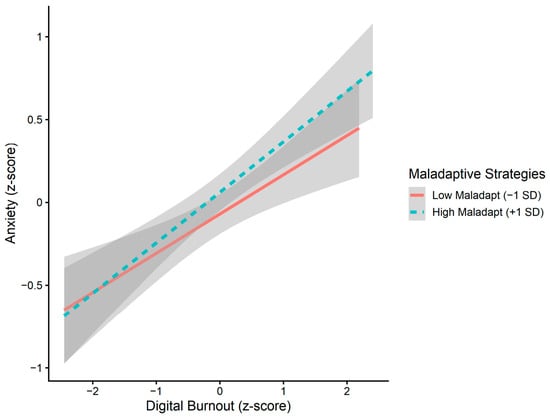
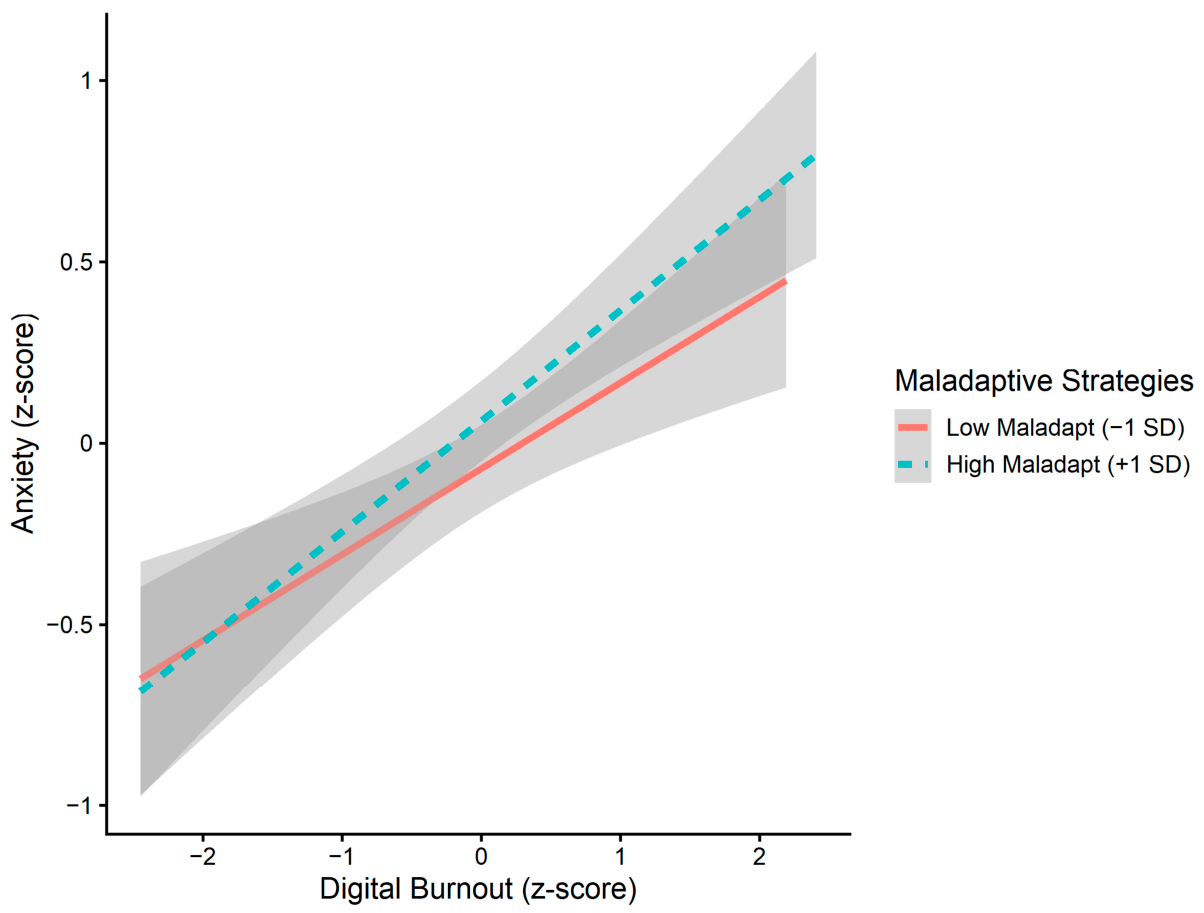
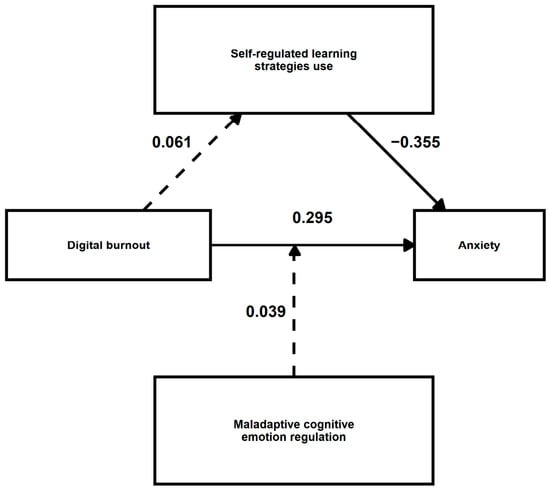
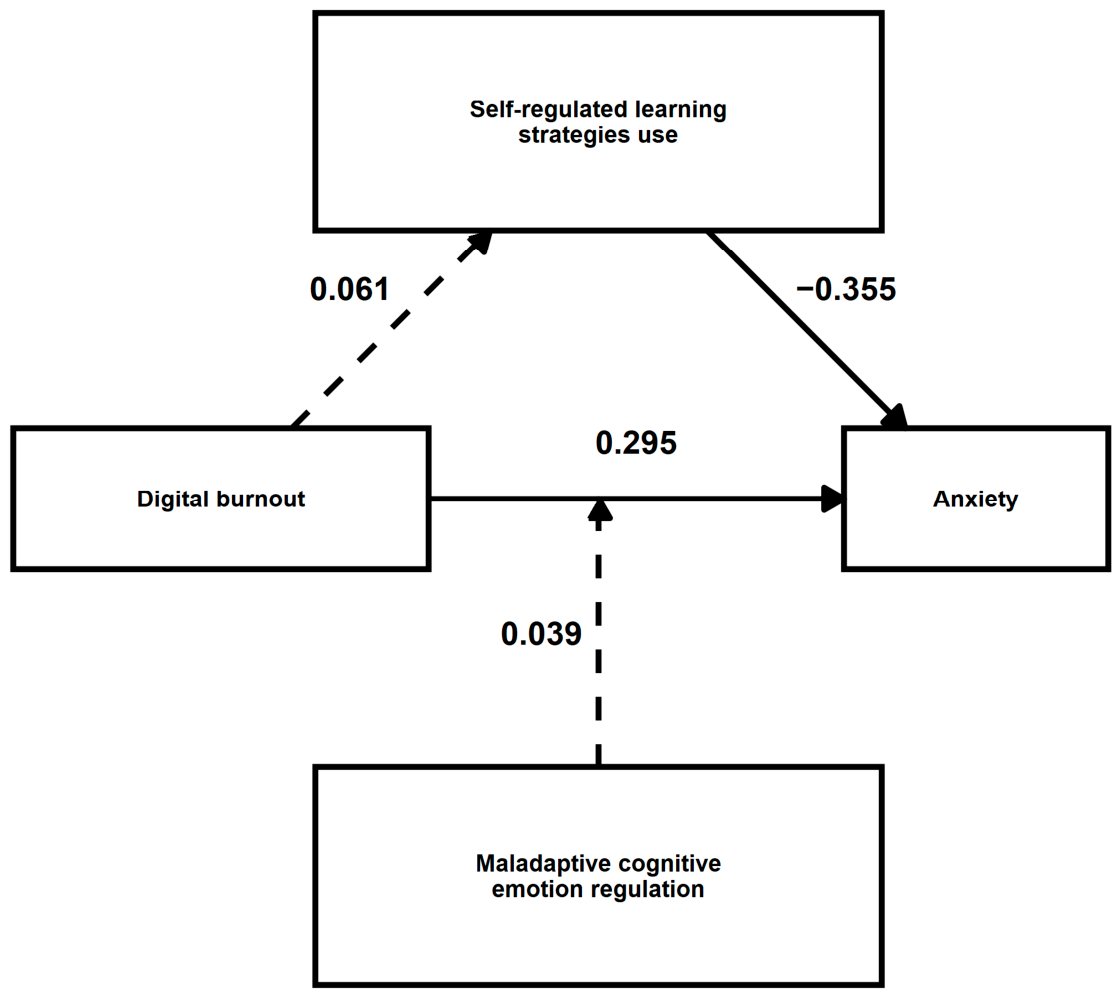

Disclaimer/Publisher’s Note: The statements, opinions and data contained in all publications are solely those of the individual author(s) and contributor(s) and not of MDPI and/or the editor(s). MDPI and/or the editor(s) disclaim responsibility for any injury to people or property resulting from any ideas, methods, instructions or products referred to in the content. |
© 2026 by the authors. Licensee MDPI, Basel, Switzerland. This article is an open access article distributed under the terms and conditions of the Creative Commons Attribution (CC BY) license.