


Abstract
Although the enrollment of neurodivergent students is increasing globally, persistent normative educational environments force these students to socially camouflage, which severely impairs their psychological well-being. This systematic review synthesizes empirical evidence on the associations between educational practices based on the Neurodiversity-Affirmative Model, social camouflaging, and psychological well-being within inclusive contexts. Following the PRISMA 2020 guidelines and the PICOS framework, 37 empirical studies published between 2015 and 2026 were identified across five major databases (WoS, PubMed, ERIC, APA PsycINFO, Scopus) and evaluated using the MMAT tool. Preliminary findings indicate that traditional deficit-based models are qualitatively described as contextual drivers linked to social camouflaging, whereas affirmative structural and pedagogical practices—such as sensory spaces and flexible methodologies—are associated with lower perceived pressures to mask; furthermore, lower camouflaging dynamics within these environments are linked to reduced self-reported social anxiety, depression, and burnout in neurodivergent individuals. Concurrently, variables such as gender and age at diagnosis appear to modulate the masking experience. In conclusion, reducing social camouflaging requires a comprehensive ecological transformation of educational institutions, emphasizing that affirmative supports must be individualized to ensure psychological safety and foster authentic inclusion.
1. Introduction
In the global university context, there is a steady increase in the enrollment of neurodivergent students, although environmental barriers persist that limit their academic development (Butcher & Lane, 2025; Clouder et al., 2020). This formal opening to educational access critically contrasts with the actual experience of neurodivergent students within university classrooms. In this regard, it is essential to differentiate between forced assimilation and authentic inclusion that guarantees a sense of belonging (L. Hamilton et al., 2025). This distinction reveals that mere institutional presence does not ensure an environment that is genuinely receptive or adapted to cognitive diversity. Consequently, dominant academic discourses perpetuate normative neurotypical approaches that transfer the responsibility of adjustment to the individual, systematically overburdening the student (Quigley & Gallagher, 2026). This structural gap causes academic environments to maintain exclusionary dynamics that severely compromise school and comprehensive well-being.
Conceptually, Minority Stress Theory (Meyer, 2003) provides an understanding of how a hostile and normative social environment operates as a chronic stressor on minority groups. Within this framework, social camouflaging is defined by three essential dimensions: compensation, masking, and assimilation (Hull et al., 2019). This behavior represents an adaptive response to dynamics that fail to recognize cognitive diversity, exerting continuous normative pressure on the student body (L. G. Hamilton & Petty, 2023). Consequently, the demands of the system force students to hide their genuine traits in order to survive academically, structuring a phenomenon of defensive “double masking” (Quigley & Gallagher, 2026). This scenario demonstrates that habitual performance measurements ignore the cost assumed, as the constant need to inhibit one’s identity severely deteriorates the psychological and emotional well-being of the individual (Dell’Osso et al., 2022; Hull et al., 2019).
Systematic reviews of empirical evidence point to notable disparities in the prevalence and intensity of social camouflaging associated with various individual and contextual variables (Hull et al., 2020). Within this framework, discrepancies between parent and teacher reports reveal a marked detection failure in classrooms, especially in the case of female students, whose traits are underestimated by teachers compared to parental evaluations (Putnam et al., 2025). Likewise, the age of diagnosis acts as a crucial moderating variable, given that late identification significantly increases psychological costs and exposes the inability of school environments to make visible those who camouflage their difficulties (Goscicki et al., 2026). Consequently, educational institutions tend to systematically omit these observed dynamics, perpetuating support barriers for students within the school system.
From a functional perspective, Self-Determination Theory conceptually establishes that psychological equilibrium requires the full satisfaction of the basic human needs for autonomy, competence, and relatedness (Ryan & Deci, 2000). The constant pressure to fit into the traditional school can frustrate these socio-emotional requirements, generating psychosocial costs that negatively affect the quality of life of neurodivergent students (Caesar et al., 2026; Milner et al., 2023). Facing this structural problem, the Neurodiversity-Affirmative Model has emerged as a transformative paradigm that re-conceptualizes neurological variations (e.g., autism, ADHD, dyspraxia) as natural expressions of human diversity rather than intrinsic individual deficits or pathologies. Operationally, within educational contexts, a neurodiversity-affirmative approach is defined by four core dimensions: validating neurodivergent identities and communication styles without attempting to normalize or extinguish them (Stark et al., 2025); shifting the locus of adaptation from the individual student to the educational environment through structural, sensory, and pedagogical modifications (e.g., flexible deadlines, sensory break spaces, Universal Design for Learning) (Brice & Dwan, 2025); fostering autonomy, self-advocacy, and relational safety through non-judgmental peer networks and non-punitive practices (Caesar et al., 2026); and explicitly de-prioritizing or eliminating demands for forced social camouflaging and assimilation (J. Cook et al., 2021; Goscicki et al., 2026). Rather than representing a single manualized intervention, this framework encompasses an overarching set of pedagogical and environmental practices that dismantle ableist assumptions and promote psychological safety in inclusive educational settings.
In turn, the sustained effort to integrate into the normative environment takes a heavy toll on students’ mental health. Recent quantitative evidence reveals an association between prolonged camouflaging and the development of anxiety-depressive symptomatology (Bernardin et al., 2021; Ross et al., 2023). Far from being harmless, the constant pressure to mask neurodivergent traits is empirically related to chronic exhaustion and mental fatigue, exacerbated by prolonged exposure to environments with a high sensory load (Canal et al., 2026; Wright et al., 2026). This picture of psychic and perceptual wear compromises concentration capacity, affective regulation, and the usual academic performance of students (Canal et al., 2026; Wright et al., 2026).
Faced with this critical level of exhaustion, neurodivergent students adopt self-protection behaviors. In the absence of structural supports at school, these defensive responses result in social isolation, persistent absenteeism, and a high risk of academic dropout (Cage & McManemy, 2022; Ochi et al., 2020; Totsika et al., 2020). To mitigate this exclusion crisis, it is essential to restructure the school environment. The literature demonstrates that the implementation of environmental and pedagogical adjustments, such as the provision of sensory self-regulation spaces, stimulus control, and the design of flexible classrooms, significantly reduces daily overload, favors emotional–behavioral self-regulation, and decreases the propensity for school abandonment (Aminpour et al., 2026; Canal et al., 2026; Fitri et al., 2025).
Given the complexity of these dynamics, current empirical evidence remains fragmented. In this regard, Summerill and Summers (2025) examine the consequences of the phenomenon focusing on adults, while Arqueros et al. (2025) and Umagami et al. (2022) restrict their analyses to severe clinical outcomes such as suicide and loneliness, completely omitting the inclusive school context and neuroaffirmative models. For their part, Libsack et al. (2021) and the meta-analysis by Cruz et al. (2025) map the phenomenon and the gender diagnostic bias; however, their approaches are merely descriptive and ignore the evaluation of concrete pedagogical practices that mitigate camouflaging in schools.
Therefore, there is a justified need for a systematic review that jointly synthesizes evidence on how practices based on the Neurodiversity-Affirmative Model are associated with perceived reductions in social camouflaging and lower self-reported burnout, anxiety, and depression in the student population. To address this gap, the objective of this study is to synthesize the available empirical evidence on the relationships between educational practices based on the Neurodiversity-Affirmative Model, social camouflaging, and the psychological well-being of neurodivergent students in inclusive education contexts. To methodologically structure this inquiry, the following refined research questions were formulated:
- RQ1. How are the characteristics of the inclusive school environment (ranging from traditional deficit models to affirmative models) associated with the reported development and maintenance of social camouflaging (masking) in neurodivergent students?
- RQ2: What specific pedagogical and structural practices aligned with the Neurodiversity-Affirmative Model are documented in the literature as being associated with lower perceived pressures for social camouflaging?
- RQ3: What relationships are documented between social camouflaging dynamics (including experiences of unmasking) and indicators of psychological well-being (e.g., self-reported anxiety, depression, and neurodivergent burnout) in educational settings?
- RQ4: Which individual variables (e.g., self-perceived gender, age at diagnosis, neurocognitive profile) and contextual factors shape or differentiate the experience of social camouflaging and the perceived utility of affirmative supports in educational contexts?
To address these objectives, this manuscript is structured using a rigorous methodological design following the PRISMA 2020 guidelines and the PICOS framework. Methodologically, Section 2 details the multi-database search strategy, eligibility criteria, study selection process, data extraction matrix, and risk-of-bias assessment using the Mixed Methods Appraisal Tool (MMAT, 2018 version). Section 3 provides a qualitative synthesis of the 37 included empirical studies, structured across four analytical axes corresponding to the research questions (environmental drivers of camouflaging, affirmative pedagogical/structural practices, psychological well-being outcomes, and moderating individual variables). Section 4 critically discusses these findings through the theoretical lenses of Minority Stress Theory and Self-Determination Theory, addressing empirical limitations and practical implications. Finally, Section 5 synthesizes key conclusions, offering guidance for institutional policy reform and future empirical research.
2. Materials and Methods
This study is approached through a systematic review, characterized by being a scientific research process with an explicit, transparent, and reproducible design (Moreno et al., 2018). This method allows for the identification, selection, and exhaustive synthesis of available evidence, guaranteeing methodological rigor that minimizes potential biases during the research process. Likewise, this method facilitated the extraction of relevant scientific evidence on the Neurodiversity Affirmative Model, social camouflaging, and psychological well-being in neurodivergent students within inclusive contexts.
The study followed the PRISMA 2020 guidelines (Preferred Reporting Items for Systematic Reviews and Meta-Analyses) which ensured transparency, comprehensiveness, and methodological rigor across all evaluated studies. At the same time, the literature identification, selection, and inclusion processes were illustrated using the PRISMA flowchart proposed by Page et al. (2021). The PRISMA 2020 checklist items (Page et al., 2021) are included in the Supplementary Materials. The protocol was previously registered on the Open Science Framework (OSF) portal (available at: https://doi.org/10.17605/OSF.IO/ZFM36).
2.1. Databases and Search Strategy
The search was conducted in major academic databases, including Web of Science (WoS, Clarivate, Philadelphia, PA, USA), PubMed/MEDLINE (NCBI/NLM, Version 2.0, Bethesda, MD, USA), ERIC (Institute of Education Sciences, Washington, DC, USA), APA PsycINFO (American Psychological Association, Version 2.0, Washington, DC, USA), and Scopus (Elsevier, Amsterdam, The Netherlands). The formulation of the searches combined key concepts related to the study topic: “Affirmative Model”, “Neurodiversity”, “social camouflaging”, “psychological well-being”, “neurodivergent students”, “inclusive contexts”.
The strategy also included the use of Boolean operators (AND/OR), truncation using the asterisk (*) to capture grammatical variations and plural forms, and field tags: title, abstract, and keywords (TITLE-ABS-KEY) for Scopus; topic (TS) for WoS; abstract (AB) and subject (SU) in the initial detailed query for ERIC; title and abstract [tiab] for PubMed; and title and abstract (TI/AB) for APA PsycINFO. Table 1 specifies the different search strings used for each database (Table 1).
Table 1.
Search Equation and Initial Results.
To refine the search strategy and retrieve literature strictly linked to the purpose of the review, specific methodological filters were implemented. A publication date range between 2015 and 2026 was established, with no restrictions on language or geographical region, in order to broaden the retrieval of relevant scientific evidence.
2.2. Eligibility Criteria
During the eligibility assessment stage, specific inclusion and exclusion criteria based on the PICOS framework were applied (Table 2). To maintain strict methodological consistency and transparency following PRISMA 2020 guidelines, a formal protocol refinement was registered on the Open Science Framework (OSF) repository prior to final data extraction and narrative synthesis (OSF registration update: 12 August 2026; https://doi.org/10.17605/OSF.IO/ZFM36). This refinement clarified that multi-informant studies (e.g., parent–child dyads, educators, academic staff) and adult neurodivergent cohorts (e.g., undergraduate/postgraduate students and adults reflecting on their school trajectories) were eligible provided that the primary outcomes measured directly pertained to educational settings, school-based social camouflaging, academic environments, or student psychological well-being. A comprehensive study-level eligibility audit verifying all 37 included studies against each predefined criterion is provided in the Supplementary Materials (Table S3).
Table 2.
Eligibility criteria matrix (inclusion and exclusion) based on the PICOS methodology.
Given that primary empirical studies rarely employ ‘Neurodiversity-Affirmative Model’ as a standardized intervention label, eligibility extended to empirical studies evaluating specific educational practices, environmental adjustments, or institutional climates that operationally aligned with neuroaffirmative principles (e.g., sensory accommodations, flexible assessment methods, peer support networks, and non-punitive behavioral policies), as well as studies contrasting these with traditional deficit-based or neuronormative educational practices.
2.3. Study Selection and Identification Process
The identification, selection, and evaluation of the studies were carried out following the methodological guidelines established by the PRISMA statement (Preferred Reporting Items for Systematic Reviews and Meta-Analyses), thereby ensuring a transparent, reproducible, and systematic approach. In accordance with the methodological guidelines, Figure 1 outlines the stages of identification, screening, eligibility, and final inclusion that comprise the document selection process.
Figure 1.
PRISMA flow diagram. Note: (*) Refers to the detailed breakdown of records identified across the searched databases and registers. (**) Refers to the total number of records excluded during the screening phase, categorized by reason for exclusion (population, study design, context, and phenomenon).
Identification and Duplicate Management: The initial search across high-impact databases (Web of Science, PubMed, APA PsycINFO, ERIC, and Scopus) retrieved a total of 512 records. All metadata were exported to Mendeley Reference Manager (v. 2.148.0; Mendeley Ltd., London, UK) for bibliographic management. Potential duplicates were identified using the reference manager’s automated tool, and their removal was subsequently validated through an independent manual review conducted by two reviewers to prevent the erroneous exclusion of original articles. Through this process, 179 duplicate records were removed, retaining 333 unique studies for the title and abstract screening phase.
Title and abstract screening: Title and abstract screening of the 333 unique records was conducted independently and in a double-blind manner by two reviewers. To ensure evaluative consistency between raters without conducting a formal pilot test, all decisions were strictly based on a previously operationalized PICOS eligibility matrix (Table 2). Inter-rater agreement during this title/abstract screening stage was evaluated using Cohen’s kappa coefficient (k = 0.85), indicating robust inter-rater reliability. Initial eligibility discrepancies between the primary reviewers were resolved through consensus meetings; unresolved disagreements were formally adjudicated by a third reviewer. In total, 224 studies were excluded at this stage for explicit reasons: 82 due to population, 59 due to phenomenon of interest, 28 due to context, and 55 due to methodological design.
Full-text evaluation and resolution procedures: Full-text retrieval was systematically attempted for all 109 records eligible for full-text evaluation. Following multi-stage retrieval workflows—comprising primary database access, institutional interlibrary loan requests, DOI resolution attempts, institutional repository searches, and direct contact attempts with corresponding authors—85 full-text reports were successfully retrieved. However, 24 reports (22.0%) could not be retrieved. Specifically, 4 reports were unavailable due to broken URLs, dead links, or unresolvable persistent identifiers that could not be located across alternative digital archives, and 20 reports could not be accessed due to commercial publisher paywalls and restricted access beyond institutional subscription agreements. A complete bibliographic list of these 24 unretrieved reports alongside their specific primary reasons for non-retrieval is provided in the Supplementary Materials (Table S4). The methodological implications of these unavailable reports regarding potential availability bias are explicitly addressed in the study limitations.
Independent full-text evaluation of the 85 retrieved articles was subsequently conducted by the two reviewers based on the criteria in Table 2. Discrepancies were jointly re-evaluated or adjudicated by the third reviewer. A total of 48 reports were excluded following full-text evaluation across four specific domains:
- Population: Studies were excluded when the target population was non-student-based and lacked connection to educational trajectories, focused exclusively on neurotypical populations, consisted of non-educational clinical samples, or reported solely on parent/teacher perspectives without measuring or evaluating student-level educational outcomes, school camouflaging, or academic psychological well-being (n = 15);
- Phenomenon of interest: Studies were excluded that did not address the experiences or the impact of the school environment on social camouflaging (masking, assimilation, or compensation) and psychological well-being, or those focused on purely medical or pharmacological interventions, or those based on the cure model or Applied Behavior Analysis (ABA) (n = 17);
- Context: Studies conducted in closed institutional settings (such as psychiatric hospitals or detention centers) or in contexts outside the educational domain, such as workplace or family settings, were excluded (n = 9);
- Design: Systematic or narrative reviews, opinion pieces, editorials, theoretical book chapters, and conference proceedings lacking a peer-validation process or empirical methodology were excluded (n = 7).
Inclusion: Finally, 37 empirical studies met the eligibility criteria and were included in the synthesis.
2.4. Data Extraction and Synthesis
To ensure the rigor, consistency, and transparency of the review process, two researchers independently carried out data extraction, consolidating the information from the selected studies into an extraction matrix designed using Microsoft Excel (Microsoft 365, Microsoft Corporation, Redmond, Washington, USA). Any discrepancies arising during this stage were reviewed and resolved through consensus among the researchers to ensure consistency in the data collection process. This matrix included essential descriptive and methodological variables for each article, such as: (a) study title; (b) authors; (c) publication year; (d) country or geographical context; (e) methodological design (qualitative, quantitative, or mixed); (f) sample characteristics; (g) instruments used; (h) school environment and neurodiversity approach; (i) implemented affirmative practices; (j) social camouflaging (masking) and psychological well-being indicators; (k) moderating variables; (l) main results; and (m) study conclusions.
To synthesize evidence across heterogeneous study designs (qualitative, quantitative, and mixed-methods), a reproducible narrative synthesis framework (Popay et al., 2006) integrated with thematic synthesis procedures (Thomas & Harden, 2008) and a convergent qualitative synthesis approach (Pluye & Hong, 2014) was executed. Data synthesis proceeded through a structured four-stage workflow:
- Coding Procedures and Inductive–Deductive Approach: Data coding was conducted manually using a hybrid deductive–inductive approach supported by standardized analytical matrices. A primary deductive coding matrix was established based on the four predefined research questions, categorizing evidence into four analytical axes: (a) environmental drivers of camouflaging; (b) affirmative pedagogical and structural practices associated with reduced masking pressures; (c) psychological well-being indicators linked to camouflaging dynamics; and (d) individual characteristics and contextual factors shaping student experiences. Concurrently, inductive line-by-line textual analysis was applied to extract emerging concepts, specific pedagogical adaptations, and lived experiential nuances directly from the primary studies. Coding was independently performed by two primary reviewers using standardized data extraction spreadsheets. Inter-coder consistency was evaluated across a randomly selected subset of 20% of the included studies, achieving robust initial agreement (k = 0.86). Disagreements regarding code definitions or theme boundaries were resolved through structured consensus sessions; unresolved discrepancies were formally adjudicated by a third senior reviewer until 100% agreement was reached.
- Integration of Quantitative, Qualitative, and Mixed-Methods Findings: Following convergent qualitative synthesis guidelines (Pluye & Hong, 2014), quantitative findings (e.g., standardized scale scores on the CAT-Q, GAD-7, or PHQ-9, or relative risk estimates) and mixed-methods data were qualitatively transformed (qualitativized) into narrative descriptive statements. This procedure allowed parametric findings and thematic insights to be integrated into unified analytical axes without converting qualitative findings into numerical metrics or inappropriately pooling effect sizes across disparate methodological traditions.
- Operational Definitions of Core Constructs: To ensure analytical clarity and conceptual consistency across heterogeneous study designs, explicit operational definitions were established prior to data synthesis:
- -
- Social Camouflaging/Masking: Defined as the conscious or unconscious behavioral, cognitive, or emotional strategies—comprising compensation, masking, and assimilation—employed by neurodivergent individuals to suppress authentic traits and mimic neuronormative expectations within social and educational contexts (Hull et al., 2019).
- -
- Psychological Well-Being: Operationalized through self-reported or qualitative indicators of psychological equilibrium, self-acceptance, emotional regulation, and positive affect, as well as the absence of or reduction in internalized psychological distress, such as anxiety and depressive symptomatology (Ryan & Deci, 2000).
- -
- Neurodivergent Burnout: Defined as a cumulative state of profound mental, emotional, and physical exhaustion, executive dysfunction, and sensory overload resulting from sustained environmental friction and prolonged cognitive exertion spent camouflaging or adapting to neuronormative demands (Raymaker et al., 2020).
- -
- Psychological Safety: Defined as a perceived climate of interpersonal trust, non-judgmental acceptance, and relational security within the educational environment, enabling neurodivergent students to express their authentic identities, communication modalities, and support needs without fear of negative social, academic, or disciplinary repercussions (Khudiakova et al., 2025).
- -
- School Belonging: Operationalized as the extent to which neurodivergent students feel personally accepted, respected, valued, and socially included by peers, educators, and institutional structures within their learning environments (Atkinson et al., 2026).
- -
- Neurodiversity-Affirmative Support: Defined as structural, pedagogical, environmental, or interpersonal accommodations and practices that validate cognitive diversity as a natural form of human variation, adapt learning environments to student needs, foster autonomy, and de-prioritize or eliminate demands for forced behavioral normalization and social camouflaging (Wagland et al., 2025).
- Classification Framework for Evidence Directness: To account for study heterogeneity and prevent over-generalization regarding intervention efficacy, evidence was systematically categorized into three distinct tiers based on directness:
- -
- Direct Evidence: Empirical findings derived from primary studies that explicitly evaluated specific educational practices, structural environmental adaptations, or institutional support models in relation to directly measured or self-reported social camouflaging, masking behaviors, or psychological well-being outcomes among neurodivergent students in active educational settings.
- -
- Indirect Evidence: Empirical findings examining social camouflaging dynamics, student experiences, or classroom environments without evaluating specific neuroaffirmative interventions or institutional practice modifications.
- -
- Contextual Evidence: Empirical findings detailing broader contextual determinants, including diagnostic timing, gender/intersectionality, lived experiences, parental/educator attitudes, or macro-level digital and cultural pressures.
Crucially, synthesized conclusions regarding the potential efficacy and impact of affirmative pedagogical and structural practices rely primarily on direct evidence, whereas indirect and contextual evidence were utilized to contextualize underlying drivers, moderating variables, and broader socio-environmental nuances.
Operational Definition, Retrospective Classification Framework, and Reviewer Agreement
Because the majority of included primary empirical studies evaluated specific environmental or pedagogical practices without explicitly labeling them under a unified ‘Neurodiversity-Affirmative Model’, a standardized retrospective classification framework was operationalized prior to formal data extraction to systematically categorize interventions and educational environments. Studies were retrospectively classified as evaluating neurodiversity-affirmative practices if the reported educational environment or intervention satisfied at least two of the following four operational criteria, while strictly excluding interventions aimed at forced normalization or trait suppression (e.g., Applied Behavior Analysis or cure-oriented paradigms):
- Philosophical Alignment: Explicit validation of cognitive and neurological variations as natural human diversity, rejecting deficit-oriented or pathologizing models (Botha et al., 2024; Walker & Raymaker, 2021)
- Environmental and Structural Adaptation: Modification of physical, sensory, or instructional barriers (e.g., sensory self-regulation spaces, noise/lighting adjustments, Universal Design for Learning, flexible evaluation criteria) to reduce environmental friction rather than enforcing individual student compliance (Caesar et al., 2026)
- Autonomy and Relational Safety: Implementation of practices that foster self-advocacy, student choice, non-coercive support, and dedicated non-judgmental peer or mentor networks (Chazin et al., 2025)
- De-prioritization of Masking: Active acceptance or normalization of natural neurodivergent behaviors (e.g., stimming, monotropic focus, non-neuronormative communication modalities) and explicit dismantling of forced assimilation pressures (Quigley & Gallagher, 2026).
Coding Process and Inter-Rater Reliability: Two reviewers independently evaluated and coded all 37 included studies against this classification framework using a binary coding matrix (1 = Present/Aligned; 0 = Absent/Deficit-oriented). Inter-rater agreement for the retrospective classification was formally assessed using Cohen’s kappa (k), yielding an initial agreement rate of k = 0.88 (p < 0.001), indicating almost perfect agreement according to the Landis and Koch (1977) standards. Minor discrepancies occurred in four studies regarding whether generic institutional accommodations constituted true neuroaffirmative practice; these were resolved through structured consensus meetings involving a third senior reviewer until 100% agreement was achieved.
2.5. Risk of Bias and Methodological Quality Assessment
To evaluate the methodological quality and risk of bias of the included studies, the Mixed Methods Appraisal Tool (MMAT, 2018 version) was used (Table 3). The MMAT allows for auditing the methodological quality of empirical works through five specific design categories: (1) qualitative studies, (2) randomized controlled trials, (3) non-randomized quantitative studies, (4) quantitative descriptive studies, and (5) mixed methods studies. Generally, the MMAT evaluation begins with two screening questions common to all design types, aimed at confirming whether there are clear research questions and whether the collected data allow those questions to be answered (Hong et al., 2018).
Table 3.
Methodological quality of the included studies using the MMAT tool.
Subsequently, each study type was evaluated using five specific methodological criteria aligned with each design:
Qualitative Studies: Assess whether the qualitative approach is appropriate for the research question; whether the data collection methods are appropriate; whether the findings are adequately derived from the data; whether the interpretation is sufficiently substantiated by the evidence; and whether there is overall coherence between data sources, collection, analysis, and interpretation.
Non-Randomized Quantitative Studies: The criteria evaluate whether participants are representative of the target population; whether measurements (of exposure and outcomes) are appropriate and validated; whether complete outcome data exist; whether confounding variables have been accounted for in the design and analysis; and whether interventions or exposures occurred as planned during the study period.
Quantitative Descriptive Studies: Examine the appropriateness of the sampling strategy; the representativeness of the sample regarding the target population; the suitability of the measurements; the low risk of non-response bias; and the adequacy of the statistical analysis to answer the posed question.
Mixed Methods Studies: Evaluate the methodological rationale or justification for integrating both approaches; the effectiveness of the integration of the quantitative and qualitative components; the appropriate interpretation of results derived from said integration; how divergences or inconsistencies between results are addressed or explained; and compliance with the individual methodological quality standards of each tradition involved (where the overall quality of the study cannot exceed that of the weaker component).
The methodological assessment of the 23 qualitative studies demonstrated high overall adherence to the MMAT criteria. Specifically, the studies by A. Cook et al. (2018); Cooper (2024); Godfrey-Harris and Shaw (2023); Gordon et al. (2026); Grant et al. (2026); Grimell et al. (2025); Halsall et al. (2021); J. Hill (2024); Keys et al. (2025); Khudiakova et al. (2025); Morgan (2024); Moyse and Porter (2015); Nelson and Lichwa (2025); Pearson et al. (2025); Quigley and Gallagher (2026); Raymaker et al. (2020); Robinson and Crane (2025); Ronksley-Pavia and Clark (2025); Shaw et al. (2023); Sullivan (2023); Syharat et al. (2023a); Syharat et al. (2023b); and Williams et al. (2025) met all evaluated quality domains, presenting a minimal risk of methodological bias. This strong performance largely reflects the inherent alignment between qualitative designs and the participatory or phenomenological aims of the included research. However, a closer critical evaluation noted that while core domains were consistently satisfied across these records, a subset of the studies presented minor descriptive limitations—particularly concerning the explicitness of researcher positionality and the depth of reflexive practices (Criterion 1.4). Despite these specific reporting constraints, the studies retained sufficient analytical coherence and robustness to reliably inform the qualitative synthesis.
In the mixed-methods category, comprising seven studies, only the investigation by Mullally et al. (2026) fulfilled all five criteria established for mixed-methods designs, demonstrating minimal risk of overall methodological bias. Conversely, the remaining six studies exhibited specific non-compliance or uncertainty regarding Criterion 5, which evaluates adherence to the quality standards of each individual component method. Specifically, Atkinson et al. (2026) presented selection bias risk in the quantitative component due to limited sample representativeness associated with snowball sampling, reading level prerequisites, and a high Caucasian predominance (81.9%). Similarly, Goscicki et al. (2026) showed quantitative selection bias stemming from a small sample size (n = 31), convenience sampling, and high Caucasian homogeneity (93.5%). Durben (2026) exhibited selection bias in the quantitative strand due to explicitly acknowledged sample self-selection. In the case of Chazin et al. (2025), Criterion 5 was marked as undetermined (“Can’t Tell”) owing to selection bias in online convenience sampling lacking demographic reporting, alongside unmitigated non-response bias. Dean et al. (2017) presented quantitative selection bias because the typical development control group was selected specifically based on prosocial nominations, restricting broader population representativeness. Finally, Kemp et al. (2026) displayed methodological bias risk derived from sample size constraints (n = 16) and non-representative convenience sampling across its constituent strands.
Regarding the four non-randomized quantitative studies, none satisfied all five design criteria, with all showing primary vulnerabilities in participant representativeness (Criterion 1) or complete outcome data (Criterion 3). Putnam et al. (2025) presented selection bias risk due to unclear reporting on exclusion reasons for eligible females (Criterion 1), alongside a high risk of attrition bias from excluding nearly half of the initial female cohort due to incomplete reports (Criterion 3). Lei et al. (2024) failed Criterion 1 due to selection bias resulting from a modest sample size recruited almost exclusively from clinical settings. Likewise, Ross et al. (2023) did not meet Criterion 1 as selection bias arose from utilizing a secondary dataset (Simons Simplex Collection) restricted to simplex families without intellectual disability. Similarly, Parish-Morris et al. (2017) failed Criterion 1 due to selection bias linked to a very small typical development control sample (n = 17) and a demographically skewed clinical sample (85% Caucasian).
In the quantitative descriptive category, none of the three evaluated articles met all methodological criteria, with all failing Criterion 2 regarding sample representativeness and presenting limitations in Criterion 4 concerning non-response bias. South et al. (2025) presented selection bias risk due to unrepresentative online convenience sampling (Criterion 2) and unmitigated non-response/attrition bias (Criterion 4). Cassidy et al. (2023) exhibited selection bias risk due to a restricted sample composed predominantly of young female undergraduate students (Criterion 2), alongside unmitigated non-response bias from missing data among non-completers (Criterion 4). Lastly, Dell’Osso et al. (2022) showed selection bias risk stemming from a voluntary convenience sample (Criterion 2) and an undetermined risk of non-response bias (Criterion 4).
The assessment of methodological quality and risk of bias across all included studies was conducted in strict accordance with the Mixed Methods Appraisal Tool (MMAT, 2018 version) guidelines. To ensure evaluative objectivity and minimize appraisal bias, the assessment process was executed independently by two reviewers. Any discrepancies or divergent interpretations regarding specific criterion compliance were systematically discussed and resolved through critical consensus with the active participation of a third independent reviewer.
In order to account for methodological variations identified through the MMAT, a sensitivity analysis approach was integrated into the qualitative synthesis. Findings derived from studies demonstrating specific methodological vulnerabilities—particularly quantitative and mixed-methods research exhibiting selection or non-response biases—were critically cross-referenced against data from studies with minimal risk of bias. The final synthesis prioritized interpretations consistently supported across methodologically rigorous study designs, ensuring that the overall conclusions regarding the Neurodiversity-Affirmative Model were not disproportionately driven by methodologically weaker evidence.
2.6. Statement on the Use of Generative Artificial Intelligence (AI)
During the development of this systematic review, generative artificial intelligence tools were used strictly as supporting technologies for background literature exploration and language translation. Specifically, Scopus AI (version updated to May 2026, Elsevier, Netherlands) was employed exclusively during the narrative framing phase to search for background literature and theoretical context to complement the Introduction section. Scopus AI was not used to construct search equations, execute database queries, perform record screening, select studies, extract data, or synthesize results, nor did any AI-generated or AI-derived records enter the systematic review pool. Additionally, Google Gemini (version 1.5 Pro, Google, USA) was used strictly for the translation of the manuscript from Spanish to English. In accordance with PRISMA 2020 guidelines and editorial integrity policies, all systematic review search strategies, study screening, quality appraisals, and data interpretations were independently performed, verified, and approved by the human authors.
3. Results
Table 4 details the systematization of the literature corpus, which shows a geographic concentration around the phenomenon of social camouflage in neurodivergence. Specifically, studies are predominantly concentrated in the United Kingdom, a country that accounts for 56.7% of the studies—a figure that includes research conducted jointly with Ireland. Meanwhile, the United States contributes a significant proportion to the analyzed literature, constituting 29.7% of the total sample documented in the summary table. Other global regions show a quantitatively smaller participation, notably Australia with 5.4% of the evaluated articles. The remaining empirical evidence is distributed among European countries such as Sweden and Italy, which together account for 8.1%.
Table 4.
Systematization of Included Studies (n = 37).
In terms of methodological designs, the literature records a clear epistemological orientation toward qualitative approaches, which make up 62.2% of the analyzed research. These studies seek to delve into the complexity of lived experiences through the use of participatory methodologies, interpretive phenomenological approaches, and narrative strategies. In contrast, strictly quantitative approaches—developed through cross-sectional or observational designs—represent 18.9% of the documentary body evaluated in this review. Similarly, mixed-method approaches, integrating concurrent, sequential, and descriptive designs, comprise the remaining 18.9% of the selected literature. This particular methodological configuration suggests a generalized consensus on the need to capture the subjective and phenomenological depth of masking over statistical quantification.
Regarding the demographic characteristics of the samples and their application context, 37.8% (n = 14) of the included studies focus directly on child and adolescent populations within elementary and secondary school environments (e.g., Atkinson et al., 2026; Grant et al., 2026; Ross et al., 2023). Higher education contexts represent 29.8% (n = 11) of the evidence base, evaluating undergraduate and STEM/medical postgraduate students (e.g., Durben, 2026; Godfrey-Harris & Shaw, 2023; Syharat et al., 2023a). The remaining 32.4% (n = 12) comprises multi-informant samples—such as parent–student dyads (e.g., Goscicki et al., 2026), educators and academic staff evaluating school dynamics (e.g., Chazin et al., 2025; Ronksley-Pavia & Clark, 2025), and adult neurodivergent cohorts evaluating retrospective school trajectories or post-secondary academic experiences (e.g., Gordon et al., 2026; Morgan, 2024; Raymaker et al., 2020). Across all included studies, the outcomes assessed center explicitly on school-based masking, educational barriers, and student psychological well-being. In almost all of these samples, participants have a primary diagnosis of autism or ADHD. These population profiles have made it possible to document in the studies the negative psychosocial impact caused by the constant demand for assimilation into normative environments.
At the same time, the analytical approach is grounded in a diverse set of technical instruments for empirical data collection. Semi-structured interviews and in-depth inquiry resources constitute the predominant methodological tool, reported in 67.5% of the studies. In the field of quantitative measurements, 40.5% of the research incorporates online surveys, standardized questionnaires, or clinical scales, notably highlighting the frequent use of the Camouflage Autistic Traits Questionnaire (CAT-Q). Complementary to self-reported methods, 10.8% of the methodological sample employs direct behavioral observation techniques in the classroom or evaluations through computational language analysis. The convergence of all these parametric and narrative tools is essential to make visible the psychological exhaustion and structural barriers that perpetuate camouflaging.
3.1. Characteristics of Inclusive School Environments and Their Relationship to the Development and Maintenance of Social Camouflaging in Neurodivergent Students
The study findings indicate in a preliminary manner that educational environments governed by traditional deficit models and neuronormative expectations are qualitative and observational correlates linked to the reported development of social camouflaging (Pearson et al., 2025; Quigley & Gallagher, 2026). Different methodological approaches indicate that the rigidity of institutional norms and the scarce understanding of neurodivergent particularities foster dynamics of invalidation, where the student body frequently perceives the environment as hostile or restrictive. In this sense, authors such as Pearson et al. (2025) and Mullally et al. (2026) propose that the pressure to fit into neurotypical standards pathologizes differences, which are reported to be associated with perceived pressures on students to suppress their authentic manifestations. Consequently, masking would emerge not as a socialization skill, but as a potential adaptive response to systemic barriers and persistent ableist pressures within institutions.
When analyzing integration policies, the evidence points toward a potential discrepancy between the formal discourse of inclusion and the daily experiences of neurodivergent students. Research such as that by Goscicki et al. (2026) and Halsall et al. (2021) warns that physical immersion in regular classrooms, lacking a cultural restructuring, can generate a double exclusion that would exacerbate the need for masking to achieve a supposed integration. Particularly discordant is the qualitative finding by Quigley and Gallagher (2026), who observed that even under an institutional model theoretically based on strengths, underlying ableist norms could end up increasing “double camouflaging” and exhaustion. These tensions suggest that assimilationist-oriented inclusive policies may prove insufficient to address masking if underlying psychological safety is not targeted.
Comparative scrutiny of the literature also suggests that the influence of the environment on masking appears to be modulated by intersectional variables, highlighting gender biases and standardized behavioral expectations. Various studies point out that school environments tend to operate under criteria constructed from male phenotypes, which would render internalized manifestations in girls and young women invisible. Authors such as Grimell et al. (2025); Putnam et al. (2025); and Williams et al. (2025) state that the superficial compliance with academic demands by these female students fosters a level of camouflaging that systematically delays timely identification. Likewise, the intersection with racial stigmas, as insinuated by Nelson and Lichwa (2025), would shape enmascaramiento as an extreme survival tactic against environments that misinterpret neurodivergent distress as disciplinary problems.
On the other hand, at higher education levels, elevated academic and social demands would appear to intensify the maintenance of masking, with potentially severe repercussions for psychological well-being. Research in STEM disciplines and medical training (Godfrey-Harris & Shaw, 2023; Shaw et al., 2023; Syharat et al., 2023a; Syharat et al., 2023b) coincides in suggesting that competitive cultures and highly rigid evaluation systems perpetuate the concealment of support needs. These qualitative analyses warn that the constant pressure to internalize academic normality would trigger pictures of neurodivergent burnout and chronic stress. Despite the declared existence of reasonable accommodations, their frequently inflexible or deficient implementation would configure masking as an inescapable double academic burden for the student body.
The exploration of transitional environments toward the Neurodiversity-Affirmative Model exhibits preliminary results that invite a reconsideration of the configuration of educational spaces. Alternative interventions, such as the drama-arts-based curriculum analyzed by Robinson and Crane (2025), point out that prioritizing autistic identity and acceptance over behavioral correction could reduce school rigidity and decrease the need for masking. Likewise, institutional validation through neuroaffirmative diagnoses seems to facilitate the resignification of identity, although the evidence warns that unmasking would continue to be infrequent outside of strictly safe or familiar environments (Cooper, 2024; Durben, 2026; Khudiakova et al., 2025). These contrasts insinuate that establishing genuinely affirmative environments could attenuate masking, although the consolidation of these effects would require greater longitudinal empirical validation.
3.2. Perceived Associations Between Specific Pedagogical and Structural Practices Aligned with the Neurodiversity-Affirmative Model and Social Camouflaging Pressures
The qualitative synthesis of the included literature indicates that the implementation of educational practices operationally classified as neurodiversity-affirming—spanning sensory accommodations, flexible pedagogical frameworks, and peer support systems—remains heterogeneous across educational levels. While primary empirical studies rarely evaluated a manualized ‘Neurodiversity-Affirmative Model’ through experimental designs, the synthesized evidence highlights specific structural and pedagogical components that students and educators perceive as reducing the pressure for social camouflaging (Atkinson et al., 2026; Chazin et al., 2025; Robinson & Crane, 2025).
The literature demonstrates a marked persistence of traditional deficit-focused approaches and generic accommodations, which appear to inadvertently perpetuate the pressure for social camouflaging among neurodivergent students (Grant et al., 2026; Nelson & Lichwa, 2025). In higher education and postgraduate contexts, the evidence points to a possible systemic gap where standardized supports fail to respond to individual profiles, which would increase academic burden and the risk of burnout (Godfrey-Harris & Shaw, 2023; Shaw et al., 2023; Syharat et al., 2023a). These findings preliminarily suggest that the declaration of inclusion policies does not automatically translate into environments that disincentivize the constant effort of masking.
Opposing traditional paradigms, emerging evidence highlights the potential utility of participatory and culturally safe spaces as structural facilitators for the unmasking process. Recent research proposes that the configuration of dedicated environments, such as inclusion hubs, sensory break rooms, and peer mentoring networks, could act as a protective factor that tentatively mitigates the pressure to camouflage (Atkinson et al., 2026; Durben, 2026; Goscicki et al., 2026). Khudiakova et al. (2025) and Cooper (2024) agree that psychological safety, fostered through communicative affinity and self-advocacy in judgment-free spaces, seems to facilitate more authentic expressions of neurodivergence. Likewise, non-stigmatizing psychoeducational interventions led by autistic individuals themselves, such as the NeuroBears program, offer a promising preliminary framework to empower student identity (Mullally et al., 2026). However, it is warned that miscalibrated institutional configurations could inadvertently continue to impose expectations of normative integration.
On a strictly pedagogical plane, the literature identifies flexibility, autonomy, and the redesign of power dynamics as potential mechanisms to attenuate the need for social mimesis. Robinson and Crane (2025), for example, documented that the integration of drama-based dynamics centered on free play and the reduction in classroom hierarchies seemed to improve self-confidence and diminish rigid relational patterns. Concurrently, the use of individualized external scaffolding, respect for rest periods, and the prioritization of augmentative communication over coercive methods stand out as practices that would validate neurodivergent authenticity (Chazin et al., 2025; Kemp et al., 2026; Williams et al., 2025). Ronksley-Pavia and Clark (2025) introduce the notion of “dual differentiation,” an approach that proposes balancing support for specific challenges with the promotion of high abilities. Valuing divergent thinking or hyperfocus, rather than strictly prioritizing traditional metrics, would configure environments where masking gradually loses its adaptive function (Keys et al., 2025).
Despite the theoretical benefits of these pedagogical transitions, the analyzed data reveal discrepancies and critical nuances regarding their preliminary efficacy. A key divergent finding exposed by Quigley and Gallagher (2026) warns that certain affirmative models, when inadvertently designed based on strengths defined from neurotypical perspectives, could paradoxically increase “double camouflaging” and student exhaustion. This suggests that superficial adaptations run the risk of rendering true support needs invisible, a phenomenon that appears to be accentuated in girls, women, and minorities facing intersectional pressures to mask their communicative traits (Gordon et al., 2026; Nelson & Lichwa, 2025; Parish-Morris et al., 2017). Consequently, various scholars emphasize that classroom strategies should be accompanied by deep organizational transformations, including compassionate pedagogy and Universal Design for Learning (South et al., 2025; Syharat et al., 2023b). Ultimately, the mitigation of masking appears to depend on a flexible ecosystem that tentatively embraces neurodiversity in all its complexity.
3.3. Documented Relationships Between Social Camouflaging Dynamics and Indicators of Psychological Well-Being
The synthesized empirical literature indicates that variations in social camouflaging within educational environments do not operate in isolation, but rather reflect complex psychosocial processes linked to the affirmative restructuring of the school context (Atkinson et al., 2026; Goscicki et al., 2026). Convergent observational and narrative findings suggest that environments characterized by lower perceived demands for trait suppression are consistently associated with reduced self-reported social anxiety, lower emotional dysregulation, and decreased risk of neurodivergent burnout (Chazin et al., 2025; Raymaker et al., 2020; Robinson & Crane, 2025).
The association between institutional strategies for camouflaging reduction and the decrease in generalized and social anxiety indices is based on the interruption of cognitive hypervigilance loops (Lei et al., 2024; South et al., 2025). Mixed-design and quantitative studies show that camouflaging can act as a safety behavior driven by an intolerance of social uncertainty and the fear of negative evaluation (Atkinson et al., 2026; Lei et al., 2024). By substituting social conformity demands with adaptable and culturally sensitive learning environments, the allostatic load associated with constant simulation is reported to be lower (South et al., 2025). This symptomatic attenuation of anxiety does not occur uniformly; evidence indicates that institutional interventions favoring conscious unmasking generate a more pronounced protective effect in students with early diagnoses than in those with late identifications, for whom masking has consolidated as a rigid defensive schema (Gordon et al., 2026; Goscicki et al., 2026).
Regarding depressive symptomatology and feelings of personal inauthenticity, comparative data point to a mediation between the degree of relational support received and the recovery of identity congruence (Durben, 2026; Khudiakova et al., 2025). In this sense, the prolonged effort of assimilation and imitation in mainstream classrooms has been linked to subclinical and clinical markers of hopelessness, isolation, self-devaluation, and experiences of psychosocial entrapment (Cassidy et al., 2023; Cooper, 2024). Qualitative and cross-sectional findings show that the implementation of community spaces and support networks among neurodivergent peers within the school structure alleviates the pressure to invisibilize internal difficulties (A. Cook et al., 2018; Durben, 2026). This adjustment in the classroom climate can reduce the internalization of ableist stigma, counteracting the ideations of worthlessness that traditionally precede the development of severe depressive episodes in adolescents and young adults (Cooper, 2024; Keys et al., 2025).
Likewise, neurodivergent burnout emerges in the analyzed literature as the cumulative cost of social camouflaging in school, differing conceptually from conventional academic exhaustion due to its direct link with the loss of functional skills and sensory meltdown (Raymaker et al., 2020; Syharat et al., 2023a). Evidence from participatory qualitative and phenomenological research indicates that the demand to hide self-regulation needs (such as stimming or the suppression of sensory overload) is capable of depleting students’ executive function reserves (Godfrey-Harris & Shaw, 2023; Syharat et al., 2023b). Affirmative practices aimed at making classroom management more flexible and adapting the sensory environment can reduce the need for compensatory camouflaging, preventing executive paralysis and subsequent absenteeism or emotional breakdowns at home (Grant et al., 2026; Shaw et al., 2023).
Therefore, the critical analysis of the extracted data demonstrates that the reduction in social camouflaging cannot be understood as an isolated responsibility of the student, but rather as the direct consequence of the ecological transformation of institutions (Halsall et al., 2021; Williams et al., 2025). In contexts where rigid standardized assessments, internalized ableism, and a lack of understanding regarding complex profiles such as female ADHD or twice-exceptionality persist, attempts at unmasking can translate into a higher risk of victimization and stigmatization (Keys et al., 2025; Ronksley-Pavia & Clark, 2025). Consequently, the available findings prospectively suggest that lower social camouflaging is qualitatively described as a mechanism associated with enhanced psychological well-being when the educational institution assumes the responsibility of dismantling ableist barriers and guaranteeing psychological safety for neurodivergent students (J. Hill, 2024; Ross et al., 2023; Sullivan, 2023).
3.4. Contextual Influences and Subgroup-Related Factors Shaping Social Camouflaging Experiences and Student Receptivity to Affirmative Supports
The comparative synthesis of the gathered evidence demonstrates that experiences of social camouflaging and the perceived utility of affirmative pedagogical practices vary considerably across student profiles, shaped by a range of individual, sociodemographic, and institutional factors rather than operating as uniform processes (Chazin et al., 2025; Khudiakova et al., 2025; Putnam et al., 2025). Observational and qualitative data highlight that self-perceived gender, age at diagnosis, neurocognitive profile, and intersectional social identities act as key contextual factors that differentiate the intensity of masking and the viability of unmasking in educational settings (Goscicki et al., 2026; Nelson & Lichwa, 2025; Ross et al., 2023).
In this sense, self-perceived gender and biological sex consistently emerge as first-order moderating factors. Quantitative and observational studies agree that autistic and ADHD women report or exhibit quantitatively higher camouflaging scores and more complex imitation strategies compared to their male peers (Dean et al., 2017; South et al., 2025). This inclination towards a more refined camouflage—manifested even in subtle linguistic markers (Parish-Morris et al., 2017)—often leads to a lower detection of traits by the teaching staff compared to the assessment of families (Putnam et al., 2025). Nevertheless, qualitative evidence warns that social expectations and gender stereotypes impose an adaptive pressure that masks real difficulties, delaying diagnosis and invisibilizing the need for supports (A. Cook et al., 2018; Morgan, 2024; Pearson et al., 2025). In parallel, data provided by Durben (2026) point out that trans and non-binary individuals face additional barriers and higher levels of vulnerability when attempting to unmask in educational contexts, while Lei et al. (2024) identify differential dynamics in males regarding impression management and social anxiety.
Age, the socio-educational developmental stage, and the time of receiving the diagnosis are also configured as critical modulators of psychological well-being. The prospective and cross-sectional literature indicates that social camouflaging can intensify markedly during the transition to adolescence (around age 13) due to the increasing complexity of interpersonal demands and the search for belonging (Atkinson et al., 2026; Ross et al., 2023). Regarding diagnosis, dyadic research and narrative studies confirm that late identification (from age 14 or in adulthood) is associated with higher camouflaging scores, accumulated emotional costs, and psychosocial trauma (Godfrey-Harris & Shaw, 2023; Gordon et al., 2026; Goscicki et al., 2026). In contrast, early identification (at or before 5 years of age) acts as a protective variable that is associated with lower psychological costs and a more coherent identity construction (Goscicki et al., 2026; Keys et al., 2025).
On the other hand, the type of neurodivergence, cognitive heterogeneity, and the presence of co-occurring conditions modify the nature of masking and the response to inclusive supports. In the student population with ADHD, camouflaging is articulated through the suppression of impulses and compensatory hyperfocus, being influenced by symptom intensity, the use of stimulant medication, and the sensory overload of the classroom (Grimell et al., 2025; Williams et al., 2025). In students with twice-exceptional conditions (giftedness and neurodivergence), the mutual camouflaging of giftedness and disability generates cumulative disadvantages and a lack of academic recognition (Ronksley-Pavia & Clark, 2025). Likewise, in the university setting, the educational level operates as a moderator: while graduate students report greater autonomy to leverage their strengths and reduce masking, power hierarchies with advisors and the fear of stigmatization continue to trigger burnout (Quigley & Gallagher, 2026; Syharat et al., 2023a; Syharat et al., 2023b).
Thus, the effectiveness of interventions based on the Neurodiversity-Affirming Model is contingent upon the interaction between the psychological safety of the environment and the sociostructural variables of the student body. Qualitative studies on socio-emotional interaction demonstrate that the existence of communicative compatibility, support from neurodivergent peers, and flexible methodologies (e.g., theatrical activities or the SCERTS framework) can positively mediate well-being, allowing for a gradual reduction in adaptive defenses (Khudiakova et al., 2025; Robinson & Crane, 2025; Shaw et al., 2023). In contrast, intersectional analyses reveal that factors such as systemic racism, the scarcity of family economic resources, and punitive school policies restrict the beneficial impact of affirmative supports (Nelson & Lichwa, 2025; Ronksley-Pavia & Clark, 2025). Consequently, the findings suggest that interventions should not be applied in a standardized manner, but rather need to be tailored to the contextual and individual complexity of each student (Chazin et al., 2025; Mullally et al., 2026).
4. Discussion
The primary purpose of this systematic review was to synthesize the available empirical evidence regarding the associations between educational practices framed within the Neurodiversity-Affirmative Model, social camouflaging (masking), and psychological well-being in inclusive education contexts. The qualitative and observational synthesis suggests that transitioning from deficit-based paradigms toward neuroaffirmative approaches is perceived as a critical factor in relieving the constant pressure to mask among neurodivergent students. Importantly, because the included evidence derives predominantly from qualitative, cross-sectional, and descriptive designs rather than randomized controlled trials, these findings reflect documented relationships and lived experiences rather than established causal effects or formal statistical moderation.
Upon analyzing the characteristics of the inclusive environment and specific pedagogical practices, the data suggests that the persistence of neuronormative expectations in traditional spaces could exacerbate the use of masking as a survival tactic against institutional ableism. It appears that mere physical immersion in regular classrooms, devoid of cultural modifications, inadvertently perpetuates a cycle of exclusion and cognitive depletion. In response to this, the implementation of affirmative structural and pedagogical practices—such as the creation of sensory-safe spaces, the reduction in punitive hierarchies, and the promotion of dual differentiation—emerges as a strategy to gradually address this adaptive pressure. However, a cautious warning is issued: superficial adaptations, when designed from a neurotypical perspective, run the risk of invisibilizing true support needs and may even paradoxically increase double masking.
Regarding psychological well-being and individual moderating variables, the synthesized evidence indicates a possible symptomatic relief of anxiety, depressive markers, and neurodivergent burnout when the environment validates the student’s authentic cognitive expressions. This symptomatic attenuation seems to be closely mediated by the disruption of hypervigilance cycles and the fostering of psychological safety within the classroom. Furthermore, according to the literature, this dynamic is likely moderated by individual variables; results indicate that gender (particularly in women), the age of early versus late diagnosis, and intersectional factors determine the viability and risks of unmasking. Therefore, the success of neuro-affirming interventions requires highly individualized calibrations to avoid exposing vulnerable subgroups to heightened stigma during their integration process.
These interpretations can be pertinently contrasted with the postulates of Minority Stress Theory (Meyer, 2003), which anticipates that chronic exposure to hostile social environments would precipitate severe psychosocial deterioration. External studies in educational contexts agree with the preliminary findings, arguing that systemic microaggressions and the chronic expectation of conformity directly predict emotional distress (Farquhar-Leicester et al., 2025; Grodniewicz & Urbanek, 2026; Kritika et al., 2025). Although the analyzed sample emphasizes school masking as a primary stressor, the broader literature suggests that this phenomenon operates analogously across the entire life cycle, acting as a ubiquitous defense mechanism against marginalization (Ripley & McEwan-Thompson, 2025). This theoretical convergence reinforces the possibility that school exhaustion does not constitute an inherent deficit of the neurodivergent individual, but rather a direct byproduct of structural rigidity.
Expanding upon these micro-level interpersonal stressors, it is crucial to acknowledge that contemporary social pressures on neurodivergent individuals are increasingly mediated by macro-level digital ecosystems and online environments. Recent empirical evidence by Ivančík and Andrassy (2024) demonstrates how modern information and communication technologies (ICT) and social media networks act as catalysts for spreading misleading information, amplifying ambient anxiety, and intensifying broader psychosocial pressure. Within the context of neurodiversity, individuals who already expend extensive cognitive and executive resources on continuous social masking face a distinct ‘double vulnerability’ when navigating these destabilizing online spaces. Exposure to hyper-reactive and anxiety-inducing digital environments exacerbates cognitive fatigue and emotional stress, effectively bridging individual psychological coping mechanisms with macro-social digital dynamics and imposing an additional strain on neurodivergent psychological well-being.
In addition to digital anxiety, systemic information ambiguity and covert media manipulation introduce a critical layer of cognitive friction for neurodivergent populations. As conceptualized by Zakharchenko et al. (2021), artificial news contexts and agenda-setting manipulations permeate mainstream media ecosystems, rendering conventional navigational cues and standard fact-checking mechanisms ineffective for general audiences. Within the context of neurodiversity, where social masking already functions as a response to perceived social vulnerability and the constant demand to process complex, implicit societal expectations, such environmental unpredictability severely distorts social reality. Consequently, neurodivergent individuals encounter an increasingly ambiguous reality that demands heightened levels of vigilance and continuous adaptive masking to decode external signals, directly exacerbating executive overload, burnout, and systemic fatigue.
From the perspective of Self-Determination Theory (Ryan & Deci, 2000), the frustration of the basic needs for autonomy and relatedness emerges as a potential central driver of defensive assimilation. External empirical research, such as that by C. Hill et al. (2023), points out that when school climates restrict authentic expression, students experience profound motivational deficiencies. This approach dialogues directly with the present review’s indication that traditional deficit models thwart autonomy by pathologizing natural self-regulation behaviors. In contrast, affirmative practices that prioritize relational safety appear to restore a sense of competence, highlighting the critical value of socialization spaces led by neurodivergent peers for fostering resilience (Mota & Pinheiro, 2026; Verkooijen et al., 2026).
The marked gender discrepancies and intersectional vulnerabilities identified in this synthesis align with contemporary debates on diagnostic bias and the “female autism phenotype.” External contributions, such as those by Pearson and Rose (2021), have warned for years that masking disproportionately affects women, leading to late diagnoses and severe misattributions by teaching staff (Ripley & McEwan-Thompson, 2025). The present discussion adds nuance to this landscape by suggesting that such intersectional pressures are aggravated by punitive institutional norms, implying that unmasking without structural support could prove counterproductive for minoritized students. Consequently, the tentative viability of neuro-affirming models seems to depend on an intersectional understanding that actively dismantles cumulative systemic barriers.
Regarding the limitations of the analyzed empirical evidence, it is imperative to point out that a large portion of the included studies present a significant geographic bias, concentrating predominantly on the United Kingdom and the United States. This overrepresentation of Anglo-Saxon contexts would limit the transferability and generalization of the findings to global educational environments, particularly in the Global South. Likewise, the absolute predominance of exploratory qualitative designs and cross-sectional quantitative studies methodologically restricts the possibility of establishing definitive causal inferences regarding the long-term impact of the affirmative model. Finally, a notable empirical gap is identified regarding less frequent neurodivergence profiles, given that the analyzed samples orbit almost exclusively around autism and ADHD.
A methodological limitation of this systematic review concerns potential availability bias arising from the inability to retrieve 24 full-text reports out of the 109 sought for full-text screening (22.0%). Although multi-tiered retrieval efforts were undertaken—including institutional interlibrary requests, digital repository searches, and direct author contact—access was precluded by commercial paywalls (n = 20) and broken digital identifiers or dead links (n = 4) (see Supplementary Table S4). While the 85 successfully retrieved and synthesized studies provided a comprehensive, geographically diverse empirical corpus, the omission of these 24 reports may introduce minor availability bias. It remains possible that the paywalled or digitally inaccessible literature contains additional empirical nuance regarding specific affirmative pedagogical practices or localized masking dynamics that were not captured in the current qualitative synthesis.
From a methodological perspective oriented toward the systematic review itself, there are procedural delimitations that must be weighed when interpreting the scope of these conclusions. The temporal restriction applied to the search strategy, covering publications from 2015 to 2026, could have inadvertently excluded relevant historical theoretical approaches. Additionally, although no formal language restrictions were established in the eligibility criteria, the search equations were structured primarily using syntax and terminology in the English language. This decision, while congruent with database operations, could introduce publication bias by minimizing the recovery of gray literature, local studies, or research disseminated in non-indexed regional journals.
Based on the identified empirical and methodological gaps, future lines of research should prioritize the structuring of quantitative and mixed longitudinal designs capable of tracking the sustained impact of neuro-affirming practices on psychological wellbeing over time. It would be pertinent to expand the geographic scope of these studies to evaluate how different cultural matrices and educational policies shape the development of social camouflaging. Likewise, future efforts could focus on the design and psychometric validation of institutional metrics aimed at evaluating the neurocognitive accessibility of the environment, thus shifting the evaluative weight from student adaptation to the structural competence of the school. Ultimately, delving deeper into the trajectories of students with complex neurodivergences and dual exceptionality will continue to be an imperative for consolidating inclusive educational ecosystems.
5. Conclusions
This systematic review provides a preliminary synthesis of current evidence on educational practices grounded in the Neurodiversity-Affirming Model and their relationship with social camouflaging and the psychological well-being of neurodivergent students. The results suggest that the transition from traditional deficit-focused paradigms toward models that validate neurodiversity is reported to be associated with lower self-reported needs for social camouflaging. However, it is imperative to interpret these findings as an approximation of educational reality, as the heterogeneity of methodological designs and the geographical concentration of current evidence invite a cautious analytical stance, avoiding the inference of definitive prescriptive solutions.
Regarding mitigating practices, the analysis suggests that the implementation of pedagogical and structural strategies—such as the design of sensory self-regulation spaces, the reduction in punitive hierarchies, and the promotion of compassionate pedagogy—could contribute to decreasing the pressure for masking. Nevertheless, the data warn of the latent risk that certain adaptations, if designed from a superficial neurotypical perspective, may prove insufficient or counterproductive. Consequently, it is necessary to understand that the mitigation of camouflaging does not depend solely on isolated interventions, but on a comprehensive ecological and institutional transformation that guarantees, above all, the psychological safety of the student body.
Regarding the link between the reduction in camouflaging and psychological well-being, the analyzed evidence points toward a possible attenuation of symptoms associated with anxiety, depression, and neurodivergent burnout. This association appears to be mediated by the interruption of cognitive hypervigilance cycles, a process that, according to the results, does not occur uniformly across all student profiles. The complexity of this relationship underscores the need to view well-being not as an outcome guaranteed solely by the presence of supports, but as a variable influenced by the quality of the school climate and the institution’s capacity to dismantle structural ableist barriers on an ongoing basis.
When considering individual variables as moderators, the present study highlights that the experience of camouflaging and the effectiveness of affirming supports are modulated by factors such as gender, age of diagnosis, and the trajectory of neurocognitive development. The findings invite consideration of the possibility that standardized interventions may render invisible the specific needs of particularly vulnerable subgroups, such as women with internalized neurodivergent profiles or students with twice-exceptional conditions. In this sense, the efficacy of affirming models appears to require an individualized reconfiguration that recognizes intersectionality as a central component of the neurodivergent educational experience.
Supplementary Materials
The following supporting information can be downloaded at https://www.mdpi.com/article/10.3390/educsci16101741/s1. Table S1: PRISMA 2020 Abstract Checklist (Page et al., 2021); Table S2: PRISMA 2020 Statement Checklist (Page et al., 2021); Table S3: Study Level Elibility Audit Matrix (Atkinson et al., 2026; Cassidy et al., 2023; Chazin et al., 2025; A. Cook et al., 2018; Cooper, 2024; Dean et al., 2017; Dell’Osso et al., 2022; Durben, 2026; Godfrey-Harris & Shaw, 2023; Gordon et al., 2026; Goscicki et al., 2026; Grant et al., 2026; Grimell et al., 2025; Halsall et al., 2021; J. Hill, 2024; Kemp et al., 2026; Keys et al., 2025; Khudiakova et al., 2025; Lei et al., 2024; Morgan, 2024; Moyse & Porter, 2015; Mullally et al., 2026; Nelson & Lichwa, 2025; Parish-Morris et al., 2017; Pearson et al., 2025; Putnam et al., 2025; Quigley & Gallagher, 2026; Raymaker et al., 2020; Robinson & Crane, 2025; Ronksley-Pavia & Clark, 2025; Ross et al., 2023; Shaw et al., 2023; South et al., 2025; Sullivan, 2023; Syharat et al., 2023a; Syharat et al., 2023b; Williams et al., 2025); Table S4: Bibliographic list of reports sought for full-text retrieval the were unavailable (n = 24) (Bates et al., 2026; Corbett et al., 2021; Hadley, 2025; Kato et al., 2026; Kaye, 2024; Khoshsorour et al., 2025; Kofke et al., 2026; Kong et al., 2025; Krishnan et al., 2026; Leong & Graichen, 2024; Liu et al., 2024; Mcginty-Minister, 2026; Miller, 2010; Pearson et al., 2023; Santhanam, 2023; Sharma et al., 2025; Voulgarakis et al., 2026; Xu et al., 2026; Zhao et al., 2026; Zhuang et al., 2025).
Author Contributions
Conceptualization, W.A.Z.V. and J.A.P.; methodology, A.L.Q. and J.M.V.G.; software, M.V.P.C. and L.Y.R.P.; validation, A.E.U.J., G.A.S.Z. and W.A.Z.V.; formal analysis, J.A.P. and A.L.Q.; investigation, J.M.V.G., M.V.P.C. and L.Y.R.P.; resources, A.E.U.J. and G.A.S.Z.; data curation, W.A.Z.V. and L.Y.R.P.; writing—original draft preparation, W.A.Z.V., J.A.P. and A.L.Q.; writing—review and editing, J.M.V.G., M.V.P.C. and A.E.U.J.; visualization, G.A.S.Z. and L.Y.R.P.; supervision, W.A.Z.V.; project administration, J.A.P.; funding acquisition, W.A.Z.V. All authors have read and agreed to the published version of the manuscript.
Funding
This research was funded by Universidad Estatal de Santa Elena, grant number (046).
Institutional Review Board Statement
Not applicable.
Informed Consent Statement
Not applicable.
Data Availability Statement
Data is unavailable but will be made available upon reasonable request to the first author.
Conflicts of Interest
The authors declare no conflicts of interest.
References
- Aminpour, F., Skattebol, J., & Katz, I. (2026). Neurodiverse-friendly preschools: Aligning inclusive pedagogy and spatial design. Frontiers of Architectural Research, 15(4), 1267–1282. [Google Scholar] [CrossRef] [Scilit]
- Arqueros, M., Jamett-Cuevas, V., Pulgar-Vera, V., Santander-Gonzalez, R., Pemau, A., & Álvarez-Cabrera, P. (2025). Camouflaging and suicide behavior in adults with autism spectrum condition: A mixed methods systematic review. Research in Autism, 121–122, 202540. [Google Scholar] [CrossRef] [Scilit]
- Atkinson, E., Wright, S., & Wood-Downie, H. (2026). “Do my friends only like the school me or the true me?”: School belonging, camouflaging, and anxiety in autistic students. Journal of Autism and Developmental Disorders, 56(6), 2231–2245. [Google Scholar] [CrossRef] [Scilit] [PubMed]
- Bates, J. R., Morris, I. F., Dameh, A. B., Paulus, C. R., Legrid, K., Chen, C., Zelazo, P. D., & Hall-Lande, J. (2026). Safety, connection, and communication: Qualitative insights into the multidimensionality of autistic stimming. Autism in Adulthood, 25739581261424784. [Google Scholar] [CrossRef] [Scilit]
- Bernardin, C. J., Lewis, T., Bell, D., & Kanne, S. (2021). Associations between social camouflaging and internalizing symptoms in autistic and non-autistic adolescents. Autism, 25(6), 1580–1591. [Google Scholar] [CrossRef] [Scilit] [PubMed]
- Botha, M., Chapman, R., Giwa Onaiwu, M., Kapp, S. K., Stannard Ashley, A., & Walker, N. (2024). The neurodiversity concept was developed collectively: An overdue correction on the origins of neurodiversity theory. Autism, 28(6), 1591–1594. [Google Scholar] [CrossRef] [Scilit] [PubMed]
- Brice, A., & Dwan, S. (2025). Neurodivergent voices in the classroom: Acquired or innate, still a student. Perspectives of the ASHA Special Interest Groups, 10(6), 2177–2190. [Google Scholar] [CrossRef] [Scilit]
- Butcher, L., & Lane, S. (2025). Neurodivergent (autism and ADHD) student experiences of access and inclusion in higher education: An ecological systems theory perspective. Higher Education, 90(1), 243–263. [Google Scholar] [CrossRef] [Scilit]
- Caesar, D., Riggs, D. W., Rosenberg, S., Vu, K., & Dunk-West, P. (2026). A qualitative study of neurodivergent-affirming approaches in an alternative educational setting in South Australia. Australasian Journal of Special and Inclusive Education, 1–11. [Google Scholar] [CrossRef] [Scilit]
- Cage, E., & McManemy, E. (2022). Burnt out and dropping out: A comparison of the experiences of autistic and non-autistic students during the COVID-19 pandemic. Frontiers in Psychology, 12, 792945. [Google Scholar] [CrossRef] [Scilit] [PubMed]
- Canal, M. M., Yeserdir, N. Y., Hynds, E., & Pocock, T. (2026). Designing sensory-inclusive study spaces: Comparing environmental preferences and barriers for neurodivergent and neurotypical university students. Frontiers in Education, 11, 1813799. [Google Scholar] [CrossRef] [Scilit]
- Cassidy, S., McLaughlin, E., McGranaghan, R., Pelton, M., O’Connor, R., & Rodgers, J. (2023). Is camouflaging autistic traits associated with defeat, entrapment, and lifetime suicidal thoughts? Expanding the integrated motivational volitional model of suicide. Suicide and Life-Threatening Behavior, 53(4), 572–585. [Google Scholar] [CrossRef] [Scilit] [PubMed]
- Chazin, K. T., Ledford, J. R., Wilson-Moses, J. M., Rajaraman, A., & Juárez, A. P. (2025). Centering autistic perspectives: Social acceptability of goals, learning contexts, and procedures for young autistic children. Journal of Autism and Developmental Disorders, 55(3), 812–831. [Google Scholar] [CrossRef] [Scilit] [PubMed]
- Clouder, L., Karakus, M., Cinotti, A., Ferreyra, M. V., Fierros, G. A., & Rojo, P. (2020). Neurodiversity in higher education: A narrative synthesis. Higher Education, 80(4), 757–778. [Google Scholar] [CrossRef] [Scilit]
- Cook, A., Ogden, J., & Winstone, N. (2018). Friendship motivations, challenges and the role of masking for girls with autism in contrasting school settings. European Journal of Special Needs Education, 33(3), 302–315. [Google Scholar] [CrossRef] [Scilit]
- Cook, J., Hull, L., Crane, L., & Mandy, W. (2021). Camouflaging in autism: A systematic review. Open Science Framework. [Google Scholar] [CrossRef] [Scilit]
- Cooper, J. (2024). Autism, gender, and identity in college students. Discover Psychology, 4(1), 26. [Google Scholar] [CrossRef] [Scilit]
- Corbett, B. A., Schwartzman, J. M., Libsack, E. J., Muscatello, R. A., Lerner, M. D., Simmons, G. L., & White, S. W. (2021). Camouflaging in Autism: Examining sex-based and compensatory models in social cognition and communication. Autism Research, 14(1), 127–142. [Google Scholar] [CrossRef] [Scilit] [PubMed]
- Cruz, S., Zubizarreta, S. C.-P., Costa, A. D., Araújo, R., Martinho, J., Tubío-Fungueiriño, M., Sampaio, A., Cruz, R., Carracedo, A., & Fernández-Prieto, M. (2025). Is there a bias towards males in the diagnosis of autism? A systematic review and meta-analysis. Neuropsychology Review, 35(1), 153–176. [Google Scholar] [CrossRef] [Scilit] [PubMed]
- Dean, M., Harwood, R., & Kasari, C. (2017). The art of camouflage: Gender differences in the social behaviors of girls and boys with autism spectrum disorder. Autism, 21(6), 678–689. [Google Scholar] [CrossRef] [Scilit] [PubMed]
- Dell’Osso, L., Cremone, I. M., Chiarantini, I., Arone, A., Massimetti, G., Carmassi, C., & Carpita, B. (2022). Autistic traits and camouflaging behaviors: A cross-sectional investigation in a university student population. CNS Spectrums, 27(6), 740–746. [Google Scholar] [CrossRef] [Scilit] [PubMed]
- Durben, D. L. (2026). Unmasking: A mixed-methods study of autistic college students’ efforts to stop masking/camouflaging. Journal of Autism and Developmental Disorders. [Google Scholar] [CrossRef] [Scilit] [PubMed]
- Farquhar-Leicester, A. L., Tebbe, E., & Scheel, M. (2025). The impact of minority stress on the psychological distress and college self-efficacy of transgender and gender-diverse college students who are neurodivergent. Psychology of Sexual Orientation and Gender Diversity, 12(3), 402–412. [Google Scholar] [CrossRef] [Scilit]
- Fitri, A., Dewi, W. N., Hamidy, M. Y., & Saam, Z. (2025). The autistic child friendly school environment model for behavioral development in children with autism. Journal of Education and Health Promotion, 14(1), 358. [Google Scholar] [CrossRef] [Scilit] [PubMed]
- Godfrey-Harris, M., & Shaw, S. C. K. (2023). The experiences of medical students with ADHD: A phenomenological study. PLoS ONE, 18(8), e0290513. [Google Scholar] [CrossRef] [Scilit] [PubMed]
- Gordon, A., Fox, L., & Asbury, K. (2026). What can the retrospective experiences of autistic women reveal about supporting autistic or potentially autistic girls in school? An exploration of school experiences based on diagnosis during or post-school. Disabilities, 6(3), 51. [Google Scholar] [CrossRef] [Scilit]
- Goscicki, B. L., Scoggins, M. E., Espinosa, G. H., & Hodapp, R. M. (2026). A “round, bruising sort of pain”: Autistic girls’ social camouflaging in inclusive high school settings. Journal of Autism and Developmental Disorders, 56(6), 2282–2295. [Google Scholar] [CrossRef] [Scilit] [PubMed]
- Grant, S., Fero, K., & Grant, A. (2026). Simulative and dissimulative masking: Resolving how educational practice that protects neurodivergent people from harm can suppress learning. British Journal of Special Education, 53(1), 5–17. [Google Scholar] [CrossRef] [Scilit]
- Grimell, J., Ericson, M., & Frick, M. A. (2025). Identity work among girls with ADHD: Struggling with me and I, impression management, and social camouflaging in school. Frontiers in Psychology, 16, 1591135. [Google Scholar] [CrossRef] [Scilit] [PubMed]
- Grodniewicz, J. P., & Urbanek, A. (2026). Autistic masking, neurotypical mindshaping, and self-understanding. Review of Philosophy and Psychology. [Google Scholar] [CrossRef] [Scilit]
- Hadley, B. (2025). Disrupting the “double empathy” problem: Creating cultural safety for neurominorities in performing arts education and employment. Australasian Drama Studies, (87), 188–218. [Google Scholar] [CrossRef]
- Halsall, J., Clarke, C., & Crane, L. (2021). “Camouflaging” by adolescent autistic girls who attend both mainstream and specialist resource classes: Perspectives of girls, their mothers and their educators. Autism, 25(7), 2074–2086. [Google Scholar] [CrossRef] [Scilit] [PubMed]
- Hamilton, L., Williams, J., Neilson, D., & Petty, S. (2025). Inclusive neurodiverse campuses: A participatory approach to understanding neurodivergent belonging in higher education. PsyArXiv. [Google Scholar] [CrossRef]
- Hamilton, L. G., & Petty, S. (2023). Compassionate pedagogy for neurodiversity in higher education: A conceptual analysis. Frontiers in Psychology, 14, 1093290. [Google Scholar] [CrossRef] [Scilit] [PubMed]
- Hill, C., Keville, S., & Ludlow, A. K. (2023). Inclusivity for children with autism spectrum disorders: Parents’ reflections of the school learning environment versus home learning during COVID-19. International Journal of Developmental Disabilities, 69(4), 546–554. [Google Scholar] [CrossRef] [Scilit] [PubMed]
- Hill, J. (2024). ‘If I behave like the stupidly kind character maybe I will stop being accidentally rude to people’: Does reading fiction inform the social understanding and masking behaviours of autistic females? English in Education, 58(3), 206–221. [Google Scholar] [CrossRef] [Scilit]
- Hong, Q. N., Fàbregues, S., Bartlett, G., Boardman, F., Cargo, M., Dagenais, P., Gagnon, M.-P., Griffiths, F., Nicolau, B., O’Cathain, A., Rousseau, M.-C., Vedel, I., & Pluye, P. (2018). The mixed methods appraisal tool (MMAT) version 2018 for information professionals and researchers. Education for Information, 34(4), 285–291. [Google Scholar] [CrossRef] [Scilit]
- Hull, L., Mandy, W., Lai, M.-C., Baron-Cohen, S., Allison, C., Smith, P., & Petrides, K. V. (2019). Development and validation of the camouflaging autistic traits questionnaire (CAT-Q). Journal of Autism and Developmental Disorders, 49(3), 819–833. [Google Scholar] [CrossRef] [Scilit] [PubMed]
- Hull, L., Petrides, K. V., & Mandy, W. (2020). The female autism phenotype and camouflaging: A narrative review. Review Journal of Autism and Developmental Disorders, 7(4), 306–317. [Google Scholar] [CrossRef] [Scilit]
- Ivančík, R., & Andrassy, V. (2024). Role of social media in spreading conspiracy theories. Entrepreneurship and Sustainability Issues, 11(4), 31–43. [Google Scholar] [CrossRef] [Scilit] [PubMed]
- Kato, T., Olsson, N. C., Kawashima, M., Kawaguchi, Y., Guan, S., Tamura, M., Takahashi, F., Takashina, H., Wada, M., Ogawa, S., Tsuchiya, K. J., & Oshima, F. (2026). Lived experiences of ableist microaggressions among Japanese autistic adults. Autism in Adulthood, 25739581261447233. [Google Scholar] [CrossRef] [Scilit]
- Kaye, Z. (2024). “You are all on motorbikes and I’m on a bicycle”: Exploring the retrospective school experiences of females with ADHD through a systemic lens. Queen’s University Belfast. Available online: https://pure.qub.ac.uk/en/studentTheses/you-are-all-on-motorbikes-and-im-on-a-bicycle-exploring-the-retro/ (accessed on 14 October 2026).
- Kemp, H., Ward, R. J., & Wood-Downie, H. (2026). “Where the h*ck are we going to get a real dragon from?” A mixed methods study investigating gender differences of playtime behaviours of autistic children in mainstream primary school. Journal of Research in Special Educational Needs, 26(2), e70085. [Google Scholar] [CrossRef] [Scilit]
- Keys, Z., Kieran, A., & Burns, S. (2025). “You are all on motorbikes and I’m on a bicycle”: Exploring the retrospective school experiences of females with ADHD through a systemic lens. Emotional and Behavioural Difficulties, 30(4), 231–249. [Google Scholar] [CrossRef] [Scilit]
- Khoshsorour, S., Narimani, M., & Basharpour, S. (2025). Validation of the persian version of the camouflaging autistic traits questionnaire: A psychometric evaluation. Caspian Journal of Neurological Sciences, 11(4), 317–328. [Google Scholar] [CrossRef] [Scilit]
- Khudiakova, V., Levy, X., Sowden-Carvalho, S., & Surtees, A. D. R. (2025). A qualitative exploration of autistic people’s experiences of camouflaging across different social contexts. Autism in Adulthood, 8(5), 1015–1025. [Google Scholar] [CrossRef] [Scilit]
- Kofke, M., Brown, H. M., & Lindstrom, L. E. (2026). Social experiences and identity development in high school from the perspectives of three autistic girls. Career Development and Transition for Exceptional Individuals, 49(2), 112–123. [Google Scholar] [CrossRef] [Scilit]
- Kong, H., Xie, J., Dou, F., Li, X., Wang, X., & Huang, Y. (2025). “I feel bad about myself”: Mediating roles of social camouflaging, self-concept clarity, and self-disgust between autistic traits and depressive symptoms. Psychology, Health & Medicine, 1–18. [Google Scholar] [CrossRef] [Scilit] [PubMed]
- Krishnan, S. G., Cohn, E. S., & Orsmond, G. I. (2026). The transactional nature of autistic young adults’ sensory and social experiences: Negotiating young adulthood. Autism in Adulthood, 8(3), 507–517. [Google Scholar] [CrossRef] [Scilit]
- Kritika, K., Williams, R. M., & Ringland, K. E. (2025). “Ultimately, it’s a matter of safety, and resisting ostracization”: Understanding neurodivergent masking with online communities. In Proceedings of the 2025 CHI conference on human factors in computing systems (pp. 1–14). Association for Computing Machinery. [Google Scholar] [CrossRef] [Scilit]
- Landis, J. R., & Koch, G. G. (1977). The measurement of observer agreement for categorical data. Biometrics, 33(1), 159. [Google Scholar] [CrossRef] [Scilit]
- Lei, J., Leigh, E., Charman, T., Russell, A., & Hollocks, M. J. (2024). Understanding the relationship between social camouflaging in autism and safety behaviours in social anxiety in autistic and non-autistic adolescents. Journal of Child Psychology and Psychiatry, 65(3), 285–297. [Google Scholar] [CrossRef] [Scilit] [PubMed]
- Leong, C., & Graichen, R. (2024). Decentering neuronormativity: A transactional analysis impasse theory perspective for understanding ADHD masking and authentically honoring the Da Vinci Archetype within. Transactional Analysis Journal, 54(1), 91–106. [Google Scholar] [CrossRef] [Scilit]
- Libsack, E. J., Keenan, E. G., Freden, C. E., Mirmina, J., Iskhakov, N., Krishnathasan, D., & Lerner, M. D. (2021). A systematic review of passing as non-autistic in autism spectrum disorder. Clinical Child and Family Psychology Review, 24(4), 783–812. [Google Scholar] [CrossRef] [Scilit] [PubMed]
- Liu, C.-H., Chen, Y.-L., Chen, P.-J., Ni, H.-C., & Lai, M.-C. (2024). Exploring camouflaging by the Chinese version Camouflaging Autistic Traits Questionnaire in Taiwanese autistic and non-autistic adolescents: An initial development. Autism, 28(3), 690–704. [Google Scholar] [CrossRef] [Scilit] [PubMed]
- Mcginty-Minister, K. (2026). D2.S1.4(3) Camouflaging to compete: Masking in sport among autistic women and gender diverse people. Journal of Sports Sciences, 44, 54. [Google Scholar] [CrossRef] [Scilit]
- Meyer, I. H. (2003). Prejudice, social stress, and mental health in lesbian, gay, and bisexual populations: Conceptual issues and research evidence. Psychological Bulletin, 129(5), 674–697. [Google Scholar] [CrossRef] [Scilit] [PubMed]
- Miller, J. A. (2010). Impulsivity in College Students with and without ADHD [Ph.D. thesis, James Madison University]. ProQuest LLC. [Google Scholar]
- Milner, V., Mandy, W., Happé, F., & Colvert, E. (2023). Sex differences in predictors and outcomes of camouflaging: Comparing diagnosed autistic, high autistic trait and low autistic trait young adults. Autism, 27(2), 402–414. [Google Scholar] [CrossRef] [Scilit] [PubMed]
- Moreno, B., Muñoz, M., Cuellar, J., Domancic, S., & Villanueva, J. (2018). Revisiones sistemáticas: Definición y nociones básicas. Revista Clínica de Periodoncia, Implantología y Rehabilitación Oral, 11(3), 184–186. [Google Scholar] [CrossRef] [Scilit]
- Morgan, J. (2024). Exploring women’s experiences of diagnosis of ADHD in adulthood: A qualitative study. Advances in Mental Health, 22(3), 575–589. [Google Scholar] [CrossRef] [Scilit]
- Mota, C., & Pinheiro, M. A. (2026). Autism and the DIR/Floortime model. In W. P. D. Santos, F. Secco Fonseca, J. Carneiro Gomes, & M. Araújo De Santana (Eds.), Autism diagnosis (1st ed., pp. 70–87). CRC Press. [Google Scholar] [CrossRef] [Scilit]
- Moyse, R., & Porter, J. (2015). The experience of the hidden curriculum for autistic girls at mainstream primary schools. European Journal of Special Needs Education, 30(2), 187–201. [Google Scholar] [CrossRef] [Scilit]
- Mullally, S. L., Wood, A. E., Edwards, C. C., Connolly, S. E., Constable, H., Watson, S., Rodgers, J., Rose, K., & King, N. (2026). Growing-up autistic: Sharing autistic children’s experiences and insights. Autism, 30(5), 1222–1241. [Google Scholar] [CrossRef] [Scilit] [PubMed]
- Nelson, T., & Lichwa, H. (2025). The lived experiences of masking black autistic girls in UK education: “Before people see the autism, they see my race.”. Educational Psychology in Practice, 41(4), 417–438. [Google Scholar] [CrossRef] [Scilit]
- Ochi, M., Kawabe, K., Ochi, S., Miyama, T., Horiuchi, F., & Ueno, S. (2020). School refusal and bullying in children with autism spectrum disorder. Child and Adolescent Psychiatry and Mental Health, 14(1), 17. [Google Scholar] [CrossRef] [Scilit] [PubMed]
- Page, M. J., McKenzie, J. E., Bossuyt, P. M., Boutron, I., Hoffmann, T. C., Mulrow, C. D., Shamseer, L., Tetzlaff, J. M., Akl, E. A., Brennan, S. E., Chou, R., Glanville, J., Grimshaw, J. M., Hróbjartsson, A., Lalu, M. M., Li, T., Loder, E. W., Mayo-Wilson, E., McDonald, S., … Moher, D. (2021). The PRISMA 2020 statement: An updated guideline for reporting systematic reviews. BMJ, 372, n71. [Google Scholar] [CrossRef] [Scilit] [PubMed]
- Parish-Morris, J., Liberman, M. Y., Cieri, C., Herrington, J. D., Yerys, B. E., Bateman, L., Donaher, J., Ferguson, E., Pandey, J., & Schultz, R. T. (2017). Linguistic camouflage in girls with autism spectrum disorder. Molecular Autism, 8(1), 48. [Google Scholar] [CrossRef] [Scilit] [PubMed]
- Pearson, A., Brennan-Devine, N., Clarke, C., Kakoulidou, M., Kelly, L., Moyse, R., & Pavlopoulou, G. (2025). “I guess when a lot of people collectively outwardly don’t like you, you start to find a dislike within yourself”: Experiences of belonging among autistic adolescents assigned female at birth in mainstream school settings. School Mental Health, 17(4), 1373–1388. [Google Scholar] [CrossRef] [Scilit]
- Pearson, A., & Rose, K. (2021). A conceptual analysis of autistic masking: Understanding the narrative of stigma and the illusion of choice. Autism in Adulthood, 3(1), 52–60. [Google Scholar] [CrossRef] [Scilit] [PubMed]
- Pearson, A., Rose, K., & Rees, J. (2023). ‘I felt like I deserved it because I was autistic’: Understanding the impact of interpersonal victimisation in the lives of autistic people. Autism, 27(2), 500–511. [Google Scholar] [CrossRef] [Scilit] [PubMed]
- Pluye, P., & Hong, Q. N. (2014). Combining the power of stories and the power of numbers: Mixed methods research and mixed studies reviews. Annual Review of Public Health, 35(1), 29–45. [Google Scholar] [CrossRef] [Scilit] [PubMed]
- Popay, J., Roberts, H., Sowden, A., Petticrew, M., Arai, L., Rodgers, M., Britten, N., Roen, K., & Duffy, S. (2006). Guidance on the conduct of narrative synthesis in systematic reviews: A product from the ESRC methods programme. Lancaster University. [Google Scholar] [CrossRef] [Scilit]
- Putnam, O. C., McFayden, T. C., & Harrop, C. (2025). Sex differences and parent–teacher discrepancies in reports of autism traits: Evidence for camouflaging in a school setting. Journal of Autism and Developmental Disorders, 55(11), 3888–3899. [Google Scholar] [CrossRef] [Scilit] [PubMed]
- Quigley, E., & Gallagher, T. (2026). Neurodiversity and higher education: Double masking by neurodivergent students. European Journal of Special Needs Education, 41(2), 286–302. [Google Scholar] [CrossRef] [Scilit]
- Raymaker, D. M., Teo, A. R., Steckler, N. A., Lentz, B., Scharer, M., Delos Santos, A., Kapp, S. K., Hunter, M., Joyce, A., & Nicolaidis, C. (2020). “Having all of your internal resources exhausted beyond measure and being left with no clean-up crew”: Defining autistic burnout. Autism in Adulthood, 2(2), 132–143. [Google Scholar] [CrossRef] [Scilit] [PubMed]
- Ripley, S. C., & McEwan-Thompson, F. (2025). Unmasking neurodivergence: A conversation about lived experience of ADHD and masking. In K. E. Waldock, & N. Keates (Eds.), Applications and practices for empowering neurodivergent learners (pp. 127–160). IGI Global Scientific Publishing. [Google Scholar] [CrossRef] [Scilit]
- Robinson, E., & Crane, L. (2025). Examining the impact of drama-based sessions on the social emotional well-being of autistic pupils in a special school: A multi-informant qualitative study. British Journal of Special Education, 52(2), 157–170. [Google Scholar] [CrossRef] [Scilit]
- Ronksley-Pavia, M., & Clark, C. (2025). Compounded disadvantage: Issues in addressing the educational requirements of twice-exceptional students in schools. Education Sciences, 15(12), 1593. [Google Scholar] [CrossRef] [Scilit]
- Ross, A., Grove, R., & McAloon, J. (2023). The relationship between camouflaging and mental health in autistic children and adolescents. Autism Research, 16(1), 190–199. [Google Scholar] [CrossRef] [Scilit] [PubMed]
- Ryan, R. M., & Deci, E. L. (2000). Self-determination theory and the facilitation of intrinsic motivation, social development, and well-being. American Psychologist, 55(1), 68–78. [Google Scholar] [CrossRef] [PubMed]
- Santhanam, S. P. (2023). An interactive and neurodiversity-affirming approach to communication supports for autistic students through videogaming. Language, Speech, and Hearing Services in Schools, 54(1), 120–139. [Google Scholar] [CrossRef] [Scilit] [PubMed]
- Sharma, A., Fogler, J., Van Scoyoc, A., Phelps, R., & Augustyn, M. (2025). Clinical presentation and questions of identity, camouflaging, and self-diagnosed autism in a nonbinary young adult. Journal of Developmental & Behavioral Pediatrics, 46(4), e425–e427. [Google Scholar] [CrossRef] [Scilit] [PubMed]
- Shaw, S. C. K., Doherty, M., & Anderson, J. L. (2023). The experiences of autistic medical students: A phenomenological study. Medical Education, 57(10), 971–979. [Google Scholar] [CrossRef] [Scilit] [PubMed]
- South, M., Park, S. Y., & Berman, M. (2025). Mental health as a key mediator for outcomes in postsecondary education, employment, and everyday living in autistic adults. Autism in Adulthood, 7(4), 479–492. [Google Scholar] [CrossRef] [Scilit] [PubMed]
- Stark, E., Stacey, J., & Knight, M. T. (2025). Autism, identity and clinical practice: Supporting positive identity development in neurodivergent children and young people. Neurodiversity, 3, 27546330251370652. [Google Scholar] [CrossRef] [Scilit]
- Sullivan, J. (2023). ‘Pioneers of professional frontiers’: The experiences of autistic students and professional work based learning. Disability & Society, 38(7), 1209–1230. [Google Scholar] [CrossRef] [Scilit]
- Summerill, J., & Summers, S. J. (Ash). (2025). The consequences of social camouflaging in autistic adults: A systematic review. Research in Autism, 121–122, 202556. [Google Scholar] [CrossRef] [Scilit]
- Syharat, C. M., Hain, A., Esmaili Zaghi, A., & Berdanier, C. (2023a). Burnout: The cost of masking neurodiversity in graduate STEM programs. In 2023 ASEE annual conference & exposition proceedings (p. 43092). ASEE. [Google Scholar] [CrossRef] [Scilit]
- Syharat, C. M., Hain, A., Zaghi, A. E., Gabriel, R., & Berdanier, C. G. P. (2023b). Experiences of neurodivergent students in graduate STEM programs. Frontiers in Psychology, 14, 1149068. [Google Scholar] [CrossRef] [Scilit] [PubMed]
- Thomas, J., & Harden, A. (2008). Methods for the thematic synthesis of qualitative research in systematic reviews. BMC Medical Research Methodology, 8(1), 45. [Google Scholar] [CrossRef] [Scilit] [PubMed]
- Totsika, V., Hastings, R. P., Dutton, Y., Worsley, A., Melvin, G., Gray, K., Tonge, B., & Heyne, D. (2020). Types and correlates of school non-attendance in students with autism spectrum disorders. Autism, 24(7), 1639–1649. [Google Scholar] [CrossRef] [Scilit] [PubMed]
- Umagami, K., Remington, A., Lloyd-Evans, B., Davies, J., & Crane, L. (2022). Loneliness in autistic adults: A systematic review. Autism, 26(8), 2117–2135. [Google Scholar] [CrossRef] [Scilit] [PubMed]
- Verkooijen, M. H., Ketelaar, M., Van Woerden, M., Staal, W. G., Tendolkar, I., & Zinkstok, J. R. (2026). Impact of peer-support programs for individuals with autism: A systematic review. Autism, 30(2), 300–315. [Google Scholar] [CrossRef] [Scilit] [PubMed]
- Voulgarakis, H. M., Scher Lisa, J. A., Carpenter, M., & El-Meouchy, P. (2026). Autism and gender identity: Social, cognitive, and behavioral profiles in a self-identified sample. Advances in Neurodevelopmental Disorders, 10(1), 72–83. [Google Scholar] [CrossRef] [Scilit]
- Wagland, Z., Sterman, J., Scott-Cole, L., Spassiani, N., & Njelesani, J. (2025). Promoting neurodiversity-affirming care for autistic children: A scoping review. Neurodiversity, 3, 27546330251357479. [Google Scholar] [CrossRef] [Scilit]
- Walker, N., & Raymaker, D. M. (2021). Toward a neuroqueer future: An interview with nick walker. Autism in Adulthood, 3(1), 5–10. [Google Scholar] [CrossRef] [Scilit] [PubMed]
- Williams, T., Barclay, I., Bevan-Jones, R., Livingston, L. A., Agha, S. S., Ford, T., John, A., Sayal, K., Thapar, A., & Martin, J. (2025). Reflections on the manifestation of attention-deficit hyperactivity disorder in girls from young adults with lived experiences: A qualitative study. The British Journal of Psychiatry, 227(5), 775–782. [Google Scholar] [CrossRef] [Scilit] [PubMed]
- Wright, J., McKay, D. R., & Kashyap, L. (2026). Listening beyond the noise: An interpretative phenomenological analysis of mental fatigue and restoration in neurodivergent students’ acoustical environments. Cogent Social Sciences, 12(1), 2645738. [Google Scholar] [CrossRef] [Scilit]
- Xu, X., He, X., Ren, W., & Zhao, X. (2026). The network structure of autistic traits, executive function, prosopagnosia and social anxiety. Research in Autism, 131, 202815. [Google Scholar] [CrossRef] [Scilit]
- Zakharchenko, A., Peráček, T., Fedushko, S., Syerov, Y., & Trach, O. (2021). When fact-checking and ‘BBC standards’ are helpless: ‘Fake newsworthy event’ manipulation and the reaction of the ‘high-quality media’ on it. Sustainability, 13(2), 573. [Google Scholar] [CrossRef] [Scilit]
- Zhao, X., Ma, S., Xu, X., He, X., He, H., Li, J., & Shi, W. (2026). Cybernetic dynamics of autistic traits: A temporal network analysis approach to plasticity, stability, and future-oriented adaptations. International Journal of Psychology, 61(4), e70243. [Google Scholar] [CrossRef] [Scilit] [PubMed]
- Zhuang, S., Bougoure, M., Reddrop, S., Dean, L., Naragon-Gainey, K., Maybery, M., Tan, D. W., & Magiati, I. (2025). Continuity, change, and psychosocial predictors of camouflaging in autistic adults: A three-time point follow-up study over 2 years. Autism in Adulthood, 25739581251386126. [Google Scholar] [CrossRef] [Scilit]
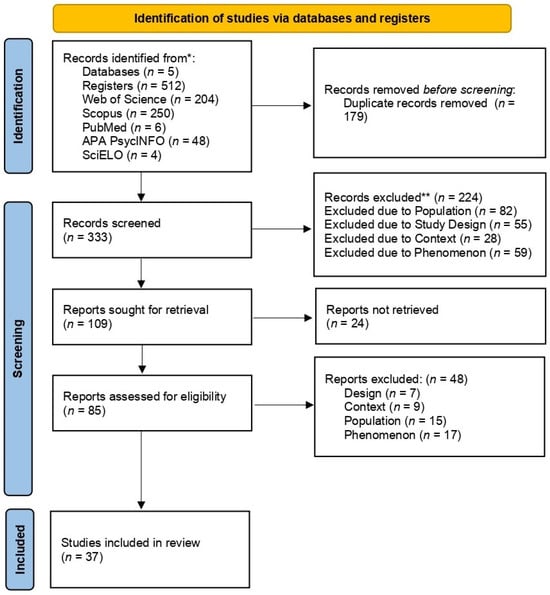
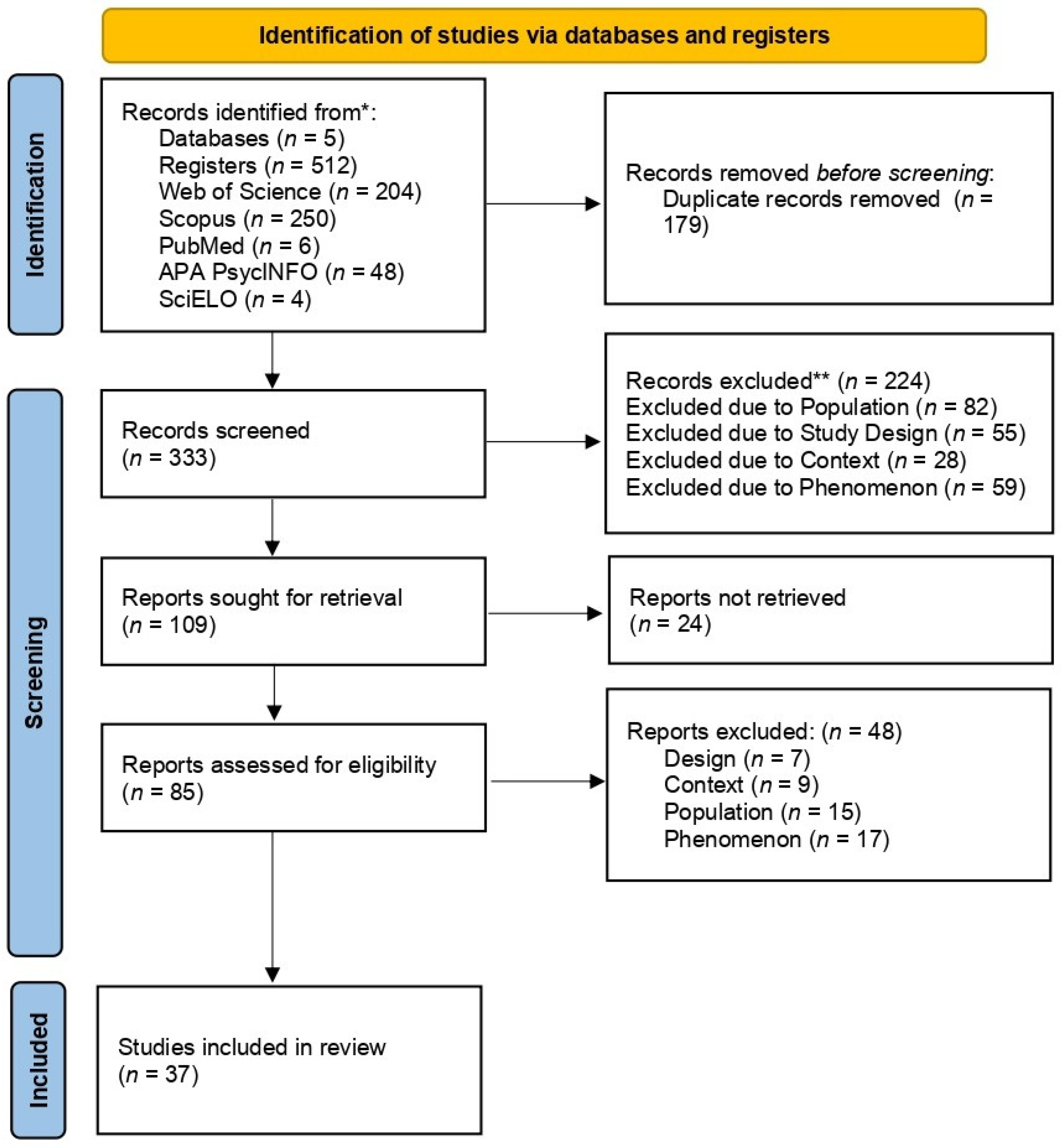

Disclaimer/Publisher’s Note: The statements, opinions and data contained in all publications are solely those of the individual author(s) and contributor(s) and not of MDPI and/or the editor(s). MDPI and/or the editor(s) disclaim responsibility for any injury to people or property resulting from any ideas, methods, instructions or products referred to in the content. |
© 2026 by the authors. Licensee MDPI, Basel, Switzerland. This article is an open access article distributed under the terms and conditions of the Creative Commons Attribution (CC BY) license.