


Abstract
Artificial Intelligence is transforming numerous sectors, and education is no exception. The adoption of generative AI tools in higher education presents significant opportunities for enhancing teaching, learning, assessment, accessibility, and administrative processes. At the same time, their widespread use raises critical ethical concerns related to academic integrity, bias, transparency, data protection, and the possible erosion of critical thinking and creativity. In response, higher education institutions worldwide are beginning to formulate ethical guidelines to govern the use of AI by students, educators, and administrators. However, institutional responses remain diverse across different contexts. This study examines how academic institutions across different countries conceptualise ethical AI use, define risks, and operationalise principles in practical policies through mapping 55 higher education institutions, complemented by an extended analysis of 87 documents. Across the six analysed thematic categories, transparency and disclosure, academic integrity, data protection and privacy, accountability, and risk mitigation are more consistently addressed than accessibility and inclusion. The analysis identifies practical guidance and recognised legitimate AI uses. The discussion considers the interpretation of AI and recommends aligning its use with ethical standards. The article concludes with a summary of the results and directions for future research.
1. Introduction
In a digital environment shaped by billions of connected devices, human–computer interaction has evolved from early forms of computer-mediated communication (Card et al., 1983; Hill et al., 2015), through neural network algorithms (Krizhevsky et al., 2012) and machine learning (LeCun et al., 2015), to contemporary large language models and artificial intelligence tools (Luo et al., 2025). The number and variety of AI tools are rapidly increasing, supported by growing computing resources, databases, and cloud infrastructure. These tools process text, images, media, code, and other forms of digital content. Examples include ChatGPT (2025), GLM-5.3-Flash (2026), BgGPT (2025), Llama (2025), IBM (2025), DeepSeek (2025), Qwen (2025), Doubao (2025), Kimi (2025), and Claude Opus 4.1 (2025). Their use is expanding across many sectors, and education is among the areas most significantly affected. At the same time, the adoption of generative AI tools in higher education presents significant challenges while also offering opportunities to enhance teaching, learning, assessment, admissions, enrolment, financial aid, course planning and degree progression, guidance, multilingual Q&A, and accommodation and accessibility support (Michel-Villarreal et al., 2023). According to the statistics presented in Figure 1 (Statista, 2023), ChatGPT, as an AI-powered chatbot, appears to have been most widely used by companies in the technology and education industries in 2023. An evaluation of the impact of ChatGPT on education (Rejeb et al., 2024) suggests that ChatGPT can offer educational advantages for both students and educators. It can contribute to more inclusive and personalised educational experiences, but institutions need to develop guidelines and policies for AI use in education. Among the growing number of AI concepts and solutions, multilingual large language models are particularly relevant. These models are trained on text from many languages, enabling them to process, understand, and generate content in different languages. Examples of these models include GPT-4o (OpenAI, 2024), Gemini (2025), Llama 3 (2025), Falcon LLM (2025), and Mistral AI (2025).
Figure 1.
Number of companies using ChatGPT in their business in 2023, by industry (Statista, 2023).
Recent research has shown that higher education institutions are increasingly developing policies and guidelines to regulate, support, and pedagogically integrate generative AI, although institutional responses remain uneven across contexts and regions (Chan, 2023; Jin et al., 2025; McDonald et al., 2025; Moorhouse et al., 2023; Spivakovsky et al., 2023; Ullah et al., 2024). AI systems based on LLMs in native languages can drive AI adoption in various institutions, particularly in education.
Although AI tools can support personalised learning, facilitate accessibility, and streamline administrative workflows, their widespread use raises critical ethical concerns, including risks related to academic integrity, bias, transparency, data protection, and the erosion of essential human capabilities such as critical thinking and creativity (Jafari & Keykha, 2024; James Madison University Libraries, 2025). AI ethics can be understood as a set of values, principles, and techniques that employ widely accepted standards such as the IEEE Code of Ethics (Institute of Electrical and Electronics Engineers, 2020), the ACM Code of Ethics and Professional Conduct (Association for Computing Machinery, 2018), and the BCS Code of Conduct (BCS, 2022) to guide moral conduct in the development and use of AI systems. Developing an appropriate understanding of AI ethics and safety will be essential for the responsible use of AI across different areas. A dedicated study (Leslie, 2019) analyses ethical concerns and provides ethical guidance for the responsible design and implementation of AI systems in the public sector.
Government Digital Service (2019) notes that AI ethics has emerged from the need to address individual and societal harms that may arise unintentionally from AI systems. The guidance identifies three main sources of involuntary harm: misuse, questionable design, and unintended negative consequences. These include the use of systems beyond their intended purpose, insufficient consideration of algorithmic bias and safety risks, and failure to anticipate adverse effects on individuals and communities. These considerations are also relevant to the development of policies, strategies, and practices for AI applications in education. Multilingual capabilities can broaden the utility of AI models; however, performance may vary across languages and linguistic contexts, creating a risk of divergent interpretation.
The field of AI ethics should aim to prevent or mitigate potential negative impacts by providing project teams with guidance on the values, principles, and techniques needed to produce ethical, fair, and safe AI applications. In response to these developments, higher education institutions worldwide are beginning to formulate ethical guidelines to govern the use of AI by students, educators, and administrators. However, institutional responses remain diverse, often fragmented, and unevenly formalised across different contexts. While some universities have adopted comprehensive policy frameworks emphasising transparency, accountability, and responsible innovation, others are still grappling with the challenges posed by generative AI in education (New South Wales Government, 2025a; Russell Group, 2023; Universidad de Chile, 2025; University of Geneva, 2025). The aim of this study is to identify, critically evaluate, and document formal approaches to the ethical governance of AI in higher education through an international document analysis, with the literature review serving as contextual background.
Mapping frequently observed governance approaches involves identifying policy provisions that align with ethical principles. The focus is on formal guidance concerning AI use, its anticipated benefits and challenges, and associated ethical considerations. The analysis does not assess implementation effectiveness or institutional performance.
1.1. Research Questions
Based on a critical evaluation of the existing literature and the aims of the present study, the following research questions (RQs) were derived:
- RQ1. Which ethical governance principles are most consistently formalised in higher education AI policies and guidelines?
- RQ2. How are practical recommendations for responsible and ethical AI use operationalised in institutional and regulatory documents?
- RQ3. Which uses of AI are most frequently recognised as legitimate in higher education?
- RQ4. Which areas of AI governance remain less consistently addressed across the analysed documents?
- RQ5. How can taxonomic and ontological distinctions in the conceptualisation of artificial intelligence inform the development of clearer and safer university AI policies?
2. Methodology and Research Design
Previous studies have analysed institutional GenAI policies and guidelines across selected universities and regions, demonstrating the value of cross-document comparison for identifying common governance patterns, gaps, and institutional priorities (Jin et al., 2025; McDonald et al., 2025; Ullah et al., 2024). The first four research questions are addressed through the empirical analysis reported in Section 3, whereas the fifth is addressed through a conceptual synthesis of definitions and terminology derived from the specialised literature, regulatory standards, professional codes, and institutional sources, as discussed in Section 5. These two analytical strands are complementary: the empirical analysis identifies recurring governance patterns and gaps, while the conceptual synthesis examines how definitions and terminology may influence the interpretation and development of AI policies in higher education.
This study employs a qualitative comparative document analysis to examine institutional governance policies regulating the use of artificial intelligence in higher education following a structured multi-step workflow:
- (1)
- Potentially relevant documents were identified through an iterative and purposive search process. Documents were identified through major web search engines, direct searches of university and institutional websites, university policy repositories, and governmental and regional education policy sources. Additional potentially relevant policies and guidelines were identified through professional discussions, academic meetings, and exchanges with colleagues; these sources were subsequently included only when an official, publicly accessible document could be located and verified.
- (2)
- For the institution-level corpus used in Tables 3 and 4, documents were screened according to predefined inclusion criteria: recognised higher education institution, official policy or guideline status, public accessibility, relevance to AI use in higher education, and availability within the defined temporal scope.
- (3)
- Documents that did not meet these institution-level criteria, including informal commentaries, media publications, draft materials, and documents without explicit relevance to AI governance in education, were excluded from the institution-level corpus. A broader set of publicly accessible sources relevant to AI governance and ethical AI use in higher education was retained for the extended document-level analysis of core ethical principles, general guidelines for ethical AI use, and examples of legitimate AI use presented in Tables 5–7.
- (4)
- The selected documents were coded according to six analytical categories: transparency and disclosure, academic integrity, data protection and privacy, accountability, accessibility and inclusion, and risk mitigation.
- (5)
- The coding was cross-checked and verified to ensure consistency of interpretation across documents.
- (6)
- Two related coding schemes were used for different analytical purposes. The institution-level mapping in Tables 3 and 4 uses a binary threshold indicator: 1 indicates that a strong recommendation or mandatory provision is present, whereas 0 indicates that this threshold is not met. Because the purpose of this mapping is to provide a concise institution-level overview of whether each category reaches the strong or mandatory threshold, partial and absent cases are grouped together at this stage. For the institution-level mapping in Tables 3 and 4, the institution was the unit of analysis. Where more than one eligible policy or guidance document was available for the same institution, the documents were considered together in order to determine the institution-level classification for each analytical category. The extended document-level analysis in Tables 5–7 uses the three-level classification “included”, “partially included”, and “not included” to preserve greater analytical detail.
- (7)
- The quantitative mapping was interpreted through comparative synthesis to identify common ethical principles, practical guidelines, legitimate uses of AI, and remaining gaps in institutional AI governance.
The research was conducted in 2025–2026 and focuses on identifying, comparing, and interpreting publicly accessible university policies addressing the ethical, pedagogical, and regulatory use of AI in academic contexts. The methodological approach structures the analysis around three complementary dimensions: literature review, regulatory contextualisation, and comparative analysis of institutional governance approaches to artificial intelligence in higher education (McDonald et al., 2025). The study also draws on established approaches to the development of evaluation criteria in educational research (Jiang, 2016; Williams, 1983), adapting this logic to the analysis of AI policy documents. This allows the study to address questions that have not been fully explored in earlier research, particularly the international analysis of institutional AI governance frameworks (Bittle & El-Gayar, 2025; Ullah et al., 2024).
The analysis applies a qualitative comparative approach to a diverse set of publicly available documents addressing the ethical and regulatory dimensions of AI in academia. Six analytical criteria are used: transparency and disclosure, academic integrity, data protection and privacy, accountability, accessibility and inclusion, and risk mitigation. Building on the idea that both divergence and convergence can support adaptive analytical frameworks (Penev, 2022), the study intentionally includes institutions, regions, and languages from diverse geographical contexts. This diversity supports the identification of recurring ethical principles, regulatory approaches, and governance patterns across different institutional contexts. The broad methodological steps and inclusion criteria were established at the outset to support transparency and analytical consistency throughout the mapping process.
2.1. Corpus Construction and Selection Criteria
The study intentionally spans diverse institutions, geographical contexts, and languages to capture variation in ethical principles, practical guidelines, and models of institutional governance. The corpus was constructed through an iterative purposive search rather than through a predefined systematic database search. The search used Google, Bing, and Google Scholar, together with direct searches of university websites, institutional policy repositories, and relevant governmental and regional sources.
The discovery process was also informed by professional exchanges and academic meetings, which occasionally identified additional institutional or regulatory documents for subsequent verification. The search was progressively expanded across institutions, countries, and languages during the data-collection period from February 2025 to May 2026. The search concluded at the end of May 2026.
No formal saturation criterion was applied because the AI policy landscape was continuously evolving, with new documents being published and existing documents being revised, replaced, or withdrawn. Search terms were adapted iteratively and included combinations of terms such as “artificial intelligence”, “generative AI”, “AI policy”, “AI guidelines”, “ethical AI”, “university”, and “higher education”, together with institution- or country-specific terms where appropriate. No language restriction was applied; non-English documents were eligible for inclusion and were processed using the multilingual procedure described in Section 2.2. The selection criteria for the institution-level corpus are summarised in Table 1.
Table 1.
Selection Criteria for the Institution-Level Corpus.
Documents not meeting the institution-level criteria were excluded from Tables 3 and 4. A separate 87-document corpus was used for Tables 5–7, covering publicly accessible institutional, governmental, regional, sectoral, professional, and other relevant sources on AI governance in higher education.
A minimum of five institutions from each geographical area was used as a sampling criterion to support geographical diversity. The selected sample comprises 55 universities: 17 from Europe, 9 from North America, 5 from South America, 13 from Asia, 5 from Oceania, and 6 from Africa. The sampling strategy reflects a pragmatic analytical research design that prioritises transparency, accessibility, and institutional document analysis.
2.2. Analytical Procedure
The analysis followed a structured qualitative coding process.
First, an initial analytical framework, broadly corresponding to the six thematic categories used in the final analysis, was defined before the full coding process.
Second, the collected publicly accessible documents were reviewed and compared against this initial framework. The categories were subsequently refined through iterative comparison across institutional documents to improve their clarity, scope, and consistency of application.
Third, the refined thematic categories were applied through cross-document synthesis, enabling the identification of shared regulatory approaches, governance priorities, and structural similarities across institutional frameworks.
The final thematic structure presented in the Results section therefore reflects both the initial analytical framework and its subsequent refinement through cross-document comparison.
Three researchers participated in the document collection, coding, and verification process. The corpus was not coded independently in full by each researcher; instead, coding decisions and interpretations were cross-checked within the research team, and cases requiring clarification were discussed until agreement was reached. No formal intercoder reliability coefficient was calculated.
No separate coder-training or pilot-coding exercise was conducted. All three researchers had prior experience and subject-matter expertise relevant to the analysis. Coding was guided by the shared analytical framework, and consistency was supported through continuous communication, cross-checking, and discussion of cases requiring clarification. For documents not available in English, machine-assisted translation was used where necessary, with the original-language text consulted when clarification of terminology or meaning was required. Particular attention was given to terms whose meaning could vary across languages, especially where such differences could affect coding decisions.
Table 2 presents the thematic categories and typical policy elements used in the comparative analysis of selected policies for AI use in higher education.
Table 2.
Main Analytical Thematic Categories.
Figure 2 illustrates the analytical process applied to the institution-level corpus, beginning with the identification of potentially relevant documents, followed by screening according to the inclusion criteria described above. The documents are then coded according to the six analytical categories, followed by cross-checking and verification. The process concludes with quantitative aggregation and interpretive synthesis.
Figure 2.
Analytical process.
The institution-level results are presented in Table 3 and Table 4. Transparency and disclosure are represented by C1, academic integrity by C2, data protection and privacy by C3, accountability by C4, accessibility and inclusion by C5, and risk mitigation by C6. For these tables, a binary threshold indicator is used: 1 indicates that a strong recommendation or mandatory provision is present, whereas 0 indicates that this threshold is not met. For more than one document from a single university, a logical disjunction applies. A value of 0 should therefore not be interpreted as complete absence, since it may also include partial or non-mandatory treatment.
Table 3.
Mapping of Thematic Categories for Europe (N = 17 institutions).
Table 4.
Mapping of Thematic Categories for Asia, North and South America, Oceania, and Africa (N = 38 institutions).
2.3. Regulatory Contextualisation
The institutional analysis was interpreted within the broader regulatory environment governing artificial intelligence and digital technologies in education. Particular attention was given to frameworks such as the General Data Protection Regulation (GDPR) and the European Union Artificial Intelligence Act (European Parliament & Council of the European Union, 2016, 2024). Regulatory analysis was not treated as a separate methodological strand but rather as a contextual layer supporting the interpretation of institutional governance approaches. Overarching regulatory frameworks were used for contextual interpretation, whereas selected governmental, regional, sectoral, professional and other relevant guidance documents were included in the extended document-level corpus (N = 87) when they were relevant to AI governance or ethical AI use in higher education and were coded as analytical units. This contextualisation supported the interpretation of institutional provisions alongside broader regulatory principles such as data protection, transparency, accountability, and risk management.
2.4. Evaluative Criteria for Identifying Promising Policy Provisions
The study applied explicit evaluative criteria to compare policy provisions and institutionally documented governance approaches. Policy provisions were assessed according to five criteria: normative coherence and clarity; alignment with existing regulatory frameworks; enforceability and operational specificity; protection of academic integrity and student rights; and balance between innovation support and risk mitigation. These criteria guided the analytical comparison of institutional policies and enabled the identification of governance approaches characterised by greater conceptual clarity, regulatory alignment, and operational specificity. Importantly, the criteria were not used to rank institutions but to support the comparative interpretation of different governance approaches.
3. Results
This section summarises the results of the policy analysis. Table 3 and Table 4 present an institution-level mapping of 55 higher education institutions. Table 5, Table 6 and Table 7 present a separate document-level analysis based on a corpus of 87 publicly accessible sources relevant to AI governance and ethical AI use in higher education, including institutional policies and guidelines, governmental and regional guidance, sectoral and professional frameworks, and other relevant source documents. In these tables, the individual document is the unit of analysis, and all percentages are calculated using the 87 analysed documents as the denominator. Each document contributed one observation to the document-level analysis, and no additional weighting was applied by institution, document type, or geographical origin. Documents are classified as “included”, “partially included”, or “not included”. “Included” denotes mandatory or required provisions, whereas “partially included” denotes recommended or suggested but non-mandatory provisions. The presentation of the results is aligned with RQ1–RQ4: Section 3.2 and Section 3.6 address RQ1, Section 3.7 addresses RQ2, Section 3.8 addresses RQ3, and Section 3.3 highlights the less consistently addressed areas relevant to RQ4.
3.1. International and Multilingual Scope of the Institutional Policy Corpus
The institutional sample spans diverse geographical and linguistic contexts. This international and multilingual scope is intended to support the identification of recurring patterns in the formal treatment of ethical AI governance rather than to provide representative regional comparisons.
3.2. Distribution of the Six Ethical Governance Categories
The mapping indicates that strong or mandatory policy provisions are most consistently observed in transparency and disclosure, academic integrity, data protection and privacy, accountability, and risk mitigation. The category of accessibility and inclusion is less consistently represented at the same level, suggesting that this dimension remains less explicitly formalised in many of the institutional documents examined.
3.3. Areas of Stronger and Weaker Policy Development
The institution-level analysis indicates more consistent policy coverage of academic integrity, transparency, privacy, accountability, and risk control. Accessibility and inclusion are less consistently addressed. The extended document-level analysis in Table 5, Table 6 and Table 7 also identifies weaker coverage of sustainability, cybersecurity, and responsible procurement.
3.4. Ethical and Unethical Use of AI
Imperial College London (2025a) provides the following examples of ethical and unethical uses of AI, particularly generative AI: ethical use includes using AI tools to support one’s own learning during the course, whereas unethical use includes using AI tools to generate, correct, or otherwise improve all or part of an assessment submission, except where such use is explicitly permitted. Unauthorised or inappropriate use of generative AI may constitute a breach of academic integrity or academic misconduct, including plagiarism or related forms of misconduct, depending on the applicable institutional rules (Australian National University, n.d.; Cornell University, 2023, 2025; Elon University, 2024, 2025; Tokyo City University, 2024; Universidad Abierta y a Distancia de México, 2025; Universidad de Guanajuato, 2025; Universidad de los Andes, 2024; Universidad de Navarra, 2024; Universidad de València, 2024; Universidade Estadual de Campinas, 2025, 2026; University of Auckland, 2026; University of Cape Town, 2025; University of Pretoria, 2026; Wrocław University of Science and Technology, 2026).
Some institutions also emphasise transparency through explicit disclosure requirements. Stellenbosch University, for example, requires postgraduate students to declare the use of AI tools in research assignments, theses, and dissertations (Stellenbosch University, 2025).
3.4.1. Plagiarism
Imperial College London (2025a) treats the unauthorised or unacknowledged submission of AI-generated work as academic misconduct, which may fall under plagiarism, collusion, or contract cheating. Comparable restrictions on the unauthorised or undisclosed submission of AI-generated work are reflected in the guidance of other institutions (Hong Kong Metropolitan University, 2025; Korea University Library, 2025; Mohammed VI Polytechnic University, 2025; Newcastle University, 2025; Ryukoku University, 2025; ShanghaiTech University, 2025; The University of Melbourne, 2025a, 2025b; Tomsk State University, 2024; Universidad de Chile, 2025; Universidad de València, 2024; Università degli Studi di Bergamo, 2025; University of Geneva, 2025).
3.4.2. Honesty and Integrity
Academic integrity and assessment design remain among the most prominent concerns in the literature on generative AI in higher education, particularly in relation to authorship, transparency, assessment validity, and misconduct (Bittle & El-Gayar, 2025; Ilieva et al., 2025; Moorhouse et al., 2023). Students should demonstrate a commitment to independence, honesty, and transparency. They should be honest and truthful in their dealings with each other and with third parties. Students engaged in research activities should conduct their research in a way that supports public trust and confidence in their institution’s research methods and findings. They should demonstrate rigour, honesty and integrity, and abide by relevant ethical and legal standards. Students should not become complicit in any activities in which a student gains an unfair advantage through plagiarism, self-plagiarism, collusion, examination offences, dishonest practice, or other means.
Students should comply with the applicable institutional policies on academic integrity and academic misconduct (Atilim University, 2025; Bauhaus University Weimar, 2024; Imperial College London, 2025a; North Carolina State University, 2023; Politehnica University of Bucharest, 2025; Universidad Nacional Mayor de San Marcos, 2025; Universidade de São Paulo, n.d.; University of Geneva, 2025; University of Johannesburg, 2024; Western University, 2026).
3.5. Risks and Issues to Consider When Using Generative AI Tools
Generative AI can produce fluent and apparently coherent responses to complex prompts. However, such outputs are generated through statistical modelling of language and should not be interpreted as evidence of human-like understanding (University of Portsmouth, 2025).
As a result, many institutions identify significant risks associated with the use of AI in higher education (Beijing Academy of Educational Sciences et al., 2024; Korea University Library, 2025; Philipps-Universität Marburg, 2023; Shanghai Jiao Tong University, 2025; Sophia University, 2025; University of Geneva, 2025; University of Lübeck, 2025; University of Lucerne, 2025).
3.6. Principles for the Use of AI in Universities
Concerns about the use of AI in higher education have led some universities to define basic principles for the ethical use of AI in the educational process. The results presented in Table 5, expressed as percentages of the total number of analysed documents, indicate a strong convergence across the analysed documents around a core set of ethical principles for AI use in higher education.
The most consistently represented principles are honesty, privacy and data protection, academic integrity, accountability and ownership, transparency, clear guidance, and compliance with institutional rules. This suggests that the analysed documents primarily frame ethical AI use through the lenses of responsible conduct, academic trust, and regulatory compliance. The high level of inclusion of privacy and data protection, academic integrity, honesty, transparency, and accountability demonstrates that the analysed sources are strongly oriented toward preventing misuse and preserving the credibility of academic work. These findings are consistent with the broader purpose of the study, namely, to identify how higher education institutions operationalise ethical principles in formal AI policies and guidelines.
At the same time, Table 5 below also shows that some principles remain less consistently represented across the analysed documents. Accessibility, equity and non-discrimination, collaboration, and especially sustainability appear less frequently or are often only partially addressed. This indicates that many AI policy and guidance documents have moved quickly to address the immediate risks of generative AI, such as plagiarism, non-disclosure, and data protection, but have not yet fully integrated broader systemic concerns. These include equal access to AI tools, inclusive pedagogical design, interdisciplinary governance, and the environmental implications of AI use. The comparatively weak presence of sustainability is particularly important. Although AI systems depend on substantial computational resources, environmental responsibility is still rarely treated as a core principle in the analysed AI policy and guidance documents. This suggests a gap between general professional codes of ethics, which often include responsibility toward society and the environment, and the more immediate operational focus of university AI guidelines.
Overall, these findings show that the ethical governance of AI in higher education is most consistently represented in relation to integrity, privacy, transparency, and accountability. However, the findings also suggest the need for a second stage of policy development, in which institutions move beyond compliance-focused guidance and address broader educational, social, and environmental dimensions of responsible AI use. The growing use of AI in higher education has prompted the development of guiding principles for its ethical application in teaching, learning, research, and administration that reflect a commitment to responsible innovation, student empowerment, and alignment with institutional missions.
Table 5.
Core Ethical Principles for the Use of AI in Higher Education Identified in the Analysed Documents (N = 87 documents).
The 87 documents analysed in Table 5, Table 6 and Table 7 are listed separately under “References to analysed documents” in Supplementary Materials.
Table 5 highlights recurring principles such as responsible AI-supported learning and future-oriented skills (Académie de Paris, 2024; Al-Farabi Kazakh National University, 2024; Atilim University, 2025; Beijing Academy of Educational Sciences et al., 2024; Gomel State University, 2025; Harvard University Information Technology, 2025; Hisar Okulları, 2025; Imperial College London, 2025b; Korea University Library, 2025; Russell Group, 2023), critical understanding of generative AI (University of Geneva, 2025; University of Portsmouth, 2025), and respect for human rights, privacy, data protection, and academic values (Crue Universidades Españolas, 2024; Deutscher Bundestag, 2025; Hacettepe University, 2025; Hefei University of Technology, 2025; James Madison University, 2025; Ministerio de Justicia Argentina, 2023; Poznan University of Technology, 2024; Southern Cross University, 2026; Swansea University, 2025a; Universidad de Chile, 2025; Vitebsk State University, 2025). Despite differences in wording, the analysed sources converge on themes of awareness, academic integrity, transparency, data protection, adaptability, and equity, as synthesised in Table 5.
3.7. Guidelines for the Use of AI in Universities
With the increasing presence of generative AI in academic settings, higher education institutions have issued practical guidance to support responsible use by students and staff. These recommendations address issues such as authorship, data security, fairness, academic honesty, and compliance with course-specific policies.
Table 6.
General Guidelines for Ethical AI Use in Higher Education Identified in the Analysed Documents (N = 87 documents).
An analysis of the published guidance and related source documents in the extended corpus identifies common recommendations that are summarised in Table 6 above. The list of analysed documents is provided separately after the main reference list.
Table 6 presents a thematic grouping of the analysed guidance and related source documents for ethical AI use in higher education, with emphasis on responsible practices, data protection, academic integrity, and compliance with course-specific policies. It translates the broader ethical principles identified in Table 5 into practical guidance for students, teachers, and institutions.
The most frequently included guidelines relate to using AI as support for learning rather than as a substitute for student effort, acknowledging AI-generated content, protecting personal and sensitive data, following course-specific rules, and verifying the accuracy of AI outputs. This indicates that the analysed documents not only formulate broader ethical principles but also provide operational guidance for everyday academic practice.
An important finding is the strong emphasis on the student’s responsibility for submitted work. Guidelines on authorship, disclosure, citation, and academic misconduct show that many of the analysed documents treat AI use as part of the broader academic integrity framework. In this sense, AI is not necessarily prohibited, but its use must be transparent, justified, and aligned with the learning objectives of the course. The approach allows universities to support innovation while maintaining fairness in assessment.
The results also show that privacy and data minimisation have become central elements of ethical AI use. The high level of inclusion of recommendations not to enter personal, confidential, or sensitive data into public AI tools reflects growing awareness that AI ethics is not limited to plagiarism and assessment. It also includes data governance, security, and institutional responsibility for protecting students, staff, and research participants.
However, several areas remain less consistently developed. Guidance related to procurement of AI tools, institutional IT approval, cybersecurity risks, deepfakes, phishing, and broader digital security is less frequently included or is often only partially addressed. This suggests that many policies are still primarily educational and assessment-oriented, while the infrastructural and cybersecurity dimensions of AI governance remain underdeveloped.
Another finding is that some general recommendations, such as “do not use AI if you would not delegate the task to another person,” appear in relatively few documents. This may indicate that institutions prefer more concrete and context-specific rules instead of broad ethical analogies. It also reflects the complexity of AI use in education, where acceptable use depends heavily on the course, assessment type, learning outcomes, and instructor expectations.
Across the analysed documents, ethical AI guidance is practical but uneven. The strongest areas are academic integrity, disclosure, privacy, and responsible learning support. The less consistently addressed areas include cybersecurity, institutional procurement, and consistent interpretation across courses and departments. This confirms the need for clearer, more harmonised, and regularly updated institutional guidance.
However, such guidelines are not always standardised across institutions, courses, or departments. Students and educators are often expected to interpret them in relation to local contexts, disciplinary norms, and specific assessment instructions.
This makes transparency, critical awareness, and proactive communication particularly important.
3.8. Examples of Ethically Appropriate Uses of AI Technologies
Table 7 presents a quantitative assessment of examples of AI use identified as legitimate in the analysed documents, expressed as percentages of the total number of analysed documents. The table identifies the types of AI use that the analysed documents most commonly present as legitimate in higher education. The strongest pattern is the acceptance of AI as a supplementary learning tool. Most documents support the use of AI for additional explanations, examples, preparatory work, feedback, ideation, and support for understanding course material. This pattern indicates growing acceptance of AI as part of the learning environment, provided that its use remains transparent, bounded, and aligned with educational objectives.
The high level of inclusion of supplemental learning, routine preparatory work, personalised feedback, and ideation suggests that AI is generally presented as acceptable when it supports rather than replaces human learning. In this sense, AI is treated as a tool for scaffolding, reflection, and enhancement, not as an autonomous producer of academic work. This distinction is important for interpreting legitimate AI use: legitimacy depends not only on the tool itself, but also on the purpose, level of disclosure, and relationship to the intended learning outcomes.
The data also show that more advanced or discipline-specific applications are less consistently represented. Active learning, language practice, and especially virtual and augmented reality appear less frequently or are only partially included. This may be explained by the fact that many higher education AI policy and guidance documents are still focused on generative text-based tools, especially chatbots and large language models, while multimodal, immersive, and adaptive AI applications are not yet fully reflected in institutional guidance.
Table 7.
Examples of Legitimate AI Use in Higher Education Identified in the Analysed Documents (N = 87 documents).
The relatively low inclusion of AI-enhanced VR and AR should not necessarily be interpreted as rejection. Rather, it suggests that institutional AI policies are still at an early stage and tend to address the most visible and widely used tools first. As AI becomes embedded in simulation environments, adaptive learning platforms, language learning systems, and assessment technologies, future policies will need to expand their definitions of legitimate use beyond text generation.
Table 7 also highlights the importance of pedagogical framing. The same AI activity may be ethical or unethical depending on how it is used. For example, using AI to generate ideas, compare alternative explanations, or receive formative feedback can support learning. By contrast, submitting AI-generated output as one’s own work, using AI to bypass the development of required competences, or relying on AI without verification would conflict with the principles of academic integrity and accountability identified in Table 5.
Table 7 indicates that the educational potential of AI is recognised particularly in supportive and formative roles. The next challenge for higher education policy is to define more clearly how legitimate AI use can be embedded in curriculum design, assessment, feedback, accessibility, and lifelong learning without weakening student agency, authorship, critical thinking, and responsibility.
4. Limitations
This study has several limitations that should be considered when interpreting the findings. First, the corpus was constructed using a pragmatic and non-random sampling strategy. The number of institutions differs across geographical areas, and the study therefore does not claim statistical representativeness or population-level regional comparison. Future research could extend the corpus and apply a more balanced sampling design to support more systematic geographical comparison.
Second, the analysis is based only on publicly accessible source documents relevant to AI governance and ethical AI use in higher education. These include institutional policies and guidelines, governmental and regional guidance, sectoral and professional frameworks, and other relevant sources included in the extended corpus. Internal or non-public guidance could not be included. AI-related policies are also developing rapidly, and some documents may have been revised, replaced, or removed after the data-collection period. Longitudinal studies could help examine how institutional AI governance changes over time.
Third, the multilingual character of the corpus creates an additional interpretive limitation. Machine-assisted translation was used where necessary, and semantic differences across languages may affect the interpretation of terms such as “intelligence”, “learning”, “knowledge”, and related concepts, as well as binary coding in Table 3 and Table 4 where a value of 1 represents a mandatory provision or strong recommendation and a value of 0 combines cases in which the strong, mandatory threshold is not reached, potentially including both partial treatment and absence. Coder judgement therefore remains a possible source of subjectivity, even where coding was cross-checked. Future studies could strengthen this aspect through more systematic multilingual validation and formal intercoder reliability procedures.
Finally, the analysed documents are heterogeneous in type and scope, and written policy should not be treated as equivalent to actual institutional practice. The reported frequencies indicate how often particular themes are present in the analysed corpus, but they do not measure the quality, effectiveness, implementation, or compliance of the policies themselves. Further empirical work could examine how formal AI policies are interpreted and implemented by students, academic staff, and university administrators.
5. Discussion
The corpus-level findings generated by the document analysis are reported in Section 3. The present Discussion extends beyond these empirical results to consider broader conceptual and normative issues concerning how AI is defined and interpreted in higher education policy. Drawing on the literature, institutional definitions, regulatory standards, and professional codes, it discusses ontological and taxonomic aspects of artificial intelligence that may influence its ethical use and the development of university policies. These considerations are presented as contextual interpretations and recommendations rather than as findings generated by the coded corpus. Artificial intelligence encompasses a broad range of systems and applications capable of performing tasks commonly associated with human intelligence, including language processing, content generation, and decision support (Oxford English Dictionary, 2023). In higher education, AI may also support accessibility and personalised learning, including opportunities for remote learners and students with disabilities (James Madison University Libraries, 2025). This broad range of applications makes the way AI is defined and conceptualised in institutional policies particularly relevant to its ethical governance. Across different domains and publications, various definitions of artificial intelligence, generative artificial intelligence, and ethical AI use can be found. Although many institutions understand these concepts in similar ways, important differences remain in terminology, emphasis, and practical interpretation.
A common understanding of AI is that it is a technology that enables machines to imitate various complex human skills (Sheikh et al., 2023). However, potentially misleading interpretations can be found in some popular sources and university policies. UNESCO similarly describes AI systems as potentially capable of imitating or exceeding certain human cognitive capacities, including sensing, language interaction, reasoning, problem solving, and creativity (Sabzalieva & Valentini, 2023). Many of the policies examined use concepts such as “intelligence”, “learning”, “reasoning”, “knowledge”, and “content”, although the degree of conceptual precision and differentiation between these terms varies across documents.
The University of Lincoln draws on the Oxford English Dictionary definition of AI as the capacity of machines to exhibit or simulate intelligent behaviour and to perform tasks previously associated with human intelligence (Oxford English Dictionary, 2023; University of Lincoln, 2025). Western Sydney University, drawing on the New South Wales AI Assurance Framework, describes AI in terms of advanced computational methods that identify meaningful patterns in data and support decision-making (New South Wales Government, 2025b; Western Sydney University, 2025). St. John’s University similarly characterises AI as involving machines that perform tasks commonly associated with human intelligence through data-driven learning, pattern recognition, natural language processing, and interaction with the environment (St. John’s University, 2024). AI may also include tools for research summarisation, automated data analysis, and synthetic data generation (Bekker, 2024). As AI tools continue to develop rapidly, definitions of AI should not be treated as fixed, and emerging forms of AI should not be excluded (North-West University, 2024). Buckley and Zwarthoed (2024) conceptualise AI as the simulation of human intelligence processes by computer systems, including learning, reasoning, prediction, content generation, and self-correction. This emphasis on simulation helps distinguish artificial from natural intelligence.
Generative AI is a specific type of AI capable of generating new content such as text, images, music, and more. It integrates technologies such as natural language processing, machine learning, and deep learning and is trained on large volumes of data. For example, tools such as ChatGPT (2025), Gemini (2025), GLM-5.3-Flash (2026), BgGPT (2025) and similar tools can answer questions, provide explanations and summaries, draft documents, and simulate discussions, among other things. Other examples of AI technologies include voice dictation and speech recognition, computer vision, robotics, recommender systems, and knowledge graphs (St. John’s University, 2024).
Western Sydney University adopts the New South Wales Government’s broad definition of generative AI as artificial intelligence capable of producing new content, including text, images, video, audio, or code (New South Wales Government, 2025a; Western Sydney University, 2025).
Harvard University and North-West University similarly describe generative AI as systems that learn from and mimic large amounts of data to create different forms of content in response to inputs or prompts (Harvard University Information Technology, 2025; North-West University, 2024).
An examination of authoritative, normative, and conceptual definitions and interpretations reveals inconsistencies in how artificial intelligence is understood (American Psychological Association, 2018; Chinese Dictionary, n.d.; Copeland, 2026; Dudenredaktion, n.d.; Institute for Bulgarian Language, n.d.; McCarthy et al., 2006; Oxford English Dictionary, 2023; Priberam, n.d.; Real Academia Española, n.d.; Vassilev et al., 2024, 2025). Attempts to translate these concepts across languages may further increase the risk of misunderstanding and divergent expectations (DeepL Translator, 2026).
From a different perspective, the definition of AI proposed by the High-Level Expert Group on Artificial Intelligence (2019) raises questions about its suitability for policy development. This definition leaves room for further clarification regarding its scope and operational interpretation.
A clearer distinction between data, information, content, knowledge, and responsibility could help improve university AI policies. Many institutional documents use terms such as ‘learning’, ‘reasoning’, ‘knowledge’, and ‘intelligence’, but these terms are not always clearly defined. This may create unrealistic expectations about what AI systems can do and may blur the distinction between human cognitive performance and machine-based simulation. For this reason, future AI policies in higher education should use more precise terminology when describing the role of AI in learning, assessment, authorship, and decision-making.
The rapid growth in the number of artificial intelligence tools and applications raises questions about resource use, leading to global ethical issues and risks. University policies on the ethical use of artificial intelligence in education could benefit significantly from following widely accepted standards and codes of ethical conduct. An analysis of professional codes of ethics and conduct from scientific, engineering, and computing associations reveals a recurring emphasis on environmental responsibility. These codes commonly encourage professionals to support sustainable development, disclose risks that may threaten the public or the environment, and adopt environmentally responsible practices in the design and use of technology. Taken together, they frame the protection of people, society, and the natural environment as an ethical responsibility and encourage professionals to minimise the negative impacts associated with technological development and use (Association for Computing Machinery, 2018; BCS, 2022; Brazilian Computer Society, 2024; China Computer Federation, 2023; Código Ético y Deontológico de la Ingeniería Informática, 2026; Institute of Electrical and Electronics Engineers, 2020; Russian Union of Scientific and Engineering Associations, 2002).
Establishing environmental protection as a fundamental principle in university policies on the use of artificial intelligence could have two positive consequences:
- Reducing irresponsible AI use and the unnecessary consumption of resources by students and staff;
- Enhancing students’ awareness and understanding of the ethical use of artificial intelligence in their future professional careers.
In this sense, published studies and statistical data indicate that the energy consumption of artificial intelligence systems requires ethical consideration (Luccioni et al., 2024; Maslej et al., 2024). The water footprint of AI models also deserves attention (Li et al., 2025). These issues should be reflected in regulatory standards, institutional frameworks, and legislation.
ISO/IEC 42001:2023, an international standard that specifies requirements for an Artificial Intelligence Management System (AIMS), could support the development of ethical AI policies in education for entities providing or utilising AI-based products or services, thereby supporting the responsible development and use of AI systems (International Organization for Standardization, 2023). Certification requirements for AI providers could also inform university ethical policies. The design, implementation, and continuous improvement of AI policies would benefit from clear and consistent definitions and interpretations of AI. Several recurring conceptual issues can be identified across definitions published in the literature (Osborn, 2023; Oxford English Dictionary, 2023; Vassilev et al., 2024, 2025). A first factor concerns the understanding and interpretation of the term intelligence. In cross-language translation, ‘intelligence’ and ‘intellect’ may be conflated (DeepL Translator, 2026), which warrants particular attention in educational institutions responsible for developing knowledge and understanding.
A second factor concerns the gap between what AI is perceived to be capable of and what AI systems can actually do. Many definitions are based on the assumption that AI can perform tasks or exhibit behaviour similar to humans (Oxford English Dictionary, 2023; Vassilev et al., 2024, 2025). However, since AI systems process data through computational models, policies should clarify the distinction between simulation, modelling, and genuine human performance.
A third factor concerns the type of material on which artificial intelligence operates. AI systems process digitised text, large language model outputs, datasets stored in data centres, and other forms of digital content. University policies should distinguish such digital content from human knowledge and, where relevant, from wisdom. This distinction matters for reliability, trustworthiness, currency, accuracy, level of abstraction, and the time needed for correction and validation. The ISO/IEC 5259 series on data quality for analytics and machine learning may provide useful guidance (International Organization for Standardization, 2024).
A fourth factor concerns the way AI systems are improved. Many definitions refer to machine learning, which is implemented through different types of neural networks and related algorithms whose efficiency may vary (Chen, 2024).
The identification of ethical risks therefore requires a clearer distinction between human learning and the computational adjustment of neural network parameters through preprogrammed operations. Finally, according to Article 6 of Regulation (EU) 2024/1689 (European Parliament & Council of the European Union, 2024), an AI system may be considered high-risk when specific conditions are fulfilled. Applying this risk-based perspective to university policies could support safer and more secure use of AI in higher education.
With regard to RQ5, the conceptual arguments discussed suggest that clearer taxonomic and ontological distinctions between human cognitive concepts and machine-based operations can support more precise definitions of AI capabilities, responsibilities, and risk boundaries in university policies.
Examining the issues discussed above regarding definitions and interpretation could help in developing more precise policies for the use of AI in higher education.
6. Conclusions
In summary, this article presents findings from a structured international comparative document analysis of ethical dimensions of AI use in higher education.
It examined similarities and variations across six thematic categories through which the ethical use of artificial intelligence is conceptualised, risks are defined, and principles are translated into practical policies in different institutional contexts. The study also considered regulatory frameworks, such as the General Data Protection Regulation (GDPR), the EU AI Act, and codes of ethics and professional conduct, as contextual reference points for interpreting institutional AI governance. In comparison to earlier publications (Bittle & El-Gayar, 2025; Ullah et al., 2024), the study takes a slightly different focus and highlights the following contributions:
- It includes an international and multilingual corpus of university policies and related documents;
- It links university policies to the regulatory context and practical guidelines;
- It employs six analytical categories: transparency and disclosure, academic integrity, data protection and privacy, accountability, accessibility and inclusion, and risk mitigation;
- It extends the scope of the analysis by including not only ethical principles but also operational guidelines and examples of legitimate AI use;
- It highlights both more consistently addressed areas—such as privacy, transparency, and academic integrity—and less consistently addressed areas, such as accessibility, sustainability, cybersecurity, responsible procurement, and conceptual clarity regarding “exhibiting human-like behaviour” versus “machine-based simulation”.
Drawing on a structured comparative analysis of institutional and related policy and guidance documents, supported by the relevant research literature, the study (i) synthesised existing definitions and ethical frameworks; (ii) identified recurrent risks and approaches; and (iii) documented how the analysed sources describe appropriate and inappropriate uses of AI in academia.
Further research should examine how higher education institutions can move from general ethical principles toward more operational, enforceable, and pedagogically meaningful AI governance frameworks. Future studies could further investigate how universities define and distinguish concepts such as intelligence, learning, reasoning, content, knowledge, and responsibility in AI-related policies. Particular attention should be given to the distinction between human cognitive performance and machine-based simulation, as this distinction has important implications for academic integrity, authorship, assessment design, and student responsibility. Further research may also explore how institutional AI policies can better integrate emerging standards for AI management, data quality, cybersecurity, sustainability, accessibility, and responsible procurement of AI tools.
Supplementary Materials
The following supporting information can be downloaded at: https://www.mdpi.com/article/10.3390/educsci16101694/s1, File S1: References to analysed documents.
Author Contributions
Conceptualization, K.P., V.S. and R.D.; methodology, V.S. and R.D.; formal analysis, K.P., V.S. and R.D.; investigation, K.P., V.S. and R.D.; resources, V.S. and R.D.; data curation, K.P., V.S. and R.D.; writing—original draft preparation, K.P. and V.S.; writing—review and editing, K.P., V.S. and R.D.; visualization, K.P. and V.S.; supervision, K.P. and V.S.; project administration, V.S. and R.D.; funding acquisition, V.S. and R.D. All authors have read and agreed to the published version of the manuscript.
Funding
This publication was supported by the National Recovery and Resilience Plan of the Republic of Bulgaria, project BG-RRP-2.004-0005. The research activities and manuscript preparation were supported by project BG-RRP-2.004-0005 and by the Erasmus+ project EmpowerAI: Navigating the Ethical Dimensions of AI in Academic Education (Project No. 2024-1-BG01-KA220-HED-000252605). The authors would like to thank the Research and Development Sector at the Technical University of Sofia for providing financial support.
Institutional Review Board Statement
Not applicable.
Informed Consent Statement
Not applicable.
Data Availability Statement
The source documents analysed in this study are publicly accessible through the URLs provided in the main References section and in the section “References to analysed documents” in Supplementary Materials. A related mapping report developed within the Erasmus+ project EmpowerAI: Navigating the Ethical Dimensions of AI in Academic Education (WP2, Task 2.2) is publicly available at: https://docs.google.com/document/d/1eplKNR5Rgq3xzWQJo6K7GfpeNBiumGUrLH4f7cVLhFs/edit?usp=sharing (accessed on 22 August 2026).
Acknowledgments
The authors acknowledge the contribution of the Erasmus+ project EmpowerAI: Navigating the Ethical Dimensions of AI in Academic Education (Project No. 2024-1-BG01-KA220-HED-000252605) to the conceptual framework, policy mapping, and analytical approach of this study. The authors also acknowledge the non-financial institutional support provided through Project BG-RRP-2.004-0005 “Improving the research capacity and quality to achieve intErnAtional recognition and reSilience of TU-Sofia (IDEAS)”. Financial support is reported separately in the Funding section. During the revision of this manuscript, the authors used ChatGPT (2025), Gemini (2025) and GLM-5.3-Flash (2026) for language refinement, restructuring, reformulation of selected passages, reference ordering and formatting. The authors reviewed and edited all AI-assisted output and take full responsibility for the content of this publication.
Conflicts of Interest
The authors declare no conflicts of interest. The funders had no role in the design of the study; in the collection, analyses, or interpretation of data; in the writing of the manuscript; or in the decision to publish the results.
Abbreviations
The following abbreviations are used in this manuscript:
| AI | Artificial Intelligence |
| LLM | Large Language Model |
| GDPR | General Data Protection Regulation |
| AIMS | Artificial Intelligence Management System |
| GPT | Generative Pre-trained Transformer |
| VR | Virtual Reality |
| AR | Augmented Reality |
References
- Académie de Paris. (2024). L’intelligence artificielle dans l’éducation [Artificial intelligence in education]. Académie de Paris. Available online: https://www.ac-paris.fr/L-intelligence-artificielle-dans-l-education-130992 (accessed on 22 August 2026).
- Al-Farabi Kazakh National University. (2024). Statement on applications of artificial technology. Intelligence in NAO Al-Farabi Kazakh National University. Al-Farabi Kazakh National University. Available online: https://farabi.university/storage/files/261078163566e14e4ed8cd9558221907_%D0%9F%D0%BE%D0%BB%D0%BE%D0%B6%D0%B5%D0%BD%D0%B8%D0%B5%20%D0%BE%20%D0%BF%D1%80%D0%B8%D0%BC%D0%B5%D0%BD%D0%B5%D0%BD%D0%B8%D0%B8%20%D1%82%D0%B5%D1%85%D0%BD%D0%BE%D0%BB%D0%BE%D0%B3%D0%B8%D0%B9%20%D0%B8%D1%81%D0%BA%D1%83%D1%81%D1%81%D1%82%D0%B2%D0%B5%D0%BD%D0%BD%D0%BE%D0%B3%D0%BE%20%D0%B8%D0%BD%D1%82%D0%B5%D0%BB%D0%BB%D0%B5%D0%BA%D1%82%D0%B0%20%D0%B2%20%D0%9A%D0%B0%D0%B7%D0%9D%D0%A3.pdf (accessed on 22 August 2026).
- American Psychological Association. (2018). Artificial intelligence (AI). In APA dictionary of psychology. American Psychological Association. Available online: https://dictionary.apa.org/artificial-intelligence (accessed on 22 August 2026).
- Association for Computing Machinery. (2018). ACM code of ethics and professional conduct. Association for Computing Machinery. Available online: https://www.acm.org/code-of-ethics (accessed on 22 August 2026).
- Atilim University. (2025). ATILIM üniversitesi yapay zeka kullanim politikasi [Artificial intelligence use policy]. Atilim University. Available online: https://www.atilim.edu.tr/uploads/pages/mevzuat-1517410923/1748592536-ATILIM%20%C3%9CN%C4%B0VERS%C4%B0TES%C4%B0%20YAPAY%20ZEKA%20POL%C4%B0T%C4%B0KA%20BELGES%C4%B0.pdf (accessed on 22 August 2026).
- Australian National University. (n.d.). Generative AI and data governance. Australian National University. Available online: https://www.anu.edu.au/privacy/training-and-resources/generative-ai-and-data-governance (accessed on 22 August 2026).
- Bauhaus University Weimar. (2024). KI-Tools und deren Auswirkungen auf Hochschulen. Bauhaus University Weimar. Available online: https://www.uni-weimar.de/fileadmin/user/uni/hauptseiten/Studium/Digital_Studieren/eTeach/Downloads/KI-Tools_in_der_Hochschullehre_eTeach-Netzwerk_Thueringen__Stand_17.02.2024.pdf (accessed on 22 August 2026).
- BCS. (2022). BCS code of conduct. BCS. Available online: https://www.bcs.org/media/2211/bcs-code-of-conduct.pdf (accessed on 22 August 2026).
- Beijing Academy of Educational Sciences, Beijing Normal University & Beijing Academy of Artificial Intelligence. (2024). Beijing municipal education sector artificial intelligence application guidelines (2024) [北京市教育领域人工智能应用指南(2024)]. Available online: https://www.bjesr.cn/d/file/xskw/nbck1/2024zn/2025-10-13/9a92e8f56d56068ef737cd5ffe1553ae.pdf (accessed on 22 August 2026).
- Bekker, M. (2024). Large language models and academic writing: Five tiers of engagement. South African Journal of Science, 120(1/2), 1–5. [Google Scholar] [CrossRef] [Scilit] [PubMed]
- BgGPT. (2025). BgGPT [Large language model]. Available online: https://bggpt.ai/ (accessed on 22 August 2026).
- Bittle, K., & El-Gayar, O. (2025). Generative AI and academic integrity in higher education: A systematic review and research agenda. Information, 16(4), 296. [Google Scholar] [CrossRef] [Scilit]
- Brazilian Computer Society. (2024). Code of ethics and professional conduct. Brazilian Computer Society. Available online: https://www.sbc.org.br/wp-content/uploads/2024/07/C-digo-de-tica-e-Conduta-Profissional_Resolucao_002-2024.pdf (accessed on 22 August 2026).
- Buckley, C., & Zwarthoed, J. (2024). AI and academic integrity policy [Policy document]. Southampton Solent University. Available online: https://students.solent.ac.uk/official-documents/solent-learning-and-teaching-institute/ai-and-academic-integrity-policy.pdf (accessed on 22 August 2026).
- Card, S. K., Moran, T. P., & Newell, A. (1983). The psychology of human-computer interaction. Lawrence Erlbaum Associates. [Google Scholar] [CrossRef] [Scilit]
- Chan, C. K. Y. (2023). A comprehensive AI policy education framework for university teaching and learning. International Journal of Educational Technology in Higher Education, 20, 38. [Google Scholar] [CrossRef] [Scilit]
- ChatGPT. (2025). ChatGPT [Large language model]. Available online: https://chatgpt.com/ (accessed on 22 August 2026).
- Chen, M. (2024). What is machine learning? Oracle. Available online: https://www.oracle.com/uk/artificial-intelligence/machine-learning/what-is-machine-learning/ (accessed on 22 August 2026).
- China Computer Federation. (2023). Code of professional ethics and conduct. China Computer Federation. Available online: http://www.ircip.cn/web/1044770-1044770.html?id=26645&newsid=4962337 (accessed on 22 August 2026).
- Chinese Dictionary. (n.d.). Artificial intelligence. In Chinese literature network. Chinese Dictionary. Available online: https://cd.hwxnet.com/view/nhehijloocbabgdm.html (accessed on 22 August 2026).
- Claude Opus 4.1. (2025). Claude Opus 4.1 [Large language model]. Available online: https://www.anthropic.com/news/claude-opus-4-1 (accessed on 22 August 2026).
- Copeland, B. J. (2026). Artificial intelligence. In Encyclopaedia britannica. Encyclopaedia Britannica, Inc. Available online: https://www.britannica.com/technology/artificial-intelligence (accessed on 22 August 2026).
- Cornell University. (2023). Generative artificial intelligence for education and pedagogy. Cornell University. Available online: https://teaching.cornell.edu/sites/default/files/2024-01/Cornell-GenerativeAIForEducation-Report_2.pdf (accessed on 22 August 2026).
- Cornell University. (2025). Ethical AI in teaching and learning. Cornell University. Available online: https://teaching.cornell.edu/generative-artificial-intelligence/ethical-ai-teaching-and-learning (accessed on 22 August 2026).
- Código Ético y Deontológico de la Ingeniería Informática. (2026). Código deontológico [Code of ethics]. Código Ético y Deontológico de la Ingeniería Informática. Available online: https://ccii.es/codigodeontologico (accessed on 22 August 2026).
- Crue Universidades Españolas. (2024). La inteligencia artificial generativa en la docencia universitaria, oportunidades, desafíos y recomendaciones. Crue Universidades Españolas. Available online: https://www.crue.org/wp-content/uploads/2024/03/Crue-Digitalizacion_IA-Generativa.pdf (accessed on 22 August 2026).
- DeepL (Translator). (2026). DeepL translator (Free version) [Computer software]. Available online: https://www.deepl.com/translator (accessed on 22 August 2026).
- DeepSeek. (2025). DeepSeek [Large language model]. Available online: https://chat.deepseek.com/ (accessed on 22 August 2026).
- Deutscher Bundestag. (2025). Zum aktuellen Einsatz von Künstlicher Intelligenz in Bildungseinrichtungen (WD 8-004/25). Deutscher Bundestag. Available online: https://www.bundestag.de/resource/blob/1058904/7362e1bfab54b947f6ee3e661bec1706/WD-8-004-25-pdf.pdf (accessed on 22 August 2026).
- Doubao. (2025). Doubao [Large language model]. Available online: https://www.doubao.com/chat/ (accessed on 22 August 2026).
- Dudenredaktion. (n.d.). KI. In Duden. Bibliographisches Institut GmbH. Available online: https://www.duden.de/rechtschreibung/KI (accessed on 22 August 2026).
- Elon University. (2024). Student guide to artificial intelligence. Elon University. Available online: https://studentguidetoai.org/wp-content/uploads/2024/08/Student-Guide-to-AI-final-081224.pdf (accessed on 22 August 2026).
- Elon University. (2025). Seven essential principles for the use of AI. Elon University. Available online: https://studentguidetoai.org/7-essential-principles/ (accessed on 22 August 2026).
- European Parliament & Council of the European Union. (2016). Regulation (EU) 2016/679 of the European parliament and of the council of 27 April 2016 on the protection of natural persons with regard to the processing of personal data and on the free movement of such data, and repealing Directive 95/46/EC (general data protection regulation). Official Journal of the European Union, L 119, 1–88. [Google Scholar]
- European Parliament & Council of the European Union. (2024). Regulation (EU) 2024/1689 of the European parliament and of the council of 13 June 2024 laying down harmonised rules on artificial intelligence (artificial intelligence act). Official Journal of the European Union, L, 2024/1689. [Google Scholar]
- Falcon LLM. (2025). Falcon 180B [Large language model]. Available online: https://falconllm.tii.ae/ (accessed on 22 August 2026).
- Gemini. (2025). Gemini [Large language model]. Available online: https://gemini.google.com/ (accessed on 22 August 2026).
- GLM-5.3-Flash. (2026). GLM-5.3-Flash [Large language model]. Available online: https://chat.z.ai/ (accessed on 22 August 2026).
- Gomel State University. (2025). Пoлитика пo испoльзoванию технoлoгий и инструментoв искусственнoгo интеллекта в деятельнoсти учреждения oбразoвания «Гoмельский гoсударственный университет имени Франциска Скoрины». Gomel State University. Available online: https://gsu.by/sites/default/files/upload_files/pages/2025-10/AIPolicyGSU.pdf (accessed on 22 August 2026).
- Government Digital Service. (2019). Understanding artificial intelligence ethics and safety. GOV.UK. Available online: https://www.gov.uk/guidance/understanding-artificial-intelligence-ethics-and-safety (accessed on 22 August 2026).
- Hacettepe University. (2025). Eğitim ve öğretim süreçlerinde üretken yapay zeka kullanım politikası. Hacettepe University. Available online: https://ait.hacettepe.edu.tr/yapayzekarehber210125.pdf (accessed on 22 August 2026).
- Harvard University Information Technology. (2025). Generative AI guidelines. Harvard University Information Technology. Available online: https://huit.harvard.edu/ai/guidelines (accessed on 22 August 2026).
- Hefei University of Technology. (2025). 生成式人工智能(AIGC)大学生使用指南 [Guide for college students on the use of generative artificial intelligence]. Hefei University of Technology. Available online: https://ci.hfut.edu.cn/info/1065/15501.htm (accessed on 22 August 2026).
- High-Level Expert Group on Artificial Intelligence. (2019). A definition of artificial intelligence: Main capabilities and disciplines. European Commission. Available online: https://ec.europa.eu/futurium/en/system/files/ged/ai_hleg_definition_of_ai_18_december_1.pdf (accessed on 22 August 2026).
- Hill, J., Ford, W. R., & Farreras, I. G. (2015). Real conversations with artificial intelligence: A comparison between human–human online conversations and human–chatbot conversations. Computers in Human Behavior, 49, 245–250. [Google Scholar] [CrossRef] [Scilit]
- Hisar Okulları. (2025). Hisar Okulları Yapay Zekâ Eğitim Politikası. Hisar Okulları. Available online: https://tur.hisarschool.k12.tr/wp-content/uploads/2025/08/Yapay-Zeka-Egitim-Politikasi-2025.pdf (accessed on 22 August 2026).
- Hong Kong Metropolitan University. (2025). Guidelines for the use of generative AI (for students only) [生成式AI的使用指引(学生专用)]. Hong Kong Metropolitan University. Available online: https://www.hkmu.edu.hk/REG/reg_comm/Guidelines%20for%20the%20Use%20of%20Generative%20AI_SC.pdf (accessed on 22 August 2026).
- IBM. (2025). Granite [Large language model]. Available online: https://www.ibm.com/granite/playground (accessed on 22 August 2026).
- Ilieva, G., Yankova, T., Ruseva, M., & Kabaivanov, S. (2025). A framework for generative AI-driven assessment in higher education. Information, 16(6), 472. [Google Scholar] [CrossRef] [Scilit]
- Imperial College London. (2025a). Appropriate and inappropriate use of AI tools in written assessments. Imperial College London. Available online: https://www.imperial.ac.uk/media/imperial-college/administration-and-support-services/clcc/i-explore/Appropriate-and-Inappropriate-use-of-AI-tools-in-Written-Assessments.pdf (accessed on 22 August 2026).
- Imperial College London. (2025b). Generative AI guidance. Imperial College London. Available online: https://www.imperial.ac.uk/admin-services/library/learning-support/generative-ai-guidance/ (accessed on 22 August 2026).
- Institute for Bulgarian Language. (n.d.). Интелект [Intellect]. In Dictionary of the Bulgarian language. Institute for Bulgarian Language. Available online: https://ibl.bas.bg/rbe/lang/bg/интелект/ (accessed on 22 August 2026).
- Institute of Electrical and Electronics Engineers. (2020). IEEE code of ethics. Institute of Electrical and Electronics Engineers. Available online: https://www.ieee.org/about/corporate/governance/p7-8 (accessed on 22 August 2026).
- International Organization for Standardization. (2023). Information technology—Artificial intelligence—Management system (ISO/IEC 42001:2023). International Organization for Standardization. Available online: https://www.iso.org/standard/42001.html (accessed on 22 August 2026).
- International Organization for Standardization. (2024). Artificial intelligence—Data quality for analytics and machine learning (ML)—Part 1: Overview, terminology, and examples (ISO/IEC 5259-1:2024). International Organization for Standardization. Available online: https://www.iso.org/standard/81088.html (accessed on 22 August 2026).
- Jafari, F., & Keykha, A. (2024). Identifying the opportunities and challenges of artificial intelligence in higher education: A qualitative study. Journal of Applied Research in Higher Education, 16(4), 1228–1245. [Google Scholar] [CrossRef] [Scilit]
- James Madison University. (2025). Ethical use of AI in education. James Madison University Libraries. Available online: https://guides.lib.jmu.edu/AI-in-education/ethics (accessed on 22 August 2026).
- James Madison University Libraries. (2025). AI and ethics in education. James Madison University Libraries. Available online: https://guides.lib.jmu.edu/AI-in-education (accessed on 22 August 2026).
- Jiang, B. (2016). A study on textbook evaluation criteria for the teaching of culture in English language teaching. US-China Foreign Language, 14(11), 790–794. [Google Scholar] [CrossRef] [Scilit][Green Version]
- Jin, Y., Yan, L., Echeverria, V., Gašević, D., & Martinez-Maldonado, R. (2025). Generative AI in higher education: A global perspective of institutional adoption policies and guidelines. Computers and Education: Artificial Intelligence, 8, 100348. [Google Scholar] [CrossRef] [Scilit]
- Kimi. (2025). Kimi [Large language model]. Available online: https://www.kimi.com/ (accessed on 22 August 2026).
- Korea University Library. (2025). Guidelines on AI usage. Korea University Library. Available online: https://library.korea.ac.kr/wp-content/uploads/2025/11/KU_AI%20guideline(en).pdf (accessed on 22 August 2026).
- Krizhevsky, A., Sutskever, I., & Hinton, G. E. (2012). ImageNet classification with deep convolutional neural networks. In F. Pereira, C. J. C. Burges, L. Bottou, & K. Q. Weinberger (Eds.), Advances in neural information processing systems (Vol. 25, pp. 1097–1105). Curran Associates, Inc. [Google Scholar]
- LeCun, Y., Bengio, Y., & Hinton, G. (2015). Deep learning. Nature, 521(7553), 436–444. [Google Scholar] [CrossRef] [Scilit] [PubMed]
- Leslie, D. (2019). Understanding artificial intelligence ethics and safety: A guide for the responsible design and implementation of AI systems in the public sector. The Alan Turing Institute. [Google Scholar] [CrossRef]
- Li, P., Yang, J., Islam, M. A., & Ren, S. (2025). Making AI less “thirsty”: Uncovering and addressing the secret water footprint of AI models. Communications of the ACM, 68(7), 54–61. [Google Scholar] [CrossRef] [Scilit]
- Llama. (2025). Llama [Large language model]. Available online: https://www.llama.com/ (accessed on 22 August 2026).
- Llama. (2025). Llama 3 [Large language model]. Available online: https://www.llama.com/models/llama-3/ (accessed on 22 August 2026).
- Luccioni, A. S., Jernite, Y., & Strubell, E. (2024). Power hungry processing: Watts driving the cost of AI deployment? In Proceedings of the 2024 ACM Conference on Fairness, Accountability, and Transparency (pp. 85–99). Association for Computing Machinery. [Google Scholar] [CrossRef] [Scilit]
- Luo, X., Rechardt, A., Sun, G., Nejad, K. K., Yáñez, F., Yilmaz, B., Lee, K., Cohen, A. O., Borghesani, V., Pashkov, A., Marinazzo, D., Nicholas, J., Salatiello, A., Sucholutsky, I., Minervini, P., Razavi, S., Rocca, R., Yusifov, E., Okalova, T., … Love, B. C. (2025). Large language models surpass human experts in predicting neuroscience results. Nature Human Behaviour, 9, 305–315. [Google Scholar] [CrossRef] [Scilit] [PubMed]
- Maslej, N., Fattorini, L., Perrault, R., Parli, V., Reuel, A., Brynjolfsson, E., Etchemendy, J., Ligett, K., Lyons, T., Manyika, J., Niebles, J. C., Shoham, Y., Wald, R., & Clark, J. (2024). The AI Index 2024 annual report. AI Index Steering Committee, Institute for Human-Centered AI, Stanford University. Available online: https://hai.stanford.edu/assets/files/hai_ai-index-report-2024-smaller2.pdf (accessed on 22 August 2026).
- McCarthy, J., Minsky, M. L., Rochester, N., & Shannon, C. E. (2006). A proposal for the Dartmouth summer research project on artificial intelligence: August 31, 1955. AI Magazine, 27(4), 12–14. [Google Scholar] [CrossRef]
- McDonald, N., Johri, A., Ali, A., & Hingle Collier, A. (2025). Generative artificial intelligence in higher education: Evidence from an analysis of institutional policies and guidelines. Computers in Human Behavior: Artificial Humans, 3, 100121. [Google Scholar] [CrossRef] [Scilit]
- Michel-Villarreal, R., Vilalta-Perdomo, E., Salinas-Navarro, D. E., Thierry-Aguilera, R., & Gerardou, F. S. (2023). Challenges and opportunities of generative AI for higher education as explained by ChatGPT. Education Sciences, 13(9), 856. [Google Scholar] [CrossRef] [Scilit]
- Ministerio de Justicia Argentina. (2023). Recomendaciones para el uso de inteligencia artificial. Ley Simple. Available online: https://www.argentina.gob.ar/node/380497 (accessed on 22 August 2026).
- Mistral AI. (2025). Mixtral 8x22B [Large language model]. Available online: https://chat.mistral.ai/chat (accessed on 22 August 2026).
- Mohammed VI Polytechnic University. (2025). AI use guidelines. Mohammed VI Polytechnic University. Available online: https://policy.um6p.ma/knowledgebase/ai-use-policy/ (accessed on 22 August 2026).
- Moorhouse, B. L., Yeo, M. A., & Wan, Y. (2023). Generative AI tools and assessment: Guidelines of the world’s top-ranking universities. Computers and Education Open, 5, 100151. [Google Scholar] [CrossRef] [Scilit]
- Newcastle University. (2025). Responsible use of artificial intelligence. Newcastle University. Available online: https://www.ncl.ac.uk/academic-skills-kit/good-academic-practice/artificial-intelligence/responsible/ (accessed on 22 August 2026).
- New South Wales Government. (2025a). Generative AI: Basic guidance. Digital NSW. Available online: https://www.digital.nsw.gov.au/policy/artificial-intelligence/generative-ai-basic-guidance (accessed on 22 August 2026).
- New South Wales Government. (2025b). New South Wales AI assurance framework. Digital NSW. Available online: https://www.digital.nsw.gov.au/policy/artificial-intelligence/nsw-artificial-intelligence-assessment-framework (accessed on 22 August 2026).
- North Carolina State University. (2023). Guide for students on the ethical use of AI tools. North Carolina State University. Available online: https://provost.ncsu.edu/ofe/wp-content/uploads/sites/2/2023/12/Guide-for-Students-on-the-Ethical-Use-of-AI-Tools-2.pdf (accessed on 22 August 2026).
- North-West University. (2024). Guidelines for responsible and ethical artificial intelligence. North-West University. Available online: https://services.nwu.ac.za/sites/services.nwu.ac.za/files/files/CoPAI/NWU-Guidelines-Responsible-Ethical-Artificial-Intelligence-13.03.24.pdf (accessed on 22 August 2026).
- OpenAI. (2024). GPT-4o [Large language model]. Available online: https://openai.com/index/gpt-4o-and-more-tools-to-chatgpt-free/ (accessed on 22 August 2026).
- Osborn, M. (2023). What does “AI” mean? [Video]. YouTube. Available online: https://youtu.be/-nmGIP6er6w (accessed on 22 August 2026).
- Oxford English Dictionary. (2023). Artificial intelligence, n. Oxford University Press. [Google Scholar] [CrossRef]
- Penev, K. (2022). Synergy between convergence and divergence: Review of concepts and methods. In I. Lirkov, & S. Margenov (Eds.), Large-scale scientific computing: LSSC 2021 (Vol. 13127, pp. 250–256). Springer. [Google Scholar] [CrossRef] [Scilit]
- Philipps-Universität Marburg. (2023). Orientierungshilfe für die Lehre zum Umgang mit sprachbasierten KI-Modellen. Philipps-Universität Marburg. Available online: https://www.uni-marburg.de/de/universitaet/lehre/lehre-und-ki (accessed on 22 August 2026).
- Politehnica University of Bucharest. (2025). Regulament privind utilizarea tehnologiilor de Inteligență Artificială (IA) în cadrul Universității Naționale de Știință și Tehnologie Politehnica București. Politehnica University of Bucharest. Available online: https://upb.ro/wp-content/uploads/2025/09/Regulament-privind-utilizarea-tehnologiilor-de-Inteligenta-Artificiala-IA.pdf (accessed on 22 August 2026).
- Poznan University of Technology. (2024). Zasady stosowania narzędzi generatywnej sztucznej inteligencji w Politechnice Poznańskiej [Principles for using generative artificial intelligence tools at Poznan University of Technology]. Poznan University of Technology. Available online: https://architektura.put.poznan.pl/sites/default/files/2025-02/Zasady%20stosowania%20AI%20-%20PP.pdf (accessed on 22 August 2026).
- Priberam. (n.d.). Inteligência artificial. In Dicionário Priberam da Língua Portuguesa. Priberam. Available online: https://dicionario.priberam.org/pt-pt/intelig%C3%AAncia%20artificial (accessed on 22 August 2026).
- Qwen. (2025). Qwen [Large language model]. Available online: https://chat.qwen.ai/ (accessed on 22 August 2026).
- Real Academia Española. (n.d.). Inteligencia. In Diccionario de la lengua española. Real Academia Española. Available online: https://dle.rae.es/inteligencia (accessed on 22 August 2026).
- Rejeb, A., Rejeb, K., Appolloni, A., Treiblmaier, H., & Iranmanesh, M. (2024). Exploring the impact of ChatGPT on education: A web mining and machine learning approach. The International Journal of Management Education, 22(1), 100932. [Google Scholar] [CrossRef] [Scilit]
- Russell Group. (2023). Principles on the use of generative AI tools in education. Russell Group. Available online: https://russellgroup.ac.uk/media/6137/rg_ai_principles-final.pdf (accessed on 22 August 2026).
- Russian Union of Scientific and Engineering Associations. (2002). Code of ethics for scientists and engineers. Russian Union of Scientific and Engineering Associations. Available online: https://rusea.info/ethics (accessed on 22 August 2026).
- Ryukoku University. (2025). 龍谷大学における生成AIの活用に関する学生向けガイドライン [Ryukoku University guidelines for students on the utilization of generative AI]. Ryukoku University. Available online: https://fd.ryukoku.ac.jp/biz_content2/project1/data/ai_guide.pdf (accessed on 22 August 2026).
- Sabzalieva, E., & Valentini, A. (2023). ChatGPT and artificial intelligence in higher education: Quick start guide. UNESCO International Institute for Higher Education in Latin America and the Caribbean. Available online: https://unesdoc.unesco.org/ark:/48223/pf0000385146 (accessed on 22 August 2026).
- Shanghai Jiao Tong University. (2025). 《上海交通大学关于在教育教学中使用AI的规范》(试行版) [Guidelines on the use of AI in education and teaching (trial version)]. Shanghai Jiao Tong University. Available online: https://plan.sjtu.edu.cn/info/1025/4295.htm (accessed on 22 August 2026).
- ShanghaiTech University. (2025). 上海科技大学生成式人工智能使用指南(2025 年 7 月更新版) [ShanghaiTech University guidelines for the use of generative artificial intelligence]. ShanghaiTech University. Available online: https://aiplat.shanghaitech.edu.cn/ (accessed on 22 August 2026).
- Sheikh, H., Prins, C., & Schrijvers, E. (2023). Artificial intelligence: Definition and background. In Mission AI (Research for Policy). Springer. [Google Scholar] [CrossRef] [Scilit]
- Sophia University. (2025). 教育における生成 AI 利用に関するガイドライン [Guidelines for the use of generative AI in education]. Sophia University. Available online: https://piloti.sophia.ac.jp/assets/uploads/2025/11/GuidelinesGenerativeAI_20251111_J.pdf (accessed on 22 August 2026).
- Southern Cross University. (2026). Generative artificial intelligence (GenAI) use in learning and teaching/academic integrity guidance. Southern Cross University. Available online: https://www.scu.edu.au/staff/teaching-and-learning/future-focus/genai/ (accessed on 22 August 2026).
- Spivakovsky, O. V., Omelchuk, S. A., Kobets, V. V., Valko, N. V., & Malchykova, D. S. (2023). Institutional policies on artificial intelligence in university learning, teaching and research. Information Technologies and Learning Tools, 97(5), 181–202. [Google Scholar] [CrossRef] [Scilit]
- Statista. (2023). Amount of companies using ChatGPT in their business function in 2023, by industry. Available online: https://www.statista.com/statistics/1384323/industries-using-chatgpt-in-business/ (accessed on 22 August 2026).
- Stellenbosch University. (2025). Declaration of AI use in postgraduate research. Sophia University. Available online: https://www.su.ac.za/en/research/research-development/artificial-intelligence-use-stellenbosch-university (accessed on 22 August 2026).
- St. John’s University. (2024). AI policy guidance for academia and research. St. John’s University. Available online: https://www.stjohns.edu/sites/default/files/2024-05/STJ_AI_Policy_Guidance_Academia_Research_May_23rd_revised.pdf (accessed on 22 August 2026).
- Swansea University. (2025a). Artificial intelligence guidance for taught programmes. Swansea University. Available online: https://myuni.swansea.ac.uk/academic-life/academic-regulations/taught-guidance/assessment-and-progress-taught/artificial-intelligence-guidance/ (accessed on 22 August 2026).
- The University of Melbourne. (2025a). Artificial intelligence tools and technologies: Guidance on plagiarism and collusion. The University of Melbourne. Available online: https://academicintegrity.unimelb.edu.au/plagiarism-and-collusion/artificial-intelligence-tools-and-technologies (accessed on 22 August 2026).
- The University of Melbourne. (2025b). University policy on artificial intelligence (MPF1310). The University of Melbourne. Available online: https://policy.unimelb.edu.au/MPF1310/ (accessed on 22 August 2026).
- Tokyo City University. (2024). 生成AI:学習利用におけるガイドライン(学生向け) [Generative AI: Guidelines for use in learning (for students)]. Tokyo City University. Available online: https://www.tcu.ac.jp/tcucms/wp-content/uploads/2024/05/ai_policy2024_02.pdf (accessed on 22 August 2026).
- Tomsk State University. (2024). Пoлитика испoльзoвания искусственнoгo интеллекта в oбразoвательнoм прoцессе Федеральнoгo гoсударственнoгo автoнoмнoгo oбразoвательнoгo учреждения высшегo oбразoвания «Нациoнальный исследoвательский Тoмский гoсударственный университет». Tomsk State University. Available online: https://www.tsu.ru/upload/medialibrary/000/%D0%9F%D0%BE%D0%BB%D0%B8%D1%82%D0%B8%D0%BA%D0%B0_%D0%B8%D1%81%D0%BF%D0%BE%D0%BB%D1%8C%D0%B7%D0%BE%D0%B2%D0%B0%D0%BD%D0%B8%D1%8F_%D0%98%D0%98_%D0%B2_%D0%A2%D0%93%D0%A3.pdf (accessed on 22 August 2026).
- Ullah, M., Bin Naeem, S., & Kamel Boulos, M. N. (2024). Assessing the guidelines on the use of generative artificial intelligence tools in universities: A survey of the world’s top 50 universities. Big Data and Cognitive Computing, 8(12), 194. [Google Scholar] [CrossRef] [Scilit]
- Universidad Abierta y a Distancia de México. (2025). Lineamientos para el uso ético y responsable de la inteligencia artificial en el ámbito académico de la Universidad Abierta y a Distancia de México. Universidad Abierta y a Distancia de México. Available online: https://www.unadmexico.mx/images/descargables/Lineamientos_IA_Aprobados.pdf (accessed on 22 August 2026).
- Universidad de Chile. (2025). Orientaciones generales para el uso de inteligencia artificial generativa en la docencia y aprendizaje de la FCFM. Universidad de Chile. Available online: https://ingcivil.uchile.cl/dam/jcr:2737fe9b-7fd6-445d-8af3-b6f05f74422c/Orientaciones%20IA%20en%20la%20docencia%20FCFM%20v1%202025-01.pdf (accessed on 22 August 2026).
- Universidad de Guanajuato. (2025). Guía para el uso ético de la inteligencia artificial en la Universidad de Guanajuato. Universidad de Guanajuato. Available online: https://colmenia.ugto.mx/wp-content/uploads/2025/05/Guia-para-el-uso-etico-de-la-IA-version-preliminar.pdf (accessed on 22 August 2026).
- Universidad de los Andes. (2024). Lineamientos para el uso de inteligencia artificial generativa (IAG) en la Universidad de los Andes. Universidad de los Andes. Available online: https://secretariageneral.uniandes.edu.co/images/documents/lineamientos-uso-inteligencia-artificial-generativa-IAG-uniandes.pdf (accessed on 22 August 2026).
- Universidad de Navarra. (2024). Política de desarrollo y uso responsable de herramientas de inteligencia artificial para todas las personas que trabajan en la Universidad de Navarra. Universidad de Navarra. Available online: https://www.unav.edu/documents/10162/161278125/Politica+IA.pdf (accessed on 22 August 2026).
- Universidad de València. (2024). Política de uso de la inteligencia artificial. Departament d’Història de l’Art. Available online: https://www.uv.es/arteweb/GU%C3%8DA%20DEL%20USO%20DE%20LA%20IA.pdf (accessed on 22 August 2026).
- Universidade de São Paulo. (n.d.). Policies and conditions for the use of artificial intelligence (AI). Universidade de São Paulo. Available online: https://revistas.usp.br/comueduc/en/politicadeusodeIA/index (accessed on 22 August 2026).
- Universidade Estadual de Campinas. (2025). Orientações para uso responsável de IA. Universidade Estadual de Campinas. Available online: https://www.prg.unicamp.br/wp-content/uploads/sites/42/2025/02/Orientacoes-para-Uso-Responsavel-de-IA.pdf (accessed on 22 August 2026).
- Universidade Estadual de Campinas. (2026). Dispõe sobre o uso de inteligência artificial generativa na Unicamp (Deliberação CONSU-A-005/2026). Universidade Estadual de Campinas. Available online: https://www.pg.unicamp.br/norma/32327/0 (accessed on 22 August 2026).
- Universidad Nacional Mayor de San Marcos. (2025). Guía para el uso de la inteligencia artificial generativa para docentes UNMSM (Resolución Rectoral N.º 008449-2025-R/UNMSM). Vicerrectorado Académico de Pregrado. Available online: https://viceacademico.unmsm.edu.pe/wp-content/uploads/2025/07/008449-2025-R-VRAP-Gu%C3%ADa-para-el-uso-de-la-Inteligencia-Artificial-Generativa-para-docentes-UNMSM.pdf (accessed on 22 August 2026).
- Università degli Studi di Bergamo. (2025). Linee guida per l’utilizzo dell’intelligenza artificiale nella didattica, nella ricerca e nei processi amministrativi. Università degli Studi di Bergamo. Available online: https://www.unibg.it/sites/default/files/media/documents/2025-09-15/IA_Guidelines_02.pdf (accessed on 22 August 2026).
- University of Auckland. (2026). Generative AI tools and research guidance. University of Auckland. Available online: https://www.auckland.ac.nz/en/research/research-resources/research-ai-software-computing/research-ai/generative-ai-tools.html (accessed on 22 August 2026).
- University of Cape Town. (2025). UCT framework for artificial intelligence in education: Generative and other AI in teaching, learning and assessment. University of Cape Town. Available online: https://cilt.uct.ac.za/sites/default/files/media/documents/cilt_uct_ac_za/2486/uct-ai-in-education-framework-june-2025-final.pdf (accessed on 22 August 2026).
- University of Geneva. (2025). Recommandations et consignes facultaires sur l’utilisation de l’IA générative dans l’enseignement. University of Geneva. Available online: https://www.unige.ch/fapse/application/files/7517/5740/8297/RecommandationFPSE-IA_enseignement_V_27.08.2025-1.pdf (accessed on 22 August 2026).
- University of Johannesburg. (2024). Staff guide: Generative artificial intelligence in teaching, learning and research. University of Johannesburg. Available online: https://www.uj.ac.za/wp-content/uploads/2023/08/uj-ai-guidelines-staff.pdf (accessed on 22 August 2026).
- University of Lincoln. (2025). AI guidance for teaching and learning. University of Lincoln. Available online: https://digitaleducation.lincoln.ac.uk/resourceshub/ai-toolkit/ai-guidance-for-teaching-and-learning/ (accessed on 22 August 2026).
- University of Lucerne. (2025). Künstliche Intelligenz in der Lehre. University of Lucerne. Available online: https://www.unilu.ch/universitaet/dienste/lehre/zentrum-lehre/kuenstliche-intelligenz-in-der-lehre/#tab=c154806 (accessed on 22 August 2026).
- University of Lübeck. (2025). KI in der Lehre. University of Lübeck. Available online: https://www.uni-luebeck.de/universitaet/kiuzl/ki-in-der-lehre.html (accessed on 22 August 2026).
- University of Portsmouth. (2025). Using AI at university. University of Portsmouth. Available online: https://myport.port.ac.uk/study-skills/digital-skills/using-ai-at-university (accessed on 22 August 2026).
- University of Pretoria. (2026). Artificial intelligence guidelines: Ethical AI use. University of Pretoria. Available online: https://library.up.ac.za/c.php?g=1509323&p=11343053 (accessed on 22 August 2026).
- Vassilev, A., Oprea, A., Fordyce, A., & Anderson, H. (2024). Adversarial machine learning: A taxonomy and terminology of attacks and mitigations (NIST AI 100-2e2023). National Institute of Standards and Technology. [CrossRef] [Scilit]
- Vassilev, A., Oprea, A., Fordyce, A., Anderson, H., Davies, X., & Hamin, M. (2025). Adversarial machine learning: A taxonomy and terminology of attacks and mitigations (NIST AI 100-2e2025). National Institute of Standards and Technology. [CrossRef] [Scilit]
- Vitebsk State University. (2025). Пoлитика o применении технoлoгий искусственнoгo интеллекта в деятельнoсти ВГУ имени П.М. Машерoва. Vitebsk State University. Available online: https://vsu.by/images/%D0%92%D1%81%D0%B5_PDF/%D0%9F%D0%BE%D0%BB%D0%B8%D1%82%D0%B8%D0%BA%D0%B8%D0%92%D0%93%D0%A3/2024/1/5.%D0%9F%D0%BE%D0%BB%D0%B8%D1%82%D0%B8%D0%BA%D0%B0_%D0%98%D0%98.pdf (accessed on 22 August 2026).
- Western Sydney University. (2025). Artificial intelligence policy. Western Sydney University. Available online: https://policies.westernsydney.edu.au/document/view.current.php?id=386 (accessed on 22 August 2026).
- Western University. (2026). Principles of using AI. AI at Western. Available online: https://ai.uwo.ca/using-ai/principles-of-using-ai.html (accessed on 22 August 2026).
- Williams, D. (1983). Developing criteria for textbook evaluation. ELT Journal, 37(3), 251–255. [Google Scholar] [CrossRef] [Scilit]
- Wrocław University of Science and Technology. (2026). Wytyczne dotyczące wykorzystania współczesnych narzędzi generatywnej AI (GenAI) w dydaktyce na Wydziale Informatyki i Telekomunikacji. Wrocław University of Science and Technology. Available online: https://wit.pwr.edu.pl/d/kGBUKOTtQKxVvAU1oREFBPF0WUXJ4Xl9OSylDC0QHFm9PFQk5Eht1FRMSWHoFPFgHFkhCfnVaWlVbOA/wytyczne_genai_v7.pdf (accessed on 22 August 2026).
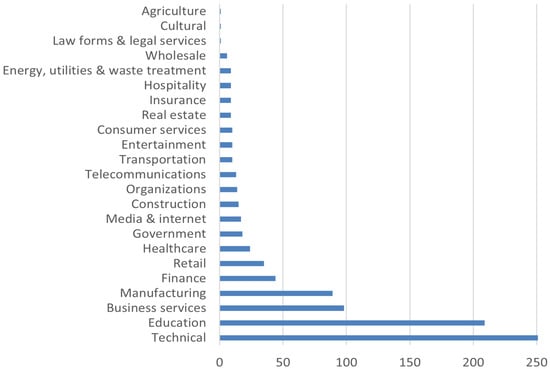
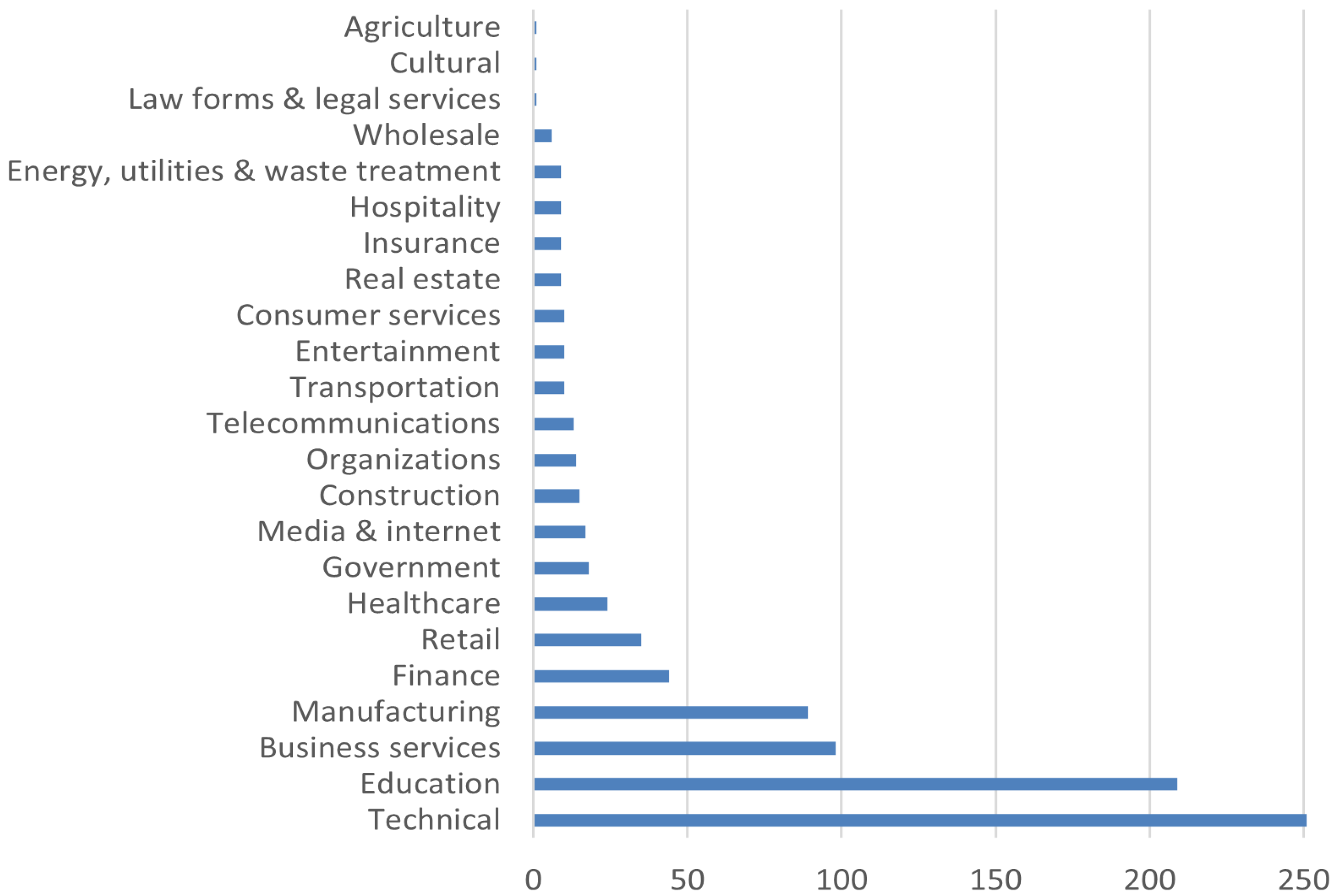
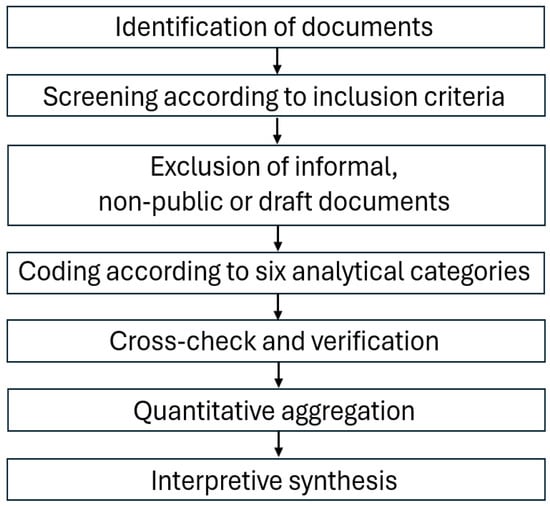
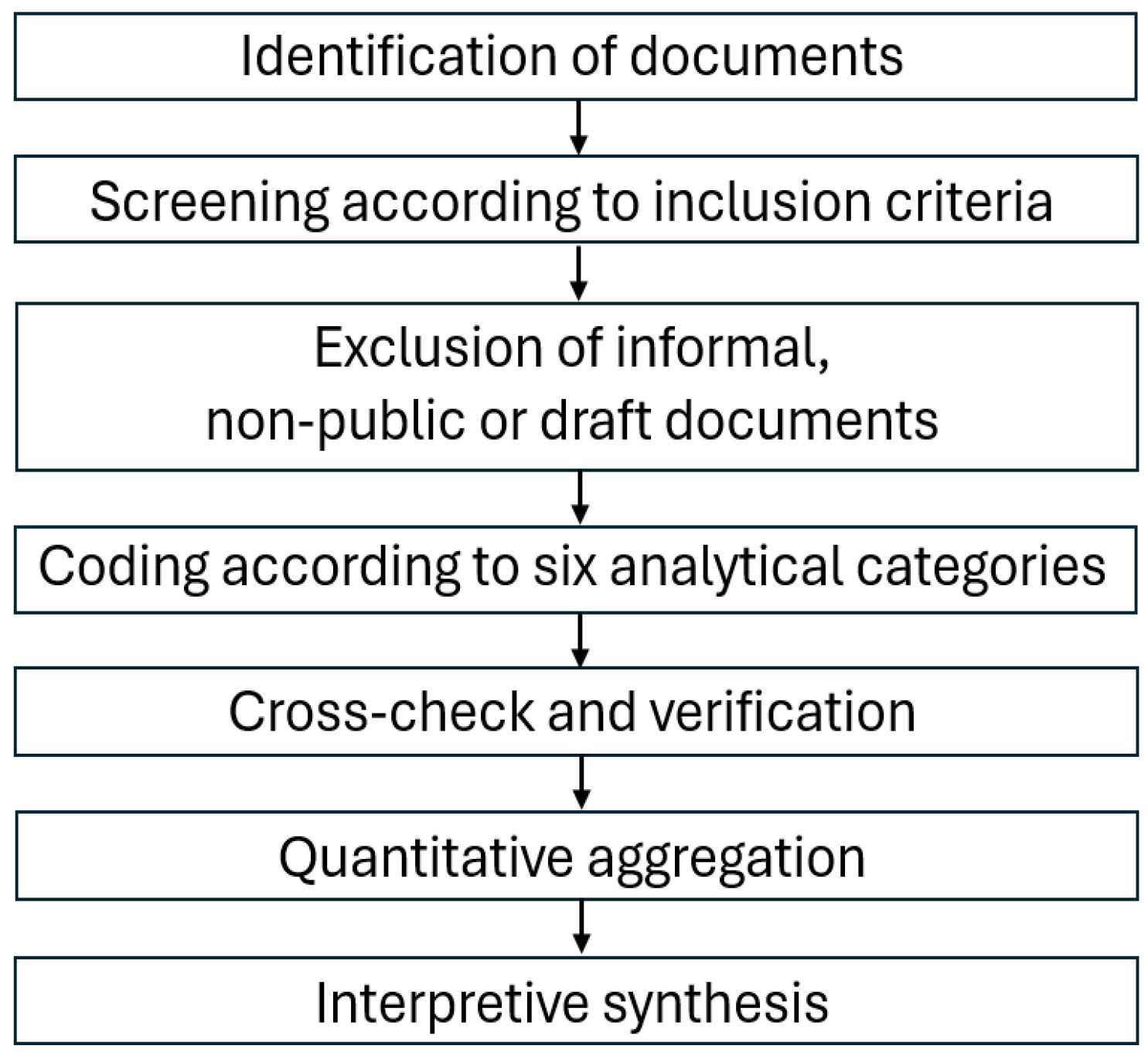

Disclaimer/Publisher’s Note: The statements, opinions and data contained in all publications are solely those of the individual author(s) and contributor(s) and not of MDPI and/or the editor(s). MDPI and/or the editor(s) disclaim responsibility for any injury to people or property resulting from any ideas, methods, instructions or products referred to in the content. |
© 2026 by the authors. Licensee MDPI, Basel, Switzerland. This article is an open access article distributed under the terms and conditions of the Creative Commons Attribution (CC BY) license.