


Abstract
The skill of reading effectively can be viewed as an important academic requirement. The investigation aims to explore the impact of predictive reading strategy instruction on the reading speed and reading comprehension of Computer Engineering students learning English as a Foreign Language (EFL).This study employed a quasi-experimental research method to conduct the investigation among 120 undergraduate EFL students in Shandong Province, China. The participants were divided into two groups, including an experimental group that received predictive reading strategy instruction and a control group that received conventional reading instruction for eight weeks. This study gathered data using three assessment tools, including a reading speed test, a reading comprehension test, and a Predictive Strategy Use Questionnaire. The researchers used descriptive statistics and Analysis of Covariance (ANCOVA) as the main statistical methods for the analysis. The results showed that predictive reading strategy instruction led to significant improvements in reading speed, reading comprehension, and predictive strategy use. This study provides pedagogical implications for integrating predictive reading strategies into technical EFL reading instruction.
1. Introduction
Reading proficiency is a critical skill for academic success, particularly in higher education where students are exposed to discipline-specific texts (Wang et al., 2022). Non-English major EFL learns face difficulties when they try to read English materials because their reading speed decreases and their understanding capacity becomes limited (Nguyen, 2022). The learning process becomes hindered because these problems prevent students from understanding technical material, which leads to decreased academic performance. EFL learners need to learn effective reading techniques to help them develop cognitively and improve their ability to learn from reading and self-study (Li et al., 2021).
EFL learners can enhance their reading abilities through multiple educational methods, which include skimming–scanning techniques that assist students in discovering main points and bottom-up processing methods which enable them to read single words (Kalhoro et al., 2024; Zadran et al., 2025). The Schema Activation Techniques enable EFL learners to link their existing knowledge to the information in the text (Rehan & Toosy, 2025). The methods provide some advantages but they struggle to combine speed with comprehension improvement. Skimming–scanning increases reading speed but it fails to develop better understanding of the content while bottom-up methods help students recognize words but they require extended periods for implementation (Kakvand et al., 2022; Korinth & Nagler, 2021). The Schema Activation process helps students understand better but it needs students to have specific background knowledge which makes it irrelevant for different types of learners (Özkara et al., 2025; Sua, 2021). The reading process is treated through separate methods which do not provide a complete solution for learners who need technical assistance.
The two methods, question answering and predictive guessing, show their effectiveness when students practice predicting answers to comprehension questions (St. Hilaire et al., 2024). Interactive reading systems use digital tools to support students through guided reading activities which enhance their learning experience (Javourey-Drevet et al., 2022). The methods provide advantages for learning yet require teachers to spend more time on both teaching and handling technological equipment which some schools do not have (Pozo et al., 2021). The evaluation process of these assessments overlooks reading speed measurement because it prioritizes understanding tests. Students tend to rely too much on teacher guidance and software support, which creates obstacles for them to learn how to create their own study methods (Michel-Villarreal et al., 2023). The present methods achieve partial success because they improve reading speed and comprehension yet fail to provide a unified method which enables learners to develop their own reading strategies.
The use of predictive reading strategies has emerged as an effective method that encourages readers to actively engage with written material (Chew & Cerbin, 2021). The process of content prediction helps learners to connect their existing knowledge with fresh content, which decreases their mental effort (Cheng et al., 2022). This ability serves as a vital requirement for students who study technical fields, especially Computer Engineering majors, because they depend on English to gain professional knowledge (Liu et al., 2022). A structured system must exist to implement predictive reading strategies which will enhance both reading speed and reading comprehension (Skulmowski & Xu, 2022).
The proposed framework addresses these limitations by integrating predictive reading strategies into a structured, repeatable training programme tailored for non-English major technical students. The system uses pre-reading prediction together with contextual guessing and monitoring strategies to improve reading speed and comprehension abilities. The system provides a new approach which enables learners to manage their educational process through its integrated top-down and bottom-up learning systems. The framework uses pre-assessment and post-assessment methods to collect data which enables schools to track student progress. The system introduces new elements by focusing on technical students who read discipline-specific texts while using predictive reading techniques. The system ensures real-world classroom usage because it eliminates the need for teachers or software to support its implementation.
The research on predictive reading strategies shows that they can improve reading engagement and help readers predict upcoming text content, yet limited studies have tested their effect on reading speed and comprehension development. The previous research has focused on all student groups except technical and engineering students who need to read academic texts that use English specialized vocabulary. The study tests whether predictive reading strategy instruction will help engineering students studying English as a foreign language to enhance their reading skills. The research investigates how predictive reading strategies affect the reading speed and comprehension abilities of undergraduate engineering students through a quasi-experimental research design.
2. Literature Review
Most previous studies on predictive reading have focused on two related outcomes: reading comprehension and reading efficiency. Educational research has generally examined whether prediction-based teaching helps students learn better, and at the same time, psycholinguistic studies have focused more on how context prediction affects real-time reading. The two lines of research are complementary, but relatively few studies have explored whether explicit instruction in predictive strategies can improve both reading speed and reading comprehension simultaneously in the same teaching environment.
2.1. Predictive Strategies and Reading Comprehension
Several studies have explored using prediction in reading comprehension teaching to help students anticipate what they are about to read, activate relevant prior knowledge, and connect new information with what they have learned before. Prediction has been used in the reading of English recount texts, and students have shown better comprehension after prediction-based teaching (Irham et al., 2023). Prediction can motivate students to engage in learning more actively and form expectations for what they will read. However, due to a small sample size and the lack of a control group, it cannot be determined whether the improvement is solely due to the prediction-strategy instruction.
More controlled classroom research has used quasi-experimental designs to compare prediction-strategy instruction with other types of reading instruction (Utama & Ilma, 2025). The experimental group had higher scores after the intervention; therefore, it can be concluded that prediction helps students learn better. The difference in the post-tests results of the experimental and control groups was not statistically significant. Therefore, although prediction is likely to help, it may not be better than other ways of teaching at all times.
More general intervention studies have also considered prediction as one kind of comprehension strategy among many others. A Bayesian network meta-analysis comparing the predictive effects of strategies such as inference, text structure, retelling, self-monitoring and graphic organizers found that teaching a larger number of strategies did not necessarily lead to stronger results, and no single strategy was consistently superior across the interventions (Peng et al., 2024). Background-knowledge instruction was also related to the intervention effect. Based on the above results, prediction is more likely to enhance learning when used in conjunction with other cognitive and strategic resources rather than as an independent method.
Similar evidence has been reported in the larger meta-analysis of reading strategies. Research has shown that the application of reading strategies is positively correlated with all aspects of reading comprehension (Sun et al., 2021).Prediction was not among the strategies analyzed. Therefore, the above results support the general value of strategic reading but do not provide direct evidence for the independent effect of prediction.
In short, previous studies have shown that prediction can help enhance reading comprehension, but its actual effect varies according to the research environment and whether it is combined with background knowledge, inference and monitoring. Most of the previous studies on prediction have focused on how it affects comprehension, and few have examined its impact on reading speed.
2.2. Predictive Strategies and Reading Speed
There is a lack of direct classroom evidence showing how the teaching of predictive strategies improves students’ general reading speed. Most of the evidence comes from psycholinguistic studies that show that more predictable information in the context is processed more efficiently during reading.
Contextual predictability has been shown to affect the reading time of Chinese EFL learners when processing English collocations (Li et al., 2022). Predictability performed relatively better for cases with a weak collocational association, and context-based expectations could assist processing when lexical support was absent. This shows that Chinese L2 readers are sensitive to contextual predictability in real-time English reading.
Other eye-tracking studies have found that graded, rather than fixed, predictive processing exists. Contextual predictability affected early eye-movement behaviour in sentence reading, and the readers did not seem to fully commit to the expected continuation (Chang et al., 2023). Therefore, readers may trigger several possible continuations to varying extents and process the predictable information more efficiently; at the same time, they remain flexible if their expectations are not met.
Predictability effects have also been found in other types of reading. Highly predictable words showed shorter temporal eye-movement in Mongolian reading, but predictability did not affect the rate of skipping (Lu et al., 2024). Therefore, prediction may affect some parts of the processing efficiency more significantly than others, and a shorter reading time does not necessarily mean a lower overall reading speed.
Further studies using self-paced reading and eye-tracking have shown that reading is also somewhat anticipatory rather than purely reactive. Anticipatory information has been found to contribute to the explanation of reading time beyond the effects of surprise alone (Pimentel et al., 2023). Therefore, it can be assumed that expectations arising from the preceding context will affect the quantity of processing needed for new information.
Recently, similar findings have been reported. Predictable words generally have a shorter reading time and may also be more likely to be skipped, but these effects vary among readers, texts and tasks (Wong et al., 2025). Therefore, prediction is likely to help improve the efficiency of online processing, but this effect will vary.
In short, the above studies provide a processing-based explanation for why prediction can improve reading efficiency. Local predictability effects on fixation or reading time do not directly indicate that explicit prediction instruction has improved overall passage-level reading speed. Therefore, to determine whether the teaching of prediction is effective, one must observe the students’ reading speed directly.
2.3. Related Studies on Predictive Strategies, Reading Speed, and Reading Comprehension
Recently, some studies have found that prediction can improve both the speed and depth of reading, but these two effects have not been studied together. Educational studies mainly focus on comprehension, while psycholinguistic studies more frequently investigate reading time and eye-movement behaviour.
Natural-reading research shows that precise predictions are convenient for processing; imprecise predictions increase the cost of processing. Cevoli et al. (2022) found that stronger confirmed predictions were associated with more skipping and shorter fixation times, and incorrect predictions had an additional fixation cost. Peng et al. (2024) showed that, in terms of comprehension, predictions work well with other strategies and background knowledge rather than independently. Wong et al. (2025) also found that predictability changes several indices of eye movement, but the extent of this alteration varies among readers, texts and tasks.
Prediction can improve both the efficiency of processing and understanding; therefore, the two results should be handled. Few studies have examined whether explicit teaching of prediction can improve both the speed and understanding of reading for the same students. Therefore, both results were used together to assess the effectiveness of the predictive strategy instruction.
2.4. Research Gap
Several limitations have been identified in the existing studies. First, although previous studies have shown that prediction can help improve reading ability, the results of classroom intervention studies are not uniform. Second, the main support for the link between prediction and reading efficiency comes from local predictability and real-time processing studies; there is no direct evidence showing that explicit prediction instruction improves overall reading speed. Third, reading speed and reading comprehension have rarely been studied together in the same predictive-strategy intervention. Finally, relatively little research has been conducted on non-English major university students in technical fields.
Therefore, this paper will investigate whether the teaching of explicit predictive reading strategies can enhance both the speed and comprehension of non-native English-speaking learners. Based on the two results above, this paper will explore whether teaching a predictive strategy can help students read more efficiently and improve their comprehension.
2.5. Theoretical Framework of Predictive Reading Strategies
Schema Theory, Interactive Reading Theory and Metacognitive Strategy Theory have each explained a different part of predictive reading in the past, and now they are being combined. Schema Theory explains how prior knowledge is activated to generate expectations; Interactive Reading Theory describes how these expectations are tested by new information in the text; and Metacognitive Strategy Theory shows that readers monitor, confirm or correct their predictions. Together, the three theories indicate that predictive reading is a continuous cycle of prediction generation, textual verification and strategic adjustment.
Schema Theory offers the foundation for the first generation of predictions. Readers use existing knowledge structures to interpret unfamiliar information and anticipate possible text content (McVee et al., 2005).
Interactive Reading Theory explains how these expectations function in reading. Reading is the interaction of bottom-up linguistic information and top-down knowledge and expectations (Stanovich, 1980). Contextual guessing, attention to sentence and discourse cues, and verification of the prediction with new information were all intended to strengthen this interaction in the intervention. Therefore, prediction does not replace bottom-up processing but rather helps readers connect their previous expectations with the text.
Metacognitive Strategy Theory explains how learners regulate the process. Metacognition is knowing about and managing one’s own thinking (Flavell, 1979). Prediction-monitoring and post-reading reflection activities were thus added to help learners find out whether their predictions had come true, correct any false expectations, and observe their own learning progress.
Interactive Reading Theory accounts for the interaction between top-down and bottom-up information, but it does not fully explain the activation of prior knowledge that supports prediction or the conscious monitoring and revision of predictions after explicit strategy instruction. Schema Theory accounts for the knowledge base from which predictions are generated, whereas Metacognitive Strategy Theory explains how learners consciously regulate the prediction process.
The framework proposes that reading speed and reading comprehension share some common mechanisms but are influenced through partly different pathways. Both outcomes may benefit from schema activation and the interaction between expectations and textual information. However, improvements in reading speed are expected mainly through greater processing efficiency, including reduced dependence on word-by-word decoding and more efficient allocation of attention. Improvements in reading comprehension, by contrast, are expected mainly through stronger integration of prior knowledge and textual information, together with monitoring and revision of inaccurate interpretations. Predictive strategy use is expected to improve through explicit metacognitive training in generating, checking, and revising predictions.
The research framework, which displays all presumed connections between teaching strategy and student reading achievement. The research study uses predictive reading strategy instruction as its main independent variable to assess three main results, which include reading speed (H1), reading comprehension (H2) and strategy use level (H3). The direct paths from the study show that explicit predictive instruction will lead to major improvements in students’ readingspeed, comprehension ability and strategic reading behaviour. The framework displays both direct teaching impacts and the total effect of fundamental reading skills on student achievement, which confirms the study’s theoretical and practical research basis.
2.6. Research Objective
RO1: To examine the effect of predictive reading strategy instruction on the reading speed of non-English major Computer Engineering EFL learners.
RO2: To examine the effect of predictive reading strategy instruction on the reading comprehension of non-English major Computer Engineering EFL learners.
RO3: To assess the effect of predictive reading strategy instruction on students’ use of predictive reading strategies.
2.7. Research Questions and Hypotheses
RQ1: Does predictive reading strategy instruction significantly improve the reading speed of non-English major Computer Engineering EFL learners compared with traditional reading instruction?
H1.
Predictive reading strategy instruction significantly improves students’ reading speed compared with traditional reading instruction.
RQ2: Does predictive reading strategy instruction significantly improve the reading comprehension of non-English major Computer Engineering EFL learners compared with traditional reading instruction?
H2.
Predictive reading strategy instruction significantly improves students’ reading comprehension compared with traditional reading instruction.
RQ3: Does predictive reading strategy instruction significantly increase students’ use of predictive reading strategies?
H3.
Predictive reading strategy instruction significantly increases students’ use of predictive reading strategies.
3. Materials and Methods
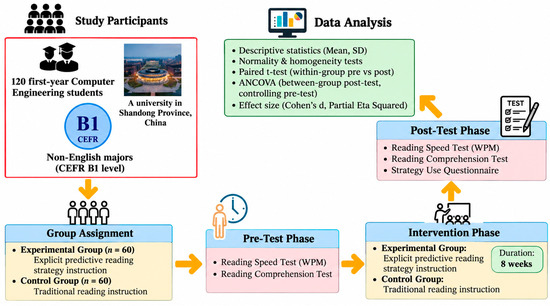
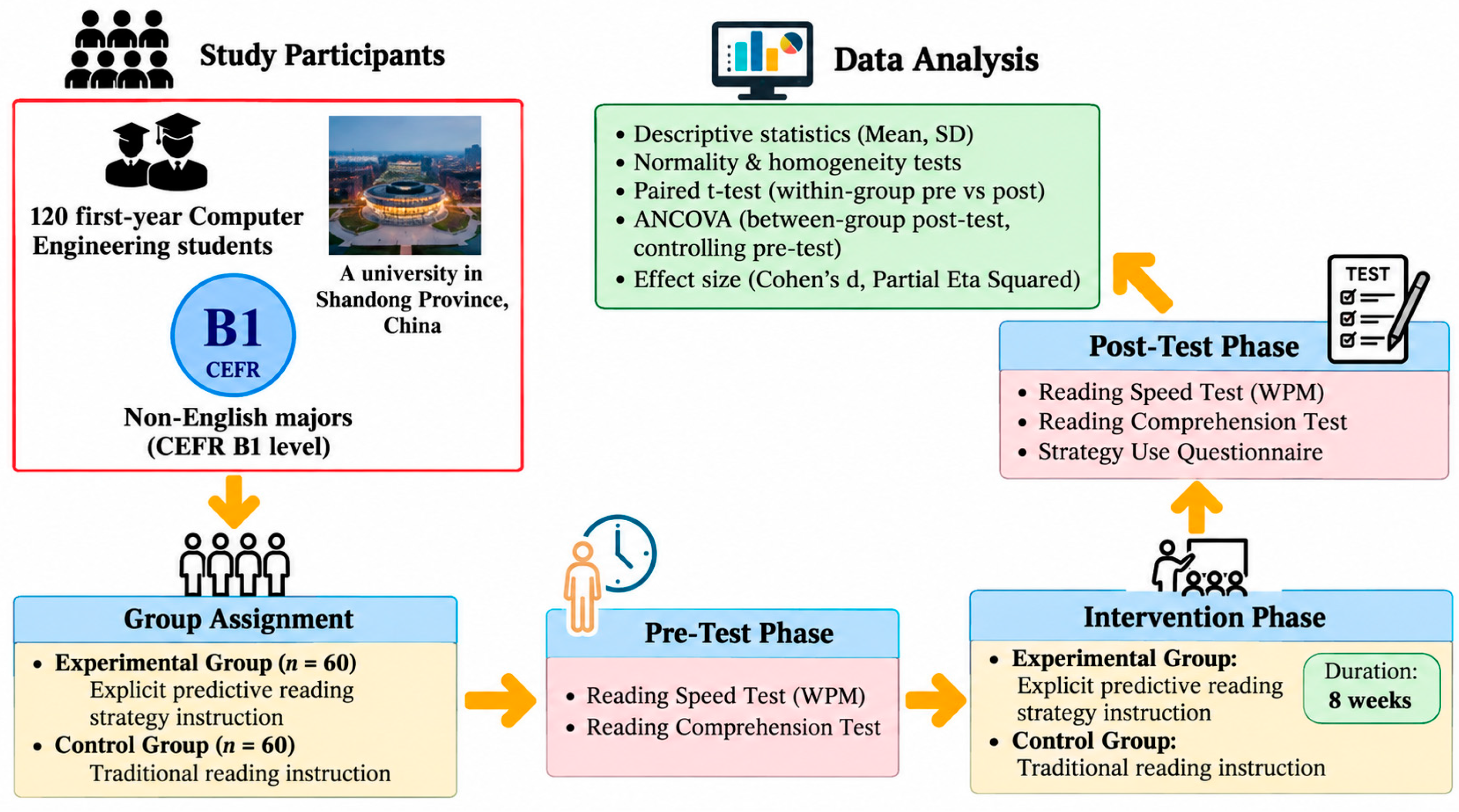
The research design and experimental procedures for testing the effect of predictive reading strategies on reading speed and reading comprehension constitute the research framework shown in Figure 1.
Figure 1.
Research design and experimental procedure framework.
The diagram shows a structured sequence starting with 120 first-year Computer Engineering students from Chinese EFL University in Shandong Province, China, who were at a CEFR B1 level in English, followed by division into an experimental group and a control group. The first step in the test was a pre-test of reading speed and comprehension. The 8-week intervention period involved explicit prediction-strategy training for the experimental group and traditional teaching for the control group. In the post-testing phase, participants were required to complete a task-performing test and fill in a strategy use questionnaire. The last component of the framework is a statistical analysis section that presented descriptive statistics, paired t-tests, ANCOVA and effect size calculations. The two main components of the research design are shown below, along with their logical structure and specific research methods.
3.1. Participants
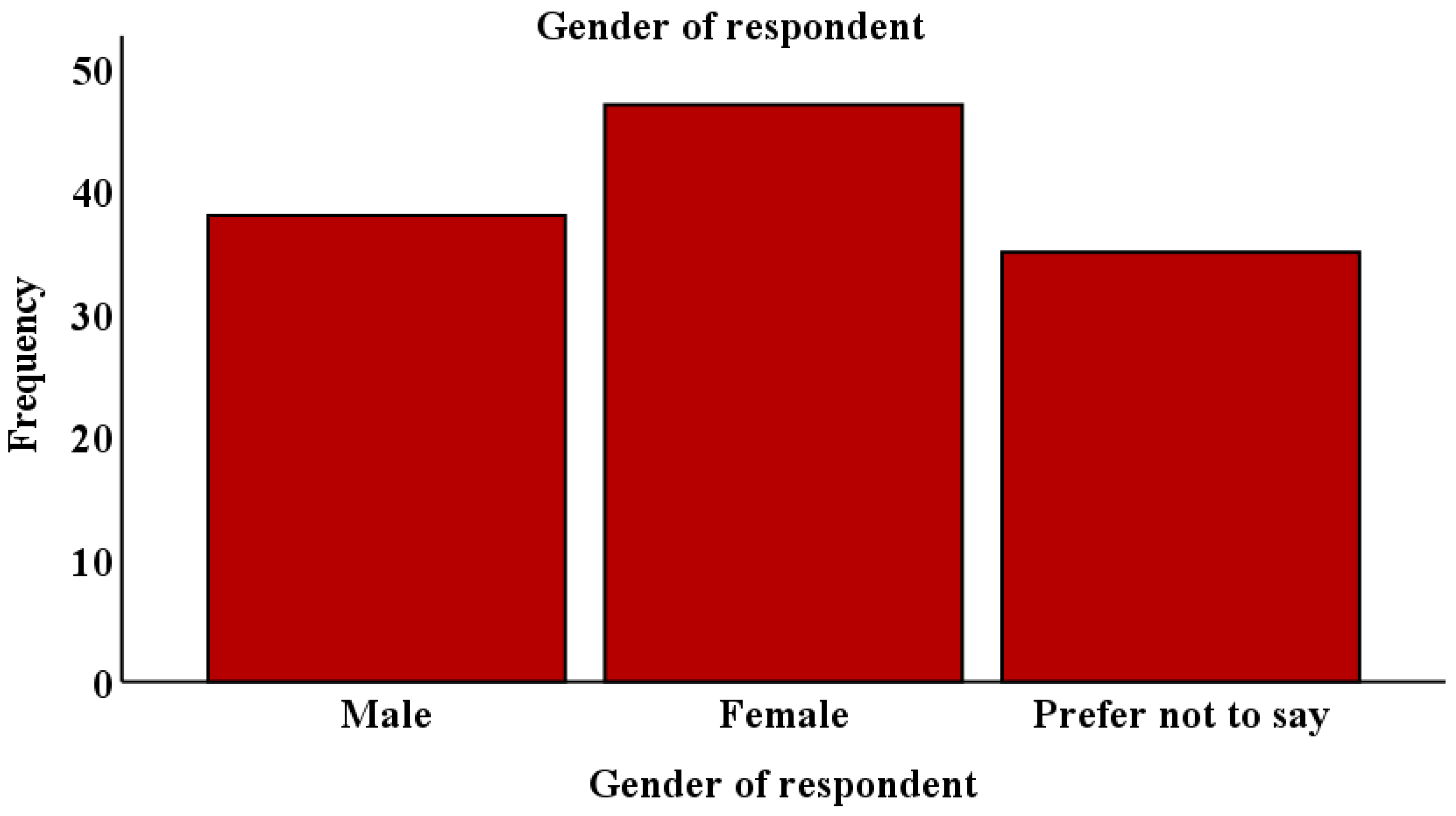
A total of 120 first-year undergraduate students at an EFL University, a well-known research institution in China, who were taking Computer Engineering were selected for this study. The students who participated in the study were enrolled in a compulsory English course at the university, and according to the institutional placement test, their English proficiency level was classified as intermediate at the CEFR B1 level. The age range of the participants in the study was from 18 to 20 years old, and among them, there were 38 male students (31.7%), 47 female students (39.2%), and 35 students (29.2%) who did not wish to disclose their gender. None of the students in the group had received any official training for predictive reading strategies, as summarized in Table 1.
Table 1.
Demographic characteristics of participants (N = 120).
All participants were first-year undergraduate students aged between 18 and 20 years and majoring in Computer Engineering. Their English proficiency was assessed at the CEFR B1 level. The sample consisted of 38 male students (31.7%), 47 female students (39.2%), and 35 students (29.2%) who preferred not to disclose their gender. All 120 participants were first-year students, and none had previously received formal training in predictive reading strategies.
Approximately 30% of participants selected “prefer not to say” for gender. The proportion of undisclosed gender responses was similar across the experimental and control groups, suggesting that this pattern did not substantially distort the balance between the two groups. Gender was not used as a grouping variable, predictor, or covariate in the primary analyses.
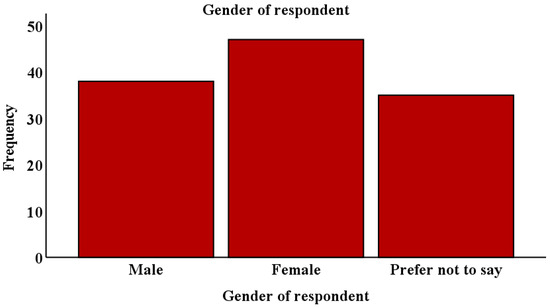
Figure 2 shows the distribution of genders among study participants. The results indicate that the majority of participants were female respondents with a frequency of approximately 47, followed by male respondents with a frequency of about 38. Approximately 35 participants chose to keep their gender identity private. The study results show that both male and female participants were well represented in the research, which produced a balanced demographic distribution of study participants. The study achieved an inclusive approach by including respondents who chose to keep their gender identity private, which allowed researchers to collect demographic data without violating participants’ privacy rights.
Figure 2.
Distribution of respondents by gender.
Based on the participants’ current class schedules, the two intact classes were randomly assigned to the experimental and control conditions. A quasi-experimental design with intact classes was used because random assignment of individual participants was not feasible. Baseline equivalence of the two groups was determined by the available pre-intervention outcome measures. Additional background variables, such as prior English ability and reading habits, were not systematically collected; therefore, full equivalence of these traits could not be achieved. No crossover of students occurred between the experimental and control classes during the intervention period. The distribution of participants and the corresponding instructional conditions are shown in Table 2.
Table 2.
Group distribution and instruction type.
3.2. Materials
The teaching materials are suitable for the academic level of Computer Engineering students and can help support the organization of predictive reading activities. Two English-language teachers and a specialist in Computer Engineering have verified the materials to ensure that they are linguistically appropriate and academically relevant, as well as effective in teaching.
3.2.1. Reading Texts
The researchers selected academic English texts which they obtained from authentic Computer Engineering and technical English sources to create materials that would meet both domain requirements and cognitive engagement needs. The materials used for this study were taken from introductory textbooks and technical articles and simplified research-based readings that undergraduate engineering programmes typically use.
The reading passages contained 350 to 500 words which educators deemed suitable for students who learned English as a foreign language at the intermediate level. The topics included:
- Computer networks and data communication;
- Software development lifecycle;
- Artificial intelligence basics;
- Cybersecurity and encryption;
- Cloud computing fundamentals.
The passages were selected through three evaluation criteria which defined their selection. The Lexical Appropriateness criterion required vocabulary to match the CEFR B1 standard to avoid excessive lexical load. The Structural Organization criterion required material to show clear logical connections through headings, subheadings and paragraph division. The Cognitive Engagement criterion required material to present problem-solution patterns together with technical text explanatory structures.
To facilitate predictive reading, each text contained:
- A clear and descriptive title;
- Headings and subheadings;
- Visual elements (diagrams, simple flowcharts, or labelled figures);
- Highlighted keywords.
These features were intentionally included to support pre-reading prediction and schema activation, enabling learners to anticipate content before engaging in detailed reading.
3.2.2. Instructional Materials
The cognitive training programme is tailored to target all skills that the participants find frustrating with the aim of retraining them.
- ➢
- Predictive Reading Strategy Guide
The experimental group received training through a structured instructional manual that was created for their use. The guide provided explicit explanation and modelling of predictive strategies, including:
- Pre-reading prediction: readers use titles, headings and visuals to predict upcoming content.
- Contextual guessing: readers use surrounding text information to deduce the meaning of unknown words.
- Anticipatory questioning: readers create essential questions, which help them concentrate their reading effort.
- Prediction monitoring: readers check their predictions which they developed before reading to see if they need to adjust their expectations.
- Post-reading reflection: readers check their prediction accuracy while they recap the main points of the text.
The guide followed a gradual release model:
- (1)
- Teacher modelling;
- (2)
- Guided practice;
- (3)
- Independent application.
The introduction of each strategy included examples, practice tasks and reflection prompts which helped students build their ability to think about their own thinking processes.
- ➢
- Worksheets and Exercises
Developers created structured worksheets for predictive reading skill development. The worksheets contained five different elements which were established as follows:
- ✓
- Pre-reading prediction charts;
- ✓
- Vocabulary inference tables;
- ✓
- “Before–During–After” reading organizers;
- ✓
- Paragraph-level summary prompts;
- ✓
- Comprehension verification questions.
The exercises began with guided prediction tasks and proceeded to independent application. The students had to stop reading to check their predictions during reading tasks, which helped them stay engaged and prevented them from reading without attention.
Post-reading activities focused on summarization, identifying main and supporting ideas and reflecting on prediction accuracy. The materials were developed to help readers improve their reading speed while understanding the content better through their reading process without needing to translate every word.
- ➢
- Control Group Materials
The control group received conventional reading instruction materials. These consisted of:
- ✓
- The same reading passages (without predictive scaffolding);
- ✓
- Standard comprehension questions;
- ✓
- Vocabulary matching exercises;
- ✓
- Multiple-choice and short-answer tasks.
However, no explicit instruction on predictive strategies was provided. The teacher used a traditional teaching method which included:
- ✓
- The teacher used vocabulary explanations;
- ✓
- The teacher used sentence-by-sentence translation;
- ✓
- The teacher used direct comprehension question answering.
The design of this study enabled researchers to connect outcome variations directly to the predictive strategy framework, which they studied, without using different text difficulty levels or distinct content exposure methods.
3.3. Instruments
Three instruments were selected as the evaluation tools for the impact of the framework on predictive reading. A Reading Speed Test measured the fluency of words per minute (WPM) in timed academic passages. Three types of reading skills tested in the Reading Comprehension Test were multiple-choice questions, short-answer questions, literal comprehension and inference ability, and summarisation ability. A 25-item Predictive Strategy Use Questionnaire measured students’ consciousness and sense of improvement in strategies on a five-point Likert scale.
3.3.1. Reading Speed Test
The Reading Speed Test assessed participants’ reading fluency by capturing the reading speed that was measured as the output of words per minute (WPM). Timed academic passages similar in difficulty and length (350–500 words) were administered during both pre-test and post-test phases to ensure comparability. Participants read the material at their own pace while keeping their reading comprehension intact, and a digital stopwatch recorded their time to finish each passage. Reading speed was calculated using the standard formula shown below:
Participants were instructed to read each passage at their natural reading pace without deliberately sacrificing comprehension for speed. All participants began reading at the same time following a standardized start instruction. When a participant finished reading, they immediately signalled completion, and the completion time was recorded individually by the researcher or a trained research assistant. To ensure accurate timing when several participants completed the passage at similar times, research assistants were assigned to monitor designated groups of participants. Participants did not operate the timing device themselves. The same timing procedure, instructions, and testing conditions were used at both the pre-test and post-test.
3.3.2. Reading Comprehension Test
The Reading Comprehension Test was designed to assess participants’ overall reading comprehension. Each test consisted of 20 multiple-choice questions covering different aspects of comprehension, including understanding explicitly stated information, making inferences from the text, and identifying main ideas. These aspects were included to ensure broad coverage of reading comprehension rather than being treated as separate subscales, and no separate scores were calculated for them.
Each correct response was scored 1, whereas each incorrect response was scored 0, resulting in a total raw score ranging from 0 to 20. For ease of interpretation and presentation, the raw score was subsequently converted to a 100-point scale by multiplying it by 5. Thus, a raw score of 20 corresponded to 100 points. The converted score was used to report participants’ overall reading comprehension performance in the statistical analyses, while the original dichotomous item scores (0 = incorrect, 1 = correct) were retained for the calculation of KR-20 reliability.
The internal consistency of the 20-item test was assessed using the Kuder–Richardson Formula 20 (KR-20), which is appropriate for dichotomously scored items. The KR-20 coefficient was 0.81, indicating good internal consistency. Content validity was evaluated through expert review to ensure that the items adequately represented the intended reading comprehension content and were appropriate for the target learners. Pilot testing was also conducted before the main study to examine item clarity and difficulty.
3.3.3. Predictive Strategy Use Questionnaire
The Predictive Strategy Use Questionnaire was developed to assess participants’ awareness and understanding of their use of predictive reading strategies and their evaluation of those strategies’ effectiveness. The instrument consisted of 25 items measured on a five-point Likert scale.
- 1 = Strongly Disagree;
- 2 = Disagree;
- 3 = Neutral;
- 4 = Agree;
- 5 = Strongly Agree.
The participants completed their questionnaire after the completion of their intervention period. Cronbach’s alpha was used to determine the internal-consistency reliability of the scale, and it was found to be 0.87; thus, it was deemed reliable.
As a self-report instrument, the collected data from the questionnaire showed how people thought they used reading strategies, not what they actually did during reading. Therefore, the questionnaire scores were taken as a proxy for self-reported strategy use and not considered direct evidence of strategy implementation.
3.4. Procedure
The study design was based on a three-phase model, i.e., pre-test, intervention, and post-test. In the pre-test, both groups were given tests on reading speed, reading comprehension, and strategy use. Then, the experimental group was given explicit strategy instruction in predictive strategy use for eight weeks, and the control group was given the regular reading course without strategy instruction. After that, both groups were given post-tests with parallel reading passages and a questionnaire to measure the improvement of strategy use and reading ability, as shown in Table 3.
Table 3.
Experimental procedure and research design phases.
3.4.1. Pre-Test Phase
At the beginning of the study, both the experimental and control groups participated in a pre-test phase to establish baseline equivalence. Students completed the Reading Speed Test, Reading Comprehension Test and Predictive Strategy Use Questionnaire under standardized classroom conditions. The reading passages used in the pre-test were academic texts that matched the participants’ field of study yet were not used in subsequent study phases to prevent participants from developing a familiarity with the material. The primary objective for this phase involved assessing initial reading fluency together with reading comprehension proficiency and the assessment of existing predictive strategy implementation. The researchers used collected data to demonstrate that groups had no statistically significant differences before the intervention started.
3.4.2. Intervention Phase (8 Weeks)
Twice a week for eight weeks, an intervention was held for 45 min. The intervention corresponded to the contents of the planned teaching. According to the planned sequence of teaching, the experimental group was taught using the predictive reading strategy, and the control group received traditional reading instruction. The same teaching time and comparable reading materials were used for both groups.
The same teacher delivered instruction to both groups in order to reduce teacher-related variability. Given that the teacher knew the teaching conditions, we cannot completely rule out the possibility of teacher expectancy or performance bias.
- ➢
- Experimental Group
The students who formed the experimental group received direct instruction on how to use predictive reading strategies. Each group session was designed around a structured framework that included three stages of reading.
- Pre-Reading Stage: Students learned to use titles, headings, subheadings, keywords and pictures to predict what will be in the text and how it is organized. Teachers taught the students how to ask questions and make predictions before reading in class.
- During-Reading Stage: Students received guidance on how to use contextual clues to guess unknown words and how to use sentence structure and knowledge to guess unknown words. Teachers showed students how to modify a prediction given new information and when to change it.
- Metacognitive Monitoring: Students received guidance on how to monitor the accuracy of predictions while trying to overcome difficulties in understanding the text.
- Post-Reading Stage: Students received guidance on how to complete a series of exercises that involved summarizing the main ideas and supporting details to reinforce the accuracy of predictions.
The direct instruction strategy used began with teacher modelling, followed by guided practice, and finally ended with strategy use for independent practice.
- ➢
- Control Group
The control group followed conventional reading instruction. The students read identical academic texts but received no teaching about predictive reading techniques. The students learned through vocabulary instruction, sentence translation and comprehension question answering, which followed reading. The activities required students to provide right answers instead of teaching them how to read strategically. The programme did not include any organized activities for pre-reading prediction or for checking metacognitive progress.
3.4.3. Post-Test Phase
After the eight-week period, the post-test was administered to both groups in a similar environment to the pre-test. The Reading Speed Test and Reading Comprehension Test were administered in a similar manner to the pre-test, using similar passages in terms of length, complexity and topic, although not the same passages as the pre-test.
In addition, the 25-item Predictive Strategy Use Questionnaire was administered to evaluate changes in students’ awareness, frequency of strategy use, and perceived improvement in reading ability. By comparing the results of the post-test to the pre-test, it was possible to establish improvements in the students’ ability to use the predictive reading strategy, thus establishing the effectiveness of the predictive strategy framework for teaching reading.
3.5. Data Analysis
(23) IBM SPSS Statistics 23 was used to carry out the statistics. Descriptive statistics were used to summarize the data of participants on reading speed, reading comprehension and use of predictive strategies. Analysis of Covariance (ANCOVA) was used to examine the impact of predictive reading strategy instruction on post-test reading speed, reading comprehension and predictive strategy use, while controlling for the corresponding pre-test scores.
3.5.1. Descriptive Statistics
Descriptive statistics were used by the researchers to summarize the results of reading speed, reading comprehension and strategy use for the participants. The mean and standard deviation of the experimental and control groups were calculated for both the pre-test and post-test data by the researchers.
- The mean indicates the average performance level of each group.
- The standard deviation shows how test scores spread out from their average value in each group.
The researchers used these statistics to determine central tendency and distribution patterns before they conducted their inferential tests.
3.5.2. Normality and Homogeneity Tests
The researchers first checked whether the data met normality and homogeneity requirements before they proceeded with their parametric statistical tests.
- Normality Test: The Shapiro–Wilk test (or Kolmogorov–Smirnov test depending on sample size) was conducted to determine whether the data followed a normal distribution. The data maintained normality because their p-value exceeded 0.05.
- Homogeneity of Variance: Levene’s Test was used to examine whether the variance between groups was equal. The test results confirmed the existence of equal variances because the result (p > 0.05) showed no significance.
These assumption tests were conducted to determine the suitability of the data for subsequent parametric analyses, particularly ANCOVA and regression analysis.
3.5.3. ANCOVA and Effect Size Analysis
Analysis of Covariance (ANCOVA) was employed to examine the effects of predictive reading strategy instruction on students’ post-test performance while controlling for their corresponding pre-test scores. This analysis was appropriate for the quasi-experimental design because it enabled comparisons between the experimental and control groups while statistically adjusting for possible baseline differences.
Three separate ANCOVA models were conducted. For the first model, post-test reading speed was treated as the dependent variable, instructional group (predictive reading strategy instruction vs. traditional reading instruction) as the fixed factor, and pre-test reading speed as the covariate. This analysis was used to test H1, which proposed that predictive reading strategy instruction would significantly improve students’ reading speed compared with traditional reading methods.
For the second model, post-test reading comprehension was entered as the dependent variable, instructional group as the fixed factor, and pre-test reading comprehension as the covariate. This analysis was used to test H2, which proposed that predictive reading strategy instruction would significantly improve students’ reading comprehension compared with traditional reading instruction.
For the third model, post-test predictive strategy use was treated as the dependent variable, instructional group as the fixed factor, and pre-test predictive strategy use as the covariate. This analysis was used to test H3, which proposed that predictive reading strategy instruction would significantly increase students’ use of predictive reading strategies during reading activities.
The general ANCOVA model used in the study can be expressed as:
where
- Post-test score;
- Overall mean;
- Group effect (experimental vs. control);
- Regression coefficient;
- Pre-test score (covariate);
- Error term.
A statistically significant group effect (p < 0.05) indicated that the experimental and control groups differed significantly in post-test performance after controlling for their corresponding pre-test scores. Such a result would provide evidence of an intervention effect beyond differences that existed before the intervention.
In addition to statistical significance, effect sizes were calculated to evaluate the practical magnitude of the intervention effects. Partial eta squared (partial η2) was reported for each ANCOVA model to indicate the proportion of variance in the post-test outcome attributable to instructional group after controlling for the corresponding pre-test score. Partial η2 values of approximately 0.01, 0.06, and 0.14 were interpreted as small, medium, and large effects, respectively.
By combining ANCOVA with effect size measures, the study assessed not only whether predictive reading strategy instruction produced statistically significant improvements in reading speed, reading comprehension, and predictive strategy use, but also the practical magnitude of these improvements. The ANCOVA analyses therefore provided the principal statistical tests for H1, H2, and H3.
4. Results
For RQ1, RQ2 and RQ3, the results of the pre-test were first used to confirm that the experimental and control groups were equivalent before the intervention. Then, ANCOVA was used to analyze the post-test data, and the corresponding pre-test scores were included as covariates to determine whether the predictive reading strategy instruction had a significant effect on either group.
4.1. Results for RQ1 and H1: Effect of Predictive Reading Strategy Instruction on Reading Speed
Before the intervention, the experimental group obtained a mean reading speed of 126.38 WPM (SD = 18.72), while the control group obtained a mean of 125.62 WPM (SD = 19.05). The difference between the two groups’ means was only 0.76 WPM, suggesting that the two groups started the study at a very similar level of reading speed.
An independent-samples t-test was conducted to examine whether the difference between the two groups was statistically significant. The result showed that the difference was not significant, t(118) = 0.22, p = 0.826. Since the p value was substantially greater than 0.05, there was no evidence of a meaningful difference in reading speed between the experimental and control groups before the intervention. The two groups were therefore considered comparable in their baseline reading speed. As shown in Table 4, the pre-test results confirmed the baseline equivalence of the two groups in reading speed.
Table 4.
Pre-test reading speed and baseline equivalence.
After the intervention, the experimental group had a mean reading speed of 169.57 WPM (SD = 20.14), and the control group had a mean of 152.43 WPM (SD = 18.67). Therefore, the experimental group increased by 23.19 WPM from the pre-test to the post-test, and the control group increased by 6.81 WPM.
ANCOVA was used to examine the difference in post-test scores after controlling for pre-test reading speed. Analysis shows a statistically significant group effect; F = 25.012, p < 0.001, and a partial η2 = 0.176. The partial eta squared value was relatively large, and thus the difference between the experimental group and the control group was statistically significant and also of a considerable size.
Based on the above results, students who participated in the predictive reading strategy course were able to read more quickly than those who did not take the course. RQ1 was thus answered affirmatively, and H1 was supported. The post-test descriptive statistics and ANCOVA results are presented in Table 5.
Table 5.
Post-test reading speed and ANCOVA results.
4.2. Results for RQ2 and H2: Effect of Predictive Reading Strategy Instruction on Reading Comprehension
RQ2 determined whether the teaching of predictive reading strategies improved the reading comprehension of non-English major Computer Engineering EFL learners compared with traditional reading instruction. H2 posited that students who receive teaching in predictive reading would show a significant improvement in reading comprehension after the intervention.
At the pre-test, the mean and standard deviation of the reading comprehension scores for the experimental group and the control group were 64.83 (SD =9.57) and 65.17 (SD = 9.48), respectively. The difference between the two means was only 0.34 points; thus, the two groups had almost the same level of reading comprehension prior to the intervention.
The independent-samples t-test also yielded this inferential result. There was no significant difference between the experimental and the control groups, t(118) = −0.19, p = 0.848. As the p-value was greater than 0.05, the two groups were considered to have the same reading comprehension at baseline. As shown in Table 6, the pre-test results confirmed that the experimental and control groups were comparable in their baseline reading comprehension.
Table 6.
Pre-test reading comprehension and baseline equivalence.
At the end of the experiment, the mean scores for reading comprehension in the experimental and control groups were 76.17 (SD = 8.85) and 68.42 (SD = 9.5), respectively. The experimental group increased by 11.35 points, and the control group increased by only 3.25 points.
ANCOVA was used to compare the post-test scores after controlling for the corresponding pre-test reading comprehension scores. Based on the above analysis, a statistically significant group effect was found (F = 34.239, p < 0.001; partial η2 = 0.226). The size of the effect was relatively large.
Therefore, the results of the post-test showed that students in the experimental group had significantly improved reading comprehension after learning the predictive reading strategy. Therefore, RQ2 has been answered and H2 has been supported. The post-test descriptive statistics and ANCOVA results for reading comprehension are presented in Table 7.
Table 7.
Post-test reading comprehension and ANCOVA results.
4.3. Results for RQ3 and H3: Effect of Predictive Reading Strategy Instruction on Predictive Reading Strategy Use
RQ3 examined whether predictive reading strategy instruction significantly increased students’ use of predictive reading strategies. H3 proposed that students who received explicit predictive reading strategy instruction would report significantly greater predictive strategy use following the intervention.
Before the intervention, the mean scores of the predictive strategy use for the experimental group and the control group were 3.18 (SD = 0.54) and 3.21 (SD = 0.57), respectively. The difference between the means of the two groups was only 0.03, and thus the students in the two groups had used predictive strategies to some extent before the lesson started.
The independent-samples t-test showed that this small difference was not statistically significant, t(118) = −0.3, p = 0.765. Therefore, the two groups were considered equivalent in their initial application of predictive reading strategies. As shown in Table 8, the pre-test results indicated that the two groups were comparable in their initial use of predictive reading strategies.
Table 8.
Pre-test predictive reading strategy use and baseline equivalence.
After eight weeks of intervention, the mean predictive strategy use score for the experimental group was 3.87 (SD = 0.51). The control group also showed a small increase and reached a mean of 3.34 (SD = 0.55). The increase was 0.69 points in the experimental group and 0.13 points in the control group.
To determine whether the difference in post-test scores was still significant after controlling for the initial level of strategy use, ANCOVA was performed with the pre-test of reading strategy use as the covariate. Analysis shows a statistically significant group effect, F(1, 117) = 30.045, p < 0.001, and partial η2 = 0.204. The size of the effect was relatively large; therefore, even after controlling for pre-test scores, the experimental and control groups showed significant differences.
Based on the above results, students who were taught the strategy of predictive reading used it more frequently than those who received traditional reading instruction. Therefore, RQ3 was answered affirmatively, and H3 was supported. The post-test descriptive statistics and ANCOVA results for predictive reading strategy use are presented in Table 9.
Table 9.
Post-test predictive reading strategy use.
4.4. Summary
The findings showed that all three hypotheses were supported. Predictive reading strategy instruction had a significant positive effect on reading speed and reading comprehension and significantly increased students’ use of predictive reading strategies. As shown in Table 10.
Table 10.
Summary of research questions and hypothesis testing.
5. Discussion
This study investigates whether teaching predictive reading strategies can enhance the reading speed, comprehension and self-reported use of predictive strategies for non-English major EFL learners. In short, the experimental group performed better than the control group in all three areas after the intervention. Based on the above results, it can be concluded that the strategy-teaching method will help students read more efficiently and understand better; however, the two are not the same thing and should be viewed separately.
The current results in terms of reading comprehension are consistent with the previous classroom studies that have found that prediction supports meaning construction. Irham et al. (2023) found that comprehension increased after prediction-based instruction, and they thought that by anticipating the upcoming content, learners would be motivated to recall their previous knowledge and connect it with new information. Given the current results, Utama and Ilma (2025) have also indicated that although there was a clear improvement within the group after prediction instruction, there was no statistically significant post-test difference between the experimental and control groups. Therefore, the effect of prediction instruction may vary depending on the instructional environment, characteristics of the learners and implementation methods of the strategy. The current results are also consistent with those reported by Peng et al. (2024); that is, prediction is most effective when combined with other comprehension processes, such as inference, background-knowledge activation, text-structure awareness and self-monitoring. In the present intervention, learners were asked to predict what would happen next; they were also encouraged to use textual clues, activate related knowledge, verify their predictions, and correct any errors in their predictions. The above general strategic process may help explain the increase in overall reading ability.
The results of the reading speed are also in line with the processing-based evidence from psycholinguistic research. Li et al. (2022) found that contextual predictability affects the reading time of Chinese EFL learners more significantly in the absence of lexical support. Chang et al. (2023) have also shown that predictive processing in sentence reading is graded rather than all-or-nothing, and readers can hold multiple possible expectations during the processing of new information. The same results have been reported in other reading situations; that is to say, predictable words are associated with shorter temporal eye-movement measures (Lu et al., 2024). Pimentel et al. (2023) have also found that anticipatory information adds to reading-time patterns beyond surprisal, and Wong et al. (2025) have concluded that predictability generally promotes online processing; however, this effect differs among readers, texts and tasks. The above studies offer a possible explanation for the current WPM results: explicit prediction instruction may have helped learners make better use of contextual and structural information, reduced unnecessary local processing, and thus supported faster passage-level reading.
The combined pattern of improvement in reading speed and reading comprehension is relatively rare in previous research, as few studies have examined both outcomes under the same prediction-based intervention. Psycholinguistic research has focused on processing efficiency, and educational studies have mainly focused on comprehension. Based on the above results, it can be concluded that the experimental group improved in both speed and comprehension; thus, a trade-off did not occur. Therefore, the pattern aligns with the view that predictive strategy instruction can improve reading efficiency and comprehension by partially sharing and partially differing processes. Prediction can reduce the demand for word-by-word reading and focus attention more effectively. For understanding, it may be that prior knowledge is combined with the text to generate inferences and to observe whether predictions are consistent with the changing meaning of the text.
The increase in questionnaire scores suggests that students perceived themselves as using predictive reading strategies more frequently after the intervention. However, this finding should be interpreted as an increase in self-reported or perceived strategy use rather than as direct evidence of actual strategy behaviour during reading. Because self-report measures depend on learners’ awareness, memory, and willingness to report their own behaviour, higher questionnaire scores do not necessarily indicate that predictive strategies were consistently applied during real-time reading. Therefore, the questionnaire findings should be understood as evidence of changes in students’ perceived strategy use. Future research could combine self-report measures with think-aloud protocols, online prediction tasks, or eye-tracking measures to obtain more direct evidence of strategy use during reading.
The improvement achieved by the control group should also be consider. The control group showed a slight increase in reading speed, reading comprehension and self-reported strategy use over the intervention period. These changes may be due to continuous exposure to regular English reading instruction, increased familiarity with the test, general practice effects, or normal development over the past eight weeks. Participation in the study may have motivated some students to read more diligently. Therefore, the gains in the control group should not be considered to have resulted from the introduction of a predictive strategy. On the contrary, the larger improvement in the experimental group suggests that there is an additional teaching effect beyond what can be achieved by regular teaching and repeated reading tasks.
The results also have some applications in EFL reading teaching. The speed of reading for the experimental group increased from 146.38 WPM to 169.57 WPM; this was an increase of about 15.8%. In practice, this indicates that learners will be able to process a larger volume of academic texts in the same amount of time after learning predictive strategy instruction. This may be especially beneficial for non-English major students in technical fields, as academic reading often contains information-dense sections, unfamiliar terms and complex sentences. Therefore, a higher reading speed can help students complete their studies more quickly if they can still understand what they are reading. The fact that the experimental group also showed better comprehension is relatively significant; otherwise, it might be assumed that the increase in speed was due to a less thorough or hasty reading.
Therefore, in practice, the interpretation of the effect size should move beyond statistical labels such as “large”. A statistically significant effect with a relatively large effect size indicates that the intervention has been linked to an actual change in instructional conditions, and its educational value lies in what students can achieve differently as a result. Given the current circumstances, more efficient reading that can maintain or enhance comprehension will help students handle longer and more difficult academic materials more effectively. This is particularly true for the courses at technical universities; students need to study using English-language materials in a short amount of time.
The use of the same instructor for both the experimental and control groups should be considered. On the one hand, using the same teacher helped reduce variability arising from differences in teaching style, pacing, classroom management, and instructional experience, thereby improving the comparability of the two instructional conditions. On the other hand, because the instructor was aware of the group allocation and the purpose of the study, teacher expectancy or performance bias cannot be completely ruled out. The teacher may have unintentionally differed in the amount of encouragement, feedback, emphasis, or classroom interaction provided to the two groups. Such subtle differences could have influenced students’ engagement and performance independently of the predictive strategy intervention itself. Therefore, although the observed differences between the groups are consistent with the intended effects of predictive strategy instruction, the results should be interpreted with caution, as instructor-related influences cannot be fully separated from the intervention effect.
In short, the results have addressed the deficiency in the literature by exploring reading speed and reading comprehension simultaneously within the same predictive-strategy intervention for non-English major university EFL learners. Therefore, it can be expected that explicit teaching of predictive reading will help students learn better and understand more. At the same time, the results also show that prediction should not be viewed as an independent method or merely an increase in reading speed. The actual effect will depend on how well the prediction considers context, previous knowledge, inference, text structure and comprehension monitoring during reading.
6. Limitations
Some deficiencies in the current study have been identified. First, the participants were drawn from a single university and belonged to one academic department; thus, the results may not be generalizable to other institutions, departments or EFL teaching environments. In addition, the original classes were used because individual random assignment was not feasible. Although the experimental and control groups were similar in the available pre-intervention outcome measures, other background factors, such as previous English ability and reading habits, were not systematically recorded. Therefore, equivalence between the two groups on these characteristics could not be fully established.
Second, the same teacher delivered instruction to both groups. Although this has reduced the variability caused by differences in teaching style and experience, the possibility of teacher expectancy or performance bias cannot be ruled out. No other independent classroom observations or formal fidelity checklists were used to verify the implementation of the eight-week intervention in any of the sessions. Full blinding was also not feasible because the teacher and researcher knew which group the participants belonged to; therefore, although standardized test procedures and objective scoring were used, some bias may have occurred.
Third, the intervention was for eight weeks and no delayed post-test was carried out. Therefore, the current results mainly show short-term teaching effects, and it has not been determined how long the improvements in reading speed, reading comprehension and predictive strategy use will be maintained.
Finally, the participants also mentioned that they had used a predictive strategy. Therefore, the questionnaire showed what people thought they were doing, not what they actually read. Without behavioural or process-based measures, such as think-aloud protocols, online prediction tasks, or eye-tracking, we would be unable to know how the predictive strategy was actually employed during reading. Future research can involve people from all sections and areas in various institutions, conduct longer interventions with delayed post-tests, add behavioural and process-based observations, and provide stronger support for the evidence of strategy implementation and long-term effects.
7. Conclusions and Future Work
The purpose of this study was to investigate the effectiveness of predictive reading strategy instruction in improving reading speed, reading comprehension, and predictive strategy use among non-English major EFL students. The findings showed that students who received predictive reading strategy instruction achieved greater improvements than those who received traditional reading instruction. The results suggest that predictive strategies can support more efficient text processing, better comprehension, and more active strategy use.
The findings also indicate that predictive reading strategy instruction can encourage students to become more active and independent readers by helping them anticipate information, use contextual clues, and monitor their understanding during reading. One contribution of the study is the use of a structured predictive reading strategy framework designed for students in technical disciplines. The framework provides a practical approach for integrating prediction into EFL reading instruction.
Future research may examine the effectiveness of this framework in different academic disciplines, with larger and more diverse samples, and in digital reading environments.
Author Contributions
Conceptualization, Q.M. and R.M.R.; methodology, Q.M. and R.M.R.; validation, Q.M. and R.M.R.; formal analysis, Q.M.; investigation, Q.M.; data curation, Q.M.; writing—original draft preparation, Q.M.; writing—review and editing, Q.M. and R.M.R.; supervision, R.M.R. All authors have read and agreed to the published version of the manuscript.
Funding
This research received no external funding.
Institutional Review Board Statement
This study was a low-risk educational intervention conducted in the regular College English course. The study was conducted in accordance with the Declaration of Helsinki. Before collecting the data, formal permission for the study was obtained from the School of Foreign Languages at Taishan University (date of approval: 17 September 2025). Taishan University did not have a separate institutional ethics committee/IRB that issued an ethics approval code for this type of educational research; therefore, no separate IRB approval number was obtained. All participants were informed of the purpose and steps in advance of their participation. All participants signed the written informed consent form. Participation was voluntary, and the participants were told they could leave the study at any time. All data have been anonymised and will only be used for research; no personally identifiable information will be included in the analysis or disclosure.
Informed Consent Statement
Informed consent was obtained from all subjects involved in the study.
Data Availability Statement
The datasets generated and analyzed during the current study are not publicly available due to participant privacy and confidentiality considerations but are available from the corresponding author upon reasonable request.
Conflicts of Interest
The authors declare no conflicts of interest.
References
- Cevoli, B., Watkins, C., & Rastle, K. (2022). Prediction as a basis for skilled reading: Insights from modern language models. Royal Society Open Science, 9(6), 211837. [Google Scholar] [CrossRef] [Scilit] [PubMed]
- Chang, M., Zhang, K., Sun, Y., Li, S., & Wang, J. (2023). The graded predictive pre-activation in Chinese sentence reading: Evidence from eye movements. Frontiers in Psychology, 14, 1136488. [Google Scholar] [CrossRef] [Scilit] [PubMed]
- Cheng, Y.-P., Shen, P.-D., Hung, M.-L., Tsai, C.-W., Lin, C.-H., & Hsu, L. C. (2022). Applying online content-based knowledge awareness and team learning to develop students’ programming skills, reduce their anxiety, and regulate cognitive load in a cloud classroom. Universal Access in the Information Society, 21(2), 557–572. [Google Scholar] [CrossRef] [Scilit]
- Chew, S. L., & Cerbin, W. J. (2021). The cognitive challenges of effective teaching. The Journal of Economic Education, 52(1), 17–40. [Google Scholar] [CrossRef] [Scilit]
- Flavell, J. H. (1979). Metacognition and cognitive monitoring: A new area of cognitive–developmental inquiry. American Psychologist, 34(10), 906–911. [Google Scholar] [CrossRef]
- Irham, M., Sakkir, G., & Aeni, N. (2023). The implementation of prediction strategy in increasing students’ reading comprehension in English recount text at SMA Negeri 9 Wajo. Journal of Excellence in English Language Education, 2(3), 349–360. 3. [Google Scholar]
- Javourey-Drevet, L., Dufau, S., François, T., Gala, N., Ginestié, J., & Ziegler, J. C. (2022). Simplification of literary and scientific texts to improve reading fluency and comprehension in beginning readers of French. Applied Psycholinguistics, 43(2), 485–512. [Google Scholar] [CrossRef] [Scilit]
- Kakvand, R., Aliasin, S. H., & Mohammadi, E. (2022). Combined and differential effects of top-down and bottom-up reading processes on target vocabulary learning and retention by EFL learners. Reading Psychology, 43(5–6), 405–422. [Google Scholar] [CrossRef] [Scilit]
- Kalhoro, I. A., Shah, S. H. R., & Gul, S. (2024). Examining the university students’ perceptions of applying metacognitive strategies for boosting critical reading skills in Pakistan. Advance Social Science Archive Journal, 2(4), 1513–1527. [Google Scholar]
- Korinth, S. P., & Nagler, T. (2021). Improving reading rates and comprehension? Benefits and limitations of the reading acceleration approach. Language and Linguistics Compass, 15(3), e12408. [Google Scholar] [CrossRef] [Scilit]
- Li, H., Majumdar, R., Chen, M.-R. A., & Ogata, H. (2021). Goal-oriented active learning (GOAL) system to promote reading engagement, self-directed learning behavior, and motivation in extensive reading. Computers & Education, 171, 104239. [Google Scholar] [CrossRef] [Scilit]
- Li, H., Paterson, K. B., Warrington, K. L., & Wang, X. (2022). Insights into the processing of collocations during L2 English reading: Evidence from eye movements. Frontiers in Psychology, 13, 845590. [Google Scholar] [CrossRef] [Scilit] [PubMed]
- Liu, S., Liu, Z., Peng, X., & Yang, Z. (2022). Automated detection of emotional and cognitive engagement in MOOC discussions to predict learning achievement. Computers & Education, 181, 104461. [Google Scholar] [CrossRef] [Scilit]
- Lu, Z., Ri, N., & Jingxin, W. (2024). The role of predictive and preview effects in Mongolian reading: Evidence from eye movements. Frontiers in Psychology, 15, 1420223. [Google Scholar] [CrossRef] [Scilit] [PubMed]
- McVee, M. B., Dunsmore, K., & Gavelek, J. R. (2005). Schema theory revisited. Review of Educational Research, 75(4), 531–566. [Google Scholar] [CrossRef] [Scilit]
- Michel-Villarreal, R., Vilalta-Perdomo, E., Salinas-Navarro, D. E., Thierry-Aguilera, R., & Gerardou, F. S. (2023). Challenges and opportunities of generative AI for higher education as explained by ChatGPT. Education Sciences, 13(9), 856. [Google Scholar] [CrossRef] [Scilit]
- Nguyen, T. T. N. (2022). The effects of task-based instruction on reading comprehension of non-English major students at a university in the Mekong Delta. International Journal of TESOL & Education, 2(4), 1–20. [Google Scholar] [CrossRef] [Scilit]
- Özkara, Y., Mergen Gürses, S., & Bilişli, Y. (2025). The effect of speed reading technique on second-grade students’ reading comprehension levels. SAGE Open, 15(3), 21582440251375366. [Google Scholar] [CrossRef] [Scilit]
- Peng, P., Wang, W., Filderman, M. J., Zhang, W., & Lin, L. (2024). The active ingredient in reading comprehension strategy intervention for struggling readers: A Bayesian network meta-analysis. Review of Educational Research, 94(2), 228–267. [Google Scholar] [CrossRef] [Scilit]
- Pimentel, T., Meister, C., Wilcox, E. G., Levy, R. P., & Cotterell, R. (2023). On the effect of anticipation on reading times. Transactions of the Association for Computational Linguistics, 11, 1624–1642. [Google Scholar] [CrossRef] [Scilit]
- Pozo, J.-I., Pérez Echeverría, M.-P., Cabellos, B., & Sánchez, D. L. (2021). Teaching and learning in times of COVID-19: Uses of digital technologies during school lockdowns. Frontiers in Psychology, 12, 656776. [Google Scholar] [CrossRef] [Scilit] [PubMed]
- Rehan, D. Q., & Toosy, D. M. (2025). Exploring perspectives on reading comprehension skills and assessment in undergraduate English literature classrooms. International Bulletin of Linguistics and Literature (IBLL), 8(4), 1–21. [Google Scholar]
- Skulmowski, A., & Xu, K. M. (2022). Understanding cognitive load in digital and online learning: A new perspective on extraneous cognitive load. Educational Psychology Review, 34(1), 171–196. [Google Scholar] [CrossRef] [Scilit]
- Stanovich, K. E. (1980). Toward an interactive-compensatory model of individual differences in the development of reading fluency. Reading Research Quarterly, 16(1), 32–71. [Google Scholar] [CrossRef] [Scilit] [PubMed]
- St. Hilaire, K. J., Chan, J. C. K., & Ahn, D. (2024). Guessing as a learning intervention: A meta-analytic review of the prequestion effect. Psychonomic Bulletin & Review, 31(2), 411–441. [Google Scholar] [CrossRef] [Scilit] [PubMed]
- Sua, M. R. (2021). Cognitive strategies for developing students’ reading comprehension skills using short stories. Revista de Estudios y Experiencias En Educación, 20(44), 233–253. [Google Scholar] [CrossRef] [Scilit]
- Sun, Y., Wang, J., Dong, Y., Zheng, H., Yang, J., Zhao, Y., & Dong, W. (2021). The relationship between reading strategy and reading comprehension: A meta-analysis. Frontiers in Psychology, 12, 635289. [Google Scholar] [CrossRef] [Scilit] [PubMed]
- Utama, A. P., & Ilma, R. (2025). The implementation of prediction strategy to improve student’s reading comprehension. PROJECT (Professional Journal of English Education), 8(4), 930–936. [Google Scholar]
- Wang, Y., Arslan-Ari, I., & Hao, L. (2022). “Strategies are more important than words:” A case study of adult English Learners’ disciplinary reading. Journal of English for Academic Purposes, 60, 101182. [Google Scholar] [CrossRef] [Scilit]
- Wong, R., Reichle, E. D., & Veldre, A. (2025). Prediction in reading: A review of predictability effects, their theoretical implications, and beyond. Psychonomic Bulletin & Review, 32(3), 973–1006. [Google Scholar] [CrossRef] [Scilit] [PubMed]
- Zadran, S. R., Sarwari, S. M., & Rawan, S. (2025). Reading strategies used by Afghan EFL students in the department of English at Khost Shaikh Zayed University. Kunduz University International Journal of Islamic Studies and Social Sciences, 2, 481–495. [Google Scholar] [CrossRef] [Scilit]

Disclaimer/Publisher’s Note: The statements, opinions and data contained in all publications are solely those of the individual author(s) and contributor(s) and not of MDPI and/or the editor(s). MDPI and/or the editor(s) disclaim responsibility for any injury to people or property resulting from any ideas, methods, instructions or products referred to in the content. |
© 2026 by the authors. Licensee MDPI, Basel, Switzerland. This article is an open access article distributed under the terms and conditions of the Creative Commons Attribution (CC BY) license.