


Abstract
Improving agricultural labour productivity is essential for enhancing agricultural competitiveness, rural development, and long-term economic sustainability, particularly in transition economies where agriculture continues to play a strategic role. Although previous studies have examined the roles of agricultural finance, government support, and macroeconomic conditions separately, limited evidence exists on their joint long-run and short-run relationships with agricultural labour productivity in Kazakhstan. This study addresses this gap by examining the relationships between government expenditure, agricultural credit, inflation, and agricultural labour productivity using annual data for the period 2004–2025. The autoregressive distributed lag (ARDL) bounds testing approach is employed to distinguish between long-run equilibrium relationships and short-run adjustment dynamics. Prior to estimation, stationarity is examined using augmented Dickey–Fuller and Phillips–Perron unit root tests, while the Bai–Perron multiple structural breakpoint test is used to account for structural change. The robustness of the long-run estimates is further evaluated using fully modified ordinary least squares (FMOLS), dynamic ordinary least squares (DOLS), and canonical cointegrating regression (CCR). The findings indicate the existence of a stable long-run relationship among the variables. Government expenditure is positively associated with agricultural labour productivity in both the long run and the short run, whereas agricultural credit exhibits a negative long-run association and no statistically significant short-run relationship. Inflation is not found to be significantly associated with agricultural labour productivity within the estimated model. The robustness estimators produce results that are broadly consistent with the ARDL findings, while diagnostic and stability tests confirm the adequacy of the estimated model. By jointly examining fiscal, financial, and macroeconomic factors, explicitly accounting for structural change, and validating the long-run estimates using alternative cointegration estimators, this study provides updated country-specific evidence on agricultural labour productivity in Kazakhstan and contributes to the broader literature on agricultural productivity in transition economies.
1. Introduction
Agricultural productivity remains one of the fundamental determinants of sustainable economic development, particularly in developing and transition economies where agriculture continues to play a vital role in employment, rural livelihoods, and food security. Improvements in agricultural labour productivity contribute not only to higher agricultural output but also to structural transformation by enabling labour to shift towards more productive sectors while supporting rural income growth and long-term economic development. In this respect, agricultural labour productivity has increasingly been recognised as a key indicator of both agricultural efficiency and broader economic performance. Consequently, understanding the factors associated with agricultural labour productivity has become an important objective for researchers and policymakers seeking to promote sustainable agricultural development.
The determinants of agricultural labour productivity have received considerable attention in recent years. Existing studies suggest that productivity is influenced by a wide range of financial, fiscal, institutional, technological, and macroeconomic factors. In particular, agricultural credit has been widely regarded as an important mechanism for relaxing liquidity constraints and facilitating investment in productivity-enhancing technologies (Ajayi et al., 2017; Kumari & Garg, 2023; Fagbemi et al., 2025). Likewise, government expenditure is generally expected to improve agricultural performance through investments in infrastructure, research and development, irrigation systems, extension services, and rural development programmes (Edeh et al., 2020; Fawaz & Al-Anezi, 2025). Macroeconomic stability, especially inflation, has also been identified as an important component of the agricultural production environment because it influences production costs, investment decisions, and financial conditions (Daudi & Muba, 2025; Adekunle & Aregbeshola, 2025).
Despite this growing body of research, the empirical evidence remains far from conclusive. While numerous studies report positive relationships between agricultural finance, government support, and agricultural productivity, others document statistically insignificant or even negative associations depending on institutional quality, policy design, financial efficiency, and country-specific economic conditions (Uke et al., 2025; Kułyk & Sługocki, 2025; Hassan & Al-Badri, 2025; Tleubayev & Syzdykov, 2026). Similar inconsistencies are observed regarding the role of inflation and broader macroeconomic conditions. These divergent findings suggest that the relationships between fiscal policy, agricultural finance, and labour productivity are highly context-dependent and cannot be generalised across different countries. Consequently, country-specific evidence remains essential for improving our understanding of agricultural productivity dynamics, particularly in transition economies characterised by ongoing structural transformation.
Kazakhstan provides an especially relevant setting for such an investigation. Agriculture remains strategically important for the country’s economic diversification, rural employment, and food security despite the dominant role of the extractive sector within the national economy. The country possesses one of the world’s largest agricultural land resources, yet agricultural labour productivity continues to lag behind that of many advanced agricultural economies. At the same time, Kazakhstan’s agricultural sector has experienced substantial institutional reforms, changes in public support programmes, evolving agricultural credit policies, and periods of macroeconomic instability over the last two decades. These developments suggest that fiscal policy, financial conditions, and macroeconomic stability may have played an important role in shaping agricultural productivity. Understanding how these variables are associated with agricultural labour productivity is therefore important not only for interpreting Kazakhstan’s agricultural development but also for informing policy discussions in other transition and resource-dependent economies facing similar structural challenges.
Although Kazakhstan has attracted increasing scholarly attention, existing studies primarily examine agricultural output, subsidy effectiveness, digitisation, innovation, sustainability, regional competitiveness, or technical efficiency. Comparatively less attention has been devoted to agricultural labour productivity itself, particularly within a framework that simultaneously considers fiscal, financial, and macroeconomic determinants. Moreover, much of the existing literature analyses these factors separately, making it difficult to evaluate their combined relationship with agricultural labour productivity. In addition, relatively few studies explicitly distinguish between long-run equilibrium relationships and short-run adjustment dynamics, despite the fact that many agricultural investments require considerable time before their effects become observable. These limitations indicate that important gaps remain in the existing literature.
This study sought to address these gaps by examining the long-run and short-run relationships between government expenditure, agricultural credit, inflation, and agricultural labour productivity in Kazakhstan over the period 2004–2025. The analysis employs the autoregressive distributed lag (ARDL) bounds testing approach, which is particularly suitable for variables integrated of different orders and for distinguishing between long-run equilibrium relationships and short-run adjustment processes. To account for potential structural changes during the sample period, the analysis incorporates the breakpoint identified by the Bai–Perron multiple structural break test. Furthermore, the robustness of the estimated long-run coefficients is evaluated using fully modified ordinary least squares (FMOLS), dynamic ordinary least squares (DOLS), and canonical cointegrating regression (CCR). Unlike previous studies that rely on a single estimation technique, the combination of these complementary approaches strengthens the reliability of the empirical findings.
Accordingly, this study makes three principal contributions to the literature. First, it provides updated country-specific evidence on the relationships between government expenditure, agricultural credit, inflation, and agricultural labour productivity in Kazakhstan, a transition economy that remains underrepresented in the empirical productivity literature. Second, it jointly examines fiscal, financial, and macroeconomic variables within a unified empirical framework while explicitly distinguishing between long-run equilibrium relationships and short-run adjustment dynamics. Third, by incorporating structural change through the Bai–Perron breakpoint test and validating the long-run estimates using FMOLS, DOLS, and CCR estimators, the study provides a more robust empirical assessment of agricultural labour productivity than approaches relying on a single estimation method. Rather than seeking to establish causal effects, the analysis focuses on identifying stable empirical relationships that contribute to a better understanding of agricultural productivity dynamics in Kazakhstan.
The remainder of the paper is organised as follows. Section 2 reviews the relevant literature. Section 3 describes the data, variables, and empirical methodology. Section 4 presents the empirical findings. Section 5 discusses the results in relation to the existing literature, and Section 6 concludes with the main findings, policy implications, limitations, and directions for future research.
2. Literature Review
Agricultural labour productivity has long been recognised as one of the fundamental drivers of agricultural transformation, rural development, and sustainable economic growth (Timmer, 1988; Gollin, 2023). As the agricultural sector continues to face increasing pressure from population growth, climate change, resource constraints, and global market integration, improving labour productivity has become a central policy objective in both developing and transition economies (Gollin, 2023; Barrett et al., 2023). Higher agricultural labour productivity enables producers to generate greater output with limited labour resources, enhances farm profitability, strengthens food security, supports rural incomes, and facilitates the structural transformation of national economies through the gradual reallocation of labour towards more productive sectors. Consequently, identifying the factors that shape agricultural labour productivity has become an increasingly important research agenda for both policymakers and researchers.
The determinants of agricultural labour productivity extend far beyond the traditional production factors of land, labour, and capital. Recent theoretical and empirical studies increasingly argue that agricultural productivity reflects the combined influence of financial development, government intervention, macroeconomic stability, institutional quality, technological innovation, environmental conditions, and labour-market characteristics (K. Fuglie & Rada, 2021; K. O. Fuglie et al., 2020). Rather than operating independently, these factors interact through multiple transmission channels that influence investment behaviour, resource allocation, technological adoption, production efficiency, and producers’ responses to economic uncertainty (Chen et al., 2022). As a result, agricultural productivity should be viewed as a multidimensional outcome shaped by both sector-specific policies and broader macroeconomic conditions (K. Fuglie & Rada, 2021). Nevertheless, despite substantial empirical attention, considerable disagreement remains regarding the relative importance of these determinants, particularly within developing and resource-dependent economies (Gollin, 2023).
Among the various determinants examined in the literature, agricultural finance and access to credit have received considerable attention. Agricultural production is inherently capital-intensive and is characterised by long production cycles, seasonal income patterns, considerable climatic uncertainty, and substantial investment requirements (Barry & Robison, 2001). Under these conditions, access to external finance enables farmers to invest in machinery, irrigation systems, improved seed varieties, fertilisers, storage facilities, and modern production technologies that are expected to enhance productivity over time (Khafagy, 2023). Consequently, agricultural credit is generally viewed as a mechanism for relaxing liquidity constraints, facilitating technology adoption, and accelerating capital accumulation within the agricultural sector (Barry & Robison, 2001; Khan et al., 2024).
The majority of empirical studies support this perspective. Evidence from both developed and developing economies consistently suggests that improved financial access contributes positively to agricultural performance by facilitating technological upgrading and expanding productive investment. Studies conducted in Nigeria, Iraq, Albania, India, Kosovo, and several African countries generally report that agricultural credit, commercial bank lending, financial inclusion, and green finance are positively associated with agricultural productivity and production performance (Ajayi et al., 2017; Kumari & Garg, 2023; Fagbemi et al., 2025; Fawaz & Al-Anezi, 2025; Iddrisu et al., 2025; Luo et al., 2025; Numani et al., 2025; Okeke et al., 2025; Shkodra et al., 2025). Although these studies differ in terms of methodology, country coverage, and productivity indicators, they converge on the argument that financial development plays an essential role in supporting agricultural modernisation through increased investment, technological adoption, and more efficient resource utilisation.
However, the empirical evidence is far from unanimous. A growing body of research argues that the productivity effects of agricultural finance depend not only on the availability of financial resources but also on the efficiency with which these resources are allocated. Credit expansion does not automatically translate into productivity improvements when financial resources are diverted towards non-productive activities, when institutional quality is weak, or when borrowers face limited managerial and technological capacity. Under such circumstances, increased borrowing may generate higher debt burdens without producing corresponding improvements in productive efficiency. Uke et al. (2025), for example, report that agricultural credit may exert adverse effects on productive performance when financial resources are inefficiently allocated. Similar observations emerge from recent studies conducted in Kazakhstan and neighbouring transition economies. Siximbayeva et al. (2025) conclude that although agricultural loans contribute positively to labour productivity, excessive dependence on government support may weaken efficiency incentives. Likewise, Tleubayev and Syzdykov (2026) demonstrate that while bank lending and agricultural insurance improve farm efficiency, certain subsidy programmes may reduce technical efficiency among wheat producers. Hassan and Al-Badri (2025) similarly show that agricultural loans are negatively associated with agricultural labour productivity in Iraq, whereas agricultural subsidies display a positive relationship. Collectively, these findings suggest that the productivity implications of agricultural finance are highly conditional upon institutional quality, policy design, financial governance, and the productive use of borrowed resources rather than on credit expansion alone.
Government intervention represents another central dimension of the agricultural productivity literature. Agriculture remains one of the most extensively supported sectors across the world because of its strategic importance for food security, rural employment, regional development, and social stability. Public expenditure influences agricultural performance through multiple channels, including infrastructure investment, irrigation projects, agricultural research and development, extension services, input subsidy programmes, market stabilisation mechanisms, and investments in rural transport and logistics. Consequently, government spending is frequently regarded as an important instrument for improving productive capacity and reducing structural constraints within agriculture.
The empirical evidence generally indicates that well-designed public expenditure contributes positively to agricultural performance. Studies from Kazakhstan, Iraq, and Nigeria consistently suggest that government investment enhances agricultural output and labour productivity by improving infrastructure, expanding technological diffusion, and strengthening production capacity (Edeh et al., 2020; Fawaz & Al-Anezi, 2025; Siximbayeva et al., 2025; Akilzhanova et al., 2025). These findings support the conventional view that productivity-enhancing public investments generate positive externalities extending beyond individual farms by improving market access, facilitating innovation, and strengthening rural production systems.
Nevertheless, the literature also demonstrates that government expenditure does not necessarily improve agricultural productivity under all circumstances. An increasing number of empirical studies emphasise that the effectiveness of public spending depends more on its composition, targeting, and implementation than on its aggregate volume. While investments directed towards infrastructure, research, and technological development generally improve productive efficiency, untargeted subsidies and poorly designed transfer programmes may reduce incentives for innovation and efficient resource allocation. For example, Uke et al. (2025) and Aigbovo and Edohen (2025) report statistically insignificant relationships between government expenditure and agricultural performance. Similarly, Tleubayev and Syzdykov (2026) argue that certain subsidy schemes may reduce technical efficiency, whereas Kułyk and Sługocki (2025) demonstrate that productivity-oriented support generates substantially stronger outcomes than unconditional income transfers. These contrasting findings indicate that public expenditure should be evaluated not only according to its magnitude but also according to its institutional effectiveness, policy orientation, and capacity to stimulate long-term productivity improvements.
Macroeconomic stability constitutes another important pillar of agricultural productivity. Agricultural producers operate within broader economic environments characterised by fluctuations in inflation, interest rates, exchange rates, monetary policy, and financial market conditions. These macroeconomic factors influence agricultural investment decisions by affecting production costs, financing conditions, purchasing power, and expectations regarding future profitability. Among these variables, inflation occupies a particularly prominent position because persistent inflation increases uncertainty, raises input prices, reduces real farm incomes, and may discourage long-term productive investment. Consequently, macroeconomic instability may weaken agricultural productivity even when sector-specific policies remain supportive.
Several empirical studies provide evidence consistent with this theoretical expectation. Research conducted across Africa, Eastern Europe, and the MENA region generally reports that inflationary pressures, exchange-rate instability, and adverse macroeconomic conditions reduce agricultural performance by increasing production costs and limiting investment incentives (Daudi & Muba, 2025; Adekunle & Aregbeshola, 2025; Pylypenko et al., 2025; Razzouki et al., 2025). At the same time, more recent studies argue that macroeconomic influences should not be interpreted solely through inflation dynamics. Monetary policy, financing conditions, and financial-market developments also shape agricultural competitiveness by influencing borrowing costs, capital formation, technological investment, and firms’ ability to respond to economic shocks. Kozelský et al. (2024), for example, demonstrate that restrictive monetary conditions constrain agricultural competitiveness through higher financing costs, while Achua et al. (2026) show that monetary policy influences agricultural output through interconnected channels involving inflation, agricultural credit, exchange rates, and interest rates. These findings suggest that agricultural productivity reflects not only sector-specific policies but also the broader macroeconomic environment within which agricultural producers operate.
The importance of macroeconomic conditions is particularly evident in Kazakhstan, where agriculture operates within a transition economy that remains highly exposed to commodity price fluctuations, external demand shocks, and periodic inflationary pressures. Unlike many developed economies, Kazakhstan’s agricultural sector continues to face structural challenges associated with uneven regional development, relatively low technological intensity, limited access to finance in rural areas, and strong dependence on public policy support. These characteristics imply that macroeconomic conditions may influence agricultural labour productivity through multiple interconnected channels rather than through individual policy instruments in isolation. Recent studies have increasingly recognised that sustainable productivity growth in Kazakhstan depends not only on farm-level improvements but also on the broader institutional and macroeconomic environment. Sarkambayeva et al. (2025) identify structural constraints including declining labour-force participation, export concentration, and limited investment opportunities as major obstacles to agricultural development. Likewise, Azretbergenova and Syzdykova (2020) argue that Kazakhstan’s dependence on the energy sector increases its vulnerability to external shocks, thereby indirectly influencing agricultural investment and productivity. Turashbekov et al. (2026) further emphasise that stable monetary conditions and efficient credit allocation mechanisms constitute essential prerequisites for agricultural modernisation and long-term productivity growth.
Alongside financial and macroeconomic factors, technological progress has emerged as another important determinant of agricultural productivity. The recent literature increasingly argues that digital transformation contributes to productivity improvements by facilitating precision agriculture, improving information flows, reducing transaction costs, and strengthening production efficiency. Evidence from China consistently demonstrates that digitisation accelerates agricultural modernisation through innovation, infrastructure development, and technological upgrading (Liu et al., 2025; Jia et al., 2026). Similar arguments have been advanced for Kazakhstan, where Taishykov et al. (2023) identify innovation management as a key driver of agricultural modernisation. Gabdualiyeva et al. (2024) further suggest that digital technologies improve competitiveness by enabling more efficient resource allocation, while Yessilbayeva et al. (2025) report a positive association between internet penetration and agricultural output. Nevertheless, technological progress alone does not guarantee higher productivity. Bekbossinova and Doszhan (2025) show that improvements in digital literacy do not necessarily translate into higher agricultural output, whereas Akilzhanova et al. (2025) document substantial regional heterogeneity in the productivity effects of digitisation. Collectively, these findings suggest that the effectiveness of technological innovation depends heavily on complementary investments in infrastructure, financial development, institutional capacity, and human capital.
Another rapidly expanding strand of the literature focuses on sustainability and resilience as integral components of agricultural productivity. Rather than evaluating productivity solely in terms of output growth, recent studies increasingly emphasise the capacity of agricultural systems to maintain productive performance under conditions of economic, environmental, and climatic uncertainty. Kołodziejczak (2025) argues that persistent labour productivity disparities between agriculture and other sectors continue to constrain sustainable development, while Baer-Nawrocka et al. (2026) demonstrate that although labour productivity convergence has progressed within the European Union, substantial differences remain across countries. Similarly, Vărzaru (2026) concludes that productivity improvements are increasingly associated with broader sustainability initiatives and institutional performance. Climate-related evidence also reinforces this perspective. Razzouki et al. (2025) report that adverse climatic conditions significantly reduce agricultural value added across the MENA region, whereas Alpysbayeva et al. (2026) demonstrate that prolonged drought conditions influence labour-market dynamics within Kazakhstan’s agricultural sector. These findings collectively indicate that productivity performance is increasingly shaped by the interaction between economic policies and environmental resilience.
Recent evidence from Kazakhstan further highlights the importance of institutional quality and regional heterogeneity in explaining agricultural performance. Ibyzhanova et al. (2022) argue that the COVID-19 pandemic exposed structural vulnerabilities within Kazakhstan’s agricultural system while simultaneously demonstrating the importance of resilient policy responses under conditions of uncertainty. Likewise, Kenzheali and Makhmetova (2025) identify considerable regional disparities arising from differences in climatic conditions, infrastructure quality, innovation capacity, investment intensity, and employment structures. Additional studies identify technological deficiencies, insufficient capital accumulation, ageing machinery, policy inefficiencies, and limited public-private coordination as persistent constraints on agricultural productivity (Suieubayeva et al., 2022; Kurmanova et al., 2022; Zhanaltay, 2023; Tsoy & Nurbatsin, 2024; Ashimova et al., 2025). Moreover, Hamidy and Arısoy (2025) demonstrate that labour-market institutions, vocational training, and workforce quality constitute essential complements to financial and technological investments in improving agricultural productivity. Collectively, this growing body of evidence suggests that productivity dynamics in Kazakhstan cannot be adequately explained by a single determinant, but instead reflect the interaction of financial, fiscal, macroeconomic, institutional, technological, and labour-market factors.
Overall, the existing literature provides valuable insights into the determinants of agricultural productivity; however, the empirical evidence remains far from conclusive. While many studies report positive associations between agricultural credit, public expenditure, and productivity, others document statistically insignificant or even negative relationships depending on institutional quality, policy design, resource allocation mechanisms, and country-specific economic conditions. Similarly, the influence of inflation and broader macroeconomic stability varies considerably across countries and estimation approaches. These inconsistencies indicate that the relationship between macroeconomic policies, financial development, and agricultural labour productivity is highly context-dependent and cannot be generalised across different institutional and economic settings. They also suggest that analysing these determinants separately may overlook important interactions operating within the broader economic environment.
Against this background, several important research gaps remain. First, much of the existing literature investigates government expenditure, agricultural credit, inflation, technological development, or institutional factors independently, whereas relatively limited attention has been devoted to examining their joint relationship with agricultural labour productivity within a unified empirical framework. Second, despite the growing number of studies focusing on Kazakhstan’s agricultural sector, the existing evidence primarily concentrates on regional competitiveness, subsidy effectiveness, digitisation, sustainability, or agricultural output, while agricultural labour productivity itself has received comparatively limited empirical attention. Third, previous empirical findings remain highly heterogeneous across countries, indicating that the long-run relationships between fiscal, financial, and macroeconomic variables and agricultural labour productivity are likely to be country-specific. Consequently, further evidence from transition and resource-dependent economies remains necessary. Finally, although the recent literature increasingly recognises the importance of dynamic adjustment processes, relatively few studies simultaneously distinguish between long-run equilibrium relationships and short-run dynamics when analysing the determinants of agricultural labour productivity in Kazakhstan.
Based on the above discussion, the existing literature provides valuable insights into the determinants of agricultural productivity; however, important gaps remain regarding the joint role of fiscal, financial, and macroeconomic factors, particularly in transition economies such as Kazakhstan. These gaps provide the motivation for the empirical analysis presented in the following sections.
3. Methodology
3.1. Data and Variables
This study examined the long-run and short-run relationships between government expenditure, agricultural credit, inflation, and agricultural labour productivity in Kazakhstan. Annual data covering the period 2004–2025 were employed. The data were obtained from the official databases of the Bureau of National Statistics of the Republic of Kazakhstan and the National Bank of Kazakhstan.
Agricultural labour productivity (LP) was selected as the dependent variable and was calculated as the ratio of gross agricultural output to total agricultural employment. This indicator measures the amount of agricultural output generated per worker and is widely recognised as an indicator of production efficiency and agricultural performance.
The empirical model includes three explanatory variables. Government expenditure on agriculture (GOV) represents public financial support allocated to the agricultural sector through government expenditure programmes. Agricultural credit (CREDIT) refers to the total outstanding volume of bank loans extended to the agricultural sector at the end of each year and serves as a proxy for the availability of financial resources. Inflation (INF), measured as the annual inflation rate, is included to capture the broader macroeconomic environment within which agricultural production takes place.
The selection of government expenditure, agricultural credit, and inflation was guided by both theoretical and empirical considerations. The existing literature identifies a broad range of determinants of agricultural labour productivity, including technological innovation, climate conditions, exchange rates, agricultural research and development, institutional quality, human capital, and infrastructure. However, the present study focused specifically on three macro-level variables that represent fiscal policy (government expenditure), financial conditions (agricultural credit), and macroeconomic stability (inflation), which constitute key dimensions of the broader agricultural production environment. This focus is consistent with the study’s objective of jointly examining fiscal, financial, and macroeconomic determinants within a unified empirical framework, an aspect that remains relatively underexplored in the existing literature on Kazakhstan.
In addition, the study relied on annual data covering the period 2004–2025, resulting in a relatively small sample. Incorporating a large number of explanatory variables in such a setting could reduce degrees of freedom, increase the risk of over-parameterisation, and weaken the reliability of the ARDL estimates. Consistent with the principle of model parsimony, the analysis therefore concentrates on a limited set of theoretically relevant variables that have been widely examined in the agricultural productivity literature and for which consistent time-series data are available for Kazakhstan. Moreover, these variables directly correspond to the central research objective of the study, namely examining how fiscal support, agricultural financing, and macroeconomic conditions are associated with agricultural labour productivity in Kazakhstan. Accordingly, the objective is not to provide an exhaustive model of all possible determinants of agricultural labour productivity, but rather to examine the long-run and short-run relationships between agricultural labour productivity and selected fiscal, financial, and macroeconomic factors within a unified empirical framework.
The Bai–Perron multiple structural breakpoint test identified a statistically significant structural change in 2013. Accordingly, a dummy variable (D2013), taking the value of 0 before 2013 and 1 from 2013 onwards, was incorporated into the empirical model to account for this structural shift.
To improve the distributional properties of the variables and facilitate elasticity-based interpretation, the natural logarithms of agricultural labour productivity, government expenditure, and agricultural credit were employed. Inflation was retained in its original percentage form because it is expressed as a rate.
The theoretical relationship examined in this study is expressed as follows:
The corresponding long-run econometric specification is given by:
where denotes the intercept, represent the long-run parameters, and is the stochastic error term.
3.2. ARDL Bounds Testing Approach
To investigate the long-run and short-run relationships among the variables, this study employed the autoregressive distributed lag (ARDL) bounds testing approach developed by Pesaran et al. (2001). The ARDL methodology was particularly appropriate for the present study for several reasons. First, it can be applied when the variables are integrated of different orders, provided that none is integrated of order two, I(2). Second, compared with conventional cointegration techniques, ARDL performs well in relatively small samples, making it suitable for annual macroeconomic data such as those employed in this study. Third, the approach simultaneously estimates long-run equilibrium relationships and short-run adjustment dynamics within a single empirical framework.
Before estimating the ARDL model, the stationarity properties of the variables were examined using the augmented Dickey–Fuller (ADF) unit root test (Dickey & Fuller, 1979) and the Phillips–Perron (PP) unit root test (P. C. B. Phillips & Perron, 1988). Since the sample period included important policy and economic developments in Kazakhstan, the Bai–Perron multiple structural breakpoint test (Bai & Perron, 2003a) was additionally conducted to determine whether structural changes should be incorporated into the empirical specification. The identified structural break was subsequently introduced into the model through a dummy variable.
The unrestricted error-correction representation of the ARDL model is specified as follows:
where Δ denotes the first-difference operator, while the lag lengths are selected according to the Akaike information criterion (AIC), which is widely regarded as appropriate for relatively small samples.
The existence of a long-run relationship was evaluated using the ARDL bounds test. The null hypothesis states that no long-run equilibrium relationship exists among the variables. Cointegration is confirmed when the calculated F-statistic exceeds the upper critical bound. Following the establishment of cointegration, the long-run coefficients and the associated error correction model (ECM) are estimated. A negative and statistically significant error-correction coefficient indicates that short-run deviations gradually converge towards the long-run equilibrium following temporary shocks.
3.3. Robustness Analysis
To evaluate the robustness of the estimated long-run relationships, three alternative cointegration estimators were employed: fully modified ordinary least squares (FMOLS), dynamic ordinary least squares (DOLS), and canonical cointegrating regression (CCR).
FMOLS, proposed by P. C. Phillips and Hansen (1990), corrects for both serial correlation and potential endogeneity through semi-parametric adjustments. DOLS (Stock & Watson, 1993) addresses these issues by augmenting the cointegrating equation with leads and lags of the first differences of the explanatory variables. CCR, developed by Park (1992), transforms the variables prior to estimation to eliminate the effects of endogeneity and serial correlation while preserving the long-run cointegrating relationship.
Applying these complementary estimators allows the consistency of the ARDL long-run estimates to be evaluated under alternative estimation procedures. Similar coefficient signs, magnitudes, and levels of statistical significance across the four estimation techniques provide additional evidence regarding the robustness of the empirical findings.
3.4. Diagnostic and Stability Tests
Following the estimation of the ARDL model, several diagnostic tests were conducted to evaluate the adequacy of the estimated specification. Functional form misspecification was examined using the Ramsey RESET test. The Breusch–Pagan–Godfrey test was employed to assess the presence of heteroscedasticity, while the Breusch–Godfrey serial correlation LM test was used to detect residual autocorrelation. The Jarque–Bera statistic was applied to evaluate the normality of the residuals.
Finally, the stability of the estimated coefficients was examined using the cumulative sum (CUSUM) and cumulative sum of squares (CUSUMSQ) tests proposed by Brown et al. (1975). If the cumulative residual plots remain within the 5% critical bounds throughout the sample period, the estimated coefficients are considered stable, indicating that the model does not suffer from parameter instability over the estimation period.
4. Results
Table 1 reports the descriptive statistics of the variables used in the analysis. Agricultural labour productivity (LNLP) exhibits greater variability than government expenditure (LNGOV) and agricultural credit (LNCREDIT), suggesting that productivity in Kazakhstan’s agricultural sector has been more sensitive to economic and structural conditions over the sample period. By contrast, the relatively low dispersion of government expenditure indicates a comparatively stable pattern of public support for agriculture, while agricultural credit follows a more gradual evolution. Inflation (INF) displays the highest standard deviation among the variables, reflecting the episodes of macroeconomic instability experienced by Kazakhstan during the study period. Furthermore, the Jarque–Bera statistics indicate that the null hypothesis of normality cannot be rejected for any variable, suggesting that the series do not exhibit substantial departures from normality and are suitable for subsequent econometric analysis.
Table 1.
Descriptive statistics.
Table 2 presents the pairwise correlation coefficients among the variables. Agricultural labour productivity (LNLP) is strongly and positively correlated with government expenditure (LNGOV) and moderately correlated with agricultural credit (LNCREDIT), suggesting that periods of higher public expenditure and greater credit availability have generally coincided with higher agricultural labour productivity in Kazakhstan. Government expenditure and agricultural credit are also positively associated, reflecting the complementary evolution of fiscal support and agricultural financing during the sample period. By contrast, inflation (INF) exhibits only weak correlations with the remaining variables, indicating that its relationship with agricultural labour productivity may operate through broader macroeconomic conditions rather than a simple contemporaneous association. Overall, the correlation coefficients do not indicate serious multicollinearity concerns and support the inclusion of all variables in the subsequent econometric analysis.
Table 2.
Correlation matrix.
Unit Root Test Results
While the correlation analysis provides preliminary insights into the relationships among the variables, reliable time-series modelling requires an assessment of their stochastic properties. Therefore, the augmented Dickey–Fuller (ADF) and Phillips–Perron (PP) unit root tests were employed to determine the order of integration of each variable. As reported in Table 3, the findings from both tests are broadly consistent. Agricultural labour productivity (lnLP), government expenditure (lnGOV), and agricultural credit (lnCREDIT) are non-stationary in levels, but become stationary after first differencing, indicating that they are integrated of order one, I(1). In contrast, inflation (INF) is stationary at level, implying an integration order of I(0). The presence of both I(0) and I(1) variables supports the use of the ARDL approach, which is appropriate for modelling mixed orders of integration, provided that none of the variables is integrated of order two, I(2).
Table 3.
ADF and PP unit root test results.
Given that the study period encompassed major economic and policy developments in Kazakhstan, it was important to assess whether structural changes occurred during the sample period before estimating the ARDL model. Therefore, the Bai–Perron multiple structural break test was conducted, and the results are reported in Table 4. The sequential breakpoint test identifies a single statistically significant structural break in 2013 at the 5% significance level, while no additional breakpoints are detected. This finding suggests that the relationship among agricultural labour productivity, government expenditure, agricultural credit, and inflation experienced a structural shift during the sample period. The identified structural break in 2013 is also consistent with several important developments affecting Kazakhstan’s agricultural sector during the subsequent decade. In particular, the government intensified its efforts to modernise agriculture through the implementation of the Agribusiness-2020 Programme, which was officially launched in 2013 as a comprehensive policy framework for the period 2013–2020, and expanded policy support for agricultural producers, investment subsidies, financial assistance mechanisms, and sectoral development initiatives. In addition, the period was characterised by significant macroeconomic adjustments, including exchange-rate pressures, the transition to a floating exchange-rate regime in 2015, fluctuations in commodity prices, and changing financial conditions. These developments altered the institutional and economic environment within which agricultural producers operated and may have influenced the relationships among agricultural labour productivity, government expenditure, agricultural credit, and inflation. Therefore, the structural break identified by the Bai–Perron test is not only statistically significant but also consistent with major policy and macroeconomic changes affecting Kazakhstan’s agricultural sector during the study period. To account for this regime shift and to improve the robustness of the estimated long-run and short-run relationships, a structural-break dummy variable (D2013) was incorporated into the ARDL model, taking a value of 0 for the pre-break period (2004–2012) and 1 for the post-break period (2013–2025).
Table 4.
Multiple breakpoint tests (Bai–Perron tests).
After accounting for the structural break through the inclusion of the dummy variable, the next step was to determine the optimal ARDL specification. Following the unit root and structural break analyses, the lag structure was selected using the Akaike information criterion (AIC), which is widely preferred in relatively small samples because of its ability to identify parsimonious, yet well-fitted models. As illustrated in Figure 1, the AIC selected the ARDL(2, 2, 2, 1) model as the optimal specification among the candidate models, indicating that this model provides the best balance between goodness of fit and model parsimony. Accordingly, the ARDL(2, 2, 2, 1) specification was adopted for the subsequent cointegration analysis and the estimation of both the long-run and short-run relationships among agricultural labour productivity, government expenditure, agricultural credit, and inflation in Kazakhstan.
Figure 1.
Selection of the ARDL model.
Following the selection of the optimal ARDL specification, the existence of a long-run relationship among the variables was examined using the ARDL bounds testing approach. As reported in Table 5, the calculated F-statistic is 5.6885, which exceeds the upper critical bound (I1) at the 1% significance level. Accordingly, the null hypothesis of no long-run relationship is rejected, providing strong evidence of cointegration among agricultural labour productivity, government expenditure, agricultural credit, and inflation in Kazakhstan. This finding indicates that despite short-run fluctuations, these variables exhibit a stable long-run equilibrium relationship over the sample period. Consequently, the estimation of both the long-run coefficients and the associated error correction model (ECM) is econometrically justified within the ARDL framework.
Table 5.
ARDL bounds test results.
Having established the existence of a long-run equilibrium relationship, the long-run coefficients were estimated using the selected ARDL model, and the results are reported in Table 6. Government expenditure (LNGOV) is positively and significantly associated with agricultural labour productivity in the long run. This finding suggests that periods characterised by higher public expenditure have generally coincided with higher levels of agricultural labour productivity in Kazakhstan, consistent with the role of public investment in supporting agricultural infrastructure, extension services, and rural development. In contrast, agricultural credit (LNCREDIT) exhibits a statistically significant negative long-run association with agricultural labour productivity. Although this result may appear counterintuitive, it may reflect inefficiencies in credit allocation, unequal access to formal financing, or the use of borrowed funds for purposes other than productivity-enhancing investments within Kazakhstan’s agricultural sector. Moreover, the productivity effects of agricultural credit may depend not only on the volume of financing but also on the cost and conditions under which credit is provided. High borrowing costs can increase financial burdens on agricultural producers, reduce the effectiveness of credit-financed investments, and constrain the adoption of productivity-enhancing technologies and practices. Consequently, greater credit availability does not necessarily translate into higher labour productivity when financing costs remain elevated or when credit is allocated inefficiently. These considerations suggest that the negative coefficient on agricultural credit may partly capture the combined effects of credit access and financing conditions. Future research may therefore benefit from examining the joint role of credit volume and lending costs in shaping agricultural labour productivity. Inflation (INF) has a negative, but statistically insignificant coefficient, indicating that no robust long-run association between inflation and agricultural labour productivity can be identified over the sample period. Finally, the structural break dummy (D2013) is positive and statistically significant, suggesting that the post-2013 period is associated with a higher long-run level of agricultural labour productivity relative to the pre-break period. This result is consistent with the presence of a structural shift identified by the Bai–Perron test and supports the inclusion of the break dummy in the estimated ARDL model.
Table 6.
ARDL long-run estimation results.
Following the estimation of the long-run coefficients, the short-run dynamics were examined through the error correction representation of the ARDL model. The results are presented in Table 7. In the short run, the contemporaneous change in government expenditure is positively and significantly associated with changes in agricultural labour productivity, while its first lag remains positive and is statistically significant at the 10% level. These findings suggest that fluctuations in public expenditure are closely associated with short-term movements in agricultural labour productivity in Kazakhstan. By contrast, the short-run coefficients of agricultural credit and inflation are statistically insignificant, indicating that no robust short-run association can be identified for these variables over the sample period. Likewise, the coefficient of the structural break dummy is not statistically significant in the short-run specification, implying that the structural change identified in 2013 is primarily reflected in the long-run relationship rather than in short-term adjustments. Most importantly, the error correction term, CointEq(−1), is negative and statistically significant (−0.5559, p < 0.05), confirming the existence of a stable long-run equilibrium relationship among the variables. The estimated coefficient indicates that approximately 55.6% of any short-run deviation from the long-run equilibrium is corrected within one year, suggesting a relatively rapid adjustment process in Kazakhstan’s agricultural sector following temporary economic shocks.
Table 7.
ARDL short-run estimation results.
To ensure the reliability and robustness of the estimated ARDL model, a series of post-estimation diagnostic tests was conducted, and the results are reported in Table 8. These diagnostic tests are essential for evaluating whether the estimated model satisfies the underlying econometric assumptions and whether the reported long-run and short-run estimates can be considered statistically reliable. The Ramsey RESET test fails to reject the null hypothesis, indicating no evidence of functional form misspecification. Similarly, the Breusch–Pagan–Godfrey test suggests that the residuals are homoscedastic, implying that the estimated coefficients are not affected by heteroscedasticity. The Breusch–Godfrey serial correlation LM test also indicates the absence of serial correlation in the residuals, confirming that the dynamic specification adequately captures the time-series dependence in the data. Furthermore, the Jarque–Bera normality test shows that the residuals are normally distributed. Taken together, these findings indicate that the estimated ARDL model is statistically well specified and satisfies the key diagnostic requirements, thereby providing a reliable basis for interpreting the long-run and short-run relationships among agricultural labour productivity, government expenditure, agricultural credit, and inflation in Kazakhstan.
Table 8.
Post-estimation results.
In addition to the diagnostic tests, the stability of the estimated ARDL model was assessed using the CUSUM and CUSUM of squares (CUSUMSQ) tests. As illustrated in Figure 2, both the CUSUM and CUSUMSQ statistics remain within the 5% critical bounds throughout the sample period. This indicates that the estimated coefficients are stable over time and that the model does not exhibit evidence of parameter instability or structural instability after accounting for the identified breakpoint through the inclusion of the 2013 dummy variable. The stability of the estimated parameters enhances the credibility of the reported long-run and short-run relationships and suggests that the ARDL specification provides a reliable representation of the relationship among agricultural labour productivity, government expenditure, agricultural credit, and inflation in Kazakhstan over the study period.
Figure 2.
CUSUM and CUSUMSQ graphs.
To assess the robustness of the estimated long-run relationships, the ARDL results were further validated using three alternative cointegration estimators, namely Fully modified ordinary least squares (FMOLS), dynamic ordinary least squares (DOLS), and canonical cointegrating regression (CCR). The comparative results are presented in Table 9. Overall, the findings obtained from the alternative estimators are highly consistent with those of the ARDL model, indicating that the main conclusions are robust to different estimation techniques. Across all four methods, government expenditure (LNGOV) exhibits a positive and statistically significant long-run association with agricultural labour productivity, while agricultural credit (LNCREDIT) consistently displays a negative and statistically significant coefficient. Although the estimated magnitudes vary somewhat across estimators, the direction and statistical significance of these relationships remain unchanged, reinforcing the stability of the principal findings.
Table 9.
Robustness analysis: comparison of long-run estimation results across alternative cointegration estimators.
Regarding inflation (INF), the results are less consistent across estimation methods. While the ARDL, DOLS, and CCR estimators indicate no statistically significant long-run association, the FMOLS estimator reports a weak positive association at the 10% significance level. Nevertheless, the coefficient remains relatively small and its statistical significance is not consistently supported across the alternative estimators. Therefore, the evidence does not provide a sufficiently robust basis for concluding that inflation is systematically associated with agricultural labour productivity in the long run. Finally, the structural break dummy (D2013) remains positive and statistically significant across all estimation methods, confirming that the structural change identified by the Bai–Perron test represents a persistent feature of the long-run relationship. Taken together, the robustness analysis demonstrates that the principal findings of the ARDL model are stable and are not driven by the choice of estimation technique.
5. Discussion
The empirical findings provide several important insights into the long-run and short-run dynamics of agricultural labour productivity in Kazakhstan while also contributing to the broader debate on the role of fiscal policy, agricultural finance, and macroeconomic stability in transition economies. Rather than supporting a single theoretical perspective, the results illustrate that the relationship between these variables is heterogeneous and depends on the specific institutional and economic characteristics of Kazakhstan’s agricultural sector.
The ARDL long-run estimates indicate a strong positive association between government expenditure and agricultural labour productivity. This finding is broadly consistent with studies suggesting that productive public expenditure contributes to agricultural development through investments in infrastructure, irrigation systems, extension services, rural transportation, research, and technological diffusion (Edeh et al., 2020; Fawaz & Al-Anezi, 2025; Akilzhanova et al., 2025; Siximbayeva et al., 2025). In the context of Kazakhstan, where agricultural production is characterised by large geographical distances, uneven regional development, and relatively high infrastructure requirements, public expenditure may improve the operating environment within which agricultural producers make production and investment decisions. Consequently, the positive long-run association identified in this study appears economically plausible.
At the same time, the findings should not be interpreted as implying that all forms of public expenditure contribute equally to productivity improvements. Previous studies have shown that the effectiveness of government intervention depends critically on the composition and quality of expenditure rather than its aggregate size (Kułyk & Sługocki, 2025). Similarly, Tleubayev and Syzdykov (2026) argue that poorly designed subsidy programmes may weaken production efficiency despite increasing public support. Therefore, the positive coefficient estimated in this study is more appropriately interpreted as evidence that over the sample period, the overall evolution of government expenditure was associated with higher agricultural labour productivity rather than as evidence regarding the effectiveness of every individual spending programme. This interpretation is also consistent with the robustness analysis, where FMOLS, DOLS, and CCR produce coefficients of similar magnitude and statistical significance, strengthening confidence in the stability of the estimated long-run relationship.
Perhaps the most noteworthy finding concerns agricultural credit. Contrary to the conventional expectation that improved access to finance enhances agricultural productivity, the long-run ARDL estimates reveal a statistically significant negative association between agricultural credit and labour productivity. Although this result may initially appear counterintuitive, it is not without precedent in the empirical literature. Uke et al. (2025) argue that credit expansion may fail to improve productivity when financial resources are allocated inefficiently or diverted towards non-productive activities. Likewise, Hassan and Al-Badri (2025) report a negative relationship between agricultural loans and labour productivity in Iraq, suggesting that credit availability alone does not necessarily generate productivity gains.
From the perspective of Kazakhstan, several structural characteristics may help explain this outcome. Agricultural production remains highly heterogeneous across regions, while access to technology, managerial capacity, and modern production techniques varies substantially between producers. Under such conditions, additional borrowing may be used to maintain existing production rather than finance productivity-enhancing investment. Furthermore, increasing indebtedness may raise financial obligations without producing proportional improvements in output per worker. Consequently, the estimated negative long-run association should not be interpreted as evidence that agricultural credit is inherently detrimental, but rather as an indication that the productivity implications of agricultural finance depend on the efficiency of financial allocation, institutional quality, and complementary investments in technology and human capital. This interpretation is also supported by the robustness estimators, all of which reproduce the negative long-run coefficient for agricultural credit despite differences in estimation methodology.
Inflation, by contrast, does not exhibit a statistically significant long-run association with agricultural labour productivity. Although this finding differs from studies reporting adverse productivity effects of inflation (Daudi & Muba, 2025; Adekunle & Aregbeshola, 2025; Pylypenko et al., 2025), it is nevertheless economically understandable within the context of Kazakhstan. Inflation undoubtedly influences production costs and investment conditions; however, its effects may operate indirectly through broader macroeconomic channels rather than exerting an independent long-run relationship with labour productivity after controlling for government expenditure and agricultural credit. Moreover, agricultural production decisions often respond to medium- and long-term structural conditions, suggesting that temporary price fluctuations may have limited explanatory power once broader fiscal and financial variables are considered simultaneously.
The structural break identified in 2013 also deserves particular attention. The Bai–Perron test indicates a statistically significant structural change, and the positive coefficient of the dummy variable suggests that the post-2013 period differs systematically from the preceding years. This result is economically meaningful given the substantial policy adjustments and structural developments affecting Kazakhstan’s agricultural sector during the last decade. Rather than representing a single event, the estimated breakpoint is likely to capture the cumulative effects of institutional reforms, evolving agricultural policies, investment programmes, and changing macroeconomic conditions that altered the long-run trajectory of agricultural labour productivity. Incorporating this structural change into the ARDL specification therefore improves the reliability of the estimated long-run relationships by allowing the model to account for shifts in the underlying economic environment.
The short-run dynamics provide additional insights into the adjustment process. Government expenditure maintains a positive and statistically significant short-run association with agricultural labour productivity, indicating that fiscal developments are linked not only to long-run equilibrium relationships but also to relatively immediate changes in productivity. By contrast, neither agricultural credit nor inflation exhibits statistically significant short-run coefficients. This contrast between the long-run and short-run results suggests that financial variables may influence productivity only gradually through capital accumulation, technological adoption, and structural adjustment rather than through immediate changes in agricultural performance. Such a pattern is consistent with the inherently long investment horizon characterising agricultural production, where the productivity effects of financial resources often materialise only after considerable delays.
The error correction term provides additional support for this interpretation. The estimated coefficient is negative, statistically significant, and falls within the expected range, confirming the existence of a stable long-run equilibrium relationship among the variables. Approximately 56% of short-run deviations from long-run equilibrium are corrected within one year, indicating a relatively rapid adjustment process despite the presence of temporary shocks. This finding reinforces the appropriateness of the ARDL framework for modelling both equilibrium relationships and short-run dynamics within Kazakhstan’s agricultural sector.
An additional strength of the empirical results lies in their robustness. The long-run coefficients obtained from FMOLS, DOLS, and CCR are highly consistent with the ARDL estimates in both sign and statistical significance. Across all estimation techniques, government expenditure remains positively associated with agricultural labour productivity, agricultural credit retains its negative association, inflation remains statistically insignificant, and the structural break variable continues to exhibit a positive coefficient. Such consistency substantially reduces concerns that the findings are driven by estimator-specific characteristics or small-sample bias. Instead, the convergence of results across four alternative cointegration estimators strengthens confidence that the reported long-run relationships reflect stable empirical regularities within the sample rather than methodological artefacts.
Overall, the findings contribute to the existing literature by demonstrating that the determinants of agricultural labour productivity cannot be understood through a single explanatory factor. Instead, productivity appears to be associated with the interaction between fiscal support, financial allocation, and the broader institutional environment. The results also illustrate why previous empirical studies have reported heterogeneous findings across countries. Differences in institutional quality, financial market development, policy design, and economic structure may substantially alter the observed relationships between agricultural productivity and its macroeconomic determinants. In this respect, the evidence from Kazakhstan reinforces the growing view that the productivity implications of fiscal and financial variables are context-specific and should be evaluated within each country’s institutional and economic setting rather than generalised across different economies.
6. Conclusions
This study examined the long-run and short-run relationships between government expenditure, agricultural credit, inflation, and agricultural labour productivity in Kazakhstan using annual data covering the period 2004–2025. Given the mixed integration properties of the variables, the ARDL bounds testing approach was employed to investigate both long-run equilibrium relationships and short-run adjustment dynamics. To improve the reliability of the empirical analysis, the model explicitly accounted for the structural break identified by the Bai–Perron multiple breakpoint test through the inclusion of a dummy variable. Furthermore, the robustness of the long-run estimates was evaluated using FMOLS, DOLS, and CCR estimators, while a series of diagnostic and stability tests confirmed the adequacy of the estimated model.
The empirical findings indicate the existence of a stable long-run relationship among the variables. Government expenditure is positively associated with agricultural labour productivity in both the long run and the short run, whereas agricultural credit exhibits a statistically significant negative long-run association, but no significant short-run relationship. Inflation does not display a statistically significant association with agricultural labour productivity once government expenditure and agricultural credit are taken into account. In addition, the positive and statistically significant structural break dummy suggests that the evolution of agricultural labour productivity differs between the pre- and post-2013 periods, highlighting the importance of accounting for structural change when analysing Kazakhstan’s agricultural sector. The consistency of the ARDL estimates with the FMOLS, DOLS, and CCR results, together with the satisfactory diagnostic and stability tests, further strengthens confidence in the robustness of the estimated long-run relationships.
The findings provide several implications that should be interpreted within the scope of the empirical evidence. First, the positive long-run association between government expenditure and agricultural labour productivity suggests that public expenditure has accompanied improvements in productivity over the study period. However, because the analysis considers aggregate government expenditure rather than its individual components, the results should not be interpreted as implying that every type of public expenditure contributes equally to productivity performance. Instead, the findings highlight the importance of maintaining the effectiveness and productivity orientation of public spending directed towards the agricultural sector.
Second, the negative long-run association identified for agricultural credit indicates that expanding the volume of agricultural lending alone may not necessarily coincide with higher labour productivity. This result suggests that the productivity implications of agricultural finance may depend on how financial resources are allocated and utilised within the sector. Policies that strengthen the efficiency of credit allocation, encourage investment in productivity-enhancing assets such as modern machinery, irrigation systems, and agricultural technologies, and improve financial management capacity among agricultural producers may contribute to a more effective use of agricultural finance. These considerations should be viewed as evidence-based policy implications rather than causal conclusions derived from the present analysis.
Third, the statistically insignificant coefficient of inflation suggests that inflation does not exhibit an independent long-run or short-run association with agricultural labour productivity within the estimated model. This finding does not imply that macroeconomic stability is unimportant for agricultural development. Instead, it indicates that the relationship between inflation and agricultural labour productivity may operate through broader financial, institutional, or structural mechanisms that are not explicitly captured in the present specification.
Compared with previous studies focusing on Kazakhstan, this study contributes to the literature by jointly examining fiscal, financial, and macroeconomic variables within a unified empirical framework while distinguishing between long-run equilibrium relationships and short-run adjustment dynamics. In addition, unlike much of the existing evidence, the analysis explicitly accounts for structural change through the Bai–Perron breakpoint test and evaluates the robustness of the estimated long-run coefficients using three alternative cointegration estimators. These features strengthen the empirical reliability of the findings and provide updated country-specific evidence on agricultural labour productivity in Kazakhstan.
Despite these contributions, several limitations should be acknowledged. First, the empirical analysis is based on annual observations covering the period 2004–2025, resulting in a relatively small sample. Although the ARDL approach is considered appropriate for small samples and the robustness estimators produced highly consistent results, a longer time series would enable future studies to obtain more precise estimates and explore additional dynamic relationships. Second, the analysis focuses on government expenditure, agricultural credit, and inflation, while other potentially relevant determinants—including technological innovation, climate variability, exchange rates, agricultural research and development, institutional quality, human capital, and infrastructure—are not incorporated into the empirical model. Consequently, the estimated relationships should be interpreted within the scope of the variables included in the analysis. Third, the study employed national-level data and therefore could not capture regional heterogeneity across Kazakhstan, where climatic conditions, production structures, infrastructure, and access to financial services differ substantially between regions.
These limitations provide several avenues for future research. Future studies may extend the sample period as additional observations become available and examine whether the estimated long-run relationships remain stable over time. Incorporating additional structural determinants, particularly those related to technological progress, climate change, institutional quality, and agricultural infrastructure, would provide a more comprehensive understanding of agricultural labour productivity. Future research could also utilise regional or provincial panel data to investigate spatial differences in productivity across Kazakhstan. Moreover, complementary econometric approaches, including nonlinear ARDL models, panel ARDL frameworks, threshold models, or quantile regression techniques, may provide further insights into whether the relationships identified in this study differ across alternative economic conditions or policy environments.
In conclusion, the findings suggest that agricultural labour productivity in Kazakhstan is associated with a combination of fiscal and financial factors whose relationships appear to depend on the broader institutional and economic environment. Rather than supporting universally applicable conclusions, this study provides updated country-specific evidence for Kazakhstan by distinguishing between long-run equilibrium relationships and short-run adjustment dynamics, explicitly accounting for structural change, and confirming the robustness of the estimated long-run relationships through multiple cointegration estimators. These findings contribute to the growing literature on agricultural productivity in transition economies and provide an empirical basis for future research on the macroeconomic determinants of agricultural labour productivity.
Author Contributions
Conceptualization, A.M. and G.A.; methodology, A.M.; software, Z.A.; validation, A.M. and G.A.; formal analysis, Z.A.; investigation, G.A.; resources, Z.A.; data curation, G.A.; writing—original draft preparation, A.M. and G.A.; writing—review and editing, A.M.; visualization, Z.A.; supervision, Z.A.; project administration, A.M. and G.A.; funding acquisition, G.A. All authors have read and agreed to the published version of the manuscript.
Funding
This research received no external funding.
Institutional Review Board Statement
Not applicable.
Informed Consent Statement
Not applicable.
Data Availability Statement
The raw data supporting the conclusions of this article will be made available by the authors on request.
Conflicts of Interest
The authors declare no conflicts of interest.
References
- Achua, J. K., Eboreime, M. I., & Ohiaeri, I. E. (2026). The impact of monetary policy on agricultural output and food prices in Nigeria: A structural vector autoregressive analysis. Food and Humanity, 101152. [Google Scholar] [CrossRef] [Scilit]
- Adekunle, I. A., & Aregbeshola, A. R. (2025). Evaluating the agricultural policy-productivity gap in Nigeria: A Markov-switching analysis. Future Business Journal, 11(1), 40. [Google Scholar] [CrossRef] [Scilit]
- Aigbovo, O., & Edohen, P. O. (2025). Agricultural financing and agricultural output in Nigeria. NIU Journal of Humanities, 10(2), 15–28. [Google Scholar] [CrossRef] [Scilit]
- Ajayi, M. A., Nageri, K. I., & Akolo, C. S. (2017). Impact of agricultural financing policy and deposit money bank loan on agricultural sector productivity in Nigeria. Amity Journal of Agribusiness, 2(1), 1–11. [Google Scholar]
- Akilzhanova, L., Zhanseitov, A., Belgibayeva, K., Kuttybayeva, N., & Alimbayeva, L. (2025). State governance of information processes in Kazakhstan’s regions: A sectoral case study of agriculture in the digital economy. Research on World Agricultural Economy, 6(4), 784–797. [Google Scholar] [CrossRef] [Scilit]
- Alpysbayeva, D., Bazarkulova, D., de Beurs, K., & Sagyndykova, G. (2026). Impact of climate change on labor market dynamics: Evidence from Kazakhstan. Agricultural Economics, 57(1), e70073. [Google Scholar] [CrossRef] [Scilit]
- Ashimova, Z., Abitov, Z., Abitova, D., & Uristembek, A. (2025). The management of gross output of the agricultural, forestry, and fishery sectors of Kazakhstan. Journal of Regional and International Competitiveness, 6(2), 65–77. [Google Scholar] [CrossRef] [Scilit]
- Azretbergenova, G., & Syzdykova, A. (2020). The dependence of the Kazakhstan economy on the oil sector and the importance of export diversification. International Journal of Energy Economics and Policy, 10(6), 157–163. [Google Scholar] [CrossRef] [Scilit]
- Baer-Nawrocka, A., Markiewicz, N., & Poczta, W. (2026). Convergence of agricultural labour productivity in the EU: Evidence from farms by economic size. Sustainability, 18(5), 2479. [Google Scholar] [CrossRef] [Scilit]
- Bai, J., & Perron, P. (2003a). Computation and analysis of multiple structural change models. Journal of Applied Econometrics, 18(1), 1–22. [Google Scholar] [CrossRef] [Scilit]
- Bai, J., & Perron, P. (2003b). Critical values for multiple structural change tests. The Econometrics Journal, 6(1), 72–78. [Google Scholar] [CrossRef] [Scilit]
- Barrett, C. B., Ortiz-Bobea, A., & Pham, T. (2023). Structural transformation, agriculture, climate, and the environment. Review of Environmental Economics and Policy, 17(2), 197–216. [Google Scholar] [CrossRef] [Scilit] [PubMed]
- Barry, P. J., & Robison, L. J. (2001). Chapter 10 Agricultural finance: Credit, credit constraints, and consequences. In Handbook of agricultural economics (Vol. 1, Part A, pp. 513–571). Elsevier. [Google Scholar] [CrossRef] [Scilit]
- Bekbossinova, A., & Doszhan, R. (2025). The impact of digitalization and investment on agricultural development in Kazakhstan. Eurasian Journal of Economic and Business Studies, 69(1), 81–96. [Google Scholar] [CrossRef] [Scilit]
- Brown, R. L., Durbin, J., & Evans, J. M. (1975). Techniques for testing the constancy of regression relationships over time. Journal of the Royal Statistical Society Series B: Statistical Methodology, 37(2), 149–163. [Google Scholar] [CrossRef] [Scilit]
- Chen, C., Restuccia, D., & Santaeulàlia-Llopis, R. (2022). The effects of land markets on resource allocation and agricultural productivity. Review of Economic Dynamics, 45, 41–54. [Google Scholar] [CrossRef] [Scilit]
- Daudi, P. D., & Muba, S. (2025). The effect of macroeconomic factors on agricultural sector growth in Tanzania. African Journal of Economics and Business Research, 4(1), 18–38. [Google Scholar] [CrossRef] [Scilit]
- Dickey, D. A., & Fuller, W. A. (1979). Distribution of the estimators for autoregressive time series with a unit root. Journal of the American Statistical Association, 74, 427–431. [Google Scholar] [CrossRef] [Scilit]
- Edeh, C. E., Ogbodo, J. C., & Onyekwelu, U. L. (2020). Impact of government expenditure on agriculture on agricultural sector output in Nigeria (1981–2018). International Journal of Research and Innovation in Social Science, 4(10), 15–26. [Google Scholar]
- Fagbemi, F., Nzeribe, G. E., & Oke, D. F. (2025). Agricultural credit-productivity nexus: Additional evidence from Nigeria. Modern Agriculture, 3(1), e70010. [Google Scholar] [CrossRef] [Scilit]
- Fawaz, N. A., & Al-Anezi, W. (2025). The impact of economic policies on agricultural sector performance indicators in Iraq for the period 2004–2022. Research on World Agricultural Economy, 6(3), 459–476. [Google Scholar]
- Fuglie, K., & Rada, N. (2021). Agricultural productivity and producer behavior. In Agricultural productivity growth in a changing world. Springer. [Google Scholar]
- Fuglie, K. O., Wang, S. L., & Ball, V. E. (Eds.). (2020). Productivity growth in agriculture: An international perspective. CAB International. [Google Scholar]
- Gabdualiyeva, R., Melekova, A., Jakupova, A., & Bazarova, B. (2024). Digitalization of the agricultural sector in Kazakhstan. BIO Web of Conferences, 82, 05038. [Google Scholar] [CrossRef] [Scilit]
- Gollin, D. (2023). Agricultural productivity and structural transformation: Evidence and questions for African development. Oxford Development Studies, 51(4), 375–396. [Google Scholar] [CrossRef] [Scilit]
- Hamidy, N. A., & Arısoy, H. (2025). The impact of agricultural labor policies on agricultural enterprises: Evidence from Türkiye. Sustainability, 18(1), 92. [Google Scholar] [CrossRef] [Scilit]
- Hassan, R. F., & Al-Badri, B. H. (2025). An economic analysis of the impact of agricultural loans and agricultural subsidies on agricultural labor productivity in Iraq for the period (2000–2023). Journal of Al-Muthanna for Agricultural Sciences, 12(1), 1. [Google Scholar] [CrossRef] [Scilit]
- Ibyzhanova, A., Bogdashkina, I., Jakupova, A., Kopbulsynova, B., & Bazarova, B. (2022). Top trends of agriculture in Kazakhstan under transformation of economics. AIP Conference Proceedings, 2661(1), 020001. [Google Scholar] [CrossRef] [Scilit]
- Iddrisu, A. G., Donkor, G. N. A., & Abor, J. Y. (2025). Green finance, financial inclusion and agricultural productivity in Africa. Development and Sustainability in Economics and Finance, 7, 100060. [Google Scholar] [CrossRef] [Scilit]
- Jia, X., Zhang, W., & Zhu, T. (2026). Agricultural new productive forces driving sustainable agricultural development: Evidence from Anhui Province, China. Sustainability, 18(2), 792. [Google Scholar] [CrossRef] [Scilit]
- Kenzheali, Y., & Makhmetova, A. (2025). Analysis of sustainable agricultural development in Kazakhstan: Key economic and climatic indicators. Eurasian Journal of Economic and Business Studies, 68(4), 47–60. [Google Scholar] [CrossRef] [Scilit]
- Khafagy, A. (2023). External finance and agricultural productivity growth. Agribusiness, 39(2), 514–541. [Google Scholar] [CrossRef] [Scilit]
- Khan, F. U., Nouman, M., Negrut, L., Abban, J., Cismas, L. M., & Siddiqi, M. F. (2024). Constraints to agricultural finance in underdeveloped and developing countries: A systematic literature review. International Journal of Agricultural Sustainability, 22, 2329388. [Google Scholar] [CrossRef] [Scilit]
- Kołodziejczak, W. (2025). Proposal for a new indicator of the economic dimension of sustainable development: The Unproductive Employment Rate (UER). Sustainability, 17(23), 10711. [Google Scholar] [CrossRef] [Scilit]
- Kozelský, R., Maitah, M., Cvik, E. D., Toth, D., Flegel, E., Sindi, A., & Zelenka, O. (2024). Assessing the effect of monetary policy on the competitiveness of agricultural enterprises. Research on World Agricultural Economy, 5(2), 68–81. [Google Scholar] [CrossRef] [Scilit]
- Kułyk, P., & Sługocki, W. (2025). The impact of the common agricultural policy on energy efficiency in agriculture: Between farmer support and sustainable development in the Visegrad group. Energies, 18(21), 5578. [Google Scholar] [CrossRef] [Scilit]
- Kumari, A., & Garg, V. (2023). Impact of credit on sustainable agricultural development in India. Journal of Sustainable Finance & Investment, 13(1), 560–571. [Google Scholar] [CrossRef] [Scilit]
- Kurmanova, G. K., Sukhanberdina, B. B., & Urazova, B. A. (2022). Factors of production of agriculture of the Republic of Kazakhstan. Economics: The Strategy and Practice, 17(1), 93–109. [Google Scholar] [CrossRef] [Scilit]
- Liu, J., Wen, J., Huang, L., & Ren, X. (2025). Digital economy and new agricultural productivity—The mediating role of agricultural modernization. Agriculture, 15(23), 2455. [Google Scholar] [CrossRef] [Scilit]
- Luo, H., Yu, Y., Wang, L., Wu, Y., & Liu, Y. (2025). The impact of supply chain finance on the total factor productivity of agricultural enterprises: Evidence from China. Agriculture, 15(12), 1325. [Google Scholar] [CrossRef] [Scilit]
- Numani, E., Bezati, J. O. N. A., & Koçi, D. (2025). The impact of economic factors on agricultural production in the case of a developing country. WSEAS Transactions on Systems, 24, 413–423. [Google Scholar] [CrossRef] [Scilit]
- Okeke, C. B., Anyanwaokoro, M., & Anideobu, G. A. (2025). Evaluation of impact of agricultural financing on Nigeria’s agricultural sector performance from 1999 to 2023. African Banking and Finance Review Journal, 20(3), 50–72. [Google Scholar]
- Park, J. Y. (1992). Canonical cointegrating regressions. Econometrica: Journal of the Econometric Society, 60, 119–143. [Google Scholar] [CrossRef] [Scilit]
- Pesaran, M. H., Shin, Y., & Smith, R. J. (2001). Bounds testing approaches to the analysis of level relationships. Journal of Applied Econometrics, 16(3), 289–326. [Google Scholar] [CrossRef] [Scilit]
- Phillips, P. C., & Hansen, B. E. (1990). Statistical inference in instrumental variables regression with I (1) processes. The Review of Economic Studies, 57(1), 99–125. [Google Scholar] [CrossRef] [Scilit]
- Phillips, P. C. B., & Perron, P. (1988). Testing for a unit root in time series regression. Biometrika, 75, 335–346. [Google Scholar] [CrossRef] [Scilit]
- Pylypenko, D., Shevchenko, N., & Pylypenko, M. (2025). Economic risks of agricultural enterprises in Ukraine: Analysis of threats and mitigation strategies to ensure financial security. Economic Forum, 15(1), 58–73. [Google Scholar] [CrossRef] [Scilit]
- Razzouki, A., Ridaoui, M., Oudgou, M., & Boudhar, A. (2025). Econometric analysis of climate change impacts on agricultural output in the MENA region. Economies, 13(12), 340. [Google Scholar] [CrossRef] [Scilit]
- Sarkambayeva, S. G., Sailaubekov, N. T., Mynzhanova, G. T., & Vasa, L. (2025). An overview of the economy of Kazakhstan: Development trends between 2008–2022. Journal of Economic Research & Business Administration, 1(151), 29–44. [Google Scholar] [CrossRef] [Scilit]
- Shkodra, J., Gashi, F., Ymeri, P., & Ibishi, L. (2025). Impact of agricultural loans on agricultural productivity in Kosovo. WSEAS Transactions on Environment and Development, 21, 1179–1188. [Google Scholar] [CrossRef] [Scilit]
- Siximbayeva, G., Shayakhmetova, K., Yernazarova, U., & Ruzanov, R. (2025). Efficiency of agriculture subsidies in Kazakhstan. Central European Journal of Public Policy, 19(1), 22–37. [Google Scholar] [CrossRef] [Scilit]
- Stock, J. H., & Watson, M. W. (1993). A simple estimator of cointegrating vectors in higher order integrated systems. Econometrica: Journal of the Econometric Society, 61, 783–820. [Google Scholar] [CrossRef] [Scilit]
- Suieubayeva, S., Denissova, O., Kabdulsharipova, A., & Ozpence, A. I. (2022). The agricultural sector in the Republic of Kazakhstan: Analysis of the state, problems and ways of solution. Eurasian Journal of Economic and Business Studies, 66(4), 19–31. [Google Scholar] [CrossRef] [Scilit]
- Taishykov, Z., Tolysbayev, B., Kuantkan, B., Koichubayev, A., & Baigabulova, K. (2023). Innovation management in agricultural production in Kazakhstan. CABI Reviews. [Google Scholar] [CrossRef] [Scilit]
- Timmer, C. P. (1988). The agricultural transformation. In H. Chenery, & T. N. Srinivasan (Eds.), Handbook of development economics (Vol. 1, pp. 275–331). Elsevier. [Google Scholar]
- Tleubayev, A., & Syzdykov, Y. (2026). Technical efficiency of wheat production in Central Asia: Empirical evidence from Kazakhstan. Journal of Asian and African Studies, 61(2), 1656–1667. [Google Scholar] [CrossRef] [Scilit]
- Tsoy, A., & Nurbatsin, A. (2024). Analysis of the level of agricultural development in Kazakhstan: Identifying agro-hubs. Eurasian Journal of Economic and Business Studies, 68(3), 141–154. [Google Scholar] [CrossRef] [Scilit]
- Turashbekov, N., Madiyev, G., Kerimova, U., Karymsakova, Z., & Ziyabekov, B. (2026). Monetary policy in the agricultural sector of the Republic of Kazakhstan: Problems and solutions. Caspian Journal of Environmental Sciences, 24, 517–530. [Google Scholar]
- Uke, K. E., Omoruyi, P. O., & Jemima, E. A. N. (2025). The impact of deposit money banks’ credit and government expenditure on industrial productivity in Nigeria: An empirical analysis (1981–2020). Journal of Economics, Business, and Commerce, 2(2), 112–118. [Google Scholar] [CrossRef] [Scilit]
- Vărzaru, A. A. (2026). The relationship between economic performance, sustainability, and agricultural productivity: Empirical evidence from the European Union. Agriculture, 16(2), 217. [Google Scholar] [CrossRef] [Scilit]
- Yessilbayeva, Z. E., Kerimova, U. K., Yessengaziyeva, S. K., & Rakhimzhanova, G. M. (2025). Effective methods of management of agricultural enterprises in Kazakhstan. RIVAR, 12(34), 240–254. [Google Scholar] [CrossRef] [Scilit]
- Zhanaltay, Z. (2023). Agricultural development of Kazakhstan. Eurasian Research Journal, 5(4), 45–58. [Google Scholar] [CrossRef] [Scilit]
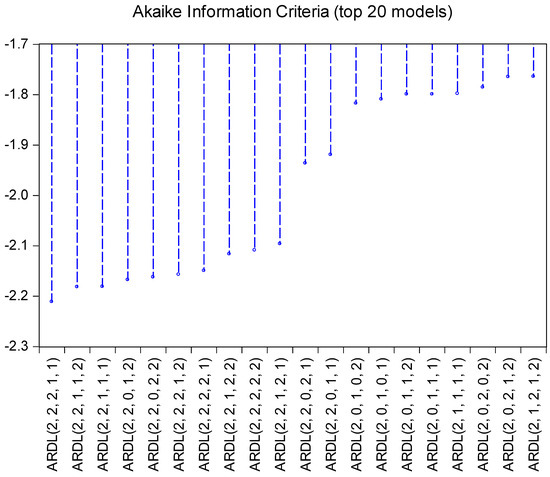
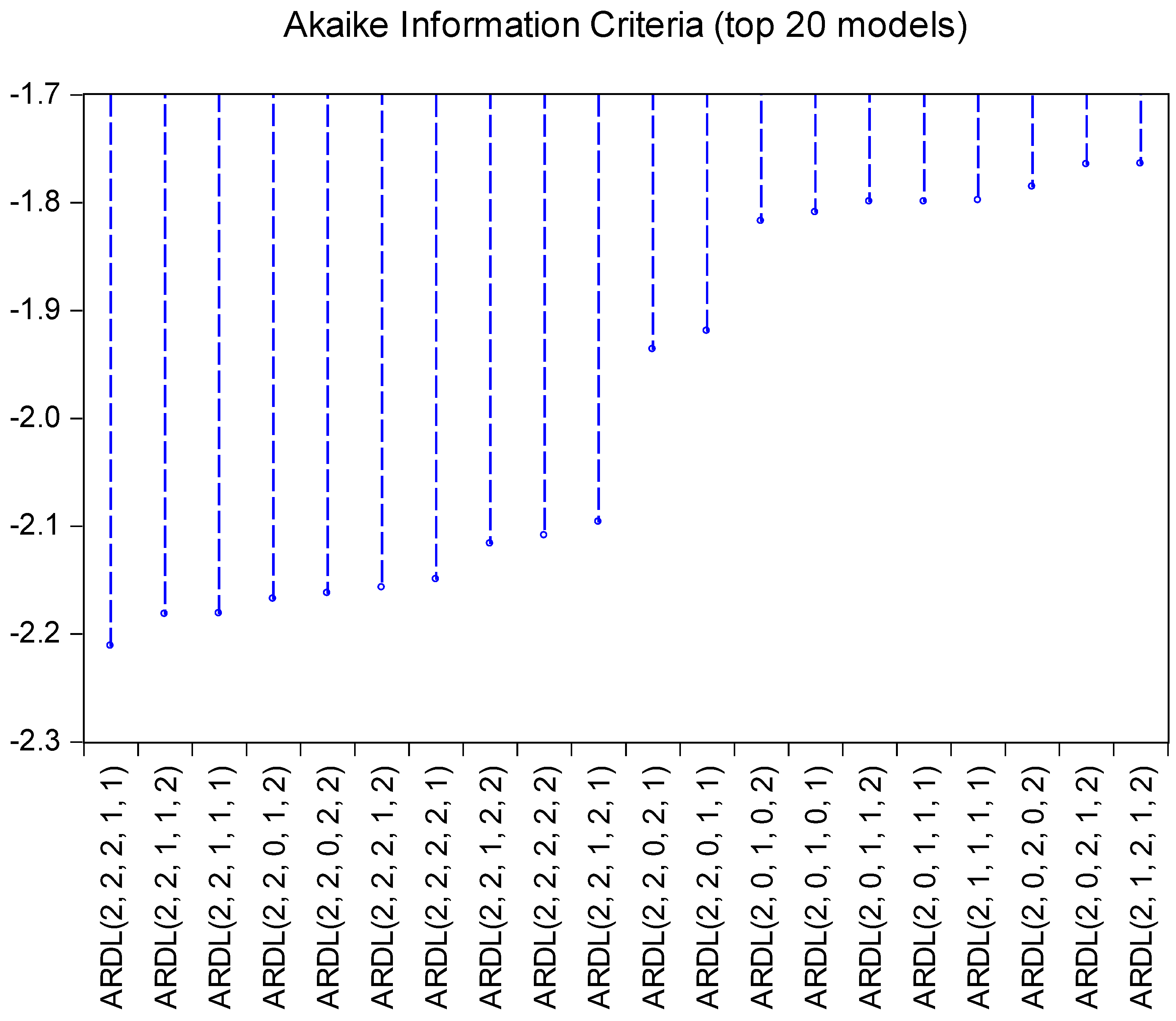
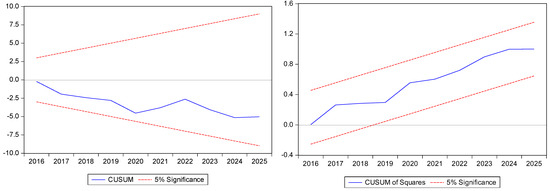
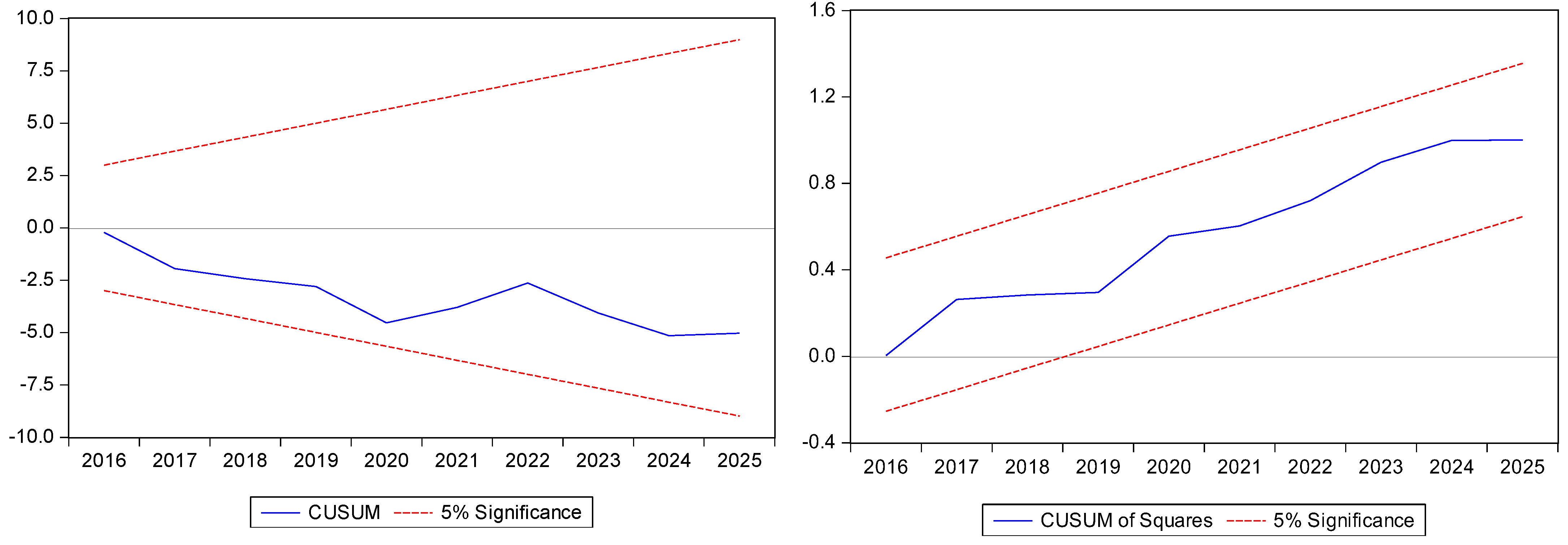

Disclaimer/Publisher’s Note: The statements, opinions and data contained in all publications are solely those of the individual author(s) and contributor(s) and not of MDPI and/or the editor(s). MDPI and/or the editor(s) disclaim responsibility for any injury to people or property resulting from any ideas, methods, instructions or products referred to in the content. |
© 2026 by the authors. Licensee MDPI, Basel, Switzerland. This article is an open access article distributed under the terms and conditions of the Creative Commons Attribution (CC BY) license.