


Abstract
Weak institutional environments may encourage aggressive corporate tax practices, but firms’ responses can vary depending on the strength of their internal governance. This study examines the relationship between perceived corruption risk and corporate tax avoidance and investigates whether firm-level environmental, social, and governance (ESG) performance moderates this relationship. Using an unbalanced panel of 921 publicly listed firms, comprising 7628 firm-year observations across 11 Middle East and North Africa (MENA) economies from 2013 to 2024, the study employs fixed-effects panel regressions alongside several robustness checks. The findings indicate that greater perceived corruption risk is associated with higher corporate tax avoidance, while stronger ESG performance significantly weakens this association. Subsample analyses also reveal positive CORRISK × ESG interaction coefficients in both higher- and lower-corruption economies, with a larger estimated coefficient in the higher-corruption group. The main findings remain broadly consistent when using an alternative measure of tax avoidance, two-step System GMM, additional firm- and country-level controls, and alternative fixed-effects specifications. However, the country-level corruption measure reflects the broader institutional environment rather than firms’ direct exposure to corruption, which should be considered when interpreting the results. Overall, the study highlights the potential role of firm-level ESG in mitigating the relationship between perceived corruption risk and aggressive corporate tax behavior, emphasizing the importance of considering both institutional conditions and corporate governance practices in MENA economies.
1. Introduction
Corporate tax avoidance has become an important issue in corporate governance (CG), sustainability, and public policy because firms’ tax decisions affect government revenues, shareholder interests, tax fairness, and perceptions of responsible corporate behavior. Although legitimate tax planning can reduce corporate costs, aggressive tax avoidance may reflect managerial opportunism, limited transparency, and weak accountability. Understanding the organizational factors that encourage or constrain tax avoidance is therefore important for firms, investors, regulators, and policymakers. Recent research has consequently devoted increasing attention to the governance, ethical, and sustainability determinants of corporate tax behavior (Agyei-Mensah & Buertey, 2019; Al-Hadi et al., 2022; Almutairi & Abdelazim, 2024).
Corruption represents an important determinant of tax avoidance. Corruption can increase organizational opacity, weaken internal controls and compliance, and provide managers with greater discretion to pursue opportunistic strategies. Al-Hadi et al. (2022) document that corruption increases corporate tax avoidance in the United States, while Sarhan et al. (2024) show that stronger corruption-prevention practices constrain tax avoidance. More recently, Marzouki and Ben Amar (2025) find that corruption risk increases tax avoidance and that board gender diversity weakens this relationship. Ma et al. (2025) similarly demonstrate that political corruption affects corporate tax avoidance and that managerial characteristics condition this effect.
The parallel literature examines ESG performance and corporate tax behavior. Strong ESG performance may enhance transparency, internal controls, stakeholder monitoring, and managerial accountability, thereby discouraging aggressive tax strategies (A. T. Hossain & Kryzanowski, 2021). Consistent with this perspective, Jiang et al. (2024) and Yoon et al. (2021) report that stronger ESG performance is associated with lower tax avoidance, while Elgharbawy and Aladwey (2025) and Pipatnarapong et al. (2025) provide further evidence that responsible corporate practices can constrain aggressive tax behavior.
However, the evidence is not uniform. Jarboui et al. (2020) find that sustainability performance can coexist with greater tax avoidance, while H.-A. Lee (2024) documents heterogeneous effects across ESG dimensions and governance conditions. Giannarou and Tzeremes (2025) similarly suggest that CSR and tax avoidance can operate as complementary or substitutive strategies, whereas Dorak and Şengül Çelikay (2026) identify nonlinear ESG effects on tax avoidance. The meta-analysis of Mitroulia et al. (2025) further indicates that the ESG–tax avoidance relationship varies according to measurement, sample characteristics, and empirical methods. Thus, whether stronger ESG performance necessarily constrains aggressive tax behavior remains an open empirical question.
Recent research increasingly suggests that the relationship between ESG and corporate tax behavior is context dependent rather than uniform. The role of ESG may vary with institutional conditions, governance mechanisms, and the nature of the underlying corporate risks (Persakis & Pavlou, 2026). This perspective is particularly relevant to tax avoidance because ESG can operate as a governance mechanism that strengthens transparency, monitoring, and accountability, while its effectiveness may depend on the institutional environment in which firms operate. Despite these developments, the corruption and ESG research streams remain largely disconnected. Corruption–tax avoidance studies have primarily examined contingencies such as litigation risk, managerial characteristics, BGD, and anti-corruption practices (Agyei-Mensah & Buertey, 2019; Al-Hadi et al., 2022), whereas ESG research has largely considered ESG as a direct determinant of tax behavior (Kong et al., 2025). Consequently, limited evidence explains whether firm-level ESG performance conditions the extent to which a corruption-prone institutional environment is associated with corporate tax avoidance. Stronger ESG performance may enhance transparency, accountability, ethical oversight, and stakeholder monitoring, thereby constraining managerial opportunities to exploit institutional weaknesses for aggressive tax planning.
Accordingly, this study examines the effect of perceived corruption risk on corporate tax avoidance and whether ESG performance moderates this relationship. Drawing on agency and stakeholder theories, the study predicts that greater corruption risk increases corporate tax avoidance, whereas stronger ESG performance weakens this relationship. The MENA region provides a particularly relevant setting because corruption remains a persistent governance challenge alongside substantial cross-country variation in institutional quality, regulatory enforcement, and transparency, as also reflected in recent evidence from North African economies (Abozeid et al., 2025). Beschel et al. (2024) and Mansour et al. (2024b) document considerable heterogeneity in corruption control across MENA economies and identify government effectiveness and economic development as particularly important correlates of corruption control. Kırşanlı (2024) further highlights the distinctive complexity of corruption across the MENA region, where formal practices such as bribery, fraud, embezzlement, and money laundering coexist with informal practices such as clientelism and nepotism.
Recent regional research by Khémiri et al. (2026) documents prolonged stagnation in anti-corruption progress across much of the region and highlights weaknesses in institutional integrity, enforcement, and preventive mechanisms. This combination of persistent corruption and institutional heterogeneity provides a particularly informative setting for examining whether firm-level ESG mechanisms constrain corruption-related tax behavior.
The study makes three main contributions. First, rather than merely re-examining the direct corruption–tax avoidance relationship, it shifts attention to heterogeneity in firms’ responses to country-level institutional corruption, complementing prior evidence based on state-level, political, and firm-level corruption measures (Al-Hadi et al., 2022; Ma et al., 2025; Marzouki & Ben Amar, 2025).
Second, it develops a cross-level governance perspective by examining whether firm-level ESG performance conditions the association between country-level institutional corruption and corporate tax avoidance. In doing so, the study extends ESG beyond its conventional role as a direct correlate of corporate tax behavior and conceptualizes it as a firm-level governance mechanism that may buffer firms against weaknesses in the external institutional environment.
Third, it provides multi-country evidence from 11 MENA economies characterized by substantial institutional and regulatory heterogeneity (Elsayed, 2020; A. T. Hossain & Kryzanowski, 2021; Jarboui et al., 2020; Majeed et al., 2024). Together, these contributions demonstrate that the association between institutional corruption and corporate tax avoidance is not uniform across firms but varies with firm-level governance capacity.
Using an unbalanced panel of 921 publicly listed firms and 7628 firm-year observations across 11 MENA countries during 2013–2024, the study finds that greater perceived corruption risk is associated with higher corporate tax avoidance, while stronger ESG performance significantly weakens this relationship. The findings remain robust to an alternative tax-avoidance measure, two-step System GMM, additional firm- and country-level controls, and alternative fixed-effects specifications.
The remainder of the paper is organized as follows. Section 2 reviews the relevant literature and develops the research hypotheses. Section 3 describes the research methodology. Section 4 presents the empirical results and robustness analyses. Section 5 discusses the findings and their theoretical and practical implications. Finally, Section 6 concludes the study.
2. Literature Review and Hypothesis Development
2.1. Perceived Corruption and Corporate Tax Avoidance
Perceived corruption has emerged as an important determinant of firms’ tax planning decisions because it weakens governance quality, reduces institutional effectiveness, and increases managerial discretion in corporate decision-making. From an agency perspective, corruption exacerbates information asymmetry between managers and shareholders, enabling managers to pursue private benefits through opaque financial and tax strategies while reducing the likelihood of effective monitoring (Alim & Mansour, 2026; Goerke, 2019; Majeed et al., 2024). Consequently, firms operating in corrupt institutional environments or exhibiting greater corruption risk are generally more likely to adopt aggressive tax avoidance practices (Al-Hadi et al., 2022; Ma et al., 2025; Marzouki & Ben Amar, 2025; Putrevu et al., 2012; Sarhan et al., 2024). Consistent with this institutional perspective, Ojeka et al. (2019) show that perceived corruption adversely affects firm outcomes and emphasize the importance of the broader institutional environment in shaping corporate behavior. Similarly, Boateng et al. (2021), using evidence from 149 countries, demonstrate that corruption is systematically associated with formal governance structures and national institutional conditions.
The empirical literature consistently supports a positive association between corruption and corporate tax avoidance across different institutional contexts. Using a large sample of U.S. listed firms, Al-Hadi et al. (2022) show that firms headquartered in states characterized by higher corruption engage in significantly greater tax avoidance. More importantly, they demonstrate that this relationship becomes weaker when firms operate under stronger litigation risk and governance mechanisms, suggesting that corruption affects tax behavior through managerial opportunism and institutional weaknesses. Extending this evidence, Ma et al. (2025) exploit China’s nationwide anti-corruption campaign as a quasi-natural experiment and report that reductions in political corruption significantly decrease corporate tax avoidance, providing strong causal evidence that corruption directly shapes firms’ tax planning decisions.
Complementary evidence from the tax-compliance literature reinforces this mechanism. Chayati et al. (2026) find that perceptions of corruption significantly reduce voluntary tax compliance in Indonesia, both directly and indirectly through diminished trust in government, tax authorities, and government spending. At the firm level, Bukari (2026) similarly shows that corruption involving tax officials significantly increases tax evasion across 17 Sub-Saharan African economies and identifies additional spillover effects from corruption associated with operating licenses and government contracts. Although tax evasion is conceptually distinct from corporate tax avoidance, these findings reinforce the broader argument that corruption undermines tax compliance and creates an environment conducive to more aggressive corporate tax behavior.
Recent studies have shifted the focus from external institutional corruption to corruption embedded within firms themselves. Marzouki and Ben Amar (2025) document that higher corruption risk significantly increases tax avoidance among French listed firms. Their findings further reveal that board gender diversity weakens this relationship, suggesting that stronger governance mechanisms can mitigate the adverse consequences of corruption on corporate tax behavior. Similarly, Sarhan et al. (2024) report that firms implementing comprehensive anti-corruption practices exhibit significantly lower levels of tax avoidance, emphasizing that governance systems promoting transparency, accountability, and ethical conduct discourage aggressive tax planning. Collectively, these studies suggest that corruption influences corporate taxation not only through external institutional conditions but also through firms’ internal governance environments.
Although previous studies consistently conclude that corruption increases corporate tax avoidance, they primarily examine traditional governance mechanisms as boundary conditions. Existing research focuses on factors such as litigation risk, board gender diversity, CEO characteristics, board effectiveness, and anti-corruption practices to explain variations in the corruption–tax avoidance relationship (Al-Hadi et al., 2022; Alawamreh et al., 2026; Ma et al., 2025; Qawqzeh & Al Zobi, 2025).
However, the rapidly growing ESG literature has received little attention within this research stream. This omission is theoretically important because perceived corruption risk and ESG represent contrasting institutional and organizational forces: corruption-prone environments can foster opacity, information asymmetry, and opportunistic behavior, whereas stronger firm-level ESG performance can promote transparency, accountability, stakeholder monitoring, and responsible governance. Consequently, examining whether ESG performance mitigates the positive effect of perceived corruption on corporate tax avoidance provides an important extension to both the corruption and corporate taxation literature.
Perceived corruption may facilitate corporate tax avoidance through several interrelated channels. Corruption-prone institutional environments can weaken monitoring and enforcement, reduce accountability, and increase managerial discretion and information asymmetry, thereby creating greater opportunities for opportunistic corporate behavior (Majeed et al., 2024; Sarhan et al., 2024). Such environments may also provide greater scope for informal influence and the exploitation of regulatory weaknesses, reducing the expected constraints on aggressive tax planning (Beschel et al., 2024; Ma et al., 2025). Consequently, firms operating in environments characterized by greater perceived corruption may have stronger incentives and opportunities to engage in corporate tax avoidance.
H1.
Perceived corruption risk is positively associated with corporate tax avoidance.
2.2. ESG Performance and Corporate Tax Avoidance
ESG performance has become a central component of CG and sustainability research, reflecting firms’ commitment to responsible business practices, ethical conduct, stakeholder engagement, and long-term value creation (Fauzi et al., 2026; Mansour & Alomair, 2026). Unlike traditional governance mechanisms that primarily focus on monitoring managerial behavior, ESG represents a broader governance framework encompassing environmental stewardship, social responsibility, and sound governance practices (Qudah & Alqudah, 2026; Saleh et al., 2026a). Consequently, firms with superior ESG performance are expected to exhibit greater transparency, stronger internal controls, improved accountability, and enhanced stakeholder oversight, thereby reducing incentives to engage in aggressive corporate tax avoidance (Y. Zhang et al., 2025).
The empirical evidence generally supports a negative association between ESG performance and corporate tax avoidance. Studies conducted across developed and emerging economies consistently report that firms with higher ESG performance are less likely to pursue aggressive tax planning because sustainability-oriented governance strengthens transparency, improves internal controls, enhances external monitoring, and reinforces corporate accountability (Elgharbawy & Aladwey, 2025; Firmansyah et al., 2026; Migliavacca, 2026; Pipatnarapong et al., 2025). These findings suggest that ESG performance promotes responsible tax behavior by aligning managerial decisions with long-term stakeholder interests rather than short-term financial objectives.
Despite this broad consensus, the ESG–tax avoidance relationship remains far from conclusive. Several studies argue that the relationship varies across institutional environments, governance quality, industry characteristics, and ESG measurement approaches. For example, Zeng (2019) demonstrates that the influence of CSR on tax avoidance depends on national governance quality, whereas Jarboui et al. (2020) report that sustainability performance may coexist with tax avoidance under certain governance structures. Similarly, H.-A. Lee (2024) finds heterogeneous effects across the ESG dimensions, while Qutait and Salem (2026) report that CSR activities may even be positively associated with tax avoidance in weak institutional environments. Furthermore, Mitroulia et al. (2025), through a comprehensive meta-analysis, conclude that the average relationship between ESG and tax avoidance is relatively modest and that significant heterogeneity across empirical studies is driven by differences in ESG measures, tax avoidance proxies, institutional settings, and research methodologies.
More recent research has expanded this literature by examining alternative ESG-related governance mechanisms. Rather than focusing solely on aggregate ESG performance, recent studies investigate the influence of ESG controversies, ESG rating disagreement, ESG disclosure, reputational pressure, and ESG-related media coverage on firms’ tax behavior (Kim & Lee, 2025; Ma et al., 2025; Menicacci & Simoni, 2024; Schneider-Maunoury & Bouchacourt, 2025; Yuan et al., 2025). Collectively, these studies suggest that transparency, information quality, reputation, and stakeholder scrutiny represent important channels through which ESG affects corporate tax decisions.
Although previous studies provide valuable insights into the direct relationship between ESG performance and corporate tax avoidance, they largely treat ESG as either an antecedent or an outcome of firms’ tax behavior. Consequently, relatively little attention has been devoted to understanding whether ESG performance can function as a governance mechanism that alters the influence of other organizational factors on corporate tax decisions. This limitation is particularly important in the context of perceived corruption, where ESG performance may strengthen governance quality sufficiently to constrain corruption-driven managerial opportunism. Accordingly, examining ESG as a moderating mechanism extends the existing ESG and tax avoidance literature beyond its traditional direct-effect perspective and provides a more comprehensive understanding of firms’ tax behavior.
2.3. Perceived Corruption and ESG Performance
Corruption and ESG performance have traditionally been examined as separate research streams (J. F. Zhang & So, 2024). However, growing evidence suggests that they represent opposing dimensions of CG. While corruption reflects weak governance, unethical managerial behavior, and deficiencies in accountability, ESG performance embodies responsible corporate conduct through greater transparency, stakeholder engagement, and sustainable governance practices. Consequently, firms characterized by higher levels of corruption are generally expected to exhibit weaker ESG performance, whereas stronger ESG engagement may discourage corruption by strengthening governance structures and reinforcing ethical corporate behavior.
Empirical evidence consistently supports this inverse relationship. Cross-country studies demonstrate that firms with stronger CSR and ESG engagement are exposed to significantly lower corruption risk because sustainability-oriented governance enhances transparency, accountability, and ethical decision-making (Agyei-Mensah & Buertey, 2019). Likewise, A. T. Hossain and Kryzanowski (2021) report that firms operating in politically corrupt environments exhibit significantly poorer CSR performance, whereas Kong et al. (2025) show that China’s anti-corruption reforms substantially improve corporate sustainability practices. These findings collectively suggest that institutional integrity and responsible governance reinforce one another and jointly influence firms’ sustainability performance.
Firm-level evidence provides further support for this relationship. Ucar and Staer (2020) find that local corruption significantly reduces firms’ CSR engagement even after controlling for CG characteristics, indicating that corruption weakens firms’ incentives to invest in socially responsible activities. Similarly, J. F. Zhang and So (2024) document that corruption exposure significantly reduces firms’ overall ESG performance as well as its ESG dimensions. Beyond sustainability reporting, Majeed et al. (2024) demonstrate that corruption also impairs green innovation by increasing agency conflicts and weakening institutional quality, highlighting the broader adverse consequences of corruption for firms’ long-term sustainability strategies.
These results are corroborated by the conceptual literature. Corruption and CSR should not be studied separately because they are closely intertwined with the ethical values and governance of the firms, argues Putrevu et al. (2012). In this view, corruption and sustainability are not just distinct corporate activities, but are also part of the overall organizational priorities and can affect managerial actions, corporate legitimacy and stakeholder trust. Companies with a high degree of commitment to responsible governance may be less tolerant of corrupt practices, while companies in environments with a high risk of corruption may have more difficulty in delivering credible and consistent ESG performance.
The literature indicates that corruption can have a negative impact on ESG performance, reducing transparency, ethical standards, governance effectiveness, and stakeholder confidence. Previous studies, however, have tended to focus on the impact of corruption on ESG or CSR performance, and on the direct link between ESG and corporate tax avoidance. There has been less focus on the interaction between these two relationships, especially if the relationship between corruption and corporate tax avoidance is moderated by ESG performance. This is an important gap as firms with better ESG performance might be more able to reduce opportunistic tax practices in the context of pressures related to corruption. The present study builds on this moderating relationship, linking two streams of research that have been studied separately, and contributes to the understanding of the influence of sustainability-oriented governance on corporate tax behavior in corruption-prone institutional environments.
2.4. The Moderating Role of ESG Performance
Although prior studies consistently demonstrate that corruption increases tax avoidance and that ESG performance generally discourages aggressive tax practices, these two research streams have developed largely independently. Consequently, the governance role of ESG in the corruption–tax avoidance relationship remains unclear. This omission is important because corruption and ESG represent two competing governance forces. Whereas corruption weakens governance quality, managerial accountability, and organizational transparency, ESG strengthens internal controls, stakeholder engagement, ethical standards, and corporate legitimacy. Therefore, firms with stronger ESG performance are expected to be better equipped to constrain the adverse consequences of corruption on corporate tax behavior.
Agency theory provides a strong theoretical explanation for this moderating effect. Corruption increases managerial discretion and information asymmetry, enabling managers to pursue aggressive tax strategies that are difficult for shareholders to observe or evaluate. In contrast, firms with superior ESG performance generally exhibit stronger governance systems, more transparent disclosure practices, and greater board accountability, all of which reduce managerial opportunities to exploit corruption for private benefits. Consequently, ESG performance should weaken the positive association between corruption and tax avoidance by strengthening monitoring mechanisms and limiting opportunistic managerial behavior.
Stakeholder and legitimacy theories further reinforce this expectation. Firms committed to high ESG standards are subject to greater scrutiny from investors, regulators, customers, employees, and civil society. Because aggressive tax avoidance may undermine corporate reputation and contradict firms’ sustainability commitments, managers of high-ESG firms have stronger incentives to adopt responsible tax strategies that preserve stakeholder trust and organizational legitimacy. In this respect, ESG performance represents more than a sustainability indicator; it serves as a comprehensive governance framework that discourages unethical managerial decisions, including corruption-driven tax avoidance.
Although no previous study has directly examined the moderating role of ESG performance in the relationship between corruption and corporate tax avoidance, existing empirical evidence provides indirect support for this proposition. Studies consistently report that stronger ESG performance reduces aggressive tax avoidance by improving transparency, strengthening governance quality, enhancing internal controls, and increasing stakeholder monitoring (Elgharbawy & Aladwey, 2025; Firmansyah et al., 2026; Migliavacca, 2026; Yoon et al., 2021). Similarly, the corruption–ESG literature demonstrates that corruption weakens sustainability performance, whereas responsible governance and CSR practices reduce corruption risk and improve organizational accountability (A. T. Hossain & Kryzanowski, 2021; Kong et al., 2025; Krishnamurti et al., 2018; Ucar & Staer, 2020; J. F. Zhang & So, 2024). Collectively, these findings suggest that ESG performance should mitigate the tendency of corrupt firms to engage in aggressive tax avoidance by strengthening governance mechanisms that constrain managerial opportunism.
Building on these theoretical arguments and empirical findings, this study proposes that ESG performance functions as a governance boundary condition that weakens the positive relationship between corruption and corporate tax avoidance. Specifically, firms with stronger ESG performance are expected to experience a smaller increase in tax avoidance in response to higher perceived corruption because sustainability-oriented governance enhances transparency, reinforces ethical decision-making, and strengthens stakeholder oversight.
H2.
ESG performance weakens the positive relationship between perceived corruption risk and corporate tax avoidance.
Figure 1 presents the conceptual framework underpinning this study. Drawing on Agency Theory, Stakeholder Theory, and Legitimacy Theory, the framework proposes that perceived corruption risk positively influences corporate tax avoidance. However, this relationship is expected to be contingent upon firms’ ESG performance. Specifically, stronger ESG performance is anticipated to mitigate the positive association between corruption risk and corporate tax avoidance by enhancing transparency, strengthening governance quality, improving stakeholder oversight, and discouraging opportunistic managerial behavior.
Figure 1.
Conceptual framework of the study. The framework illustrates the moderating role of ESG performance in the relationship between perceived corruption risk and corporate tax avoidance.
3. Research Methodology
3.1. Research Design
This study employs a quantitative longitudinal research design to examine the relationship between perceived corruption and corporate tax avoidance and the moderating role of ESG performance. A panel-data approach is adopted because it exploits both cross-sectional and temporal variation while controlling for unobserved firm-specific heterogeneity that may otherwise bias the estimated relationships (Al-Khazaleh et al., 2026; Alim & Mansour, 2026; Basali, 2025).
The empirical analysis proceeds sequentially. First, the direct association between corruption risk and corporate tax avoidance is examined. Second, ESG performance and its interaction with corruption risk are introduced to test the proposed moderating effect. The baseline analysis incorporates a parsimonious set of firm-level controls, while alternative measures, specifications, and endogeneity treatments are employed subsequently to assess the robustness of the findings (Wintoki et al., 2012).
3.2. Sample Selection and Data Sources
The study uses an unbalanced panel of publicly listed firms from 11 MENA countries—Bahrain, Egypt, Jordan, Kuwait, Morocco, Oman, Palestine, Qatar, Saudi Arabia, Tunisia, and the United Arab Emirates (UAE)—over the 2013–2024 period. The MENA setting offers substantial variation in institutional development, governance structures, regulatory enforcement, and sustainability practices (Al-Khazaleh et al., 2026; Alim & Mansour, 2026; Mansour et al., 2024b), providing an appropriate context for examining whether ESG performance conditions the relationship between corruption and corporate tax avoidance. Similar longitudinal designs have been employed in prior research on ESG performance, governance, and corporate tax behavior (Ardhaoui & Amar, 2026; Jiang et al., 2024; Menicacci & Simoni, 2024).
Firm-level financial, tax, ESG, and other corporate information was obtained from Refinitiv/LSEG Workspace and Datastream and matched using firm identifiers and fiscal years. These databases provide standardized and comparable financial and non-financial information and are widely employed in empirical research on ESG, governance, and corporate taxation (M. S. Hossain et al., 2025). Country-level perceived corruption data were obtained separately from Transparency International’s annual Corruption Perceptions Index (CPI). Because the original CPI assigns lower scores to countries with higher perceived corruption, the index was reverse-coded and rescaled to ensure that higher values represent greater perceived corruption risk, consistent with prior corruption research (Ojeka et al., 2019). The resulting country-year observations were then matched to firms by country and fiscal year (Mansour et al., 2024a).
The initial sample is restricted to non-financial publicly listed firms because financial institutions operate under distinct regulatory frameworks, accounting practices, capital structures, and taxation environments (Luo et al., 2026; Wang et al., 2025). All continuous variables are winsorized at the 1st and 99th percentiles to mitigate the influence of extreme observations, consistent with established empirical practice (Mansour et al., 2024a).
Following the data matching and screening process, 100 of the initially identified 1021 firms were excluded because of insufficient tax-related information (45 firms), missing ESG performance data (35 firms), or unavailable control-variable information (20 firms). The final unbalanced sample therefore consists of 921 publicly listed non-financial firms, representing 7628 firm-year observations across 11 MENA countries from 2013 to 2024. Appendix A (Table A1 and Table A2) provides further details on the sample-selection process and the distribution of firms across countries.
The adequacy of the final sample is also supported by the empirical literature on ESG/CSR and corporate tax avoidance, where longitudinal firm-level analyses are commonly conducted using samples that vary considerably in size and coverage. For example, Mohamad Ariff et al. (2024) examine 24,259 firm-year observations across 49 countries, whereas Firmansyah et al. (2026) employ 2747 firm-year observations from six ASEAN countries, and Giannarou and Tzeremes (2025) analyze 191 publicly traded firms over 2011–2022. These studies illustrate that empirical research in this area relies on panel samples shaped by firm coverage, study setting, and data availability. Accordingly, the present unbalanced panel of 921 firms and 7628 firm-year observations provides substantial cross-sectional and longitudinal variation for estimating the firm fixed-effects models while retaining available firm-year information.
3.3. Variable Measurement
The study examines corporate tax avoidance as the dependent variable, corruption risk as the principal independent variable, and ESG performance as the moderating variable. The baseline specification also incorporates firm-level controls capturing size, profitability, financing structure, growth opportunities, and asset composition. Table 1 presents the definitions and measurements of the variables used in the main analysis.
Table 1.
Variable Definitions and Measurements.
Corporate tax avoidance is primarily measured using CASH_ETR, calculated as cash taxes paid divided by pre-tax income (Gaio et al., 2026; Menicacci & Simoni, 2024; Shubita, 2024). CASH_ETR is retained in its conventional form, such that lower values indicate greater corporate tax avoidance, consistent with the conventional interpretation of effective tax rate measures in prior tax-avoidance research (Al-Hadi et al., 2022). Consistent with prior tax-avoidance research (Lin et al., 2026), firm-year observations with zero or negative pre-tax income are excluded from the CASH_ETR calculation to avoid economically uninterpretable effective tax rates. CASH_ETR is subsequently winsorized at the 1st and 99th percentiles to limit the influence of extreme observations. This inverse interpretation is maintained throughout the empirical analysis. CASH_ETR is selected as the primary proxy because it captures firms’ actual cash tax payments and is widely employed in empirical tax-avoidance research (Kersten & Qari, 2026).
Nevertheless, because CASH_ETR may be sensitive to the timing of tax payments, BTD is employed as an alternative measure in the robustness analysis (Yahaya et al., 2026). BTD is calculated as the difference between accounting income and taxable income, scaled by total assets, with higher values indicating greater corporate tax avoidance (Ma et al., 2025; Mansour et al., 2026; Mansour & Alomair, 2026). The use of BTD alongside CASH_ETR provides a complementary measure of tax behavior and helps assess whether the findings are sensitive to the choice of tax-avoidance proxy.
The principal explanatory variable, perceived corruption risk (CORRISK), is derived from Transparency International’s Corruption Perceptions Index (CPI), following prior corruption research (Mansour et al., 2024a). The CPI is a widely used perception-based country-level indicator of public-sector corruption, ranging from 0 (high perceived corruption) to 100 (low perceived corruption). Its use offers several advantages for the present cross-country analysis. In particular, the CPI provides a standardized and internationally comparable measure of the broader corruption environment, thereby facilitating consistent comparisons across countries and over time. This is especially important because corruption is inherently difficult to observe directly and official corruption cases may provide an incomplete picture because of its hidden and sensitive nature (Chen et al., 2022). To facilitate interpretation and align the direction of the measure with corruption risk, the original CPI is reverse-coded and rescaled as CORRISK = (100 − CPI)/100, consistent with prior studies that reverse the original CPI so that higher values represent greater corruption (Boateng et al., 2021). The resulting measure ranges from 0 to 1, with higher values indicating greater perceived corruption risk. Annual CORRISK values are matched to firms based on their country and fiscal year.
Moreover, prior cross-country corporate research has employed the CPI as an alternative corruption measure and found that the main findings remain robust to its use alongside other corruption indicators (Heo et al., 2021). The measure is also particularly appropriate for capturing the institutional environment surrounding firms, as prior research emphasizes that corruption differs substantially across countries and that its corporate consequences depend on national legal and business environments.
ESG performance is measured using the overall ESG score obtained from LSEG (formerly Refinitiv/Thomson Reuters). The score is based on publicly available corporate sustainability information and ranges from 0 to 100, with higher values indicating stronger ESG performance (Alsaed & Saleh, 2024; Y. Zhang et al., 2025). It captures firms’ performance across the environmental, social, and governance pillars (Elgharbawy & Aladwey, 2025; Giannarou & Tzeremes, 2025; Migliavacca, 2026; Qawasmeh et al., 2026). Their interaction, CORRISK × ESG, captures the proposed moderating effect of ESG performance.
The baseline models control for SIZE, ROA, LEV, MTB, and CAPINT, representing firm scale, profitability, financing structure, growth opportunities, and asset composition, respectively. These characteristics are commonly employed as determinants of corporate tax behavior (Menicacci & Simoni, 2024). Additional firm characteristics are introduced in subsequent robustness analyses.
As a robustness test, corporate tax avoidance is alternatively measured using book-tax differences (BTD). Unlike CASH_ETR, for which lower values indicate greater tax avoidance, higher BTD generally reflects greater tax avoidance. The use of BTD therefore provides a conceptually distinct alternative proxy for assessing the robustness of the baseline findings (Dorak & Şengül Çelikay, 2026; Ma et al., 2025).
3.4. Empirical Models
To test the proposed hypotheses, two panel regression models are estimated. The first examines the direct relationship between corruption risk and corporate tax avoidance, while the second introduces ESG performance and its interaction with corruption risk to test the moderating effect. The specifications follow the panel-based approaches employed in related corruption and tax avoidance research (A. T. Hossain & Kryzanowski, 2021; Jiang et al., 2024; Marzouki & Ben Amar, 2025; Sarhan et al., 2024). To test H1, the baseline model is specified as:
where i and t denote firm and year, respectively; μi represents firm fixed effects; λt represents year fixed effects; and εi,t is the idiosyncratic error term. Because lower CASH_ETR indicates greater tax avoidance, H1 is supported when β1 < 0. To test H2, the moderation model is specified as:
CASH_ETRi,t = β0 + β1CORRISKi,t + β2ESGi,t + β3SIZEi,t + β4ROAi,t + β5LEVi,t + β6MTBi,t + β7CAPINTi,t + μi + λt + εi,t
CASH_ETRi,t = β0 + β1CORRISKi,t + β2ESGi,t + β3(CORRISK × ESG)i,t + β4SIZEi,t + β5ROAi,t + β6LEVi,t + β7MTBi,t + β8CAPINTi,t + μi + λt + εi,t
The moderating effect of ESG performance is examined by including the interaction term between CORRISK and ESG. To facilitate interpretation of the interaction, conditional marginal effects are subsequently evaluated at low (mean − 1 SD), mean, and high (mean + 1 SD) levels of ESG performance (Burks et al., 2019; Cohen et al., 2013).
The coefficient β3 captures the moderating effect of ESG performance. Given the inverse interpretation of CASH_ETR, H2 is supported when β3 > 0. A positive interaction coefficient indicates that stronger ESG performance attenuates the negative association between corruption risk and CASH_ETR and therefore weakens the positive economic relationship between corruption and tax avoidance. The conditional marginal effect of corruption risk is:
∂CASH_ETR/∂CORRISK = β1 + β3ESG
Accordingly, when β1 is negative and β3 is positive, increasing ESG performance makes the effect of perceived corruption risk on CASH_ETR less negative, indicating that stronger ESG performance mitigates corruption-related tax avoidance.
3.5. Estimation Strategy
The empirical analysis employs panel-data techniques to examine the relationship between corruption risk and corporate tax avoidance and the moderating role of ESG performance. Pooled OLS, fixed-effects (FE), and random-effects (RE) specifications are initially considered to identify the appropriate estimator. The Breusch–Pagan LM test is used to assess panel estimation relative to pooled OLS, while the Hausman test is employed to choose between FE and RE. Based on these specification tests, the firm fixed-effects estimator serves as the principal baseline specification (Agyei-Mensah & Buertey, 2019; Al-Hadi et al., 2022; Menicacci & Simoni, 2024).
Firm fixed effects control for time-invariant unobserved firm characteristics, while year fixed effects capture common macroeconomic, regulatory, and temporal shocks. Standard errors are clustered at the firm level to account for heteroskedasticity and within-firm serial correlation. Prior to the multivariate analysis, descriptive statistics, pairwise correlations, and variance inflation factors (VIFs) are examined.
Potential endogeneity arising from reverse causality, omitted time-varying factors, and dynamic persistence is addressed using two-step System GMM. Following Wintoki et al. (2012), the estimator exploits internal instruments derived from the panel history of the variables, with lagged levels used as instruments for the differenced equations and lagged differences used as instruments for the level equations. The lagged dependent variable is included to capture persistence in corporate tax behavior, while lagged values of CORRISK, ESG, and the interaction term are used as internal instruments to address their potential endogeneity. Model validity is assessed using the Arellano–Bond AR(1) and AR(2) tests and the Hansen test of overidentifying restriction (Saleh et al., 2026b). The instrument set is kept parsimonious to mitigate concerns regarding instrument proliferation (Arellano & Bond, 1991; Blundell & Bond, 1998; Mansour et al., 2024b; Wintoki et al., 2012).
Several additional robustness tests are conducted. First, BTD is employed as an alternative measure of corporate tax avoidance (Giannopoulos et al., 2025; H. Lee, 2025; Mansour & Alomair, 2026). Second, the baseline models are augmented with additional firm-level controls and country-level macroeconomic variables, including GDP growth and inflation (INF), to account for differences in economic conditions across MENA economies. The inclusion of GDP-related conditions is particularly relevant because Beschel et al. (2024) identify economic development, together with government effectiveness, as an important correlate of corruption control in the MENA region. Finally, the models are re-estimated using industry × year fixed effects to absorb unobserved time-varying industry-specific shocks that may jointly affect firms’ tax behavior and ESG performance.
4. Empirical Results
4.1. Descriptive Statistics
Table 2 presents the descriptive statistics for the variables used in the empirical analysis. CASH_ETR has a mean of 0.247 and a standard deviation of 0.164, indicating substantial variation in firms’ cash effective tax rates and, consequently, in the extent of corporate tax avoidance. This mean is close to the 0.239 reported by Jarboui et al. (2020) and Sarhan et al. (2024), but lower than the 0.319 documented by Marzouki and Ben Amar (2025). Such differences are reasonable given variations in countries, tax regimes, sample periods, and firm characteristics. CORRISK has a mean of 0.508 (SD = 0.109), indicating meaningful variation in perceived corruption across MENA countries and over time. Given that higher CORRISK values indicate greater perceived corruption risk, the descriptive statistics reveal substantial heterogeneity in the institutional corruption environment faced by sampled firms.
Table 2.
Descriptive Statistics.
The country-level corruption data further reveal substantial heterogeneity across the 11 sampled MENA economies (Appendix A, Table A3). Based on the average reverse-coded CPI over 2013–2024, CORRISK ranges from 0.306 in the UAE to 0.663 in Egypt. Comparatively lower perceived corruption risk is observed in the UAE (0.306), Qatar (0.360), and Palestine (0.389), followed by Saudi Arabia (0.499), Jordan (0.514), and Oman (0.520). Higher levels are observed in Bahrain (0.567), Kuwait (0.576), Tunisia (0.584), and Morocco (0.610), with Egypt (0.663) recording the highest average corruption risk. This cross-country variation reinforces the relevance of the MENA setting for examining how differences in perceived corruption environments are associated with corporate tax behavior.
The mean ESG score is 46.73 (SD = 17.26), with values ranging from 9.84 to 88.72, indicating considerable variation in sustainability performance. This pattern is broadly consistent with prior ESG research documenting moderate average ESG performance accompanied by substantial cross-firm dispersion (Mohamad Ariff et al., 2024). Such variation is particularly relevant to the present study because it enables an assessment of whether ESG performance conditions the relationship between perceived corruption risk and tax avoidance.
Regarding the control variables, SIZE averages 16.42, ROA 0.054, LEV 0.318, MTB 2.36, and CAPINT 0.284. These values are broadly comparable with related studies; for example, Majeed et al. (2024) and Marzouki and Ben Amar (2025) report mean SIZE of approximately 16.80, ROA of 0.046, and leverage of 0.285. Similar firm-level characteristics are commonly incorporated into tax avoidance models (Jiang et al., 2024; Mitroulia et al., 2025). Overall, the descriptive statistics indicate sufficient variation in the principal variables to support the subsequent correlation and multivariate analyses.
4.2. Correlation and Multicollinearity Analysis
Table 3 presents the Pearson correlation coefficients among the variables used in the main analysis. CASH_ETR is negatively correlated with CORRISK, providing preliminary evidence that firms exposed to greater perceived corruption risk tend to exhibit lower cash effective tax rates and, therefore, greater tax avoidance. In contrast, ESG is positively correlated with CASH_ETR, suggesting that firms with stronger ESG performance tend to exhibit higher effective tax payments and lower tax avoidance. These bivariate associations are consistent with the expected directions but should be interpreted as preliminary, as they do not account for firm-specific heterogeneity or other covariates.
Table 3.
Pearson Correlation Matrix and Multicollinearity Diagnostics.
The correlations among the explanatory variables are moderate, with the largest coefficient well below conventional thresholds associated with serious multicollinearity concerns. The VIF values range from 1.12 to 1.46, also substantially below commonly applied thresholds. This pattern is consistent with related empirical studies that use correlation and VIF diagnostics before multivariate estimation. Overall, the diagnostics indicate that multicollinearity is unlikely to materially affect the subsequent regression estimates.
4.3. Main Regression Results
Table 4 presents the fixed-effects regression results for the relationship between corruption risk and corporate tax avoidance and the moderating role of ESG performance. Model (1) examines the direct relationship, while Model (2) introduces the interaction between CORRISK and ESG. Both specifications include firm and year effects, with standard errors clustered at the firm level.
Table 4.
Fixed-Effects Regression Results for Corruption, ESG Performance, and Corporate Tax Avoidance.
The panel specification tests support the use of fixed effects. The significant Breusch–Pagan LM tests favor panel estimation over pooled OLS, while the significant Hausman tests support fixed rather than random effects. The F-statistics are also significant (p < 0.01), confirming the joint significance of both models. This model-selection procedure is consistent with related panel studies (Mansour et al., 2024a).
Model (1) shows that CORRISK is negatively and significantly associated with CASH_ETR (β = −0.041, t = −4.26, p < 0.01). Because lower CASH_ETR indicates greater tax avoidance, higher perceived corruption risk is associated with greater corporate tax avoidance, supporting H1. In economic terms, a one-standard-deviation increase in CORRISK (0.109) is associated with an approximately 0.0045 decrease in CASH_ETR, equivalent to about 0.45 percentage points or 1.8% of the sample mean of CASH_ETR (0.247). This finding is consistent with prior evidence that corruption can shape managerial incentives and corporate decision-making and facilitate opportunistic behavior (Almutairi & Abdelazim, 2024; Dorak & Şengül Çelikay, 2026; J. F. Zhang & So, 2024).
The finding is consistent with agency theory, as corruption-related environments may increase managerial discretion and information asymmetry while weakening effective monitoring. This mechanism is particularly relevant in the MENA context, where differences in institutional quality, regulatory enforcement, transparency, and governance across countries create heterogeneous constraints on corporate behavior. Such variation may provide greater opportunities for corruption-related practices to translate into aggressive tax strategies.
Model (2) shows that CORRISK remains negatively and significantly associated with CASH_ETR, while the CORRISK × ESG interaction is positive and statistically significant (β = 0.0011, t = 3.18, p < 0.01). Given the inverse interpretation of CASH_ETR, the positive interaction indicates that stronger ESG performance attenuates the association between perceived corruption risk and corporate tax avoidance. The economic relevance of this moderating effect is also evident from the interaction coefficient: a 10-point increase in ESG changes the marginal effect of CORRISK on CASH_ETR by approximately 0.011, while a one-standard-deviation increase in ESG (17.26 points) changes it by approximately 0.019. Marginal-effects analysis further shows that the estimated effect of CORRISK on CASH_ETR changes from −0.0246 at low ESG (29.47; 95% CI: −0.0555 to 0.0063) to −0.0056 at mean ESG (46.73; 95% CI: −0.0452 to 0.0340) and 0.0134 at high ESG (63.99; 95% CI: −0.0362 to 0.0630). Thus, the adverse association between corruption risk and CASH_ETR becomes progressively weaker as ESG performance increases, consistent with the hypothesized moderating role of ESG. This evidence supports H2 and is consistent with prior research showing that stronger ESG performance can constrain corporate tax avoidance through improved internal controls, transparency, and external monitoring (Jiang et al., 2024; Marzouki & Ben Amar, 2025).
The moderating effect is consistent with both agency and stakeholder theories. From an agency perspective, stronger ESG performance may enhance transparency, monitoring, and managerial accountability, thereby constraining managerial discretion to engage in aggressive tax practices. From a stakeholder perspective, firms with stronger ESG performance may face greater scrutiny from investors, regulators, and other stakeholders and may therefore be more sensitive to the reputational and legitimacy costs associated with aggressive tax behavior. These mechanisms may be particularly relevant in the MENA context, where external institutional monitoring and enforcement vary across countries. Firm-level ESG practices may therefore provide an additional governance mechanism that attenuates the extent to which corruption-prone institutional environments are associated with corporate tax avoidance.
Regarding the controls, SIZE and ROA are positively associated with CASH_ETR, whereas LEV, MTB, and CAPINT are negatively associated with it, broadly consistent with prior tax avoidance research (Al-Hadi et al., 2022; Menicacci & Simoni, 2024). The within-R2 increases from 0.201 in Model (1) to 0.228 in Model (2), indicating that the specification incorporating the ESG moderating term explains a larger proportion of within-firm variation in CASH_ETR. Taken together, the baseline results provide support for both H1 and H2.
To provide a more complete interpretation of the moderating effect, the conditional marginal effect of perceived corruption risk on CASH_ETR is evaluated at low (mean − 1 SD), mean, and high (mean + 1 SD) levels of ESG performance. Based on the sample mean of 46.73 and standard deviation of 17.26, these levels correspond to ESG values of 29.47, 46.73, and 63.99, respectively. As reported in Table 5, the marginal effect of CORRISK is −0.0246 at low ESG performance, −0.0056 at the mean ESG level, and 0.0134 at high ESG performance. Thus, the negative association between perceived corruption risk and CASH_ETR becomes progressively weaker as ESG performance increases. Given that lower CASH_ETR indicates greater corporate tax avoidance, this pattern is consistent with the positive CORRISK × ESG interaction coefficient reported in Model (2) and indicates that stronger ESG performance attenuates the association between perceived corruption risk and corporate tax avoidance.
Table 5.
Conditional Marginal Effects of Perceived Corruption Risk at Different Levels of ESG Performance.
The confidence intervals reported in Table 5 show that the conditional marginal effects at the three selected ESG levels are not individually statistically significant. Nevertheless, the point estimates display a systematic change in the conditional effect of CORRISK as ESG performance increases, moving from negative at low ESG to near zero at the mean and positive at high ESG.
Accordingly, the evidence for moderation is primarily reflected in the statistically significant positive interaction coefficient in Model (2), while the marginal-effects analysis illustrates how the conditional association changes across ESG levels. Figure 2 provides a graphical representation of this pattern with 95% confidence intervals.
Figure 2.
Marginal Effect of Perceived Corruption Risk on CASH_ETR across ESG Performance.
4.4. Robustness and Endogeneity Analyses
To assess the reliability of the baseline findings, several additional analyses are conducted. First, the models are re-estimated using an alternative measure of corporate tax avoidance. Second, two-step System GMM is employed to address potential endogeneity. Third, additional firm- and country-level controls are introduced. Finally, alternative fixed-effects specifications are employed to account for unobserved time-varying industry-specific heterogeneity.
4.4.1. Alternative Measures of Corporate Tax Avoidance
Following prior related studies, the baseline models are re-estimated using book-tax differences (BTD) as an alternative measure of corporate tax avoidance to assess whether the findings are sensitive to the choice of tax proxy (Giannopoulos et al., 2025; Luo et al., 2026). Unlike CASH_ETR, for which lower values indicate greater tax avoidance, higher BTD generally indicates greater tax avoidance. The use of BTD therefore provides a conceptually distinct robustness check of the baseline findings. Different tax-avoidance proxies capture distinct dimensions of corporate tax behavior (Mansour et al., 2026), while methodological evidence suggests that alternative measurement approaches may influence empirical estimates and their interpretation (Patrocínio et al., 2024). Accordingly, employing BTD alongside CASH_ETR helps assess the sensitivity of the findings to the operationalization of corporate tax avoidance. Table 6 reports the results of the alternative BTD specifications.
Table 6.
Robustness of the Main Results Using an Alternative Measure of Corporate Tax Avoidance.
The results remain consistent with the baseline findings and prior studies employing alternative tax-avoidance measures (Dorak & Şengül Çelikay, 2026; Ma et al., 2025; Migliavacca, 2026). CORRISK is positive and statistically significant in both BTD specifications, indicating that greater corruption risk is associated with higher tax avoidance. Moreover, CORRISK × ESG is negative and significant (β = −0.0008, t = −2.74, p < 0.01), indicating that stronger ESG performance weakens this relationship. Although the coefficient signs reverse relative to the CASH_ETR models because higher BTD indicates greater tax avoidance, the economic interpretation remains unchanged. Thus, the results provide further support for H1 and H2 and indicate that the main findings are robust to the use of an alternative tax-avoidance measure.
4.4.2. Endogeneity Analysis: Two-Step System GMM
To address potential endogeneity arising from reverse causality, omitted time-varying factors, and the persistence of corporate tax behavior, the baseline models are re-estimated using the two-step System GMM estimator (Arellano & Bond, 1991; Blundell & Bond, 1998; Wintoki et al., 2012). Following the approach adopted in related dynamic panel studies (Alhossini, 2026; Qamhan et al., 2026), the lagged dependent variable is included to capture persistence in corporate tax behavior. CORRISK, ESG, and the CORRISK × ESG interaction are treated as potentially endogenous and instrumented using their own lagged values from t − 2 to t − 4, while the control variables are included as standard instruments. In the System GMM framework, lagged levels serve as internal instruments for the differenced equations, while lagged differences are used as instruments for the level equations. The instrument matrix is collapsed to restrict the number of instruments and mitigate instrument proliferation, and Windmeijer-corrected robust standard errors are employed. Table 7 presents the two-step System GMM estimation results for both models, together with the corresponding diagnostic tests.
Table 7.
Two-Step System GMM Results for Corruption, ESG Performance, and Corporate Tax Avoidance.
The System GMM results remain consistent with the baseline estimates. CORRISK is negative and statistically significant in both specifications, indicating that greater corruption risk is associated with lower CASH_ETR and, consequently, greater tax avoidance. In Model (2), CORRISK × ESG remains positive and significant (β = 0.0009, t = 2.71, p < 0.01), providing further evidence that stronger ESG performance mitigates the corruption–tax avoidance relationship. The positive and significant lagged CASH_ETR coefficient also indicates persistence in firms’ tax behavior over time.
The specification diagnostics support the validity of the System GMM estimates. The AR(1) tests are significant, whereas the AR(2) tests are insignificant, indicating no evidence of second-order serial correlation. The Hansen test p-values are above conventional significance levels, supporting the validity of the instrument set. Moreover, the number of instruments (38 and 41) remains substantially below the number of firms (921), reducing concerns regarding instrument proliferation. Overall, the System GMM results provide further support for H1 and H2 and indicate that the baseline findings remain robust to an alternative dynamic specification designed to mitigate potential endogeneity concerns.
4.4.3. Additional Controls and Alternative Fixed-Effects Specification
To further assess the robustness of the baseline findings, two additional specifications are estimated. First, the baseline models are augmented with additional firm-level controls—AGE, R&D, and LOSS—and country-level macroeconomic controls—GDP growth (GDP) and inflation (INF). Second, the models are re-estimated using industry × year fixed effects to absorb unobserved time-varying industry-specific shocks that may jointly affect firms’ tax behavior and ESG performance. Table 8 reports the results of these additional robustness specifications.
Table 8.
Robustness to Additional Controls and Alternative Fixed-Effects Specifications.
The results remain consistent across both robustness specifications. In Models (1) and (2), CORRISK remains negative and significant, while CORRISK × ESG is positive and significant, indicating that the findings persist after controlling for additional firm characteristics and macroeconomic conditions. GDP growth is positively associated with CASH_ETR, whereas inflation exhibits a negative association.
Models (3) and (4) provide a more demanding test by incorporating industry × year fixed effects, thereby controlling for unobserved time-varying industry-specific shocks. CORRISK remains negative and significant, while the interaction term remains positive and significant, indicating that the moderating role of ESG persists after accounting for industry-specific temporal heterogeneity. Thus, the main conclusions are robust to alternative fixed-effects specifications, providing further support for H1 and H2.
4.5. Additional Analysis by Institutional Corruption Environment
To examine whether the moderating role of ESG varies across institutional corruption environments, the sample is divided using the overall mean CPI (0.492) reported in Appendix A Table A3. Countries with mean CPI values below the overall mean are classified as low-CPI (higher-corruption) environments, whereas those above the mean are classified as high-CPI (lower-corruption) environments. Accordingly, Bahrain, Egypt, Jordan, Kuwait, Morocco, Oman, and Tunisia constitute the higher-corruption group (684 firms; 5573 firm-year observations), while Palestine, Qatar, Saudi Arabia, and the United Arab Emirates constitute the lower-corruption group (237 firms; 2055 firm-year observations). The baseline fixed-effects models are then re-estimated separately for the two subsamples. Table 9 reports the results for the higher- and lower-corruption subsamples.
Table 9.
Additional Analysis by Institutional Corruption Environment.
Table 9 shows a negative association between CORRISK and CASH_ETR in both subsamples, suggesting that greater perceived corruption risk is associated with higher levels of corporate tax avoidance. This association is descriptively stronger in magnitude among firms operating in higher-corruption economies. The CORRISK × ESG interaction is also positive in both groups, with a larger coefficient in higher-corruption economies (β = 0.0013, t = 3.22) than in lower-corruption economies (β = 0.0006, t = 1.78). However, the difference between the interaction coefficients should be interpreted cautiously, as its statistical significance has not been formally tested. Overall, the findings are consistent with the view that firm-level ESG practices may help constrain tax avoidance associated with perceived corruption risk, especially where external institutional safeguards are relatively weak.
5. Discussion
This study examines the relationship between perceived corruption risk and corporate tax avoidance among publicly listed firms in MENA countries, with particular attention to the moderating role of ESG performance. The findings support both hypotheses, showing that higher perceived corruption risk is associated with greater corporate tax avoidance, while stronger ESG performance weakens this relationship. These findings remain broadly consistent across several robustness checks, including an alternative measure of tax avoidance (BTD), two-step System GMM estimation, additional firm- and country-level controls, and industry × year fixed effects. The subsample analyses further reveal positive CORRISK × ESG interaction coefficients in both corruption environments, with a larger estimated coefficient in higher-corruption economies. However, this difference remains descriptive, as the statistical significance of the difference between the two coefficients has not been formally established. The findings supporting H1 are consistent with previous studies linking corruption to opportunistic corporate behavior and aggressive tax-planning practices (Dorak & Şengül Çelikay, 2026; Ma et al., 2025; Majeed et al., 2024; Sarhan et al., 2024).
This study extends the existing evidence by demonstrating that the relationship between perceived corruption risk and corporate tax avoidance is also evident across the institutionally diverse MENA region. From an agency theory perspective, higher perceived corruption risk may reflect institutional environments characterized by weaker oversight, limited accountability, and greater managerial discretion. Such conditions can create opportunities for aggressive tax planning by increasing information asymmetry and weakening the mechanisms through which shareholders, regulators, and other stakeholders monitor corporate decisions. The findings therefore suggest that corruption-related institutional conditions may shape corporate tax behavior by creating an environment in which opportunistic tax strategies are more difficult to detect and constrain. Perceived corruption and corporate tax avoidance may therefore be connected through common mechanisms involving opacity, opportunism, and weak monitoring. This relationship should be understood within the institutional context of the MENA region.
Beschel et al. (2024) report significant regional variations in corruption control and highlight the importance of government effectiveness, economic development, political stability and regulatory environment in the region. Similarly, Kırşanlı (2024) emphasizes substantial differences in corruption conditions and their political, economic, and developmental characteristics across MENA subregions. They also highlight policy uncertainty and uneven regulatory implementation within the MENA business environment. Such institutional heterogeneity may create different monitoring and enforcement conditions and, consequently, different opportunities for corruption-related corporate behavior to translate into aggressive tax practices. This interpretation is also consistent with regional evidence documenting persistent weaknesses in institutional integrity, enforcement, and preventive anti-corruption mechanisms.
The findings also support H2, showing that stronger ESG performance weakens the relationship between perceived corruption risk and tax avoidance. This result complements prior evidence that ESG and governance mechanisms can constrain aggressive tax behavior through stronger transparency, monitoring, internal controls, and accountability, including Jiang et al. (2024) and related ESG–tax avoidance studies (Elgharbawy & Aladwey, 2025; H.-A. Lee, 2024; Qutait & Salem, 2026).
Most significantly, this study builds on the current literature by demonstrating that the relationship between perceived corruption risk and corporate tax avoidance can be moderated by the ESG performance, rather than being a direct effect of perceived corruption risk on corporate tax avoidance. This discovery underscores the context-dependent nature of the role of ESG in corporate tax decisions. Higher institutional risk due to corruption can be expected to be associated with better ESG performance, which can foster transparency, enhance corporate accountability, and heighten reputational risk, all of which can deter aggressive tax behavior. This interpretation aligns with earlier studies that found the link between ESG performance and corporate tax avoidance is different across organizational and institutional settings.
Theories of agency and stakeholder can be used to explain the moderating effect. Incorporating ESG principles into agency theory, it has been hypothesized that better ESG performance can help to increase the monitoring of the companies, increase transparency, and decrease information asymmetry, which can reduce the managerial discretion and opportunities for aggressive tax planning in corruption-prone environments. The stakeholder theory, on the other hand, states that companies with better ESG scores are expected to be more transparent, ethical and accountable to investors, regulators, employees, customers and other stakeholders. Consequently, these companies could face higher reputational and legitimacy threats because of aggressive tax strategies, which would lead to more responsible tax strategies. These views shed light on the potential for a negative relationship between perceived corruption risk and corporate tax avoidance, especially in institutional settings with low external monitoring and enforcement.
The additional subsample analyses provide further insight into this relationship. Specifically, the CORRISK × ESG interaction is positive in both subsamples, with a larger estimated coefficient in low-CPI (higher-corruption) economies. Although this pattern suggests potential differences across institutional environments, the results do not establish whether the interaction coefficients differ significantly between the two groups. In such settings, ESG practices may strengthen internal governance by encouraging greater transparency, oversight, and accountability, potentially limiting the extent to which corruption-related institutional pressures are associated with corporate tax avoidance. Nevertheless, ESG performance should not be regarded as a substitute for effective public institutions, regulatory oversight, or tax enforcement. Rather, the findings suggest that firm-level sustainability practices may complement these mechanisms, particularly in environments where institutional safeguards are less effective.
From a practical perspective, these findings highlight the importance of integrating ESG considerations into corporate governance, risk management, and tax decision-making. Firms that strengthen their ESG practices, internal controls, and disclosure transparency may be better positioned to manage corruption-related risks and discourage tax strategies that could undermine stakeholder confidence and corporate legitimacy. For policymakers and regulators, the results suggest that promoting credible ESG practices alongside stronger anti-corruption measures and effective tax enforcement may contribute to more responsible corporate behavior. These implications are particularly relevant to the MENA region, where differences in institutional quality and governance effectiveness underscore the importance of strengthening corporate accountability, transparency, and regulatory oversight.
Limitations and Future Research
This study has several limitations that offer opportunities for future research. First, perceived corruption risk is measured using a country-level indicator based on Transparency International’s Corruption Perceptions Index (CPI). While this measure reflects differences in the broader institutional corruption environment across countries and over time, it does not capture firms’ direct involvement in or exposure to corruption-related activities. Consequently, firms operating in the same country and year may face different levels of corruption-related risk. Future research could address this limitation by incorporating firm-level measures based on corruption-related media reports, legal and regulatory controversies, or documented misconduct. Such measures would provide a more detailed understanding of how firm-specific corruption exposure relates to corporate tax avoidance, complementing the broader institutional perspective adopted in this study. Combining country- and firm-level measures could therefore provide a more granular understanding of how corruption risk relates to corporate tax behavior.
Second, the analysis focuses on publicly listed non-financial firms across 11 MENA countries. Accordingly, the findings may not necessarily extend to private firms, financial institutions, or firms operating in substantially different institutional environments. Future research could examine other developed and emerging economies to assess the extent to which the observed relationships are specific to the MENA institutional setting.
Third, the study employs the overall ESG score from a single data provider as the moderating variable. Although the use of a standardized ESG measure facilitates comparability across firms and countries, ESG assessments may be sensitive to provider-specific indicator selection, weighting, and aggregation methodologies, and recent evidence documents disagreement across ESG rating providers (Ma et al., 2025). Moreover, the use of an overall ESG score may mask differences across individual ESG dimensions. Future research could therefore employ alternative ESG ratings, investigate whether the environmental, social, and governance dimensions play distinct roles in conditioning the relationship between perceived corruption risk and corporate tax avoidance, and examine whether this relationship varies with institutional quality, tax enforcement, ownership structure, board characteristics, or digital governance.
Fourth, the measurement and operationalization of the study variables introduce potential limitations. Choices regarding indicators, calculation methods, scaling procedures, and data sources may affect empirical estimates and their interpretation. Patrocínio et al. (2024) demonstrate that alternative calculation methods for the same financial indicator can produce differences in coefficient magnitudes, statistical significance, and estimated relationships. Similarly, ESG and institutional indicators may not fully capture the qualitative dimensions of the underlying constructs (Mansour & Alomair, 2026), while alternative tax-avoidance proxies reflect different aspects of corporate tax behavior (Giannarou & Tzeremes, 2025; Mansour et al., 2026). In this study, CASH_ETR may be influenced by the timing of tax payments, whereas BTD captures differences between accounting and taxable income. Although the use of established measures and an alternative tax-avoidance proxy enhances the assessment of robustness, measurement-related uncertainties remain. Future research could employ alternative indicators, calculation methods, and data sources to further evaluate the sensitivity and stability of the reported relationships.
Finally, although the study employs firm fixed effects, two-step System GMM, alternative tax-avoidance measures, additional controls, and industry × year fixed effects to mitigate endogeneity concerns and assess the robustness of the findings, these approaches cannot fully eliminate concerns arising from unobserved time-varying factors or establish definitive causal effects. Future studies could exploit regulatory reforms, anti-corruption initiatives, or other plausibly exogenous institutional changes to strengthen causal identification.
6. Conclusions
This study examines the relationship between perceived corruption risk and corporate tax avoidance and the moderating role of ESG performance among publicly listed non-financial firms in MENA economies. The results provide support for both hypotheses. The relationship between perceived corruption risk and tax avoidance is positive, while stronger ESG performance dampens this relationship. The findings remain robust to an alternative measure of corporate tax avoidance (BTD), two-step System GMM, additional firm- and country-level controls, and industry × year fixed effects.
In particular, the findings extend the role of ESG beyond its direct association with tax behavior by showing that stronger ESG performance is associated with a weaker relationship between perceived corruption risk and aggressive tax strategies. Evidence from MENA economies further highlights the importance of firm-level sustainability and governance mechanisms within heterogeneous institutional environments. Overall, the study suggests that stronger ESG practices can complement, rather than substitute for, formal institutional, regulatory, and anti-corruption mechanisms in promoting more accountable corporate tax behavior.
Author Contributions
Conceptualization, I.A. and M.M.; methodology, M.M. and I.Y.Y.; software, I.Y.Y.; validation, I.A., M.M., M.A., A.A. and A.A.-D.; formal analysis, M.M. and I.Y.Y.; investigation, I.A., M.M. and A.A.-D.; resources, M.A., A.A. and A.A.-D.; data curation, I.Y.Y. and I.A.; writing—original draft preparation, I.A. and M.M.; writing—review and editing, M.M., I.Y.Y., M.A., A.A. and A.A.-D.; visualization, I.Y.Y.; supervision, M.M.; project administration, M.M.; funding acquisition, M.A. and A.A. All authors have read and agreed to the published version of the manuscript.
Funding
This research received no external funding.
Institutional Review Board Statement
Not applicable.
Informed Consent Statement
Not applicable.
Data Availability Statement
The data supporting the findings of this study were obtained from Refinitiv Eikon under license and are therefore not publicly available. Data may be made available from the corresponding authors upon reasonable request and subject to data provider restrictions.
Acknowledgments
The authors thank their universities for support and access to research resources that facilitated this study.
Conflicts of Interest
The authors declare no conflicts of interest.
Abbreviations
The following abbreviations are used in this manuscript:
| BTD | Book-Tax Differences |
| CAPINT | Capital Intensity |
| CASH_ETR | Cash Effective Tax Rate |
| CORRISK | Perceived Corruption Risk |
| CPI | Corruption Perceptions Index |
| CG | Corporate Governance |
| ESG | Environmental, Social, and Governance |
| FE | Fixed Effects |
| GDP | Gross Domestic Product |
| GMM | Generalized Method of Moments |
| INF | Inflation |
| LEV | Financial Leverage |
| MENA | Middle East and North Africa |
| MTB | Market-to-Book Ratio |
| OLS | Ordinary Least Squares |
| R&D | Research and Development |
| RE | Random Effects |
| ROA | Return on Assets |
| SIZE | Firm Size |
| VIF | Variance Inflation Factor |
Appendix A. Sample Information
Appendix A.1. Sample Selection
Table A1.
Sample Selection Process.
Appendix A.2. Country Composition
Table A2.
Country Composition of the Final Sample.
Appendix A.3. Country-Level Perceived Corruption Risk
Table A3.
Country-Level Comparison of Perceived Corruption Risk.
References
- Abozeid, H. O., Elamer, A. A., & Attia, E. F. (2025). Institutional quality and sustainable firm growth: Evidence from North African countries. Sustainable Development, 33(3), 4380–4392. [Google Scholar] [CrossRef] [Scilit]
- Agyei-Mensah, B. K., & Buertey, S. (2019). The effect of corruption and culture on corporate social performance: An empirical study. Social Responsibility Journal, 15(8), 1071–1086. [Google Scholar] [CrossRef] [Scilit]
- Alawamreh, M. I., Abdul Latiff, A. R., Yusri, Y., Al-Radaideh, I. S., Thaer, A., Abdelrehim, M., & Almousa, M. M. (2026). The moderating role of digital transformation in the relationship between audit quality and aggressive tax avoidance: Empirical evidence from the Jordanian industrial firms. Journal of Risk and Financial Management, 19(7), 527. [Google Scholar] [CrossRef] [Scilit]
- Al-Hadi, A., Taylor, G., & Richardson, G. (2022). Are corruption and corporate tax avoidance in the United States related? Review of Accounting Studies, 27(1), 344–389. [Google Scholar] [CrossRef] [Scilit]
- Alhossini, M. A. M. (2026). Industry expert directors and tax avoidance: The role of co-option and board function. Journal of Risk and Financial Management, 19(9), 691. [Google Scholar] [CrossRef] [Scilit]
- Alim, S. A., & Mansour, M. (2026). FinTech adoption and ESG performance in MENA banks: The mediating role of corruption risk. Sustainability, 18(4), 1887. [Google Scholar] [CrossRef] [Scilit]
- Al-Khazaleh, S., Badwan, N., & Saleh, Q. (2026). Digital economy prosperity analysis based on the Grey–Markov model: Empirical evidence from MENA region. International Journal of Islamic and Middle Eastern Finance and Management, 19(1), 269–300. [Google Scholar] [CrossRef] [Scilit]
- Almutairi, A. M., & Abdelazim, S. I. (2024). The impact of CSR on tax avoidance: The moderating role of political connections. Sustainability, 17(1), 195. [Google Scholar] [CrossRef] [Scilit]
- Alsaed, T., & Saleh, M. (2024). The role of gender diversity in the board of directors in enhancing social sustainability: The moderating role of financial performance in Palestine. Palestine Technical University Research Journal, 12(1), 143–155. [Google Scholar] [CrossRef] [Scilit]
- Ardhaoui, R., & Amar, A. B. (2026). Corporate environmental disclosure and tax avoidance? Does national culture matter? International evidence. International Journal of Disclosure and Governance, 1–21. [Google Scholar] [CrossRef] [Scilit]
- Arellano, M., & Bond, S. (1991). Some tests of specification for panel data: Monte Carlo evidence and an application to employment equations. The Review of Economic Studies, 58(2), 277–297. [Google Scholar] [CrossRef] [Scilit]
- Basali, M. (2025). Impact of financial performance and corporate governance on ESG disclosure: Evidence from Saudi Arabia. Sustainability, 17(18), 8473. [Google Scholar] [CrossRef] [Scilit]
- Beschel, R., Jr., Schaider, I., & Chelbi, O. (2024). How effective are Arab anticorruption agencies? Is the glass half empty or half full. Middle East Council on Global Affairs. Available online: https://mecouncil.org/publication/how-effective-are-arab-anticorruption-agencies-is-the-glass-half-empty-or-half-full/?utm_source=chatgpt.com (accessed on 17 July 2026).
- Blundell, R., & Bond, S. (1998). Initial conditions and moment restrictions in dynamic panel data models. Journal of Econometrics, 87(1), 115–143. [Google Scholar] [CrossRef] [Scilit]
- Boateng, A., Wang, Y., Ntim, C., & Glaister, K. W. (2021). National culture, corporate governance and corruption: A cross-country analysis. International Journal of Finance & Economics, 26(3), 3852–3874. [Google Scholar] [CrossRef] [Scilit]
- Bukari, C. (2026). When it rains, it pours: On the spillover effects of corruption on firms’ tax evasion. World Development, 203, 107373. [Google Scholar] [CrossRef] [Scilit]
- Burks, J. J., Randolph, D. W., & Seida, J. A. (2019). Modeling and interpreting regressions with interactions. Journal of Accounting Literature, 42(1), 61–79. [Google Scholar] [CrossRef] [Scilit]
- Chayati, N., Sangka, K. B., & Probohudono, A. N. (2026). Trust as the bridge: Unpacking the impact of perceptions of corruption on voluntary tax compliance. International Journal of Social Economics, 1–15. [Google Scholar] [CrossRef] [Scilit]
- Chen, Z., Zhou, M., & Ma, C. (2022). Anti-corruption and corporate environmental responsibility: Evidence from China’s anti-corruption campaign. Global Environmental Change, 72, 102449. [Google Scholar] [CrossRef] [Scilit]
- Cohen, J., Cohen, P., West, S. G., & Aiken, L. S. (2013). Applied multiple regression/correlation analysis for the behavioral sciences. Routledge. [Google Scholar]
- Dorak, Ö., & Şengül Çelikay, D. (2026). Non-linear effects of ESG performance on corporate tax avoidance: A multi-algorithmic analysis via explainable artificial intelligence. Journal of Risk and Financial Management, 19(6), 437. [Google Scholar] [CrossRef] [Scilit]
- Elgharbawy, A., & Aladwey, L. M. A. (2025). ESG performance, board diversity and tax avoidance: Empirical evidence from the UK. Journal of Financial Reporting and Accounting. Ahead of print. [Google Scholar] [CrossRef] [Scilit]
- Elsayed, D. (2020). Corruption in the MENA region: Beyond uprisings. Springer Nature. [Google Scholar]
- Fauzi, M. A., Ting, I. W. K., Al-Adwan, A. S., Ghazali, M. T., Wider, W., Nursal, A. T., & Udang, L. N. (2026). Board gender diversity, women leadership and the ESG: Mapping the state of the art trends and future direction. Equality, Diversity and Inclusion: An International Journal, 1–18. [Google Scholar] [CrossRef] [Scilit]
- Firmansyah, A., Darmastuti, D., Nugraheni, R., & Swatdikun, T. (2026). The effect of ESG performance on tax avoidance: The moderating role of earnings management in ASEAN firms. Cogent Business & Management, 13(1), 2635798. [Google Scholar] [CrossRef] [Scilit]
- Gaio, L. E., Lucas, A. C., Stefanelli, N. O., & Grespan Bonacim, C. A. (2026). Board gender diversity: Impact on corporate tax avoidance in response to economic policy uncertainty. Journal of Sustainable Finance & Investment, 16(1), 1–21. [Google Scholar] [CrossRef] [Scilit]
- Giannarou, L., & Tzeremes, P. (2025). CSR performance and corporate tax avoidance in the hospitality and tourism industry: Do women directors moderate this relationship? International Hospitality Review. Ahead of print. [Google Scholar] [CrossRef] [Scilit]
- Giannopoulos, V., Vlachakou, M., Kariofyllas, S., & Makris, I. (2025). Corporate governance and tax avoidance: Evidence from Greek service-sector firms. Journal of Risk and Financial Management, 18(10), 538. [Google Scholar] [CrossRef] [Scilit]
- Goerke, L. (2019). Corporate social responsibility and tax avoidance. Journal of Public Economic Theory, 21(2), 310–331. [Google Scholar] [CrossRef] [Scilit]
- Heo, Y., Hou, F., & Park, S. G. (2021). Does corruption grease or sand the wheels of investment or innovation? Different effects in advanced and emerging economies. Applied Economics, 53(1), 35–60. [Google Scholar] [CrossRef] [Scilit]
- Hossain, A. T., & Kryzanowski, L. (2021). Political corruption and corporate social responsibility (CSR). Journal of Behavioral and Experimental Finance, 31, 100538. [Google Scholar] [CrossRef] [Scilit]
- Hossain, M. S., Ali, M. S., Islam, M. Z., Safiuddin, M., Ling, C. C., & Fung, C. Y. (2025). The nexus of firms characteristics and tax avoidance—Do independent directors have a role? Evidence from Bangladesh. Journal of Accounting in Emerging Economies, 15(3), 623–644. [Google Scholar] [CrossRef] [Scilit]
- Jarboui, A., Kachouri Ben Saad, M., & Riguen, R. (2020). Tax avoidance: Do board gender diversity and sustainability performance make a difference? Journal of Financial Crime, 27(4), 1389–1408. [Google Scholar] [CrossRef] [Scilit]
- Jiang, H., Hu, W., & Jiang, P. (2024). Does ESG performance affect corporate tax avoidance? Evidence from China. Finance Research Letters, 61, 105056. [Google Scholar] [CrossRef] [Scilit]
- Kersten, L. F., & Qari, S. (2026). The association between gender diversity of companies’ executives and corporate tax avoidance. Corporate Governance: The International Journal of Business in Society, 26(5), 1242–1265. [Google Scholar] [CrossRef] [Scilit]
- Khémiri, W., Chafai, A., Eldeen, H. H. E., Attia, E. F., & Elamer, A. A. (2026). Financial inclusion and the corruption–sustainable corporate growth nexus in MENA: Evidence from a threshold panel model. Corporate Social Responsibility and Environmental Management, 33(2), 2384–2412. [Google Scholar] [CrossRef] [Scilit]
- Kim, Y. M., & Lee, S. J. (2025). ESG controversies and corporate tax avoidance. Applied Economics Letters, 1–6. [Google Scholar] [CrossRef] [Scilit]
- Kırşanlı, F. (2024). Corruption in the MENA region-beyond uprisings. Constitutional Political Economy, 35(2), 349–352. [Google Scholar] [CrossRef] [Scilit]
- Kong, D., Zhang, Y., & Qin, N. (2025). Anti-corruption campaign and corporate tax evasion: Evidence from China. International Tax and Public Finance, 32(1), 1–50. [Google Scholar] [CrossRef] [Scilit]
- Krishnamurti, C., Shams, S., & Velayutham, E. (2018). Corporate social responsibility and corruption risk: A global perspective. Journal of Contemporary Accounting & Economics, 14(1), 1–21. [Google Scholar] [CrossRef] [Scilit]
- Lee, H. (2025). Integrating ESG into corporate tax strategy and innovation: Evidence from South Korea. Sustainability, 17(22), 10084. [Google Scholar] [CrossRef] [Scilit]
- Lee, H.-A. (2024). Exploring the relationship between environmental, social, and governance and tax avoidance strategies. Sage Open, 14(4), 21582440241298089. [Google Scholar] [CrossRef] [Scilit]
- Lin, H., Jiang, H., Tian, G., & You, J. (2026). When oversight falters: Ethical opportunism and corporate tax avoidance under governance failure. Journal of Business Ethics, 1–27. [Google Scholar] [CrossRef] [Scilit]
- Luo, J., Sun, X., Guo, C., & Lu, W. (2026). Patient capital and corporate tax avoidance. China Journal of Accounting Research, 100483. [Google Scholar] [CrossRef] [Scilit]
- Ma, C., Feng, S., Huang, W., & Chen, A. (2025). Political corruption and corporate tax avoidance: A quasi-natural experiment. International Review of Financial Analysis, 99, 103917. [Google Scholar] [CrossRef] [Scilit]
- Majeed, M. A., Ahsan, T., & Gull, A. A. (2024). Does corruption sand the wheels of sustainable development? Evidence through green innovation. Business Strategy and the Environment, 33(5), 4626–4651. [Google Scholar] [CrossRef] [Scilit]
- Mansour, M., Abu-Allan, A., Marei, A., Kurdi, N. I., Daoud, L., & Saleh, M. W. (2026). Environmental, social, and governance performance, carbon emissions, and corporate tax avoidance. Corporate Governance and Sustainability Review, 10(3), 450. [Google Scholar] [CrossRef] [Scilit]
- Mansour, M., & Alomair, M. (2026). Institutional quality, ESG performance, and aggressive tax planning in developing countries. Sustainability, 18(2), 1126. [Google Scholar] [CrossRef] [Scilit]
- Mansour, M., Al Zobi, M., Altawalbeh, M., E’leimat, D., Alnohoud, I., & Marei, A. (2024a). Relationship between Jordan’s corruption level and company capital structure. Investment Management and Financial Innovations, 21(2), 400–412. [Google Scholar] [CrossRef] [Scilit]
- Mansour, M., Yamin, I., Saram, M., Alduwailah, A., Al-Enzi, N., AlWadi, B., & Marei, A. (2024b). Capital structure and performance nexus: Insights from fixed-effects and quantile analysis. Journal of Infrastructure Policy and Development, 8(7), 5119. [Google Scholar] [CrossRef] [Scilit]
- Marzouki, A., & Ben Amar, A. (2025). Corporate corruption risk, tax avoidance and the moderating role of gender diversity: Evidence from the French CAC 40 listed firms. EuroMed Journal of Business. Ahead of print. [Google Scholar] [CrossRef] [Scilit]
- Menicacci, L., & Simoni, L. (2024). Negative media coverage of ESG issues and corporate tax avoidance. Sustainability Accounting, Management and Policy Journal, 15(7), 1–33. [Google Scholar] [CrossRef] [Scilit]
- Migliavacca, A. (2026). Corporate social responsibility and corporate tax avoidance in Europe: Evidence from the anti-tax avoidance directives. Corporate Social Responsibility and Environmental Management. Early view. [Google Scholar] [CrossRef] [Scilit]
- Mitroulia, M., Chytis, E., Kitsantas, T., Skordoulis, M., & Kalantonis, P. (2025). ESG strategy and tax avoidance: Insights from a meta-regression analysis. Journal of Risk and Financial Management, 18(9), 503. [Google Scholar] [CrossRef] [Scilit]
- Mohamad Ariff, A., Kamarudin, K. A., Musa, A. Z., & Mohamad, N. A. (2024). Financial constraints, corporate tax avoidance and environmental, social and governance performance. Corporate Governance: The International Journal of Business in Society, 24(7), 1525–1546. [Google Scholar] [CrossRef] [Scilit]
- Ojeka, S., Adegboye, A., Adegboye, K., Umukoro, O., Dahunsi, O., & Ozordi, E. (2019). Corruption perception, institutional quality and performance of listed companies in Nigeria. Heliyon, 5(10), e02569. [Google Scholar] [CrossRef] [Scilit] [PubMed]
- Patrocínio, T., Madaleno, M., & Nogueira, M. C. (2024). Does the way variables are calculated change the conclusions to be drawn? A study applied to the ratio ROI (Return on investment). Journal of Risk and Financial Management, 17(7), 266. [Google Scholar] [CrossRef] [Scilit]
- Persakis, A., & Pavlou, C. (2026). The impact of climate and environmental governance policy uncertainty on corporate tax avoidance: Does financial constraint matter? Evidence from China. Economies, 14(6), 202. [Google Scholar] [CrossRef] [Scilit]
- Pipatnarapong, J., Beelitz, A., & Jaafar, A. (2025). Corporate social responsibility and tax avoidance: Evidence from BRICS countries. Corporate Governance: The International Journal of Business in Society, 25(7), 1628–1652. [Google Scholar] [CrossRef] [Scilit]
- Putrevu, S., McGuire, J., Siegel, D. S., & Smith, D. M. (2012). Corporate social responsibility, irresponsibility, and corruption: Introduction to the special section. Journal of Business Research, 65(11), 1618–1621. [Google Scholar] [CrossRef] [Scilit]
- Qamhan, M. A., Mansour, M., Zobi, M. t. A., Saleh, M. W., Alomair, A., & Alshdaifat, S. M. (2026). Does size matter for green growth? Endogenous size thresholds in the eco-innovation—Performance nexus. Risks, 14(6), 139. [Google Scholar] [CrossRef] [Scilit]
- Qawasmeh, R., Samara, H., Alslaibi, N., Farha, E. K. K. A., & Elamer, A. A. (2026). Between virtue and risk: ESG dynamics and the strategic role of gender-diverse boards. Corporate Social Responsibility and Environmental Management, 33(3), 4547–4563. [Google Scholar] [CrossRef] [Scilit]
- Qawqzeh, H. K., & Al Zobi, M. t. K. (2025). The effect of female percentage and audit committee characteristics on tax avoidance: Audit quality as a moderating variable. Accounting Research Journal, 38(3–4), 510–526. [Google Scholar] [CrossRef] [Scilit]
- Qudah, H. A., & Alqudah, M. Z. (2026). ESG performance as a mediating factor in ownership, board structures, and sustainable financial performance among Jordanian banks. Economic Change and Restructuring, 59(2), 40. [Google Scholar] [CrossRef] [Scilit]
- Qutait, Z., & Salem, S. (2026). The role of corporate social responsibility in the tax avoidance of Palestinian companies. Asian Review of Accounting, 34(1), 245–272. [Google Scholar] [CrossRef] [Scilit]
- Saleh, M. W., Mansour, M., Jaradat, Z., & AL-Hawamleh, A. M. (2026a). Innovative sustainability: How artificial intelligence disclosure enhances the risk-reducing effect of ESG performance. International Journal of Productivity and Performance Management, 1–18. [Google Scholar] [CrossRef] [Scilit]
- Saleh, M. W., Mansour, M., Shubita, M. F., Lutfi, A., Salah, W., & Rehman, S. U. (2026b). Does ISO 14001 boost energy firm’s financial performance? The moderating role of environmental, social, and governance. Corporate Social Responsibility and Environmental Management, 33(4), 5366–5382. [Google Scholar] [CrossRef] [Scilit]
- Sarhan, A. A., Elmagrhi, M. H., & Elkhashen, E. M. (2024). Corruption prevention practices and tax avoidance: The moderating effect of corporate board characteristics. Journal of International Accounting, Auditing and Taxation, 55, 100615. [Google Scholar] [CrossRef] [Scilit]
- Schneider-Maunoury, G., & Bouchacourt, J. (2025). Sustainable finance and tax issues: How could advanced ESG analysis deter tax avoidance? Journal of Risk and Financial Management, 18(11), 653. [Google Scholar] [CrossRef] [Scilit]
- Shubita, M. (2024). The effect of tax avoidance on firm value with leverage as a moderating variable. Investment Management and Financial Innovations, 21(2), 336–344. [Google Scholar] [CrossRef] [Scilit]
- Ucar, E., & Staer, A. (2020). Local corruption and corporate social responsibility. Journal of Business Research, 116, 266–282. [Google Scholar] [CrossRef] [Scilit]
- Wang, W., Meng, F., & Gao, S. (2025). The interaction effects of income tax incentives and environmental tax levies on corporate ESG performance: Evidence from China. Sustainability, 17(12), 5354. [Google Scholar] [CrossRef] [Scilit]
- Wintoki, M. B., Linck, J. S., & Netter, J. M. (2012). Endogeneity and the dynamics of internal corporate governance. Journal of Financial Economics, 105(3), 581–606. [Google Scholar] [CrossRef] [Scilit]
- Yahaya, M. B., Oon, E. Y. N., & Jusoh, R. (2026). Board structure, executive attributes and corporate tax avoidance: A systematic literature review. Asian Review of Accounting, 34(1), 1–29. [Google Scholar] [CrossRef] [Scilit]
- Yoon, B., Lee, J.-H., & Cho, J.-H. (2021). The effect of ESG performance on tax avoidance—Evidence from Korea. Sustainability, 13(12), 6729. [Google Scholar] [CrossRef] [Scilit]
- Yuan, W., Zhang, M., Guo, X., & Jiang, Y. (2025). ESG disclosure and firm long-term value: The mediating effect of tax avoidance. Finance Research Letters, 83, 107728. [Google Scholar] [CrossRef] [Scilit]
- Zeng, T. (2019). Relationship between corporate social responsibility and tax avoidance: International evidence. Social Responsibility Journal, 15(2), 244–257. [Google Scholar] [CrossRef] [Scilit]
- Zhang, J. F., & So, J. Y.-C. (2024). The effect of corruption exposure on the ESG performance of multinational firms. Pacific-Basin Finance Journal, 86, 102433. [Google Scholar] [CrossRef] [Scilit]
- Zhang, Y., Yuan, L., Ibrahim, I., & Omar, R. (2025). Sustainability in question: Climate risk, environment, social and governance performance, and tax avoidance. Sustainability, 17(4), 1400. [Google Scholar] [CrossRef] [Scilit]
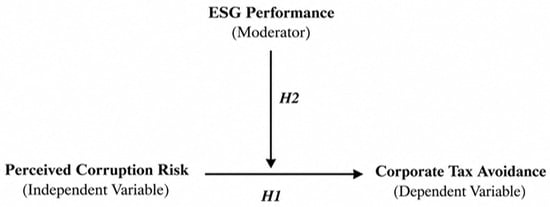
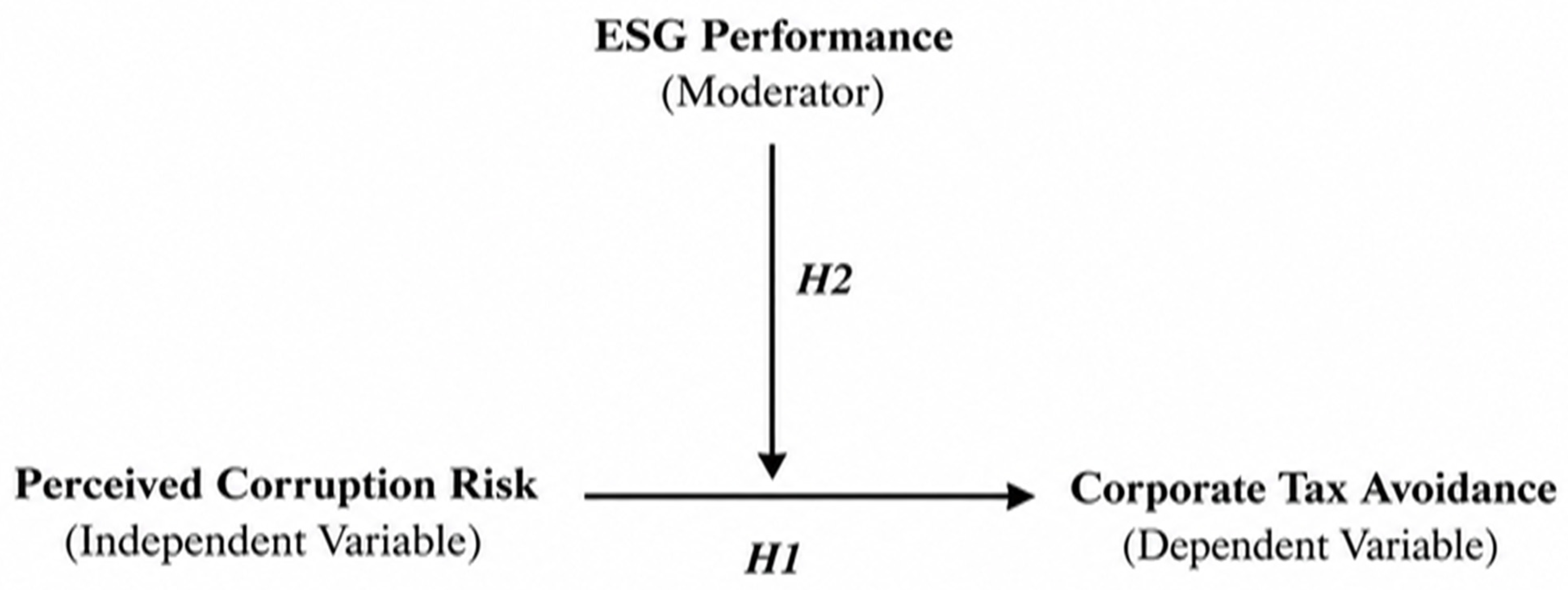
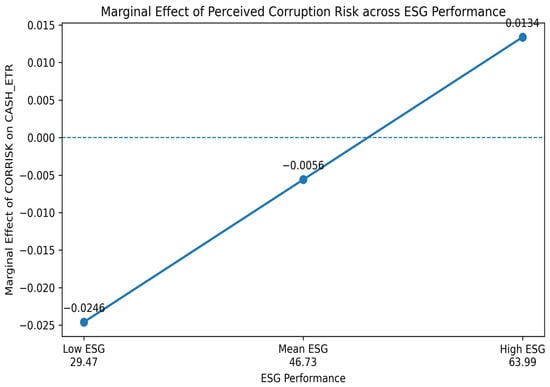
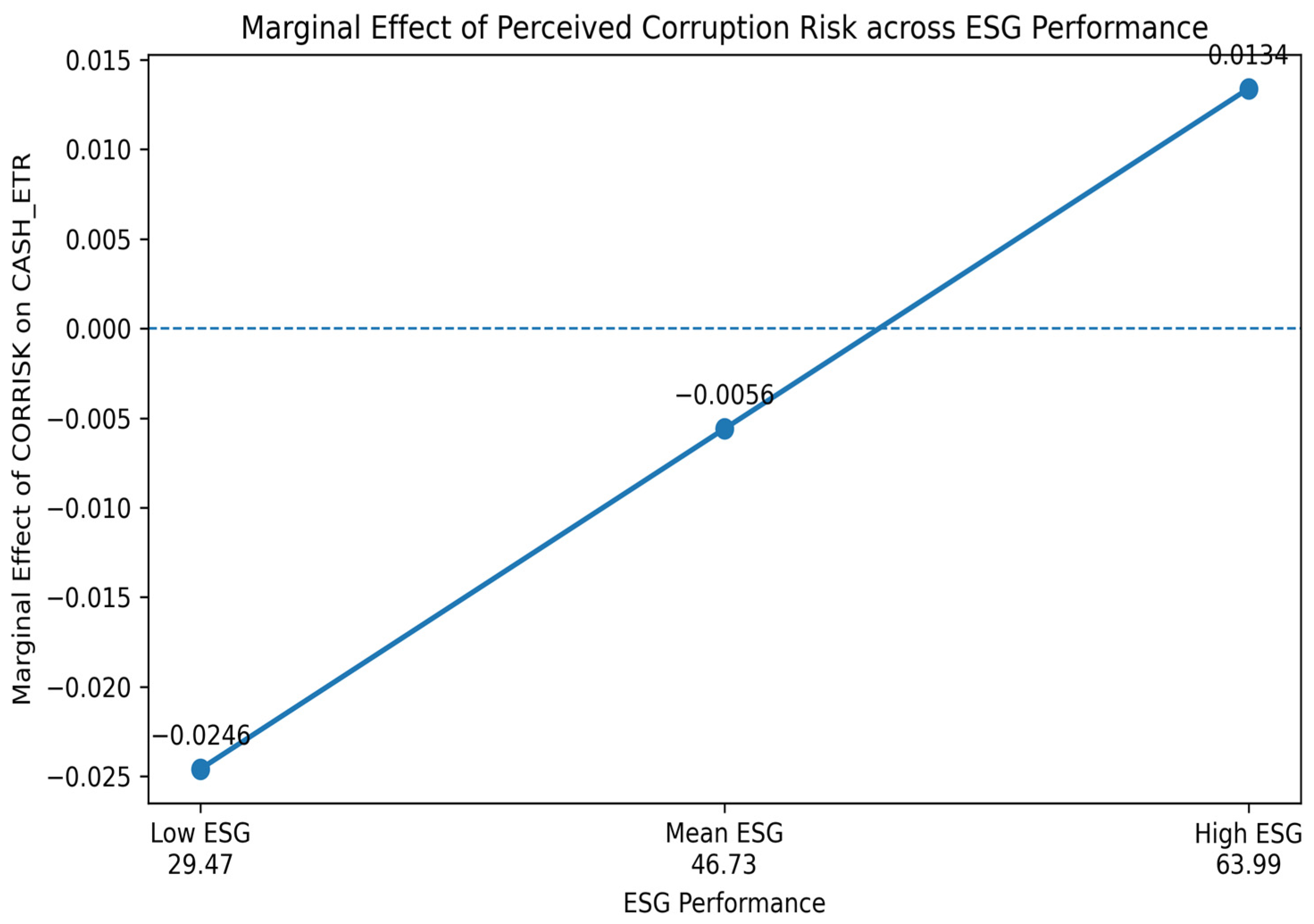

Disclaimer/Publisher’s Note: The statements, opinions and data contained in all publications are solely those of the individual author(s) and contributor(s) and not of MDPI and/or the editor(s). MDPI and/or the editor(s) disclaim responsibility for any injury to people or property resulting from any ideas, methods, instructions or products referred to in the content. |
© 2026 by the authors. Licensee MDPI, Basel, Switzerland. This article is an open access article distributed under the terms and conditions of the Creative Commons Attribution (CC BY) license.