


Abstract
The rapid evolution of AI-driven language technologies has inadvertently widened the gap between high-resource and marginalised languages. Despite significant progress in AI-driven translation for high-resource languages, low-resource languages remain underrepresented due to limited data, a lack of benchmarks, and evaluation challenges. This study presents a comprehensive systematic review of machine translation for low-resource languages, focusing on advances in neural machine translation (NMT) and large language models (LLMs) between 2017 and 2025. Following Preferred Reporting Items for Systematic Reviews and Meta-Analyses (PRISMA) guidelines, 63 studies were selected from the 1696 articles in the Scopus, Web of Science, and Google Scholar databases. The review identifies five dominant methodological approaches: data augmentation, back-translation, transfer learning, pre-training, and parameter-efficient fine-tuning. The findings reveal that model performance is highly dependent on resource availability: transformer-based NMT excels in moderate data settings, while LLMs demonstrate promising zero-shot and few-shot capabilities in extremely low-resource scenarios. Hybrid NMT–LLM approaches emerge as a particularly effective paradigm. The study also highlights critical challenges, including the absence of standardised benchmarks, over-reliance on inadequate evaluation metrics such as Bilingual Evaluation Understudy (BLEU), limited human evaluation, and significant geographic and linguistic underrepresentation. Additionally, ethical concerns related to bias, cultural representation, and community engagement are increasingly relevant. The findings contribute to advancing inclusive and equitable AI-driven language technologies.
1. Introduction
The rapid progress in artificial intelligence (AI) and natural language processing (NLP) has enabled significant improvements in machine translation (MT), especially in neural machine translation (NMT) and, more recently, large language models (LLMs) [1,2,3]. These approaches have achieved near-human performance for several high-resource languages, such as English, Chinese and French. However, this progress has not been evenly distributed. There is a significant gap for low-resource and under-resourced languages, due to a lack of linguistic data and computational resources, as well as the lack of evaluation sets for benchmarking [4]. This affects the use of contemporary AI models and the inclusivity and fairness of language technologies [5,6].
NMT is the most prevalent approach in machine translation, as it can capture complex language structures using deep learning models, such as transformers. However, NMT systems rely on large parallel datasets that are often lacking for low-resource languages [7]. To address this, several approaches have been adopted, including data augmentation, transfer learning, and multilingual learning. For example, data augmentation [8] and back-translation [9] have proven effective for improving translation performance in low-resource scenarios. Likewise, transfer learning strategies leverage knowledge from high-resource languages to improve performance in low-resource languages [10,11]. These techniques offer some improvements, but may not match the performance of high-resource language systems.
The use of language models with NMT has also improved the fluency and coherence of translations. Some early research showed that using language modelling components can lead to substantial gains in translation quality [12]. Furthermore, multilingual NMT models support translation across multiple language pairs and knowledge transfer between languages [13]. Recently, multilingual systems have emerged to provide translation for hundreds of languages, showcasing the scalability of current methods while also revealing challenges in data coverage and representation [14].
LLMs represent a paradigm shift in machine translation. LLMs can engage in zero-shot and few-shot translation, eliminating the need for parallel corpora. Research has demonstrated that multilingual LLMs can transfer knowledge across languages and tasks, opening up new possibilities for low-resource translation [15]. Moreover, recent studies have investigated the use of LLMs for data augmentation, prompting and cross-lingual transfer, further broadening their use [12]. But they also come with new issues, such as hallucination, bias, and cultural misrepresentation, which are particularly concerning in low-resource and culturally sensitive contexts [16].
Despite the growing body of research, the literature remains fragmented. Many existing works examine specific techniques, such as data augmentation, transfer learning, or multilingual modelling, but fail to offer a holistic view that bridges these methodologies with new LLM-based techniques. While recent surveys have covered NMT for low-resource languages [5,17], there is still a need for a holistic view that integrates methodological innovation, model development, and the practical challenges of low-resource machine translation into a coherent understanding. This makes it challenging for researchers and practitioners to gain a comprehensive view of the state of the art and potential research opportunities.
To address this gap, this study presents a systematic review of machine translation for low-resource languages, particularly NMT and LLM-based systems. The review aims to provide a systematic overview of the literature on the topic, detailing the techniques, models, and challenges involved. Thus, the research questions are as follows:
- RQ1: What are the key techniques and methodologies used in neural machine translation and large language models for low-resource languages?
- RQ2: How do different models (e.g., NMT, multilingual models, and LLMs) perform in low-resource translation settings?
- RQ3: What challenges, limitations, and research gaps exist in applying AI-based translation methods to low-resource languages?
The motivation for this study arises from these rapidly evolving fields, with a clear trend from conventional NMT methods to LLM-based approaches that support zero-shot and few-shot translation. Additionally, tackling the challenges of low-resource languages is essential for facilitating digital inclusion, sustaining language diversity and enabling equitable access to AI systems. Several surveys have previously examined NMT for low-resource languages. For example, Ranathunga et al. [5] provided a comprehensive review of NMT techniques but did not address LLM-based approaches, which have emerged prominently in recent times. Yazar et al. [17] similarly focused on NMT methods without integrating parameter-efficient fine-tuning or zero/few-shot LLM paradigms. This study extends both works by: (i) covering the period through 2025, including LLM-based and hybrid NMT-LLM approaches, and (ii) providing a structured comparative performance analysis across resource regimes. To our knowledge, no existing SLR integrates all five technique classes, data augmentation, back-translation, transfer learning, pre-training, and Parameter-Efficient Fine-Tuning (PEFT), within a single unified framework for LLM evaluation.
The rest of this paper is organised as follows. Section 2 outlines the study methods, including the review protocol, search strategy and screening process. Section 3 reports trends in publications and topics, and provides a synthesis of the included studies, including techniques, models, resources, and evaluation methods. Section 4 presents the discussion of the findings, and Section 5 concludes the paper.
2. Methodology
This study uses a systematic literature review (SLR) approach to offer a distilled overview of work on machine translation for low-resource languages, particularly NMT and LLMs. To achieve this, a mixed-methods approach comprising bibliometric analysis and thematic synthesis was used. Bibliometric analysis was employed to map publication patterns, co-occurrence of keywords, and highly cited studies, while thematic synthesis was used to synthesise and interpret the findings from the included literature.
2.1. Transparency Statement
The review was undertaken in strict accordance with the Preferred Reporting Items for Systematic Reviews and Meta-Analyses (PRISMA) guidelines [18]. This framework was adopted to ensure transparency, replicability, and methodological rigour across all phases of the study, from initial identification through to final synthesis. Protocol registration was not undertaken because the study falls within the domain of Natural Language Processing and computational linguistics (rather than a health-related systematic review), where prospective registration is not a standard or mandatory requirement. To minimise selection bias and ensure the reliability of the included literature, the screening, eligibility assessment, and data extraction stages were conducted independently by the reviewing authors. Any discrepancies that arose during the study selection or quality appraisal phases were systematically resolved through discussion and mutual consensus.
2.2. Search Strategy
A systematic literature search was conducted between 10 and 26 January 2026, across three major academic databases: Web of Science (WoS), Scopus, and Google Scholar. The search strategy was built with three main conceptual elements: (i) language setting, (ii) AI models, and (iii) tasks, to ensure comprehensive retrieval of relevant research and thematic focus on the goals of the study.
The search period was limited to 2017–2025. The research focus, starting in 2017, resulted from the shift from recurrent to attention-based models with the introduction of the Transformer architecture [19], which had a major impact on neural machine translation. Previous works in encoder–decoder and attention-based NMT laid the foundations and are cited where relevant, but were not reviewed systematically, since the purpose of this study is to explore how modern translation techniques have evolved, including Transformer-based and Large Language Model (LLM) methods.
The search query integrated descriptors of low-resource languages (e.g., “low-resource language”, “indigenous language”, and examples of languages like Yoruba, Swahili and Tamil), sophisticated AI models (e.g., “large language models”, “GPT”, “NMT”) and tasks (e.g., “machine translation”, “cross-lingual” and “text generation”) and the use of Boolean operators (AND/OR) to enhance search results.
This search strategy aligns with systematic review guidelines, incorporating both general and specific terms to enhance recall and specificity, respectively, while ensuring relevance [5]. Afterwards, inclusion and exclusion criteria were applied to narrow down the search results. The full Boolean search strings are included in Appendix B (Table A2).
2.3. Inclusion and Exclusion Criteria
Inclusion and exclusion criteria were defined to ensure quality and relevance. Inclusion criteria were studies on machine translation (MT), NMT, or LLMs; low-resource or under-resourced languages; peer-reviewed journal publications or conference proceedings; publications between 2017 and 2025; and English-language publications.
Studies were excluded if they did not relate to translation tasks (e.g., sentiment analysis, text classification), lacked empirical validation or experimental evaluation, were not clearly focused, or were duplicates across search databases.
2.4. Study Selection and Screening Process
The PRISMA process was used to conduct the study selection, with the following phases: identification, screening, eligibility, and inclusion (see Figure 1). The PRISMA Checklist can be found in the Supplementary Material. Initially, 1696 records were identified, including from Web of Science (n = 350), Scopus (n = 1248), and Google Scholar (n = 98). Because Google Scholar retrieves a very large number of results, only the first 100 records, ranked by relevance, were screened. This approach follows common practice in systematic literature reviews to ensure feasibility while maintaining broad coverage. Following the exclusion of 719 duplicates (based on DOI matching, exact title matching, and fuzzy matching), 977 records were screened.
Figure 1.
PRISMA flow diagram of the study selection process for low-resource language machine translation research (2017–2025).
Screening took place in three rounds (title, abstract, and full text), reducing the results to 126 studies. In the eligibility stage, 63 studies were excluded based on the following criteria: lack of direct focus on NMT/LLM, poor relevance to low-resource languages, inadequate experimental procedures, and low contribution significance.
A total of 63 studies were included in the systematic review. This multi-stage selection process ensures an extensive search and rigorous quality assessment of selected studies, in line with best practices for systematic reviews.
2.5. Data Extraction and Synthesis
A protocol for data extraction was used to ensure uniformity and consistency for the studies. The extracted data comprised author, year, and publication information; types of models (e.g., NMT, multilingual, and LLMs); techniques used (including data augmentation and transfer learning); language pairs and data resources; evaluation methods (such as Bilingual Evaluation Understudy (BLEU), scores and human evaluation); and the key findings and contributions of the studies.
The data were synthesized through a thematic synthesis, where the studies were thematically organized into four main aspects: (i) techniques, including data augmentation, transfer learning, and prompting; (ii) models, encompassing NMT, multilingual models, and large language models; (iii) resources, such as corpora, datasets, and linguistic tools; and (iv) evaluation methods, including both automatic metrics and human assessment. A bibliometric analysis using Biblioshiny [20] (the web interface of the Bibliometrix 5.4.0 R package) was also performed to explore publication trends, keyword co-occurrence, and thematic shifts in the research.
2.6. Quality Assessment
To ensure the robustness of the synthesised findings and their alignment with the study’s core objectives, a rigorous quality assessment was conducted on all 63 included studies. Each study was evaluated against three primary quality criteria: (i) methodological transparency, requiring clear documentation of model architectures, hyperparameter settings, and training data volumes; (ii) evaluation rigour, assessing the use of morphologically appropriate metrics (e.g., Character n-gram F-score (chrF) [21], Cross lingual Optimized Metric for Evaluation of Translation (COMET) [22]) alongside the presence of human evaluation or statistical significance testing; and (iii) contextual relevance to genuine low-resource, few-shot, or zero-shot translation scenarios. Studies exhibiting a high risk of methodological bias, such as those lacking reproducible baselines or experimental validation, were strictly excluded during the- eligibility phase.
Each included study was independently evaluated against the three criteria in Table 1 to assess methodological robustness and guide the thematic synthesis, rather than to exclude studies after eligibility assessment. Applying this framework, the 63 included studies were categorised into three tiers. The majority of the studies (42 studies) were classified as High-Quality, characterised by robust evaluation frameworks, such as the use of multiple metrics, human evaluation, or statistical significance testing, and direct application to genuine low-resource environments (e.g., [11,12,23,24]). Twelve (12) studies were classified as Medium-Quality, generally demonstrating high thematic relevance but relying on a single automatic metric or omitting minor methodological details (e.g., [7,25,26,27]). Finally, nine (9) studies were classified as Low-Quality (e.g., [2,28,29,30]) and retained for their unique baseline architectures or rare language pairings, but exhibited notable methodological weaknesses under strict rubric application, primarily by relying exclusively on the BLEU metric to evaluate simulated (rather than genuine) low-resource datasets or by lacking detailed training transparency. Overall, methodological transparency across the corpus was satisfactory, ensuring that the synthesised findings can be interpreted with confidence as valid sources of evidence.
Table 1.
Quality assessment criteria applied to the included studies.
Despite strong overall transparency, evaluation practices varied significantly across the literature. While BLEU remained the dominant evaluation measure, the integration of morphologically aware metrics (such as chrF or COMET) remained largely confined to the High-Quality tier. Notably, research utilising multilingual pre-trained models and parameter-efficient fine-tuning (PEFT) applied much more comprehensive evaluation protocols than studies focused on large language models (LLMs). The studies classified as Low-Quality were retained strictly for their unique baseline architectures or rare language pairings; however, they exhibited notable weaknesses—namely, an exclusive reliance on a single automatic metric for simulated low-resource datasets and a lack of statistical significance testing. This highlights a critical methodological gap that persists across the broader field.
Furthermore, a critical appraisal of the risk of bias was integrated into the assessment process to ensure the reliability of reported performance metrics. Specifically, studies were scrutinised for evaluation metric bias (an over-reliance on BLEU despite its structural limitations for agglutinative languages), dataset and domain bias (the lack of cross-domain evaluation or potential test-set leakage in LLM pre-training), and publication bias (the tendency to report only positive performance gains). For the included studies, any identified biases were explicitly flagged during the thematic synthesis to ensure that performance claims were accurately contextualised, directly informing the critical research gaps and recommendations outlined in the review.
3. Results
3.1. The Research Landscape
The final corpus comprises 63 primary studies published across 27 distinct sources and displays a steady expansion in research volume that peaked in 2024 (Table 2, Figure 2). Conference papers dominate the dataset (38 papers) compared to journal articles (24 papers), a trend reflecting the rapid iteration cycles and innovation-driven nature of natural language processing (NLP) research. While authorship networks reveal a high degree of co-authorship within teams, international collaboration remains notably limited at just 4.76%. Geographically, publication volume is heavily concentrated in China and India, driven by deep engagement with local linguistically diverse contexts. Conversely, regions with profound linguistic needs, including sub-Saharan Africa, Southeast Asia, and Australia, remain significantly underrepresented, highlighting global disparities in research capacity and infrastructure. Despite lower absolute output, publications from the USA and Ireland exhibit a disproportionately higher citation impact, suggesting an asymmetry in global research visibility and scholarly influence. Taken together, these patterns illustrate a field undergoing institutional consolidation within top-tier venues, yet constrained by geographic imbalances in authorship and data representation.
Table 2.
Descriptive Statistics of the Dataset.
Figure 2.
Annual scientific production and mean citation impact of low-resource machine translation research (2017–2025), illustrating steady volume expansion alongside recent exposure-time citation dynamics. The lower mean citation values observed for 2024–2025 are mainly attributable to citation lag and indexing delay, and do not reflect lower scientific impact.
3.2. Keyword Co-Occurrence and Thematic Evolution Analysis
A keyword co-occurrence analysis reveals an intellectual structure composed of three analytically distinct layers that map the field’s primary research priorities. The core research layer, defined by high-frequency terms such as “neural machine translation”, “computational linguistics”, and “low-resource languages”, reflects that neural approaches constitute the well-established foundation of the literature. Adjacent to this core, the methodological layer outlines a dominant, data-centric paradigm focused on mitigating data scarcity. Rather than acquiring scarce human-annotated parallel corpora, researchers have traditionally relied on a coherent toolkit consisting of data augmentation, back-translation, transfer learning, and pre-training to optimise existing data boundaries [25,28,31].
Emerging themes, however, signify a critical transition toward model-centric orientations. This frontier is characterised by the growing integration of multilingual LLMs capable of zero- and few-shot translation, alongside PEFT methods such as Low-Rank Adaptation (LoRA) [32] and bottleneck adapters [12,14,33,34]. Concurrently, emerging attention toward adversarial machine learning for model robustness and structural debiasing highlights a broadening of the field’s scientific and ethical scope, particularly regarding the preservation and revitalisation of endangered languages. This architectural shift from data-improving techniques to model-adaptation strategies is illustrated in Figure 3.
Figure 3.
Keyword co-occurrence network mapping of the intellectual structure of the literature, highlighting the core architectural migration from data-centric optimisation to emerging model-centric LLM and PEFT paradigms.
Complementing these co-occurrence patterns, the keywords were categorised into distinct motor, basic, emerging, and niche themes to trace the field’s overarching development. As shown in Figure 4, “neural machine translation” in data-scarce environments operates as the dominant Motor Theme, with high centrality and density, indicating sufficient internal consensus to generate dense, self-reinforcing research networks. Conversely, the performance cluster with terms such as “neural networks” behaves as a transversal Basic Theme; metrics such as BLEU or WER, and quality estimation frameworks [21], underpin nearly all empirical validation across the corpus, rendering this theme structurally indispensable yet methodologically diffuse. Specialised architectural optimisations, including “embeddings”, “augmentation technique”, and “word embedding”, occupy distinct Niche Themes concerned with low-resource performance constraints. Meanwhile, the progressive transition toward “adversarial machine learning”, “multilingual scalability”, and “language translation” is represented in the Emerging Themes quadrant. Taken together, this thematic evolution is consistent with an overall historical trajectory within the 2017–2025 review period: a structural migration away from isolated parallel data augmentation and parent–child transfer learning toward broad, multi-modal, scalable, and computationally efficient adaptation of large pre-trained multilingual systems.
Figure 4.
Thematic map of the low-resource translation landscape using the Callon centrality–density framework, classifying research domains into motor, basic, emerging, and niche quadrants to trace the field’s structural evolution.
It should be noted that keyword co-occurrence analysis identifies associations among research topics rather than causal relationships. Consequently, the observed themes should be interpreted as indicative of research trends, rather than as evidence of causal development.
3.3. Findings
The review thematically synthesises the 63 included studies. Drawing on the data extraction protocol, the analysis is organised along four critical technological dimensions designed to address the core research questions. First, the review evaluates the dominant techniques for addressing data scarcity, examining the five primary methodologies utilised to overcome data limitations, including data augmentation, back-translation, transfer learning, pre-training, structural optimisations, and PEFT. Second, it traces model architectures and paradigms, tracking the chronological and structural empirical shift from phrase-based and recurrent architectures to Transformer-based systems and end-to-end LLMs. Third, it analyses the emerging hybrid paradigm, focusing on high-performing pipelines that merge the contextual scale of LLMs with the precise supervision of NMT architectures. Finally, the review cross-examines the field’s linguistic, resource, and evaluation profiles, assessing typological coverage, disparities in training corpus sizes, and the persistent structural constraints imposed by automatic metric selection and human validation gaps. A comprehensive, itemised mapping of all the included studies across these specified analytical dimensions is provided in Appendix A (Table A1).
3.3.1. Dominant Techniques for Data Scarcity
The reviewed literature identifies five primary methodologies systematically deployed to address data scarcity in low-resource machine translation: data augmentation [4,8,28,35], back-translation [15,23,25], transfer learning [11,36,37,38], pre-training structural optimisations [26,29,39,40], and PEFT [12,24,41,42]. Rather than being utilised in isolation, these methodologies are increasingly combined within high-performing pipelines, displaying varying degrees of efficacy governed by the linguistic characteristics, morphological complexity, and baseline resource profiles of the target languages.
Data augmentation represents the most widely adopted paradigm, appearing in over 35 of the included studies as a means to expand training datasets without incurring the high computational and human costs of generating raw, manual parallel texts. Fadaee et al. [28] established a foundational approach within this domain by synthetically substituting low-frequency words into new contexts, securing translation quality gains of up to 2.9 BLEU. As the field matured, these data-expansion philosophies diversified extensively to address varied linguistic typologies. For instance, Hailu et al. [43] achieved an improvement of +5.9 chrF by utilising word embedding substitution tailored specifically for morphologically rich languages. Concurrently, Li et al. [8] achieved steady gains of 1.0–2.0 BLEU using restricted-sampling pseudo-parallel text generation. The largest single reported gain at the corpus level was achieved by Agyei et al. [4], who leveraged federated cross-lingual optimisation to elevate English–Twi translation performance from a baseline of 2.16% BLEU to 71.30% BLEU. Alongside these generation strategies, the literature positions data quality control as an indispensable sub-theme. Imankulova et al. [35] demonstrated that the inclusion of unfiltered pseudo-parallel data introduces noise that actively degrades downstream model performance. To address this, Briakou et al. [44] introduced BitextEdit, a multitask editing framework that automatically refines mined bitexts, yielding substantial performance gains of up to +8 BLEU across five distinct low-resource language pairs.
Back-translation, the process of synthesising source sentences from target-language monolingual data, stands as another highly reliable and consistently effective strategy across the studies. Feldman and Coto-Solano [25] demonstrated the structural resilience of this method in extreme data-scarce settings, showing that iterative back-translation remains viable with as few as 5923 sentence pairs for the endangered Chibchan language, Bribri, and yields a +1.0 BLEU increase when strict domain alignment is maintained. Investigating scaling dynamics, Xu et al. [15] established that strategic combinations of varied back-translation techniques designed to maximise data diversity fundamentally outperform simple volume scaling for Lithuanian and Gujarati translation. This emphasis on data composition over raw scale was further advanced by Ramnath et al. [23] via HintedBT, which injects specific quality and transliteration hints directly into the synthetic data generation pipeline. They achieved state-of-the-art performance on highly challenging cross-script pairs, including Hindi, Gujarati, and Tamil–English. Crucially, these studies indicate that back-translation achieves its optimal performance ceiling when integrated alongside cross-lingual adaptation methods, with joint BT and transfer learning pipelines [45,46] systematically outperforming either approach implemented in isolation.
Transfer learning and cross-lingual adaptation, as evaluated across the included studies, have fundamentally shifted from rudimentary parent–child parameter initialisation to highly sophisticated, multi-stage hierarchical architectures. Maimaiti et al. [11] pioneered this evolution by introducing Multi-Round Transfer Learning (MRTL), which sequentially harnesses knowledge from multiple high-resource language parents to achieve a +5.63 BLEU improvement over traditional single-parent transfer learning. Expanding upon this multi-stage philosophy, Luo et al. [36] validated a three-stage hierarchical progression that transfers knowledge from an unrelated high-resource pair through a linguistically related intermediate pair to the final target language, outperforming standard transfer learning setups on Uyghur–Chinese and Turkish–English lines. When applied to indigenous-language environments, transfer learning increasingly relies on massive pre-trained models. Chen and Abdul-Mageed [37] established new empirical benchmarks across five out of ten South American indigenous language pairs by directly fine-tuning large multilingual models without utilising any external data augmentation. Similarly, Tars et al. [38] overcame severe data limitations for seven Finno-Ugric languages that were completely absent from initial pre-training corpora, achieving highly competitive translation quality through cross-lingual transfer from large multilingual models.
In tandem with data-driven methods, the studies emphasise that foundational architectural choices and hyperparameter tuning significantly influence the viability of low-resource machine translation. Araabi and Monz [29] demonstrated that isolating and optimising Transformer hyperparameter configurations for small-scale training sets yields up to 7.3 BLEU points over default settings. Crucially, this optimisation margin matches or exceeds the performance gains documented by many prominent data augmentation studies, strongly implying that a substantial portion of the historical variance in reported low-resource translation quality stems from configuration discrepancies rather than genuine methodological innovations. To address the “unseen language” bottleneck inherent in large-scale architectures, Liu et al. [39] deployed Continual Mixed-Language Pre-training (CPT) on mBART, demonstrating consistent cross-lingual improvements for languages entirely omitted from the parent model’s initial training phase. Furthermore, researchers have increasingly successfully integrated linguistically motivated structural blocks directly into neural encoders; extensions such as syntactic dependency attention [26] and pre-ordering consistency blocks [40] have delivered modest but highly reliable translation gains (+1.32 and +1.46 BLEU, respectively) by explicitly forcing the underlying networks to respect target-language syntactic rules.
PEFT is one of the most rapidly expanding paradigms in the low-resource translation space that falls between the large open-source models and limited local computing capacities. Sel and Hanbay [41] demonstrated that combining LoRA with localised bottleneck adapters enabled a Turkish–English translation system to achieve scores within 3% of those from full, unconstrained parameter fine-tuning while modifying only 5% of the total model weights. In high-stakes regional contexts, Lankford et al. [12] utilised specialised PEFT fine-tuning (adaptMLLM) on mBART and mT5 architectures to achieve a +40.5 BLEU increase in Irish-to-English translation, a result rigorously validated via Multi-dimensional Quality Metrics (MQM) human evaluations. For complex non-English-centred Asian translation tasks, Liang et al. [42] reported consistent 1–3 COMET-point gains over highly specialised multilingual machine translation baselines by applying targeted LoRA modifications to both the multi-head attention and feed-forward network (FFN) layers. Elevating PEFT methodologies into alignment-based paradigms, Nair et al. [24] coupled direct preference optimisation (DPO) with an innovative Hypergeometric Gamma Reward signal to achieve a competitive 49.81 BLEU score for Dogri–English translation. Crucially, by validating their outputs through rigorous approximate randomisation testing and repeated-measures ANOVA, they demonstrated that preference-aligned PEFT frameworks can comfortably match or exceed the performance of massive baselines like IndicTrans2 while operating with substantially less training data. This consolidation of data-scarce techniques reflects a mature, multi-faceted toolkit that transitions the field from brute-force data collection to data-efficient, structurally optimised architectural adaptation.
3.3.2. Model Architectures and Paradigms
The studies document a clear, chronological architectural progression spanning nearly a decade of machine translation research: migrating from statistical and recurrent neural networks [47,48,49,50], through specialised Transformer-based NMT [26,29,40], to massive multilingual pre-trained models [30,37,38,39], and ultimately to LLMs deployed in zero-shot, few-shot, and parameter-efficient fine-tuning configurations [12,24,33,41,42,51]. Essentially, this evolution does not imply that newer architectures universally render older models obsolete; rather, empirical evidence across the included studies suggests that architectural efficacy remains deeply bound to the specific resource constraints of the target language.
Statistical machine translation (SMT) and recurrent neural network (RNN/LSTM) architectures retain a clear competitive advantage in regimes of extreme data scarcity, where modern deep learning frameworks typically collapse. For instance, Mrinalini et al. [47] achieved a BLEU score of 84.78 for English–Tamil translation by engineering a phrase-induced hybrid SMT system specifically optimised to exploit Tamil’s free word order properties. Highlighting the ongoing relevance of these data-sparse baselines, Saxena et al. [48] deployed rigorous statistical significance testing to benchmark 10 unsupervised SMT frameworks across the Dravidian, Indo-Aryan, and multiple endangered language families. This architectural boundary was further clarified by Chang et al. [49], who confirmed that classical phrase-based machine translation systematically outperforms standard Transformer NMT when training data is severely restricted, though the Transformer architecture rapidly overtakes SMT as the parallel corpus scales up.
From 2019 onward, Transformer-based NMT emerged as the dominant paradigm within the reviewed corpus. However, a critical finding across the studies is that the vanilla, out-of-the-box configuration of the standard Transformer is systematically suboptimal for small training datasets. Araabi and Monz [29] demonstrated that careful hyperparameter tuning and custom optimisation schedules are required to unlock the true potential of Transformers in low-resource environments. When properly tuned, Transformer models yield substantial improvements in quality across all represented language families. These baseline gains have been consistently augmented by introducing linguistically motivated structural extensions directly into the network; engineering modifications such as syntactic dependency attention [26] and pre-ordering consistency blocks [40] provide modest but mathematically stable performance gains by forcing the underlying attention mechanisms to capture target-language structural variations.
The introduction of large multilingual pre-trained models, such as mBART, mT5, XLM, and OPUS-MT, transformed the field by establishing cross-lingual transfer learning as a practical, low-resource translation strategy. By exposing architectures to dozens of languages simultaneously during self-supervised pre-training, these models allow data-scarce languages to inherit semantic representations from high-resource relatives [13]. Despite these gains, the studies identify severe domain sensitivity as a persistent bottleneck in fine-tuned multilingual systems. Donald and Purkayastha [30] exposed this vulnerability in an English–Khasi translation task, documenting a catastrophic collapse in translation quality where the BLEU score dropped sharply from 39.63 on in-domain test data to a mere 5.33 when evaluated on cross-domain datasets. To bridge these lexical gaps and handle entirely unrepresented target systems, researchers have successfully deployed specialised training extensions; both Liu et al. [39] and Tars et al. [38] successfully resolved the “unseen language” limitation by implementing continual pre-training and cross-lingual transfer methodologies, respectively, to safely onboard new dialects without destroying the model’s core multilingual architecture.
LLMs represent a further paradigm shift within the low-resource translation landscape over the 2023–2025 period. Moving far beyond the constraints of traditional supervised architectures, multilingual LLMs enable zero-shot and few-shot translations via direct natural-language prompting. Broadly mapping this new performance frontier, Zhu et al. [33] found that while GPT-4 surpassed the highly specialised multilingual No Language Left Behind (NLLB) model in 40.91% of evaluated translation directions, it still consistently lagged behind established commercial translation engines on highly constrained, low-resource language pairs. Furthermore, their analysis established a critical operational guideline for in-context learning: systematically utilising cross-lingual exemplars within the prompt structure yields higher translation quality than relying on same-language in-context examples in data-scarce environments. To facilitate comparison with other LLM-based translation studies, Table 3 summarises key experimental features, including model type, prompting strategy, language coverage, efforts to prevent hallucinations, and evaluation method.
Table 3.
Summary of LLM-Based Translation Studies Included in the Review.
As shown in Table 3, reporting practices in LLM-based translation studies were highly diverse. Although experimental details such as prompt design, language coverage in pre-training, risk of contamination, how to reduce hallucinations, and human evaluation were reported in varying ways, the use of multilingual pre-trained models such as mBART, mT5, GPT-4, LLaMA, and Mistral was consistent. Very few studies included formal human evaluation or explicitly mentioned the risks of hallucination and contamination, suggesting the need for further standardisation in reporting outcomes in LLM-based machine translation research.
3.3.3. The Hybrid NMT-LLM Paradigm
An essential counterpoint to the raw scaling of end-to-end models has emerged in recent studies [49,55,56], challenging the prevailing assumption that parameter scale alone determines low-resource translation quality. Rather than treating massive LLMs and highly localised neural machine translation systems as competing paradigms, a highly effective and innovative research direction has consolidated around hybrid NMT–LLM pipelines [55,56]. Within this hybrid framework, the extensive contextual, world-knowledge, and text-generation capabilities of LLMs are harnessed to serve as high-fidelity synthetic data generation engines, which, in turn, produce high-quality parallel data to fine-tune compact, computationally efficient, and highly precise supervised NMT models.
The empirical superiority of this collaborative pipeline was demonstrated by Lu et al. [56] through their Unified Data Selection and Scoring Optimisation (UDSSO) framework. Their study revealed that a strategically curated, compact mBART model fine-tuned using LLM-filtered data successfully outperformed both GPT-4o and DeepSeek-V3 on a challenging Chinese–Dutch translation task, directly validating the idea that targeted architectural supervision can outperform substantially larger models. This structural finding was further confirmed by Ahmadnia et al. [55] in English–Finnish translation, where their hybrid NMT-LLM system achieved a 36% BLEU improvement over a standalone NMT baseline and a +11% gain over a traditionally fine-tuned mBART architecture. Similarly, Chang et al. [49] validated the long-term utility of blending architectural styles by deploying a recursive learning pipeline that successfully fused phrase-based machine translation with Transformer NMT to achieve continuous refinement in minority language translation settings. By shifting the role of the LLMs from an unpredictable end-to-end translator to a controlled data-generation asset, the hybrid paradigm provides a considerably improved, resource-conscious pathway toward equitable AI-driven language technologies.
3.3.4. Linguistic, Resource, and Evaluation Profiles
The included studies span over 40 language pairs across six major typological families: Turkic (Uyghur, Turkish) [11,36,41], Indo-Aryan (Hindi, Gujarati, Marathi, Khasi) [12,23,27,30], Dravidian (Tamil, Telugu, Malayalam) [23,47,57], Austronesian (Indonesian, Makassar) [2,50], Niger-Congo (Twi, Akan, Yoruba, Zulu, Xhosa, Swahili) [3,4,54,58,59], and Indigenous American (Bribri, Guarani, Chol, Yucatec Mayan, Inuktitut) [25,37,53,60,61]. However, Chinese minority language pairs dominate the corpus by study count [36,45,49], reflecting substantial institutional investment in specific regions. Conversely, African languages, which comprise approximately 30% of global linguistic diversity, are represented in fewer than 15% of the included studies. This structural underrepresentation is most acute for indigenous Australian languages, which are represented by only a single study in the corpus [16]. Although grouped under the umbrella term low-resource languages, these languages are far from homogeneous. Their linguistic typology, morphology, writing systems, digital representation and sociolinguistic context vary significantly. Consequently, techniques that work well for one language family might not work well for others. Therefore, comparisons across studies are context-dependent, and the choice of model should take into account the target language’s specific linguistic profile and resource situation. Furthermore, training corpus sizes span nearly two orders of magnitude, from 5923 pairs for endangered languages like Bribri [25] to over 200,000 pairs for better-resourced target languages. This variance reveals a critical cross-cutting theme: technique effectiveness is highly language-specific. The literature indicates that transfer learning and back-translation benefits are significantly greater for linguistically related pairs [9,11], while LLM few-shot capabilities depend heavily on a language’s internet presence rather than its oral footprint [16]. Consequently, technique selection must be intimately informed by the target language’s unique morphological, syntactic, and resource realities, as findings from one language family cannot be assumed to generalise.
Evaluation constitutes the most methodologically inconsistent dimension of the current literature, rendering direct cross-study comparisons largely invalid without corpus-size matching and standardised test sets. Comparability is continually compromised by inconsistencies in tokenisation tools, BPE vocabulary sizes, and test set compositions, making the absence of shared benchmarks analogous to Workshop on Machine Translation (WMT) for high-resource MT, the field’s single most consequential structural gap. Table 4 summarises the primary metrics employed across the corpus. BLEU remains the dominant metric (utilised in approximately 85% of studies), despite its well-documented inadequacy for evaluating morphologically rich languages [21].
Table 4.
Evaluation Metrics Employed Across the Included Studies.
4. Discussion
4.1. Performance Across Resource Regimes
Table 5 provides a structured comparison of model paradigms across various resource conditions, synthesising empirical performance evidence from the included studies. This synthesis yields several critical insights that are not immediately evident when evaluating individual studies in isolation. First, no single paradigm reigns supreme across all resource settings. Statistical Machine Translation (SMT) approaches remain highly relevant even at the smallest data scales because they do not rely on gradient-based optimisation over vast parameter spaces. This mathematical property becomes a distinct asset rather than a limitation when training data is measured in hundreds, rather than thousands, of examples.
Table 5.
Comparative Performance of Model Paradigms Across Resource Regimes.
Second, the hyperparameter configuration of Transformer-based NMT is vastly more critical in low-resource regimes than in high-resource environments. As demonstrated by Araabi and Monz [29], optimal configurations can outperform default settings by as much as 7.3 BLEU, a performance gap that actually exceeds many of the augmentation-based gains reported elsewhere in the corpus. This strongly implies that much of the observed performance variability across low-resource MT research may stem from configuration differences rather than actual methodological improvements; standardising evaluation benchmarks would help disentangle these variables.
Third, the LLM paradigm creates an entirely new performance landscape, distinct from all previous approaches. While it delivers modest translation quality across thousands of language pairs without requiring parallel training data, its potential performance remains suboptimal for most low-resource languages when compared directly to dedicated supervised systems [33]. This dichotomy raises a novel and valuable research question: under which specific linguistic and resource conditions is it justified to deploy a few-shot LLM rather than a supervised NMT system supported by data augmentation? The answer hinges largely on the extent of the target language’s coverage within the LLM’s pre-training data, a metric that is rarely explicitly quantified for low-resource languages. Wang et al. [51] partially address this bottleneck by demonstrating that analogical reasoning combined with retrieval-based augmentation systematically outperforms standard few-shot LLM prompting across 16 low-resource tasks, suggesting that retrieval mechanisms can successfully alleviate the LLM’s intrinsic lack of language coverage.
4.2. Critical Research Gaps
The systematic synthesis reveals several structural gaps that persistently constrain both scientific progress and practical impact within the low-resource machine translation landscape. These gaps span infrastructural, methodological, and ethical dimensions.
4.2.1. The Standardisation and Rigour Deficit
The most pervasive barrier to longitudinal progress is the severe absence of community-shared, standardised evaluation benchmarks for low-resource language pairs. While high-resource translation benefits from the strict infrastructure of WMT and International Conference on Spoken Language Translation (IWSLT) shared tasks, ensuring unified training splits, tokenisation rules, and evaluation scripts, low-resource research remains highly fragmented [5]. Without shared baselines akin to an expanded FLORES-200 framework [14], incremental BLEU improvements reported in isolated studies cannot be pooled to establish a valid state-of-the-art. This infrastructural gap is compounded by a widespread lack of statistical rigour; the vast majority of reviewed studies report performance gains without conducting statistical significance testing. In extremely low-resource settings characterised by high variance, failing to utilise bootstrap resampling or approximate randomisation (as successfully modelled by Nair et al. [24], and Saxena et al. [48]) makes it impossible to distinguish genuine architectural advances from mere random variation.
4.2.2. Metric Inadequacy and the Human Evaluation Bottleneck
Methodological incomparability is further exacerbated by an over-reliance on common evaluation metrics. Despite its well-documented failure to capture syntactic nuances in morphologically rich languages [21], which comprise the bulk of the world’s low-resource languages, BLEU remains the dominant metric, utilised in approximately 85% of the corpus. While the recent literature suggests a slow migration toward character-level metrics such as chrF [16,43] and neural, human-aligned metrics such as COMET [42], their adoption is not yet standardised. More critically, formal human evaluation remains exceedingly rare. The scarcity of native speaker evaluators forces researchers to rely almost entirely on automatic metrics, meaning documented algorithmic improvements may not translate into genuine increases in utility or fluency for the target communities.
4.2.3. Geographic Inequities and Ethical Blind Spots
Finally, the literature exhibits profound geographic and ethical blind spots. There is a misalignment between the populations most disadvantaged by the digital language divide and the current research focus. African languages, Pacific languages, and indigenous languages of the Americas and Australia are structurally underrepresented, often relegated to single proof-of-concept studies [16]. Furthermore, while ethical dimensions such as gender bias [60], cultural intellectual property, and community sovereignty [61] are occasionally acknowledged, they are rarely integrated deeply into research designs. The field has yet to widely adopt community-participatory frameworks in which target-language speakers act not merely as passive data providers but as active co-designers of research questions, evaluation measures, and bias-auditing protocols. As AI translation shifts toward large, opaque LLMs, resolving these ethical and geographic gaps is no longer just a sociolinguistic ideal, but a fundamental technical requirement for building robust, culturally aligned translation systems.
Beyond technical performance, future research in low-resource machine translation should give greater acknowledgement to language technologies as an approach to language revitalisation and cultural preservation. For many Indigenous and marginalised communities, language data represent cultural knowledge rather than merely computational resources. Principles of community data sovereignty and community ownership should therefore be central to data collection, annotation, and model development, and should give language communities meaningful control over the creation, sharing, and use of their linguistic resources. Participatory research methods that involve the community in the design, evaluation, and governance of translation systems can help ensure that cultural identity, linguistic diversity, and local knowledge are preserved while maintaining the system’s technical optimisation.
4.3. Recommendations and Future Directions
The findings of this review carry immediate practical implications across research practice, system development, and policy. For researchers, standardising evaluation benchmarks (e.g., FLORES-200), reporting morphologically aware metrics such as chrF or COMET, and performing bootstrap significance testing must become the norm rather than the exception. For practitioners, the synthesis provides a clear architectural roadmap: statistical and hybrid approaches excel under extreme data scarcity (<5000 pairs), optimised Transformer NMT is ideal for mid-sized resources, and PEFT-adapted LLMs offer efficient scaling for higher resources, with hybrid NMT-LLM generative pipelines emerging as particularly attractive. Finally, policymakers must actively address the geographic disproportion of research by directing funding toward community-led initiatives for historically overlooked sub-Saharan African, Pacific, and Indigenous language communities.
Building upon the identified gaps, the most impactful future directions in low-resource machine translation will likely address the following interconnected dimensions simultaneously:
- Development of Standardised Benchmarks: The most urgent infrastructure investment required is the expansion of frameworks like FLORES-200 [14] to cover underserved language families and multiple domains (e.g., legal, medical, conversational). This demands long-term collaboration between computational linguists and language documenters to establish consistent training splits, tokenisation protocols, and reproducible pipelines.
- LLM Adaptation for Oral and Severely Low-Resource Languages: Future work must investigate the minimum pre-training corpus required for few-shot prompting, as well as multimodal LLM applications for languages with no written form. As demonstrated by Kho et al. [16], CBOW-style data imputation provides a proof of concept for language preservation, provided strict intellectual property and sovereignty agreements are established with target communities prior to data collection.
- PEFT in Extreme Scarcity Regimes: The field has limited systematic evaluation of Parameter-Efficient Fine-Tuning methods below the 1000 parallel pair threshold. Research must explore the scaling behaviour of varying PEFT methods to determine at what point they become inferior to few-shot prompting. Furthermore, reinforcement learning-based approaches (e.g., direct preference optimisation) should be expanded to align translation quality with indigenous user preferences [24].
- Culturally Aware and Community-Centred Translation: Addressing systematic biases, including gender bias and cultural misrepresentation [60], is a critical frontier. Research designs should transition to community-participatory models in which target-language speakers act as active co-designers of research questions and evaluation measures, rather than mere data providers.
- Community Participation and Ethical AI: Future translation projects should engage language communities in the collection, annotation, evaluation, and deployment of translation systems; this will lead to culturally appropriate, ethically responsible, and community-driven AI systems. These participatory approaches can enhance translations’ quality, maintaining community ownership, cultural heritage, and data sovereignty.
- Multimodal and Cross-Modal Pathways: To overcome the limitations of text-to-text translation for primarily oral languages, future systems must explore speech-to-text alignment data and visual grounding (image-caption correspondences). Building upon morphosyntactic template generation [65], new approaches should leverage community-generated multimedia and field linguistics notes.
- Explainability and Hallucination Detection: The increasing reliance on LLMs introduces severe challenges in hallucination detection, particularly where reference translations are unavailable. Extending reference-free quality estimation frameworks [58] and retrieval-augmented generation [51] will be critical to providing explainable confidence signals for high-stakes deployments, such as medical and legal translation.
4.4. Limitations of the Study
While this systematic literature review was conducted rigorously in accordance with PRISMA guidelines, some limitations must be acknowledged. First, the search strategy was explicitly restricted to English-language publications, which may have inadvertently excluded highly relevant regional research or systems documented natively by the communities. Second, the inclusion criteria focused strictly on peer-reviewed journals and formalised conference proceedings; by excluding prominent preprint repositories (such as arXiv), some of the most immediate, cutting-edge developments in LLM adaptation may not be reflected. Finally, inconsistencies in evaluation methodologies across the primary literature, including the widespread use of incompatible metrics, massive disparities in training corpus sizes, and the absence of standardised tokenisation protocols, made it mathematically invalid to conduct a formal quantitative meta-analysis. Consequently, the comparative performance analysis presented in this review relies on a thematic, qualitative synthesis rather than rigorous statistical aggregation.
5. Conclusions
This systematic review synthesised 63 primary studies published between 2017 and 2025 to evaluate the trajectory of AI-driven machine translation for low-resource languages. The analysis reveals a definitive architectural paradigm shift within the field. Early research (2017–2021) was overwhelmingly data-centric, relying heavily on data augmentation, back-translation, and transfer learning to mitigate the scarcity of parallel data. However, since 2022, the landscape has rapidly transitioned toward model-centric methodologies. Researchers are increasingly leveraging PEFT, zero- and few-shot LLMs, and hybrid NMT-LLM generative pipelines to achieve high-quality translation with minimal human-annotated data.
Despite these accelerated technological advancements, critical structural limitations persist. The field remains constrained by the absence of standardised evaluation benchmarks, an over-reliance on inadequate metrics like BLEU, and an obvious geographic underrepresentation of African, Pacific, and Indigenous language families. Furthermore, the widespread lack of rigorous statistical significance testing, formal human evaluation, and community-centred ethical frameworks severely limits the downstream utility of these systems. Overcoming these barriers requires a deliberate pivot from isolated technical experimentation toward shared global infrastructure, interdisciplinary research designs, and deep community collaboration. By mapping comparative model performance across resource regimes and distilling actionable directions for the future, this review provides a comprehensive roadmap for advancing AI language technologies that are more equitable, scientifically rigorous, and culturally aware. Future versions of this review should expand the search to include preprint repositories such as arXiv and additional non-English databases. With the increasing availability of standardised benchmarks, quantitative meta-analysis will be feasible. Additionally, periodic updates will be required to reflect the dynamic nature of multi-lingual LLM development and low-resource translation studies.
Supplementary Materials
The following supporting information can be downloaded at: https://www.mdpi.com/article/10.3390/technologies14080518/s1, Supplementary File: PRISMA 2020 Checklist.
Author Contributions
Conceptualisation, S.A. and A.O.A.; methodology, S.A. and A.O.A.; software, S.A.; validation, S.A. and A.O.A.; formal analysis, S.A.; data curation, S.A. and A.O.A.; writing—original draft, S.A.; writing—review and editing, A.O.A. and S.A.; supervision, A.O.A. All authors have read and agreed to the published version of the manuscript.
Funding
This research received no external funding.
Data Availability Statement
The study used publicly available datasets. The processed data is available from the corresponding author upon reasonable request.
Acknowledgments
During the preparation of this manuscript/study, the author(s) used Gemini 3.1 Pro for the purposes of formatting and structuring the manuscript. The authors have reviewed and edited the output and take full responsibility for the content of this publication.
Conflicts of Interest
The authors declare no conflicts of interest.
Appendix A
Table A1.
Summary of All Included Studies: Language Pairs, Techniques, Models and Key Results.
Appendix B
Table A2.
Search Query used for literature retrieval from Web of Science, Scopus, and Google Scholar, with the number of records retrieved before screening and deduplication.
References
- Adjeisah, M.; Liu, G.; Nyabuga, D.O.; Nortey, R.N.; Song, J. Pseudotext injection and advance filtering of low-resource corpus for neural machine translation. Comput. Intell. Neurosci. 2021, 2021, 6682385. [Google Scholar] [CrossRef] [Scilit]
- Afra, D.I.N.; Uliniansyah, M.T.; Latief, A.D.; Wabula, Y.; Nurfadhilah, E.; Gunarso, N.; Sampurno, T. Neural machine translation for low-resource languages: Experiments on Makassar-Indonesian. In Proceedings of the International Conference on Computer, Control, Informatics and Its Applications (IC3INA), Bandung, Indonesia, 9–10 October 2024; pp. 66–71. [Google Scholar] [CrossRef] [Scilit]
- Agyei, E.; Zhang, X.; Yussif, S.B.; Agbley, B.L.Y. Akan-English: Transformer for low resource translation. In Proceedings of the 18th International Computer Conference on Wavelet Active Media Technology and Information Processing (ICCWAMTIP), Chengdu, China, 17–19 December 2021; pp. 256–259. [Google Scholar] [CrossRef] [Scilit]
- Agyei, E.; Zhang, X.; Quaye, A.B.; Odeh, V.A.; Arhin, J.R. Dynamic aggregation and augmentation for low-resource machine translation using federated fine-tuning of pretrained transformer models. Appl. Sci. 2025, 15, 4494. [Google Scholar] [CrossRef] [Scilit]
- Ranathunga, S.; Lee, E.S.A.; Skënduli, M.; Shekhar, R.; Alam, M.; Kaur, R. Neural machine translation for low-resource languages: A survey. ACM Comput. Surv. 2023, 55, 229. [Google Scholar] [CrossRef] [Scilit]
- Shi, S.; Wu, X.; Su, R.; Huang, H. Low-resource neural machine translation: Methods and trends. ACM Trans. Asian Low.-Resour. Lang. Inf. Process. 2022, 21, 103. [Google Scholar] [CrossRef] [Scilit]
- Karakanta, A.; Dehdari, J.; van Genabith, J. Neural machine translation for low-resource languages without parallel corpora. Mach. Transl. 2018, 32, 167–189. [Google Scholar] [CrossRef] [Scilit]
- Li, Y.; Li, X.; Yang, Y.; Dong, R. A diverse data augmentation strategy for low-resource neural machine translation. Information 2020, 11, 255. [Google Scholar] [CrossRef] [Scilit]
- Li, H.; Sha, J.; Shi, C. Revisiting back-translation for low-resource machine translation between Chinese and Vietnamese. IEEE Access 2020, 8, 119931–119939. [Google Scholar] [CrossRef] [Scilit]
- Maimaiti, M.; Liu, Y.; Luan, H.; Sun, M. Enriching the transfer learning with pre-trained lexicon embedding for low-resource neural machine translation. Tsinghua Sci. Technol. 2022, 27, 150–163. [Google Scholar] [CrossRef] [Scilit]
- Maimaiti, M.; Liu, Y.; Luan, H.; Sun, M. Multi-round transfer learning for low-resource NMT using multiple high-resource languages. ACM Trans. Asian Low.-Resour. Lang. Inf. Process. 2019, 18, 1–26. [Google Scholar] [CrossRef] [Scilit]
- Lankford, S.; Afli, H.; Way, A. adaptMLLM: Fine-tuning multilingual language models on low-resource languages with integrated LLM playgrounds. Information 2023, 14, 638. [Google Scholar] [CrossRef] [Scilit]
- Lin, Z.; Pan, X.; Wang, M.; Qiu, X.; Feng, J.; Zhou, H.; Li, L. Pre-training multilingual neural machine translation by leveraging alignment information. In Proceedings of the 2020 Conference on Empirical Methods in Natural Language Processing (EMNLP); Association for Computational Linguistics: Stroudsburg, PA, USA, 2020; pp. 2649–2663. [Google Scholar] [CrossRef] [Scilit]
- Costa-jussà, M.R.; Cross, J.; Çelebi, O.; Elbayad, M.; Heafield, K.; Heffernan, K.; Kalbassi, E.; Lam, J.; Licht, D.; Maillard, J.; et al. Scaling neural machine translation to 200 languages. Nature 2024, 630, 841–846. [Google Scholar] [CrossRef] [Scilit] [PubMed]
- Xu, N.; Li, Y.; Xu, C.; Li, Y.; Li, B.; Xiao, T.; Zhu, J. Analysis of back-translation methods for low-resource neural machine translation. Lect. Notes Comput. Sci. 2019, 11839, 466–475. [Google Scholar] [CrossRef] [Scilit]
- Kho, A.; Pham, D.S.; Soon, S.; Chan, K.Y.N. Some considerations for the preservation of endangered languages using low-resource machine translation. Lect. Notes Comput. Sci. 2025, 15442, 124–135. [Google Scholar] [CrossRef] [Scilit]
- Yazar, B.K.; Şahin, D.Ö.; Kilic, E. Low-resource neural machine translation: A systematic literature review. IEEE Access 2023, 11, 131775–131813. [Google Scholar] [CrossRef] [Scilit]
- Page, M.J.; McKenzie, J.E.; Bossuyt, P.M.; Boutron, I.; Hoffmann, T.C.; Mulrow, C.D.; Shamseer, L.; Tetzlaff, J.M.; Akl, E.A.; Brennan, S.E.; et al. The PRISMA 2020 statement: An updated guideline for reporting systematic reviews. BMJ 2021, 372, n71. [Google Scholar] [CrossRef] [Scilit] [PubMed]
- Vaswani, A.; Shazeer, N.; Parmar, N.; Uszkoreit, J.; Jones, L.; Gomez, A.N.; Kaiser, Ł.; Polosukhin, I. Attention Is All You Need. In Proceedings of the 31st International Conference on Neural Information Processing Systems (NeurIPS 2017), Long Beach, CA, USA, 4–9 December 2017; pp. 6000–6010. [Google Scholar] [CrossRef] [Scilit]
- Aria, M.; Cuccurullo, C. bibliometrix: An R-tool for comprehensive science mapping analysis. J. Informetr. 2017, 11, 959–975. [Google Scholar] [CrossRef] [Scilit]
- Popović, M. chrF: Character n-gram F-score for automatic MT evaluation. In Proceedings of the Tenth Workshop on Statistical Machine Translation (WMT); Association for Computational Linguistics: Stroudsburg, PA, USA, 2015; pp. 392–395. [Google Scholar] [CrossRef] [Scilit]
- Rei, R.; Stewart, C.; Farinha, A.C.; Lavie, A. COMET: A neural framework for MT evaluation. In Proceedings of the 2020 Conference on Empirical Methods in Natural Language Processing (EMNLP); Association for Computational Linguistics: Stroudsburg, PA, USA, 2020; pp. 2685–2702. [Google Scholar] [CrossRef] [Scilit]
- Ramnath, S.; Johnson, M.; Gupta, A.; Raghuveer, A. HintedBT: Augmenting back-translation with quality and transliteration hints. In Proceedings of the 2021 Conference on Empirical Methods in Natural Language Processing (EMNLP); Association for Computational Linguistics: Stroudsburg, PA, USA, 2021; pp. 1717–1733. [Google Scholar] [CrossRef] [Scilit]
- Nair, A.R.; Gupta, D.; Paul, B.; Sivabhavani, J. Enhancing low-resource Indian language machine translation using large language models with preference optimization and hypergeometric-gamma reward. IEEE Access 2025, 14, 1641–1665. [Google Scholar] [CrossRef] [Scilit]
- Feldman, I.; Coto-Solano, R. Neural machine translation models with back-translation for the extremely low-resource indigenous language Bribri. In Proceedings of the 28th International Conference on Computational Linguistics (COLING), Barcelona, Spain, 8–13 December 2020; pp. 3965–3976. [Google Scholar] [CrossRef] [Scilit]
- Deng, D.; Wang, L. Improving low-resource machine translation using syntactic dependencies. In Proceedings of the World Symposium on Artificial Intelligence (WSAI), Guangzhou, China, 7–9 June 2024; pp. 29–33. [Google Scholar] [CrossRef] [Scilit]
- Goyal, V.; Kumar, S.; Sharma, D.M. Efficient neural machine translation for low-resource languages via exploiting related languages. In Proceedings of the 58th Annual Meeting of the Association for Computational Linguistics: Student Research Workshop; Association for Computational Linguistics: Stroudsburg, PA, USA, 2020; pp. 162–168. [Google Scholar] [CrossRef] [Scilit]
- Fadaee, M.; Bisazza, A.; Monz, C. Data augmentation for low-resource neural machine translation. In Proceedings of the 55th Annual Meeting of the Association for Computational Linguistics (Volume 2: Short Papers); Association for Computational Linguistics: Stroudsburg, PA, USA, 2017; pp. 567–573. [Google Scholar] [CrossRef] [Scilit]
- Araabi, A.; Monz, C. Optimizing transformer for low-resource neural machine translation. In Proceedings of the 28th International Conference on Computational Linguistics (COLING), Barcelona, Spain, 8–13 December 2020; pp. 3429–3435. [Google Scholar] [CrossRef] [Scilit]
- Donald Jefferson Thabah, N.; Purkayastha, B.S. Low resource neural machine translation from English to Khasi: A transformer-based approach. Lect. Notes Netw. Syst. 2021, 170, 3–13. [Google Scholar] [CrossRef] [Scilit]
- Imankulova, A.; Sato, T.; Komachi, M. Improving low-resource neural machine translation with filtered pseudo-parallel corpus. In Proceedings of the 4th Workshop on Asian Translation, Taipei, Taiwan, 27 November 2017; pp. 70–78. Available online: https://aclanthology.org/W17-5704/ (accessed on 1 March 2026).
- Hu, E.J.; Shen, Y.; Wallis, P.; Allen-Zhu, Z.; Li, Y.; Wang, S.; Wang, L.; Chen, W. LoRA: Low-rank adaptation of large language models. In Proceedings of the International Conference on Learning Representations (ICLR), Virtual, 25–29 April 2022. [Google Scholar]
- Zhu, W.; Liu, H.; Dong, Q.; Xu, J.; Huang, S.; Kong, L.; Chen, J.; Li, L. Multilingual machine translation with large language models: Empirical results and analysis. In Findings of the Association for Computational Linguistics: NAACL 2024; Association for Computational Linguistics: Stroudsburg, PA, USA, 2024; pp. 2765–2781. [Google Scholar] [CrossRef] [Scilit]
- Pan, S.; Tian, Z.; Ding, L.; Zheng, H.; Huang, Z.; Wen, Z.; Li, D. POMP: Probability-driven meta-graph prompter for LLMs in low-resource unsupervised neural machine translation. In Proceedings of the 62nd Annual Meeting of the Association for Computational Linguistics (ACL); Association for Computational Linguistics: Stroudsburg, PA, USA, 2024; pp. 9976–9992. [Google Scholar] [CrossRef] [Scilit]
- Imankulova, A.; Sato, T.; Komachi, M. Filtered pseudo-parallel corpus improves low-resource neural machine translation. ACM Trans. Asian Low.-Resour. Lang. Inf. Process. 2020, 19, 1–16. [Google Scholar] [CrossRef] [Scilit]
- Luo, G.; Yang, Y.; Yuan, Y.; Chen, Z.; Ainiwaer, A. Hierarchical transfer learning architecture for low-resource neural machine translation. IEEE Access 2019, 7, 154157–154166. [Google Scholar] [CrossRef] [Scilit]
- Chen, W.; Abdul-Mageed, M. Improving neural machine translation of indigenous languages with multilingual transfer learning. In Proceedings of the Workshop on Technologies for Machine Translation of Low-Resource Languages (LoResMT); Association for Computational Linguistics: Stroudsburg, PA, USA, 2023; pp. 73–85. [Google Scholar] [CrossRef] [Scilit]
- Tars, M.; Tattar, A.; Fishel, M. Cross-lingual transfer from large multilingual translation models to unseen under-resourced languages. Balt. J. Mod. Comput. 2022, 10, 435–446. [Google Scholar] [CrossRef] [Scilit]
- Liu, Z.; Winata, G.I.; Fung, P. Continual mixed-language pre-training for extremely low-resource neural machine translation. In Findings of the Association for Computational Linguistics: ACL-IJCNLP 2021; Association for Computational Linguistics: Stroudsburg, PA, USA, 2021; pp. 2706–2718. [Google Scholar] [CrossRef] [Scilit]
- Gao, Y.; Hou, F.; Wang, R. Incorporating pre-ordering representations for low-resource neural machine translation. In Proceedings of the ACM International Conference on Multimedia in Asia (MM Asia), Auckland, New Zealand, 3–6 December 2024; p. 104. [Google Scholar] [CrossRef] [Scilit]
- Sel, I.; Hanbay, D. Efficient adaptation: Enhancing multilingual models for low-resource language translation. Mathematics 2024, 12, 3149. [Google Scholar] [CrossRef] [Scilit]
- Liang, X.; Khaw, Y.M.J.; Liew, S.Y.; Tan, T.P.; Qin, D. Toward low-resource languages machine translation: A language-specific fine-tuning with LoRA for specialized large language models. IEEE Access 2025, 13, 46616–46626. [Google Scholar] [CrossRef] [Scilit]
- Hailu, T.T.; Yu, J.; Fantaye, T.G. Pre-trained word embedding based parallel text augmentation technique for low-resource NMT in favor of morphologically rich languages. In Proceedings of the ACM International Conference Proceeding Series; Association for Computing Machinery: New York, NY, USA, 2019. [Google Scholar] [CrossRef] [Scilit]
- Briakou, E.; Wang, S.I.; Zettlemoyer, L.; Ghazvininejad, M. BitextEdit: Automatic bitext editing for improved low-resource machine translation. In Findings of the Association for Computational Linguistics: NAACL 2022; Association for Computational Linguistics: Stroudsburg, PA, USA, 2022; pp. 1469–1485. [Google Scholar] [CrossRef] [Scilit]
- Luo, G.; Yang, Y.; Dong, R.; Chen, Y.; Zhang, W. A joint back-translation and transfer learning method for low-resource neural machine translation. Math. Probl. Eng. 2020, 2020, 6140153. [Google Scholar] [CrossRef] [Scilit]
- Jiang, T.; Sun, H.; Dai, Y.G.; Liu, D. Tibetan–Chinese neural machine translation combining attention mechanism. J. Phys. Conf. Ser. 2020, 1607, 012001. [Google Scholar] [CrossRef] [Scilit]
- Mrinalini, K.; Nagarajan, T.; Vijayalakshmi, P. Pause-based phrase extraction and effective OOV handling for low-resource machine translation systems. ACM Trans. Asian Low.-Resour. Lang. Inf. Process. 2019, 18, 1–22. [Google Scholar] [CrossRef] [Scilit]
- Saxena, S.; Chauhan, S.; Arora, P.; Daniel, P. Unsupervised SMT: An analysis of Indic languages and a low resource language. J. Exp. Theor. Artif. Intell. 2024, 36, 865–884. [Google Scholar] [CrossRef] [Scilit]
- Chang, C.C.; Lin, Y.H.; Hsu, Y.H.; Fan, I.H. Integrating hybrid AI approaches for enhanced translation in minority languages. Appl. Sci. 2025, 15, 9039. [Google Scholar] [CrossRef] [Scilit]
- Heryadi, Y.; Wijanarko, B.D.; Murad, D.F.; Tho, C.; Hashimoto, K. Neural machine translation approach for low-resource languages using long short-term memory model. In Proceedings of the International Conference on Computer Science, Information Technology and Engineering (ICCoSITE), Jakarta, Indonesia, 16–17 February 2023; pp. 939–944. [Google Scholar] [CrossRef] [Scilit]
- Wang, L.; Wloka, B.; Lepage, Y. Eliciting analogical reasoning from language models in retrieval-augmented translation under low-resource scenarios. Neurocomputing 2025, 630, 129680. [Google Scholar] [CrossRef] [Scilit]
- Iyer, V.; Malik, B.; Zhu, W.; Stepachev, P.; Chen, P.; Haddow, B.; Birch, A. Exploring very low-resource translation with LLMs: The University of Edinburgh’s submission to AmericasNLP 2024 translation task. In Proceedings of the Workshop on Natural Language Processing for Indigenous Languages of the Americas (AmericasNLP); Association for Computational Linguistics: Stroudsburg, PA, USA, 2024; pp. 209–220. [Google Scholar] [CrossRef] [Scilit]
- Rangel, J.C.; Kobayashi, N. Advancing NMT for indigenous languages: A case study on Yucatec Mayan and Chol. In Proceedings of the Workshop on Natural Language Processing for Indigenous Languages of the Americas (AmericasNLP); Association for Computational Linguistics: Stroudsburg, PA, USA, 2024; pp. 138–142. [Google Scholar] [CrossRef] [Scilit]
- Khoboko, P.W.; Marivate, V.; Sefara, J. Optimizing translation for low-resource languages: Efficient fine-tuning with custom prompt engineering in large language models. Mach. Learn. Appl. 2025, 20, 100649. [Google Scholar] [CrossRef] [Scilit]
- Ahmadnia, B.; Soma, Y.; Rayani, M.; Hooshmand, S. Leveraging large language models for superior low-resource neural machine translation. In Proceedings of the Colloquium in Information Science and Technology (CiSt), Marrakech, Morocco, 4–10 October 2025; pp. 188–194. [Google Scholar] [CrossRef] [Scilit]
- Lu, Z.; Ji, P.; Li, Y.; Sun, D.; Xue, C.; Xue, H.; Zhou, M.; Stefanidis, A.; Su, J.; Jiang, Z. Advancing low-resource machine translation: A unified data selection and scoring optimization framework. Lect. Notes Comput. Sci. 2025, 15865, 482–493. [Google Scholar] [CrossRef] [Scilit]
- Gupta, K.K.; Sen, S.; Haque, R.; Ekbal, A.; Bhattacharyya, P.; Way, A. Augmenting training data with syntactic phrasal-segments in low-resource neural machine translation. Mach. Transl. 2021, 35, 661–685. [Google Scholar] [CrossRef] [Scilit]
- Chimoto, E.A.; Bassett, B.A.C. COMET-QE and active learning for low-resource machine translation. In Findings of the Association for Computational Linguistics: EMNLP 2022; Association for Computational Linguistics: Stroudsburg, PA, USA, 2022; pp. 4764–4769. [Google Scholar] [CrossRef] [Scilit]
- Ahia, O.; Kreutzer, J.; Hooker, S. The low-resource double bind: An empirical study of pruning for low-resource machine translation. In Findings of the Association for Computational Linguistics: EMNLP 2021; Association for Computational Linguistics: Stroudsburg, PA, USA, 2021; pp. 3316–3333. [Google Scholar] [CrossRef] [Scilit]
- Le, N.T.; Sadat, F. Enhancing neural machine translation of indigenous languages through gender debiasing and named entity recognition. In Proceedings of the International Conference on Human System Interaction (HSI), Paris, France, 8–11 July 2024. [Google Scholar] [CrossRef] [Scilit]
- Lucas, A.; Baladón, A.; Pardiñas, V.; Agüero-Torales, M.M.; Góngora, S.; Chiruzzo, L. Grammar-based data augmentation for low-resource languages: The case of Guarani-Spanish neural machine translation. In Proceedings of the 2024 Conference of the North American Chapter of the Association for Computational Linguistics: Human Language Technologies (NAACL); Association for Computational Linguistics: Stroudsburg, PA, USA, 2024; pp. 6385–6397. [Google Scholar] [CrossRef] [Scilit]
- Papineni, K.; Roukos, S.; Ward, T.; Zhu, W.J. BLEU: A method for automatic evaluation of machine translation. In Proceedings of the 40th Annual Meeting of the Association for Computational Linguistics (ACL); Association for Computational Linguistics: Stroudsburg, PA, USA, 2002; pp. 311–318. [Google Scholar] [CrossRef] [Scilit]
- Beloucif, M.; González, A.V.; Bollmann, M.; Sogaard, A. Naive regularizers for low-resource neural machine translation. In Proceedings of the International Conference on Recent Advances in Natural Language Processing (RANLP), Varna, Bulgaria, 2–4 September 2019; pp. 102–111. [Google Scholar] [CrossRef] [Scilit] [PubMed]
- Hujon, A.V.; Singh, T.D.; Amitab, K. Transfer learning based neural machine translation of English-Khasi on low-resource settings. Procedia Comput. Sci. 2022, 218, 1–8. [Google Scholar] [CrossRef] [Scilit]
- Hämäläinen, M.; Alnajjar, K. A template based approach for training NMT for low-resource Uralic languages—A pilot with Finnish. In Proceedings of the ACM International Conference Proceeding Series; Association for Computing Machinery: New York, NY, USA, 2019; pp. 520–525. [Google Scholar] [CrossRef] [Scilit]
- Feng, T.; Li, M.; Liu, X.; Cao, Y. Improving low-resource neural machine translation with weight sharing. Lect. Notes Comput. Sci. 2018, 11221, 65–75. [Google Scholar] [CrossRef] [Scilit]
- Cao, Y.; Li, M.; Feng, T.; Wang, R. Character-aware low-resource neural machine translation with weight sharing and pre-training. Lect. Notes Comput. Sci. 2019, 11856, 321–333. [Google Scholar] [CrossRef] [Scilit]
- Zhang, X.; Li, X.; Yang, Y.; Dong, R. Improving low-resource neural machine translation with teacher-free knowledge distillation. IEEE Access 2020, 8, 206638–206645. [Google Scholar] [CrossRef] [Scilit]
- Mohiuddin, T.; Bari, M.S.; Joty, S.R. AugVIC: Exploiting bitext vicinity for low-resource NMT. In Findings of the Association for Computational Linguistics: ACL-IJCNLP 2021; Association for Computational Linguistics: Stroudsburg, PA, USA, 2021; pp. 3034–3045. [Google Scholar] [CrossRef] [Scilit]
- Ko, W.J.; El-Kishky, A.; Renduchintala, A.; Chaudhary, V.; Goyal, N.; Guzmán, F.; Fung, P.; Koehn, P.; Diab, M. Adapting high-resource NMT models to translate low-resource related languages without parallel data. In Proceedings of the 59th Annual Meeting of the Association for Computational Linguistics (ACL-IJCNLP); Association for Computational Linguistics: Stroudsburg, PA, USA, 2021; pp. 802–812. [Google Scholar] [CrossRef] [Scilit]
- Richburg, A.; Carpuat, M. Data cartography for low-resource neural machine translation. In Findings of the Association for Computational Linguistics: EMNLP 2022; Association for Computational Linguistics: Stroudsburg, PA, USA, 2022; pp. 5623–5636. [Google Scholar] [CrossRef] [Scilit]
- Vu, H.; Bui, N.D. On the scalability of data augmentation techniques for low-resource machine translation between Chinese and Vietnamese. J. Inf. Telecommun. 2023, 7, 241–253. [Google Scholar] [CrossRef] [Scilit]
- Chakrabarty, A.; Dabre, R.; Ding, C.; Utiyama, M.; Sumita, E. Low-resource multilingual neural translation using linguistic feature-based relevance mechanisms. ACM Trans. Asian Low.-Resour. Lang. Inf. Process. 2023, 22, 1–36. [Google Scholar] [CrossRef] [Scilit]
- Unanue, I.J.; Zare Borzeshi, E.; Piccardi, M. Regressing word and sentence embeddings for low-resource neural machine translation. IEEE Trans. Artif. Intell. 2023, 4, 450–463. [Google Scholar] [CrossRef] [Scilit]
- Lalrempuii, C.; Soni, B. Investigating unsupervised neural machine translation for low-resource language pair English-Mizo via lexically enhanced pre-trained language models. ACM Trans. Asian Low.-Resour. Lang. Inf. Process. 2023, 22, 1–18. [Google Scholar] [CrossRef] [Scilit]
- Pramodya, A. Exploring low-resource neural machine translation for Sinhala-Tamil language pair. In Proceedings of the International Conference on Recent Advances in Natural Language Processing (RANLP), Varna, Bulgaria, 4–6 September 2023; pp. 87–97. [Google Scholar] [CrossRef] [Scilit] [PubMed]
- Masethe, H.D.; Mothapo, L.M.; Ojo, S.; Owolawi, P.A.; Masethe, M.A.; Giunchiglia, F. Machine translation for morphologically rich low-resourced South African languages. In Proceedings of the International Multidisciplinary Information Technology and Engineering Conference (IMITEC), Vanderbijlpark, South Africa, 27–29 November 2024; pp. 71–78. [Google Scholar] [CrossRef] [Scilit]
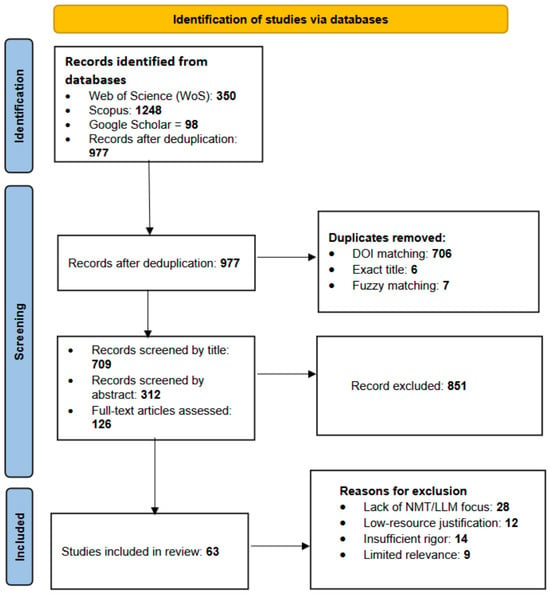
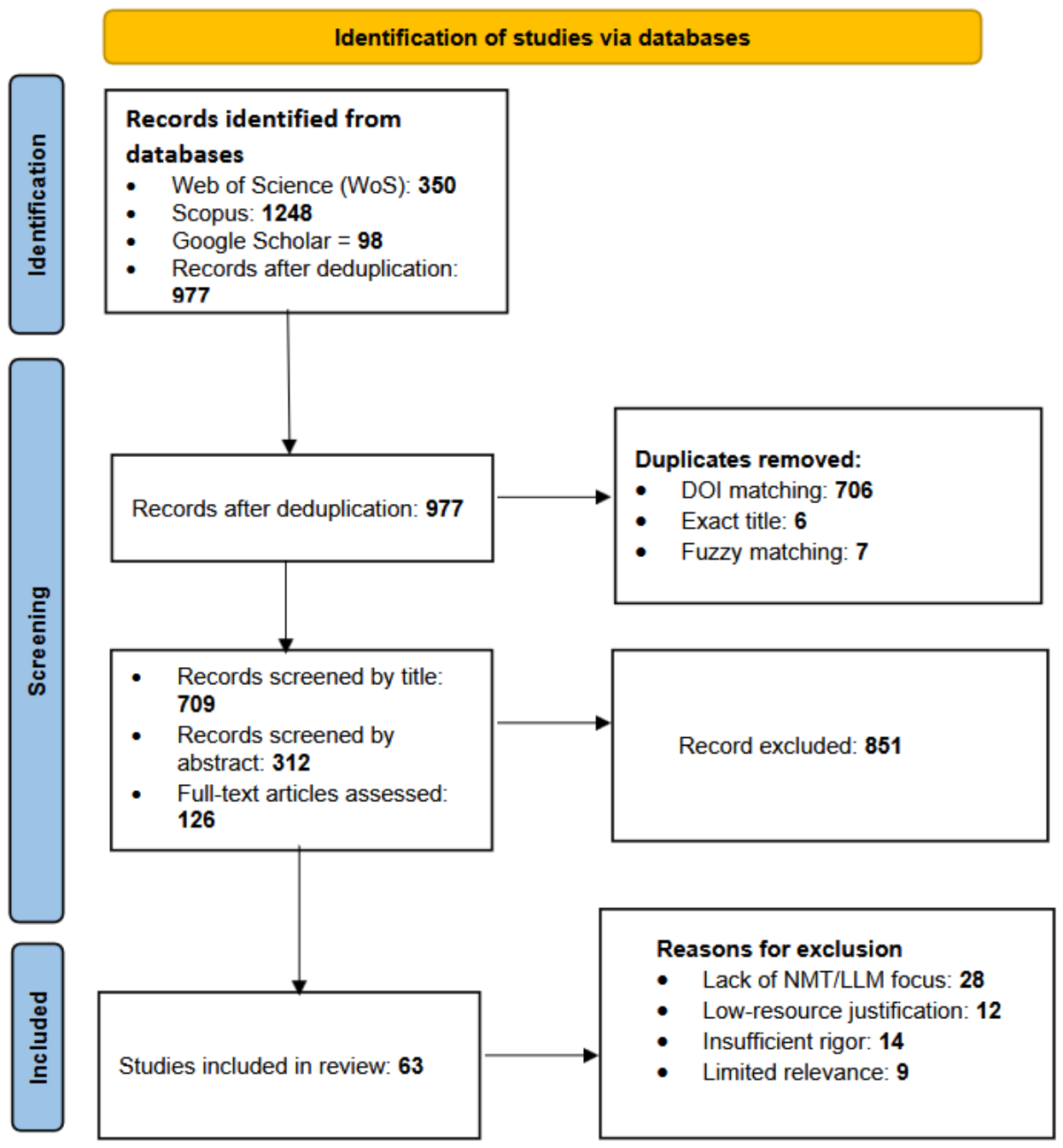
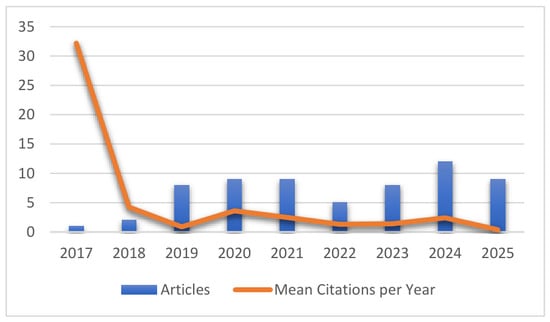
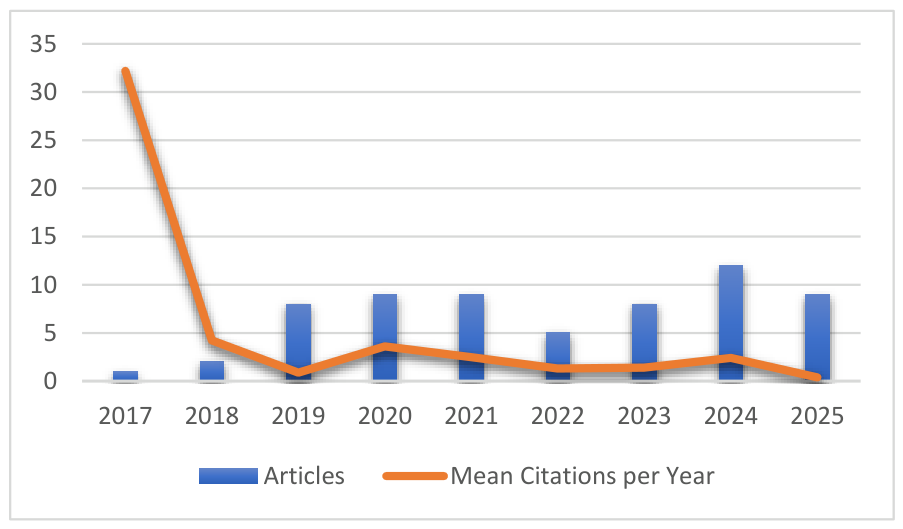
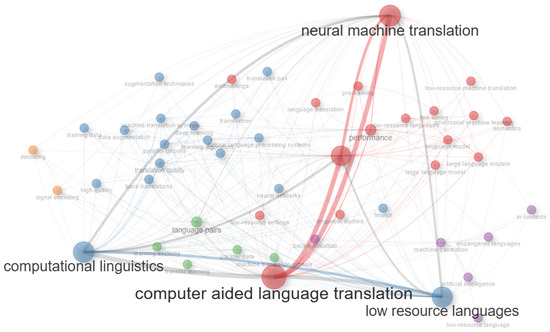
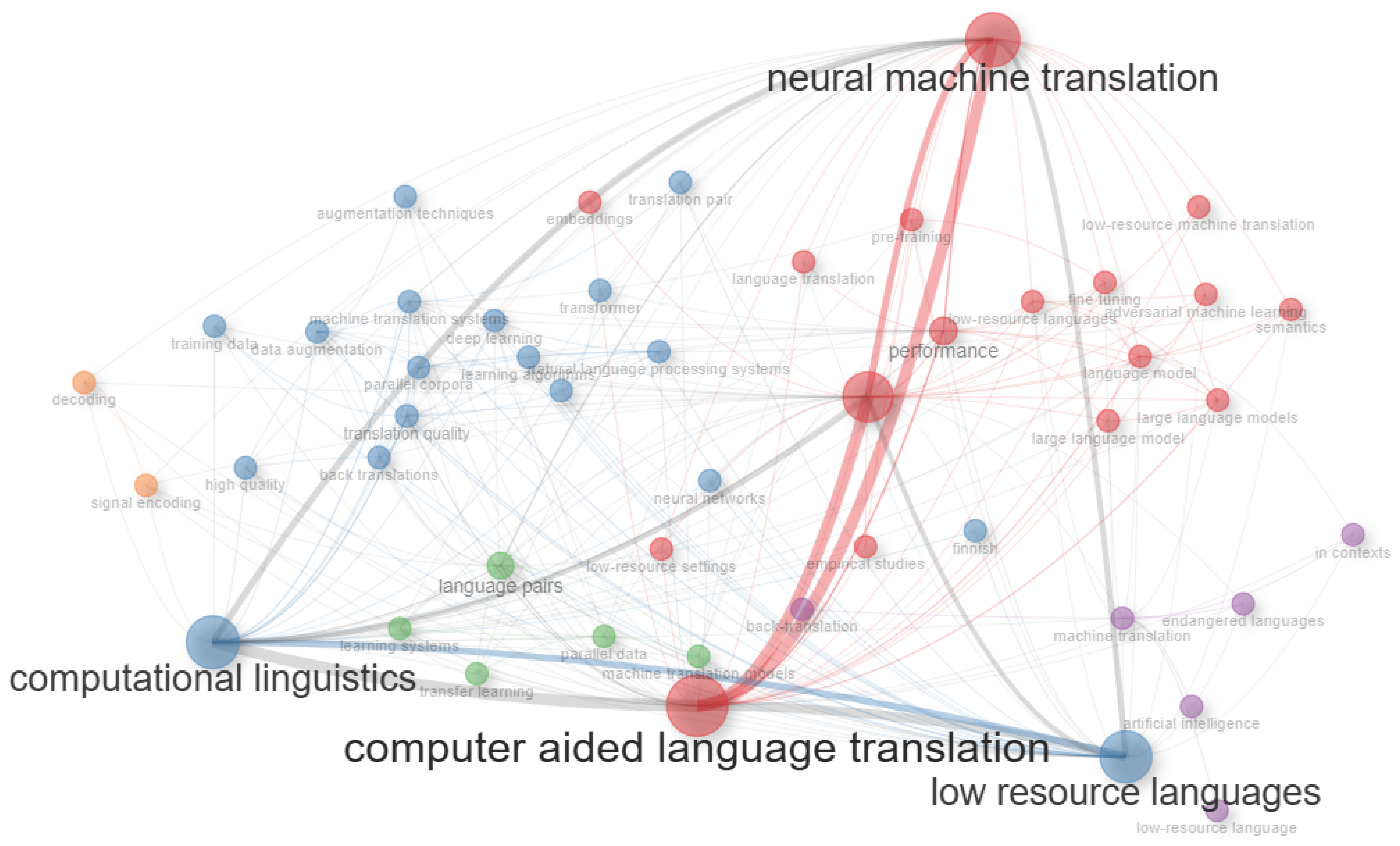
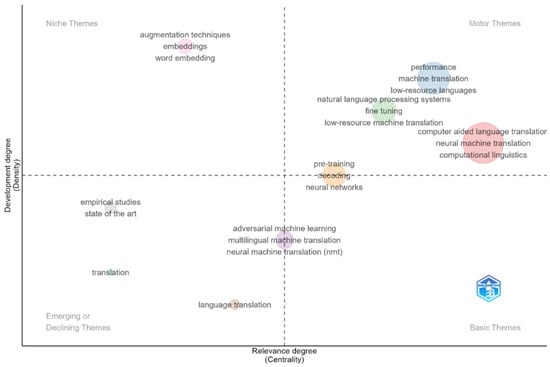
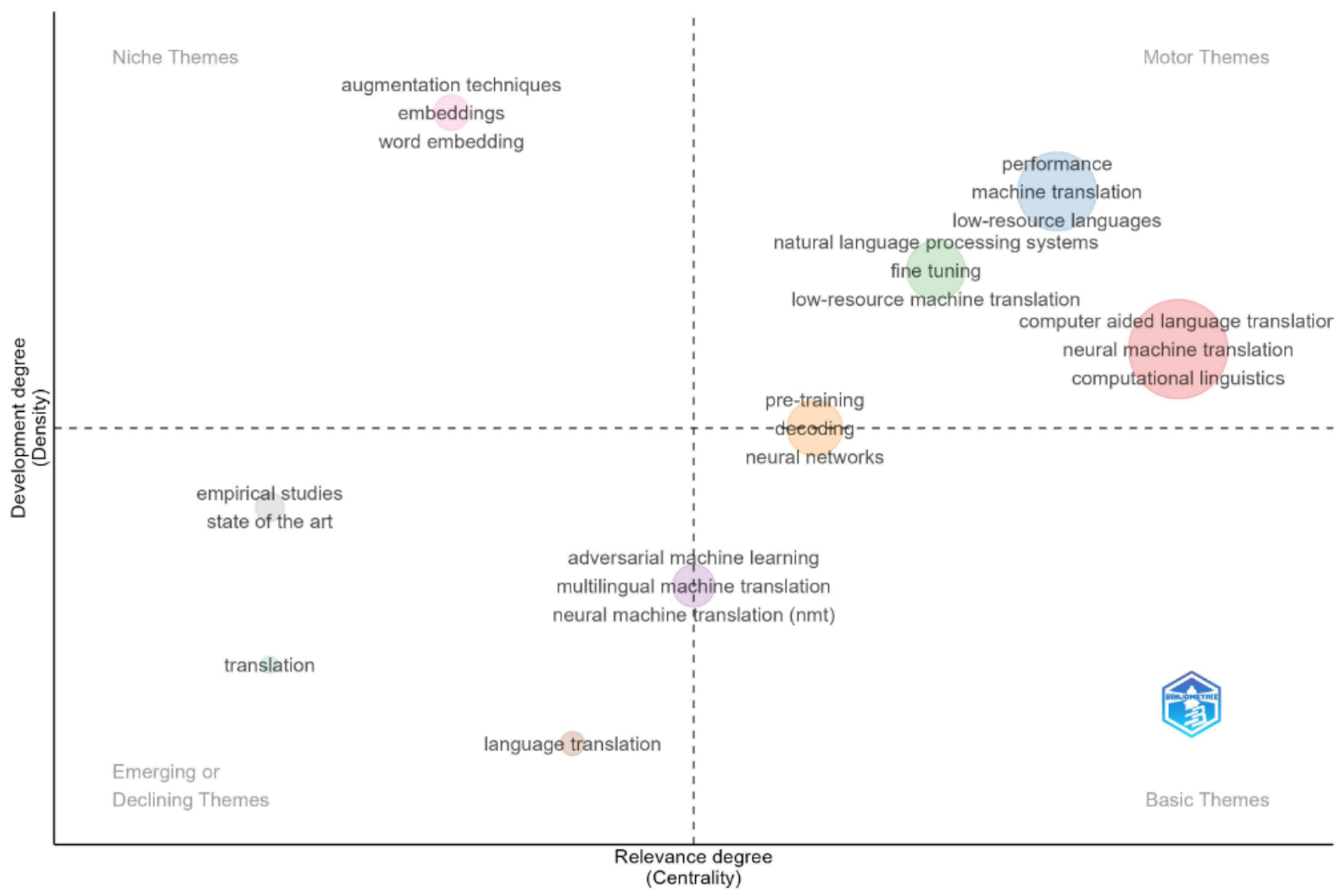

Disclaimer/Publisher’s Note: The statements, opinions and data contained in all publications are solely those of the individual author(s) and contributor(s) and not of MDPI and/or the editor(s). MDPI and/or the editor(s) disclaim responsibility for any injury to people or property resulting from any ideas, methods, instructions or products referred to in the content. |
© 2026 by the authors. Licensee MDPI, Basel, Switzerland. This article is an open access article distributed under the terms and conditions of the Creative Commons Attribution (CC BY) license.