


Abstract
Infrared (IR) video target detection is important for long-range target perception in anti-UAV systems under complex lighting and background conditions. However, long-range tiny unmanned aerial vehicles (UAVs) usually occupy only a few pixels, exhibit weak thermal contrast, and are easily disturbed by cluttered backgrounds such as clouds, buildings, vegetation, feature edges, and thermal noise. Although YOLO-style detectors provide high real-time performance, their feature flow is prone to weak target response attenuation during downsampling, contextual ambiguity in deep feature representation, and background clutter propagation during cross-scale fusion. To address these degradation problems, this paper proposes FDR-YOLO, a feature-degradation-aware feature-flow reconstruction network based on YOLOv26. Specifically, LAE-based response-preserving downsampling (LAE-RPD) preserves weak but discriminative target responses during spatial compression; lightweight U-shaped dilated context aggregation (UCDC-Lite) enhances deep contextual discrimination between tiny UAV targets and cluttered backgrounds; and high-frequency prior-guided semantic injection fusion (HPG-SIF) uses shallow high-frequency priors to constrain the injection of deep semantic features. Experiments on multiple datasets show that FDR-YOLO improves detection accuracy while retaining lightweight and low-latency characteristics. On the Anti-UAV dataset, FDR-YOLO improves mAP50 and mAP50–95 by 3.0 and 3.3 percentage points, respectively, over YOLOv26s. Additional experiments on InfraredUAV and the RGB-based UAVSwarm dataset demonstrate the applicability of the proposed design to another infrared benchmark and to visible-light UAV detection under dataset-specific training.
1. Introduction
With the rapid development of UAV technology, micro-small UAVs have been widely used in a variety of low-altitude scenarios, and at the same time, they also bring serious challenges to low-altitude security protection. Therefore, as one of the key tasks of anti-UAV systems, anti-UAV target detection has become a focus of extensive attention [1,2]. Currently, the mainstream UAV detection methods mainly include radar detection and photoelectric detection [3]. Among them, the photoelectric detection system can not only realize the localization and detection of UAV targets, but also obtain richer visual information such as the target’s morphology, texture, motion status, and thermal radiation characteristics, and thus remains an important and commonly used detection method in the field of anti-UAV. Compared with visible light imaging, infrared imaging does not depend on external lighting conditions and can still maintain better imaging effect under low light, long distance, and visibility degradation; thus, it has an important application value in UAV detection missions in complex environments [4]. However, in the infrared field of view, tiny UAV targets often show only a small number of pixels, weak thermal response, and are accompanied by low contrast, low signal-to-noise ratio, blurred boundaries, lack of texture, as well as complex background interferences from clouds, buildings, vegetation, mountain ranges, sea-sky interface, and thermal noise [5,6,7]. As shown in Figure 1a, these factors make high-accuracy infrared tiny-UAV detection in complex backgrounds difficult.
Figure 1.
Feature Degradation Challenges in Infrared Tiny UAV Detection and the Design Rationale of FDR-YOLO. The figure summarizes three key degradation mechanisms in infrared tiny UAV detection—response attenuation during downsampling, contextual ambiguity in deep features, and background clutter propagation during feature fusion—and maps them to the proposed LAE-RPD, UCDC-Lite, and HPG-SIF modules in FDR-YOLO. The white Chinese text in the upper-left corner denotes device-generated acquisition metadata embedded in the original infrared images, including the imaging mode, acquisition time, azimuth, elevation, and field of view.
With the development of deep learning technology, target detection methods based on CNN and Transformer have been improving in terms of accuracy, speed and robustness, providing a new technical path for infrared UAV target detection. Among them, the YOLO series of detectors adopts a single-stage detection paradigm, which is able to directly complete target localization and category prediction in an end-to-end framework, and has the advantages of simple structure, fast inference speed, and friendly deployment, and has become one of the mainstream methods in the real-time target detection task. However, the smaller scale of infrared tiny UAV targets, weaker imaging contrast, and more complex background interference make the standard YOLO feature flow still face significant degradation risk when dealing with such targets. It has been shown that local contrast, background heterogeneity, and target saliency are the key factors affecting the detection reliability of infrared small targets [8]. When such weak and easily disturbed target cues enter a YOLO-like detector, their responses may be further attenuated during multiple downsampling, mixed with the background response in the deep feature representation, and non-selectively propagated in the multiscale feature fusion process [9]. As shown in Figure 1b, target blurring, low contrast and background interference at the imaging level will be further coupled into feature degradation phenomena such as response attenuation, semantic confusion and clutter propagation during network propagation, thus increasing the difficulty in accurately detecting a tiny UAV target in a complex infrared background.
Specifically, since long-range tiny UAV targets typically occupy only a very small number of pixels, downsampling with a fixed step size may cause response attenuation by averaging, diluting, or even eliminating weak target responses before they propagate into deeper layers. Immediately after that, although deep contextual modeling can extend the receptive field, weak semantic features of UAVs may be confused with background structures such as cloud edges, trees, buildings, terrain textures, and horizons, leading to contextual ambiguity. Finally, while multiscale fusion architectures such as FPN and PAN are able to combine shallow localization details with deep semantic features, direct splicing or summation may also propagate shallow high-frequency clutter and deep background semantics into the detection features, leading to the propagation of background noise [10]. Therefore, tiny UAV target detection for infrared complex backgrounds requires not only stronger feature representation capabilities, but also feature flow reconstruction schemes tailored for these degradation mechanisms.
To alleviate the above feature degradation problem, this paper proposes a feature flow reconstruction network (FDR-YOLO) for feature degradation awareness based on YOLOv26, as shown in Figure 1c. Specifically, FDR-YOLO performs feature degradation-aware reconstruction of the YOLO feature flow by preserving the weak target response, enhancing the deep contextual discrimination ability and guiding deep semantic injection. First, to address the problem that large-stride convolution and pooling in low-resolution images and small target detection tend to cause loss of fine-grained information, this paper introduces response-preserving downsampling (LAE-RPD) based on LAE [11]. This module adopts content-adaptive local aggregation instead of content-independent fixed downsampling operation, so that the weak but discriminative target responses can be more effectively preserved in the spatial compression process. Subsequently, this paper improves on the UCDC [12] structure by redesigning it as the lightweight UCDC-Lite module, which is more suitable for YOLOv26. This module enhances the discriminative ability of deep semantic features through compact U-shaped dilated context aggregation, while trying to maintain the sensitivity to the location of tiny targets. Compared with the Transformer detector and video target detection frameworks with high computational overhead, UCDC-Lite provides a lighter implementation of context modeling that extends the scope of context-awareness while reducing the over-smoothing of subtle target cues. Finally, in this paper, we design the high-frequency prior-guided semantic injection fusion (HPG-SIF) module, which extracts high-frequency priors from shallow high-resolution features and utilizes these priors to constrain the injection locations of up-sampled deep semantic features. Unlike direct spatial frequency feature fusion or feature selection using a general attention mechanism, HPG-SIF uses shallow local contrast residuals as spatial modulation cues to guide the selective injection of deeper semantic information in the target-relevant region, thereby suppressing the propagation of background noise during cross-scale fusion.
In this paper, extensive experiments were conducted to evaluate the effectiveness, efficiency and generalization ability of FDR-YOLO. On the Anti-UAV dataset, FDR-YOLO improves mAP50 and mAP50–95 by 3.0 and 3.3 percentage points compared to the YOLOv26s baseline model while remaining lightweight. As shown in Figure 2, our proposed FDR-YOLO strikes a balance between efficiency and detection accuracy.
Figure 2.
Accuracy-Efficiency Trade-off on the Anti-UAV Dataset. Each bubble denotes a detection method, with the horizontal axis representing FLOPs, the vertical axis representing mAP50, and the bubble size indicating the number of parameters.
The main contributions of this work are summarized as follows:
- A feature-degradation-aware feature-flow reconstruction network FDR-YOLO for infrared tiny UAV detection is proposed, which reanalyzes the problem of tiny UAV detection in infrared complex backgrounds from the perspective of YOLO feature flow degradation, and constructs a feature-flow-reconstruction-oriented lightweight detection framework for the weak target response attenuation in the process of downsampling, contextual ambiguities of deep features, and the background clutter propagation in the cross-scale fusion.
- Based on LAE, a response-preserving downsampling module LAE-RPD is constructed for complex infrared backgrounds, which replaces the traditional fixed-step downsampling with content-adaptive local candidate aggregation to preserve the weak but discriminative target response during spatial compression, thus alleviating the problem that infrared tiny UAV targets are easily averaged, diluted, or lost in the early feature extraction stage.
- Based on UCDC, UCDC-Lite, a lightweight deep context aggregation module for YOLO feature flow, is constructed, which extends the effective receptive field of deep features with low computational overhead through channel compression, compact cascaded dilated convolutions, and short-path fusion, and enhances the ability of contextual discrimination between the semantics of tiny UAVs and the semantics of complex backgrounds.
- A high-frequency prior-guided semantic injection fusion module, HPG-SIF, is designed. The module extracts a local high-frequency prior from shallow high-resolution features and utilizes the prior to constrain the injection location of deeper semantic features, so that the cross-scale fusion can be transformed from a non-selective feature splicing to a target-aware semantic injection process, and thus the propagation of the background clutter is suppressed in the multiscale fusion.
2. Related Work
2.1. Infrared Small-Target Detection
Infrared small target detection aims to localize targets with blurred edges, missing texture and very small spatial dimensions from cluttered thermal imaging scenes. Established studies usually classify IR small target detection methods into traditional model-driven methods and deep learning methods, where traditional methods mainly rely on manually designed a priori information, such as local contrast modeling, low-rank background modeling and sparse target modeling [13,14]. These methods have good interpretability, but are prone to false alarms or missed detections in complex backgrounds such as cloud interference, strong edge structures and non-uniform thermal noise. In contrast, among the deep learning-based approaches, ALCNet incorporates a local contrast prior into an attention-based framework, thus combining model-driven and data-driven learning [15]. DNANet introduces a dense nested interaction mechanism and a cascading channel-spatial attention mechanism to preserve the responses of tiny targets in deep networks [16]. ISNet emphasizes the importance of the shape of the target and integrates edge- and shape-aware modeling for infrared small-target detection [17]. UIU-Net embeds small U-Nets into larger U-Net backbones to enhance multilevel and multiscale feature learning [18]. OSCAR employs a one-stage cascaded refinement mechanism that uses high-level predictions as soft proposals for low-level refinement to achieve coarse-to-fine small-target localization [19]. Transformer-based methods further utilize the self-attention mechanism to model long-range dependencies to enhance the differentiation between small targets and background clutter in complex backgrounds [20]. Although the above methods have advanced the development of infrared small target detection, many of them are mainly oriented towards segmentation tasks or more complex feature modeling frameworks. For lightweight YOLO detectors that need to be deployed in real-time, the direct introduction of these complex structures may bring additional structure adaptation cost and computational overhead. Therefore, how to effectively address feature degradation in infrared tiny UAV detection while remaining lightweight and maintaining real-time performance remains an issue worthy of further research.
2.2. YOLO-Based Real-Time Object Detection
The YOLO family of detectors based on the single-stage detection paradigm has become a mainstream approach in the field of real-time target detection, which is capable of directly accomplishing the prediction of target categories and bounding boxes. YOLOv5 constructs a generalized detection framework based on PyTorch 2.0.0 and forms a modular structure consisting of a backbone network, a neck network, and a detection head [21]. Subsequently, models such as YOLOv8 further introduced anchor-free detection heads and more flexible deployment strategies [22]. YOLOv10 reduces the reliance on non-maximum suppression (NMS) and achieves a better balance between detection accuracy and inference efficiency in an end-to-end real-time detection framework [23]. Subsequent variants, including YOLO11 and YOLO12, continue to be optimized around efficient network architectures, attention enhancement mechanisms, and NMS-free deployment schemes for edge computing [24,25]. As a next-generation end-to-end detector, YOLOv26 [26] incorporates the designs of NMS-free inference, DFL-free loss, Small Target Aware Label Assignment (STAL), Progressive Loss, and Mixed Optimizer (MuSGD) to improve detection accuracy while maintaining the efficiency of edge device deployment and training stability. However, its baseline architecture itself is not specifically optimized for the imaging characteristics and feature degradation problems of IR tiny targets, so it may still face problems such as weak target response attenuation, contextual ambiguity, and background clutter propagation in complex IR contexts.
2.3. Multiscale Feature Fusion and Context Aggregation
Effective multiscale feature fusion can integrate shallow localization cues with deep semantic representations, which is a key aspect in small target detection. In real-time detectors such as YOLO, FPN/PANet-style neck structures are commonly used for hierarchical feature aggregation via top-down and bottom-up paths to enhance the information interaction between features at different scales [27,28,29]. However, in infrared small-target scenarios, common splicing or element-by-element summing operations lack a target-aware selection mechanism, which may pass shallow high-frequency noise, strong edge response, and deep ambiguous background semantics together to the detection head, thus increasing the risk of false alarms. Attentional mechanisms can improve feature selection capabilities to some extent, but generalized channel or spatial reweighting methods usually do not explicitly exploit the local high-frequency prior of small IR targets [30,31]. In addition, contextual aggregation is crucial for distinguishing real IR targets from clouds, feature edges, thermal noise, and pseudo-target interference, and related methods include atrous/dilated spatial pyramid pooling, deformable convolution, large kernel convolution, and Transformer self-attention mechanisms [32,33,34]. While these methods can extend the receptive field and enhance contextual modeling capabilities, they tend to incur higher computational, memory, or training complexity, and may further smooth weak target responses during deep propagation. Therefore, how to achieve multiscale fusion of target perception and efficient context modeling in a lightweight detection framework remains a key issue in real-time detection of infrared tiny UAVs.
3. Methods
3.1. Overall Architecture of FDR-YOLO
Figure 3 illustrates the overall architecture of FDR-YOLO. The network starts from the perspective of feature flow reconstruction for feature degradation perception, and tries to keep the model as lightweight as possible while improving the target perception and feature extraction capability of infrared tiny UAVs. Specifically, in infrared tiny UAV detection, the downsampling operation based on fixed step size tends to weaken the weak target response; in deep features, the tiny UAV semantics are easily confused with the cluttered background semantics such as clouds, buildings, vegetation, and feature edges; and in cross-scale fusion, the non-selective feature fusion may also transfer the shallow high-frequency clutter and the deep background response into the detected features. Aiming at the above coupled feature degradation problems, FDR-YOLO constructs a progressive feature flow reconstruction framework by retaining the weak target response in the downsampling stage, enhancing the deep context discrimination capability, and utilizing the shallow high-frequency prior to guide the deep semantic fusion.
Figure 3.
Overall Architecture of FDR-YOLO and Its Core Modules. The figure presents the overall architecture of FDR-YOLO, including the backbone, neck, detection head, and the deployment positions of LAE-RPD, UCDC-Lite, and HPG-SIF along the feature flow. The dashed boxes in panel (a) delineate the major stage-wise module groups in the backbone, including the Conv/C3k2, LAE-RPD/C3k2, and UCDC-Lite/C2PSA blocks.
Specifically, LAE-RPD is deployed at selected spatial-reduction stages in the backbone and is also applied to the bottom-up aggregation paths in the neck. In the backbone, it replaces content-independent stride-based downsampling with adaptive local candidate aggregation, thereby better preserving weak but discriminative UAV responses during spatial compression. In the neck, LAE-RPD maintains response-aware feature transmission during scale reduction in the bottom-up aggregation process.
After obtaining the deepest backbone features, UCDC-Lite is inserted as a compact deep context aggregation module prior to multiscale aggregation. Inspired by U-shaped dilated context modeling, UCDC-Lite employs channel compression, compact 2-4-2 dilated context paths, and short-path fusion to expand the effective receptive field while maintaining localization-sensitive cues. The design aims to enhance context discrimination and reduce ambiguity between tiny UAV semantics and cluttered thermal imaging background semantics.
For cross-scale fusion, HPG-SIF is introduced into the top-down fusion path. Instead of directly splicing the up-sampled deep semantic features with the shallow high-resolution features, HPG-SIF extracts the high-frequency residual prior from the shallow features and converts them into a spatial gating map. This gating map modulates the injection of deep semantic features, thereby suppressing the propagation of background clutter and facilitating target-aware cross-scale fusion.
Thus, the information flow of FDR-YOLO can be summarized as follows: the input image is first encoded by a backbone network integrating LAE-RPD to preserve the weak target response during the downsampling process. Subsequently, the deepest features are refined by UCDC-Lite for lightweight contextual enhancement. The neck module performs HPG-SIF-guided top-down fusion and LAE-RPD-assisted bottom-up aggregation to generate multiscale features that take into account image degradation factors. Finally, these reconstructed features are passed to the detection head for IR micro-UAV localization and classification. The detailed mathematical formulations of LAE-RPD, UCDC-Lite and HPG-SIF are given in Section 3.2, Section 3.3 and Section 3.4, respectively.
3.2. LAE-RPD: LAE-Based Response-Preserving Downsampling
In order to alleviate the limitation that the traditional convolution or pooling with a step size of 2 tends to mix the sparse and weak target responses with the surrounding thermal background during the spatial compression process, which results in the averaging, dilution, and even loss of the target cues, this paper introduces LAE-based content-adaptive downsampling into the infrared tiny UAV detection scenario and constructs the response-preserving downsampling module LAE-RPD. As shown in Figure 4, LAE-RPD transforms the downsampling process from a fixed and content-independent local compression to a content-adaptive local candidate response aggregation. Specifically, the module generates multiple local candidate responses and adaptively assigns the aggregation weights according to the input content to selectively retain the weak response, edge and local contrast cues associated with the UAV target while reducing the spatial resolution and suppressing the interference of irrelevant background components. The computational process of LAE-RPD is as follows:
Figure 4.
Content-Adaptive Downsampling in the LAE-RPD Module. The LAE-RPD module generates adaptive local weights through an attention branch and candidate responses through a downsampling branch, followed by weighted aggregation for response-preserving spatial compression.
Given the input feature map
LAE-RPD consists of an attention branch and a candidate downsampling branch. The attention branch first extracts local contextual responses and then maps them into adaptive aggregation weights:
where denotes a convolutional mapping, denotes the rearrangement operation from spatial neighborhoods to the candidate dimension, and the softmax operation is applied along the candidate dimension. The local average pooling provides neighborhood-level contextual cues, while the channel mapping allows the network to estimate the relative importance of different candidate responses according to the current feature content. After rearrangement, each local region is represented as four candidate positions, and the softmax operation normalizes their contributions for adaptive aggregation.
In parallel, the candidate downsampling branch generates local compressed responses using grouped stride-2 convolution. Let denote the channel group size, i.e., the number of channels in each group, and let denote the actual number of convolution groups, where is the number of input channels:
where denotes the channel group size and denotes the actual number of convolution groups used in the grouped convolution. The grouped convolution reduces the computational burden of candidate response generation while maintaining the ability to model local spatial structures. In the ablation study, different values of are evaluated to balance inter-channel interaction and computational efficiency.
The final output is obtained through attention-weighted aggregation over the four local candidates:
Through this process, each output location no longer relies on a single fixed downsampling kernel. Instead, LAE-RPD adaptively emphasizes candidate responses that are more consistent with tiny target structures and suppresses irrelevant background components during spatial compression. Therefore, LAE-RPD provides a response-preserving downsampling mechanism with limited additional computational overhead, making it suitable for lightweight infrared tiny UAV detection.
3.3. UCDC-Lite: Lightweight U-Shaped Dilated Context Aggregation
After successive spatial downscaling, the deep feature map, while containing stronger semantic information, may still provide only weak and sparse responses for infrared tiny UAV targets. In a cluttered thermal imaging scene, these weak responses must be interpreted in conjunction with surrounding contextual cues to distinguish real UAV targets from cloud edges, terrain textures, thermal noise, and other pseudo-target structures. However, global modeling modules, large kernel attention blocks, or complex pyramid structures may impose a significant computational burden and may further smooth out already weak target responses. Therefore, a compact context aggregation module is needed to expand the effective receptive field while preserving localization-sensitive cues.
To this end, we have improved and designed the lightweight U-shaped dilation context aggregation (UCDC-Lite) module, shown in Figure 5, which is a detection-oriented lightweight variant inspired by the original U-shaped convolution-dilated-convolution design for IR small target segmentation. In contrast to the use of UCDC as a decoder refinement module in an encoder-decoder segmentation network, UCDC-Lite is redesigned as a compact deep context aggregation module suitable for YOLO-style detectors. This module is placed after the deepest feature layer and before multiscale aggregation for refining high-level representations required for detection. Through channel compression, compact 2-4-2 dilated context paths, and short-path fusion, UCDC-Lite extends context coverage while maintaining spatial resolution and sensitivity to local details, thus mitigating contextual ambiguities between infrared tiny UAV semantics and cluttered background semantics. The computational procedure of UCDC-Lite is as follows:
Figure 5.
Lightweight Dilated Context Aggregation in UCDC-Lite. UCDC-Lite expands the effective receptive field through channel compression, cascaded dilated convolutions, and short-path fusion while preserving the spatial resolution of deep features.
Given the input feature map
Assuming the number of target output channels is , the module first defines the number of internal compression channels as
The input features are first projected through a convolution to obtain a compact representation:
This channel compression serves two functions. First, it reorganizes deep semantic responses through cross-channel interaction. Second, it reduces the computational cost of the subsequent dilated convolutions, enabling context aggregation to remain lightweight.
Based on the compressed feature , UCDC-Lite applies cascaded dilated convolutions with dilation rates of 2 and 4:
Dilated convolution expands the sampling interval without decreasing the spatial resolution. Therefore, introduces mid-range contextual information while preserving the spatial positions of fine-grained responses, and further enlarges semantic coverage to capture broader dependencies between the target and its surrounding background.
The two contextual features are then concatenated and reorganized by another dilated convolution with a dilation rate of 2:
The cascade provides a balanced receptive-field expansion. It introduces sufficient contextual coverage for background discrimination while avoiding an excessively large sampling range that may incorporate redundant background responses and dilute tiny target cues. Importantly, all operations maintain the spatial size , thereby avoiding additional localization loss in deep features.
Finally, the local detail path and the context-enhanced feature are fused to generate the output:
Here, the short-path feature preserves local discriminative details, whereas the dilated path provides broader contextual semantics. Their fusion allows UCDC-Lite to improve context discrimination while retaining localization sensitivity for small infrared UAV targets. As a result, UCDC-Lite functions as a lightweight deep context aggregation module that strengthens semantic representation without relying on heavy global modeling structures.
3.4. HPG-SIF: High-Frequency Prior-Guided Semantic Injection Fusion
In order to suppress the background clutter propagation in cross-scale fusion, this paper designs the high-frequency prior-guided semantic injection fusion (HPG-SIF) module, whose structure is shown in Figure 6. The module takes the local high-frequency response in the shallow high-resolution features as the spatial prior, which is used to constrain the injection location of the deep semantic features. Different from the non-selective fusion methods of direct splicing or simple summation, HPG-SIF first constructs a spatial gating map based on the shallow local contrast cues, and then utilizes this gating to modulate the up-sampled deeper semantic features, so as to inhibit the propagation of redundant or interfering semantic responses in the background region while retaining the target-relevant semantic information. The computational process of HPG-SIF is as follows:
Figure 6.
High-frequency Prior-Guided Semantic Injection Fusion in HPG-SIF. HPG-SIF extracts high-frequency residual priors from shallow high-resolution features to generate a spatial gating map, which modulates deep semantic features before cross-scale fusion.
Let the semantic features from the deep upsampling path be
and the detail feature from the shallow high-resolution path be
Since shallow-layer features retain richer information regarding spatial edges and local intensity variations, HPG-SIF first constructs a high-frequency prior through local background estimation:
The average pooling approximates the locally smooth background, while the residual feature highlights local deviations from the neighborhood mean. For infrared tiny UAV targets, such deviations often correspond to potential target responses or local contrast structures. Therefore, the high-frequency prior provides spatial cues for identifying regions where deep semantic information should be selectively introduced.
A lightweight projection function then maps the multi-channel high-frequency prior into a single-channel spatial gating map:
where denotes the sigmoid function and controls the gating strength. The spatial gate does not aim to re-encode the semantic channels of the deep feature. Instead, it determines from the spatial perspective which locations are more likely to correspond to target-related regions and are therefore more suitable for receiving deep semantic information.
After normalization, the projected high-frequency response is constrained to , where positive, zero, and negative responses correspond to target-related, uncertain, and background-dominated regions, respectively. We set the desired gate response at to 0.95, i.e., , which gives . Therefore, is adopted as a compact approximation. Under this setting, the normalized response interval is mapped approximately to , while remains neutral at 0.5. Thus, α = 3 is analytically calibrated under the specified normalized response range and desired gate value, rather than selected solely through empirical tuning. Its practical suitability is further supported by the sensitivity analysis in Section 4.4.2.
The spatial gate is then used to modulate the deep semantic feature:
where denotes element-wise multiplication with channel-wise broadcasting. This operation preserves deep semantic responses at locations with strong target-related high-frequency cues, while suppressing irrelevant deep responses in flat background regions or clutter-dominated areas.
Finally, the filtered deep feature is fused with the shallow localization feature:
Through the above high-frequency prior-guided semantic injection process, HPG-SIF transforms conventional cross-scale splicing into selective fusion with target-awareness capability. On the one hand, this module retains the fine spatial localization information in the shallow features; on the other hand, it utilizes the local high-frequency prior to constrain the injection location of the deeper semantic features, so that the semantic information is more focused on the potential target region. As a result, HPG-SIF can effectively suppress the background clutter propagation in the multiscale fusion process and provide a more discriminative fusion characterization for infrared tiny UAV detection.
4. Experiments
We evaluate the proposed FDR-YOLO on the Anti-UAV, InfraredUAV, and UAVSwarm datasets to cover, as much as possible, the typical challenges faced by tiny UAV detection in complex contexts. These datasets cover variable environmental backgrounds, significant target scale variations, and multimodal imaging scenarios such as visible/infrared, which help systematically evaluate the detection performance, robustness, and generalization capability of the models from different conditions.
4.1. Experimental Settings
4.1.1. Training Strategy
In order to comprehensively evaluate the proposed FDR-YOLO, we conducted extensive comparative experiments on several datasets against several state-of-the-art methods. To ensure a fair comparison, all models reimplemented on the Anti-UAV dataset were trained under the same protocol. Specifically, the input images were normalized to a resolution of 640 × 640 pixels. We employed the same data enhancement techniques as the baseline model, including affine transformations, mosaics, and random cropping. The models were trained on a single NVIDIA RTX 3090 GPU (NVIDIA Corporation, Santa Clara, CA, USA) using an SGD optimizer with the batch size set to 128. Both the initial and final learning rates were set to 0.04. Model training was performed for a maximum of 100 epochs, and an early-stopping mechanism with a patience level of 20 epochs was employed. This mechanism terminated the training process when the validation performance was no longer improving, thus effectively limiting overfitting and unnecessary training while allowing the models to converge under the specified stopping criterion. The main training and implementation settings are summarized in Table 1.
Table 1.
Detailed training and implementation settings for FDR-YOLO.
All models implemented and trained in this study were independently trained three times using random seeds 24, 42, and 2026 under identical dataset splits and training settings. Unless otherwise stated, the accuracy results reported in the main text are the averages of the three independent runs and are rounded to one decimal place for consistency and table readability. To avoid overloading the already dense comparison tables, the corresponding sample standard deviations are not repeated throughout all main tables. Instead, the mean ± standard deviation results for the principal incremental ablation configurations, including the baseline, individual modules, pairwise combinations, and complete FDR-YOLO, are provided in Appendix A. Results taken directly from previously published studies are retained as originally reported and are explicitly identified as literature-derived results.
The inference-efficiency experiments were conducted on the same NVIDIA RTX 3090 GPU using a unified model-forward benchmarking protocol. All models were evaluated with a batch size of 1, FP32 precision, and an input tensor of . Before measurement, 30 warm-up iterations were performed, followed by 200 timed forward passes. CUDA synchronization was applied immediately before and after timing to eliminate asynchronous execution errors. The reported latency denotes the average per-image network-forward time and excludes image loading, preprocessing, host-to-device transfer, prediction decoding, confidence filtering, NMS, and visualization.
The unified training protocol described above applies to all comparison models reimplemented on the Anti-UAV dataset and, in the cross-dataset experiments, specifically to YOLOv26s and FDR-YOLO. For the InfraredUAV and UAVSwarm datasets, YOLOv26s and FDR-YOLO were trained and evaluated under the same dataset splits, implementation environment, and training settings, thereby providing a controlled direct comparison. The results of all other methods were taken from the published literature and were not reproduced in our implementation environment. Although these literature-reported results were obtained using the corresponding dataset splits, differences may still exist in code implementation, initialization, optimization strategies, data augmentation, and software environments. Therefore, comparisons with these methods are regarded as uncontrolled literature-based comparisons and are provided only as contextual references, whereas the comparison between YOLOv26s and FDR-YOLO is conducted under a unified controlled protocol.
4.1.2. Comparative Methods
To comprehensively evaluate FDR-YOLO, 14 representative comparison methods were included. These methods cover general-purpose CNN-based detectors, YOLO-series real-time detectors, Transformer-based detectors, and dedicated infrared small-target models. In particular, DNANet and OSFormer were added to provide direct comparisons with infrared-specific architectures that employ dense feature interaction, attention-based clutter suppression, and spatiotemporal small-target modeling. All methods reproduced on the Anti-UAV dataset were trained and evaluated under the unified protocol described in Section 4.1.1.
4.2. Evaluation Metrics
To systematically evaluate the detection accuracy, scale sensitivity, and computational efficiency of the proposed FDR-YOLO architecture, this study adopts the standard quantitative evaluation metric system within the object detection domain. This system specifically encompasses precision (P), recall (R), average precision (AP), mean average precision (mAP), scale-specific AP metrics (APS, APM, and APL), and model complexity metrics.
Precision and recall are introduced to rigorously measure the correctness and completeness of the detection results, respectively. Their mathematical definitions are formulated as follows:
In the aforementioned equations, the variables TP, FP, and FN represent the respective sample quantities of true positives, false positives, and false negatives. Precision quantifies the proportion of correctly identified targets among all predicted objects, whereas recall evaluates the ratio of successfully detected targets out of all ground truth objects. Considering the specific characteristics of infrared tiny target detection tasks, precision directly reflects the false alarm suppression efficacy of the model, while recall objectively indicates the capability of the architecture to avoid missing weak and dim targets.
Average Precision is derived by calculating the integral of the area under the precision-recall curve:
In subsequent evaluations, denotes the mean average precision when the Intersection over Union (IoU) threshold is set to 0.50. Meanwhile, mAP50–95 represents the comprehensive average precision calculated across multiple IoU thresholds ranging from 0.50 to 0.95 with a step size of 0.05. Compared to a single threshold, the comprehensive mAP50–95 metric imposes markedly more stringent evaluation criteria on bounding box localization precision and overall detection robustness.
Model efficiency is evaluated using the number of parameters, GFLOPs, and model-forward latency. Parameters measure model size, GFLOPs quantify computational cost under the fixed input resolution, and latency reflects real-time deployment suitability.
4.3. Results on Anti-UAV
4.3.1. Anti-UAV Dataset
The Anti-UAV dataset [5] consists of 410 video sequences, with each sequence comprising approximately 1000 frames. By covering diverse and complex background conditions, including clouds, buildings, mountains, oceans, and forests, the dataset introduces substantial challenges for infrared small target detection, such as background clutter interference, low target contrast, and scale variation. Furthermore, it is partitioned into a training set of 200 sequences, a validation set of 90 sequences, and a test set of 120 sequences, thereby establishing a comprehensive benchmark for both theoretical research and real-world anti-UAV applications.
4.3.2. Comparison Results
Comparison to the Advanced Methods
Table 2 compares FDR-YOLO with both general-purpose detectors and dedicated infrared small-target models under a unified training and evaluation protocol. The results show that the infrared-specific models remain highly competitive under the relatively loose IoU threshold. In particular, OSFormer achieves the highest mAP50 of 92.2%, followed by DNANet with 89.1%, whereas FDR-YOLO obtains 88.8%. These results suggest that the clutter-suppression and small-target modeling strategies used by dedicated infrared networks may contribute to strong target discovery performance at IoU = 0.50.
Table 2.
Performance Comparison on the Anti-UAV Dataset. The table reports detection accuracy, model complexity, and model-forward latency on the Anti-UAV test set. mAP values are reported in percentage; Params, FLOPs, and Time denote parameter count, computational cost, and per-image model-forward latency, respectively.
Nevertheless, FDR-YOLO achieves the highest mAP50–95 of 51.6%, exceeding DNANet and OSFormer by 2.1 and 2.3 percentage points, respectively. The advantage under multiple stricter IoU thresholds suggests that FDR-YOLO provides more consistent bounding-box localization rather than merely improving coarse target detection. Compared with the strongest general-purpose detector, DINO, FDR-YOLO also improves both detection accuracy and localization quality while using substantially fewer computational resources.
In terms of efficiency, FDR-YOLO achieves the lowest measured model-forward latency of 8.2 ms. Compared with OSFormer, FDR-YOLO requires 1.5 M more parameters and 6.6 G more FLOPs, but improves mAP50–95 by 2.3 percentage points and reduces the latency by 13.1 ms. Compared with DNANet, FDR-YOLO reduces the computational cost by 157.9 G FLOPs and the latency by 119.2 ms while improving mAP50–95 by 2.1 percentage points, although its parameter count is 4.0 M higher.
Overall, FDR-YOLO does not outperform all dedicated infrared models in mAP50. Instead, its main advantage lies in combining higher localization accuracy under stricter IoU thresholds with substantially lower model-forward latency. These results support a more precise conclusion that the proposed feature-flow reconstruction strategy provides a favorable balance between localization robustness and real-time efficiency for infrared tiny UAV detection.
AP Comparison
In anti-UAV detection, UAV targets generally occupy only a small spatial extent in the image, and their bounding-box dimensions rarely exceed pixels. Considering the scale distribution of UAV targets in the Anti-UAV dataset, we adopt an operational scale definition based on the longer side of each ground-truth bounding box, denoted as . Specifically, targets are divided into three scale intervals: tiny targets with pixels, small-to-medium targets with pixels, and relatively large targets with pixels. This definition treats targets with longer-side lengths in the interval [2, 10) pixels as a unified tiny-target category. Notably, more than half of the targets in the Anti-UAV dataset have a longer side below 50 pixels, and the dataset also contains a certain proportion of extremely small targets with longer-side lengths in the interval [2, 10) pixels. Therefore, this scale distribution provides a suitable basis for evaluating feature preservation and scale robustness in challenging long-range infrared UAV detection scenarios.
Based on the above scale intervals, the scale-specific average precision metrics , , and are calculated for the , , and pixel subsets, respectively. The evaluation results are presented in Table 3. Under these stringent scale constraints, FDR-YOLO achieves an of 37.2%. Compared with YOLOv26s, FDR-YOLO improves from 33.6% to 37.2%, corresponding to a gain of 3.6 percentage points, while and are both improved by 1.4 percentage points. These results indicate that the proposed FDR design provides improved detection performance across different target scales, particularly for UAV targets within the 2–10 pixel interval in complex infrared backgrounds.
Table 3.
Scale-Specific AP Comparison across YOLO-Series Detectors. , , and are calculated for targets with longer-side lengths in , , and pixels, respectively.
4.3.3. Training Curve
Figure 7 presents the mAP50 and mAP50–95 training curves of representative detectors over 100 epochs. Overall, most models improve rapidly in the early stage and gradually converge afterward, while FDR-YOLO maintains a consistent advantage during the middle and late training stages. In particular, its mAP50 curve surpasses competing methods after approximately 30–40 epochs and remains at a higher level until convergence, indicating stronger feature representation for infrared UAV targets. The mAP50–95 curve further shows that FDR-YOLO achieves more stable performance under stricter localization thresholds, suggesting improved bounding-box localization quality rather than only coarse detection accuracy. In addition, the enlarged late-stage region demonstrates that FDR-YOLO exhibits smaller performance fluctuations than the comparison models, suggesting its more stable convergence behavior in the final training phase.
Figure 7.
Training convergence curves on the Anti-UAV dataset. (a) mAP50 curves of different detectors over 100 training epochs. (b) mAP50–95 curves of different detectors over 100 training epochs. The enlarged regions highlight the late-stage convergence behavior.
4.3.4. Visual Analysis
Figure 8 shows representative detection results of RT-DETR, YOLOv8s, YOLOv11s, YOLOv26s, and the FDR-YOLO proposed in this paper for challenging IR UAV scenarios. The comparison models suffer from three types of errors: missed detection of very small or weakly contrasted targets; low confidence prediction when the target response is ambiguous; and false alarms caused by background clutter. These results indicate that IR UAV detection remains challenging when target features are severely attenuated by long imaging distances, low resolution, and complex thermal backgrounds.
Figure 8.
Qualitative Comparison in Complex Infrared Scenarios. The figure compares RT-DETR, YOLOv8s, YOLOv11s, YOLOv26s, and FDR-YOLO on five infrared UAV samples. Zoom-in regions highlight tiny target locations, and numbers beside predicted boxes indicate confidence scores. The white Chinese text in the upper-left corner denotes device-generated acquisition metadata embedded in the original infrared images, including the imaging mode, acquisition time, azimuth, elevation, and field of view.
In contrast, FDR-YOLO achieves more stable detection results in different scenarios. It better preserves weak target responses and generates more reliable bounding boxes in low-contrast and cluttered conditions. Compared to the baseline detector, FDR-YOLO has a lower number of missed detections and false alarms while maintaining a higher confidence score on small UAV targets. This shows that the proposed framework improves the robustness of feature representation and localization in long-range infrared tiny UAV detection.
4.4. Ablation Study
In order to evaluate the contribution of the components in FDR-YOLO, we performed ablation experiments in four areas: module integration positions, internal structural variants, incremental module combinations, and controlled module replacement. The same training and evaluation setup was used for all experiments.
4.4.1. Ablation on Module Integration Strategies
Figure 9 illustrates the candidate integration locations for LAE-RPD, UCDC-Lite, and HPG-SIF. For LAE-RPD, three placement strategies were evaluated: insertion of the Backbone, insertion of the Neck, and insertion of both stages simultaneously. For UCDC-Lite, we compared three scenarios: replacing the original SPPF module, inserting it before the C2PSA, and inserting it after the C2PSA. For HPG-SIF, three fusion strategies were tested: applied to the P5-P4 path, applied to the P4-P3 path, and applied to both paths simultaneously.
Figure 9.
Candidate Integration Positions for LAE-RPD, UCDC-Lite, and HPG-SIF. The figure illustrates candidate integration strategies for the three core modules: LAE-RPD in the backbone and/or neck, UCDC-Lite around the SPPF/C2PSA position, and HPG-SIF along the P5-P4 and P4-P3 fusion paths.
As shown in Table 4, the placement of each module affects both accuracy and efficiency. For LAE-RPD, using it in both the Backbone and Neck achieves the best overall result within the LAE-RPD group, with mAP50 and mAP50–95 reaching 87.4% and 49.7%, respectively. This indicates that response-preserving downsampling is more effective when applied consistently across feature extraction and feature aggregation stages. In addition, this configuration reduces the parameter count and FLOPs compared with the baseline, showing that the improvement is not obtained by simply increasing model complexity.
Table 4.
Ablation Results for Module Integration Positions. The table compares detection accuracy, model complexity, and model-forward latency under different integration positions of LAE-RPD, UCDC-Lite, and HPG-SIF.
For UCDC-Lite, replacing the original SPPF module achieves the best overall performance among the tested positions, with an mAP50 of 87.5%, an mAP50–95 of 49.7%, and an of 34.9%. This suggests that enhancing deep contextual representation before multiscale feature propagation is more beneficial than inserting the module around C2PSA. For HPG-SIF, applying the module to both P5-P4 and P4-P3 fusion paths yields the highest mAP50–95 and recall, indicating that spatial-frequency guidance is more effective when used across multiple feature fusion stages.
Overall, the default integration strategy adopts LAE-RPD in both the Backbone and Neck, replaces SPPF with UCDC-Lite, and applies HPG-SIF to both fusion paths. This configuration provides a better balance between detection accuracy, tiny-target AP, and computational cost.
4.4.2. Fine-Grained Structural Variants Analysis
To further determine the internal configurations of the proposed modules, we conducted structural ablation experiments on the LAE-RPD group size, the UCDC-Lite dilation pattern, and the HPG-SIF gating scale factor, as illustrated in Figure 10.
Figure 10.
Fine-Grained Structural Variants of LAE-RPD, UCDC-Lite, and HPG-SIF. The figure illustrates the candidate structural variants of LAE-RPD group size, UCDC-Lite dilation patterns, and HPG-SIF gating scale factor α.
LAE-RPD
Table 5 reports the influence of the channel group size G in LAE-RPD. Here, G denotes the number of channels in each group, and the actual number of convolution groups is C/G, where C is the input channel number. A smaller G corresponds to more groups and lower computational cost, but it restricts inter-channel interaction. In contrast, a larger G strengthens inter-channel interaction but increases parameters and FLOPs.
Table 5.
Ablation of Channel Group Size in LAE-RPD. The table compares the effects of different group sizes G in LAE-RPD on detection accuracy, tiny-target AP, parameter count, and FLOPs.
The results show that LAE-RPD achieves the best overall performance when G = 16, with an mAP50 of 88.8%, an mAP50–95 of 51.6%, and an of 37.2%. When G = 8, the stronger grouping constraint reduces model complexity but limits feature interaction, leading to lower accuracy. When G increases to 32 or 64, the additional complexity does not bring further improvement, and the tiny-target AP decreases. Therefore, G = 16 is adopted as the default LAE-RPD configuration to balance accuracy and efficiency.
UCDC-Lite
Table 6 compares different dilation patterns in UCDC-Lite. Since the dilation rate only changes the sampling interval of the convolutional kernels without modifying the kernel size, channel dimension, feature resolution, or network topology, the parameter count and FLOPs remain nearly unchanged across different settings.
Table 6.
Ablation of Dilation Patterns in UCDC-Lite. The table compares different cascaded dilation patterns in UCDC-Lite in terms of mAP, APS, P, and R.
The 1-2-1 pattern provides limited receptive field expansion and achieves relatively lower mAP50–95 and . The 3-5-3 pattern introduces a larger sampling range, but its performance also decreases, possibly because excessive contextual coverage introduces more background responses and weakens small-target cues. In contrast, the 2-4-2 pattern achieves the best performance across all reported metrics, with an mAP50 of 88.8%, an mAP50–95 of 51.6%, and an of 37.2%. Therefore, 2-4-2 is selected as the default dilation pattern for UCDC-Lite.
HPG-SIF
Table 7 evaluates the effect of the gating scale factor in HPG-SIF. The parameter controls the modulation strength of the spatial-frequency gate. It does not change the network topology, channel dimension, or feature map resolution; therefore, the parameter count and computational cost remain unchanged.
Table 7.
Ablation of the Gating Scale Factor α in HPG-SIF. The table compares the effects of different α values on spatial-frequency gating strength and detection performance. α = 3 achieves the best overall accuracy and tiny-target AP.
The results show that achieves the best overall performance. Smaller values provide weaker modulation and insufficient separation between target-related responses and background regions. When increases to 4 or 5, the performance decreases, especially in , indicating that excessive gating strength may amplify high-frequency background noise. Therefore, is used as the default setting for HPG-SIF.
4.4.3. Controlled Comparison with Source and Alternative Modules
To further distinguish the structural contribution of each individual module from the performance gains arising from integration within the complete framework, controlled replacement experiments were conducted in the full FDR-YOLO model. When evaluating a given module, the other two modules and all training settings were kept unchanged, and only the structure at the corresponding feature-flow position was replaced. This setup enables the adaptability of different modules to be assessed within the same system environment while avoiding interference caused by changes in the overall network configuration.
As shown in Table 8, the controlled replacement results show that all three modules are better adapted to their corresponding stages of feature degradation than the evaluated alternatives. LAE-RPD outperforms conventional convolution, grouped convolution, and spatial-rearrangement downsampling schemes. The results suggest that introducing an adaptive response-preserving mechanism at degradation-sensitive multistage downsampling nodes can help alleviate the attenuation of weak target features during spatial compression. UCDC-Lite outperforms the simplified variants retaining only the dilated-convolution path or the U-shaped shortcut, as well as the original UCDC and the computationally comparable ASPP-Lite. The observed advantage is consistent with the coordinated reconstruction of the dilated contextual path, detail-preserving shortcut, and lightweight channel organization, rather than with the contribution of any single structure or an increase in computational scale alone. HPG-SIF also achieves better results than direct fusion, generic spatial attention, and local-contrast fusion. These results suggest that selectively regulating deep semantic injection using shallow high-frequency priors is better suited to the targeted fusion-stage degradation than the evaluated generic attention and local-contrast alternatives.
Table 8.
Controlled replacement comparison of the proposed components within the complete FDR-YOLO framework. For each group, the other two proposed components remain unchanged. The rows corresponding to LAE-RPD, UCDC-Lite, and HPG-SIF represent the same complete FDR-YOLO model and are repeated for comparison.
The controlled comparisons also help clarify the structural positioning of the three modules. LAE-RPD primarily represents a task-oriented adaptation and systematic deployment of LAE-style adaptive aggregation at key downsampling stages. UCDC-Lite contributes a detection-oriented lightweight redesign of the original UCDC through the reorganization of its channel configuration, contextual paths, and shortcut structure. In contrast, HPG-SIF represents the most structurally distinct component among the three proposed modules, with its design centered on high-frequency-prior-guided semantic injection. Accordingly, FDR-YOLO should be understood as a feature-degradation-aware framework that integrates task-oriented adaptation, lightweight structural redesign, and a structurally distinct prior-guided fusion mechanism, rather than as a simple stacking of existing components.
4.4.4. Incremental Ablation Analysis
Table 9 presents the results for the individual ablation of the three modules, all pairwise combinations, and the complete model. Single-module experiments demonstrate that LAE-RPD, UCDC-Lite, and HPG-SIF improve detection performance through response retention, context discrimination, and cross-scale semantic fusion, respectively. Further pairwise combination experiments show that the modules exhibit complementary effects: when LAE-RPD is combined with UCDC-Lite, weak object response retention complements deep context modeling; the combination of LAE-RPD and HPG-SIF balances downsampling and feature fusion at a lower computational cost; and the combination of UCDC-Lite and HPG-SIF validates the synergy between context enhancement and high-frequency prior-guided semantic injection. The full model achieves the best overall performance among the evaluated configurations, suggesting that the three modules can act on different stages of the feature degradation chain and generate further complementary gains.
Table 9.
Incremental ablation of the core components in FDR-YOLO. Accuracy values are averaged over three independent runs and rounded to one decimal place. The corresponding mean ± sample standard deviation results are provided in Table A1. √ and × indicate that the corresponding module is included and not included, respectively.
To clarify the selection criteria for the balance between accuracy and efficiency, this paper adopts an accuracy-first principle under baseline computational budget constraints: and mAP50–95 are used as the primary accuracy metrics, while the number of parameters, FLOPs, and model-forward latency; provided that the computational overhead does not exceed that of the baseline model, configurations with higher primary accuracy metrics are prioritized. According to this criterion, the full FDR-YOLO achieves the highest primary accuracy metrics among the evaluated configurations while having fewer parameters, lower FLOPs, and model-forward latency than the baseline model; therefore, it is selected as the final configuration, rather than being chosen based solely on a single accuracy metric or subjective judgment. The repeated-run statistics reported in Appendix A further confirm that the overall ablation trends remain stable across different random seeds, while the complete FDR-YOLO consistently achieves the best mean performance among the evaluated configurations.
4.4.5. Visualization of Feature-Response Evolution
In order to further analyze the differences in feature expression of different detectors in infrared tiny UAV detection, the multi-stage feature responses of YOLOv8s, YOLOv11s, YOLOv26s, and FDR-YOLO are visualized in this paper, as shown in Figure 11.
Figure 11.
Visualization of the multi-stage feature response of different YOLO detectors on infrared tiny UAV samples. Bright areas indicate stronger feature responses. Compared to other models, FDR-YOLO exhibits more focused target response in deep features, fused features, and pre-detector head features.
It can be observed that YOLOv8s and YOLOv26s have more obvious background texture responses in the early features and fusion features, and the cloud edges and local thermal clutter are easily activated and form interference in the subsequent feature propagation process. Although YOLOv11s can produce target-related responses in some stages, its response area remains scattered, and it retains a certain amount of background activation in the pre-detection head features. In contrast, FDR-YOLO is able to retain weak target cues in the early features, develops clearer target-related responses in the deeper features, and further concentrates the activation region near the UAV target in the fused features and pre-detection head features. This suggests that the feature degradation-aware reconstruction strategy of FDR-YOLO can mitigate the weak target response attenuation in the downsampling process, the background confusion in the deep context modeling, and the clutter propagation in the cross-scale fusion, and thus provide a more discriminative feature characterization for detection of tiny UAVs in complex infrared backgrounds.
Although the feature-response visualization provides an intuitive interpretation of the proposed reconstruction process, qualitative observations alone are insufficient to quantify robustness to image degradation. Therefore, controlled contrast and noise experiments are further conducted in Section 4.4.6.
4.4.6. Robustness Under Controlled Contrast and Noise Degradation
To complement the qualitative feature-response analysis with quantitative evidence, controlled degradation experiments were conducted on the Anti-UAV dataset. The trained YOLOv26s baseline and FDR-YOLO were directly evaluated without retraining or fine-tuning. Contrast degradation was generated as
where denotes the original clean test image, is the mean intensity of , represents the contrast-degraded image generated using the contrast factor , and . When , is identical to the original image, whereas a smaller compresses the pixel intensities toward the image mean and therefore indicates stronger contrast degradation. Gaussian noise with standard deviations on the 8-bit intensity scale was separately added to the clean test images. Three fixed noise realizations were evaluated for each non-zero noise level, and the results are reported as the mean over three fixed noise realizations. Both models were evaluated using identical degraded images and unchanged inference settings.
To quantify the relative performance preserved under different degradation conditions, the retention ratio is defined as
where denotes the mAP50–95 retention ratio under degradation setting , denotes the mAP50–95 obtained under that setting, and denotes the mAP50–95 obtained on the original clean test set. The subscript identifies a specific degradation condition, corresponding to a particular contrast factor in the contrast experiment or a particular noise standard deviation in the Gaussian-noise experiment. A higher indicates that a larger proportion of the clean-set detection performance is retained.
As shown in Table 10, the detection performance of both models gradually decreases as the contrast factor is reduced. However, FDR-YOLO consistently outperforms YOLOv26s across all evaluated contrast levels, and the performance gap becomes more pronounced under stronger contrast degradation. When the contrast factor decreases from 1.0 to 0.4, the mAP50–95 retention of YOLOv26s drops to 85.5%, whereas FDR-YOLO retains 96.1% of its clean-set performance. A similar trend is observed for tiny-target detection: under the strongest contrast degradation, FDR-YOLO achieves an of 19.2%, substantially higher than the 8.7% obtained by YOLOv26s. These results indicate that the proposed feature-flow reconstruction improves the preservation and discrimination of weak target cues when the target-background contrast is progressively reduced.
Table 10.
Robustness comparison under controlled contrast degradation on the Anti-UAV test set. Contrast degradation is generated using , where denotes the mean image intensity and is the contrast factor. A smaller indicates stronger contrast degradation. The models are directly evaluated without retraining or fine-tuning. Retention denotes the ratio of mAP50–95 under the degraded condition to that under the clean condition.
As shown in Table 11,the results under Gaussian-noise degradation show a similar overall trend. As the noise level increases, the performance of both models decreases substantially, particularly for tiny-target AP, reflecting the high sensitivity of infrared tiny UAV detection to high-frequency image corruption. Nevertheless, FDR-YOLO maintains higher , mAP50, and mAP50–95 than YOLOv26s at every evaluated noise level. At noise level = 20, FDR-YOLO retains 40.9% of its clean-set mAP50–95, compared with 35.4% for YOLOv26s, while its mAP50 remains 11.2 percentage points higher. These results suggest that the complete FDR-YOLO design improves robustness to noise-induced target degradation. However, the performance of both models still declines markedly under severe Gaussian noise. Moreover, synthetic Gaussian noise cannot fully represent sensor-specific infrared degradations, such as fixed-pattern noise, stripe noise, non-uniformity, and temporal noise. Therefore, the present results should be interpreted as controlled robustness evidence rather than comprehensive validation under all real infrared imaging conditions.
Table 11.
Robustness comparison under controlled Gaussian-noise degradation on the Anti-UAV test set. Zero-mean Gaussian noise is added to the test images, where denotes the noise standard deviation on the 8-bit intensity scale. A larger indicates stronger noise degradation. The models are directly evaluated without retraining or fine-tuning, using identical degraded images and inference settings. Retention denotes the ratio of mAP50–95 under the noisy condition to that under the clean condition.
4.5. Portability Within the YOLO Family
To evaluate whether the proposed FDR design can be integrated into different YOLO variants, we incorporate it into YOLOv5s, YOLOv8s, YOLOv10s, and YOLOv11s. Since all evaluated baselines belong to the YOLO family and share broadly similar single-stage detection pipelines, this experiment assesses the intra-family portability and plug-and-play compatibility of the FDR design rather than architecture-independent generalization. Table 12 reports the performance of each baseline before and after integrating the FDR components, while Figure 12 visualizes the corresponding changes in the main evaluation metrics.
Table 12.
Portability of the FDR Design across YOLO-Family Baselines. The table compares YOLOv5s, YOLOv8s, YOLOv10s, and YOLOv11s before and after integrating the FDR design to evaluate its portability within the YOLO family. √ and × indicate that the corresponding module is included and not included, respectively.
Figure 12.
Performance changes after integrating the FDR design into different YOLO-family baselines. Upward and downward arrows indicate performance increases and decreases, respectively, after FDR integration.
As shown in Table 12, integrating the FDR design consistently improves mAP50 and mAP50–95 across the four evaluated YOLO variants. Improvements in are observed for YOLOv8s, YOLOv10s, and YOLOv11s, whereas a slight decrease is observed for YOLOv5s. The effects on computational complexity vary across the baseline architectures. For YOLOv10s, the parameter count remains unchanged while the FLOPs decrease; for YOLOv11s, both the parameter count and FLOPs decrease. In contrast, both metrics increase for YOLOv5s, whereas YOLOv8s exhibits a slight reduction in parameter count accompanied by a marginal increase in FLOPs. These results indicate that the FDR design is not restricted to the YOLOv26s baseline and can be adapted to multiple tested YOLO variants. Nevertheless, its effects on tiny-target accuracy and computational cost remain dependent on the specific baseline architecture.
Overall, the experiments provide evidence of portability within the YOLO family. However, because fundamentally different detector families, such as two-stage detectors and DETR-based architectures, were not equipped with the proposed components, the results should not be interpreted as evidence of architecture-independent or universal applicability. Extending the FDR design to substantially different detection architectures will be investigated in future work.
4.6. Results on InfraredUAV
The InfraredUAV dataset [41] is an infrared small-target detection benchmark containing 22 infrared video sequences, with approximately 800 frames in each sequence. The dataset mainly focuses on tiny aerial targets under complex ground backgrounds, such as fields and forests. Following the standard split, 15 sequences are used for training and 7 sequences are used for testing.
4.6.1. Quantitative Comparison
Table 13 presents the quantitative results on the InfraredUAV dataset. YOLOv26s and FDR-YOLO were trained and evaluated using the same dataset split, implementation environment, and training protocol, thereby providing a controlled direct comparison. Under this protocol, FDR-YOLO achieves 81.4% mAP50 and 34.0% mAP50–95, outperforming YOLOv26s by 2.1 and 2.5 percentage points, respectively. These results indicate that the proposed feature-flow reconstruction design remains effective when transferred to another infrared UAV dataset.
Table 13.
Performance comparison on the InfraredUAV dataset. YOLOv26s and FDR-YOLO were trained and evaluated under the same controlled protocol. The results of the remaining methods were taken from [39] and were not reproduced under the implementation and training settings used in this study; therefore, they are included only as uncontrolled literature-based comparisons.
The results of the remaining methods were taken from [39] and were not reproduced under the implementation and training settings used in this study. Therefore, numerical comparisons with these literature-reported methods should be regarded only as contextual references and should not be interpreted as strictly controlled evidence of superiority.
4.6.2. Qualitative Results on InfraredUAV
Figure 13 presents representative qualitative results on the InfraredUAV dataset under low-resolution and cluttered infrared conditions. Across the illustrated samples, Deformable-DETR fails to detect several weak and spatially sparse UAV targets, indicating that the target responses are not sufficiently preserved in some challenging scenes. YOLOv26s is able to localize most of the targets, but its predictions are often associated with relatively lower confidence scores, particularly when the UAV occupies only a few pixels or exhibits weak contrast against the surrounding background. In comparison, FDR-YOLO produces more consistent detections across the selected scenes and maintains higher confidence for weak tiny targets. Its predicted boxes also remain closely aligned with the corresponding ground-truth regions, suggesting more stable localization under limited target appearance information.
Figure 13.
Qualitative Detection Results on the InfraredUAV Dataset. Cyan boxes indicate zoom-in regions, blue boxes denote predicted detections, and yellow boxes represent ground-truth UAV targets. Compared with Deformable-DETR and YOLOv26s, FDR-YOLO detects weak and tiny UAV targets more reliably in low-contrast infrared scenes.
The visual observations are broadly consistent with the quantitative trend reported in Table 13, where FDR-YOLO achieves the highest mAP50–95 among the listed methods. This agreement suggests that the improvement is not limited to coarse target discovery at a single IoU threshold, but is also reflected in more reliable localization under stricter evaluation criteria. Nevertheless, these examples are intended as qualitative evidence only and should be interpreted together with the quantitative comparison rather than as an independent proof of robustness.
4.7. Results on UAVSwarm
The UAVSwarm dataset [42] is a visible-light UAV detection benchmark containing 72 video sequences from 13 scenes and 19 UAV types. Each frame contains 3 to 23 UAVs, covering challenges such as dense target distribution, scale variation, and interference from similar objects. The dataset is divided into 36 training sequences and 36 testing sequences.
In this study, UAVSwarm is used only as a supplementary transfer benchmark to examine whether the proposed feature-flow reconstruction architecture retains utility when transferred from infrared tiny UAV detection to RGB small-UAV scenes. This experiment is not intended to demonstrate a unified modality-invariant mechanism, because RGB and infrared images exhibit substantially different appearance statistics, texture distributions, and background priors.
4.7.1. Supplementary Transfer Evaluation
Table 14 presents the quantitative results on the UAVSwarm dataset. Under the same training and evaluation protocol, FDR-YOLO achieves an mAP50 of 84.9% and an mAP50–95 of 41.8%, compared with 82.3% and 35.9% for YOLOv26s, respectively. These results indicate that the overall reconstruction architecture can retain useful small-target detection capability after being transferred to visible-light UAV scenes.
Table 14.
Performance comparison on the RGB-based UAVSwarm dataset. The results of previously published methods are quoted from [39] and are included only as non-controlled literature references. YOLOv26s and FDR-YOLO are trained and evaluated under the same experimental protocol.
Accordingly, only the comparison between YOLOv26s and FDR-YOLO is treated as a controlled evaluation, whereas the remaining literature-reported results are included only as contextual references.
4.7.2. Component Ablation on UAVSwarm
To distinguish general small-target enhancement from infrared-specific prior modeling, an additional component-wise ablation study was conducted on the RGB-based UAVSwarm dataset. All configurations were trained and evaluated using the same experimental settings.
As shown in Table 15, the ablation results reveal different cross-modal behaviors among the three components. When used individually, LAE-RPD and UCDC-Lite increase mAP50–95, precision, and recall, although their mAP50 values are slightly lower than that of the baseline. More importantly, combining LAE-RPD with UCDC-Lite produces the strongest performance, improving mAP50 and mAP50–95 to 85.5% and 43.0%, respectively. This result suggests that content-adaptive response-preserving downsampling and lightweight contextual aggregation address small-object information loss and contextual ambiguity that are not exclusive to infrared imagery.
Table 15.
Component ablation of FDR-YOLO on the RGB-based UAVSwarm dataset. √ and × indicate that the corresponding module is included and not included, respectively.
In contrast, HPG-SIF does not provide a consistent benefit on the RGB dataset. When used alone, it substantially decreases mAP50 and recall, and the two-module configurations containing HPG-SIF also underperform the LAE-RPD and UCDC-Lite combination. Furthermore, adding HPG-SIF to LAE-RPD and UCDC-Lite decreases mAP50 from 85.5% to 84.9% and mAP50–95 from 43.0% to 41.8%. A possible explanation is that HPG-SIF uses shallow local high-frequency residuals as spatial priors, which are more closely associated with the local thermal-contrast characteristics of infrared tiny targets. In RGB scenes, abundant textures, object boundaries, and illumination variations may reduce the reliability of high-frequency responses as target-location priors.
Therefore, the improvements observed on UAVSwarm mainly arise from the more general small-target response-preserving and contextual modeling capabilities of LAE-RPD and UCDC-Lite, rather than from a unified cross-modal effect of all three components. Under the current UAVSwarm evaluation, HPG-SIF exhibits more limited transferability than LAE-RPD and UCDC-Lite, suggesting that its effectiveness may be more modality dependent. These findings retain the core positioning of FDR-YOLO as an infrared-oriented detector while showing that part of its feature-flow reconstruction architecture can be transferred to RGB small-UAV scenarios.
4.7.3. Qualitative Visualization
Figure 14 presents supplementary qualitative examples on the UAVSwarm dataset. Compared with YOLOv26s, FDR-YOLO detects multiple small UAV targets more consistently across several visible-light scenes and exhibits fewer missed detections in regions with densely distributed targets.
Figure 14.
Supplementary qualitative comparison on the RGB-based UAVSwarm dataset. Yellow boxes indicate ground-truth UAV targets, blue boxes denote predicted detections, and red boxes indicate false positives.
These qualitative examples illustrate only the transfer behavior of the complete architecture and do not establish that all infrared-oriented components are equally effective in RGB scenes.
4.8. Heatmap Visualization
To further analyze whether the proposed detector can focus on truly discriminative target regions, heatmap visualization is conducted as an intuitive qualitative evaluation. Unlike the intermediate feature-response visualization in Section 4.4.5, this subsection focuses on the spatial distribution of activation responses near the final detection stage. The purpose is to examine whether the detector highlights the tiny UAV target itself or is distracted by background structures with target-like appearance. As shown in Figure 15, YOLOv8s, YOLOv11s, YOLOv26s, and FDR-YOLO are compared under representative infrared UAV scenes.
Figure 15.
Comparison of UAV target response thermograms for different detectors in complex backgrounds. The red dashed circle indicates the target position. Compared with YOLOv8s, YOLOv11s and YOLOv26s, FDR-YOLO exhibits more focused target response and less background interference activation in multiple scenarios.
For the baseline YOLO-style detectors, the heatmap activations are often distributed over broad background regions, such as cloud edges, building contours, terrain textures, sea-sky boundaries, or thermal clutter. These scattered responses indicate that conventional feature extraction and fusion may still confuse weak UAV cues with background structures. Although YOLOv26s shows improved target localization in some cases, its heatmap responses may still exhibit target response diffusion or residual activation in cluttered background regions.
In contrast, FDR-YOLO produces more concentrated activation around the UAV target region, while the responses in irrelevant background areas are relatively suppressed. This phenomenon is consistent with the design motivation of the proposed feature-degradation-aware reconstruction strategy. LAE-RPD helps preserve weak local target responses during downsampling, reducing the risk that tiny UAV cues are diluted at early feature stages. UCDC-Lite enhances deep contextual discrimination, making it easier to distinguish weak UAV semantics from cluttered background semantics. HPG-SIF further uses shallow high-frequency priors to guide the injection of deep semantic features, thereby reducing the non-selective propagation of background clutter during cross-scale fusion.
Overall, the heatmap results visually indicate that FDR-YOLO produces more target-aware activation patterns with reduced background interference in infrared tiny UAV detection. These qualitative observations are consistent with the controlled robustness results reported in Section 4.4.6, where FDR-YOLO maintains higher detection accuracy and performance retention under reduced contrast and Gaussian-noise degradation. Together, the visualization and quantitative results provide complementary evidence that the proposed feature-flow reconstruction improves the preservation and discrimination of weak target cues under degraded imaging conditions. Nevertheless, the heatmaps are used only as an auxiliary interpretability tool and should not be regarded as direct quantitative proof of the individual degradation mechanisms.
4.9. Embedded Deployment Evaluation
To evaluate the engine-level inference performance of FDR-YOLO on embedded hardware, four representative YOLO detectors were deployed on an APEX AD 10 embedded platform equipped with a Jetson AGX Orin 32 GB (NVIDIA Corporation, Santa Clara, CA, USA) module. The device was operated under the 45 W power mode. All models were converted into TensorRT 8.5.2 engines and evaluated using FP16 precision, a batch size of 1, and a fixed input resolution of 640 × 640. Before measurement, each engine was warmed up for 100 iterations. Throughput was then measured over 1000 synchronized inference iterations and averaged across three independent runs. CUDA synchronization was performed before and after each timed loop. The reported FPS covers only the operations executed inside the TensorRT engine and excludes image decoding and external preprocessing and post-processing.
As shown in Table 16, FDR-YOLO achieved a throughput of 63.3 FPS on the Jetson AGX Orin platform. Although its throughput was slightly lower than that of YOLOv8s, it was substantially higher than those of YOLOv11s and YOLOv26s. Together with the accuracy improvements reported in the preceding experiments, these results support the engine-level real-time inference capability of FDR-YOLO on the tested embedded platform and indicate a favorable accuracy-efficiency trade-off under the evaluated deployment setting.
Table 16.
TensorRT FP16 inference throughput on the Jetson AGX Orin 32 GB under the 45 W power mode. All models were evaluated using TensorRT 8.5.2 with FP16 precision, a batch size of 1, and an input resolution of . Throughput was measured after warm-up and averaged over three independent runs.
5. Conclusions
In this paper, we propose a feature-degradation-aware feature-flow reconstruction network called FDR-YOLO for infrared tiny UAV detection. The infrared tiny UAV detection problem in YOLO-style detectors is reformulated as a feature degradation problem. Specifically, the proposed framework targets three degradation mechanisms: attenuation of weak target response during downsampling, contextual ambiguity in deep feature representation, and propagation of background clutter during cross-scale fusion. To address these issues, FDR-YOLO reconstructs the feature flow through three complementary modules: LAE-RPD preserves the weak target response during spatial compression, UCDC-Lite enhances deep context discrimination through lightweight dilated context aggregation, and HPG-SIF utilizes shallow high-frequency prior information to guide semantic injection. Experiments on the Anti-UAV dataset show that FDR-YOLO achieves an mAP50 of 88.8%, an mAP50–95 of 51.6%, and an of 37.2% with only 8.7 M parameters, 20.6 G FLOPs, and a model-forward latency of 8.2 ms. Comparisons with dedicated infrared models show that FDR-YOLO does not achieve the highest mAP50, but it obtains the highest mAP50–95 and the lowest model-forward latency, demonstrating a stronger balance between strict localization accuracy and real-time efficiency. Further evaluation on the InfraredUAV dataset provides supplementary evidence of its applicability to another infrared UAV dataset, while supplementary experiments on the RGB-based UAVSwarm dataset indicate that part of its feature-flow reconstruction design can be transferred to visible-light small-UAV detection. Embedded deployment on the Jetson AGX Orin further achieves 63.3 FPS, supporting the practical real-time feasibility of FDR-YOLO on edge hardware. Overall, FDR-YOLO provides a lightweight feature flow reconstruction paradigm for micro-UAV detection without relying on model capacity scaling. Future work will explore temporal modeling, multi-frame detection, more challenging IR scenarios, and further hardware-aware optimization across a broader range of edge platforms.
Author Contributions
Conceptualization, validation, methodology, writing—original draft, writing—review and editing, M.H.; Methodology, formal analysis, writing—review and editing, Y.L.; writing—original draft, E.T.; writing—review and editing, F.Y. and H.H.; funding acquisition, Y.L. All authors have read and agreed to the published version of the manuscript.
Funding
This research was funded by The Foundation of Shanxi Key Laboratory of Machine Vision and Virtual Reality (No. 447-110103) and The Applied Basic Research Program of Shanxi Province (Nos. 202303021221119 and 202403021211093).
Data Availability Statement
The data used in this analysis are partially publicly available and can be accessed in the text.
Acknowledgments
Thank you to the “Shanxi Key Laboratory of Machine Vision and Virtual Reality, North University of China” and the “Applied Basic Research Program of Shanxi Province” for providing technical support during the publication of this research.
Conflicts of Interest
The authors declare no conflicts of interest.
Abbreviations
The following abbreviations are used in this manuscript:
| UAV | Unmanned aerial vehicle |
| CNN | Convolutional Neural Network |
| YOLO | You Only Look Once |
| LAE | Lightweight Adaptive Extraction |
| LAE-RPD | LAE-based Response-Preserving Downsampling |
| UCDC | U-shaped Convolution-Dilated Convolution |
| UCDC-Lite | Lightweight U-shaped Dilated Context Aggregation |
| HPG-SIF | High-frequency Prior-Guided Semantic Injection Fusion |
| FPN | Feature Pyramid Network |
| PAN | Path Aggregation Network |
| TP | True Positive |
| FP | False Positive |
| P | Precision |
| R | Recall |
| AP | Average Precision |
Appendix A. Repeated-Run Statistics
Table A1.
Repeated-run statistics for the incremental ablation configurations on the Anti-UAV dataset. Results are reported as the mean ± sample standard deviation over three independent runs using random seeds 24, 42, and 2026. All runs used identical dataset splits and training settings.
References
- Sun, P.; Li, S.; Zhu, B.; Zheng, Z.; Zuo, Z. Vision-Based Finite-Time Prescribed Performance Control for Uncooperative UAV Target-Tracking Subject to Field of View Constraints. ISA Trans. 2024, 149, 168–177. [Google Scholar] [CrossRef] [Scilit] [PubMed]
- Wang, E.; Liu, F.; Hong, C.; Guo, J.; Zhao, L.; Xue, J.; Ning, H. MADRL-Based UAV Swarm Non-Cooperative Game under Incomplete Information. Chin. J. Aeronaut. 2024, 37, 293–306. [Google Scholar] [CrossRef] [Scilit]
- Tian, M.; Cui, M.; Yu, S.; Chen, Z.; Song, Y. SCDF-YOLOv11: Selection and compensation detailed feature integration network for UAV detection. Chin. J. Aeronaut. 2025, 39, 103998. [Google Scholar] [CrossRef] [Scilit]
- Tian, M.; Chen, Z.; Wang, H.; Liu, L. An Intelligent Particle Filter for Infrared Dim Small Target Detection and Tracking. IEEE Trans. Aerosp. Electron. Syst. 2022, 58, 5318–5333. [Google Scholar] [CrossRef] [Scilit]
- Huang, B.; Li, J.; Chen, J.; Wang, G.; Zhao, J.; Xu, T. Anti-UAV410: A Thermal Infrared Benchmark and Customized Scheme for Tracking Drones in the Wild. IEEE Trans. Pattern Anal. Mach. Intell. 2024, 46, 2852–2865. [Google Scholar] [CrossRef] [Scilit] [PubMed]
- Pan, L.; Liu, T.; Cheng, J.; Cheng, B.; Cai, Y. AIMED-Net: An Enhancing Infrared Small Target Detection Net in UAVs with Multi-Layer Feature Enhancement for Edge Computing. Remote Sens. 2024, 16, 1776. [Google Scholar] [CrossRef] [Scilit]
- Yuan, S.; Sun, B.; Zuo, Z.; Huang, H.; Wu, P.; Li, C.; Dang, Z.; Zhao, Z. IRSDD-YOLOv5: Focusing on the Infrared Detection of Small Drones. Drones 2023, 7, 393. [Google Scholar] [CrossRef] [Scilit]
- Wei, Y.; You, X.; Li, H. Multiscale Patch-Based Contrast Measure for Small Infrared Target Detection. Pattern Recognit. 2016, 58, 216–226. [Google Scholar] [CrossRef] [Scilit]
- Lin, Z.; Ma, Y.; Ming, R.; Yao, G.; Lei, Z.; Zhou, Q.; Huang, M. Deep Asymmetric Extraction and Aggregation for Infrared Small Target Detection. Sci. Rep. 2023, 13, 21017. [Google Scholar] [CrossRef] [Scilit] [PubMed]
- Guo, C.; Fan, B.; Zhang, Q.; Xiang, S.; Pan, C. AugFPN: Improving Multi-Scale Feature Learning for Object Detection. In Proceedings of the IEEE/CVF Conference on Computer Vision and Pattern Recognition, Seattle, WA, USA, 13–19 June 2020; pp. 12595–12604. [Google Scholar] [CrossRef] [Scilit]
- Yu, Z.; Guan, Q.; Yang, J.; Yang, Z.; Zhou, Q.; Chen, Y.; Chen, F. LSM-YOLO: A Compact and Effective ROI Detector for Medical Detection. In Neural Information Processing, ICONIP 2024; Mahmud, M., Doborjeh, M., Wong, K., Leung, A.C.S., Doborjeh, Z., Tanveer, M., Eds.; Communications in Computer and Information Science; Springer: Singapore, 2025; Volume 2287, pp. 30–44. [Google Scholar] [CrossRef] [Scilit]
- Pan, P.; Wang, H.; Wang, C.; Nie, C. ABC: Attention with Bilinear Correlation for Infrared Small Target Detection. In Proceedings of the IEEE International Conference on Multimedia and Expo, Brisbane, Australia, 10–14 July 2023; pp. 2381–2386. [Google Scholar] [CrossRef] [Scilit]
- Cheng, Y.; Lai, X.; Xia, Y.; Zhou, J. Infrared Dim Small Target Detection Networks: A Review. Sensors 2024, 24, 3885. [Google Scholar] [CrossRef] [Scilit] [PubMed]
- Huang, Z.; Zhao, E.; Zheng, W.; Peng, X.; Niu, W.; Yang, Z. Infrared Small Target Detection via Two-Stage Feature Complementary Improved Tensor Low-Rank Sparse Decomposition. IEEE J. Sel. Top. Appl. Earth Obs. Remote Sens. 2024, 17, 17690–17709. [Google Scholar] [CrossRef] [Scilit]
- Dai, Y.; Wu, Y.; Zhou, F.; Barnard, K. Attentional Local Contrast Networks for Infrared Small Target Detection. IEEE Trans. Geosci. Remote Sens. 2021, 59, 9813–9824. [Google Scholar] [CrossRef] [Scilit]
- Li, B.; Xiao, C.; Wang, L.; Wang, Y.; Lin, Z.; Li, M.; An, W.; Guo, Y. Dense Nested Attention Network for Infrared Small Target Detection. IEEE Trans. Image Process 2023, 32, 1745–1758. [Google Scholar] [CrossRef] [Scilit] [PubMed]
- Zhang, M.; Zhang, R.; Yang, Y.; Bai, H.; Zhang, J.; Guo, J. ISNet: Shape Matters for Infrared Small Target Detection. In Proceedings of the IEEE/CVF Conference on Computer Vision and Pattern Recognition, New Orleans, LA, USA, 19–24 June 2022; pp. 877–886. [Google Scholar] [CrossRef] [Scilit]
- Wu, X.; Hong, D.; Chanussot, J. UIU-Net: U-Net in U-Net for Infrared Small Object Detection. IEEE Trans. Image Process 2023, 32, 364–376. [Google Scholar] [CrossRef] [Scilit] [PubMed]
- Dai, Y.; Li, X.; Zhou, F.; Qian, Y.; Chen, Y.; Yang, J. One-Stage Cascade Refinement Networks for Infrared Small Target Detection. IEEE Trans. Geosci. Remote Sens. 2023, 61, 1–17. [Google Scholar] [CrossRef] [Scilit]
- Liu, F.; Gao, C.; Chen, F.; Meng, D.; Zuo, W.; Gao, X. Infrared Small and Dim Target Detection with Transformer under Complex Backgrounds. IEEE Trans. Image Process 2023, 32, 5921–5932. [Google Scholar] [CrossRef] [Scilit] [PubMed]
- Jocher, G. Ultralytics YOLOv5. Available online: https://github.com/ultralytics/yolov5 (accessed on 26 June 2026).
- Jocher, G.; Chaurasia, A.; Qiu, J. Ultralytics YOLOv8. Available online: https://github.com/ultralytics/ultralytics (accessed on 26 June 2026).
- Wang, A.; Chen, H.; Liu, L.; Chen, K.; Lin, Z.; Han, J.; Ding, G. YOLOv10: Real-Time End-to-End Object Detection. In Proceedings of the 38th Conference on Neural Information Processing Systems, Vancouver, BC, Canada, 10–15 December 2024. [Google Scholar] [CrossRef] [Scilit]
- Ultralytics. Ultralytics YOLO11. Available online: https://docs.ultralytics.com/models/yolo11/ (accessed on 26 June 2026).
- Tian, Y.; Ye, Q.; Doermann, D. YOLOv12: Attention-Centric Real-Time Object Detectors. arXiv 2025, arXiv:2502.12524. [Google Scholar] [CrossRef] [Scilit]
- Sapkota, R.; Cheppally, R.H.; Sharda, A.; Karkee, M. YOLO26: Key Architectural Enhancements and Performance Benchmarking for Real-Time Object Detection. arXiv 2025, arXiv:2509.25164. [Google Scholar] [CrossRef] [Scilit]
- Lin, T.-Y.; Dollár, P.; Girshick, R.; He, K.; Hariharan, B.; Belongie, S. Feature Pyramid Networks for Object Detection. In Proceedings of the IEEE Conference on Computer Vision and Pattern Recognition, Honolulu, HI, USA, 21–26 July 2017; pp. 2117–2125. [Google Scholar] [CrossRef] [Scilit]
- Liu, S.; Qi, L.; Qin, H.; Shi, J.; Jia, J. Path Aggregation Network for Instance Segmentation. In Proceedings of the IEEE/CVF Conference on Computer Vision and Pattern Recognition, Salt Lake City, UT, USA, 18–23 June 2018; pp. 8759–8768. [Google Scholar] [CrossRef] [Scilit]
- Wang, C.; He, W.; Nie, Y.; Guo, J.; Liu, C.; Han, K.; Wang, Y. Gold-YOLO: Efficient Object Detector via Gather-and-Distribute Mechanism. In Proceedings of the 37th Conference on Neural Information Processing Systems, New Orleans, LA, USA, 10–16 December 2023. [Google Scholar] [CrossRef] [Scilit]
- Hou, Q.; Zhou, D.; Feng, J. Coordinate Attention for Efficient Mobile Network Design. In Proceedings of the IEEE/CVF Conference on Computer Vision and Pattern Recognition, Nashville, TN, USA, 20–25 June 2021; pp. 13713–13722. [Google Scholar] [CrossRef] [Scilit]
- Zhao, J.; Shi, Z.; Yu, C.; Liu, Y.; Ying, X.; Dai, Y. Multi-Scale Direction-Aware Network for Infrared Small Target Detection. IEEE Trans. Geosci. Remote Sens. 2025, 63, 1–18. [Google Scholar] [CrossRef] [Scilit]
- Wu, H.; Huang, X.; He, C.; Xiao, H.; Luo, S. Infrared Small Target Detection with Swin Transformer-Based Multiscale Atrous Spatial Pyramid Pooling Network. IEEE Trans. Instrum. Meas. 2025, 74, 1–14. [Google Scholar] [CrossRef] [Scilit]
- Wang, W.; Dai, J.; Chen, Z.; Huang, Z.; Li, Z.; Zhu, X.; Hu, X.; Lu, T.; Lu, L.; Li, H.; et al. InternImage: Exploring Large-Scale Vision Foundation Models with Deformable Convolutions. In Proceedings of the IEEE/CVF Conference on Computer Vision and Pattern Recognition, Vancouver, BC, Canada, 18–22 June 2023; pp. 14408–14419. [Google Scholar] [CrossRef] [Scilit]
- Ding, X.; Zhang, X.; Zhou, Y.; Han, J.; Ding, G.; Sun, J. Scaling Up Your Kernels to 31×31: Revisiting Large Kernel Design in CNNs. In Proceedings of the IEEE/CVF Conference on Computer Vision and Pattern Recognition, New Orleans, LA, USA, 19–24 June 2022; pp. 11963–11975. [Google Scholar] [CrossRef] [Scilit]
- Zhu, X.; Su, W.; Lu, L.; Li, B.; Wang, X.; Dai, J. Deformable DETR: Deformable transformers for end-to-end object detection. In Proceedings of the 9th International Conference on Learning Representations (ICLR), Virtual Event, Austria, 3–7 May 2021. [Google Scholar] [CrossRef] [Scilit]
- Zhang, H.; Li, F.; Liu, S.; Zhang, L.; Su, H.; Zhu, J.; Ni, L.M.; Shum, H.-Y. DINO: DETR with improved DeNoising anchor boxes for end-to-end object detection. In Proceedings of the 11th International Conference on Learning Representations (ICLR), Kigali, Rwanda, 1–5 May 2023. [Google Scholar] [CrossRef] [Scilit]
- Zhao, Y.; Lv, W.; Xu, S.; Wei, J.; Wang, G.; Dang, Q.; Liu, Y.; Chen, J. DETRs beat YOLOs on real-time object detection. In Proceedings of the IEEE/CVF Conference on Computer Vision and Pattern Recognition (CVPR), Seattle, WA, USA, 16–22 June 2024; pp. 16965–16974. [Google Scholar] [CrossRef] [Scilit]
- Zhou, Q.; Li, X.; He, L.; Yang, Y.; Cheng, G.; Tong, Y.; Ma, L.; Tao, D. TransVOD: End-to-end video object detection with spatial-temporal transformers. IEEE Trans. Pattern Anal. Mach. Intell. 2023, 45, 7853–7869. [Google Scholar] [CrossRef] [Scilit] [PubMed]
- Qin, H.; Xu, T.; Tang, Y.; Xu, F.; Li, J. OSFormer: One-Step Transformer for Infrared Video Small Object Detection. IEEE Trans. Image Process 2025, 34, 5725–5736. [Google Scholar] [CrossRef] [Scilit] [PubMed]
- Meng, S.; Shi, Z.; Pirasteh, S.; Ullo, S.L.; Peng, M.; Zhou, C.; Gonçalves, W.N.; Zhang, L. TLSTMF-YOLO: Transfer learning and feature fusion network for earthquake-induced landslide detection in remote sensing images. IEEE Trans. Geosci. Remote Sens. 2025, 63, 5610712. [Google Scholar] [CrossRef] [Scilit]
- Hui, B.; Song, Z.; Fan, H.; Zhong, P.; Hu, W.; Zhang, X.; Lin, J.; Su, H.; Jin, W.; Zhang, Y.; et al. A dataset for infrared image dim-small aircraft target detection and tracking under ground/air background. Sci. Data Bank Datasets 2019, 5, 12. [Google Scholar] [CrossRef] [Scilit]
- Wang, C.; Su, Y.; Wang, J.; Wang, T.; Gao, Q. UAVSwarm Dataset: An Unmanned Aerial Vehicle Swarm Dataset for Multiple Object Tracking. Remote Sens. 2022, 14, 2601. [Google Scholar] [CrossRef] [Scilit]
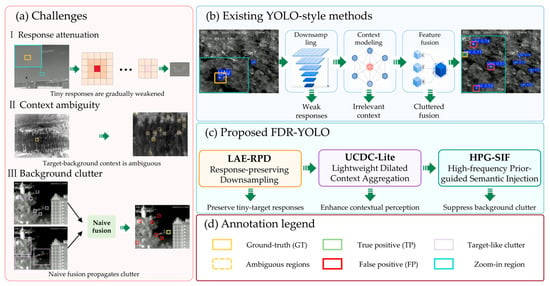
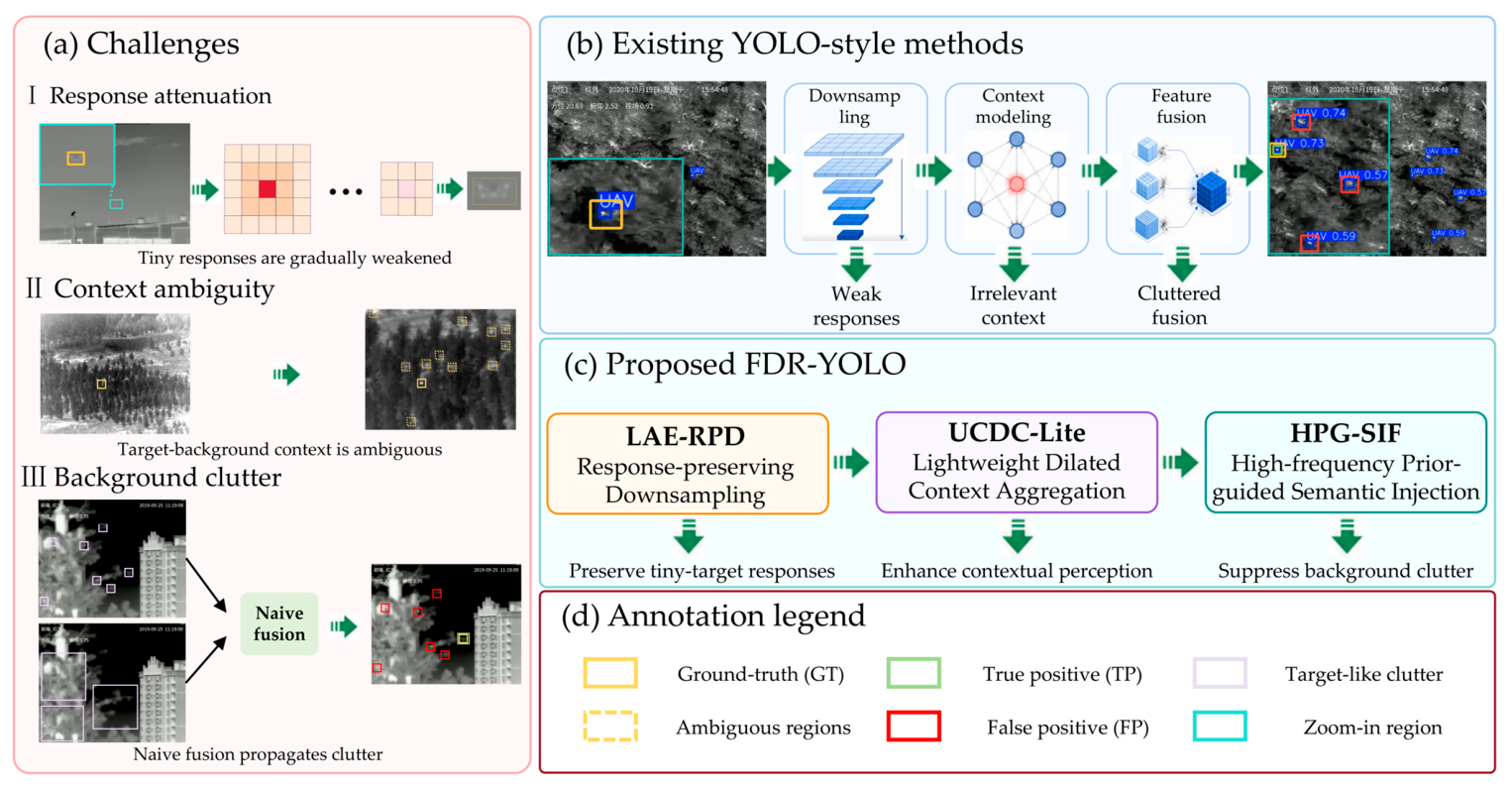
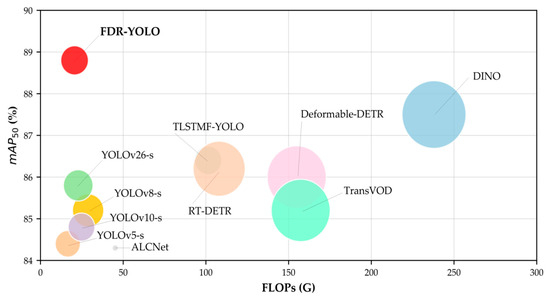
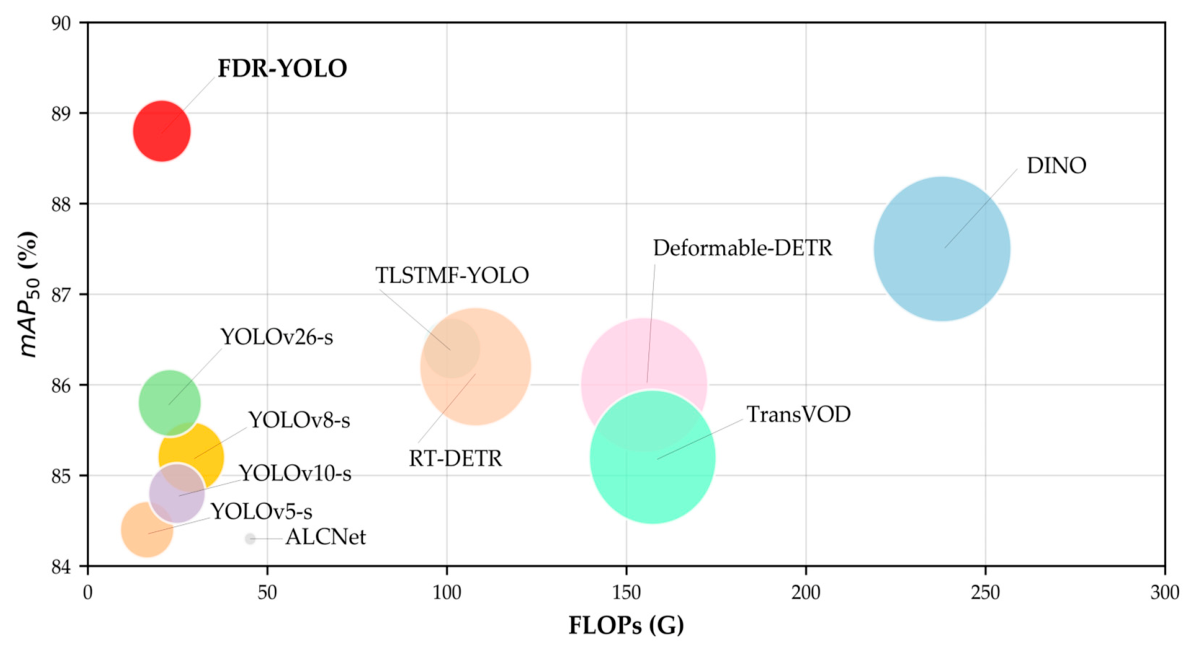
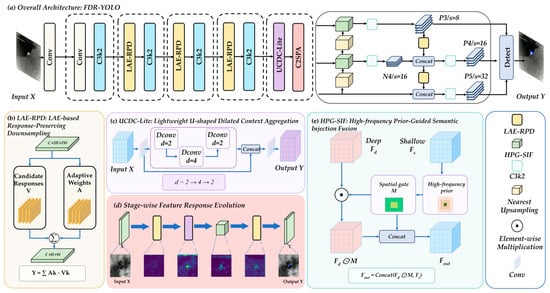
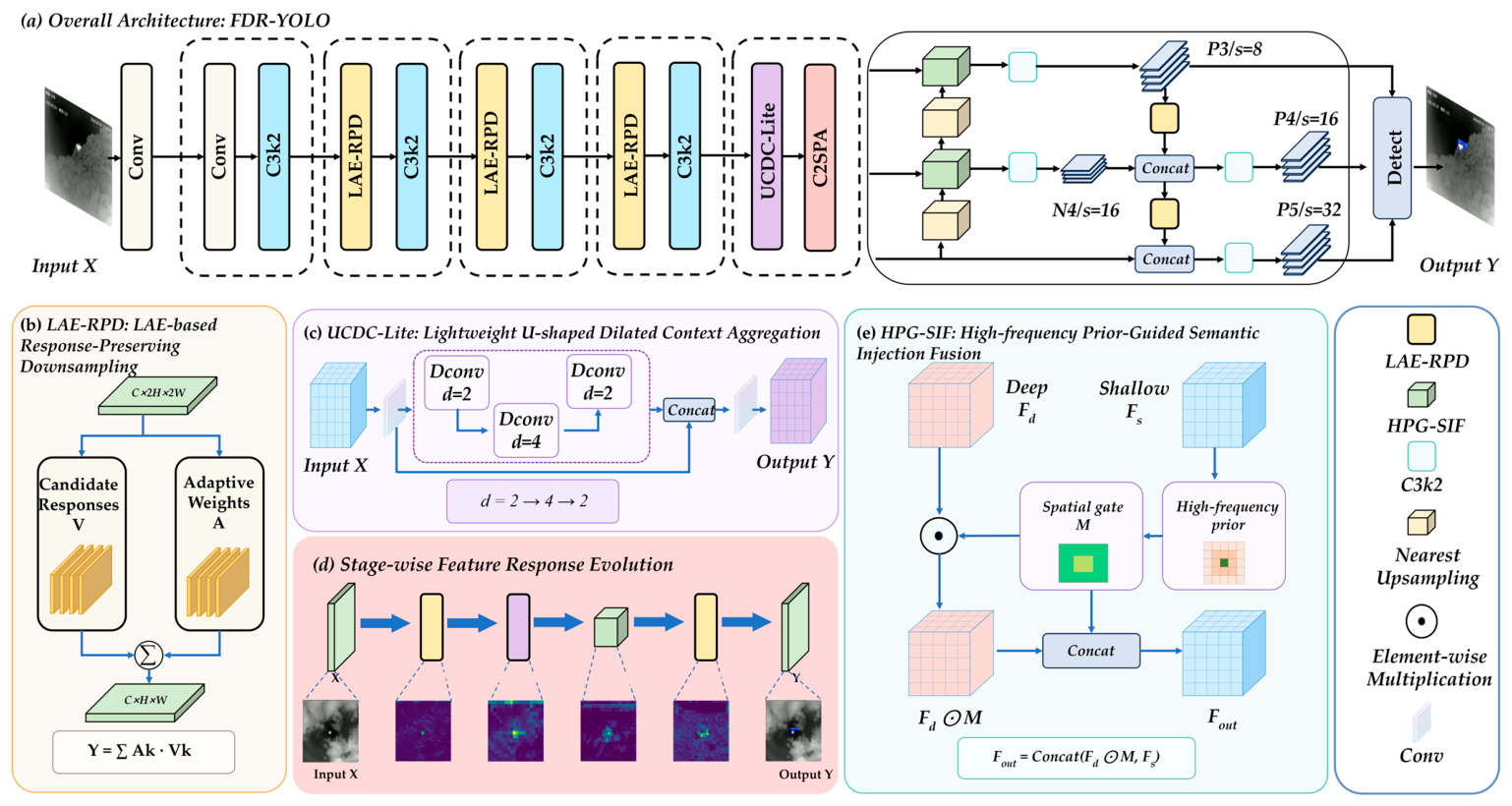
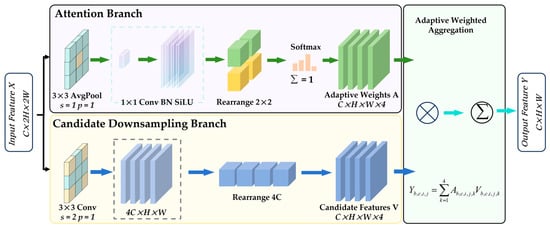
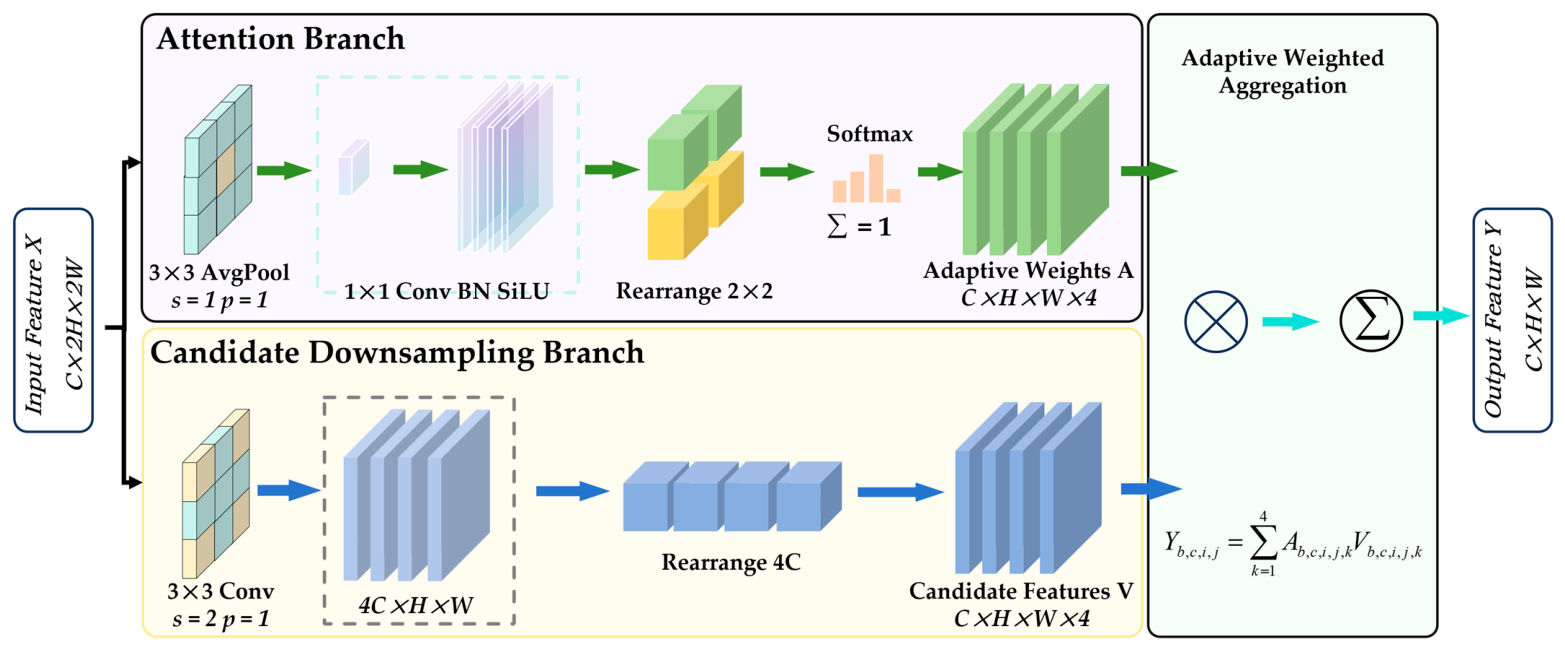
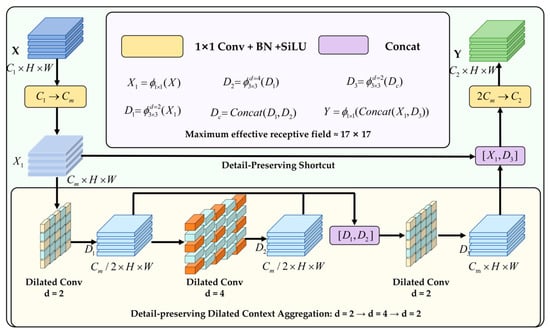
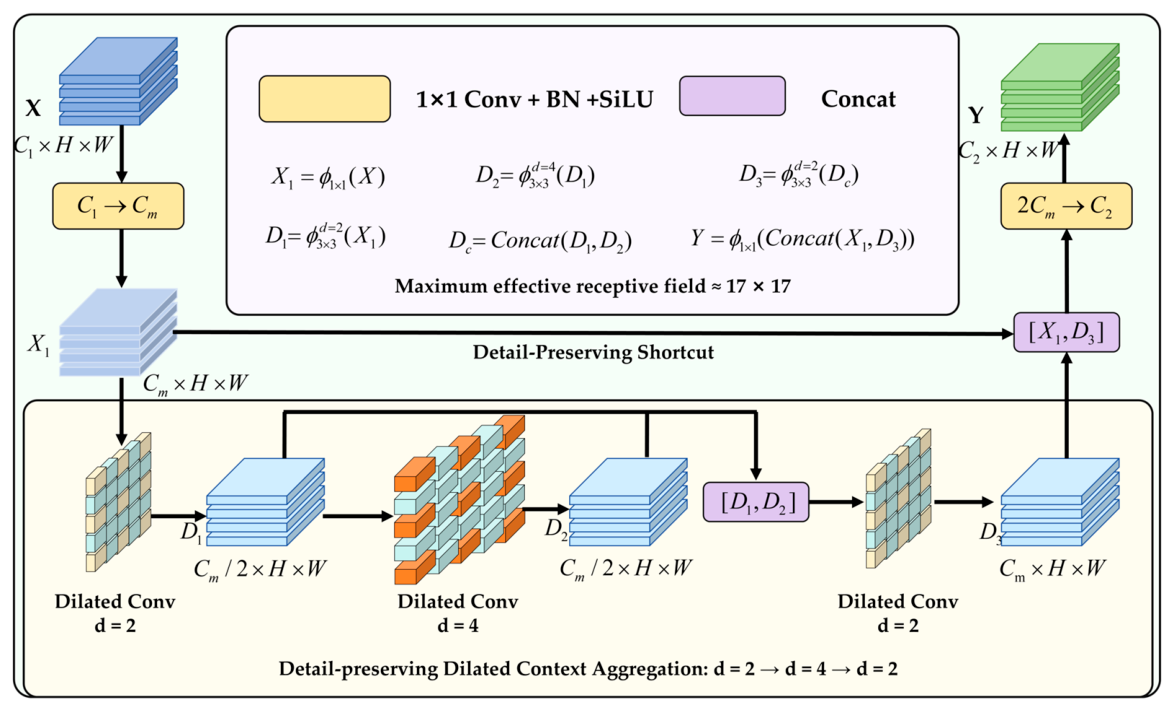
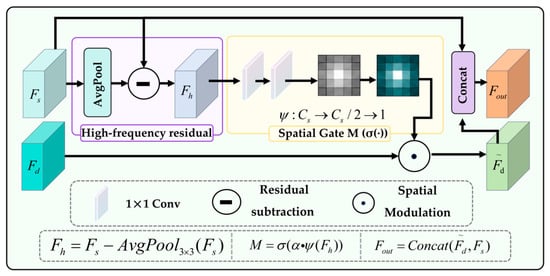
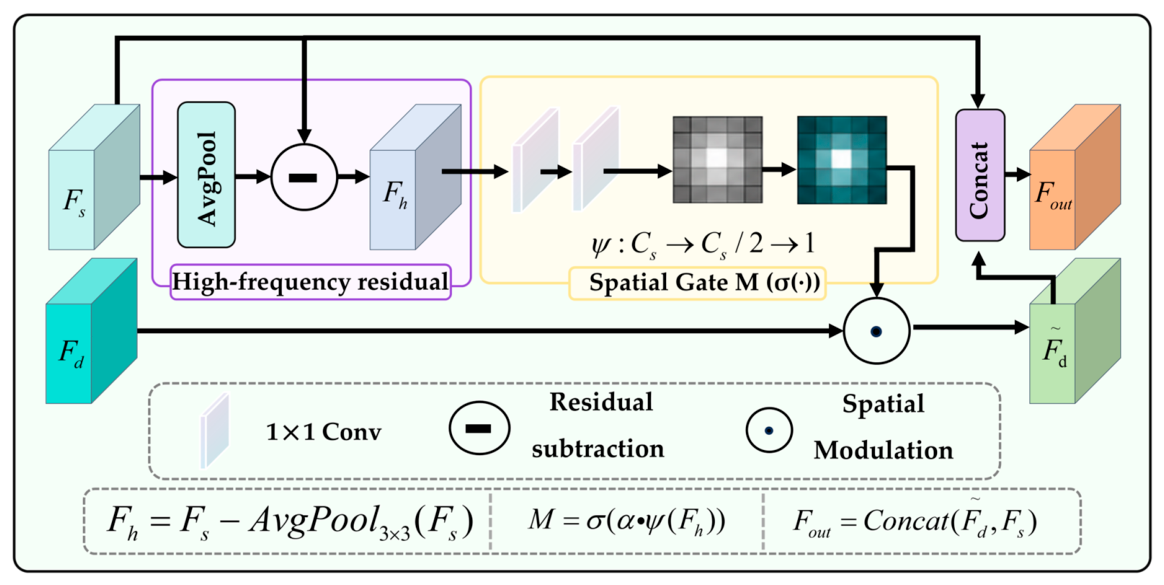
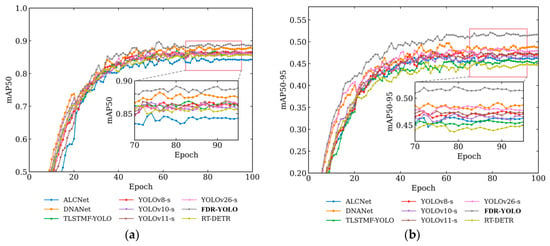
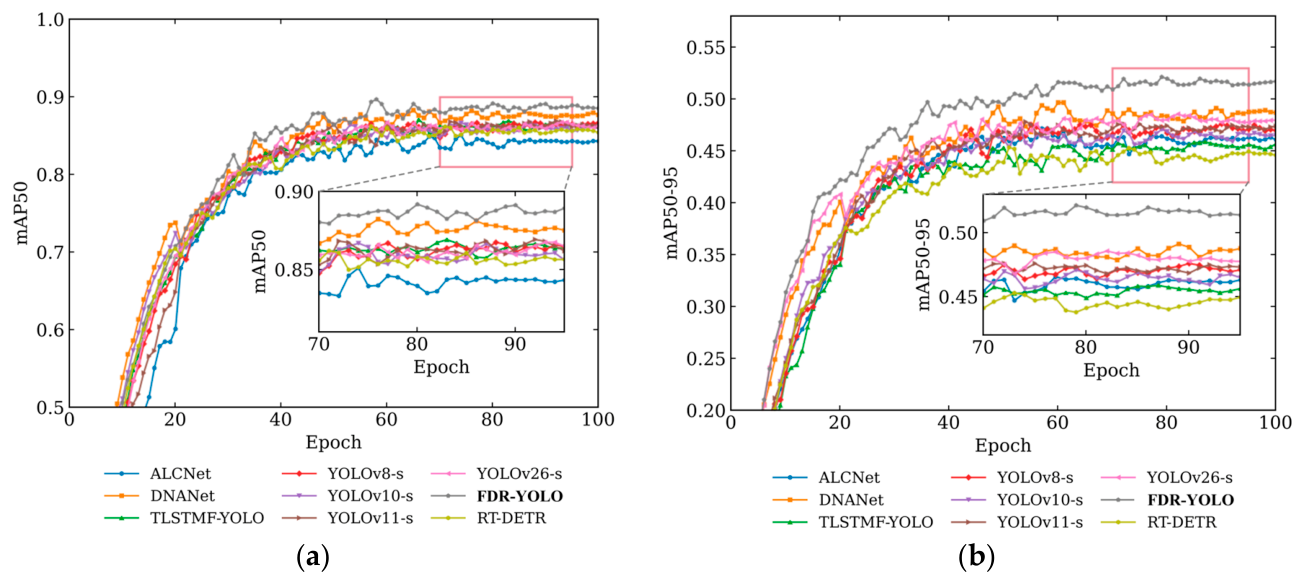
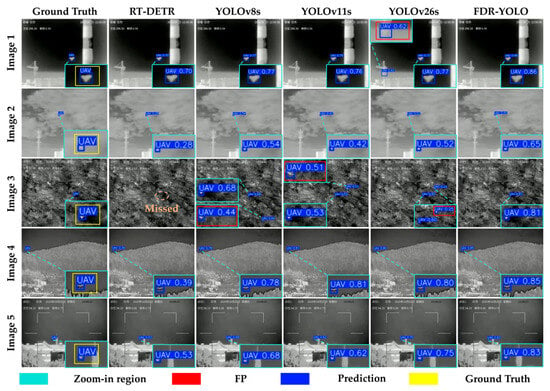
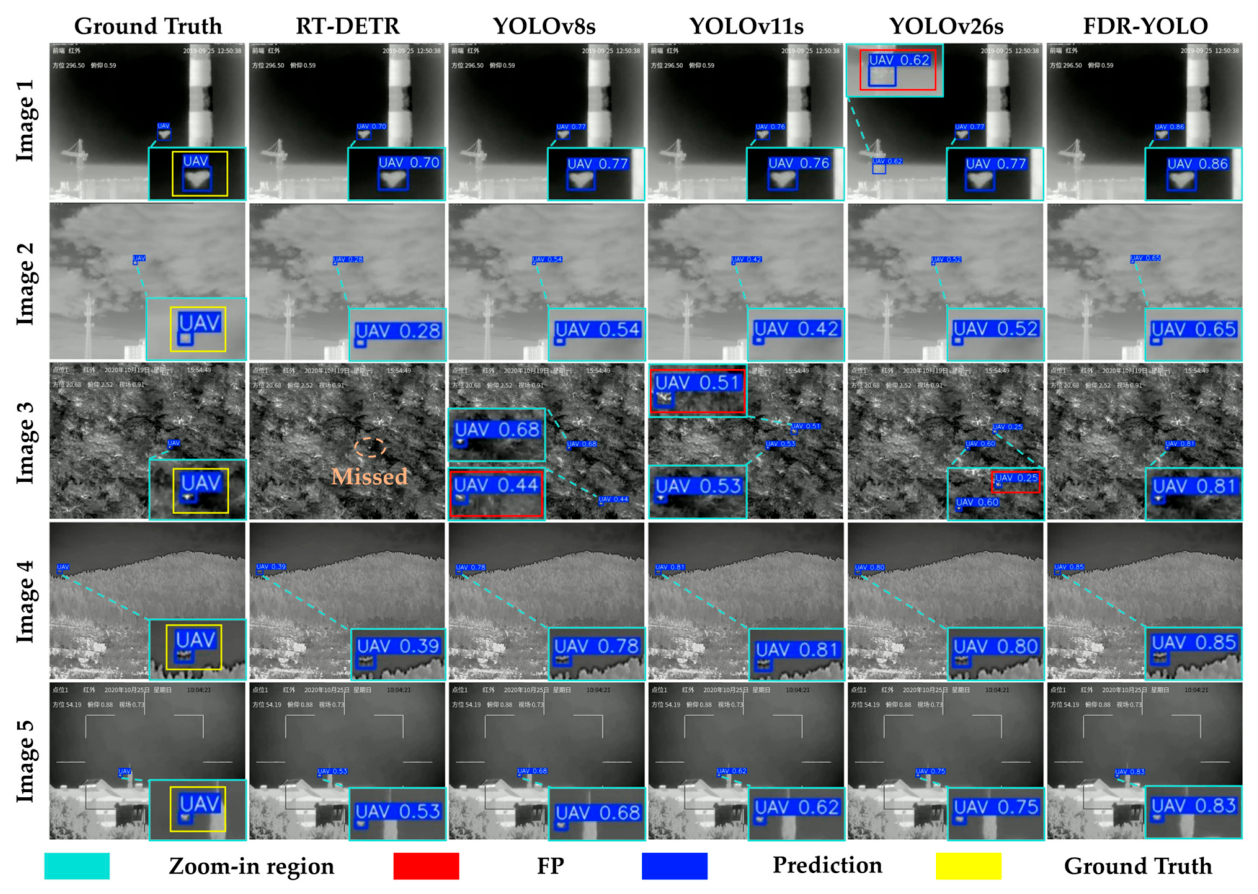
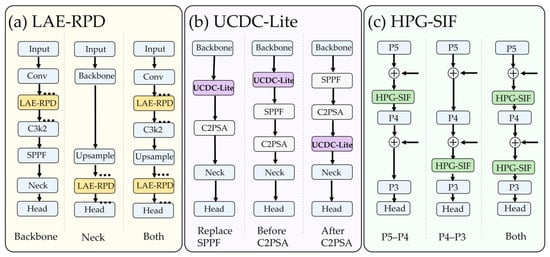
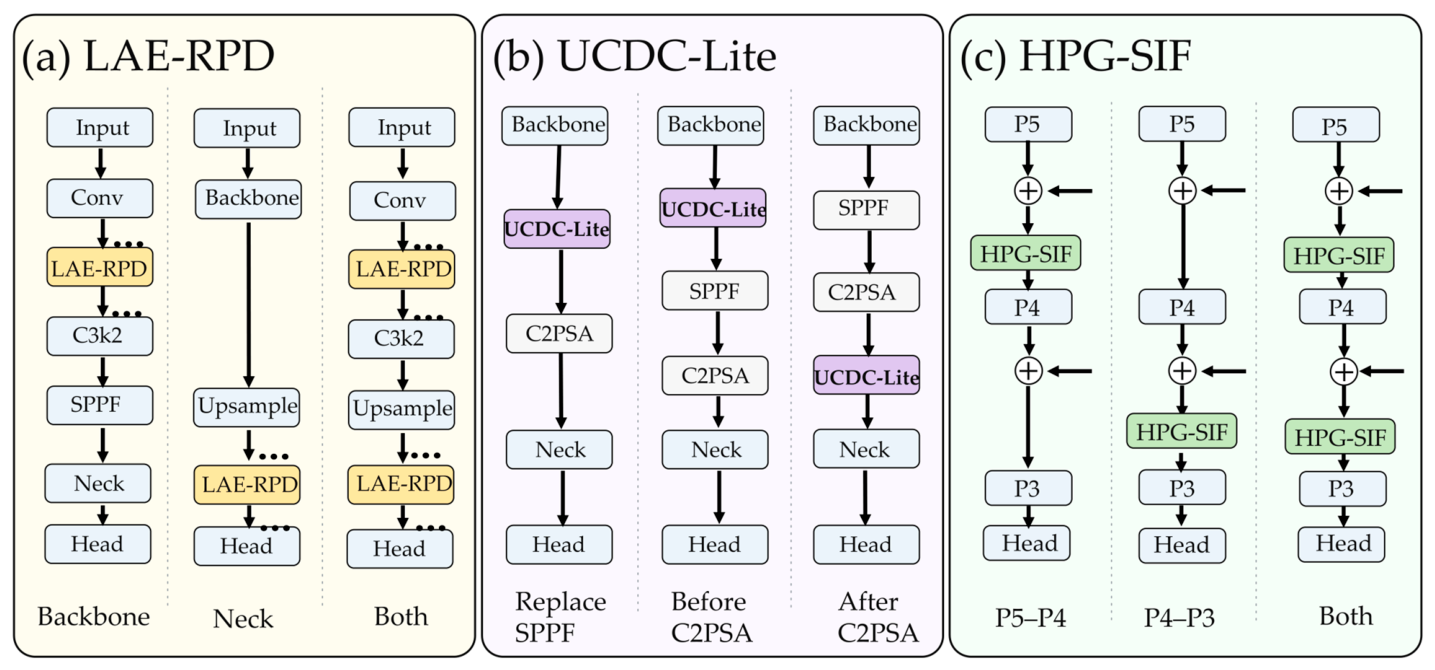
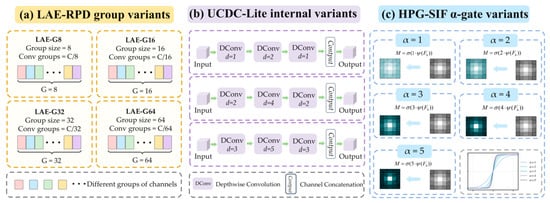
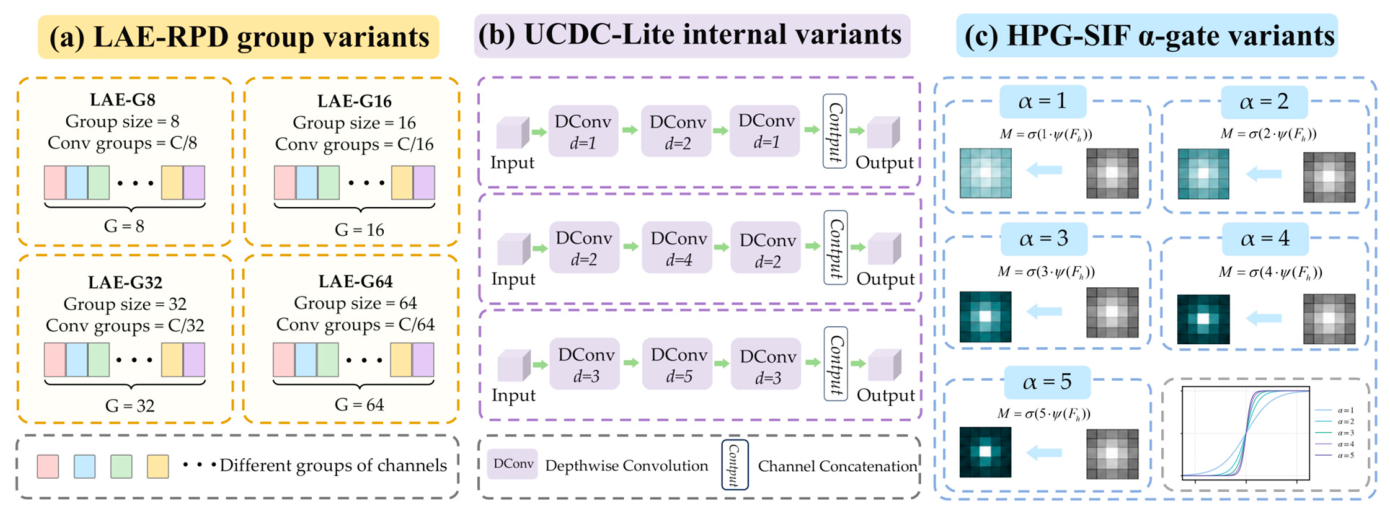
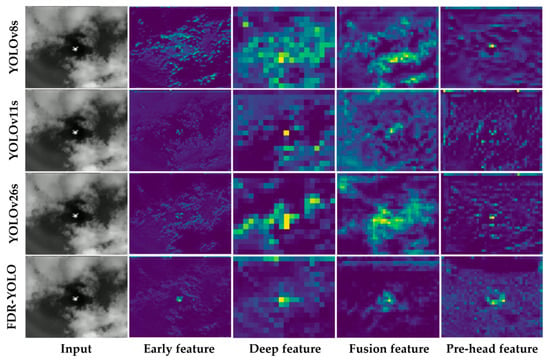
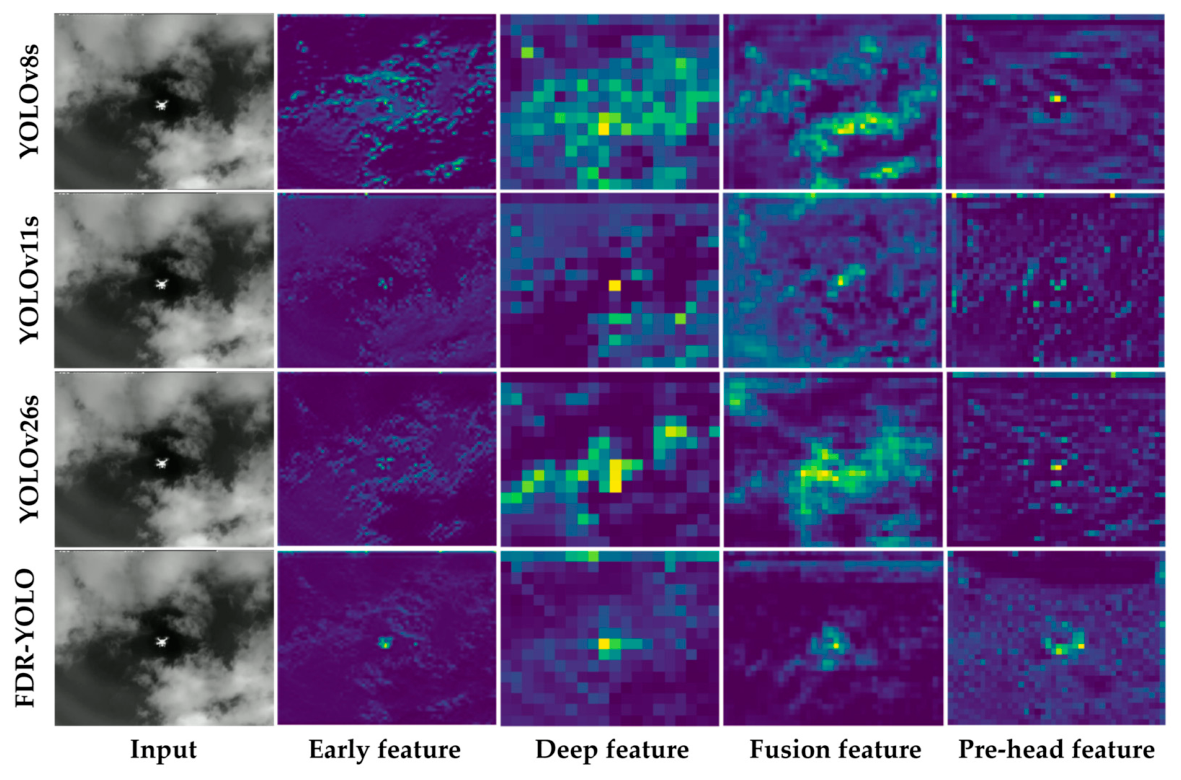
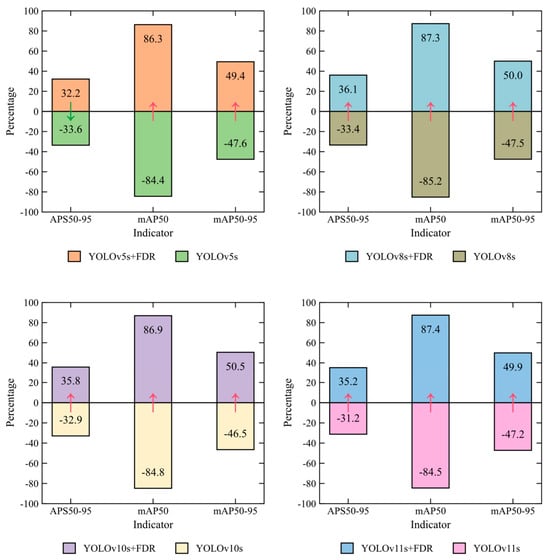
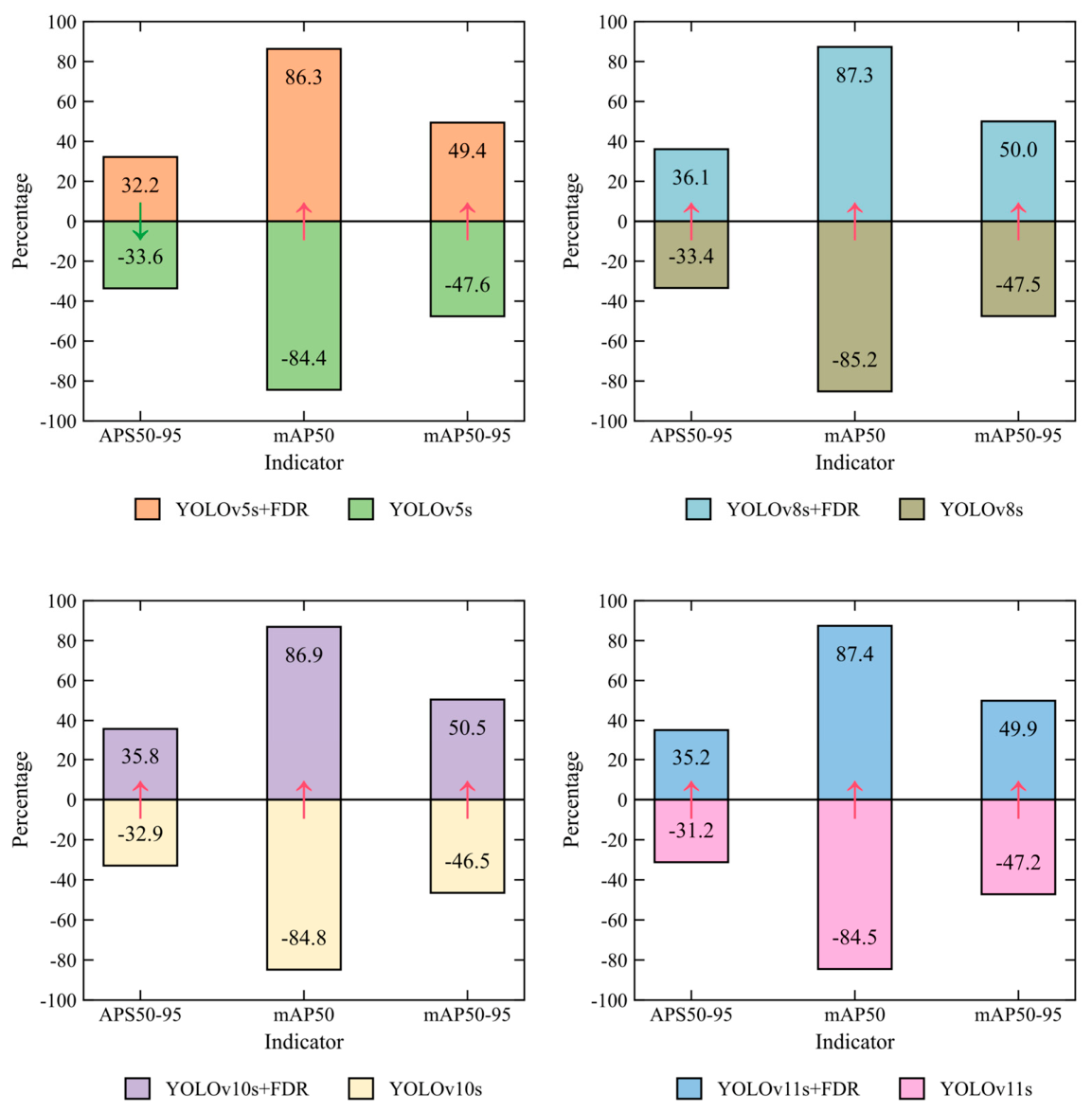
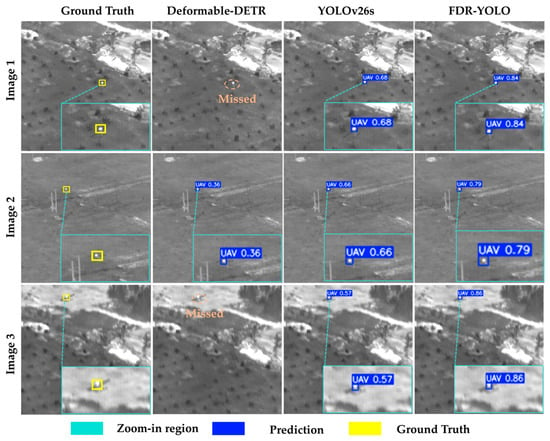
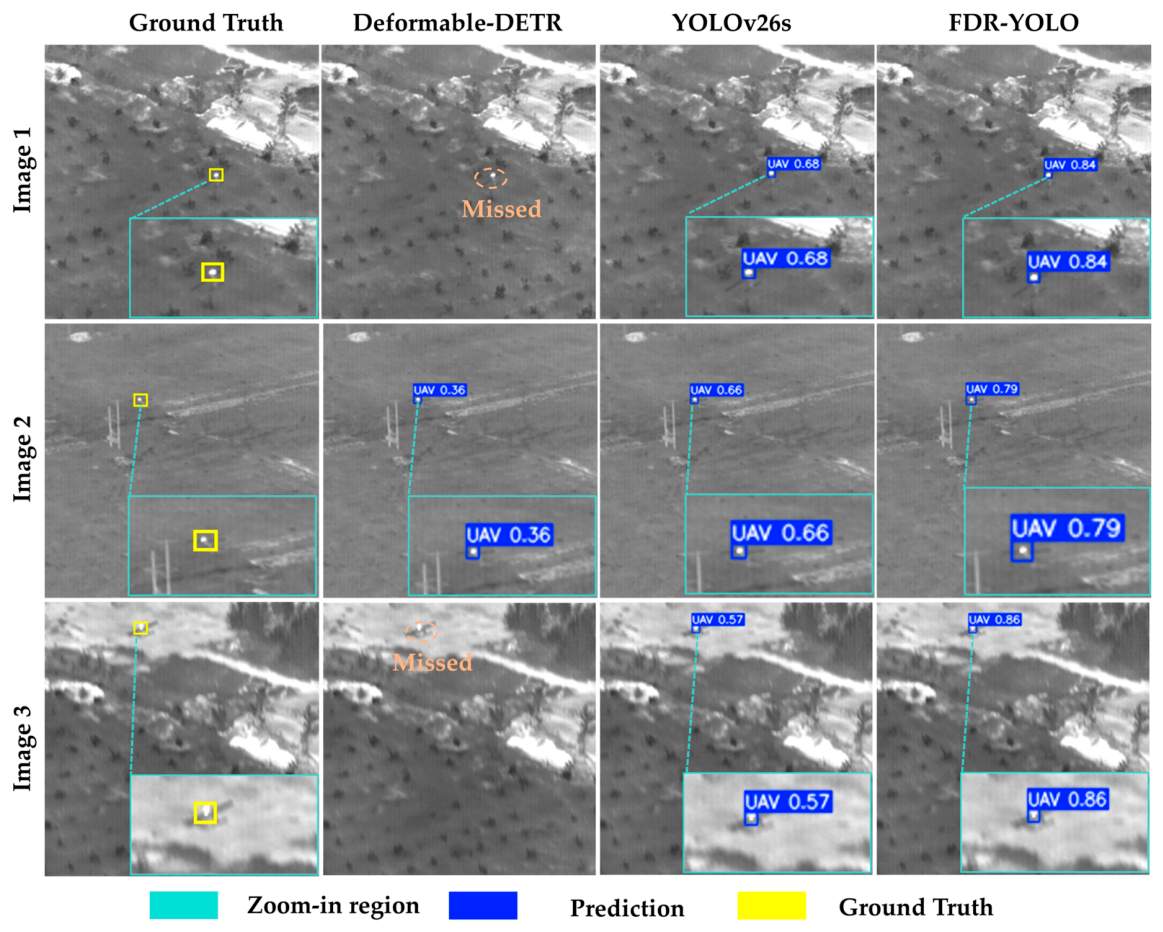
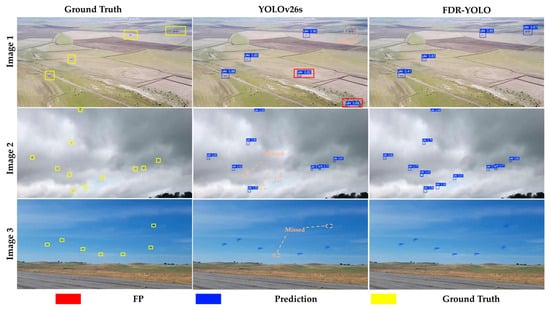
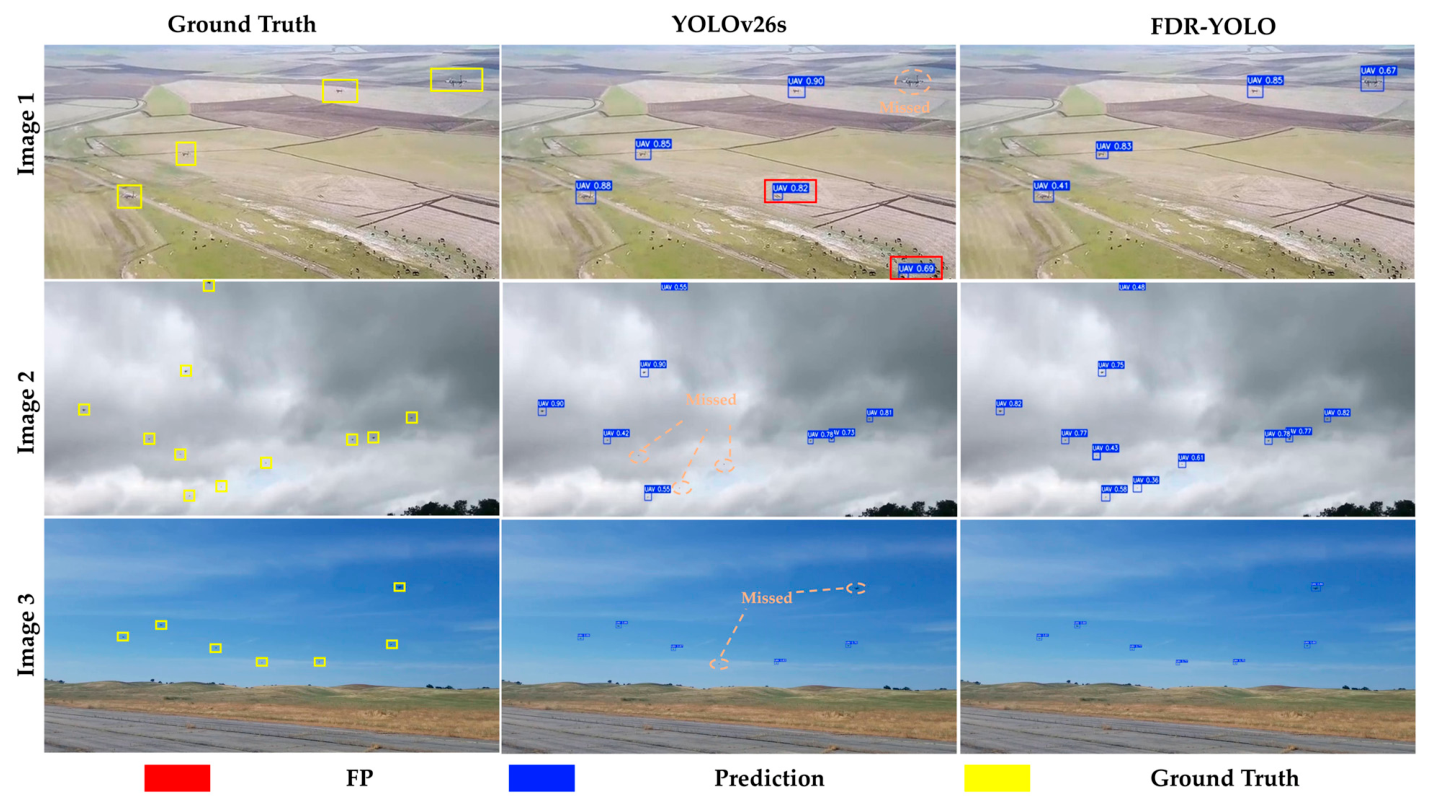
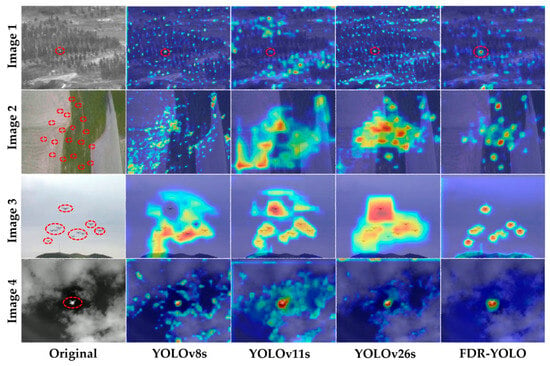
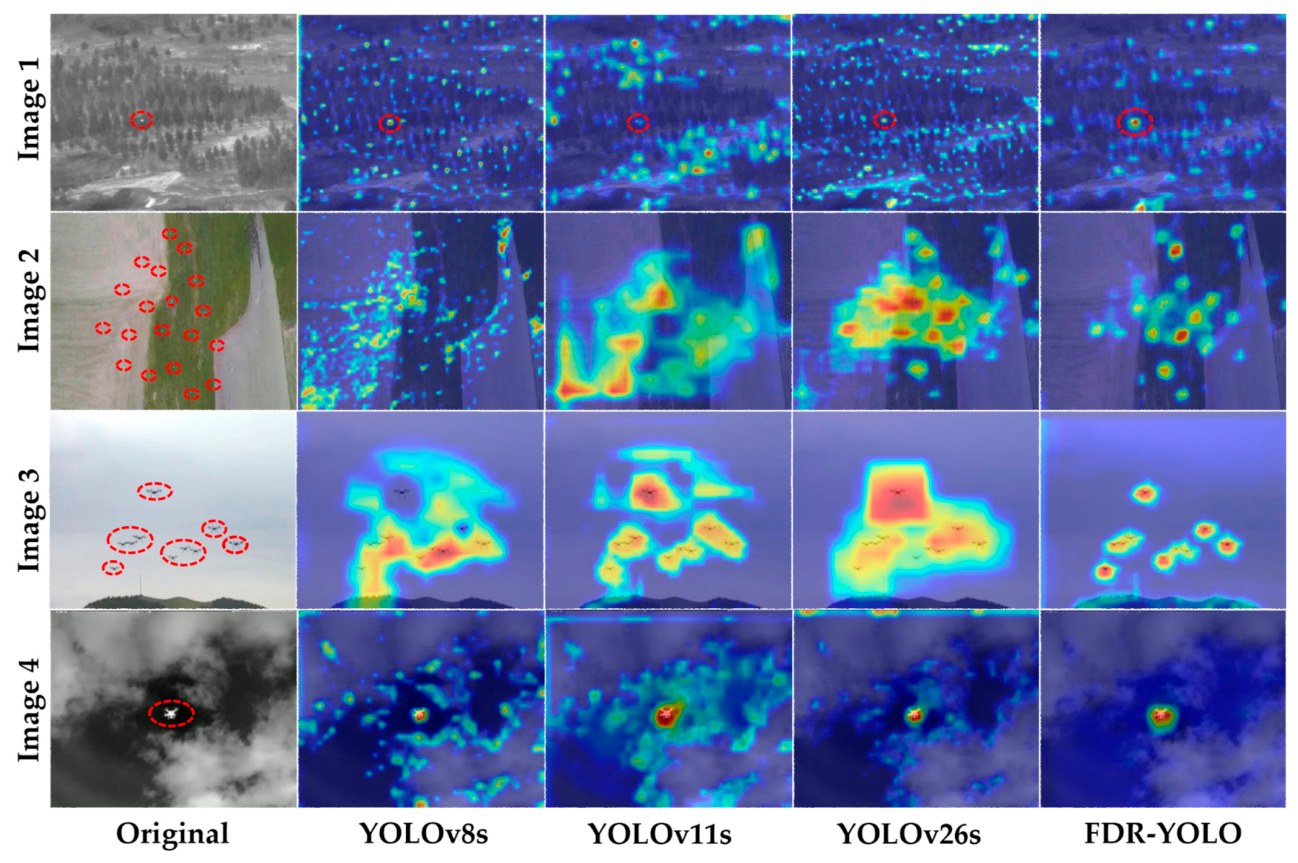

Disclaimer/Publisher’s Note: The statements, opinions and data contained in all publications are solely those of the individual author(s) and contributor(s) and not of MDPI and/or the editor(s). MDPI and/or the editor(s) disclaim responsibility for any injury to people or property resulting from any ideas, methods, instructions or products referred to in the content. |
© 2026 by the authors. Licensee MDPI, Basel, Switzerland. This article is an open access article distributed under the terms and conditions of the Creative Commons Attribution (CC BY) license.