Article

Modeling and Design of a Spherical Remote Center-of-Motion Surgical Robot †

1
Research Centre for Robots Simulation and Testing, Technical University of Cluj-Napoca, Memorandumului 28, 400114 Cluj-Napoca, Romania
2
European University of Technology, European Union
3
Department of Internal Medicine, “Iuliu Hatieganu” University of Medicine and Pharmacy, 400347 Cluj-Napoca, Romania
4
École Centrale Nantes, Nantes Universite, CNRS, LS2N, UMR 6004, F-44000 Nantes, France
5
Department of Surgery, “Iuliu Hatieganu” University of Medicine and Pharmacy, 400347 Cluj-Napoca, Romania
6
Technical Sciences Academy of Romania, B-dul Dacia, 26, 030167 Bucharest, Romania
*
Author to whom correspondence should be addressed.
This paper is an extended version of our paper published in the 3rd International Conference on Advanced Autonomous Systems, Bucharest, Romania, 18–20 November 2026.
Technologies 2026, 14(7), 440; https://doi.org/10.3390/technologies14070440

Submission received: 4 June 2026 / Revised: 7 July 2026 / Accepted: 9 July 2026 / Published: 17 July 2026

Abstract

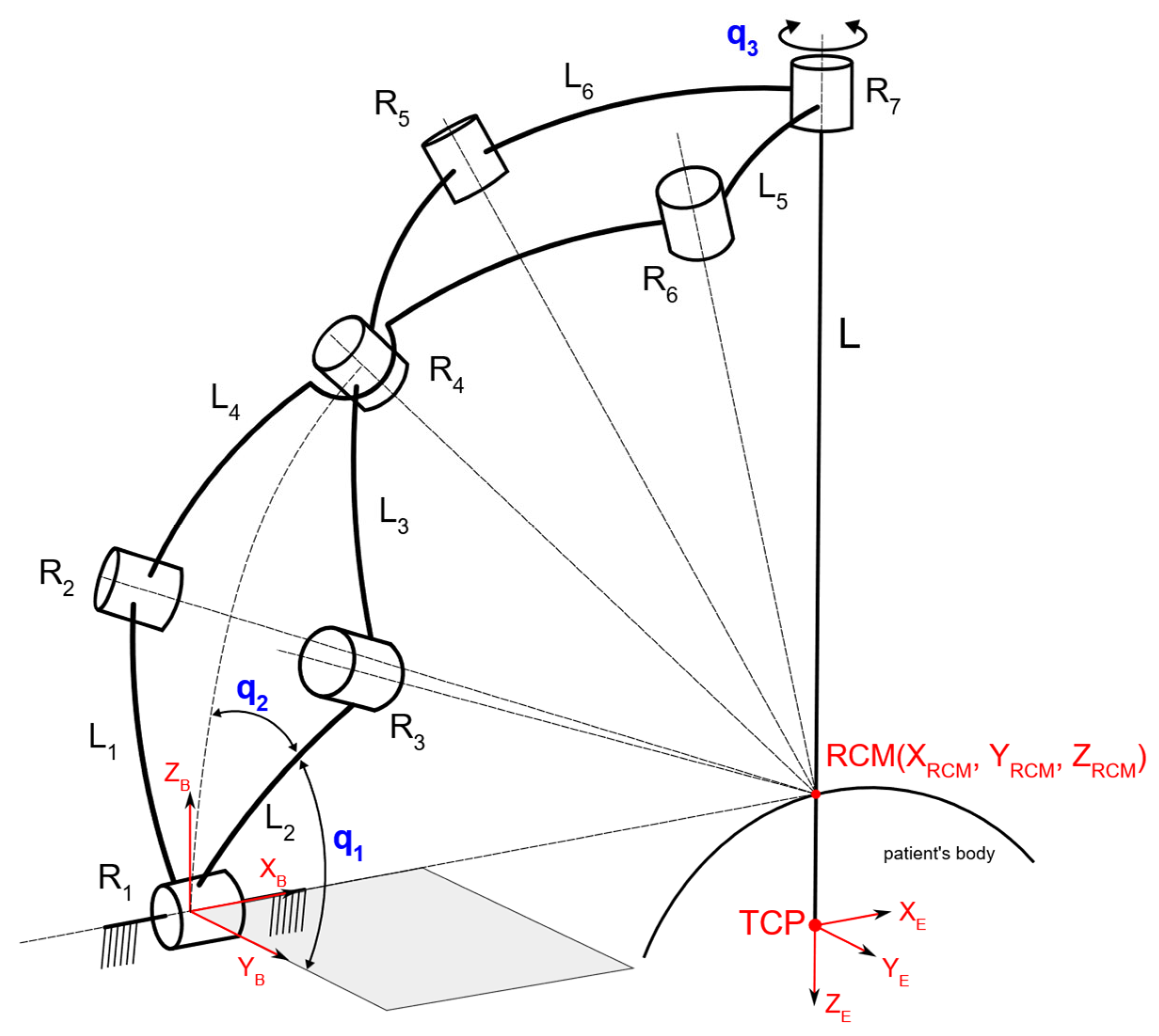
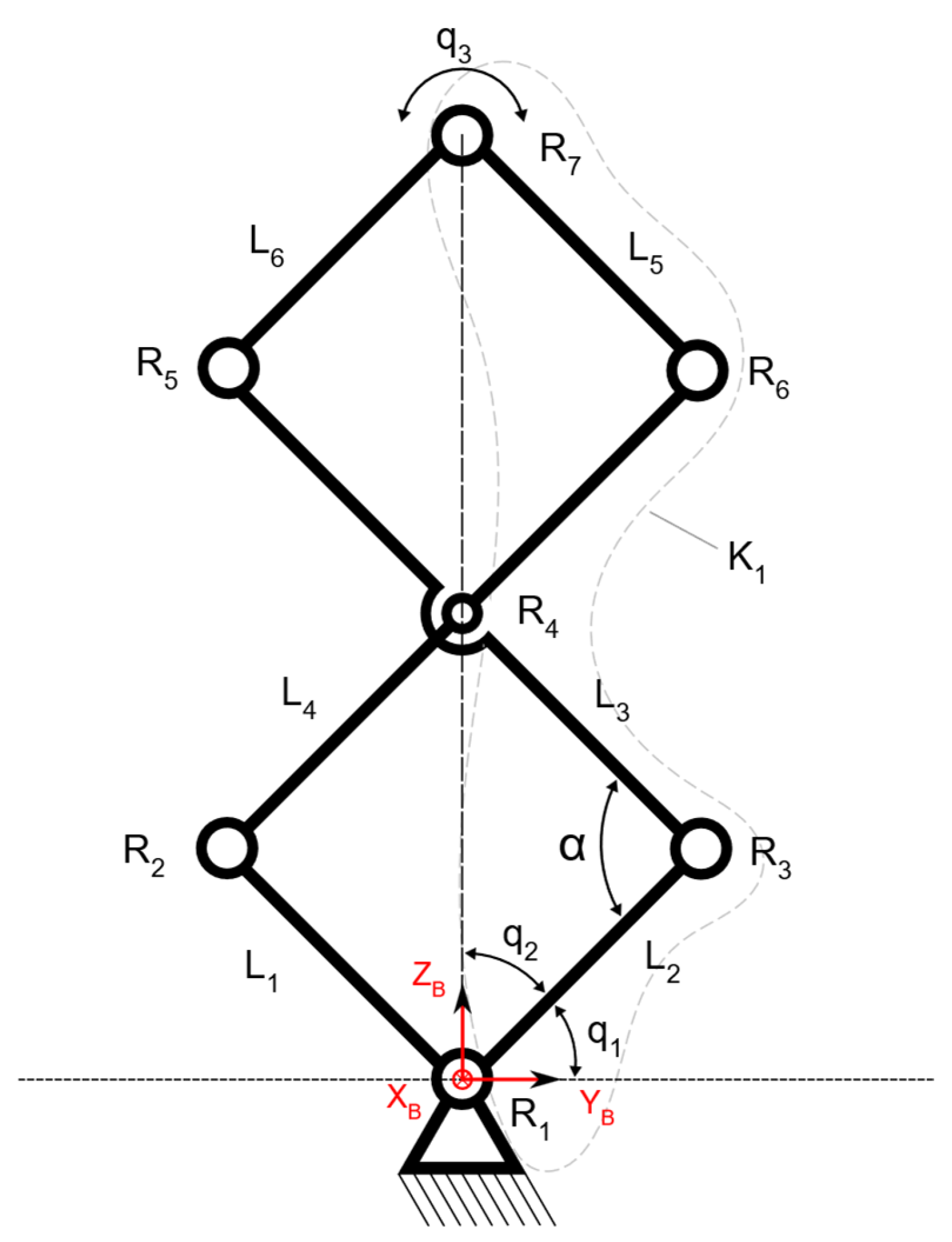
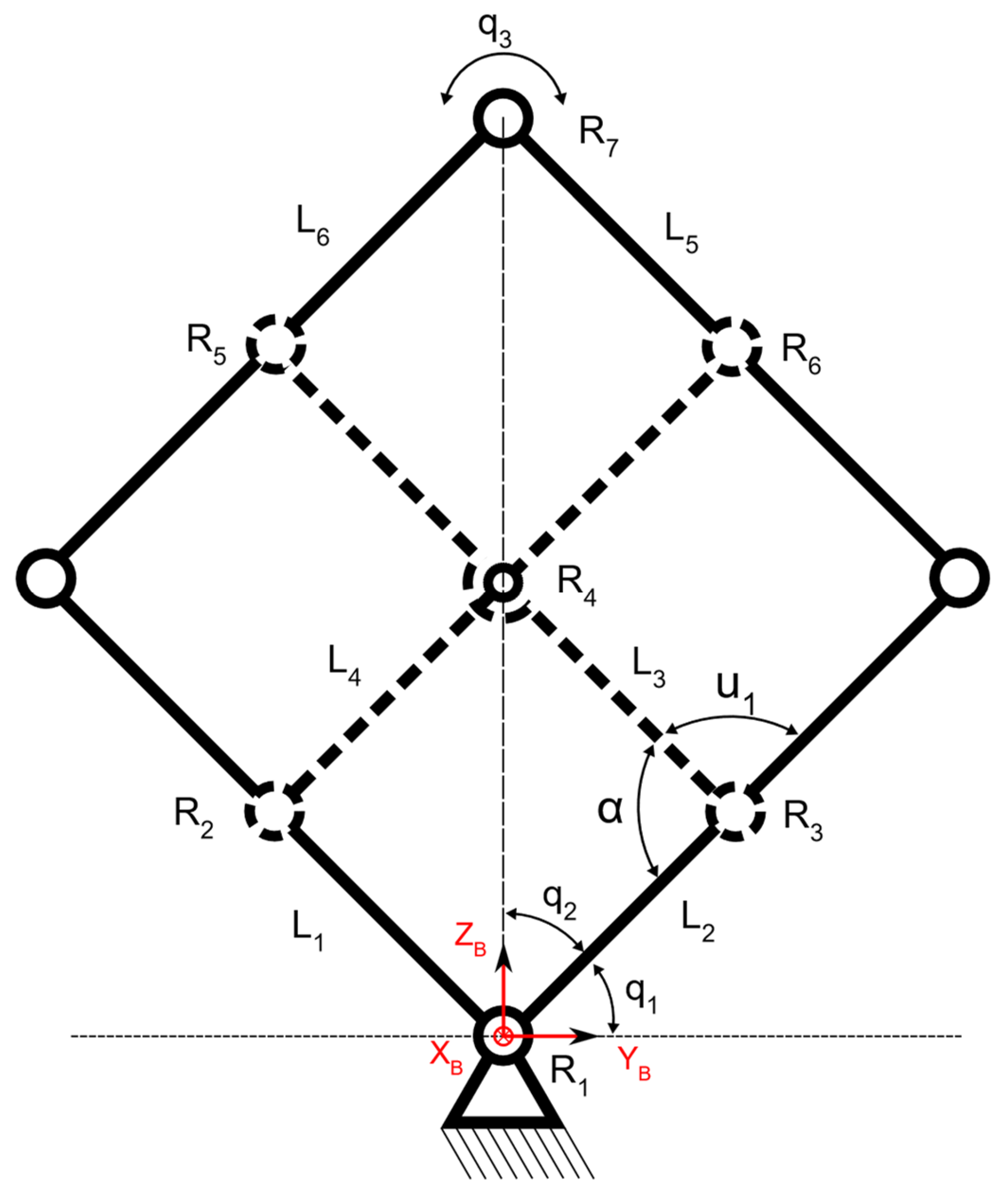
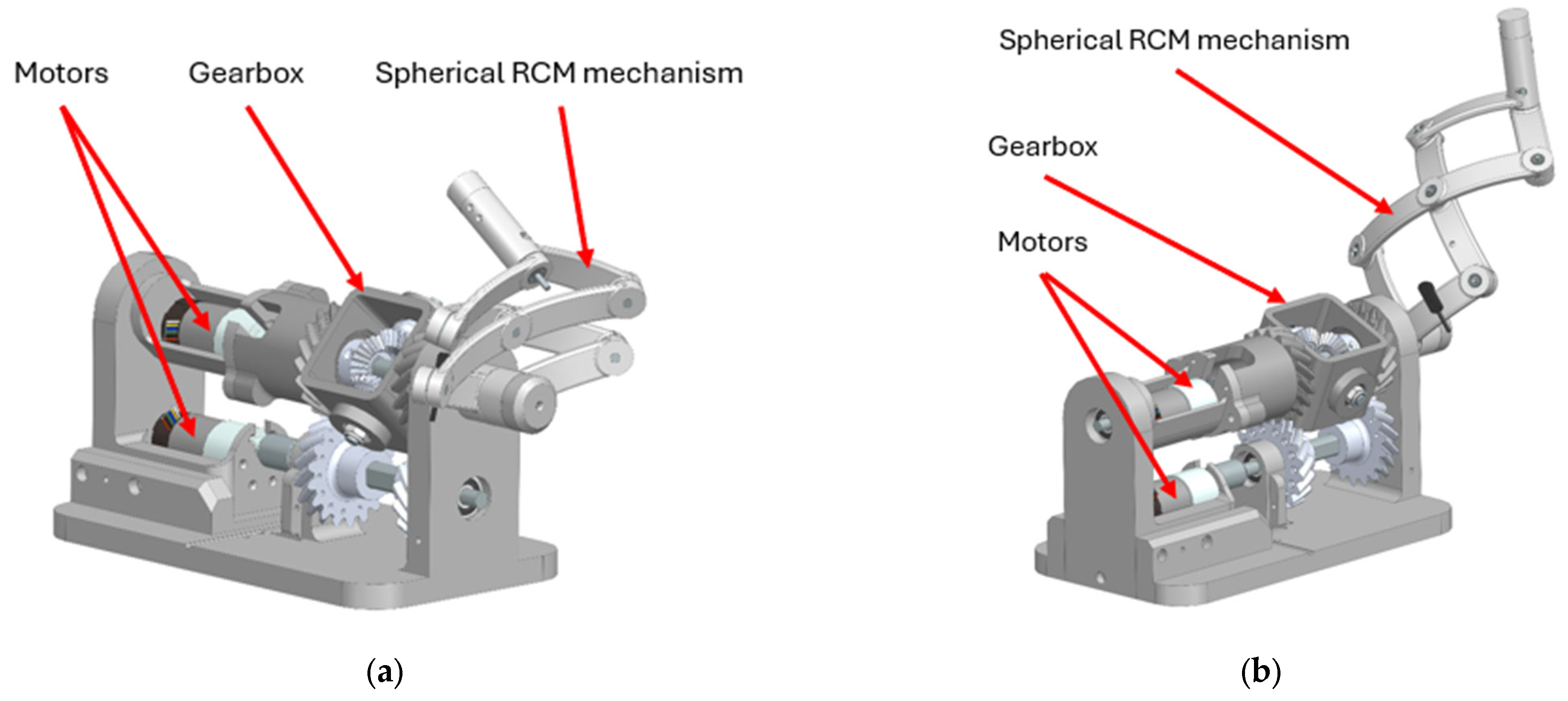
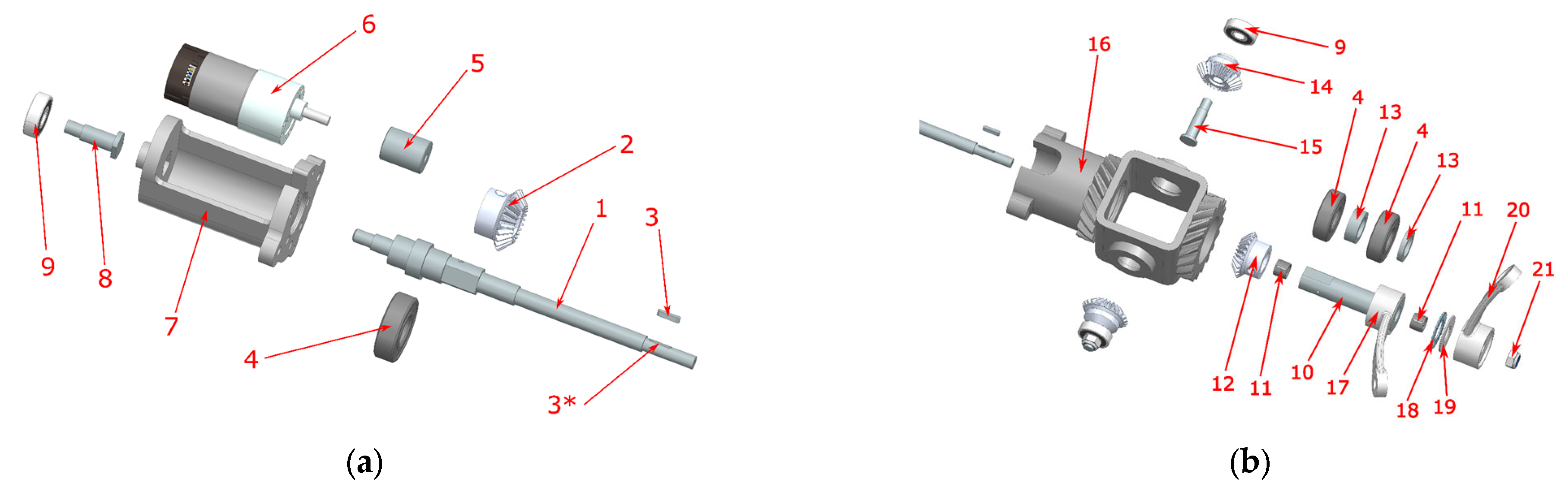
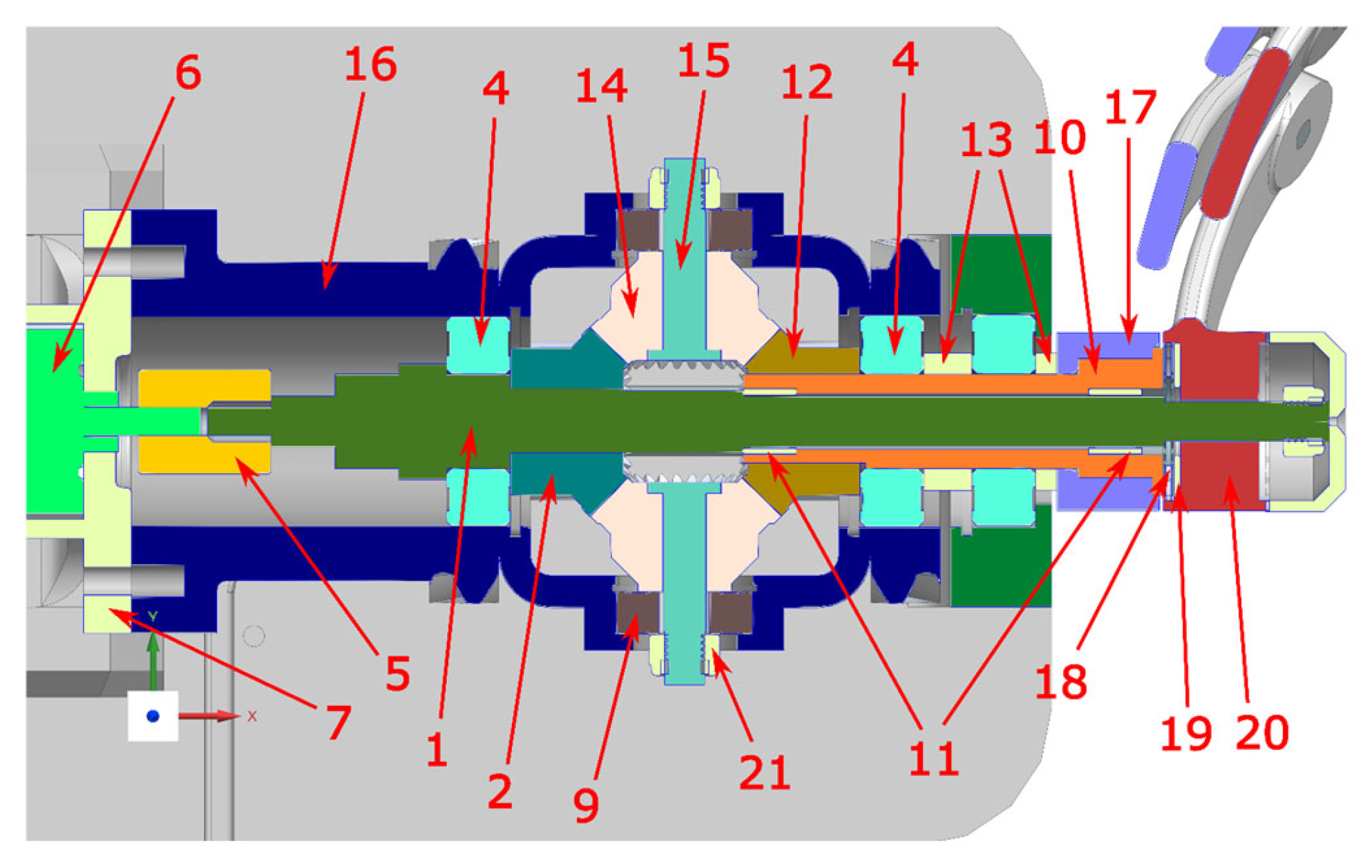
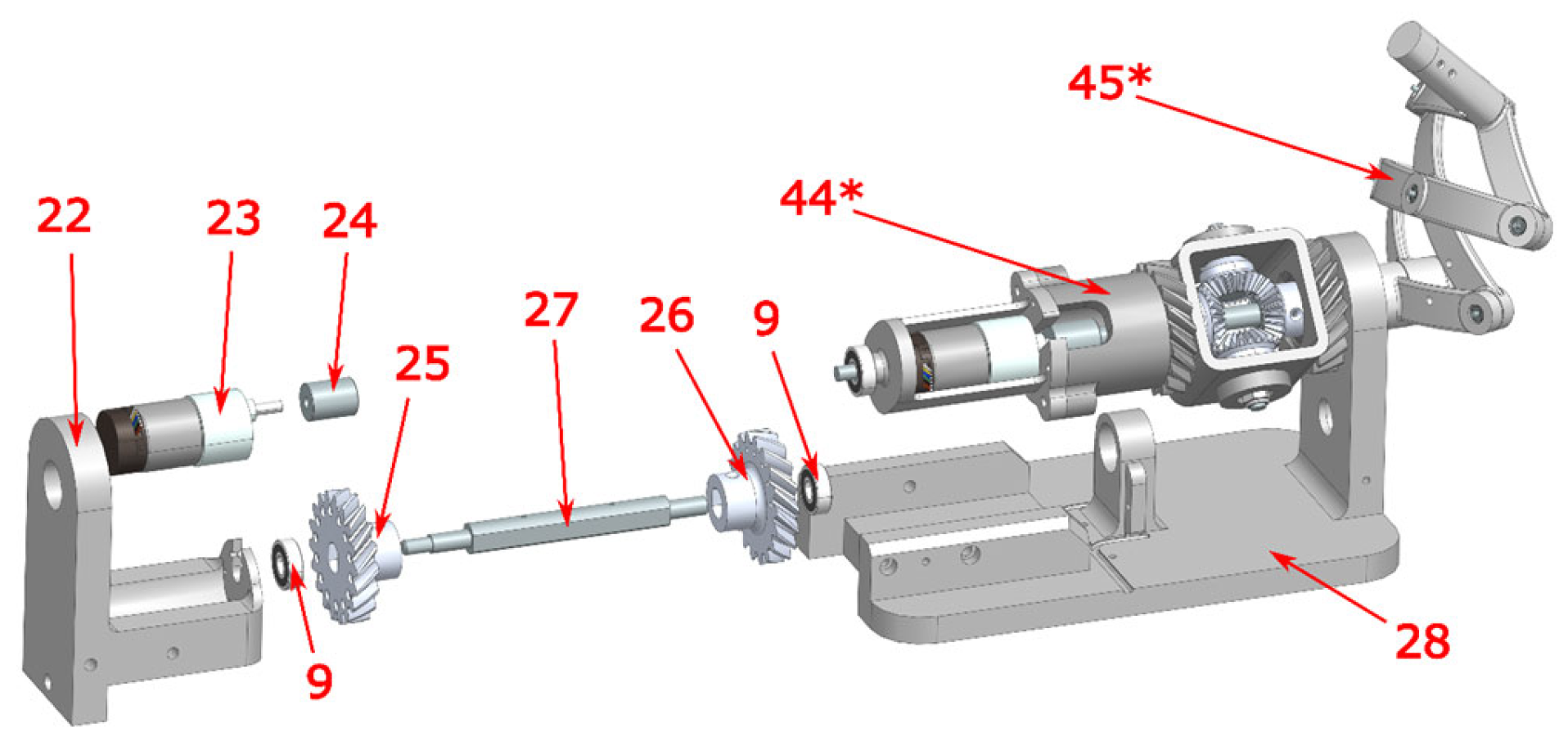
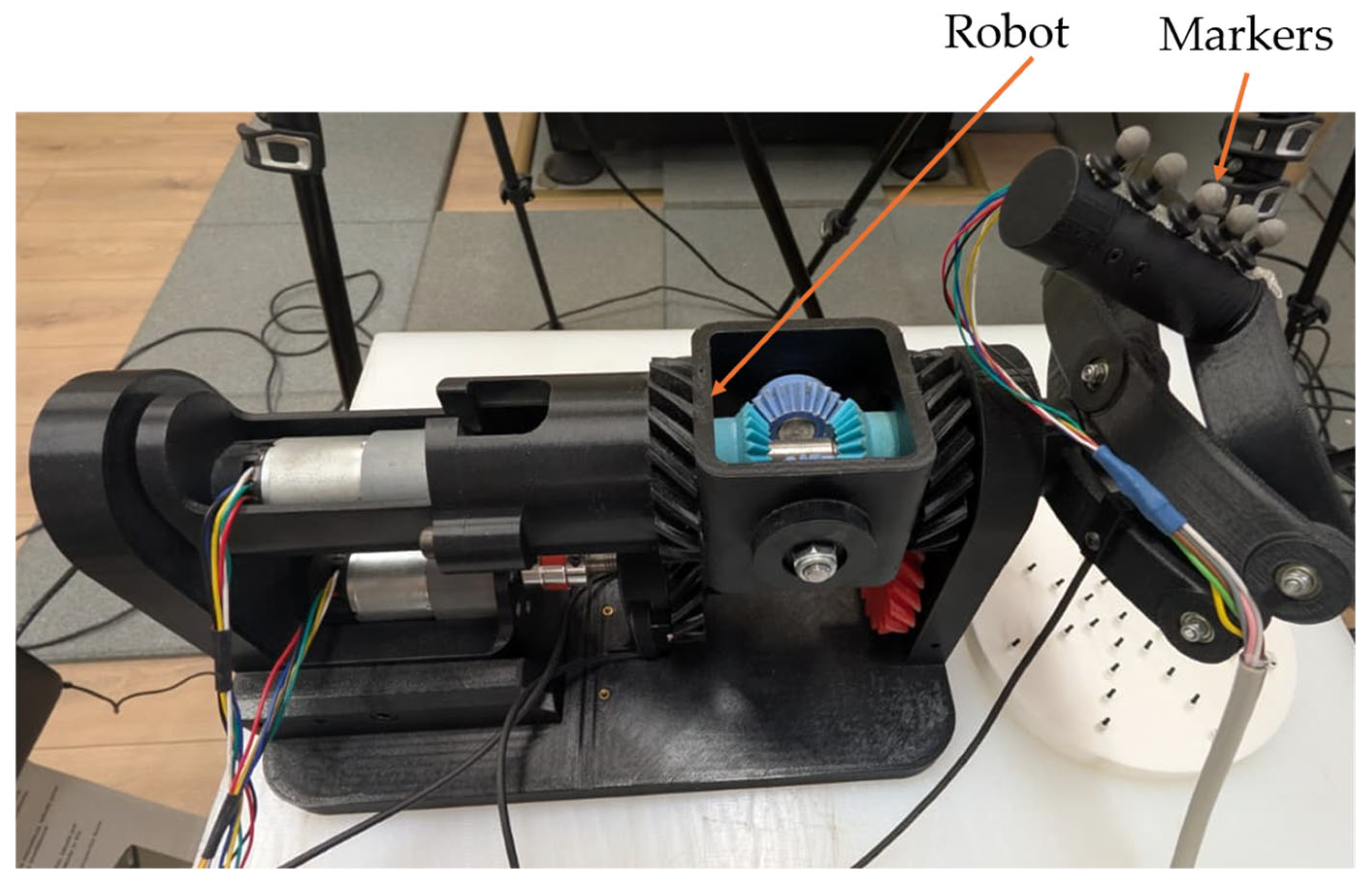
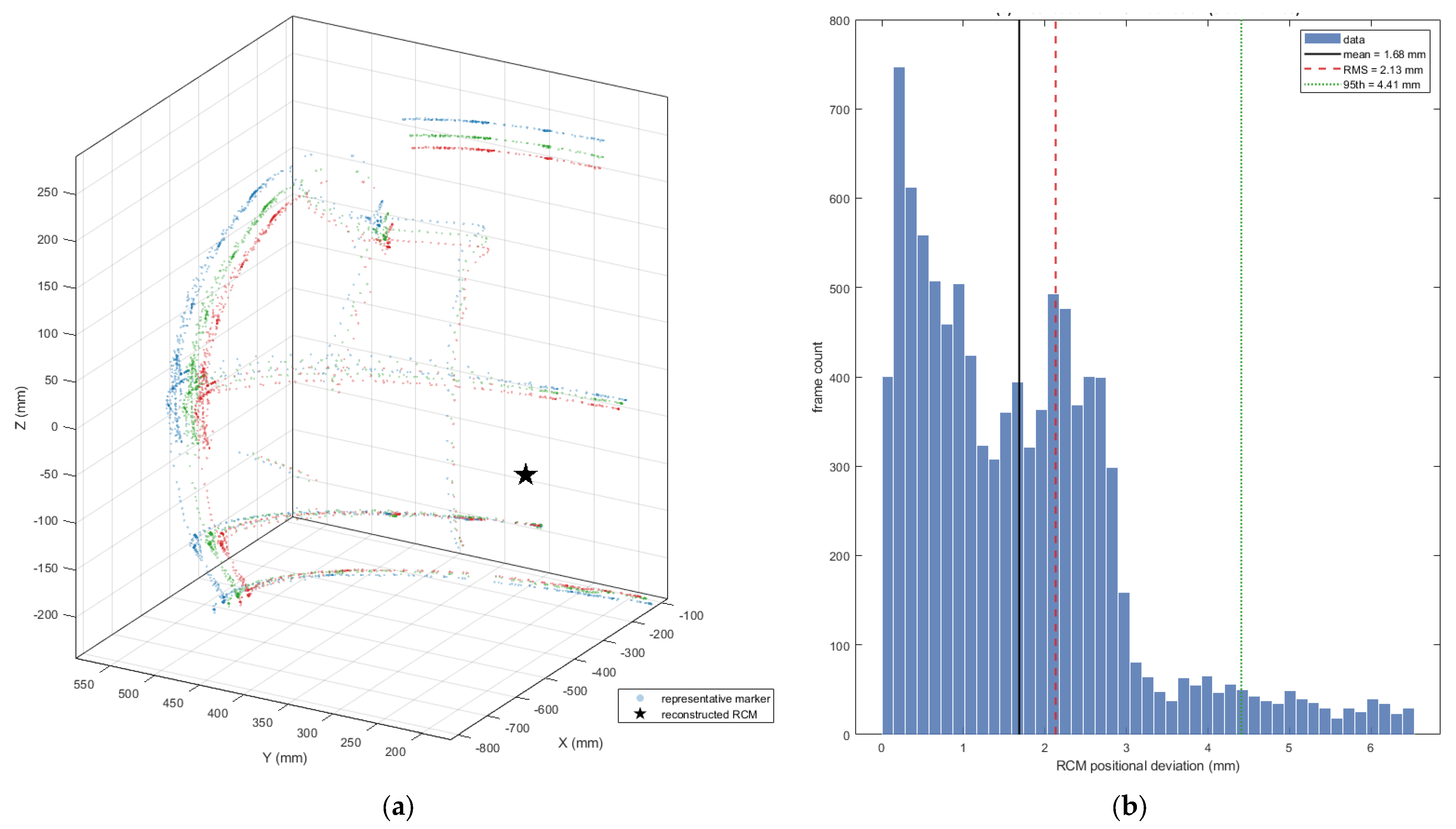
Remote center-of-motion mechanisms are essential in minimally invasive surgery because they allow surgical instruments or an endoscopic camera to pivot around a trocar entry point while eliminating lateral motion at the incision. This paper presents the design, kinematic modeling, prototype implementation and preliminary evaluation under laboratory conditions of a compact, spherical, remote center-of-motion robot for minimally invasive surgical orientation tasks. The proposed mechanism uses a spherical kinematic architecture actuated by a contra-rotating differential gearbox. This gearbox generates two coaxial output rotations of equal magnitude and opposite direction from a single input, mechanically synchronizing the opposed motion of the two base links and eliminating the need for cable-pulley transmission or dual electronically synchronized motors. A second actuator chain rotates the gearbox assembly around the base axis, thereby decoupling the extension–retraction motion from base-axis rotation. Forward and inverse kinematic formulations were derived for teleoperation of the robot using a 7 degrees of freedom haptic device and for remote center-of-motion orientation control using a 3-axis joystick. A proof-of-concept prototype was developed and integrated with a custom embedded controller, closed-loop motor control, a master-console interface and video feedback loop. The system was evaluated in a phantom-torso setup using a custom endoscopic camera, internal visual markers and an OptiTrack-based measurement of the remote center-of-motion accuracy. The qualitative experiment confirmed functional integration of the mechanical, electronic and software subsystems, while the optical-tracking measurement showed that the pivot constraint was maintained with a mean deviation of 1.69 mm and a root-mean-square deviation of 2.13 mm over the analyzed orientation sweep. The main limitations remain the 1:1 gearbox ratio, limited actuator torque, additively manufactured gearing and the absence of repeated-trial repeatability and full workspace characterization.
Keywords: surgical robot; remote center of motion; kinematics; modeling; minimally invasive surgery; spherical mechanism; design surgical robot; remote center of motion; kinematics; modeling; minimally invasive surgery; spherical mechanism; design