


Abstract
This study presents a technical assessment of solar energy systems for integrated agricultural use and rural electrification. A model village comprising 30 households was considered, and high-resolution hourly load profiles were developed to characterize consumption dynamics, including peak demand and sectoral distribution across residential, agricultural, public, healthcare, and commercial users. A 60 kW photovoltaic (PV) system was designed in conjunction with an independent solar thermal installation for hot water supply. The system configuration was established through component sizing and numerical modeling, incorporating heat transfer mechanisms and operational constraints. Time-dependent simulations performed in MATLAB (R2022b) evaluated PV power output, battery storage cycling, and thermal system performance over a 24-h horizon. A comparative analysis of standalone PV, hybrid PV/T, and decoupled PV–thermal configurations was conducted based on performance and operational criteria. The results indicate that separated electrical and thermal subsystems achieve improved cost-effectiveness, enhanced reliability, and reduced maintenance requirements. The proposed approach demonstrates the technical viability of solar-based energy systems for rural applications, supporting energy autonomy, reduced fossil fuel dependence, and sustainable agricultural development.
1. Introduction
The transition toward sustainable energy systems has become a central priority for many rural regions, where dependence on fossil fuel-based electricity generation continues to present economic and environmental challenges. In numerous off-grid communities, diesel generators and conventional grid extensions are still used to meet basic energy needs, leading to high operational costs, irregular fuel supply, and significant emissions of greenhouse gases and local pollutants [1,2].
Addressing these limitations through decentralized renewable energy technologies can improve energy security, lower operational expenditures, and reduce environmental impacts. Among these, photovoltaic (PV) and solar thermal systems have emerged as promising solutions for rural electrification and thermal energy provision in isolated settlements [3,4].
This work examines the energy demand characteristics of a rural settlement consisting of 30 households and develops a renewable energy system that couples PV electricity generation with solar thermal water heating. A high resolution hourly load profile was established to capture consumption patterns over a typical day, revealing a peak daytime electricity requirement of 57.860 kWh and total daytime consumption of 509.040 kWh.
Nighttime usage demonstrated lower peaks of 11.060 kWh with a cumulative energy use of 80.460 kWh for the nocturnal period. The demand assessment included residential electricity needs, agricultural water pumping, public street lighting, healthcare services, and a local commercial unit, offering detailed insight into the energy needs for system design [5,6].
Based on the quantified load requirements, a 60 kW PV array was proposed together with a dedicated solar thermal subsystem for domestic hot water. Detailed engineering analysis was performed to size the thermal installation, including the selection of pipe diameters, thermal resistance optimization, and calculation of requisite tube lengths for the collector loop. Under typical operating conditions, the thermal system is capable of increasing water temperature from an inlet of 10 °C to approximately 55 °C, effectively satisfying household hot water demand [7,8].
These calculations incorporated site-specific solar irradiance data and local climatic conditions in order to ensure realistic and representative performance estimations of the proposed system.
For the dynamic assessment of system behavior, 24-h time-domain simulations were performed in MATLAB (v.22b), accounting for variable solar resource availability, battery state-of-charge evolution, and heat transfer phenomena within the solar thermal loop. The simulation framework generated time-resolved outputs describing photovoltaic power production profiles, battery charging and discharging behavior, and the thermal efficiency of the solar water heating subsystem under fluctuating environmental conditions [9,10].
The obtained results were subsequently used to refine component sizing and operational control strategies while also identifying potential optimization opportunities related to storage utilization efficiency and load matching performance.
A comparative analysis between standalone photovoltaic (PV), hybrid photovoltaic–thermal (PV/T), and decoupled PV plus solar thermal configurations indicated that physically separated electrical and thermal subsystems provide superior techno-economic performance, improved system reliability, and reduced maintenance complexity. These findings are consistent with recent studies highlighting the advantages of modular renewable energy architectures in rural electrification contexts, where operational flexibility and system robustness are key requirements [11,12].
Beyond purely technical considerations, the deployment of integrated solar energy systems also entails significant environmental and socio-economic benefits. The reduction in diesel generator usage leads to substantial decreases in CO2 emissions and local air pollutants, contributing to improved environmental quality. At the same time, enhanced access to reliable electricity and hot water supports community well-being, strengthens healthcare services, and increases agricultural productivity. In addition, decentralized energy systems can stimulate local economic development by lowering energy costs and enabling productive applications of electricity, including irrigation, refrigeration, and small-scale agro-processing activities [13,14].
Although the scientific literature on photovoltaic (PV) systems, photovoltaic–thermal (PV/T) technologies, and solar water heating applications is extensive, comparative studies assessing standalone PV, integrated PV/T, and decoupled PV + solar thermal configurations under identical rural off-grid electrification conditions remain relatively limited.
The novelty of the present study lies in the development of a unified techno-economic assessment framework capable of simultaneously evaluating electrical energy production, thermal energy generation, battery storage operation, and the ability to satisfy community energy demand. Unlike previous studies, which primarily focused on a single technology or a limited set of performance indicators, the proposed methodology enables a consistent and direct comparison of three distinct renewable energy architectures using common criteria related to energy efficiency, operational reliability, maintenance requirements, and techno-economic feasibility.
The results indicate that decoupled PV and solar thermal subsystems outperform integrated PV/T solutions in terms of overall system performance. This advantage is attributed to the independent optimization of electrical and thermal conversion processes, greater operational flexibility, simplified maintenance procedures, and enhanced system reliability. Consequently, the decoupled PV + solar thermal configuration emerges as a robust and sustainable solution for renewable energy deployment in off-grid rural communities.
In summary, combining photovoltaic power generation with solar thermal technologies presents a viable and sustainable framework for rural energy systems. By addressing both electrical and thermal energy needs, the proposed system advances energy autonomy, reduces fossil fuel dependency, and contributes to sustainable development trajectories in rural and agricultural communities [15,16].
2. Materials and Methods
2.1. Photovoltaic System Design and Energy Flow
The photovoltaic (PV) system designed in this study serves as a standalone solution to supply electricity to a rural community located beyond the conventional grid network. Its operational framework consists of a sequential flow of energy processes, beginning with solar radiation capture and ending with electricity delivery to residential and community loads. A schematic overview of this configuration is presented in Figure 1.
Figure 1.
Flowchart of PV system.
Solar energy is captured by the PV modules and converted into DC electricity through the photovoltaic effect. The generated power is managed by a charge controller, which regulates energy flow between the PV array and the battery storage system, preventing overcharging and deep discharge, thereby ensuring battery safety and extending service life [17,18].
When required, the stored DC energy is converted into AC electricity via an inverter, ensuring compatibility with standard household and community electrical loads and providing stable voltage and frequency for reliable operation [19,20].
Overall, the proposed configuration ensures a reliable off-grid power supply for rural settlements. Its modular structure, comprising PV panels, charge controller, battery storage, and inverter, facilitates operational control, monitoring, and future capacity expansion, making it suitable for long-term rural electrification applications [21,22].
2.2. Geographic and Climatic Characterization of the Study Area
The study area is a rural settlement located in the Sharq Al-Nile sector of Khartoum State, Sudan, where infrastructure is limited and access to centralized electricity grids is scarce. The community comprises approximately 30 households, collectively housing around 250 residents, with basic services such as a small healthcare post and a retail supply point. Agriculture represents the primary livelihood, with each household cultivating roughly three feddans—considered the minimum for local food self-sufficiency. This high dependency on small-scale farming highlights the need for a reliable and autonomous energy system to support both household and agricultural needs [23,24].
Geospatially, the village is positioned near latitude 16° N and longitude 32° E, lying in a high solar-resource corridor. The sub-Saharan belt of Sudan exhibits some of the highest solar irradiance levels worldwide, with measured peak values reaching approximately 1100 W/m2. Understanding the daily and seasonal variations of solar radiation is essential for accurate PV energy output prediction, battery sizing, and energy storage planning [25,26].
Environmental conditions, particularly ambient temperature, directly affect system performance. Elevated midday temperatures can reduce PV conversion efficiency, while cooler morning temperatures influence the initial thermal energy collection in solar water heating systems. Proper design of storage batteries and thermal tanks must account for these fluctuations to ensure consistent electricity and hot water supply throughout the year [27,28].
To visualize these solar dynamics, Figure 2 illustrates the temporal distribution of solar radiation components over a typical day for Sharq Al-Nile, differentiating global horizontal irradiance G(i), diffuse horizontal irradiance Gb(i), and direct normal irradiance Gd(i), measured in W/m2. The dataset, obtained from NASA POWER, was specifically processed for the village coordinates. These profiles are crucial for determining PV array sizing, battery capacity, and optimal energy management strategies [29,30].
Figure 2.
Temporal variation of solar radiation components in Sharq Al-Nile, Khartoum State.
The village’s off-grid location emphasizes the limitations of diesel generators, which are costly, logistically challenging, and environmentally unsustainable. Given the high solar potential, a hybrid solution integrating PV electricity generation with solar thermal water heating can efficiently meet both electrical and thermal demands. Detailed analysis of peak irradiance, daily energy patterns, and temperature profiles ensures that system design and operational parameters are optimized for this local environment [31,32].
The figure shows hourly solar radiation profiles for a typical day:
- Global horizontal irradiance G(i)—total solar energy incident on a horizontal surface.
- Diffuse horizontal irradiance Gb(i)—component of sunlight scattered by the atmosphere.
- Direct normal irradiance Gd(i)—sunlight received directly from the sun on a surface perpendicular to its rays.
These data allow for the precise estimation of PV generation potential, energy storage requirements, and sizing of both electrical and thermal subsystems. High mid-day peaks indicate maximum PV output, while morning and evening periods show lower irradiance, critical for battery dispatch planning and hybrid system efficiency.
3. Community Load Profile and Energy Demand Analysis
The village under study consists of 30 households, hosting roughly 250 residents, and relies on various daily activities such as household electricity use, water pumping for irrigation, street lighting, operation of a small medical facility, and a local retail outlet.
Understanding the hourly energy consumption of each sector is essential for designing an efficient off-grid renewable energy system that ensures both daytime and nighttime electricity supply [33,34].
Hourly monitoring indicates that the peak daytime energy demand reaches 57.860 kWh, while the total daytime consumption is approximately 509.040 kWh. Nighttime usage is substantially lower, peaking at 11.060 kWh, with a cumulative nighttime consumption of 80.460 kWh. These pronounced diurnal patterns necessitate a PV system with sufficient capacity for daytime loads and battery storage for non-solar hours, ensuring continuous energy availability [35].
From Figure 3, it can be observed that the total energy consumption of the village over a full 24-h period amounts to approximately 590 kWh, with 510 kWh consumed during daytime hours and 80 kWh during the night. This pattern highlights the strong diurnal variation typical of rural off-grid communities, emphasizing the need for a photovoltaic (PV) system capable of supplying the peak daytime loads while also charging storage systems to cover nighttime demands. Accordingly, a 60 kW PV array has been proposed and sized to satisfy the village’s daily electricity requirements, ensuring both reliability and sustainability in energy provision [11].
Figure 3.
The 24-h energy demand profile in kWh.
The detailed load distribution shown in Table 1, combined with the total energy profile depicted in Figure 3, provides an essential foundation for planning an efficient renewable energy system, including PV generation, battery storage, and potential integration with other renewable sources. These data are instrumental for assessing system sizing, storage capacity, and operational strategies to meet the village’s continuous electricity demand effectively.
Table 1.
Hourly energy consumption by sector.
3.1. Independent Solar Hot Water Systems
Solar water heating systems, schematized in Figure 4, offer a standalone solution for generating hot water, functioning independently from electrical loads. These systems transfer thermal energy from solar collectors to an insulated storage tank through a circulating heat transfer fluid. The circulation loop is managed by pumps, while control and safety devices ensure correct operation, prevent overheating, and protect against malfunctions during periods of high solar irradiation. Properly engineered systems maintain efficiency even under sub-zero ambient temperatures [36].
Figure 4.
Standalone solar water heating system.
Many installations incorporate a backup heating element, which guarantees a continuous hot water supply during periods of low solar input or extended cloudy weather. The heated water primarily serves domestic purposes, including bathing, cleaning, and cooking, fulfilling essential household and community needs [37].
By utilizing solar energy for water heating, these systems reduce dependence on conventional fuels, lower operational costs, and support sustainable energy adoption in rural and off-grid communities. Standalone solar thermal systems complement photovoltaic electricity generation by providing hot water without imposing additional electrical demand on the PV array, thus enhancing overall system efficiency and reliability.
This schematic illustrates the components and operation of a standalone solar water heating system:
- Solar Collectors—absorb solar radiation and transfer heat to the working fluid.
- Insulated Storage Tank—stores hot water for domestic use.
- Circulation Pump—moves the fluid between the collectors and the tank.
- Control and Safety Devices—prevent overheating and ensure smooth operation.
- Backup Heater (Optional)—maintains hot water supply when solar input is insufficient.
This configuration ensures reliable and continuous domestic hot water, independent of the village’s electricity supply.
3.2. Key Components of Solar Water Heating Systems
A typical solar water heating system consists of four primary components: the solar collector, circulation pump, insulated storage tank, and controller, as illustrated in Figure 5. Each element plays a crucial role in ensuring efficient water heating and energy management [37].
Figure 5.
Main components of a solar water heating system.
The solar collector absorbs solar radiation and transfers the heat to the circulating fluid, which is typically water or a water-glycol mixture. The pump maintains the flow of the working fluid between the collector and the storage tank, enabling continuous heat transfer throughout the day. The insulated storage tank stores the heated water, minimizing heat losses and ensuring that hot water remains available in the insulated storage tank even during periods of low solar irradiance.
The controller regulates system operation by monitoring the temperature difference between the fluid exiting the collector and the water in the storage tank near the heat exchanger. When this temperature difference reaches a predefined threshold (typically 8–10 °C), the controller activates the pump to circulate the fluid. The pump is turned off once the difference falls to around 3–5 °C, optimizing energy transfer and preventing unnecessary pump cycling [38].
This diagram illustrates the core components and flow of a solar water heating system:
- Solar Collector—absorbs and transfers solar energy to the working fluid.
- Circulation Pump—ensures the fluid continuously moves between the collector and storage tank.
- Insulated Storage Tank—retains hot water and minimizes thermal losses.
- Controller—monitors temperature differences and activates the pump to optimize heat transfer.
The interaction of these components guarantees efficient and reliable hot water production, reducing dependence on conventional energy sources and supporting sustainable energy use in households and rural communities.
3.3. Thermal Performance Evaluation of Flat-Plate Solar Water Heaters
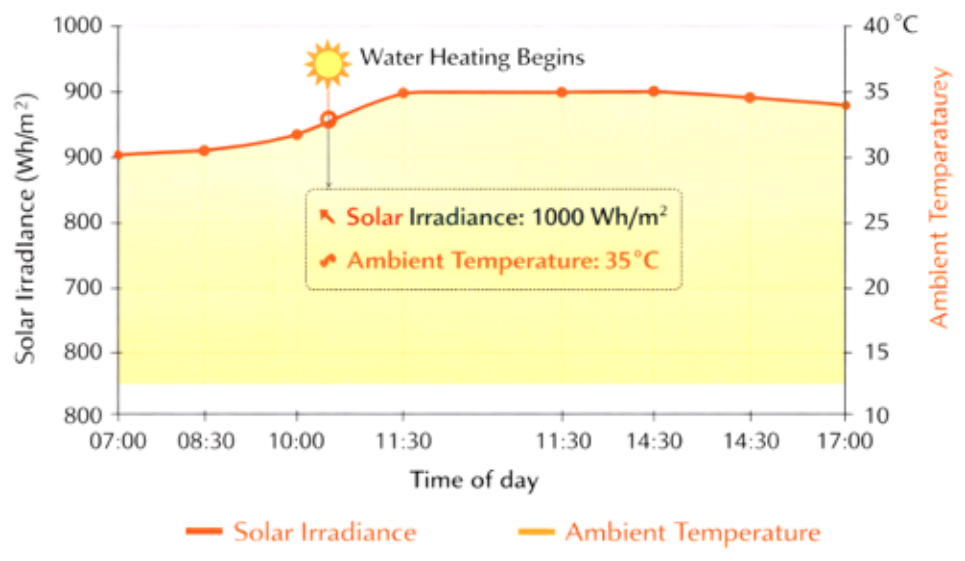
Flat-plate solar water heaters are highly sensitive to ambient temperature and solar irradiance (), which directly influence their thermal performance. During nighttime, system components cool down to the surrounding air temperature. With sunrise, around 07:30 a.m., solar radiation penetrates the glass cover and is absorbed by the collector plate, increasing the internal temperature of the system [39].
In the studied village, winter solar irradiance at 08:00 a.m. is approximately 900 Wh/m2, with ambient temperatures rising from to . The flat-plate solar water heater typically begins active water heating around 10:00 a.m., when solar irradiance reaches and the ambient temperature climbs to . Between 10:00 a.m. and 16:30 p.m., solar intensity remains around , allowing continuous heat transfer and stable thermal performance under these environmental conditions.
Figure 6 presents the hourly variation of solar irradiance and ambient temperature (°C) over a winter day in the village. Key moments are highlighted:
- 10:00 a.m.—Start of active water heating when solar irradiance reaches 1000 Wh/m2.
- Ambient temperature rises to 35 °C, optimizing the heat transfer from the collector to the storage tank.
- The graph illustrates the interplay between solar intensity and environmental conditions on the thermal performance of the flat-plate collector.
Figure 6.
Solar irradiance and ambient temperature variation.
3.4. Thermal Analysis of Flat-Plate Solar Water Heaters
Flat-plate solar collectors are among the most effective and sustainable technologies for producing domestic hot water, particularly in regions with high solar irradiation. Due to their simple construction, robustness, and minimal maintenance requirements, flat-plate collectors are widely adopted in rural and off-grid communities [40].
Figure 7 illustrates the key components and heat transfer mechanisms of a flat-plate solar water heater. Solar radiation passes through the transparent glass cover and is absorbed by the dark-colored absorber plate, where it is converted into thermal energy. This energy is then transferred to water flowing through a heat exchange tube, while the insulated back and sides reduce conductive heat losses. The schematic also depicts temperature gradients across the collector, including the inlet and outlet water temperatures, as well as thermal resistance, which are essential for assessing system efficiency.
Figure 7.
Heat transfer processes in a flat-plate solar water heater.
3.5. Initial Thermal Conditions of the Collector
During the early morning hours, before sunrise, the solar collector does not receive direct solar radiation. Under these conditions, all internal surfaces of the collector—including the absorber plate, glass cover, and air channel—gradually reach thermal equilibrium with the surrounding environment, resulting in an internal air temperature approximately equal to the ambient temperature, .
For typical winter conditions in Sudan, the ambient air temperature can be approximated as .
Once the sun rises, solar radiation begins to penetrate the transparent glass cover. A fraction of the incident radiation is transmitted through the glass and absorbed by the dark-colored absorber plate inside the collector. Due to its high absorptivity, the absorber converts solar radiation into thermal energy, increasing the temperature of the air contained within the narrow air tunnel of the collector [41].
Figure 8 illustrates this process, showing the transition from thermal equilibrium with the ambient environment to heating of the internal air due to absorbed solar energy. The figure illustrates the transition from thermal equilibrium before sunrise to air heating after exposure to solar radiation.
Figure 8.
Schematic of a flat-plate solar collector illustrating the glass cover, absorber plate, air channel, and heat transfer mechanism.
3.6. Geometrical Features of the Flat-Plate Solar Collector
The design of the flat-plate solar collector directly affects its thermal performance, as the dimensions of the hotbox and internal air channel determine heat transfer efficiency. The main geometrical parameters of the collector are summarized in Table 2.
Table 2.
Geometrical parameters of the solar collector.
The geometric configuration of the flat-plate solar collector significantly influences its thermal performance. The principal dimensions of the hotbox and air tunnel are presented in Table 2.
The volume of the air channel inside the hotbox is calculated using the relation:
This confined air space serves as the primary heat transfer medium between the absorber plate and the water circulation tube. The flat-plate collector also integrates other essential components, including the transparent glass cover, black absorber plate, copper circulation tube, insulating layer, and collector casing, ensuring effective thermal capture and minimal energy loss.
Figure 9 presents the technical configuration of the flat-plate solar water heater. The collector consists of a transparent glass cover, a black absorber plate for solar energy absorption, a copper meander tube for water circulation, an air gap for heat transfer, and an insulation layer that minimizes thermal losses. Cold water enters the tube at the inlet and is heated while passing through the collector before exiting as hot water.
Figure 9.
Technical schematic of the flat-plate solar water heater.
3.7. Solar Energy Gain Within the Collector
The thermal energy captured by a flat-plate solar collector is determined by the incident solar irradiance, as well as by the optical characteristics of the glazing and absorber surface. The useful solar heat input can be quantified using the following relation:
where represents the solar heat input (W); F is the effective collector surface area (); I denotes the solar radiation intensity (W/m2); X is the transmittance of the glass cover; P is the absorptivity of the internal surface.
Considering the following values: ; ; ; , the solar power entering the collector becomes:
This result indicates the thermal power available inside the collector, which is subsequently used to heat the working fluid circulating through the copper tube [40].
Physically, solar radiation first interacts with the transparent glass cover, where part of the energy is reflected while the remaining portion is transmitted into the collector. The transmitted radiation is absorbed by the black absorber plate, which converts it into thermal energy. This heat is then transferred both to the air contained within the collector channel and to the water flowing through the embedded copper tube, contributing to the overall heating process. Figure 10 illustrates the main energy transformation processes occurring within the solar collector.
Figure 10.
Energy flow diagram of the flat-plate solar collector.
Incoming solar radiation reaches the glass cover, where a fraction is reflected while the rest is transmitted toward the absorber plate. The absorber converts the radiation into heat, which is then distributed to the internal air and to the circulating water in the copper tube. The figure highlights the sequence of energy conversion and transfer, which governs the thermal performance of the collector.
3.8. Air Temperature in the Collector Tunnel
The air temperature inside the collector tunnel can be estimated using the following relationship:
where is the air temperature inside the tunnel ; is the internal convection coefficient ); is the ambient air temperature ;
For narrow air gaps typical of flat-plate solar collectors, the internal convective heat transfer coefficient is commonly approximated as: .
By substituting the characteristic values into Equation (2), the resulting air temperature inside the collector tunnel is approximately: .
This elevated temperature can be attributed to the greenhouse effect within the collector enclosure. Solar radiation passes through the transparent cover and is absorbed by the dark absorber surface, where it is converted into heat. The generated thermal energy is then transferred to the confined air layer, which experiences limited circulation due to the narrow geometry of the channel. Combined with the presence of thermal insulation, this leads to heat accumulation and a significant increase in internal air temperature [42].
The physical mechanism responsible for this temperature increase is illustrated schematically in Figure 11, where the interaction between solar radiation, the absorber plate, and the enclosed air layer inside the collector tunnel is presented.
Figure 11.
Temperature rise mechanism inside the collector tunnel.
Figure 11 schematically illustrates the physical processes responsible for air heating within the collector tunnel. Solar radiation enters through the glass cover, is absorbed by the absorber plate, and converted into heat. The heat is transferred to the enclosed air layer, which experiences a temperature rise due to restricted convection and limited heat dissipation. The diagram highlights the interaction between radiation absorption, heat transfer, and confined air heating inside the collector.
3.9. Water Heating Mechanism in the Serpentine Tube
The increase in water temperature within the collector tube can be evaluated by applying an energy balance between the solar heat absorbed by the collector and the thermal energy gained by the flowing water. The outlet temperature of the fluid is estimated using the following relation:
where is the inlet water temperature, ; is the outlet water temperature, ; is the mass flow rate of water, ; is the specific heat capacity of water.
For water, the specific heat is taken as: .
Considering a daily hot water demand of and an effective solar operation time of 7 h, the average mass flow rate becomes:
Under these operating conditions, the calculated outlet temperature reaches approximately: .
This temperature level is suitable for domestic hot water applications, such as bathing, cleaning, and general household use.
The heat transfer process responsible for this temperature increase occurs as thermal energy is conducted from the absorber plate to the serpentine copper tube, and subsequently transferred to the flowing water through convection. As the water progresses along the tube, its temperature gradually increases, reflecting continuous heat exchange between the collector components and the working fluid (as discussed in [43]).
The daily load profile presented in Figure 12 represents the input demand data used for system sizing and numerical simulations. The load distribution reflects the combined residential and agricultural electricity requirements of the investigated village and serves as the basis for evaluating the performance of the proposed renewable energy configurations.
Figure 12.
Water heating process along the serpentine tube.
3.10. Determination of Water Tube Diameter
The sizing of the water circulation tube is an important design step in flat-plate solar collectors, as it directly influences both the hydraulic performance and the efficiency of heat transfer. The internal diameter of the tube can be estimated using the following relation:
where is the water flow rate; is the water velocity; is the water density.
Assuming: ; , [19].
The internal tube diameter becomes: .
The external diameter is approximately 3 mm larger, giving: .
The design of the water tube is a critical aspect of flat-plate solar collectors, as it directly affects the flow rate and heat transfer efficiency. Using the hydraulic relation presented, the internal diameter was calculated to be , with an external diameter of , considering the wall thickness. The schematic in Figure 13 illustrates these dimensions along with the relevant hydraulic parameters (,, ) and the calculation procedure, providing a clear visual guide for understanding the tube design and its role in water heating efficiency [44].
Figure 13.
Hydraulic design of the water tube.
Figure 13 presents the geometric and hydraulic characteristics of the water tube used in the collector. It illustrates the internal and external diameters, as well as the key parameters involved in the calculation, including mass flow rate (), flow velocity (), and water density (). The diagram provides a visual representation of how these variables influence tube sizing and overall heat transfer performance.
3.11. Thermal Resistance of the Copper Tube
The overall thermal resistance between the hot air and the flowing water is given by:
where is the thermal resistance; is the external convection coefficient; is the internal convection coefficient; is the thermal conductivity.
For copper tubes: .
Typical convection coefficients: ; .
The calculated thermal resistance becomes: .
This value reflects the combined influence of external convection, conduction through the copper wall, and internal convection within the tube. Due to the high thermal conductivity of copper, the conductive resistance is relatively small compared to the convective contributions. Consequently, the overall heat transfer process is mainly governed by the convection coefficients on both sides of the tube, which play a key role in determining the efficiency of heat exchange between the air and the circulating water.
As illustrated in Figure 14, the total thermal resistance is composed of three main contributions:
- External convection resistance—heat transfer from hot air to the outer surface of the tube.
- Conduction resistance—heat transfer through the copper tube wall.
- Internal convection resistance—heat transfer from the inner tube surface to the flowing water.
Figure 14.
Thermal resistance components of the copper tube.
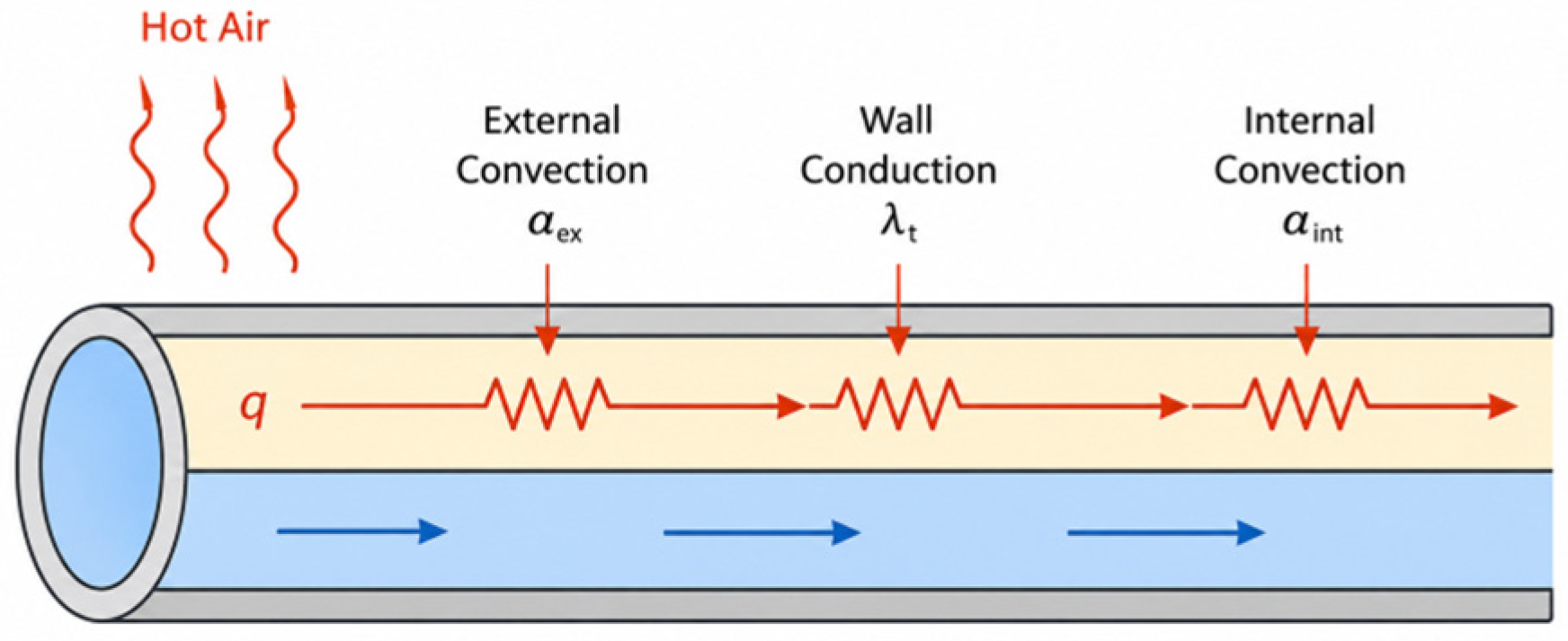
The figure highlights how these resistances act in series, forming the overall resistance that limits heat transfer. Due to the high thermal conductivity of copper, the conductive resistance is relatively small, while the dominant contributions arise from the convective processes on both sides of the tube.
The combined effect of these mechanisms determines the rate at which thermal energy is transferred from the collector air to the circulating water. Therefore, optimizing convection coefficients and flow conditions is essential for improving the overall performance of the solar thermal system (as discussed in [45]).
3.12. Required Tube Length
The required tube length for complete heat transfer can be determined using:
Rearranging for the tube length:
Substituting the numerical values yields: .
Thus, the required copper meander tube length inside the collector is approximately 8.6 m.
3.13. Integrated Solar Energy System for Rural Applications
In rural energy applications, combining different solar technologies enables a more efficient use of available solar resources. A hybrid configuration, consisting of photovoltaic (PV) panels and solar thermal collectors, allows for the simultaneous production of electrical and thermal energy. In this arrangement, flat-plate collectors are responsible for supplying domestic hot water, while PV modules generate electricity required for lighting, communication equipment, and low-power household devices.
Such integrated systems are particularly suitable for off-grid communities, as they enhance energy reliability and reduce reliance on conventional fuels. By utilizing solar energy for both heating and electricity generation, these systems contribute to lowering greenhouse gas emissions and improving energy independence in remote areas [46].
3.14. Load Assessment and Numerical Simulation Framework
Simulation Assumptions and Model Parameters
The numerical simulations were conducted in MATLAB using an hourly time-step resolution over the entire analysis period. The developed model incorporates the main electrical and thermal subsystems of the proposed renewable energy configuration, including photovoltaic generation, battery energy storage, power conversion equipment, and solar thermal energy production. To ensure consistency and comparability between the investigated system architectures, identical operating conditions and technical parameters were applied throughout all simulation scenarios.
The photovoltaic subsystem was modeled assuming a constant module conversion efficiency of 20%, representative of commercially available high-performance PV technologies. Electrical energy conversion losses associated with the power conditioning stage were considered through an inverter efficiency of 95%. Battery storage performance was characterized using charging and discharging efficiencies of 95%, accounting for energy losses occurring during storage cycles.
The battery bank was assumed to have a nominal storage capacity of 600 kWh, providing sufficient energy autonomy to mitigate fluctuations in solar generation and maintain supply reliability. To preserve battery lifetime and avoid excessive degradation, the state of charge (SOC) was constrained between a minimum threshold of 20% and a maximum value of 100%.
Meteorological conditions were represented using an average daily solar irradiation of 6 kWh/m2/day, corresponding to favorable solar resource availability for rural agricultural regions. Ambient temperature variations were incorporated within a range of 10 °C to 42 °C in order to capture their influence on photovoltaic conversion efficiency and thermal system performance.
The principal simulation assumptions adopted in the analysis are summarized below:
PV module efficiency: 20%;
Inverter efficiency: 95%;
Battery charging efficiency: 95%;
Battery discharging efficiency: 95%;
Battery storage capacity: 600 kWh;
Minimum battery state of charge (SOC): 20%;
Maximum battery state of charge (SOC): 100%;
Average daily solar irradiation: 6 kWh/m2/day;
Ambient temperature range: 10–42 °C.
These assumptions provide a realistic and technically consistent basis for evaluating the energetic performance, storage behavior, and operational feasibility of the considered renewable energy system configurations.
These assumptions were selected according to values commonly reported for standalone photovoltaic systems operating under climatic conditions similar to those encountered in Sudan.
The electrical consumption profile of the studied system was evaluated under the assumption that the conventional boiler is not in operation, allowing the analysis to focus exclusively on renewable energy contributions. A computational model implemented in MATLAB was used to simulate system behavior over a 24-h period, incorporating both energy production and consumption dynamics.
The model calculates the hourly variation of electrical demand, excluding boiler-related loads, and determines the total energy requirements for the analyzed scenario. Based on these simulations, key performance indicators are obtained, including thermal energy output (hot water production), electrical energy generation, and the overall hourly demand profile. In addition, cumulative values for both thermal and electrical energy are computed for the entire simulation interval [47].
During the initial phase of the simulation, synthetic values for energy generation are produced and subsequently adjusted according to the corresponding solar irradiance levels. The behavior of the battery storage system is modeled by tracking the balance between generated and consumed energy, ensuring that the state of charge (SOC) remains within predefined operational limits.
Furthermore, temperature variations associated with hot water production and inlet water conditions are simulated within realistic bounds to reflect actual operating conditions. The results of the simulation are presented graphically, including parameters such as electrical power generation, battery SOC, temperature evolution, solar radiation intensity, and battery voltage, allowing for a comprehensive evaluation of system performance [48].
3.15. Mathematical Representation of the Simulation Model
The proposed simulation framework is based on a set of analytical relationships describing the interaction between electrical demand, renewable energy generation, thermal loads, and battery storage dynamics.
3.16. Electrical Load Modeling and System Energy Management
The total electrical demand at any given moment is obtained by summing the power consumption of all active devices within the system. This relationship can be expressed as:
where denotes the total electrical demand at time t, and ) represents the power consumption of the i-th electrical load.
This formulation allows for a time-dependent evaluation of energy consumption, which is essential for accurately modeling rural energy systems with varying demand profiles [49].
3.17. Photovoltaic Power Generation
The electrical output of the photovoltaic array is primarily influenced by solar irradiance and the conversion efficiency of the PV modules. The generated power can be described by:
where is the photovoltaic power output, is the module efficiency, represents the active surface area of the photovoltaic array, and is the solar irradiance at time t.
This expression provides a simplified but effective way to estimate real-time solar electricity production under varying environmental conditions [50].
3.18. System Energy Balance
The instantaneous balance between generated and consumed electricity is described as:
A positive balance indicates excess generation, which can be stored in the battery, while a negative value implies that stored energy must be used to meet the demand [51].
3.19. Battery Storage Model
The temporal evolution of the battery state of charge is determined according to:
where represents the battery state of charge, and correspond to the charging and discharging power, and denote the charging and discharging efficiencies, and represents the battery capacity.
To ensure safe and reliable operation, the must remain within predefined limits:
These constraints prevent overcharging and deep discharge, which could otherwise degrade battery performance and reduce system lifespan [52].
3.20. Thermal Energy Requirement for Hot Water
The thermal energy required for domestic hot water production is expressed as:
where is the thermal energy required for hot water production, represents the water mass flow rate, denotes the specific heat capacity of water, is the hot water temperature, and represents the inlet water temperature.
3.21. Total Energy Demand and Thermal–Electrical Interaction
The overall energy requirement of the system at a given time step includes both electrical consumption and thermal demand for hot water production. This combined demand can be expressed as:
where represents the total system energy demand, is the electrical consumption, and denotes the thermal energy required for hot water.
The above relationships constitute the theoretical basis of the MATLAB simulation environment used to analyze the interaction between photovoltaic electricity generation, thermal energy demand, and battery storage operation within the proposed integrated energy system.
4. Thermal and Solar Radiation Analysis
The temporal variation of water temperature at both the inlet and outlet of the system is illustrated in Figure 15. The results indicate a pronounced daily fluctuation, with the lowest temperature value of approximately 9 °C occurring during the early morning hours (around 01:00). As solar energy input increases throughout the day, the water temperature rises progressively, reaching a peak of nearly 83 °C at approximately 16:00.
Figure 15.
Inlet and outlet temperature of water.
This temperature evolution reflects the thermal response of the system to changing environmental conditions and highlights its ability to effectively accumulate and transfer heat during periods of high solar availability. The observed trend provides valuable insight into the efficiency of heat transfer mechanisms within the collector and the overall performance of the thermal subsystem. Such data are essential for evaluating system behavior and improving design strategies under variable operating conditions (as discussed in [53]).
The photovoltaic generation profile indicates that maximum power production occurs during periods of peak solar irradiance between approximately 10:00 and 15:00. During these hours, the generated energy exceeds instantaneous demand, enabling battery charging and increasing overall system reliability.
The observed generation pattern confirms the suitability of the selected photovoltaic capacity for daytime operation and demonstrates the ability of the system to reduce dependence on conventional energy sources.
The results further indicate that photovoltaic performance is strongly influenced by solar irradiance variability, atmospheric conditions, and operating temperature, which should be considered during future optimization studies.
The variation of solar irradiance throughout the day, typically expressed in W/m2, is also a critical parameter influencing system performance. For the analyzed case, solar radiation was considered over the interval between 06:00 and 18:00, corresponding to daylight hours. The results showed a gradual increase in irradiance during the morning, followed by a maximum value of approximately 1100 W/m2 around 14:00, after which the intensity decreased toward sunset.
This daily irradiance profile plays a key role in determining both photovoltaic electricity generation and thermal energy production. Understanding the temporal distribution of solar radiation is therefore essential for optimizing the sizing and operation of solar-based systems, including PV arrays and solar water heaters. Accurate representation of these variations allows for improved prediction of system performance and more efficient energy management strategies (as highlighted in [54]).
4.1. Battery State of Charge Dynamics
The variation in the battery state of charge (SOC) over a 24-h operating cycle is illustrated in Figure 16. This profile reflects the continuous interaction between photovoltaic energy generation and the electrical demand of the rural community.
Figure 16.
State of battery charge.
The battery state-of-charge profile provides important information regarding the operational stability of the proposed system.
The results indicate that the battery remains within acceptable operating limits throughout the simulation period and successfully compensates for temporal mismatches between electricity production and demand.
The absence of critical discharge conditions demonstrates the adequacy of the selected storage capacity and confirms the ability of the system to maintain power supply continuity during periods of reduced photovoltaic generation.
During nighttime hours, when solar radiation is absent, the photovoltaic system does not produce electricity. Under these conditions, the battery storage system supplies the required energy to the loads, leading to a gradual decrease in SOC. The minimum SOC level is typically reached in the early morning, just before the onset of solar generation.
After sunrise, the availability of solar radiation enables the photovoltaic array to begin producing electricity. When the generated power exceeds the instantaneous consumption, the excess energy is stored in the battery. As a result, the SOC increases progressively throughout the daytime, reaching its peak value during the early afternoon, when solar irradiance and PV output are at their highest levels.
To assess seasonal variability, representative climatic conditions corresponding to summer, winter, and transition periods were considered.
During summer conditions, increased solar irradiance results in higher photovoltaic generation, faster battery charging, and elevated water outlet temperatures.
Winter conditions lead to lower photovoltaic production and greater battery utilization, while transition periods exhibit intermediate behavior.
The analysis confirms that the proposed configuration maintains operational feasibility throughout the year despite seasonal fluctuations in solar resources and ambient temperature.
This repetitive charging–discharging cycle represents the typical operational behavior of standalone photovoltaic systems with battery storage. The battery acts as an energy buffer, compensating for the temporal mismatch between energy production and demand. It stores surplus energy during periods of high generation and releases it when production is insufficient or unavailable. This functionality is critical for maintaining a stable and uninterrupted electricity supply in off-grid applications, particularly in rural environments where grid access is limited (as demonstrated in [55]).
4.2. System Fluctuations and Comparative Energy Analysis
The variations observed during the sunrise and sunset intervals are primarily linked to the rapid changes in solar irradiance that occur during these periods. As the photovoltaic (PV) system transitions from an inactive to an active state (and vice versa), temporary imbalances between electricity generation and load demand may arise. In addition, sudden changes in consumption—such as the simultaneous operation or shutdown of domestic appliances, irrigation pumps, or public lighting systems—can further intensify short-term fluctuations in system behavior, as also reported in similar off-grid studies [56].
A comparative evaluation of multiple operating scenarios is illustrated in Figure 17. Figure 17 presents a comparative analysis of three system configurations: total demand including boiler consumption, demand excluding the boiler load, and system performance with photovoltaic integration. The comparison highlights the impact of PV generation on reducing overall energy demand and improving system efficiency.
Figure 17.
Comparative analysis between energy consumption.
The first case considers the total energy demand including the electric boiler, which significantly increases overall consumption due to its high power requirements for water heating. The second case excludes the boiler load, allowing for a clearer assessment of the baseline electrical demand associated with residential use, agricultural activities, street lighting, healthcare services, and small commercial units. The third scenario examines the system performance when photovoltaic generation is integrated as the primary energy source.
The analysis shows that the implementation of a 60 kW photovoltaic system substantially modifies the daily energy balance of the village. Under typical solar conditions, the PV system is capable of producing approximately 360 kWh/day, assuming an average of 6 peak sun hours, which is consistent with findings in similar climatic regions [57].
The required photovoltaic capacity was determined based on the daily electrical energy demand and the available solar resource using the standard PV sizing relationship:
where is the average daily energy demand (590 kWh/day), represents the average peak sun hours (6 h/day), and denotes the overall system efficiency, including conversion and operational losses (0.80).
By substituting the corresponding values, the theoretical installed photovoltaic capacity is obtained as:
The calculated value represents the nominal PV capacity required to fully satisfy the community’s daily electricity demand under the assumed operating conditions. Nevertheless, the implementation of a photovoltaic system of this scale may be constrained by investment costs, equipment availability, and the financial limitations typically associated with rural electrification projects.
Consequently, a 60 kW photovoltaic array was adopted for the present analysis as a technically feasible and economically balanced solution. This installed capacity reflects a practical compromise between energy production potential and capital expenditure, while remaining compatible with phased deployment strategies and the integration of battery storage and complementary renewable energy resources. The selected configuration enables the assessment of system performance under realistic implementation conditions frequently encountered in off-grid agricultural communities.
After accounting for system losses—such as inverter inefficiencies, temperature effects, and wiring losses—estimated at approximately 20%, the net available energy is reduced to about 288 kWh/day. This corresponds to nearly 49% of the total daily electricity demand, estimated at 590 kWh/day, demonstrating the significant contribution of solar energy to the local energy supply.
During periods of maximum solar irradiance, typically between 11:00 and 15:00, the photovoltaic system operates close to its nominal capacity. Under these conditions, a large portion of the daytime energy demand, particularly for agricultural water pumping and residential consumption, can be directly supplied by solar energy. Any excess electricity generated during these peak hours is stored in the battery system and later used during nighttime, ensuring a continuous and reliable energy supply in the absence of solar generation. This operational strategy is widely recognized as essential for improving the stability and efficiency of standalone PV systems [56,57].
4.3. Impact of Renewable Energy Integration on System Performance
The results illustrated in Figure 18 highlight the significant benefits associated with the implementation of renewable energy technologies in rural energy systems. The incorporation of photovoltaic generation reduces reliance on high-consumption electrical devices, such as electric boilers, while simultaneously enhancing the overall stability of the energy supply by enabling a more balanced distribution of energy demand throughout the day.
Figure 18.
Comparative analysis between energy generation.
Moreover, the adoption of solar-based solutions leads to a noticeable decrease in operational costs, as the need for conventional fuel-based energy sources is reduced. This transition also contributes to lowering fuel dependency and mitigating the environmental impacts typically associated with traditional electricity generation methods, including greenhouse gas emissions and resource depletion.
As shown in Figure 18, the integration of photovoltaic systems allows for improved energy management by aligning energy production with consumption patterns, thereby increasing system efficiency and reliability. Such findings are consistent with recent studies emphasizing the role of renewable energy in enhancing sustainability and energy access in off-grid communities [58]. Figure 18 illustrates the improvements in energy distribution and system performance resulting from the integration of photovoltaic generation. The figure emphasizes the reduction in conventional energy usage, enhanced load distribution, and increased system stability.
4.4. Comparative Evaluation of Energy Production and Consumption
A comprehensive comparison of energy flows within the system is presented in Figure 19, where both energy production and consumption components are analyzed simultaneously. The figure includes multiple energy sources and contributions, such as total electricity demand, energy delivered by the battery storage system, photovoltaic (PV) generation, as well as combined production from solar thermal and photovoltaic systems, and standalone PV output.
Figure 19.
Comparative analysis between energy consumption and generation.
This type of comparative assessment is essential for understanding how different energy sources interact and contribute to meeting the overall demand. By evaluating these components together, it becomes possible to identify periods of energy surplus and deficit, as well as the role of storage in maintaining system balance. The contribution of the battery system is particularly important, as it compensates for the intermittency of solar generation by storing excess energy and supplying it when production is insufficient.
4.5. Energy Balance and System Configuration
Figure 20 illustrates the comparison between energy demand and photovoltaic generation, highlighting the relationship between system consumption and solar energy production. The analysis includes household loads, heating requirements, and minor productive uses, compared against the electricity generated by the PV system. This comparison is essential for evaluating system adequacy and energy balance.
Figure 20.
Evacuated tube solar collector with integrated 100 L storage tank.
The analyzed configuration uses the same storage and conversion components as in the previous case, together with LR4-72HPH-455M (455 W) photovoltaic panels. Each building is equipped with four panels, resulting in a total of 132 panels for the entire community. With an estimated unit cost of USD 100 per panel, the total investment is approximately USD 13,000, indicating a cost-effective solution for rural electrification.
In addition, the thermal subsystem consists of a non-pressurized evacuated tube collector with a 100 L storage tank for domestic hot water production. The system includes 12 glass tubes (50 mm diameter, 1800 mm length), ensuring efficient solar heat absorption and transfer. The installation is designed to operate safely up to 6 bar, providing reliable performance under typical conditions.
As shown in Figure 20, the integration of photovoltaic and solar thermal technologies improves overall system efficiency and supports sustainable energy supply in off-grid environments [59].
To place the obtained results within the context of the existing literature, a comparison with previously published studies was performed.
Previous investigations on rural electrification systems have demonstrated that appropriately sized photovoltaic installations can provide reliable electricity supply while significantly reducing dependence on conventional energy sources [13]. Similar observations were obtained in the present study, where the proposed photovoltaic configuration was able to satisfy a substantial portion of the daily electrical demand of the investigated community.
Several studies have highlighted the importance of battery energy storage systems for improving the reliability and operational stability of standalone photovoltaic installations [17]. The battery state-of-charge profiles obtained in the present work further confirm the critical role of energy storage in maintaining power availability during periods of reduced solar generation.
In addition, previous techno-economic assessments have shown that renewable energy systems can provide considerable economic and environmental benefits for remote rural communities [21,22,23]. The findings of the present study are consistent with these conclusions and further indicate that the decoupled PV + thermal configuration offers improved operational flexibility, simplified maintenance requirements, and enhanced thermal energy utilization compared with integrated PV/T systems.
Overall, the obtained results are consistent with the performance ranges reported in the literature and confirm the technical feasibility and practical applicability of renewable energy systems for rural electrification and domestic hot-water production.
4.6. Economic Assessment and Comparative Evaluation
In addition to the technical analysis, a techno-economic assessment was performed to evaluate the feasibility of implementing the proposed renewable energy systems in off-grid rural communities. The photovoltaic subsystem consists of 132 LR4-72HPH-455M modules, corresponding to an installed capacity of approximately 60 kW. Based on current market prices, the PV modules represent an investment of approximately USD 13,000. When battery storage, inverter systems, charge controllers, mounting structures, electrical wiring, and installation costs are included, the total capital expenditure (CAPEX) is estimated between USD 32,000 and USD 35,000. Annual operation and maintenance costs (OPEX) are estimated at approximately 1–2% of the initial investment cost.
The economic viability of the system was assessed using the levelized cost of electricity (LCOE), calculated as:
Assuming a project lifetime of 25 years and an annual photovoltaic degradation rate below 0.5%, the resulting LCOE remains significantly lower than the cost of electricity generated by diesel-powered systems commonly used in remote rural areas. Under these assumptions, the estimated simple payback period ranges from 6 to 8 years, depending on fuel prices, financing conditions, and local installation costs.
To identify the most suitable architecture for rural electrification applications, the standalone PV, integrated PV/T, and decoupled PV + thermal configurations were comparatively evaluated according to key technical and operational criteria, as presented in Table 3.
Table 3.
Comparative assessment of the investigated renewable energy configurations.
The comparative analysis indicates that the decoupled PV + thermal configuration provides the most balanced overall performance among the investigated systems. While the standalone PV configuration offers high electrical efficiency and simple maintenance, it does not provide thermal energy. The integrated PV/T system enables simultaneous electricity and heat generation but introduces additional design and maintenance complexity.
By separating photovoltaic and thermal energy production, the PV + thermal configuration allows each subsystem to operate closer to its optimal conditions, resulting in improved reliability, greater operational flexibility, and simplified maintenance. These advantages are particularly important for rural and agricultural communities where technical support and maintenance resources are often limited.
System performance is influenced by environmental, technical, and operational factors, including solar irradiance, ambient temperature, seasonal variability, PV module efficiency, battery performance, thermal collector efficiency, load demand, and energy management strategies. Proper consideration of these parameters is essential for ensuring reliable operation and long-term sustainability.
The economic results obtained in the present study are consistent with previous investigations. Studies have shown that photovoltaic systems combined with battery storage can achieve competitive electricity costs and attractive payback periods in remote areas [60]. Similarly, standalone photovoltaic systems have been identified as technically and economically viable solutions for off-grid rural electrification when compared with diesel-based generation [61]. Furthermore, techno-economic optimization of hybrid renewable energy systems has been shown to reduce lifecycle costs and improve long-term sustainability [62].
5. Conclusions
This study provides a detailed evaluation of combining solar photovoltaic (PV) systems with solar thermal technology to supply both electricity and domestic hot water for a rural village. The system was designed for 30 households in a remote off-grid area of Sudan, traditionally dependent on costly and environmentally harmful diesel generators.
Hourly load analysis highlighted distinct patterns between daytime and nighttime energy use. Peak daytime demand reached around 58 kWh, while total daily consumption exceeded 509 kWh, and nighttime use remained significantly lower. These findings guided the sizing and configuration of the renewable energy system.
Simulations identified a 60 kW standalone PV system paired with solar thermal water heaters as the most efficient and cost-effective option. MATLAB modeling confirmed reliable operation under varying solar irradiance and temperatures. Battery storage effectively managed 24-h charge–discharge cycles, ensuring continuous electricity. The thermal system successfully heated water from 10 °C to over 80 °C, meeting the household hot water requirements.
The thermal system successfully heated water from approximately 10 °C to 55–60 °C under normal operating conditions, while peak outlet temperatures approaching 80 °C may occur under favorable solar irradiance conditions and reduced hot-water consumption.
Thermal design calculations optimized tube length (~8.6 m) and diameter (20 mm) for effective heat transfer, considering solar and ambient temperature fluctuations to maintain operational reliability. Economically, separate PV and solar thermal systems offered lower initial costs and simpler maintenance compared to hybrid PV/T setups. While a hybrid PV/T system capable of full electricity and water coverage costs roughly $15,500, standard PV panels ($13,000) combined with solar thermal units ($9300) provide a more modular and scalable solution.
Comparison of PV-only, hybrid PV/T, and PV + thermal configurations indicated that the PV + thermal combination delivers superior efficiency, reliability, and affordability. Declining PV costs and rising diesel fuel expenses further strengthen the economic case, especially in remote areas where fuel logistics increase operational costs.
Environmentally, the proposed system eliminates fossil fuel use and reduces greenhouse gas emissions, improving local air quality and public health. The design also accounts for local solar irradiance (up to 1100 Wh/m2), temperature variability, and sunlight duration, making it suitable for replication in other off-grid rural communities in Sub-Saharan Africa and similar sun-rich regions.
In summary, this study demonstrates a practical and scalable approach for rural electrification using renewable energy. Integrating PV systems for electricity and solar thermal systems for hot water enables remote communities to access reliable, clean, and cost-effective energy, supporting sustainability, local development, and enhanced quality of life. This model offers a replicable framework for policymakers, engineers, and development programs aiming to implement decentralized renewable energy solutions in comparable rural settings.
Although the present study was developed using climatic and operational conditions representative of Sudan, the general conclusions regarding the advantages of decoupled PV and thermal systems are expected to remain valid for other regions characterized by significant solar resources.
However, photovoltaic production, thermal energy generation, battery storage requirements, and economic performance indicators depend on local irradiance conditions, ambient temperatures, and energy consumption patterns.
Consequently, the proposed methodology should be considered a transferable assessment framework, while system sizing and economic optimization must be adapted to the specific characteristics of each installation site.
Although a detailed uncertainty analysis was beyond the scope of the present study, the obtained results are primarily influenced by variations in solar irradiance, ambient temperature, load demand, and battery efficiency.
Future work will include sensitivity and uncertainty analyses to quantify the influence of these parameters on system performance, economic indicators, and long-term operational reliability.
Author Contributions
Conceptualization, S.D., M.G.O., G.L. and O.A.; Validation, S.D., M.G.O. and O.A.; Investigation, S.D.; Writing—original draft, S.D. and M.G.O.; Writing—review and editing, S.D., M.G.O., G.L. and O.A.; and Visualization, G.L. All authors contributed equally to the creation of the article. All authors have read and agreed to the published version of the manuscript.
Funding
This work was supported by a grant of the Ministry of Research, Innovation and Digitalization, project number PNRR-C9-I8-760089/23.05.2023, COD CF 31/14.11.2022, and PNRR-C9-I8-760111/23.05.2023, code CF 48/14.11.2022.
Institutional Review Board Statement
Not applicable.
Informed Consent Statement
Not applicable.
Data Availability Statement
Not applicable. The original contributions presented in this study are included in the article. Further inquiries can be directed to the corresponding author.
Conflicts of Interest
The authors declare no conflicts of interest.
References
- Osman, M.G.; Lazaroiu, G. Harnessing Solar Energy for Sustainable Development in Rural Communities. Agriculture 2025, 15, 2021. [Google Scholar] [CrossRef] [Scilit]
- Sredenšek, K.; Simonič, E.; Deželak, K.; Bizjak, M.; Lukač, N.; Seme, S. Dynamic Modeling and Experimental Validation of the Photovoltaic/Thermal System. Appl. Sci. 2025, 15, 10505. [Google Scholar] [CrossRef] [Scilit]
- Lazaroiu, G.C.; Roscia, M.; Dancu, V.S. Biomass Utilization for Energy Production. In Energy Transition Holistic Impact Challenge (ETHIC): A New Environmental and Climatic Era; Springer Nature: Cham, Switzerland, 2024; pp. 173–215. [Google Scholar]
- Attia, A.M.; Darghouth, M.N.; Ghaithan, A.M.; Mohammed, A.; Abdel-Aal, M.A.; Al Hanbali, A.; Alsawafy, O.G. Design optimization of standalone photovoltaic systems for enhanced energy density. Renew. Energy 2025, 252, 123506. [Google Scholar] [CrossRef] [Scilit]
- Mohammadi, M.; Karimipour, A. Dynamic modeling of PV systems with battery storage using MATLAB/Simulink. Energy Convers. Manag. 2021, 236, 114063. [Google Scholar] [CrossRef] [Scilit]
- Go, S.-I.; Choi, J.-H. Design and Dynamic Modelling of PV-Battery Hybrid Systems for Custom Electromagnetic Transient Simulation. Electronics 2020, 9, 1651. [Google Scholar] [CrossRef] [Scilit]
- Shboul, B.; Zayed, M.E.; Al-Tawalbeh, N.; Usman, M.; Irshad, K.; Odat, A.-S.; Alam, M.A.; Rehman, S. Dynamic numerical modeling and performance optimization of solar and wind assisted combined heat and power system coupled with battery storage and sophisticated control framework. Results Eng. 2024, 22, 102198. [Google Scholar] [CrossRef] [Scilit]
- Janardhan, K.; Mittal, A.; Ojha, A. Performance investigation of stand-alone solar photovoltaic system with single phase micro multilevel inverter. Energy Rep. 2020, 6, 2044–2055. [Google Scholar] [CrossRef] [Scilit]
- Ukoima, K.N. Design and performance analysis of a solar photovoltaic system for a rural community in rivers state, Nigeria. Sci. Rep. 2025, 15, 33783. [Google Scholar] [CrossRef] [Scilit] [PubMed] [PubMed Central]
- Javed, K.; Ashfaq, H.; Singh, R.; Hussain, S.M.S.; Ustun, T.S. Design and Performance Analysis of a Stand-alone PV System with Hybrid Energy Storage for Rural India. Electronics 2019, 8, 952. [Google Scholar] [CrossRef] [Scilit]
- Li, S.; Jin, X.; Xuan, Y.; Zhou, X.; Chen, W.; Wang, Y.X.; Yan, X. Enhancing the Locality and Breaking the Memory Bottle-577 neck of Transformer on Time Series Forecasting. Adv. Neural Inf. Process. Syst. 2019, 32, 5243–5253. [Google Scholar]
- Nfaoui, M.; Ihfa, F.E.; Bougtaib, A.; El Harfouf, A.; Hayani-Mounir, S.; Bennai, M.; El-Hami, K. Comprehensive modeling and simulation of photovoltaic system performance by using matlab/simulink: Integrating dynamic meteorological parameters for enhanced accuracy. J. Umm Al-Qura Univ. Appl. Sci. 2025, 11, 633–656. [Google Scholar] [CrossRef] [Scilit]
- Kuno, A.K.; Begna, N.; Mebratu, F. A feasibility analysis of PV-based off-grid rural electrification for a pastoral settlement in Ethiopia. Energy 2023, 282, 128899. [Google Scholar] [CrossRef] [Scilit]
- Rachmanto, R.A.; Juwana, W.E.; Akbar, A.; Prasetyo, S.D.; Bangun, W.B.; Arifin, Z. Economic analysis of on-grid Photovoltaic-Generator Hybrid Energy Systems for rural electrification in Indonesia. Int. J. Sustain. Dev. Plan. 2023, 18, 2967–2973. [Google Scholar] [CrossRef] [Scilit]
- Tjahjana, D.D.D.P.; Suyitno Rachmanto, R.A.; Juwana, W.E.; Prasojo, Y.J.; Prasetyo, S.D.; Arifin, Z. Economic feasibility of a PV-wind hybrid microgrid system for off-grid electrification in Papua, Indonesia. Int. J. Des. Nat. Ecodynamics 2023, 18, 811–818. [Google Scholar] [CrossRef] [Scilit]
- Nie, Y.; Nguyen, N.H.; Sinthong, P.; Kalagnanam, J. A Time Series is Worth 64 Words: Long-term Forecasting with Transformers. In Proceedings of the Eleventh International Conference on Learning Representations, Kigali, Rwanda, 1–5 May 2023. [Google Scholar]
- Liao, R.; Manfren, M.; Nastasi, B. Off-grid PV systems modelling and optimisation for rural communities—Leveraging understandability and interpretability of modelling tools. Energy 2025, 324, 135948. [Google Scholar] [CrossRef] [Scilit]
- Rajagukguk, R.A.; Ramadhan, R.A.A.; Lee, H.-J. A Review on Deep Learning Models for Forecasting Time Series Data of Solar Irradiance and Photovoltaic Power. Energies 2020, 13, 6623. [Google Scholar] [CrossRef] [Scilit]
- Razmjoo, A.; Ghazanfari, A.; Østergaard, P.A.; Jahangiri, M.; Sumper, A.; Ahmadzadeh, S.; Eslamipoor, R. Moving Toward the Expansion of Energy Storage Systems in Renewable Energy Systems—A Techno-Institutional Investigation with Artificial Intelligence Consideration. Sustainability 2024, 16, 9926. [Google Scholar] [CrossRef] [Scilit]
- Nyasapoh, M.A.; Elorm, M.D.; Derkyi, N.S.A. The role of renewable energies in sustainable development of Ghana. Sci. Afr. 2022, 16, e01199. [Google Scholar] [CrossRef] [Scilit]
- Belboul, Z.; Toual, B.; Bensalem, A.; Ghenai, C.; Khan, B.; Kamel, S. Techno-economic optimization for isolated hybrid PV/wind/battery/diesel generator microgrid using improved salp swarm algorithm. Sci. Rep. 2024, 14, 2920. [Google Scholar] [CrossRef] [Scilit] [PubMed]
- Khan, S.U.-D.; Wazeer, I.; Almutairi, Z.; Alanazi, M. Techno-economic analysis of solar photovoltaic powered electrical energy storage (EES) system. Alex. Eng. J. 2022, 61, 6739–6753. [Google Scholar] [CrossRef] [Scilit]
- Arif, S.; Taweekun, J.; Ali, H.M.; Ahmed, A.; Bhutto, A.A. Building Resilient communities: Techno-economic assessment of standalone off-grid PV powered net zero energy (NZE) villages. Heliyon 2023, 9, e21426. [Google Scholar] [CrossRef] [Scilit] [PubMed]
- Albay, E.M.; Eisma, D.V. Performance task assessment supported by the design thinking process: Results from a true experimental research. Soc. Sci. Humanit. Open 2021, 3, 100116. [Google Scholar] [CrossRef] [Scilit]
- Rico-Riveros, L.F.; Trujillo-Rodríguez, C.L.; Díaz-Aldana, N.L.; Rus-Casas, C. Analysis of a Sustainable Hybrid Microgrid Based on Solar Energy, Biomass, and Storage for Rural Electrification in Isolated Communities. Appl. Sci. 2025, 15, 10646. [Google Scholar] [CrossRef] [Scilit]
- Lazaroiu, A.C.; Gmal Osman, M.; Strejoiu, C.V.; Lazaroiu, G. A comprehensive overview of photovoltaic technologies and their efficiency for climate neutrality. Sustainability 2023, 15, 16297. [Google Scholar] [CrossRef] [Scilit]
- Strejoiu, C.V.; Osman, M.G.; Cernat, A.C. Towards sustainable transportation: Modeling and simulation of pv panel implementation on national highways for charging electric vehicles which leads to mitigate carbon emission. UPB Sci. Bull. Ser. C Electr. Eng. Comput. Sci. 2023, 85, 321–334. [Google Scholar]
- Osman, M.G.; Lazaroiu, G.; Hamad, S.A.; Messaoud, H.; Mohammed, D.; Stoica, D. Analysis of Photovoltaic Systems with Battery Storage, Electric Vehicle Charging, and Smart Energy Management. Sustainability 2025, 17, 3887. [Google Scholar] [CrossRef] [Scilit]
- Tan, Q.; Zhang, Z.; Wen, X.; Fang, G.; Xu, S.; Nie, Z.; Wang, Y. Risk control of hydropower-photovoltaic multi-energy complementary scheduling based on energy storage allocation. Appl. Energy 2024, 358, 122610. [Google Scholar]
- Guo, Y.; Ming, B.; Huang, Q.; Liu, P.; Wang, Y.; Fang, W.; Zhang, W. Evaluating effects of battery storage on day-ahead generation scheduling of large hydro–wind–photovoltaic complementary systems. Appl. Energy 2022, 324, 119781. [Google Scholar]
- Harby, K.; Attia, M.E.H.; Khelifa, A.; Abdelgaied, M.; Abd-Elhamid, H.F. Feasibility and performance evaluation of solar photovoltaic systems in diverse climatic regions of Algeria: Energy, exergy, environmental, and economic approaches. Int. J. Ambient. Energy 2025, 46, 2458177. [Google Scholar] [CrossRef] [Scilit]
- Verma, P.; Katal, N. An optimal approach for active power reserve of a de-loaded PV generator operating in coordination with synchronous generators. Int. J. Ambient. Energy 2024, 45, 2412176. [Google Scholar] [CrossRef] [Scilit]
- Mussard, M.; Amara, M. Performance of solar photovoltaic modules under arid climatic conditions: A review. Sol. Energy 2018, 174, 409–421. [Google Scholar] [CrossRef] [Scilit]
- Cavieres, R.; Barraza, R.; Estay, D.; Bilbao, J.; Valdivia-Lefort, P. Automatic soiling and partial shading assessment on PV modules through RGB images analysis. Appl. Energy 2022, 306, 117964. [Google Scholar] [CrossRef] [Scilit]
- Aghaei, M.; Kumar, N.M.; Eskandari, A.; Ahmed, H.; De Oliveira, A.K.V.; Chopra, S.S. Chapter 5—Solar PV Systems Design and Monitoring. In Photovoltaic Solar Energy Conversion; Gorjian, S., Shukla, A., Eds.; Academic Press: Cambridge, MA, USA, 2020; pp. 117–145. [Google Scholar] [CrossRef] [Scilit]
- Hazim, H.I.; Baharin, K.A.; Gan, C.K.; Sabry, A.H.; Humaidi, A.J. Review on Optimization Techniques of PV/Inverter Ratio for Grid-Tie PV Systems. Appl. Sci. 2023, 13, 3155. [Google Scholar] [CrossRef] [Scilit]
- Kumar, N.M.; Chopra, S.S.; Malvoni, M.; Elavarasan, R.M.; Das, N. Solar Cell Technology Selection for a PV Leaf Based on Energy and Sustainability Indicators—A Case of a Multilayered Solar Photovoltaic Tree. Energies 2020, 13, 6439. [Google Scholar] [CrossRef] [Scilit]
- Ascencio-Vásquez, J.; Kaaya, I.; Brecl, K.; Weiss, K.-A.; Topič, M. Global Climate Data Processing and Mapping of Degradation Mechanisms and Degradation Rates of PV Modules. Energies 2019, 12, 4749. [Google Scholar] [CrossRef] [Scilit]
- Faiman, D. Assessing the outdoor operating temperature of photovoltaic modules. Prog. Photovolt. Res. Appl. 2008, 16, 307–315. [Google Scholar] [CrossRef] [Scilit]
- Hyder, F.; Sudhakar, K.; Mamat, R. Solar PV tree design: A REVIEW. Renew. Sustain. Energy Rev. 2018, 82, 1079–1096. [Google Scholar] [CrossRef] [Scilit]
- Silinto, B.F.; Yamu, C.v.d.L.; Zuidema, C.; Faaij, A.P. Hybrid renewable energy systems for rural electrification in developing countries: A review on energy system models and spatial explicit modelling tools. Renew. Sustain. Energy Rev. 2025, 207, 114916. [Google Scholar] [CrossRef] [Scilit]
- Andrade-Arias, A.S.; Kabir, G.; Mirmohammadsadeghi, M.; Gunasekaran, A.; Elizondo-Noriega, A. Exploring public perspectives on solar energy adoption in Mexico. Renew. Sustain. Energy Rev. 2025, 212, 115410. [Google Scholar] [CrossRef] [Scilit]
- Osman, M.G.; Lazaroiu, G.; Stoica, D. Design and Analysis of Solar Systems for Agricultural Applications and Sustainable Energy Supply of Villages. Appl. Sci. 2026, 16, 2778. [Google Scholar] [CrossRef] [Scilit]
- Angelopoulos, A.N.; Bates, S. A gentle introduction to conformal prediction and distribution-free uncertainty quantifi-612 cation. Found. Trends Mach. Learn. 2023, 16, 494–591. [Google Scholar]
- Mihăescu, L.; Pîșă, I.; Negreanu, G.P.; Stoica, D.; Lăzăroiu, G.; Simion, I.; Grigoriu, R.-M.; Niculescu, B. Vegetable biomass–source of green hydrogen production through gasification. In 2024 9th International Conference on Energy Efficiency and Agricultural Engineering (EE&AE); IEEE: New York, NY, USA, 2024. [Google Scholar]
- Stocker, M.; Małgorzewicz, W.; Fontana, M.; Ben Taieb, S. A Gentle Introduction to Conformal Time Series Forecasting. arXiv 2025, arXiv:2511.13608. [Google Scholar]
- Lazaroiu, G.C.; Mihaescu, L.; Pisa, I.; Stoica, D.; Grigoriu, R.-M.; Simion, I. Gasification of agricultural residual biomass, a vector in a possible production of green hydrogen. Int. J. Hydrogen Energy 2026, 215, 153848. [Google Scholar] [CrossRef] [Scilit]
- Stoica, D.; Mihăescu, L.; Lăzăroiu, G.; Lăzăroiu, G.C. The Technical and Economic Aspects of Integrating Energy Sectors for Climate Neutrality. Sustainability 2024, 16, 8070. [Google Scholar] [CrossRef] [Scilit]
- Bordin, C.; Anuta, H.O.; Crossland, A.; Gutierrez, I.L.; Dent, C.J.; Vigo, D. A linear programming approach for battery degradation analysis and optimization in offgrid power systems with solar energy integration. Renew. Energy 2017, 101, 417–430. [Google Scholar] [CrossRef] [Scilit]
- Lazaroiu, G.; Ciupageanu, D. Multi-criteria decision making in sustainable renewable energy systems. In Proceedings of the 19th International Multidisciplinary Scientific Geoconference SGEM2019, Vienna, Austria, 9–12 December 2019; SGEM: Windsor, Australia, 2019; Volume 19, pp. 569–576. [Google Scholar]
- Salameh, Z.; Casacca, M.; Lynch, W. A mathematical model for lead-acid batteries. IEEE Trans. Energy Convers. 1992, 7, 93–98. [Google Scholar] [CrossRef] [Scilit]
- Dunlop, E.D. Lifetime performance of crystalline silicon PV modules. In Proceedings of the 3rd World Conference on Photo-Voltaic Energy Conversion, Osaka, Japan, 11–18 April 2003; IEEE: New York, NY, USA, 2003; pp. 2927–2930. [Google Scholar]
- Stoica, D.; Mihăescu, L.; Lăzăroiu, G.; Lăzăroiu, G.C. The Storage Process of Electric Energy Produced from Renewable Sources from Hydrogen to Domestic Hot Water Heating. Processes 2024, 12, 1024. [Google Scholar] [CrossRef] [Scilit]
- Osman, M.G.; Ciupageanu, D.; Stan, A. Analysis of solar radiation in sudan and optimal location of photovoltaic panels. UPB Sci. Bull. Ser. C Electr. Eng. Comput. Sci. 2022, 84, 387–401. [Google Scholar]
- Stoica, D.; Voicu, G.; Popa, L.; Constantin, G.; Tudor, P. Assessment indices for the efficiency of the separation process on a sieve with conical separation surface. INMATEH-Agric. Eng. 2020, 60, 193–200. [Google Scholar] [CrossRef] [Scilit]
- Scognamiglio, A. ‘Photovoltaic landscapes’: Design and assessment. A critical review for a new transdisciplinary design vision. Renew. Sustain. Energy Rev. 2016, 55, 629–661. [Google Scholar] [CrossRef] [Scilit]
- Omer, A.M. Compilation and evaluation of solar and wind energy resources in Sudan. Renew. Energy 1997, 12, 39–69. [Google Scholar] [CrossRef] [Scilit]
- Tahir, M.; Iqbal, M.; Khan, M.A.; Ali, S.; Ahmad, N.; Khan, A.; Yousaf, Z. Wind and solar power forecasting based on hybrid CNN-ABiLSTM, CNN-transformer-MLP models. Renew. Energy 2025, 239, 122055. [Google Scholar]
- Ren, X.; Liu, Y.; Zhang, F.; Li, L. A Deep Learning Quantile Regression Photovoltaic Power-Forecasting Method under a Priori Knowledge Injection. Energies 2024, 17, 4026. [Google Scholar] [CrossRef] [Scilit]
- Ray, D. Lazard’s Levelized Cost of Energy Analysis—Version 13.0; Lazard: New York, NY, USA, 2019. [Google Scholar]
- Wilson, G.M.; Al-Jassim, M.; Metzger, W.K.; Glunz, S.W.; Verlinden, P.; Xiong, G.; Mansfield, L.M.; Stanbery, B.J.; Zhu, K.; Yan, Y.; et al. The 2020 photovoltaic technologies roadmap. J. Phys. D Appl. Phys. 2020, 53, 493001. [Google Scholar] [CrossRef] [Scilit]
- Sifnaios, I.; Sneum, D.M.; Jensen, A.R.; Fan, J.; Bramstoft, R. The impact of large-scale thermal energy storage in the energy system. Appl. Energy 2023, 349, 121663. [Google Scholar] [CrossRef] [Scilit]
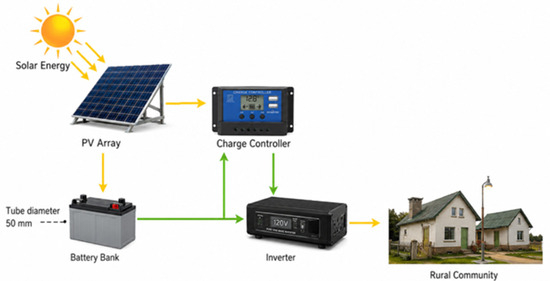
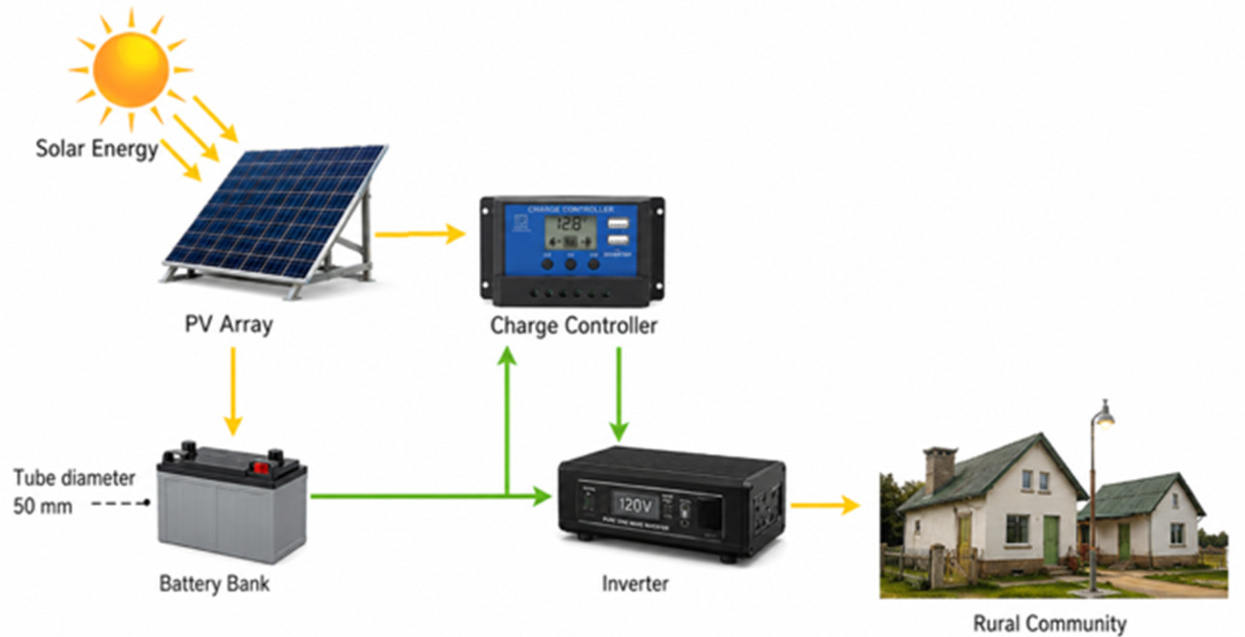
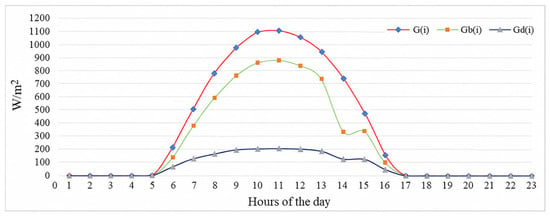
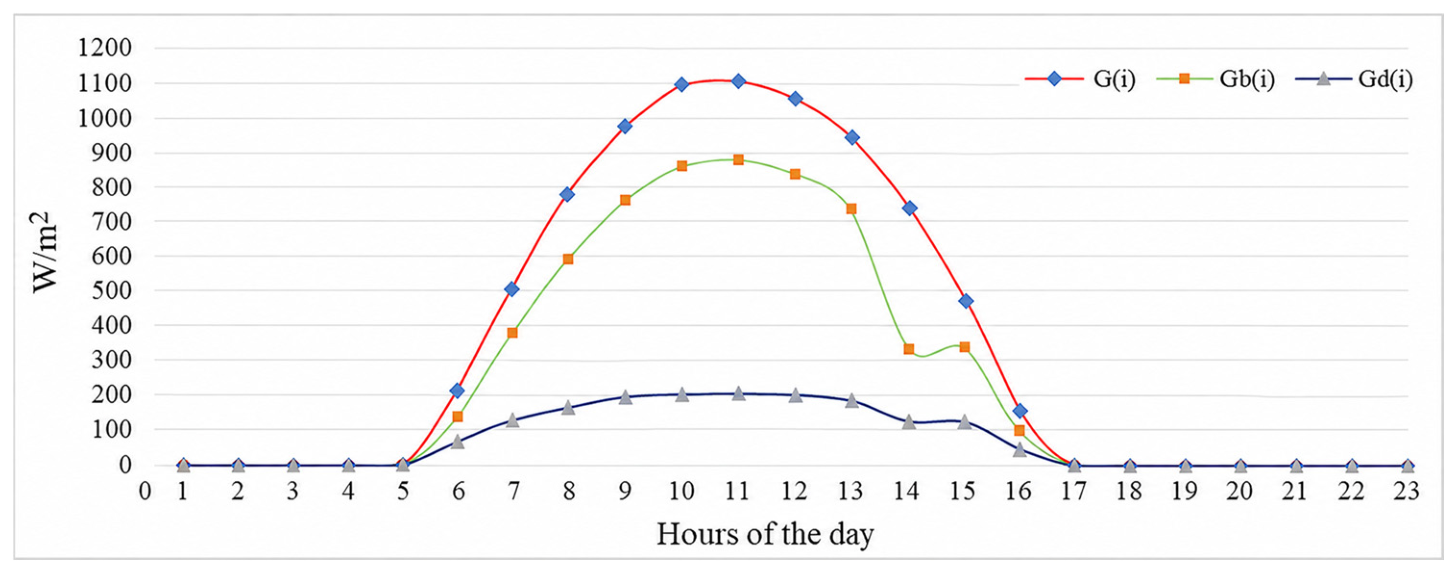
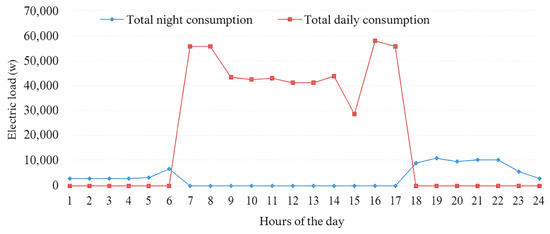
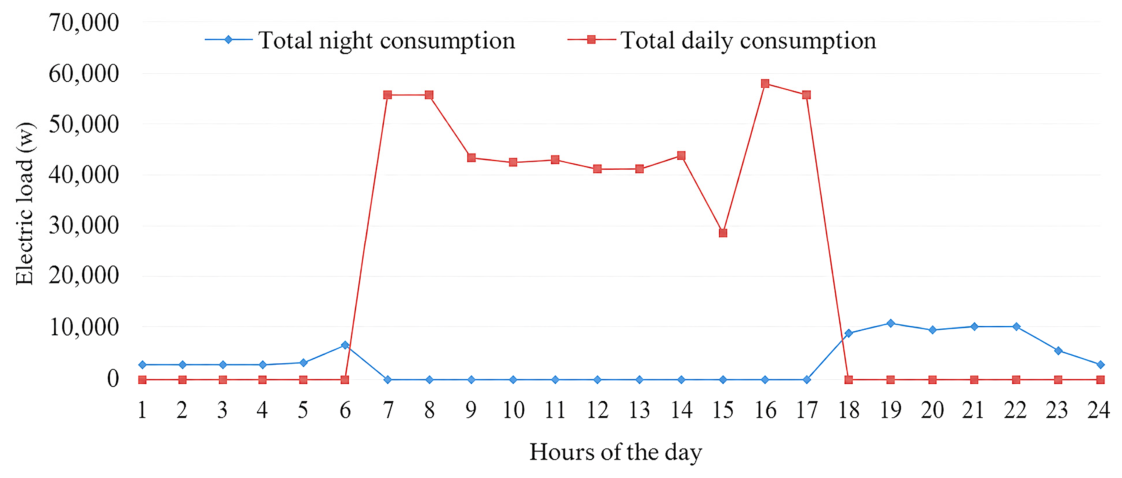
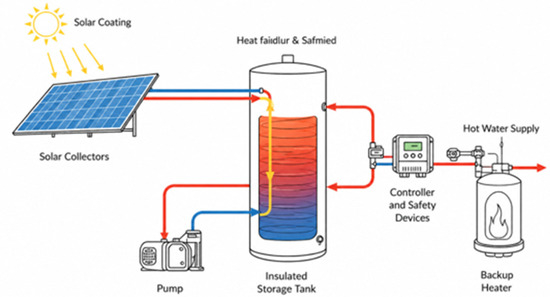
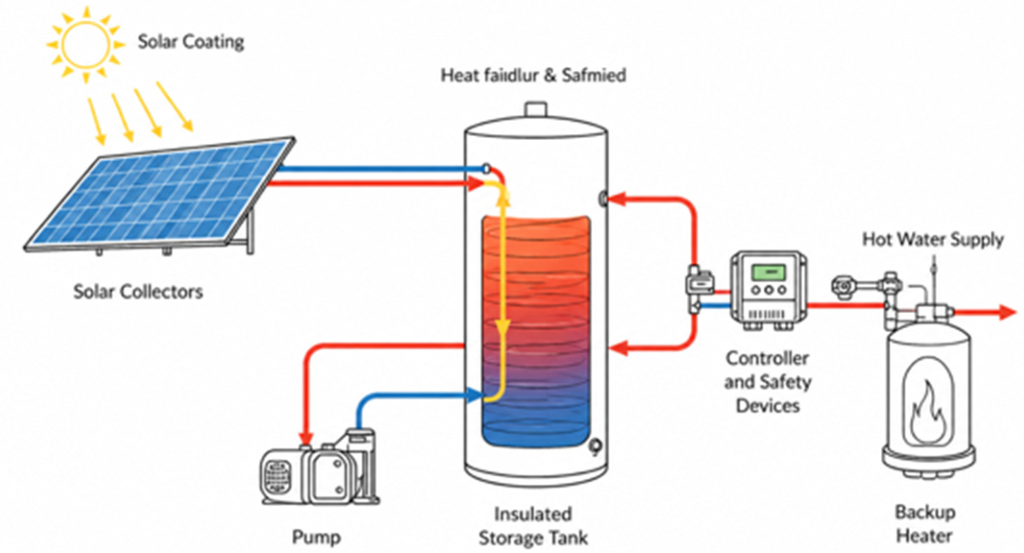
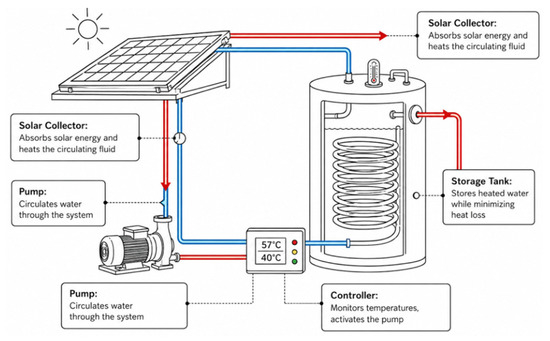
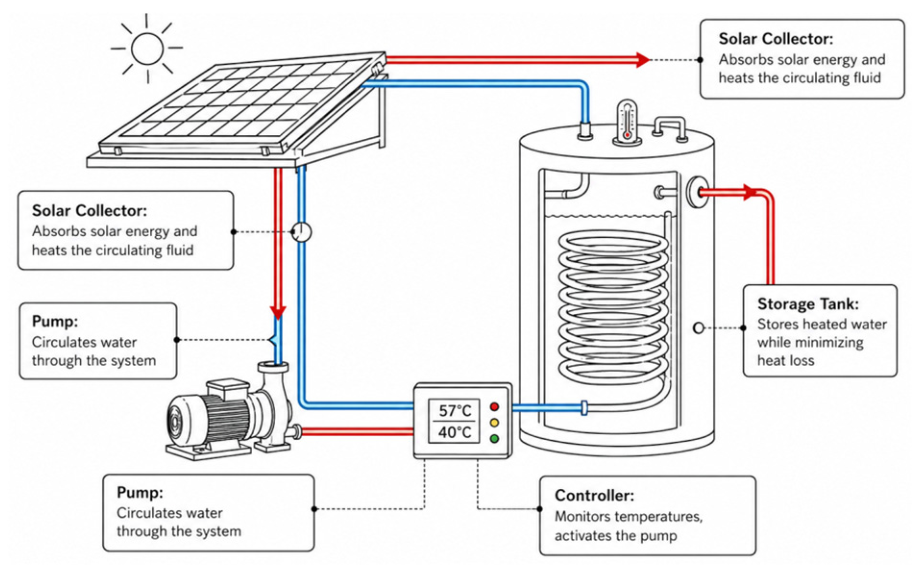
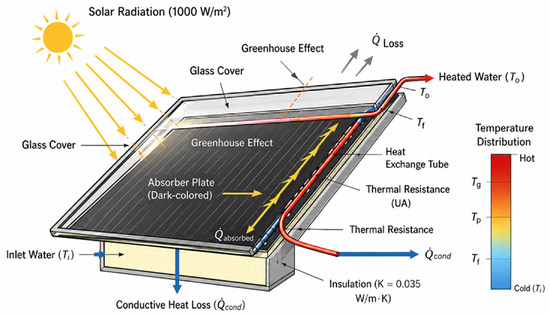
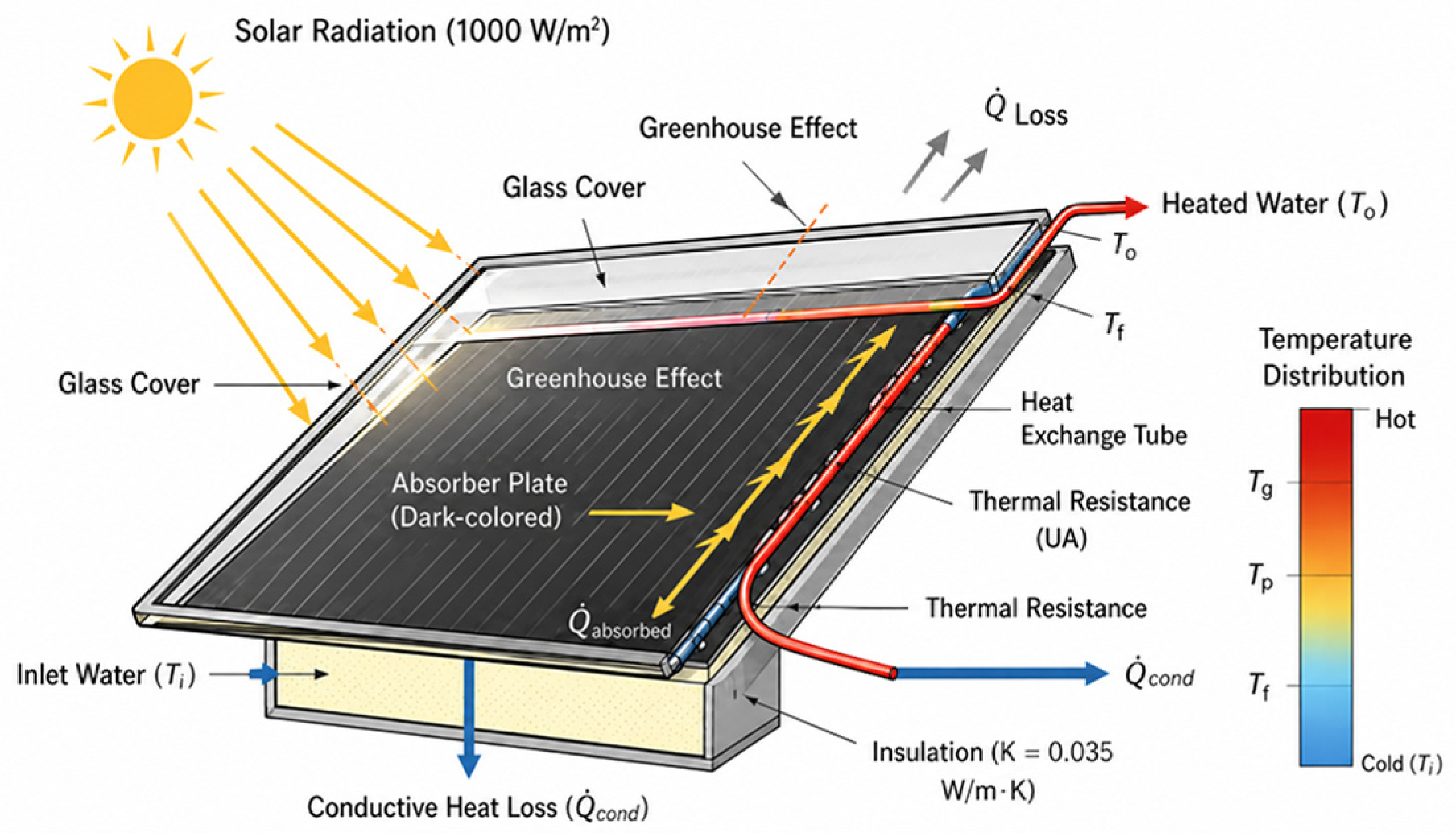
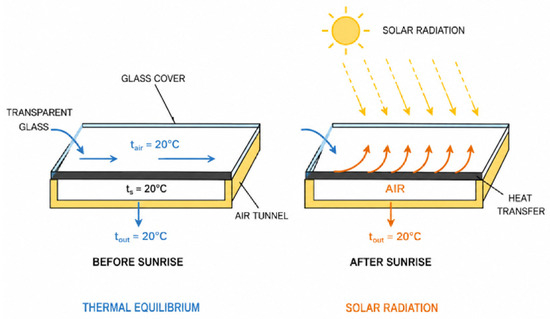
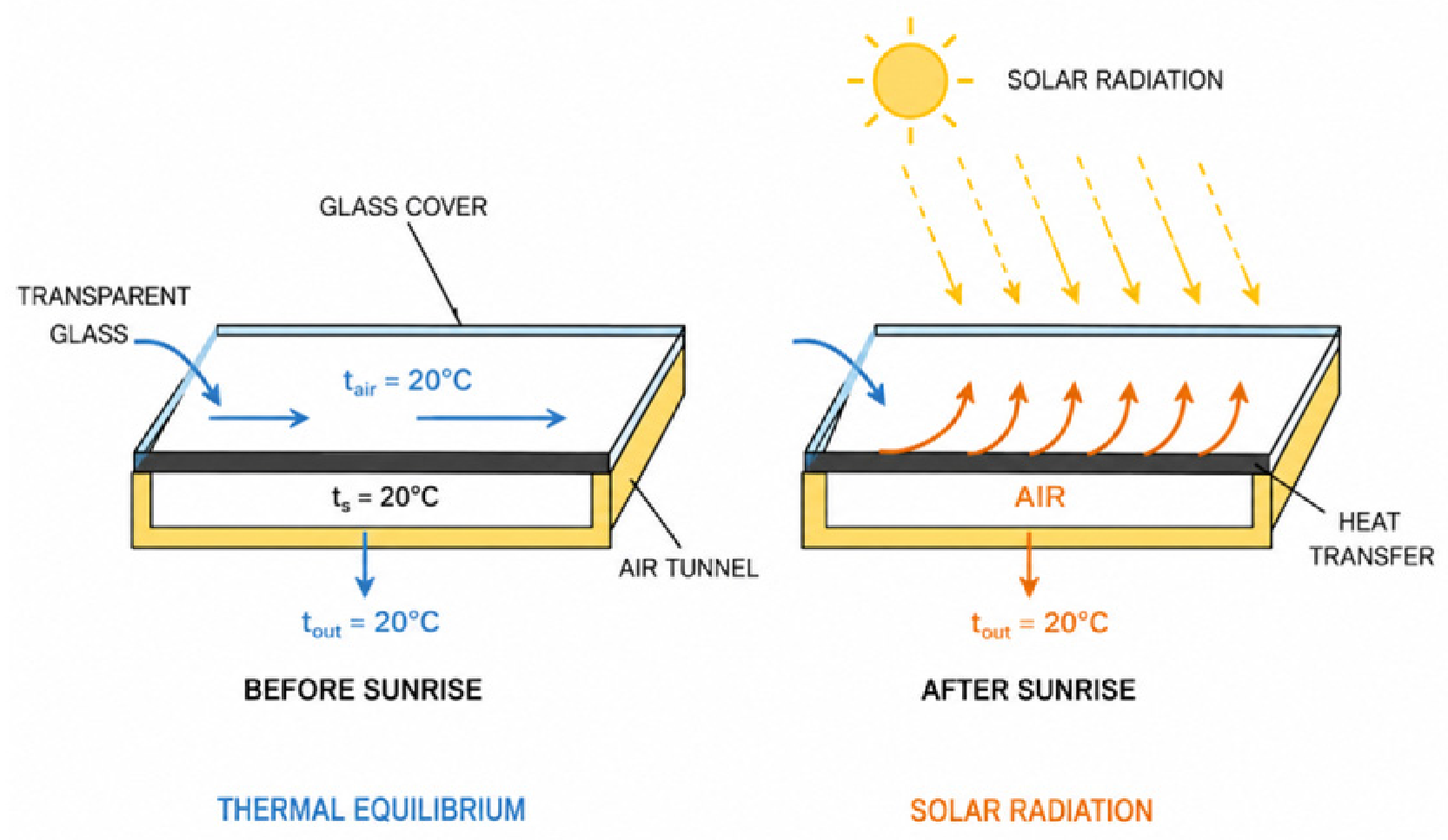
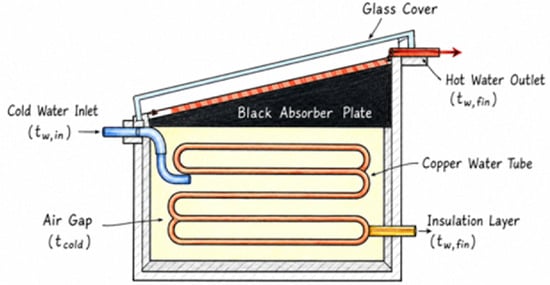
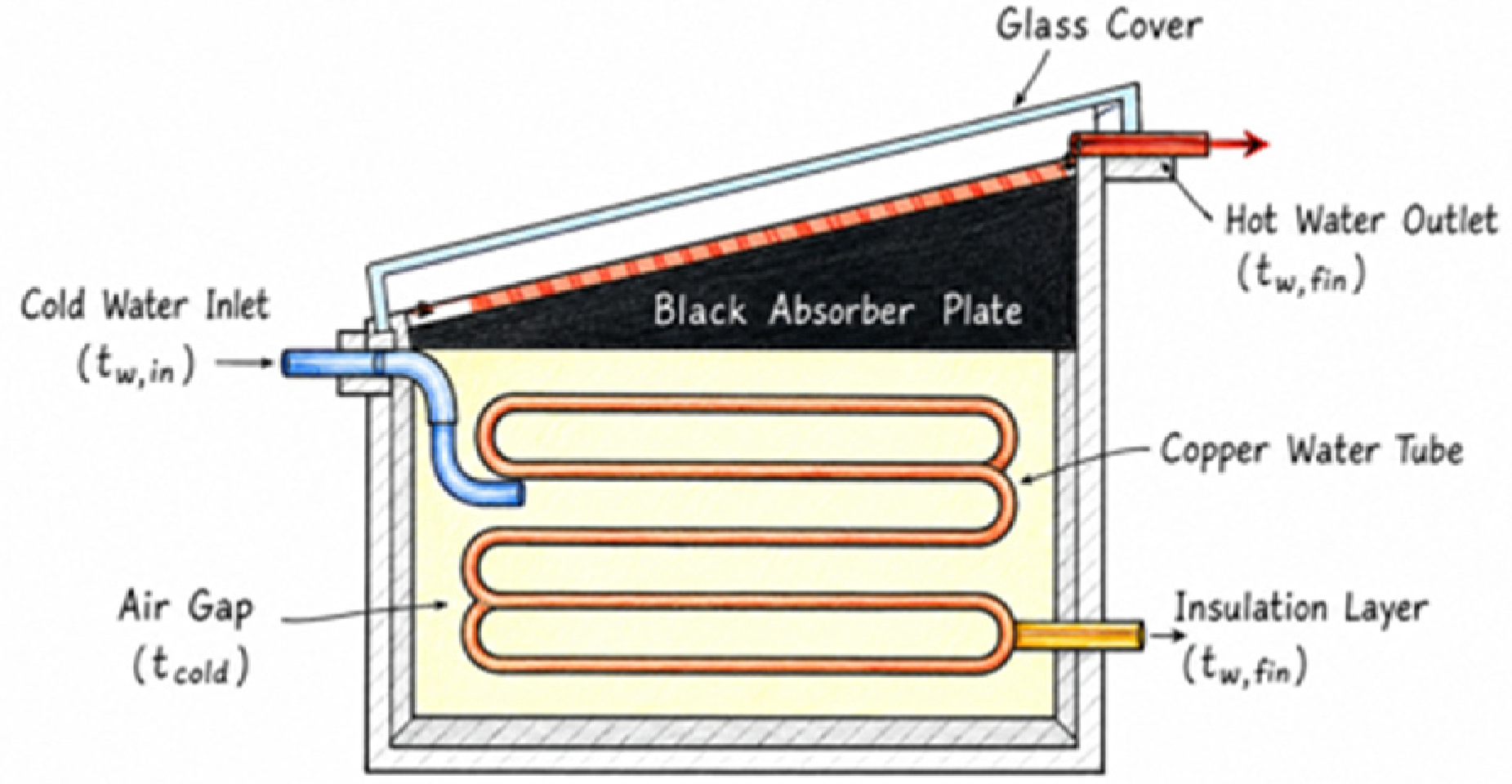
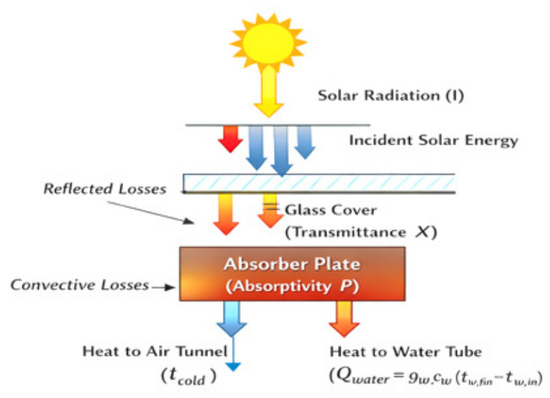
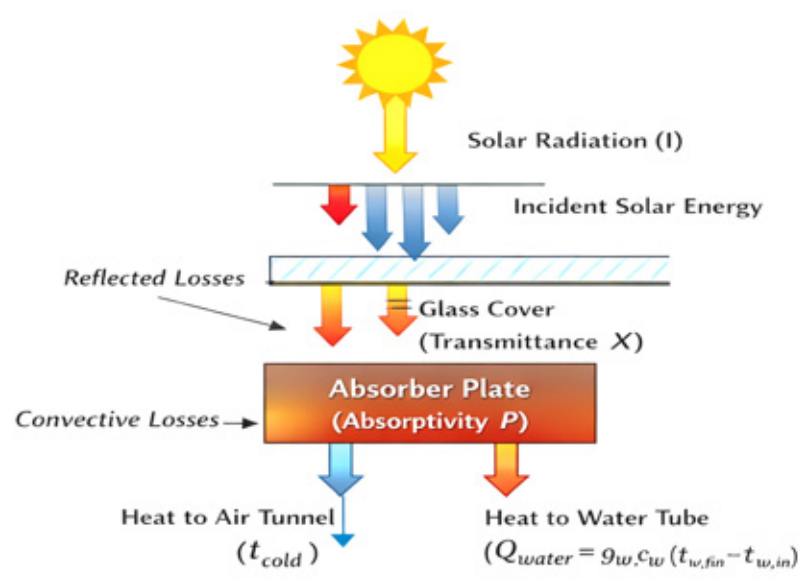
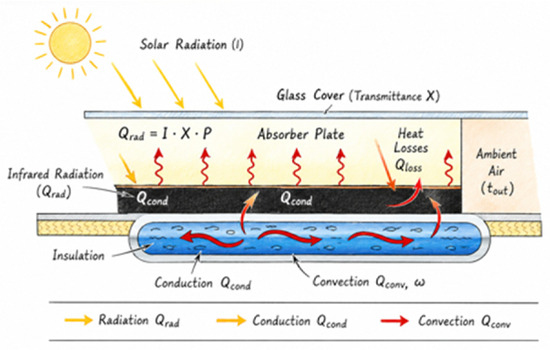
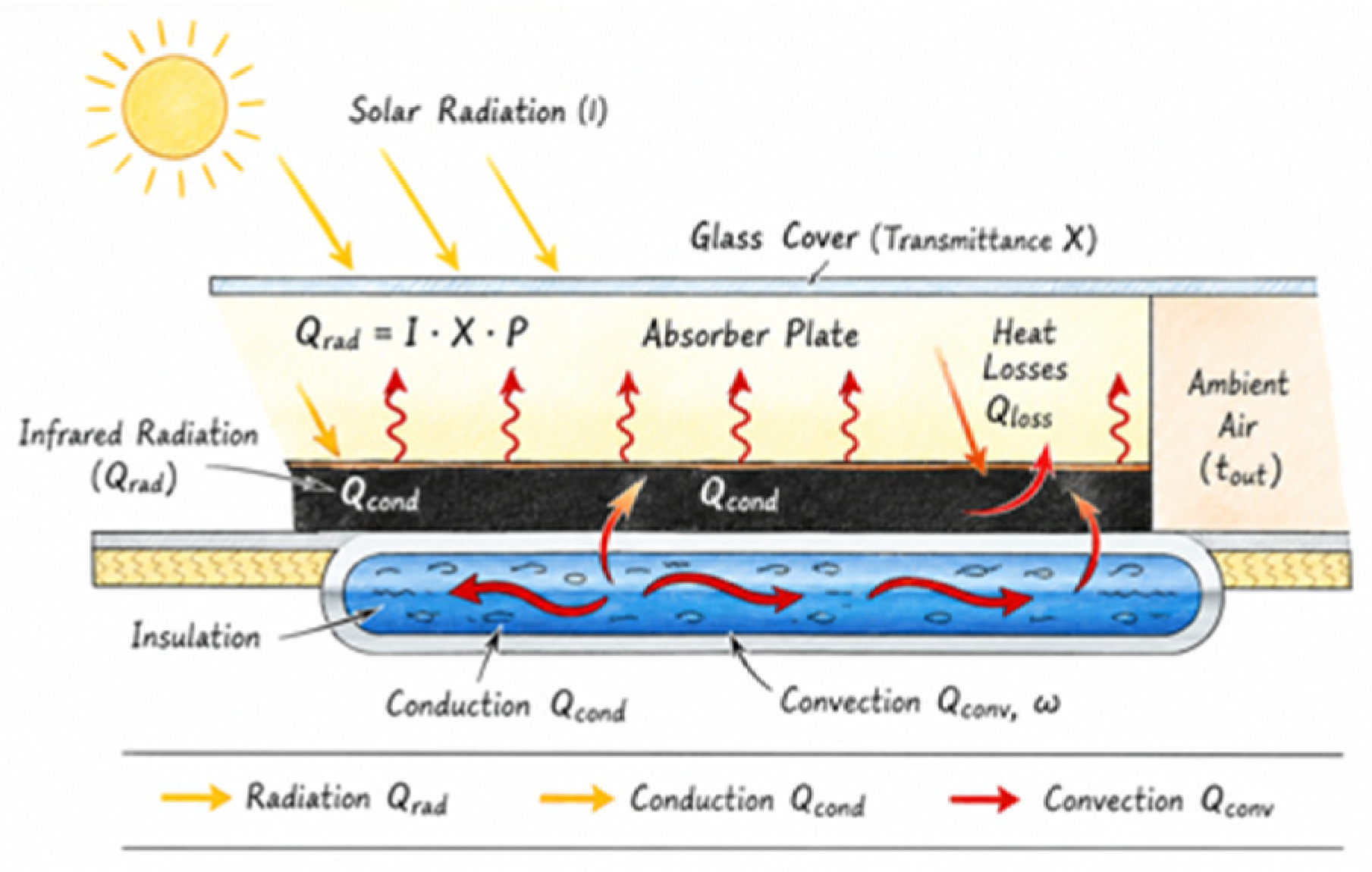
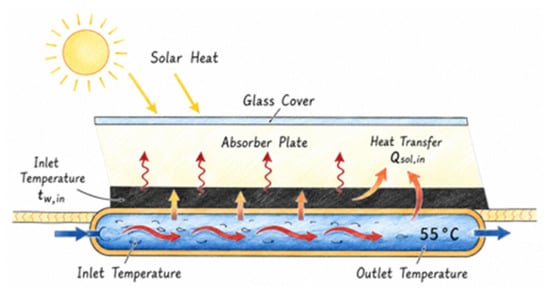
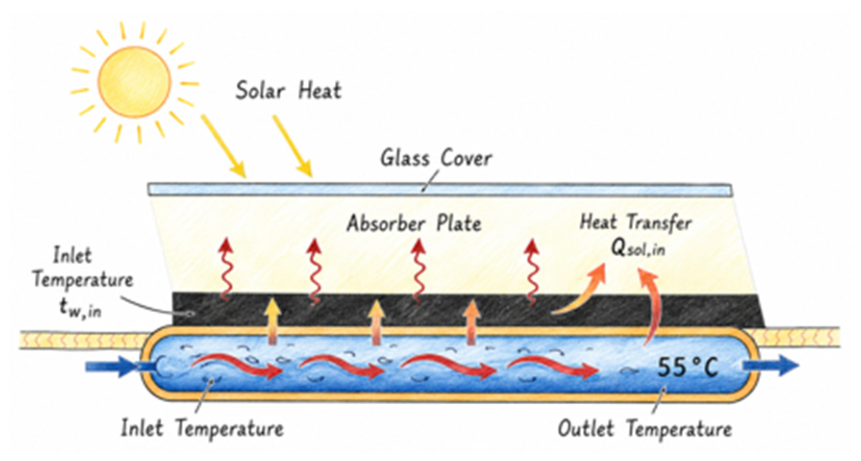
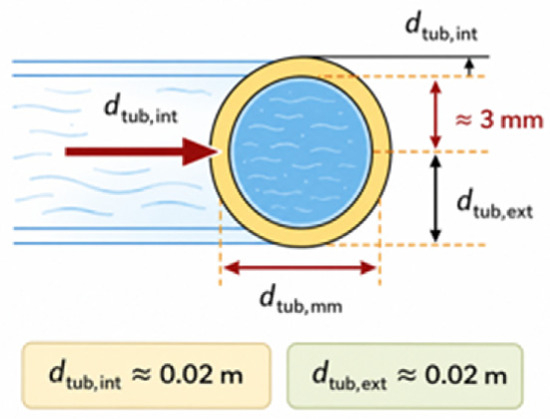
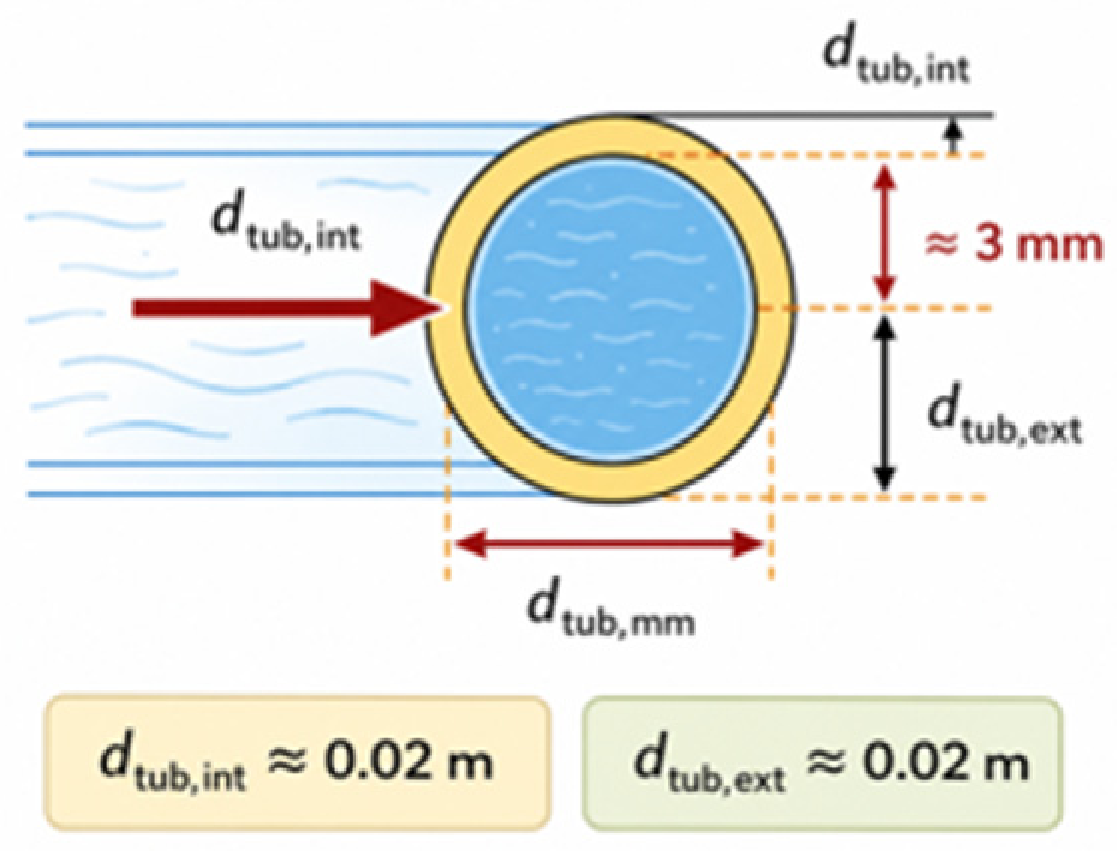
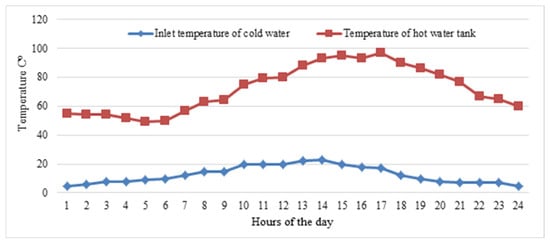
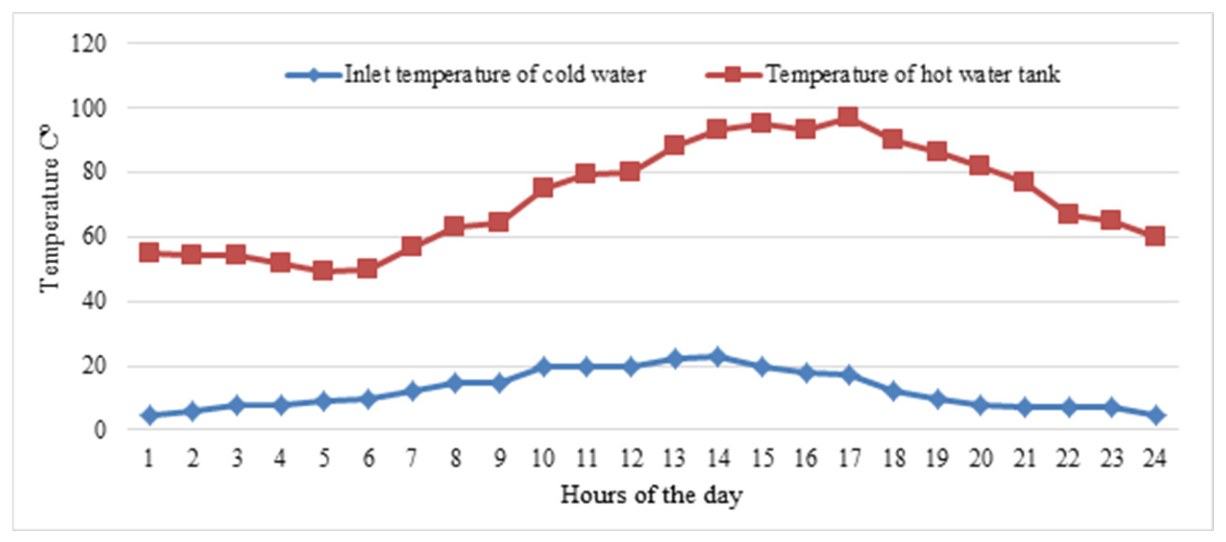
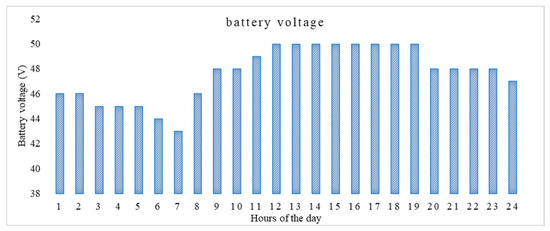
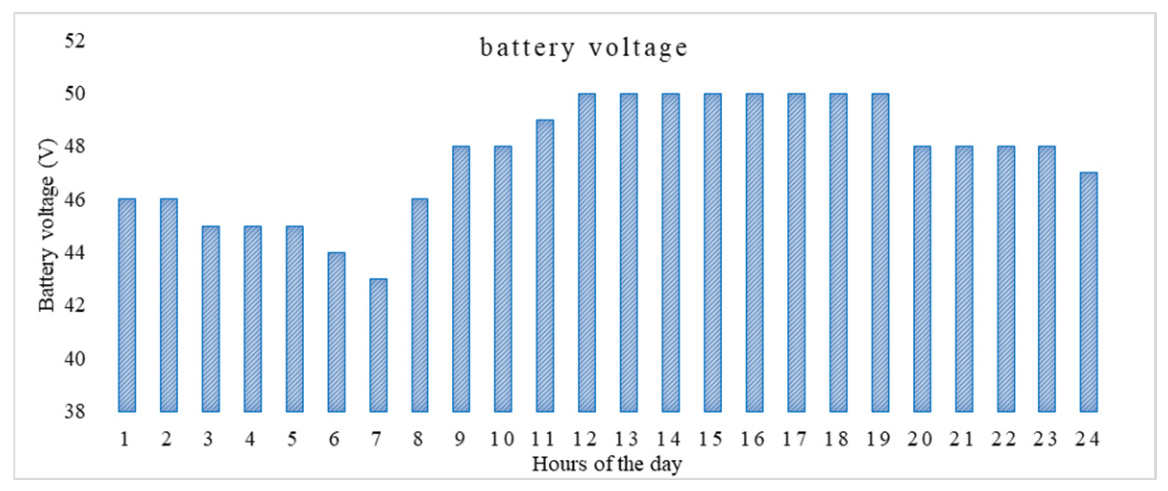
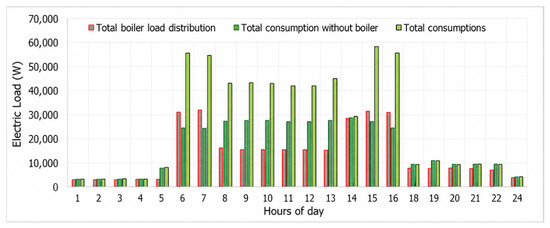
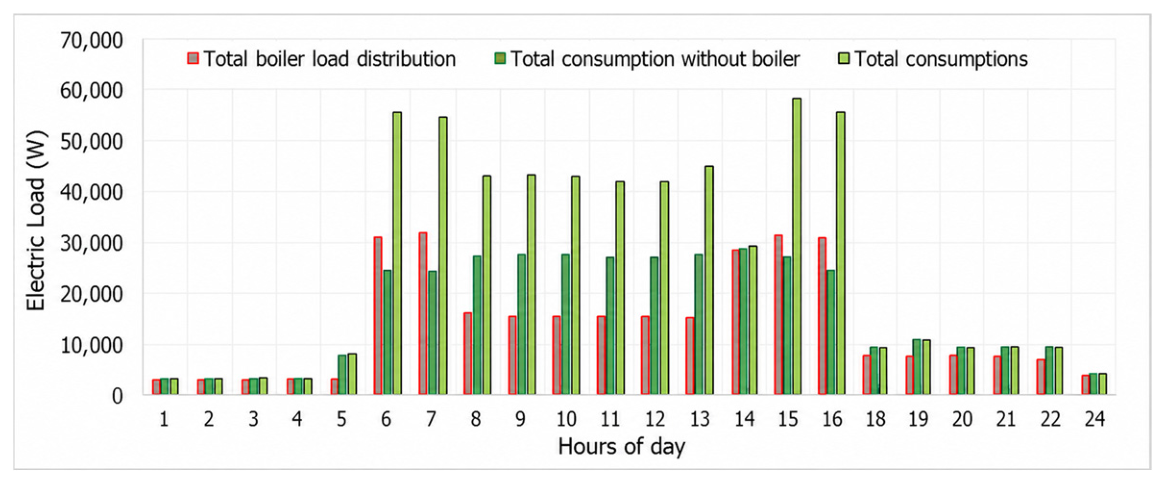
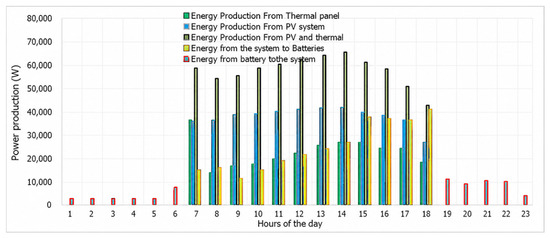
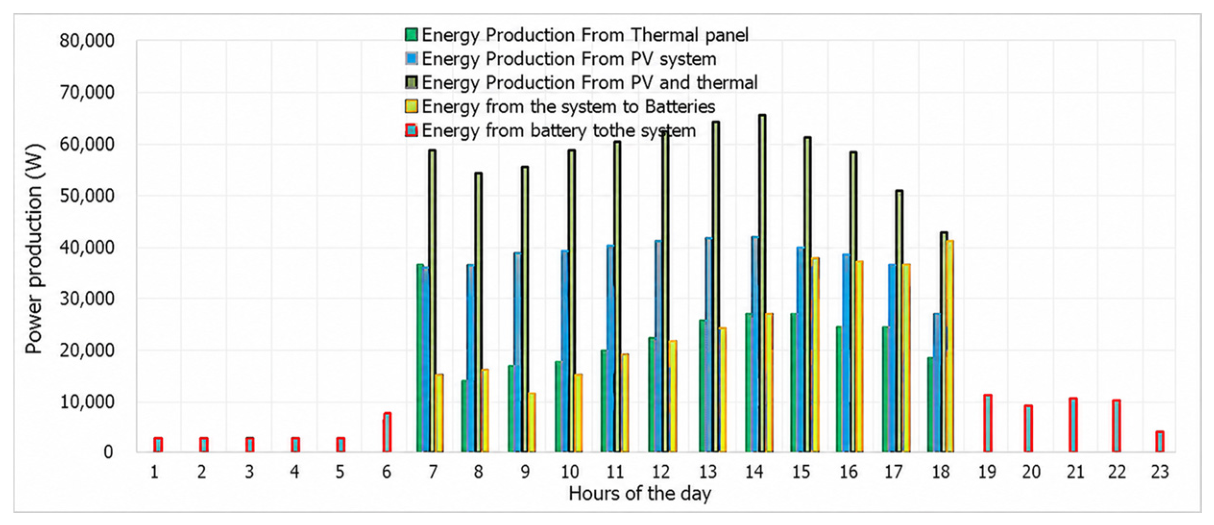
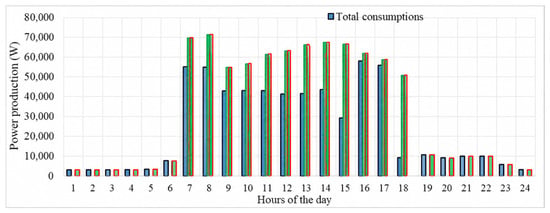
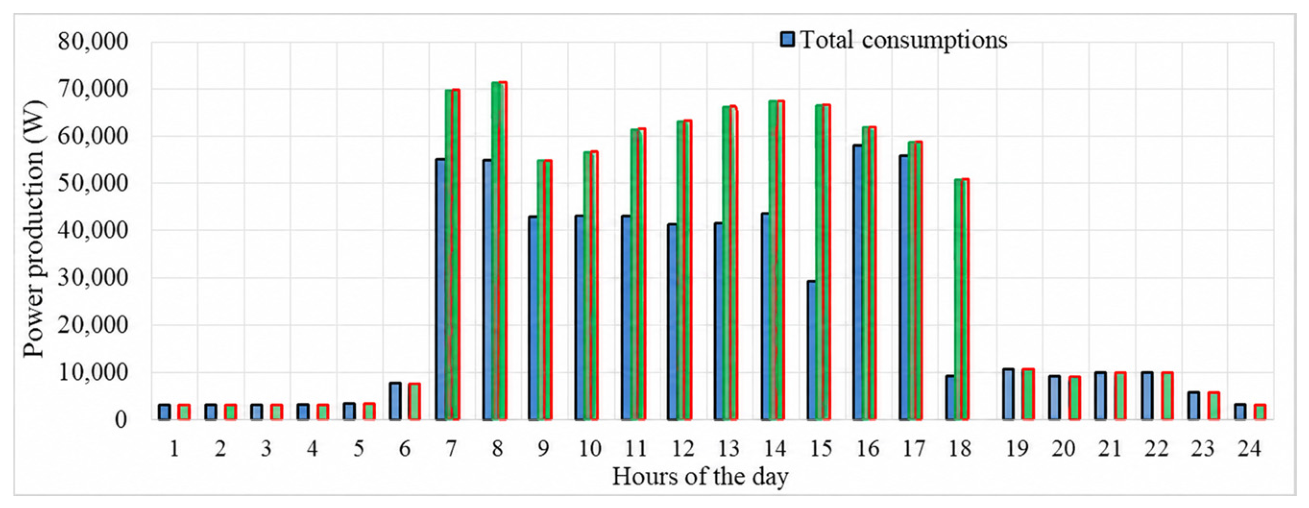
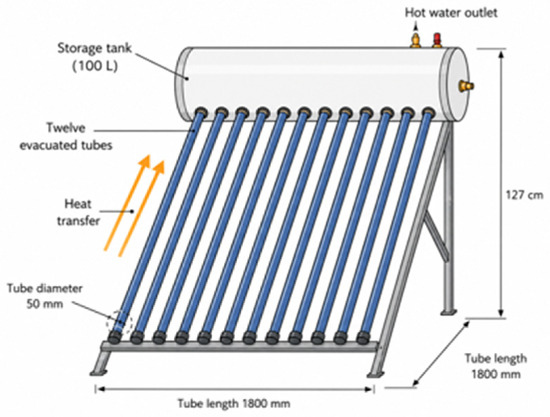
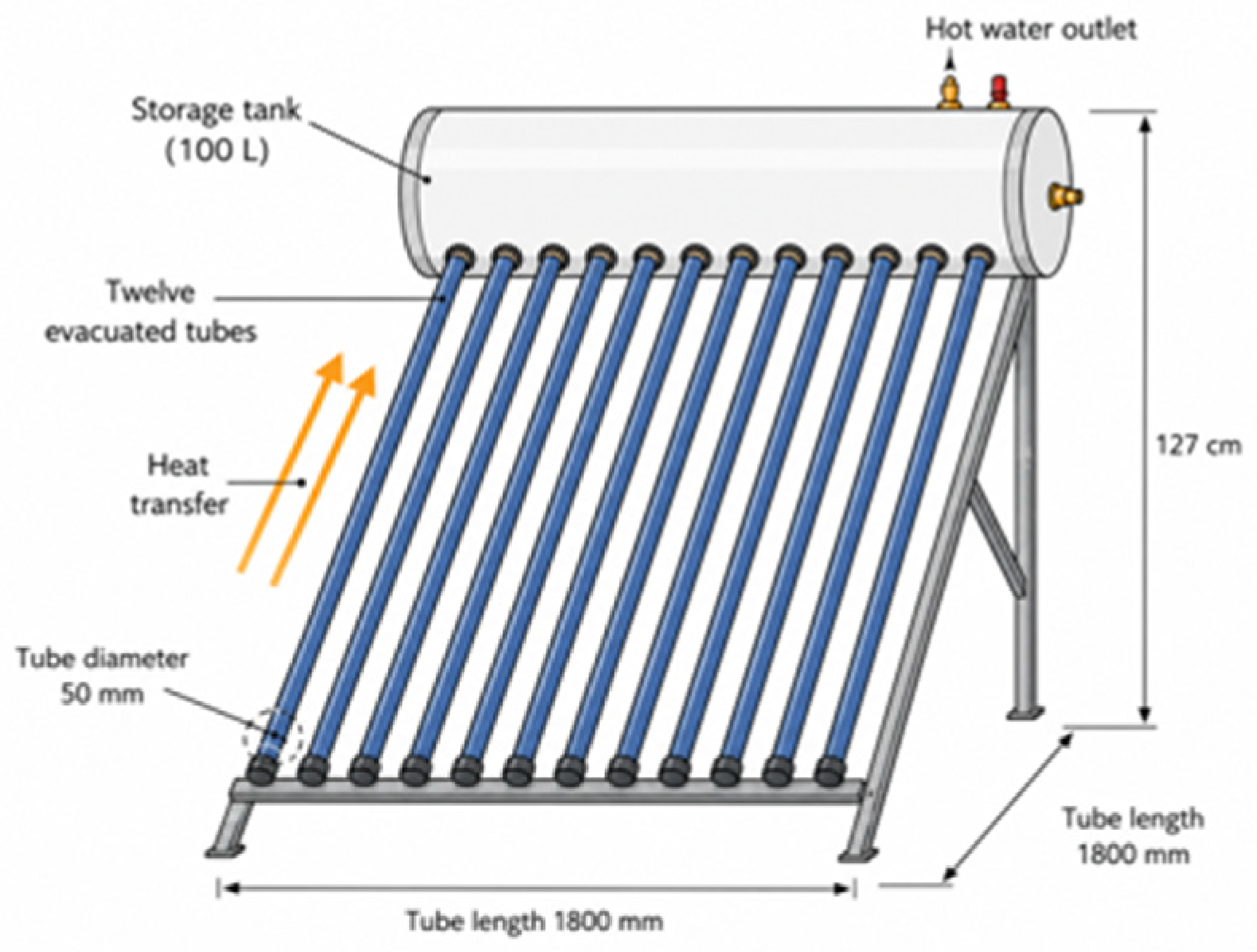

Disclaimer/Publisher’s Note: The statements, opinions and data contained in all publications are solely those of the individual author(s) and contributor(s) and not of MDPI and/or the editor(s). MDPI and/or the editor(s) disclaim responsibility for any injury to people or property resulting from any ideas, methods, instructions or products referred to in the content. |
© 2026 by the authors. Licensee MDPI, Basel, Switzerland. This article is an open access article distributed under the terms and conditions of the Creative Commons Attribution (CC BY) license.